
Winter Spring Summer




Autumn
Hello and welcome to the 2024 edition of Blue Ink!
This year’s theme is “Our Seasons in Writing”, showcasing all our various mediums of work through the course of the changing seasons.
Every piece featured in the magazine fits into a certain “season”. This magazine features a wide range of works from students of all grade levels.
I selected this theme for the magazine in hopes of being able to envelop readers into the beautiful world of art and writing through the beauty of the seasons.
I hope you enjoy immersing yourself in the wonderful works of the students at The Out-of-Door Academy!
 Grace Chren ‘27 - Lead Editor Mrs. Mulvihill- Facilitator

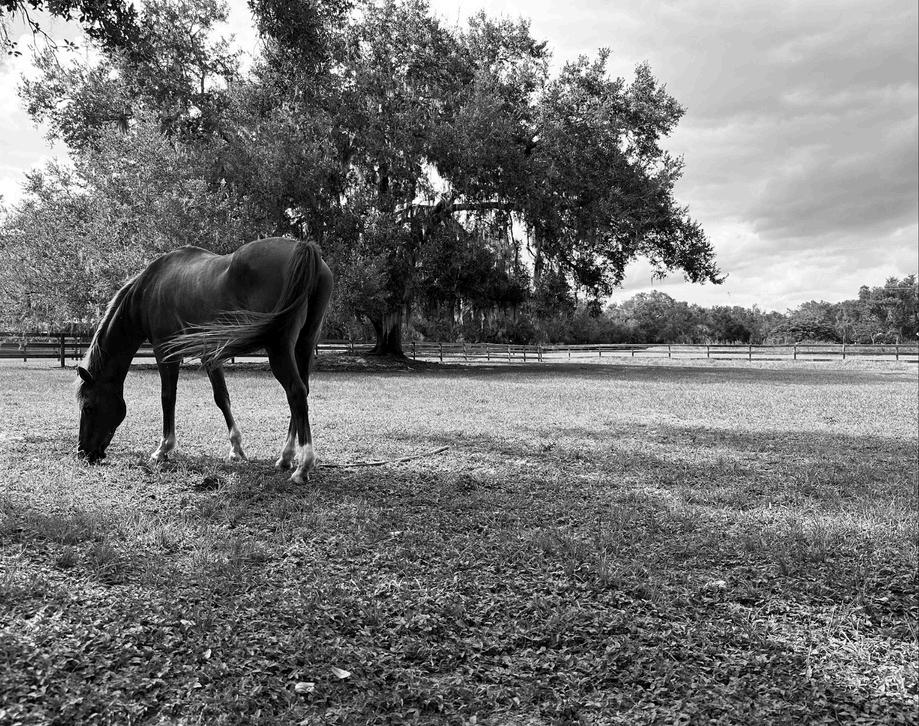
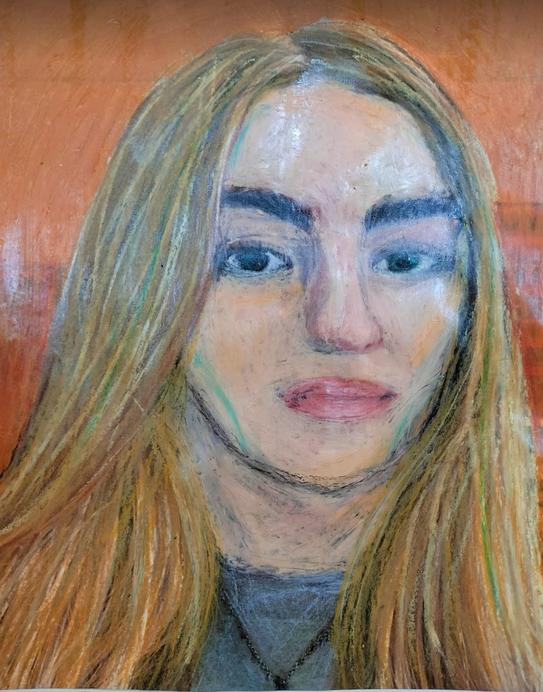
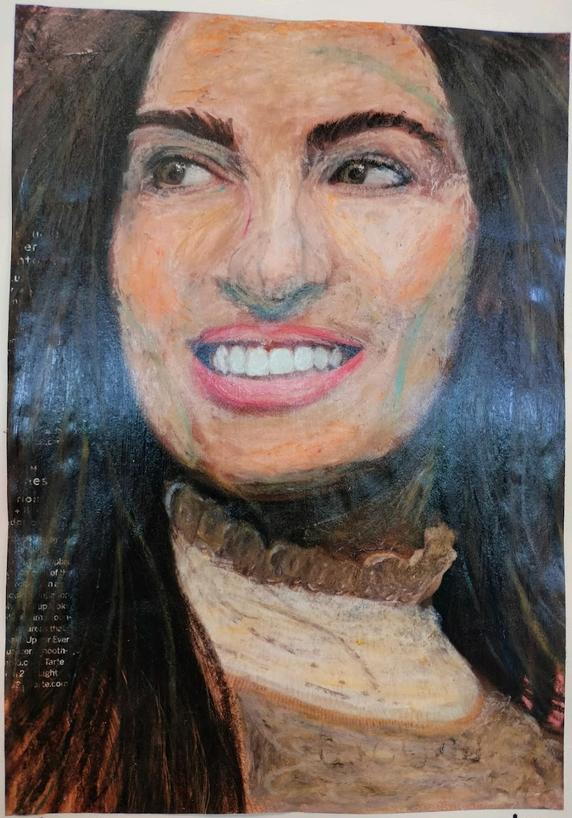
 Eva Hurlebaus ‘27
Mia Jordan ‘26
Eva Hurlebaus ‘27
Mia Jordan ‘26
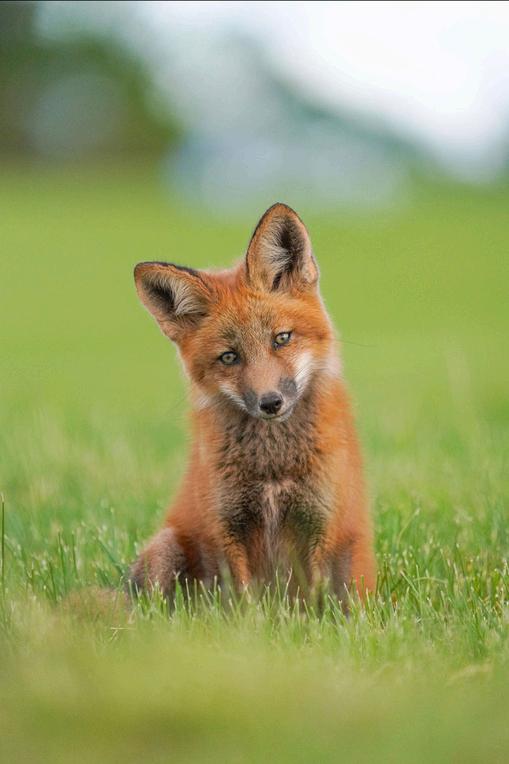
 Jack Appleton ‘24
Jack Appleton ‘24
Jack Appleton ‘24

 Emma Arrigo
Hanna Hornung
Emma Arrigo
Hanna Hornung

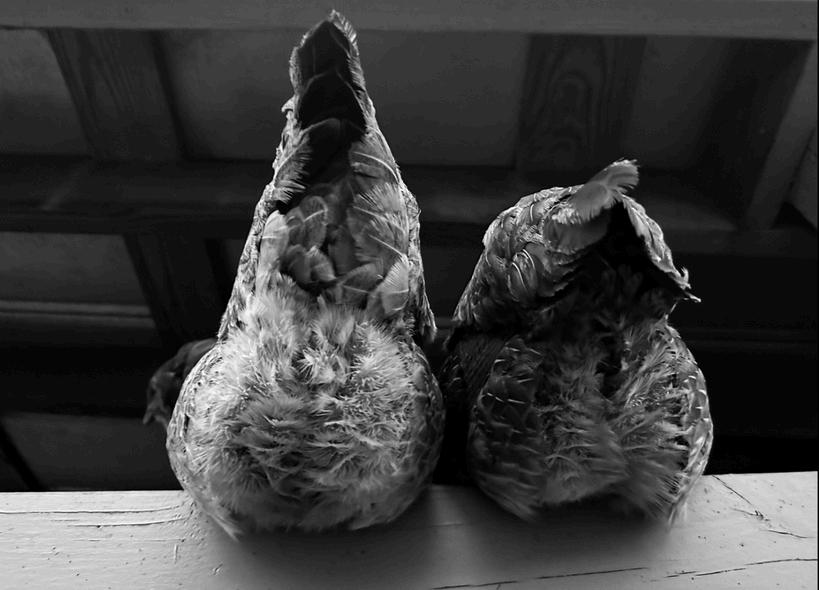
Jack Appleton ‘24 Brooke Meyers ‘27


Winter’s End
The frost once known to me slowly fades away,
Like an old acquaintance, who’s recollections I slip out of. Nature once adorned with snow Tolerates its true colors appearing yet again; While trees, Formerly grand and glorious, Become brittle and weak— Their frailest moments, No longer suit to withstand the world.
As time runs away, In a rush to flee,
Like the winter’s dwindling day, The nightfall soon to greet me, Marking the minute of winter’s end Will allow me reminiscence, So to be welcomed as a friend.
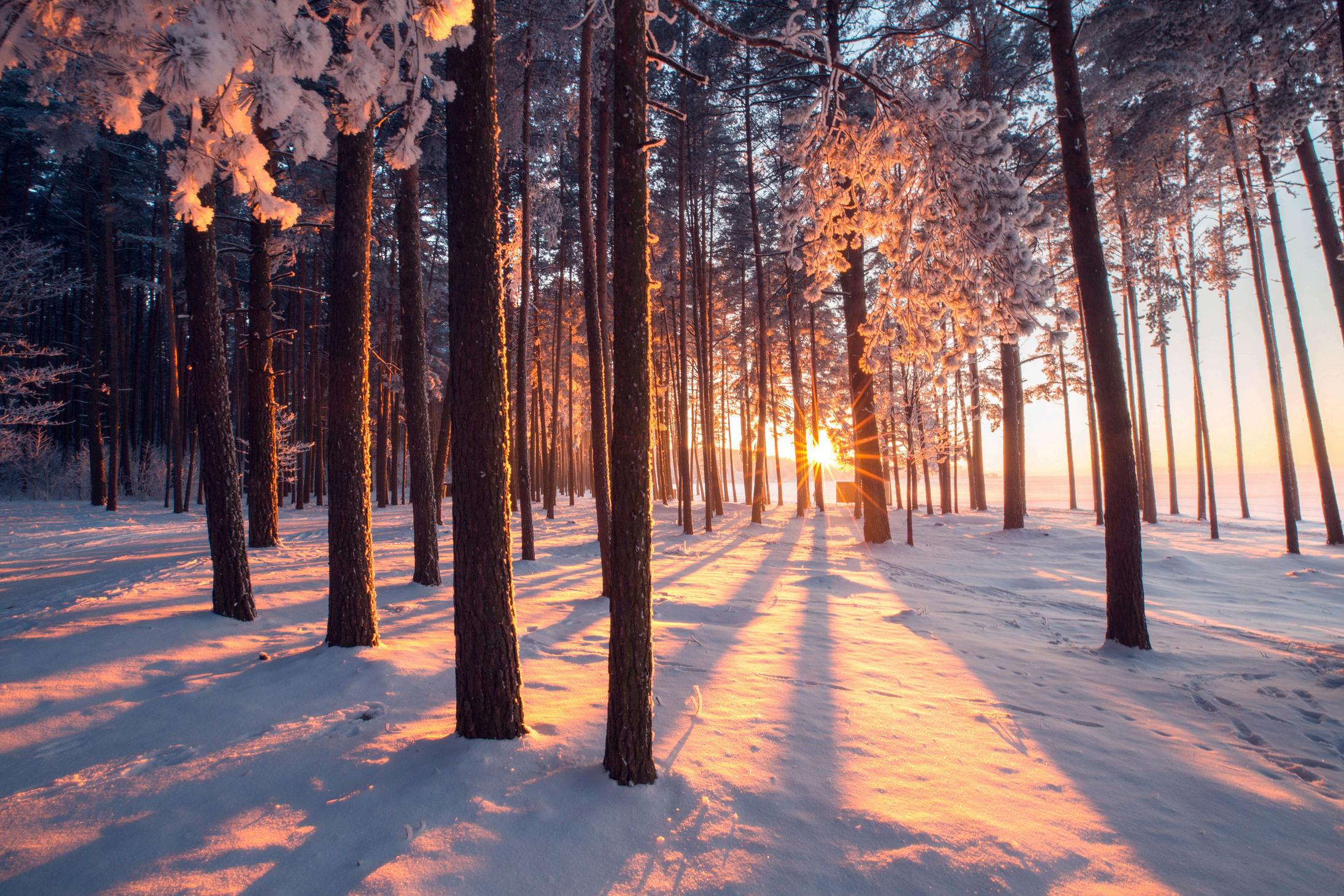 Grace Chren ‘27
Climbing
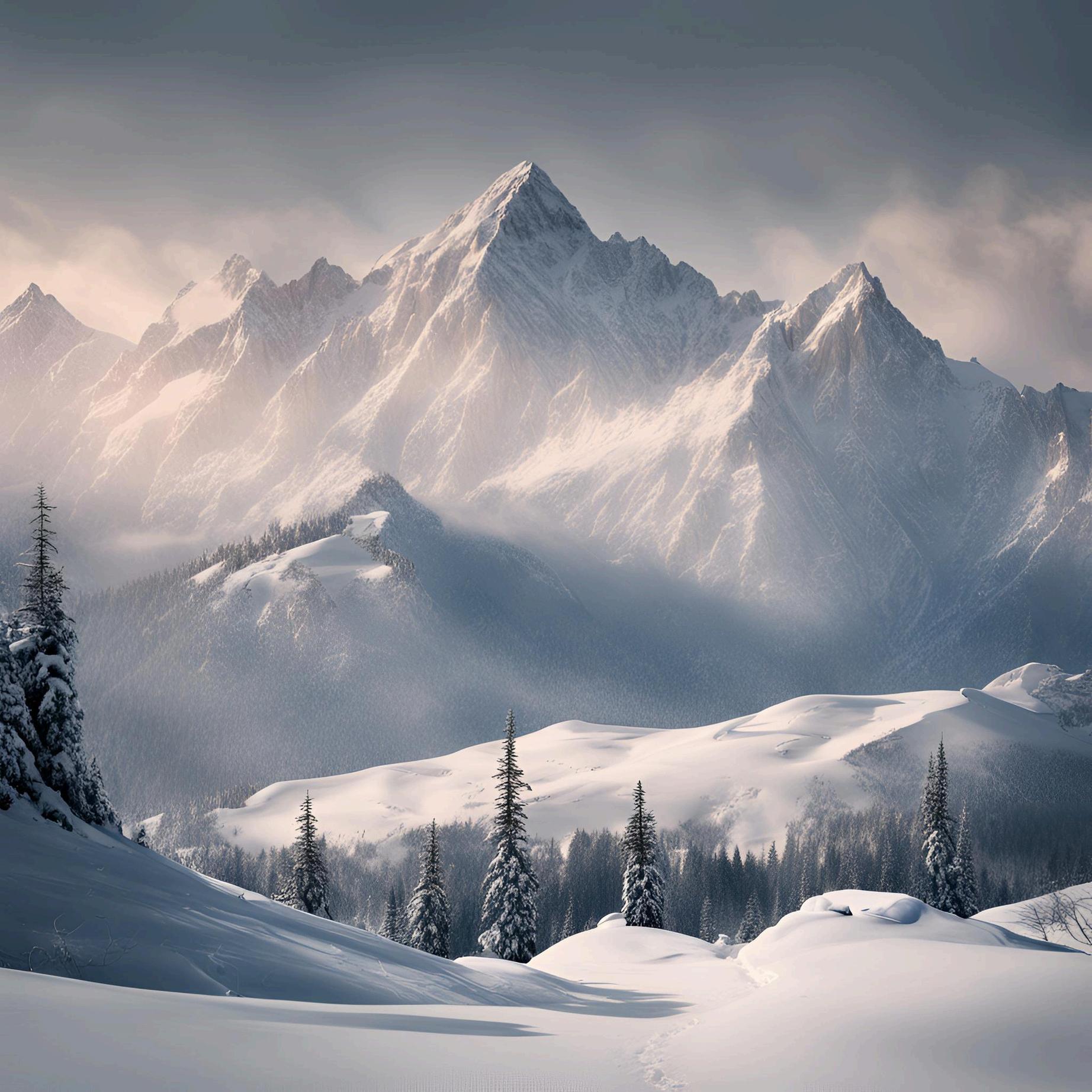
By Isabel Post
You are climbing a mountain, and you have no idea how long you have been climbing for, you can’t see the ground anymore, and clouds are far below you. Your feet have blisters, and your hands are so worn, they are bleeding.
The top isn’t that far away, when you see a hand reach out to you, you peer at it, it looks fuzzy. You are so tired, you aren’t even sure if that’s a hand.
You have worked so hard to get to this point, and decide to get to the top yourself. Your hand reaches over the top, and you haul yourself onto the top of the mountain. You look around, but there is no one here.
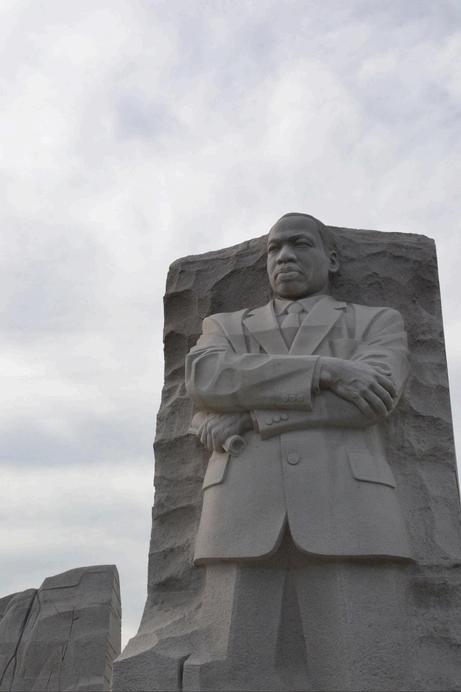
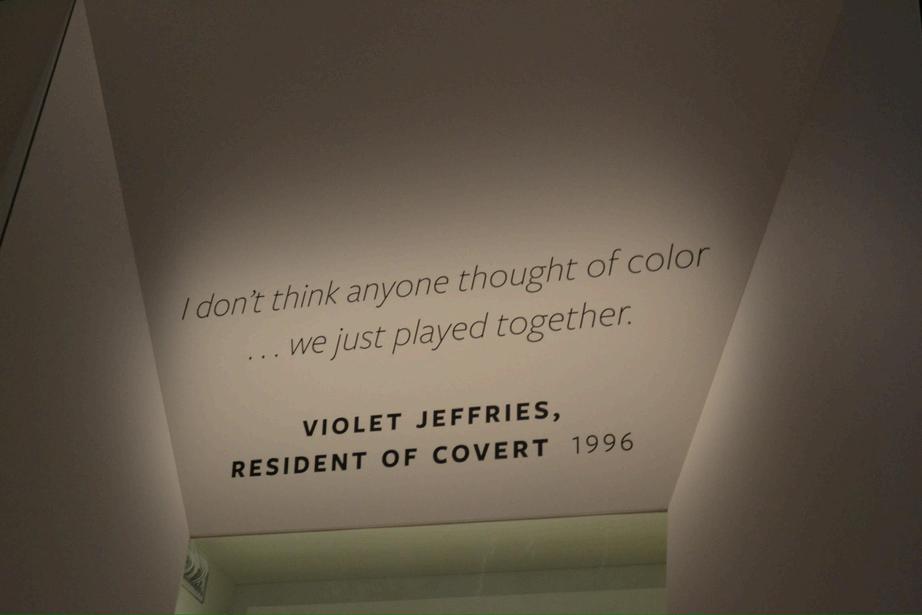
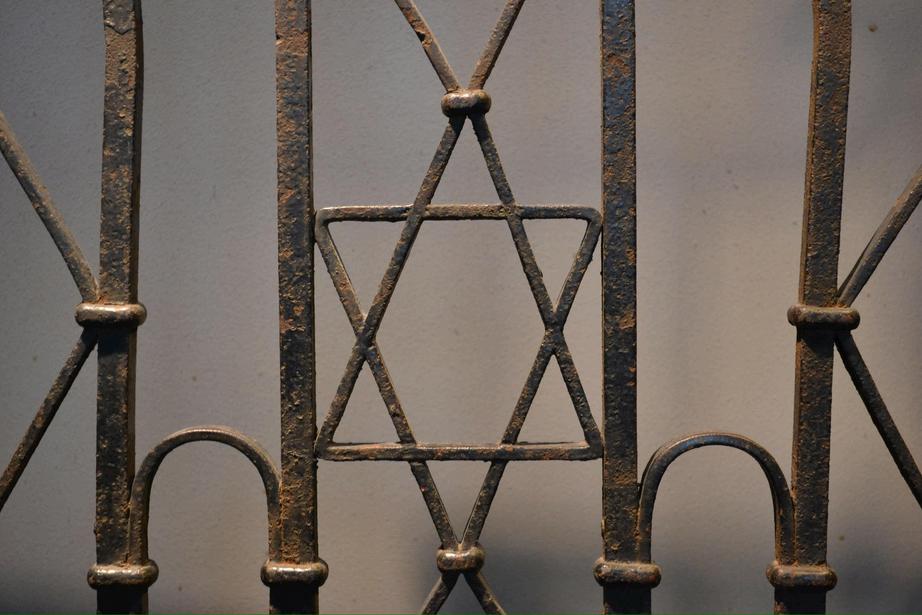
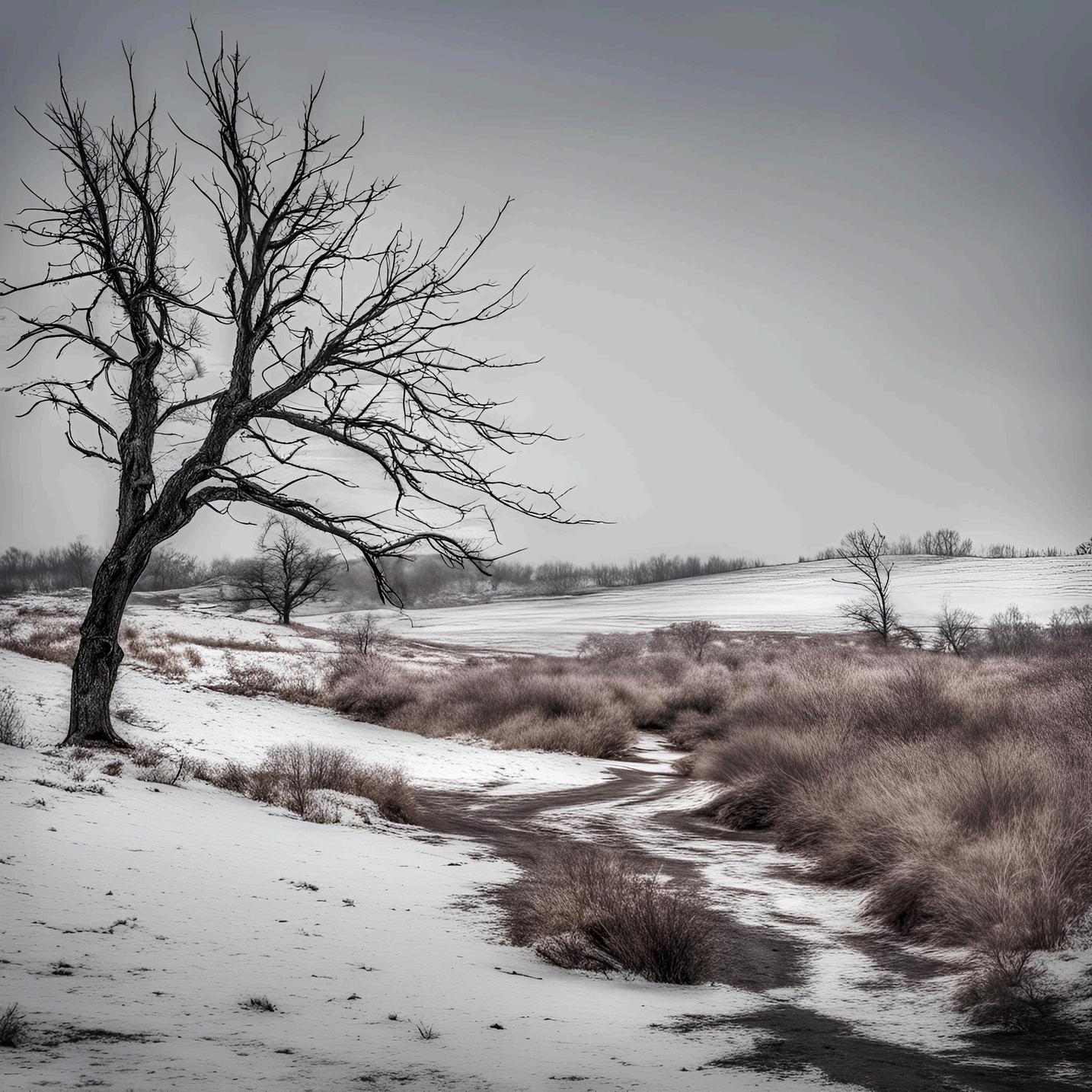 Photography by Sofie Roelens
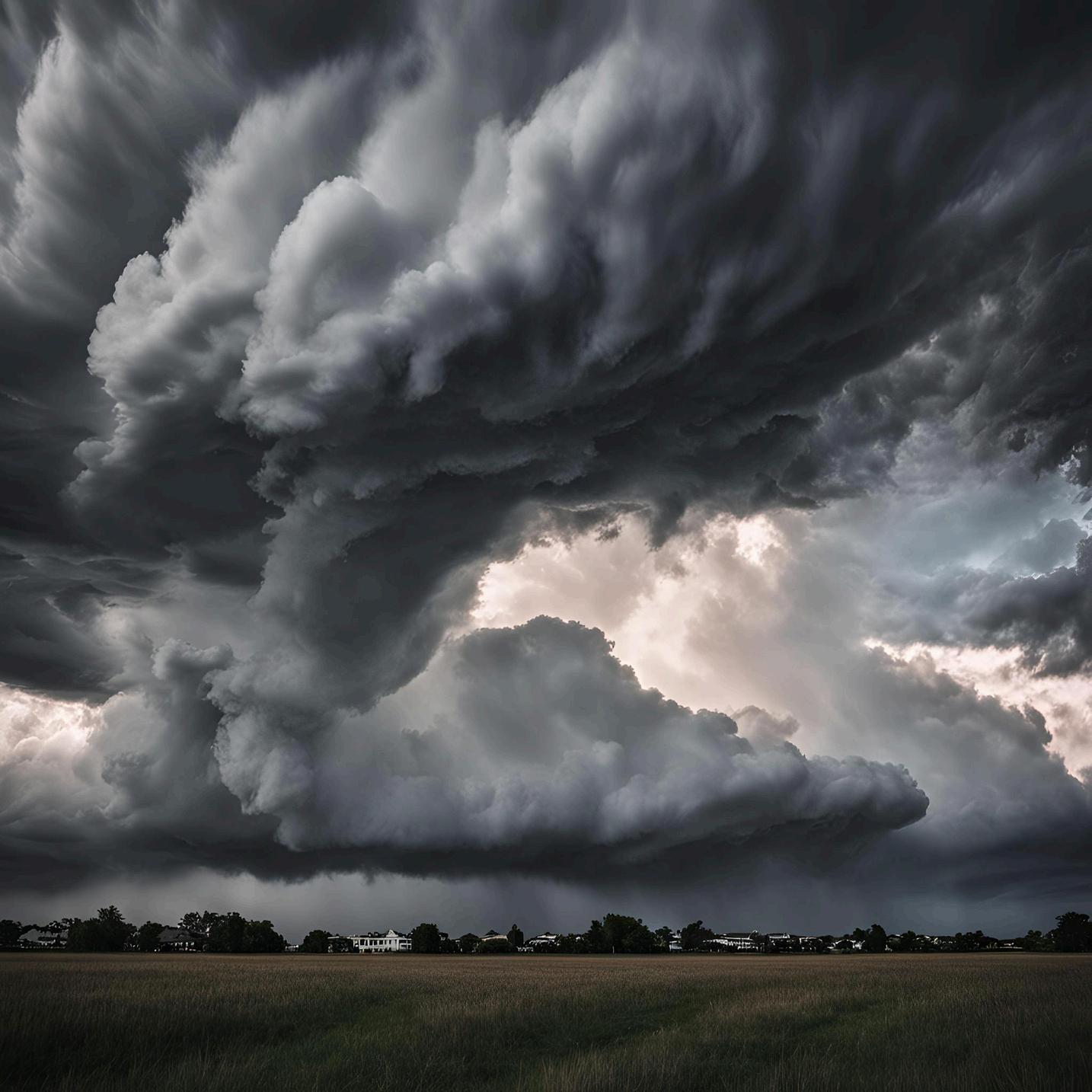 Bellerophon by Delaney Hermann
Bellerophon was going to Mt. Olympus. That’s what he had decided. Going to Olympus would show the gods that he is truly the hero the city of Tiryns and their king Proetus seemed to think he was
Bellerophon stroked the mane of Pegasus, the winged horse he had tamed. Pegasus’ coat was white as snow, with his golden bridle shining like the sun. Bellerophon wondered often whether if he were to take off the bridle, Pegasus would still be loyal to him.
He mounted Pegasus and stroked his feathery mane. One more adventure. Pegasus took to the sky, spreading his wings as they spiraled higher and higher. Bellerophon looked down upon the city of Tiryns that seemed to get smaller the higher they went.
As they flew higher, the clouds in the sky around them began to darken Just keep going. We’re almost there. As they got closer to Olympus, the clouds became angrier. But he could almost see the silhouette of the beautiful architecture of Olympus, welcoming him. Soon, he was so close, he could almost reach the gate. Just a little farther!
A streak of lightning shot across the sky, and thunder boomed loudly soon after. Bellerophon closed his eyes.
Bellerophon was wielding a bow, trying to hit the bullseye on the target. He aimed his arrow and shot. He watched as his arrow flew off course, striking a bystander in the heart
Bellerophon was at Tiryns. He will complete the trials needed to have the blame lifted from his shoulders.
He was in Lycian City. The chimera stood before him, its mouth opened wide, ready to swallow Bellerophon whole.
He was holding the golden bridle in his hands, at the temple of Athena.
He opened his eyes. He was still clutching the bridle, but Pegasus was nowhere to be seen The bridle had broken in the flash of lightning, and Pegasus had fled The only thing Bellerophon could do was watch as the city of Tiryns seemed to get larger.

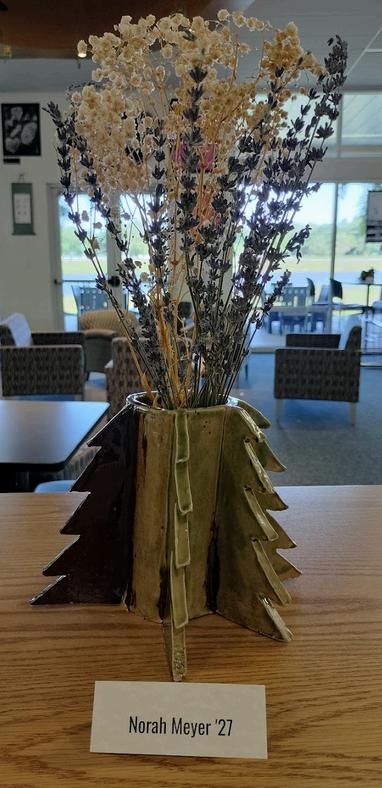
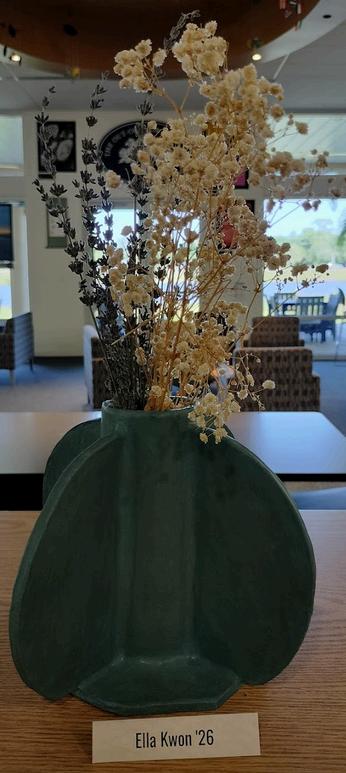
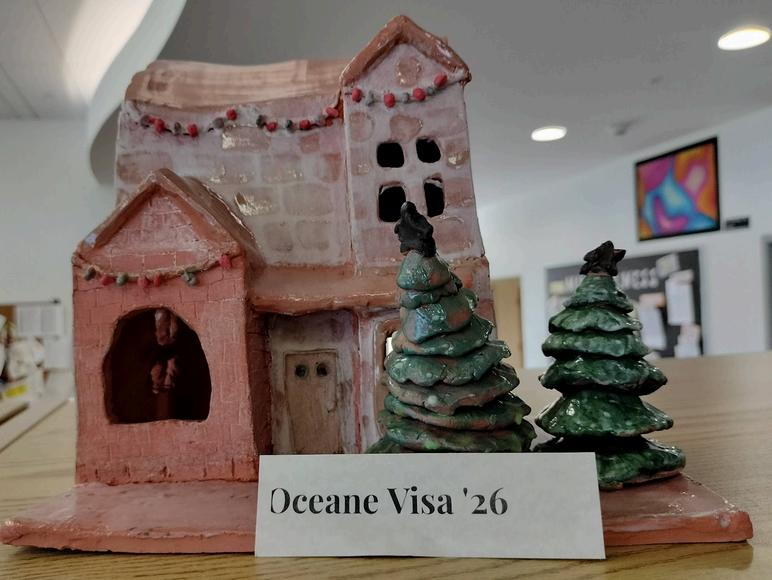

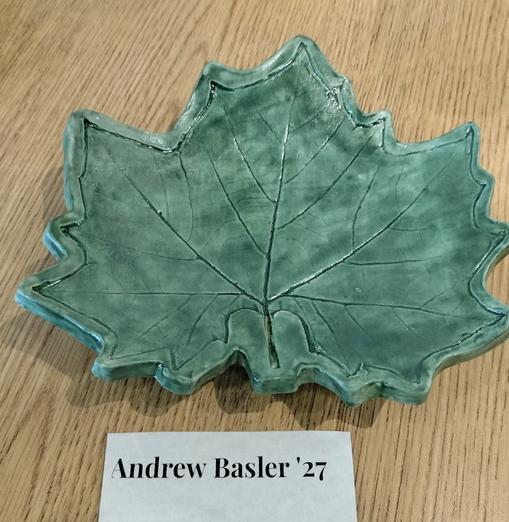
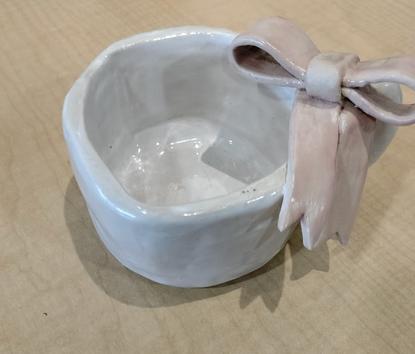
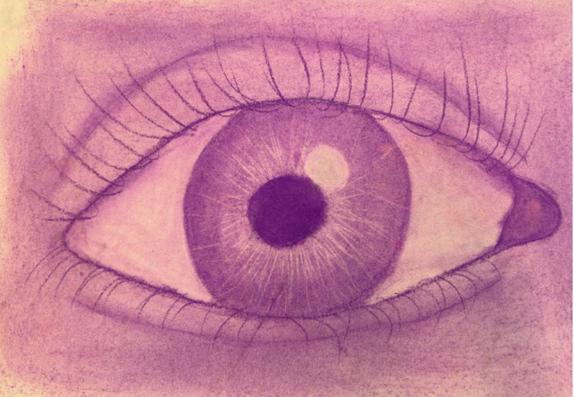 Mya Gruber
Bennet Kwakye-Amoah
Audrey Luke
Mya Gruber
Bennet Kwakye-Amoah
Audrey Luke
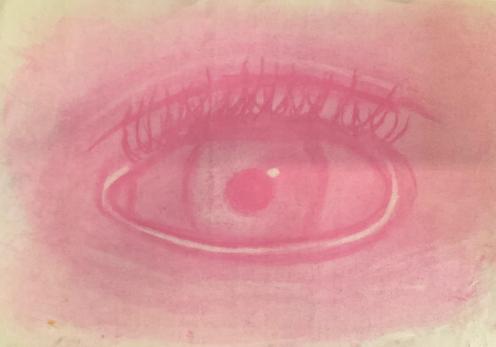
 Tristan Abrams
Steven Powers
Luca Zarghami
Katherine Bloodworth
Tristan Abrams
Steven Powers
Luca Zarghami
Katherine Bloodworth

 Finn Randall
Kayla Powell
Aubrey Meinhardt
Mack Strawn
Finn Randall
Kayla Powell
Aubrey Meinhardt
Mack Strawn
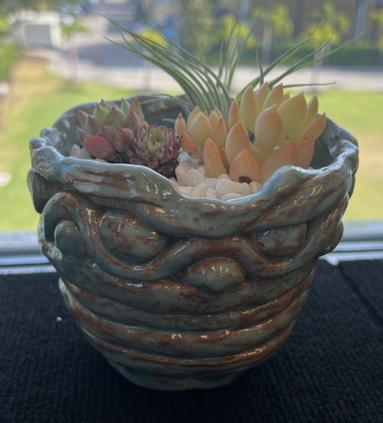


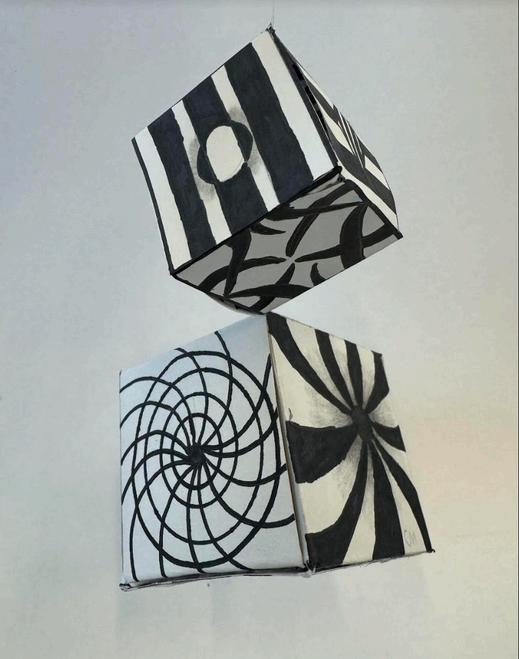
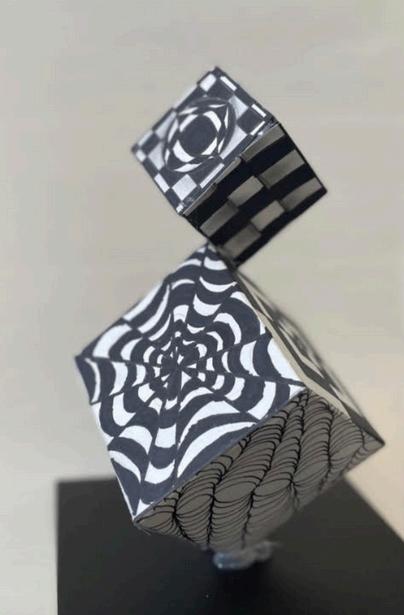 Gabriel Goldsteinl
Charlie Meyer Cora Kovatch
Damla Sargut
Gabriel Goldsteinl
Charlie Meyer Cora Kovatch
Damla Sargut
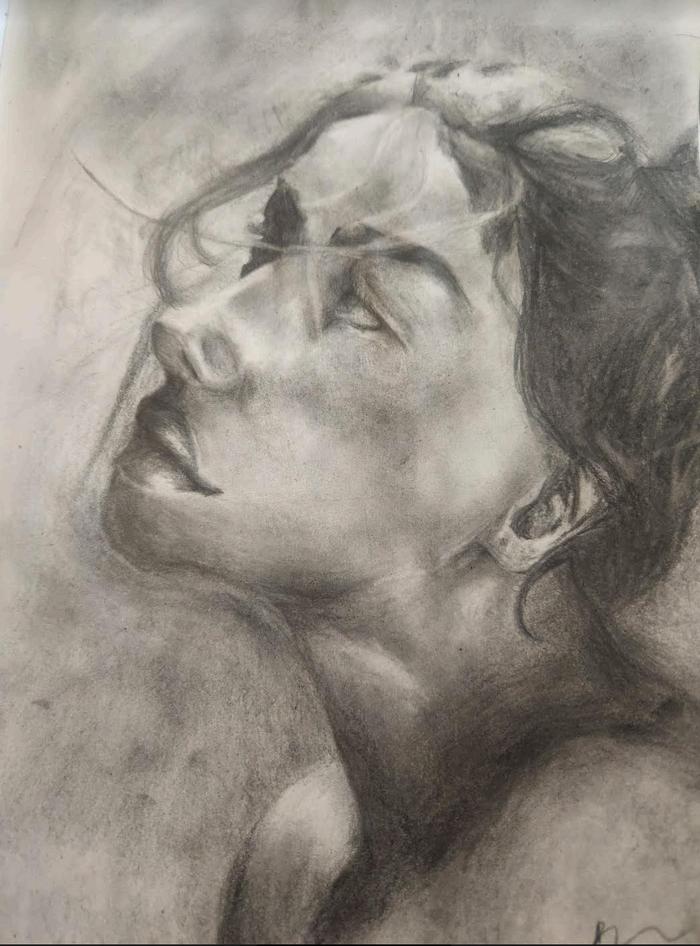
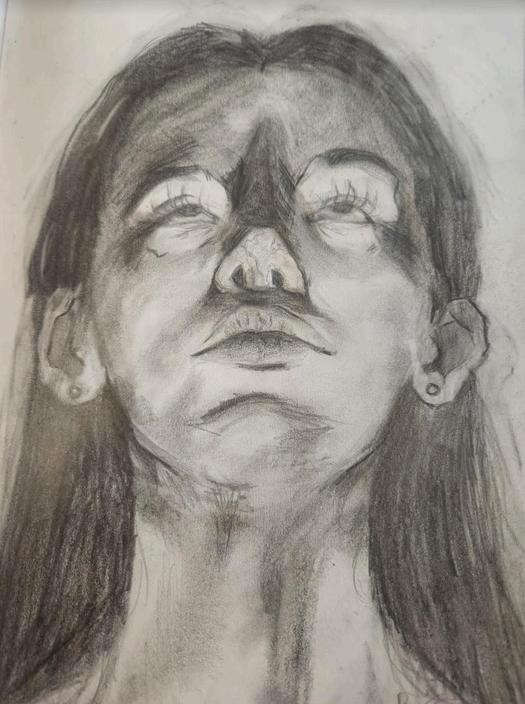 Artwork by Danica Kovacevic
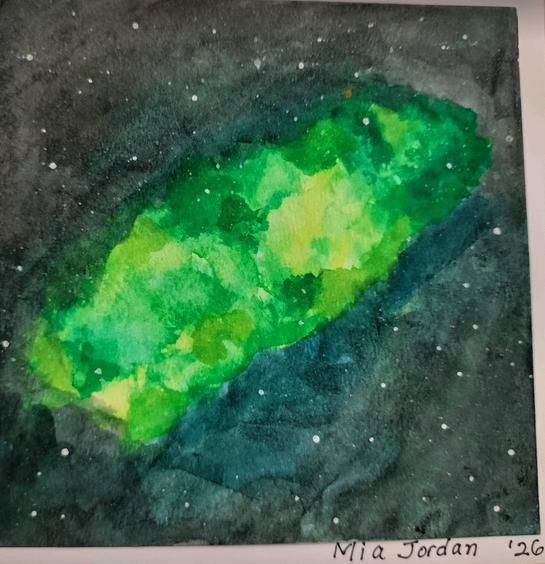
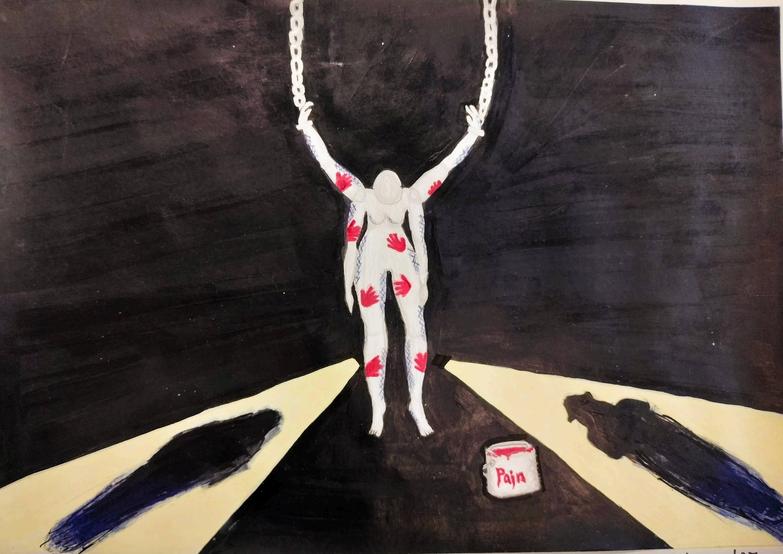
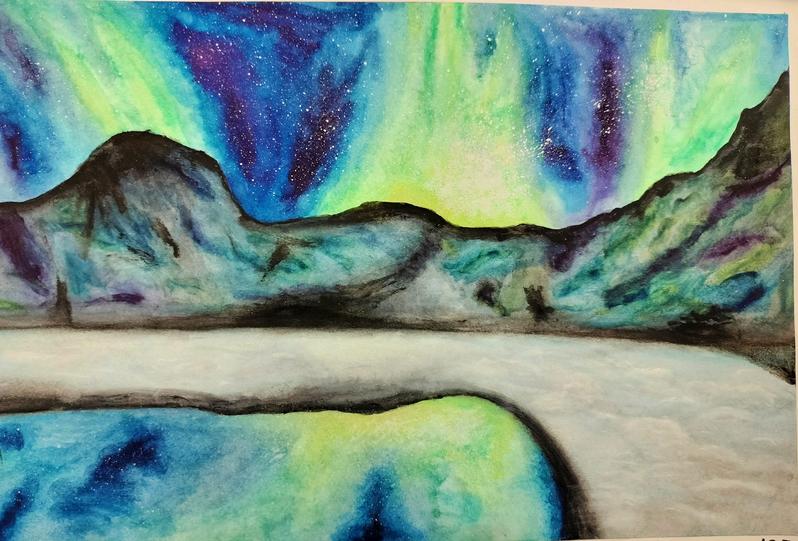

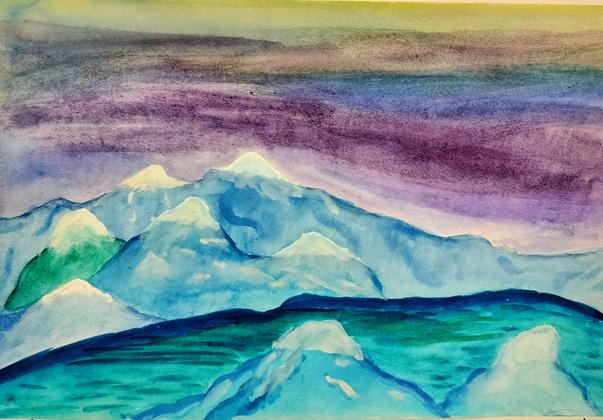
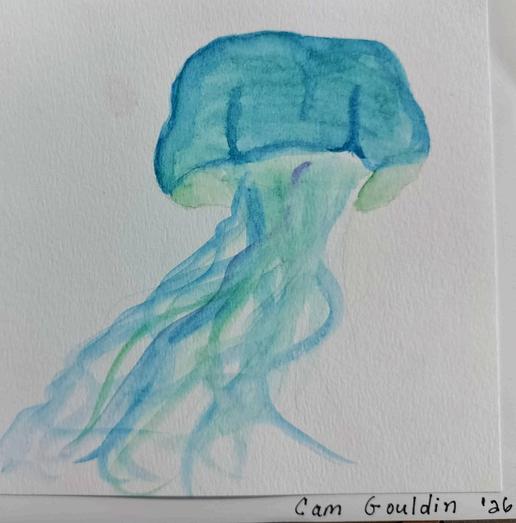 Lilly Mencinski
Luke Sherry
Charlotte Udhe
Mia Jordan
Cam Gouldin
Lilly Mencinski
Luke Sherry
Charlotte Udhe
Mia Jordan
Cam Gouldin

We Will Fall
Based on the short story “There Will Come Soft Rains” by Ray Bradbury by
Ben Salu
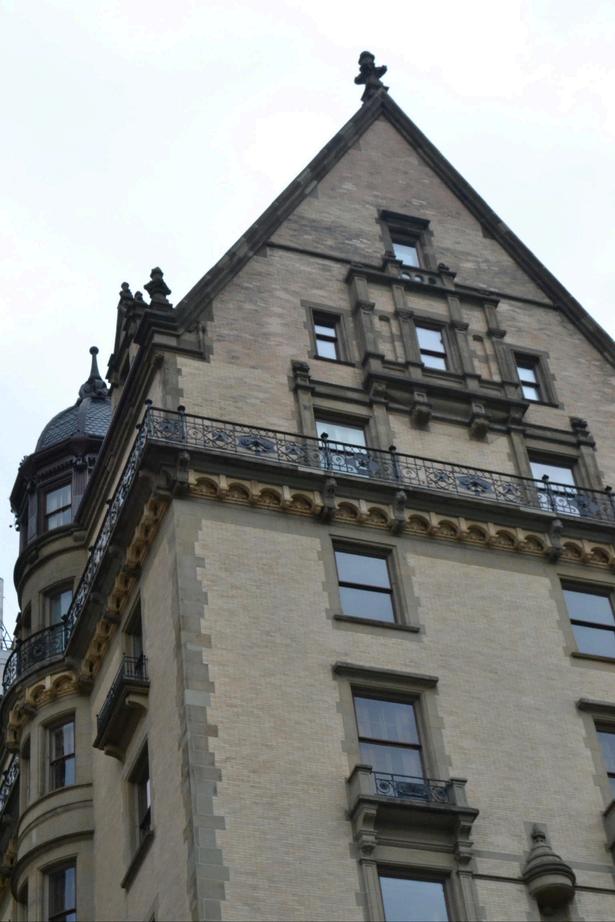
November 2, 2025: New York, New York
Everyone was running. It was horrifying—the mushroom cloud - everything was going wrong. The millions of people in Times Square ran, they ran to all the boroughs. People in Queens, the Bronx, literally everyone in New York ran, ran for their life. It was only the second time this had happened. A Tsar Bomba (Царь-бомба) had dropped on New York City. It felt like slow motion, watching all of the buildings collapse, people get incinerated, and millions die The Big Apple was falling. The United States of America was in shambles. The president Elon Musk was dead. The Russians were going to war with us and we couldn't do anything to resolve it.
There was only one house that survived, and it was, well, a spectacular house. It had metal everything. It was very technologically advanced. There were assuaging voices coming from within that sounded soothing The people who lived there made Technocorp, which was an AI technological software that had exploded in popularity. The house was originally made as a model house plan in 2027, but because of the invention of the duplicator, it was an actual functional project. The duplicator was a machine where you could put any non-living object and it would multiply it. The house was also safe because attached to the sides were mini gau-8 Avengers. When the explosion hit, the house was barely damaged, only a couple of dents and stuff inside it
The people though, well that was a different story. They were destroyed, obliterated, and disintegrated. They were printed on a wall with their crushed-up bones. The family of four including the pregnant mother died in an instant. All 9.4 million people in New York died that day.
Rubble, around a billion tons worth of it, leftover bones, little fragments of skulls, and little teeth lie everywhere. The thing about this was that there was no blood, just death and bones. You could see the broken bits of everything, nothing left. You could see Central Park, it was burned up, just ash and dirt. Technology made a place like New York so amazing, with bright lights everywhere, a fake world. But at the same time, technology is the worst thing to happen It's change It is a big jump in development But sometimes when you jump, you don't go high enough. You don't succeed. If you jump up the stairs and fall, you go to the bottom.
We were at the top. We jumped to the roof. We fell. Not just the two sides; The U.S.A. and Russia, but the whole world. We as a species failed to improve and provide peace and better lives for us, our children, and nature. We have failed.

No one was alive, no single human could be enraged or sad about it. Only humans care about how dense a city is. Only humans care about their preferences.
But I guess that's what made them different. In a world full of hardships, humans have always persevered. Even though some of them may be cruel to other organisms trying to make it through, they took the top of the chain not because they're the smartest. They're not the tallest, fastest, or strongest.
The thing that made humans persevere was the sheer will and devotion to making their lives better. They became the new dinosaurs. Just like the dinosaurs, all things come to an end. In around 10 million years, a new generation of life will arrive, smarter and better than the rest. Even though this is true, the top of the top still survives
The billionaires that lived in New York, well the ones that were prepared and had bunkers, had survived. Well, they only survived for a bit longer, but they ended up making new humans. There is a limit to human life.
We will all end someday.
Our reign as a species will end. We will fall.
2

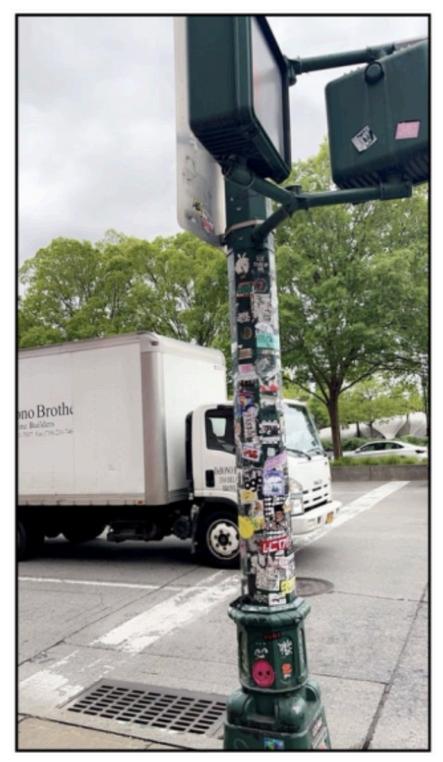
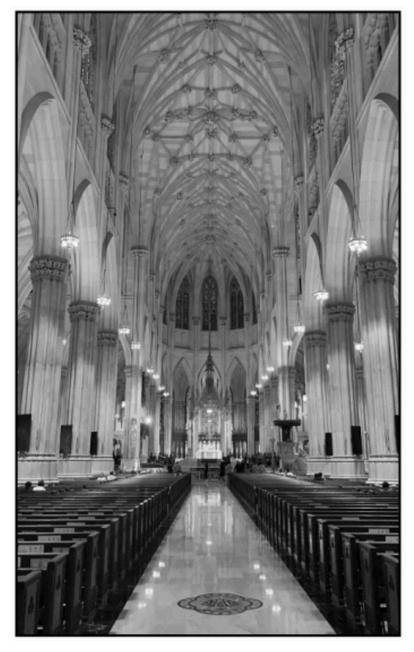
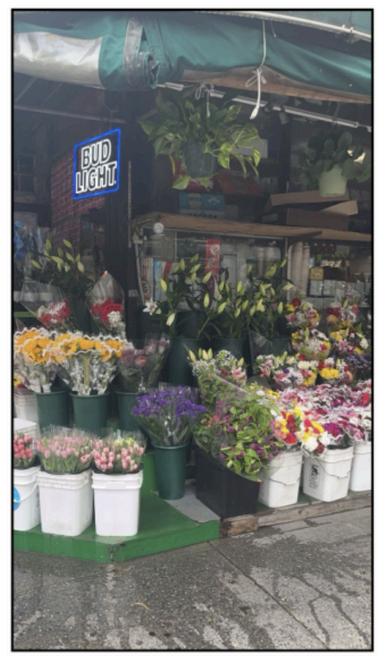
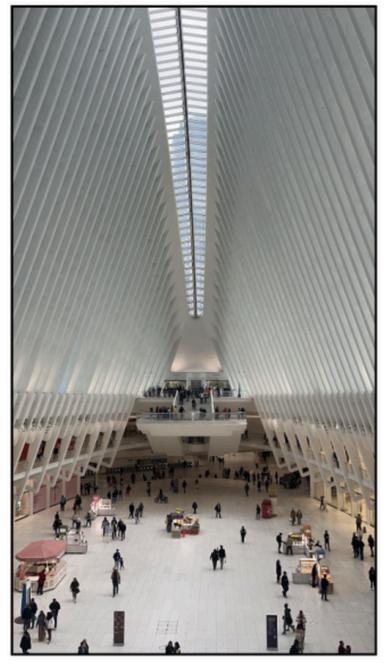 Photography by Amara Oliva


New Fantasy
by Paxon Hermann
I’m burnt out and I’m laying in bed
But there is this new fantasy in my head
Said you were happy but a tear was shed
You were so happy, that’s what you said
Don’t hold me back, listen to the music
A whole crowd, eyes on me, so therapeutic
My eyes on you, is that why I fit in now?
They’re judging us, but I’m not scared somehow
My life is liven entirely on impulse and for kicks
And I guess that's why they call me Anthony Kiedis
Talking to you is like talking to me
And writing a song is like faking your free Dreaming isn't doing, and doing is just acting Confidence is granted and that's something we are lacking
The spotlight, on me, same as the eyes
And I refuse to wear my old disguise
You lied to me when you said you were fine
Now even you are a stranger after all this time
And it’s my fault, it’s your fault, maybe it’s neither
You said you are sorry, and I wish I could believe ya
I tried to brush it off, but the same feeling lingers
Like the truth, my whole world just slipped right through my fingers
I regret it all, and I’m sick so of the lies
But remember, it’s just a fantasy, so I open up my eyes
This is my new fantasy, lead by hope and jealousy
This is my new fantasy, driven by hope and anxiety
This is my new fantasy, every doubt I had is gone
This is my new fantasy, won’t be just a dream for long

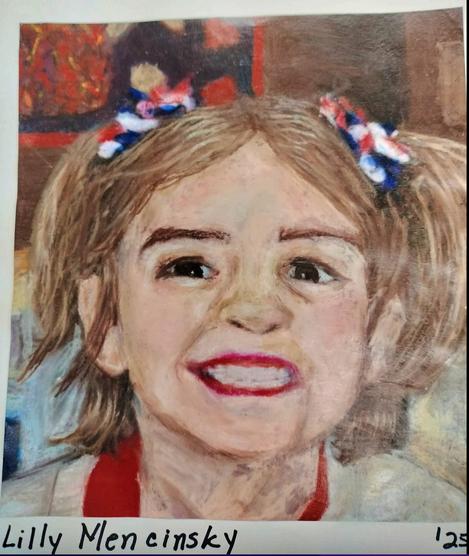


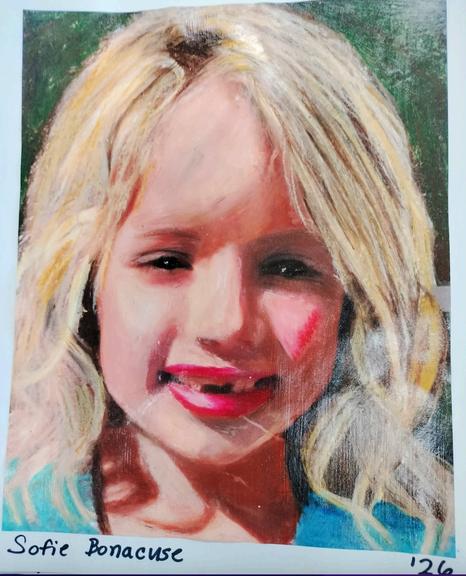
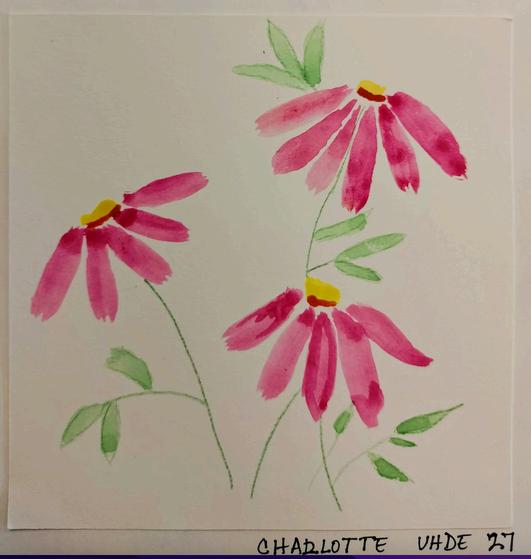
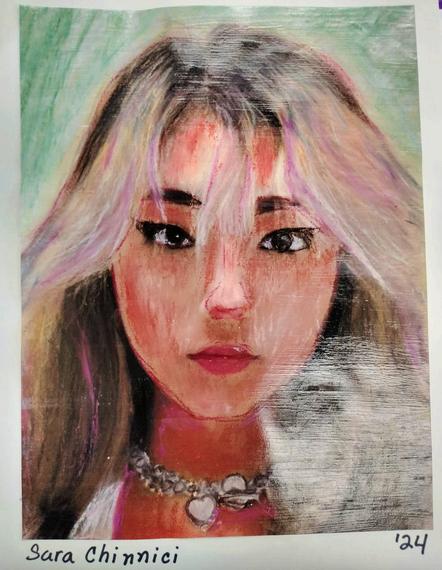 Luke Flanders
Sofie Bonacuse
Lilly Mencinsky
Charlotte Udhe
Sara Chinnici
Photography by Vincent Sabella
Luke Flanders
Sofie Bonacuse
Lilly Mencinsky
Charlotte Udhe
Sara Chinnici
Photography by Vincent Sabella

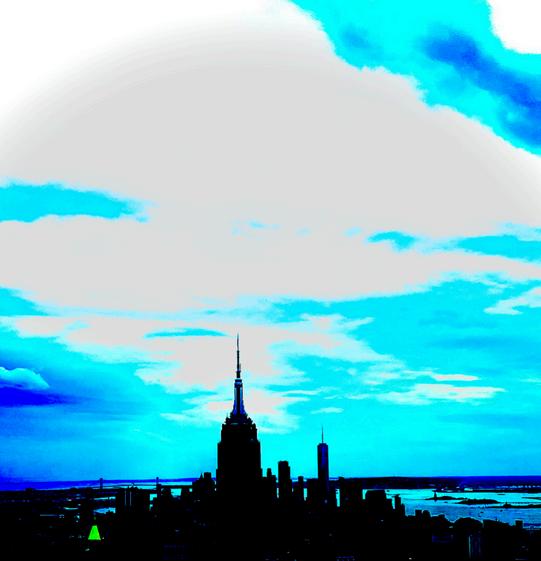
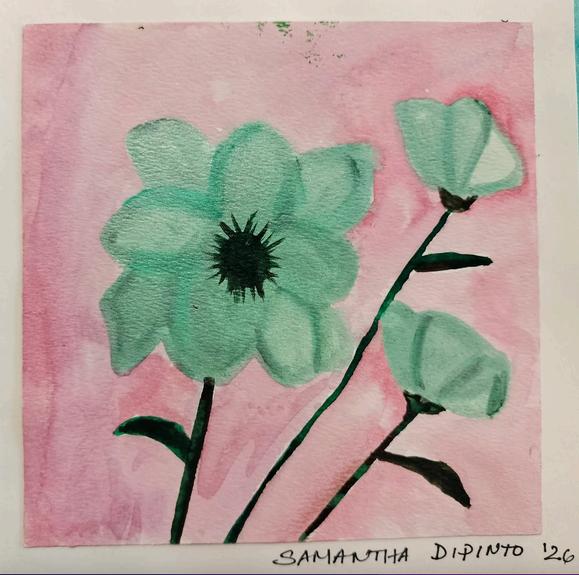
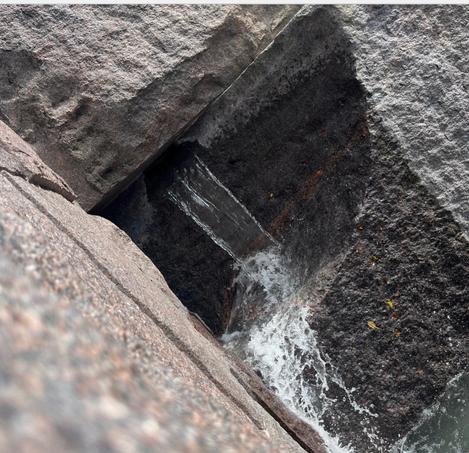
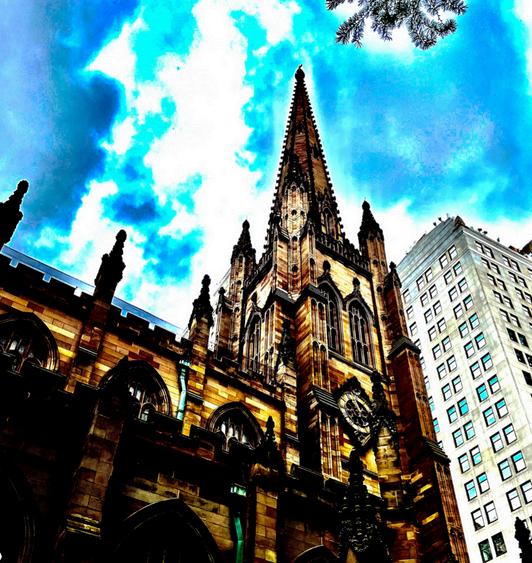 Samantha DiPinto
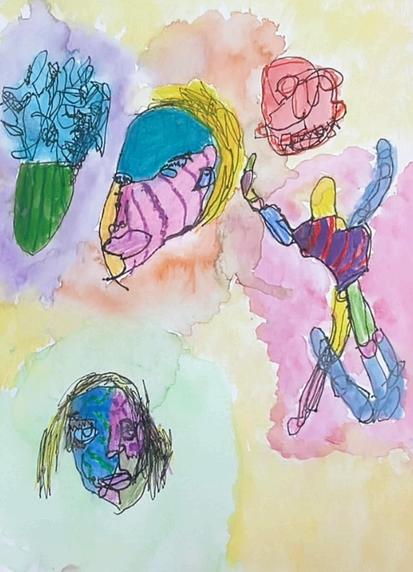

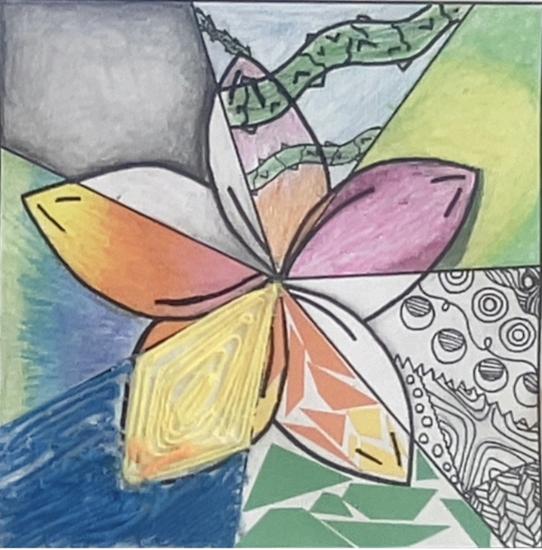
 Riley Aparicio-Jerro
Bianca Arslaner
Theodore King
Evelyn Bradley
Riley Aparicio-Jerro
Bianca Arslaner
Theodore King
Evelyn Bradley

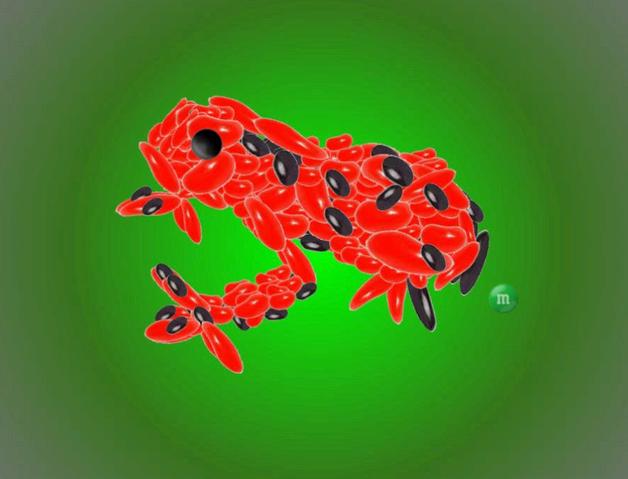 Antonio Maio
Ahli’Lani Dunn
Nina Young
Antonio Maio
Ahli’Lani Dunn
Nina Young
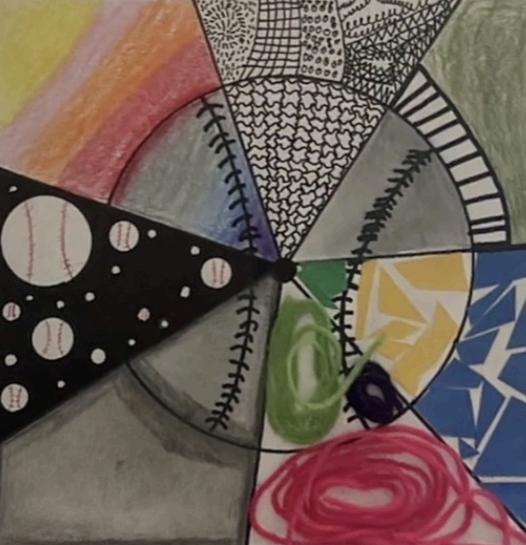
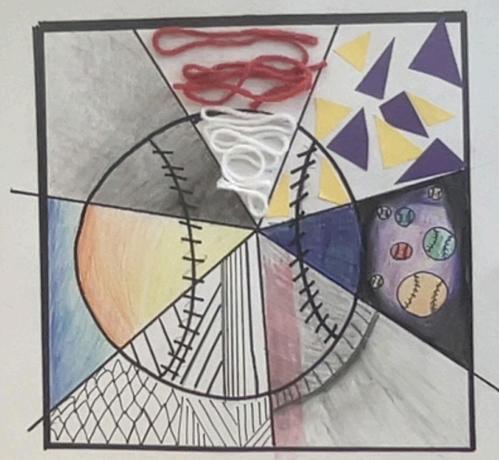
Ethan Banks
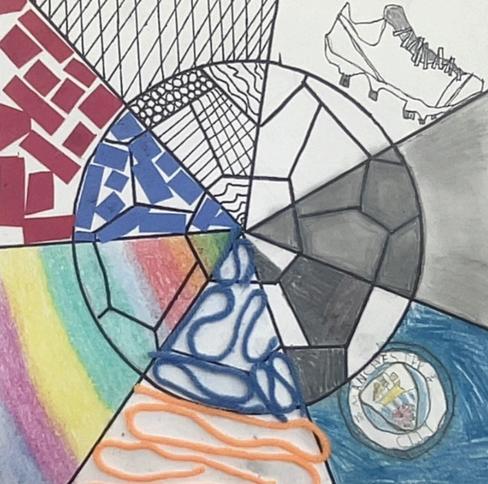
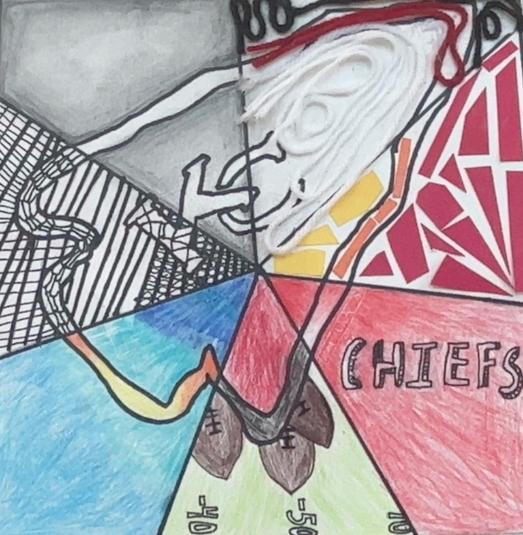 Dawson Erdei
Cadyn McKenna
Trudo Letschert III
Dawson Erdei
Cadyn McKenna
Trudo Letschert III



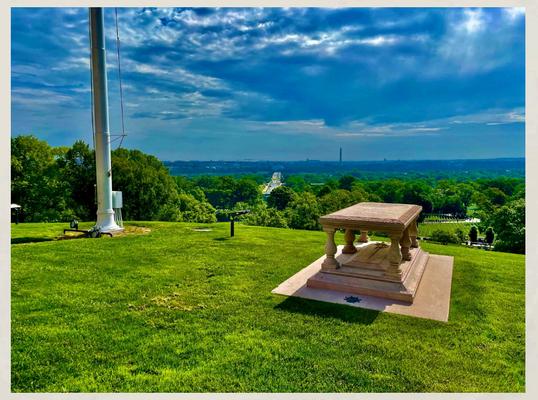
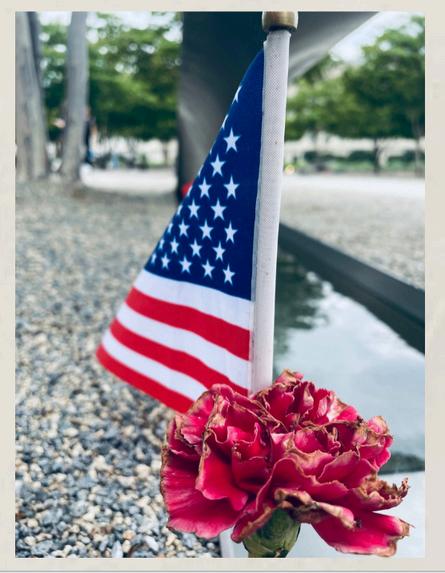
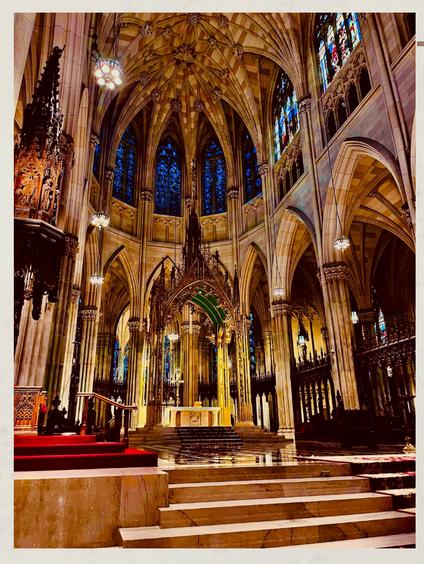 Photography by George Rauch
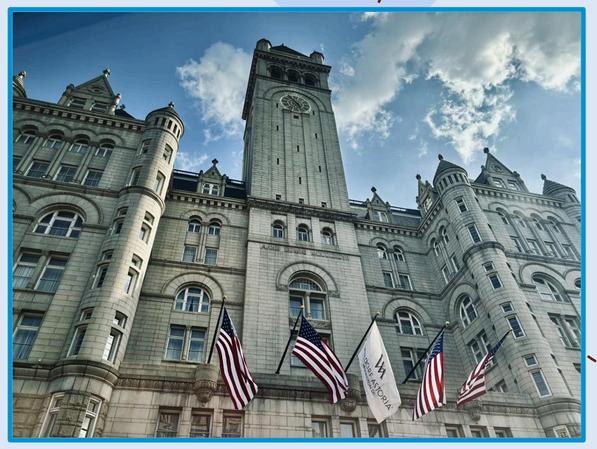
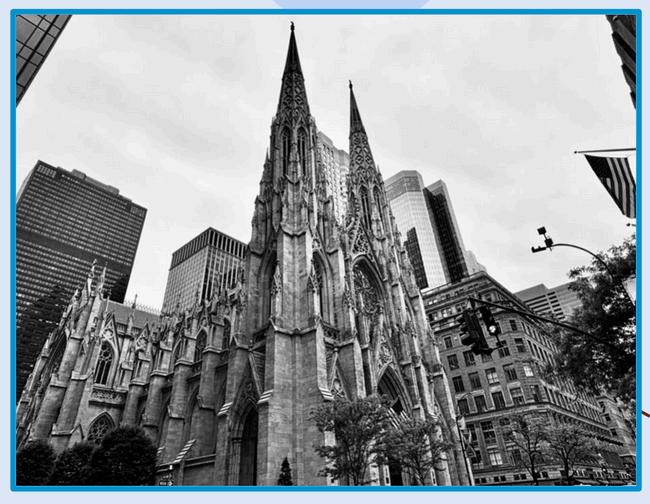
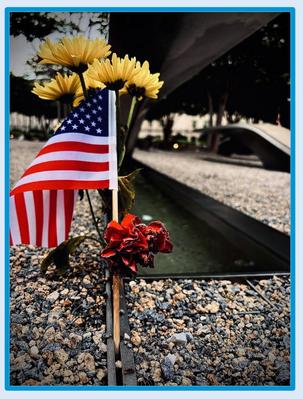
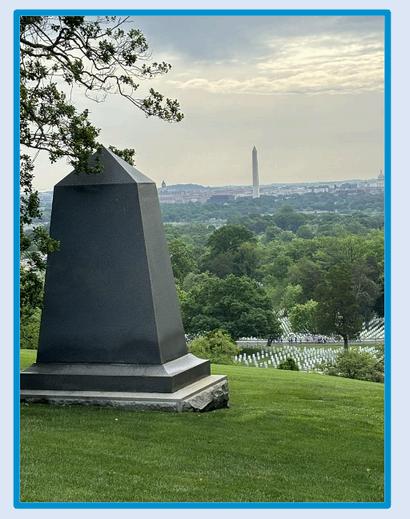
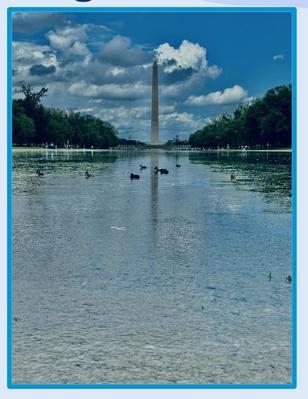
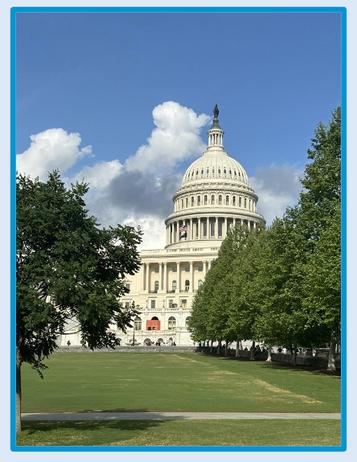
 Photography by Jocelyn Williams
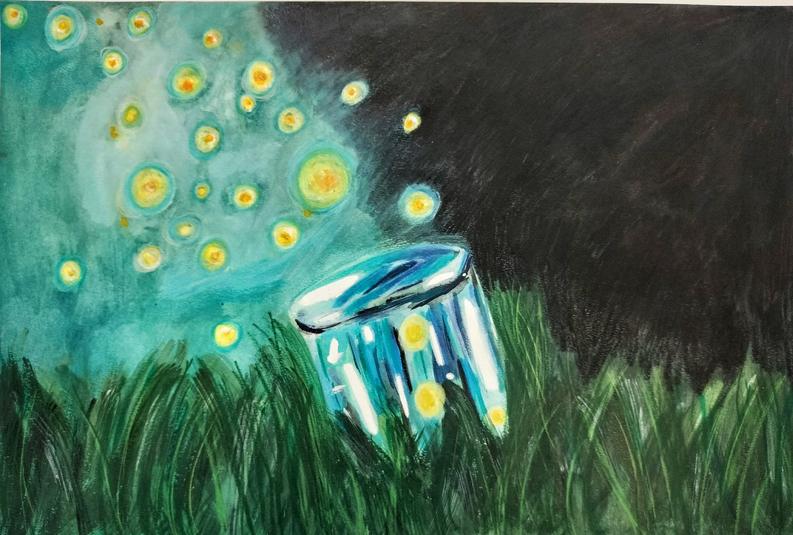
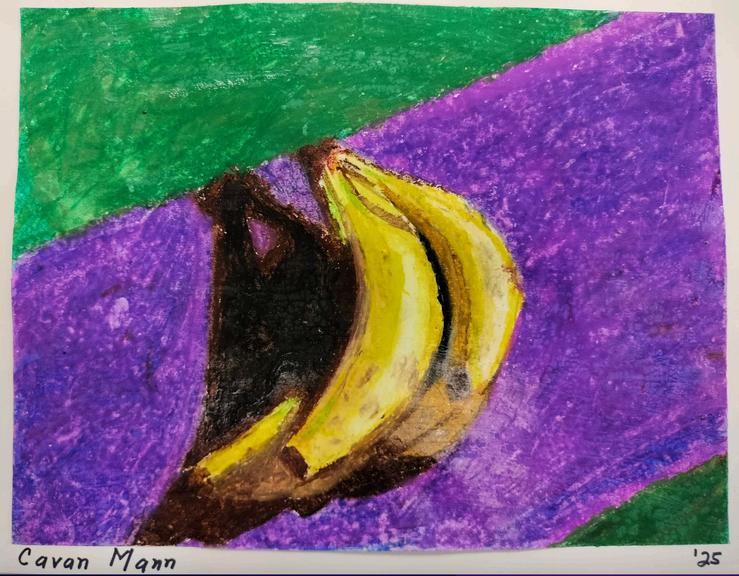
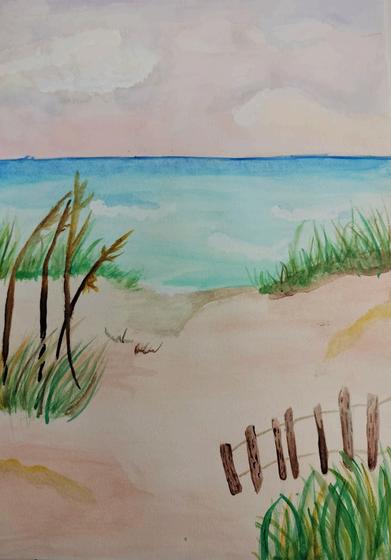

 Sam Gouldin
Mia Jordan
Sofie Bonacuse
Cavan Mann
Sam Gouldin
Mia Jordan
Sofie Bonacuse
Cavan Mann
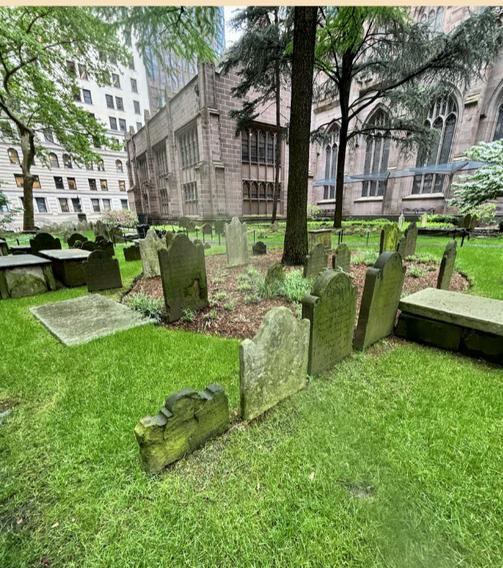
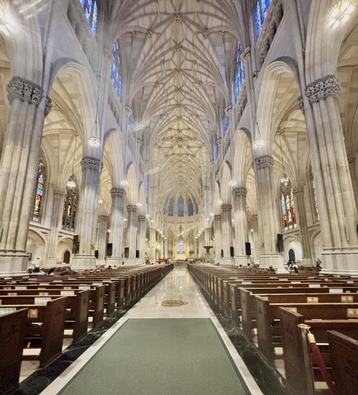
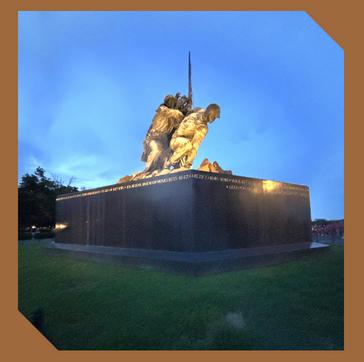
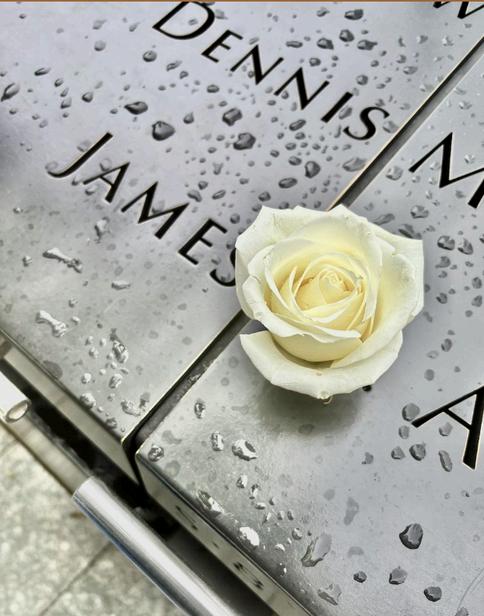
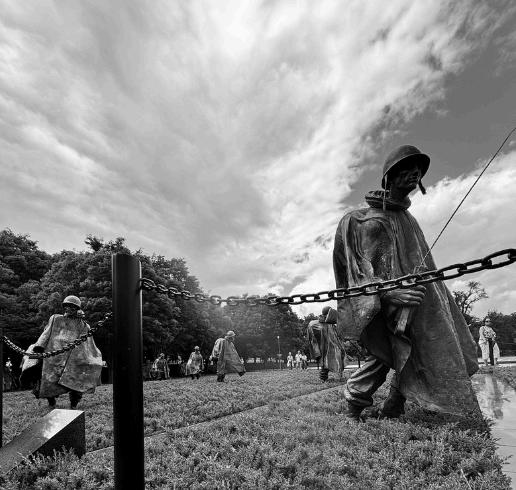
 Photography by Alana Kaplan
By: Georgia Henry
Photography by Alana Kaplan
By: Georgia Henry

I remember like it was yesterday, I even feel the emotion seep into me now.
I see the past now, it's clear I catch a balloon flying in the wind. I look at it. It appears sad, needs help. I take it home, nurture it, love it. It never leaves my side. I get home and tie it to my chair.
I fall asleep, deep, deep, sleep.
I dream about that balloon, It looks happy now
The sun shines bright on it. The breeze gently swaying us.
I think I've made a friend. A good faithful friend.
I wake up, the sun in my eyes.
I look at the balloon. It perked up, almost...smiling
I walk over to the balloon and tied it around my wrist.
I open the window,
The autumn air is refreshing on my face.
I know I've made it happy. Again I dream about the balloon, Happy, exhilarated.
I sit up in bed,
It is a stormy day, the wind hitting the window,
I look at the balloon. It's damaged, droopy, sad, dead.
I'll never forget the little red balloon, my best friend, my friend, my family. Gone.
balloon
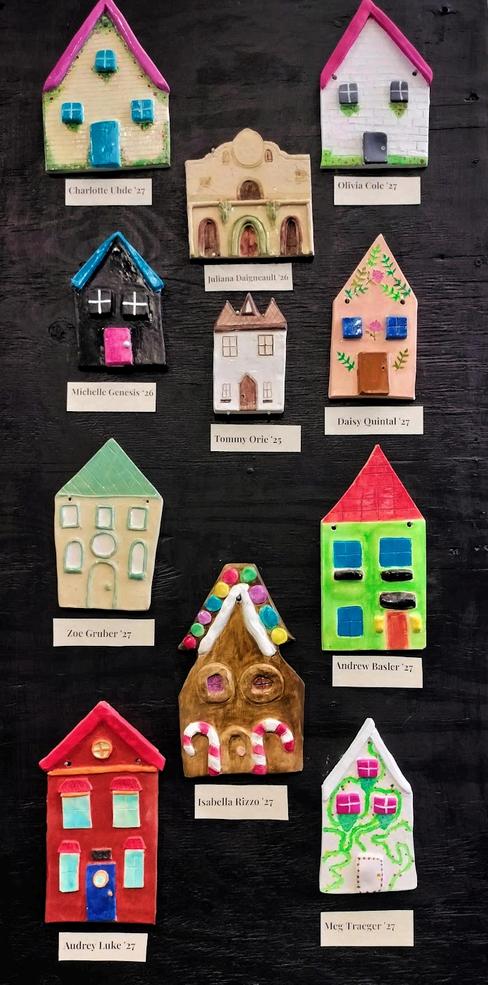
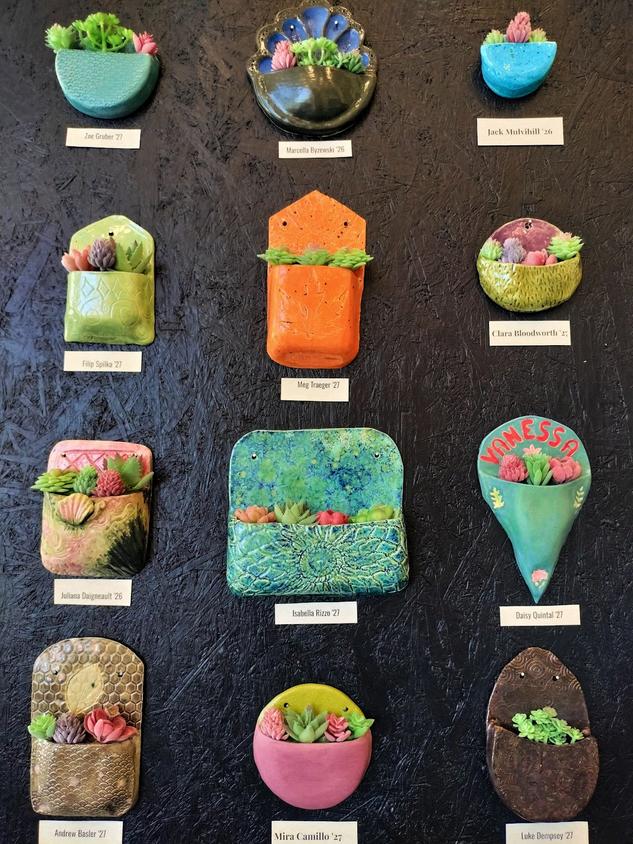
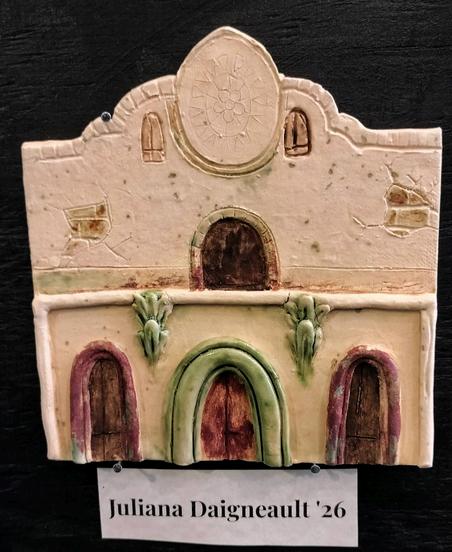
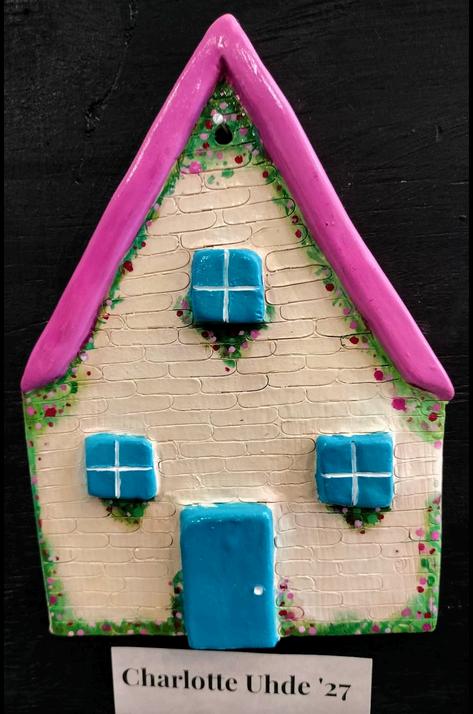
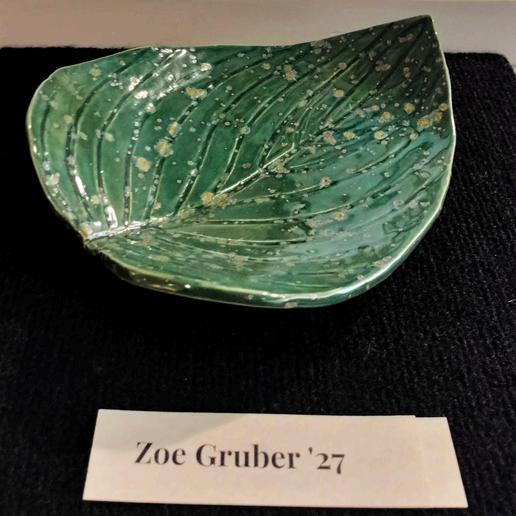
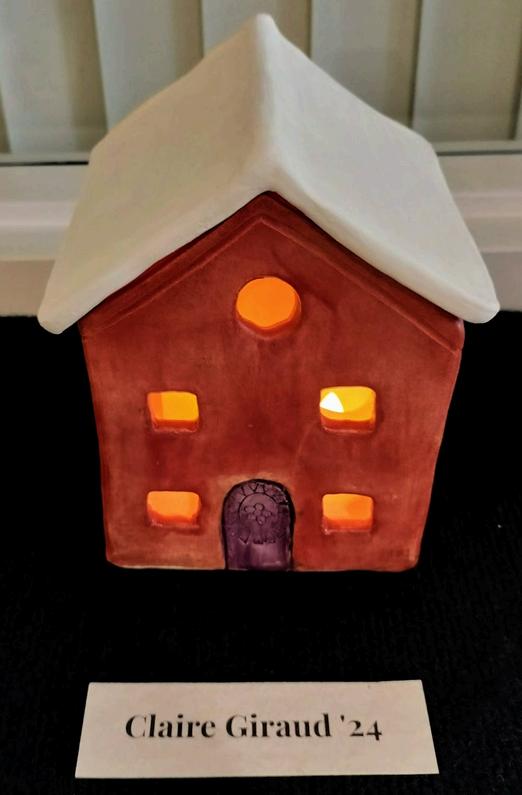
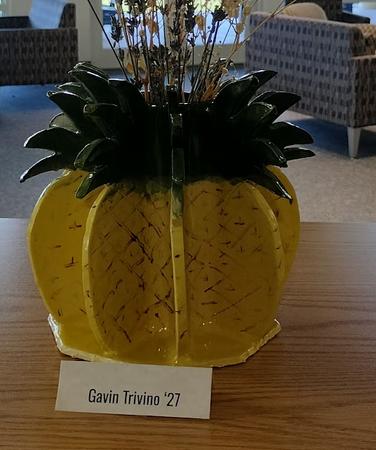
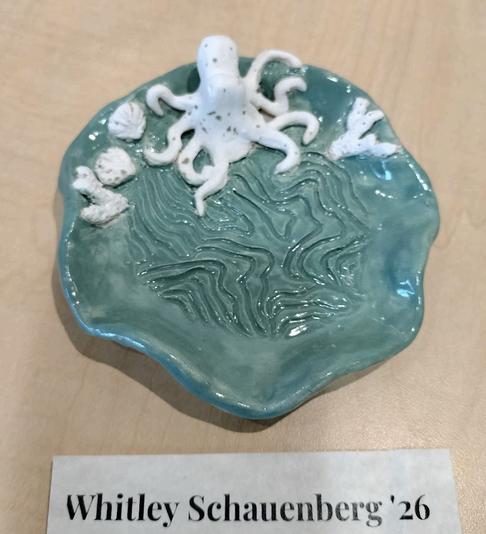
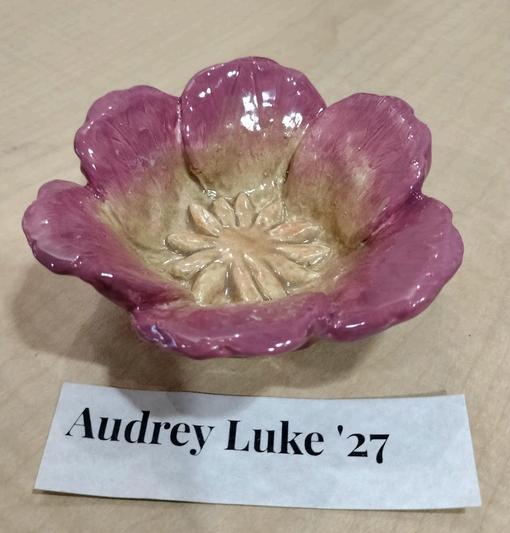
Ceramics UpperSchool
On the Other Side
Chapter 1: Is This It?
by Paxon Hermann
An empty bar was one day not so empty. A young man took up his seat with heavy sorrow. In his hand was a shot of vodka. Laying around the table were various glasses, all of similar size. Despite being on his fourth shot, he didn’t feel drunk. Nor did he feel anything. He couldn’t even feel his hands.
He was around forty, with a beard and a pair of reading glasses. Another figure appeared in the doorway, edging his way towards the bar table. This man was on the larger side, with blonde hair to go along with a blonde mustache and beard. This man, too, didn’t look his best.
He took a seat next to the drinker, and the two of them sat silently for a good minute. They both seemed to understand each other in some way or another. Whether it was their highs or their lows. Their accomplishments, or their missed opportunities... They surely did seem to understand each other.
“That’s a lot of drinking,” the blonde haired man said, breaking the silence that had been hanging for so long.
“One shot is never enough,” the other man replied, barely even looking up.
“What’s your name, young sir?” the blonde man asked.
“Banquo,” the drinker replied. “And yours?”
“That’s the problem,” the other man replied. “I don’t remember. I’ve been going by Julian lately, but I know that isn’t my real name.”
“I get it,” Banquo said. “It happens to some people. I was lucky.”
“Yes, you were,” Julian said sorely. “I don’t know who I am anymore. All I can do is guess and wonder what my life is like.”
Banquo took another drink. “Forget about it. That’s what I’m trying to do. Just enjoy what you have now, on the other side. Embrace your life... or, your afterlife at least.” Banquo floated off his chair, and stood in the middle of the bar. “We can do things now that we never could’ve done back then.”
“But I want to know!” Julian pouted. “I could be such an... interesting person. Who knows what I have done!”
“Most people who forget their lives forget for a reason,” Banquo snapped back.
“You probably lived a boring life as a boring farmer and you probably died a very boring death. Why remember that? We can travel the world now.”
“Oh, so I’m stuck in a city but I belong in a field? Sure, and, why aren’t you traveling the world?” Julian questioned. “You’re drinking your heart out, stuck in your own thoughts... You’re a hypocrite!”
“Am not,” Banquo said, defending himself. “I remember my past. It is a curse. I sit in this castle, remembering everything I ever did when I was alive. I can’t bring myself to leave. You can! Stop worrying about your past and take what you can. You can have a fresh start!”
Julian dropped his gaze. “But I don’t want to leave this castle,” he whispered. “I feel more at home here than anywhere else.”
“Well, Julian, I’m sorry, but I’d prefer it if you left,” Banquo told him. “You seem like a good man, but I simply wish to be alone. Goodbye now.”
Julian stood and made his way towards the bar door. He looked back at Banquo, on the verge of tears. Banquo was remorseful, but he just didn’t have time to deal with a ghost like him, having an existential crisis.
“Is this it?” Julian asked, a tear falling down his cheek. “Is this all we will ever be now? Ghosts going around and having fun, specters of our former selves. Life isn’t all about having fun, and exploring the world. Banquo, I hope you have a good day. You can take a hundred shots more, but you’ll never feel anything, because all that vodka will sail through your body and fall onto the floor! You can try to understand, and yes, you may think for eternity, but some things will just never make sense; for the both of us. Gone now are the old times! We are both lost. Why can’t we find a way together?
Both of us are confused, but you want to take on that confusion alone? What lunacy! And see, people, they don’t understand. They simply can't! So I thought maybe someone like you would... someone drawn to this same castle? What is it about your past that brings you here? What is it about my past is a question I’d rather hear the answer to, but that is one you don’t know. So tell me Banquo: Why are you here?
Banquo stopped for a moment. Thinking and looking down at his shoes. Finally responding, he said “This is it, Julian. Goodbye now.”
Julian stared at Banquo, waiting and hoping that maybe, just maybe, he’d change his mind; he didn’t. Julian narrowed his eyes, angered, but he didn’t put up a fight. He turned and left the bar.
2
 Gavin Trivino

 Caleb Caserta
Maggie Kolar
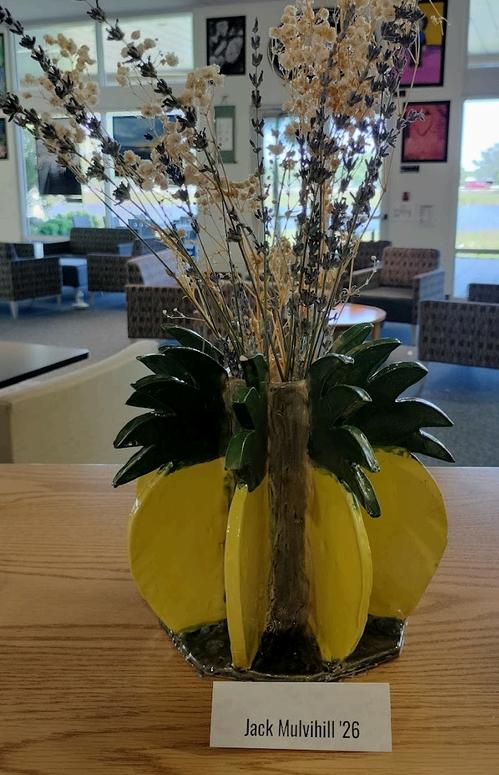
Jack Mulvihill
Caleb Caserta
Maggie Kolar
Jack Mulvihill

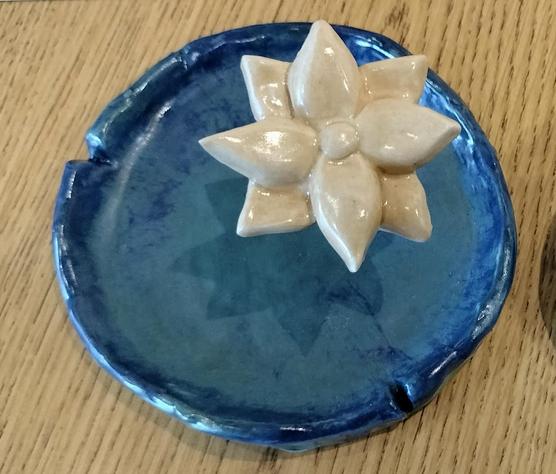
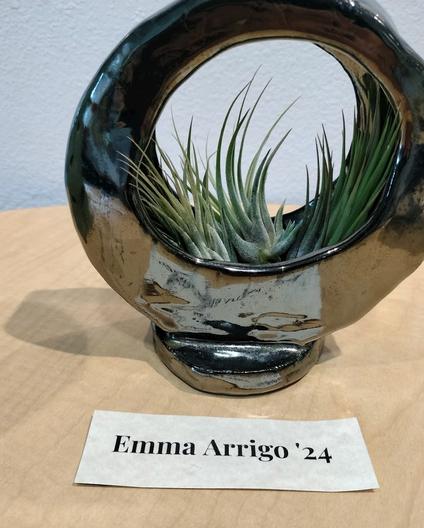
 Emma Arrigo
Juliana Daigneault
Whitley Schauenberg
Emma Arrigo
Juliana Daigneault
Whitley Schauenberg
Can I compare you to a dumpster fire?
By Caleb Rodriguez
Parody of a Shakespeare Sonnet
You are crazier and out there than normal, The wind picks fire and burns you out of my life quite formal. Your smell is too long for enjoyment, Too ugly, but that's due to your existence, I wish you would leave, but you are sadly permanent. You consistently disappoint me with your unemployment, I can't get away from you, not even death will be an avoidance. So as long as I live I will be in deflection, My one and only, dear, reflection.
Based on Sonnet 18 by William Shakespeare
Shall I compare thee to a summer’s day?
Thou art more lovely and more temperate. Rough winds do shake the darling buds of May, And summer’s lease hath all too short a date. Sometime too hot the eye of heaven shines, And often is his gold complexion dimmed; And every fair from fair sometime declines, By chance, or nature’s changing course, untrimmed; But thy eternal summer shall not fade, Nor lose possession of that fair thou ow’st, Nor shall death brag thou wand’rest in his shade, When in eternal lines to Time thou grow’st. So long as men can breathe, or eyes can see, So long lives this, and this gives life to thee.
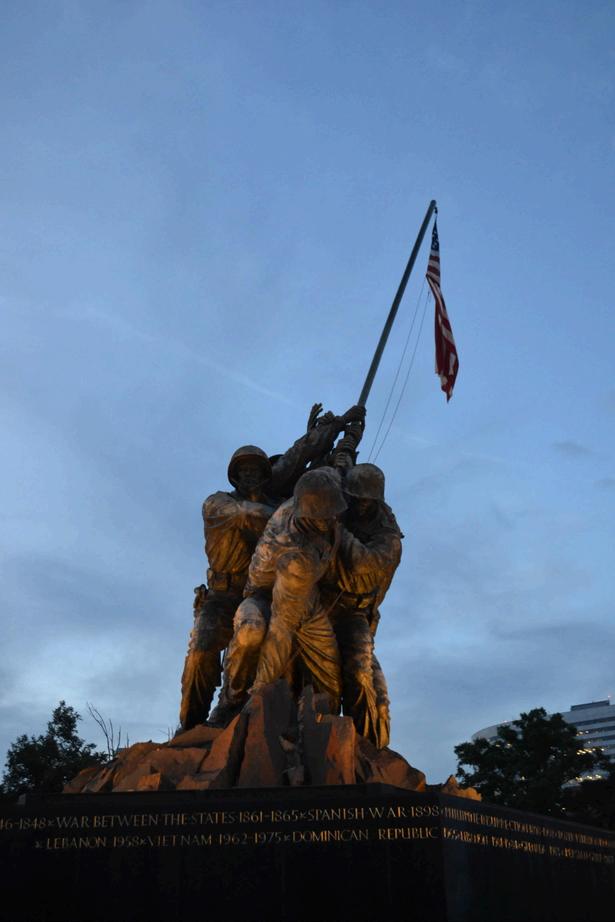
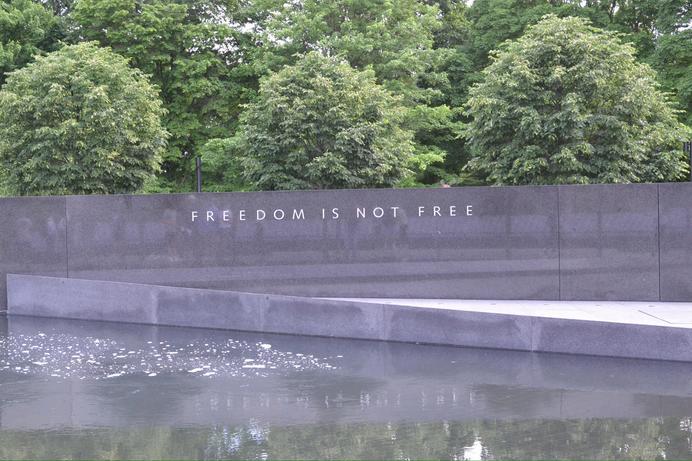
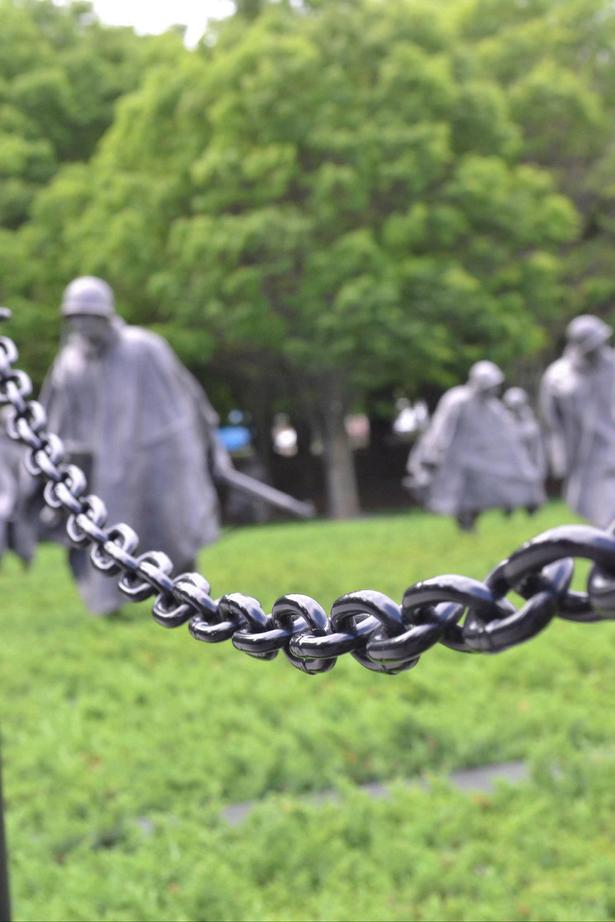
 Photography by Sofie Roelens
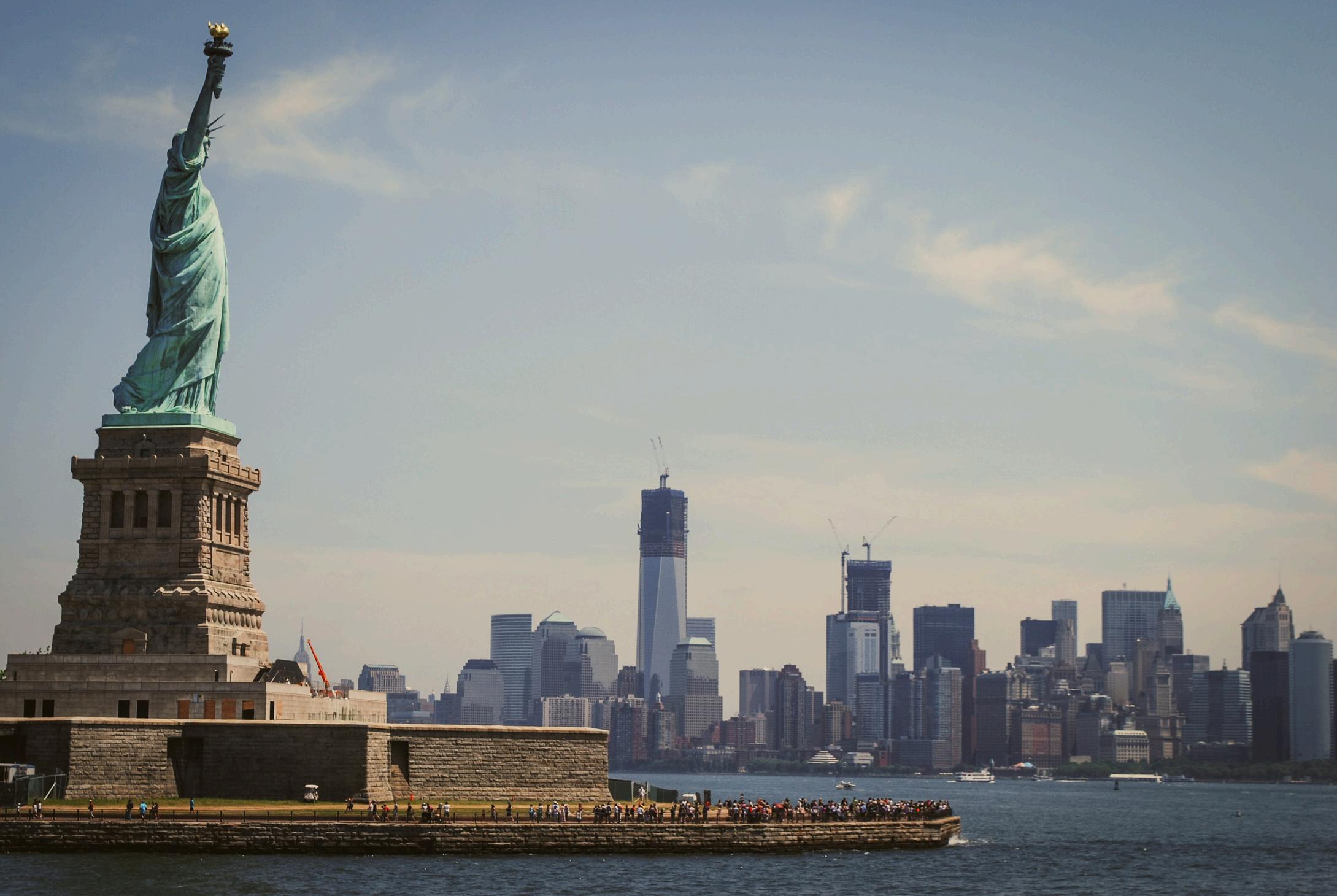
Harry P. Cain - A Voice for Liberty
by Jacob Kaplan
Franklin Delano Roosevelt famously said that “courage is not the absence of fear, but rather the assessment that something else is more important than fear” (Brunner) However, it was actually one of Roosevelt’s own policies that prompted Harry P. Cain to exercise a special type of courage, political courage, in order to defend the rights of Americans during some of the toughest times of the twentieth century. In his book Profiles in Courage, John F. Kennedy defines political courage as an act that defies three distinct pressures: the pressure to be liked, the pressure to get re-elected, and the pressure to adhere to the wishes of one’s constituency and of various interest groups (Kennedy 4, 9). Cain resisted all three of these pressures when he spoke out against the popular policy of Japanese internment, putting his reputation and political future at risk. Throughout his life, Cain consistently demonstrated courage through a willingness to change his opinions and resulting actions to better align with what he thought was right, regardless of the potential effect on his career as a politician
Cain’s political career is one that should be remembered for his numerous displays of political courage through some of the most polarizing periods in American history Early on in his tenure as the mayor of Tacoma, the Japanese attacked Pearl Harbor, setting into motion a series of events that would culminate in the internment of more than 100,000 innocent Japanese living near the West Coast, the majority of whom were US citizens (National Archives, “Executive Order 9066: Resulting”). Then-president Roosevelt signed Executive Order 9066 on February 19, 1942, allowing the army to exclude groups of people from certain areas (Stone, “National Security”). While it never explicitly mentioned Japanese-Americans, it was widely understood to pertain only to them (Stone, “National Security”). Cain was one of just two elected officials on the West Coast who had the courage to speak out against the cruel and discriminatory plan (Stone, Perilous Times: Free Speech 296). A non-partisan politician, Cain spoke out without the support of a party and against popular sentiment, recognizing that speaking out against the issue of Japanese internment was more important than his fear of risking his political career (Goldstein 65).
A rising star in Washington State’s political landscape, Cain won Tacoma’s 1940 and 1942 mayoral elections and had plans to run for a national post in the 1944 US Senate race (Goldstein 65) Cain had long wanted to run for a higher office, so much so that when he was asked to run for US Senate, he wrote in his journal that “the possibility of going to the Senate has aroused every fiber of my thinking” (Smith, Raising Cain: The Life 92) These plans were called into jeopardy when on February 28, 1942, Cain was called to testify in front of the Tolan Committee. Originally formed to investigate the interstate migration of impoverished Americans, the Tolan Committee evolved to investigate national defense migration. With the discussion of Japanese relocation growing throughout the country, a presumably more sympathetic Tolan Committee was chosen to try to stop some of the more severe measures. Throughout eight days of hearings in four different cities, a majority of those who testified were in support of removal. Elected officials were even more overwhelmingly in favor of removal (Shaffer).
Even though the majority of those who testified were in favor of removal, Cain did not falter when asked to give his opinion on the issue. Toward the end of his testimony, Cain plainly stated his opinion: the popular plan of removing all Japanese-Americans was seriously flawed. Knowing his audience, Cain first offered an economic defense, describing how the removal of Japanese-Americans from smaller communities would cause economic damage by significantly reducing the workforce within those small farming communities. More extensively, Cain next presented a moral argument: that too many people consider the word “alien” to be synonymous with “Japanese.” According to Cain, if America were to adopt the policy of removing anyone who threatens its direction, then anyone could eventually be deemed dangerous. Rather than using the “easiest, most obvious way” of deeming all people of Japanese ethnicity as aliens, Cain suggested that the removal of citizens should be carefully considered Since citizenship is not easily given, he reasoned, it also should not be easily taken away (United States, Congress, House 11412-11415 passim) By presenting an opinion contrary to the majority’s, Cain gambled with his ambitions for the future, ambitions which were propelled by getting the support of powerful people and would be accomplished by earning the support of voters, the majority of whom he alienated by staunchly disagreeing with the plan that they strongly supported (Stone, Perilous Times: Free Speech 296) One could argue that his refusal to cooperate with the overwhelming public opinion of the time contributed to his loss by more than ten percent in his 1944 Senate race. Despite this loss, years later, Cain said, "I decided to listen only to my conscience and my instinct and do what seemed to me right at the time" (Derieux 65).
Harry P. Cain’s testimony before the Tolan Committee was not only a courageous defense of the rights of thousands of Japanese-Americans but also those of every American citizen, present and future. Doing so put his credibility and everything that he had worked for on the line, along with his aspirations of holding federal office, aspirations which, according to his journal, he had “dreamed of for a very long time” (Smith, Raising Cain: The Life 92). Even with these aspirations, Cain did not always listen to or agree with the popular opinion of the time, nor did he go against his beliefs in the interest of getting elected It is because of this integrity that his political career is best summed up by one of his own quotes: “The record consists of doing the best I could when confronted by any situation demanding action” (Cardwell) No matter what circumstance he was presented with, Cain did what he thought was right, even if doing so could have cost him his career Ultimately, Harry P Cain was a man who had the courage to stand up for his beliefs, regardless of the political climate and threats coming from the court of public opinion
Bibliography
Ashby, LeRoy. "Reviewed Work(s): Raising Cain: The Life and Politics of Harry P. Cain by C. Mark Smith." Pacific Historical Review, vol. 81, no. 2, May 2012, pp. 328-29. JSTOR, jstor.org. Accessed 29 Aug. 2022.
Brunner, Jeryl. "On the Anniversary of FDR's Birth, Read His 15 Greatest Quotes." Parade, 30 Jan. 2015, parade.com/370879/jerylbrunner/on-the-anniversary-of-fdrs-birth-read-his-15-greatest-qu otes/. Accessed 29 Dec. 2022.
Callaghan, Peter. "The Perplexing Politics and Principles of Harry P. Cain." Tribune Business News, 10 Apr. 2011. JSTOR, jstor.org. Accessed 29 Aug. 2022.
Cardwell, Rod. "He's Back in Politics." The Tacoma News Tribune [Tacoma], 16 July 1972.
Carson, Adam. "Reviewed Work(s): Raising Cain. The Life and Politics of Senator Harry P. Cain by C. Mark Smith." The Pacific Northwest Quarterly, vol. 104, no. 4, fall 2013, pp. 197-98. JSTOR, jstor.org. Accessed 29 Aug. 2022.
Derieux, James. "'Hurry' Cain out of the West." Collier's Magazine, 13 Aug. 1949, pp. 16+.
Goldstein, Robert Justin. "'Raising Cain': Senator Harry Cain and His Attack on the Attorney General's List of Subversive Organizations." Pacific Northwest Quarterly, spring 2007, pp. 64-77. JSTOR, jstor.org. Accessed 29 Aug. 2022.
Gregory, James. "Washington State Historic Votes by Counties 1892-1968." University of Washington Civil Rights and Labor History Consortium, depts.washington.edu/labhist/maps-votes.shtml. Accessed 25 Nov. 2022.
"Harry Cain." Tacoma Times, 7 May 1943. Editorial.
"Harry Pulliam Cain U.S. Senator." Washington Secretary of State, www.sos.wa.gov/legacy/legacymakers/detail.aspx?personid=773. Accessed 29 Aug. 2022.
Kennedy, John F., et al. Profiles in Courage. New York City, Perennial/HarperCollins, 2006.
Leskes, Theodore, and Maurice J. Goldbloom. "Civil Rights and Civil Liberties: A Review of 1955." Apr. 1956. Civil Rights Movement Archive, www.crmvet.org/. Accessed 29 Aug. 2022.
National Archives. "Executive Order 9066: Resulting in Japanese-American Incarceration (1942)." National Archives, 2022, www.archives.gov/milestone-documents/executive-order-9066. Accessed 30 Aug. 2022.
---. "Japanese-American Incarceration During World War II." National Archives, 24 Jan. 2022, www.archives.gov/education/lessons/japanese-relocation#background. Accessed 30 Aug. 2022.
National Archives and Records Administration. "Longines Chronoscope with Sen. Harry P. Cain." Archive.org, 26 Oct. 1951, archive.org/details/gov.archives.arc.95709. Accessed 29 Aug. 2022.
The News Tribune microform Tacoma, WA Tacoma News
Shaffer, Robert. "Tolan Committee." Densho Encyclopedia, 2022, encyclopedia.densho.org/Tolan_Committee/. Accessed 30 Aug. 2022. Smith, C. Mark. "'Hurry' Cain." The Magazine of Northwest History, summer 2010, pp. 4-12.
---. "The Indefinable Harry P. Cain, Mayor of a Rising Tacoma." University of Puget Sound, spring 2009, pp. 18-23.
---. Raising Cain: The Life and Politics of Senator Harry P. Cain. Bothell, Book Publishers Network, 2011. Stone, Geoffrey R. "National Security, National Origin, and the Constitution: 75 Years after E09066." Case Western Reserve Law Review, vol. 68, no. 4, summer 2018, p. 1067+.
Gale Academic OneFile, link.gale.com/apps/doc/A546959894/AONE?u=sara62304&sid=bookmark-AONE&xid= d3492bdb. Accessed 30 Aug. 2022.
Stone, Geoffrey R. Perilous Times: Free Speech in Wartime : from the Sedition Act of 1798 to the War on Terrorism. New York City, W.W. Norton, 2005.
United States, Congress, House. Hearings before the Select Committee Investigating National Defense Migration. Testimony of Harry P. Cain. Archive.org, 28 Feb. 1942, ia800209.us.archive.org/4/items/nationaldefensem30unit/nationaldefensem30unit.pdf. Accessed 29 Aug. 2022. 77th Congress, 2nd session, 113.

Thank you for reading this
edition of Blue Ink!