“Your Voice for EMS in North Dakota”
Response Time • Winter 2026


“Your Voice for EMS in North Dakota”
Response Time • Winter 2026
with the North Dakota EMS Association (NDEMSA)!
Since 1976, NDEMSA has proudly hosted the North Dakota EMS Annual Conference and Tradeshow, the largest EMS conference in North Dakota and consistently ranked among the top 10 EMS conferences in the nation.
Over five decades, the conference has brought the biggest and best EMS educators to North Dakota and continues to grow, attracting: EMS providers, Fire & rescue professionals, Law enforcement and Nurses.
Sponsorship Opportunities Include:
• Attendee Packet Insert
• Keynote Sponsor
• Notepad Sponsor
• Thursday Instructor/ Coordinator Education Sponsor
• Cash Bar Sponsor

• Break Sponsors
• Service Leader Meeting Sponsor
• BIG Door Prize Sponsors
• Medical Director Lunch

Exceptional visibility with a highly engaged audience
Strong return on marketing investment
Direct access to decision-makers and frontline professionals
Even at the highest sponsorship level, your cost is no more than $1 per attendee.
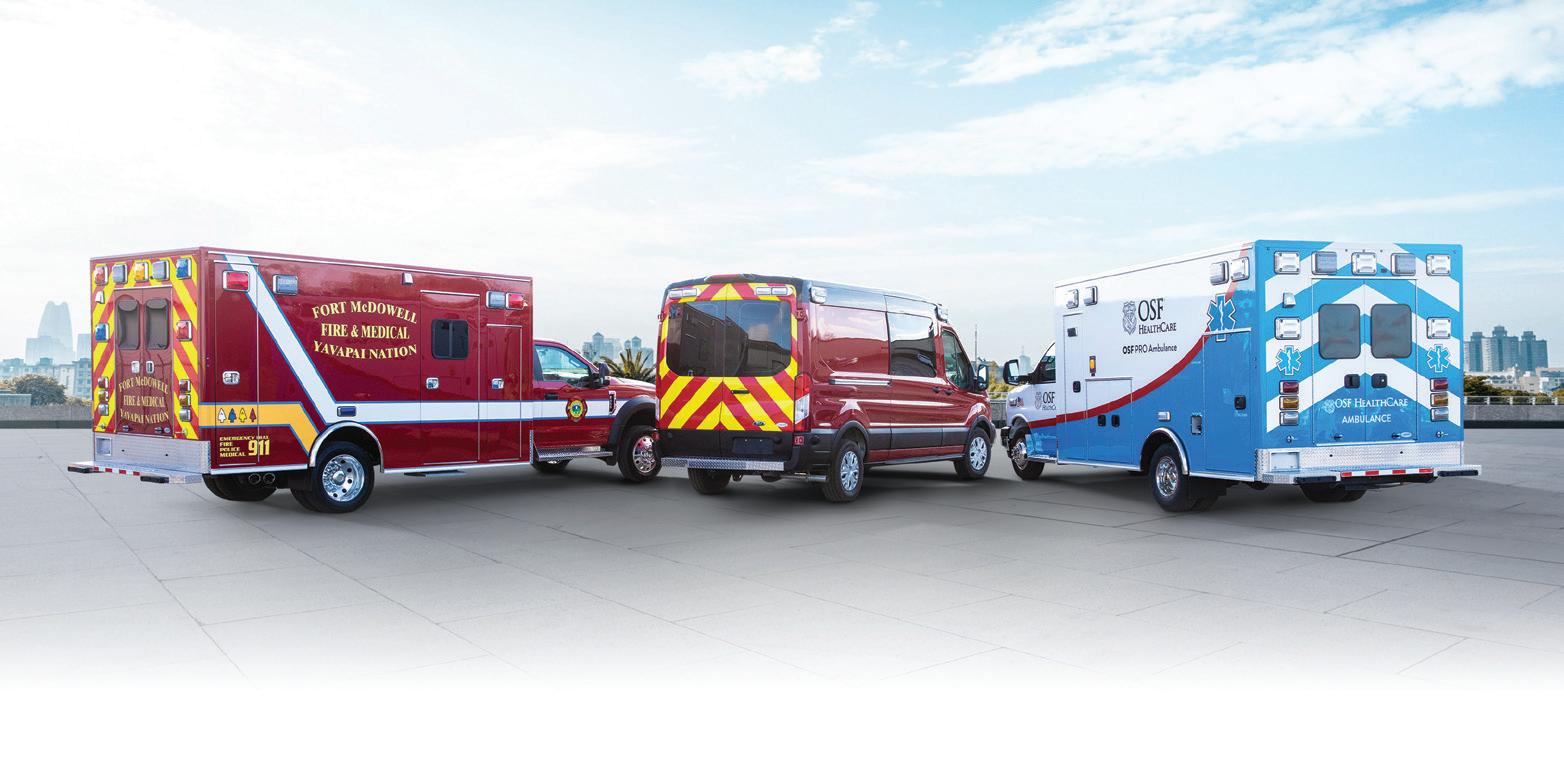
Everest Emergency Vehicles has added Medix Specialty Vehicles, Delivering TopNotch Service to First Responders in Minnesota and North Dakota.
Please call on us for all your emergency vehicle needs.
8 South Owasso Blvd West, Little Canada, MN 55117 www.Everestev.com 800-889-6143
Scan the code to learn more.

heryl Flick President
Tyler Kientopf Vice President
Loretta Haas Secretary/Treasurer
Kelly Dollinger Past President
Northwest
Corey Johnson President
Shawn Kaylor
Eric Demory
Jessica Gillies
Northeast
Bill Tuttle President
Sean Roed
Greg Martinson
Todd Elfman
Southwest
Kyle M ichels
Holly Boltz
Amy Kruger
Jennifer Hestekin
Southeast
Seth Murray President
Ashton Hollingsworth
Chris Mahoney
Hannah Zaun
Education Representative
Ron Lawler
Fire Representative
Ben Willey
Past Presidents
Mark Weber Derek Hanson
Mark Haugen
Curt Halmrast
State EMS
Jeff Sather, MD
Division
Christopher Price
Administrative Manager
Kelsey Siegler
Regional Advisors
Tom Engen
PJ Ringdahl
Lynn Hartman
Kari Enget

APRIL 9-11, 2026 | BISMARCK EVENT CENTER
VENDOR PREVIEW
5:00pm-7:00pm Thursday at the Bismarck Event Center
PRE-CONFERENCE WORKSHOPS
A number of pre-conference sessions will be offered in 2026 that include: NCCR Education Sessions, Instructor UpdateRecertifications, Human Anatomy Lab with Fetal Pig Dissection, BCI- Human Trafficking Task Force, SIM-ND- Mobile Lab, Basic Skills: NCCR, and Medication Math Made Easy.
Thursday has the EMS Instructor Coordinator Refresher and an NCCR education track that includes all hours for an EMR recertification that is also applicable to EMTs and Paramedics. See the pre-conference schedule and descriptions for all the details on the Thursday sessions.
>>Additional registration fees apply and some class sizes are limited. See ndemsa.org/annual-conference for details.
BONUS EDUCATION SESSIONS - INCLUDED WITH CONFERENCE REGISTRATION
7:00pm Thursday, 7:00am Friday (2 sessions), 7:00am Saturday (2 sessions), 12:15 pm Saturday
FRIDAY NIGHTS EVENTS
Radisson Ballroom
6:00pm ........................ NDEMSA social with cash bar and hors d’ouevres
7:00pm NDEMSA Awards Ceremony • NDEMSA State of the Association Annual Meeting Conclusion • Dance Through the Decades
WHO SHOULD ATTEND
EMRs, EMTs, AEMTs, and Paramedics | Military Emergency Personnel | Educators | Fire/Rescue Personnel Dispatchers | Medical Directors | Law Enforcement | Nurses | Other Emergency Professionals

Starting in Fall 2025, attending two regional conferences will allow you to earn most of your required NCCR hours. You are responsible for verifying the number of hours you need and tracking the hours you receive at each conference as schedules can vary slightly.
REGISTRATION HOURS
THURSDAY, APRIL 9TH
7:00am-7:00pm Bismarck Event Center – Exhibit Hall Lobby
FRIDAY, APRIL 10TH
7:00am-5:00pm Bismarck Event Center – Exhibit Hall Lobby
SATURDAY, APRIL 11TH
7:30am-11:30am Bismarck Event Center – Exhibit Hall Lobby
EXHIBIT HALL HOURS
THURSDAY, APRIL 9TH
5:00pm-7:00pm Vendor Preview
FRIDAY, APRIL 10TH
7:30am-4:00pm
SATURDAY, APRIL 11TH
9:00am-1:00pm
REGISTER EARLY AND SAVE
Save $30.00 by registering for the conference by March 20, 2026.
CONFERENCE RATES:

5-7 PM THURSDAY:
The preview is a great chance to get a glimpse at new products, explore the exhibit hall, win great door prizes, and network with fellow providers while enjoying a light snack and beverages. We welcome all EMS providers and their families to the vendor preview!
• Full Conference Registration (by March 20) - $220 members | $290 non-members
• Single Day Registration for Friday or Saturday - $130 members | $180 non-members
• Pre-conference session rates vary. See our website for details.
• After March 20, there is an additional $30 fee
• On-site registration is an additional $40 fee.
Register early and save!
• DEADLINE FOR EARLY REGISTRATION DISCOUNT: March 20, 2026.
• REGISTRATION FEE INCLUDES: The education sessions, refreshment breaks, access to the exhibit hall, the vendor preview, social, annual meeting, award celebration, and entertainment.
• HOW TO REGISTER: The only way to register is online at www.ndemsa.org. Those registering as a group can also register online, add guests, and pay together.
• Please note: members must login to the NDEMSA website for access to member pricing for registration.
• See additional registration information on the next page.
• If you need assistance, call NDEMSA at 701-221-0567 or email ndemsa.office@ndemsa.org
• BOOK YOUR HOTEL EARLY: Close hotels to the conference center include: Radisson Hotel (headquarters), EverSpring Inn and Suites, Expressway Suites, Bismarck Hotel and Conference Center, Fairfield Inn South. See the hotel list and phone numbers below. Mention you are with the NDEMSA Conference.
LOCAL HOTELS WITH POSSIBLE ROOM AVAILABILITY:
Radisson Hotel (Headquarters) 701-712-6475
EverSpring Inn & Suites
EverSpring Suites
701-222-2900
701-222-3311
Candlewood Suites 701-751-8900
Comfort Inn & Suites
Holiday Inn
701-751-7484
701-751-8240
Scan this QR Code for a link for reservations posted online with more than 18 hotel

To qualify for the early registration discount, you must submit your registration online by March 20. If you register after March 20, you will not receive the $30.00 discount.
Go to www.ndemsa.org/conference-registration.
• Individual registrations and group registrations available by adding guests for one payment.
• Online payments accepted or automatic invoices are available. All check payments must be received by April 3 to confirm your registration.
• Membership must be valid for access to member registration pricing. Membership status can be checked at www. ndemsa.org once you log in and view your profile. If needed, please complete your membership renewal before you register.
• IMPORTANT: You must provide us with a valid email address on the registration.
• If you do not receive an instant confirmation of your online registration, please contact NDEMSA via email at ndemsa.office@ndemsa.org or call 701-221-0567.
Membership dues are NOT refundable. Conference registration fees will be refunded less a thirty percent (30%) administrative fee if written or email cancellation is received by 5:00pm on Friday, March 20, 2026. No refunds of conference fees will be made in the case where no written notification is provided to NDEMSA. All refund requests received before March 20th will be processed two weeks AFTER the EMS Conference.
Name badges will be available for pick up along with your bag during registration hours. Watch your email for your annual conference registration confirmation. Your name badge MUST be worn at all times during conference sessions and in the exhibit hall.
For questions on your membership status or for registration assistance, contact the NDEMSA Office at (701) 221-0567 or email: ndemsa.office@ndemsa.org
ND Department of Health – EMS Unit has approved the hours of this conference for continuing education for the EMR, EMT, AEMT, and Paramedic levels. NCCR sessions listed are based on the NREMT 2025 NCCP national content model. Visit the www.nremt.org website for more detailed NCCP information for your level.
Certificates will be handed out at the conclusion of each session. It is your responsibility to secure these certificates at the end of each class. Put your name on the certificates so if they are lost, they can be returned. The number of CEUs available can be estimated by looking at which sessions you plan to attend as the hours are found after each session description or topic. If you arrive more than 10 minutes after the start of the session or leave 10 minutes prior to the end of the session, NO CEU credit will be given.
Name badges will be available for pick up along with your bag during registration hours. Your name badge MUST be worn at all times during conference sessions and in the exhibit hall.
EMRs can attend the 2026 EMS Annual Conference to recertify their EMR certification. You must obtain 16 hours of CEU credits by attending 8 hours of specific NCCR content, and 8 hours of LCCR content. If you do not receive the entire 16 hours of CEUs at the Annual Conference, you can obtain the remaining hours at NDEMSA regional conferences, your EMS agency, or elsewhere. Please see the chart provided or visit our website for more information on the subject matter for each NCCR category.
A handout will be provided at the registration table to better assist EMRs on which NCCR sessions are applicable to their recertification.
• Total credits required in the National Continued Competency Program (NCCP) 2025 Model (National + Local + Individual vary by level, EMR = 16, EMT =40, AEMT = 50, Paramedic = 60
• 10% of your total National Component credits must be in pediatric content
As part of The National Continued Competency Program (NCCP), the National Registry accepts different types of education including academic courses, initial EMS programs, continuing education credits, and refresher courses. In addition, you also may use the maximum credits the National Registry allows for any of the standardized courses listed below. All education must be approved by your state EMS office or CAPCE- accredited and directly related to EMS patient care.
NDEMSA is working to secure continuing education credits for Law Enforcement from the ND POST Board. Check our website for updates on approval. If you are taking advantage of these hours, please sign-in after each POST approved course at the registration desk if available.
The North Dakota Board of Nursing will approve a limited number of sessions from this conference for nurses. To take advantage of the nursing hours, you must attend selected sessions to obtain the necessary credits. The sessions with approved Nursing hours will be posted online as well as available in the 2026 Conference Program Book. To obtain Nursing credits, visit the registration desk after each session to get your Nursing certificate.
Recording of any kind is not permitted during the EMS Annual Conference without written consent of the presenter and the North Dakota EMS Association (NDEMSA).
The EMS annual conference will run all three days regardless of weather. In the event of flight delays or an emergency, NDEMSA reserves the right to substitute qualified presenters. NDEMSA has the exclusive right to photograph or video record conference attendees for the purpose of advertising, publicity, or use for future events without compensation to the conference attendees and all rights, and interest therein shall be property of NDEMSA. The conference attendee list, including name and service affiliation, may be shared with exhibitors. Credit card or other personal information is not shared with third parties.
The Bismarck Event Center does not allow any outside food or drink into their facility. Room temperatures vary so consider a light jacket. As a reminder, smoking is not allowed within 20 feet of the entrances or in any of the conference facilities.
PLEASE PAY CLOSE ATTENTION TO THE SIGNAGE IN THE BISMARCK EVENT CENTER. YOUR NAME BADGE MUST BE WORN AT ALL TIMES DURING CONFERENCE SESSIONS AND IN THE EXHIBIT HALL.
Date: Friday, April 10th • Time: 12:15 pm • Room: Hall D, Event Center (Registration Required)
All leaders of EMS agencies are welcome to attend this session to discuss current EMS activities in ND and network with fellow EMS leaders. An agenda and training topics for this meeting will be posted online in March.
Date: Friday, April 10th • Time: 7:00pm • Room: Radisson Hotel
All members of the ND EMS Association are welcome to attend the annual meeting to review the 2025 annual report and discuss association business.
Support our exhibitors by visiting the exhibit hall. Snacks and refreshments will be provided during the breaks. Door prizes will be given away in designated booths at announced times during the breaks. You must be present to win!
THURSDAY, APRIL 9
5:00pm-7:00pm ............ Vendor Preview with Cash Bar and Hors D’oeuvres!
FRIDAY, APRIL 10
7:30am-4:00pm ............ Exhibit Hall Open
9:00am-9:30am Snacks and Refreshments in the exhibit area
12:00pm-1:00pm ............ Lunch on your own – Exhibit Hall open
2:00pm-2:30pm ............ Snacks and Refreshments in the exhibit area
BONUS BREAK SESSIONS:
Sim-ND Course 9:00-9:30 AM/ 12:00-1:00 PM/ 2:00-2:30 PM; Adult Hypoglycemia; .5 NCCR Medical (Limited to 8 people)
Scenario: EMS is called for a confused 1-week post-partum female. Her husband is worried because she's "just not acting right".
SATURDAY, APRIL 11
9:00am-1:00pm Exhibit Hall Open
9:00am-9:30am ............ Snacks and Refreshments in the exhibit area
12:00pm-1:00pm Lunch on your own – Exhibit Hall open
1:00pm ..................... Exhibit Hall Closes
2:15pm-2:30pm ............. Snacks and Refreshments in the atrium

FRIDAY TOURS OF THE ND HEALTH
MEDICAL CACHE @ 9:30 AM, 1:00 PM AND 2:30 PM
(Pickup location at the registration area) (Limited to 24 people) (Registration Required)
A one-hour guided tour of the North Dakota State Medical Cache, including round-trip transportation to and from the facility. The tour provides an overview of the cache’s purpose, organization, and role in supporting statewide emergency medical response.

THURSDAY, APRIL 9TH
7:00am-7:00pm Registration – Bismarck Event Center
Pre-Conference Workshops – Bismarck Event Center
Please check the Message Board in the lobby to see where your class will be held.
8:00am-5:00pm NCCR Education Sessions (8.0 NCCR hours), Room 105
The presenters will cover stated objectives so the participant will earn full National Continued Competency Requirement (NCCR) credits for each topic. These topics are all required hours for EMR recertification with the exception of 2.5 hours that can be applied from CPR recertification. Sessions are also applicable for EMT, AEMT, and paramedic.
Morning Sessions (4.0 NCCR)
Post-Resuscitation Care – 0.5 hour
CNS Injury – 0.5 hour
OB Emergencies – 0.5 hour
Stroke – 1.0 hour
Toxicological Emergencies – 0.5 hour
Infectious Diseases – 0.5 hour
Psychiatric Emergencies – 0.5 hour
Afternoon Sessions (4.0 NCCR)
Field Triage – 0.5 hour
Culture of Safety – 0.5 hour
Provider Hygiene, Safety, Vaccinations –0.5hour
Endocrine – 1.0 hour
Immunological – 0.5 hour
Neurological Emergencies – 0.5 hour
Added Bonus Credit – 0.5 NCCR hour
Registration is available for the morning session, afternoon session, or both sessions.
8:00 AM-12:00 PM .. ND EMS Instructor Update - Recertification No CEUs
Presenters: North Dakota EMS Educators, Room 101
This 4-hour session meets half of the biannual requirement of continuing education for licensed instructor Coordinators. Topics covered include an update from the ND EMS Division EMT Portfolio/Scenario Testing Project. This course is NOT for initial Instructor/Coordinator Certification.
8:00 AM-12:00 PM .. Human Anatomy Lab with Fetal Pig Dissection
Presenter Corey Johnson-Room 103
In this session, students will receive a basic overview of human anatomy. Students will review the various systems of the body and anatomical and directional terminology. Students will be guided through the dissection of a fetal pig to identify and understand the body systems. They will explore the pig's respiratory, digestive, circulatory, excretory, nervous, and reproductive systems. Not only will the students identify the system structures, but they will also learn the functions. This session is designed for entry-level and experienced providers and will familiarize participants with human anatomy.
10:00 AM-12:00 PM . BCI- Human Trafficking Task Force, Room 102
This training, presented by the Bureau of Criminal Investigation Task Force, equips emergency medical personnel with the knowledge to recognize potential indicators of sex trafficking during ambulance responses and emergency department encounters. The course highlights common medical and behavioral presentations seen among trafficking victims—such as untreated injuries, chronic medical conditions, psychological distress, and signs of coercion— while outlining best practices for trauma-informed assessment and safe reporting. Participants will gain practical tools to help identify victims, ensure appropriate medical care, and collaborate effectively with law enforcement and victim service resources.
10:00 AM-12:00 PM . SIM-ND – Mobile Lab - Adult Behavioral Health Crisis: 2 NCCR- Medical (Limit 20), Room 106
EMS is dispatched for an adult experiencing an acute mental health crisis with escalating agitation in a private residence. Learners must assess safety, establish rapport, de-escalate the situation, and determine appropriate transport and resources.

1:00 PM-3:00 PM ... Basic Skills: 1 NCCR Airway, 1 NCCR Trauma (Limit 30)
Presenter Sean Roed, Room 102
Some skills are often overlooked during our training within our services. Please join us for 5 hands-on skills, with brief lectures and case studies at each station. Skills stations include:
• Airway/ Suctioning/BVM with OPA and NPA
• Complete Spinal Immobilization
• Narcan Administration
• Tourniquets/Bleeding Control
• Splinting: SAMS splints, Traction Splints, Sling and Swathe.
1:00 PM-3:00 PM ... SIM-ND – Mobile Lab - Pediatric Respiratory Distress: 2 NCCR Airway (Pediatric) (Limit 20), Room 106
EMS is dispatched for a pediatric patient in severe respiratory distress that progresses to respiratory arrest. Learners must perform rapid assessment, airway management, effective ventilation, and team-based resuscitation while communicating with caregivers and medical control.
3:00 PM-5:00 PM ... It Just Got Real – 2 LCCR (Limit of 25)
Presenter Howard Walth, Room 102
There will be a brief introduction covering de-escalation, verbal judo, LEAPS, 5 Universal Truths, the dangers involved, strength in numbers, a note on weapons showing respect and more. The majority of the session will be hands-on practice with partners escaping from grabs, choke holds and scenarios the attendees may want to explore.
3:00 PM -5:00 PM .. Medication Math Made Easy: Calculations That Can Save a Life-
Presenter Chris Ebright, Room 101
Do you struggle with medication math? You’re not alone. This hands-on workshop will simplify the most critical medication calculations for EMS providers, from dosing and drip rates to weight-based medications. Through real-world scenarios and easy-to-remember techniques, you'll gain the confidence and skills needed to ensure accuracy in the field. Whether you’re a seasoned provider or new to EMS, this session will sharpen your math game!
7:00-8:00 PM ...... Bonus Session: Tales of Trauma, 1 NCCR Trauma (included with conference registration)
Presenter: Howard Walth, Room 105
After 4 1/2 decades of taking care of trauma patients, Howard has some tales to tell! This presentation looks at a few of his favorite cases from scene to hospital discharge and beyond. Yes, we'll explore their hospital stays, but more importantly, how what you do at the scene makes all the difference in their outcomes.

EVENTS HELD AT THE BISMARCK EVENT CENTER THURSDAY
7:00am-7:00pm
Participant Registration – Event Center
5:30pm-7:00pm
Squad Leader/Service Directors Meeting- Event Center
5:00pm-7:00pm
Vendor Preview with Hors D’oeuvres & Cash Bar
7:00pm-8:00pm
Bonus Session: Tales of Trauma, 1 NCCR Trauma- Howard Walth Room 105
FRIDAY - APRIL 10
7:00am-5:00pm .... Registration – Event Center
7:30am-4:00pm.... Exhibit Hall Open
7:00am-7:45am .... Bonus Session #1- Keep ‘em Alive ‘Til Five – Mary Waldo, 1 NCCR Medical; Room 103
7:00am-7:45am .... Bonus Session #2- From Triage Tag to Trauma Center: Coordinated Patient Tracking During Mass Casualty Incidents - Duane Ell, 1 NCCR Operations; Room 105
8:00am-9:00am. . . . Concurrent Sessions (1 hour)
CHAOS, Leadership Through a Disaster Chris Way ROOM 101 NCCR Operations
Dyspnea, Fear, or Both? Differentiating Breathing Problems from Hyperventilation Latimer Hoke ROOM 102 NCCR Medical
Chilled to the Bone: Hypothermia in the Wilderness Bryan Fleischman ROOM 103 NCCR Trauma Two Hearts One Crisis: Critical Care in Maternal Arrest
9:00am-9:30am .... Snacks and Refreshments in the Exhibit Hall
9:30am-10:30am ... Concurrent Sessions
The Battle Within: Autoimmune Diseases
Cardiology Vocabulary in Picture Form
Hoke ROOM 102 NCCR Cardiology
Nowhere to Go: Patient Evacuation & Prolonged Patient Care Bryan Fleischman ROOM 103 NCCR Operations
There is Something in the Water: Drowning Janet Taylor ROOM 105 NCCR Airway Big Bad Brain Bonks Howard Walth ROOM 106 NCCR Medical
10:45am .......... Opening Ceremony and Announcements -- Hall A
10:45am-12:00pm .. General Session– A deep dive into the origins of CPR and EMS, dating to antiquity. Freedom House Presenters: William Raynovich and Mitchell Brown - Hall A
12:00pm-1:00pm ... Lunch on your own - Exhibit Hall Open 12:15pm ........... Service Leaders Meeting Hall D
1:00pm-2:00pm .... Concurrent Sessions
Industrial Revolution: Traumatic Injuries Specific to Industrial Settings Janet Taylor Hall A NCCR Trauma
Slaying the Exam Dragon!
Geezers, Gravity, & the Ground Mary Waldo Room 102 NCCR Trauma
Managing Fire Victims Douglas Hexel Room 103 NCCR Trauma
Panel Discussion: NREMT, NAEMT, NDEMSA, DEMS, Freedom House Room 105
2:00pm-2:30pm ..... Snacks and Refreshments in the Exhibit Hall
2:30pm-3:30pm ..... Concurrent Sessions
Fat Bottom Girls… No More Weight Loss Shots and Surgery Janet Taylor Hall A
Empowering EMS Responders: Creating Engagement ‘Choose Your Own Adventure’
Crisis Communications: The How, What, When, Where to Say Chris Way
Pediatric Trauma: Everyone’s Worst Nightmare
103
Trauma (Peds)
Tweens and Teens and Drugs Oh My! Chettie Greer Room 105 NCCR Operations (Special Populations)
3:40pm-5:00pm ... NDEMSA Table of Honor Ceremony – “Honoring our Own” Closing Friday Session: “I’m OK…No, Really I’m Fine”; 1 NCCR: Operations - Presenter Patty Stweart McCord- HALL A
5:00pm ........... Dinner on your own
6:00pm ........... NDEMSA social with cash bar and hors d’oeuvres – Galleria Ballroom, Radisson Hotel
7:00pm ........... NDEMSA Annual Awards Ceremony– Galleria Ballroom, Radisson Hotel • NDEMSA State of the Association and Annual Meeting Conclusion
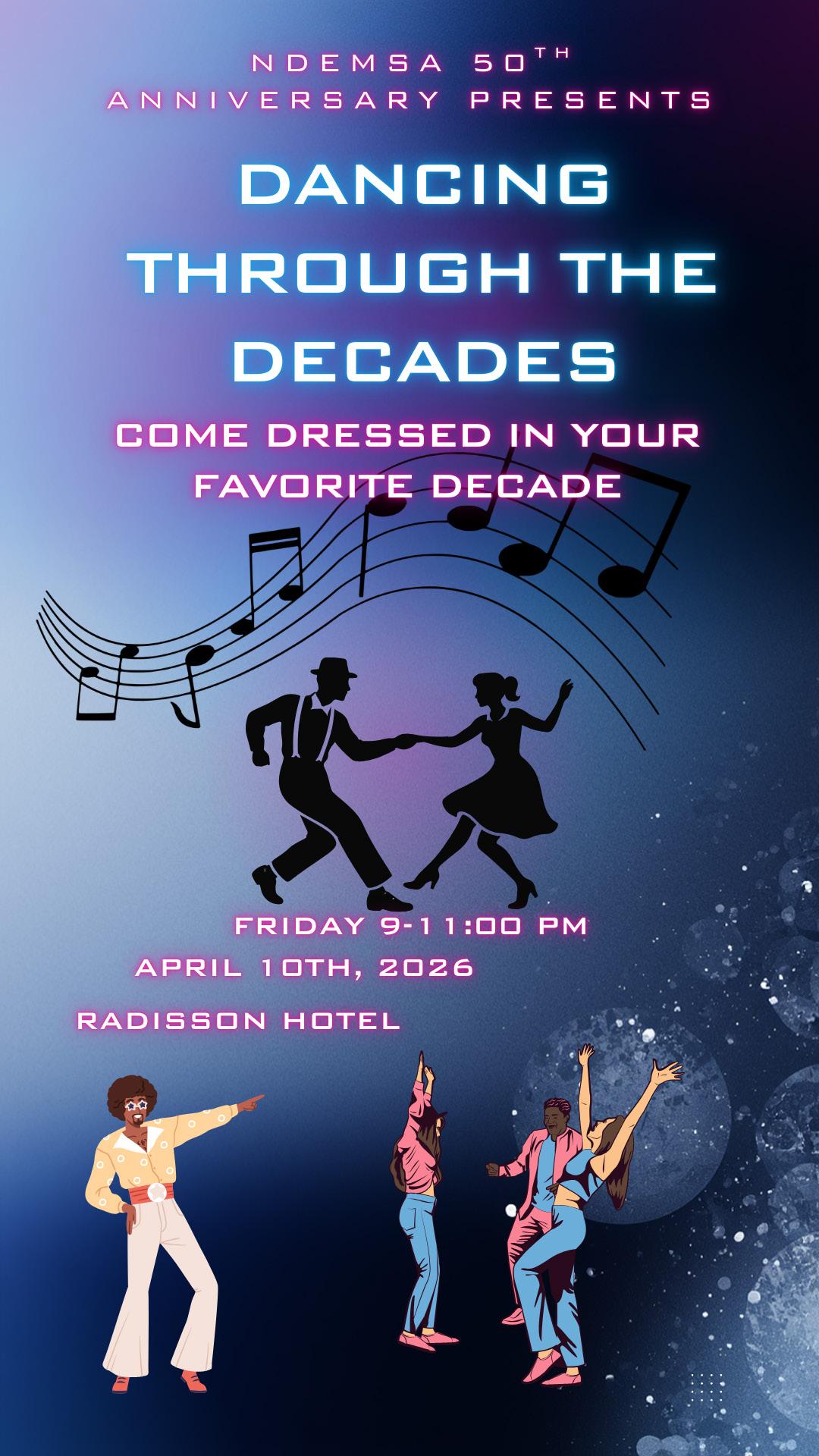
9:00-11:00 pm ..... Dance Through the Decades
SATURDAY - APRIL 11
7:00am-7:45am .... Bonus Session#1 - Getting Under My Skin: Non-burn injuries that go to the Burn Unit; 0.5 NCCR Medical & 0.5 NCCR Trauma - Presenter Janet Taylor, Room 103
7:00am-7:45am .... Bonus Session#2 - Patient Refusal; 1 NCCR Operations - Presenter Corey Johnson, Room 105
7:30am-11:30am .... Registration – Event Center
8:00am-9:00am. . . . Concurrent Sessions
Lasso Counsels First Responders
Shocking Skies: Lightning Injuries
Death by Rescue: Managing Crush Injuries
Cardiac Arrest
9:00am-1:00pm .... Exhibit Hall Open
9:00am-9:30am .... Snacks and Refreshments in the Exhibit Hall
9:30am-10:30am ... Concurrent Sessions
Deep Dive
Dementia and EMS: Expanded Perspectives
11:00am-12:00pm ... General Session From Provider to Patient: Lessons from a Life-Changing Journey; 1 NCCR Operations - Presenter Chris Way, Hall A
12:00pm-1:00pm ... Lunch on your own – Exhibit Hall Open
12:15pm-12:45pm ... Bonus Session Recognizing and Eliminating Bias in Leadership; 1 NCCR Operations; Presenter Corey Johnson- Room 105
1:00pm ........... Exhibit Hall Closed
1:00pm-2:15pm .... Conference Closing Session: Trachs and Tubes and Shunts, Oh My! Technology for Special Needs Children; 1 NCCR Medical (Peds) - Presenter Chris Ebright, Hall A
2:15pm-2:30pm .... Snacks and Refreshments in the atriums
2:30pm-3:30pm .... Concurrent Sessions
3:45pm-4:45pm

FRIDAY - APRIL 10, 2026
7:00AM-7:45AM BONUS SESSION #1
Keep ‘em Alive ‘Til Five; 1 Medical
Presenter Mary Waldo- Room 103
Whew! Kept them alive until the ER where they have all the resources and people needed to resuscitate them fully….that’s good enough, right? Join me in a discussion on the impact that early recognition and treatment play in patient outcomes and mortality.
7:00AM-7:45AM BONUS SESSION #2
From Triage Tag to Trauma Center: Coordinated Patient Tracking During Mass Casualty Incidents
Presenter Duane Ell- Room 105
Effective patient tracking is critical during mass casualty incidents. This session highlights how the statewide ReadyOp Forms tracking platform supports real-time decision-making, interagency coordination, and patient accountability from initial response through definitive care.
8:00AM-9:00AM CONCURRENT SESSIONS
CHAOS, Leadership Through a Disaster; 1 Operations
Presenter Chris Way- Room 101
Chief Way, through his experience at several large disasters/incidents, will discuss the importance of GOOD leadership during these events. He will also share lessons learned from five specific incidents in which he held a command role. These 15 lessons can be applied to everyday leadership or to normal EMS/Fire/Healthcare operations.
Dyspnea, Fear, or Both? Differentiating breathing problems from hyperventilation; 1 Medical
Presenter Latimer Hoke-Room 102
Difficulty breathing is the most common dispatch reason in many EMS systems, with almost endless differential diagnoses. Is that wheezing from COPD or from CHF? How can we tell the difference between an asthma attack and a panic attack? The answer matters: certain respiratory treatments can be life-saving for some patients, but counterproductive and even harmful for other patients. This session will simplify common causes for difficulty breathing and their associated assessment findings and help providers make more accurate treatment decisions.
Chilled to the Bone: Hypothermia in the Wilderness; 1 Trauma
Presenter Bryan Fleischman- Room 103
This session will discuss recognition, prevention, and treatment of cold-related injuries in outdoor settings.
1 Cardiology
Presenter Bill Young- Room 105
In this presentation, we delve into the complex pathophysiology of cardiac arrest in pregnant patients, emphasizing why a deep understanding of these unique physiological changes is crucial for effective pre-hospital care and improved maternal and fetal outcomes.
North Dakota State Medical Cache; 1 Operations
Presenter: Alan Aarhus- Room 106
This presentation provides an overview of the North Dakota Emergency Preparedness and Response (ND EPR) Unit's role in disasters and public health emergencies. It highlights how the unit supports preparedness, response, and recovery through coordination and operational support, and explains the purpose, capabilities, and deployment of the state medical cache. Participants will gain a practical understanding of these resources and how they support healthcare facilities and response partners during emergencies.
9:30AM-10:30AM CONCURRENT SESSIONS
The Battle Within: Autoimmune Diseases; 1 Medical
Presenter Chris Ebright -Room 101
A healthy immune system defends the body against disease and infection. But if the immune system malfunctions, it mistakenly attacks healthy cells, tissues, and organs. Called autoimmune disease, these attacks can affect any part of the body, weakening bodily functions, and even turning life-threatening. Most of these diseases have no cure, and some require lifelong management to ease a patient’s symptoms. This presentation will discuss some of the common patients you may encounter and how to best manage their underlying condition.
Presenter Latimer Hoke- Room 102
Lots of EMS personnel hear and read all kinds of vocabulary words related to the heart, often with limited understanding of what these terms mean. EMS personnel who are not trained to the paramedic level are not specifically taught what all of these words mean, and they’re not expected to know what they mean. This session is targeted at EMTs and AEMTs with a goal of improving understanding of a variety of cardiac conditions, primarily through the use of pictures of heart anatomy and ECGs. Increasing this knowledge can improve the ability to educate patients and support paramedic teammates.

Nowhere to Go: Patient Evacuation and Prolonged Field Care; 1 Operations
Presenter Bryan Fleischman- Room 103
This session will review strategies for extended patient care and evacuation in austere settings.
There’s Something in the Water: Drowning; 1 Airway
Presenter Janet Taylor-Room 105
In 2002, the World Health Organization released its new guidelines regarding the definition of drowning, but no one noticed. Twenty years later, we are still behind in proper identification of drowning and, more importantly, treatment. We will go over the pathophysiology of drowning, and why we need to change our thinking when someone walks up to you and reports, “I drowned.”
Big Bad Brain Bonks; 1 Medical
Presenter Howard Walth- Room 106
This topic explores a very common mechanism of injury where we will identify the signs and symptoms displayed in brain-injured patients and discuss what happens inside those injured skulls and how to manage them.
10:45AM-12:00PM GENERAL SESSION
A deep dive into the origins of CPR and EMS, dating to antiquity.
Freedom House Presenters: William Raynovich and Mitchell Brown- Hall A
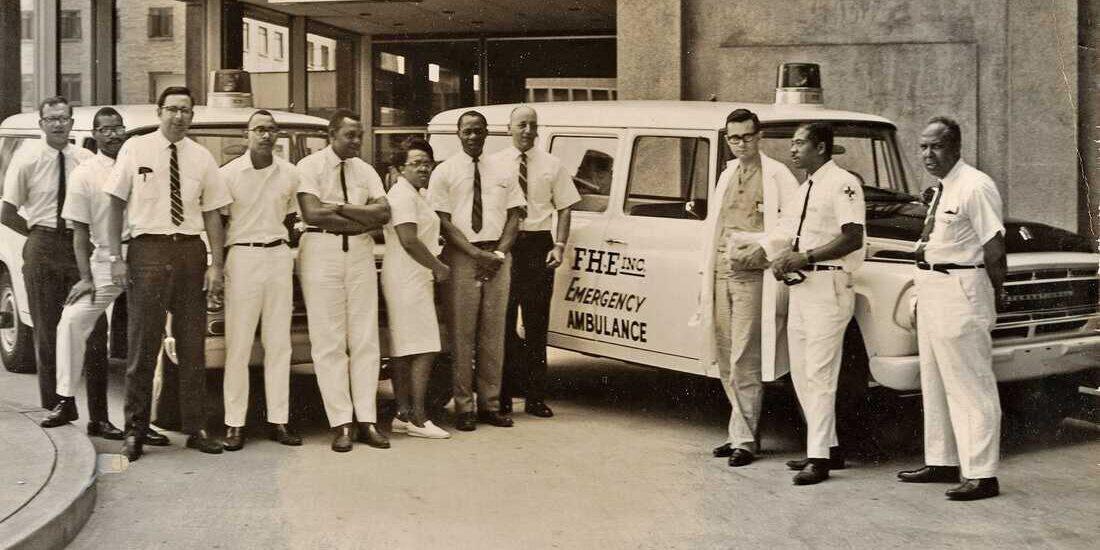
This session explores the history and lasting impact of the Freedom House Ambulance Service, a pioneering program founded in 1967 in Pittsburgh’s Hill District that laid the groundwork for modern emergency medical services in the United States. Freedom House was the first ambulance service staffed by rigorously trained paramedics capable of providing advanced medical care before hospital arrival, developed with the support of leaders such as Dr. Peter Safar and Dr. Nancy Caroline at a time when ambulance care was largely limited to basic transport. Led by Bill Raynovich and Mitchell Brown, both of whom were directly connected to the early evolution of advanced prehospital care and went on to shape EMS leadership and education nationally, this session highlights how Freedom House’s community-based model, innovative training standards, and clinical practices transformed emergency care and continue to influence EMS systems today.
Founded in 1967, the Freedom House Ambulance Service was a groundbreaking EMS program serving Pittsburgh’s Hill District. Staffed entirely by African American paramedics, it was the first U.S. ambulance service to provide advanced medical training beyond basic first aid.
Before its creation, emergency transport in the area was unreliable and often delayed. In the beginning, 25 local Black men were trained through an intensive program in emergency medicine and patient care. Beginning operations in 1968, Freedom House responded to thousands of calls, saved hundreds of lives, and played a key role in reducing overdose deaths during the city’s heroin crisis.
Despite its success and influence on national EMS standards, the service faced persistent racism and lack of city support. In 1975, Freedom House was closed and replaced by a city-run EMS system, marking the end of one of the most influential yet overlooked programs in EMS history.
1:00PM-2:00PM CONCURRENT SESSIONS
Industrial Revolution: Traumatic injuries specific to Industrial Settings; 1 Trauma
Presenter Janet Taylor- Hall A
Responding to a trauma in an industrial setting can be challenging with the different settings possible in your service area. Welding shops, paint shops, farms/ranches, auto mechanics, and construction sites are just a few examples of what we can respond to. While general trauma care is still utilized, we need to understand the specifics within industrial settings. In this presentation, we will address specific injuries we may see in industrial settings. We will go over chemical exposures and decontamination, ocular injuries, high-pressure injection injuries, degloving, impaled objects, burns and Harness/ Suspension syndrome, to name a few.
the Exam Dragon!; 1 Education
Presenter Bill Young-Room 101
In this dynamic and challenging course designed for EMT and paramedic educators, participants will dig into the evolving landscape of the NREMT AEMT and paramedic exams. This comprehensive session equips educators with cutting-edge strategies tailored to the updated exam formats, focusing on critical thinking and scenario-based assessment. Educators will learn to craft their own NREMT-style questions, a proven approach to enhance understanding and retention among students. By developing these skills, educators will not only deepen their instructional techniques but also significantly boost the exam pass rates of their paramedic students. This course is an essential tool for educators aiming to stay at the forefront of paramedic training and ensure their students' success on the national stage.
Geezers, Gravity & the Ground (and other trauma mechanisms); 1 Trauma
Presenter Mary Waldo- Room 102
This session will discuss aging, special considerations in trauma and aging, and trauma triage in the aging population.
1 Trauma
Presenter Douglas Hexel- Room 103
Fire victims, while infrequent, require advanced treatment that many providers simply are not familiar with. From treating thermal burns to managing difficult airways due to smoke inhalation, patients removed from fires will require most of your skills and knowledge in a very short amount of time. This presentation focuses on recognizing the signs and symptoms of impending airway compromise, treating thermal burns, and managing the toxic effects of smoke.
Panel Discussion; NREMT, NAEMT, NDEMSA, DEMS, Freedom House
Presenters Numerous- Room 105
This panel brings together leaders from the National Registry of Emergency Medical Technicians (NREMT), National Association of Emergency Medical Technicians (NAEMT), North Dakota EMS Association (NDEMSA), North Dakota EMS Unit (DEMS), and the Freedom House to explore the evolving landscape of emergency medical services. Panelists will share insights on national and regional EMS trends, certification and training initiatives, workforce development, and collaborative strategies
2:30PM-3:30PM CONCURRENT SESSIONS
Fat Bottomed Girls… No More! : What EMS/ Fire need to know about weight loss shots and surgery; 1 Medical
Presenter Janet Taylor- Hall A Wegovy, Ozempic and others are becoming widely popular as what is referred to as the “weight loss shot.”
What are the side effects? What should we (EMS/fire) know about these shots? What happens if your patient stops taking them? What happens if your weight loss surgery patient develops a “leak”? What will we see on our assessment? We will review lifestyle, dos and don’ts, and what to expect regarding side effects of each.
EMS Responders: Creating Engaging 'Choose Your Own Adventure' Stories; 1 Education
Presenter Bill Young- Room 101
In this presentation, we will embark on a journey into the world of interactive storytelling and its pivotal role in improving interactive EMS education. We’ll explore the creative process of crafting dynamic and immersive narratives that empower EMS students and practitioners alike. Discover how "choose your own adventure" stories can enhance decision-making skills, critical thinking, and situational awareness, all while making learning an exciting and engaging experience. Gain practical insights into the development, implementation, and benefits of these interactive narratives, ensuring that responders are better equipped to navigate real-life emergencies with confidence and precision.
Communications, The How, What,
Presenter Chris Way- Room 102
In this talk Chief Way discusses the importance of good clear communication during a crisis. He looks at all types and methods of communication and the importance of each. Additionally, Chief Way will discuss communicating with the public, elected officials and fellow emergency responders during an incident or event.
Presenter Douglas Hexel-Room 103
Pediatric traumas are some of the most dreaded calls we can receive. Regardless of licensure level, experience, or familiarity with kids, it’s difficult to be comfortable treating an injured child. We know in medical scenarios that children are not just small adults and the same rings true in trauma. This presentation will focus on recognition of injuries based on size, weight, and mechanism as well management techniques for those injuries and factors.
Presenter Chettie Greer- Room 105
In this session, Chettie Greer will discuss tween and teen drug use. Treatment methods and what to watch for will be discussed as well as the impact of social media trends.
3:40PM-5:00PM CLOSING FRIDAY SESSION
“I’m OK…No, Really I’m Fine”; 1 Operations
Presenter Patty Stewart McCord- Hall A
Most people who choose a profession in public safety have very personal reasons for becoming a fire firefighter, EMT, paramedic, police officer, corrections officer, park ranger, etc. Whether it’s a volunteer position or a full-time paid profession, we generally hope to make a difference in the lives of those who may be having the worst day of their lives.
Stewart McCord brings a wealth of knowledge and experience to this dynamic presentation, which will give you an opportunity to reflect on the challenging experiences you may have had in your own career. She often says, “The traumatic event is over, the impact it has had on you is the key. The power you have is in choosing what you will do next.”
SATURDAY - APRIL 11
7:00AM-7:45AM BONUS SESSION #1
Getting Under My Skin: Non-burn injuries that go to the Burn Unit; 0.5 Medical & 0.5 Trauma
Presenter Janet Taylor-Room 103
Why is it that serious road rash and frost bite get admitted to a Burn Unit? They aren't burns and isn't that what the Burn Unit is for? Rather than looking at a Burn Unit as strictly for burns, it would be more accurate to think of it as a "skin unit," where anything cutaneous can be treated. We will review the anatomy of skin and some special cases, including specific burns that are treated in a Burn Unit.
7:00AM-7:45AM BONUS SESSION #2
Patient Refusal; 1 NCCR; 1 Operations
Presenter Corey Johnson- Room 105
This training provides EMS providers and leaders with a practical understanding of the legal, ethical, and operational risks associated with patient refusal encounters. Participants explore documentation standards, informed refusal principles, decision making capacity assessments, and common pitfalls that lead to litigation. Through case studies and real world scenarios, the course equips EMS professionals to protect patients, themselves, and their agencies by managing refusals with confidence, clarity, and compliance.
8:00AM-9:00AM CONCURRENT SESSIONS
Blood on Fire: Intercepting Sepsis Before the Crash; 1 Medical
Presenter Bill Young-Hall A
Can you recognize the subtle signs of sepsis before it's too late? This session equips paramedics and EMTs with the latest field-ready tools for early sepsis detection beyond traditional SIRS criteria. Learn practical qSOFA
scoring techniques and time-critical interventions you'll use on your very next shift. We'll cover evidence-based fluid resuscitation protocols specifically designed for prehospital providers, empowering you to initiate lifesaving care before hospital arrival. Sharpen your clinical skills against one of EMS's most challenging and timesensitive emergencies.
Presenter Latimer Hoke- Room 101
The Apple TV Original Series Ted Lasso (copyright, trademark, all that jazz) has been all the rage with people willing to shell out for a certain streaming service (or have friends with passwords). Even those who have not watched every episode (more than once) can still learn some important lessons from the show, particularly about mental wellness. Talking about the emotional stuff can be tough, but this session will use a humorous TV show as a vehicle to dive into a variety of topics related to first responder wellness, such as how to best support our teammates, and how to prepare for and demystify professional counseling if that’s a path we choose. Come laugh and learn!
Presenter Bryan Fleischman- Room 102
Join this session to discuss, lightning safety, injury recognition, and immediate prehospital care.
Presenter: Douglas Hexel- Room 103
The most important component of technical rescue is the rescue. Rescue implies the removal of a LIVE victim, which can only be accomplished with a built-in, comprehensive medical program. In many cases, lack of a medical component and prompt, advanced patient care will result in adverse effects and/or death. While all programs stress the highly technical component of scene stabilization and victim disentanglement, only some programs also stress the vital patient care and packaging needed to maximize patient outcome. This course will focus on “bridging the gap” between Rescue and Medical in complex technical rescue situations to avoid the proverbial “death by rescue.”
Presenter Chettie Greer- Room 105
In this session, Chettie Greer will discuss causes, treatment, equipment, and current research surrounding pediatric cardiac arrest. She will also touch on mental concerns after witnessing or treating a child who has died.
9:30AM-10:30AM CONCURRENT SESSIONS
Stayin’ Alive: Understanding Resuscitation before Intubation; 1 Airway
Presenter Janet Taylor- Hall A Post-intubation Cardiac Arrest (PICA) and “Resuscitation before Intubation” are concepts that have been around for a while but not every agency/department utilizes them to increase survivability and decrease complications associated with a sick person who is about to be intubated. Preparation is key and a large part of it is BLS in nature. We will review PICA and Resuscitation before Intubation and what interventions we can do in the field to decrease mortality of our patients.
Do NOT Teach to the Test (except for a little); 1 Education
Presenter Latimer Hoke -Room 101
If a test could adequately assess a person’s competency with given subject matter, it would be appropriate to “teach to the test.” Unfortunately in EMS, passing or failing many of our national and state tests does not predict a person’s competence in the field. With respect to psychomotor exams (i.e. “practicals” or “hands-on testing”), if we teach to the test, we’re often teaching bad patient care. On the other hand, a lot of frustration people have with the NREMT cognitive (i.e. “written”) exam process may be unfair; this test is better than you may believe.
Broken and Alone: Wilderness Trauma Essentials; 1 Trauma
Presenter Bryan Fleischman- Room 102
In this session, we’ll look at trauma assessment and stabilization in remote, resource-limited settings.
Shock Deep Dive; 1 Medical
Presenter Mary Waldo- Room 103
This session will review and discuss components of cardiac output, discuss shock types and related effects on cardiac function, and help you consider evidence supporting management of shock types.
Dementia and EMS, Expanded Perspectives; 1 Medical
Presenter William Raynovich - Room 105
Presenter Raynovich will discuss his personal journey from a career in paramedicine to becoming a full-time caregiver. He will discuss the changes a person witnesses when caring for someone with dementia.
11:00AM-12:00PM GENERAL SESSION
From Provider to Patient: Lessons from a LifeChanging Journey; 1 Operations
Presenter Chris Way - Hall A
Join NAEMT President and Charleston County EMS Chief Chris Way as he takes you on a deeply personal and transformative journey through his recent experience with a life-changing cancer diagnosis. Known for his humor and
humility, Chief Way will share what it’s like to transition from being a leader in EMS to becoming a patient reliant on the very healthcare providers and systems he once worked alongside.
Through this candid and inspiring session, attendees will gain unique insights into the profound impact of relationships, attitude, and resilience on patient care. Chief Way will discuss how the connections we foster as healthcare professionals shape the care experience, how a positive mindset can influence outcomes, and why relinquishing control is sometimes necessary—and okay.
This session is a heartfelt reminder of the humanity behind the uniforms and a powerful exploration of how resilience can fuel recovery.
12:15PM-12:45PM BONUS SESSION
Recognizing and Eliminating Bias in Emergency Medical Service Leadership; 1 Operations
Presenter Corey Johnson- Room 105
This course equips current and aspiring EMS leaders with the awareness, tools, and strategies needed to recognize and reduce bias in decision making, team dynamics, and patient care. Through real world scenarios and practical frameworks, participants learn how bias influences leadership behaviors and organizational culture, and how to build more equitable, high performing EMS environments. This course empowers leaders to foster trust, improve communication, and strengthen outcomes for both providers and the communities they serve.
1:00PM-2:15PM CONFERENCE CLOSING SESSION
Trachs and Tubes and Shunts, Oh My! Technology for Special Needs Children; 1 Medical (Peds)
Presenter Chris Ebright- Hall A
Most EMS training teaches us how to deal with the “average” patient. Due to advances in medical technology and more plentiful support services, children who have suffered critical injuries and those with unique disease states are being cared for at home more than ever. This presentation will explain the most common equipment and technology that pre-hospital providers will encounter when caring for these patients.
2:30PM-3:30PM CONCURRENT SESSIONS
Unusual Rescue, Unusual Relationship; 1 Operations
Presenter Chris Way- Hall A
Chief Way will discuss a recent field amputation performed as a result of a log truck accident. The accident, in a neighboring county, required a detailed response with amputation of a leg being the only option to save the patient’s life. This was completed with the cooperation of firefighters and physicians from a local trauma center. The team, through the rescue, made something extraordinary seem ordinary.
“What’s on the Line? Fall and Suspension Injuries on Rope”; 1 Trauma
Presenter Douglas Hexel-Room 101
What happens when someone falls while on a rope and their belay device functions PROPERLY? How long can they remain suspended after a fall? This presentation focuses on injuries that may occur from falls and suspension while still attached to a rope. By assessing the kinematics of trauma, including the fall distance, harness type, attachment point, and hardware factors, you can determine likely injuries and extraction strategies as well as manage potentially lethal effects of prolonged suspension.
Storm Warning: Recognizing and Managing Eclampsia; 1 Medical
Presenter Bill Young-Room 102
Eclampsia, a life-threatening condition occurring during pregnancy, involves seizures and is preceded by preeclampsia. Understanding eclampsia is crucial for paramedics as it requires immediate medical attention to prevent severe complications for both mother and baby, highlighting the need for prompt recognition and emergency management in pre-hospital settings.
It Ain’t Easy Being Wheezy: Pediatric Status
Asthmaticus; 1 Airway (Peds)
Presenter Chris Ebight- Room 103
Severe asthma has become more prevalent in American children, with mortality rising sharply in the past decade. Any EMS professional may be faced with the asthmatic child in severe respiratory distress or impending respiratory failure, not been relieved with typical bronchodilator therapy. These scary patients require more timely and aggressive treatment than what is usually needed for a typical "shortness of breath" call. This discussion will explain how to properly intervene at the basic and advanced levels of care, to increase the chances of a positive resolution from this continuous, and dangerous, respiratory threat.
Not just squiggly lines: ECG overview for BLS providers; 1 Cardiology
Presenter Latimer Hoke -Room 105
EMTs nationwide are expected to acquire (and usually transmit) a 12-lead ECG, but there’s no expectation to know anything about the squiggly lines on the screen. Some systems actively obstruct BLS providers from developing an awareness of ECG tracings and might even prohibit making treatment decisions based on the information on the cardiac monitor screen. However, a BLS provider who has some familiarity with ECGs will better understand many common health conditions and may even help an ALS provider avoid lethal mistakes.
3:45PM-4:45PM CONCURRENT SESSIONS
“Occlusive MI: Cardiology We Should All Know”; 1 Cardiology
Presenter Douglas Hexel- Room 101
Cardiology is an incredibly complex specialty that we barely scrape the surface of in medic school. For decades, ST-elevation MI has been the standard for EKG diagnosis of myocardial infarction. However, research is showing that strictly looking for ST-elevation is ignoring a significant portion of MI patients who are experiencing occlusive MIs. This presentation looks at cases where ST-elevation is not present, however, the patient is experiencing nearcomplete coronary artery occlusion requiring emergent PCI. Knowing these occlusive MI criteria will allow for better outcomes for our MI patients.
for Two…No Waiting!!!; 1 Trauma
Presenter Bill Young- Room 102
One of the most stressful calls an EMS provider can respond to is the late-term pregnant patient. This presentation reviews the pathophysiology and care of the traumatic pregnant victim.
Stretched, Stabbed, and Strangled: Traumatic Neck Injuries; 1 Airway
Presenter Chris Ebright-Room 103
Managing injuries to the neck can be both complex and challenging for the pre-hospital provider, as it is the location for many vital structures. Many of these structural injuries carry with them a high probability of morbidity and mortality. Whether the injury is blunt or penetrating, the EMS provider must maintain a high index of suspicion even if the patient appears to have only minor superficial injuries. This presentation will discuss the anatomy of the neck, zones of neck injury, and management strategies to assist the EMS professional maintain a high index of suspicion and deliver optimal care for victims of neck trauma.
The Littles: Caring for Neonates in the 1st hour; 0.5 Medical & 0.5 Airway (Peds)
Presenter Janet Taylor -Room 105
Caring for a newborn can be daunting for a new parent. But what about EMS who are faced with caring for a newborn or even a preemie who really is NEWLY BORN?! In this presentation, we are going to look at the 1st hour of a baby’s life. How do we do an APGAR? What if they don’t “pink up” quick enough? Why do I need to put an SP02 monitor on the right foot? What if the baby’s mom was a diabetic? Why is THAT important to know? All these questions will be answered and more.
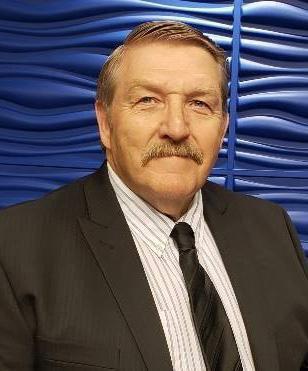
Alan Aarhus began his 48-year emergency medical services career as a medic with the North Dakota Army National Guard. He served on numerous volunteer ambulance services over the years, serving as an EMS provider, squad leader, training officer, and Board of Directors President. He also spent seven years providing care on one of North Dakota’s busier advanced life support services.
Alan graduated from Valley City State University with a Bachelor of Science degree in Secondary Education and taught at the high school level. Along with 10 years as a volunteer firefighter, Alan has held instructor certifications in CPR Instructor-Trainer, EMS Instructor, Emergency Vehicle Operations (EVOC) Instructor-Trainer, Auto Extrication Instructor and Pediatric Education for the Pre-hospital Provider Instructor (PEPP). Alan spent 13 years as a program manager and training coordinator for the Emergency Medical Systems Unit of the ND Dept. of Health & Human Services, where he administered numerous EMS programs and traveled to Ghana, Africa in 2014-2016 to assist with the establishment of the country’s EMS system. Alan has also held the positions of Interim State EMS Director and Hospital Preparedness Director. Alan is currently the Assistant Training Coordinator for the Emergency Preparedness and Response Unit of the North Dakota Department of Health. Alan is also Co-coordinator of North Dakota’s Disaster Mortuary Operational Response team and is the Program Coordinator for North Dakota’s Critical Incident Stress Management (NDCISM) Team.
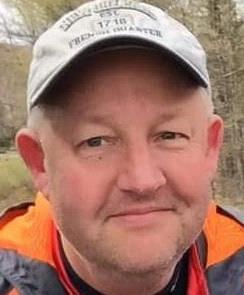
Chris Ebright is an EMS educator, storyteller, and conference presenter with more than 31 years as a nationally registered paramedic. Known for his dynamic whiteboard sessions and ability to simplify complex concepts, Chris has taught hundreds of EMTs, paramedics, nurses, and first responders worldwide—including students from the Cayman Islands, India, and Australia. For the past 19 years, he has been a featured speaker at numerous EMS conferences across the country, where he blends humor, insight, and real-world experience to inspire his audiences.
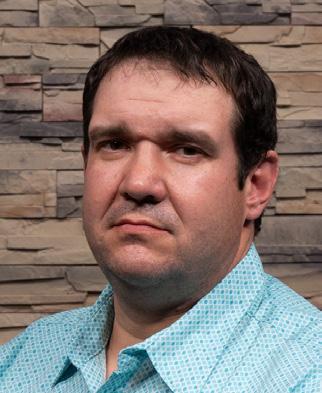
Duane Ell has served with the North Dakota Department of Health and Human Services Emergency Preparedness and Response Unit since 2016. In his role as the Training Coordinator and State Medical Reserve
Corps Coordinator, he works closely with North Dakota’s public and private healthcare partners to design and deliver training and exercises that enhance resiliency, strengthen response capabilities, and ensure the continuity of healthcare services during emergencies and disasters.
With more than 25 years of experience in the fire service and emergency medical services, Duane brings a broad and practical understanding of health, medical, and emergency preparedness operations. His extensive background in real-world response environments informs his collaborative approach to planning, training, and capacity-building across the state.
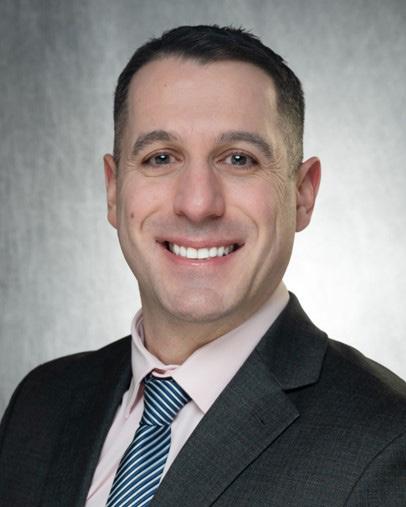
Bryan Fleischman is a board-certified Physician Associate (PA) and active firefighter-paramedic with extensive experience training EMS providers and clinicians across multiple levels. He has delivered more than 30 lectures for the Stony Brook University EMT and paramedic programs and teaches regularly at both field and academic settings. As an Advanced Wilderness Life Support (AWLS) Instructor since 2019, he has led a variety of courses, including Control the Bleed, Master the Wound, in wilderness environments such as the Adirondack Mountains. He completed formal education training as a PAEA Future Educator Fellow (FEF), alongside an Academic Medicine elective while in graduate school. Bryan also completed a month-long wilderness medicine elective during his emergency medicine residency, applying austere and remote medicine principles in diverse settings while cross-country skiing, scuba diving, rock climbing, rappelling, and snowshoeing. He specializes in advanced hemorrhage control, wound management, and patient evacuation, blending evidence-based practice with frontline experience in resource-limited environments.
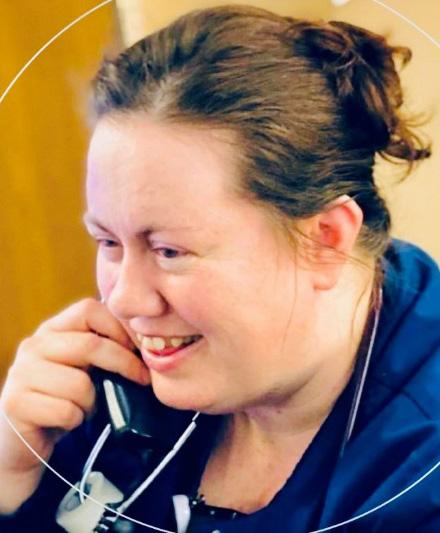
Chettie joined the North Dakota EMSC State Partnership as the program manager in December 2022. She has been an RN since 2006, working in critical access hospitals and Level II trauma centers in the Emergency Department. She is a PEPP and TNCC instructor. Recently, she has come to terms with being a person who gets excited about data. She has two teenagers, one at NDSU studying pre-law and one senior in high school who has autism. She is excited to bring her experience caring for pediatric patients in the emergency setting and her real-world knowledge of autism to help enhance the care North Dakota provides to its pediatric population.
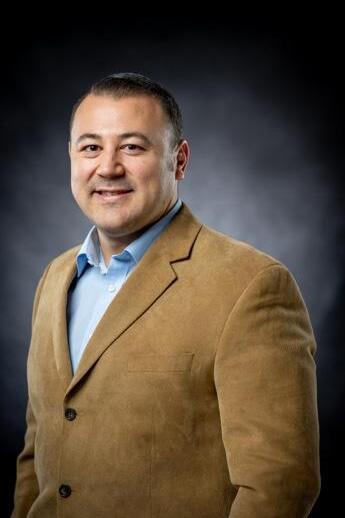
Doug Hexel is a career fire officer, urban search and rescue specialist, paramedic, and law enforcement officer. He is a fire, EMS, and law enforcement instructor for New York State, and he sits on the State’s Pediatric EMS Advisory Committee. Doug teaches at conferences around the country, primarily focusing on “bridging the gap” between fire and EMS in technical rescue. He is a sworn New York State Peace Officer and holds technician-level certifications in hazardous materials, rope, confined space, trench, swift water, and collapse rescue.
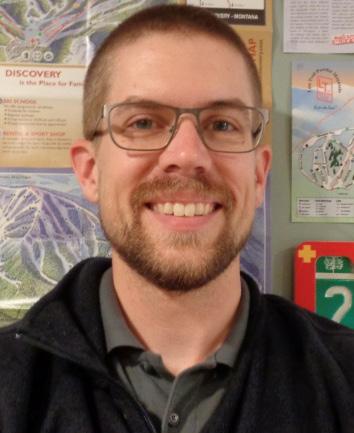
Latimer has worked in rural EMS since 2009 in Vermont and Montana (and a bit in Canada). These experiences involve ambulance/first responder services, fire departments, emergency communications, ski patrol, and search and rescue. He has managed supply ordering, served as a training officer, and written policies for multiple workplaces. In addition, Latimer holds a B.S. in Secondary English Education, a M.Ed. in Education Leadership, and Senior Alpine certification with the National Ski Patrol.
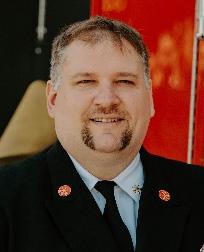
Interim Fire Chief Corey Johnson serves the City of Williston Fire Department in North Dakota. As Assistant Chief of Operations, he oversees the operations of three fire-based EMS stations. He has been active in public safety since 2007, when he first joined a volunteer fire department in Du Bois, PA. Chief Johnson has 17 years of experience in emergency services and is currently an EMS Instructor Coordinator in North Dakota for entrylevel EMS programs and the state coordinator for NAEMT training programs such as PHTLS and TCCC programs. Chief Johnson is active on the Williams County Hazardous Materials Response Team and the North Dakota Incident Management Support Team. Before accepting his position in Williston, he was a paramedic supervisor for a regional ALS service in western Pennsylvania and was a team member of the Pennsylvania EMS Strike Team.
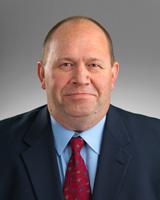
Ron has had a diverse career. He has worked in the military, retail, manufacturing, and service industries. He became involved in EMS in the 1990s at F-M Ambulance Service in Fargo, ND. He has held several positions including: dispatcher, EMT, paramedic,
ALS educator, paramedic program coordinator, and now Director of the Sanford Health EMS Education Department. Ron has been active in EMS research.
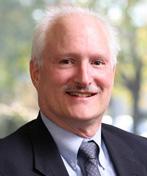
Bill’s first ambulance ride as “the attendant” was in 1961 at the age of 14, as his grandfather was dying during transport. His first ambulance attendant role as a trained and paid worker was with the US Navy, as a Hospital Corpsman, in 1967. He was trained and served as a US Marine Corps Field Medic during the Vietnam War. After serving with the Navy, Bill joined Freedom House Ambulance in 1970, as the first “white” person to be successfully hired. After Freedom House ended, in 1975, Bill went on in the field of EMS with the City of Pittsburgh EMS, the Center for Emergency Medicine, University of Pittsburgh, the Reading Hospital, Reading, PA, the University of New Mexico EMS Academy, Albuquerque, and then Creighton University EMS, in Omaha. Bill has authored and published research and textbooks in the field of EMS and, in 2013, received the Lifetime Achievement Award by the National Association of EMS Educators.
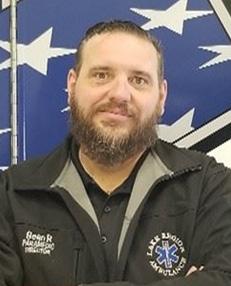
For the past 30 years, Sean Roed has been a full-time paramedic with Lake Region Ambulance Service and now serves as the Director of Operations for his organization. Sean is also an active instructor/coordinator and has been an active firefighter for the past 29 years, most recently with the Devils Lake City Fire Department for the last 17 years. In addition, he serves with the Rescue Task Force Team and aids in SWAT medic operations.
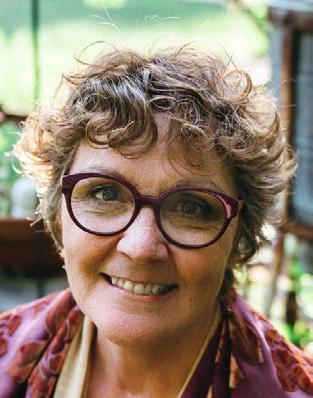
Patty Stewart McCord grew up in North Dakota. Her career in EMS began in 1991 when she became a NREMT with the Sherwood Ambulance Service. Her experience as a first responder to the Sherwood Oil Fire Disaster on September 15, 1991 was a defining moment in her life. Throughout the next nine years, she became an EMT-I, achieved a Bachelor of Science Degree at Minot State, was a founding member of the North Dakota CISM Team, a North Dakota EMS Instructor, served as a Board Member with the NDEMSA, and became an Authorized Instructor with the International Critical Incident Stress Foundation.
In June 2000, Patty immigrated to Canada when she married a Canadian firefighter and dedicated her career to providing education and training in critical incident stress management and psychological support services to
all branches of public safety and first responders, hospital staff, and civilians who have experienced traumatic events in their lives and careers. She had the privilege of working in many Indigenous Communities in the north, and from those experiences, co-authored “Healing Ways, Group Crisis Interventions for Indigenous Peoples.”
Patty will tell you that she was fortunate enough to find her “calling” in life and this career became her life’s work. And it all began in North Dakota.
SIM-ND operates under the University of North Dakota School of Medicine & Health Sciences (SMHS).
As part of North Dakota’s only medical school, SIM-ND supports the school’s mission to improve the health of people across the state by strengthening rural healthcare education, workforce development, and emergency preparedness. SIM-ND brings state-of-the-art clinical simulation directly to rural and frontier communities. The mobile labs allow healthcare teams to train together in realistic, high-fidelity scenarios without needing to leave their local communities.
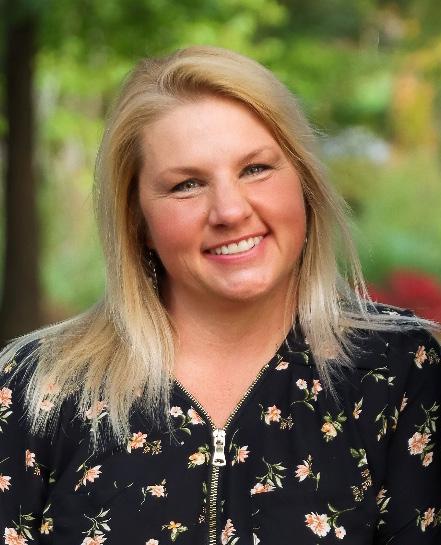
After graduating from nursing school in 1998, Janet worked in various departments through the hospital gaining knowledge and experience in ICU, Obstetrics, and the emergency room. She is a certified emergency nurse, certified flight nurse, and has her certification as a critical care transport provider. Janet works full-time for Golden Valley Memorial EMS as a nurse/ medic and a community paramedic. She enjoys teaching part-time for EMS conferences across the country and for local EMS programs. She also writes modules for various online forums and is regularly featured on EMS1.
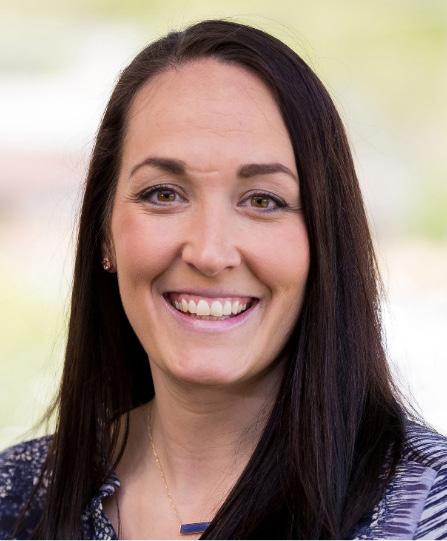
Mary Waldo got her start in healthcare volunteering for a rural ambulance service in central North Dakota as a high school student, but if you ask her, the initial interest in EMS came years before that while watching the show “Rescue 9-1-1.” From her very early childhood, she knew trauma care was where she was headed and likes to say that EMS was her first love, but trauma is her soul mate. With a background in nursing education, emergency and trauma care, and flight nursing, she has a passion for sharing her love of learning with others. She currently works as the North Dakota State Trauma Coordinator and at a Level I Adult/Level II Pediatric Trauma Center.
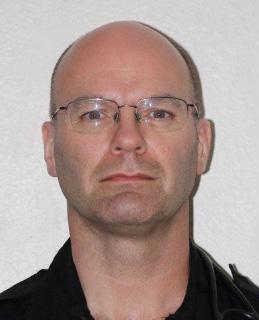
Howard has had a heart for EMS & trauma ever since his first ambulance run in 1982. He currently serves as the Trauma Coordinator for CHI St. Alexius Health in Bismarck. He is a retired Bismarck fire lieutenant and maintains certifications, including: RN, CEN, CFRN, CCRN, TCRN, LNCC, and paramedic.
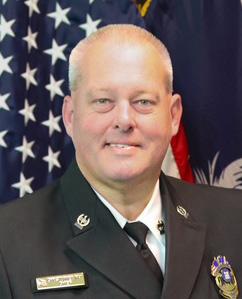
Christopher Way serves as the Chief of Charleston County EMS in South Carolina. CCEMS is a 911 EMS agency responding to more than 77,000 requests for service annually with 350 full- and part-time personnel. He assumed this role in August 2025 after serving previously as the EMS and Fire Chief in Kootenai County, Idaho. Chief Way has been involved in emergency services for 34 years and has been a paramedic for 31 of those years. His experience spans rural, suburban, and urban agencies, and he maintains all of his emergency medical and firefighting certifications. In addition to his position at CCEMS, he is involved at the local, state, and federal level in advocacy and legislation for emergency services. He also serves as the current President of the National Association of EMTs.
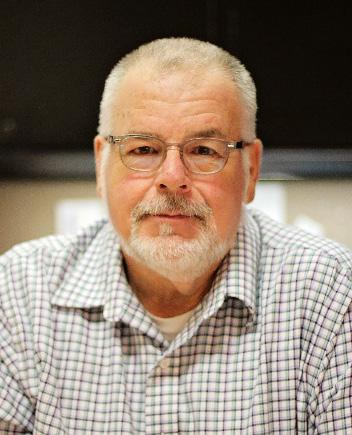
Dr. Bill Young is the Program Director of the Eastern Kentucky University (EKU) Department of Paramedicine, home to the second-oldest CoAEMSPaccredited paramedicine program in the United States. With a career spanning nearly five decades, Dr. Young has been heavily involved in prehospital emergency medicine education, fostering a strong emphasis on pathophysiology and the mechanisms that drive effective prehospital care. Dr. Young began his EMS journey in 1975, serving a small fire department near Williamsburg, Kentucky, before the term “first responder” was widely recognized. Over the years, he has held diverse roles, including street medic, training officer, supervisor, state regulator, and educator, bringing a wealth of experience to his current leadership position at EKU. Dr. Young holds a Bachelor’s degree from the University of the Cumberland (formerly Cumberland College), a Master’s degree in Leadership from Regis University, and a Doctorate in Educational Leadership.

Dear EMS Association Members,
I am writing to inform you that I have decided not to seek reappointment to the North Dakota EMS Foundation Board of Directors. I have served on the Foundation Board since President Kelly Dollinger appointed me in 2017. Since that time, we increased our assets and created the Dale Severson Memorial Golf Scramble and the Tom Nehring Memorial Fishing Tournament. We also established permanent EMT and paramedic scholarships, named in memory of Dale Severson, Tammy Petersen, and Tom Nehring. In addition, we have scholarships named after Irvin and Patsy Andes, CHS inc., and Sanford Health in Bismarck through endowments and perpetual funding agreements.
The new Foundation President is Tammy Roerich. Tammy has served as our secretary/treasurer with dedication, integrity, and passion for many years. You can be assured that Tammy will carry those same virtues into her new position.
After my announcement to the Board of Directors, they decided to offer me a position as your new Development Coordinator. My job, part-time and starting this spring, will be to meet and greet potential donors for the purpose of increasing our family of benefactors. I look forward to the challenge and service to EMS in North Dakota.
In conclusion, I would like to thank the NDEMSA Board of Directors for their confidence in me and a special thank you to the Foundation Board of Directors, my team and my friends, Tammy Roerich, Pat Tracy, Tyler Kientopf, Christi Schaefbauer, Nathan Severson, and RJ Benth.
Mark Haugen
ND EMS Foundation
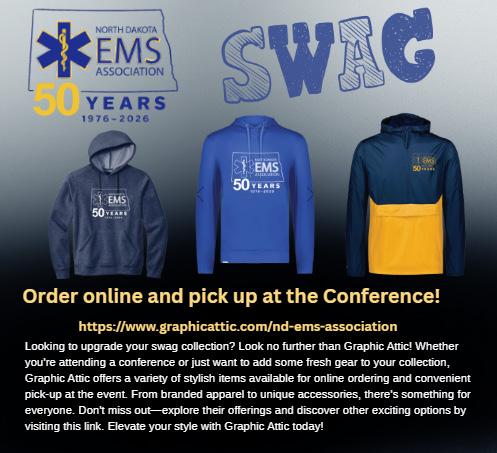
Order online now and pick up at the conference!
https://www.graphicattic.com/nd-ems-association
More items will continue to be added leading up to the conference, so check back for updates.
The North Dakota EMS Foundation is honored to announce its
EMT Scholarship Recipients:
• Sarah Wheeler ........................................................Dale Severson Memorial Scholarship
• Joel Schaffett Tami Petersen Memorial Scholarship
• Kimberly Bush Tami Petersen Memorial Scholarship
• Lynnzi Gillmore Tami Petersen Memorial Scholarship
• Marie Baross Tami Petersen Memorial Scholarship
• Connor Lofgren ...................................................... Tami Petersen Memorial Scholarship
• Elizabeth Brekhus-Fitterer
CHS inc. Scholarship
• Eden Schlinger North Dakota EMS Foundation Scholarship
• Lilly Holmgren North Dakota EMS Foundation Scholarship
• Annelise Dickhut
• Kristi Bradley
• Beth Gale ..............................................
North Dakota Community Foundation Scholarship
North Dakota Community Foundation Scholarship
North Dakota Community Foundation Scholarship
Paramedic Scholarship Recipients:
• Ashton Hollingswoth .................................................. Tom Nehring Memorial Scholarship
• Bethany Kern ........................................................ Tami Petersen Memorial Scholarship
• Connor Ramsey Tami Petersen Memorial Scholarship
• Hannah Witmer Tami Petersen Memorial Scholarship
• Olivia Retterath Irvin & Patsy Andes Scholarship
• Peter Cady Sanford Health Scholarship
• Annelise Dickhut .............................................. North Dakota EMS Foundation Scholarship
• Paige Dorsher.................................................. North Dakota EMS Foundation Scholarship
• Connor Lofgren North Dakota EMS Foundation Scholarship
• Logan Larson North Dakota EMS Foundation Scholarship
• Sara Rhode
• Sara Hollow
North Dakota EMS Foundation Scholarship
North Dakota EMS Foundation Scholarship
• Jeff Howard ............................................ North Dakota Community Foundation Scholarship
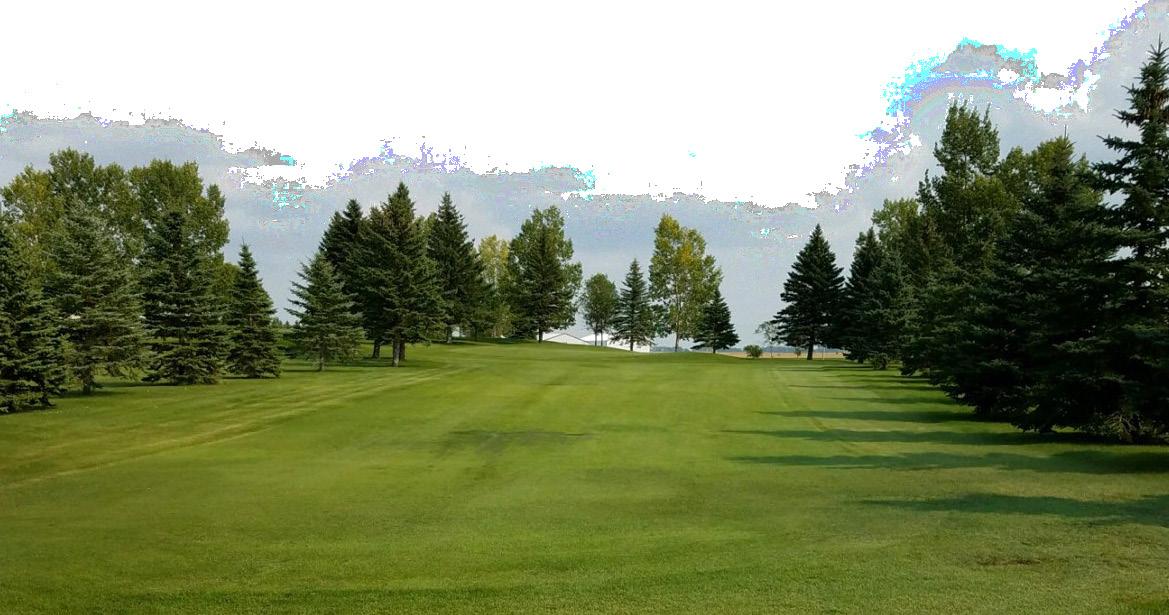
Fessenden Country Club, 1675 County Rd 1, Fessenden, ND
The 18-Hole golf scramble consists of a maximum of (18) 4-member teams, non-handicap with a shotgun start.
$400.00 Per Team
• Mulligans available for purchase
• Team Mulligan(s) - $20.00
• (Maximum 5 Mulligans per team)
• Door Prizes and Fun for all!
TEAM PRIZES FOR:
• 1st Place • 2nd Place • 3rd Place
INDIVIDUAL PRIZES FOR: • Longest Drive
• Longest Putt • Shortest Drive