EMILY BOHAN JENNY ZHENG ALEXINA COFFEY
CONTENTS Location 2. Crew Background 4. Green Spaces 6. Protecting Culture 8. Public Housing Waste Management Health Bene ts Public Transport Education Cultural Escapes Eco-tourism Zero-Carbon Park Conclusion .......................................................................................... .......................................................................................... .......................................................................................... .......................................................................................... .......................................................................................... .......................................................................................... .......................................................................................... .......................................................................................... .......................................................................................... .......................................................................................... .......................................................................................... 10. 22. 20. 18. 16. 14. 12. 26. 24.
My name is Emily Bohan and and migrated straight to Griffith with such inspiring students have grown fond of presenting. sharing my ideas and design architecture and the details and understand the history
Emily Bohan
Bachelor of Architectural Design (year 2)
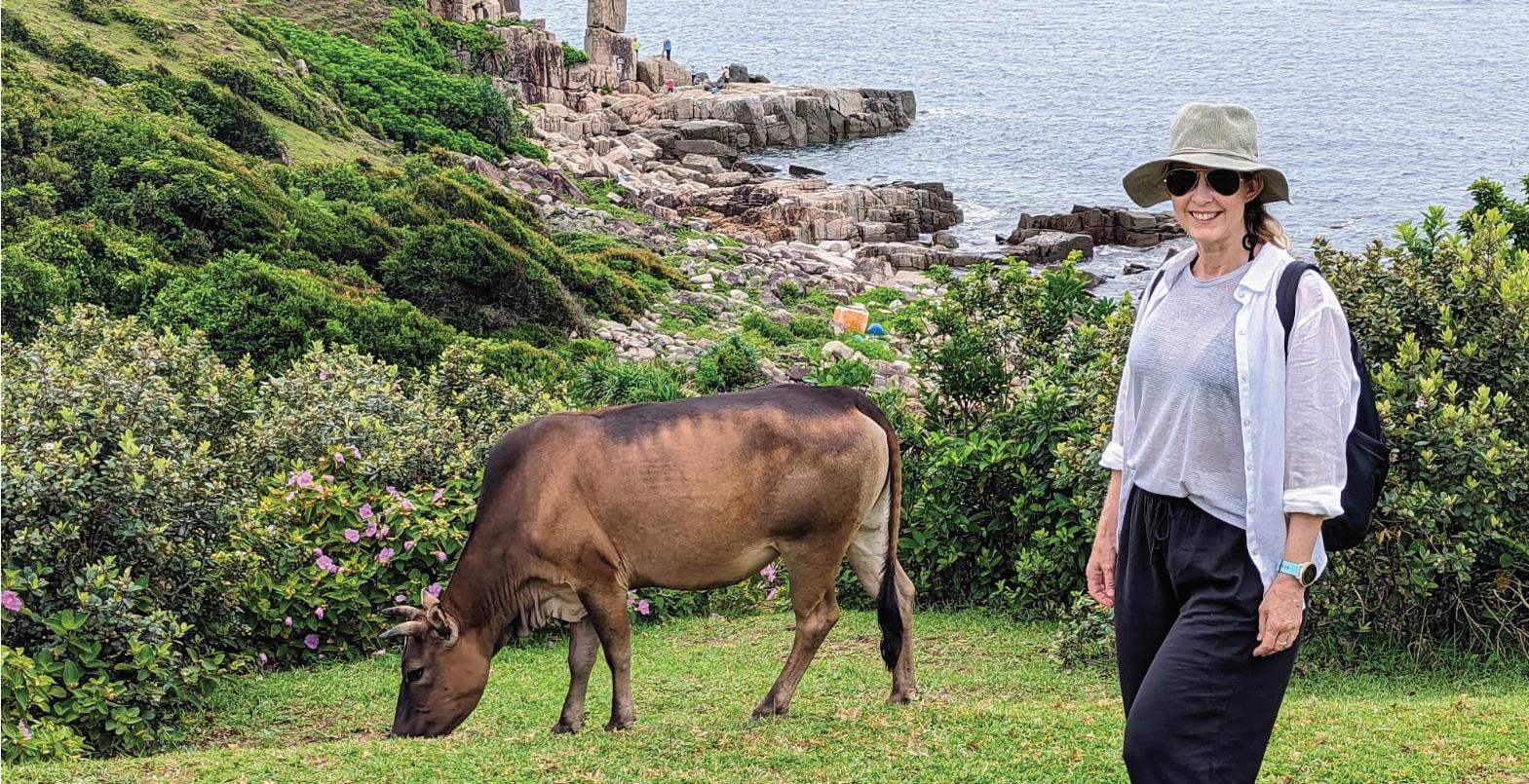
My name is Alexina, and I am and studying environmental prevention, by addressing all may affect health status. The of how the built environment new transdisciplinary perspectives is Hong Kong.


Alexina Coffey Jenny Zheng
Bachelor of Environmental Health (year 3)
My name is Jenny and I am Griffith University and a Bachelor ground co-ordinator, travel about sustainable development
Bachelor of Business (year 1)
and I am studying in my second year of Architectural Design. I finished school in 2021 Griffith University where I grew a profound passion for architecture. My cohort is filled students that support and encourage each other. I love working late nights in the studio and presenting. When I began the course I wasn’t confident in presenting to a class but now I love design processes. The Hong Kong trip exceeded my expectations through it’s marvelous details considered to the smallest elements. I hope to travel more to inspire my creative flow and importance of architecture.
am currently a third year Environmental Health student. I come from a nursing background environmental health allows me to transition from a role in disease treatment, to a role in disease all the physical, chemical, and biological factors that are present in the environment that The goal from undertaking the Nature in the City study tour is to deepen my understanding environment and natural environments impact on peoples’ health and well-being and gain valuable perspectives of how the sustainable development goals (SDGs) apply to the unique city that
in my first year of Business. I have previously studied and completed a Masters of IT at Bachelor of Education in China. I have worked in many fields some being teaching, airline consultant, property manager and real estate agent. My goal from this trip is to learn development through Hong Kong’s transport, education and cultural aspects.
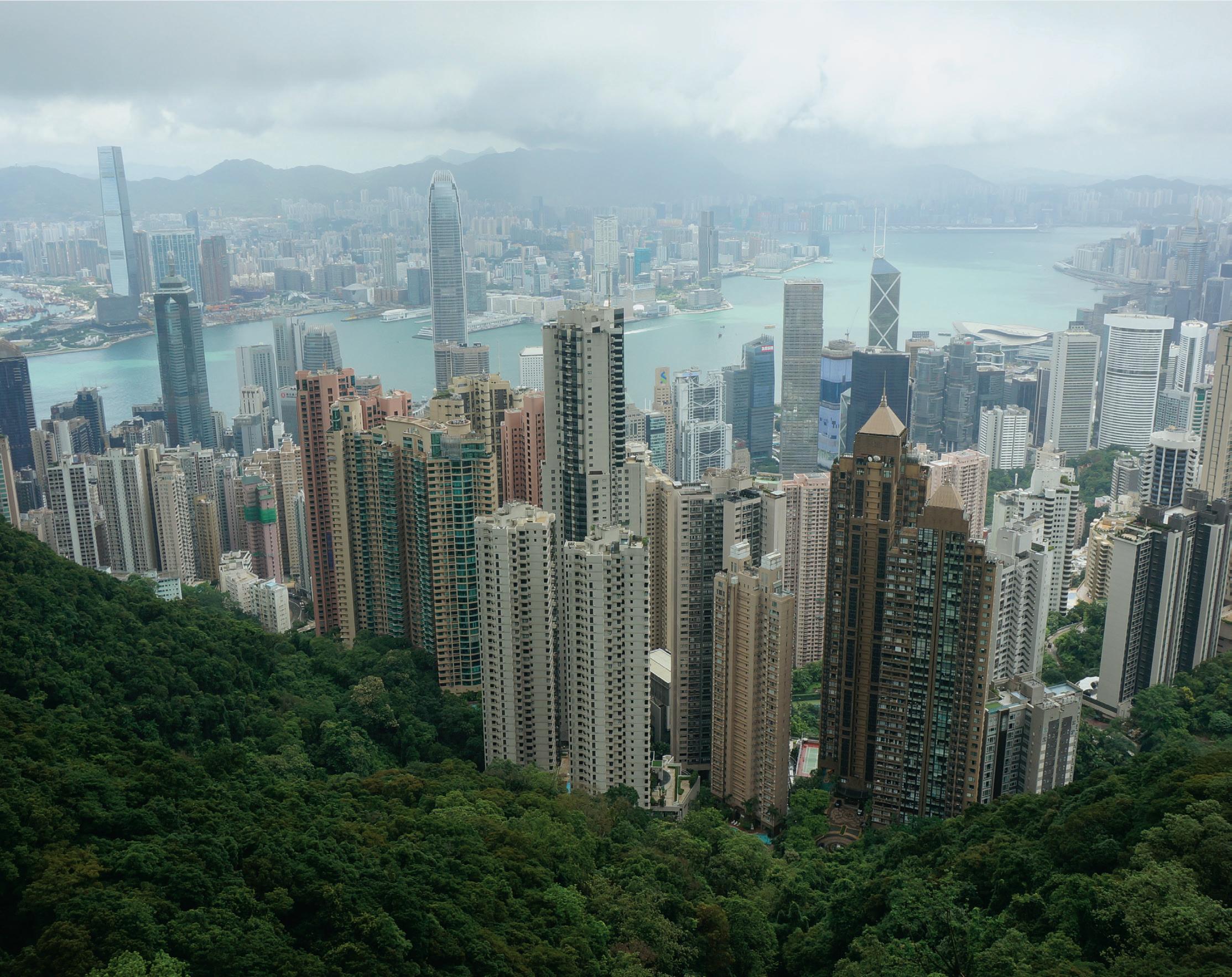
HONG KONG
In June 2023, Griffith University students embarked on an International Field Trip based in the Special Administrative Region (SAR) of Hong Kong, China to explore the nature-health nexus over the course of 12 days. Hong Kong is home to approximately 7.3 million people with an urban area of approximately 1115 km2 (78.20 km2 of which is reclaimed land). This translates to a population density of 6,749 people per square kilometre. The region’s mountain ranges make for limited land usage resulting in highdensity living in vertical spaces. Hong Kong exhibits beauty through its harbour, mountains, city views, unique and complex architecture, incorporation of green spaces and dynamic trades (street markets and international corporate firms) (Hong Kong Lands Department, 2023; The Government of the Hong Kong Special Administrative Region, 2022).


INTRODUCTION
To accomplish the goals of the field trip, students were placed in groups to gain an interdisciplinary interpretation of “nature and health in the city”. Our group, ‘Team Wind’ comprised Emily (Architecture), Alexina (Environmental Health) and Jenny (Business), came together to set the following shared learning goals to guide our investigations:
• Direct observation of the residents of Hong Kong accessing nature across Hong Kong SAR.
• Take photographs and videos (with permission) as part of the exploratory research process.
• Conduct interviews with local residents, university speakers (local experts) and guides to enhance learning.
• Conduct a literature review to fill in knowledge gaps and further enhance our knowledge of nature and health in the city of Hong Kotng.
• Discovery of the Sustainable Development Goals (SDG’s) applied in nature of the city.
• Differences of interdisciplinary perspectives during this exploratory research process
After evaluating the relevant interdisciplinary goals for the task, Team Wind formulated a research question and sub research questions:
• How does Hong Kong create an environment that caters for the needs of its people? (Overarching question),
• How are the Sustainable Development Goals (SDGs) interlinked with the coexisting nature and human well-being in Hong Kong?, and
• What are the barriers to accessing nature in the city of Hong Kong? (Sub question)
Team Wind undertook group activities as per the itinerary, comprising visits to schools, universities, Glass Island, the Big Buddha, the West Kowloon Cultural District, Zero Carbon Park, local markets and gardens, taking photos and notes as primary data collected for research in answering the above questions.
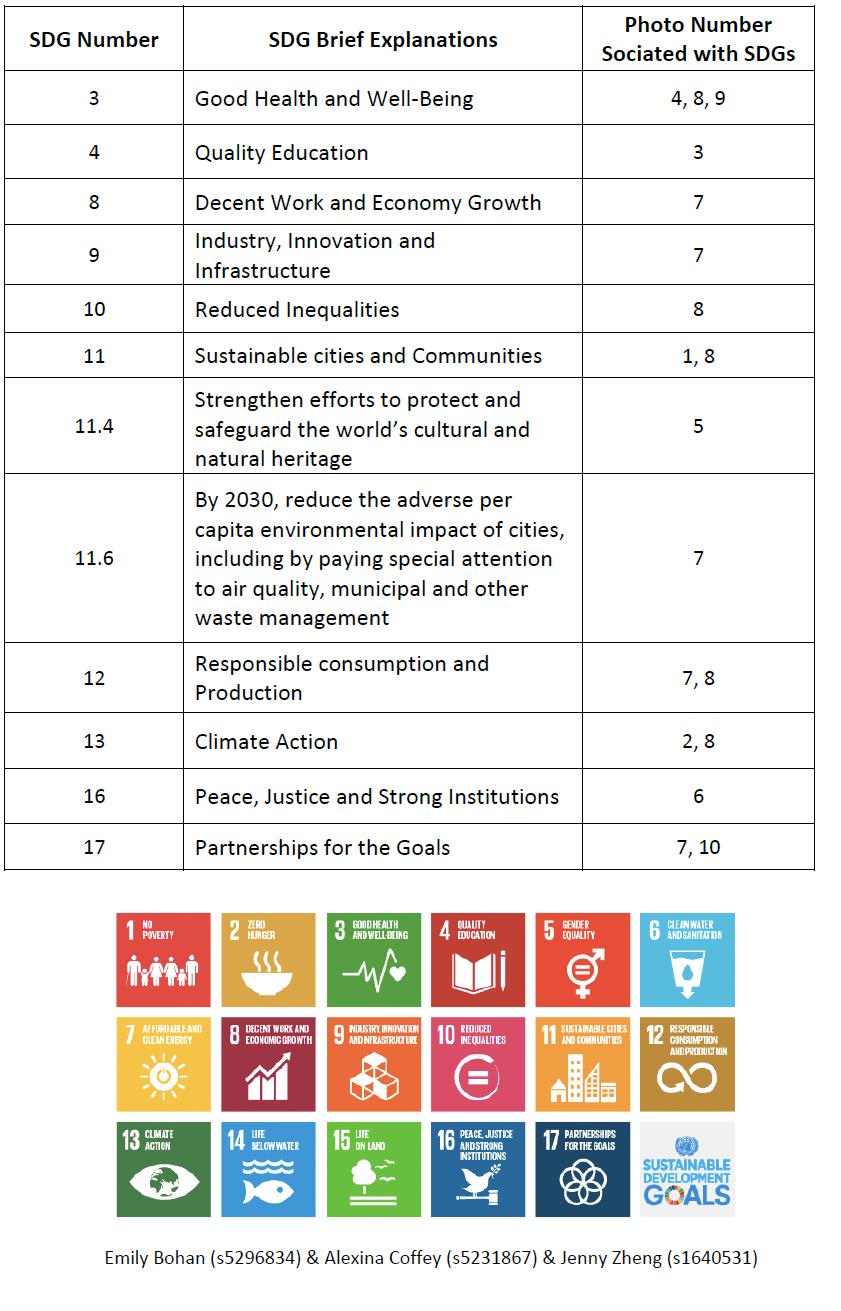
The Photo Story method was chosen as a research tool for gathering qualitative and exploratory data as part of our evaluation study. The photos developed themes which highlighted 10 critical ideas that relate to ‘nature and health’ and supported the photos relevance. A narrative of where it was taken, what was seen and heard, and its significance based on Team Wind’s interdisciplinary interpretation of the “nature and health” in the city.
Finally, this booklet exhibits the interdisciplinary explorations of nature and health in Hong Kong, it demonstrates this through an architectural, environmental health and business lens, focussing on the underlying issues and favourable components that benefit the city and its people. After two weeks of investigating the livelihoods of civilians, ideas could form around how city plans have influenced the built environment and subsequent impacts on behavioural habits. With this developing knowledge, judgments and questions surrounding each discipline could deepen, and to expose the relevance and impacts each observation has on architecture, environmental health, and business.
There is no clear delineation between each of the sustainable development goals or each of the disciplines in the Team Wind group when exploring the theme of Nature in the City. Everything is interconnected and linked, therefore, achieving the SDG’s will require cooperation of all stakeholders, enhanced knowledge of key issues, communication sharing, strong partnerships and, finally, respect for each other’s views.
Nature & Health 4
GREEN SPACES In
the city




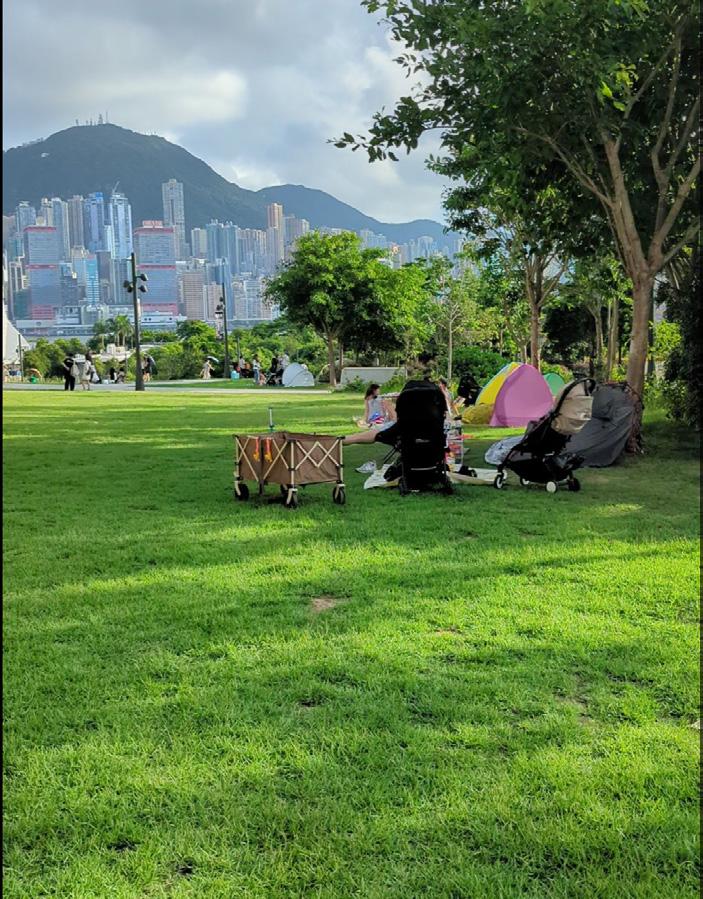
Taken from the M+ Museum rooftop gardens, this image captures the green spaces of the West Kowloon Cultural District (WKCD) situated alongside Victoria Harbour. These sights were viewed from the green roof garden at M+ Museum. Admirably, WKCD has incorporated green and sustainable initiatives into its design and daily operations, adopting a ‘green event pledge’ further reduces its carbon footprint (West Kowloon, 2021). SDGs 11, 12, 13.

Nature & Health 5
The district’s museum galleries, dining, retail, hotel and entertainment assets, along with the small to large event spaces for hire, have proved to be an investment in Hong Kong’s creative industries and the cultural hub has quickly become one of the new ‘engines of economic growth’ in a new post-pandemic era in Hong Kong (Hong Kong General Chamber of Commerce, 2023).
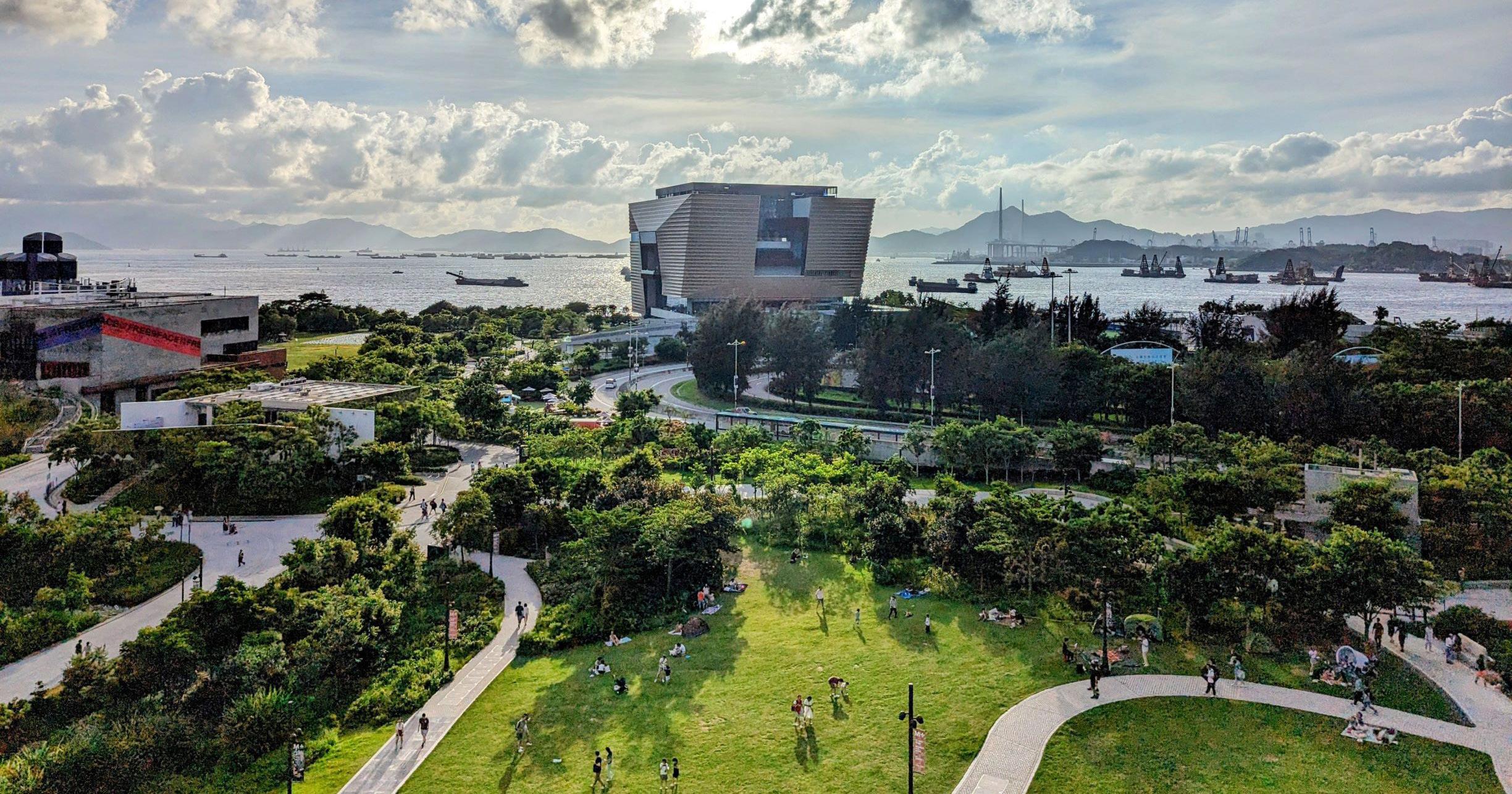
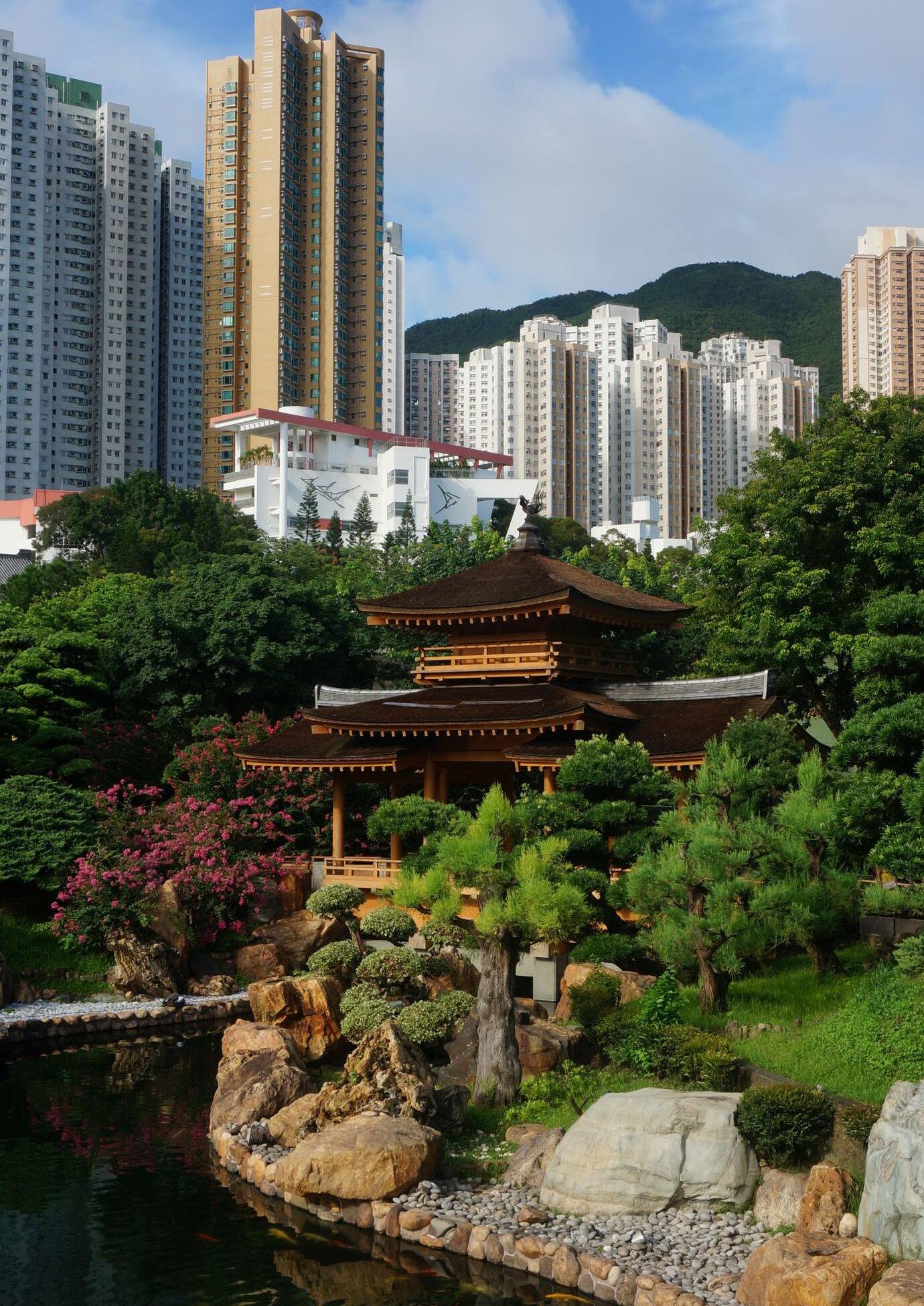
The entire precinct is an architectural and urban planning marvel and exceeds the expectations of a high-density urban environment. Thus, this photo illustrates the difference between a high-density city and a healthy high-density city; the design approach to these accessible green spaces playing a fundamental role in connecting people and the environment. SDG 3, 10. To encompass an environment that promotes these interactions, planners and designers need to ensure that the accessibility to green spaces is not interrupted by ‘unfriendly’ architecture as evidenced in Hong Kong’s older districts and hence new opportunities are created to deliver more people-friendly urban environments (Rossini, 2022).

Nature & Health 6

PROTECTING CULTURE
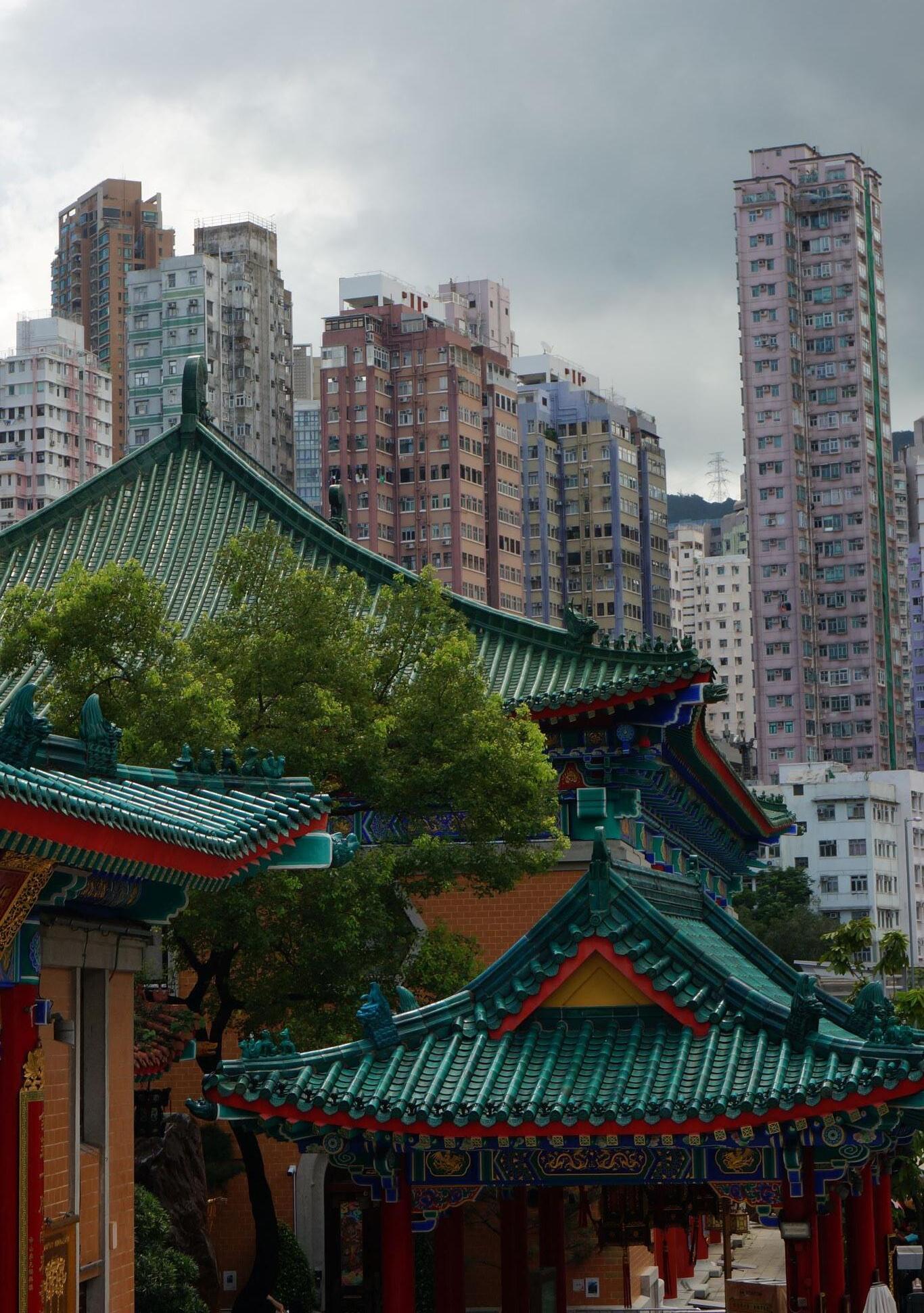
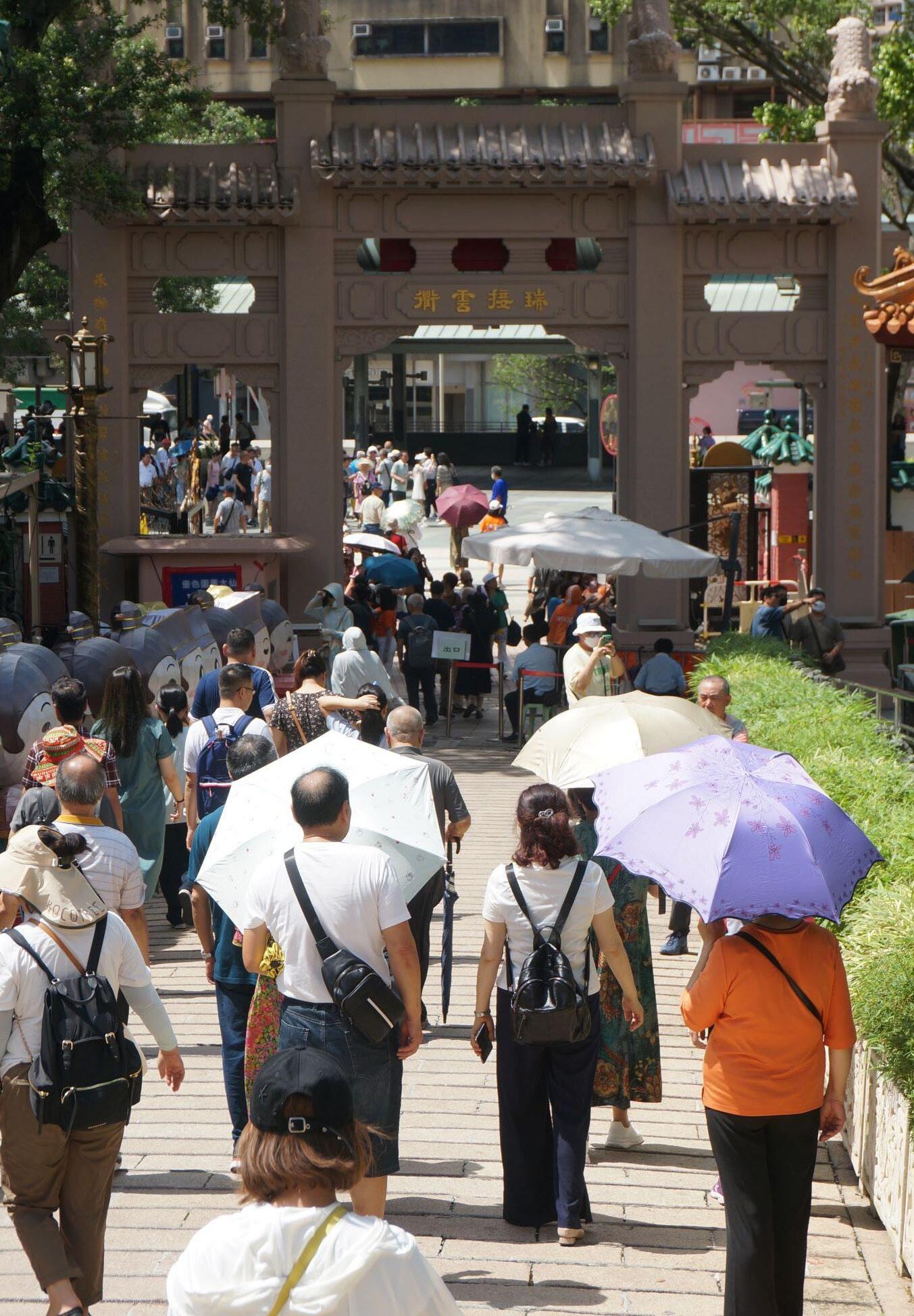
This image was taken at Wong Tai Sin Temple, it highlights the vast contrasts between culture and everyday living. The sacred space captures intergenerational connections through cultural practices and demonstrates the importance of cultural escapes in large cities. This escape removes one of the barriers to accessing nature in Hong Kong as people actively search out cultural places that embrace nature and make connections to the spirit of Buddha through peaceful gardens and Biodiversity.
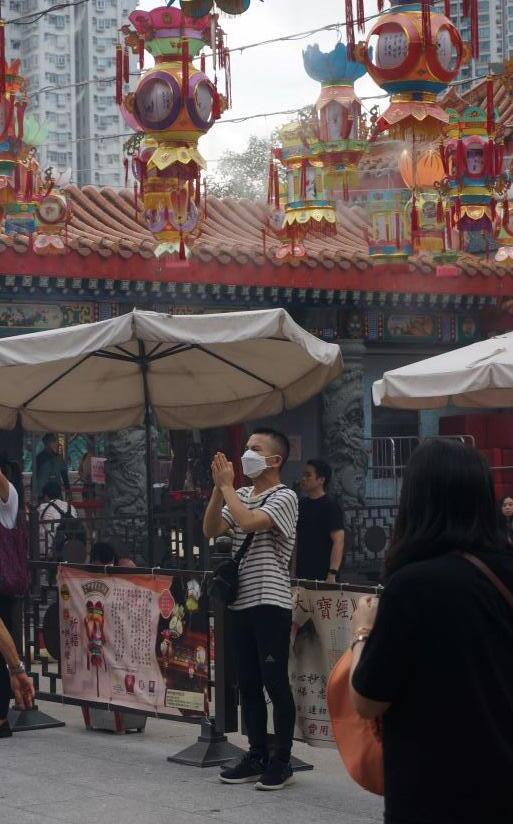
When immersing ourselves in the culture it was clear that SDG 11, target 11.4, aimed to protect, conserve and safeguard world heritage, both cultural and natural, so that heritage remains instilled, thus creating a sense of safety, national pride, and identity in communities. Whilst many people visited the temple to practice, a vast group of people indulged in the cultural architecture that juxtaposes the surrounding concrete jungle. Wong Tai Sin’s architectural contrasts, not only invites locals to escape but encourages tourism, it was observed when visiting the site that many market stalls and individuals would sell knickknacks of cultural significance to tourists, forming assumptions that tourism expenditure was the key source of income for these small businesses. Charitable cash inflow was also seen whilst visiting, with locals and tourists making donations to the Temple.

Nature & Health 8
PUBLIC HOUSING
Dense Living


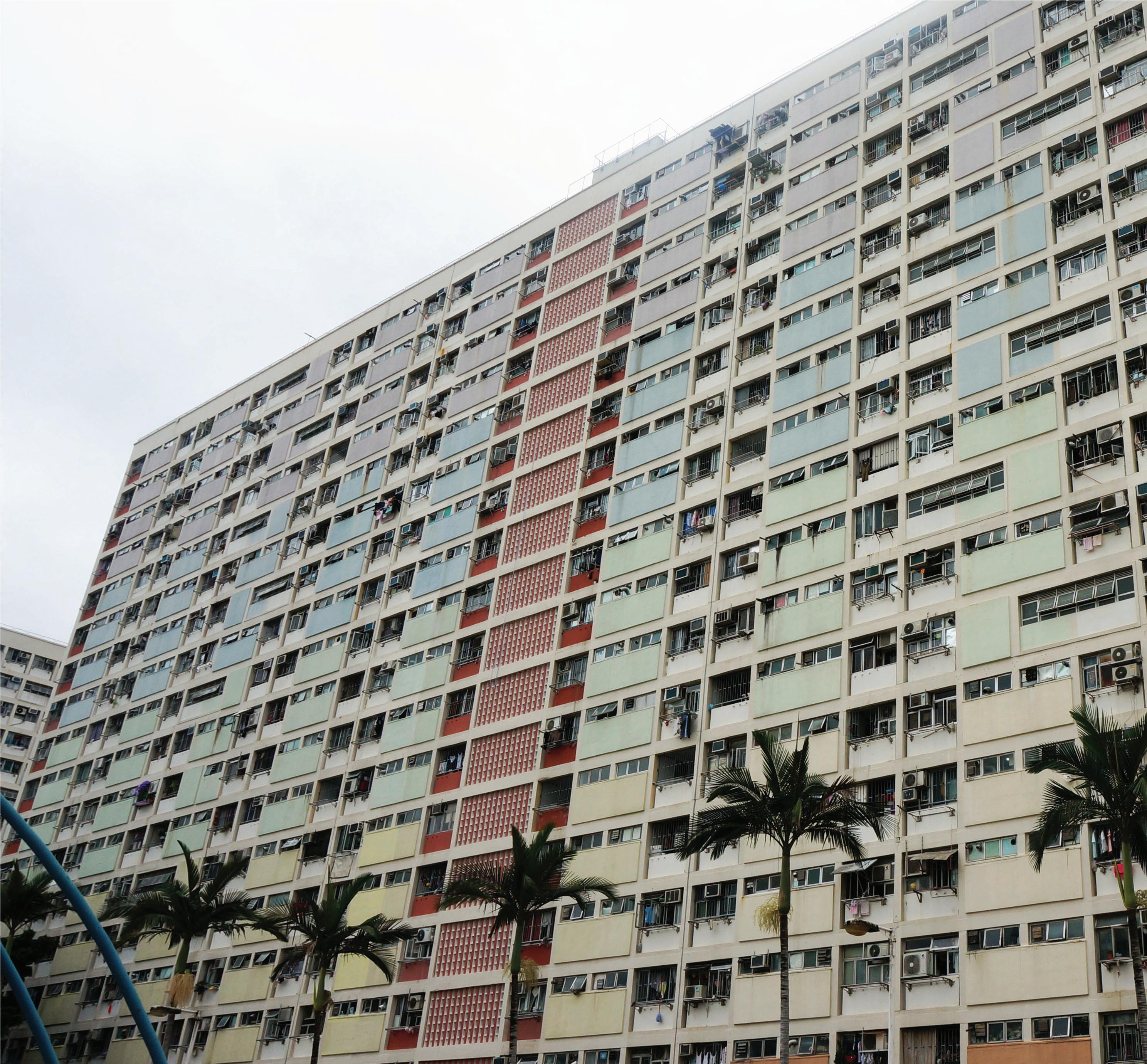
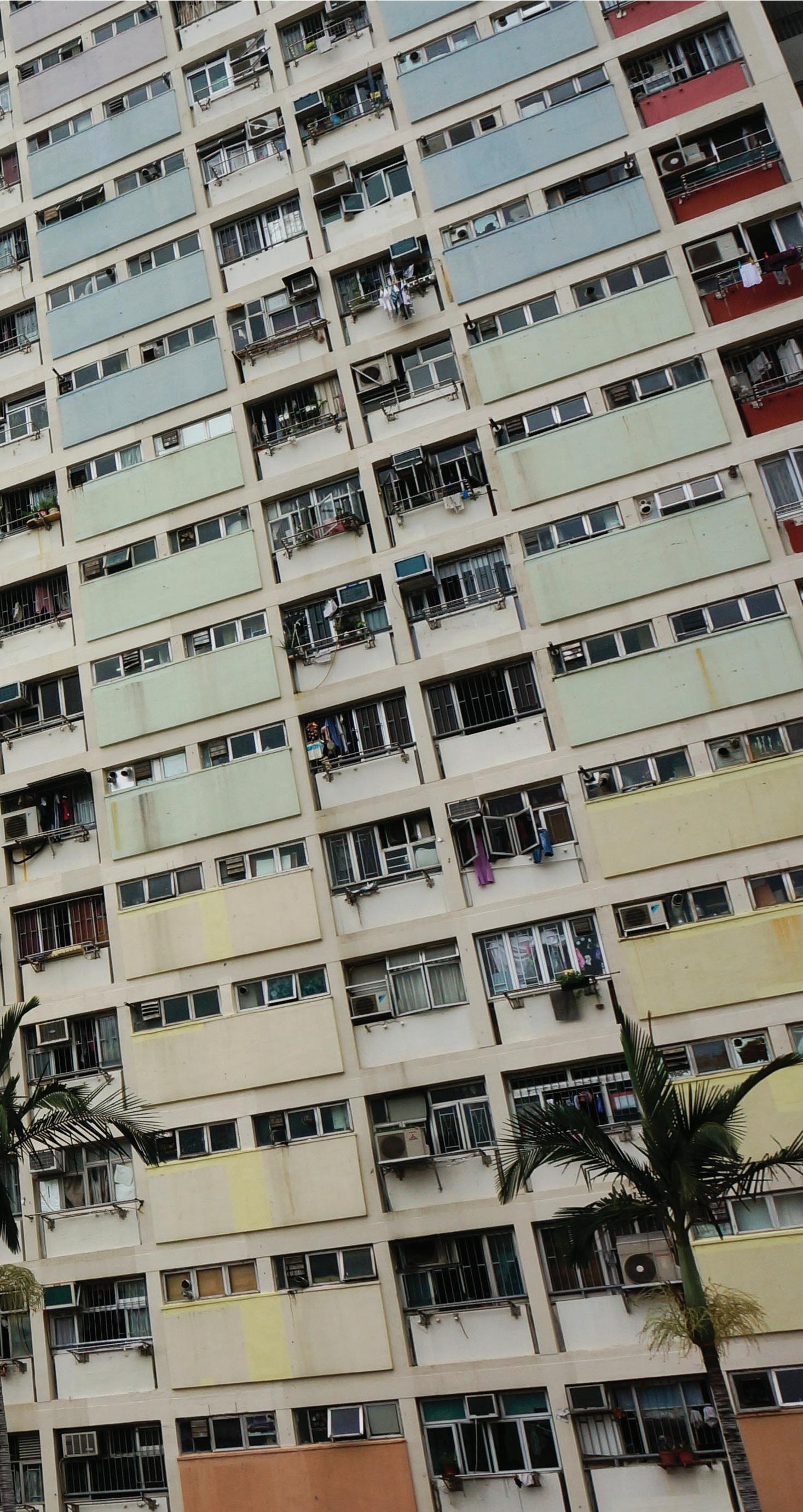
Lectures with Professor Chinmoy Sarkar at Hong Kong University, inspired discussions around the public housing system and the level of government support that would provide improved living conditions for these residents. Sarkar explained that Hong Kong’s current city plan standard of public green space per person in urban areas is a minimum of 2m2, however, evident in these images, many high-density neighbourhoods in older districts can be below standard and as low as 1.2 m2.
To further investigate these conditions, an excursion to Choi Hung Estate was sought, 3 multi-story buildings housed families, elderly and those with disabilities. Three basketball courts played a central role in this community dividing the buildings and providing space for social interactions. When learning of the accessibility difficulties, dense spaces, and standard conditions it was obvious that equitable living was not adhered to and that major health risks were grossly inflated in these buildings.
Nature & Health 9
The exploration of design methods to improve these conditions, and minimise health risks, were negligible and raised questions around greater public funding allocated to support architects and health studies. An investigation into this uncovered that the Hong Kong Government is currently in debate with the housing crisis and is attempting to increase land supply and accelerating the production of new housing as part of a HK$11.6 billion plan (Yeung, 2022).


Nature & Health 10

WASTE MANAGEMNT



This photo, taken at the off-leash dog beach at Repulse Bay on Hong Kong Island, illustrates that the shoreline is severely affected by plastic pollution. A local resident advised that a significant portion of this waste had arrived by ocean current from mainland China and the rest, waste discarded from ‘junk boats’, where the waste is generated from social occasions and parties onboard. This situation is in direct contrast to Hong Kong’s waste reduction policy document “Waste Blueprint 2035”, containing innovative strategies to reduce plastic waste (Hong Kong Government, 2021). Furthermore, Xu (2023) reports that Hong Kong is lagging behind other Asian mega cities, such as Singapore, with its sustainable waste management practices. SDG 9,11, 12.
This issue is paramount due to the impacts on water quality, marine life, human health, tourism and is unsustainable. From an interdisciplinary perspective, the photo brought into focus the overarching importance of SDG 17: Partnerships for the Goals and which is particularly relevant to the issue of waste arriving from China (United Nations (UN), 2023a)
Approaching this image from an architectural lens, sights like these diminish the appeal of cities and often produce a negative cloud over the experience of the surrounding built environment. To take advantage of polluted plastics, designers need to transform their ways and explore how wasted plastics can be used as building materials and/or design features, expanding the scope of recycling techniques and aligning with the Waste Blueprint (Jauhari, 2022; Li et al., 2023). (SDG 8, 9, 11.6).
Nature & Health 12
HEALTH BENEFITS
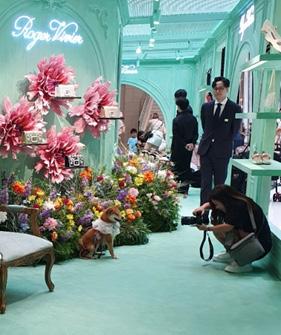
The World Health Organisation (WHO) (2023) states that health-supportive cities and built environments are prerequisites for good health. This photo illustrates that a green park has been set aside for Hong Kong residents to exercise their dogs. Pets are known to impart positive health benefits to their owners including lowered cortisol and blood pressure and easing of feelings of loneliness and social isolation (Centers for Disease Control and Prevention (CDC), 2023). The UN (2023b) reports that the global prevalence of anxiety and depression has been increasing, especially for women and young people, therefore the promotion of healthy activities, such as spending time with pets, and outdoors in nature, may contribute to improved mental health and well-being. (SDG 3). However, some pet park designs observed in Kowloon, were devoid of grass or greenery of any kind, forcing owners to exercise their pets on concrete which negates the positive effects of connecting to nature in the city.

Nevertheless, with Hong Kong Healthcare expenditure amounting to US$22.7 billion (6.2%of GDP in 2020) citizens can trust that improved living environments, through the incorporation of facilities like pocket parks and inclusive pet parks, encourage healthy habits and ensure long working lives, simultaneously reducing the risk of hospital costs and accelerating economic growth (Hong Kong - Healthcare, 2021).

Nature & Health 13


PUBLIC TRANSPORT

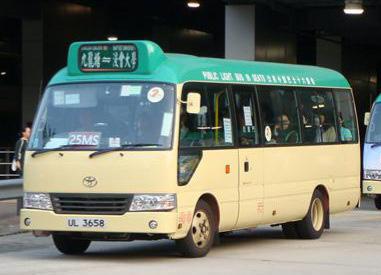
These photos illustrate the various public transport networks in Hong Kong. Collectively these provide the city with three positive impacts according to SDG 11: 1) advanced built metro network protects nature environment; 2) efficient public transport minimizes Carbon Dioxide’s (CO2) level increasing; 3) satisfying cost of living in transport encourages usage and continuing development of public transport system.
While exploring it was clear that most people used trains in peak hours, due to the minimal stress and a shorter waiting time. It was also observed that clear signage directed passengers to different levels of underground platforms, that were connected through lifts, stairs, and escalators at metro stations. The Mass Transit Railway (MTR) provides an average of 43.4% of daily public transportation trips (Chan et al., 2021). With more people using public transport, less CO2 impacts the environment, providing more financial support to maintain and continually develop efficient and safe public transport networks (see diagram).
As you dive deeper into the city it uncovers architectural and engineering phenomenon’s, a world class multistorey underground metro system that transports millions each day (Transport Department, 2023) with minimal interruption to above ground development.
Nature & Health 15


Nature & Health 16

EDUCATION
Chart 1 shows between 2006 and 2016, the proportion of population aged 15 and over, having attended secondary and post-secondary education increased from 74.6% to 80.0%, furthermore, the school attendance rate of children aged 3-5 was 92.5% in 2016, whilst school attendance of children aged 6-17 was almost universal (Population By-Census, 2016).

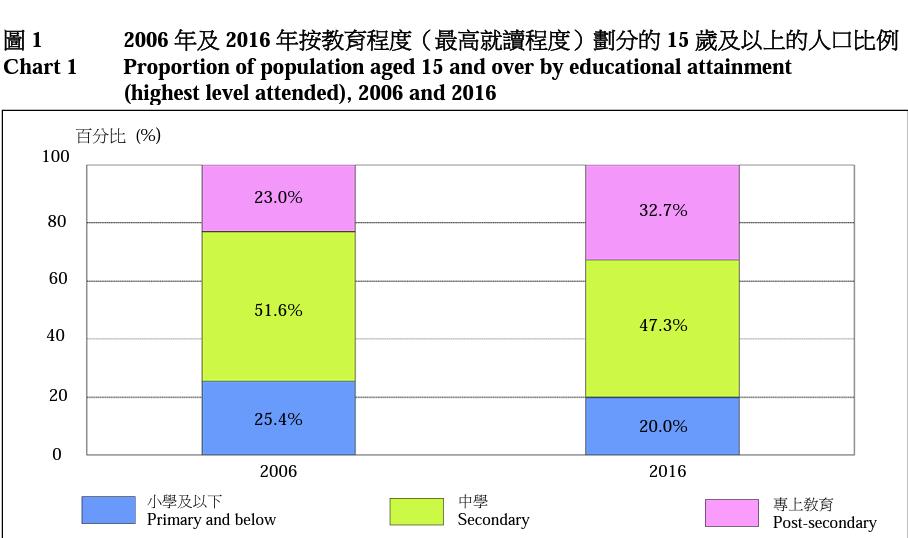
Our direct observation includes visiting the Australian International School Hong Kong on 20th June (picture 7b), witnessing a warm classroom at Jockey Club Sarah Roe School on 29th June. The lectures given at the three university visits (the Chinese University of Hong Kong, the Hong Kong Baptist University and the University of Hong Kong) provided insight into how Hong Kong aims to target these goals through city developments. Urban planning discussion around how these professors aim to encourage the positive attitudes in younger generations inspired ideas around the importance of introducing sustainable practices and considering future impacts of new developments.

We believe Hong Kong’s complete education system is the cradle of future architects, business decisionmakers and environmental city planners, who will continually develop a sustainable Hong Kong city in new generation, because education is a key humanities development to understand the coexistent relationship between nature and human.

Nature & Health 18
Figure1-EducationalAttainment,(PopulationBy-Census,2016).
CULTURAL ESCAPES

This photo was taken at Lantau Island on 21st June 2023 and illustrates artificial symbolization of the harmonious relationship between human and nature, people and faith.
Even though Hong Kong had been a British colony for 99 years, Hong Kong is rooted deeply and firmly in Chinese culture and religion. Confucianism and Taoism perspectives (we observed at the West Kowloon Cultural District) have implicitly been commonly taught and penetrates in the Hong Kong education system, for instance, a Confucian motto – ‘Bring peace to the world” and the Taoist concept for health and spiritual preservation – “Xiuyang” (self-cultivation) (Sum et al., 2020). Developing peaceful mind through eastern culture and Buddhism helps people to have wisdom of perfect practice to improve mental health (SDG 16 – peace, justice and strong institutions).
In addition, architecture’s contribution of building the Big Buddha is indispensable. The Big Buddha is 34 metres high and 276 tons and was opened to the public in 1993 (Sum, 2018), it became one of the most famous tourist attractions in Hong Kong for people to escape out of the city and to enjoy the surrounding natural forest environment. From a business view, culture tourism encourages business activities in transport, housing, shopping and accelerates social economic growth.

Nature & Health 19

ECO-TOURISM


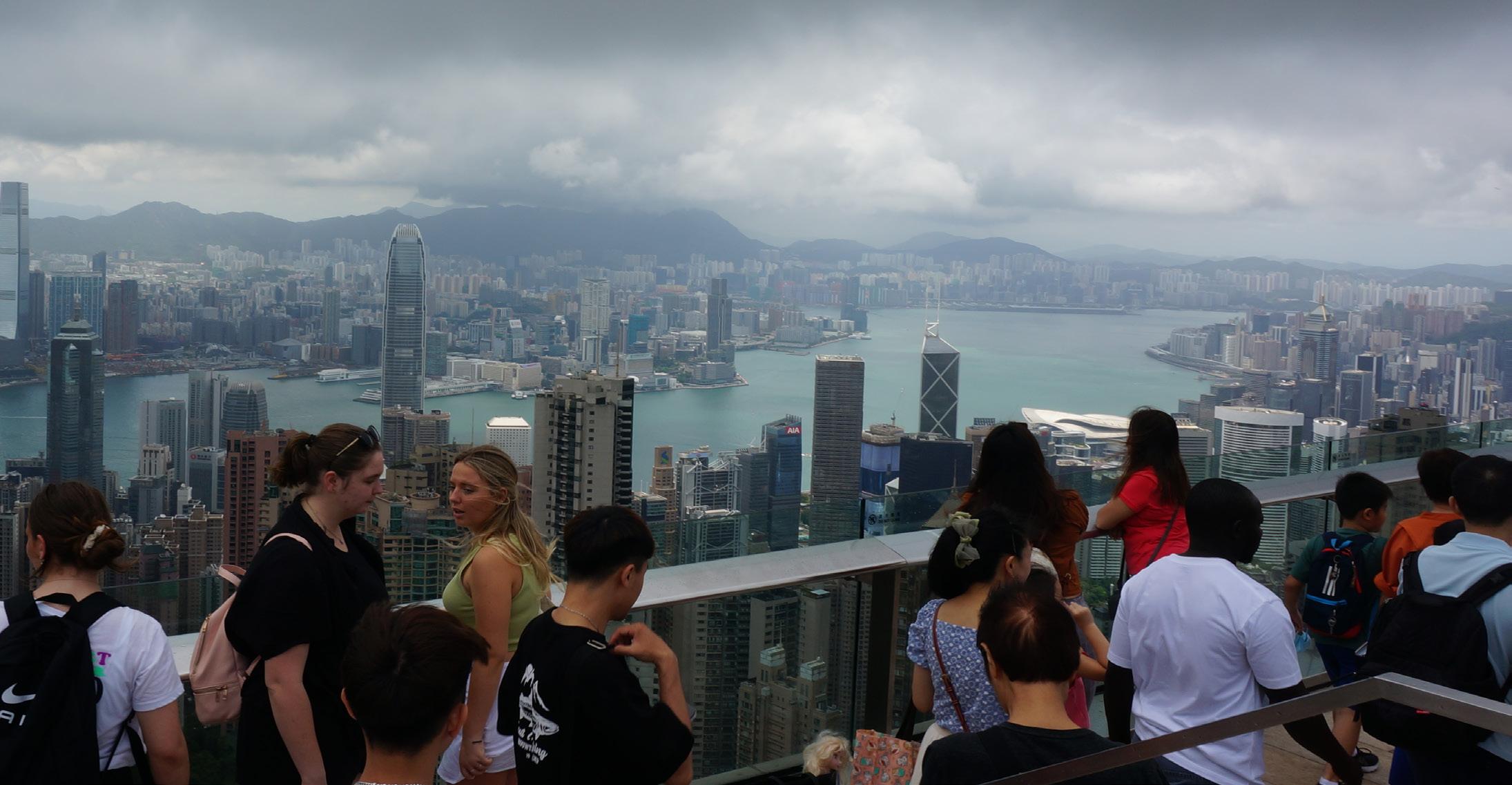
When exploring Hong Kong, many tourism sites encompassed the features that define eco-tourism, they invited locals and travellers through nature, culture and educational experiences while ensuring ecologically, economically, and socially sustainable management (Queensland Government , 2022). A few eco-tourism attractions visited throughout the trip included a tram ride to The Peak, cable cart to the Big Buddha, tour of CIC-ZCP and a day at The Ocean Park. When exploring these sites, the promotion of climate change, biodiversity, sustainability, and conservation arose, aiming to instill knowledge into communities and inspire a new way of living. Whilst visiting The Ocean Park one of their Environment and Carbon Management Policies advocated that…
“We recognize that our business activities have direct and indirect environmental impacts, and endeavor to manage these in a responsible manner. We are committed to a program of continuous improvement to minimize our environmental impacts, and to reduce carbon emissions by integrating these principles to management systems, upgrading relevant systems and viable installations, educating staff and suppliers, and investing in design of new projects and products.” (Ocean Park Hong Kong, 2023)
Eco-tourism provides cities with built environments that have considered the surrounding natural eco-systems while capturing its beauty and importance. Sustainable designs that attract, educate, and acknowledge nature become spaces of interest and escape, providing cities with increased tourism and international expenditure. To boost the spending of tourists, all sites mentioned operated additional stores that supplied customers with food, souvenirs, photos, etc. having minimal disturbance to its social and environmental surroundings. These eco-tourism attractions encourage healthy living habits in cities and inspire positive change for nature and the well-being of people.
Nature & Health 22
ZERO-CARBON PARK
In relation to nature and health the visit to CIC-Zero Carbon Park (CIC-ZCP) inspired all students across all disciplines, demonstrating the UN sustainable development goals collectively in a single site. The parks funding provided by the Construction Industry Council who aims to promote low/zero carbon living in Hong Kong and instill knowledge and a benchmark for the city. The site invites residents through its café and lush parkland filled with native woodland and a bio-diversified green environment which functions as the ‘green lungs’ for the high-density city. ZCP generates on-site renewable energy beneath and above a highly considered and innovative passive design, embodying SDG 17 by delivering stakeholders with the latest knowledge on low/zero carbon building technologies and smart city practices. The park will be the forefront for future city development and encourage business opportunities for those seeking a smarter and greener way. When walking through the center many meetings were active and acted as key evidence that the organization is continuously driven to improve and acquire new knowledge surrounding a positive environmental change. The site acts as an education, exhibition and information center inspiring the public’s ecological value of low/zero carbon living and informing groups locally and internationally on the importance of developing ecobuilding designs.

Nature & Health 23
Figure2:CIC-ZCP(RonaldLu&Partners,2023)


Nature & Health 24
Figure3:CIC-ZCPon-siterenewableenergydiagram(ConstructionIndustryCouncil,2022)
CONCLUSION
The needs of people and communities are at the heart of urban planning for cities, as planning decisions affect human health and well-being. Urban planners and professions from different disciplines such as architecture, business and environmental health can come together to plan cities that are healthy, and therefore healthy for the people who work, live, and play there.
The conducted investigation explores:
• “How does Hong Kong create an environment that caters for the needs of its people?” (Overarching question) and,
• “What are the barriers to accessing nature in the city of Hong Kong?” (Sub question)
Resulted in the formulation of 10 key themes that explored our take on ‘nature and health in the city’, these themes were supported with primary and secondary evidence, interdisciplinary assumptions, views, and observations to ensure efficient and reliable claims. Each theme works through an interdisciplinary lens and explores the different aspect from architecture, environmental health, and business to uncover the relations of nature and health. The most relevant themes brought to surface included: green spaces, protecting culture, public housing, waste management, health benefits, transport system, education system, historical eastern culture and religion, eco-tourism, and zero carbon design.
While touring through the special administrative region, Team Wind set a series of shared learning goals to embark on a collaborative learning journey which we believe have been achieved. Knowledge has been gained through direct observation of the residents of Hong Kong accessing nature across Hong Kong SAR. Photographs and videos were taken as part of the exploratory research process. Interviews were conducted with local residents, university speakers (local experts) and guides to enhance learning and gain perspective. A literature review was performed to fill in knowledge gaps and further enhance our knowledge of nature and health in the city of Hong Kong SAR. The team employed critical thinking skills and teamwork surrounding the identification of significant Sustainable Development Goals (SDG’s).
As the group collaborated and shared ideas, each individual gained exceptional insights into other disciplines, uncovering networks and connections that deepened investigatory research on ‘nature and health in the city’. Each theme reported on provides in depth knowledge and evidence through cooperative research and necessary discussions based on relevance to task, connection to research question, interdisciplinary findings, and experience and understanding of subject. Topics involving sustainable cities, highlighted Hong Kong’s positive changes (transport) and brighter future, through encouragement of greener ways in educational institutions, supporting younger generations in the continuation of low/zero carbon living. Other topics such as culture unveiled the importance of wellbeing in cities and how it plays a major role in the actions and livelihoods of people. The investigation of themes presented a greater outcome than hoped, as disciplines unlocked key features that made connections between all themes successfully exploring ‘nature and health in Hong Kong’.
Nature & Health 25
REFERENCES
Bai, X. (2018). Advance the ecosystem approach in cities. Nature (Australia), 559. https://media.nature. com/original/magazine-assets/d41586-018-05607-x/d41586-018-05607-x.pdf
Centers for Disease Control and Prevention (CDC). (2023). Healthy Pets, Healthy People: How to Stay Healthy Around Pets. https://www.cdc.gov/healthypets/keeping-pets-and-people-healthy/how.html
Chan, H.-Y., et al. (2021). Evaluating the value of new metro lines using route diversity measures: The case of Hong Kong’s Mass Transit Railway system. Journal of Transport Geography, 91, 102945. https:// doi.org/https://doi.org/10.1016/j.jtrangeo.2020.102945
CIC-Zero Carbon Park (CIC-ZCP). (2022). Mission, Vision & Values. https://www.zcp.cic.hk/eng/mission
Construction Industry Zero Carbon Building. (2023). Home. http://zcp.cic.hk/chi/home
Hong Kong - Healthcare. (2021). Hong Kong – country commercial guide. International Trade Administration. https://www.trade.gov/country-commercial-guides/hong-kong-healthcare
Hong Kong General Chamber of Commerce. (2023). Government and Business Leaders Discuss Ways to Hone Hong Kong’s Competitiveness in a New Era https://infoweb.newsbank.com/apps/news/ document-view?p=AWNB&docref=news/191ADB081C686E30
Hong Kong Government. (2021). Hong Kong’s Pathway to Carbon Neutrality before 2050 Goals and Opportunities. https://www.hketotyo.gov.hk/japan/en/news/events/20211202/files/pdf02.pdf
Hong Kong Lands Department. (2023). Hong Kong Geographic Data (As at October 2022). https://www .landsd.gov.hk/en/resources/mapping-information/hk-geographic-data.html
Jauhari, A. (2022). Rethinking the Future. Oceanic plastic waste as a material in architecture and construction. https://www.re-thinkingthefuture.com/rtf-fresh-perspectives/a483-unconventionaluse-of-plastic-in-architecture-construction/
Li, C. H., et al. (2023). Enhancement of Municipal Solid Waste Management in Hong Kong through Innovative Solutions: A Review. Sustainability, 15(4), 3310.
Ocean Park Hong Kong. (2015). Environment and Carbon Management Policy. https://www.oceanpark.com.
hk/en/sustainability/environment-and-carbon-management-policy
Ocean Park Hong Kong. (2023). General facts. https://www.oceanpark.com.hk/en/corporate-information/
General-facts
Queensland Department of Environment and Science. (2022). What is ecotourism? https://parks.des.qld. gov.au/management/ecotourism/about
Ronald Lu & Partners. (2023). CIC-ZCP. https://rlp.asia/en/project/cic-zero-carbon-park/
Rossini, F. (2022). Public open space in high density cities: the case of Hong Kong. Journal of Urbanism: International Research on Placemaking and Urban Sustainability, 1-23. https://doi.org/10.1080/17549175.2
022.2123380
Sharp, M. (2018). The construction of Hong Kong’s Big Buddha statue – in pictures. South China Morning Post. https://www.scmp.com/lifestyle/travel-leisure/article/2136895/pictures-how-hong-kongs-bigbuddha-statue-was-built-lantau
Study in Hong Kong. (2023). Hong Kong Education Introduction. https://www.studyinhongkong.edu.hk/en/ hong-kong-education/introduction.php
Sum, K.-W. R., et al. (2020). In/visible physical education and the public health agenda of physical literacy development in Hong Kong. International journal of environmental research and public health, 17(9), 3304.
The Government of the Hong Kong Special Administrative Region. (2022). Mid-year population level for 2022. https://www.info.gov.hk/gia/general/202208/11/P2022081100393.htm
Transport Department. (2023). Railways. https://www.td.gov.hk/en/transport_in_hong_kong/public_ transport/railways/index.html
United Nations (UN). (2023). The 17 Goals. https://sdgs.un.org/goals
United Nations (UN). (2023). Goal 3: Ensure healthy lives and promote well-being for all at all ages. https:// www.un.org/sustainabledevelopment/health/
West Kowloon. (2021). M+ celebrates its opening ahead of its public launch. https://www.westkowloon.hk/ en/press-release/m-celebrates-its-opening-ahead-its-public-launch
World Health Organization. (2020). Healthy Cities Effective Approach to a Changing World. https://www. who.int/publications/i/item/9789240004825
World Health Organization (WHO). (2023). Creating healthy cities. https://www.who.int/activities/creatinghealthy-cities
Xu, W. (2023). Waste recycling gets another jump-start. Chinadaily.com.cn https://www.chinadaily.com.
cn/a/202303/31/WS64268e5ca31057c47ebb7b51.ht
Yeung, P. (2022). Hong Kong struggles to tame a long-simmering housing crisis. Bloomberg. https://www. bloomberg.com/news/features/2022-11-02/hong-kong-s-poorest-face-a-combined-housing-andclimate-crisis
Zhang, J., et al. (2020). Evaluating the disparities in urban green space provision in communities with diverse built environments: The case of a rapidly urbanizing Chinese city. Building and Environment, 183, 107170. https://doi.org/https://doi.org/10.1016/j.buildenv.2020.107170
