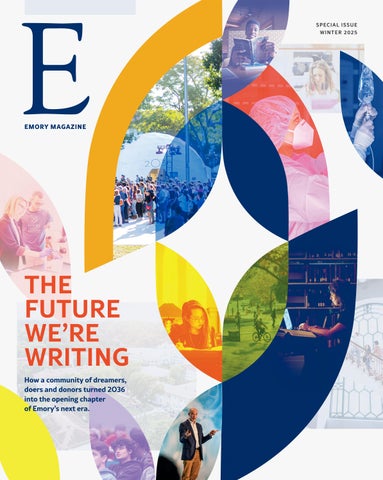
THE FUTURE WE’RE WRITING
How a community of dreamers, doers and donors turned 2O36 into the opening chapter of Emory’s next era.






You are the artists of a better tomorrow.
Every day, discovery begins at Emory.
Progress grows from bold ideas, and solutions take shape.
Every gift, every step, every act of courage is part of this masterpiece.
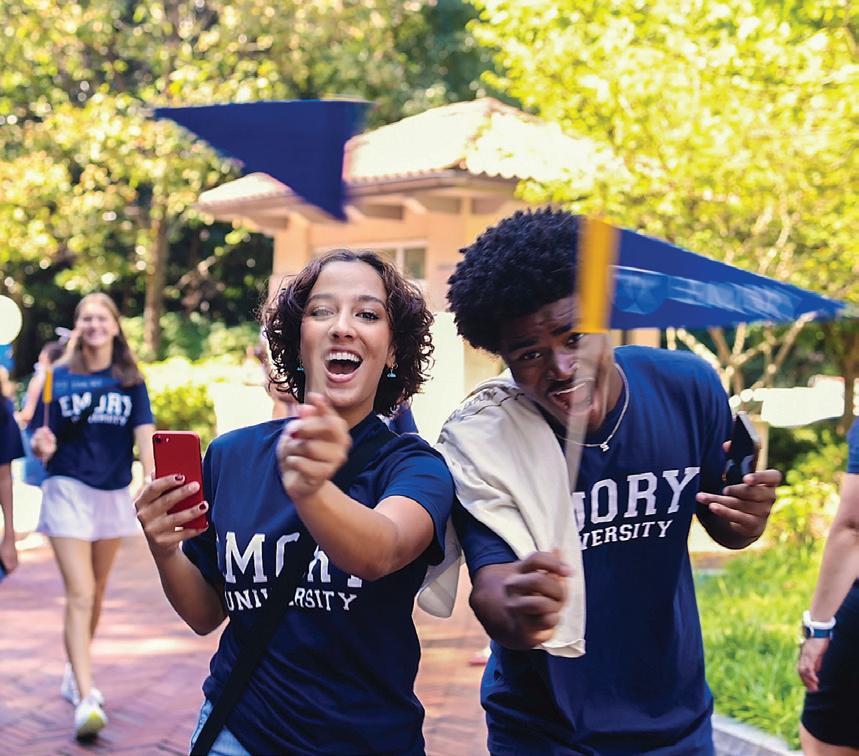
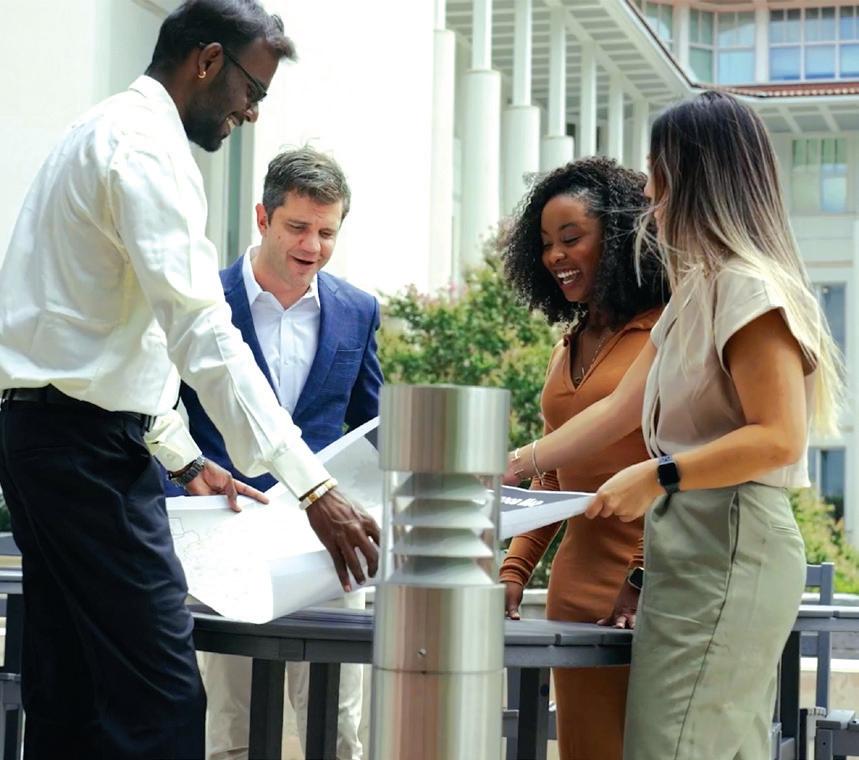
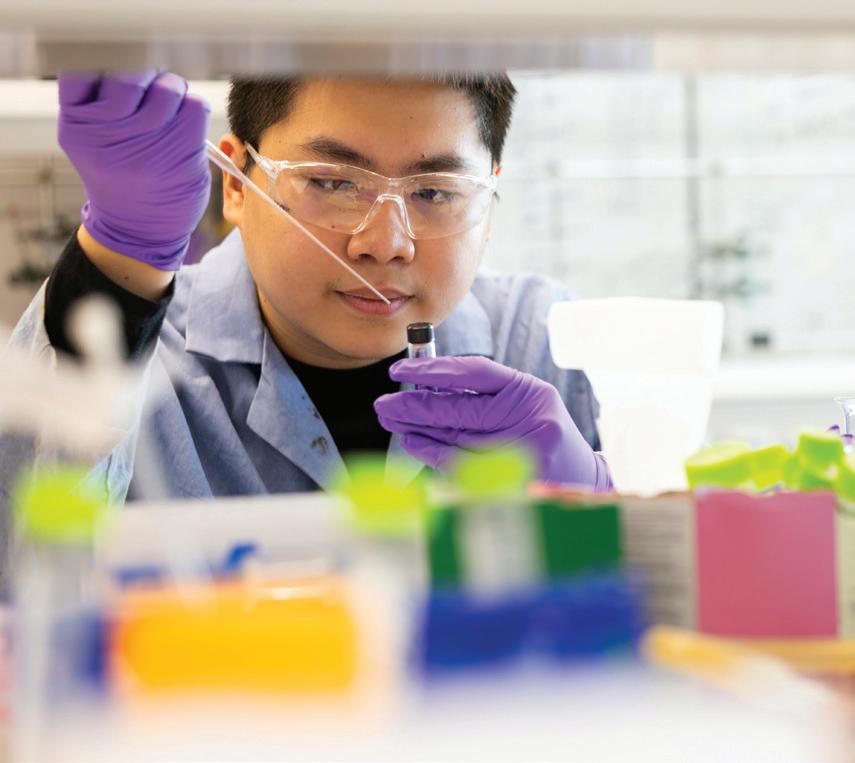
Watch the story you created. bit.ly/2036-thanks
WRITING THE FUTURE TOGETHER
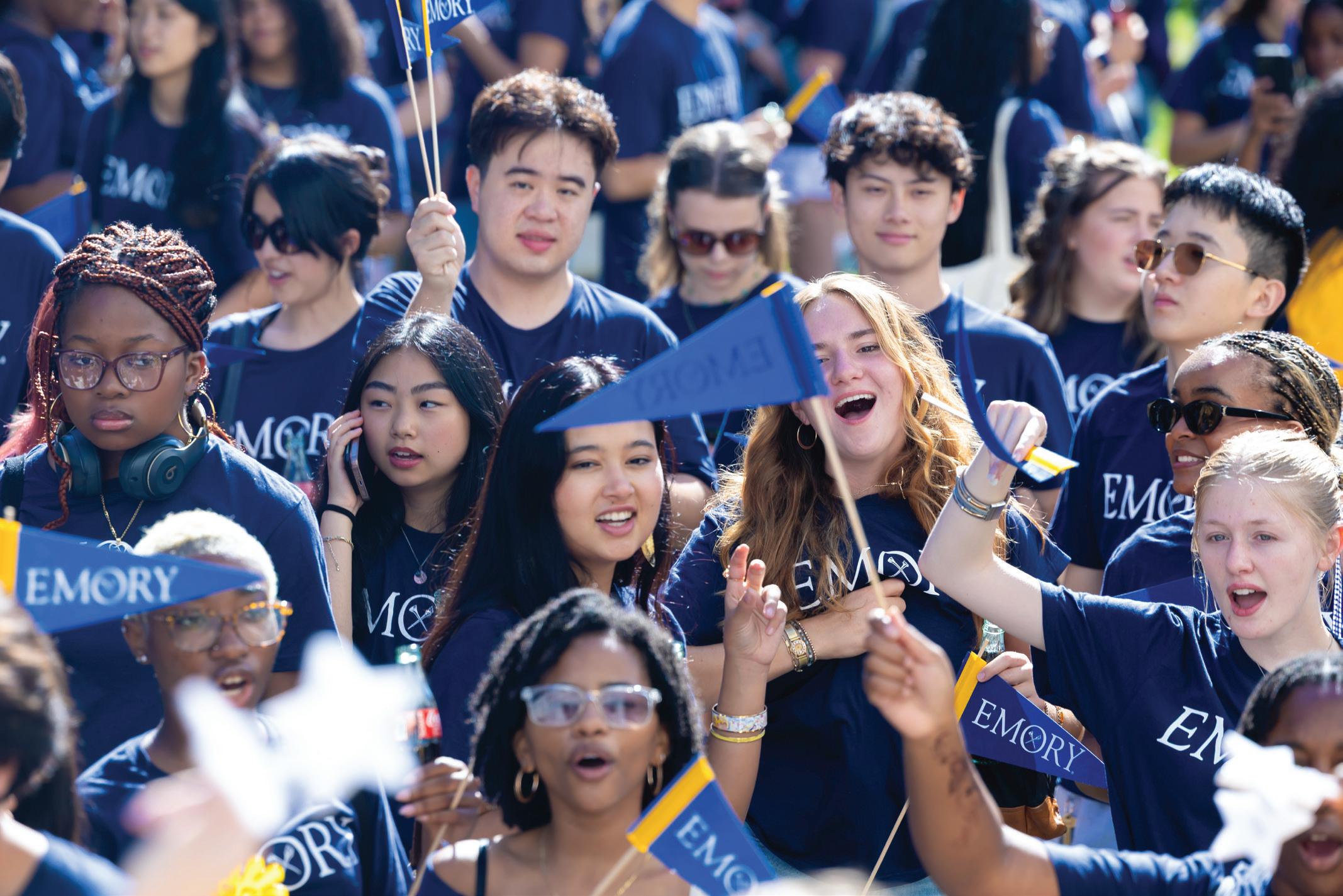
Emory’s 2O36 campaign is a living story of transformation — where philanthropy fuels discovery, strengthens communities and shapes the future we’re creating together.
12 STRENGTHENING COMMUNITIES
In clinics and churches, startups and classrooms, Emory alumni are leveraging their degrees to help people in need.
20 SHARING KNOWLEDGE AND FOSTERING INNOVATION
Our innovators are redefining artificial intelligence, turning bold ideas into tangible solutions and bringing their insights to the world. 30 IMPROVING HUMAN HEALTH
Learn how Emory teams are using research breakthroughs to eliminate pain, reimagine cancer care, prevent diabetes, restore sight and much more.
40
NURTURING CREATIVE, COMPASSIONATE LEADERS
Meet students and graduates redefining leadership and achieving their life goals with support made possible by donor gifts.
48
LAYING A FOUNDATION FOR THE FUTURE
Emory alumni, families and friends are investing in a lasting legacy that helps the university’s promise endure and inspire future generations.
A trailblazing jurist and devoted Emory alumna, Leah Ward Sears 80L returns to the university to serve as interim president — bringing with her a deep legacy, clear vision and a powerful sense of homecoming.
BONUS CONTENT: MULTIMEDIA
Watch stories of students, alumni, faculty and researchers whose lives and work have been changed by the power of philanthropy.
EMORY MAGAZINE
Editor-in-Chief
Roger Slavens
Assistant Vice President,
Content and Brand Story
Laura Douglas-Brown 95C 95G
Contributors
Susan Carini 04G, Jennifer Carlile, Carol Clark, Kyndra Farley, Sara Haynes 90C, Danielle Hegedus, Laura Kahn, Terri McIntosh, Lara Moore, Andisheh Nouraee, Shawn Reeves, Aubrie Sofala
Art Director
Elizabeth Hautau Karp
Graphic Design
Elizah Huff
Selena Lim
Taylor Woolley
Creative Director, Communications and Marketing
Amanda C. Qubty
Production Manager
Matilda Redfern
Advertising Manager Jarrett Epps
Photography
Suban Dey, Rowland Jordan, Ben Knisely, Ava Lockhart, Stephen Nowland, Avery Spalding, Moses Spark, Sarah Woods
Interim University President Justice Leah Ward Sears 80L
EMORY MAGAZINE (ISSN 00136727) is published by Emory’s Division of Communications and Marketing. Nonprofit postage paid at 3900 Crown Rd. SE, Atlanta, Georgia, 30304; and additional mailing offices. POSTMASTER: Send address changes to Advancement and Alumni Engagement Office of Data Management, 1762 Clifton Road, Suite 1400, Atlanta, Georgia 30322.
Emory Magazine is distributed free to alumni and friends of the university. Address changes may be emailed to eurec@emory.edu or sent to the Advancement and Alumni Engagement Office of Data Management, 1762 Clifton Road, Suite 1400, Atlanta, GA 30322. If you are an individual with a disability and wish to acquire this publication in an alternative format, please contact the editor at the address above.
Emory Magazine Winter 2025 (Vol. 101 No. 2) ©2025, is a publication of the Division of Communications and Marketing.
Emory is an equal opportunity employer, and qualified applicants will receive consideration for employment without regard to race, color, religion, sex, national origin, disability, protected veteran status or other characteristics protected by state or federal law. Inquiries should be directed to the Department of Equity and Civil Rights Compliance, 201 Dowman Drive, Administration Bldg., Atlanta, GA 30322. Telephone: 404-727-9867 (V) | 404-712-2049 (TDD).
The comments and opinions expressed in this magazine do not necessarily represent those of Emory University or the staff of Emory Magazine

SETTING THE STAGE FOR A BRIGHT FUTURE
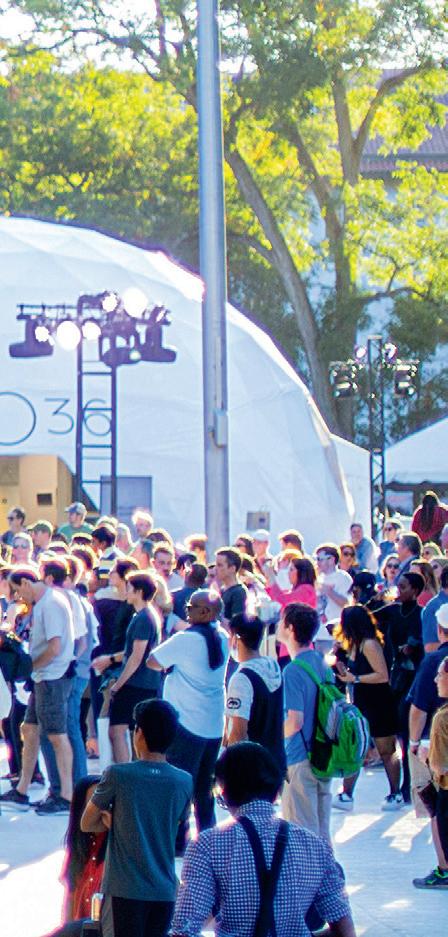
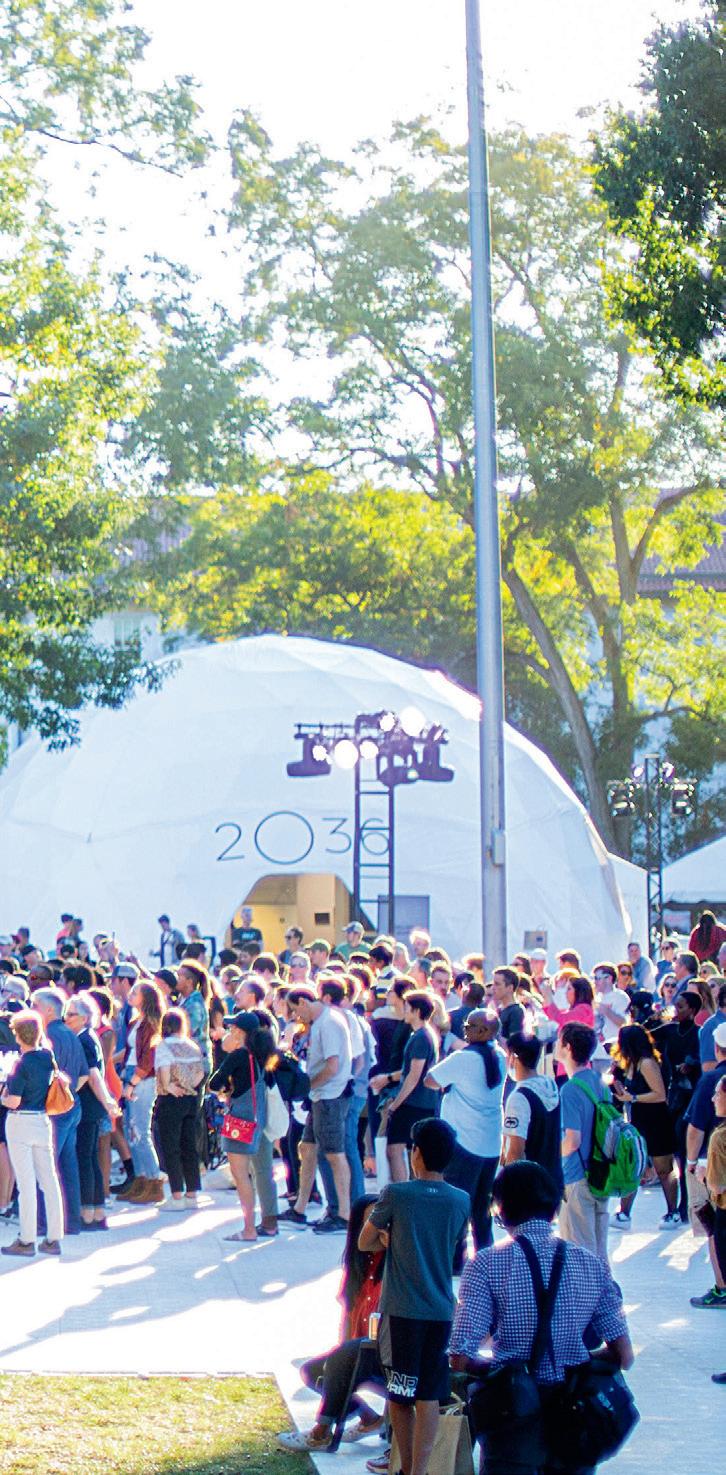
The geodesic domes that dotted the Emory Quad at the 2O36 campaign kickoff symbolized ideas ready to rise. Years later, that moment still shines — marking the journey from inspiration to achievement as the university celebrates the close of a campaign that has redefined what vision and generosity can accomplish when they work in tandem.

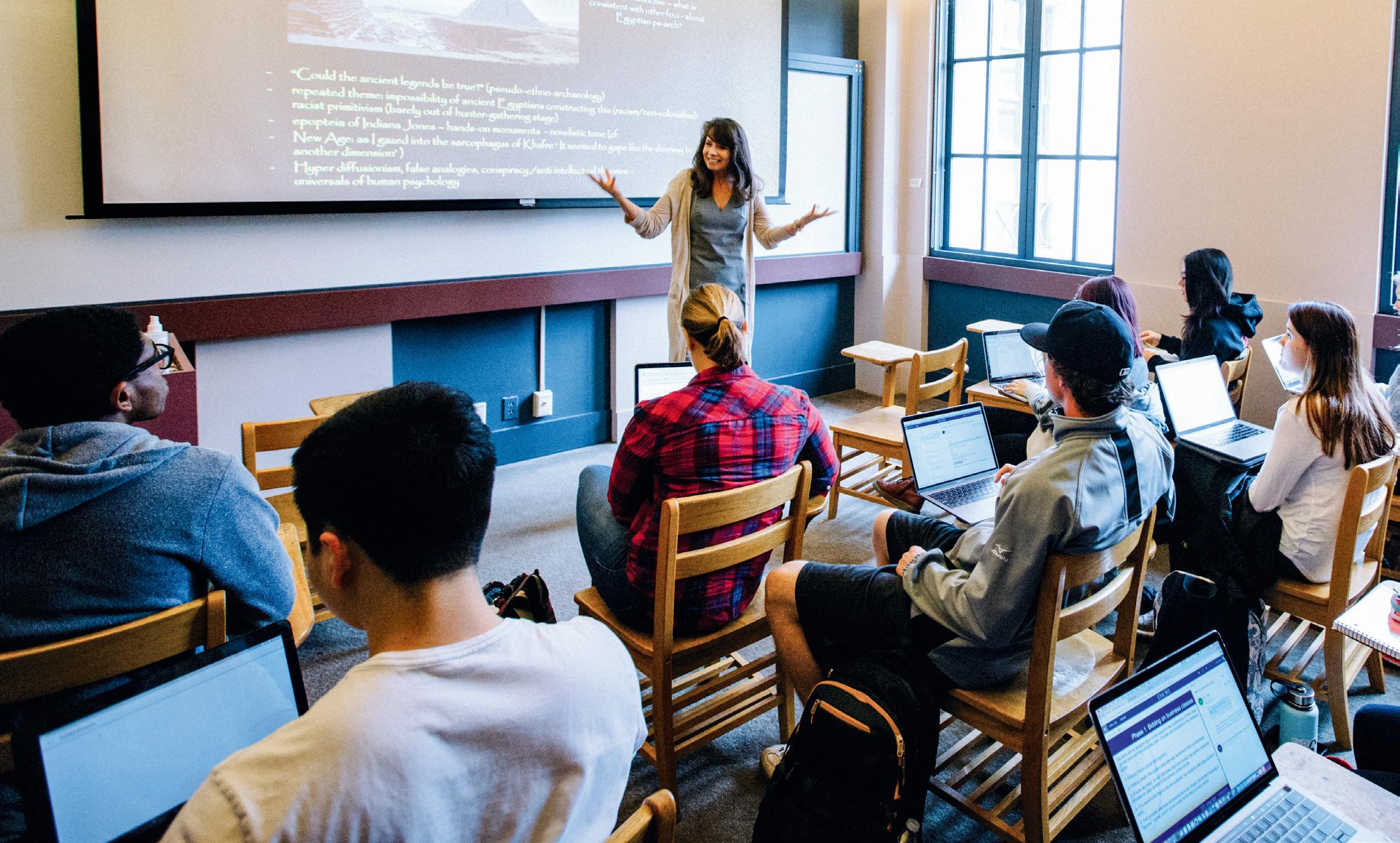
Students whose families earn $200,000 or less will attend Emory University tuition-free starting in fall 2026.
STUDENT FLOURISHING
Expanding Access, Elevating Opportunity
SUPPORT STUDENT SUCCESS
See how Emory Advantage Plus opens doors for talented students — and make a gift to keep opportunity within reach.

This transformative scholarship, Emory Advantage Plus, represents a significant expansion of the university’s financial aid program and continues Emory’s longstanding commitment to support talented students by making a preeminent education more attainable.
All new and returning domestic undergraduate students who meet the income requirements and are eligible for need-based aid will be considered for Emory Advantage Plus next fall. Emory will also continue to meet 100% of demonstrated need for all domestic undergraduate students.
“Offering free tuition to every student whose family income is $200,000 or less is about leadership,” says Interim President Leah Ward Sears. “We want great students to come here without
The Emory Advantage Plus program builds on the university’s longstanding effort to increase access and affordability by eliminating tuition for domestic undergraduates from families earning $200,000 or less, continuing a promise first launched with Emory Advantage in 2007.
regard to the cost. And we will do everything in our power to give them a great education without the burden of crushing debt.
“When students sit at the kitchen table with their parents to discuss college, I don’t want finances to be a consideration,” Sears explains. “If they qualify to come to Emory and they want to come to Emory, we will make sure they can afford Emory.”
The original Emory Advantage program started in 2007 to serve students from families with lower incomes. Emory expanded the program in fall 2022 by eliminating need-based loans as part of undergraduate students’ financial aid packages and replacing them with institutional grants and scholarships.
The new Emory Advantage Plus builds on the university’s promise to remove financial barriers to a college degree, allowing students whose families make $200,000 or less to pay zero tuition for their undergraduate degree.
“Emory Advantage Plus is more than just an expansion of a financial aid plan — it’s an expansion of opportunity, of dreams, and what’s possible at Emory,” Sears says. “Together we are opening doors wider than ever before so that brilliant, deserving students can call Emory and Georgia their home. The future has never looked brighter, and this is only just the beginning.”
For Georgia residents, the full-tuition award complements the state’s renowned HOPE and Zell Miller Scholarships. Almost 1,050 Emory undergraduates are from Georgia and nearly 95% of them receive HOPE or Zell Miller.
Currently about 3,100 students — about 40% of the university’s undergraduates — receive Emory Advantage. Of these, 60% have scholarships that are equal to or higher than the cost of tuition. Under the Emory Advantage Plus program, this number will grow to 80%.
Emory Advantage represents just part of the university’s efforts to support students. Emory currently provides about $438.7 million each year for institutional grant and scholarship aid for undergraduate, graduate and professional students.
Thanks to the generosity of donors, Emory funds this crucial support through endowed scholarships — and ongoing philanthropy will ensure the program thrives for future generations.
To be considered for the Emory Advantage Plus program, undergraduate students and families will complete and submit the Free Application for Federal Student Aid (FAFSA) and the College Scholarship Service Profile (CSS Profile). When determining eligibility for the free tuition program, Emory will consider a family’s typical assets. The Office of Financial Aid will provide additional information about the new full-tuition program later this year.
Together we are opening doors wider than ever before so that brilliant, deserving students can call Emory and Georgia their home.
—Justice Leah Ward Sears, Interim
University
President
Launching in fall 2026, Emory Advantage Plus is a major expansion of the university’s longstanding commitment to making a preeminent education more attainable for talented students.
Undergraduate students whose families earn $200,000 or less will pay $0 tuition to attend Emory University starting in fall 2026.
All new and returning students who are eligible for need-based aid will be considered for the Emory Advantage Plus program.
Emory will also continue to meet 100% of demonstrated need for all domestic undergraduate students.
Over the next four years, Emory’s undergraduate financial aid commitment will exceed $1 billion.
Oxford College Dean Badia Ahad Named Emory Provost
Badia Ahad was appointed as Emory University’s next provost and executive vice president for academic affairs. She began her two-year term on Nov. 1, following her tenure as dean of Emory’s Oxford College, a post she had held since 2023.
“Dean Ahad has been an extraordinary member of our community,” says Interim President Leah Ward Sears. “She has demonstrated remarkable leadership, vision and a genuine commitment to cultivating a strong and inclusive academic community. At Oxford, she has overseen academic affairs, student life and operations to elevate both the faculty and student experience. Her thoughtful leadership has already left a lasting mark, and I have every confidence she will bring that same energy and excellence to the provost role.”
In this role as Emory’s chief academic officer, Ahad will collaborate with other university leaders and the deans from each of Emory’s nine schools and colleges to formulate strategy and academic priorities and ensure appropriate allocation of budget and resources.
“As provost, I will advance Emory’s academic mission by enhancing the conditions in which our students thrive and our faculty produce life-changing, life-saving scholarship and research,”
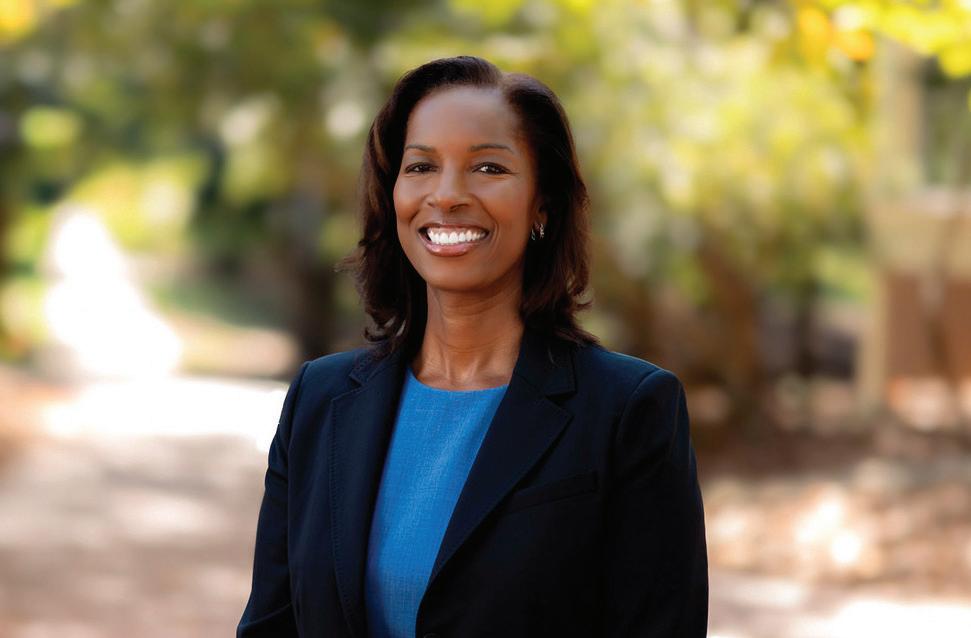
Ahad says. “The breadth of this work — from the arts and humanities to clinical research and AI — distinguishes Emory as one of the nation’s finest institutions. Even with all we have achieved, I believe we have tremendous potential to create even greater impact in the lives of our students and in the service of humanity.”
At Oxford College, Ahad led the development of a comprehensive strategic plan to guide the school’s progress over the next five years. She established a framework to address competitive compensation, ensuring the retention and recruitment of top faculty and staff talent. She launched the Oxford Postdoctoral Teaching Fellowship to enrich the curriculum and strengthen the faculty pipeline, and she transformed Oxford’s approach to external funding by prioritizing a grant-seeking culture — increasing external grant funding by nearly 50% in just 18 months.
Ahad succeeds Interim Provost Lanny Liebeskind, who has held the position since January 2025. Liebeskind will return to his role as senior vice provost for academic affairs, supporting Ahad in her first months as provost before taking a year-long sabbatical in 2026.
Molly McGehee, senior associate dean for academic affairs and professor
of English and American Studies, was appointed interim dean of Oxford College and stepped into the role on Nov. 1.
Earning her master’s and PhD degrees from Emory, McGehee joined the faculty of Oxford College in 2014. She swiftly assumed administrative responsibilities to focus on faculty development, scholarship and strategic initiatives.
“For more than a decade, Dr. McGehee has contributed greatly to Oxford as an esteemed professor and mentor to students, faculty and staff,” Ahad says. “Her passion and enthusiasm for this unique learning environment are evident in her work both inside and outside the classroom. I look forward to partnering with her closely to continue cultivating the Oxford we envision — one that is student-centered, anchored in a liberal arts education and fueled by a deep commitment to our collective mission.”
Even with all we have achieved, I believe we have tremendous potential to create even greater impact in the lives of our students and in the service of humanity.
Emory Provost Badia Ahad
Matters of the Heart and Mind
New Emory research shows that certain mental health conditions dramatically raise risks for cardiovascular disease — and why integrated care is key.
Every 34 seconds, someone in the United States dies from heart disease. Nearly half of Americans live with some form of cardiovascular disease (CVD), while one in four experiences a mental health disorder during their lifetime. That overlap can be deadly.
A new report, led by Emory School of Medicine professor Viola Vaccarino, shows that mental health conditions increase the risk of developing heart disease by 50–100% and worsen outcomes for existing conditions by 60–170%. The findings, published in The Lancet Regional Health–Europe, highlight disparities in cardiovascular health among people with depression, anxiety, schizophrenia, bipolar disorder and post-traumatic stress disorder (PTSD).
The risks are striking: major depression raises CVD risk by 72%, PTSD by 57%, bipolar disorder by 61%, and schizophrenia nearly doubles the risk. “More than 40% of those with cardiovascular disease also have a mental health condition,” Vaccarino says.
The research points to stress-response systems — including the autonomic nervous system and hypothalamic-pituitary-adrenal axis — as key drivers. Dysregulation can trigger inflammation, metabolic abnormalities, and high blood pressure, all of which heighten cardiovascular risk.
Social determinants also play a major role. Patients with mental health conditions may struggle with fragmented care, stigma and barriers to screenings or treatment. Even clinical trials often exclude participants with mental illness, leaving important gaps in knowledge.
Vaccarino and her co-authors recommend an integrated approach. “The tight connection between cardiovascular and psychological health warrants changes in the health care system that are more amenable to patients with comorbidities,” she says. “A clinical team would be ideal — specialists, social workers and nursing staff working together.”
Closing the disparity gap, the authors conclude, is essential for both health equity and patient survival.
—Lara Moore
PAWS AND EFFECT
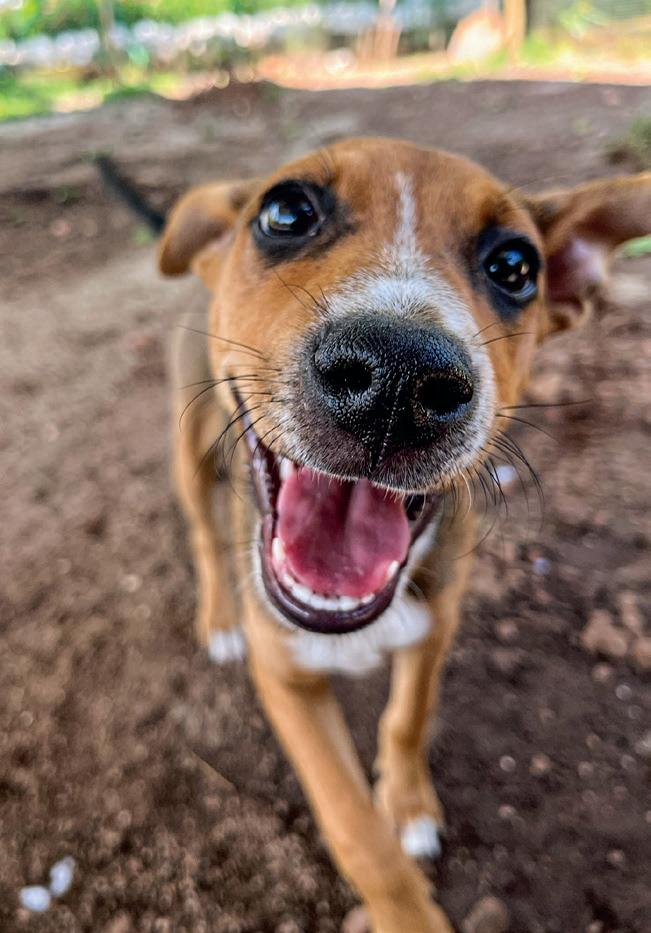
Oxford College students dive into the science of pets — and discover how our furry friends teach us as much about ourselves as about them.
First-year students at Oxford College are learning that science gets a lot more fun with a wagging tail.
“I own a dog. He is mostly a Weimaraner and as a scientist, when I got the pet, a lot of questions started to arrive,” says course instructor Natalia Bayona Vásquez, assistant professor of biology. “Most of us are pet lovers, so I thought it would be a good idea to develop this course on their biology.”
Her first-year discovery seminar, The Biology of Pets, explores how domestication shaped human civilization and how pets and people have co-evolved. Students tackle evolution, behavior and environmental influences through hands-on activities and data-driven research.
One anticipated highlight of the course, which Bayona Vásquez has taught for several years, is a field trip to the Atlanta Humane Society, where students watch experts conduct behavioral tests on dogs. Back in class, they mine large public datasets on thousands of dogs to form research questions, test hypotheses and apply statistical tools.
“It is a good approximation to real-life scenarios, showing how scientific skills can inform decisions about animal welfare,” Bayona Vásquez says. Past student projects have investigated whether working dogs are more aggressive, how size relates to fearfulness, and even how cats, dogs and chimpanzees respond differently to human gestures.
Students say the lessons stick. “‘The Biology of Pets’ was one of the most memorable classes of my first year at Emory because it made science feel both hands-on and personally meaningful,” says Emma Li 240x 27C, now a junior majoring in biology and computer science. Stephanie Li 24Ox 27C, a junior double majoring in biology and quantitative sciences, adds: “Taking Dr. Bayona Vásquez’s seminar was a really enjoyable experience. One of the highlights was visiting the Humane Society, where I learned the stories of dogs that had been adopted or abandoned.” —Kyndra Farley
STATIC ATTRACTION
Meet a tiny killer with a shocking trick. The roundworm Steinernema carpocapsae can leap up to 25 times its body length to snag a ride on flying insects — and for the host, that ride ends badly. Once attached, the worm burrows in and releases symbiotic bacteria that kill the insect from the inside out. At Emory, Justin Burton, professor and Winship Distinguished Research Professor of Physics, along with postdoctoral researcher Ranjiangshang Ran, discovered the electrifying secret behind the worm’s aim: static electricity. Their experiments showed that charged insects can literally pull the worm toward them, raising its deadly hit rate from under 10% to nearly 80%.
SECOND-YEAR SPRINGBOARD
This fall, 70 second-year students from Emory and Oxford College gathered for the annual Sophomore Summit retreat at Camp Twin Lakes in Georgia. Over two days, they swapped screen time for camp-time: icebreakers, breakout chats and honest panels featuring alumni, faculty and peer leaders discussing the unpredictable paths ahead. From finding new friends to rethinking academic plans, participants left with one clear message: it’s okay not to have it all figured out. Designed to support the often-overlooked sophomore year, the retreat helps students build networks and realign their compasses to pursue their life goals.
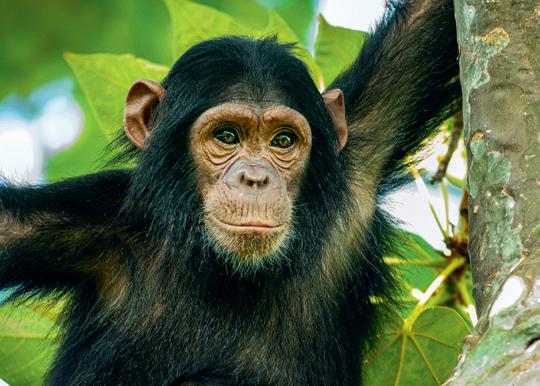
CONTINUING JANE GOODALL’S LEGACY
Legendary primatologist
Jane Goodall may have recently passed at age 91, but her passion and mission still lives on at Emory. Faculty members Elizabeth Lonsdorf, professor of anthropology, and Thomas Gillespie, professor and chair of environmental sciences, are keeping her legacy thriving in the forests of Gombe Stream National Park, Tanzania. Their “One Health” initiative examines how illnesses move among humans, chimpanzees and domestic animals — a frontier Goodall helped define. With continued field research, student mentorship and cross-disciplinary collaboration, Emory scientists are extending Goodall’s impact into a new era of conservation science.
WRITING the FUTURE TOGETHER
Every campaign tells a story.
2O36 tells many — students finding their path, communities lifted, cures pursued, discoveries shared, knowledge made boundless.
These stories are Emory’s living gallery. They remind us that philanthropy is not a transaction, but a transformation.
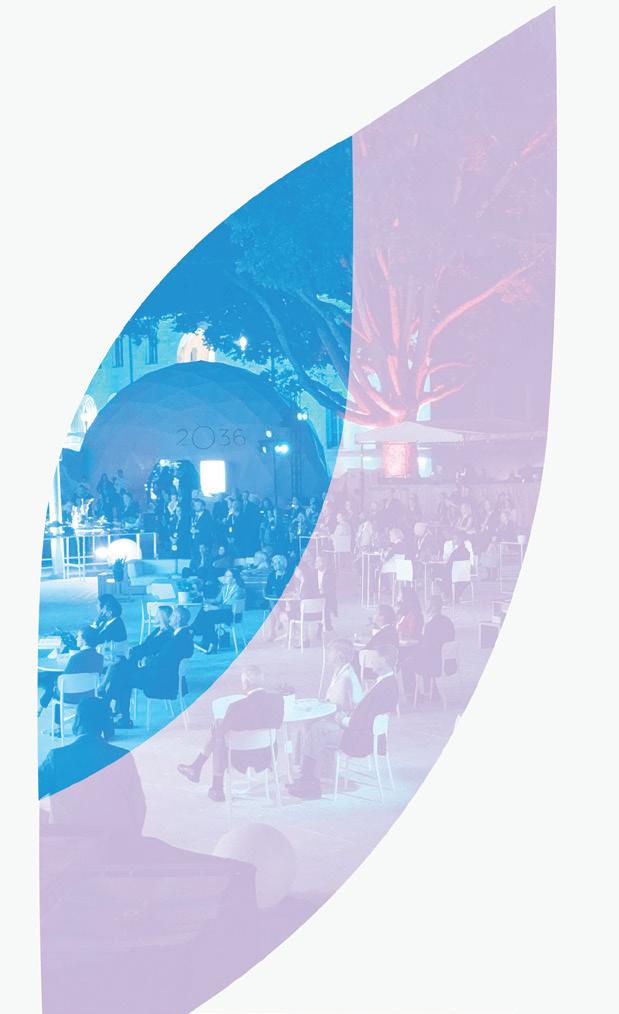
The future is already being written — and the stories are unfolding here.
LETTER FROM THE CAMPAIGN COUNCIL
Every issue of Emory Magazine tells remarkable stories of the people who define our university. As innovators and strivers in every field, some work quietly behind the scenes while others take the national stage. These stories don’t always mention, though, the hidden heroes behind the work: Emory’s philanthropic community of alumni and friends, faculty and staff members, students and parents. This special issue of the magazine celebrates those heroes. The stories you’ll read show the impact of 2O36, our campaign to mobilize Emory’s energy and expertise to shape a brighter future.
We chose 2O36 as the name of this campaign with the university’s 200th birthday in mind. We wanted to know what the year 2O36 would look like if we all came together behind a common goal: activating Emory’s strengths for the greater good. Our philanthropic ambitions, based on our own personal values and experiences, are as varied as we are, and you’ll see that in the stories we’ve chosen to tell here.
You’ll read about the positive transformations that philanthropy creates — stronger communities, realized potential, better health, compassionate leadership and so much more. In classrooms and clinics, laboratories and local neighborhoods, Emory people are living out the university’s mission.
The changes sparked by 2O36 will continue long after Emory’s bicentennial. We know the Emory community matters to you and hope you’ll share this issue of the magazine with friends and family.
2O36 Campaign Cabinet Co-Chairs
Sarah Beth Brown 89B
Susan Cahoon 68C
Cammie Rice John Rice
Stephanie Rogers 92C P19 P21 P26
Adam Rogers 92C 96M P19 P21 P26
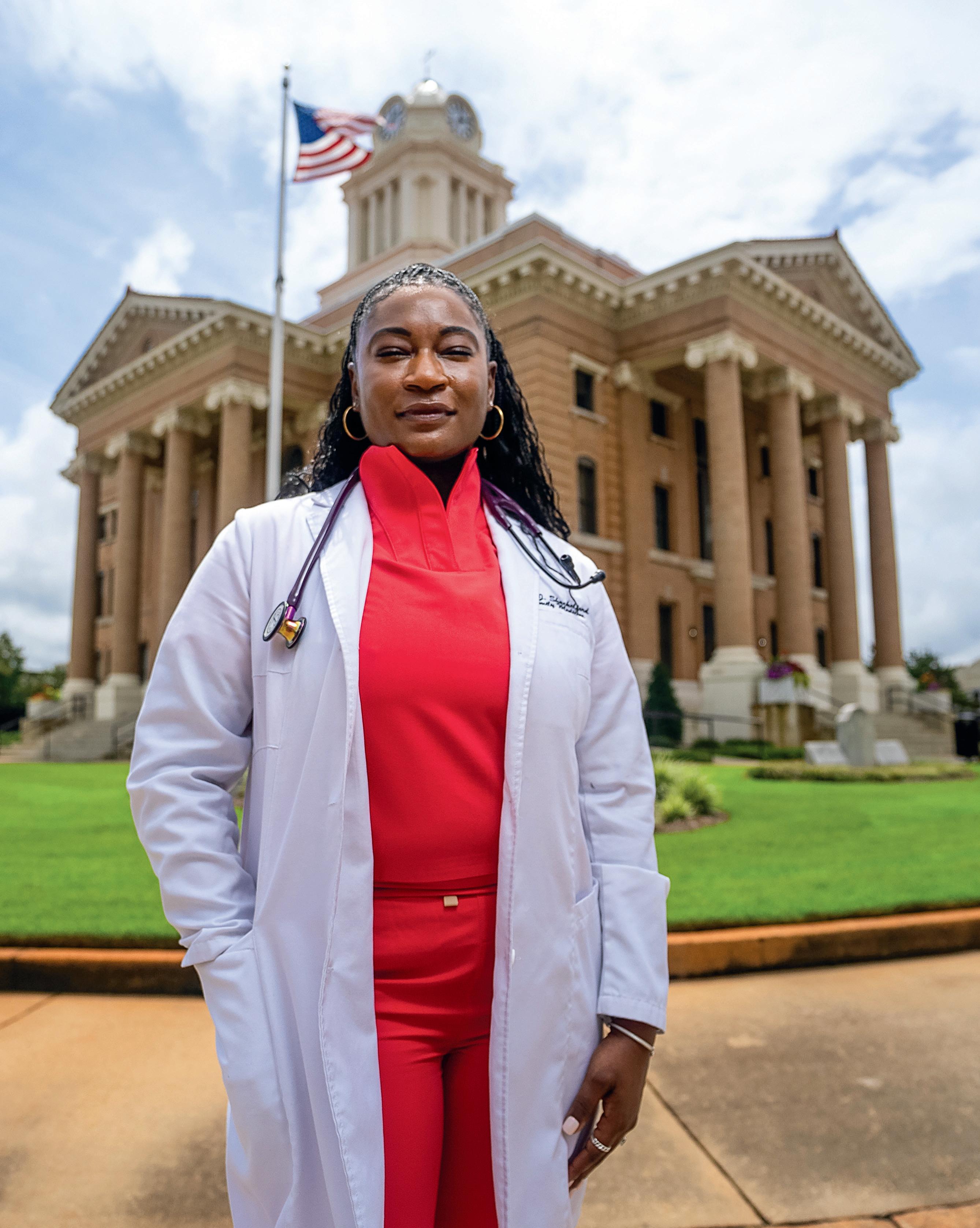
Family physician Jasmine Shackelford 23MR brings Emory’s mission to life every day in a rural clinic.
STRENGTHENING COMMUNITIES
Answering the Call to Serve
By Shawn Reeves
When Jasmine Shackelford 23MR left Atlanta for a small-town clinic in Thomaston, Georgia, she knew the work would test everything she’d learned and everything she believed. Today, as one of just three family doctors at Upson Regional Medical Center, she brings Emory’s mission to life in the truest sense: serving where she’s needed most.
MEET EMORY GRADUATES BRINGING LIGHT TO COMMUNITIES IN GEORGIA AND AROUND THE WORLD.
A graduate of Emory’s School of Medicine residency program, Shackelford knew her calling would take her beyond city limits. But entering rural practice came with challenges. With only one pediatrician in the county, she often finds herself taking on that extra duty, caring for patients across the lifespan from infants to elders. Patients sometimes delay care or mistrust the system, particularly when they don’t see providers who reflect their experience.
“Being a Black woman in medicine, I’ve learned that some people aren’t always quick to trust,” she says. “But I’m part of this community and I bring more than a white coat. I bring my whole self.”
Scholarship support from the innovative Kathelen and Dan Amos Medical Student Loan Forgiveness Program — which addresses the primary care provider gap throughout rural Georgia — gave her the freedom to choose service over salary, and her Emory training gave her the confidence to meet patients where they are. Today she’s more than a doctor — she’s a trusted
presence in her community, the kind who makes house calls, mentors students and builds trust one conversation at a time.
She recalls one patient who waited far too long to seek help. When he finally came in, she discovered advanced prostate cancer. “I told him, ‘We’re going to do this together.’ And we did. Now he’s doing well.”
Shackelford is not alone in answering the call to serve. Around the world, Emory graduates are taking the knowledge and values they developed on campus and transforming them into tangible good. They’re investing in people. They’re listening, serving, walking alongside and leading with purpose and humility.
GUIDING A CONGREGATION WITH HEART AND HUMILITY
When Caleb Kelly 25T steps into the pulpit at CityLine Bible Church, located on the edge of Chicago, he carries more than a message — he carries a legacy. A fourth-generation Baptist preacher, Kelly could have chosen another path. He initially planned to pursue a law degree, but a deeper calling reshaped his course. “Out of nowhere, God stripped from me the passion I thought I had for a career in law,” Kelly says. “I knew I couldn’t run from the call to preach.”
Despite the three generations of ministers before him, he says this life change was not about “passing down the family business,” but rather responding to what he feels truly called to do.
However, the path wasn’t smooth. Though he sensed a deep call to ministry, he was unsure
how or even whether to follow it. When a respected friend of his father suggested Candler School of Theology at Emory, Kelly applied just weeks before the semester began. It was a leap of faith that paid off. He was admitted with a full scholarship through the Candler Faculty Scholarship Fund. He surrendered to his calling and enrolled in an academic program that welcomed his questions — both challenging and affirming his ideas — and prepared the theological soil in which he began to cultivate his identity as a pastor and a community leader. “Candler taught me to stretch myself and look beyond what I already know. It taught me to engage with the biblical text on a personal level,” he says. “It helped me build a foundation for my theology.”
As a pastoral resident in a two-year leadership development program, Kelly expresses that identity and builds upon that foundation as he helps guide, comfort and inspire a diverse, multiethnic congregation. He’s already preached his first sermon, taught in children’s ministry and led worship. “Each Sunday I do something different — greeting members and visitors, leading or participating in worship, making announcements, following up with visitors through letters and phone calls,” he says. “When I leave CityLine in two years, I want them to say I gave it my all.”
room learning to community practice. “It was thanks to that fellowship that I was able to combine theory and practice to learn and implement community building principles,” she says. “CBSC taught me a lot about systems thinking and made it clear that in order to properly address comprehensive community issues there needs to be participation and buy-in from all sectors. There is no one ‘correct’ path to live, and there are countless ways to address community issues and build community because everything is so interconnected.”
Candler taught me to stretch myself and look beyond what I already know. It helped me build a foundation for my theology.
—Caleb Kelly 25T
CULTIVATING COMMUNITY GLOBALLY
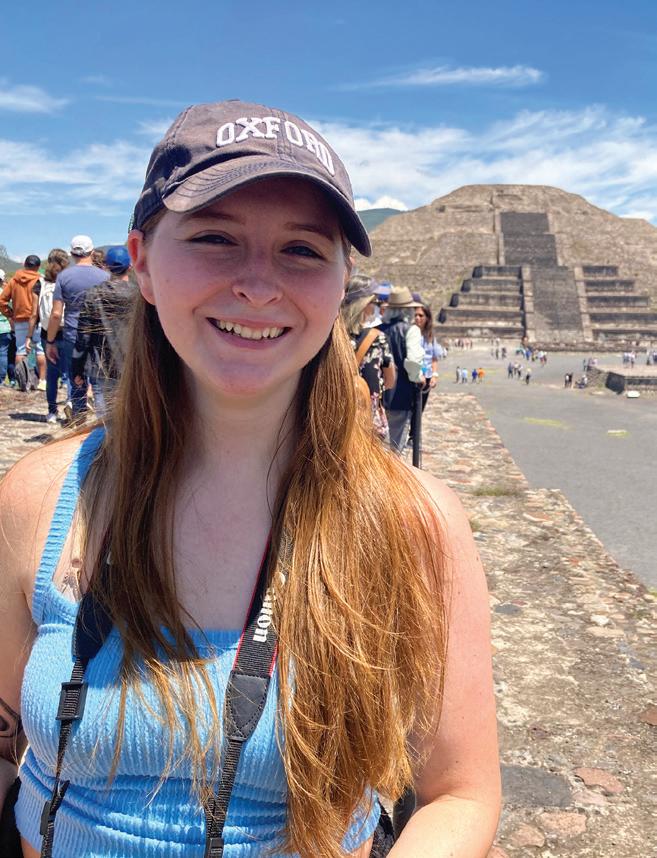
For Jamie Constantine 20Ox 22C, the path to service began through a fellowship with Tilting Futures (then Global Citizen Year) in Ecuador, where she spent eight months after high school as an assistant English teacher. “I realized the most important thing to me was feeling connected,” Constantine says. “I think society is at its best when everyone can participate. So my goal has been to understand the barriers that are limiting people from being able to participate.”
At Emory’s Oxford and Atlanta campuses, she turned that realization into action — joining Model UN, tutoring local residents in English, volunteering with Oxford Service Corps and working at a food pantry. As a first-generation, low-income student, she was deeply involved in advocacy and community — serving as co-president of OxFirst and advocacy chair of Emory’s First-Generation Low-Income Partnership. She also sought out real-world learning, including an Oxford Spanish class that visited Cuba for a week to explore the “evolution of revolution.”
Crucially, it was the Community Building and Social Change Fellowship (CBSC) that helped her connect class-
Through that fellowship, Constantine helped Global Growers assemble a comprehensive food-leadership training for refugees and new Americans, which included an eight-hour workshop, mentorship guide for employees and more than 100 pages of resources. Separately, through an evidence-based policymaking class at Emory, she testified before a Georgia State Senate study committee on increasing access to healthy foods and ending food deserts.
After graduating, Constantine taught in Mexico through the Fulbright English Teaching Assistantship. She was placed at an agriculture university where she saw how public health, the environment and community all intersect. In 2024 she began a one-year master’s in science program in global development at School of Oriental and African Studies (SOAS) London thanks to Emory’s Charles E. Shepard Scholarship and a Rotary Global Grant Scholarship. “My time in London and SOAS helped me take many of the lessons I learned at Emory and view them in a truly global context — allowing me to see how global lessons can inform local action,” she says.
This fall, Constantine rejoined Tilting Futures as a program associate. “Coming back feels like a full-circle moment for me,” she says. She now helps support a worldwide alumni network focused on cross-cultural leadership and collaboration for students in immersion programs in South Africa and Malaysia. “Community building is about ensuring people feel like they belong and that their voices matter,” Constantine says.
BRINGING POWER TO THE PEOPLE
In the Democratic Republic of Congo, where a mere one in five people has access to reliable electricity, another Emory graduate is working to heal in a different way — through light. Bene Owanga 24L, a native of Kinshasa and recent graduate of Emory Law, co-founded Owanga Solar, a startup that provides clean, affordable electricity to homes and businesses in areas where
impacted by climate change. Unfortunately, they often lack the resources and solutions needed to adapt. In essence, the Western world has access to climate change solutions, but we must work harder to ensure those in the developing world are not left behind.”
I think society is at its best when everyone can participate. So my goal has been to understand the barriers that are limiting people from being able to participate.
—Jamie Constantine 20Ox 22C
power access is scarce or nonexistent.
Alongside law school classmate
Chinelo Adi 24L, Owanga launched a “battery-as-a-service” model: portable, solar-powered battery packs that rent for about $2 a day and can power a home or small business. Their pilot programs in Kinshasa have already helped shops stay open later and families enjoy reliable power after dark, allowing children to better focus on their schoolwork under sufficient lighting.
“I founded this company with a deep-rooted passion for sustainability and the transition to clean energy,” Owanga says. “Over time, I realized that while the world is making progress in this direction, it’s the people in developing countries who will be most
So it is in the developing world where Owanga bases his business and makes his home. “Moving back home has made all the difference. The business is growing faster, and though we still face obstacles, the need is undeniable and people here are eager for solutions that improve their daily lives.”
Supported by Emory’s Hatchery innovation hub, a DivInc accelerator grant and multiple startup pitch competitions, Owanga Solar is now scaling toward broader impact, building locally sourced batteries and solar infrastructure designed in the Congo, for the Congo.
EMORY’S RIPPLE EFFECT
Connecting Shackelford, Kelly, Constantine and Owanga — beyond their Emory degrees — is a shared commitment to being present. To know names and meet needs. To show up. To serve. And they credit Emory with preparing them professionally and personally for the kind of work that demands empathy, resilience and reflection.
At Emory School of Medicine, Shackelford discovered how to care for patients as whole people. At Candler, Kelly found mentors who challenged him and classmates who walked with him. At Oxford and Emory Colleges, Constantine gained the tools to bridge research and practice while building community from the ground up. And at Emory Law, Owanga learned how to think systemically, creatively and justly — about how he can help people where they need it most.
Emory didn’t give them a script. It gave them tools. And each is using those tools to build something uniquely their own — in service to others.
Today, Shackelford is expanding rural health education and patient-centered care models in Central Georgia. Kelly is designing theological workshops for Black churches, aiming to bridge biblical scholarship with lived experience. Constantine is preparing to lead global development initiatives informed by grassroots connections. Owanga is working to build a battery manufacturing facility in Kinshasa.
They are not resting. They are scaling, sustaining and reaching more people with each step. Their stories show that even when impact like theirs doesn’t make the front page, it still creates real, lasting improvements in people’s lives.
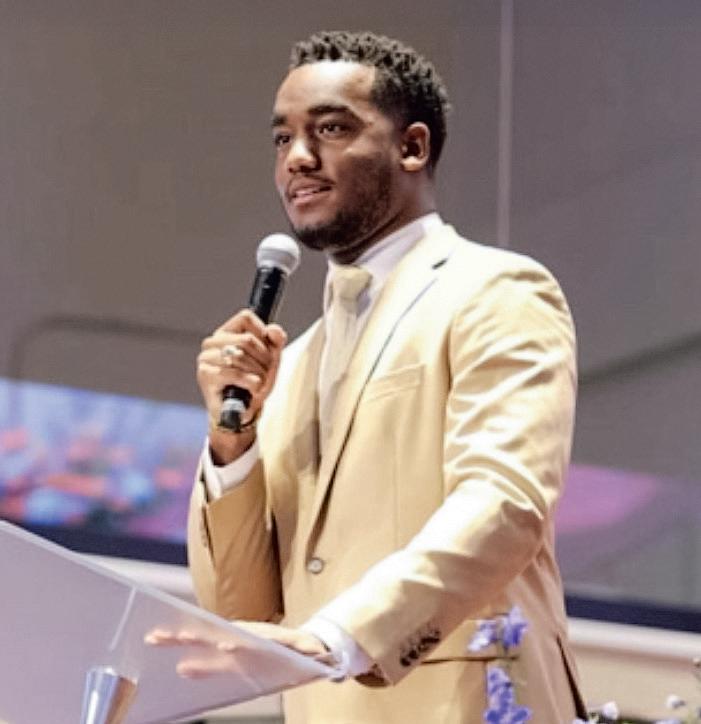
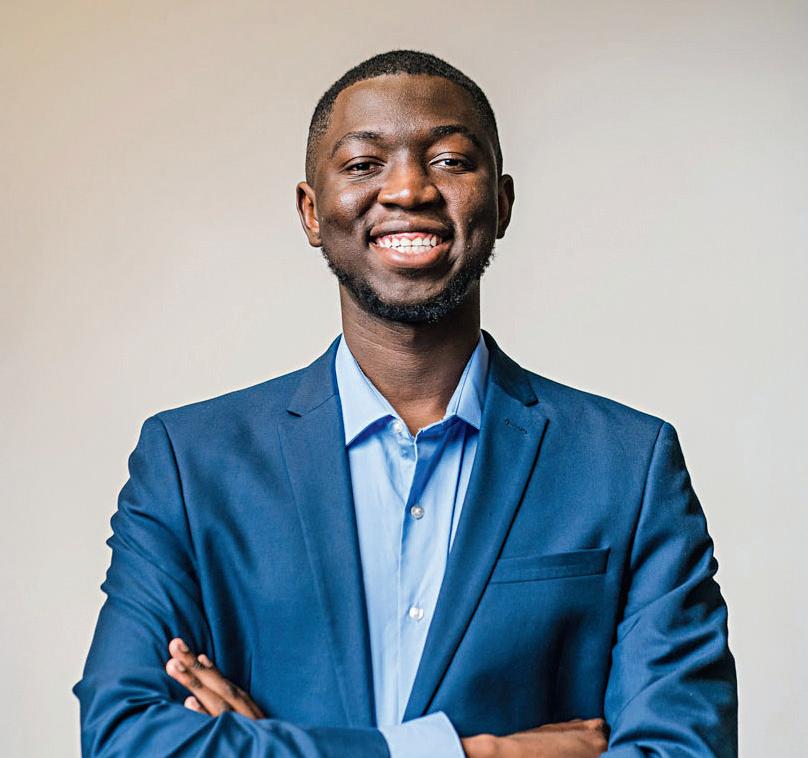
Caleb Kelly (top left) serves as a pastoral resident at CityLine Bible Church, Jamie Constantine (top right) is a program associate with Tilting Futures and Bene Owanga (bottom left) is a cofounder of Owanga Solar.
WA Mission of Faith and Community
GUIDED BY THEIR BELIEFS AND LOVE OF EMORY, BARBARA AND DON DEFOE SUPPORT STUDENTS
PREPARING FOR LIVES OF MINISTRY, LEADERSHIP AND SERVICE.
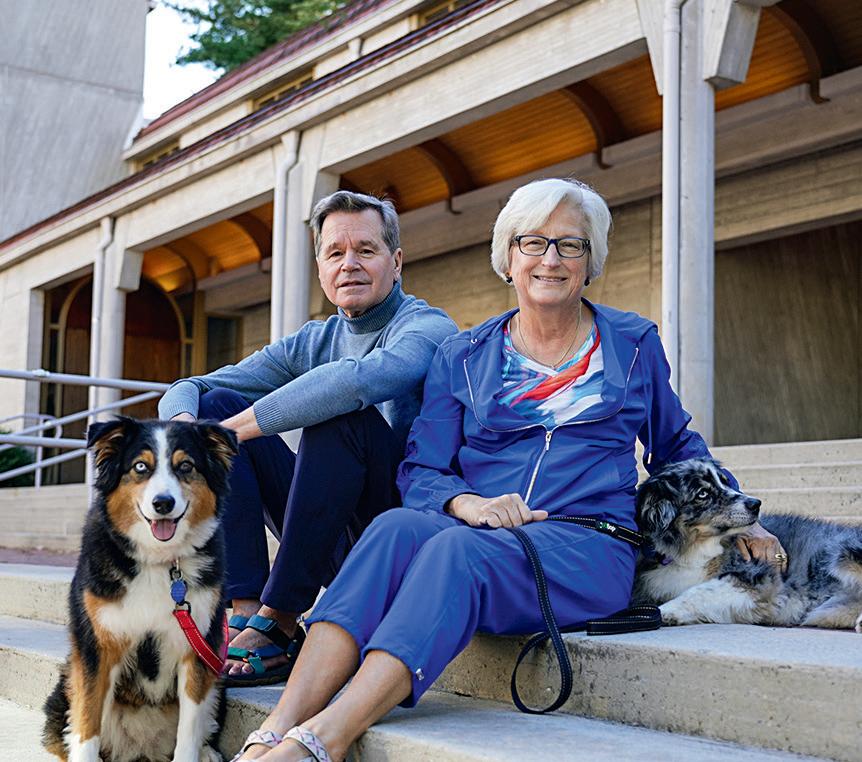
hen Barbara and Don Defoe, members of 1836 Society, moved to Atlanta in 2010, they never expected Emory to become a second home — a place they would visit nearly every day. What began with concerts and lectures slowly unfolded into something more: a source of community, connection and purpose.
Drawn first to events at the Donna and Marvin Schwartz Center for Performing Arts, the Defoes began to explore what else Emory had to offer. They took classes from the Osher Lifelong Learning Institute, worshipped at Glenn Memorial United Methodist Church and walked their dogs through Lullwater Preserve.
In a world that often feels divided, we wanted to do something that felt hopeful.
— Barbara Defoe
Through it all, they found themselves embraced by a community that both challenged and inspired them. Their bond with Emory — and particularly with Candler School of Theology — deepened through friendships with faculty members and clergy.
A connection with Candler Associate Professor Rev. Alice Rogers 98T led the Defoes to establish their first endowed scholarship in her honor, and since then they have created two more — one named for Don’s spirited Methodist grandmother and another recognizing Archbishop Desmond Tutu.
Don first heard Archbishop Tutu preach during a 1985 trip to South Africa, a powerful experience that left a lasting impression. Years later, when Tutu served as a visiting professor at Candler (1998–2000), the Defoes’ admiration deepened. More recently they were honored to share lunch with his daughter, Nontombi Naomi Tutu, a priest associate at All Saints’ Episcopal Church in Atlanta, and granddaughter, Mungi Ngomane.
As parents of four grown children, the Defoes know firsthand the value of education without overwhelming debt.
“We were fortunate to help our kids through college,” Don says. “We wanted to create those same opportunities for others.”
They’ve chosen to focus their giving on Candler — supporting a new generation of faith leaders.
“In a world that often feels divided, we wanted to do something that felt hopeful,” Barbara adds. “We want to support students who care about friendship, love, reconciliation and sharing the good news.”
Throughout it all, they noticed a theme: All the scholarship recipients they’ve met are women. Barbara believes that Don’s mother, once denied a church leadership role because of her gender, would be proud. “We imagine she’s cheering them on from Heaven,” Barbara says.
“Emory has enriched our lives,” Don adds. “And we’re proud to be part of it.”
—Danielle Hegedus
Rising to the Challenge, Together
2O36 HARNESSED THE POWER OF COMMUNITY AND COLLECTIVE GIVING — TRANSFORMING GENEROSITY INTO LASTING IMPACT.
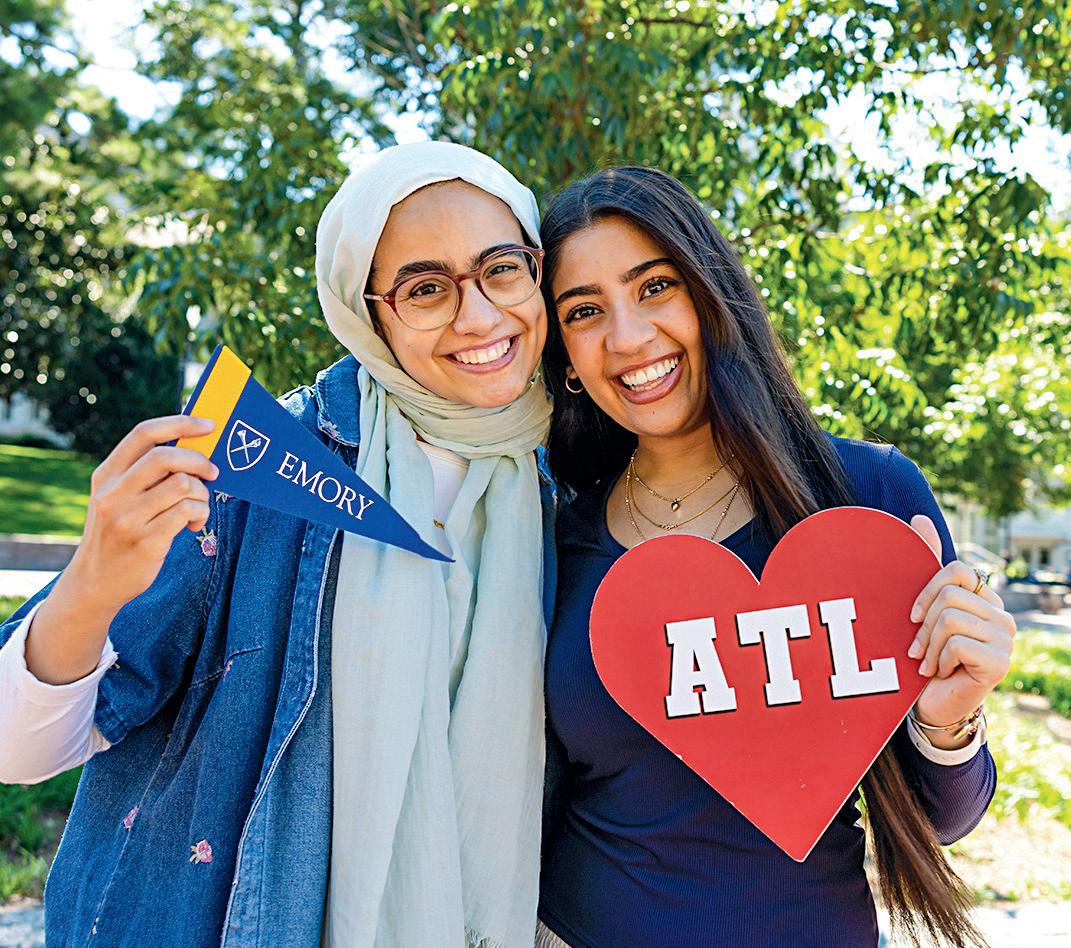
Big challenges demand bold action — and no one solves them alone. Through 2O36, Emory imagined a brighter future, one that could only be realized through the collective power of our community. And that’s exactly what happened. More than 120,000 students, alumni, parents, faculty and staff members, grateful patients, corporations, foundations and friends came together to turn a vision into reality.
Among the most effective ways to activate that support were volunteer-powered initiatives like Emory Day of Giving and 2O36 Giving Week. Fundraising competitions among student groups and gift matches made giving personal and fun — rallying people around causes they care about and showing that when everyone gives what they can, it adds up to something extraordinary.
“It’s been incredible to see groups competing for the top spots on leaderboards and watching matching gifts double the size of donations,”
says Meghan Page 08C, director of alumni and constituent giving. “I love the friendly competition among groups on campus as schools and student organizations rally their networks. It’s a testament to what can happen when a community comes together.”
Since the launch of the campaign, Emory Day of Giving and 2O36 Giving Week have raised $9 million from thousands of donors. For some the impact has been transformational.
At Emory School of Medicine, students raised $6,560 to support Jornada de Salud, a student-run health screening clinic that serves the Spanish-speaking community in Gwinnett County. The clinic offers free testing for blood pressure, body mass index, glucose and lipids. “We see an average of 15–30 patients per clinic and usually make at least one critical diagnosis, such as urgent hypertension or uncontrolled diabetes, in a population that has limited access to care,” says Carson Chruscicki 28M, a medical student and first-time fundraising volunteer.
She estimates the funds will support care for up to 500 patients over the next two years. “Now we can focus on applying for grants and finding community partners to begin offering mammography, HIV testing, dental care and vision screenings,” she says.
That same spirit of community and connection drives Susan Atkinson Gregory 77Ox 79C, member of 1836 Society, who marked her third year as an Emory Day of Giving volunteer. She raises funds for the Luke Gregory Memorial Compassion Endowment, which honors her late husband and supports Oxford College students, faculty and staff facing hardship. “I’ve watched our fund grow exponentially,” she says. “It feels great to give back to the beloved college where my husband and I met and that provided us with a great education, many lifelong friends and special memories.” —Jennifer Carlile
Grounded in Gratitude
FOR ALUMNUS JOHN LATHAM, THANKFULNESS BECAME A BRIDGE BACK TO EMORY — AND A WAY TO PAY FORWARD THE OPPORTUNITIES THAT ONCE OPENED DOORS FOR HIM.
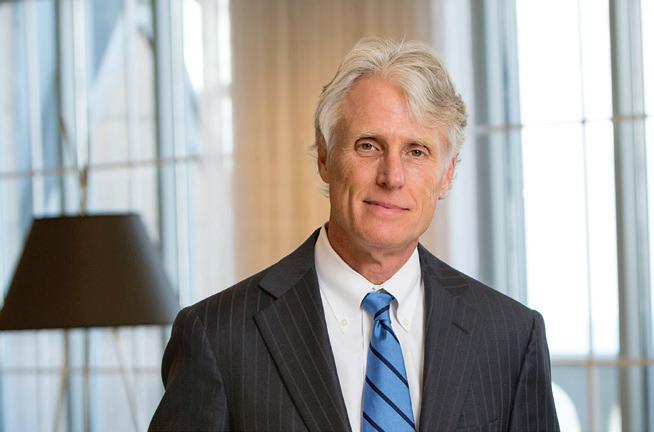
John Latham 79L is reluctant to talk about himself. Asked about his nearly five-decade relationship with Emory, the experienced litigator deftly steers the conversation to the university. “I can draw a direct line from the opportunity and experience I had at the law school to my success as a lawyer,” Latham says. “We had tremendous professors who taught us the critical thinking skills that became the foundation of our work, and we had a class full of tenacious people who have done some amazing things.”
He might not say it himself, but Latham is clearly one of them. A retired partner at Alston & Bird, he was recognized by his peers as one of the nation’s top securities lawyers.
He and his wife, Sheri, are also committed to giving back to Emory. They’ve supported the university for more than 30 years, most recently with a gift of an endowed Distinguished Professorship in Civil Litigation at Emory Law. Latham also served on Emory’s Board of Trustees and helped lead the 2O36 campaign for the law school.
“I’m a bit of an introvert, and fundraising is not something that comes naturally to me,” he says. “But I believe strongly in Emory’s mission and believe the campaign has been an opportunity for Emory to break out and accomplish important things.”
Latham says his support for the university is grounded in gratitude. He came from modest means and relied on scholarship assistance to attend law school at Emory. He says he never imagined he’d have a career as successful as the one he’s had and believes he should pay his success forward to new generations.
“I got to a point in my career where the bills were paid, so I started turning my
efforts to trying to repay and provide opportunities for people who have had similar experiences.”
Along with the professorship and his work on the Board of Trustees, those efforts have included creating a need-based scholarship for Emory Law students and funding the Latham Lobby in the Schwartz Center for Performing Arts honoring Sheri, who taught ballet at Emory for 28 years.
Latham says that giving, in any amount, strengthens the bond with the Emory community. Four years ago, he began providing funds to incentivize the university and individual schools to raise money for Emory Day of Giving, including matching gifts.
It’s a great way to help programs across the campus, he explains, and a great way to foster grassroots and first-time giving. Latham says he checks in on the results every year to see how successful the giving competitions and match challenges are.
“They’re critical not just in terms of money, but they connect our community to the schools,” he says.
— John Latham
79L
Nearly 50 years after graduating from Emory, Latham says it's fulfilling to continue actively participating in campus life, whether as a donor or as a regular attendee of dance performances.
“Giving reconnected me in a deeper way to the law school and the students there. I feel incredibly blessed,” he says. “I needed help when I came to Emory. Anything I can do to help others is important to me.”
—Andisheh Nouraee Giving reconnected me in a deeper way to the law school and the students there.
THE PULL OF Home
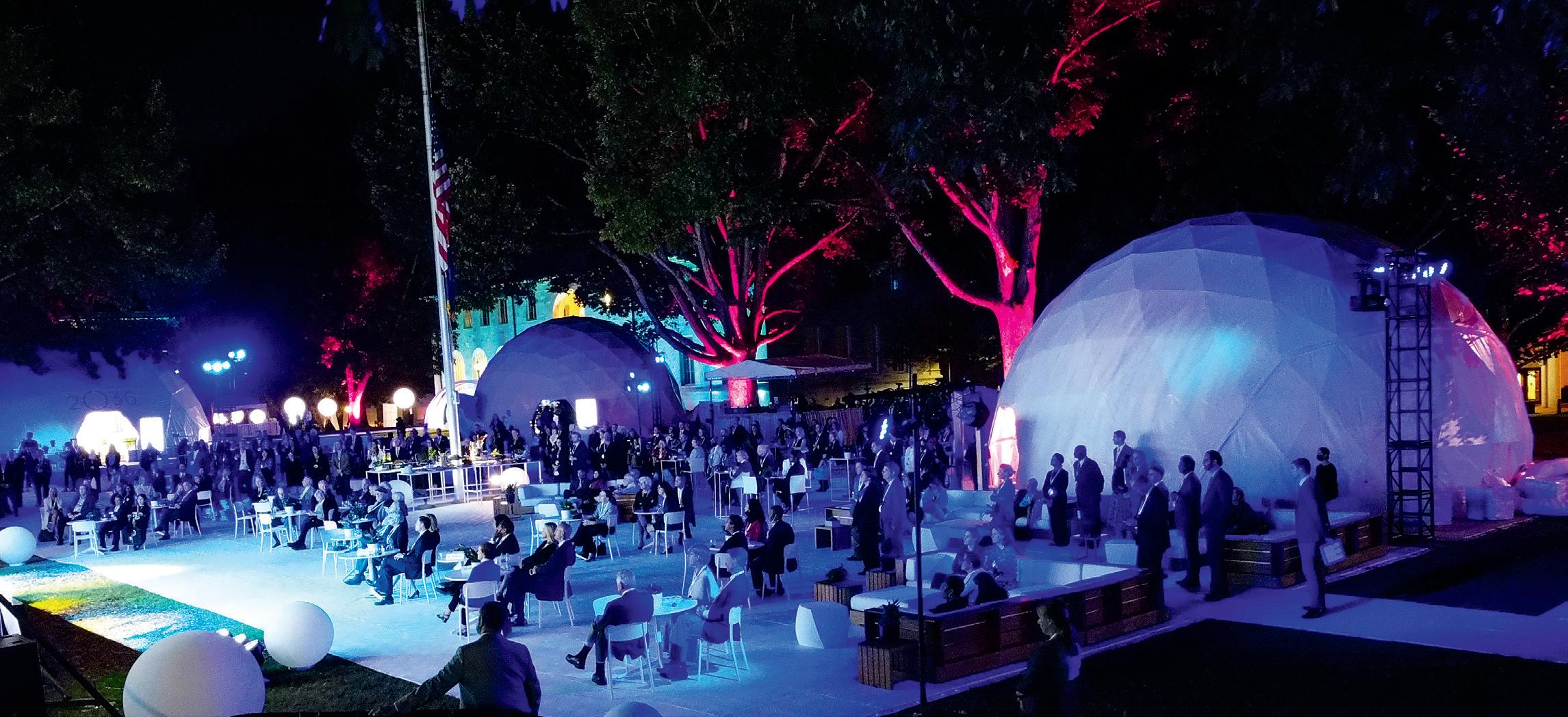
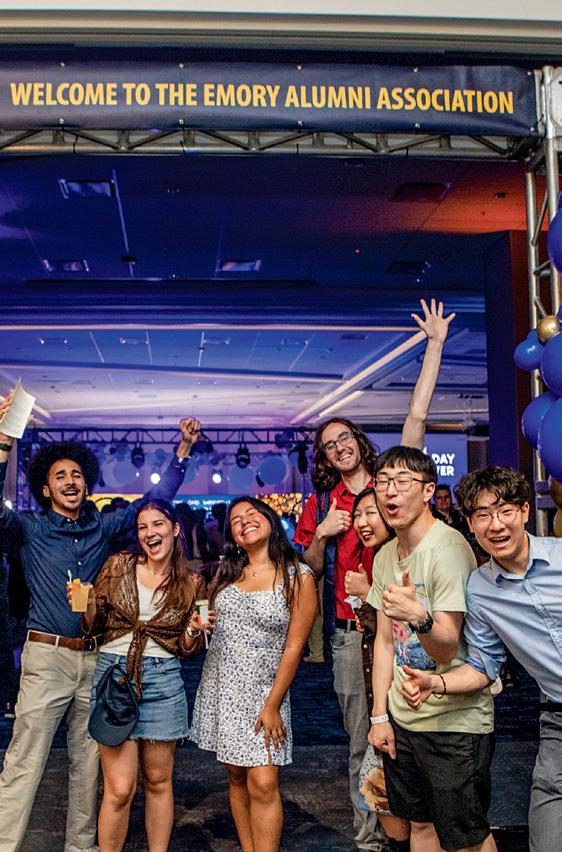
EVENTS HAVE LONG BROUGHT ALUMNI TOGETHER TO HONOR TRADITIONS, BUILD LASTING RELATIONSHIPS AND CELEBRATE SHARED EXPERIENCES. DURING 2O36, THESE GATHERINGS GREW STRONGER, RECONNECTING ALUMNI WITH CAMPUS, ONE ANOTHER AND THE COMMUNITIES THEY CARE ABOUT.
HOMECOMING: THE HEART OF OUR COMMUNITY At Homecoming and Family Weekend in 2021, the Emory community was introduced to 2O36. Futuristic domes dotted the Quad, inviting students, alumni, faculty and staff members inside to share their hopes for a brighter tomorrow. That spirit of community continues every year with new Homecoming and Family Weekend celebrations.
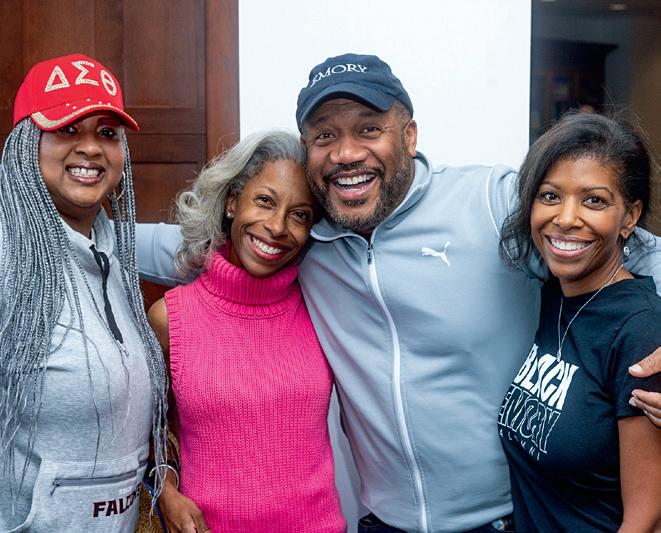
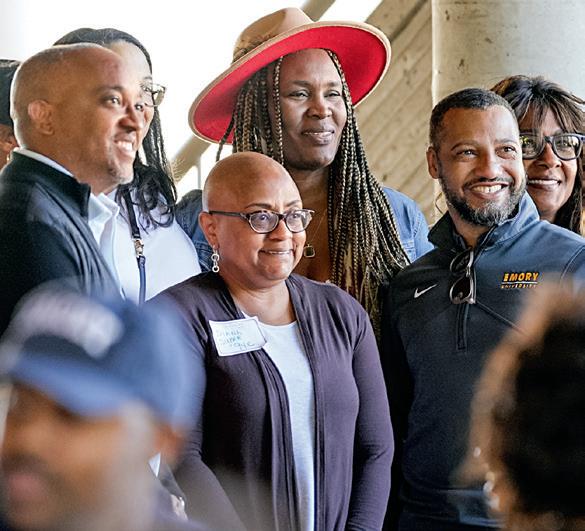
For Cherie Berkley 92Ox 94C, her Emory experience laid the foundation for curiosity, opportunity and friendships. In 2024, she proudly served on the Homecoming Host Committee, helping draw more than 200 alumni to Caucus of Emory Black Alumni events — including a lively after-party.
“My Emory experience helped shape the fundamental foundation of who I grew up to be during and after college. And I'm proud of that. It was a space that procured exploration, curiosity, a great education, fun, opportunity and incredible lifelong friendships with high achievers who make the world better. For this, I remain thankful and engaged in helping carry on the Emory legacy as an alumna on campus and in greater society.”
—Cherie Berkley 92Ox 94C
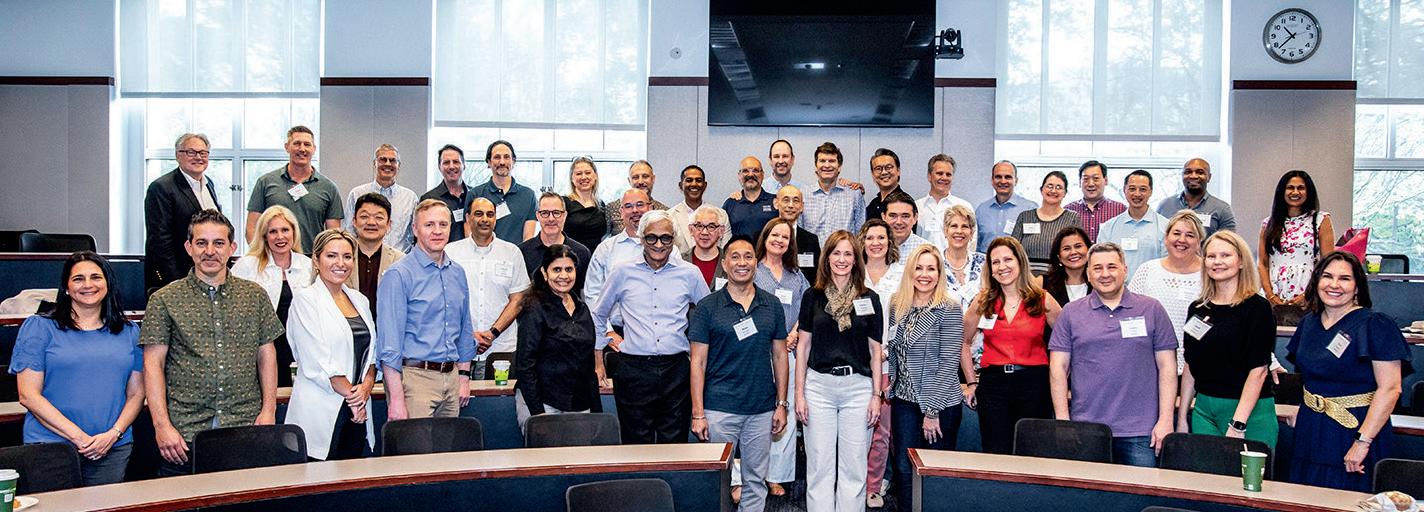
At their 20-year reunion in 2024, Neil Sapra 04MBA and classmates celebrated not just the milestone but Goizueta Business School’s global network. With record attendance and friends traveling from around the world, the weekend showed how Emory connections continue to shape lives long after graduation.
“Staying engaged with Goizueta is like compound interest — the friendships, ideas and opportunities only get more valuable with time. Every time I reconnect, I’m reminded that Emory continues to shape my future.” Neil Sapra 04MBA
A TRADITION OF SERVICE
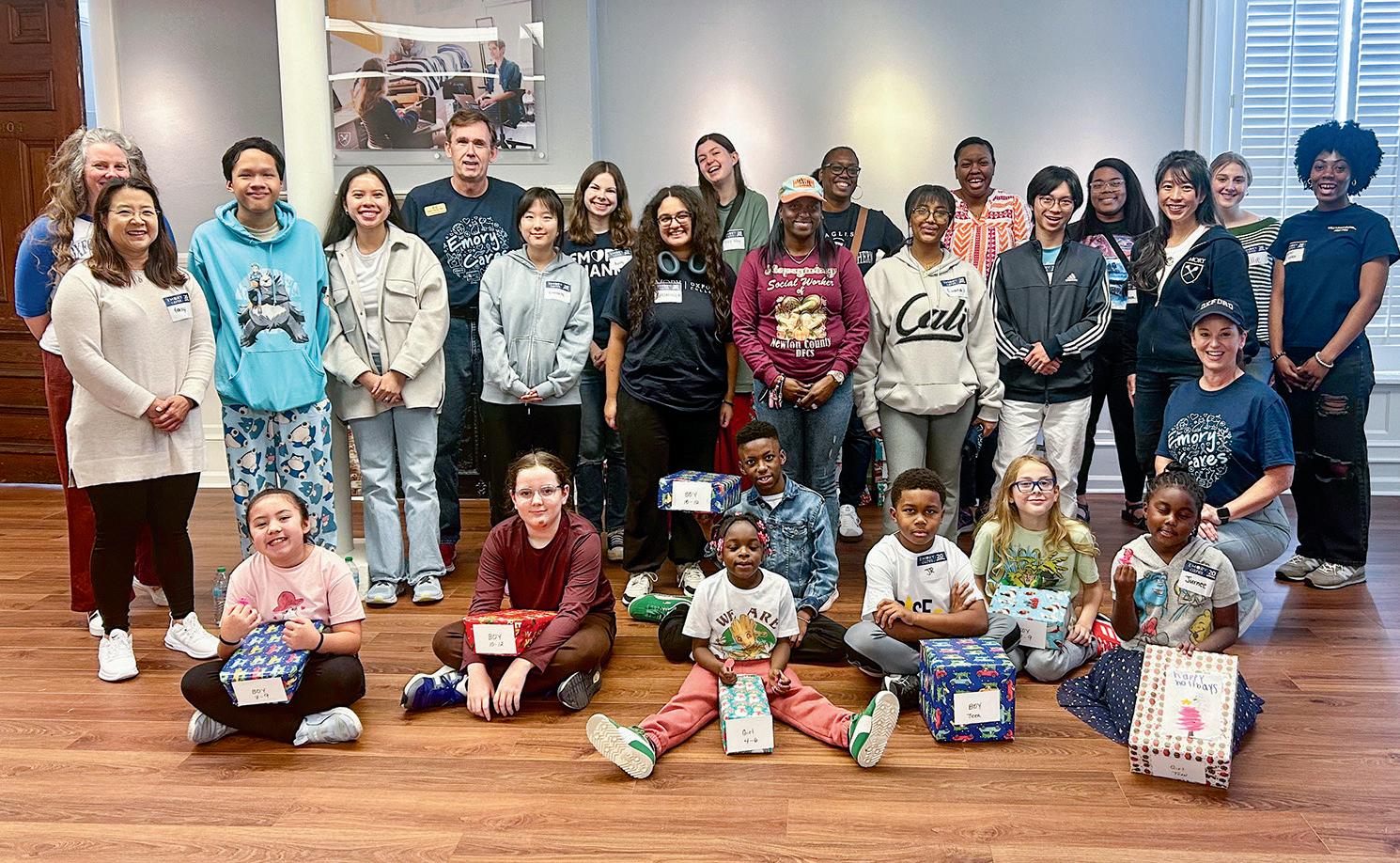
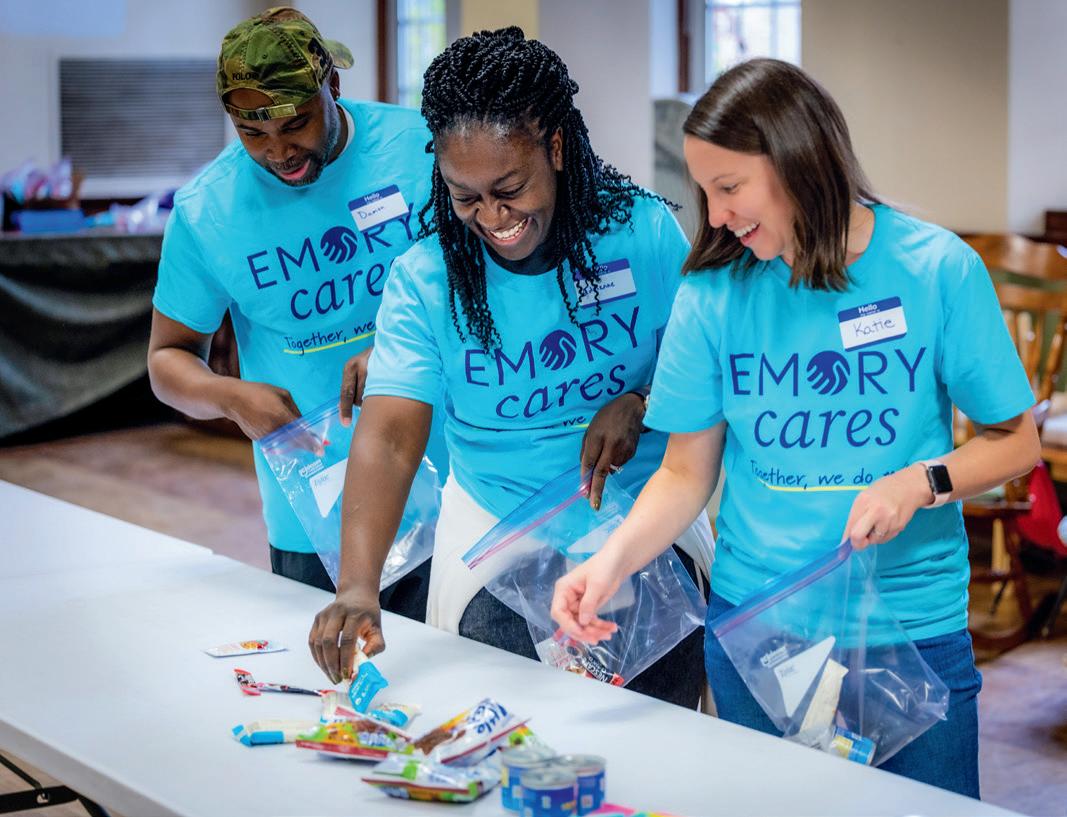
Emory Cares brings together alumni, students and friends for service projects around the world. From restoring oyster habitats to mentoring children, from planting trees to aiding disaster recovery, it reflects a community-wide commitment to serve.
Renelda Mack 83C, then president of the Emory Alumni Board, envisioned Emory Cares as a day of service in 2003. Today, it has grown into a year-round international program offering more than 1,000 projects.
“I believe Emory Cares has been successful because members of the Emory community have a strong desire to do what is good, to do what is right.” — Renelda Mack 83C
Oxford College hosts one of the longest-running projects. Volunteers have packed shoeboxes with toiletries, toys and books for children entering foster care for 20 years. Tammy Camfield 89Ox 91C has watched it grow from a local effort into an annual tradition that inspires future students.
“It’s been great to see this project grow. Students, alumni, and faculty and staff members pack hundreds of boxes each year. I’ve also seen young volunteers fall in love with Oxford and become students here a few years later.”
—Tammy Camfield 89Ox 91C
CLASS DAY CROSSOVER
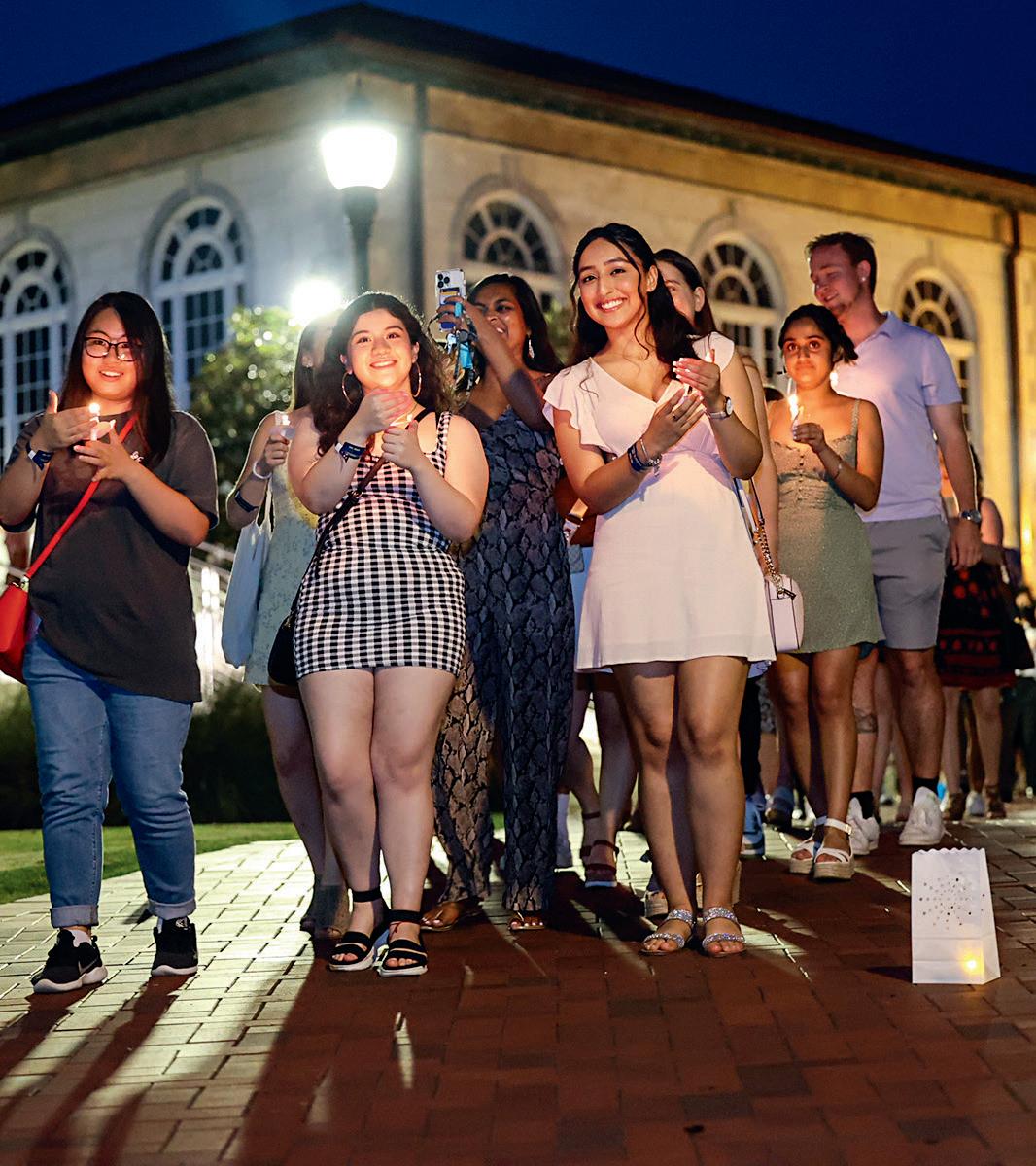
Each spring, Class Day Crossover honors Emory tradition and welcomes new graduates into the alumni family. Alumni and friends light the way for members of the senior class, celebrating their achievements and strengthening the ties that bind the Emory community.
“Candlelight Crossover is one of my favorite traditions. As we gather with candlelight, alumni line the path to welcome seniors into our ranks. It marks the next chapters of their lives. And it reminds us that the spirit of Emory lives on forever with the next generation.”
—Dana Tottenham 98C
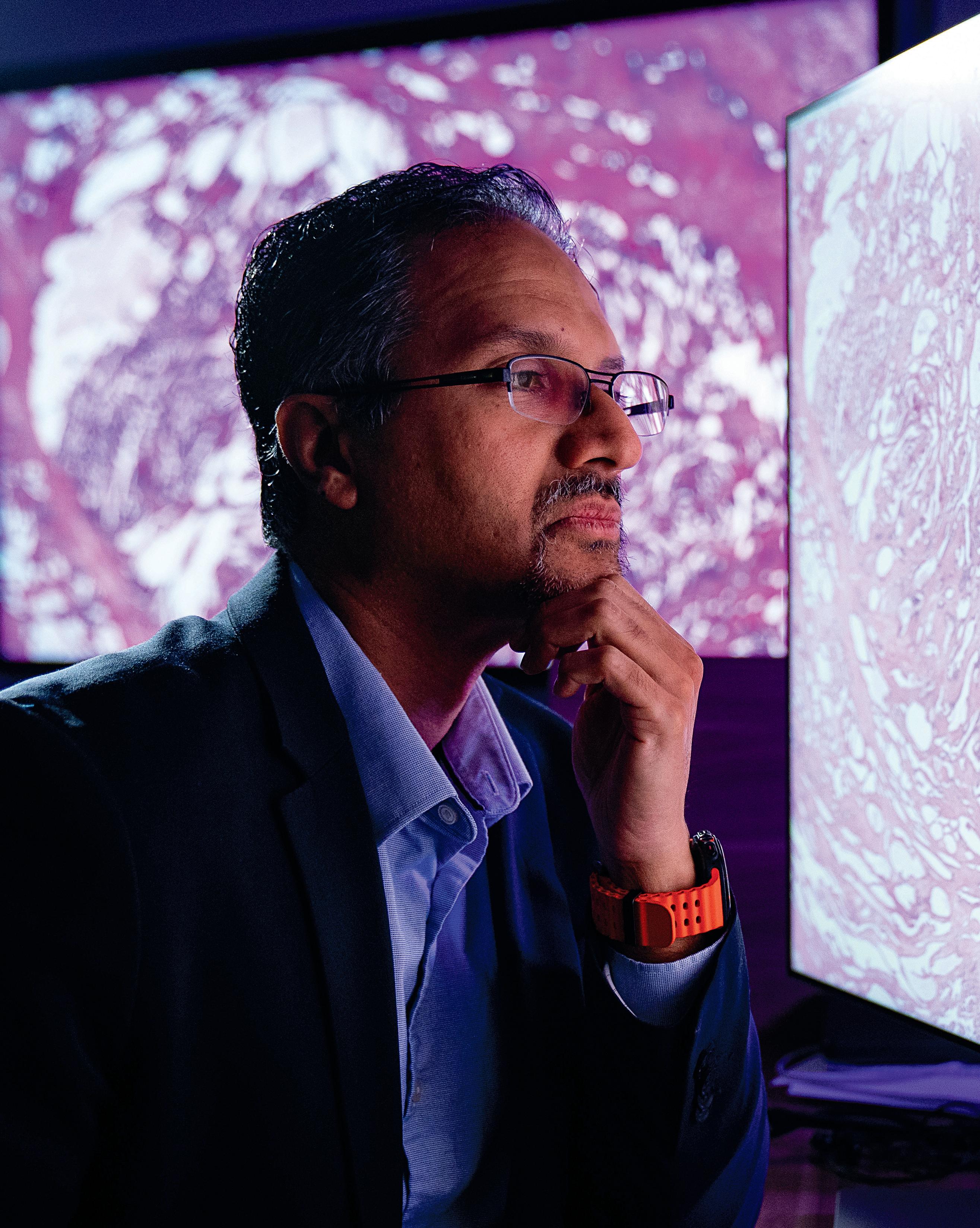
Anant Madabhushi, executive director for the Emory Empathetic AI for Health Institute
SHARING KNOWLEDGE & FOSTERING INNOVATION
The Next Chapter of AI is Human
By Andisheh Nouraee
EMORY IS EMBRACING ARTIFICIAL INTELLIGENCE WITH BOLD PURPOSE AND CLEAR BOUNDARIES — BELIEVING THAT INNOVATION MATTERS MOST WHEN GUIDED BY ETHICS, EMPATHY AND THE HUMAN HEART.
While others argue over whether artificial intelligence (AI) will save or doom humanity, Emory is shaping how it serves us. Emory is embracing AI as a powerful tool, investing in its potential and committed to ensuring it benefits everyone.
Emory research spans nearly every dimension of human inquiry. AI touches them all. Faculty and students are using AI intentionally, teaching it responsibly and advancing it with a clear principle: Technology must follow human purpose — not the other way around.
Lauren Klein, Winship Distinguished Research Professor at Emory College of Arts and Sciences, says the most promising AI systems have yet to be invented. She is wary of the current wave of for-profit AI software.
“What we’re being told is AI is coming from a narrow set of people and a handful of corporations that have vastly different incentives than the rest of the world,” she says of the tech firms inserting AI capability into nearly every computer interface and transaction.
Klein is part of a large group of Emory scholars striving to redefine what AI is and how it should work. She and her colleagues want to make sure people, not tech firms and billionaires, determine how AI computing is used in their lives. “Academic institutions, and Emory researchers in particular, are imagining uses of AI that benefit humanity, increase our understanding of cultures, and are wanted and shaped by communities using them,” she says.
INTENTION, NOT DISRUPTION
Rather than adopting Silicon Valley’s “move fast and break things” ethos, Emory is charting a deliberate path. Faculty approach AI with careful attention to both risks and opportunities, ensuring that new technologies advance learning and human well-being.
Nabile Safdar, chief AI officer for Emory Healthcare, says AI, and how to educate with it, are divisive topics within medicine. Faculty members in his specialty, radiology, have sorted themselves into opposing groups when considering AI access for trainees.
“One camp asks ‘How will they learn if they’re using AI?’ and the other asks ‘How will they learn if they’re not using AI?’ The task for educators is to find the balance,” Safdar says.
He is sympathetic to both camps. Safdar says there is a real risk of what he calls “deskilling” medical students and practitioners if their education leaves them overly reliant on technology. However, there is equal risk if they’re not taught how to use increasingly widespread tools.
For example, in radiology, he thinks all students should learn the basics of AI imaging so they can use it effectively. AI can help doctors identify information in scans that is not always visible to the eye. Safdar says AI’s role in imaging is to bring new and important information to the attention of clinicians so that they can review and respond to it.
He co-leads a group advising Emory University and Emory Healthcare on the critical questions posed by AI. He advocates for AI adoption across the university grounded in intention and ethics. Ultimately, people, not tools, shoulder the responsibility for patient care, he says. AI is neither a colleague nor an expert. An AI-enabled medical tool is like a scalpel or an x-ray machine — a tool that a trained clinician can use to help a patient.
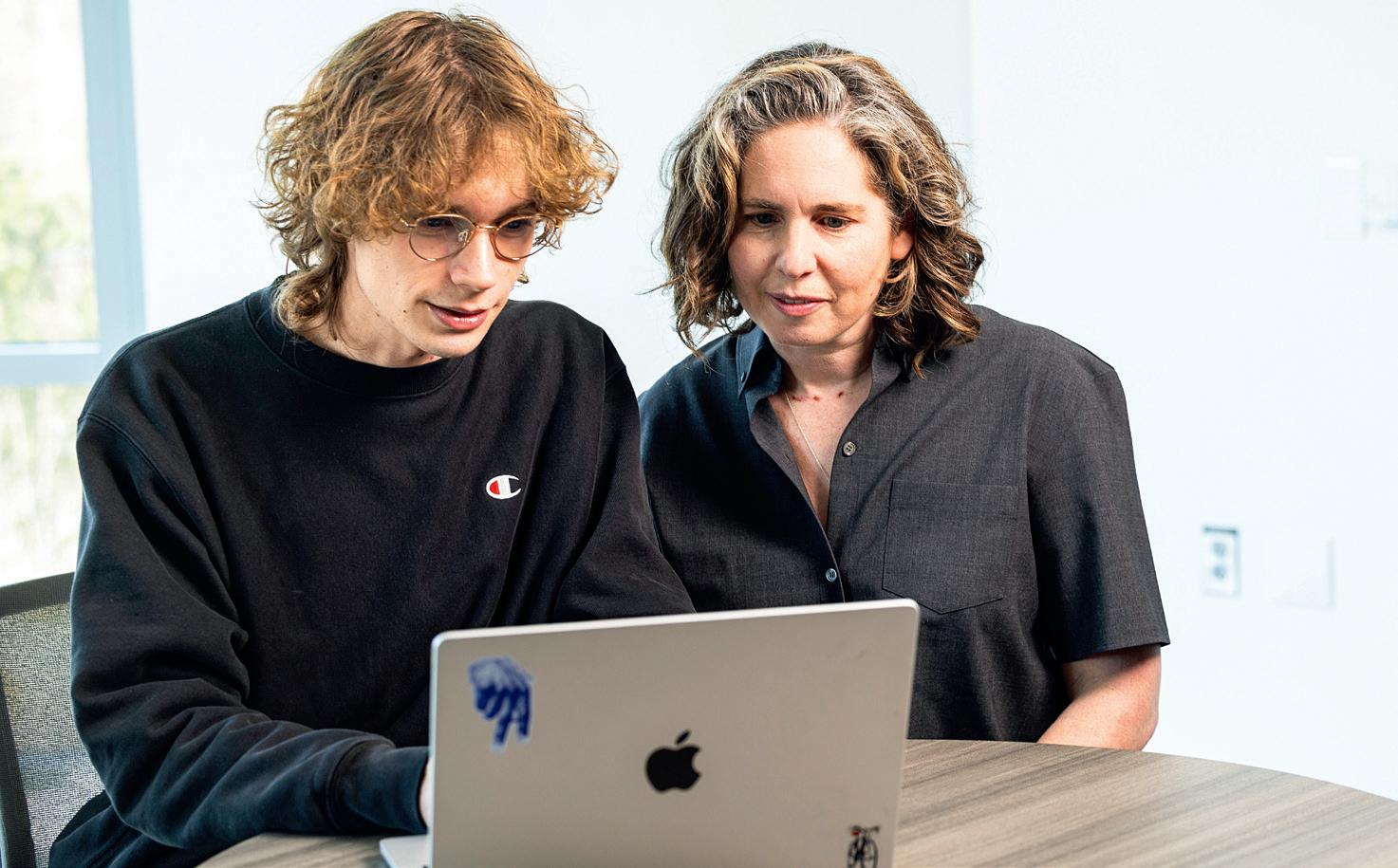
and clinics in low-resource communities around the world.
Whether practicing or in training, clinicians should understand AI’s inherent limitations, such as its tendency to “hallucinate” and interpret imaging artifacts incorrectly. Also, machine-learning models trained with data from one group of people may not deliver accurate diagnostic information for people with different characteristics. A good AI medical curriculum, Safdar says, starts with safety and ethical training.
“Too many people are excluded from the advances of modern medicine,” he says. “It doesn’t have to be that way. We can make smarter tools and deliver them more widely. We just have to care enough to try.”
Personal experience informs Madabhushi’s focus. In the 1990s in India, he lost his beloved aunt to breast cancer. He describes this as an inflection point that continues to inspire his career today.
“Equity is not a side-benefit. It’s the goal,” Madabhushi explains. “Our systems are trained to work across race, gender and geography.”
BETTER INPUTS, BETTER OUTPUTS
Emory research spans nearly every dimension of human inquiry. AI touches them all.
Anant Madabhushi’s pioneering medical imaging work exemplifies the ideal Safdar describes. As executive director for the Emory Empathetic AI for Health Institute, Madabhushi and his research team are building AI algorithms that analyze digitized pathology slides and imaging data to detect cancer, gauge its aggressiveness and help determine the most effective treatment options. The technologies they are creating are not just for top-tier cancer centers, but also for safety-net hospitals
Another hallmark of Emory’s AI approach is inclusion. Klein says one way to improve AI tools is to make sure the people who use them are part of their creation — because inclusive design and construction make tools better. “AI models are trained on data that largely comes from the Internet circa 2010 to now,” she explains. As a result, the tools reflect only a “narrow sliver” of human knowledge and experience as it appears online. Information and knowledge that aren’t digitized or widely shared online often never make their way into AI models.
Within that gap, Klein notes, the humanities play a vital role. “One of the roles of humanities scholars is to educate the public about how and why AI works the way it does,” she says. “You need to know who created the tools, who was speaking and what data went in.”
An example of this approach comes from a recent study Klein co-authored in The Lancet. The paper describes how AI software used by health clinicians to transcribe patient notes promises to ease a doctor’s note-taking burden — one of the
Lauren Klein (right) with former research assistant Dani Roytburg 25C, who is now pursuing a master’s degree in machine learning at Carnegie Mellon University.
most often cited causes of physician burnout. Klein says the tools would work a lot better if they were developed with more realistic use-cases in mind.
“Almost all the language transcription models we have now are trained on Midwest American accents,” she says. Patients and clinicians who don’t share that accent are transcribed less accurately. Many systems also assume only two people are speaking — doctor and patient — overlooking common scenarios where family members provide support or translation, Klein notes.
Inclusive design across disciplines leads to more accurate and equitable tools, Klein says. She calls this “humble AI” — narrow applications that aren’t glamorous but can improve people’s lives.
AI built by and for its users underpins the work of the Atlanta Interdisciplinary AI Network, which Klein leads. The group includes scholars from Emory, Georgia Institute of Technology and Clark Atlanta University working to bring AI innovations into language, politics and social activism, as well as health and science.
One project uncovers linguistic patterns in the writings of 19th-century abolitionists and suffragists. Their words reshaped America’s view of justice — broadening it beyond the legal to encompass fairness in everyday dealings with institutions. Studying how those definitions evolved, Klein says, helps today’s historians and political scientists better understand shifts in society and power.
Klein and her colleagues are also focusing on the 18th century to find untold or forgotten stories about the nation’s founding. Here, AI allows scholars to mine massive archives that would otherwise be impossible to fully explore.
“The Founder’s Online dataset, with more than 180,000 documents, is too large for a human to process,” says Dani Roytburg 25C, a recent Emory graduate and former research assistant in Klein’s lab. “Computational tools help researchers understand the social and communications networks of the founders, with 250 years of hindsight.”
By tracing how language circulated through personal letters, Roytburg says that “we can locate how keywords traveled through correspondence to achieve prominence in the American Revolution vocabulary.” One of his goals was to use AI to understand better how the founders’ political affiliations shifted over the course of the Revolutionary War.
Roytburg values AI in research but is emphatic about its limits: AI does not replace scholarship or the need for deep historical knowledge, he says. Like physicians, historians can make and use these tools to extend the horizons of their informed analysis.
Barbara Krauthamer, a historian and dean of Emory College, adds that Emory’s efforts in applying technology and AI to the humanities are not just about merging data with discourse, but also about amplifying voices and narratives that might otherwise remain unheard. The result is innovation with a purpose: technology that preserves, rather than erases, the human story.
BUILDING GUARDRAILS AND VISION
At Emory, AI is more than an innovation. Emory faculty members are working to ensure the future of AI technology reflects human values. That means creating guardrails: systems of oversight, inclusive participation and bias testing that keep AI safe, fair and transparent.
Joe Sutherland, director of the Emory Center for AI Learning, puts it plainly: “Aligning AI with human values isn’t just a technical challenge. It’s fundamentally social. Can we create responsive guardrails that adapt to evolving societal values? Emory’s mission is to answer that challenge, pairing human insight with technological progress.”
The vision is expansive but grounded. In its best form, Sutherland says, AI could free people from repetitive tasks, giving them more time for creativity, inquiry and care. Emory’s commitment ensures that when those benefits arrive, they do so in ways that lift communities rather than fracture them.
Safdar adds that universities like Emory must lead in setting the standards. “AI use must align with Emory’s mission, principles and vision. We’ll always adhere to laws, regulations and policies, and we will need to develop new policies as the technology evolves,” he says. “We aim to foster transparency and empower people to use AI when it helps them — safely and responsibly.”
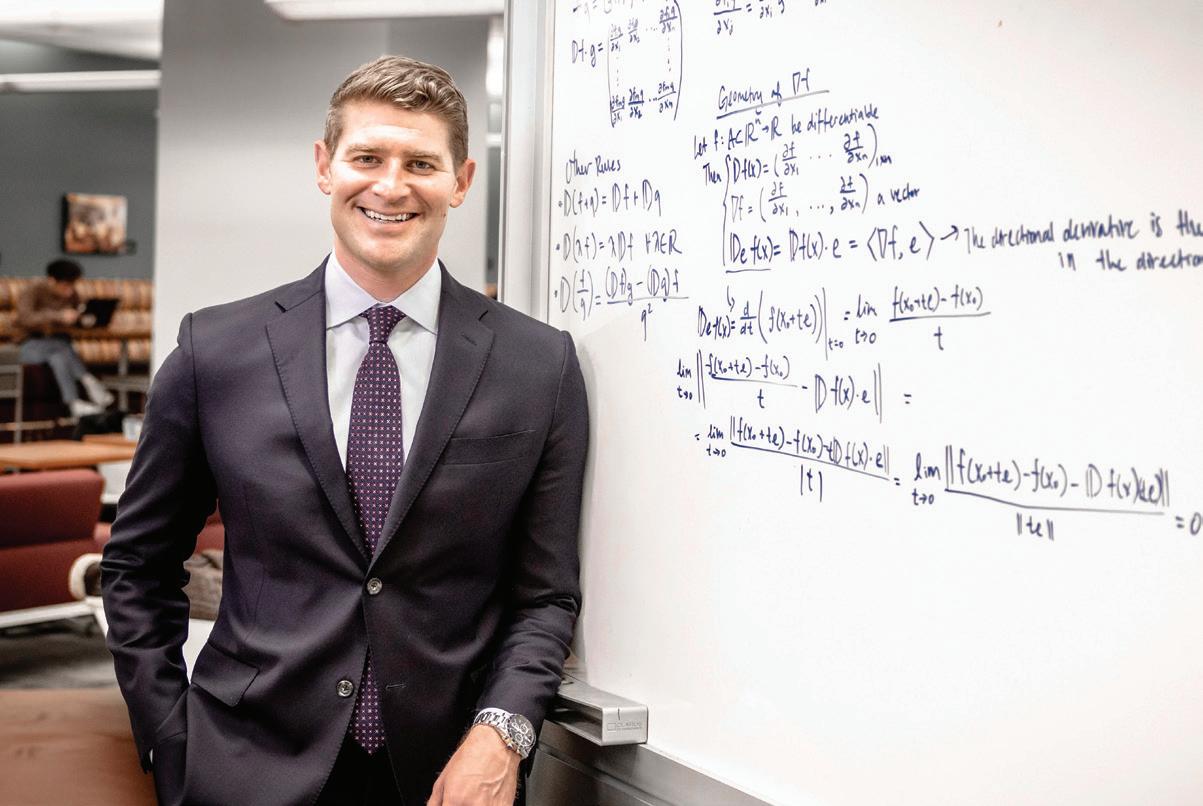
Joe Sutherland is the director of the Emory Center for AI Learning.
Truist Foundation: Empowering Atlanta Entrepreneurs
WITH FUNDING, MENTORSHIP AND REAL-WORLD EXPERTISE, TRUIST FOUNDATION IS HELPING EMORY’S START:ME ACCELERATOR TURN BUSINESS DREAMS INTO ENGINES OF COMMUNITY GROWTH.
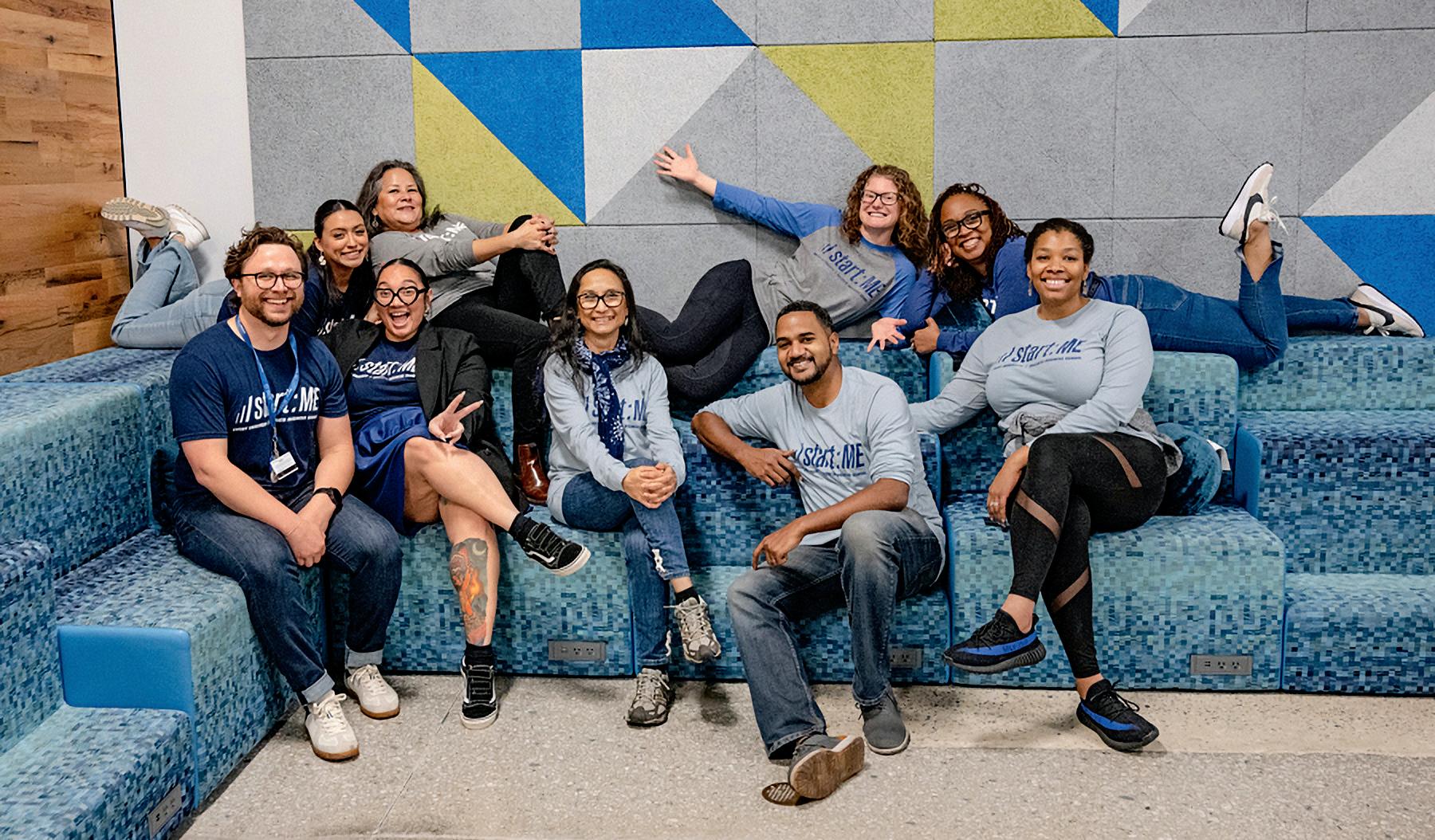
For many aspiring entrepreneurs, the biggest hurdle isn’t passion or ambition. Often, it’s access to mentors, networks or the know-how to turn an idea into a thriving business. That’s where Emory’s Start:ME Accelerator, powered by Goizueta Business School’s Business & Society Institute, steps in.
The 14-week program pairs micro-entrepreneurs from underserved Atlanta communities with expert instructors and professional mentors — volunteers from companies like Truist — who guide them through market research, financial modeling and brand strategy. The result: community-rooted businesses that create jobs, build wealth and transform lives.
Ron Alston, a senior vice president for not-for-profit and government banking at Truist, has seen the impact up close. “Start:ME is a true asset to the community,” he says. “It empowers people to build their businesses and create economic impact where they live.”
Alston served as a volunteer mentor to a Start:ME participant who was later
Watching the growth from day one to the final pitch is powerful.
— Ron Alston
voted by his peers as the entrepreneur “most ready for investment” — a win that affirmed the power of targeted support and encouragement.
“Watching the growth from day one to the final pitch is powerful,” Alston reflects. “Students start by standing nervously to describe a dream. By the end, they’re confidently presenting businesses with data and marketing strategies. It’s remarkable.”
This is corporate philanthropy at its best: when partners go beyond writing a check to offering their time, skills and a genuine belief in people’s potential.
In 2023, Truist Foundation deepened that belief with a $1 million grant — the largest in Start:ME’s history.
And because the accelerator is housed at Goizueta, it’s also a powerful example of how Emory’s academic expertise reaches into neighborhoods across Atlanta, bridging gaps in knowledge and opportunity with the tools to build a better future. —Danielle Hegedus
Truist Foundation deepened its belief in the Start: ME program and its participants with a $1 million grant.
Endowing Excellence: How Top Faculty Drive Emory’s Future
FACULTY EMINENCE BECAME A CORNERSTONE OF 2O36, INVITING DONORS TO ENDOW PROFESSORSHIPS THAT STRENGTHEN TEACHING, RESEARCH AND LEADERSHIP ACROSS THE UNIVERSITY. The results reflect an extraordinary effort: 107 new professorships. And these investments deepen Emory’s capacity for discovery and amplify the impact of faculty whose work spans disciplines and global challenges. The following are just a few of these faculty members whose vision, creativity and mentorship shape the future of their fields and the students they inspire.
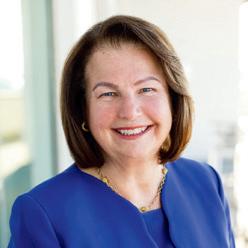
.BETH ANN SWAN. Charles F. and Peggy Evans Endowed Distinguished Professor for Simulation and Innovation, Nell Hodgson Woodruff School of Nursing
Swan, a visionary leader and inaugural inductee into the American Academy of Ambulatory Care Nursing Hall of Fame, advances simulation-based learning and virtual reality to prepare nurses for complex care. Her work expands training, promotes evidence-based coordination and drives innovation.
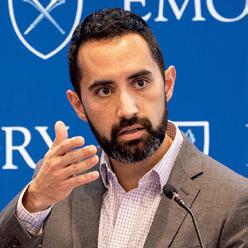
.BERNARD L. FRAGA. Ann and Michael Hankin Distinguished Professor of Political Science, Emory College of Arts and Sciences
A nationally acclaimed scholar on race, ethnicity and electoral behavior, Fraga has pursued research — including his acclaimed book “The Turnout Gap” — that reveals how identity and context shape democratic participation. The Hankin Professorship recognizes excellence in mentorship and scholarship.
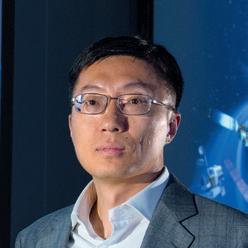
.YANG LIU.
Gangarosa Distinguished Professor and Chair of Environmental Health, Rollins School of Public Health
Liu, an internationally recognized expert on climate change and air quality, directs the Emory Climate and Health Research Incubator. His innovative teaching earned the 2024 Vulcan Award for exceptional mentorship and student impact.
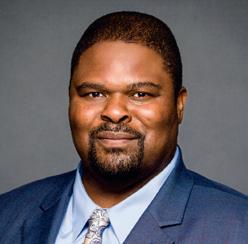
.DARREN LENARD.
.HUTCHINSON
John Lewis Chair for Civil Rights and Social Justice, Emory School of Law
A leading voice on law, inequality and social justice, Hutchinson has made his mark with interdisciplinary scholarship exploring how legal systems perpetuate racial, sexual and class-based inequities. The John Lewis Chair honors a legacy of “good trouble” and anchors Emory’s leadership in research, policy and community engagement.
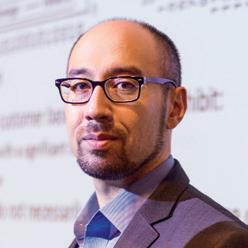
.DAVID A. SCHWEIDEL.
Goizueta Chair for Business Technology, Goizueta Business School
Schweidel, a recognized authority in customer analytics and social media strategy, develops statistical models that guide business decisions and inform practice. His influential books and research have shaped how organizations harness digital data, leading to collaborations with top companies.
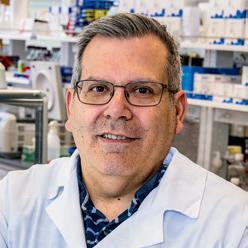
.PHILIP SANTANGELO.
Jonathan and Sheryl Layne Professorship, Emory School of Medicine
Santangelo’s lab develops 3-D imaging tools for spatial biology, allowing scientists to locate and study RNA regulation and RNA viruses, including HIV, SIV and human respiratory syncytial virus, the leading cause of bronchiolitis and pneumonia in babies. The Jonathan and Sheryl Layne professorship was established in 2023 to support an outstanding tenured academic scholar in the field of biology, chemistry, biochemistry, medicine or biomedical engineering.
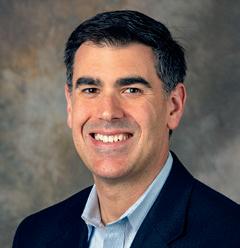
.ANTHONY A.. .BRIGGMAN
Andrew J. and Georgia L. Ekonomou Distinguished Professor of Patristic Theology, Candler School of Theology
Briggman’s research explores how early Christian thinkers employed ancient science to explain Christ’s nature and mission. His professorship supports scholarship on patristic theology, deepening understanding of foundational doctrines that shape Christian faith and ministry.
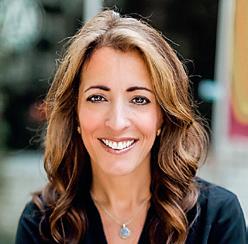
.KELLY GOLDSMITH. Curing Kids Cancer Professor of Pediatric Oncology, Emory School of Medicine
Goldsmith focuses on investigating experimental therapeutics for chemotherapy resistance in pediatric neuroblastoma and is co-leader of the Discovery and Developmental Therapeutics Research Program at Winship Cancer Institute. She was named Emory School of Medicine’s inaugural Curing Kids Cancer Professor of Pediatric Oncology in 2024.
From Spark to Startup
AT EMORY, YOUNG INNOVATORS ARE TURNING IDEAS AND EXPERIENCES INTO BUSINESSES THAT SOLVE REAL-WORLD PROBLEMS — WITH SUPPORT FROM PROGRAMS THAT HELP THESE ENTREPRENEURIAL EAGLES TAKE FLIGHT.
While an undergraduate student at Emory, Shashwat Murarka 23C noticed that delivery drivers always asked how to find the door to his apartment. He began to wonder: What if there was an easy way to help the drivers find you?
The question started him on a journey of discovery. He talked to delivery services and consumers, researched geospatial data and even became a delivery driver himself. His solution to this persistent problem? Use the delivery person’s phone to map the path straight to the customer’s door. Now he just needed to figure out how. Murarka credits the university’s liberal arts curriculum with helping him get started.
“At Emory, you get a great mix of tech talent and business talent,” he says. “Plus, you’re in history or biology classes with people who look at problems differently from you, and you learn how to connect with them.”
Emory’s commitment to entrepreneurship also helped. Murarka participated in entrepreneurial accelerator programs offered by The Hatchery, Emory Center for Innovation and Goizueta Business School, where he learned how to shape his idea into a business plan,
iterate and test his prototype and then pitch his business to investors.
Just two years after graduation, Murarka is the CEO of his own company, Doorstep, which just raised $8 million in seed capital. Doorstep is a mobile app program interface that maps the path to the customer’s door and stores it for the next delivery person. The goal is to help companies deliver packages more accurately, saving time and money caused by missed or failed shipments. Eventually he wants to use delivery intelligence to help emergency services and drones reach people faster. “I think we can help save people’s lives,” he says.
Murarka often relies on the Emory alumni network when he needs support. “A major part of my success is the confidence the people at Emory gave me,” he adds. “Every time I questioned what I was doing, I was encouraged to stay on my path.”
His startup journey shows how Emory’s entrepreneurial ecosystem helps a student idea become an investable company. But Mururka is not alone. Across campus, others are taking their own ideas and transforming them into innovations with the potential to impact many lives.
For Raphael Nelson 25Ox 27B, Isabel Horne 25Ox 27C and Helen Khuri 26C, entrepreneurship began with personal challenges — and a desire to transform them into opportunities for others.
Nelson and Horne developed The CaseBot, an AI-powered platform that helps students practice and master business consulting case interviews through realistic simulations and personalized feedback. The idea began at Oxford College’s SideHustle 1.0 program and grew through The Hatchery’s Summer Accelerator, where they refined their product and business plan.
Their success led to selection as the first recipients of the Palladin Fellowship, a partnership between The Hatchery and Palladin Technologies, founded by Emory alumnus Brandon Ward 10MBA. For Horne, the experience has been transformative. The fellowship connects them directly with experienced entrepreneurs who understand how to build and scale a venture. “That kind of access is incredibly rare — and incredibly valuable,” she says.
In the same Summer Accelerator cohort, Khuri found her entrepreneurial drive during recovery from a mysterious illness that required her to wear medical compression garments. The products
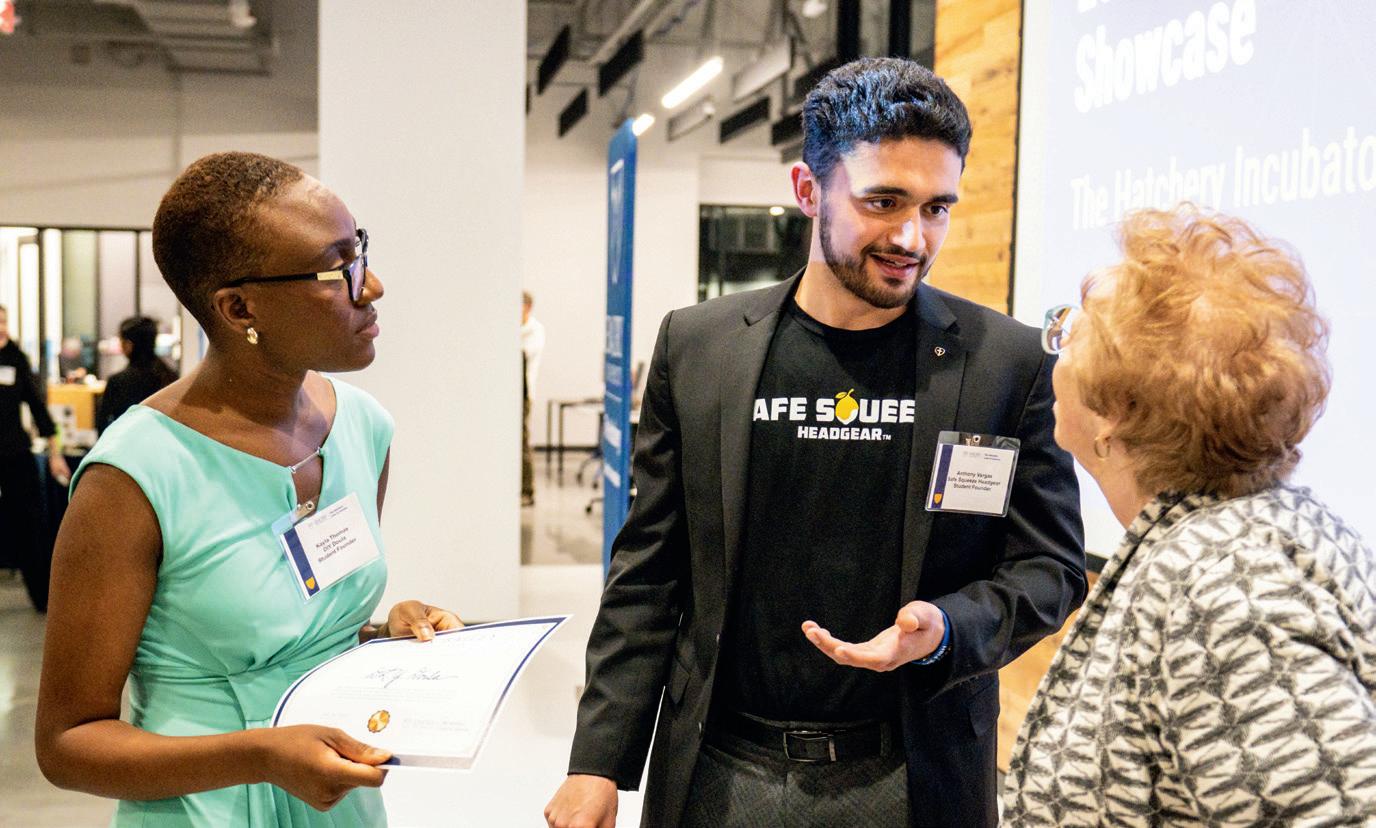
Student Anthony Vargas got significant support from Emory’s entrepreneurial programs to develop his invention and launch a company.
relieved her symptoms but eroded her confidence. “I felt like my identity and confidence were stripped away,” she says.
Determined to change that, Khuri launched Smush, a women’s compression-wear brand blending medical-grade functionality with comfort and style. An art history major, she drew on her creative background for design and branding. Through The Hatchery’s incubator program, she learned how to launch a business, manage finances and scale production — all while staying debt-free. With grant support and mentoring, she produced her first line of compression tights and began shipping orders this year. “Smush makes my sickness worth it every day,” she says. “It reminds me how many women I’m helping — and how many are helping me.”
Like Khuri, Anthony Vargas 24Ox 26C turned a medical issue into inspiration. After having a brain cyst removed at age 14, he struggled to find protective headgear he could wear while playing basketball. He settled on a rugby helmet, but it was hot and uncomfortable — and other players bullied him.
“That’s how it started for me,” Vargas says. “In entrepreneurship, you come across a problem and you fix it.”
He created the first prototype, now called Safe Squeeze Headgear, for a high school science fair project. The next year, his Oxford College basketball team captain dared him to compete in the OxVentures Shark Tank competition. He came in second and walked away with a new community, including alumni judges who believed in his product.
One of those judges introduced him to The Hatchery, where Vargas joined the 2024 fall incubator and the 2025 TechStars Emory Founder Catalyst, a 10-week pre-accelerator supported by The Hatchery and the Goizueta Center for Entrepreneurship & Innovation that helps startups prepare for investment.
“These are intense programs,” he says, “but they’ve been some of the best experiences of my life.”
The programs introduced Vargas to entrepreneurs, taught him how to pitch his product and helped him build a network — while also tackling his biggest hurdle: imposter syndrome. “It’s important to build your confidence,” Vargas
HOW EMORY SUPPORTS ENTREPRENEURSHIP
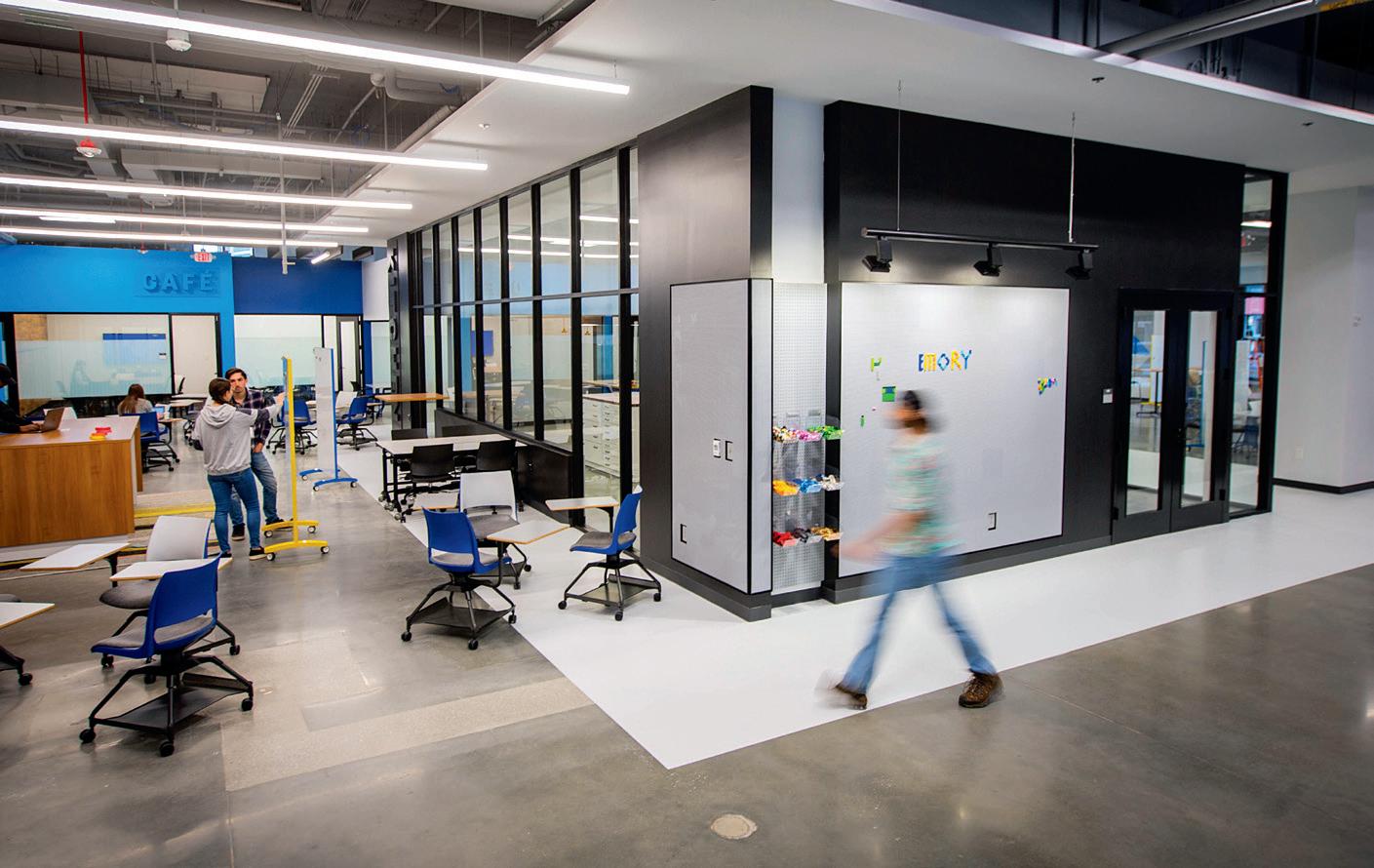
The Hatchery, Emory Center for Innovation, and the Roberto C. Goizueta Center for Entrepreneurship & Innovation help entrepreneurial-minded students and alumni from any Emory school. These resources offer mentoring and startup support for all stages of innovation — from creating business plans and prototypes to pitching investors and growing the business.
In spring 2026, the Hatchery and the Center for Entrepreneurship & Innovation, in partnership with Emory College, will launch the Stuart and Mimi Rose Program for Student Startups. Open to all undergraduate students, the Rose Program will be a 10-week immersive experience that teaches students how to take a venture from idea to launch. This is Emory’s first offering of for-credit entrepreneurial coursework.
says. “They reminded me that taking the risk and sacrificing my time to build this qualifies me to do what I’m doing.”
Vargas soon hopes to introduce his product in the fast-growing flag football market, where headgear is already part of the culture. Now he’s focused on product design. His goal is to create an off-the-shelf, modular helmet that kids can customize.
“I know what it feels like to have to wear headgear,” he says. “I want kids to want to wear it, not have to wear it.”
— Sara Haynes 90C
The Hatchery, Emory Center for Innovation offers space, resources and programming for up-and-coming student and faculty entrepreneurs.
Bold Giving. Lasting Impact.
2O36 BY THE NUMBERS
Thousands of people have chosen to invest in a future bigger than themselves. Every gift, whether meeting today’s needs or investing in tomorrow, is an act of conviction. Together, we’re shaping a future where knowledge, compassion and discovery endure.
$624 million TO ACCELERATE PROGRESS IN CANCER CARE $273 million TO TRANSFORM PATIENT CARE THROUGH EMORY HEALTHCARE
$619 million TO ELEVATE THE STUDENT EXPERIENCE
$579 million TO SUPPORT FACULTY EMINENCE
$1.38 billion TO PUSH RESEARCH AND IDEAS INTO NEW FRONTIERS
$1.24 billion TO STRENGTHEN PROGRAMS THAT FUEL DISCOVERY
$491 million TO UNLOCK NEW UNDERSTANDING IN BRAIN HEALTH
$265
AVERAGE ANNUAL GIFT
370
NEW ENDOWED SCHOLARSHIPS TO EXPAND OPPORTUNITIES FOR STUDENTS
107
NEW ENDOWED PROFESSORSHIPS
120,795
DONORS
60,481 FRIENDS AND GRATEFUL PATIENTS
35,038 ALUMNI
9,549 ORGANIZATIONS
6,908 PARENTS
5,925 FACULTY AND STAFF
2,894 STUDENTS
77,386 FIRST-TIME DONORS
14,134 FIRST-TIME ALUMNI DONORS
4,130 FIRST-TIME PARENT DONORS
FUEL FOR THE FUTURE
Emory’s endowment is a collection of more than 2,400 individual funds — each generating steady, perpetual support for Emory’s mission.
Learn more about the importance of endowment support. bit.ly/power-of-endowments
The Heart of Healing
By Shawn Reeves and Aubrie Sofala
HEALTH CARE AT EMORY IS MORE THAN MEDICINE — IT’S COURAGE, COMPASSION AND INNOVATION WORKING HAND IN HAND.
in action: Oncologist and researcher
Healing
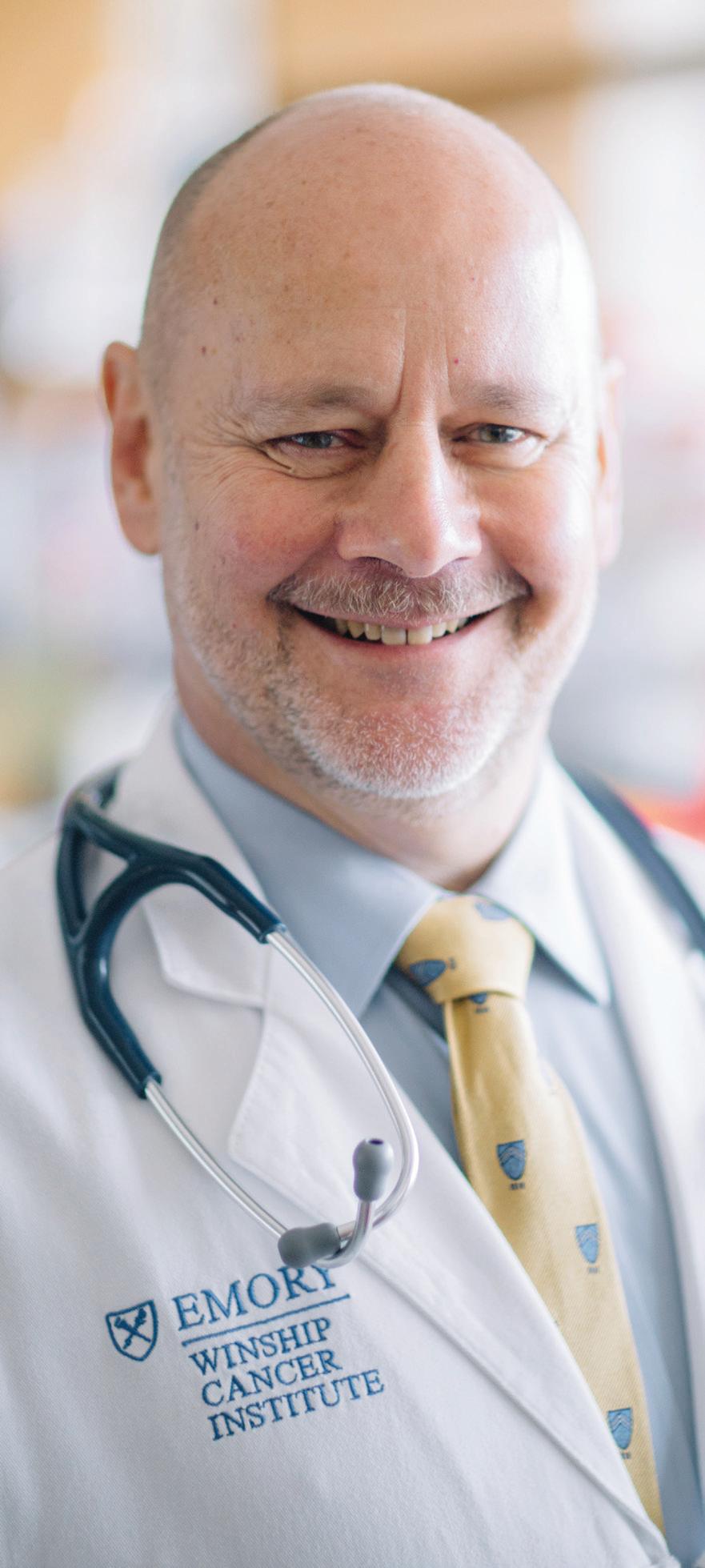
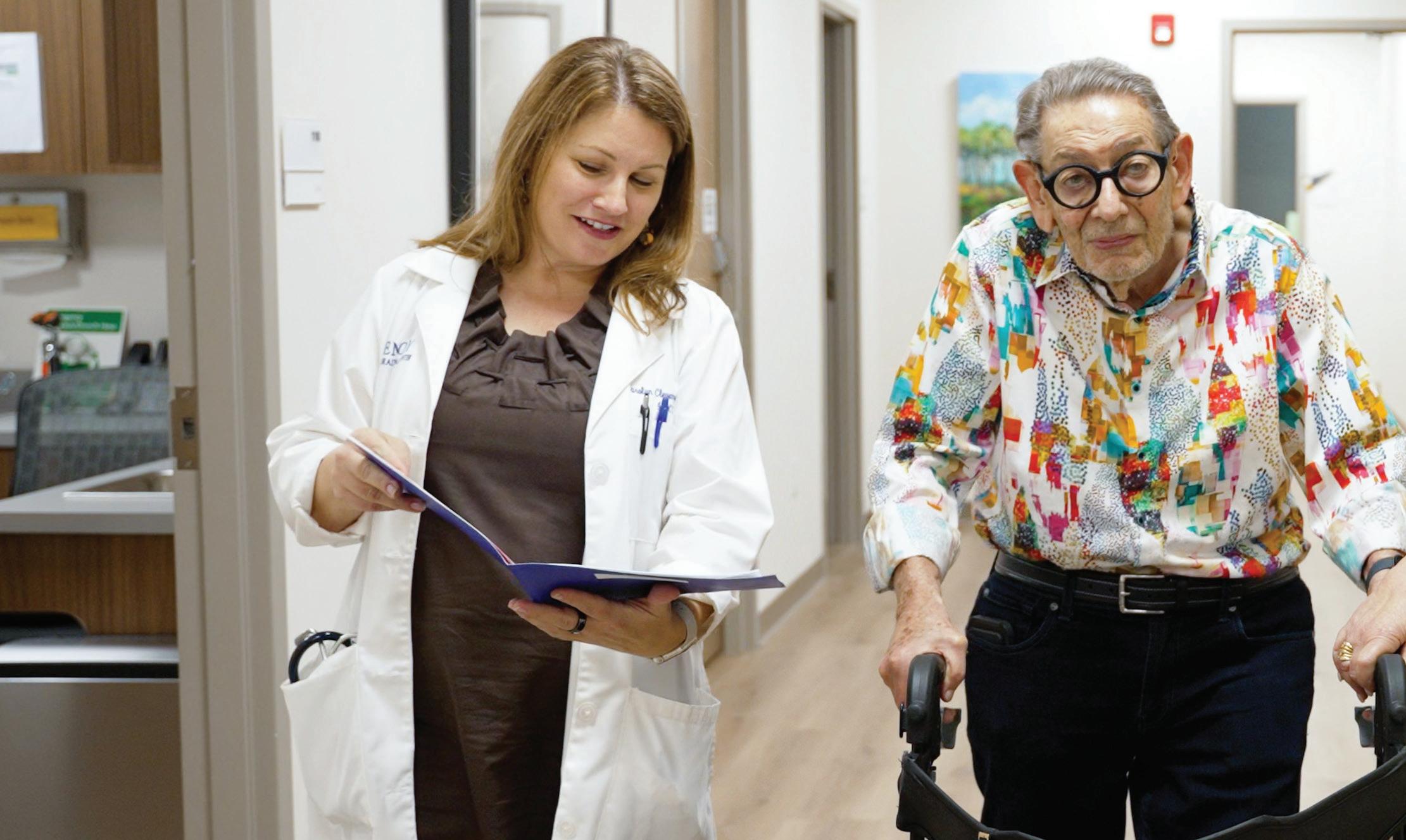
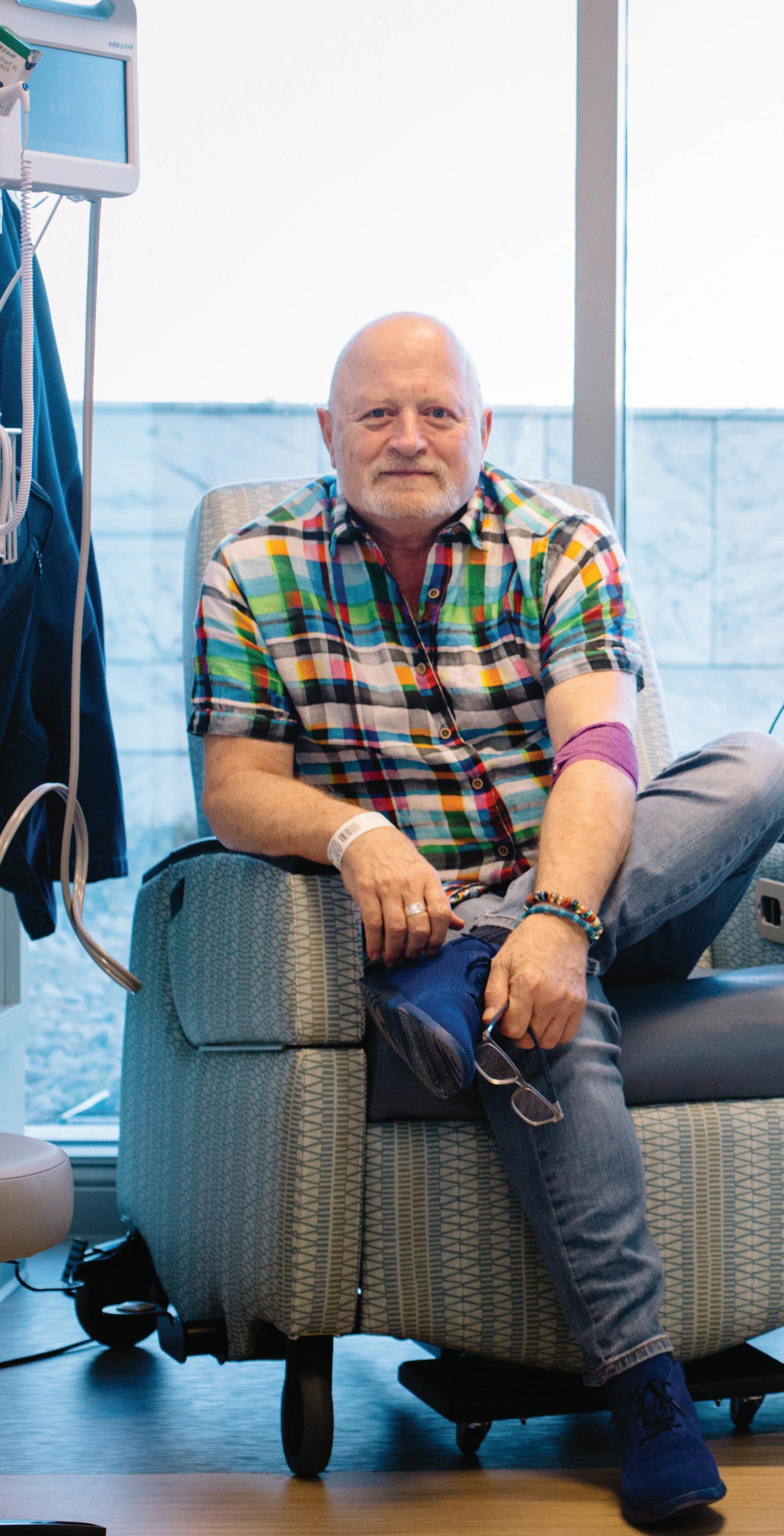
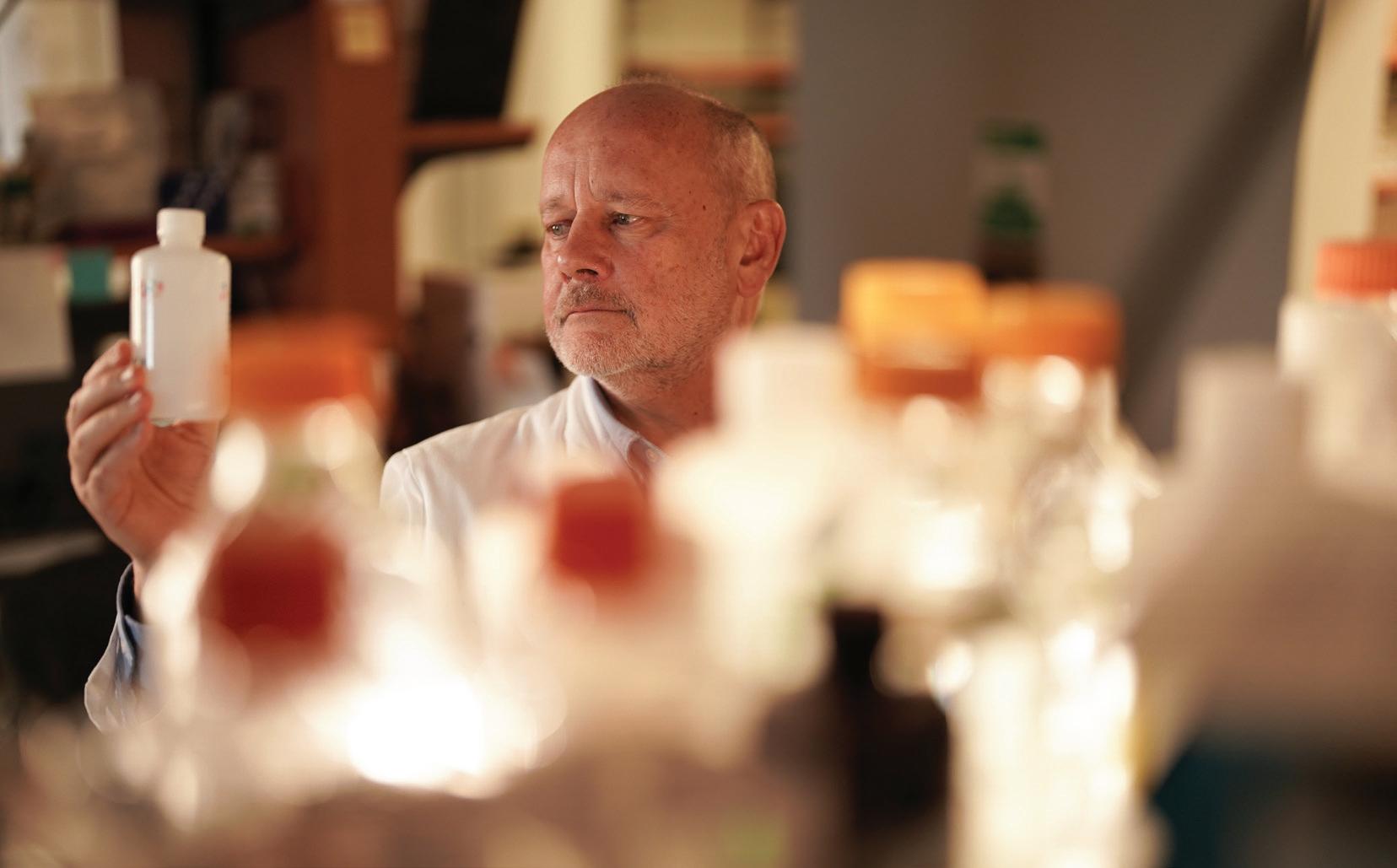
Ned Waller (top left), Emory patient Tom Broyles (bottom right) and clinical professor of nursing Carolyn Clevenger, director of the Integrated Memory Care program (bottom left).

Adevastating car accident claimed Astra Adams’ right arm and shattered bones throughout her body. Five of her brachial nerve roots had been ripped from the spinal cord, causing uncontrollable misfires that sent pain signals to her brain day and night — an excruciating condition known as brachial plexus avulsion.
Surgery to reattach the nerves to her spine wasn’t an option, nor was seeking further treatment from members of her care team. There was simply nothing more they could do. Instead, they told her of an Emory specialist who might be able to help.
That doctor was Nicholas Boulis, a neurosurgeon and scientist at Emory University School of Medicine who holds the Al Lerner Chair in Neurosurgery. He performed a bold, highrisk procedure called dorsal root entry zone surgery. Boulis carefully created tiny lesions in this area of the spinal cord to block pain signals from getting through.
“The surgery carries high risk, because you are destroying damaged spinal cord cells located very close to healthy tissues that connect the brain to lower parts of the spinal cord,” Boulis says. “If you miss, you can cause permanent damage that leads to numbness or weakness.”
The procedure is often considered a last resort for pain management — performed when all other treatments have failed. To everyone’s elation, it succeeded, and the last resort became the first step toward a relatively pain-free life for Adams. “It felt like someone had unplugged my arm,” she says. “The intense shooting pain was gone. It was amazing.”
PIONEERING EMPATHETIC RESEARCH
Bold action and a heart for healing define Adams’ story — and so many others at Emory, where breakthroughs in research, treatment and prevention become real healing in patients’
lives. Researcher Ned Waller is a case in point. For more than three decades, he has focused on a single goal: cure cancer.
A professor of hematology and medical oncology at Emory School of Medicine, Waller holds the Rein Saral Professorship in Cancer Medicine at Emory’s Winship Cancer Institute. As a physician-scientist, he also provides compassionate patient care, meeting people in their most vulnerable moments.
“Resiliency in the face of cancer is important, but connecting with patients and comforting them is even more important,” he says. “To go through life with a cancer diagnosis, we need the support of our family, colleagues and doctors. That can lighten the burden.”
As a researcher, Waller is exploring how to modify T cells to help the body recognize and destroy cancer cells. His translational lab has narrowed in on immunotherapy strategies that unmask cancer cells, which often evolve to hide in plain sight. His work is long and difficult, often marked by challenge, and for Waller, it’s deeply fulfilling.
Making this painstaking work worthwhile, Waller says, is the thrill of unearthing something new and sharing it with the world. He remembers the moment he realized his lab had developed a promising new drug for pancreatic cancer. The discovery came not with fanfare, but with silence — and darkness.
To test the drug, his team used a mouse model in which cancer cells carried a gene from fireflies. If the cancer was active, the mouse would glow in the dark. The team treated one group of mice with the drug; the other, a control group,
received no treatment. In the darkened lab, Waller and his research assistants saw the telltale glow in the control mice, where cancer still raged. In the treated group, something remarkable had occurred: No spark of light appeared. The cancer was completely gone.
In many ways, Waller’s and Boulis’s successes are similar. In both cases, Emory’s expertise — and willingness to take on difficult challenges — led to outcomes that had seemed impossible. While Waller’s studies create strategies to attack hidden cancer cells, the DREZ surgery Boulis performed worked at the root of the nervous system, disrupting the misfiring signals from Adams’ severed arm and bringing her lasting relief.
TURNING THE IMPOSSIBLE INTO REALITY
Such successes aren’t isolated stories. At Winship Cancer Institute, clinical trials offer patients the chance to access tomorrow’s therapies today. For Tom Broyles, a patient facing a second bout with kidney cancer, a clinical trial brought hope where there had been only uncertainty.
We’re reimagining what cancer care looks like — not just in hospitals, but in communities.... Every trial is a chance to bring hope to someone who needs it.
— Ajay Nooka
Under the care of Emory oncologist Mehmet Bilen, Broyles joined a trial that tested a combination of immunotherapies. After just five months, his scans showed no evidence of disease. “I thought maybe they had mixed up the scans,” he recalls. “But no, it was working. I felt like I was getting my life back.” Clinical trials are central to reshaping how care is delivered. “We’re reimagining what cancer care looks like — not just in hospitals, but in communities,” says Ajay Nooka, associate director of clinical research at Winship. “Every trial is a chance to bring hope to someone who needs it.”
Ned Waller is a physician-scientist dedicated to curing cancer and providing empathetic patient care.
Emory’s approach to care unites cutting-edge science with real-world impact, from precision surgeries that restore function to research breakthroughs that give patients new hope. And behind every advance is a person driven by compassion as much as curiosity — someone willing to take risks, reimagine possibility and meet patients where they are.
WHERE COURAGE MEETS COMPASSION
That spirit runs through every corner of Emory. Tying it all together is not simply Emory’s capacity for high-level research or advanced procedures. It’s the people. People like Hunter Jonus, an assistant professor of pediatrics and member of the
Cancer Immunology Research Program at Winship. She is working to use the immune system’s natural defenses to help children survive aggressive cancers.
Supported by the Rally Foundation for Childhood Cancer Research, Jonus helped develop a promising therapy for neuroblastoma, an aggressive cancer that primarily affects infants and young children. Her work focuses on a special kind of immune cell, the gamma delta T cell, which can be taken from healthy donors, multiplied in a lab, and infused into young patients to help their immune systems recognize and destroy cancer.
Over several years, Jonus helped refine and test these cells, ensuring they were both safe and effective. Her research led to FDA approval for a first-of-its-kind clinical trial at Children’s Healthcare of Atlanta, bringing the therapy from concept to patient care. “I was lucky to witness the whole journey, from the lab bench to the first child receiving treatment,” Jonus says. On her desk are photos of the children
whose courage inspires her — routine reminders of the purpose driving her work.
HARNESSING THE POWER OF PREVENTION
Healing isn’t confined to the hospital and clinic. Emory faculty members are extending care into homes, schools and neighborhoods, redefining what it means to heal by pairing science with compassion. That philosophy takes tangible form at the Integrated Memory Care (IMC) program, a joint venture of Emory Healthcare and the Nell Hodgson Woodruff School of Nursing. Founded and directed by Carolyn Clevenger, a clinical professor at the School of Nursing, the IMC combines primary care and dementia support under one roof.
This recognition highlights the superpower of nurses — our ability to understand the whole person and family, create innovative solutions and lead meaningful change in health care.
— Carolyn Clevenger
“This model shows that integrated care for patients and caregivers can significantly improve outcomes and quality of life,” Clevenger says.
The first program of its kind in the nation, the IMC provides services on Emory’s Brookhaven campus and in 24 senior living communities in the Atlanta area. Led by advanced practice nurses, the IMC team helps patients live independently for longer while reducing hospitalizations. Families receive medical guidance along with emotional and logistical support that eases the strain of caregiving.
The IMC’s impact recently earned national recognition from the American Academy of Nursing, which named it an Edge Runner model for transforming health care through nursing innovation. “Most important, this recognition highlights the superpower of nurses: our ability to understand the whole person and family, create innovative solutions and lead meaningful change in health care,” Clevenger says.
That same commitment to whole-person care defines the work of Stephen Patrick, the O. Wayne Rollins Distinguished Professor and Chair of Health Policy and Management at Emory’s Rollins School of Public Health. A pediatrician by training, Patrick investigates how policy decisions — such as Medicaid coverage and parental leave — ripple through the lives of children and families. He is particularly focused on improving outcomes for infants born to mothers with
The Integrated Memory Care program was the first of its kind.
substance use disorders, as well as tackling structural inequities. “Kids are a quarter of our population, and it should be incumbent upon us all to help them thrive and be successful,” Patrick says. “But we have just not done that.”
His work underscores how gaps in policy translate directly into suffering. Prevention, not just treatment, is the path forward. “We’ve built systems that respond when children are already in crisis rather than preventing those crises in the first place,” he says.
While Patrick tackles the system itself, Kelli Komro turns science into action at the community level. A professor of behavioral, social and health education sciences at Rollins, she co-leads Connect for Prevention. A partnership with the Cherokee Nation Behavioral Health, this program has achieved remarkable results: cutting alcohol, cannabis and opioid use among rural high-school students by nearly 50 percent.
“Prevention is key to reducing teen substance use and all the negative outcomes from that,” Komro says. “If we invest in prevention today, we not only save precious young lives, we promote lifelong well-being.”
Tackling Diabetes Worldwide
SPARKED BY A VISIONARY GIFT, EMORY’S DIABETES TRANSLATIONAL ACCELERATOR EMPOWERS YOUNG SCIENTISTS TO TURN FRESH IDEAS INTO AFFORDABLE SOLUTIONS FOR A GLOBAL EPIDEMIC.
Three decades after the U.S. Centers for Disease Control and Prevention declared diabetes an epidemic, the disease continues to surge and affects more than half a billion people worldwide. While promising new treatments like GLP-1 agonists are gaining attention, they’re only part of the solution. Preventing and managing diabetes on a global scale requires innovation that’s affordable, accessible and culturally relevant.
Recognizing both the urgency and the opportunity, Subramonian Shankar — a tech entrepreneur and the founder of the Lakshan Foundation — is putting bold ideas into motion through strategic philanthropy. Through a $3 million gift to Emory, he established the Lakshmi and Subramonian Shankar Fellowship, the cornerstone of Emory’s Diabetes Translational Accelerator. The fellowship supports PhD students working at the intersection of science, public health and entrepreneurship.
For Shankar, the work is personal. Born in India, where diabetes is widespread and care often out of reach, he was drawn to Emory’s commitment to global solutions.
“A crucial aspect of the program is facilitating collaboration with others who possess innovative research skills similar to those of Emory students,” Shankar says. “It’s a global initiative.” Fellows receive funding, mentorship and access to the Shankar Innovation Fund, helping them move ideas from lab to market. Projects range from smartphone-based vascular screening tools to mRNA therapies to a mobile app supporting gestational diabetes management.
The program also partners with IIT Madras, one of India’s premier institutes for science and engineering, giving students the opportunity to test and adapt their innovations in diverse, real-world settings. That global reach ensures the technology they develop can scale — and serve communities most in need.
“Thanks to Shankar’s vision and generosity, we are able to support innovative young minds. And we hope to create technologies that are culturally appropriate, affordable and ready for deployment at scale,” says Venkat Narayan, executive director of the Emory Global Diabetes Research Center and Ruth and O. C. Hubert Professor of Global Health and Epidemiology at Rollins School of Public Health.
By backing early-stage thinkers with big ideas, Shankar is helping Emory accelerate progress against one of the world’s most pressing health challenges.
—Danielle Hegedus
Subramonian Shankar, tech entrepreneur and founder of the Lakshan Foundation
Stephen Patrick, a pediatrician by training, investigates how policy changes affect the lives of children and families.
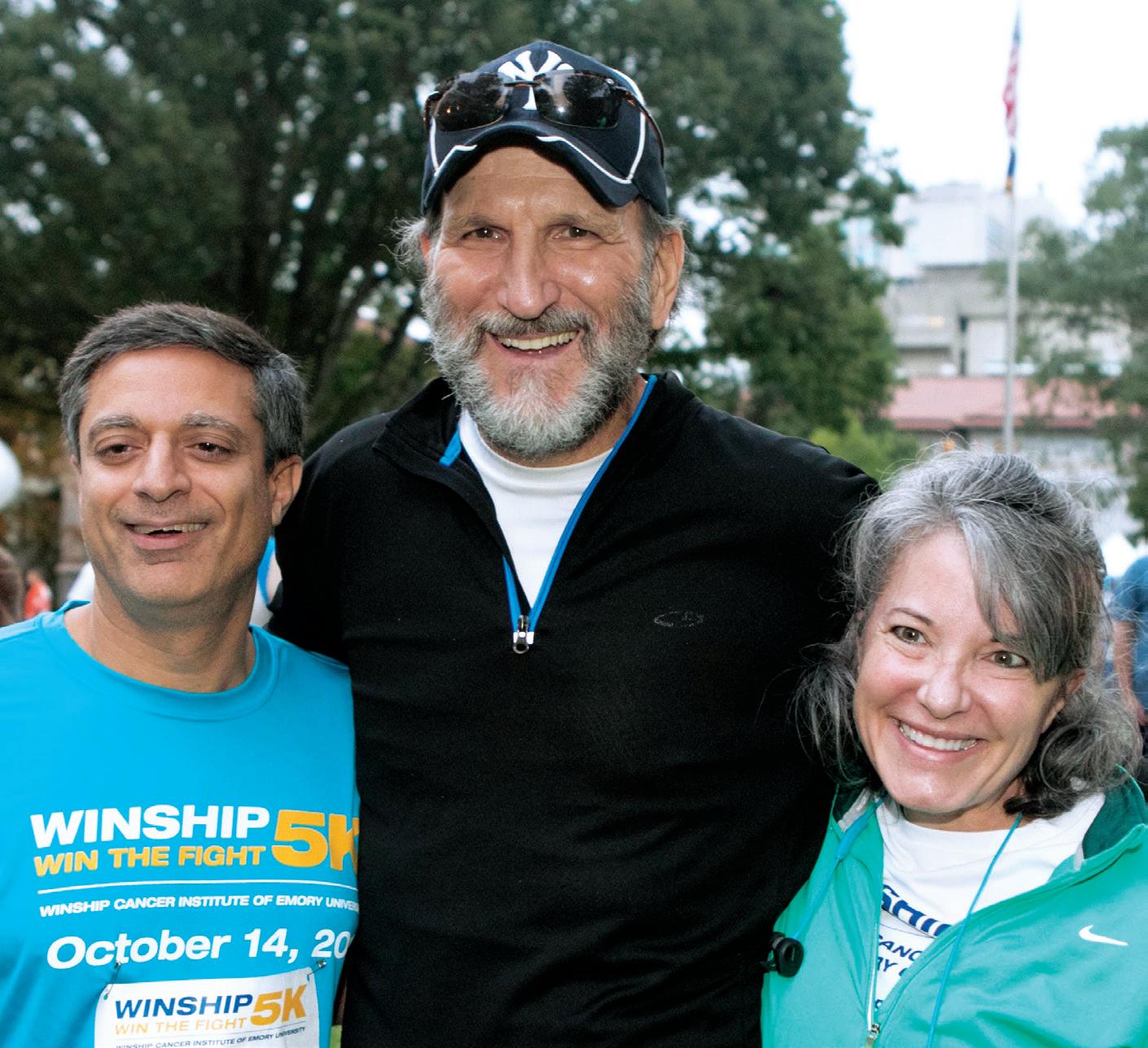
A Grateful Patient Helps Fuel Hope and Discovery
DARRELL GRIMMETT LIVED MORE THAN A DECADE WITH MULTIPLE MYELOMA THANKS TO WINSHIP CLINICAL TRIALS. TODAY HIS WIFE, GAIL, HONORS HIS JOURNEY WITH SUPPORT THAT FUNDS NEW TREATMENTS.
DARRELL GRIMMETT BELIEVED THAT IF SOMEONE IS GOING TO FIND A CURE FOR CANCER, IT’S GOING TO BE SOMEONE AT WINSHIP. Darrell was diagnosed with multiple myeloma in 2008. A seasoned telecommunications professional, he consistently prioritized emerging technologies and innovation throughout his career. That forward-thinking mindset guided every decision he made about his treatment following his diagnosis. He entrusted his care to the Winship Cancer Institute at Emory University. Under the guidance of Sagar Lonial — an internationally recognized leader in multiple myeloma research — Darrell was committed to participating in clinical trials, whether for treatment or data collection, as part of his comprehensive care. “Darrell always said, ‘If it doesn’t help me, it may help somebody down the road,’” Lonial recalls. “That sort of selfless approach to care has given us so many of the treatments we have today.”
I don’t think of Winship as the place where I lost Darrell. Rather, I think of Winship as the place that gave me, his kids and his grandchildren more time with Darrell.
— Gail Grimmett
He underwent a bone marrow transplant and participated in several studies that pushed the science forward. Darrell lived 11 years with the disease, far longer than expected. His wife, Gail, believes clinical trials extended their time together.
“I absolutely believe my husband lived an extra three years because of the clinical trials he participated in,” she says. “I don’t think of Winship as the place where I lost Darrell. Rather, I think of Winship as the place that gave me, his kids and his grandchildren more time with Darrell.”
Darrell found purpose in helping others live longer, fuller lives. Gail does, too. When Winship at Emory Midtown opened in 2023, Gail funded the care community atrium for multiple myeloma, named in Darrell’s memory.
“I wanted to continue his legacy and keep his name associated with the continuing fight against cancer,” she says. “In my mind, he and I made that gift together.”
Gail, a member of the 1836 Society, also made a planned gift to establish a distinguished professorship at Winship focused on multiple myeloma research and a fellowship to honor Lonial.
“Researchers at Winship are so close to making multiple myeloma a manageable disease,” she says. “If there’s going to be a cure, I believe Winship will be at the forefront of that discovery.”
Darrell’s legacy lives on — not only in the lives he touched, but in those he’s helping to save. —Jennifer Carlile
Darrell Grimmett (center) with wife, Gail, and Sagar Lonial at the Winship 5K.
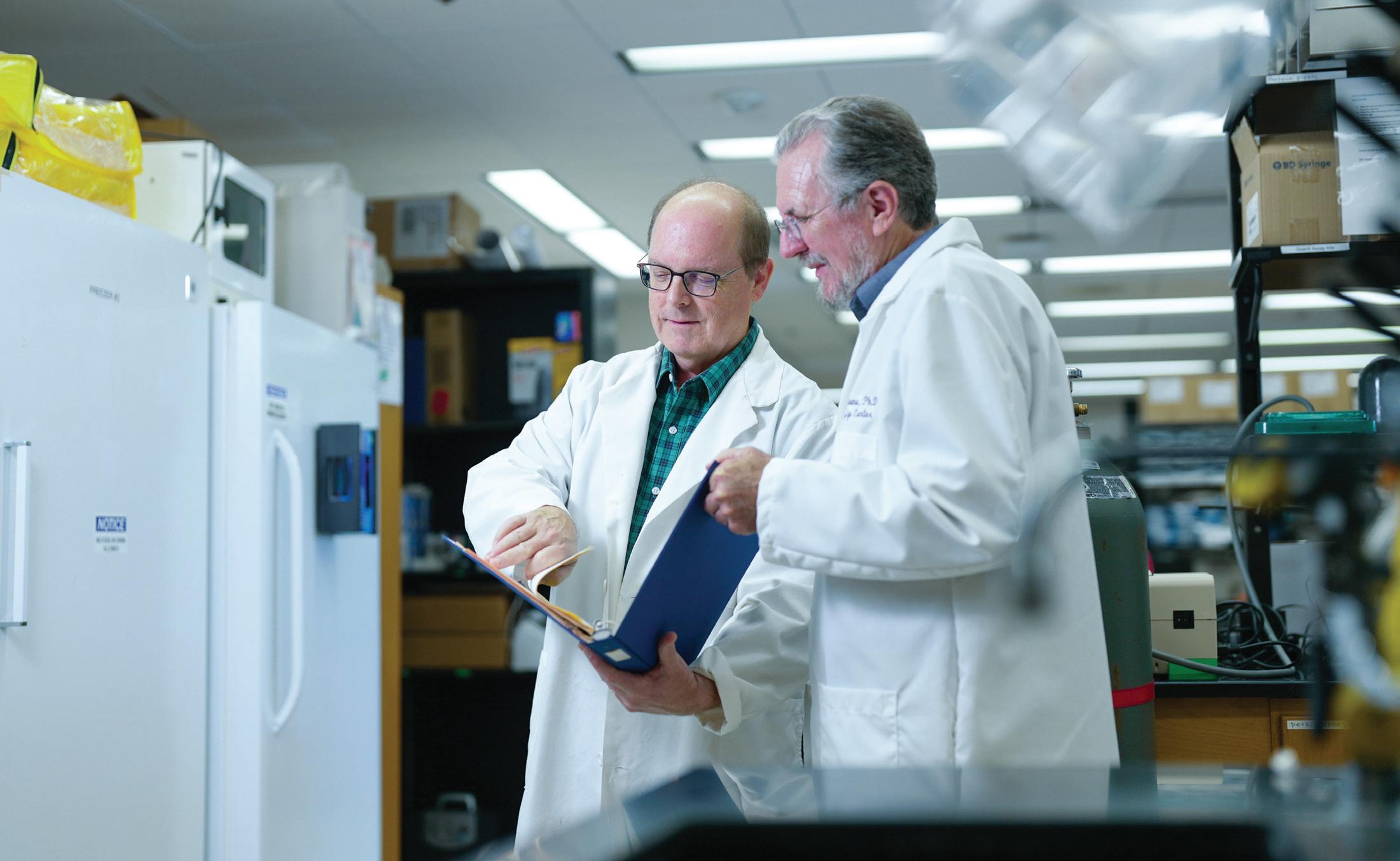
A Bright Idea
HOW A BOLD PARTNERSHIP IS SHEDDING NEW LIGHT ON CHILDHOOD BLINDNESS.
In the world of medical research, some of the most powerful breakthroughs begin not with a single genius working in a lab, but rather with a team of minds tackling questions together and daring to imagine bold, new possibilities.
At Emory Eye Center, two longtime colleagues, Jeff Boatright and Michael Iuvone, both professors of ophthalmology, are proving that the best science is often a team sport. Their shared research, inspired by decades of collaboration and energized by a network of partners, is working to prevent a devastating outcome: blindness
in premature infants. The condition is called retinopathy of prematurity (ROP) — and it’s one of the leading causes of blindness in children worldwide, with an estimate of more than 32,000 infants becoming blind or visually impaired annually.
When babies are born too early, their lungs and retinas aren’t fully developed. To survive, the infants receive supplemental oxygen. But while oxygen helps the lungs, it can unintentionally delay the natural growth of blood vessels in the retina.
As these babies are removed from their incubation chambers, their retinas, starved for oxygen, send out a desperate signal for help. This causes a surge in fragile, haphazard blood vessel growth that can damage the eye and lead to vision loss or even detachment of the retina.
For decades, doctors have tried to fine-tune oxygen delivery or use drugs and surgery to manage the condition, with mixed success. But Boatright and Iuvone, along with their collaborator Richard Lang — whose lab at Cincinnati Children’s Hospital investigates light-sensing pathways that regulate retinal-vascular development — are exploring something radically different: What if the solution lies in the light itself?
Jeff Boatright (left) and Michael Iuvone are working together to prevent blindness in premature infants.
Their research focuses on atypical opsins: light-sensitive proteins in the eye that don’t contribute to vision per se but help regulate the body’s response to ambient light. These opsins, sensitive to specific wavelengths like blue and violet light, appear to play a role in how the eye develops blood vessels. Working with mouse models, the Emory team found that by adjusting the type and timing of light exposure, they could dramatically reduce the abnormal vessel growth associated with ROP.
“You walk into the room, and it just looks like normal light,” says Boatright. “But what we’re doing with that light is very precise, tuning its spectra just enough to influence how the retina and its vasculature develop. It’s subtle but powerful.”
Much of the foundational insight came from Iuvone’s earlier collaboration with Lang, who has pioneered innovative lighting systems at Cincinnati Children’s Hospital. On the hospital’s roof, Lang’s team tracked the natural fluctuations of sunlight — day to night, season to season — and used that data to design lighting in neonatal intensive care units that mimics real-world conditions. The goal is to provide preemies with the environmental cues their developing bodies expect.
When Lang’s team shared some of these sunlight-mimicking lights with Boatright and Iuvone, the results in the lab were striking. “In some cases, the pathology was almost completely eliminated,” says Iuvone. “We had to double-check that the groups hadn’t been mixed up. It was that dramatic.”
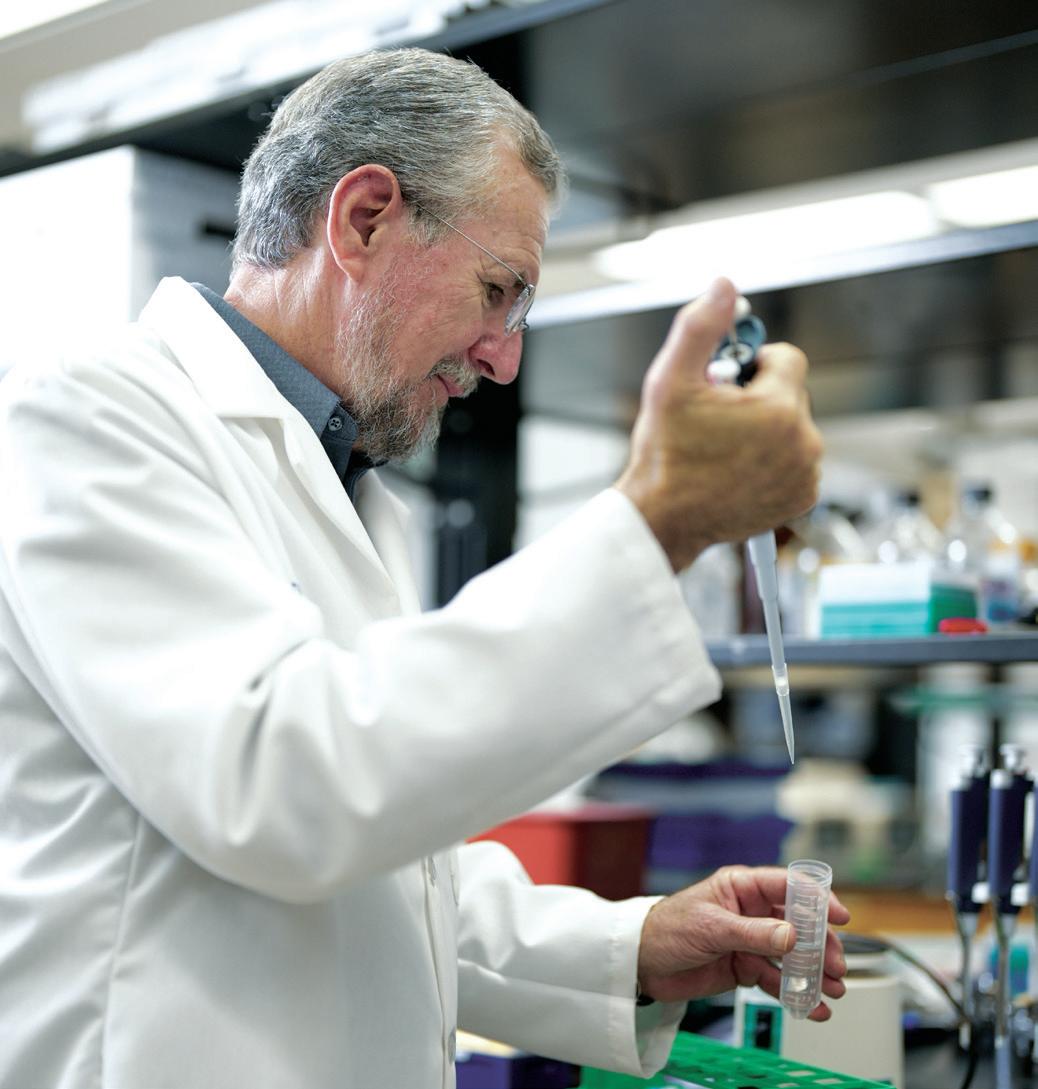
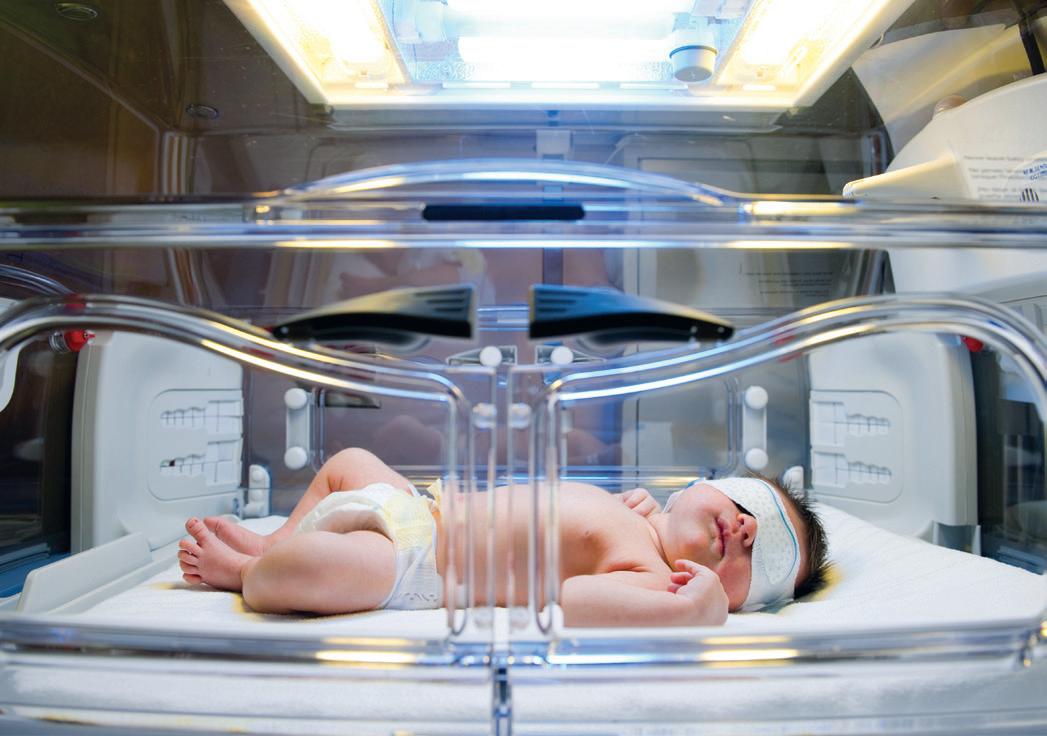
What began with a $100,000 seed gift from philanthropist Alex Katz has since grown into a National Institutes of Health (NIH)-funded research program, laying the groundwork for future clinical trials at both Emory and Cincinnati Children’s. If all continues to go well, the team believes that trials could begin within the next few years, far faster than most research ever moves.
“The Trustees of the Katz Foundation believe that the most powerful thing private philanthropy can do is serve as a catalyst — sparking and nurturing ideas to be able to attract support from much larger sources like the NIH. That’s exactly what happened here,” Katz says. “We are proud to have supported Jeff Boatright and his team from the beginning and have followed their progress with tremendous anticipation. Their work is a shining example of how collaboration accelerates scientific discovery to improve the world around us.”
Their work is a shining example of how collaboration accelerates scientific discovery to improve the world around us.
—Alex Katz
“This research is a textbook example of what collaborative science can do,” Boatright says. “Mike made the conceptual leap. Richard had the clinical access. I helped with the model. But none of us could have done it alone.”
Together, they are pushing toward a solution that could preserve sight for thousands of children every year.
— Shawn Reeves
As premature infants are removed from oxygenated incubators, they are at risk for haphazard blood vessel growth in their eyes.
Iuvone is professor of ophthalmology at Emory Eye Center.
INSPIRING SPACES
At Emory, people drive progress — researchers, teachers, students and patient care teams work every day to build a healthier future. But to do that, they rely on state-of-the-art facilities to match their ambitions and drive their discoveries.
Now, through the support of generous donors, new spaces on campus are giving them the tools and inspiration to push their research further, teach more deeply and care more effectively.
Here are just a few of the places where Emory’s vision for human health comes vividly to life.
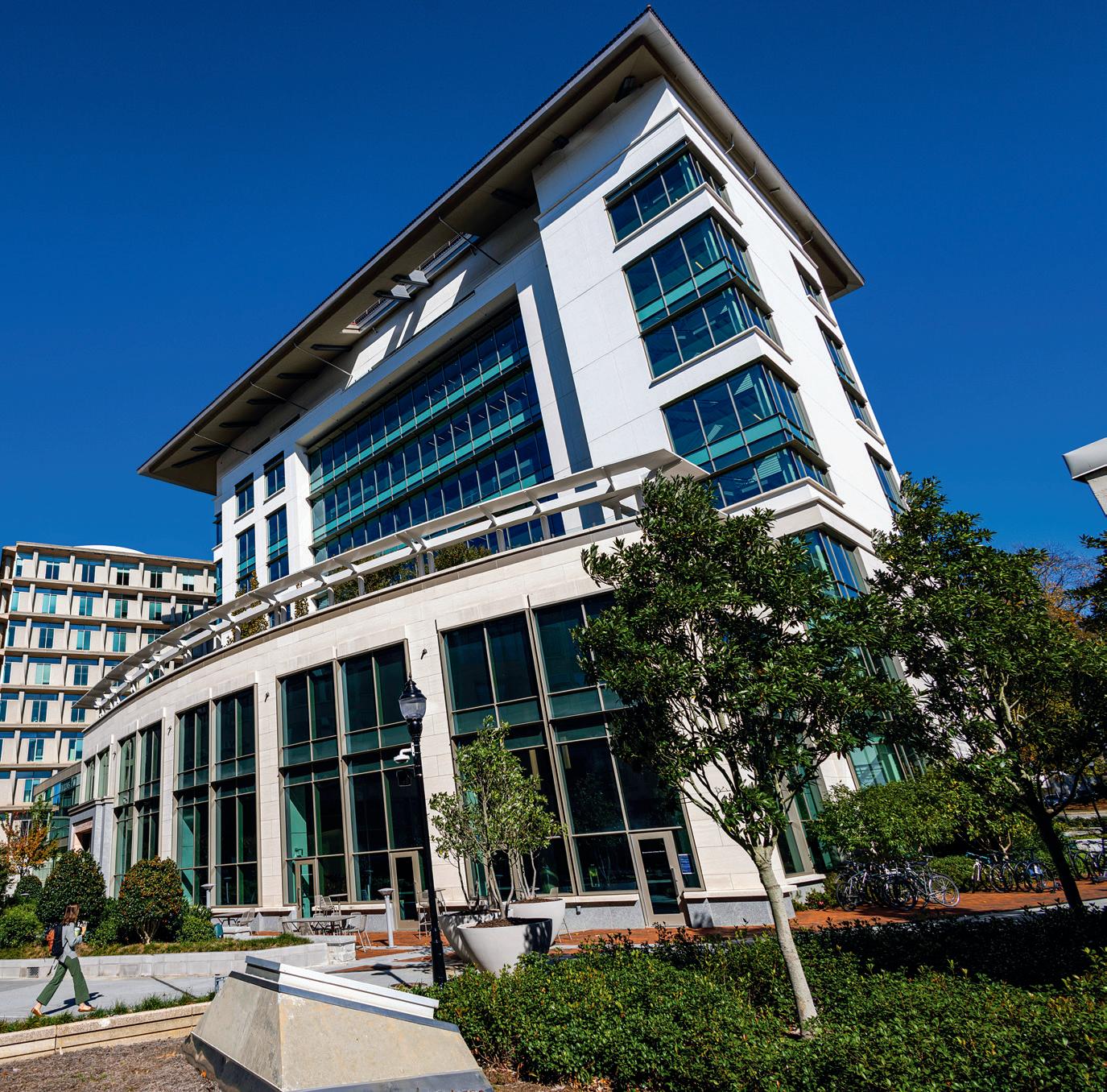
COMMUNITY AND WELL-BEING
Outdoor terraces and open layouts promote belonging, wellness and a vibrant academic culture.
A HOME FOR PUBLIC HEALTH
The new R. Randall Rollins Building, opened in 2022, joined the Grace Crum Rollins and Claudia Nance Rollins Buildings to create a unified public health campus unlike any other. Inside, Emory experts explore solutions to dozens of public health challenges, such as diseases caused by unsafe water, the epidemic of diabetes and the dangers of extreme heat. “These magnificent buildings — and the people and activities within them — make clear the extraordinary impact and legacy of the Rollins family,” says M. Daniele Fallin, James W. Curran Dean of Public Health at Rollins School of Public Health.
COLLABORATIVE LEARNING
10 levels and 500,000+ square feet are designed for connection, mentorship and cross-disciplinary innovation in public health.
DYNAMIC EDUCATION SPACES
Tech-enabled classrooms, specialized training rooms and flexible event areas foster hands-on learning and global collaboration.
ROLLINS BUILDINGS
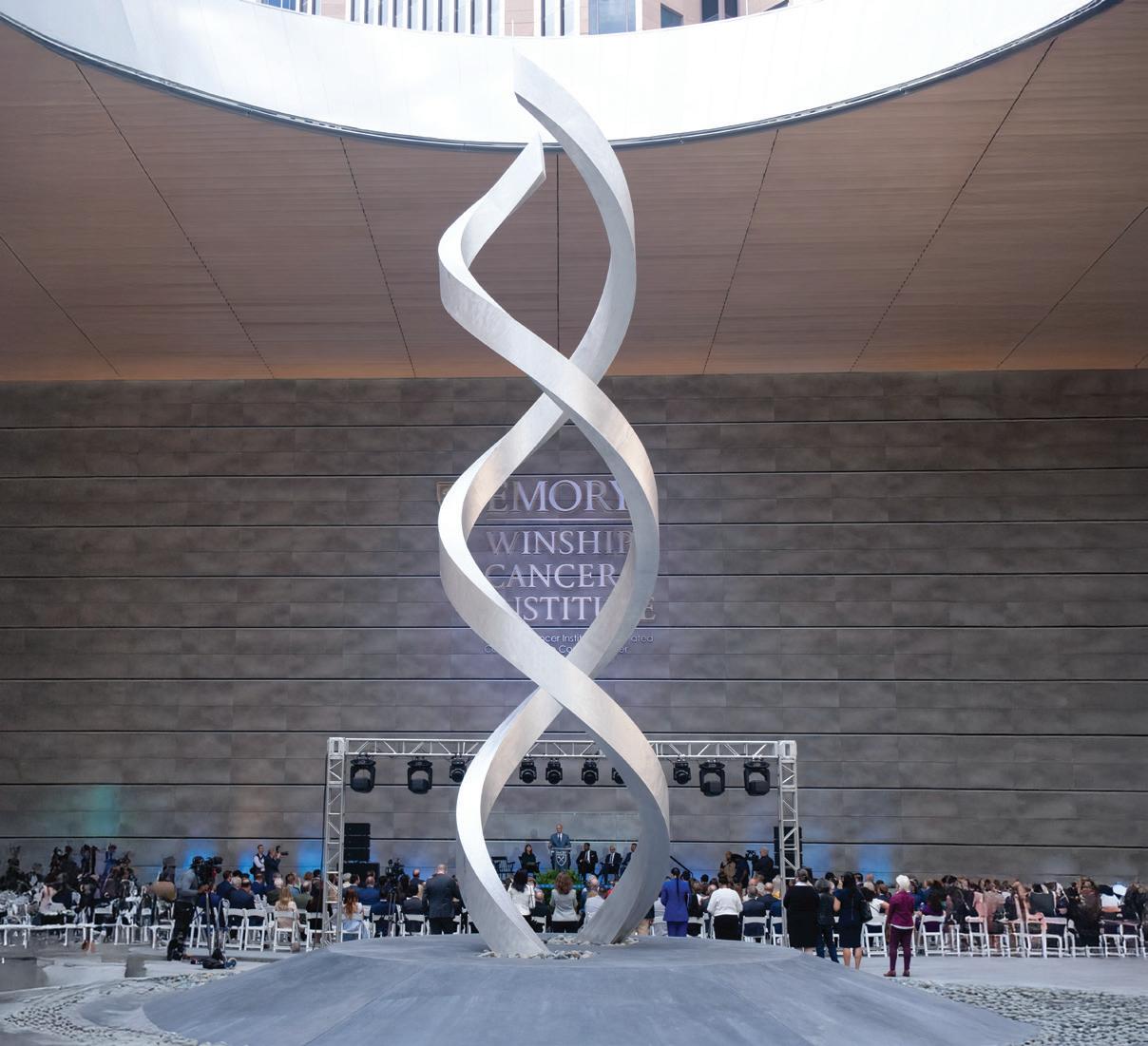
INTEGRATED CANCER CARE
17 levels and 450,000+ square feet unite all cancer services in one location for seamless, patient-centered treatment.
A NEW MODEL OF CANCER CARE
Winship Cancer Institute at Emory Midtown, opened in 2023, is purpose-built for a unique model of care: one that revolves around patient health and wellbeing. This thoughtfully designed facility combines all inpatient and outpatient services by cancer type in one location. A game-changer for patients, these care communities reduce stress, improve efficiency and offer personalized treatments informed by the latest science.
HEALING ENVIRONMENT
Natural light, open spaces and a rooftop garden create calm, restorative settings for patients, families and staff.
THE POWER OF INNOVATION
Designed to promote innovation and unexpected collaborations, the Health Sciences Research Building II opened in 2023. Research teams focus on cardiovascular medicine, child health, cancer, inflammation, immune therapy, emerging infections and more. An innovation incubator supports startups and entrepreneurial research to translate scientific discoveries into real solutions.
CUTTING-EDGE RESEARCH
8 levels and 350,000+ square feet of flexible space bring together 1,000+ researchers to accelerate discovery and mentor future scientists.
SCIENTIFIC IMPACT
The building is home to Georgia’s first 7T MRI, a startup incubator and a biorepository that all drive breakthroughs from lab to life.
SUSTAINABILITY AND WELLNESS
COMPREHENSIVE SUPPORT
An on-site pharmacy, patient boutique, financial navigation and family resource center ensure care extends beyond treatment.
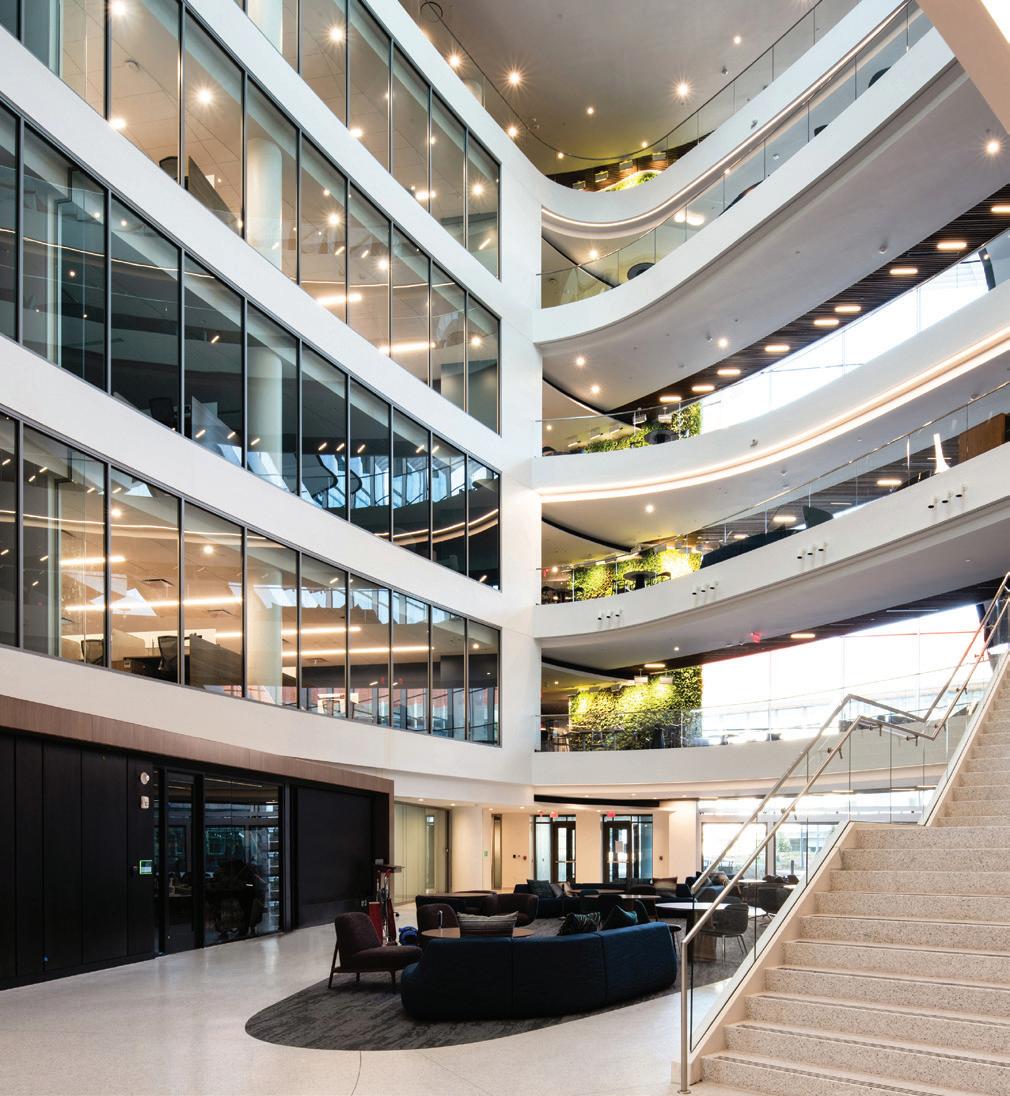
A 6-story green wall and 50% lower energy use reflect Emory’s commitment to health and environmental stewardship.
WINSHIP CANCER INSTITUTE AT EMORY MIDTOWN
HEALTH SCIENCES RESEARCH BUILDING II
NURTURING CREATIVE, COMPASSIONATE LEADERS
Lighting the Way
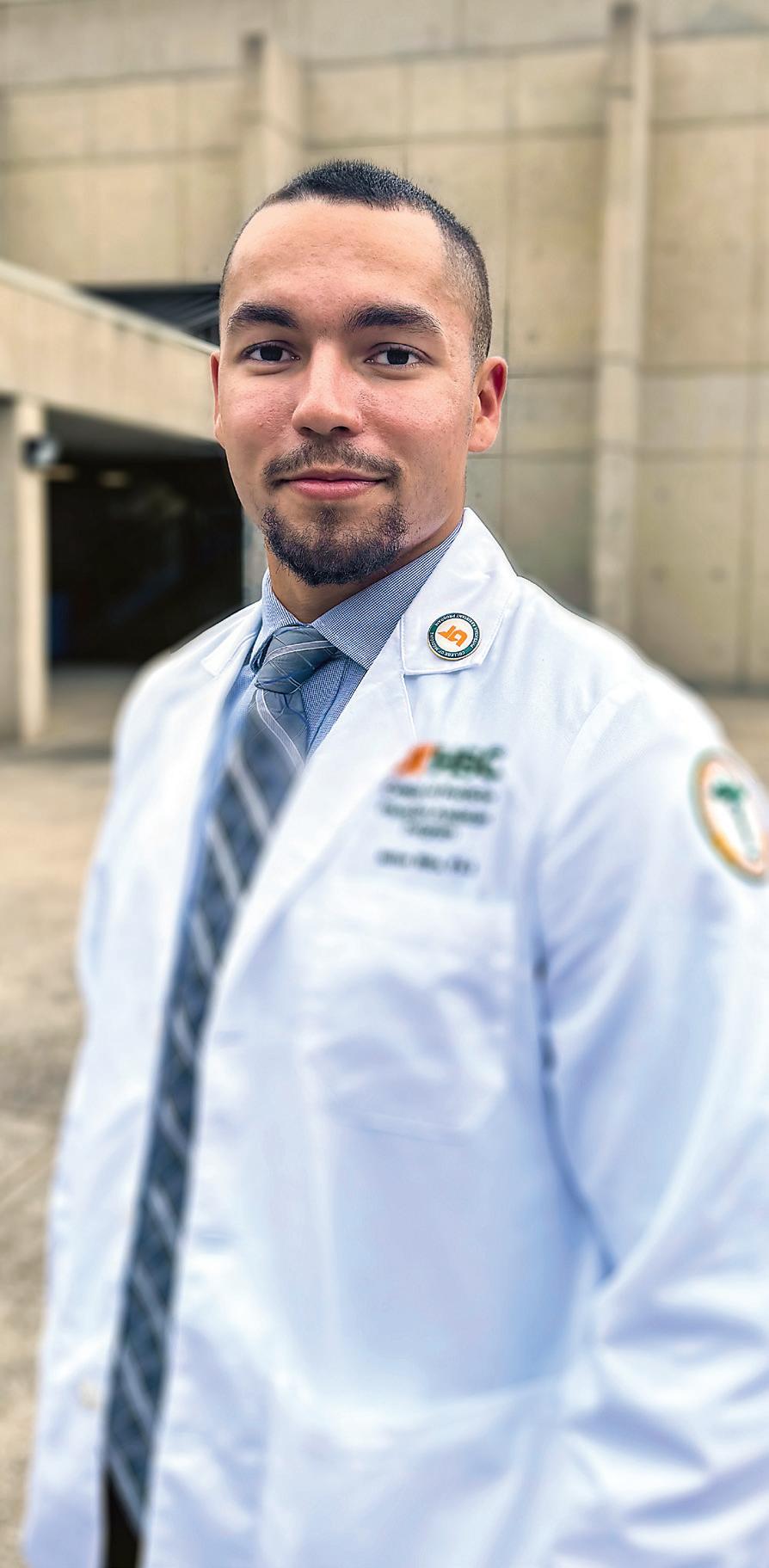
DONOR SUPPORT AT EMORY EMPOWERS STUDENTS TO OVERCOME CHALLENGES, PURSUE OPPORTUNITY AND LEAD LIVES OF IMPACT — TRANSFORMING PERSONAL PERSEVERANCE INTO POSITIVE CHANGE FOR OTHERS.
By Roger Slavens
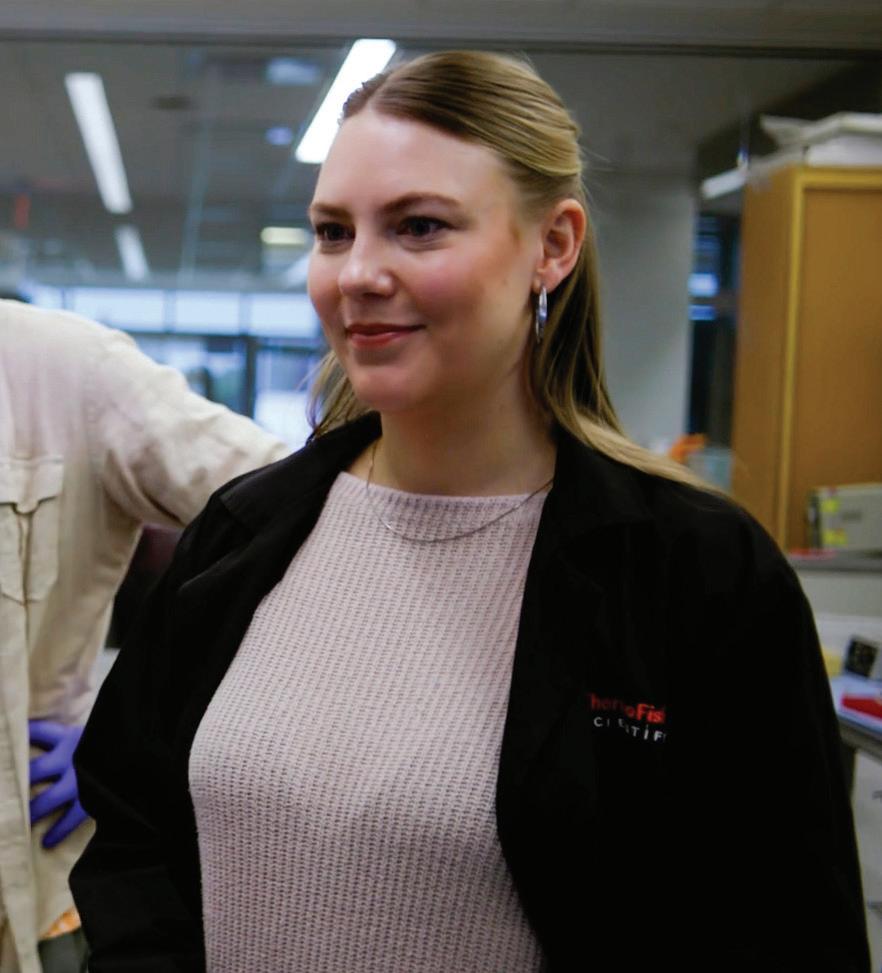
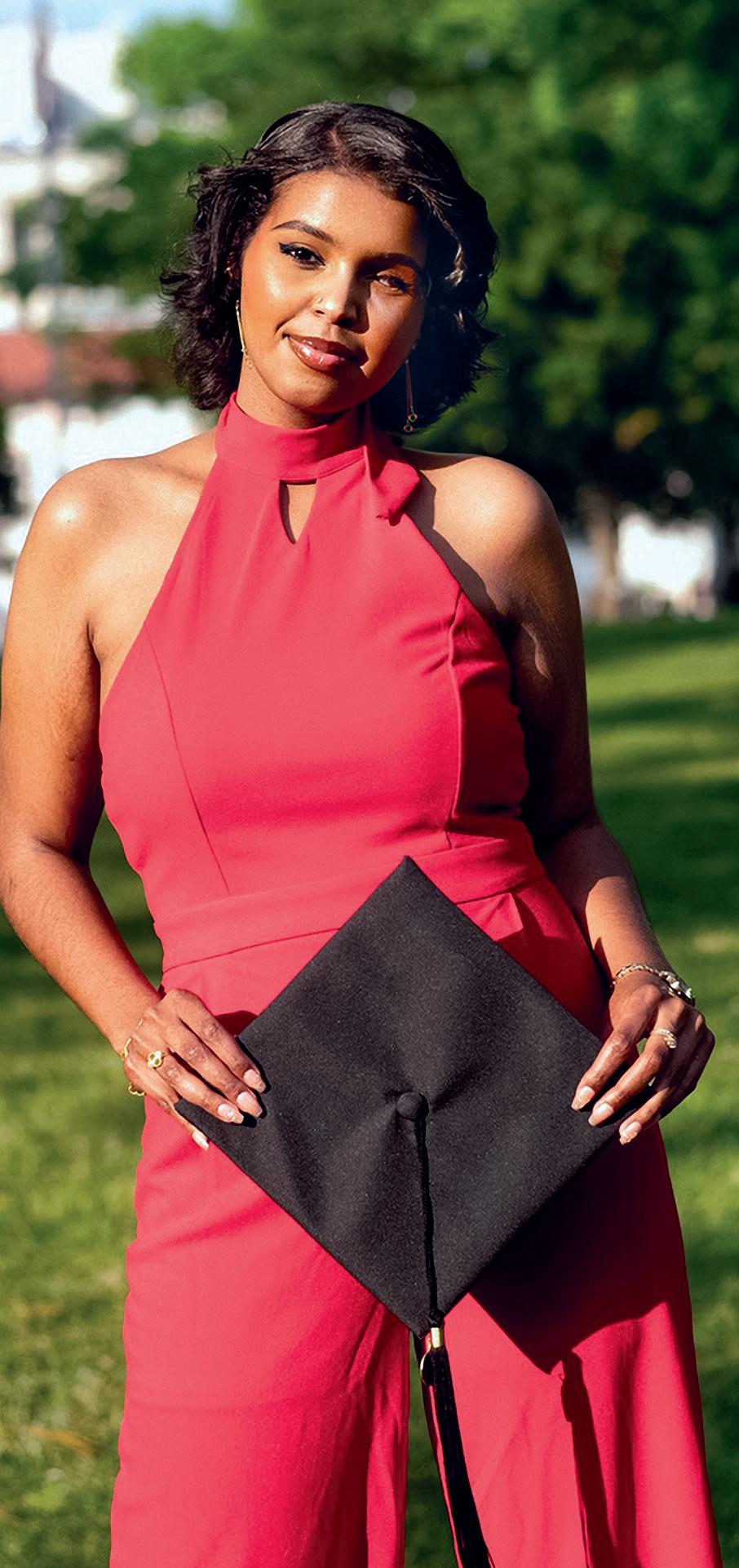
When Logan Kavanaugh 24PhD left college after her first year, she wasn’t sure she’d ever return. The first-generation student had earned a spot in a biology program, but financial strain and personal hardship forced her to step away. For four years she worked as a bartender, uncertain if she’d ever pick up where she left off.
Everything changed with a single microbiology class at a community college. The course reignited her passion for science and set her on a new path — one that led to a bachelor’s and master’s degree, groundbreaking research into antibiotic resistance and ultimately a doctorate from Emory in August 2024.
At Emory's Laney Graduate School, Kavanaugh thrived as both a scientist and a leader. She joined the Conn Lab, where her work focused on how pathogenic bacteria develop resistance to antibiotics — a growing global health crisis — and how new therapies might block that resistance. Along the way, she mentored first-generation and women-in-science undergraduates, advocated for her peers as president of the Graduate Division Student Advisory Council and helped shape campus dialogue on science and policy through the Emory Science Advocacy Network.
Financial support was pivotal to that success. Kavanaugh was selected as an ARCS Scholar (Achievement Rewards for College Scientists), a prestigious award that provides funding and mentorship to outstanding graduate researchers. The experience connected her with influential supporters and opened professional doors.
At one ARCS luncheon where she presented her research, a supporter introduced her to Yogi Patel, the future CEO of TopoDx, a microbial diagnostics startup born out of research at Emory and Georgia Tech. It was a connection that would eventually lead to her dream job.
She also benefited from the generosity of donors John and Linda McGowan, whose support not only made her education possible but also provided mentorship and inspiration.
“My ARCS donors, John and Linda McGowan, have been incredibly kind and gracious, not only with their money, but also their time,” Kavanaugh says. “John was actually here at Emory University as a professor, where he studied antibiotic resistance, so we share the love of the field.”
Blazing trails beyond Emory: (top left) Matthew White, (top right) Marwah Ismail and (bottom left) Logan Kavanaugh.
After graduation, Kavanaugh completed a brief postdoctoral appointment at Emory before stepping into her current role as lead research scientist at TopoDx. She heads all biological research and development for the company, which combines expertise in pathology, physics and AI to address an expensive barrier in efforts to mitigate the global threat of antibiotic resistance: the lengthy process of identifying a drug-resistant infection. “Without that ARCS introduction, I would not be in my dream job actively contributing to a cause that is dear to me,” she says.
Looking back, Kavanaugh says what she’s most proud of is her perseverance. “Some days when startup life is difficult or science isn’t going according to plan, looking back at all I have accomplished brings me a sense of relief knowing that this too will be another stepping stone to my next adventure,” she says. “These experiences of success and failure truly make me appreciate the small things.”
I wanted to be someone who has a positive influence — someone others look up to as a role model.
—Matthew White 22C
She credits Emory — and particularly the microbiology and molecular genetics program — with helping her discover and nurture her potential.
“Emory has had such a major positive impact on my life,” she says. “I’m grateful that I was given the opportunity to find my path as a scientist through the dedication of the professors in the program. They are the real rockstars.”
It’s stories like Kavanaugh’s — marked by resilience, mentorship and opportunity — that illustrate how Emory transforms potential into purpose. And she’s not alone. Across schools and disciplines, Emory students are turning challenge into leadership — whether that means guiding others toward compassionate care or breaking barriers in pursuit of justice and equity.
LEADING WITH EMPATHY
The path to leadership for Matthew White 22C began long before he stepped onto Emory’s campus. “I remember being a young kid and seeing different leaders in my community and thinking to myself, I want to be like them,” he says. “I wanted to be someone who has a positive influence — someone others look up to as a role model.”
That determination helped guide him through a childhood shaped by both challenge and grit. The youngest of four in a single-parent household, White grew up in a low-income community, where, as he puts it, “It was a battle. There were many distractions that could have taken me off course.” Instead, he chose persistence. Mentors at Emory describe him as someone who had what it took to be a community leader, a change agent — a student who learned to ignore what might have been happening around him and just really focus on his learning.
At Emory, White turned those qualities into action. He immersed himself in leadership roles across campus — from residence life to pre-health advising — and became a trusted advocate for his peers, especially students of color. “He’s somebody that students trusted,” says Gregory Hollinger, associate director of pre-health advising. “He’s somebody that’s always advocating for students to make sure that they’re getting the best experience.”
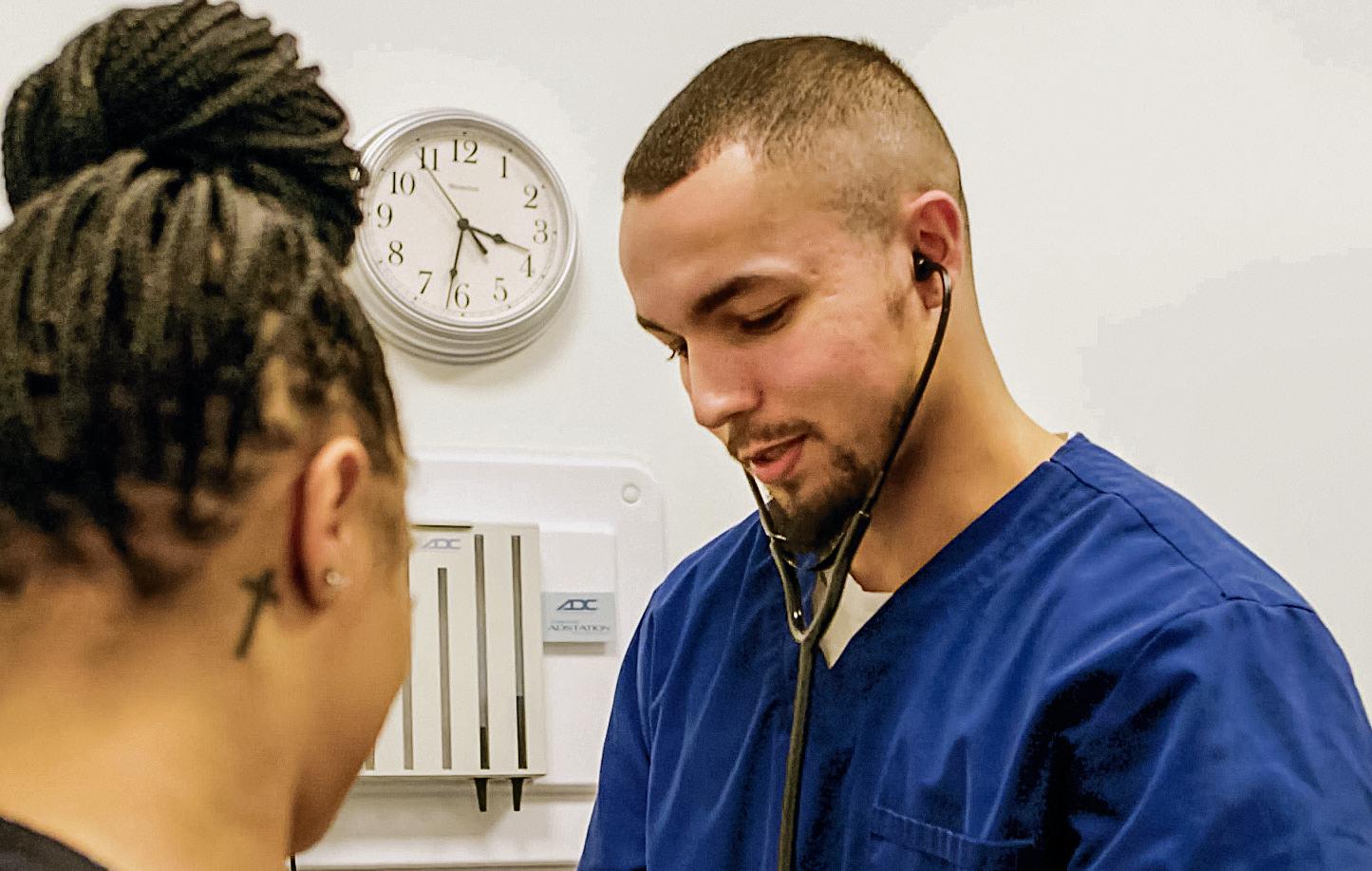
Scholarship support was pivotal in making that impact possible. As the recipient of the 50th Year Reunion Scholarship, White says the award came at a critical time. “I didn’t know how I would be able to fund college, especially being an 18-year-old kid coming from a first-generation family who didn’t have many resources,” he says.
Today, as he works toward his master’s degree at the University of Tennessee College of Medicine to become a physician assistant, White is already putting those dreams into practice. “Not only do I get to make great connections, but I also get to meet patients,” he says. “I get to practice that compassionate care that I was taught really matters in health care.” It’s a philosophy — grounded in empathy,
Following his undergraduate studies at Emory and now as a grad student at the University of Tennessee, Matthew White is close to achieving his dream of becoming a physician’s assistant.
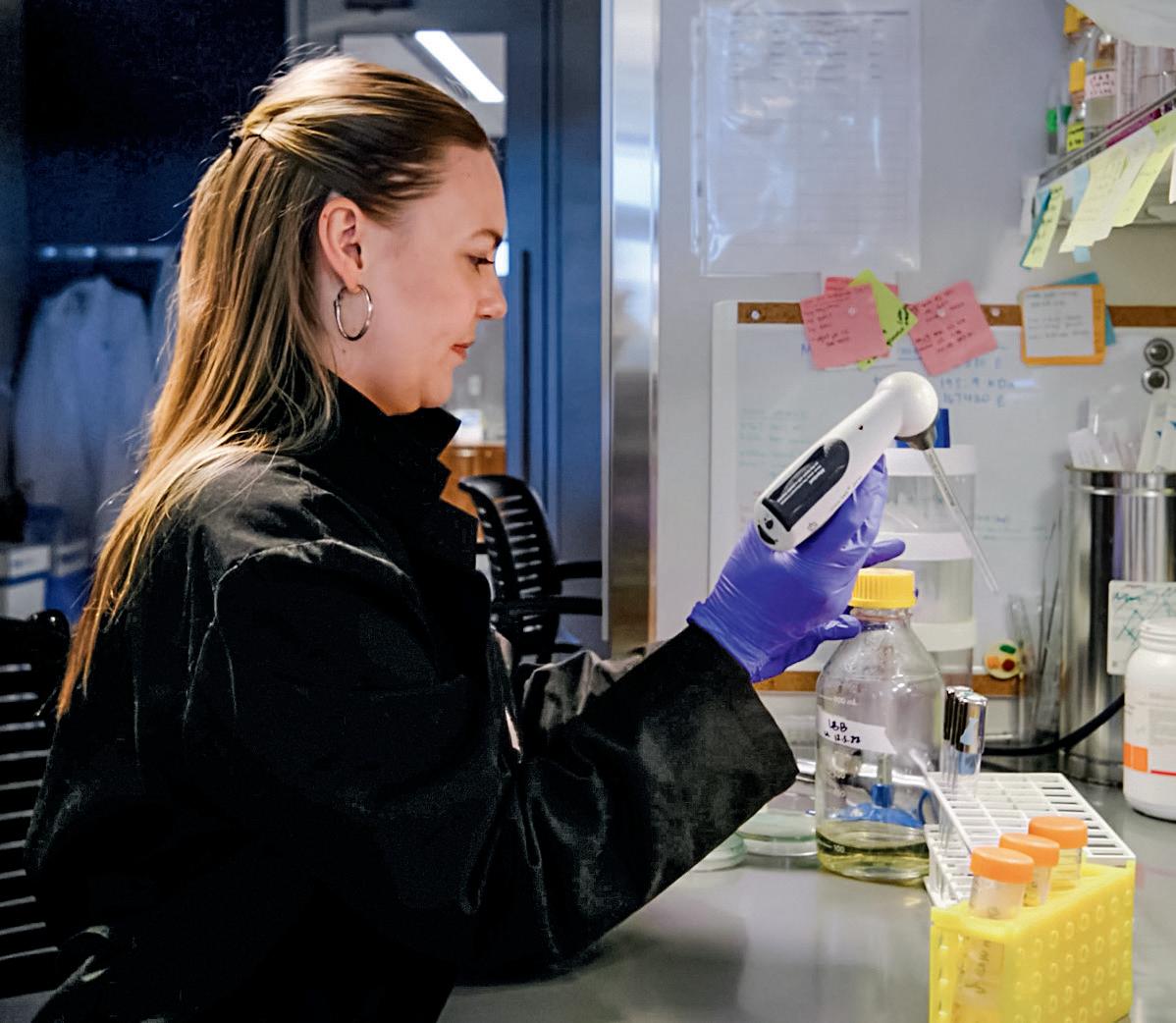
shaped by experience and fueled by opportunity — that continues to guide his journey forward.
TURNING ADVERSITY INTO ADVOCACY
For Marwah “Mari” Ismail 24C, leadership was forged in adversity. The daughter of Somali refugees and a recipient of the Bill Fox Scholarship and the Susan A. Cahoon Scholarship, she came to Emory with a deep sense of purpose. However, her path was quickly complicated by a rare cancer diagnosis that changed the course of her college journey. The eye condition she had battled throughout her life turned out to be a rare malignancy.
During her junior year, Ismail underwent chemotherapy and radiation treatment while continuing her coursework remotely as a full-time student. She then returned to campus wearing a prosthetic and an eye patch. After a few months, she ultimately ditched these devices — the cancer that took her eye could never take her resolve. “I wanted to fully embrace my uniqueness and proudly reflect my story,” she says.
Her determination shaped everything she did at Emory. Majoring in religion and minoring in Italian studies, she explored questions of culture, justice and identity while taking on leadership roles that connected her academic work to the real world. She cofounded the Kappa Alpha Pi pre-law fraternity and served in student government as a congressional council judge, experiences that strengthened her voice as an advocate.
Ismail’s interest in public service led to opportunities in Washington and beyond. She completed congressional
internships where she gained firsthand experience in constituent services, policy research and the legislative process. Those experiences cemented her belief in the law as a tool for systemic change and deepened her commitment to justice. After graduation, she spent a gap year expanding her legal experience, including work as a trademark analyst at Kilpatrick Townsend & Stockton and a fellowship with the Georgia Asylum and Immigration Network, where she supported efforts to advance immigration justice.
Her perseverance and growing impact were recognized nationally when she received a prestigious graduate fellowship — one of just 30 recipients across the country. “It’s been a lot these last four years, but I was never alone because I had people who had faith in me,” she says. “It’s an absolute honor to be part of a program that invests in my potential and motivates me to continue working hard.”
Now pursuing her law degree at Columbia Law School as a recipient of the Bridge to Opportunity Scholarship, Ismail is preparing to channel her lived experience and legal training into a career centered on advocacy, equity and the empowerment of others. “Mari has the moral conviction to want to make a difference and the intellectual curiosity and sheer grit to do it,” says James Hoesterey, her honors thesis advisor.
Once a member of Emory’s Conn Lab, Logan Kavanaugh now leads all biological research and development for Atlanta-based startup TopoDx.
Marwah Ismail gave a TEDxEmory Talk in early 2024 that detailed how she embraced optimism during her long battle with cancer.
Pathways to Student Success
AT THE HEART OF 2O36 WAS A SIMPLE BUT POWERFUL IDEA: INVESTING IN PEOPLE TRANSFORMS THE WORLD. That belief inspired the creation of the Pathways Center, where hands-on learning and mentoring relationships help Emory students flourish. Bringing career advising, undergraduate research, pre-professional support and alumni mentoring under one roof, the Pathways Center represents a university-wide commitment to positioning students for success.
PATHWAYS BY THE NUMBERS
5,500+ students supported through Pathways programs 500+ funded internships on six continents
200 sophomores attended immersive career retreats
149 students participated in Career Treks to major U.S. cities
IN THEIR OWN WORDS
Across disciplines and locations, students describe the Pathways Center as a bridge between who they are now — and who they are becoming.
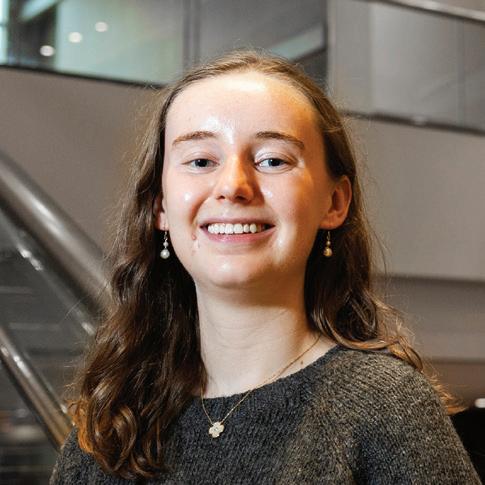
“This internship has given me the foundational knowledge and soft skills needed to be successful in arts administration.… I already have experience that I can use to adapt to whichever organization I’m working for.”
—Julia Nagel 25C, who interned with the Atlanta Symphony Orchestra’s development team under the orchestra’s executive director Jennifer Barlament 95C.
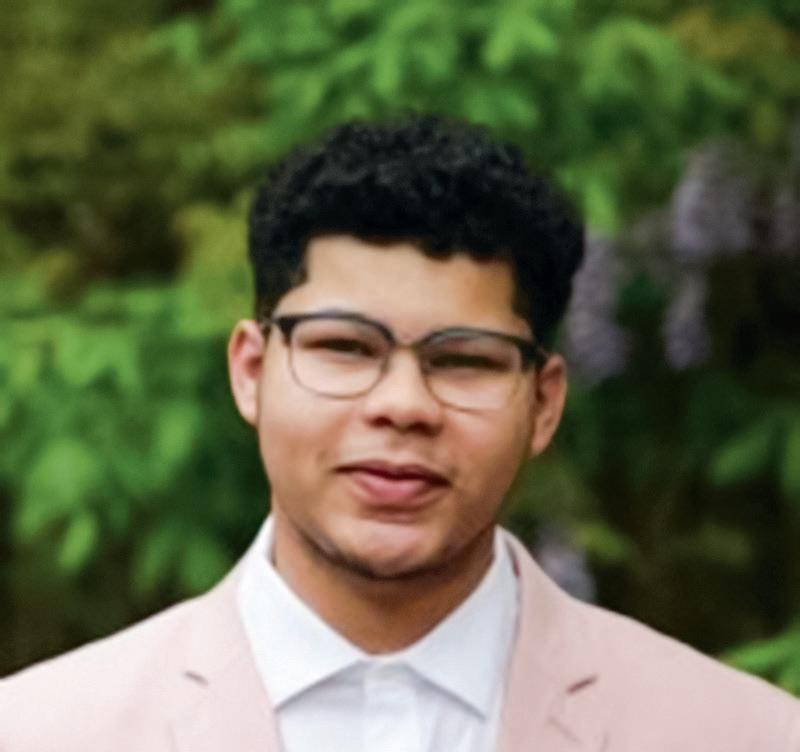
“[At the Warner Bros. lot], we learned a lot about the background of film.… The most fulfilling aspect was the valuable connections and lessons I gained from industry professionals.”
— Jayden Davis 25B, who interned with Blumhouse Productions.
Through the Emory College Pathways Center, students traveled to Washington, D.C., to connect with alumni working in government, nonprofits and international relations.
Empowering the Next Generation of Learners
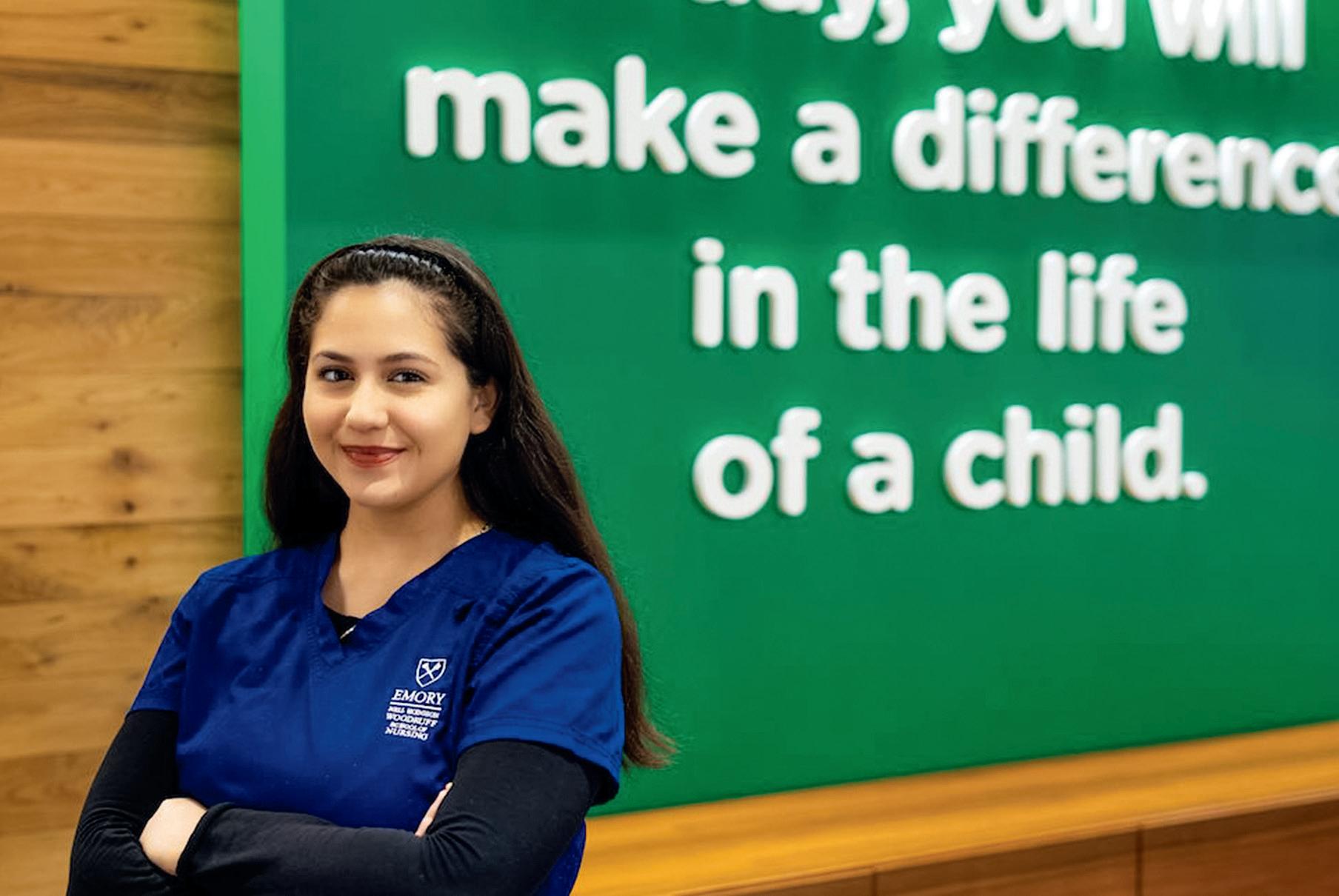
allowed me to focus completely on doing my best at work.”
—Jacqueline Martinez 25N, who completed a pediatric externship at Children’s Healthcare of Atlanta.
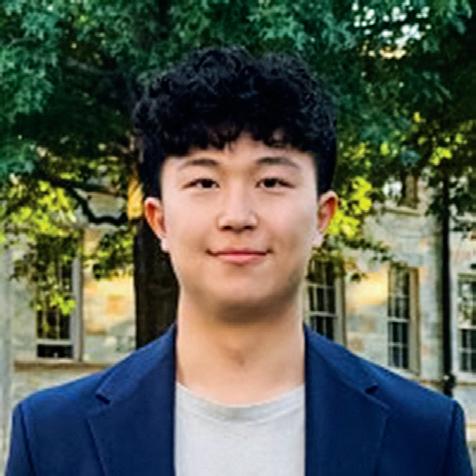
“I never expected to receive any kind of financial aid or funding, and I am very grateful for the support. It’s special when you realize you have so many people who believe in you.”
— Greg Wu 25C, who worked in regenerative medicine research at Emory and Georgia Tech.
AFTER SCHOLARSHIPS MADE BEN CARTER’S EMORY EDUCATION POSSIBLE,
Ben Carter 00C didn’t just attend Emory — he grew up with it. His mother worked for Emory Healthcare for more than two decades, and as a high schooler, he spent summer days at baseball camp on campus.
When it came time to apply to college, his mind was made up. He applied early decision to Emory and never looked back.
Thanks to the Courtesy Scholarship, a program that supports the children of Emory employees, Carter graduated nearly debt-free. That financial support, he says, was transformational. “Emory extended so much generosity to me,” he says.
It’s a big reason why he feels compelled to give back.
Carter is creating opportunities for others through a scholarship that supports first-generation students and youth from
rural Georgia — communities he believes are rich in potential but too often face barriers to opportunity. “I want to help young people feel like Emory isn’t out of reach,” he says. “Emory is a special place of learning and discovery and can be a portal to a bigger world, just like it was for me.”
That portal opened wide for Carter. At Emory, he discovered a passion for economics that helped him find his path and set the direction for his future career. He also made lifelong friends while here. After graduation, he leaned on the Emory alumni network in New York City as he got his start on Wall Street. That community also led him to his wife, Hillary, whose mother was a longtime professor at Goizueta Business School.
Today, the couple is raising two boys in Greenwich, Connecticut,
and he remains deeply connected to the Emory community. One of his greatest joys is meeting scholarship recipients — many of whom are already finding ways to give back. “They’re doing mission work in Africa, pioneering drug research, going into nursing,” he says. “Their grit and service mindset inspire me.”
Carter hopes his support will help unlock more stories like these.
“Emory changed my life,” he says. “I just want to make sure others have that same opportunity.”
—Danielle Hegedus
I want to help young people feel like Emory isn’t out of reach.
—Ben Carter 00C
Opening Doors: What Scholarships Make Possible
AT THE HEART OF EMORY’S 2O36 CAMPAIGN WAS A SIMPLE BUT TRANSFORMATIVE GOAL: TO OPEN DOORS OF ACCESS AND POSSIBILITY FOR EVERY STUDENT. Donors rallied around that vision, creating 370 new endowed scholarships that make an Emory education attainable for talented students from every background.
Together, they contributed $619 million to expand financial aid and enrich the student experience — funding not only access but also opportunity: global study, hands-on research and community engagement that prepare students to lead in a complex world.
The impact of that generosity is reflected most clearly in the words of our students, some of whom here express their gratitude — for the doors opened, the possibilities created and the futures now within reach.
“Philanthropy is the reason I was able to attend Emory. And the milestones I’ve reached — working on the Emory Law Journal, successful externships and internships — wouldn’t have been available without the generosity of others. I’m inspired toward working to be in a position where I can give back.”
— John Youmans 25L, Meyer Warren Tenenbaum Endowed Scholarship
“Ministry was not a calling of mine until I had a ‘crisis of faith’ that the United Methodist Church helped me navigate. Finding an affirming, life-giving, justice-oriented church with real people doing good work full of love and human messiness has changed my life for the better. I wouldn’t be here without your generosity.”
— Kelly Scott 25T, Alma T. Murray Endowed Scholarship
“Without my scholarship, I would not have been able to travel to the Dominican Republic with the School of Nursing. Every day in the Dominican Republic was filled with various learning opportunities about health care and community. This trip was one of the many that I hope to take to learn more about health care in different countries and cultures."
— Sofi Igyan 25N, Ron K. Bates Scholarship
“A scholarship is not only about money. It is an acknowledgment that your community believes in you and is willing to invest in your success. Thank you for investing in me and being on this journey with me.”
— Grace Kiwanuka-Woernle 25C, Bill Fox Endowed Scholarship
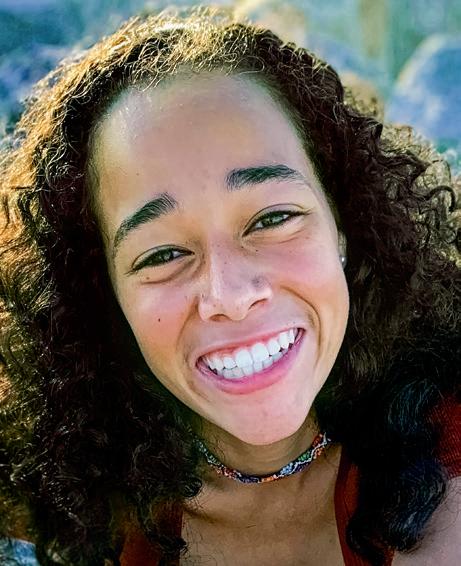
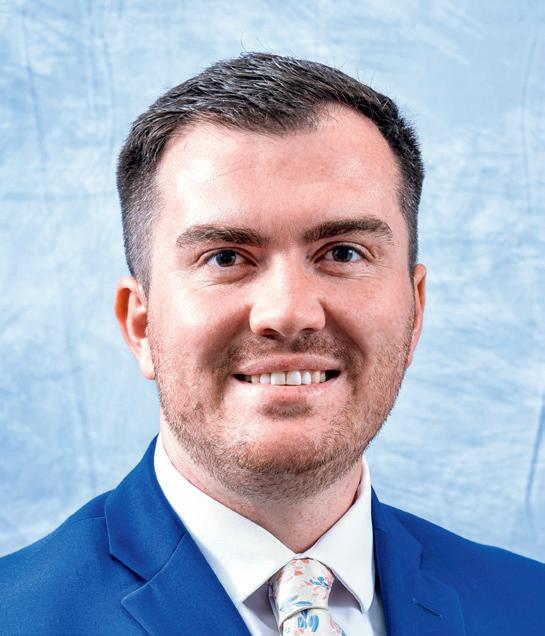
“Philanthropy, to me, means using my skills, resources and passion to make a positive impact in the world. I am deeply honored and grateful to have received my scholarship. It’s made a significant difference both financially and personally.”
— Parker Haslam 25PH, Eugene J. and Rose S. Gangarosa Endowed Scholarship for Global Safe WASH
“As a first-generation college graduate raised by a single mother, I never imagined that I would have the opportunity to attend business school. Without financial support, pursuing this dream would have been beyond my reach. My scholarship is much more than financial assistance to me — it is a lifeline that is reshaping my trajectory.”
— Erin Lett 26MBA, Sarah Beth Brown MBA Endowed Scholarship
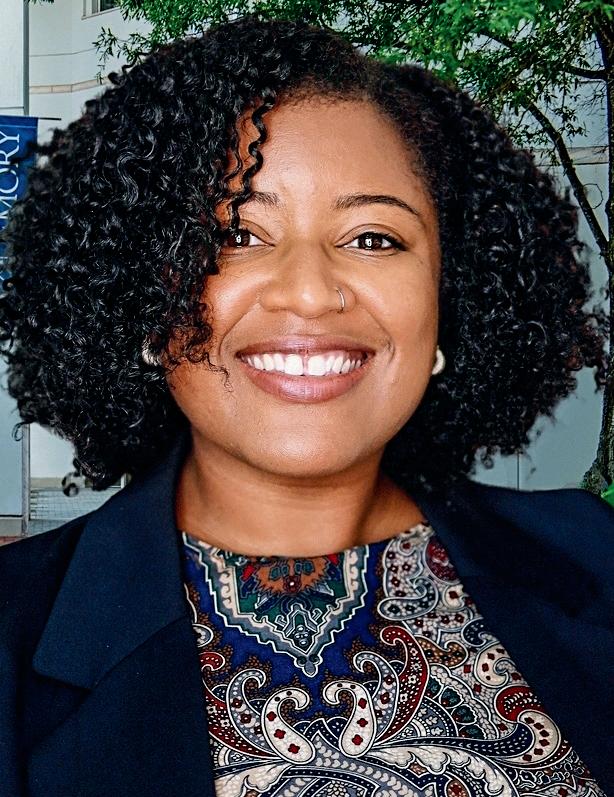
“My father is clinically disabled and my mother works for a nonprofit, so receiving an education with our economic status would have been near impossible without my scholarship. I am eternally grateful to be here.”
— Delaney Arnold 26Ox, Lawrence Studstill Endowed Scholarship
“As the son of two working-class parents, I never thought I’d be able to attend a private college, let alone be able to attend Emory University School of Medicine. Without the help of benefactors, I would not be where I am today.”
— Samuel Stresemann 27M, William C. Warren Endowed Fellowship
LAYING A FOUNDATION FOR THE FUTURE
In Their Honor
By Jennifer Carlile
AT EMORY, THE NAMES ON GIFTS ARE ONLY THE BEGINNING OF THEIR STORIES. THEY ALSO CARRY GRATITUDE, MEMORY AND VISION — STORIES OF LIVES HONORED AND PROMISES FULFILLED WOVEN INTO OPPORTUNITIES FOR GENERATIONS TO COME.
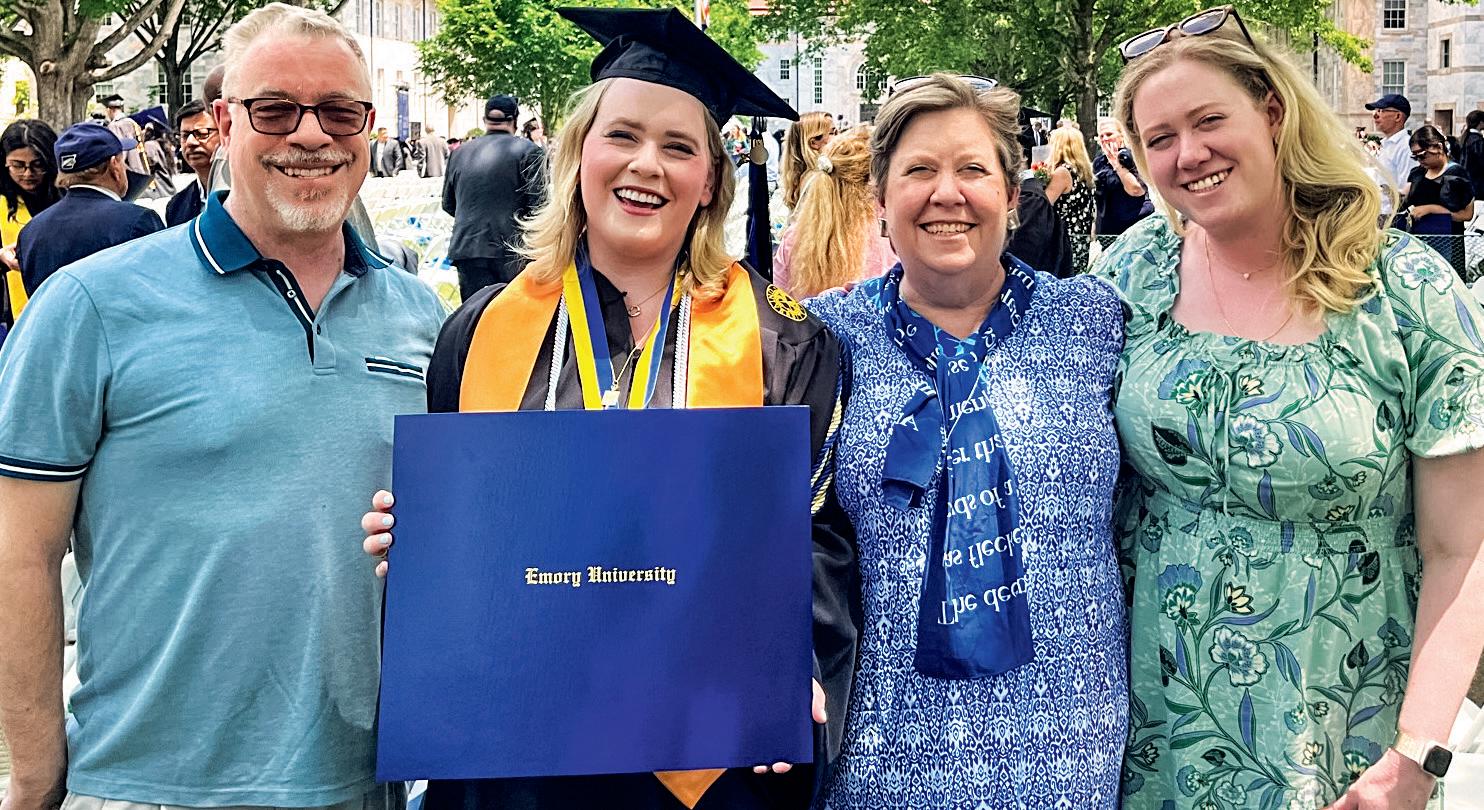
Gifts start with a promise. As a young law school applicant, Nick Telesca 89L walked uninvited into the dean’s office and vowed: Give me this chance, and I’ll pay it back one day.
They start, too, with adventure. Jason Liebzeit 98C still remembers hiking through the ancient city of Petra in Jordan on a study abroad trip — an experience rooted in his parents’ bold decision to move the family overseas. Their leap inspired his gift to help other students see the world.
They start with honor. Emily Park 04C and her husband, John, established a professorship so her fatherin-law, a journalist-turned-legislator, could see his legacy recognized in his lifetime.
And they start with passion. Cindy and Gary Frischling chose to support the music and history departments that shaped their daughters’ paths, ensuring future students find the same inspiration and mentorship.
Different beginnings, same destination: These named gifts have transformed gratitude into opportunity, weaving personal stories into the fabric of Emory’s future.
HONORING THEIR FATHERS
Walter Park had a storied career that included working as a journalist for news outlets in Korea and the United States, hosting a popular news talk show and serving in the Korean National Assembly. But it wasn’t always smooth sailing.
“My father-in-law left post-war Korea and worked first in Hawaii as a journalist before moving to California, where he opened a business in Los Angeles,” says Emily Park. The business was lost in 1992 during the L.A. riots, and he moved back to Korea to start over.
“My husband, John, began selling used cars right out of high school, and he sent money to Korea to help his father,” she says. John, who parlayed those initial earnings into his own successful entrepreneurial venture, helped finance his father’s news talk show, which ran for several years on Korean television, and his successful campaign for public office. After serving in the Korean National Assembly, Walter Park earned a PhD in political science and taught at several universities.
To honor him, Emily and John funded the Park Family Faculty Endowment in Emory’s Department of Political
Named givers: (top left) Jason Liebzeit, (top right) John and Emily Park, (bottom right) Nick Telesca and (bottom left) the Frischling family: Gary, Rebecca, Cindy and Samantha.
Science, which establishes a professorship. “We wanted to establish a legacy gift for my father-in-law while he was able to enjoy it,” Emily says.
Emily and John’s generosity is deeply rooted in family. In 2018, they created the Park Family Scholarship, which honors Rev. Daniel Shin, Emily’s father and a retired United Methodist minister. “I attended Emory through the generosity of donors,” she says. “So I established this scholarship for children of Methodist pastors, like me, but also for the children of church administrators, such as choir directors or church secretaries,” she says.
Emily was deeply influenced by what she calls “the ethos of Emory, which is to stay curious,” she says. “At Emory, I learned how to write and communicate with confidence, and those skills have opened so many doors for me professionally.”
FUNDING NEW ADVENTURES
In the 1980s, Edward and Carole Liebzeit threw caution to the wind and moved their family from Cincinnati, Ohio, to Saudi Arabia.
“My dad was offered a job there, and my parents were brave enough to say yes to the opportunity,” says Jason Liebzeit. Spending a part of his adolescence there “totally opened my eyes,” he says.
Although he describes his hometown of Cincinnati as a great place to grow up, “it was a very homogenous commu-
I’m happy that I can help other Emory students pursue their own adventures.
nity. In Saudi Arabia, I learned that everyone was not like me, that other cultures and belief systems existed, and that the world was larger than I had imagined,” he says. Liebzeit credits his parents’ decision four decades ago with inspiring him to stretch himself and take risks.
He established the Edward and Carole Liebzeit Scholarship to honor their spirit of adventure and provide study abroad opportunities for Emory students. As an anthropology major, Liebzeit participated in a summer study program in Israel and Jordan. “We met the president of Israel and visited the Israeli Supreme Court,” he says. “And we hiked through the desert and visited Petra, which was spectacular. I want other people to have those kinds of experiences, too.”
After Emory, Liebzeit went to medical school in Cleveland before returning as a faculty member in 2006. He is currently an assistant dean for Emory School of Medicine’s undergraduate and graduate medical education programs at Grady Memorial Hospital and an associate professor of emergency medicine.
He emphasizes that his parents were a source of encouragement and support from day one. “I always knew they would help me both emotionally and financially — that I could try things and still have a soft landing,” he says. “They always say that traveling and seeing the world really changed them for the better. I’m happy that I can help other Emory students pursue their own adventures.”
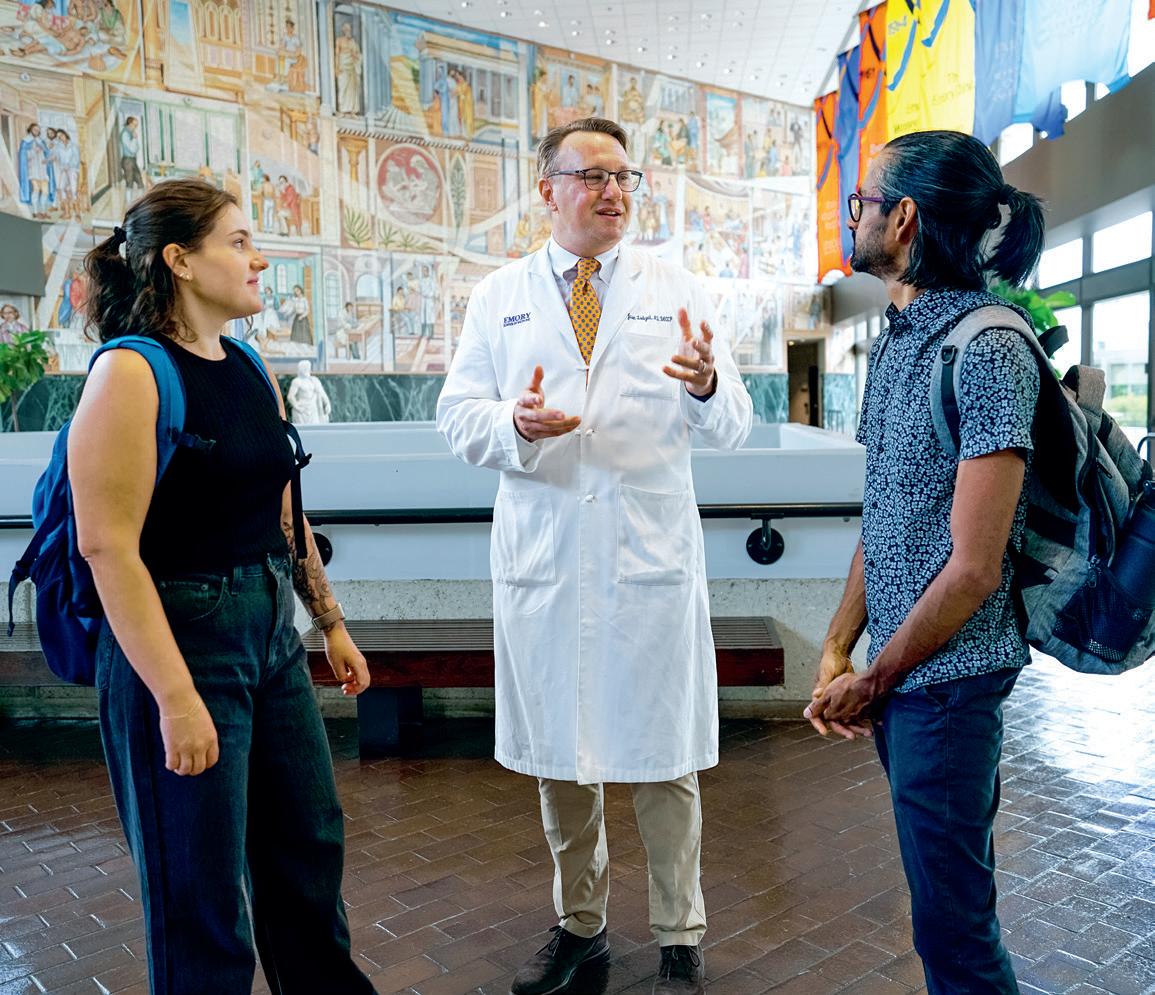
—Jason Liebzeit 98C
Emily Park with her father, the Rev. Daniel Shin.
Alumnus Jason Liebzeit (center) is an assistant dean at Emory School of Medicine and associate professor of emergency medicine.
MODELING PHILANTHROPY FOR THE LIBERAL ARTS
Cindy and Gary Frischling are proud of their daughters and appreciate the opportunities they received at Emory. “We gave to support the two terrific departments where they spent so much time at Emory,” Cindy says. They also relied on their daughters, Samantha Frischling 17C and Rebecca “Becca” Frischling 23C, to help determine what they should fund.
Their first gift established a vocal studies scholarship in the Department of Music. Samantha discovered a close, supportive community there, particularly in the voice and choral music programs, Cindy says. Now a professional musician, “Samantha performs in opera choruses and professional choirs, and she is an adjunct professor in Kennesaw State University’s music department,” she says. “She’s carving out a nice career for herself, and we’re very proud of her.”
We believe that music and history round out the liberal arts experience that so many students seek at a school like Emory, and that is worthy of support.
—Cindy Frischling
Becca, who also participated in choir and a cappella groups at Emory, majored in history and is in her second year of law school at University of California, Berkeley. “Thanks to a history department award at Emory, she was able to pursue an independent research project in New York that became an essential part of her honors thesis,” Cindy says.
Becca spent that summer examining primary source material housed at the YIVO Institute for Jewish Research. The letters, songs and flyers she discovered there were woven into her thesis, “Freedom in Song: An Examination of the Workmen’s Circle, Choral Music and Theater within the American Yiddish Labor Movement, 1920–1940.”
The Frischlings were impressed by the rigor of Becca’s experiential learning experience, and this led to their second gift. “We created an endowed fund within the history department to give other students access to similar research opportunities,” Cindy says.
They also wanted to support two of Emory’s smaller departments that punch above their weight when it comes to instructional quality, faculty-student mentorship and career guidance.
“Our girls were lucky to have had such great professors who influenced their personal and professional development,” Cindy says. “We believe that music and history round out the liberal arts experience that so many students seek at
a school like Emory, and that is worthy of support.”
KEEPING HIS PROMISE
Nick Telesca wasn’t a typical Emory Law applicant. After graduating from Le Moyne College in Syracuse, New York, with a degree in economics, he worked mostly blue-collar jobs to support himself. “It was hard, physical labor,” he says. “But it made me want to change the trajectory of my life.”
Telesca decided to go to law school, and he was strategic about the location. “I knew that Atlanta was growing fast,” he says. “I thought my prospects would be better in a place like that than in New York City, where I had been working in the Fulton Fish Market.” He applied to Emory Law and was wait-listed.
Telesca also applied to law schools in California and Florida, but Emory was the only school he visited. “I came down, walked around the campus and went right to the dean’s office,” he says. After a long wait, then-Dean David Epstein agreed to meet with him.
“I had no appointment and no real plan, but I was persistent,” he says. “I promised him that if he would admit me I would pay it back one day.”
Telesca’s persistence paid off, and he was accepted. He did so well the first year that he received the American Jurisprudence Award for Academic Excellence in both his torts and contracts classes, earning some much-needed scholarship assistance in the process.
After graduating, Telesca took another big risk: He turned down offers from Manhattan law firms for work in commercial real estate.
The first four years were difficult, and he struggled financially before joining Branch Properties LLC, “eventually becoming a partner, then president and now chairman of the firm,” he says. “We’re one of the largest retail property owners and developers in the Southeast, and our success has allowed me to give back to Emory Law.”
It took 42 years, but Telesca kept his promise and created the Telesca Family Scholarship. “It’s for students who come from modest beginnings, like I did,” he says. “I hope the scholarship helps them create their own story of transformation.”
AN ENDOWMENT AT WORK, A FUTURE IN MOTION
THE LEE FAMILY SCHOLARSHIP REFLECTS ONE COUPLE’S BELIEF IN EDUCATION’S POWER TO TRANSFORM LIVES.
For Nyssa and Chris Lee 00C, education is a force that can transform a life, a family and a community. That belief inspired them to create the Lee Family Scholarship, an endowed fund at Emory College of Arts and Sciences.
“Educational access is one of the great equalizers,” Chris Lee says. “It changes the trajectory not just of a person’s life, but their entire family.”
Both Chris and Nyssa are the children of first-generation college graduates, and they have seen higher education open doors. They chose to endow their scholarship for one reason: permanence. An endowed gift creates lasting impact, funding students year after year.
The Lee Family Scholarship gives preference to graduates of Sponsors for Educational Opportunity, a program Chris supports as a board member. The program prepares public high school students for success at top colleges.
One of those students is Fendy Santos 26B. A Bronx native, Santos was awarded the Lee Family Scholarship his first year at Emory.
He recalls meeting Chris over Zoom and feeling an immediate connection. Later, he discovered they shared a
bond as members of Alpha Phi Alpha Fraternity.
“Knowing someone was willing to invest in my journey meant so much,” Santos says. “It wasn’t just financial support. It was knowing someone believed in me and wanted to see me succeed.”
The scholarship covered most of his tuition, lifting a heavy burden from his mother and giving him freedom to explore opportunities — from securing the technology he needed for his coursework to accepting a summer internship at Bloomberg in New York.
Chris hopes students like Santos will use their Emory education to find meaningful work, make a positive difference in their communities and eventually pay it forward.
“I tell alumni, give earlier than you think you can,” Chris says. “The impact compounds. You’re not just helping one student; you’re helping everyone they go on to influence.”
For Santos, that ripple effect is already in motion. “This scholarship allowed me to live more comfortably, invest in myself and really maximize my college experience,” he says. “I want to do the same for someone else one day.”
—Danielle Hegedus
The Family Ties That Bind
SHARED CLASSROOMS, SHARED MILESTONES AND SHARED PRIDE: MEET THREE FAMILIES FOR WHOM EMORY HAS BECOME PART OF THEIR DNA.
Emory graduates enjoy a deep bond forged of shared memories from the classroom and campus. That bond is even stronger when your classmates and fellow alumni are also literally your family. Three families talk about how their common Emory experiences create joy, pride and support — and bring them even closer.
ADAM KASHLAN 28M AND ROMMI
KASHLAN 28M
“It’s really nice to have someone to lean on,” says Rommi Kashlan. His brother, Adam, agrees. “I’m not sure I would have passed anatomy without him.”
Both in their second year at Emory School of Medicine, the brothers are roommates as well as classmates. Living together again was an adjustment. “I’m a bit of a neat freak,” says Rommi, which prompts a knowing smile from Adam.
“But the pros of being together are undeniable.”
Along with helping each other study, they take a divide-and-conquer approach to dining halls, going to different locations and texting what’s on the menu — or spotting free food for each other. They also love being back in Atlanta, where they grew up, and say that because they’re medical students, family conversations constantly turn to medicine.
“Every single day a family member asks us to check a rash,” Rommi says. “We’re getting toe pictures during dinner,” Adam adds.
Nyssa and Chris Lee 00C
Student Fendy Santos with Chris Lee
“They even have A/C,” Hwang says, laughing.
The Kashlan brothers aren’t the only family members who find their Emory experience doubled. For some, Emory has been a shared milestone across generations.
Alumni Jackie Hwang and Hans Chang returned to campus this August to help their oldest child, Kevin Chang, move into his fifth-floor room in Turman Hall. One of the first things they noticed was how much the dorms have leveled up since their own undergraduate days.
The couple always hoped Kevin would go to Emory but tried not to push too hard. Hans spent many years at Emory as an undergraduate, medical student and resident and says it was a formative experience.
The couple’s bond is deep. They began dating in high school, but their relationship took root when they were students at Emory College of Arts and Sciences. “Emory is how we got closer and ended up getting married and building successful careers,” Hwang says.
“When Kevin got in at Emory, he was so excited,” she says. “This is a good place for him.”
ELLEN BAILEY 63C 87B
For some families, the connection runs even deeper — woven not just through one household, but through multiple branches of a family tree. “Emory’s sort of the family business,” says Ellen Bailey, an 1836 Society member.
“My grandmother was a big Methodist, so she sent both of her boys to Emory,” Bailey recalls. Those boys were her
father and uncle, who attended medical and law school at Emory, respectively.
Bailey left Emory in 1963 to get married but later returned for her MBA. Her daughter and granddaughter are also alumni.
“The family has something like 13 or 14 Emory degrees,” she says. “I’ve been chair of the Emory Alumni Association, I’ve been on health care boards and was on the audit committee at Emory for 25 years. And my mother was a nurse at the hospital.”
Bailey says interviewing academics from other universities for Emory search committees has helped her compare Emory against its peers.
“I think Emory gives you a moral core,” she says. “There’s a sense of ethics here and how you should conduct yourself with other people that’s very different from other schools.” She also says it’s a joy to share the Emory experience with her family, and the benefit goes deep.
“There’s just something unique about Emory,” she adds. —Andisheh Nouraee
Like parents, like son: Jackie Hwang 95C, Kevin Chang 29C and Hans Chang 95C 00M 06FM
Second-year med students Adam and Rommi Kashlan are brothers, classmates and roommates.
Ellen Bailey (standing, left) says her family, including her daughter and granddaugher, “has something like 13 or 14 Emory degrees.”
JACKIE HWANG 95C, HANS CHANG 95C 00M 06FM AND KEVIN CHANG 29C
EMORY’S 2025
They’re visionaries, risk-takers and change-makers — Emory alumni who refuse to wait their turn to make an impact. From hospitals to boardrooms, classrooms to labs, they’re reimagining what’s possible and lifting others as they lead.
Each year, the Emory Alumni Association’s 40 Under Forty program honors graduates whose talent, drive and heart are shaping a brighter future. The 2025 class reflects the full spectrum of Emory’s spirit: doctors redefining care, entrepre-
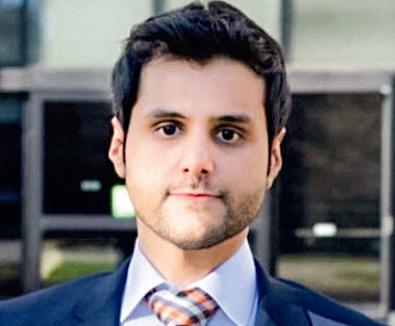
HUMOUD Y. AL-FADHLI 22L KUWAIT CITY, KUWAIT
Assistant Professor, Kuwait University College of Law
Advancing global justice with scholarship rooted in international criminal law and accountability.
neurs sparking new ideas, advocates and artists using their voices to move the world forward.
Selected from hundreds of nominations, these 40 trailblazers remind us that leadership isn’t about titles — it’s about purpose. They’re proof that passion and perseverance can ripple outward, transforming industries, communities and lives.
Meet the alumni defining what it means to lead under 40 and inspiring what comes next.
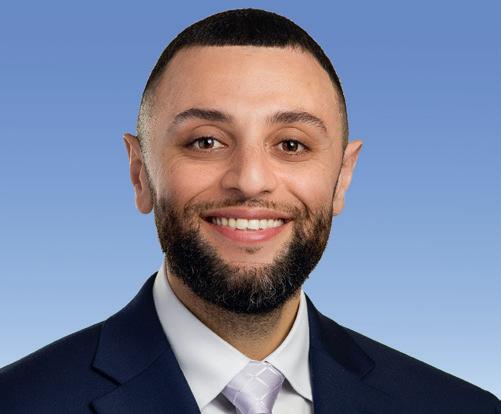
SAMEER MAGDI ALIFARAG 18L NEW YORK, NY
Associate at Eversheds Sutherland (US) LLP
Navigating complex restructurings, mentoring next-generation advocates.
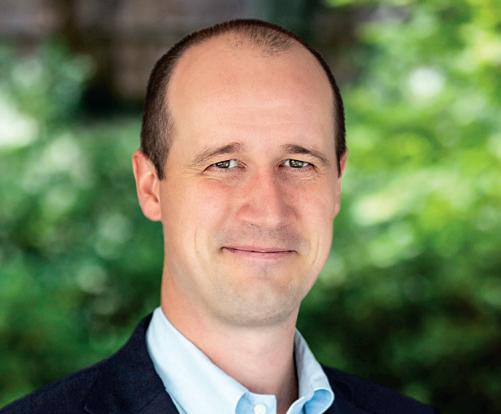
ANDREW B. BAILEY 10OX ATLANTA, GA
Chief Marketing Officer at EnviroSpark
Scaling EV charging access across North America.
Scan this QR code and read more about our 40 Under Forty.
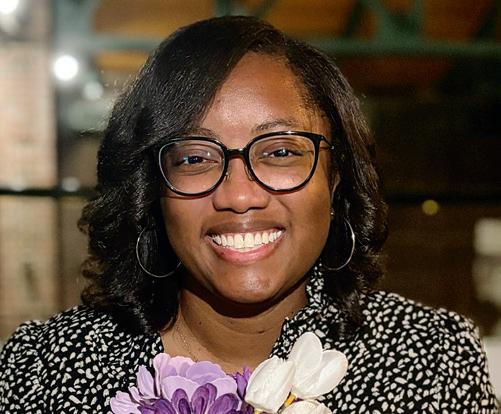
LORON BENTON 07C COLUMBIA, SC
Assistant Professor in the Department of Women’s and Gender Studies at the University of South Carolina Illuminating Black feminist voices and transformative classrooms.
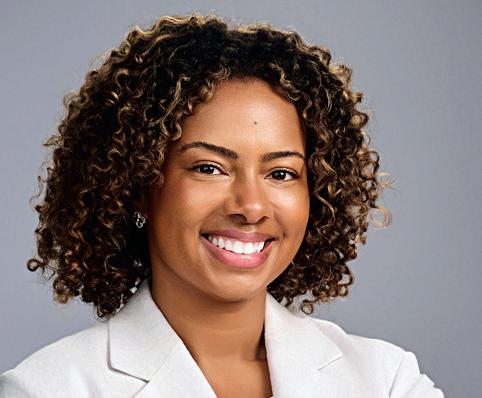
PATRICIA BRANCH 08B
NAIROBI, KENYA
Vice President & Head of Strategy, NBA Africa
Expanding basketball’s reach and opportunity across Africa.
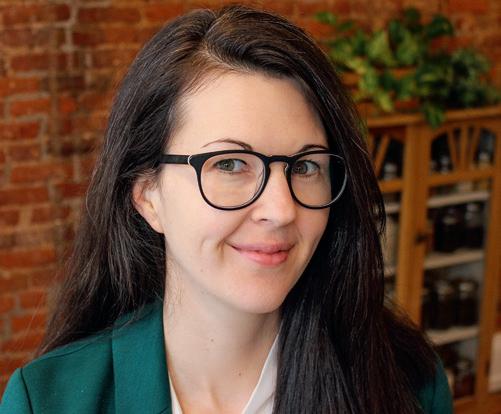
ALICIA B. W. CLIFTON 12G
PHILADELPHIA, PA
Co-founder & COO at Wicked Saints Studios
Designing games that spark real-world action.
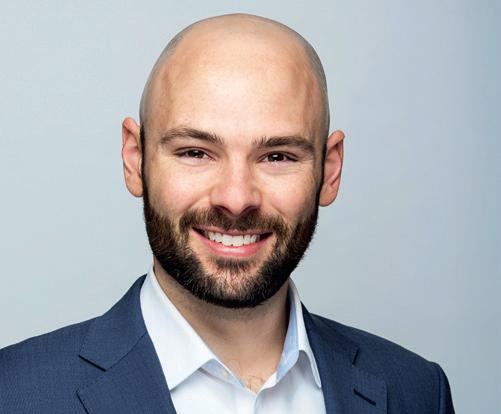
JASON EHRLICH 15MBA ATLANTA, GA
Managing Partner at Fruition Capital
Investing in entrepreneurs who acquire well-established local businesses.
CLAUDIA BROWN 14G
ATLANTA, GA
Deputy Chief of the Climate and Health Program at CDC
Preparing communities for climate’s health impacts with science.
PRIYA MEHTA-GUPTA DAS
15PH 24PHD ATLANTA, GA
Epidemiologist
Advancing child nutrition research with extraordinary resilience.
JEREMY EVANS 09C
NEW YORK, NY
Partner at Paul Hastings LLP
Orchestrating creative solutions in complex financial crossroads.
JENNA BROWN 09C 12L
JOHNS CREEK, GA
VP, People, Rainforest
Building people-first cultures where companies and humans thrive.
BARBARA DO 09PH
RESEARCH TRIANGLE PARK, NC
Biostatistician at RTI International
Turning complex data into lifesaving public health insight.
CARLOS FERNÁNDEZ 12OX 14C ATLANTA, GA
Attorney at Kenneth S. Nugent, P.C.
Championing Georgians with relentless advocacy and heart.
MARTIN BUNT 14L
ALEXANDRIA, VA
Associate at King & Spalding LLP
Translating service-born integrity into high-stakes investigations. Member of 1836 Society.

STEVE DRY 10C
BOSTON, MA
Principal Consultant at PA Consulting
Helping organizations build better ways of working.
KIM GAJEWSKI 13PH WASHINGTON, DC
Manager, Homeland Security Enterprise Policy at Google
Bridging public health, security and technology to protect communities.
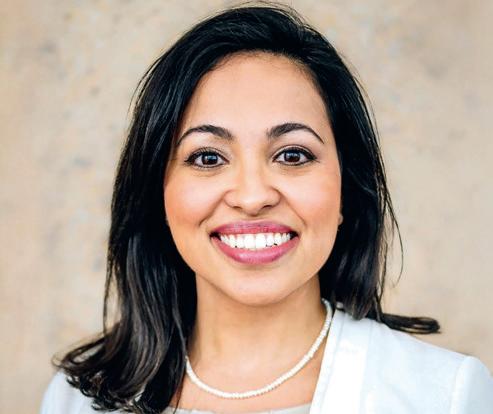
PRAKRITI GILL 09C
NEW YORK, NY
Assistant Professor, Weill Cornell Medicine
Delivering emergency care and mentorship from New York to Gaborone.
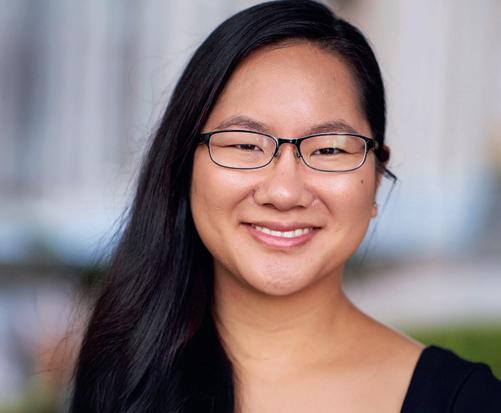
YEOU-RONG JIH 09C
DETROIT, MI
Program Officer, The Kresge Foundation
Supporting climate justice by empowering resilient communities.
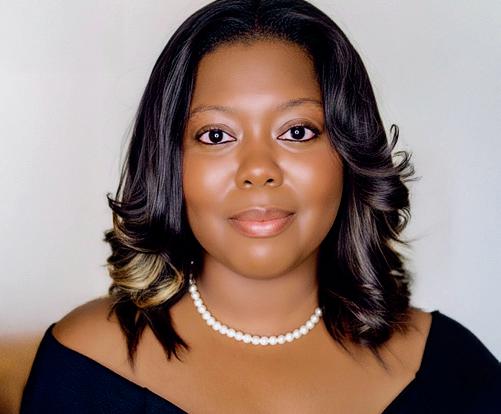
KIARA MADDOX 15PH
LITHONIA, GA
Health Scientist, CDC
Empowering the next generation of public health leaders.
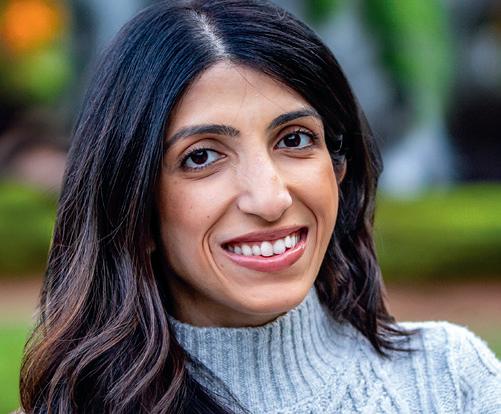
NASHIFA HOODA MOMIN
08OX 09C ATLANTA, GA
Pediatric SLP & Allied Research Scientist, Children’s Healthcare of Atlanta
Improving feeding futures for children with heart disease.
MATTHEW KIM 10C 10G
GAINESVILLE, FL
Assistant Professor, University of Florida Levin College of Law
Shaping criminal law through rigorous scholarship and teaching.
TASMIN MAHFUZ 07OX 09C
LANCASTER, PA
News Anchor at WGAL-TV
Amplifying unheard voices with fearless community-centered journalism.
DAVID JACKSON 07C PHOENIX, AZ
Partner, Intellectual Property, Womble Bond Dickinson
Safeguarding brands worldwide while championing mentorship.
KARI LEIBOWITZ 12C
AMSTERDAM, THE NETHERLANDS
Health Psychologist, Speaker and Writer
Showing how mindset turns hard seasons into growth.
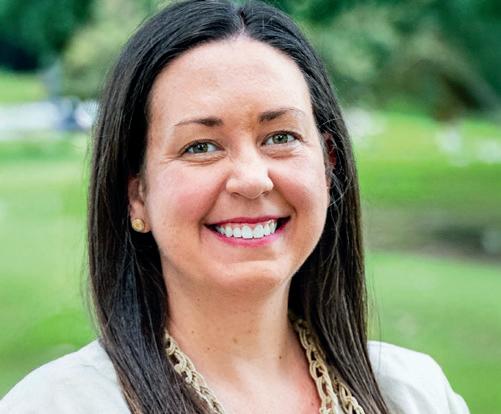
SARAH B. MANESS 11PH GREENVILLE, NC
Assistant Professor, Health Education and Promotion at East Carolina University
Confronting inequities with evidence to protect communities.
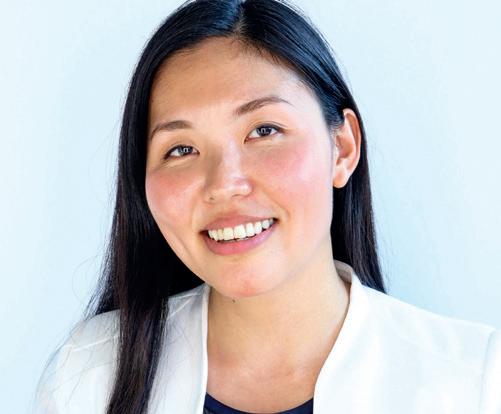
NURI JEONG 23PHD
ATLANTA, GA
Founder & Executive Trainer, Goals Unhindered
Translating brain science into smarter leadership decisions.
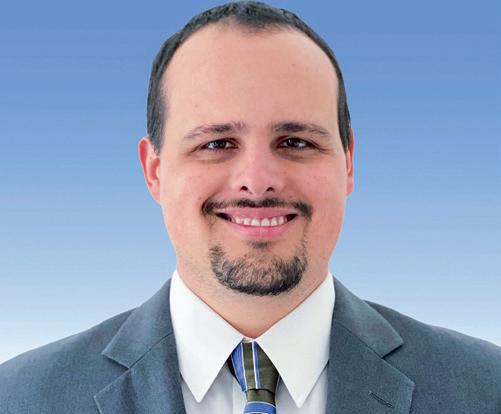
EDDIE LOPEZ-LUGO 08OX 10C ALPHARETTA, GA
Owner at Lopez-Lugo Immigration LLC
Defending due process for vulnerable immigrants.
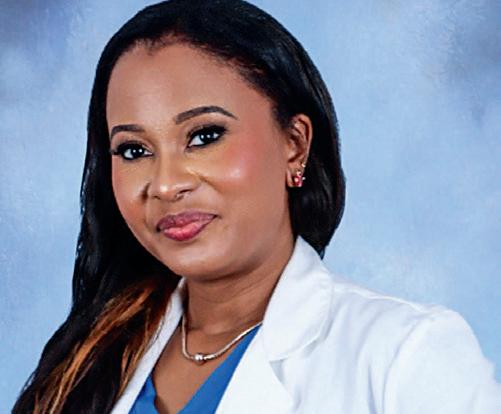
SHÉNAE MILLER 21PH
ATLANTA, GA
Chief Medical Officer, Founder & Lead Physician, Unique Healthcare, Betta Health Technologies
Fusing medicine, public health and innovation to expand access.
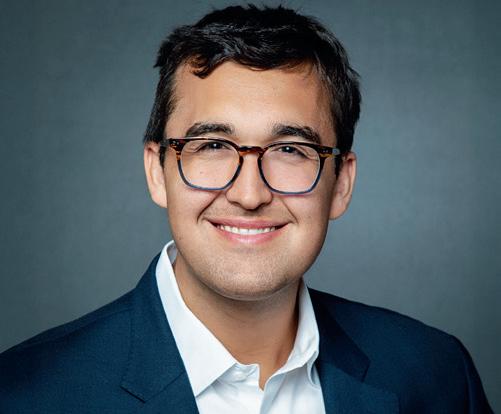
GABRIEL MORAN 18OX 20C
PINOLE, CA
Senior Government Affairs & Policy Manager, Tarana Wireless
Connecting communities by closing the digital divide.
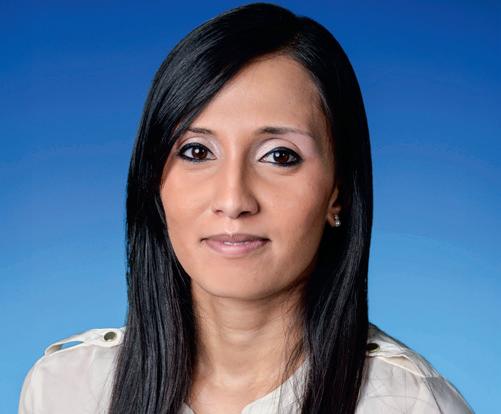
KAJAL PATEL 06OX 08C
14M 14PH 17MR ATLANTA, GA
Assistant Professor & Senior Physician, Emory School of Medicine
Delivering compassionate primary care and teaching future clinicians.
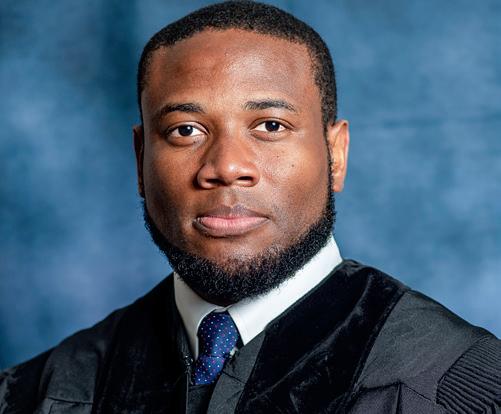
HON. PIERCE HAND SEITZ
11C ATLANTA, GA
Presiding Judge, Housing & Code Enforcement, Atlanta Municipal Court
Advancing housing justice with fairness and resolve.
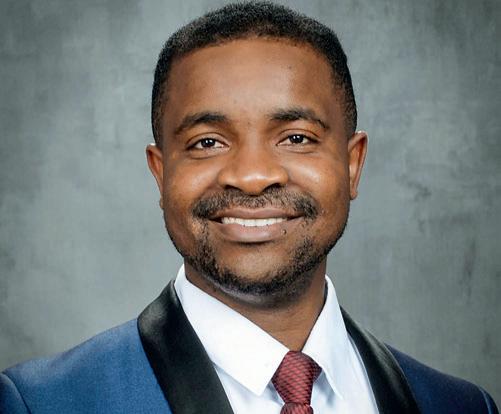
OGONNA J. NWAJIOBI
22PHD NEWBURY PARK, CA
Senior Scientist, Amgen; Founder, The Bridge Scholarship
Advancing medicines while opening university doors across Africa.
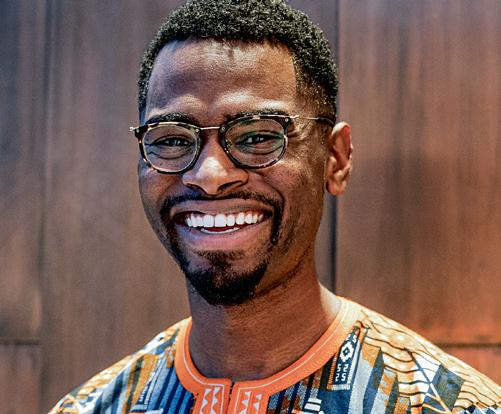
JULIAN DAVIS REID 19T
C HICA GO, IL
Artist and Theologian
Composing hope at the crossroads of faith and music.
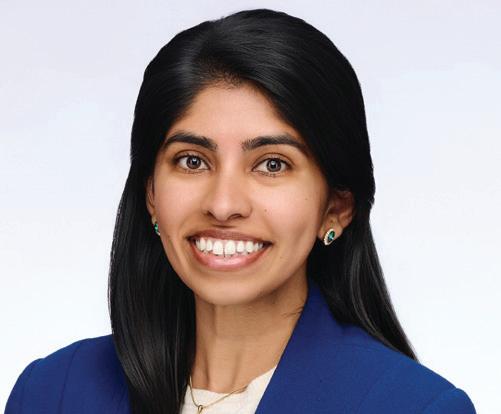
SANGITA SHARMA 18MBA
ATLANTA, GA
Director, Sustainable Skies Lab at Delta Air Lines
Accelerating net-zero aviation through bold practical innovation.
MIA OŽEGOVIĆ 12C
DUBAI, UNITED ARAB EMIRATES
Strategy & Policy Expert, UAE Ministry of Community Empowerment
Building a stronger third sector to empower United Arab Emirates communities.
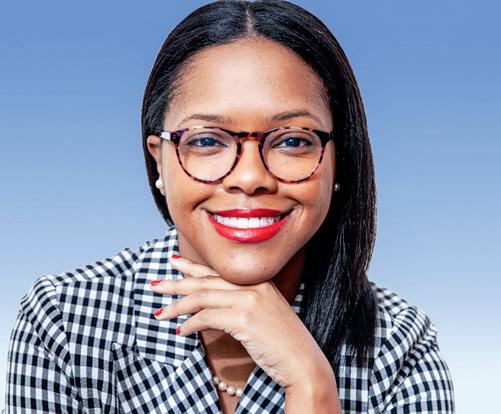
GINA A. S. ROBINSON 07OX
09C 16T EVANSTON, IL
Consultant at Grants & Grit
Pairing a PhD in theology with strategy to uplift communities.
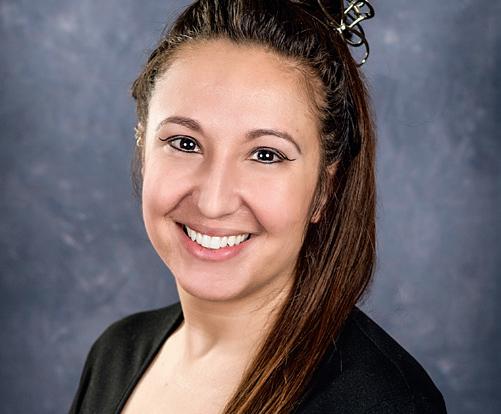
MARIA C. WHITE 19PHD DURHAM, NC
Postdoctoral Fellow at the University of North Carolina at Chapel Hill
Engineering next-generation therapies to outsmart lymphoma.
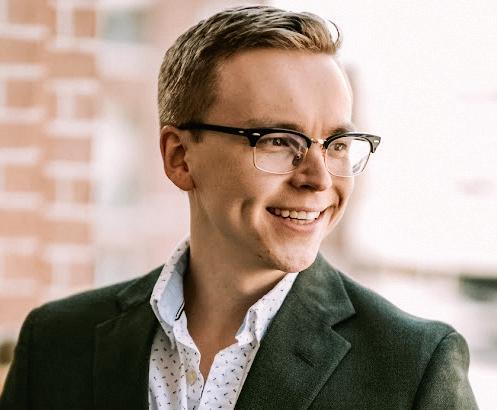
SCOTT G. PARENT 13OX 15C
ATLANTA, GA
Director, Data & Analytics, Eleanor Health
Turning data into better care and smarter systems.
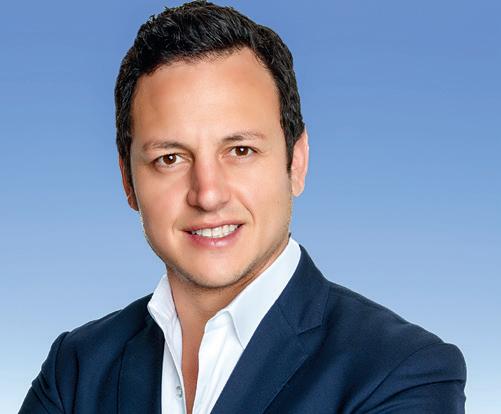
IAN ROSS 08B NEW YORK, NY
Founder & Managing Principal, SomeraRoad
Driving value and impact through strategic investment in high-growth markets across the U.S.
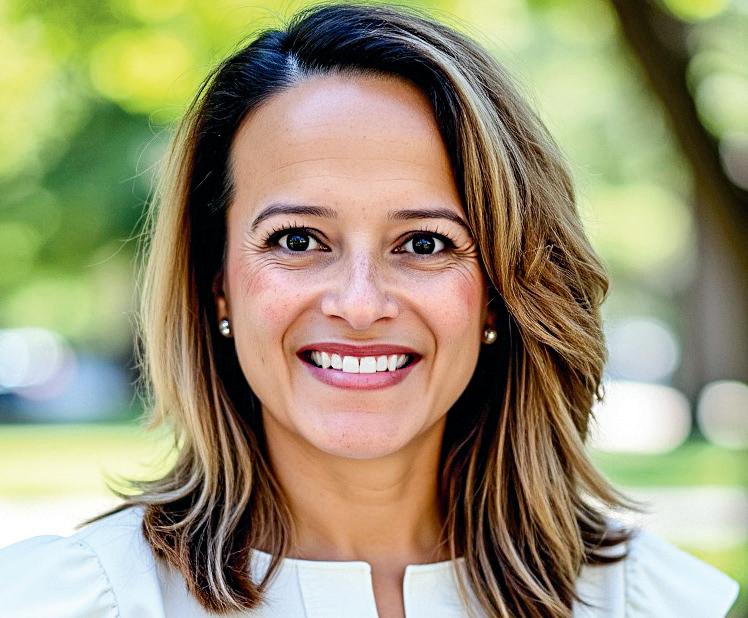
KRISTEN A. WILSON 05OX
07C AUSTIN, TX
Founder and Managing Attorney at KW Immigration Law PC
Growing opportunity by guiding global talent to work.
CLASS NOTES
Montpelier is a property of the National Trust for Historic Preservation.
Milton Jones 56Ox 58C 59L received Emory’s Judson C. “Jake” Ward Golden Heart Award, recognizing his generous spirit, loyalty to Emory and decades of service to the community, including leadership in the Georgia legislature, higher education and environmental advocacy.
60
Karen Dove Barr 65Ox released her second novel, “Night’s a Shadow; Day’s a Shine: A Geechee Tale” (Resource Publications/Wipf & Stock). Set in Georgia’s coastal Lowcountry during the Reconstruction era, the story follows a young Geechee woman as she comes of age amid family struggles, first love and the upheavals of a post–Civil War society. Barr, a historian and longtime resident of Skidaway Island, Ga., offers a rich sequel to her debut “Burnt Pot Island” by bringing alive historic challenges and local heritage.
70
Howard Zaritsky 71C, a retired attorney and expert in estate and tax law, was elected to the Board of Directors of the Montpelier Foundation, which administers James Madison’s Montpelier, the historic home of James and Dolley Madison and home to the Center for the Constitution.
Susan Willson 72Ox 74C 81N, a certified nurse midwife and author, recently published the book “Making Sense of Menopause: Harnessing the Power and Potency of Your Wisdom Years.”
Marianne Mowry Gardner 73C published “Hole in the Heart: A Memoir by Marianne Mowry Gardner,” a book that reflects on family, loss and resilience.
Phil Karter 79C, a shareholder and chair of the Tax Controversy & Litigation practice at Chamberlain Hrdlicka in Philadelphia, was named one of “The Best Lawyers in America 2026” for tax litigation.
80

THIS PAGE IS INTENTIONALLY LEFT BLANK
FROM INTREPID REPORTER TO EMMY AWARD–WINNING FILMMAKER
Harold Yellin 82L 82MBA, a partner at HunterMaclean in Savannah, was named one of “The Best Lawyers in America 2026” for land use, zoning and real estate.
90
Francesca Macchiaverna 95C, a partner and hiring partner at HunterMaclean, was named one of “The Best Lawyers in America 2026” for bankruptcy and creditor debtor rights and insolvency, as well as for commercial litigation.
Your Key to Class Notes
AH = Allied Health | BBA = Goizueta Business School (undergraduate)
C = Emory College of Arts and Sciences | D = School of Dentistry
DNP = Doctor of Nursing Practice | FM = Fellowship in Medicine
G = James T. Laney School of Graduate Studies | H = Honorary degree
JM = Juris Master | L = School of Law | M = School of Medicine
MBA = Goizueta Business School (graduate)
MSN = School of Nursing (graduate) | MR = Medical resident
N = Nell Hodgson Woodruff School of Nursing | OX = Oxford College
MPH = Rollins School of Public Health (graduate)
PhD = All doctor of philosophy degrees | T = Candler School of Theology
SUBMIT CLASS NOTES TO: EUREC@EMORY.EDU
For Julian Rubinstein 91C, the line between reporting and filmmaking has led straight to national acclaim.
The gripping documentary “The Holly” — which he wrote, directed and produced with the backing of Academy Award–winner Adam McKay — recently won a national Emmy at the 46th News & Documentary Emmy Awards in New York.
The film grew out of Rubinstein’s years reporting in northeast Denver, where he chronicled the complexities of gang violence, gentrification and community activism. That reporting became a book: “The Holly: Five Bullets, One Gun and the Struggle to Save an American Neighborhood” (Farrar, Straus and Giroux), which was named a New York Times “Editors’ Choice” and winner of both the Colorado Book Award and the High Plains Book Award. Together, the book and film have earned 10 awards so far.
A former staffer at The Emory Wheel, Rubinstein is now filmmaker and Journalist-in-Residence at Western Colorado University. “The Holly” is streaming on Apple TV+, Amazon Prime and Starz, bringing his story of one community’s struggle — and resilience — to audiences across the globe.
Dawn M. Hudson 97G was honored with the “2025 International Excellence in Education (EiE) Award” by the International Alpha Delta Kappa Foundation, recognizing her leadership, impact and innovation in education. She also previously earned both Gulf Region and State of Georgia EiE Awards. Hudson is founder of Dawn Hudson Educational Consulting, and she works with school districts, nonprofits and institutions on grant writing, leadership development, accreditation and title fund audits.
00
Ronald Wright Jr. 07Ox 09C and Brittni Wright 09Ox 11C were married on September 13, 2025.
Kristel Topping 08Ox 10C and Carson Topping 09Ox 11C welcomed daughter Maya on December 4, 2024.
Martin Krafft 12C directed the feature-length documentary “Ain’t Got Time to Die”, which explores the life of his friend Rachel Heisham following her terminal cancer diagnosis; the film grapples with mortality, memory and the ethics of narration. The film earned the Best Picture - Best Documentary award at the West Kortright Center Film Festival and Audience Award at the Southern Maryland Festival. It has also screened at other festivals including Jackson Doc Film Festival, Twin Cities Film Festival and the Berlin Dynamic Film Festival. Krafft holds an MFA in photography, video and imaging from the University of Arizona and studied creative writing and economics at Emory.
Victoria Custer 13Ox 15C and Seth Einterz welcomed son Ernest on June 13, 2025.
Ellie (Elinor) Agler 18Ox 20C and Kyle Goggio 18Ox 20C were married on April 26, 2025.
Alexander “Alex” Chetsas 24T published an article in the spring 2025 issue of The Wheel, a journal of Orthodox Christian thought and culture, titled “Exorcism in the Greek Orthodox Archdiocese: ‘And Let My Cry Come Unto You’.” Chetsas serves at Saint Gregory the Theologian Greek Orthodox Church in Mansfield, Mass., and teaches as an adjunct professor in English and media studies at Boston-area colleges.
Leon Feldman 46D, of Atlanta, on April 23, 2025.
Melvin M. Finkbeiner 46T, of Seattle, Wash., on December 18, 2021.
William McKee Madison Jr. 46C 49M 56FM, of Asheville, N.C., on May 22, 2025.
Milton D. Saul 46C, of Atlanta, on April 22, 2025.
William J. Dickey Jr. 47Ox 49C, of Houston, Texas, on October 2, 2024.
Richard L. Few 48B, of Greenville, S.C., on November 30, 2023.
Victor Gruschka Springer 48C, of Spotsylvania, Va., on September 18, 2022.
Ella G. Charnley 49N, of Ocala, Fla., on April 2, 2025.
John Allen Bennett 52Ox, of Marietta, Ga., on August 1, 2025.
Joann Marshall Felder 52N, of Watkinsville, Ga., on May 22, 2025.
Earle R. Haire 52C, of Hendersonville, N.C., on June 28, 2025.
Patricia A. Harrison 52N, of Jasper, Ala., on July 15, 2020.
Marcus M. Morris Sr. 52C, of Decatur, Ga., on November 15, 2024.
Brown L. Murr Jr. 52C 53G, of Lutherville Timonium, Md., on June 5, 2025.
Byron Boyce O’Dell 52C, of Johnson City, Tenn., on May 1, 2025.
Robert A. Paulsen 52C, of Tulsa, Okla., on July 21, 2025.
Jane Halliday Shouse 52N, of Fort Collins, Colo., on November 2, 2022.
THIS PAGE IS INTENTIONALLY LEFT BLANK
Fletcher Thorington 52T, of Birmingham, Ala., on November 25, 2024.
T. Burton Wight Jr. 52B, of Buena Vista, Ga., on October 30, 2024.
Jack Rosenberg 54B, of Atlanta, on August 21, 2025.
Roy Hugh Ryan 54T, of Tupelo, Miss., on January 19, 2025.
Joseph M. Turner 54C 64MR, of Tifton, Ga., on August 16, 2025.
Mehadin K. Arafeh 55MR, of Middletown, Conn., on November 6, 2024.
Anton M. Brice Jr. 55C 59M 62MR, of Decatur, Ga., on January 8, 2025.
William Harold Doran Jr. 55T, of Broomfield, Colo., on July 3, 2025.
Ryland Dean Fowler 55Ox 57C, of Atlanta, on May 17, 2025.
Ida Wills Stanton Holmes 55T, of Germantown, Tenn., on July 6, 2025.
Harry R. Kuniansky 55B 60MBA, of Atlanta, on March 12, 2025.
Barbara Ann Floyd Molicki 55N, of Murrysville, Pa., on July 20, 2025.
Marvin Perlis 55C, of Fernandina Beach, Fla., on January 18, 2025.
John R. Pinson III 55B, of Baconton, Ga., on July 9, 2025.
John William Andrews 50C 55M, of Gainesville, Ga., on July 13, 2025.
Robert S. Forbes 50L, of Miami, Fla., on November 8, 2024.
Daniel L. Harrison 50C, of Marietta, Ga., on January 7, 2025.
Charles B. Lord 50Ox, of Jacksonville, Fla., on September 26, 2023.
Emory Dalton McGlamry 50Ox, of Stone Mountain, Ga., on June 14, 2025.
Cecil Guy McLendon Sr. 50C 51L, of Powder Springs, Ga., on March 31, 2025.
Harold Lee Moss 50C 53G, of Atlanta, on February 27, 2025.
William Traylor Jr. 50B, of Carollton, Ga., on July 3, 2025.
Frances G. Baumgardner 51N, of Shelby, N.C., on January 13, 2021.
Edward Gooler 51C, of Boca Raton, Fla., on June 24, 2025.
J. Morgan Johnson 51T, of Alexandria, Va., on November 10, 2024.
Paul A. Lavietes 51C 61MR, of Atlanta, on May 28, 2025.
Lee Pearson 51C 55T, of St. Petersburg, Fla., on June 30, 2025.
Keith Branson Smith 51Ox, of Smyrna, Ga., on November 2, 2024.
BillyReed Wickline 51T 53G, of Lewisburg, Tenn., on March 21, 2023.
Miles Jordan Alexander 52C, of Atlanta, on July 11, 2025.
Edison M. Amos 53T, of Port Saint Lucie, Fla., on August 3, 2025.
Ben F. Binkley 53T, of Louisville, Ky., on May 27, 2025.
Stanley Perry Brickman 53C, of Atlanta, on January 26, 2025.
Margaret Ann Crocker 53N, of Boynton Beach, Fla., on September 13, 2021.
W. Dawson Durden Jr. 53C 57M, of Tallahassee, Fla., on January 20, 2025.
James Kyle Elliott 53T, of Birmingham, Ala., on July 19, 2022.
Clay F. Lee Jr. 53T, of Jackson, Miss., on November 11, 2024.
Julian D. Prince Sr. 53G, of Tupelo, Miss., on July 18, 2025.
Granville Newton Rainey Jr. 53Ox, of Albany, Ga., on May 20, 2025.
Daniell Maurice Brown 54Ox, of Birmingham, Ala., on April 20, 2025.
George Todd Currey Sr. 54T, of Montgomery, Ala., on July 3, 2022.
R. Kenton Musgrave 54L, of New York, N.Y., on March 14, 2023.
Joyce E. Myers 54N 58N, of Decatur, Ga., on December 30, 2024.
Ernest M. Nelson 54T, of Canton, Ohio, on October 23, 2024.
Charles Taylor Pace 54MR, of Greenville, S.C., on December 12, 2024.
Evelyn Dennis Perry 54N, of Fort Mill, S.C., on April 30, 2025.
Pete Nick Poolos Jr. 54C 58MR, of Cleveland, Ohio, on March 17, 2025.
Richard M. Arnold 56C 58D, of Miami, Fla., on March 14, 2025.
Charles Edward Cox 56C 59T, of Columbus, Ga., on May 27, 2025.
Betty Pittard Davis 56N, of Inverness, Fla., on March 20, 2024.
Ann Daniel McLean 56C, of Marietta, Ga., on March 27, 2025.
Richard A. Petry 56T, of Marietta, Ga., on August 29, 2024.
James Augustus Redfearn Jr. 56MR, of Dalton, Ga., on June 5, 2025.
Nancy Stewart 56C, of Atlanta, on June 15, 2025.
William Lee Womack 56Ox, of Oxford, Ga., on September 27, 2024.
Edmund L. Zibart 56T, of Auburn, Ala., on August 4, 2021. LaVon E. Bayler 57T, of Shumway, Ill., on October 23, 2024.
James C. Campbell 57T, of Knoxville, Tenn., on February 14, 2023.
George F. Daviglus Sr. 57M, of Orlando, Fla., on July 20, 2022.
Preston T. Davis 57Ox 61C, of Tallahassee, Fla., on September 16, 2024.
Burrell David Dinkins 58T 76T, of Wilmore, Ky., on January 7, 2025.
Richard Cary Estes 57C, of Advance, N.C., on January 2, 2025.
Charles Braselton Gillespie 57C 61M 63MR 66MR, of Tallahassee, Fla., on November 22, 2024.
William Howard Hosick 57C, of Gainesville, Ga., on July 29, 2025.
John Robert Middlemas Sr. 57C, of Panama City, Fla., on August 1, 2025.
Jack L. Newsome 57T, of Saint Louis, Mo., on May 23, 2020.
Ralph D. Posey 57T, of Lakeland, Fla., on December 19, 2024.
Charles Y. Allgood 58B, of Rockmart, Ga., on August 27, 2025.
Julia Carolyn Beeman 58G, of Gastonia, N.C., on July 28, 2025.
Robert William Haldi 58C, of Vonore, Tenn., on March 17, 2025.
Charles Edwin Hart Jr. 58MBA, of Marietta, Ga., on May 15, 2025.
James B. Hiers Jr. 58L, of Atlanta, on August 24, 2025.
Farris Cannon Horak 58N, of Burlingame, Calif., on August 22, 2024.
Johan Douglas Tate Lie-Nielsen 58C, of Alpharetta, Ga., on May 31, 2025.
Aubrey H. Liles Jr. 58L, of Ooltewah, Tenn., on May 10, 2020.
Soon K. Park 58T, of Yeoju, South Korea, on October 24, 2020.
Robert A. Pedigo 58G 62PhD, of Indianapolis, Ind., on October 22, 2024.
Delia Bridwell Reynolds 58C, of Atlanta, on August 8, 2025.
Sue Purvis Speir 58C, of Stone Mountain, Ga., on October 21, 2024.
R. Warren Wasson 58T, of Nokomis, Fla., on July 22, 2022.
Diana H. Butler 59C, of Roswell, Ga., on August 28, 2025.
James E. Gaines Jr. 59Ox 61C 64G, of Lexington, Ky., on June 24, 2025.
Thomas E. Price 59T, of Houston, Texas, on August 14, 2024.
Anne Tyler Hager Rudy 59N, of Marietta, Ga., on November 2, 2024.
Lawrence Pugh Varner 59Ox 61C, of Columbus, Ga., on May 16, 2025.
Hugh William Stone 60L, of Blairsville, Ga., on June 12, 2025.
Richard L. Wehrman 60T, of Penney Farms, Fla., on November 5, 2024.
Terry W. Weinle 60C, of Aiken, S.C., on October 2, 2024.
Thomas Byars Wilkes Jr. 60T, of Greenville, S.C., on February 26, 2025.
Carol B. Berz 61C, of Chattanooga, Tenn., on December 11, 2024.
Archie R. Bigelow Jr. 61T, of Irmo, S.C., on September 14, 2024.
Hope Johnston Blackert 61N, of Largo, Fla., on January 19, 2025.
Errol MacGregor Clauss 61G 65PhD, of Clemmons, N.C., on March 26, 2025.
William P. Cooper Jr. 61Ox, of Quitman, Ga., on February 12, 2025.
Samuel G. Hornsby Jr. 61Ox, of LaGrange, Ga., on July 12, 2024.
Linda Stevens Hurt 61C, of Marietta, Ga., on December 26, 2024.
70MR, of Tampa, Fla., on November 3, 2024.
Louis Diamond Field 63B, of Boynton Beach, Fla., on April 4, 2025.
Frank D. Hartsell 63T, of Clemson, S.C., on June 20, 2025.
Cecil E. Hazen 63T, of Macon, Ga., on December 10, 2021.
James L. MacLeod 63T 67G, of Augusta, Ga., on August 19, 2024.
E. V. McClurg 63C, of Lakeland, Fla., on April 21, 2025.
Henry S. Rogers 63C 66L, of Tucker, Ga., on May 8, 2025.
Alfred L. Allgood 64Ox 66C, of Gainesville, Ga., on December 20, 2024.
Gloria Jean Arnold 64Ox, of Lee, Mass., on November 20, 2024.
Albert J. Bowles Jr. 64T, of Hixson, Tenn., on June 16, 2025.
John Lloyd Cromartie Jr. 64C 88T, of Gainesville, Ga., on June 11, 2025.
THIS PAGE IS INTENTIONALLY LEFT BLANK
Charlotte F. Fox 64C, of Atlanta, on April 17, 2025.
Janice Elaine Micali 65N, of Albuquerque, N.M., on April 13, 2025.
Judith Lee Walker Moore 65C, of Atlanta, on June 2, 2025.
Franklin Scott Singleton 65B, of Miami, Fla., on November 7, 2024.
Bruce Fraser Tompkins 65C, of Asheville, N.C., on December 22, 2024.
Virginia Smith White 65G, of Savannah, Ga., on June 12, 2025.
Penelope S. Wright 65N, of Gainesville, Ga., on July 1, 2025.
Richard E. Allen 66L, of Augusta, Ga., on July 24, 2025.
Judson Gregory Black 66C, of Atlanta, on March 16, 2025.
Lucy Schow McGough Bowers 66L, of Baton Rouge, La., on May 25, 2025.
Rebecca Williams Buckman 66T, of Denver, Colo., on April 25, 2025.
Hoyt E. Jenkins 66T, of Jasper, Ala., on August 26, 2025.
Janice Louise Barton 60Ox, of Milledgeville, Ga., on July 1, 2025.
George William Liggin Jr. 60Ox, of Eastman, Ga., on January 25, 2025.
Andrew Gregg Loomis 60C 62L, of Atlanta, on July 25, 2025.
Charles Oswald Lowe 60C 63MBA, of St. Petersburg, Fla., on August 27, 2024.
Patrick A. Parrino 60C 62D, of Rome, Ga., on July 14, 2025.
Charles Wesley Leonard 61C 66G, of Las Cruces, N.M., on February 20, 2025.
Jo Hester Patterson 61B, of Ridgeland, S.C., on July 12, 2025.
Don L. Pennington 61C, of Aiken, S.C., on August 4, 2025.
Eula Pate Rogers 61C, of Winder, Ga., on July 11, 2025.
Lee Raymond Shelton 61MR, of Atlanta, on September 7, 2024.
Iris Abelson Weissman 61C, of Atlanta, on September 5, 2025.
William Hamilton All III 62MBA, of Marietta, Ga., on January 23, 2025.
Harriett A. Allison 62C, of Seattle, Wash., on April 29, 2025.
John Sentell Avant 62C, of Columbus, Ga., on December 29, 2024.
Joyce E. Bishop 62C, of Macon, Ga., on May 25, 2025.
Robert Alexander Brown Sr. 62MBA, of Alpharetta, Ga., on October 19, 2024.
William H. Carlton 62C 64G, of Peachtree City, Ga., on March 19, 2022.
Andrew Andrejs Dzirkalis 62C, of Orchard Park, N.Y., on December 24, 2024.
William Bright Fowler 62MR, of Asheville, N.C., on July 12, 2025.
Clyde Copeland Smith 62C, of Atlanta, on June 15, 2025.
Philip L. Young 62L, of Atlanta, on June 27, 2025.
Margaret LeMaster Bachnik 63C, of Saint Petersburg, Fla., on August 5, 2025.
Charles E. Cernuda 63C 68M
Max M. Gilstrap 64G, of Athens, Ga., on July 17, 2025.
Judith B. Johnson 64N, of Lynchburg, Va., on October 7, 2024.
Irwin M. Levine 64L, of Atlanta, on January 19, 2025.
Elizabeth Betty Love 64C, of Manhattan, N.Y., on February 24, 2025.
Nancy Albright Lowery 64N, of Rayville, La., on March 22, 2025.
Nancy B. Mandlove 64G, of Spartanburg, S.C., on May 11, 2025.
Lloyd Jackson Megahee 64Ox, of Thomasville, Ga., on November 9, 2021.
Jane Cannon Person 64G, of San Diego, Calif., on June 19, 2024.
William Fletcher Quillian III 64C, of Lynchburg, Va., on December 7, 2024.
Gayle Wimberley Scott 64Ox, of Greensboro, N.C., on February 24, 2025.
Jay M. Skolnick 64C, of Girard, Kan., on July 5, 2025.
Mary Kathryn O’Callaghan Underwood 64C, of Newnan, Ga., on June 22, 2025.
Phyllis Kramer Boros 65C, of Austell, Ga., on August 13, 2025.
James L. Douthat 65T, of Pikeville, Ky., on November 17, 2024.
Gordon L. M. Gibson 65M 66MR, of Gulf Breeze, Fla., on April 19, 2023.
Stella Windsor Grandin 65B, of Evans, Ga., on January 27, 2025.
Susan McNeill Mendheim 65C, of Buford, Ga., on September 17, 2024.
John Charles Joyner 66L, of Decatur, Ga., on February 12, 2025.
Carl Wildrick Lentz III 66C, of Ormond Beach, Fla., on November 22, 2024.
Carol Norred 66Ox 68C, of Athens, Ga., on July 24, 2025.
Beverly Wilkinson Schwarzkopf 66C, of Oklahoma City, Okla., on April 26, 2024.
William B. Thomas 66D, of Valdosta, Ga., on November 3, 2024.
Judy L. White 66G, of Atlanta, on September 16, 2024.
Grover Lindsay Anderson 67MR, of Sparta, Ga., on March 3, 2025.
Anne Dunahoo Burke 67L, of Winder, Ga., on January 22, 2025.
Brenda Waldon Cooper 67C, of Sautee Nacoochee, Ga., on June 26, 2025.
Sherron Reiley Doss 67C, of Cumming, Ga., on November 11, 2024.
Royce E. Hood Jr. 67M, of Deland, Fla., on August 22, 2024.
Samille Sheriff Jordan 67C, of Columbia, S.C., on September 13, 2022.
Mary Brock Kerr 67L, of Atlanta, on July 4, 2025.
Sheila Lackey 67N, of Greensboro, N.C., on April 29, 2025.
Lula Mandeville Palmer 67Ox, of Iowa City, Iowa, on May 16, 2025.
Jennifer McMurray Read 67C, of South Deerfield, Mass., on April 21, 2024.
Ronald H. Rohan 67D, of Miami, Fla., on January 23, 2021.
David D. Britt 68PhD, of Critz, Va., on June 7, 2025.
William D. Cloud 68C, of Atlanta, on July 12, 2025.
Donald Milton Durrett 68MR, of Atlanta, on January 3, 2025.
Frank L. Eskridge III 68C, of Marietta, Ga., on April 12, 2025.
Thomas E. Farmer Jr. 68T, of Keystone Heights, Fla., on August 28, 2025.
Mahlon S. Felkins 68T, of Clanton, Ala., on March 8, 2025.
Judith Ann Smith Golden 68G, of Perry, Ga., on August 22, 2025.
Larry Charles Keister 68MBA, of Atlanta, on March 24, 2025.
Michelle Malone 68C, of Bell, Fla., on April 17, 2025.
John H. Minge III 68Ox, of Sarasota, Fla., on December 17, 2024.
Edward G. Minge 68Ox 74AH, of Covington, Ga., on August 17, 2025.
Yvonne D. Oslin 68C, of Fairfax Station, Va., on June 12, 2025.
George W. Quiggle Jr. 68T, of Opelika, Ala., on June 18, 2024.
Roger Alan Walton 68C, of Decatur, Ga., on August 26, 2024.
Brainard Troutman Webb Jr. 68L, of Dallas, Texas, on March 10, 2025.
Paul A. Whitlock Jr. 68M, of Statesboro, Ga., on May 17, 2025.
Clifton L. Bridges 69M, of Leesburg, Fla., on September 25, 2024.
Dolly Norton Fehd 69C 70G, of Marietta, Ga., on October 15, 2024.
Angela Hitchcock Greer 69N, of Cordele, Ga., on August 3, 2025.
Wayne Kendall 69T, of Townsend, Ga., on February 5, 2025.
John G. Morris 69L, of Atlanta, on May 16, 2025.
Ned Bunyan Owens 69T, of Ellenboro, N.C., on August 13, 2025.
William H. Young 69PhD, of Lynchburg, Va., on June 5, 2025.
James L. Binder 70D, of Marietta, Ga., on July 13, 2025.
Alvin H. Clair 70MR 71MR, of Fayetteville, Ga., on October 25, 2024.
George W. Goggans 70T, of Pensacola, Fla., on November 6, 2024.
Caleb J. King 70D, of Ponte Vedra Beach, Fla., on June 7, 2025.
Philip Andrews McGowan 70MR, of Mt. Pleasant, S.C., on March 23, 2025.
Christopher Paul Seale 70Ox 72C, of Powder Springs, Ga., on June 14, 2025.
David Oliver Vess 70Ox 72C, of Tucker, Ga., on August 19, 2025.
Clinton Stephen Winter III 70Ox 72C 76T, of Sautee Nacoochee, Ga., on August 13, 2025.
Alan F. Ballard 71C, of Lilburn, Ga., on July 29, 2025.
Addie Laura Campbell 71N, of Atlanta, on September 1, 2024.
William D. Crosby Jr. 71Ox 73B, of Atlanta, on July 24, 2025.
Thurmond Duke Jr. 71Ox 75C, of Greenville, S.C., on May 30, 2025.
William Hugh Earley 71M, of Gainesville, Ga., on September 20, 2024.
Joan Wearn Gilbert 71B, of Atlanta, on April 11, 2025.
Jimmy Graham 71C 79MR, of Evans, Ga., on June 26, 2025.
James S. Gulmi 71MBA, of Nashville, Tenn., on August 26, 2024.
Jack A. Hale Jr. 71D, of Canton, Ga., on November 5, 2024.
James E. Herndon 71T, of Brandon, Miss., on May 7, 2025.
Anna R. Hoover 73G, of Winder, Ga., on May 3, 2025.
Hugh Crockett Hyatt 73MR 76MR, of Knoxville, Tenn., on March 21, 2025.
Linda Louise Johnson 73N, of North Augusta, S.C., on June 1, 2025.
Lonnie Alfred Love 73G, of Marietta, Ga., on January 28, 2025.
Harold Wright Muecke Jr. 73AH, of Macon, Ga., on November 25, 2021.
William P. Tinkler Jr. 73C, of Suches, Ga., on April 14, 2025.
Sandra Johnson Witt 73G, of Gainesville, Ga., on June 11, 2025.
Charles Leslie Bearden Jr. 74AH, of Altamont, Tenn., on July 11, 2025.
Beth Dyer Biron 74G, of Athens, Ga., on May 8, 2025.
John Hal Bonner Jr. 74T, of Pine Hill, Ala., on August 22, 2025.
THIS PAGE IS INTENTIONALLY LEFT BLANK
Craig Alan Iversen 71G 74PhD, of Waynesville, N.C., on August 24, 2025.
Dennis R. Lord 71G, of Chicago, Ill., on July 7, 2025.
Paul Frederick Miklas 71D, of Fayetteville, Ga., on March 20, 2025.
Thelma Wyatt Moore 71L, of Atlanta, on October 9, 2024.
Marcia K. Stanhope 71N, of Lexington, S.C., on April 22, 2025.
John B. Thomas 71G, of Roswell, Ga., on June 20, 2025.
Carol Wright Deering 72AH, of Fernandina Beach, Fla., on May 2, 2024.
Charles League Houston Jr. 72T, of Darien, Ga., on October 19, 2024.
Linda Susan Herlong Jackson 72C, of Oklahoma City, Okla., on May 12, 2025.
Robert H. Neel 72C, of Cartersville, Ga., on June 14, 2025.
Betty Mae Burgess 73C, of Yadkinville, N.C., on June 30, 2025.
William Randall Donovan III 73D, of Greenville, S.C., on March 19, 2025.
Gerald Anthony Filardi 73MR, of Duluth, Ga., on May 24, 2025.
Samuel P. Fuller 73M, of Richmond, Va., on June 10, 2025.
Eduardo F. Gallo 73MR, of West Chester, Pa., on August 21, 2024.
D. Joseph Girardot 73Ox 75C, of Saint Simons Island, Ga., on August 1, 2025.
Louis Randall Hollinger Jr. 73D, of Fairhope, Ala., on February 15, 2025.
Thomas Raymond Ellis 77MBA, of Roswell, Ga., on June 17, 2025. W. Allen Langford 77Ox 79B, of Palmetto, Ga., on August 12, 2025.
Patti Jane Lay 77C, of Knoxville, Tenn., on December 26, 2024.
Frank D. McClendon 77T, of Sun City Center, Fla., on May 3, 2025.
David A. Poleski 77M, of Grosse Ile, Mich., on December 18, 2024.
John A. Bacher 78T, of New Orleans, La., on July 18, 2025.
Mary Flowers Braswell 78PhD, of Birmingham, Ala., on August 11, 2025.
John Michael Clark 78T 83PhD, of Canton, Ga., on October 12, 2024.
Glenn P. Crooks 78D, of Dalton, Ga., on August 25, 2025.
Edna McMillan Isaacs 78G, of Buford, Ga., on July 9, 2025.
Peter M. Hummer 74AH, of Alexandria Bay, N.Y., on April 25, 2023.
Garrett Laird McAinsh 74PhD, of Little Rock, Ark., on January 20, 2025.
Young-Sook Park 74T, of Fort Lee, N.J., on May 16, 2025.
Kelly Eugene Pope 74T, of Brandon, Miss., on August 29, 2024.
Fran Abbott 75Ox 76N, of Del Rio, Texas, on June 10, 2025.
Bonnie B. Chambers 75G 76G, of Kennesaw, Ga., on April 30, 2025.
Robin Dean Jennings 75C, of Cumming, Ga., on April 20, 2025.
Timothy J. Trautman 75Ox, of Simi Valley, Calif., on December 22, 2020.
Harry Thomas Anderson 76M, of Manchester, Tenn., on March 11, 2025.
Ione A. Brunt 76N, of Seattle, Wash., on July 23, 2025.
Anne Heavrin Jarrett 76C 79L, of Marietta, Ga., on November 8, 2024.
Miriam Nordlinger 76N, of Tampa, Fla., on December 10, 2023.
Frederick E. Oehrlein Jr. 76AH, of Columbus, Ga., on October 22, 2024.
Elliott W. Simon 76G 79PhD, of Alexandria, Va., on June 8, 2025.
Peter Temesy-Armos 76FM, of Perrysburg, Ohio, on May 20, 2025.
Keith D. Wrenn 76M 79MR, of Nashville, Tenn., on June 12, 2024.
Meg Story Yancich 76N, of Chagrin Falls, Ohio, on August 17, 2025.
Robert S. Crutchfield 77T, of Newport News, Va., on May 4, 2025.
Craig S. McKenzie 78G, of Canton, Ga., on January 27, 2025.
Karl F. Muster 78D, of Champaign, Ill., on July 28, 2025.
David Walton Santi 78L, of Atlanta, on December 23, 2024.
Robert Lester Ballew III 79T, of Arab, Ala., on October 31, 2024.
Donald G. Buttermore 79MBA, of Houston, Texas, on August 6, 2025.
Thomas Brooks Patterson 79MBA, of Atlanta, on December 5, 2024.
Edwinna Murphey Spivey 79G, of Atlanta, on May 23, 2025.
Charles W. Spong 79T, of Lewisville, N.C., on May 12, 2024.
JoAnn Knight Fain 80C, of Washington, D.C., on June 3, 2025.
Gregory Allison Hurst 80B, of Roswell, Ga., on November 24, 2024.
Phillip Michael Allred 81PhD, of Bishop, Ga., on May 6, 2025.
Geralyn Anne Boccher 81L, of New York, N.Y., on May 24, 2025.
John Albert Freeman III 81B, of Blairsville, Ga., on July 10, 2025.
Thomas S. Harrison 81MR 83MR, of Brookhaven, Ga., on August 3, 2025.
Michael Eric Jones 81B, of Randolph, Ala., on August 3, 2023.
Nancy Carrell Dallas 82AH, of Hartselle, Ala., on December 7, 2024.
Russell Forrest Fulford 82T, of Jackson, Miss., on July 11, 2025.
Julia Dixon Mickey LeBer 82N, of Wilmington, N.C., on January 16, 2024.
Walter Edward Mischke Jr. 82T, of Memphis, Tenn., on March 19, 2025.
Susan Barnes Whyte 82G, of McMinnville, Tenn., on August 14, 2025.
Chester Trent Adams 83D, of Show Low, Ariz., on July 22, 2025.
Diane H. Church 83MBA, of Berlin, Germany, on October 3, 2024.
Lloyd R. Cohen 83L, of Clifton, N.J., on September 29, 2022.
Kiernan C. Conway 83Ox 84B, of Norcross, Ga., on April 28, 2025.
Delores L. Donnelly 83T, of Tampa, Fla., on April 11, 2025.
John Francis Few 83T, of Ocala, Fla., on August 5, 2025.
David Frank Fortuna 83T, of Shreveport, La., on January 17, 2025.
William A. Frame 83C 88M, of Forsyth, Ga., on June 2, 2025.
Marlon Bradford Jackson 83D, of Atlanta, on August 28, 2024.
William Blake McCarty 83L, of Lawrenceville, Ga., on September 26, 2024.
Thomas Albert Shanks Jr. 83L, of Atlanta, on November 22, 2024.
Albert A. Taber III 83MBA, of Atlanta, on August 15, 2025.
Donna M. Friesen 84T, of North Newton, Kan., on September 18, 2024.
Paul J. Kelly 84C, of Oyster Bay, N.Y., on October 1, 2024.
John W. Campbell 85C, of Atlanta, on July 12, 2025.
Serena Helene Cohen 85Ox 87C, of Los Angeles, Calif., on May 18, 2025.
William John DeAngelis 85L, of Tallahassee, Fla., on August 1, 2024.
Randy J. Epstein 86FM, of Chicago, Ill., on May 22, 2025.
Sherry Jo Tiller 86N, of Gillsville, Ga., on January 20, 2025.
Effie R. Petrie 87Ox 89C, of Woodstock, Ga., on June 28, 2025.
Teri Leigh Teague 87N, of Loganville, Ga., on August 8, 2025.
Weselyn Ball Grimes 88M 92MR, of Atlanta, on September 7, 2024.
Kim L. Krinsky 88G 89PhD, of Decatur, Ga., on November 24, 2024.
Marguerite Joy Magnus 88Ox 91C, of Naperville, Ill., on April 20, 2025.
W. Douglas Langmack 89MBA, of Marietta, Ga., on April 23, 2025.
Laurie Martin Anderson 90PH, of Olympia, Wash., on January 8, 2025.
Hugh Lee Durham 90N, of Atlanta, on January 30, 2025.
Julia Cylia Frauenhofer 90C, of Atlanta, on June 3, 2025.
Katherine Barnett McCall 90N, of Augusta, Ga., on September 27, 2024.
Donna Lynn Morgan 90L, of Dalton, Ga., on August 11, 2025.
Floyd Winfield Reifein 90MR, of Atlanta, on March 16, 2025.
Maureen L. White 90L, of Richmond, Va., on May 3, 2025.
Michael Arthur Gavin 91N, of Tallahassee, Fla., on September 14, 2024.
Eric D. Wooten 91L, of Pass Christian, Miss., on May 26, 2025.
Melissa R. Comisar 92C, of Plano, Texas, on June 26, 2025.
Jenifer Mara Madison 02PH, of East Greenwich, R.I., on July 3, 2025.
Anna Michelle Overman 03C, of Alexandria, Va., on June 6, 2025.
Mary Lou Brunkow Vergara 03T, of Cary, N.C., on April 2, 2025.
Thomas Grady Cousins 05H, of Hobe Sound, Fla., on July 29, 2025.
Curt Michael Gobely 05PH, of Duluth, Minn., on May 14, 2025.
Teresa Elaine Leslie 05PhD, of Carrollton, Ga., on August 11, 2025.
Alexander Hutton 06Ox 08C, of Peoria, Ill., on August 26, 2025.
Lawrence Paul Kowal 07MBA, of Hanahan, S.C., on August 8, 2025.
Katherine Lee Dirks 09MBA, of Denver, Colo., on January 16, 2025.
THIS PAGE IS INTENTIONALLY LEFT BLANK
Clem Melton Doxey Jr. 92MR, of Marietta, Ga., on January 24, 2025.
Martin T. McCracken 92L, of Raleigh, N.C., on April 24, 2025.
John G. Summerville III 92N, of Summerville, S.C., on May 25, 2025.
Patricia Braz-Wright 93MR 10PH, of Atlanta, on November 24, 2024.
Alfred Wei-Kaung Chang 93C, of Dahlonega, Ga., on April 22, 2025.
Jesse Clifford Walter Sr. 93T, of Stone Mountain, Ga., on March 29, 2025.
Scott William Page 94Ox 96C, of Seattle, Wash., on November 21, 2024.
Alex Jacob Gross 95H, of Miami Beach, Fla., on July 5, 2025.
Catherine Shuster 96C, of Montgomery, Ala., on July 9, 2024.
Cheryl Silberman 97PhD, of Boca Raton, Fla., on June 4, 2025.
Newton Jasper Wardlaw IV 97L, of Atlanta, on September 2, 2025.
John Olin Alexander 98T, of Juliette, Ga., on December 27, 2024.
Jon Howard Beck 98AH, of Saint Albans, Vt., on November 27, 2024.
Edward Leonard Fagan Jr. 99AH, of Decatur, Ga., on May 15, 2025.
Andrew Jasper Hairston 99T, of Atlanta, on January 14, 2025.
Nikkia Henderson Worrell 99C 09MR, of Fayetteville, N.C., on October 3, 2024.
Samantha Akua Owusu 09Ox 11C, of Lodi, Calif., on January 19, 2025.
Dhaval R. Patel 09MR, of Great Falls, Mont., on September 25, 2024.
Nataraj B. Dixit 10PH, of Marietta, Ga., on January 5, 2025.
Nicolas Sylvain Krawiecki 12G, of Fernandina Beach, Fla., on August 3, 2025.
Brandon S. Reisman 13L, of Atlanta, on August 20, 2024.
Caitlin Breanne Smith 15PH, of Charlotte, N.C., on February 20, 2025.
Susan Diane Hatcher 16T, of Athens, Ga., on June 28, 2025. 20
Brenden Patrick Hart 21N, of Peachtree City, Ga., on July 16, 2025.
Josephine Jenkins Hardin 23L, of Kerrville, Texas, on July 4, 2025.
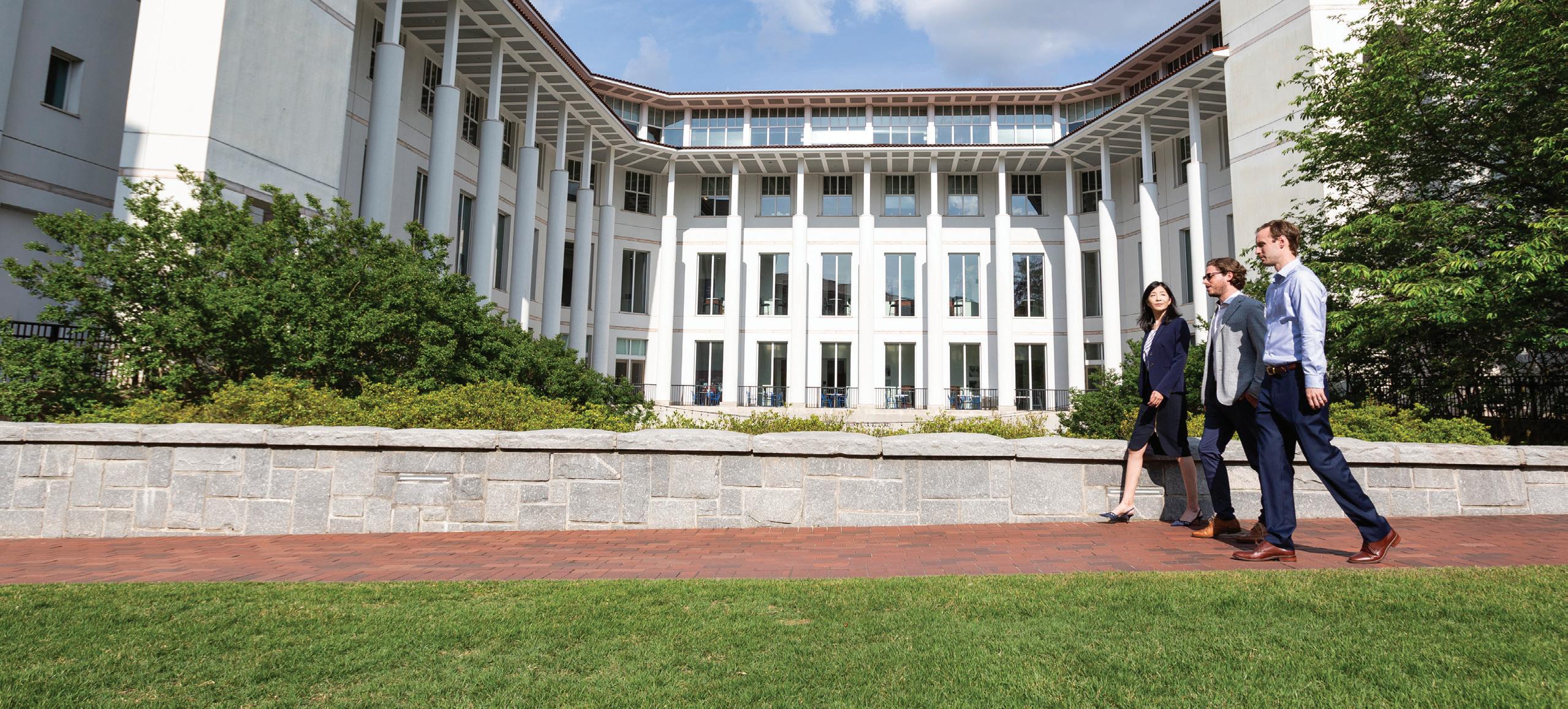
CONFIDENTLY TAKE YOUR NEXT CAREER STEP
Whether you’re looking to grow within your current role, striving for a promotion, or transitioning to a new career, Emory Executive Education delivers the practical, marketrelevant knowledge and skills you need to stay competitive and excel professionally.
EXPLORE UPCOMING SPRING 2026 PROGRAMS:
• Leveraging AI for Business
• Disrupting Your Business Strategy
• Next Level Leadership: An Enterprise Perspective
• Executive Communications & Leadership Presence
• Executive Coaching Program
• Select MBA electives open to non-degree participants
• Asynchronous Online courses covering topics in AI or Healthcare
ON-CAMPUS SHORT COURSE
All Emory alumni enjoy a 25% discount on Emory Executive Education offerings.
FINDING CONNECTIONS, BRIDGING DIVIDES:
My Lessons from Emory
BY YULIA GU 25C
Igrew up in the suburbs of the Garden State, climbing pine trees, foraging chestnuts in autumn, and learning to tap sugar maples for syrup on a local farm. Because I have no relatives in the United States outside my immediate family, my sense of place was largely shaped by interactions with the natural world.
Driven by a desire to protect and preserve these sacred natural spaces, I became involved with climate groups in high school and even began organizing climate protests to rally others to this cause. But when you care about something so deeply, it’s easy to villainize those who don’t. Full of teenage angst, I grew increasingly frustrated by what I saw as apathy from those who didn’t share my outrage. I meant well, but the “us versus them” mindset I developed closed me off to the very conversations that make a difference.

connect through discussions and collaborative events. These experiences allowed me to embrace leadership through discourse, challenge existing narratives and inspire action.
My time at Emory has taught me to see — and to seek — nuance. It challenged me to step outside the black-andwhite world I had constructed.
My time at Emory has taught me to see — and to seek — nuance. It challenged me to step outside the black-and-white world I had constructed. It’s the quest for human connection and mutual understanding that ultimately builds bridges across ideological divides.
This quest to inspire community, conversation and curiosity has defined my Emory experience. On campus, I led Women in the Wilderness, a program supported by the Women of Emory Impact Circle that offers outdoor recreation opportunities to all students on campus, and specifically seeks to include those who did not grow up spending much time outdoors. Time in nature offers a sense of calm, belonging and perspective — and, for me, it was through exploring local ecosystems and forming friendships outdoors that I found my own sense of place at Emory.
I also led Waves, a program celebrating the history and diversity of Asian culture, encouraging participants to
With curiosity as my guide, my academic inquiries began to cross disciplines. The Community Building and Social Change program taught me the critical role that collaboration plays in resolving major public issues and how important stakeholder engagement is in driving change that benefits communities. I took classes in religion and business, policy and art, data science, history and global development. Campus clubs like the Tibet-China Initiative, Alpha Kappa Psi and AHANA A Cappella enriched my life and helped me grow in unexpected ways.
Learning sparked more questions and ideas for who else to include in the conversation: How can faith-based communities influence and lead climate action initiatives? Can the private sector harness its power to protect the planet? How do we ensure that sustainable development efforts help, rather than harm, the communities they are intended to serve?
Emory has given me a kaleidoscope of knowledge to examine these questions and the nuances within their answers. Emory has taught me the necessity of evaluating any topic from multiple perspectives. We are not defined by any single discipline, title or identity. We are shaped by the people we meet, the communities we nurture and the questions we dare to ask. I’ve learned that meaningful change comes not just from conviction, but from conversation — especially across lines of difference.
Wherever I go next and whatever I do, I’ll carry with me the spirit of curiosity, openness and connection that has defined my journey at Emory — along with the tools to honor complexity and help create belonging in both people and place.
—Yulia Gu 25C
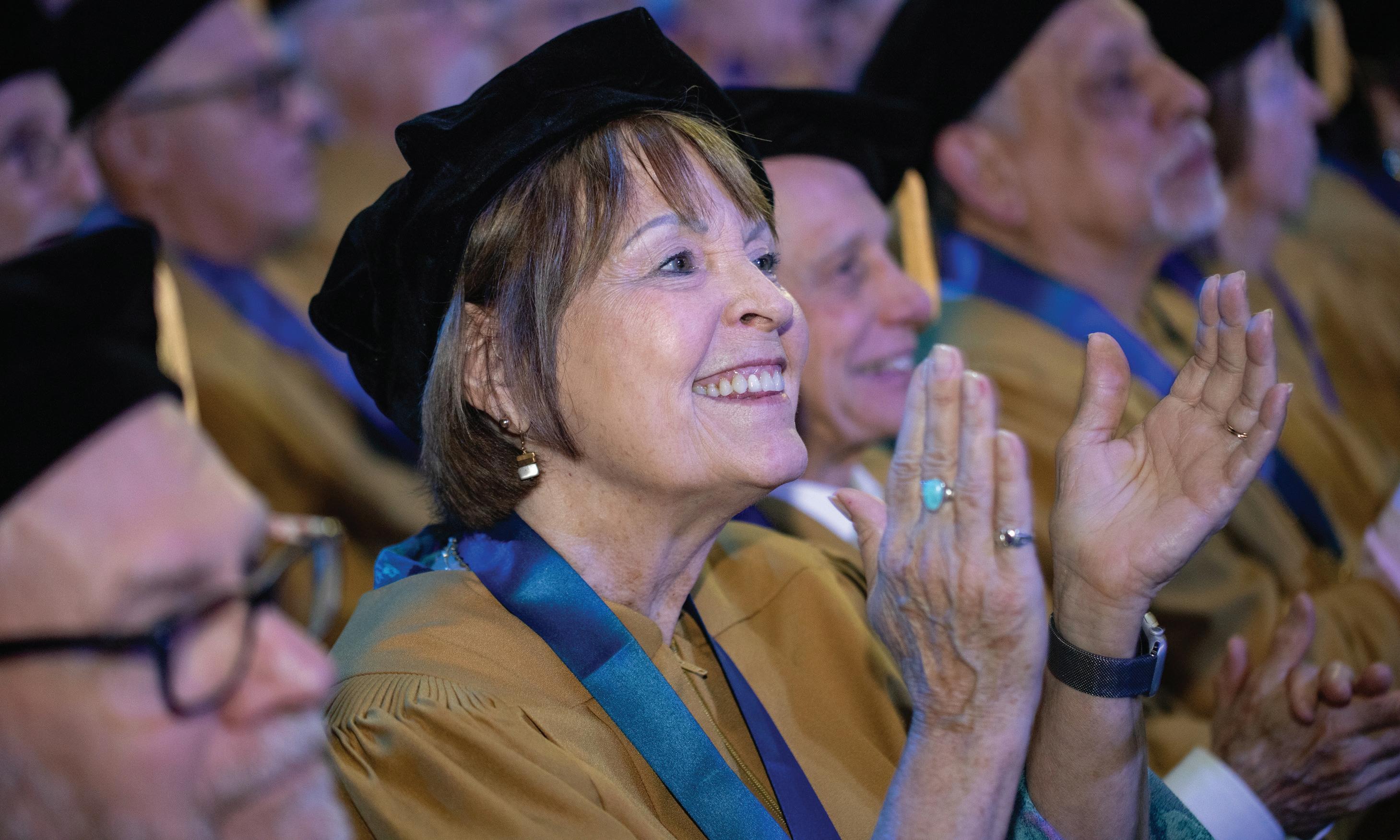
From 1836 to 2O36 — and beyond.
For nearly two centuries, Emory has flourished through the vision and generosity of its community. The success of the 2O36 campaign is a testament to what we can accomplish when we dream boldly and act together. More than 120,000 donors have transformed what’s possible at Emory — opening doors, fueling discoveries, and changing lives. The 1836 Society celebrates this historic moment while helping ensure Emory’s mission endures for generations to come. As Emory’s legacy giving society, it honors those who include Emory in their estate and financial plans. With vision and care, its members look beyond today, creating the conditions for future generations to prosper.
For more information on how to include Emory in your estate plans, visit giftplanning.emory.edu | 404.727.8875
Emory University
Office of Alumni and Development Records
1762 Clifton Rd., Suite 1400
RECYCLE
Through Emory Advantage Plus, an Emory education is within reach for more talented students. Beginning in fall 2026, undergraduates from families earning under $200,000 are eligible to attend tuition-free. Support Emory Advantage Plus today.