a 45
a a

a a
In anticipation of my semester abroad, I frequently daydreamed of the thrift finds I would uncover overseas. Undoubtedly, my hunger for fabulous vintage was satiated, however, the sustainable fashion land-
scape in Europe, namely Florence, Italy, is far more exclusive than I had previously imagined. With a great emphasis on luxury, the market is far less accessible than America’s.
My expectations of sustainable shopping shaped by my experiences in the States failed me in Florence. There is no Goodwill or Salvation Army offering steals for under $10. Rather, I found myself making investments into one-of-a-kind, high quality pieces that will last me a lifetime. And honestly, this new perspective into second hand shopping has enlightened me to my shortcomings in what I once considered my very “sustainable” lifestyle.
me to be far more conscientious about my purchasing habits for a multitude of reasons - aside from the obvious fact that I have a tight budget and making sustainable choices costs me more here.
A glaring problem with the sustainable fashion narrative being developed in America lies in the fact that regardless of buying clothing second hand, the vast majority of people see clothing as disposable, self included! We fail to see the harm in buying exorbitant amounts of clothing; so long as it doesn’t cost too much and you don’t support fast fashion these habits are written off as permissible. Global textile production doubled from 2000 to 2015, and consumption is projected to grow 63% by 2030.
It’s easy to blame big business and corporations for the damage that fashion has done to our planet, and many consumers take themselves out of the equation. This omission of fault is dangerous and untrue, because we as a collective buyer consume over 80 billion pieces of clothing per year. This rate of consumption has increased 60% over the past 14 years, and the problem is only getting worse as we see fast fashion expanding through the power of social selling and media. Our consumption habits have seen a stark change from once being centered around what we needed, to now being about what we want.
A sustainable fashion industry is only possible with the cooperation of consumers. Without the powerful body of buyers supporting unsustainable businesses, these companies cannot afford to keep
a
production churning at such high rates. Being part of the solution to the climate and human rights crises that the fast fashion industry has created is as easy as deciding to spend your money on ethically sourced products from small businesses rather than mass produced products from major corporations.
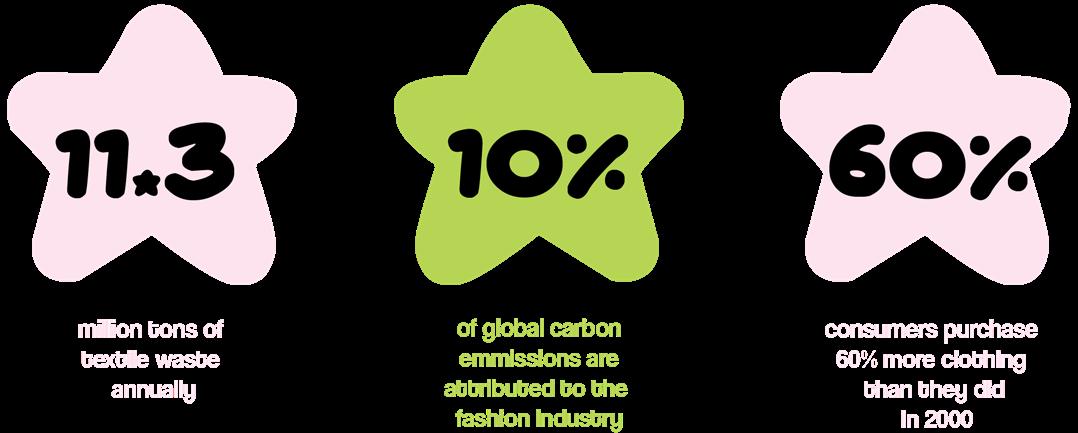
The burden of commitment to a smaller fashion system falls on both the supplier and the consumer, lower consumption levels must also come with lower production levelswithout this congruency the impact the fashion industry’s growth will have on our environment will be devastating and irreversible.
The phrase “quality over quantity” has been around for decades, but it’s not one the fashion community puts into practice. If top producers were to put overproduction to rest, the benefit this would have on the consumer population would be palpable. With less product being pumped

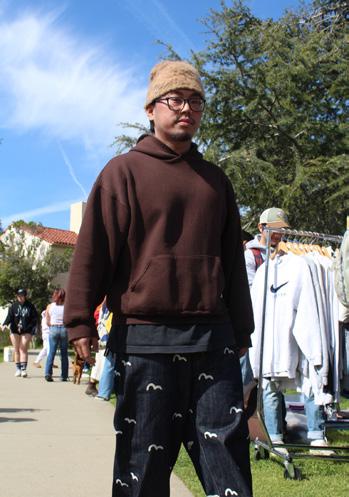
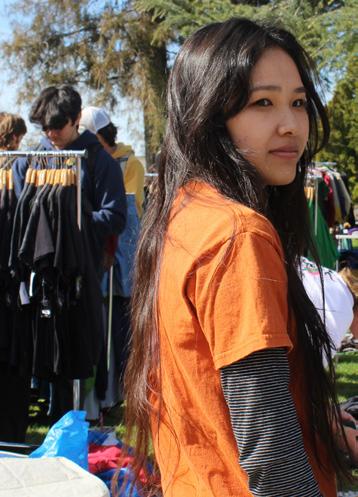
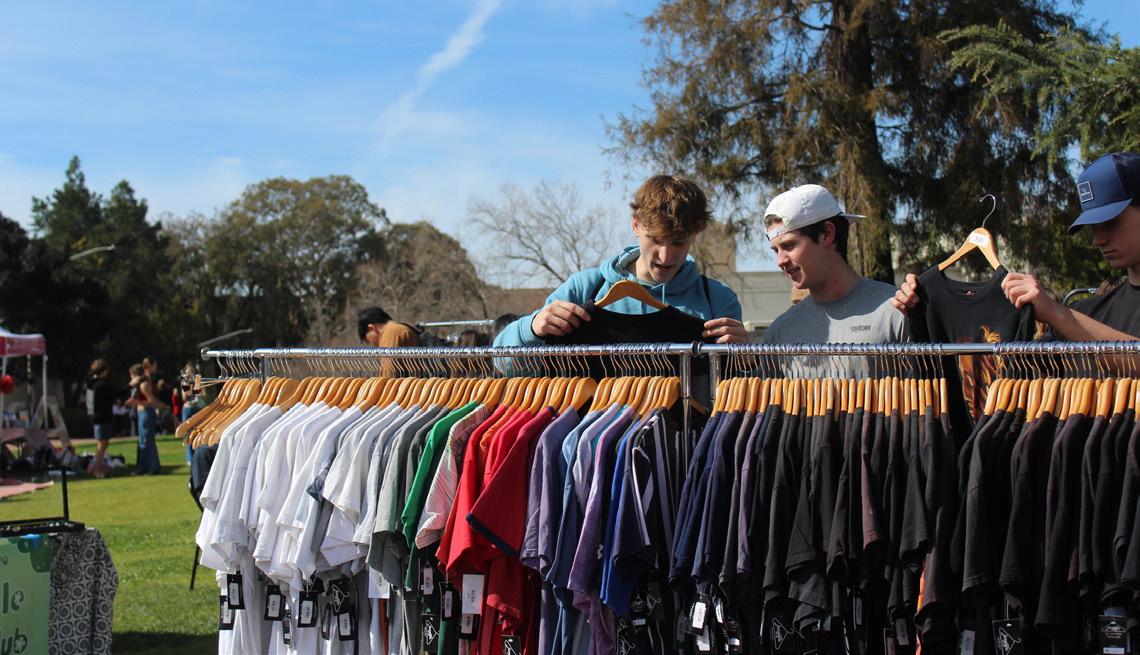 Students browse the Cal Poly Sustainable Fashion Club’s clothing swap and sale.
out, production costs could be allotted to the sourcing of higher end, more durable materials. We as buyers find longer benefits from higher quality textiles, as we have to buy at much less frequent rate. The longevity of a garment’s life cycle greatly contributes to the concept of cyclical fashion - when something is no longer of use for its original buyer, the garment can be passed down or resold to someone new who finds new value in it if the quality is of a certain calibur.
As a result, the return of used clothing not only litters these landscapes with piles of clothing, it simultaneously depletes their developing economies, and robs their societies of a local industry.
Ethical consumerism is a difficult balance to strike, and the biggest hurdle to overcome is admitting that you’re part of the problem. My time abroad showed me that I am no exception to this issue. Whether you live in a bustling city center or suburbia, it’s often difficult to stray from the shadows casted by stores like Zara and H&M’s enormous storefronts when the way up and down the supply and value chains, including when their products become waste. With this in mind, the hope is that landfilling and incineration rates will fall to a minimum
There is a call being rung out for producers to take responsibility for their products all
they loom overhead. Despite the extra effort it may require, seeking out sustainable options is far more rewarding than stopping into the fast fashion brick and mortar establishments that litter due to a newly introduced level of responsibility among the greatest industrial polluters.



Not only does overconsumption lead to a fast track to natural resource depletion, but it leads to a system of circular fashion that is far too large to control. It’s reported that 90% of the clothing that we donate is sent to developing countries. Many of these regions’ economies function greatly due to the fashion industry and the factory jobs it creates (which admittedly, are less than ideal places of work).
our urban areas.
Florence, much like any town, is a treasure trove of hidden vintage shops waiting to be discovered, each craftily curated to meet different tastes and desires. In my 4 months abroad, I didn’t even begin to scratch the surface of what could be uncovered.
photo credit Clay Westcott