

Greta Blaskovich
Frances Chen
Tabitha Foster
Jacob Goldberg
Lex Jimenez
Sophia Jade Kong
Aris Liang
Birdie Nelson
Editorial
Danielle Bartholet
Jacqui DeBonis
Jillian Duer
Elena Marketos
Coco Meyerhofer
Caraline Shaheen
Jack Silver
Jagger van Vliet
Sasha Zirin
Visual
Helen Armstrong
Meradith Cunnally
Bonnie Duan
Josie Fontana
Sydney Grantham
Dylan Kotkin
Katherine Lew
Design
Ella Badie
Joanna Bishop
Anga Chen
Delaney Ehrman
Isabelle Galgano
Bryce Heilmann
Margeret Kaprielian
Elisa Ligero
Emily Malkan
McKenna Smith
We are in a time when everyone seems so quick to label themselves into a community, in an attempt to satisfy our craving for connection. But at the same time, there is our yearning for individuality –our desperation to stand out, be the most creative, intelligent, special person in the room. In constant competition with each other and ourselves, we often wonder: who is out to get me? Am I safe? Whom should I listen to? What should I trust –logic, emotion, or simply, my gut?
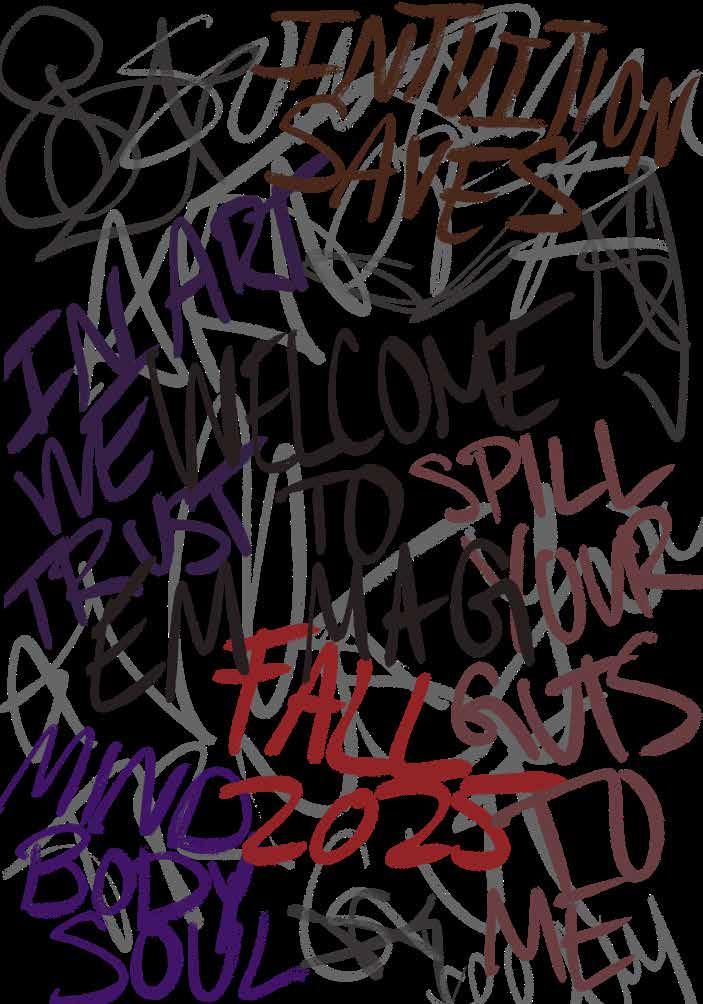
EM Mag, Emerson’s art collective magazine, honors the holistic process of art - how it heals, saves, and reveals. In our Fall 2025 Issue, GUTTURAL, we explore the sensation of trust and intuition.
The gut feeling is a mind-body-soul experience that can rarely be explained, making it difcult to know if we are listening to the right thing. What would happen if we embraced this unexplainable impulse?
Through this issue, we give you insight to that gut feeling through art, photo, and literature–medi-
You take care to ensure that the car does not leave until at least 30 minutes after the departure time. Your family takes care, that is. The road trip cannot ofcially take of without lingering tensions and anxiety over the time it takes to pack the car, let the dog out, lock doors and shut windows. Your family is unable to execute such tasks with efciency or precision. Your family is not built on sunshine or rainbows. Your family is not the Brady Bunch. You notice the car has a certain aromatic quality that cannot be compared to any other smell. Perhaps it is a combination of luggage, your dog’s anxious slobbery panting breath, and the lack of airfow inside the jam-packed SUV. It makes your stomach churn. It always has. Due to the effects of classical conditioning, the scent is permanently fled in your brain as the “Car-Sick Smell.”
1
3
You don’t know if it is actually nauseating, or if it’s merely borne witness to so much vomit through the years that the association has written itself. No matter how long you’ve grown accustomed to long road trips, the CarSick Smell taunts you with the constant, impending threat of motion sickness. You had to wake up early for this trip that you’ve been dreading, that will consume your en- tire day, that set of an hour behind schedule. Robbed of a full night’s sleep, you may feel tempted to close your eyes the moment the rubber hits the road. It does not matter, however. You will never be able to fall asleep in the frst hour of the road trip. Never. Instead, you exhaust the alternative ways to spend the precious frst minutes of the journey: 1. You ask your mother what the plan is for dinner. 2. You search for every letter of the alphabet on the license plates of cars around you. Then, on the road signs. 3. You consider talking to your siblings, only to discover they’ve already plugged in their earphones and queued a Netfix original on their phones. You are not to be upset at this. You must instead be grateful that you have outgrown the days of endless arguing, taunting, harassing, and terrorizing that was once inficted upon your family road trips. It’s a good thing you don’t talk anymore. 4. You look longingly out the window and pretend you’re inside of a music video. 5. You again ask your mother what the plan is for dinner, forgetting that you have already asked once before. Your mother is now unhappy with you. Your father turns the radio on to Sirius XM 70s on 7. You consider how he was once your age and falling in love with music the same way you are now. Out of an unspoken reverence, you listen to a few songs, even though most 70s music sounds the same to you (you don’t tell your father this). Afterwards, you put on headphones and listen to music of your own choosing. The frst leg of the trip feels longer than you expect. It may worry you, knowing even in your amateur geographical understanding of the continental US that you haven’t yet crossed a single one of the many state borders on this trip. You forget to enjoy these moments while you can—while the car is still fresh to your senses, before the typical ailments of the road trip begin to weigh down on you.

2
5
4
If it weren’t for the tactics of maladaptive daydreaming and occasional dissociation, the frst hours would stretch to several lifetimes. At some moment on the frst leg, the wrong song inevitably appears in your music shufe (perhaps the likes of Phoebe Bridgers or Radiohead) and you begin to question every decision you’ve ever made: every school presentation, every joke that didn’t land, every selfe ever posted, every laugh ever forced. Why are you the way you are?
You look outside and note every tree that fanks the freeway. Most are around the same height and shape and color and species. You see one planted a few hundred feet away that sticks out like a sore thumb. It’s much taller—lankier than the rest, defoliated and patchy in color. The sight of it plans a sudden pit of despair in your stomach, a recognition that cannot be unseen. Why can’t you just be normal?
Your anguish meets fve feeting minutes of relief as your family pulls into pit stop one: a New York thruway service area. As soon as you have peed and fxed yourself a
convenience store lunch (a bag of mini Ritz Bits, a pack of sliced salami), the pain resumes. When did you stop talking to your siblings? Or was it your siblings who stopped talking to you?

Will you go on road trips when you have a family of your own? Is motherhood everything your mother dreamed it would be? Is this all there really is? You meditate while biting into the processed powdery excuse of a cheddar-flled cracker sandwich. Will you ever feel like you belong?
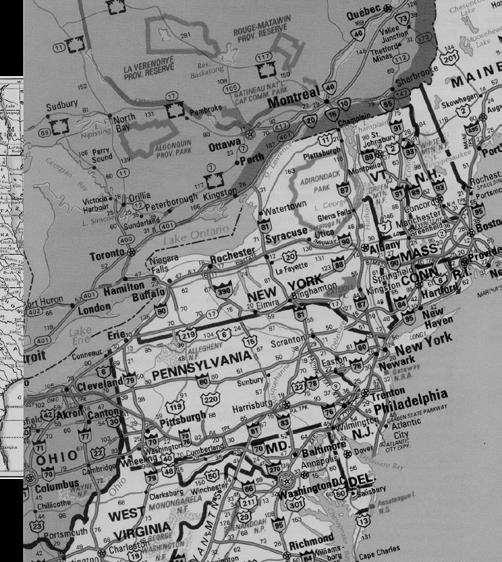
After exiting New York, there is a brief moment in which you drive through Pennsylvania, so brief that a catnap or a moment of prolonged introspection will have you completely unaware of your surroundings for the duration of the interlude. However, while you may never know that you’ve entered Pennsylvania, you know when you’ve left. Because that means you’ve entered Ohio. And you hate Ohio. You don’t know why. You’re not a hateful person. There’s no way to explain the unpleasantness that Ohio brings to you—only that you feel its hostility enter your body like a gust of smoky wind. If you are lucky enough to pull of a quick nap after your New York identity crisis, Ohio is certain to wake you up. Perhaps it’s something in the air, or the landscapes laced with feelings of dread. Ohio is landlocked and it frightens you. You are driving through the middle of nowhere, with nothing beautiful to gaze upon—a world of, as you call it, “blandeur.” There is never peace to be had in Ohio. This is a fact that you must accept.
The midwest is infamous for its billboards, and Ohio is no exception. You see a number of anti-abortion billboards plastered with comically hideous babies, and you may want to chuckle at the irony. You stop yourself upon thinking a moment too long about the current political state of the US government. You might have laughed a few years ago, but the billboards are winning now. Not even a blown up ugly baby is a matter worth laughing about anymore.
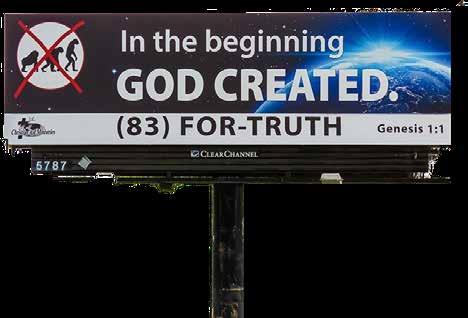
Other billboards, less targeted at any rights in particular, insist that Jesus is right there with you. Right here in this smelly car, you wonder? Right here, in the sinister state of Ohio? If you were to just dial (83) - FORTRUTH all of your life’s greatest unknowns would be answered in an instant! You think to yourself: if God could be felt somewhere, the last place it would be is the Ohio turnpike. This prompts you to wonder where God might be felt, if not here. Perhaps in your beautiful destination that feels so far out of reach. Or maybe back in your New England home that’s spent years in the making—that your mother exhausted every furniture store picking out the perfect pieces.


Maybe God is in the random good hair days, or the perfect suntan at the end of July. Maybe in your best friend’s laugh, or a good grade on a test you were certain you’d funked. Or maybe in a text notifcation from one person in particular. When was the last time he sent you a message? You check your phone. Three weeks. Perhaps your favorite billboard is one that says: In the beginning, GOD CREATED. It’s not the text that charms you, but the image that goes along with it: a timeline of human evolution (a four-legged monkey, a neanderthal, a hu- man being) with a giant red “X” crossed over it. Your father drives into stop 2: a famous Ohio Turnpike Plaza. You’ll fnd that the buildings are surprisingly nice, and you’ll wonder why the highway rest stops are more agree- able than any other part of the state. In spite of suspicious- ly sleek facilities, the universe fnds a way to remind you that you are in Ohio. Your car’s button mechanisms jam and open the trunk door instead of a window. Your mother’s new casserole dish slips out and shatters onto the dirty Ohioan concrete. In the plaza bathroom, you encounter a poorly placed soap dispenser that requires your leaning on one foot to reach, only to lose balance and slip on the slimy Ohioan restroom foor. You learn how the casserole dish felt. Following any and all misfortunes, you’re reminded that your cold New England upbringing has not prepared you for the endless gushings of midwestern sympathy expressed in the most embarrassing of moments.
After cleaning up the shattered glass and wiping down your soggy pants (and fending of swarms of concerned neighbors), you go to the food court and order something greasy for dinner. In the car, your two hungrqy dogs drown you in saliva until you’re able to keep them at bay. In this process of self-defense, a ketchup packet tips over and splatters a crime scene down your pant leg. You hope that your mom has a napkin, because you naturally forgot to take any. The closer you inch to your destination, the worse you feel. You’ve nearly exhausted all the music downloaded on your phone. The dull aches in your legs slowly kill you, and your head hurts because you’ve forgotten to drink water. You’re tired of watching the painted highway lines fash by, but you also know by now that books and phone screens make you nauseous. You try to fall asleep to pass time, but your neck is sore from all the strain inficted over the course of the trip. The sun now sits lower in the sky and penetrates your eyelids with an unapologetic ferocity. Your headphones die, leaving you with nothing to do but sit in silence—except if this trip has taught you anything, you know that spending time alone with your thoughts is anything but a silent experience. You feel it coming. The fast food gurgles in a concoction at the bottom of your stomach, threatening at any moment to return back up the way it went down. Without headphones’ to bufer, you once again hear the melodies of Elton John playing quietly through the car speakers. You notice that your father is tapping his fngers along the steering wheel to his music the same way that you do to Taylor Swift. Inside, we’re all the same.

You look at your dogs, who are fnally sleeping peacefully. Dogs perceive time seven times slower than humans, meaning that those thirteen hours of driving so far have equated to 91 dog hours. By the time you fnally arrive at your destination, the dogs will have spent over 100 hours each. The thought of a hundred-hour road trip makes you shiver and experience a sudden wave of gratitude. Maybe the secret to life is about perspective, you conclude. Before you know it, what was once a big freeway shrinks down to a windy two-lane state highway. Every few miles, you see a DEER X-ING sign, and occasionally a deer to prove the sign’s validity. The trees loom over the road in tall, spiky silhouettes. It won’t be long now. The sun goes down and the sky turns a modest shade of purple. The fnal hour of your road trip is spent questioning the construct of time as a whole. Why is it that ten hours of sleeping comes so easily, but ten hours in the car drags on so long? Has a day really gone by if there’s no way to mark it? What is our value as people, if not our accomplishments pinned against time? When your father makes the fnal rotations of the steering wheel, something changes in the energy of the car. The twists and turns of M-22 greet you like an old friend. In the countryside, you jolt and jumble down

the lumber town road that has not been repaved in many decades, and probably never will be. The anticipation of arrival reinvigorates each and every depleted passenger—even the dogs are quick to sense something in the air, something beyond human perception. You look out the window and see a deer or two or three, and “DAD WATCH OUT THEY’RE RUNNING INTO THE ROAD!”
Your father slams on the breaks, everyone lurches forward, the road clears, and he resumes his pace like nothing happened. You arrive at your destination a minute later. You look around at your family, with whom you’ve spent the last ffteen hours in stifingly close proximity but haven’t exchanged more than ffty words. If you’d sat there for more than a moment, you might begin to miss the days when every moment of the drive was spent bickering with your siblings, or asking your mother: “Are we there yet?”
You’d wish it didn’t feel suspiciously akin to traveling with four strangers. But you never reach this conclusion, because you’ve fnally arrived and it’s time to get out and stretch your legs and “Oh, honey, could you help Dad unpack the car?”
You and your father unpack the car without exchanging a single word. He hands you a dufel bag
and you set it on the driveway, assembly style. He hums the tune to Don McLean’s “American Pie” and together, you tap your fngers along the heaps of baggage.

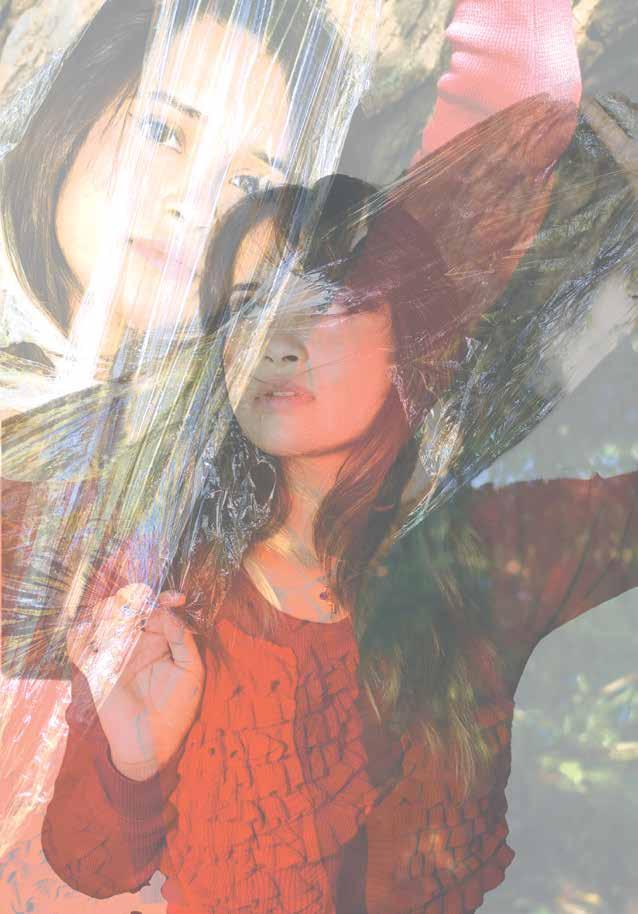
WORDS Jillian Duer
At 6:02 pm, my ears started burning. I heard somewhere that means someone is talking about me, but I can’t tell if it was you or not. I didn’t think I’d be going here today. There’s $200 in my bank account and I’m using it on you. Some desperation, some need to know, some lack of confrmation drew me here. It possessed my body, lifted my limp arms and catapulted me of of the red line and onto a side street in Cambridge. They do walk-ins. When you ended things, the world started spinning a little faster. I felt it in every word. I woke up the next morning punch-drunk from the feeling. The dizziness started then, a sheer imbalance of mind and body that left me slouched over the bathroom sink lapping down tap water. I let it dribble down my chin and elbows, let it sop down onto the old checker tiles, onto the faded t-shirt of yours I dug out of the back of my closet. I went through the day in a haze. I couldn’t read street signs. I pulled out the pack of cigarettes I stashed in a shoe box when you told me you hated smoking. I messed up my own apartment number. I thought you didn’t know how it would afect me until I folded my laundry and noticed you took the strings out of all of my hoodies. Was it care then, or was it about culpability? I used to be stone cold smooth. You called me a fox the night we met. I remember all of my movements as being frictionless. Now, I jerk my head up at noise,
disoriented, barely here.
The psychic’s ofce (can you call it an ofce?) is small, the frst foor of a brick building 5 minutes away from the station. Deep purple shag carpets and colorful tapestries blend together, churning behind my eyes and mixing into something, something I can’t quite place. I try to keep my eyes closed while I wait, but the smell of burning incense comes through. Palo santo, frankincense, myrrh. I haven’t had a real meal since you left. Late last night, in a haze, I found myself outside of a cheap pizza place. I think it was the one you brought me to after our frst date. I scarfed down two slices of pepperoni, the grease dripping and making the white plate turn grey. Five minutes later–maybe 15– I threw it up again in their back alley. If I run my tongue across my back molars I can still taste the stomach acid and salt.
The door into the back ofce opens and I barely register the noise. The smells of this ofce, the calm and thoughtful spa music, it makes my head feel sloshy again.
“Joan?”
I pause, almost not recognizing my own name. My head feels like water. It moves when I move.
“Yeah, here.”
I remember the frst reading I did with her. She smiled bright, pulled the three of cups and the lovers, told me that this was a connection bound in the stars. There is no recognition in her eyes.
“You’re here for a love reading?”
“Something like that.” She gives me that smile–that smile. The one they give you when you look pathetic, hapless. The one that tells you they already know the answer. I try to stand up, but my legs are weighted again. If I walk into that room, I know the answer. I know it. Everytime I try to see someone else, I think of you. I think of you. I think of you. I can only ever think of you. I see your face in passerbys. I catch my own breath each time you appear. When I go to the bar, every man sitting alone has your posture, your hair, your way of breathing. There was always such a stillness to you. I used to watch how you moved so intently. I admired how you slept like the dead. Sometimes, when I would meet you for cofee or dinner I would wait outside the restaurant for a few minutes and watch you. Watch you tap your fngers on the table, watch you smile and thank the waitress. In the night I listened to the way you breathed. When I was alone I would try to replicate it. “Are you coming in?” She asks, turning her head a little bit. My body is folding in on itself. The water is sloshing around again as I try to move my eyes, just a little bit, just an inch. My spine is melt-
ing candle wax, dripping down onto the plastic seat and pooling onto the foor. It’s only you. It’s only ever been you. I feel like my feet are unattached at the joint, a puppet with the strings chopped.
“Are you okay?”
I snap up. It’s only you. She’s gonna tell me it’s not you, it’s done, and I can’t do that. I cannot do that. I can’t I can’t I can’t. With a sudden force I feel clammy hands gripping down on the rests of the waiting room chair. I push myself forward and out, almost dropping my purse, almost falling out of my fats and against the resistance of my wool skirt. I propel myself at an angle, careening into the glass door, almost hitting my cheek on the glowing open sign, slamming my hip into the metal push bar, and out.
The city streets are an unwelcome wash of color and light and sound. You would’ve loved it. It catches my breath in my chest tightly– I stumble onto the cracked sidewalk, grabbing my knees with my hands so I don’t fall over. I try to mimic your breaths, a soft sigh in, a harder one out. I can’t get enough air in my lungs, they aren’t deep enough. My ears are ringing again. It’s not me. It isn’t you. It’s over. It’s over. It’s over.
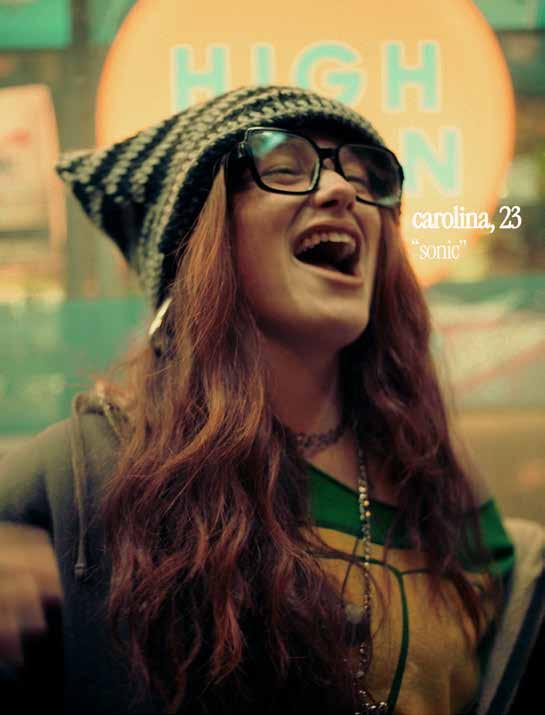

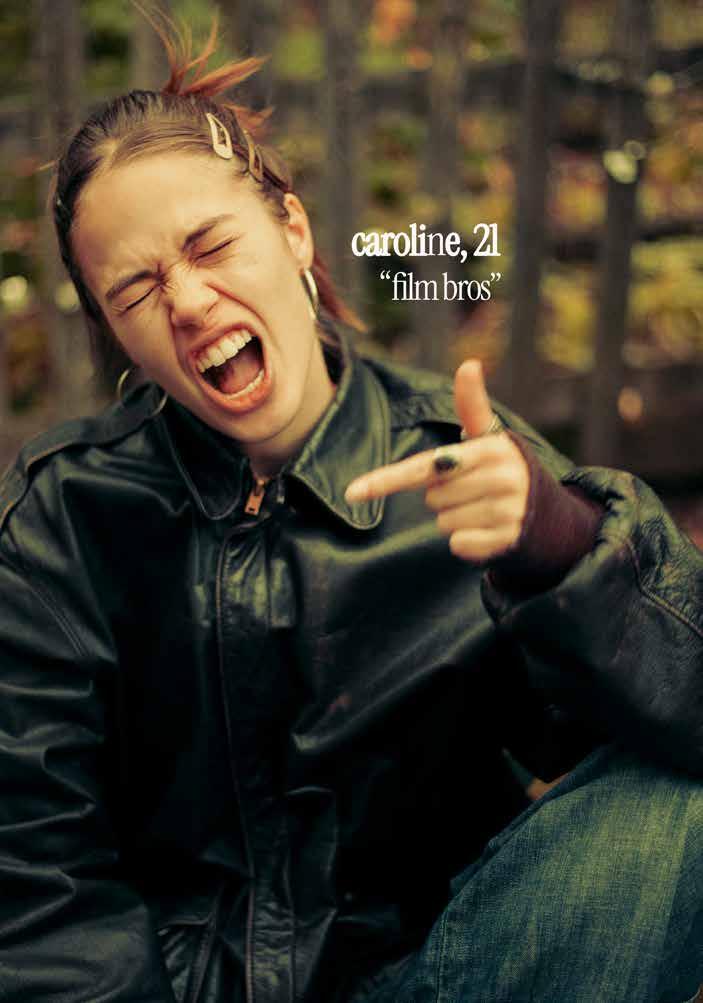
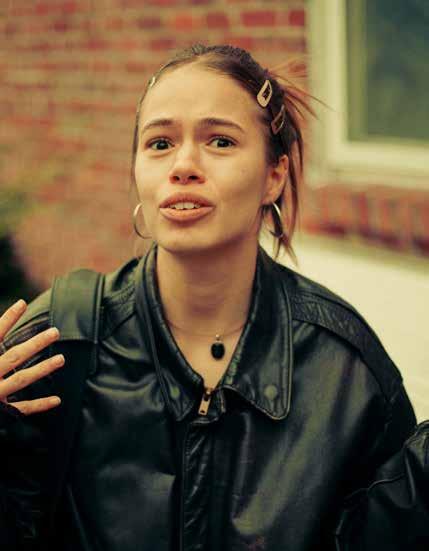
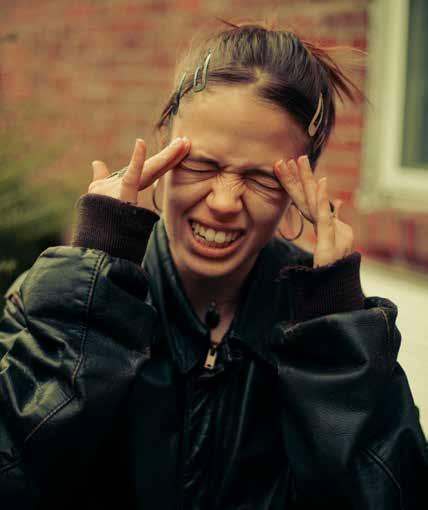
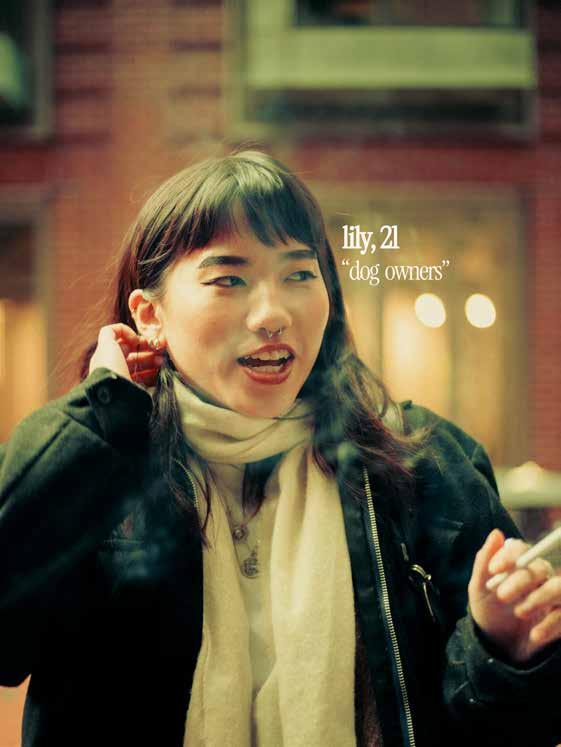
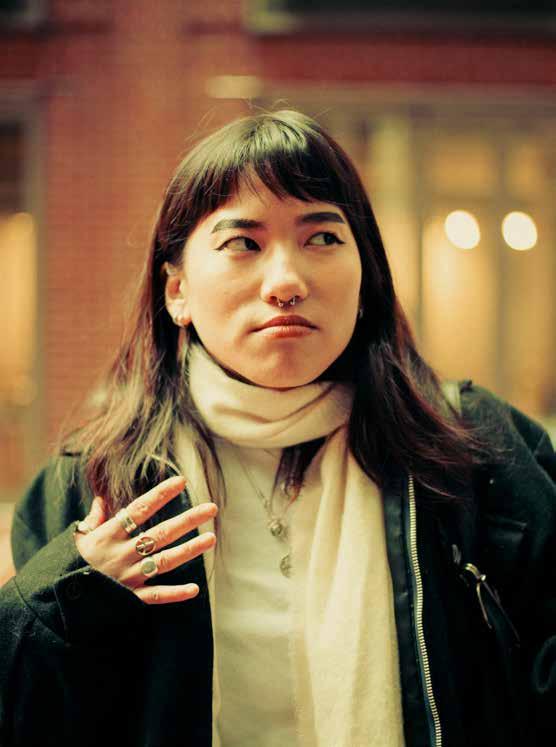
WORDS Meradith Cunnally

He sees the bone white hands
The medicine
The bright basement where she kisses the
Chest drumming
He crawls the flthy room
To the shell of the stranger
He inhales
Exhales
The could-be-dead girl in his arms
Emptied pill b
A wad of cash
A half eaten sandwich
And a bottle of water lay nearby s c t a t e r e d
Six heads, each spinning, scream what he should do:
Pick her
up
Leave her be
Call the boss
Call the cops
Take the money
Save the girl, the last one screams the
Slowly, he what is left of her
Until her stone eyes face the c
With one sleeve he wipes the vomit from her mouth
With one hand he cradles her neck
An inch above the concrete
She was once someone
He wrestles back the thought
To no avail
She was She was She was
And now she is not

He towards the water
s t r e t c h e s
Uncaps it with trembling fngers
Pours the contents on her pale features
Watches them fnd life
She sits up
Grabs the remains of the sandwich
Shovels it into her mouth
She takes a frantic retching breath
Stares at him
Thin and drained of spirit
More skeleton than human up
“How long has that been there?” He asks and she shrugs
“What’s the worst that could happen? It kills me?”
She and he laughs frowns
“I’m sorry.”
He watches her chew Her cheekbones hollow A strung out phantom somehow cracking jokes
“For what? You didn’t make me take them.” She points her head at the pill bottles
“But I was here to sell you more.”
“And what about now?”
A silence
She was once someone And now she is not
“I’ll pay extra.” She says when he says nothing
He nods She nods
He reaches in his pocket
She reaches for the cash
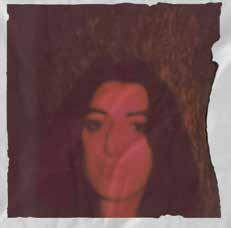
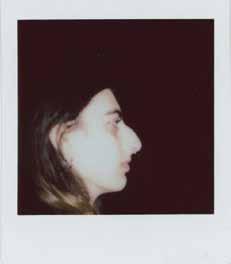
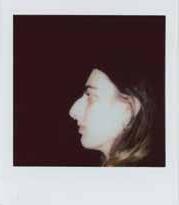
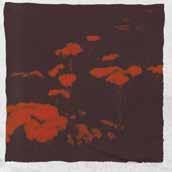
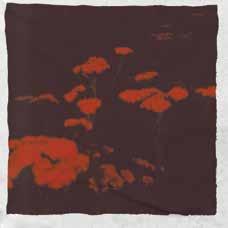
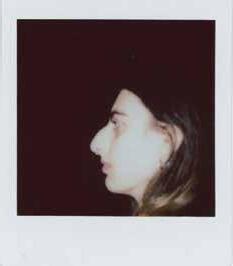
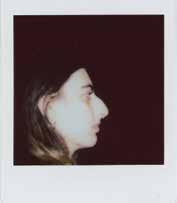
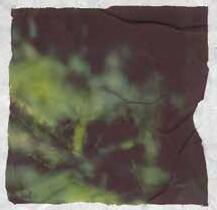
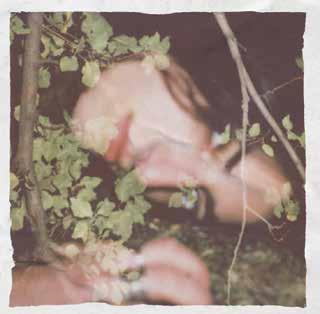


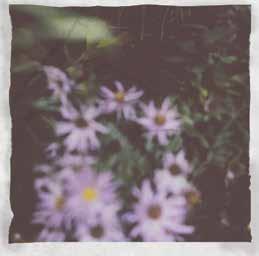
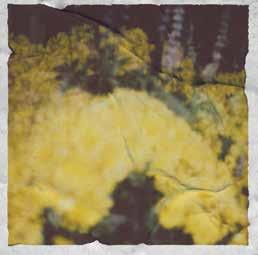
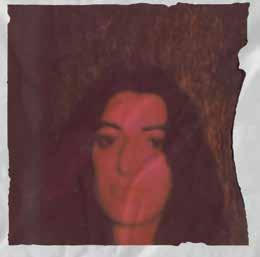
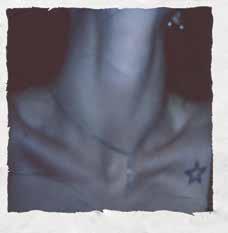
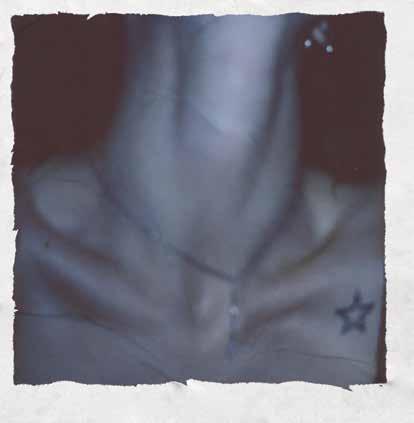

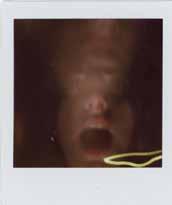
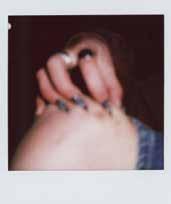
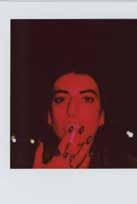
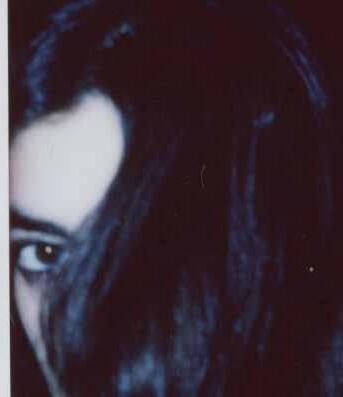
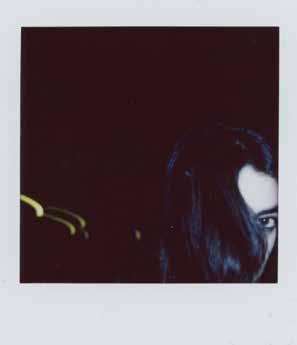


VISUALS Sydney Grantham
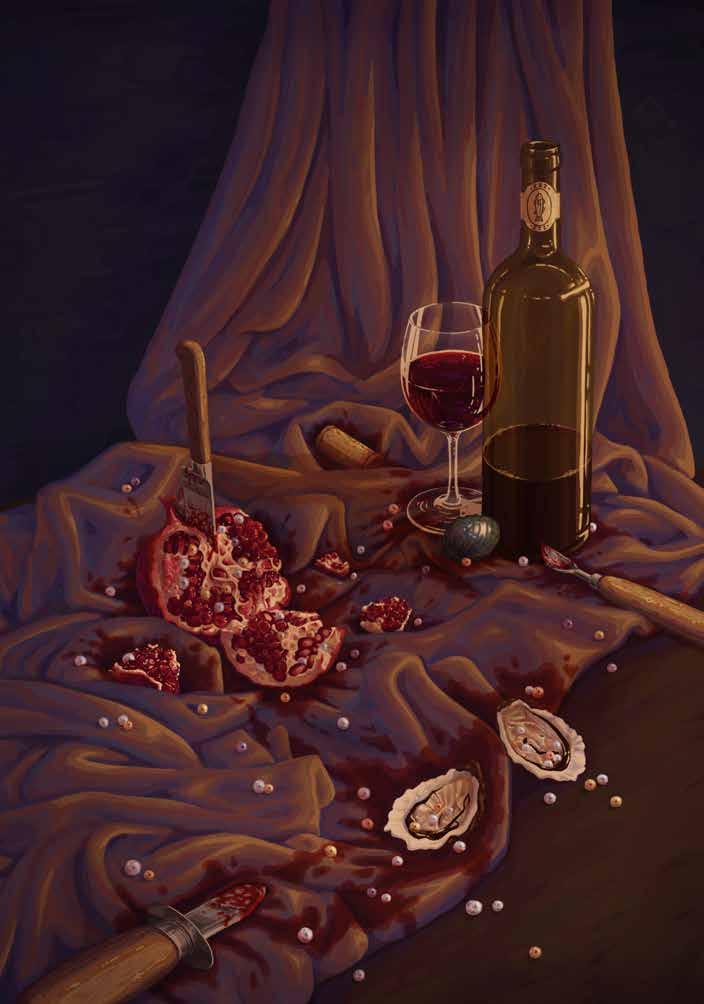
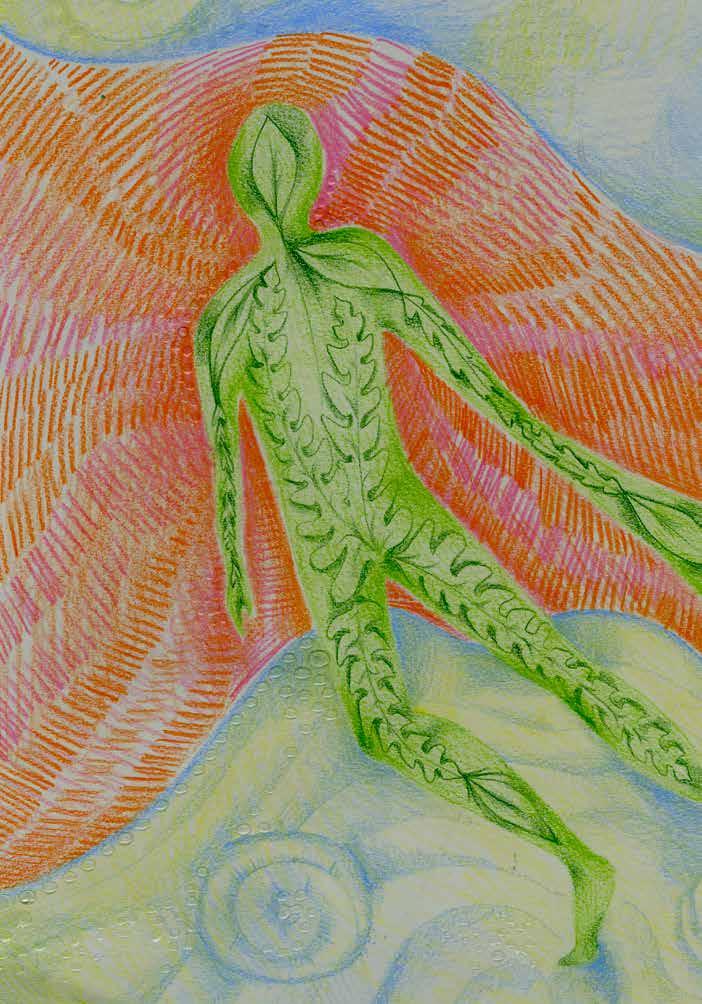
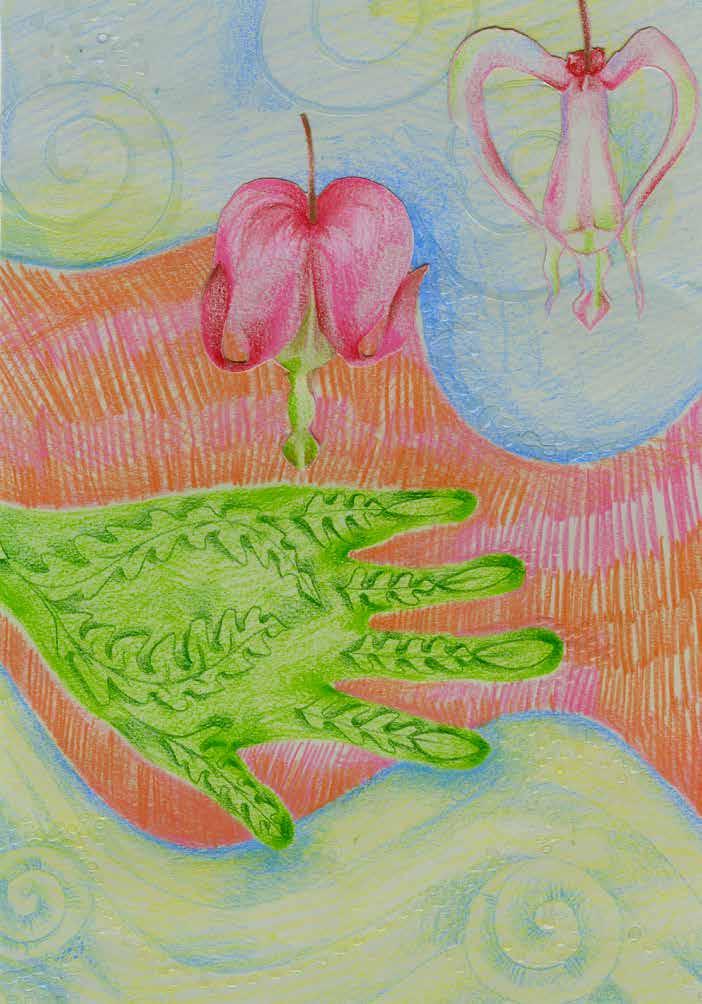


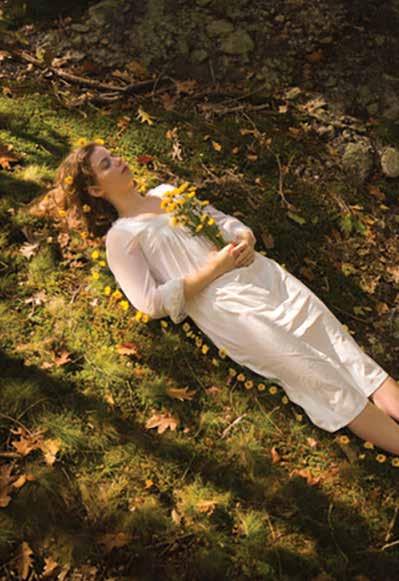
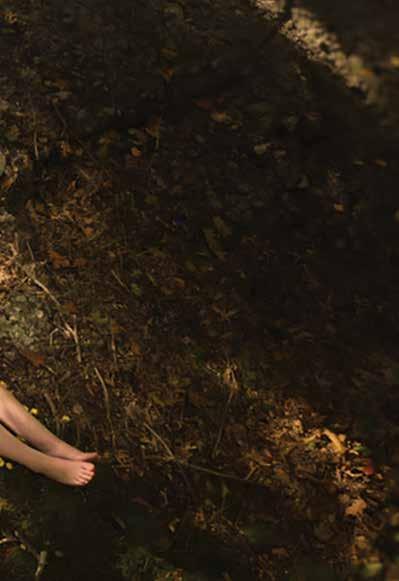
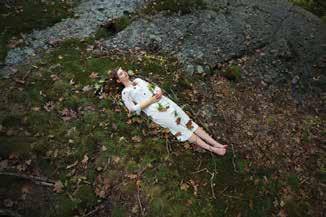
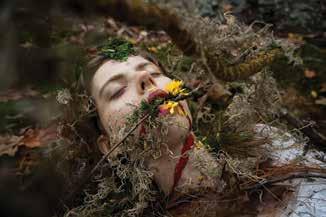
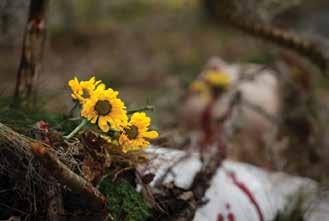
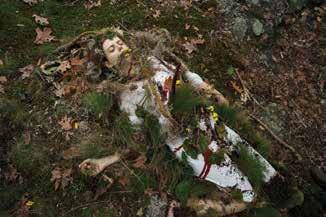
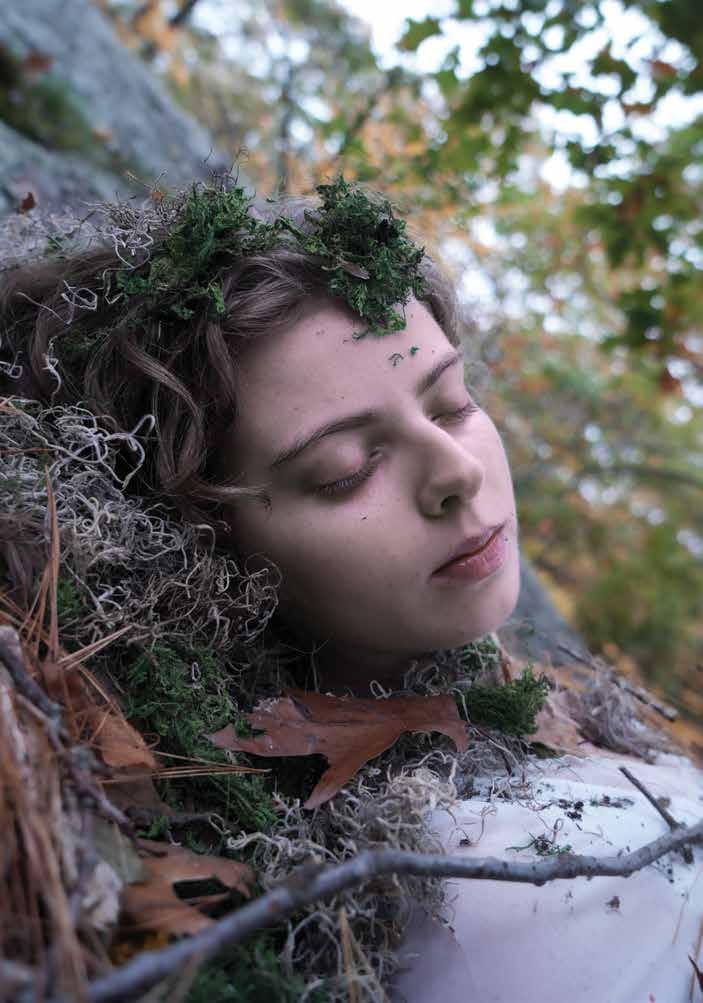
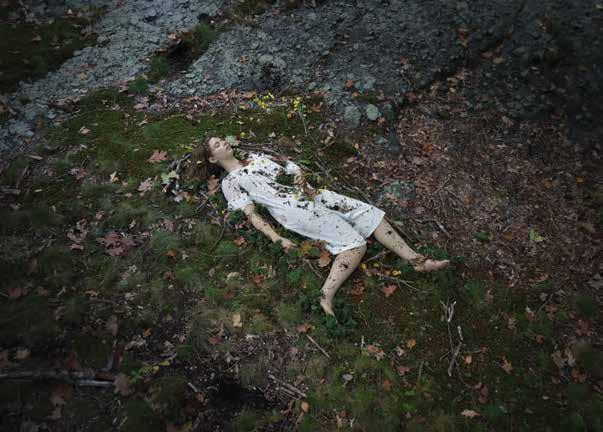
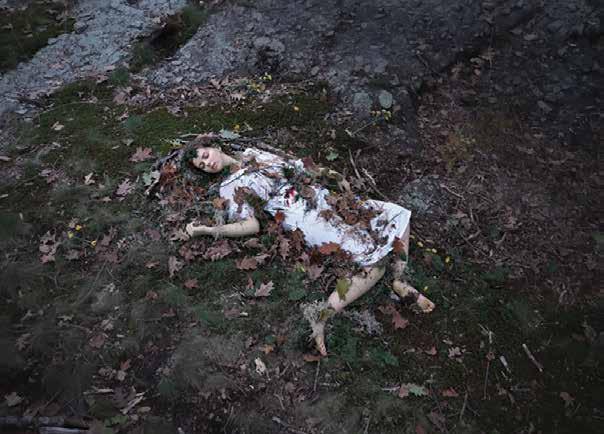
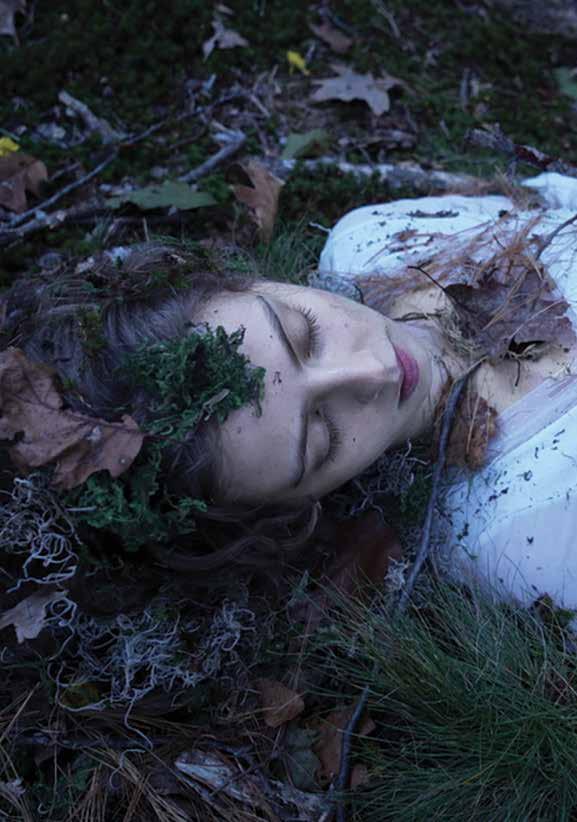
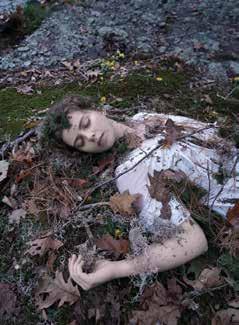
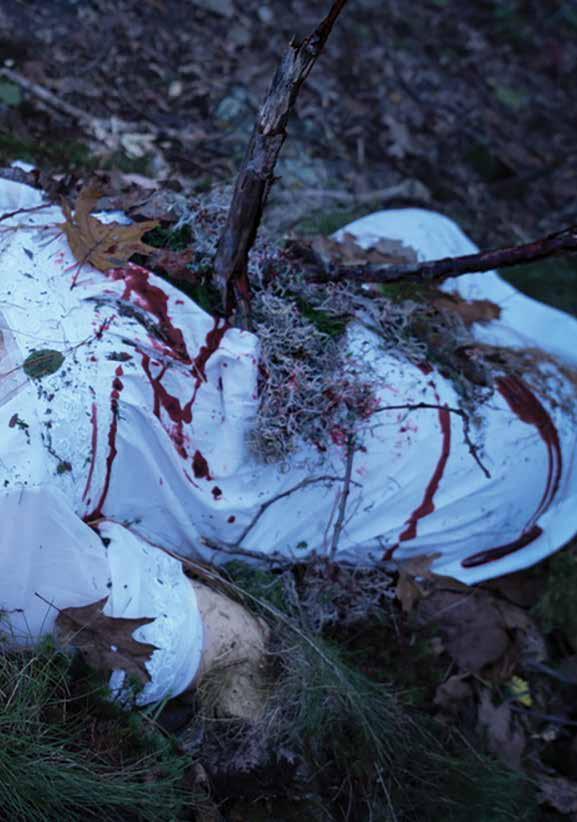
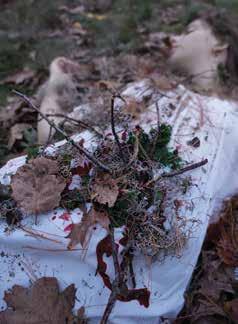
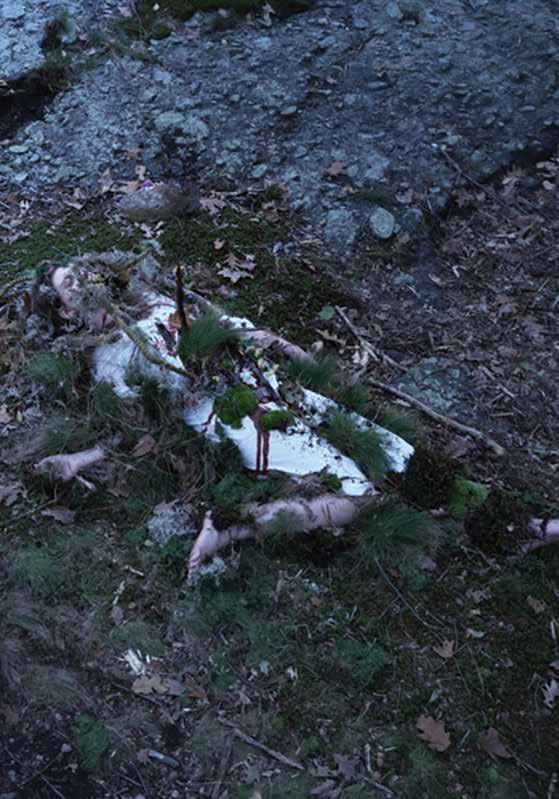

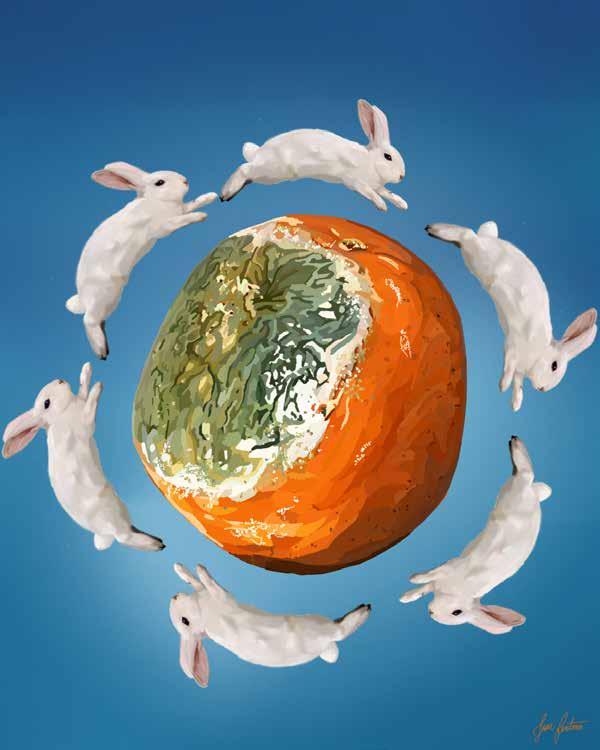
Is it around the corner? Is it just over the horizon? Is it the sickly understanding of what you are choosing not to smell?

Of course, there is rot all around us. It is in everything these days. It’s in the very foundation of our house, and in our walls, and in our children too. So I borrow from the borrower. From Ana José Riley, who borrowed from Derek Walcott. Her Ongoing Manifesto, tells us that white supremacy has infected the air we breathe. This is the truth, and there is still more truth beneath it. Given a loose estimate, we have been living in a decomposing carcass for some 250 years. But the trouble isn’t really when the rot arrived. The trouble is that feeling you keep on ignoring— the guttural nausea that creeps up your throat in bilious waves when you catch glimpses of it. Of the rot blooming on the walls—until, in a sudden horror, you feel it creeping up your own leg. You have learned to unfeel, unsee, and unsmell all that you have just felt, seen, and smelled. But this is a learned refex and the frst step toward health is getting a good look at what is actually making you sick.
See, that rot has always been in your politics. Since a slaveowning fraternity endeavored to make an oxymoron into a nation. Since they stitched back together a failed experiment, 85 years after its start. Rot in politics looks like racism codifed into putrid law and abuse sanctioned by the sickened state. Rich, white men in rich, white houses made sure of it. After all, who works best with rot but maggots? Who among politicians are not wriggling white larvae, sustained by rot, having every vested stake in the decay of life-giving things? A politician’s racism is a tendril of rot. Their classism is another. All petty warfare and targeted violence are bacteriological agents, whose primary purpose has never changed. In our modern era, political rot has already won out in the redlining of cities, in the prisons that have grown into industries, and in every vote that is bureaucratically suppressed. Practically nothing else exists besides the rot, so there is little reason to respect political theater save for using it to show just how bad things have gotten.
On to the next miasma. Businesses and businessmen are covered in it. Rot is under their fngernails, and in the linings of their suits, and all over their fuzzy, spore-covered proft margins. Can there be business without the fungal growth of capital? Can any amount of serious wealth be accrued without dipping a toe into deadwater pools of systemic abuse? It is actually in the fnancial sector where rot is, in a very tangible way, decaying the planet itself. For a moment, ignore all previous metaphors. In no uncertain terms, the businessman is a suicidal creature who spends a dull, miserable existence working for the business to contaminate the air he breathes, the food he consumes, and the life he invariably wastes.
Blink again and the rot is still there, only now you’re starting to truly see it. It really is festering on every surface. It really is in the pipes. It’s no surprise, then, when we all come down with the same sickness. That is the familiar feeling, after all. The general sense that things are getting worse, that something has to break, that things can’t go on like they are— the feeling which has colored all of modern life is rot sickness. Against all odds, we have not meekly accepted this sickness, but increasingly, we have embraced it.
Consider that the rot has even invaded our language. To rot, increasingly means to lie in bed, to lack the energy to move, or think, or care—To essentially dissolve into a pixelbath of brainrot, which, in turn, entails any content made without meaning, or context, or purpose. This is a palliative cure to rot sickness. Through language we have welcomed rot into our lives, without realizing that it is the very same mold that politicians and businessmen continually work to unleash. But the answer to the rot is not to become rottenous. If rot seeks to swallow up life, then to live is an antidote.
Do not blink in the face of rot.

It only takes two steps to begin ridding yourself of the sickness and you have already started the frst. Do not blink in the face of rot. Look at it where it lives— where it thrives. Recoil in horror as more and more of modern life takes on the appearance of a great bloated corpse. Suppress a gag when you begin to see great globs of black mold on every police car, and bank. If you have to throw up, then do so. But do not look away.
Only after you have seen it, can you start to live in spite of rot. It is in the interest of businessmen and politicians that people decompose themselves willingly. The rot of racism, of white supremacy, and of the patriarchy, all rely on a certain societal softness— a learned, jellyfsh mentality of oozing along with no set feelings one way or another. Although it is understandable to feel exhaustion in the face of widespread infestation, to rot in bed means to become a corpse yourself. There is no better way to fght rot, then to live. Crucially, this is not living by oozing along. Living means taking up arms against rot. Living means joining a union, feeding your neighbors instead of corporations, learning the history that the rot has tried to bury. To speak out, and speak up, is to live, which is to essentially unrot oneself.
Waking up will require a breath of noxious air. Nothing short of this will wake you, when it is already around the corner, over the horizon. The walls are rotting all around us, so now in waking from merciless sleep, you can only be rightfully sickened by the mould which has infected your life. Then reject the rot. Spit it out. Tear it from your walls— from our walls. Rot is a deadly inheritance, and we must now bury it.
WORDS Sasha Zirin
“Mom, it’s not working…
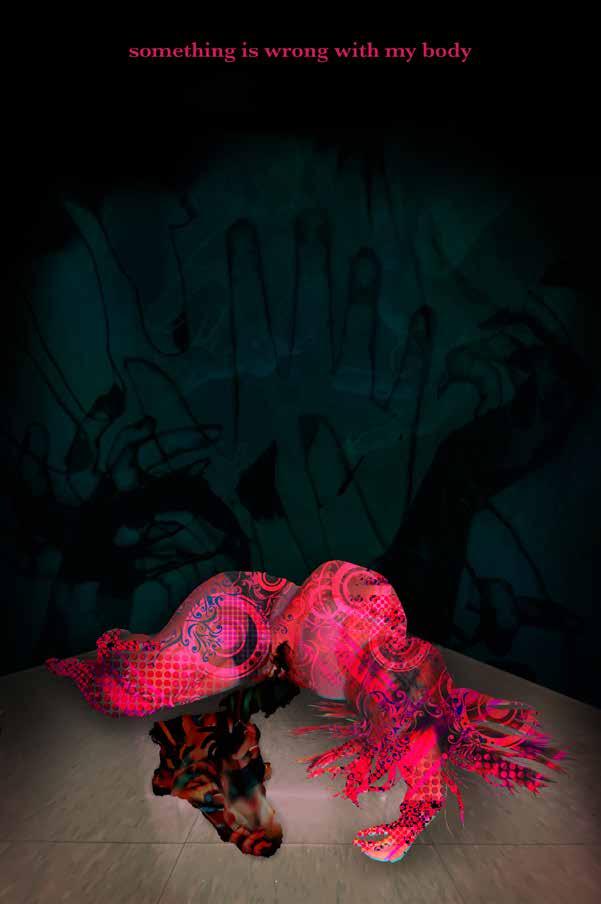
Toilet sitting and foor-tile counting. Pushing. I wanted to swim in the ocean. I felt old, three years of menstrual cycles under my belt, but I still loved swimming in the ocean.
That adrenaline rush, the sounds of waves crashing just outside the motel window, motivating me to push, push “Okay, mom, I got it in. I got the tampon in.” Mother behind the bathroom door, us calling to each other, both clueless to where I truly was. “Great job, hon. The frst is the worst.” I stood up and my knees immediately buckled. I turned headfrst into the toilet bowl, vomit spewing, tampon fying out with it. “Well,” I replied wearily, “I hope you’re right.” She was, in a sense––I never even tried to put one in again.
The summer after that one I shoplifted condoms for my frst boyfriend. I didn’t realize men were supposed to provide them. I hadn’t realized a lot—always realizing, stopping, starting. We tried many times to use them. Failed, failed, taking the symbols of malfunction to the outside trash, confusion, failure, “it’s okay, don’t worry,” confusion, “I think I’m just nervous,” “this is still good don’t worry,” disappointment, varying levels of sadness, “I hope you still feel, like, close to me,” failure, throwing the packaging into the outside trash, confusion, “maybe just start with a fnger,” “I could eat you out frst,” tense, relaxed, no diference, failure, failed.
We moved away from home, broke apart, grew from it, moved on. He can have his frst time with somebody else. I took all his other frsts so just this one is fne. I’m sure the next girl will think it’s sweet and special that she gets to take it. No pregnancy scares too? A bonus. I’m barely an adult. I have time. To heal. To get better, better from what? Why can’t anything get through? The women around me talk all the time about things getting through. About preferring tampons to pads. About getting pap smears to check for cervix cancer. Am I missing one of the most basic blueprints of life? I am. I am. It’s not something to question, it’s something to accept.
The gynecologist peered into my crotch. Thighs agape like childbirth. She held a q-tip, sopping with petroleum jelly. Inserted it into me. It stung, only a little, but went through. “The hole is there, just small.” she said. “Very small.” It felt, then, like a poster taped up on an otherwise bare wall. A little splotch. Though random-looking, the poster provides something. An unsightly deviation, sure, but indicates a presence. An existence, whatever that may be. Better than nothing. The second boyfriend was more sexual than the frst. His primary care physician told him he “produced more saliva than the average person.” It helped. “Maybe just start with a fnger,” “I could eat you out frst,” that worked this time. He got it through. It got through. The singular fnger, pooled in wet, got through, for a second. Though, he didn’t get through to me—it felt like
Gnothing. No sensation of “close.” The more of each other we saw, the more apart I felt, so I left him. He screamed. He screamed. He cried. Had that been my frst time? Those previous contenders for a “frst time” felt more pathetic than that one.
I lied in bed, alone, frail-bodied. Hugging myself, wrapping my gut in my arms. I felt my forearms cross over my stomach. My gut. Protecting ovaries and unflled promises. I refected, again, on the cavalcade of “frst times.” I’d given up entirely on “frst time” equalling sex. Years had passed. Years and years of acceptance. Of confusion, failure, lust, locking eyes, murmuring disclaimers, “oh yeah that’s totally fne,” connecting. I had a lot of sex. I knew what sex was. It wasn’t moments of invasion, of “proof of entry,” feeling a person in your guts.
TIt couldn’t be. And I’d been told how much people would do if it could be. Whispering quiet pleading words under bedsheets. Naked and tangled, caressing my gut. A gut stripped. But that wouldn’t always stop yearning. “I wish I could do that for you.” You wish I could do that for you. I frowned. I was realizing. Always realizing. You wish I could do that for you. That’s what it always was. Fretting over pap smears and basic dysfunction, scheming how to conceive like Mary, didn’t spark insecurity like the “let’s try just once.” When my version of sex, beyond what most could conceive, wasn’t enough. It’s okay, it’s allowed to be, but to me, it always has been.
I lied in bed. I took my arms of my stomach, of my ovaries, of the area beyond access. Beyond access to any mortal, thus, a heaven.
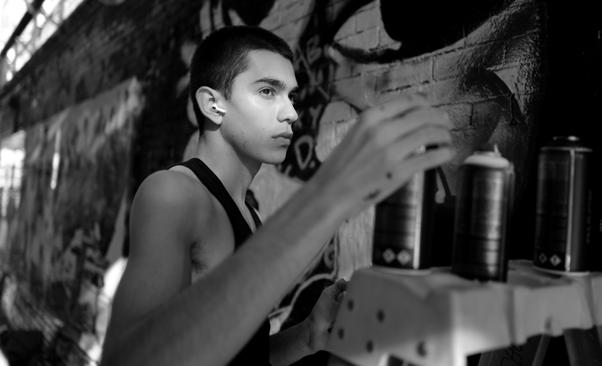
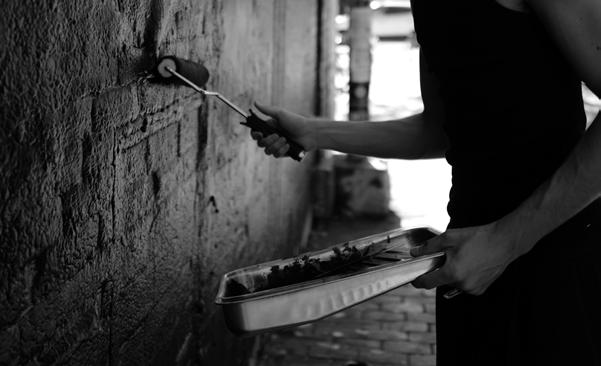
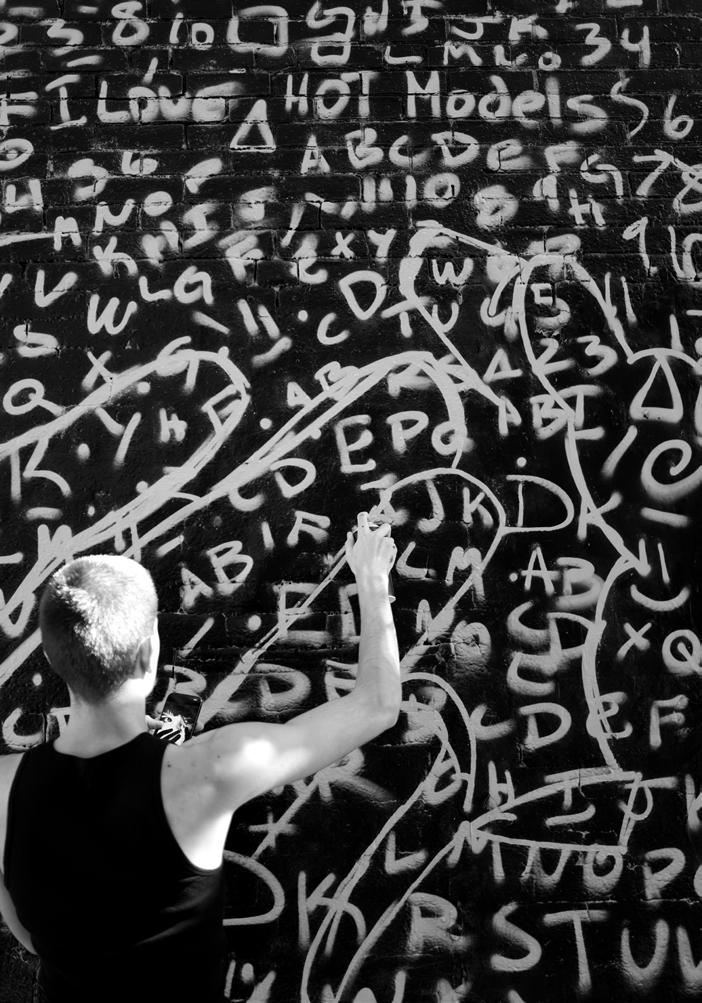
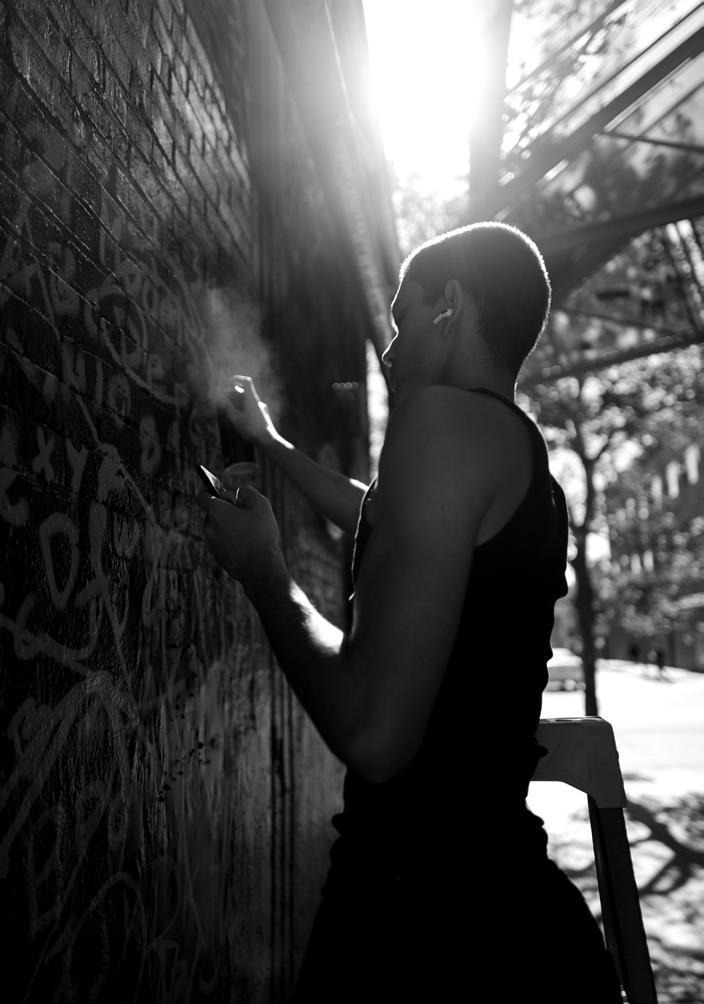
In a world where the truth spoken aloud leaves marks across the fesh of any person who speaks it, raised words scared along curves of calves, wrists, the neck. However, lies leave nothing. Mara, a young woman working in a quaint print shop, wakes for the morning and makes her way to the shop.
The fresh smell of ink and paper fll Mara’s nose, and the sounds of the surrounding machines follow her around the shop. She likes the background noise, fnds the rhythm of the beeping comforting. The sound is like a pulse beneath her ears, of a small, beating chest. She closes her eyes for a moment, reveling in the fresh scent, the feeling of calmness that overtakes her in that moment.
Mara’s coworker, Luna, steps into the store. She meets Mara’s eyes, mumbling a quick greeting. Luna’s eyes stray, quickly catching sight of the smooth skin that makes up Mara’s arms, free of any truth. She grimaces, taking a preemptive step back before correcting herself, as she walks past she sends a pained smile in Mara’s direction. Everyone else bears faint raised lines
along their skin like medals of honor. Testaments to their truthfulness. Mara breathes in deeply once more, brushing the odd morning of her shoulders and continuing with the day.
The rest of her shift passes in quick succession, the sun
falling below the sky
and casting an orange glow over the shop. Mara is just fnishing up with helping the last customer of the day when she overhears her coworkers conversing. “Well,” Simon starts, “Mara didn’t cover her arms again today. I’m worried for business, it makes customers uncomfortable enough to leave.” he says, and Mara can envision the disapproving shake of his head. Luna scofs, surprising Mara when she comes to her honor, “You mean you are uncomfortable.” She hisses something else, something Mara can’t quite hear “I mean, can you cut her
The pressure in her chest rises, like someone is pressing a brick to her sternum; it settles under her ribs, lingering.
It’s HoT, PhYsIcAlLy ImPoSiNg, aNd SuSpIcIoUsLy wOrD-sHaPeD As iT WoRmS ArOuNd hEr InSiDeS.
Mara dreams that night of lines, of words shifting beneath skin, trying to break free. Days pass, and the pressure never leaves, becoming unbearable at moments. She can physically feel the lines forming under her skin, sentences all trapped behind blood clots.
IIronically, it’s a task as mundane as grocery shopping that causes her to break, as a young child hangs onto her own mother. The young girl points at Mara, “You’re empty.” She says, loud and clear in the quiet chaos of the grocery store. The fnal nail of the coffn hits, closing her in and surrounding her in inky darkness. The phrase haunts her as months pass, appearing in her dreams; it’s what she hears when anyone else tries to converse with her. She feels empty, there is a hole in her stomach that will never go away.
In a moment of breaking, Mara speaks. The words shift under her fesh, marking her skin as she speaks them. She vocalizes her revelation aloud to no one, to everyone, to anyone who wants to listen. She’s alone, she murmurs it like a confession, and in some ways, it is. A confession that her mind has known but suppressed in hopes of keeping her sane. As she continues, the words force themselves past her lips, into the air, she can never take them back. Mara cries as she starts talking about the late night drive, an attempt to get her little girl to sleep, as sometimes the rumbling of the car would relax Sarah enough to leave the realm of consciousness.
S“Sarah. Oh, Sarah.” She speaks, it’s the only thing she says that doesn’t leave a mark, the only thing she wishes would stay forever. Mara continues the retelling of that night, her skin ripples, then splits along the seams of her fesh, an awful tearing sound flling the room as blood rushes to escape her body. The language fows over the curves of the skin of her ribs as it does coming from behind her tongue, leaving her lungs in a rush. She recalls the drive, the car hitting them as Sarah chittered away about her day. The glass fying around them as the car fipped.
GA drunk driver, Mara was told when she awoke in the hospital. A man coming home from the bar with a few too many whiskeys veered onto the other side of the road and hit the passenger side. Even with the air bags, Sarah was pronounced dead at the scene of the crash. Mara cries harder as the language forms on her arms, legs, neck, the soft skin of her stomach. The air flls with letters, like moths rising to foat towards the luminescent lights. But, for the frst time in two years, Mara is able to sleep emotionally emptied and momentarily in peace.
YShe returns to work the next day, her coworkers looking in shock at the script covering her skin. The confession pinned to her, now forever on display. The frst time she has ever spoken aloud that horrible night that ruined her life is now a story for all to see. It makes her want to hide, long sleeves and pants that come to her ankles become a part of her closet. When the truth fnally left her, it took everything with it; leaving her an emotional shell for others to look upon with pity. It’s what makes her silence so visceral, it makes the cost of her repressed grief mean something again. Her honesty, her truth, has both freed and destroyed her.
H H
E M

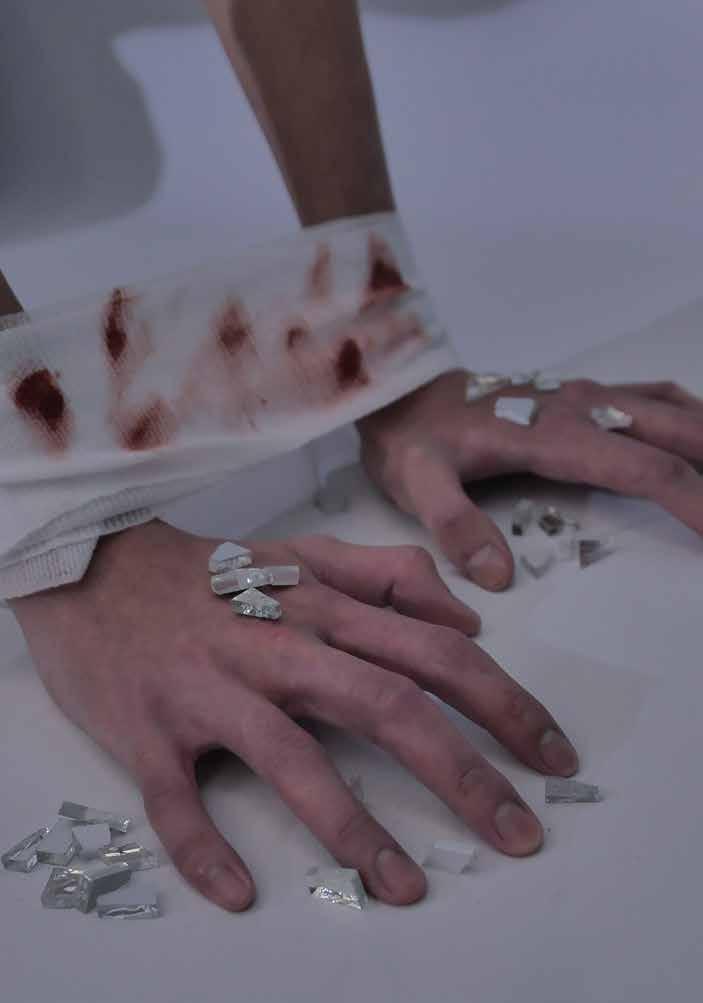
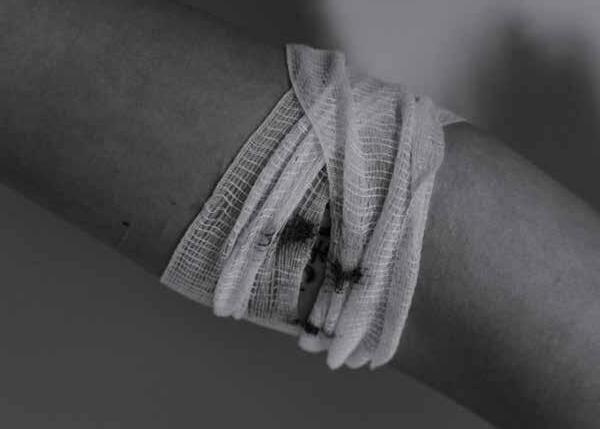
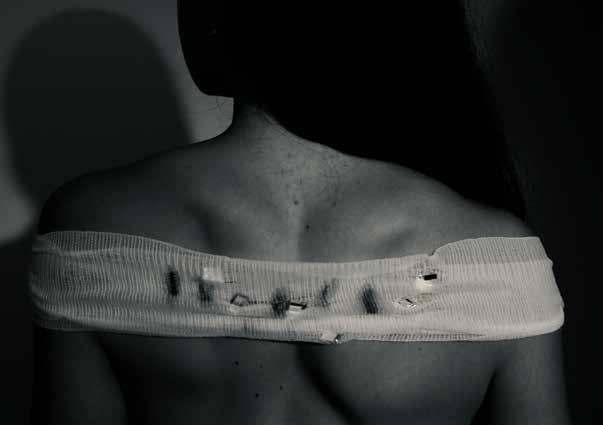

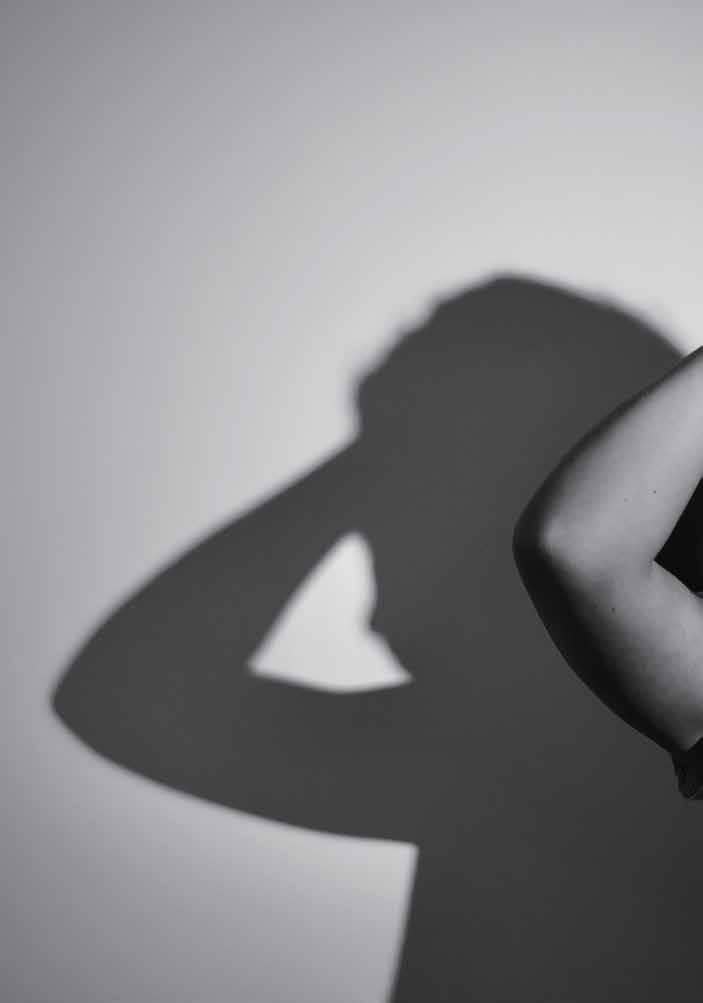
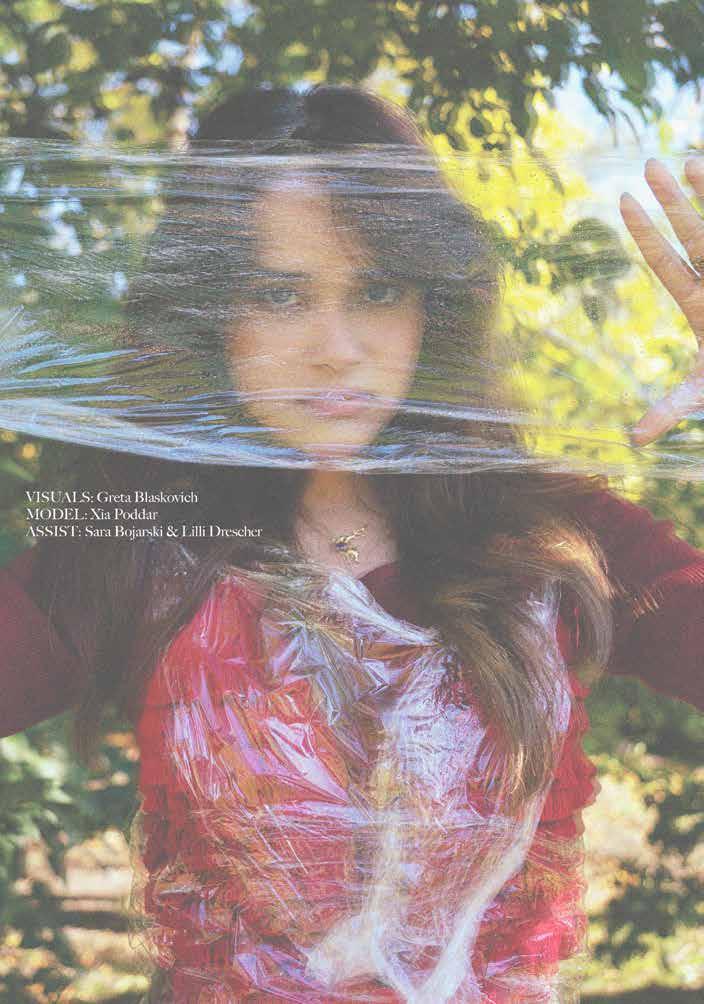
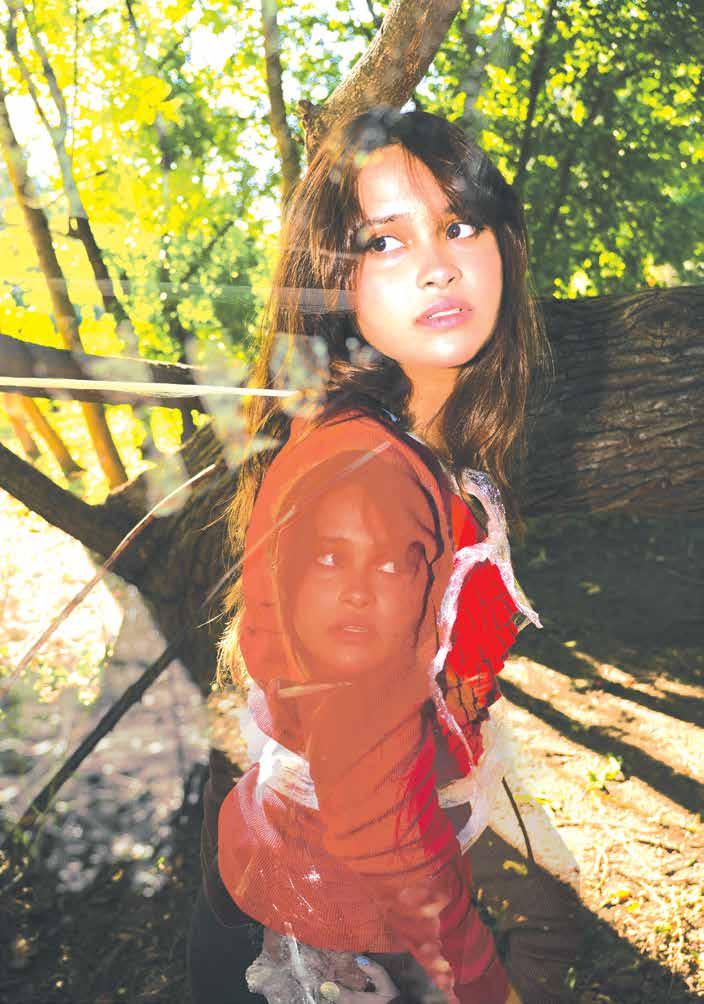
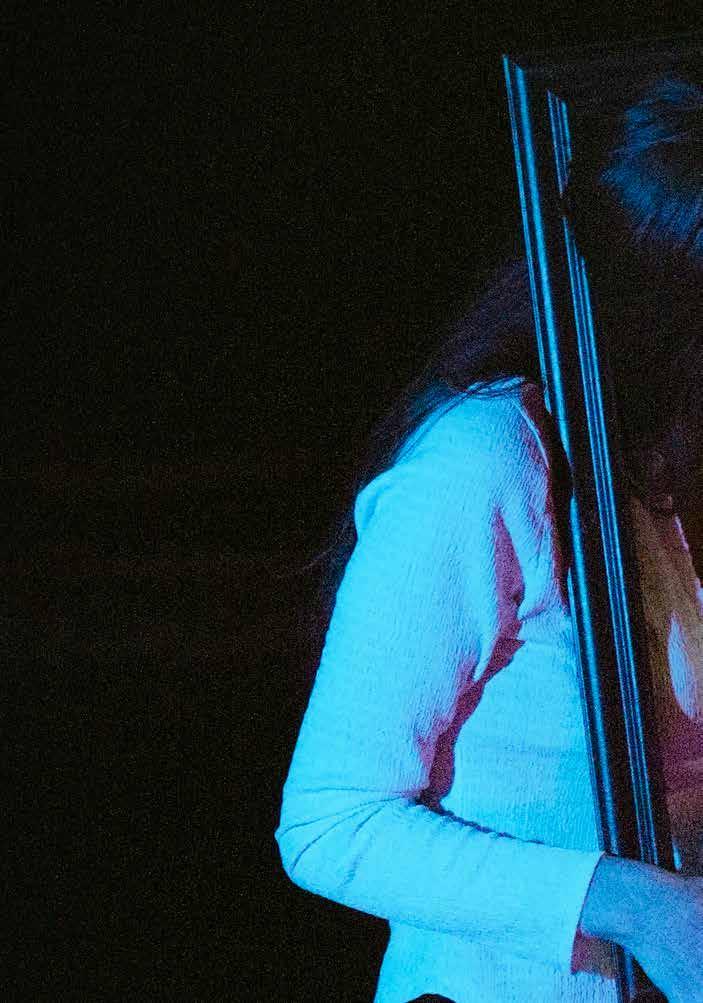
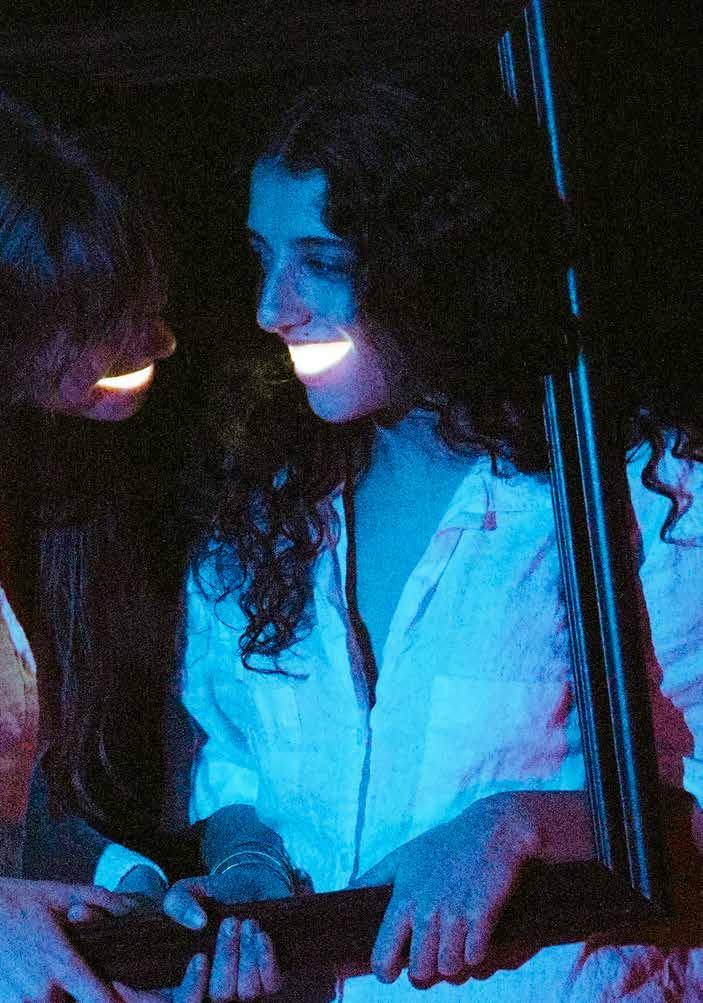
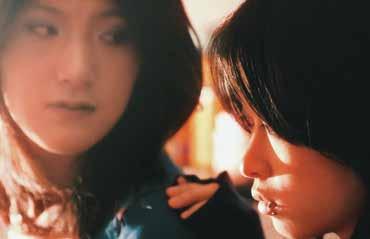
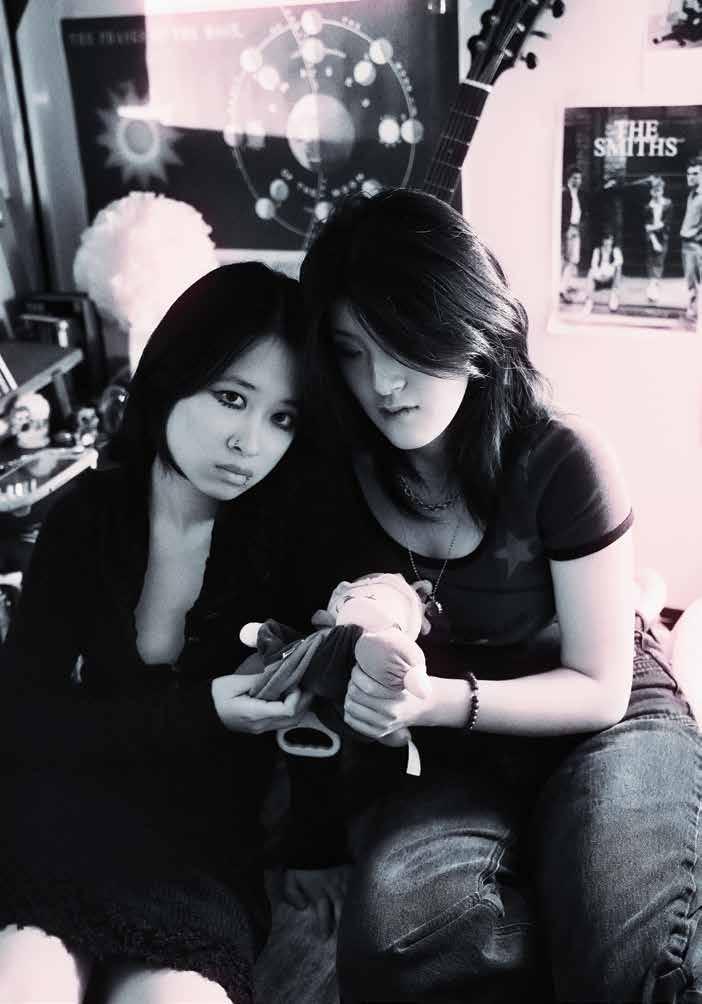
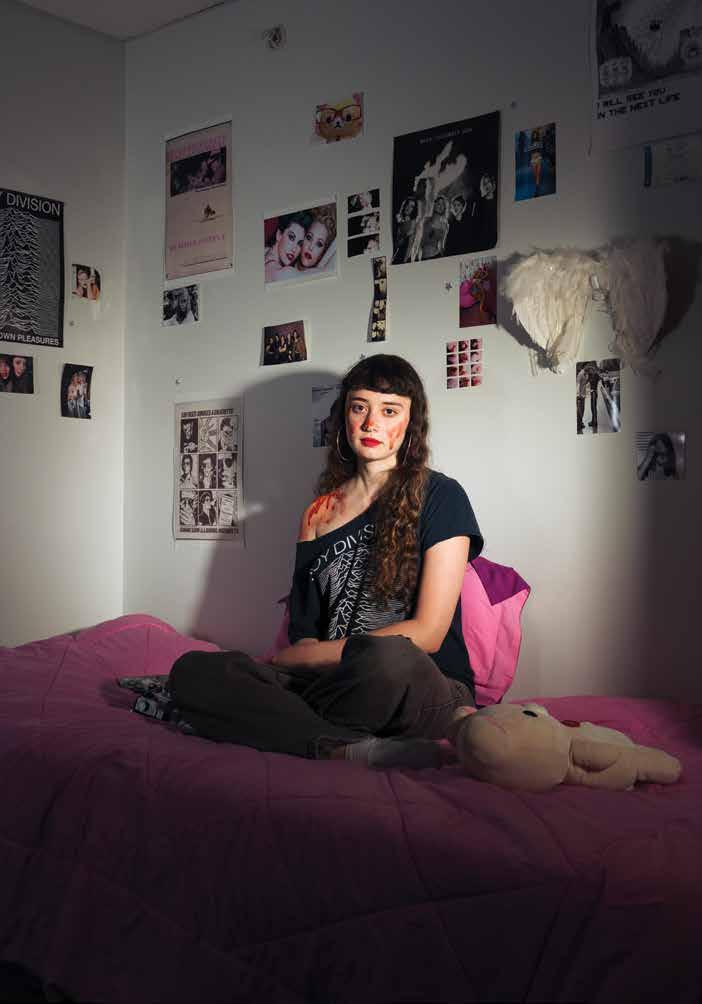
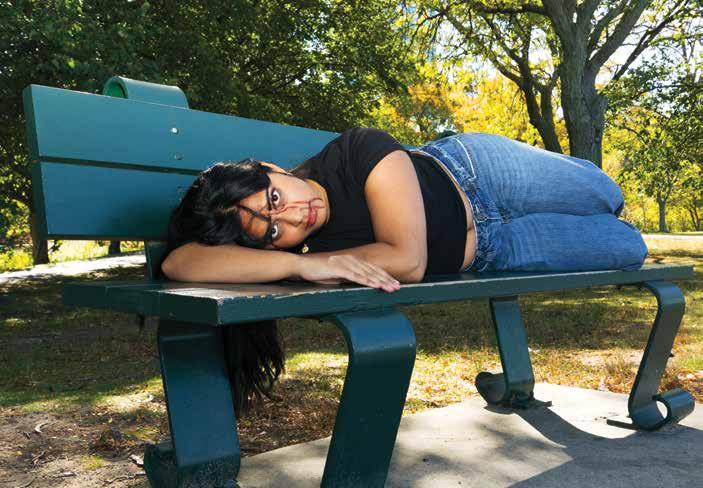
This series is about how our bodies show discomfort and emotion even before we speak. The bandages, gestures, and glass pieces refect that mix of pain and healing. Most of the photos use both cold and warm light — kind of like the two sides of a person, quiet but intense. It connects to Guttural through instinct, the things we feel deep down before we can explain them.

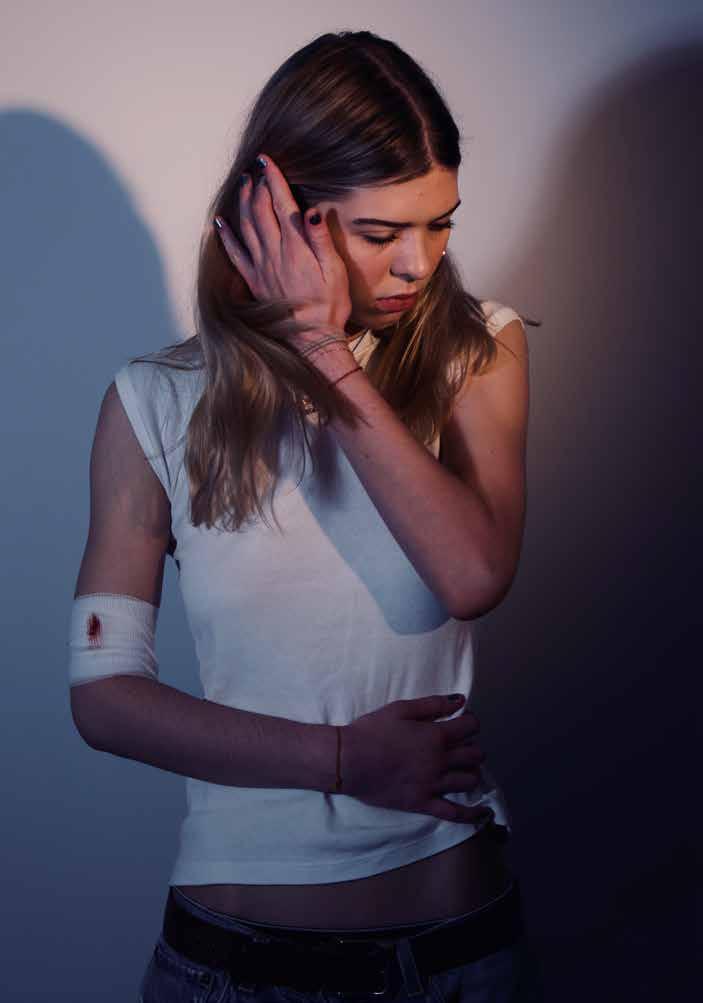
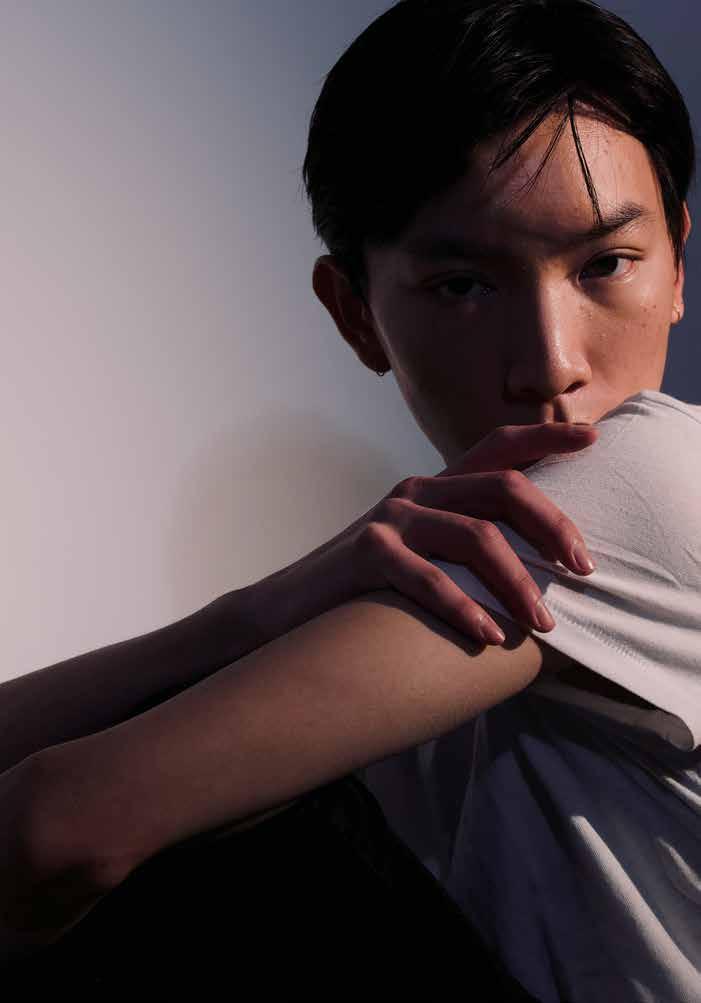
Troxler Troxler Troxler Troxler Troxler Troxler Troxler Troxler Troxler Troxler Troxler Troxler Troxler Troxler Troxler Troxler Troxler Troxler Troxler Troxler Troxler Troxler Troxler Troxler Troxler Troxler
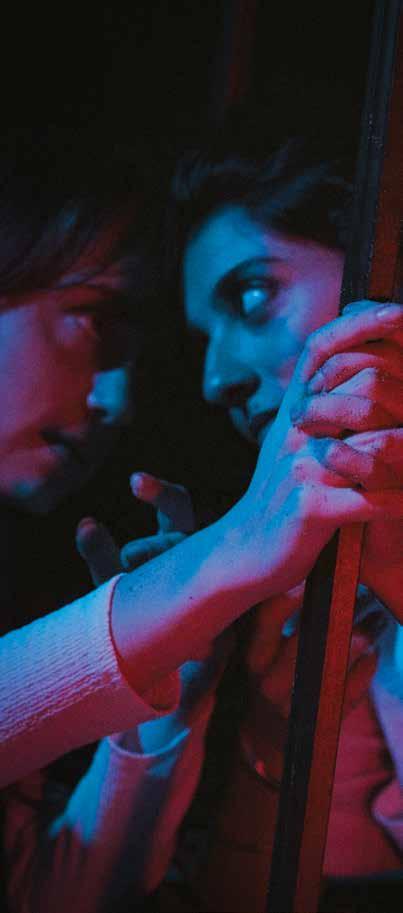
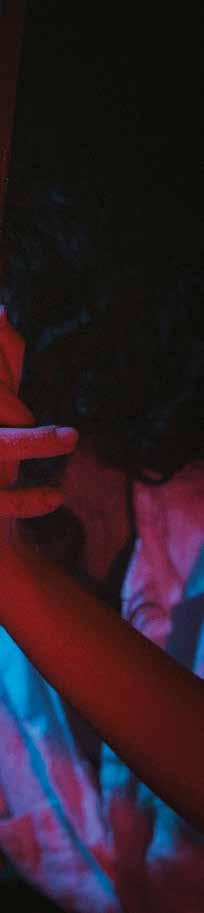
Troxler Troxler Troxler Troxler Troxler Troxler Troxler Troxler Troxler Troxler Troxler Troxler Troxler Troxler Troxler Troxler Troxler Troxler Troxler Troxler Troxler Troxler Troxler Troxler Troxler Troxler Troxler
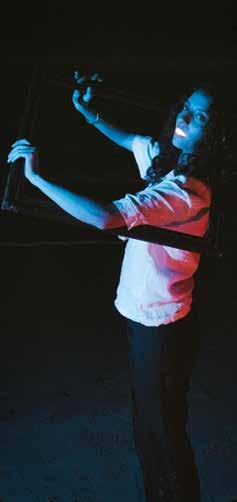
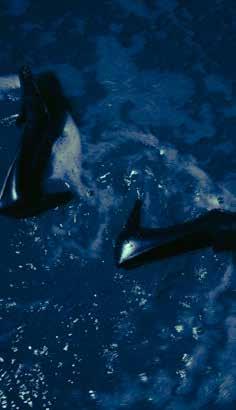
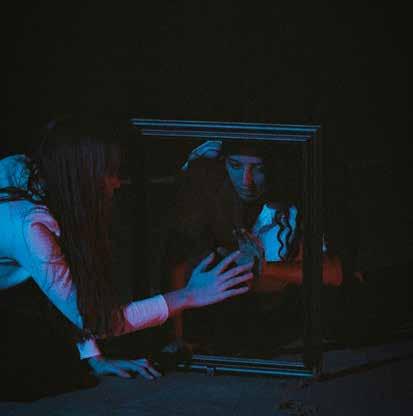
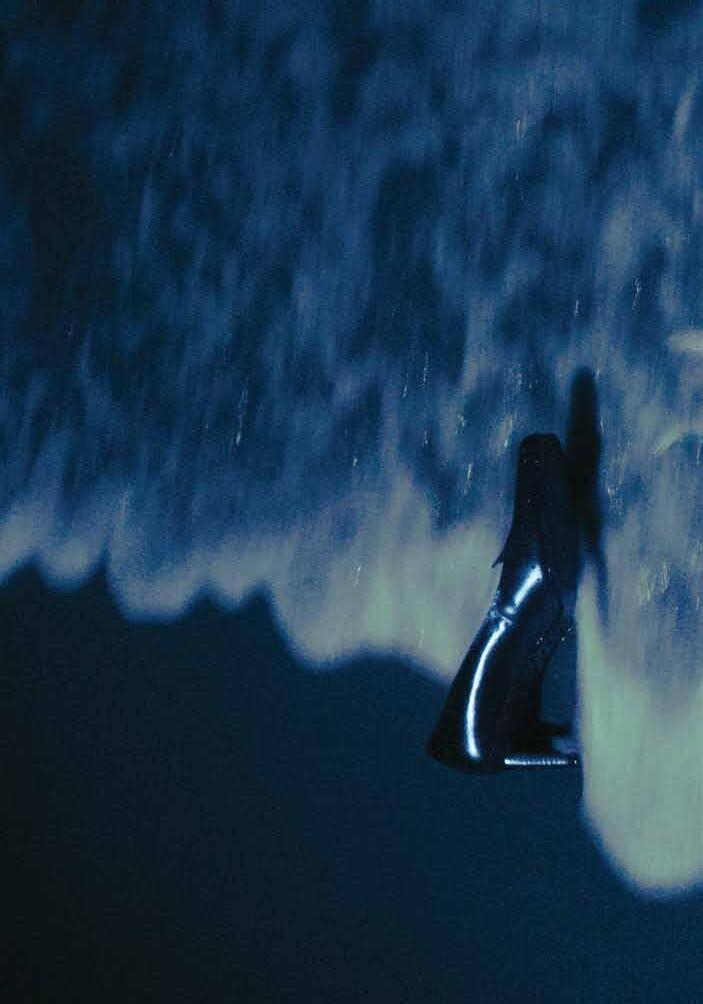
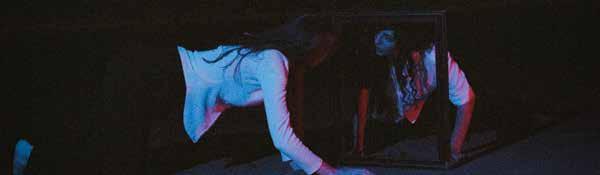
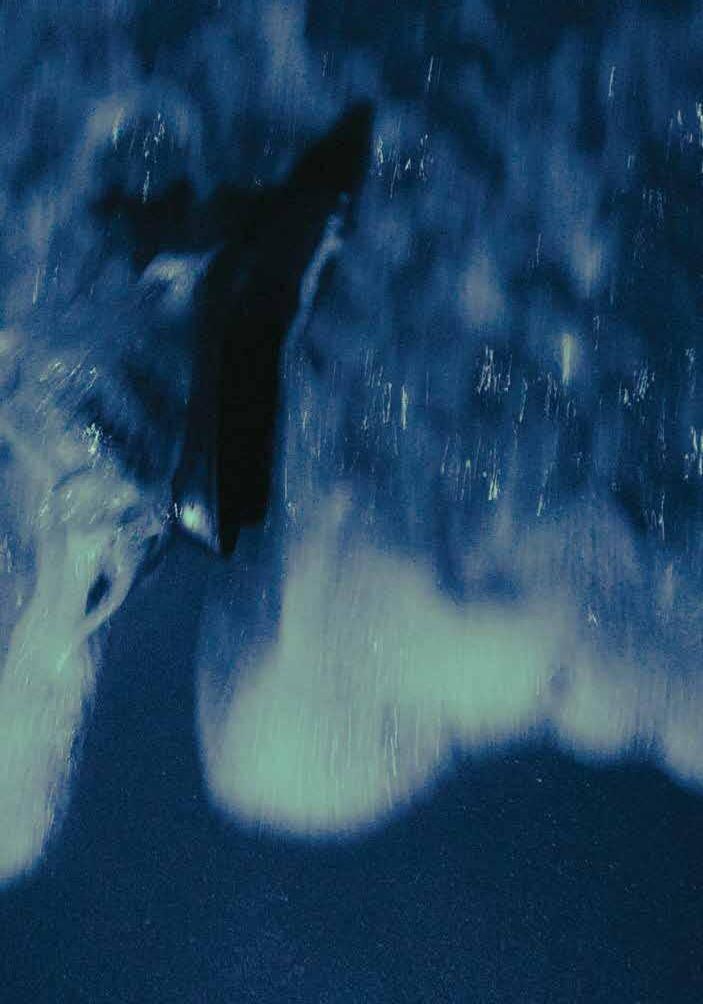


Troxler Troxler Troxler Troxler Troxler Troxler Troxler Troxler Troxler Troxler Troxler Troxler Troxler Troxler Troxler Troxler Troxler Troxler Troxler Troxler Troxler Troxler Troxler Troxler Troxler Troxler Troxler
WORDS Coco Meyerhofer
I make my own luck, I undress in public: I wear only my earrings, People STARE.
I move the way I normally do, and my thigh’s hands touch, I rub against myself, I am full of muck, I pull a belt out of my pocket, I make my waist smaller than it is, I bend over to tie my shoes, You can see
A scar at where my tail would be, Pry it back open, slide my spine out, Slide it back in,
Where there is no PAIN, there is no GAIN! My dad tells me that. and
My roommate tells me I am just like Judy Garland, I wear my hair tall, I feel things deep in my stomach, it all comes to meet me right where I am, I put my feet in your shoes, They touch the ground where I don’t, They tell me about how Everything sleeps in the earth and everything rises out of the earth, I eat a cinnamon roll, I feel sick: I throw up an entire rabbit, Its foot gets stuck inside my jaw, I am MALLEABLE like fruit.
You live inside, you have your hands around my intestines, I walk backwards, and you hold onto my leash, pull things out of me, I am BLUDGEONED by cords on the ground, Sausage links of the girl I am, I felt good about you until I just didn’t, I learn in class how the butterfy and caterpillar ATTACK each other inside the chrysalis.
It’s just time for me to go, to leave this city with you in it, I make a list of this thinks I have lost recently:
My umbrella Pajamas
Headphone cords (found)
Three tops
My childhood dog’s name tag (found) A singular gold earring
My mom’s old Pendleton jacket
My parents come to see me, and they have to fy in the air to go home, I sink into the ground only to come back out, I grow in a sphere only to be pushed out, I am UPSET only to be FINE.
I keep secrets because I think it’s fun, I use wheels because everyone else does, New land is only SKIN.
How can I tell you a story that hasn’t been sewn up yet? You have big teeth, I cut an orange into pieces, I think about it in your mouth, I walk away again, I MISS you all the time,
A man sits on my lap and pretends to be a woman, A pigeon climbs to my shoulder, I cancel on my friends and feel bad about it later,
WHERE ARE YOU?
WHERE DO WE GO NOW? WHERE DO WE GO NOW? WHERE DO WE GO NOW?
VISUALS Jacob Golberg
MODELS Karina Demare, Audrey Collins, Isabella Ortega, Yao Khowong



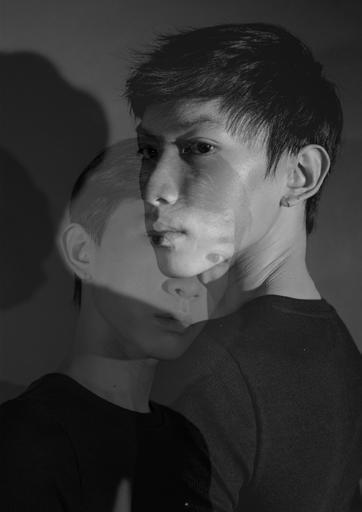
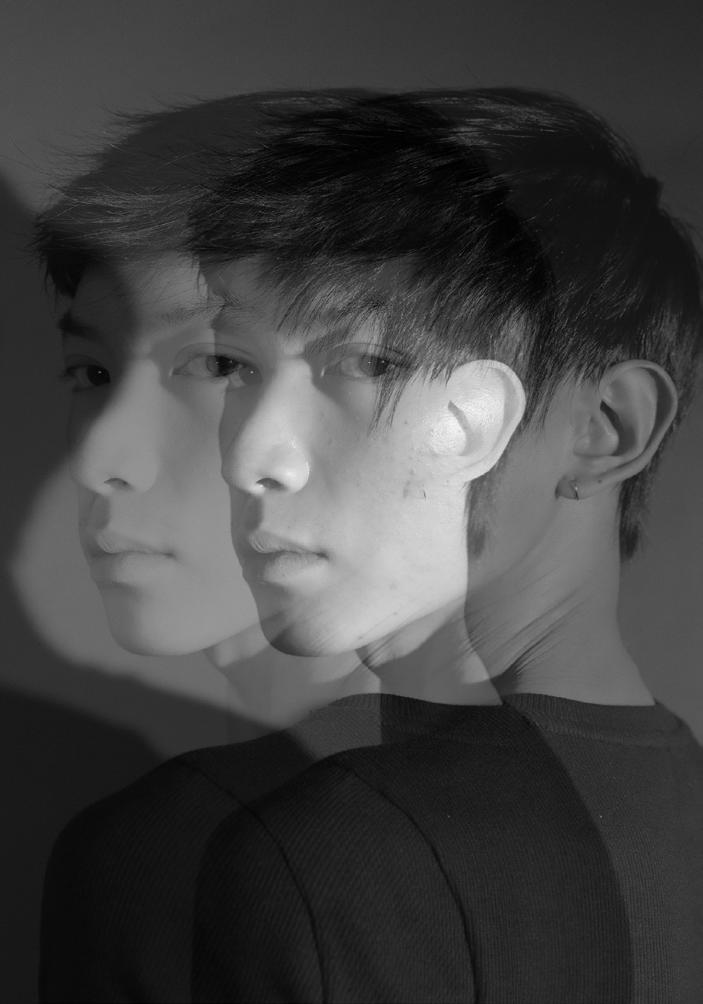



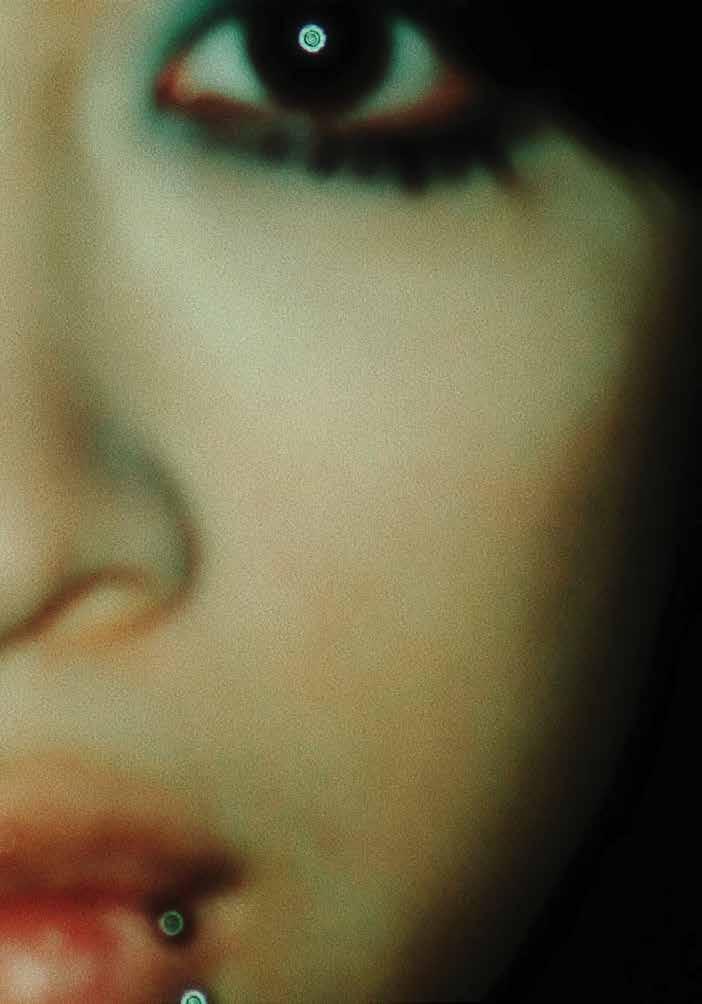
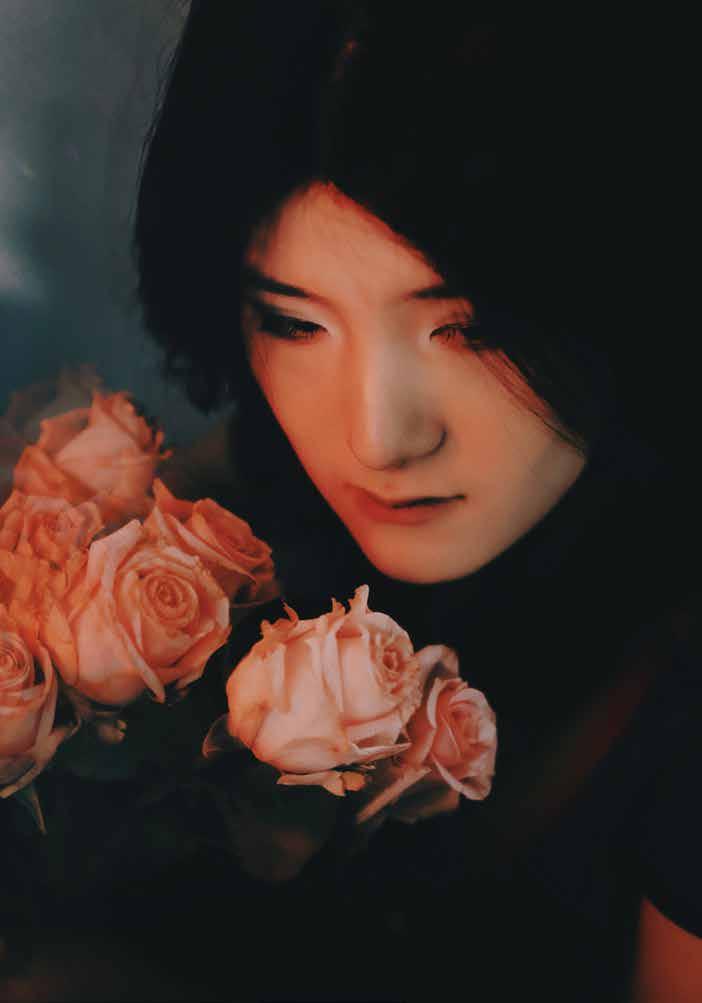
Despite a day that glowed like a coal, the dark hour’s powerless no lulling in its lateness.
The night-blooming tuberose, with sweet oppressive scent, prevents rest.
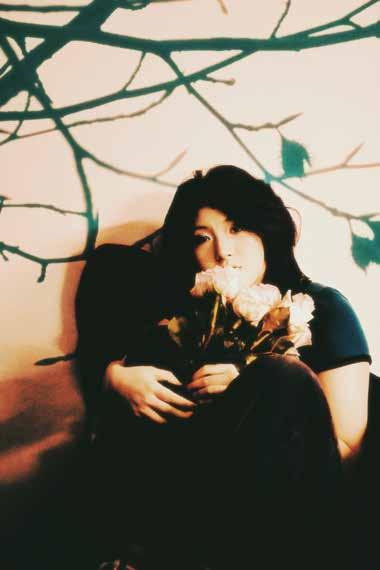
Its waxy white fowers, at stem’s end, redden to the color of my blood, the petals fame— not fowers, but fares.
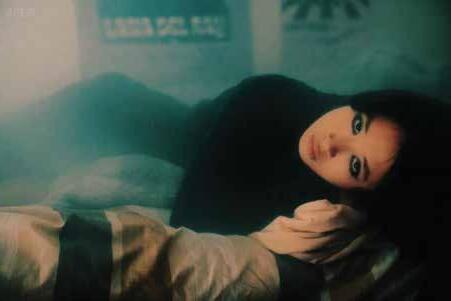
Do you too jolt awake from anxiety dreams in the middle of the night, with a cry like a wild birds?

I see the whole world as through a red lens,
Death stares back at me with lamp-like eyes. as if existence were a kind of hemorrhage;
my heart groans with a pain as real as hunger,
Does your soul grieve in the night like mine
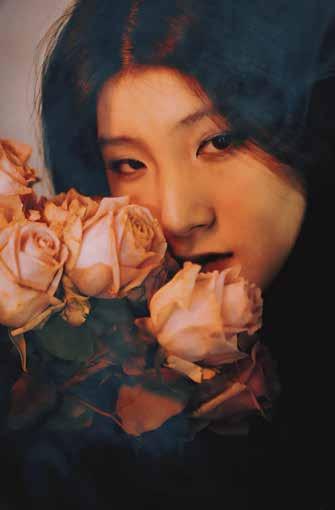
when the tuberose, with all the perverse strength in its swollen feshy roots, sweetly reeks, as if to drown you in fowers?
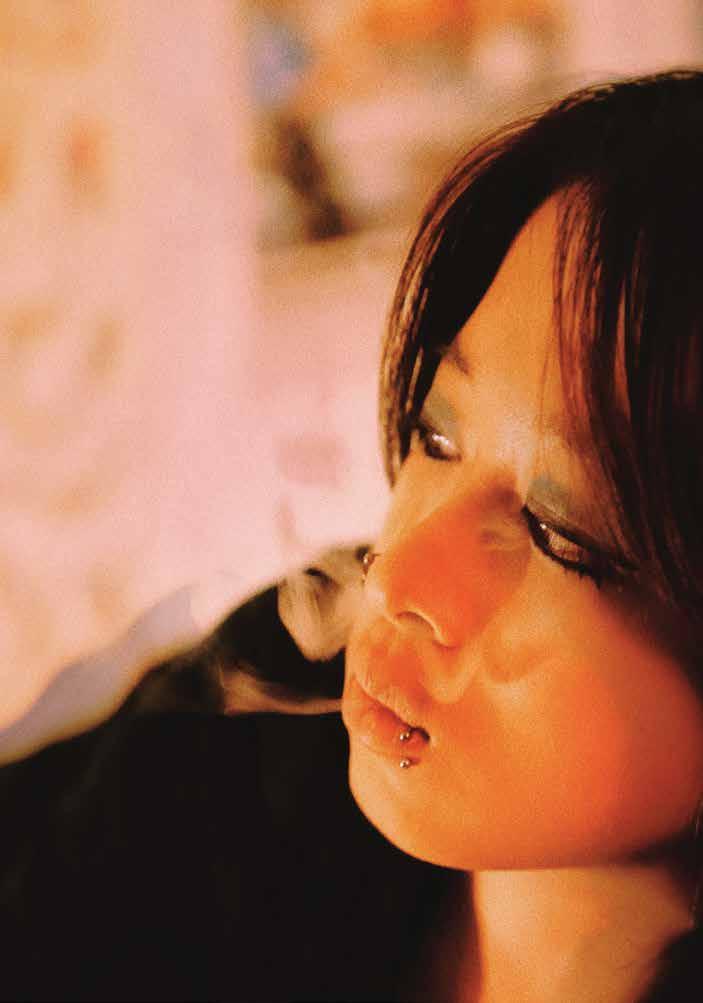
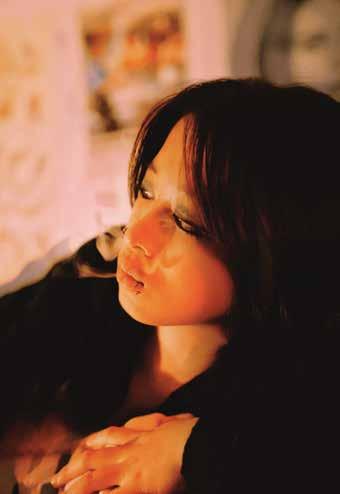
Does your soul gnaw and scratch at your daytime life
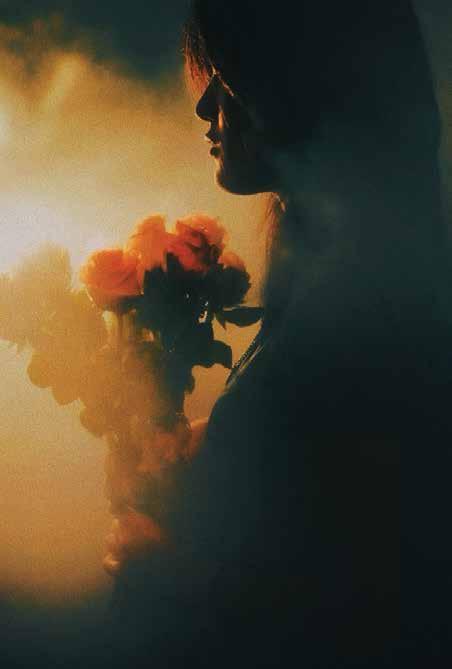
Til it bleeds...
P I R A L N I G
WORDS Caraline Shaheen
I c a n ’t s top t hinking a boutallthebugsIkillwith every step I take. How many have Ikilledtodaywithoutknowi n g?
Ishould get somesleep .
lbaromeM e . dA o r e d. I worr y I ’ m truh gni ppoeel noddna .tiezilaert’ lliW I reve nrael esohtevigrofot hw’o ev orw n g e d me ? Is it necessaryifI I cannot feeltheweight o fth e a n g e r I ?dloh
IepohIm’ .elbavol
Who would come to my funeral if I died today?
I should leave a list of people I defnitely don’t want to be there. They cannot come but they can send my family money since I have none to leave them.
Money always helps. It can buy happiness, I think. Or safety, at least. Security.
That would make me happy. But money doesn’t matter if you’re dead.
How manypeoplehavediedthis second?
How many of thosepeoplewerekilled?
I feel like I’ve forgotten so much of my childhood.
Who was that little girl eating unripe strawberries and dreaming of being someone memorable?
I think I feel her in Carole King’s music and in the smell of rain. She’s behind the curtain. She’s under the table. Kicking me. I should call my mom.
answerstoeverything,but I don’t have the energytodoanything
The cold makes me sickeningly lonely. Alone, alone, alone. Where is the love my parents told me about?
Is it worth having children if they won’t have clean drinking water? uoY yrrowt’ndluohs . Y o u s houldn ’tuse the word “ should”
uoy redisnoc lsagnillafelihw
.edolpxeotnus Can, Will, Able, Is
tomorrow,yesterday, and howI’llspend
Searching for beauty in the world is like prayer. It’s practice. It is its own kind of faith. Is it possible to run out of faith?
Remember what that writer said? The Irish one who read to you. What was it?
“Don’t let anyone tell you the world is in trouble. It’s always been a mess. It’s also always been beautiful.”
That’s faith. I think.

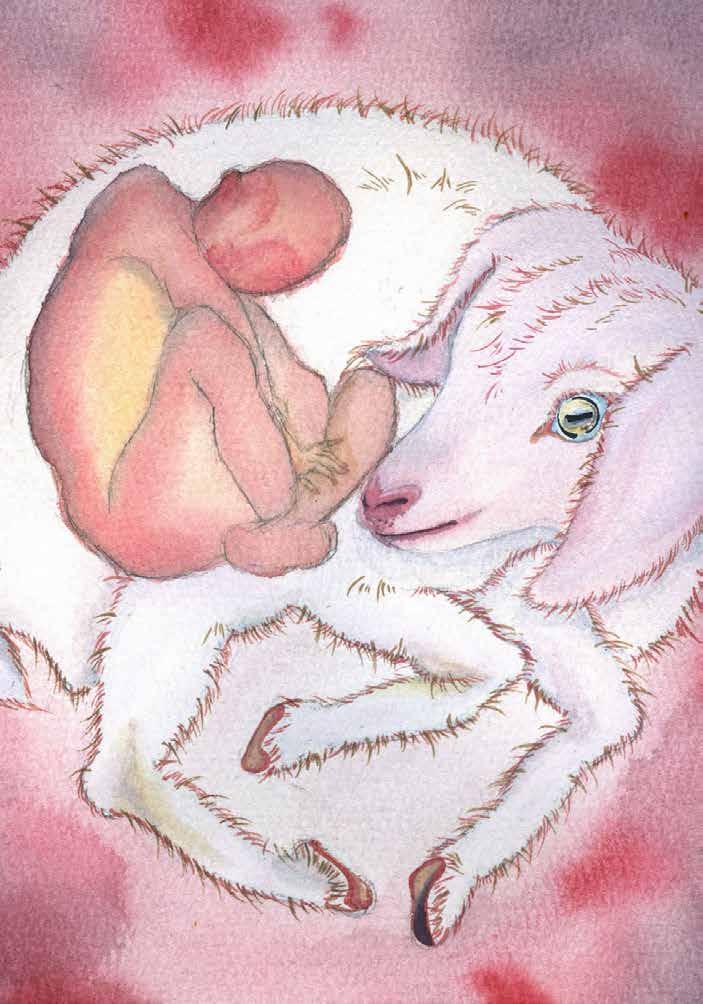
PHOTO Lilli Drescher
MODELS Alexa Latzman, Sophie Canon, Riya Patel
ASSIST Greta Blaskovich & Ella Miller
WORDS Lilli Drescher
What will be remembered of me when I die?
When all that is left is a motionless body, will my essence be visible in my blood?
Will my laugh be remembered by the structure of my throat?
Will my bones hold a memory of how they used to move?
Will my cold, dead lungs remember the way I breathed?
The soul is raptured but the body remains.
Will my body be what I was known for? Will they know there’s so much more?
I want to be remembered through my favorite things.
By my bedroom, my backyard, my garden—
By the places I would escape to, The places I showed only you, The spaces that welcomed me And turned me inside out and brought me to life.
But it can’t be that way.
My blood will be all that’s left of me
A limp body, a motionless mouth
A cold stone that can’t share
The things that meant so much to me. I curse the toxicology.
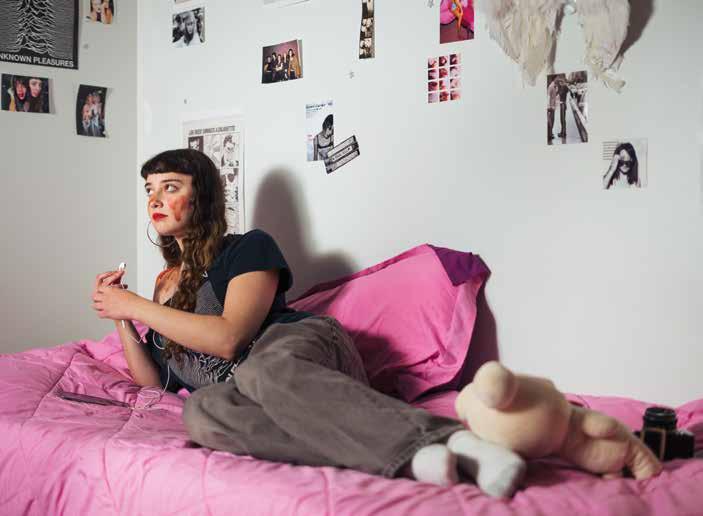
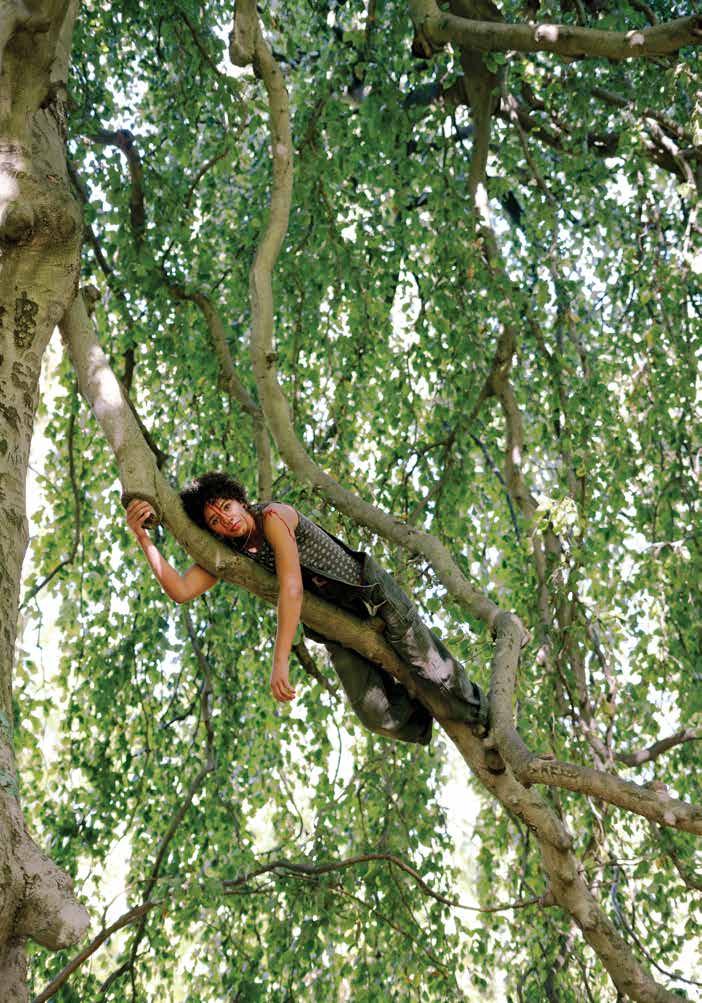
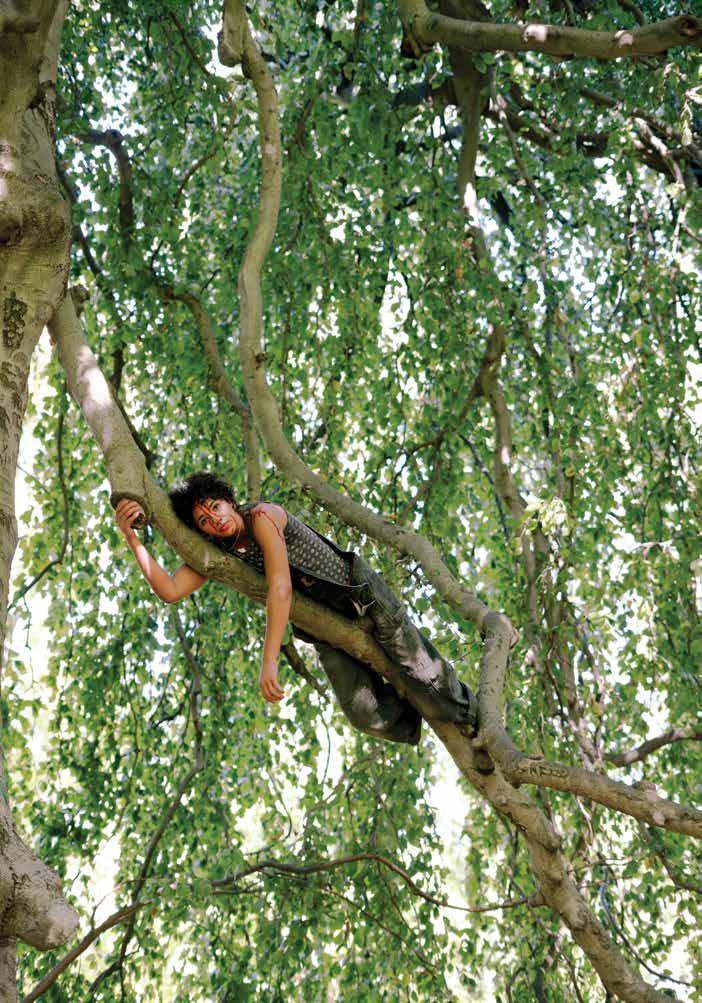
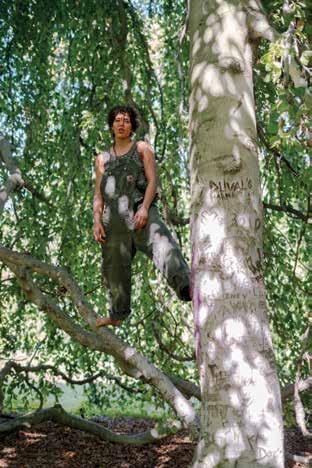
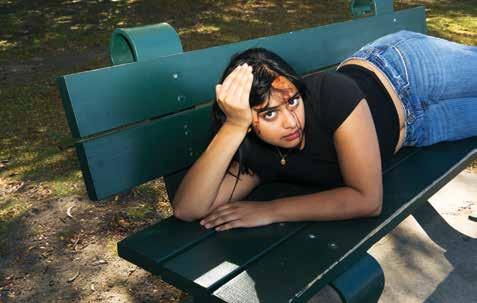
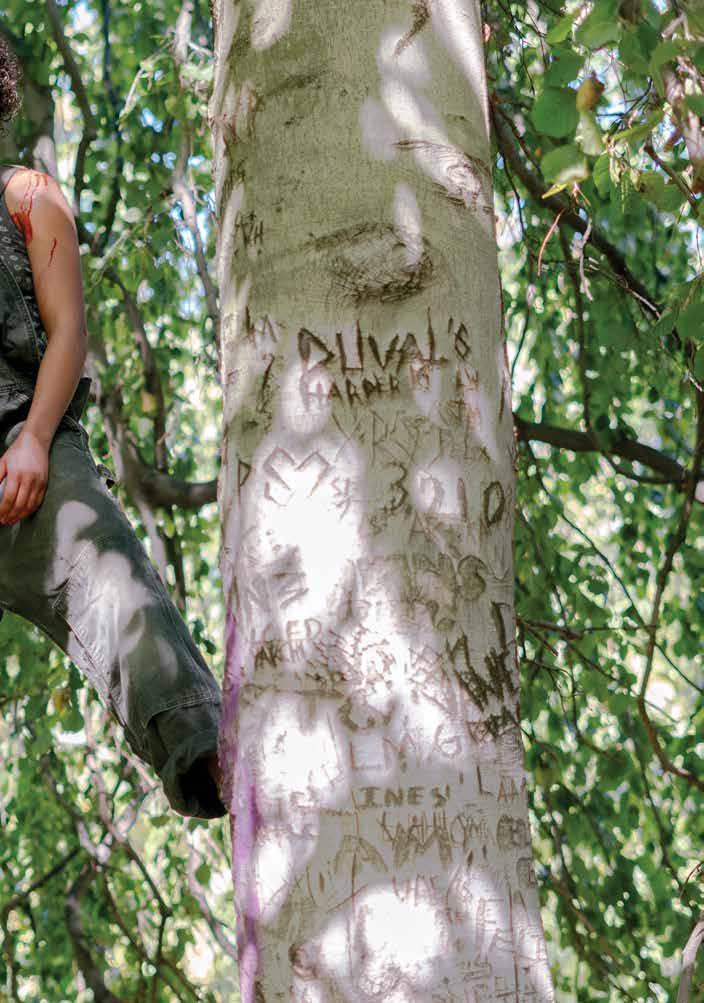
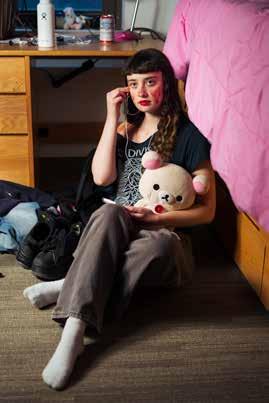
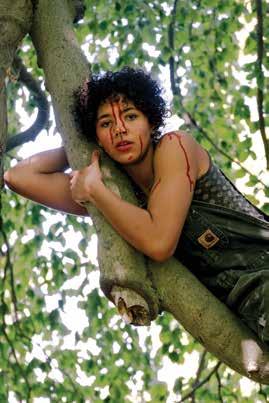
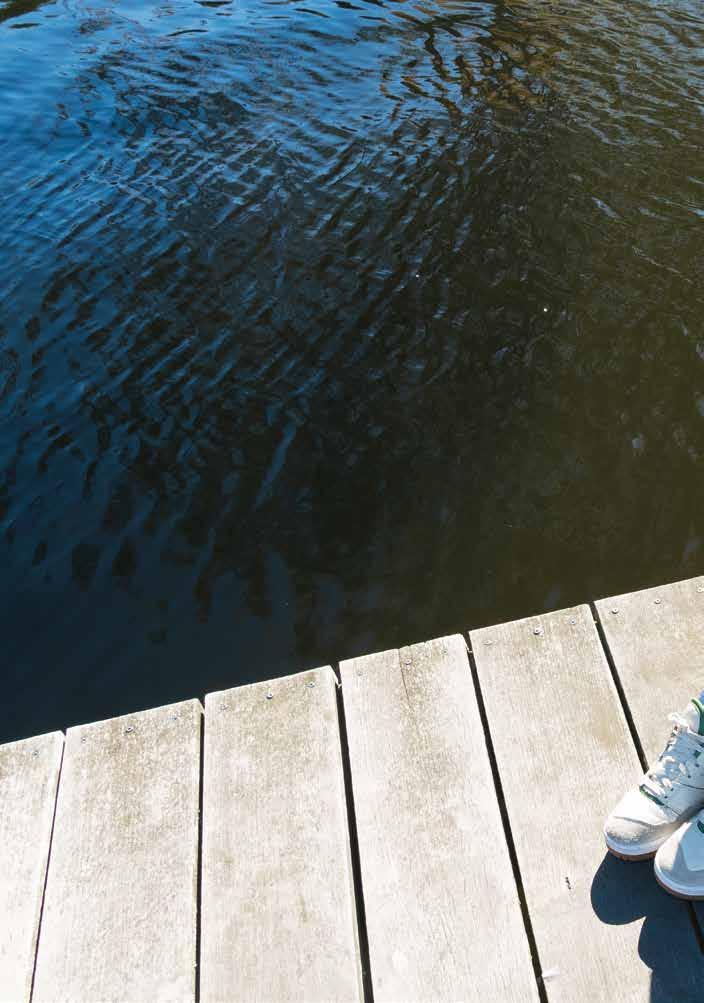

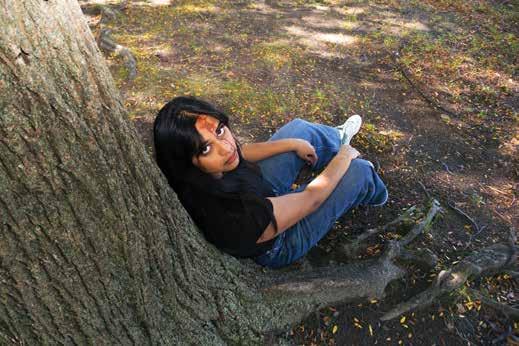
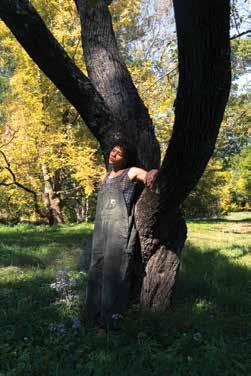
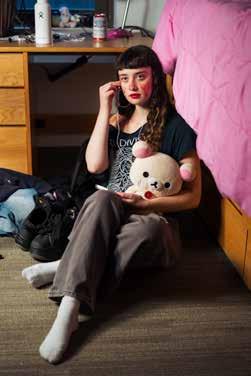


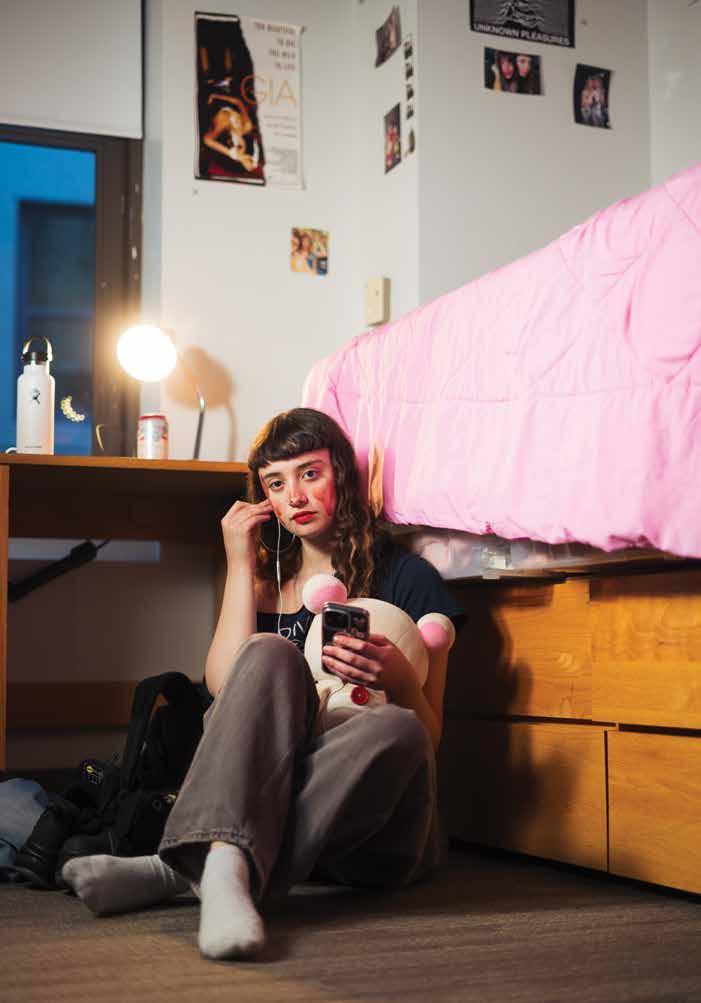
“What will be remembered of me when I die?”
Sept. 8
I am not myself. I wait for my body to collapse. There’s too much you left behind for my skin to contain. How can I accept your decision to leave? I didn’t even get to say goodbye.
Sept. 9
Maybe there is a tomorrow where you return. I will lasso stars into the sky to guide you. You’ll meet me, steadfast, my arms draped around your vessel, and we will begin anew. I’ll wait until my shoes are full of mud and water from the ground, until the days all muddle together.
I will see you again, right?
Don’t you miss me?
Sept. 13
Don’t you miss me?
All my organs sting, gouged by the shards of who I thought you were. You would say that I have jumped the gun, that I shouldn’t have expected forever from you.
Did you see this coming when we frst met– shivering in the December rain? You held the umbrella over me as we walked, shoulders brushing to stay dry. Classic me, following you blindly into the storm. You are gone now, and I cannot recall the last time it’s rained in Boston.
Don’t you miss me?
Don’t you miss me? Don’t you miss me?
Sept. 15
I am wearing myself out with false hope.
On a train, I passed the house you swore we would reside in one day. Through the glass, there’s a warm glow. I imagine walking through the front door, and there you are. We cook dinner, and are content with doing nothing as the sun disappears.
Someone else lives there, and I’m beginning to understand your absence isn’t temporary.
Why is that house still standing?
Don’t you miss me?
Don’t you miss me?
Sept. 19
I tether to every silver lining, every mistake that should now comfort me. You never bought me fowers. You never plan on leaving your hometown. Courage wasn’t something taught by your loved ones. I count every reason I should let go– every reason is in the northern winds wrapping around my spine, leading me to when I last saw you.
Don’t you miss me?
Don’t you miss me?
Sept. 23
Why wasn’t I enough?
Don’t you miss me?
Don’t you miss me?
Sept. 28
I hope it hits you. I hope your body tenses when your mother mentions me. Do the shared memories food your stomach? Is it hard to breathe when you are the one who punctured your own lungs?
Don’t you miss me?
Oct. 6
Golden light refects along the Charles river. We’ve walked this path before. Now, the harvest moon is promising change. Polished craters ascend the horizon, hugging the darkness. Today is the frst day I’ve needed a jacket.
I’ve told you how change isn’t something I can stomach– the way I carry around a photograph of my childhood dog, or beg the God I don’t believe in to let me return to the days where my sister and I lived under the same roof.
For once, I wish change would swallow me whole, to take me dancing on the surface of the moon. I want to wake up a new person, a person you’ve never met.
Why was I that easy to erase from your life?
Why was I that easy to erase from your life? Why was I that easy to erase from your life? Why was I that easy to erase from your life? Why was I that easy to erase from your life?
Oct. 9
Oct. 10
I just miss you. I blame it on the lack of oxytocin, or whatever chemical imbalance that sends sporadic shocks of melancholy. What are you doing right now? Is your hair still long? Why can’t you come back? I lie to my friends, telling them time is too precious to pine over someone from yesterday. Yet here I am, wondering how many, if any, tears you’ve shed.
Oct. 13
I overheard a conversation this morning between two friends. One of them was explaining how the man you meet at nineteen is bound to be a lesson from the universe. Maybe all the star-stuf I’m composed of was destined to collide with you, but for only a moment. Two things can be true at once– I did love you, and maybe I still do. But maybe all you were was an echo in outer space, a lesson on what love shouldn’t look like. It’s tragic, don’t you think? You could have been so much more. But I trust the universe more than I trust this grief.
Oct. 15
Why did I spend those nights staring at the ceiling, imagining a version of myself that would’ve convinced you to stay?
Oct. 16
Last night, I dreamt of a love that didn’t need convincing.
Oct. 18
I have no idea who you are anymore. You once clung to my bones– but you’re the same person who cowered when all I did was open my arms to you. What an enigma you are, truly. Maybe you are nauseous at the mere thought of me, or maybe I haven’t even crossed your mind.
I’ve always wondered who you were in the years before we met. I tried getting to know every version of you.
Who are you now?
It doesn’t really matter when all is said and done. I don’t need to know.
Oct. 22
I still don’t understand why you left. Perhaps I never will. It’s a new day, and I am returning to myself again. It’s a new day, and you’re not in it.
I feel it in my gut. Now I realize, it is time to say goodbye.
Copyright @2025 EM Mag.
All rights reserved. No parts of this book may be used in any manner whatsoever without permission from EM Mag except in the case of crediting both EM Mag and the artists. Should you have any questions pertaining to the reproduction of any content in this book, please contact emmagonline@gmail.com.
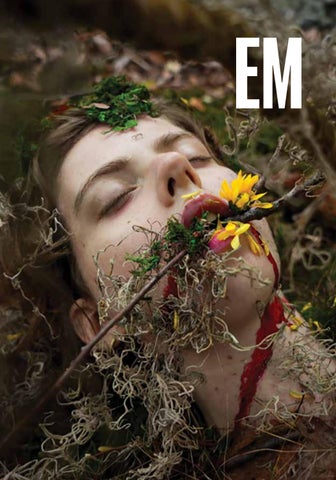
Cover photo by Birdie Nelson. Book design by Ella Badie, Joanna Bishop, Anga Chen, Delaney Ehrman, Isabelle Galgano, Bryce Heilmann, Margeret Kaprielian, Sophia Jade Kong, Elisa Ligero, Emily Malkan, McKenna Smith.
First edition printed by Flagship Press in North Andover, MA. 2025 Typeset in Legitima by Cesar Puertas
Website: www.em-mag.com
Instagram: @emmagazine
Issuu: EM Magazine