Architectural Portfolio
Emma Grace Connelly
Clemson University emmacon5@icloud.com (803) 944 - 5857
Contents 1 2 4 Personal Statement Freshman Year Sikes Hall Analysis From Steam to Spaces 7 10 SophomoreYear Reaching New Heights Reflections 13 Writing Experience
Table of
Personal Statement
Most people say they got into architecture through their love of sketching or studying art history but for me, it all started with a mouse. From a young age I was fascinated with how everything from the Walt Disney Company tells a story. Their movies and books encompassed my childhood, but their parks are what pulled me into the world of architecture. I watched countless videos online and bought books about Walt Disney Imagineering, the company that creates the hotels and attractions for the Disney Parks, and fell in love with learning how they take a concept and turn it into reality. Throughout my career in the Clemson School of Architecture, I’ve adopted this iterative process and made every design tell a story, combining architecture with my talent for writing and storytelling. Every project has a certain way in which it impacts and shapes others, as you will see in the following pages. I hope to one day shape the public’s stories with my designs just as the idols from my childhood have done for decades. No matter your critiques or compliments, thank you for your time in considering my portfolio.
1
Fall 2021: Sikes Hall Analysis
Freshman Year
2
Sikes Hall Analysis







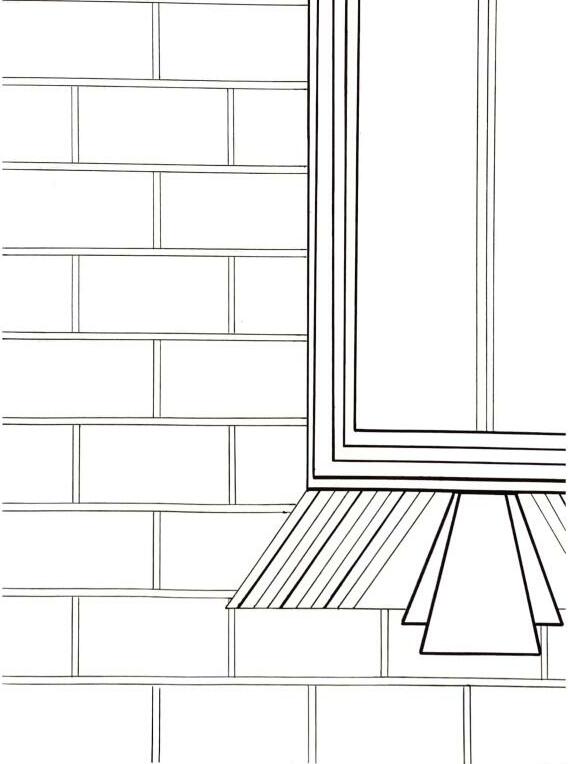
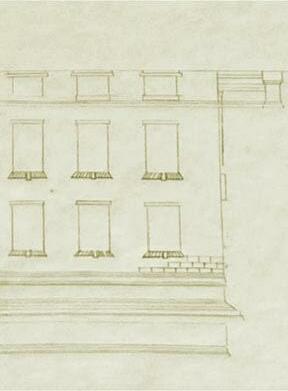
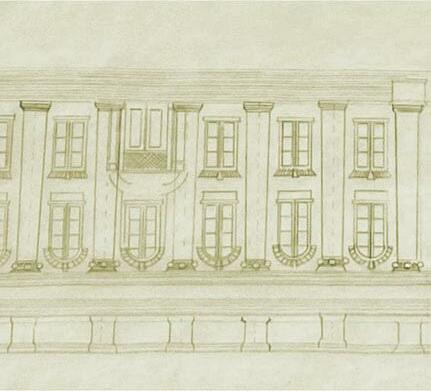
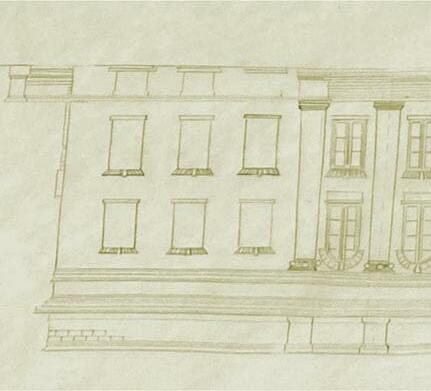
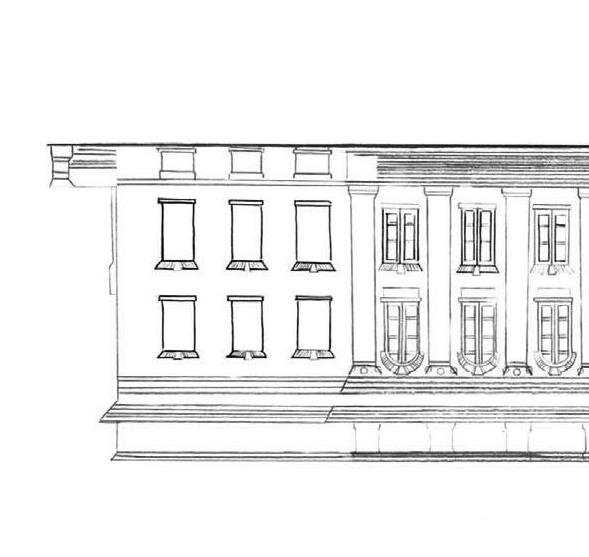
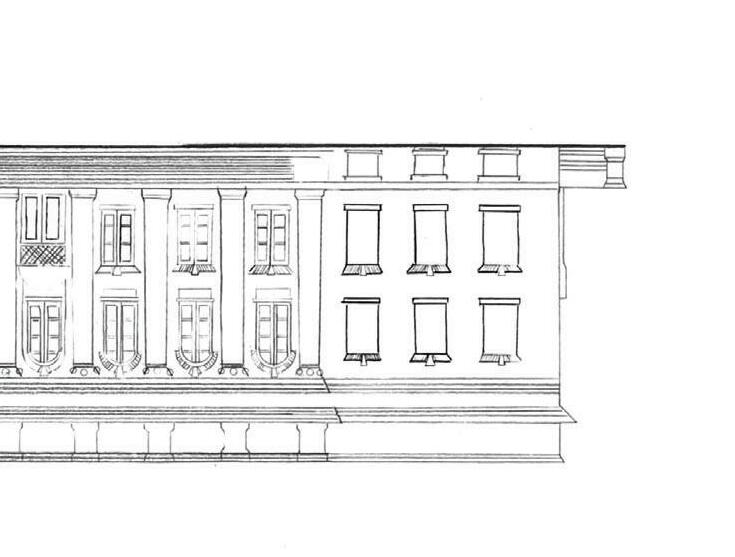
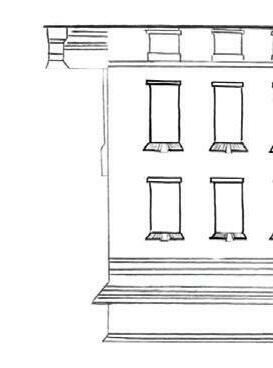
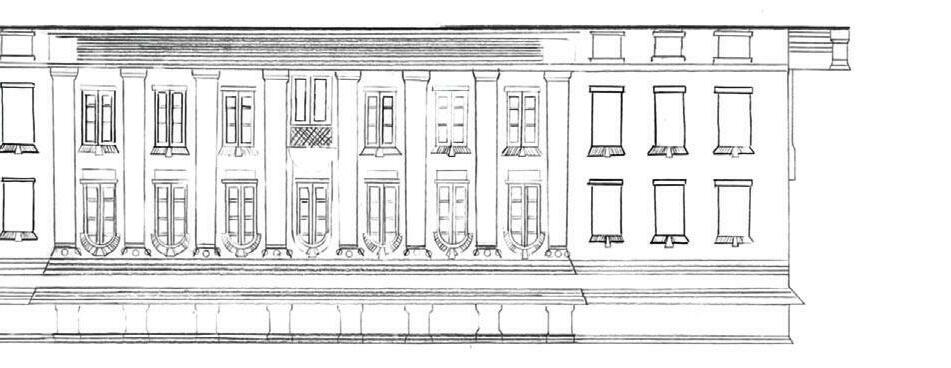
My first project was an in-depth analysis of Sikes Hall. The assignments pictured taught me the basics of architectural drawing, analysis, model building, and photography. Not only was it a class to teach common tools used in the field but a jumping off point that started my architectural career at Clemson University.
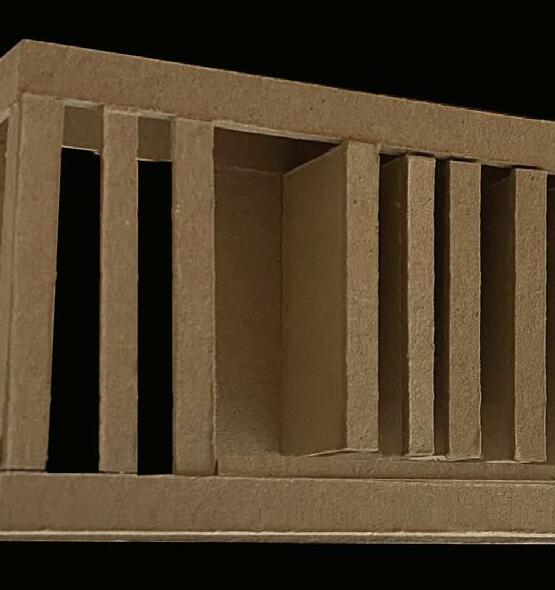
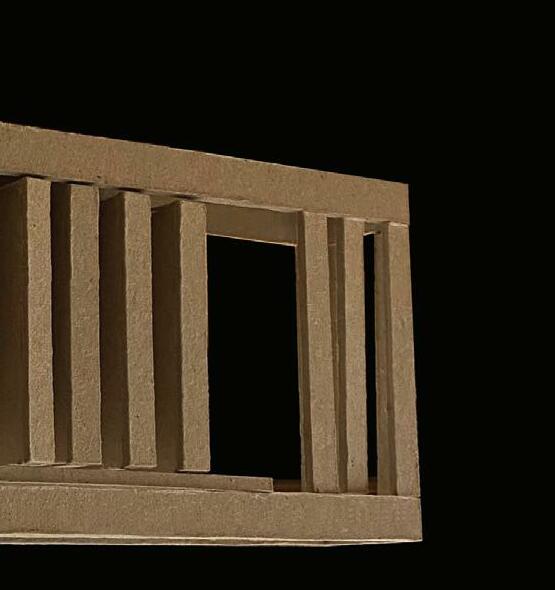
 Experiential Drawing
Sikes Hall Model
Elevation
Experiential Drawing
Sikes Hall Model
Elevation
3
AnalysisElevationDraft Elevation
Spring 2022: From Steam to Spaces

Freshman Year

4
Orthographic Drawing Emma Grace Connelly Section 7
Orthographic Diagram of a Vegetable Steamer
0 136
5
From Steam to Spaces
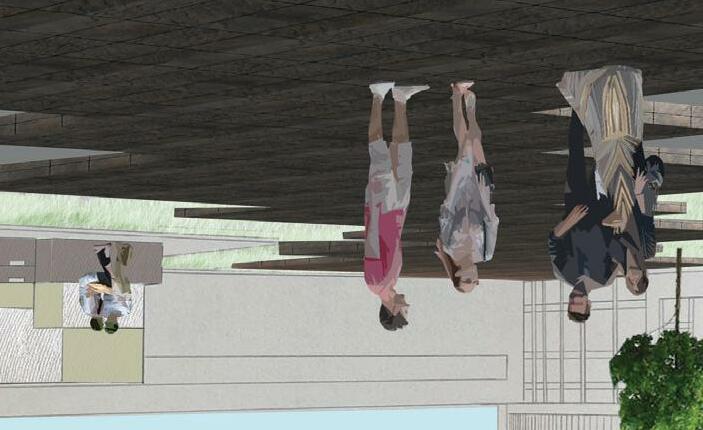
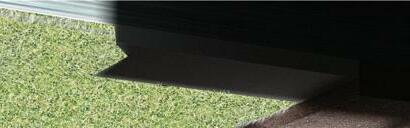

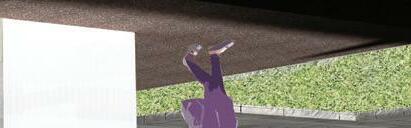
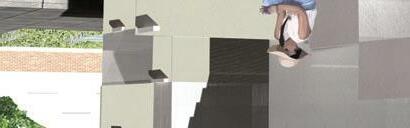
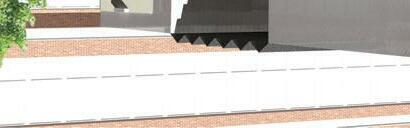

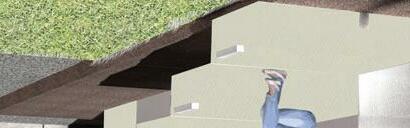
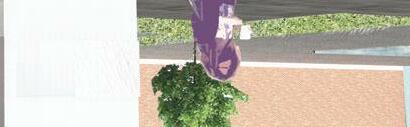
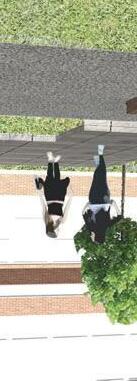
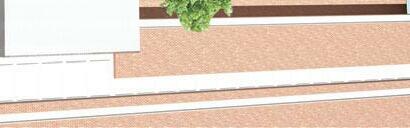
For my final project Freshman year, I transformed an on-campus courtyard into a space for students to take a break and gain perspective in the outdoors. Grids on the wall and site provide simplicity that encourages serenity whether a student is taking a moment for themselves or is working on an assignment. The site features multiple ponds and grassy areas to further emphasize the calming effect of this space. The wall provides seating and shade but also includes tools to help those with mental disabilities grow. Both sides offer seating drawers, one aimed away from the space to create a quieter area. When the wall is pulled apart, a sandbox is revealed to help ground the user. In addition, moving the drawers keeps a student active and can improve focus over time. Altogether, this new courtyard is a place for anyone to recharge outside.

01 369 01’ 3’6’9’
Multimedia RenderingRendering 6
Sections and Movement Diagrams
Fall 2022: Reaching New Heights
Sophomore Year
7
Reaching New Heights

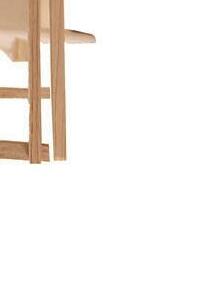 Project by Shamitha Nandi and Emma Grace Connelly

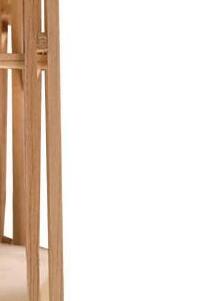
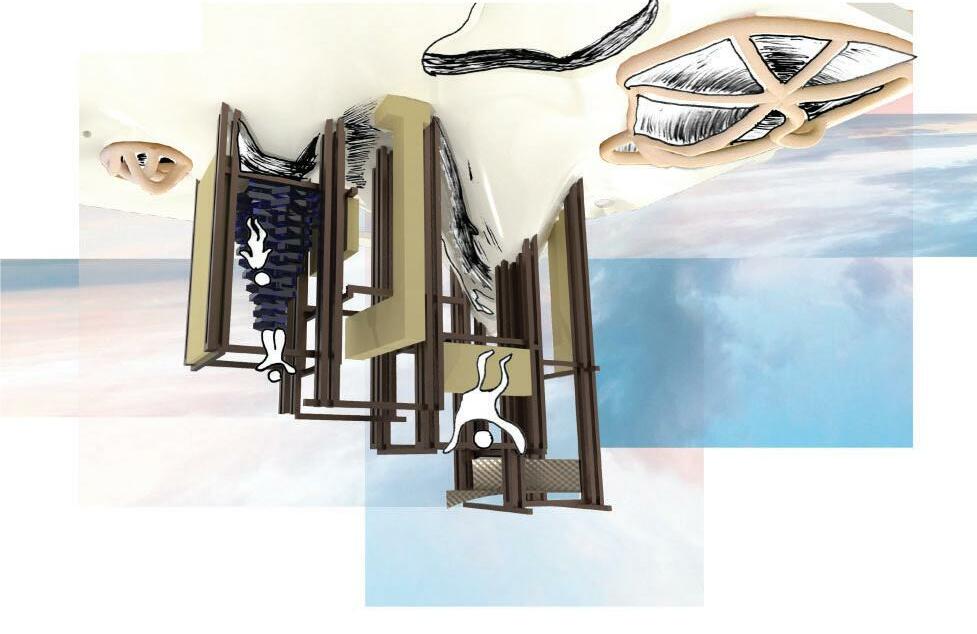
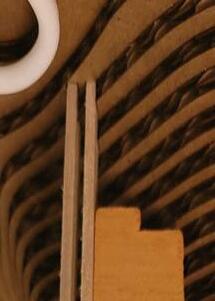
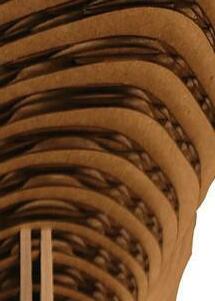
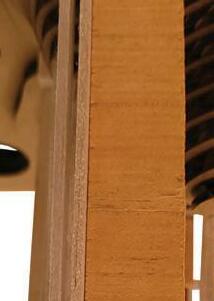
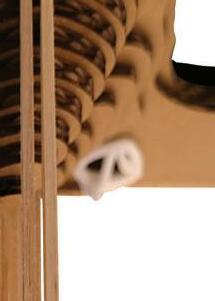
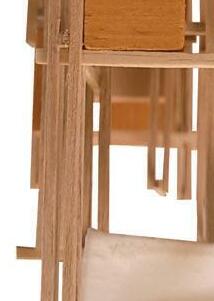
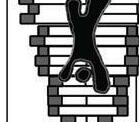
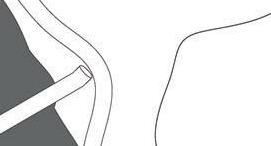
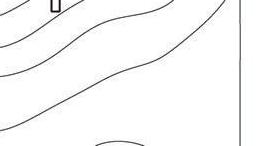
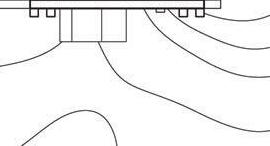
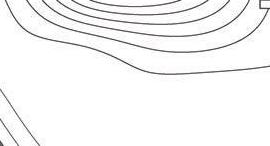
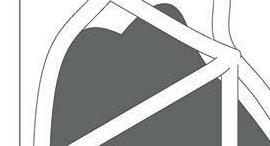
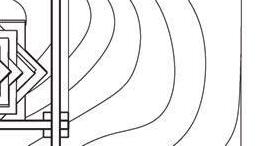
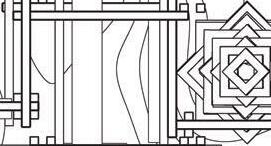
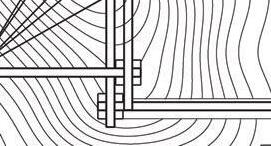
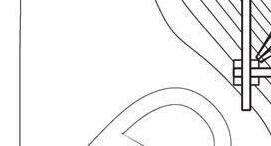
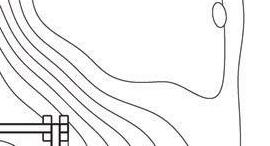
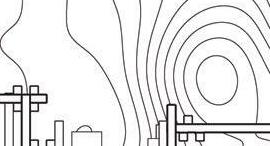
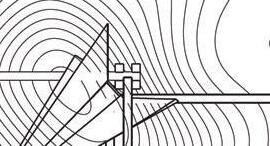
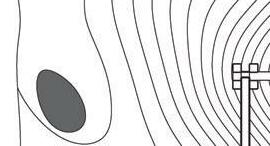
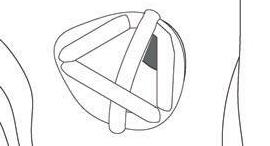
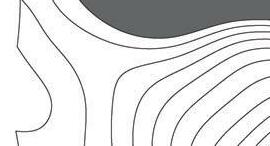
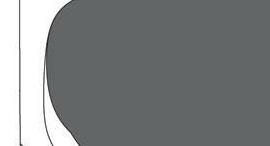
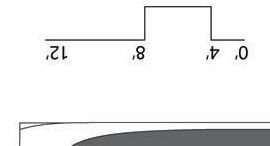
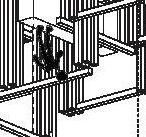
This project allowed us to reach new heights by learning how to use the laser cutters, 3D printers, and woodshop to enchance our model making skills. The structure features a series of structures climbing a mountain range alongside various voids in the topography, some of them with Topodomes on top. Not only was this project an experiment of tools but of digital design techniques including multi-media. As seen in the section and rendering below, various types of media are used to create a unique, layered atmosphere that captures the heart of this project.
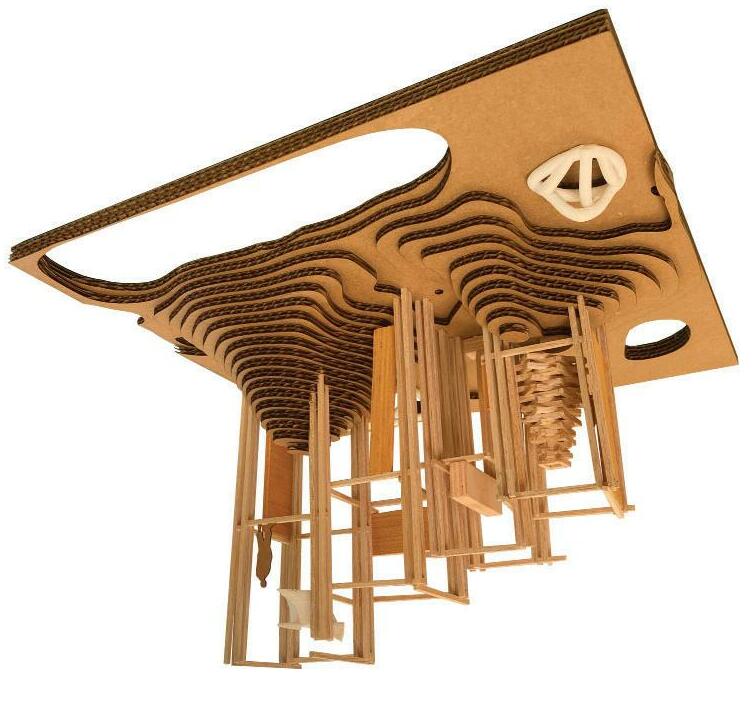
8
Model Photo Multimedia Rendering by S. NandiModel Photo



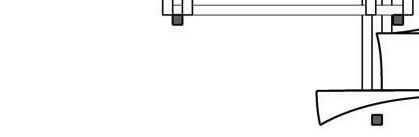





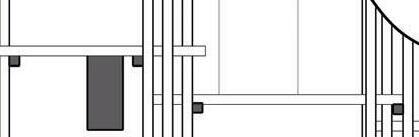
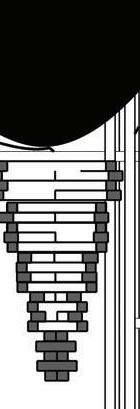














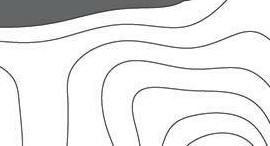
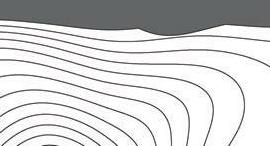






Axonometric Site PlanSection 9
Fall 2022: Reflections Sophomore Year


10
Reflections


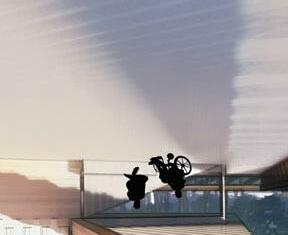
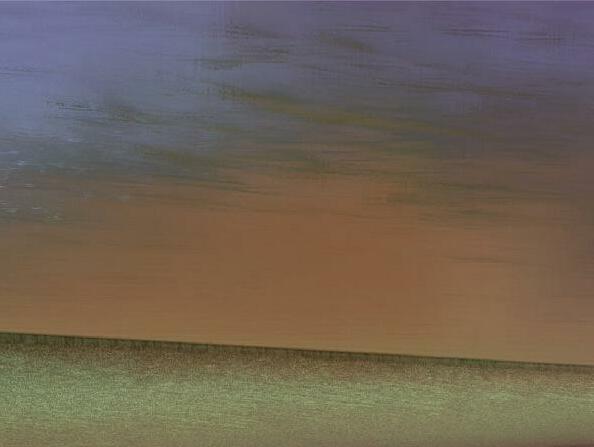
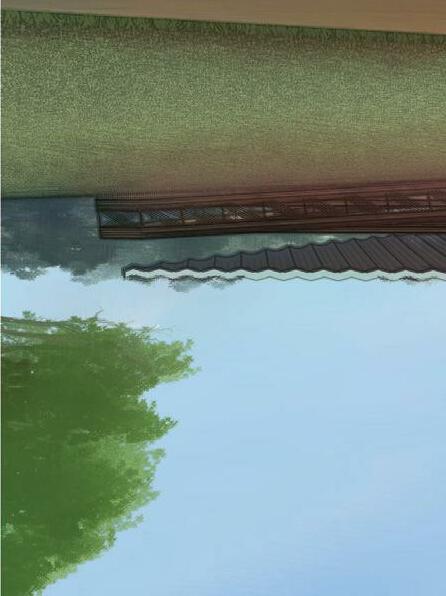
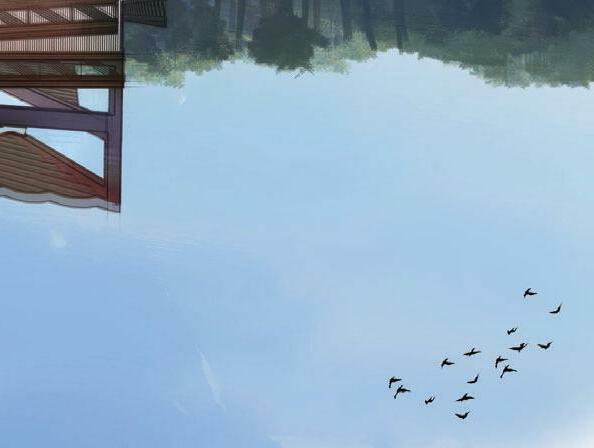
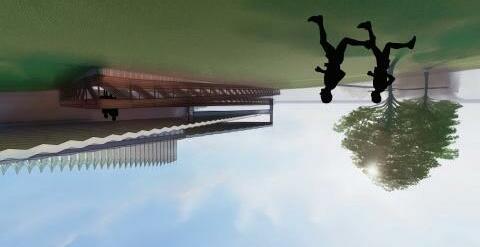
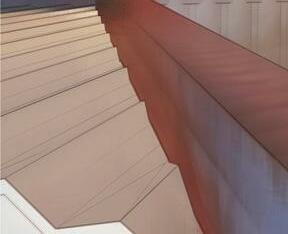
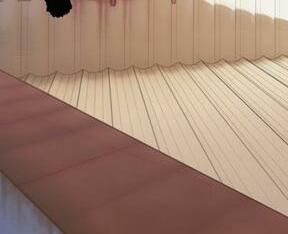
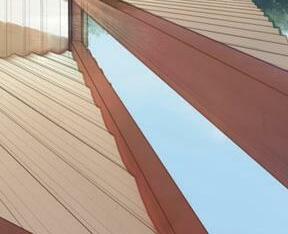
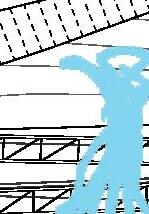
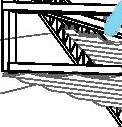
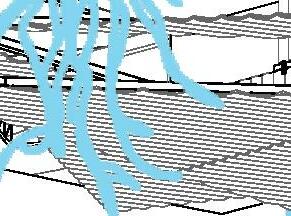
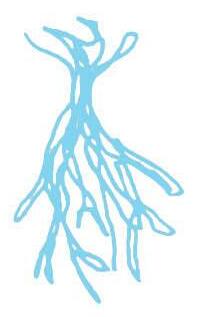
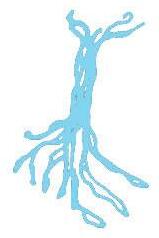
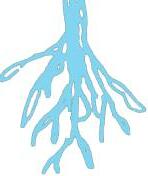
My Field House design for the Snow Center is a reflection of the Blue Ridge mountains in the surrounding landscape, the triangular layout serving as their parti . In addition, the scale figures and trees seen in my diagrams are personalized to reflect the mountain range with their blue tint. Though the designs are vastly different, the building draws inspiration from Manifesto City by Lacaton and Vassal. This is shown by the use of polycarbonate and the sliding doors located on the front and back.
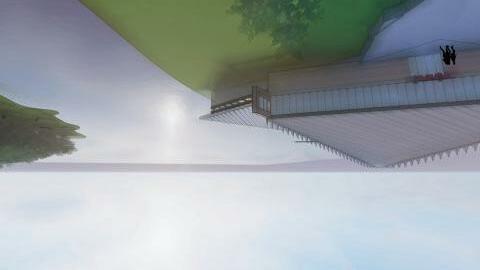
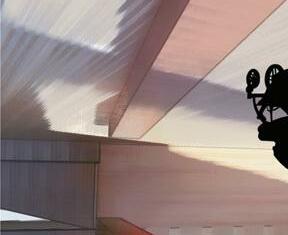
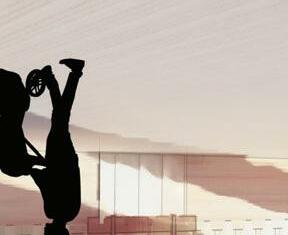
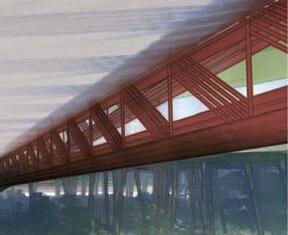
The second project during the Fall semester of my Sophomore year, Reflections was an individual assignment that built off of the skills I learned from ‘Reaching New Heights’. Also, it was my first project that came with certain specifications such as square footage, bathroom features, and exterior space.
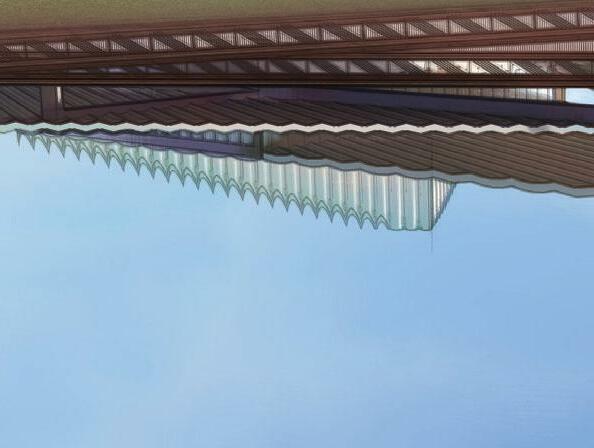 Lakeview Rendering
Angled Side
RenderingPosterior
11
RenderingPatio Rendering
0’5’ 15’ 10’
























0’ 5’ 10’ 15’
Floorplan Diagrams 12
Multimedia Axonometric
Writing Experience
Excerpt: The Land of Milk and Honey: A Timeless Ideal
It’s impossible to comprehend the entirety of human history. There’s limitless data and facts about every civilization across the globe – their architecture, culture, rise and fall – but especially their religion. Despite their differences in location and beliefs, nearly every religion on the globe has some form of common ground, whether it’s the impact of a savior’s blood or certain paths that lead a disciple to another realm. In the context of the 2021 Venice Architectural Biennale, Israel’s Pavilion Land. Milk. Honey. and Le Corbusier’s Ronchamp exhibit a connection that straddles centuries through an ideal held by both Judaism and Christianity.
Excerpt: Stick Figures
Sometimes it felt as though these ghosts of the past still clung to him, twin vultures of smoke and shadow sitting on his shoulders. Two years after the crash he somehow survived. Two years during which he’d forgotten the sound of his mother’s voice and the crinkle of his father’s eyes when he smiled. Two years of moving forward when all he wanted to do was sink into the ground beside them, together again at long last.
...
And he certainly wasn’t afraid of the woods, even as it swallowed him whole with towering pines and the reeking stench of life. As with every night of the summer, the trees were singing. Katydids screeched from their hiding places amongst the tall grass surrounding the path, fighting for harmony with the crickets. Deer tracks marred the red clay in meandering paths. In the canopy overhead, whippoorwills cried out as if searching for something in the failing light, beautiful notes dripping with loneliness. Dusk fell over it all, lulling half the world to sleep but rousing the rest.
13
Emma Grace Connelly
Clemson
University
emmacon5@icloud.com (803) 944 - 5857
14