Emma Fiorella_Portfolio

Page 1

EMMA FIORELLA

SYRACUSE UNIVERSITY ARCHITECTURE

PORTFOLIO
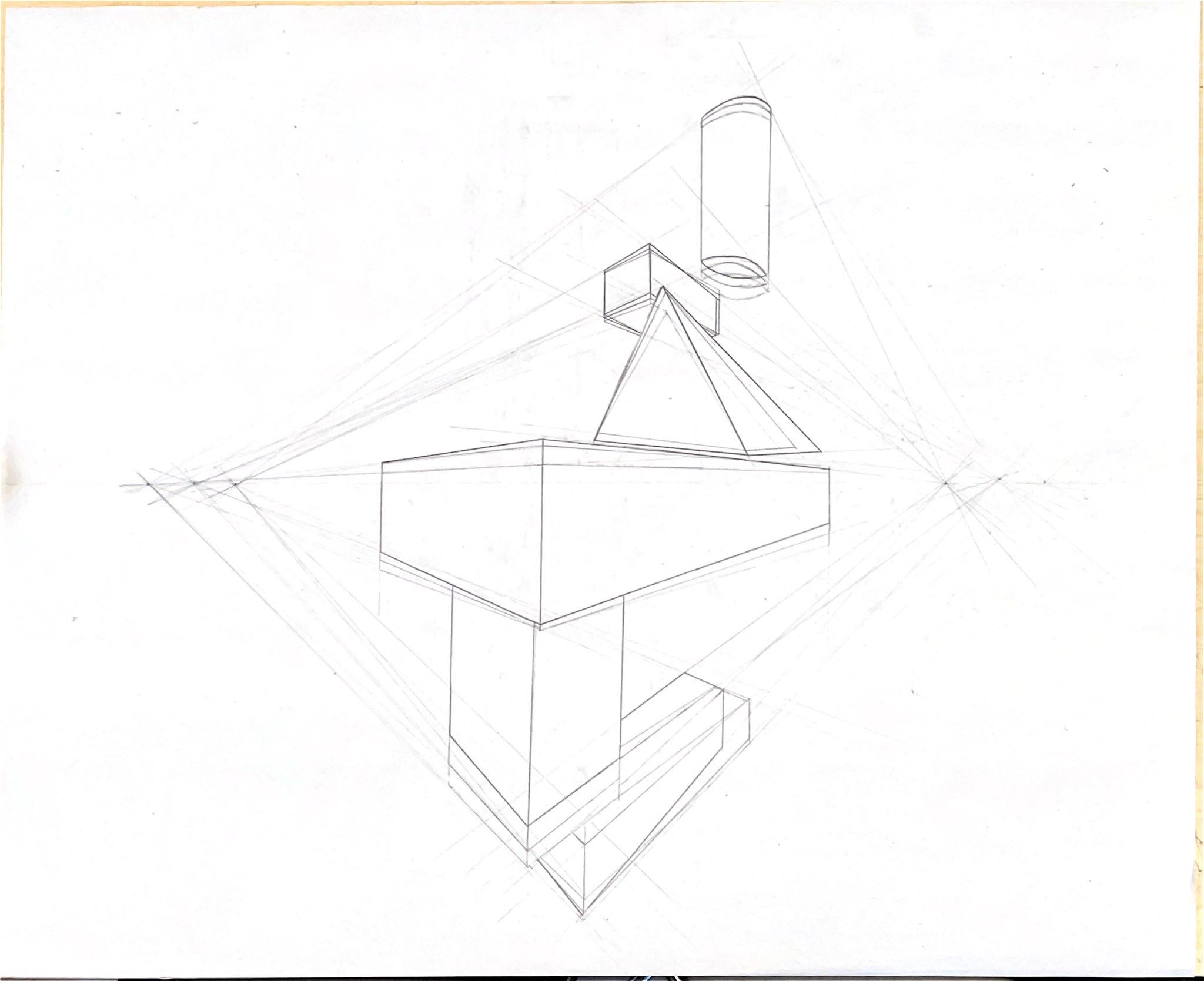
TABLE OF CONTENTS

PAVILLION

1

SITE PLAN 2 SECTIONS 3 FLOOR PLAN 4 FLOOR PLAN 5 RESEARCH 6-8 MODELS

CONCEPTUAL DESIGNS 9 PRIMITIVE FIGURES 10 RENDERS 11 ANIMATION DRAWING 12 ARCHITECTURAL DRAWINGS 13-14 CUBE DESIGN

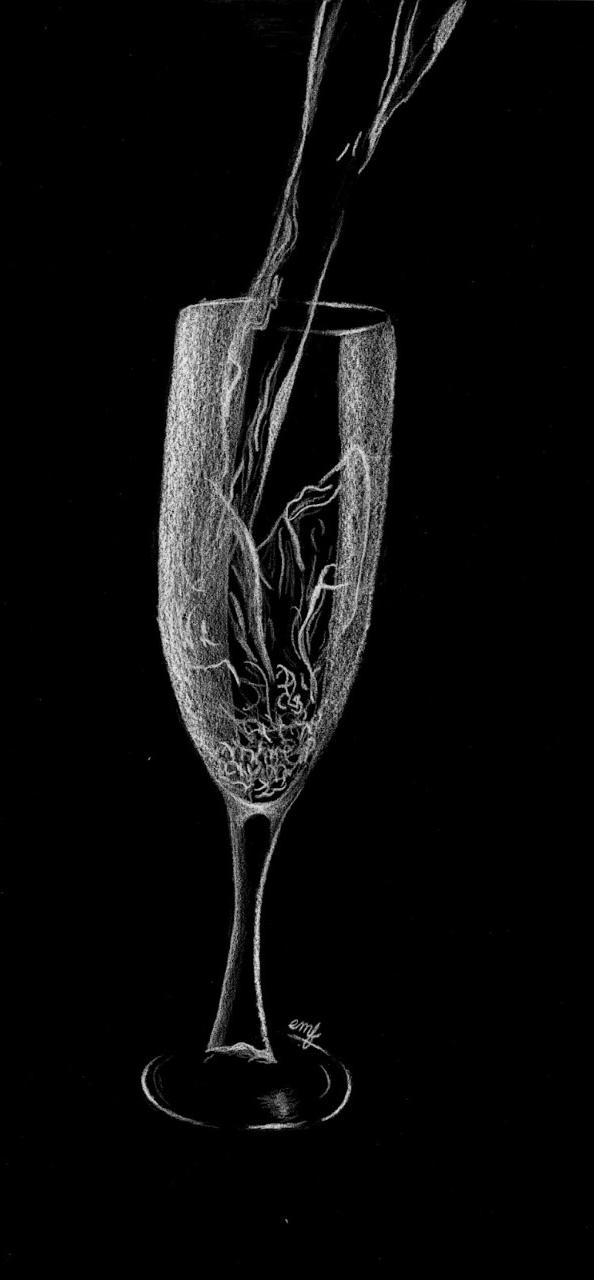
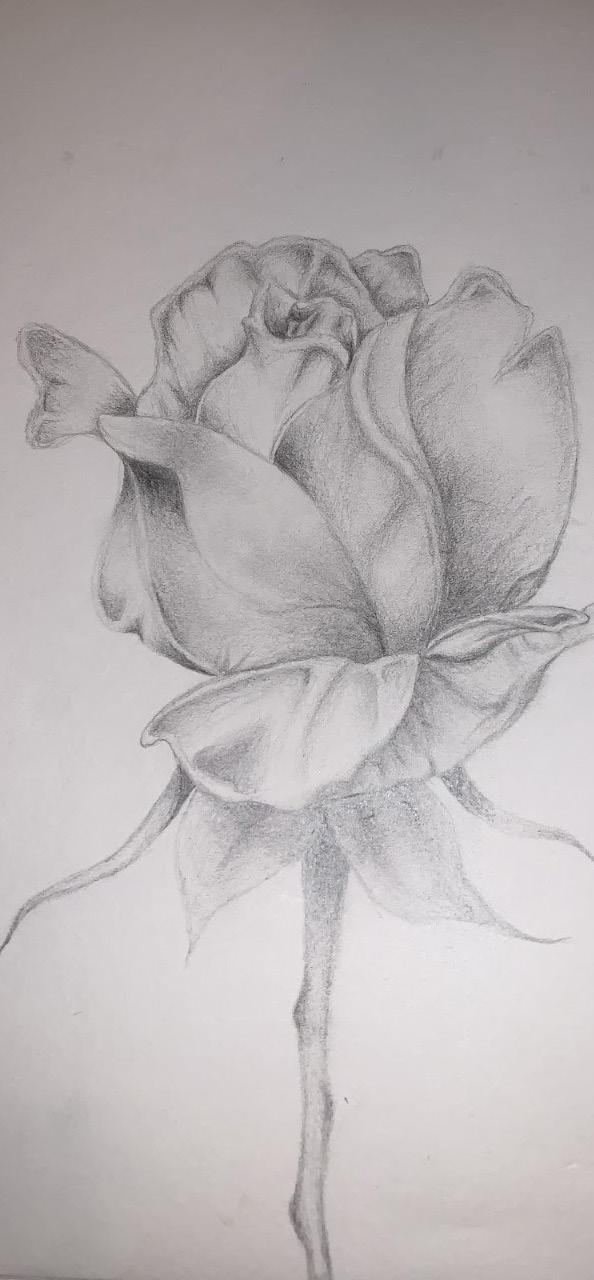
HAND DRAWINGS/OTHER ART 15 PENCIL DRAWINGS 16 PHOTOGRAPHY 17-18 PORTRAITS 19-20 DRAWINGS

1 SITE PLAN SCALE: 1’=1/8”
0’ 1’ 2’ 4’ 6’
S. 1 S. 2

SITE SECTION 1 SCALE: 1’=1/8”

SITE SECTION 2 SCALE: 1’=1/8”

0’ 1’ 2’ 4’ 6’ 0’ 1’ 2’ 4’ 6’ 2
FLOOR PLAN 1 SCALE: 1’=1/4” 0’ 1’ 2’ 4’ 6’ 3
6 FLOOR PLAN 2 SCALE: 1’=1/4” 0’ 1’ 2’ 4’ 6’ 4

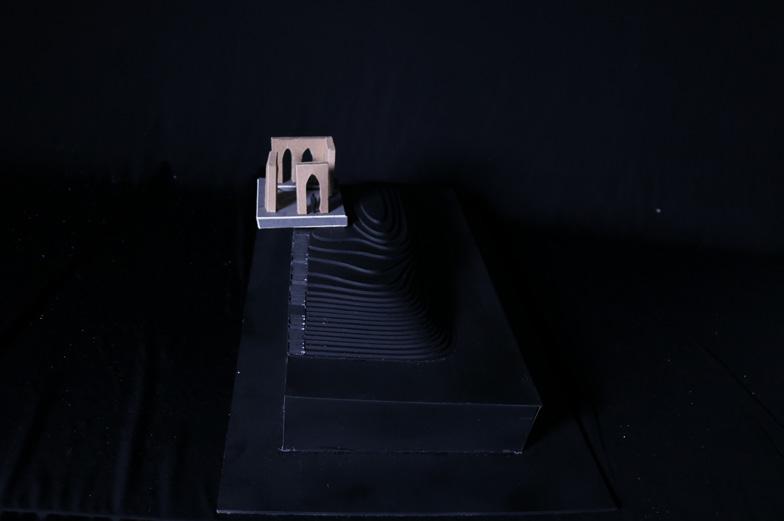
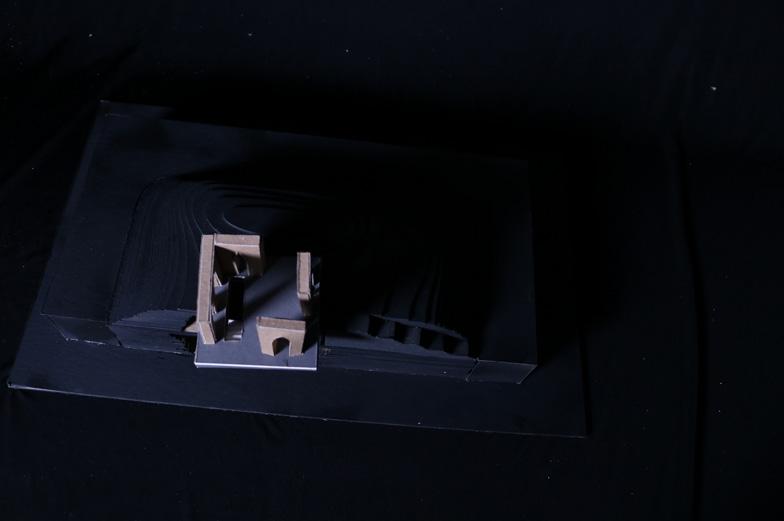
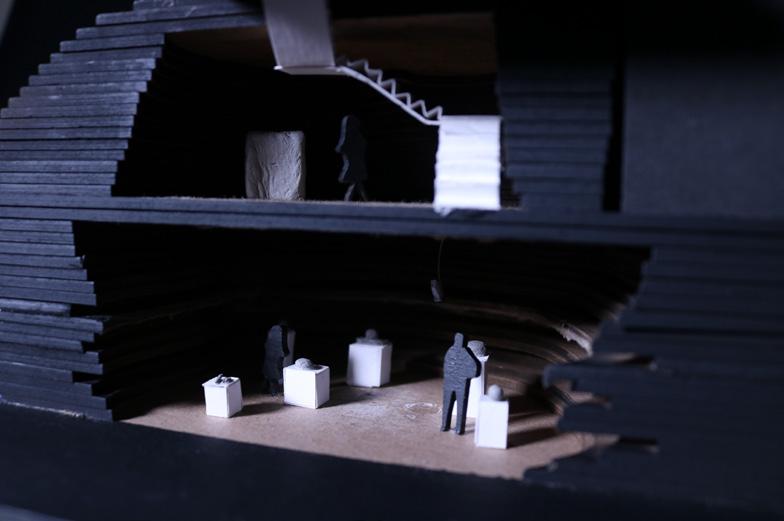
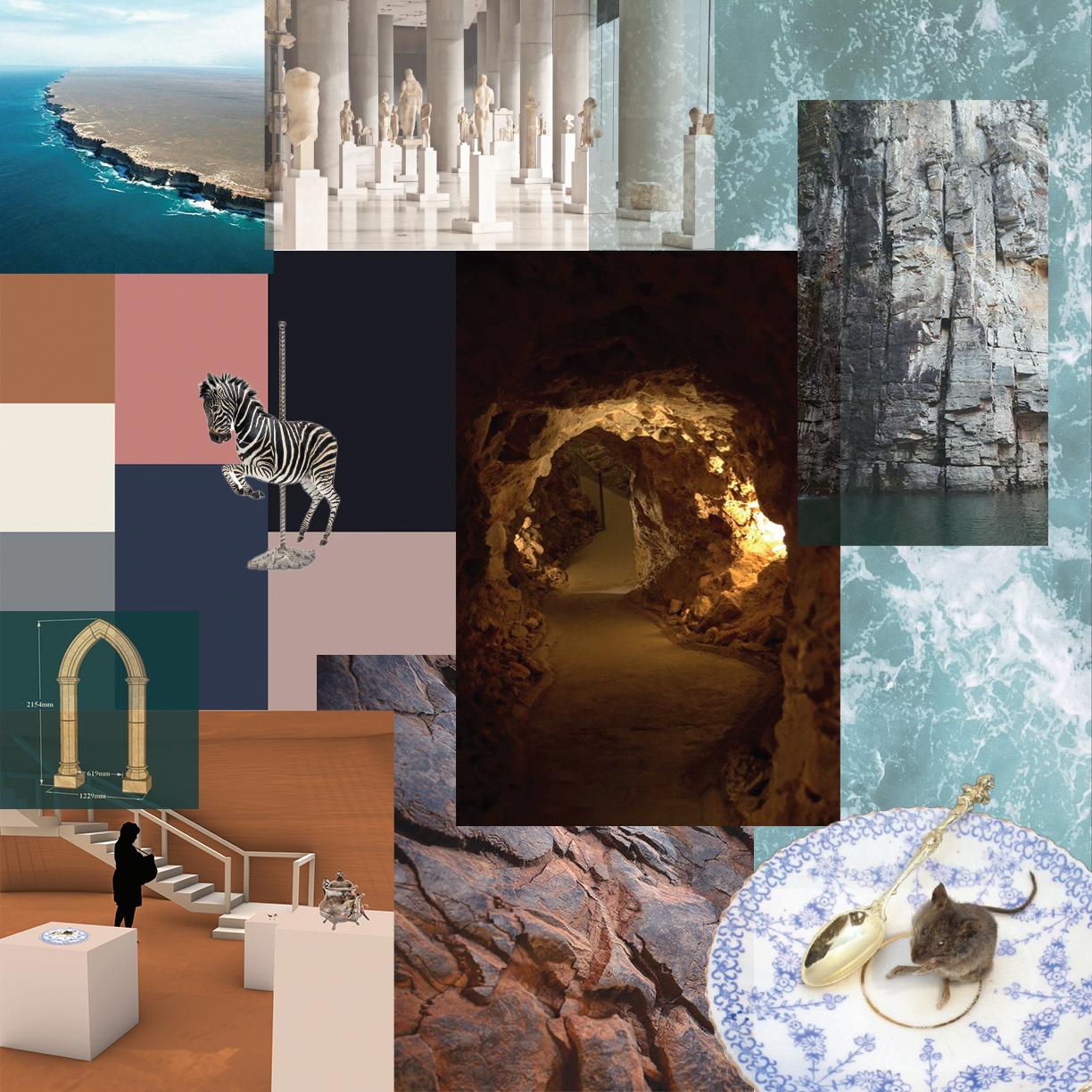
pavillion was designed to hold Julia Deville’s taxidermy. Here is a collage of inspiration for and feelings evoked from this project. Also included is multiple tried iterations for the land scape which were made from different sets of rules.
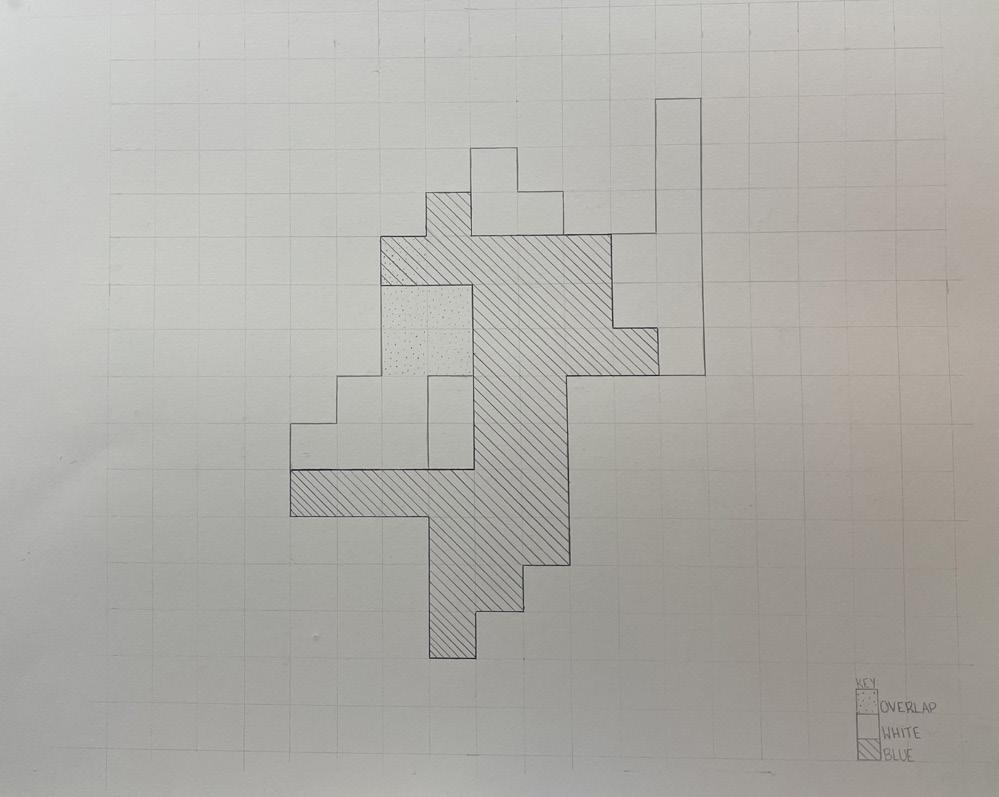
RULES FOR POINTS: Start and Stop must be located on opposing sides of grid. Each object point must be at least 5 spaces apart. Each point (entrance/stair location) must indicate a different section or level to the field. RULES FOR LINES: All lines must be curved, and can be continuous, meaning goes across the grid, or have a clear start/end. RULES FOR LINES: Lines can be curved or straight. Lines must connect to a point and be diagonal. RULES FOR POINTS: Start and Stop location must be at the same side of the grid, on opposite corners. Points cannot touch other edges or corners. Points must be at least 5 spaces apart. RULES FOR LINES: All lines must be curved. Lines not need to be continuous, but must connect. Lines must get closer together as the they make way to the center point, creating a spiral shape RULES FOR POINTS: Start point must be at one corner, and stop must be located at the center of the grid. Each object point must be at least spaces apart. Each point represents an entrance or stairs, and indicates another level. 96"
FOR LINES: All lines must be straight and have a clear start/end point. Each line should create an equal square, or connect diagonal points. Each line should be connected at a point. Each square should be divided by two lines.
FOR POINTS: Start and Stop must be located on the same side of the grid. Points must all be an equal distance apart from points below/above/next to. FIELD CONDITIONS 5
RULES
RULES
This

FINAL MODEL

6

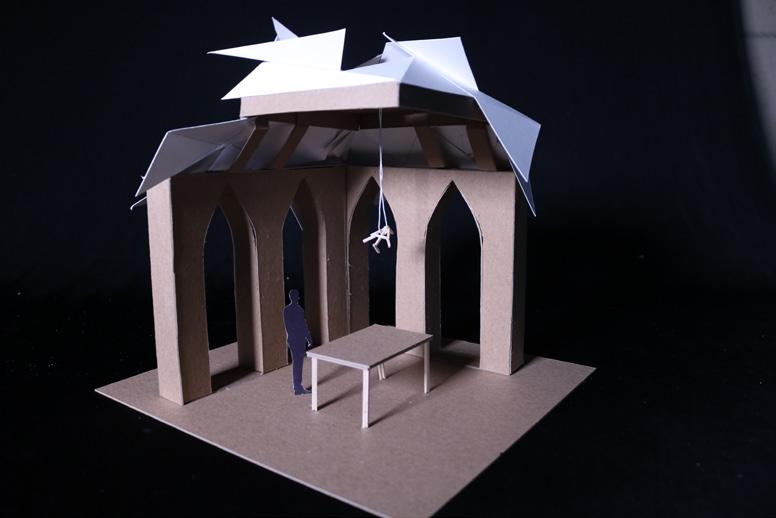
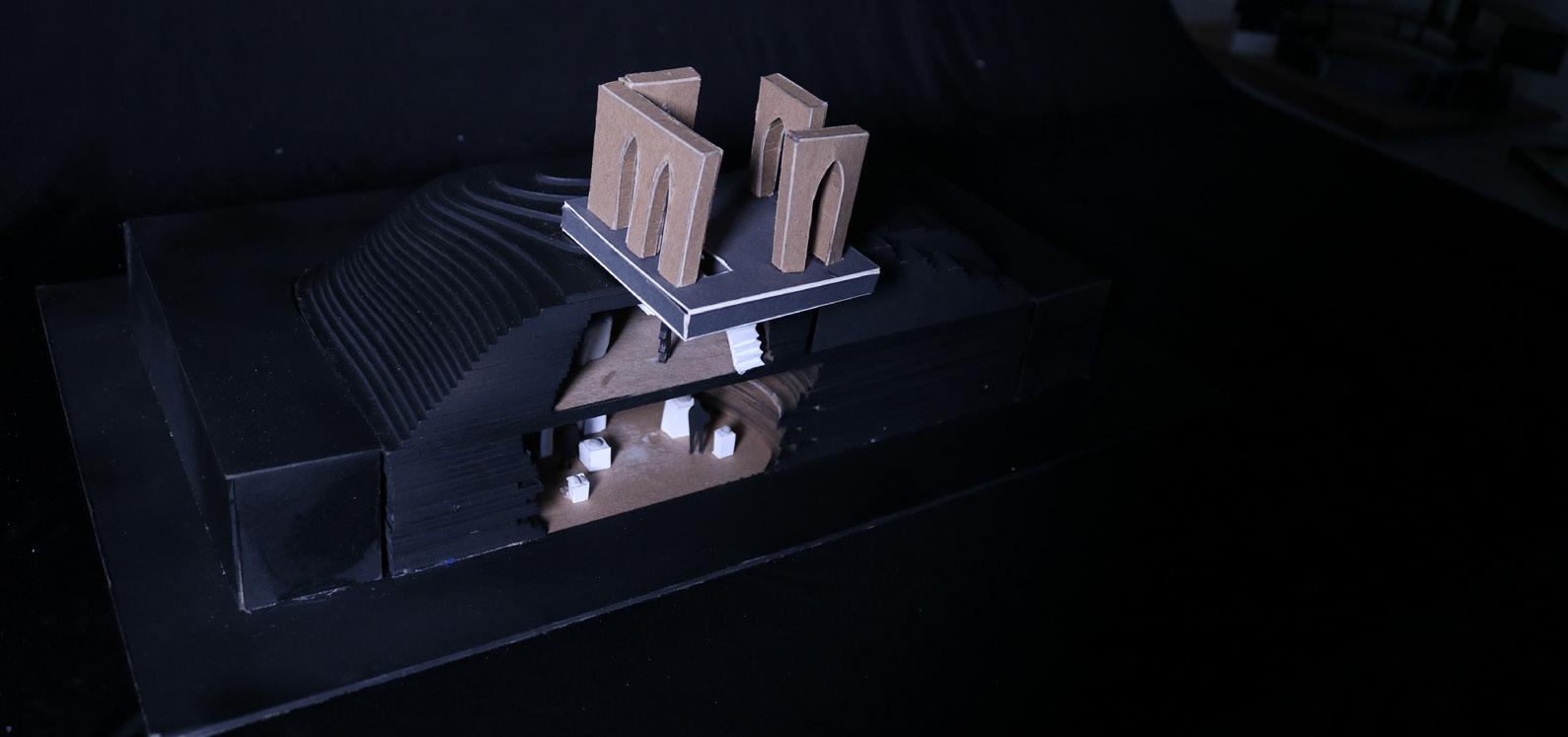
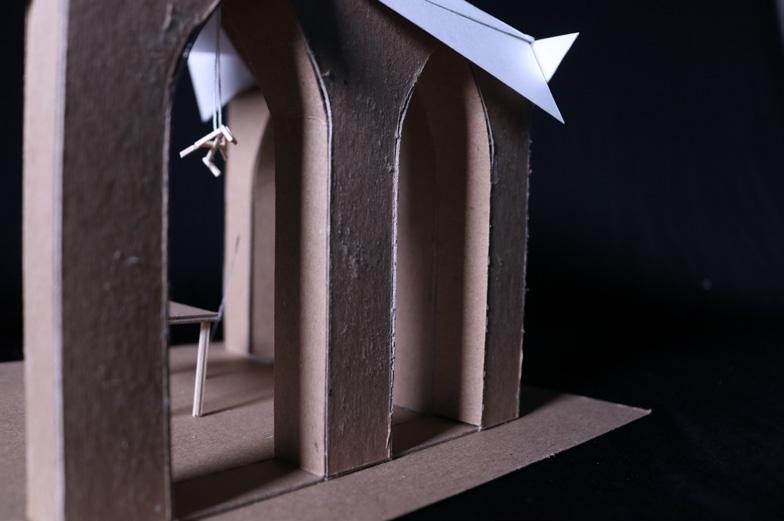
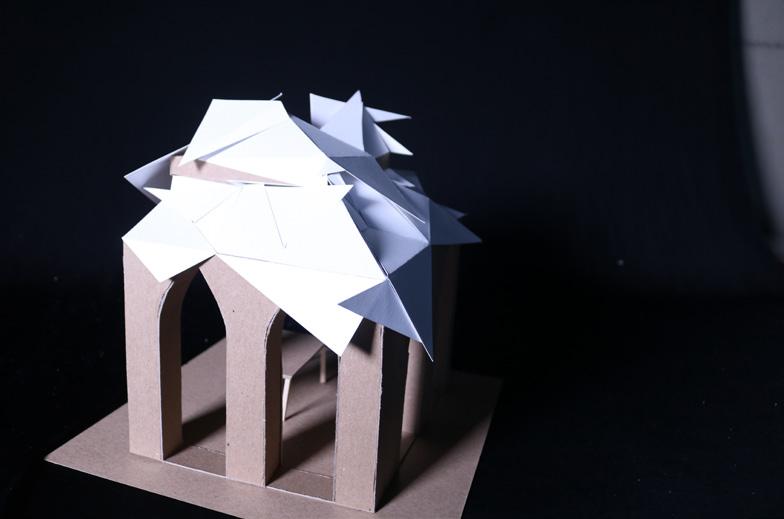
Here, are images of the original pavillion mod el, where I experiemented with Gothic arches and a deconstructed glass roof to display DeVille’s Silver Rook.
7

FINAL MODEL

8

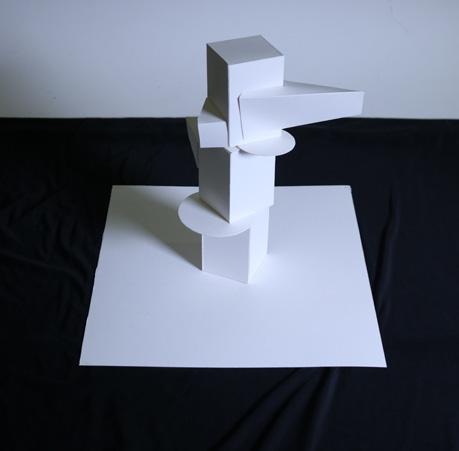
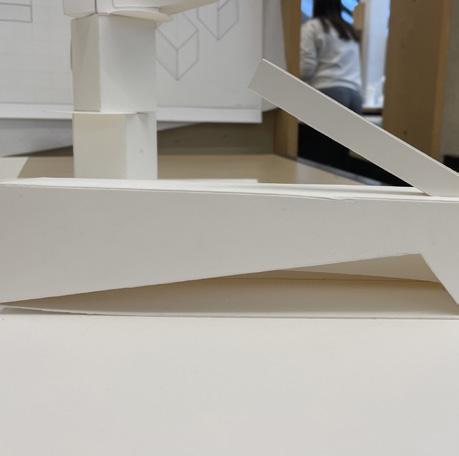
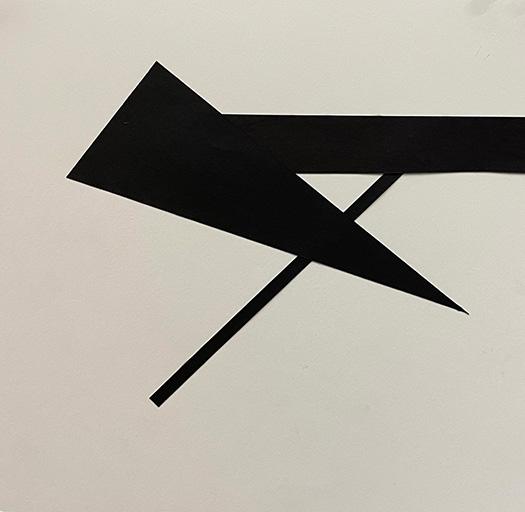
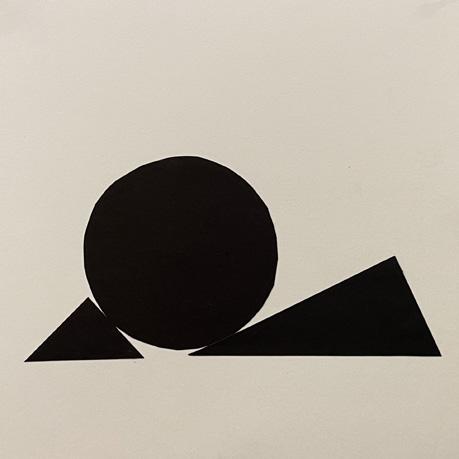
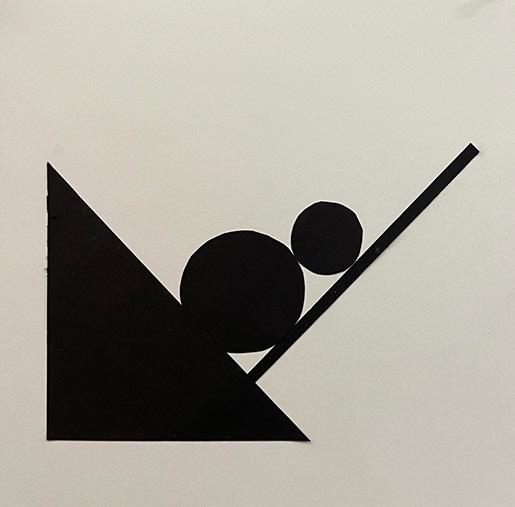
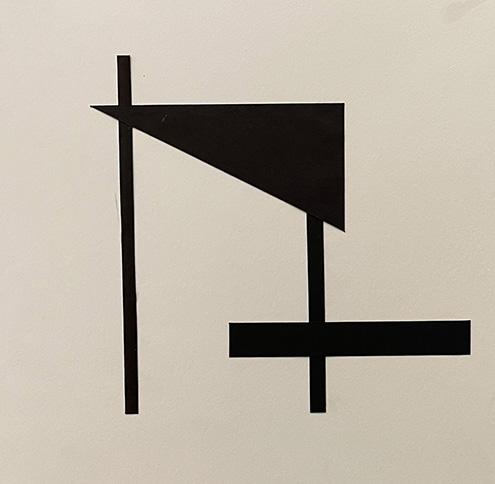
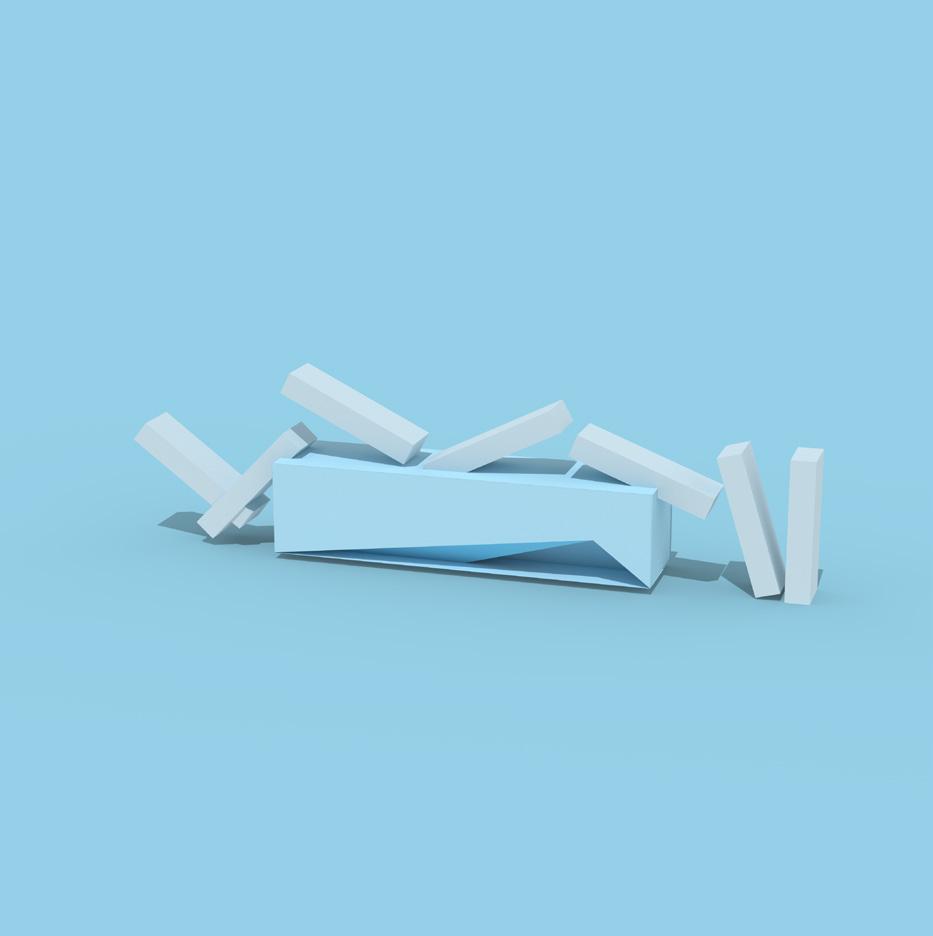
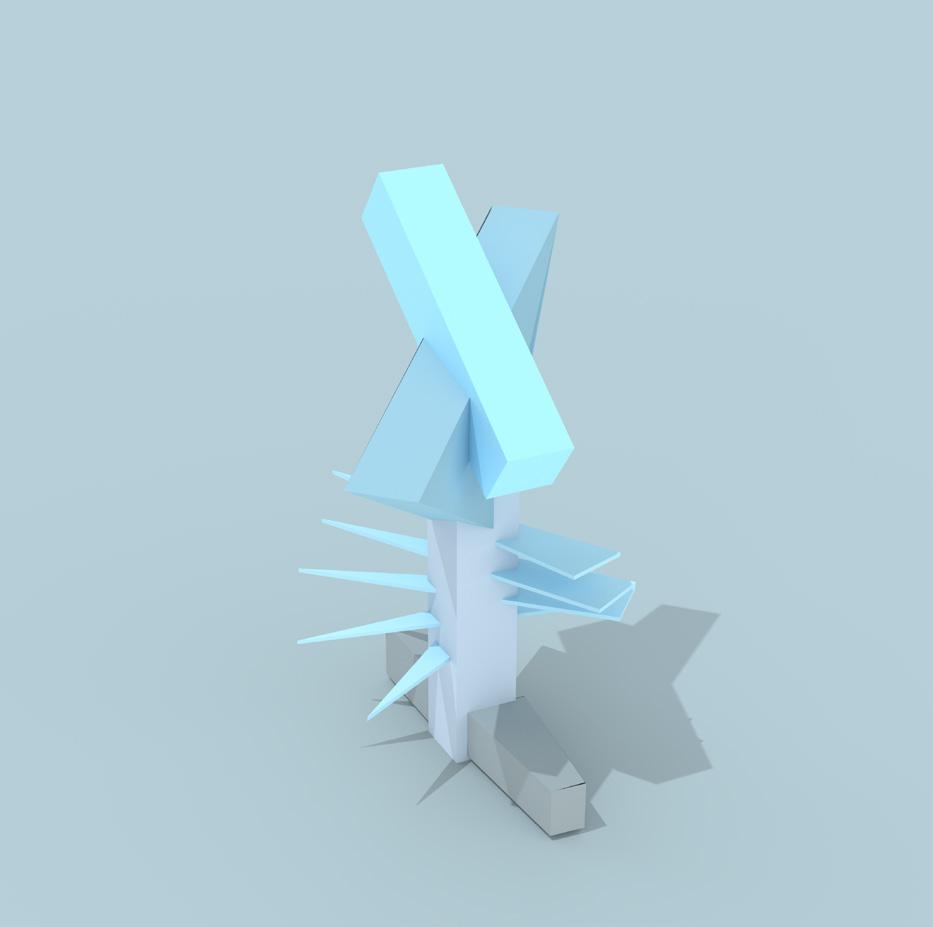
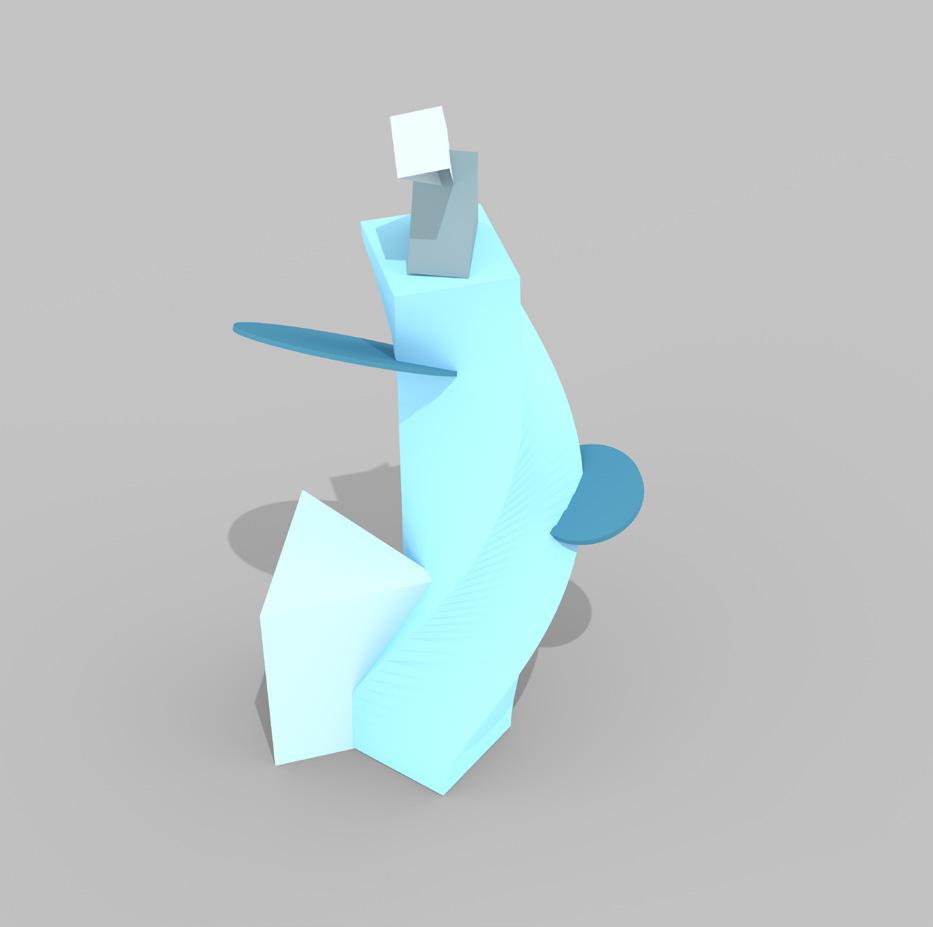
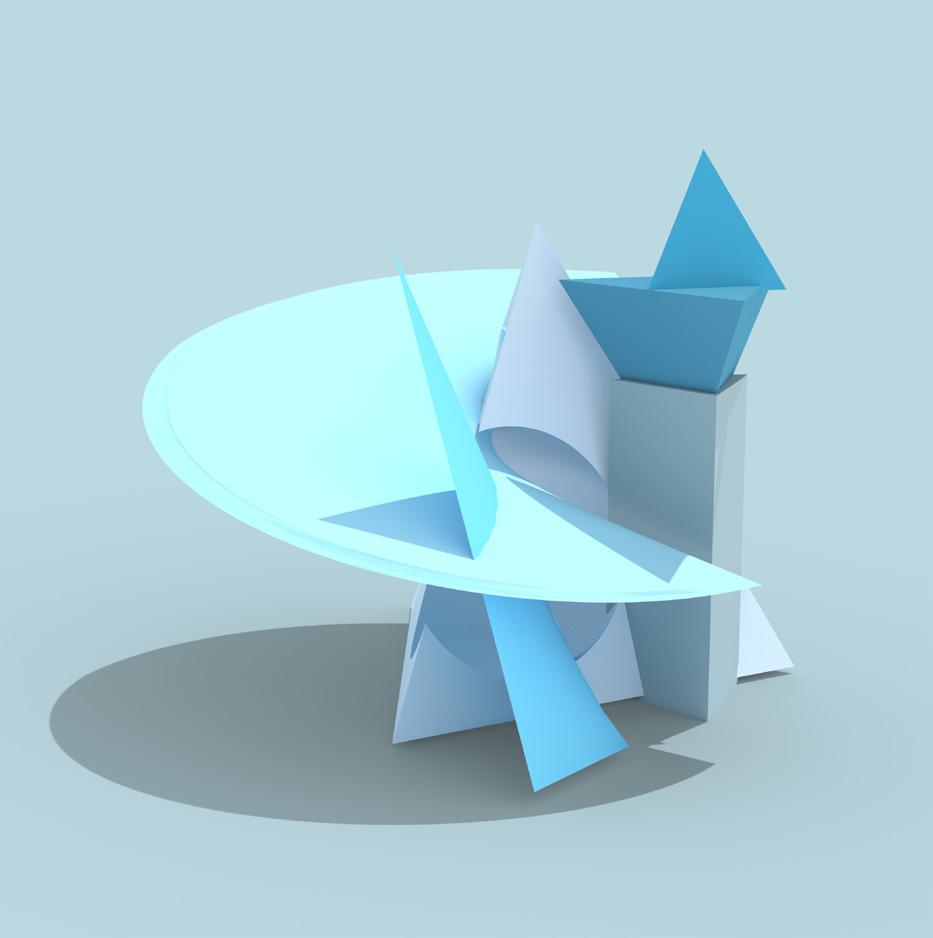
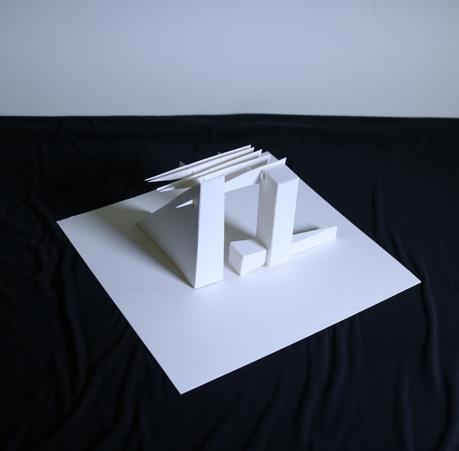
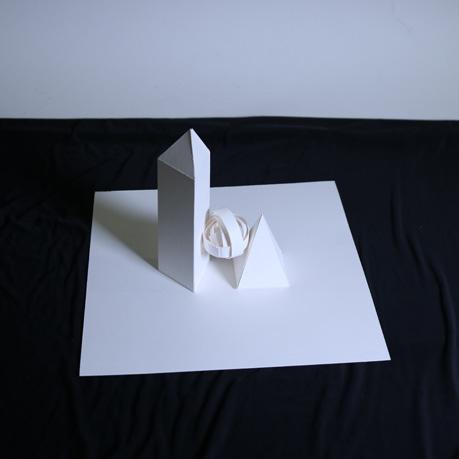
This project began with designs of different shapes (above), and exploring how they could possibly interact to become a physical object (right). I then turned them into digital models (page 10), changing the appearamce and evoking more move ment from the way the shapes interact.
9
10

This project is an animation of an eraser spiraling across the page, made using multiple papers.
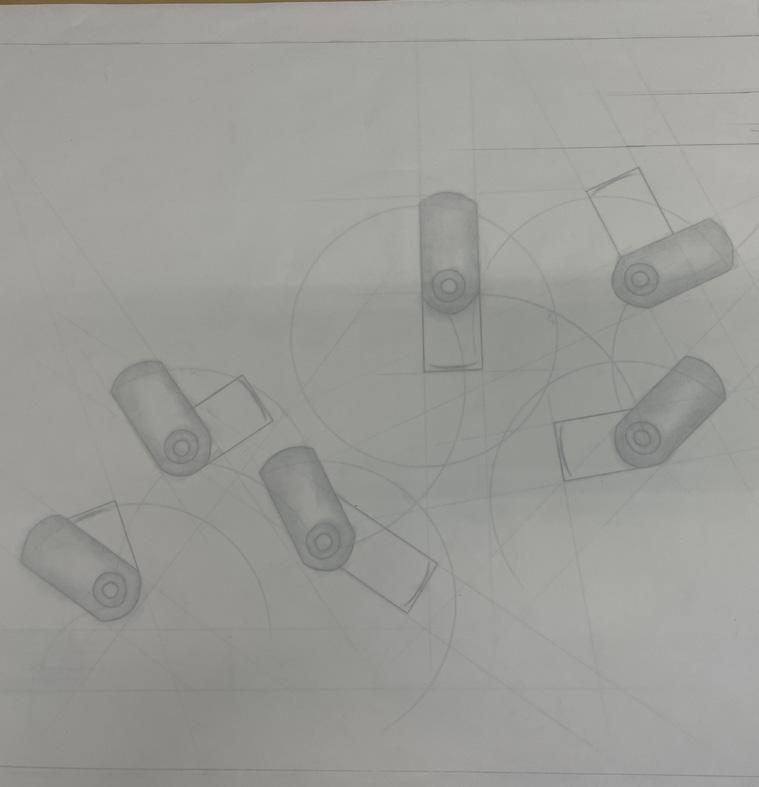
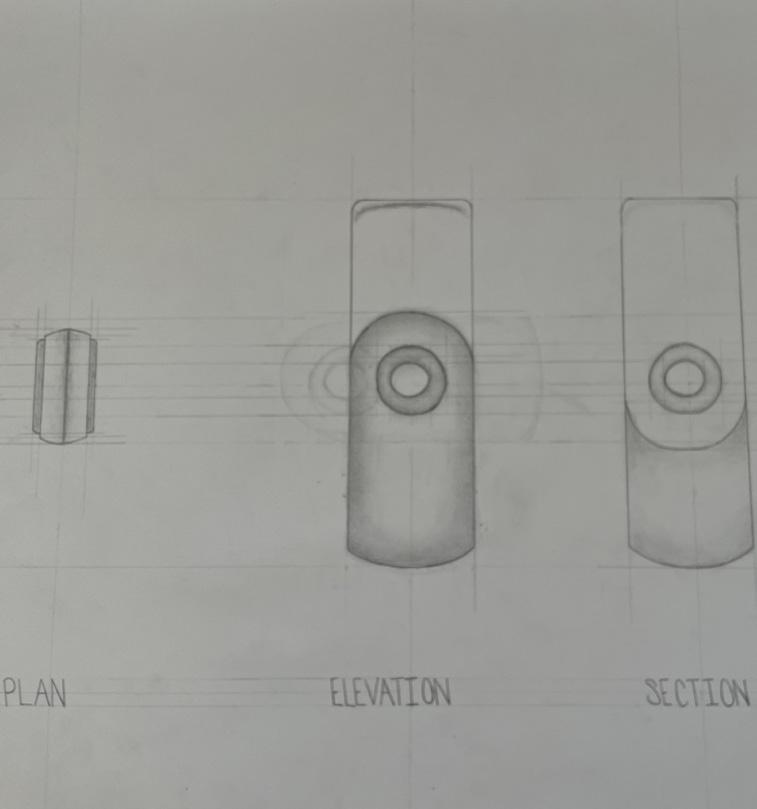
11

Drawing of my pencil case, as seen regular ly and crumpled for Represention in Architecture class, in order to play will scale and perspective.
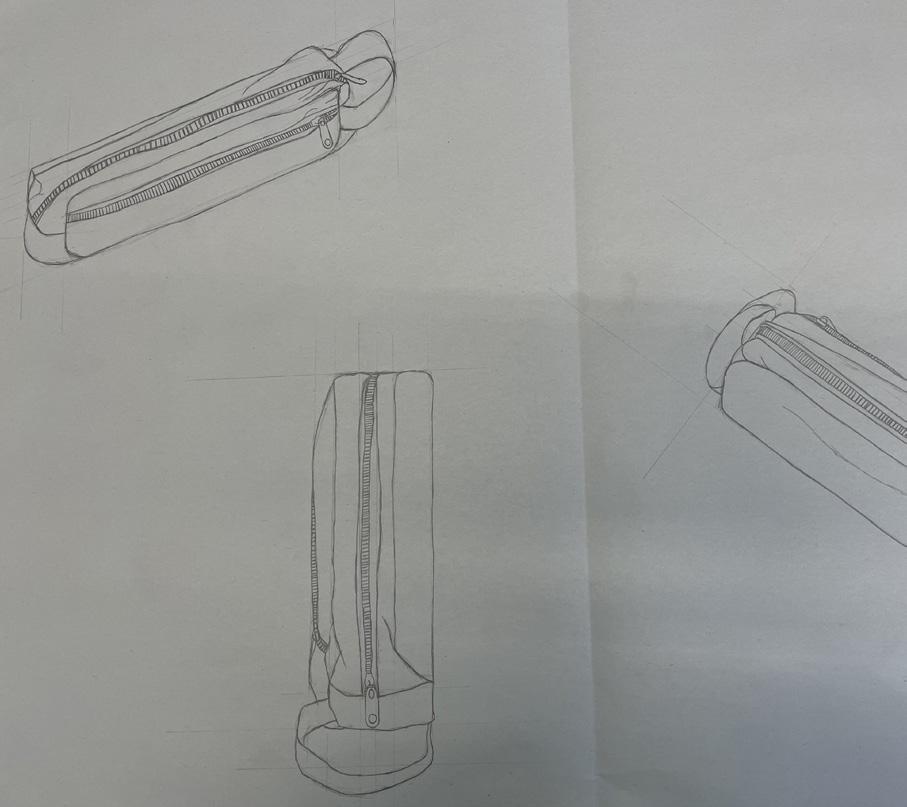
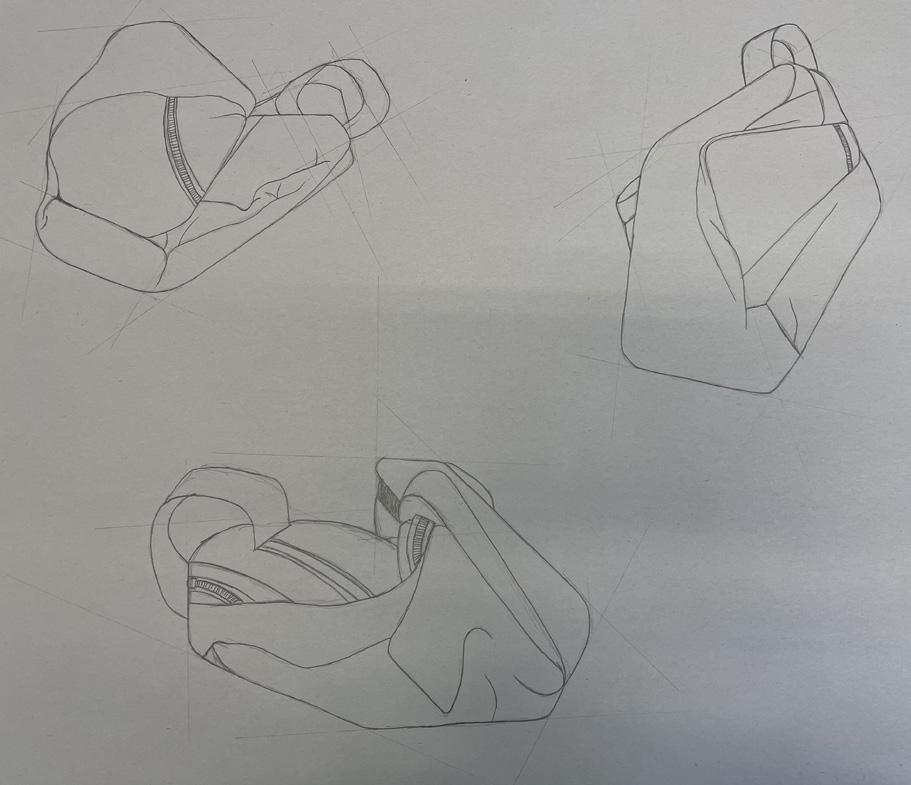
12

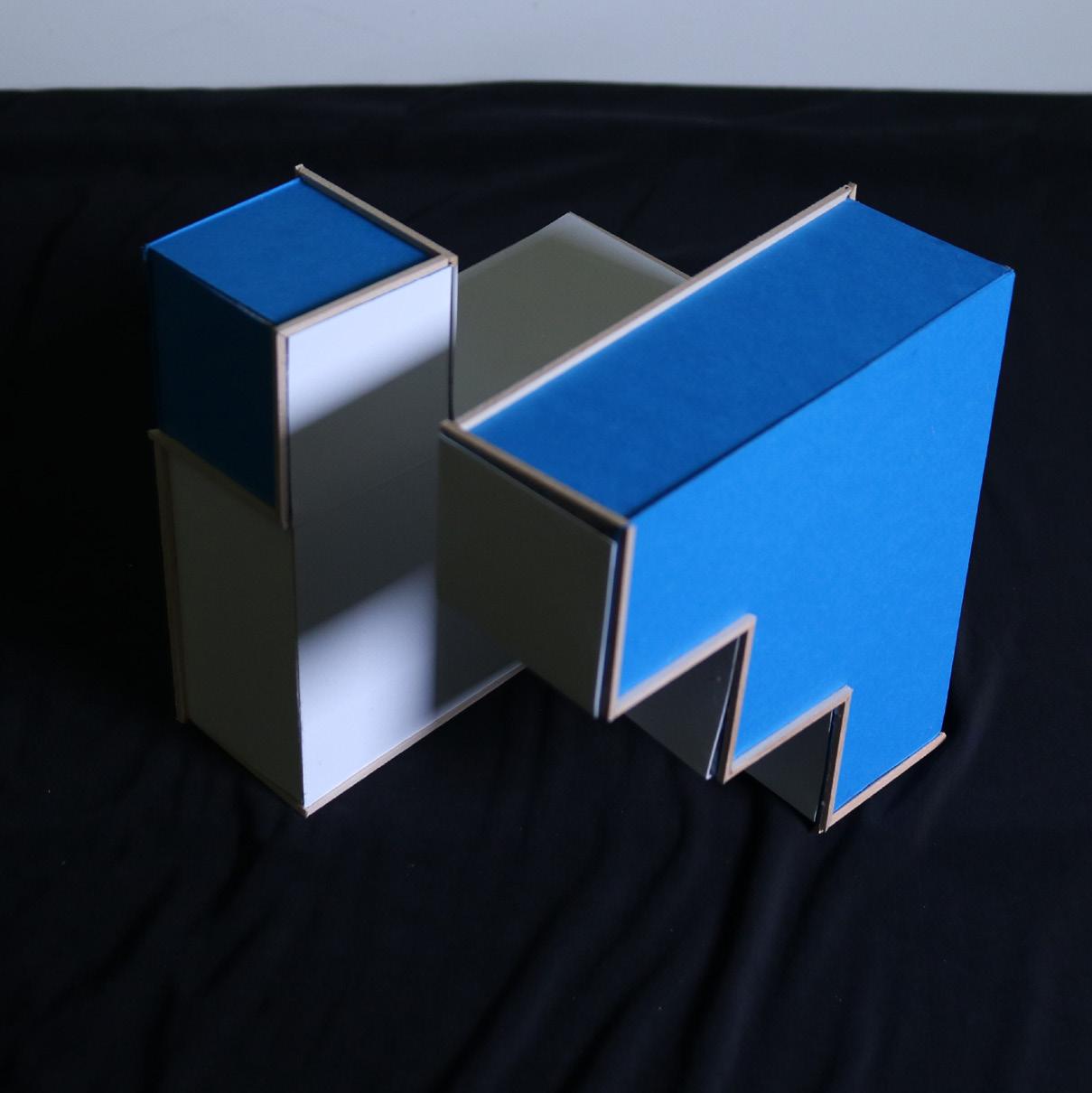
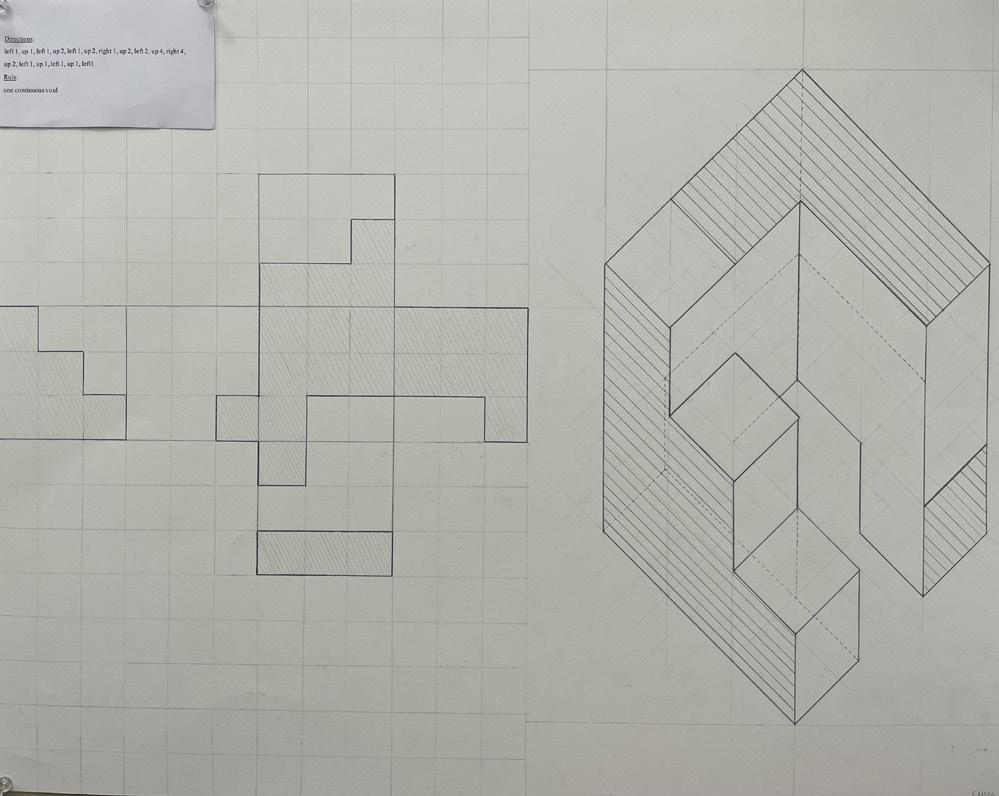
This cube was designed for one continuous line to wrap around it without crossing, seen as the wooden line on the pyshical model. The top drawings are the plan and axon; the bottom is a drawing of the unroled cube.
13
14
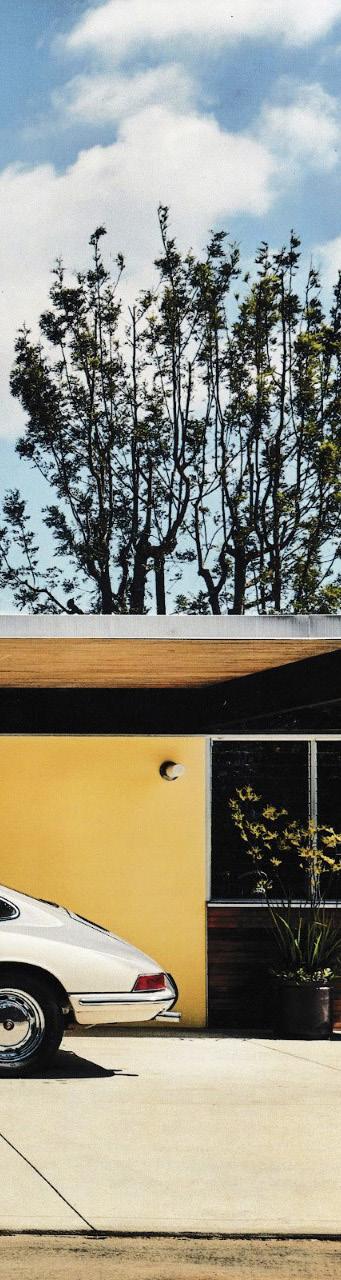
15
“POUR A DRINK” “ROSE”
16
“CAPE
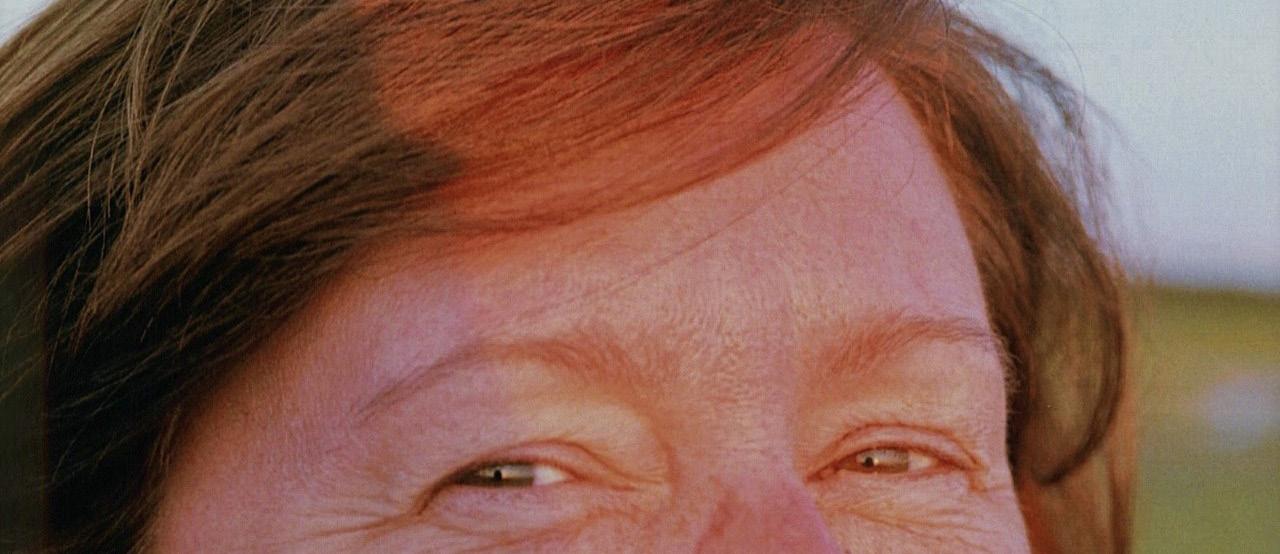
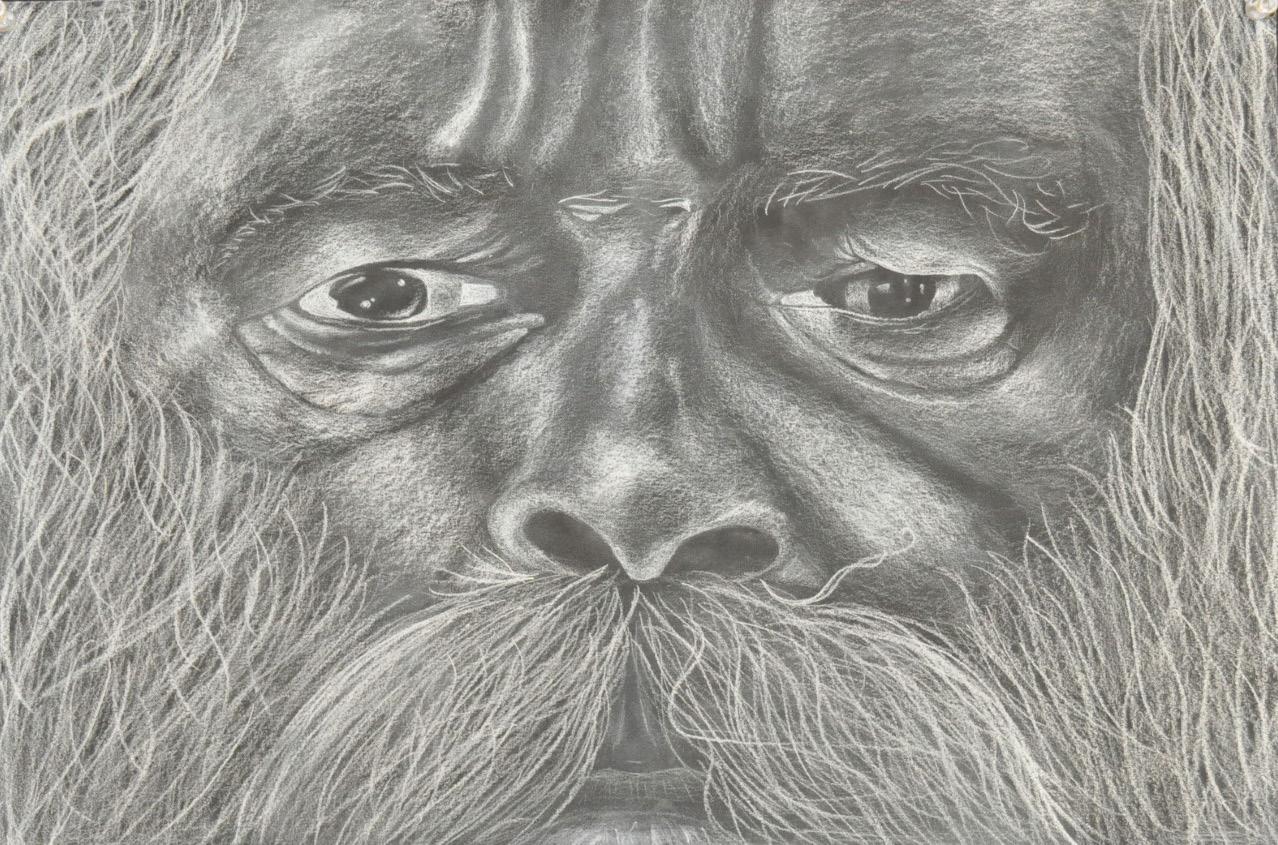
“LIKE FATHER, LIKE SON” “MOTHER’S EYES”
SUNSET”

“WISE EYES”

19

“YOUTHFUL SIGHT”

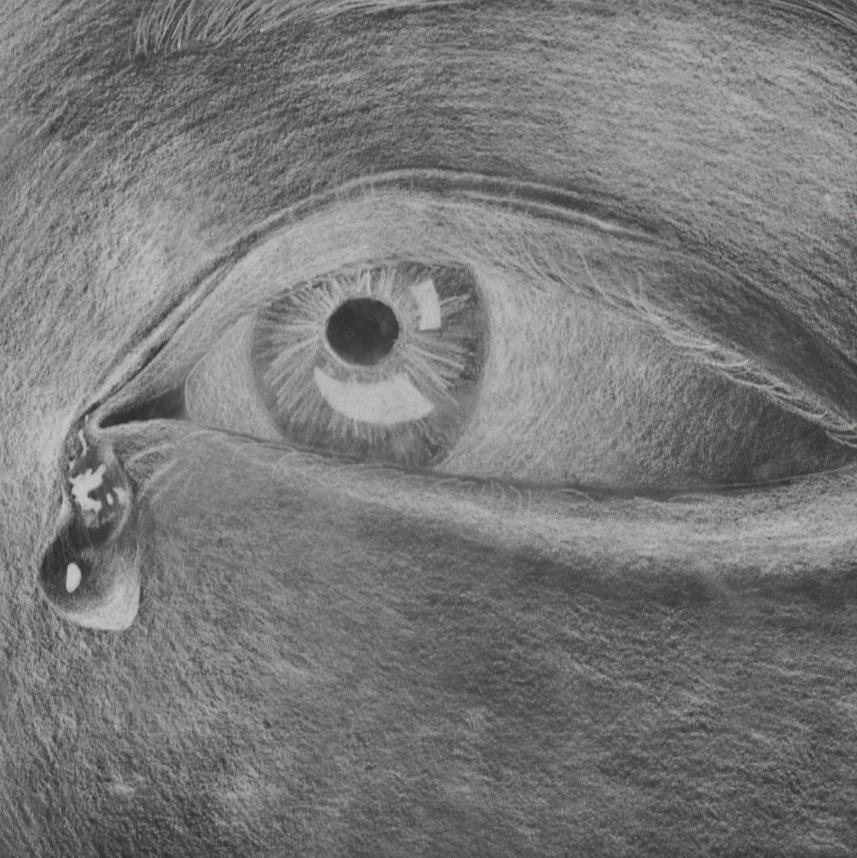
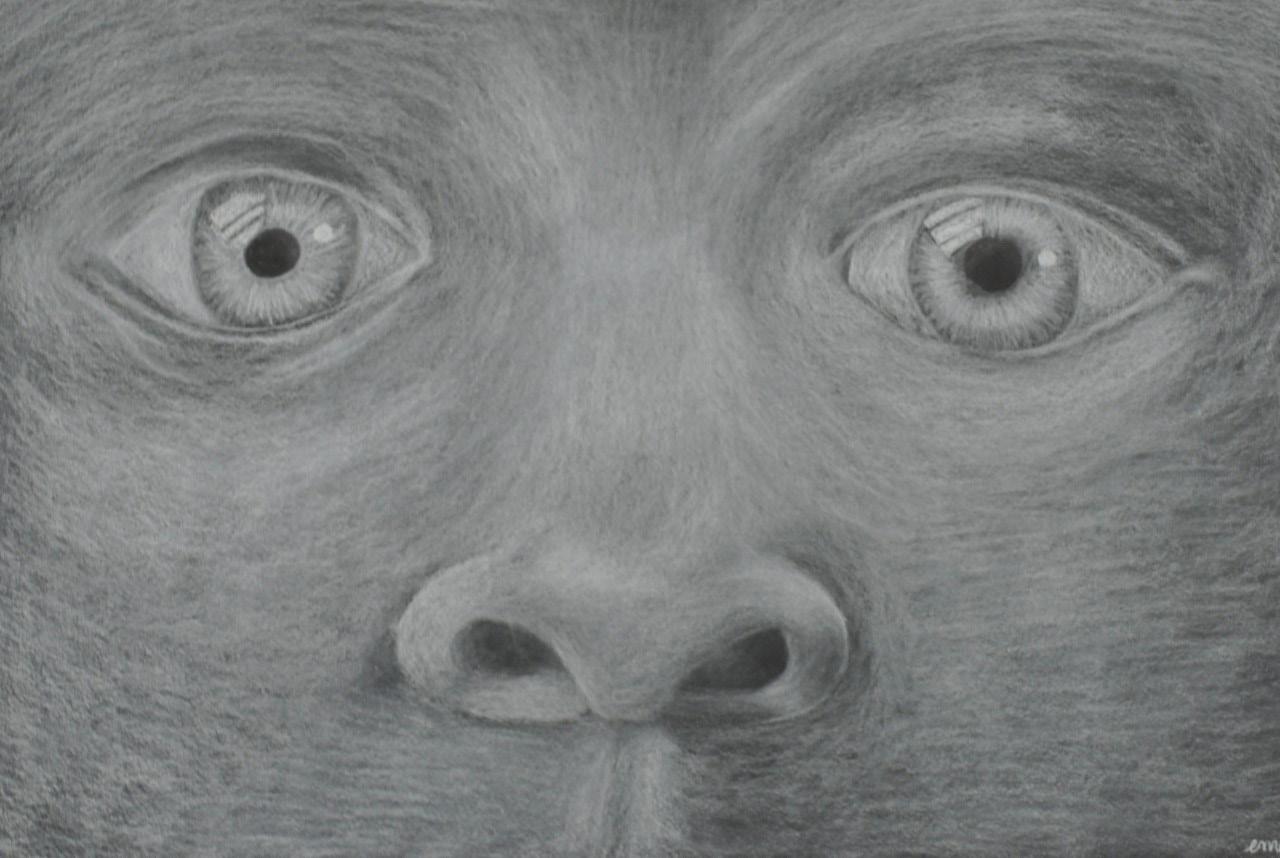
These two white charcoal drawings were made to be a pair in my AP art portfolio (May 2022), to display how our eyes change as we age.
18
19
20
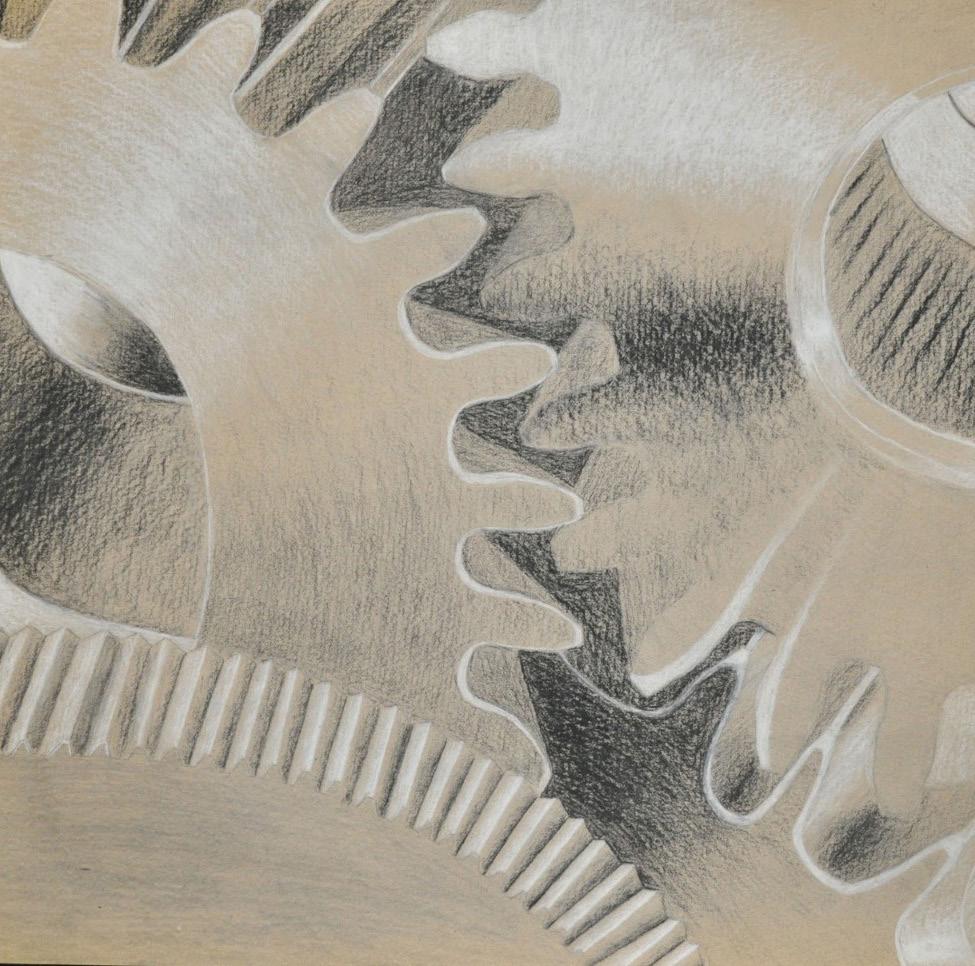
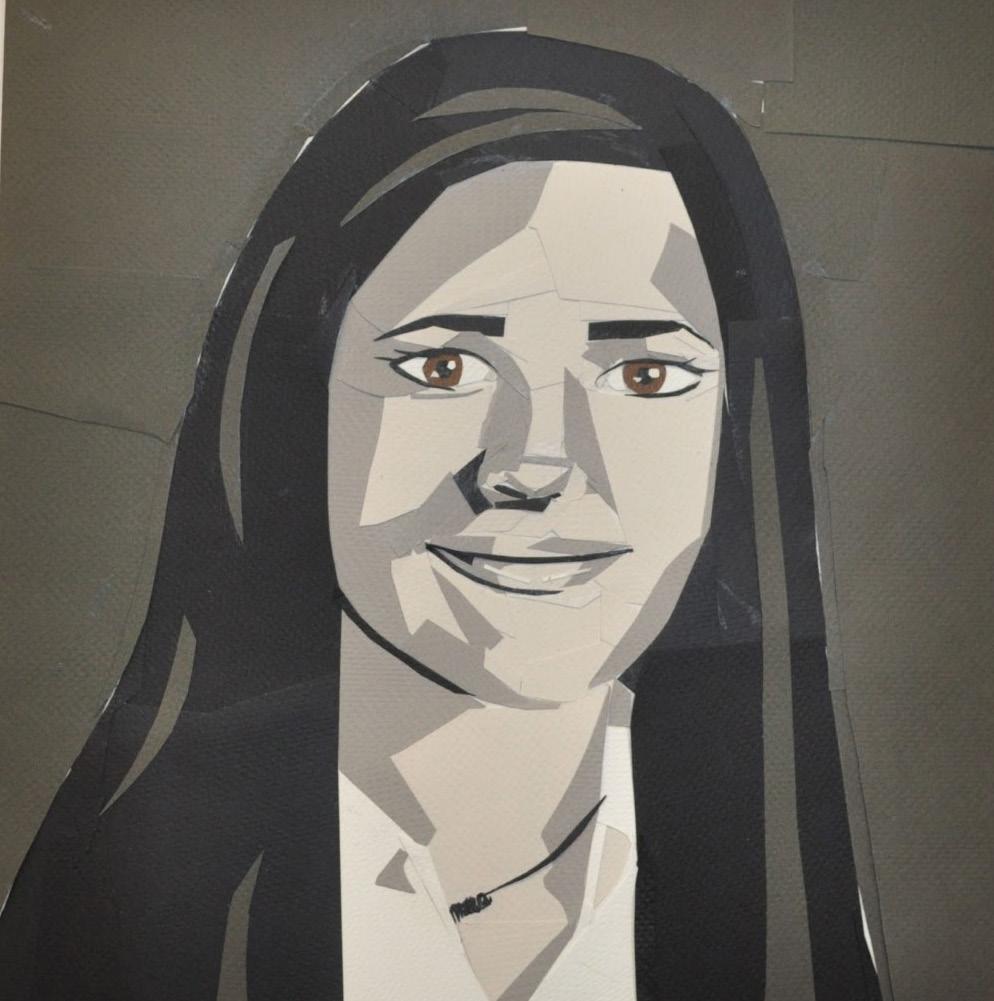
“GEARS” “EMMA” (self portrait)
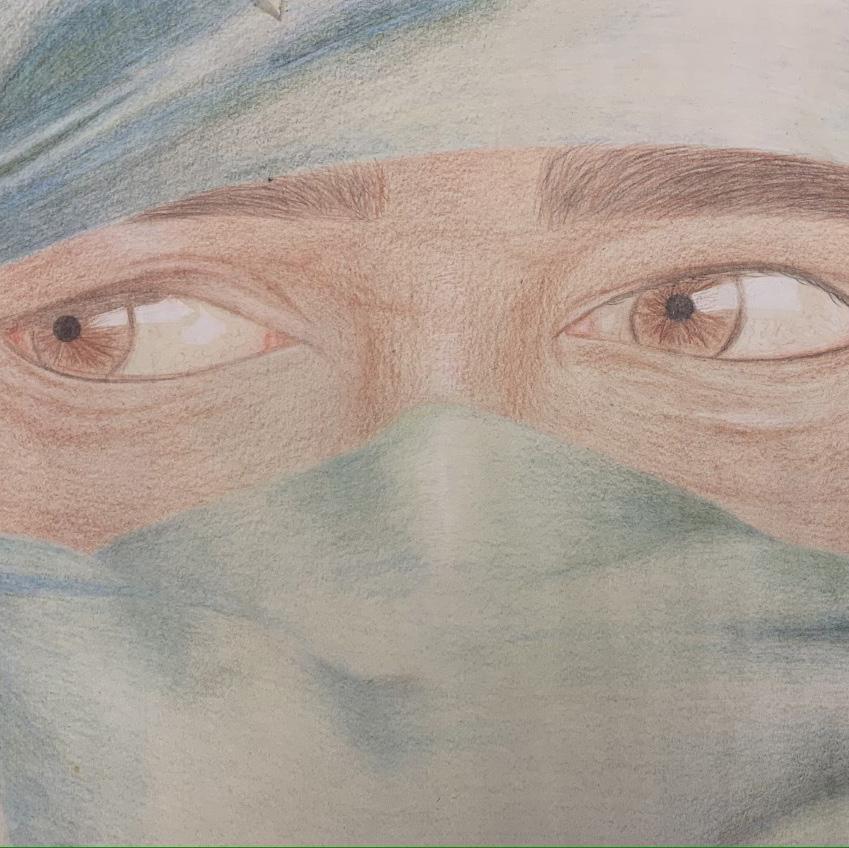
“HIDDEN SELF” “TEARDROP”

Turn static files into dynamic content formats.

Create a flipbook
Issuu converts static files into: digital portfolios, online yearbooks, online catalogs, digital photo albums and more. Sign up and create your flipbook.