


CONTACT
Emma.chudoba@gmail.com 647-389-4013

www.linkedin.com/in/emma-k-chudoba

CONTACT
Emma.chudoba@gmail.com 647-389-4013
www.linkedin.com/in/emma-k-chudoba
MASTER OF ARCHITECTURE at TORONTO METROPOLITAN UNIVERSITY
2025
BACHELOR OF ARCHITECTURAL
SCIENCE CO-OP (HONOURS) at TORONTO METROPOLITAN UNIVERSITY
2023

SOCA GALLERY EXHIBITION TEAM MEMBER
2024
Participated in a team building architectural models and preparing the gallery for SOCA to facilitate their exhibition, Toronto Imagined: Speculations Towards a New Cityscape at TMU Paul H. Cocker Gallery.
RYERSON FACULTY OF ENGINEERING AND ARCHITECTURAL SCIENCE NEXT LEADERSHIP PROGRAM CERTIFICATE OF ACHIEVEMENT
2020
Leadership program that aimed to develop collaborative and preporatory skills for the workplace.
RYERSON MENTORSHIP PROGRAMTHIRD YEAR MENTOR
September 2020 - April 2021
Mentorship program where an upper year Architectural Science students work with students who need guidance with their accademic journey.
TORONTO METROPOLITAN UNIVERSITY GRADUATE ASSISTANT
September 2023 - May 2024
Worked as a Graduate Assisstant for third year and second year Bachelor of Architectural Science students in Principles of Detailing as well as Tectonics and Materiality.
SUSTAINABLE TO (Formerly TABC)
May 2021 - August 2022 and May 2023 - August 2023
Worked as a co-op student for 16 months and as a Junior Designer/Architectural Technician.
RAIC HONOUR ROLL CERTIFICATE
2025
TORONTO METROPOLITAN GRADUATE FELLOWSHIP
2024 - 2025
ONTARIO GRADUATE SCHOLARSHIP (OGS) 2023 - 2024
TORONTO METROPOLITAN UNIVERSITY DEAN’S LIST 2018 - 2023
TORONTO SOCIETY OF ARCHITECTS AWARD
2021
Award for completing an outstanding project situated in the Toronto/Greater Toronto areas.
CRAIG RACE PASSIVE SUSTAINABILITY DESIGN AWARD FOR ACADEMIC EXCELLENCE
2020
Award for demonstrating creativity in using sustainable design strategies in architectural projects.
INDUSTRY SUPPORTED ARCHITECTURE SCHOLARSHIP IN HONOUR OF STEWART CRAWFORD
2019
Award for best overall academic performance in first year.
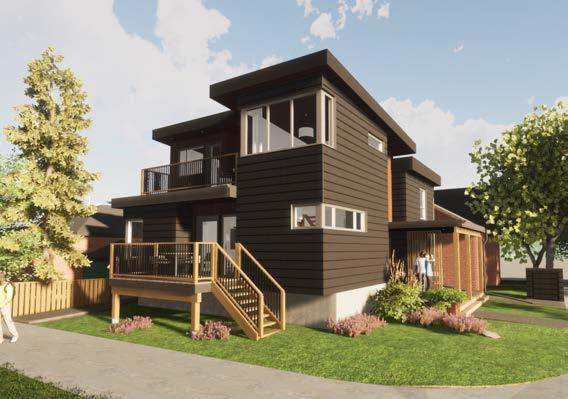
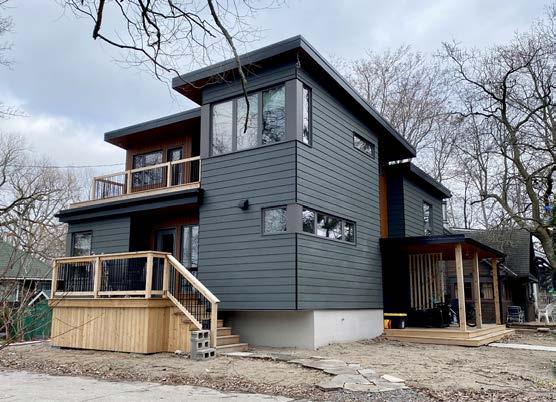
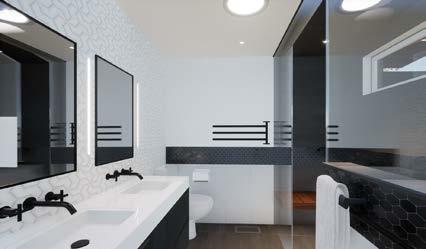
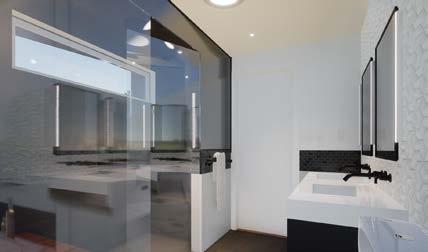
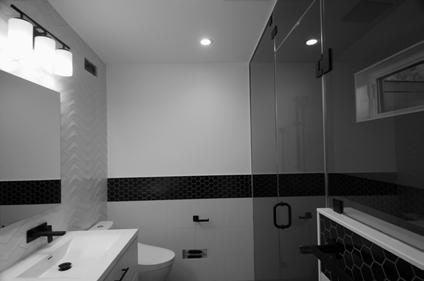
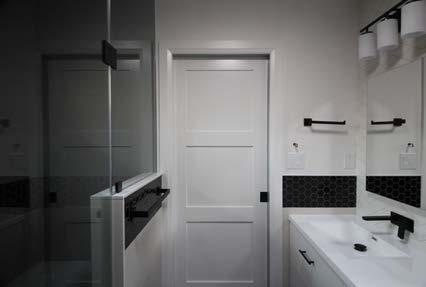
Building Type: Residential
Location: Toronto Island
Firm: Collaborative Architecture (Formerly TABC)
Programs: Archicad 25, Twinmotion, Photoshop
Year: 2021-2022
Role: (Supervised by Principal Architect Daniel Hall) Prepared Permit Package and Permit Revision Package, Interior and Exterior Visualizations, Digital Modelling, Client Meeting Packages, Sample Selection, Issued For Construction Package, Site Visits


Location: 1352 Lakeshore Road East, Lakeview
Building Type: Artist Hub and Community Centre
Course: Studio in Collaborative Practice
Programs: Archicad 26, Twinmotion, Photoshop, Illustrator
Year: 2024
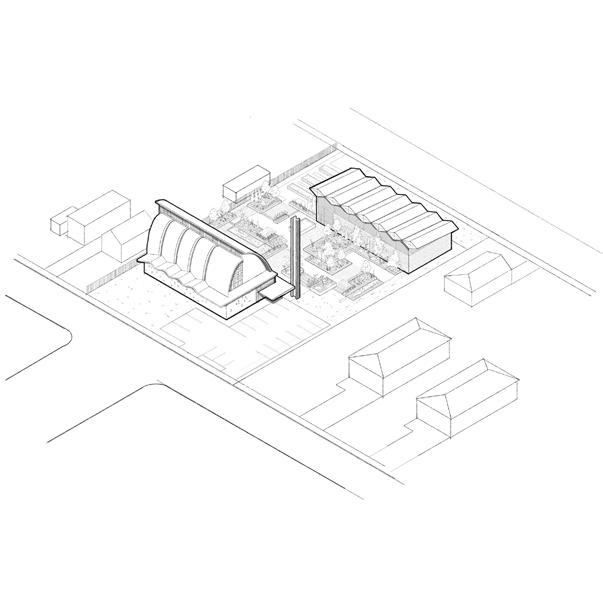
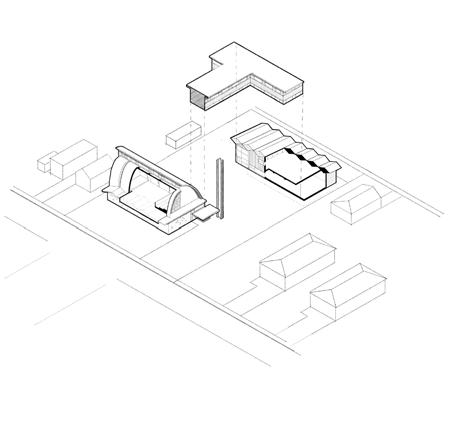
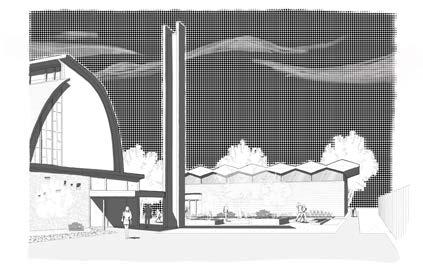
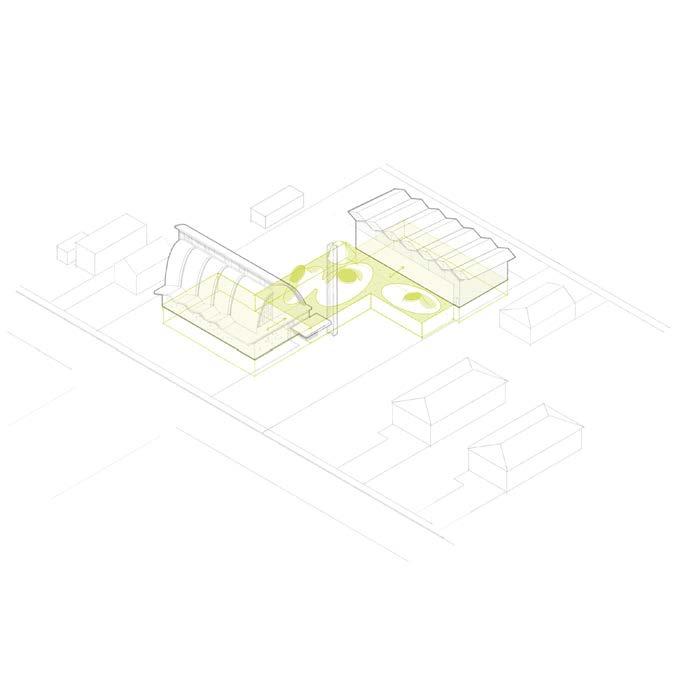
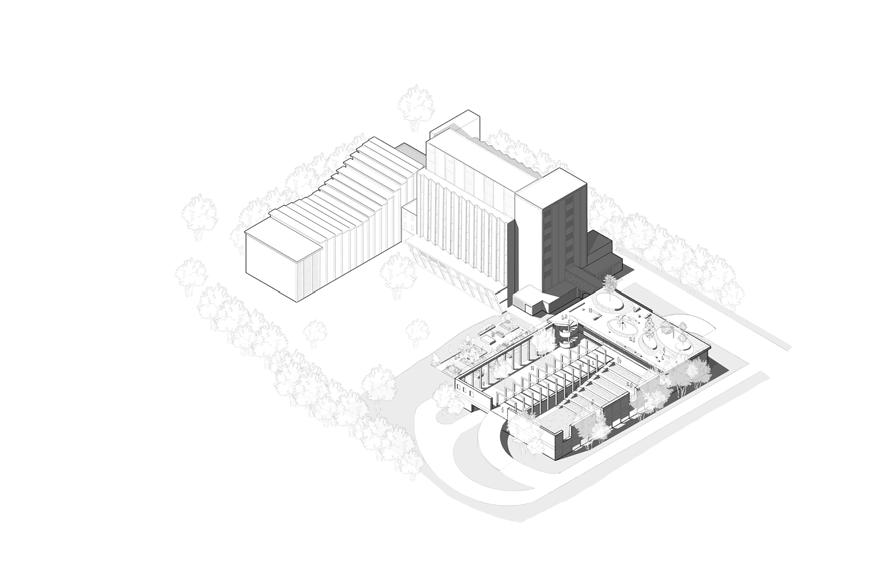
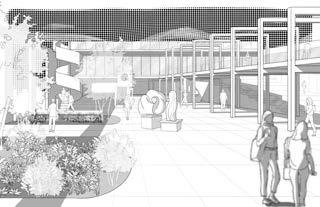
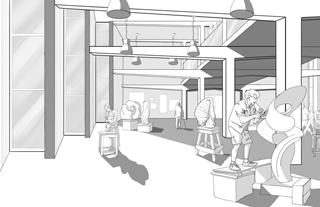
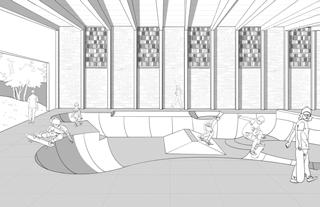
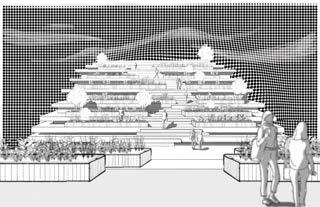
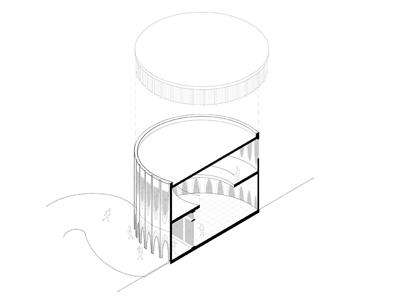
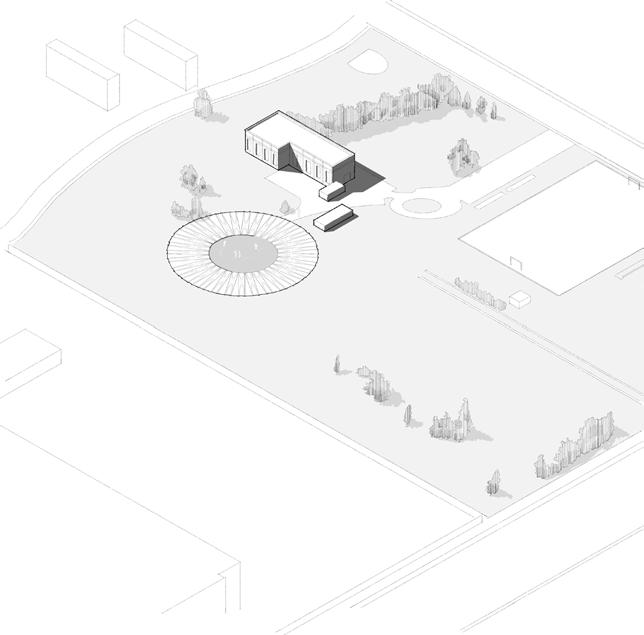
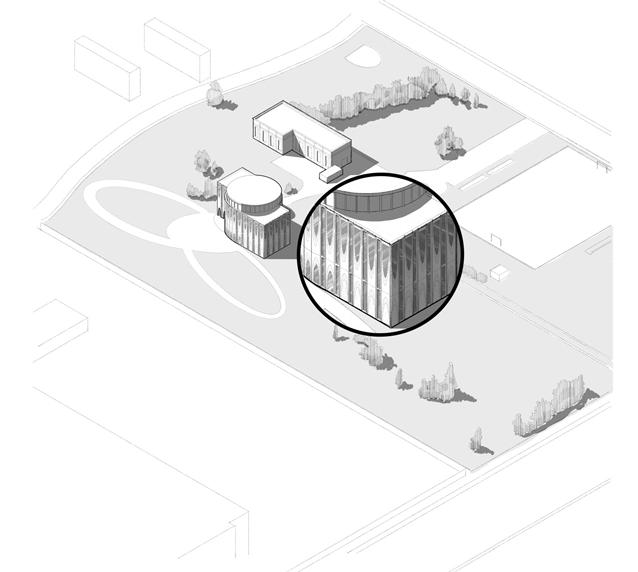
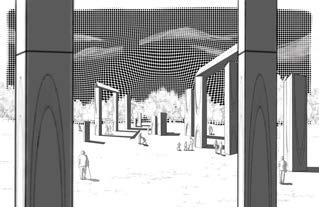
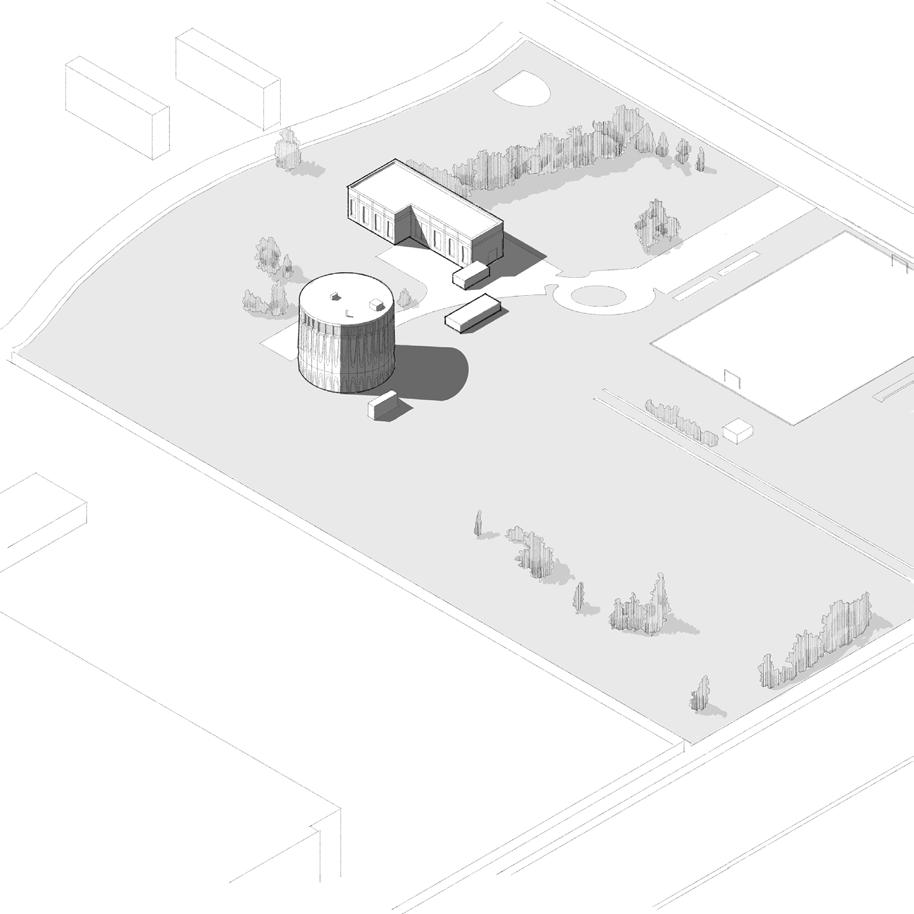
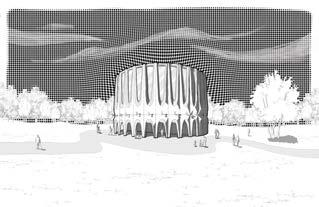
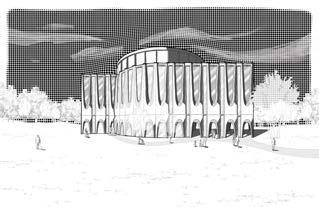
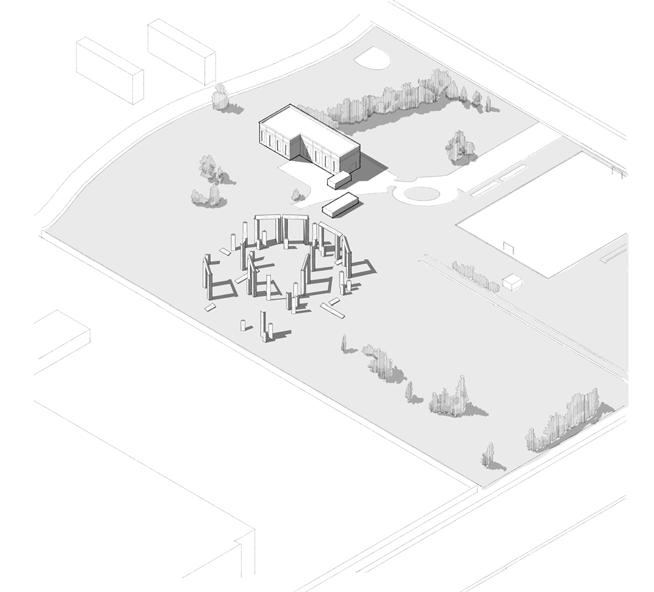
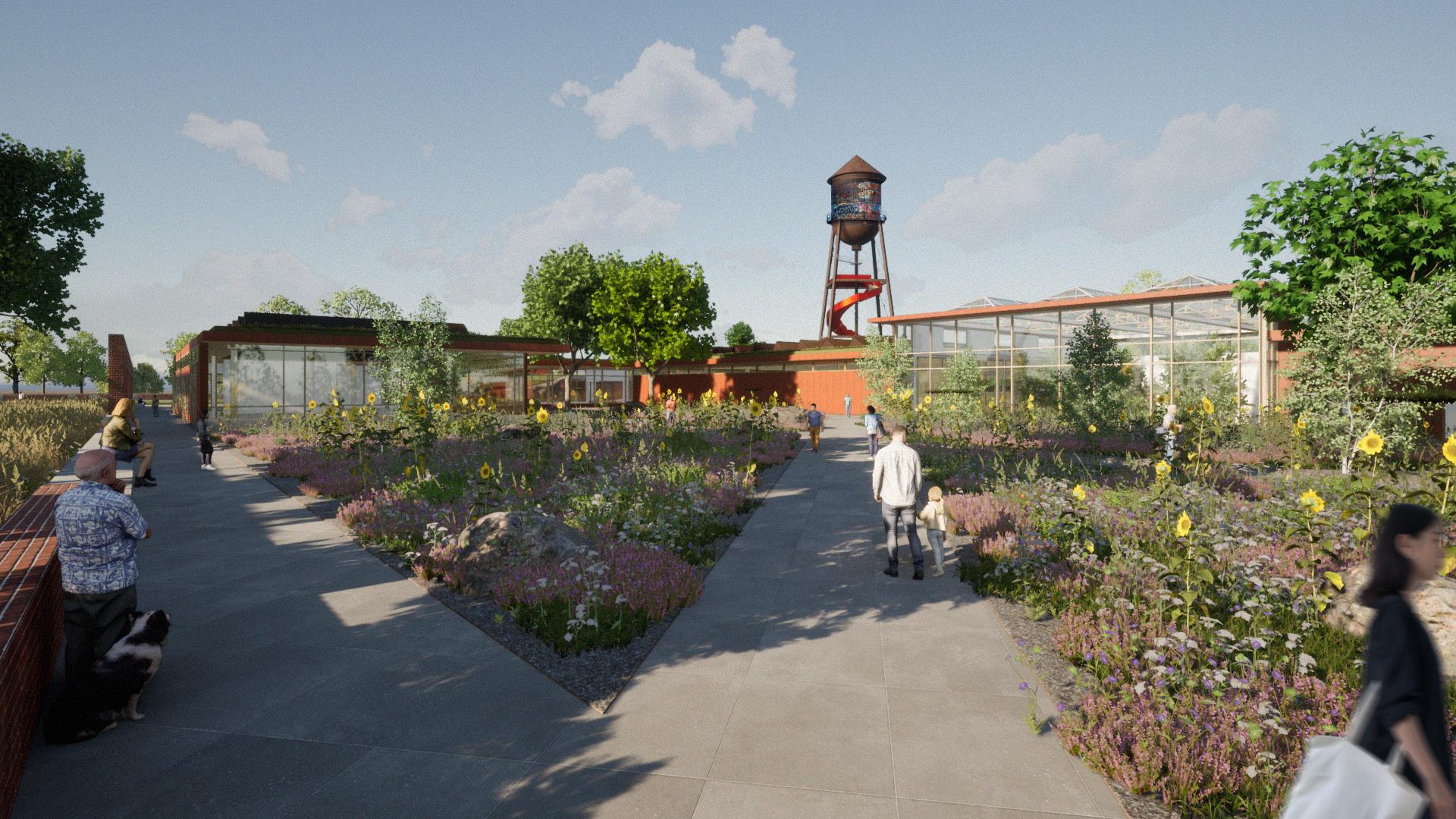
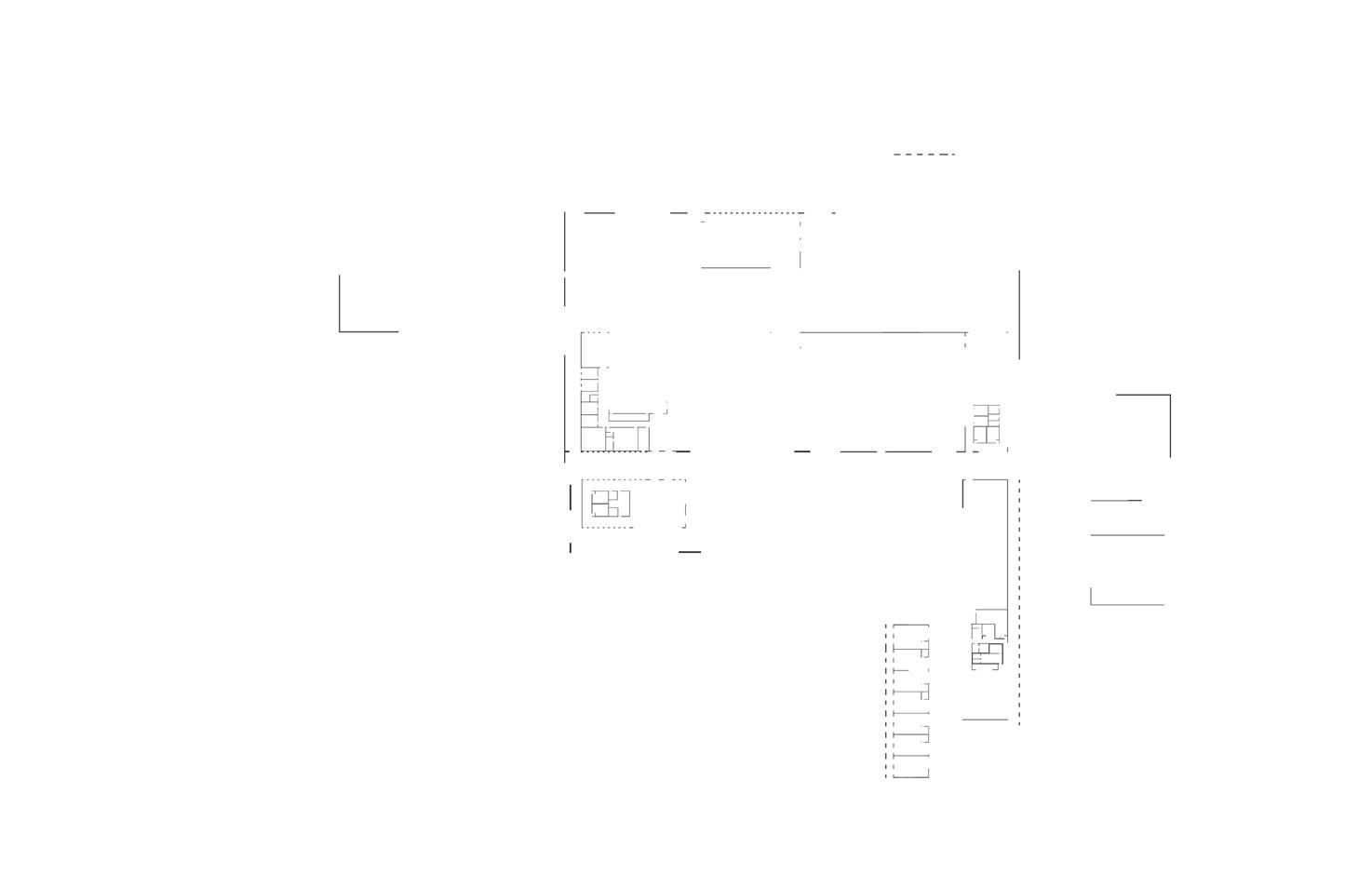
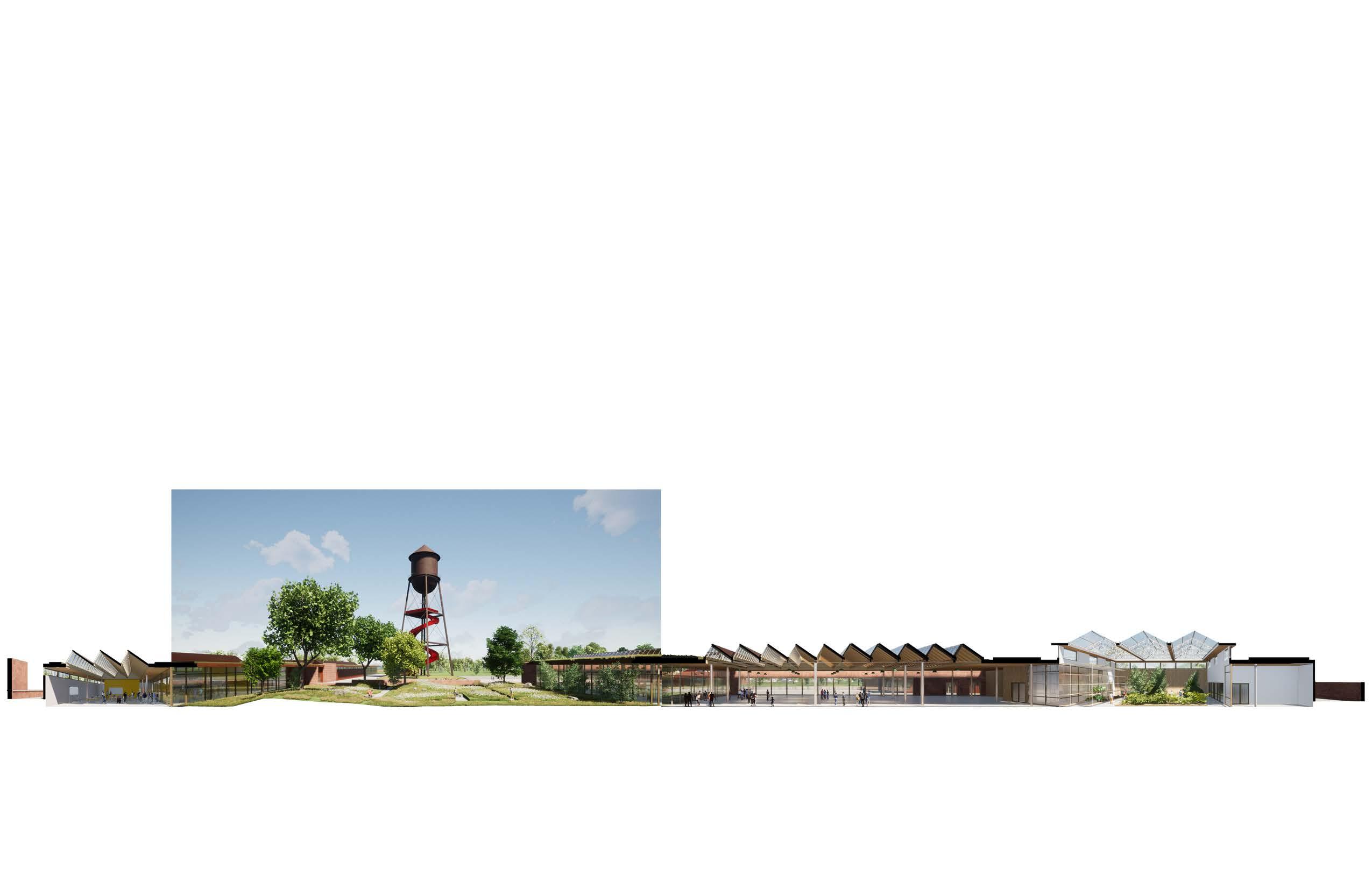
This project reimagines the former Small Arms site by tracing the scale and memory of the factory that once defined it. The new arts and cultural centre sits lightly within the original footprint, sunken just below grade and framed by brick boundary walls. A series of gardens—sculpture, sensory, reading, and pollinator—invite the public to engage with the site’s layered history through nature. Axial paths connect the restored water tower, now an observatory, to the surrounding park. Drawing from the site’s industrial past, the design embraces light, openness, and community, allowing memory and place to quietly converge through space.

Building Type: Museum (Institutional)
Competition: Buildner
Programs: Rhino, Twinmotion, Photoshop, Illustrator
Year: 2024
Team: Matthew Chetcuti and Julia Krulicki
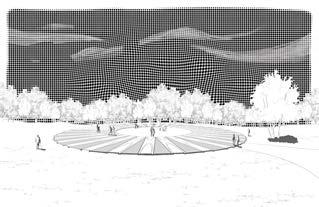
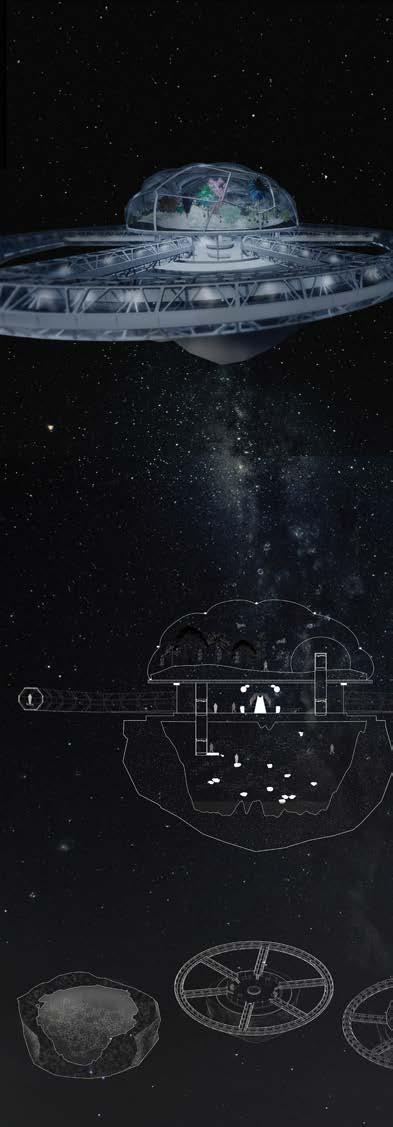
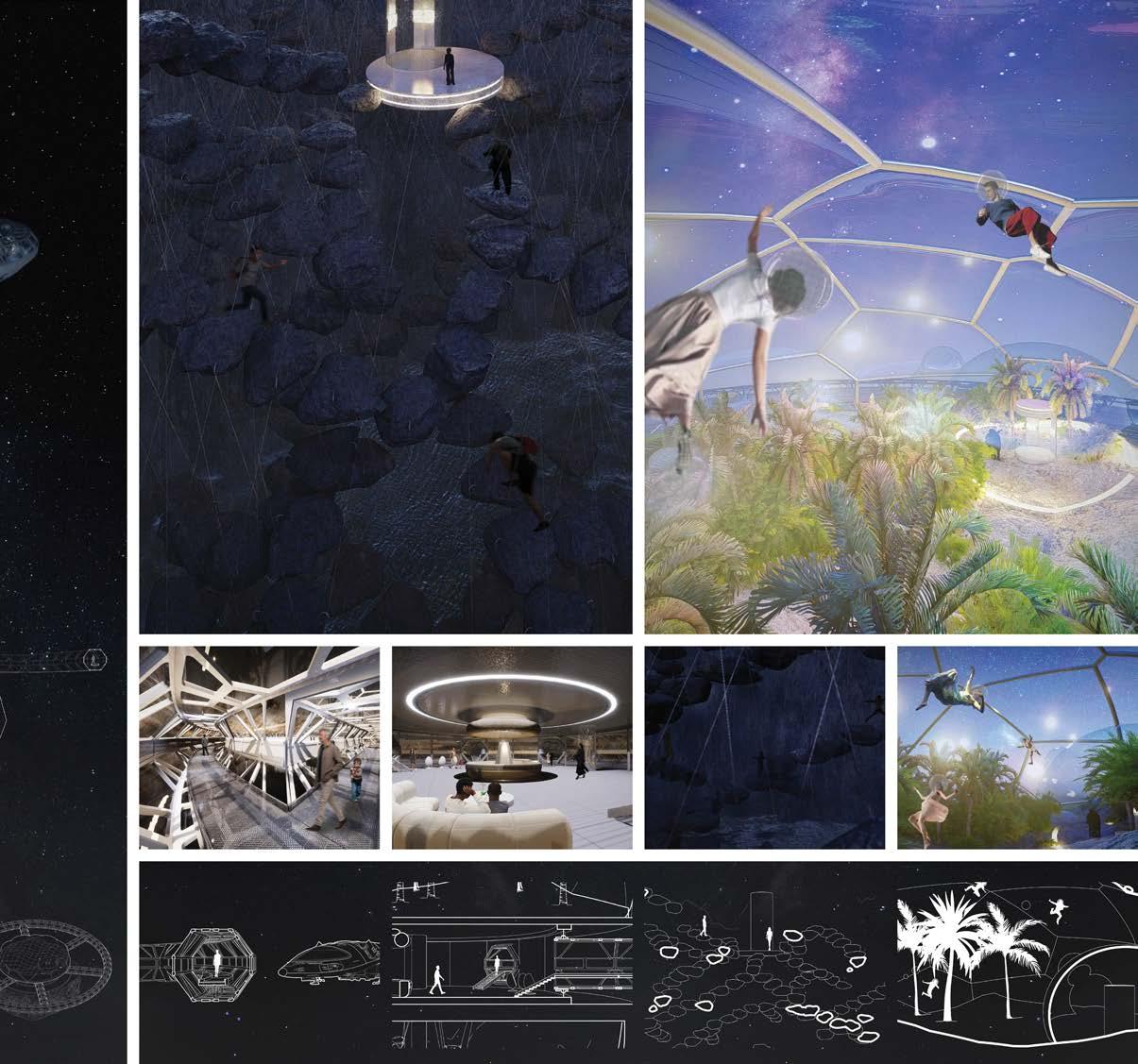
The Museum of Emotions is approached via a radial bridge that extends from the surrounding vastness guiding visitors toward a sleek, portal-like lobby suspended in space. From this threshold, guests choose their emotional journey: ascending toward the radiant upper zero-gravity chamber, where soft light, freedom from constraints of gravity, and harmonic soundscapes evoke warmth, joy, and nostalgia. Alternatively, they may descend into the core of a meteor shell embedded beneath the lobby, where darkness, fractured reflections, and deep reverberations immerse them in an atmosphere of melancholy, tension, and introspection. The spatial contrast between ascent and descent becomes a physical manifestation of emotional polarity, inviting reflection on the layered architecture of feeling.
Location: 1200 Dundas Street West, Toronto
Building Type: Multi Unit Residential Building
Course: Advanced Architecture Studio
Programs: Archicad 25, Twinmotion, Photoshop, Illustrator
Year: 2022
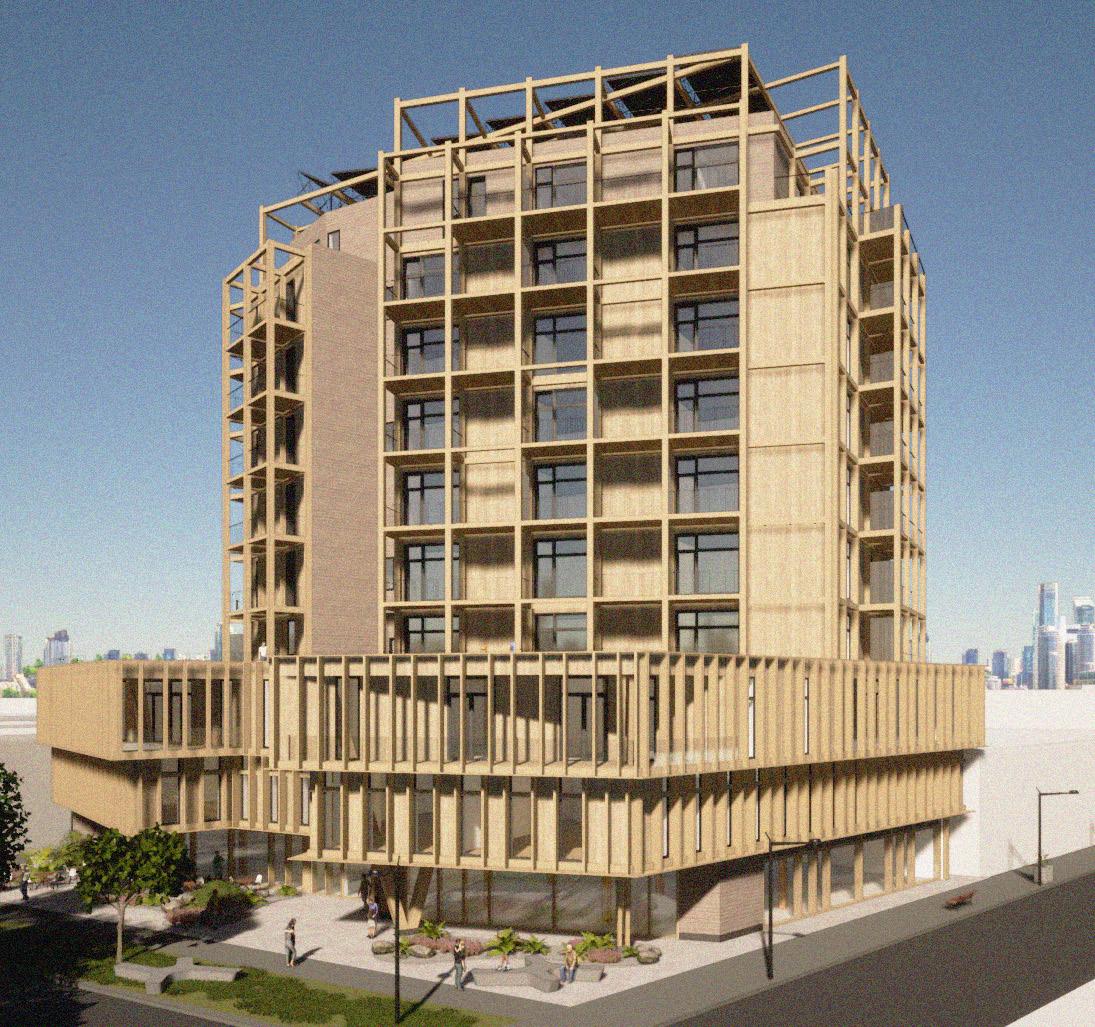
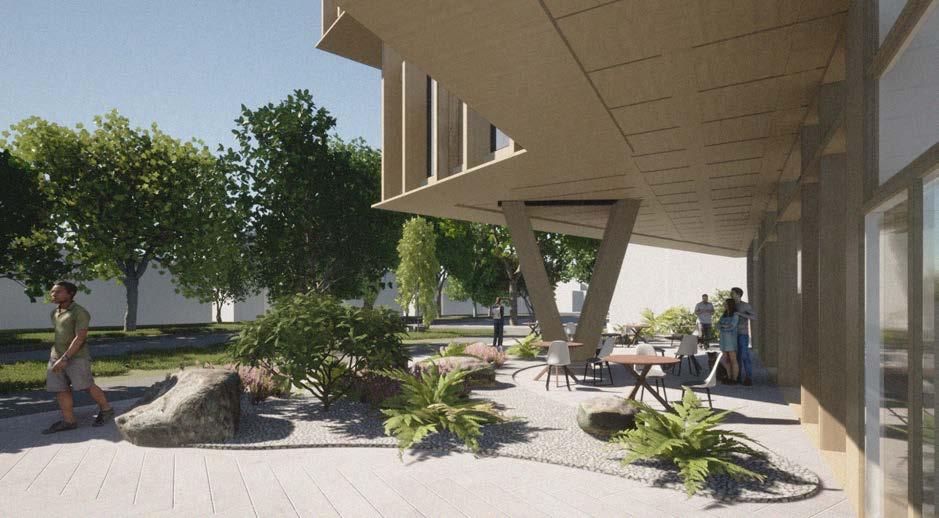
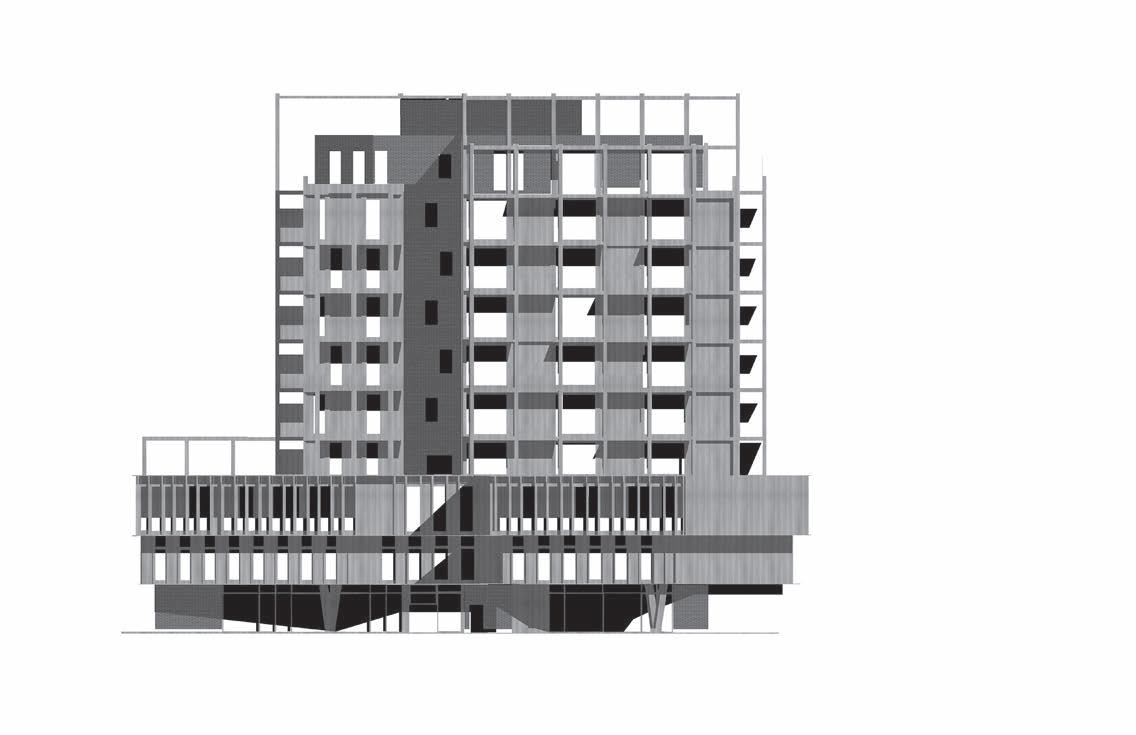
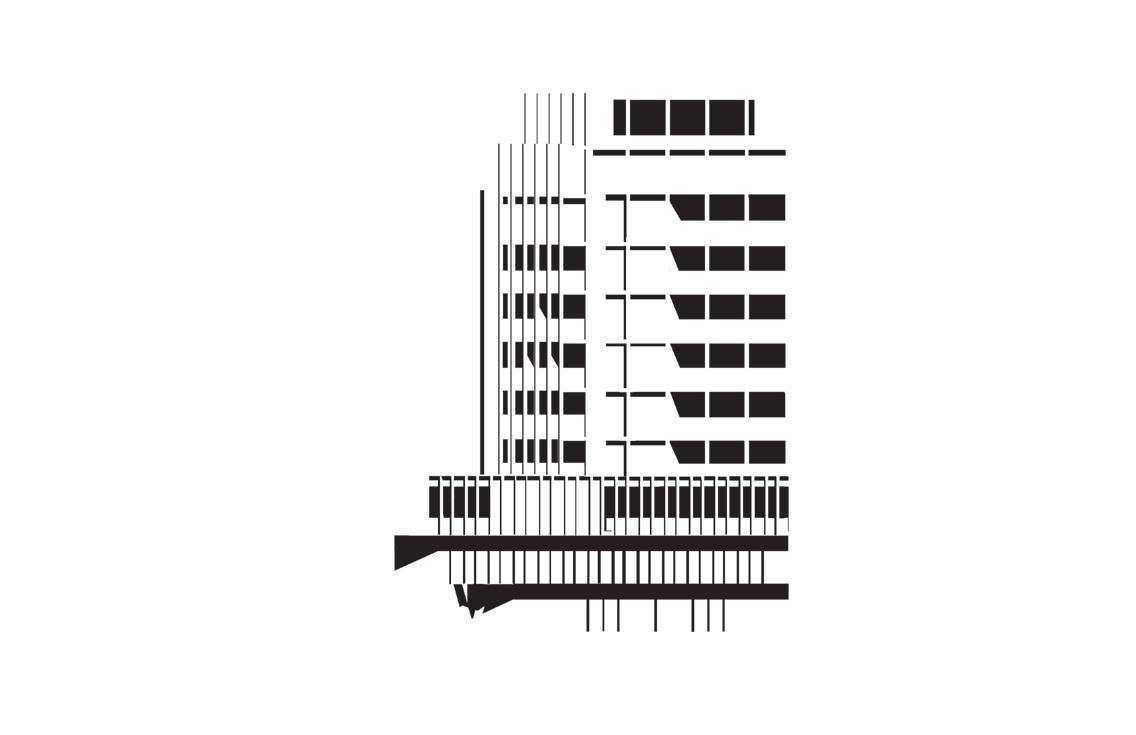
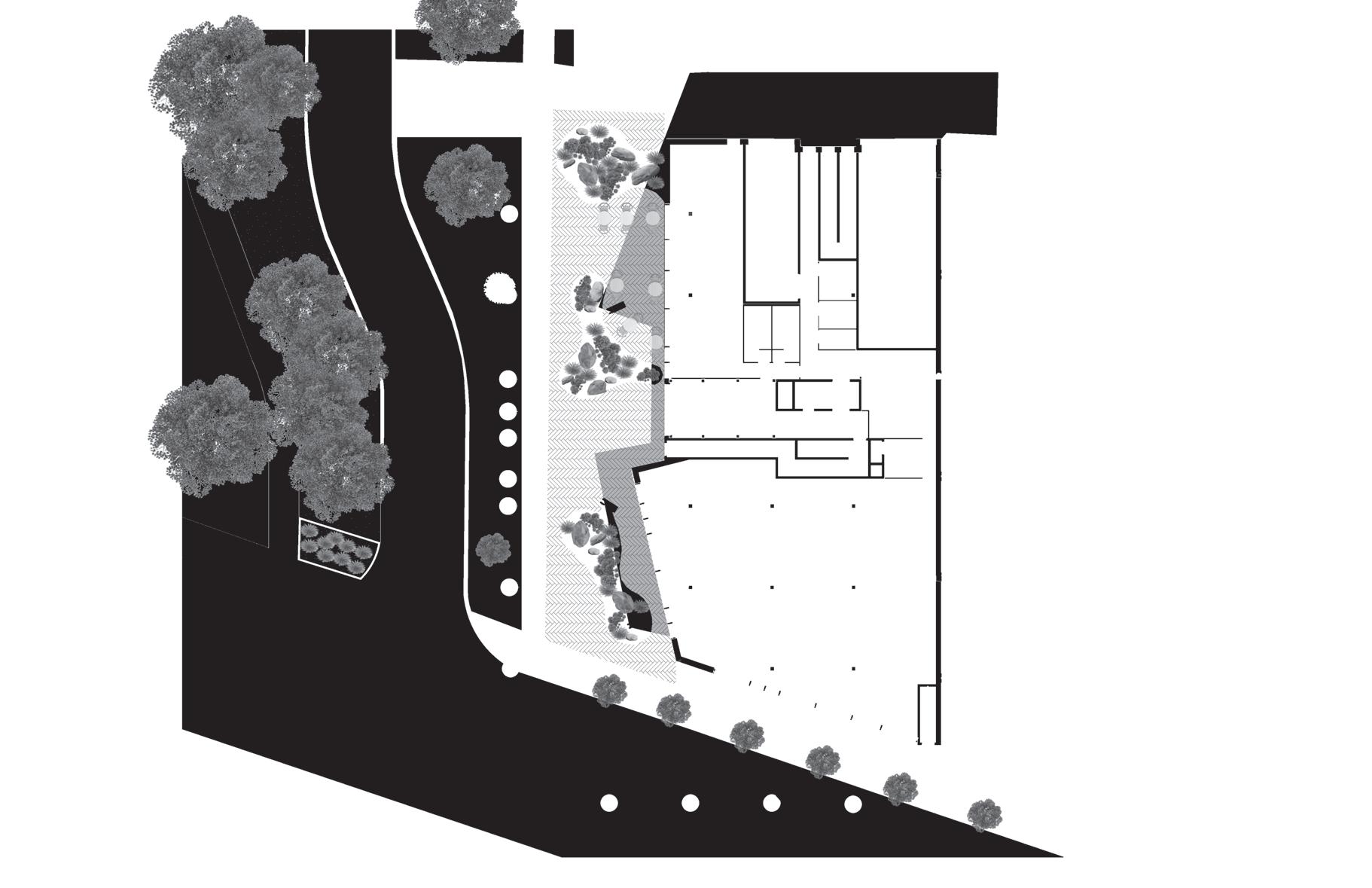
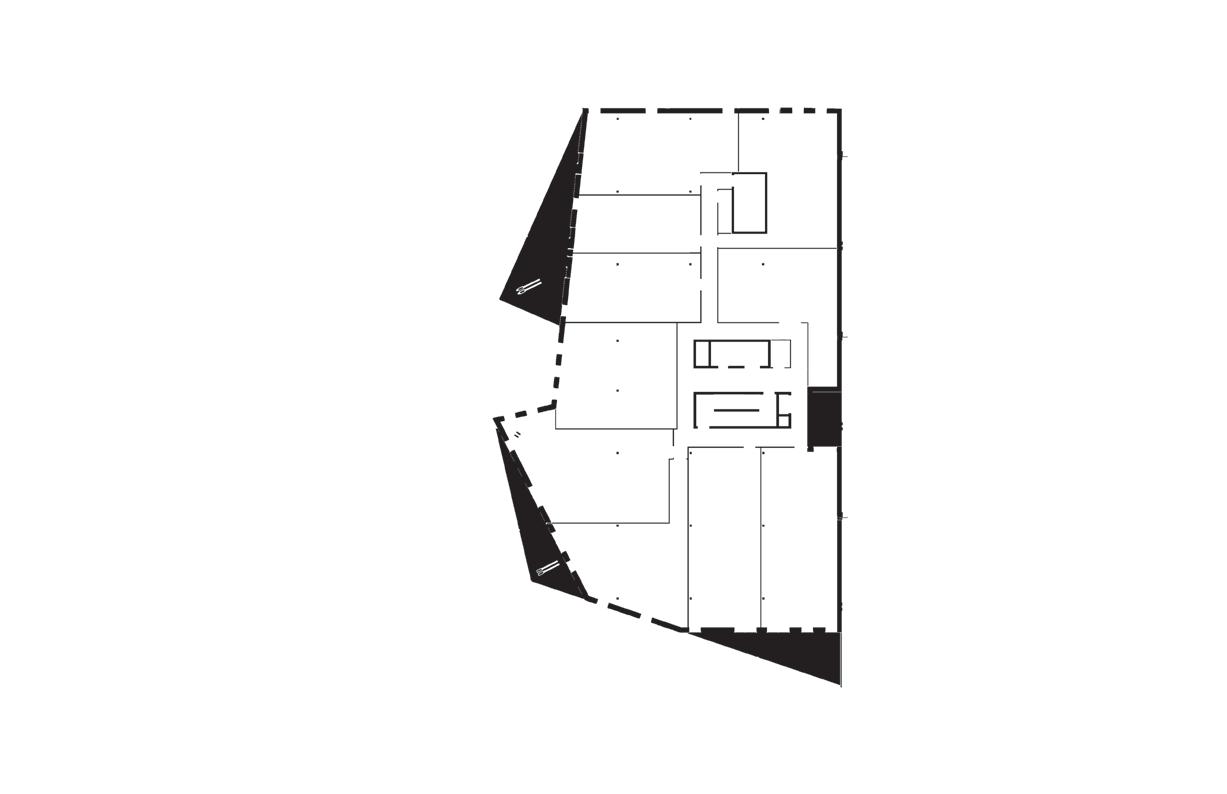
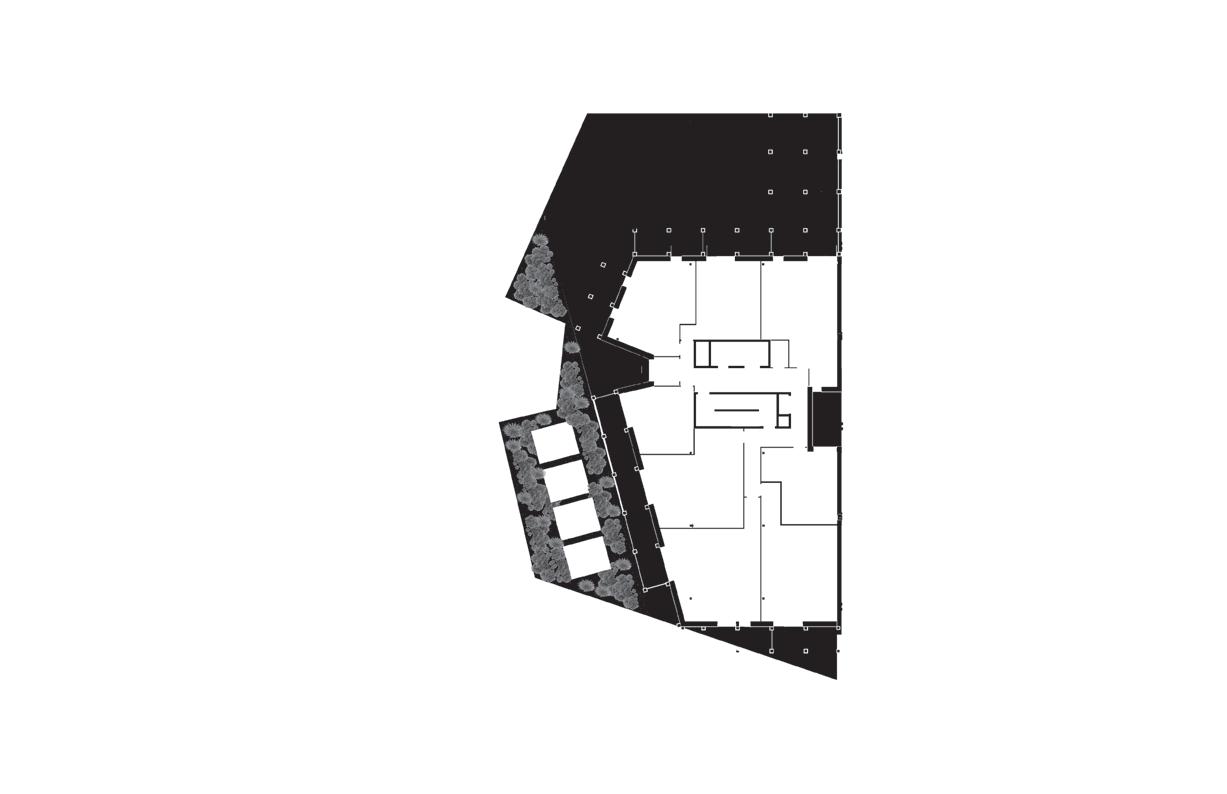
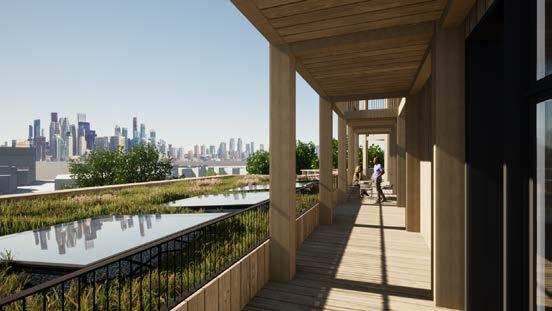
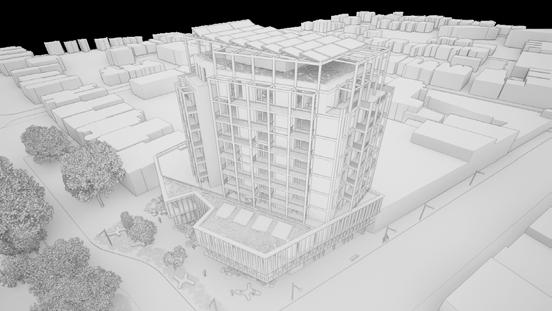
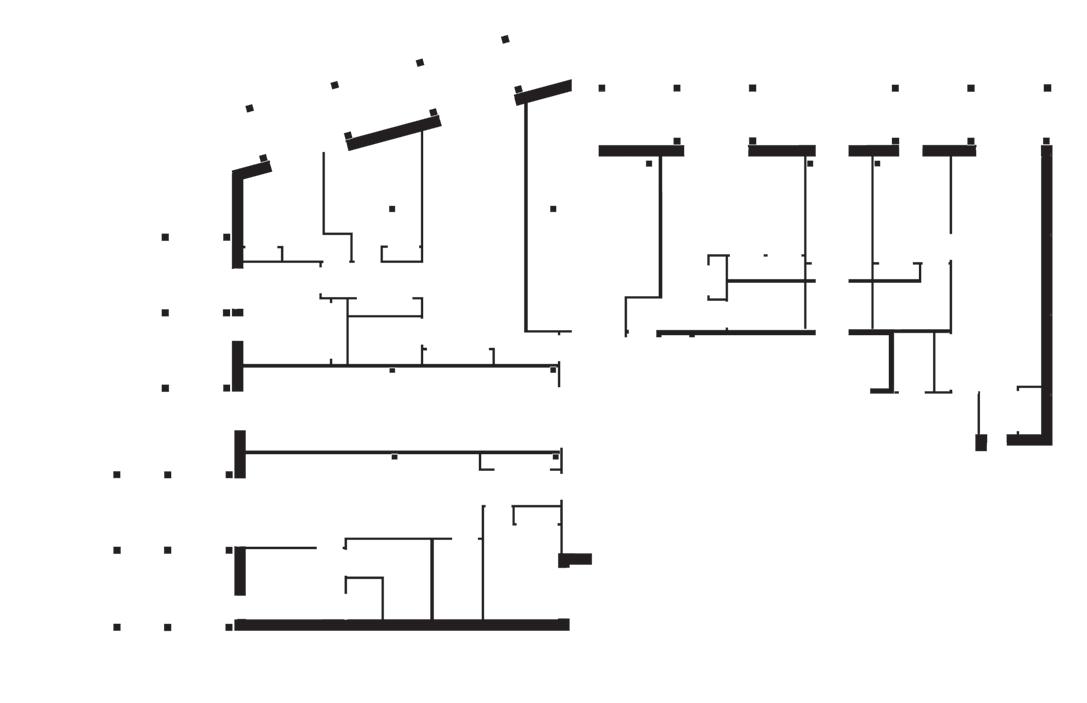
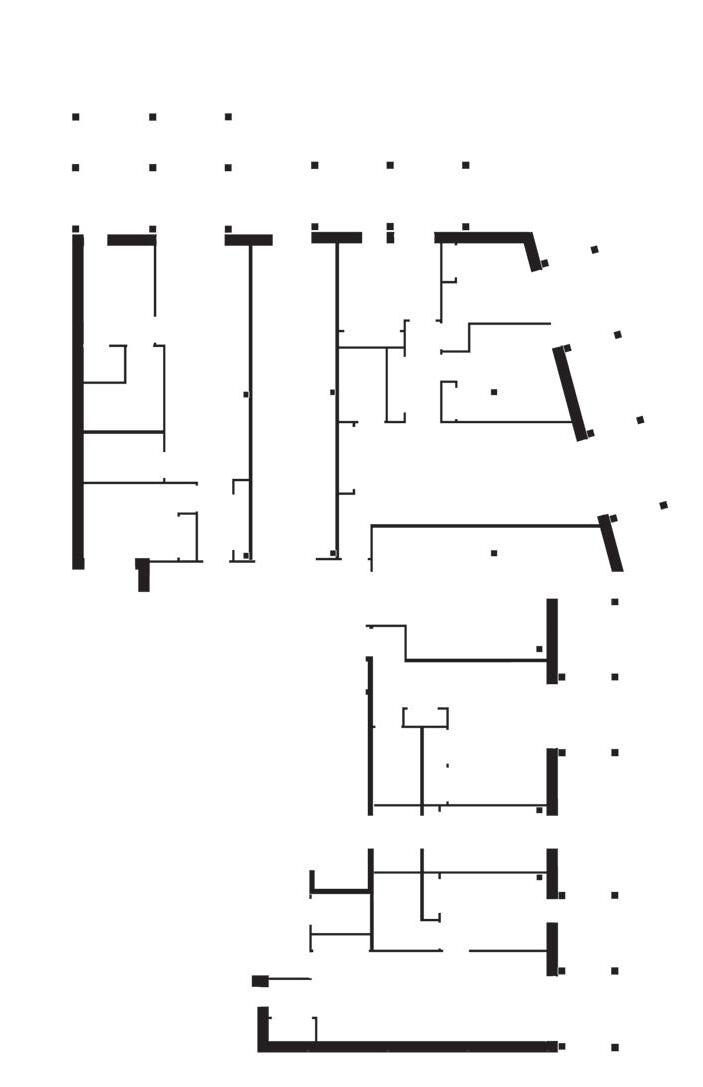
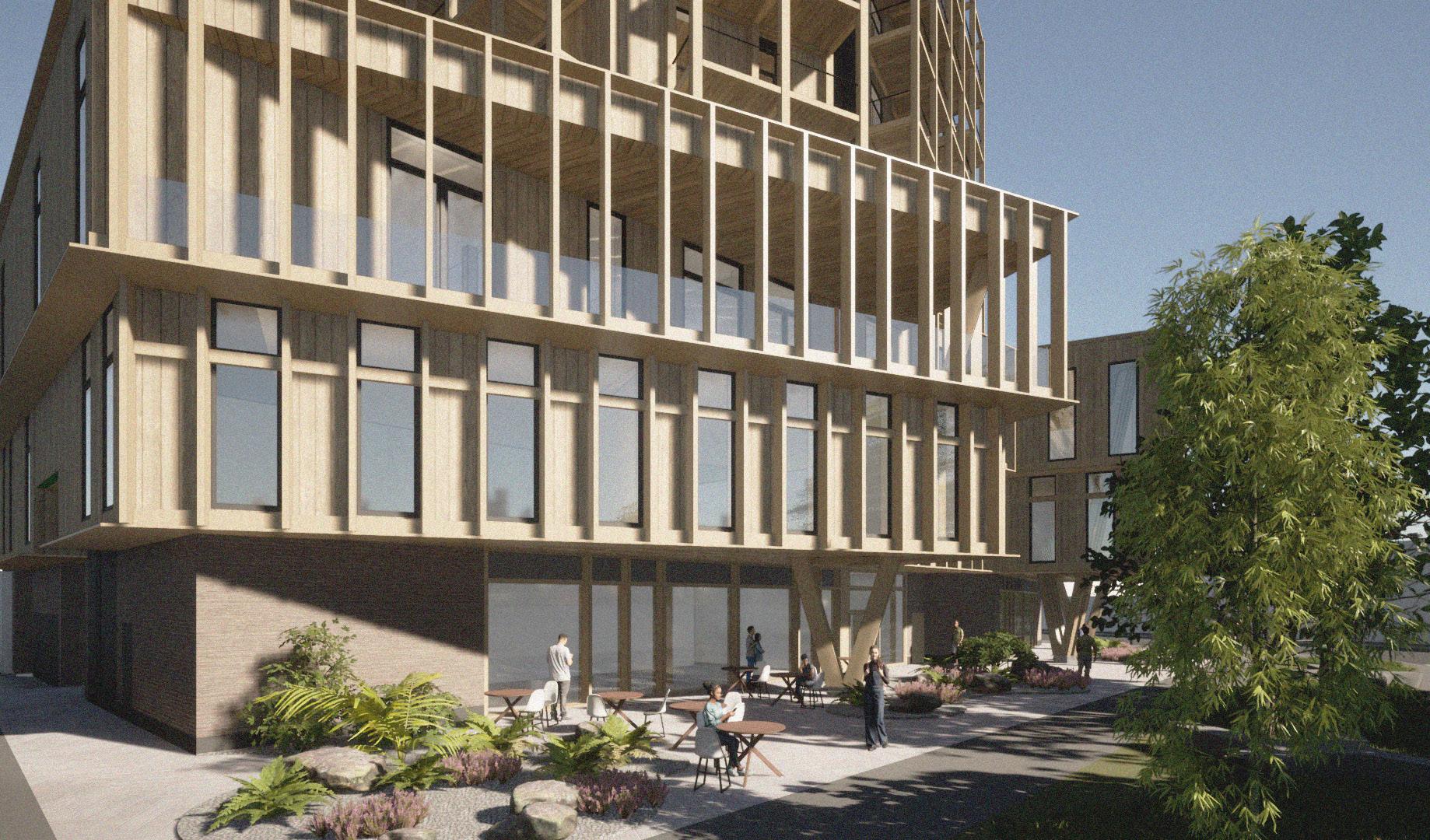
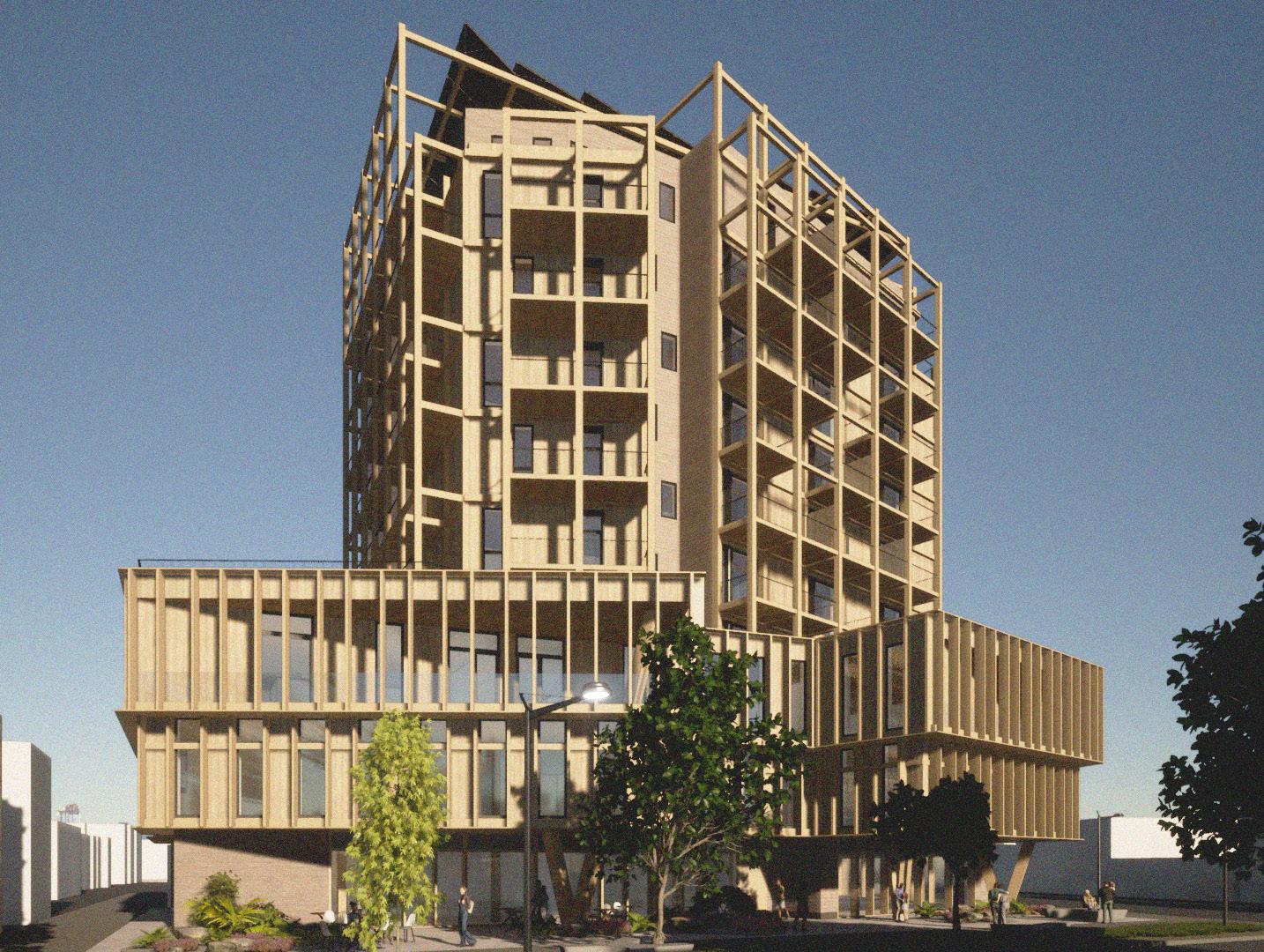
The design for the 11-storey MURB accentuates the use of mass timber as the main structural system. Sustainable design strategies were implemented to obtain a low TEDI as well as ensure the building is zero-carbon. The wall assemblies and balcony structure ensure there are continuous membranes as well as insulation to reduce thermal bridging. This also ensures an overall high efficiency system, reducing the need for large active systems.
MECHANICAL PENTHOUSE AND ROOF SYSTEMS
SUPPLEMENTAL WATER STORAGE TANK
LITHIUM-ION BATTERY FOR PEAK POWER SHIFTING TO GENERATE CLEAN POWER
ON-SITE SOLAR ARRAY 500m 2
ON-SITE THERMAL ARRAY 50m 2
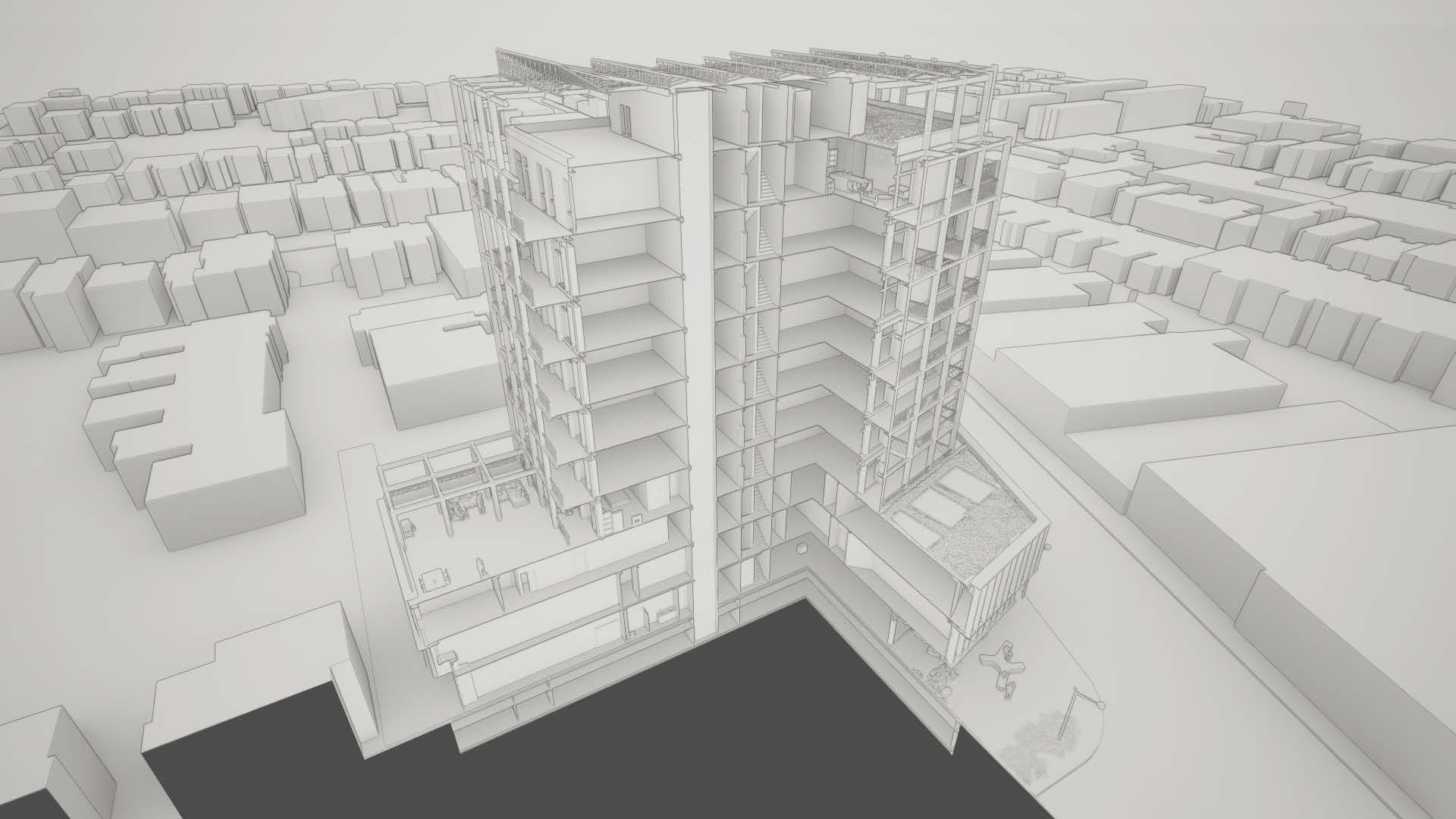
IN-FLOOR RADIANT HEATING
ERV FOR VENTILATION LOCATED IN EVERY UNIT
FANCOILS FOR COOLING DISTRIBUTION
Systems Diagram
WALL:
PHENOLIC WOOD TEXTURE CLADDING
HORIZONTAL GIRTS WITH THERMAL CLIPS SPACED AT 500mm o.c.
200mm CONTINUOUS SEMI-RIGID MINERAL WOOL INSULATION
VAPOUR BARRIER - TAPED AND SEALED AT ALL JOINTS
3-PLY CLT WALL PANEL
FURRING
GYPSUM BOARD
WALL FINISH
FLOOR:
30mm CONCRETE TOPPING IN-FLOOR RADIANT TUBING
ACOUSTIC MATT
5-PLY CLT FLOOR PANEL
ROOF:
GROWING MEDIUM
DRAINAGE LAYER
FILTER SHEET
200mm RIGID INSULATION
VAPOUR BARRIER - TAPED AND SEALED AT ALL JOINTS
PROTECTION MATT
ROOF BARRIER
5-PLY CLT PANEL


Wall Section (Eighth Floor to Eleventh Floor)


Building Type: Emergency Temporary Modular Housing
Course: Advanced Architecture Studio
Programs: Archicad 25, Twinmotion, Photoshop, Illustrator
Year: 2022
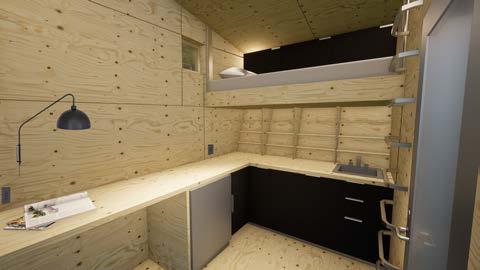
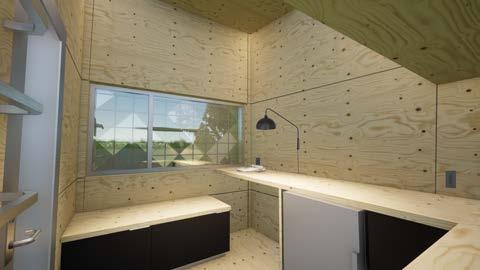
Animate is designed as a pre-fabricated modular emergency housing pod that aids in reducing the homelessness crisis in Toronto. The design uses sustainable design strategies with the primary objective of animating park spaces with temporary shelters for those in need. The design is intended to enhance the community and provide park spaces with beautiful pods to solve the current housing crisis.
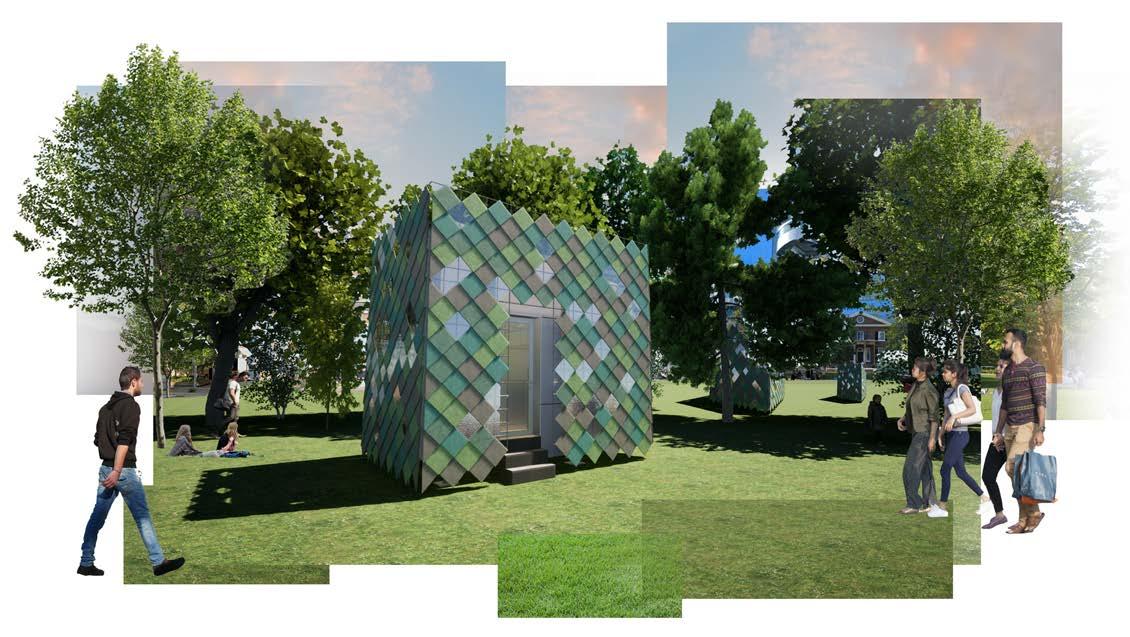
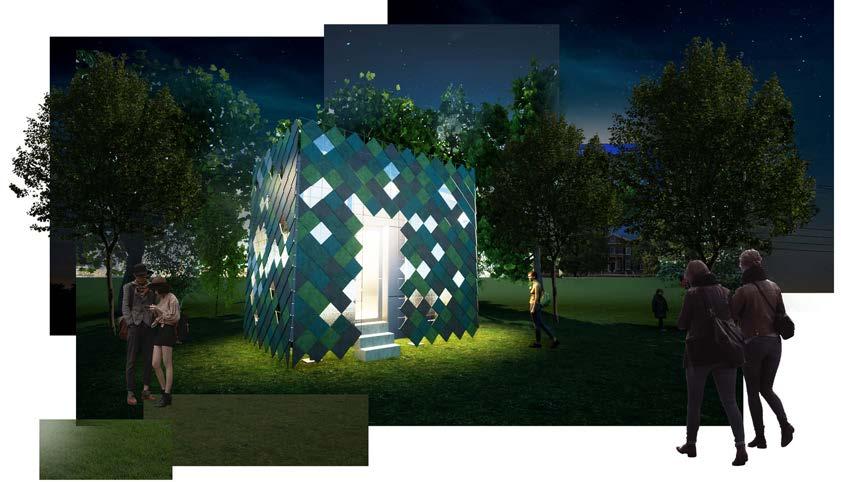
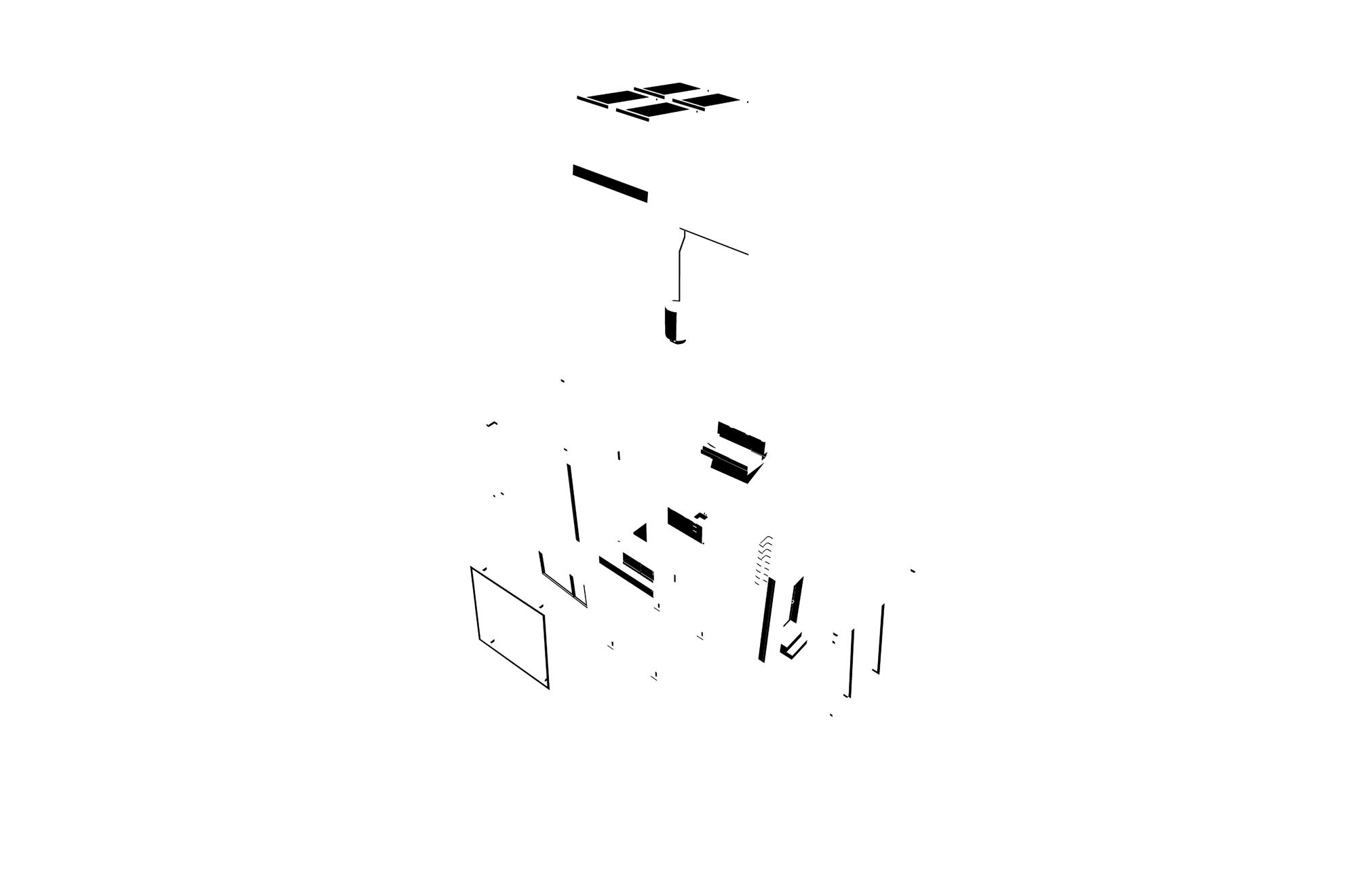
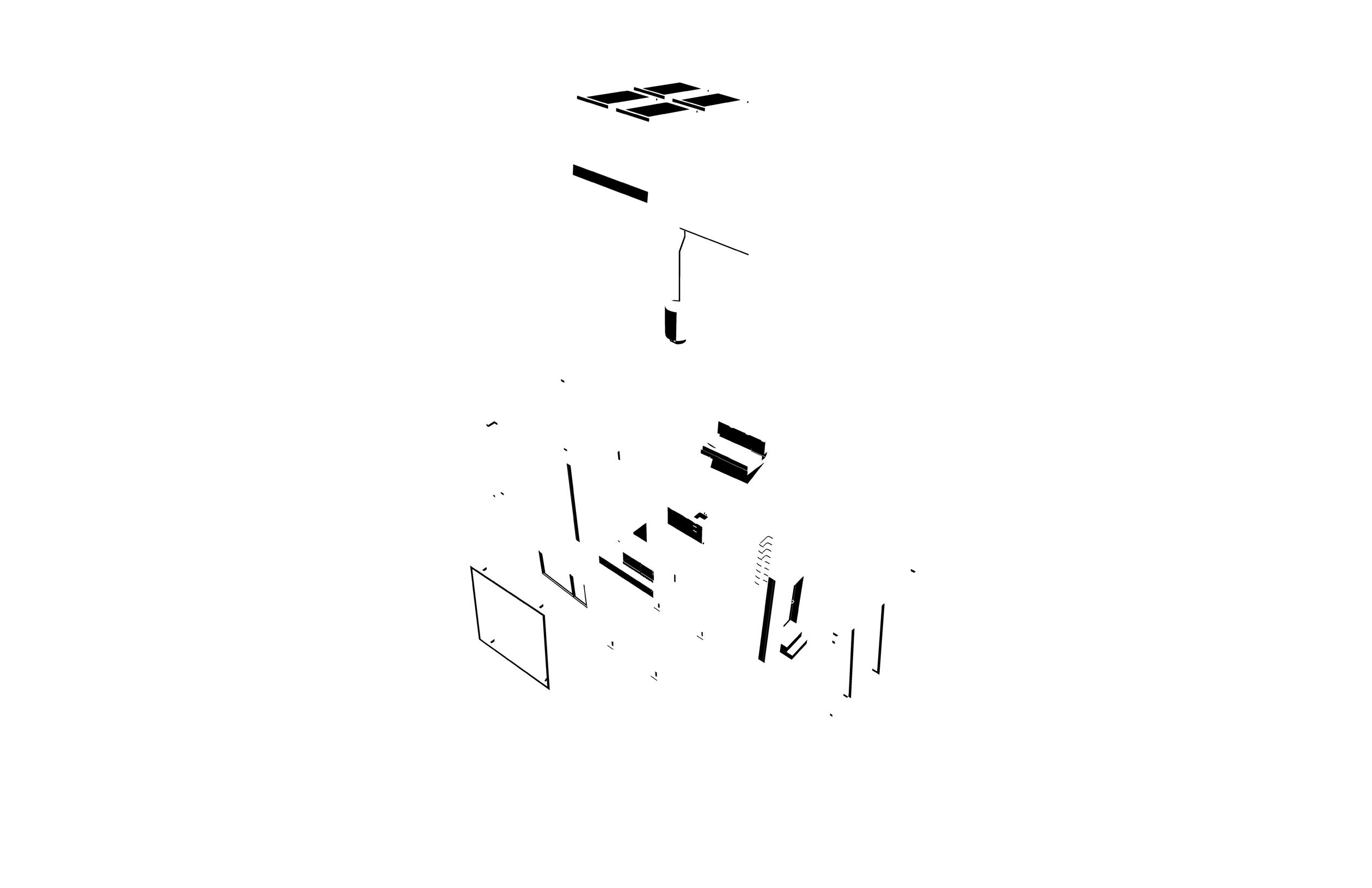
ANIMATE IS DESIGNED AS A PRE-FABRICATED MODULAR EMERGENCY HOUSING POD TO AID IN REDUCING THE HOMELESSNESS CRISIS IN TORONTO USING SUSTAINABLE DESIGN STRATEGIES. THE PRIMARY OBJECTIVE WAS TO ANIMATE PARK SPACES WITH TEMPORARY SHELTERS THAT ENHANCE COMMUNITY AND BEAUTY WITHIN THE CITY.
THE DESIGN FEATURES A PLAYFUL SECOND-SKIN FACADE THAT WORKS WITH TRANSPARENCY WHILE ALSO MAINTAINING PRIVACY TO ITS RESIDENTS. THE CLADDING CONSISTS OF DIAMOND SHAPED SHINGLES MADE FROM RECYCLED PLASTICS OF DIFFERENT COLOURS.
THE SYSTEMS INPLEMENTED IN THE DESIGN INCLUDE ELECTRIC RADIANT IN-FLOOR HEATING THAT PROVIDES OPTIMAL USER COMFORT AND IS POWERED BY THE PHOTOVOLTAIC SOLAR PANELS LOCATED ON THE MONO-SLOPE ROOF. THE SLOPED ROOF ALSO DRAINS TO A WATER-CATCHMENT SYSTEM LOCATED WITHIN THE VOID, TO REMAIN HIDDEN BEHIND THE SECOND SKIN.
Animate is a modular emergency housing pod that features a playful second-skin facade that works with transparency to create privacy as well as an inviting exterior appearance. The facade consists of diamond shaped shingles made from recycled plastics of different colours.
SHARED BATHROOM MODULAR UNIT PLAN 1:50
The systems implemented in the design include in-floor radiant heating that provides optimal user comfort. The pod is powered by photvoltaic solar panels located on the mono-slope roof. The sloped roof also drains water into a water-catchment system located within the void behind the second skin.
SEMI-RIGID INSULATION
Building Type: Senior and Student Co-housing
Course: Advanced Architecture Studio
Programs: Archicad 25, Twinmotion, Photoshop, Illustrator
Year: 2023
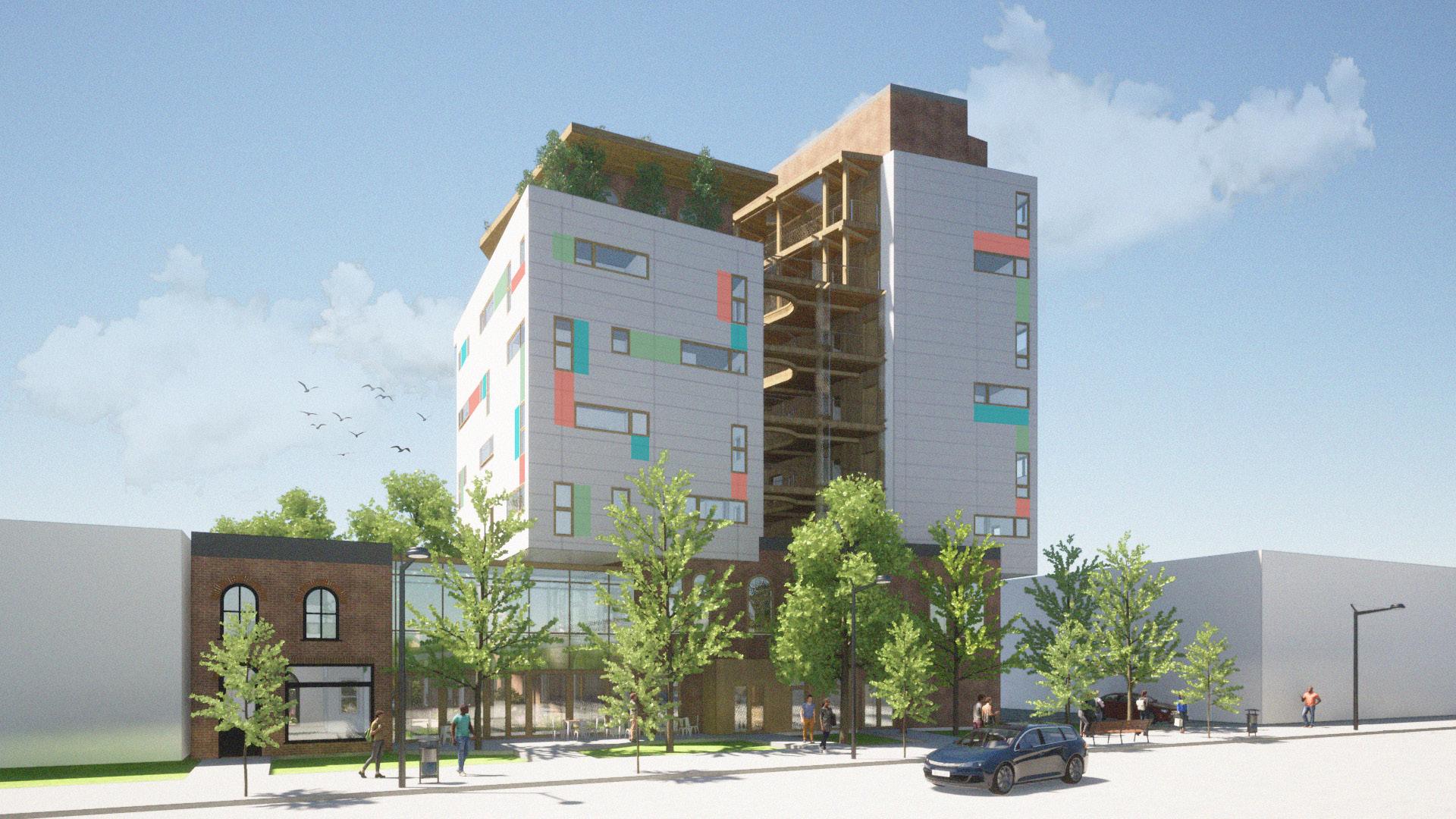
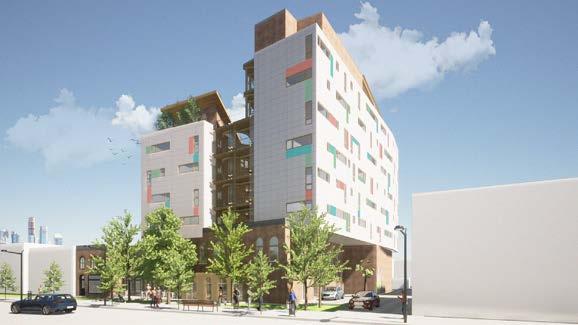
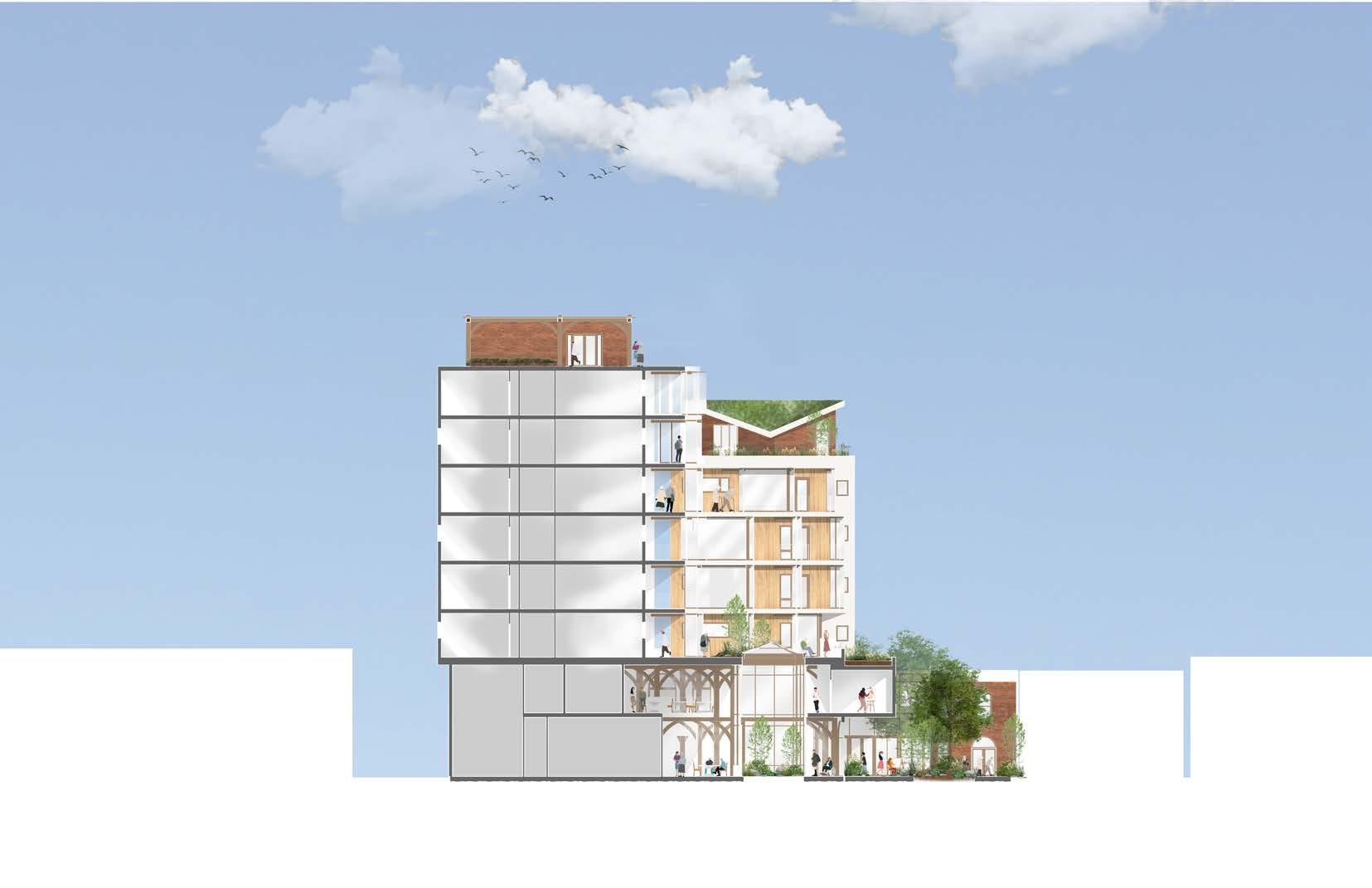
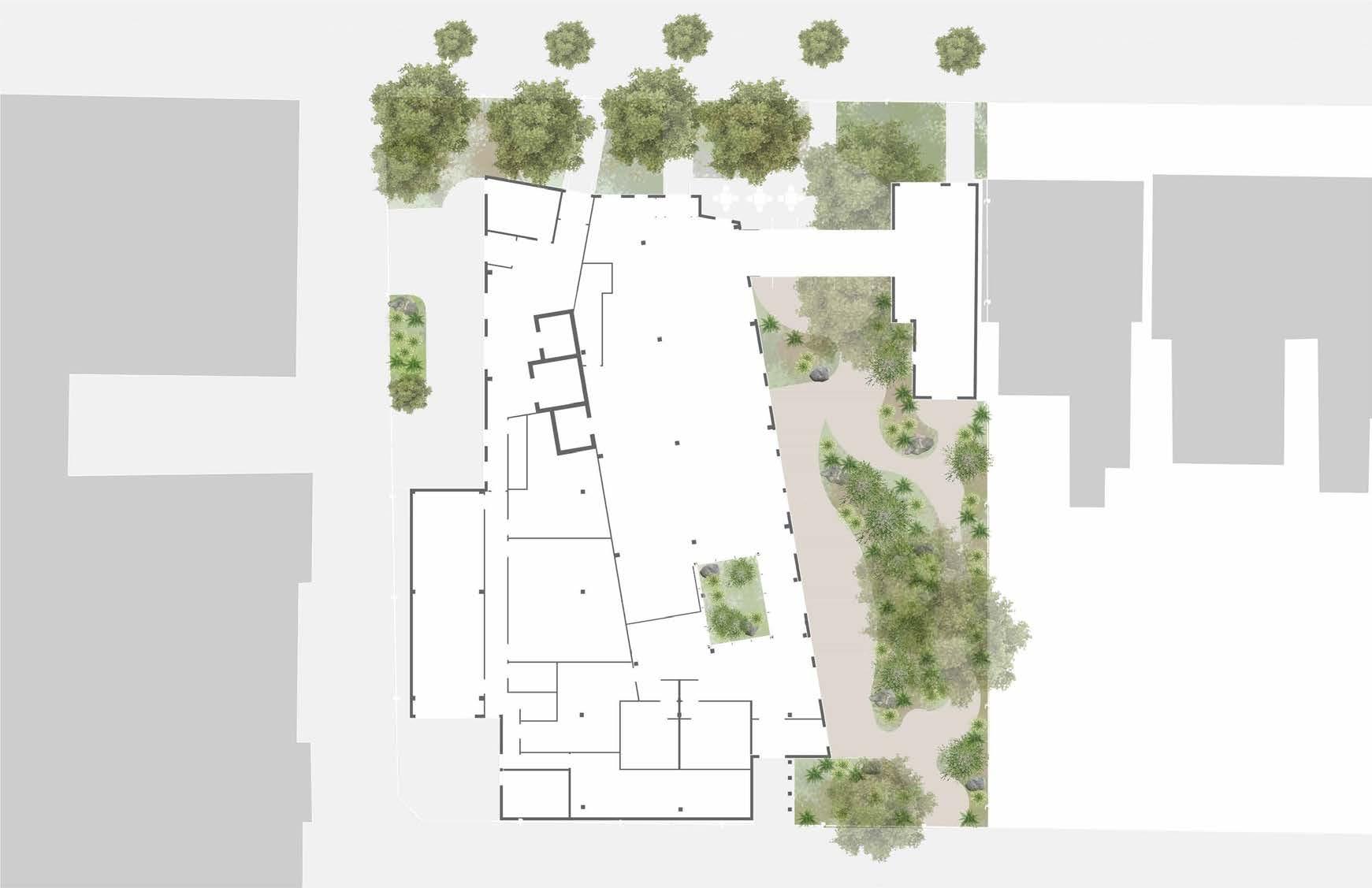
Interstice is a mixed-use development that combines residential co-housing with therapeutic community amenities. The building features art-focused wellness spaces designed to support mental health and enhance cognitive function in seniors. Above the center, intergenerational living between students and seniors incorporates principles of salutogenic design—embracing views of nature, vibrant colour palettes, sensory-rich details, and informal gathering areas to foster connection and well-being.
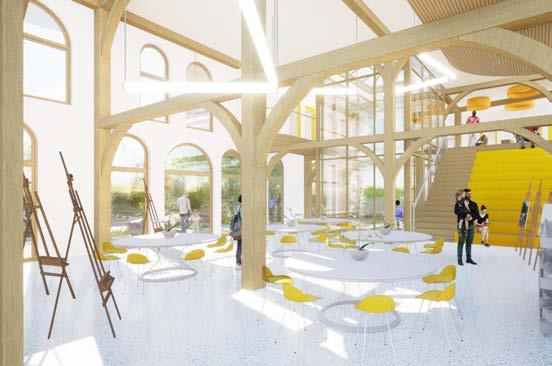
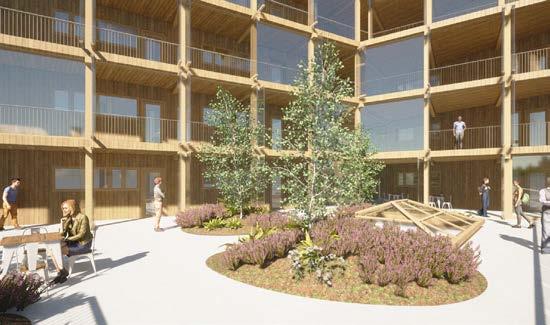
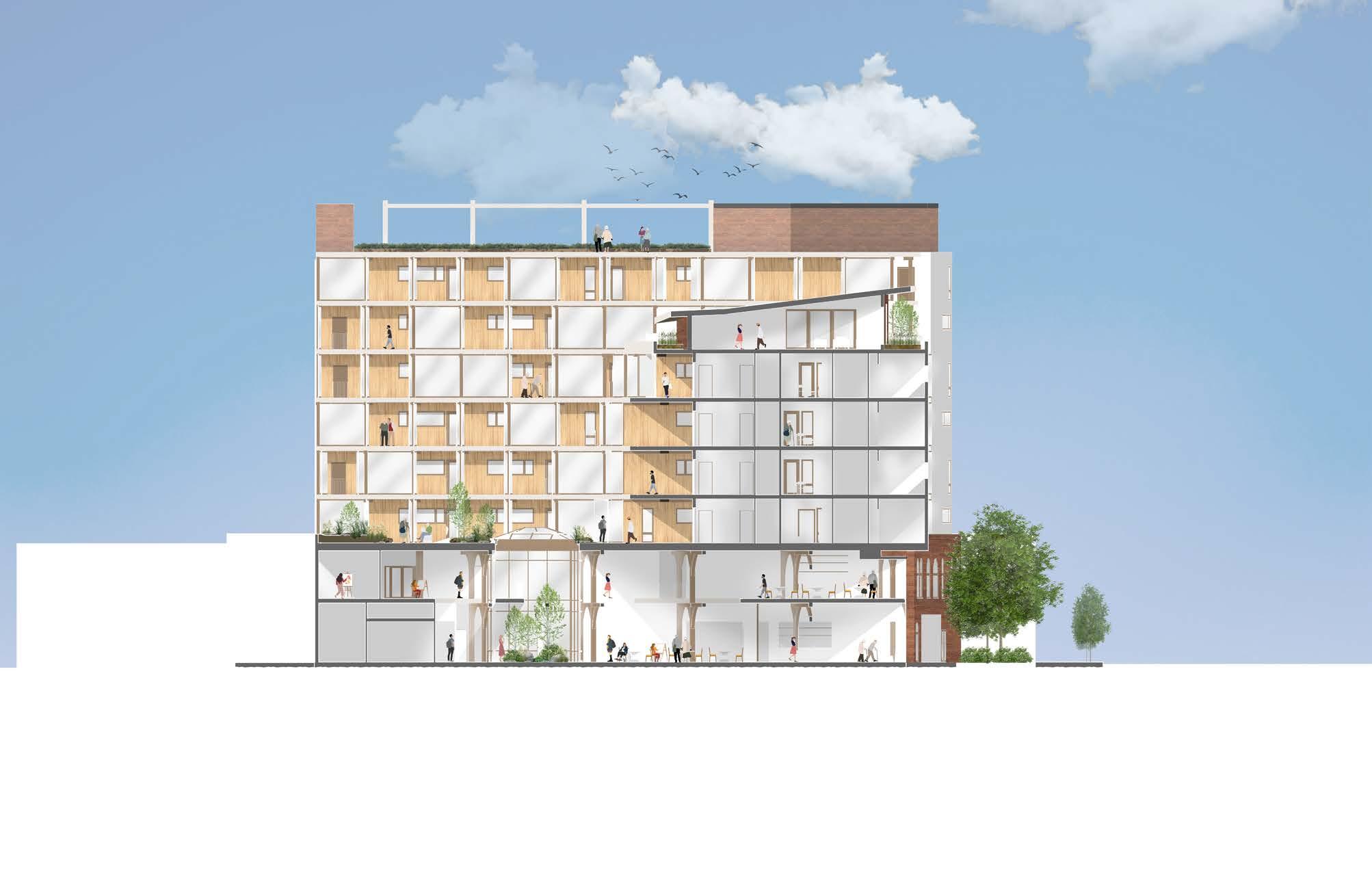
COMMUNAL URBAN AGRICULTURE GARDEN
SHARED VEGETABLE GARDEN TO INCREASE SENSE OF COMMUNITY. PRODUCE GROWN CAN BE SOLD AT THE TRINITY BELLWOODS FARMERS MARKET. GARDENING CAN AID IN IMPROVING MOOD, GENTLE EXERCISE, STIMULATING ALL SENSES AND BOOSTING ENERGY LEVELS.
THROUGH-UNIT CROSS VENTILATION INCREASING INDOOR COMFORT
UNITS HAVE OPERABLE WINDOWS ON EAST AND WEST SIDES PROVIDING NATURAL VENTILATION AND IMPROVED VIEWS TOWARDS THE PARK AND ROOF GARDEN
12345m
COLOUR + SENSORIAL DETAILS STIMULATION OF CREATIVE THINKING, MEMORY AND ASSOCIATIVITY. VISUAL CONNECTION TO NATURE PROVIDES INSPORATION AND BOOSTS PRODUCTIVITY.
NATURAL LIGHT FROM 2 OR MORE DIRECTIONS IN EVERY UNIT WITH CAREFUL CONSIDERATION OF MASSING AND INCREASED EXTERIOR WALL AREAS, THROUGH-UNITS PROVIDE OPPORTUNITY FOR NATURAL LIGHT TO ENTER UNITS FROM AT LEAST 2 DIRECTIONS.
SHARED COMMUNITY KITCHEN/LOUNGE FOR RESIDENTS
LARGE, OPEN KITCHEN WITH COMMUNAL GATHERING SPACE, ENCOURAGING SOCIAL INTERACTION AND INTERGENERATIONAL MEETING.
MATERIAL WARMTH
CEDAR SIDING ALONG EXTERIOR WALLS WHERE BALCONIES ARE LOCATED TO PROVIDE HUMAN SCALED, SHARED SPACES, AIDING IN CALMNESS AND COMFORT OF VISITORS.
SHARED EXTERIOR BALCONIES TO INCREASE INTERGENERATIONAL SOCIALIZATION
VIEWS TO NATURE PROVIDE INFORMAL MEETING OF RESIDENTS. RESIDENTS MUST PASS OTHER UNITS TO REACH THEIR FRONT DOOR.
PROMINENT VIEWS OF NATURE AID IN IMPROVING MENTAL HEALTH AND HEALING.
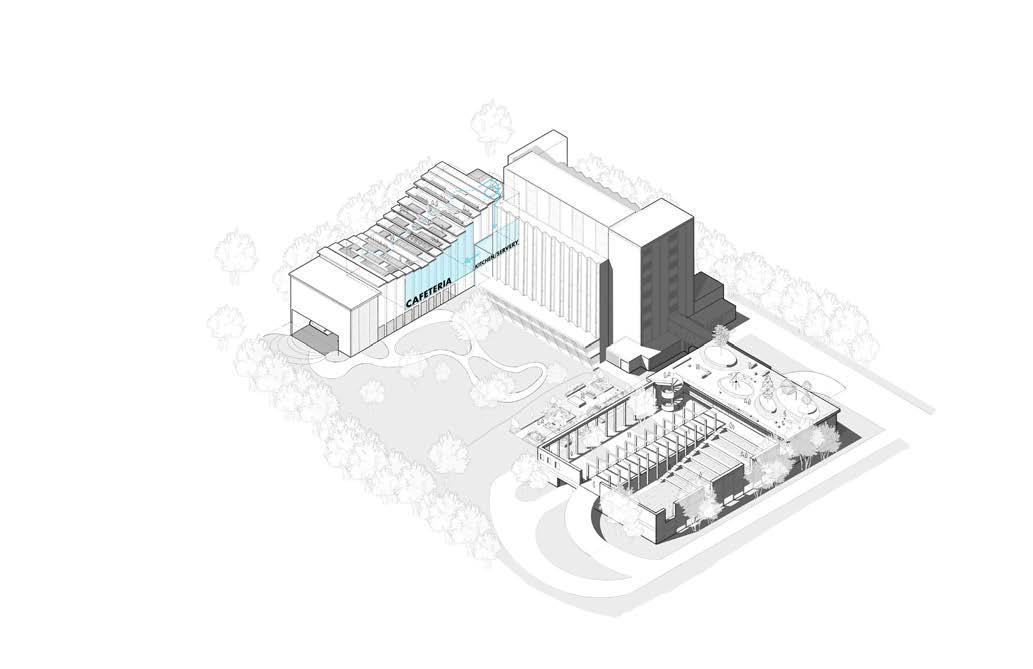
Master of Architecture Thesis
Programs: Procreate, Photoshop
Year: 2024-2025
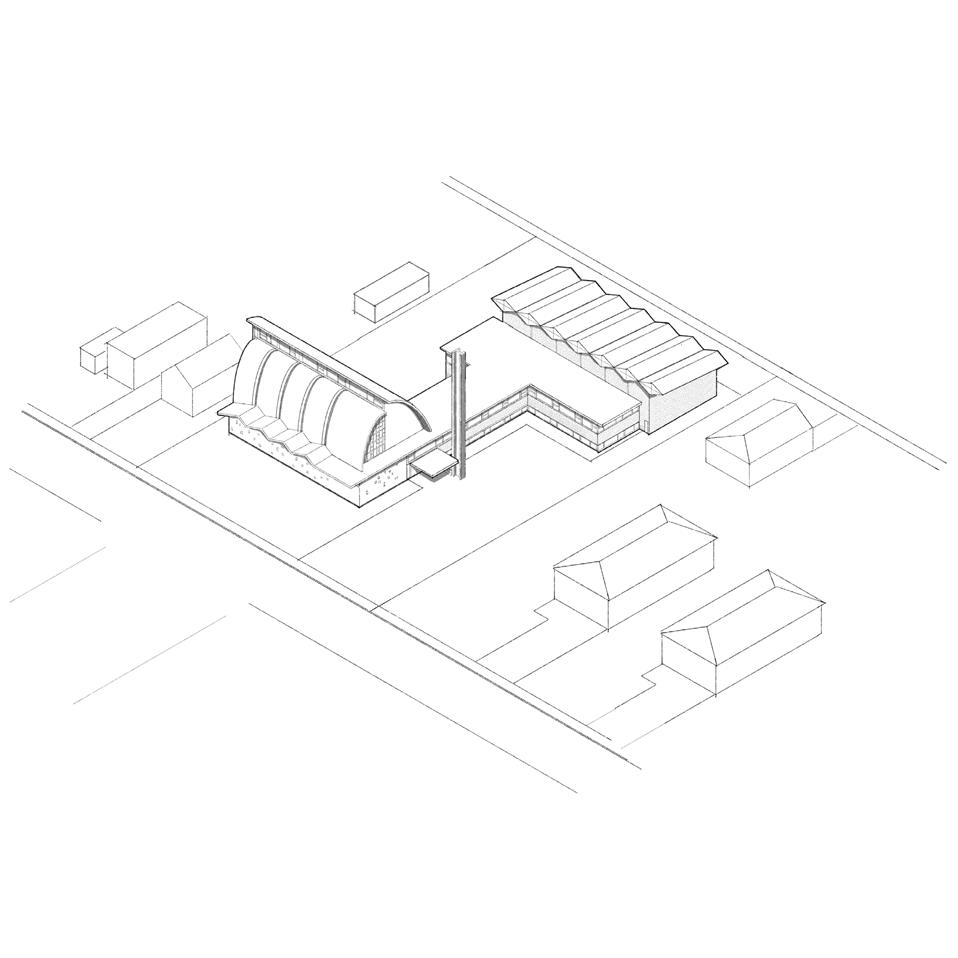
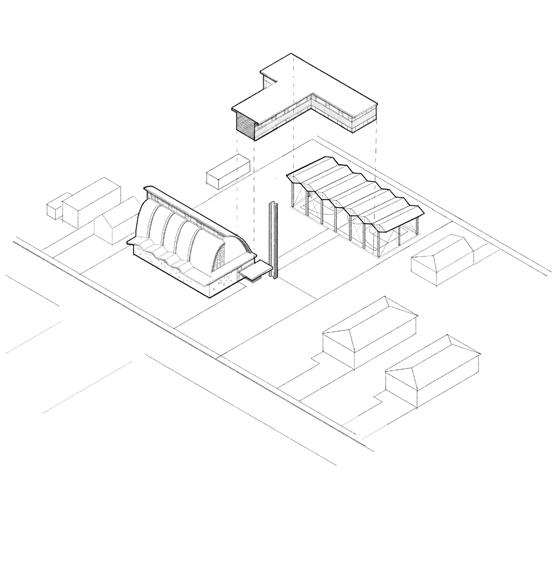
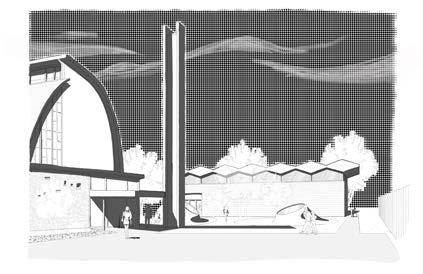
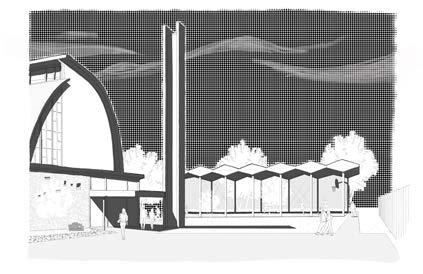
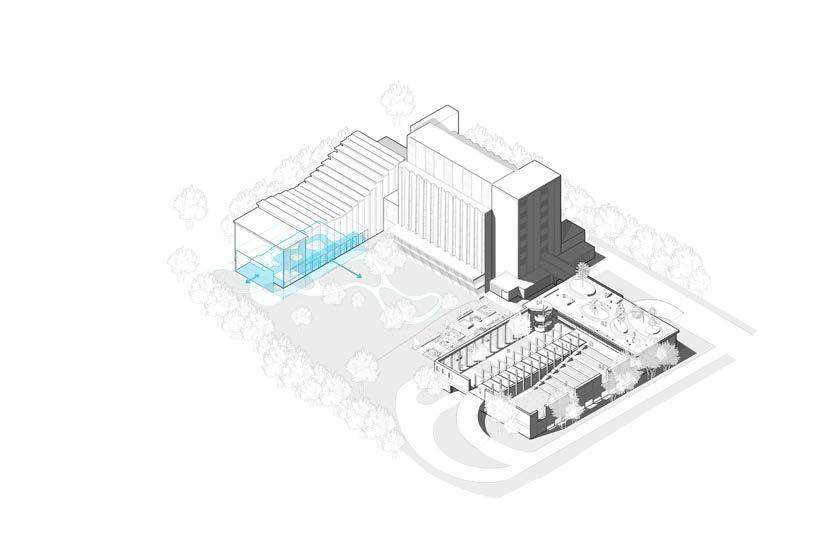
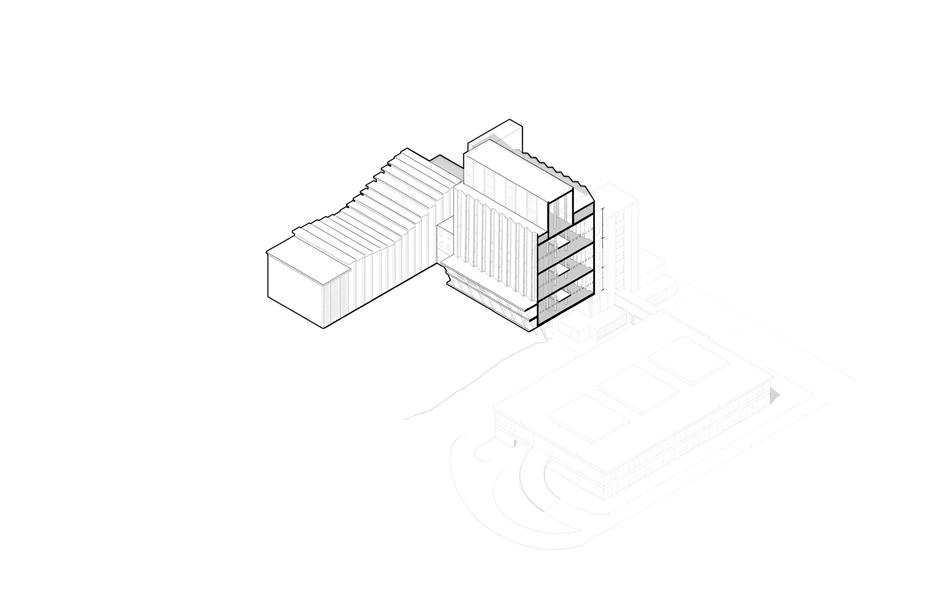
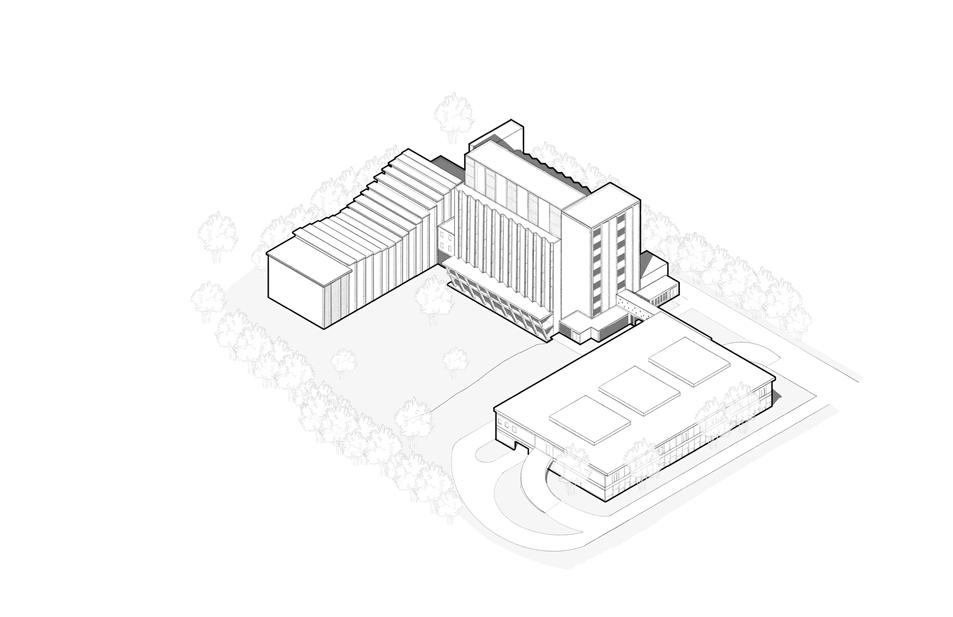
This thesis explores the conservation of heritage of the recent past, which, despite lacking the traditional age-value typically associated with historical significance, possesses both tangible and intangible qualities that require alternative evaluation and preservation methods. Buildings from 1950 to 1970, especially those of the modern movement, often do not conform to conventional conservation principles, leading to their undervaluation and potential neglect. These structures, more susceptible to the effects of time than their predecessors, face significant conservation challenges. To address this, the thesis proposes a novel methodology for assessing the significance of mid-twentieth-century architecture, emphasizing a comprehensive evaluation of all forms of value. This approach aims to ensure that the rich built environment of the recent past is preserved and appreciated, thereby supporting future generations in recognizing the importance of this period in heritage preservation.