TRANSITIONAL SHELTER
MATERIAL STUDY
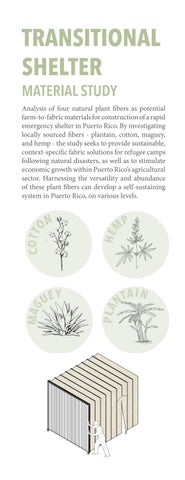
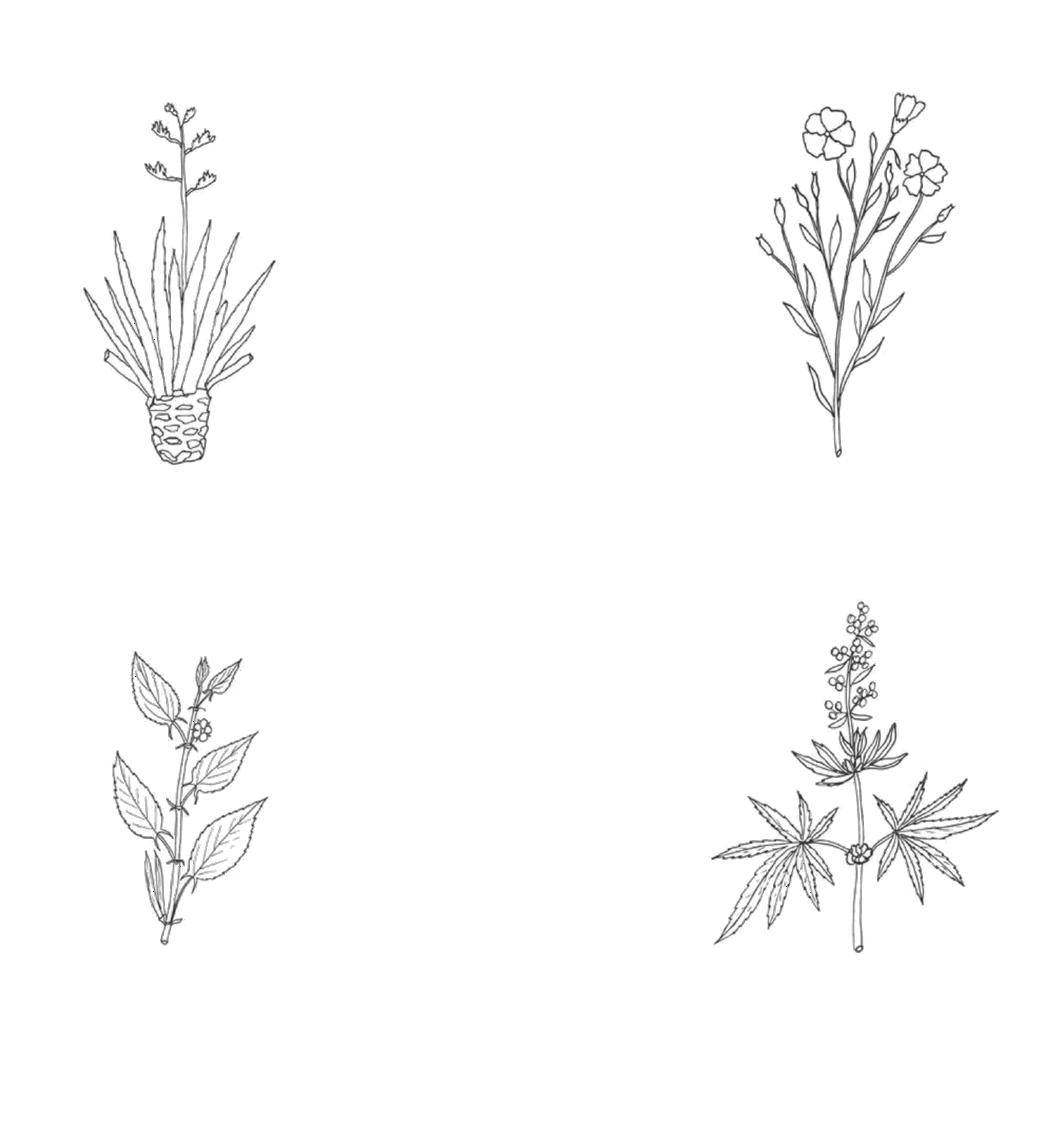
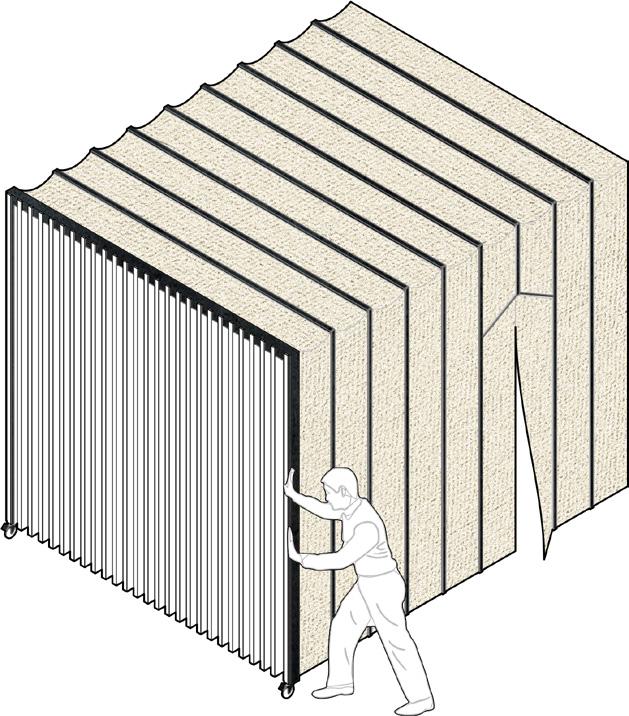
Analysis of four natural plant fibers as potential farm-to-fabric materials for construction of a rapid emergency shelter in Puerto Rico. By investigating locally sourced fibers - plantain, cotton, maguey, and hemp - the study seeks to provide sustainable, context-specific fabric solutions for refugee camps following natural disasters, as well as to stimulate economic growth within Puerto Rico’s agricultural sector. Harnessing the versatility and abundance of these plant fibers can develop a self-sustaining system in Puerto Rico, on various levels.
P LANTA IN
CULTURAL RELEVANCE
assessment of the historical significance of each fiber within the context of Puerto Rico, considering their traditional uses and symbolism
4.5
5.0
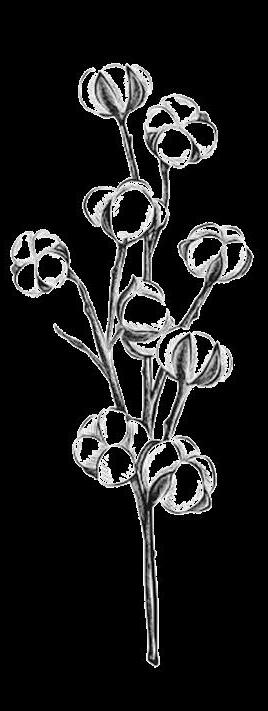
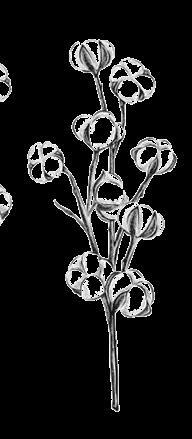
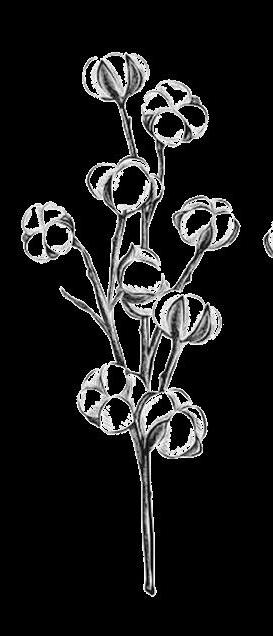
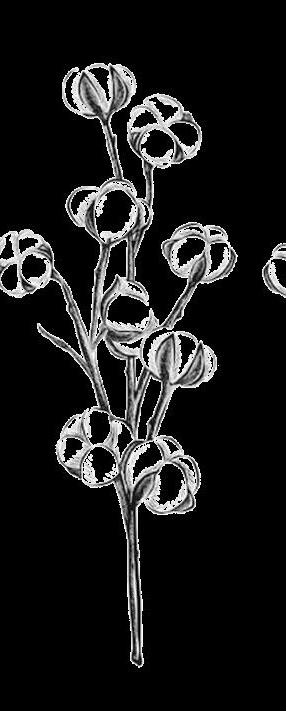
Cotton dates back to the indigenous Taíno society, who considered it a prestigious valuable, symbolizing wealth, status, and spiritual power. Soon enough, Spanish colonizers recognized its usefulness as a natural fiber. It became a crucial cash crop in the island’s agricultural economy until the 19th century, when manufacturing and tourism took precedence. The historical importance of cotton serves as a reminder of their agrarian past and its complex colonial legacy. Crafts such as weaving and embroidery maintain the legacy of cotton cultivation on the island.
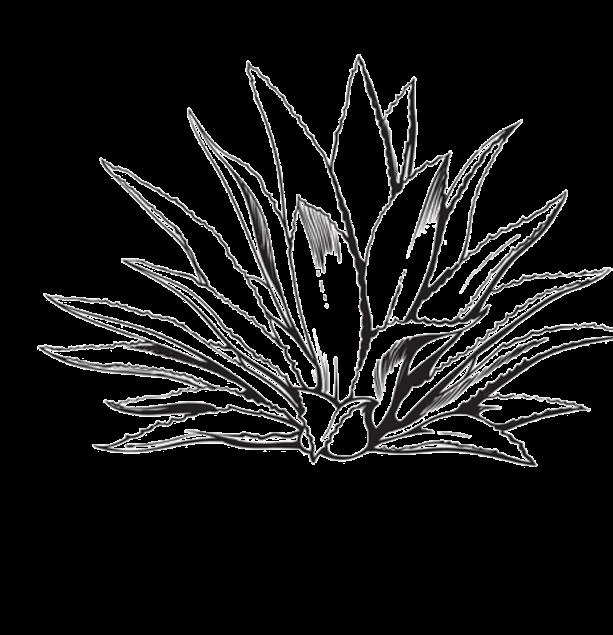
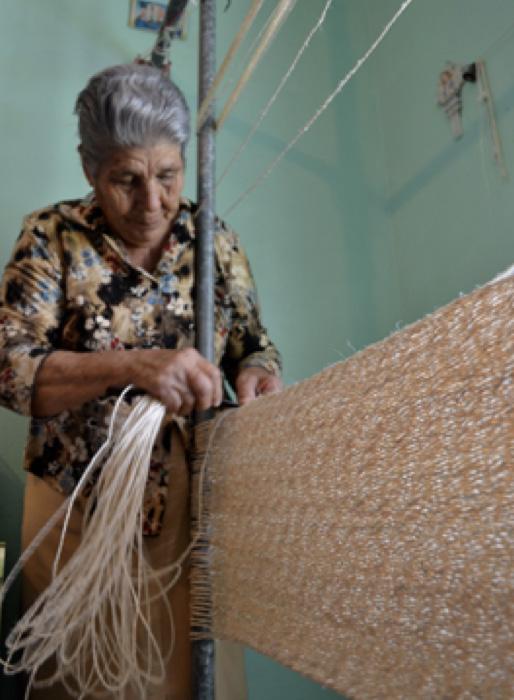
The maguey hammock has been weaved in the region since pre-Colombian times and the tradition is still passing through the fingers of local artisans. It is one of the few textile objects still weaved in Puerto Rico, making its fiber production and weaving knowledge a craft of perseverance and resistance.
1.0
Hemp has yet to make its way to Puerto Rico and has little to no ties to the island historically or culturally.
LANTA I N
4.0
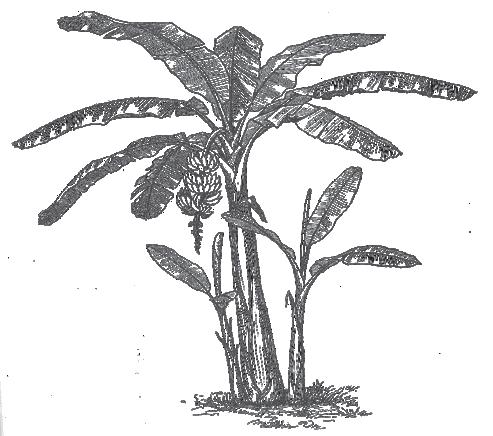
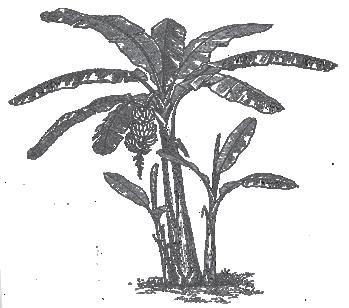
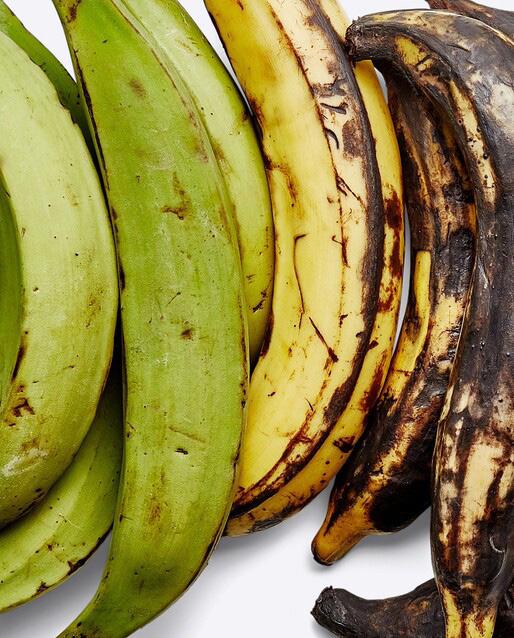
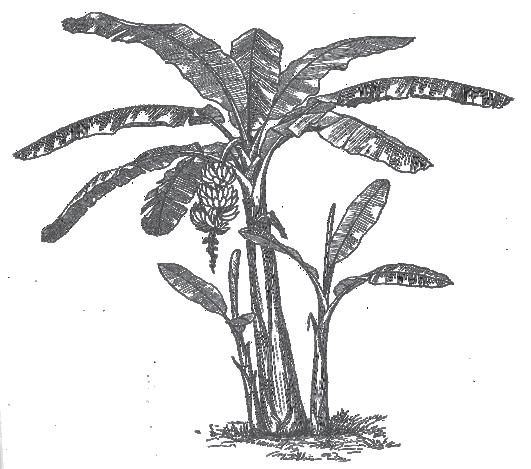
While extracting fibers from plantains is not custom in Puerto Rico, the fruit has been a staple of Puerto Rican cuisine since the beginning of the 16th century. First found in the diets of the enslaved and the poor, traditional plantain dishes, such as mofongo, have been established over centuries and across class and identity. Plantains have been planted and eaten in Puerto Rico through generations as a symbol of resilience and survival of the very colonization that introduced the plant to the archipelago.
feasibility of sourcing each fiber locally
P LA TA I N
5.0
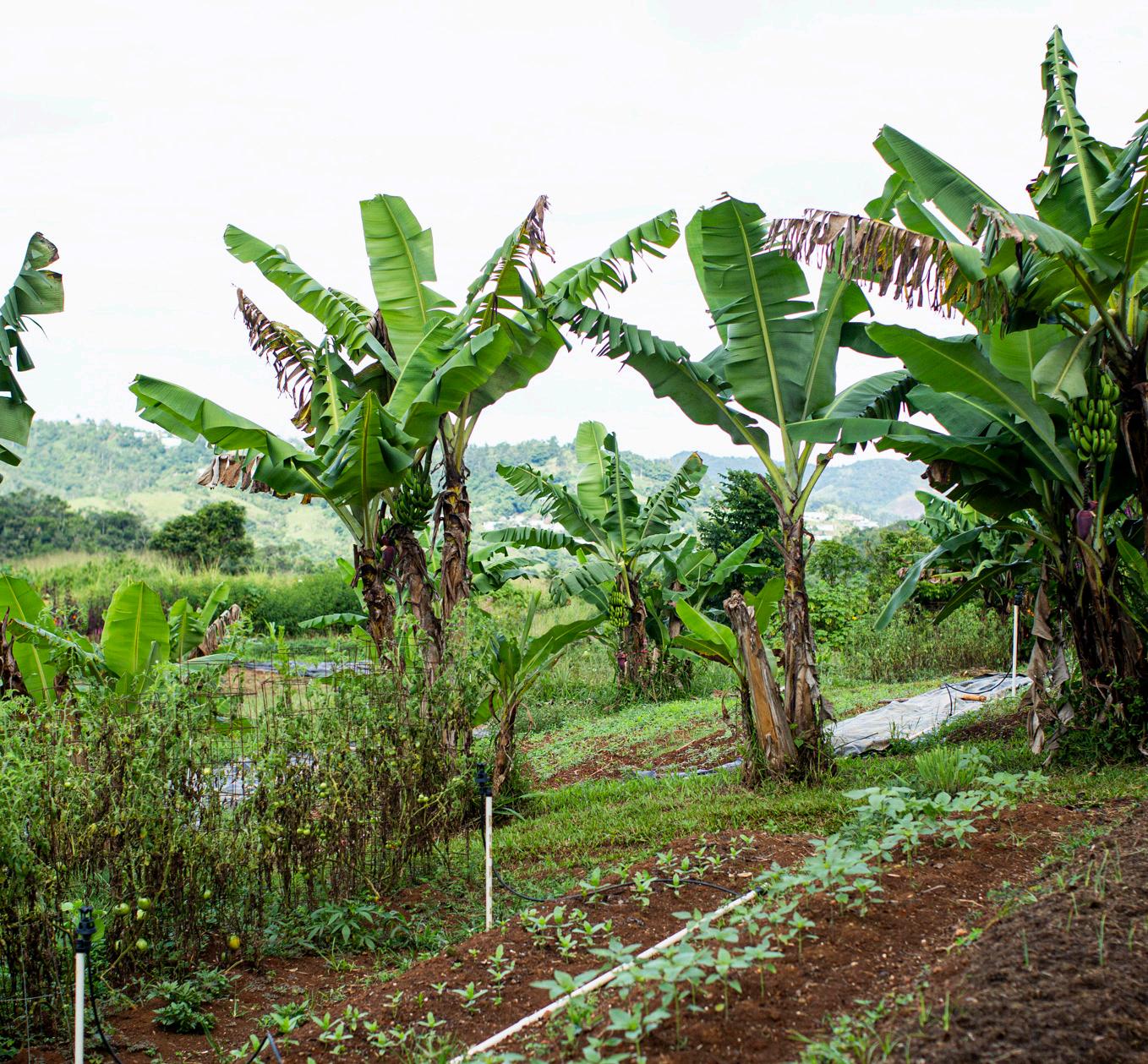
Plantains are currently the third most produced crop in Puerto Rico, indicating there would be a steady source of raw material for fiber production. Producing plantain fiber in Puerto Rico would capitalize on the island’s agricultural strengths and boost a secondary use for an already significant crop.
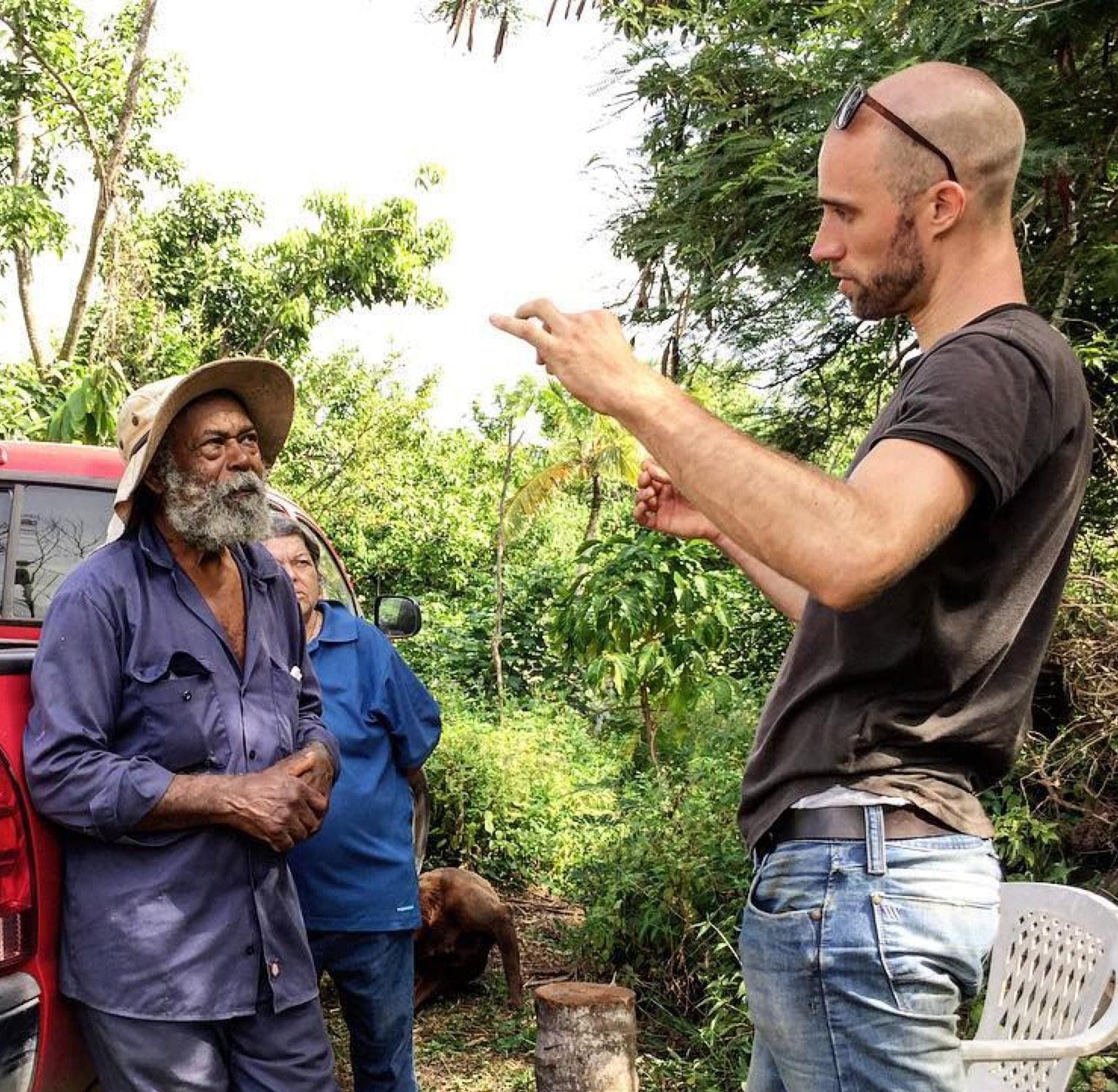
Action is being taken to explore potential scenarios for the reintroduction of smallholder-grown, sustainable cotton as a productive agricultural crop in Puerto Rico. There has been a heightened interest in growing and processing the crop and seems to be a great window of opportunity to kick start a project that positively impacts smallholder and family-based growers and processors. Local perennial varieties previously grown on the island, and their ginneries, were commonly found in coastal regions like San Juan, which is convenient proximity for the shelter design’s site location.
4.0
The legal status of hemp cultivation and processing remains a critical factor. Hemp Farming Act of 2018 redefined hemp as an agricultural commodity and removed it from the Controlled Substances Act, opening up the possibility for it to be introduced to the island. Puerto Rico’s Department of Agriculture is optimistic about the prospect. The tropical climate could allow three harvests per year - more than the world’s largest producers that can only grow and harvest outdoors once or twice per year.
MAGUE Y 3.0
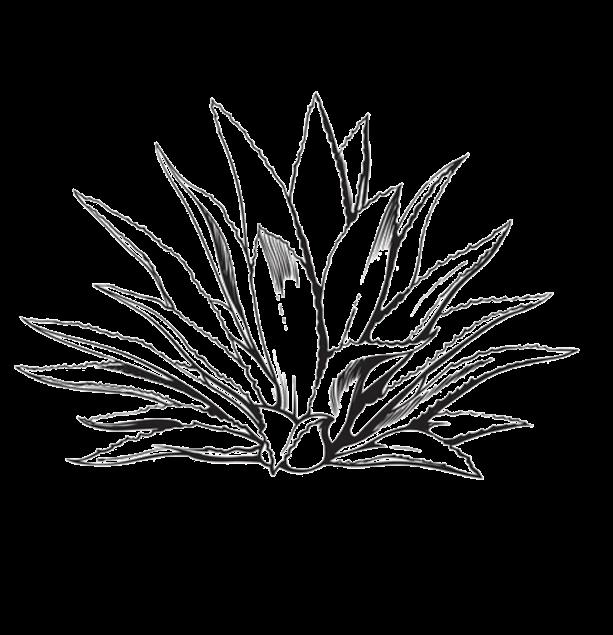
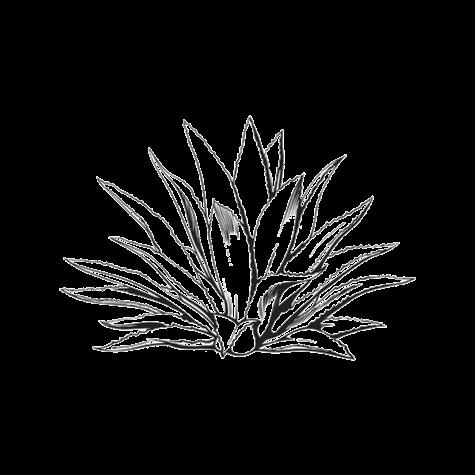
Maguey is already growing on the island, but most of it is wild and difficult to find since the plant has not previously been grown as an agricultural crop in Puerto Rico. The maguey plant Furcraea tuberosa is native to the Caribbean, but has been reported in only a few Puerto Rican municipalities. Following Mexico’s lead, Puerto Rico could begin sustainable maguey harvesting systems as
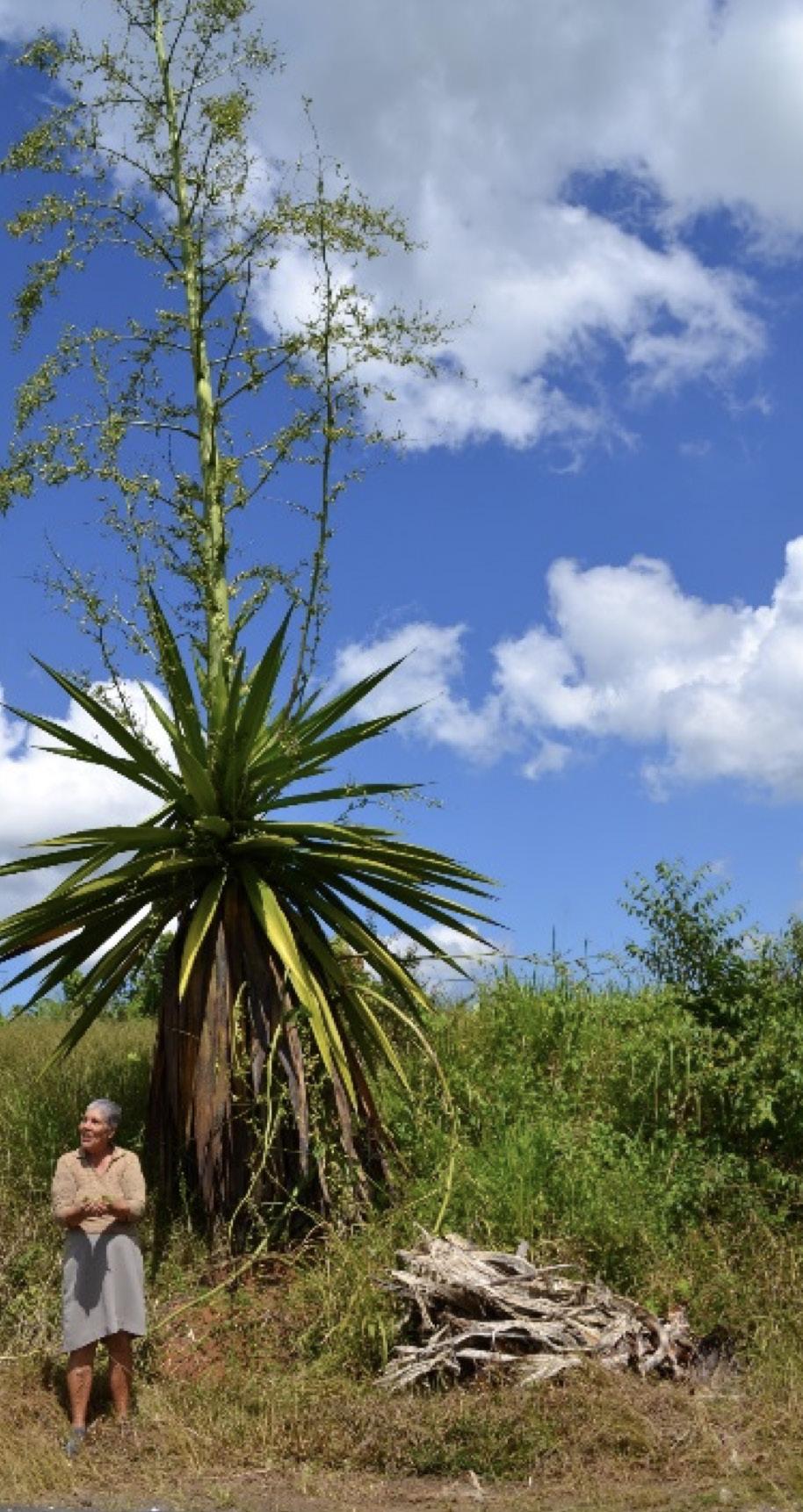
part of the initiative to boost agriculture. They could be planted around farms as landscaping tactics that serve as recovery curtains and ultimately supply and support weaving traditions and businesses of local artisans.
Photo by Jessica Almy Pagan (https://digitalcommons.unl.edu/cgi/viewcontent.cgi?article=1941&context=tsaconf).SUSTAINABILITY assessment of the environmental footprint of farming each fiber and its impact on local ecosystems
5.0 P LANTA I N
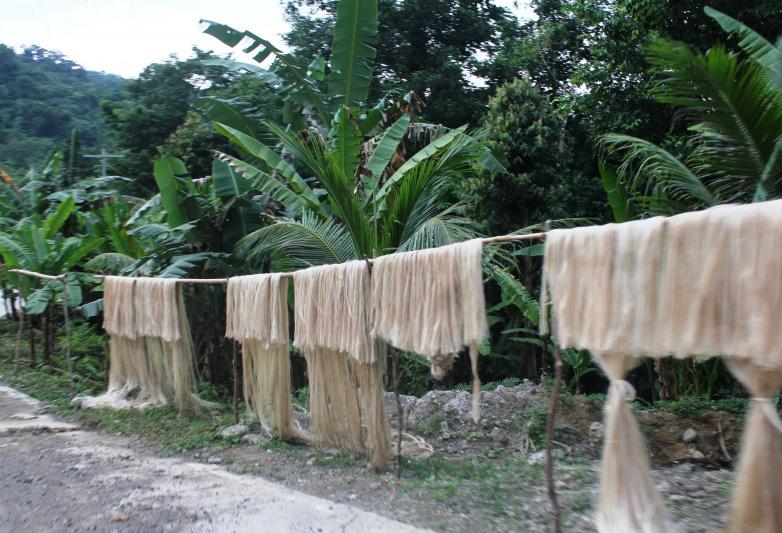
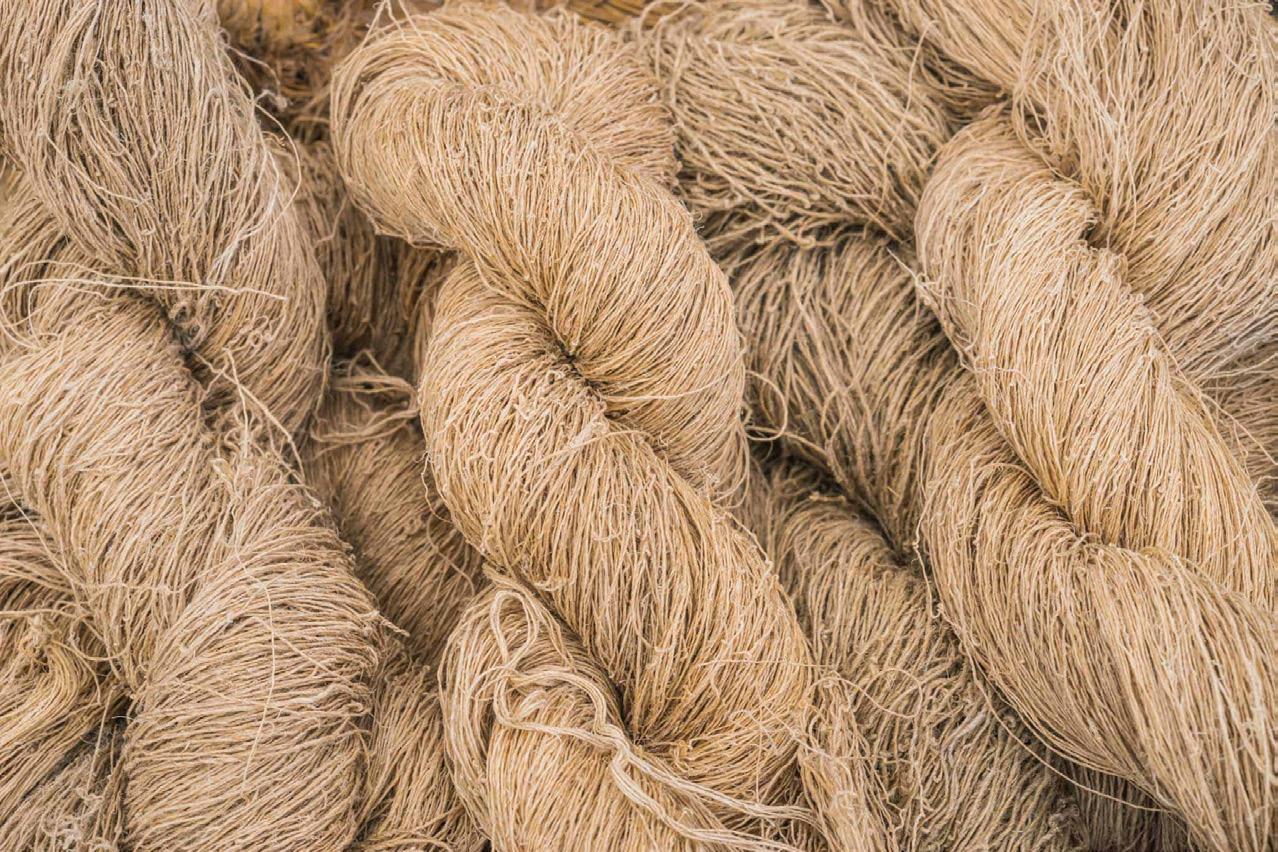
Plantain fibers are sourced from agricultural waste, specifically the pseudostem of the plants, which are usually discarded after fruit harvest. By utilizing the renewable resources of byproducts productions contribute to waste reduction and maximize resource efficiency. Plantains are fast-growing and require minimal water and chemical inputs, making them environmentally friendly. Additionally, plantain fiber is biodegradable. It will naturally decompose, leaving behind a minimal environmental impact and reducing the burden of textile waste on landfills.
4.5
Hemp is one of the most sustainable fibers you can use. It is naturally pest resistant so it doesn’t require chemical pesticides or fertilizer. It is also low maintenance in terms of water usage, requiring little watering to grow. Hemp is known to be a “sister plant”. It replenishes the soil’s vital nutrients for crops around it, making it ideal for crop rotation. Additionally, their root system minimizes soil erosion. Hemp fiber has a slower decomposition rate compared to plantain fiber.
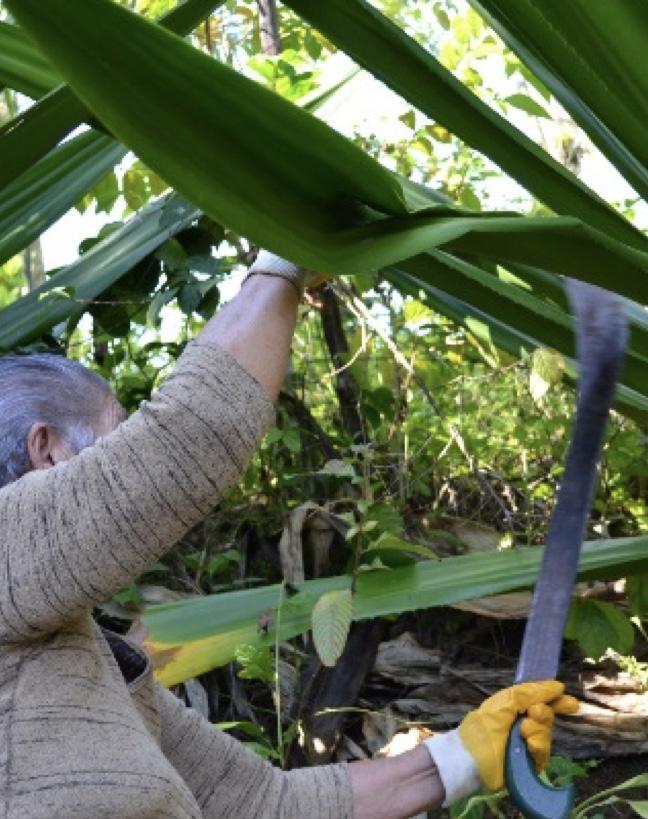 Photo by The Sustainable Fashion Collective (https://www.the-sustainable-fashion-collective. com/2019/06/03/what-is-banana-fibre-and-how-do-you-make-textiles-from-it).
Photo by Textile Exchange (https://textileexchange.org/hemp/).
Photo by The Sustainable Fashion Collective (https://www.the-sustainable-fashion-collective. com/2019/06/03/what-is-banana-fibre-and-how-do-you-make-textiles-from-it).
Photo by Textile Exchange (https://textileexchange.org/hemp/).
Maguey is a water-efficient crop, thriving on almost no water. However, they mature very slowly (6-8 years) and are difficult to harvest. They also flower only once in a lifetime and then die. If, however, the leaves are cut and used in the production of fiber, the plant will live for many more years as the plant continues to produce new leaves instead of flowering. As seen in Mexico, it can be used as live fencing to mitigate erosion. 4.0
Cotton can be harvested fairly easily and the fiber is biodegradable, although it takes more time to break down. It is a thirsty crop that demands significant water consumption. Cultivation of this resource-intensive crop includes the use of several chemicals to keep it safe from insect interruption. Luckily, organic cotton uses biological controls instead of pesticides. Cotton’s current production methods are pretty environmentally unsustainable and require a lot of energy. However, implementation of microspinning equipment could improve this. The machine simplifies fossilfueled, complex operations by integrating them into fewer steps. Local cotton growers can then grow and process cotton all at the same time, reducing emissions and embodied energy.
DURABILITY
strength evaluation of each fiber to withstand wear and tear in the Puerto Rican environment, as well as their weather resistance and material longevity
5.0 P LANTA I N
Plantain fibers are normally rough and coarse, waterresistant, and heat-resistant. The fabric exhibits excellent tensile strength, making it suitable for applications that require robust, long-lasting materials. The specialty of this fiber is that it absorbs and releases moisture quickly, so it does well in tropical environments prone to wet seasons.
Tenacity: 42.8 cN/tex
Breaking Elongation: 6.5%
Density: 1.35 g/cm3
Tensile Strength: 500-900 MPa
Tensile Modulus: 20-24 GPa
Moisture-Regain Value: 13%
MAGUE Y
4.5
Maguey fibers are strong, coarse, and difficult to extend, so the produced fabric will be rather rigid. This means that it can perform well where instantaneous forces act on the fibers, including high winds from hurricanes. Maguey fibers are also naturally resistant to rot, mildew, and pests, making them an ideal choice for industrial materials and outdoor applications.
Tenacity: 16-41 cN/tex
Breaking Elongation: 2-2.5%
Density: 1.36 g/cm3
Tensile Strength: 347-700 MPa
Tensile Modulus: 9.4-22 GPa
Moisture-Regain Value: 9%
Hemp fibers are long and sturdy, so the fabric is very soft and yet highly durable. Its elastic recovery is poor, meaning it stretches less than other natural fibers but will also withstand greater pressure and tension. Hemp fabric effectively blocks UV rays, making it suitable for outdoor applications. The fibers are hollow hexagonal tubes - a unique shape that allows air and oxygen to circulate freely through the textile, providing an insulating layer to keep cool in summer and warm in winter. The porosity also provides hemp fabrics with great absorbency.
Cotton’s hollow fibers are soft, cool, and known to be breathable and absorbent. The fabric doesn’t lose strength when wet - it actually gets stronger. However, it is susceptible to mildew and rot. Cotton is fairly inelastic, and has low resilience, but its abrasion resistance is good.
Tenacity: 15-40 cN/tex
(up to 20% stronger when wet)
Breaking Elongation: 5-6%
Density: 1.54 g/cm3
Tensile Strength: 287-587 MPa
Tensile Modulus: 5-12 GPa
Moisture-Regain Value: 7% 4.0
Tenacity: 47 cN/tex
Breaking Elongation: 1.6-4%
Density: 1.48 g/cm3
Tensile Strength: 270-900 MPa
Tensile Modulus: 70 GPa
Moisture-Regain Value: 12%