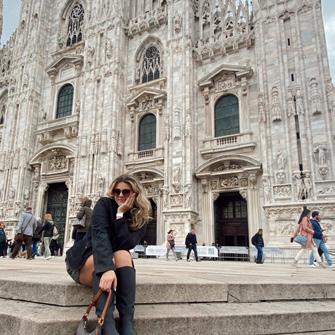
Hello! I’m Emily Karnok, I have just graduated from the University of Cincinnati with a Bachelor of Science in Architecture. Last fall, my academic journey recently led me to Florence, Italy, where I absorbed diverse architectural influences and cultural perspectives. In my free time, I enjoy hiking, pilates, trying new recipes, and taking care of my plants.
Currently, I’m embarking on the next phase of my career, applying to graduate programs for a Master of Architecture for the fall of 2025. Guided by a passion for sustainability and a fascination with hospitality design, I aspire to create spaces that not only endure but also enrich lives through memorable experiences.
My philosophy centers on one of my favorite quotes: “Be the change you wish to see in the world.” As I pursue my aspirations in architecture, I’m committed to infusing every project with a dedication to sustainability and a vision for a future where design elevates human experiences.
Let’s build a future where architecture not only shelters us but also inspires us to thrive.
- Assisted with high-end residential and hospitality projects within their schematic and design development phases by sketching designs, modeling in Revit/ AutoCad, and completing construction documents.
“We were absolutely thrilled to work with Emily, her attitude and willingness to participate and take on big tasks was exceptional. She showed tremendous growth and demonstration of specific knowledge and skills by the end of her internship.” -Theresa Zavala
Intern - Works Progress Architecture - [Jan 2022 - April 2022]
Co-op Spring 2022
- Assisted with multi-family buildings by working on schematic design by completing construction documents and rendering interior/exterior designs.
“Emily has a rare gift - she is incredibly outgoing and assertive but in a collaborative and considered way, Once Emily’s skills are developed, I have every confidence that she will find herself in a leadership position, both on projects and within project teams.” - Michael Reis
- Offered community development capital to small minority-owned businesses in low-income communities in Ohio.
Intern - Cleveland Hopkins International Airport - [May 2018 - June 2018]
Future Connections Internship Program - Marketing Department
- Applied statistical analysis to create a presentation on how to improve the ambiance of the airport.
EDUCATION
Accademia Italiana - [August 2023 - December 2023]
Exchange program studying interior design
Florence, Italy
University of Cincinnati - [August 2019 - May 2024]
College of Design, Architecture, Art, and Planning (DAAP)
Bachelor of Science in Architecture - Class of 2024
Dean’s List
Participating in the Professional Practice Program, alternating semesters ofclassroom studywithwork in the field ofdesign.
Cuyahoga Community College - [August 2017 - August 2019]
College Credit Plus Program
Berea-Midpark High School - [August 2015 - May 2019]
Honors Diploma
TECHNICAL SKILLS
Sketchup
Enscape
Adobe Creative Cloud
Rhinoceros 3D
Vray
AutoCAD
Autodesk Revit
Microsoft Office
Grasshopper
Lumion
PASSIONS
Sustainable Architecture and Green Design
Urban Planning and Community Development
Hospitality Design
User Experience
Technology in Design
02 SOLARA BAY RESIDENCES pages 18 - 35
03 ACCADEMIA ITALIANA
ECOHARBOR GALÁPAGOS pages 06 - 17 pages 36 - 43
01 ECOHARBOR GALÁPAGOS
SAN CRISTOBAL ISLAND, GALÁPAGOS ARCHIPELGO, ECUADOR
A SUSTAINABLE RESEARCH COMPLEX
TYPOLOGY: CAPSTONE PROJECT
PROFESSOR: HANK HILDERBRANDT
CATEGORY: RESEARCH CENTER
YEAR: SPRING 2024
SOFTWARES: RHINO 7, ENSCAPE
PROJECT OVERVIEW
The Galápagos Islands are a UNESCO World Heritage Site, known for their unique biodiversity and ecosystems. The islands are a protected area, and strict regulations are in place to preserve the natural environment. imagine an environmental complex in the Galápagos – a sanctuary designed not just to preserve the unique biodiversity but to combat the invisible threat that haunts our oceans: microplastics.
The EcoHarbor Galápagos aims to be a hub for sustainable research and conservation efforts. Our mission is to foster environmental stewardship by providing affordable lodging opportunities for visitors in exchange for their active involvement in volunteer programs and research initiatives. Ecoharbor Galápagos is committed to promoting the wellbeing of the Galápagos Islands’ unique ecosystems, advancing scientific knowledge, and engaging the global community in the shared responsibility of preserving our planet’s biodiversity.
Engaging with the tourism industry, advocating for global awareness, and actively involving local communities, the complex envisions a future where the islands remain a beacon of biodiversity, free from the detrimental effects of microplastics. Through rigorous research, innovative solutions, and impactful education, we aim to be at the forefront of the global fight against plastic pollution, preserving the natural wonders of the Galápagos for generations to come.
SAN CRISTOBAL ISLAND
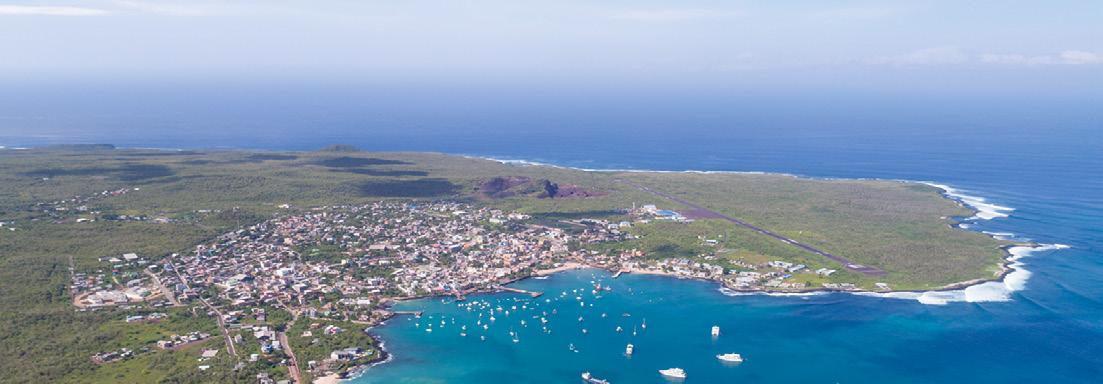
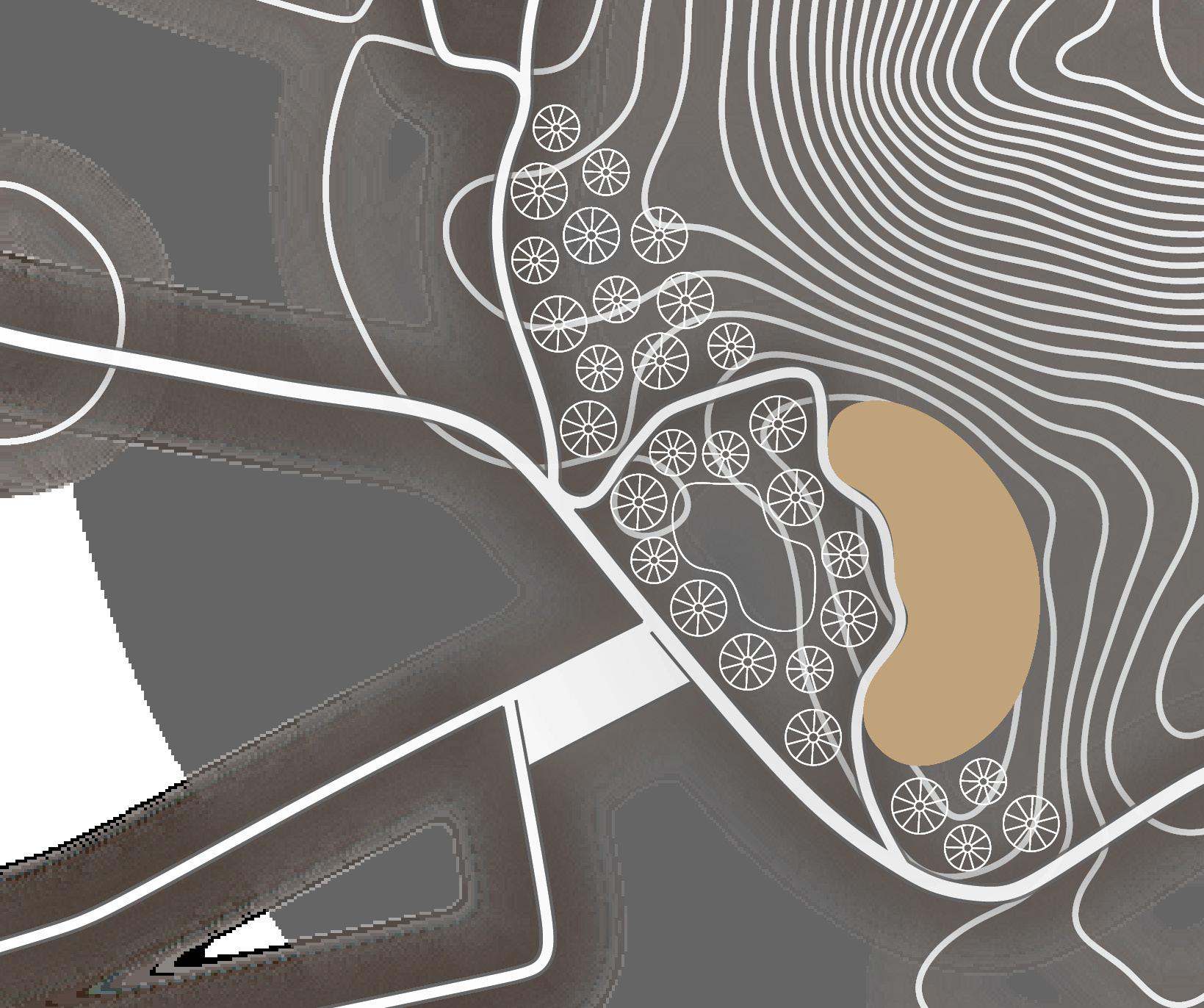
The proposed research complex would be strategically located to capitalize on the unique environmental and logistical benefits of San Cristóbal Island in the Galápagos. Its proximity to Puerto Baquerizo Moreno offers convenient access to essential amenities, while the nearby airport and naval base ensure seamless connectivity for researchers and logistical support.
The island’s biodiversity and status as a UNESCO World Heritage site create an ideal setting for groundbreaking research on microplastics and their impact on marine ecosystems. Establishing this facility would not only advance scientific understanding but also contribute significantly to global conservation efforts, positioning the Galápagos as a leader in addressing the pressing issue of oceanic microplastic pollution.
PUERTO BAQUERIZO MORENO
FORM
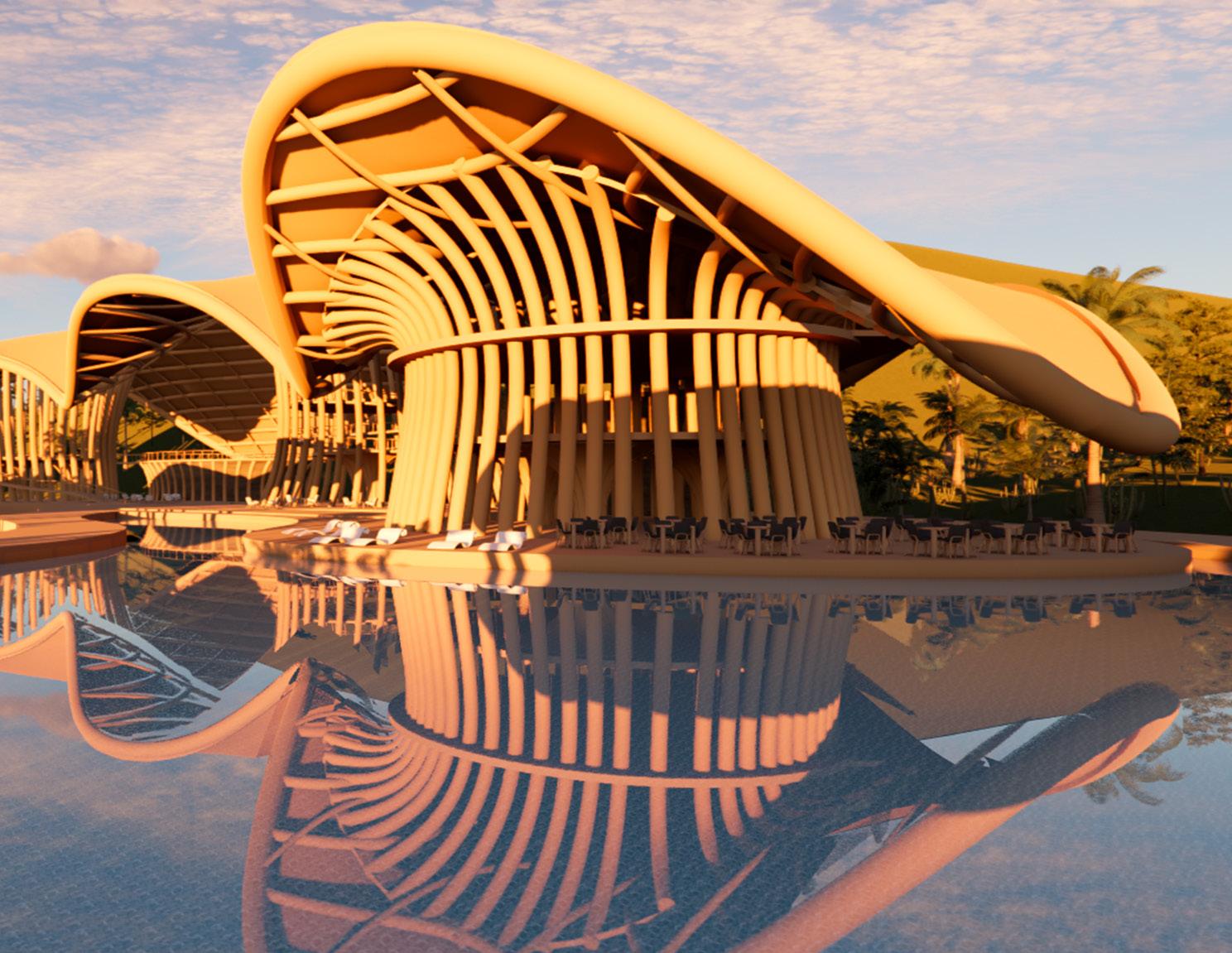
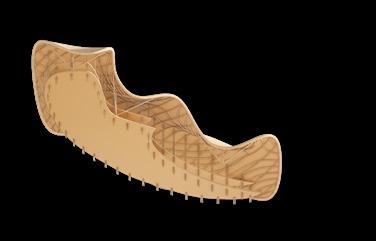
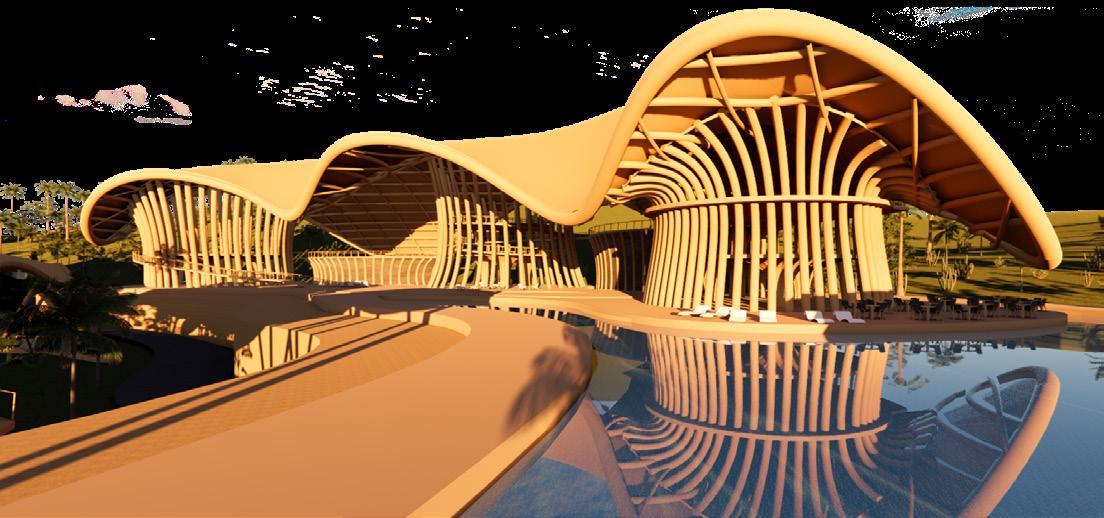
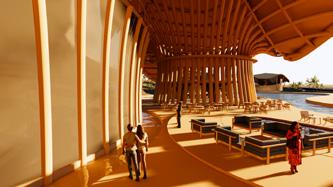
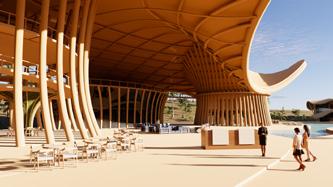
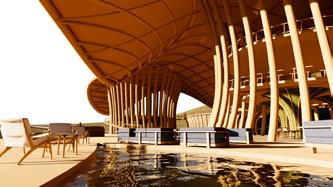
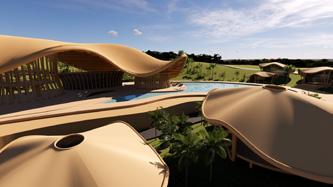
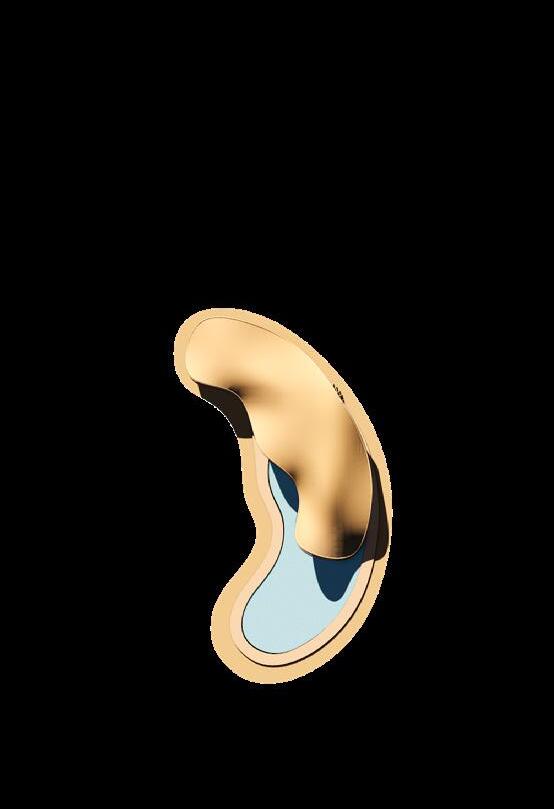
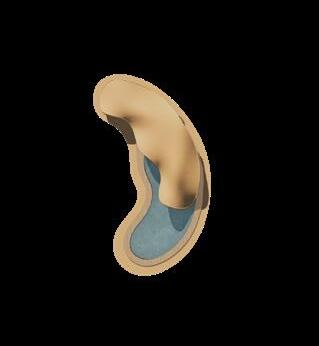
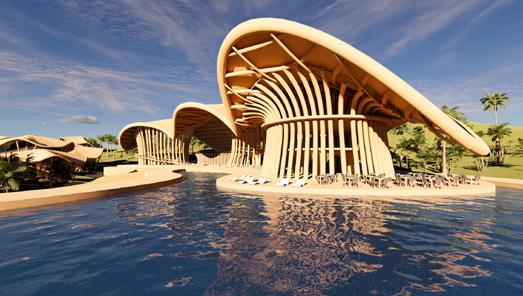
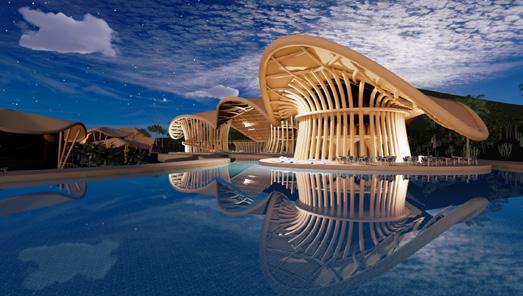
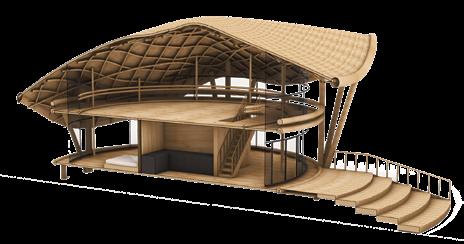
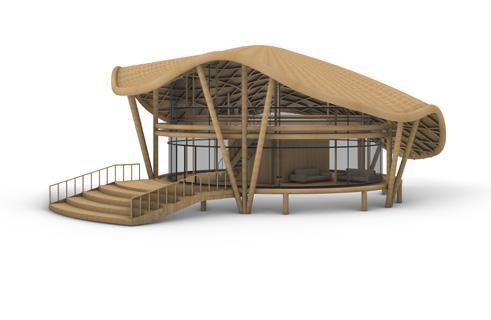
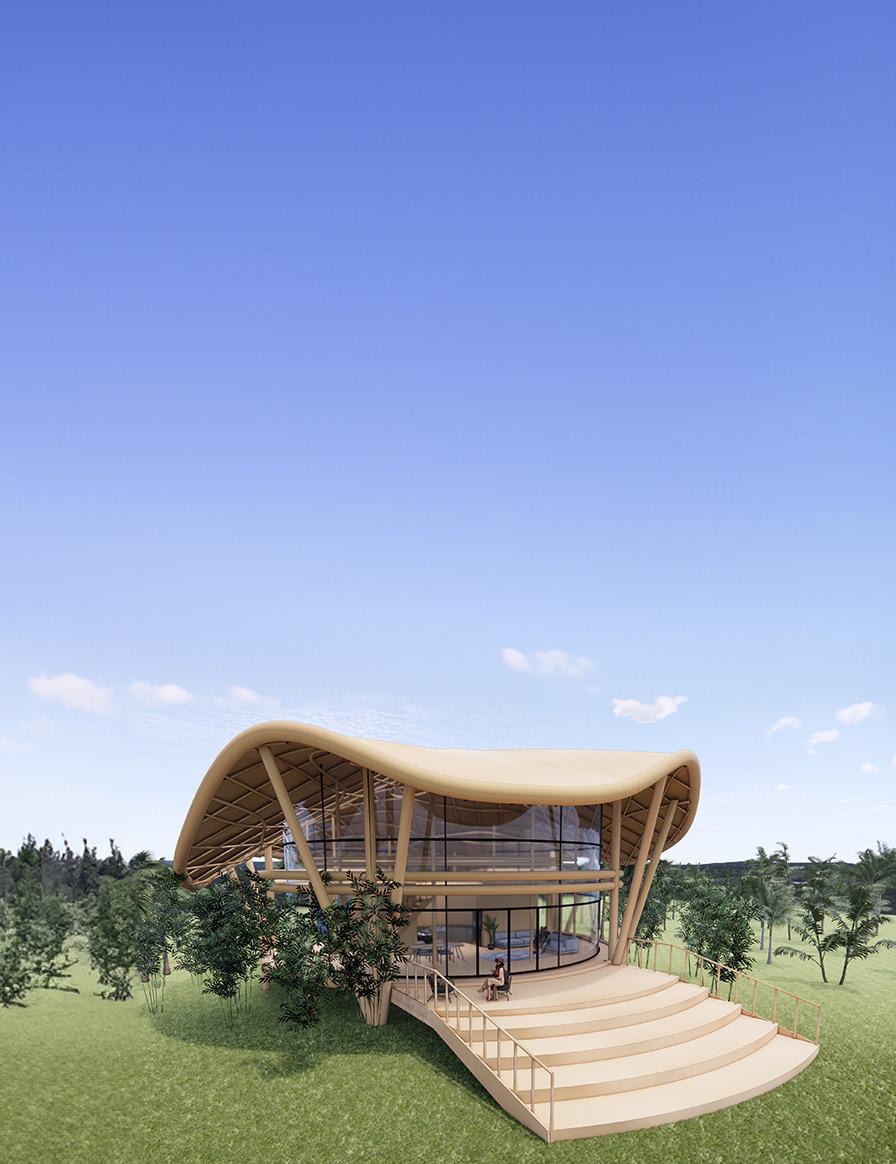
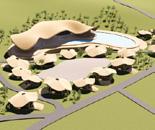
The building’s form is both aesthetic and functional, inspired by the natural environment of San Cristóbal Island and its rich biodiversity. The undulating roof canopy, made from bamboo and thatch, mimics the island’s organic topography, creating a visual connection between the building and its surroundings.
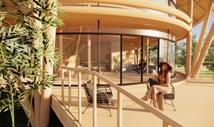
This canopy, supported by bamboo pods lined with polycarbonate material, symbolizes the ocean’s waves and the surrounding landscape. It provides shade, reduces the thermal load, and allows for passive cooling. The integration of the bamboo structure into the framework creates a seamless transition between exterior and interior spaces, fostering a sense of openness and connection to nature.
SUSTAINABLE DESIGN APPROACHES
BUILDING ORIENTATION
The building is oriented to maximize natural light in winter while minimizing heat gain in summer. Eastwest alignment ensures optimal shading and crossventilation throughout the day.
CROSS VENTILATION
Openings on opposite sides of the structure promote natural airflow, reducing the need for mechanical cooling systems. The bamboo structure enhances airflow by guiding wind through the building.
USE OF LOCAL MATERIALS
Bamboo: canopy roof structure and columns, providing lightweight strength and natural aesthetics
Thatch: layered atop the bamboo roof for lightweight water resistance and natural insulation.
Recycled Materials: Recycled polycarbonate is used for the walls of the two enclosed, air-conditioned pods.
Volanic Rock: foundation and walls, offering thermal mass for passive cooling and blending with the local terrain.
Earth: Compacted earth is utilized for interior walls and flooring, offering thermal mass and natural cooling while grounding the design in the local landscape.
Rock: Local rock is employed in interior walls and flooring, ensuring durability and reinforcing a connection to the Galápagos' volcanic environment.
RAIN WATER HARVESTING
The roof is designed to collect rainwater, which is filtered and stored for use in irrigation and non-potable water needs. This system reduces dependency on external water sources.
THATCH
The thatch roof provides natural insulation and shading, harmonizing with the landscape through its organic, curving form.
BAMBOO CANOPY STRUCTURE
The bamboo canopy creates a lightweight, ventilated shading system, blending flexibility with sustainability to minimize environmental impact.
SUPPORTING PODS
The bamboo-supported pods offer modular, flexible spaces for research and living, designed to integrate seamlessly with the canopy for natural light and airflow.
RAMP CIRCULATION
The ramp provides smooth, accessible circulation throughout the site, gently connecting the building to the surrounding natural environment.
FIRST FLOOR STRUCTURE
The elevated first floor minimizes ground disturbance, allowing natural airflow beneath while protecting the local ecosystem.
SECTION
STRUCTURAL COMPONENTS
Designing the structural components of this project, my focus was to explore the implementation of bamboo as a primary material. Bamboo harmonizes with the natural environment while prioritizing sustainability and minimal ecological impact. As one of the strongest natural materials relative to its weight, it is resilient against island weather conditions like heavy winds or tropical storms. This makes it ideal for the large canopy roof, which spans wide areas without requiring a complex foundation system. The woven lattice design of the canopy enables large spans with minimal supports, preserving the building's open, airy feel while maintaining a minimal physical presence in the fragile ecosystem.
Adding to this concept, thatch roofing, made from locally sourced plant fibers, is used atop the bamboo canopy. Thatch is lightweight, provides natural insulation, and offers water resistance without adding significant weight. The bundled bamboo structure increases its loadbearing capacity, supporting the evenly distributed pods throughout the design. This technique allows for large open spaces beneath the canopy while keeping the structure lightweight and adaptable to the environment.
Ramp circulation enhances accessibility, creating a seamless flow between the pods and central areas of the building while maintaining a gentle connection with the terrain. This circulation also promotes natural airflow underneath the structure, contributing to the passive cooling strategy. These elements together reflect EcoHarbor's commitment to sustainability and architectural innovation, serving as a blueprint for environmentally harmonious building practices.
OCCUPANTS
Research: The center establishes research facilities, attracting scientists and researchers from around the world.
PROGRAM DIAGRAM
CIRCULATION
TOURSIM / AMMENITY
RESEARCH
EDUCATION / ADMINISTRATION
Education: Initiatives such as workshops, seminars, and interactive exhibits engage users in understanding the importance of conservation, sustainable living and microplastics.
Sustainable Tourism: Addressing the challenges of responsible tourism, the project promotes sustainable travel experiences. Eco-friendly accommodations, lowimpact visitor activities, and educational programs aim to create a harmonious relationship between tourism and conservation.
FLOOR 01
FLOOR 02
HOUSING UNITS
FLOOR PLANS
TYPE A TYPE B
Square footage = 1500 SQ FT
Occupancy = 1 to 2 persons
# of units = 13
ELEVATIONS
Square footage = 2360 SQ FT (per floor)
Occupancy = 2 to 4 persons
# of units = 16
HOUSING UNITS
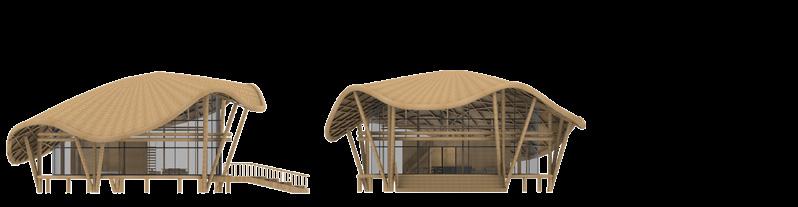
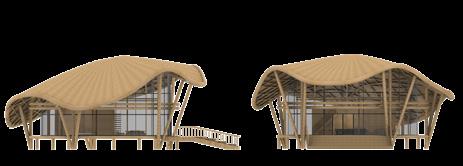
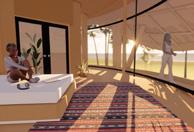
The Housing Units are designed to accommodate researchers, workers, and tourists while blending seamlessly into the natural landscape. Spread throughout the site, the units follow a circular plan, optimizing space and encouraging natural ventilation. Their form mirrors the organic design of the main EcoHarbor structure, creating architectural unity across the project. Sustainability is central to the design, with each unit equipped with a water harvesting system at the back to collect rainwater and solar panels to harness renewable energy, reducing the need for external power sources.
Constructed using bamboo, thatch roofing, and the earth flooring, the units prioritize the use of renewable, local materials. Bamboo provides structural flexibility, while the thatch offers natural insulation, and the rammed earth flooring adds thermal mass to regulate indoor temperatures. These materials create a natural, welcoming atmosphere that reflects the project›s commitment to sustainability, minimizing the environmental impact and fostering harmony with the unique ecosystem of the Galápagos Islands.
02 SOLARA BAY RESIDENCES
SOUTH
MIAMI BEACH, FLORIDA, UNITED STATES
A LUXURY CONDOMINUM
TYPOLOGY: 3RD YEAR STUDIO
PROFESSOR: MICHAEL ROGOVIN
CATEGORY: MULTI-FAMILY LIVING
YEAR: SPRING 2023
SOFTWARES: RHINO 7, REVIT, ENSCAPE
PROJECT OVERVIEW
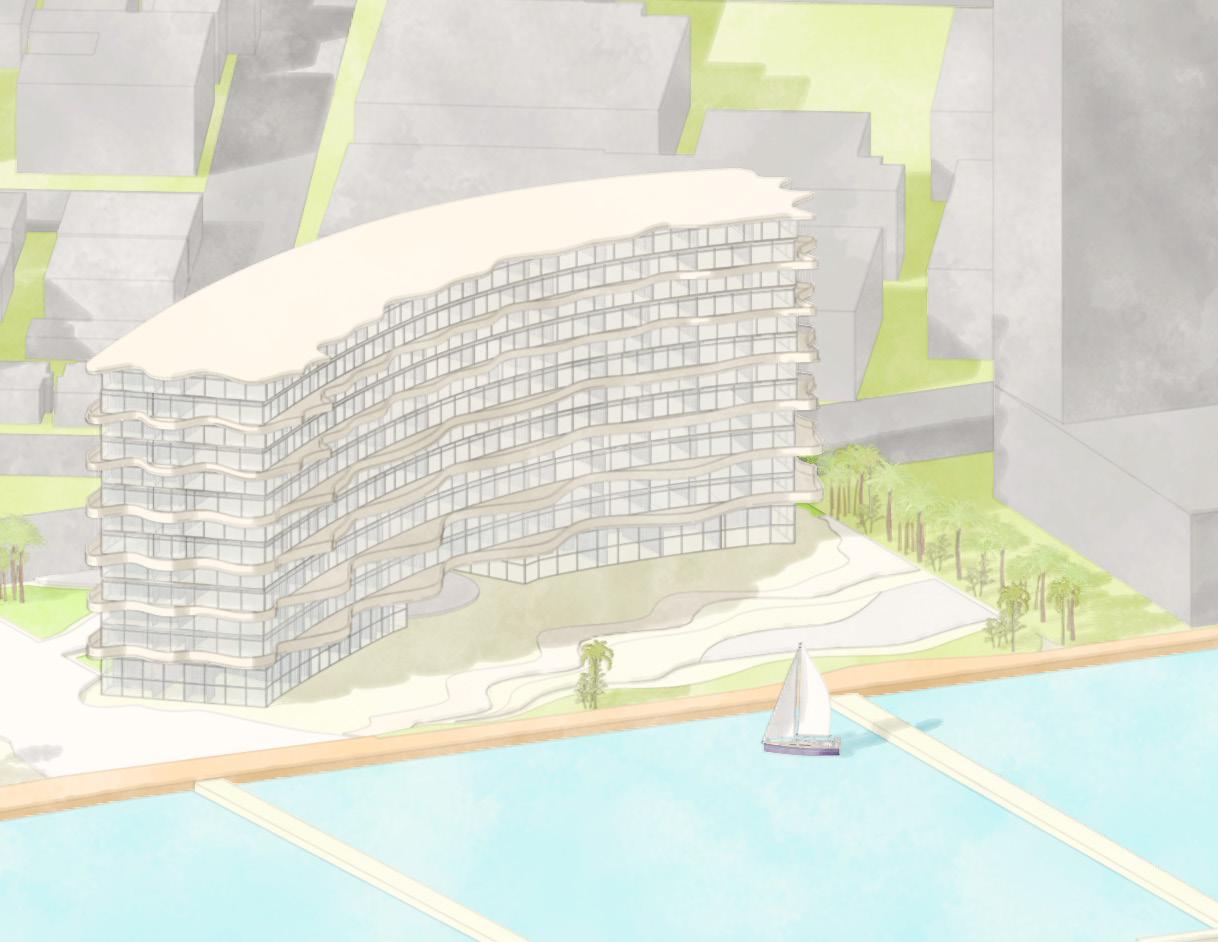
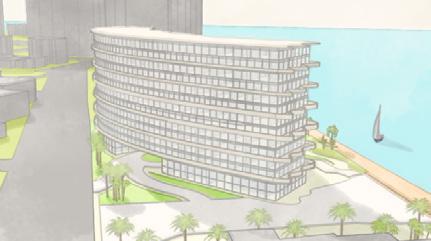
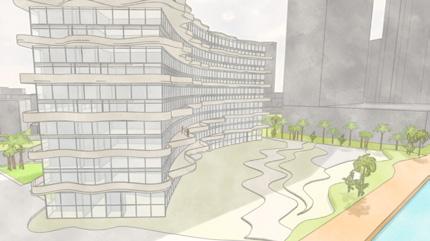
During spring semester of my third year in architecture school I had the opportunity to design multifamily housing. This allowed me to explore the configurations of what goes into multi-family design and how certain levels of program interact with eachother. The original site was located in Cincinnati but after designing the intricate wave-like motion of the balconies, I thought my project was best fit in the south of Florida; Miami Beach.
First i started with a site analysis of Miami Beach which continues to be a hotspot for luxury real estate, with strong demand from both domestic and international buyers. The location’s proximity to the beach, marina, and upscale amenities makes it ideal for luxury condos. The location offers panoramic views of the ocean, Biscayne Bay, and the Miami skyline, which are highly desirable features for luxury condos.
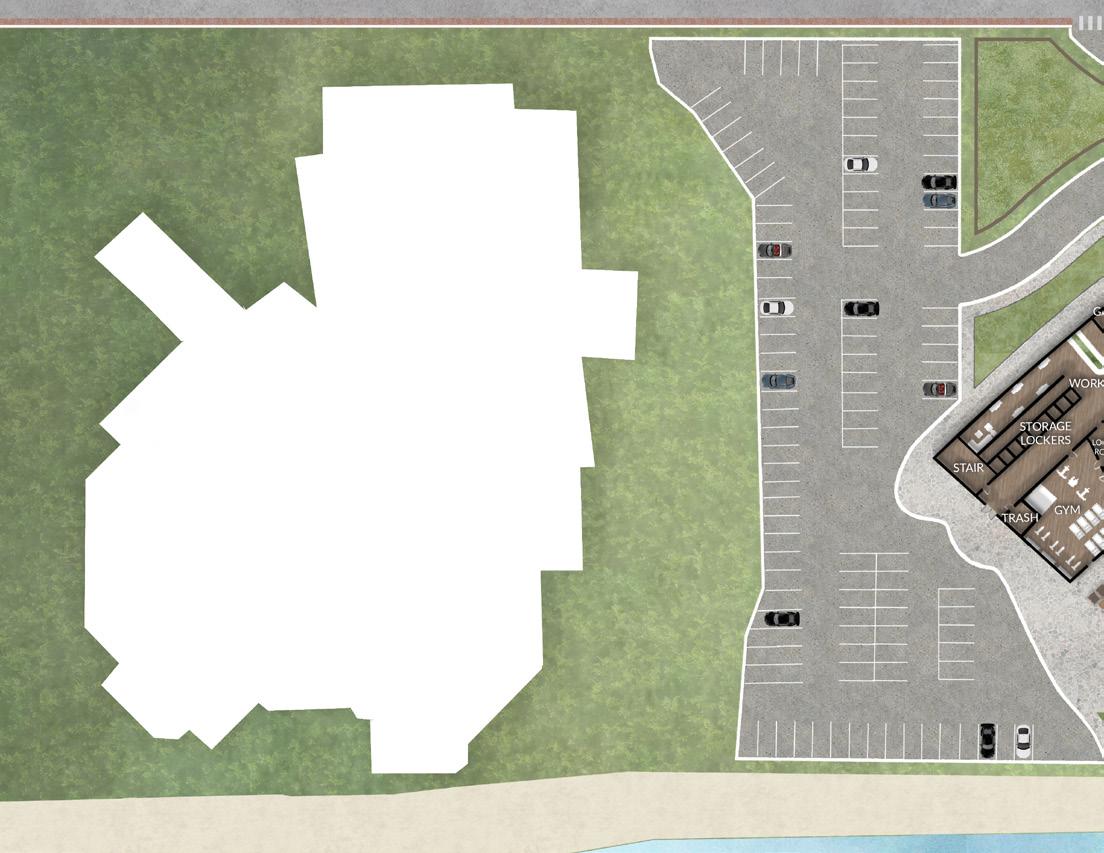
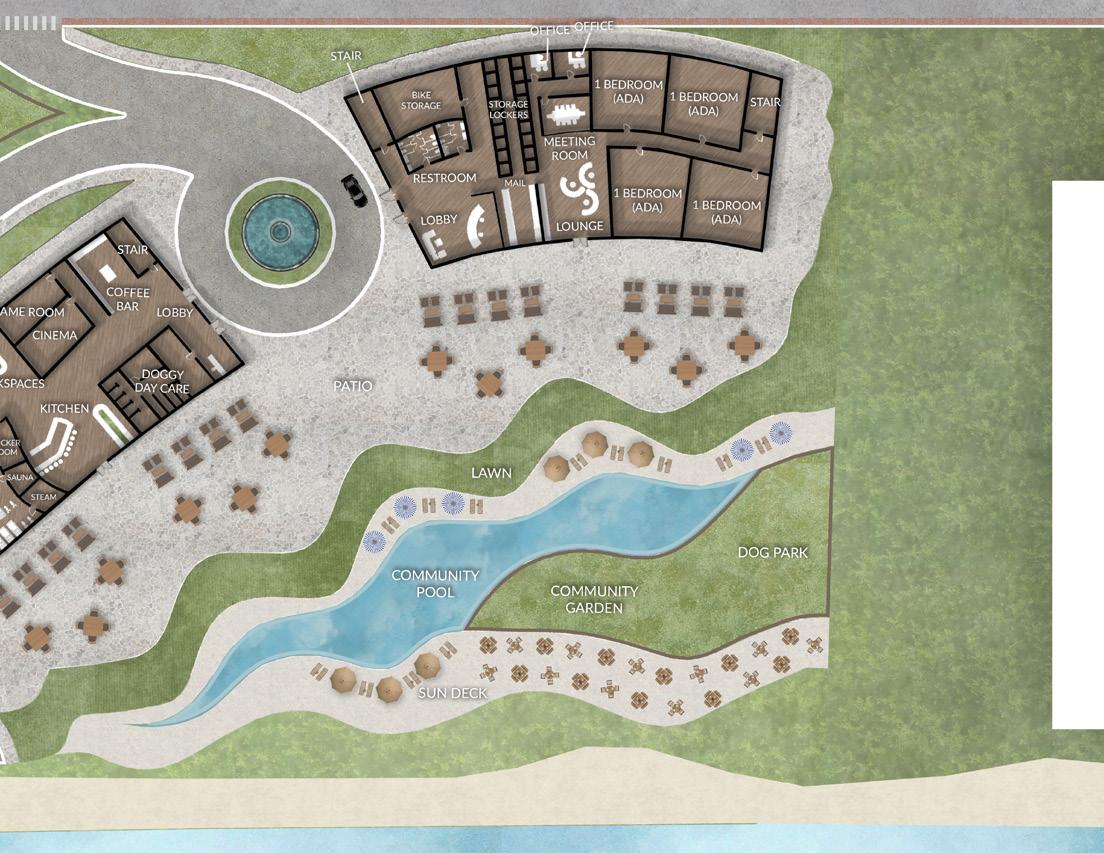
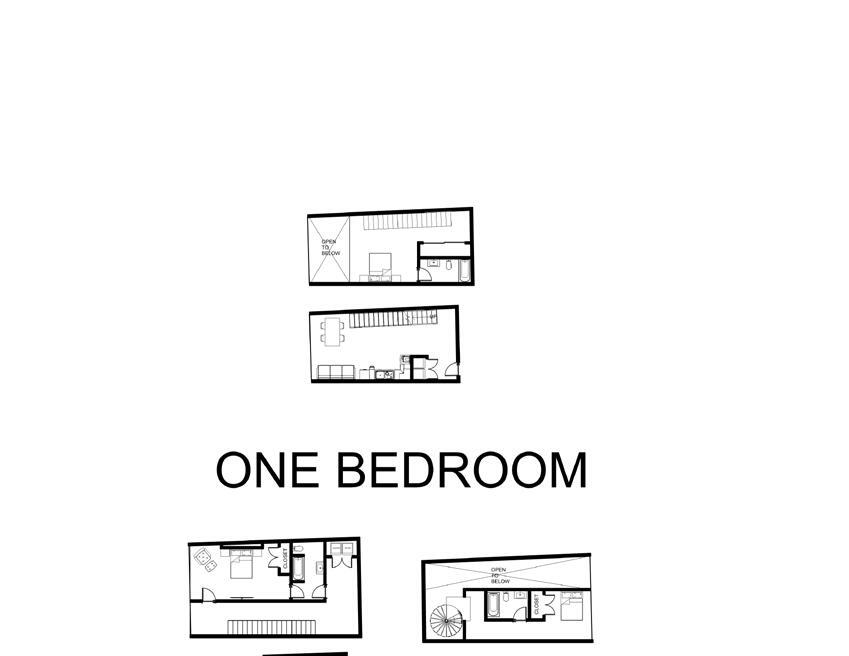
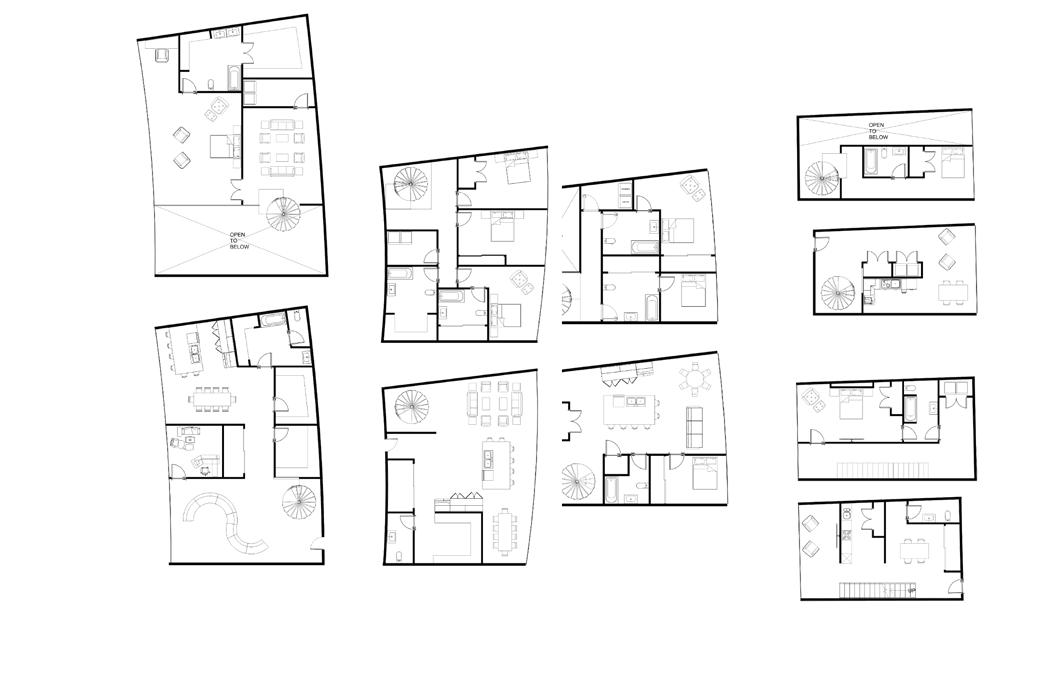
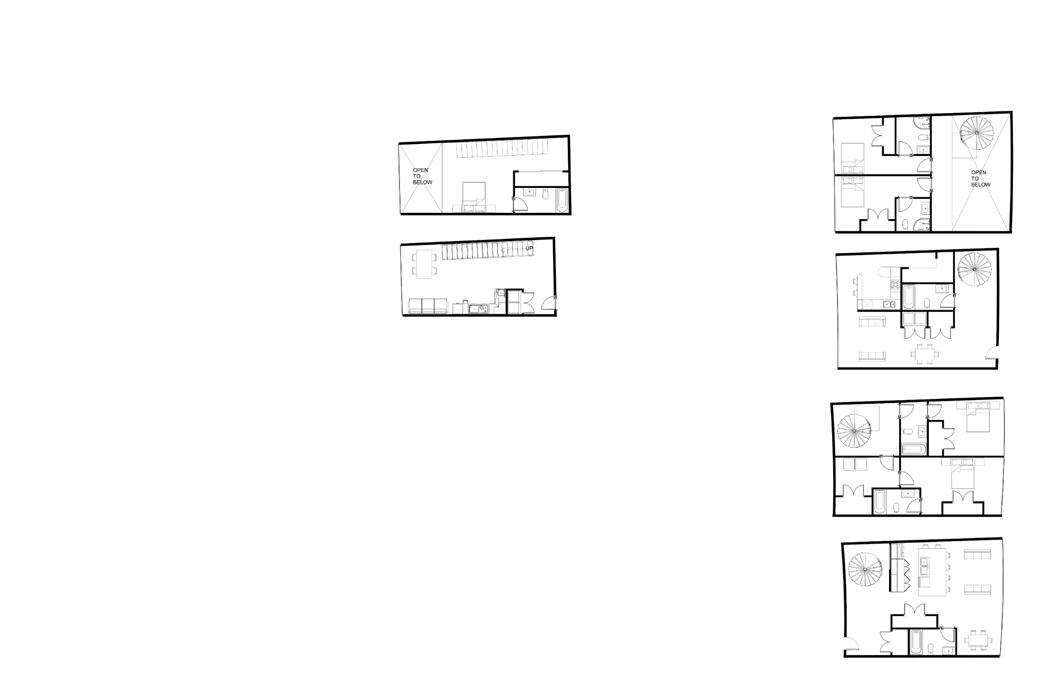
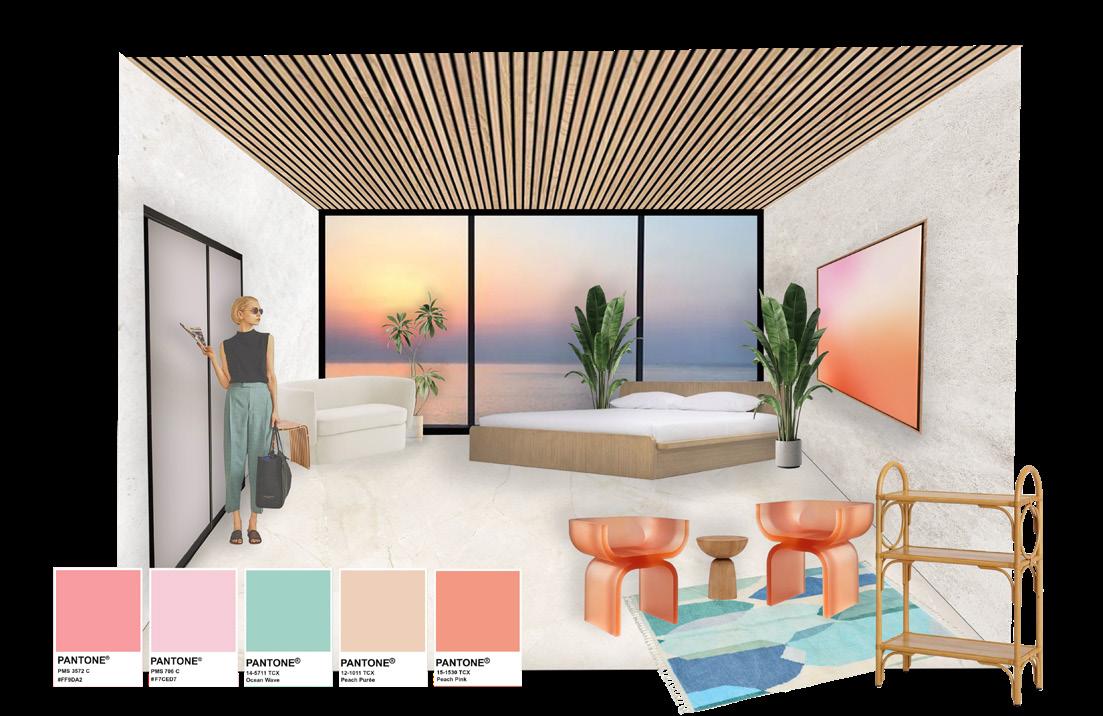
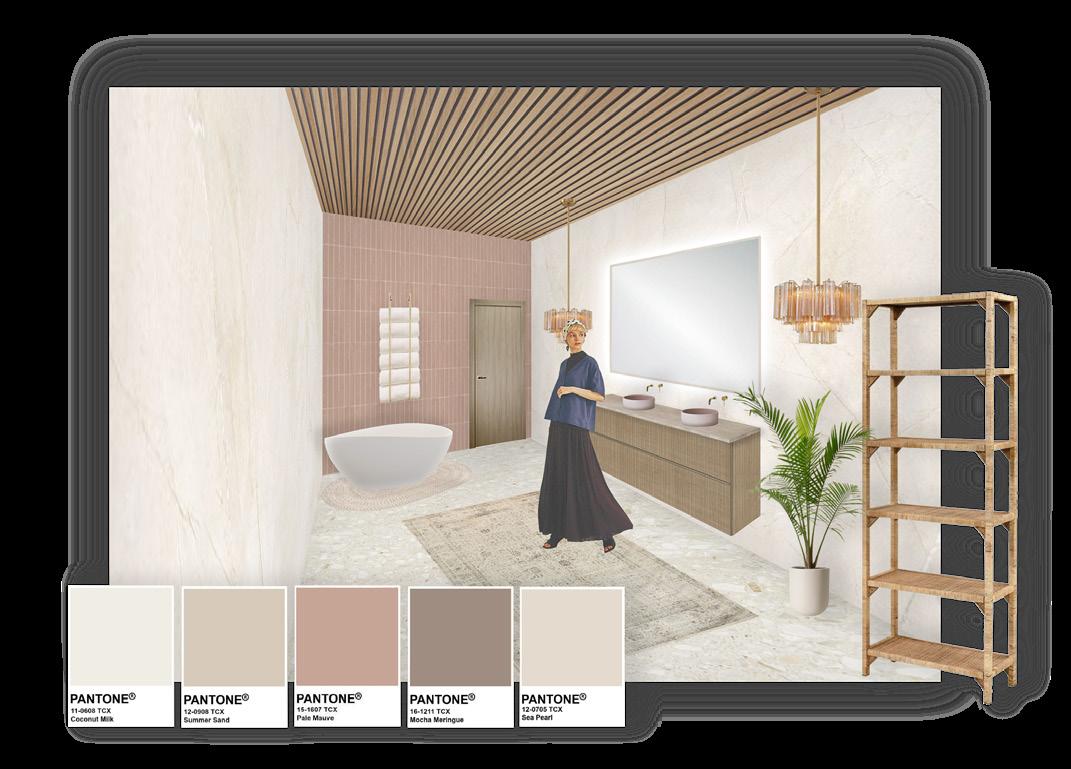
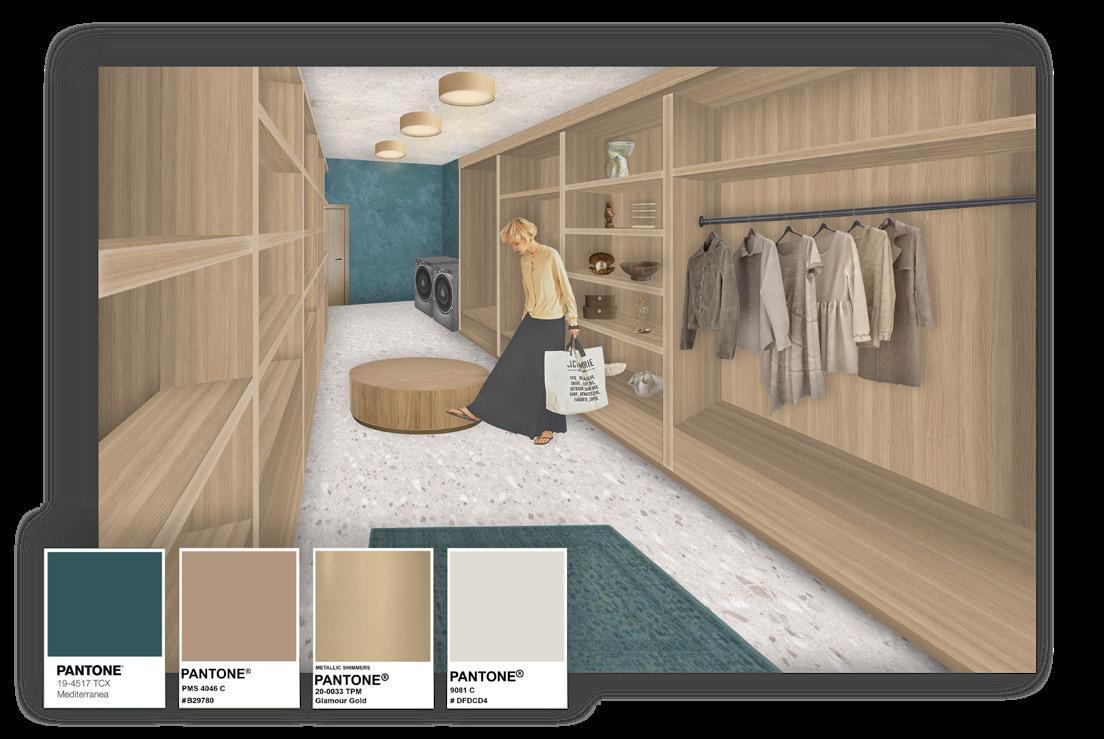
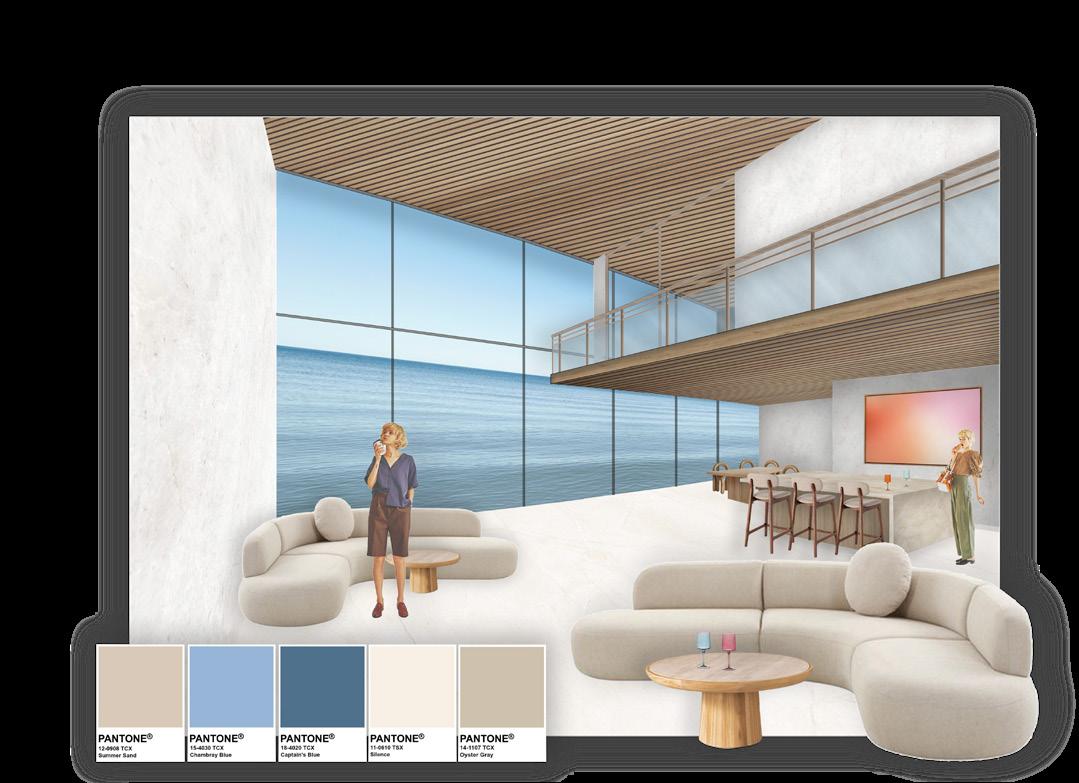
Every unit in this building includes two floors. equipped with floor to ceiling windows and a balcony located on the entrance level of each apartment. The first floor is mainly utilized as public program featuring a lobby, coffee bar, doggy day care, fitness center, workspaces, a community kitchen and other levels of program that help create the vibrant community in this space.
SITE ANALYSIS
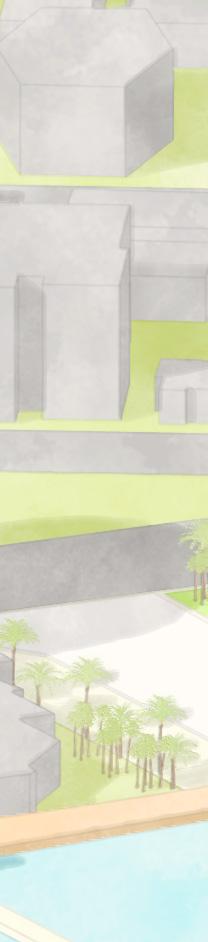
The site I have chosen is located at 200 Alton Rd, Miami Beach, FL 33139. This neighborhood is called “South of Fifth” (SoFi), which is a highly sought-after area in Miami Beach. Located close to the southern tip of Miami Beach, just a short distance from South Pointe Park and the Miami Beach Marina. The current land use is residential, with Rebecca Towers serving as an affordable housing complex primarily for seniors. The transition to luxury condos would shift the demographic and market appeal of the site.
The South of Fifth neighborhood is one of the most desirable areas in Miami Beach, known for its exclusivity, high property values, and luxurious lifestyle. A new luxury condo development would attract high-net-worth individuals looking for a prime location. With Miami being a hotspot for luxury real estate, it has a strong demand for both domestic and international buyers.
Replacing Rebecca Towers, an older affordable housing complex, with luxury condos could significantly increase the value of the property and generate higher returns for investors. The SoFi area commands some of the highest real estate prices in Miami Beach. Tearing down an older building allows for the construction of a modern, state-ofthe-art luxury condo building. This can include features like advanced sustainability measures, cutting-edge architectural design, and premium amenities that cater to luxury buyers.
The location offers panoramic views of the ocean, Biscayne Bay, and the Miami skyline, which are highly desirable features for luxury condos. Developing a new building on this site would maximize the use of these views, further enhancing the property’s value.
LOCATION AND CONTEXT ZONING
PUBLIC TRANSIT & PARKING
RENT PRICE RANGE
ALTON ROAD
SOUTH POINTE ELEMENTARY SCHOOL
2ND STREET
1ST
MIAMI BEACH MARINA
THE YACHT CLUB AT PORTOFINO
SOUTH POINTE DRIVE
STREET
MICHIGAN AVE
JEFFERSON AVE
PRECEDENT STUDY
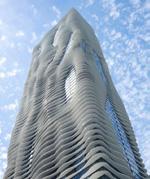
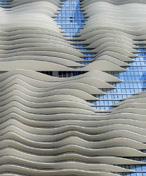
AQUA TOWER - CHICAGO, IL
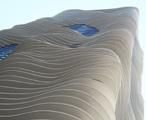
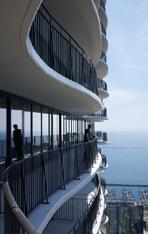
The Aqua Tower, located in Chicago, Illinois, was completed in 2010. It was designed by Jeanne Gang of Studio Gang for Magellan Development Group. The building is 1.9 million square feet with a height of 876 feet. The tower’s form is defined by its striking, undulating balconies that extend outward in varying lengths, creating a wave-like appearance across the facade. These fluid, organic shapes were inspired by natural topography, such as limestone outcroppings, and allow the building to visually interact with the surrounding landscape. The sculptural form not only adds aesthetic value but also serves practical functions, offering shade and reducing wind forces. This interplay between form and function, along with the balance of light and shadow, influenced my design of Solara Bay, where I sought to evoke a similar sense of movement and harmony within the built environment.
FORM STUDY
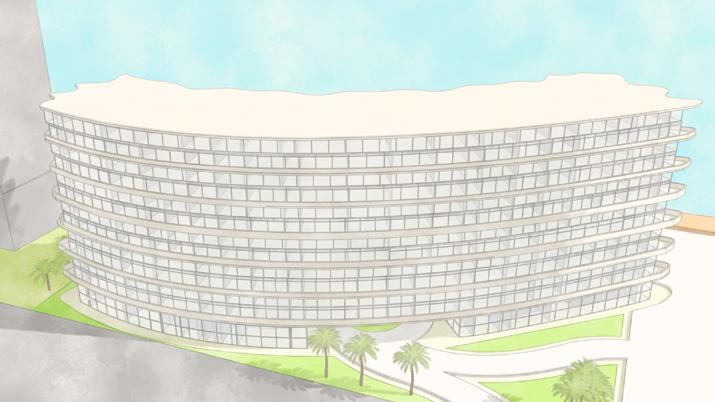
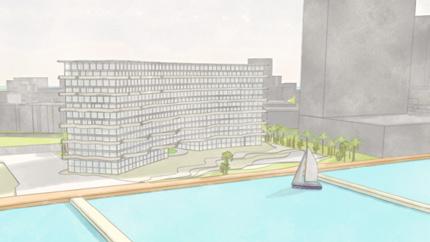
In designing Solara Bay, I sought to blend organic form with architectural structure, taking inspiration from the wave-like motion of the Aqua Tower. I began with a simplified building shape and applied a push/pull technique to the facade, subtly pulling outward and compressing certain sections to create a dynamic, fluid contour. This approach mirrors natural topographies, creating curves that give the building a sense of flow and movement. When viewed from above, the structure reveals its sculptural quality, with the undulating layers giving a sense of dimensionality and depth.
The forms respond to environmental factors, maximizing the building’s relationship with light, shadow, and wind, while creating a distinct identity. By introducing a sense of rhythm through the push/ pull technique, I aimed to break away from traditional static building forms, instead offering a design that feels alive and adaptive within its context. These curving lines also evoke the gentle waves of the nearby ocean, drawing a deeper connection between the building and its coastal surroundings. This sculptural design allows Solara Bay to stand out as both a visually captivating structure and a functional, inhabitable space, where the form enhances the experience of its occupants.
PROGRAMMING
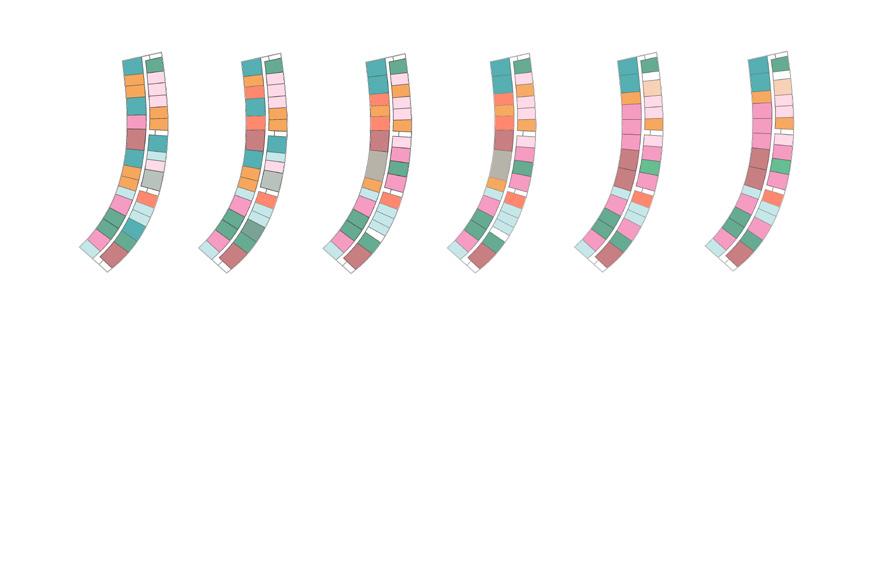
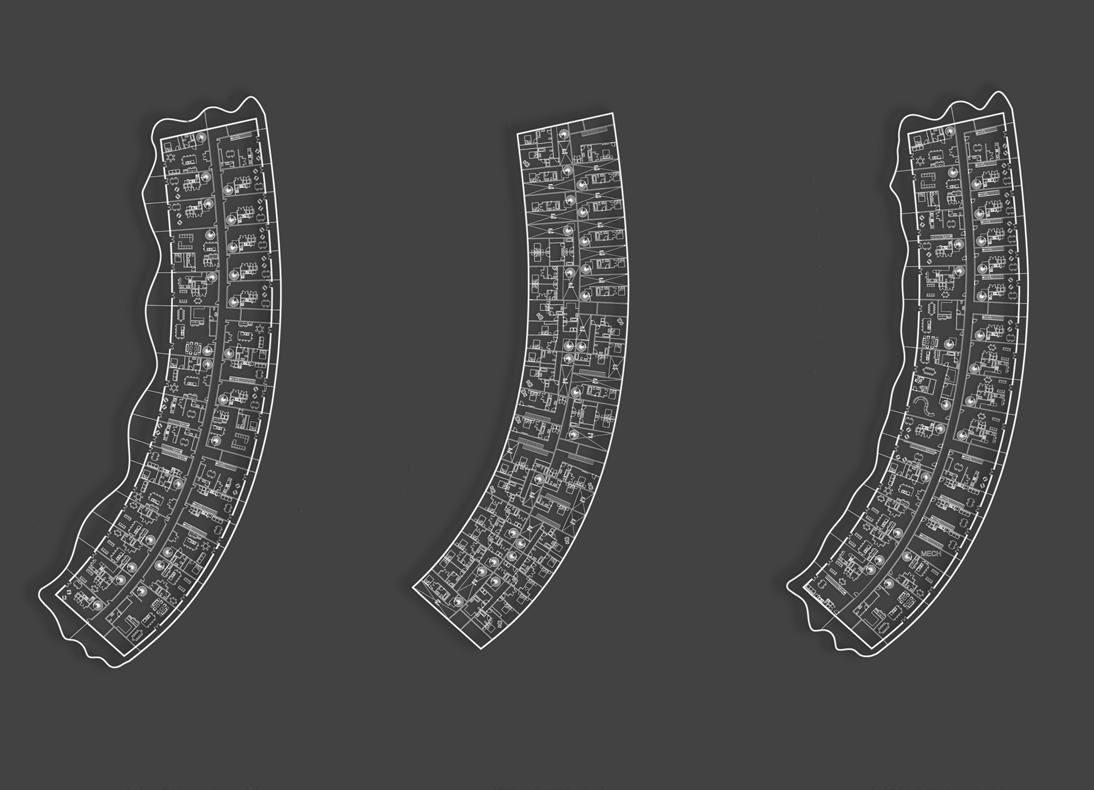
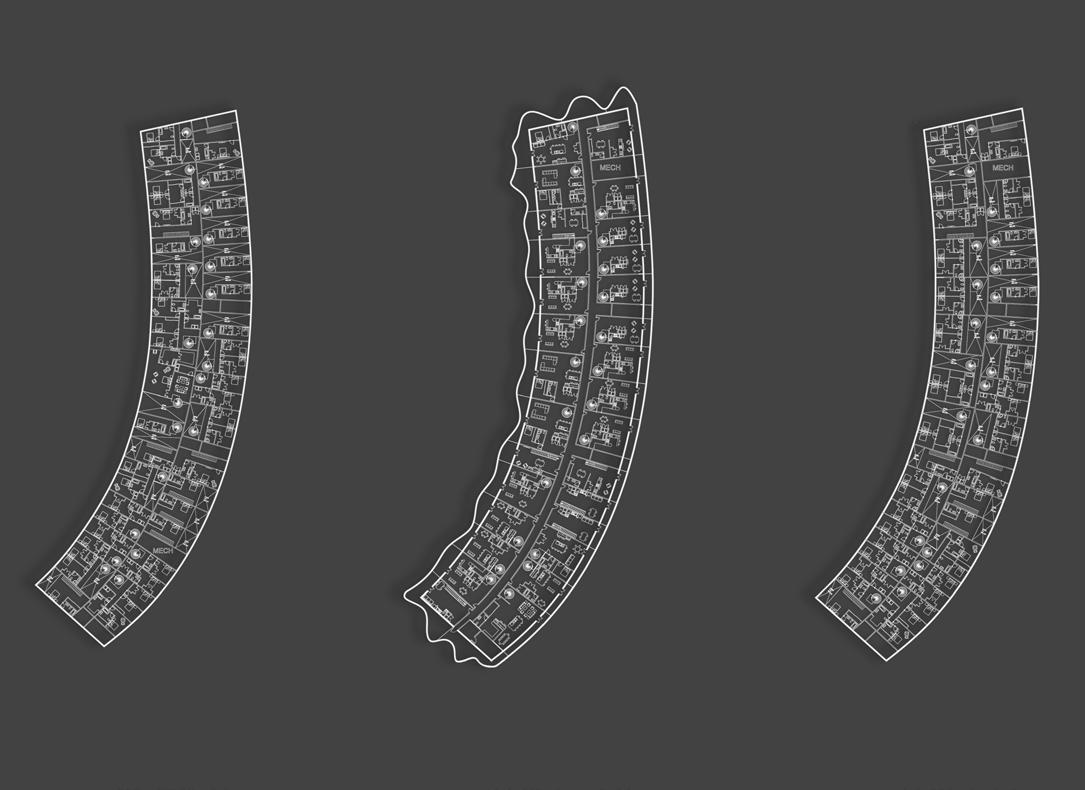
The color-coded diagrams represent different unit types, with each hue corresponding to a specific layout. The floor stack on the right illustrates the double-height nature of each unit, showcasing how the various types are distributed across the building’s levels.
OVERALL FLOOR PLANS
ADA ACCESSIBLE UNIT
THREE BEDROOM
TYPE A
TYPE B
BATHROOM
WALK IN CLOSET
KITCHEN
INTERIOR VIEWS - BEDROOM
INTERIOR VIEWS - BATHROOM
INTERIOR VIEWS - WALK IN CLOSET
INTERIOR VIEWS - LIVING ROOM
04 ALIVITA WELLNESS RETREAT
PIAZZA DELLA LIBERTA, FLORENCE, ITALY
AN EDUCATIONAL WELLNESS RETREAT
TYPOLOGY: STUDY ABROAD: ACCADEMIA ITALIANA
PROFESSOR: PROFESSOR VINCENZO
CATEGORY: WELLNESS
YEAR: FALL 2023
SOFTWARES: RHINO 7, ENSCAPE
PROJECT OVERVIEW
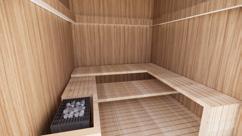
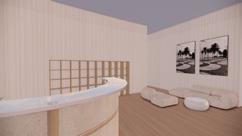
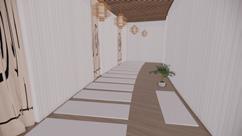
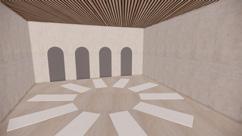
During my studies abroad in Florence, Italy, in the fall of 2023, I conceived a transformative wellness retreat inspired by Tuscan culture’s pillars: wine, olive oil, and ceramics. This retreat, nestled in the heart of Florence, embodies my passion for promoting health, sustainability, and cultural appreciation.
At the core of the retreat is a dedication to nutrition education through immersive culinary experiences. Guests participate in cooking classes that showcase the health benefits of Tuscan ingredients, fostering a deeper connection to mindful eating and local gastronomy. Additionally, the retreat features a wine-making studio where visitors learn the art of winemaking from local experts. This hands-on experience not only educates participants on viticulture but also celebrates wine’s cultural significance in Tuscany.
To enhance relaxation and well-being, the retreat offers spa treatments infused with olive oil and wine, renowned for their therapeutic properties. A serene yoga studio provides daily classes amidst tranquil surroundings, promoting physical rejuvenation and mental serenity.
Sustainability is paramount in the retreat’s design, with eco-friendly architecture utilizing natural elements and locally crafted, sustainable products like pottery and olive oil-based soaps. Communal spaces such as a restaurant, cafe, and event venues foster community engagement through social interaction and cultural exchange, offering themed events focused on wellness, ceramics, wine, and olive oil.
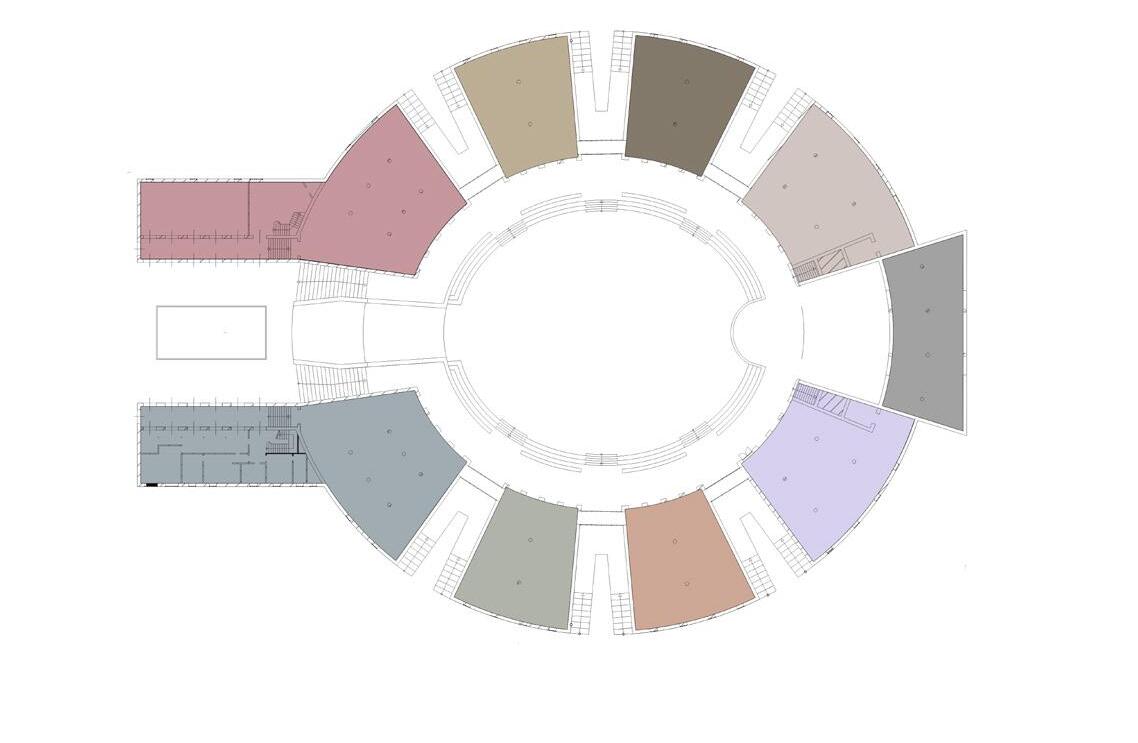
ZONING PLAN
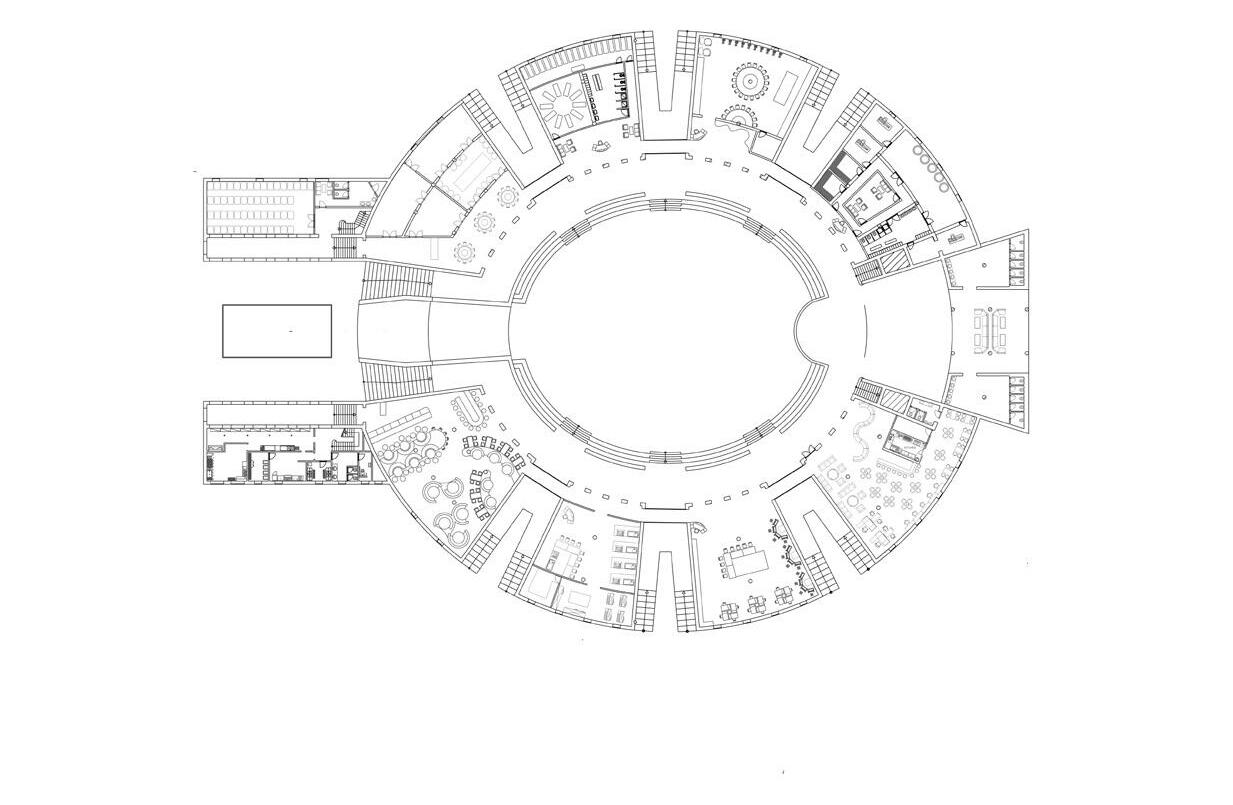
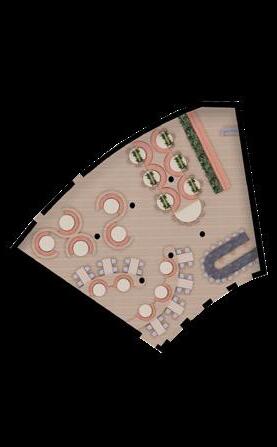
OVERALL FLOOR PLAN
By combining the elements of wine, olive oil, ceramics, and wellness with a focus on the Tuscan lifestyle, this establishment in Florence can become a destination that not only educates but also enriches the physical and mental well-being of its visitors. I wanted to create a retreat that visitors to the region could enjoy, providing education on the different
customs and cultural norms of the community. I researched and visited various parts of the region to implement into the design. The center of the retreat features a large courtyard that can be used to hold public or private events, adding to the versatility of the space.
By offering workshops, spa treatments, yoga and fitness classes, as well as other aspects of health and wellness shown in the zoning plan. The retreat will serve as a hub for cultural exchange and community engagement, ensuring that every visitor leaves with a deeper appreciation for the rich heritage of Tuscany.
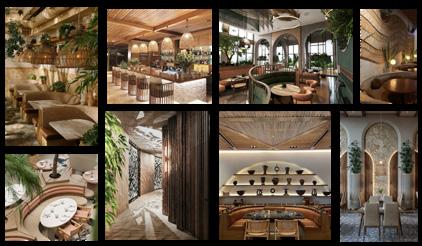
RESTAURANT DESIGN
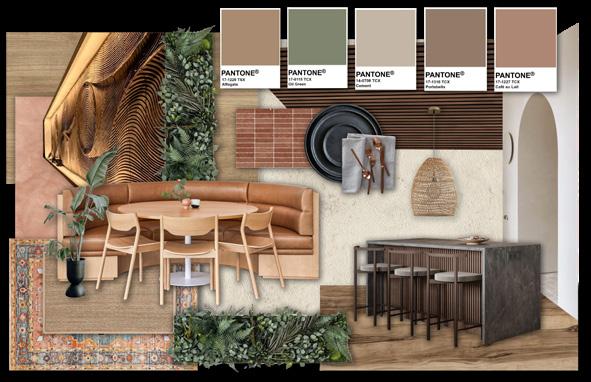
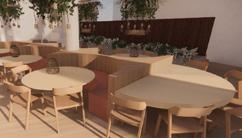
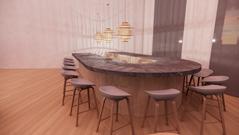
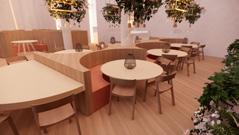
The warm tones, natural materials, and lush greenery in the interior create a harmonious blend with the surrounding landscape. Featuring authentic architectural elements, such as arches and wood accents, the space aims to evoke a sense of relaxation while celebrating the rich culinary traditions of Tuscany. The design encourages a seamless flow between dining, social interaction, and cultural appreciation.
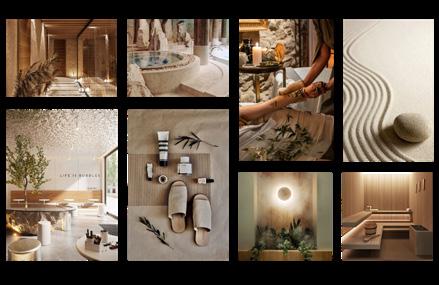
INSPIRATION
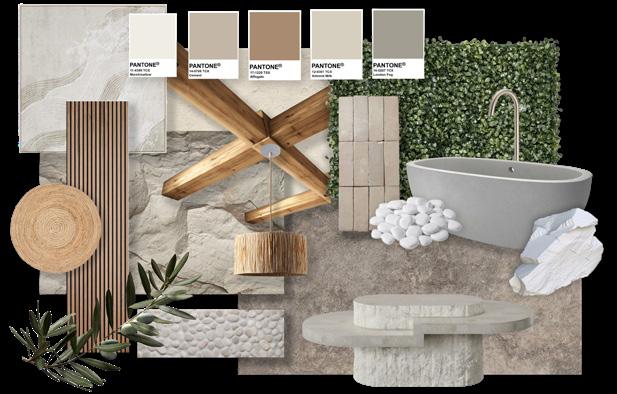
MATERIAL PALLETE
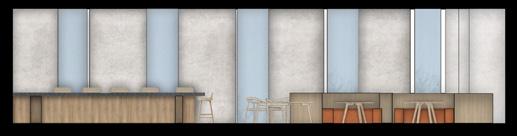
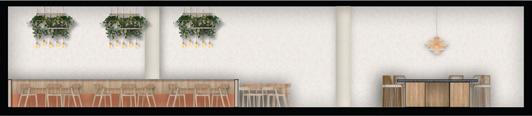
RENDERED SECTIONS
FLOOR PLAN
SPA DESIGN
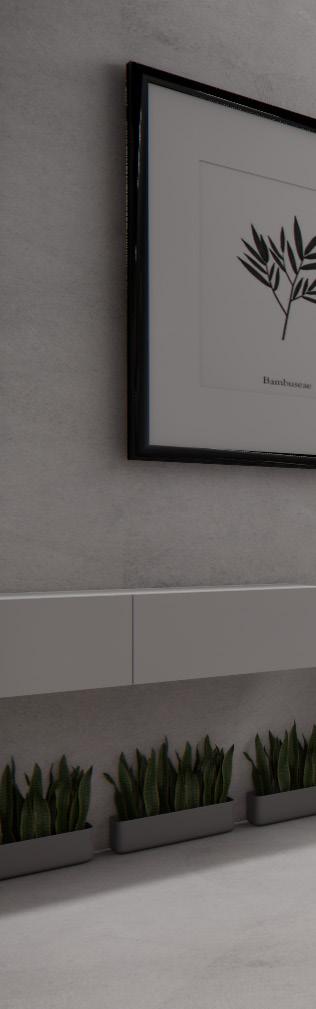
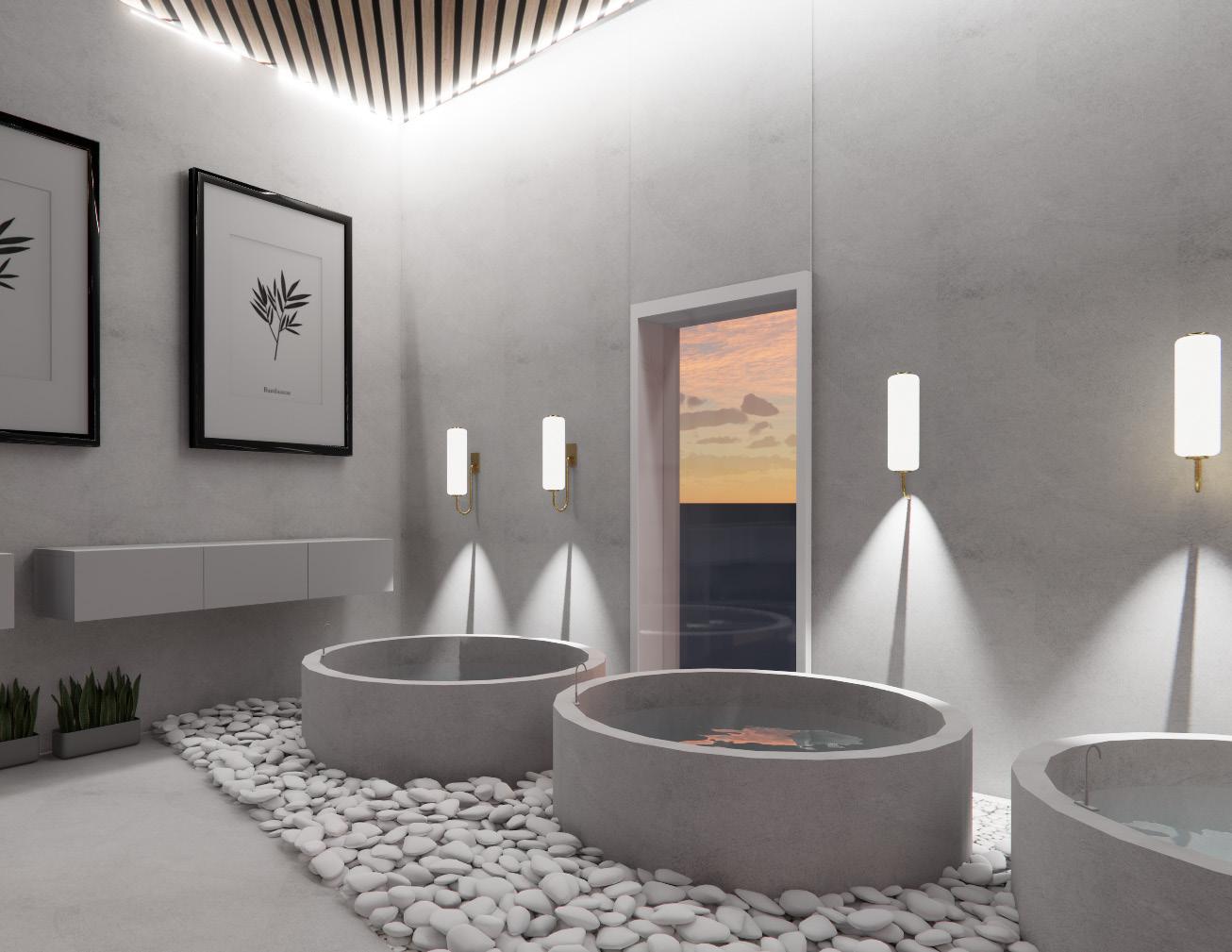
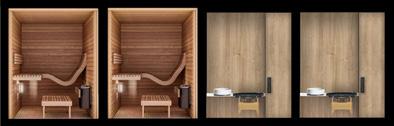
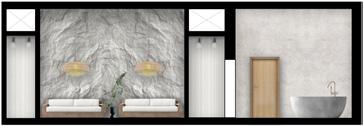
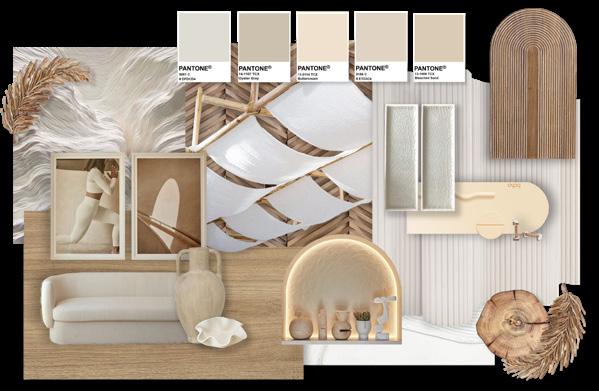
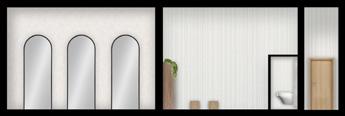
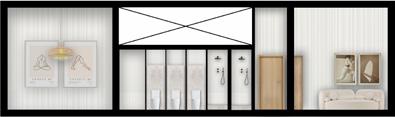
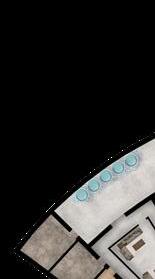
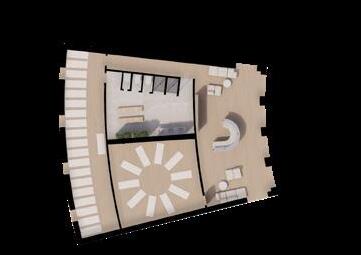
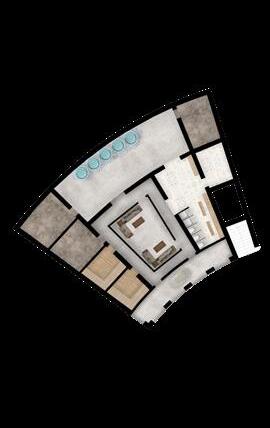
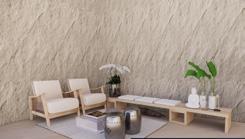
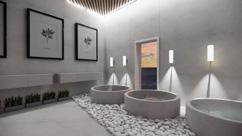
The serene, neutral palette of soft stones, warm wood, and greenery reflects the harmony between nature and relaxation. Drawing on the rich cultural history of Tuscany, the spa provides a peaceful retreat where guests can unwind after a day of exploring the retreat’s workshops and wellness programs. Every detail, from the textured materials to the flowing floor plan, is designed to evoke a sense of calm, balance, and rejuvenation in this luxurious setting.
INSPIRATION
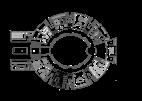
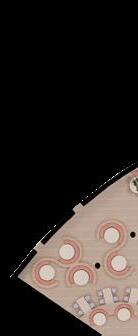
FLOOR PLAN
MATERIAL PALLETE
RENDERED SECTIONS
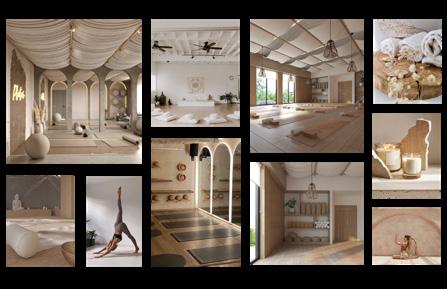
YOGA STUDIO DESIGN
The yoga studio is designed to embody tranquility and mindfulness, using a soft, neutral color palette paired with natural wood elements to create a light and airy atmosphere. The use of simple, clean lines and minimal decor allows for an uncluttered, serene environment, perfect for relaxation and meditation. The combination of light tones and warm wood accents fosters a peaceful ambiance that encourages calmness and focus, making the studio an ideal space for personal wellbeing and reflection.