Studio VIII Fall 2024 Fifth Year Professor Keith Peiffer +
BEACON PARK YARD
Studio IX Spring 2025 Fifth Year Professor Blake Mitchell +
WASHINGTON DESIGN SCHOOL
Studio V Spring 2023 Third Year Professor Seung Ra +
REINVENTING THE LIBRARY +
Studio VI Fall 2023 Fourth Year Professor Paolo Sanza
EDMOND CITY HALL +
Studio IV Fall 2022 Third Year Professor Jay Yowell
ROUTE 66 MOTEL +
Studio IV Fall 2022 Third Year Professor Keith Peiffer
DESIGN BUILD PROJECTS +
Studio I Spring 2021 First Year Professor Moh’d Bilbeisi
Studio V Spring 2023 Third Year Professor Paolo Sanza
SKETCHES + Watercolor
Europe Study Abroad Trip 2023
PERSONAL WORK +
INTEGRATIVE ARTS FACILITY
Studio VIII Fall 2024 Fifth Year Professor Keith Peiffer Team Project: Architects, Structural Engineer, & CPM
Deliverables included are my contribution
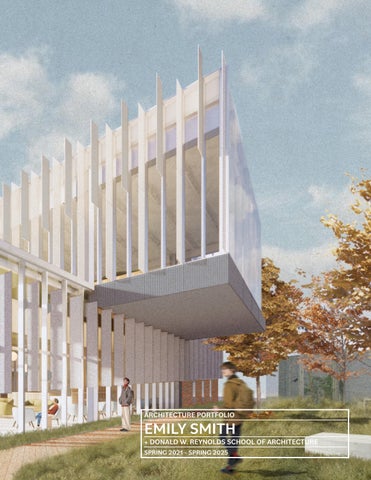
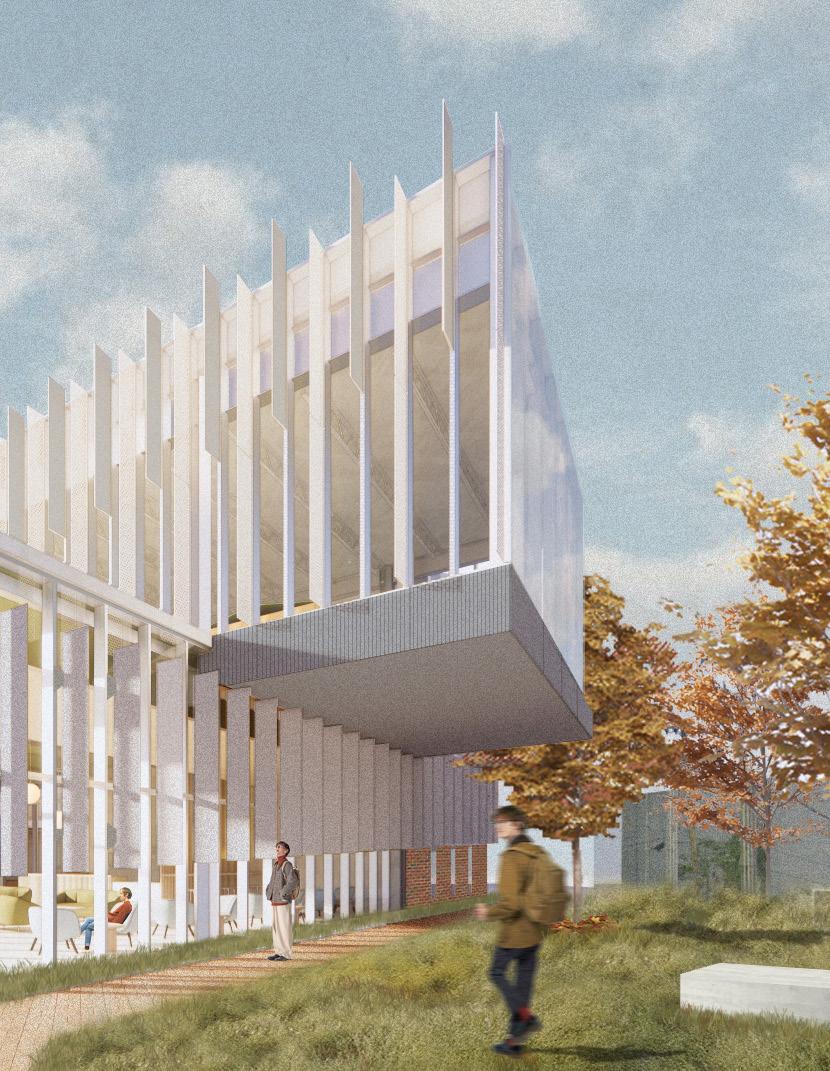
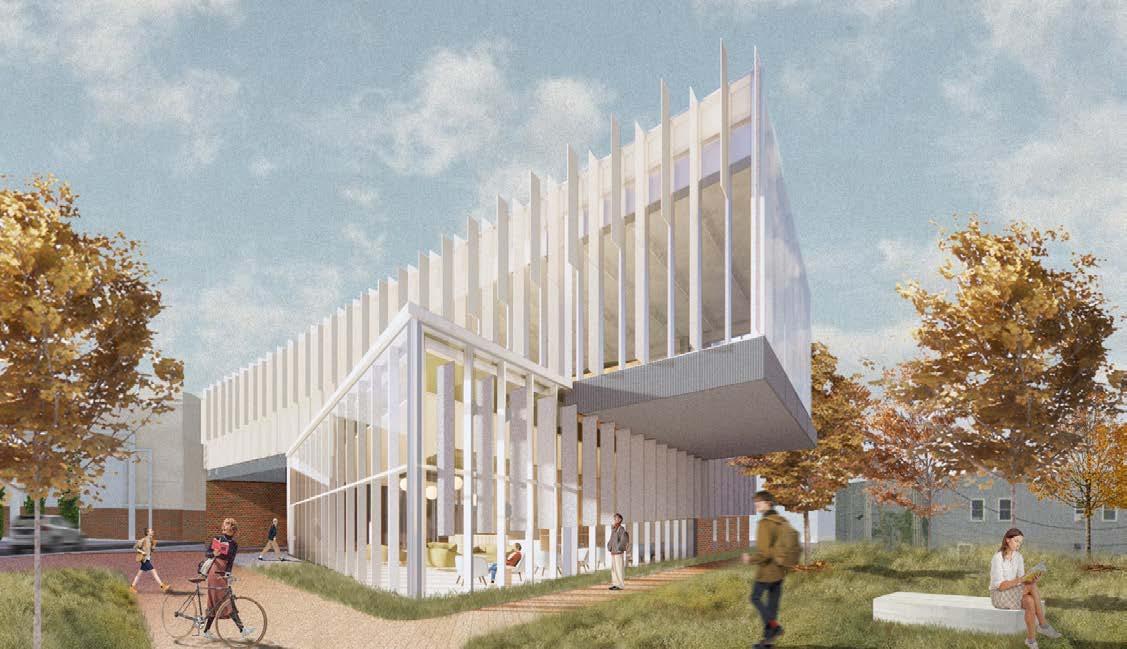
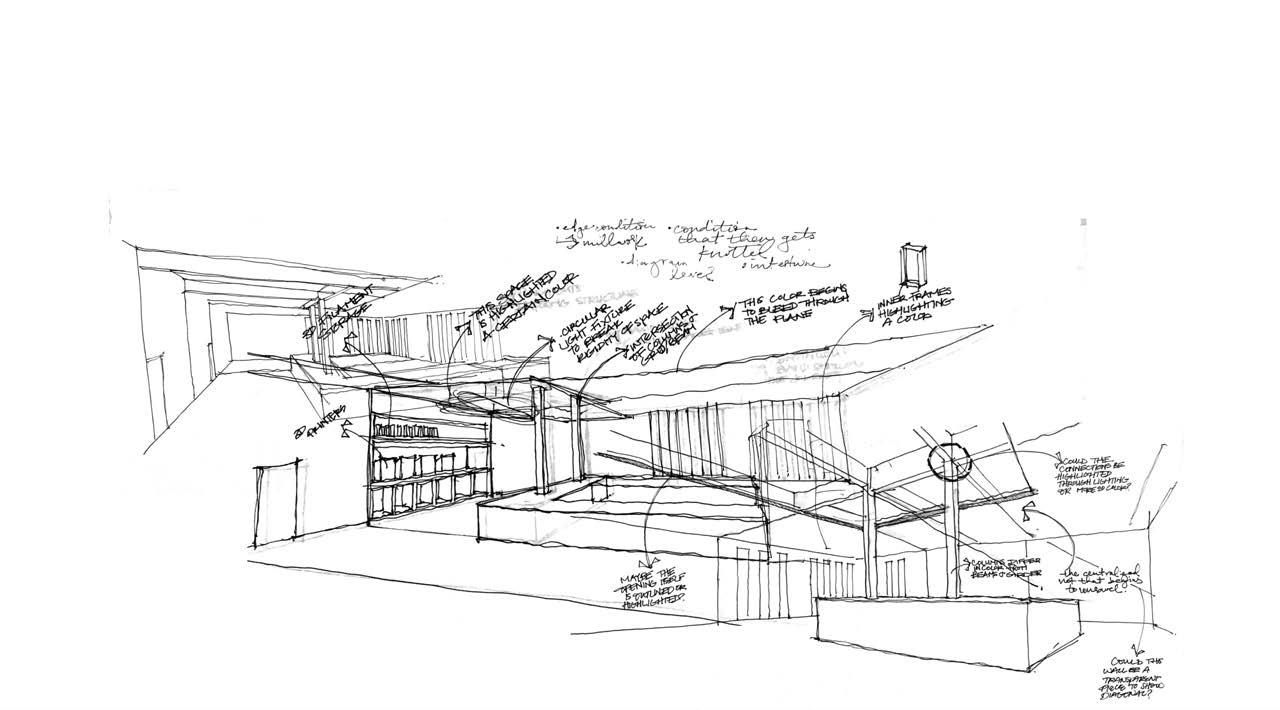
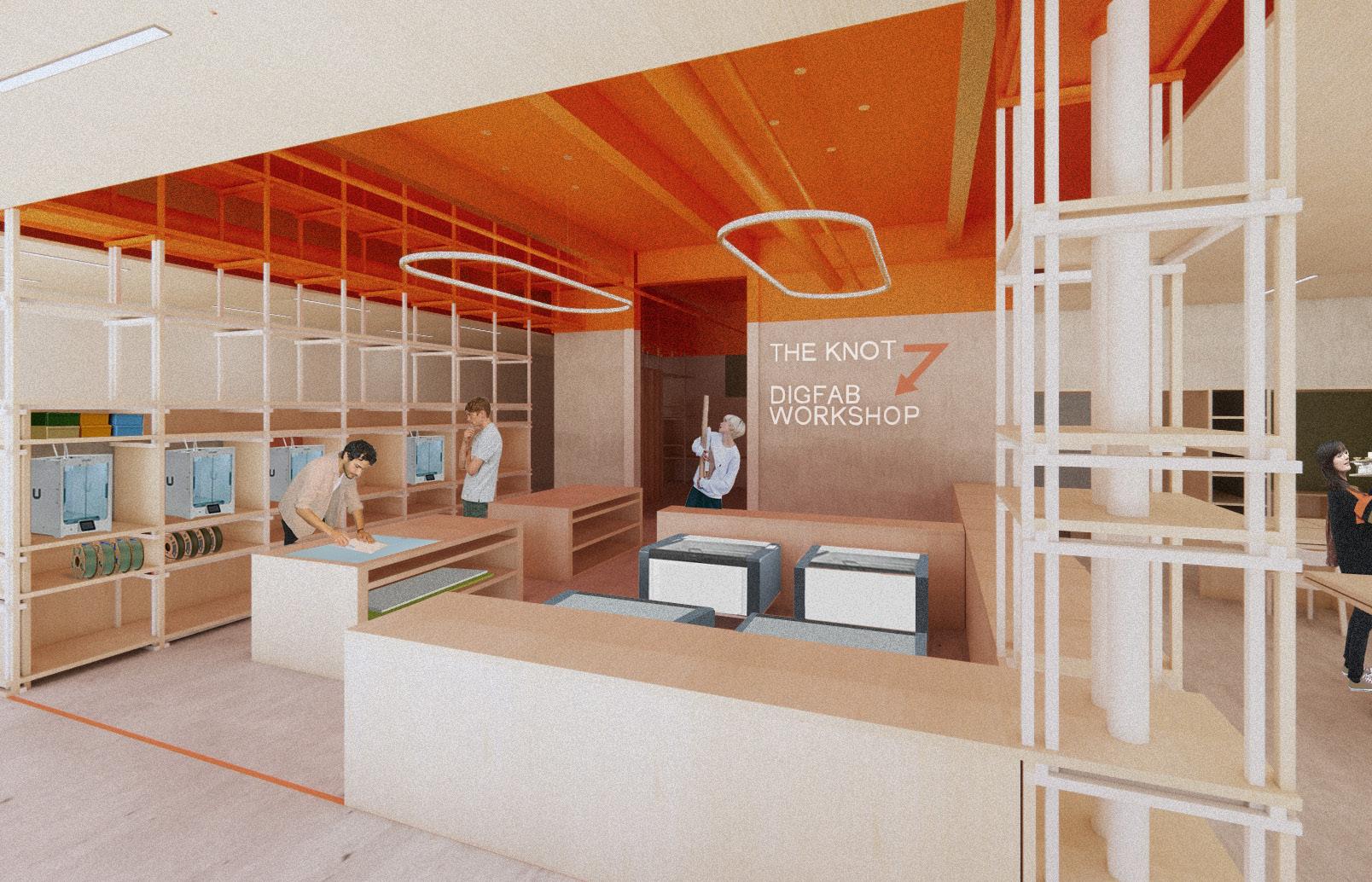
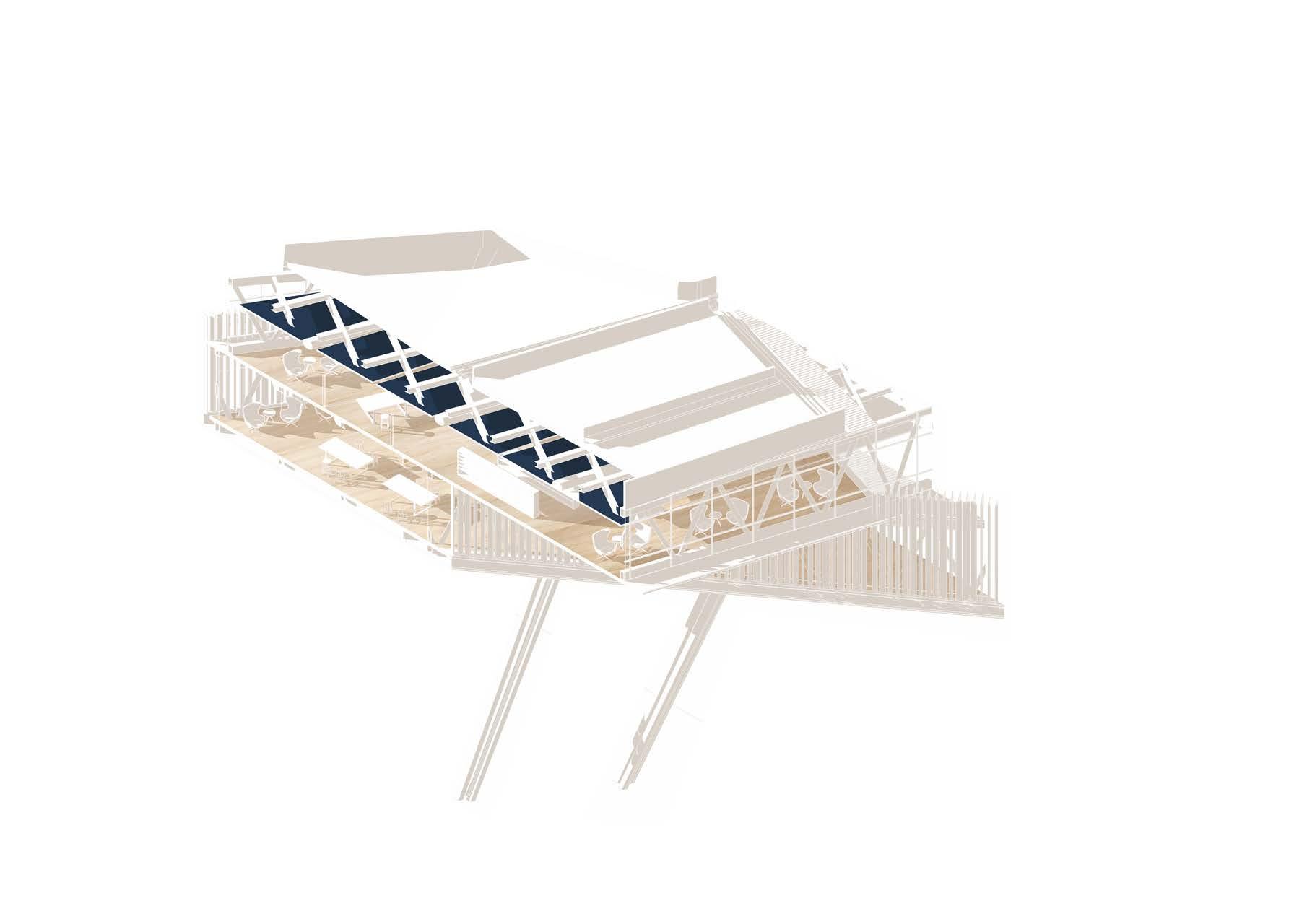
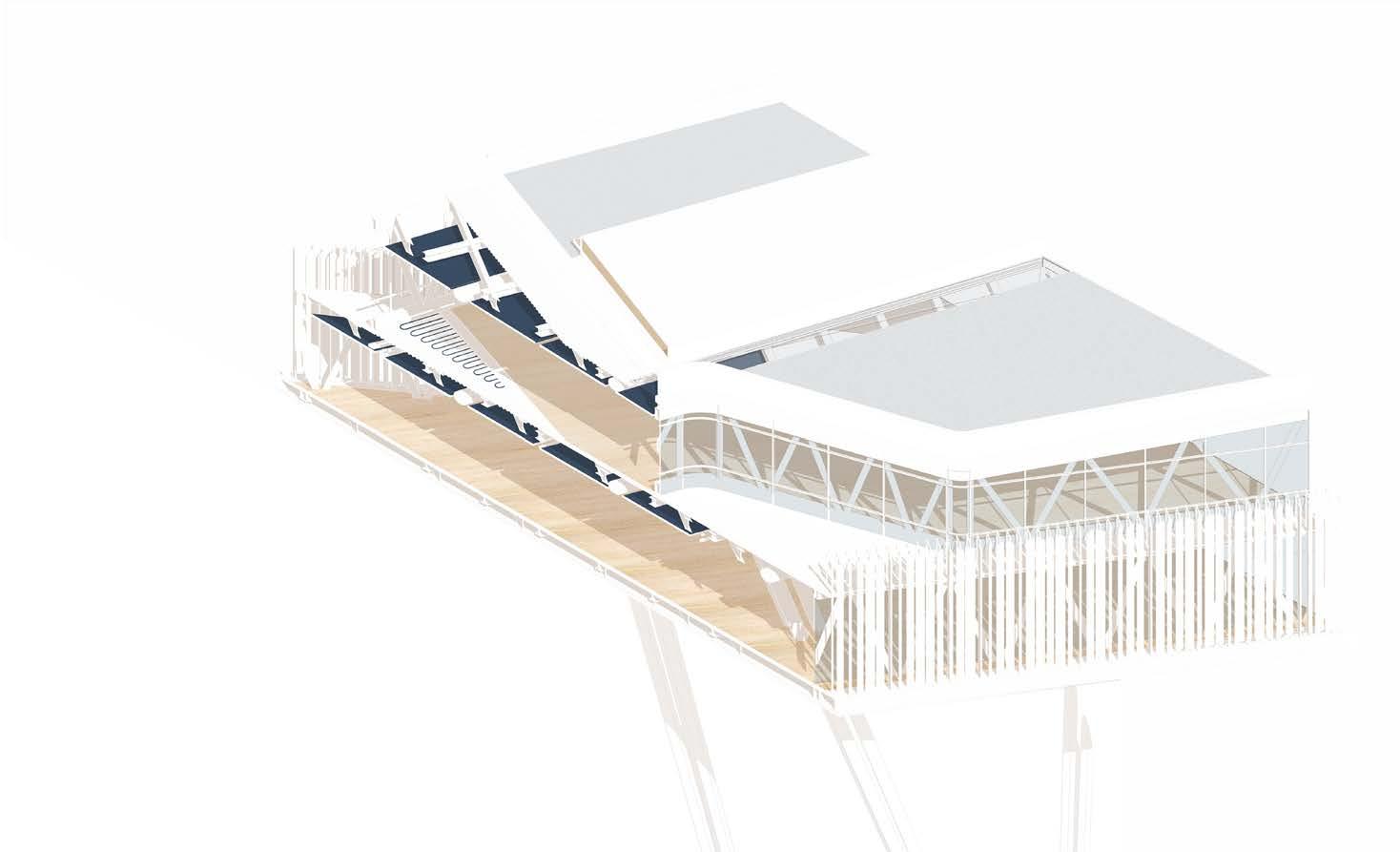
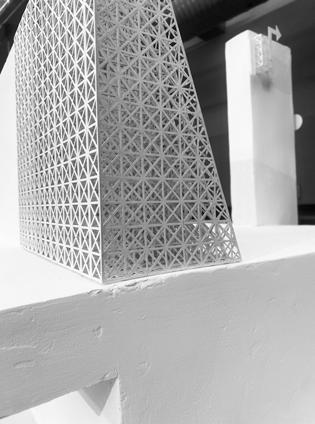
The Integrative Arts Facility at Oklahoma State University brought the task of creating a landmark that tied together the identity of arts for the students on campus. We worked as a team to understand the OSU design guidelines, the typical building forms on campus, and familiar material palettes. The inventive form we designed reinterprets the elements of OSU’s campus architecture without simply imitating. The intertwined form not only becomes a harmonious blend
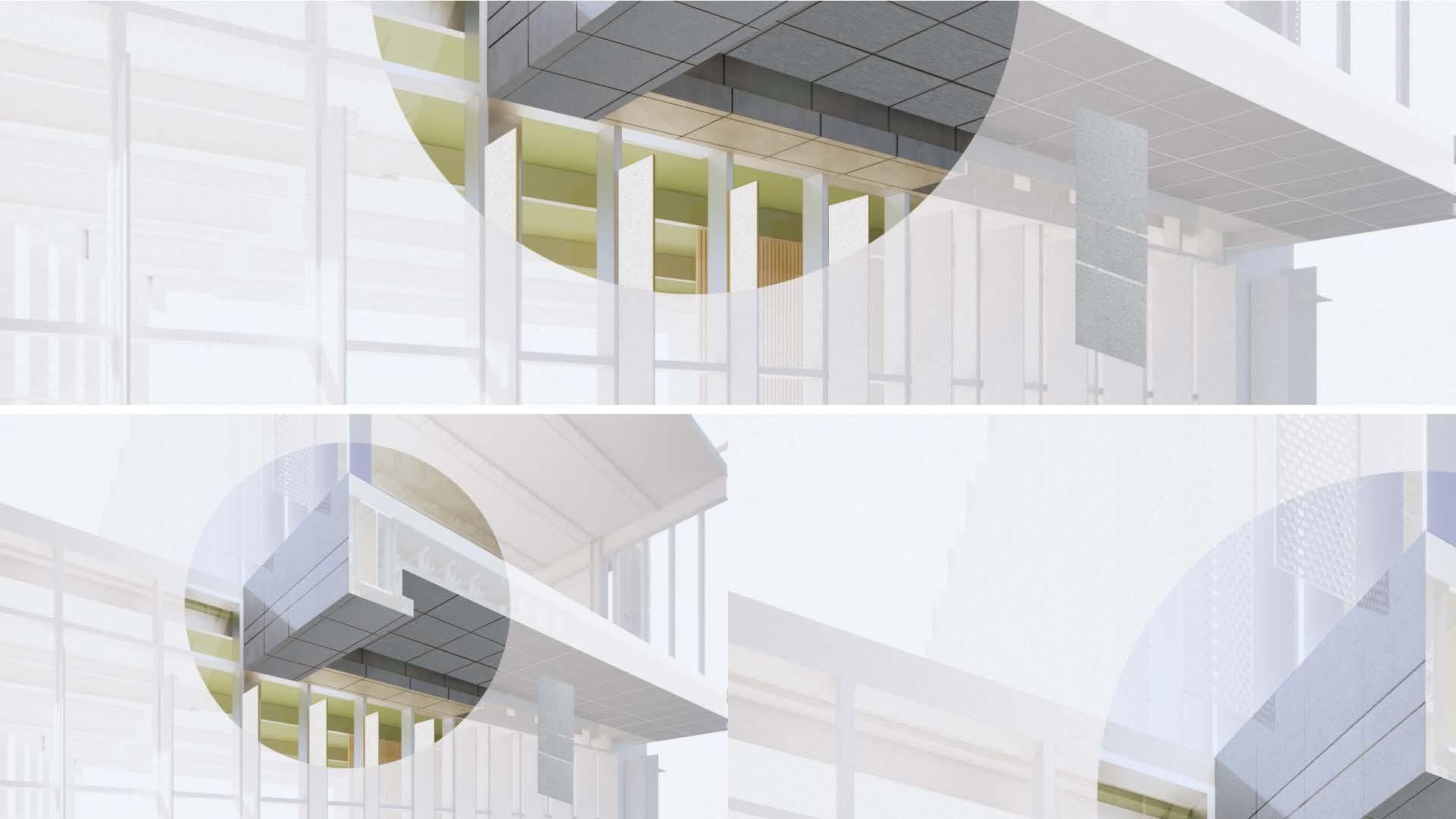
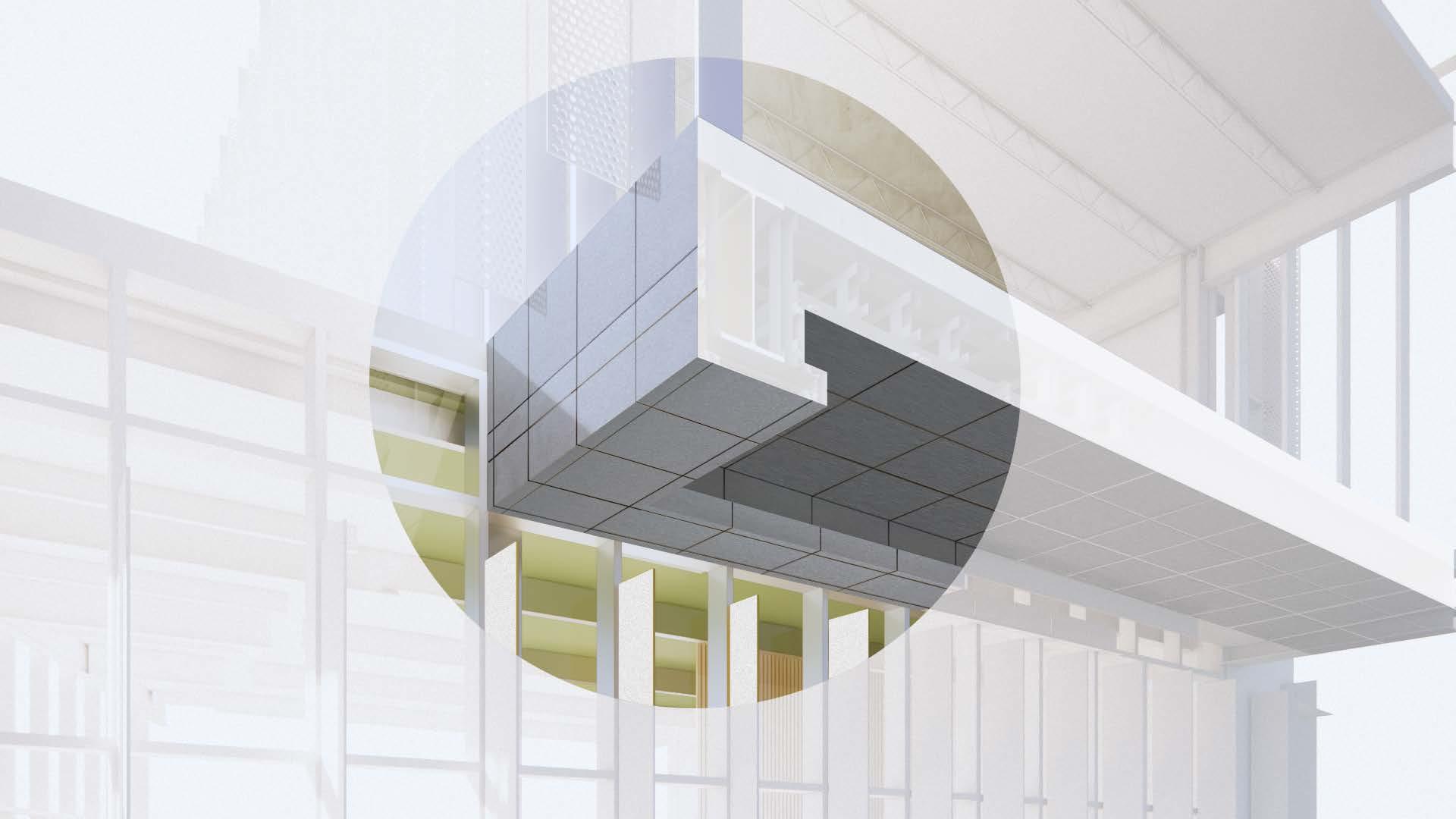
between art disciplines but becomes a celebration for the arts at Oklahoma State University. The Knot is a symbolic representation for the students connect through. The work included is from my submission for the Design Development and Construction Document Phases. The Knot is displayed visually on the exterior through the staggered vertical louvers, as well as, the form itself. This project allowed me to greatly value the collaboration of a variety of specialties.
“exposed ceiling highlighted a color to emphasize the working space”
“unraveling of the knot indicated through the juxtaposed planar surfaces”
“zoomed in fragment of the knot”
“seating surrounding the workspace and equipment”
“3D Printer Storage”
Interior Perspective of Maker Space
BEACON PARK YARD
Studio IX Spring 2025 Fifth Year Professor Blake Mitchell
Team Project
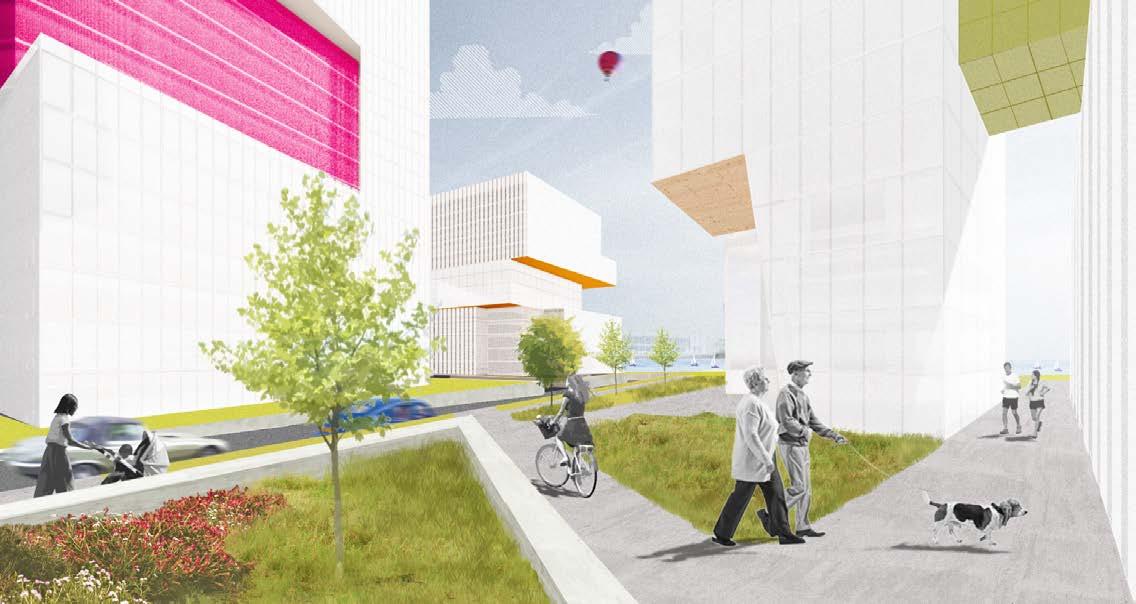
Beacon Park Yard presents a unique opportunity to enhance the quality of life for Allston residents. By providing valuable amenities, such as open space, parks, and improved connections to the waterfront, Beacon Park Yard can strengthen the ties between Boston and Cambridge, while also serving the diverse needs of the community. With a focus on mid-sized housing, rowhouses, and green, campus-style development, the new vision for Allston integrates both residential and commercial opportunities in ways that are inclusive and supportive of the neighborhood’s growth.
As Allston continues to evolve, it is crucial to recognize the historical significance of the neighborhood while embracing the potential for a vibrant future. By addressing the needs of residents, ensuring affordable housing, and promoting sustainable development, Allston can continue to be a place where diverse communities come together, thrive, and grow. Beacon Park Yard and the surrounding developments offer a chance to create a more connected, inclusive, and sustainable neighborhood—one that honors Allston’s rich past while paving the way for a bright future.
In the spirit of rekindling dialogue among the three Voices of Allston, our proposed green spaces serve as a connective tissue—an active, unifying element that fosters interaction between buildings and strives to integrate them with the surrounding urban context. Inspired by Boston’s iconic “Emerald Necklace,” this continuous “green hallway” weaves together the three previously identified connection types, deepening the conversation between Allston’s diverse voices. It functions
as the primary circulation spine of the site, linking key proposed landmarks—including the new transportation hub—to the broader city fabric. Strategically placed entry hubs serve as points of convergence, bridging the academic institutions and local neighborhoods. Each hub is anchored by its relationship to the central transit node, reinforcing connections not only within Allston but across the greater Boston area—fostering inclusivity, accessibility, and shared civic experience.
PLAYZONE
WASHINGTON DESIGN SCHOOL
Individual Project
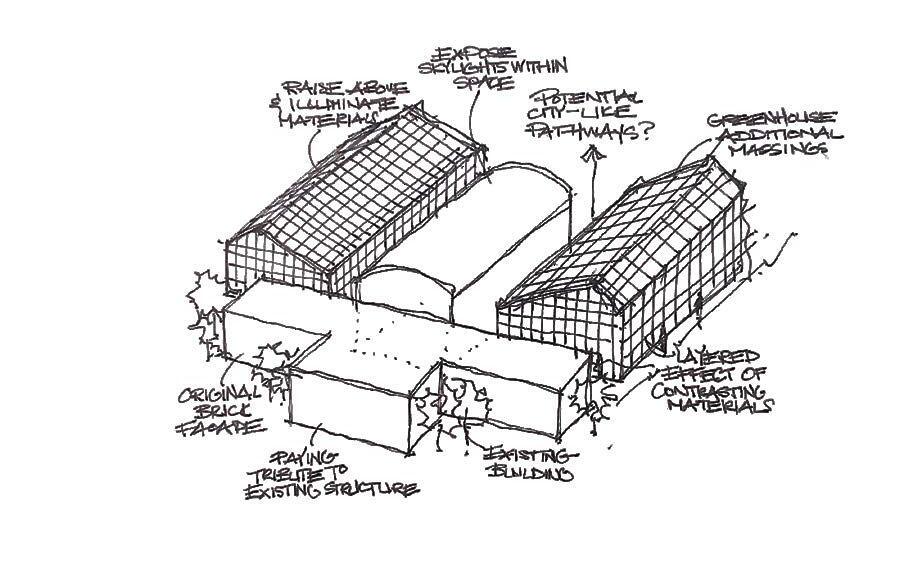
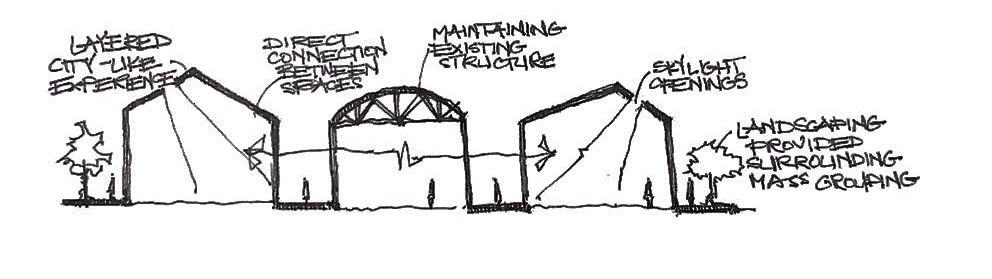
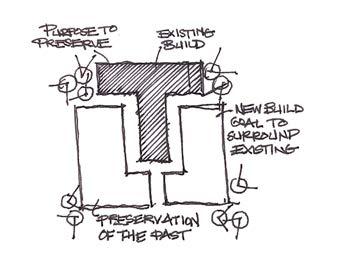
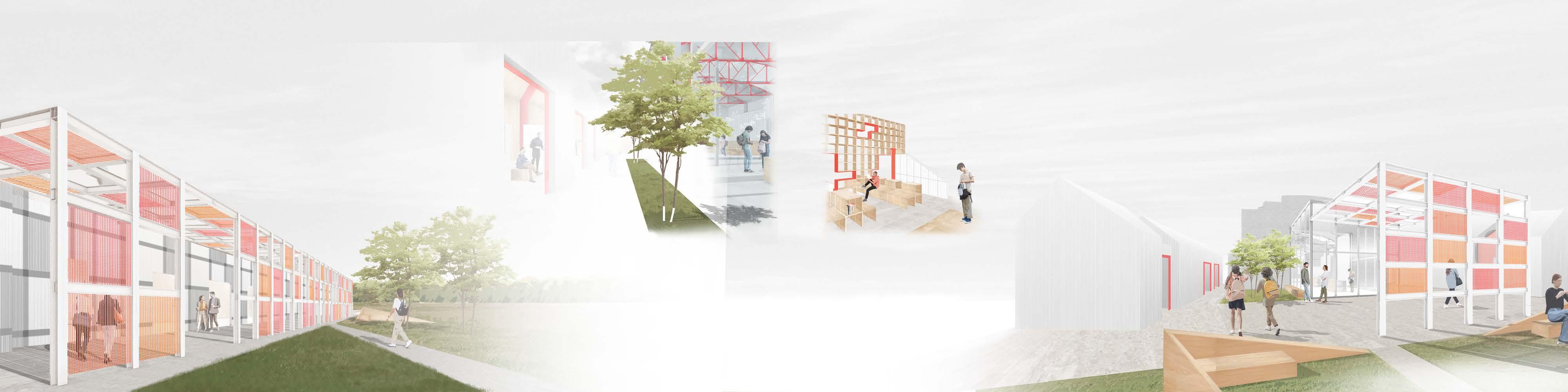
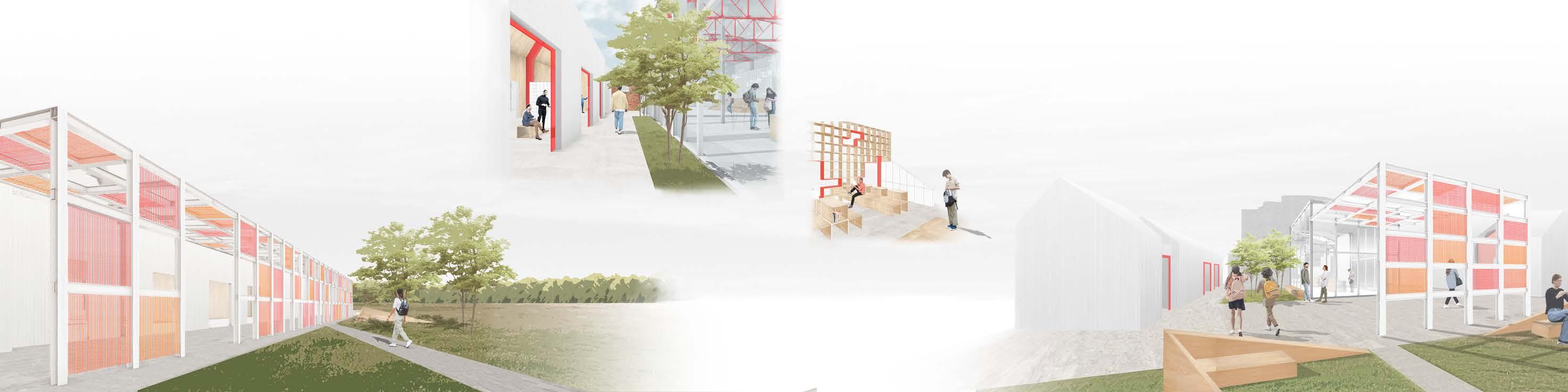
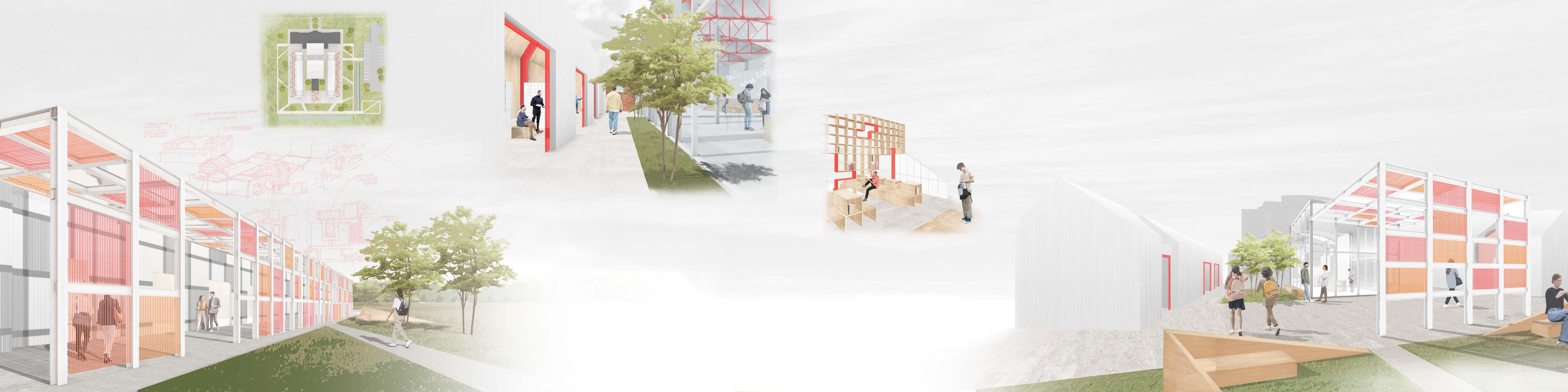
The Washington Design School provided a unique inside look at adaptive reuse. The site embodied a rich history that led the design approach. Despite being located on the flood plain, the resiliency of the Black community in Stillwater was exposed through the construction of the Booker T. Washington School. What once was a plot of land had emerged to be the anchor of the Black community. Driving the project forward, the original foundation was an important fragment to commemorate the strength of the community. The goal was to look for opportunities to allow the original and
+ Process Sketches
new structure to coexist. The design proposal allowed for the original trusses in the gymnasium to be highlighted, while enveloping a new steel volume in the center of the original space to act as museum encasement. The spaces intertwine with one another, so that wherever you are located, you are invested in the activities occurring. The arcade circulation has colorful steel wires threading through the structure. The intended design aims to highlight the firm foundation the Booker T. Washington was and continues to be moving forward for the community of Stillwater.
+Exterior Perspective of Breezeways
Studio V Spring 2023 Third Year Professor Seung Ra
+ Interior Perspective of Library
+South Section
+West Elevation
+Exterior Perspective of Workspace Relationships +Exterior Perspective of Outdoor Space
REIMAGINING THE LIBRARY
Studio VI Fall 2023 Fourth Year Professor Paolo Sanza
Partner Project
Deliverables included are my contribution
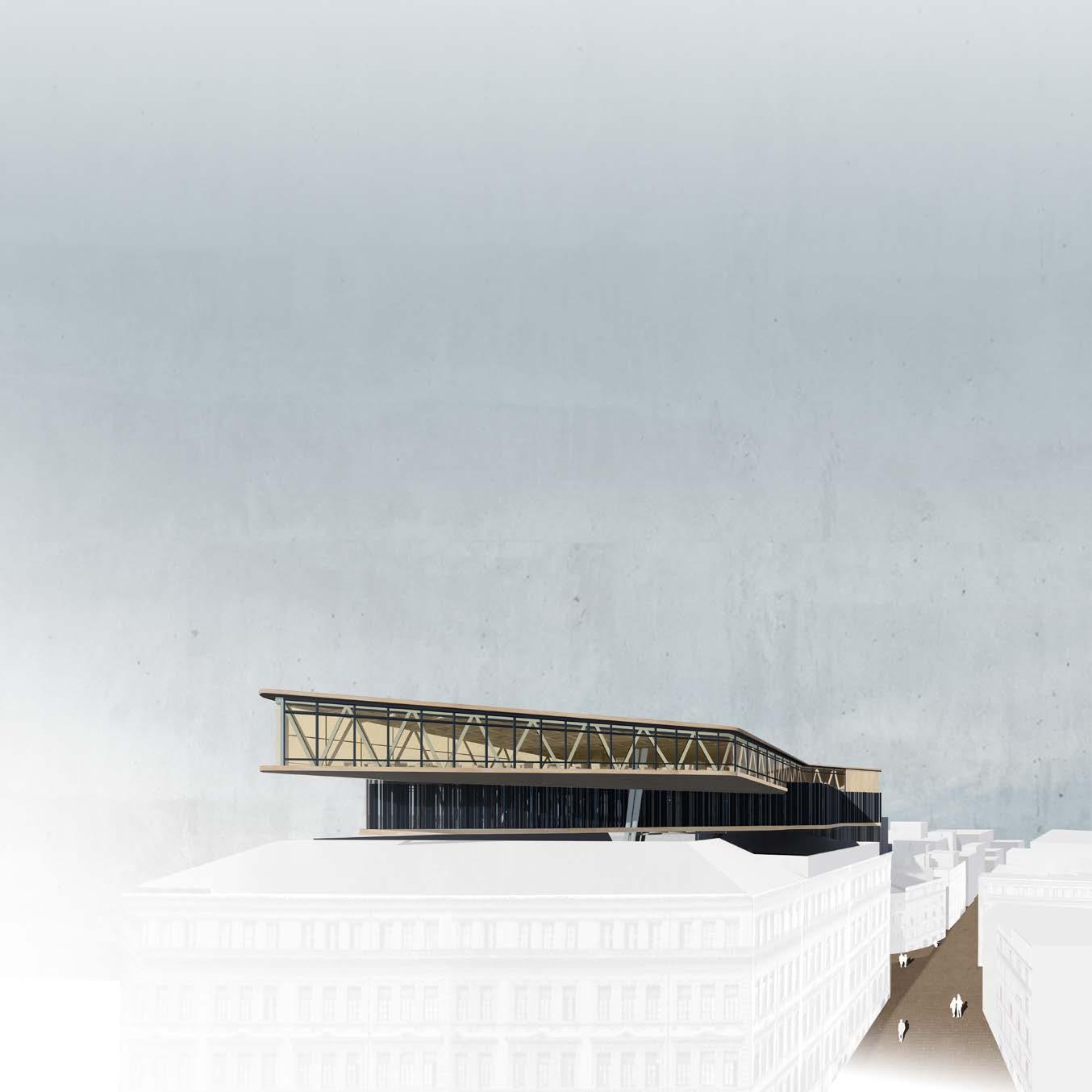
Located in the Jewish Ghetto District in Rome, Italy, the library of imagination stretched the boundaries of what might be the typical perceived library. My partner and I worked on developing a library that focused in on the five senses. The levels of the building are organized based off of what would be beneficial for the surrounding community. The building design hovers over an existing high school that will directly impact the students. The goal was integrating the necessity for learning spaces and public
entertainment. Air Rights were a new challenge brought into the project design. The building is suspended over an existing high school with structural columns stabilizing the cantilever within the courtyard. A piazza characterizes the space beneath the building. Staggering volumes alternate direction to provide a dynamic experience for the individual passing by or within. A glass ramp is suspended centrally in the upper levels and splits between the form allowing a unique perspective to peer between the existing buildings.
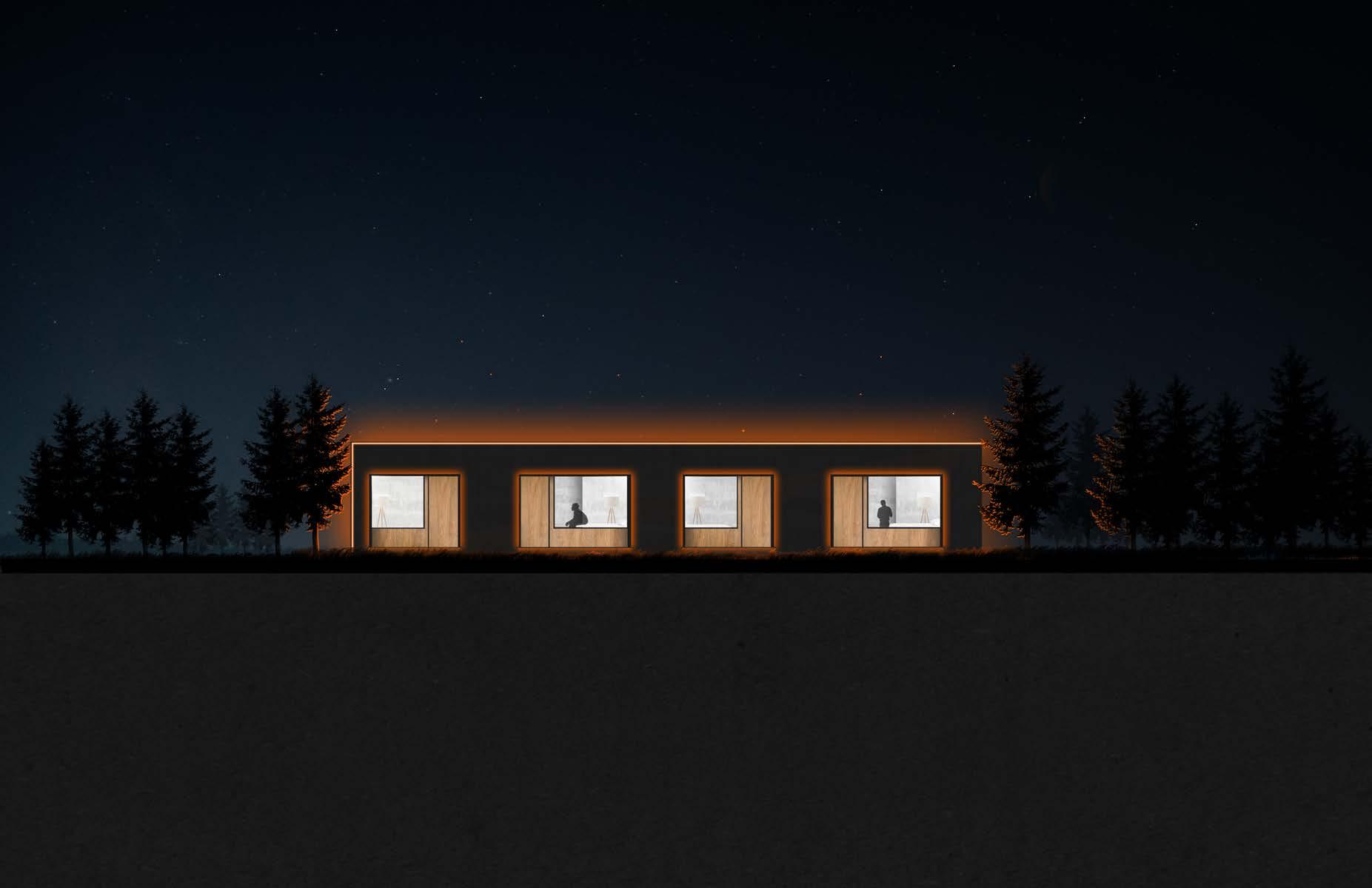
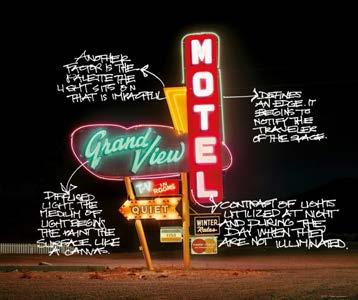
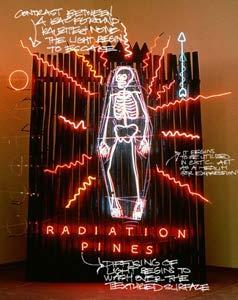
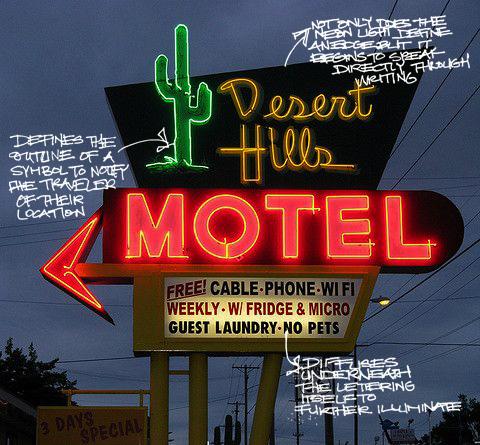
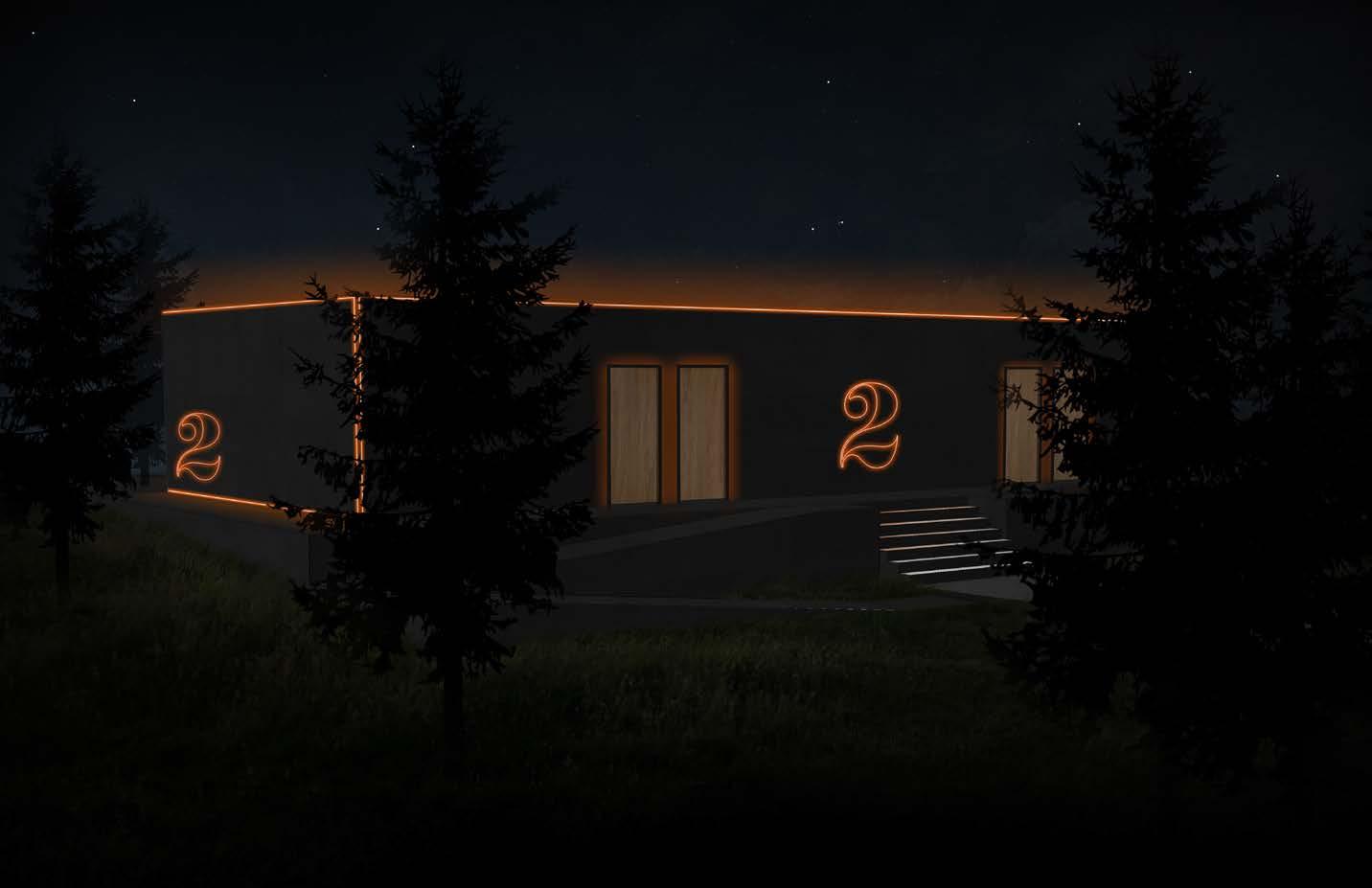
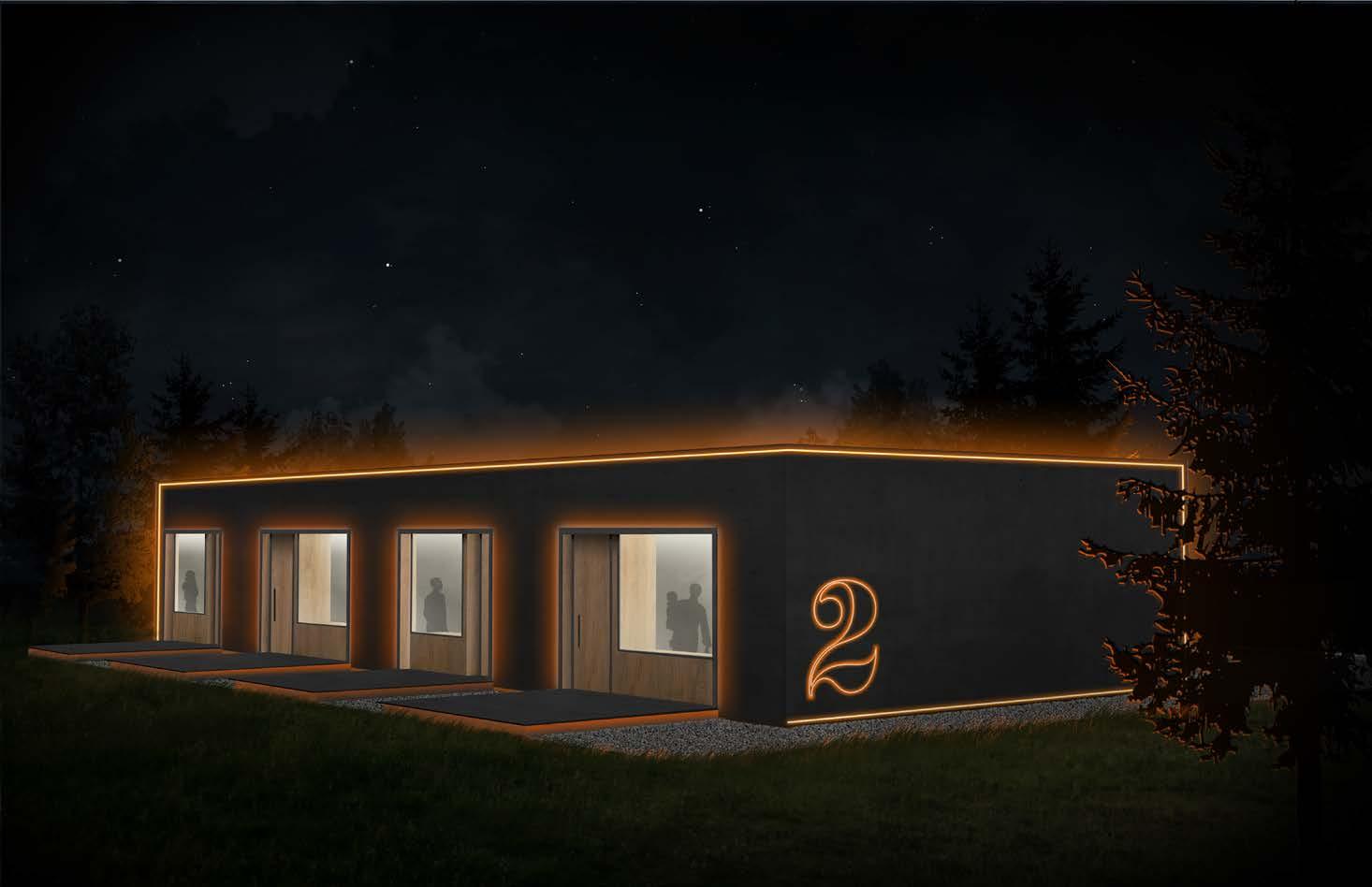
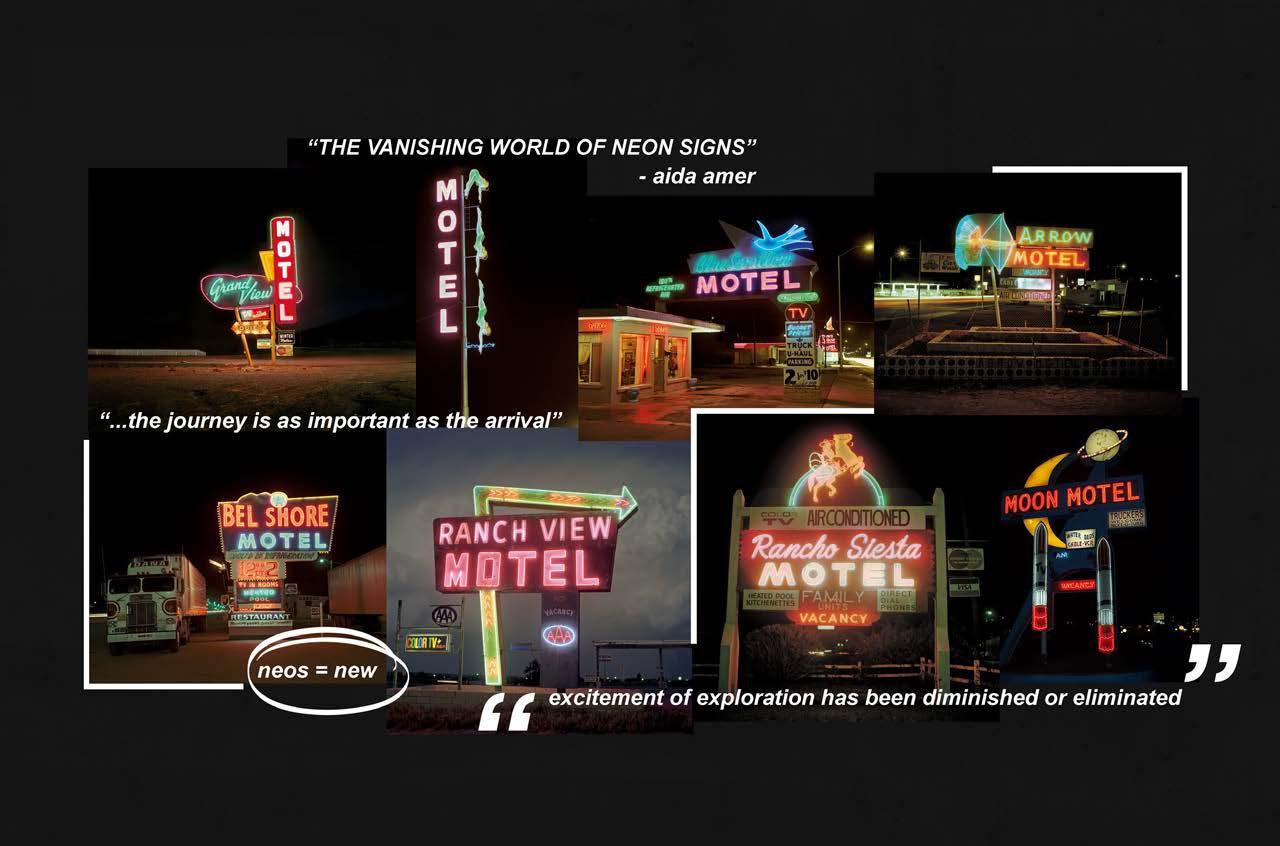
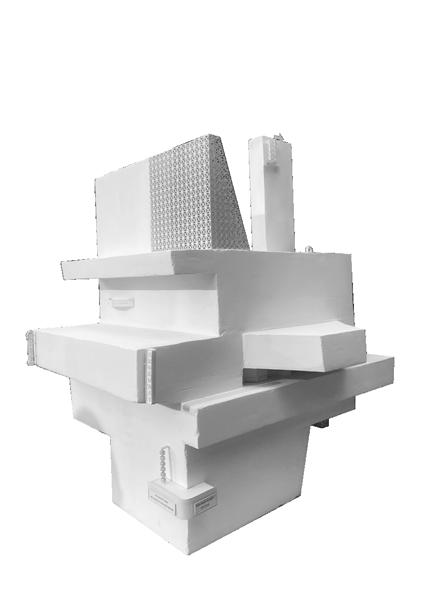
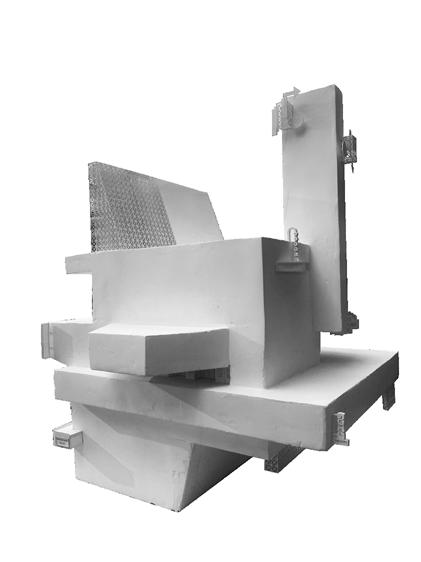
The Route 66 Motel was integrated near Lake Arcadia in Edmond, Oklahoma. The goal was to create an experience that provided insight on Route 66 and develop Edmond as a destination point. This began my endeavor to explore the tiny glass tubes that illuminated the road trip experience. Through the in depth research of neon lights an idea was born. The exploration was a discovery of how they were designed, created, and their impact on today’s society. The neon light: a commemoration to the iconic Route
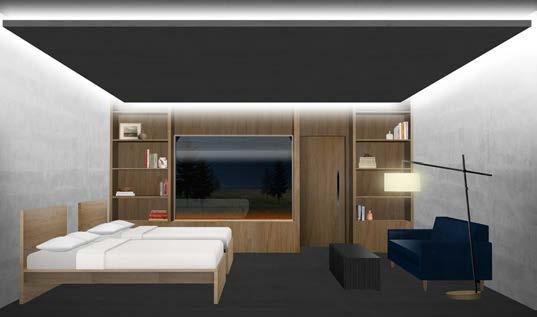
66. The exploration began by defining a variety of ways light presents itself. The three main analyzes included: light defining an edge, light washing a surface, and light diffusing. The next investigation was analyzing signs that lined Route 66. I began to apply these principles to every neon sign. Once I had seen the principles applied on the retro signs, I began to implement the principles throughout the modular box that is repeated on the site. This is where the Route 66 Motel emerged from the light studies.
Individual Project
Studio IV Fall 2022 Third Year Professor Keith Peiffer
THE THEATER AS A RADICAL EXPRESSION OF CULTURAL FREEDOM
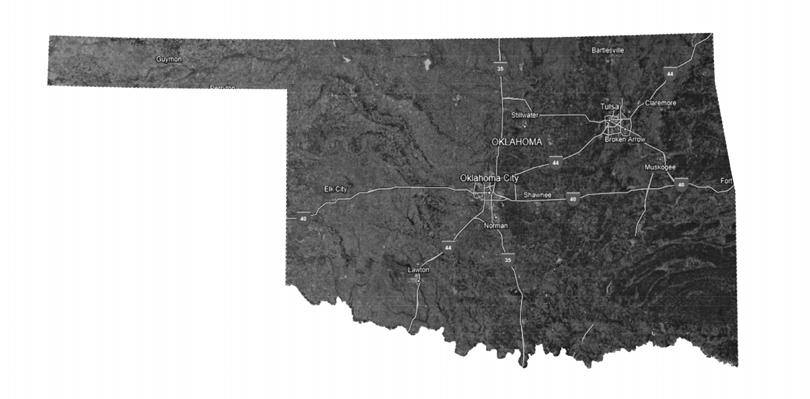
OKLAHOMA’S EMERGENCE
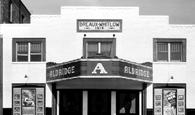
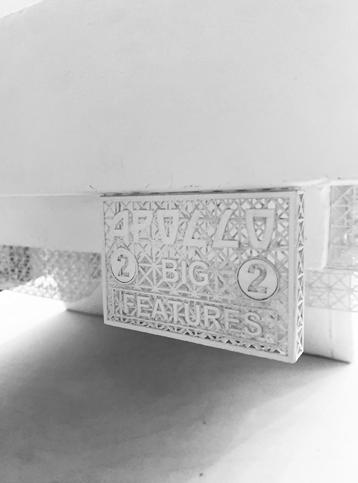
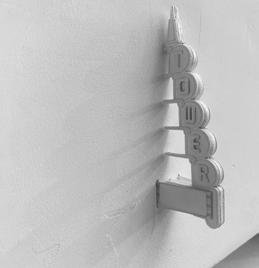
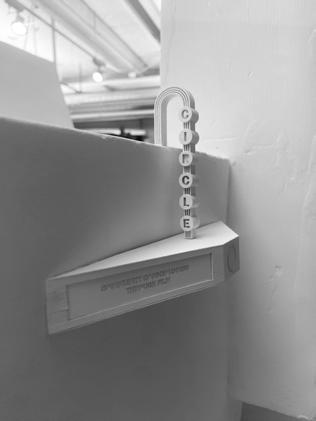
The reasoning for highlighting a select few of Oklahoma’s Marquee signs is to shed light on its impact within our local communities and neighbors. The Marquee sign meant more than just an attractive marketing tactic to get numbers through the doors. It was a representation of cultural freedom and a community’s ability in the midst of destruction and tragedy to rebuild. The five highlighted Marquees provide unique stories that allow the reader to better understand the importance of architecture within our communities. It not only provides a gathering space
The reasoning for highlighting light on its impact within our meant more than just an attractive It was a representation of cultural of destruction and tragedy to rebuild. stories that allow the reader to our communities. It not only provides tangible landmark. It makes history The scope of monuments within documentation of stories, articles, communities through a select architecture and its importance spaces? How did it affect culture Marquee
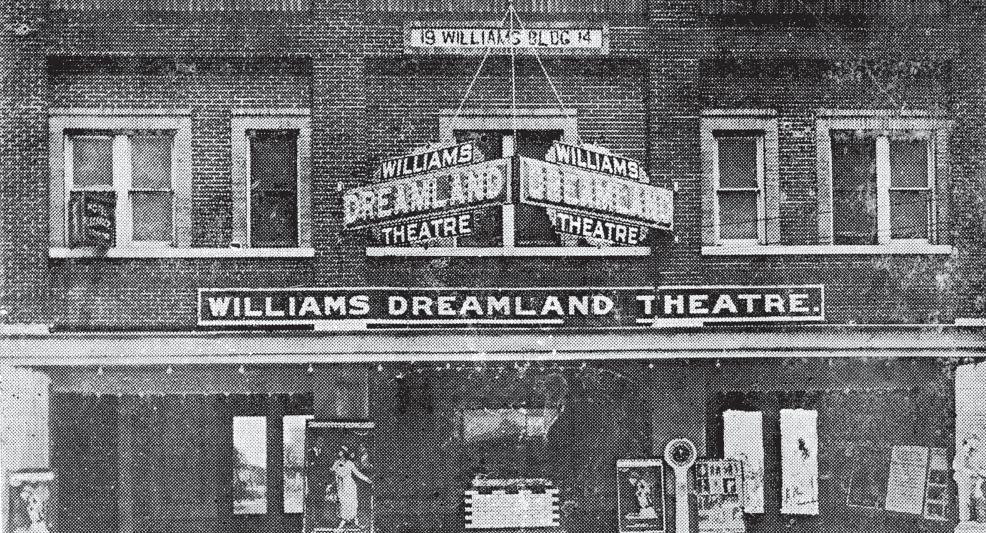
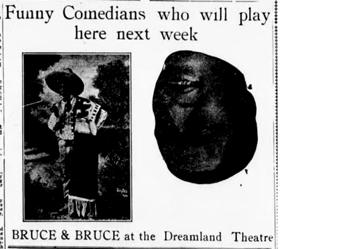
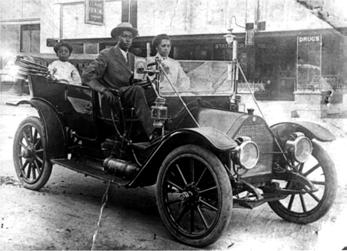
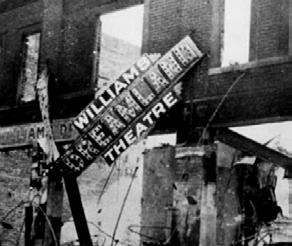
WILLIAMS DREAMLAND
for people but stands as a tangible landmark. It makes history of their community recognized and remembered. The scope of monuments within the Oklahoma cities were researched through documentation of stories, articles, journals, and writings. The under-represented communities through a select few of the Marquee signs depicts the value of architecture and its importance to create a voice. How was it a catalyst for community spaces? How did it affect culture in our cities?
In 1914, John and Loula Williams create an inclusive environment Theater has an influential existence Theater was an iconic building in Tulsa, Oklahoma was at the The Dreamland Theater was the Tom Williams were amongst some At the time of the opening of the producing some of its very first commodity to the black community established industry, but it was owned two others theaters, in Massacre, the Williams Dreamland family rebuilt the Dreamland Theater. business world. The Dreamland sign. It was symbolic for the growth every town, every race, every person, discovery of the Theater. The Williams theater. It stood for the resilience, the Black Community. The Marquee and possibilities of the Theater A sense of protection and meeting Marquee significant and carry
THE TALL CHIEF THEATER (1928) Fairfax, Oklahoma
THE COLEMAN THEATER (1929) Miami, Oklahoma
THE TOWER THEATER (1937) Oklahoma City, Oklahoma
on Main
The Architecture of Consuming Illusion, Vol. 50. No.4. 2005
The Movie Palace
SKETCHES
Study Abroad Summer 2023
Independent Journals
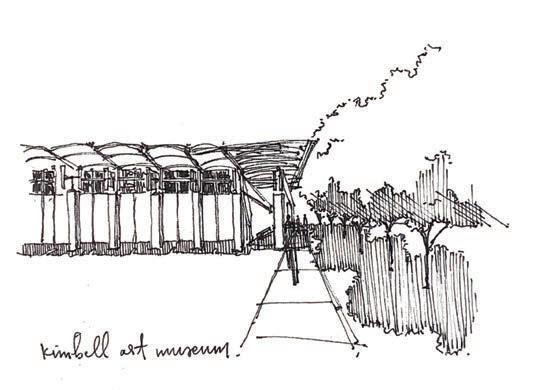
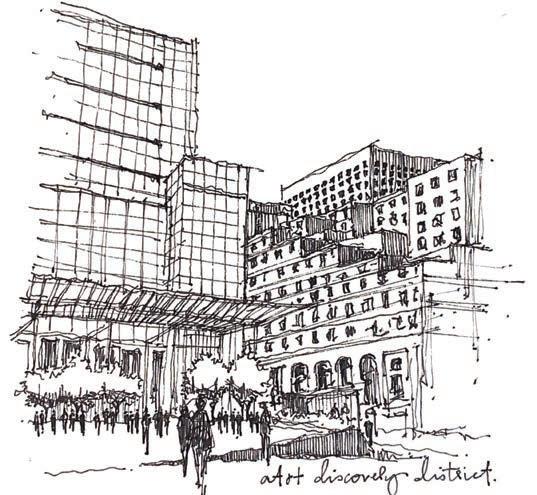
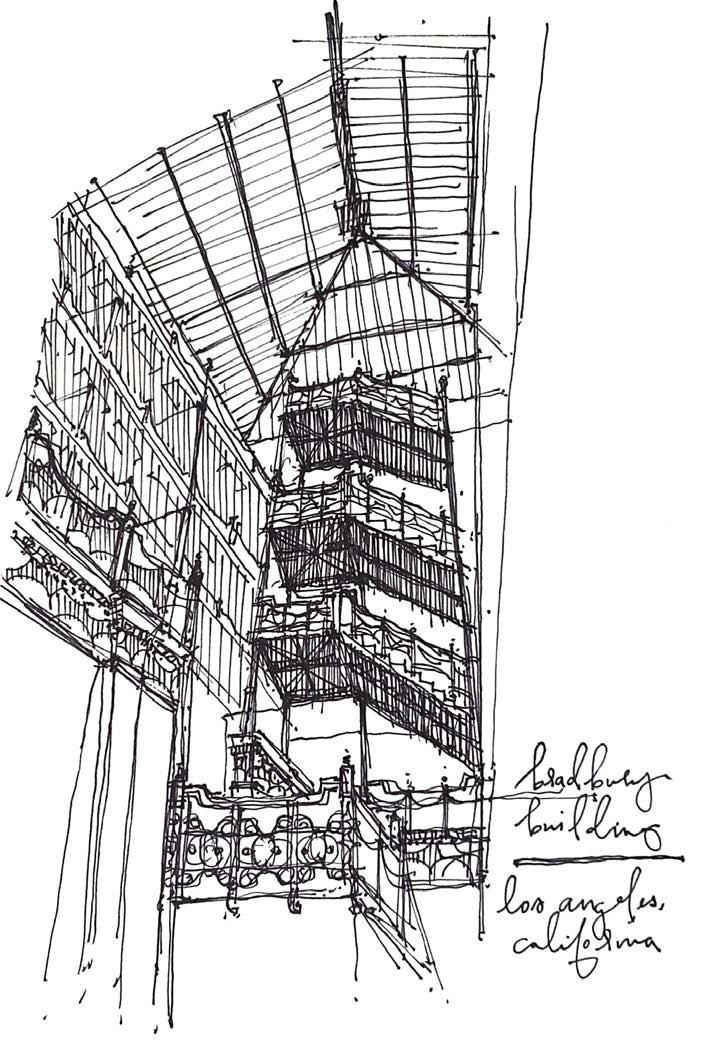
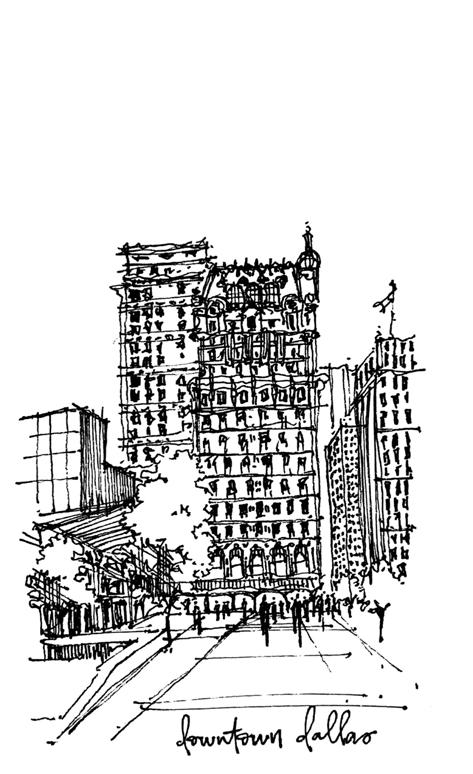
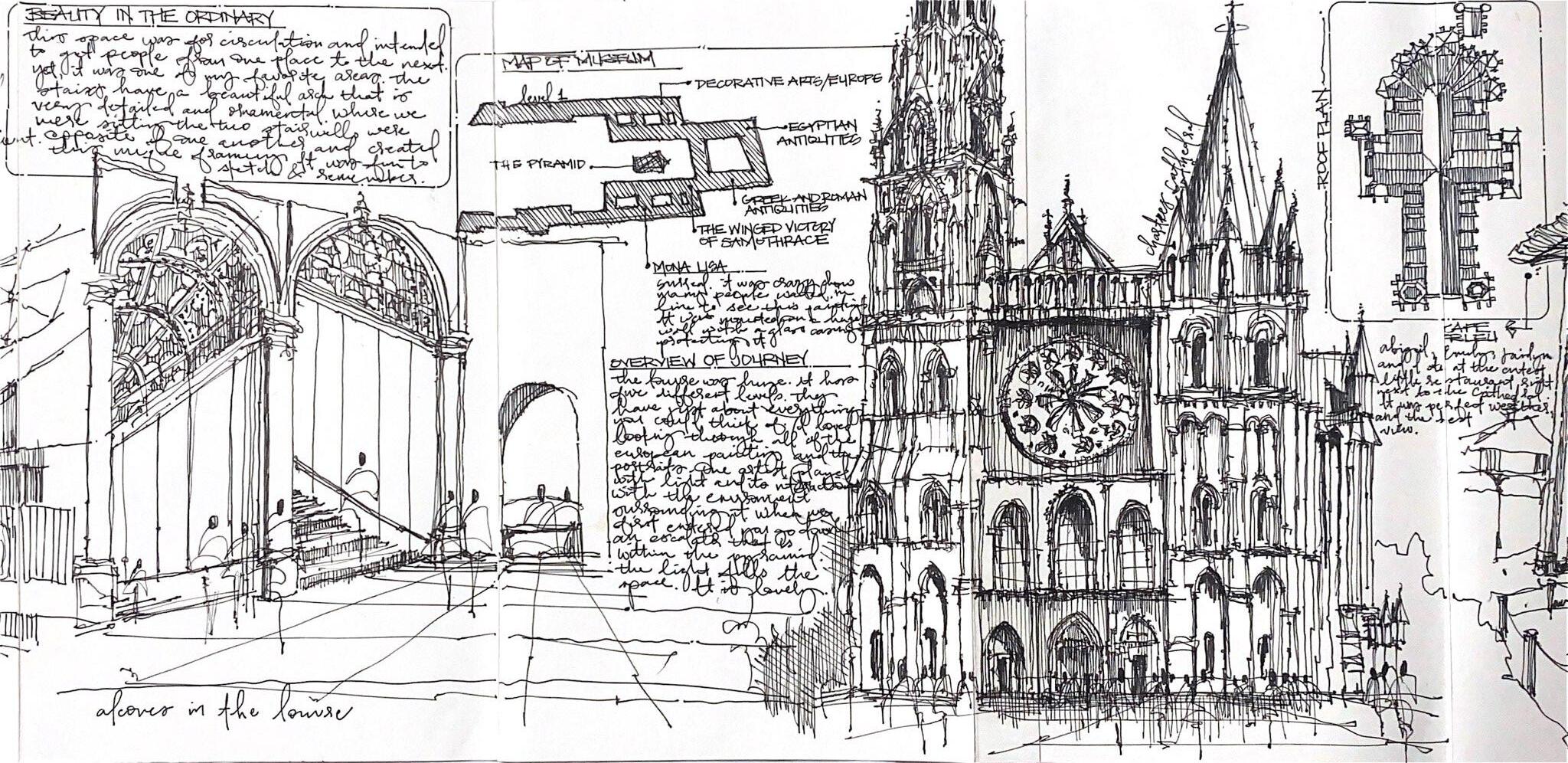
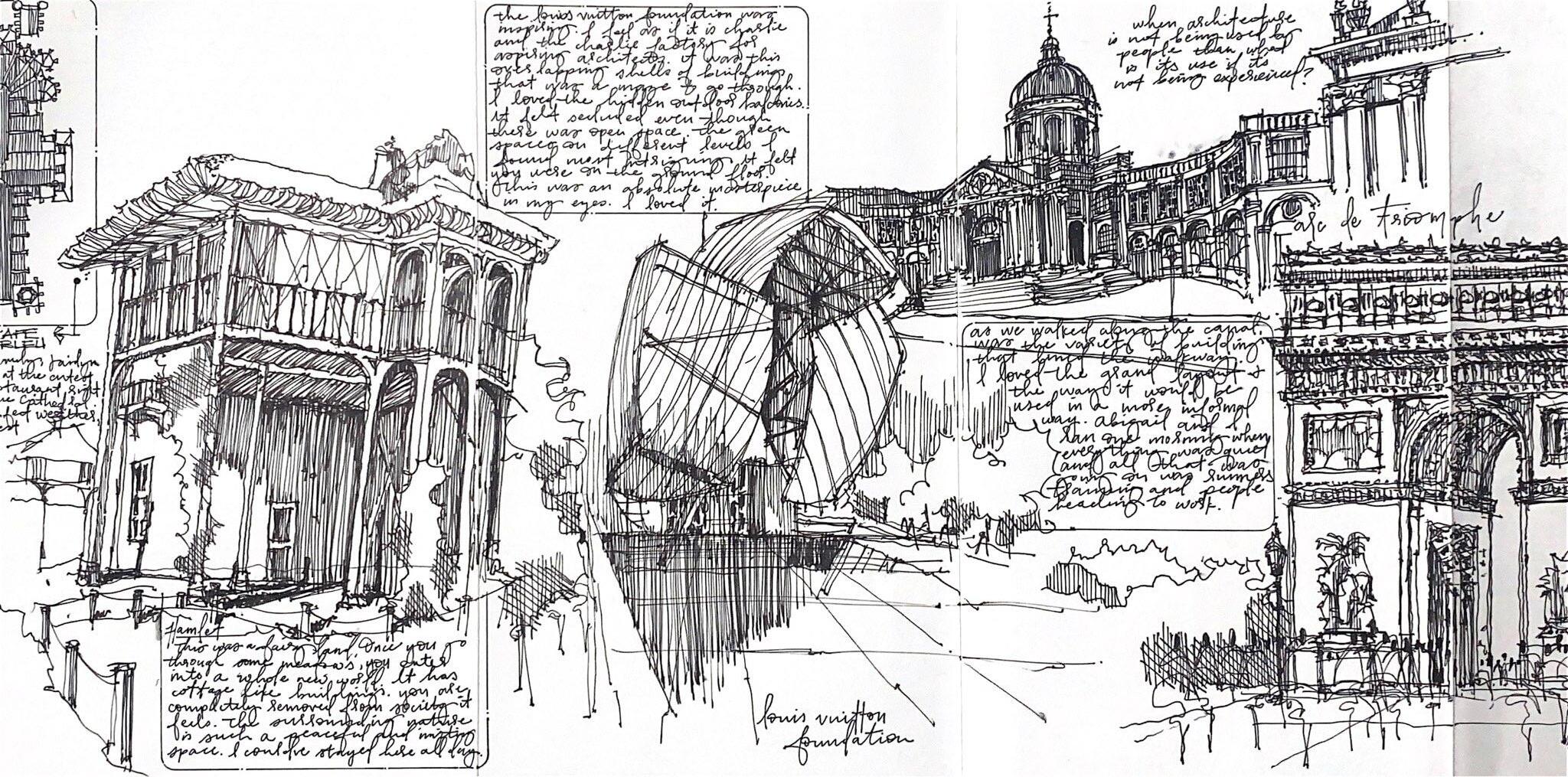
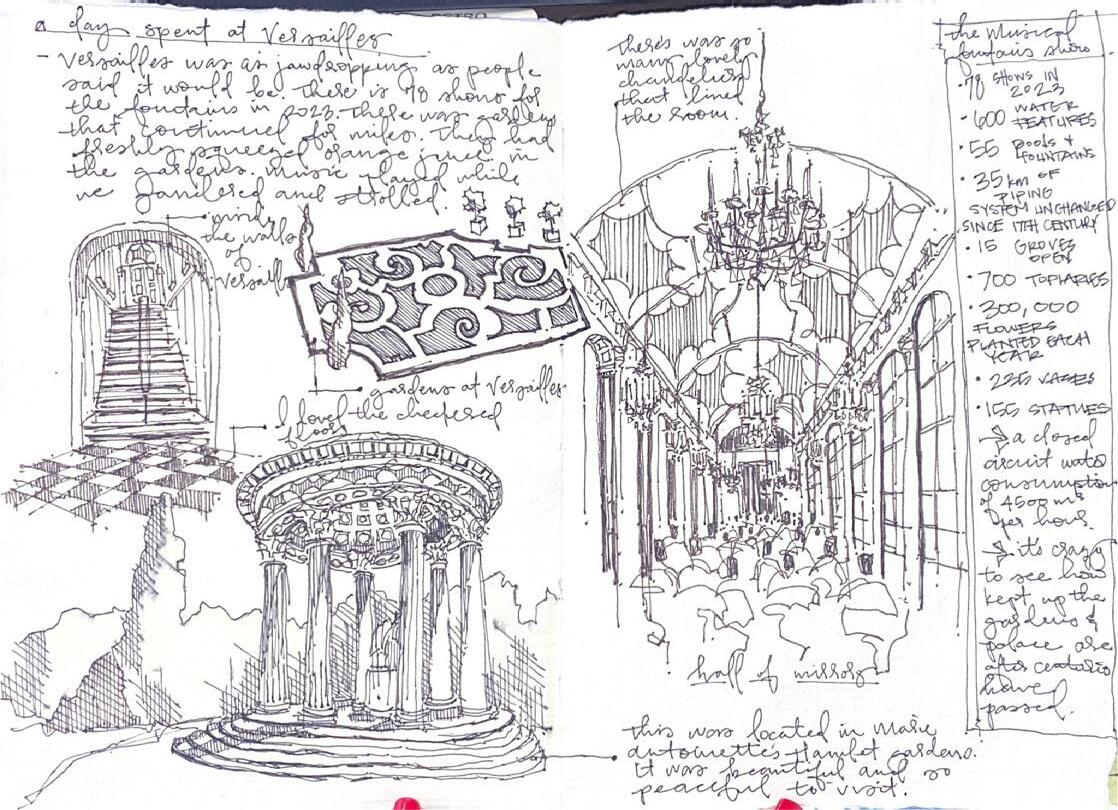
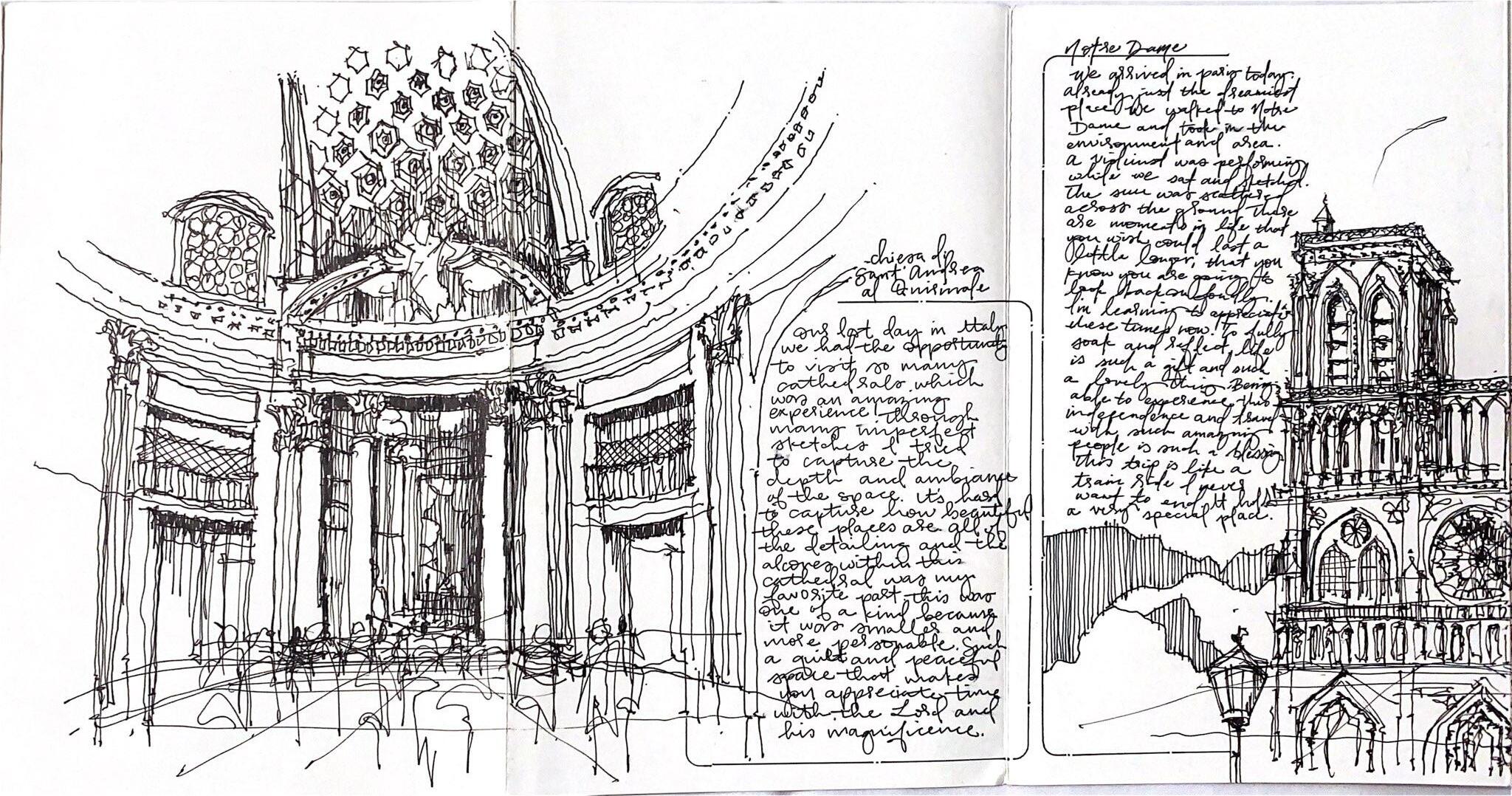
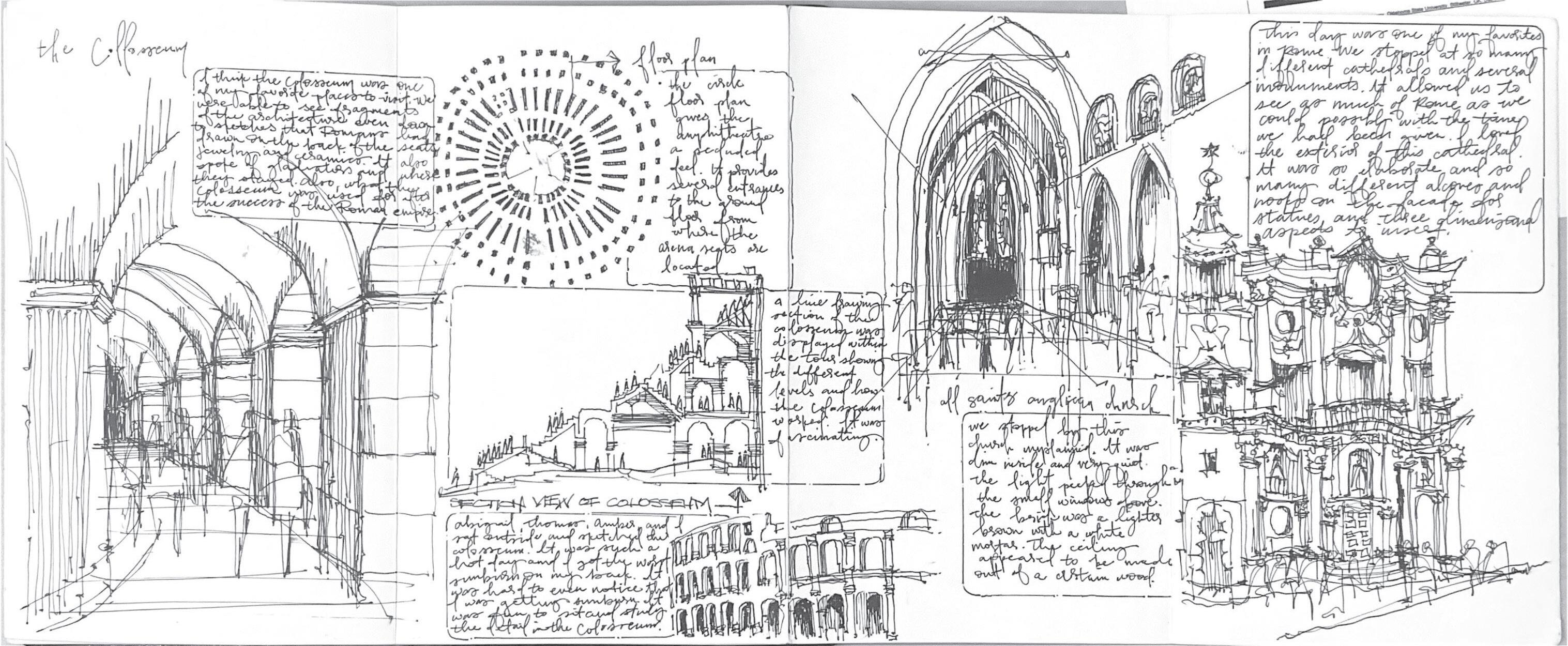
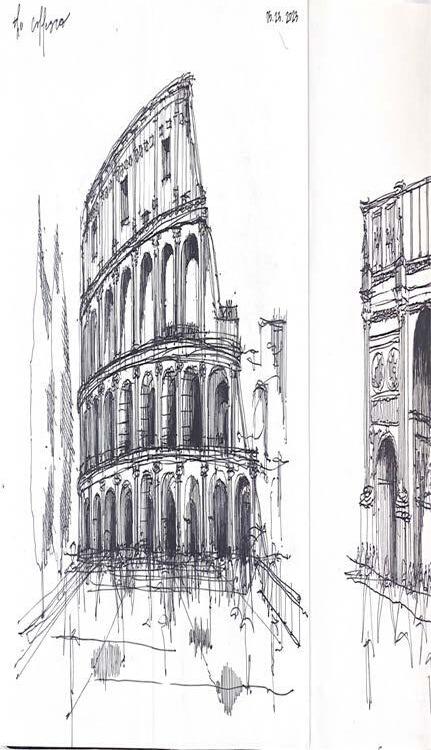
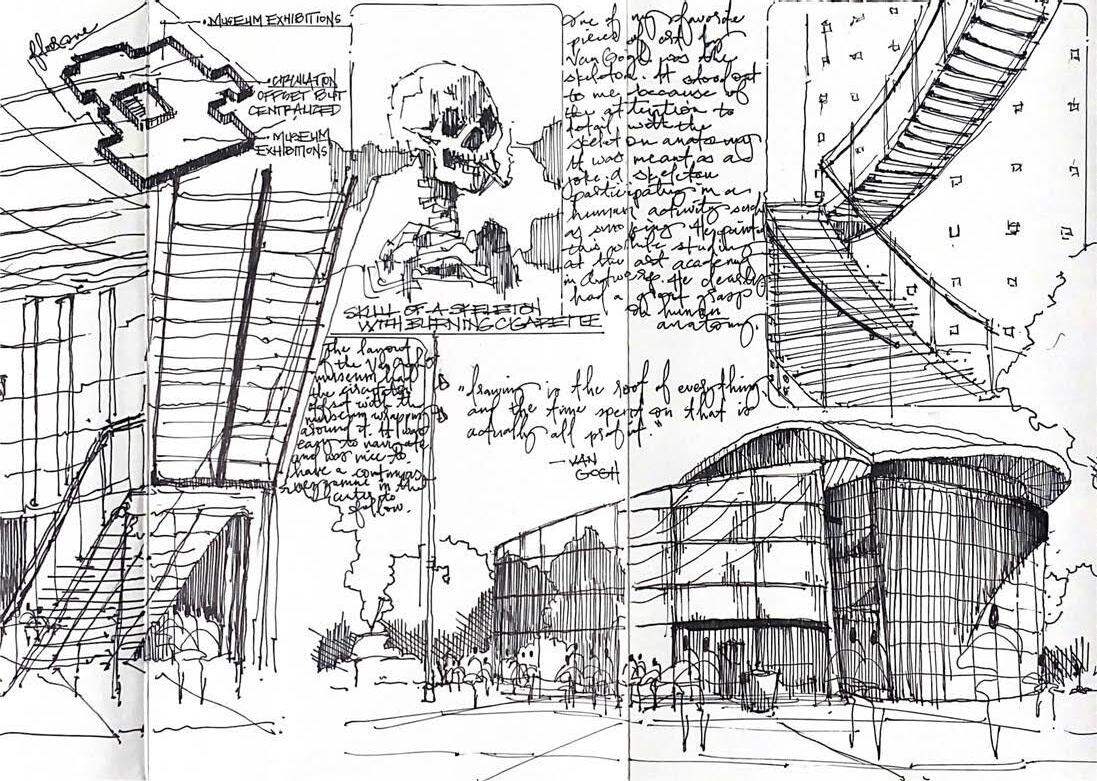
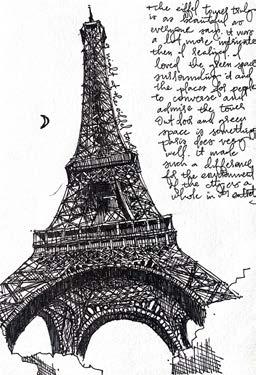
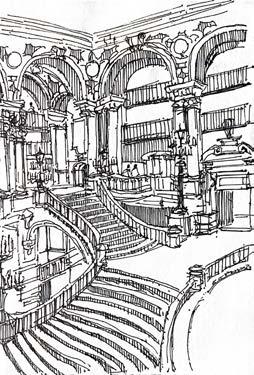
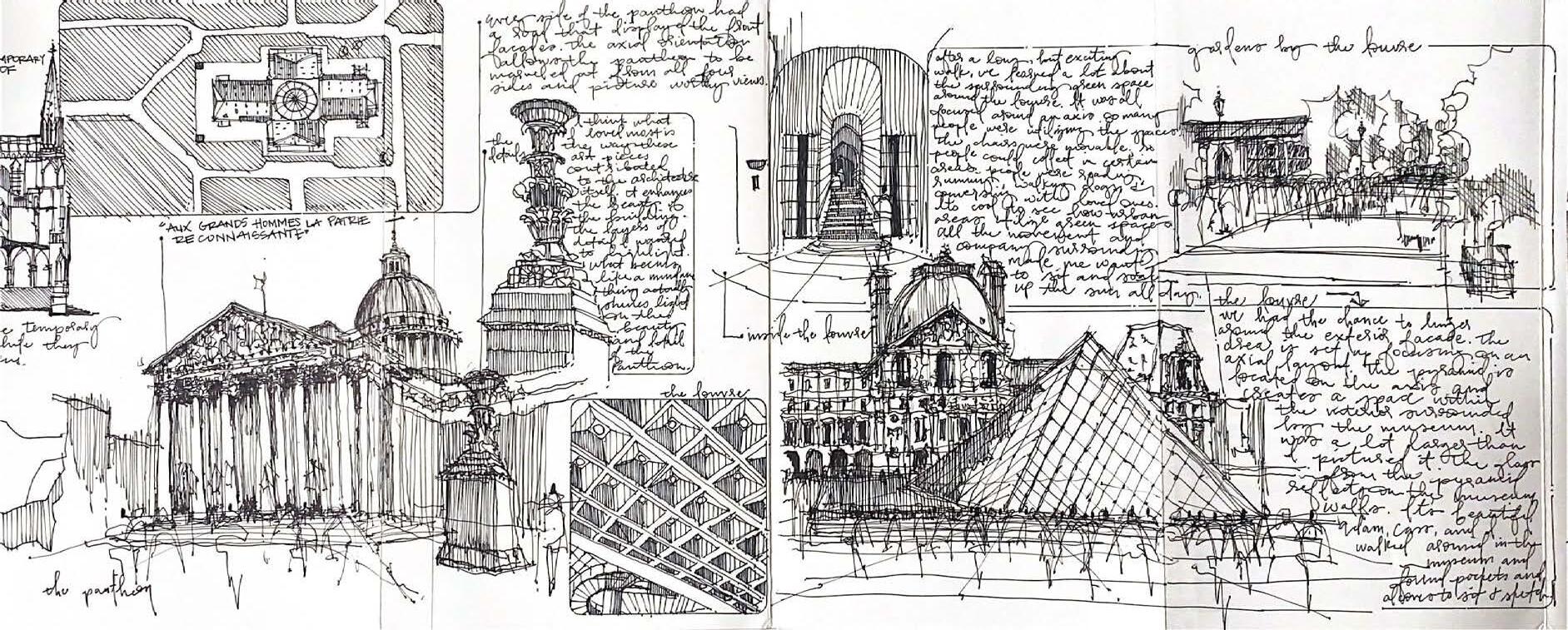
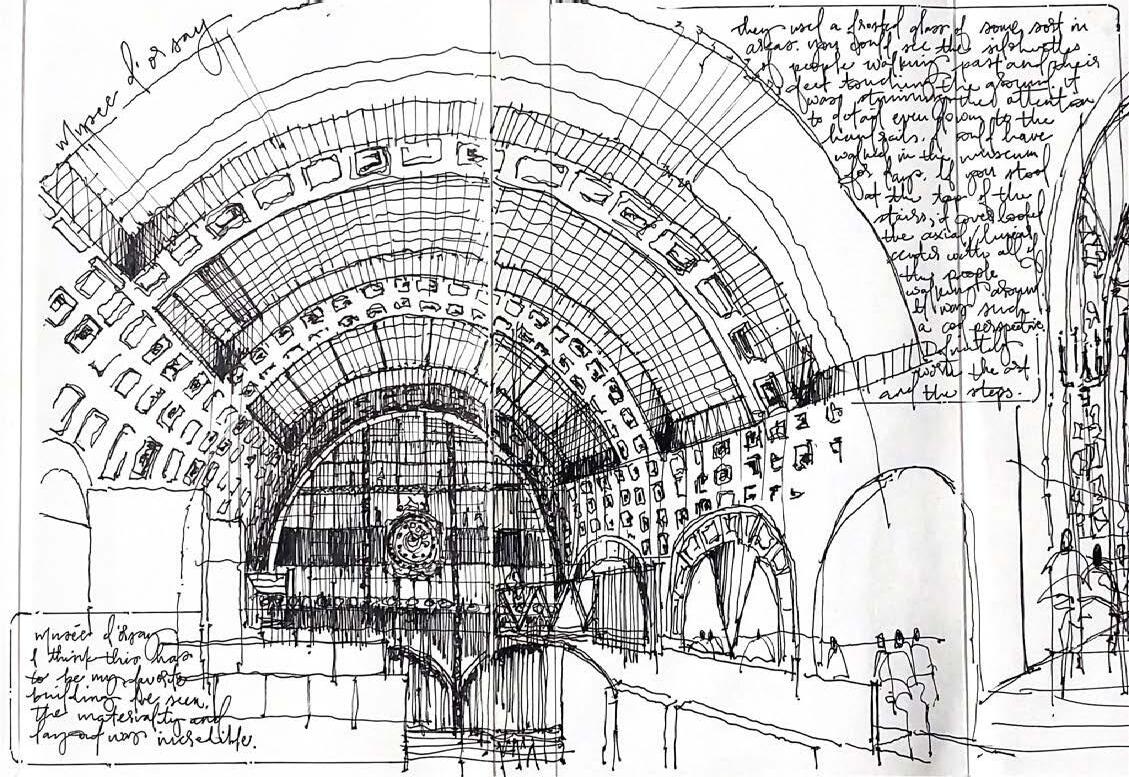
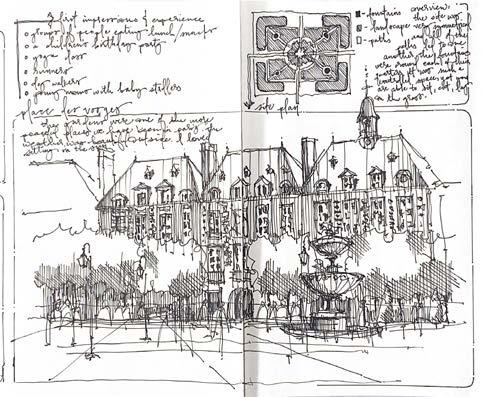
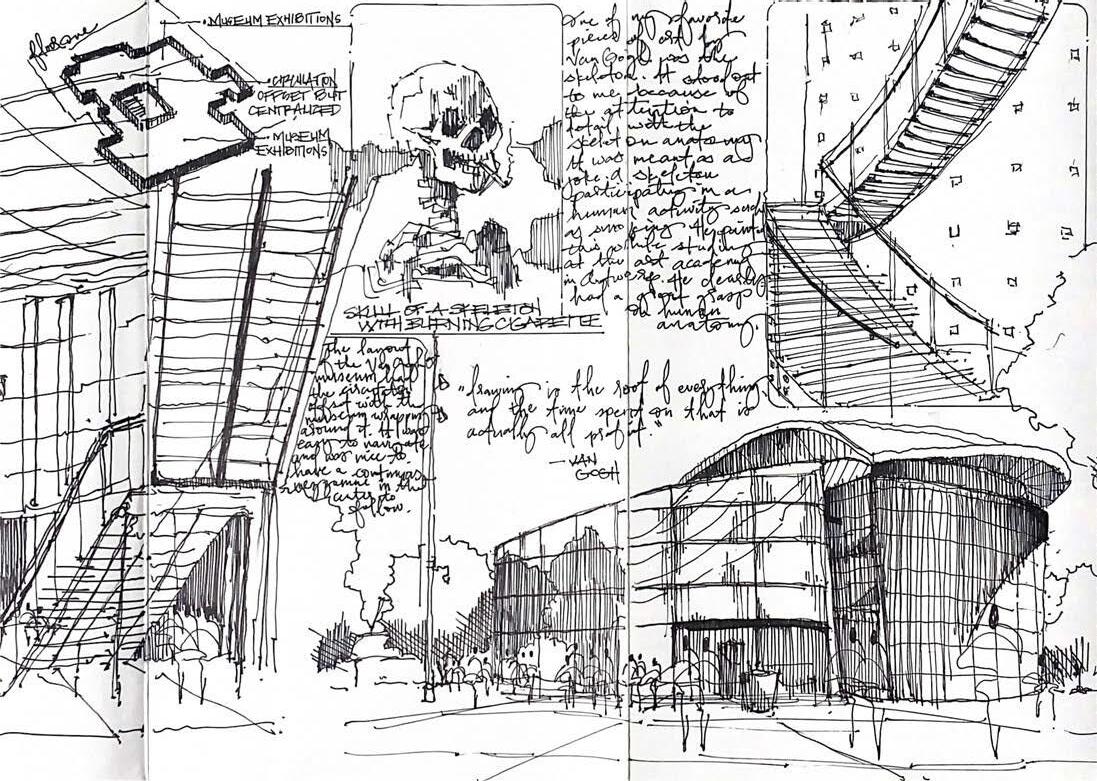
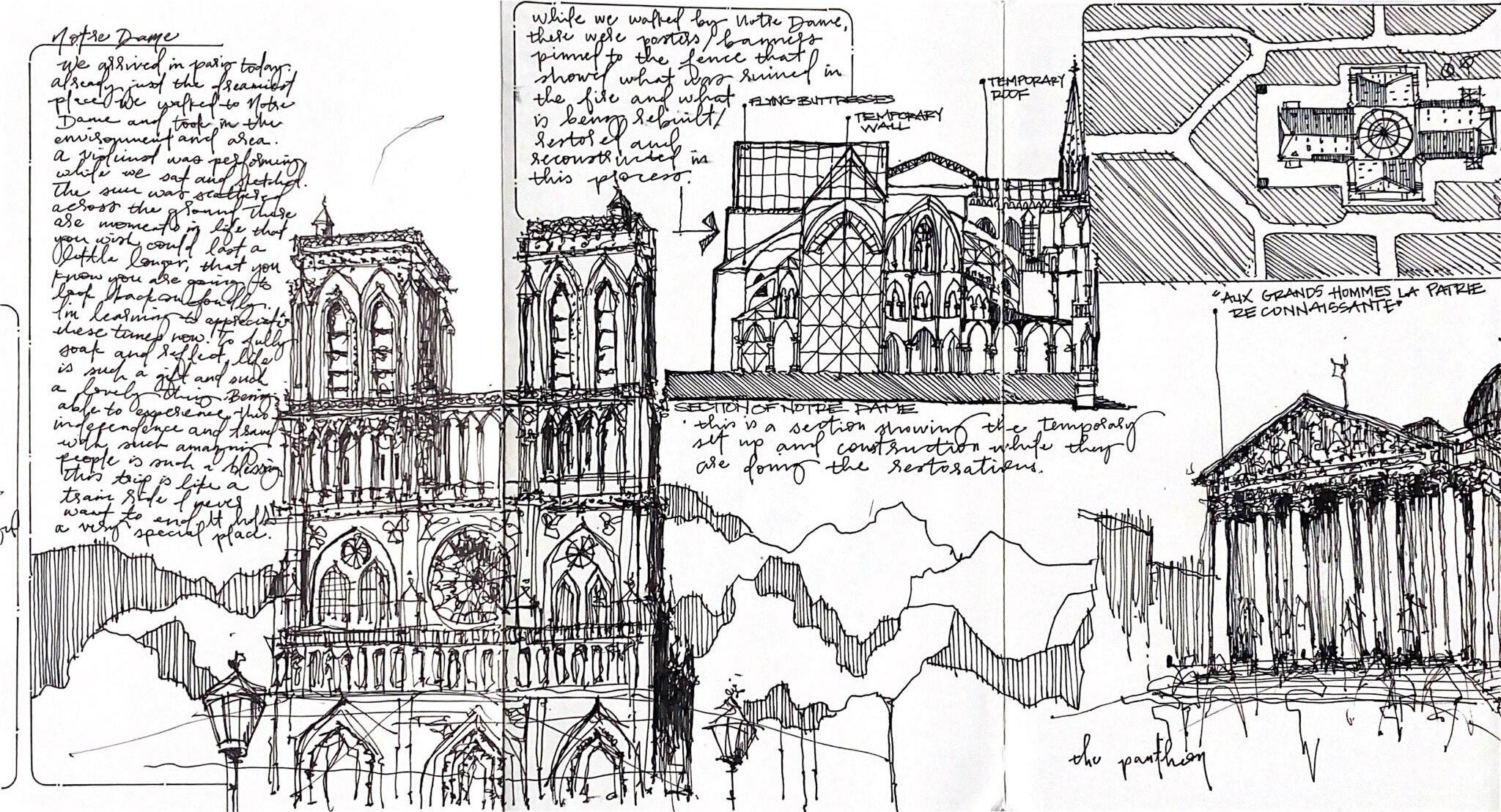
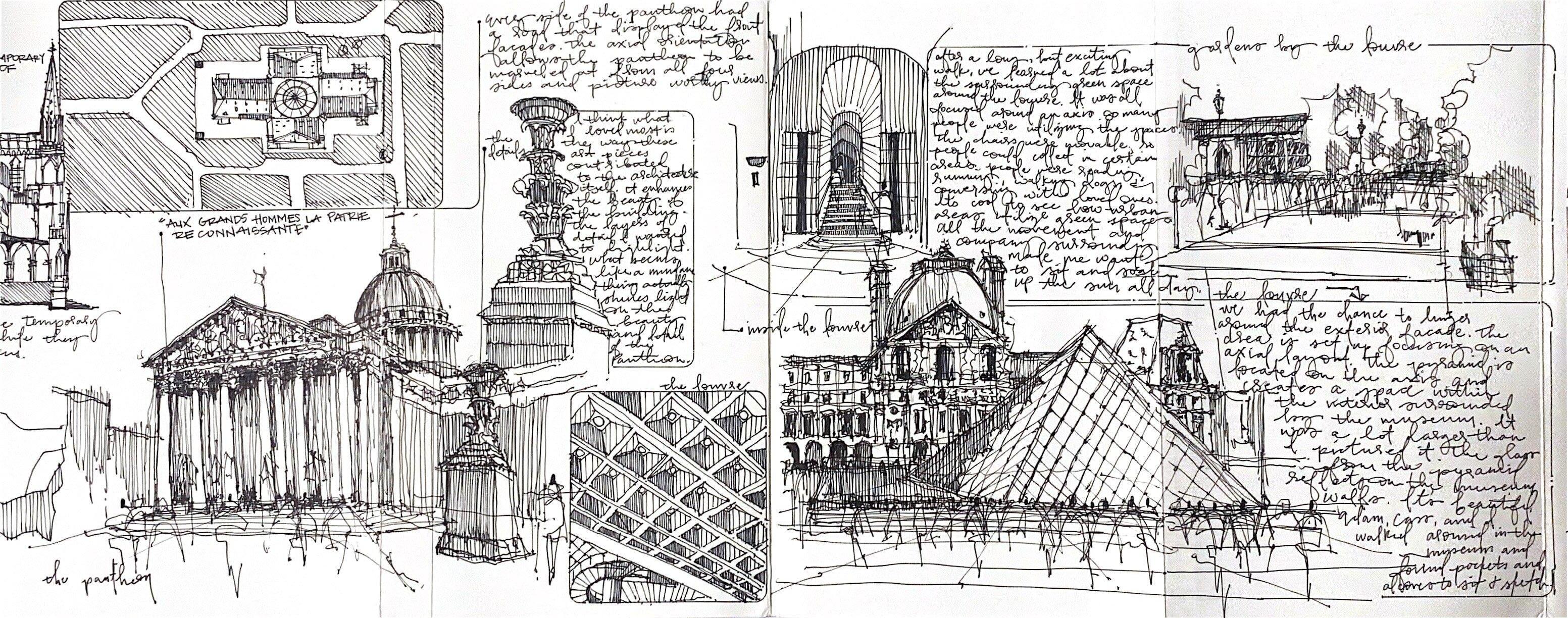
A significant factor that contributes to the way I process design ideas is through sketching. It has become a pivotal approach in communicating with team members, observing the world, and analyzing projects. The selected works are from my study abroad trip after completing the first year of professional school, as well as, sketches of individual travel experiences. My time at architecture school has challenged me to practice the following medium and be mentored my talented professors and classmates.