INTEGRATED ARTS FACILITY
LAKESIDE DINER
COMMUNITY LIBRARY
DESIGN
SCHOOL
01 - 08
09 - 12
13 - 16
17 - 20
CITY HALL
ECO-TOPIA: A BOARD GAME
SOLE: A CHAIR
PHOTOGRAPHY
21 - 24
25 - 26
27 - 28
29 - 30
COMMUNITY LIBRARY
DESIGN
SCHOOL
01 - 08
09 - 12
13 - 16
17 - 20
PHOTOGRAPHY
21 - 24
25 - 26
27 - 28
29 - 30
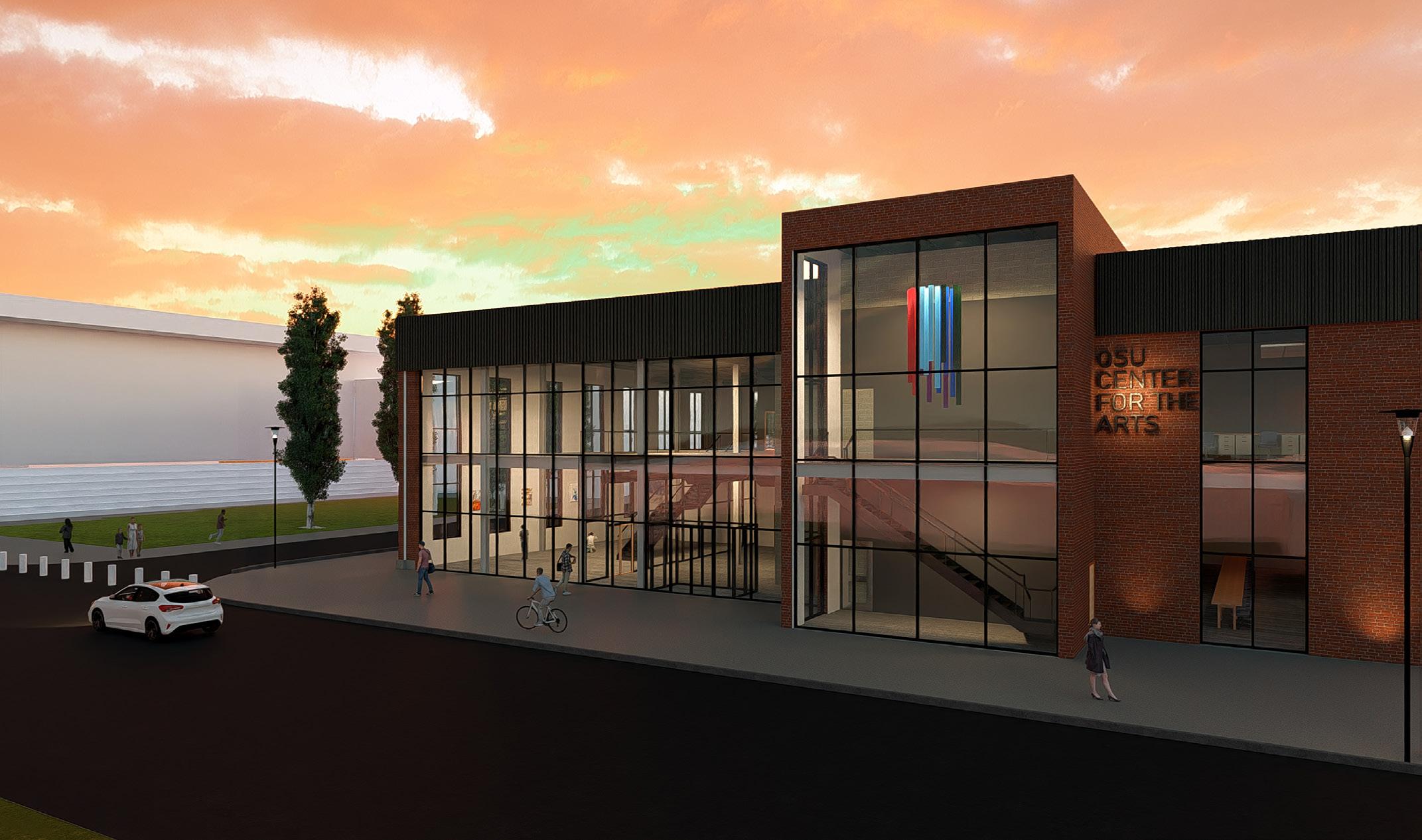
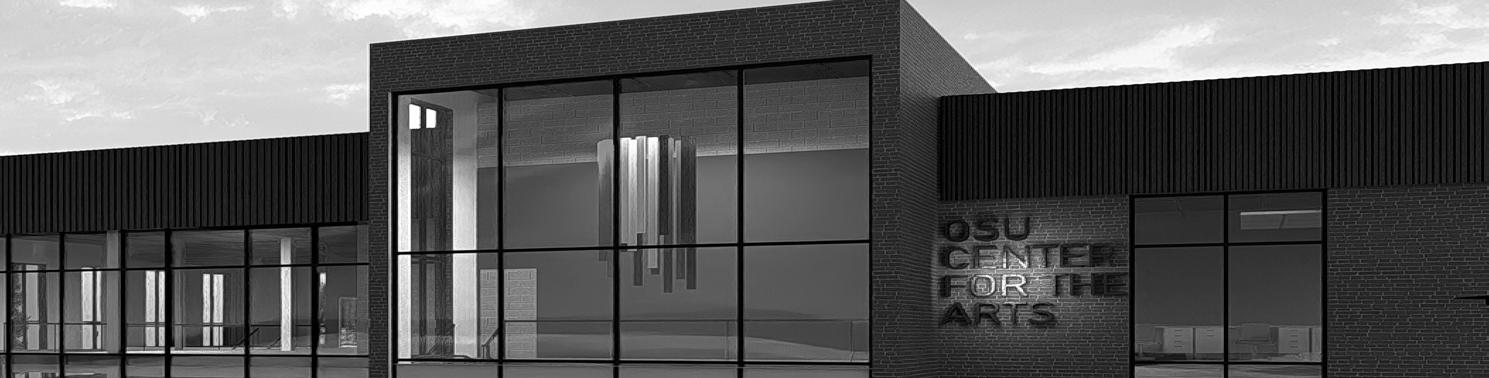
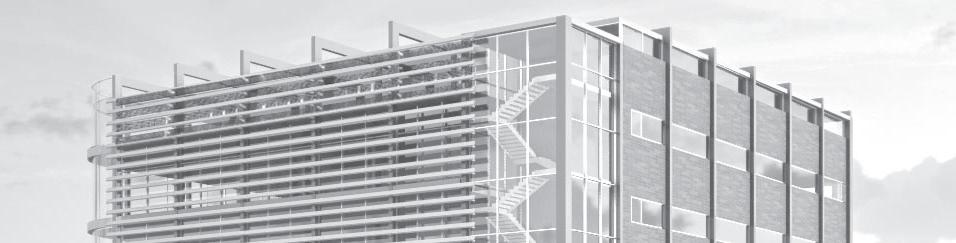
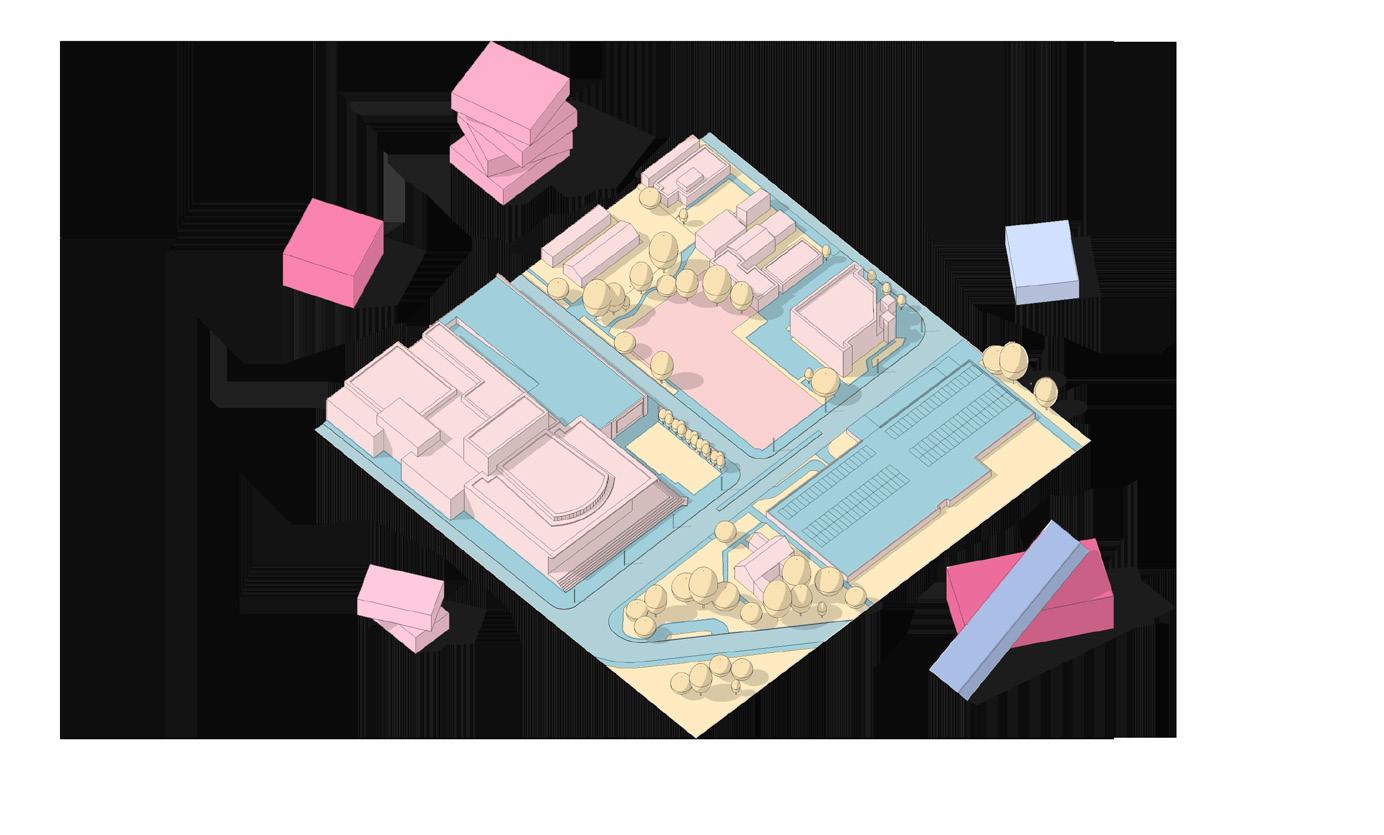
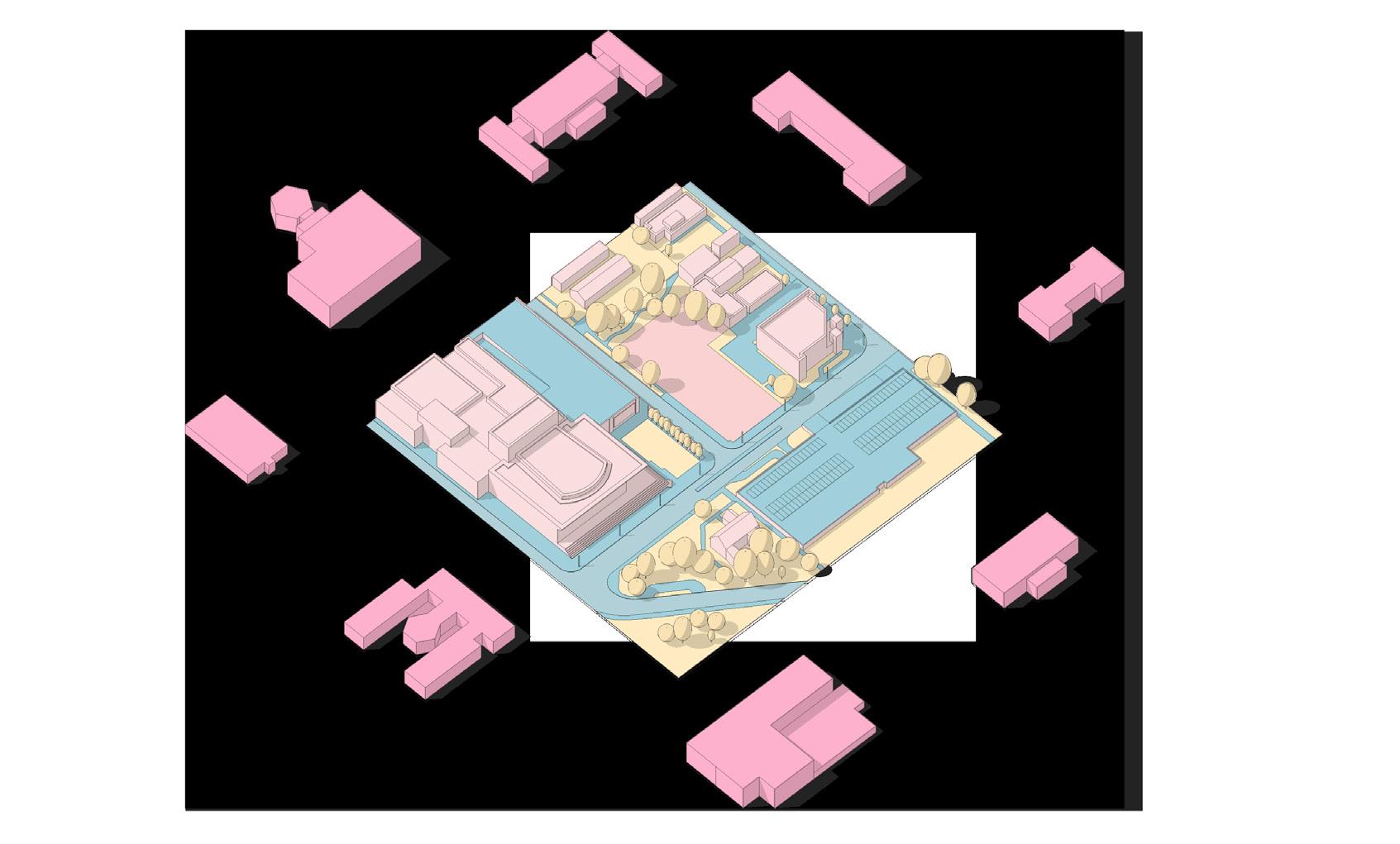
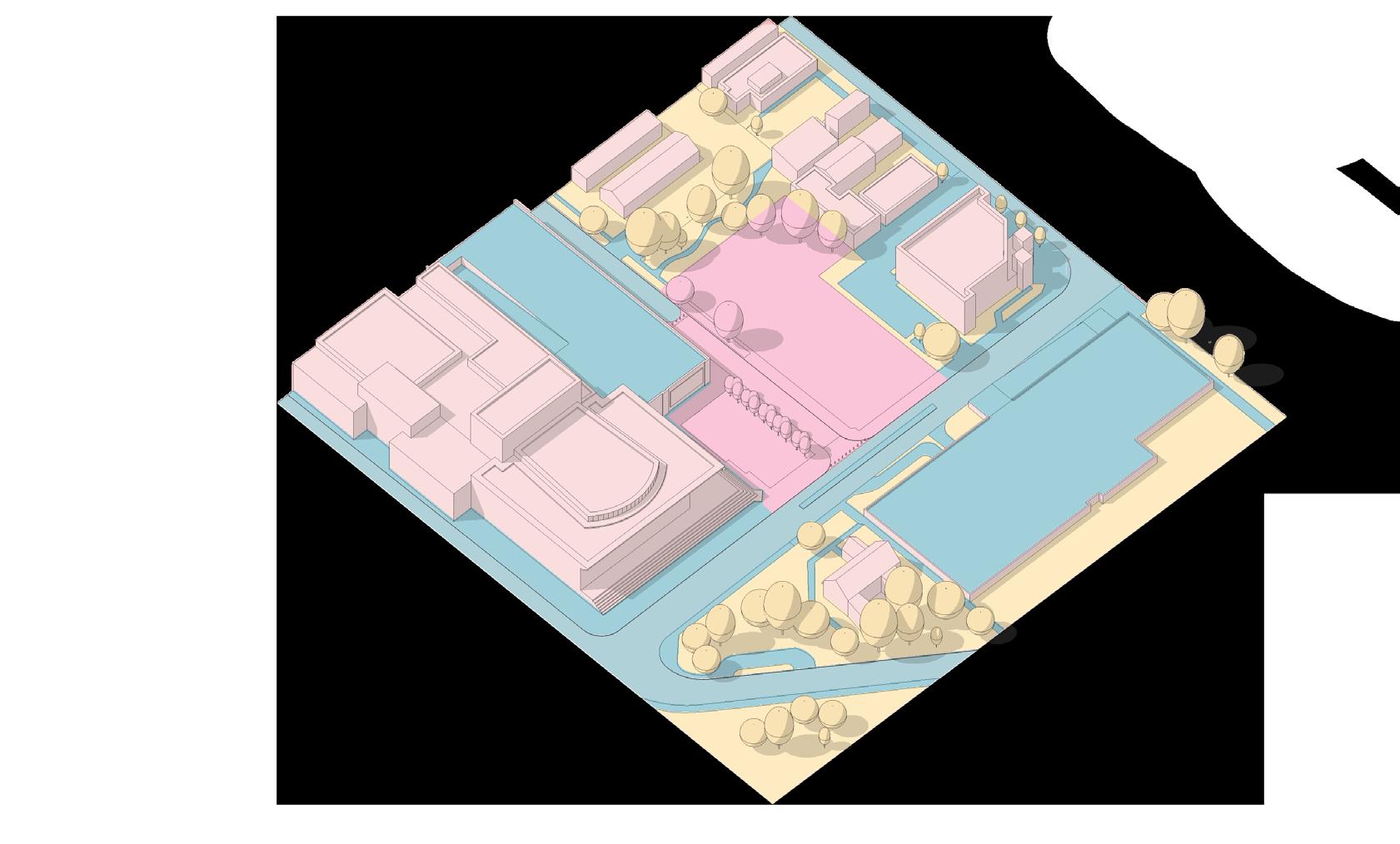
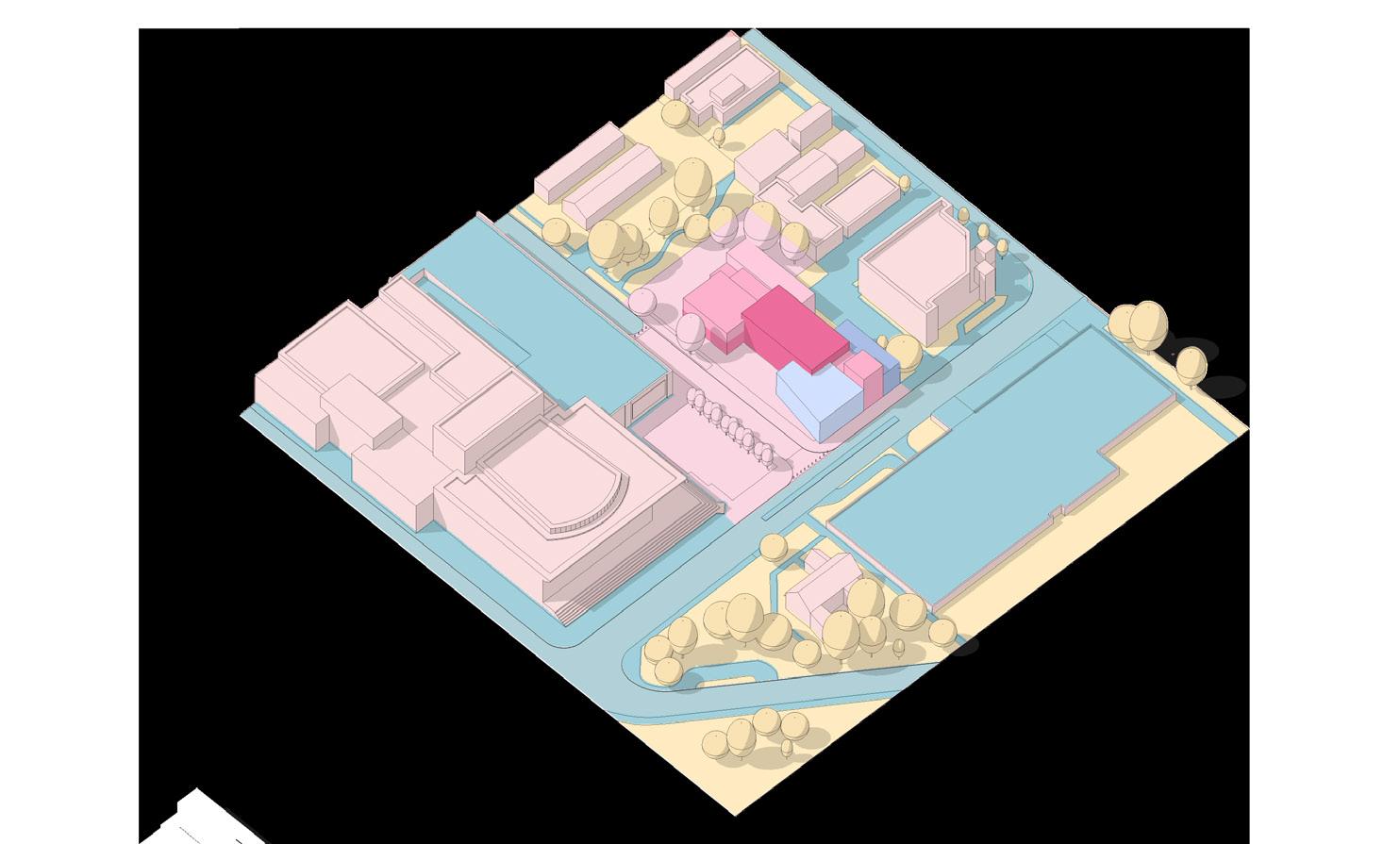
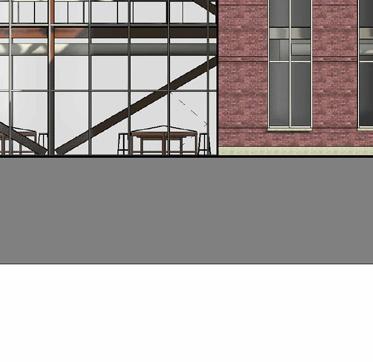
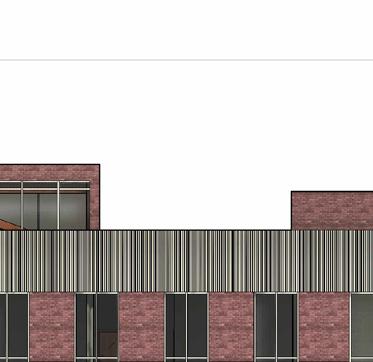
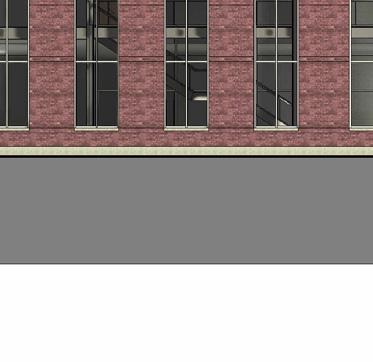
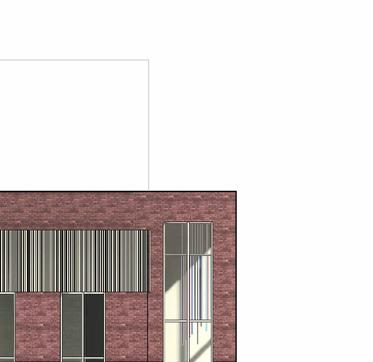
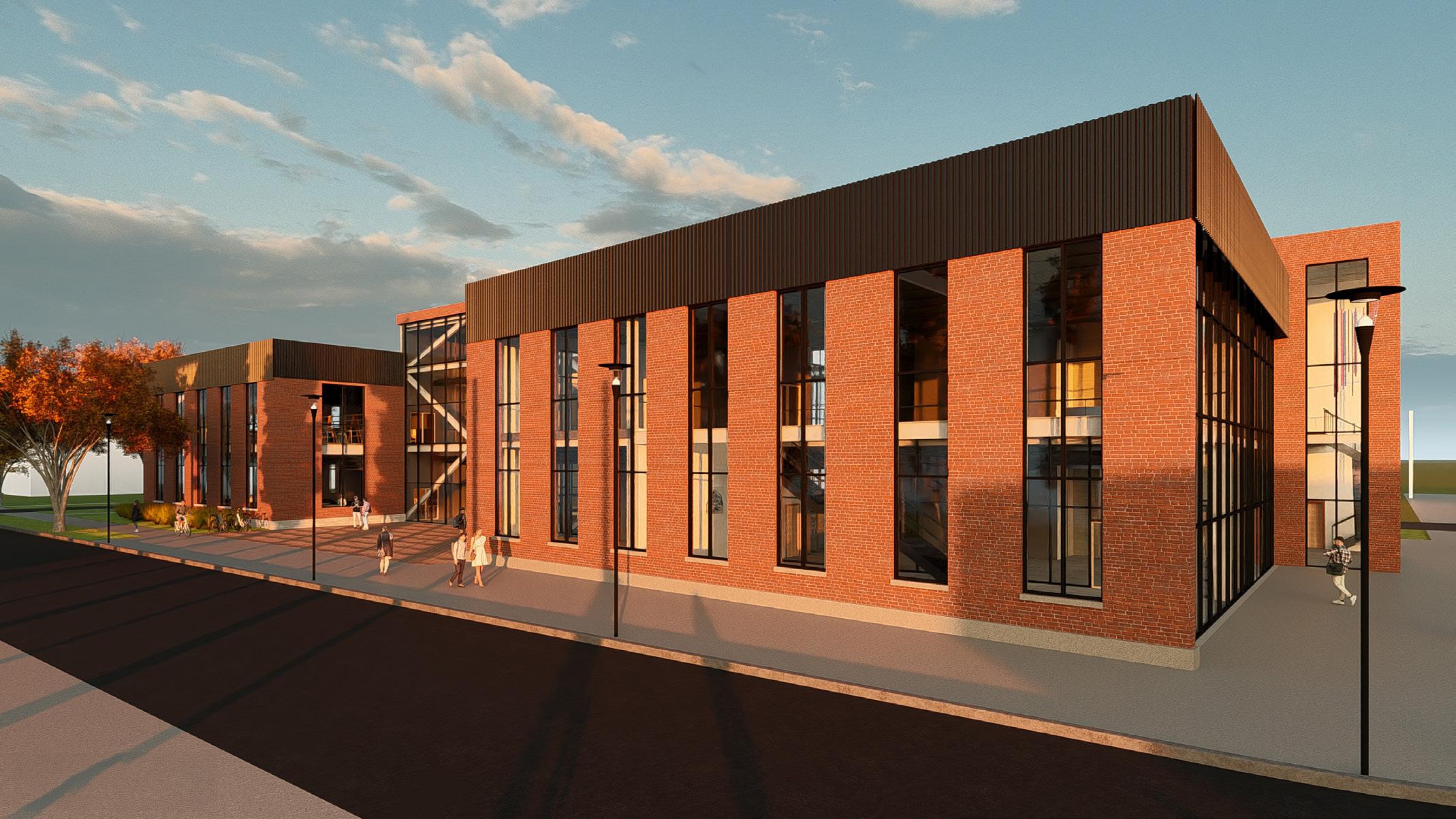
Oklahoma State University has developed an Arts Task force that aims to improve the visibility and collaboration of the arts at OSU. This is necessary because while OSU offers degrees in arts disciplines ranging from studio art, music, theater, architecture, landscape architecture, and fashion, these departments are spread across four different colleges, making it difficult to collaborate and share the work across the arts community. The integrated Arts Facility offers collaborative spaces for OSU’s students to share resources and create work together. The facility is located at the edge of OSU’s campus, adjacent to
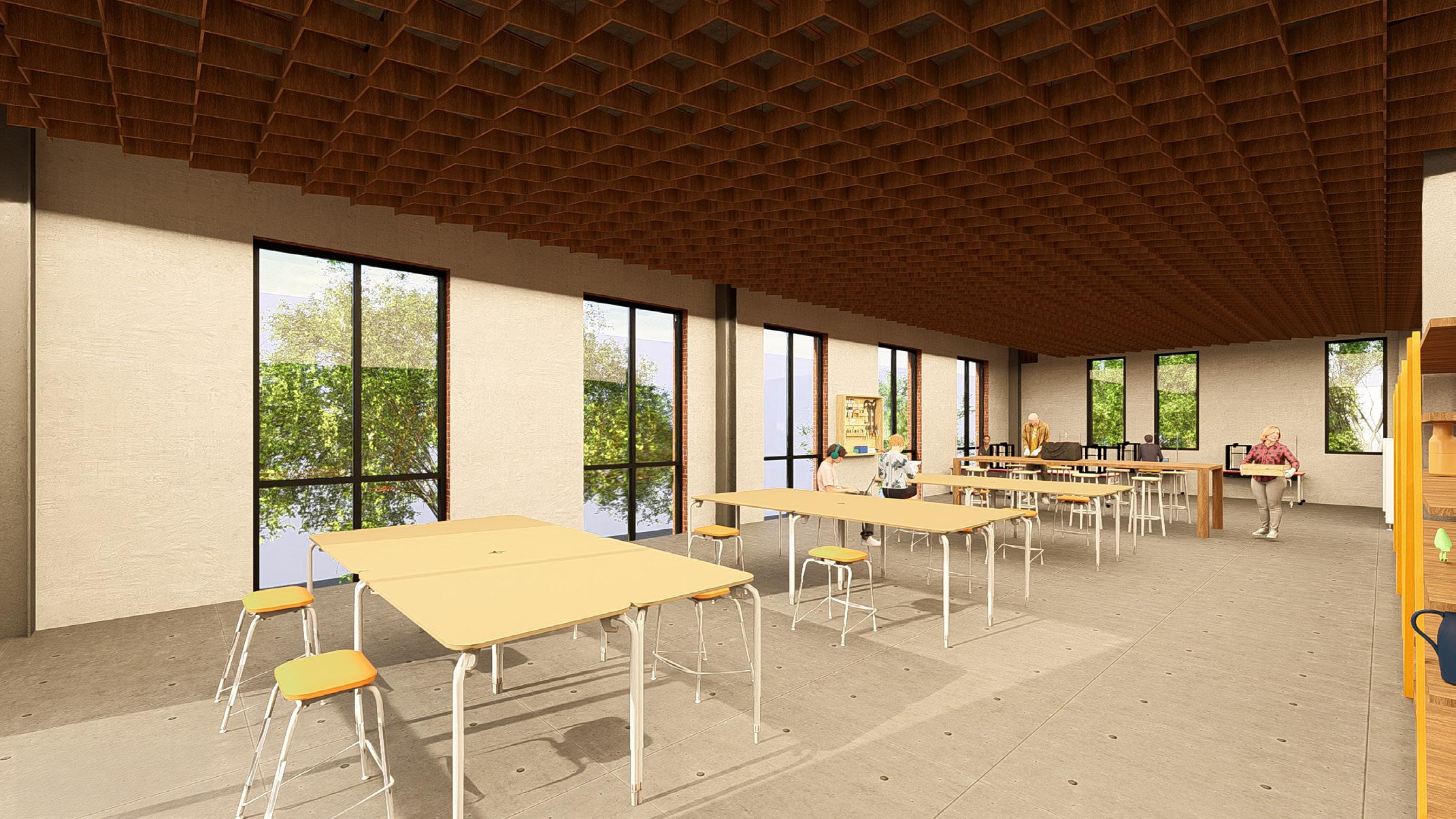
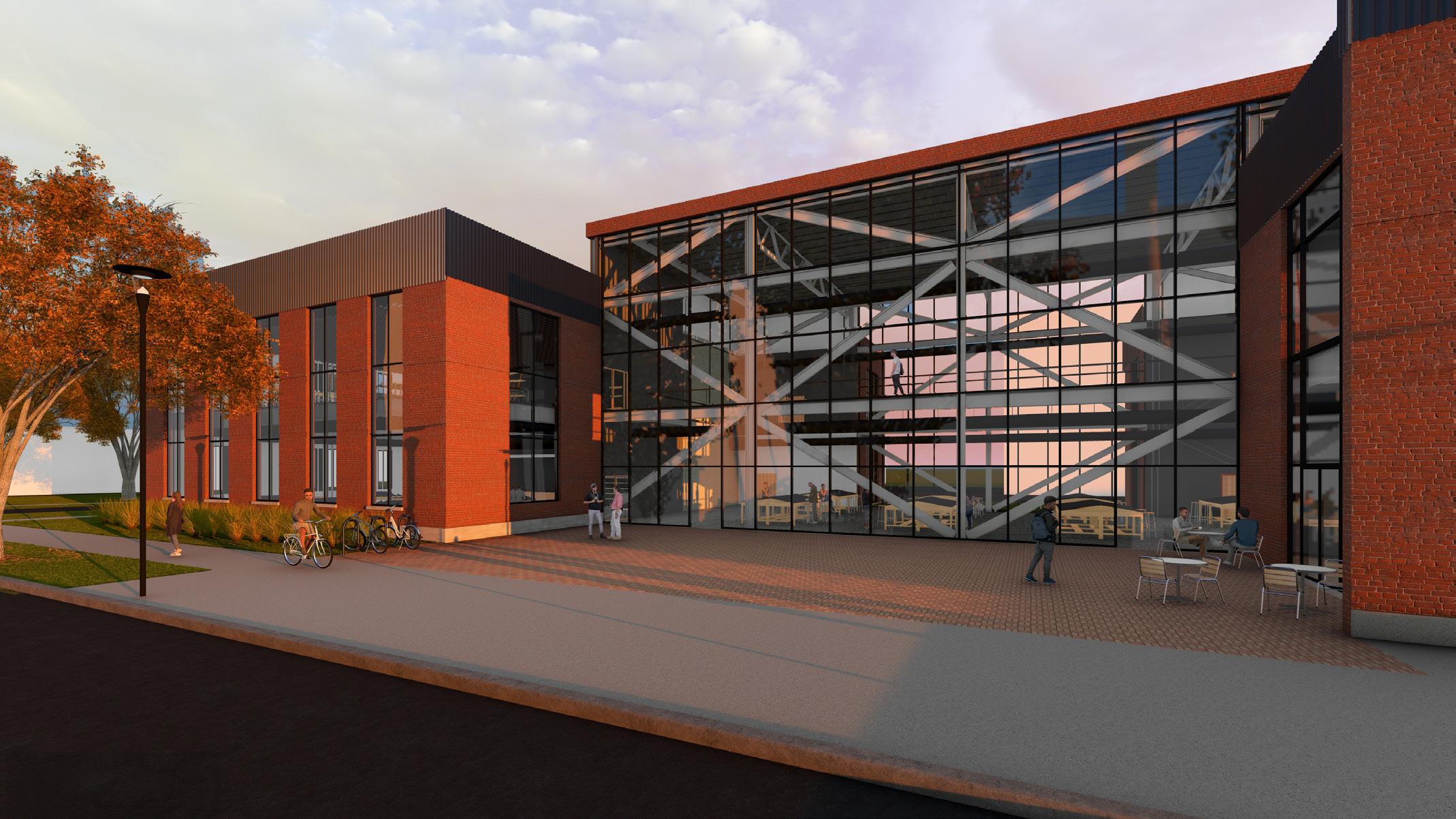
the McKnight Performing Arts Center. I worked in collaboration with Architecture students Nick Morey and Mattia Braggion, and AE student Jaylin Strub. Our team aimed to highlight craft as innovation and craft as labor. Innovation was our inspiration to push the boundaries of OSU’s traditional campus design standards, while reflecting on what it means to expand your knowledge as a student in higher education. The 25,000 SF facility includes a cafe, gallery space for exhibitions, and studios / maker spaces for creating art. We worked as a team during the Schematic Design phase and then each took a maker space to develop in DD.

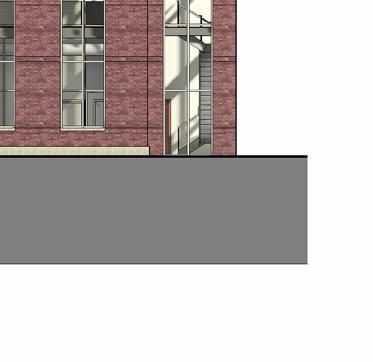
METAL CAP
MOUNTING TRACK
SCULPTFORM CLICK ON CLADDING
BOLT INTO STUD
STUD HEADER
6” STUD
PLYWOOD
WATER PROOF MEMBRANE
2.5” RIGID INSULATION
EXTERIOR SHEATHING
WATER PROOF EPDM MEMBRANE
BLOCKING
5” RIGID INSULATION
BOLTED STEEL ANGLE
1.5” GA GR 50 COMP DECK
GIRDER
MODULAR BRICK
2” AIR GAP
2.5” RIGID INSULATION
EXTERIOR SHEATHING AIR GAP
3” SPRAY FOAM INSULATION
6” STUD
5/8” GYP
DRYWALL
STEEL COLUMN
1.5” 19 GA GR 50 COMP DECK
BOLTED STEEL ANGLE
GIRDER
BOLTED PLATE
BEAM
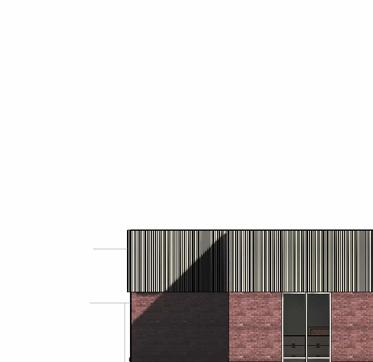
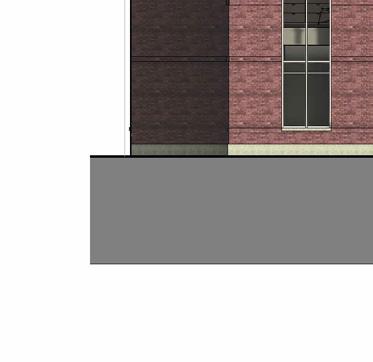
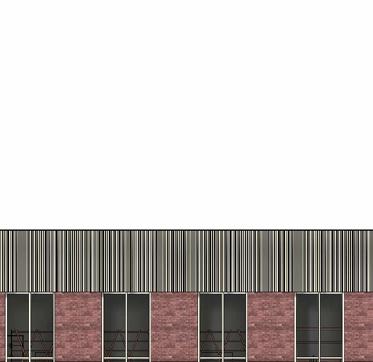
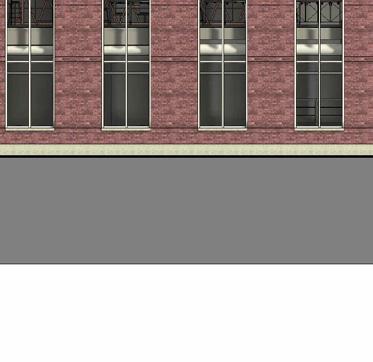
A COMPOSITION OF BRICK, METAL CLADDING, AND CURTAIN WALLS. THE WALLS CONSIST OF INSULATED METAL STUDS WITH A BRICK VENEER. METAL CLADDING CAPS THE TOPS OF THE ENVELOPE TO BREAK AWAY FROM THE TRADITIONAL OSU ARCHITECTURE AND ENCOURAGE INNOVATION.
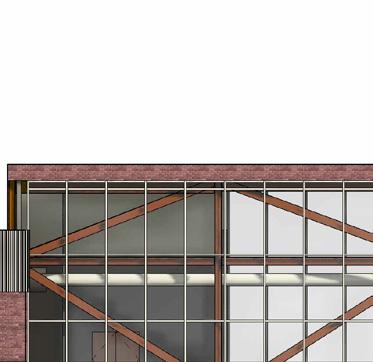
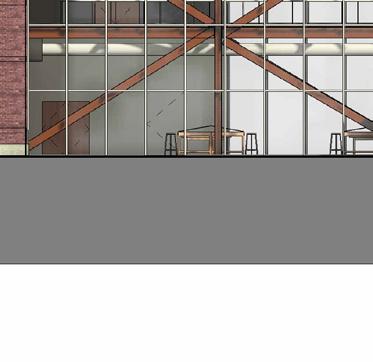
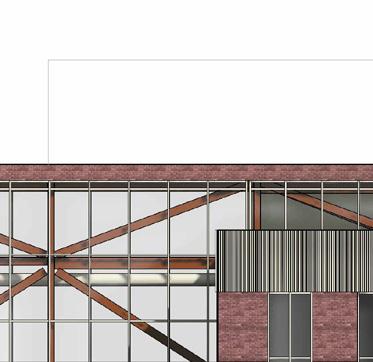
STRUCTURAL STEEL IS EXPOSED THROUGHOUT THE PROJECT TO HIGHLIGHT THE CRAFT OF THE CONSTRUCTION INDUSTRY, AND OSU-ORANGE BRACE FRAMES ARE SHOWCASED IN THE OPEN STUDIO.
HVAC
A SYSTEM COMPRISED OF TWO AIR HANDLING UNITS, SERVICED BY THE CAMPUS’ DISTRICT HEATING AND COOLING WILL KEEP THE BUILDING COMFORTABLE DURING OCCUPIED HOURS.
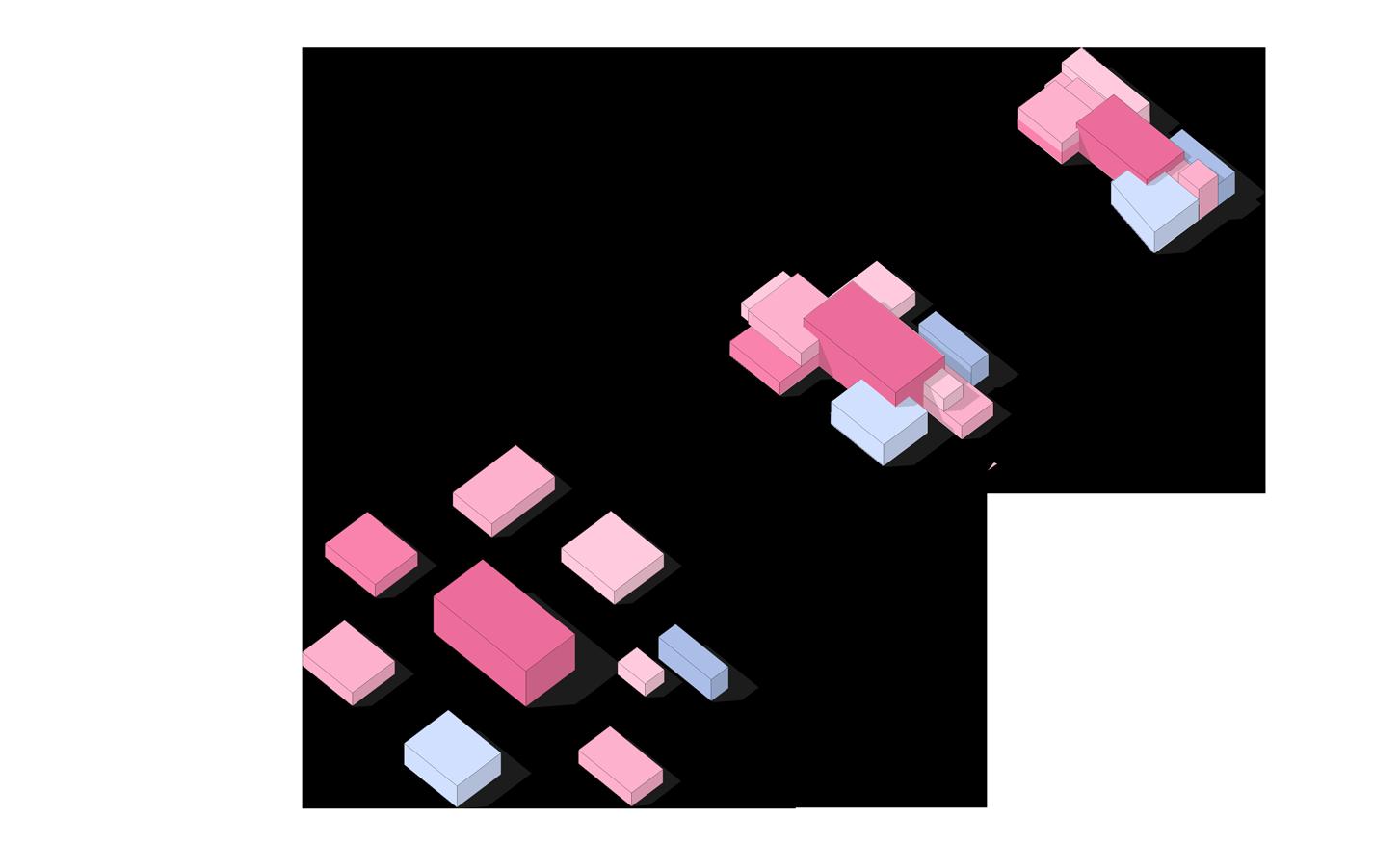
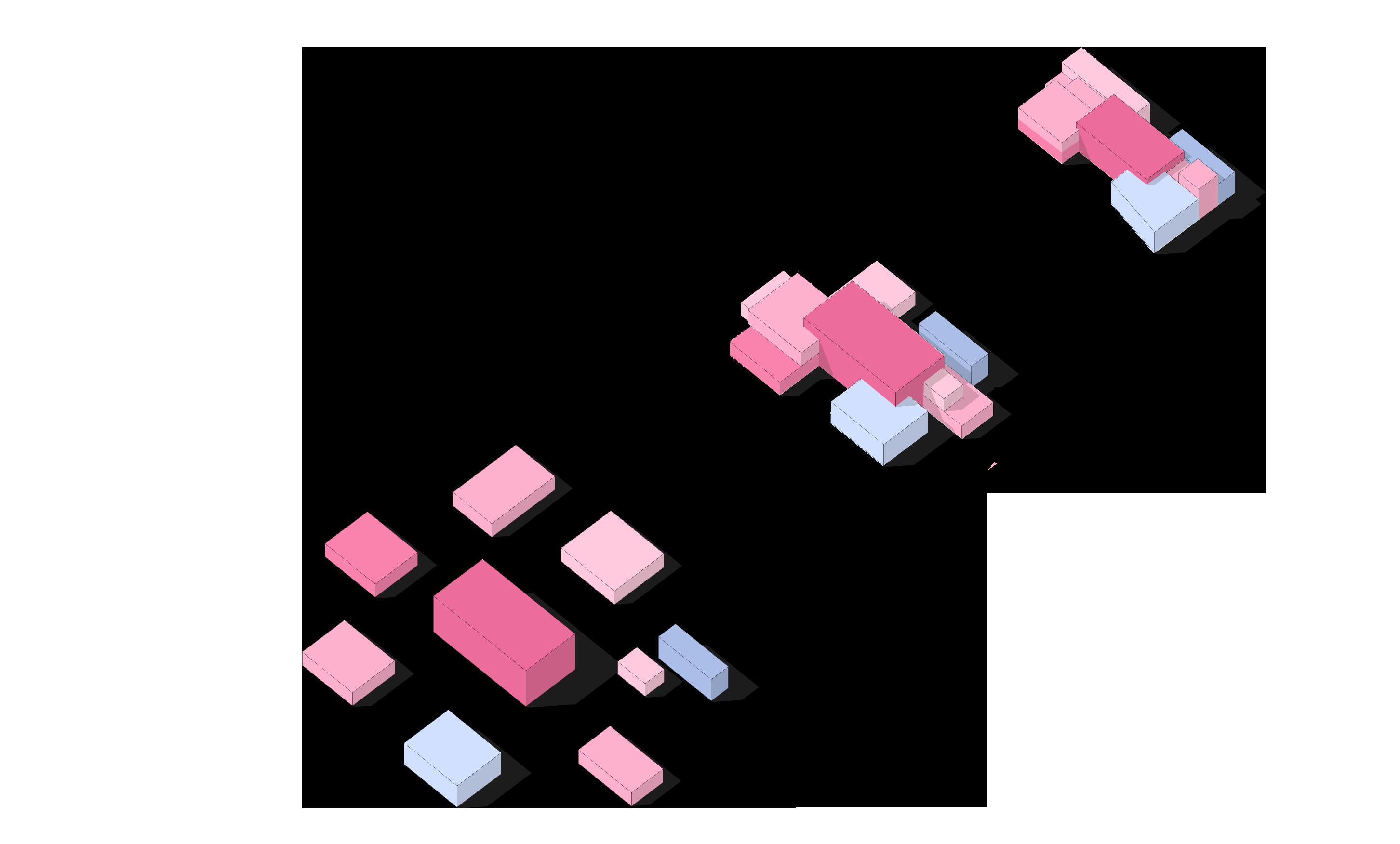
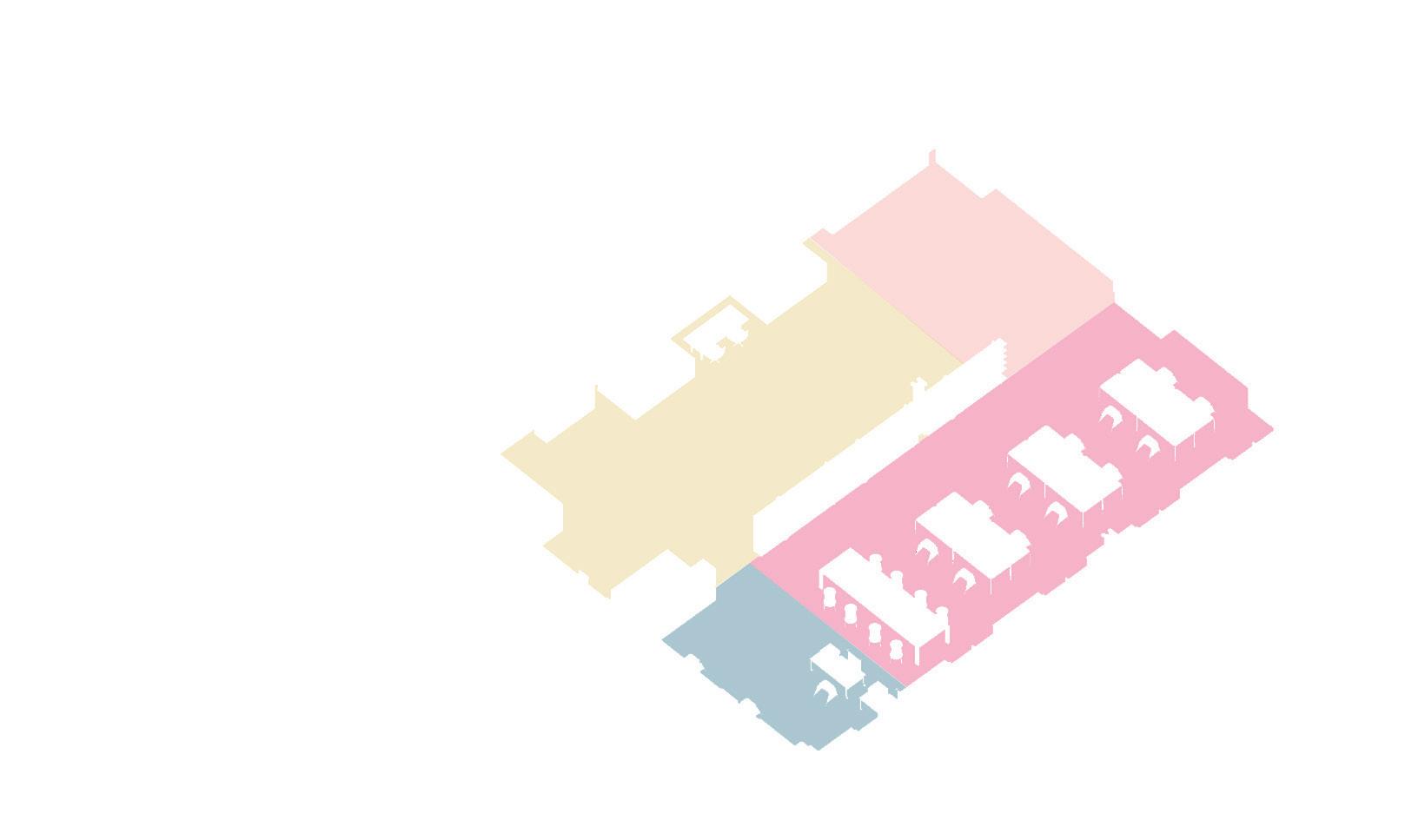
THE OPEN STUDIO SERVES AS BOTH A HIERARCHICAL AND ORGANIZATIONAL CENTER, RISING ABOVE THE SURROUNDING SPACES. CLASSROOMS, ADMIN, THE GALLERY, AND THE CAFE ARE NORTH OF THE OPEN STUDIO, FACING THE OSU CAMPUS. ALL 4 MAKER SPACES ARE SOUTH OF THE STUDIO, MAKING THEM MORE PRIVATE FOR USERS.
BUILDING SYSTEMS EXPLODED AXON
IV | FALL 2022
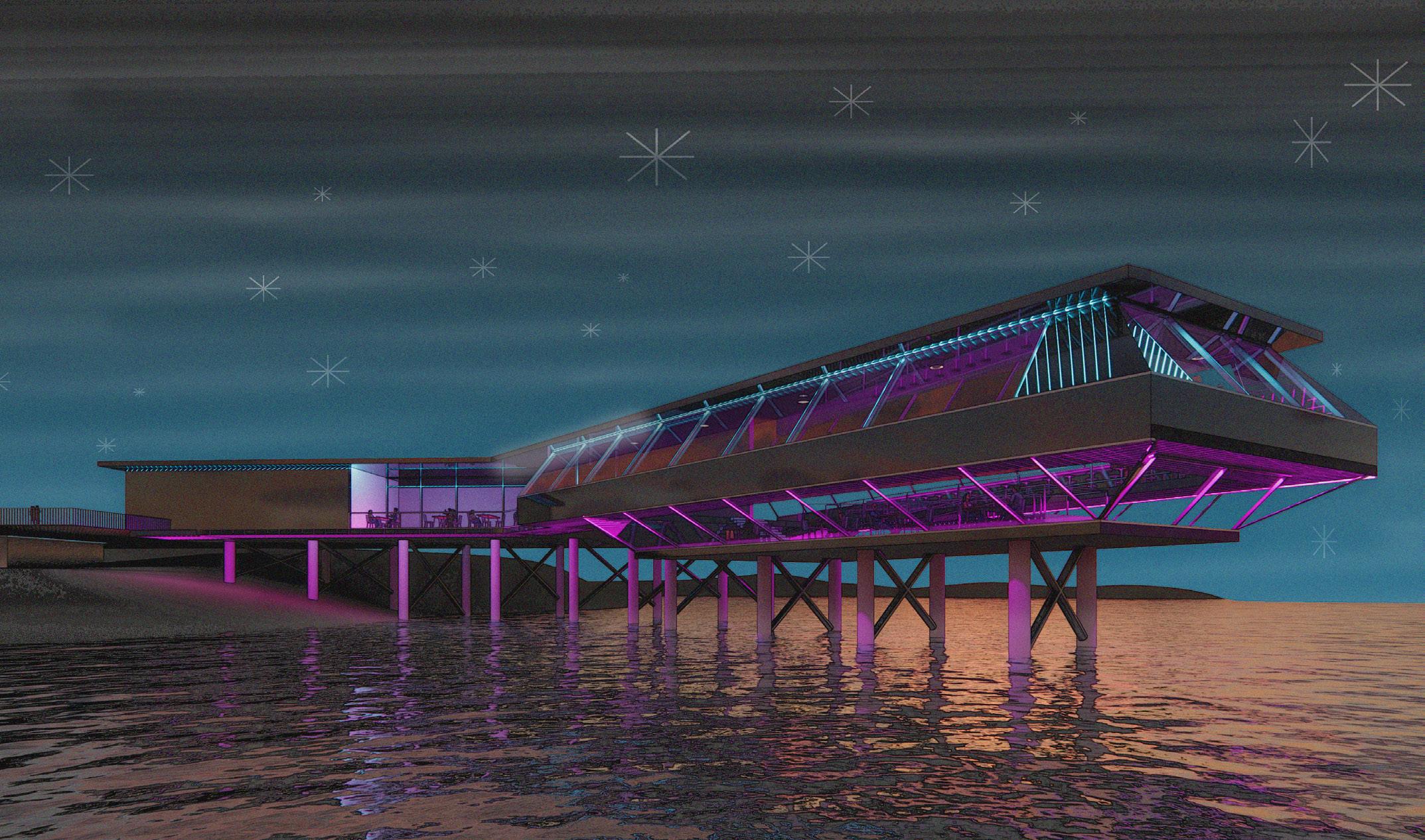
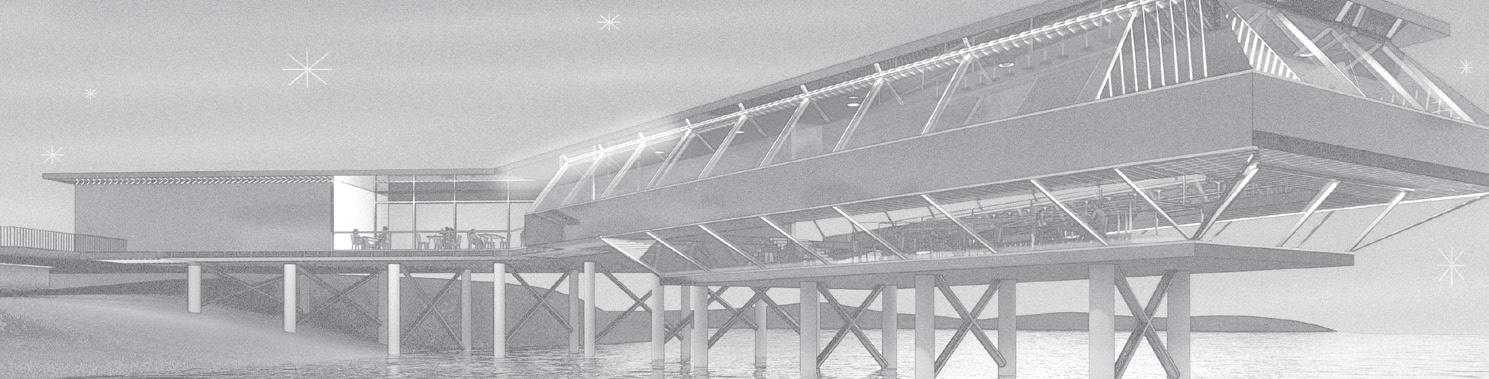
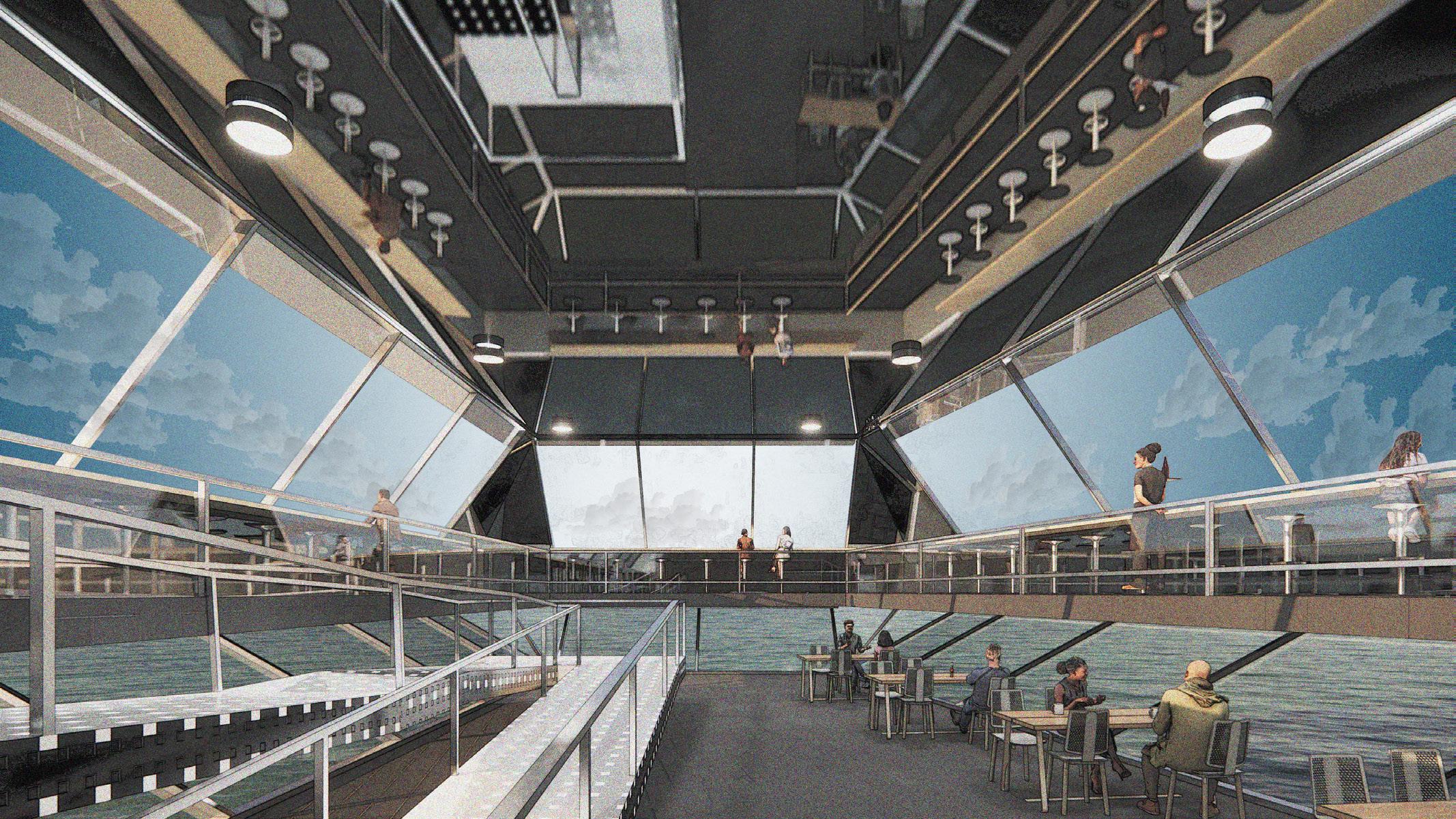
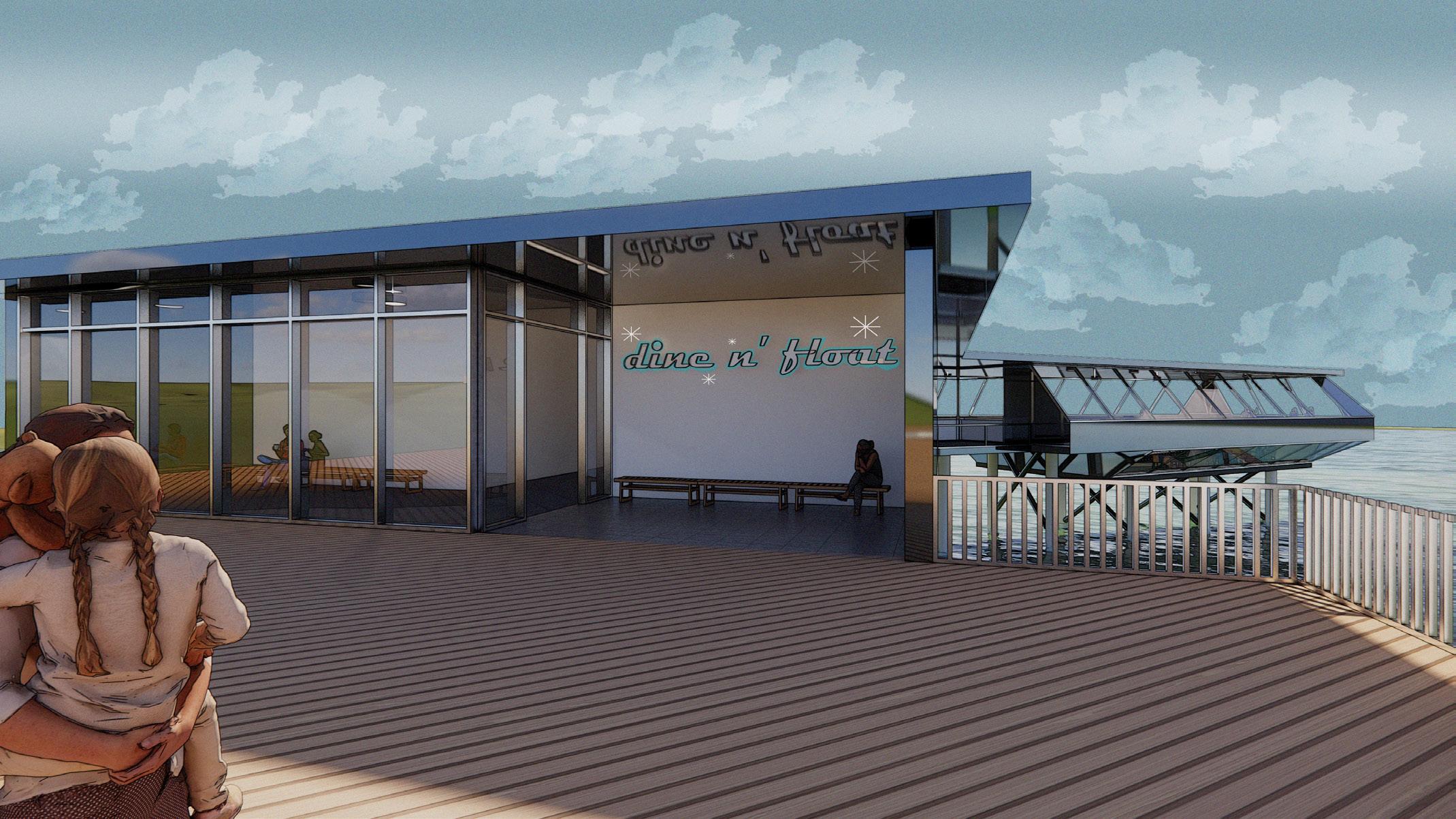
The Lakeside Diner is located right off of historic Route 66, near Lake Arcadia in Edmond, OK. As a group effort, a masterplan was developed around the lake. The program includes a diner, boat dock, museum, lodging, festival area, and parking. I developed the masterplan along with my teammates, Rylan Flecker and Hailey Schmidt. I further developed the Lakeside Diner / Boat Dock Bait shop, which is meant to be a destination for the “Mother Road, Route 66” as well as a local hangout for the residents of Edmond and Arcadia. Lake Arcadia is a recreational area just down the
road from the ever-growing city of Edmond. The lake provides an easily accessible outlet from the city life. With this project, I wanted to create a dining experience where users could forget that they are just a mile away from a busy city, a place where they could escape for a quick bite to eat. The purpose of my design is to give the guests and users the experience and feeling that they are floating. This is achieved by creating a unique form that forces ones perspective to either see the sky or the water, and is further enhanced using reflective materials.
STUDIO VI | FALL 2023
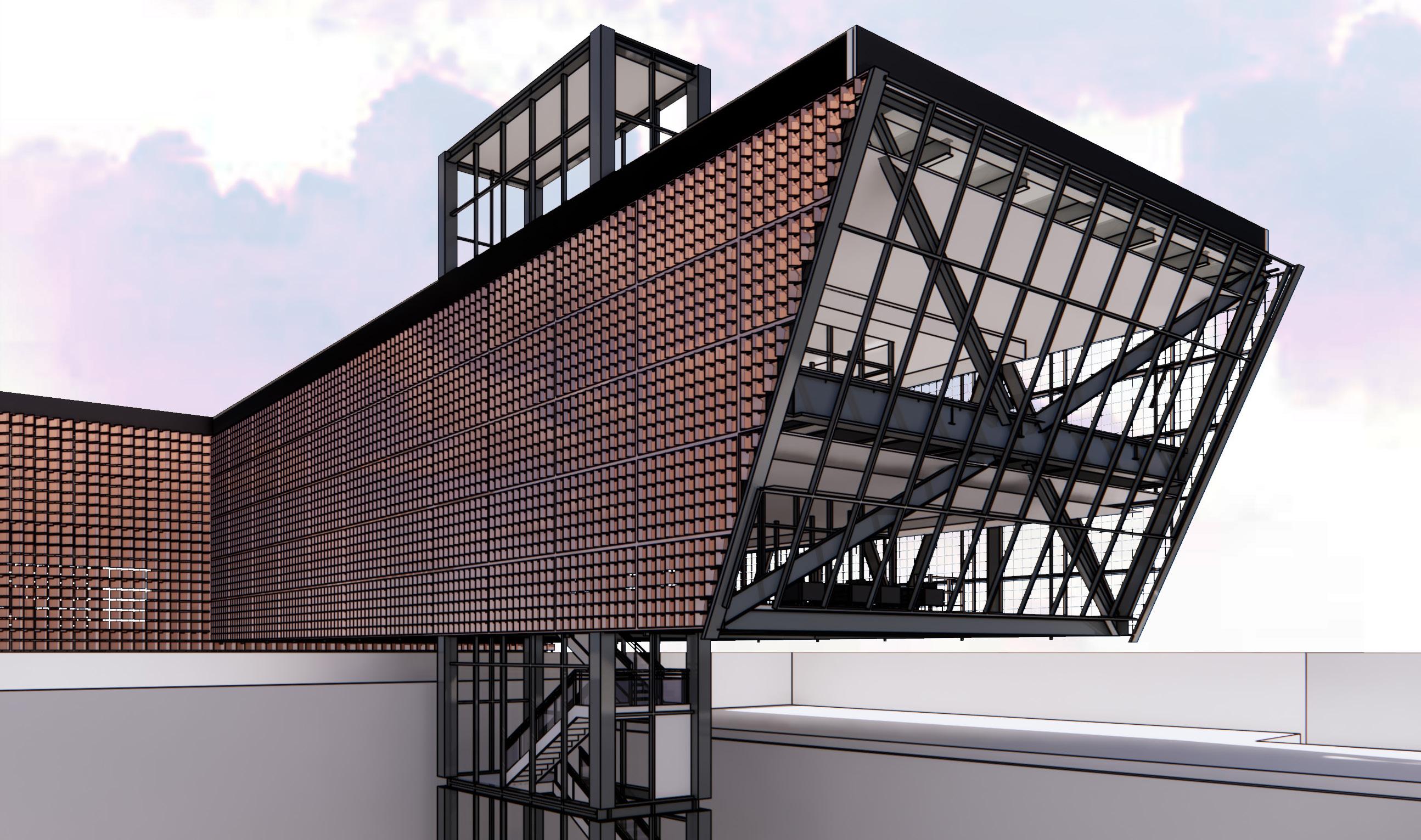
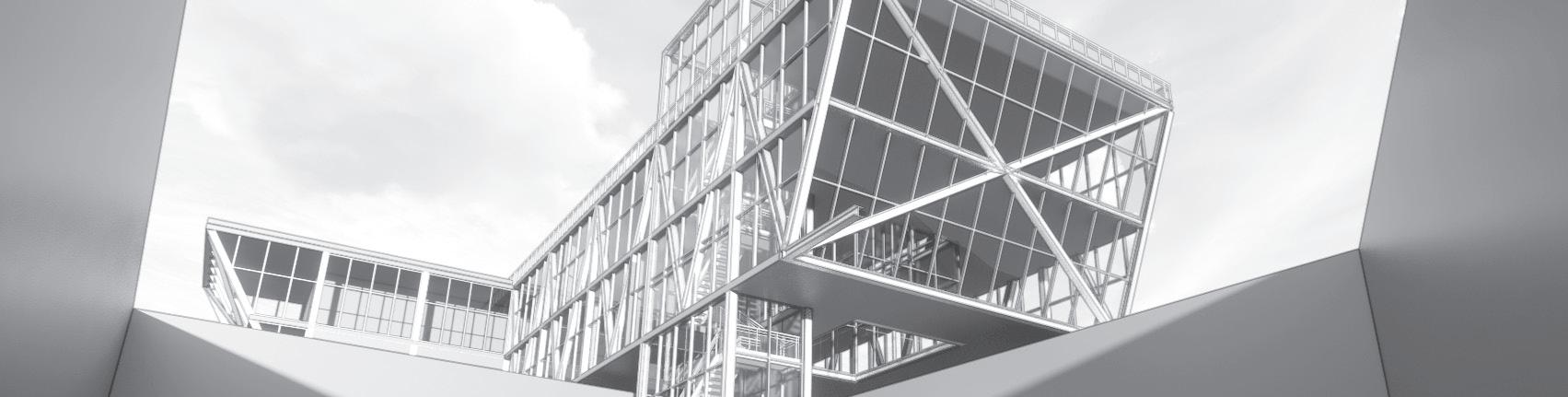
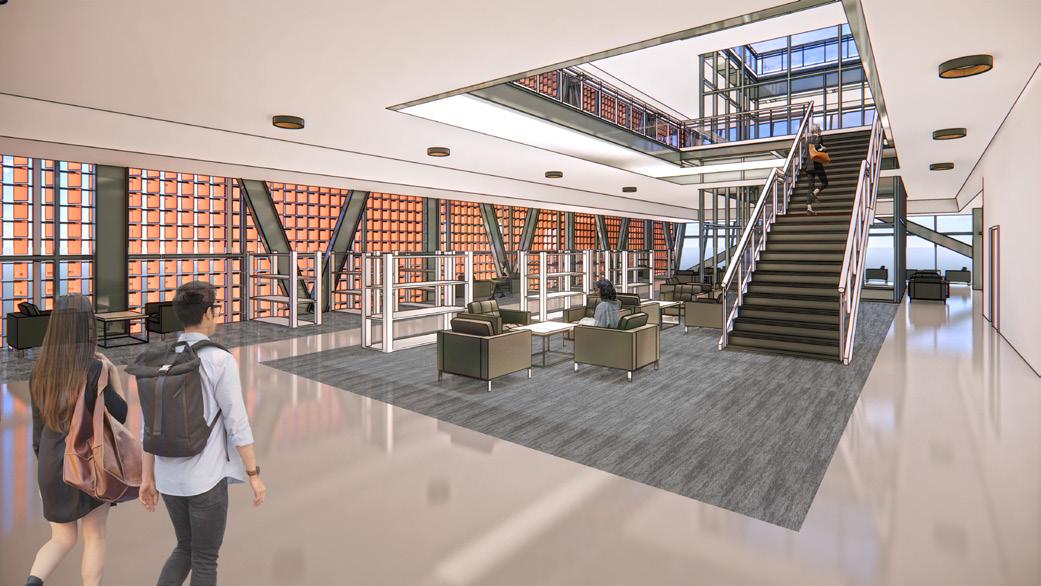
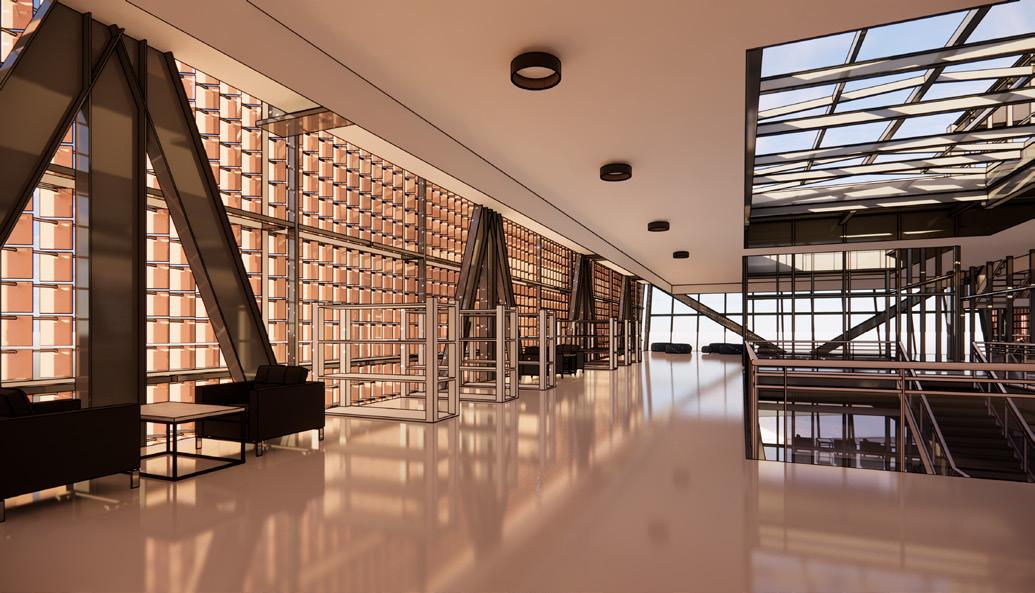
The Library of Imagination will shape the future of learning, providing users with new, interactive technology that will forever change the way we traditionally think of a library. This project is meant to break the barriers of traditional learning by providing the community with a new, interactive way of gathering information. The Library is located at Piazza di Santa Maria del Pianto, which is historically the main entrance to the Jewish ghetto in Rome, Italy. Due to the density of Rome, the site for this project is nestled between the historic church of Santa Maria and soaring high above the school of Liceo Renzo Levi. The impact of the library
will symbolize the strength and resilience that the Jewish community possessed after years of oppression and violence tearing their community apart. The library of imagination will become a place for feeling memory and celebrating the ever-living traditions and culture of the Jewish community. It will serve the local community as a place for learning and finding information as well as an urban, public space, with no functional constraints. The facade of our design is inspired by the copper stumbling stones found throughout the city, which denote the names of those who were taken from their home during the holocaust.
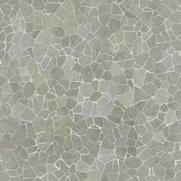
Location of stumbling stones
Historic Jewish Ghetto Church of Santa Maria Del Pianto Liceo Renzo Levi School
SPACES:
1. CAFE
2. RESTROOMS
3. RESTAURANT
4. TEACHING KITCHEN
5. MULTIFUNCTIONAL ROOM
6. AI LEARNING ROOMS
7. DISCOVERY LAB
8. VR GAMING ROOMS
9. CREATIVE WORKSHOP
10. 3D PRINTING LAB
11. MUSIC STUDIO
12. ADMINISTRATION
13. GROUP STUDY
14. COLLECTIONS
15. MECHANICAL ROOMS
16. STUDY ROOMS
17. READING SPACE
18. CHILDRENS SPACE
19. SENSORY GARDEN
20. AUDITORIUM
21. STAGE
GRAVEL
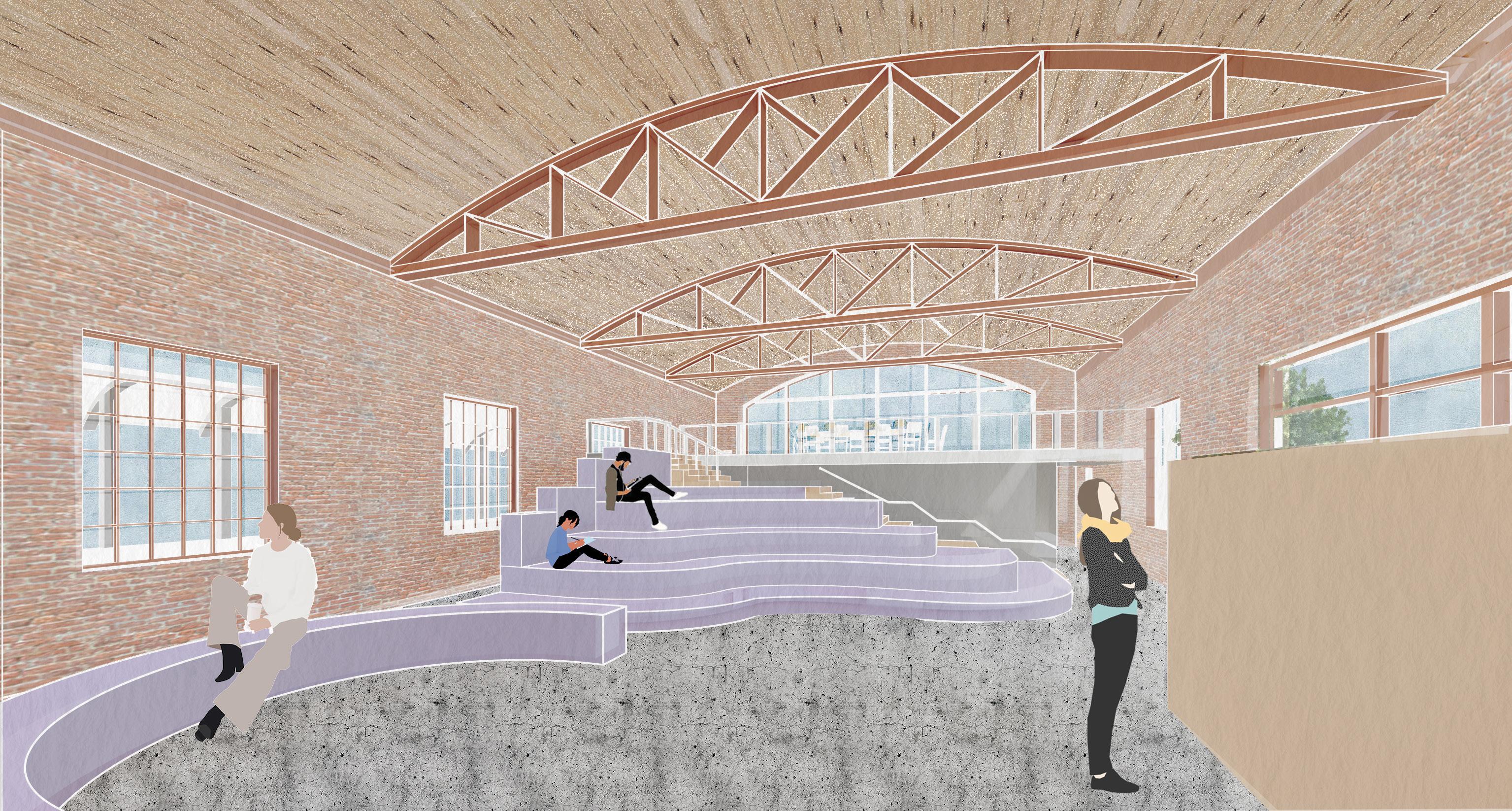
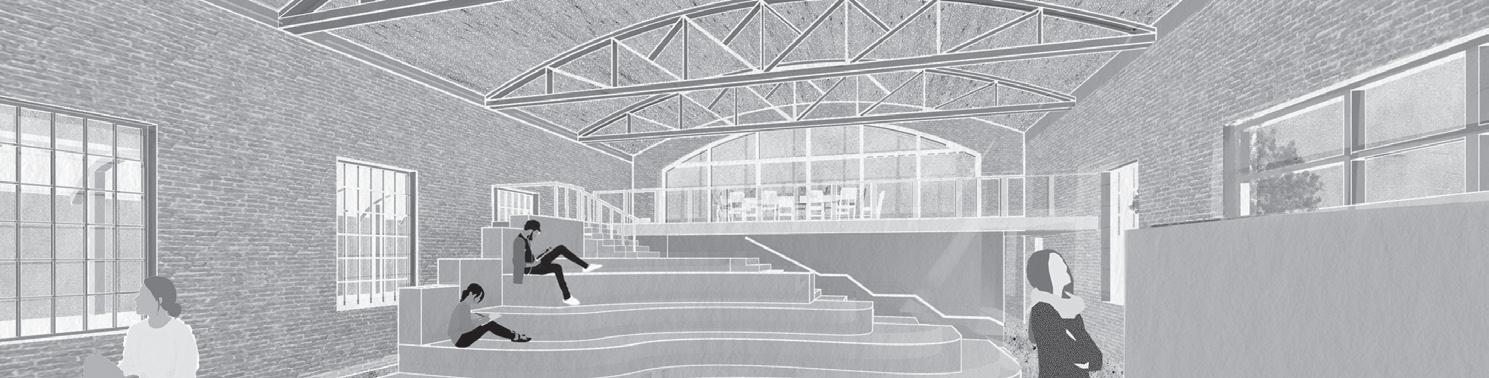
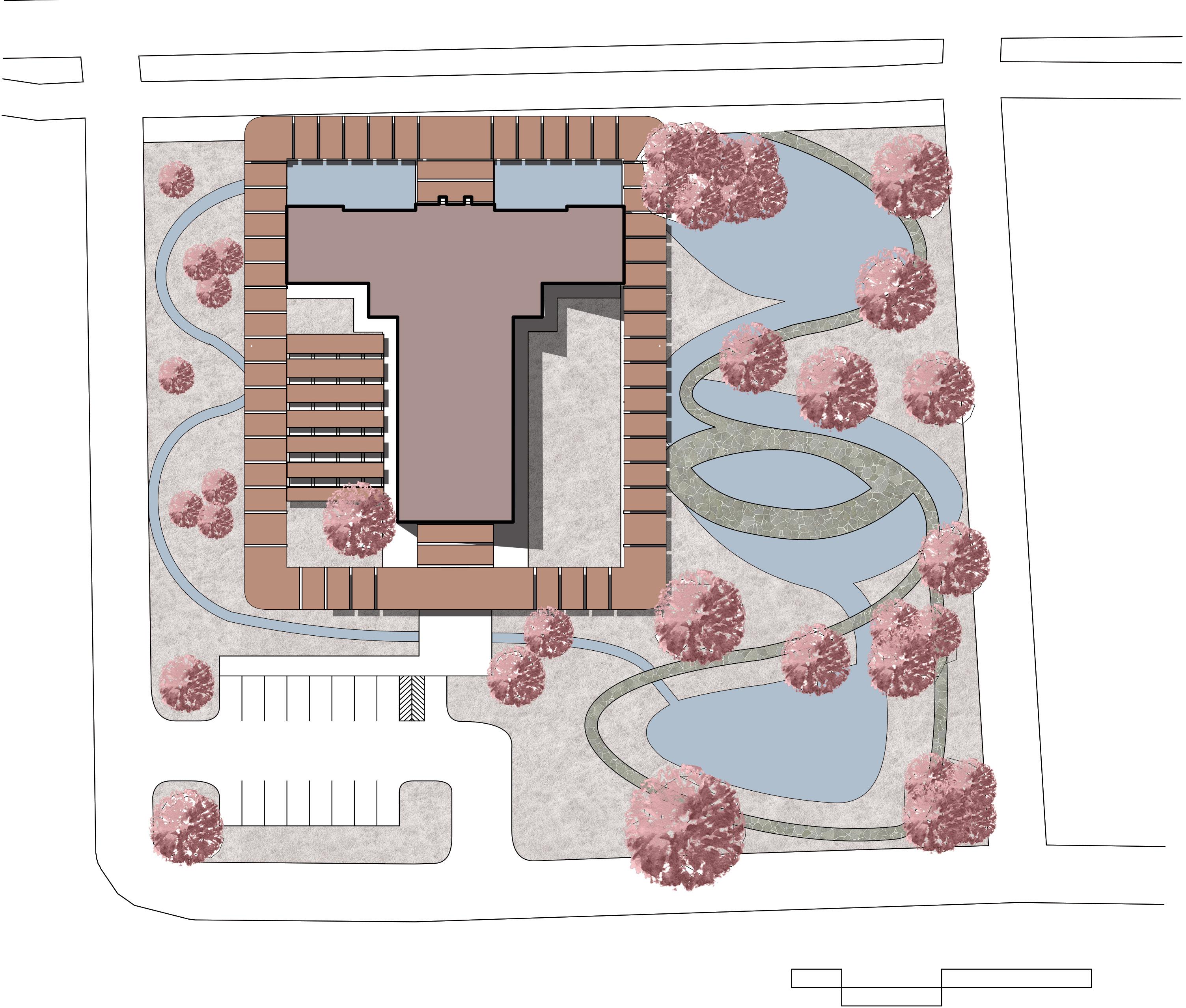
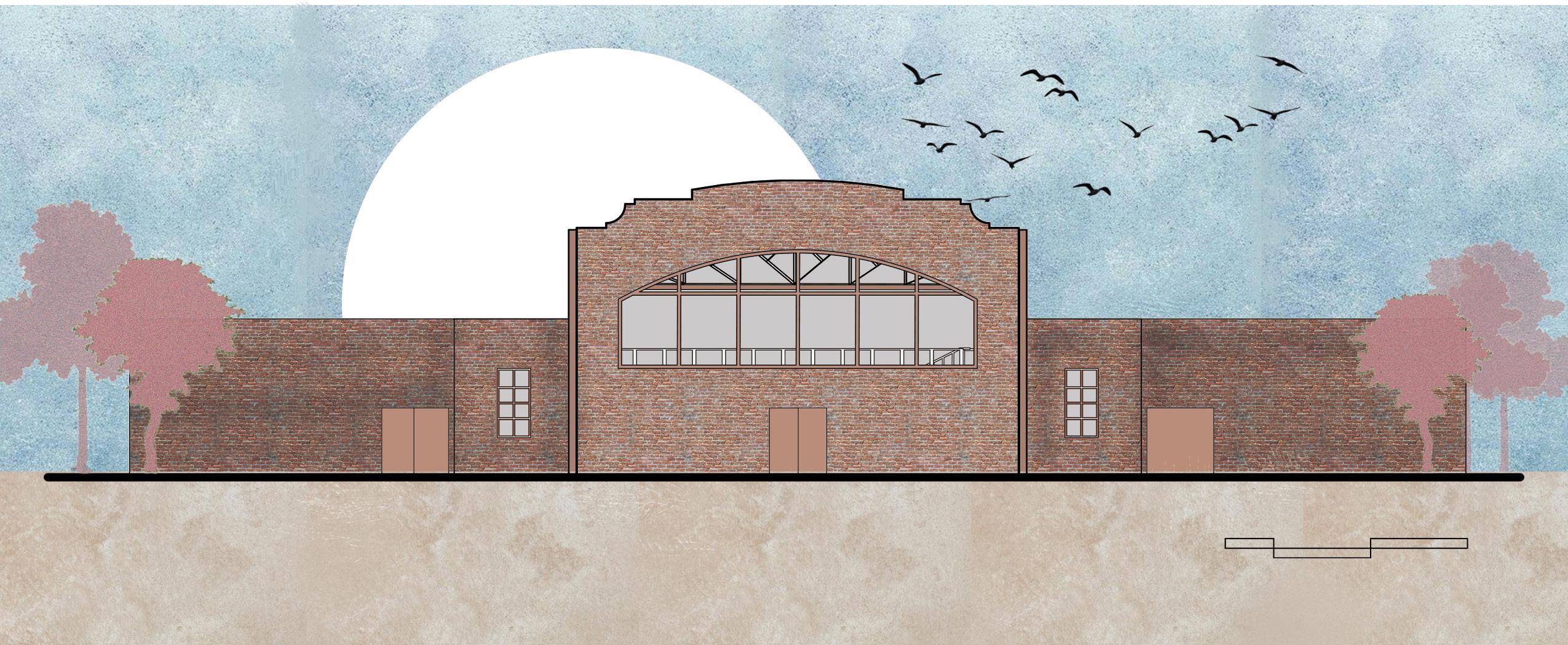
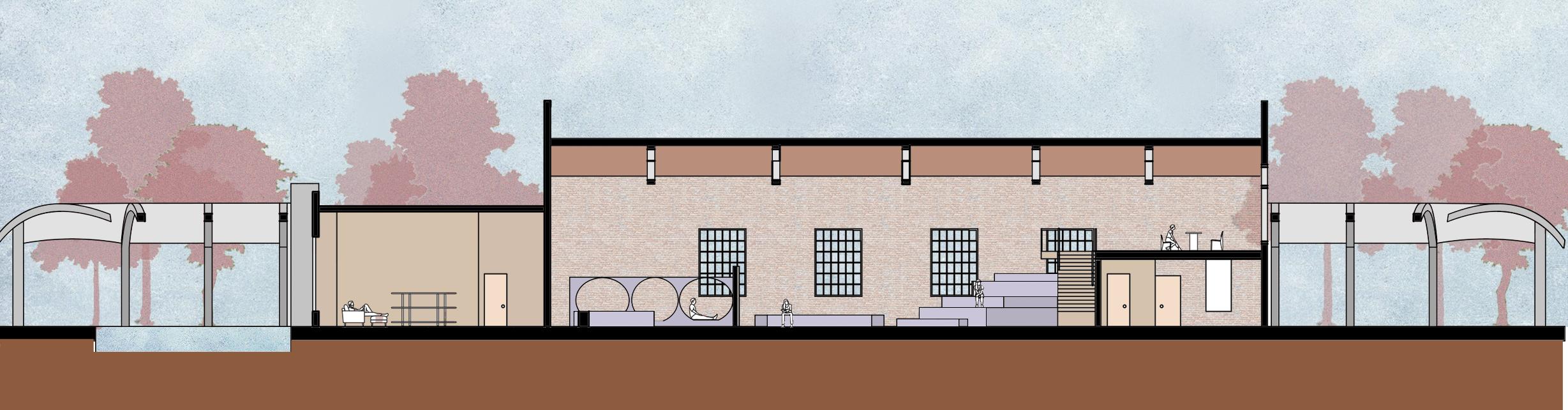
Formerly known as Booker T. Washington School, this historic building was constructed in 1907 and was home to the first all black school in Stillwater, OK. The site is located within a flood plane, forcing vacancy due to this issue. In an effort to preserve the historical, vacant building, a design school for Stillwater’s high school students will be built. The new school will serve students as a space for collaboration and creativity. The design will preserve the brick structure and timber vaulted ceilings. The design of the school will utilize free forms and bright colors, encouraging exploration and creativity. The transformation will elongate
existing openings, allowing more light to encapsulate its occupants. In order to combat potential flooding, the site will be carved into, creating a retention pond with streams that surround the building. A stroll path is placed around the site, utilizing organic forms and creating pathways around the streams of water. The trail acts as a place for reconciliation as well as a place for users to enjoy nature. Sustainability will be met by incorporating native plants, collecting rainwater through the retention pond, and placing solar panels on the new covered outdoor structure.
IV | FALL 2022
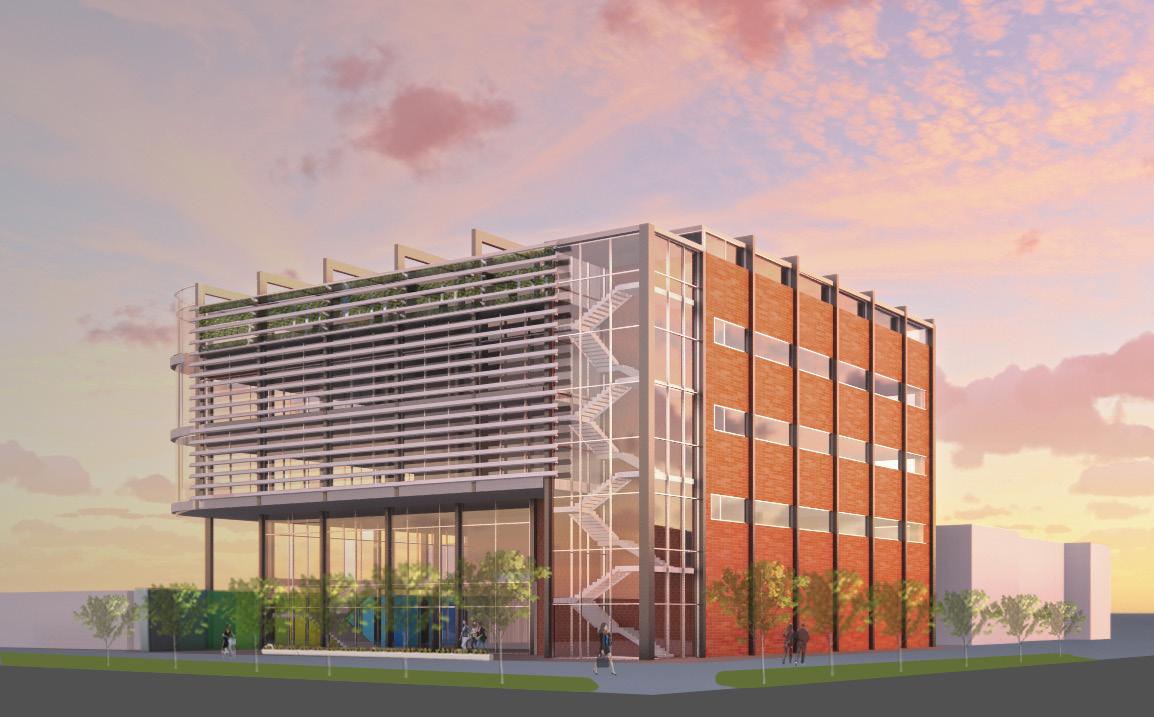
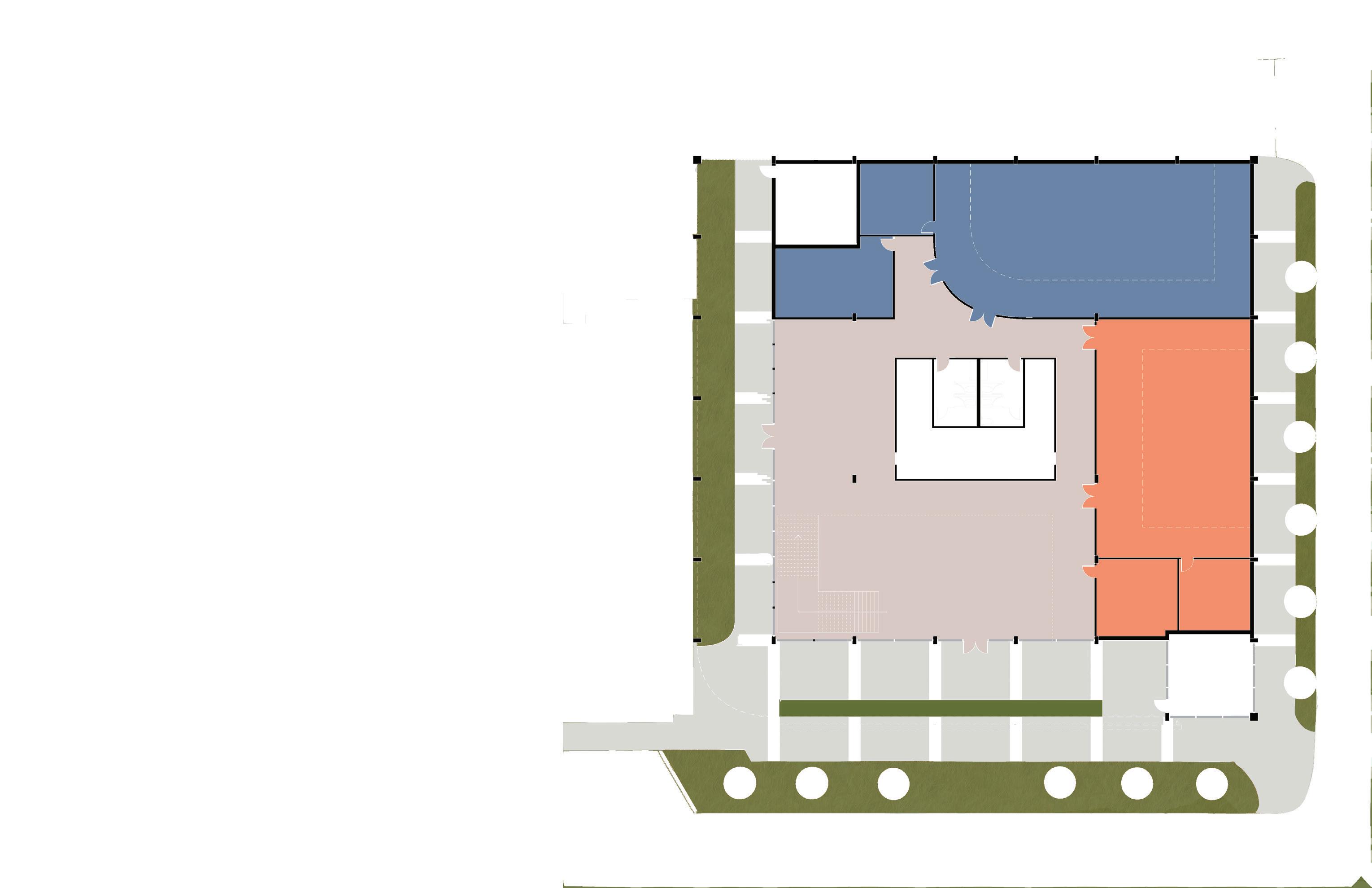
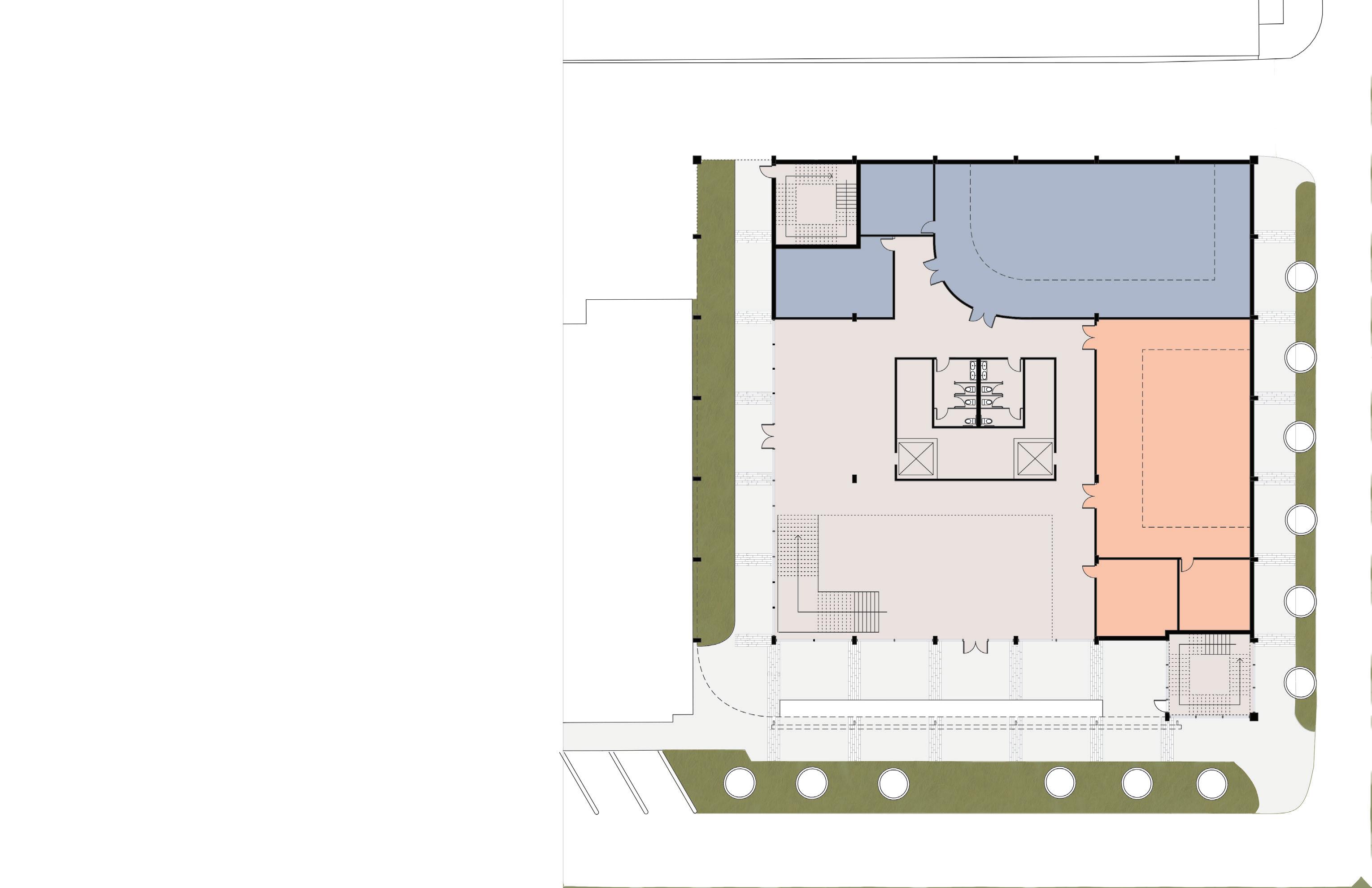
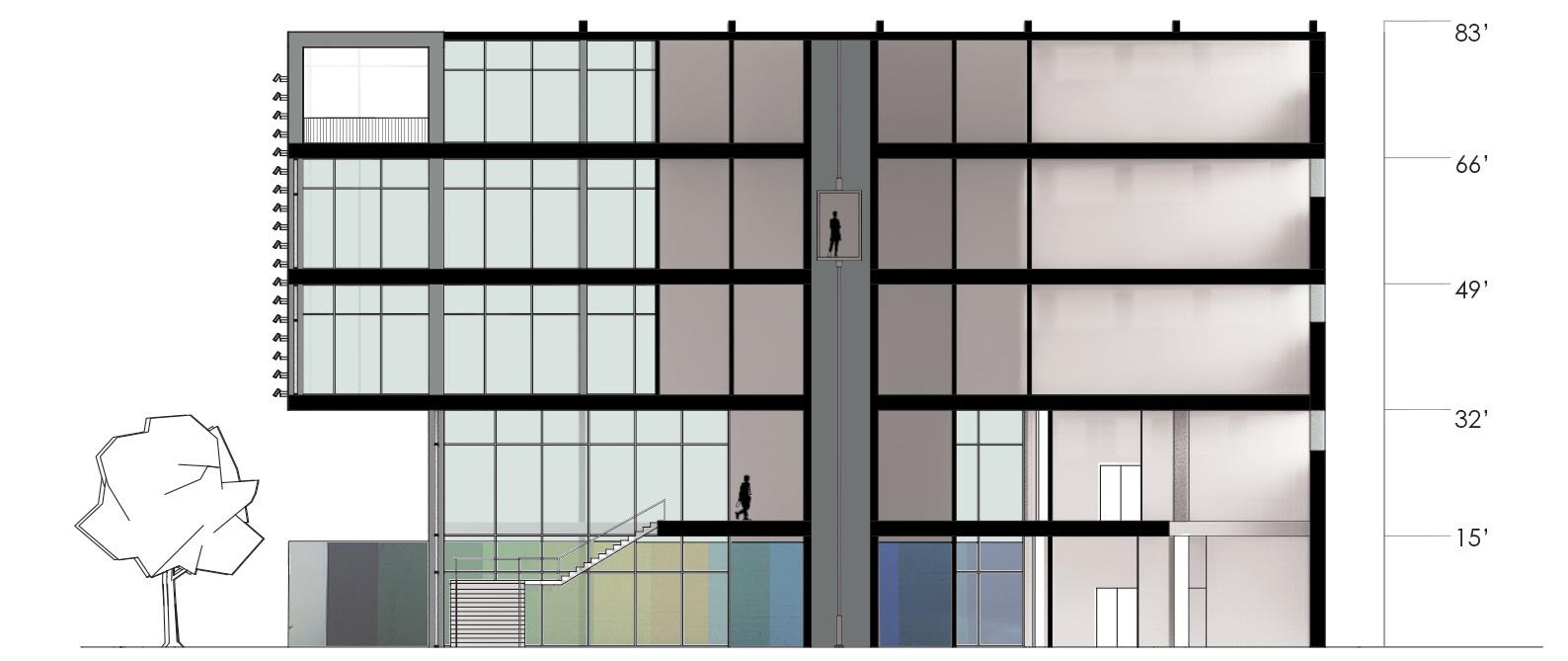
The city of Edmond has experienced significant growth in the past few decades. The city leaders that are making decisions on how to manage this growth are consolidating their various offices under one roof. The new city hall contains office space for 4 different departments, each requiring different levels of privacy. The project site is located on a corner in downtown Edmond. The downtown area is known for its artistic community, and it is very apparent through the murals that line the streets. Because the City departments have only known separation from one another, the design goal of the new city hall
is to provide spaces for connection. Users will experience “moments” in the building where they feel a sense of connection to the community, nature, and the surrounding downtown area. The design connects to its surrounding context by utilizing red brick and keeping visual connectivity to the mural adjacent to the site. The exposed structure symbolizes growth for the city, giving the new building a modern touch. The design strives to give natural light to its occupants, while utilizing louvers to combat heat gain. The form is carved out to provide green spaces to occupant as well as the public.
ZONE FIRESTAIRS
SUBTRACT OUTDOOR SPACE
CHAMBERS
COUNCIL CHAMBERS
3RD
OPEN TO BELOW OPEN TO BELOW
CITY COUNCIL CHAMBERS
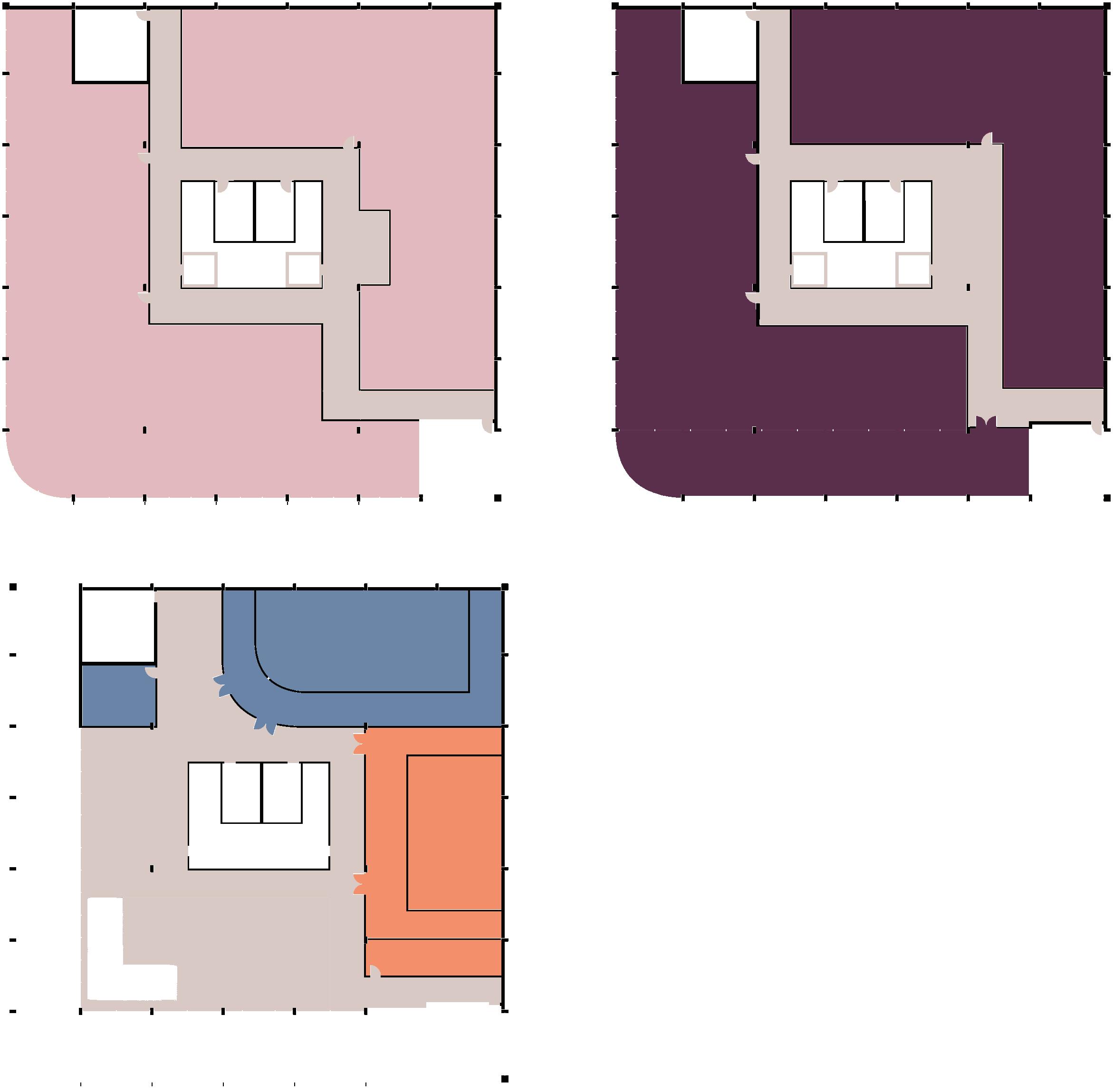
5TH
OPEN TO BELOW
2ND
CITY MANGAR, CLERK, ATTORNEY, & PUBLIC INFO OFFICE
CITY PLANNING & ENGINEERING DEPARTMENT
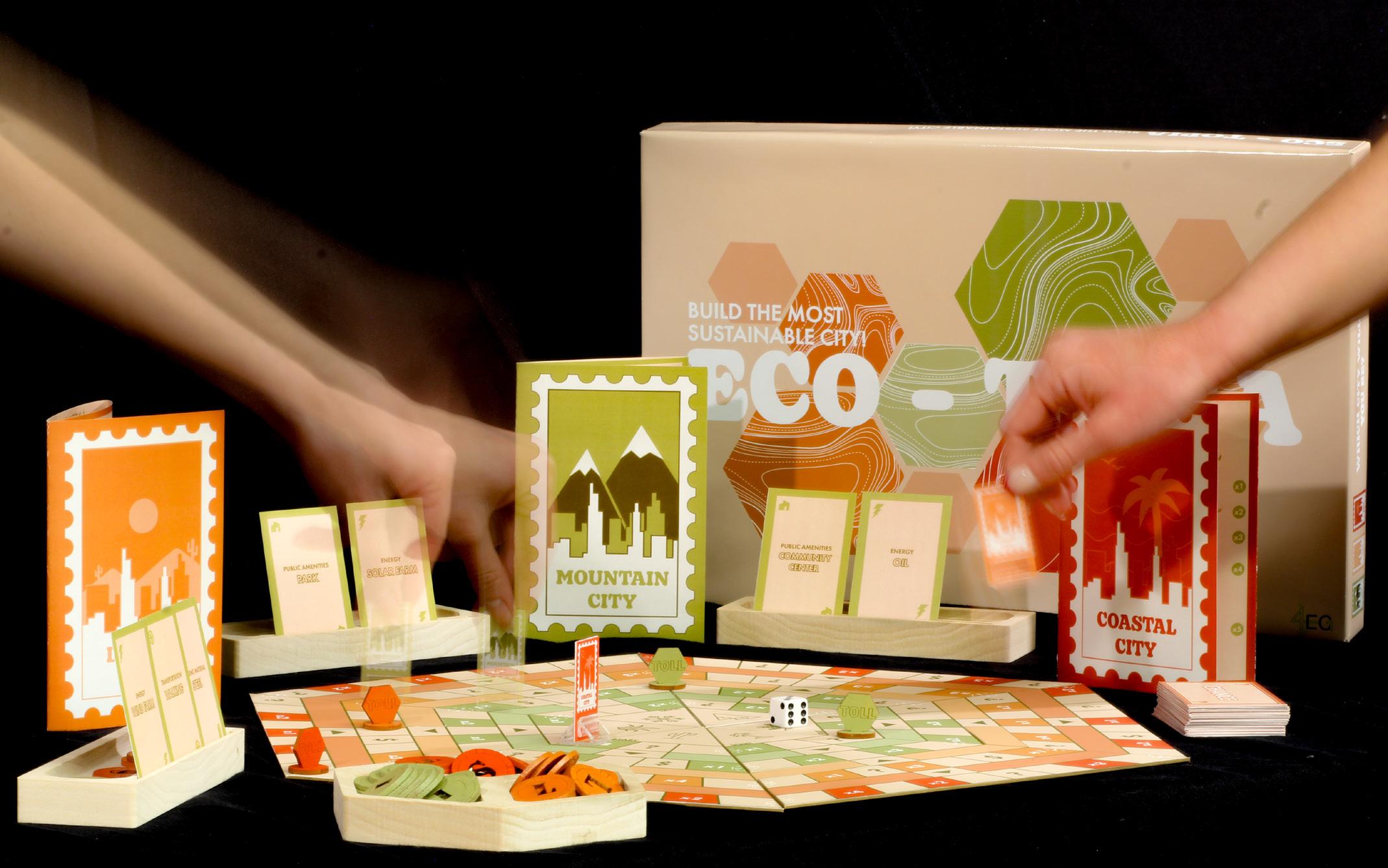
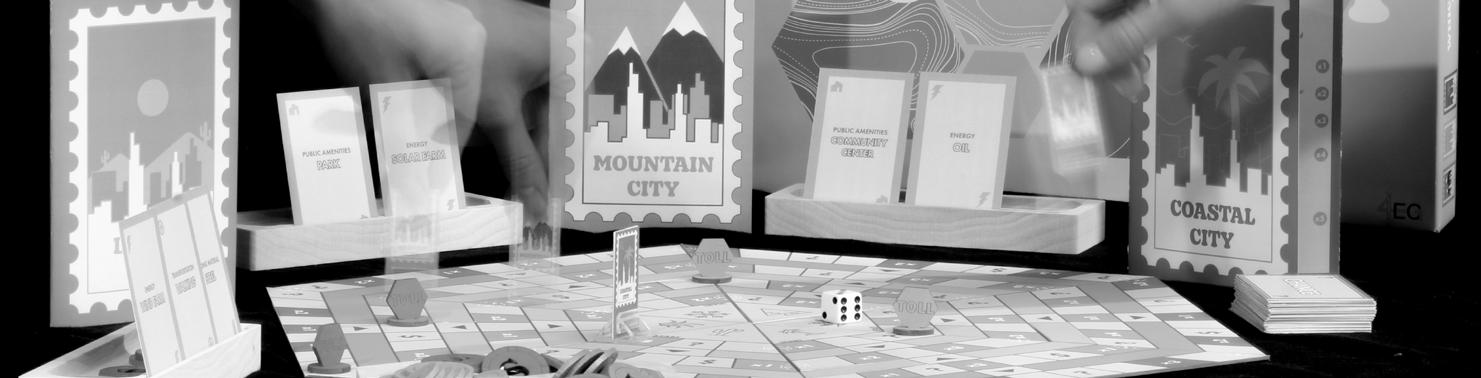
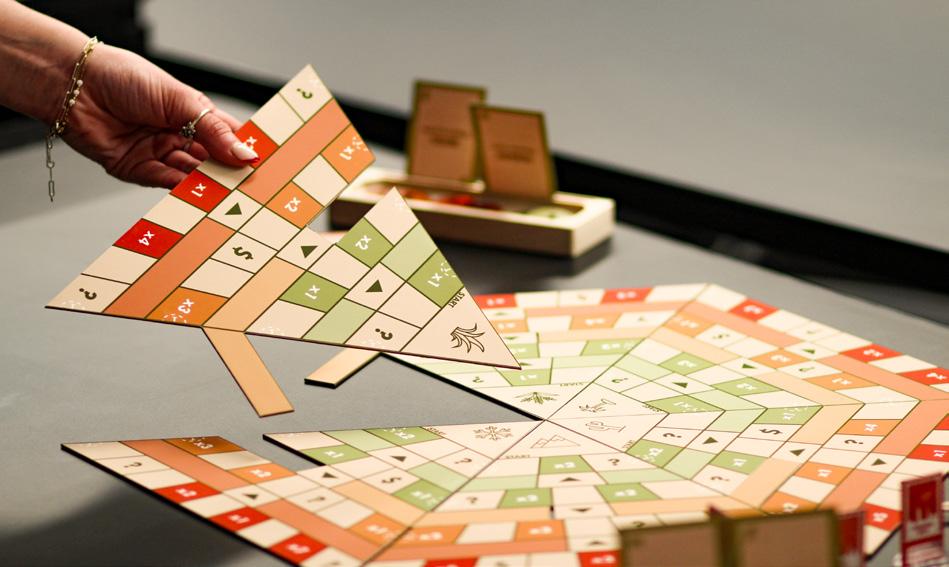
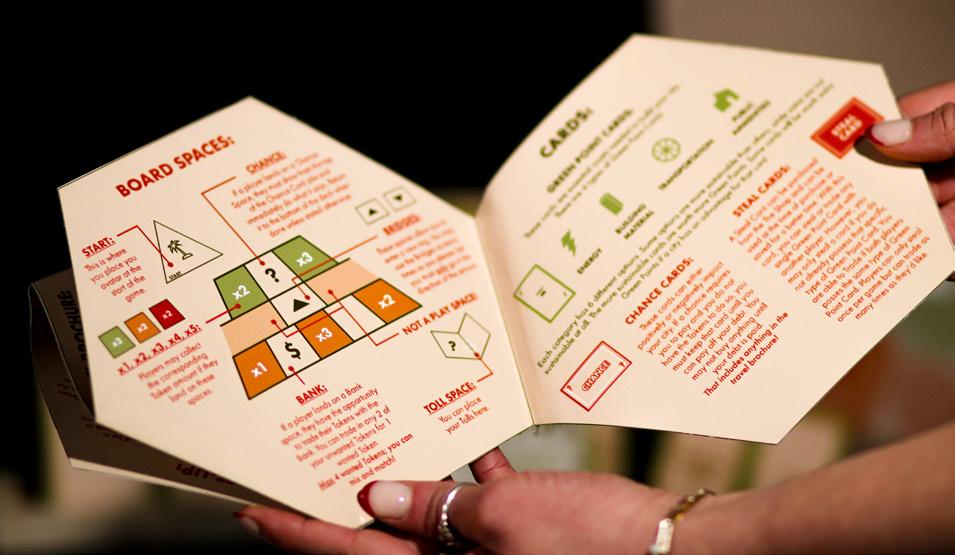
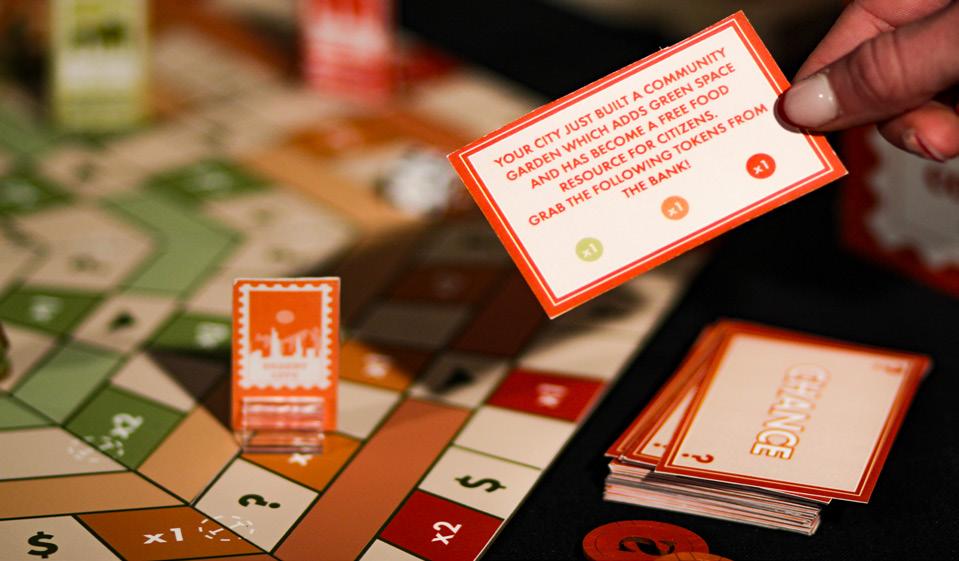
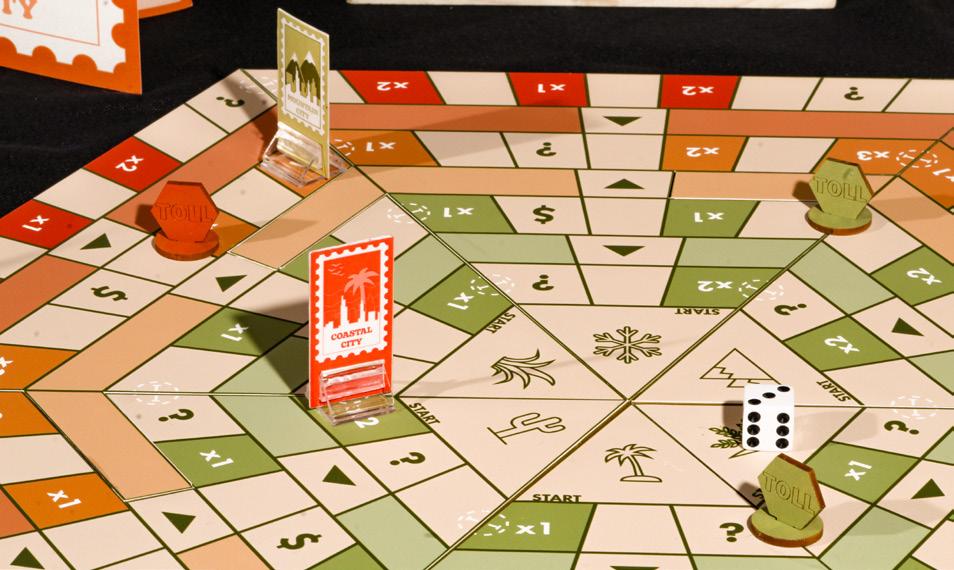
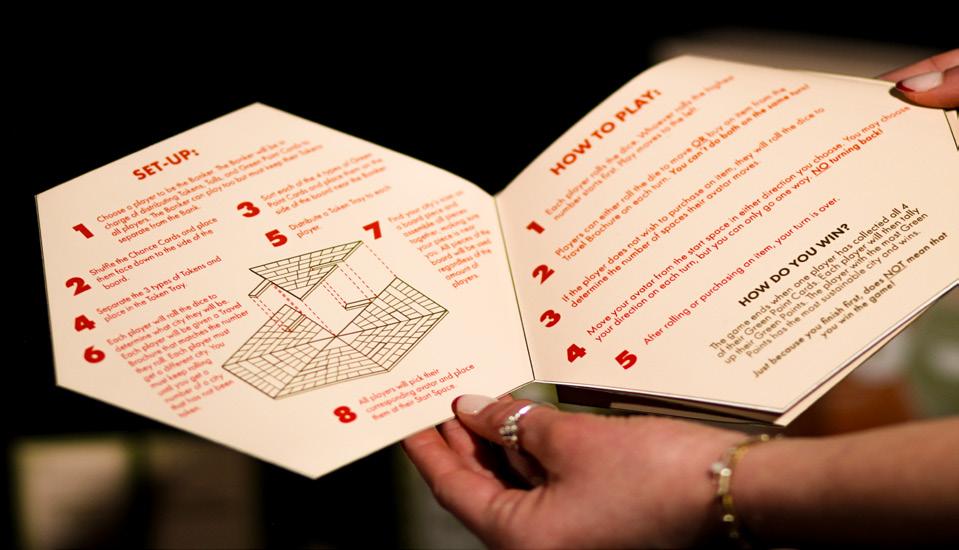
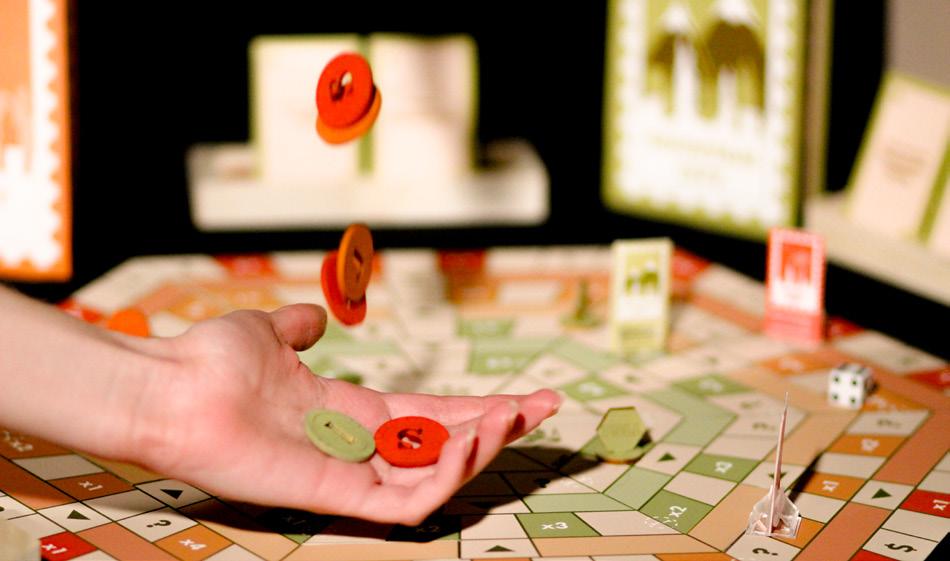
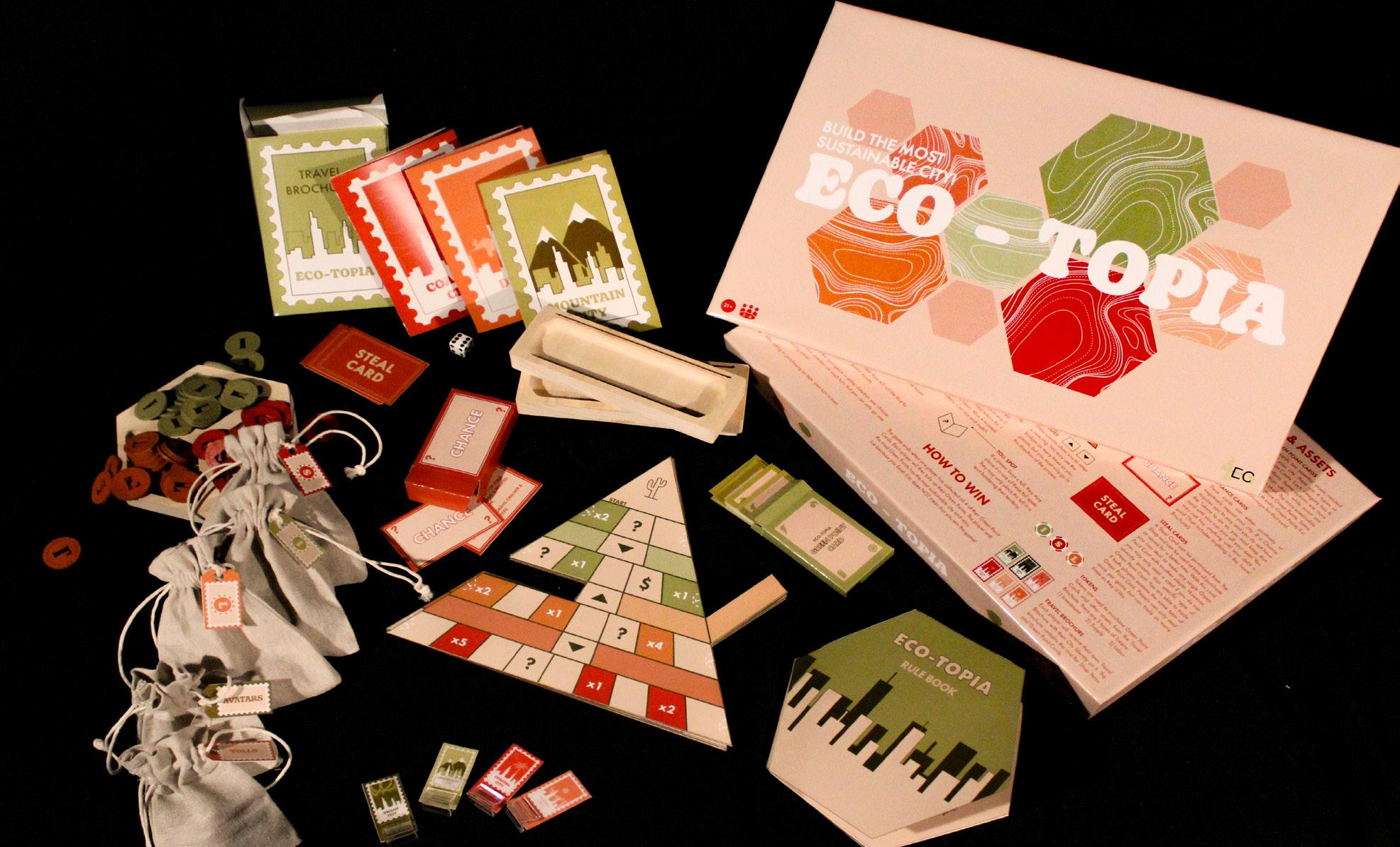
As a means to understand and explore urban issues, our team 4EverGreen (Christina Chahalis, Jaidyn Hess, & Amber Johnson) was tasked to creatively and radically redesign the game Monopoly. Our team conducted extensive research about issues that plague urban cities. Many cities in the U.S. lack a higher quality of living for their citizens due to poorly coordinated infrastructure. Neglected public transportation, a lack of community amenities, harmful energy resources, and inefficient use of building materials are all large contributing factors. Understandably, these problems are difficult to isolate as they affect each other, and cities have limited funds to solve them. Cities are also disproportionately affected by different issues, each requiring their own unique
solution. The complex economic nature of cities finding unique solutions for unique problems has inspired the core theme of Eco-Topia. People need to be educated about this type of problem-solving while practicing it themselves in a fun, relaxed environment. Eco-Topia invites players to work through these issues at a smaller scale and in a competitive environment. Players race against each other to create a city with the highest quality of living under the pressure of unique, limited resources and money. Each player represents a city in a different environment. Each city’s environment presents its own challenges and advantages, but all have an equal opportunity to win.
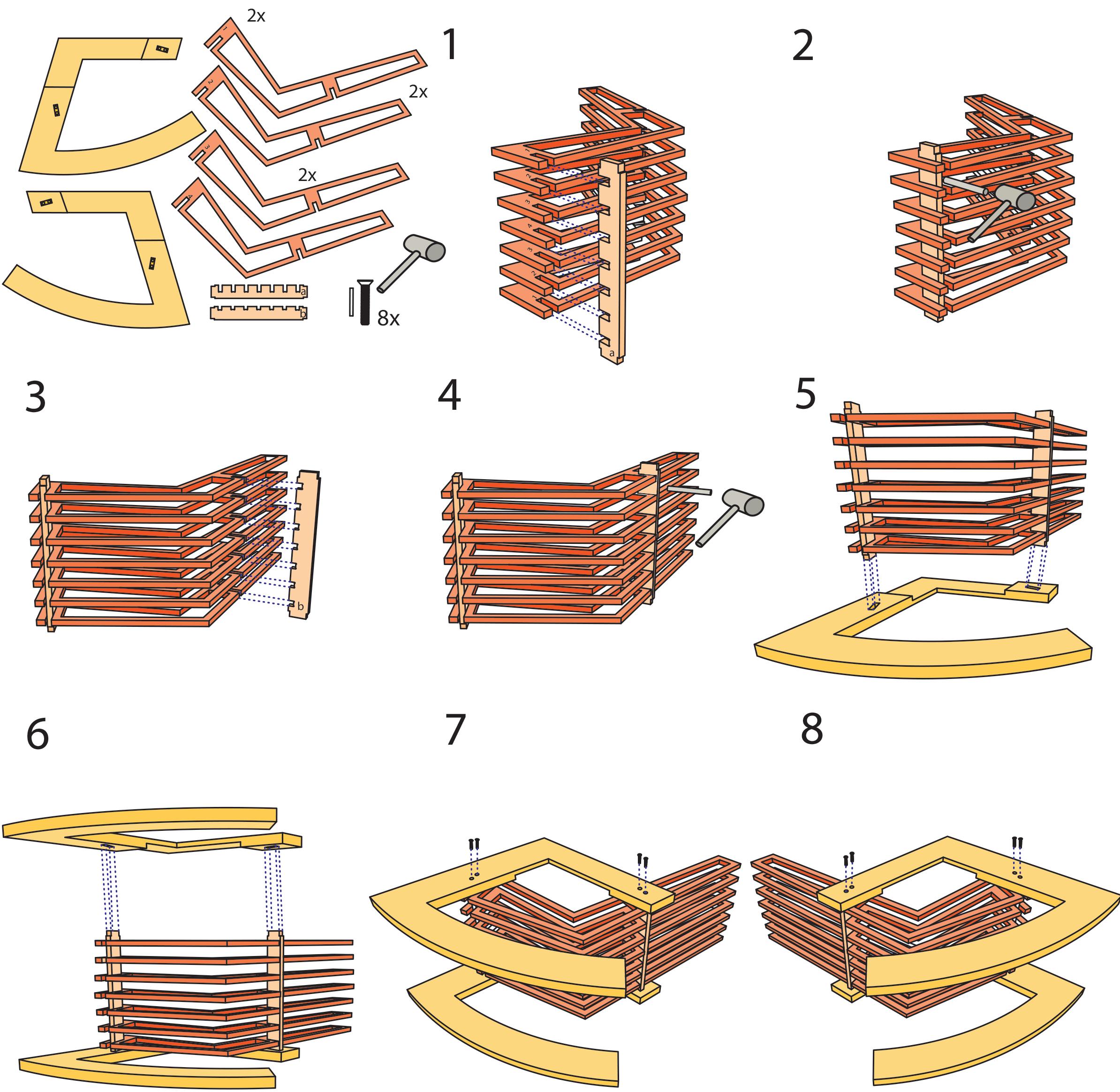
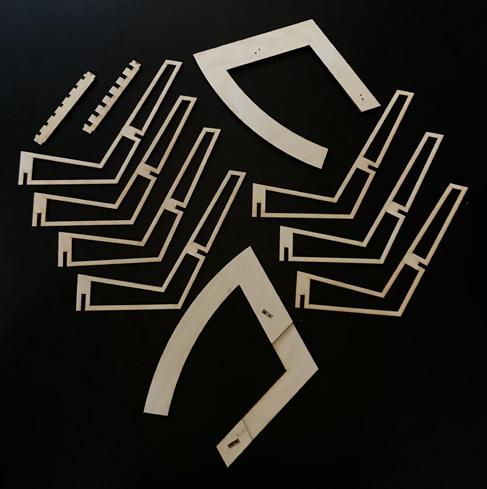
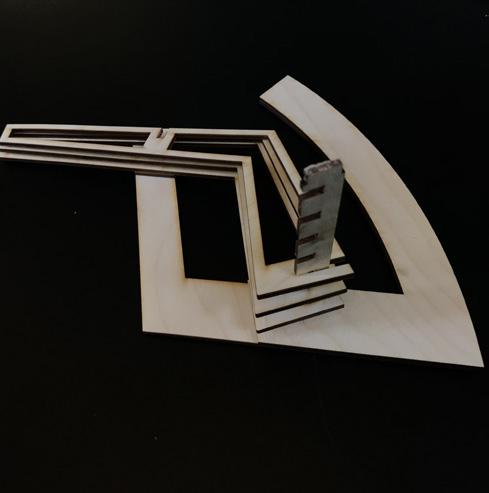
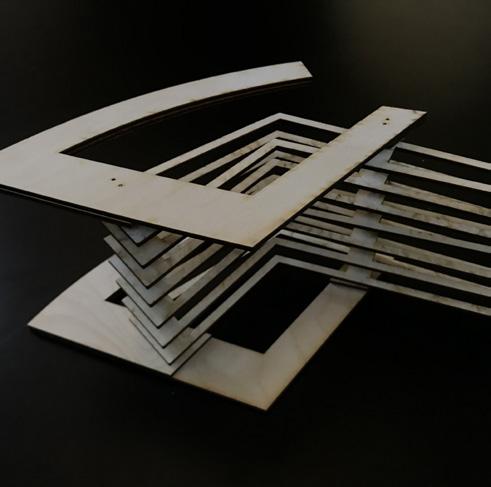
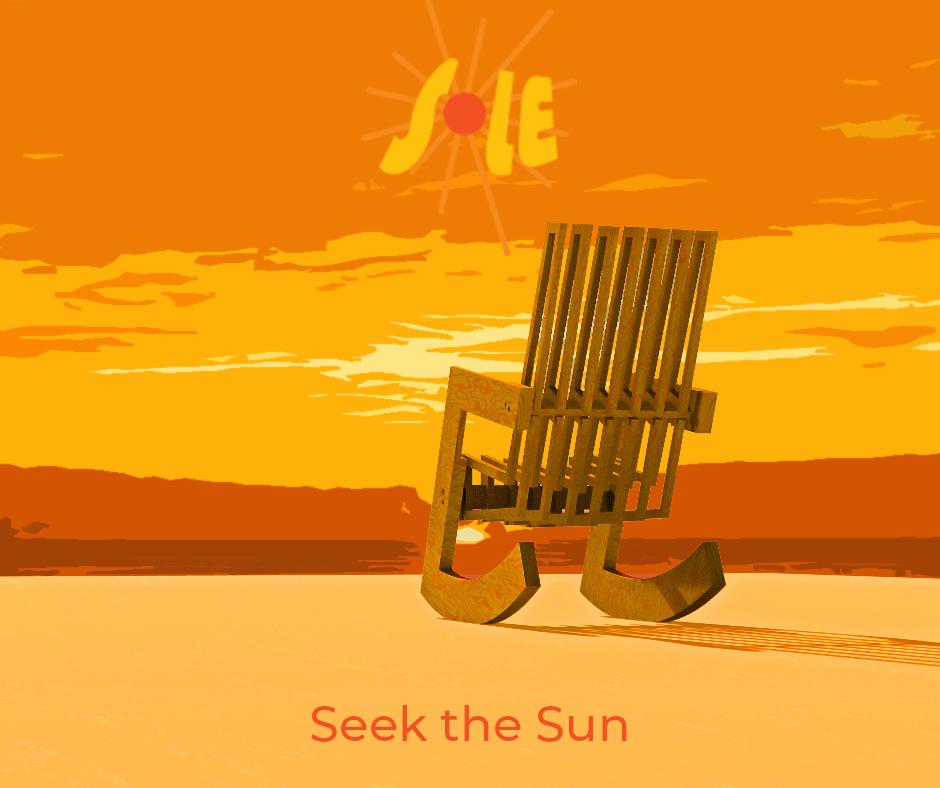
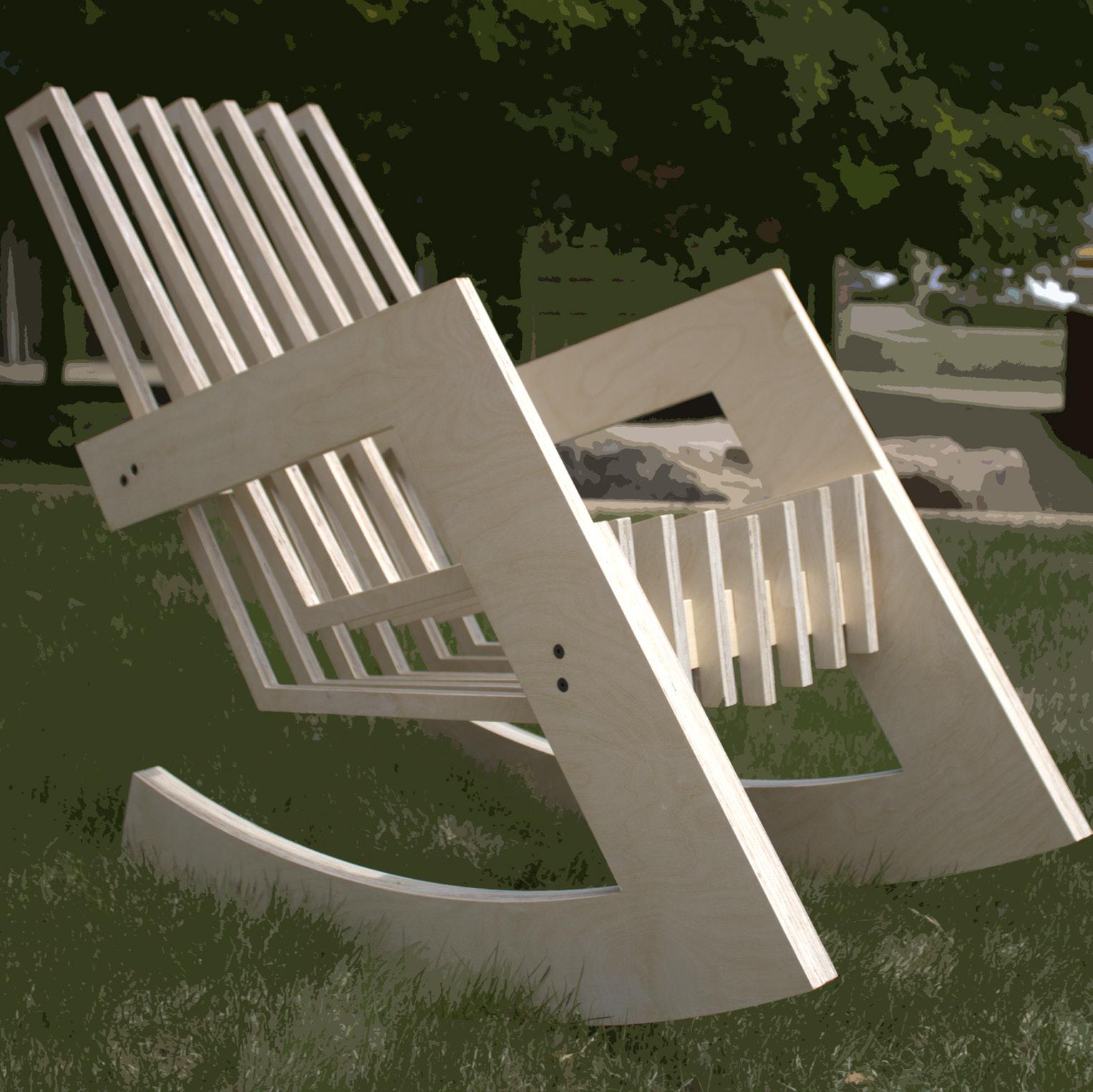
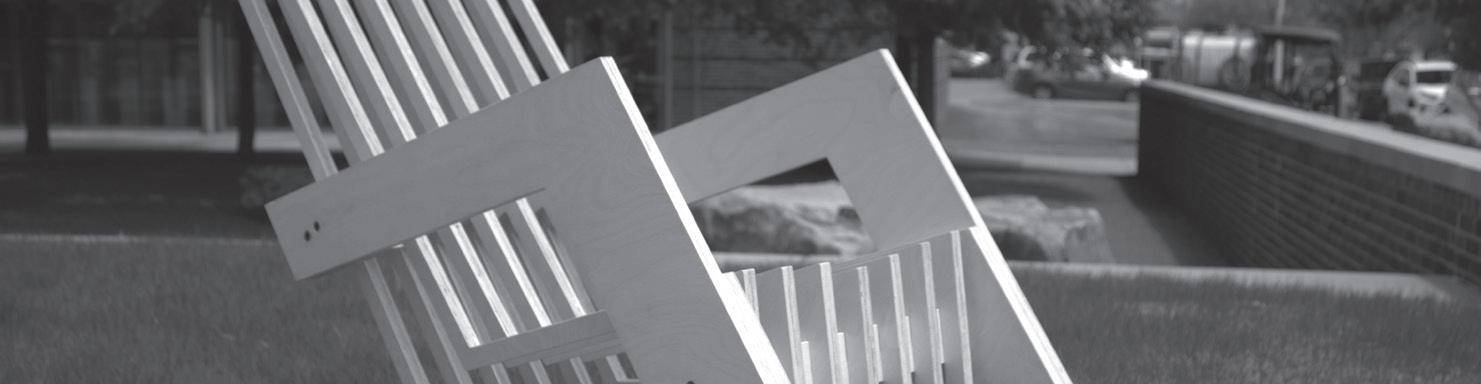
This project was a team effort, completed with my partner Brook Lynn Jones. The chair design had to be package-able and assembly ready with instructions. The design involved thinking of tectonics, packaging, assembly instructions, and advertising. My partner and I wanted to design a chair for the function of sitting in the sun. We decided
to challenge ourselves by attempting the dynamics of a rocking chair. Through trial and error, we were able to design a chair that successfully rocks, without the feeling of tipping over. The chair was made by using a CNC machine to cut pieces out of one single sheet of plywood.