“ARCHITECTURE AS AN EXPERIENCE FOR USERS”
“ARCHITECTURE AS AN EXPERIENCE FOR USERS”
Emiliano Mar
emiliano_hermar@outlook.com
+52 273 123 4354
Monterrey Institute of Technology and Higher Education Bachelor of Arts in Architecture
Specialization in Advanced Architecture
Collaborations
SEDEMA | Government of Mexico City
MASS Design Group | Govenmernt of Puebla City
COIL | USFQ (Quito) | CEU University (Madrid)
INFONAVIT
Ministry of Mobility | Govenmernt of Nuevo Leon
IMOBILEM
2020 - 2024
Fall 2021
Spring 2022 Fall 2022 Spring 2023 Fall 2023
Skills
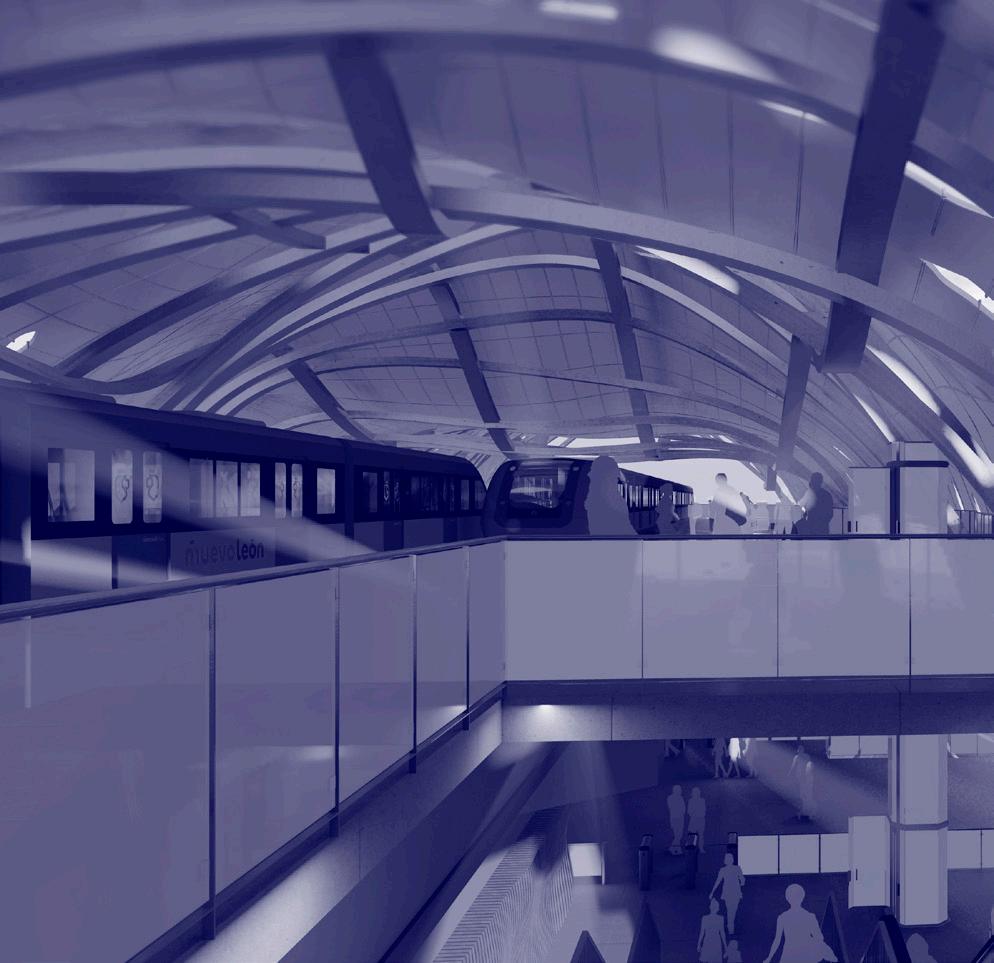
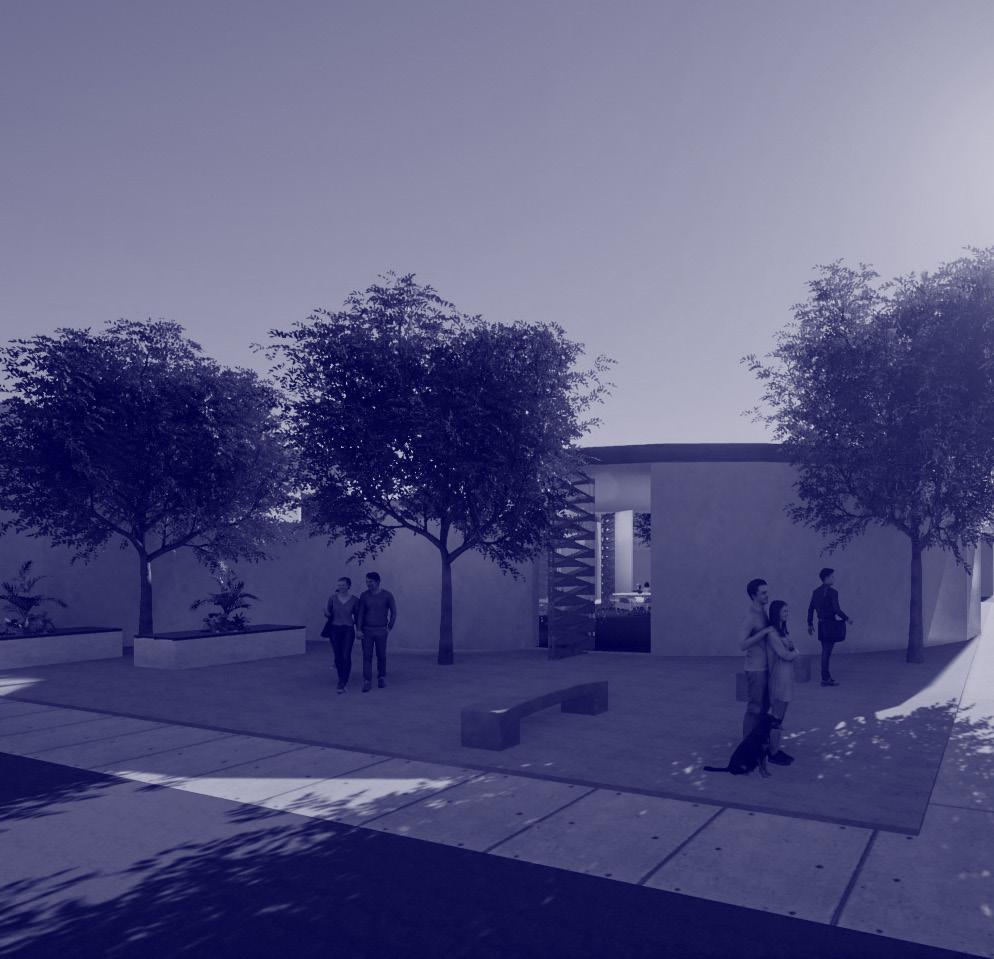
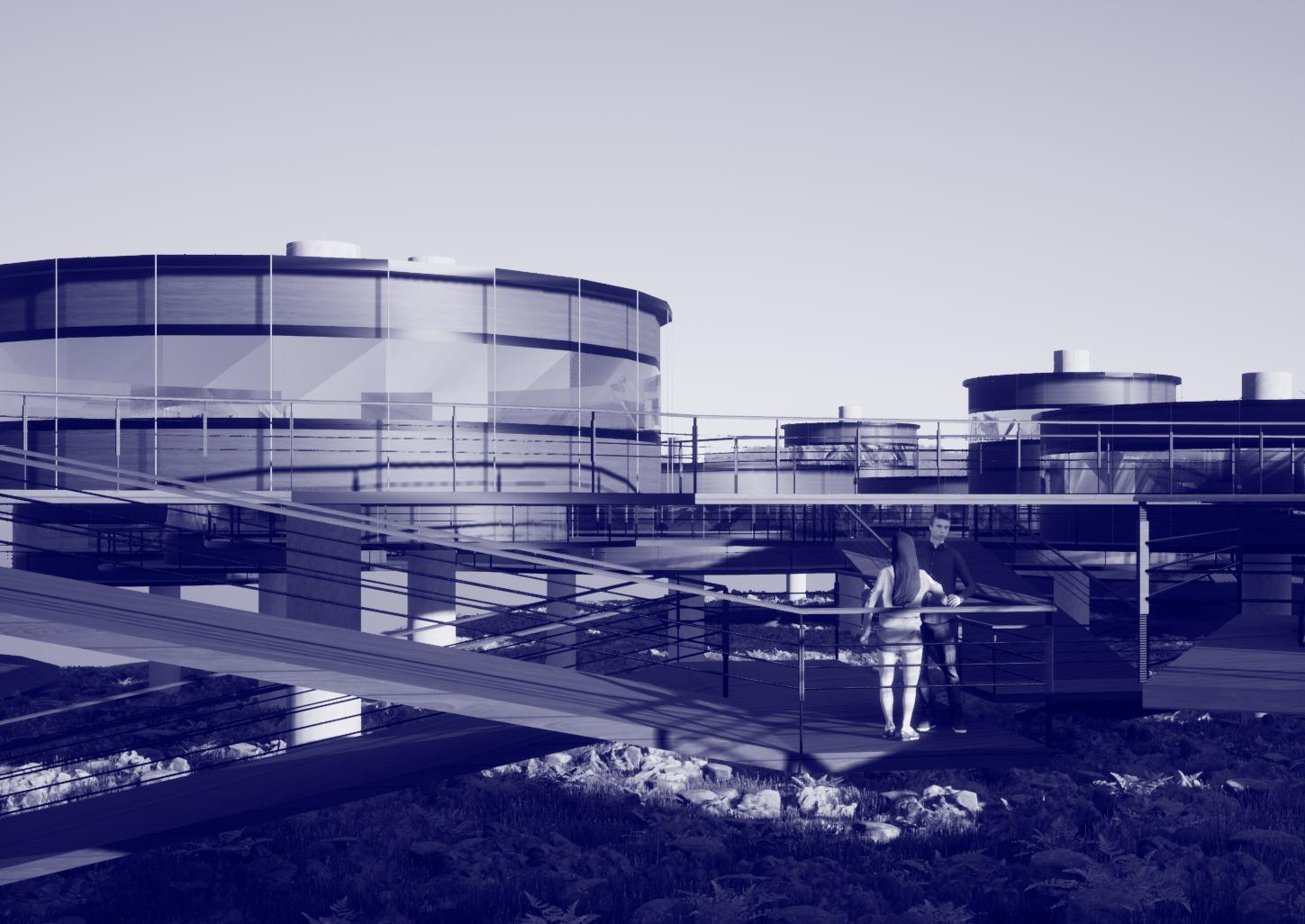
In Monterrey, a parametric-designed metro station breaks orthogonality, serving not only as a dynamic public space but also as a place that celebrates creativity in the heart of the city.
In the project’s conception, the wind becomes the invisible sculptor of its form. The direction and strength of the wind guide the design, resulting in dynamic architecture that responds to the surrounding nature.
Collaboration
Emiliano López
Frida Amelie
Monterrey, Nuevo Leon, México
Where? When?
Fall 2023
Consulted by
Ministry of Mobility
Govenmernt of Nuevo Leon
The project is divided into three parts: the covering, the platform, and the boarding area.
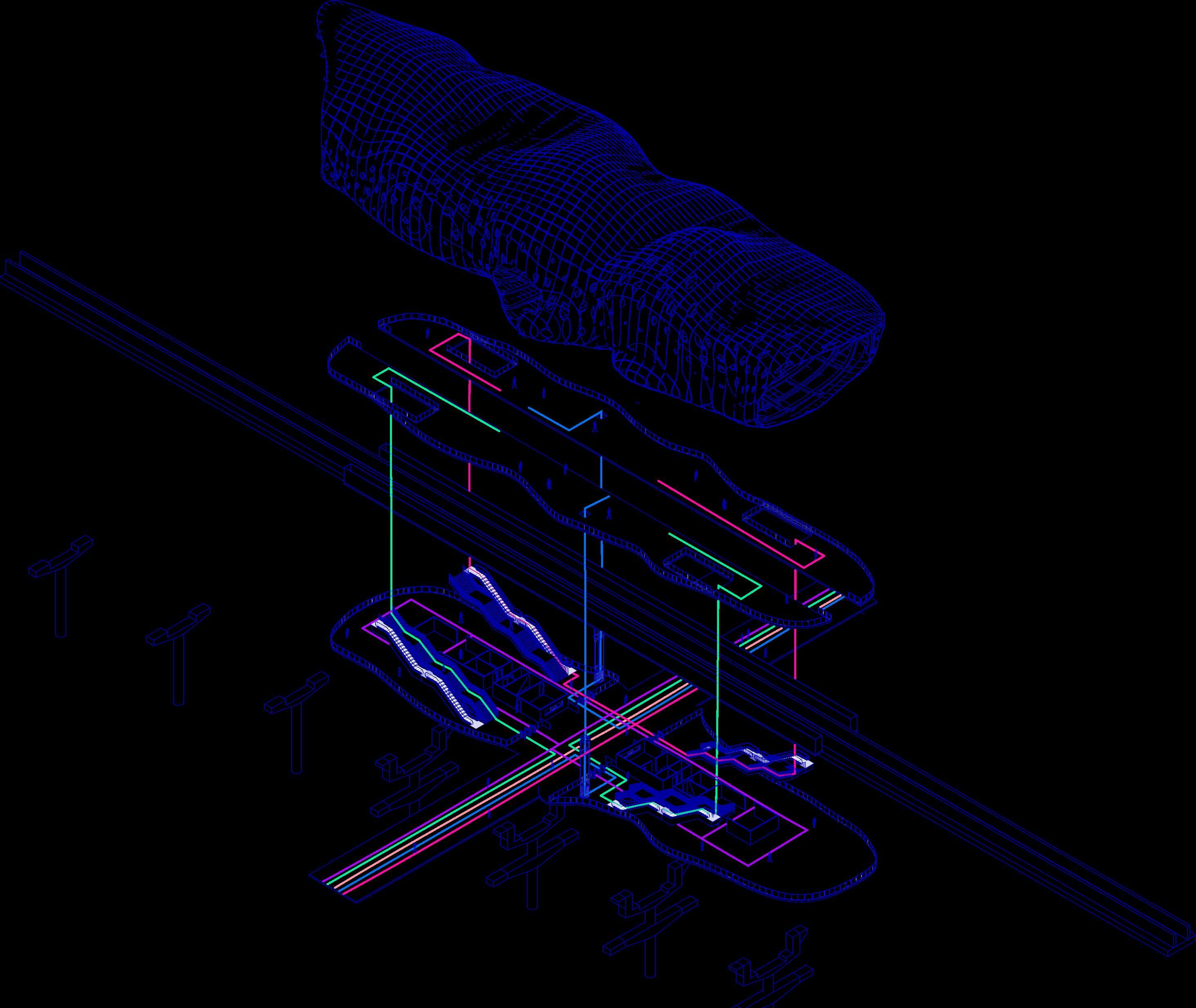
At the ends of the station, two panoramic terraces were added, offering views of the city.
Scale 1:300
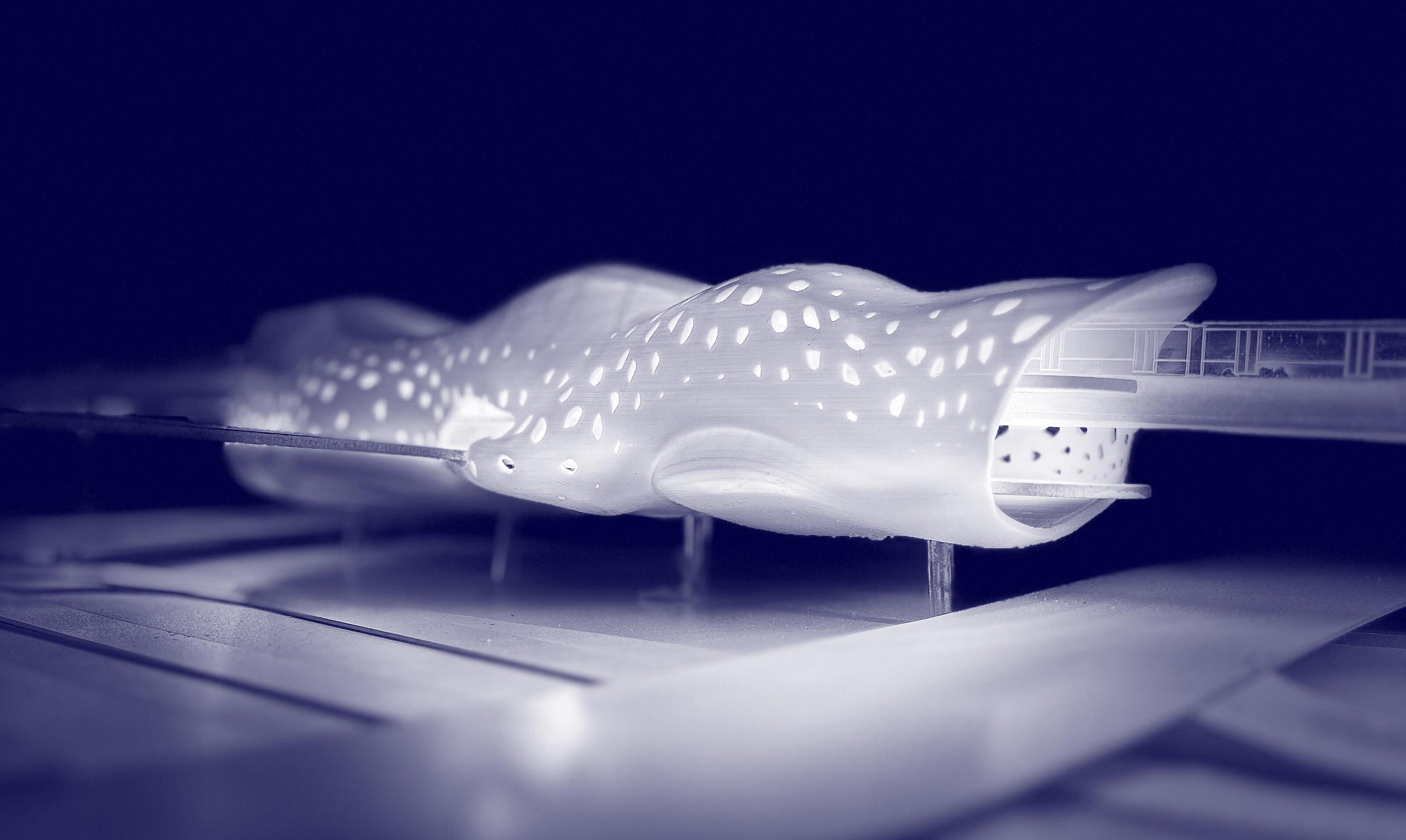
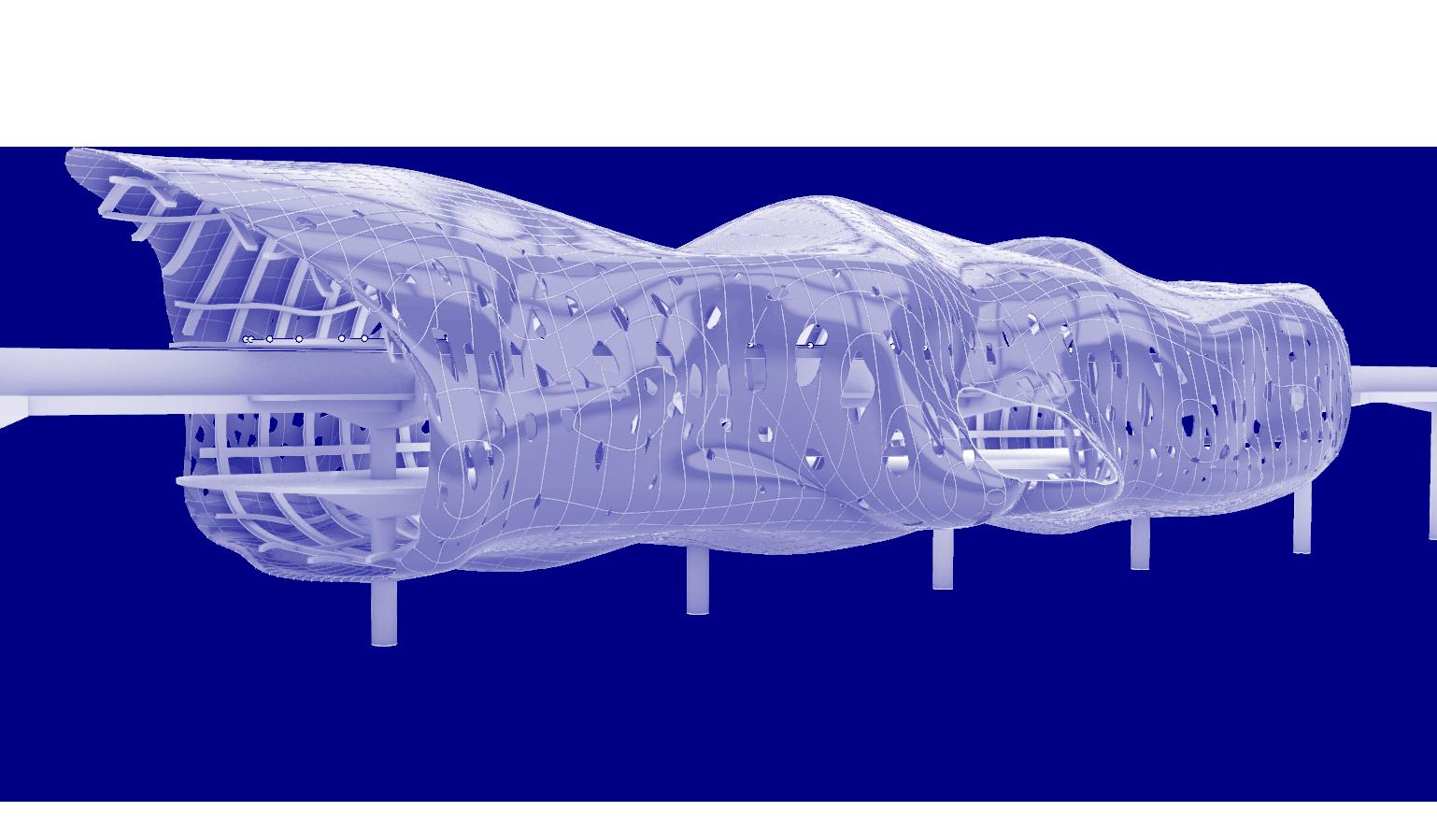
The shape was obtained through analog experiments in wind tunnels with various materials, which were then parameterized using Rhinoceros and Grasshopper.
This process achieved an organic result, where the site’s environmental factors are integral to the project’s design.
The experiments revealed, in addition to the material deformations, the creation of openings, which were mapped and subsequently analyzed. This resulted in a Voronoi-style pattern that was replicated across the covering, varying the density of openings in response to environmental factors such as solar incidence.
EURUS is characterized by the use of advanced architectural tools that aid in creating cuttingedge and experimental buildings, looking towards the future of architecture.
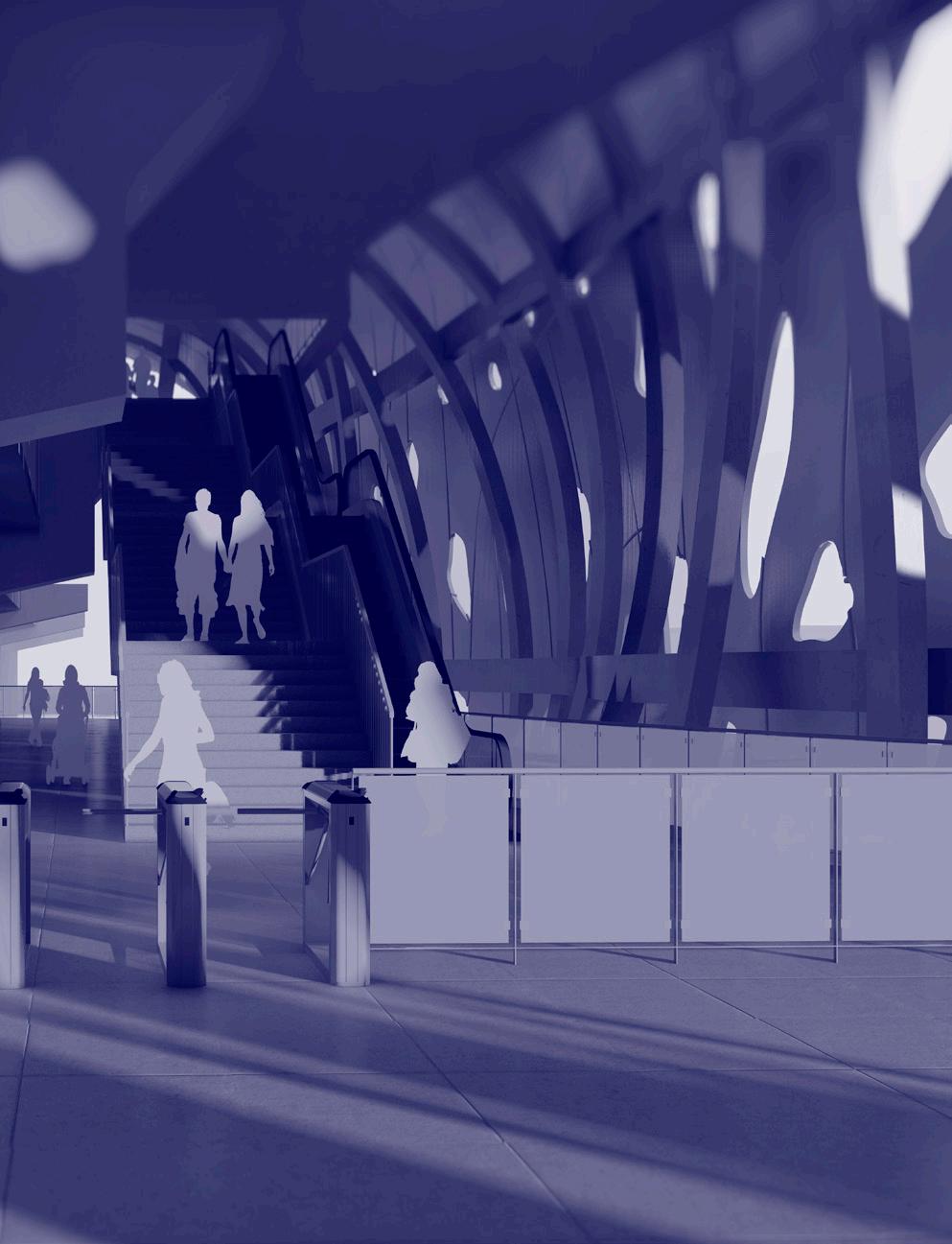
This project originates from the pursuit of providing users with an experience within architecture, even though it is merely a transient building, such as a metro station, reclaiming public space for the residents of Monterrey in their daily lives.
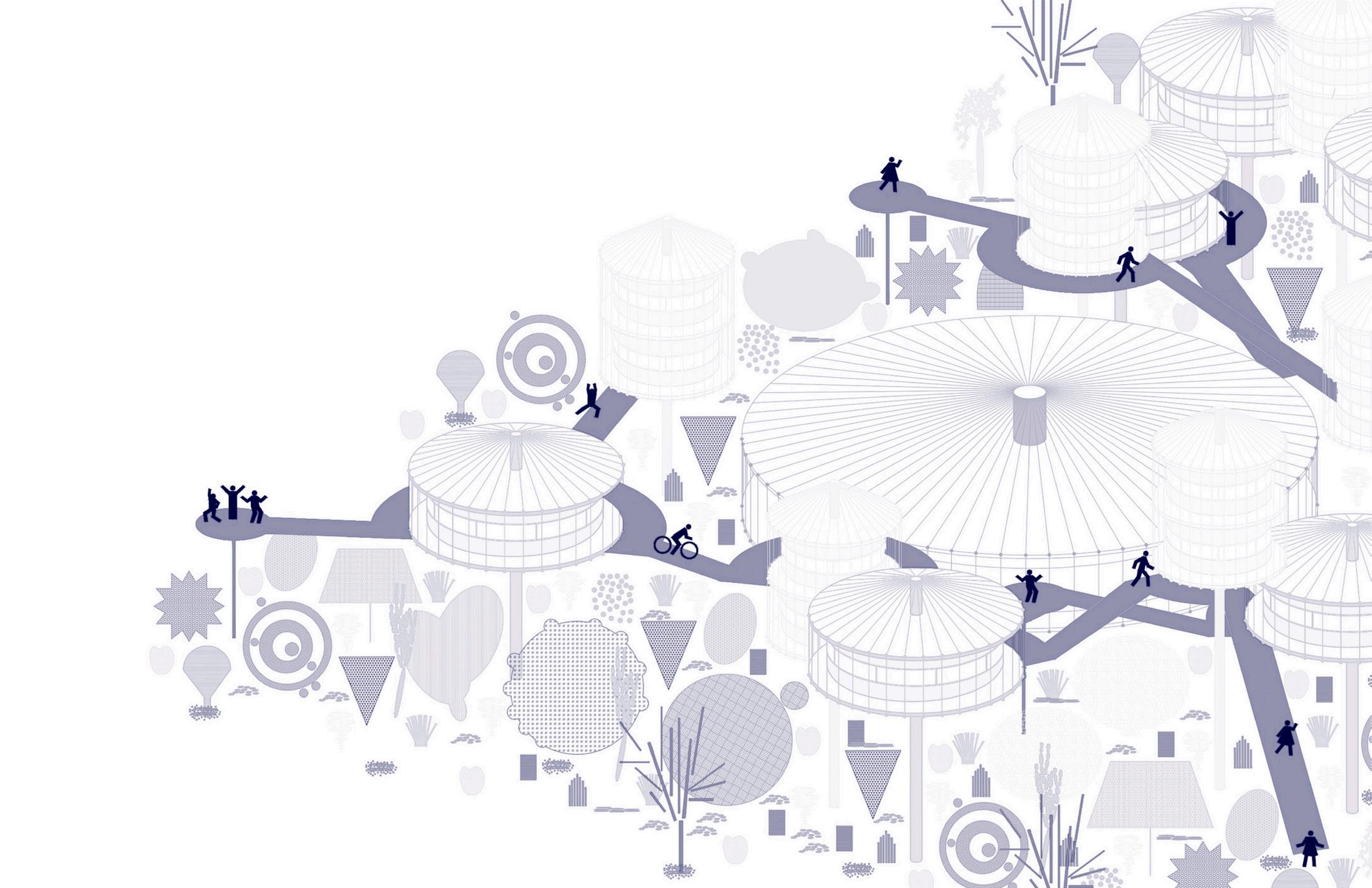
An experimental and conceptual collective housing project on an island in the Pacific.
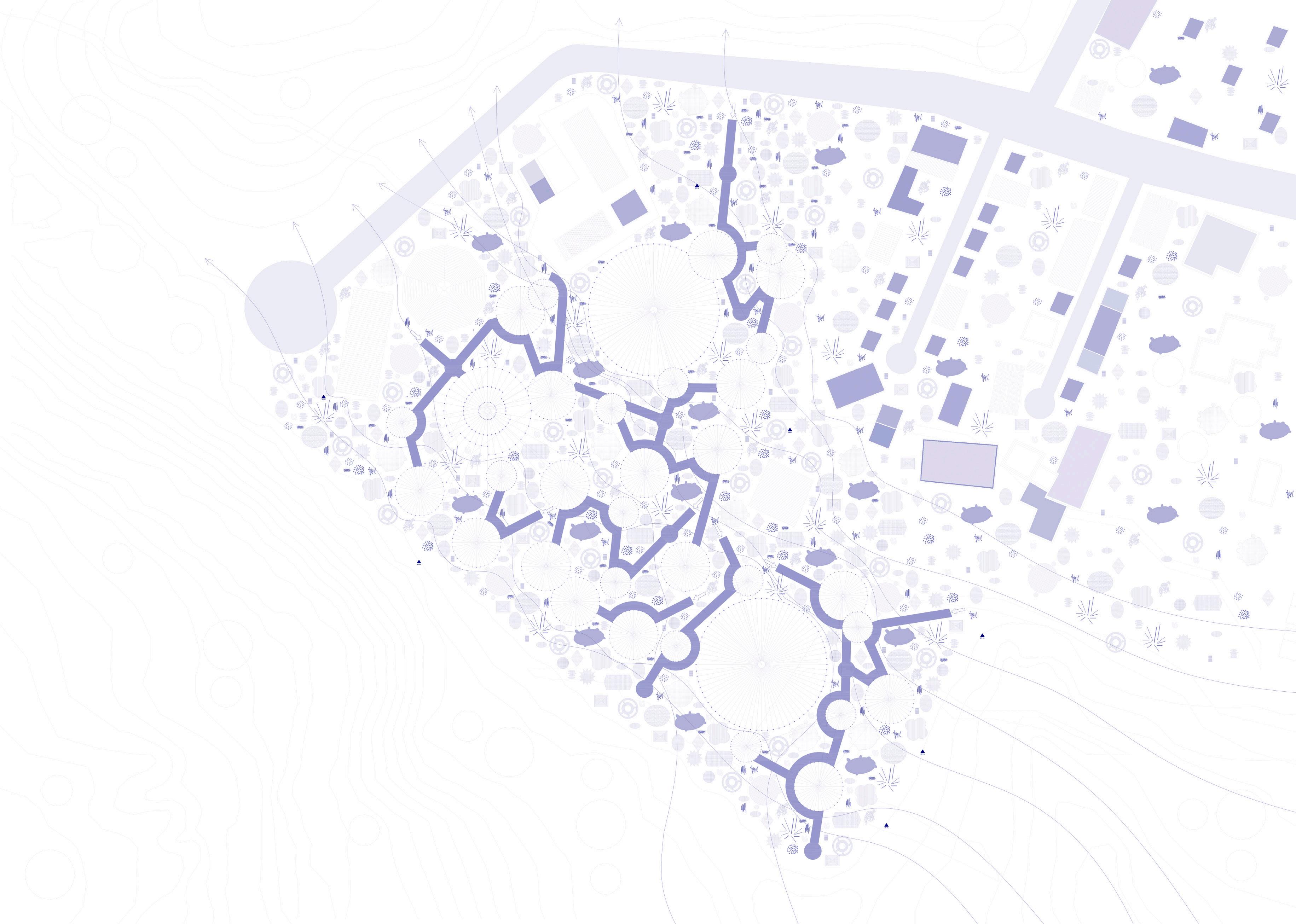
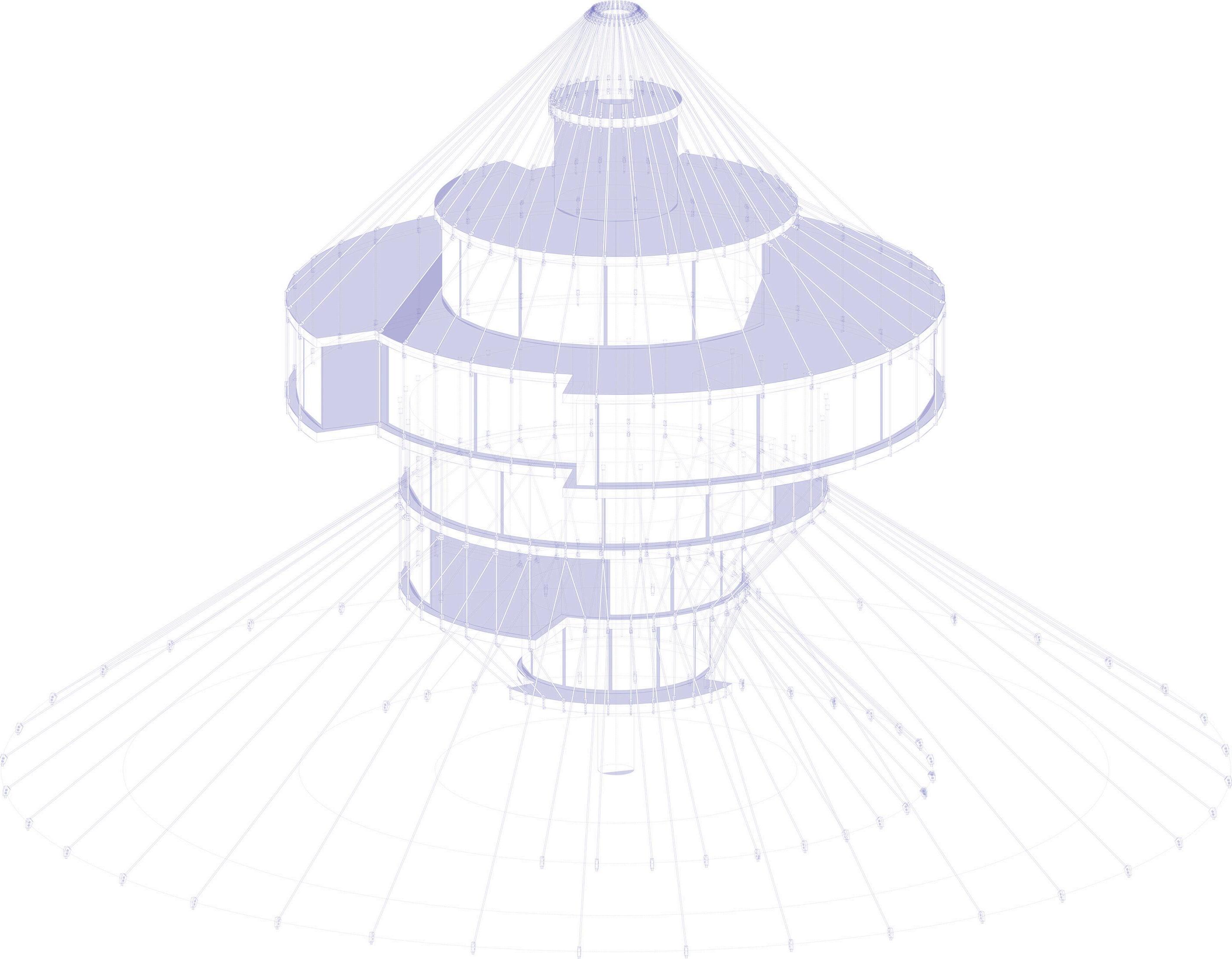
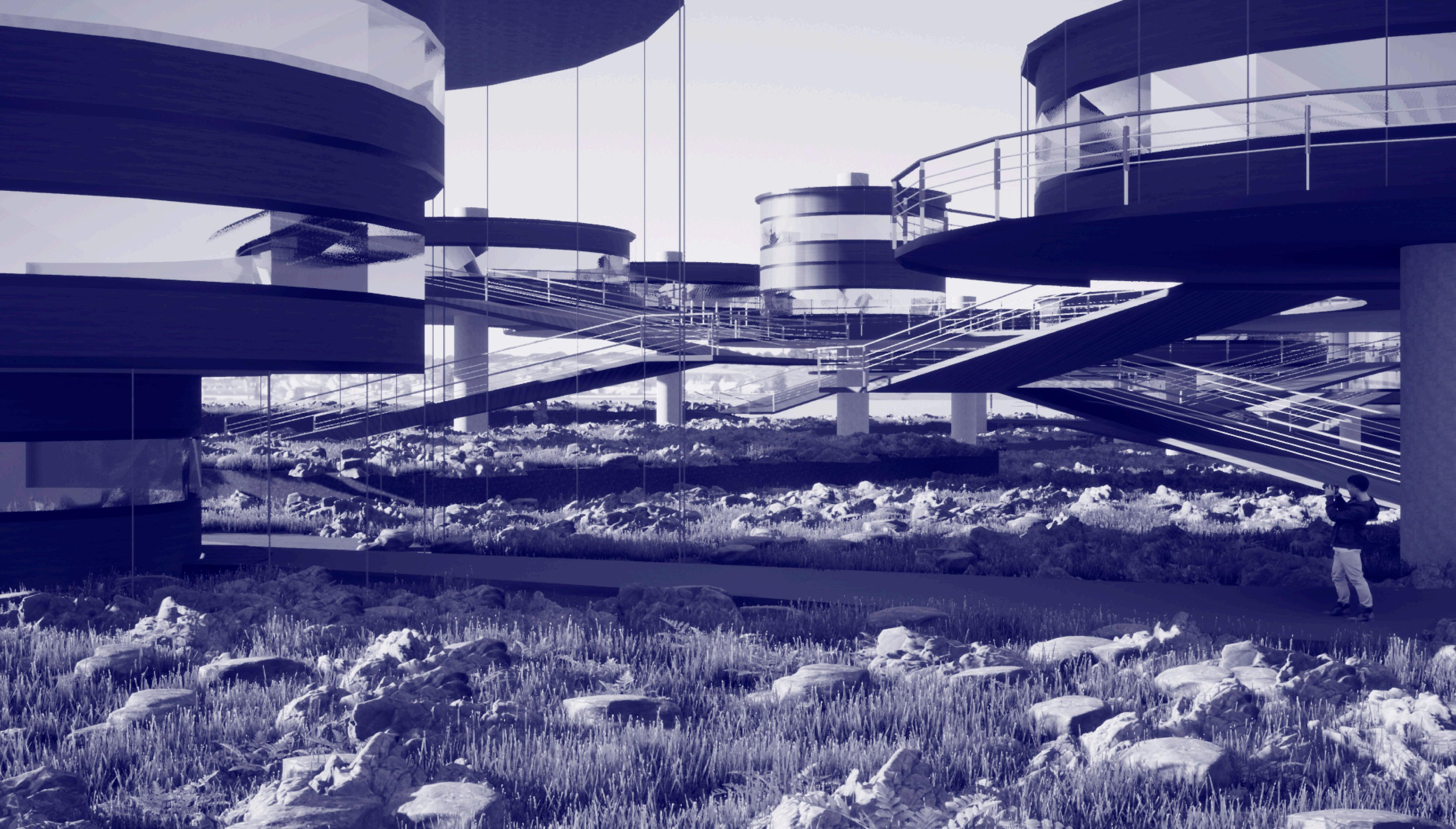
The project seeks a new form of collective housing, where users live in a community elevated above, reminiscent of the treetops of the island.
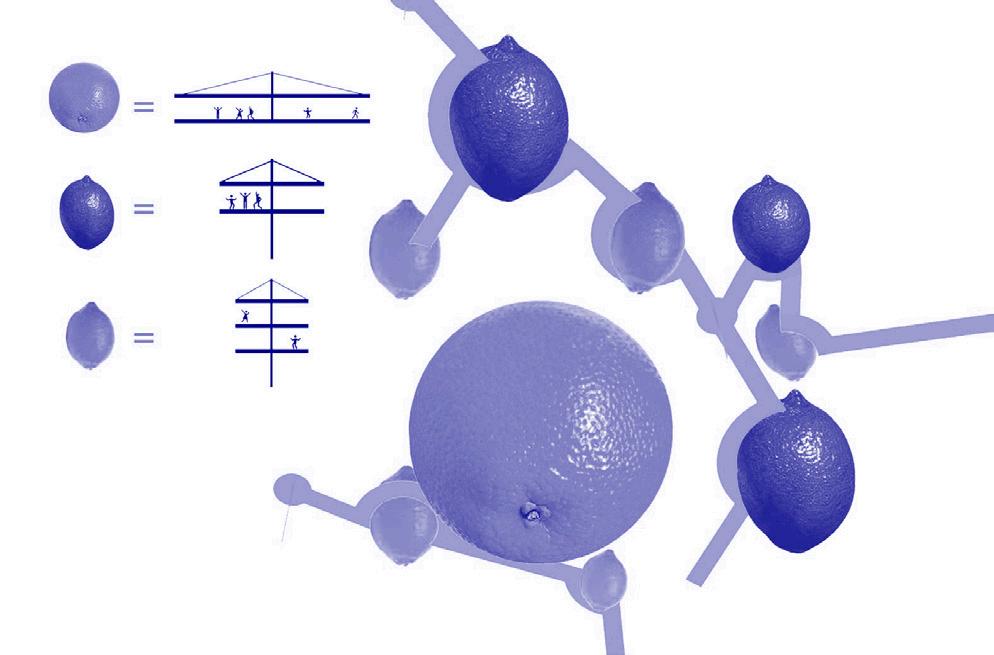
JANGAL stands out from other projects for its conceptual approach, where the functionality and originality of the proposal are explained through diagrams and collages.
Where?
Consulted by Collaboration
Tristán Torres
Pablo Martínez
Lucas Jiménez
Puerto Ayora, Galápagos Islands, Ecuador
When?
Winter 2022
San Francisco University of Quito CEU University of Madrid

Conceptual proposal
The aim is to create communal functionality among all elements of the proposal, allowing users to interact throughout the entire project.
Spatial proposal
Three types of modules are proposed: two for single-family housing and one for recreation, which includes research centers and facilities for the care of local flora and fauna.
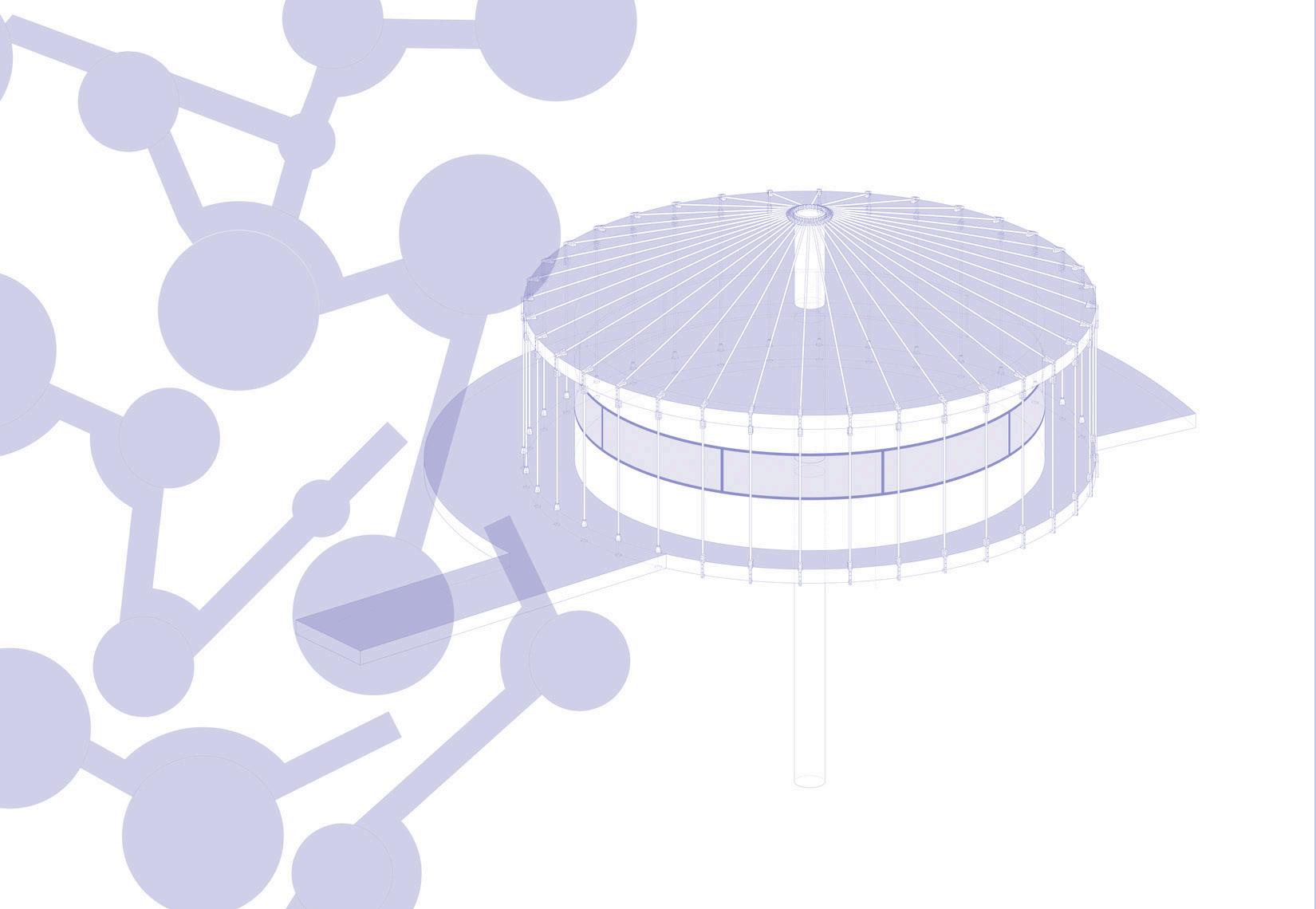
Housing module for 3 to 4 users.
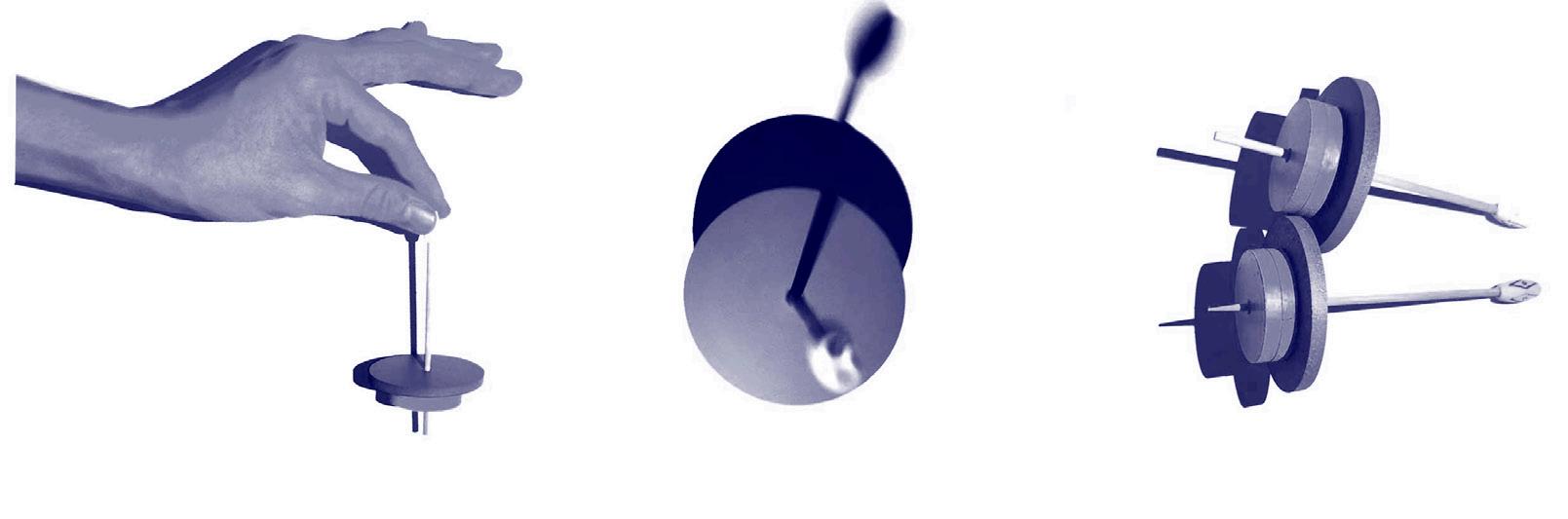
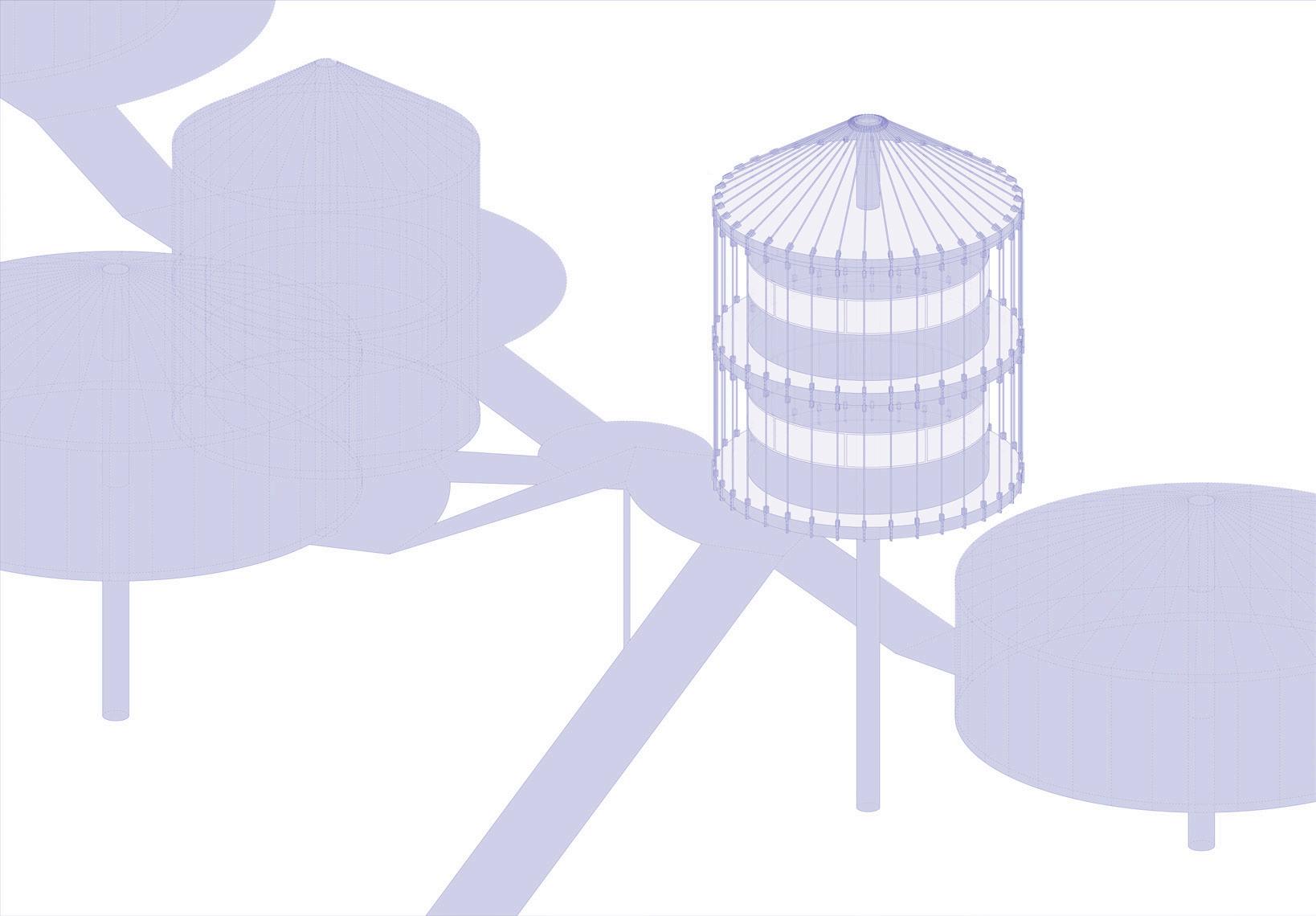
Fourteen modules are planned for 1 or 2 people and seventeen for families of 3 to 4 members, in addition to researchers in the specialized modules.
Puerto Ayora is known as the gateway for researchers venturing to conduct studies in the Galápagos Islands. Therefore, this sector of the population was the primary focus, with modules including laboratories and veterinary centers for the local flora and fauna.
JANGAL presents an innovative vision in architectural design, being a collective housing project in Puerto Ayora that aims to conceptually integrate with the local flora. This distinctive approach is reflected in the careful blending of the architecture with the rich vegetation of the environment.
Additionally, elevating the structures on stilts not only addresses practical needs but also keeps the ground level clear, providing valuable space for local wildlife. This unique architectural strategy facilitates harmonious coexistence between human development and the natural habitat, creating a sustainable and environmentally respectful balance in Puerto Ayora.
Housing module for 1 to 2 people.
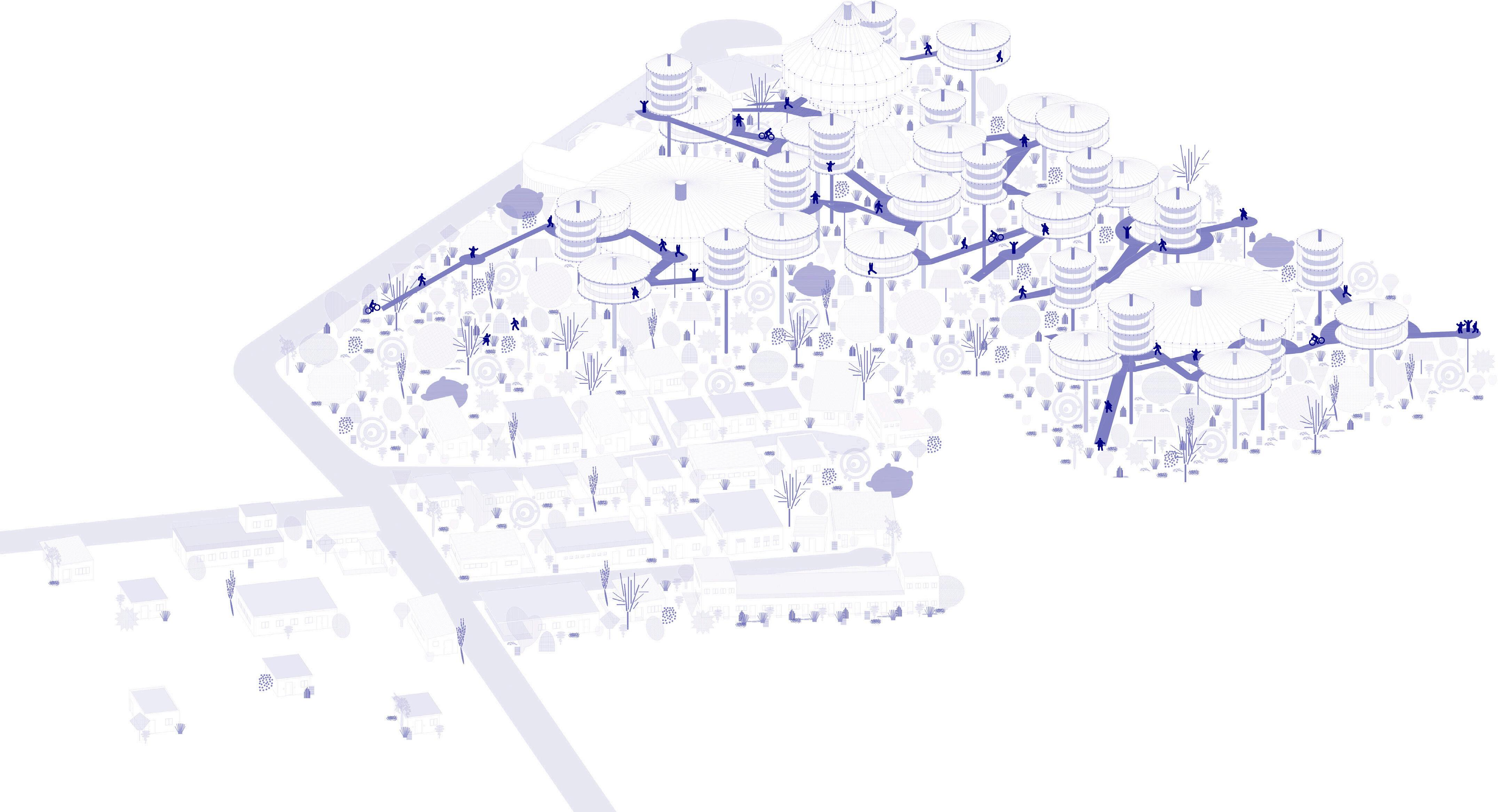
Conceptual Experimental architecture
Research center and study center module.
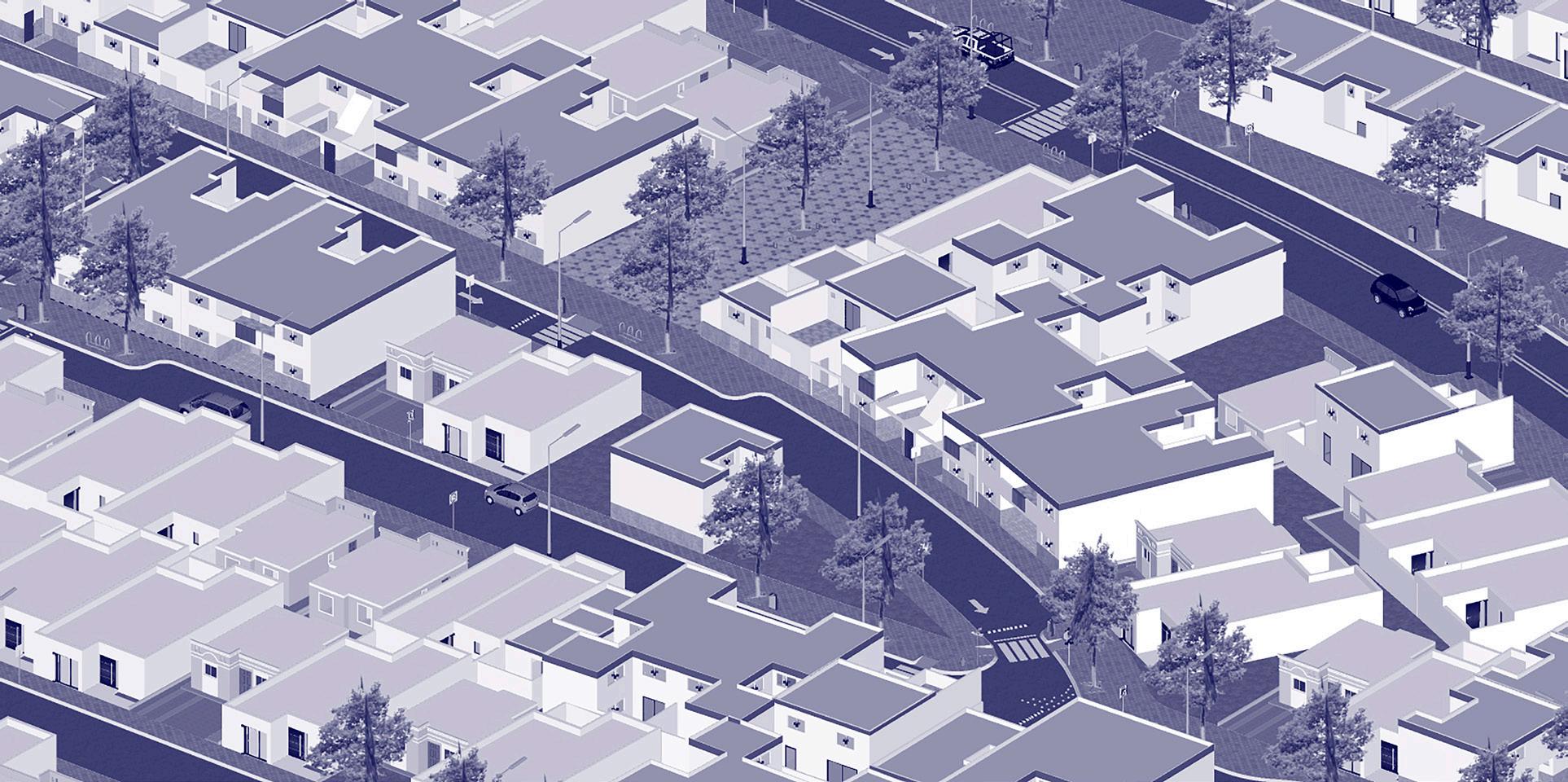
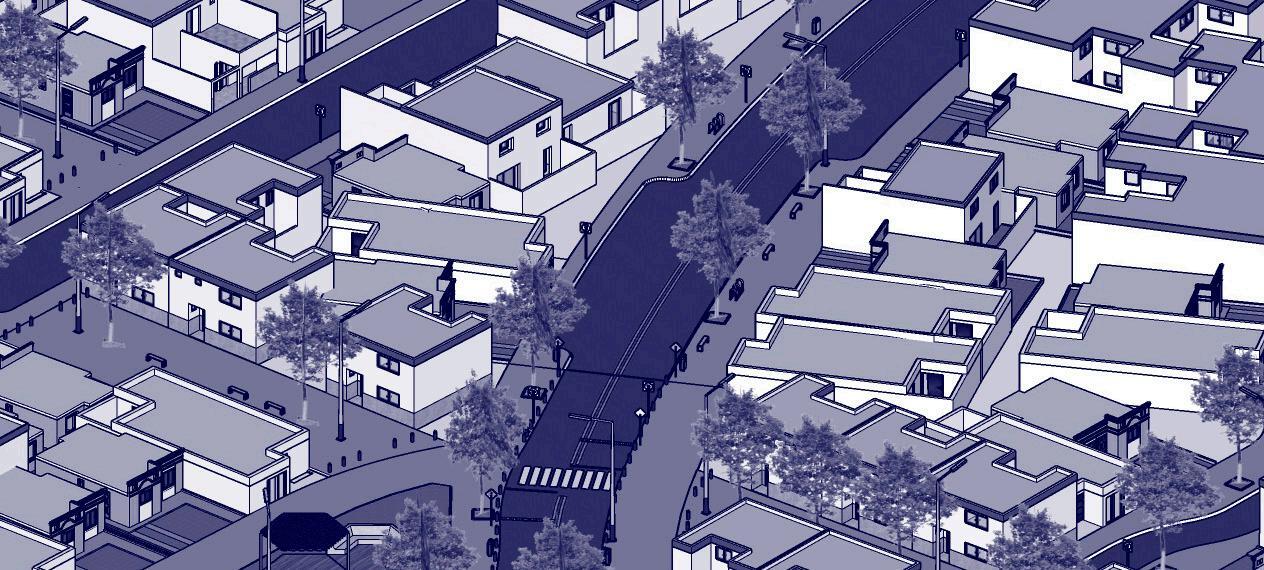
of a residential center, reclaiming vacant lots to create a new community.
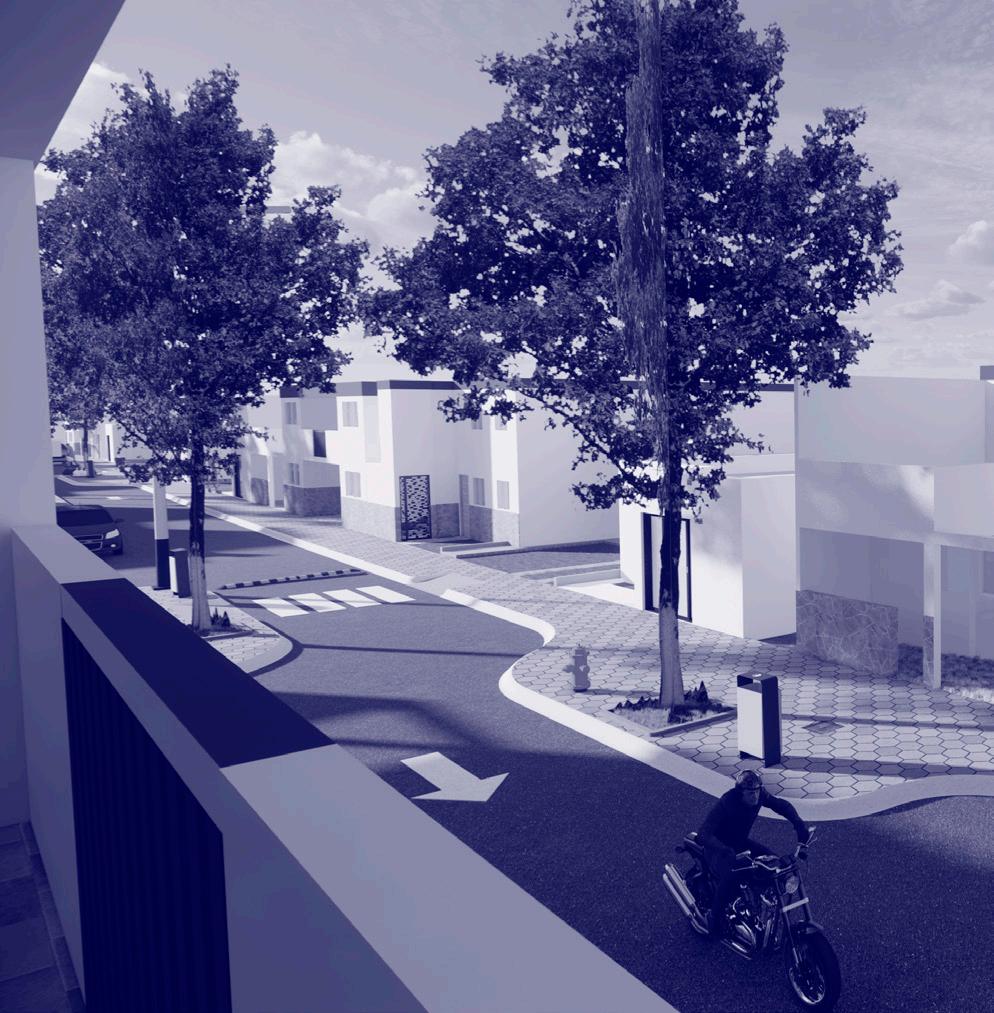
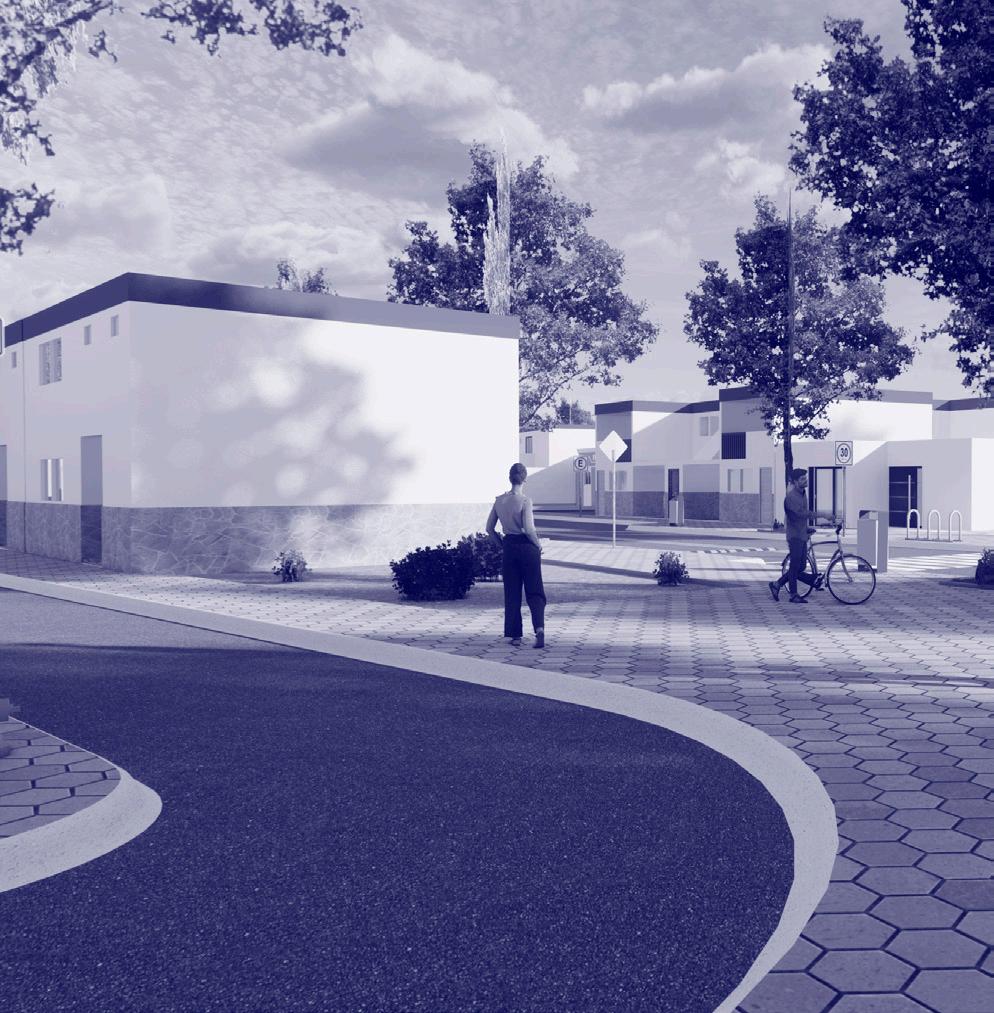
The project focuses on the recovery of existing housing, enhancing the quality of life in the community through a careful and modern transformation of the living environment. A contemporary approach to a renewed and thriving neighborhood.
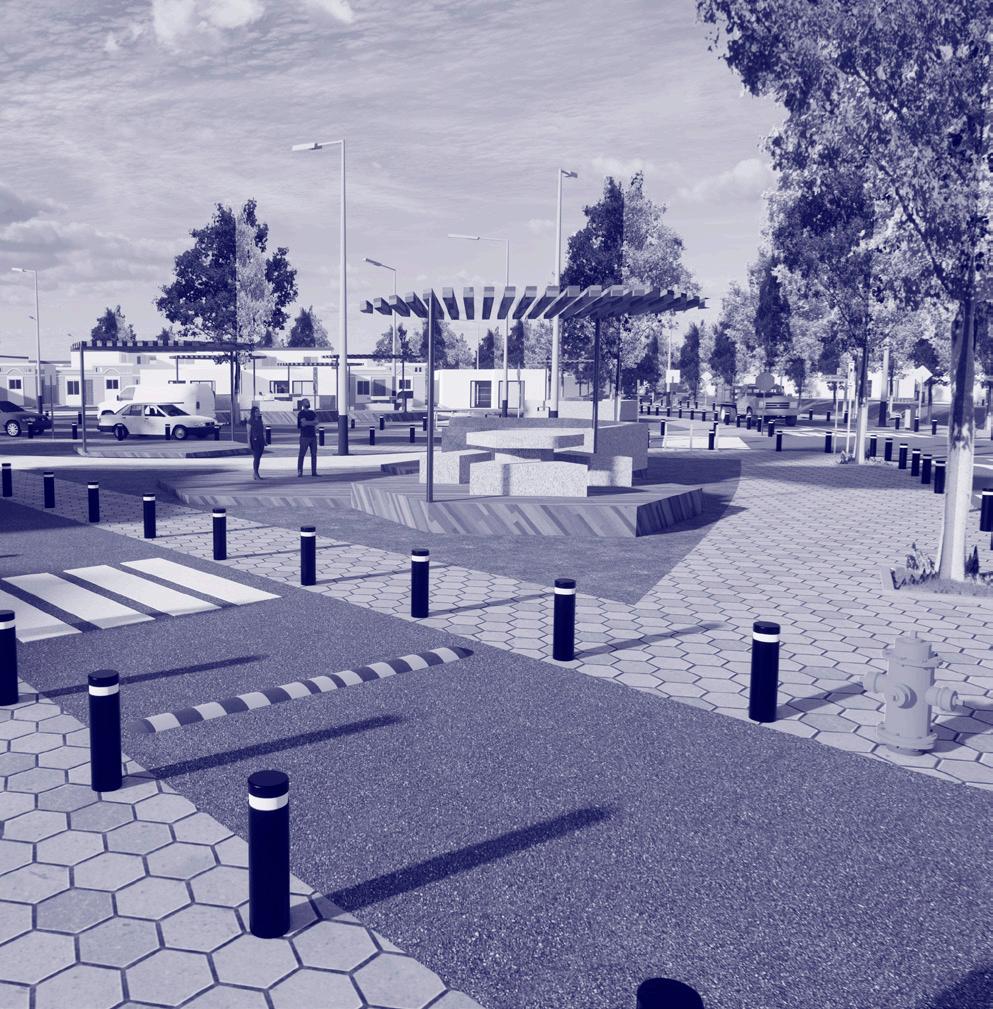
Vacant lots were transformed into a vibrant public space and new housing. The project aims to revitalize the community by providing a renewed environment that fosters interaction and enhances quality of life.
Designed with a sustainable approach, the proposal not only beautifies the landscape but also contributes to a healthier and more connected environment for all residents.
Collaboration
Emiliano López
Roberto Ontiveros
Benjamín Suárez
Juárez, Nuevo Léon, México Spring 2023
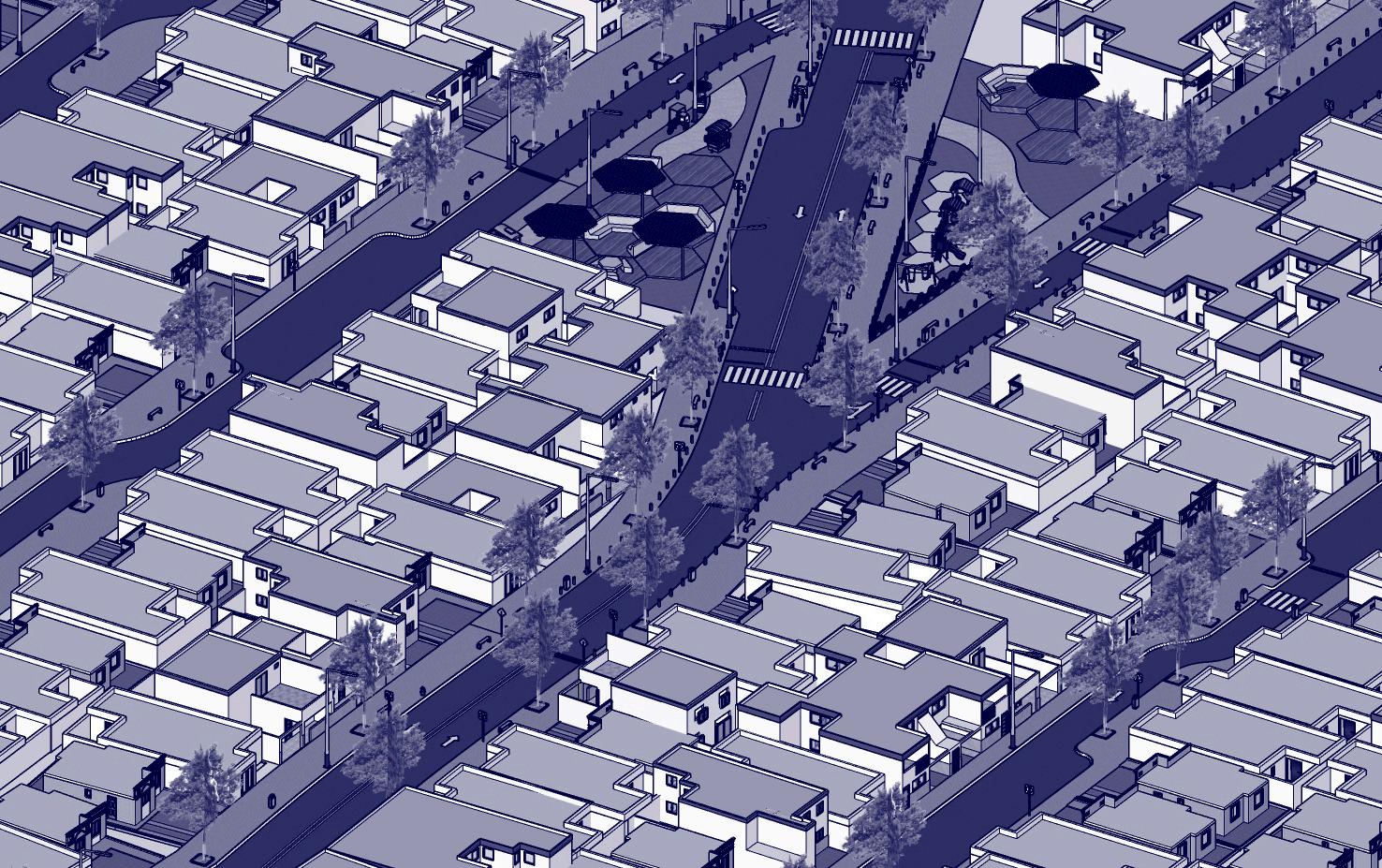
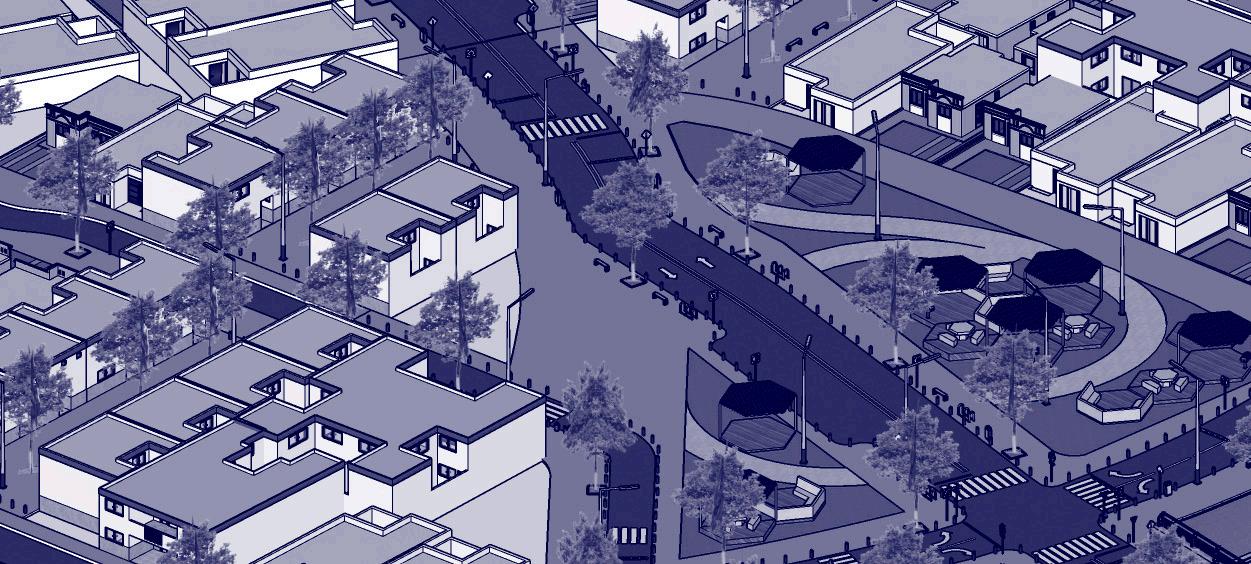
A mapping of unused lots in the neighborhood was conducted, leading to different proposals for new housing based on the number of consecutive vacant lots.
Five types of housing are proposed for 1 or 2 families, integrating commercial and social interaction points as well.
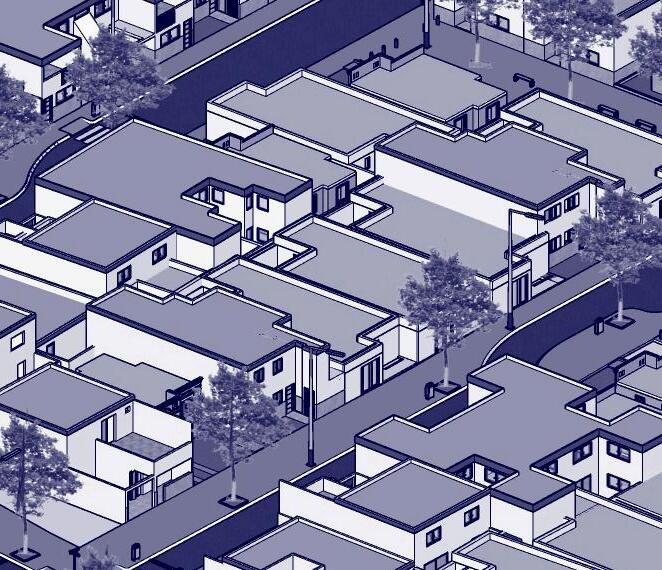
In response to the presence of adjacent vacant lots at the rear, more compact housing is proposed. This design facilitates the creation of a walkable environment, connecting various pathways and encouraging interaction among residents.
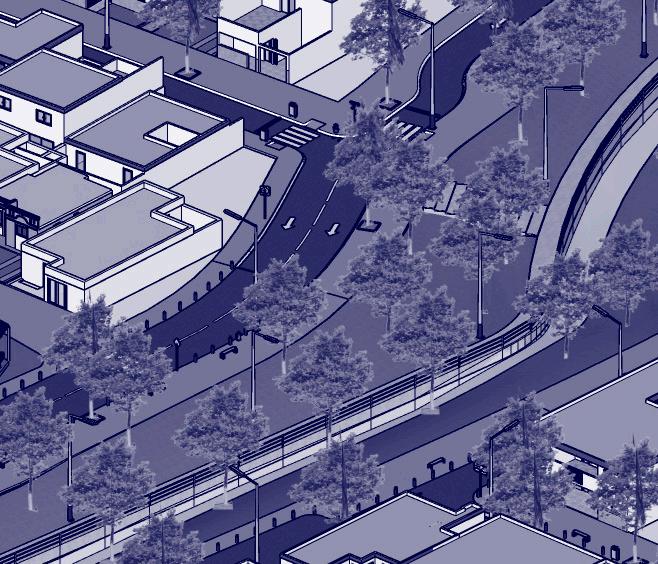
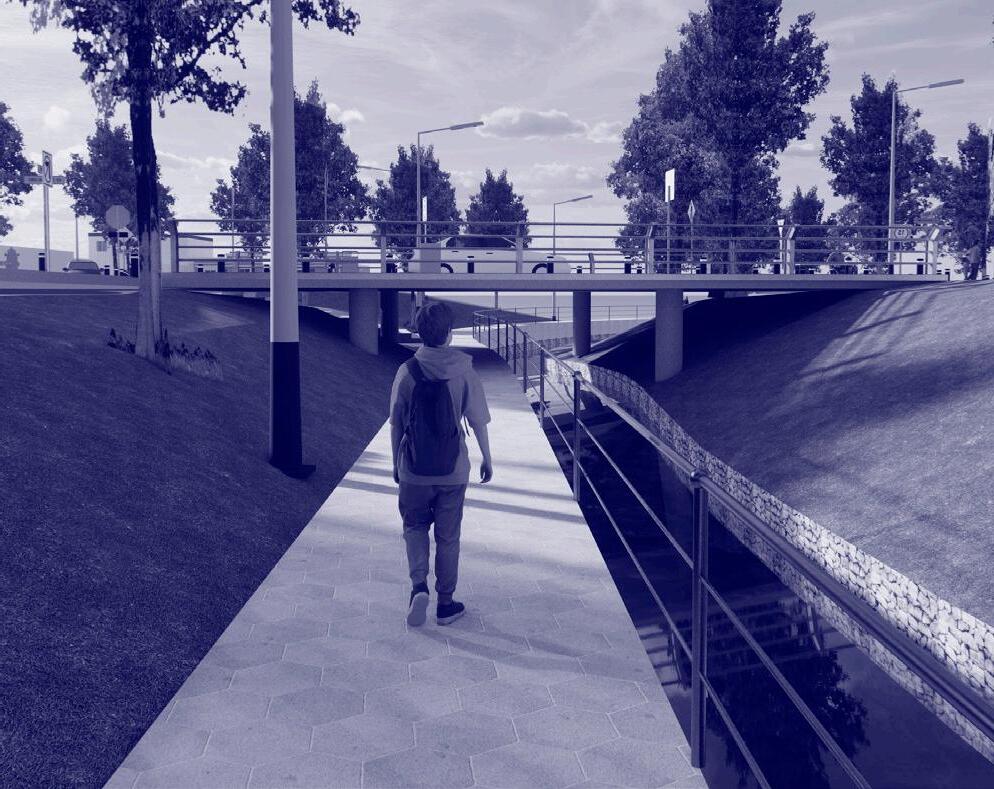
The proposal includes the rehabilitation of 6 existing green areas, creating spaces for community interaction and promoting sports and local economy through food sales areas.
The proposals include the creation of community support centers: a community center, a rehabilitation center, a house of prayer, and a health center.
In the vacant lots connected at the rear, the existing use by people as a crossing between different streets, known as ‘desire paths’ is formalized creating new spaces for the neighborhood community.
Collaboration
Karla Hernández
Daniela Todd
Tristan Torres
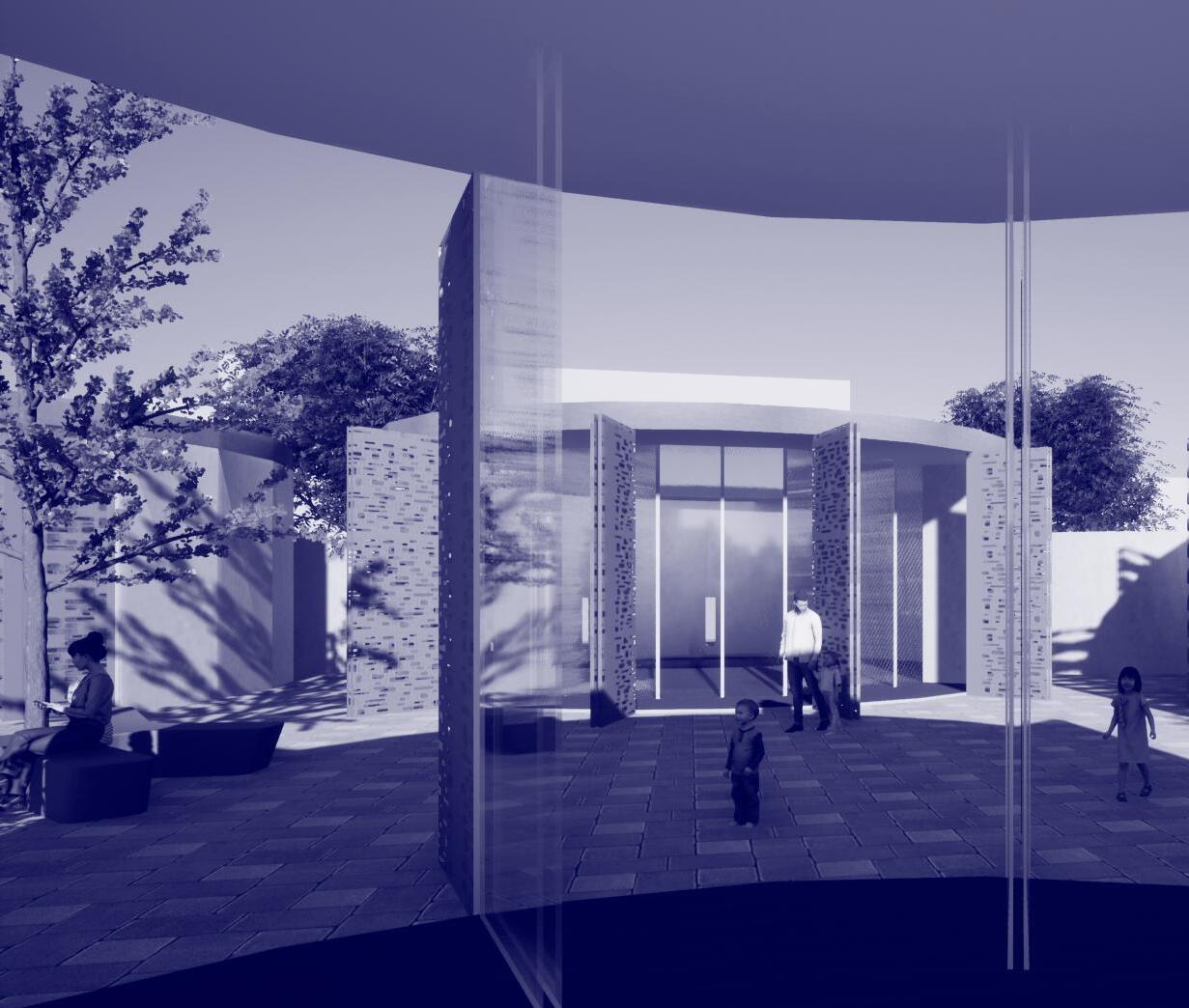
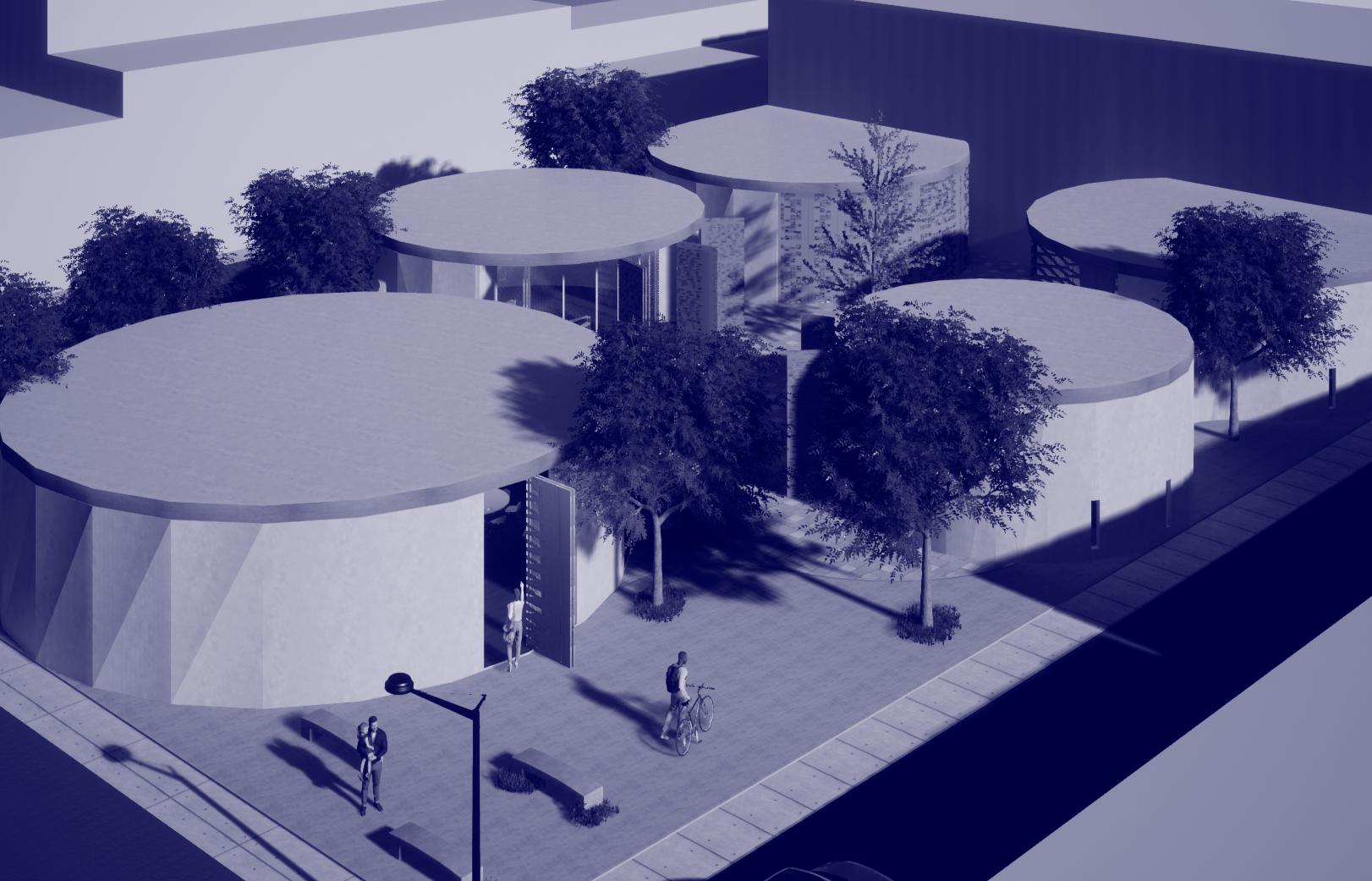
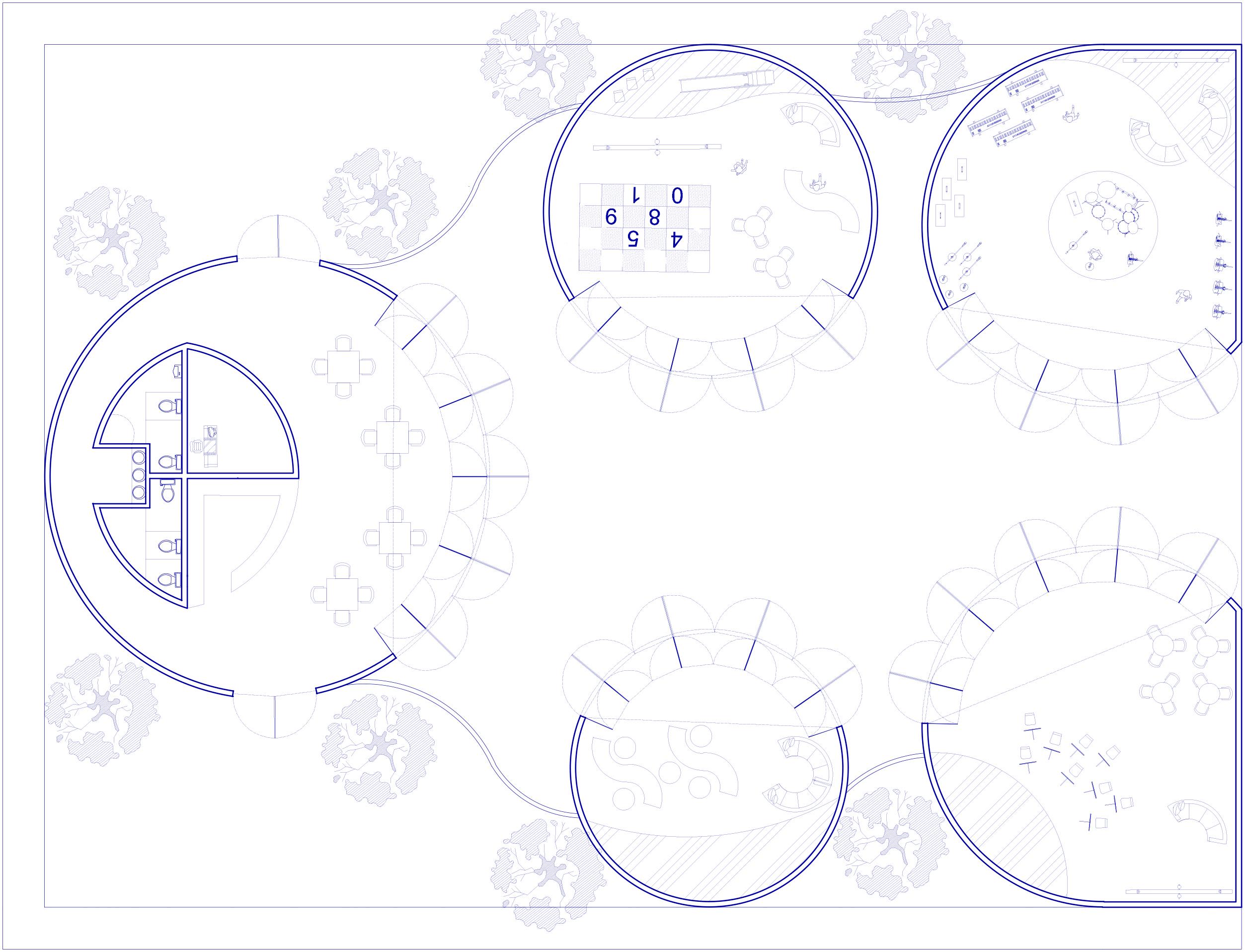
In “El Punto” architectural innovation is manifested through carefully designed circular spaces. These forms not only create welcoming and stimulating environments but also enhance interaction and collaborative learning.
The uniqueness of the design is revealed through strategically conceived screens. Each responds intelligently to the specific use of the space, creating distinctive environments for music rooms, rest areas, artistic spaces, and learning rooms. Additionally, these screens visually define each area.
Puebla, Puebla, México
Where? When?
Spring 2022
Consulted by
MASS Design Group Government of Puebla City
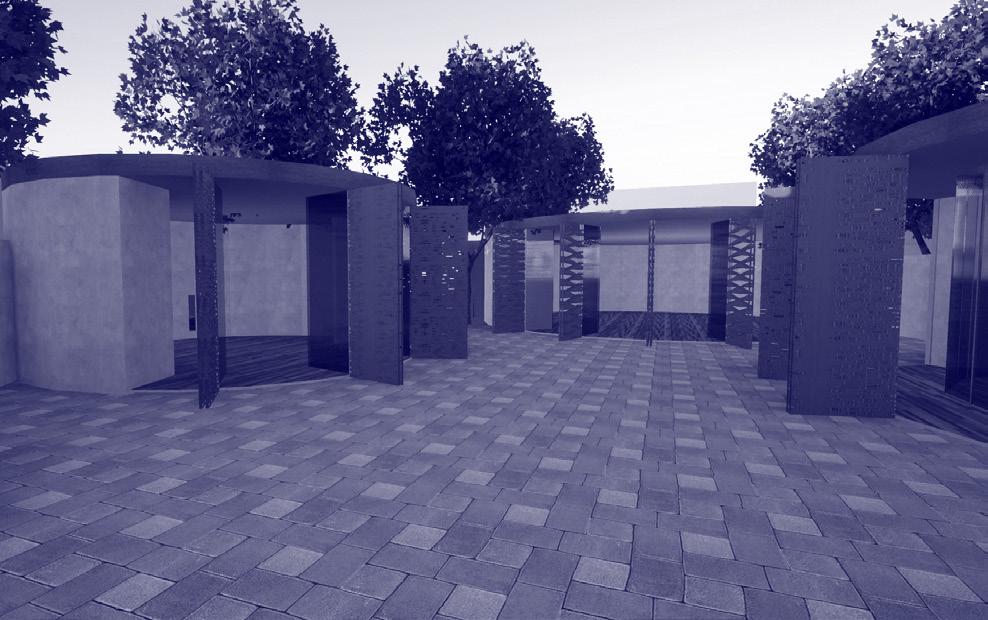
At the heart of the project is an enclosed courtyard where outdoor recreational activities are held.
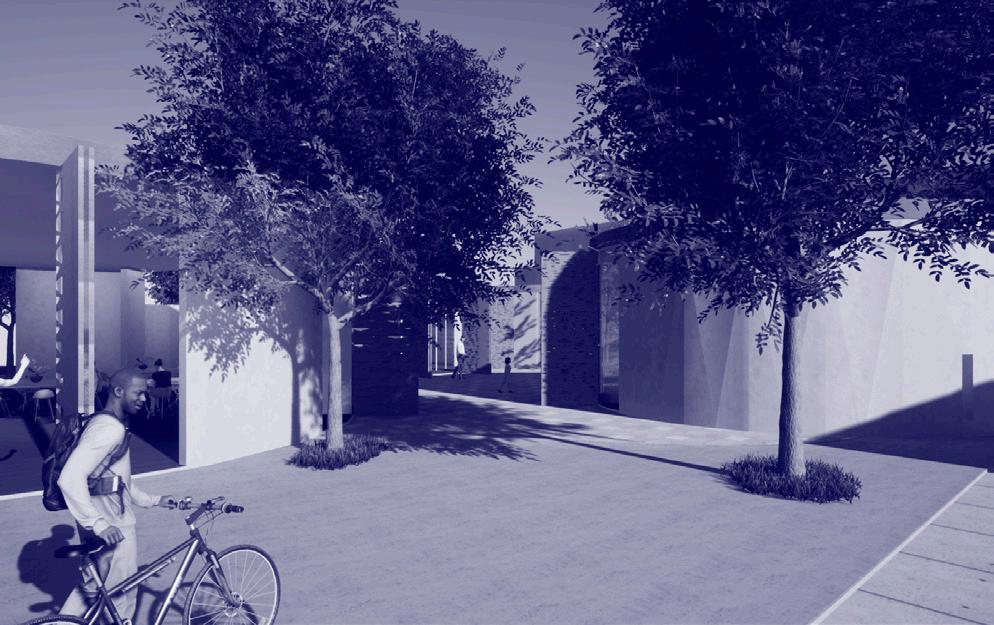
The proposed connection focuses on two entrances linked to the main hall, without completely enclosing the interior space.
The playful approach is not only fun but also sparks curiosity and a love for learning, creating a solid foundation for the holistic development of children. The project thus becomes a catalyst for the well-being and healthy development of young children, providing meaningful experiences that will leave a lasting impression on their journey toward maturity.
Connected to the center, creating an area with broad visibility and an enclosed space with an outdoor illusion.
The proposal includes 4 classrooms for music, interaction, art, and relaxation activities.
The project stands as an apartment tower in one of the areas with the highest economic and social growth in San Pedro Garza García, targeting high-income seniors.
The tower stands as an icon of sophistication and comfort. Every detail has been meticulously designed to meet the most demanding needs of the residents, from elegant interior spaces to impressive common areas.
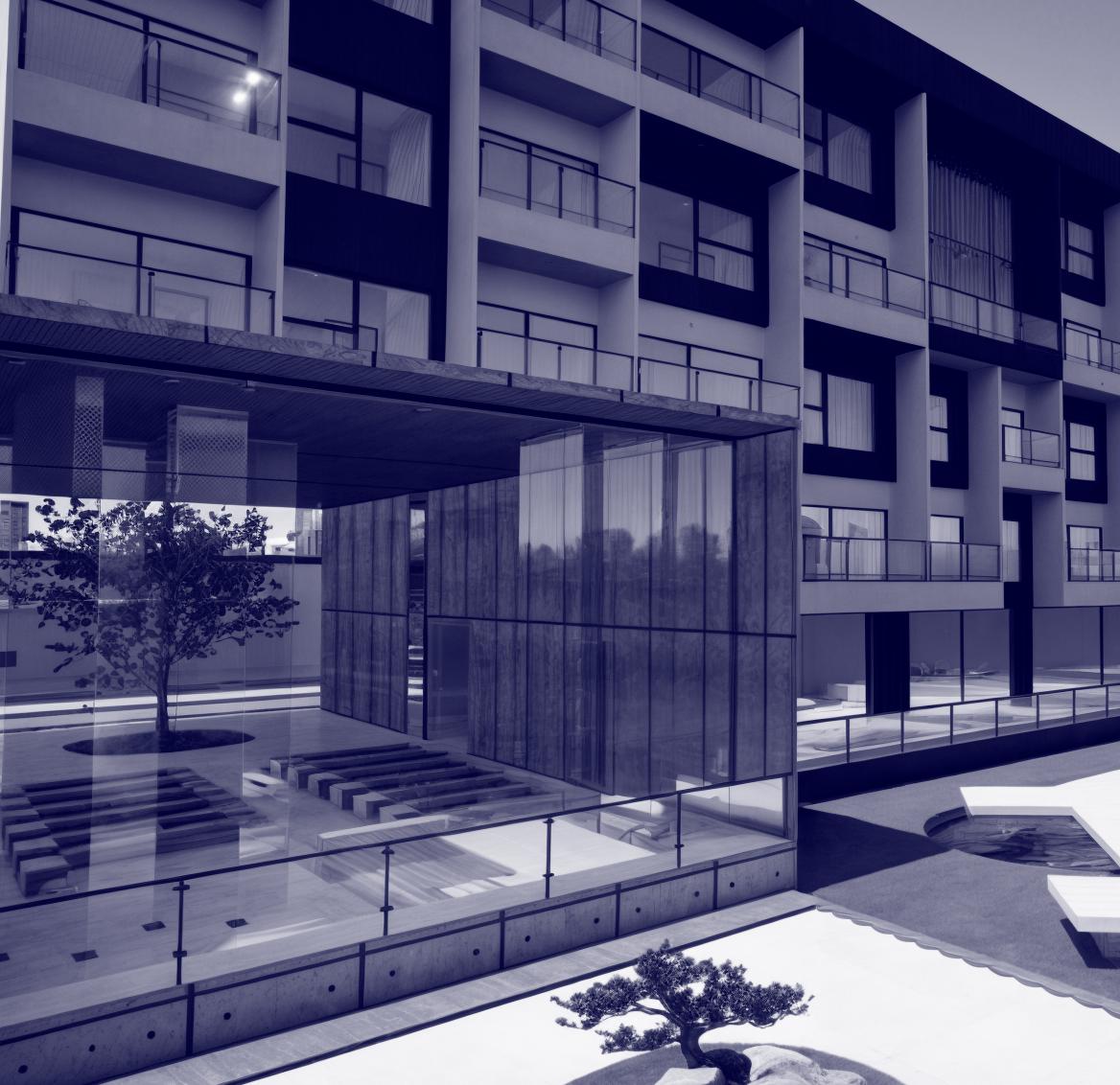
With a prime location and a design governed by the wabi-sabi style, the senior housing project offers a prestigious living experience.
Consulted by Collaboration
Spring 2024
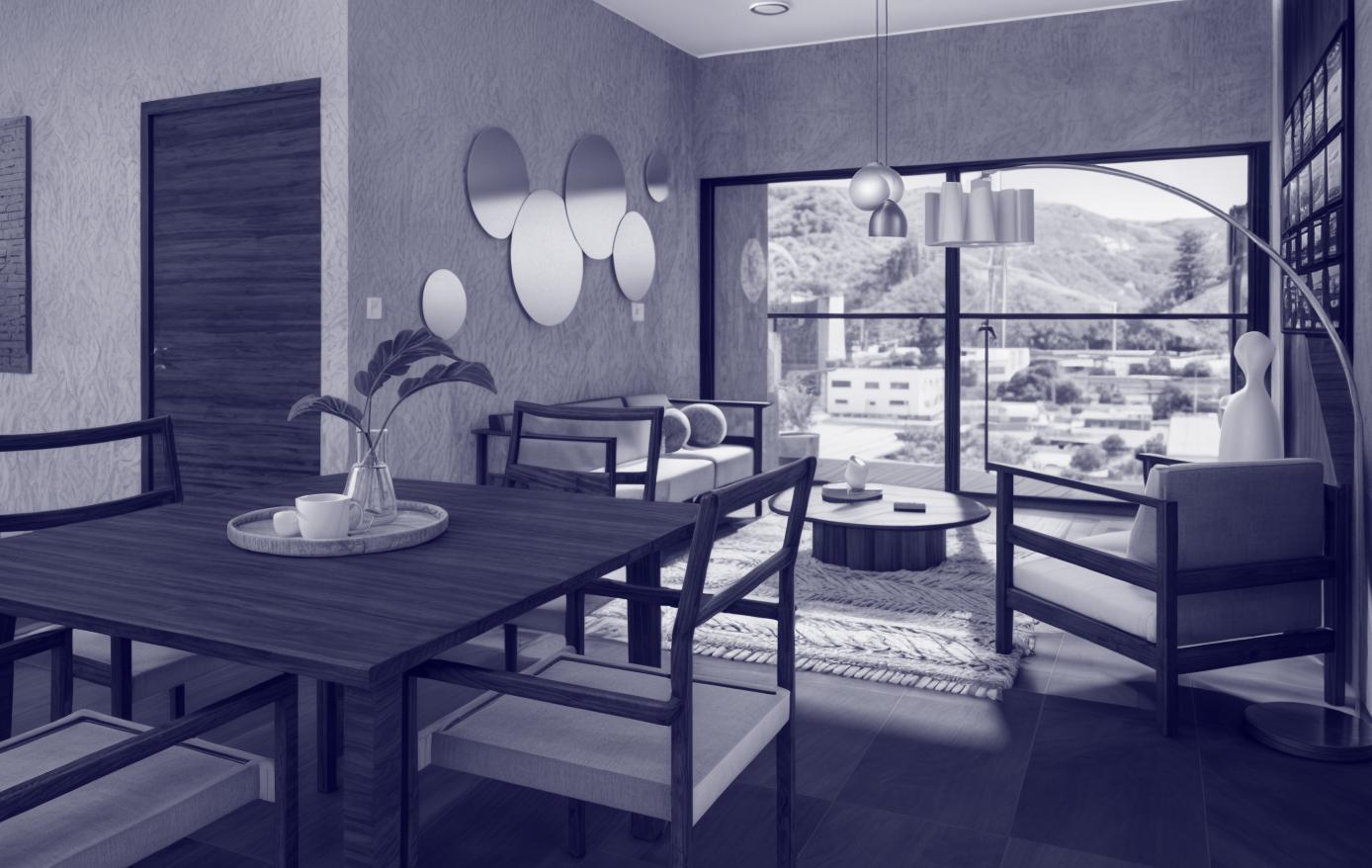
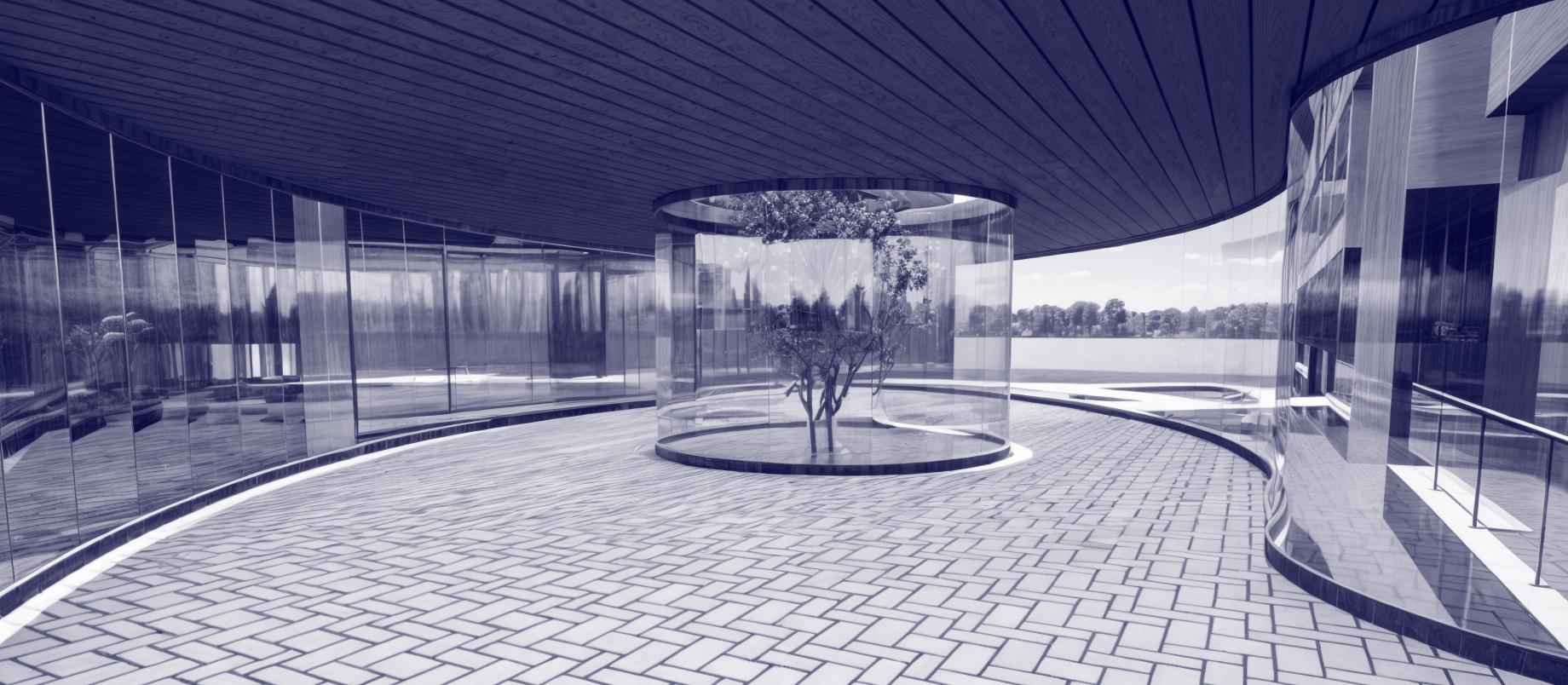
Wabi-Sabi architecture is a Japanese philosophy that values the beauty of imperfection, impermanence, and modesty. It is based on simplicity, naturalness, and contemplation.
The concept of Heiwa Towers originates from the understanding of Yin-Yang, embracing the eastern culture of duality in things.
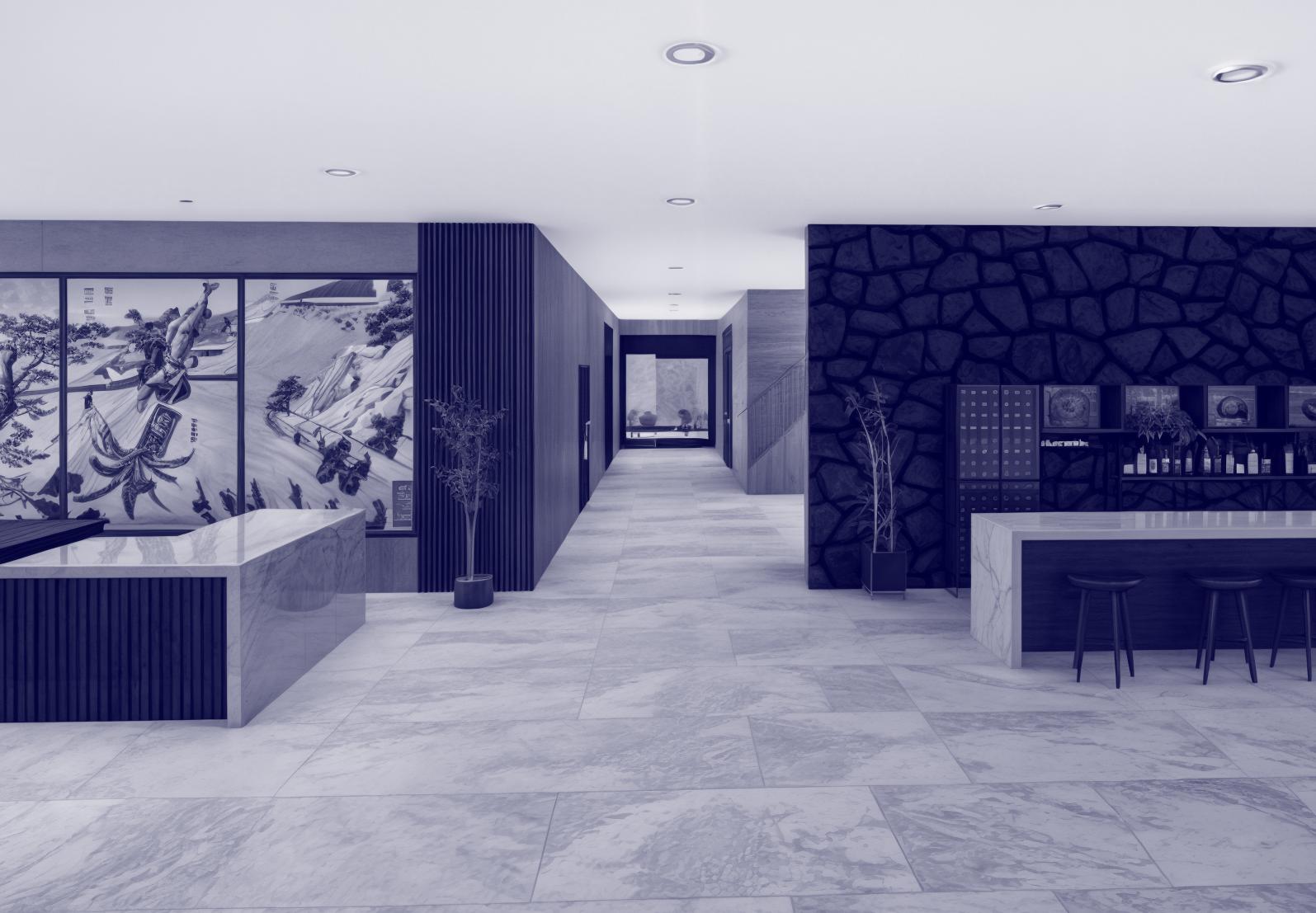
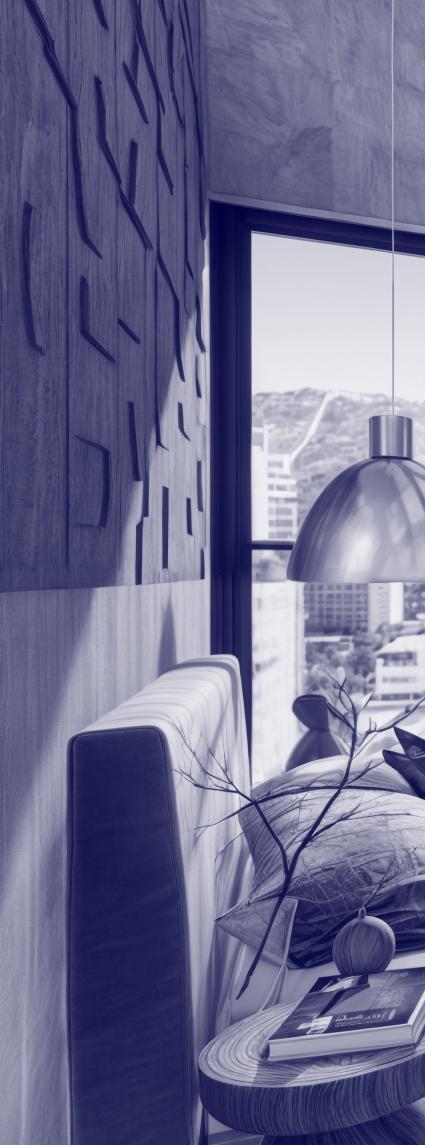
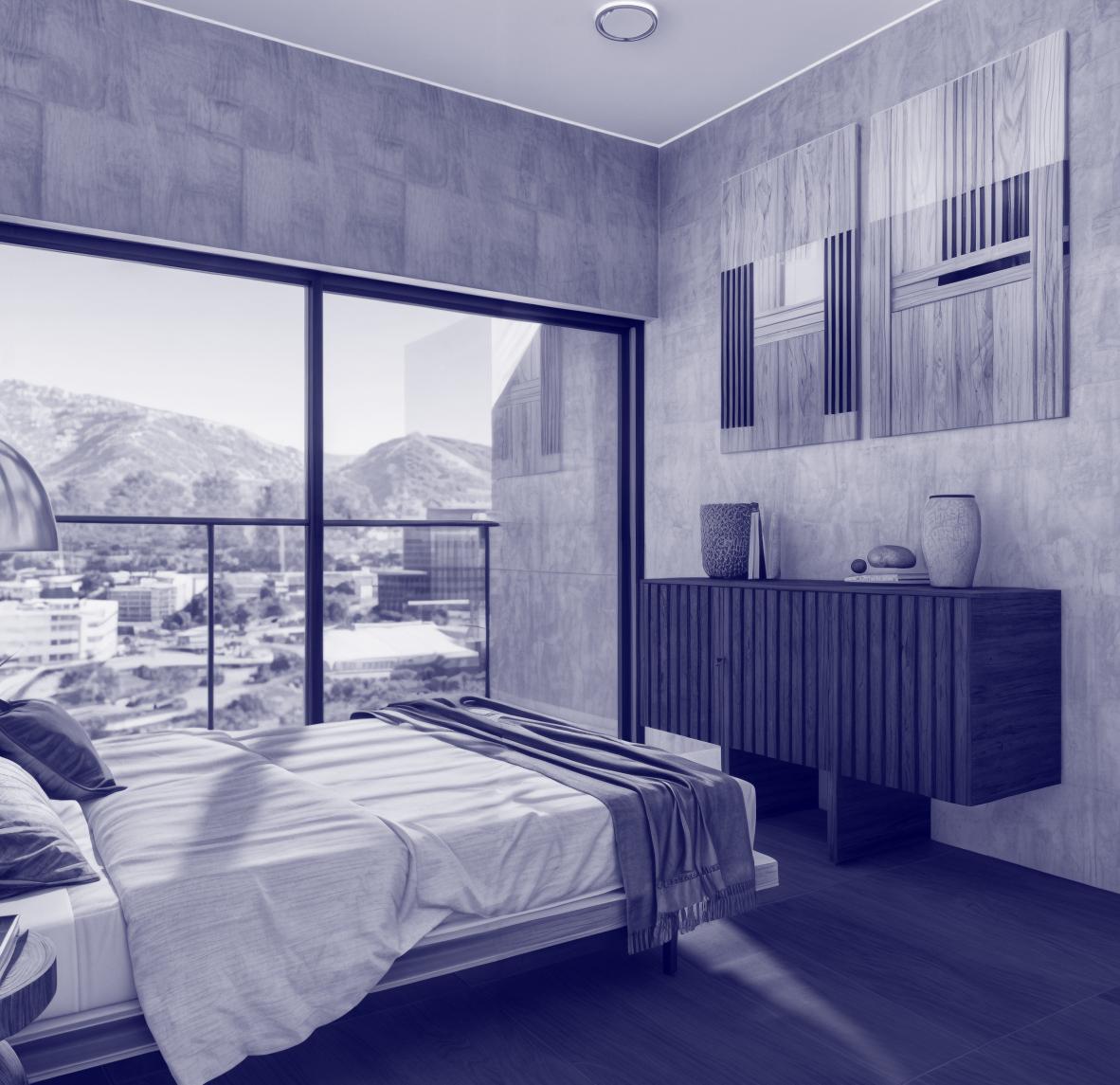
The project aims to provide seniors with a space where they can live independently in an environment that fosters community and resident interaction. Additionally, the project is designed with accessibility features for wheelchair users and stretchers, ensuring comfort and accessibility for all residents.
The complex features social and recreational spaces, including facilities such as a swimming pool, sports rooms, common lounges, indoor gardens, and an ecumenical center.