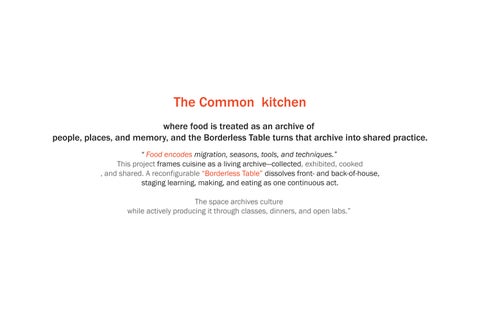
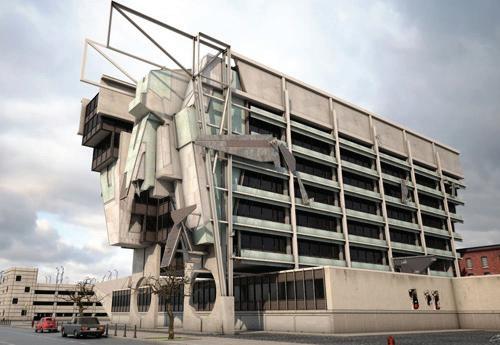
where food is treated as an archive of people, places, and memory, and the Borderless Table turns that archive into shared practice.
“ Food encodes migration, seasons, tools, and techniques.”
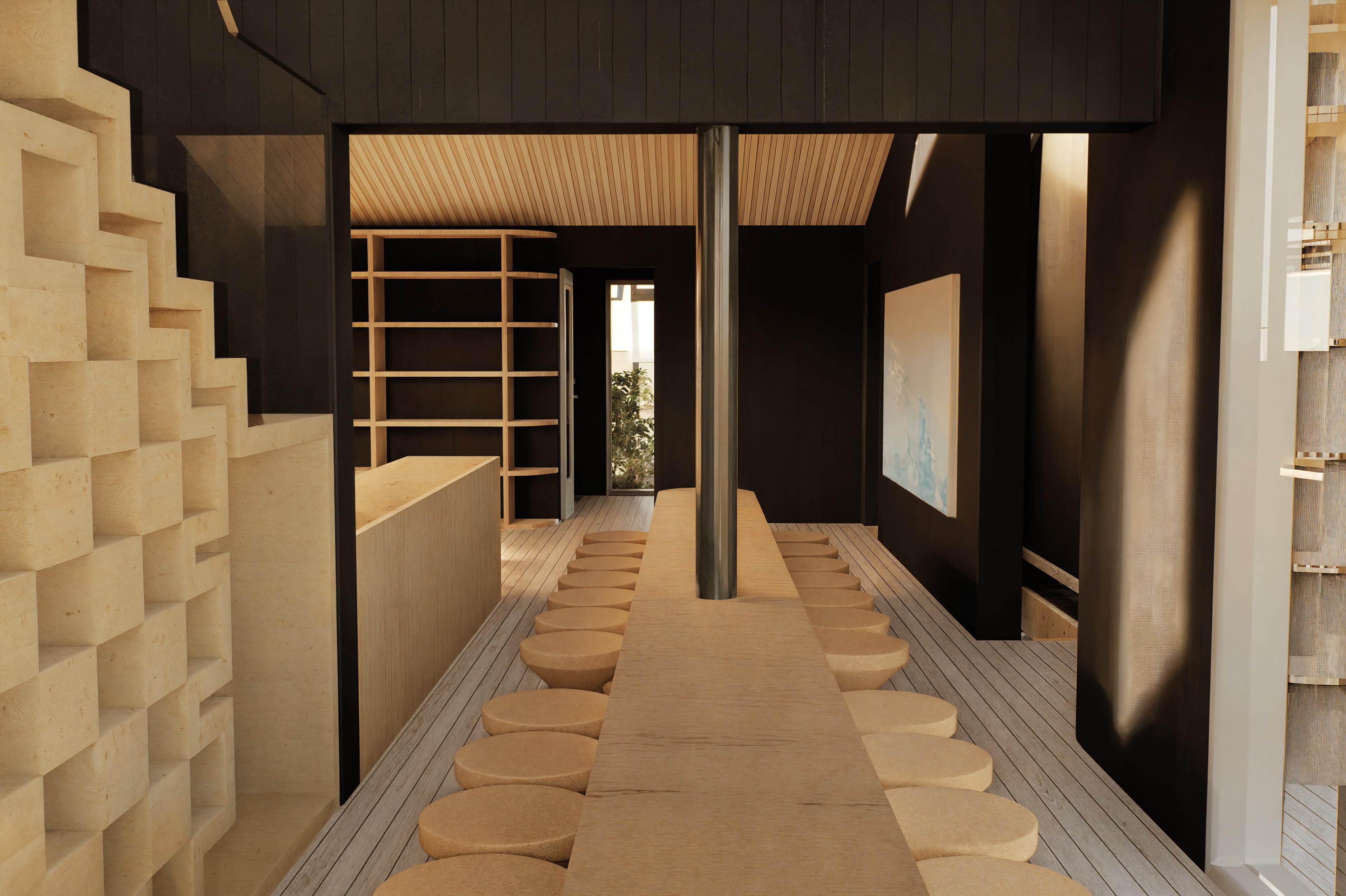
This project frames cuisine as a living archive—collected, exhibited, cooked , and shared. A reconfigurable “Borderless Table” dissolves front- and back-of-house, staging learning, making, and eating as one continuous act.
The space archives culture while actively producing it through classes, dinners, and open labs.”
Precedent Study 1
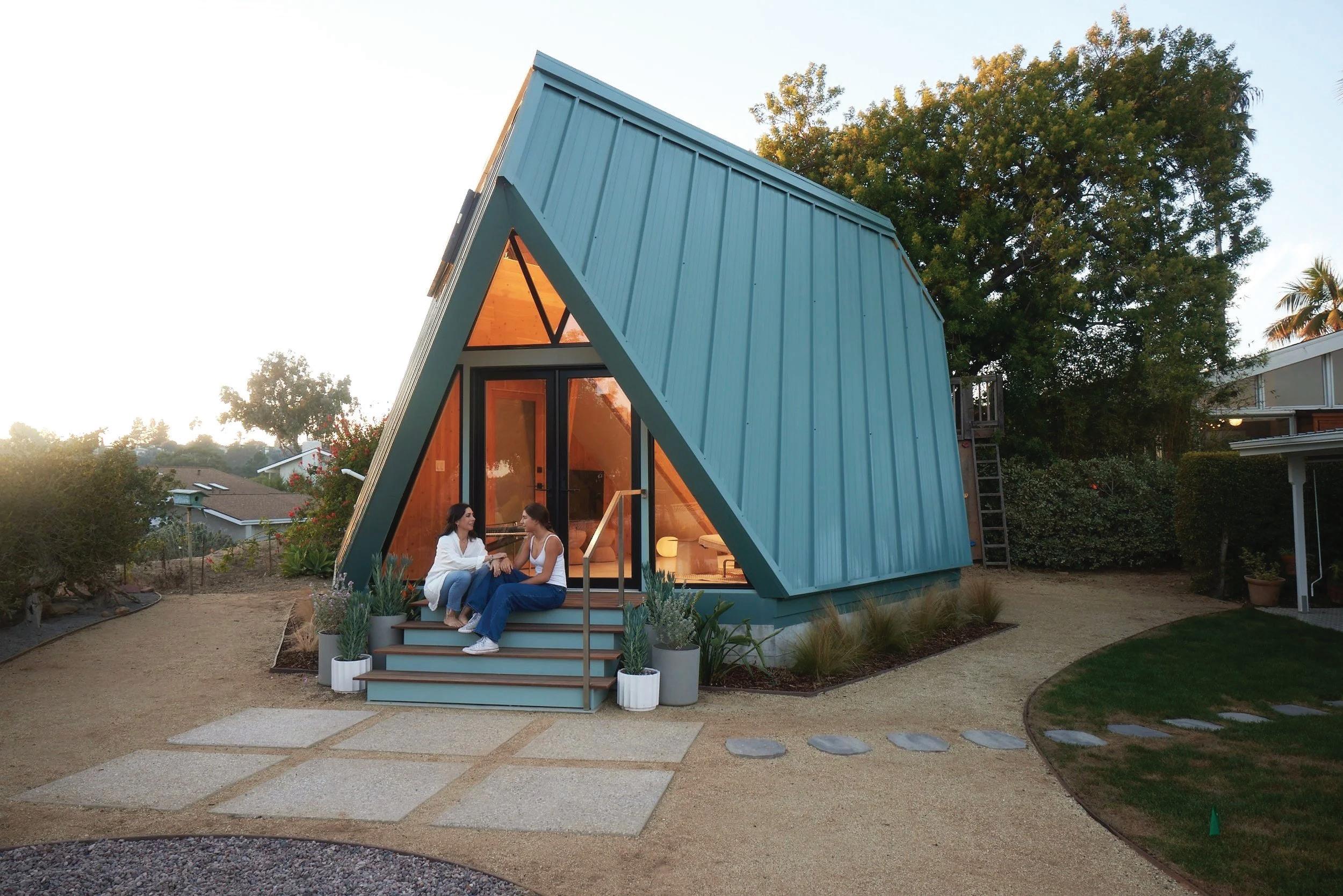
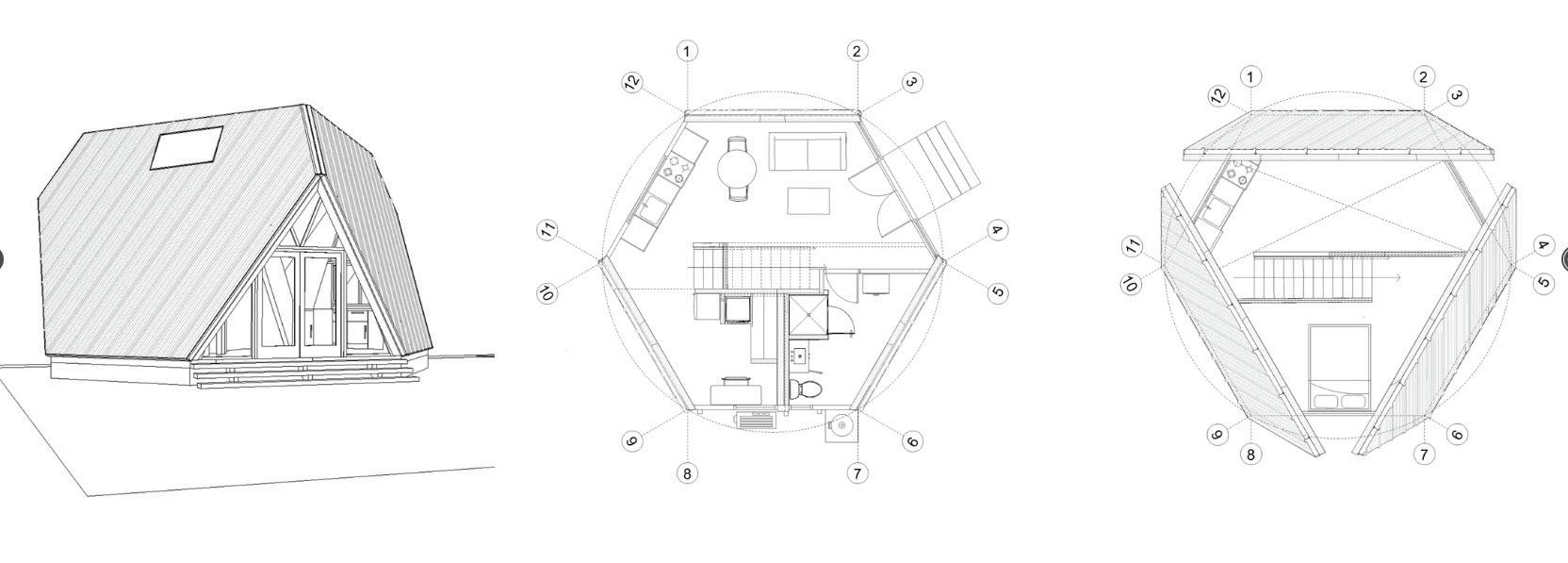
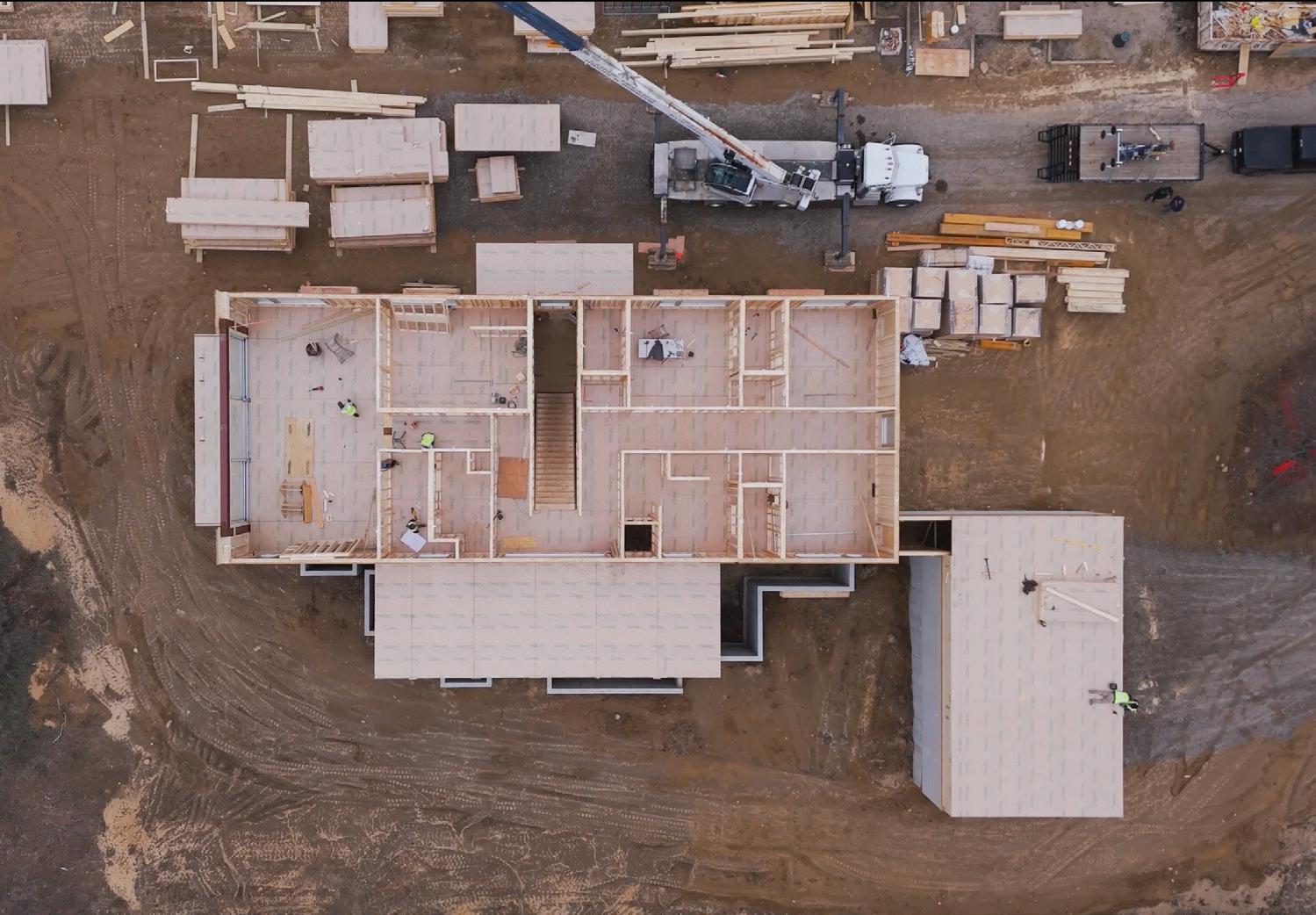
Polyhaus Tetra-One (San Diego, CA) (540 SF): 24’x24’ (Footprint)
+San Diego’s first full mass-timber structural diaphragm.
+Program: living, kitchen, bonus, sleeping loft.
+Structure: 100% CLT; tight, air-sealed assembly.
+Digital/robotic fabrication for precision.
+Douglas-fir CLT via Vaagen Timbers (Colville NF).
+Envelope: insulated metal panels for added fire/thermal performance.
+Fire: CLT char ≈ 1.5 in/hr; panels 4.5–7.5 in thick.
+Wildfire: aerodynamic form; ~3–5× resilience vs conventional framing.
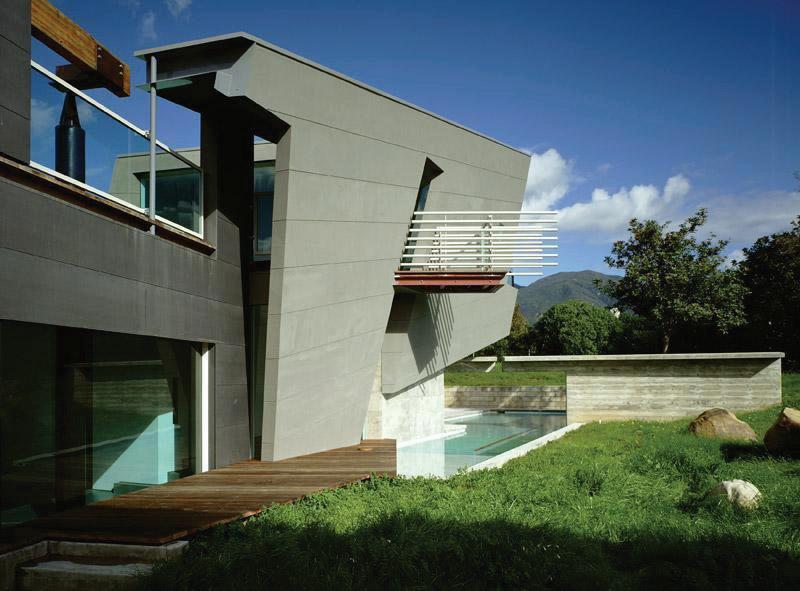
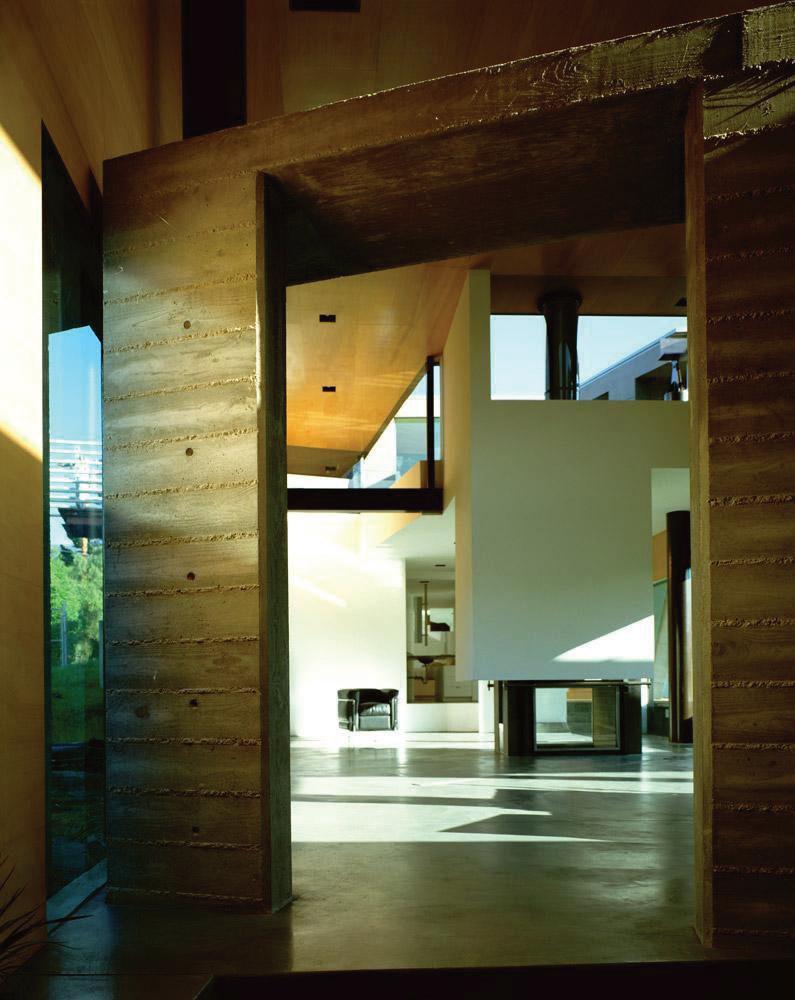
As a precedent, it shows how spatial compression and release are orchestrated across the site, with paneled apertures (carved reveals/recesses) modulating light, views, and privacy to fuse indoor and outdoor rooms.
Formal: nested frames with subtractive cuts/voids → interlocking zones, tuned apertures , and compression→expansion sequences.
Reimagines urban work–live as adaptive, plug-in infrastructures—provisional, citizen-driven rather than zoning-fixed.
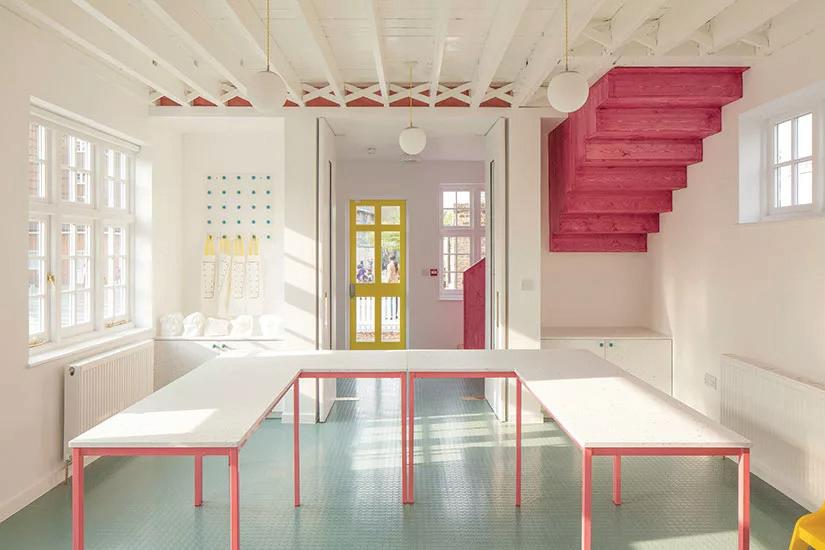
+Entry compression → garden expansion; low-cost adaptive reuse + community programs create a flexible, inclusive hub.
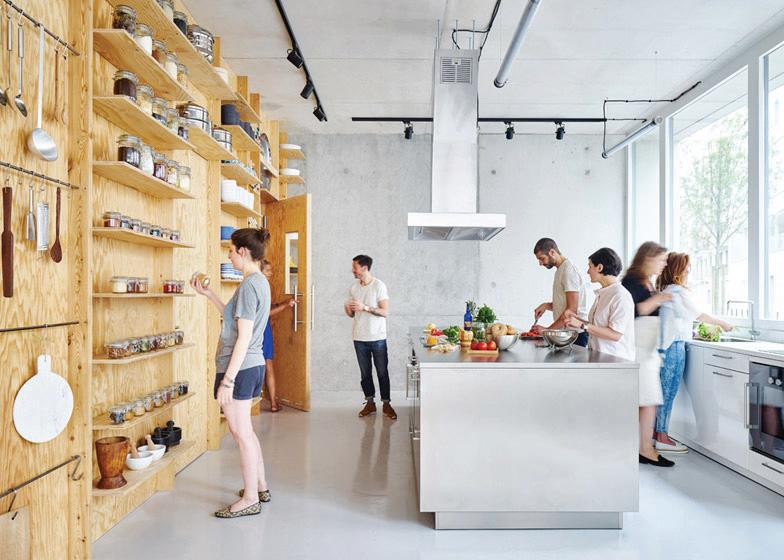
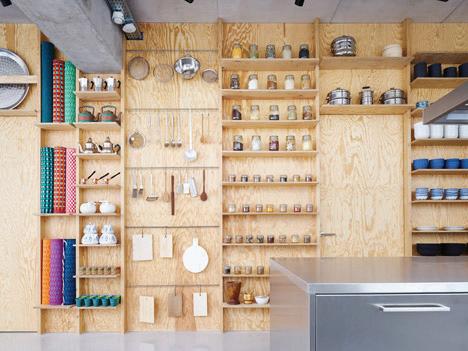
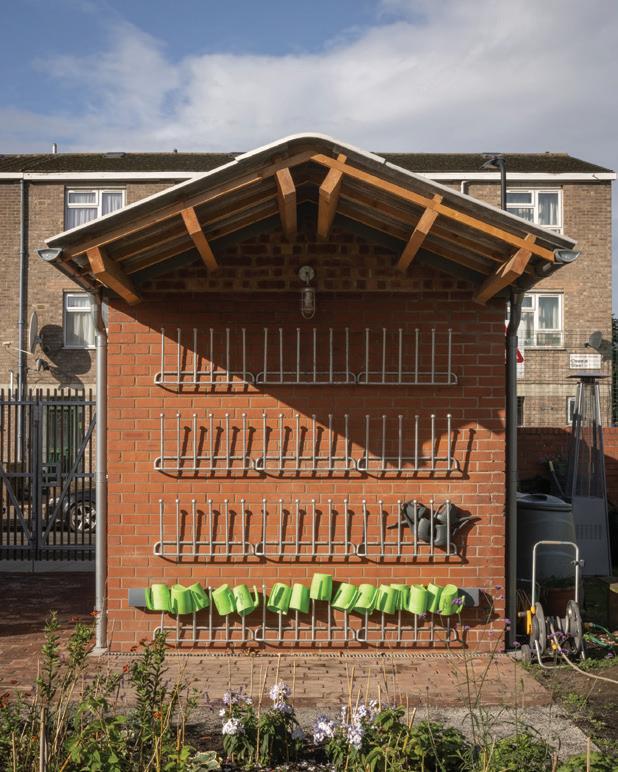
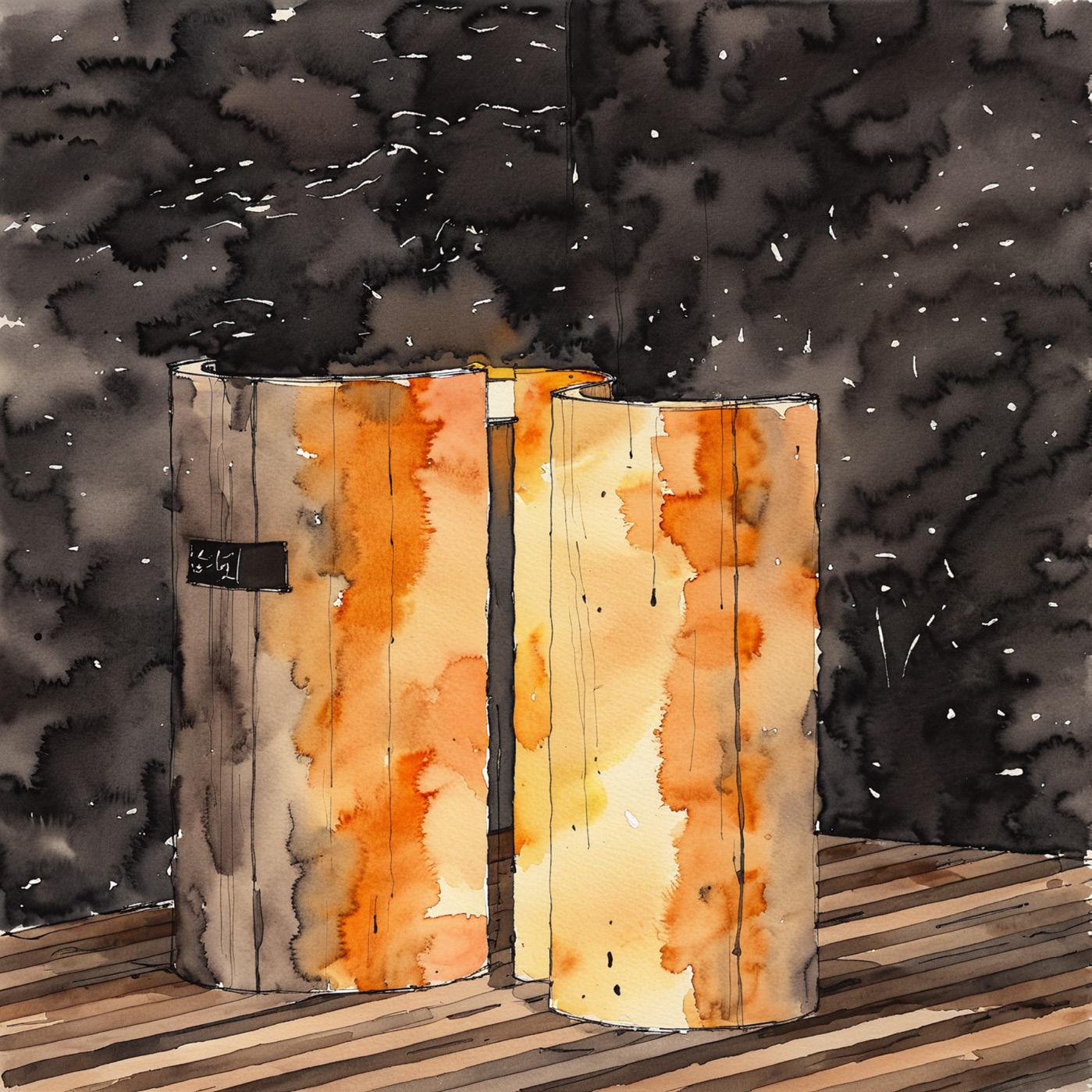
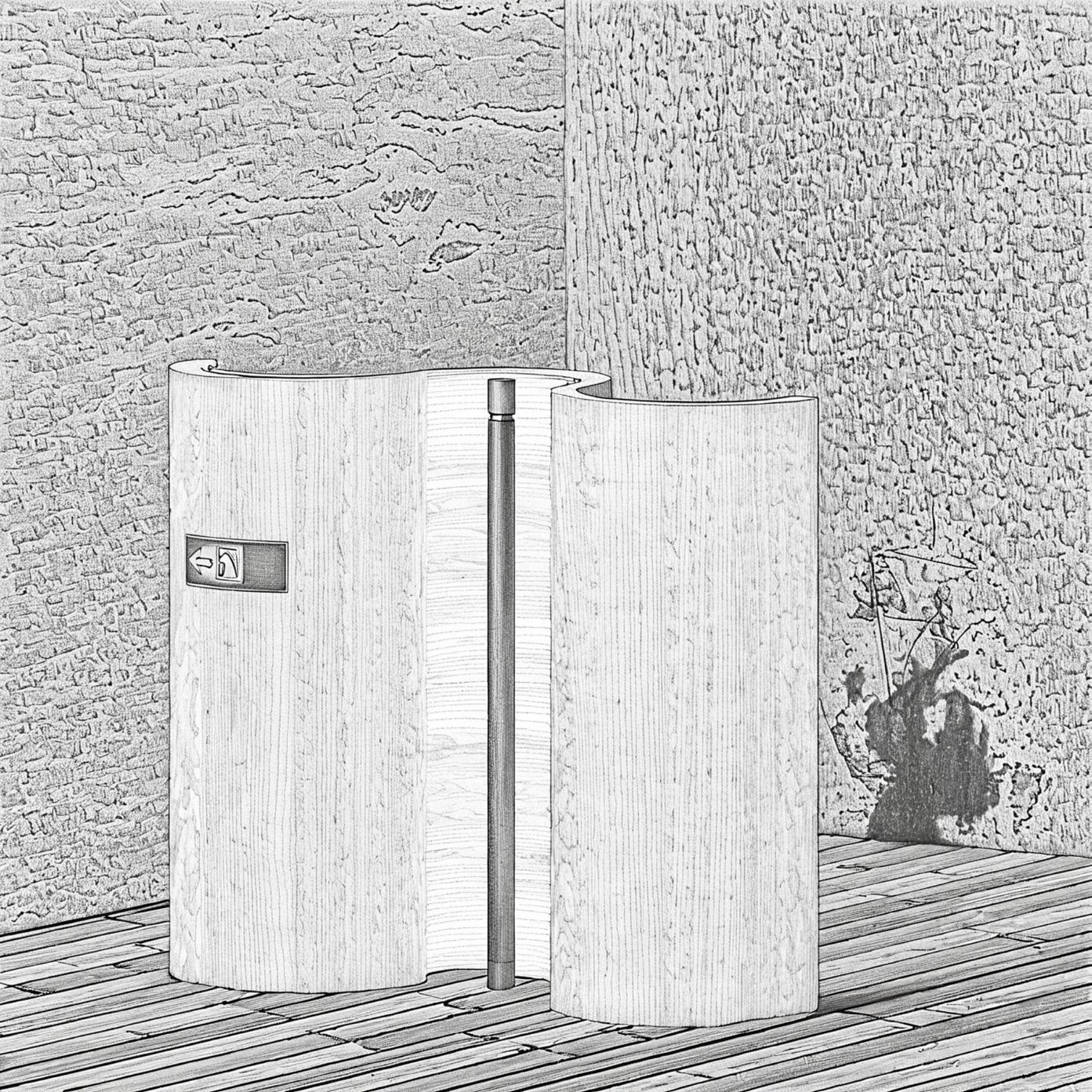
+Storage wall = cultural index + flexible kit: displays diverse tools/rituals, then swallows furniture to clear the floor for any workshop setup.
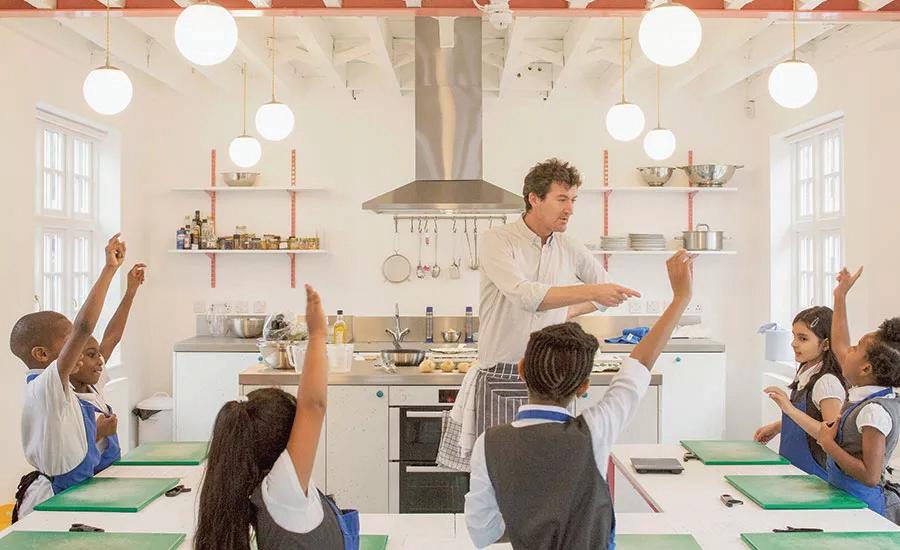
Program: cooking lab
“ In Paris there is a new flexible space, organized by a single storage wall, which reflects the universe of world cooking, and the diversity of different food cultures”
Concept: Archive-as-infrastructure—making culinary cultures visible so the room itself teaches, invites participation, and signals diversity through use.
Hackney School of Food / Surman Weston
The Borderless Table
Breaking invisible borders with shared meals.
( 4-week schedule) : Series
Four Plates, One Block — Weekly cuisines from the neighborhood.
Week 1 —
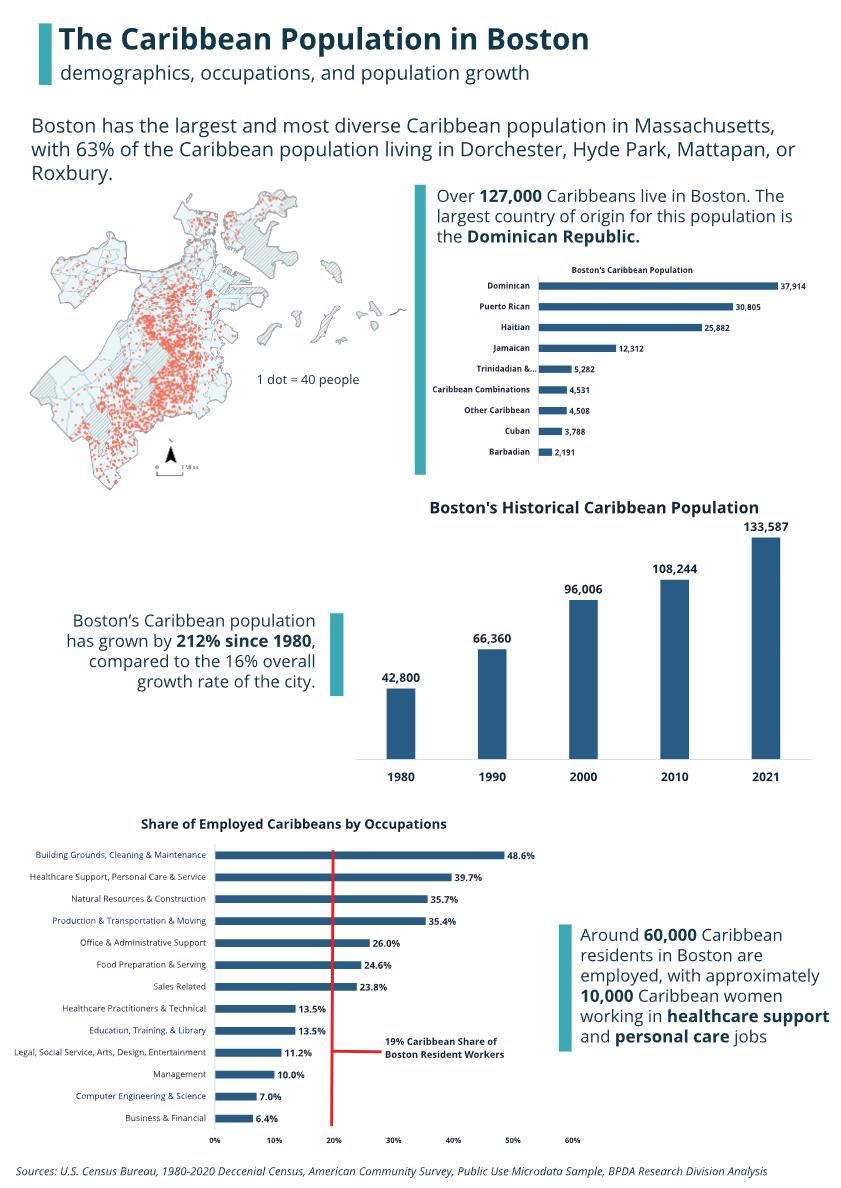
Group 1: Trinidadian — green seasoning, roti, pelau, doubles
Week 2 —
Group 2: Haitian — diri ak djon djon, pikliz, (veg) griot
Week 3 —
Group 3: Puerto Rican — sofrito, arroz con gandules, tostones
Week 4 —
Group 4: Jamaican — jerk seasoning, rice & peas, festival/plantain
THE COMMON KITCHEN
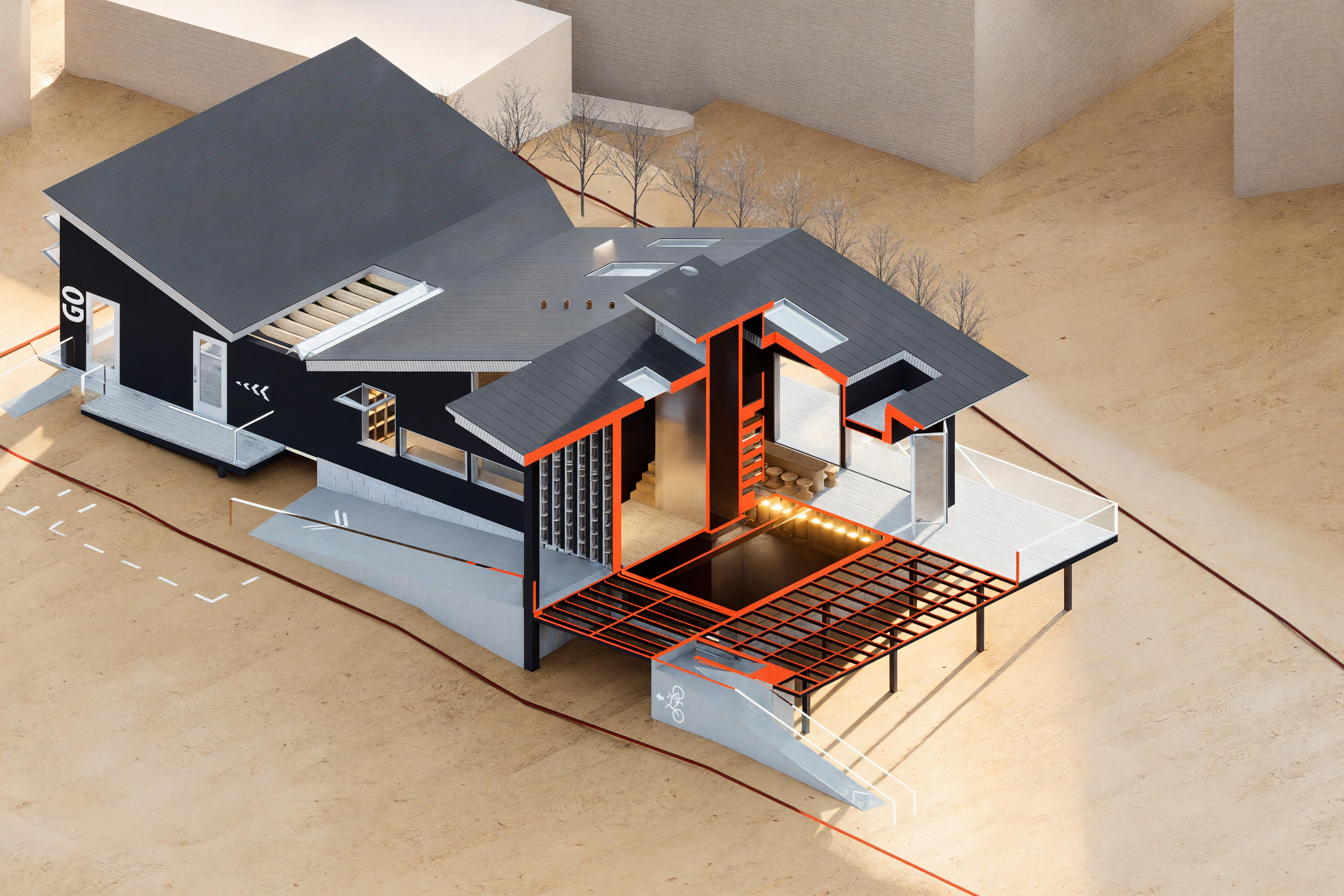
Spatial system (translate concept → architecture)
Archive Wall (visible index):
A 1:1 library of tools, spices, vessels, and stories. Peg/track system + shallow vitrines; each item has a QR tag linking to origin, recipe, and oral history. Doubles as flexible storage + exhibition.
Borderless Table (central device):
A continuous, stepped CLT platform with embedded induction pods + sinks on flip-up lids.
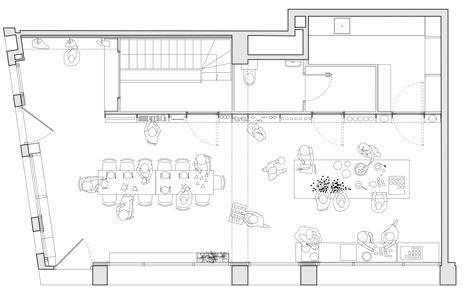
Configs: line kitchen, seminar horseshoe, banquet, two islands. No hard edge between “chef” and “guest”: everyone can reach, learn, and plate.
Hearth Line (making band):
Low, linear utilities (power, water, hood spines) expressed as service ribs—didactic, exposed, easy to maintain.
Street Porch (threshold):
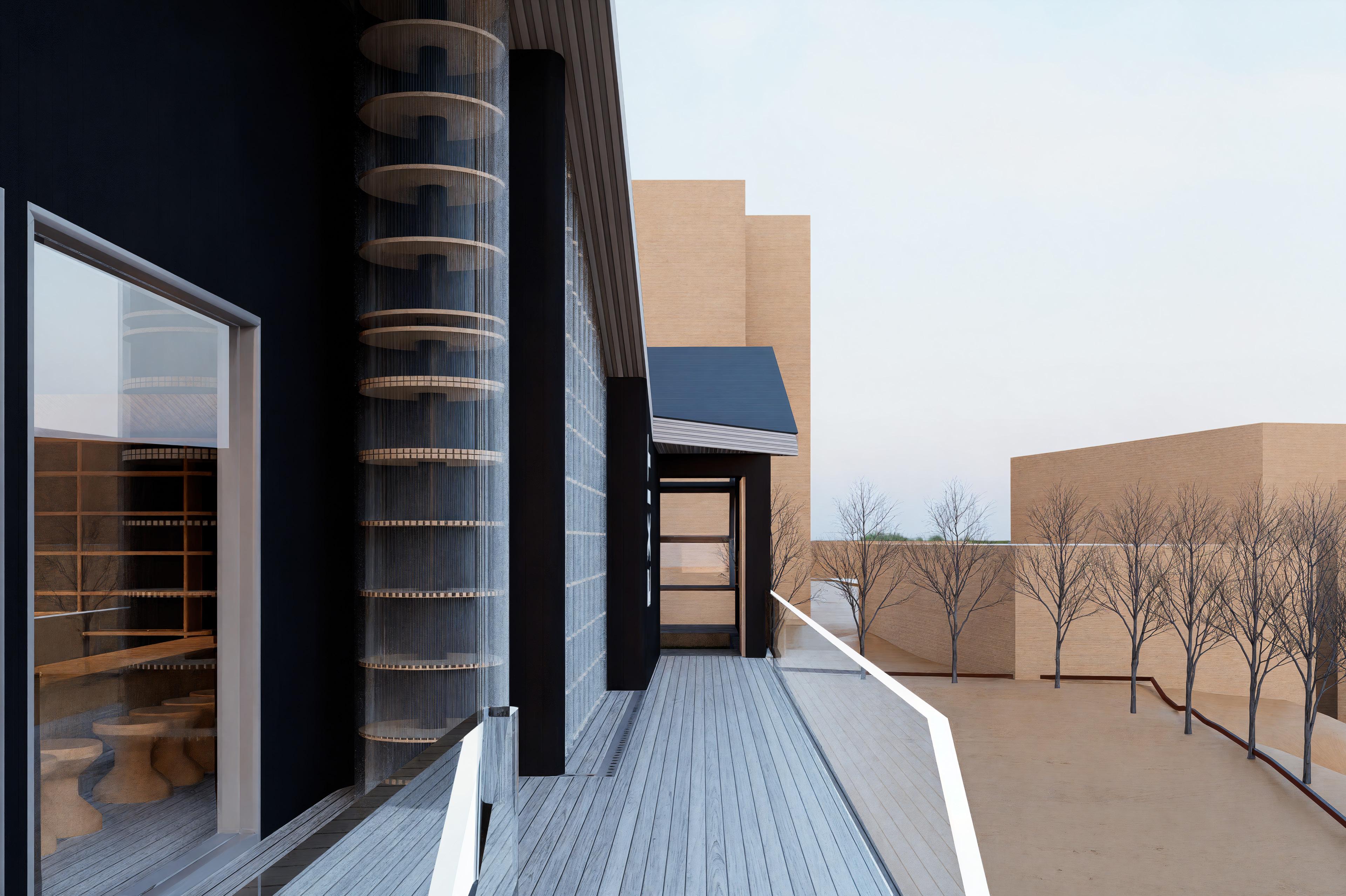
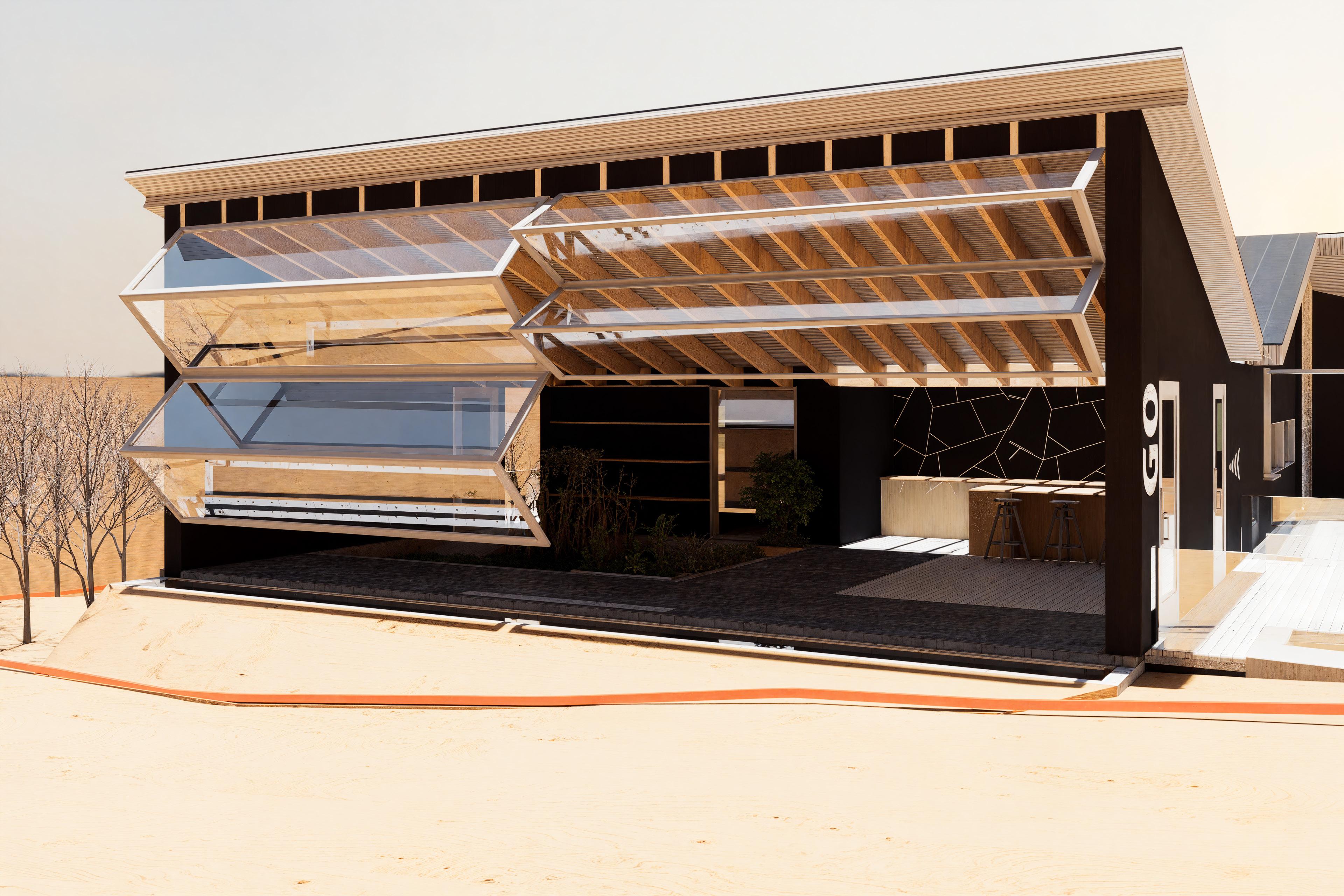
Sliding façade + bar rail for passerby tastings and pop-up markets—archives spill outward.
Back-of-House Nucleus: Prep, wash, walk-ins arranged in a compact pinwheel behind the Archive Wall; short runs, sightlines kept open.
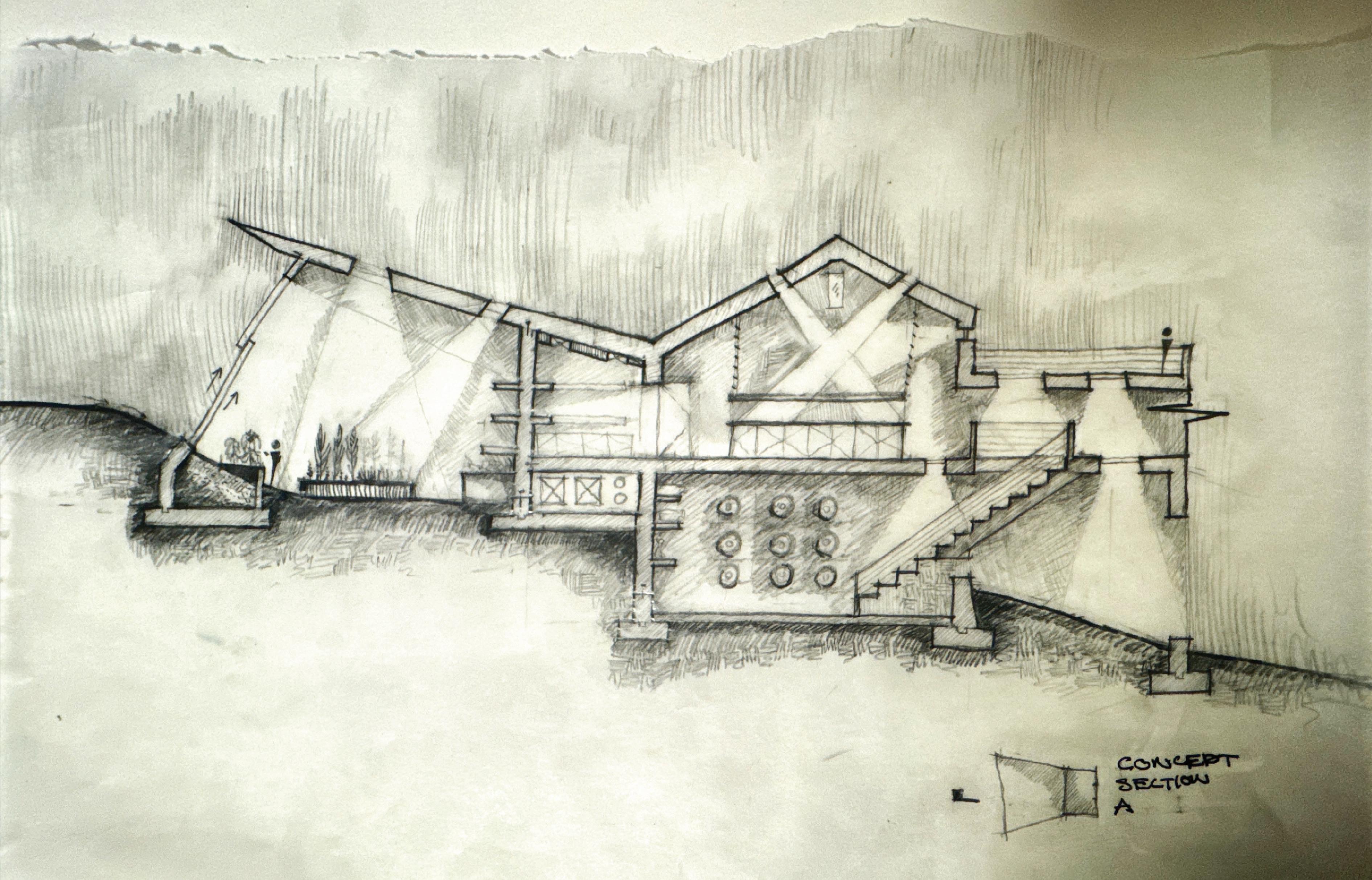
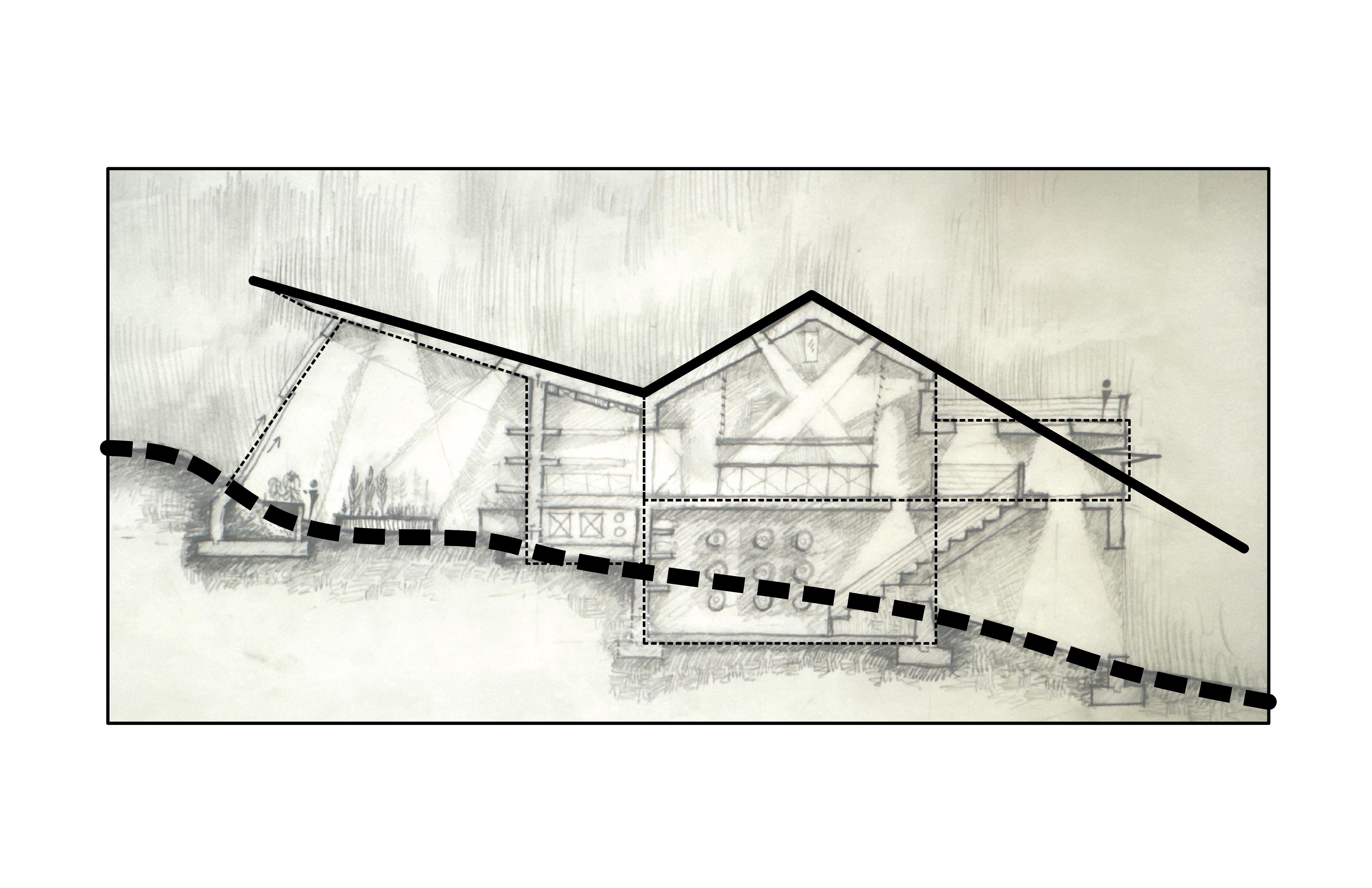
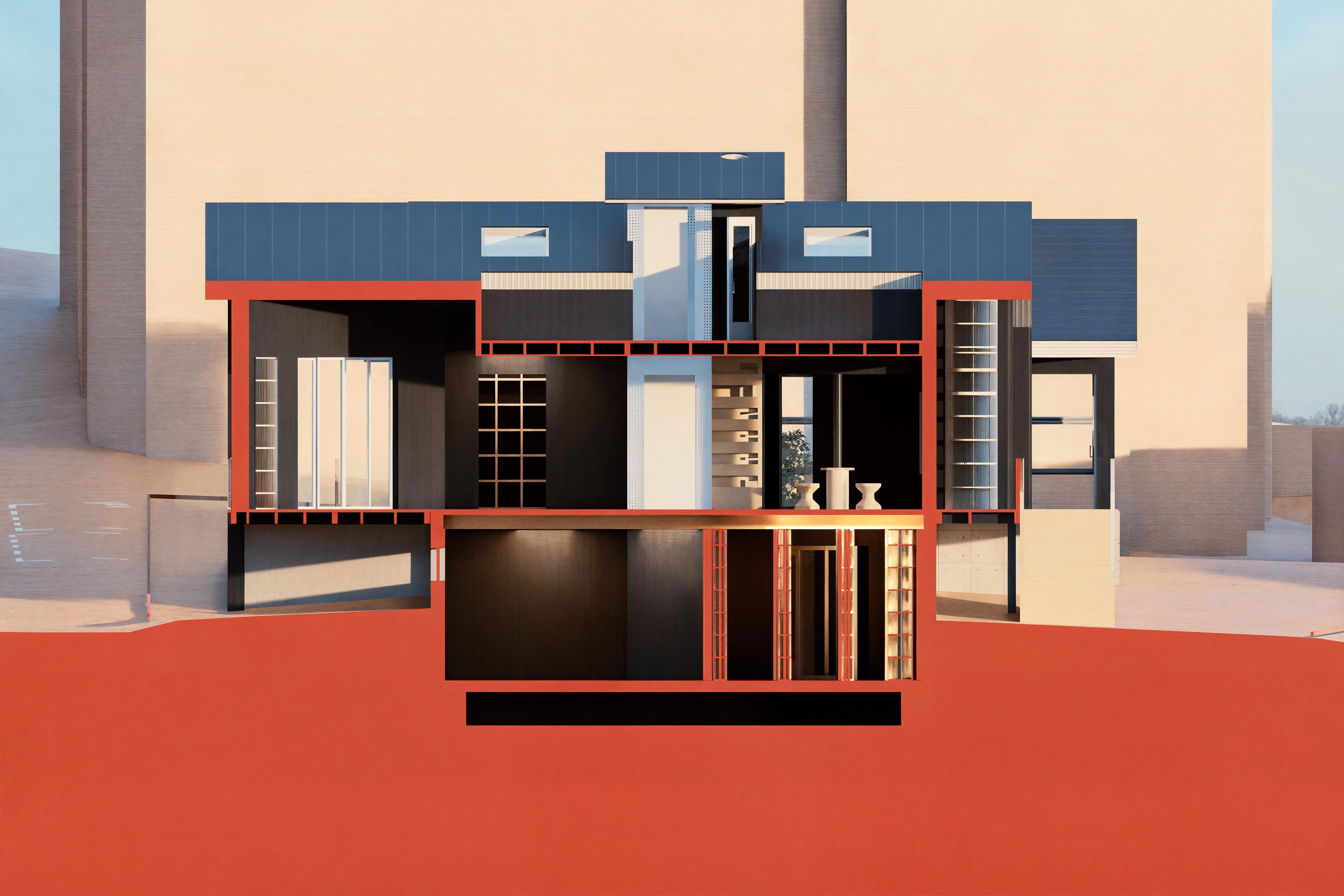
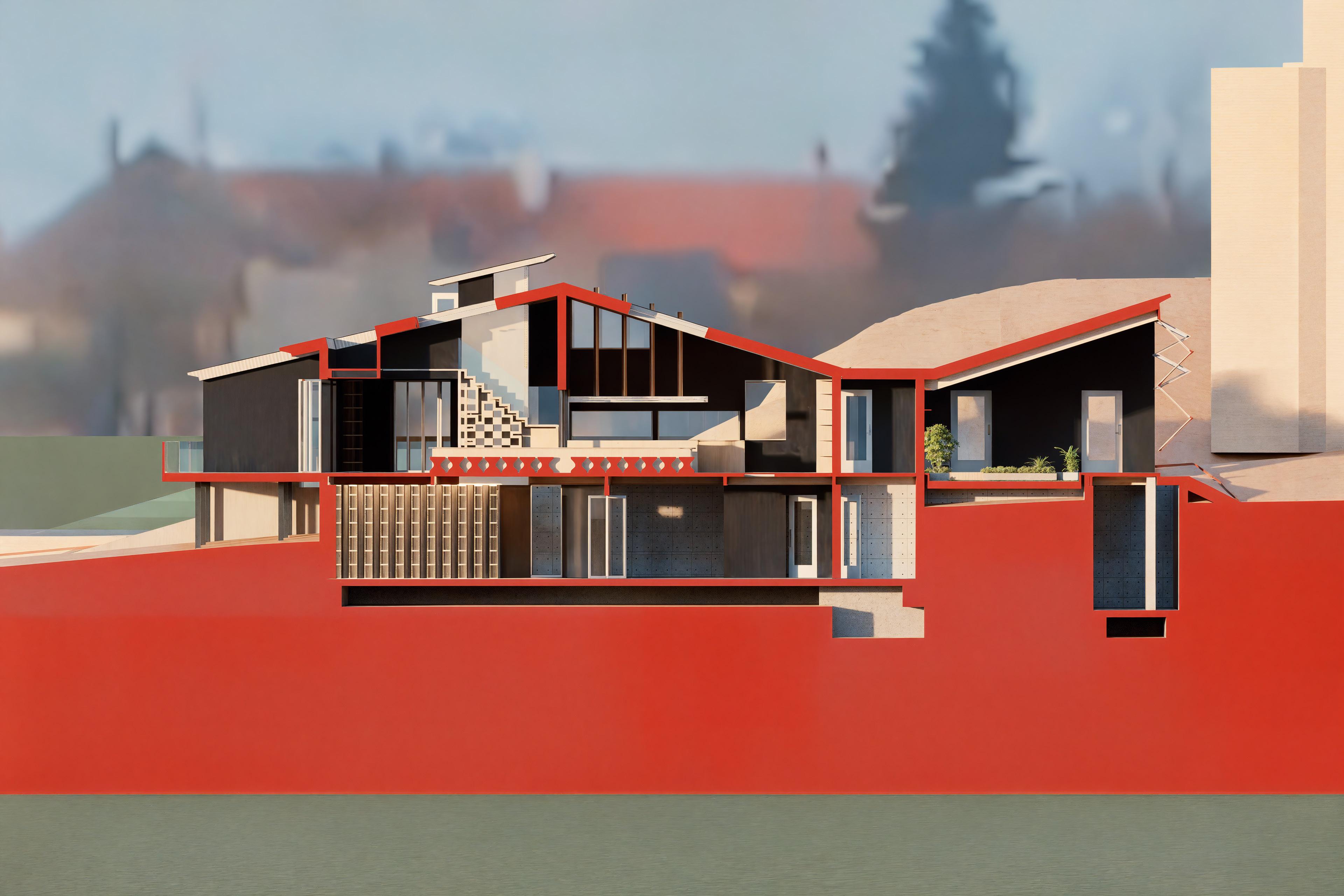
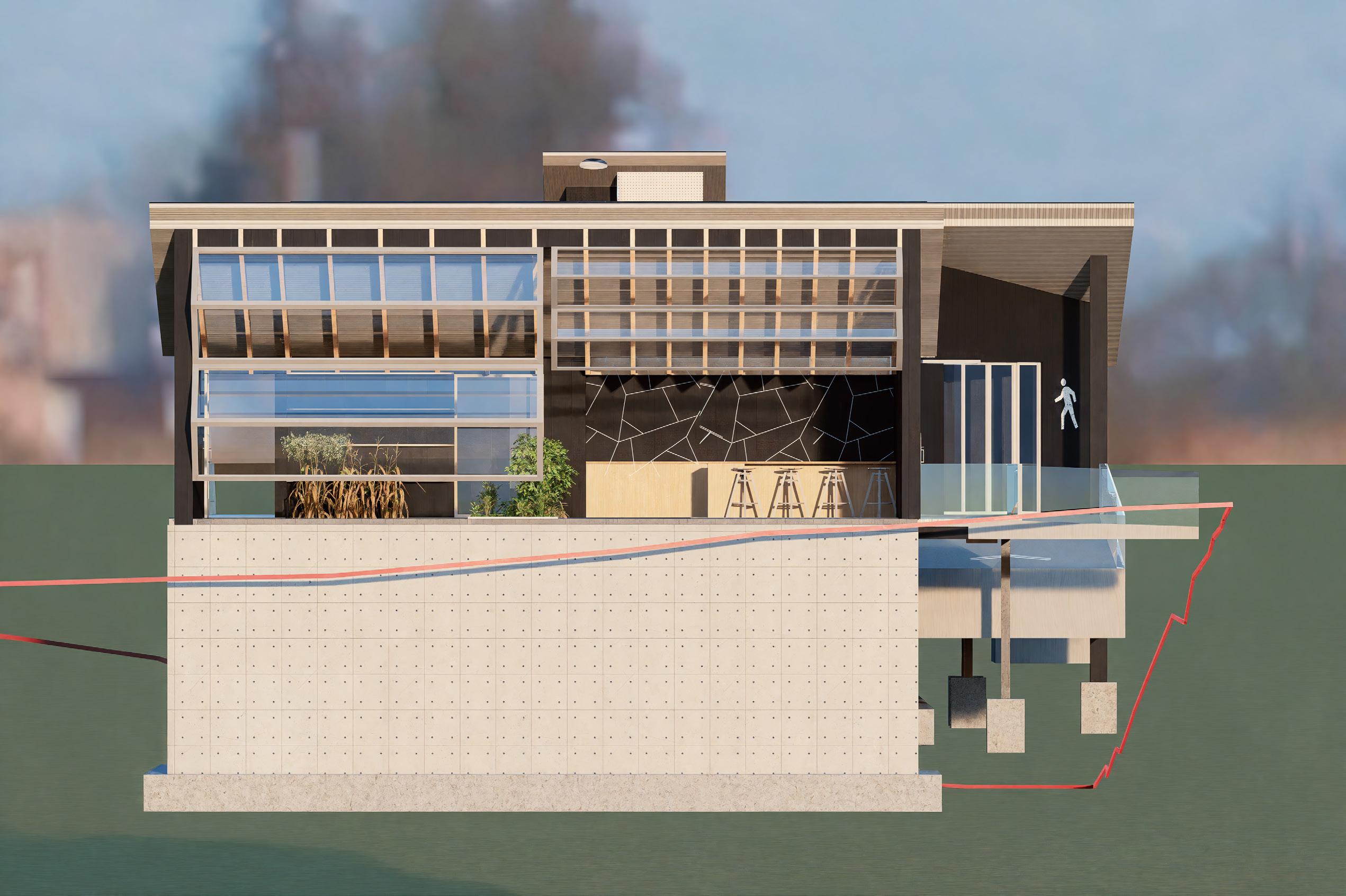
SECTION : Sketch of Spatial Condition Section
SECTION : Sketch of Spatial Conditio
Program Overview: Production, Consumption & Community
Community Engagement Space (±20% of exhibition/production area)
+ Classrooms
+ Gathering rooms
Consumption Space
+ Café
+ Kitchen
+ Gallery / exhibition
Production Space(±15% of primary program)
+ Food production
+ Support & circulation
+ Storage
+ HVAC / mechanical
+ Administration
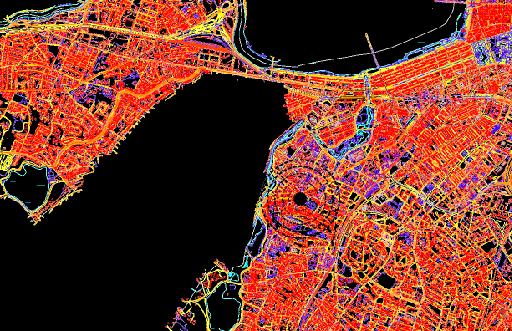
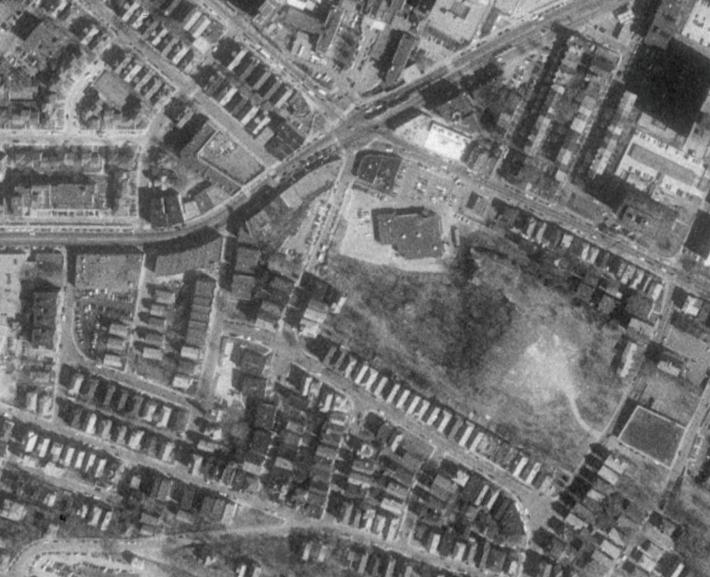
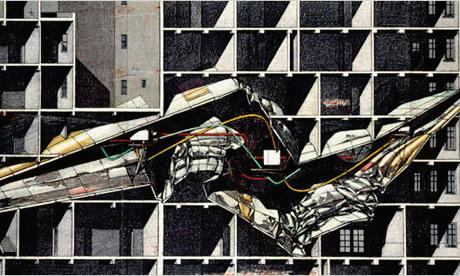
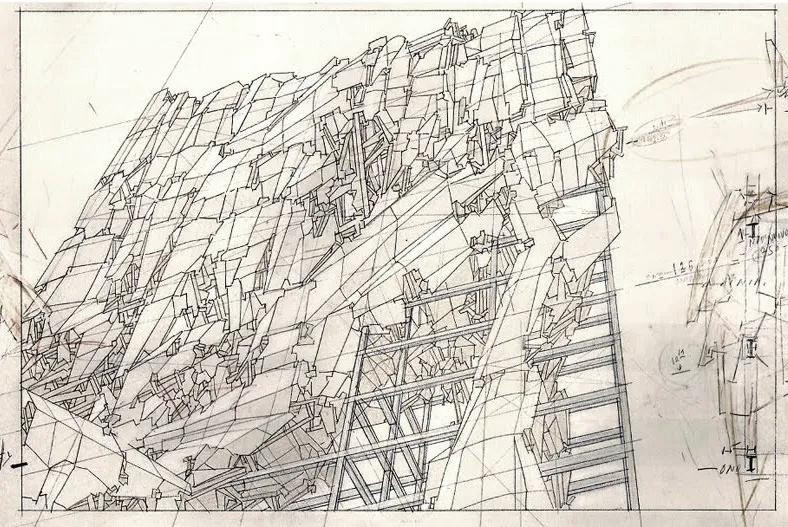
ARCHIVE EXPLORATION
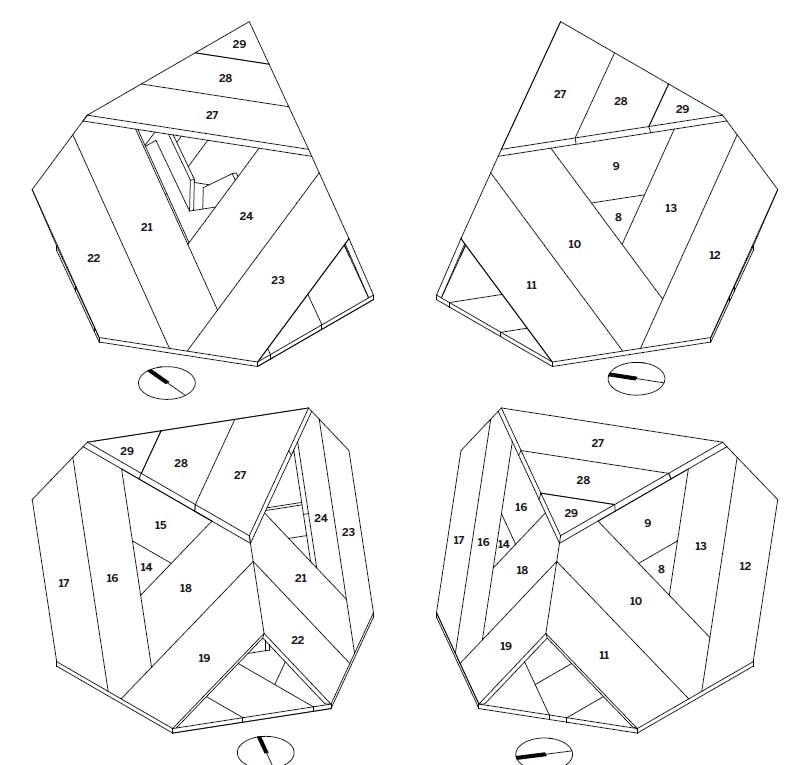
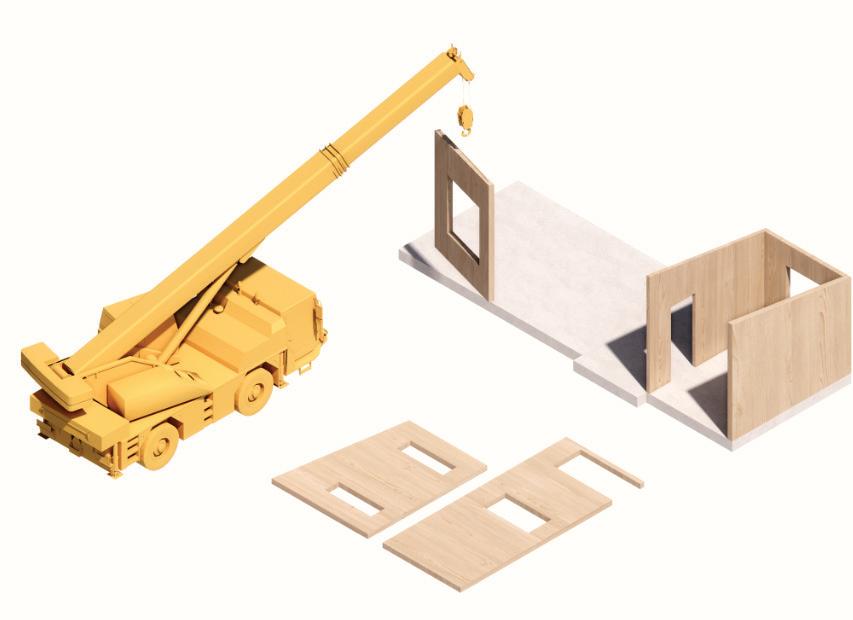
CONSTRUCTION SYSTEM + DIAGRAMS
NEW DATA
+ Mission Hill availability spike: At the start of the 2025 school year, Mission Hill (a neighborhood adjacent to Roxbury with high + concentrations of student renters) is experiencing a dramatic +88% increase in available apartments compared to the previous year .
+ Citywide apartment availability: Across Boston as a whole, the availability rate of apartments beginning Sept.1 is up approximately 4% compared to the same period in 2024
These figures strongly suggest that apartment demand in areas deeply tied to college student enrollment is highly sensitive to international student visa policy changes—an economic vulnerability that your community kitchen concept could strategically address by reinforcing connections with local residents across the academic cycle.
MASS TIMBER
Material Choice: Mass timber as the primary construction system
Technique: Cross-Laminated Timber (CLT) panelization for modularity and efficiency
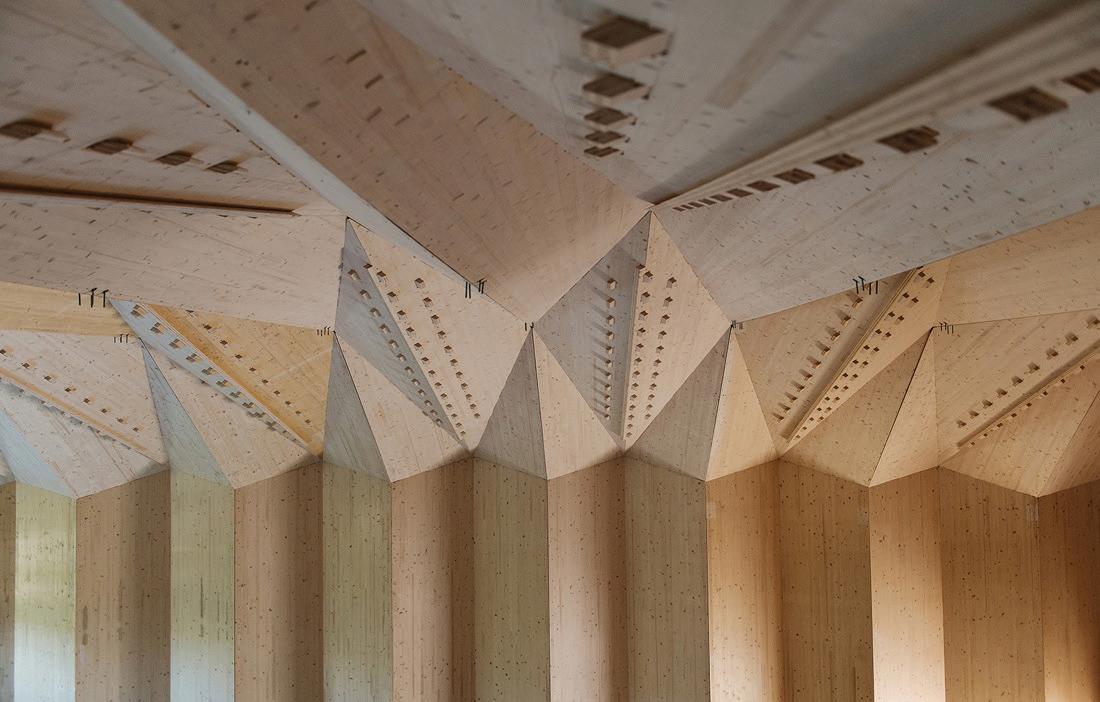
Joinery: Exposed timber joinery to highlight craft and connection
Sustainability: Renewable, low-carbon building material supporting ecological goals
Conceptual Alignment: Panelization and joinery as architectural metaphors for education, cultural exchange, and community connection
North
Star
Create a welcoming, teaching-forward kitchen where food is the medium for cultural exchange, dignity, and skill-building.
Every spatial and material decision must make learning visible, participation easy, and community ownership real.
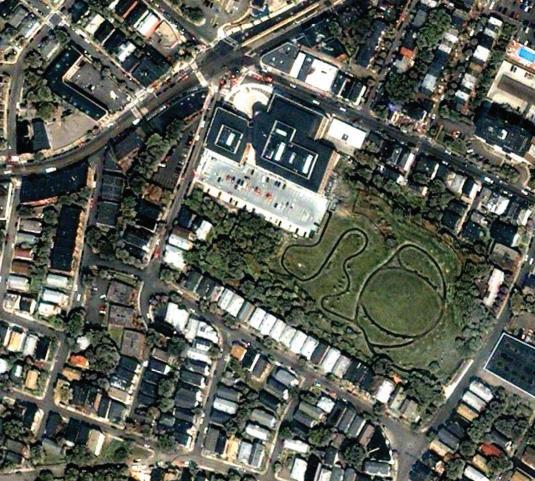
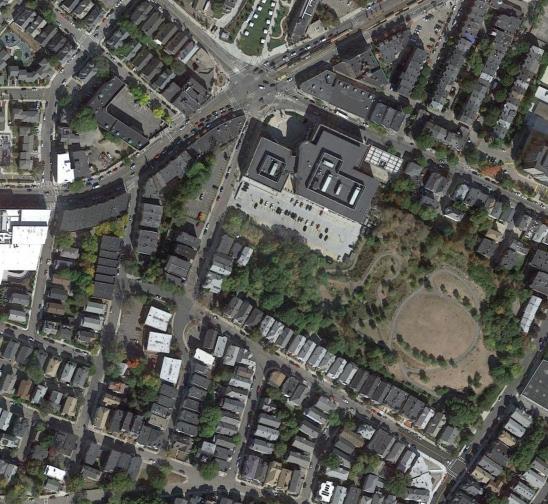
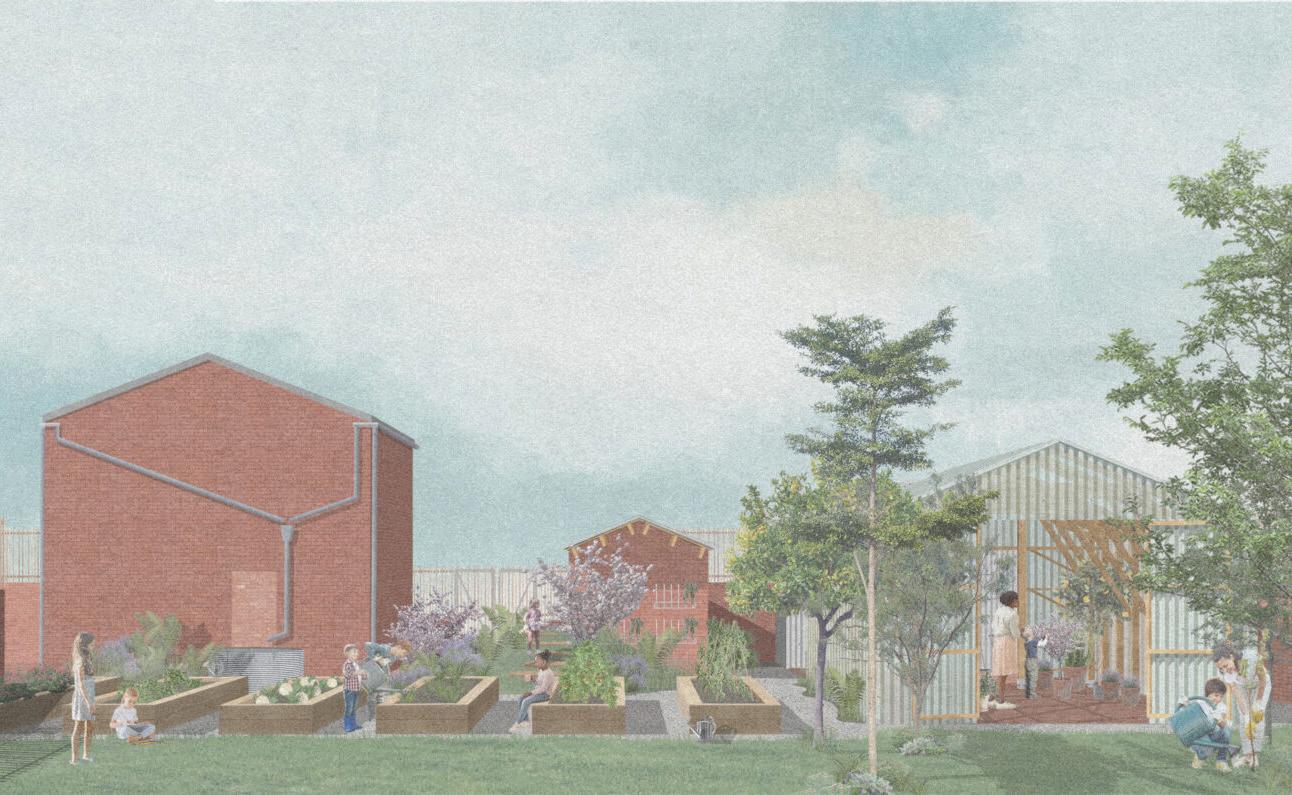
+1200–1400 sf of semi outdoor space ; layouts shift depeding on season and program
Back-of-House Ring
+Dry/cold + dish in low-daylight; direct links to teaching.
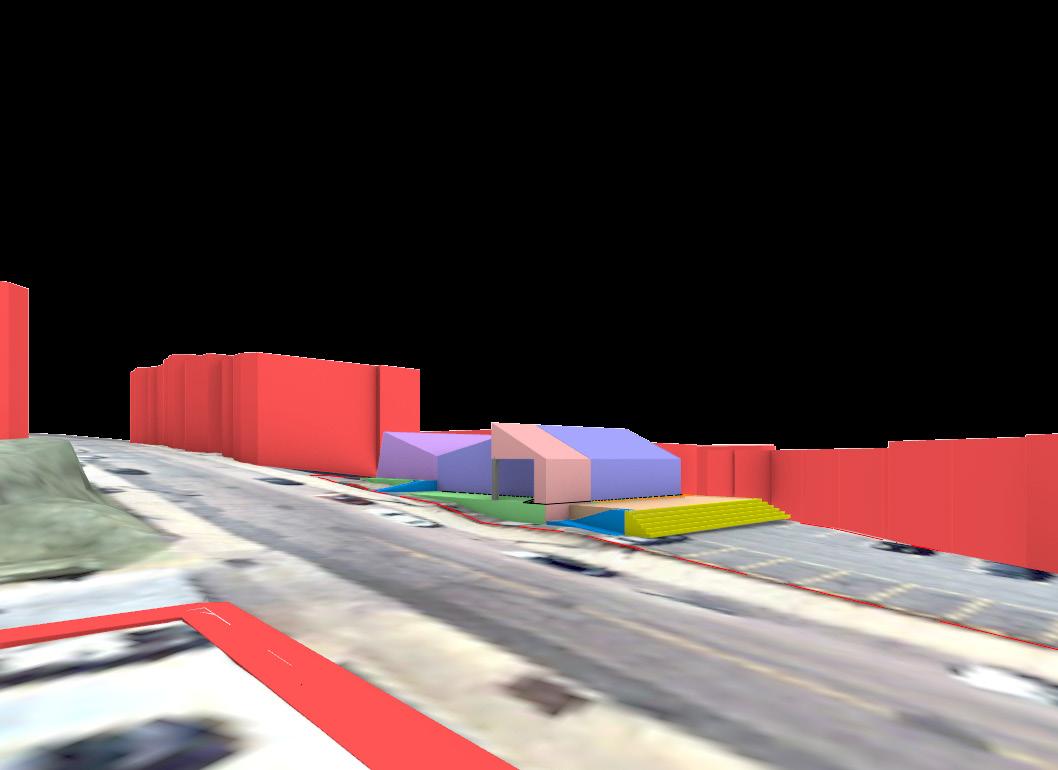
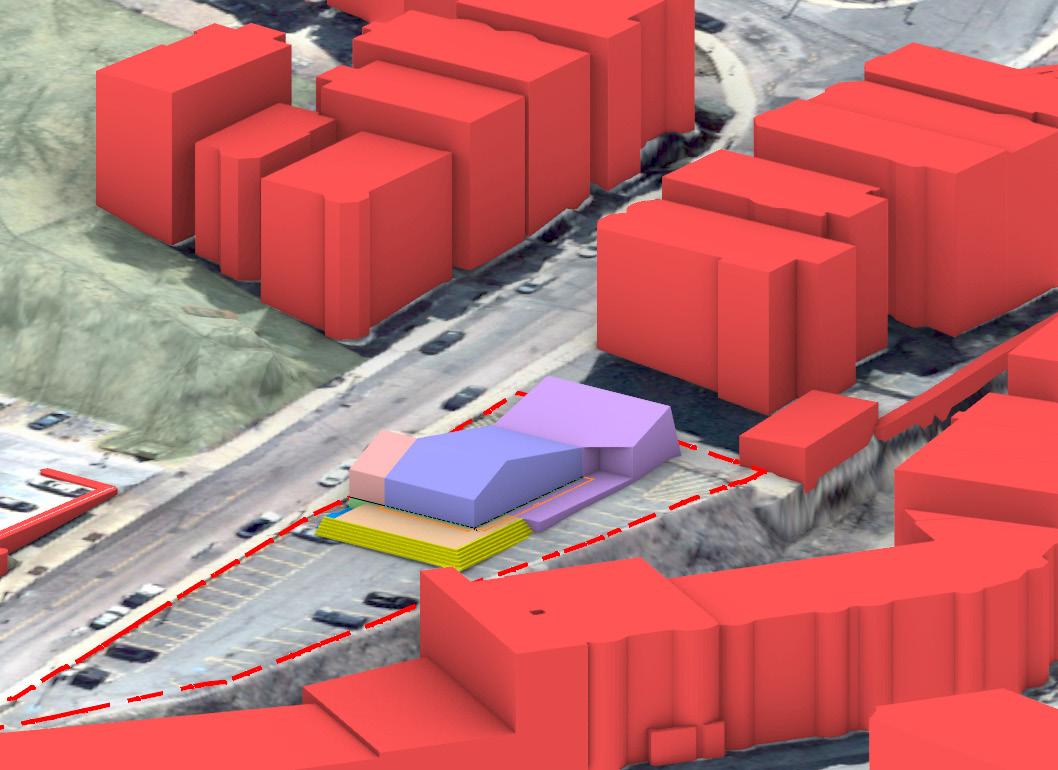
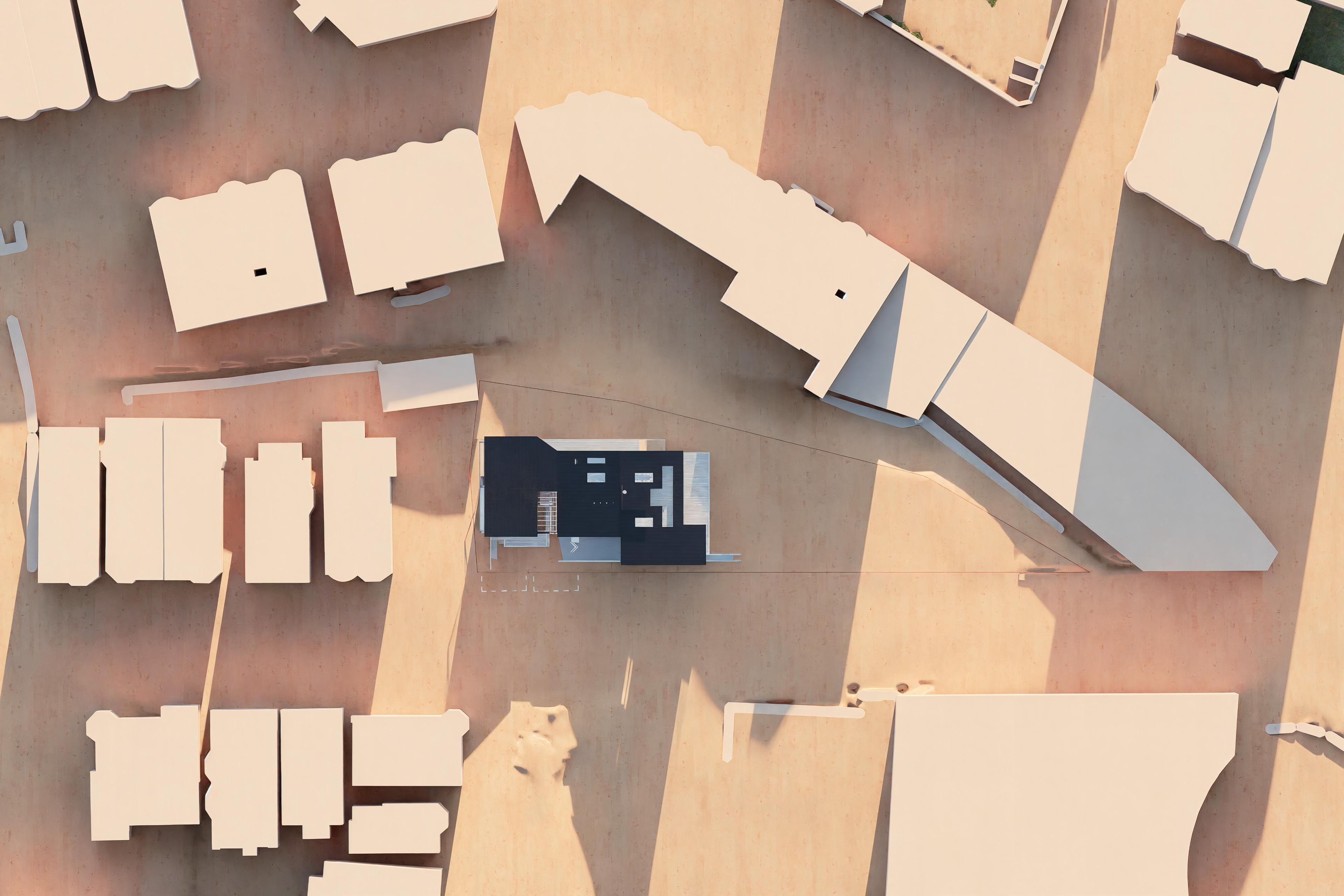
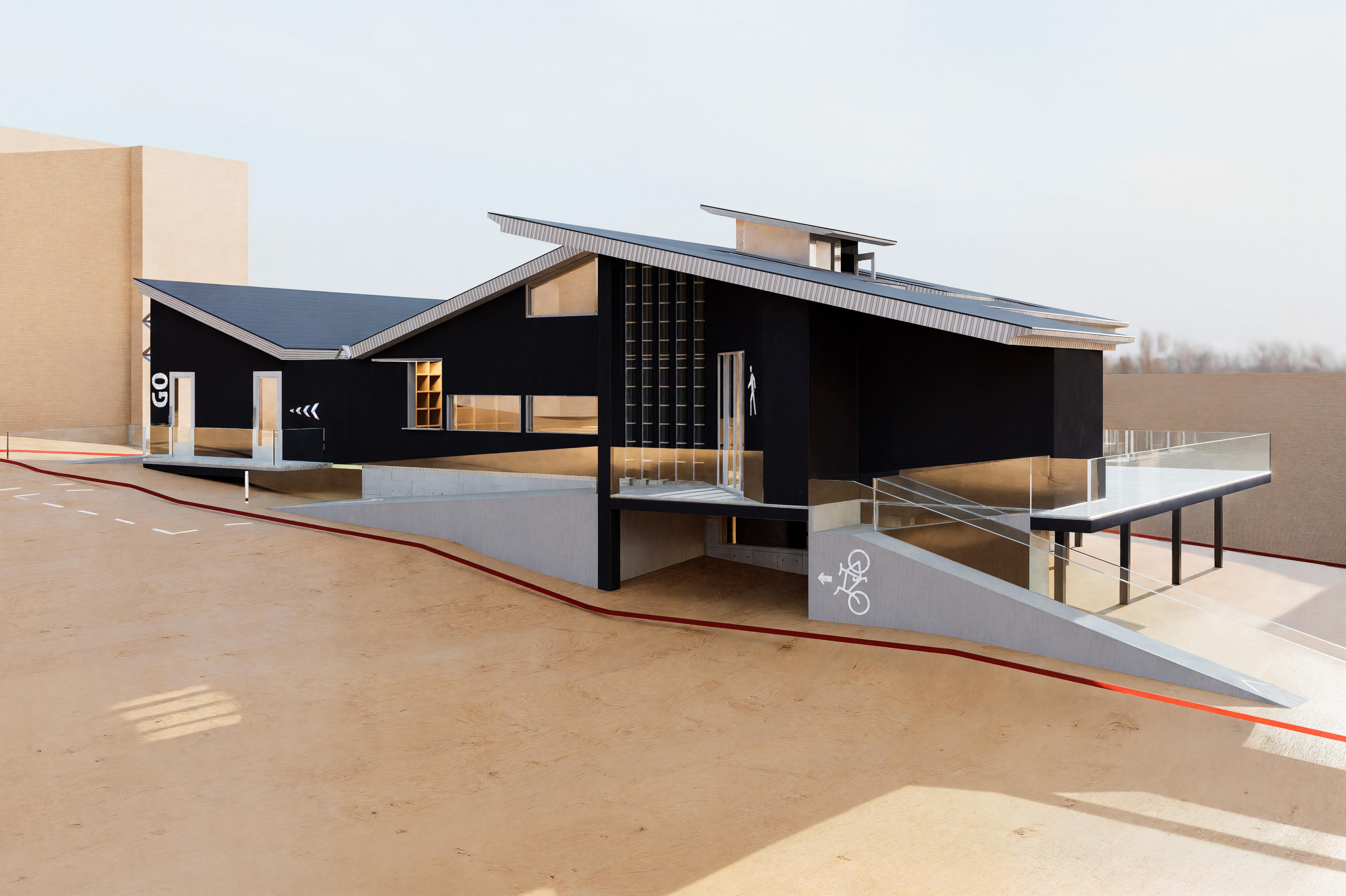
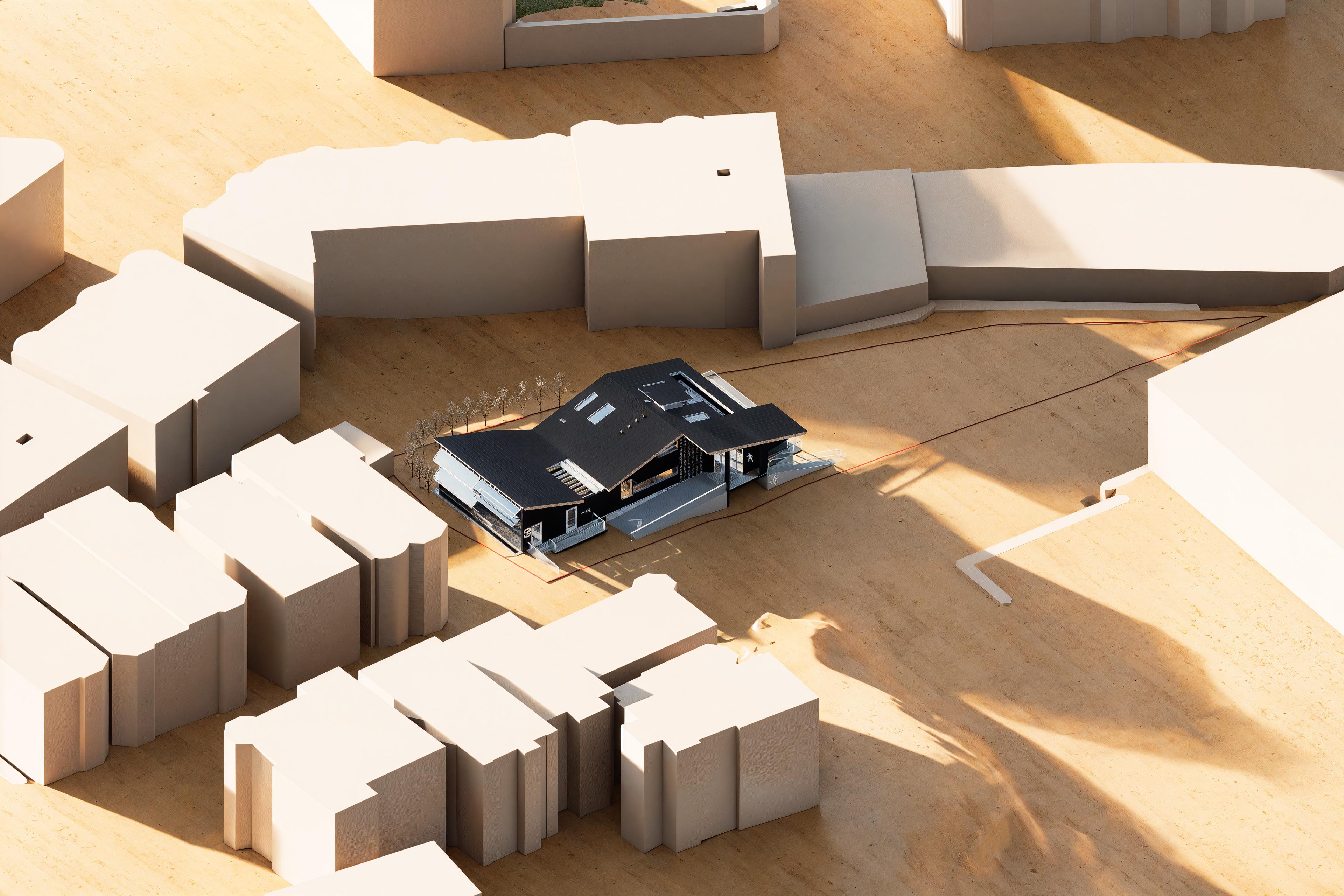
Massing & Approach
+Low, legible volume on approach paths; transparent corner as beacon.
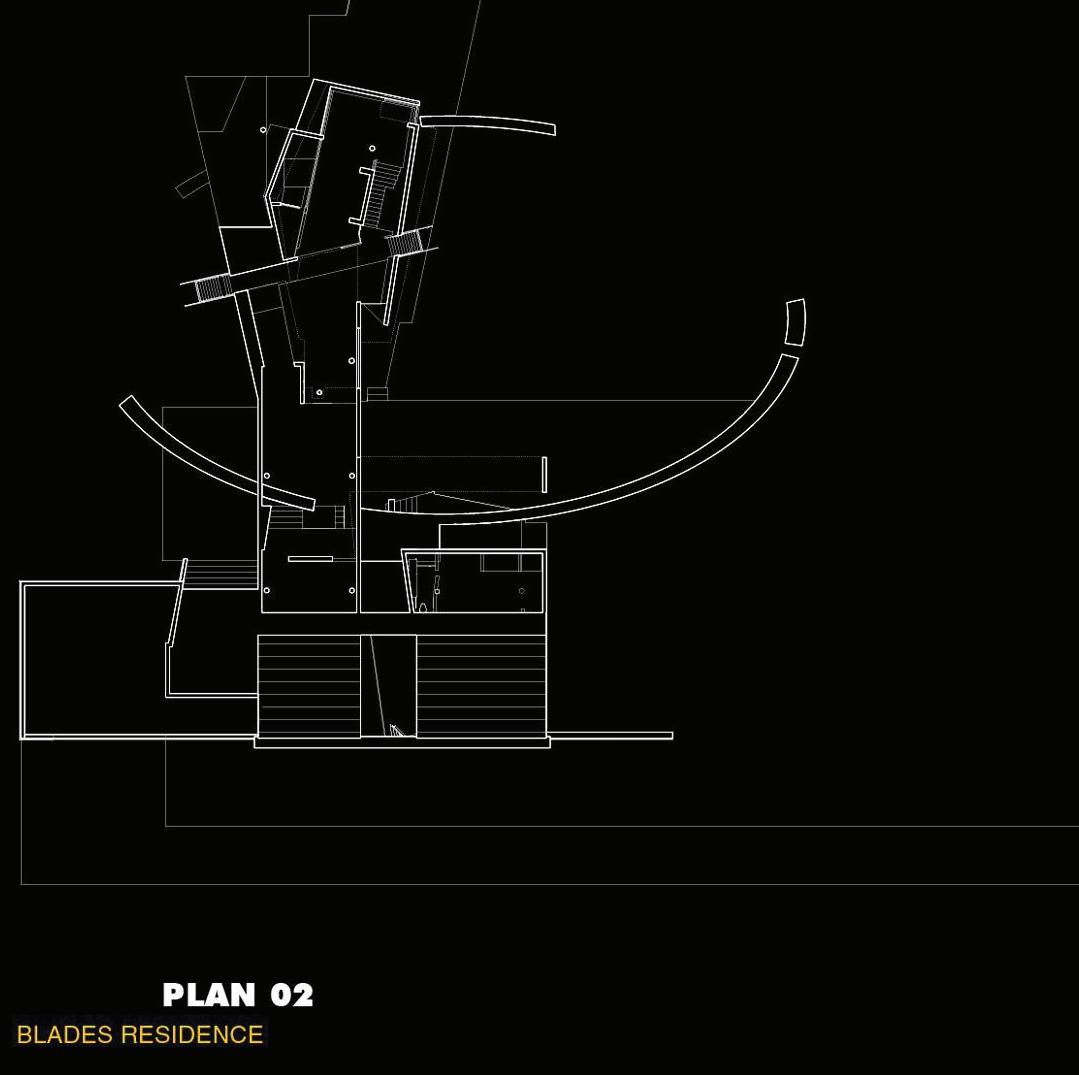
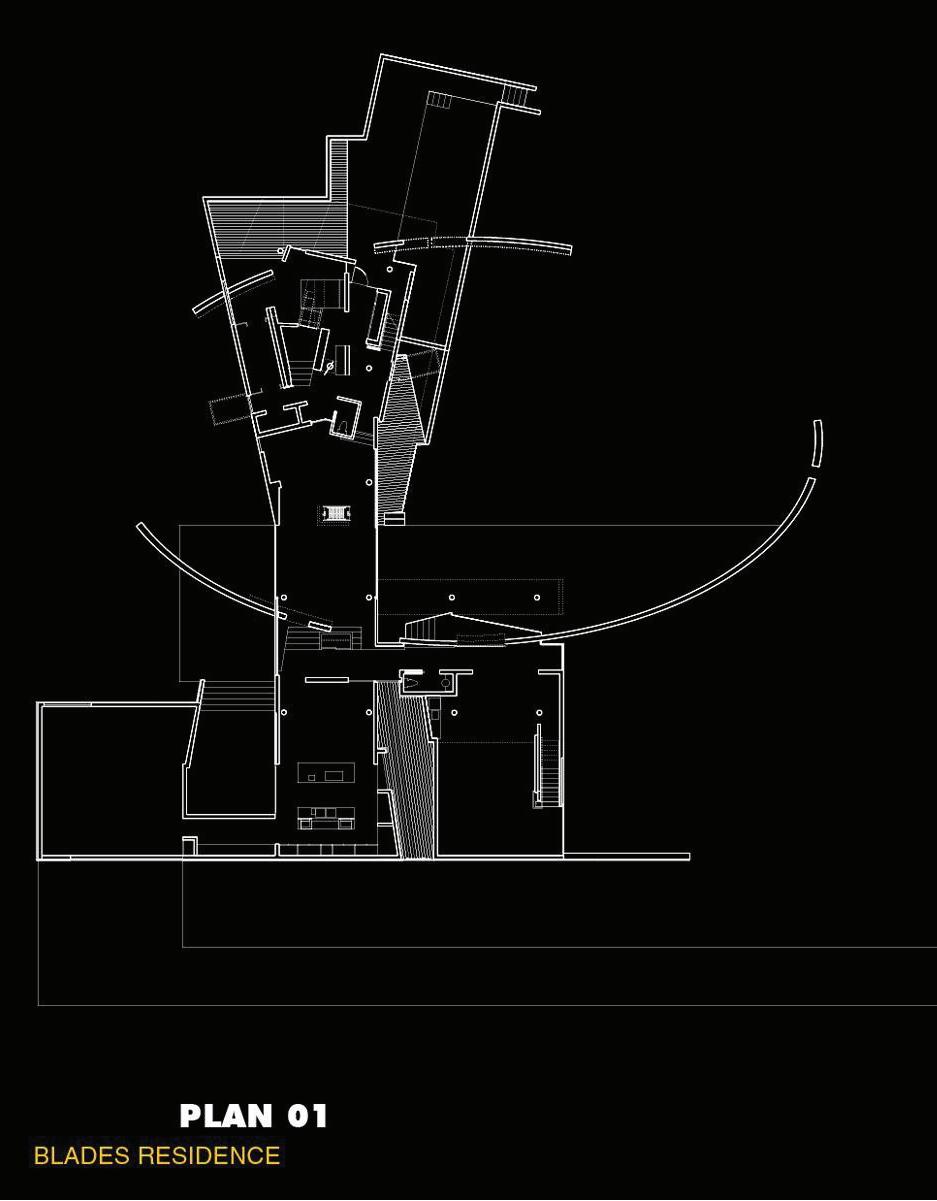
PROPOSED FOUNDATION PLAN
1 : MECH (HVAC)
2 : MECH ( PLUMBING)
3 : WINE STORAGE
4: DEEP ARCHIVE (XXSF)
5:FLEXIBLE GALLERY SPACE (XXSF)
6: MECH SPACE FOR WALL SYSTEM GROUND FLOOR PLAN
7: OUTDOOR FLEXI SPACE + KITCHEN
8: BATHROOM 1 (59 SF)
9: WALK IN FRIDGE
10: MAIN KITCHEN (722 SF)
11: FLEXI CLASS(600 SF) 12: BATHROOM 2 (WIP) ROOF PLAN
13: ROOF DECK IMBEDED
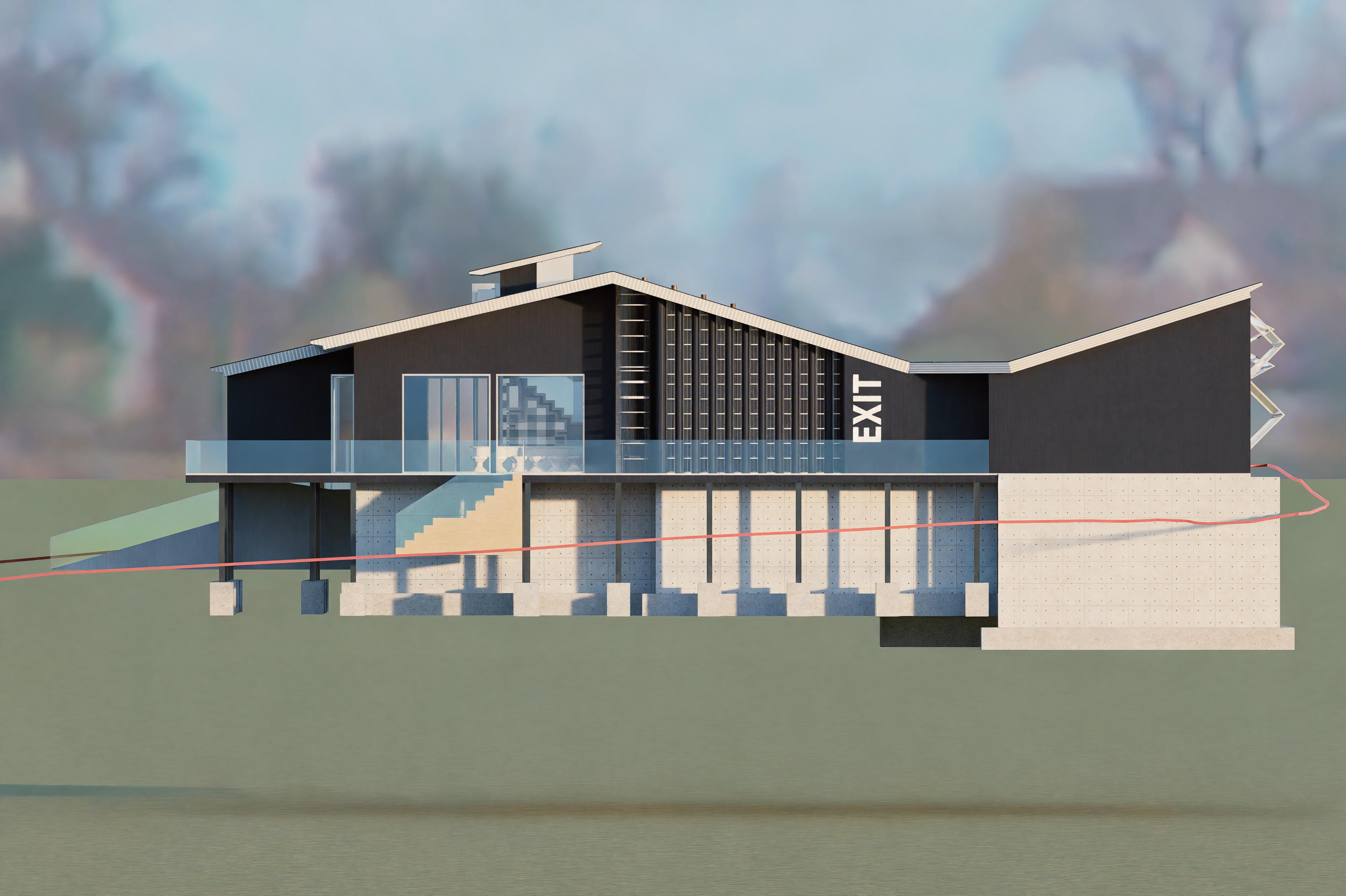
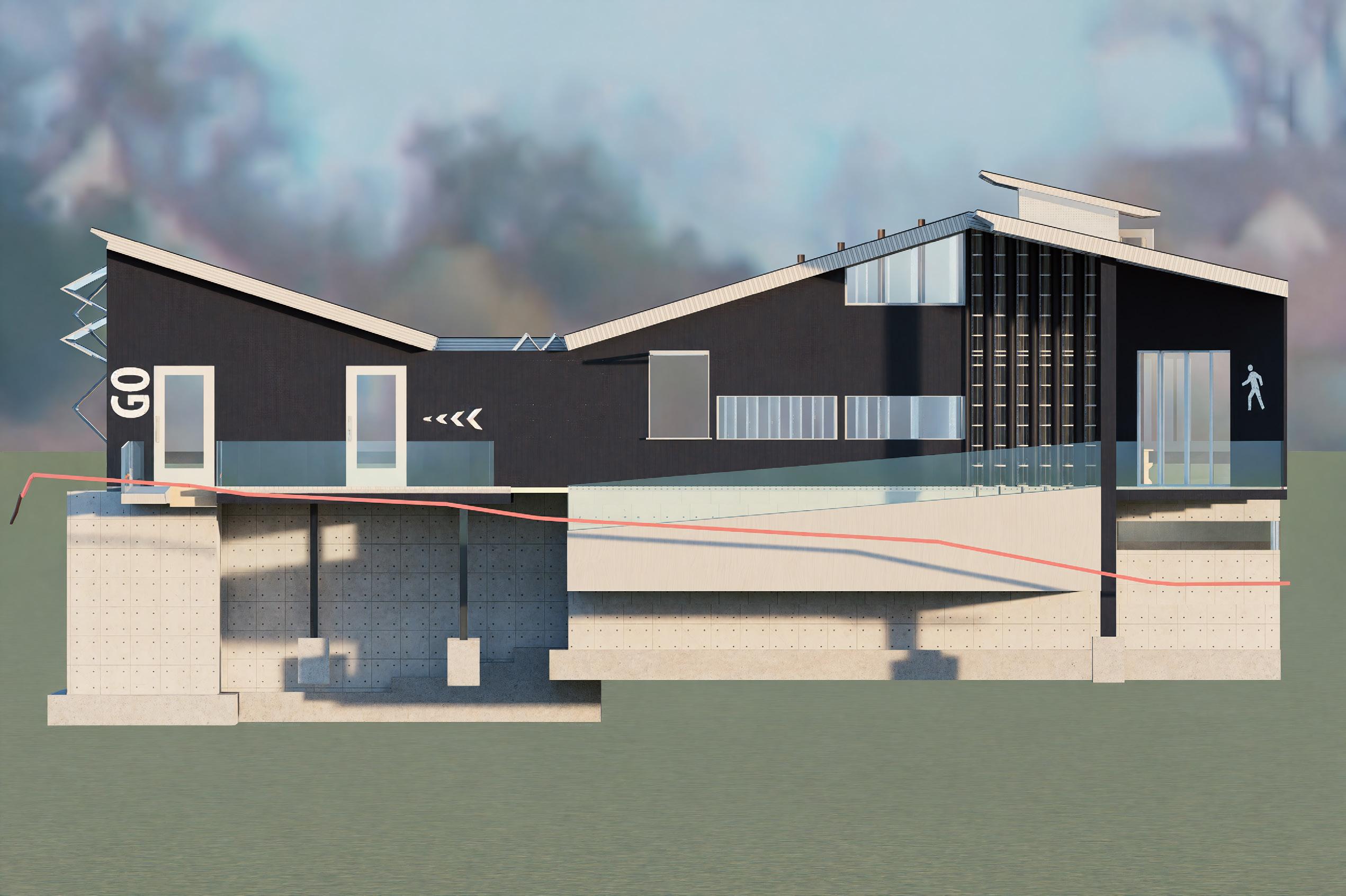
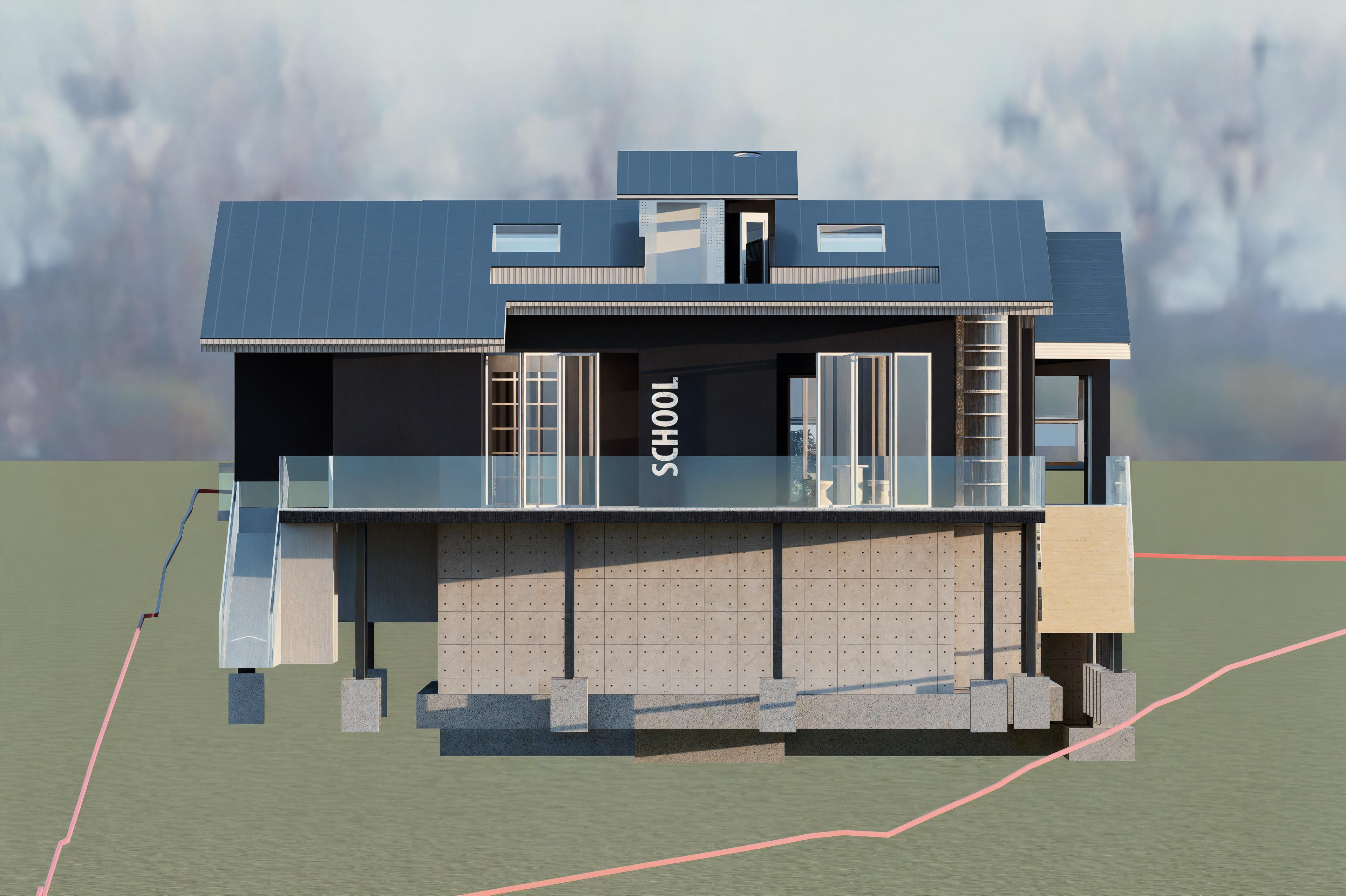
WEST ELAVATION
EAST ELAVATION
STREET TO SEAT CUISINES
+JAMAICAN
+JAPANESE
+INDIAN
+CHINESE
“Street food, I believe, is the salvation of the human race.”
On my day off, I rarely want to eat restaurant food unless I’m looking for new ideas or recipes to steal. What I want to eat is home cooking, somebody’s — anybody’s — mother’s or grandmother’s food. A simple pasta pomodoro made with love, a clumsily thrown-together tuna casserole, roast beef with Yorkshire.