

between the and the CONNECTING PLAYFUL NEIGHBORHOODS ACROSS URBAN HONOLULU Final Design Proposal Emerson Goo Cal Poly, San Luis Obispo Class of 2023 eygoo@calpoly.edu
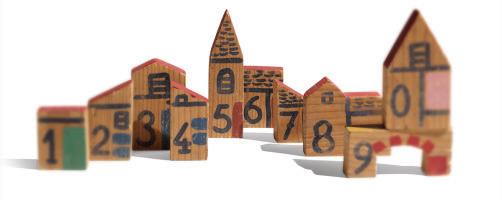
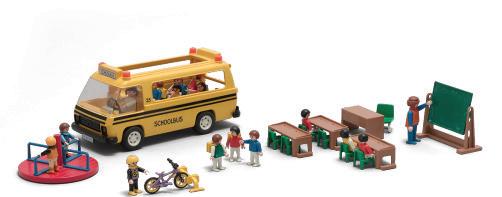
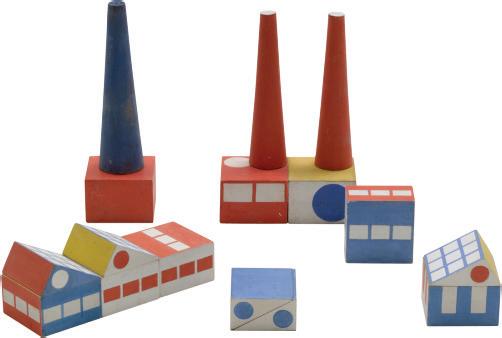

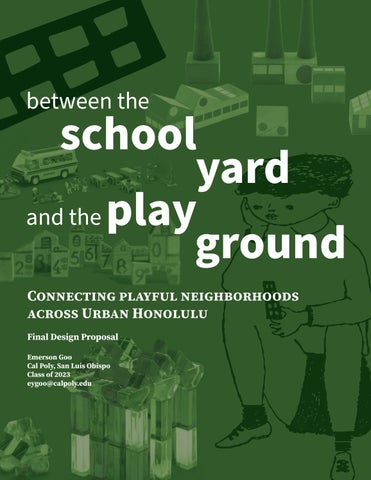
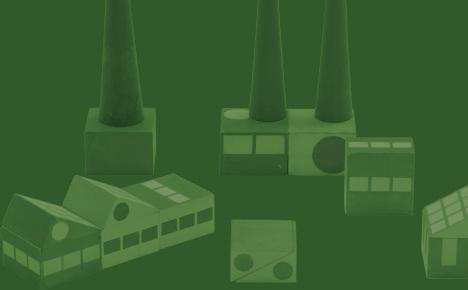
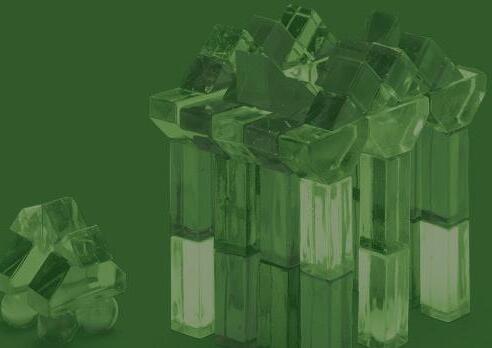
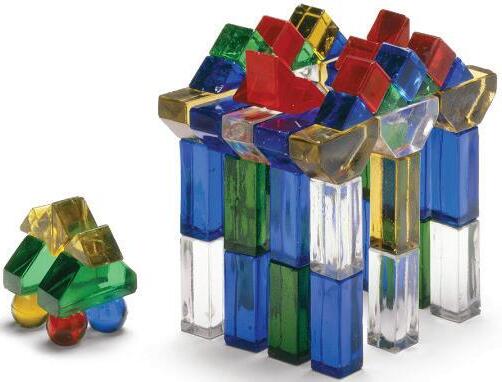 Cover images were sourced from the Museum of Modern Artʼs Century of the Child: Growing by Design, 1900–2000 exhibition.
1 Frankie Faruzza. Cover of the book Children and the City, by Olga Adams. 1952
4 Joaquín Torres-García. Village with Numbers. 1928
2 Ladislav Sutnar. Build the Town building blocks. 1940-43
5 Bruno Taut. Dandanah – The Fairy Palace. 1919-20.
3 School and playground Playmobil toys. 1970s–80s
Cover images were sourced from the Museum of Modern Artʼs Century of the Child: Growing by Design, 1900–2000 exhibition.
1 Frankie Faruzza. Cover of the book Children and the City, by Olga Adams. 1952
4 Joaquín Torres-García. Village with Numbers. 1928
2 Ladislav Sutnar. Build the Town building blocks. 1940-43
5 Bruno Taut. Dandanah – The Fairy Palace. 1919-20.
3 School and playground Playmobil toys. 1970s–80s
1 2 3 4 5 6
6 Frankie Faruzza. Cover of the book Children and the City, by Olga Adams. 1952
TABLE
CONTENTS Introduction Existing Conditions Site Plan Playscape Typology Diagrams Play Elements Site Context Pop-up Play Site Analysis Perspectives Playstyle Graph Re ection 5 6 8 10 12 14 26 28 30 34 35
OF
4
IntRoDUCtIon
Between the Schoolyard and the Playground imagines a playscape spanning two schools (Kalihi Kai Elementary and Kalakaua Middle) and a park (Kakakaua District Park) in the neighborhood of Kalihi in Honolulu, Hawaiʻi. The design makes the campuses and park more playful and accessible for children, while creating circulatory and functional connections between them.
This project aims to break down barriers between play and pedagogy, school and community, and to be an example of one node in a chain of integrated playscapes centered around schools and their adjoining parks that create a truly playful urban neighborhood. I hope to inspire others to invest in play as a crucial part of children’s lives, and also the health of their communities.
5



6 400ft N DataLDEO-Columbia,NSF,NOAA DataLDEO-Columbia,NSF,NOAA aa,, NN SS FF,, NN OO AA AA DataSIO,NOAA,U.S.Navy,NGA,GEBCO DataSIO,NOAA,U.S.Navy,NGA,GEBCO SS NN aa vv yy ,, NN GG AA,, GG EE BB CC OO
EXISTING CONDITIONS



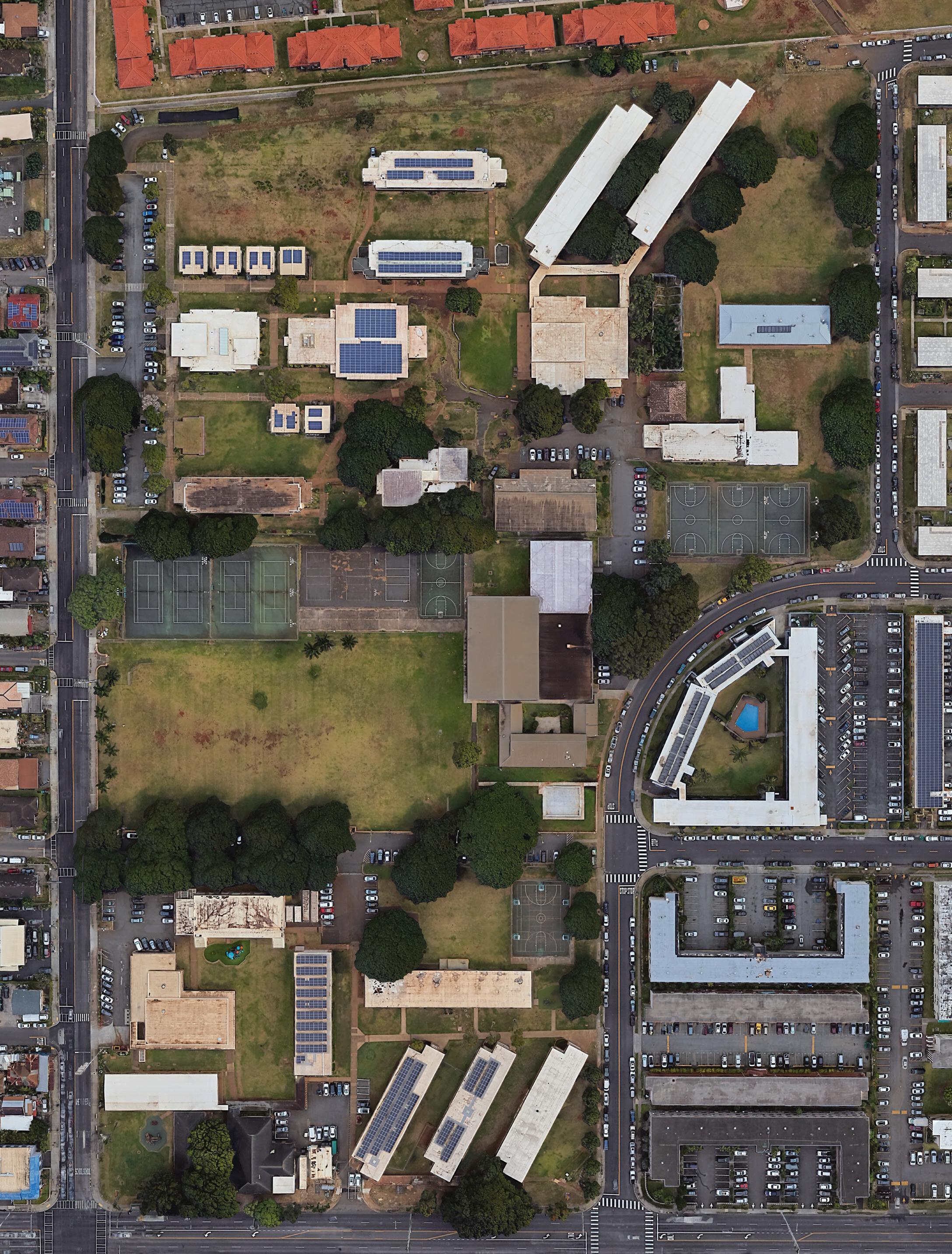
FACING PAGE: Aerial photo of existing conditions. Note the lack of sidewalks along residential blocks, the amount of space taken up by parking on each of the school campuses, and the tiny, isolated playgrounds.
ABOVE: Map of the neighborhood boundaries of Kalihi-Palama (light green) and Liliha (dark green). These neighborhoods are contained within the Primary Urban Center (PUC).



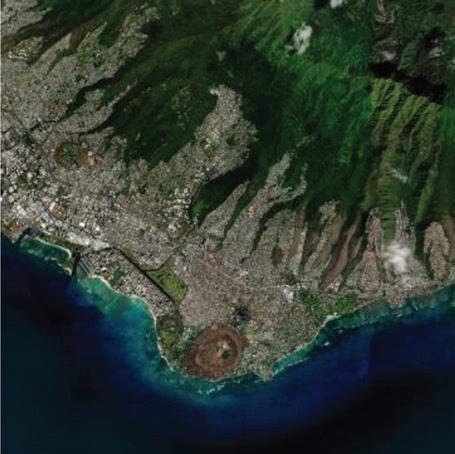
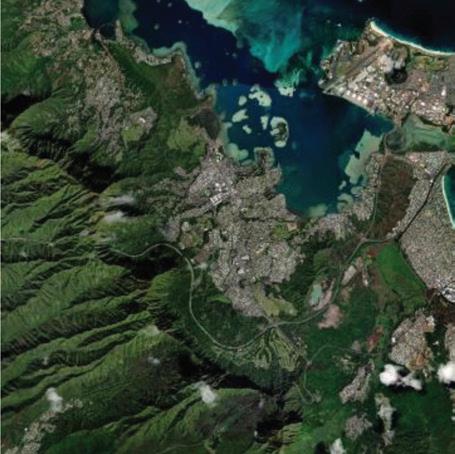
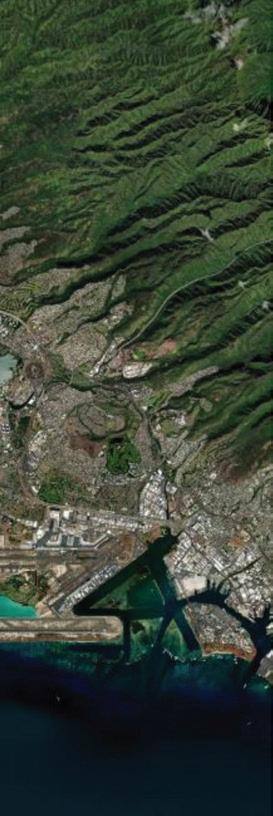
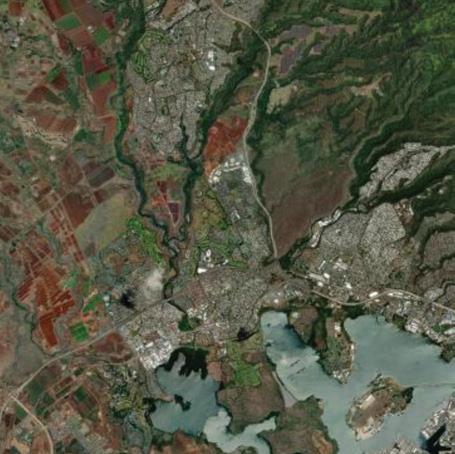
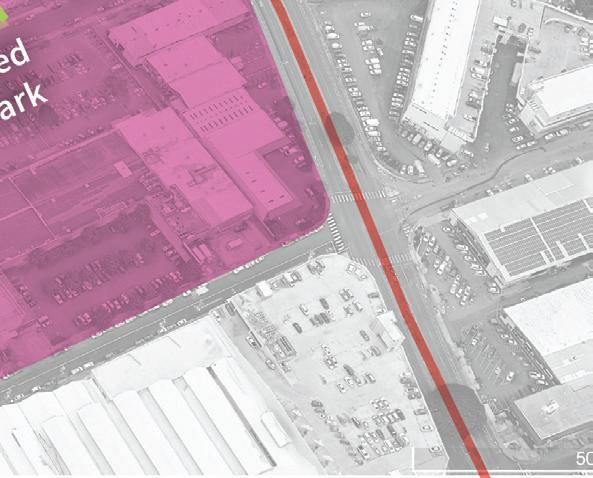
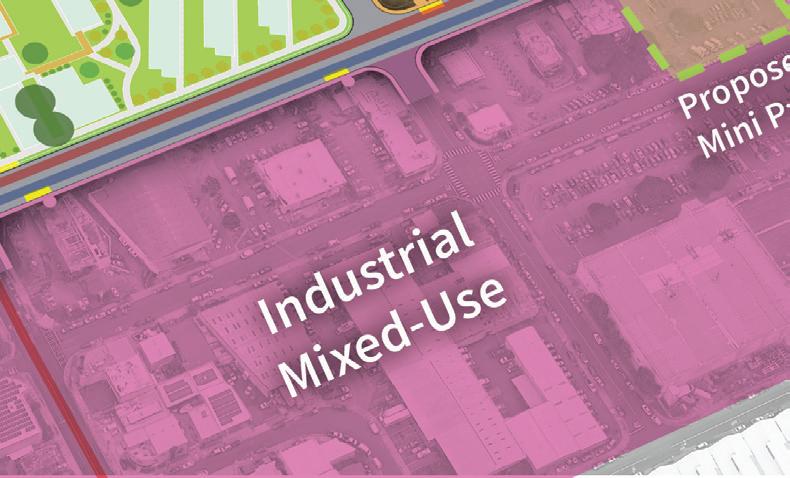
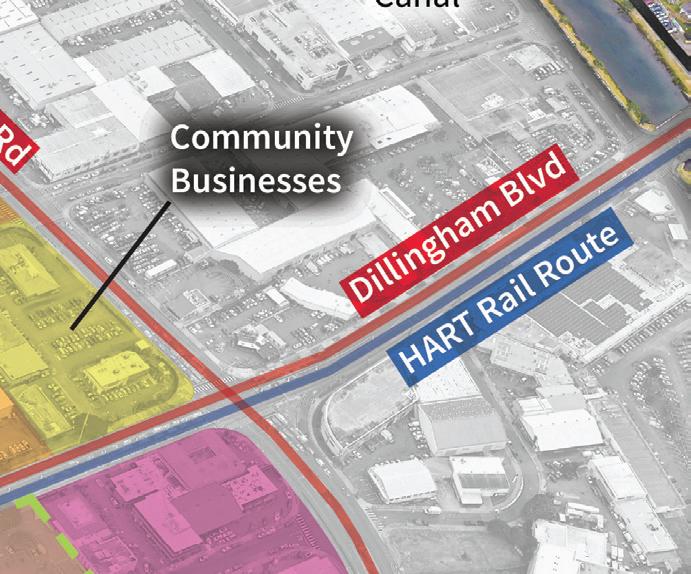
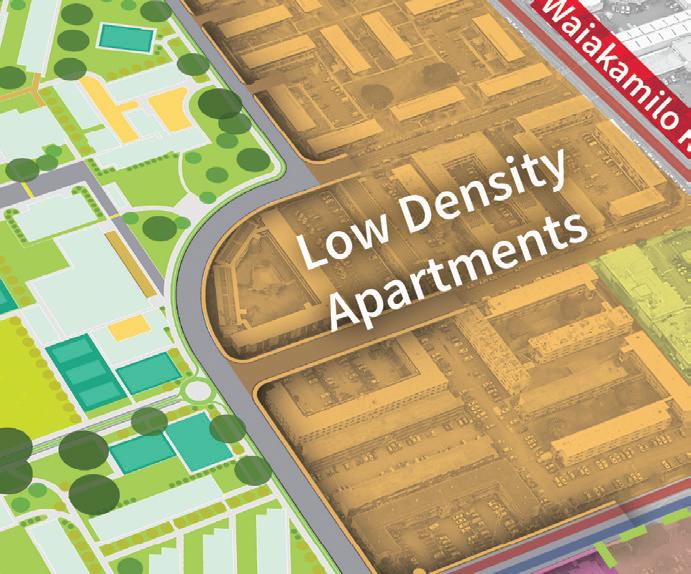
There are few interesting play features at the existing site. A lack of tra c calming measures has le one of the main roads leading to the schools with a high tra c accident rate. Many of the playgrounds are unshaded, isolated from each other, and located on small islands of safety surfacing. They do not blend well with the local and cultural context, and the materials used in these largely pre-fabricated playgrounds do not hold up in Hawai‘i’s hot and humid climate. Repairs can be costly, especially due to Hawai‘i’s isolation from the mainland, where inspectors and repair professionals are located. The site is surrounded by single family and apartment residential zones, including public housing, and industrial mixed-use business areas.
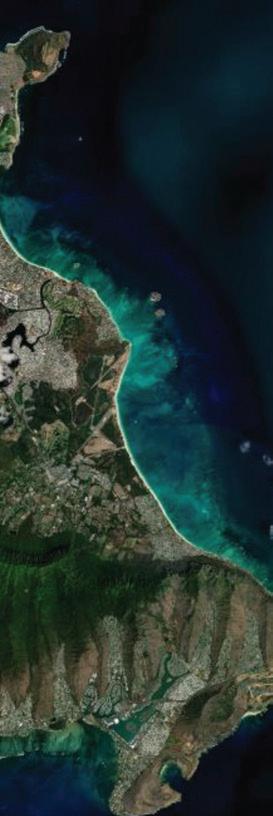
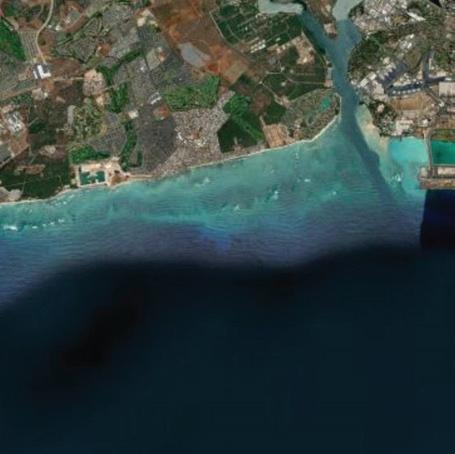
7 Neighborhoods & PUC Source: Esri, Maxar, Earthstar Geographics, and the GIS User Community Sustainable Communities Plan Areas - Sustainable Communities Plans Neighborhood Boards - Neighborhood Boards 14 15 World Imagery Low Resolution 15m Imagery High Resolution 60cm Imagery 5/26/2022 0 2.5 5 1.25 mi 0 4.5 9 2.25 km 1:173,819
8
SITE PLAN
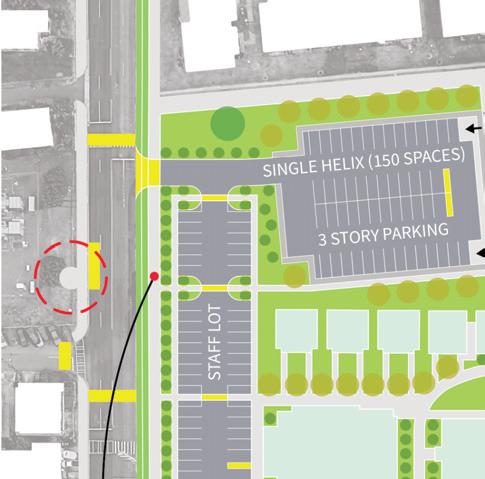
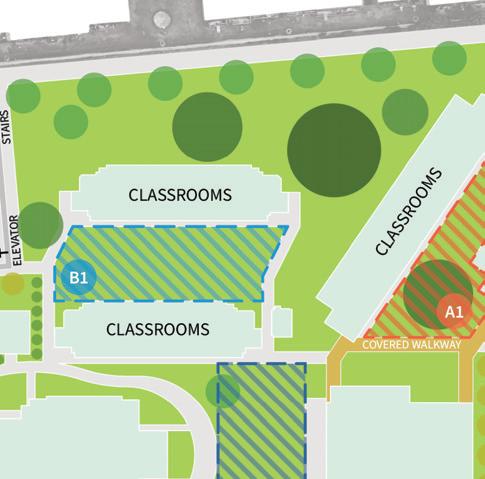
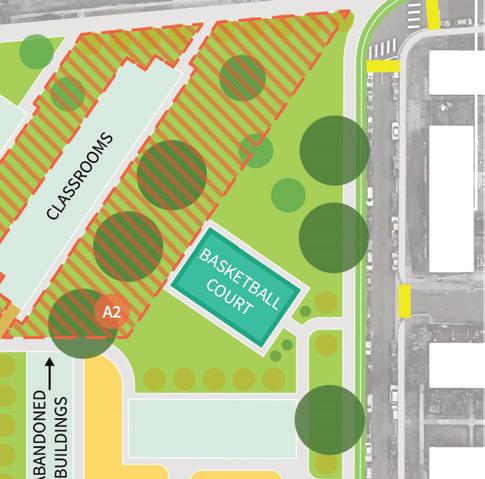
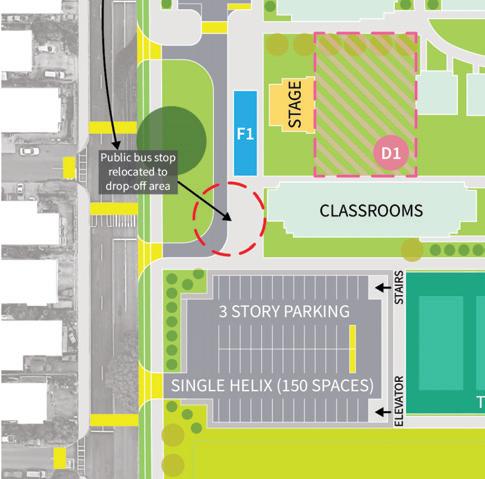
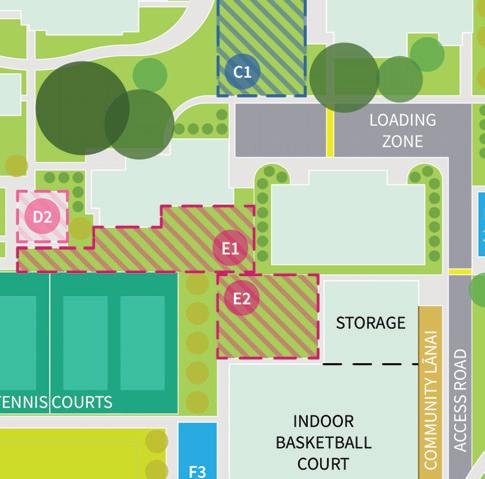
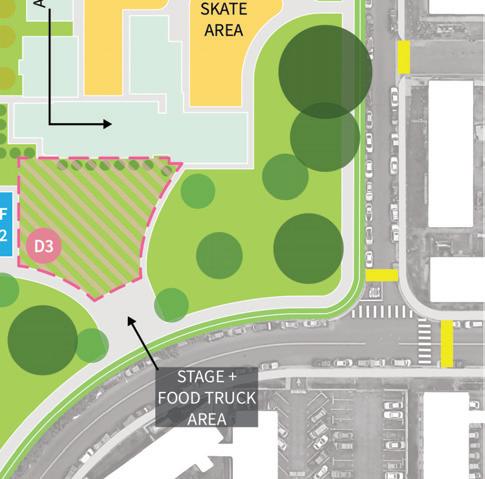
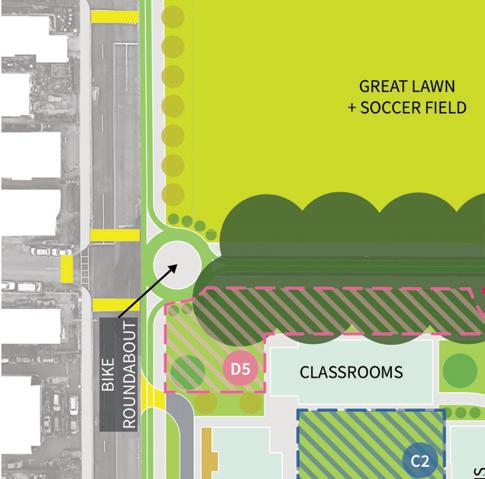
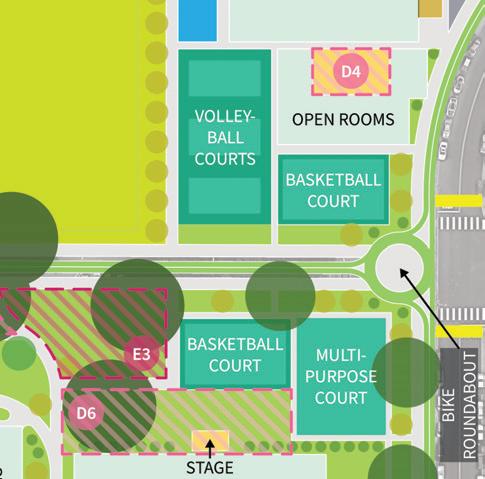
Rather than create one large playground, which would not be feasible in this dense matrix of buildings, the project adapts to space constraints and introduces play into the spaces between existing buildings, taking advantage of the full areas of the outdoor campus spaces. The amount of surface area devoted to parking is heavily reduced by consolidating it into two multi-story parking structures. By taking a decentralized, interstitial approach to playscape design, the project adapts to the island-based constraints and climate of the site, rather than imposing continental models of landscape design onto it.
FACING PAGE: Site plan, not to scale. Hatched color-coded areas correspond to playscape typology shown on following pages.

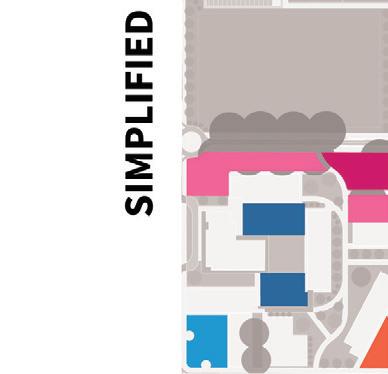
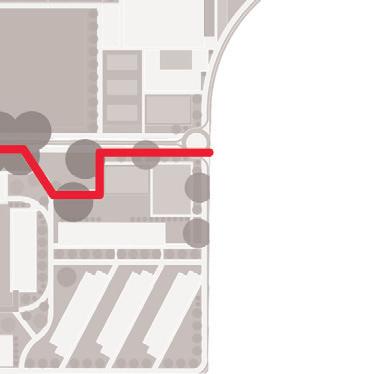
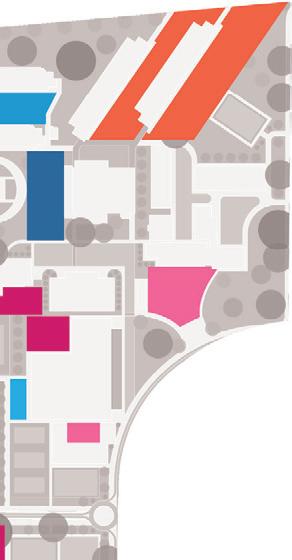
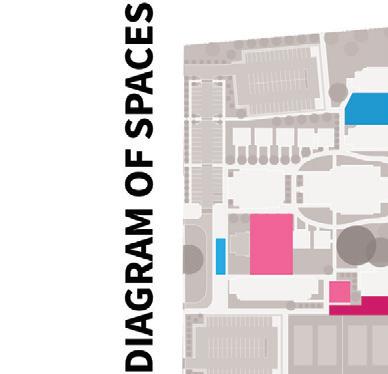

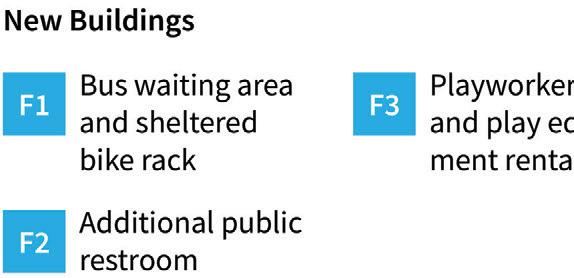
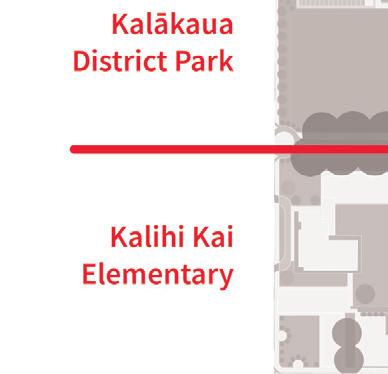
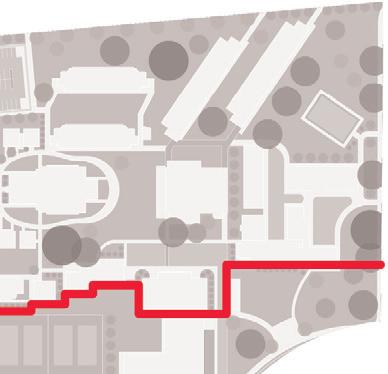
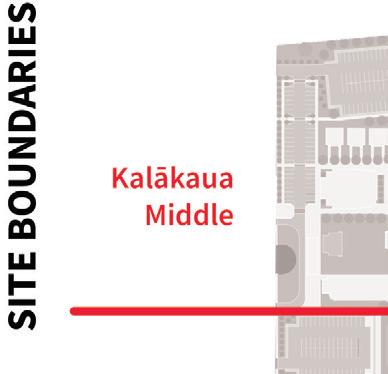
ABOVE: Mini-maps. Simplified maps show the new, redrawn boundaries of the schools and park, and a simplified diagram of play spaces is provided for quick reference.
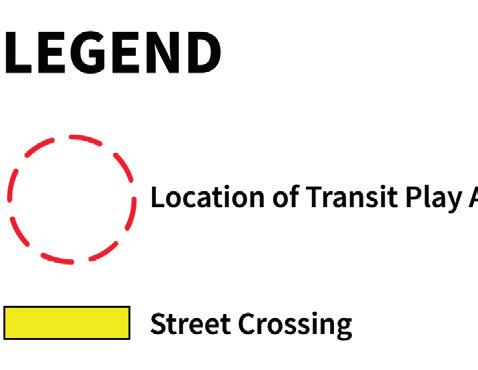
LEFT: Site plan legend.
9
PLAYSCAPE TYPOLOGY



10
private semi-private semi-public
A unique approach to programming was developed for the site. Instead of designing individual spaces, the program is grouped by actions and intensities of play, leaving the nal implementation exible. The most desired play activities for children were researched, as well as the kinds of play equipment appropriate for di erent age groups. Based on this research, ve di erent categories of playscapes were developed.

Each category has a degree of access associated with it, ranging from being only accessible by students, faculty, and other school personnel (except if a use request is approved), or freely by the public at all times. Some spaces are reserved for the school during school hours and open to the public outside of school hours.
These playscape types correspond to the color-coded areas marked on the site plan (see previous page spread).

11
public / semi-public public
of Access
Degree
DIaGRaMs
12
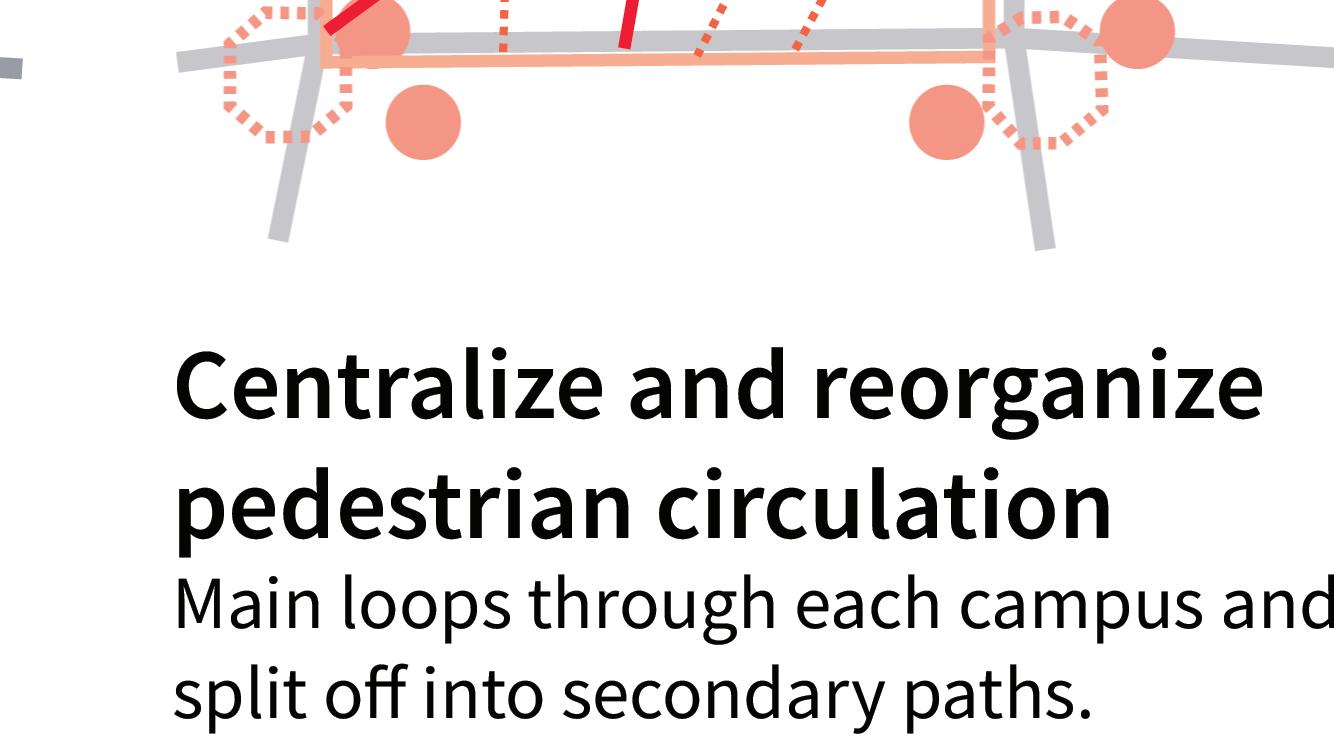
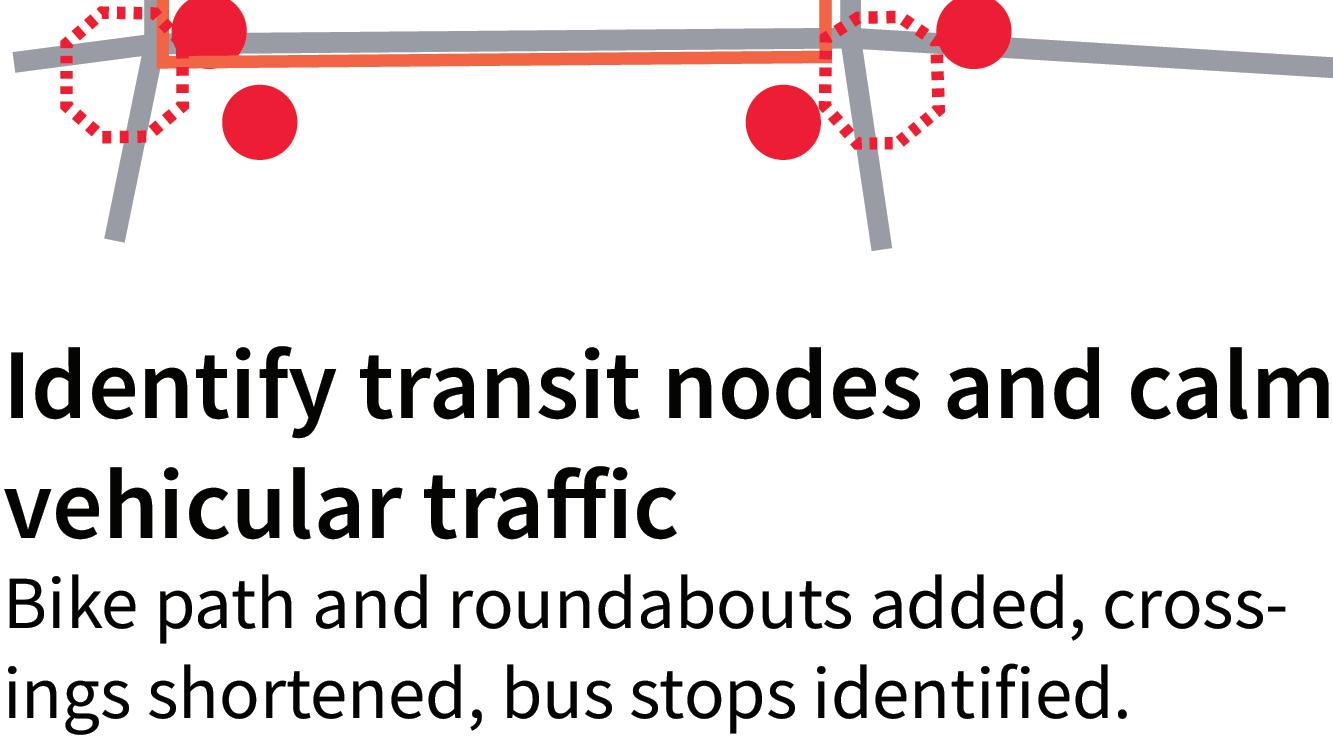
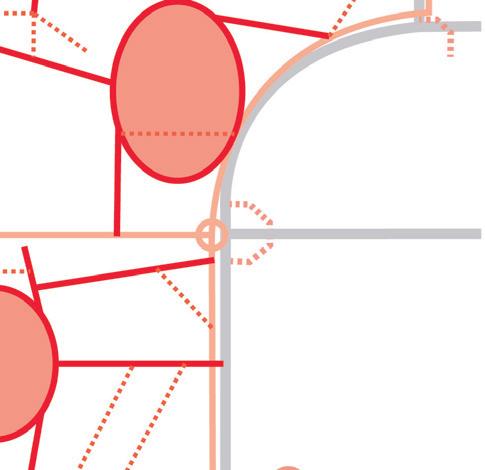
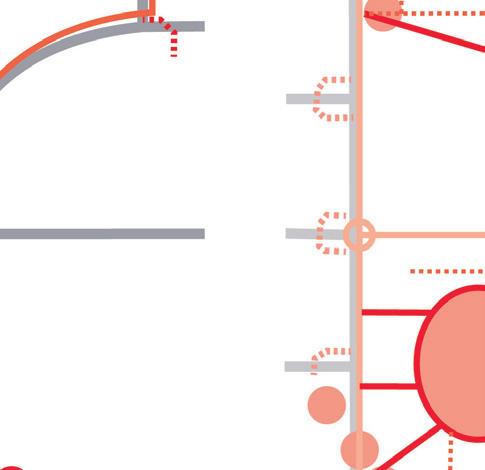
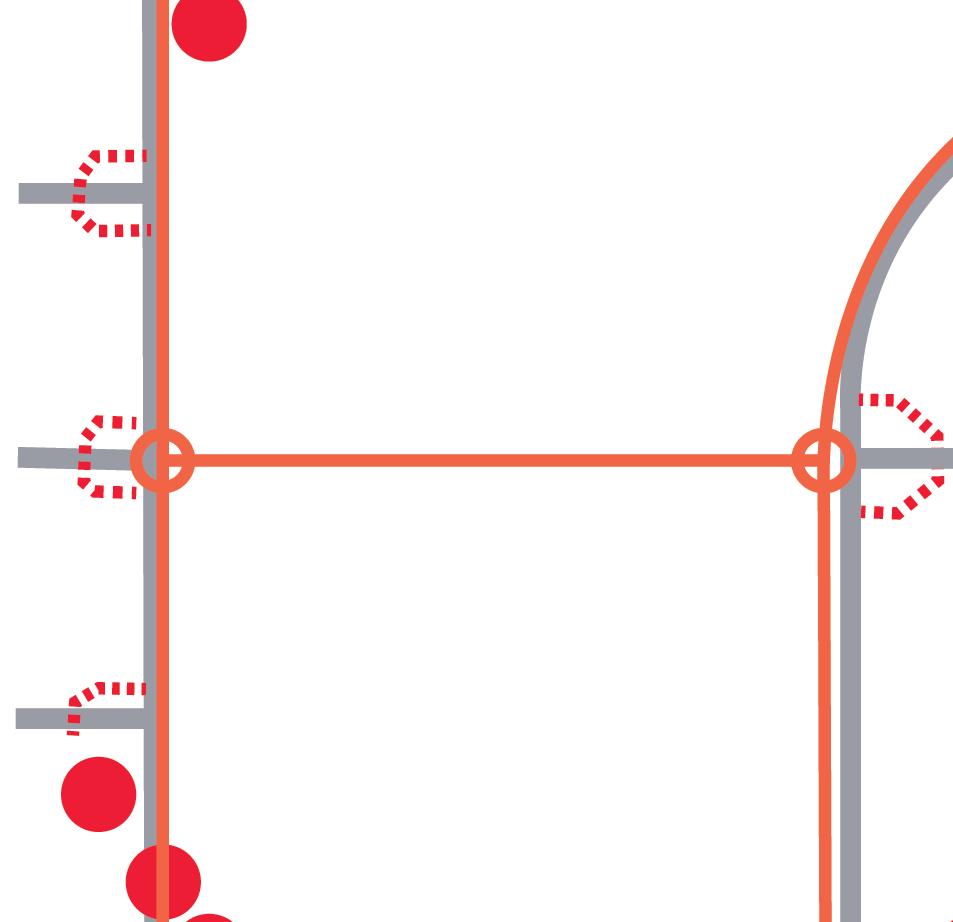
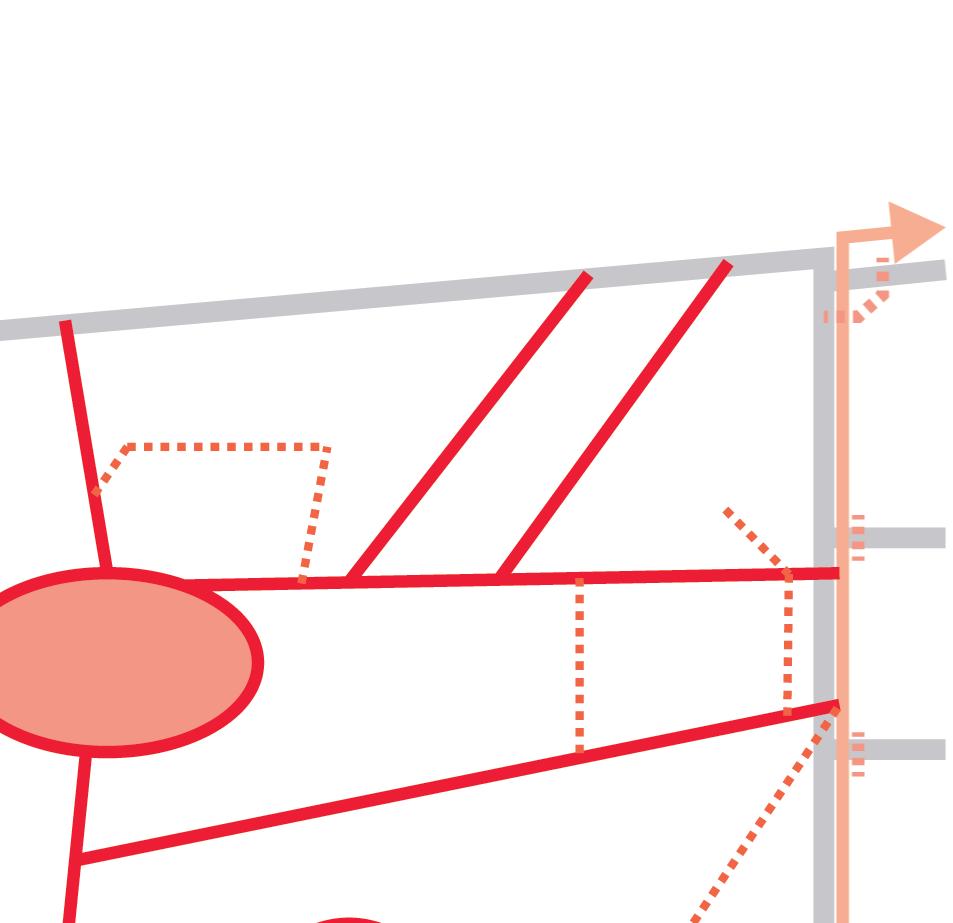
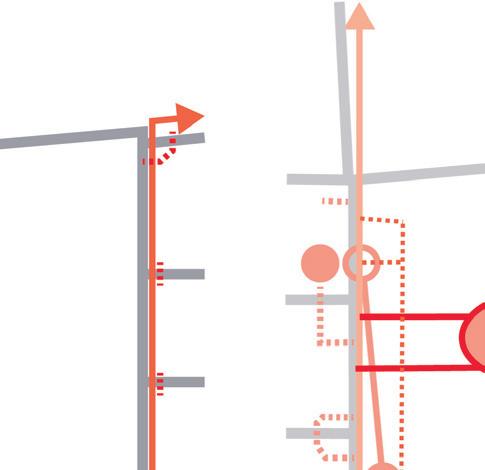
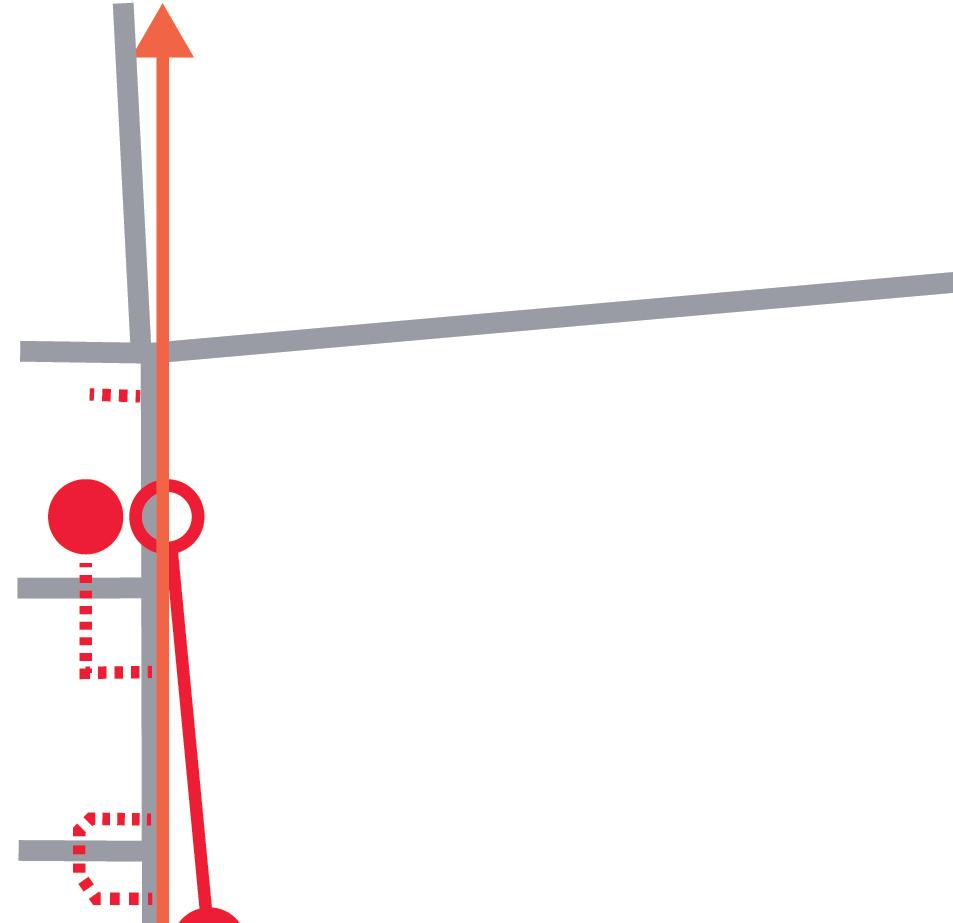
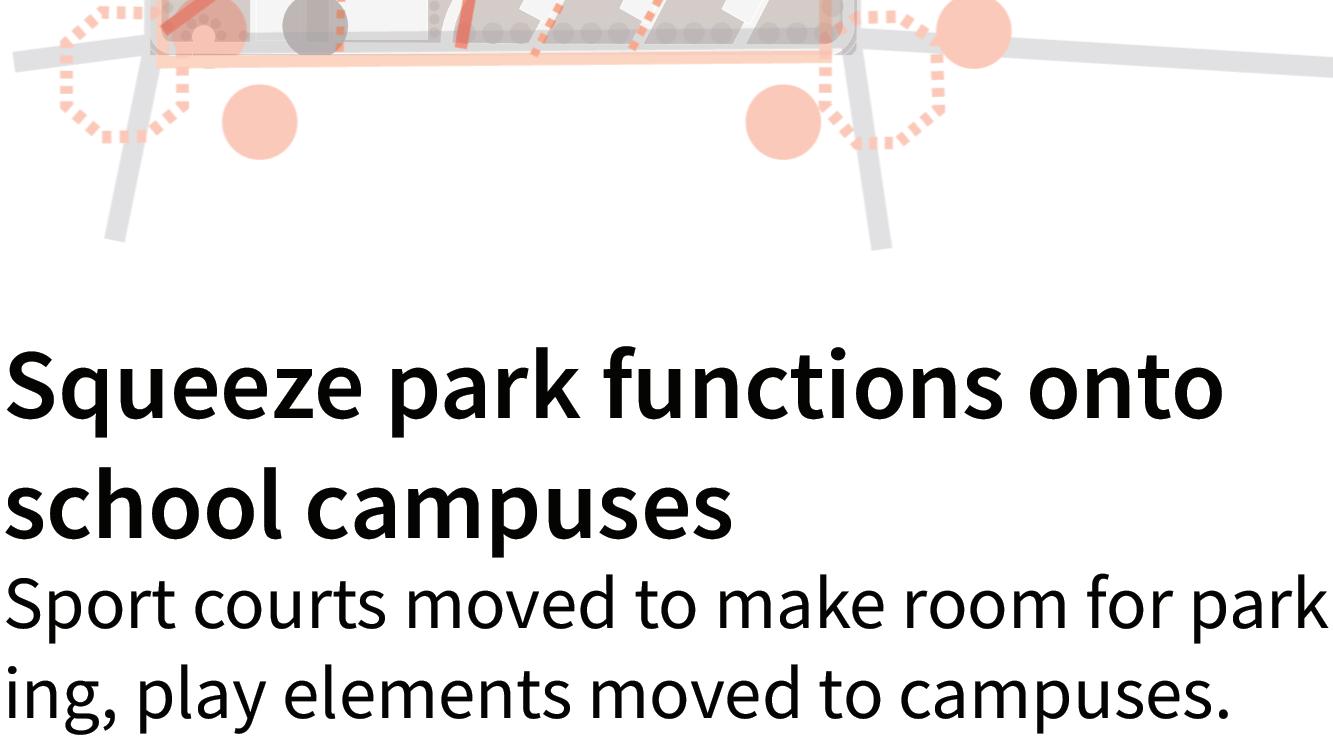
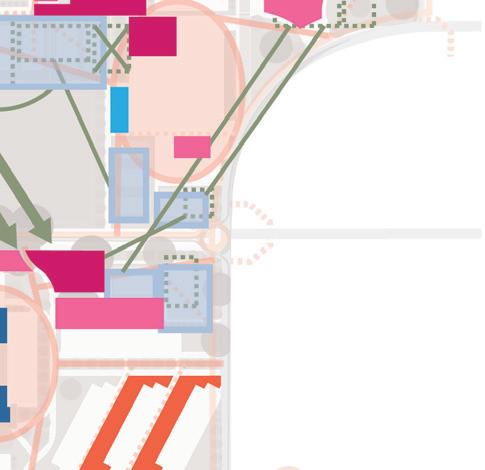
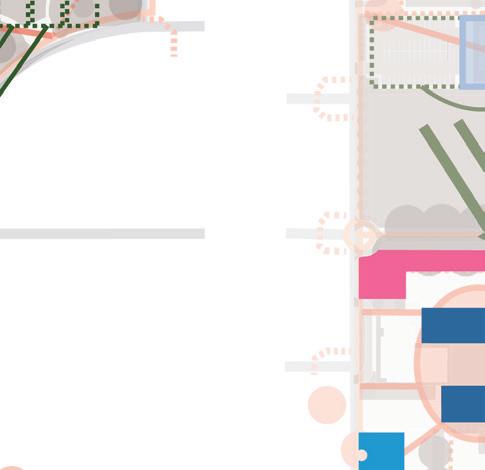
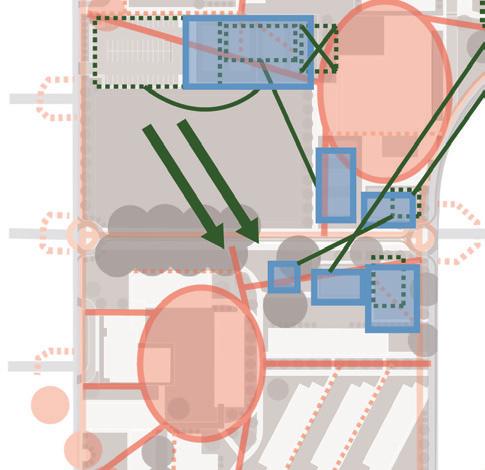
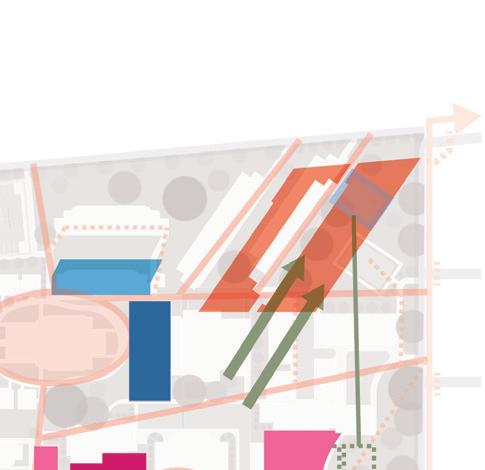
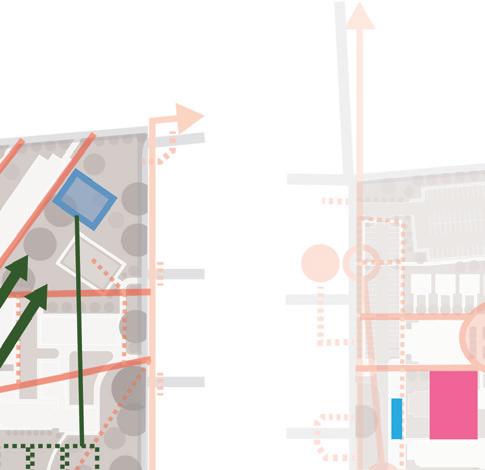
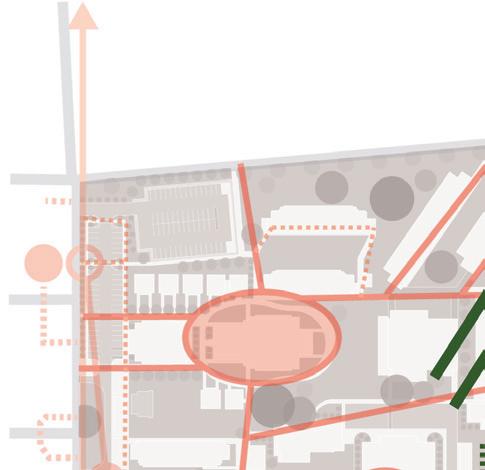
These diagrams show the process by which the final site plan was derived from schematics. The overall goal was to maximize the amount of contiguous open space for play while addressing pressing transit and circulation issues.


13
PLAY ELEMENTS
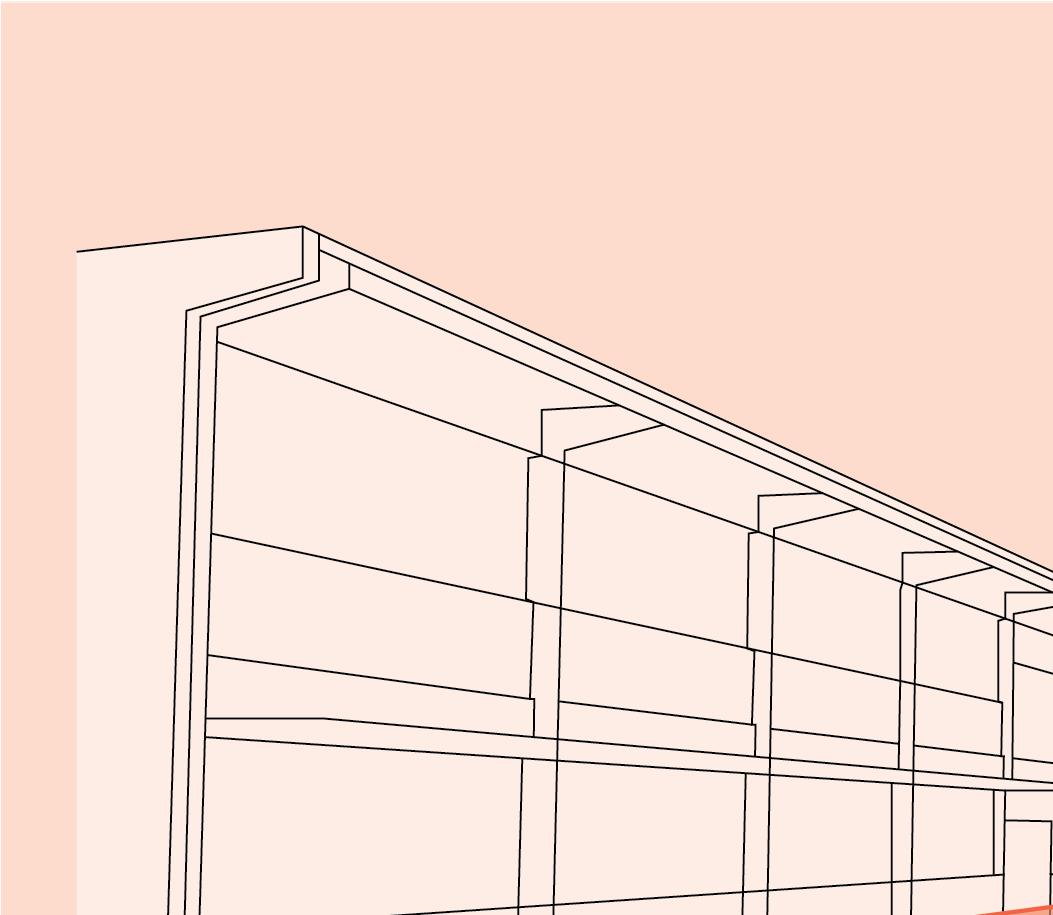
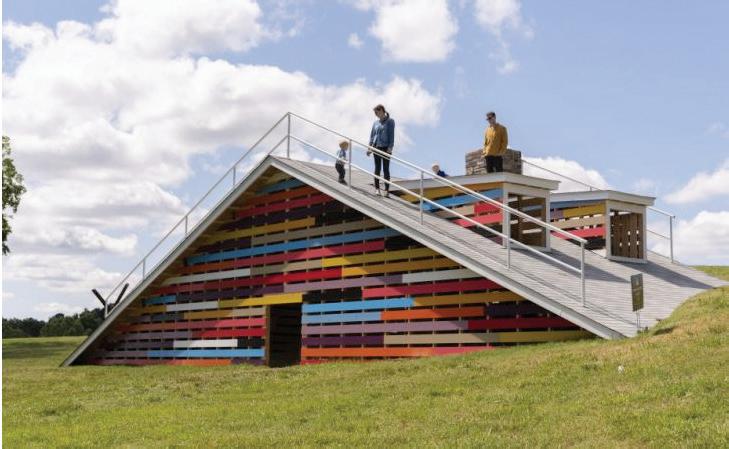
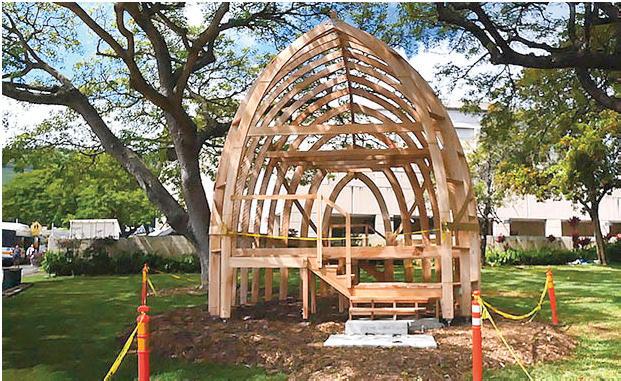
14
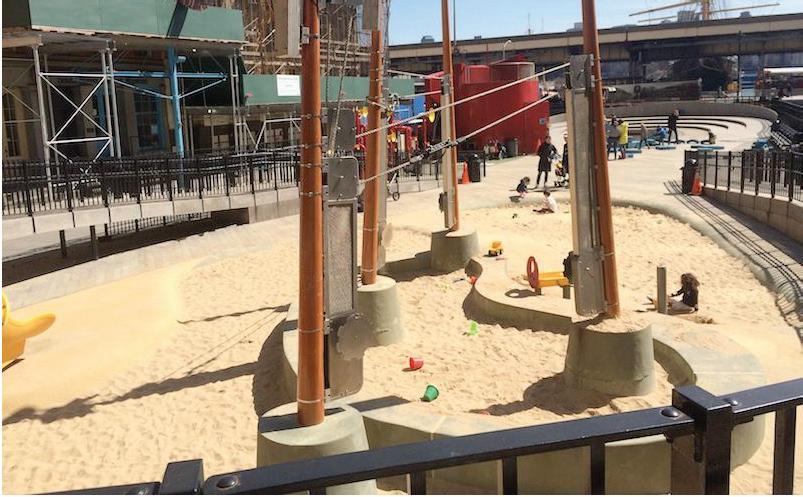
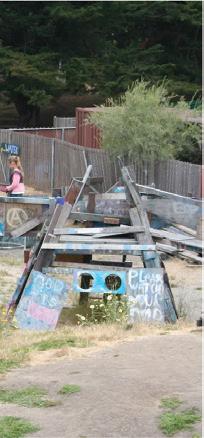
EXISTING CONDITION: A flat, shady, and unappealing strip of lawn.
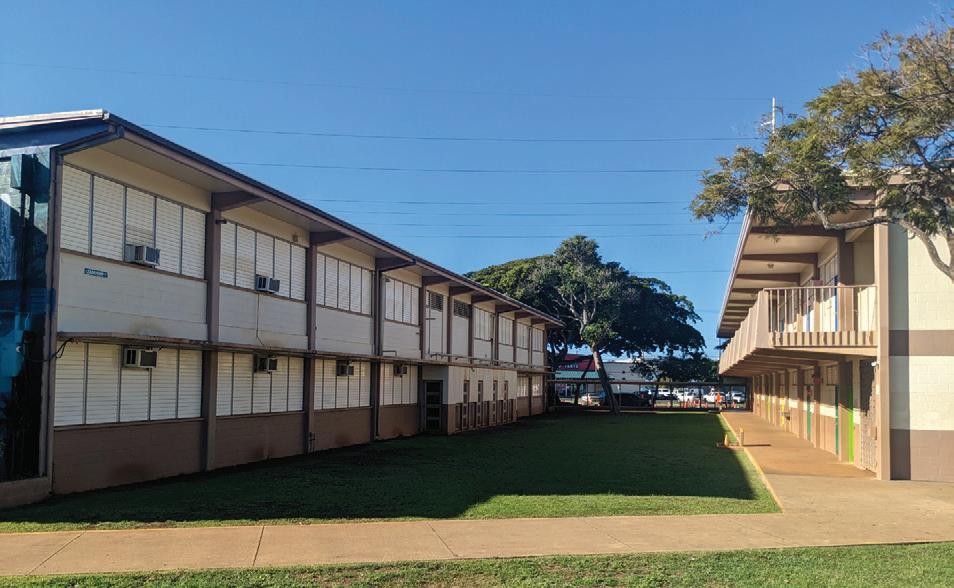
15
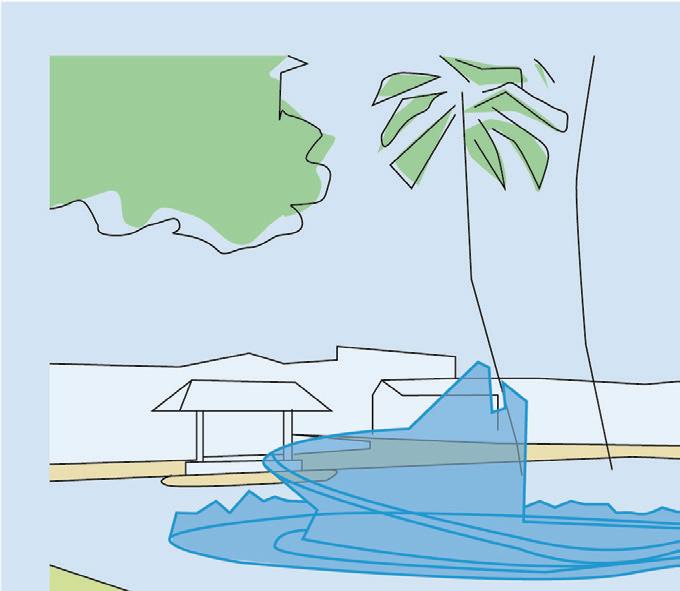
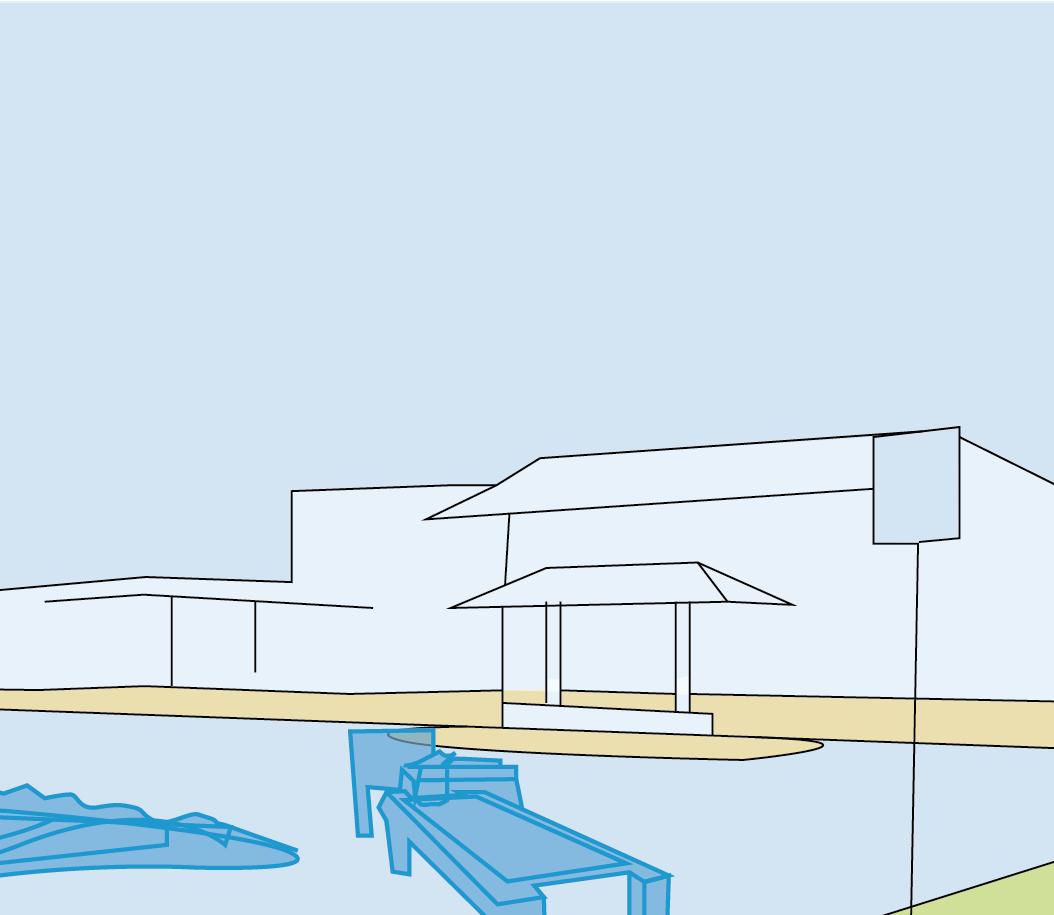
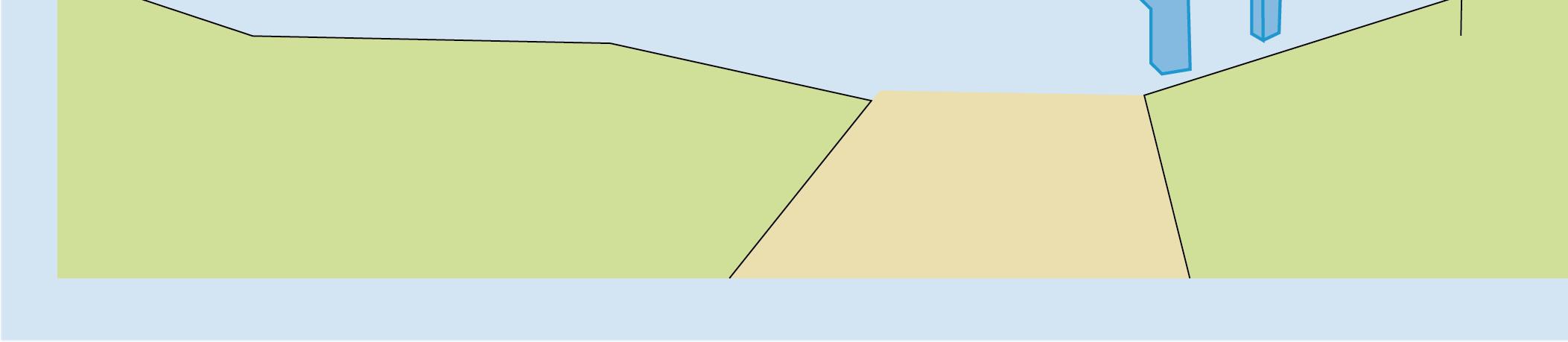
16
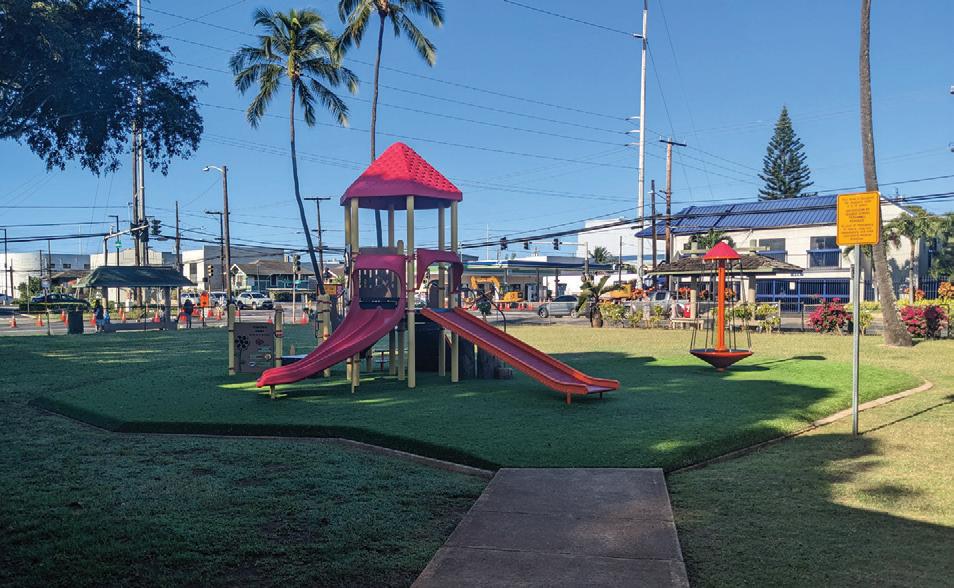
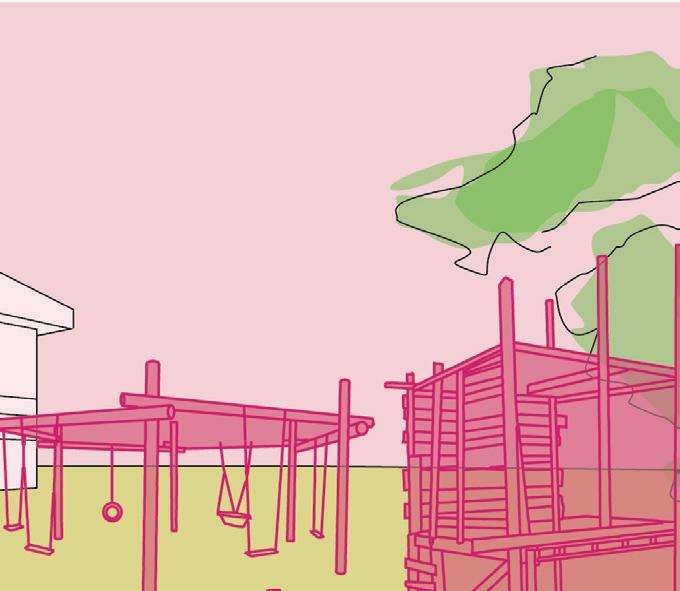
EXISTING CONDITION: An uninspiring, “off-the-shelf” plastic playground.
17
18
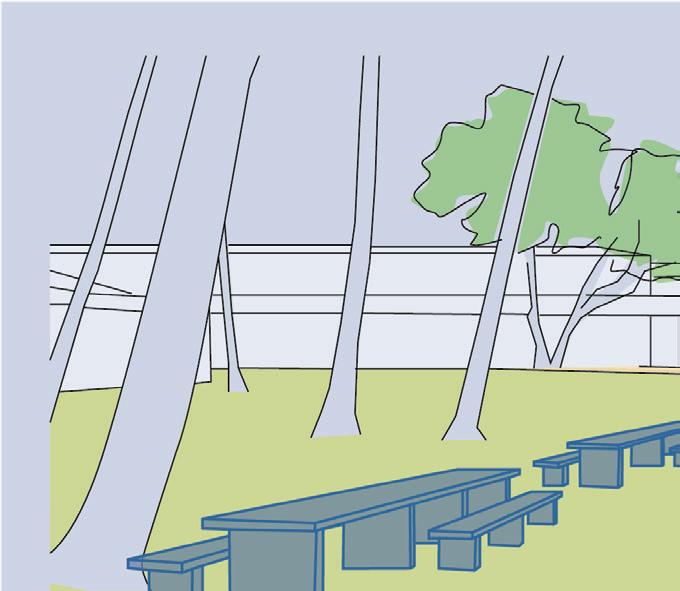
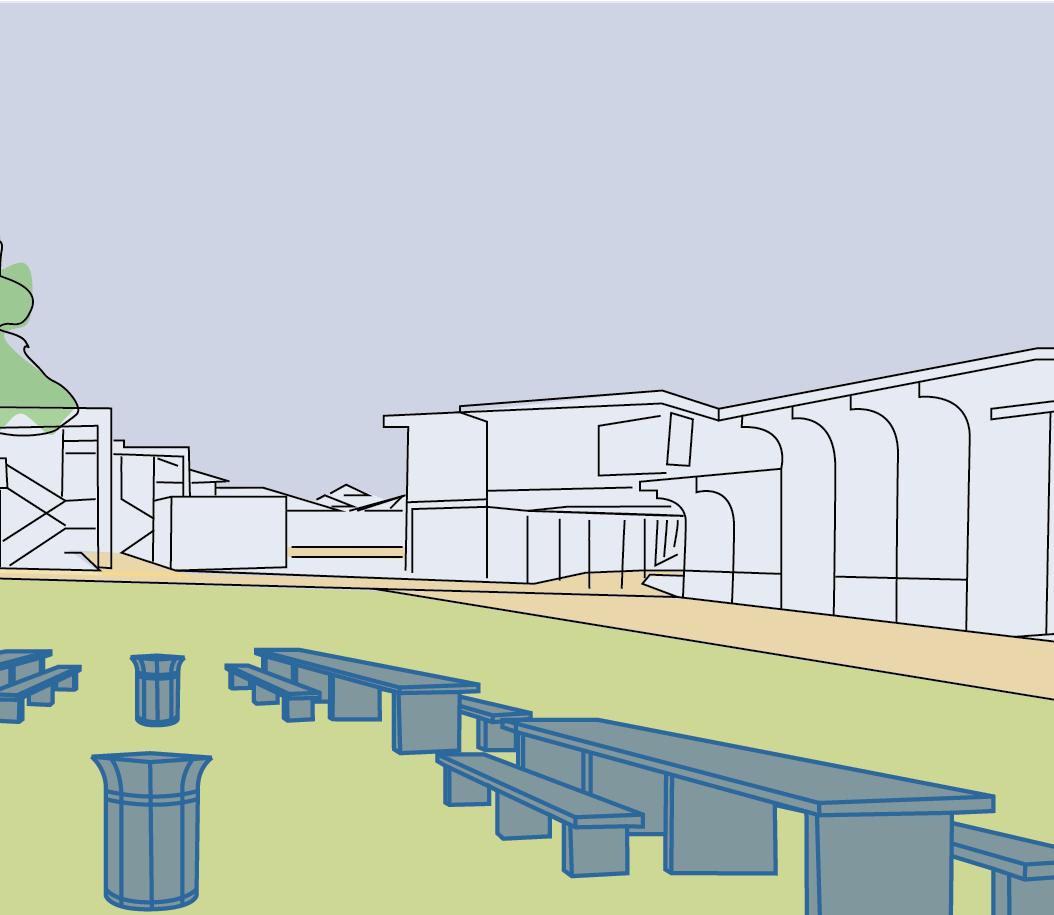
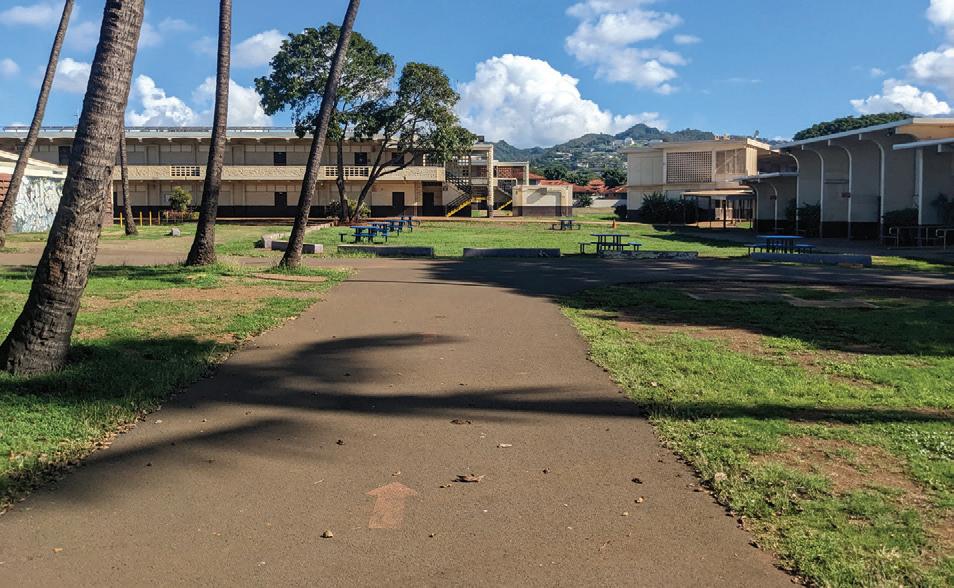
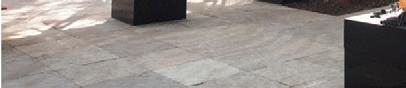
EXISTING CONDITION: A patchy lawn with small tables and uneven paving.
19
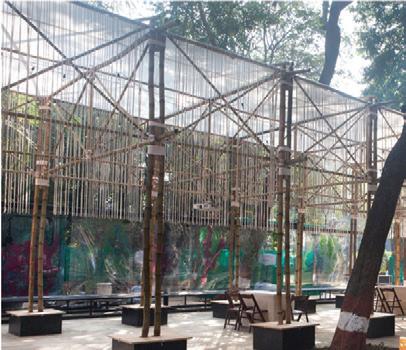
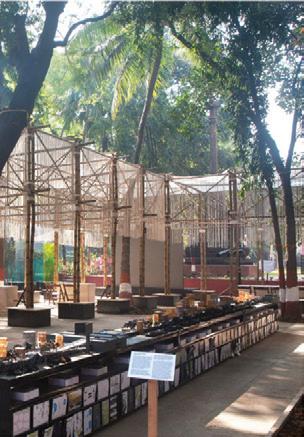


20
21
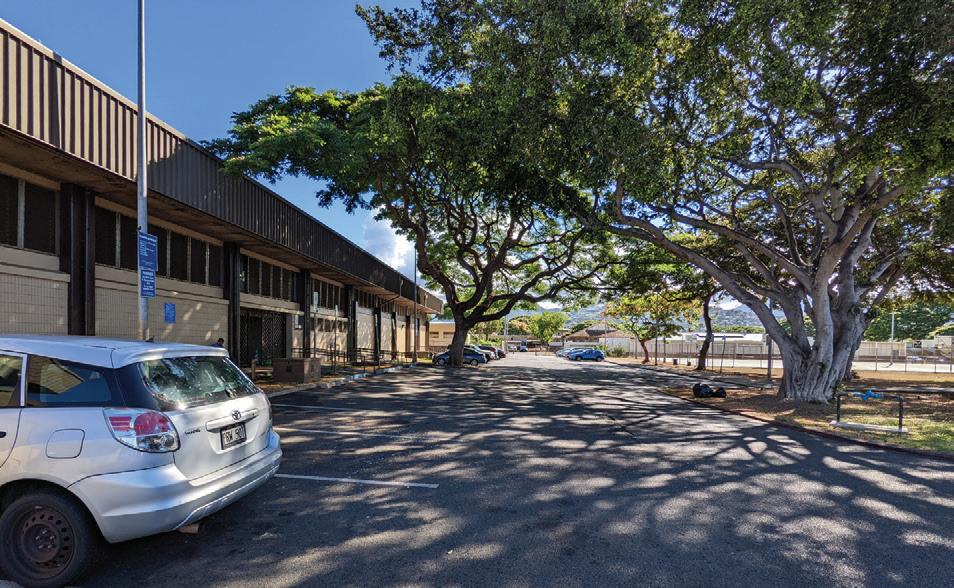
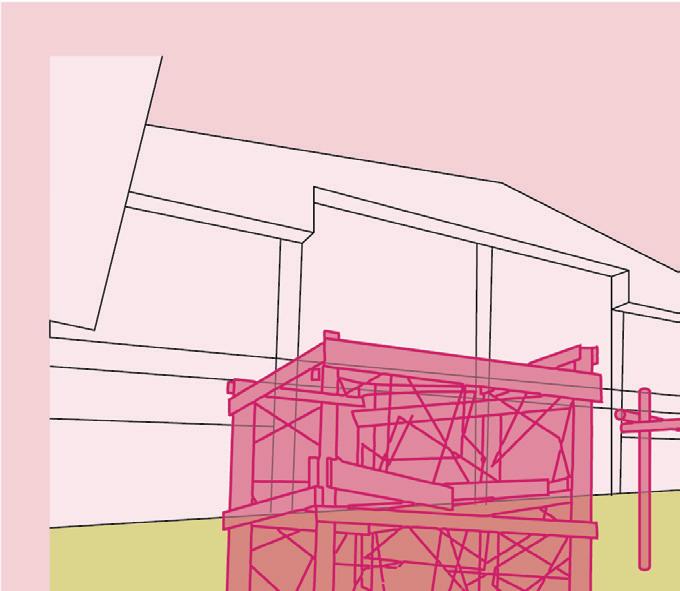
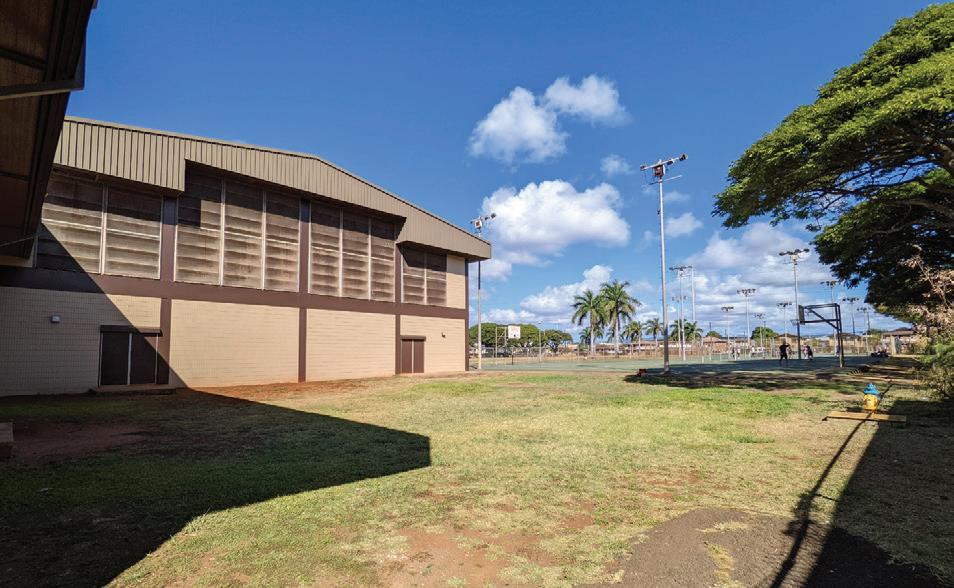
EXISTING CONDITION: A parking lot in front of the indoor court entrance.
22
23
EXISTING CONDITION: An unused “leftover” space by the tennis courts.
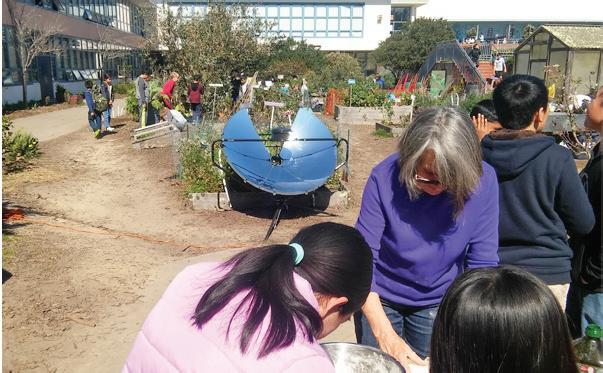
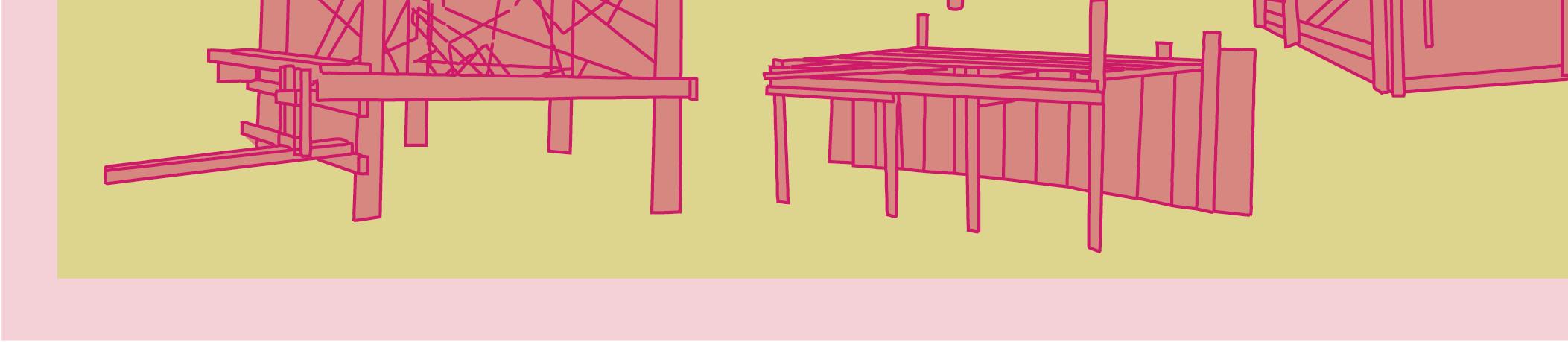
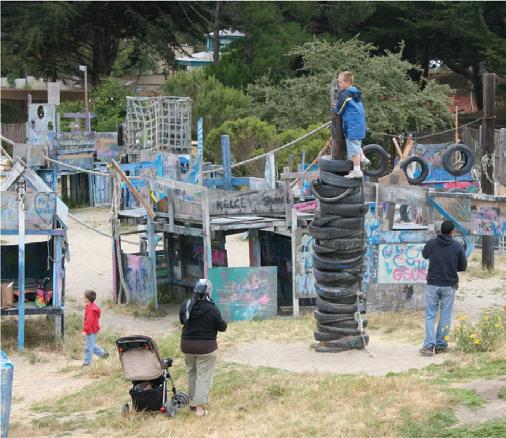
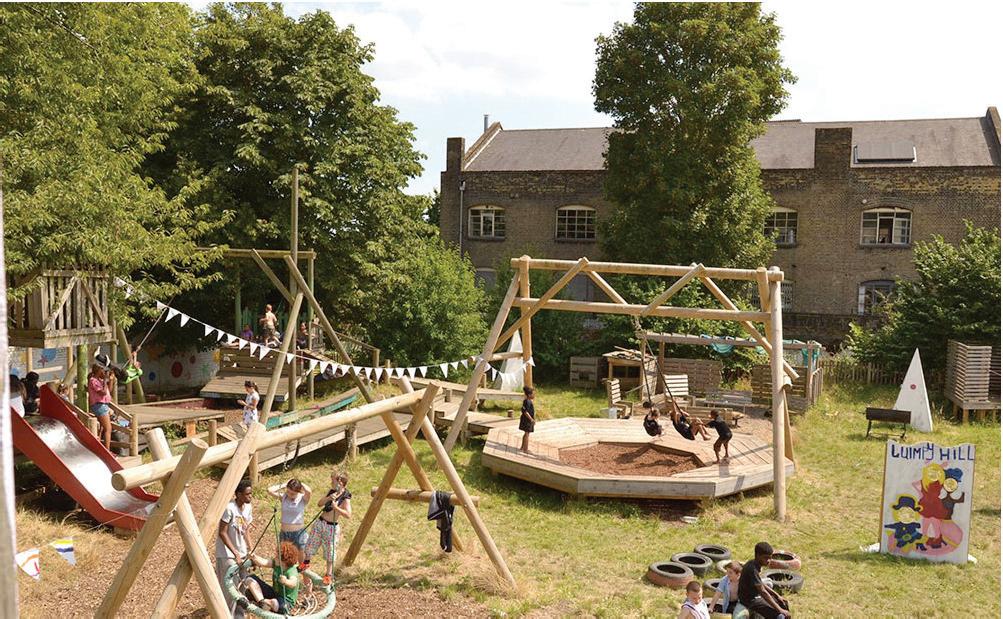
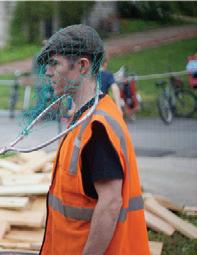
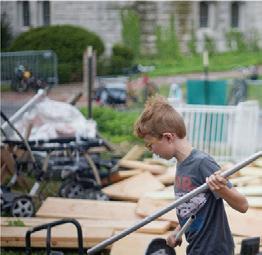
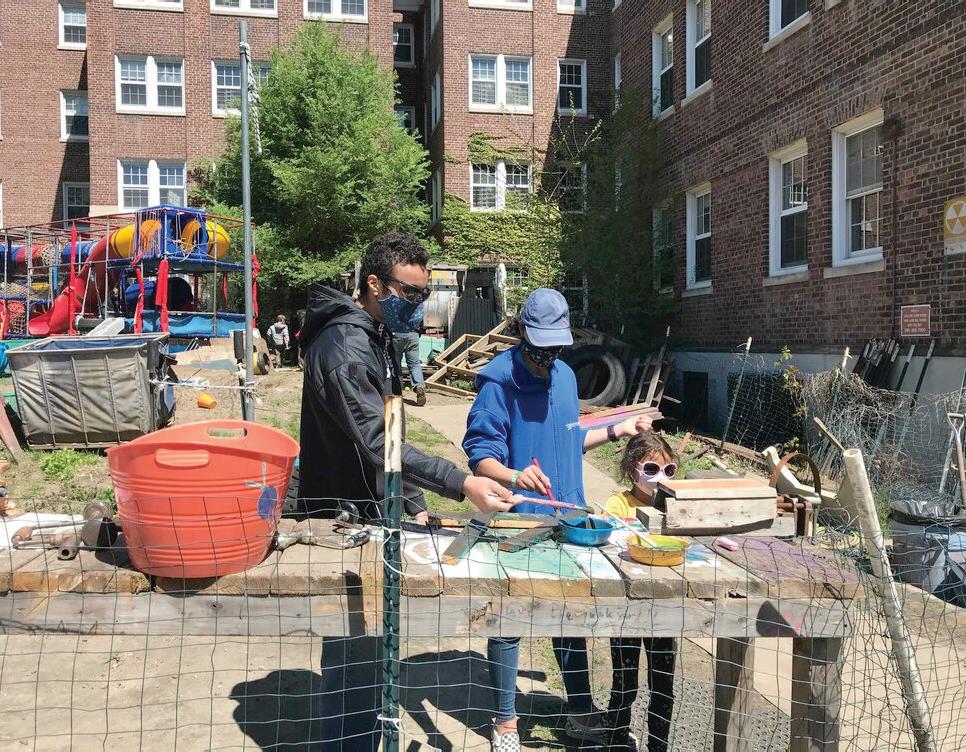
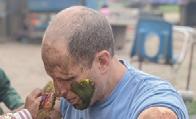
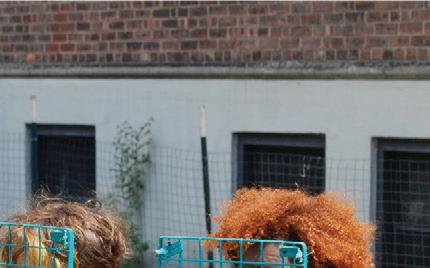
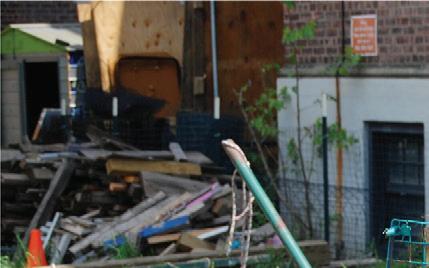
BELOW: Playworkers at play:groundNYC supervising the use of consruction tools.
24
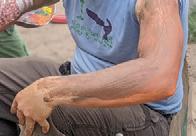
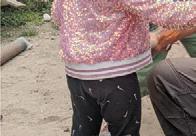
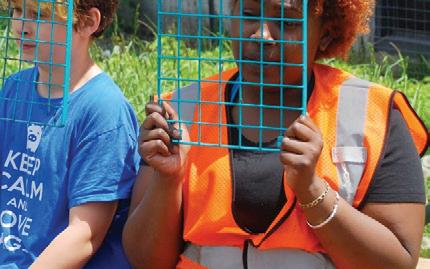
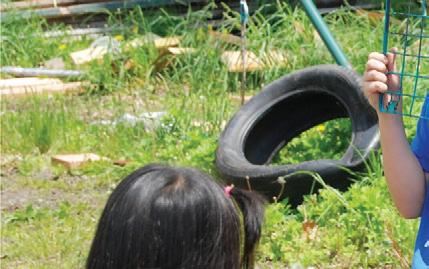
BELOW: Playworkers at play:groundNYC engaging children in self-directed play activities.



25
SIte ConteXt
26
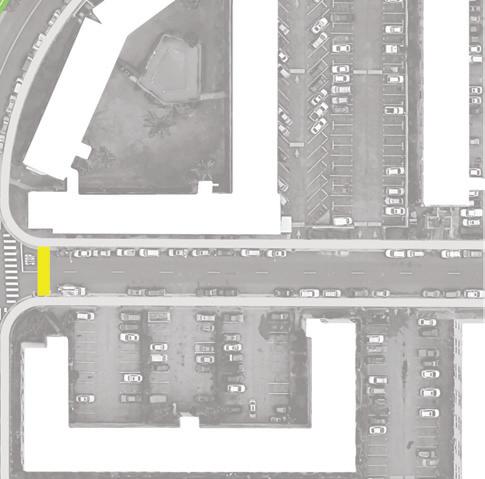
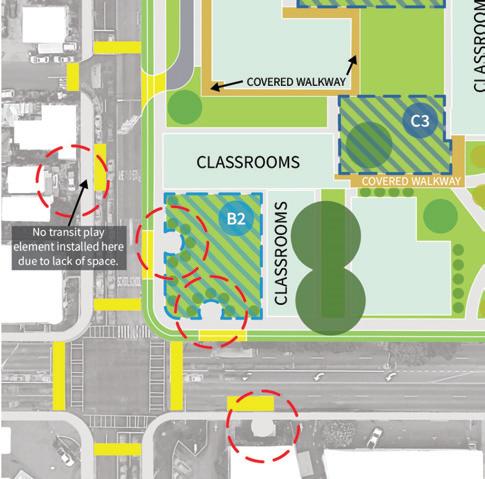
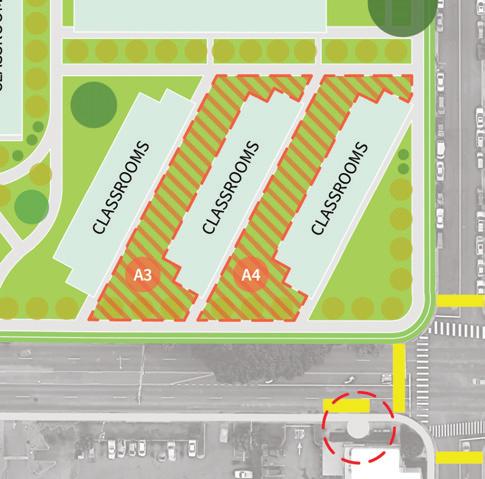
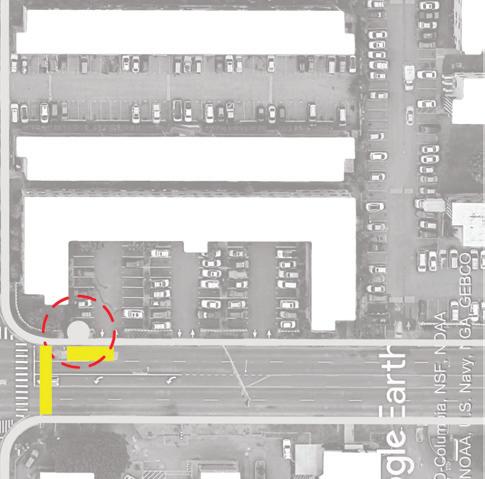
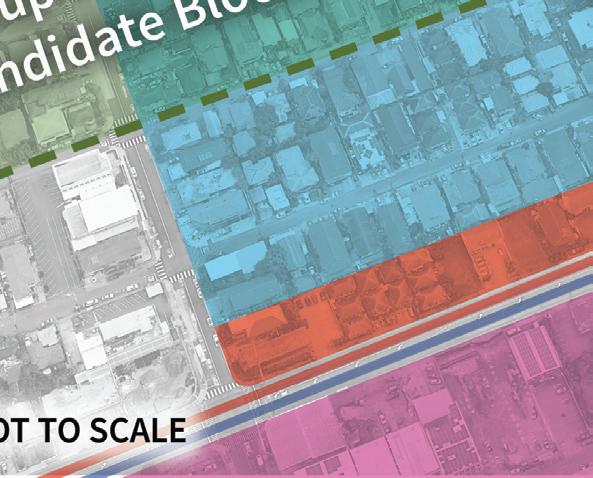
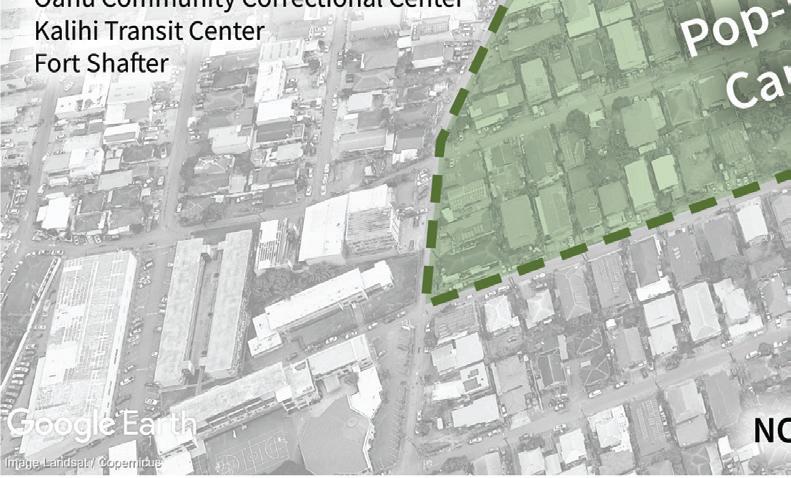
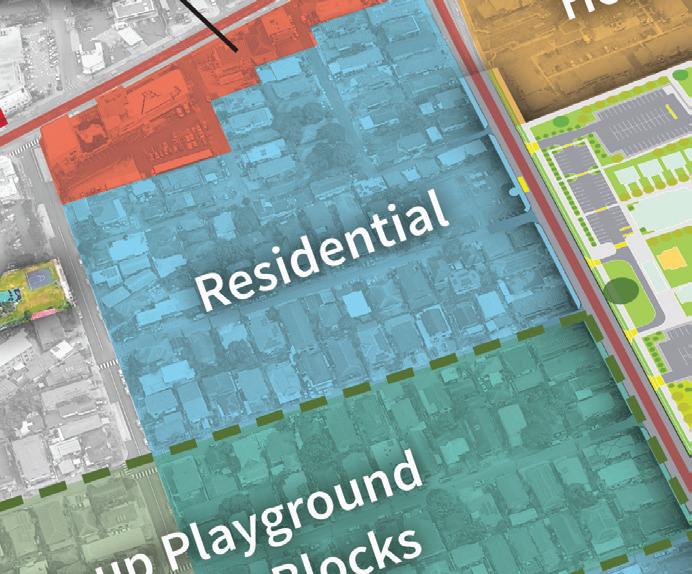
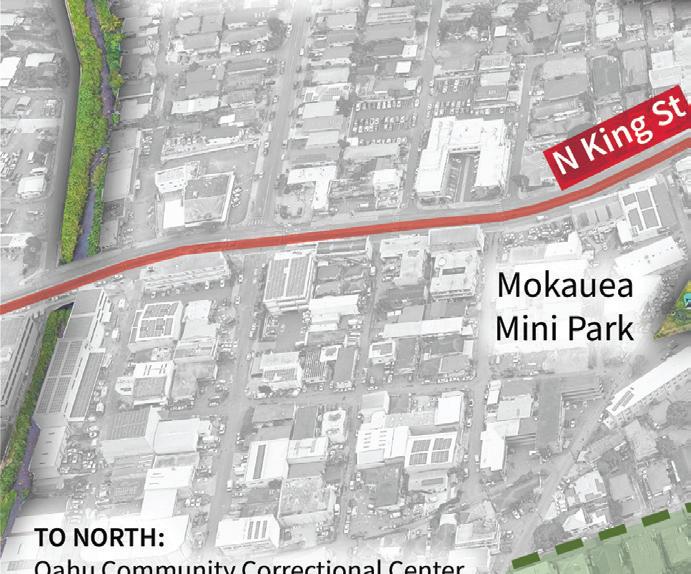
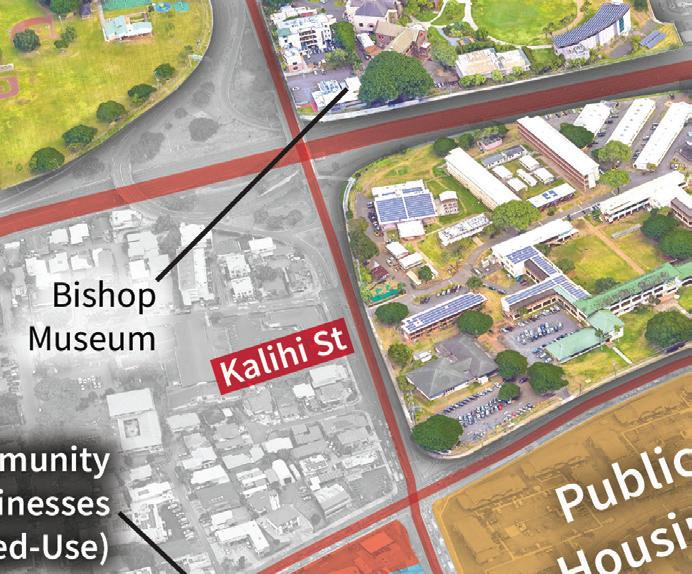
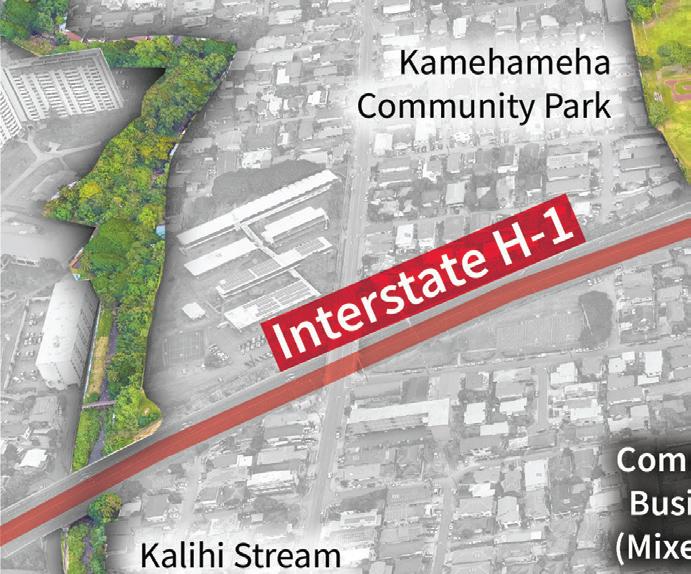
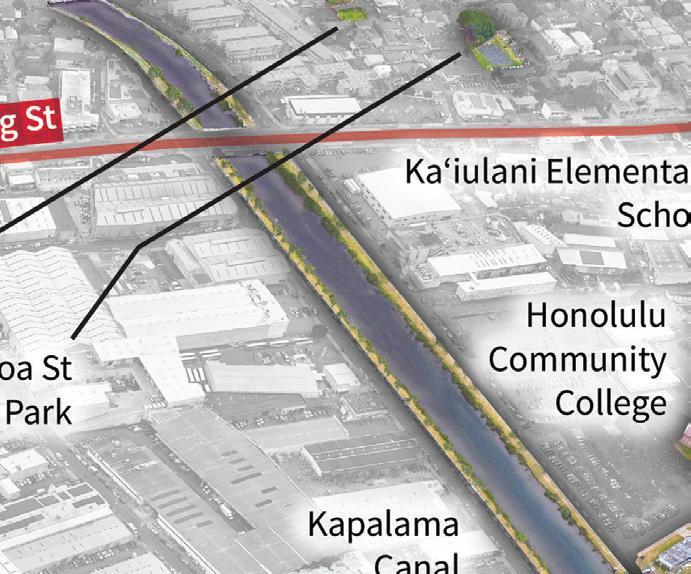
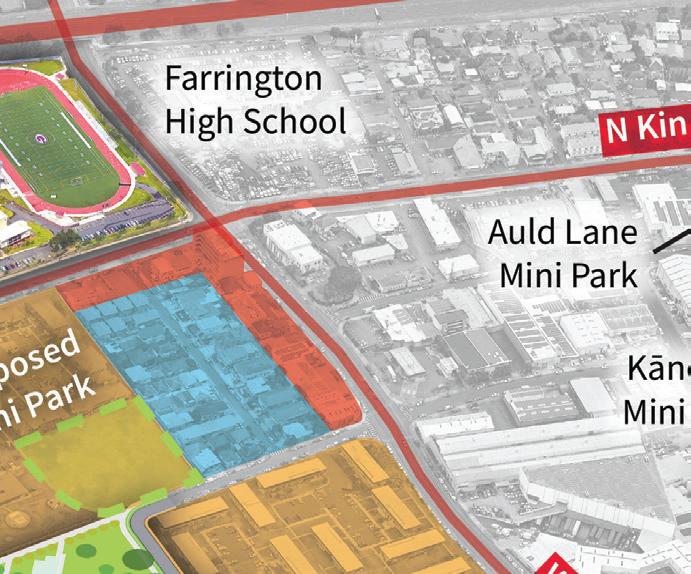
The project establishes a network of smaller play areas linked to each other: most on-site, and some o -site such as pocket parks in suburban blocks, play elements near transit stops, and temporary interventions like pop-up playgrounds. Proposed additional mini parks around the site were also incorporated from the current Kalihi Transit-Oriented Development Plan.
27
POP-UP PLAY SITE ANALYSIS
Impervious Surfaces
28
Transit
Canopy Cover
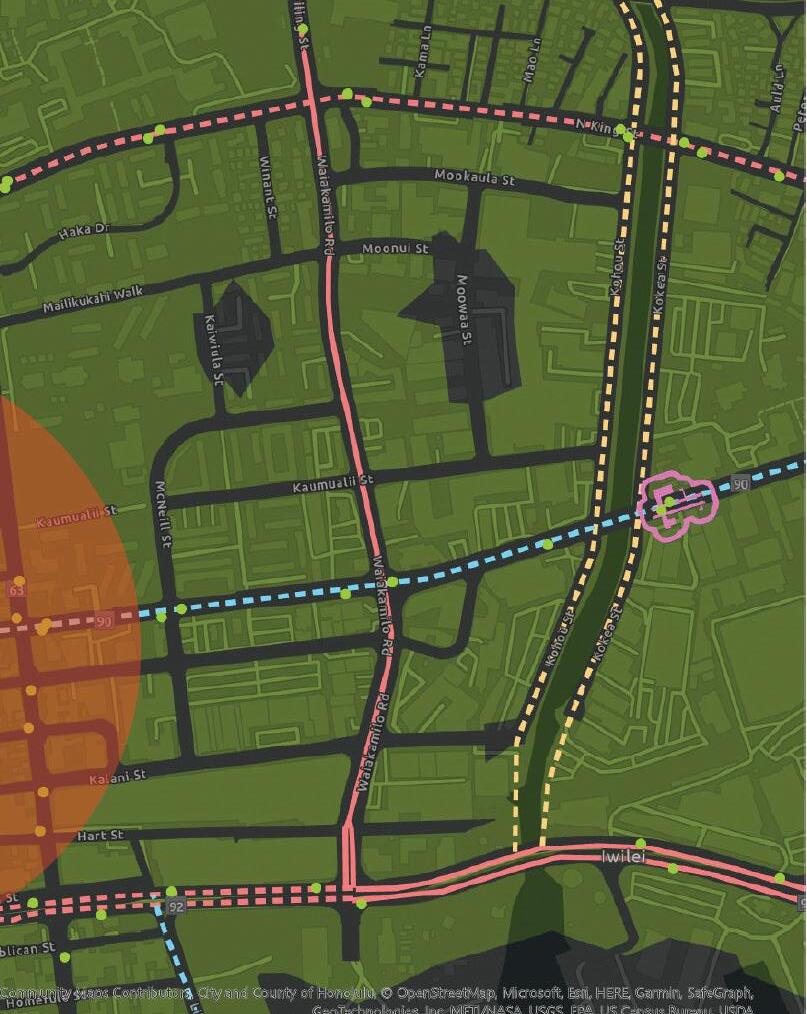
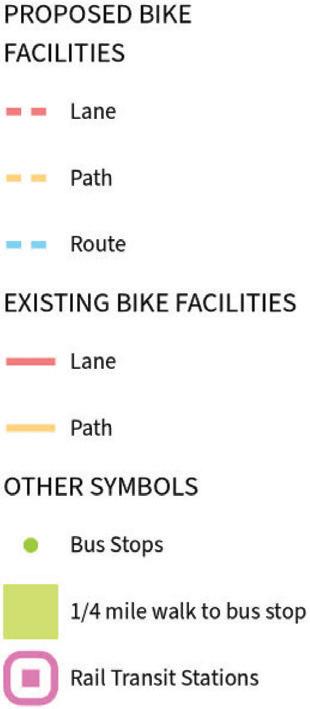
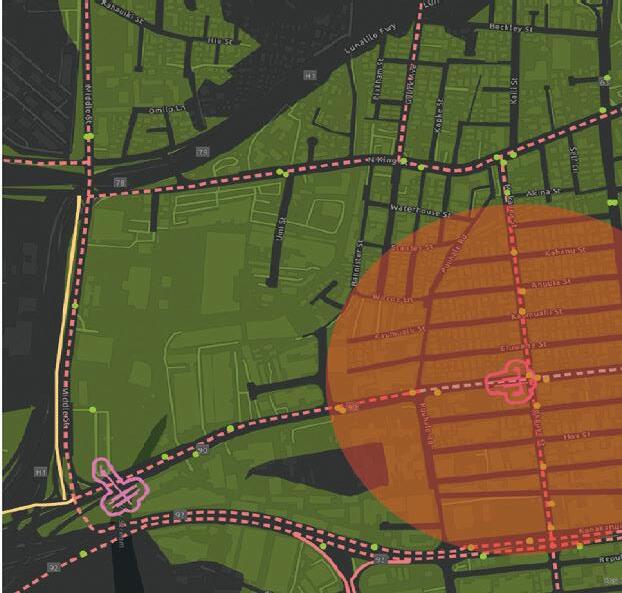
TRANSIT: Bike Lanes are “portions of any roadway which are reserved for the use of bicycles.” Bike Paths are “bicycle lanes that are physically separated from a roadway.” Bike Routes are “any highway that is signed for use by bicycles and pedestrians; or bicycles and motor vehicles; or shared by all three.”
(Oahu Bike Plan) All data sourced from Honolulu Open Geospatial Data.
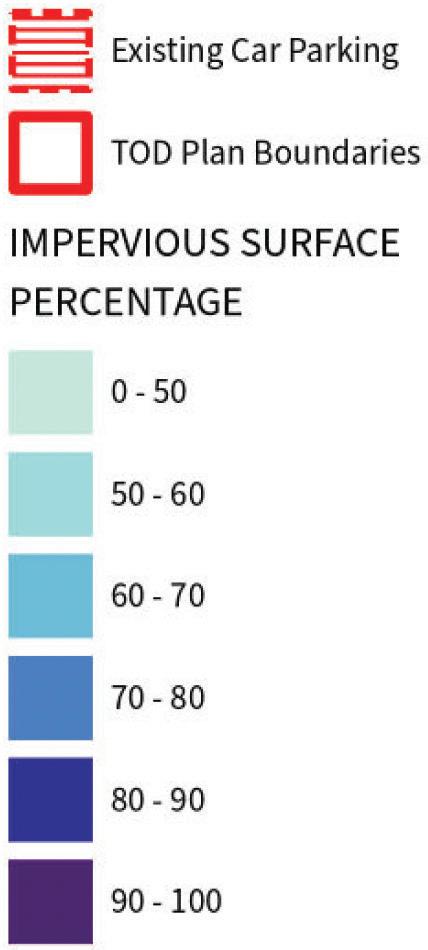
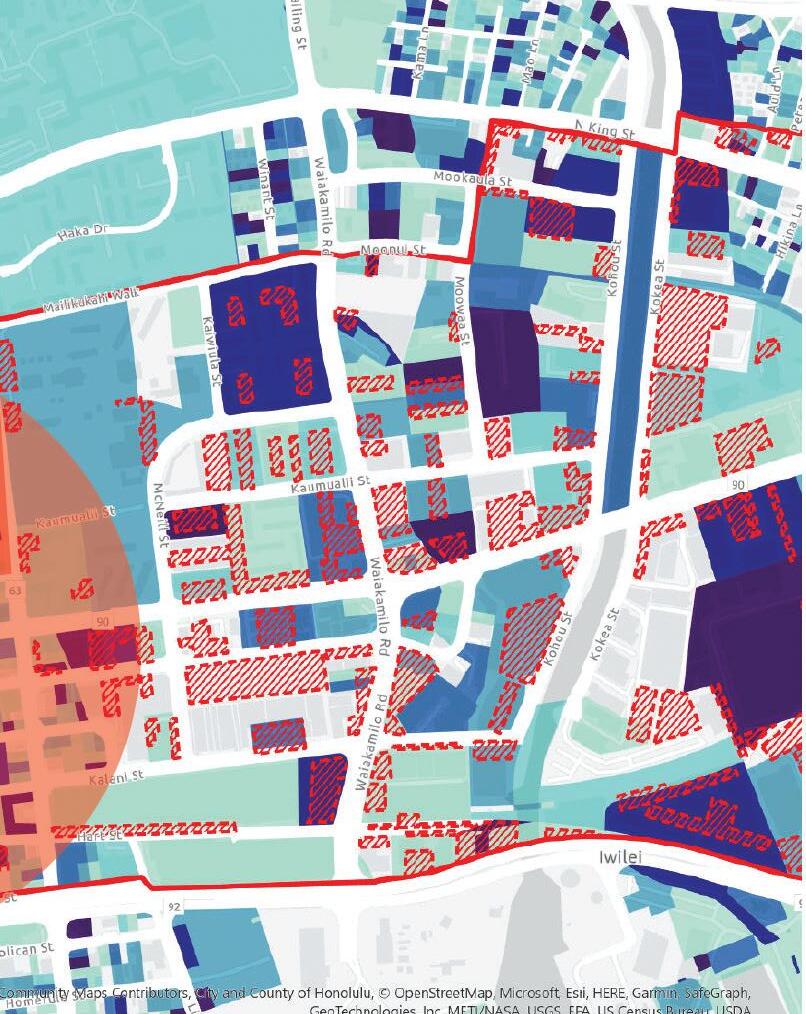
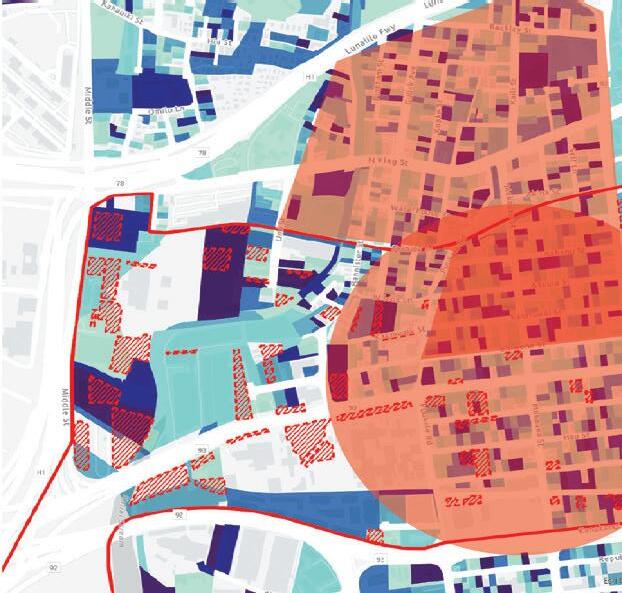
IMPERVIOUS SURFACES: Impervious surface percentages for tax parcels and TOD boundary sourced from Honolulu Open Geospatial Data. Parking lot data sourced from a Penn State Geodesign project by Daniel Call, Kirsten Eaton, and Graham Mills.
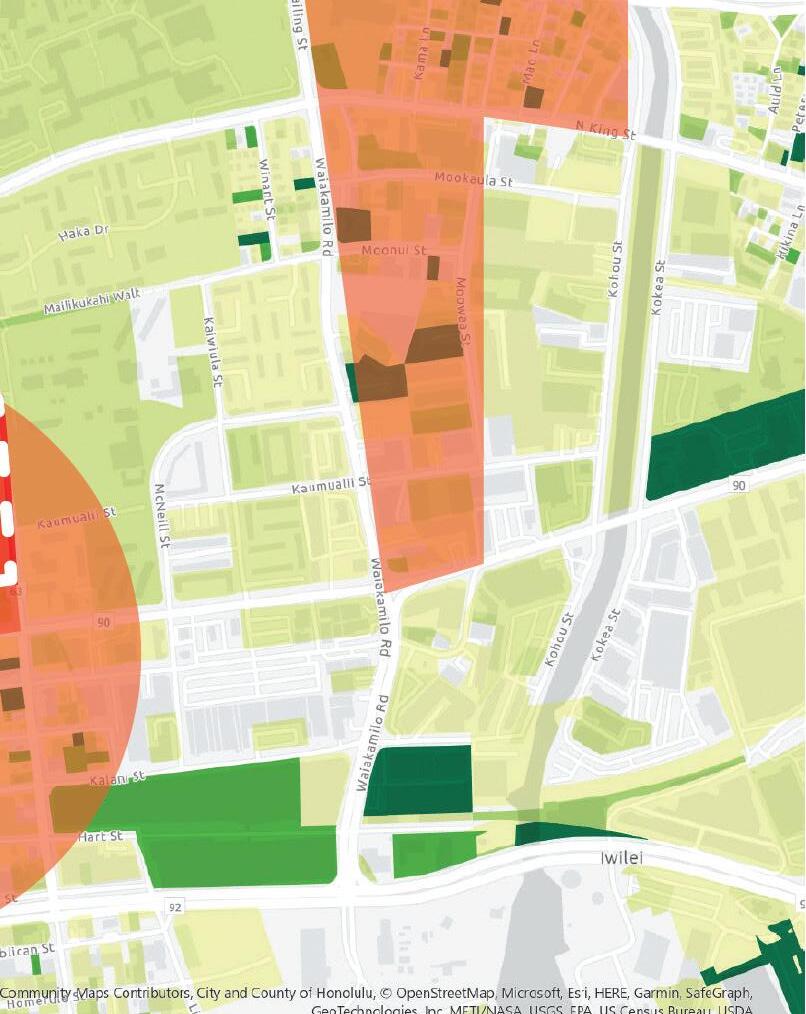
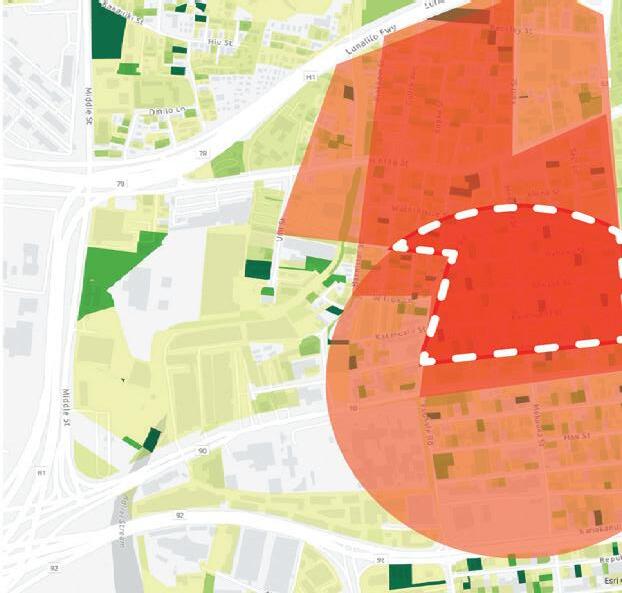
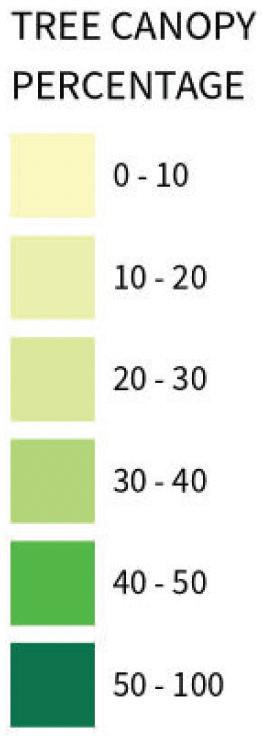
CANOPY COVER: All data sourced from Honolulu Open Geospatial Data.
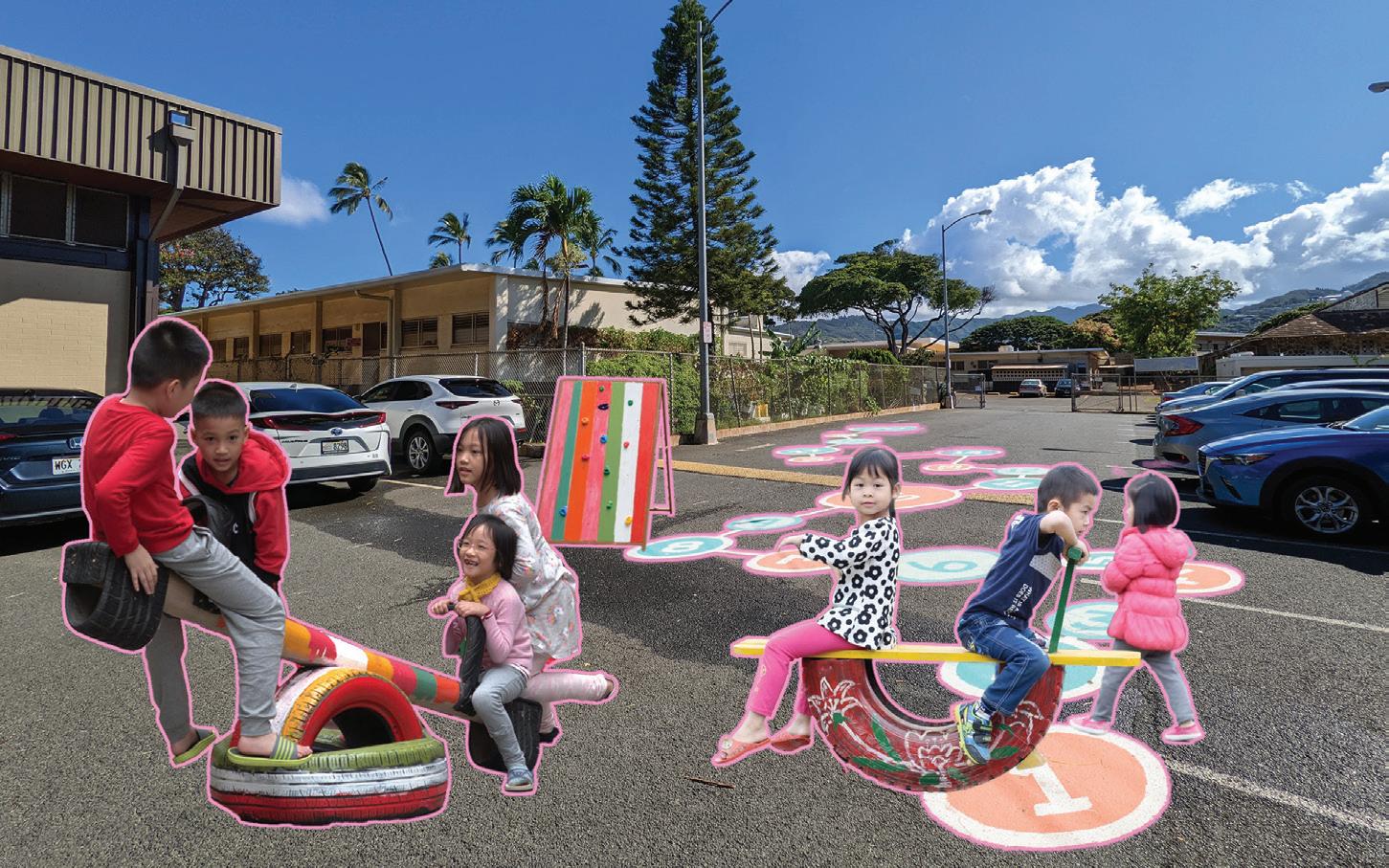
A detailed site analysis of the surrounding neighborhoods, including proximity to transit, canopy cover, and impervious surface analysis was performed to nd the most suitable place to site a pop-up playground experience.
Pop-up playgrounds should be sited by transit stations or in areas that are a short walk to transit stations, and near areas where tra c is calm. The future development of rail stations should also be observed. They should not be located in areas with poor drainage/impervious surfacing and not in areas with many parking lots. There should be ample shade near the playground, either from shade structures or large trees, which may be found on individual properties.
29
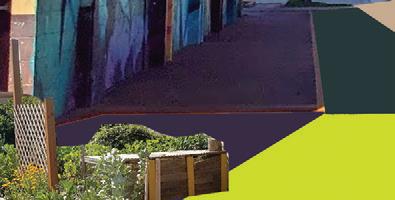
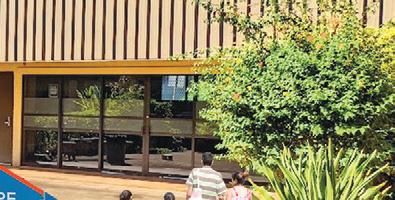
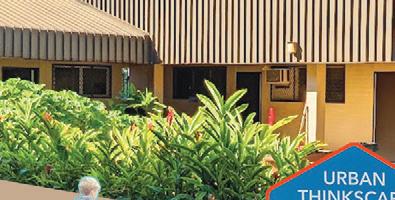
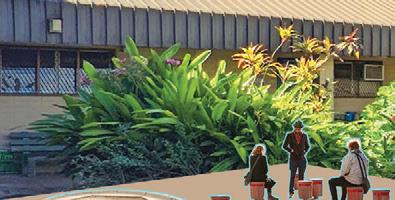
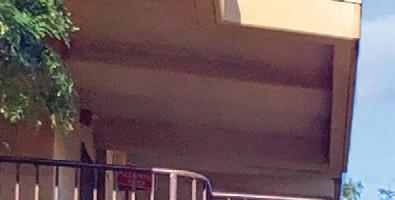
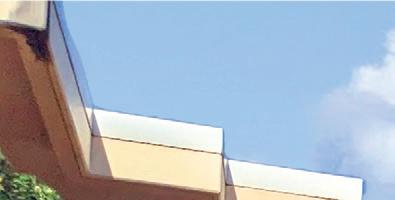
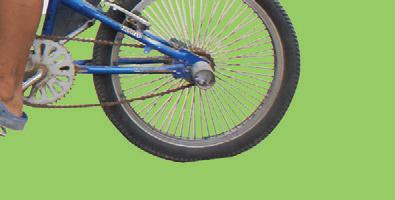
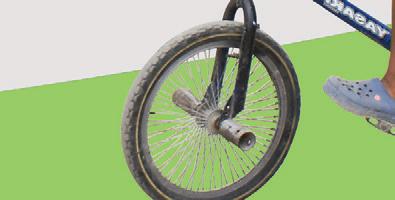
PeRsPeCtIVes




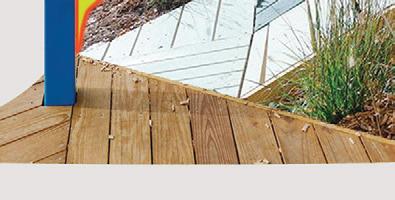


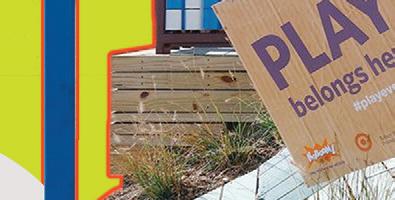
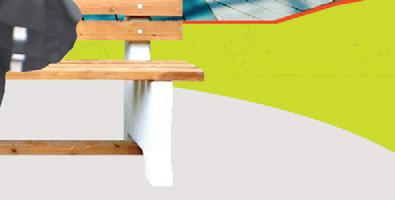

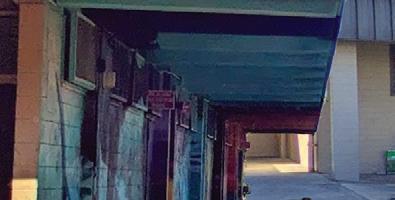
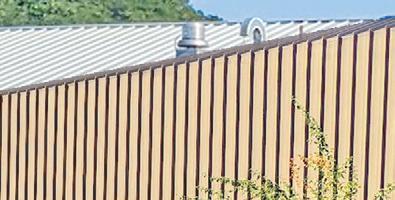
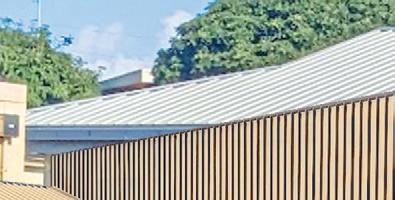
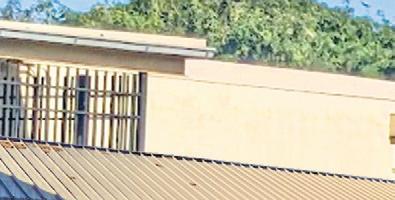



30
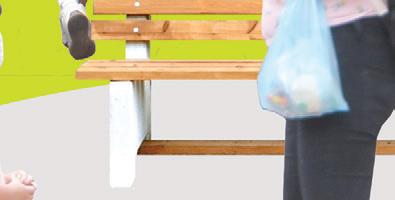
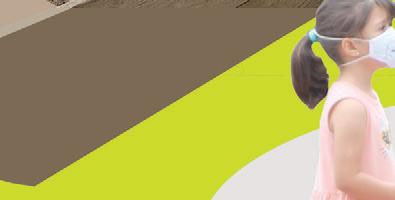
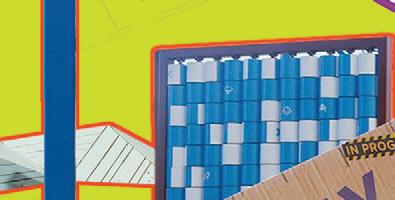
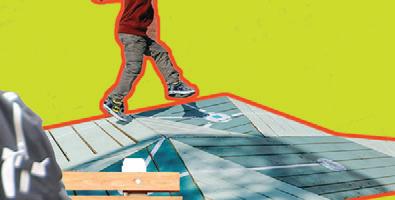
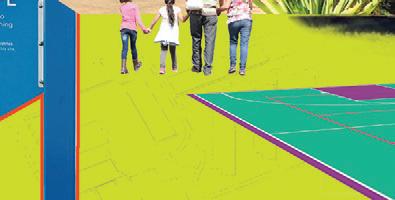
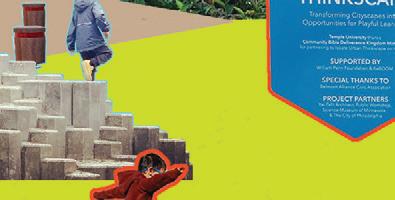
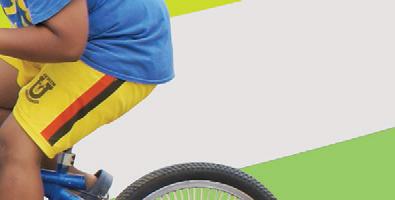
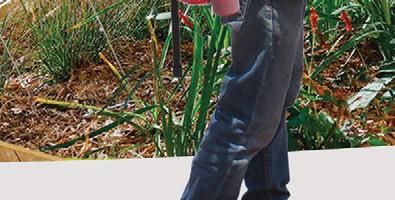
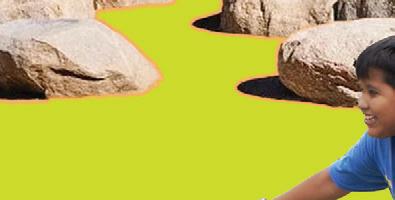
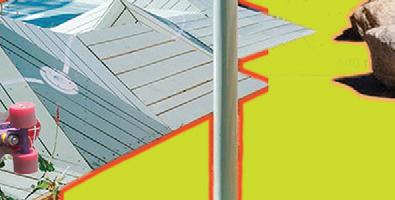
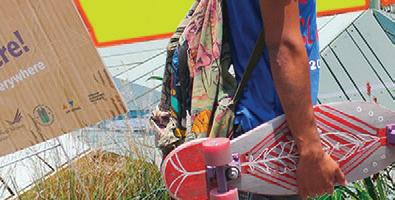
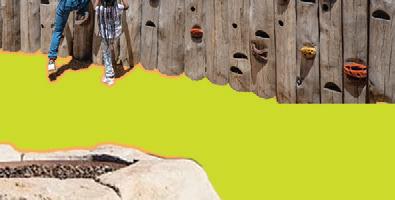
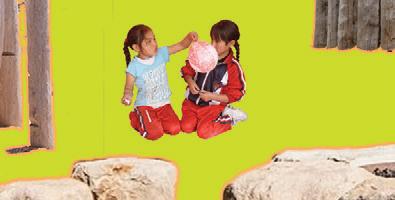
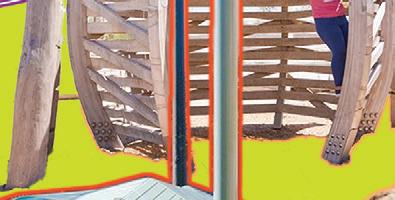
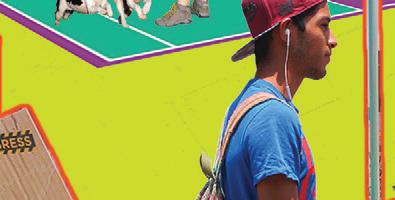
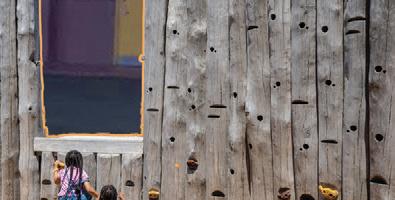
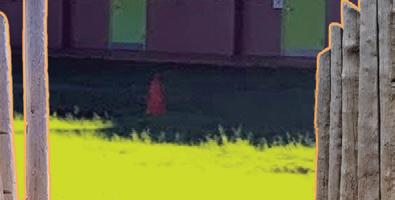
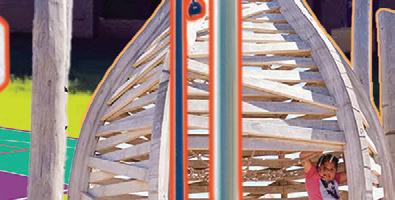
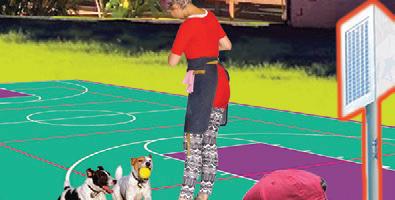
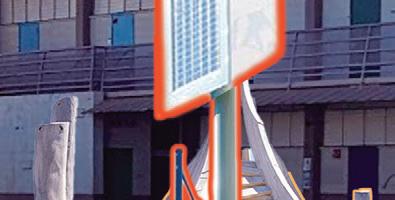
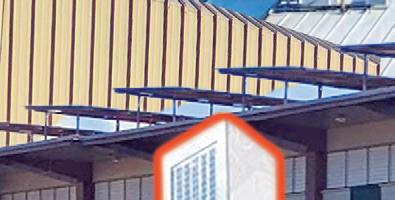
SITE CONCEPT COLLAGE PERSPECTIVE











31
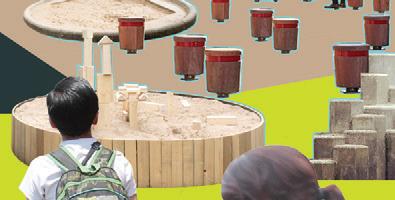
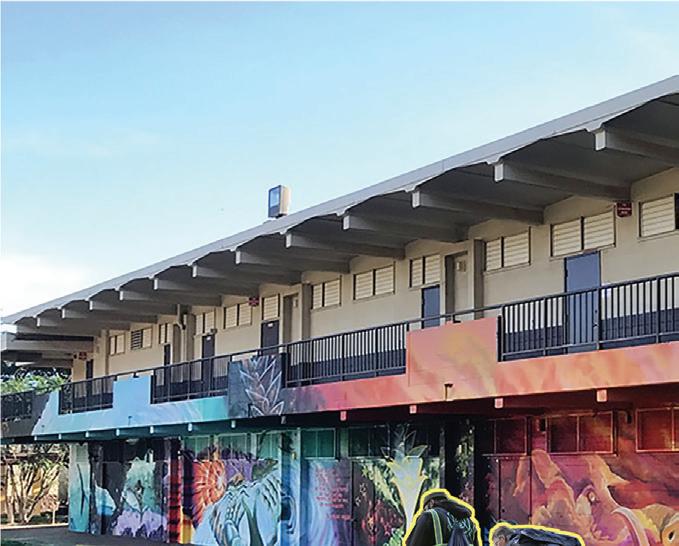
Pop-up Playground
32
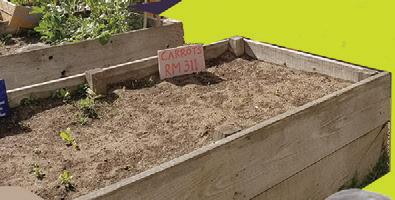
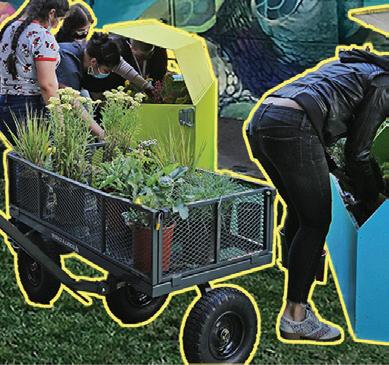
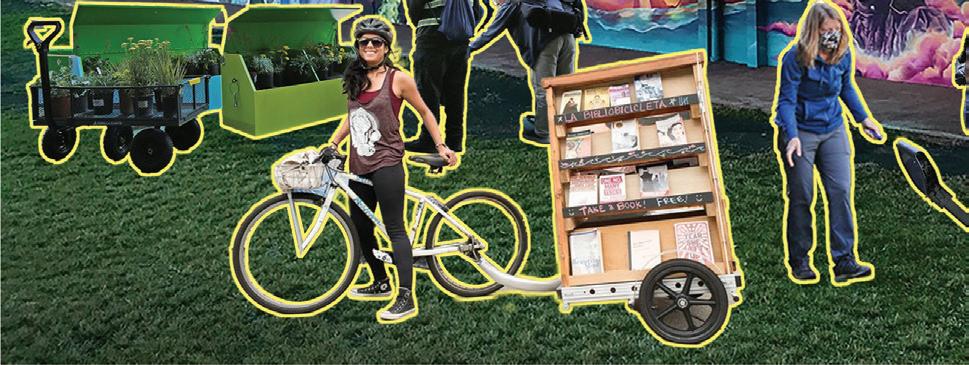
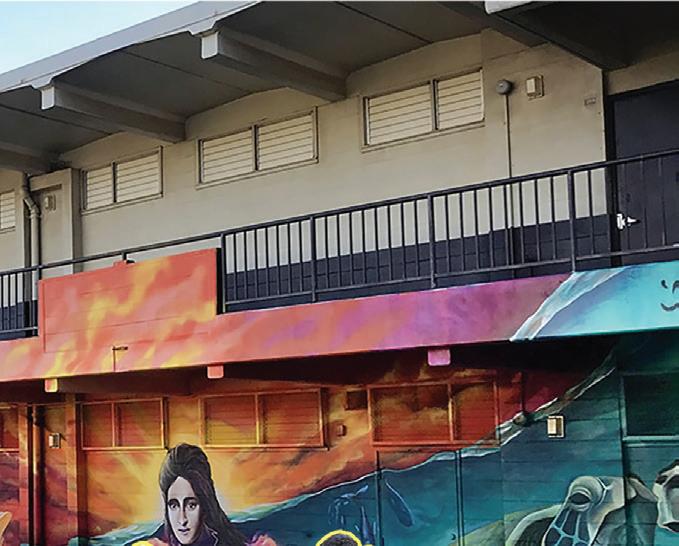
Hands-on Education
33
PlaYstYle GRaPH
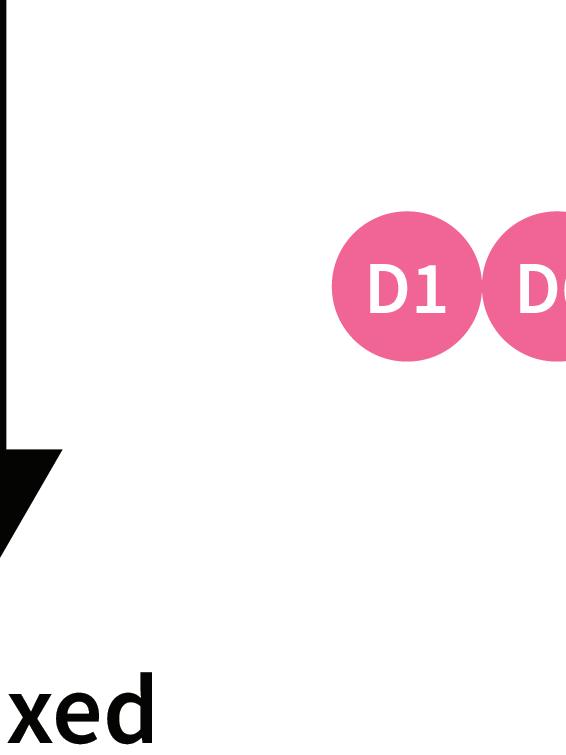
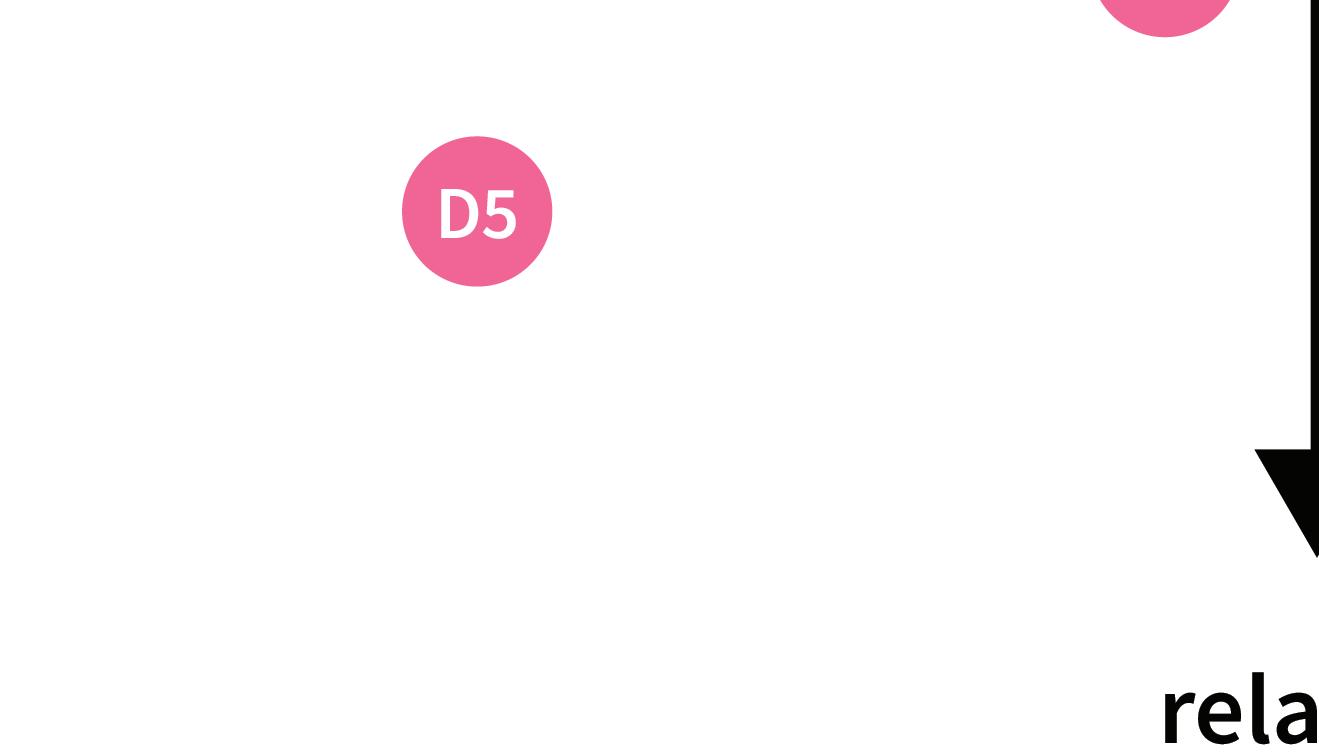
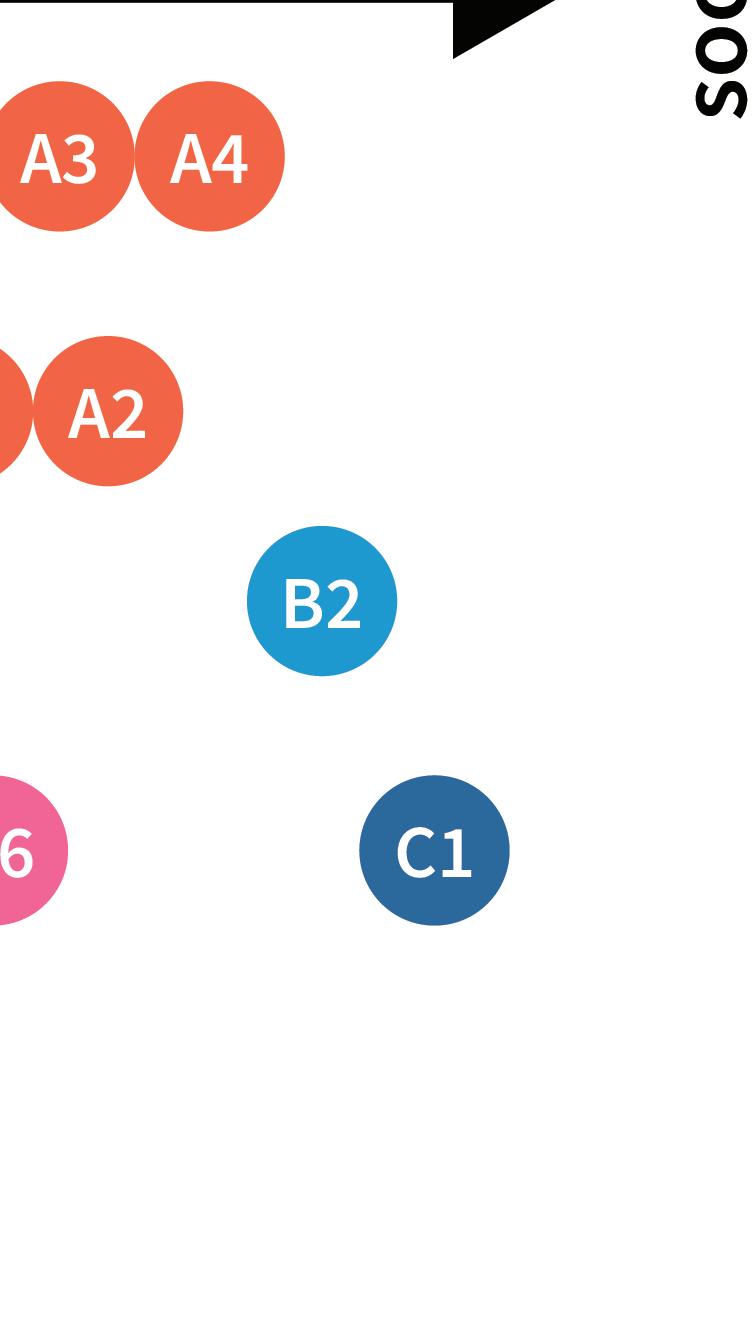
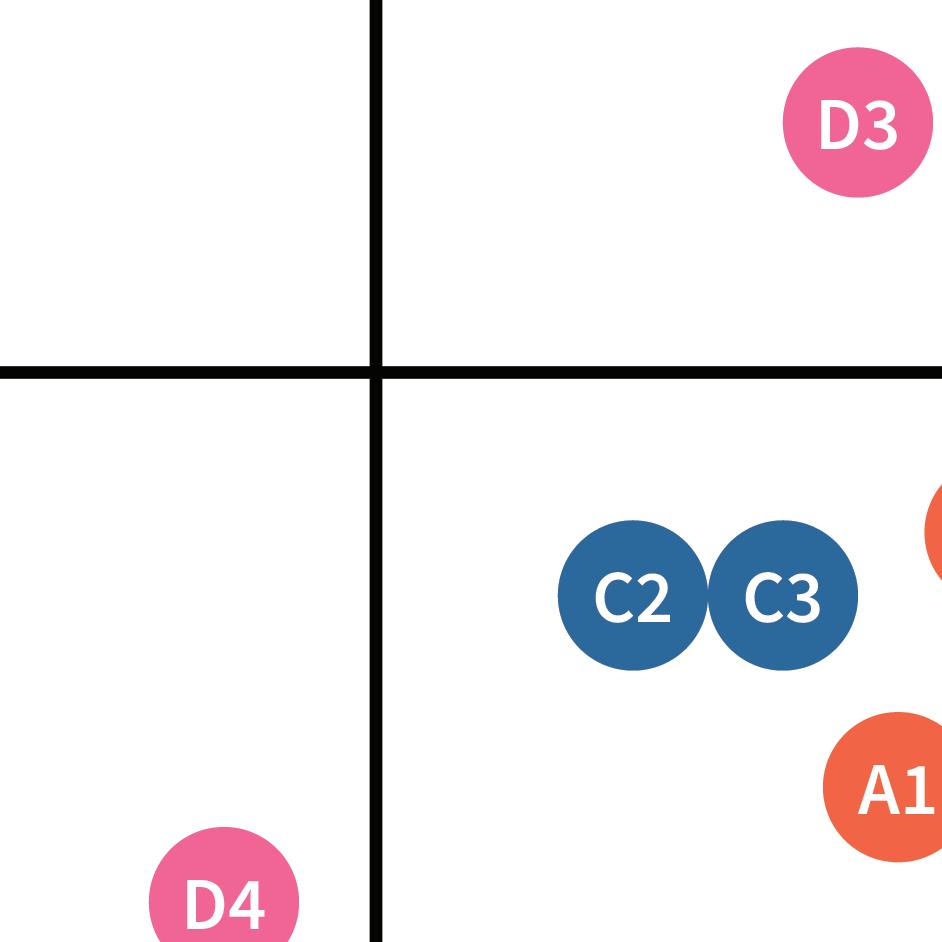
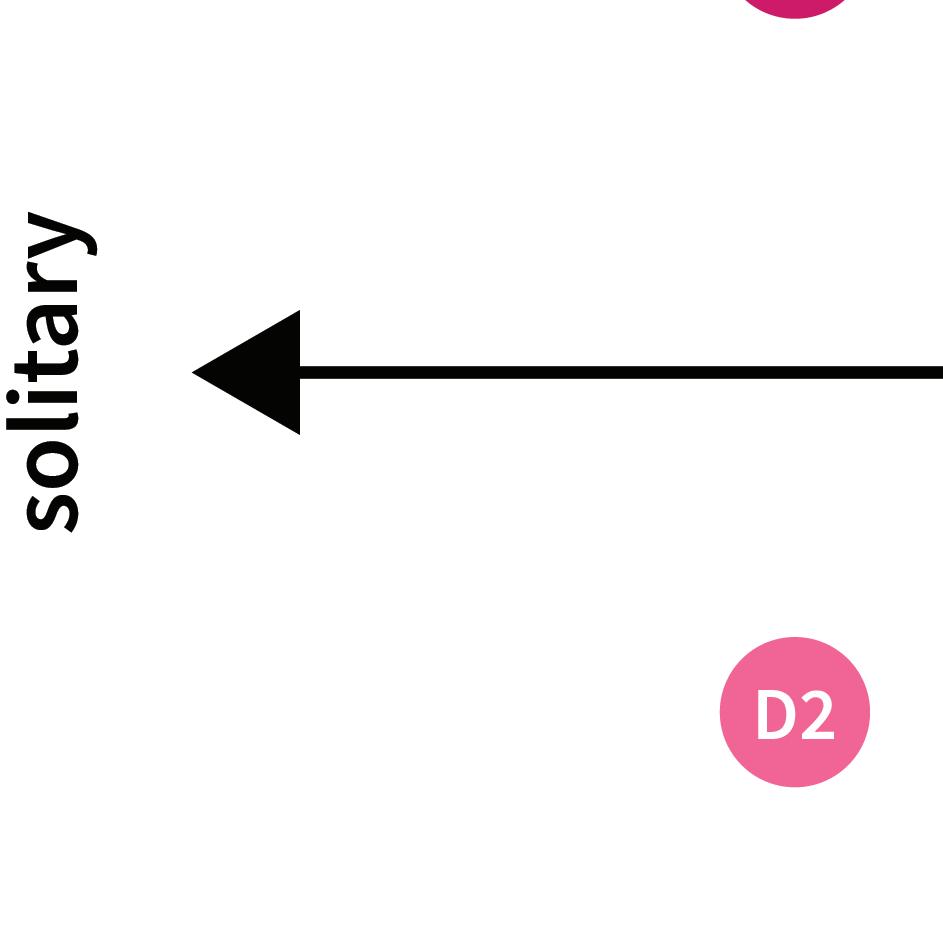
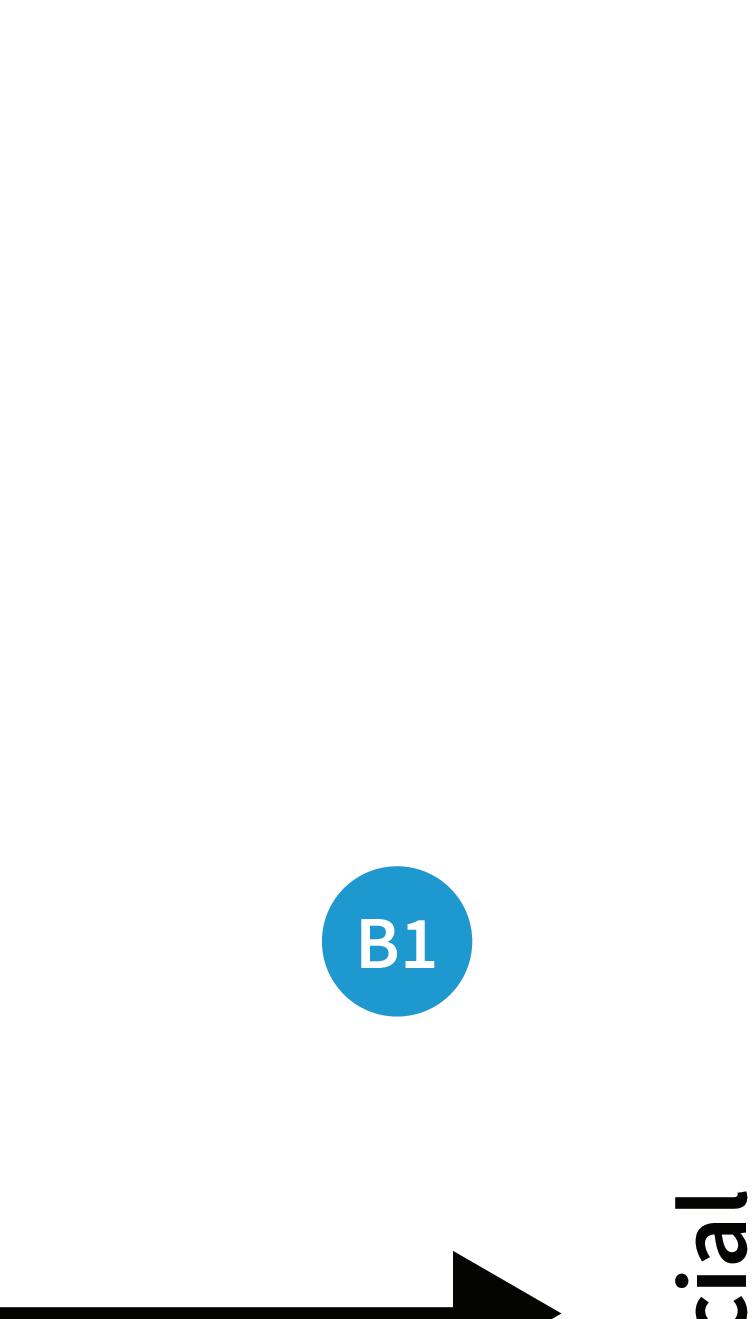
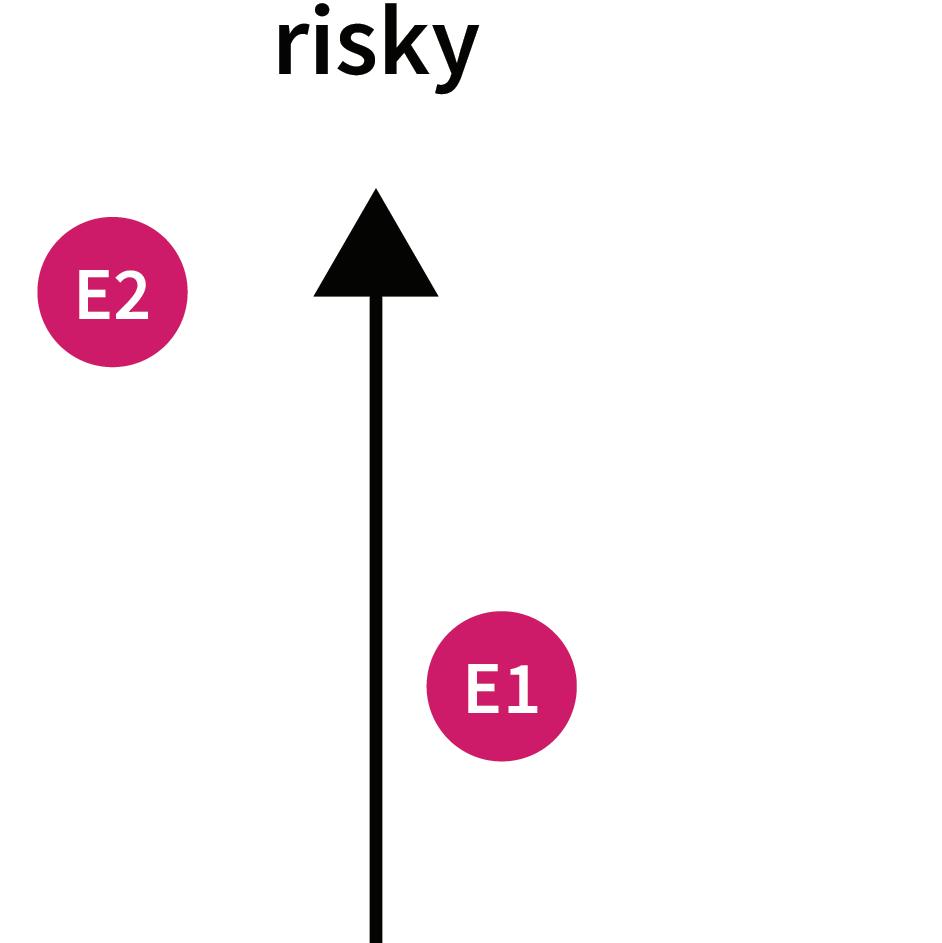
This graph shows the play elements on site in relation to two axes: play intensity and sociality. The goal was to have several spaces in each quadrant, and to prioritize creating spaces for relaxed socialization.

34
REFLECTION
I am overall very pleased with how this project turned out. By far the most di cult aspect was thinking on and juggling multiple scales of design. In previous studios, it was taken for granted that we would be working on a certain scale, whether it be a single house or a regional trail system. But because my approach to the project required me to think about each individual play element as well as a neighborhood-scale design for linking the site to its context, I had to constantly go back and forth while trying not to lose sight of the big picture.
Another di culty I encountered was that I wasn’t sure how much time to devote to thinking of each scale of design in detail. The ten weeks of winter quarter went by fast, and I had to choose between re ning the overall site plan versus spending more time thinking about individual components. In the end, I chose to focus more on the overall plan, because I wasn’t planning to show each individual play element. However, if the spaces on the plan didn’t make sense or work well together, it would be much more noticeable. I got sick for a week in the middle of the quarter with a bad case of the u, which threw my schedule o track. But, I am quite happy with how the nal board turned out, and the level of detail I was able to include.
Looking back on the nal board and presentation, I wish I had included more images of the existing conditions, some process images related to the design development, and also articulated more clearly how I solved problems speci c to Honolulu in the design. However, I prepared my oral presentation to address things that were not clear from the board alone, so I think the presentations I gave were overall successful. I also wish that I had printed a bit earlier, but again, I was thrown o track in the nal weeks due to my illness.
One of my goals from the very beginning of this project, in LA 401, was simply to let myself explore playground design, something I had not had the chance to do in my previous studio classes. Perhaps the most valuable lesson I took away was a theoretical one: the built environment is not something that people
35
simply use or pass through, but something they actively learn from. The connection between play and pedagogy has always been hotly debated, with multiple theories of child development situating play di erently in relation to learning. So many of these theories are contingent on the types of play environments they draw from, and what they consider to be an “ideal” playscape. I quickly realized that the idea of a one-size- ts-all approach to play was nothing but a fantasy.
Even so, implementing a plurality of play theories in the landscape, especially on a school campus, remains di cult because in a way, such a design goes against the kind of strictly regimented and standardized nature of public schooling, at least in the US. In my project, I tried to nd ways to “unsettle” this logic of the school, in which students are attened into behaving and being the same. This project strengthened my belief that play is a subversive tool, which can empower children to advocate for themselves against the authorities that control them.
Throughout the project, I drew heavily on ideas from Colin Ward, a so-called “anarchist planner” that believed the school had to spill outside of its boundaries into the city, and that urban, streetwise education was vital for children. My whole approach to the project, which focuses on dissolving boundaries between the school and the wider community through play, re ects this belief. In the end, perhaps what I am really doing with this project is not designing playgrounds, but reinventing the form and purpose of the school. In my future career, I hope I can work on projects which similarly push the boundaries of what is possible and thinkable in the landscape.
36
37
Clouds over Liliha-Kapālama.

 Daniel Ramirez / CC BY 2.0