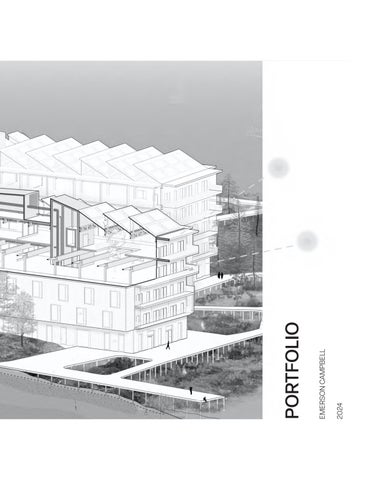
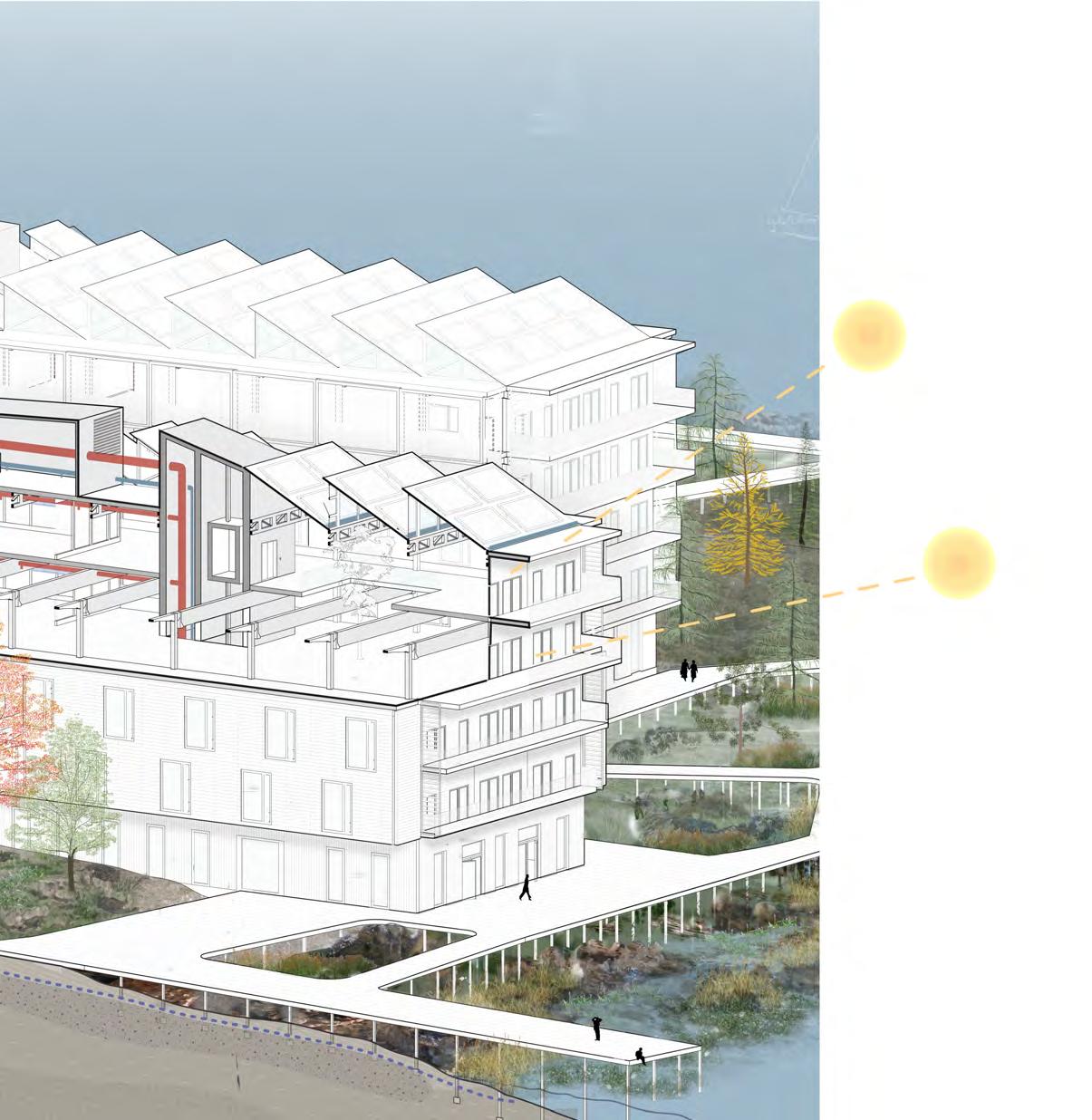
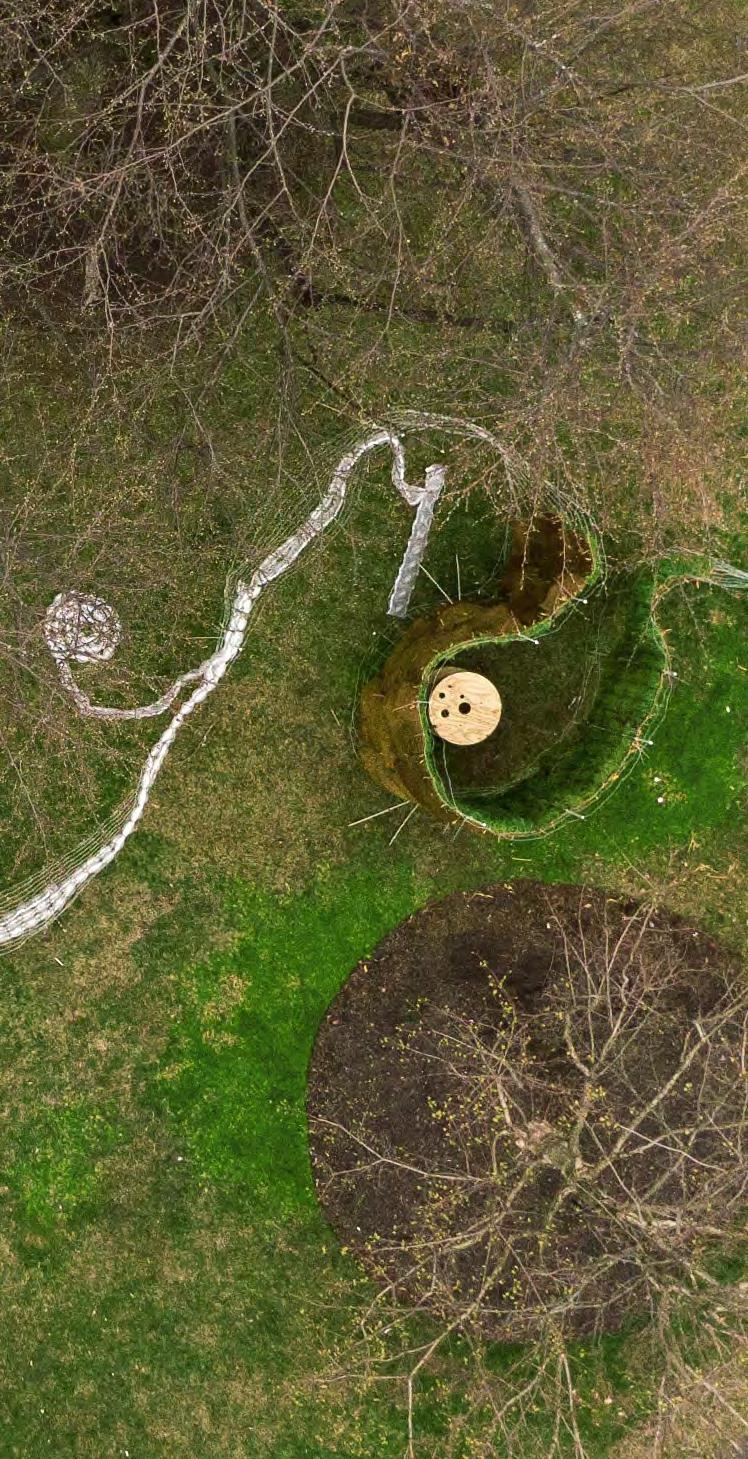
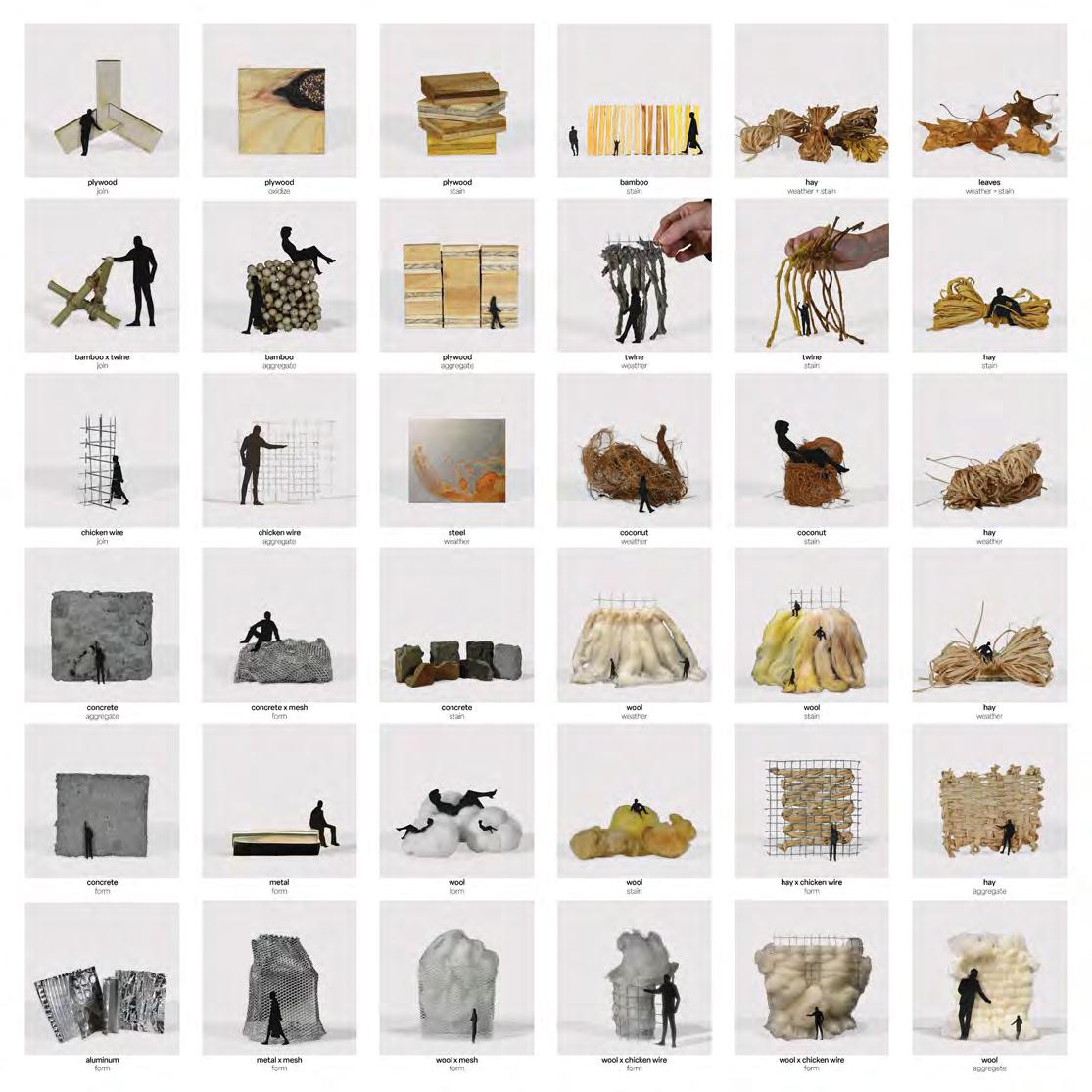
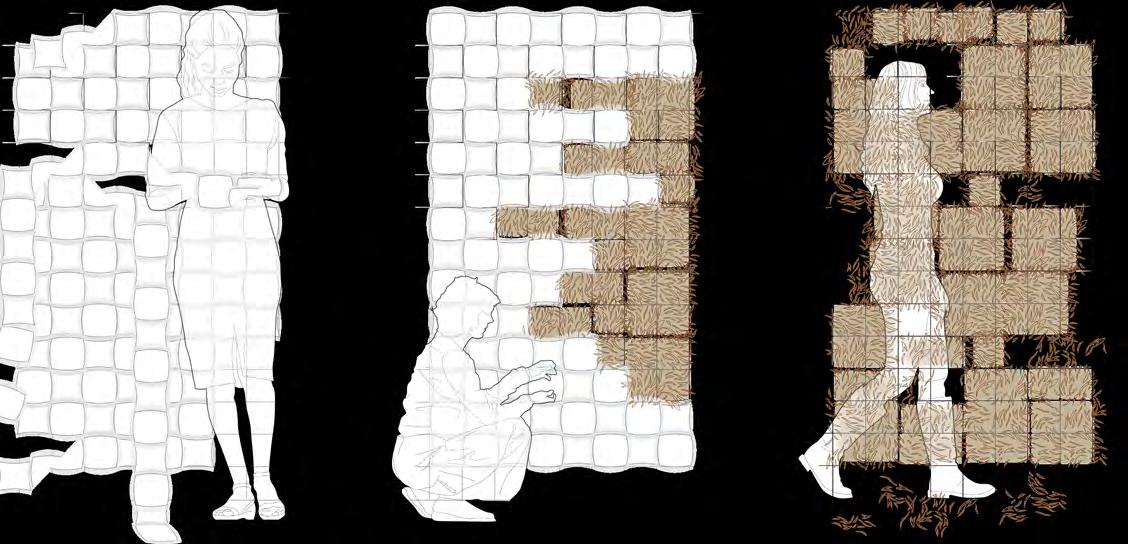
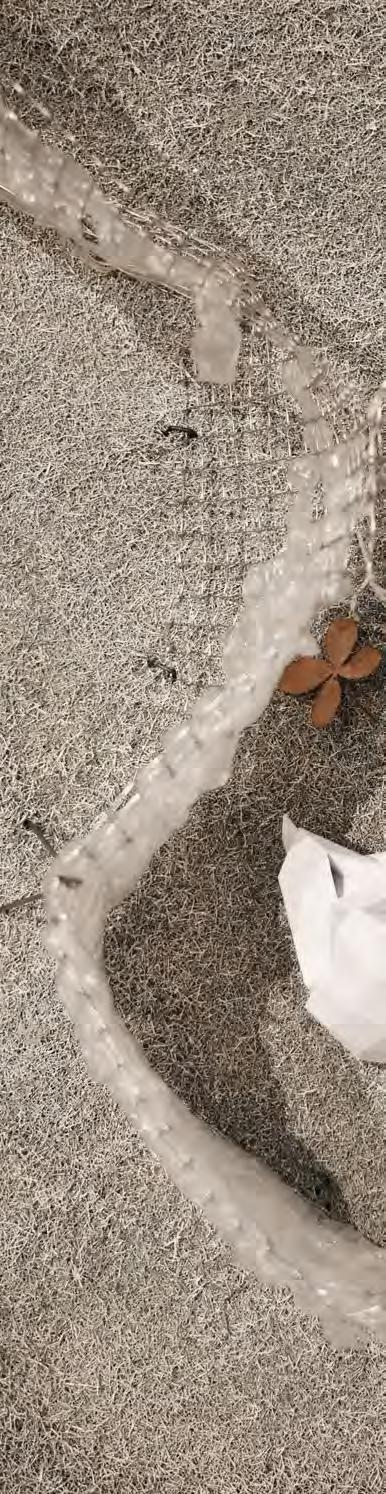
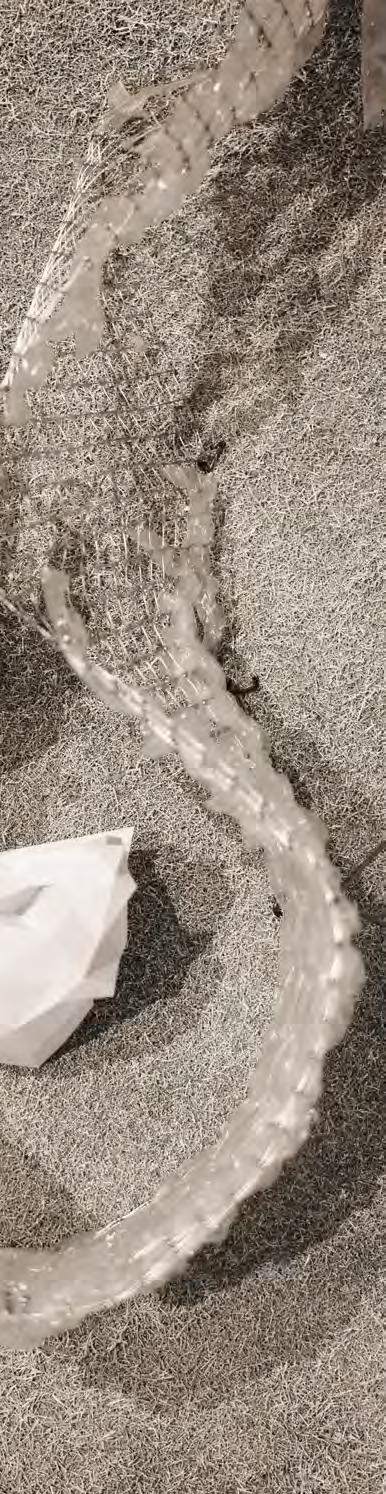
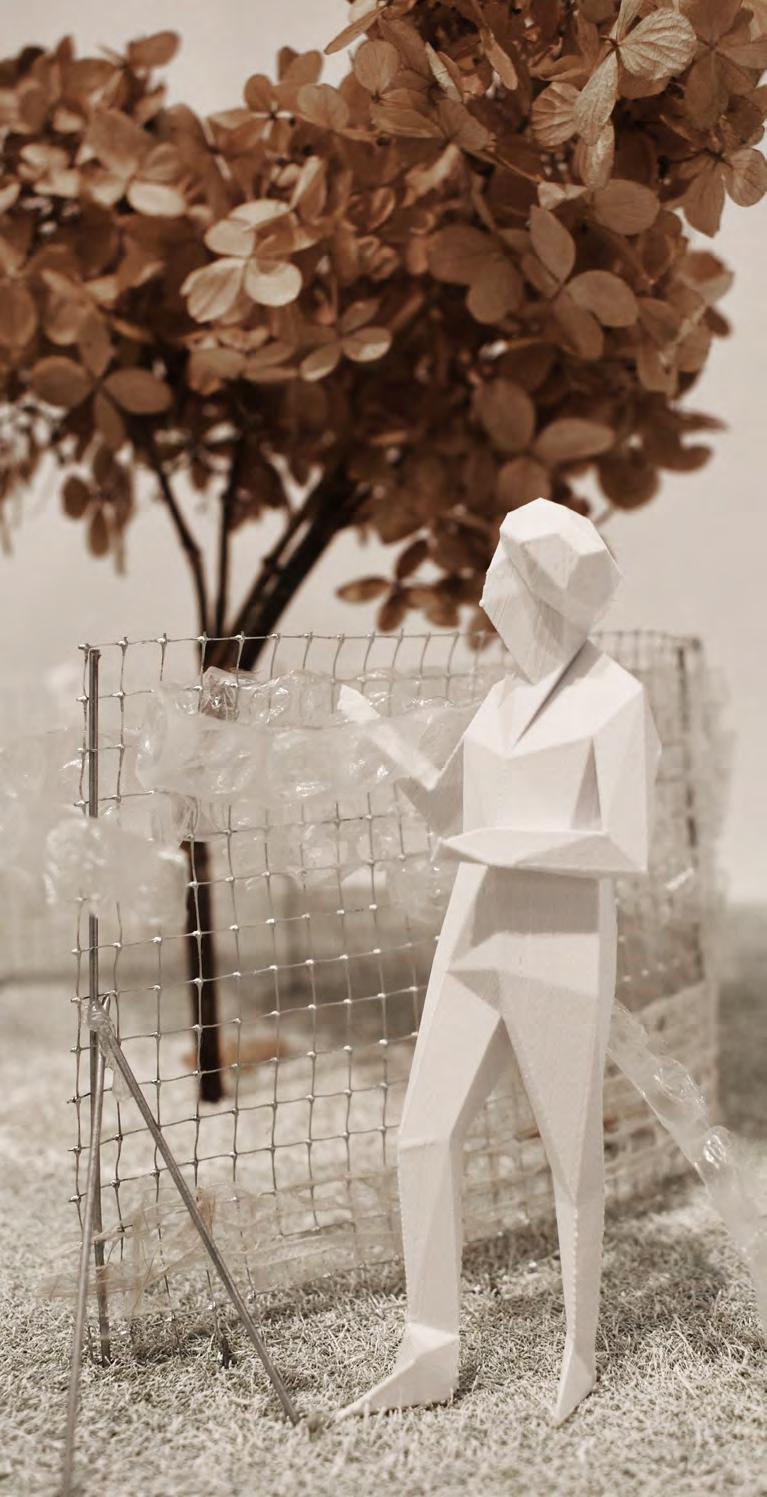
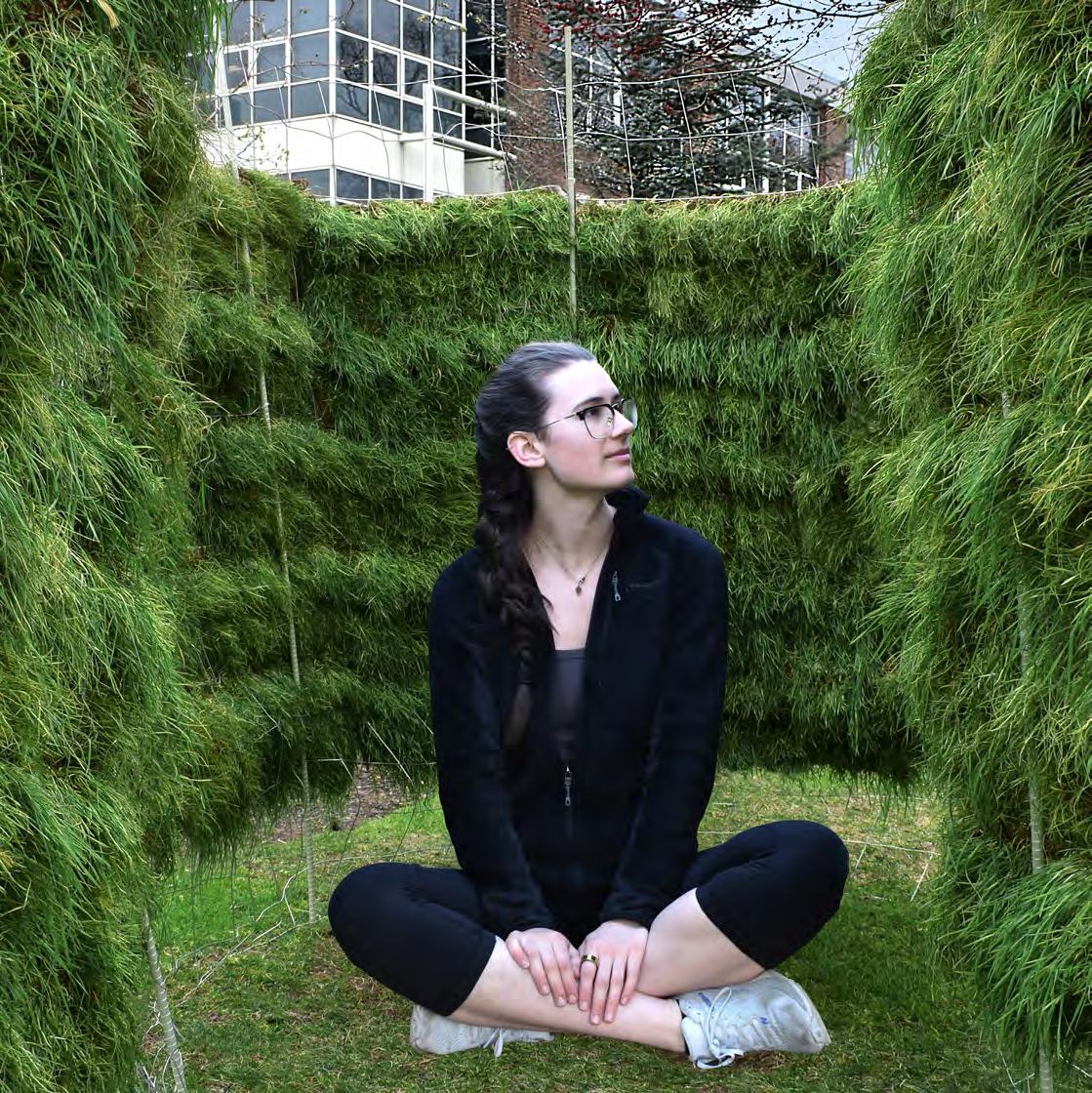
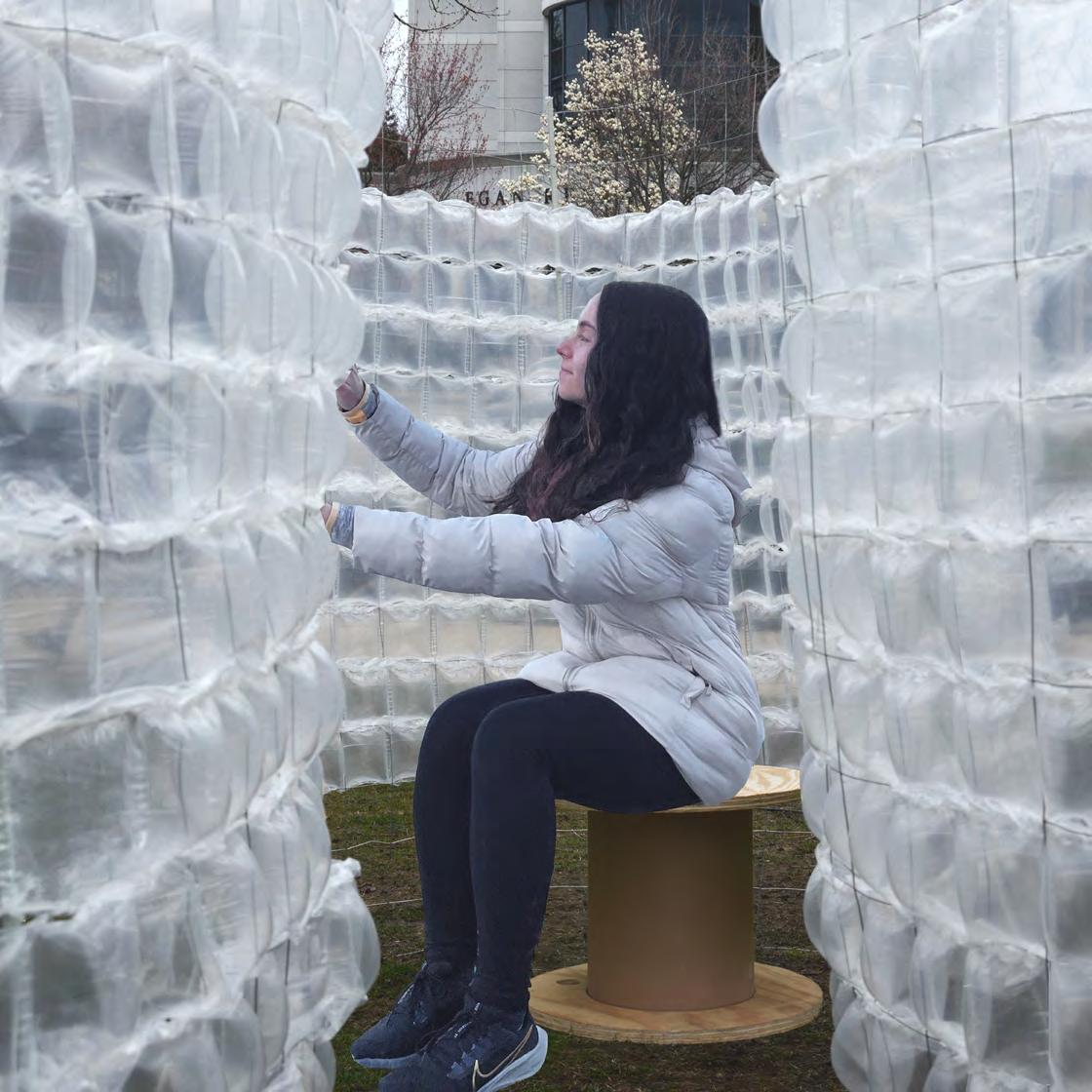
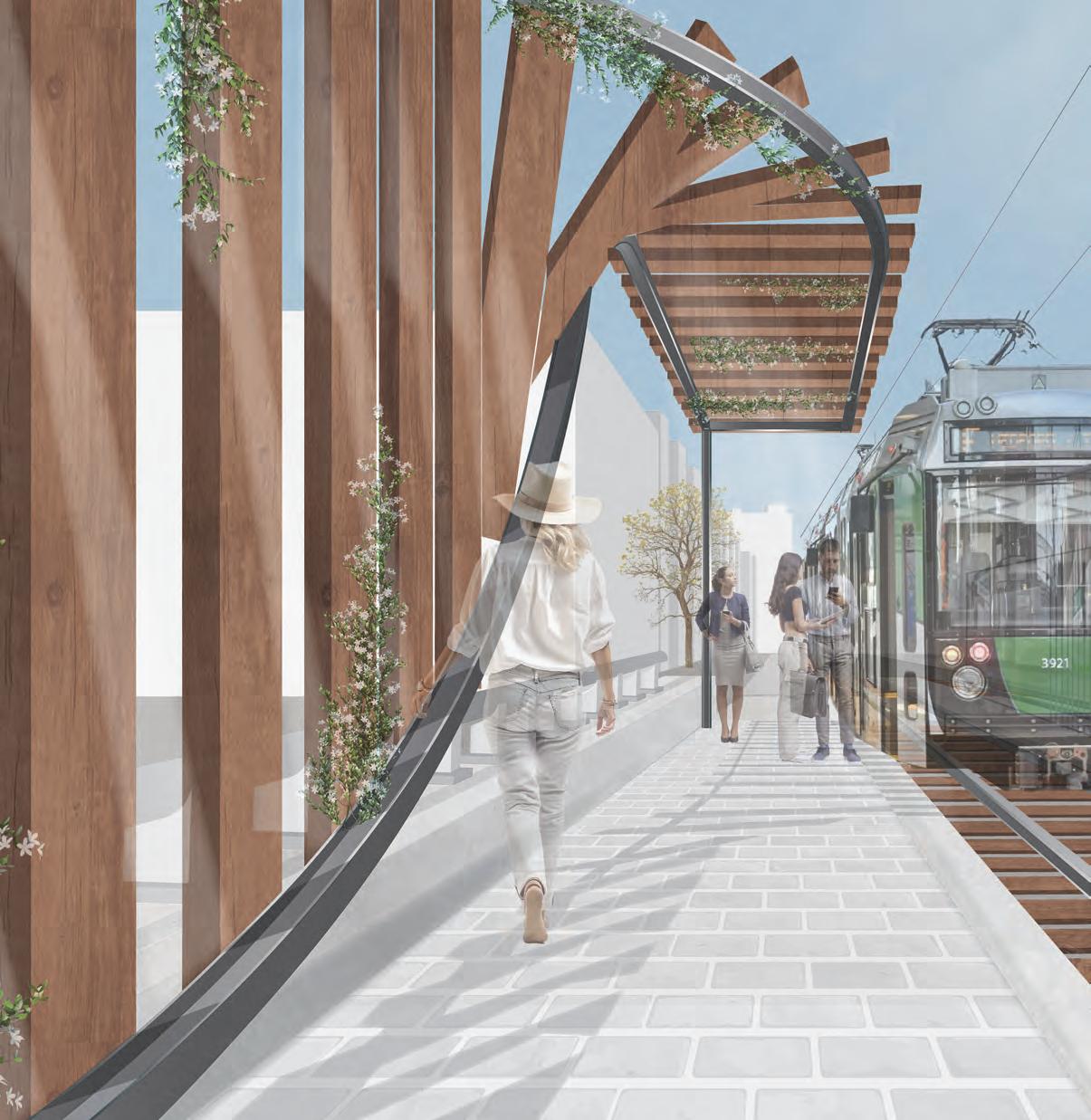
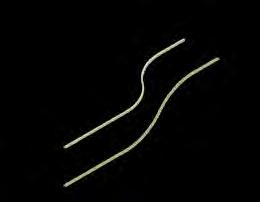
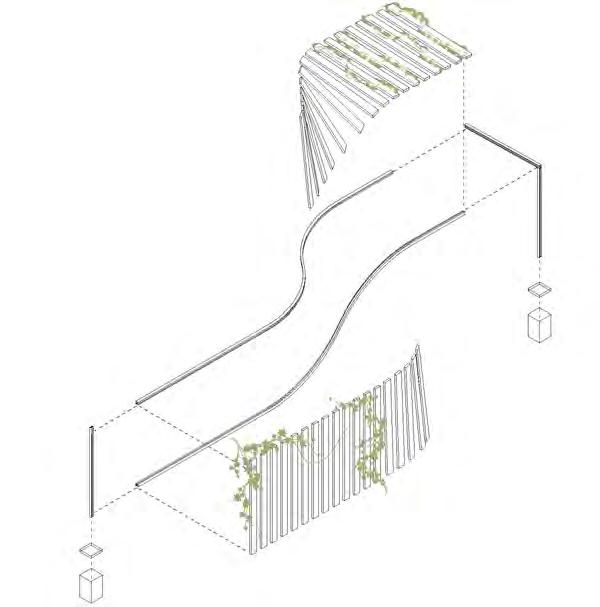
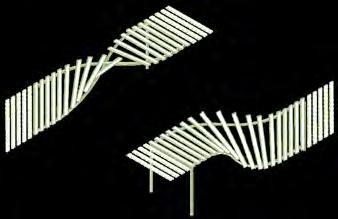
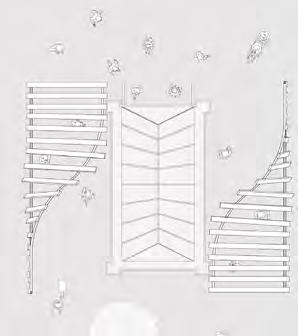
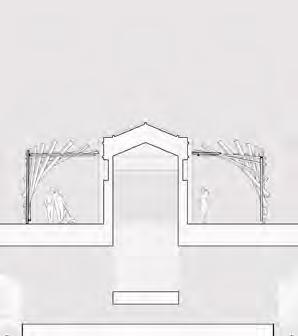
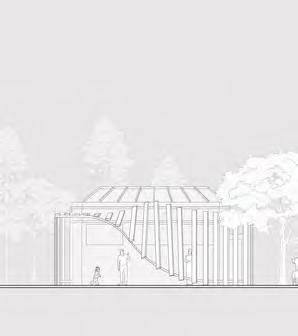
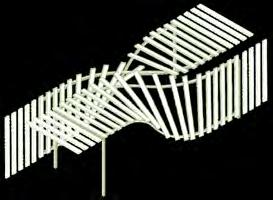
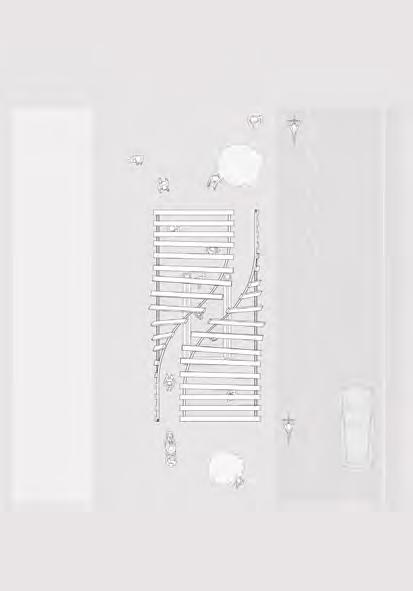
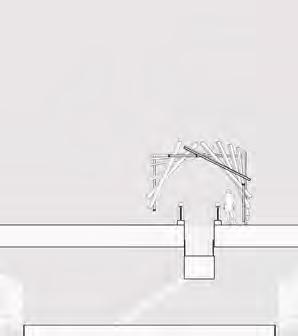
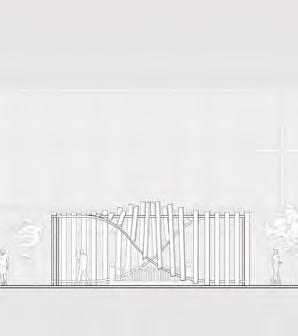
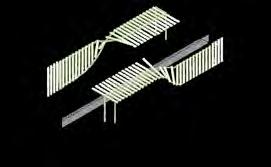
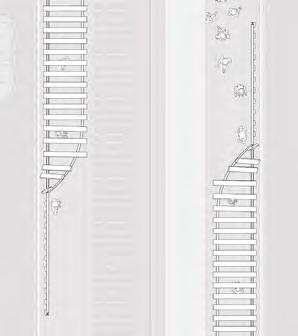
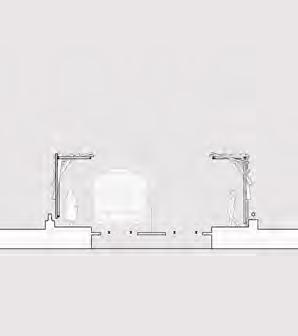
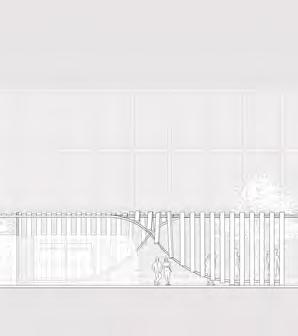
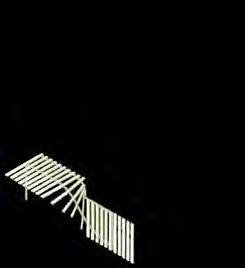
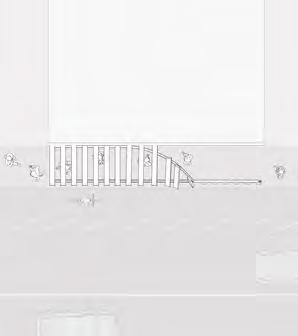
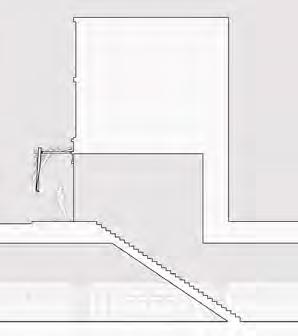
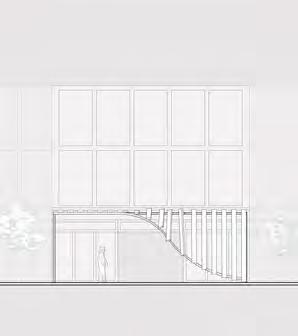
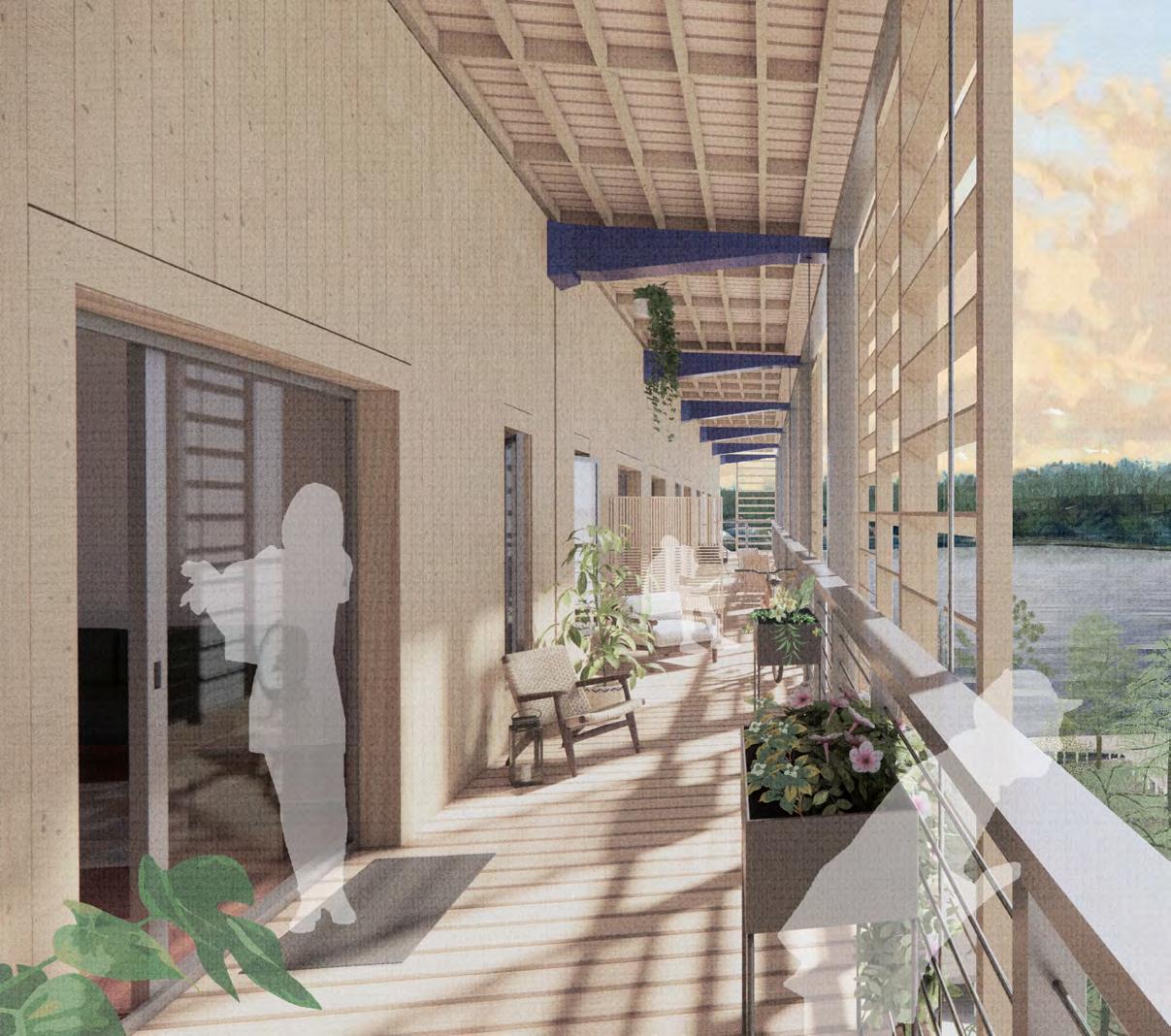
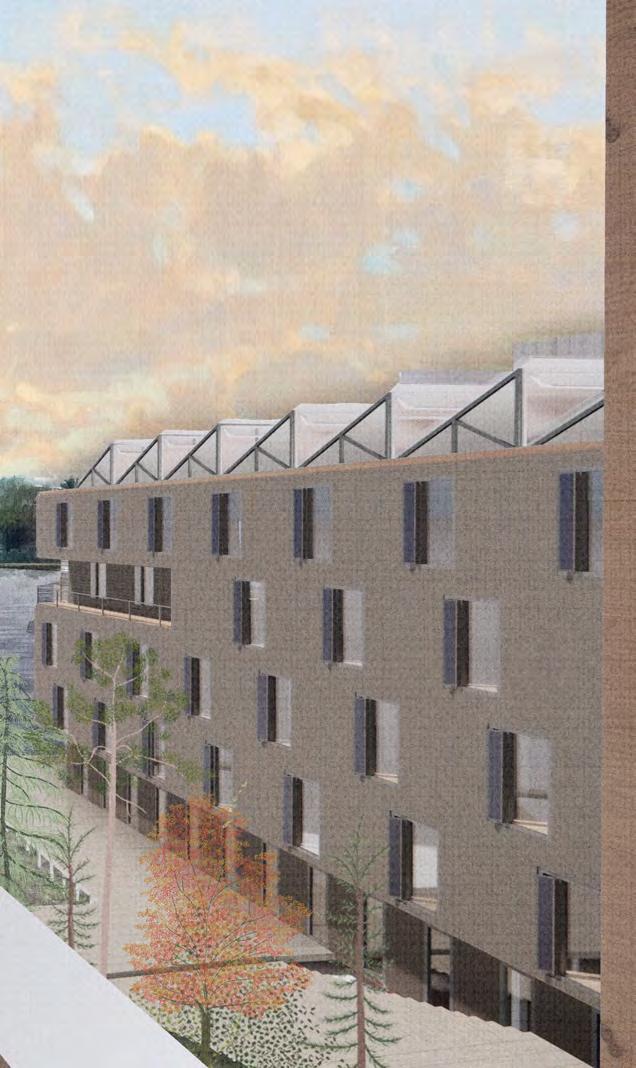
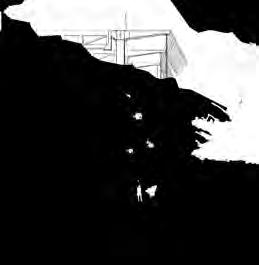
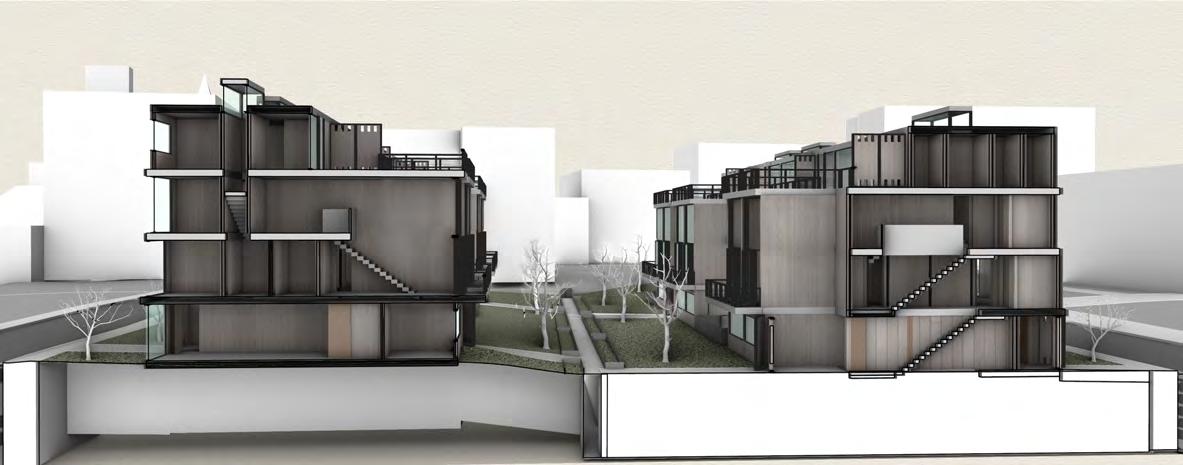
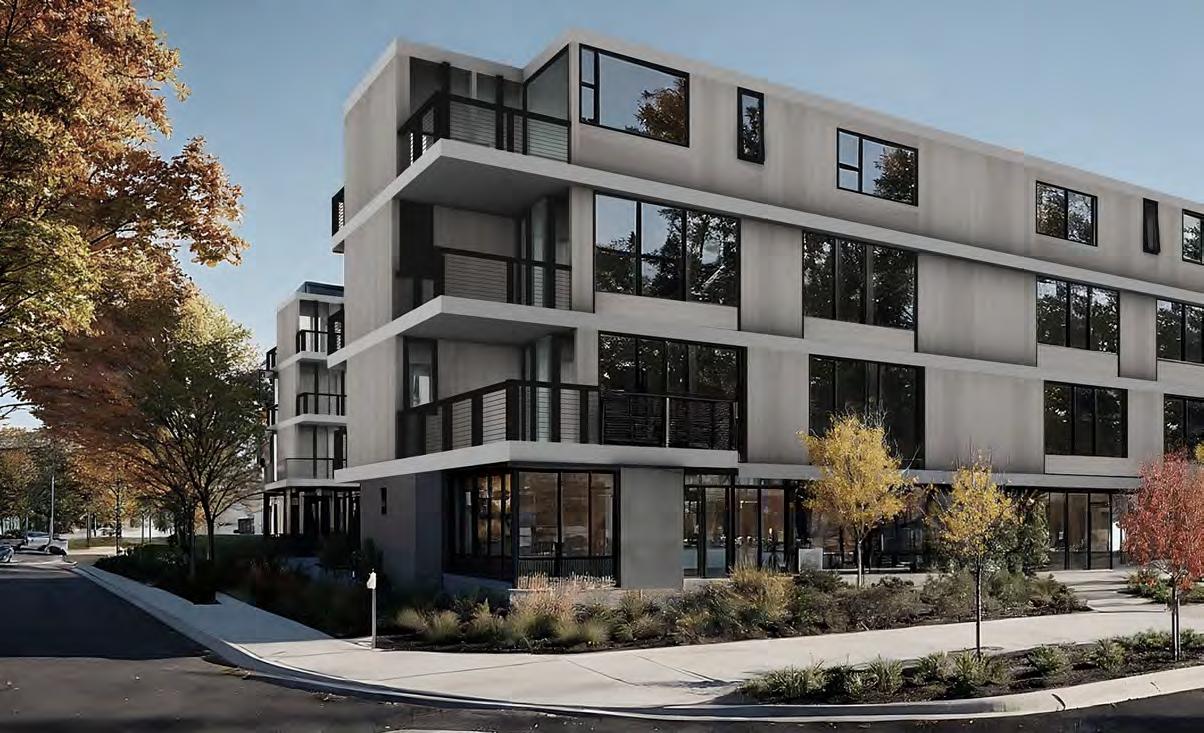
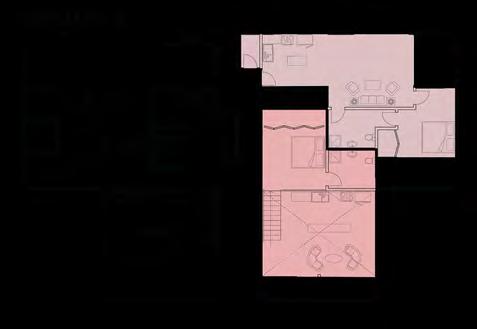
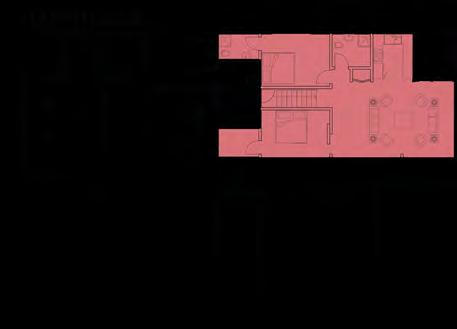
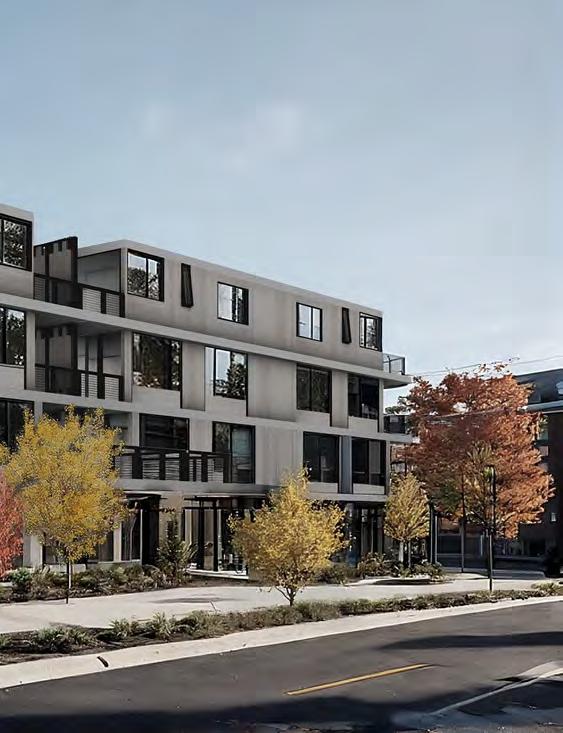
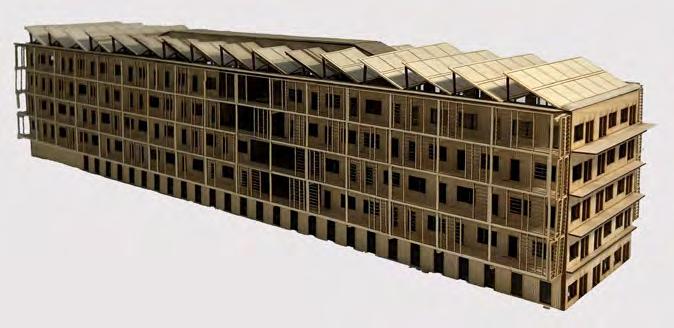
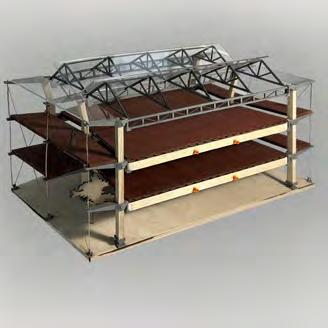
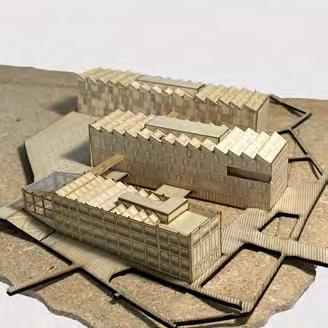
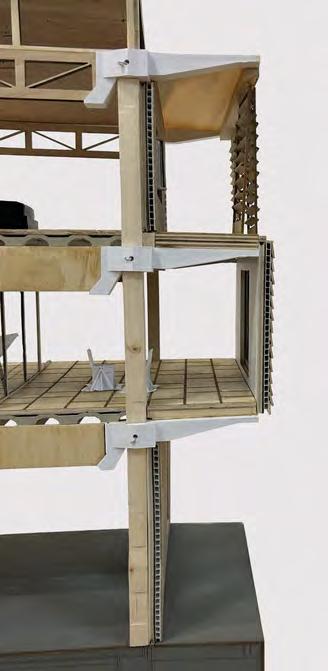
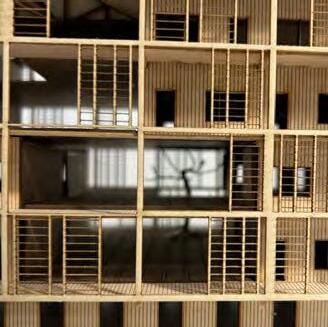
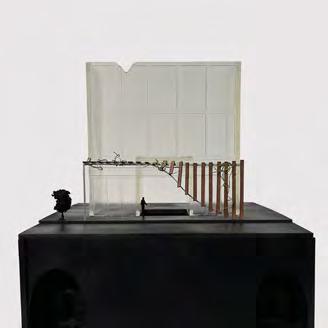
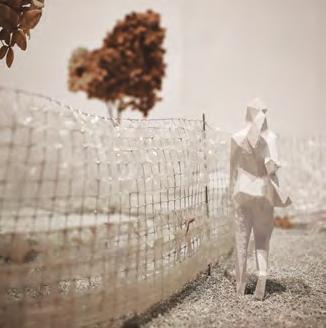
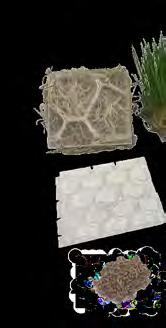
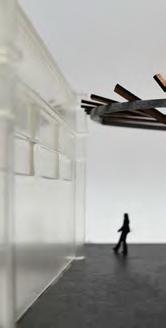
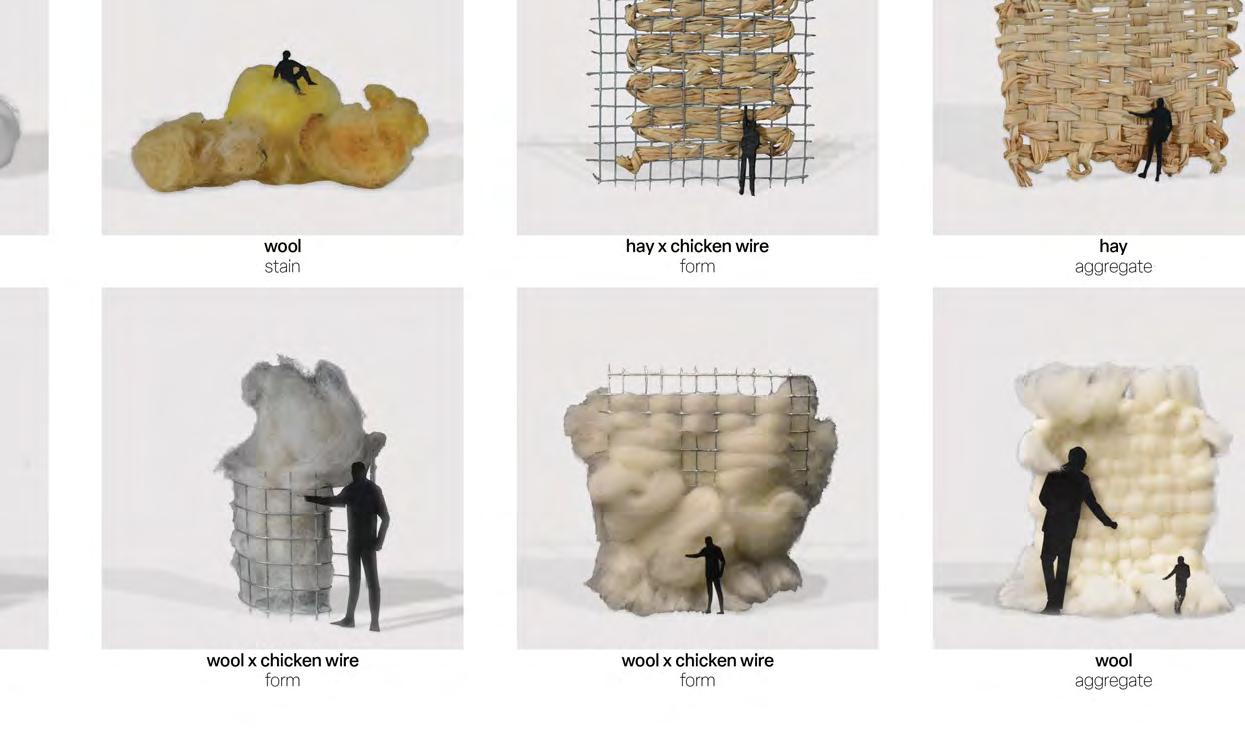
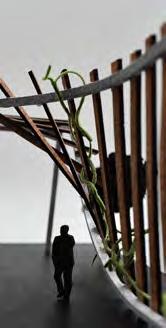
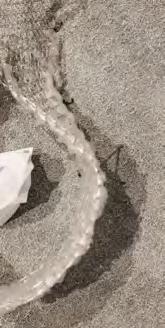
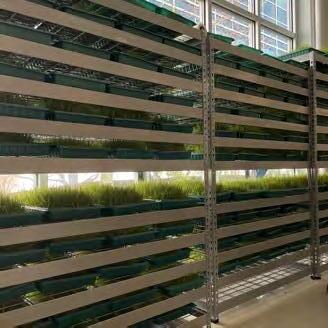
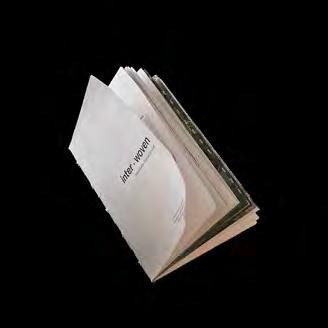
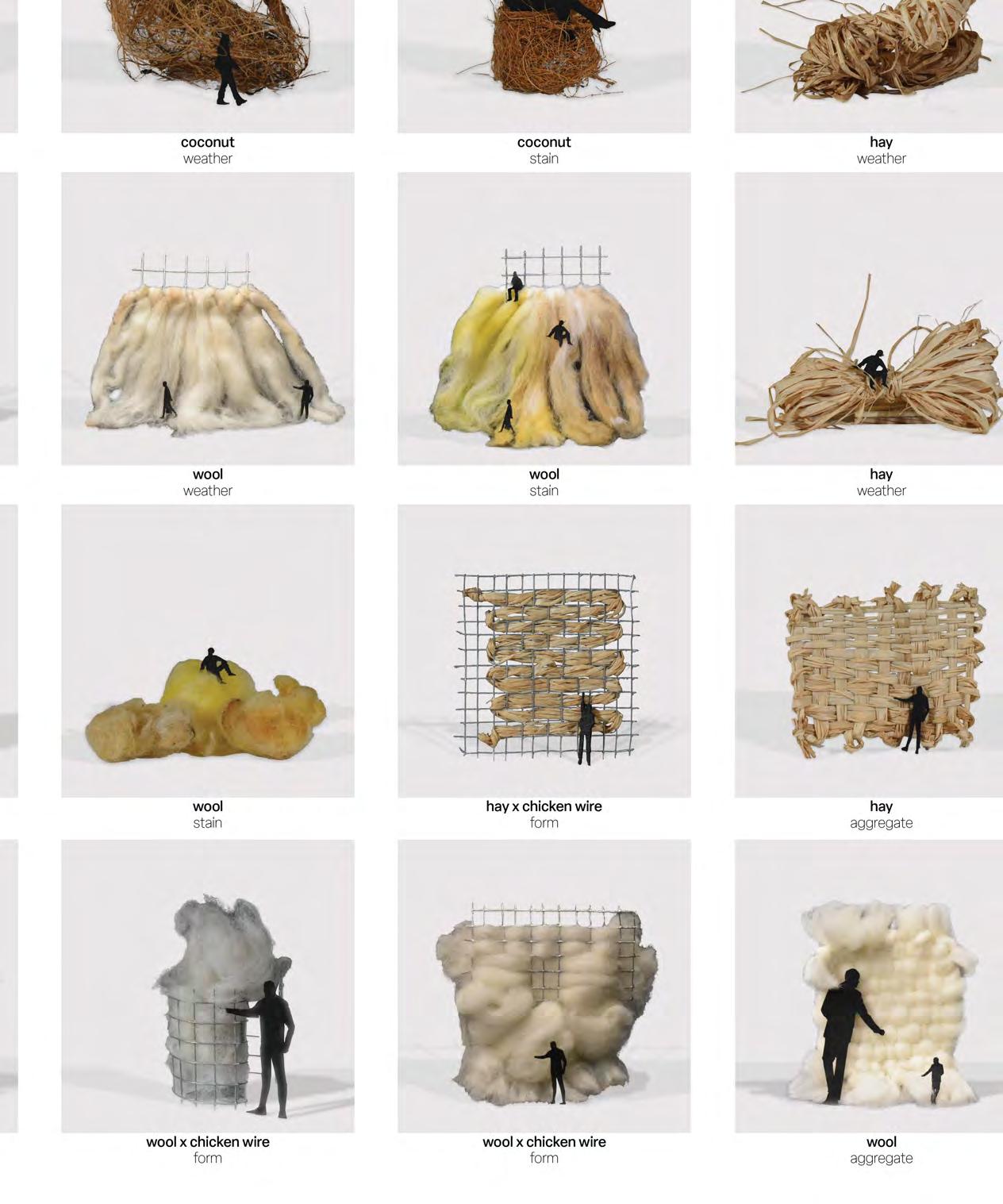
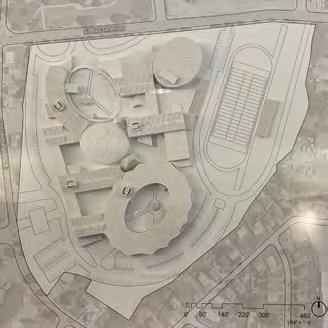
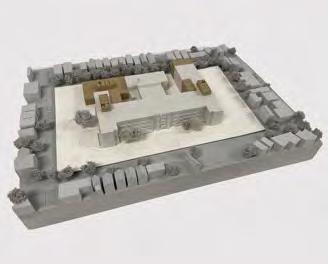
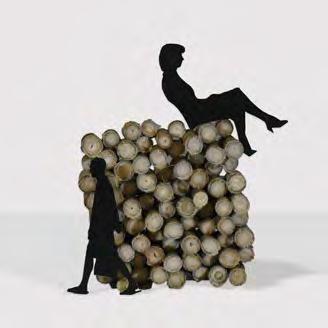
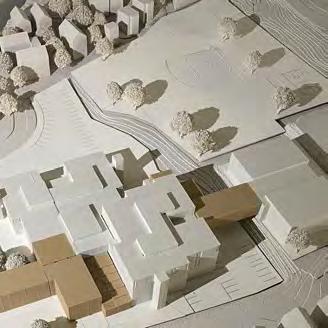
Selection of model photos from a variety of projects.
“INTER . WOVEN”
Collaboration w/ Anita Goharfar
How can design respond to student anxiety?
Faced with the exponential rise in anxiety on college campuses, as a departure from typical therapies like counseling and medication, this is what our thesis asks. This exploration culminated in a case study installation on the Northeastern University campus, prioritizing respite and sensory grounding.
Faced with limited space and funding, we turned to of-the-shelf, prefabricated materials that while not typically aesthetically beautiful, in their imperfections invite unique interactions. Our research and design reflect on alternative mental health therapies like exposure to nature and tactile experience.
BOSTON, MA
Professor: Alejandro Saldarriaga
Masters Thesis
THE PROBLEM:
Anexponential rise in anxiety on college campuses prompts architecture to extend the same considerations it provides physical health to mental health.
Our research and case study installation ask: How can design respond to student anxiety?
THE HYPOTHESIS:
Drawing on Kellert’s work on Biophilic Design, we aim to create spaces that foster connections with nature, integrating elements like natural light and greenery to provide a refuge amidst the bustling environment of a college campus.
THE POPULATION:
“Healthy Minds Study: 2021-2022 Data Report,” University of Michigan.
typical age of prevalence
*75% of people who will be diagnosed with a mental health disorder have had their first onset by the age of 25
“Living In Boston During COVID-19: Physical and Mental Health,” BARI, Boston Public Health Commission (2020).
Paola Pedrelli, “College Students: Mental Health Problems and Treatment Considerations,” AcadPsychiatry39 no.5 (2015): 503-511.
THE METHODS:
Alternative Therapies have shown measurable reductions in anxiety. Compared to short-term treatments like medication, these complementary approaches such as time in nature, meditation, and grounding increase comfort and feel good emotions which in turn develop long-term strategies for living with anxiety.
ALTERNATIVE&COMPLIMENTARYTHERAP
LIFESTYLE&SELF-HELPSTRATEG
Deprivation of Stimuli Sensory Stimulation
“The Practice of Biophilic Design.” Kellert, Stephen R. and Calabrese, Elizabeth (2015).
Bufer Nature Light
Haptics
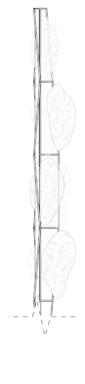
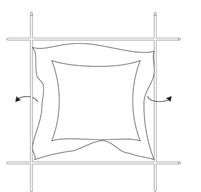
weaving as construction method
sensory qualities of everyday materials
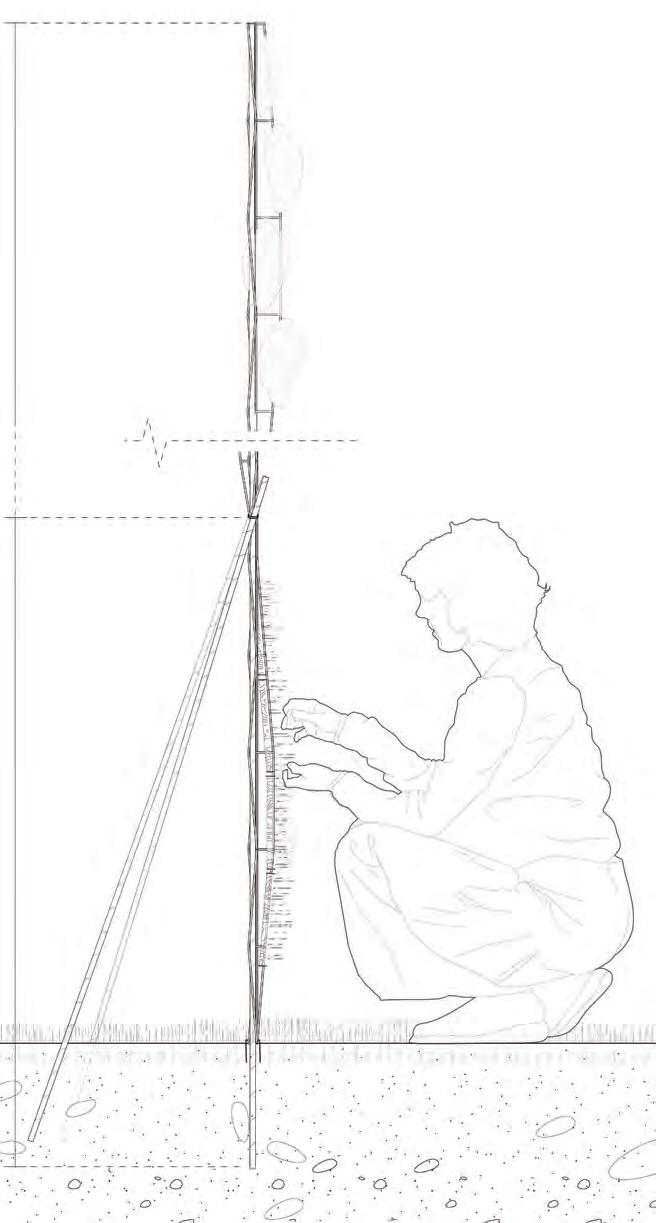
Experimentations with a range of materials revealed their sensory qualities (ie. uninviting nature of concrete; comforting haptics of wool) which inspired the material selection for the case study. Selecting two on opposite ends of the spectrum (wheatgrass and plastic shipping packages) responds to the subjective nature of comfort. Further explorations of materials interactions unveiled weaving as a simple methods for construction.
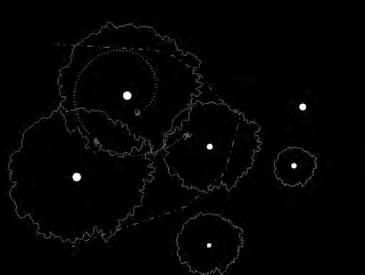
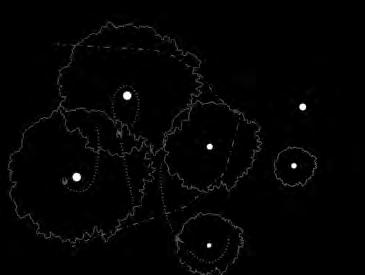
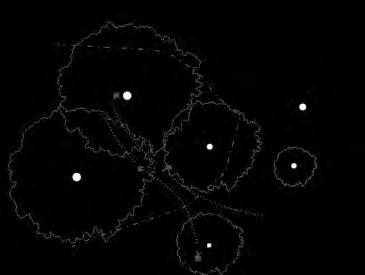
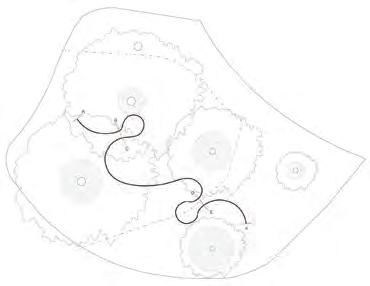
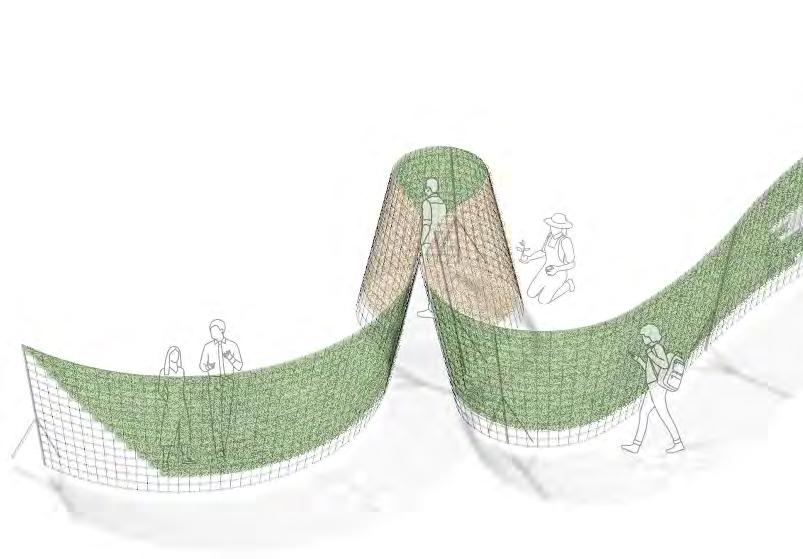
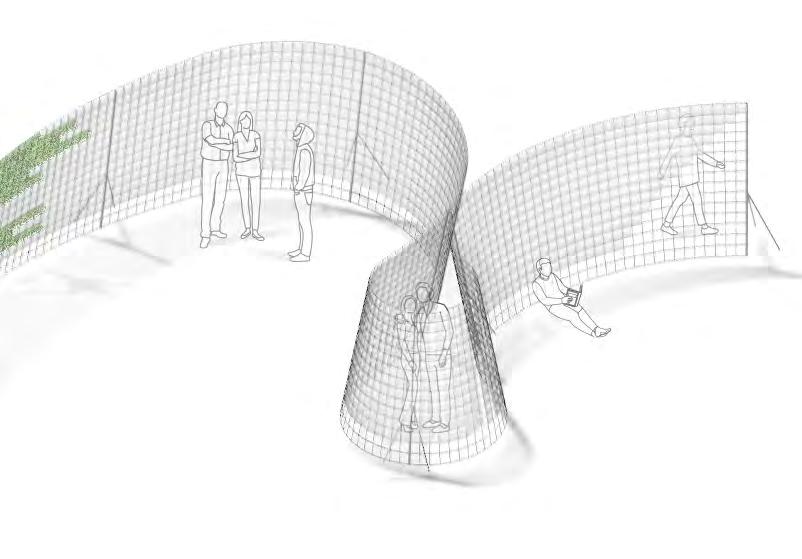
Referencing vernacular spatial strategies that respond to mental health disorders (ie. the labyrinth + hortus conclusus), the installations form iterated through a series of spatial exploration. The final form culminated in two enclosures which provide respite and frame new perspectives of the chaotic academic environment.
Nature
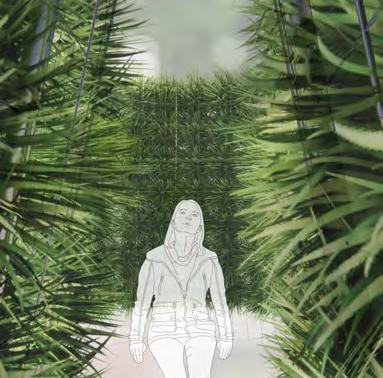
The use of natural materials like grass stimulate serotonin and dopamine production to counteract the “fight or flight” response. Within the grass enclosure, the dramatic proximity to nature exploits our innate neurological reaction to biophilia. This sensory immersion counteracts the anxious college environment.
1 Grass Enclosure Rendering
Light
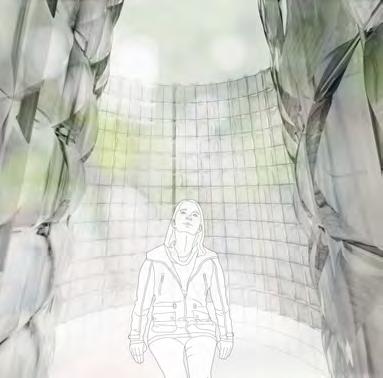
The plastic enclosure ofers a diferent experience of space and place through the distortion of light. Its transparency instills a bufer between users and the chaotic campus, and invites moments of haptic curiosity.
2 Plastic Enclosure Rendering
CONSTRUCTION METHODS:
-6”
30”
60”
“INTERWOVEN”
“INTER
“INTER . WOVEN”
Collaboration w/ Anita Goharfar
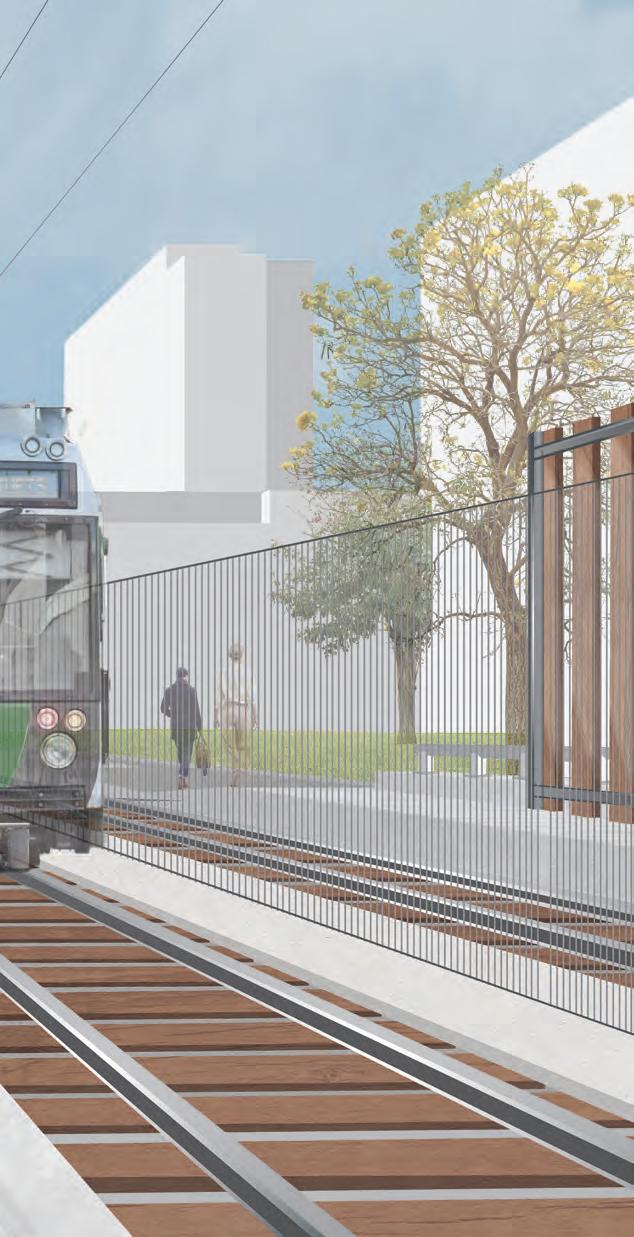
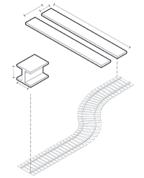
Furthering our Interwoven thesis research, we briefly speculated on how low cost sensory design could activate urban voids or calm anxious spaces within Boston.
Our speculation asks: How can design respond to urban anxiety?
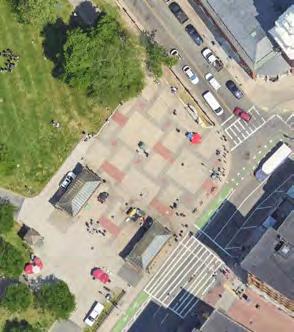
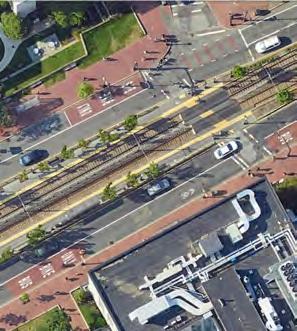
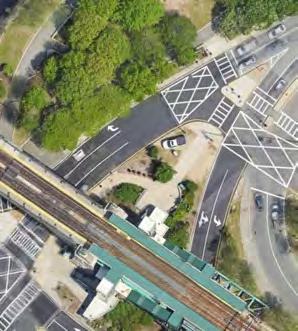
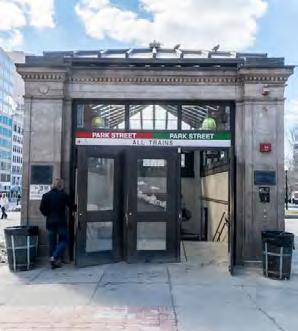
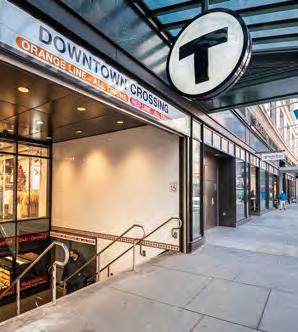
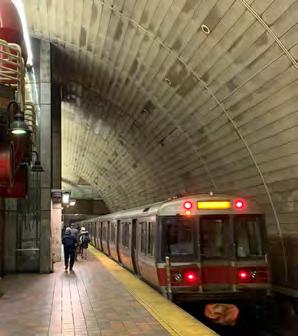
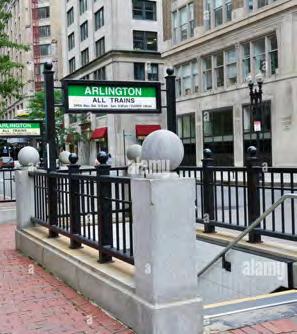
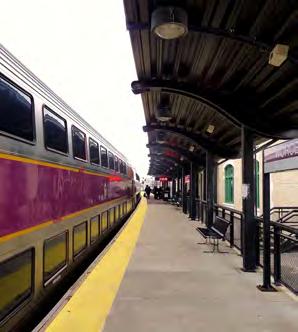
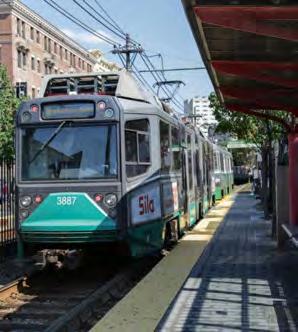
With over 760,000 rider per week, the MBTA transit system is a catalyst to the bustling city of Boston. Not only do the MBTA Stations provide an intriguing matrix of social and environmental contexts to experiment with, but current city infrastructure initiatives have created a surplus of materials available for reuse.
Following our thesis research inspired by Kellert’s work on Biophilic Design and Sergio Lopes-Pineiro’s
A Glossary of Urban Voids, our intervention seeks to provide refuge, foster human interactions and spatial grounding within the urban context. This is achieved by introducing connections to nature, moments and sensory stimulation through light, shadow and tactile opportunities.
BOSTON, MA
Professor: Alejandro Saldarriaga
Masters Thesis
urban anxiety
“Pockets of emptiness between developed landscapes... the space “in-between things”... transversed by strangers but not a meeting place... empty because it plays no recognizable role...”
AGlossaryofUrbanVoids,SergioLopez-Pineiro
“Cities can make us sad. Cities can exacerbate mental illness. However cities can also make us happy. They can help build social capital by enabling interactions and providing so-called third spaces. They can give us daylight and the feeling of space.”
CenterforUrbanDesign&MentalHealth
MBTA Train Stations
Boston voids
(fig.a)
“GRADIENTS
OF CHANGE”
Collaboration w/ Theodore Kypreos
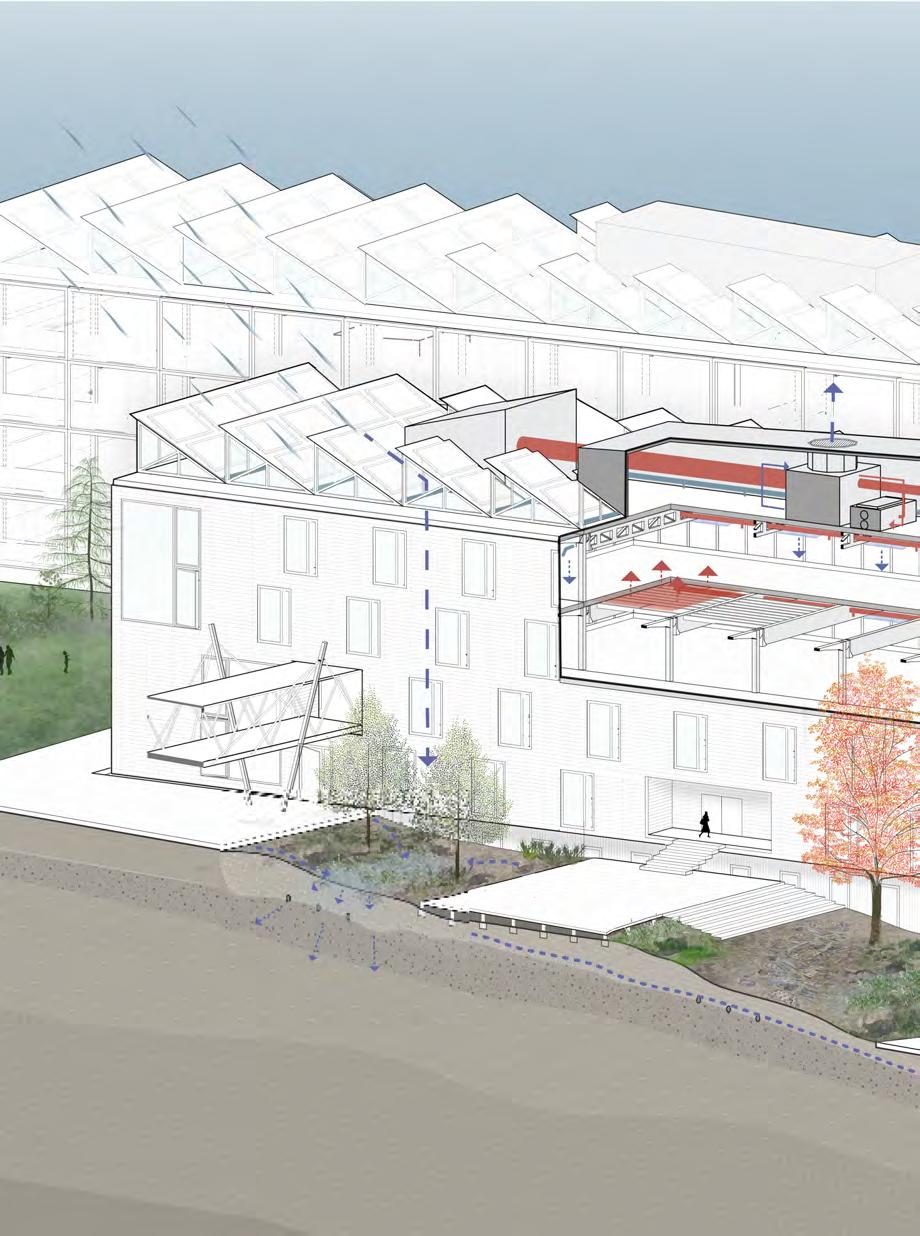
How can we create a building that is as sustainable in 50 years as it is today?
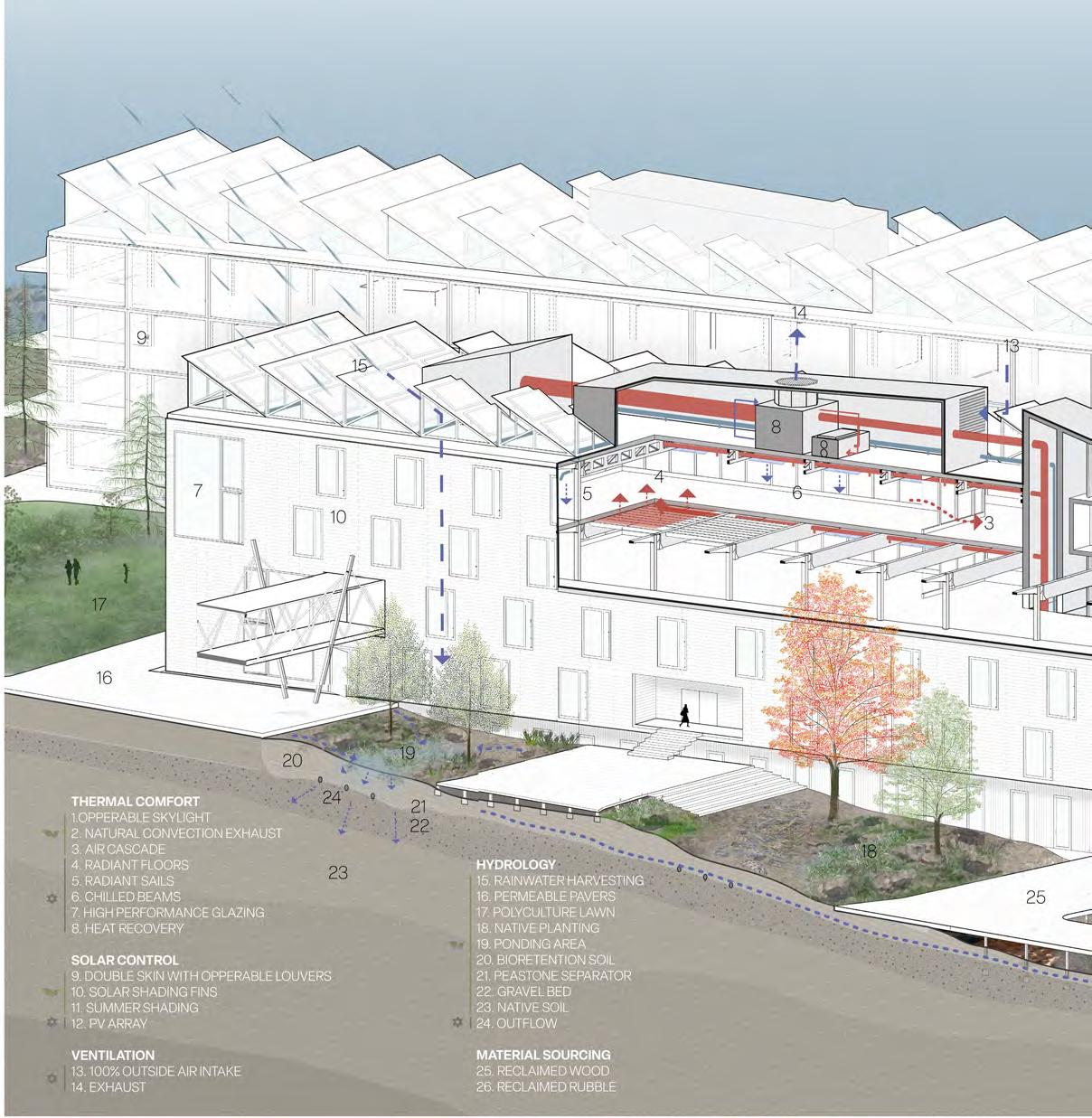
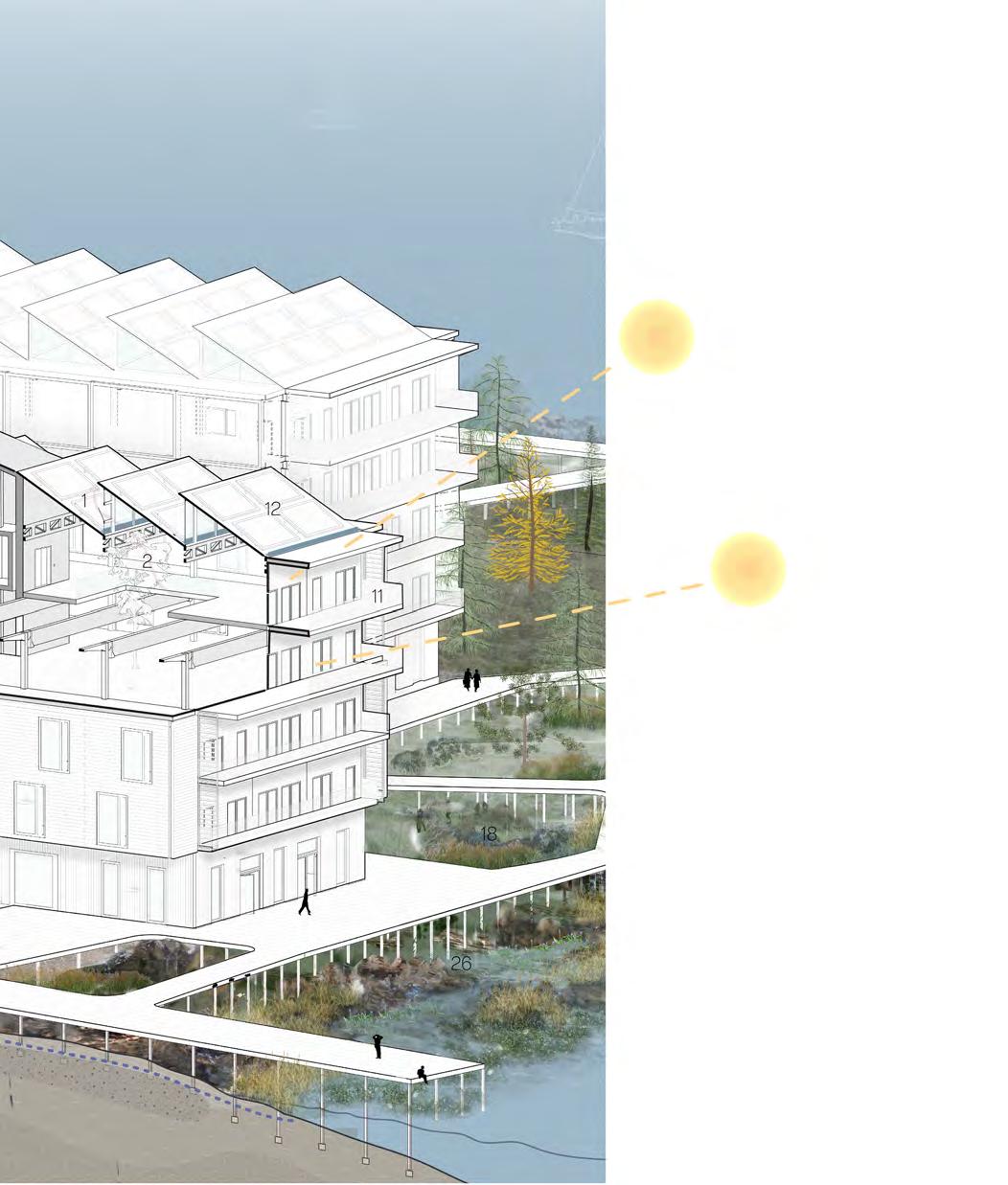
Gradients of Change seeks to create a framework to facilitate adaptability, starting with a structural skeleton that allows for spatial modification with minimal disruption to the overall structure (fig.d). It is an exploration of how one structural skeleton can host a realm of diferent program (and resulting MEP needs), represented as a lab/educational building and a residential building (fig.b/c & f)
Can one structural skeleton optimize mechanically intense program today and a passive program in the future? (fig.a)
PORTLAND, ME
Professor: Michelle Li
Comprehensive design
resiliency through infrastructure
Floodable Ground floor:
Series of raised walkways and waterproofed primary structural elements allow for continued usage in anticipation of rising sea levels.
Polyculture Lawn:
Provides biodiversity, reduced maintenance, improved soil health, reduced water use, increased aesthetic appeal, and a reduced carbon footprint. Sustainable and environmentally friendly alternative.
Active/formal Canopy:
These trees and plants can provide a structured and formal look to a landscape while also providing shade and other benefits.
Noise + Wind Reduction:
Planted in a staggered rows rather than a straight line, creating a more efective windbreak and sound barrier to highway.
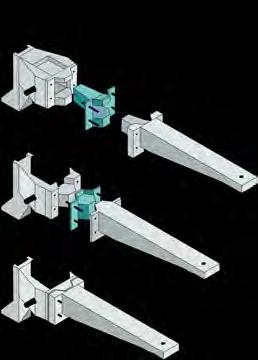
Fascinated by the structural skeleton of the Centre Pompidou, our project reimagines the rotational steel member “gerberette”, which is pinned to the column and tensioned to the ground (fig. d).
Two limitations of this structural system include thermal bridging, and the overall carbon-intensive nature of steel. We can reduce the carbon footprint by using glulam beams as our spanning members instead of steel, and thermally “break” the gerberette with an embedded layer of isokorb (fig.e)
fig. e
fig. d
“GRADIENTS OF CHANGE”
Tapered edge of “gerberettes” ofers deep penetration of solar gain.
resiliency through changing ownership
SUSPENDED CURTAIN WALL DOUBLE SKIN
PRESENT DAY: EQUAL FLOOR HEIGHT MODEL
30 YEARS: FLOOR REMOVAL
80 YEARS: SECONDARY STRUCTURE EMBEDDED WITHIN SHELL
fig. f
Akey feature of this skeleton is the nonstructural cores, liberating the floor system to be modular allowing upgrades to MEP and/or additional vertical circulation (fig. g). This modular floor system allows for vertical voids throughout the building, ventilating the air via the stack efect (fig. a), or the complete deconstruction of the building to meet new program through changing ownership (fig. g)
III
“THE RESERVE”
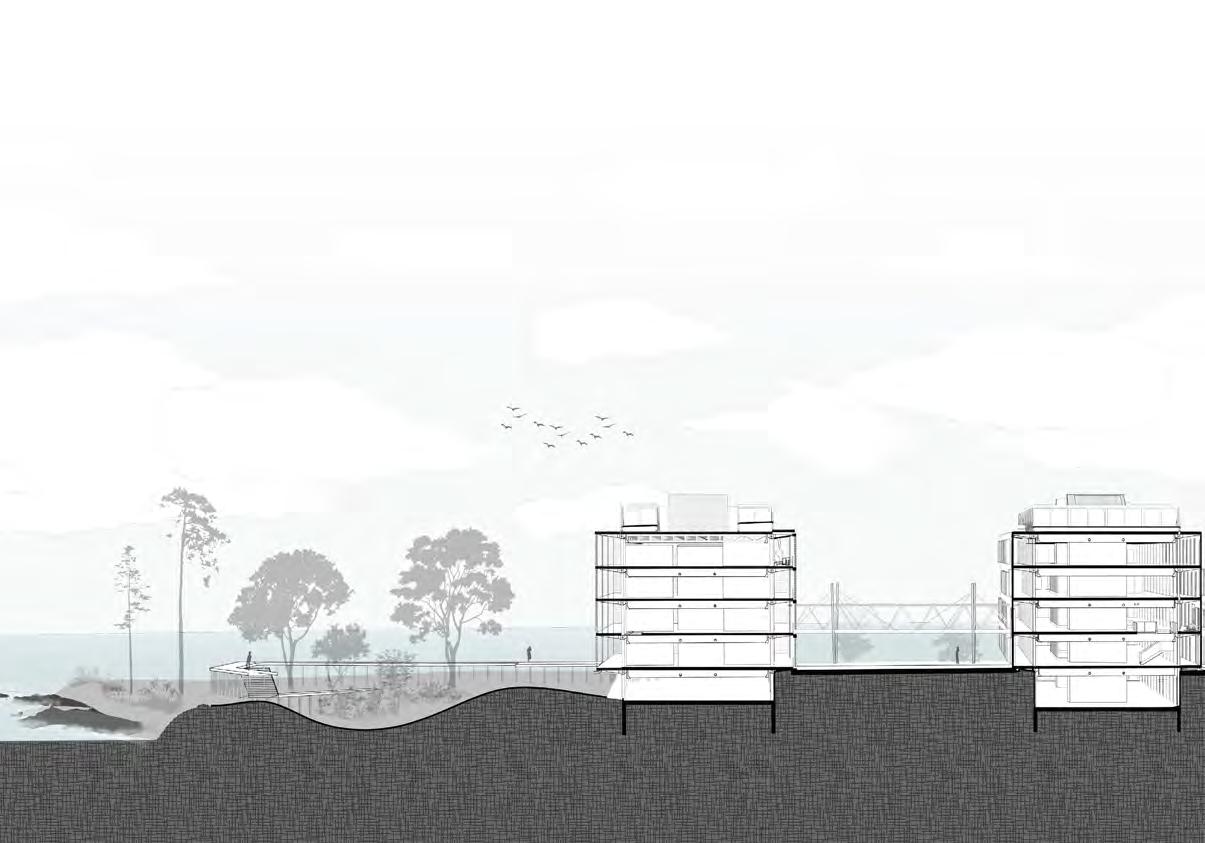
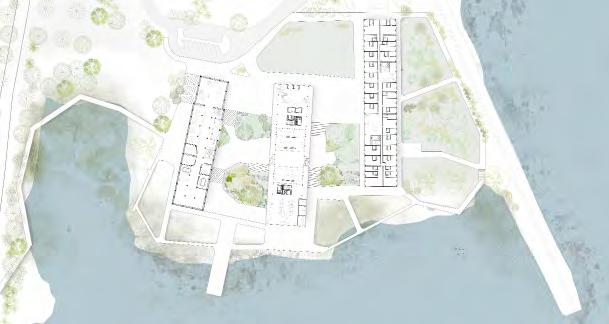
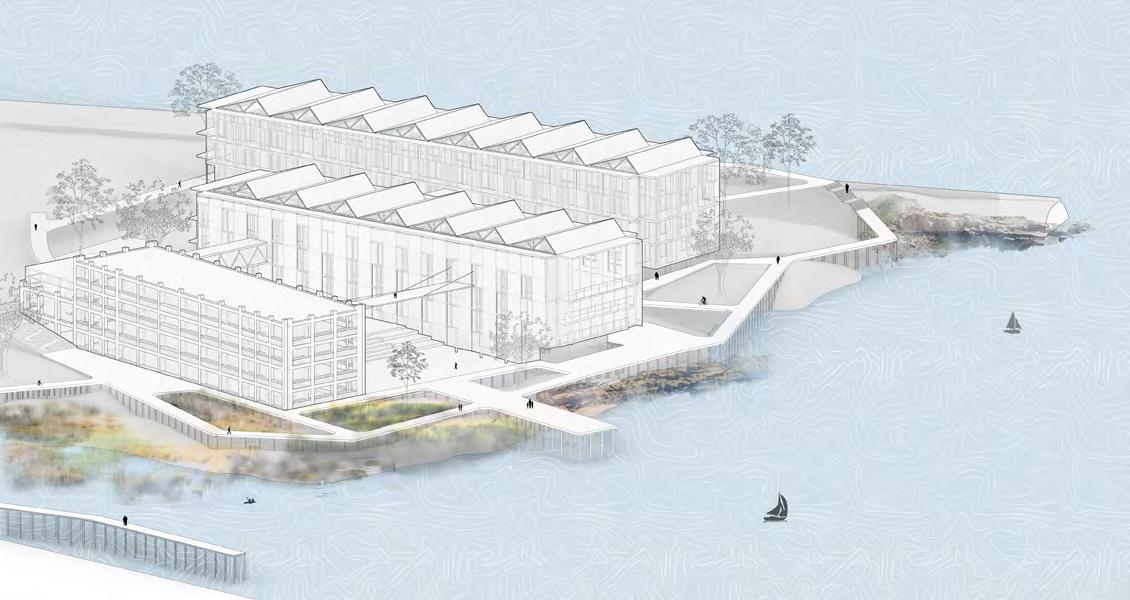
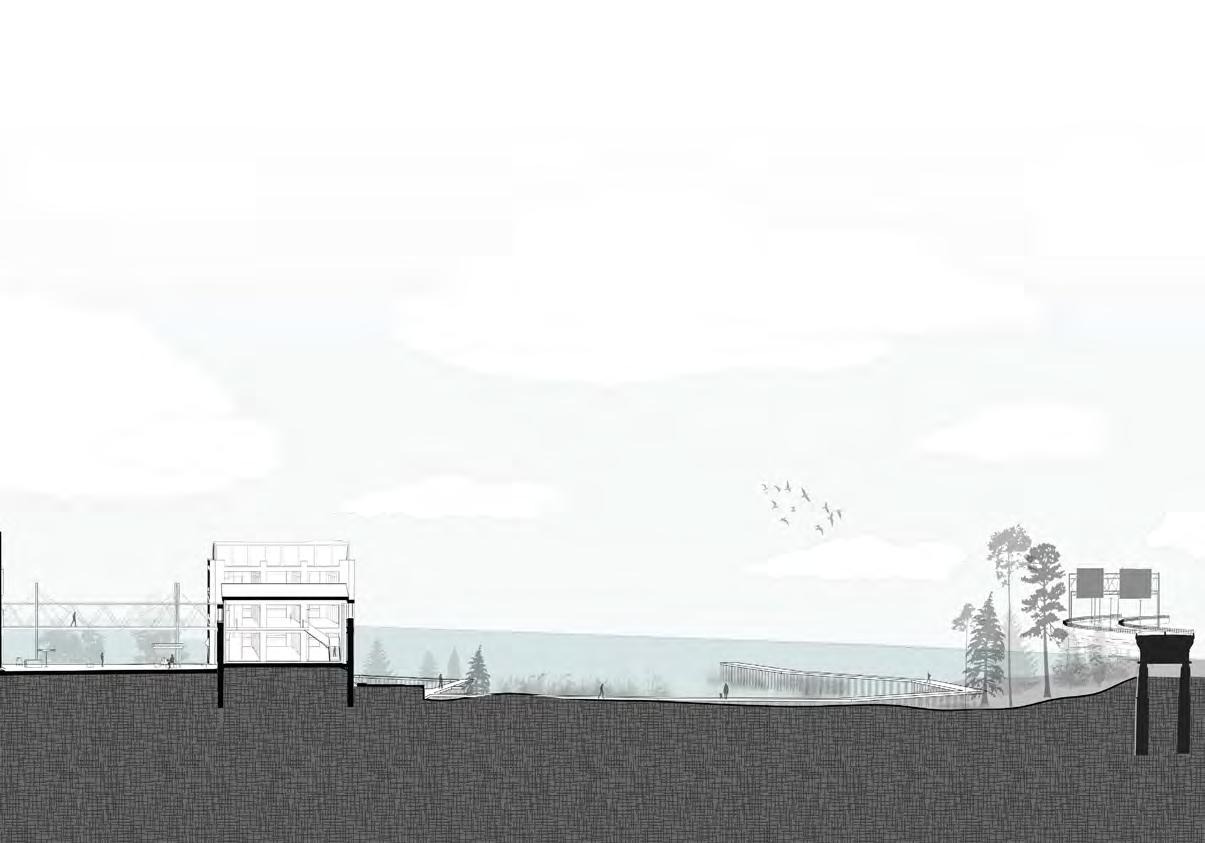
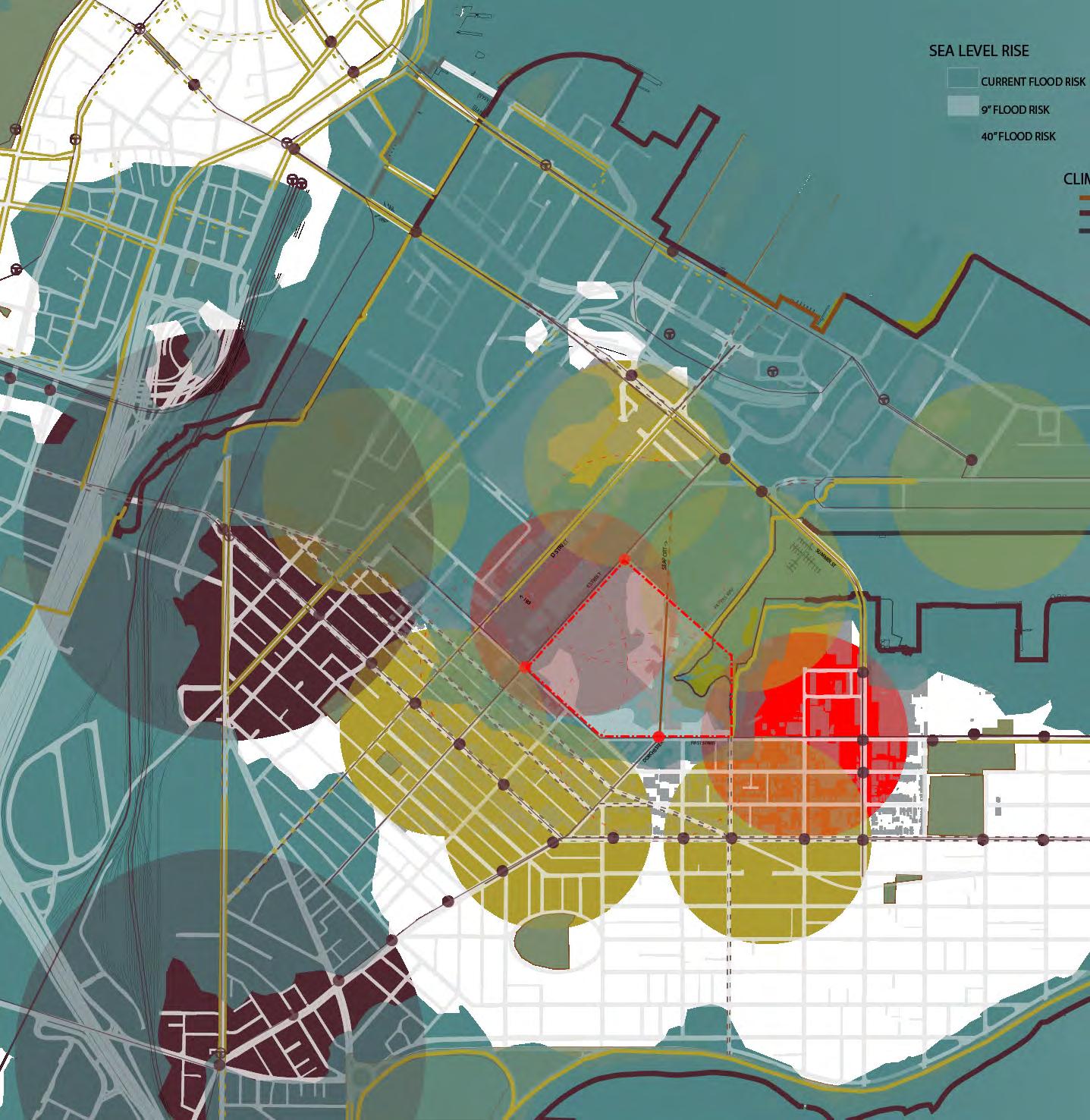
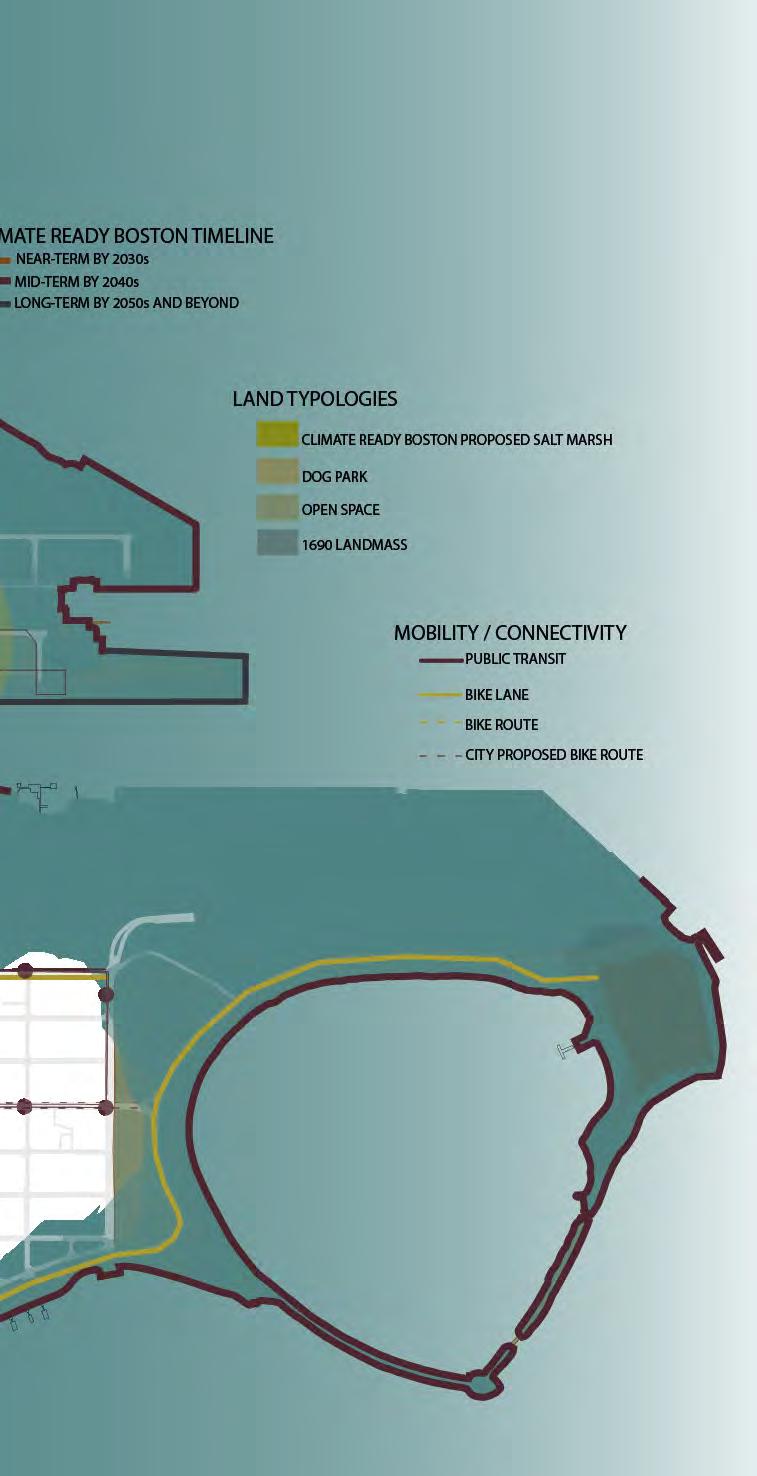
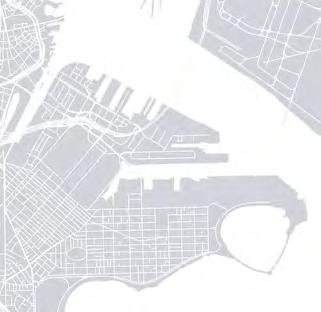
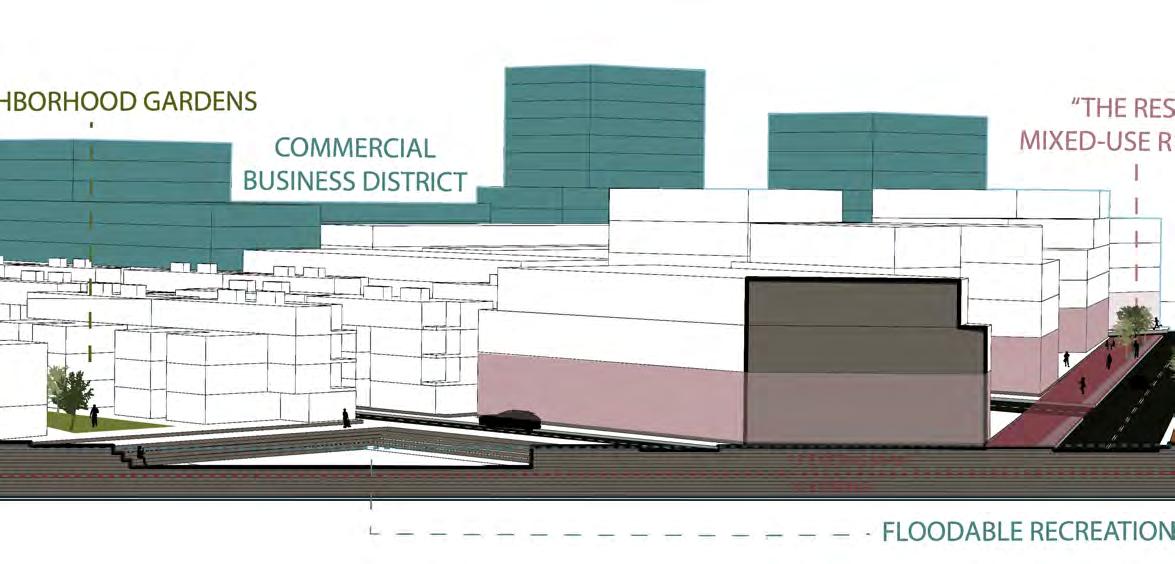
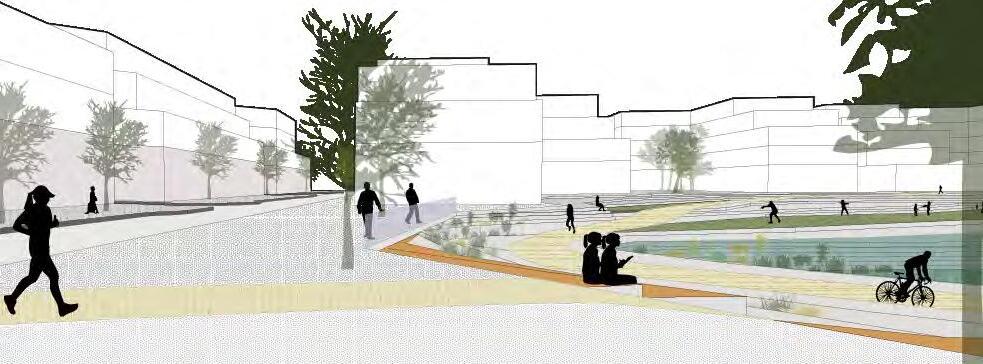
Located at the terminus of the Reserved Channel, in the dilapidated industrial district between the South Boston neighborhood and newly developed Seaport. This project, as part of the Climate Ready Boston Initiative, celebrates the Reserved Channel with a resilient waterfront park and active mixed-use district connecting Southie’s Dorchester Street to Seaport termed “The Reserve.”
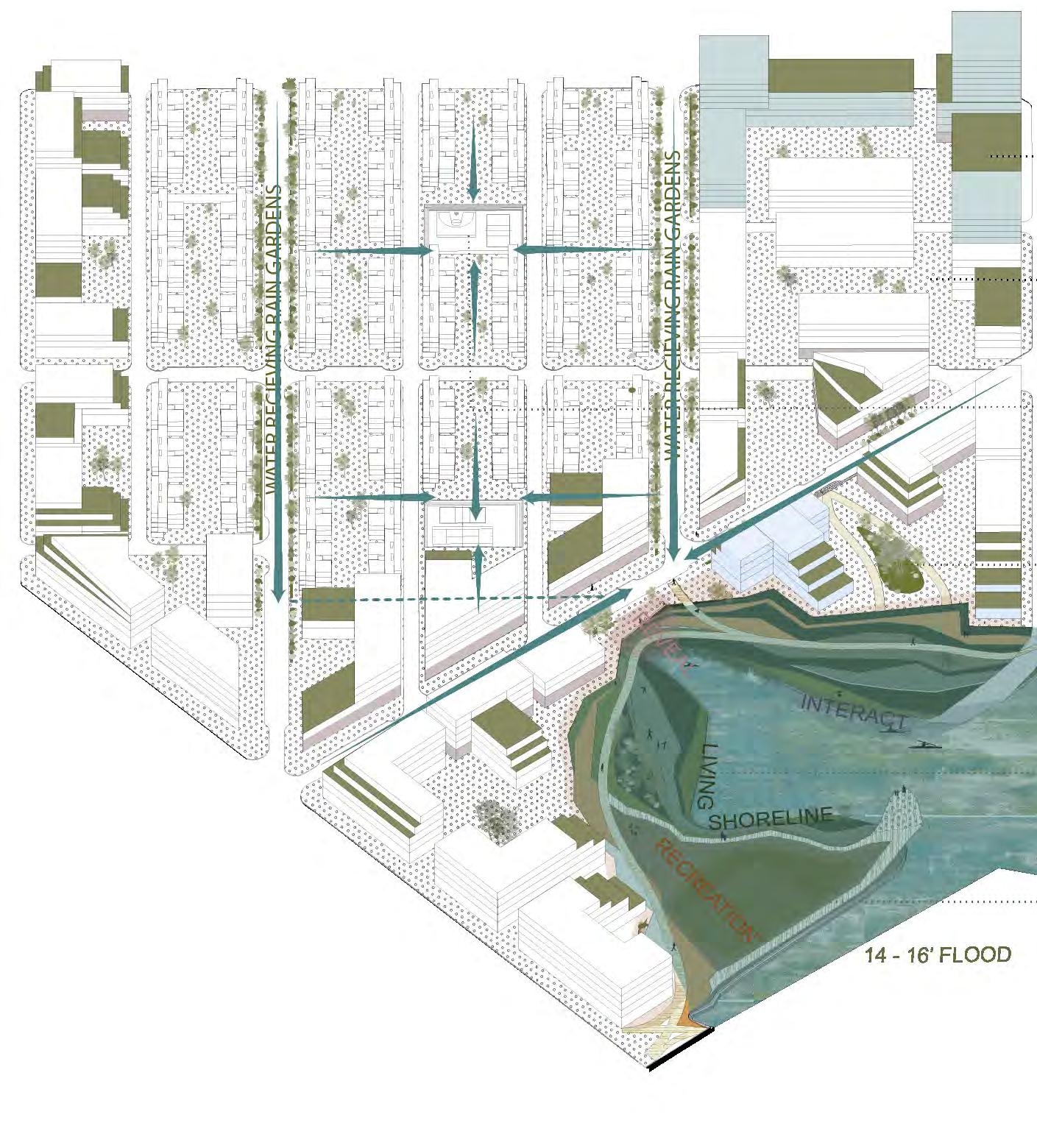
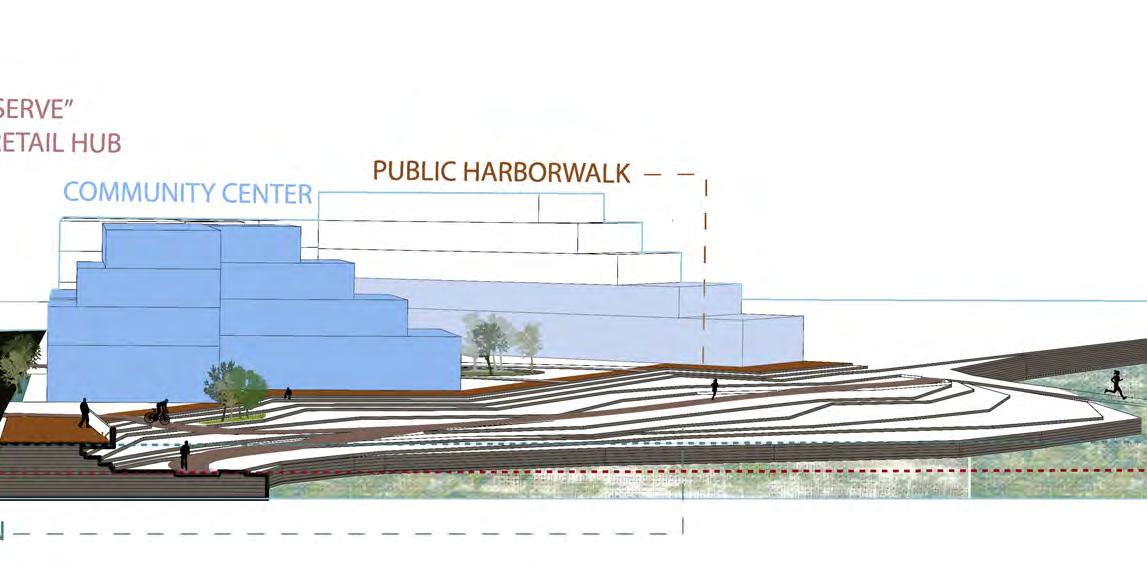
“The Reserve” transforms climate ready Boston’s proposed monofunctional salt marsh waterfront into a multifunctional waterfront. Featuring retail space on elevated topography as a barrier to mitigates sea level rise, providing recreation and access to the water.
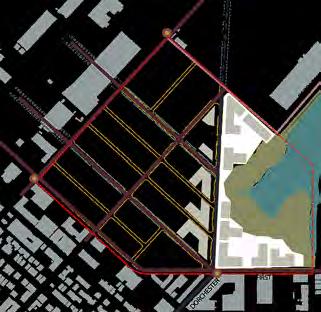
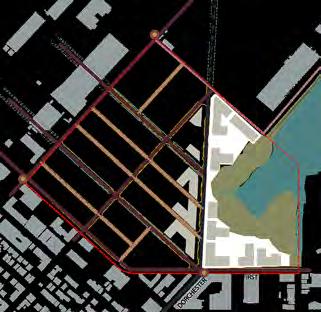
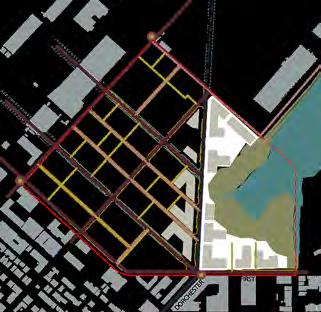
A “10-minute-city” has been achieved through the site with the addition of 3 bus stops, 2 blue bike docks, bike paths and tertiary pedestrian alleys which allow cross-navigation and flow.
Professor: Einat Rosenkrantz + Timothy Love
Urbanism + Housing
14 - 16’ FLOOD
ROOFTOP RAINWATER COLLECTION
PERMEABLE PAVERS
FLOODABLE RECREATION
BIOSWALES
PUBLIC HARBORWALK
COLLECT & REDIRECT
Topography and permeability has been developed throughout the site, turning the existing low lying infill condition into a cohesive site which collects and redirects water towards to reserve channel.
PRIMARY STREETS
SECONDARY STREETS
TERTIARY STREETS
The site features various public and community amenities intended to foster engagement, reveal the changing landscape and protect the community. Bufered by the raised waterfront, the residential units are organized around pedestrian pathways, shared neighborhood gardens and playgrounds protected from the busy roads.
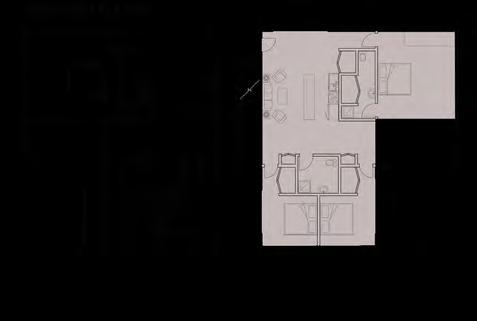
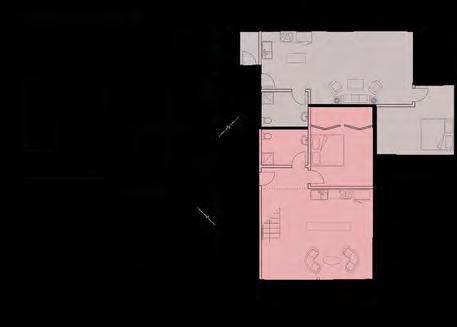
The housing module maximizes diversity and unique moments while maintaining construction simplicity
Each module produces four unique floor plans consisting of double story, single story and ADA accessible units, with a total of ten units per module.
IV
“WASHINGTON STREET”
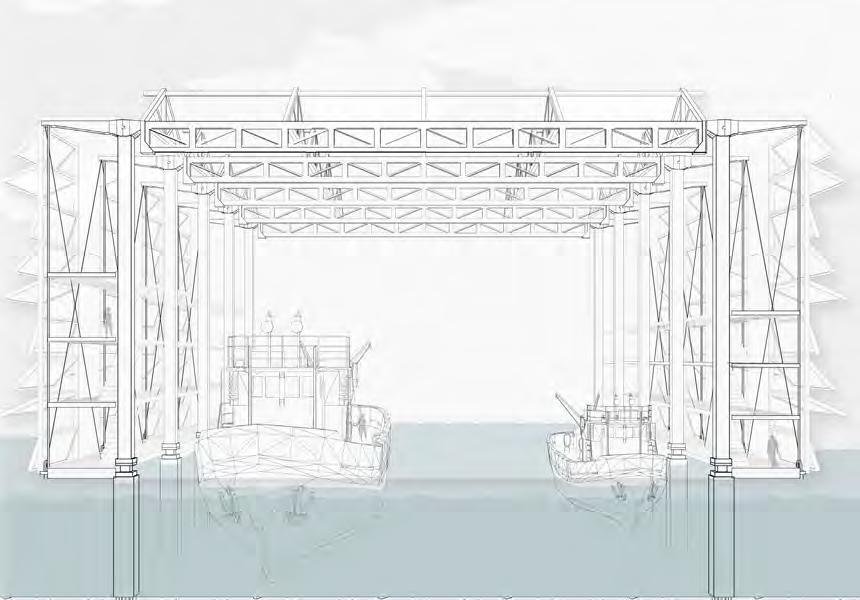
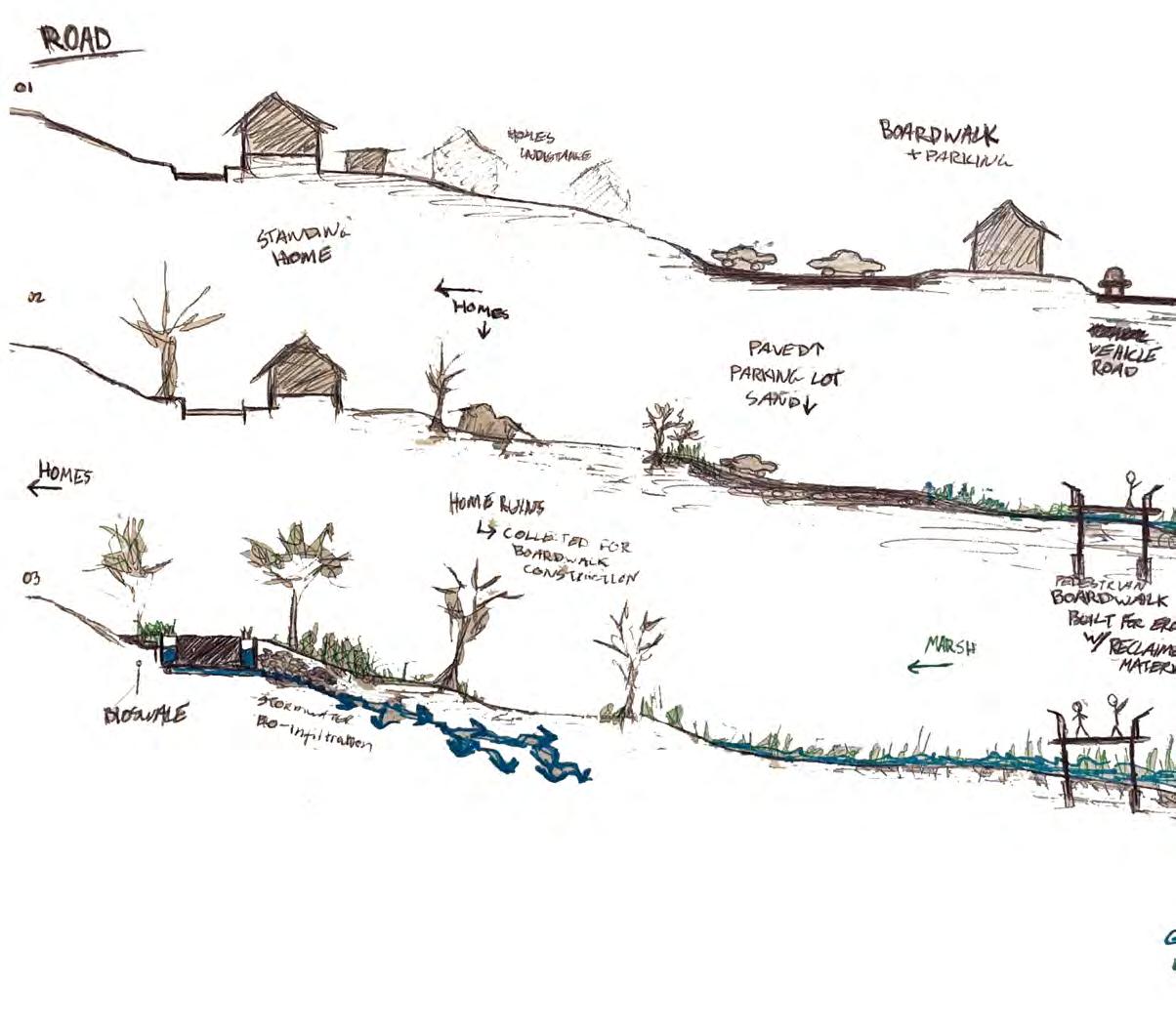
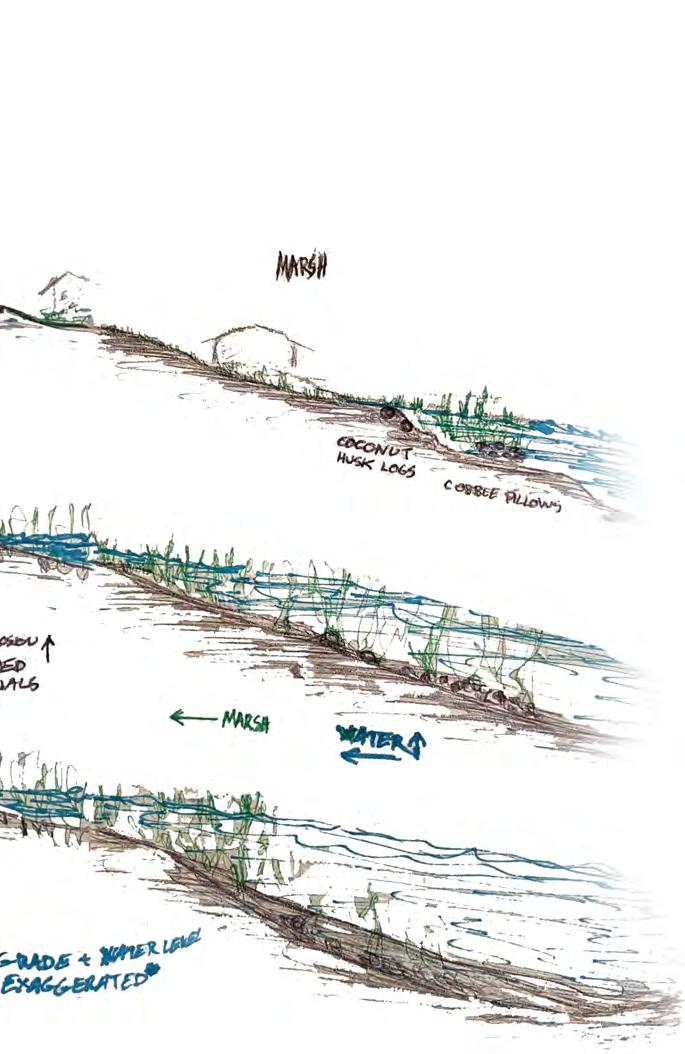
As a participant in the Envision Resilience Nantucket Challenge in spring 2020, I had the opportunity to look at serious issues of sea level rise on Nantucket.
Following deep studies of local environmental conditions and forecasts of the future, navigating policies and government incentives for retreat, and interviewing locals. I developed a project in the Washington street residential neighborhood and presented it at the June closing event on Nantucket.
I proposed a series of stages increasing in intensity through time and necessity.
Stage 1: Education and Green-Infrastructure tool kits to decrease coastal erosion via resilient marsh plantings.
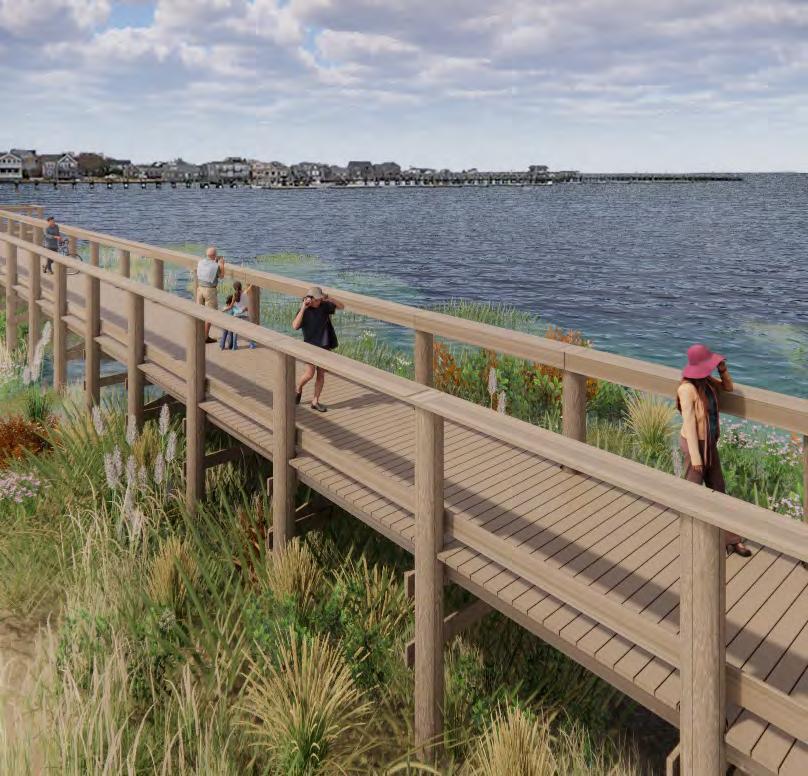
Stage 2: Responded to limited public coastal access, proposing a gradual transformation of reclaimed land into a publicly accessible boardwalk
Stage 3: Proposed increasing Gray-Infrastructure and transforming union street to be floodable with bioswales and stormwater bio-infiltration etc.
Professor: Sara Carr
OptionsUrban Landscape Studies
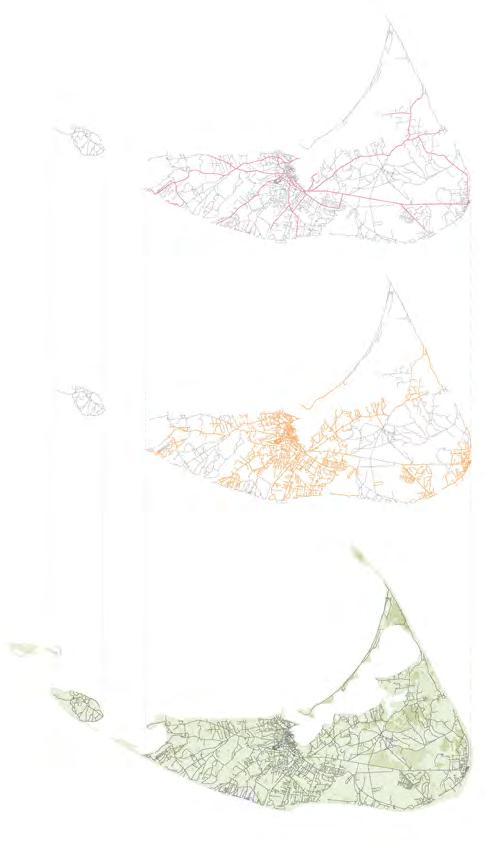
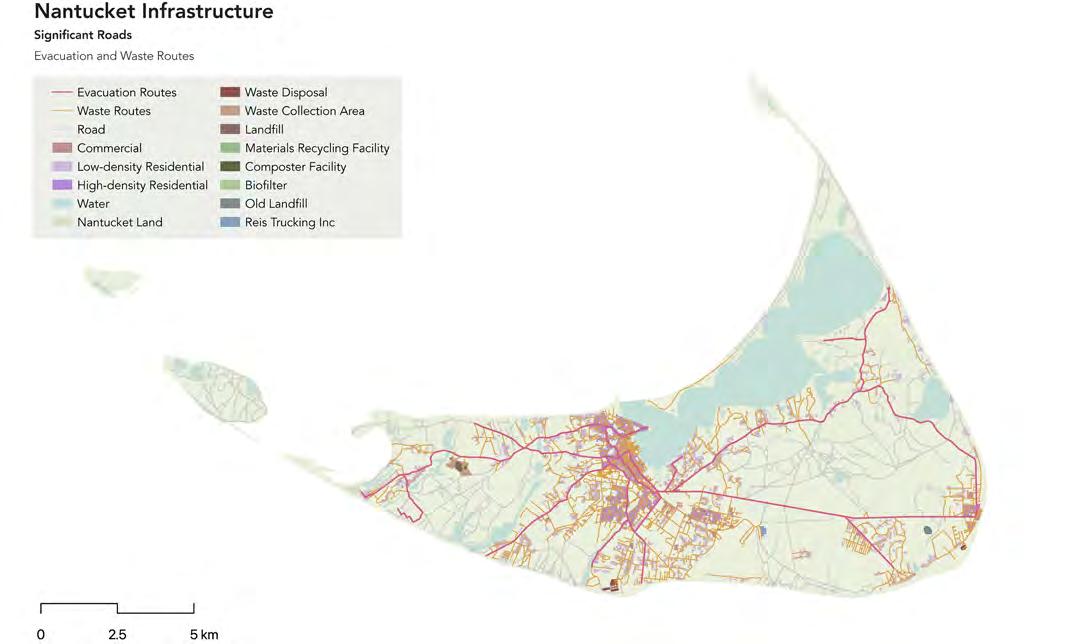
EVACUATION ROUTES
WASTE ROUTES
ROAD NETWORK
V“BPL
POP-UP”
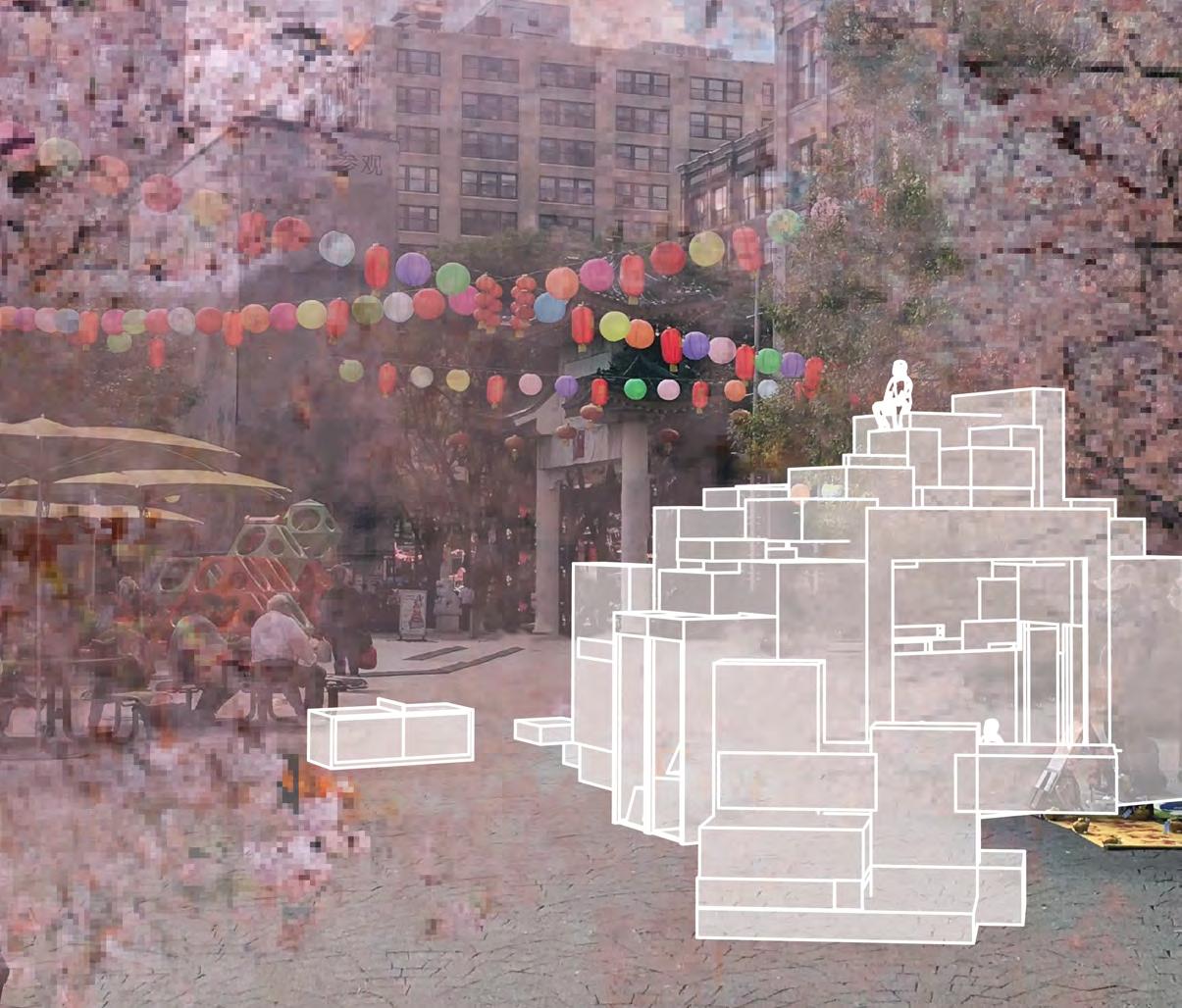
Exploring varying programmatic agendas and qualities of libraries, this pop-up library pavilion proposal is a temporary installation for Boston’s Chinatown.
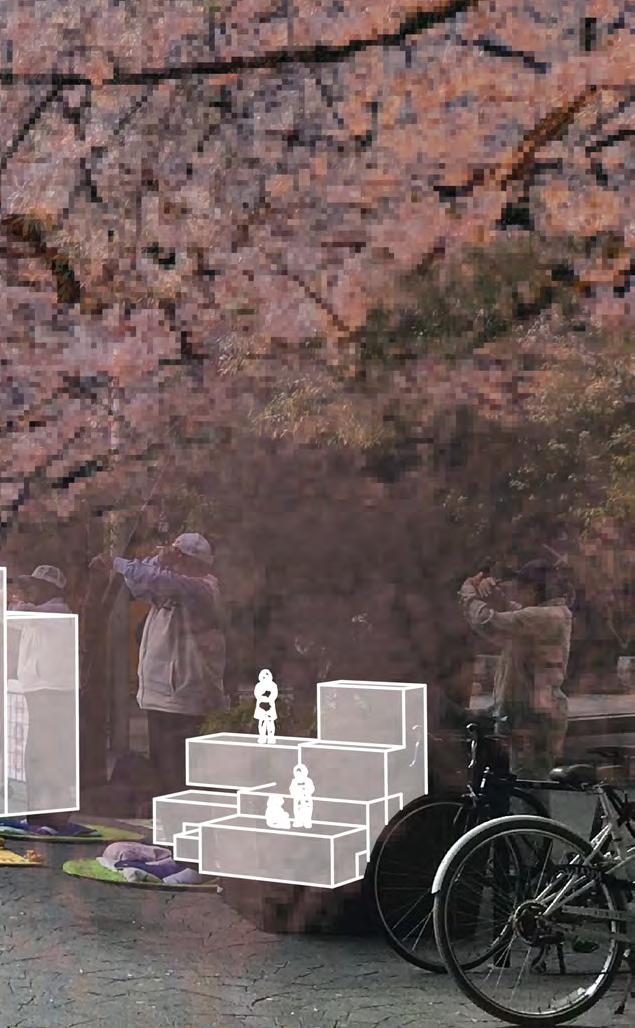
A mountain of interlocking blocks morph to create space.
The pavilion unpacks with two interlocking seating units and two ping pong tables, revealing a slowed tunnel space with built-in shelving units.
On the backside, study pods provide access to work space.
On the front and top of the modular mountain, Children and pedestrians are inclined to climb and sit.