







Introduction – Slide 3
Market Gap – Slide 4
Market research and feasibility – Slide 5
Lean business model & minimum viable product – Slide 6
Competition and Differentiation strategy – Slide 8
Marketing strategy – Slide 9
Investment and support sought – Slide 10
Conclusion – Slide 11
Introduction
Sneakers Inc. business pitch
Overview of business model, minimum viable product, marketing strategy, and investments sought
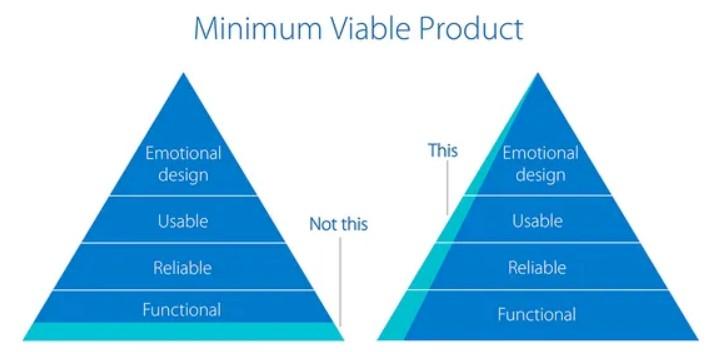
Fig.1: Minimum Viable Product (Source: Lee, 2024)
Market gap
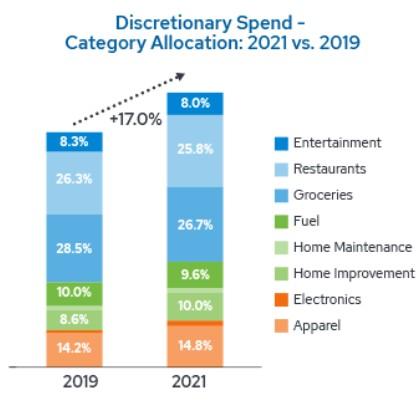
Fig.2: Impact of inflation on consumer spending in the UK
(Source: Lee, 2024)
Post-economic crisis, consumers are divided
Those who can afford want betterquality Sneaker than Sneakers Inc
Others settle for sneakers in cheap prices
Market research and feasibility
Rising demand for sustainable sneakers (Lee, 2024)
Need to be balanced with affordability
Feasibility – focusing on sustainability by making durable sneakers
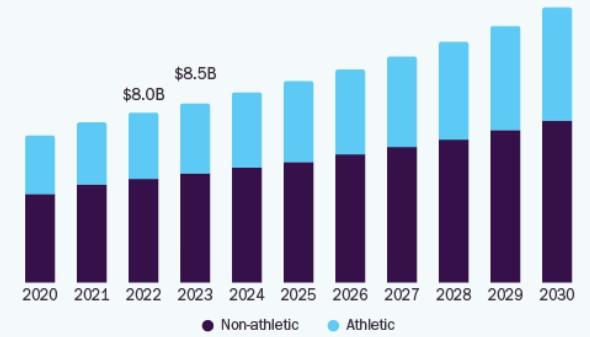
Fig.3: Global sustainable footwear market size
(Source: Lee, 2024)
Lean business model & minimum viable product
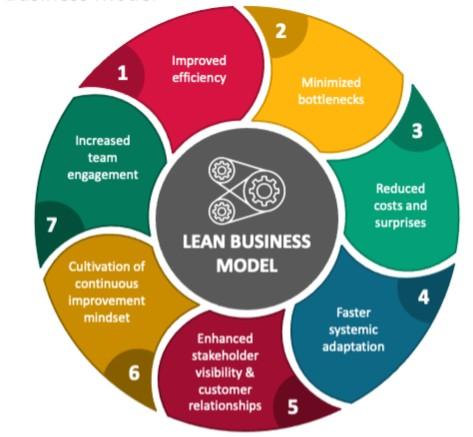
Fig.4: Lean business model
(Source: de Faria et al., 2021)
Sneakers Inc.’s focus on sustainable sneakers is consistent with the lean business model (i.e., less waste and more customer value) (de Faria, Santos, and Zaidan, 2021)
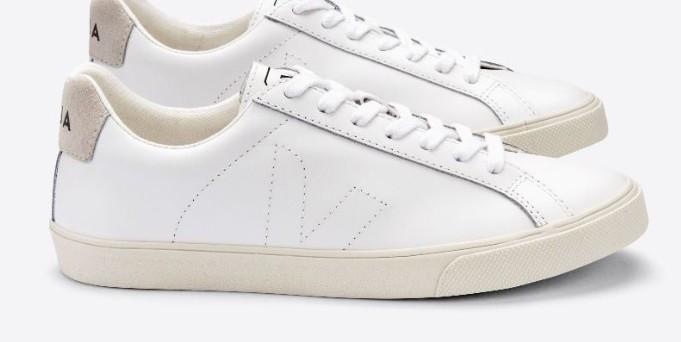
Minimum viable product (MVP) – A unisex model with classic design made of either plant-based leather (e.g., Mylo) or organic cotton; the sole preferably made with recycled rubber
Competition and Differentiation strategy
Key competitors – Nike, FILA, Adidas, Puma, New Balance etc.
Differentiation strategy –stress on sustainability as USP
(Source: de Faria et al., 2021)
Marketing strategy
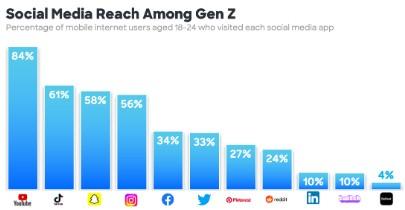
Fig.6: Social media reach of Gen Z
(Source: Patel and Mehta, 2021)
Targeting Gen Z consumers through social media –partnership with influencers (Patel and Mehta, 2021)
Partnership with climate advocacy groups to stress commitment to sustainability
Investment and support sought
Angel investment i.e., equity exchange
Government grants (as ‘eco-friendly innovators’)
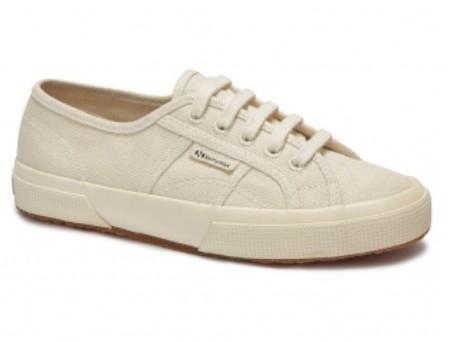
Fig.7: Sustainable sneaker base model
(Source: de Faria et al., 2021)
Conclusion
Lean business model
Sustainability commitment as USP
Angel investment, government grants
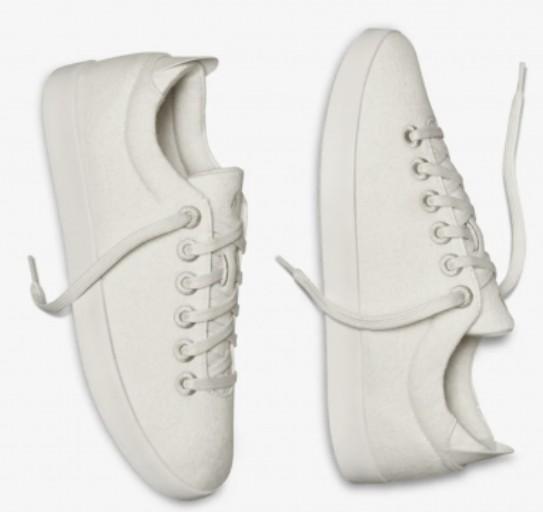
Fig.8: Sustainable sneaker base model 2
(Source: de Faria et al., 2021)
Reference List
Lee, J., (2024). Analysis of Corporate Sustainability Management Cases in Sneaker Brands. International Journal of Advanced Culture Technology, 12 (3), pp. 317-324.
de Faria, V.F., Santos, V.P. and Zaidan, F.H., (2021). The business model innovation and lean startup process supporting startup sustainability. Procedia Computer Science, 181, pp. 93-101.
Patel, A. and Mehta, A., (2021). Gen Z reshaping the Streetwear Sneaker Market. GLS KALP: Journal of Multidisciplinary Studies, 1 (2), pp. 51-56.