Guerreiros Sem Armas 2025
Introduction
What is Guerreiros Sem Armas
The Elos Methodology
The GSA Ecosystem
The GSA Learning Journey
The impacts of GSA
GSA 2025 in numbers
Acknowledgements
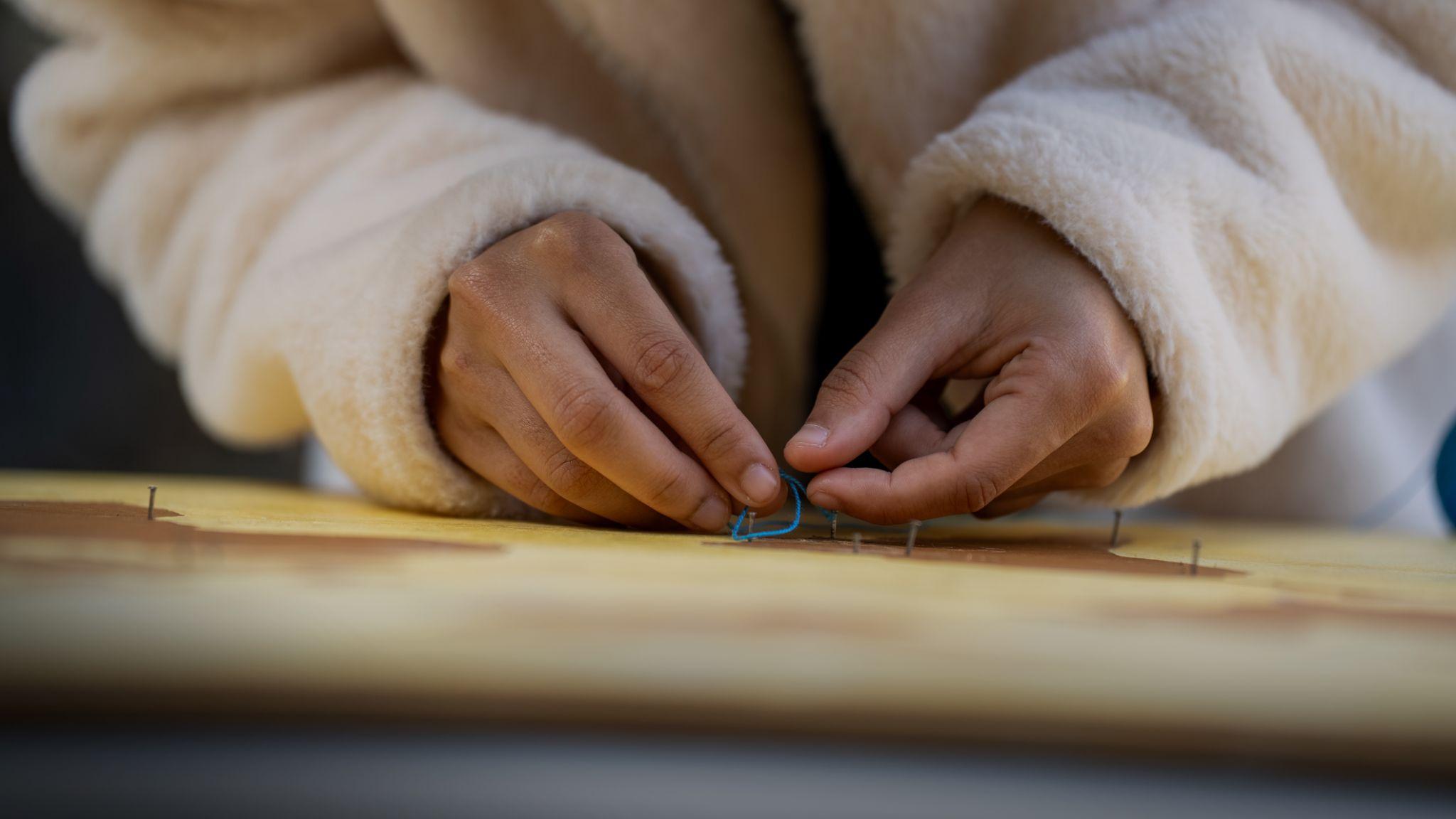
This is not just a report. It is an invitation.
An invitation to discover the impact of Guerreiros Sem Armas on people, territories, and systems.
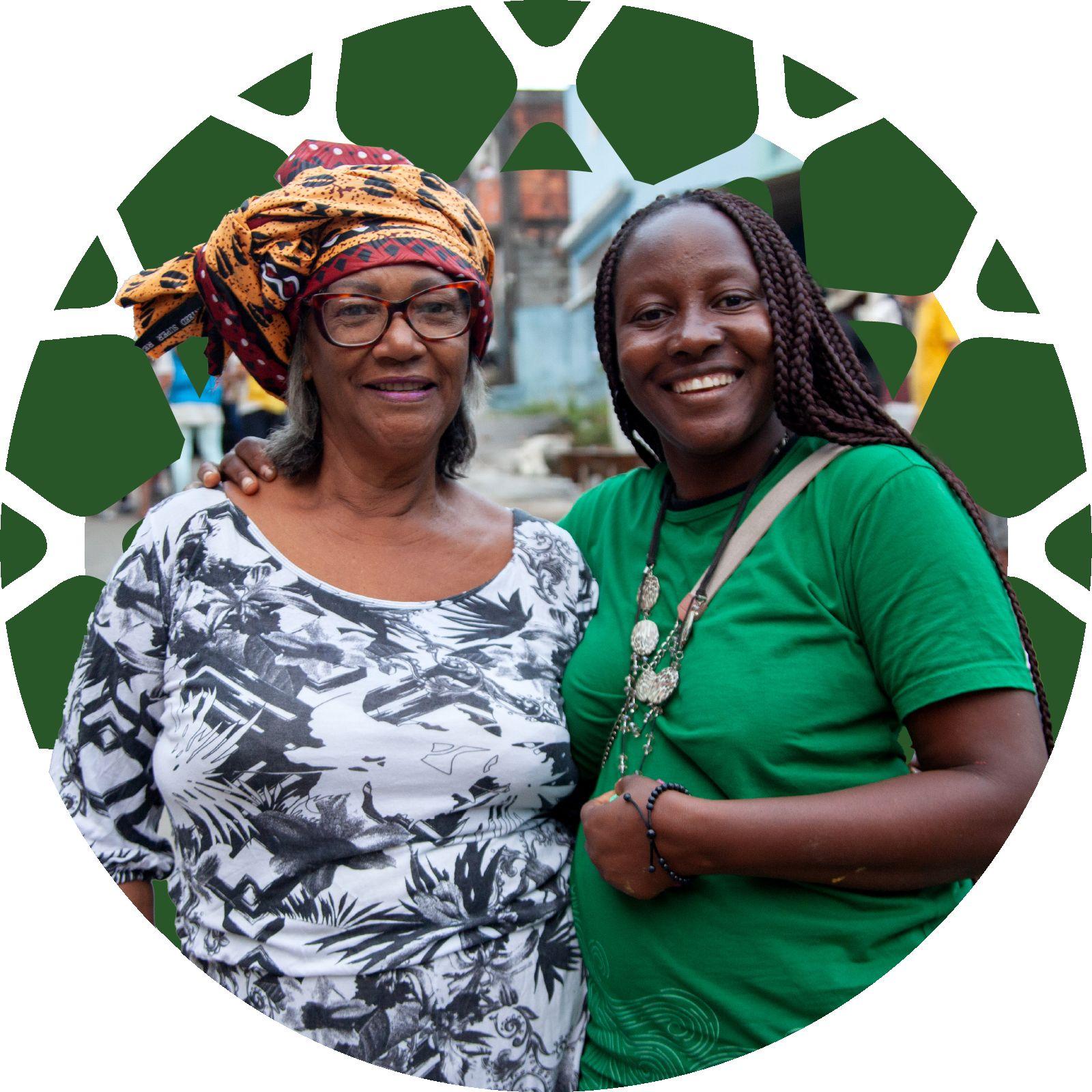
We live in a time of wounded relations, apathy, and polarization. It is easier to create enemies than to dream collectively.
to prove the opposite: that the strength of a collective dream can cross crises and open real paths for change.
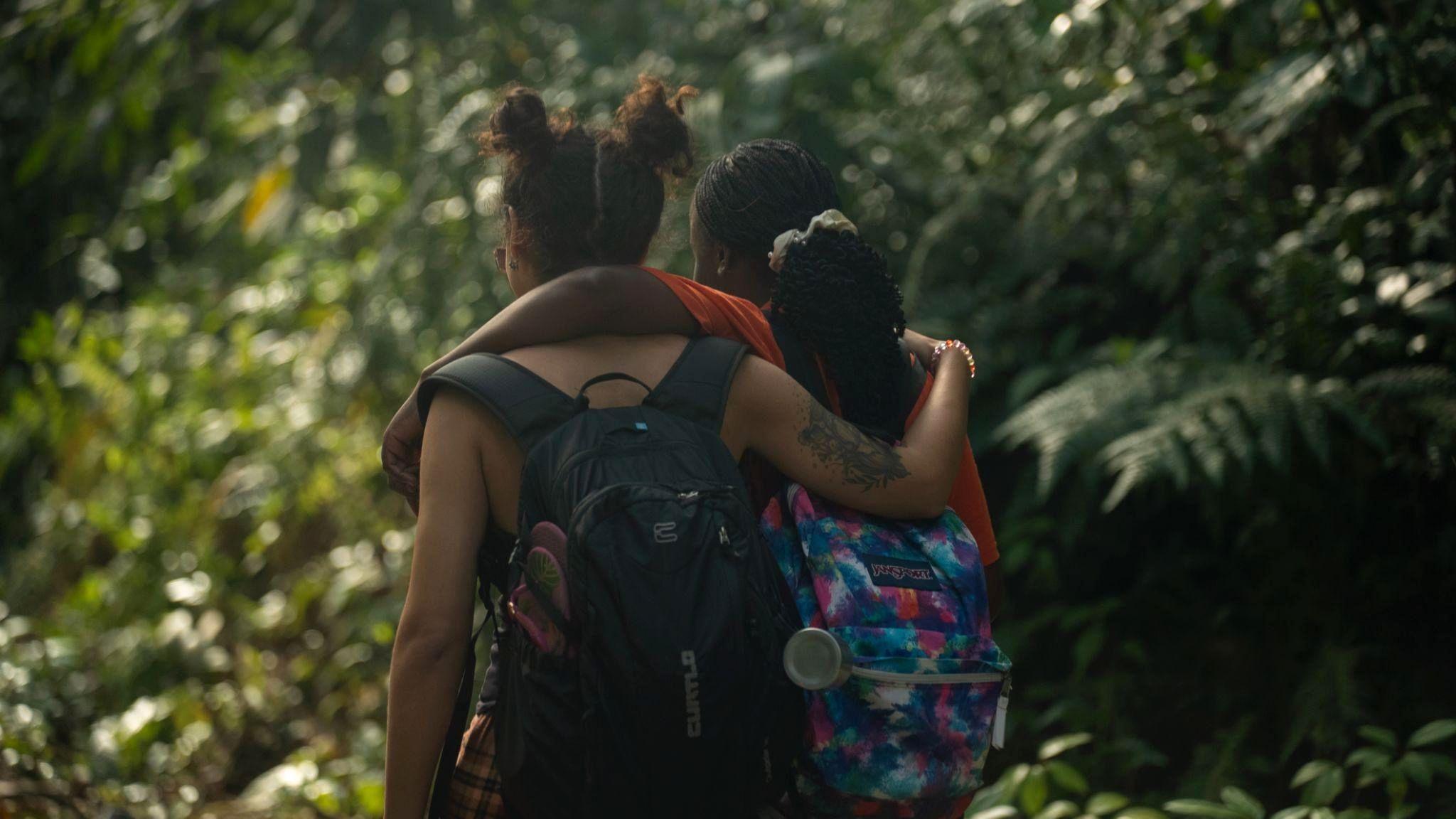
Guerreiros Sem Armas (GSA) is the most comprehensive training program of Instituto Elos, which, for 26 years, has demonstrated that transformation is not utopia, it is methodology.
GSA is an experience that unfolds over approximately 12 months, with four modules totaling more than 500 hours, including classes, talks, exercises, and facilitated activities that integrate theory and practice. The program is divided into 150 hours online and 28 days of in-person immersion in Santos, SP.
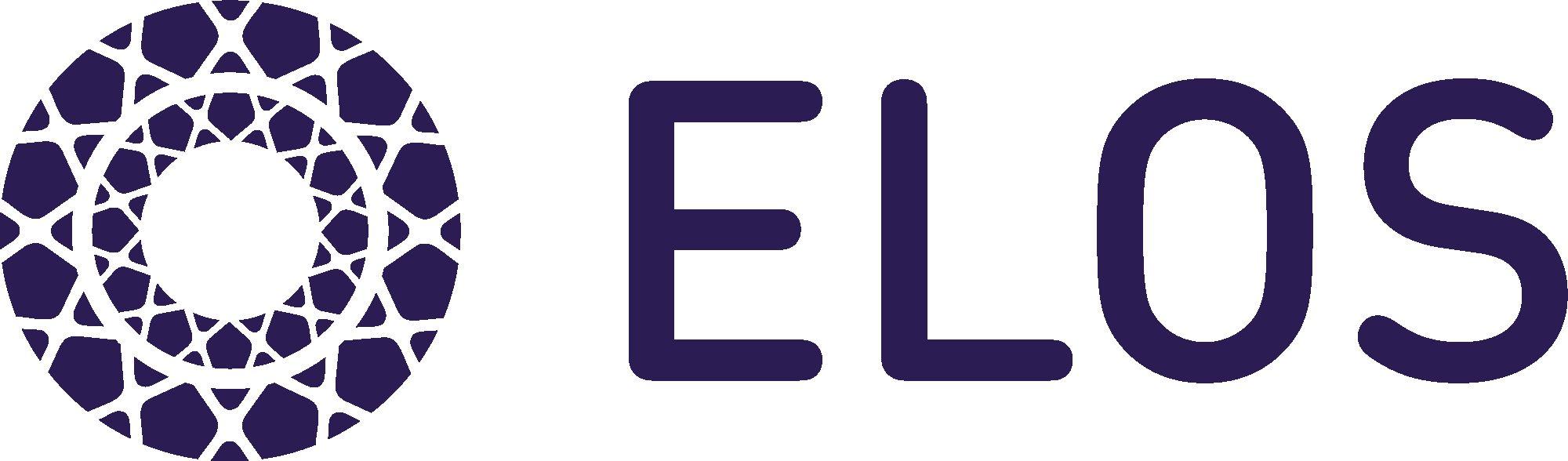
Throughout the journey, shaped by shared living and collective action, GSA awakens, in participants, the energy to transform realities and, through the Elos Methodology, provides consistent tools to make this transformation tangible. This impact resonates not only during the training itself, but also before and after it, influencing communities, initiatives, and territories where each GSA participant takes action. A methodology that transforms people, communities, and territories
“When
ceases.
On the warrior’s path, it is up to you to discern what was woven by divine threads and what was woven by human threads. When you begin to discern this, you become a Txucarramãe, a warrior without weapons. For the threads woven by the human hand form pieces brought to life by their spirit. That hand generates all kinds of creation. Many things become part of you as a way to defend yourself from the external world, generated by your own hand and by your thinking. When you discover what you have made of your life and how your dance unfolds in the world, you gradually let go of weapons, which are creations made to destroy other creations. Suddenly, one discovers that when we stop creating the enemy, the need for weapons ceases.”
- Kaká Werá
Trained participants (GSAs)
721
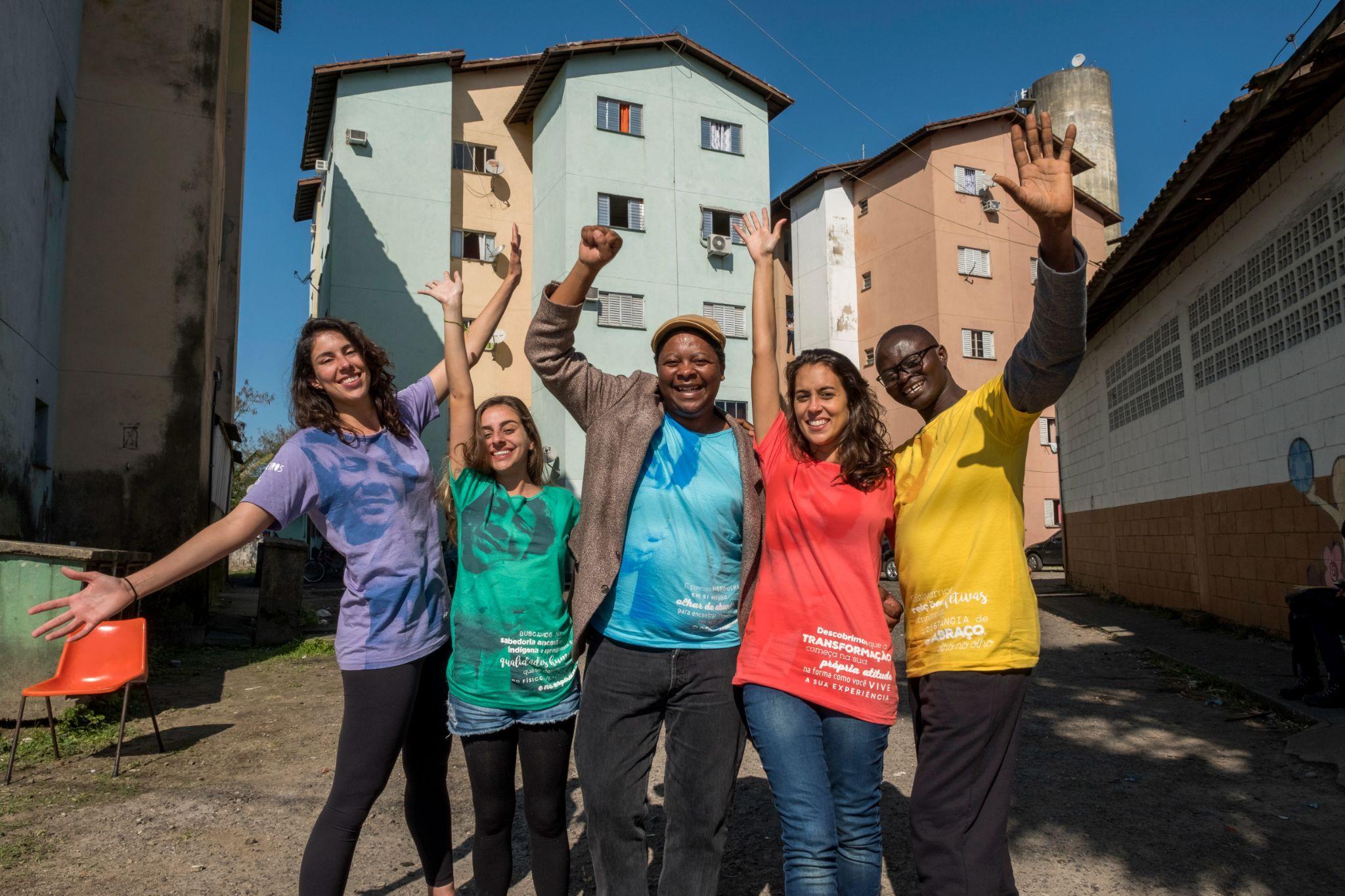
Over the course of 16 editions, GSA has trained 720 participants from around the world. Diversity is a central pillar of the program: we seek to build groups that reflect a wide range of life experiences, contexts, and realities. We believe that it is precisely in encounters with difference that learning flourishes most strongly, expanding horizons and revealing that we can go far beyond what we once believed possible.
Countries represented Benefited locations
57
South Africa, Germany, Angola, Argentina, Aruba, Austria, Barbados, Belgium, Bolivia, Brazil, Canada, Chile, Colombia, Congo, South Korea, Costa Rica, Curaçao, Egypt, El Salvador, Slovenia, Spain, United States, France, Ghana, Greece, Guinea-Bissau, Netherlands, India, England (UK), Italy, Liechtenstein, Lebanon, Libya, Mexico, Mozambique, Nigeria, Wales (UK), Panama, Pakistan, Paraguay, Peru, Poland, Portugal, Kenya, Czech Republic, Rwanda, Russia, Senegal, Sweden, Switzerland, Tanzania, Togo, Turkey, Uruguay, Vietnam, Zambia, Zimbabwe.
1.475
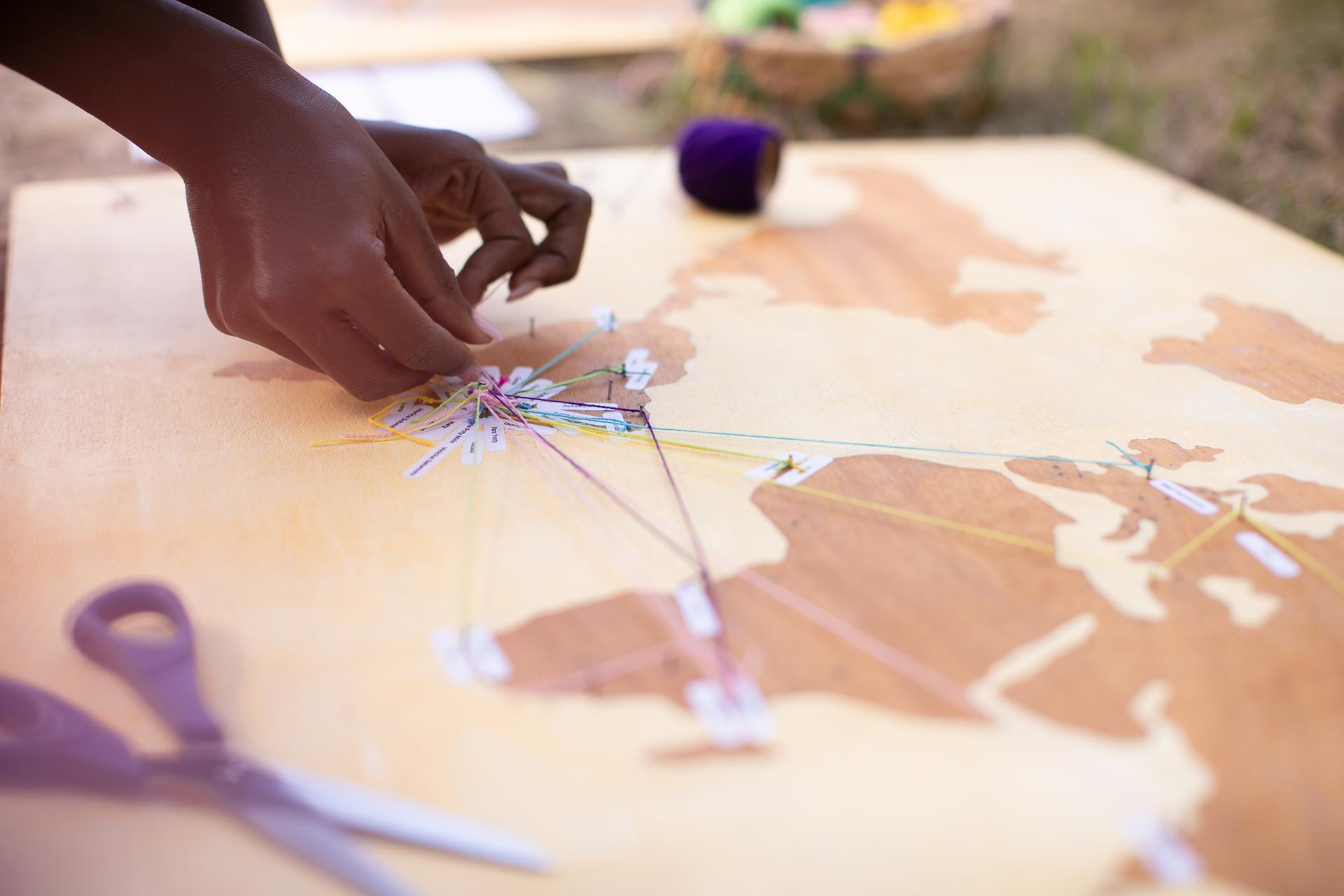
In addition to the 33 partner communities of the GSA program in the Santos Region, which opened their doors to host learning and development through the lived experience of the Elos Methodology, each participant becomes an agent of social transformation and carries this learning into their own reality, applying the methodology and generating positive impacts across diverse contexts and locations around the world.
At the heart of GSA is the teaching and application of the Elos Methodology, a social technology for transformation across diverse contexts.
Potential
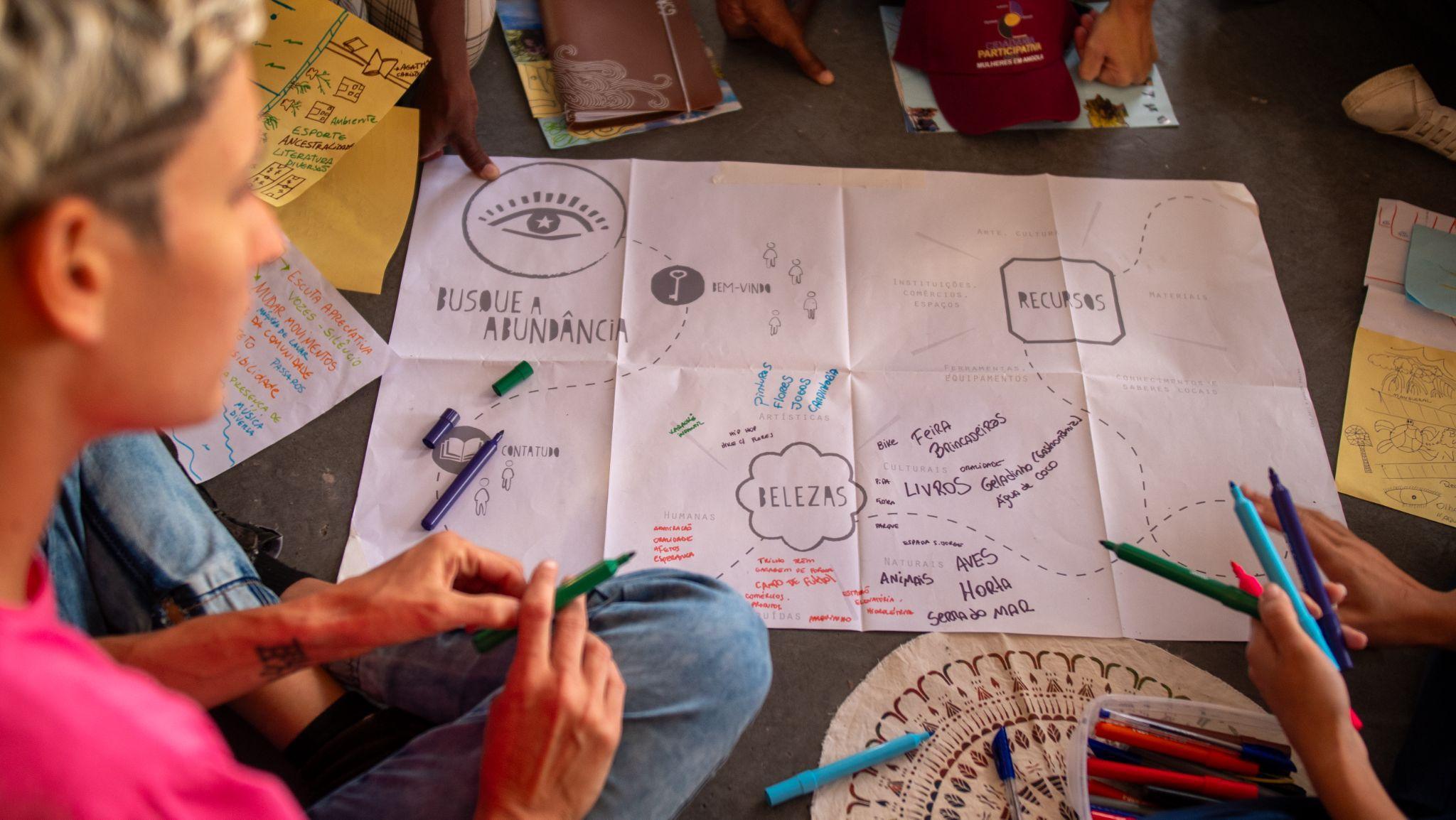
To recognize, awaken, and strengthen what already exists at its best in each person, group, and territory, transforming talents and resources into visible and active potential.
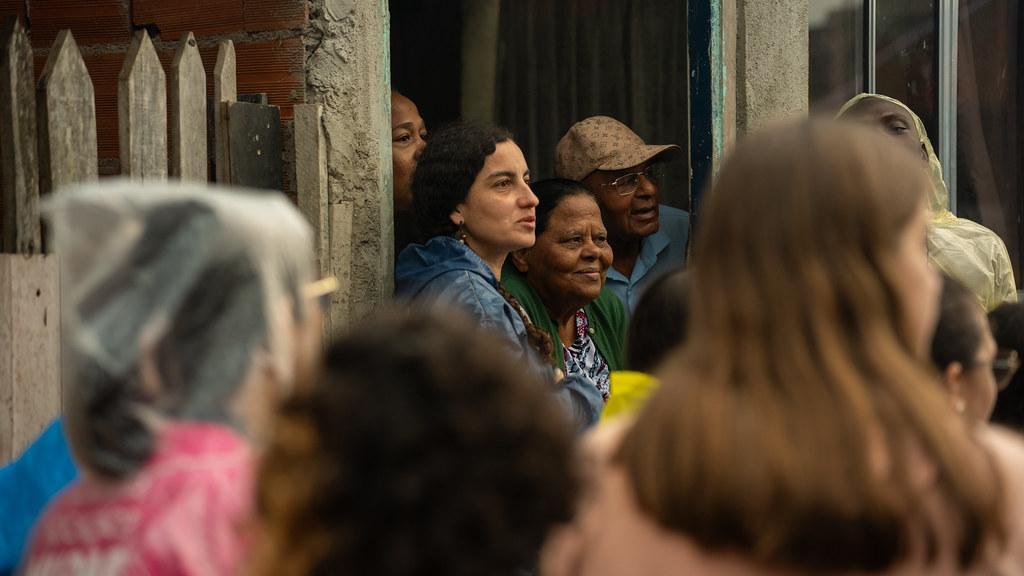
To recover memories, stories, and identities that connect each person to their community, their territory, and their personal values. It is this emotional bond that awakens the sense that we are not alone and inspires collective action in pursuit of a better future.
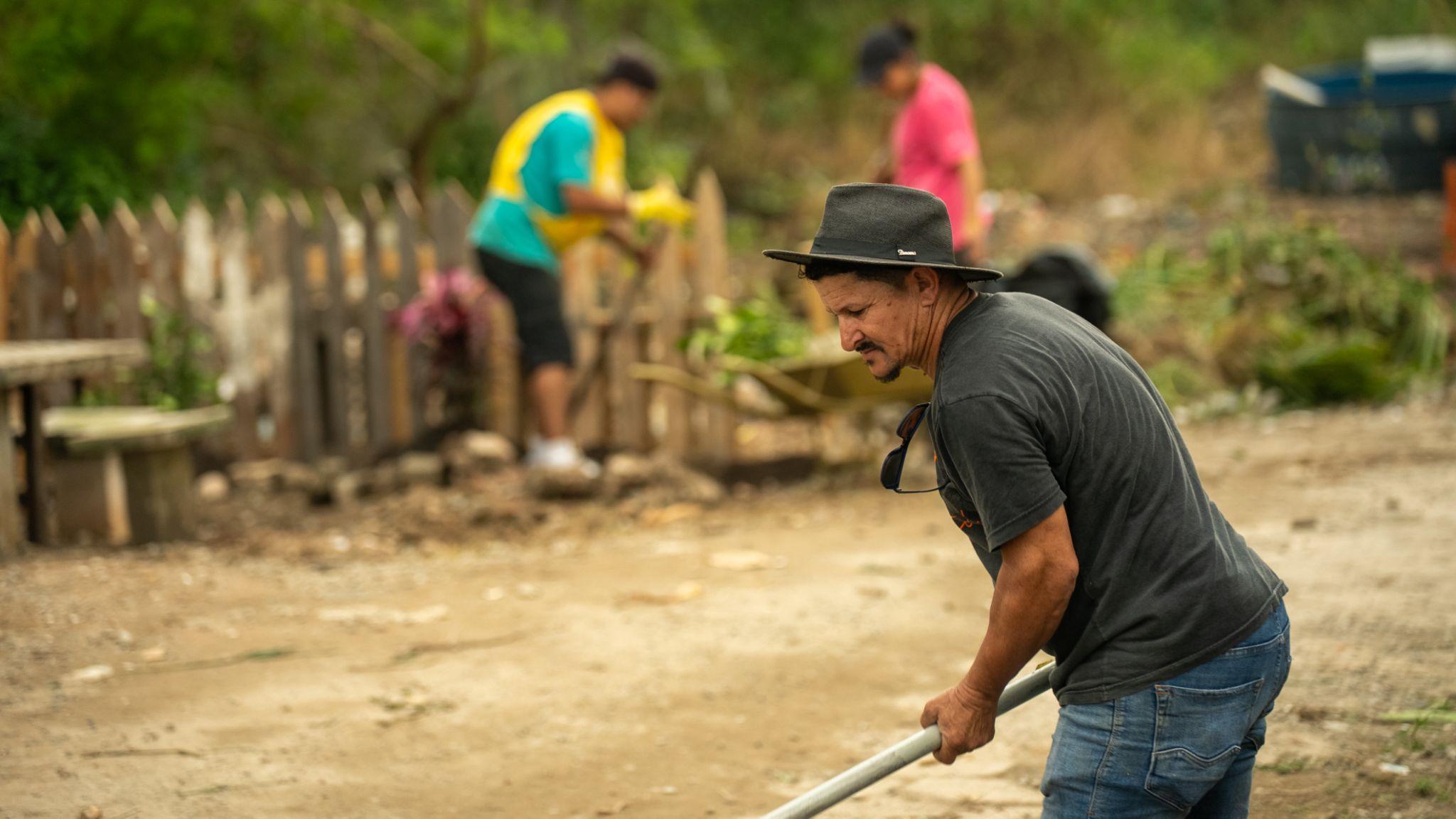
To promote people’s active and effective participation in transformation, going beyond solidarity. It involves inspiring individuals, motivating collectively, and leaving a lasting legacy.
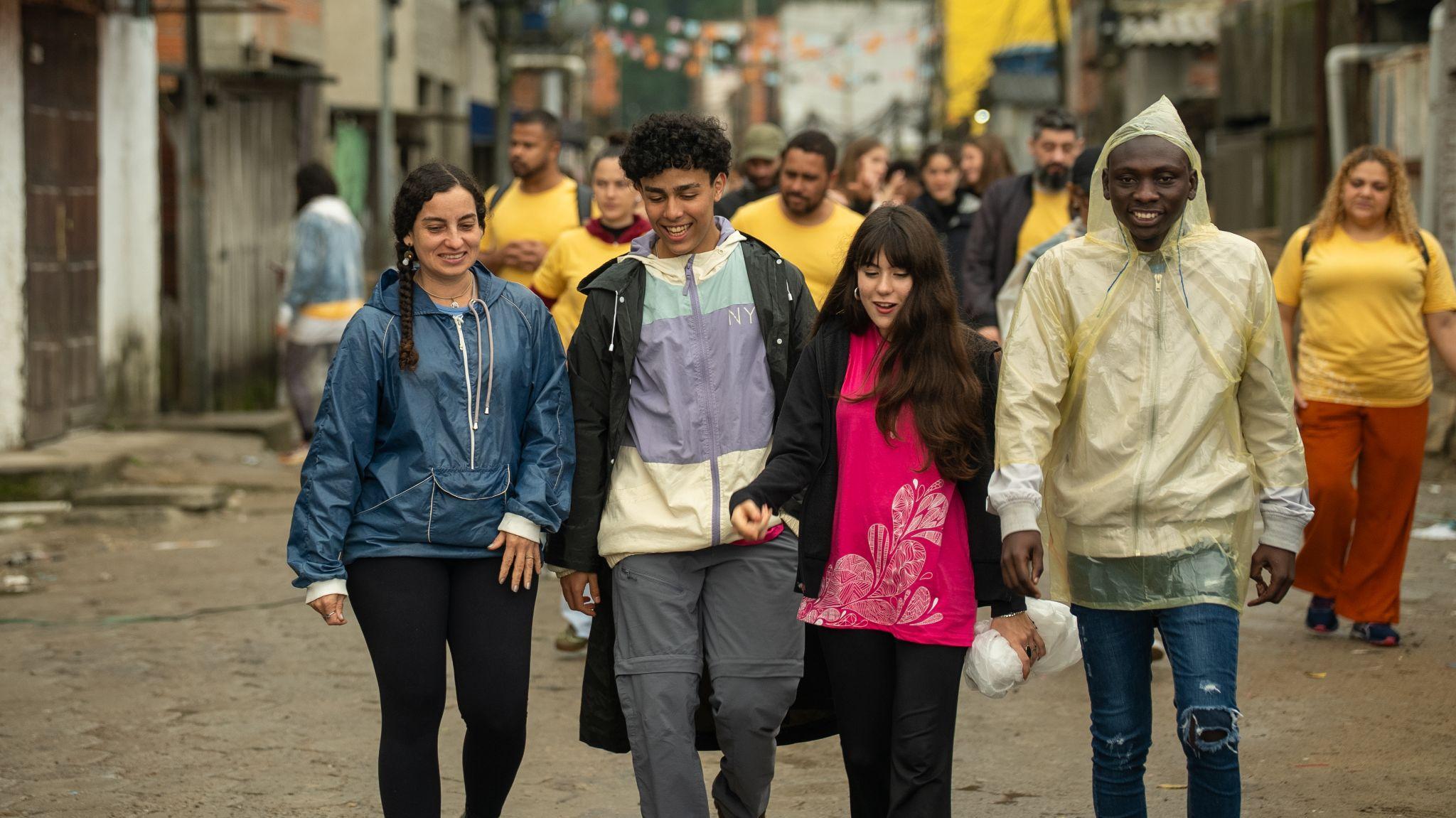
To truly transform, we need everyone. That is why we expanded the GSA Ecosystem.
Alongside GSA, the program Elos na Liderança (Elos in Leadership) was created in 2009 and Geração GSA (Generation GSA) in 2023.
Together, they form the GSA Ecosystem, structured to awaken Potential, Belonging, and Agency across different audiences.
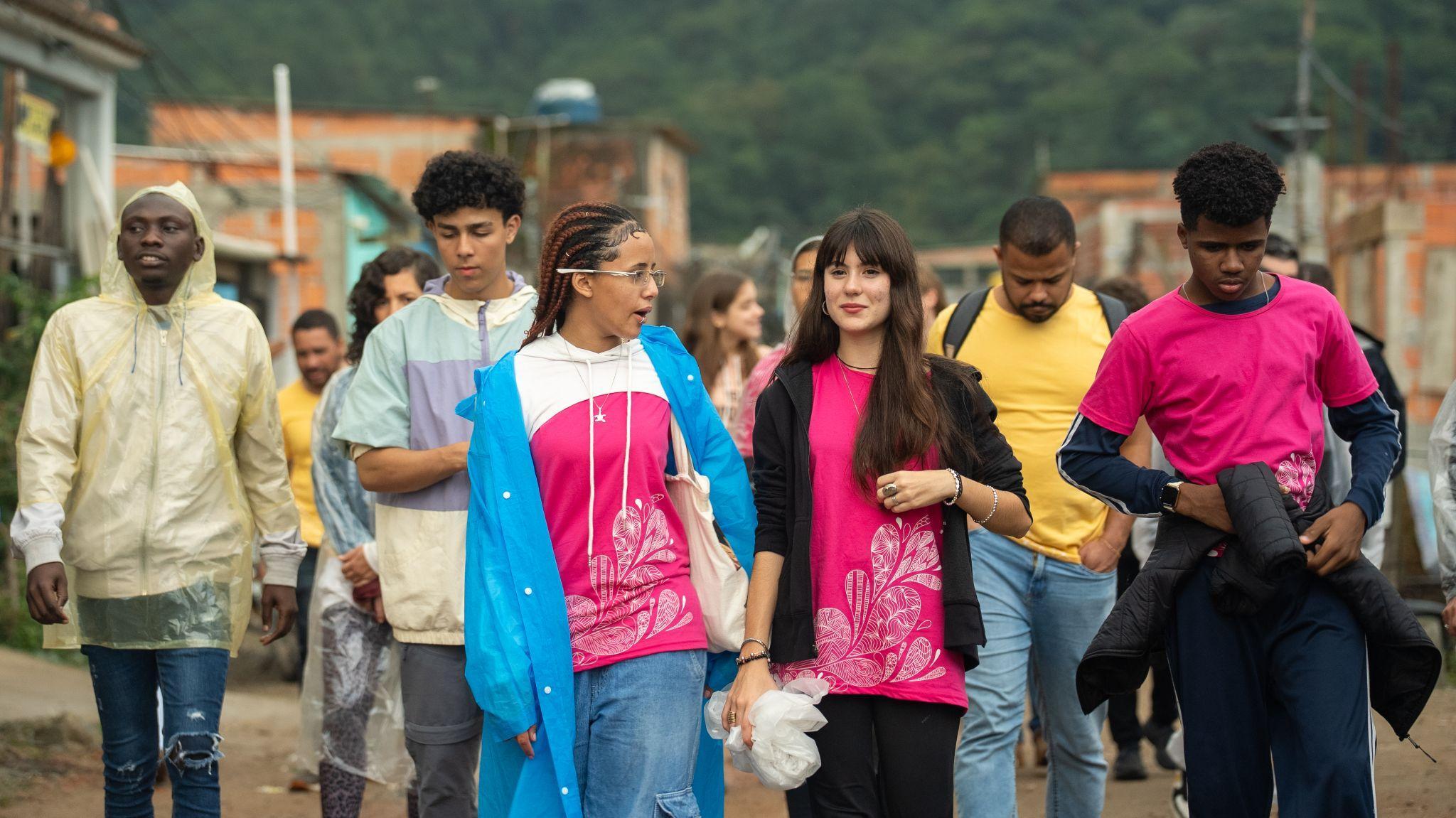
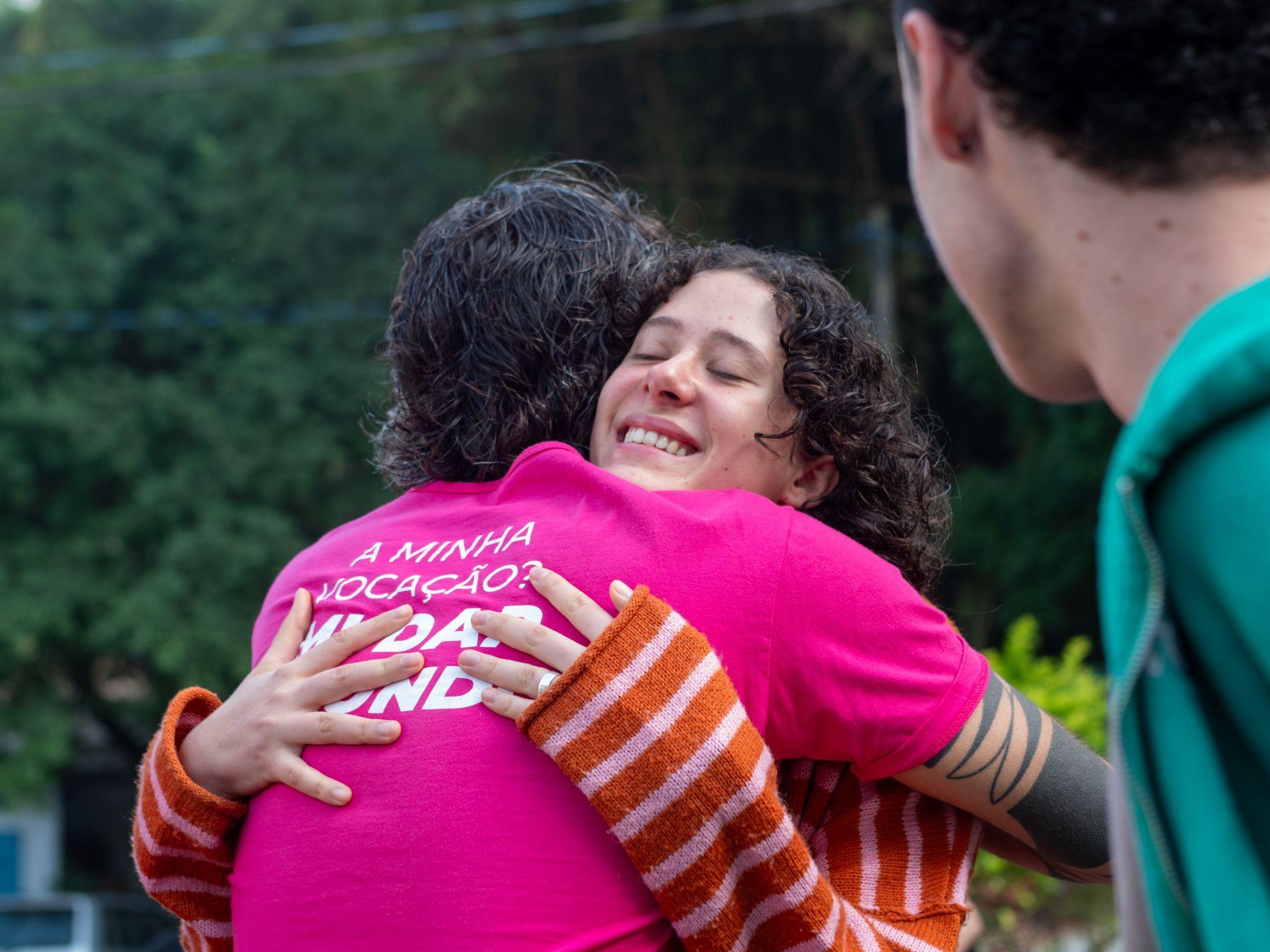
A hybrid experience, with online sessions and an eight-day in-person immersion for teenagers ages 14 to 17, promoting self-awareness, healthy relationships, connection with nature, and social impact.
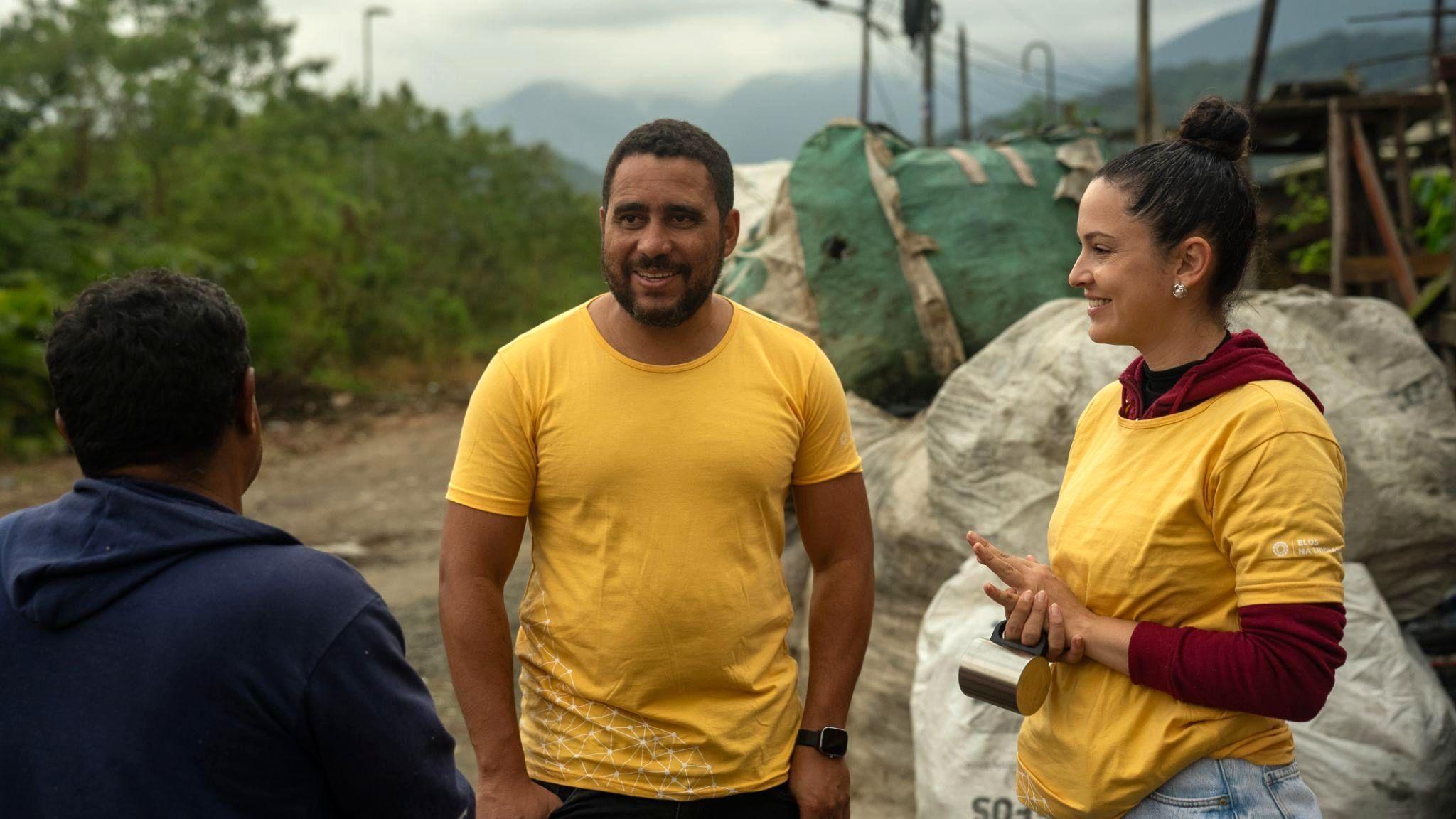
An intensive five-day in-person training for leaders in companies and organizations, focused on collaborative practices and action in territories.
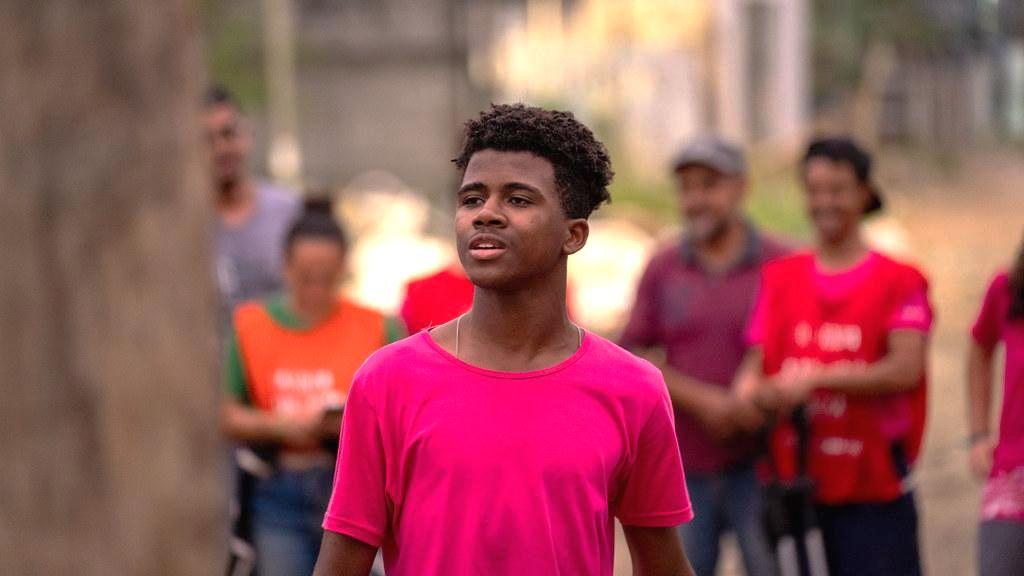
Teenagers who graduated from the program
Since 2023, Geração GSA has trained 75 teenagers across three editions of the program.
Brazilian states represented
States of Bahia, Federal District, Minas Gerais, Paraná, Rio Grande do Sul, Santa Catarina and São Paulo.
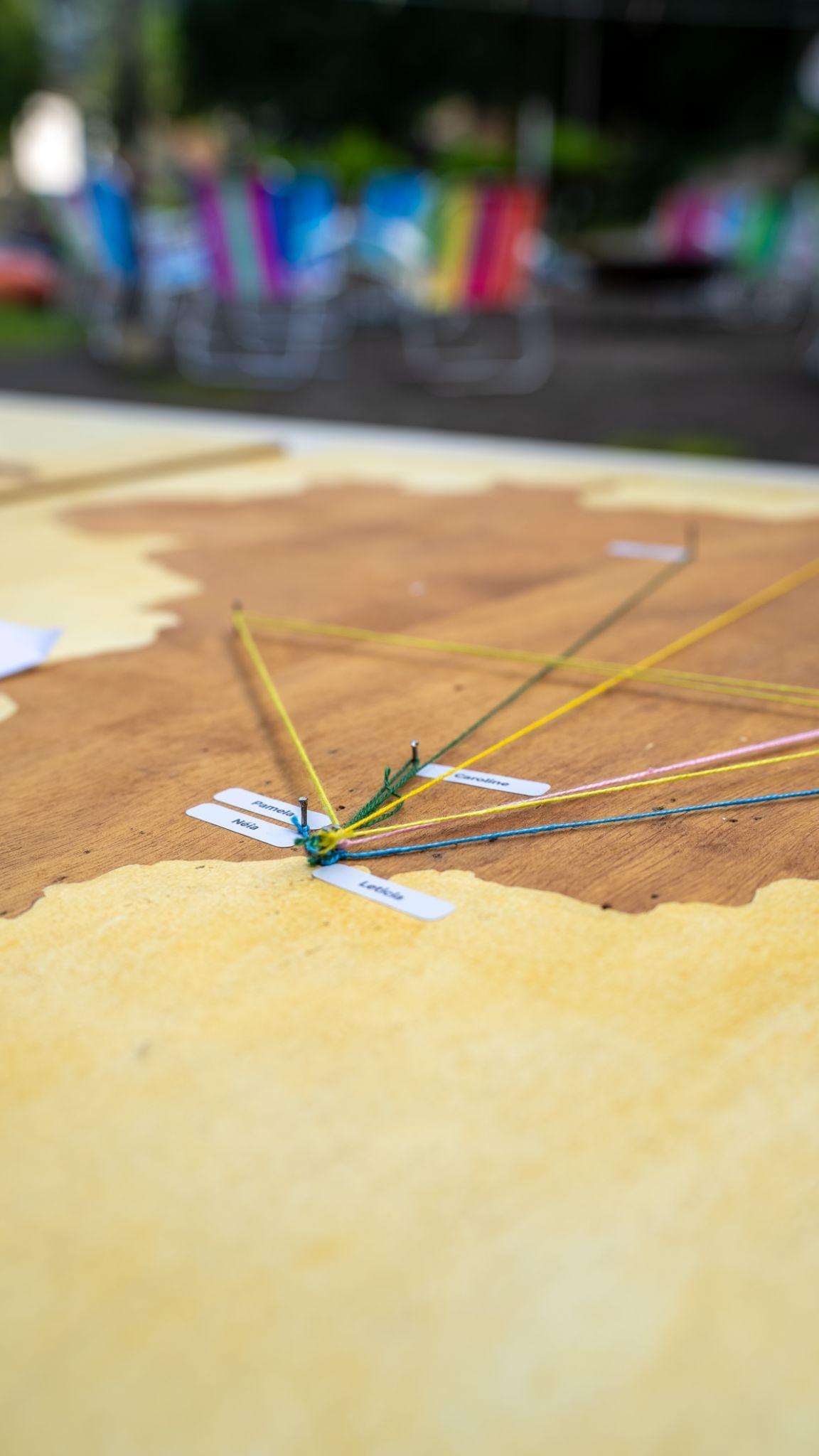
Countries represented
South Africa, Brazil, Canada, and the United States.
A hybrid experience, with online sessions and an eight-day in-person immersion for teenagers ages 14 to 17, promoting self-awareness, healthy relationships, connection with nature, and social impact. The program consists of 98 hours – 8 hours online and 90 hours in-person during 8 days of immersion.
Teenagers ages 14 to 17
Countries represented Black participants (Brown and Black, as defined in Brazil) Transgender participants Neurodiverse participant
30 04 33% 02 01
“The program itself greatly helped with the issue of cellphone use. Most of the time, teenagers can’t go without looking at a screen, and during the immersion there were many moments when we didn’t miss it at all.”
“It helped me see myself more clearly, recognize my values, and understand who deserves my attention and my energy. It changed my life and the way I see life.”
“I learned that I can be myself without fear of judgment. I also learned that I am strong, that I deserve care from others, and that I am important.”
People trained Organizations represented Program editions
10
Since 2009, Elos na Liderança has trained 180 people throughout 10 editions of the program.
Including: Bertha Foundation, Edge, Fundação Renova, Natura, Honda, City Hall of Cubatão, City Hall of Santos, City Hall of São Vicente, City Hall of Contagem (MG), Rumo, and Sabesp.
2009, 2011, 2012, 2014, 2015, 2017, 2018, 2019, 2024, 2025.
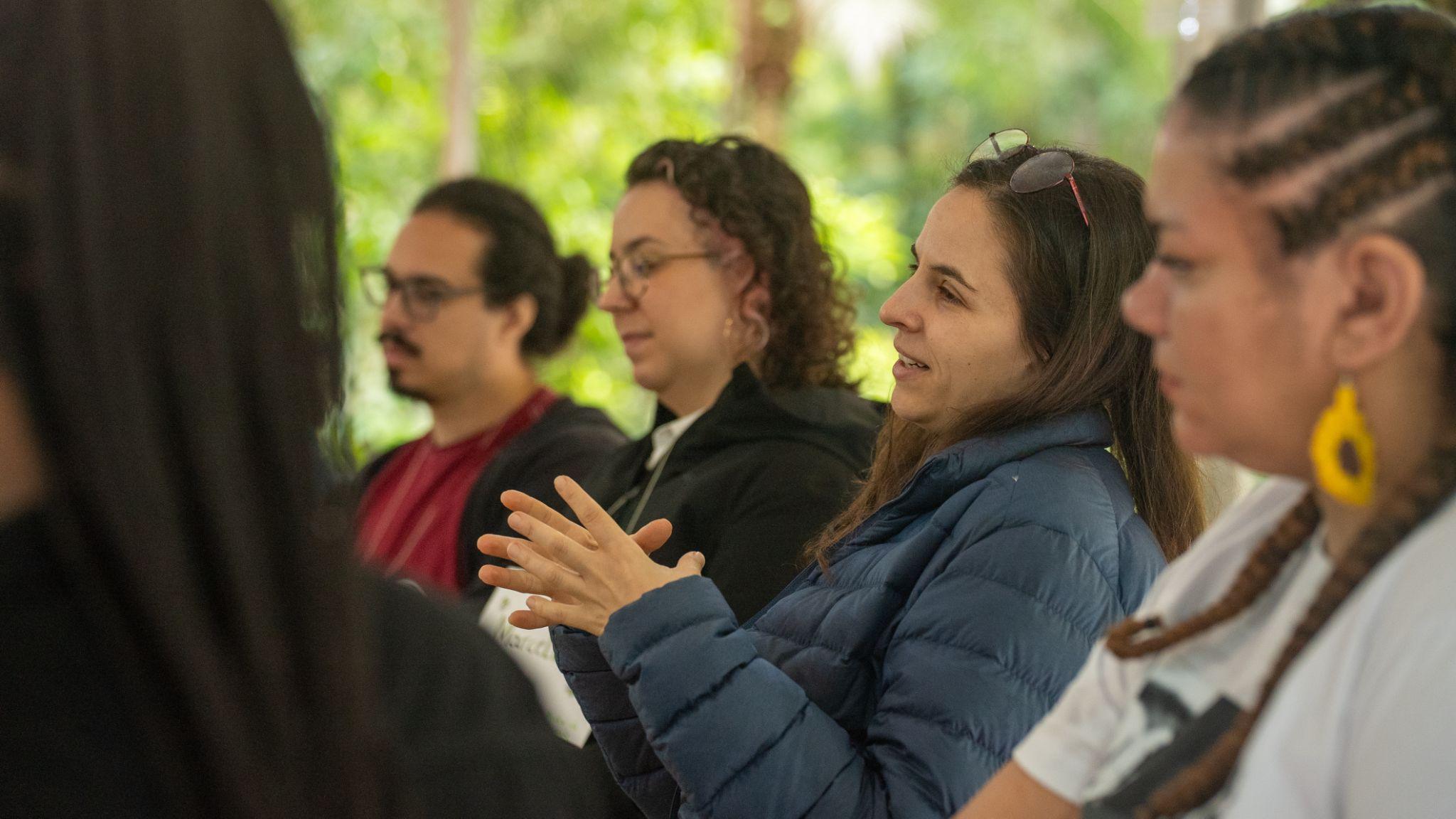
Elos na Liderança is a program for those facing organizational challenges and seeking more effective, human, and collective leadership with teams, across departments, or alongside stakeholders. It takes place in parallel with GSA, with interactions between groups that enable exchange with international leaders, the sharing of challenges, and the co-creation of creative solutions to bring community visions into action.
Leaders Organizations represented Cities represented States represented
20 13 09 04
“I think about teamwork, working as a group, people coming together in a single process, children participating, people, communities, companies. Everyone together. The result was very positive. I intend to take this sense of integration to where I work.”
“It should be mandatory for every HR professional, leaders, and company managers to go through a process like this, because it helps you understand your place in the world. You have the opportunity to look at your work from a different perspective, one that can be far more meaningful and impactful.”
“What surprised me the most was this: learning to look at ourselves, to access feelings we are not used to dealing with or even noticing in the rush of everyday life and work.”
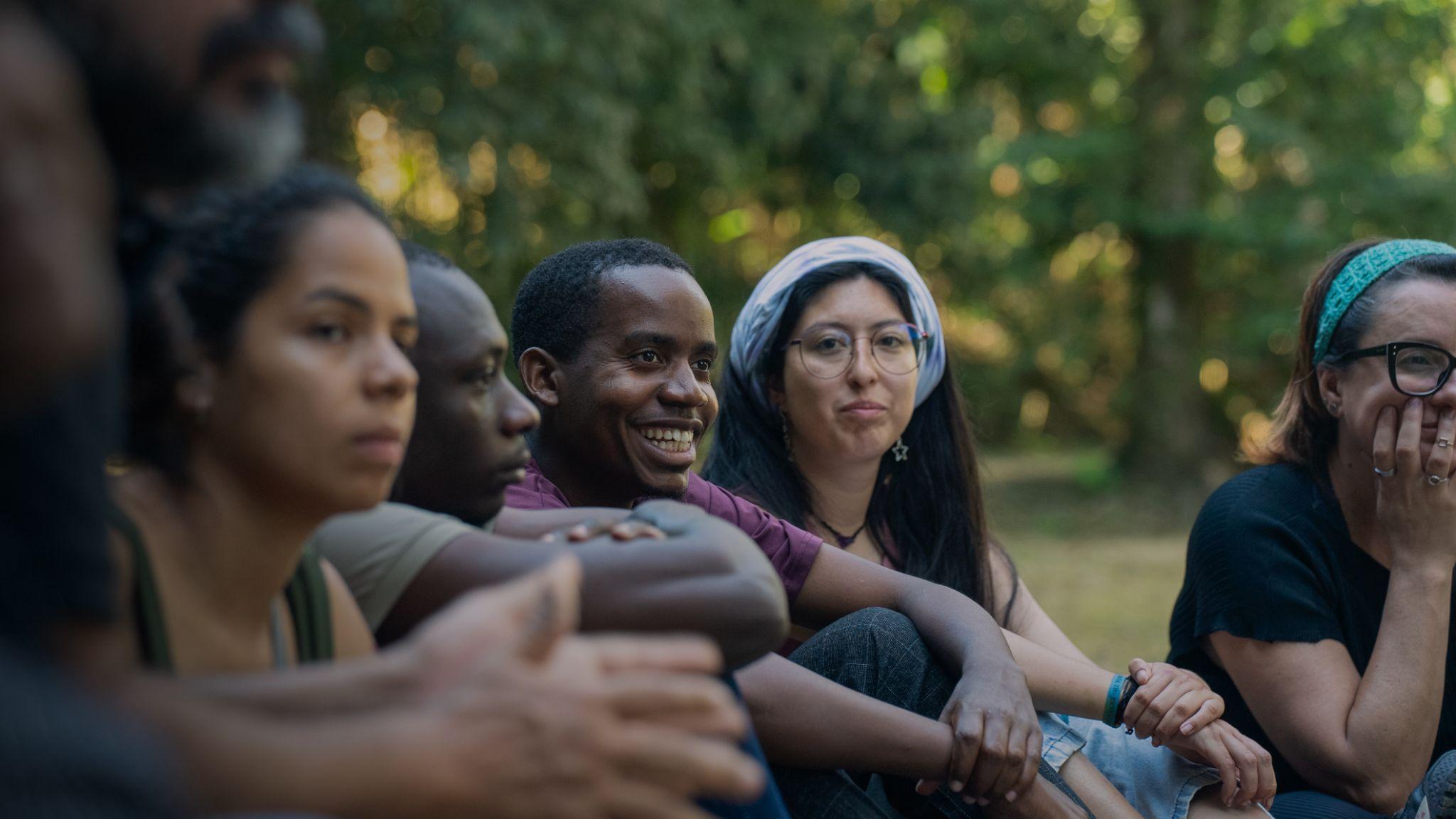
The Pre-immersion begins with the selection process, when each participant connects with their purpose and takes action within their own context, testing ideas and sparking rapid transformations. It is a time to learn and relearn by doing, deepen self-awareness, and mobilize networks around a cause. Along this path, each person discovers new possibilities through an abundance mindset and strengthens a culture of trust, cooperation, and win-win relationships.
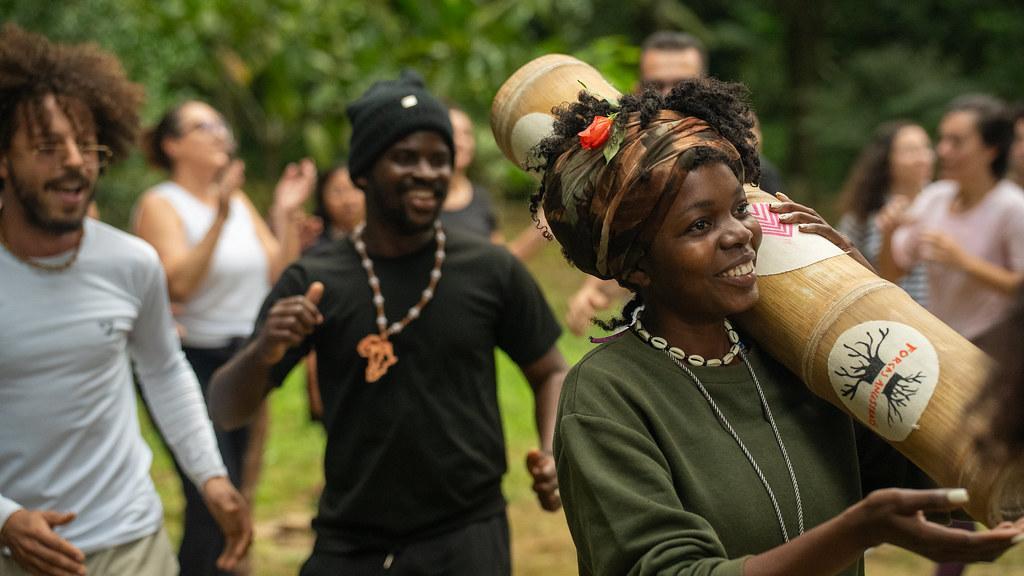
The GSA Immersion is a true workshop of the world, where participants live together and exchange experiences with people from different contexts and realities, coming from various parts of the globe. In this diversity-rich environment, they have the opportunity to experience the Elos Methodology in practice, applying it in partner territories of Instituto Elos, in the construction and strengthening of the group, and by learning about cases of the Elos Methodology in action, while seeking and co-creating solutions to real problems in challenging contexts. All of this is grounded in strengthening potential, belonging, and protagonism, which are the foundations for transforming territories and also oneself.
After the immersion, most participants report a true turning point. Back in their own contexts, they return equipped with tools, practices, and experiences that strengthen the confidence that effective transformation is possible anywhere. In this Expansion stage, each participant is challenged to envision and carry out their own project, strengthening a cause they believe in and driving social transformation through their direct action.
21 hours / online.
The journey begins long before the in-person gathering.
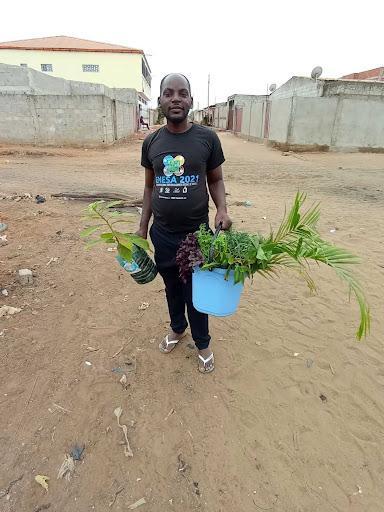
The first part of the GSA Journey is the Yes Path where participants take real action. They collaborate on real challenges, respond creatively to proposed tasks, and build, in community and in the real world, while sharing results on an online platform. It is not just a selection process; it is an invitation to take action, innovate, and transform even before arriving at the GSA immersion experience.
21 hours / online.
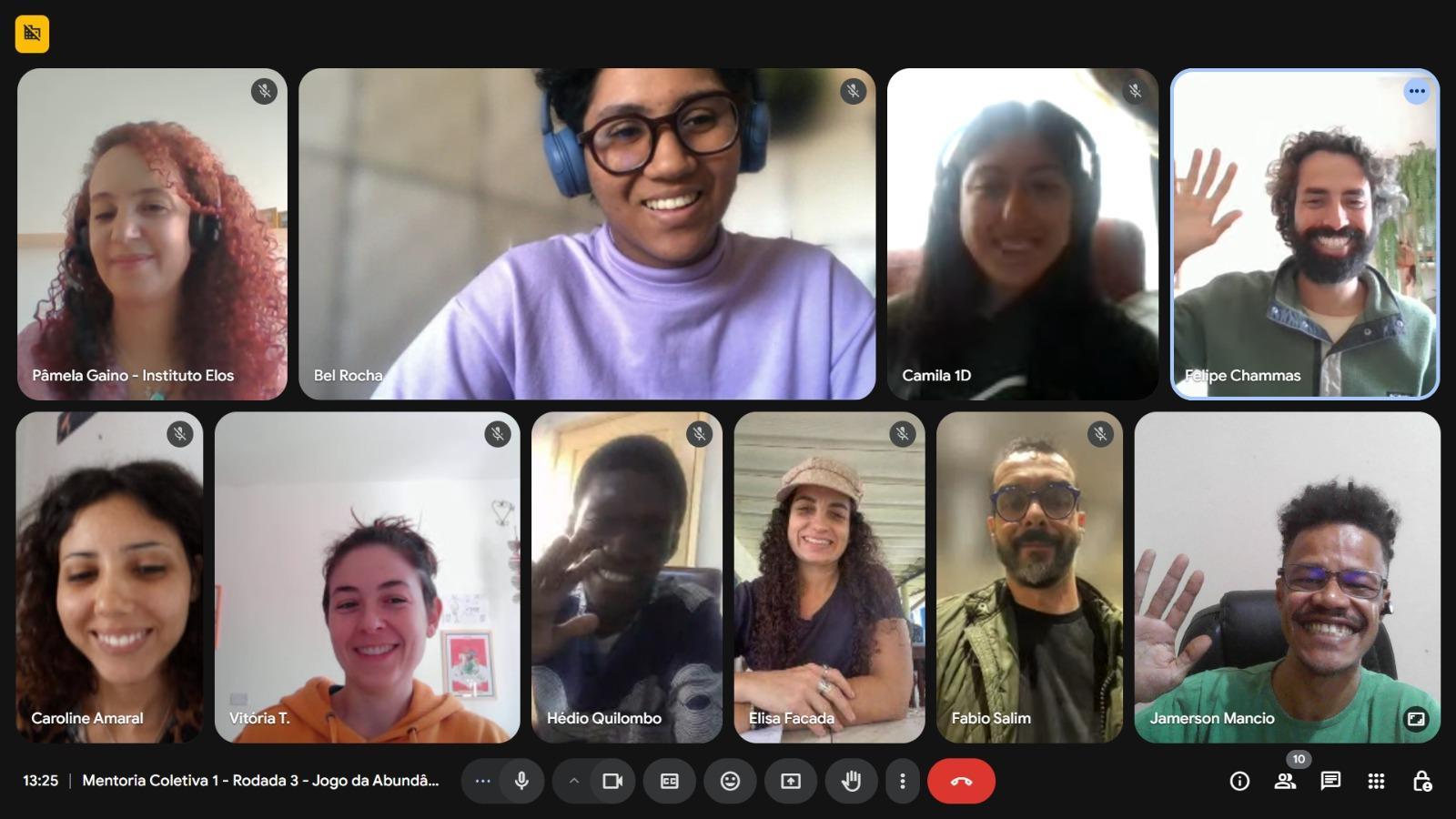
Next comes Abundance Game, a fundraising module that empowers participants to mobilize support to finance their own journey. It is not “passive funding,” but a collective practice that teaches how to see abundance where many see scarcity.
28
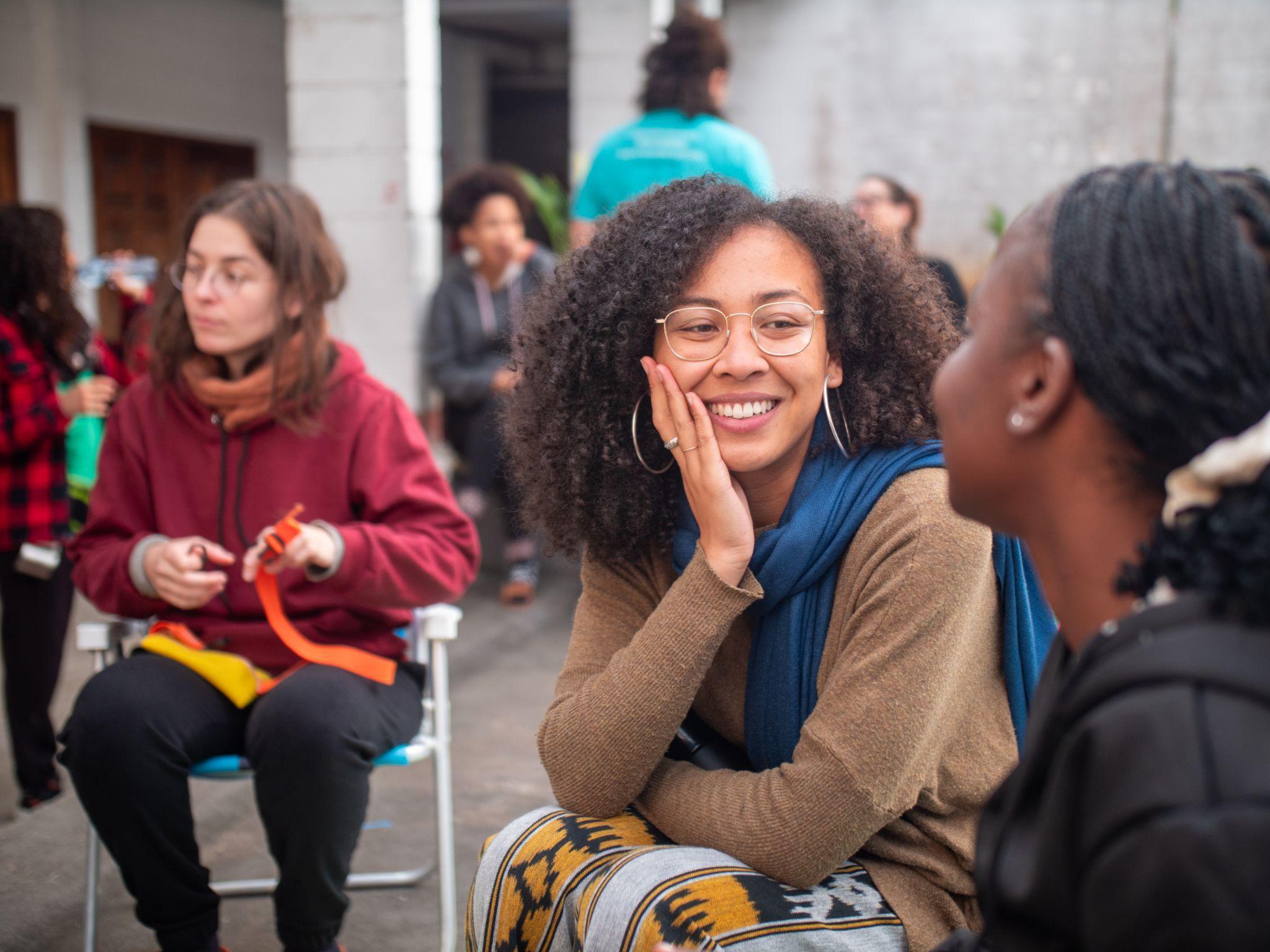
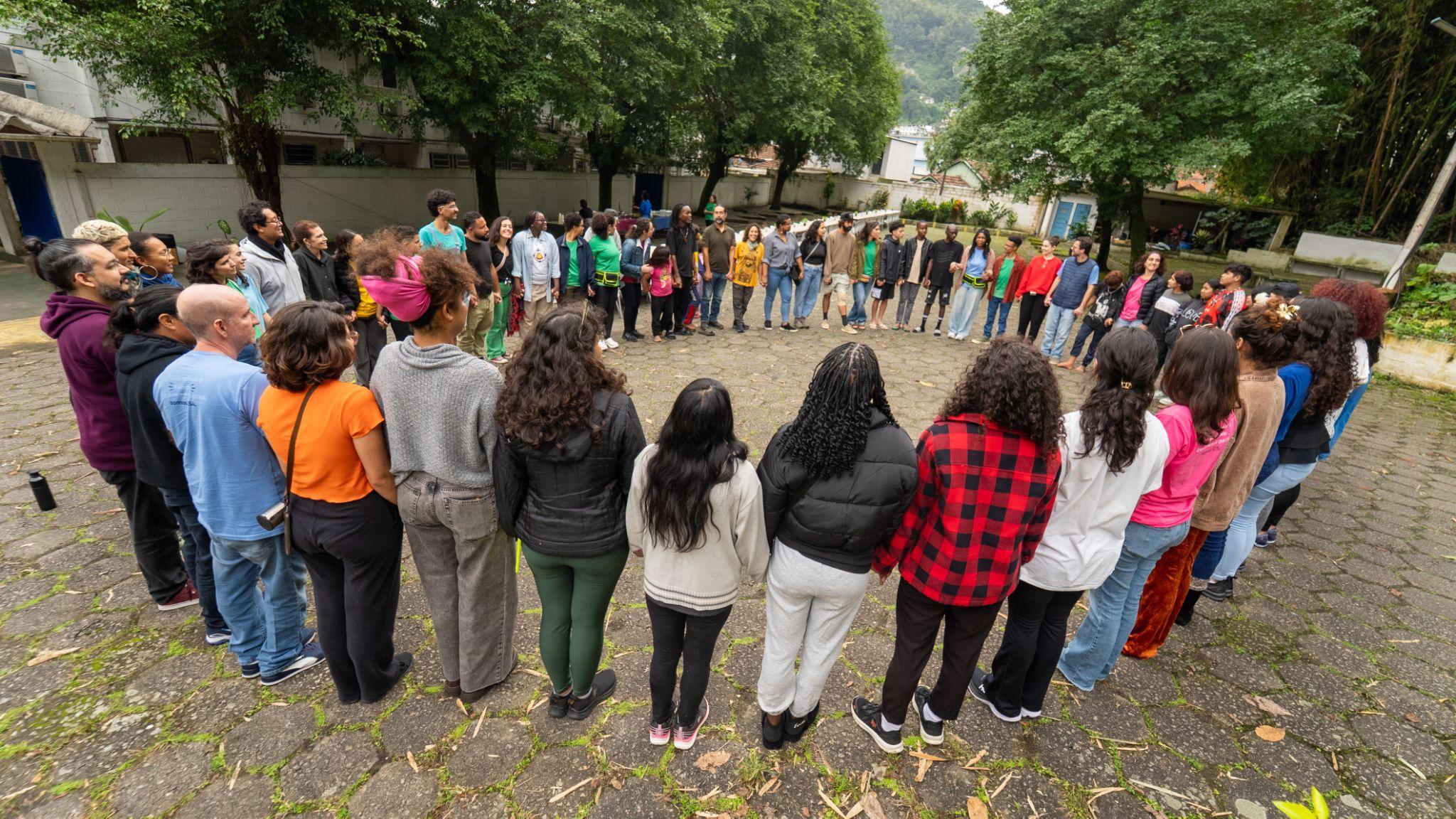
For 28 days, in Santos and in partner territories located in the Santos Region, participants from different cultures, histories, and backgrounds engage in an intense shared experience, sharing accommodations, achievements, and building deep community bonds.
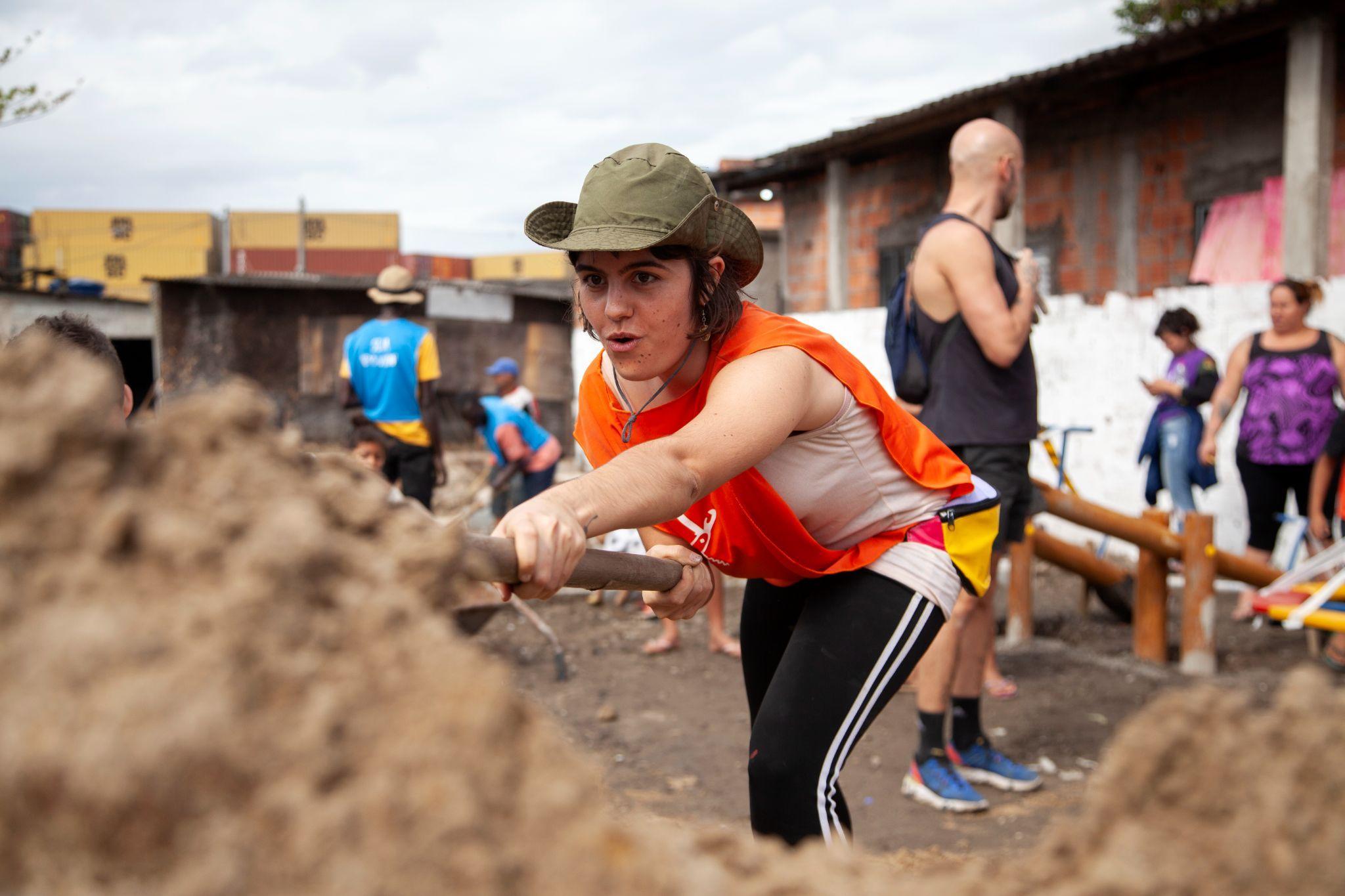
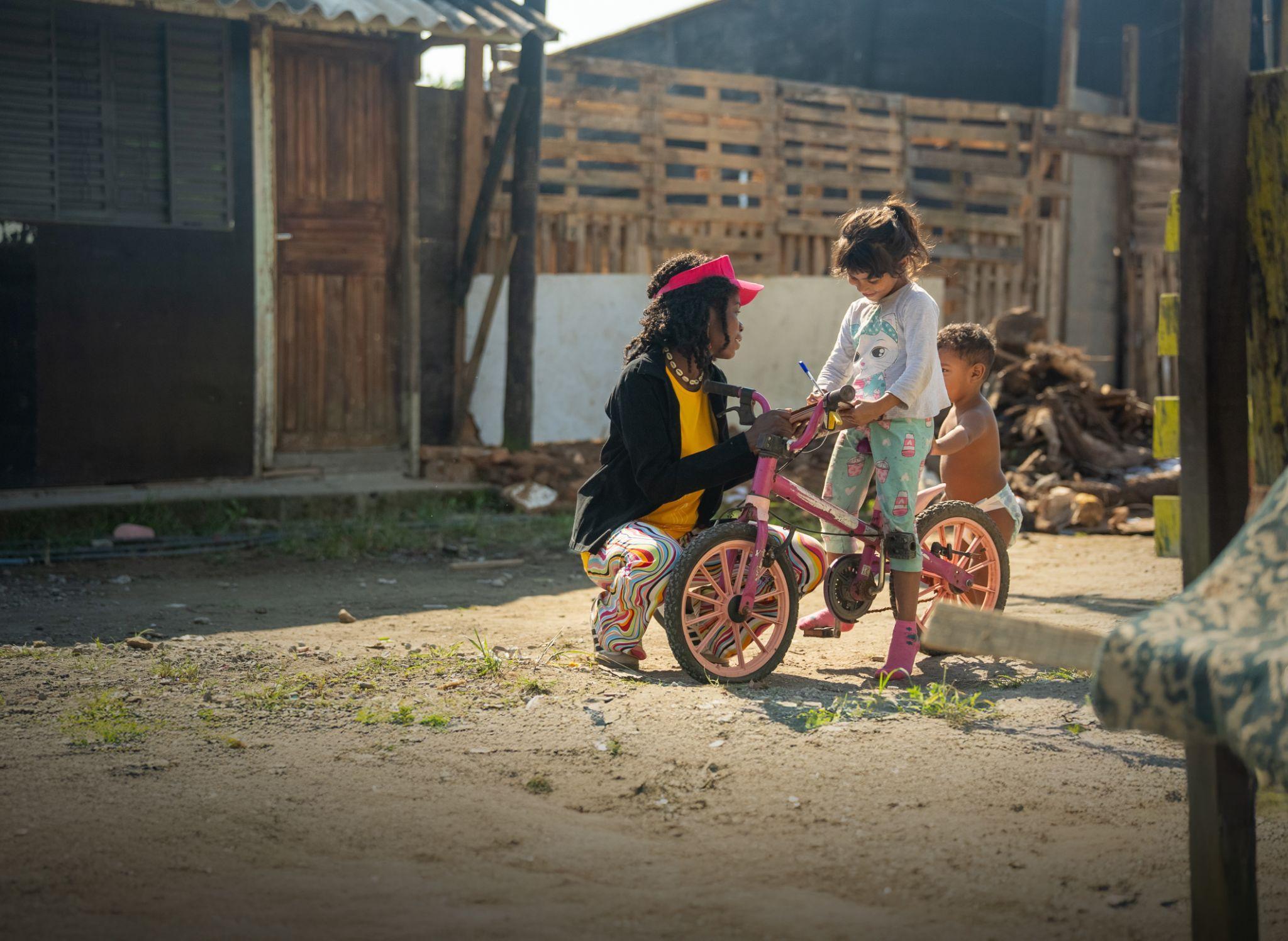
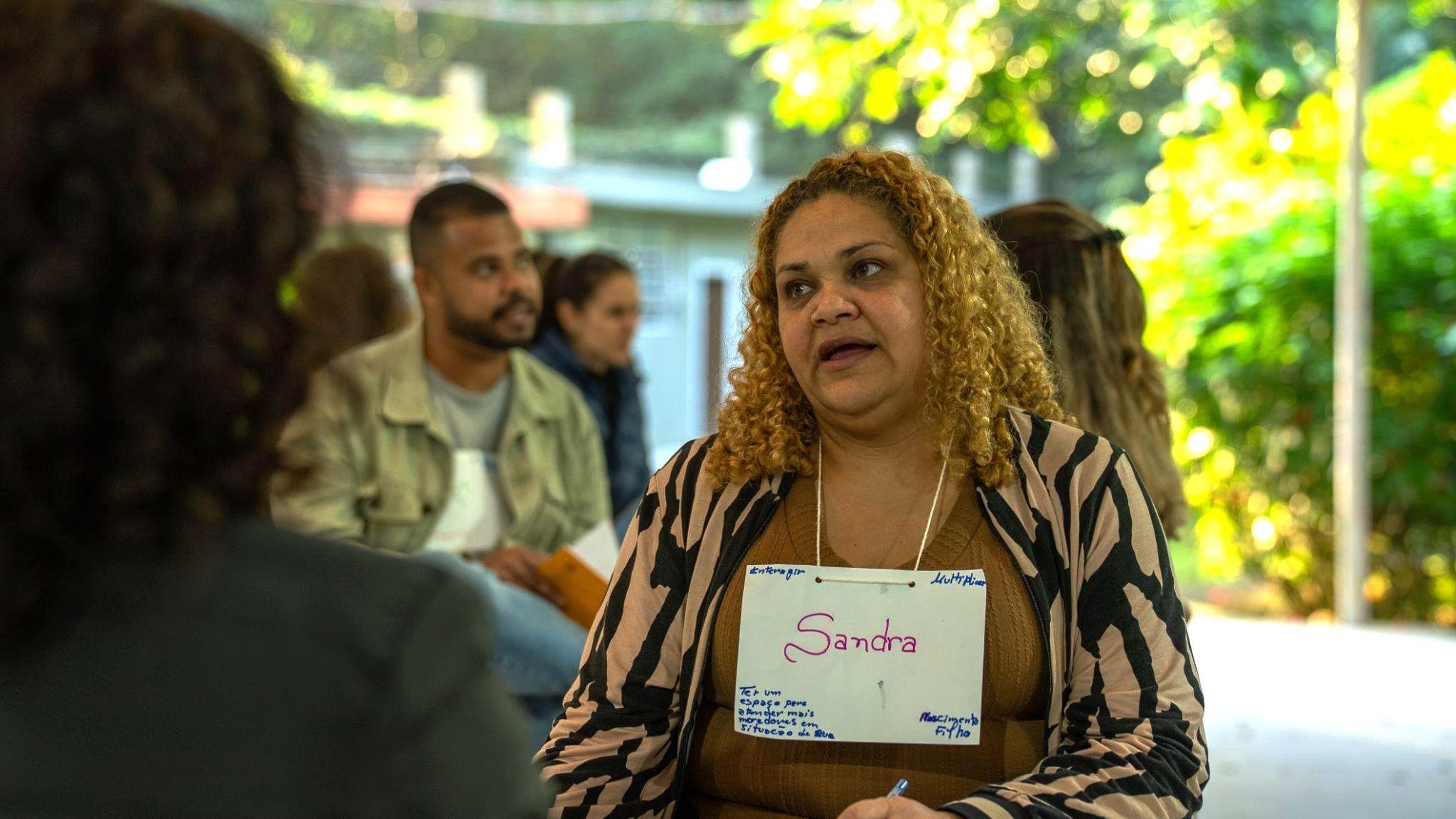
This experience is not only about living together, it is action with purpose. Participants work hands-on in local communities, side by side with residents. Not to impose ready-made solutions, but to co-create dreams and transform realities through empathy, listening, and abundance.
Each experience is a concrete practice of the Elos Methodology. These are practices that reveal and strengthen the pillars of transformation: seeing abundance, building affection, dreaming and acting collectively, caring, celebrating, and expanding together.
This intercultural experience, with participants from different nationalities, amplifies empathic leadership potential and strengthens both emotional and collective agency.
108 hours / format: online
A moment dedicated to strengthening participants’ action in building the world we collectively envision.
The journey doesn't end when the immersion is over. What is experienced there spreads into communities, organizations, and systems.
This space offers support to maintain connection, deepen learning, share experiences, and gain momentum to act in the world. Through collective and individual meetings, participants receive support in integrating learning and implementing initiatives and projects.
At this stage of the journey, participants also become part of an exclusive network with people from other editions of the program, encouraging the exchange of experiences and strengthening global transformation through the power of the GSA Network.
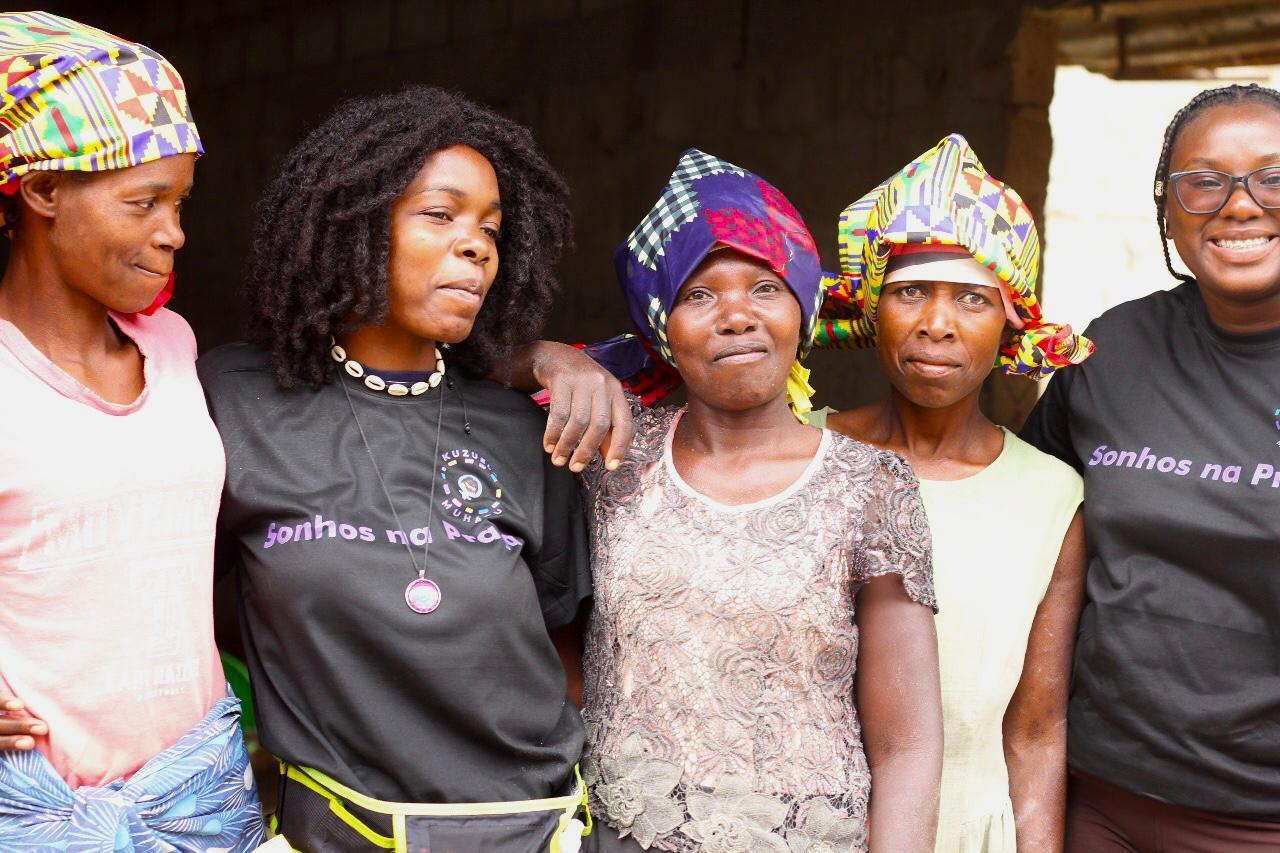
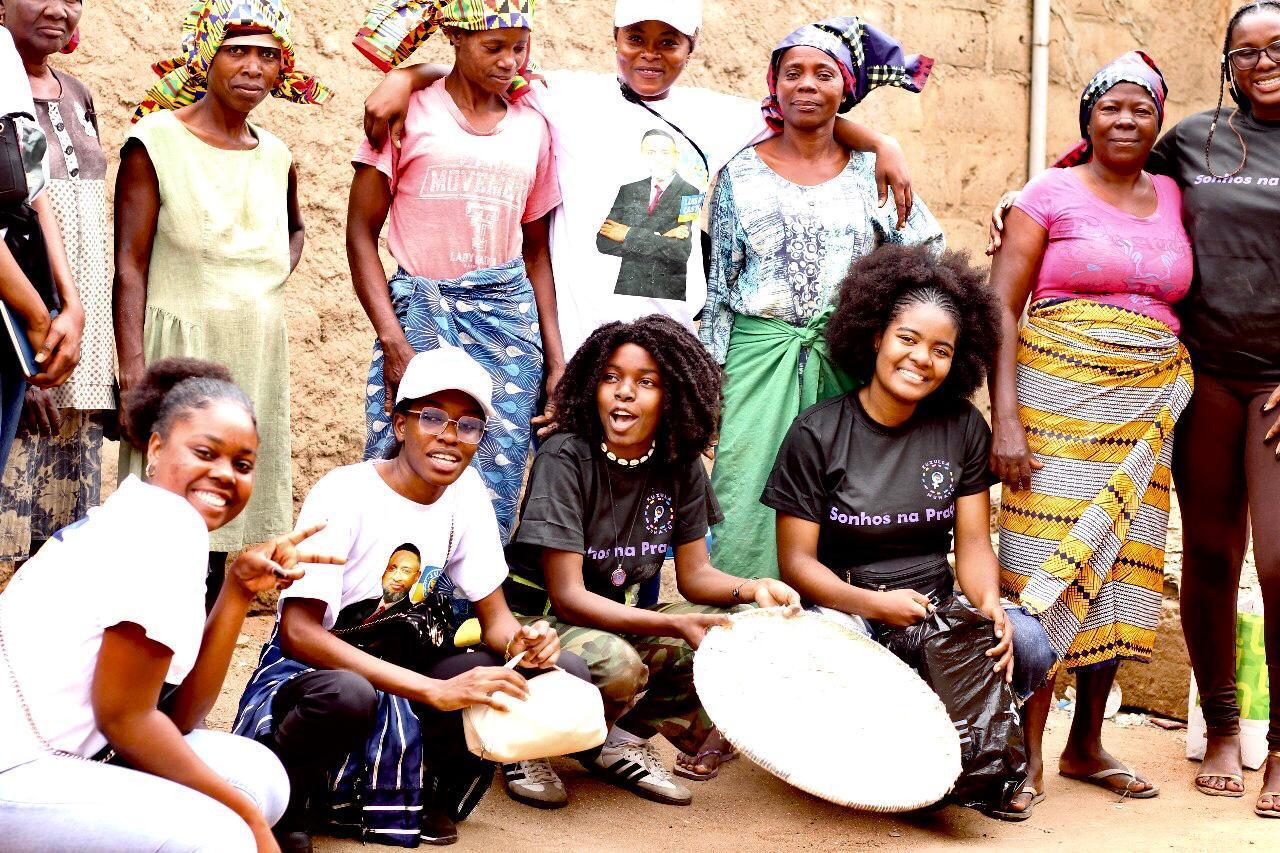
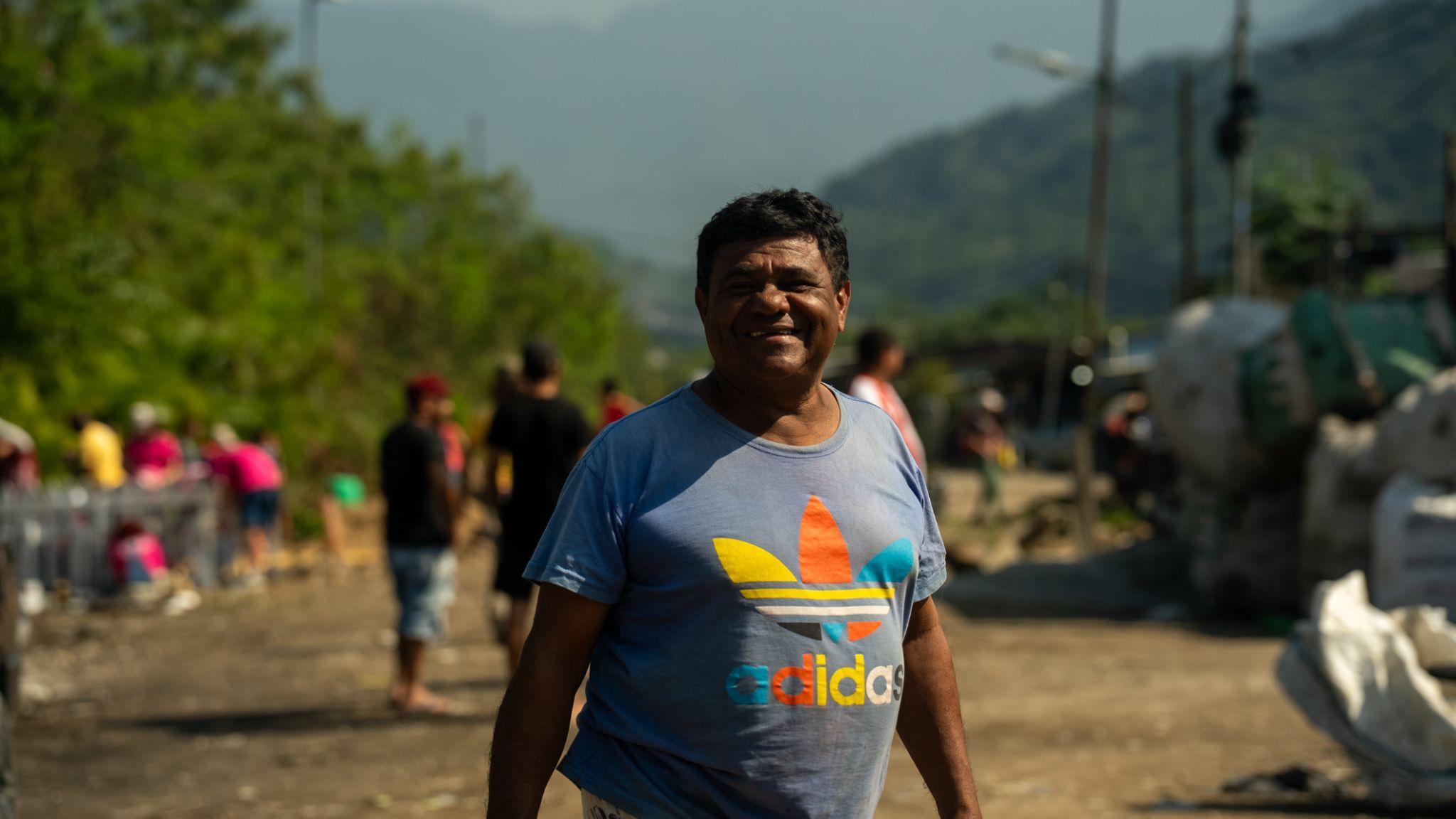
In GSA, transformation begins within each person. Throughout the journey, participants are challenged to look at their talents, recognize their potential, and discover new ways of relating to others and to the world.
It is an intense process of self-awareness that strengthens confidence, broadens future perspectives, and awakens the courage to act. Each warrior leaves the program with the certainty that they can be agents of real change, in any context.
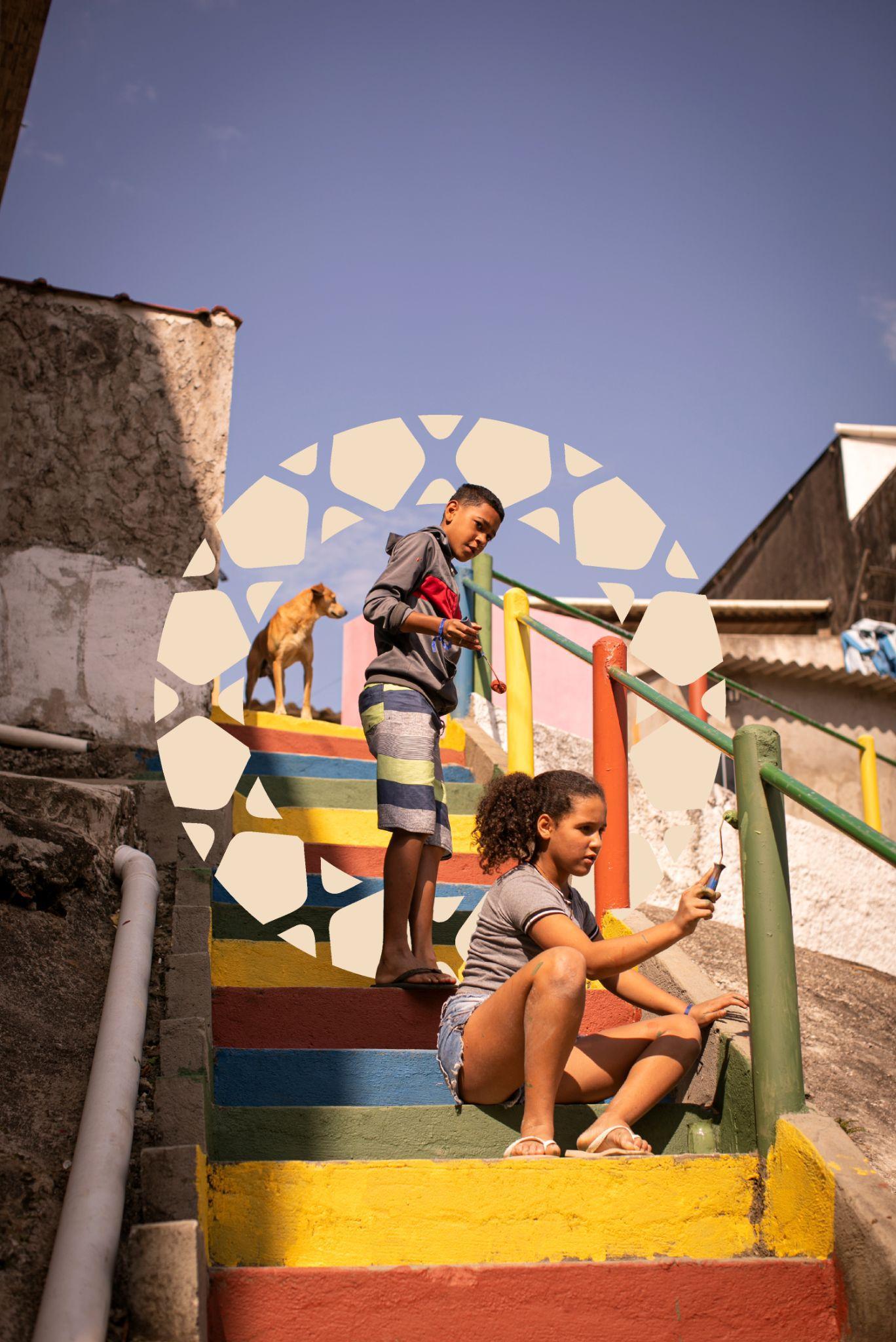
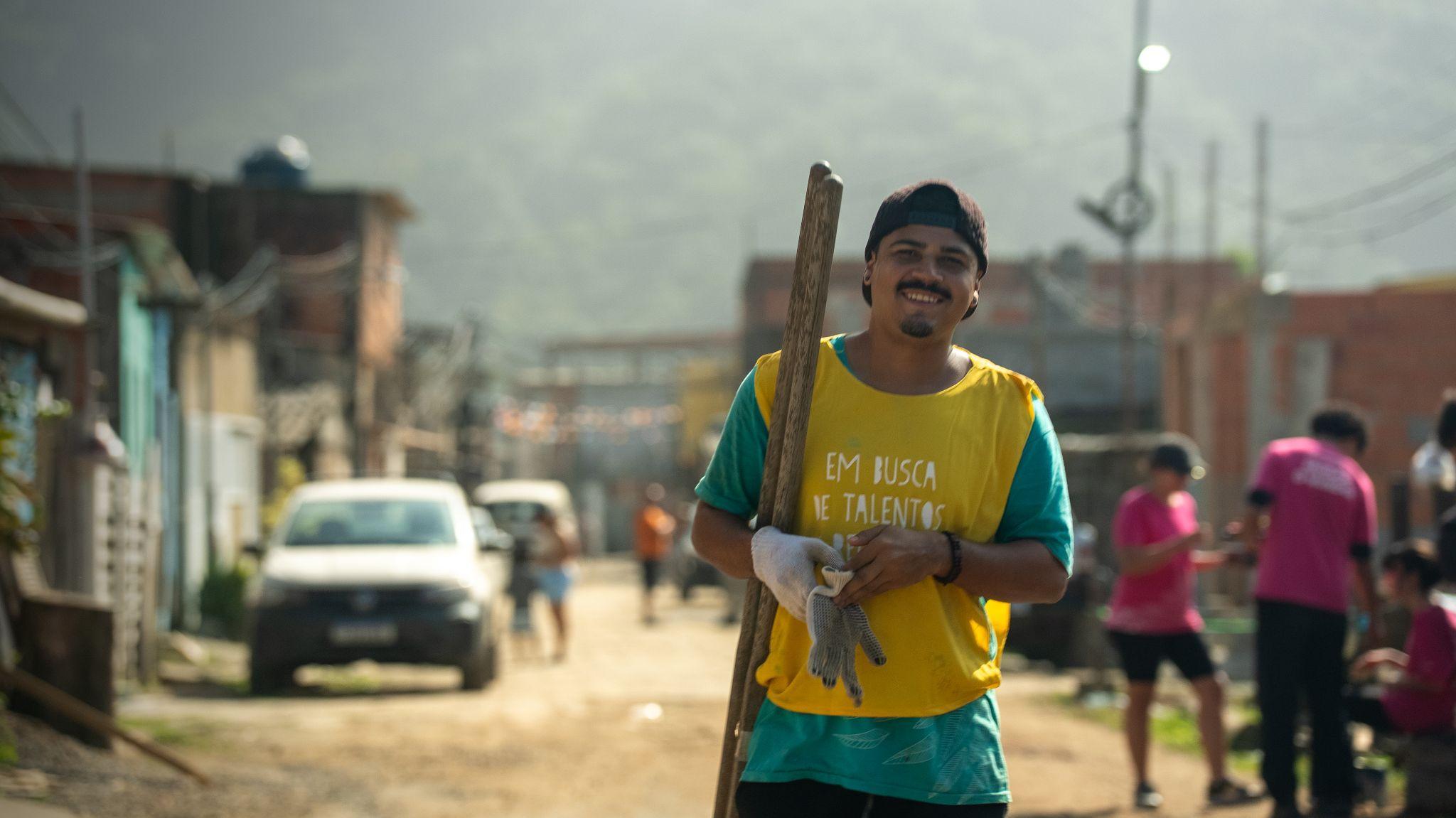
The heart of the GSA journey is community immersion. In 2025, it unfolded in the territories of Vila Natal and Vila Esperança, in Cubatão.
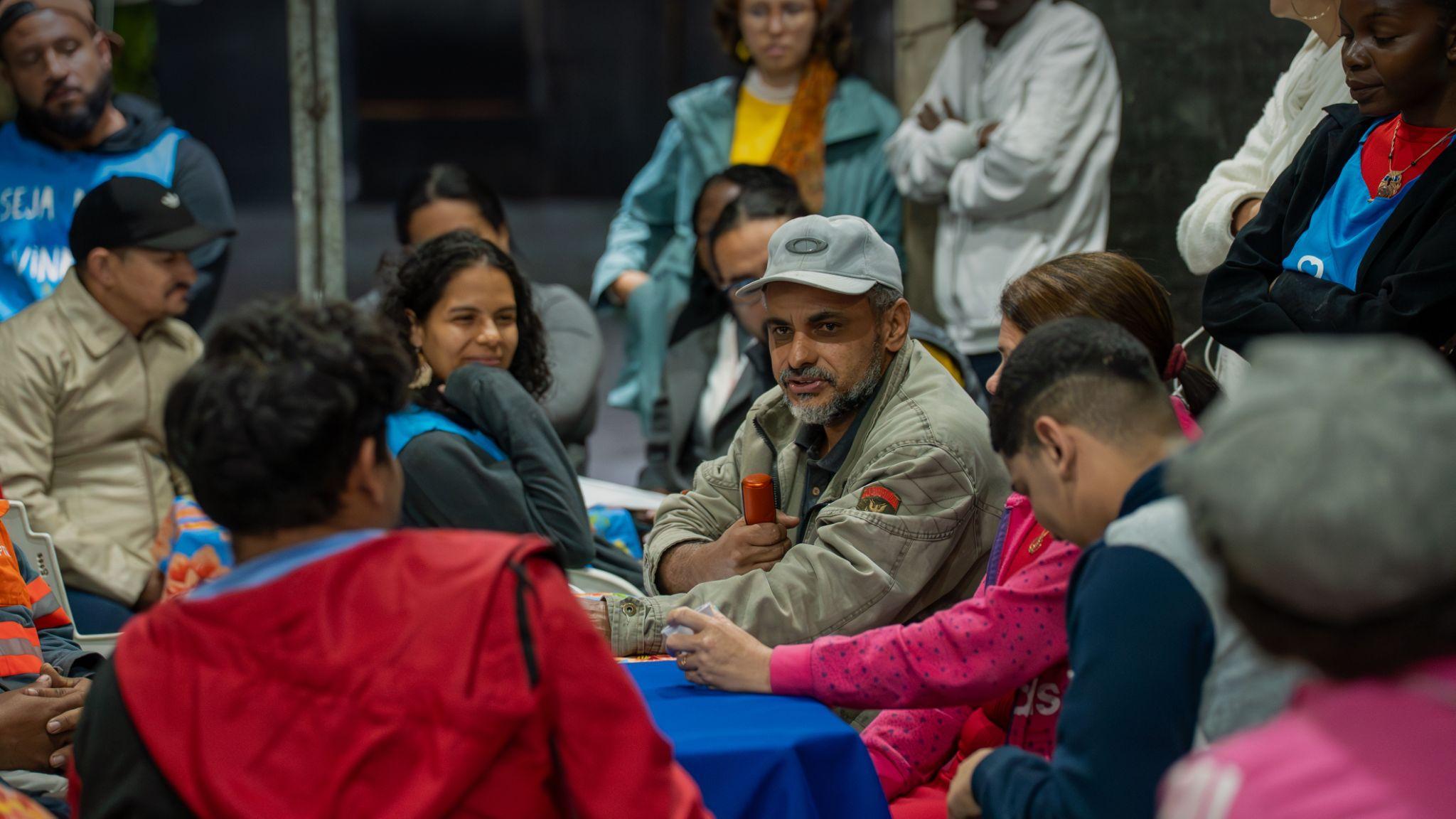
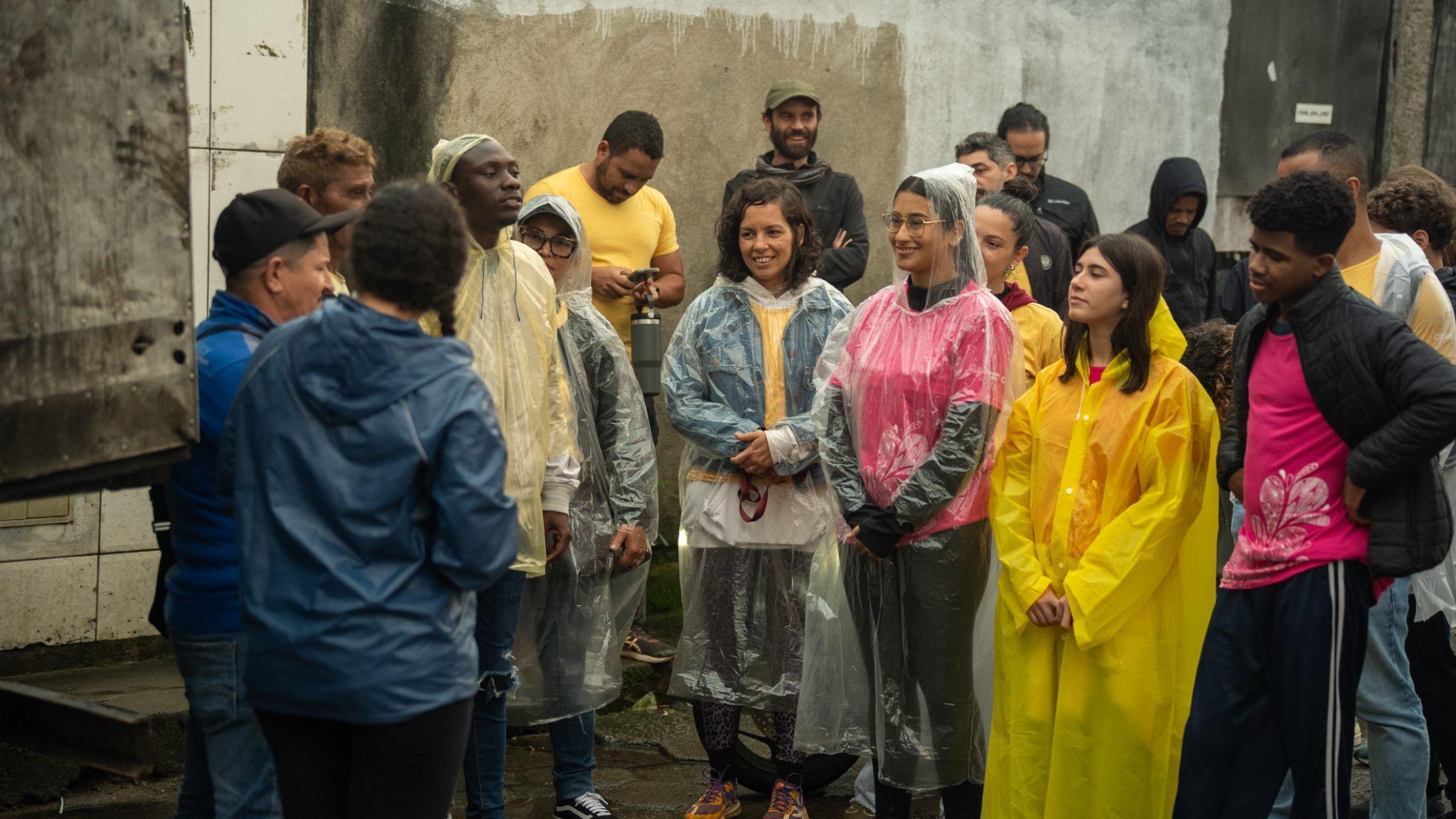
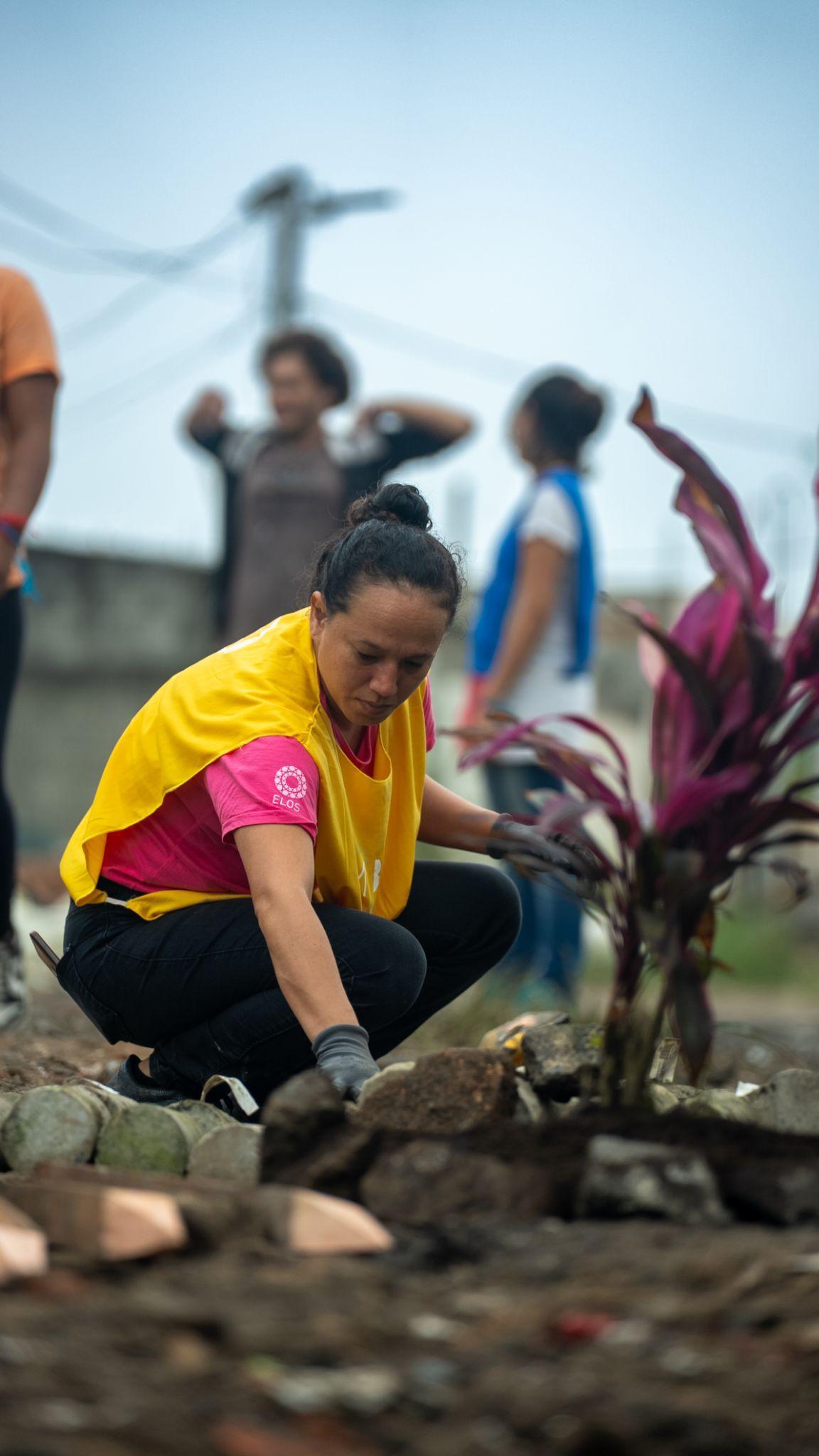
It all begins with community gatherings and projects that bring dreams to life. Then, over three days of collective action, these dreams take shape, leaving visible marks like painted walls, revitalized public spaces, and newly planted trees, as well as invisible ones: strengthened bonds, renewed trust, and new dreams already in motion.
GSA forms a global network of warriors whose impact continues to resonate in public policies, companies, and territories years later.
Each GSA graduate, in their own way, remains in motion, developing their own projects across different countries and carrying with them the practice of listening and collective action learned through the Elos Methodology.
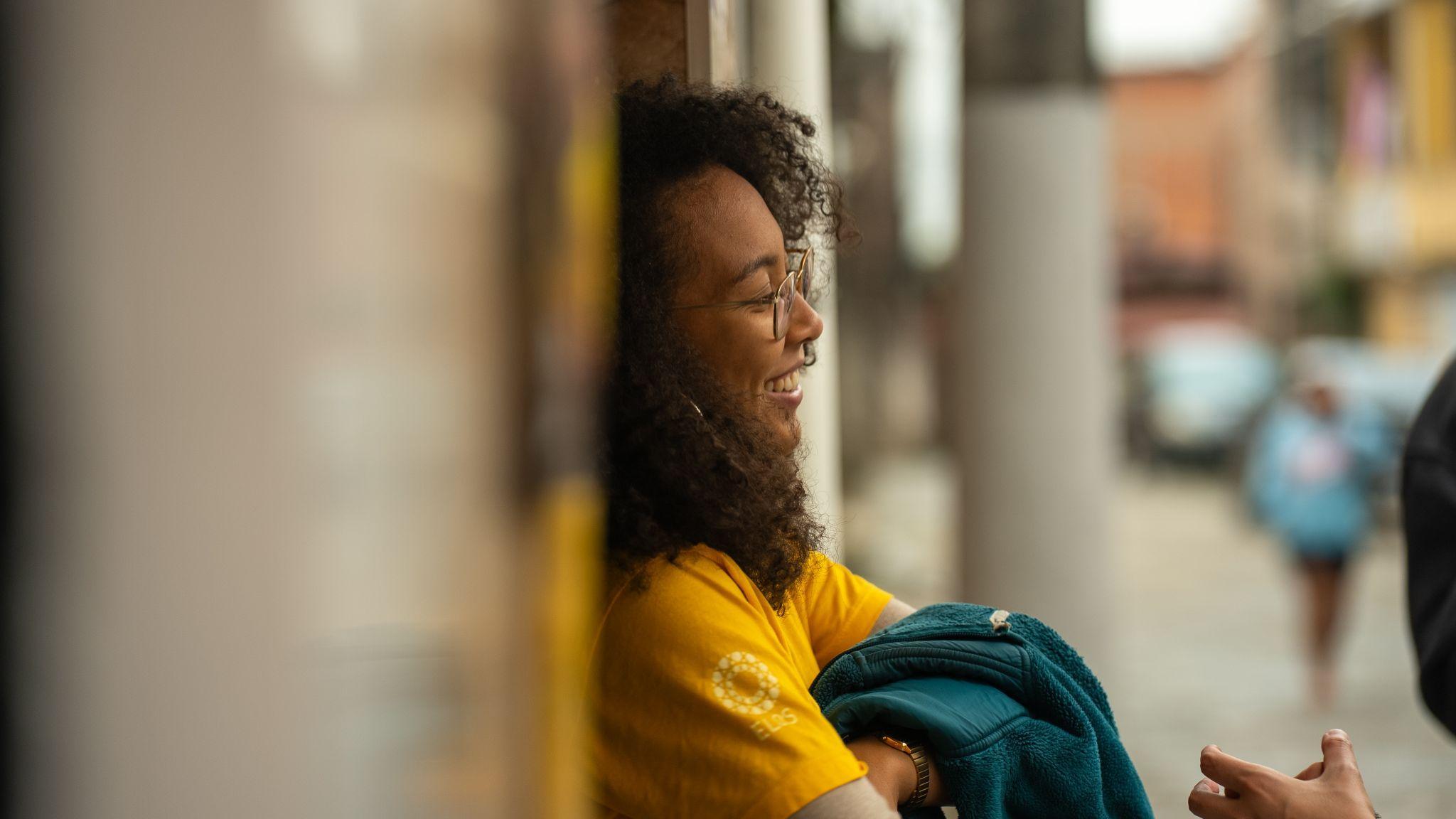
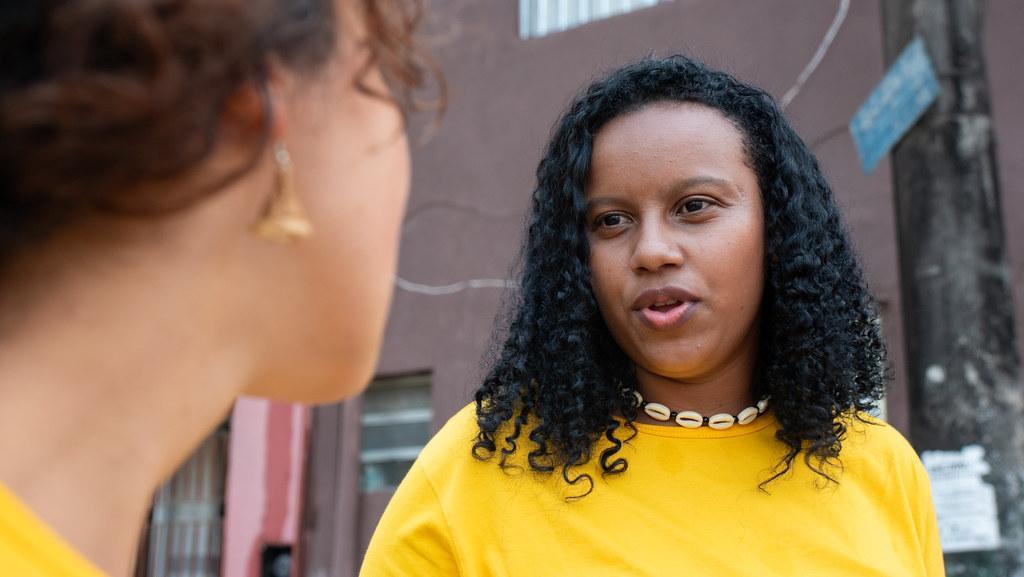
“The
Elos Methodology is simple and powerful: looking to what we already have at our best, joining forces with the community and transforming dreams into reality through collaboration. It is about acting with affection, beauty, and the participation of everyone.”
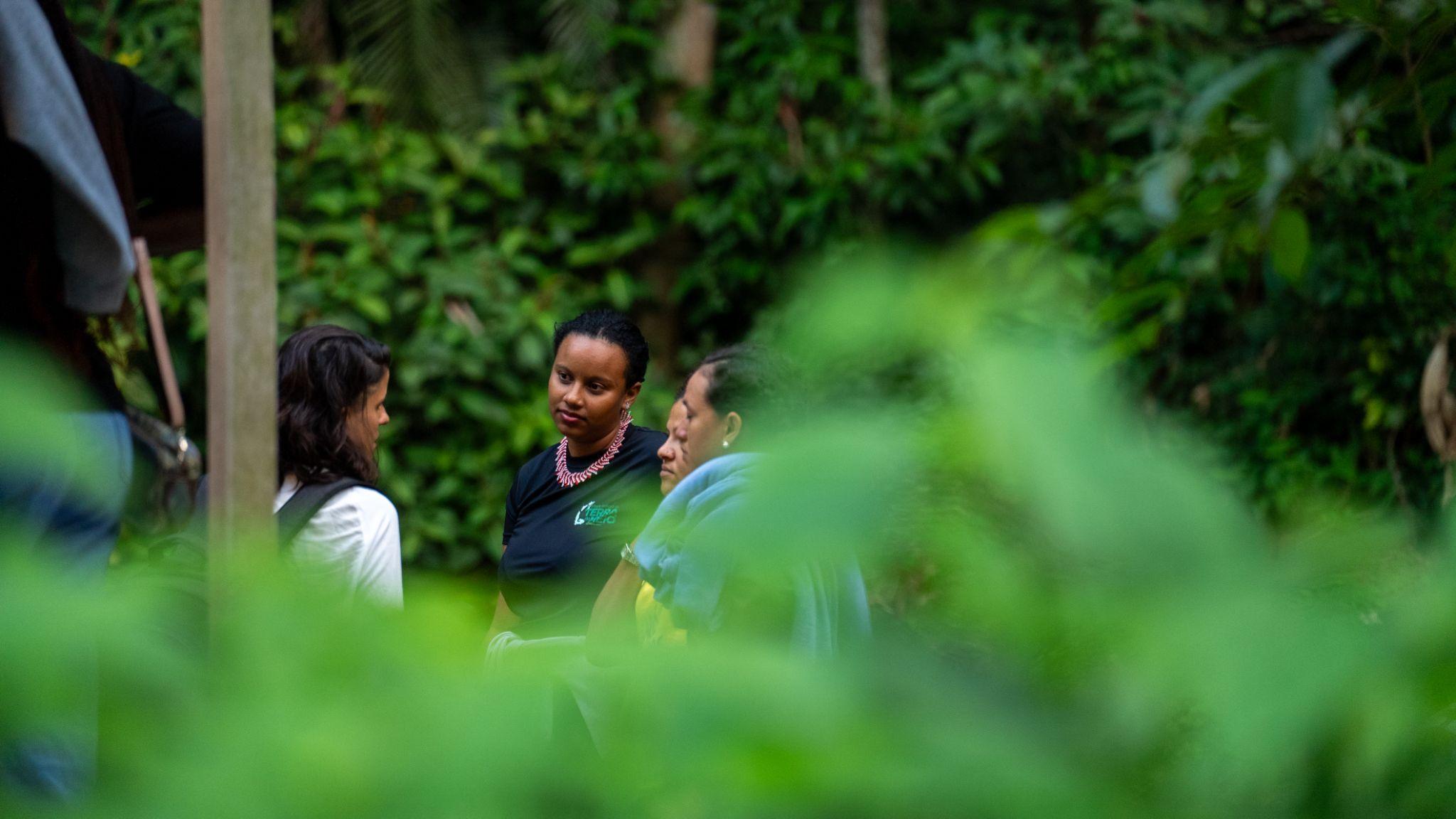
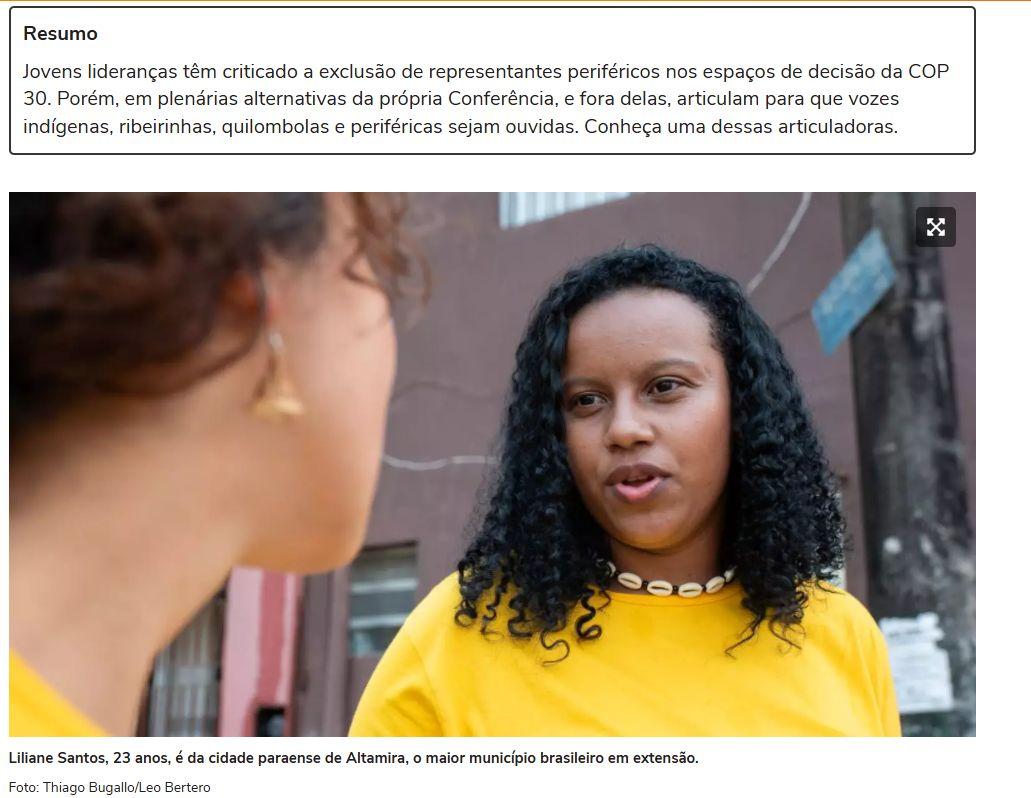
Liliane Santos, 23, is a riverine youth from Terra do Meio in Pará, Brazil, a community communicator and a leader among Amazonian youth. Founder of the Olhos do Xingu collective, she works in defense of the forest, the appreciation of ancestral knowledge, and the fight for climate justice.
At GSA (Guerreiros Sem Armas), she discovered new ways of social transformation grounded in listening, care, and collective action. She represents her community at COP30, bringing the voices of women and youth from the Amazon and building bridges between territories and international spaces.
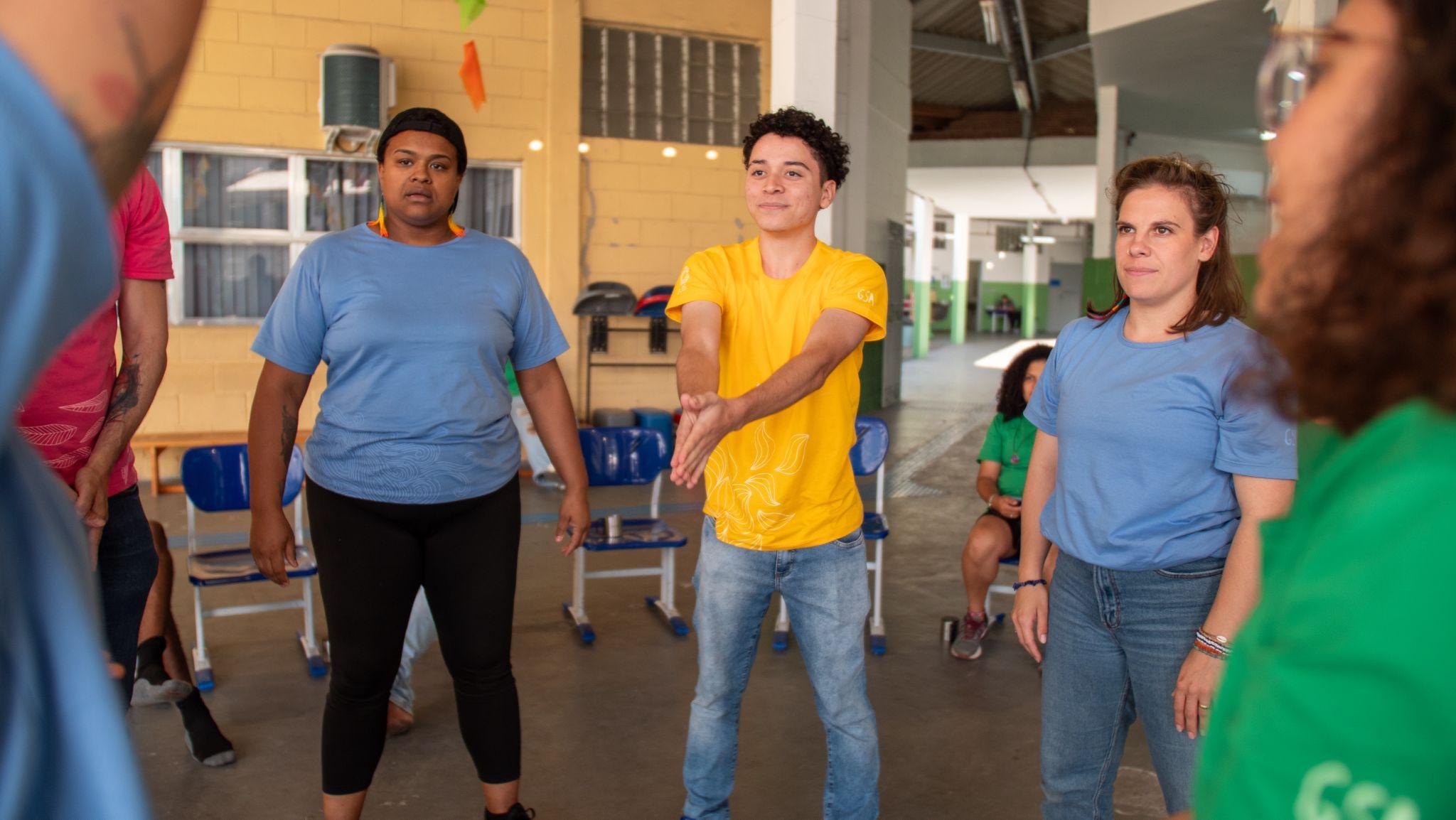
“The downside of people from my generation is that we want everything right away. I wish us all more courage to follow our dreams and the consistency to see things through.”
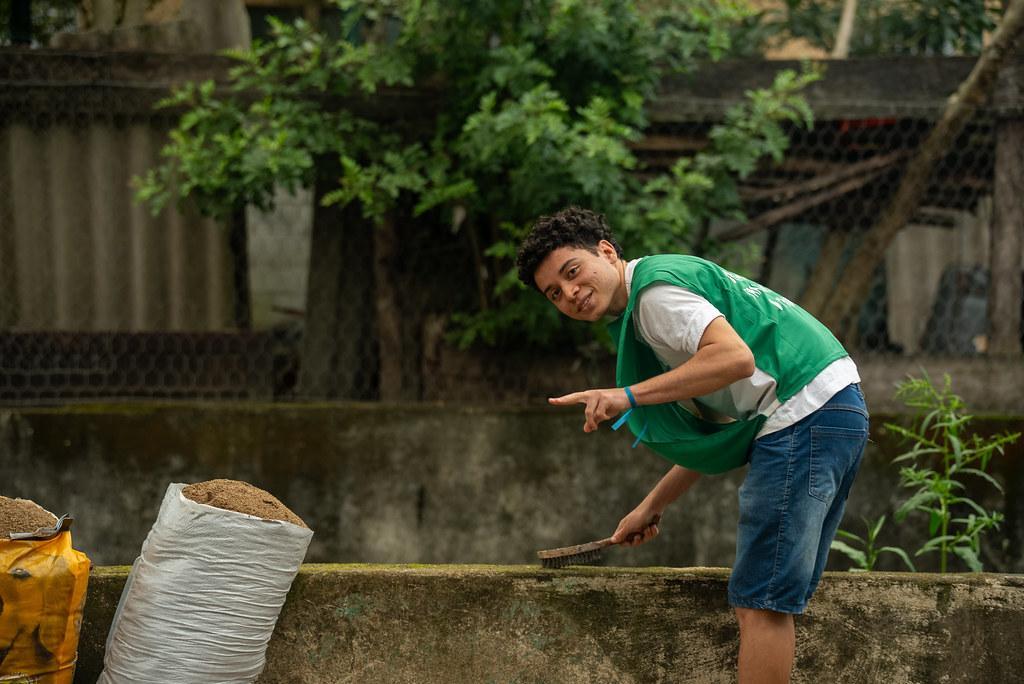
Léo grew up between Vila dos Criadores, in Santos, and Vila dos Pescadores, in Cubatão. A shy teenager, he spent hours at home, distant from the streets and the people around him. He felt invisible, with few perspectives for the future.
It was through Elos’ educational programs Conexão Elos and Geração GSA that he found something he had never experienced before: listening, care, and belonging. While participating in these programs, his shyness turned into courage. He began to speak up, connect, and believe that he had something to offer.
The impact was immediate. Shortly afterward, Léo decided to learn English on his own and applied for a position on a cruise ship. He was accepted. He traveled the world, broadened his horizons, and returned with a new desire: to inspire other young people to believe that transformation is possible.
Today, Léo is an active change agent. He took part in GSA 2025, continues to work in community projects, and has become a reference for his generation. His story shows that when we strengthen bonds and create belonging and trust, we offer young people more than opportunities: we offer a future.
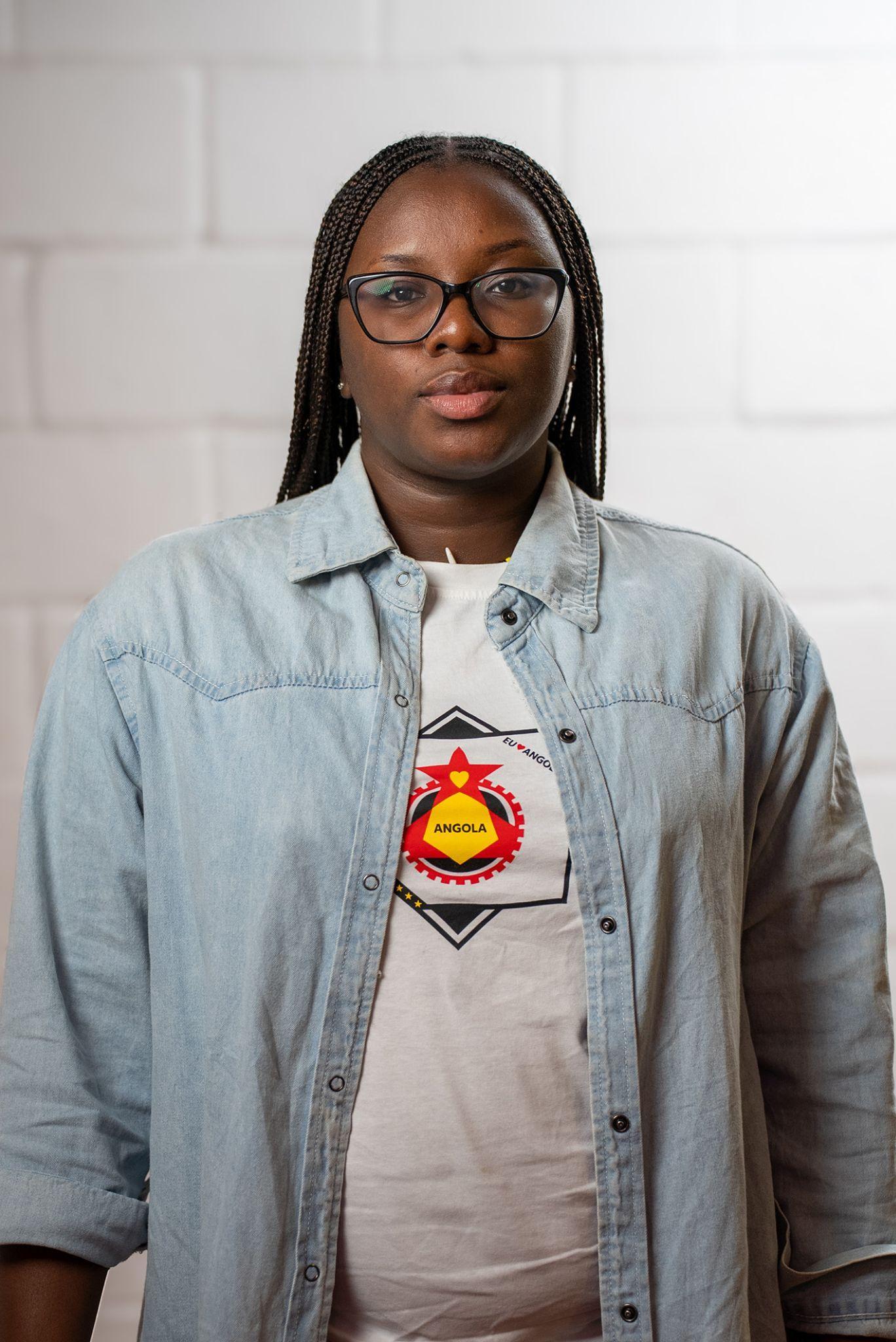
Empowering girls and women
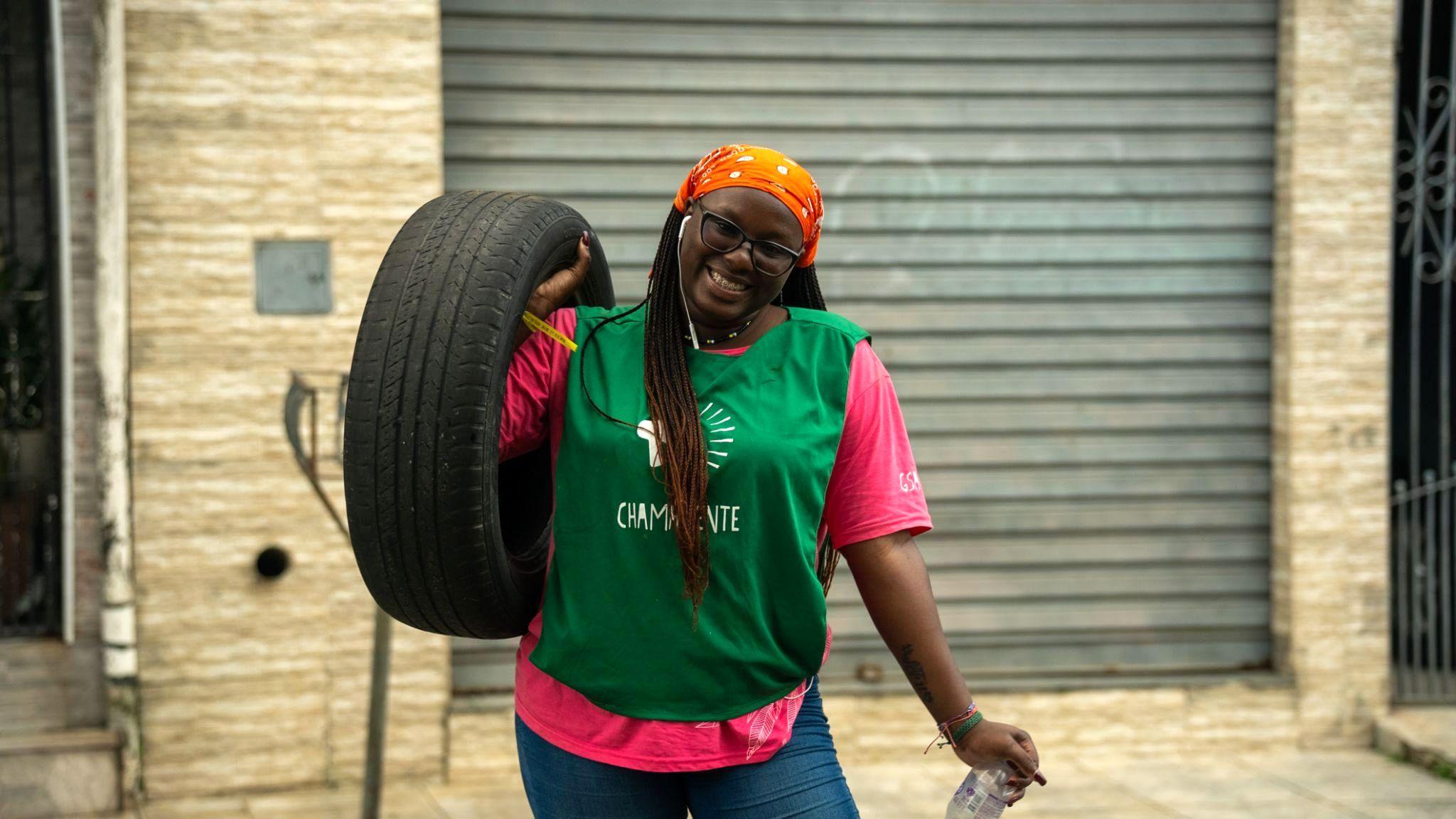
A methodology that transforms people, communities, and territories
“It is an expectation of self-care and care for all of us, of working together, collaborating, seeking knowledge and new strategies so I can take this back to my community, offer greater care, and continue learning.”
Adalgisa Uacunzo (27), from Angola, is dedicated to gender equality and the protection of women’s sexual and reproductive rights. From a young age, she has worked to support girls in recognizing their values, protecting themselves, and strengthening one another. She is also a trainer in communication and public speaking techniques, helping people unlock their potential and overcome shyness.
Driven by her own life experience, Adalgisa believes that transformation is possible even in the face of social and cultural challenges. Her dream is a world without discrimination, prejudice, or racism, where men and women have equal opportunities and where respect and love are the foundation of relationships.
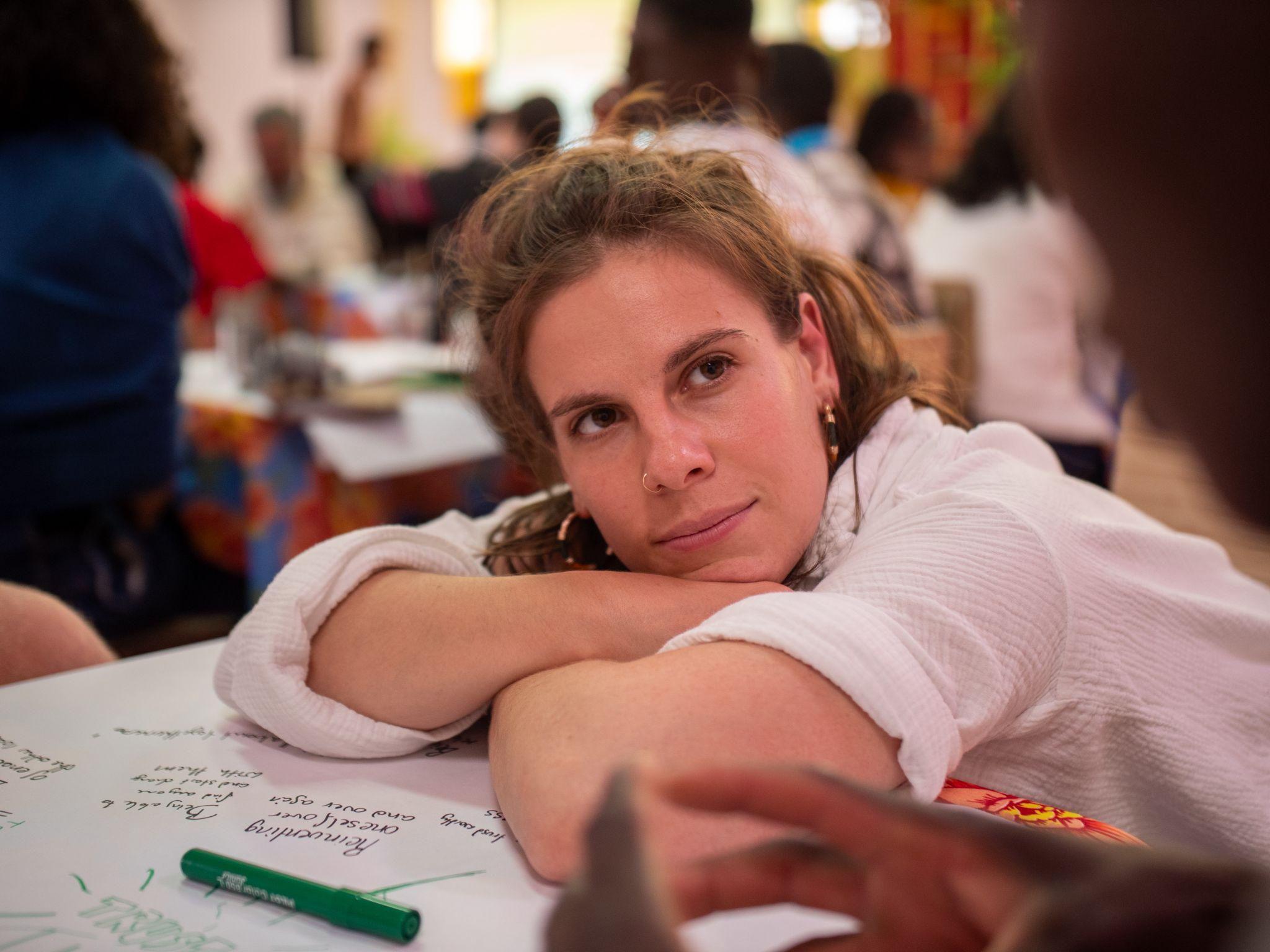
Connecting people, peoples, and territories
“The special part of this for me is that we come from so many different places around the world, and that we are not only able to say that, but to experience what it is like to live together, allowing people to transform work by working together.”
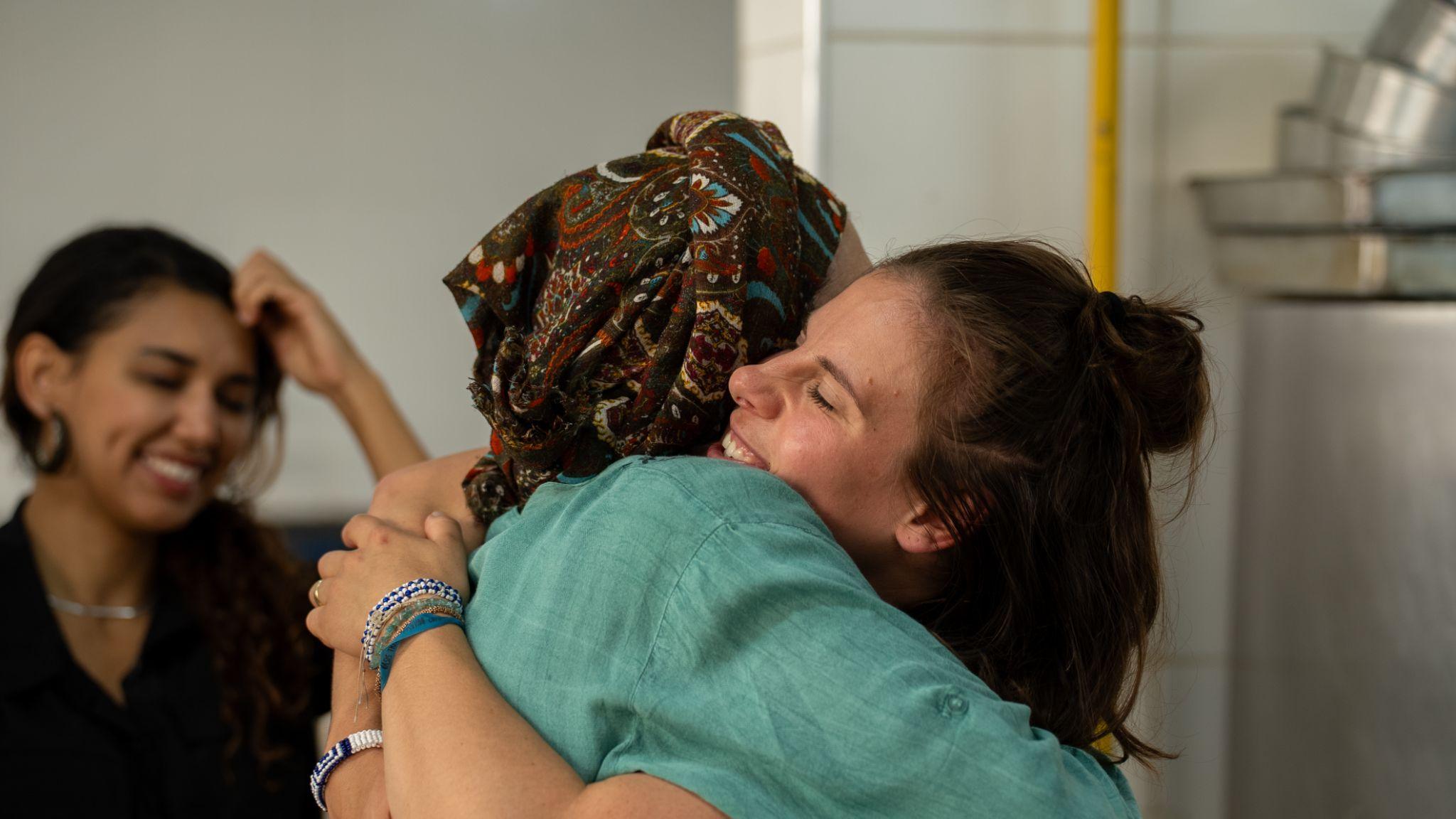
Fiona Hawes (30), from Germany, works at the intersection of social justice, creativity, and community connection. Co-founder of Migrantour Utrecht, she developed walking tours that address migration, colonialism, and privilege, fostering civic encounters and dialogue. She has also worked as a youth pedagogue, supporting children in creating a youth parliament to transform their territories through art and gardening, and has been involved in community initiatives focused on social and ecological transformation.
She sees her cause as a mosaic of experiences and encounters, always focused on creating spaces of belonging and listening. Her dream is to build a world where humans recognize themselves as part of nature, where cooperation replaces competition, and where all voices — human and non-human — are respected and heard.
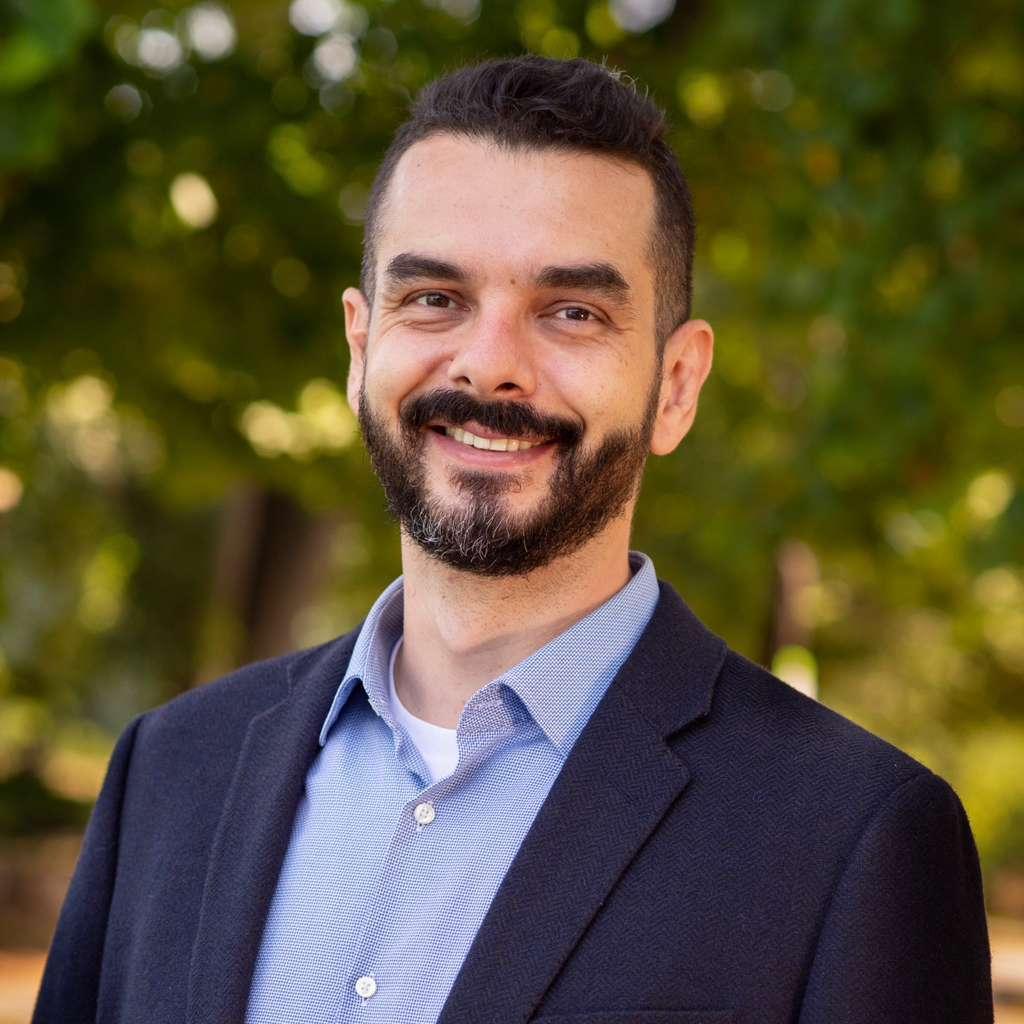
“It’s really good to be here and see how Elos develops this wonderful methodology of building things, making things happen, making dreams come true, involving people and their dreams in a very fast, effective, and human way.”
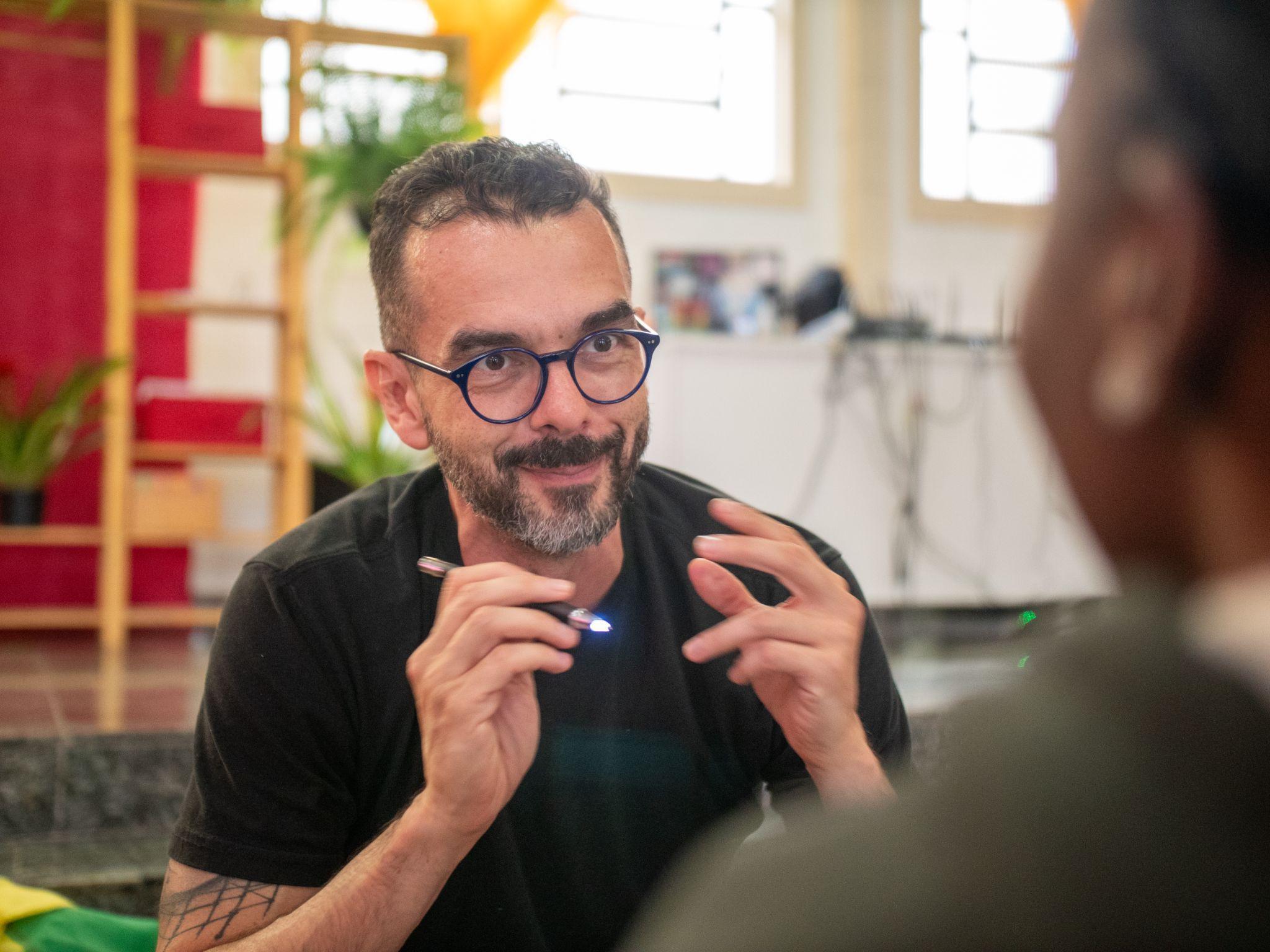
Fábio Salim (44), from Brazil but living in the United States, has around 20 years of experience in leadership roles across the technology sector in different parts of the world. He has held and continues to hold positions as an executive — currently CEO of a technology company in New York, USA — as well as consultant, advisor, and mentor. He holds an MBA from Harvard Business School and a degree in Economics from the State University of Campinas (Unicamp), Brazil.
In recent years, Fábio has increasingly directed his trajectory and energy toward social impact initiatives. He works as an entrepreneurship mentor with Endeavor and
Techstars and participates in and coordinates projects related to mental health initiatives as part of the Zendo Project and the Fireside Project in the United States. He also serves as an advisor to the Impact Public Service Fund, which promotes more constructive dialogue amid polarization.
His dream is to contribute to the regeneration of dialogue and bonds — individual, collective, and with the world — and thus create spaces of belonging and agency where different voices can be heard and generate real impact. This purpose is what led him to participate in GSA.
“We learned how to show care in practice.”
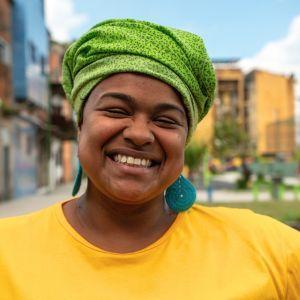
“It was very moving to realize how the simple act of sharing dreams can bring people closer together.”
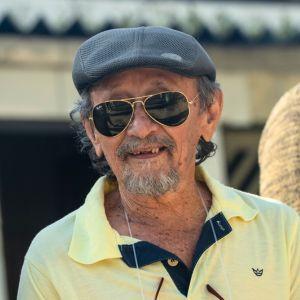
“Alone we can’t do much, but together we can do whatever we want.”
The awakening of potential and collective responsibility
“I had never seen an NGO come here and say they were going to do things with us. Especially not in just three days.”
- Miriam, resident of Vila Esperança
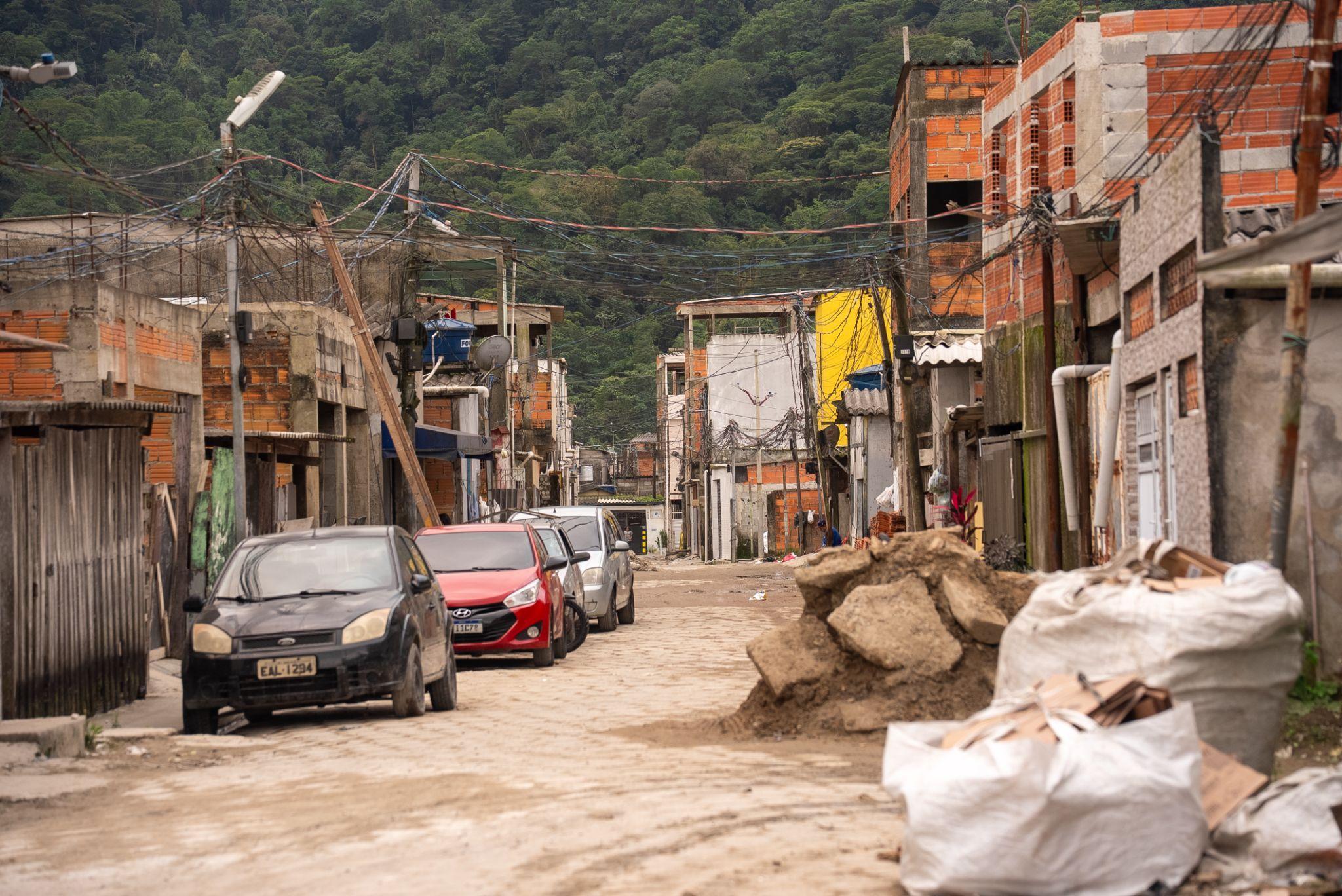
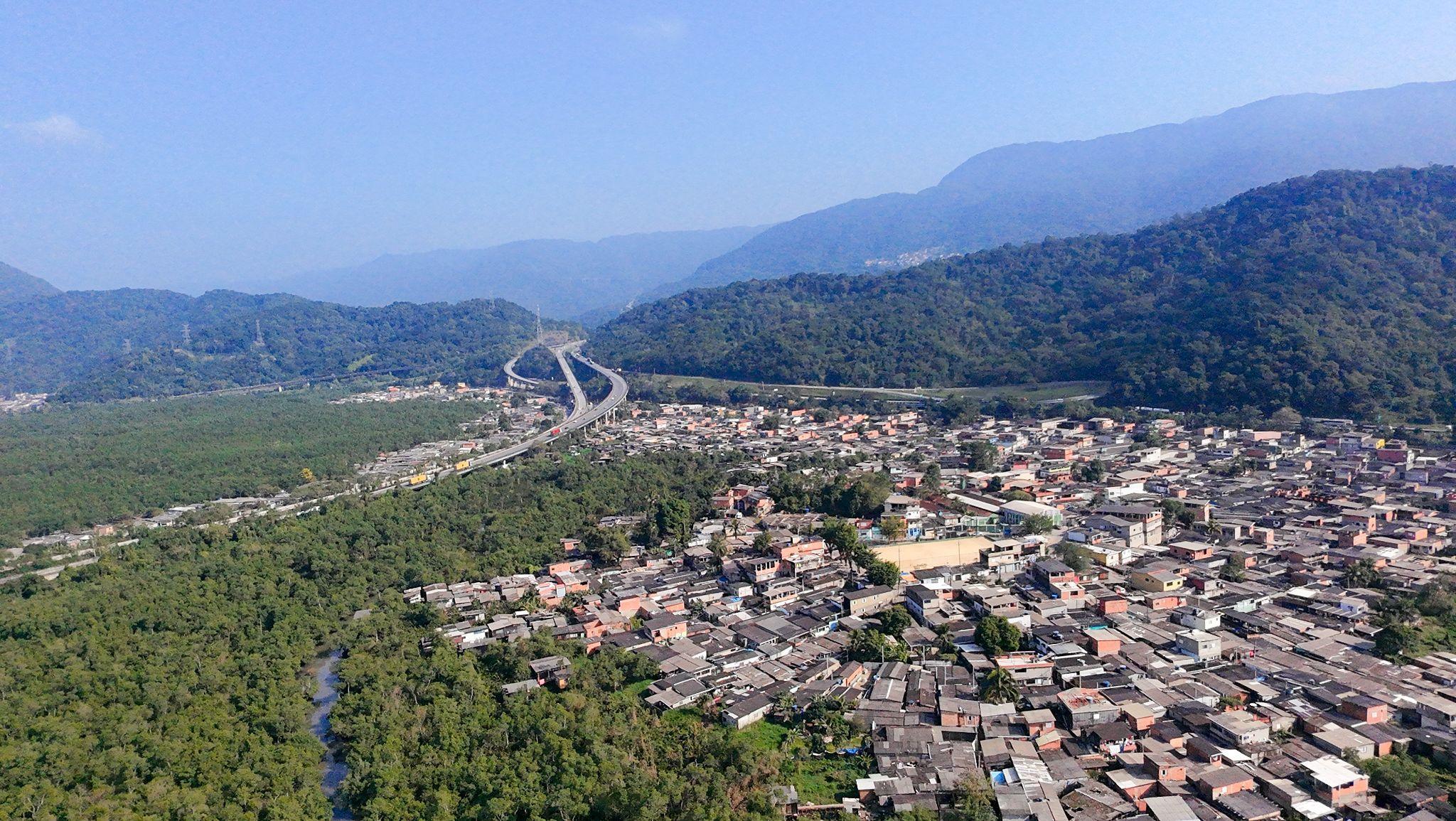
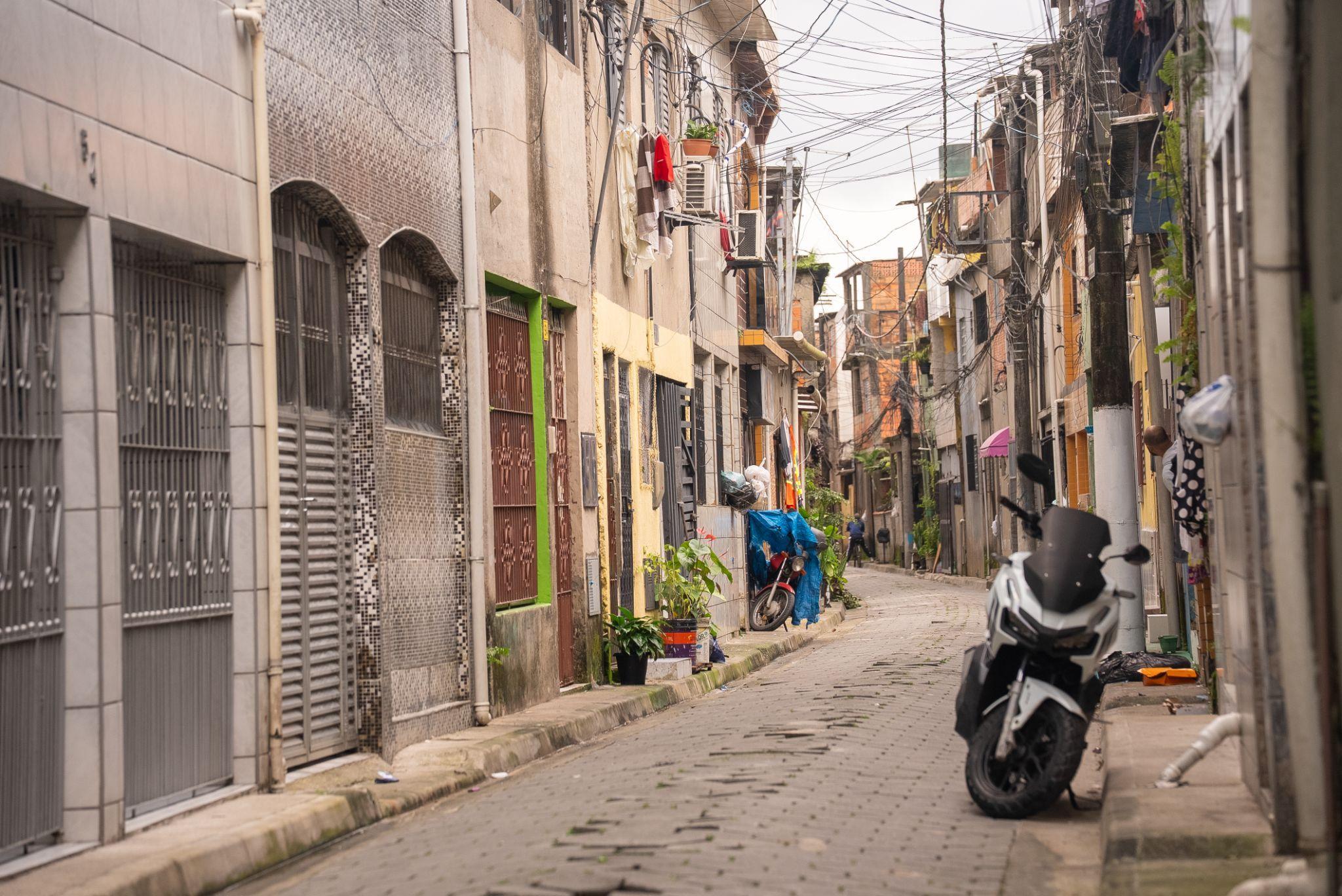
Vila Esperança is the most populous neighborhood in Cubatão, with around 19,000 residents — more than 17% of the city’s population. Formed through irregular settlements over recent decades, largely in areas of mangrove ecosystem, it comprises a large number of precarious homes, many of them built on stilts.
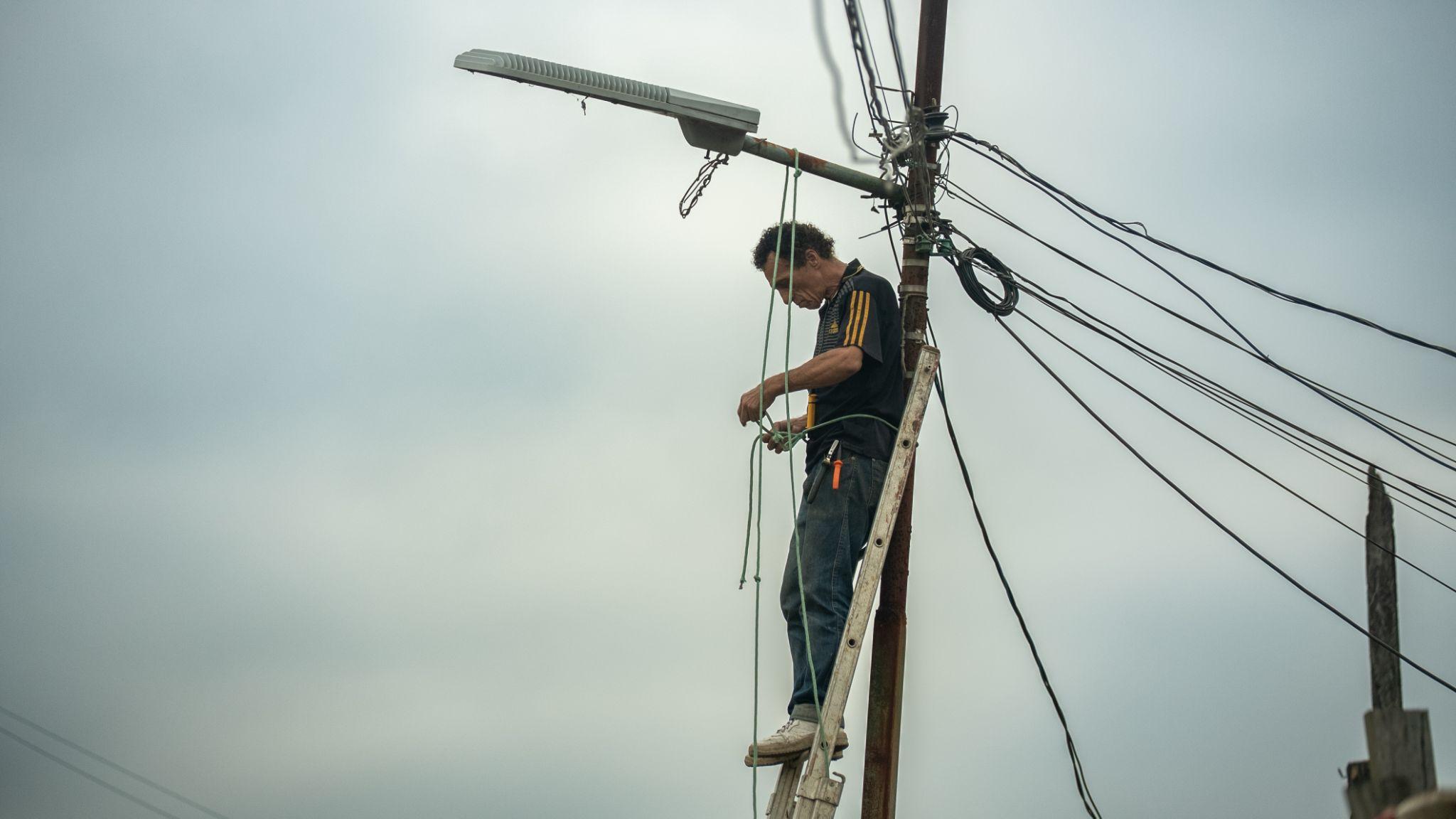
Disorderly occupation has led to longstanding infrastructure challenges, such as lack of sanitation, regular electricity, drainage, paving, and property titles. Today, the neighborhood is the focus of urbanization projects, including infrastructure works and the Bruno Covas Housing Complex for the resettlement of families at risk and the future Perimetral Avenue.
Despite these advances, a significant portion of the population still faces housing precarity and a lack of basic services. Local commerce is active, but schools and health units are mainly concentrated in the neighboring Vila Natal.
As a result, Vila Esperança stands out as a territory of high population density, structural shortages, and central importance in debates on urbanization and social inclusion in Cubatão.
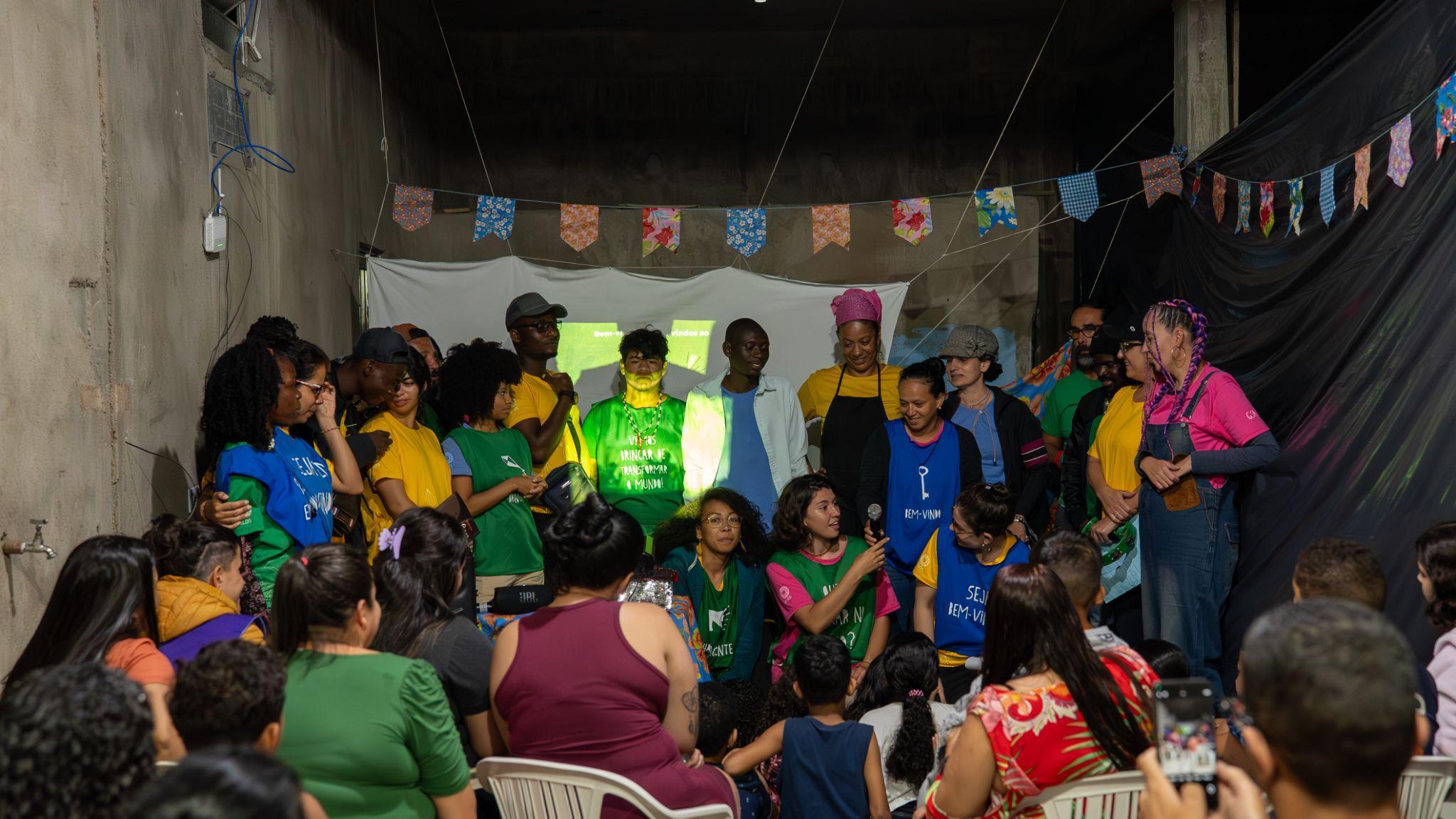
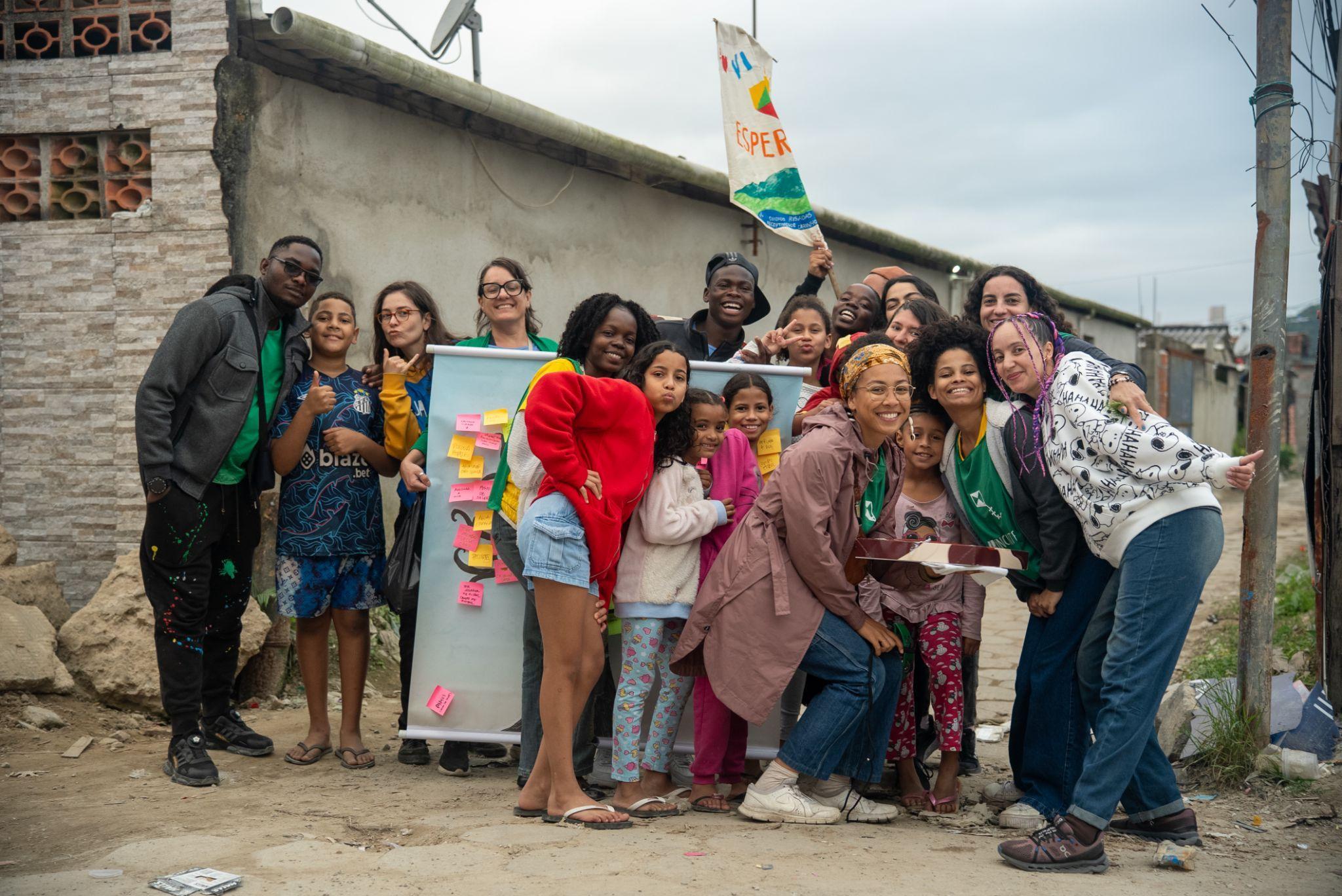
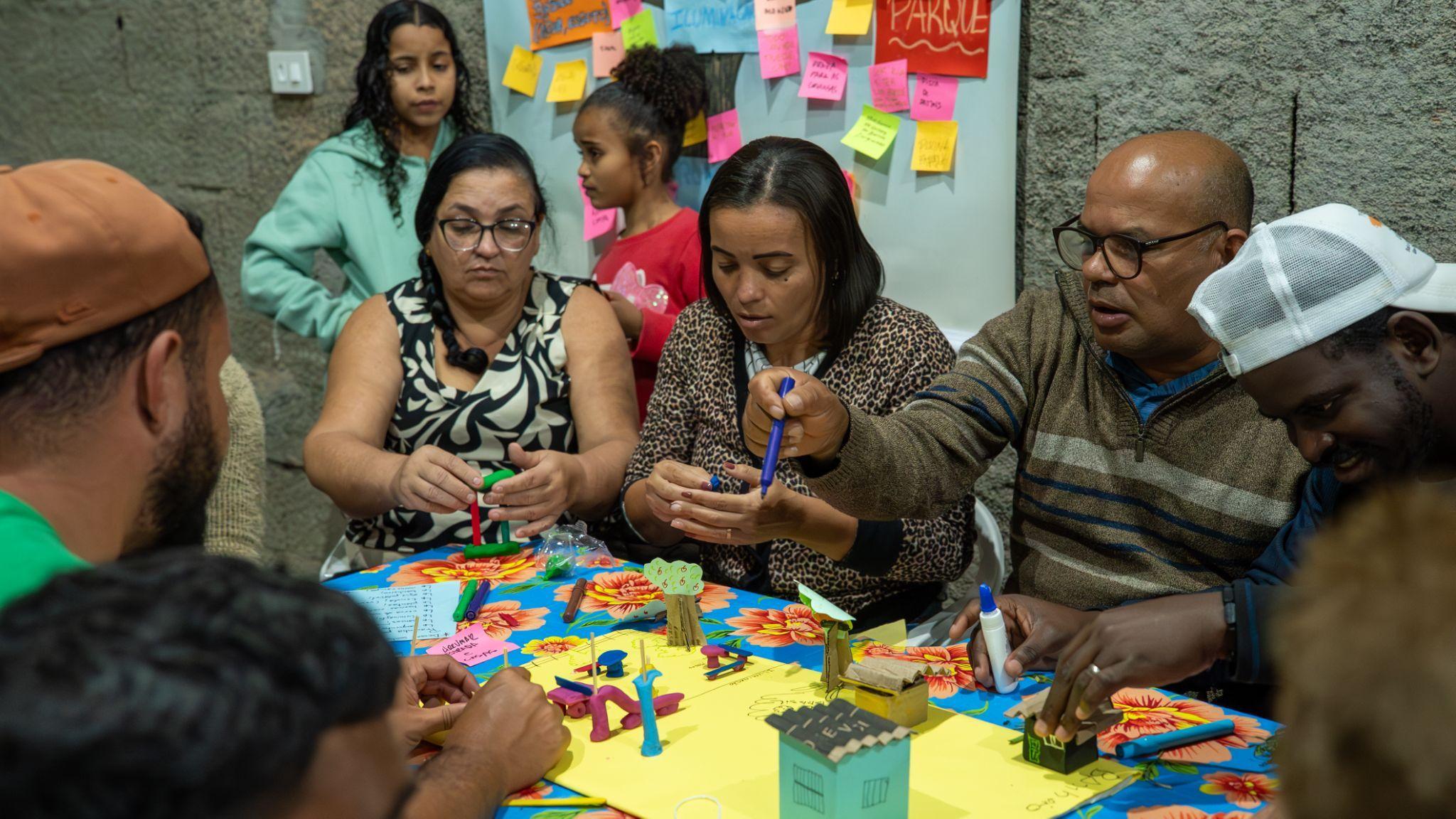
45 People participated in the Talent Show
77 Collective dreams identified
20 People participated in the Project Meeting
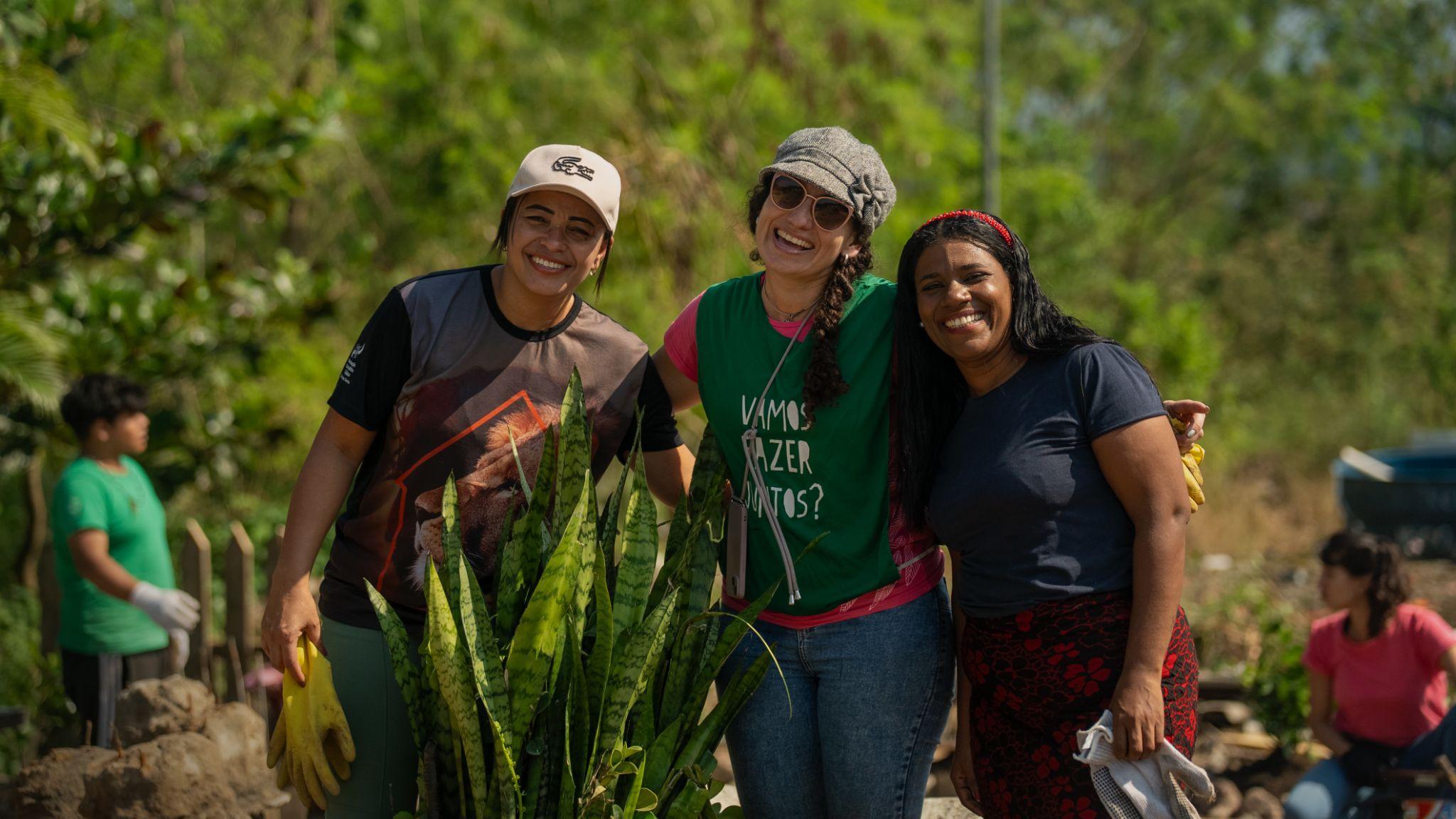
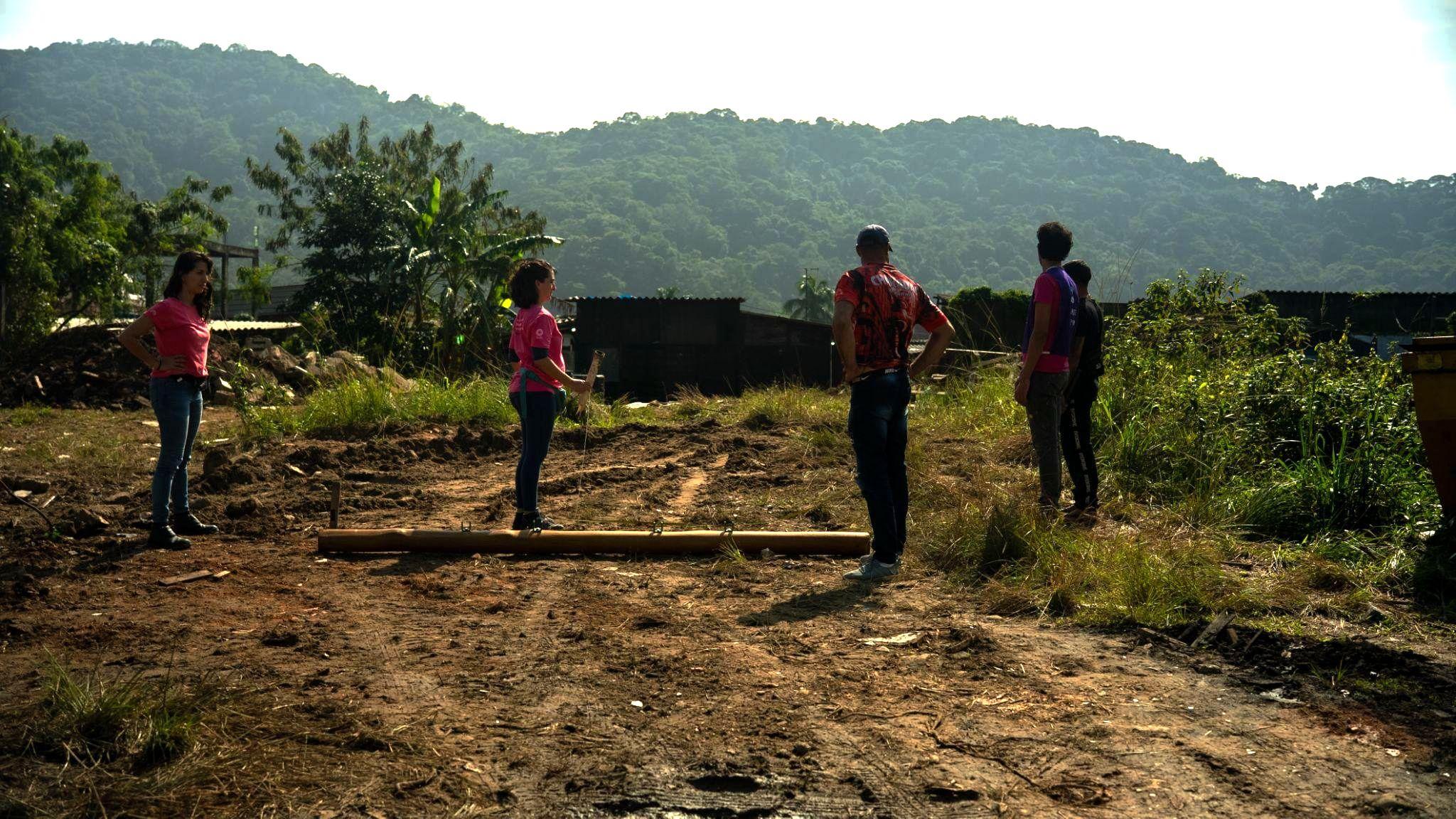
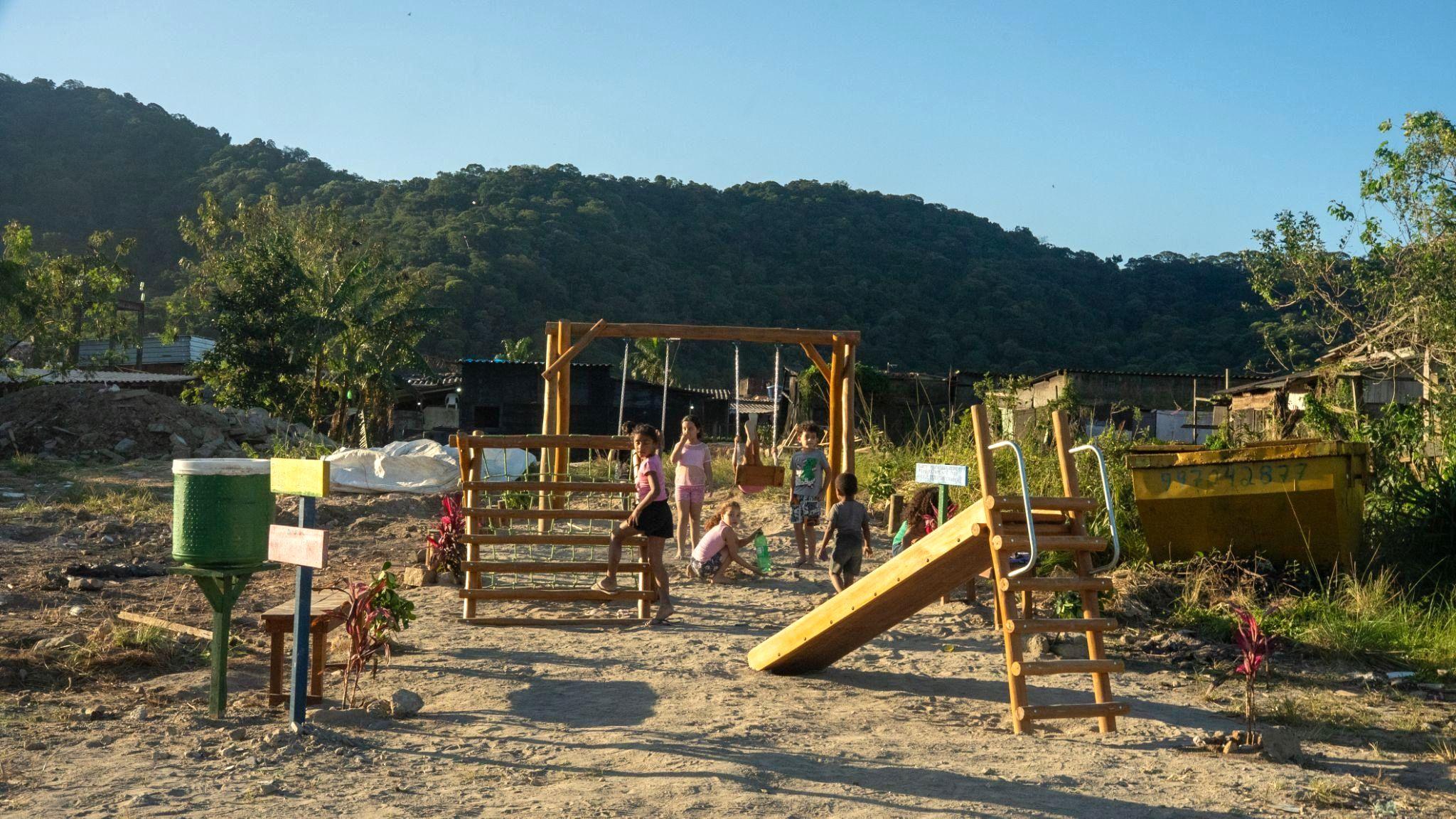
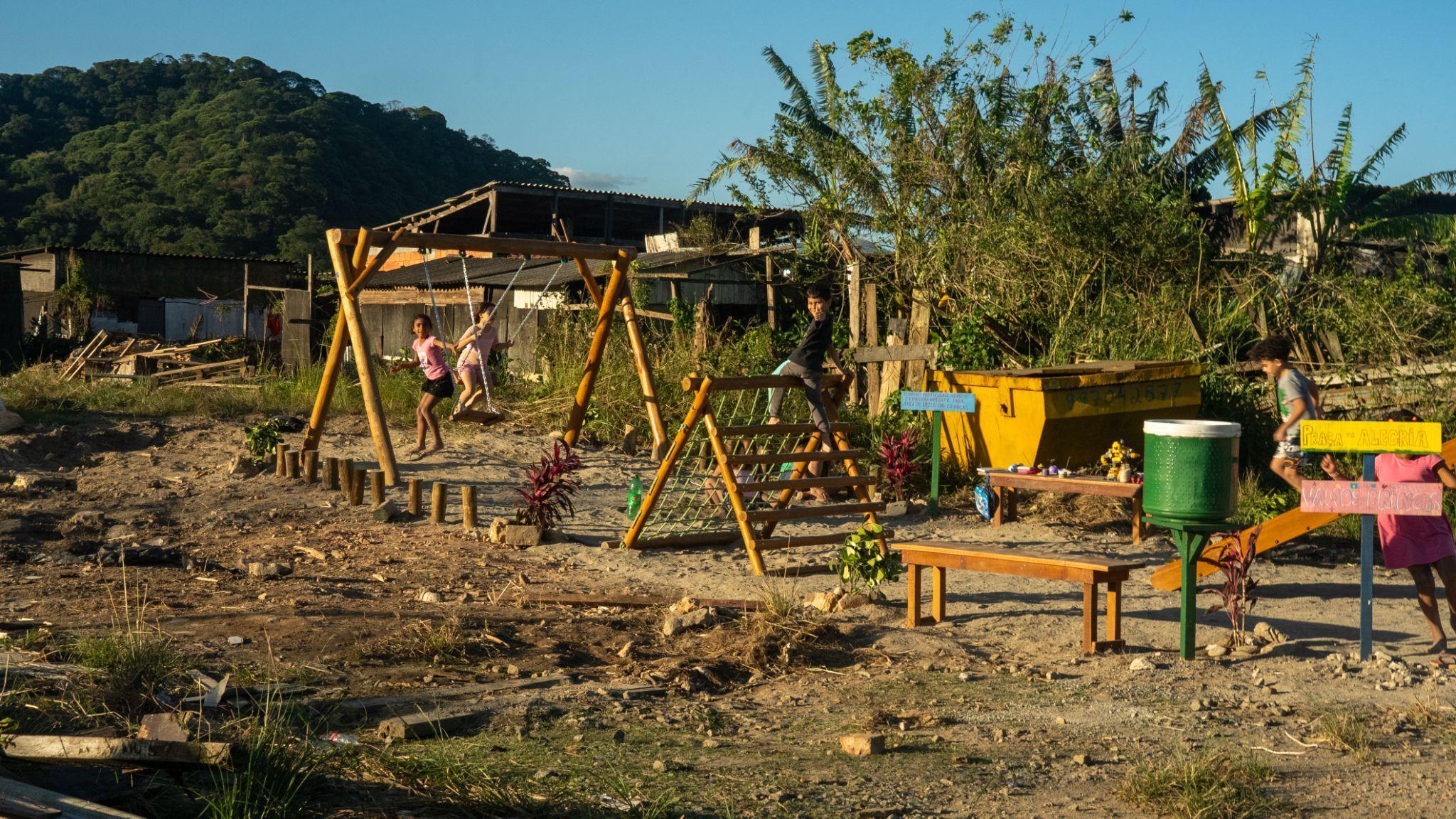
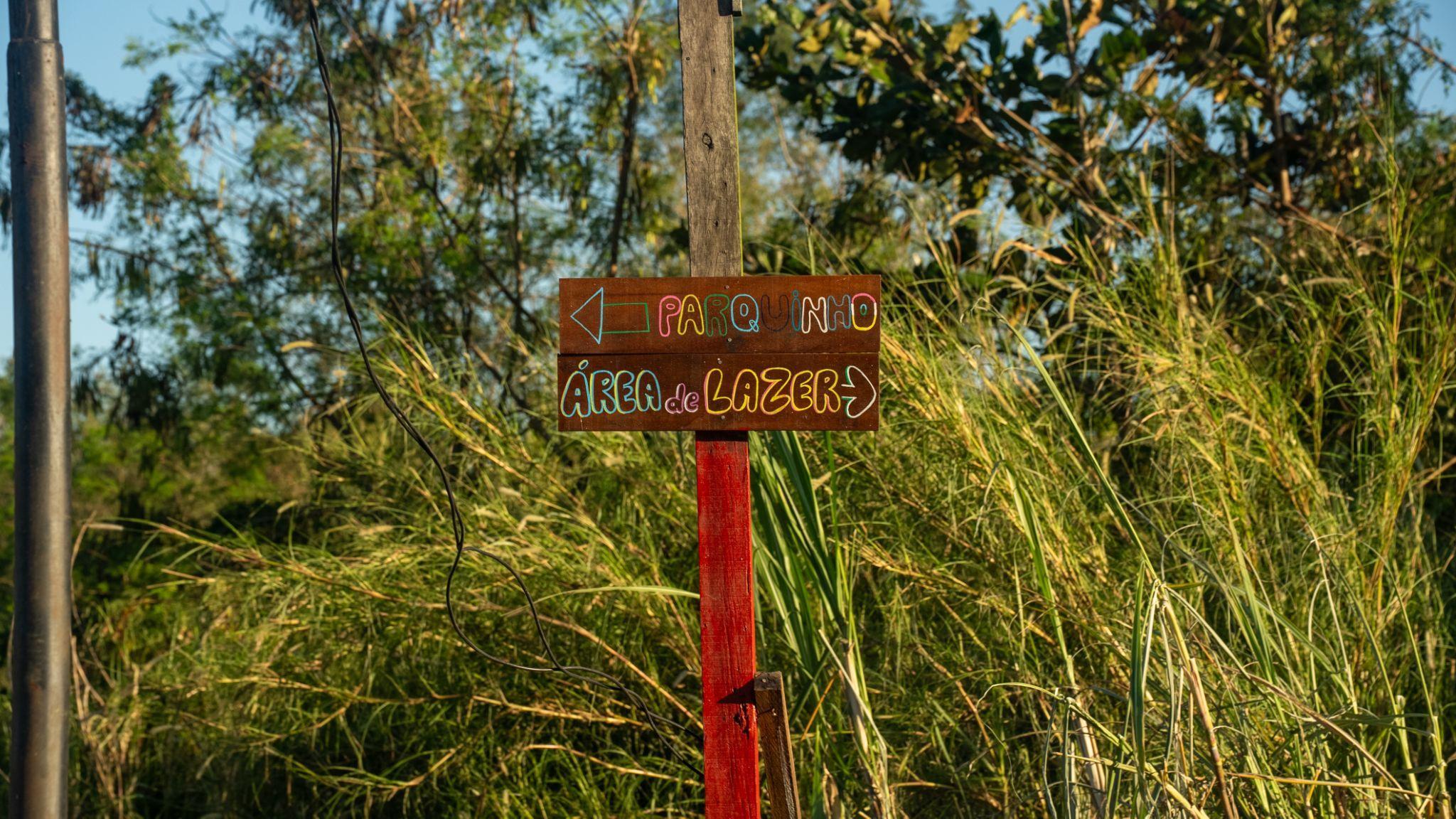
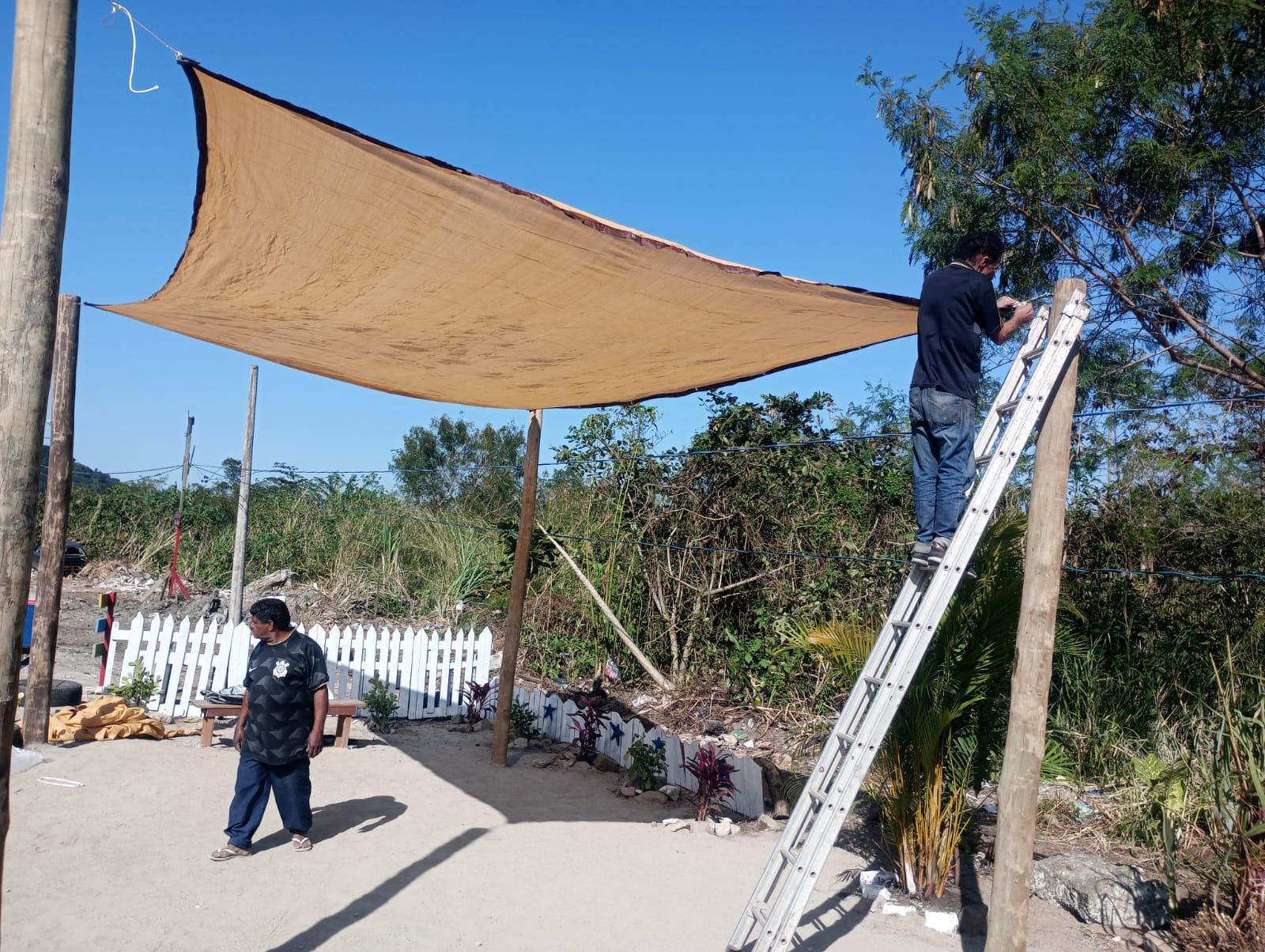
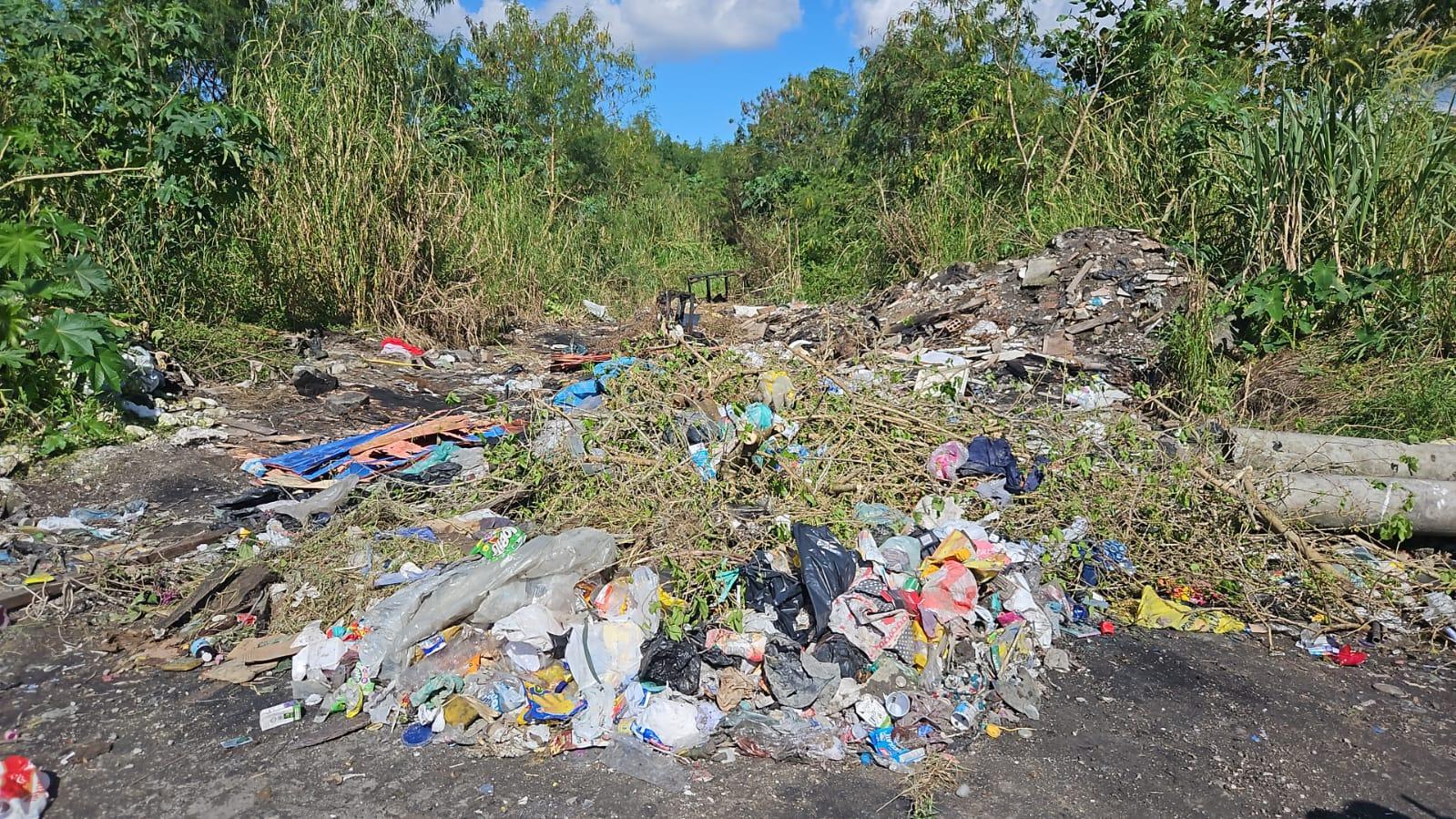
Before the GSA 2025 Collective Action
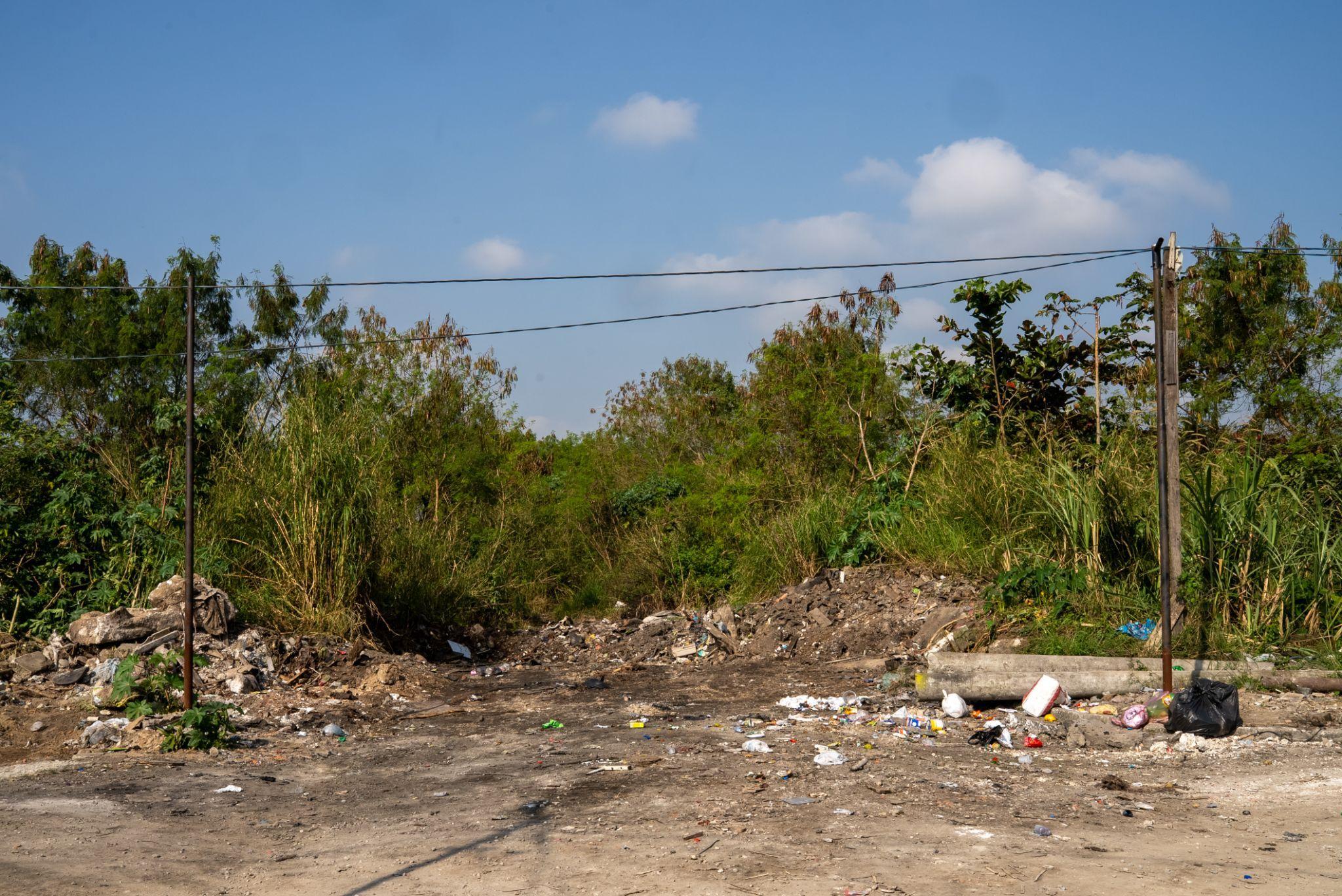
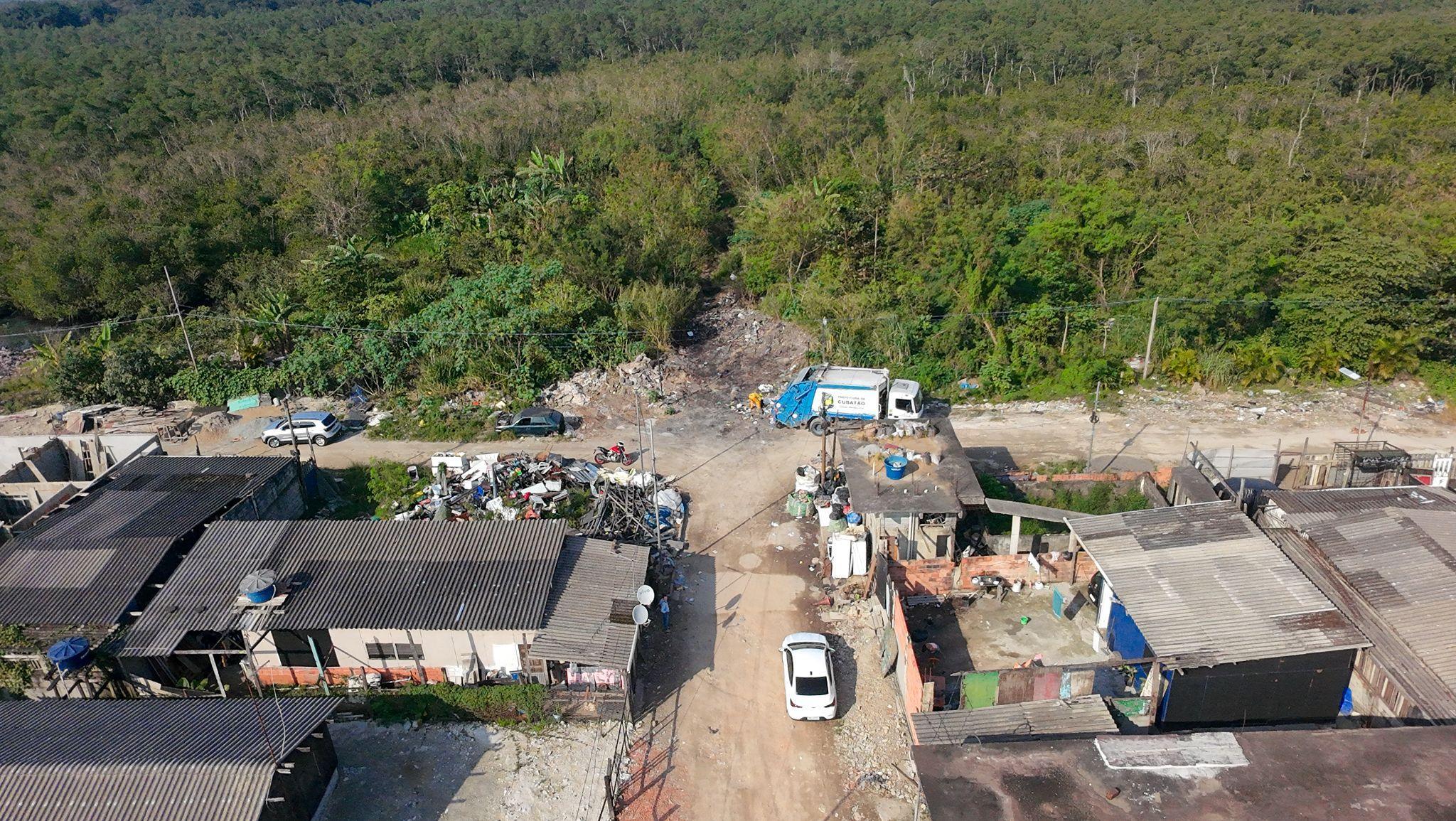
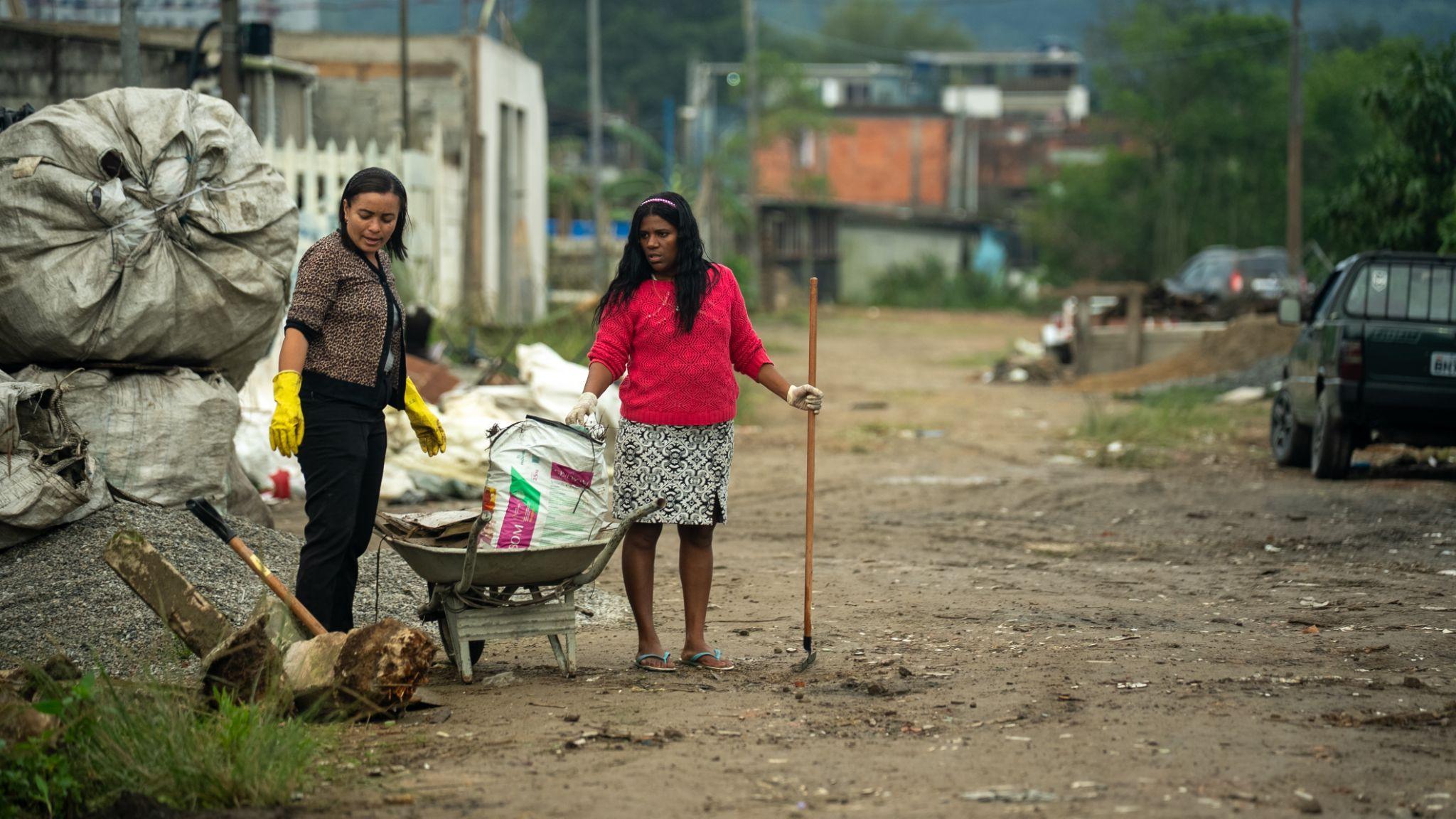
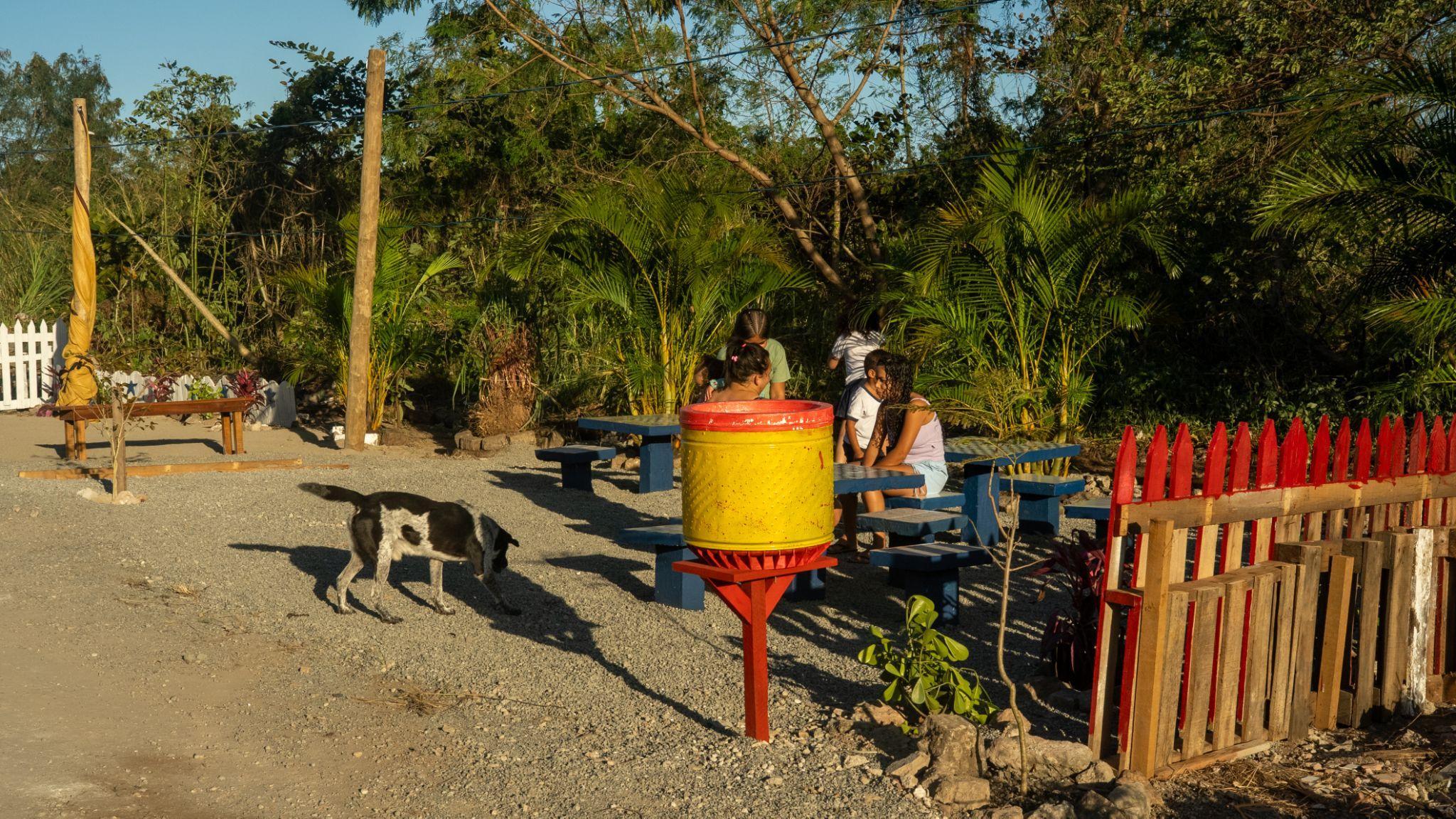
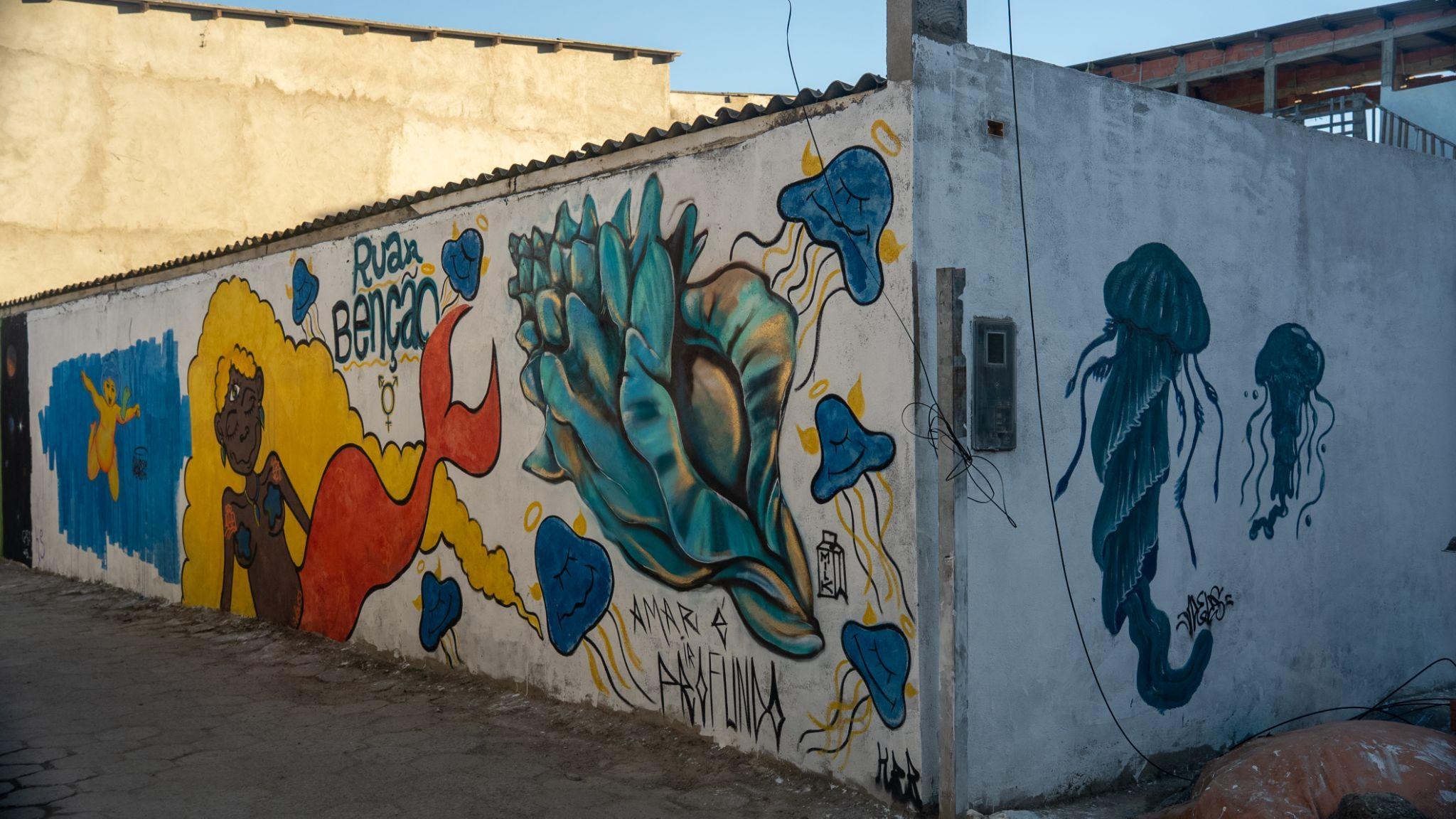
Legacy of transformation and collective achievements
“Alone we can’t do much, but together we can do whatever we want.”
–
Seu Ceará, community leader from Vila Natal
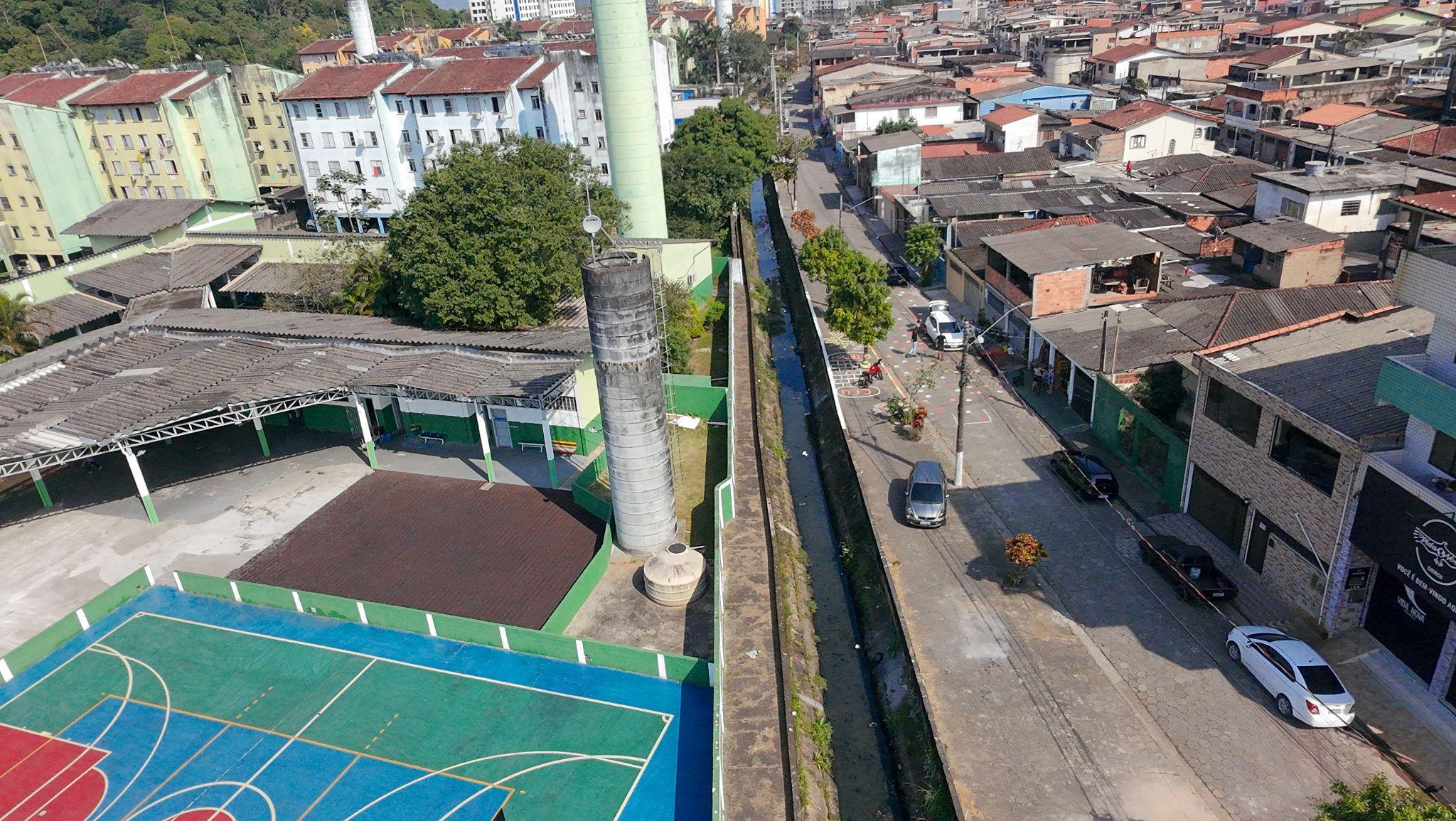
Vila Natal in Cubatão (SP), is one of the most traditional neighborhoods in the Santos Region, marked by resilience and the struggle of its residents for basic rights. Formed in the 1970s, it welcomed families relocated from risk areas and consolidated in the 1980s, initially through spontaneous occupations.
Over time, the community secured infrastructure, healthcare, transportation, and education through grassroots organization, with strong agency of women and social movements. Today, it is a residential neighborhood with local commerce, schools, churches, and public services, although it still faces challenges related to health, safety, mobility, and culture.
A methodology that transforms people, communities, and territories
With around 31 streets and Parque Cotia-Pará as a key leisure reference, Vila Natal is a symbol of the struggle for decent housing, solidarity, and the collective strength that shape the history and identity of Cubatão.
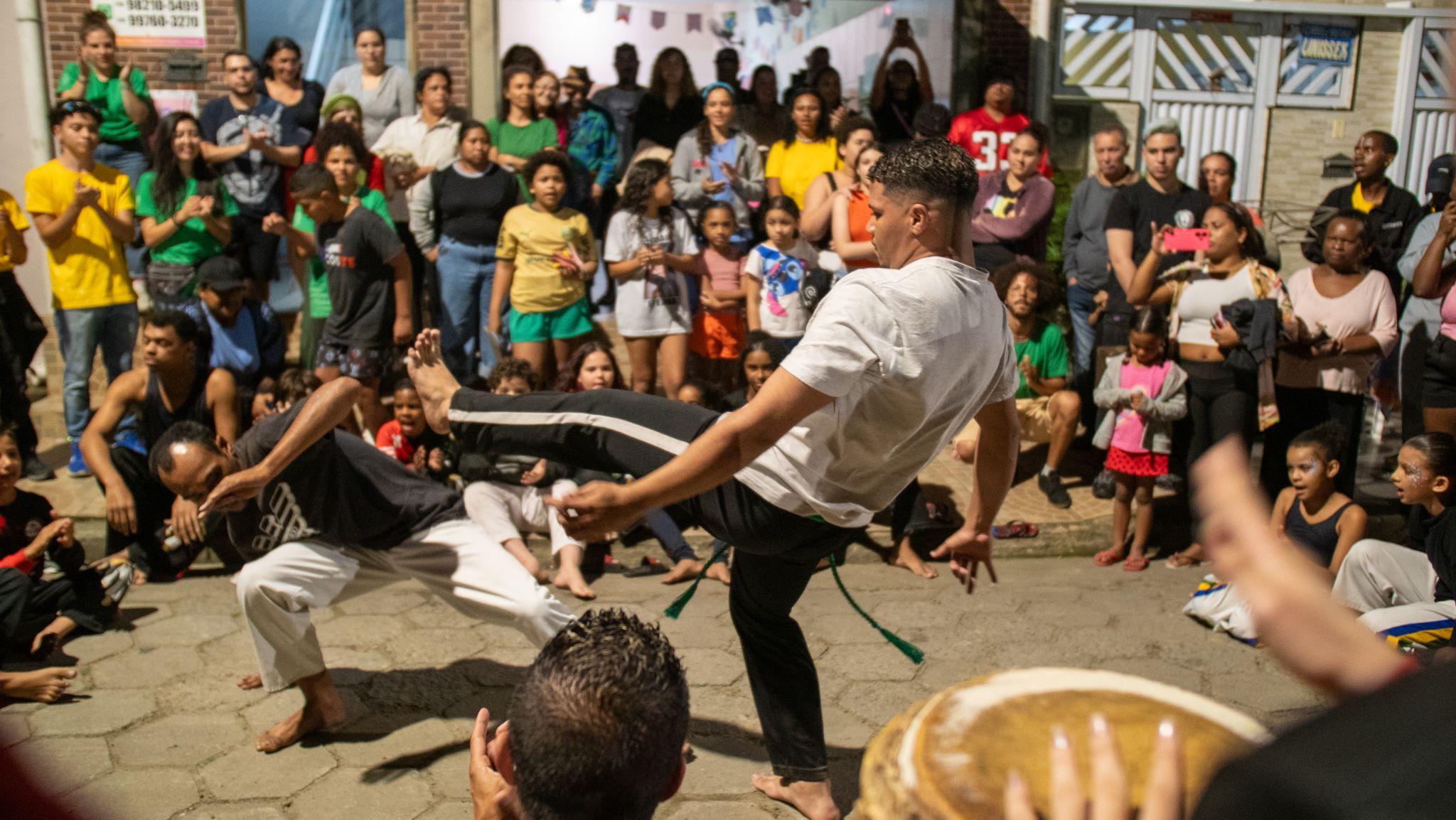
48 People present at the Talent Show
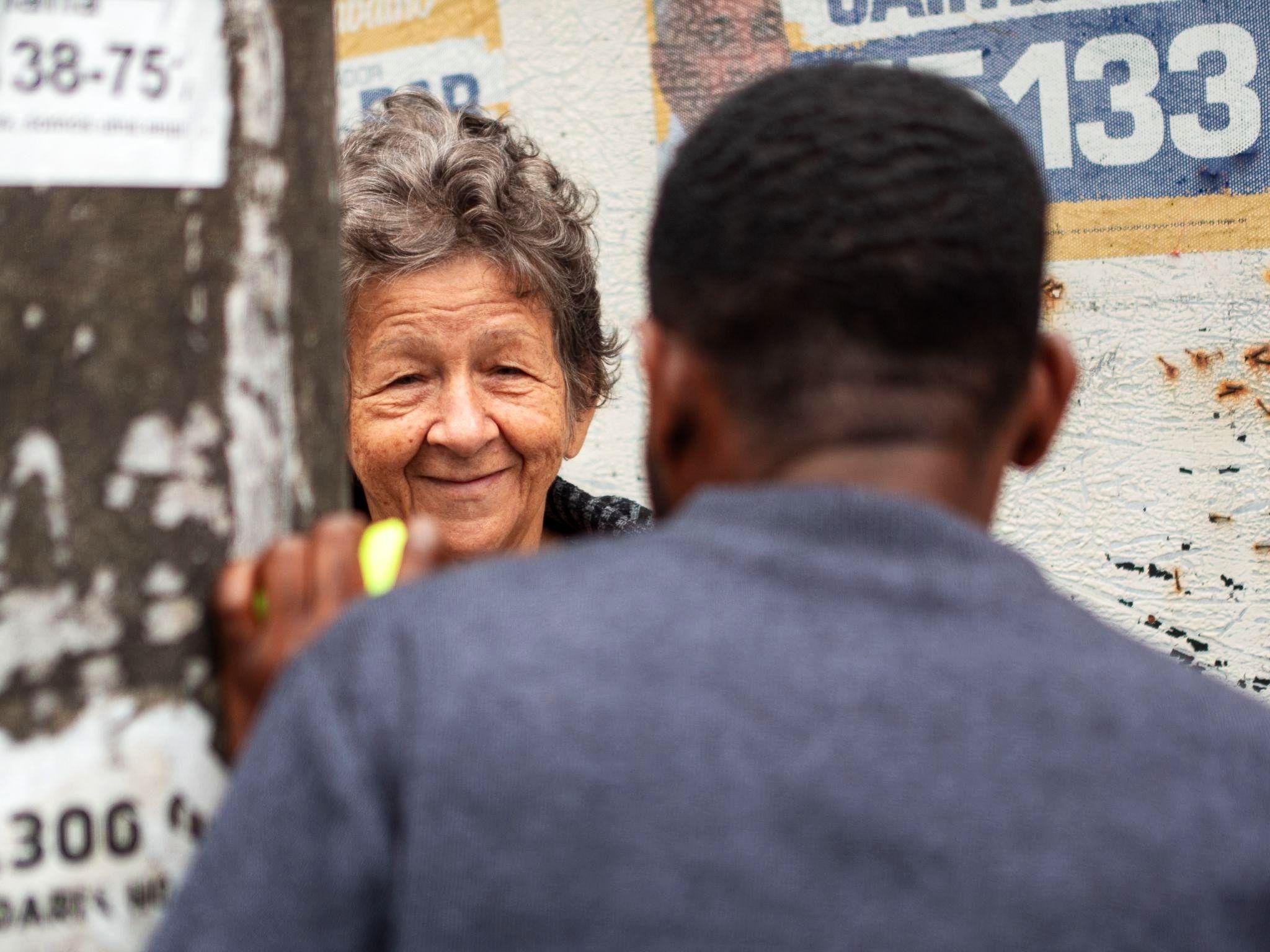
59 Collective dreams identified
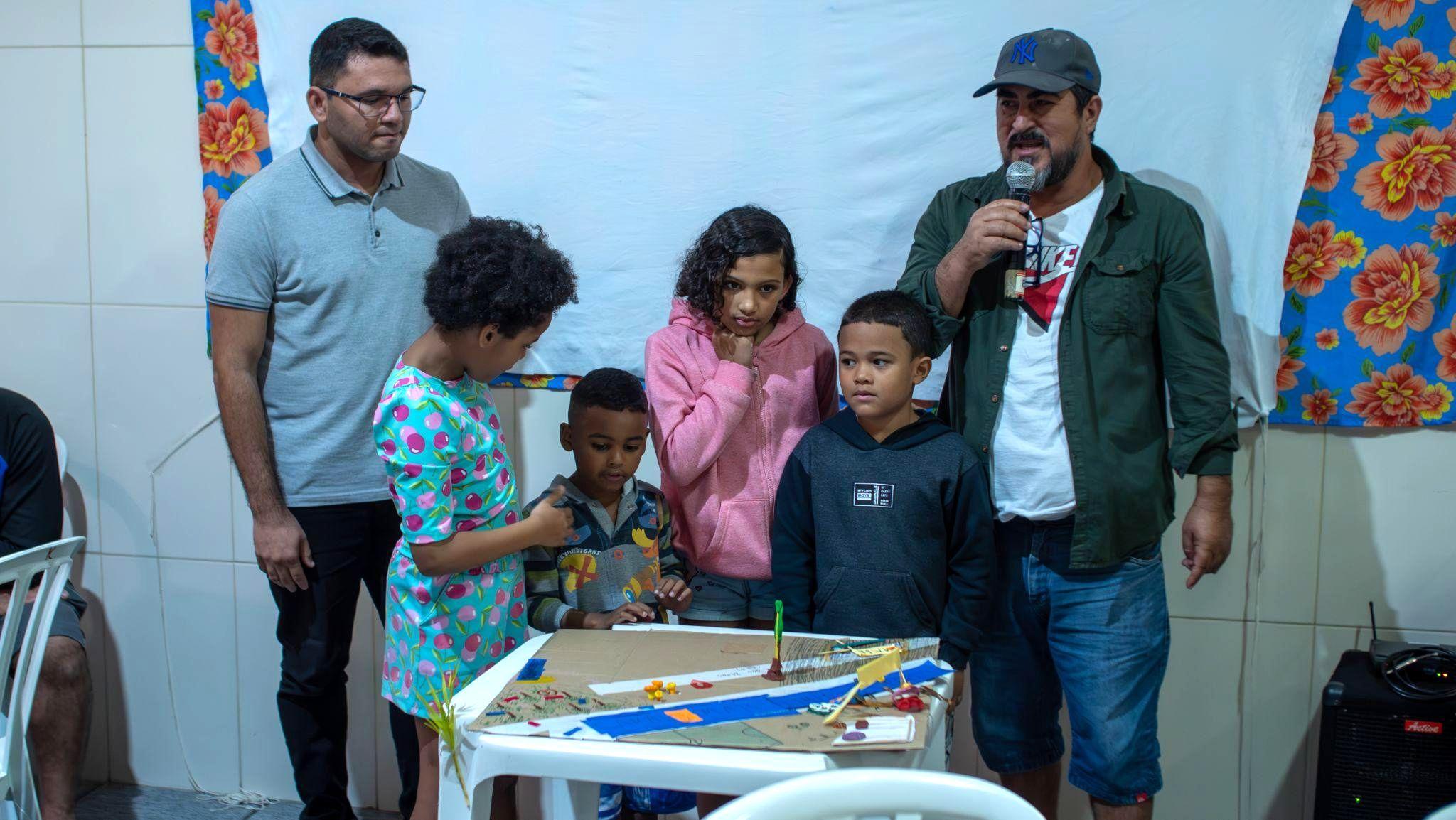
45 People participated in the Project Meeting
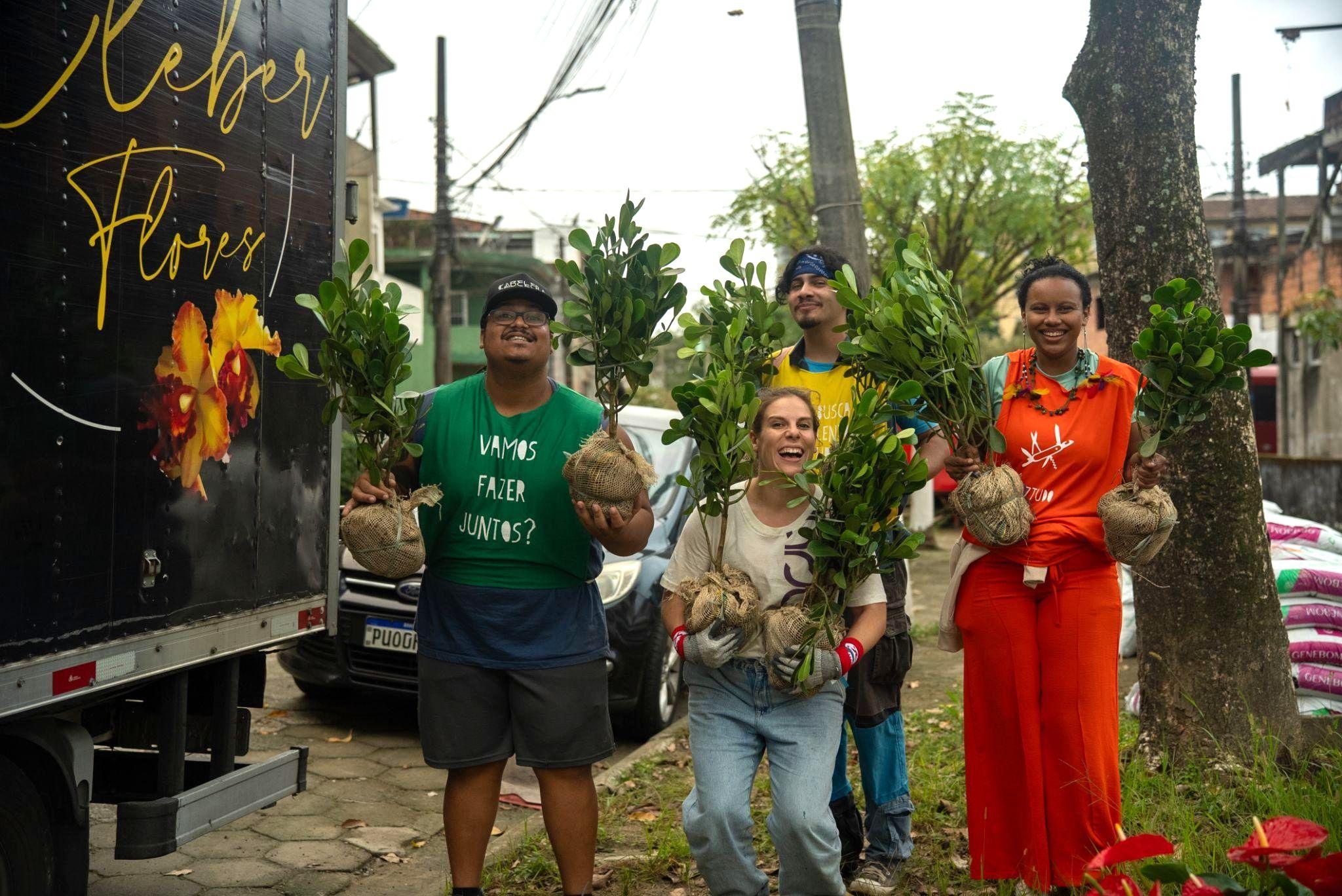
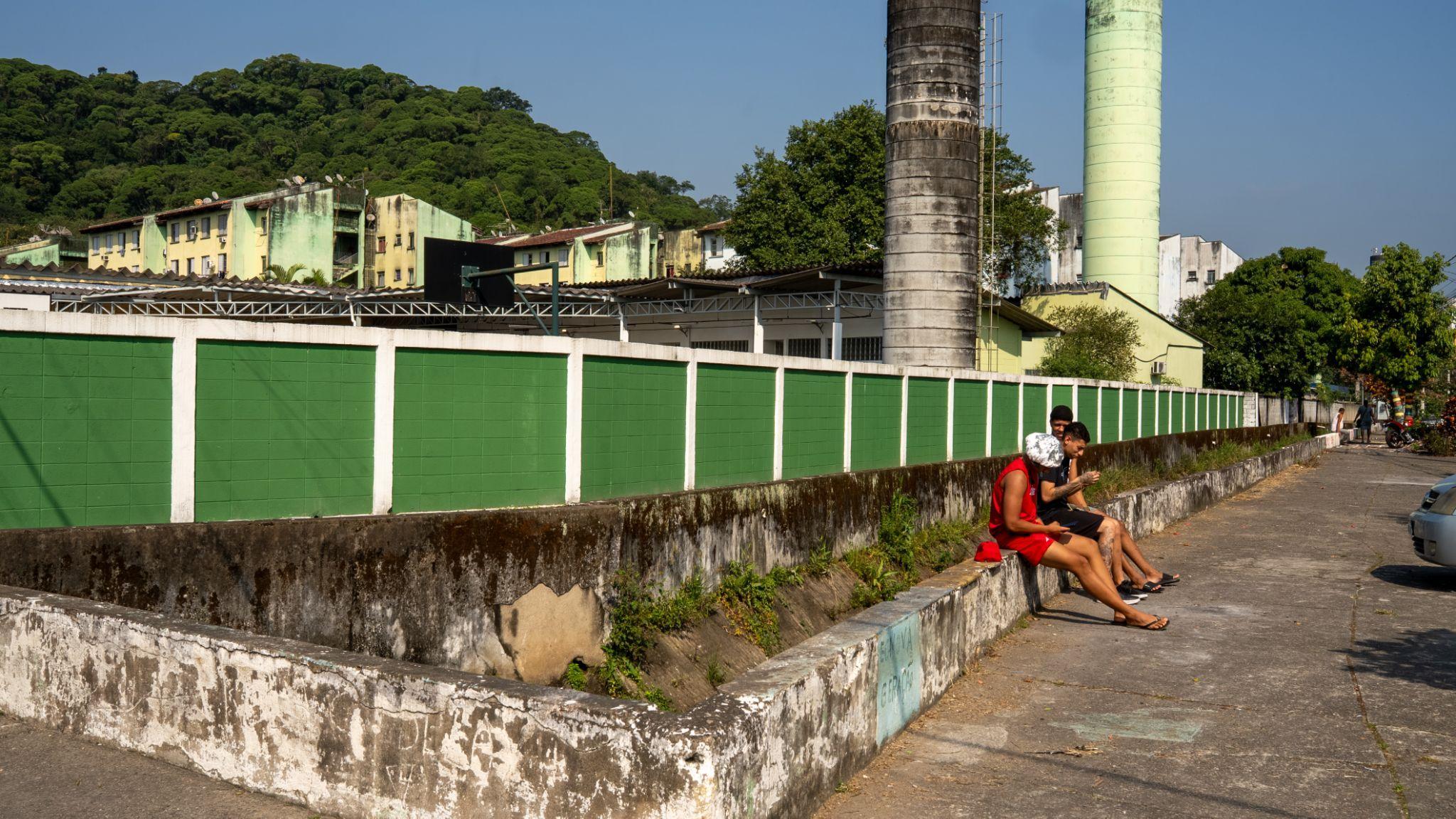
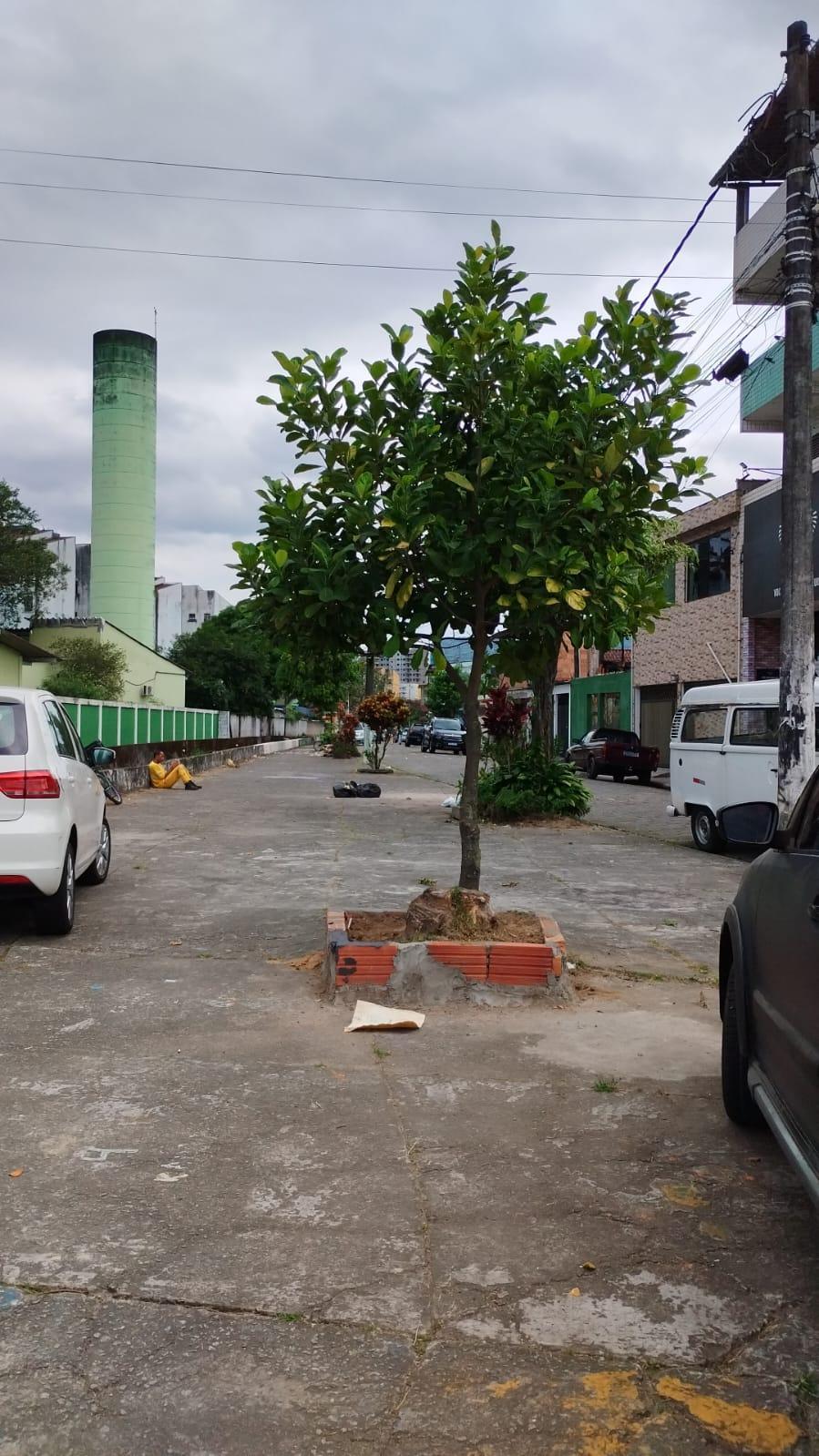
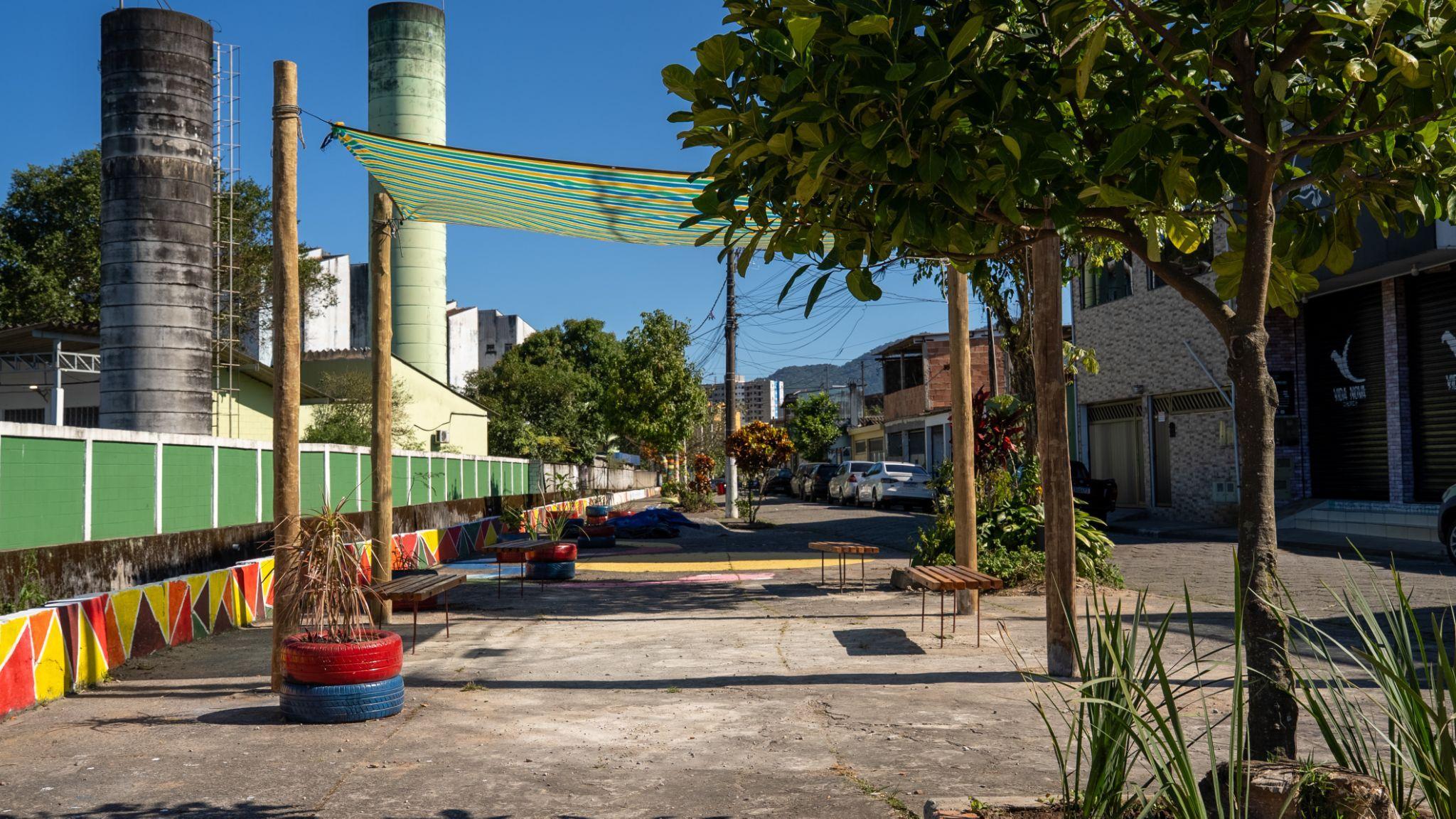
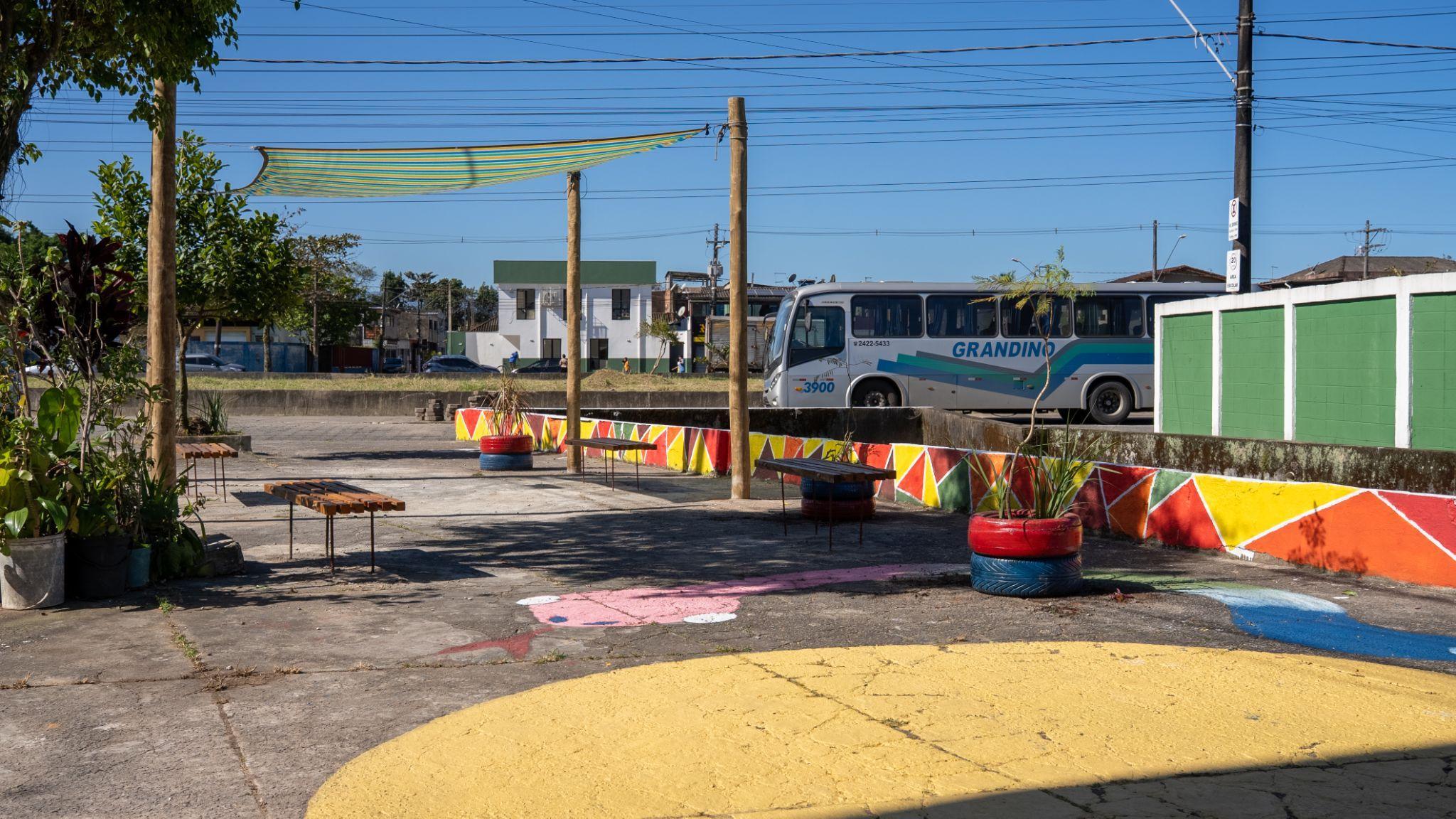
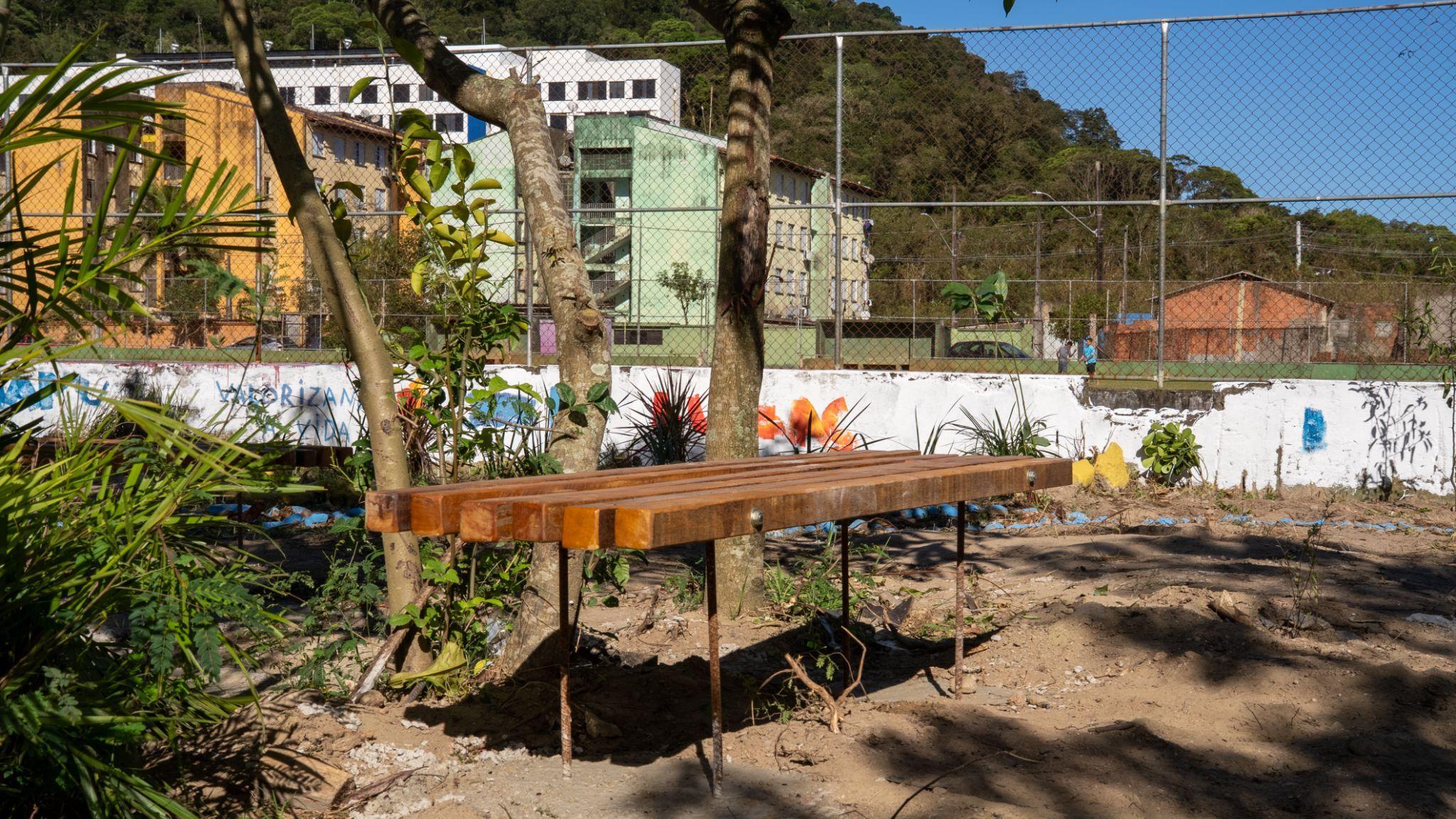
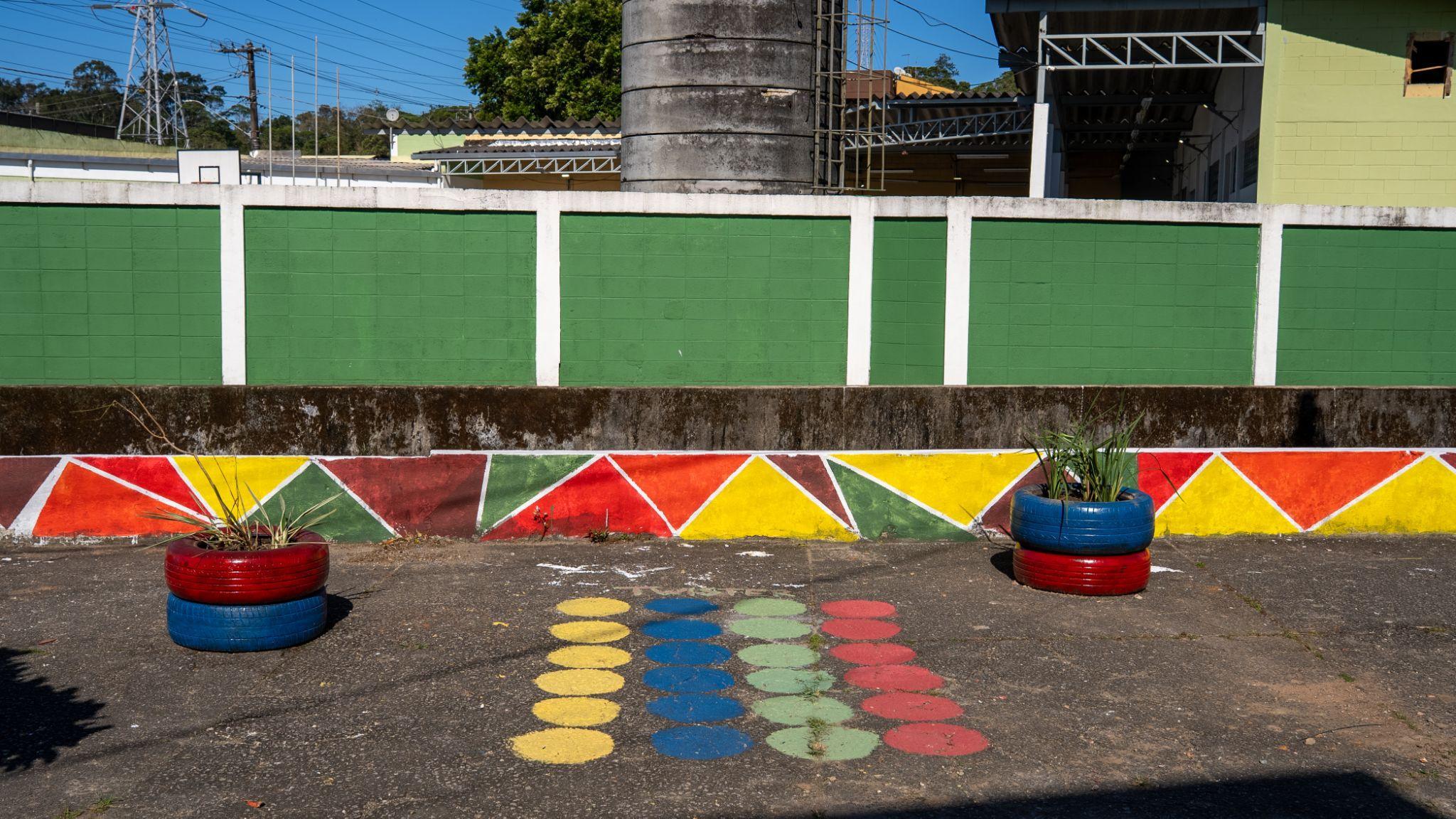
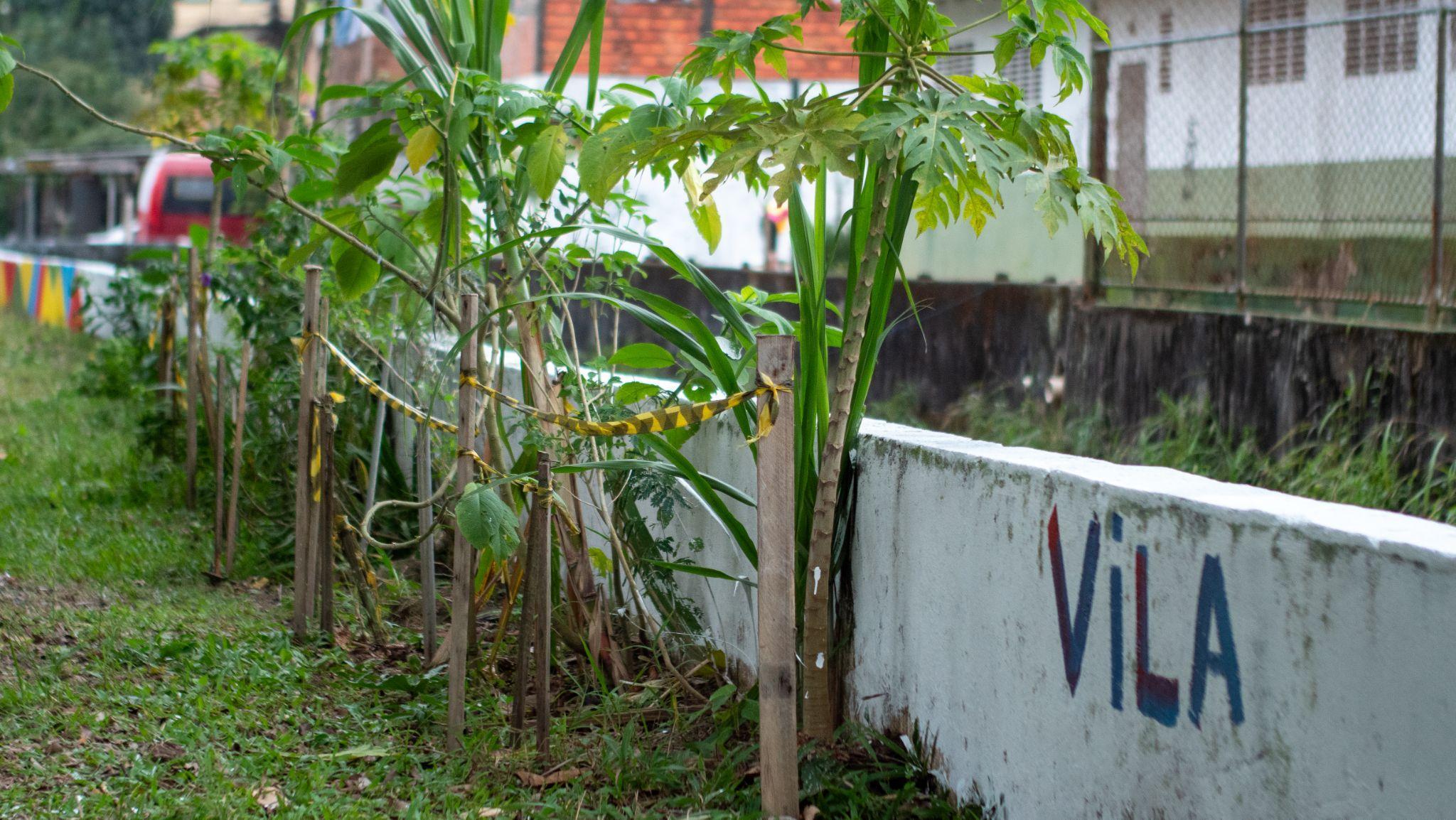
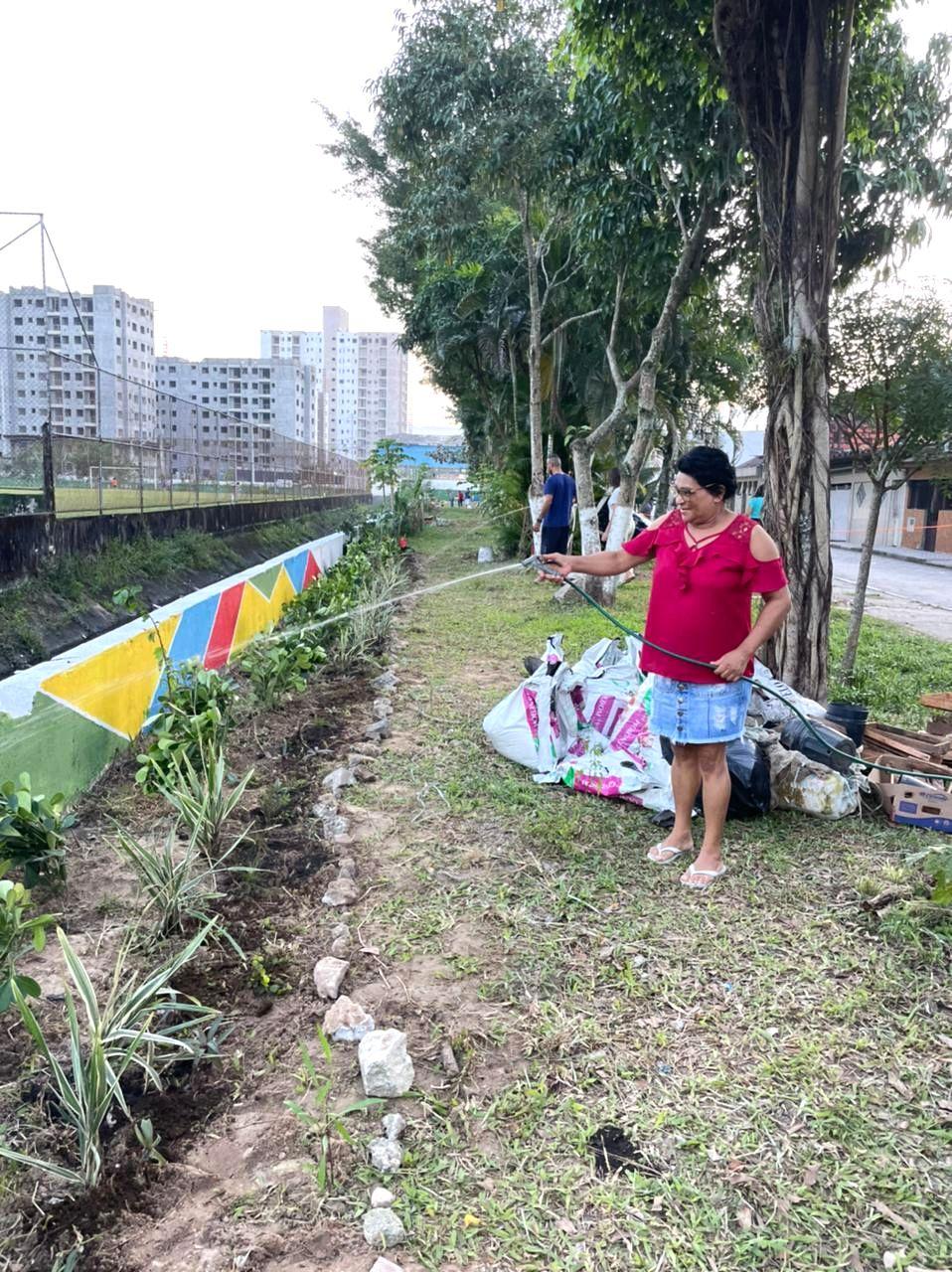
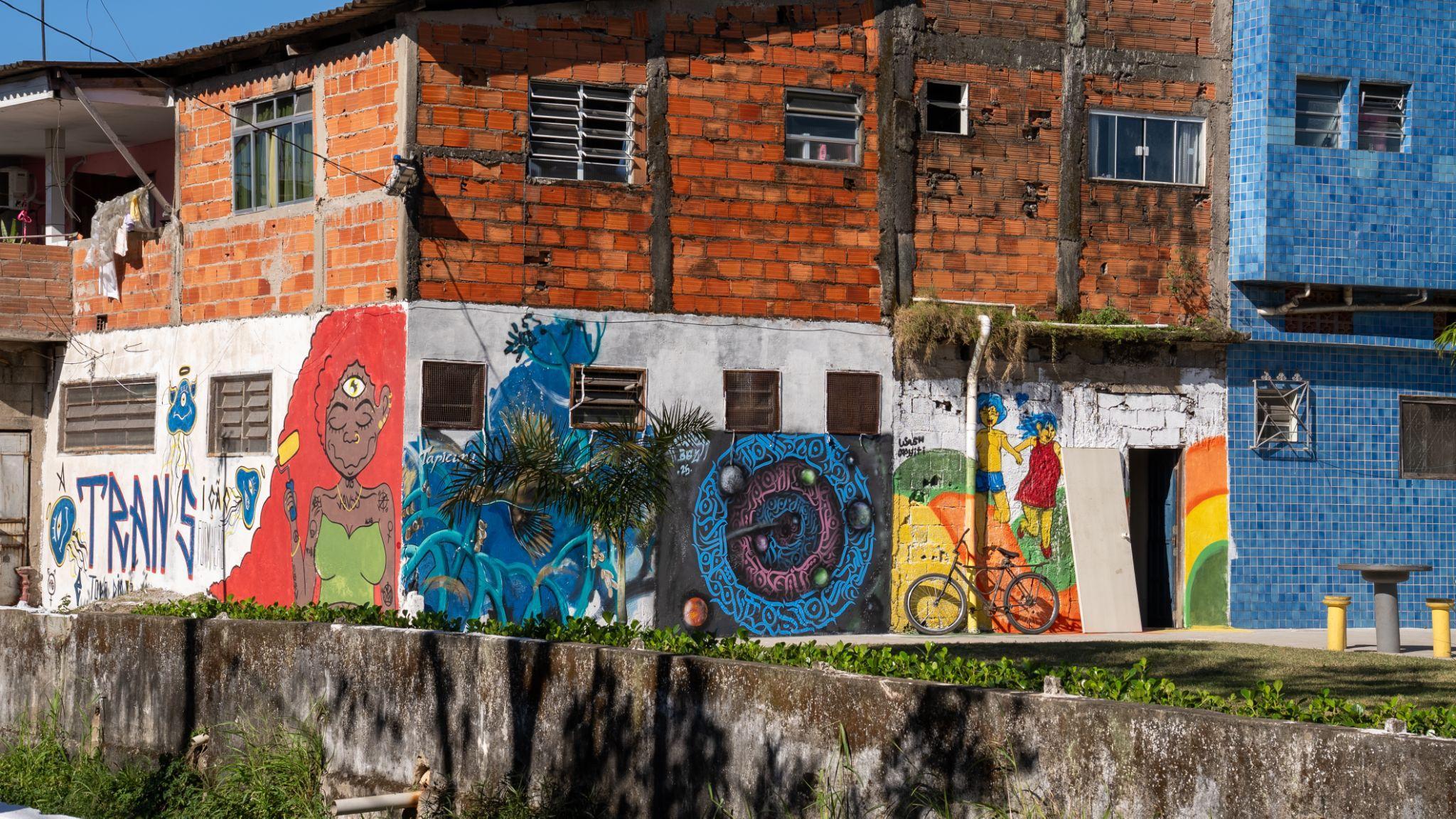
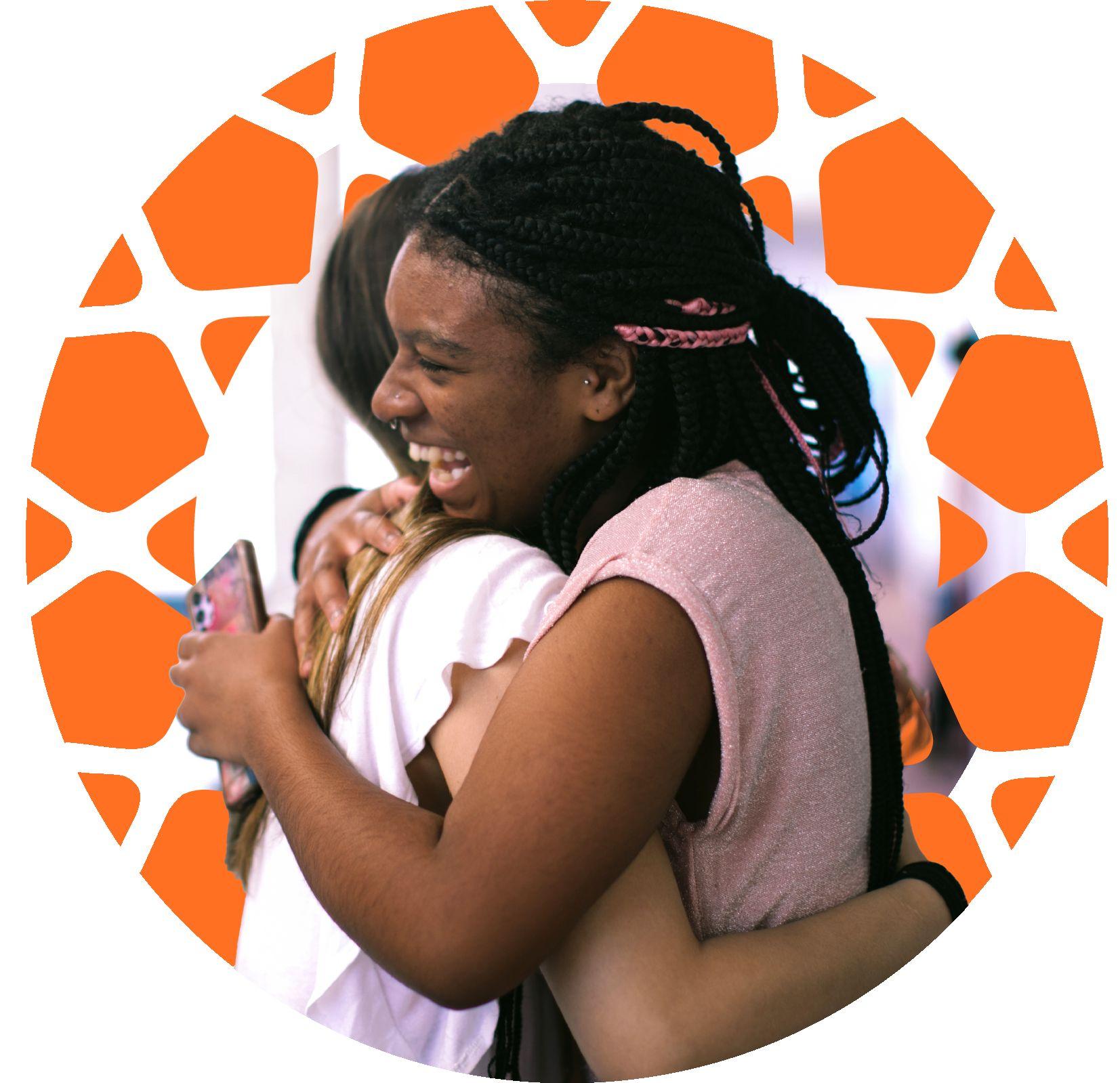
The miracle of GSA is not esoteric: it is practical. It reignites the flame that already exists in each person.
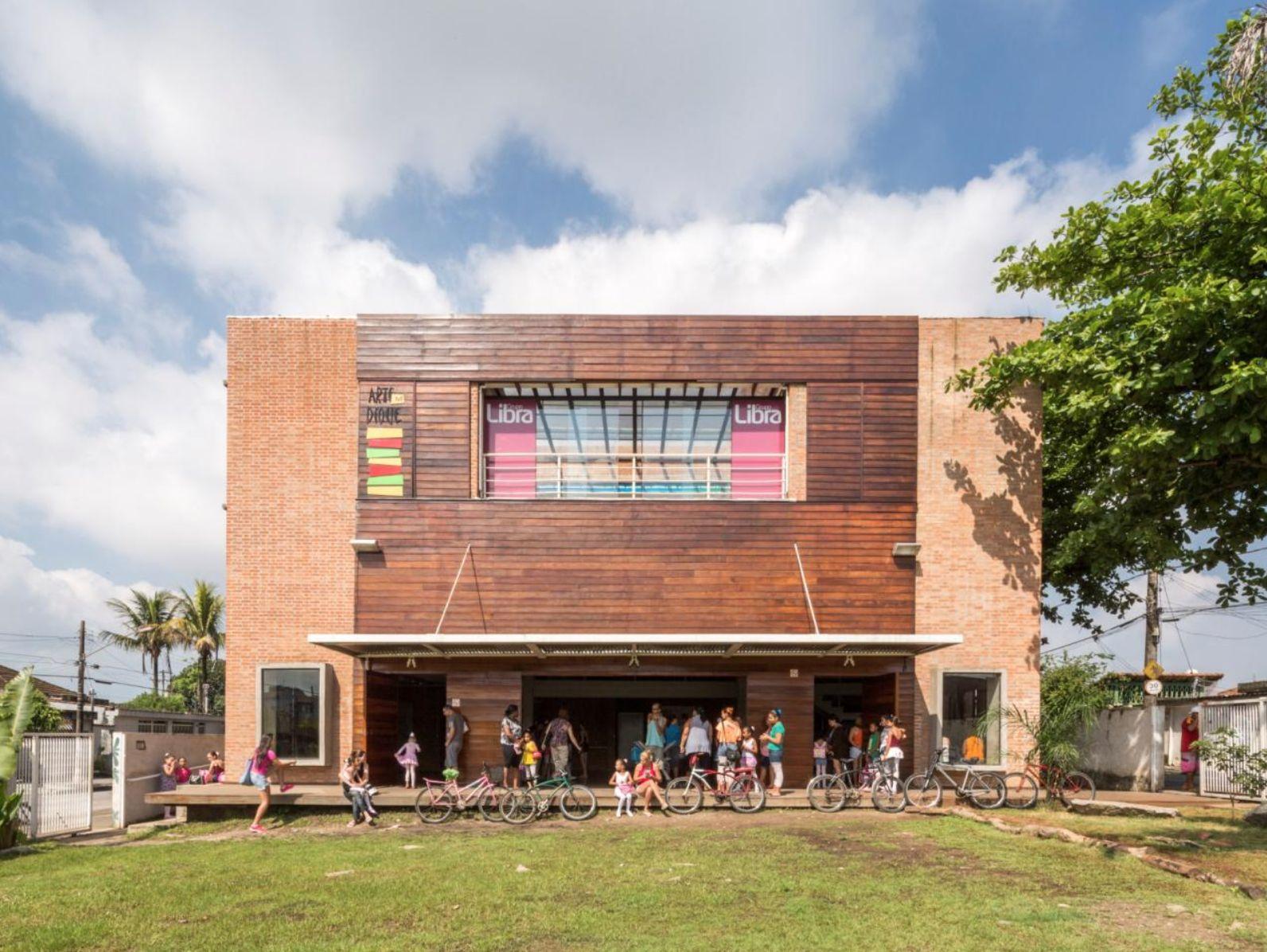
From the daycare to the arts: when the first collective dream sparks a cultural revolution
A methodology that transforms people, communities, and territories
In 1999, the first edition of Guerreiros Sem Armas reached the Vila Gilda Dike in Santos, São Paulo. The territory, known for its stilt houses over mangroves, carried stories of struggle and resistance — and it was there that the first major collective dream was born: a daycare center.
During a collective hands-on action, the community and GSA participants built an improvised daycare on stilts. This marked the beginning of a partnership that would grow over the next few years. Soon after, the community approached Instituto Elos to design and construct, together, a more structured daycare capable of better accommodating the children.
The collective work did not stop there. With the organized strength of the community, a rare achievement for the time was reached: securing Federal Government funding to build a Cultural Center in the heart of the neighborhood.
In 2002, when the Grupo Régua e Compasso from Santo André, organized by Escola Criativa Olodum, performed at the Dike, the idea began to gain traction. The youth in the community were captivated by the possibility of engaging with art and culture.
In November of that year, the Projeto Arte no Dique was born, a partnership between Instituto Elos, the Cultural Group Olodum from Bahia, and the Sociedade de Melhoramentos da Vila Gilda (Cultural Center). Today, the project is responsible for after-school programs in all municipal schools in Santos, training young people from the community who now teach art in neighborhoods across the city.
The story of Vila Gilda shows how a first step can trigger a journey of transformation: from caring for childhood to strengthening culture, always guided by the community’s power and the dream of a more dignified future.
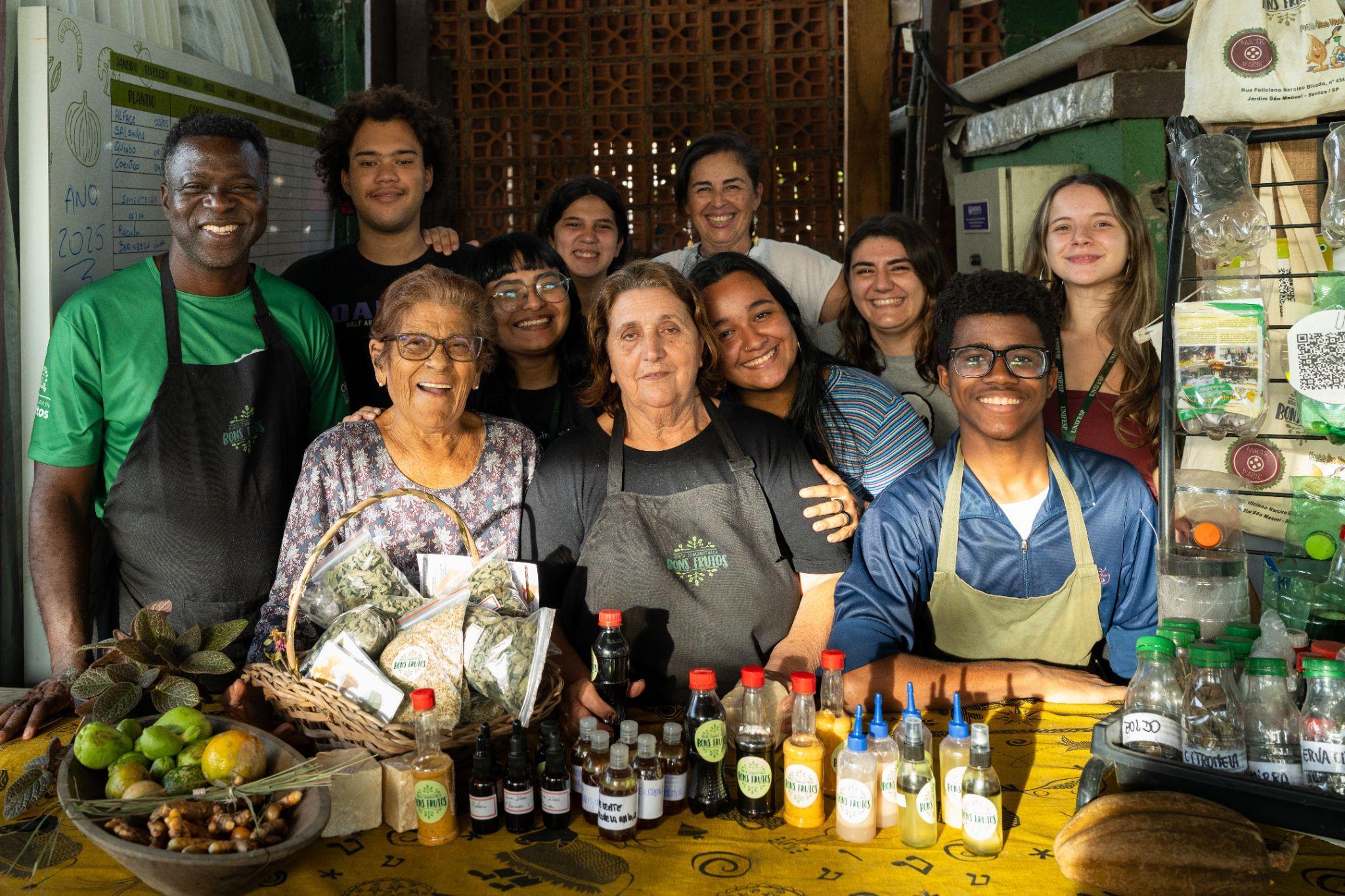
“When it all started back then, we only had dreams and the desire to transform. Seeing that all of this happened more than 10 years later, and that the will to dream together resulted in this, is truly moving.”
– Dona Vilma, Coordinator of the Bons Frutos Garden
From dream to harvest: the garden that brought the community together, generated
and inspired the country
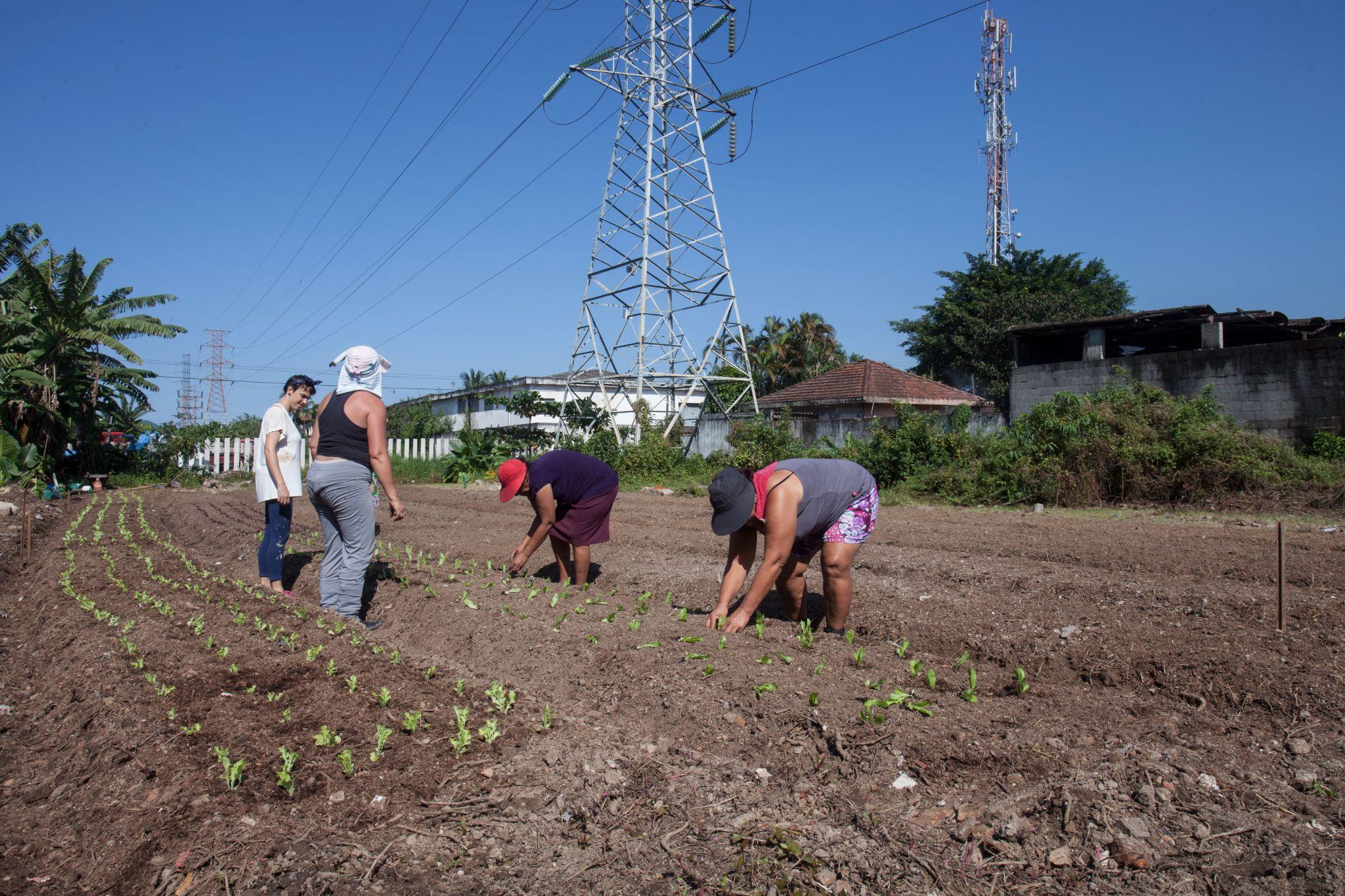
Over ten years ago, in Jardim São Manoel, Santos, the community became the driving force behind a collective dream. In 2014, during the GSA program, the region hosted the project meeting, where residents sat down to share their desires and ideas to transform the neighborhood. It was in this inspiring and emotional gathering that the idea of a community garden was born — a small cultivated space at the back of the community center, also built following the Elos Methodology.
With support from Instituto Elos, the garden grew and became much more than a cultivation space: it turned into a place for gatherings, affection, and collective work.
With each collective hands-on action, the community discovered its strength. Self-management, composting, and projects like Óleo Noel and the Therapeutic Garden emerged. The land, once abandoned, began to flourish.
Today, the Horta Bons Frutos (Good Fruit Community Garden) occupies a new space, removes tons of waste from the environment, ensures food security for dozens of families, and generates income, belonging, and a sense of future. More than producing food, it produces social transformation.
In 2025, the collective effort was recognized nationwide: Horta Bons Frutos won the first edition of the National Urban Agriculture Award from the Federal Government.
This recognition symbolizes something greater: when the community takes the lead, it transforms the territory and inspires the entire country.
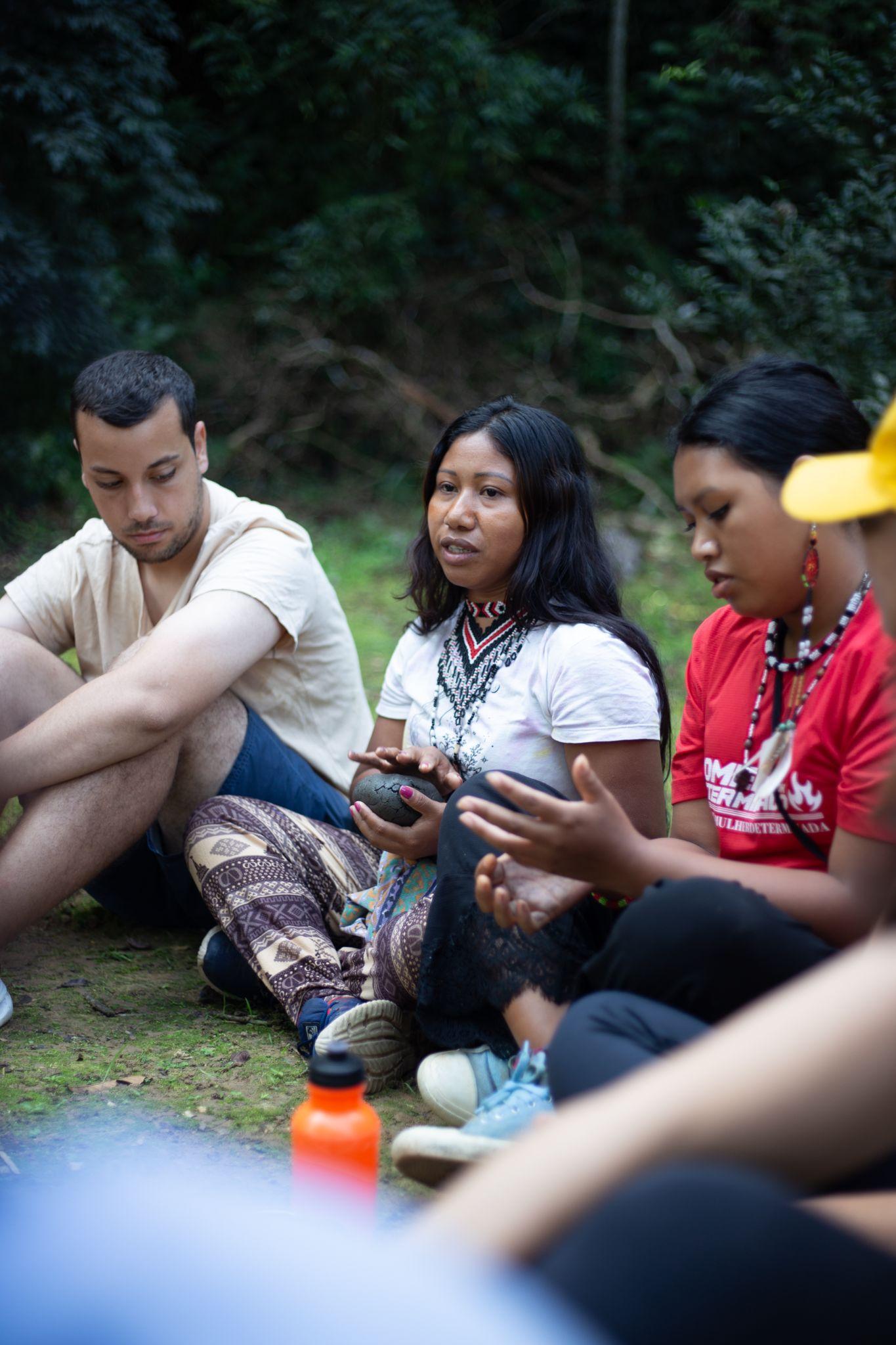
“I looked around our village and thought, ‘we won’t be able to change.’ But after a conversation with Rodrigo, I realized what we have already achieved and that we are capable of continuing to build an environment of harmony and peace.”
Ancestral wisdom and new tools: Indigenous strength in collective transformation
In the west zone of São Paulo, Tekoa Pyau is one of the seven Guarani Mbya villages in the city, located at Pico do Jaraguá amid urban condominiums. Although the village has been there for at least 50 years, the Guarani had occupied the region since the 16th century.
For Pará, 29, participating in the Guerreiros Sem Armas program, created based on an indigenous worldview different from her own, was a challenge she chose to embrace. Inspired by the concept of txucarramãe, from Kaká Werá — “warriors without weapons” — she understood that it is not about combat, but about creating tools for a better world: life and thinking as instruments for transformation.
Her participation in the program began after a visit from Rodrigo Rubido of Instituto Elos to her village, whose question prompted Pará to rethink her role as a leader, especially regarding the ongoing struggle for the demarcation of her territory.
The program goes beyond the immersion: in the stage called the Expansion Path, participants develop their own projects based on the knowledge acquired. Mariana Gauche, Education Director at Instituto Elos, emphasizes that, although the outcomes may differ, the goal is the same: to prepare people to promote purposeful change and apply the Elos Methodology in diverse contexts, creating innovative social technologies.
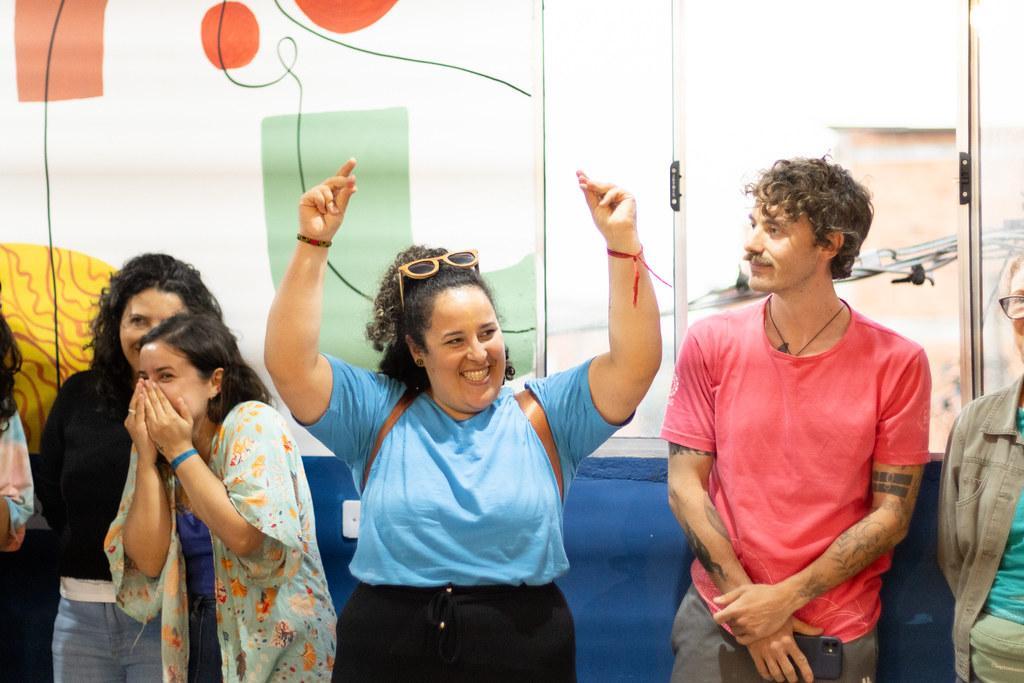
“In the midst of difficulties, I found strength in the unity of the community. Together, we transformed challenges into the achievement of dreams. Today, I believe that true change happens when we come together to care for our territory and future.”
Priscilla Pereira, mother of Arthur and resident of Sítio Conceiçãozinha in Guarujá (São Paulo, Brazil), began her journey with Instituto Elos in 2014 through Guerreiros Sem Armas. Since then, she has continued to believe that communities can thrive when they recognize their potential.
In 2021, she started working at the Conceiçãozinha Tia Nice Community Center, leading the Eco-munidade project, which transforms solid waste into collective solutions. Every month, more than one ton of plastic is removed from the environment and converted into financial resources that directly benefit over 100 families through food security programs and socio-environmental workshops.
More than numbers, Priscilla helps reframe what was once seen as a problem: what was waste becomes opportunity, learning, and unity.
Her dream is simple and revolutionary: that all communities recognize their strength and have access to rights, using collective power to transform realities.
Today, her vision is to turn Sítio Conceiçãozinha into a model of a sustainable community, capable of inspiring other territories and demonstrating in practice that when we believe in collective strength, the future opens up.
GSA does not only transform individuals but also systems. Participants return to their territories, organizations, and networks, multiplying collaborative practices, mediating conflicts, inspiring leadership, and creating social initiatives. Research shows that the Elos Methodology translates into collective and lasting impact: stronger communities, new projects, purpose-driven careers, and a global network of people who believe in the power of human connections.
Of participants began to act with greater consideration for the collective impact of their choices.
Of participants took more initiatives to transform the spaces where they operate.
Of participants learned to mediate conflicts, make decisions, and mobilize people.
Of participants made a career transition after GSA, many moving into social or community-focused areas.
GSA awakens distributed agency: leadership does not depend on a position, but on purpose and collective action.
Latin America: Brazil (22 people), Mexico (2 people), Colombia (2 people), Chile (1 person).
África: Angola (6 people), Mozambique (3 people), Zimbabwe (3 people), Libya (1 person).
Europe: Germany (1 person), Netherlands (1 person)
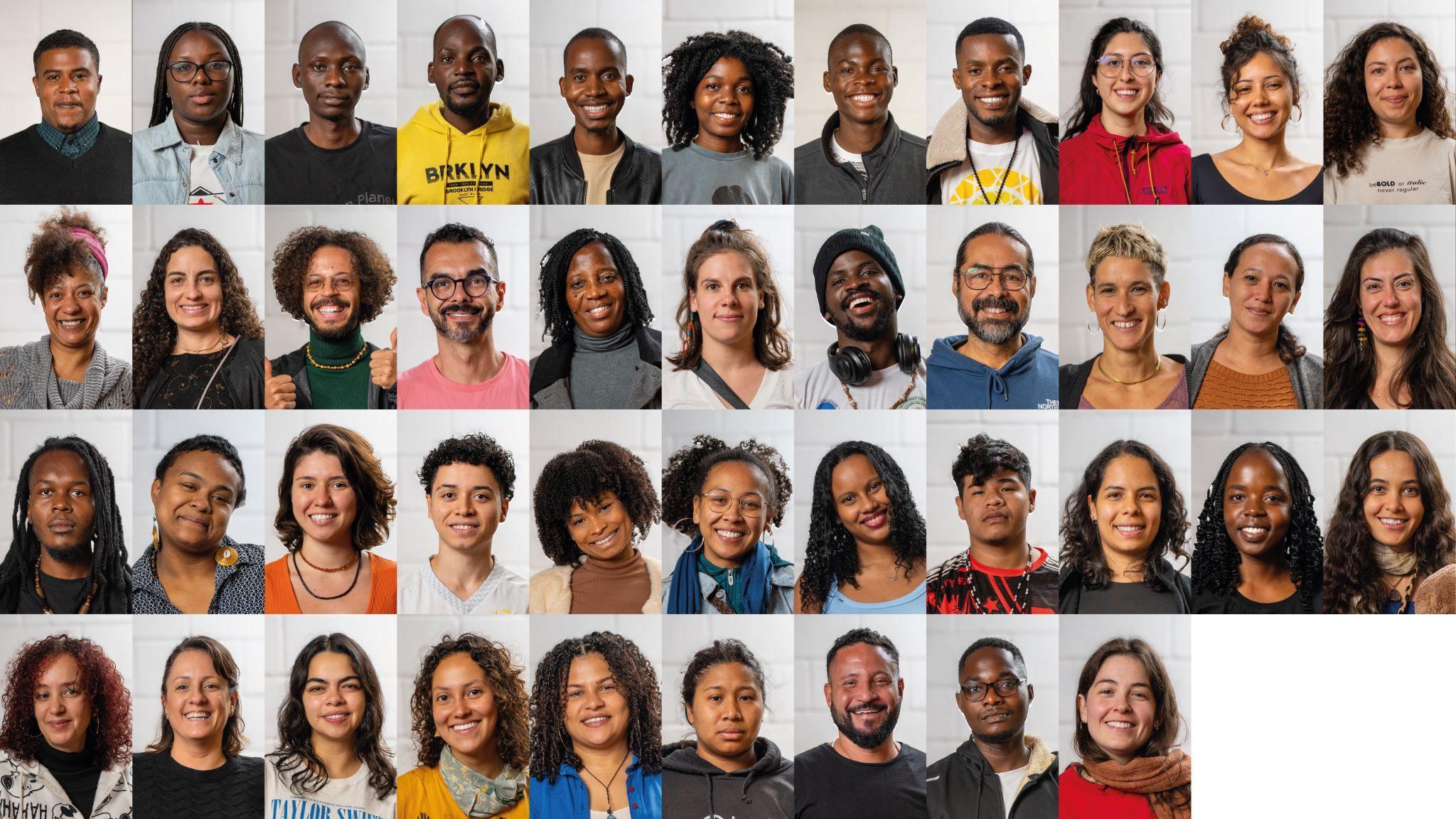
GSA is born from the dream of building connections and fostering collaboration among diverse people from around the world. We know that in an unjust, unequal, and exclusive world, this does not happen spontaneously. That’s why we strive to create conditions that make this unlikely encounter possible!
We start by granting all participants a 30% subsidy of the total course fee. This initiative is made possible thanks to the support of individuals and partner organizations of Instituto Elos, who invest in training a new generation of diverse leaders.
Moreover, in our pursuit of social justice, equity, diversity, and inclusion - values that are essential to Elos,
and as a fundamental part of the program’s pedagogy, we work to offer full or partial scholarships, prioritizing people from territories, skin tones, and cultures that have been historically marginalized: 6 scholarships of 100%, 3 scholarships of 90%, 1 scholarship of 75%, 9 scholarships of 70%, 7 scholarships of 50%, 2 scholarships of 25%, and 10 ambassador scholarships, totaling 38 scholarships.
Understanding that transforming the world requires including everyone, we also expanded our programs to include teenagers through the Geração GSA program. In this program, we also offer scholarships with the same social justice goals: 6 scholarships of 100%, 1 scholarship of 80%, 1 scholarship of 50%, and 6 ambassador scholarships, totaling 14 scholarships.
Scholarships for Black and Brown participants
Scholarships for participants from Latin America
Scholarships for Indigenous people and members of traditional communities
Ambassador Scholarships – Nota Fiscal Paulista
Number of scholarships offered (GSA + Geração GSA): 19 05 04 14 10
Scholarships for other ethnic groups in vulnerable situations
Budget components
The budget is distributed across the following stages, covering all three programs: GSA, Geração GSA (GGSA), and Elos na Liderança (ENL).
Planning and Management
GSA/GGSA/ENL
Development and production team of the program, partnership acquisition and fundraising, institutional relations, methodological content graphic design, and press office.
Yes Path Abundance Game
Promotion, development, and production of communication materials, participant recruitment, virtual selection process, and participant follow-up.
Creation and provision of the game content on a virtual platform, and support in the individual fundraising efforts of each selected GSA participant.
GSA/GGSA/ENL Immersion
Administrative expenses, food, lodging, telephone, internet, health kit, space adaptation, transportation, stationery, external events, facilitation team and contracted external consultants, printing of pedagogical and communication materials.
Expansion Path
Maintenance of the Yes Path platform, virtual follow-up of participants, and in-person follow-up in the communities for six months.
Additional expenses covered
Support in obtaining tickets, passports, transportation, etc.
Total Expenses: R$ 1.450.843,44
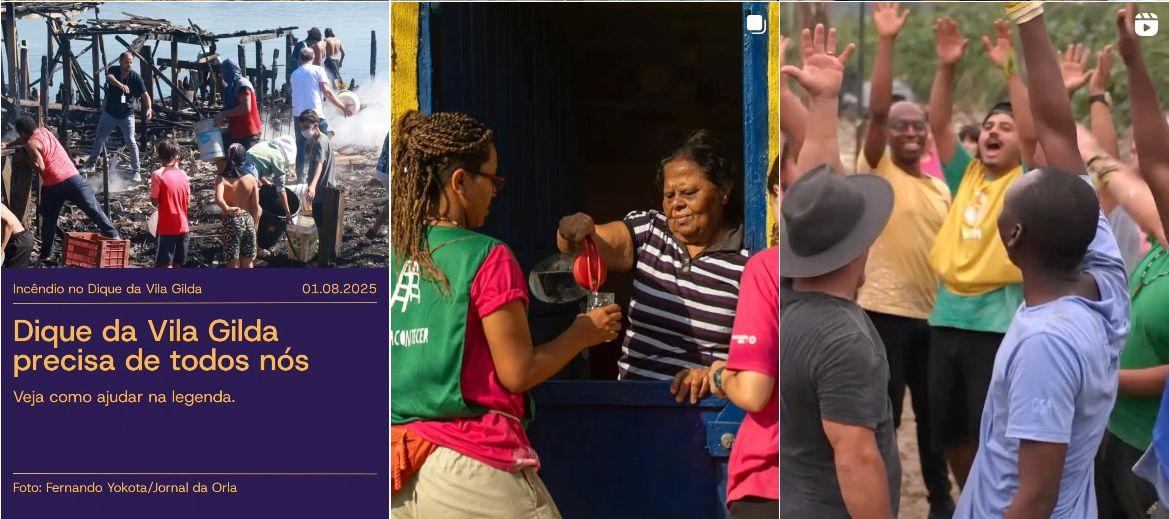
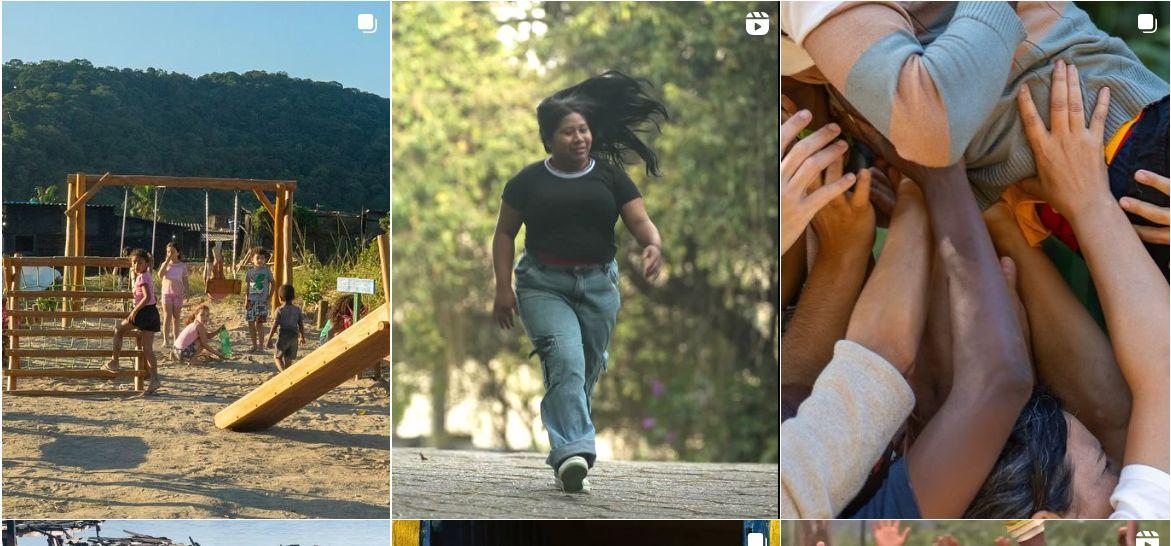
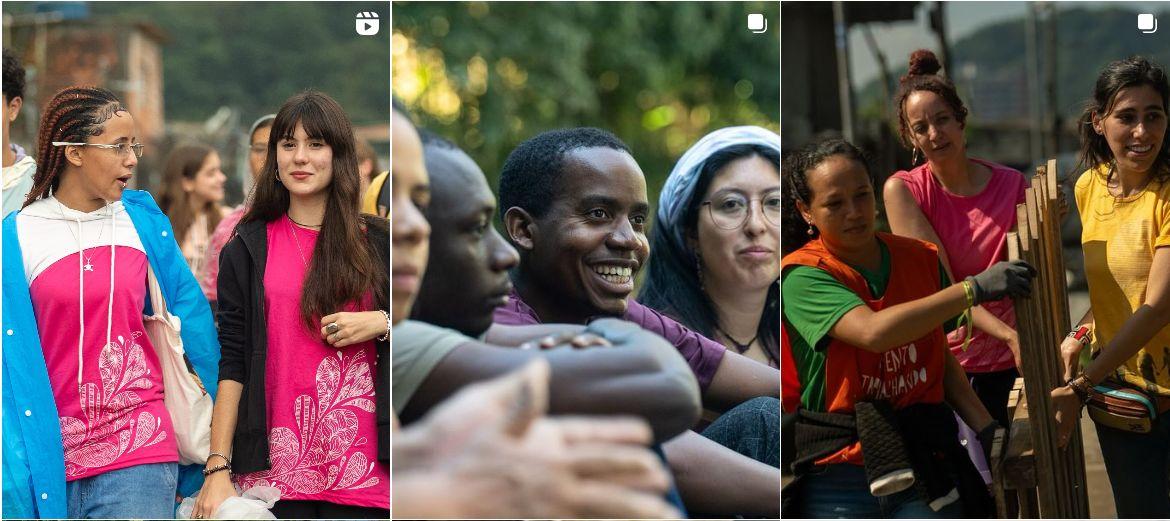
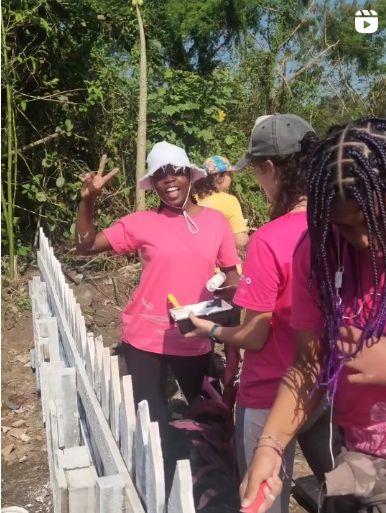
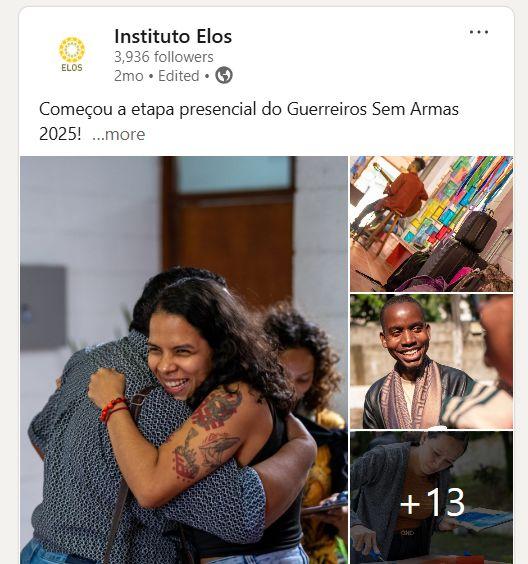
In 2025, Instituto Elos used its social media channels, especially Instagram (@elosbrasil), to share key moments from the GSA 2025 program immersion. The posts highlighted how the Elos Methodology supports the development of skills and competencies that enable transformation at personal, territorial, and systemic levels.
Instagram was the primary communication platform, allowing Elos’ audience to closely follow the program’s daily activities. To extend reach, the content was also shared through serialized newsletters, Facebook, and LinkedIn.
New followers during the period
Profiles reached Interactions
Clicks on the website link Shares
665
31,173
New followers during the period
Profiles reached
Interactions
57 767
56
Our gratitude
GSA happens thanks to the support of individuals and organizations who believe in the work of transforming the world we live in into the world we dream of.
Thank you very much to everyone who was with us in 2025:
Support: Agência Brasileira de Cooperação, Casa Hacker, LALA, Prefeitura de Cubatão, Prefeitura de Santos, Shambala Naturais and Unimed Santos.
Scholarship Fund: Be The Earth Foundation, Fundação Tide Setubal, Instituto Estrela do Mar, Instituto Meraki, Storage and Transformadores Elos.
Sponsorship: Donors from Nota Fiscal Paulista, Ministry of Culture, Rumo Logística and Semente Orê.
and your support makes all the difference!
Investing in GSA is investing in the relational infrastructure that sustains personal, territorial, and systemic transformation.
It means giving form to a methodology that promotes openness, collaboration, dialogue, and diversity — the essential elements for building the best of worlds.
GSA 2025 Team:
General Coordination
Mariana Gauche Motta
Management Team
Mariana Gauche Motta
Natália Torres Dittmar
Rodrigo Rubido Alonso
Pedagogical Team
Hannah Needleman
Jamerson Mancio
Natália Torres Dittmar
Natasha Mendes Gabriel
Rodrigo Rubido Alonso
Finance Team
André Pascoal
João Luiz Agapito
Yasmin Nascimento
Fundraising
Cláudia Ferreira
Jaqueline Viana
Mariana Gauche Motta
Rodrigo Rubido Alonso
Participant Relations
Mirian Fonseca
Natália Torres Dittmar
Support
Val Rocha
Production and Infrastructure
Gabriela Moço
Natália Torres Dittmar
Mirian Fonseca
Rebeca Alonso
Silvana Contreras
Production Support
Val Rocha
Mariana Gauche Motta
Communications Team
Agnes Sofia Guimarães
Ariane Lopes Mates
Beatriz Chaves
Luiz Amaro Fortes
Paula Valerio
Audiovisual Recording
Léo Bertero
Thiago Bugallo
Translation and Interpretation
Hannah Needleman
Jade Chaib
Yes Path Facilitation
Jamerson Mancio
Mirian Fonseca
Yes Path Support
Hannah Needleman
Francina Buonanotte
Mirian Fonseca
Natália Torres Dittmar
Rodrigo Rubido Alonso
Val Rocha
Bel Rocha
Randa Seyam
Jade Chaib
Felipe Chammas
Abundance Game
Facilitation
Bel Rocha
Felipe Chammas
Jamerson Mancio
Abundance Game Support
Cláudia Ferreira
Mirian Fonseca
Expansion Path Facilitation
Hannah Needleman
Jamerson Mancio
Felipe Chammas
GSA Immersion Facilitation
Caio Fiuza
Francina Buonanotte
Juliana Guerreiro
Natália Borges
Randa Seyam
Vinicius Sakamoto
Hannah Needleman
Jamerson Mancio
Rodolpho "Dodô" Martins
Rodrigo Rubido
Catering
Ana Paula Garcia Luize
Ana Macêdo Avelar
Cláudia Regina Pinto
Jéssica Paixão
Opening Workshops
Carla José de Oliveira
Andréia Pereira Fernandes
Maria José Dantas Dias
Workshop Facilitators
André Ebert
André Mafra
Ariane Lopes Mates
Alex "BIG Z" Santos
Bel Rocha
Caio Fiuza
Felipe Chammas
Francina Buonanotte
Rodolpho "Dodô" Martins
Silvana Contreras
Vinicius Sakamoto
Opening Ceremony on the First Day
Pará Yvoty
Aldeia Tekoa Pyaú
André Ebert
Música do Círculo
Nature Games
Kaká Werá
Pará Yvoty
Rodrigo Rubido Alonso
Ariane Lopes Mates
Circle Dances
Marina Prathes
Communication and Trust
Felipe Chammas
Raquel Calcina
Val Rocha
Elos Dialogues
Caio Fiuza
Hermes de Sousa
Kenia Antonio Cardoso
Dream Meeting
Centro Comunitário Arco
Íris do Morro
Dream Meeting
Cristiane Santos
Natália Cristine
Priscilla Pereira
Re-evolution Meeting
Bel Rocha
Dri de Moraes
Larissa Silvestre
Luiza de Sá
Roberto Chunguane
Celebration Party
Coletivo Querô
Instituto Arte no Dique
Jamerson Mancio
Rodolpho "Dodô" Martins
GERAÇÃO GSA 2025
TEAM:
General Coordination
Mariana Gauche Motta
Management Team
Mariana Gauche Motta
Felipe Chammas
Participant and Family Relations
Mariana Gauche Motta
Carolina Queiroz
Felipe Chammas
Mirian Fonseca
Pedagogical Team
Felipe Chammas
Bel Rocha
Jamerson Mancio
Rodrigo Rubido
Carolina Queiroz
Facilitation
Felipe Chammas
Bel Rocha
Jamerson Mancio
Carolina Queiroz
Guest Facilitators
Rodolpho "Dodô" Martins
ELOS NA LIDERANÇA 2025
TEAM:
General Coordination
Mariana Gauche Motta
Management Team
Mariana Gauche Motta
Hannah Needleman
Jaqueline Viana
Pedagogical Team and Facilitation
Paulo Farine
Rodrigo Rubido
Publication and Editorial
Project
Instituto Elos
Coordination
Paula Valerio
Photography
Léo Bertero
Thiago Bugallo
Graphic Design and Production
Ariane Lopes Mates
Text and Editing
Luiz Amaro Fortes
Ariane Lopes Mates
With the collaboration of the territory facilitation team
Editing
Ariane Lopes Mates
Proofreading
Mariana Gauche Motta

Sign up for Guerreiros Sem Armas 2026: