1950s MENS WEAR
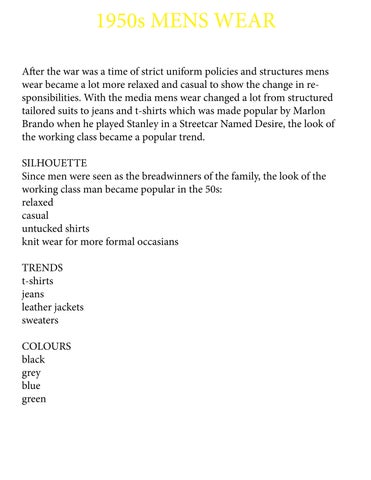
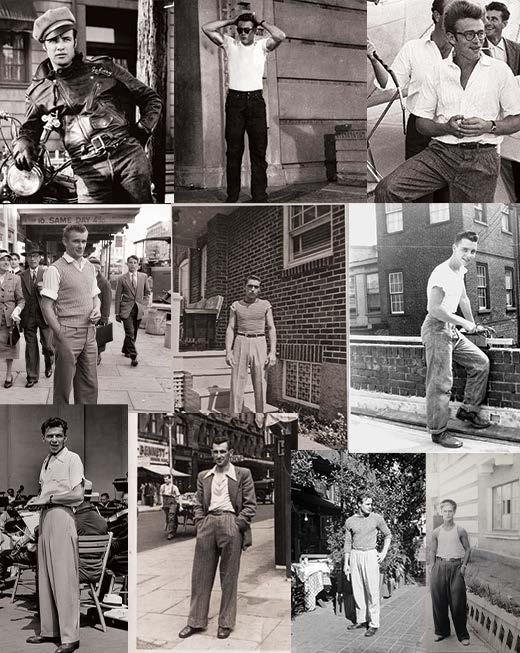
After the war was a time of strict uniform policies and structures mens wear became a lot more relaxed and casual to show the change in responsibilities. With the media mens wear changed a lot from structured tailored suits to jeans and t-shirts which was made popular by Marlon Brando when he played Stanley in a Streetcar Named Desire, the look of the working class became a popular trend.
SILHOUETTE
Since men were seen as the breadwinners of the family, the look of the working class man became popular in the 50s: relaxed casual untucked shirts
knit wear for more formal occasians
TRENDS
t-shirts
jeans leather jackets sweaters
COLOURS
black grey blue green
MODERN MENS WEAR
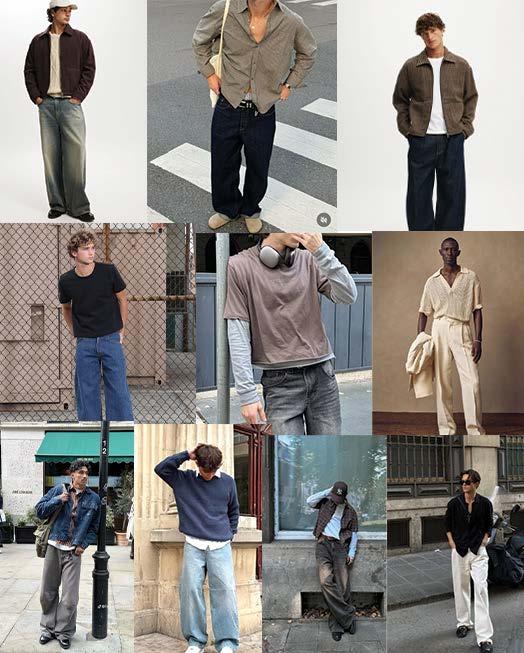
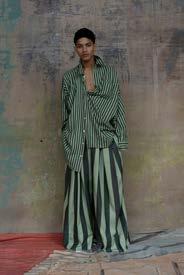
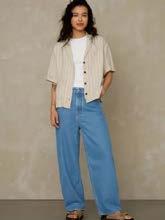
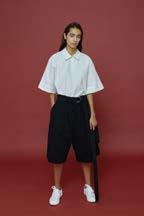
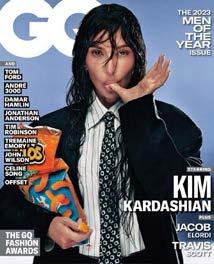
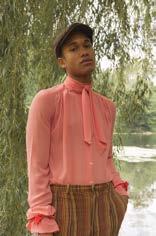
As fashion is a sign of the times the way in which collections are produced reflect the way in which sociecty views the social norm. In todays society the casual look remains popular especially after COVID and the lockdowns which meant that everyone was staying home. The hyper masculine image is no longer as up held anymore due to the changes in which gender and sexuality has been more accepted so ens wear has seen the added touch of feminity
SILHOUETTE
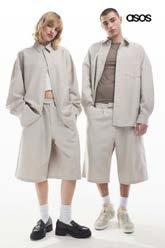
baggy
oversized
casual tailored shirt for formal events fitted trousers for formal events
TREND
jumpers
sweatshirts co ords
athliesure
jeans
jorts
COLOURS
black
white
blue
neutrals
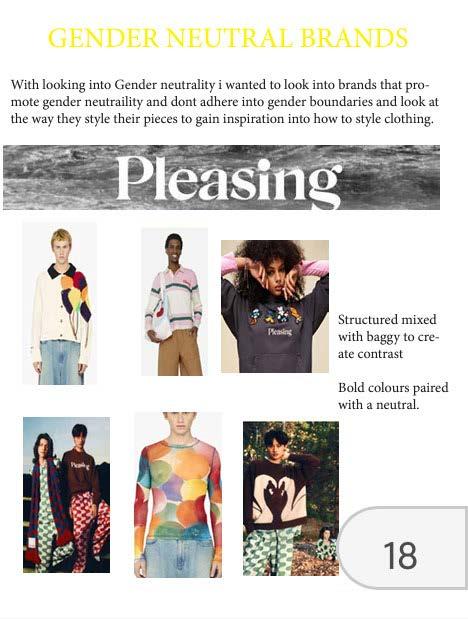
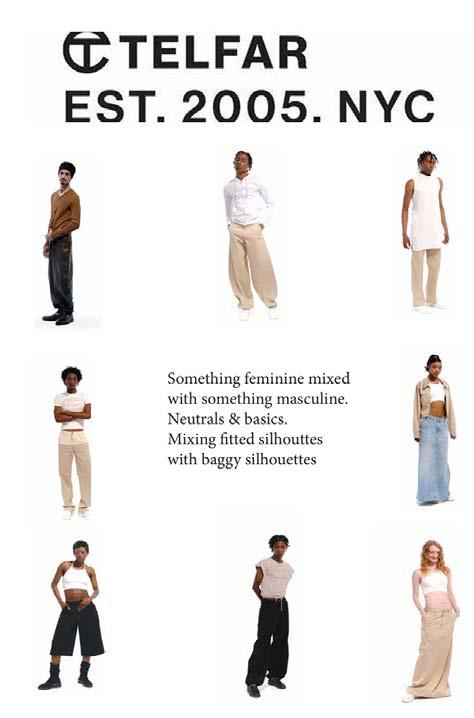
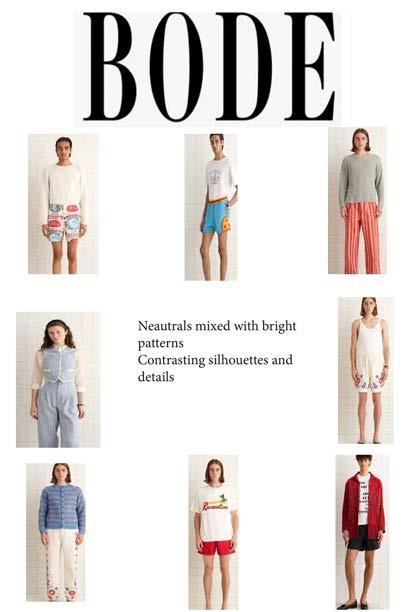
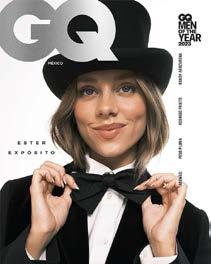
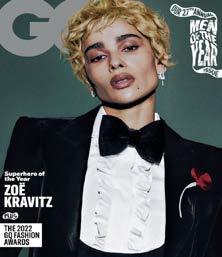
GENDER NEUTRALITY
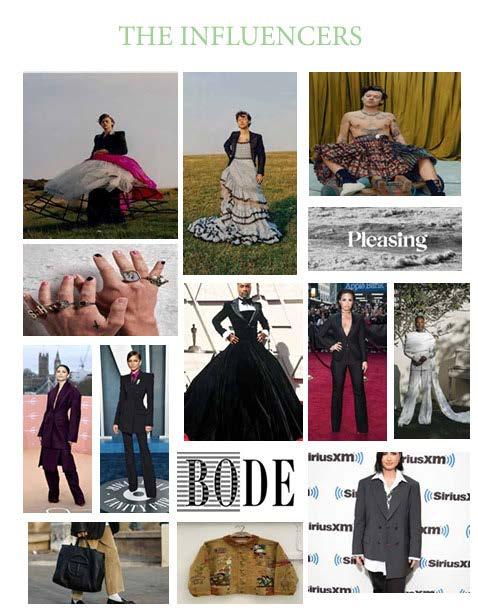
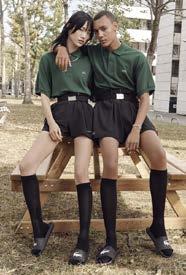
At the turn of the century the line between mens wear and womens wear started to blur. Now as we see the upcoming of generation alpha we can see that their traits are influencing the fashion industry.
As a generation that strives to break boundaries and enter a neutral space the gender divide is becoming a lot less prominent in the fashion industry. Generation Alpha shops for comfortability not for gender so they are no longer adhering to gender norms. They are breaking the boundaries for what is deemed a gender norm and going with what makes them feel the most comfortable regardless of what the label says.
With this, gender neautrality has become a widespread trend where we have seen girls wearing boys clothes and boys wearing girls clothes as a form of self expression and comfort.
With seeing the way Generation Alpha view fashion and the way gender is not the sole focus of dressing i wanted to take that on board and compare it to the way the people where dressing in the 1950s which was purely based on the gender divide and how there was a stark contrast between men and women which highlighted how high womens expecatations were compared to mens and how that has ultimatley changed with generation alpha.