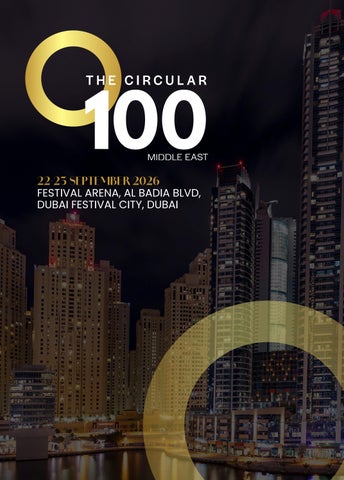
22-23 SEPTEMBER 2026
FESTIVAL ARENA, AL BADIA BLVD, DUBAI FESTIVAL CITY, DUBAI

22-23 SEPTEMBER 2026
FESTIVAL ARENA, AL BADIA BLVD, DUBAI FESTIVAL CITY, DUBAI
Welcome to the first edition of The Circular 100 Middle East.
This publication brings together a group of individuals who are not just contributing to the circular economy - but actively shaping how it is delivered across the region. From waste management and resource recovery to policy, infrastructure and innovation, each voice featured in this edition reflects a practical commitment to progress.
As you’ll see throughout these pages, one of the most consistent themes is the gap between ambition and implementation. Across the GCC, there is no shortage of vision, investment or intent, but the real opportunity lies in translating this into scalable, measurable outcomes. That is exactly where this community sits: at the intersection of strategy and execution.
The move to Dubai and the launch of Recycling Expo Middle East on at Festival Arena marks an important step in bringing this network together in one place . By connecting leaders across government, industry and enterprise, we are creating a platform for collaboration, knowledge exchange and, importantly, real-world delivery.
The Circular 100 is not about recognition for the sake of it. It is about identifying the people driving meaningful change and creating an environment where those individuals can connect, challenge, and accelerate progress together.
Thank you for being part of it.

Laura Lawrance Strategic Marketing & Partnerships Manager
The Recycling Expo Middle East
1What are the biggest challenges facing your industry currently?
as governments respond to public health priorities, environmental goals, and global standards.
Clear guidance, structured consultation, and phased implementation can help ensure policy outcomes are achieved efficiently and predictably.
approaches can increase operational demands for regional businesses. Greater coordination and alignment would support efficiency and longterm competitiveness.
2What professional accomplishment are you most proud of?
The FMCG sector across the region is navigating a period of accelerated change. Some of the challenges relate to regulatory evolution, cost pressures, shifting consumer expectations, and regional complexity.
Regulatory frameworks covering health, sustainability, and consumer protection are advancing rapidly. While these initiatives reflect important public policy objectives, the pace and sequencing of change can create operational strain for businesses managing integrated regional supply chains. Adapting packaging, labelling, reporting, and compliance processes across multiple markets requires investment, coordination, and time. These pressures have emerged
Cost volatility remains another structural challenge. Fluctuations in commodities, logistics, and broader macroeconomic conditions continue to affect planning and margins. At the same time, businesses must preserve affordability for consumers in pricesensitive markets. Strengthening supply-chain resilience, enhancing productivity, and pursuing local partnerships where viable are essential to managing these pressures.
Consumer expectations are also evolving. There is growing demand for healthier choices, greater transparency, and responsible business practices, alongside sustained value. Meeting these expectations requires ongoing investment in innovation, portfolio optimization, and clear communication, while maintaining competitiveness.
Finally, the region’s diversity presents both opportunity and complexity. Variations in market requirements and implementation
Overall, I am particularly proud of is leading constructive, multi-level engagements with governments across the region to help shape balanced, growth-oriented regulatory outcomes for the sector.
Operating at the intersection of business and public policy, I am proud to translate complex commercial realities into clear, evidence-based narratives that support informed decision-making. This required aligning cross-functional teams internally— regulatory, legal, supply chain, finance, and commercial—to ensure a unified position, while externally coordinating closely with authorities and industry peers to present practical, solutionfocused proposals.
Rather than reacting defensively to change, we focused on co-design: identifying how regulatory ambition and economic sustainability could reinforce one another. By contributing structured impact insights and pragmatic implementation pathways, we helped foster more predictable frameworks that supported both
compliance and competitiveness.
The results were tangible. Clearer operating environments reduced uncertainty and unintended disruption, strengthened trust between industry and policymakers, and created confidence for continued investment. Most importantly, this translated into unlocking growth opportunities— enabling innovation, portfolio expansion, and regional scale—while supporting broader economic and societal objectives.
For me, the achievement lies not only in influencing policy outcomes, but in demonstrating that constructive partnership between government and industry can drive sustainable growth for the sector.
3
What future predictions do you have for your Industry?
The industry is undergoing a monumental transformation, driven by unprecedented technological acceleration and shifting consumer paradigms. Within this dynamic global shift, the GCC for example is emerging as pioneering hub, setting benchmarks for innovation and adoption, particularly impactful for the FMCG sector.
Forward-thinking government initiatives, notably Saudi Vision 2030, are strategically fueling unprecedented investments in digital infrastructure and smart city development. This robust foundation creates an unparalleled environment for FMCG to thrive, enabling leapfrogs in digital commerce and supply chain efficiencies.
We predict an era of rapid evolution for FMCG, marked by hyperpersonalization at scale, Immersive & Connected Commerce, as well as sustainable practices.
Winners will be defined by their agility to embracing data science for consumer insights, expertise in
e-commerce platform management (especially Direct-to-Consumer models), supply chain optimization for digital channels, and innovative sustainable logistics.
Losers may be those resistant to digital transformation, neglecting datadriven decision-making, or failing to adapt to evolving consumer demands for convenience, personalization, and sustainability.
4
What does it mean to you to be recognised as part of The Circular 100 Middle East?

Being recognized as part of The Circular 100 Middle East is an immense honor and fills me with great pride. It signifies a collective commitment to advancing sustainable practices within the region’s dynamic economic landscape.
The relocation to Dubai has further underscored the critical importance of regional collaboration. Working with industry colleagues across the GCC offers unparalleled advantages including driving sector-wide progress by sharing insights, best practices and challenges to accelerate the circularity journey further. This is in addition to fostering innovation by co-creating ideas and solutions. Additionally, complementing work already taking place across the industry by aligning strategies and amplify impact.
We have the collective power to co-create more efficient and sustainable systems, ensuring that our efforts not only push boundaries but also effectively complement and build upon the vital work already being done at a local level throughout
the region. This synergy is key to unlocking a truly circular future for the region.evolving consumer demands for convenience, personalization, and sustainability.
5
What benefits do you think there are to attending The Recycling Expo Middle East?
Attending The Recycling Expo Middle East offers benefits, primarily centered around unparalleled networking, comprehensive knowledge acquisition, and significant business development opportunities.
It’s a platform to connect with key industry players, gain cutting insights, discover and learn about innovative solutions, as well as understanding the wider market landscape.
“Regulatory frameworks covering health, sustainability, and consumer protection are advancing rapidly.”
1What are the biggest challenges facing your industry currently?
The sustainability and circular economy landscape today faces several interconnected challenges. One of the most pressing is the gap between ambition and implementation. While governments and organisations across the region have made strong commitments towards Net Zero and circularity, translating these into measurable and scalable action remains difficult due to fragmented frameworks and varying levels of readiness.
Another key issue is the continued reliance on linear economic models, particularly in sectors such as packaging, construction and manufacturing. Many value chains still follow a “take–make–dispose” approach, driven by cost pressures, limited recycling infrastructure and insufficient incentives to adopt circular alternatives.
Data and measurement gaps also pose a challenge, with many organisations struggling to accurately assess their environmental footprint
and track progress effectively.
Behavioural factors further influence progress. While awareness is increasing, embedding sustainability into everyday decision-making requires a stronger shift in mindset.
In the Middle East, rapid development adds complexity, increasing pressure on resources and waste systems.
As a non-governmental organisation, the Emirates Environmental Group (EEG) plays a key role in translating commitments into practical, community-driven action. Moving forward, a collaborative approach is essential to ensure sustainability delivers measurable impact.
2What professional accomplishment are you most proud of?
One of the professional accomplishments I am most proud of is pioneering and institutionalising sustainability and corporate responsibility in the region through the establishment of the Emirates
Environmental Group (EEG) and the Arabia CSR Network (ACSRN), at a time when these concepts were not widely recognised.
Through EEG, we transformed sustainability into a national movement driven by community action. What began as a small initiative has grown into a platform engaging thousands of volunteers, partnering with hundreds of organisations and delivering longstanding programmes such as Clean UAE and nationwide recycling initiatives. These efforts have contributed to waste diversion, ecosystem restoration and environmental awareness.
In parallel, through ACSRN, we developed a regional platform integrating sustainability into business strategy and governance. Initiatives such as the Arabia CSR & Sustainability Awards and the Global Sustainability & CSR Forum have encouraged organisations to move towards measurable and accountable action.
A key aspect of this journey has been bringing together stakeholders from government, the private sector, academia and civil society.
Sustainability requires collaboration, and fostering this has been central to translating vision into outcomes.
This accomplishment reflects an ongoing journey focused on building a more sustainable and resilient future.
3What future predictions do you have for your Industry?
Looking ahead, the sustainability and circular economy landscape will undergo significant transformation across the Arab region, where sustainability is becoming a strategic priority.
In the GCC, sustainability is increasingly integrated into national agendas through initiatives such as Vision 2030 and the UAE’s Net Zero 2050 Strategy. There is a clear shift towards resource efficiency, circular economy models and responsible consumption, alongside stronger regulatory frameworks and investment in green technologies.
The region’s rapid development presents both challenges and opportunities. While pressure on resources continues to grow, there is also an opportunity to embed circularity into new developments. Key sectors such as construction, packaging, energy and mobility will play a central role.
Collaboration will be critical, requiring partnerships between government, the private sector, academia and civil society. As an NGO, EEG continues to support this transition through awareness, capacity building and practical implementation.
Globally, sustainability is becoming a core business requirement, with organisations expected to adopt transparent and measurable approaches. Those that integrate sustainability into their strategy will lead, while others will struggle to remain relevant.
4
What does it mean to you to be recognised as part of The Circular 100 Middle East? Being recognised as part of The Circular 100 Middle East is both an honour and a responsibility. It reflects individual contributions and the region’s progress towards embedding sustainability into its development agenda.
This recognition is particularly meaningful with the initiative anchored in Dubai - a hub for innovation, sustainability and collaboration. It provides an environment where partnerships can be formed efficiently and solutions scaled across the region.
region accelerates its transition towards circular economy models and sustainable resource management.
The strength of this group lies in its diversity, bringing together leaders across sectors. The transition to a circular economy requires alignment across industries and value chains, and this network enables knowledge exchange and practical implementation.
Across the GCC, there is strong ambition supported by national strategies. Platforms such as The Circular 100 help align efforts, share best practices and address common challenges.
The true value lies in moving beyond dialogue towards measurable action, supporting innovation and strengthening the ecosystem required for circular transformation.
5What benefits do you think there are to attending The Recycling Expo Middle East?
Attending The Recycling Expo Middle East offers significant value as the
The Expo provides a platform to connect stakeholders across the value chain, including government, private sector leaders, innovators and recyclers. This level of engagement supports collaboration, knowledge exchange and partnership development.
It also offers exposure to emerging technologies and solutions across recycling, waste management and circular design, helping organisations identify practical applications.
Through discussions and case studies, participants gain insight into regional challenges, regulatory developments and global best practices.
The Expo also raises awareness by presenting sustainability in a practical context, demonstrating that circularity is both an environmental responsibility and a business opportunity.
Ultimately, attending supports a collective effort to advance resource efficiency and sustainable development.
1What are the biggest challenges facing your industry currently?
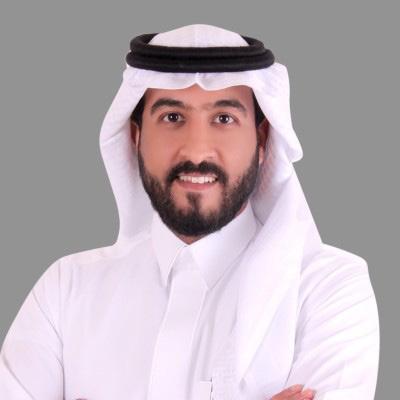
The recycling and industrial hazardous waste management sector in Saudi Arabia is not merely facing challenges - it is navigating a historic transformation. The region is moving away from a traditional linear model toward a circular economy, redefining how resources, waste, and value are perceived.
One of the central challenges is human capital. Circular economy industries demand highly specialised technical, operational, and regulatory expertise that did not historically exist at scale within the region. At SIRC Group, we view capability building as a strategic priority, investing in global knowledge partnerships and developing Saudi talent to ensure
VICE PRESIDENT OF OPERATIONS & MAINTENANCE
GLOBAL ENVIRONMENTAL MANAGEMENT SERVICES LTD.
long-term sector sustainability.
Another structural challenge lies in the quality and consistency of waste streams entering recycling systems. Circular models rely on disciplined segregation, standardised handling practices, and strong generator awareness. Variability in feedstock reflects the broader maturity of the circular value chain. As regulatory frameworks strengthen and awareness deepens, this challenge is expected to diminish.
Ultimately, what may appear as obstacles are characteristics of a sector in its formative growth stage. The momentum behind sustainability, resource efficiency, and environmental stewardship in Saudi Arabia is unprecedented, and the industry’s trajectory is defined more by opportunity than constraint.
What professional accomplishment are you most proud of?
For me, working in the recycling and waste management sector has never been merely a career - it is a purposedriven mission. The accomplishment I value most is contributing to a system that transforms waste from an
environmental burden into a resource with renewed value.
Together with my team, we continuously push technical boundaries, optimise recovery processes, and develop solutions for complex and hazardous waste streams. The real pride lies in solving problems that create both environmental and economic value.
One achievement that stands out was earning the trust of a major client in Saudi Arabia to treat a highly complex and toxic waste stream locally rather than exporting it to the United States. This required extensive technical evaluation, multiple trials, process refinement, and rigorous audits. Ultimately, we demonstrated that such waste could be safely managed within the Kingdom. Today, that same waste stream is being recycled and treated at our facilities.
Over the past year, our operations enabled the collection, transportation, and treatment of more than 800,000 tons of waste across five facilities in Saudi Arabia, contributing to the advancement of the circular economy.
Ultimately, I am most proud to be part of an industry reshaping how societies view waste - not as something to discard, but to recover, reuse, and reimagine.
What future predictions do you have for your Industry?
The recycling and waste management industry is entering a defining decade, both regionally and globally. This is not simply sector growth - it is a structural shift in how economies perceive waste, resources, and sustainability.
In Saudi Arabia and across the GCC, this transformation is supported by initiatives such as the Saudi Green Initiative and Vision 2030. These are driving regulatory reform, sustainable industrial development, and investment in advanced recycling infrastructure, with more waste being processed locally.
Technology will play a central role. Digitalisation, AI-enabled sorting, advanced recovery processes, and material traceability are redefining efficiency. Companies that combine technical excellence with data-driven innovation will gain a clear advantage.
At SIRC Group, we are supporting this shift through investment in
Globally, recycling is moving upstream into product design, with waste increasingly treated as a secondary raw material. The industry’s future will be defined by value recovery, efficiency, and innovation - evolving from a service sector into a strategic enabler of sustainable growth.
4
What does it mean to you to be recognised as part of The Circular 100 Middle East?
Being recognised as part of The Circular 100 Middle East is a meaningful milestone in my professional journey. It validates the mission that drives my work - advancing the circular economy and sustainable waste management in the region - and reflects the collective efforts of my team at SIRC Group.
Collaborating with peers across the GCC provides valuable opportunities for knowledge exchange, sharing best practices, and benchmarking emerging technologies. It enables us to address common challenges, from
5
What benefits do you think there are to attending The Recycling Expo Middle East?
Attending The Recycling Expo Middle East offers significant value for those involved in the circular economy and waste management sector. The event brings together industry leaders, innovators, policymakers, and key stakeholders, creating a platform for collaboration, learning, and business development.
A key benefit is knowledge exchange. With a wide range of exhibitors, speakers, and thought leaders, attendees gain insight into the latest technologies, regulatory developments, and best practices importance of collaboration. Circular economy objectives cannot be achieved in isolation; they require cross-industry and cross-border partnerships. By connecting with industry leaders, we can accelerate progress, influence policy, and scale solutions that benefit the region.


ENVIRONMENTAL & SUSTAINABILITY MANAGER
AL-RAJHI BUILDING & CONSTRUCTION - KING
SALMAN PARK PROJECT
1What are the biggest challenges facing your industry currently?
One of the main challenges in the environmental and circular economy sector is moving from strategy to real implementation. Across the region, there are strong sustainability commitments and national visions, but many organizations still struggle to translate them into measurable action.
This happens for several reasons. There is still a gap in technical expertise, especially in areas like carbon accounting, advanced waste management, and ESG reporting. In addition, some recycling and carbon markets are still developing, which makes financial returns less predictable. Reliable environmental data is also a challenge for many companies.
The solution lies in capacity
building, stronger collaboration between public and private sectors, and creating financial incentives that make sustainability commercially viable.
The good news is that the momentum is strong, and the region is clearly moving toward embedding sustainability into core business strategy rather than treating it as compliance.
2What professional accomplishment are you most proud of?
One of the accomplishments I am most proud of is leading waste management transformation initiatives within largescale projects and operational sites.
I was responsible for restructuring the waste management system, moving from basic disposal practices to a more structured, segregationbased, and compliance-driven approach aligned with environmental standards. This included developing waste management plans, training site teams, improving contractor accountability, and introducing monitoring and reporting mechanisms.
The impact was significant. We
reduced improper disposal practices, improved recycling rates, enhanced environmental compliance, and minimized environmental risks. More importantly, the culture began to shift waste was no longer seen as a byproduct to discard, but as a resource that could be managed strategically.
The results were measurable in terms of improved environmental performance, stronger audit outcomes, and better alignment with sustainability objectives. For me, the real achievement was turning waste management from a reactive activity into a proactive system.strategy rather than treating it as compliance.
3
What future predictions do you have for your Industry?
The environmental and circular economy sector is undergoing rapid transformation in KSA, the GCC, and globally. Projects like CP-09 at King Salman Park (Al Rajhi Construction) show how sustainability and waste management are being integrated from the design stage, setting a new standard for future developments.
I expect the industry to move toward digitalization, data-driven solutions, and advanced recycling technologies, where organizations that adopt innovation and demonstrate measurable impact will lead. Those
who remain reactive or rely on outdated practices may fall behind.
Globally, stronger links between carbon markets, recycling value chains, and ESG reporting will define success.
In the region, sustainability is becoming central to infrastructure and urban projects, no longer optional, but a key part of business strategy.
4
What does it mean to you to be recognised as part of The Circular 100 Middle East?
Being part of The Circular 100 Middle East is a great honour and recognition of the impact of our work in sustainability and the circular economy.
The move to Dubai strengthens the platform by connecting leaders across the GCC, allowing knowledge sharing, collaboration, and regional
alignment on best practices.
I believe this group can drive innovation, influence policies, and show that circular economy solutions bring both environmental and economic benefits.
5
What benefits do you think there are to attending The Recycling Expo Middle East?
The Expo is a great opportunity to connect with industry leaders, explore the latest recycling technologies, and share best practices. It also allows for networking, building partnerships, and gaining insights that can be applied to real-world sustainability projects, driving both environmental and economic impact. optional, but a key part of business strategy.
“I am most proud of is leading waste management transformation initiatives within large-scale projects and operational sites.”
What are the biggest challenges facing your industry currently?
There is a clear shift towards clean energy, with a growing emphasis on renewable electricity, on-site solar generation, and the use of efficient gas turbines. Recycling rates are rising thanks to advanced technologies, along with stronger circular relationships within responsible sourcing supply chains and more precise carbon footprint measurements. Low-carbon product innovation is also a key focus in R&D, with an increased incorporation of recycled alloys into new product lines. Sustainability programs and certifications provide a framework to guide these efforts. Additionally, promoting carbon transparency through environmental audits and the capture of scope 1, 2, and 3 emissions is gaining momentum. Incentivizing the recycling supply chain will accelerate aluminum’s circularity, facilitating
the transition to low-carbon primary aluminum production. Long-term growth can be realized if stakeholders focus on building renewable energy infrastructure, ensuring cost-effective access to low-carbon power, expanding markets for low-carbon aluminum, and implementing policies that improve access to recyclables.
What professional accomplishment are you most proud of?
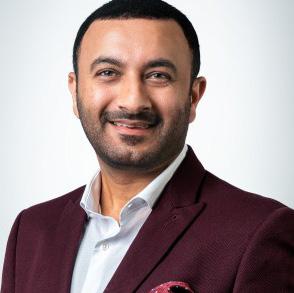
Salman Shaban is a third-generation family business owner of a metal recycling and secondary aluminum manufacturing entity. A target-oriented and cross-functional business leader with over 25 years of international industrial experience, Salman holds an undergraduate degree from the University of Waterloo (Canada), an executive diploma from Babson College (USA), and a graduate degree from HEC Paris (France).
Salman is actively engaged in advisory and governance roles, including the Patients and Family Advisory Council (PFAC) at Sidra Medicine and Hamad Medical Corporation (Qatar), the Pearling Advisory Board at Pearling Season International School (Qatar), and Board Membership at Emirates Environmental Group (UAE). His commitment to mentorship is reflected through roles as a Global Ambassador at the University of Waterloo, mentor at Ten Thousand Coffees, the Al-Murshid Program at Qatar Foundation, and the Global Mentorship Initiative, as well as serving on the Selection Committee and Capstone Advisory Panel at HEC Paris.
He also contributed as a volunteer during the FIFA World Cup Qatar 2022 in Marketing Rights Delivery and Youth Development Programs, demonstrating his dedication to community engagement and international collaboration.

Salman’s interests in sustainability, social entrepreneurship, and community development are central to his mission to create positive global impact. The longterm value of Salman’s work lies in his sustained contributions across business, community, and academic ecosystems. As a sustainability advocate, he has integrated responsible and circular practices into his family business while actively participating in national and international platforms promoting sustainable development. Through advisory boards, alumni committees, and business engagement initiatives, he transfers knowledge, influences policy, and supports innovation with enduring societal benefits.
3
What future predictions do you have for your Industry?
The GCC is increasingly integrating recycled content into its product mix to meet the growing demand for low-carbon aluminum and comply with the regulatory requirements of export markets. This shift is driving the expansion of secondary production and enhancing the capture of both pre and postconsumer recyclables. As a result, there is a growing focus on commercializing more efficient and environmentally friendly technologies for smelters, extruders, rolling mills, and foundries. The aluminum sector across the value chain has started to work together with the waste management sector, industry associations, private entities and government regulators to increase the recycling rates needed to close the loop and improve material circularity. Net Zero targets will require strong forms of coordination across the supply chain and with policy makers and regulators across the value chain.
Achieving complete decarbonization in the sector requires optimizing material and resource usage, increasing secondary production, transitioning to low-carbon energy sources, and implementing advanced smelting technologies with near-zero emissions.
4
What does it mean to you to be recognised as part of The Circular 100 Middle East? Being recognized as part of The Circular 100 Middle East would place me among one of the region’s most distinguished and accomplished networks of sustainability leaders. It would strengthen the credibility of my work in closed-loop recycling, sustainability advocacy, and sustainable manufacturing, while opening new opportunities for collaboration and amplifying awareness of the circular economy through my network.
5
What benefits do you think there are to attending The Recycling Expo Middle East?
The Recycling Expo Middle East will provide a valuable platform to connect with like-minded thought leaders, explore emerging market trends, engage with leading OEMs and service providers, and identify new business opportunities.
“Being recognized as part of The Circular 100 Middle East would place me among one of the region’s most distinguished and accomplished networks of sustainability leaders.”
PRODUCTION DIRECTOR
1What are the biggest challenges facing your industry currently?
The recycling industry is facing technical, economic, and behavioural challenges that limit the transition to a circular economy.
One major issue is contaminated waste streams. Materials mixed with food waste, liquids, or non-recyclables reduce recovery rates and increase costs. Recycling relies on proper segregation, but inconsistent systems and low awareness mean valuable materials are often downcycled or landfilled.
Another challenge is product design. Many materials - such as multilayer packaging and mixed plastics - are not designed for recycling. Without wider adoption
of eco-design and producer responsibility, recyclers are left managing materials that were never intended to be recovered.
The industry also faces economic pressure. Recycling competes with virgin materials, and when commodity prices fall, recycled materials become less viable. This creates unstable revenue and limits investment.
Finally, infrastructure gaps remain. Collection and sorting systems have not kept pace with consumption, leading to significant volumes of recoverable material being lost.
What professional accomplishment are you most proud of?
The professional accomplishment I am most proud of is establishing a structured material recovery and collection program that transformed recycling into a consistent system for our clients.
We found that many businesses were generating recyclable materials but disposing of them as general waste due to lack of segregation. The issue was not availability of recyclers, but the absence of a simple, reliable system.
I led the development of a sourcesegregation program for commercial
and SME clients, including clear segregation models, simple bin systems, staff training, scheduled collections, and volume tracking. We also ensured materials were properly processed downstream.
The focus was not just collection, but behaviour change at the source, as recycling efficiency depends on how materials are handled before disposal.
Within the first year, we diverted significant volumes from landfill, improved material quality, and supported business growth.
This achievement moved our work beyond waste collection into circular economy enablement, changing how organisations view waste - from disposal to resource recovery.
3
What future predictions do you have for your Industry?
The recycling industry is shifting from waste management to a resource supply industry, providing secondary raw materials to manufacturing.
In Saudi Arabia, growth will be driven by Vision 2030, with key developments including Extended Producer Responsibility (EPR), mandatory waste segregation, and increased demand for recycled materials. This will professionalise the sector, expanding roles into compliance, reporting, and material quality management.
Across the GCC, recycling will grow through landfill reduction targets and
investment in infrastructure. While recyclables are currently exported, future systems will increasingly supply materials directly to regional manufacturers.
Recycling will become a core infrastructure sector, integrated with manufacturing and supply chains. Companies that treat recyclables as resources will succeed, while those focused only on disposal will struggle.
4What does it mean to you to be recognised as part of The Circular 100 Middle East? Being recognised as part of The Circular 100 Middle East would
validate that our work contributes to a wider shift toward resource responsibility and practical sustainability.
Recycling companies often operate in the background but play a critical role between consumption and manufacturing. This recognition highlights that improving collection systems, segregation, and recovery streams is essential infrastructure for a circular economy.
The move to Dubai strengthens this initiative, positioning it within a regional hub for sustainability, policy, and innovation. It enables stronger collaboration between policymakers, manufacturers, recyclers, and investors.
The circular economy depends on cooperation across the value chain.
Being part of Circular 100 represents a shared effort to reduce waste, conserve resources, and deliver practical, scalable solutions.
5
What benefits do you think there are to attending The Recycling Expo Middle East?
Attending The Recycling Expo Middle East is valuable because the industry depends on coordination across multiple stakeholders - from waste generators to manufacturers and regulators.
The event enables direct engagement with industry peers, supporting discussions around collection systems, contamination, and material demand, often leading to practical partnerships.
It also provides exposure to new technologies, helping operators understand what solutions are scalable and relevant to the region.
In addition, attendees gain insight into regulatory developments and market trends, allowing businesses to prepare for future requirements.
Overall, the expo connects the full recycling value chain - turning sustainability goals into practical action through collaboration, knowledge sharing, and market development.
1What are the biggest challenges facing your industry currently?
From my perspective, the most pressing challenges are regulatory alignment, operational integration, and market readiness for circular outputs. Across the region, policies are evolving faster than infrastructure and human capital capabilities. Price volatility in recyclables and inconsistent segregation standards further affect commercial viability. I believe resolving this requires stronger cross-sector coordination, enforceable compliance frameworks, and embedding circularity directly into core business models rather than treating it as an add-on.
2What professional accomplishment are you most proud of?
I have led and supported initiatives that integrate sustainability into maritime and offshore operations at a structural level. This includes implementing sustainability notations onboard vessels, driving recycling performance beyond 70% in offshore activities, and aligning operational practices with international environmental standards. A major milestone was orchestrating cross-functional collaboration across executive committees and strategic entities to strengthen environmental governance. These efforts demonstrate that structured leadership and stakeholder alignment can accelerate sector-wide transformation.


3What future predictions do you have for your Industry?
I anticipate that sustainability and circular economy principles will shift from voluntary commitments to mandatory performance benchmarks across KSA and the GCC. Technologydriven transparency especially digital tracking, ESG-linked reporting, and lifecycle accountability will redefine competitive advantage. Organizations that internalize sustainability into governance, procurement, and operations will lead the market. Globally, circularity will become a strategic growth lever rather than a compliance obligation.
In KSA and the wider GCC, I foresee structured regulatory ecosystems supported by national visions and sovereign investment accelerating circular transformation. Winners will be leaders who combine regulatory literacy, operational excellence, and sustainability innovation. Those who resist transparency, digitalization, or environmental accountability may face declining competitiveness. Globally, markets that successfully integrate circular supply chains into industrial strategy will outperform fragmented systems.
4
What does it mean to you to be recognised as part of The Circular 100 Middle East?
Although the recognition was rescheduled to 2025, being nominated and honored within the Saudi 100 list by The Recycling Expo is deeply meaningful to me on a personal and professional level. It reflects the cumulative impact of my previous leadership roles, where I led national and regional initiatives focused on environmental protection, maritime sustainability, and integrating international frameworks into maritime operations. This acknowledgment validates tangible outcomes, including implementing sustainability notation onboard four conventional vessels, contributing to a national initiative that achieved over 70% recycling in offshore marine operations, and leading collaboration among more than 70 executive committee members and 10 strategic entities to elevate environmental compliance across the maritime sector. For me, this recognition represents accountability to continue delivering measurable impact.
5
What benefits do you think there are to attending The Recycling Expo Middle East?
From my standpoint, the Expo is a strategic convergence point for policymakers, innovators, and industry leaders committed to advancing circularity. It provides a platform to exchange best practices, explore scalable technologies, and build high-impact partnerships.
Participation enhances visibility while enabling direct dialogue on regulatory evolution and investment priorities. For professionals in the sector, it is an opportunity to align ambition with execution and translate sustainability commitments into measurable results.
“Those who resist transparency, digitalization, or environmental accountability may face declining competitiveness”
What are the biggest challenges facing your industry currently?
Floating population and demography- since waste management is the only sector where just with investment, or infrastructure the waste cannot be brought properly into the system for treatment or recycling, or the waste generation reduced without the societys full fledged commitment and participation. Policies and regualtions can drive the inititives in the setor but public awareness and participation and comitment is the key to achieve the end results.This is where continuous awareness and involvement of the society in this sector is critical and which can be achieved only through drivers like incentives/ and or penalties as required. the carrot and stick approach.There is no dearth of funds or intent to drive this sector in the GCC region but the floating population and residents commitments to participate is critical.
2What professional accomplishment are you most proud of?
Being in this sector for over 25 years in the region and UAE have driven several first time inititives in recycling, recovery
and waste management and won several awards and recognitions for the same. currently also involved with MOCCAE on UAE EPR policy which will drive circular economy Awards:
1. 50 most impactful green leaders – Global listing- 2018
2. Won ADNOC-Environmental Award- for Bioremediation of oilywastes-2006
3. Led company to get Best waste management co awards – in 2017,18,19
4. Won Middle East “Personality of the year award” for waste management – 2019
5. Led Dulsco for Best hazardous waste handling co award -DM 2019
6. Led Dulsco and Won 3 awards – for best waste management, environmental sustainability, and overall sustainability – Gulf sustainability awards 2019
7. Won environmental and CSR initiative MEWAR award – 2019
8. Won Frost &Sullivan – Customer leadership award 2019
9. Won award from Dubai Quality Group for Innovations in 2021
10. Led Dulsco and won Middle east waste and recycling awards 2021
for paper recycling company and waste management company
11. Won Lifetime achievement award in 2022 from CMO Asia for contribution in environment field
12. Featured in the GCC ESG Power list 2022
13. Was featured in CEO insights as a top GCC leader in environment field.
Recognitions:
1. Ministry of climate change and environment UAE- for developing private sector partnerships in waste management forums
2. Ministry of climate change and environment UAE- for working on target climate change and UAEs efforts towards green economy
3. Knowledge summit 2019- by MBR global initiatives- on sustainability
4. Appreciation from various environmental regulators and companies in UAE like Tadweer Abu Dhabi, Dubai Municipality, Oman Beat/Nispana, and being a regular panelist in many forums managed by these agencies.
5. Speaker and panelists on diverse topics related to environment in seminars/discussions arranged by several agencies in the UAE and Oman
3
What future predictions do you have for your Industry?
Some Projects conceived and executed:
1. JV with AKZO Nobel in India for sizing chemicals for paper Industry.
2. Joint operations/local manufacture and projects with Lamort France (currently Known as Kadant) and execution of several wastepaper recycling projects in India
3. JV and local manufacture of Fiber recovery systems from Algas Norway
4. Cleaned up 40000 Mt of oily sludge for ADNOC, and won an environmental award from adnoc for bioremediation in the process
5. Set up the first used oil re-refining unit in Abu Dhabi as a PPP model with CWM (tadweer) Abu Dhabi ( https://www.khaleejtimes.com/ article/handling-recycling-ofused-engine-oil- regulated)
6. Hazardous waste management for ADWEA
7. With Ministry of environment and climate change and MOPA - C&D waste recycling projects in Northern emirates of Ajman and UAQ. (https://www. linkedin.com/posts/dulsco_ poweringbettercommunitiesrepost-activity6471017981488009216-5eQI?utm_ source=linkedin_share&utm_ medium=android_app)
8. First marpol compliant Slop and sludge recycling facility in Jebelali from concept to commissioning:( https://gulfbusiness.com/dulscolaunches-regions-first-re-refineryplant-in- the-uae/ )
9. First paper molding facility in
UAE to meet Circular economy goals (https://www. linkedin.com/posts/dulsco_ expo2020-dubai-dulsco-activity6891371621727260673-IaLD?utm_ source=linkedin_share&utm_ medium=android_app)
10. Established Non-Man entry tank cleaning operations in the UAE
11. Recycling and waste management projects to achieve 85% waste diversion from landfill for expo 2020
12. Recently .worked on waste to rail options for Etihad rail a future for the region
13. worked on developing extended producer responsibility (EPR) policy and guidelines for MOCCAE UAE, invilving the entire spectrum of stake holders in the country
The sector is poised for growth with EPR,AI , modern technology adoption with policy driven approaches by governments , and non serious players in the sector will disappear .
4
What does it mean to you to be recognised as part of The Circular 100 Middle East? exploring areas to address waste and sustainability has been a passion and
not just a job for me and therefore interactions with like minded groups always excite me to explore potential areas to be tackled in solving waste issues and drive circulariry, sustainability etc as waste can be handled only with passion and not taken just as a routine job as its not a desk or glamorous job and that is whay many efforts in waste fail if its driven based purtely on a excel work sheet on P&L without the commitment and passion to make it happen.
5
What benefits do you think there are to attending The Recycling Expo Middle East? networking
“Policies and regualtions can drive the inititives in the setor but public awareness and participation and comitment is the key to achieve the end results”