Yin-Ju Chen

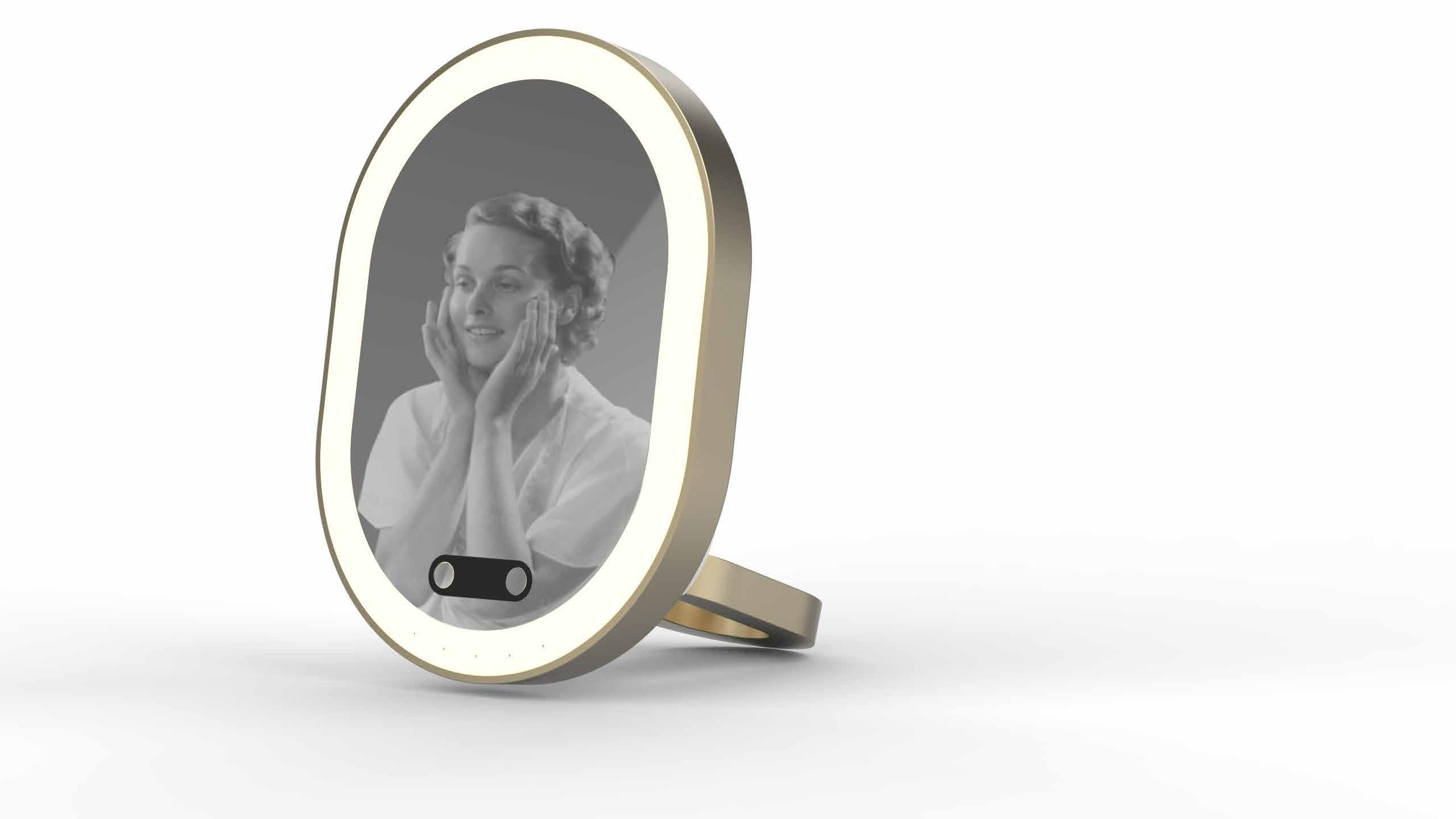
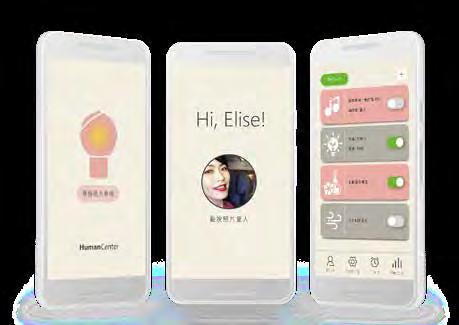
Good morningm Elise! Let me remind you how confident you can be! Take a look! You have always been a strong person!
Wendy, feel worthless. can’t imagine the way I were......


Good morningm Elise! Let me remind you how confident you can be! Take a look! You have always been a strong person!
Wendy, feel worthless. can’t imagine the way I were......
01
FRAMEWORK OF HUMAN VALUES
Exploring possible directions for IGLU experience design
02
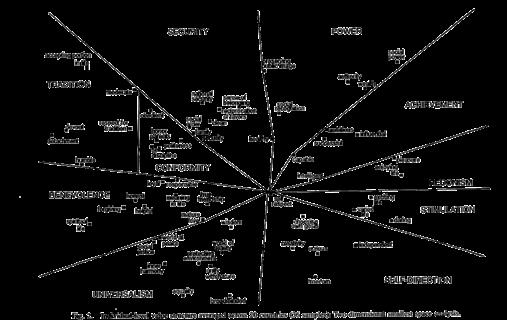
POSITIONING CORE VALUES:
Overviewing the 57 universal human values (Schwartz, 1992).
















1.Fluctuations of emtions / negative emtions need to be regulated.
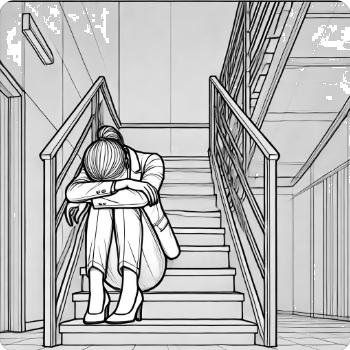
2.Office workers need a place to hide, a friend to talk to while at work.



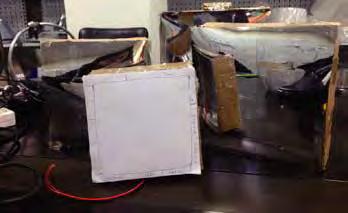
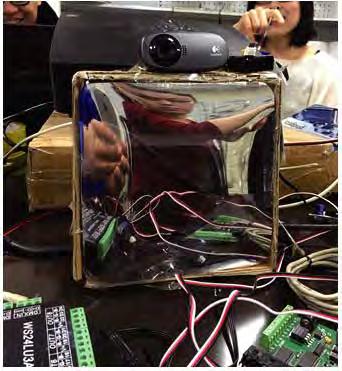
1.Mirror is helpful for building confidence before / at
2.The most negative context:





















Groups of Stakeholder Stakeholders Categories Design



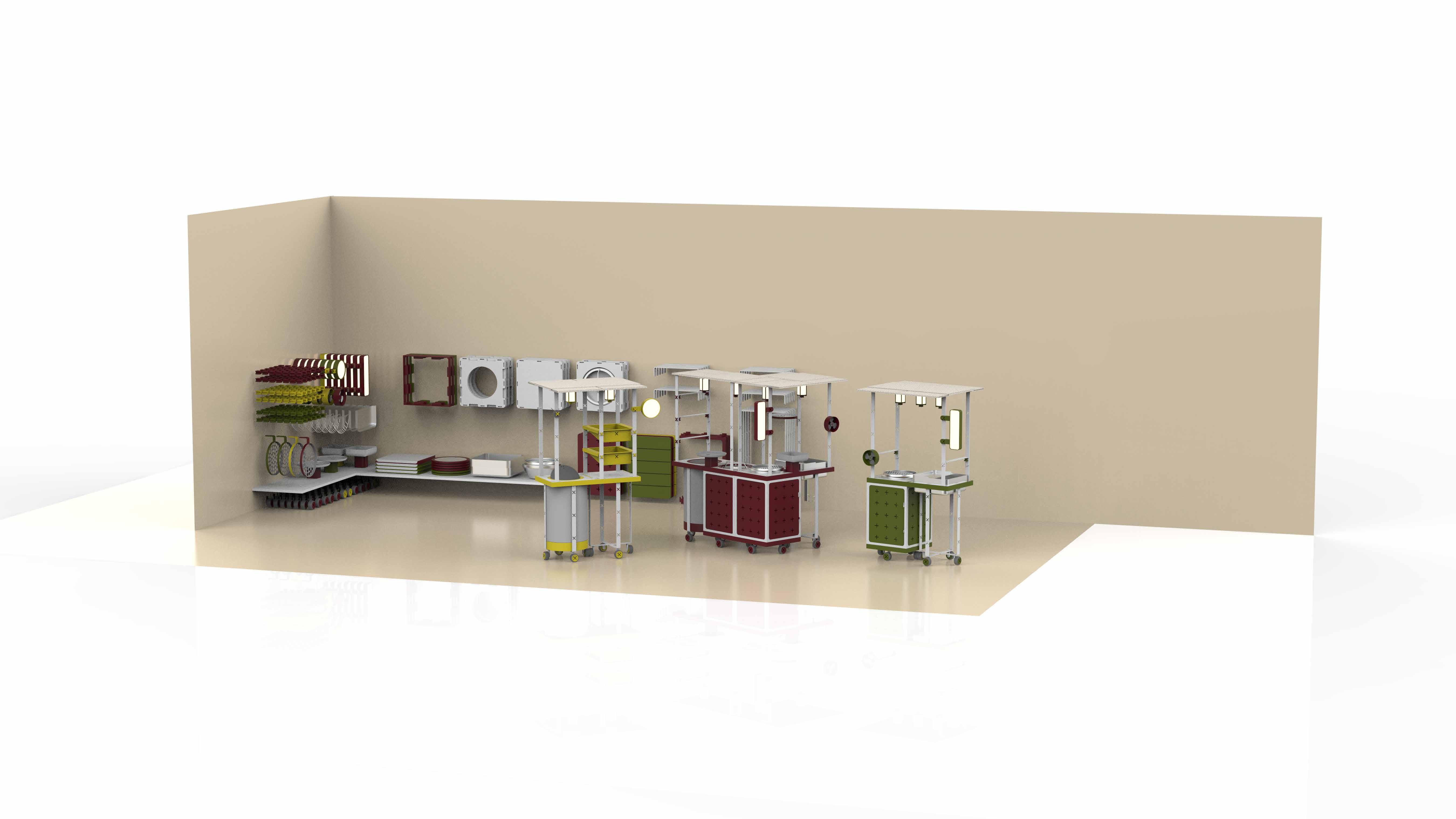
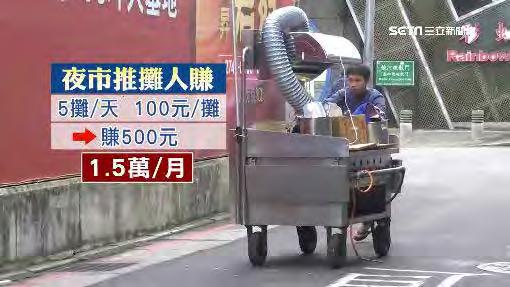
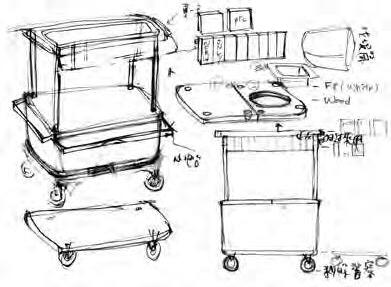
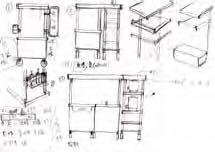
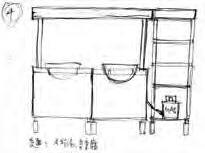
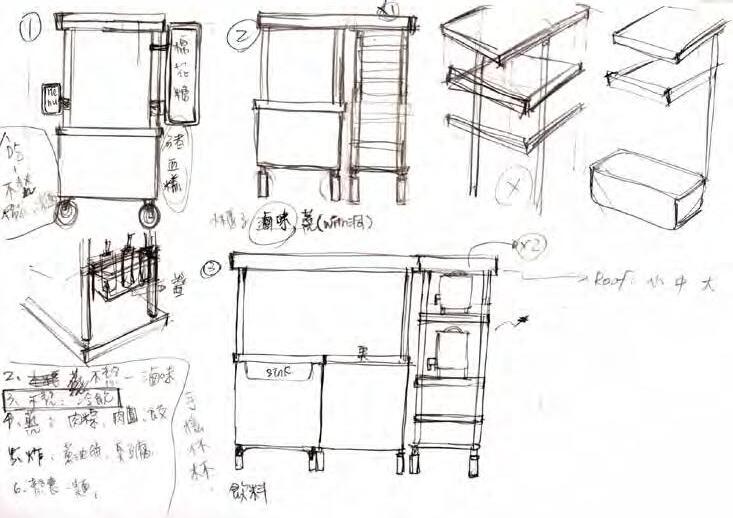
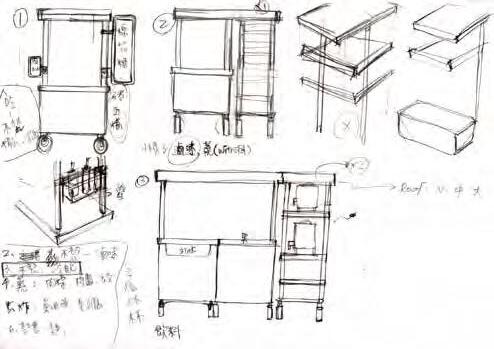
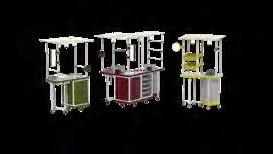
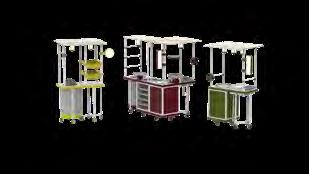
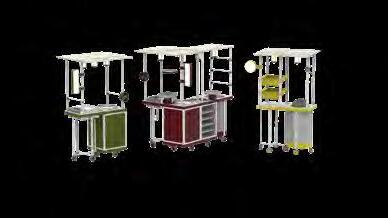
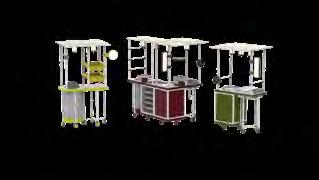
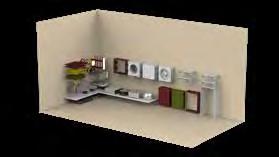
2 / Study about furniture that offers storage functions and develope them as mobile carts.
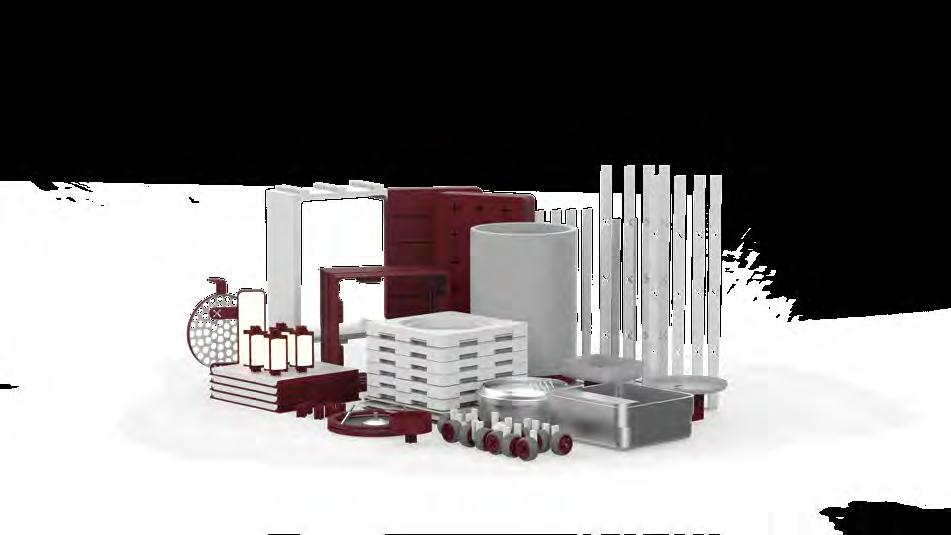
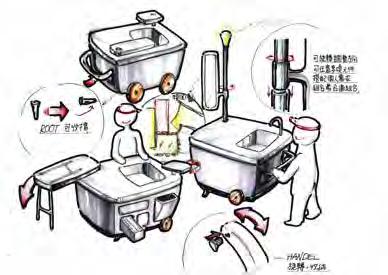
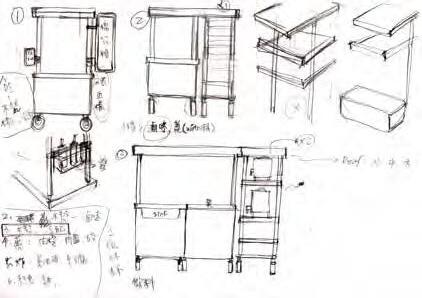
3 / Ideation: Modular parts and connecting joints are confirmed.
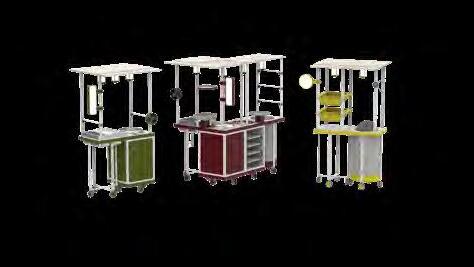

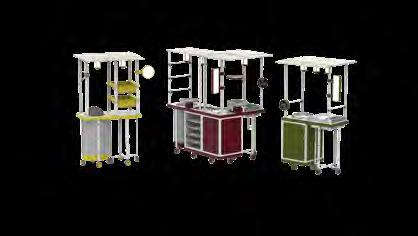
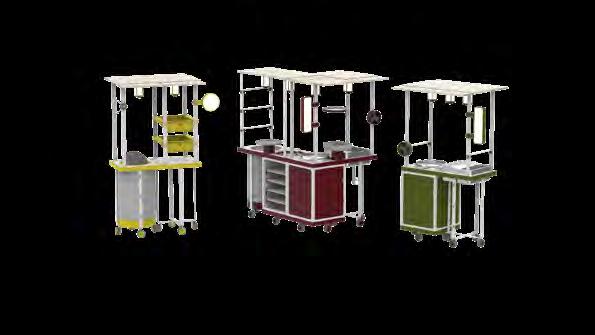
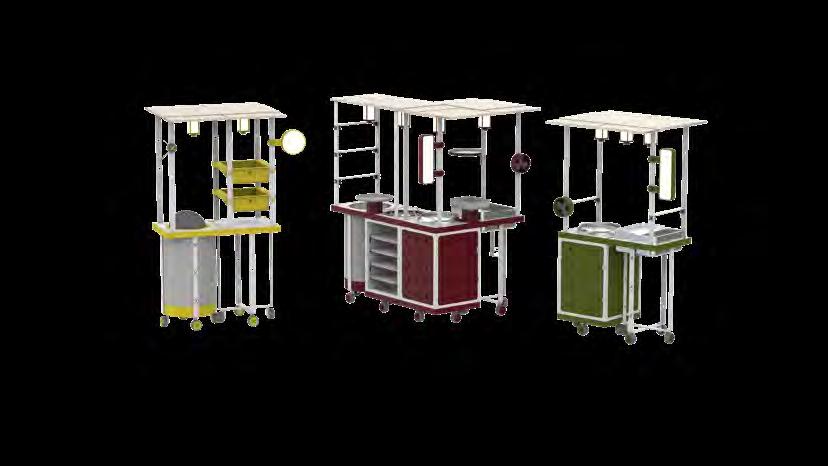
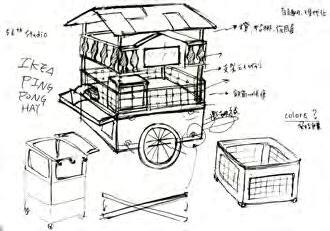
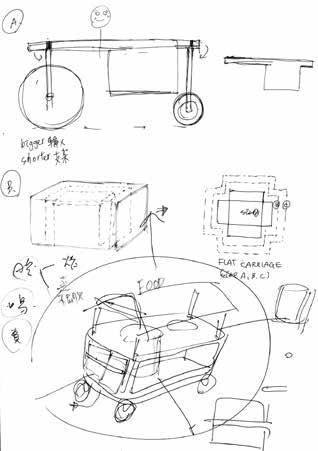
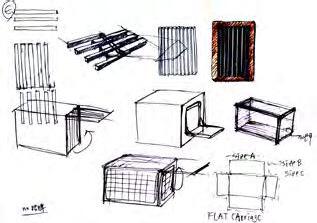
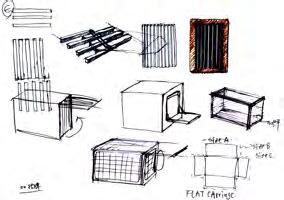
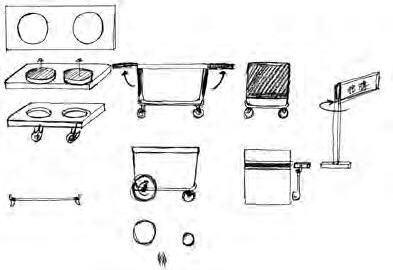
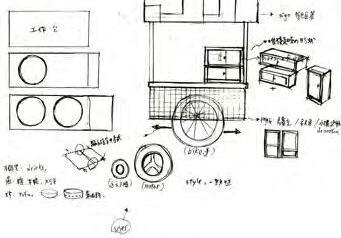
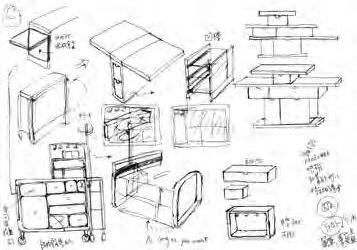
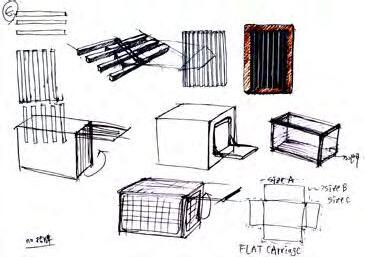
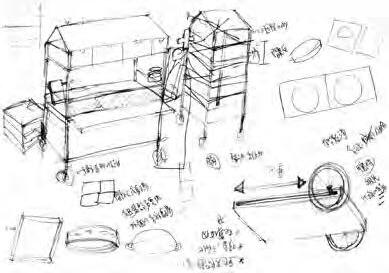
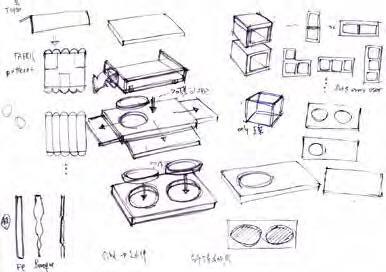
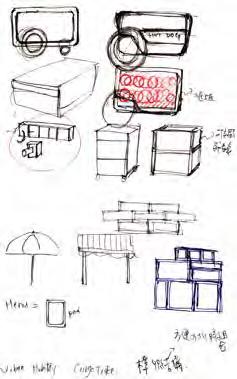
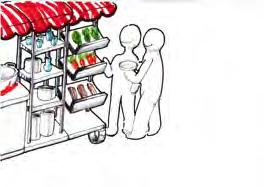
4 / Develope six types of basic combination that each represents iconic Taiwanese cuisine



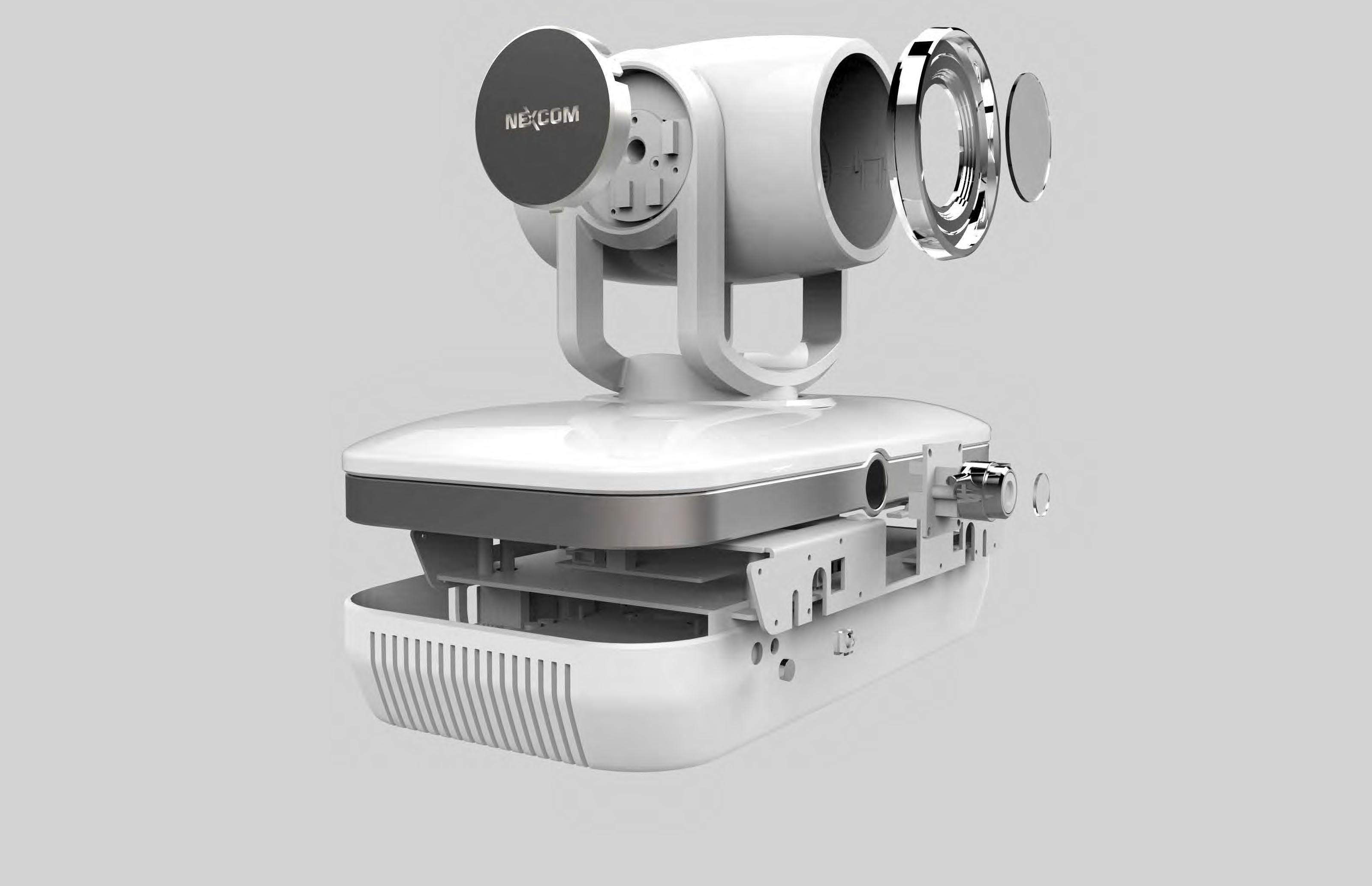
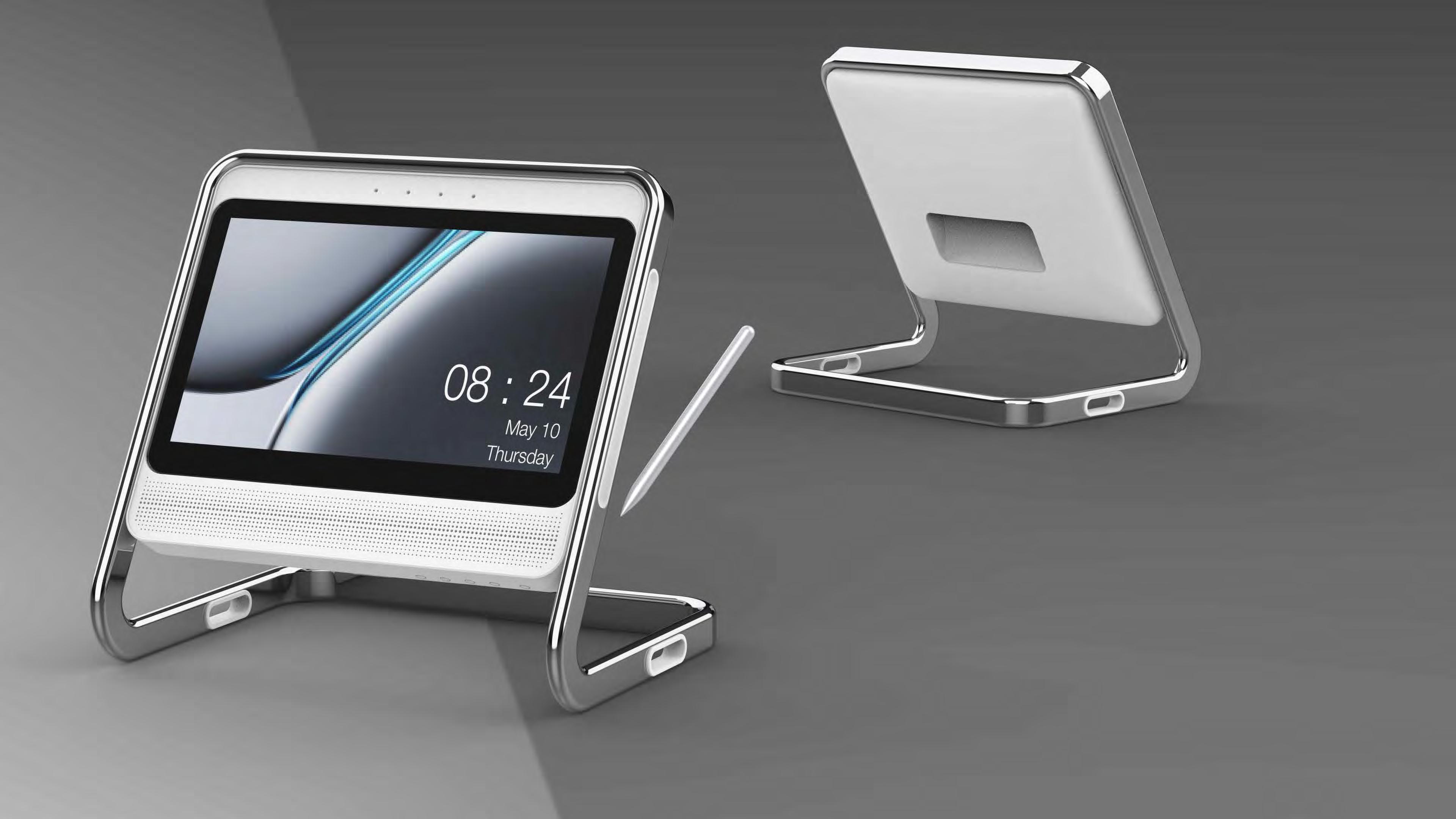

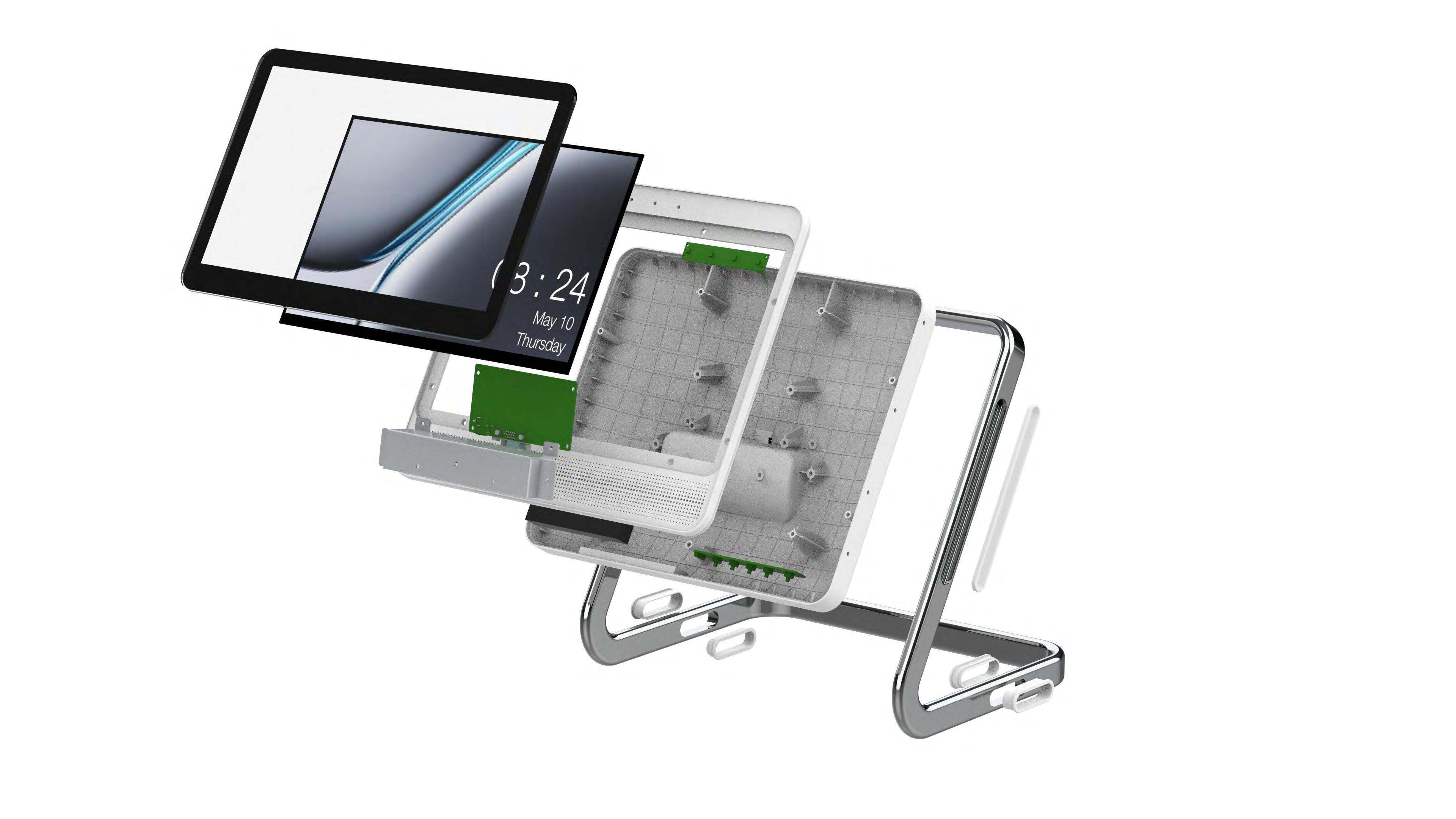

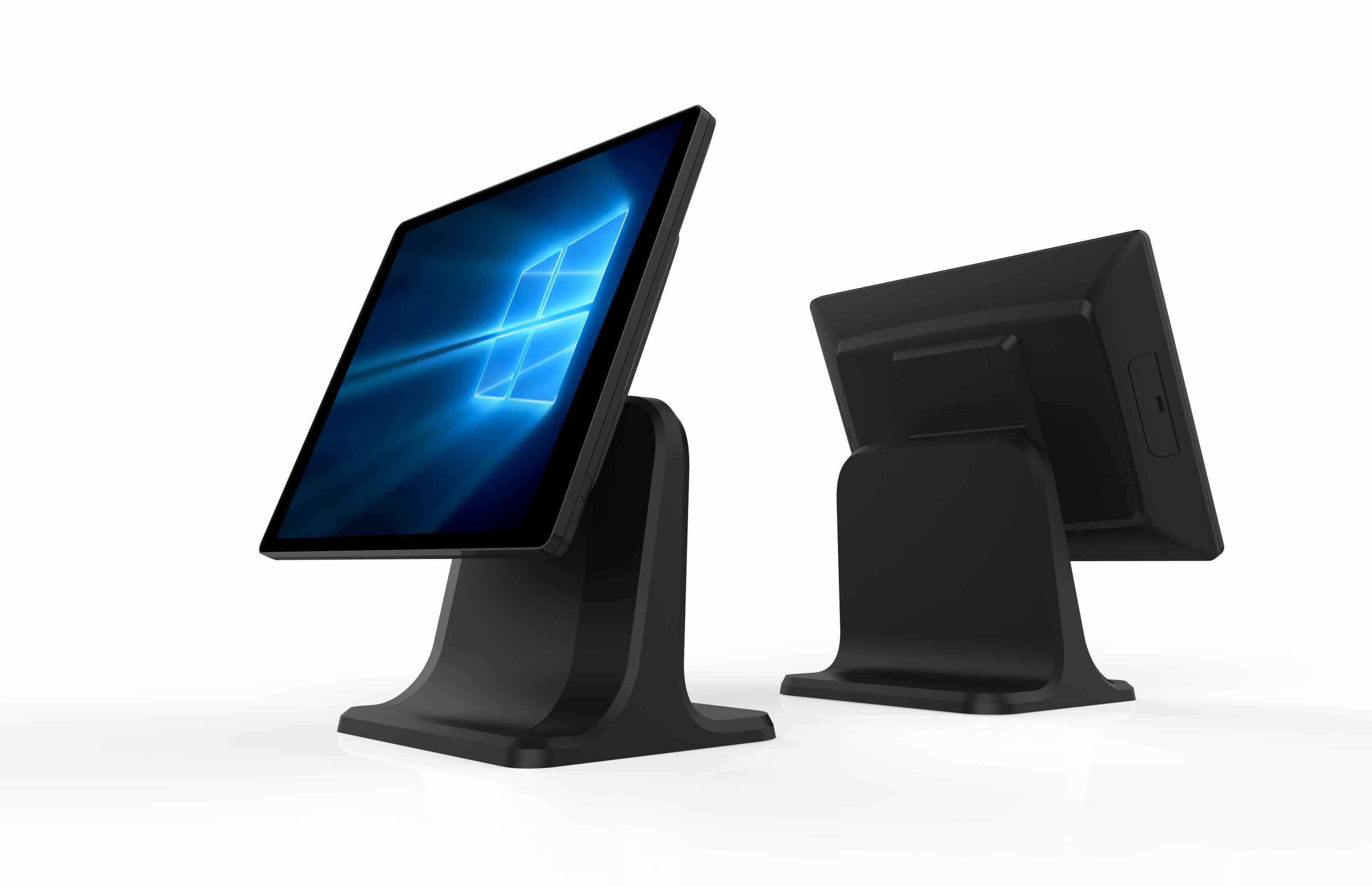
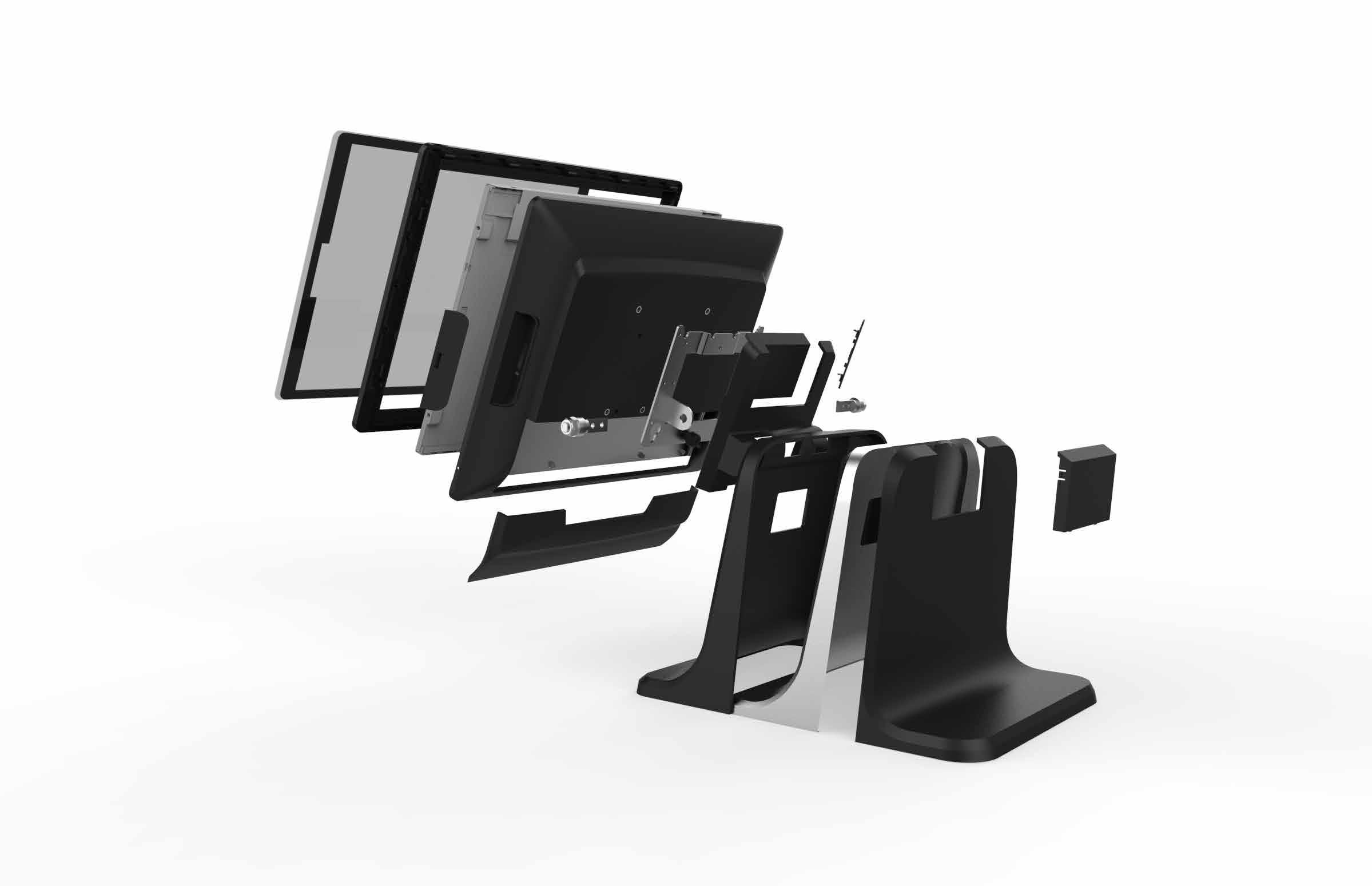
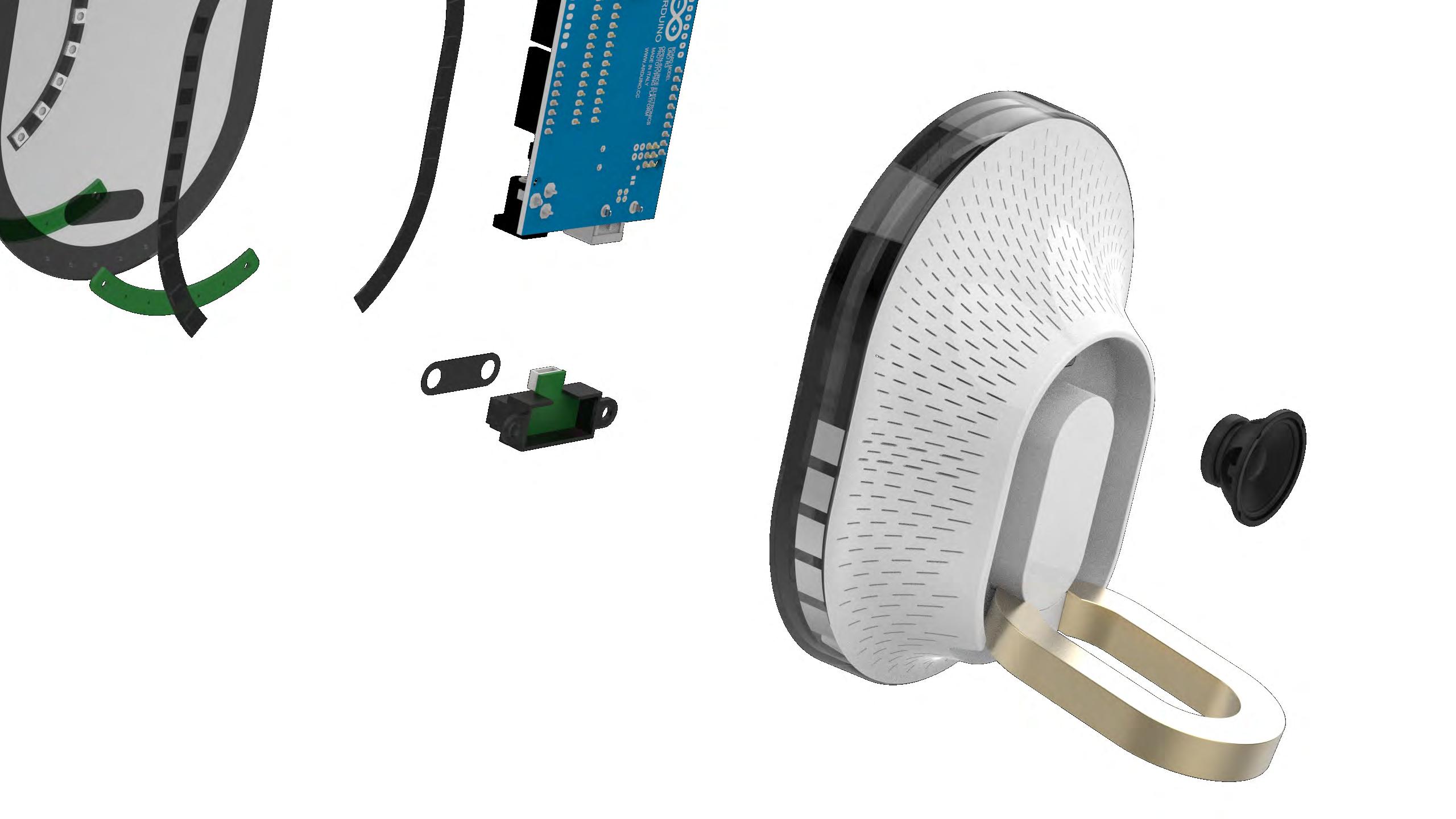
LCD_BACKCOVER
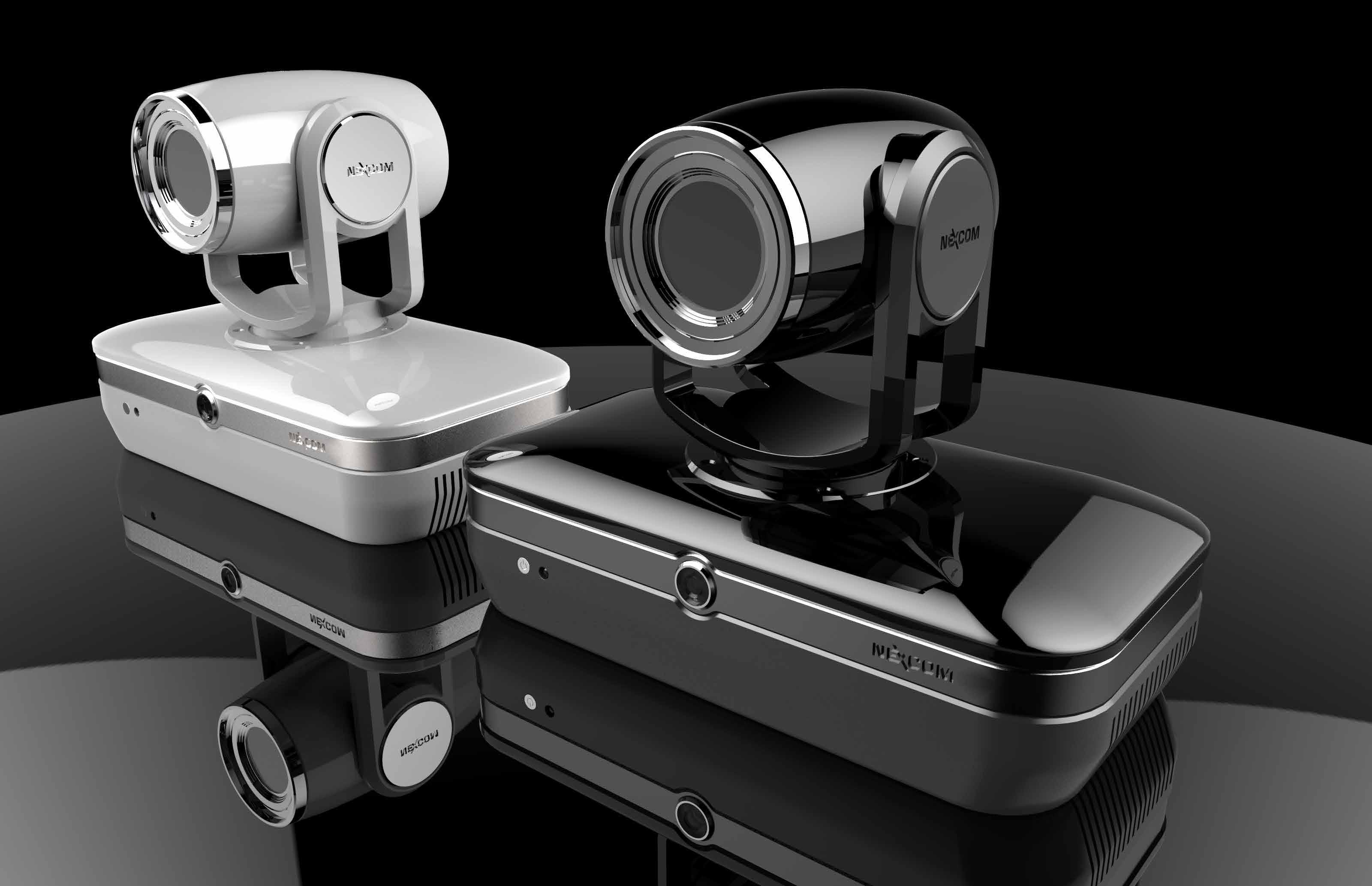
LCD_CABLE_COVER
STAND_BACK_COVER
VESA_HINDGE_BRACKET
STAND_FRONT_COVER
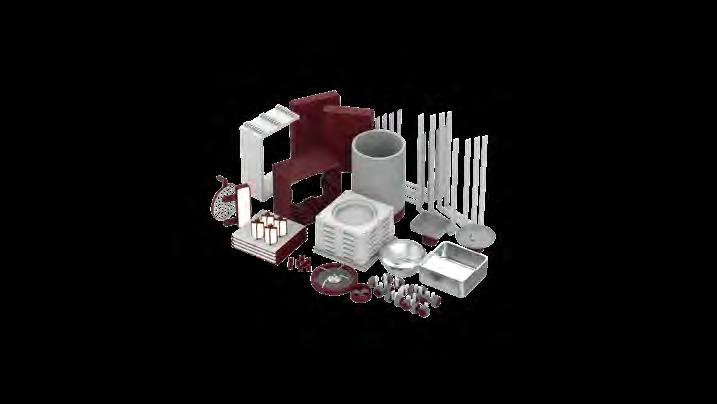
DIE-CASTING STAND SUPPORT

Professional Assignment, 2020
ID: Individual Work

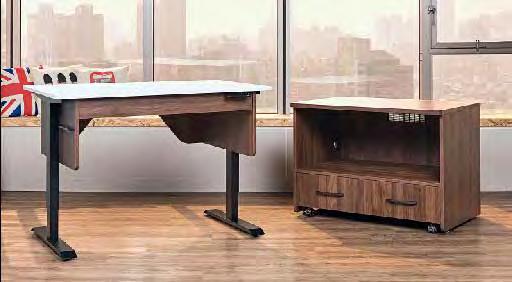
In order to create a more complete and user-centered solution, the product was designed as a combination of a main tabletop unit and an auxiliary storage cabinet, each offering unique functional characteristics. This dual-structure approach aims to improve operational comfort and facilitate more flexible, organized, and precise storage management.

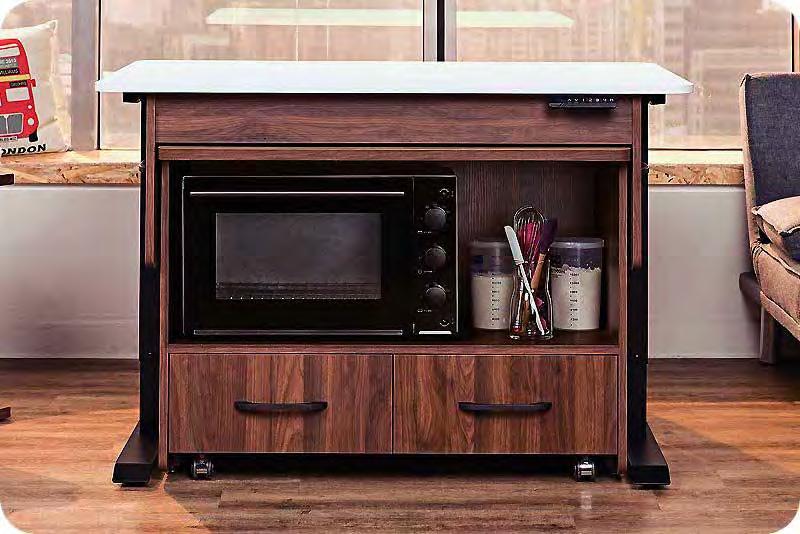
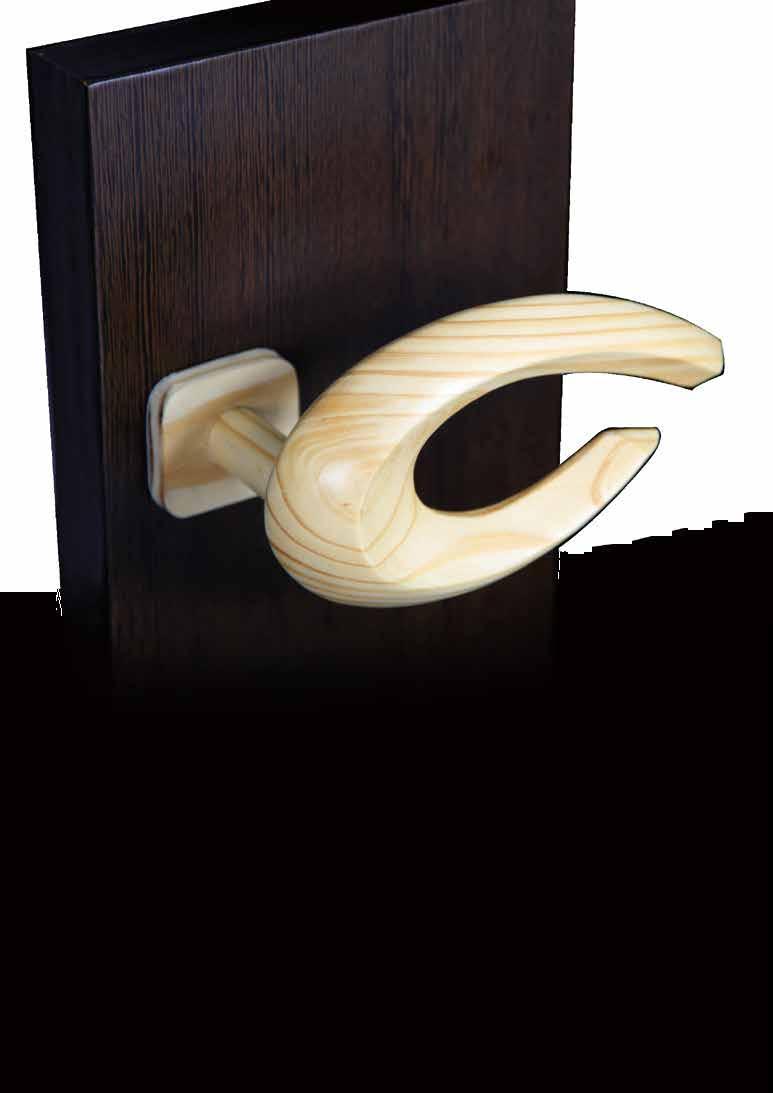
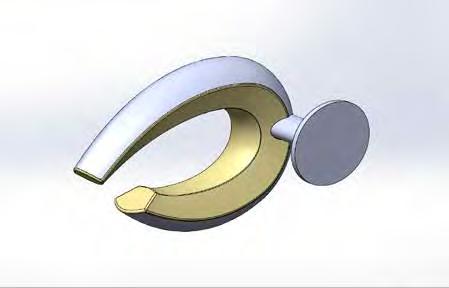
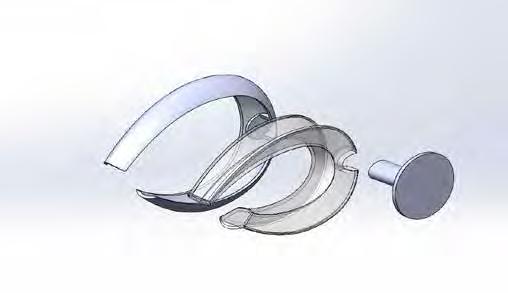
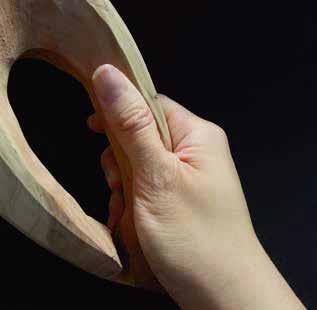
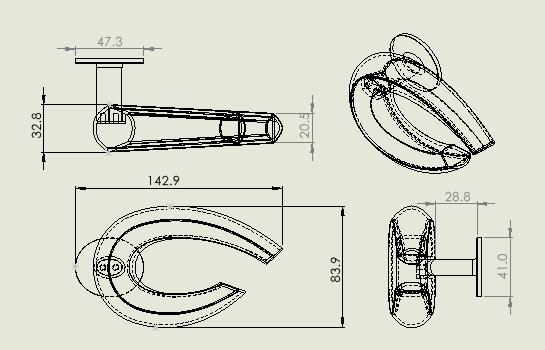
The lower part of door handle requires minimal force for easy operation, making it suitable for shorter individuals, particularly children.
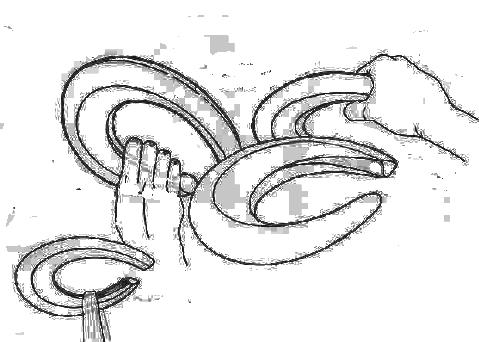
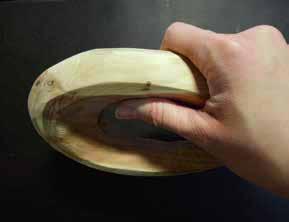
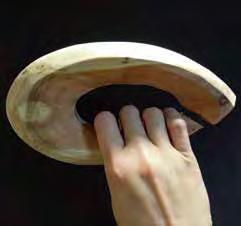
In adult usage scenarios, the force is applied from top to bottom, the well-calculated arch guiding the ergonomics for optimal functionality and comfort









FUTURE DIRECTION

Design for Manufacture
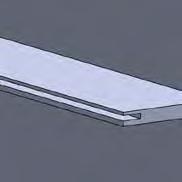
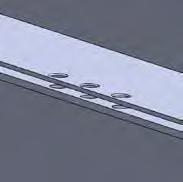
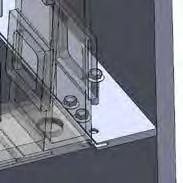
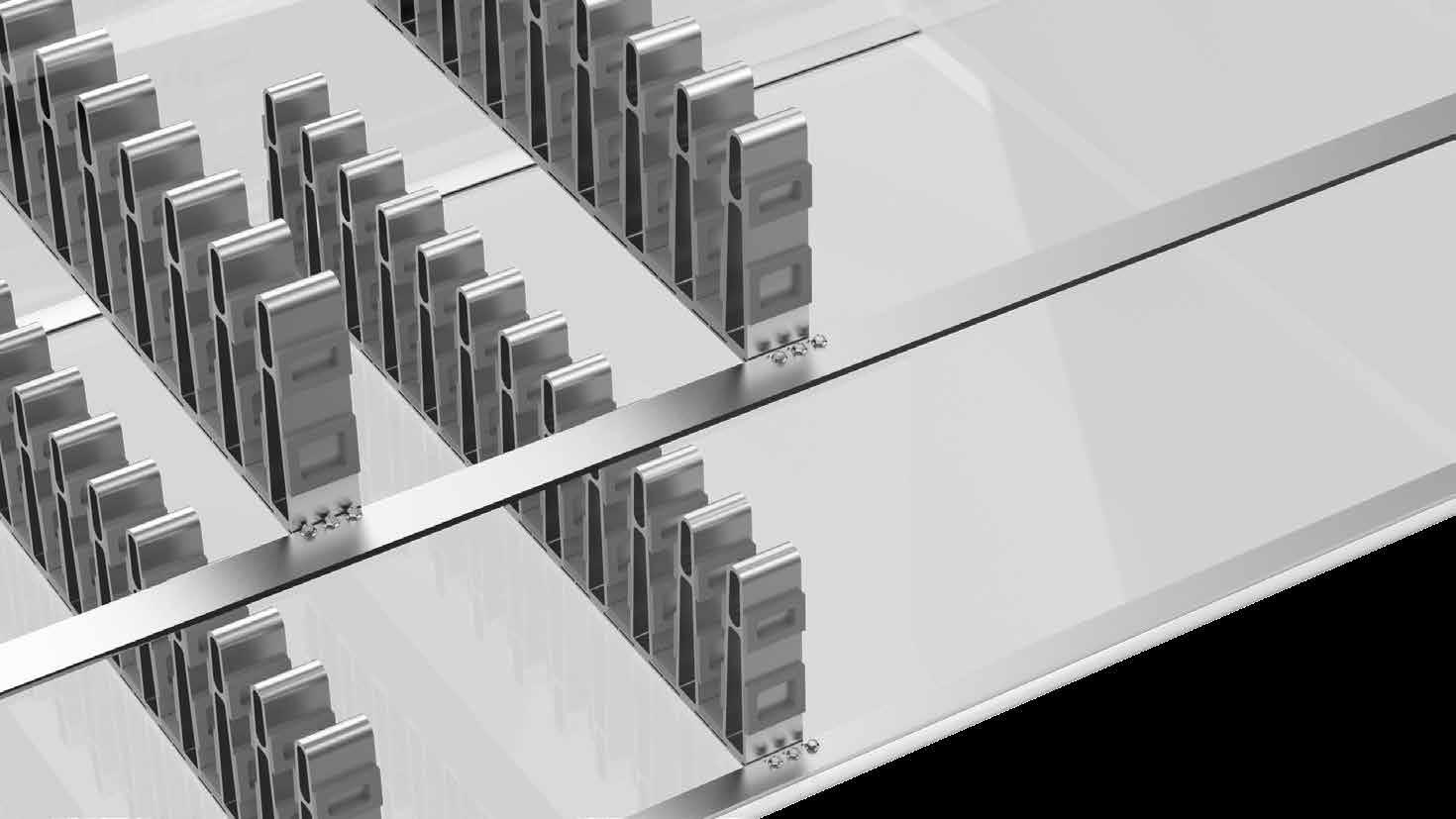
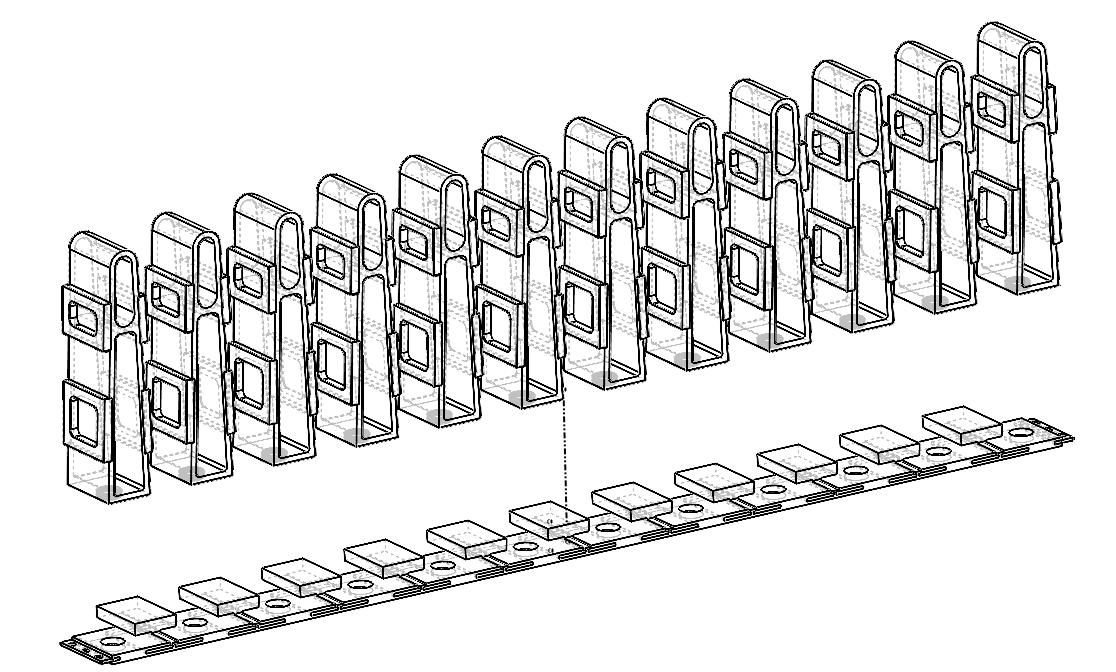
Numerous Physical Prototypes Were Crafted, Ensuring a Final Product That Marries Form and User-friendliness. Si ANTI-SLIP HOLLOWED STRUCTURE Al LIGHT WEIGHTED
Addressing Manufaturing Constraints Without Compromising on Comfort.












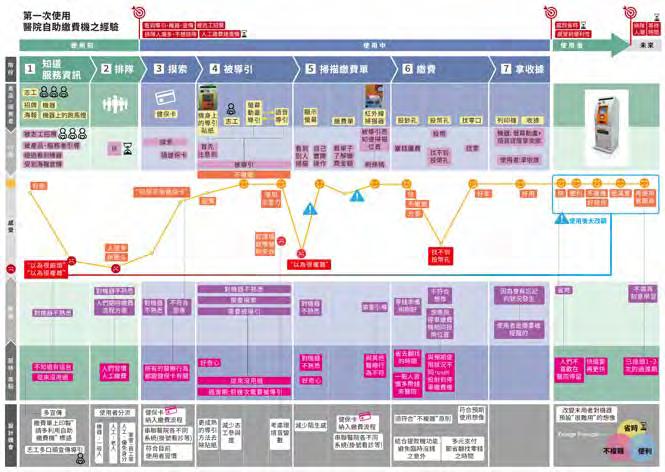
Quantatative Interview: Liker 5 points Scale | Demographic
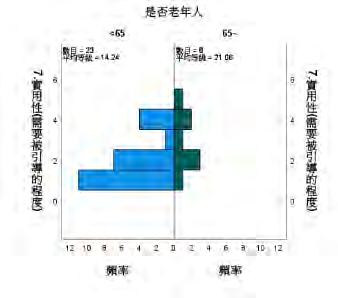
H1 The level of guidance required differs between elderly individuals and non-elderly individuals.
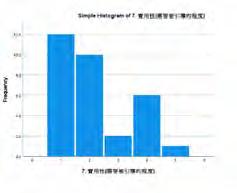
H2 Young and middle-aged individuals have a higher level of satisfaction with payment kiosk.
Based on the results of this study, all hypotheses related to 'age' in this research were incorrect.
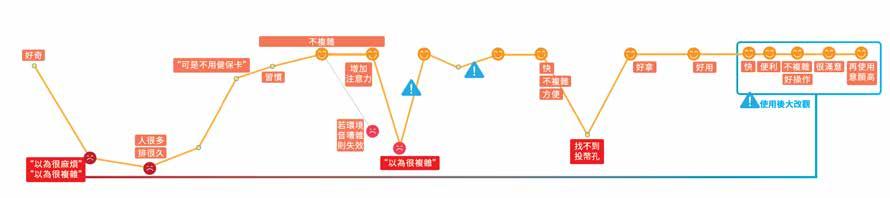
The data presents two groups (elderly and non-elderly individuals) and their perceptions of the machine before and after use. We aim to determine whether firsthand experience with the machine can influence users' perceptions of it.
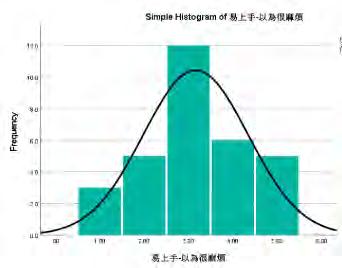
H4 For elderly individuals, the queueing time during payment is relatively less important to them.
1.Execution issue: It appears that the sample size is too small, leading to most test results showing a 'non-normal distribution.
2.Changing the scale from 1–5 to -2, -1, 0, 1, 2 is a method often used to more intuitively reflect positive and negative tendencies.
3.Does the description of perceptions need to be strictly oppositional? For example, 'guided by intuition' versus 'guided by steps.' Some participants expressed difficulty in responding because the adjectives are not entirely oppositional, as it is possible to follow steps while still relying on intuition.
4.Each participant used a different machine. To achieve greater accuracy, the study should ideally be conducted in the same location (hospital) and use the same model of the machine. Conducting on-site surveys at the hospital would be more ideal than distributing questionnaires online.
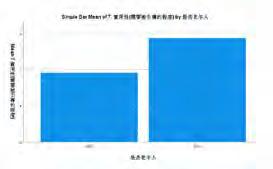
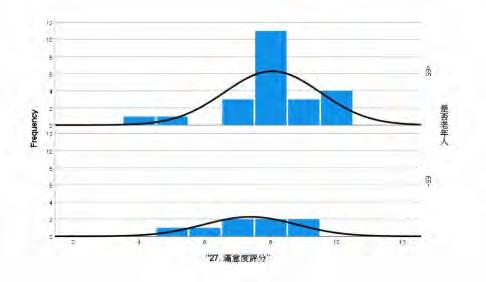
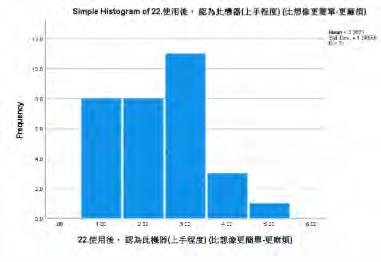

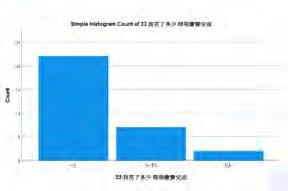
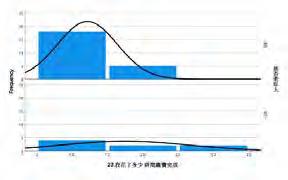
H5 The data presents two groups (elderly and non-elderly individuals) and their perceptions of the machine before and after use. We aim to determine whether firsthand experience with the machine can influence users' perceptions of it.
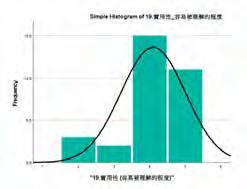
(1)Compared to non-elderly individuals (Mdn=14.24), elderly individuals (Mdn=21.06) exhibit a higher level of 'need for guidance,' as indicated by the median.
(2)However, statistically speaking, the difference is not significant, indicating that elderly individuals are not significantly more in need of guidance compared to non-elderly individuals (U=51.500, p= .054).
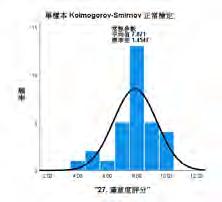
(1)The 'satisfaction score' was not normally distributed (D[31] = .245, p < .001).
(2)Compared to non-elderly individuals (Mdn=17.11), elderly individuals (Mdn=12.81) show no significant difference in satisfaction with using the machine, as age does not have a significant impact (U=66.500, p=.229)
(1)Before usage, the perception of the machine's ease of use showed a significant result and was not normally distributed (D[31] = .199, p = .003).
(2)After usage, the retrospective assessment of the machine's ease of use showed a significant result and was not normally distributed (D[31] = .198, p = .003).
(3)The results indicate a significant effect, suggesting that actual operation significantly influences the perception of the machine's ease of use (Z = -2.21, p = .027).
(1)The 'level of understanding of the machine' was not normally distributed (D[31] = .430, p < .001).
(2)Compared to non-elderly individuals (Mdn=14.65), elderly individuals (Mdn=19.88) show no significant difference in the importance placed on queueing time during payment, as age does not have a significant impact (U=61.000, p = .078).
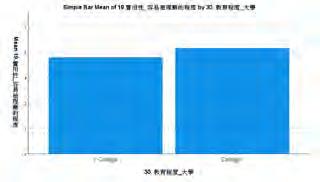
(1)The 'level of understanding of the machine' was not normally distributed (D[31] = .430, p < .001).
(2)Compared to individuals with education below university level (Mdn=13.40), those with university education or above (Mdn=16.50) showed no significant difference in satisfaction with using the machine. Thus, education level does not impact satisfaction (U=52.000, p = .447)."