P O R T F O L I O 2021

AutoCAD Rhino
GPA: 89.7/100
GPA: 93.2/100
GPA: 3.35/4.00 (Current)
LANGUAGES
Turkish (Native)
English (C1-C2)
Spanish (A1)
Udemy Online Illustrator Lectures
Coursera Online Basics of Architecture Lectures
ARCHITECTURAL DESIGN
I) BOTANIST'S HOUSE
II) FIRESTATION
III) UNDERWATER RESEARCH CENTER
ARCHITECTURAL COMMUNICATON TECH
I) SERPENTINE 2018 by FRIDA ESCOBEDO
II) CERAMIC IMPLICATIONS
INTRODUCTION TO ARCHITECTURAL DESIGN
I) SPACE EXPERIENCE
II) THE FIELD
BASICS OFDESIGN

I) ABSTRACTION OF SPATIAL RELATIONS
II) FROM BASIC CUBES TO DESIGNED FURNITURES
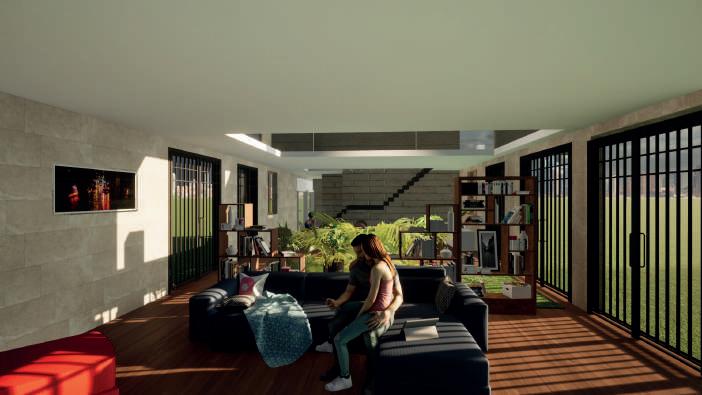
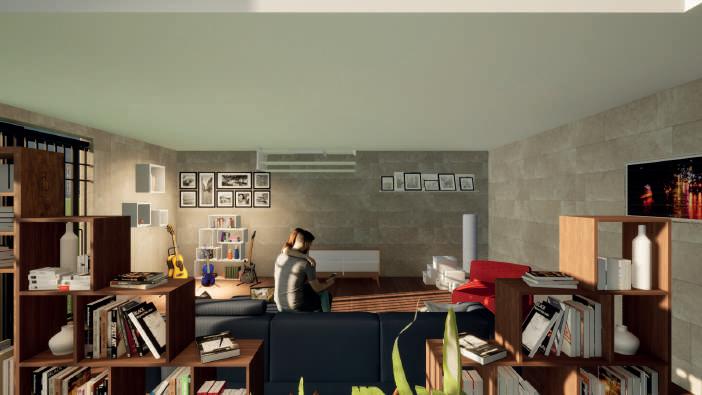
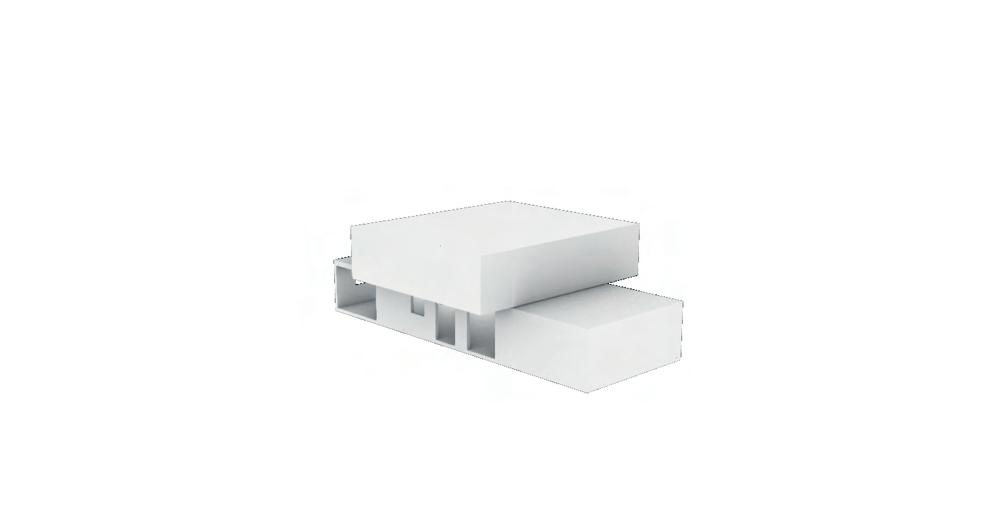

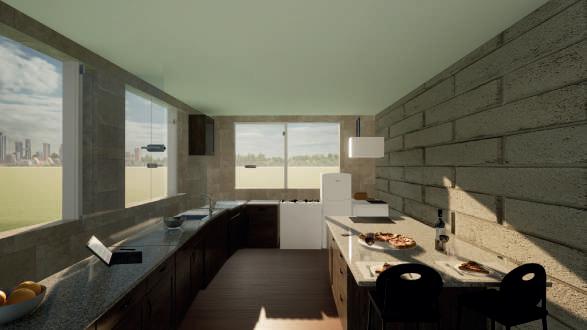
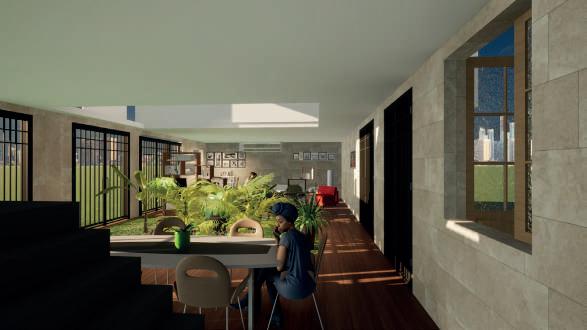
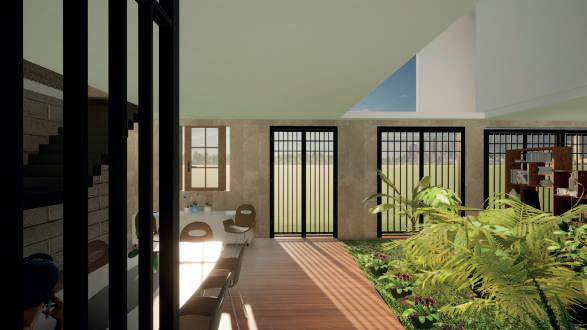
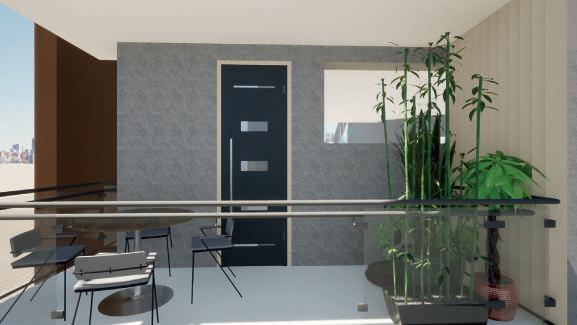
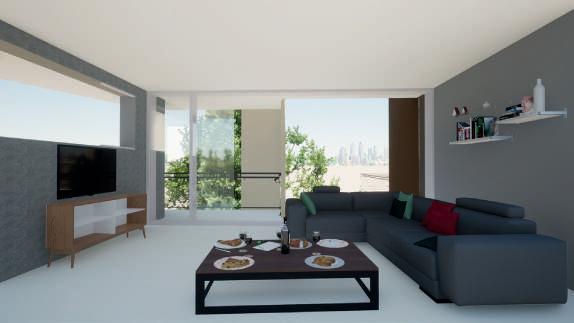
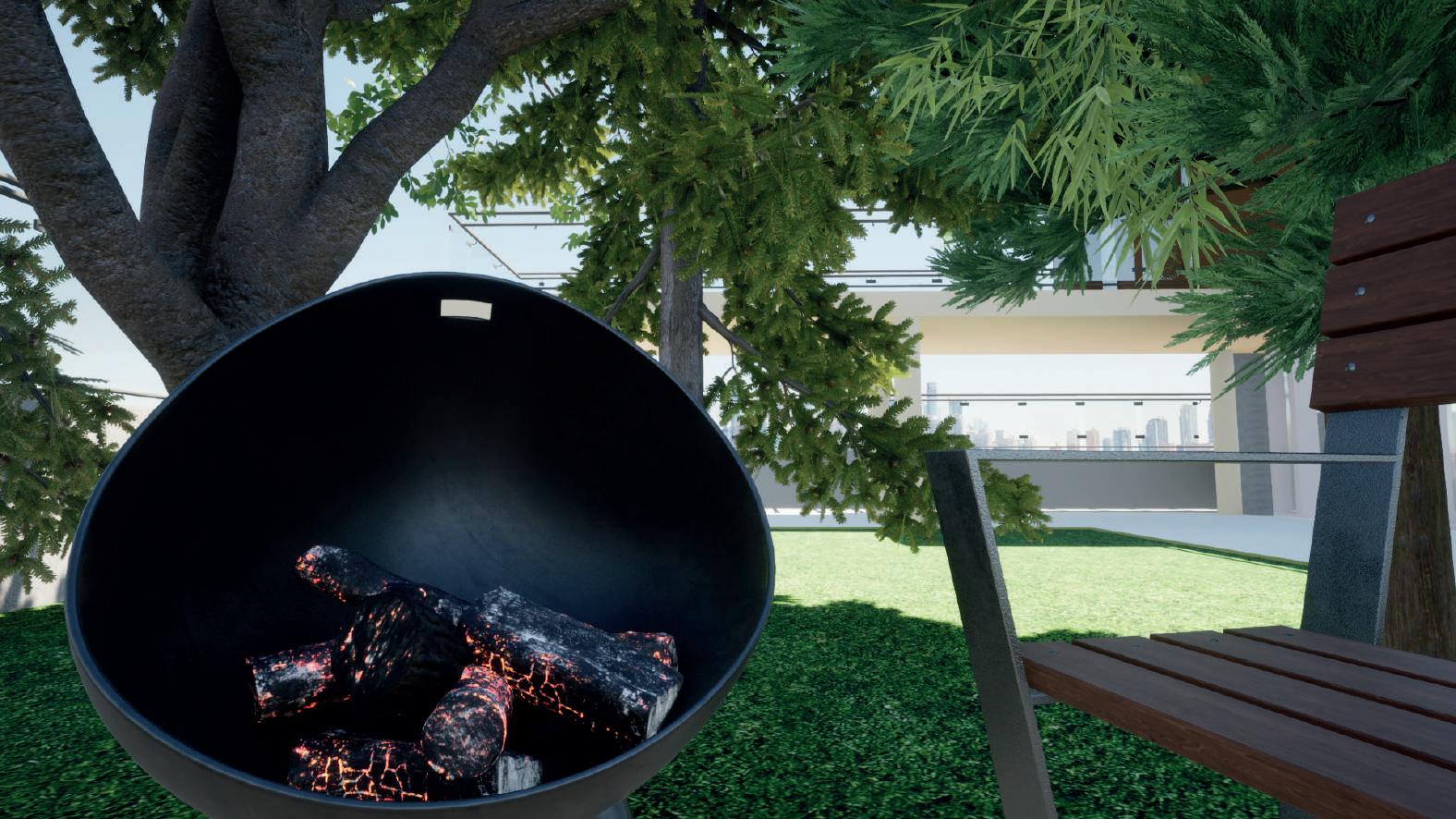
In this project, what was expected of us was to write a scenario first. In the scenario I wrote, there is a living space to be designed for 2 botanists and their 2 children. For this reason, I started my project with the idea of designing an interior garden inspired by Japanese Zen Gardens. This inner garden should have been a relaxing unique element that would serve all the social areas of the house. Therefore, I positioned common areas such as living room, coffee corner, dining table on the ground floor around the zen garden. I designed a transition flowing around the gallery space that I putted top of the zen garden on the upper floor. Thus, users who want to reach the private rooms on the upper floor can experience the zen garden on the lower floor by walking around the gallery. I also made the roof of the gallery as a glass ceiling, so that the natural light could reach the house from the top. This also makes the gallery work as an atrium. I positioned the entrances and exits of the house to be towards the inside of this atrium. Thus, the first thing that the guests experience is the zen garden, and then they can disperse to other social areas. In addition, thanks to the sliding doors next to the zen garden on the ground floor, users can connect the outside garden with the inner garden when they open the doors in hot summer months. This contributes the using of the house in terms of continuity.
Commonly Used Area
Rarely Used Area
Using of Spaces During the Day
Open Area Zen Garden
Public Areas
Gallery Void+Roof Glass
Continuity of the Greenery
Light Condition
Interaction of Masses (Area Connecting Users)
Open and Seperated Spaces
Closed and Seperated Spaces (Childeren’s Areas) (Botanist Couple’s Areas) (All User’s Areas)


Importance of the Zen Garden and the Light
Areas Owned by Users in




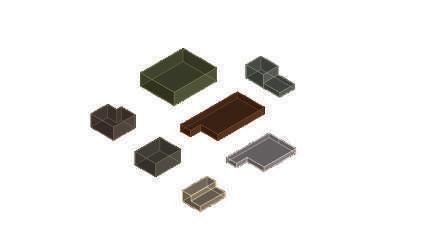
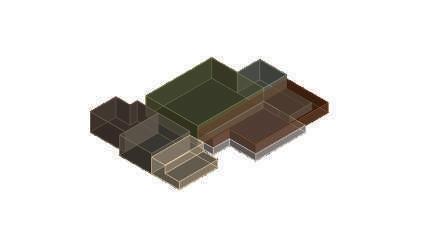
FIRST FLOOR PLAN 1/1000 +3.00



SOUTH EAST ELEVATION 1/200




GROUND FLOOR PLAN 1/1000 +0.00










SOUTH WEST ELEVATION 1/200

Proximity of Elements That Provide Tourist Flow; Port Authority, touristic product vendors' booths, tourist information booth and etc...
References from the Citadel Wall; Determining the potential of transferring different features of the castle to the design.
Marine Vehicle Parking Area; While many boats are parked on the west side of the pier, there are no boats parked on the east side.
Sea View
Positioning of Atatürk Statue; Possibility of making a positioning that can help use.
Castle Gates
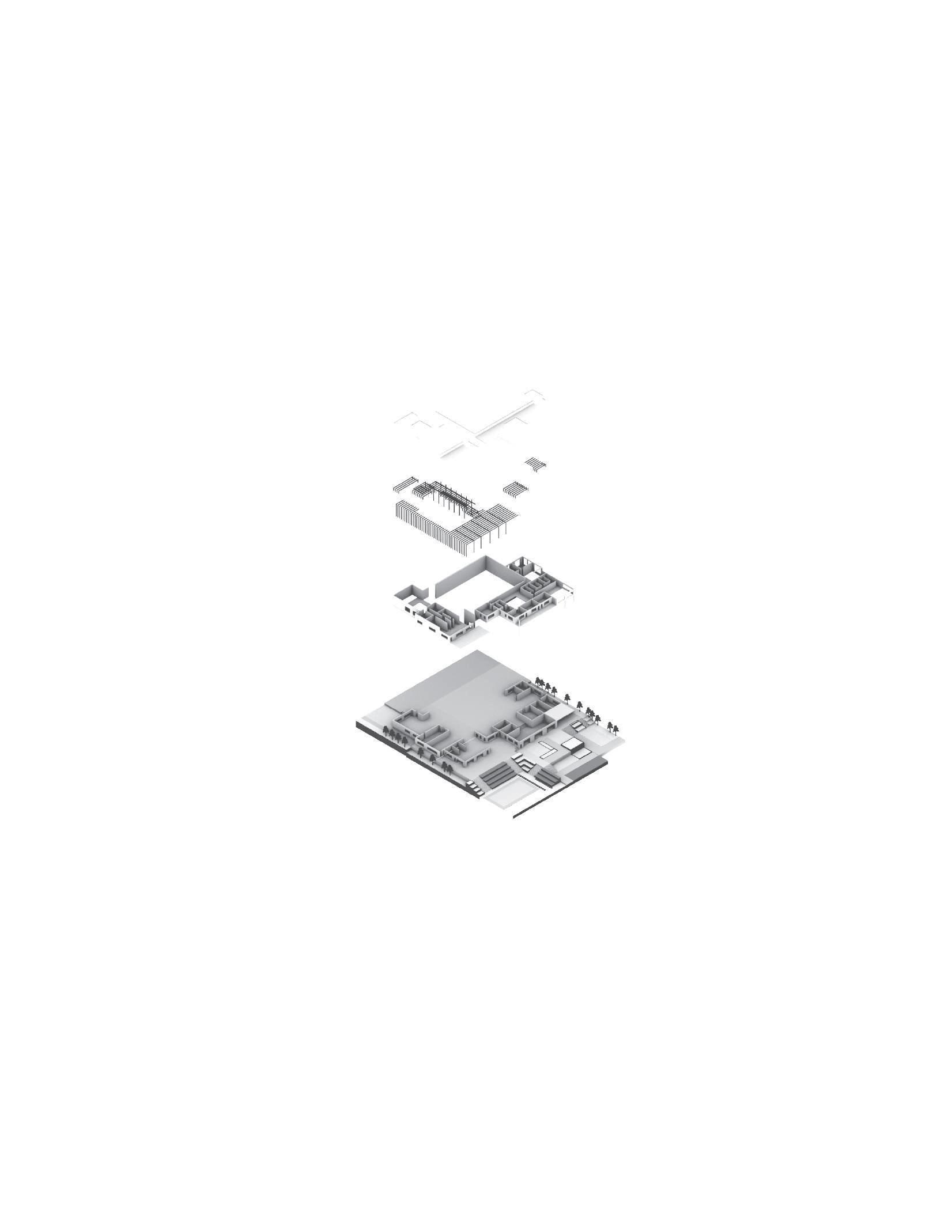
BASEMENT FLOOR
GROUND FLOOR
FIRST FLOOR SECOND FLOOR
Accommodation (720m²)
Lecture Rooms (240m²)
Co-working Spaces (120m²)
Study Halls (240m²)
Cafe+Restaurant (300m²) Labs (1440m²)
Aquatic Zone (600m²)
Lounge Library (300m²)
Administrative Offices (180m²)
Exhibition (240m²)
Auditorium (480m²)
+Service Spaces (960m²)
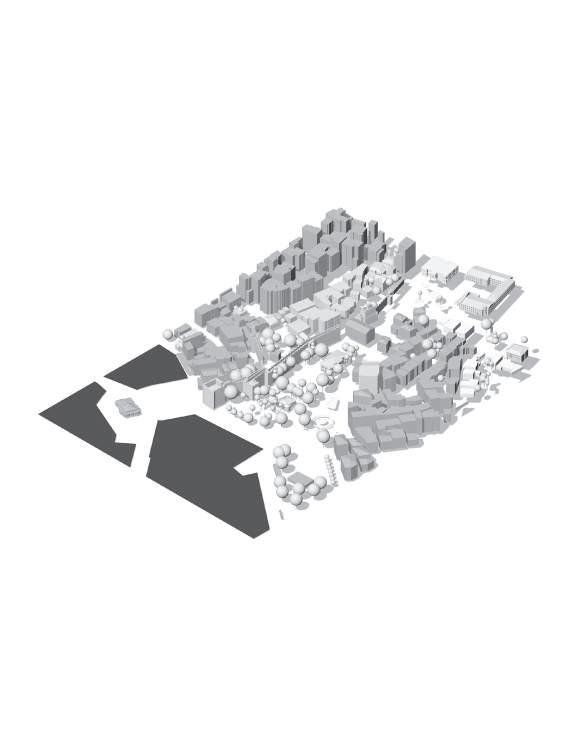
Height Limitation; We need strong reasons to exceed the height of the historical element.
Proximity of Minibus Stop
Street of Cafes Formation; Potential to ensure the continuity of cafes/restaurants on both sides of the site.
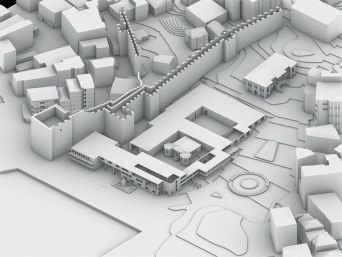
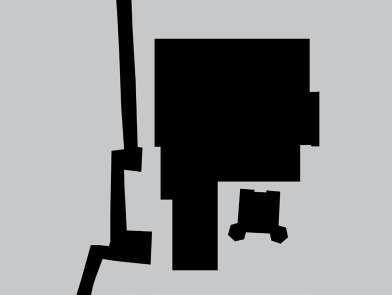




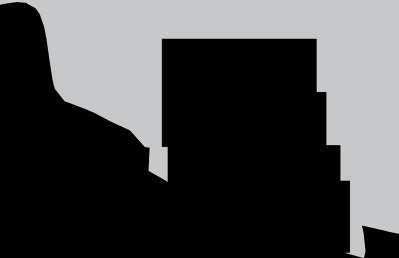

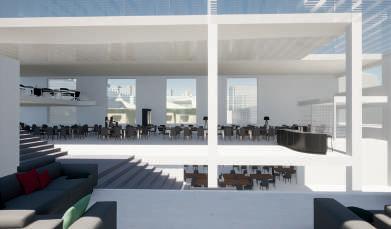
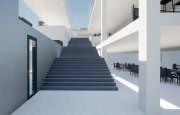
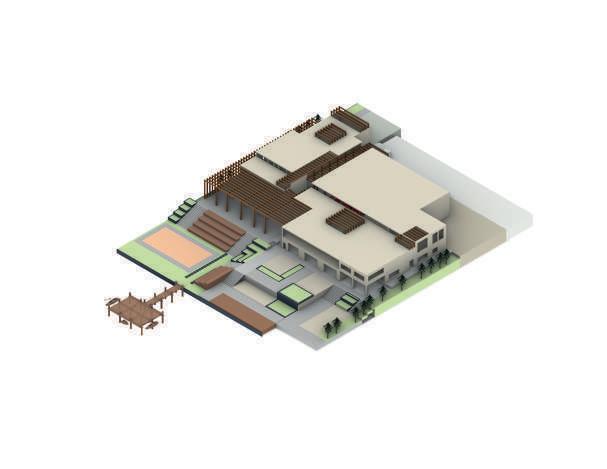
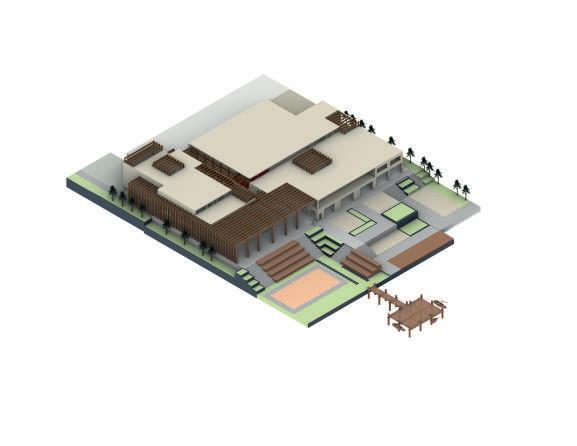
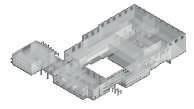
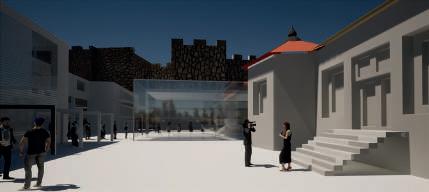
As this is an Underwater Research Center to be built next to a historic citadel wall; material choices should refer to the historical texture, and design elements should respect the height of the citadel wall.

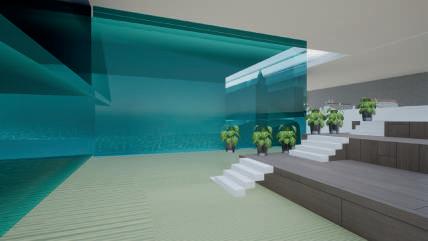
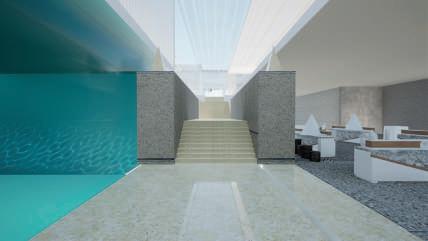
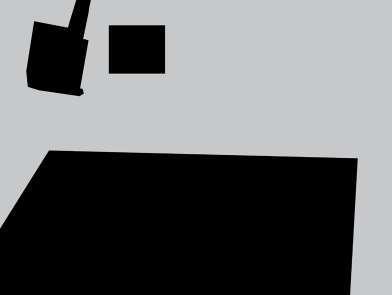
At the same time, since this site serves as the city's square and has a historical listed building (Sinop City Club) in the middle, open spaces must be available for public use. After all, in order for the underwater trainings to be visible to the visitors who come to see the underwater museum, the visitor path leading down to the exhibition was stepped up to the lower level of the pool next to it.

wax.
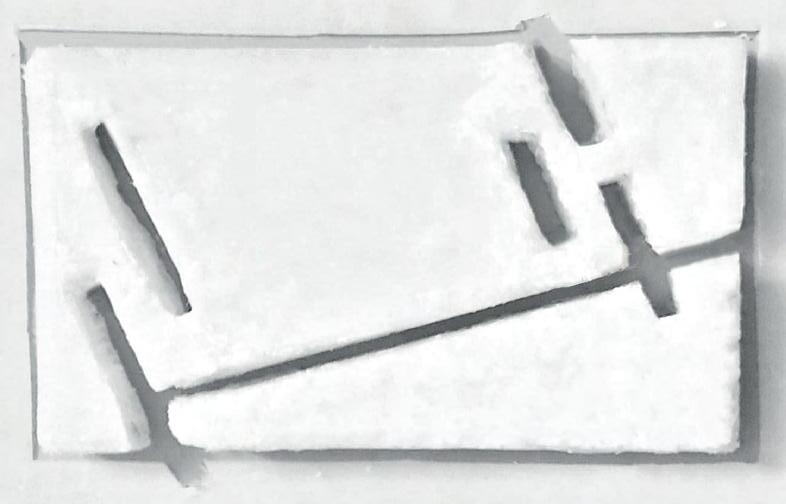
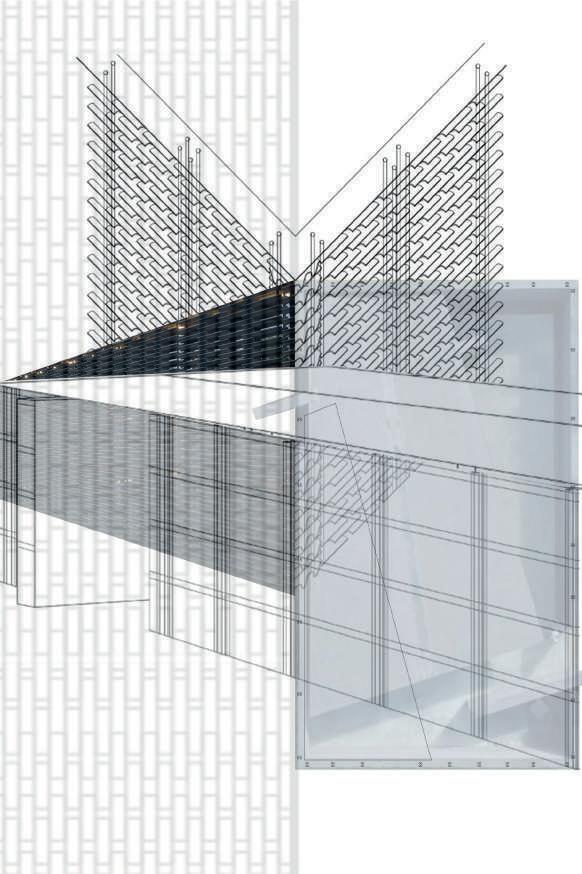
The technical drawings you see below are the drawings of ceramic implications I drew during my internship at the construction site. When the drawings from the Design Office did not match the type of ceramics in the warehouse, we checked the stocks and dimensions of the products in the warehouse at the construction site and revised the drawings according to the stocks. What I learned in this project is that we need to define a '’ceramics starting point'’ for ceramic drawing. You can easily install the others by taking one ceramic as a reference. It is also necessary to take into account that the joint margins and the ceramics in the corner should not be too small.




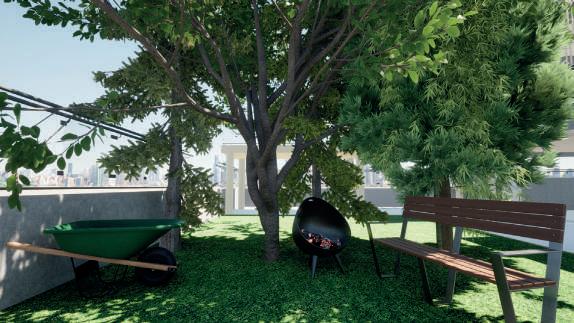
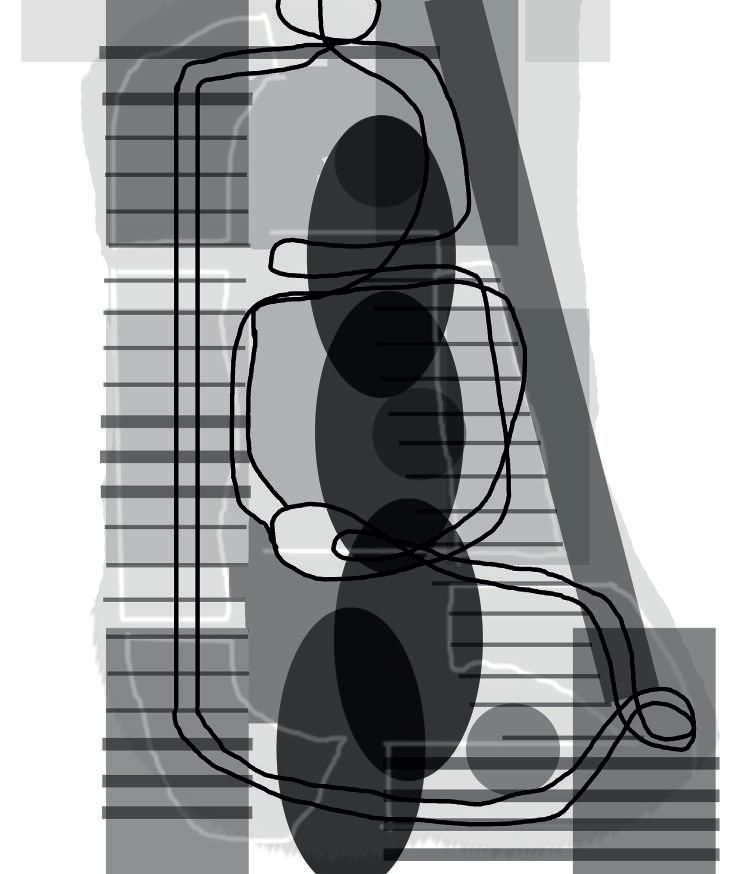
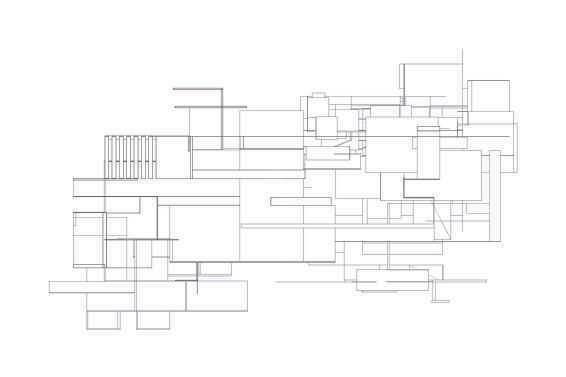
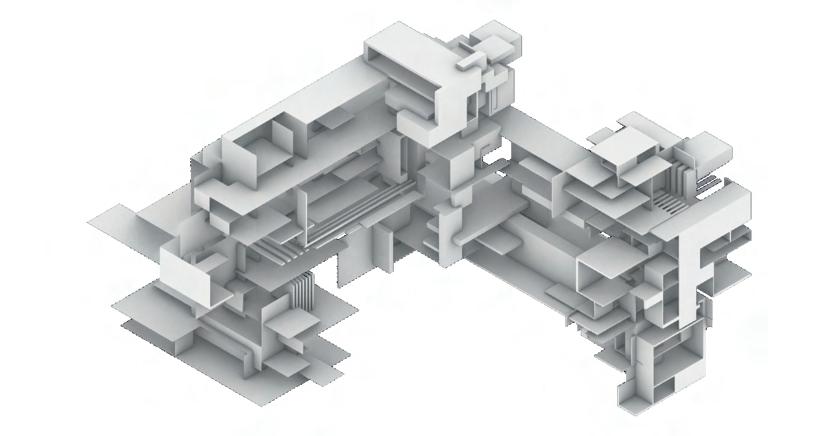
This project was a challenge to improve my spatial understanding and improve my graphical skills. Here, in order to better understand the features such as indoor-outdoor relations, human experience, various activities and locations; I designed some usage spaces that represent different activities that can be done in different areas and I measured the quality of each area.
Same Scale Spaces
Small Space
Interruptions
Transparency
Open Spaces
Large Spaces
Semi-Open Spaces
Enclosed Spaces
Isolated Spaces
Hinges
Unique Area
Unique area is a load bearing wall designed to establish a visual relation with different levels.
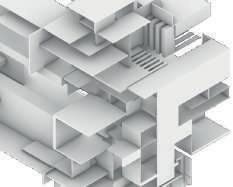

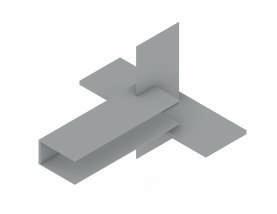
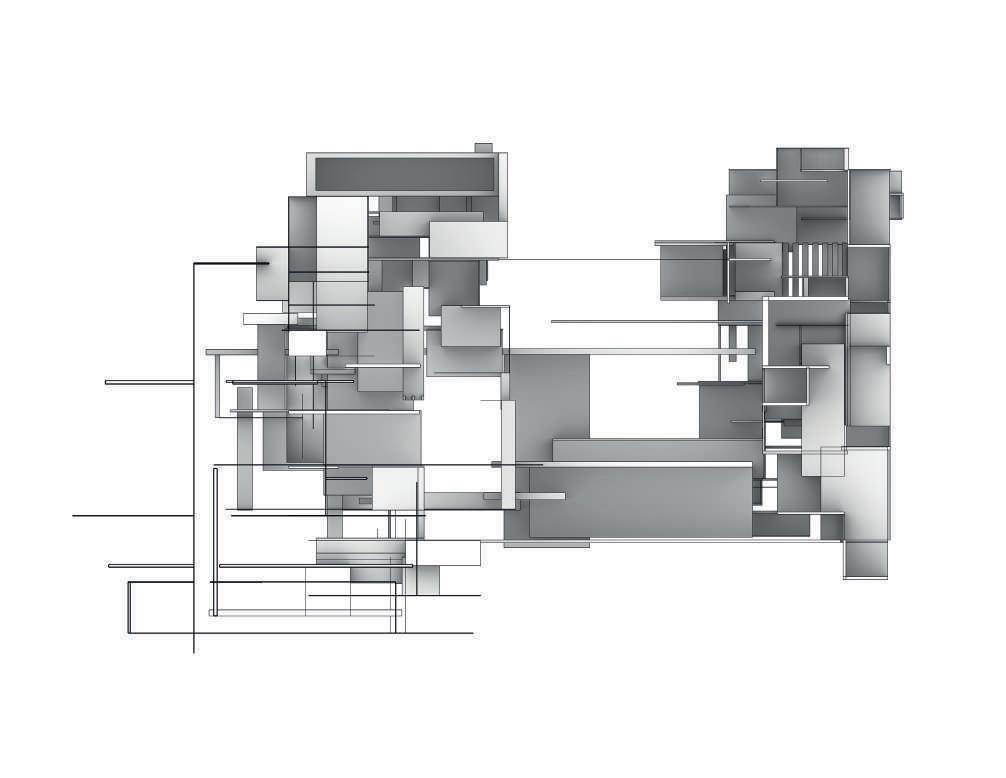

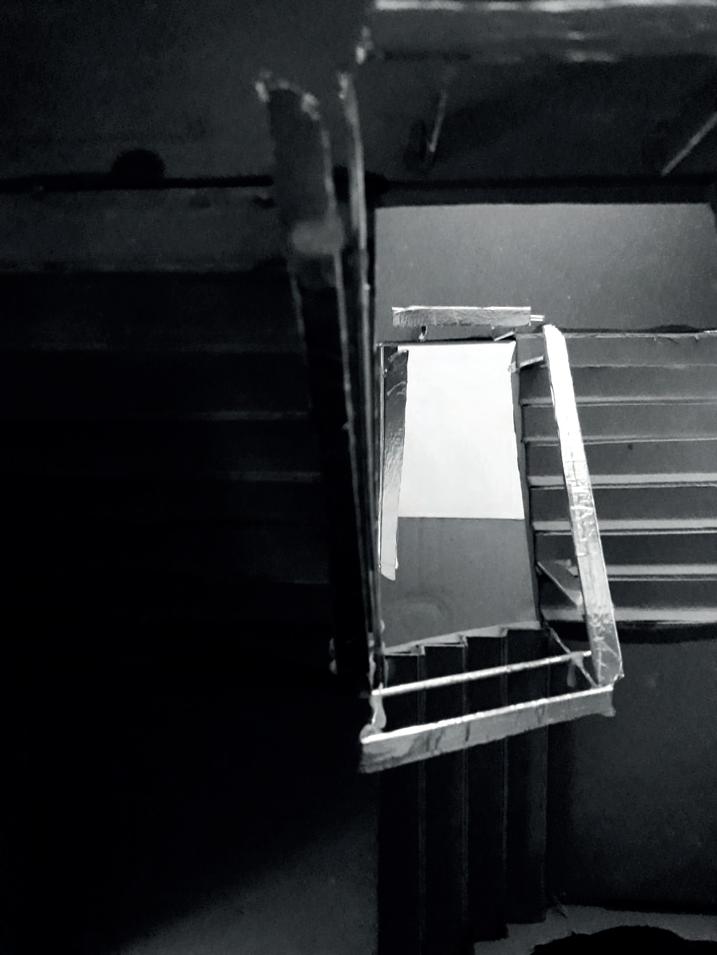
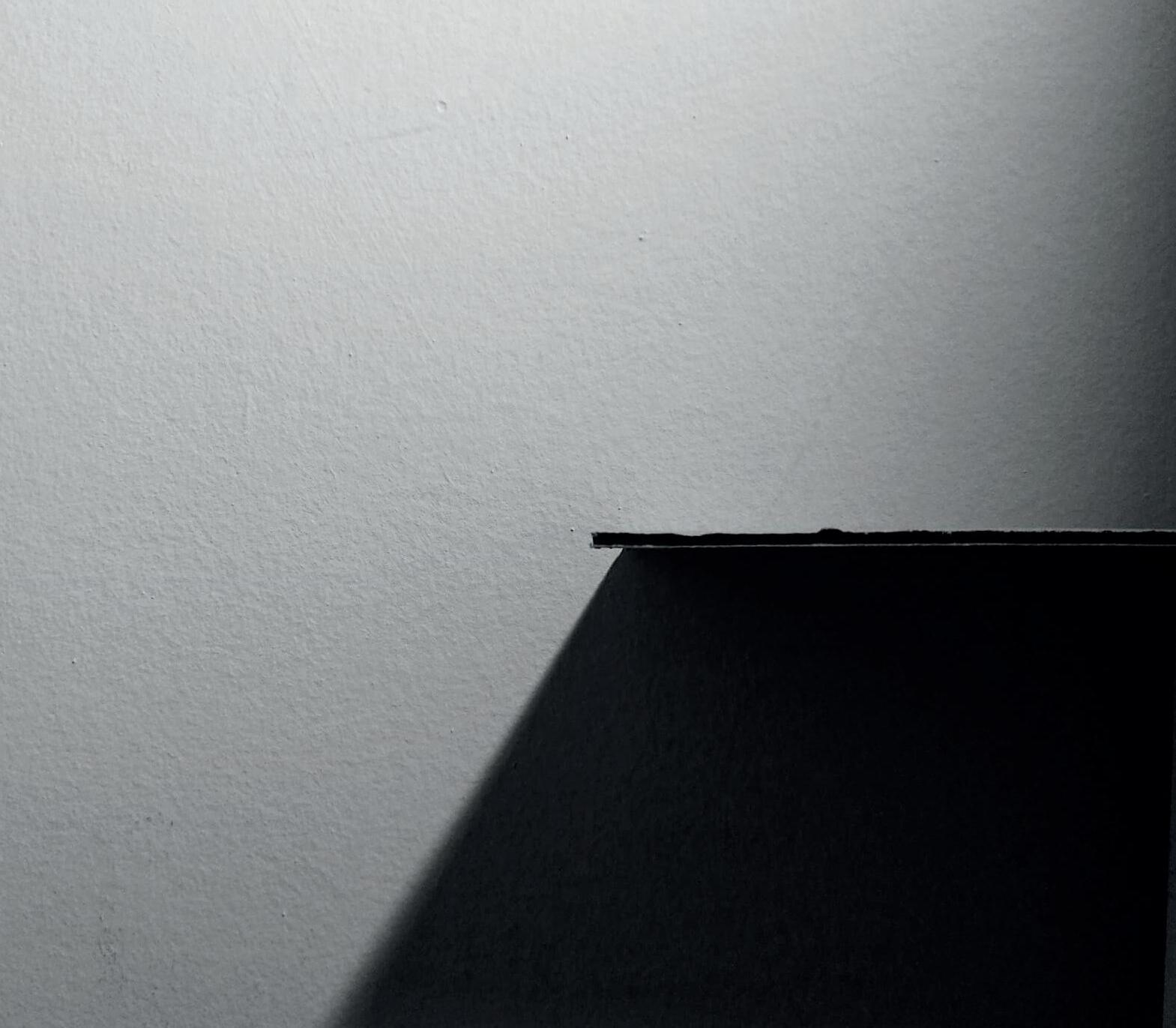
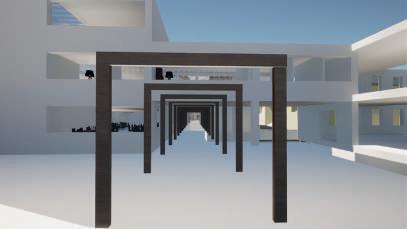
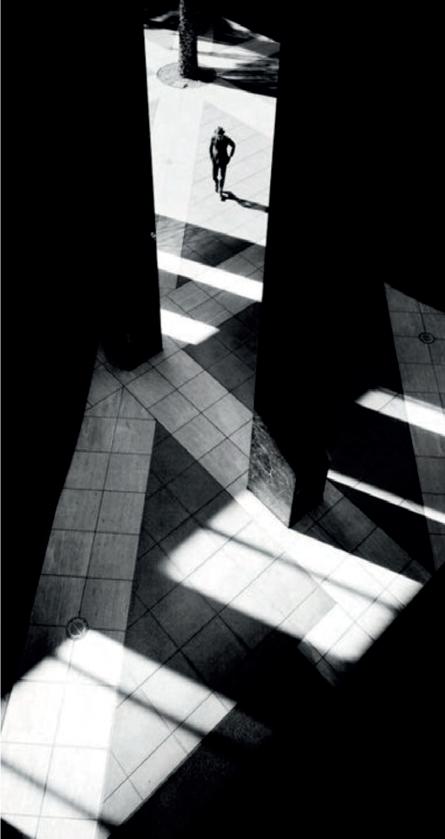
I analyzed the assigned picture and abstract the spatial relations in the assigned image and I produced a 3D construct through. Here, my main purpose was to feel like I was in a 2D photo and reflect this to my model hierarchically. While I was experiencing the space, I noticed a beam of light coming from the opening in the upright element to the side. Shade and shadow relations were also examined and placed in the model.
75%
SHADE AND SHADOW CONDITIONS SPATIAL EXPERIENCES

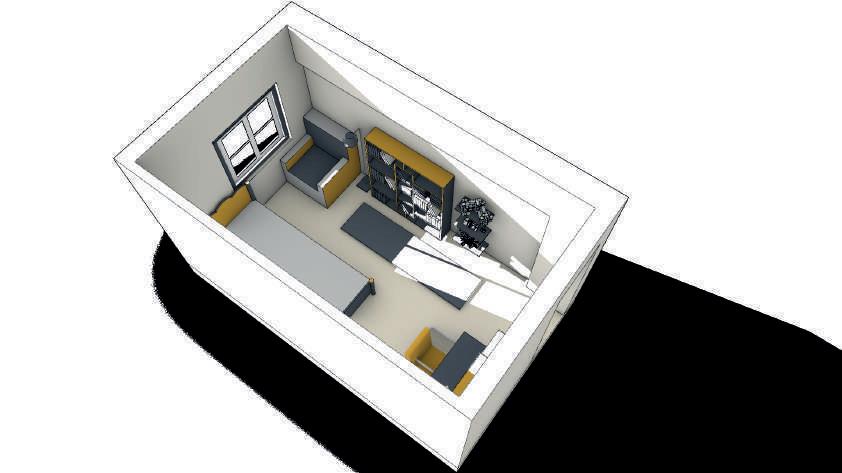
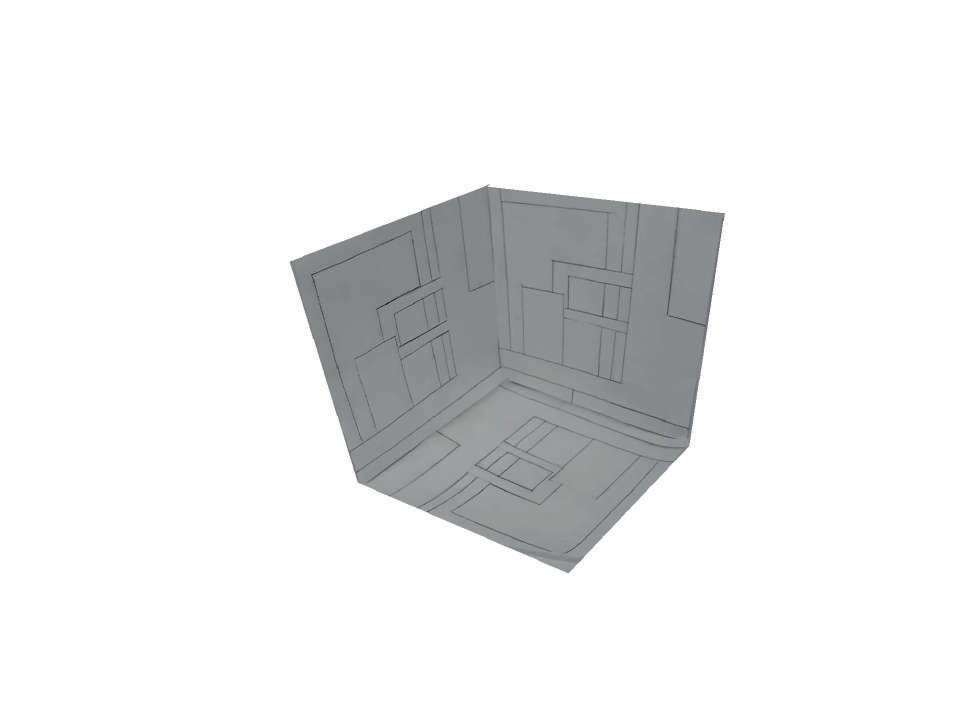
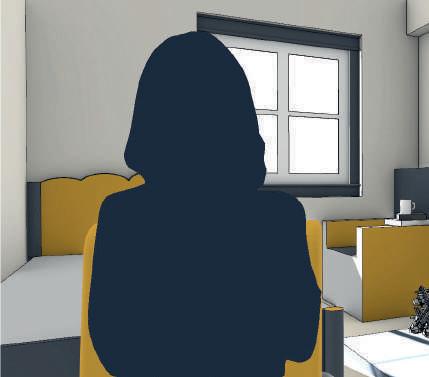
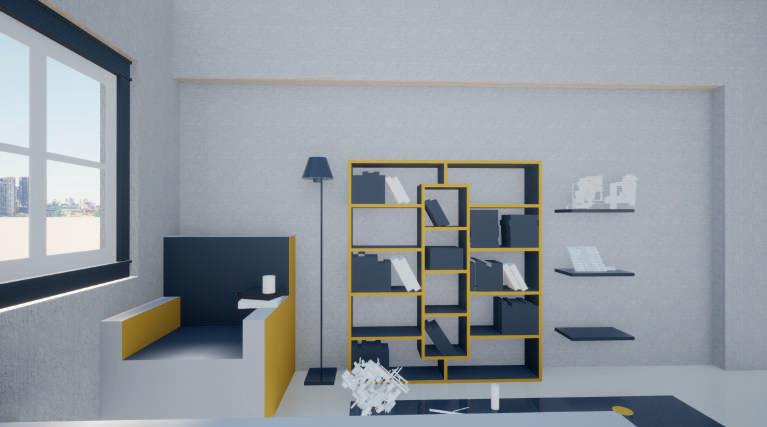
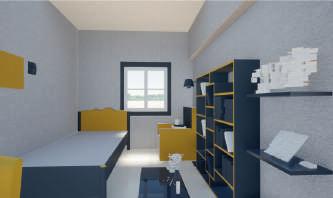
The aim was about the room we designed in this project is to examine some solid-void relationships formed by combining simple geometric shapes in two-dimensional space; and to understand their dimensions, it was simply creating and solving a scale problem. In this direction, we tried to combine them in different ways by using some units. We furnished the room with some different kinds of geometries.