Selected Projects
Qualified Architect - National Technical University of Athens
Computational Designer - Bartlett School of Architecture UCL
Eleni Prelorentzou

Selected Projects
Qualified Architect - National Technical University of Athens
Computational Designer - Bartlett School of Architecture UCL
Phone: +30 6951706838
Email: eleniprelo@gmail.com
Address: 109 Shirland Road, London, W92EL
Linkedin Profile: https://www.linkedin.com/in/eleni-prelorentzou-203671230/
Petsas Development and Construction, Athens, Greece / Architectural Assistant | Sep 2022- Sep 2023
RIBA Stages: 1, 2, 3, 4, 5
Project’s Region: Athens, Greece
Building Types: Residential Software: Autocad 2D, Autocad3D, Revit, SketchUp, Enscape, Photoshop
Contribution: Preparation of drawings and technical details, 3D visualizations, on-site vists, client meetings. Gain building knowledge.
AG Architects, Athens, Greece / Architectural Assistant | Sep 2021 - Sep 2022
RIBA Stages: 0, 1, 2, 3, 4
Project’s Region: Kavala, Athens, Greece
Building Types: Residential, Urban Design
Software: Autocad 2D, Autocad 3D, 3dsMax, VRay, Illustrator, InDesign
Contribution: Participation in architectural competitions, conceptual design. Preparation of drawings and technical details, 3D visualizations.
Omniview Design, Athens, Greece / Summer Internship | Jun 2018 - Aug 2018
RIBA Stages: 3
Project’s Region: Mykonos, Greece
Building Types: Residential
Software: Autocad, Photoshop
Contribution: Support design team with drafting and presentations.
Bartlett School of Architecture, UCL, London, UK / Master of Science in Architectural Computation | Oct 2023 - Sep 2024
Grade: Expecting Distinction
Skills: Computational design, Generative design, AI, Machine Learning, Responsive architecture
Courses: Introduction to Programming, Computational Analysis, Computational Synthesis, Morphogenetic Programming, Digital Studio, Digital Ecologies, Design as knowledge-based process.
Interests: Optimization, Form-finding, Data-driven design, Fabrication, Space Syntax
Dissertation: A -180 lines of code- constraint based solver
National Technical University of Athens, NTUA, Athens, Greece / Integrated Master in Architecture and Engineering | Sep 2016 - Jun 2022
Grade: 8.9 / 10 , Distinction
Skills: Architectural design, Construction Technology, Architectural History, Urban Planning, Spatial Design, Landscape, Model-making Awards: Exhibition at the Biennale Architettura di Venezia 2021: How will we live together?, Urban Planning
Research: “The residence of the anonymous Athenian architecture as a question of origin in the work of Aris Konstantinidis”, Grade: 10/10
Dissertation: “Triggering carved landscapes, Mining museum and educational institute in Tinos”, Grade: 10/10
Architectural Association school of Architecture, London, UK / Visiting school | Jun 2022 - Jul 2022
Topic: ‘About new Togetherness’
Courses: VR design, XR design, adaptive design.
Software: Unity, Blender, Premier Pro
Project: PigeonX
Exhibition: Biennale Architettura di Venezia 2021: “How will we live together?”
Project title: Aristotelous Anavassis.
Prize: 4th prize in architectural competition 2022
Project title: Redesigning Kavala’s central square
Award: ‘Aristeion’: Award of Excellence H.E.A.F 2016
3d Modeling: Rhino (4/5), Revit (4/5), Sketchup (4/5)
Rendering: Enscape (4/5), VRay (2/5)
Adobe Suite: Photoshop (5/5), Illustrator (4/5), Indesign (5/5)
Drafting: Autocad 2D (5/5)
Parametric Modeling: Grasshopper (4/5)
Programming Languages: c# (4/5), Python (2/5)
Architectural Design
Computational Design
Parametric Modeling
Generative Design Form-finding
English / Proficient
French / Advanced (Delf B2)
Greek / Native
Structural Optimization
VR and XR Design
Digital Fabrication Construction technology Sustainability
Technical Chamber of Greece (TEE) / Member since 30/10/2024
Right to work in the UK
request)
Vasilis Ghikapeppas Assistant Professor at School of Architecture (NTUA)
Tommaso Casucci Lecturer at Bartlett School of Architecture (UCL)
Vasilis Petsas Civil Engineer at Petsas Development
01. Triggering carved landscapes, Mining museum and educational institute in Tinos, Greece, Thesis project 02. Aristotelous Anavassis: ‘How will we live together?’, Exhibition Biennale di Venezia 2021 03. Conceptual design for residences in Mets, Athens, Greece, Student project
Playground on the water, Poveglia, Italy
Art hub in Gazi, Athens, Greece, construction technology
WORK
Redesign of Eleftheria square in Kavala, Architectural competition, Prize
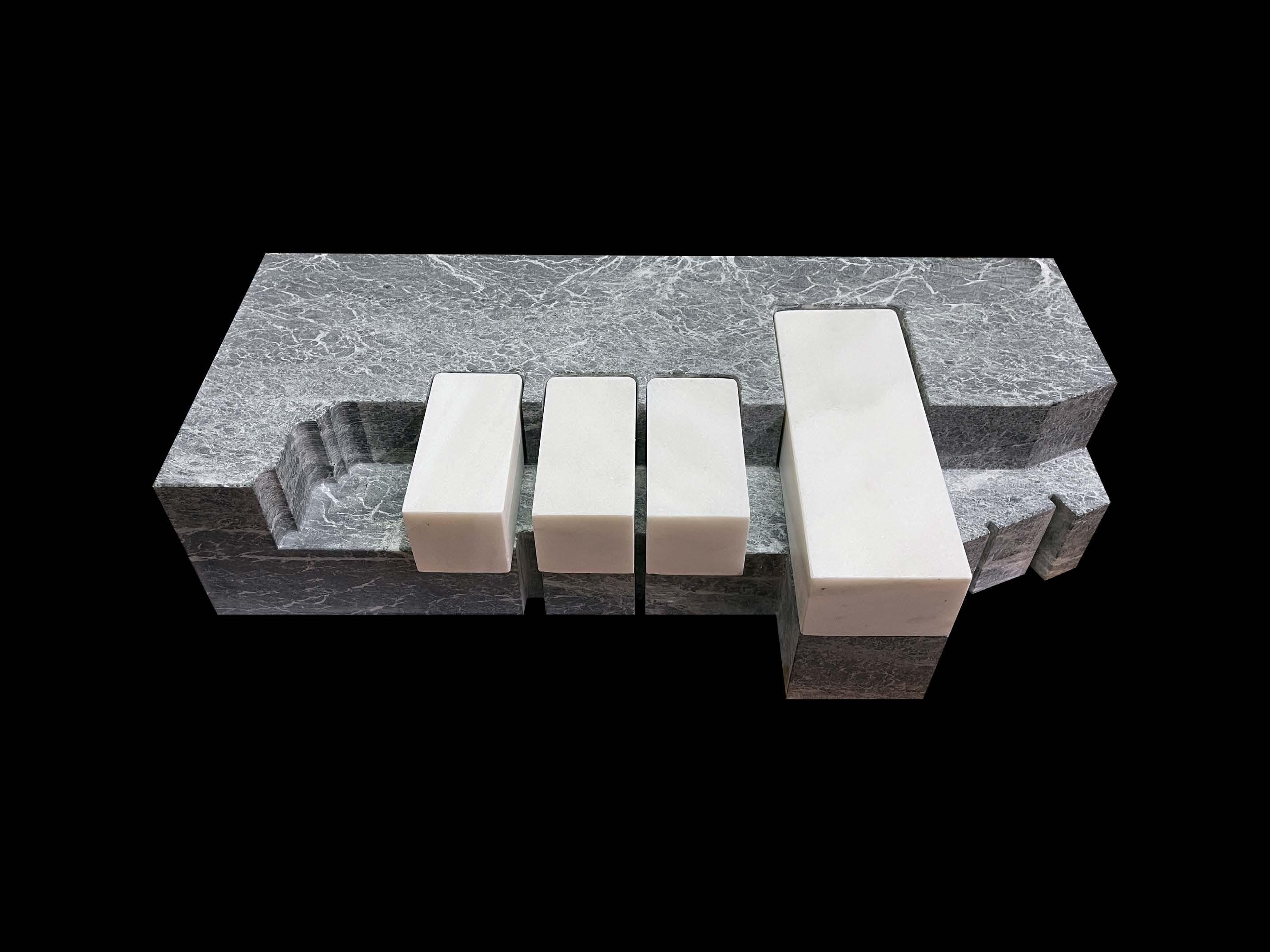
Study: Master / Course: Thesis / Year: 2022-23 / Type: Public Building, Landscape / Team: Solo Project / Supervisor: V. Ghikapeppas
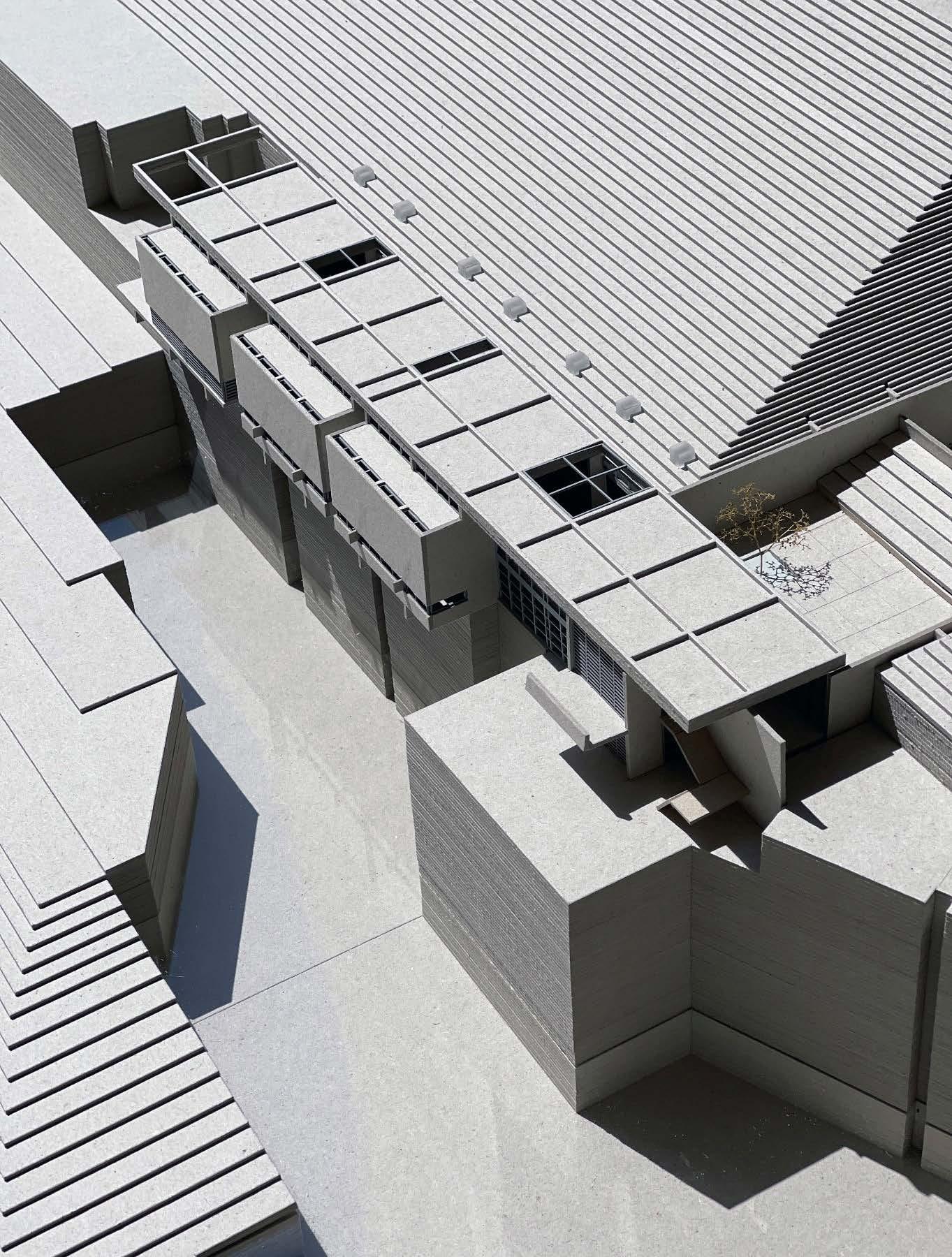
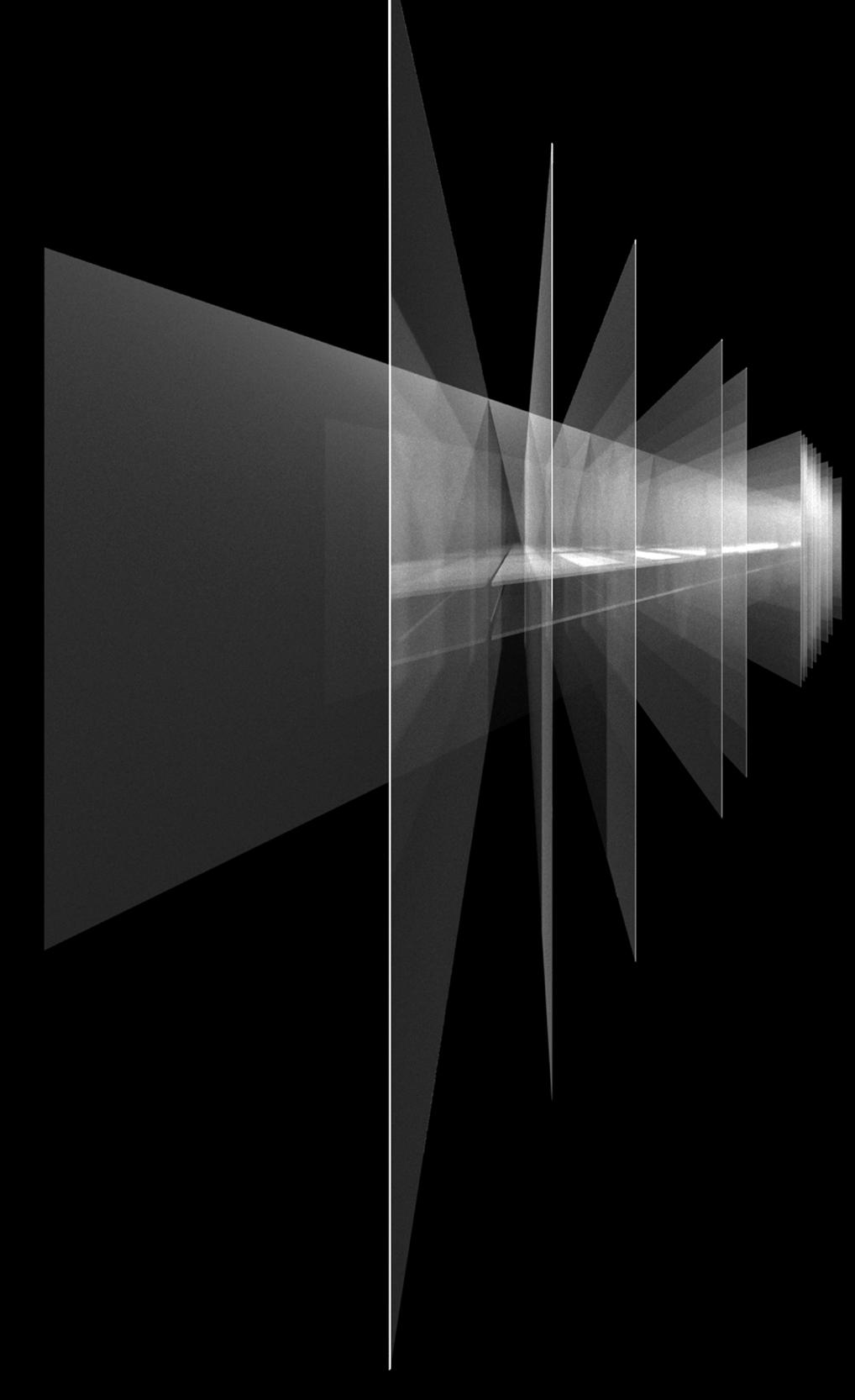
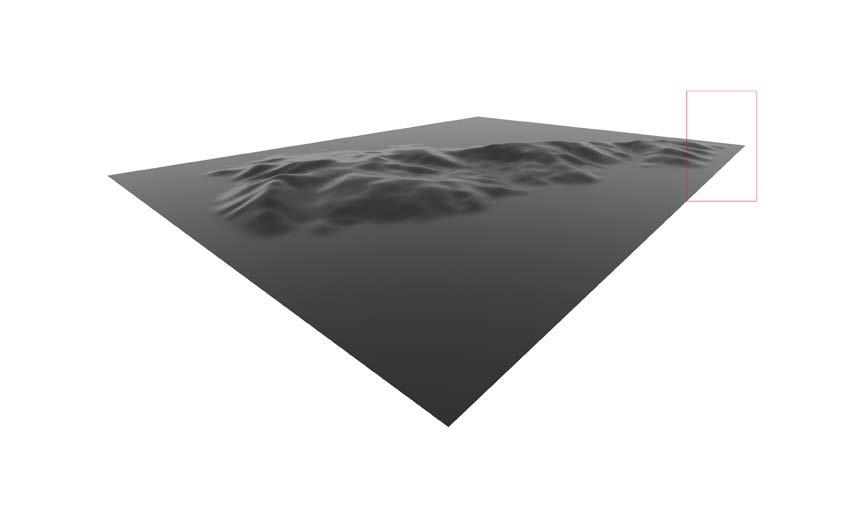
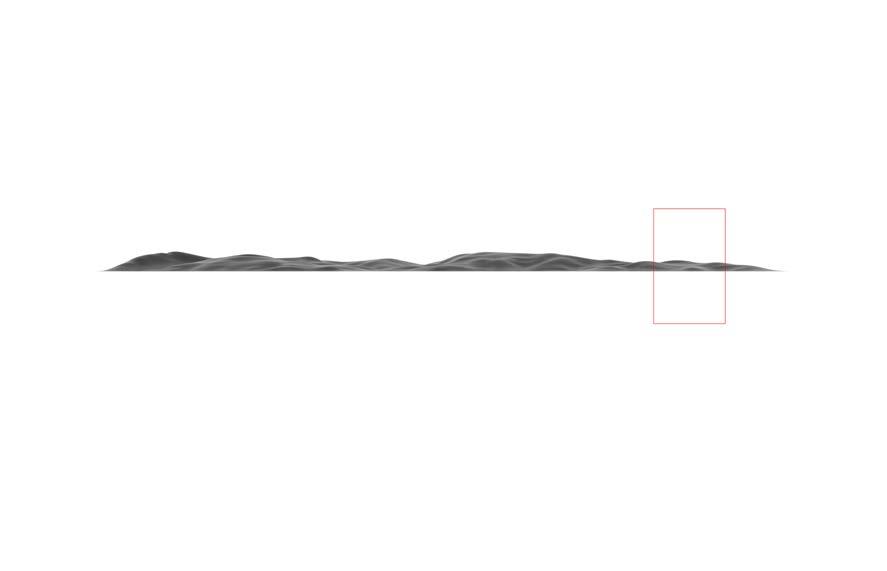
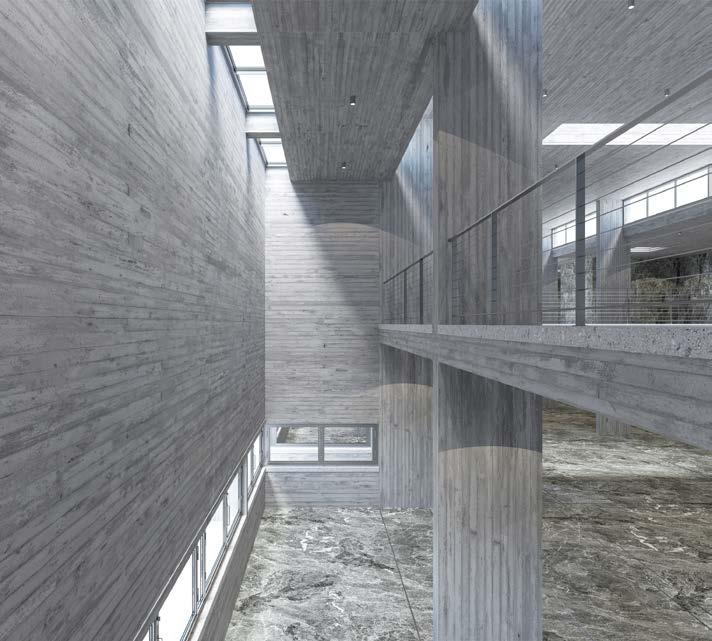
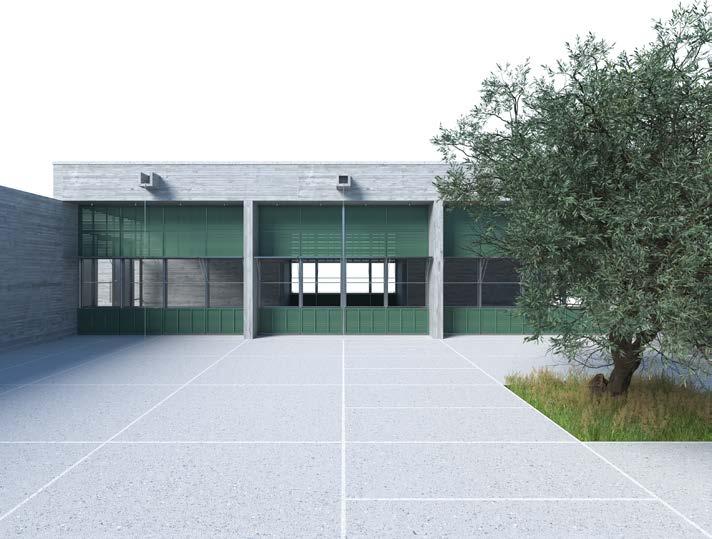
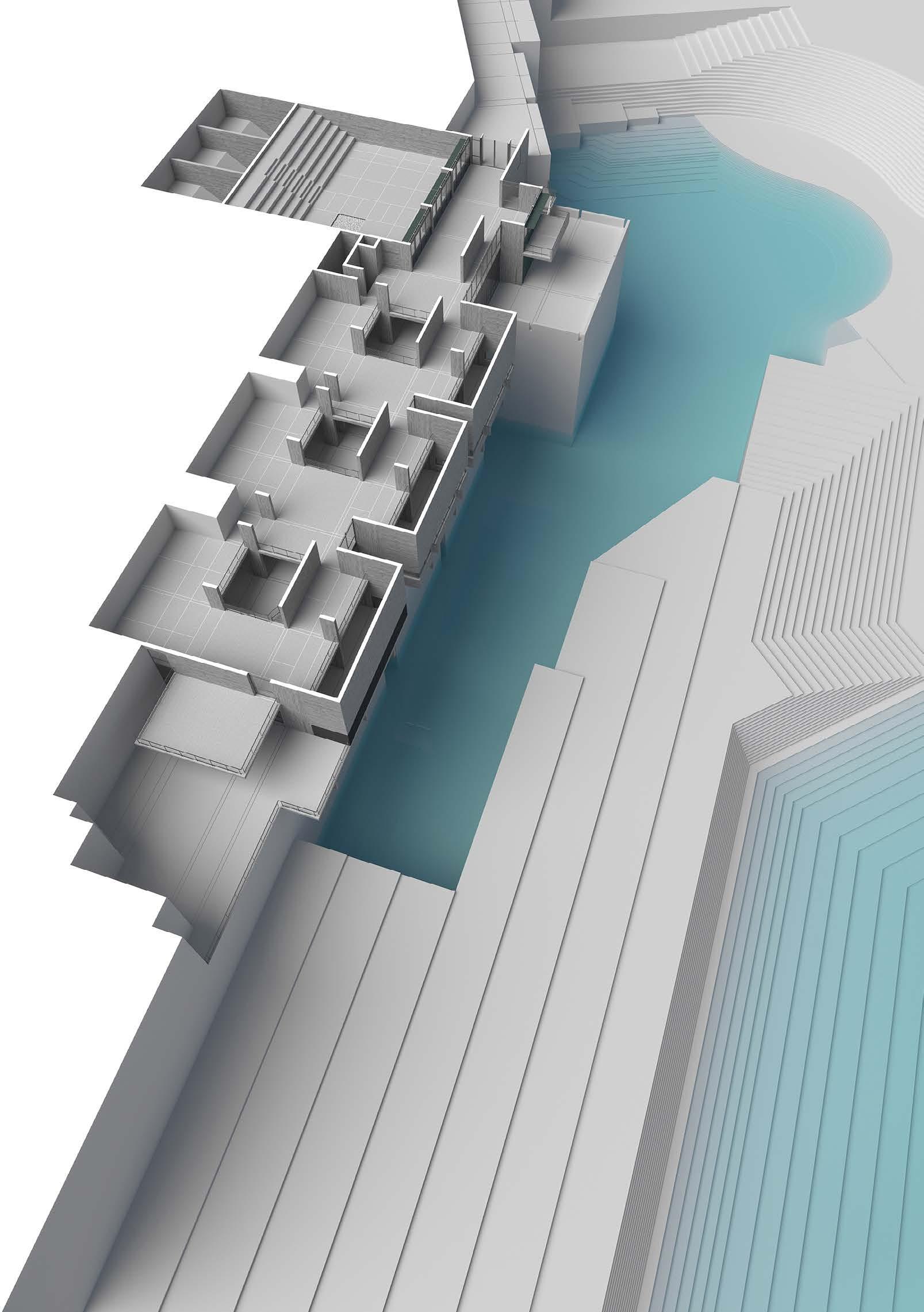
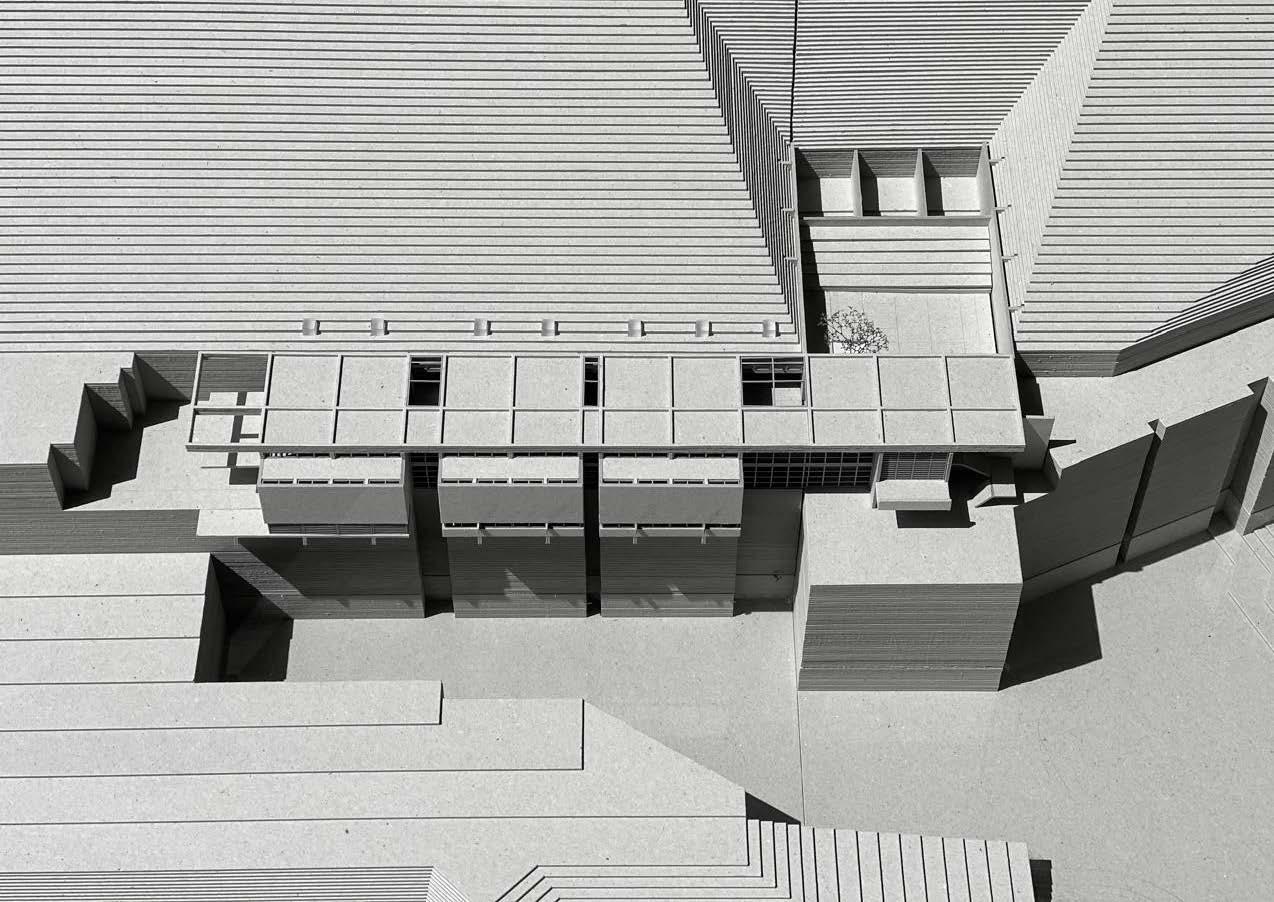
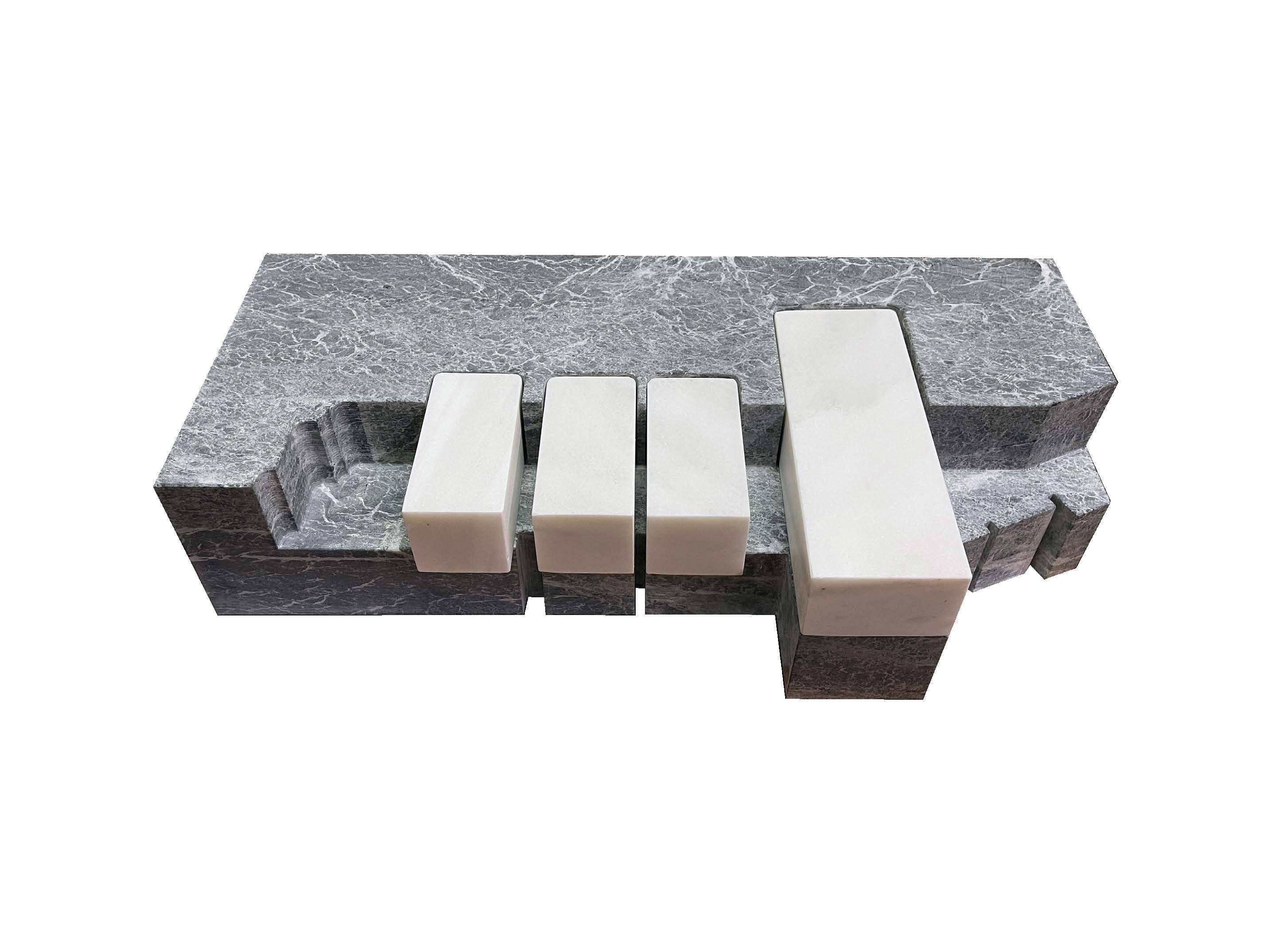
This dissertation focuses on designing landscapes in northern Tinos, shaped by cubic excavations for marble quarrying. The project aims to blend minimal intervention with the natural environment, offering visitors an immersive experience of the landscape and its material extraction history. The museum comprises four monolithic volumes, positioned where the material has been removed, symbolizing completion. These volumes introduce themes such as the material, tools, technique, and quarrying process. The design emphasizes simplicity and subtlety, inviting visitors to engage both with the landscape and the process of material transformation. The museum is arranged on two levels, connected by a small plaza, integrating with the natural topography while fostering reflection and observation.
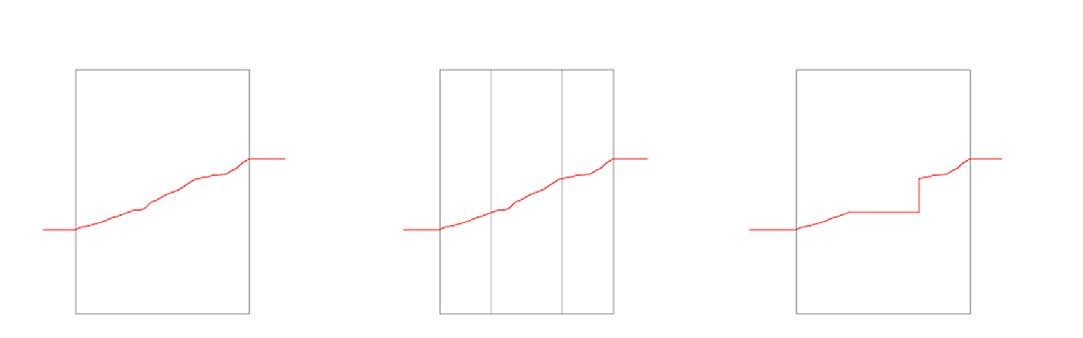
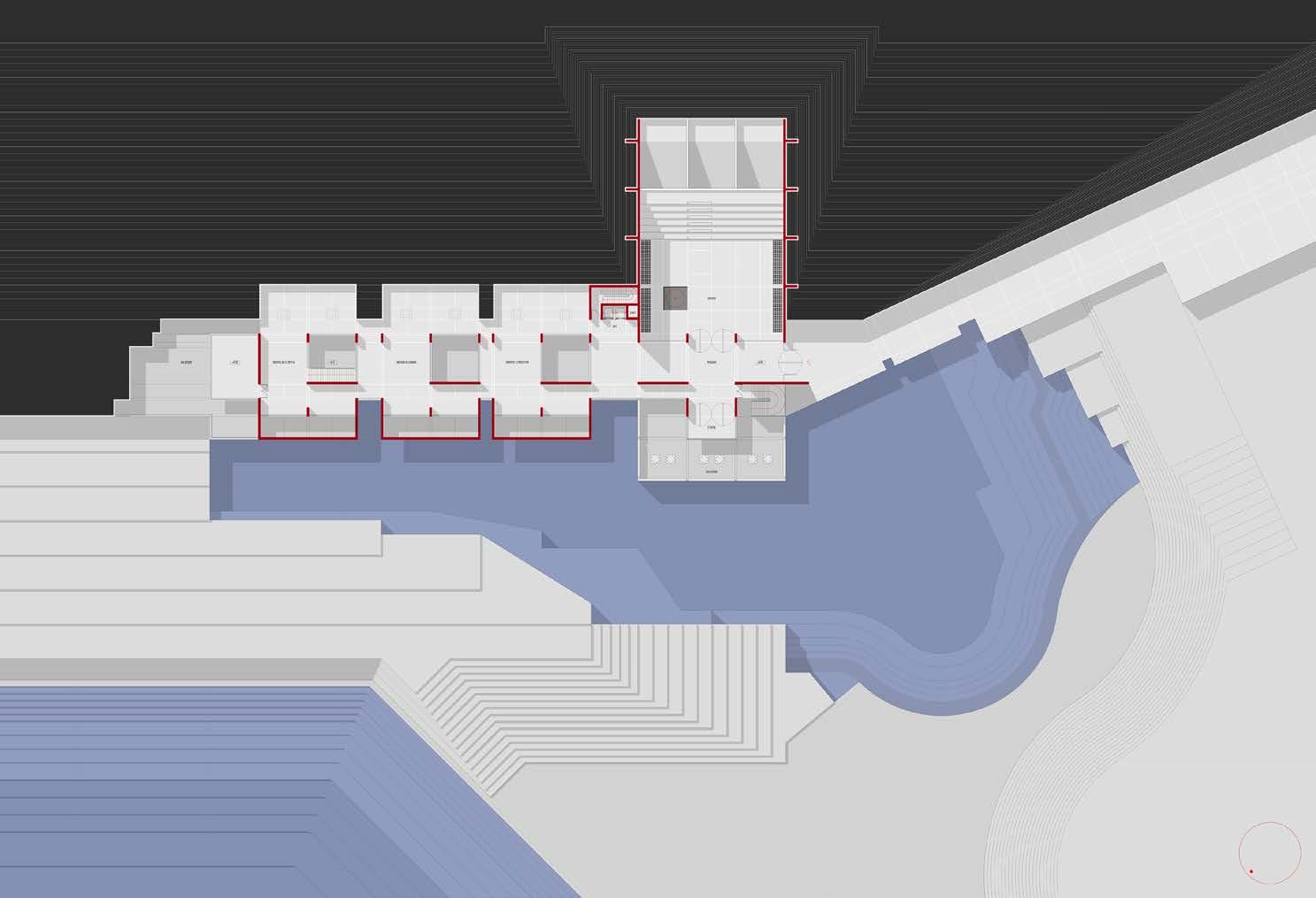
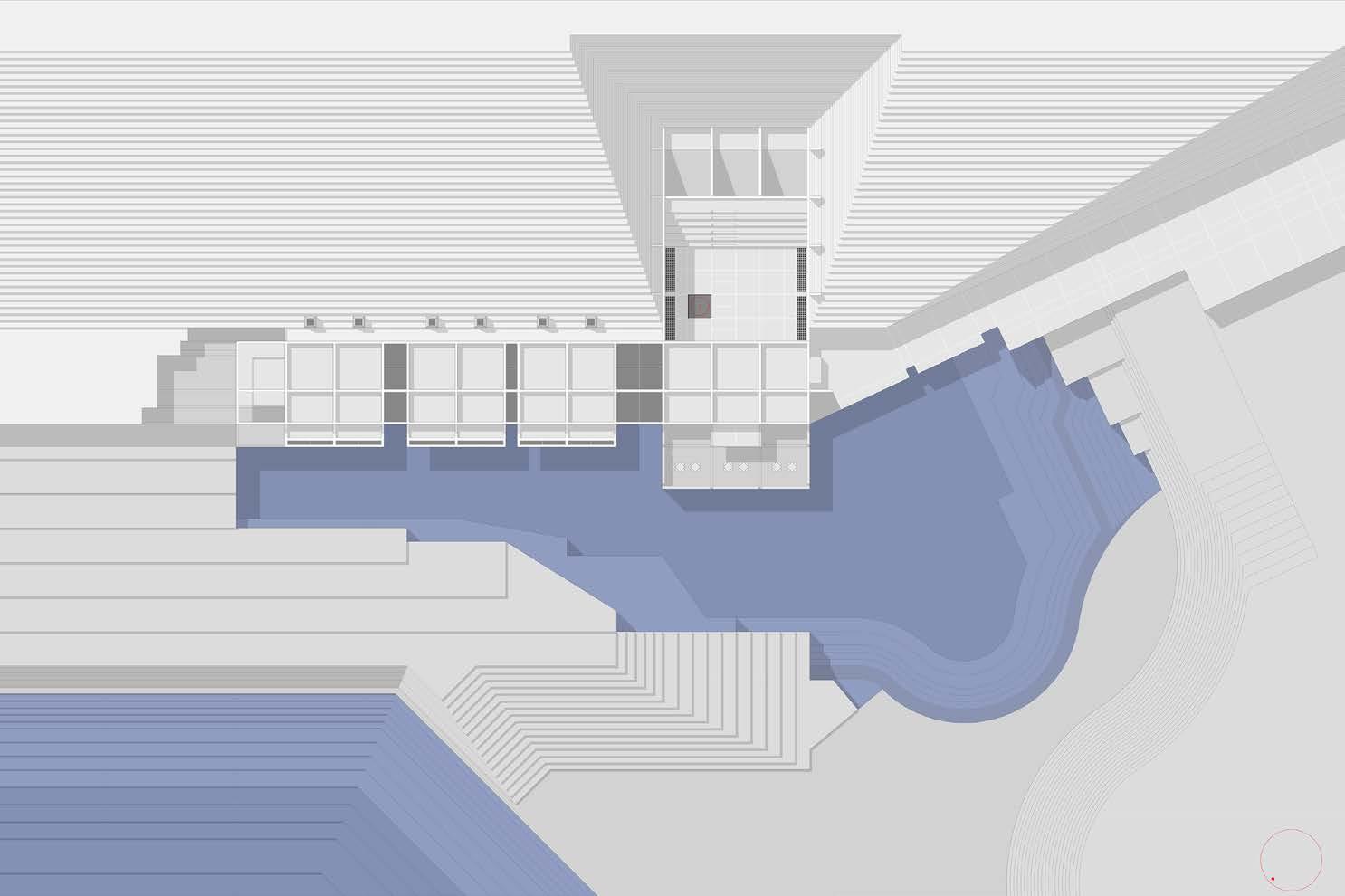
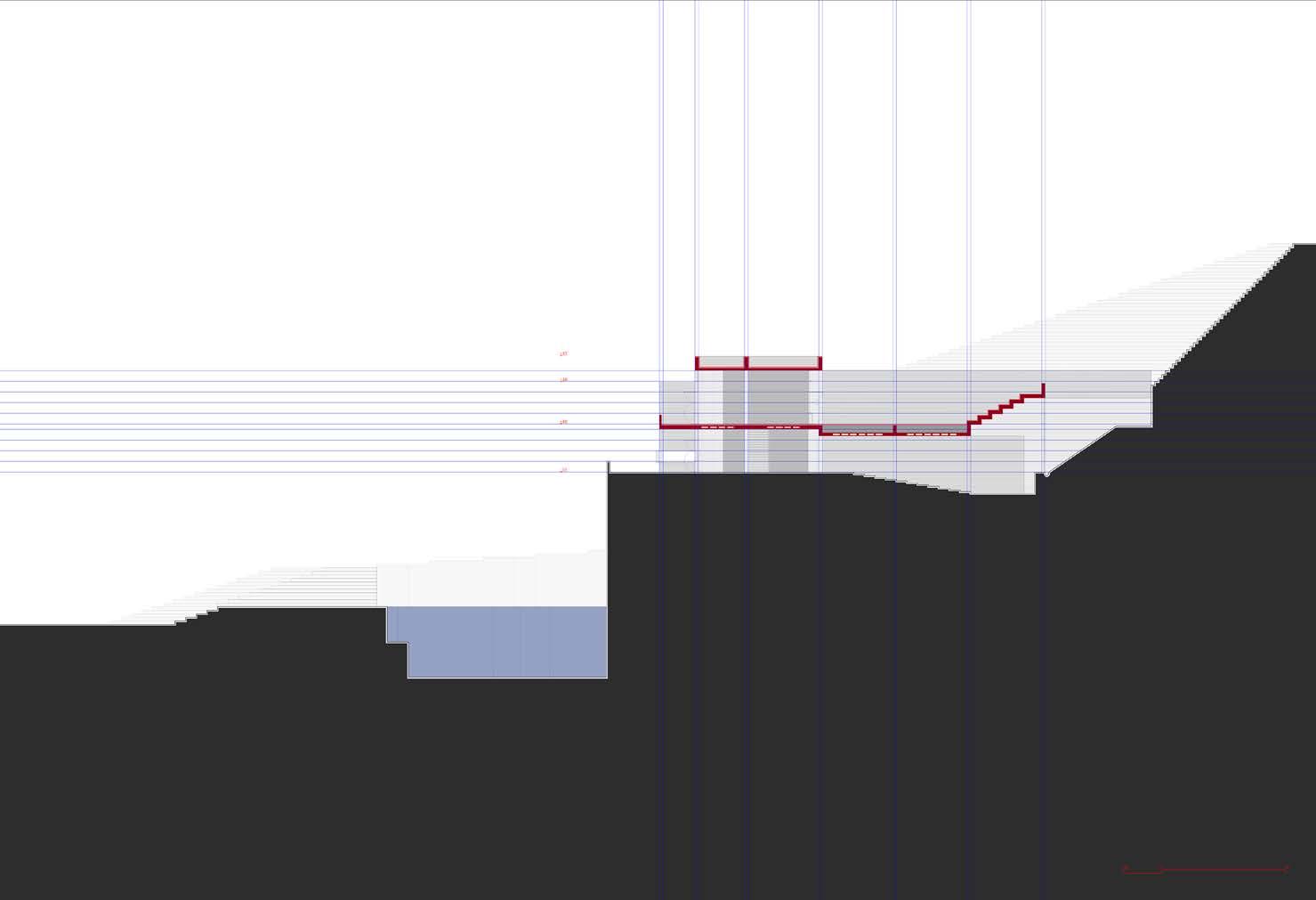
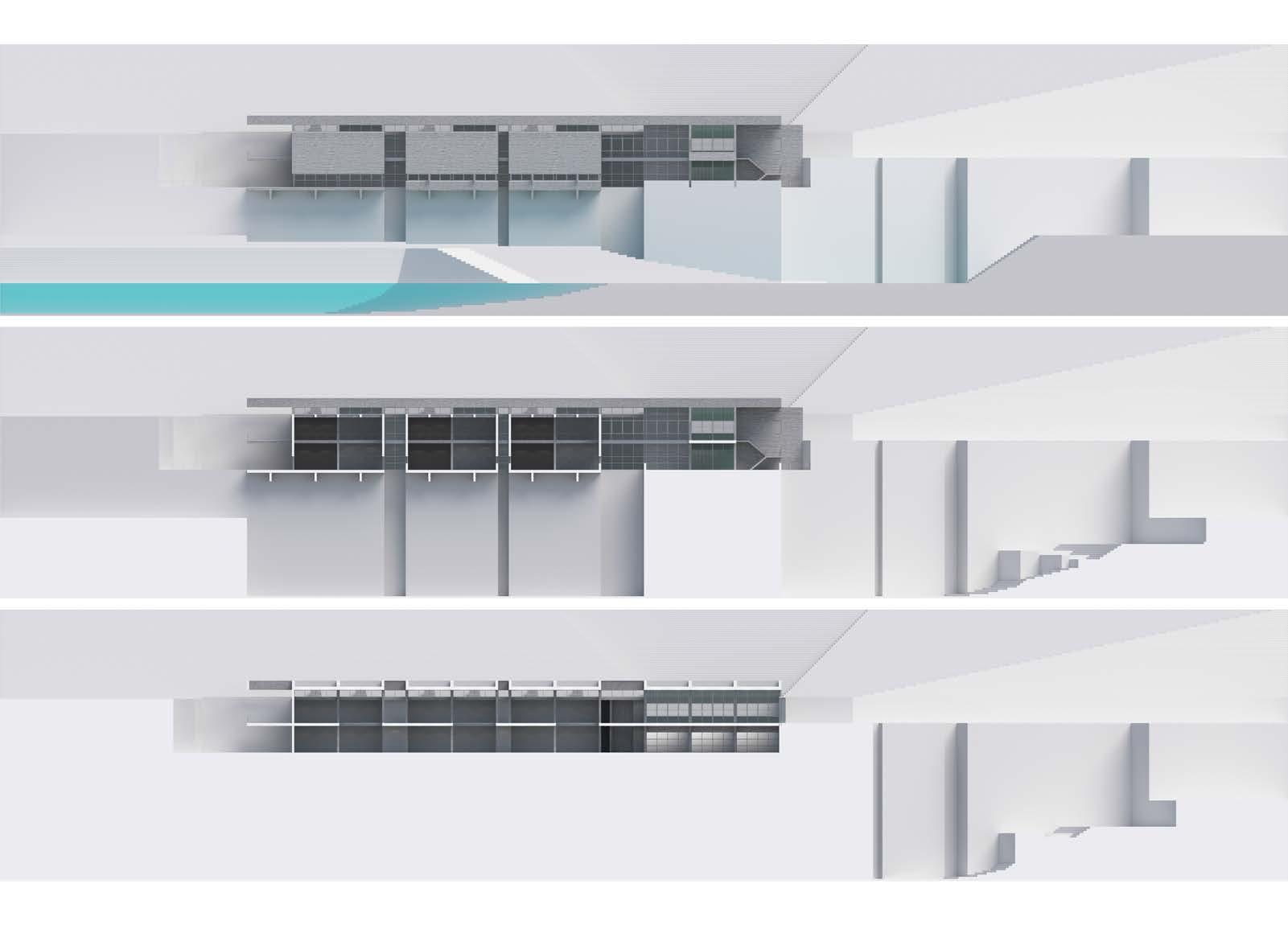
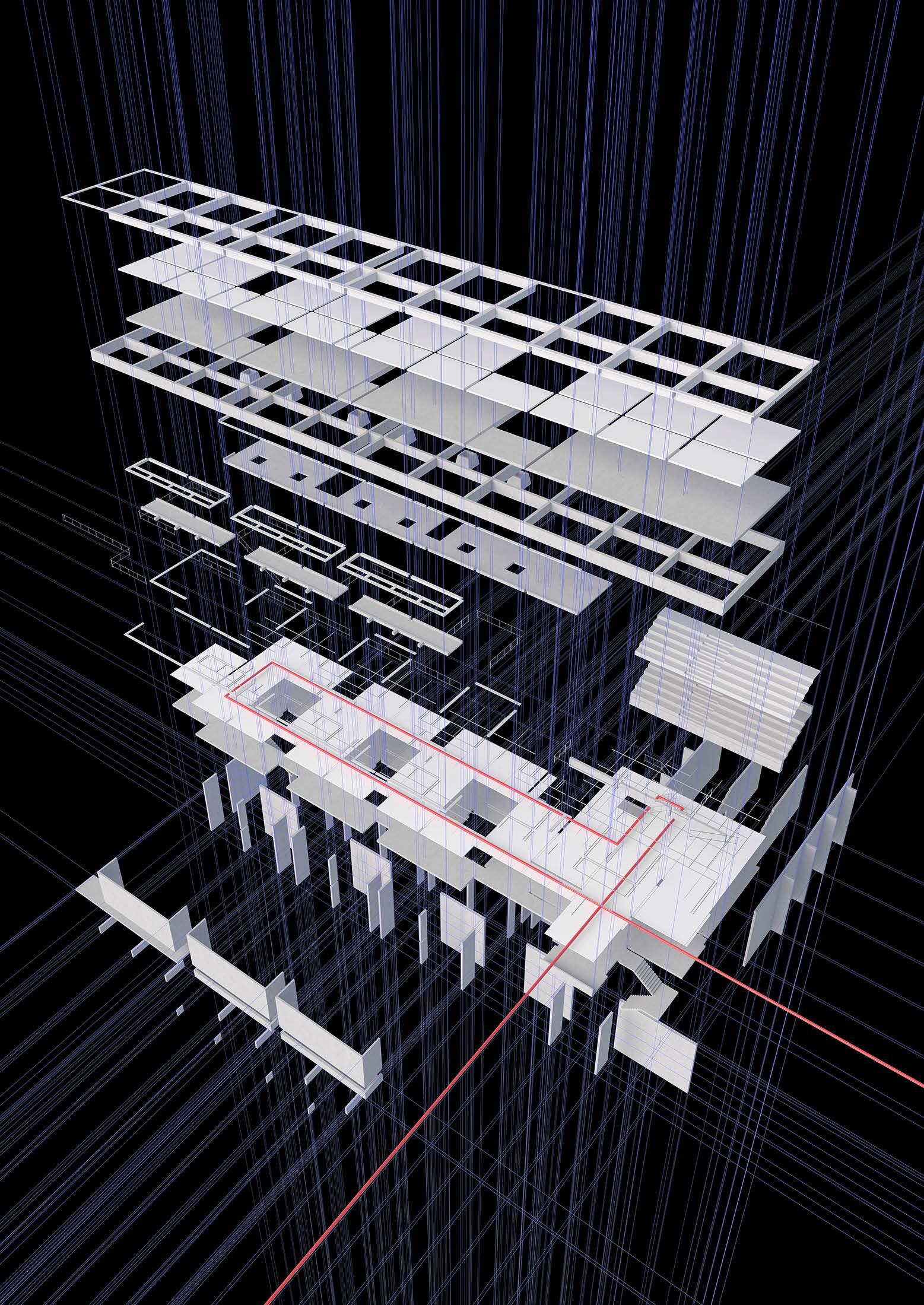
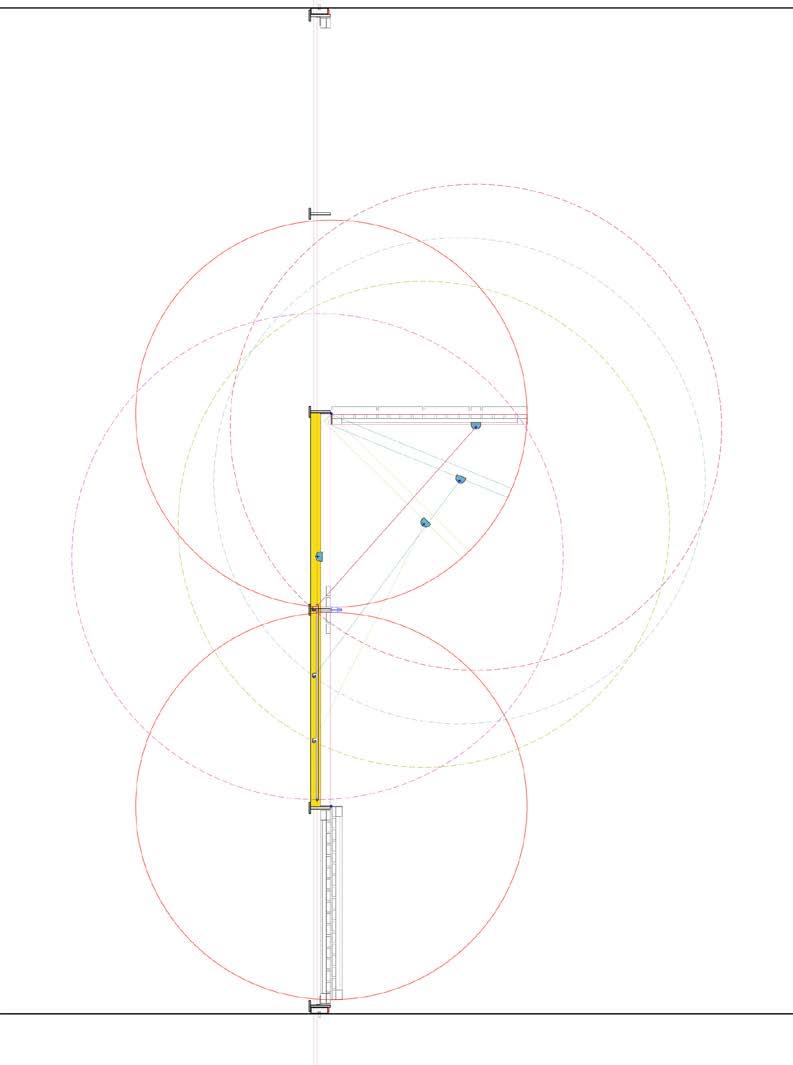
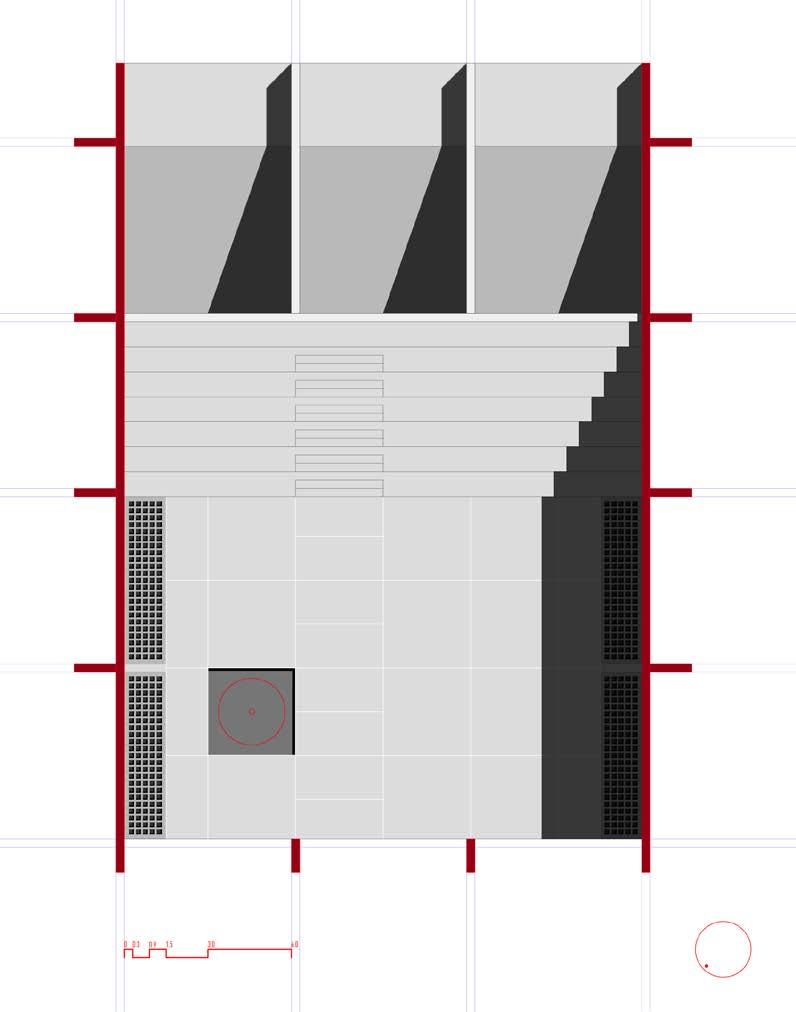
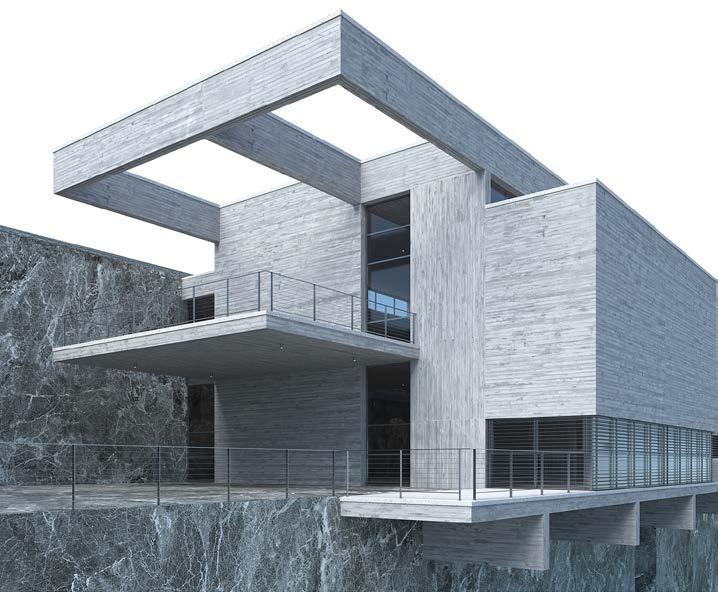
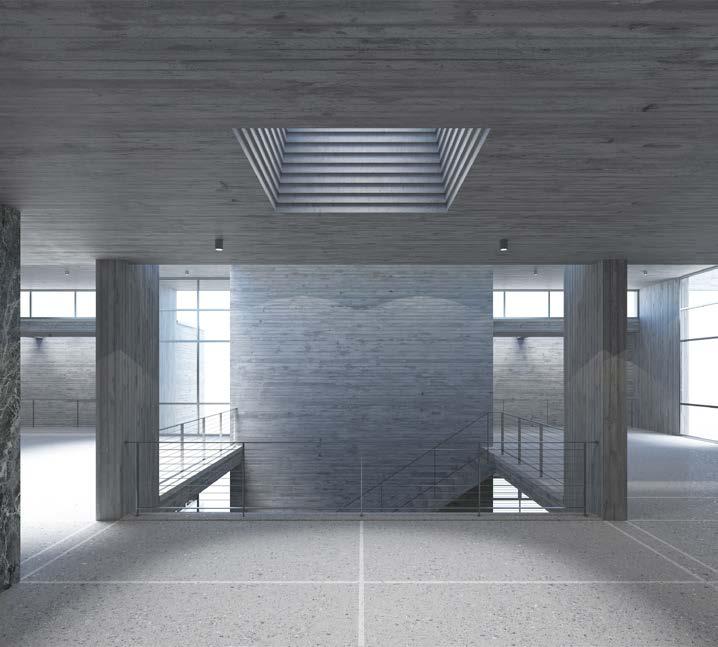
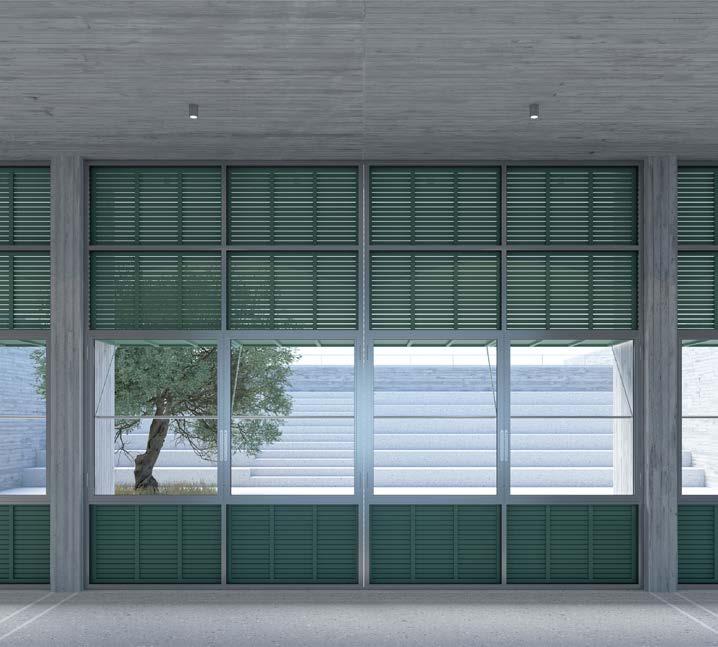
a. Entrance
b. Outdoor space
c. Balcony
d. Raw material
e. The soil
f. Mining and tools
g. Material transfer
h. Use of material
i. Carved landscape
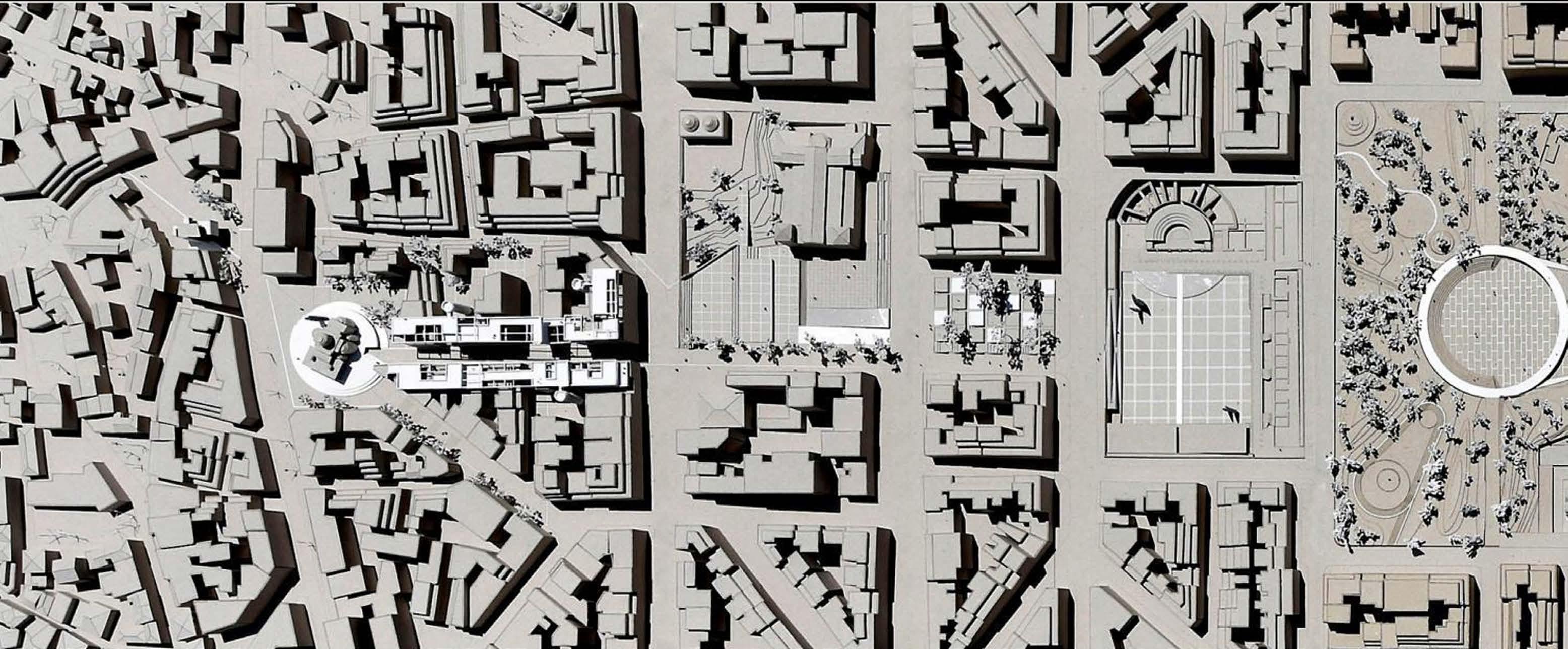
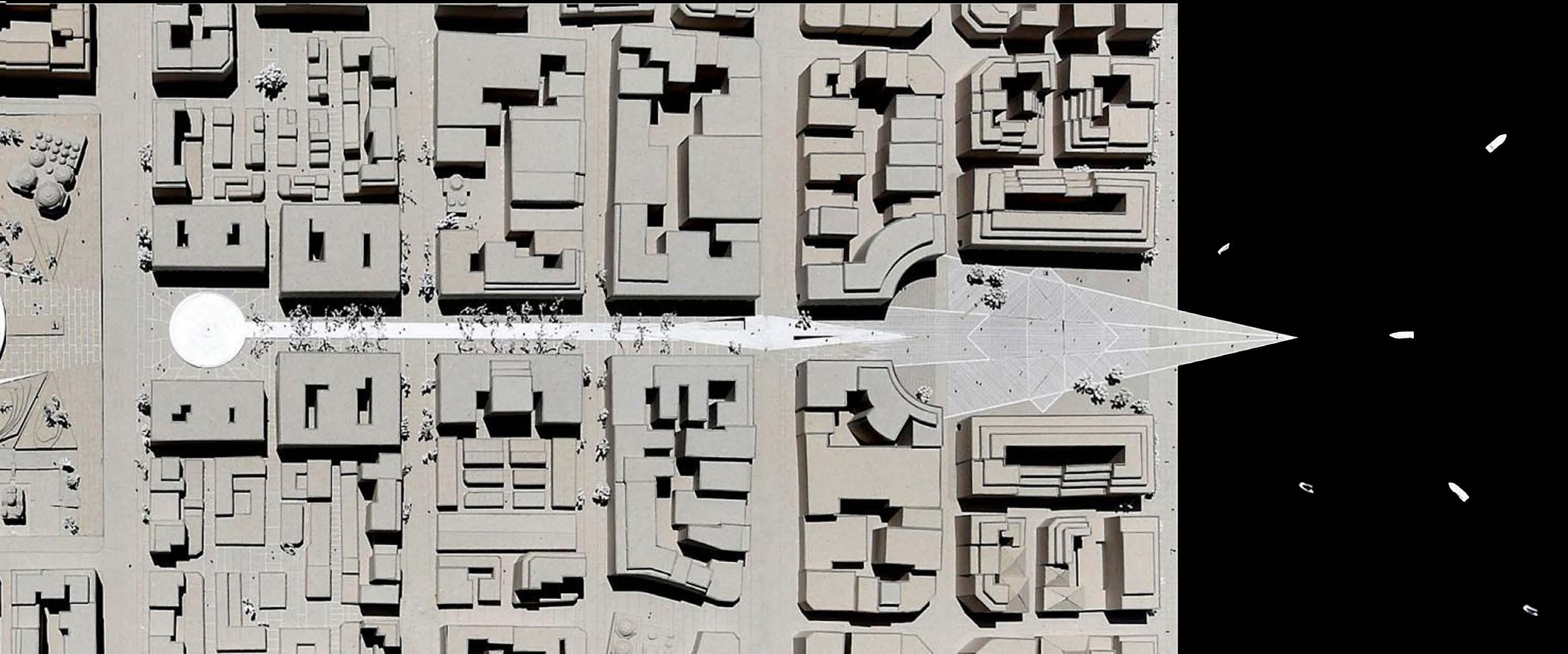
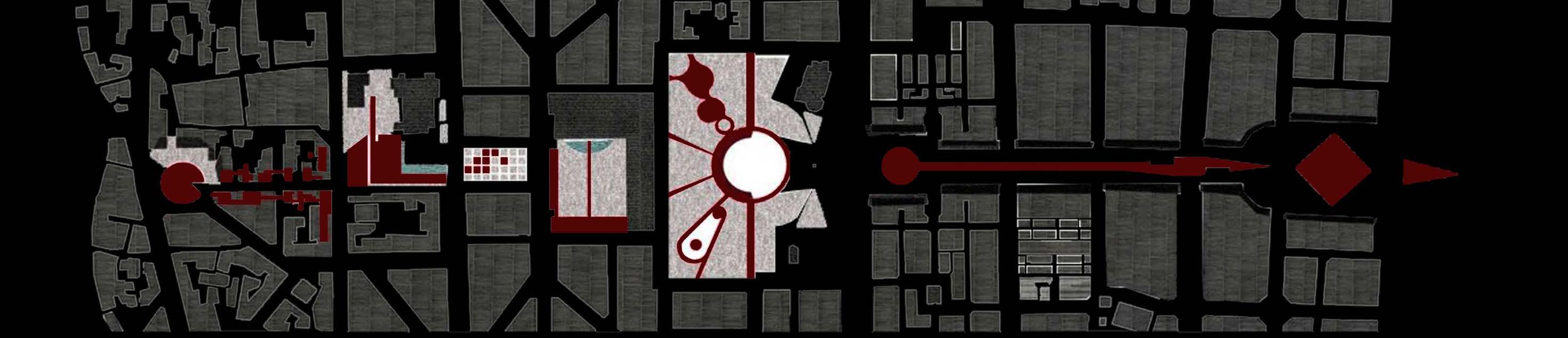
Aristotelous Anavassis / 2021 Biennale di Venezia: “How will we live together ?”
Study: Master / Course: 8A / Year: 2020 / Type: Urban Design / Team: Eleni Prelorentzou, Diana Dima / Tutor: T. Andrianopoulos
1
3
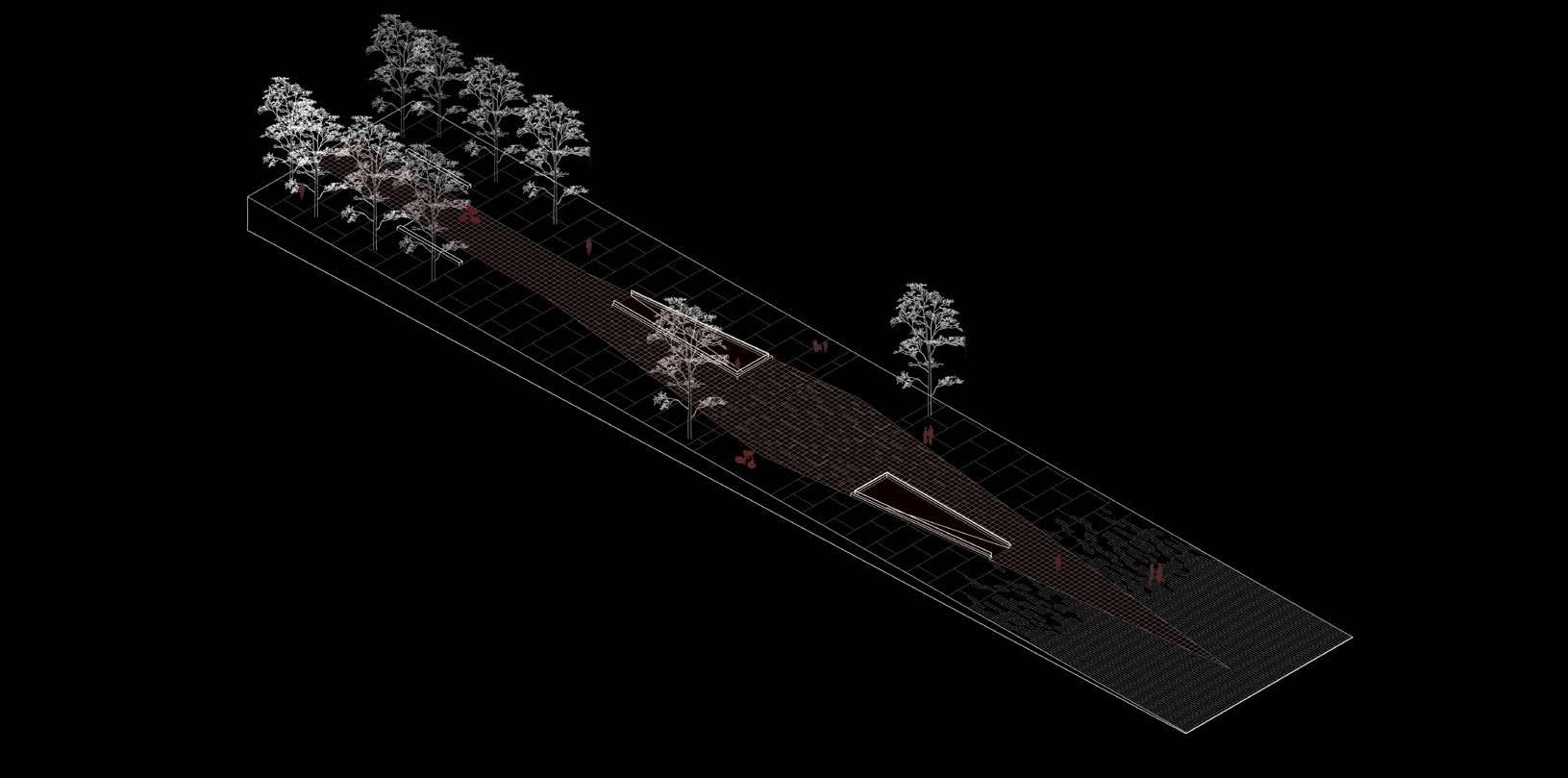
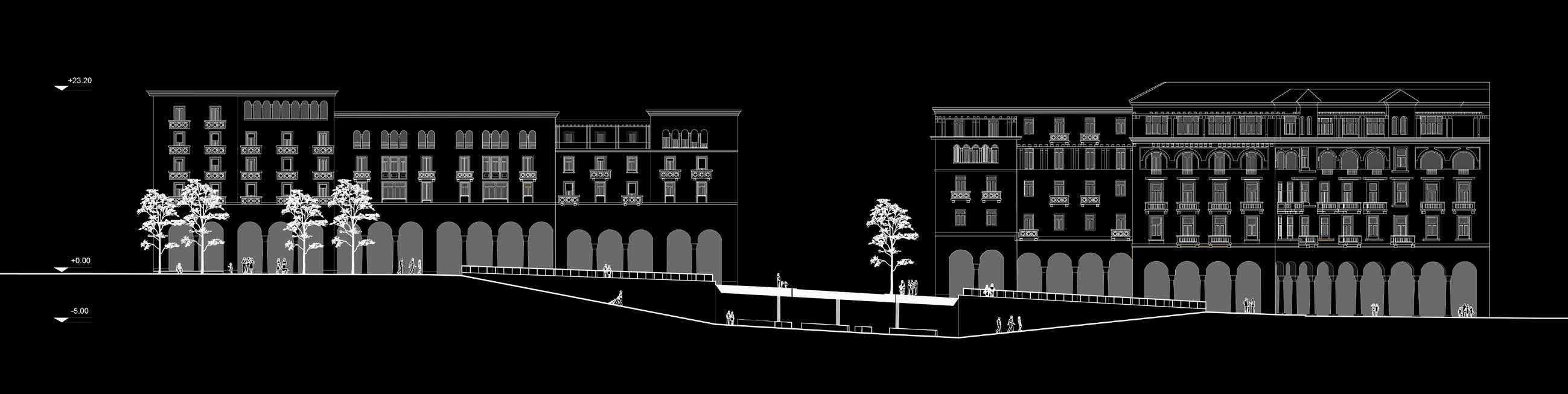
During this studio, we divided Aristotle’s Axis into eight distinct parts, assigning each to one of our sixteen teams. Each team had to work in tandem with both the preceding and succeeding groups. This collaboration culminated in the creation of two three-meter models, which were selected for presentation at the Venice Biennale. Our section was segment 7. The concept was to design an underground agora for commercial purposes while continuing the street level with a rhombus pattern in the paving. This differentiation was achieved through varying stone sizes at the street level.
Study: Master / Course: Unit 4 / Year: 2018 / Type: Conceptual design / Team: Eleni Prelorentzou, Stelios Gatsinos / Supervisor: T. Andrianopoulos
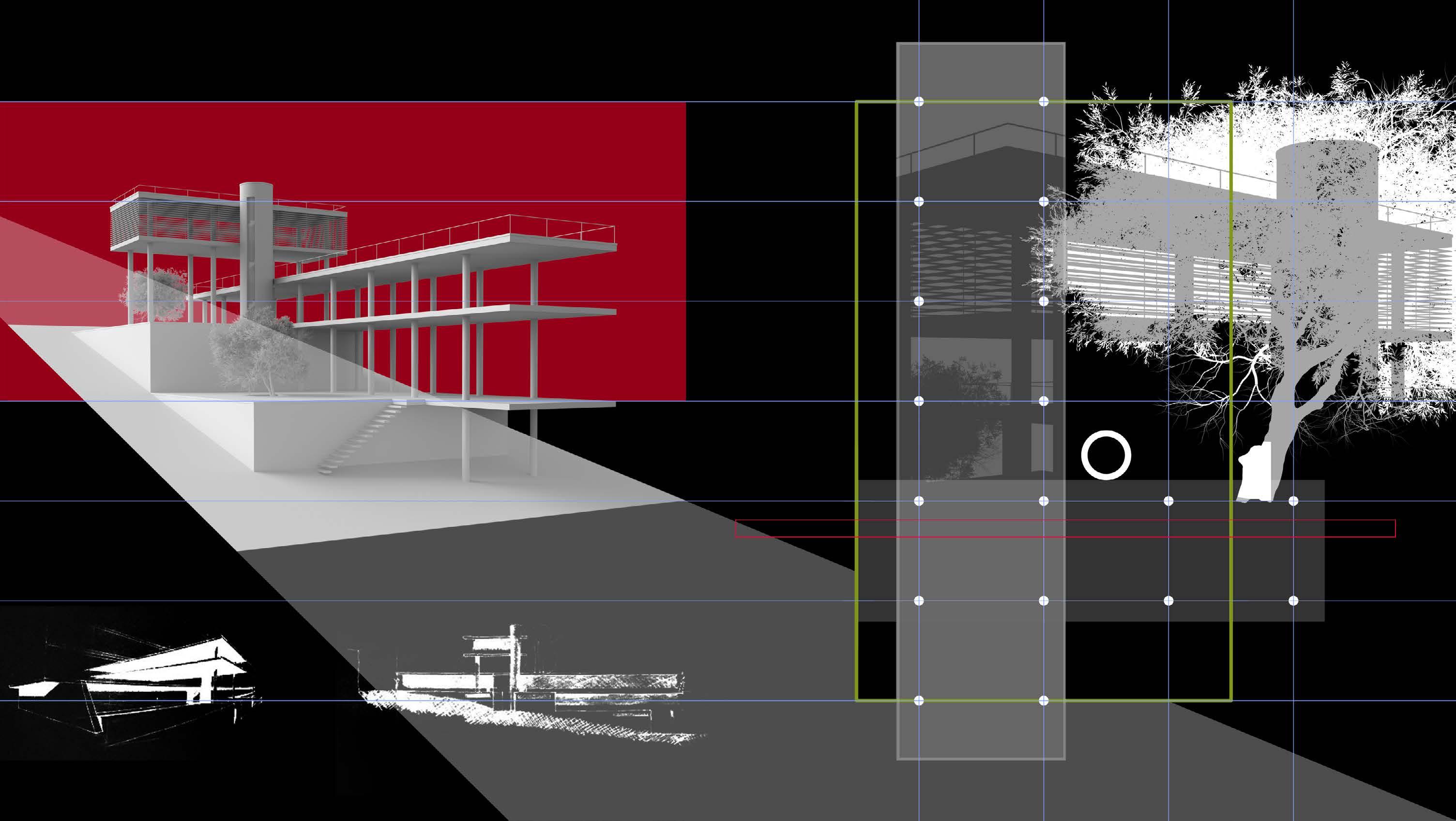
During this studio, the goal was to emphasize the conceptual aspect of the design process. By integrating methods learned through drawing courses, the project aimed to establish synthetic approaches that could serve as the initial step in design development. The process involved using sketches, collages, and conceptual 3D visualizations as core components, promoting a deeper understanding of how architects create and develop their ideas.
Study: Master / Course: Unit 9/ Year: 2021 / Type: Urban Planning / Team: Eleni Prelorentzou, Andriana Vamvoukaki, Alexandra Efstathiou
/ Tutor: I. Mari
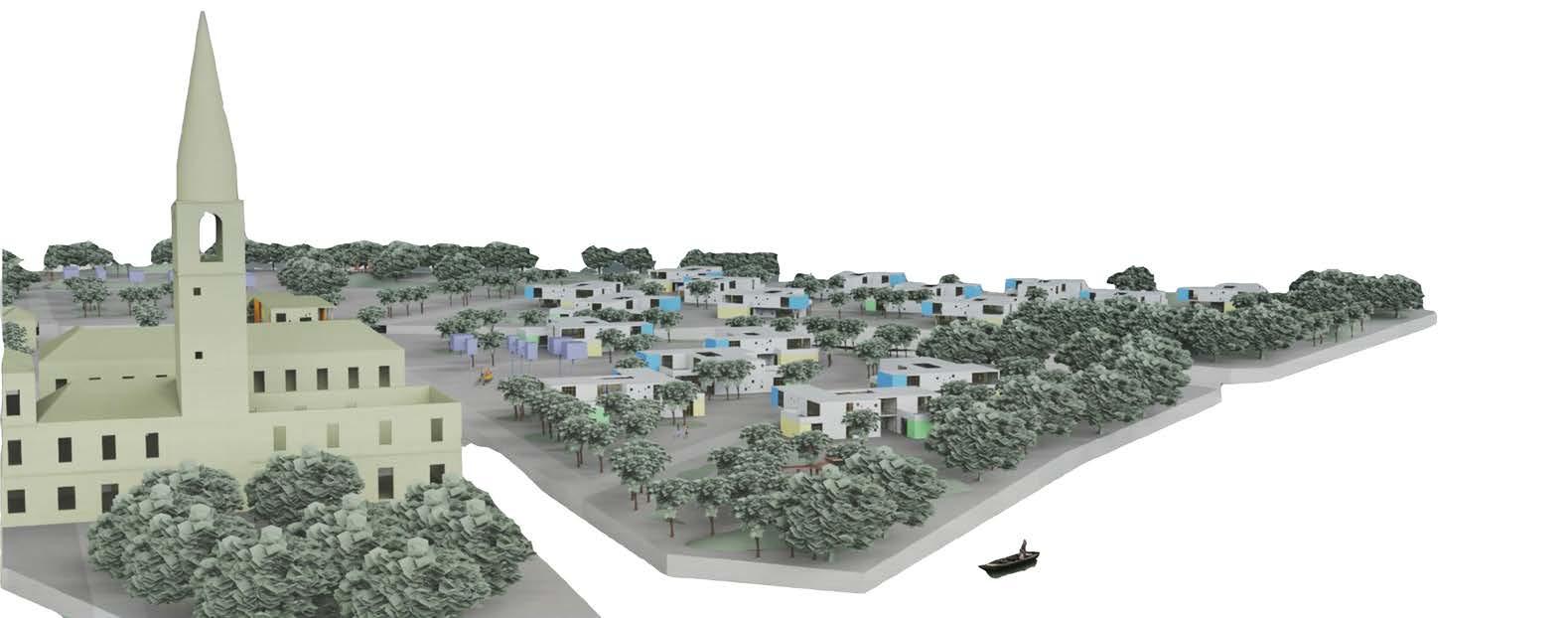
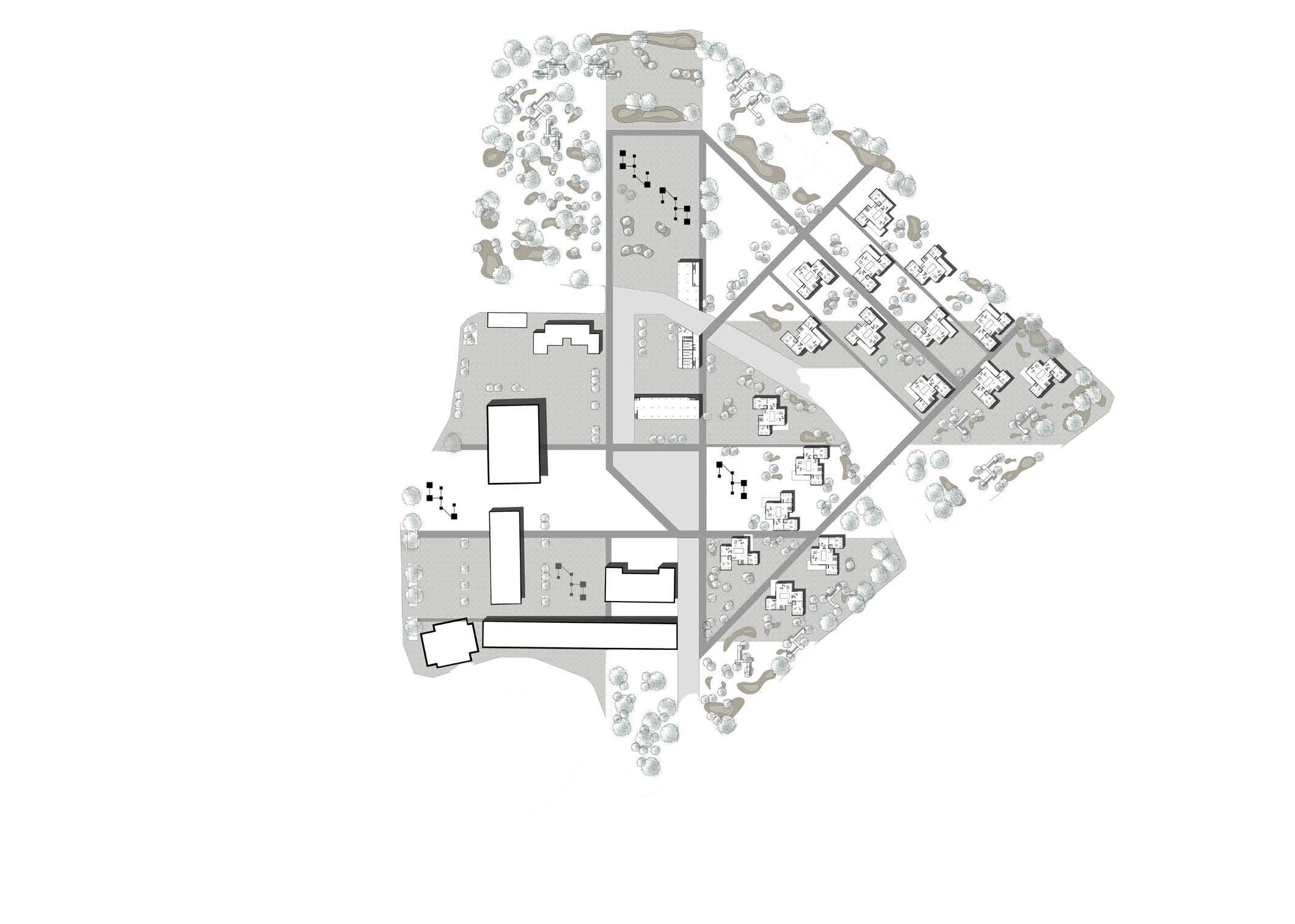
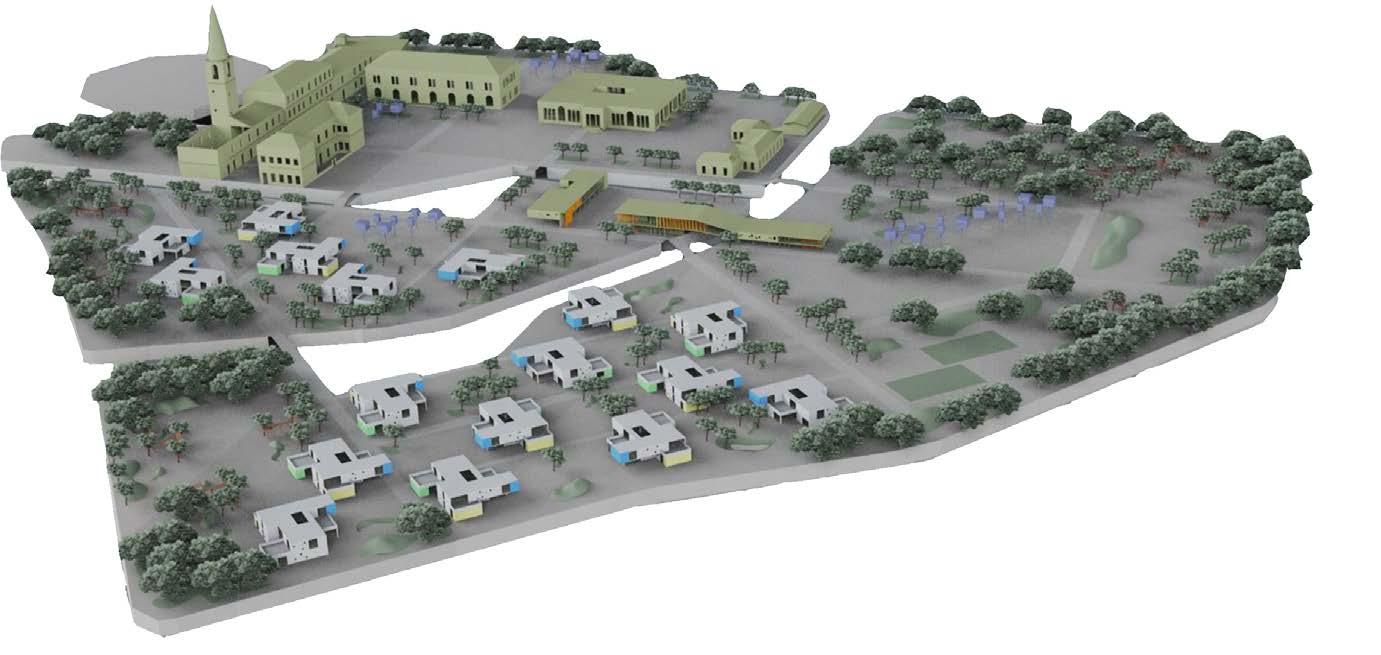
The project focuses on the comprehensive redevelopment of the abandoned island of Poveglia in Venice. The concept centers on creating a residential complex for SOS Children’s Villages, an international organization supporting vulnerable children. The proposed facilities include residential units, a recreation center, a hospital, a restaurant, and various communal spaces. A key design challenge was integrating all these functions seamlessly into the island’s existing conditions while respecting its unique character. The aim was to breathe new life into Poveglia, transforming it into a vibrant sanctuary for children to thrive and grow, while preserving its natural and historical significance.



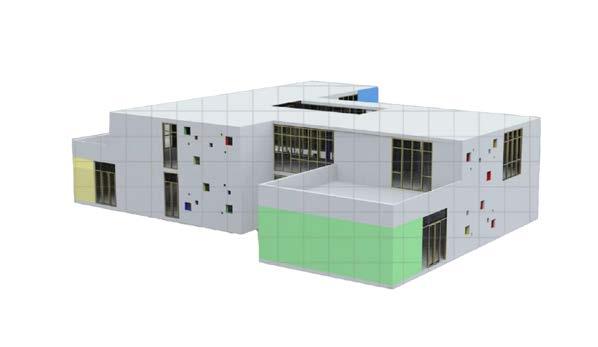
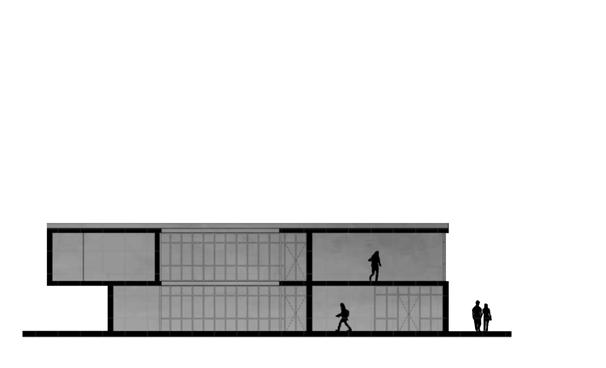
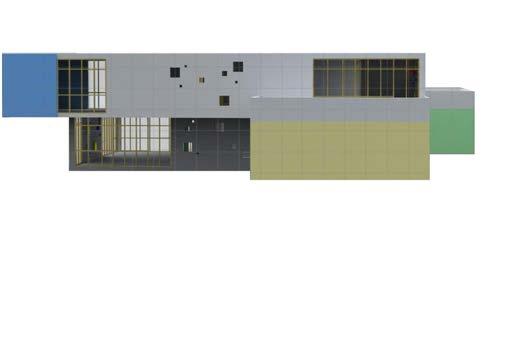
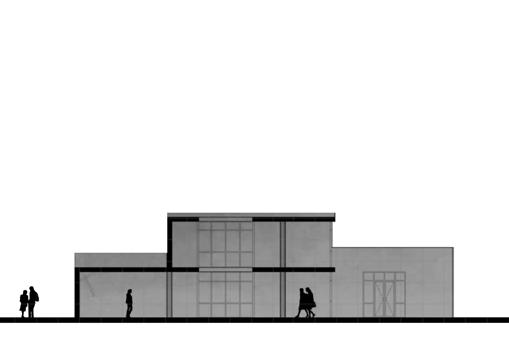
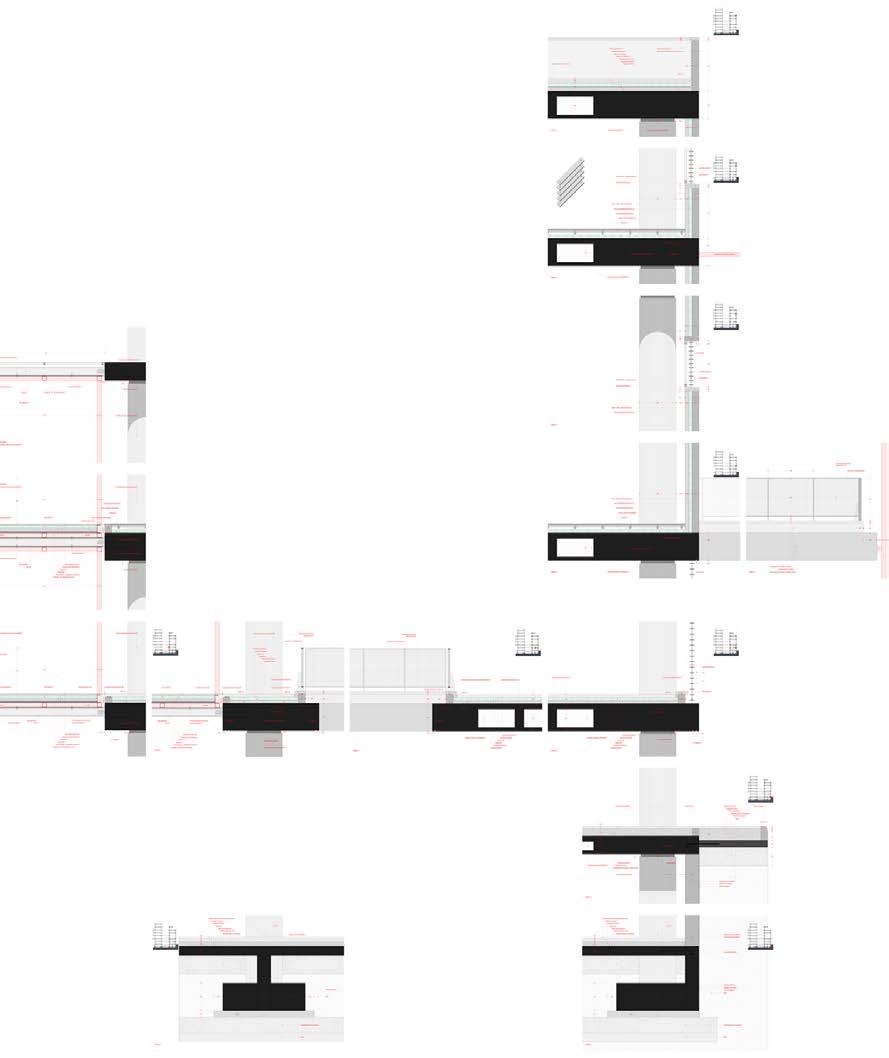
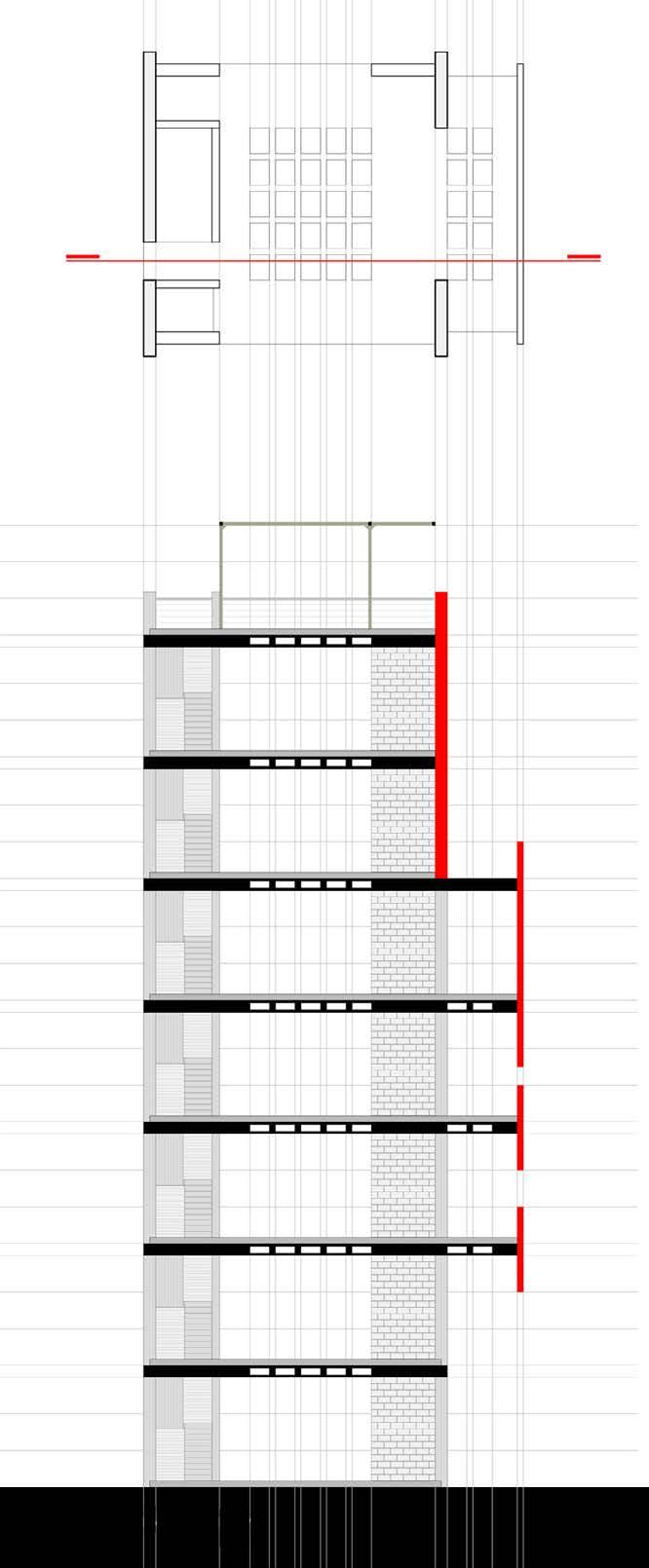
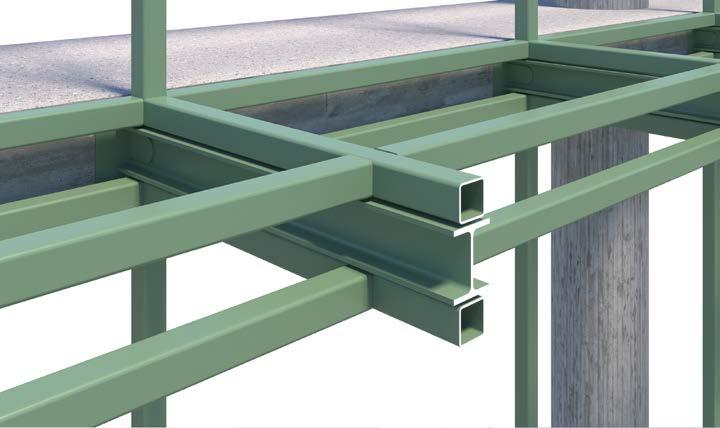
Study: Master / Course: Unit 7/ Year: 2021 / Type: Construction Technology / Team: Eleni Prelorentzou, Aris Ghikapeppas / Tutor: T. Andrianopoulos
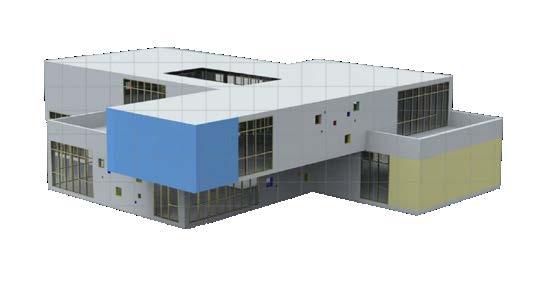
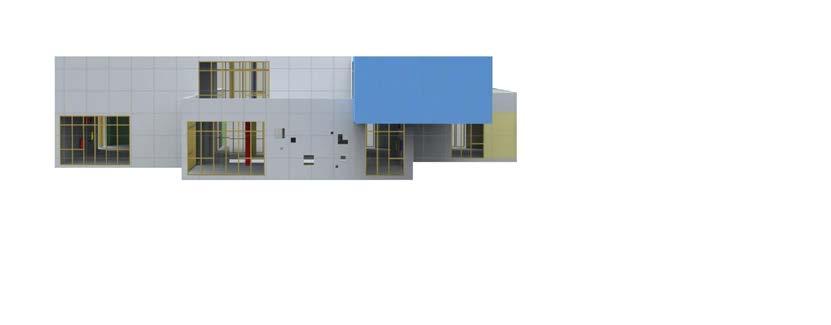
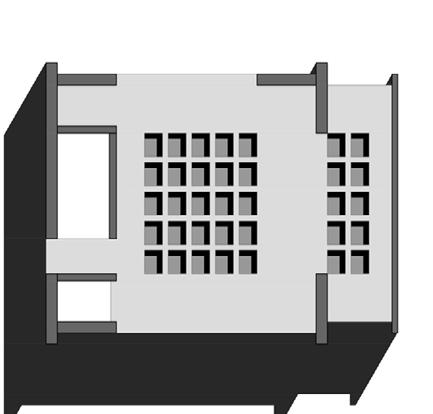
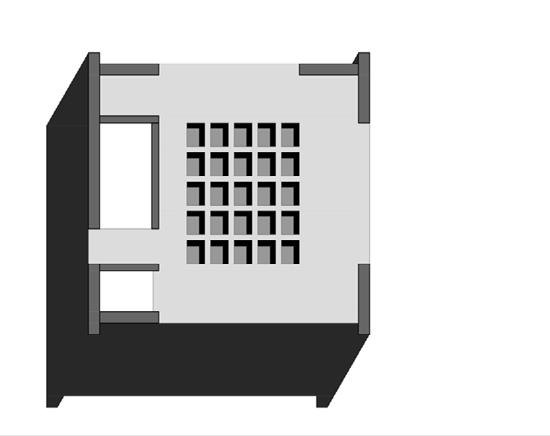
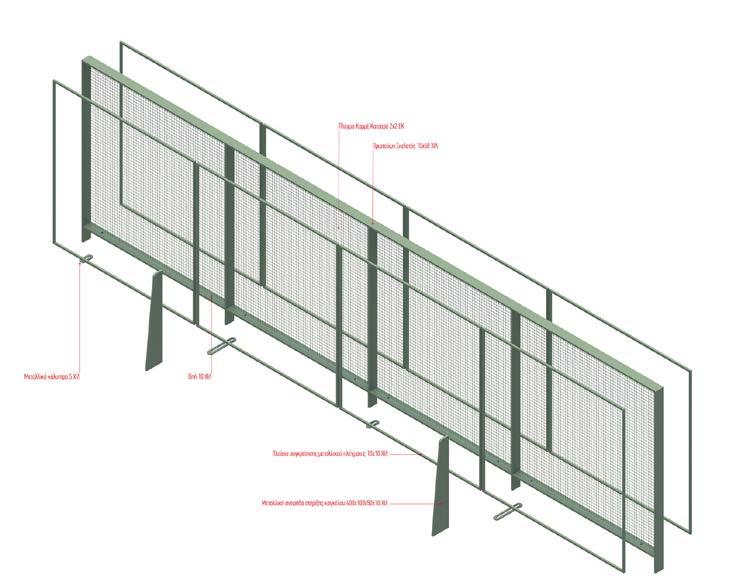
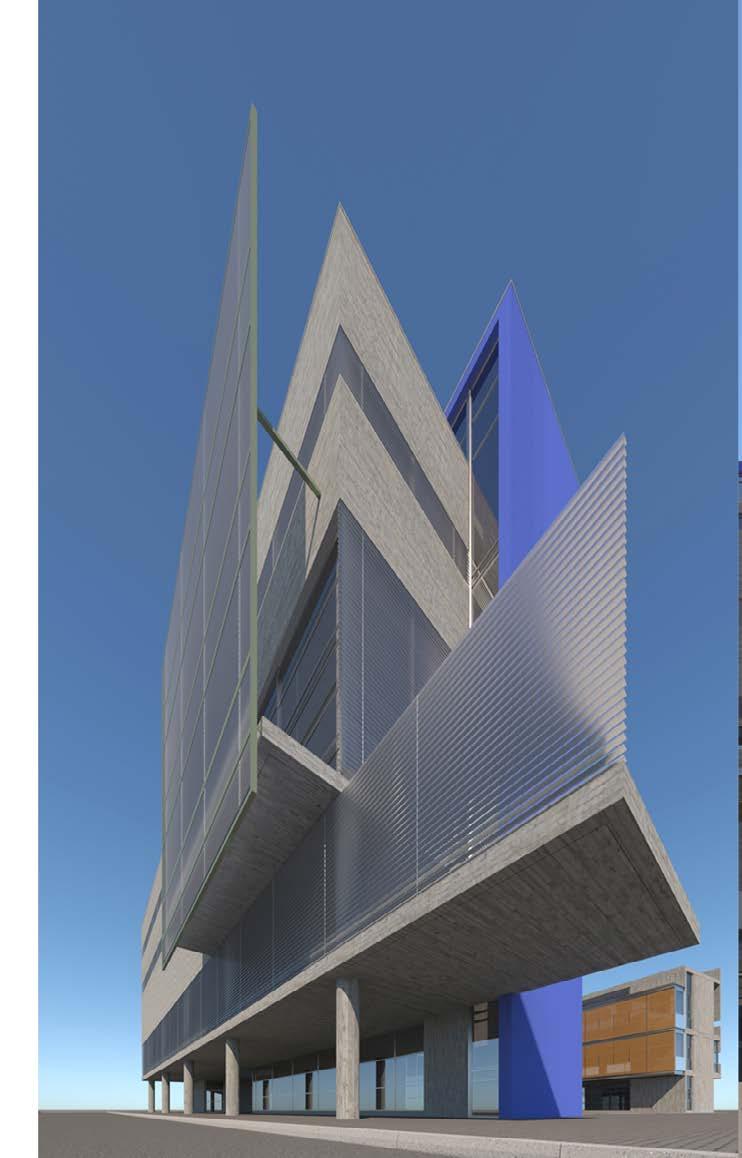
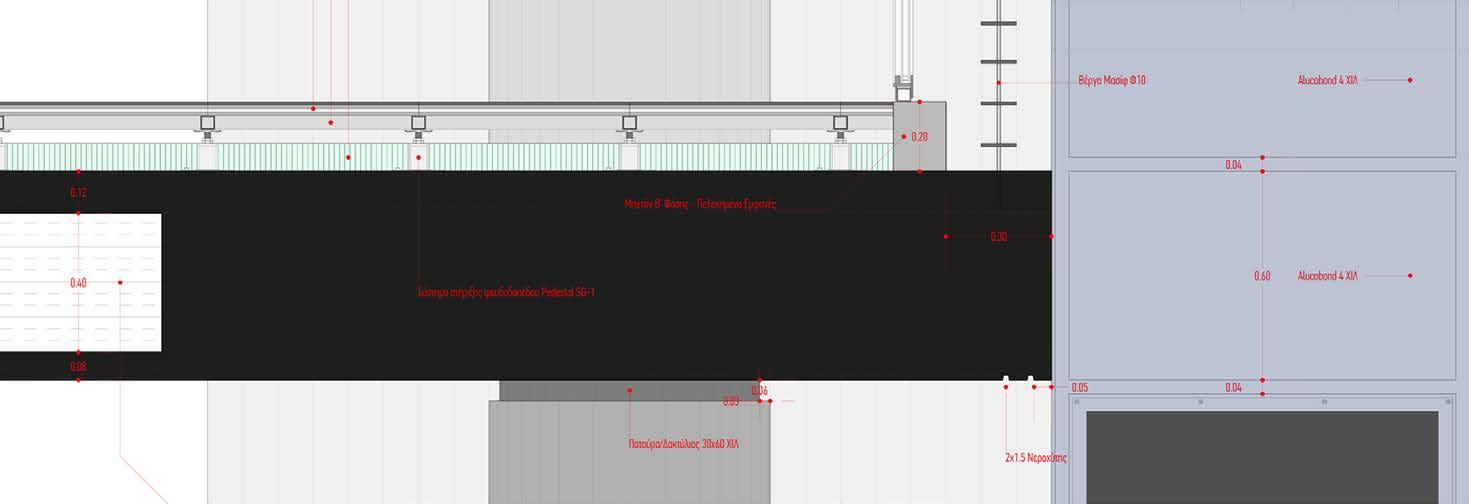
This project primarily focused on developing a building from composition to construction. The emphasis was not on the conceptual aspect but rather on how to integrate the building for successful construction. The study consisted of detailed construction specifications, guiding us to understand the construction process and the materials required. The design features an art hub comprising multifunctional spaces, including exhibition rooms and more. It is constructed from exposed reinforced concrete, with volumes differentiated by blue coloring. The openings are metallic, while the wooden louvers are supported by a metal frame.
At: AG Architects / Type: Urban Design / Status: Unbuilt / Role: Architectural Assistant / Head Architect: V. Ghikapeppas / Result: 4th Prize
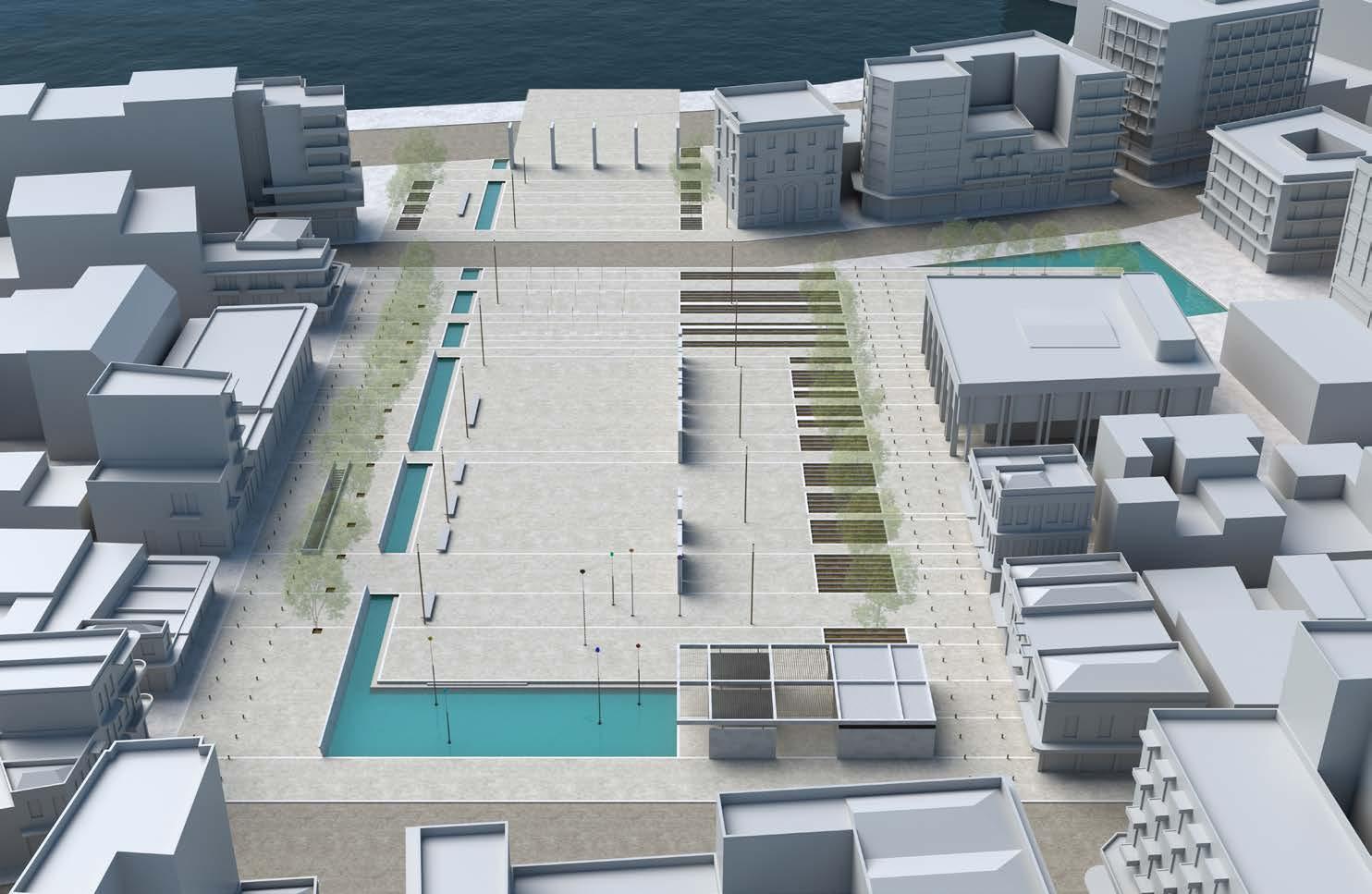
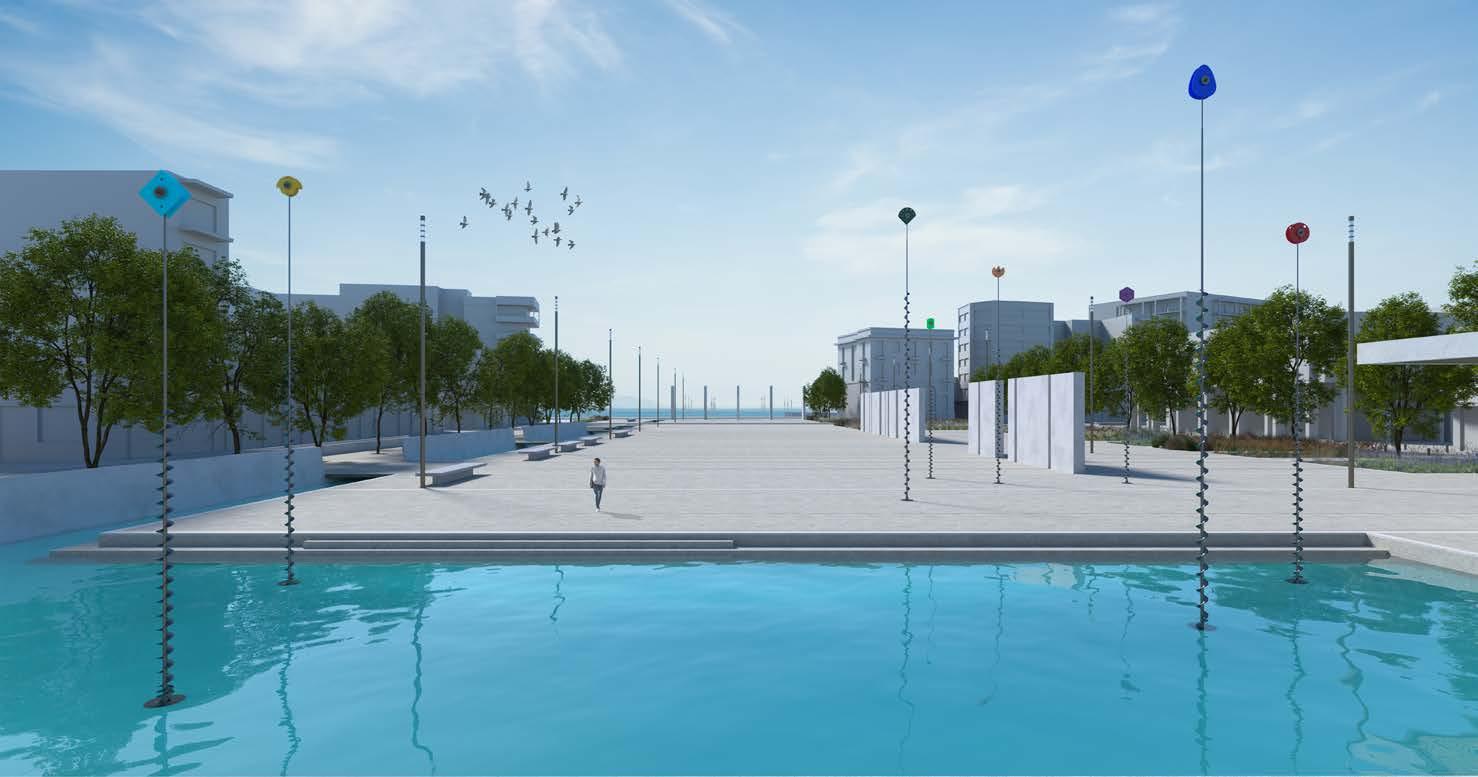
The Eleftherias (Freedom) Square in Kavala is a central square of the city, a “hollow - void” with significance for the life of the city, a place of meeting, gathering, and synchronization. It is the space that marks the “end of time,” the expression of an endless collection, a place of union, and a symbol of free will. This symbol of cyclic time with depth is a field of political desires and social subjects. Inside the hollow of time lies the human soul in its material and existential form, a place where personal and collective memory gathers and flows, a perpetual movement that energizes and organizes the flow of the city.
The proposed topological organization aims to integrate into the existing environment, while simultaneously introducing a strong form of intervention, creating a field of dynamic motion and gathering. Its organization is based on the positioning of linear paths that connect and distinguish the square’s individual elements. Tools of intense design and clear forms are used, while it combines minimal aesthetics and the harmonization of materials with the environment.
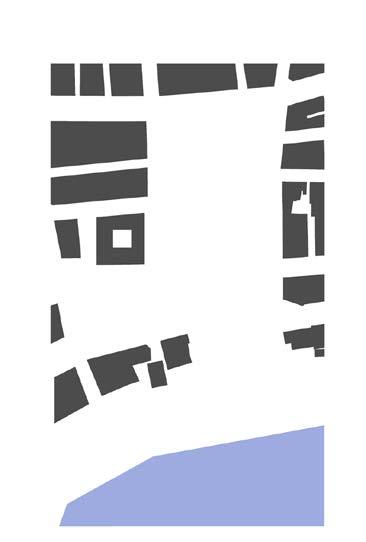
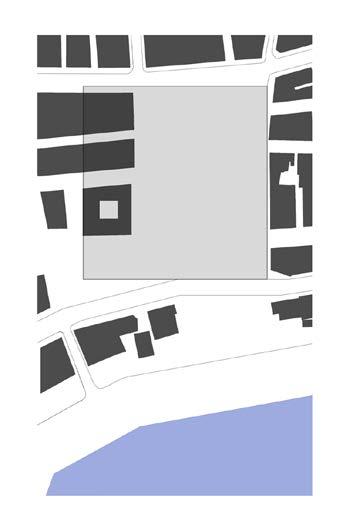
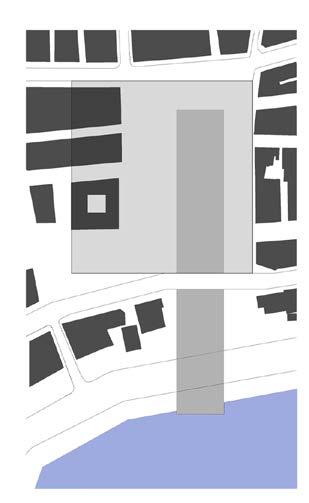
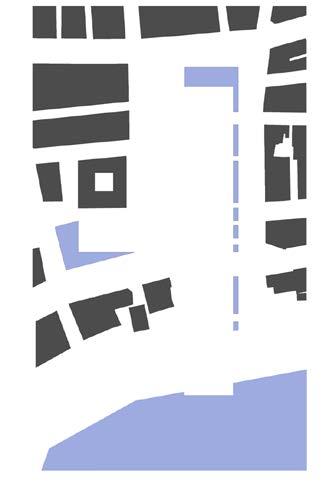
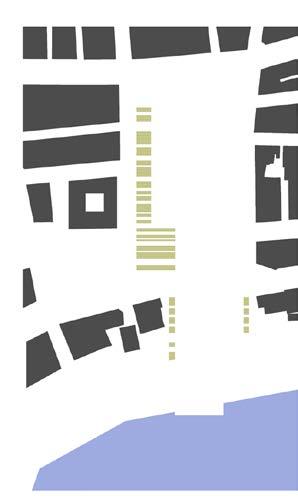
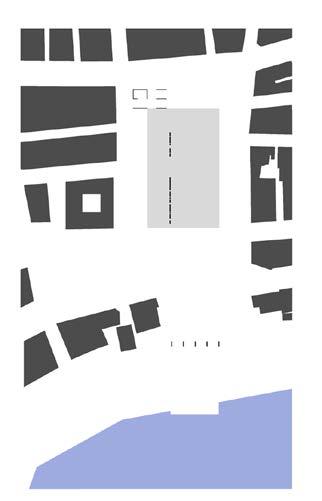
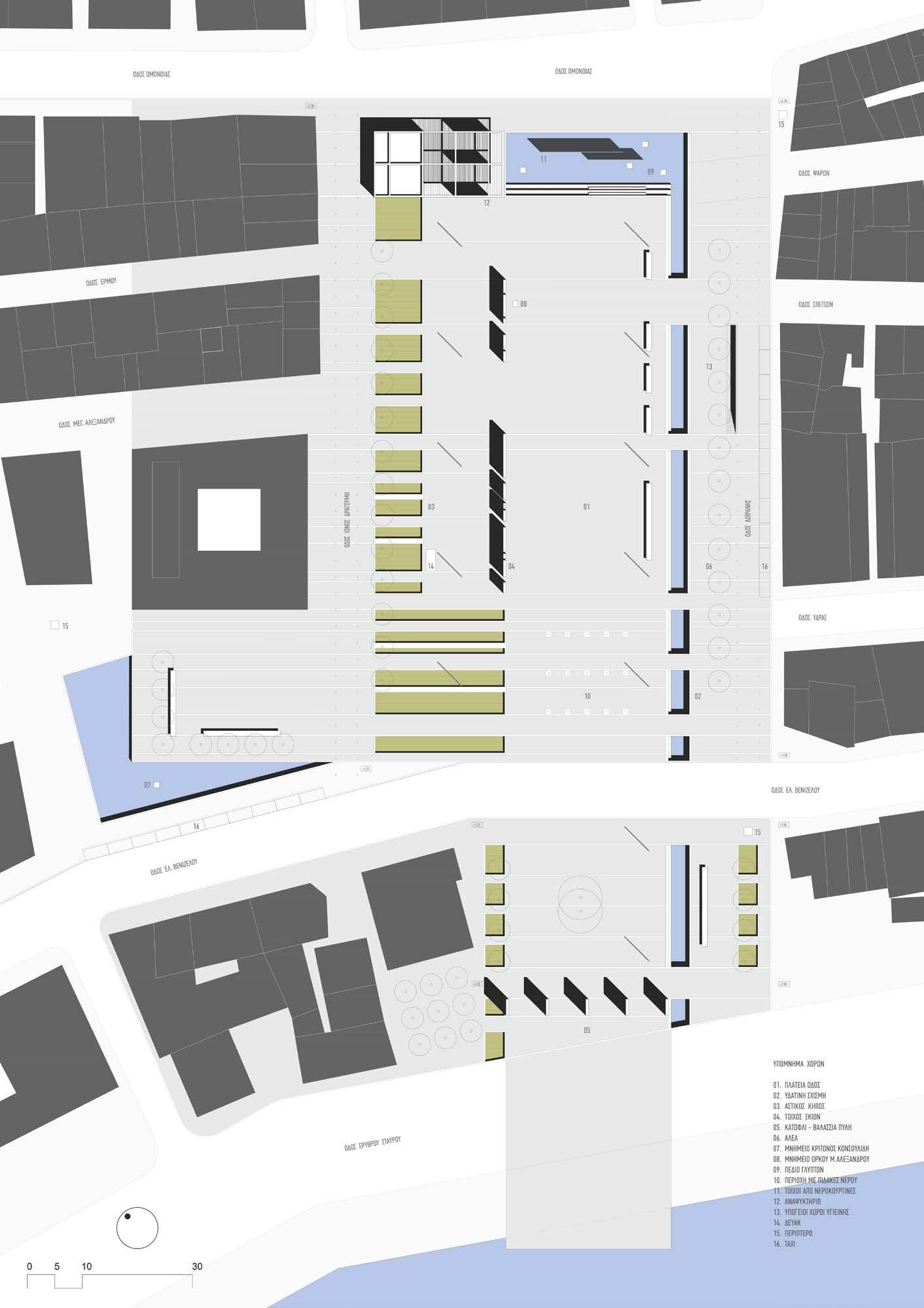
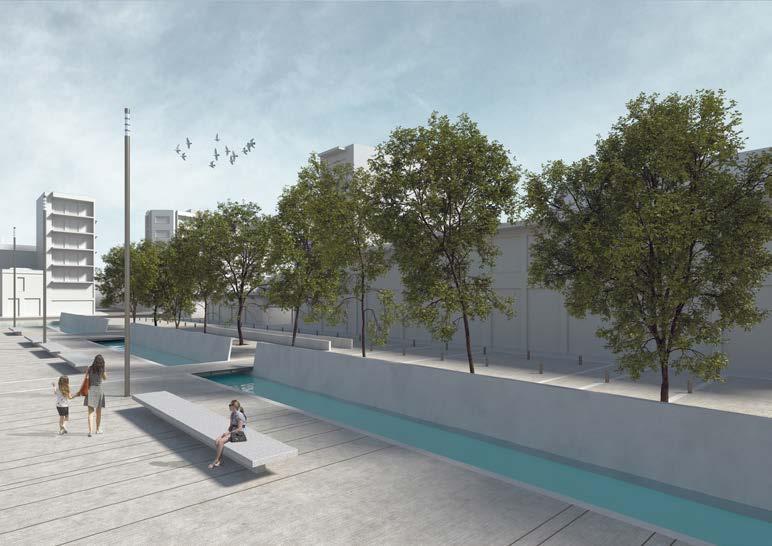
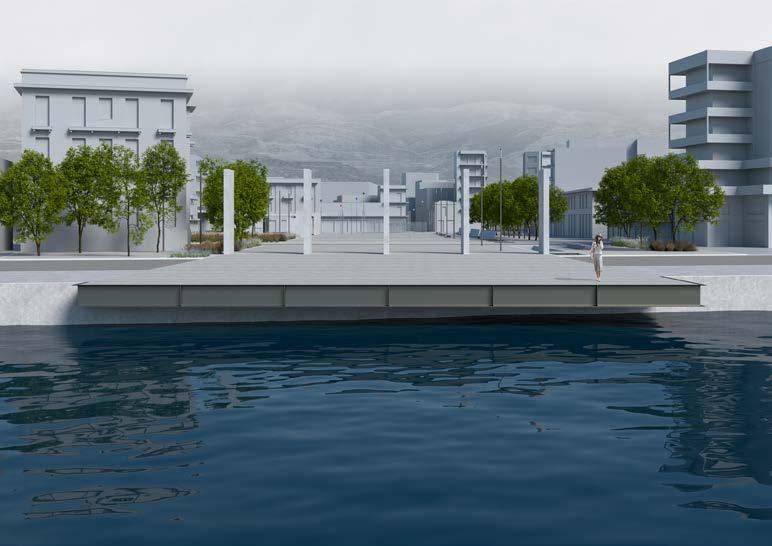
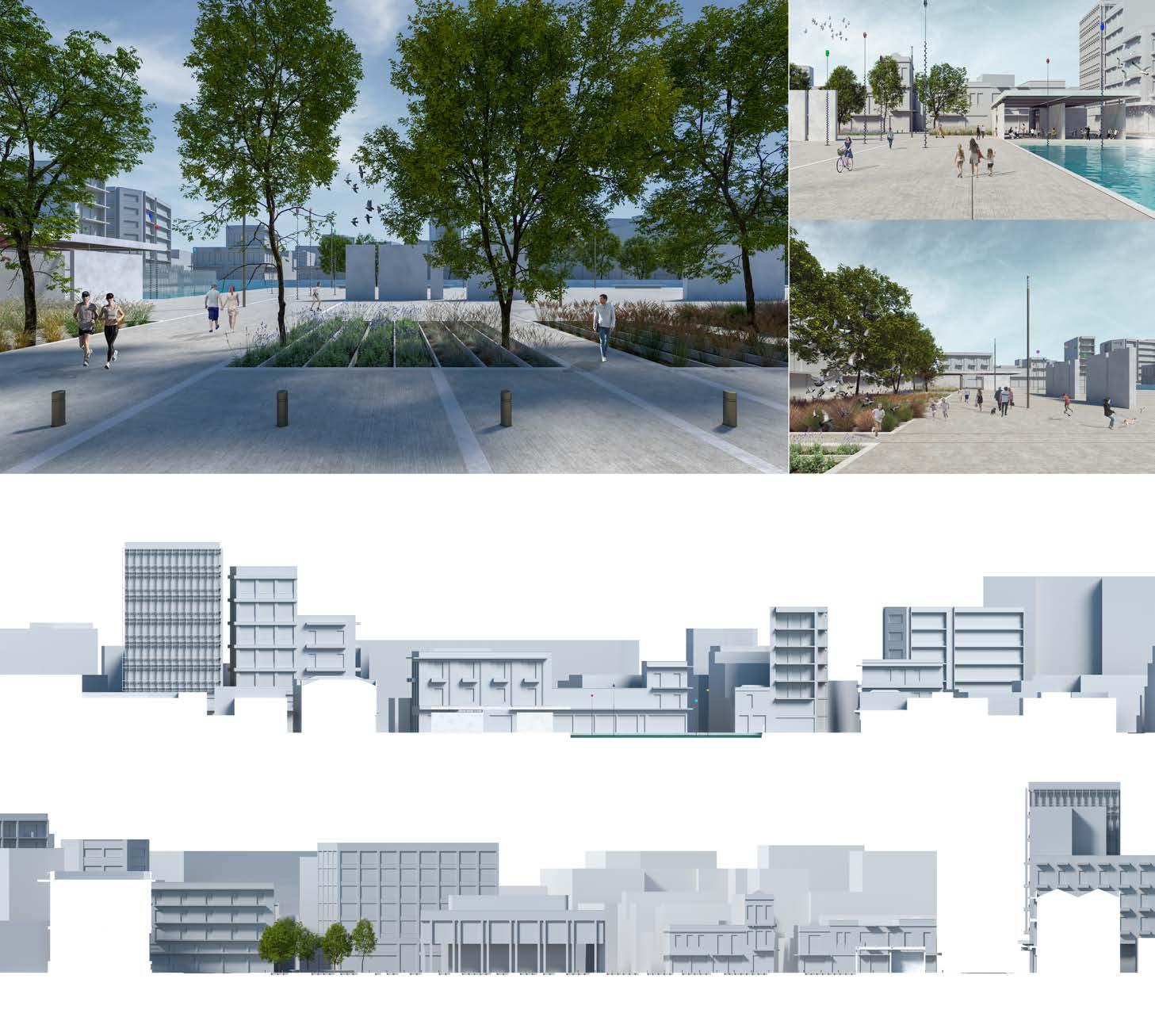
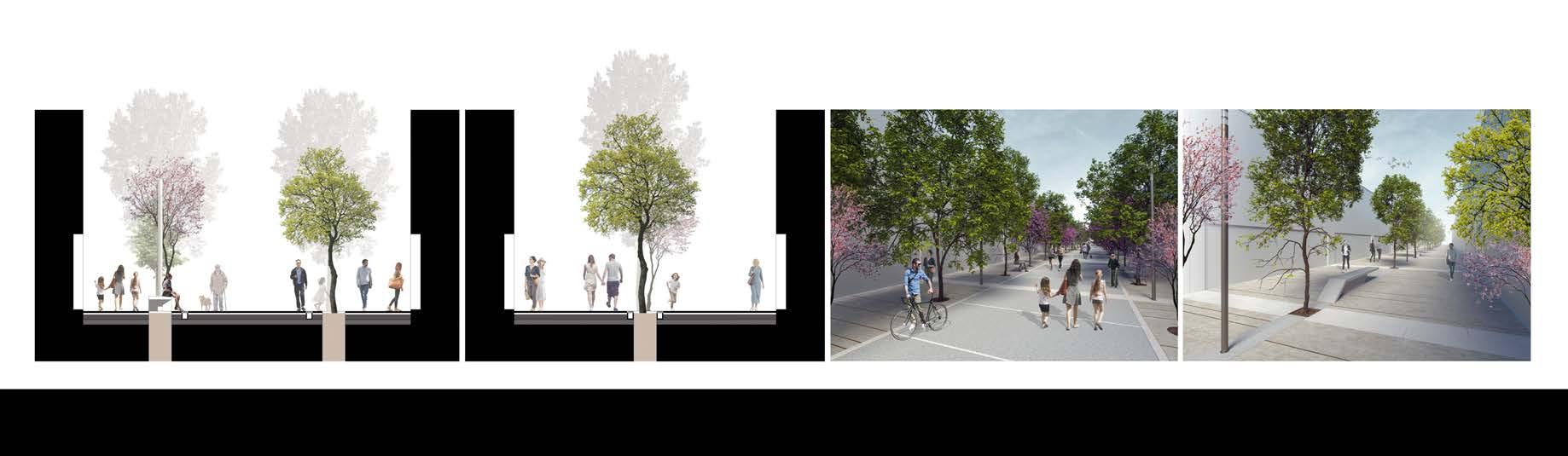
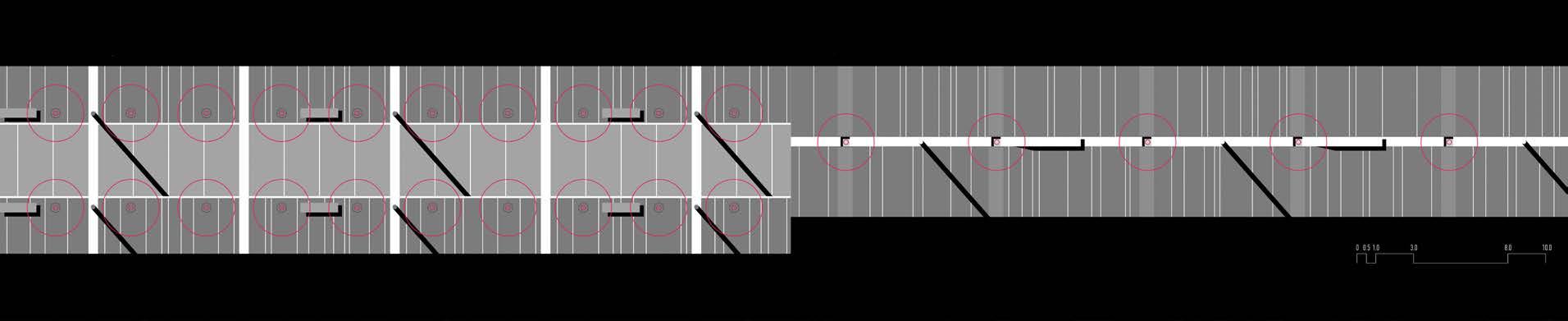
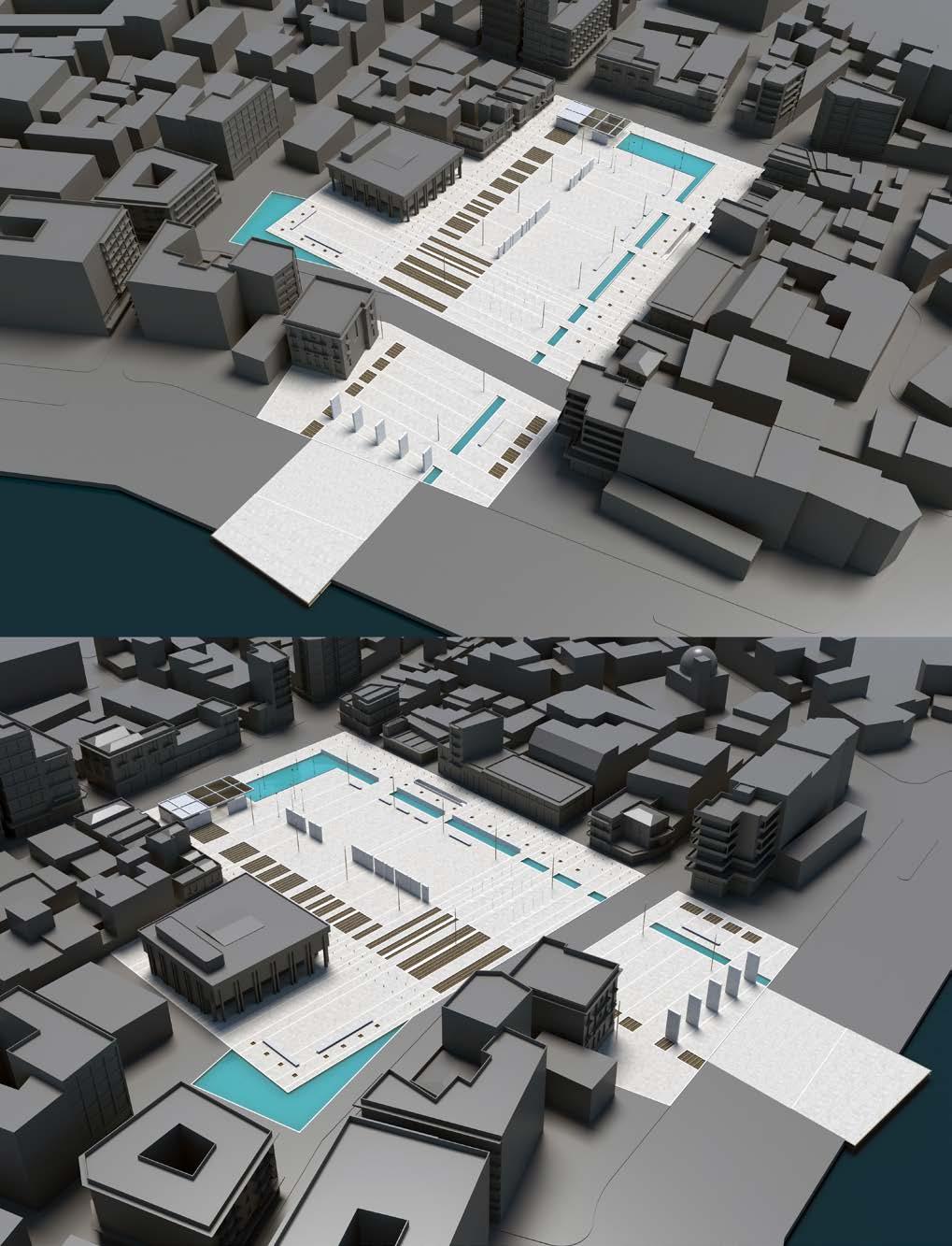
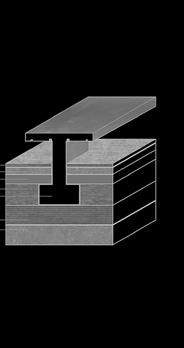
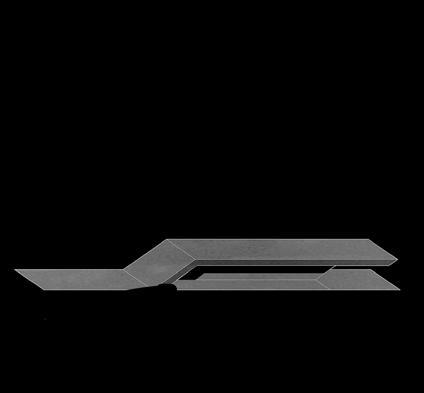

Contribution: In the competition for the design of Eleftherias Square in Kavala, I played a pivotal role in developing key aspects of the project. My contributions included collaborating closely with the head architect to shape the overarching vision for the square, focusing on its significance as a central gathering space and symbol of free will. I was responsible for creating detailed plans and section drawings that illustrated the spatial organization and functional elements of the design. Additionally, I contributed to the development of maps and conceptual drawings that represented the flow of movement and interaction within the square, highlighting the integration of pathways and other key features. The entire design process spanned four months, during which we explored various strategies to enhance the square’s dynamic character while ensuring harmony with the existing environment.
At: Petsas Development / Type: Residenctial / Status: Built / Role: Architectural Assistant / Head Architect: M. Grigoraki / RIBA Stages: 3, 4, 5
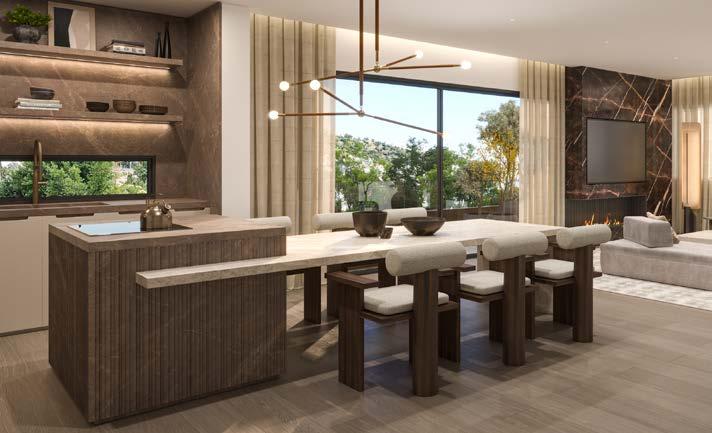
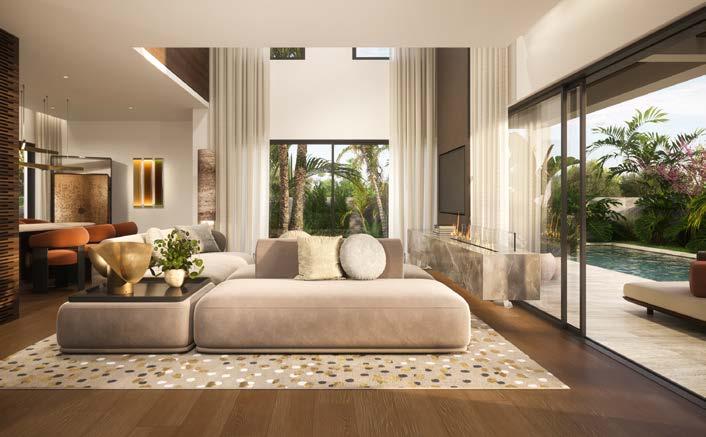
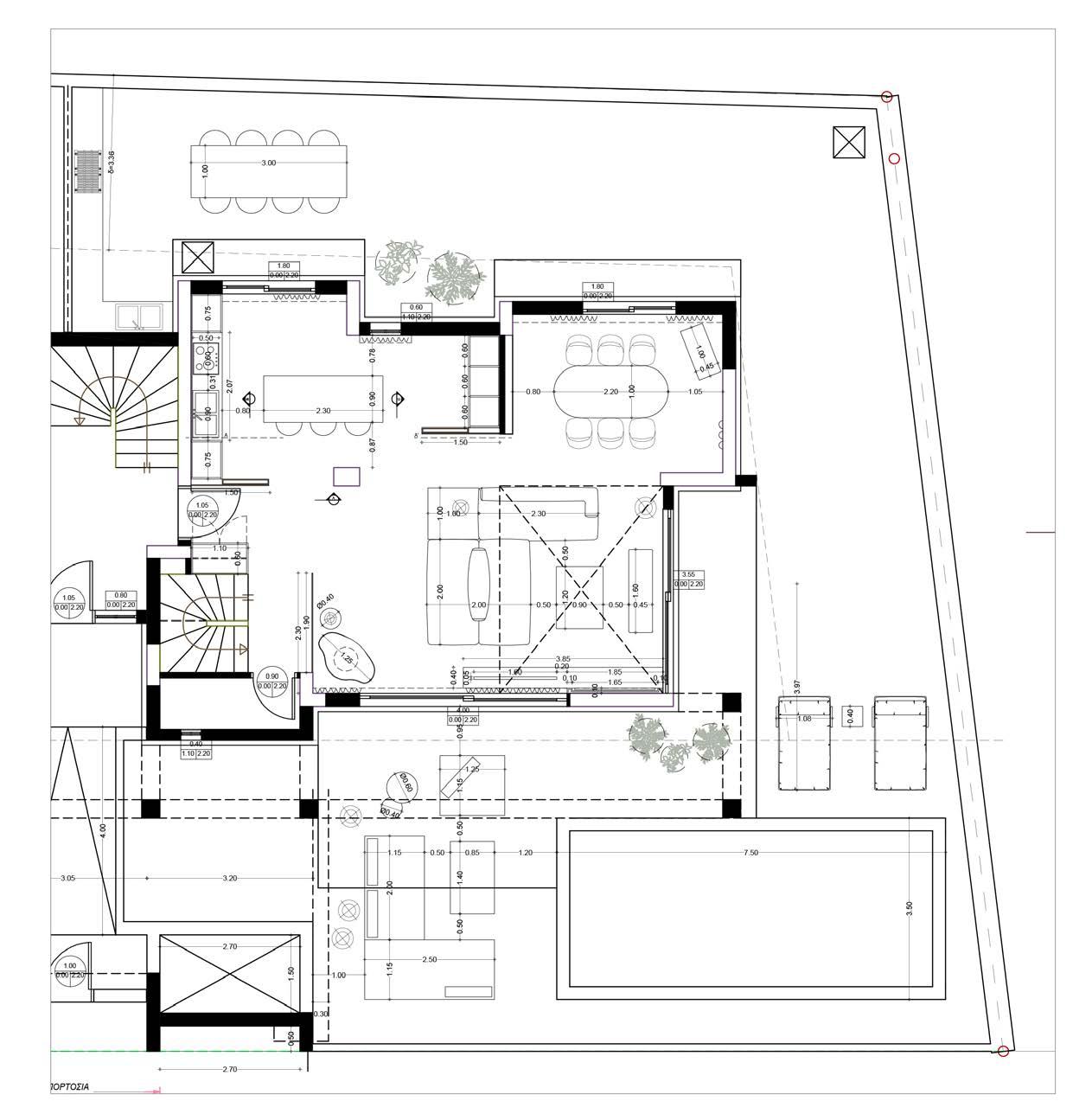
V5 Residences in Neo Psychiko exemplify sustainable luxury, offering nine smart-home apartments that blend dynamic lines with earthy tones for a harmonious urban presence. Designed with green building principles, the project prioritizes energy efficiency and a balanced micro-climate within its spacious interiors. High-quality, eco-friendly materials from top suppliers ensure durability and a low environmental footprint, while advanced energy-saving systems support an eco-conscious lifestyle. V5 seamlessly combines functionality, elegance, and a commitment to sustainable architecture, creating a refined, modern living experience.
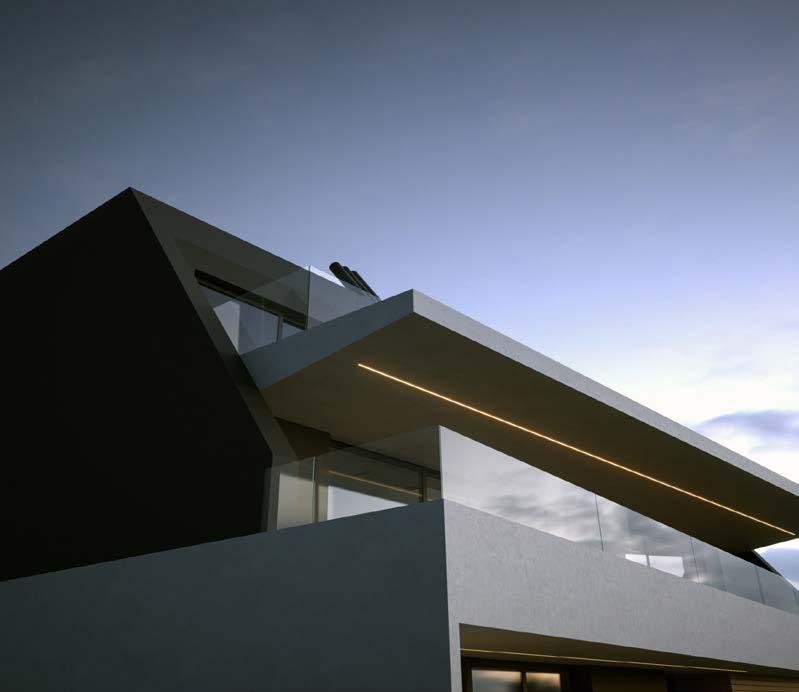
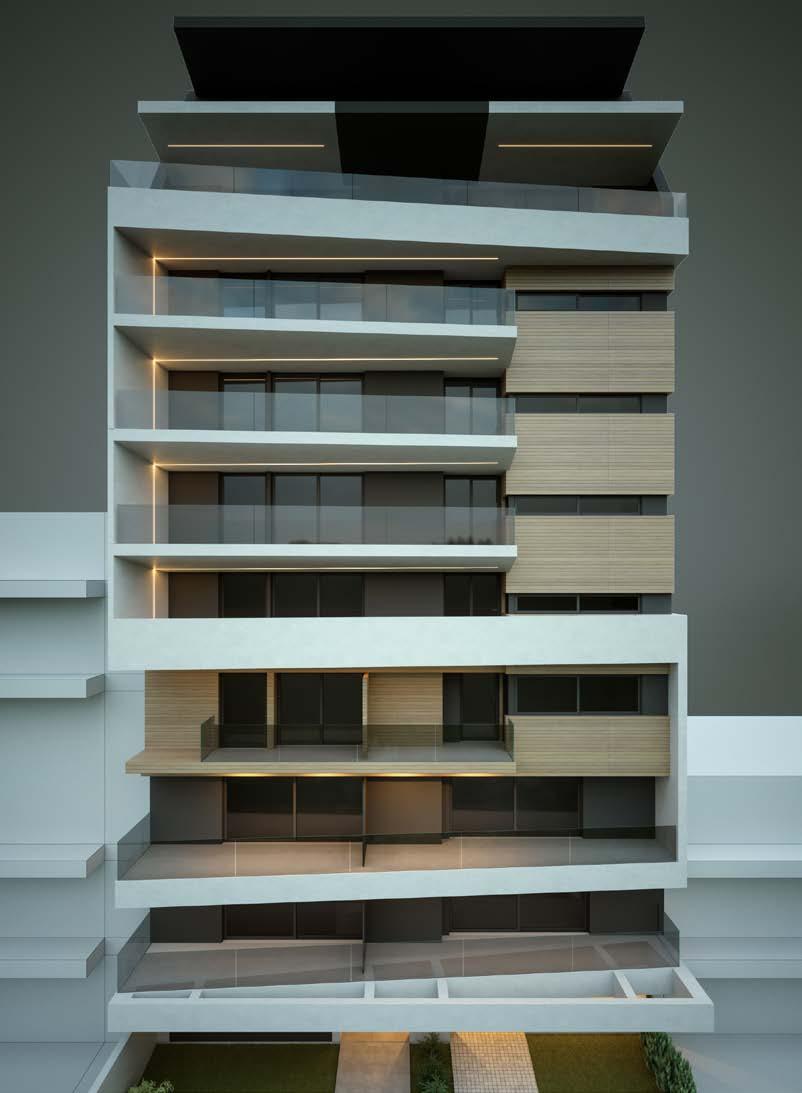
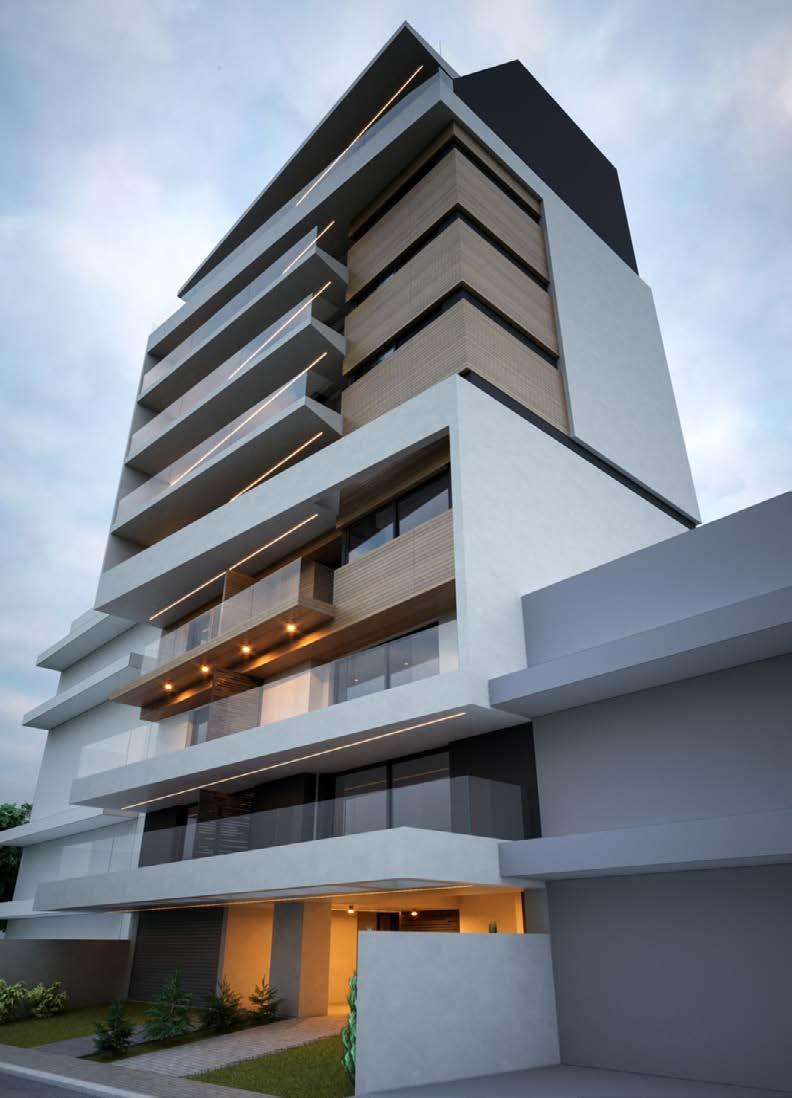
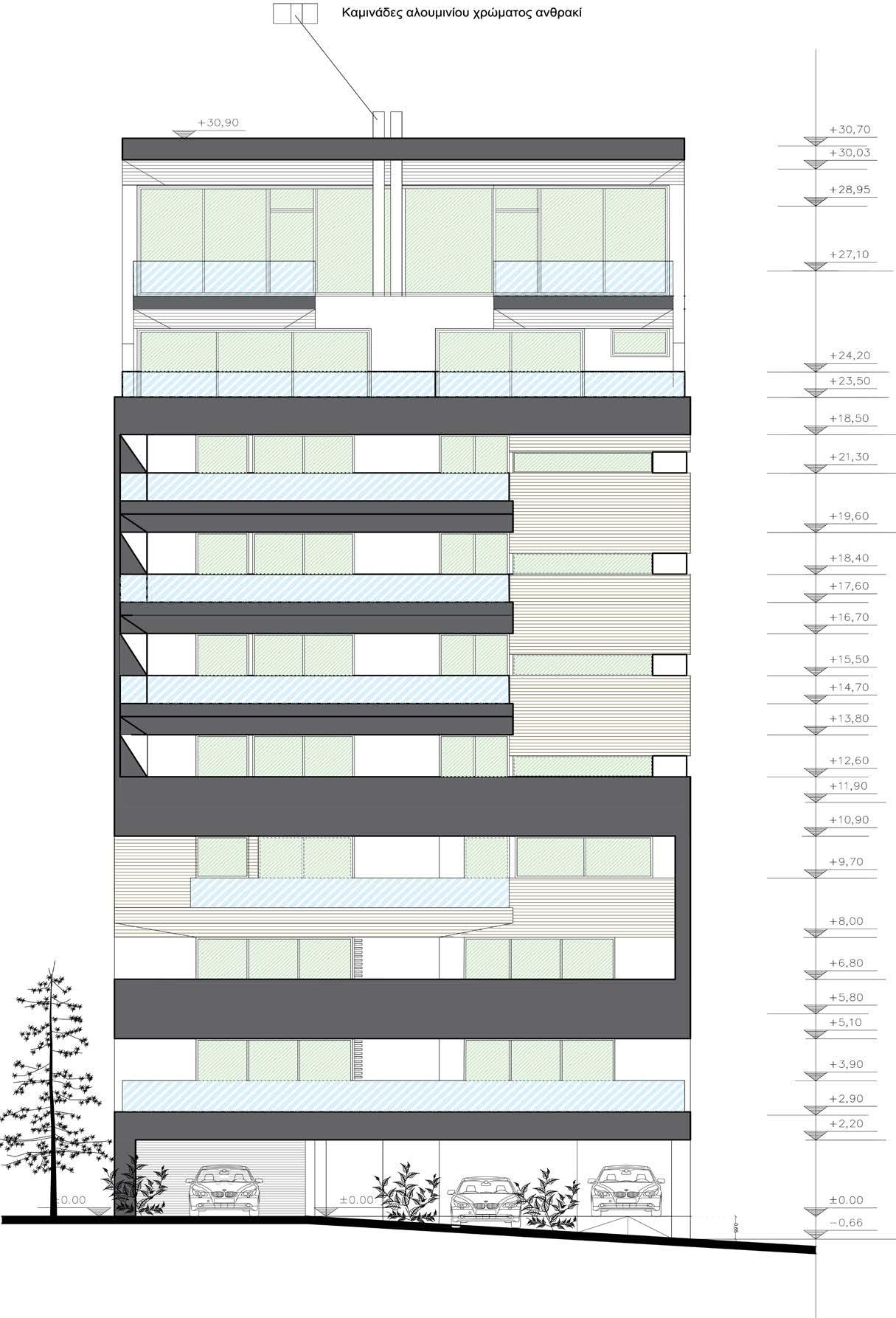
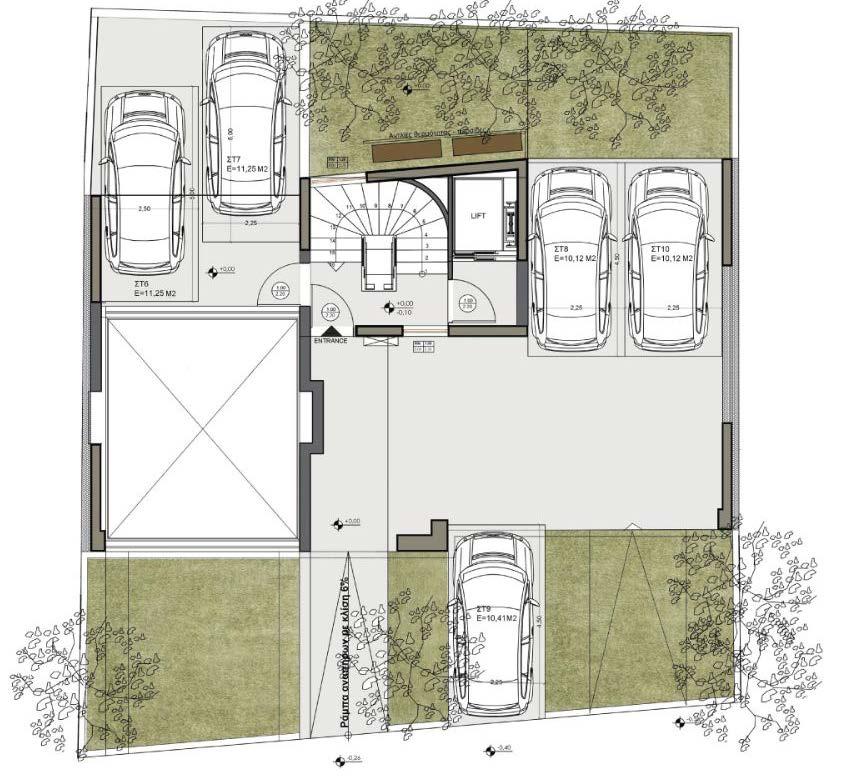
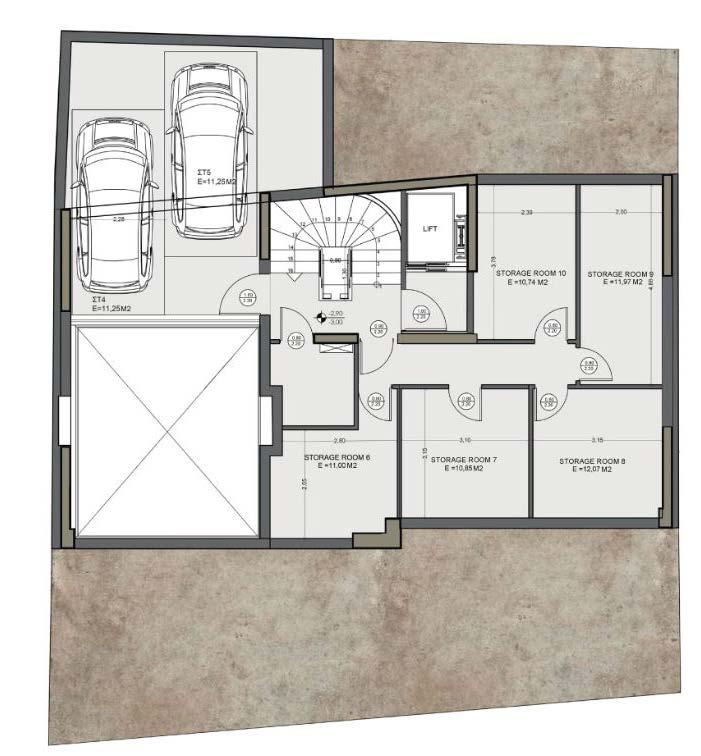
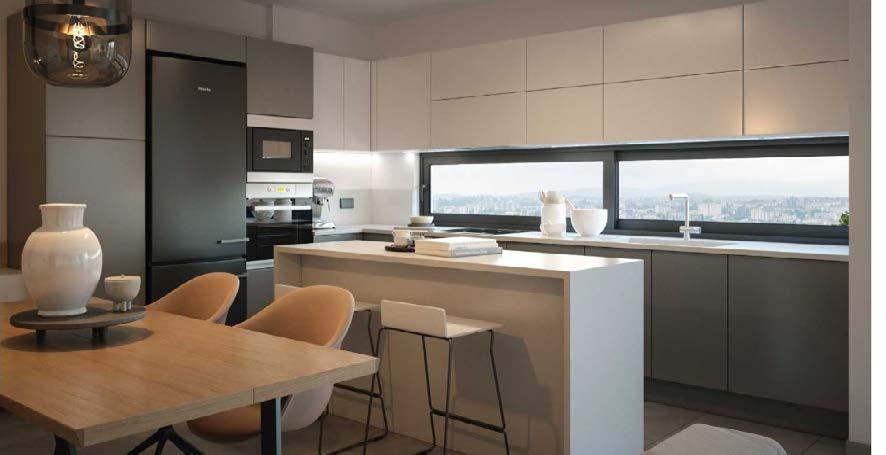
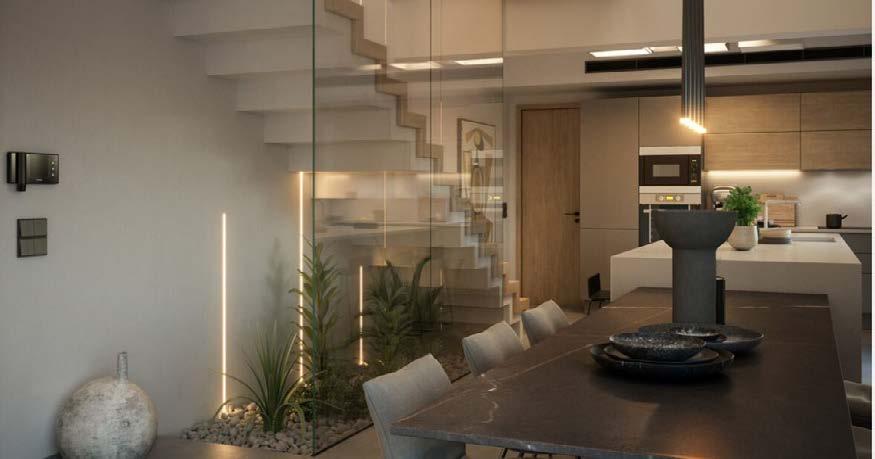
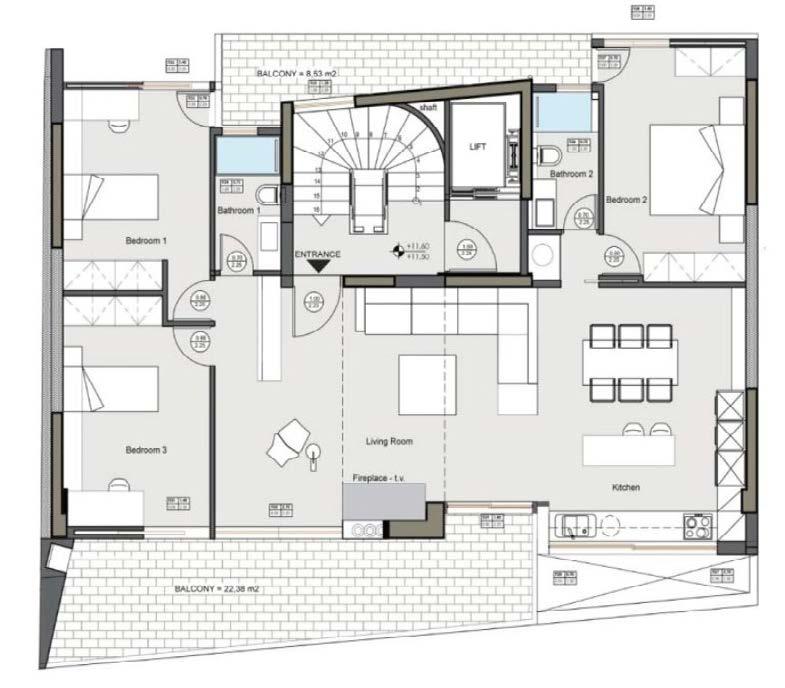
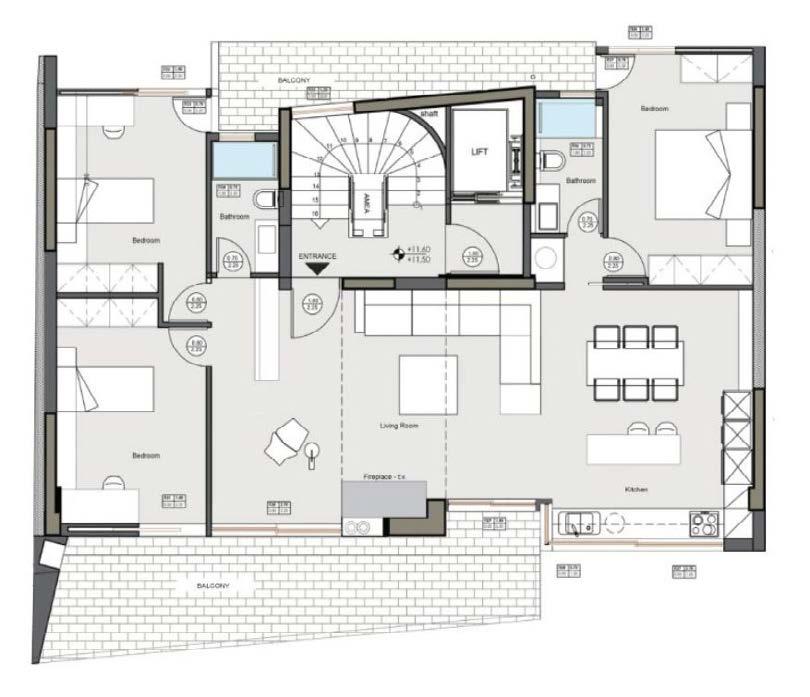
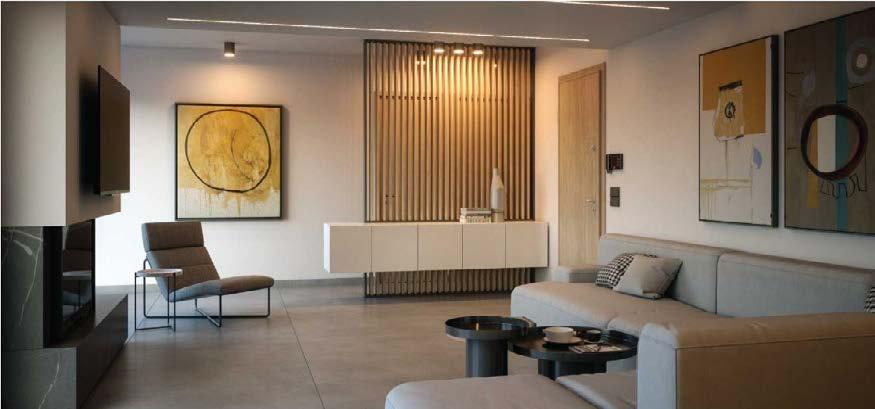
Contribution: In the V5 Residences project, my role was instrumental in maximizing the allowable construction area in alignment with Greece’s ΝΟΚ (New Building Regulations), working closely with the head architect to achieve optimal spatial efficiency. Following the conceptual phase, I took on the preparation of architectural permit drawings, developing detailed plans and section drawings to translate the design into reality. I also participated in on-site visits with the civil engineer to monitor construction progress, ensuring quality and adherence to the design vision. Additionally, I engaged in client meetings, providing insights on design and construction details to support a cohesive and successful project outcome.
At: Petsas Development / Type: Residential / Status: Built / Role: Architectural Assistant / Head Architect: S. Vakirtzis / RIBA Stages: 2, 3, 4, 5
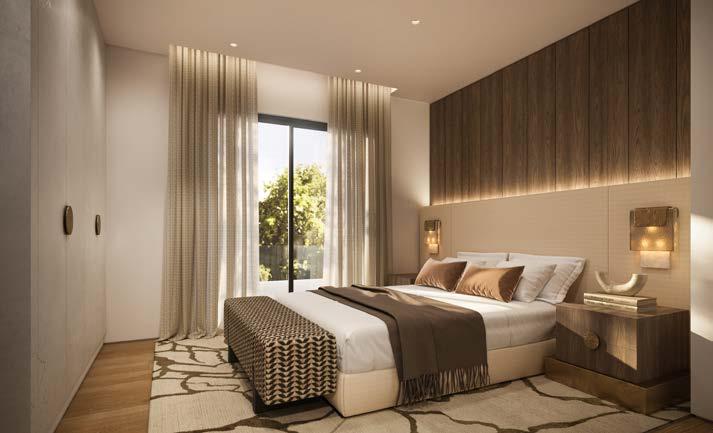
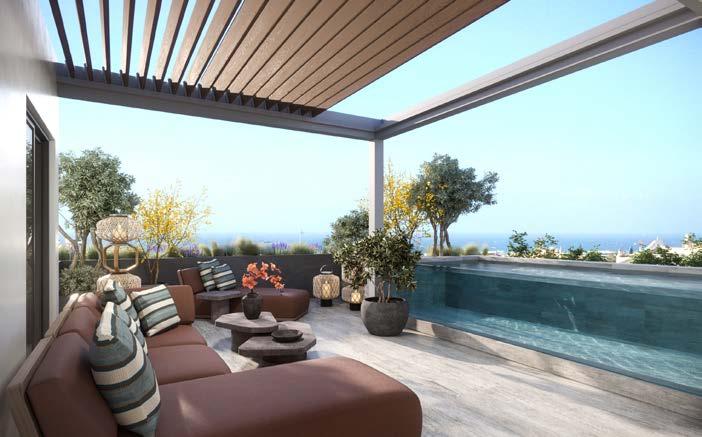
The Mareterra project is a groundbreaking coastal development in Monaco, seamlessly blending luxury with nature. This urban regeneration initiative integrates residential, commercial, and recreational spaces, all designed to enhance quality of life while preserving the coastal environment. The architecture features fluid forms that mirror the coastline, utilizing sustainable materials and advanced technologies for energy efficiency. Residential units boast open floor plans and expansive glass facades, maximizing Mediterranean views and fostering indoor-outdoor living. Public spaces are designed for social interaction, incorporating lush greenery, pedestrian pathways, and water features that create a serene atmosphere. Mareterra exemplifies contemporary architecture that prioritizes sustainability, luxury, and community well-being, setting a new benchmark for coastal developments.
Software: Autocad 2D, Sketchup
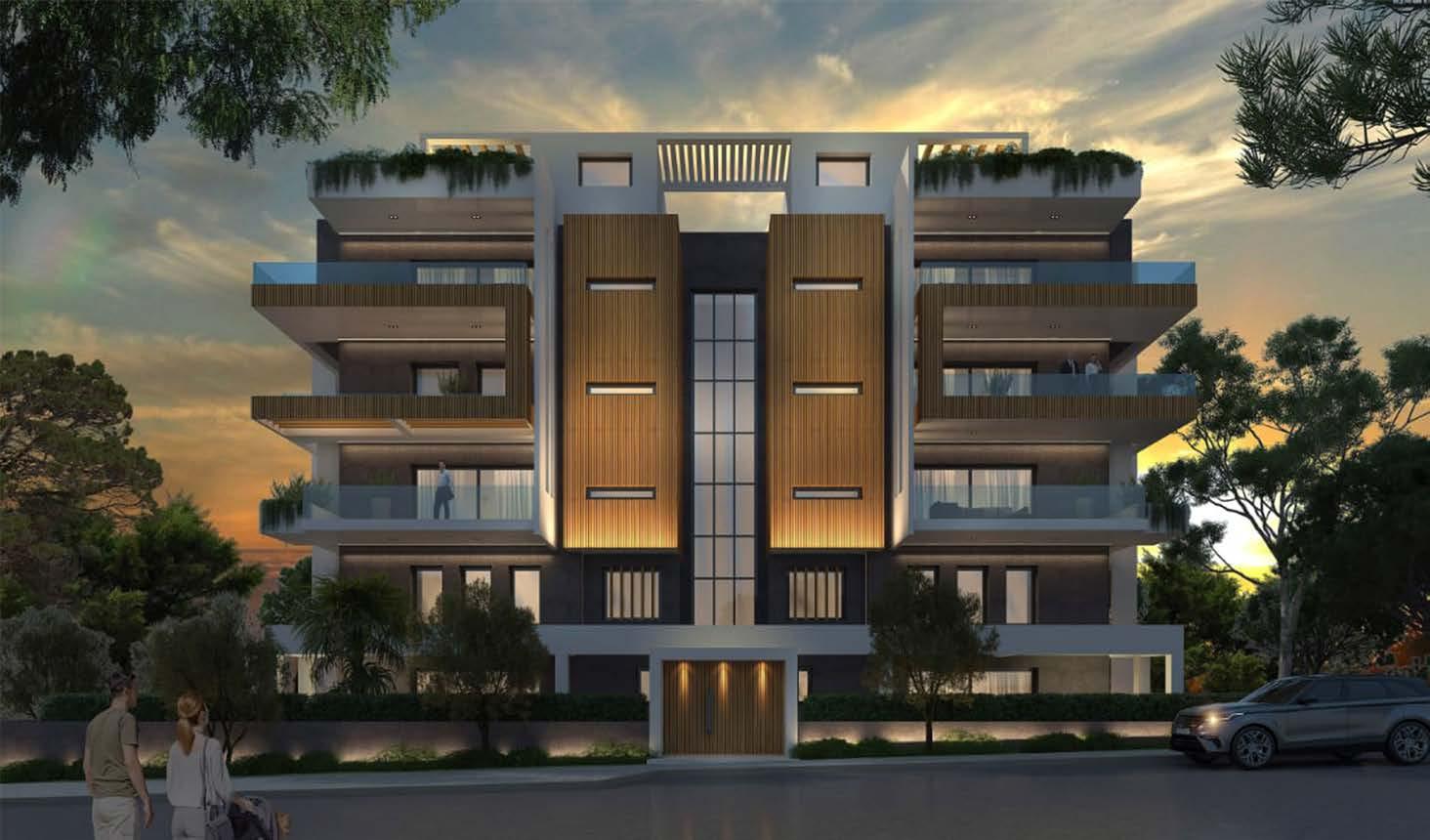
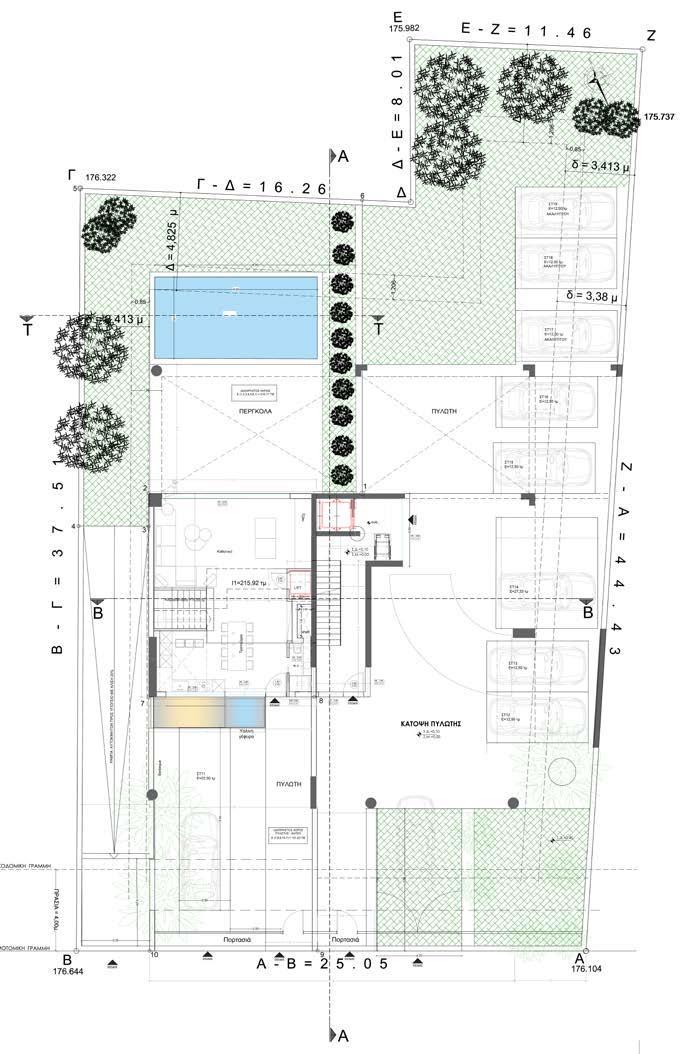
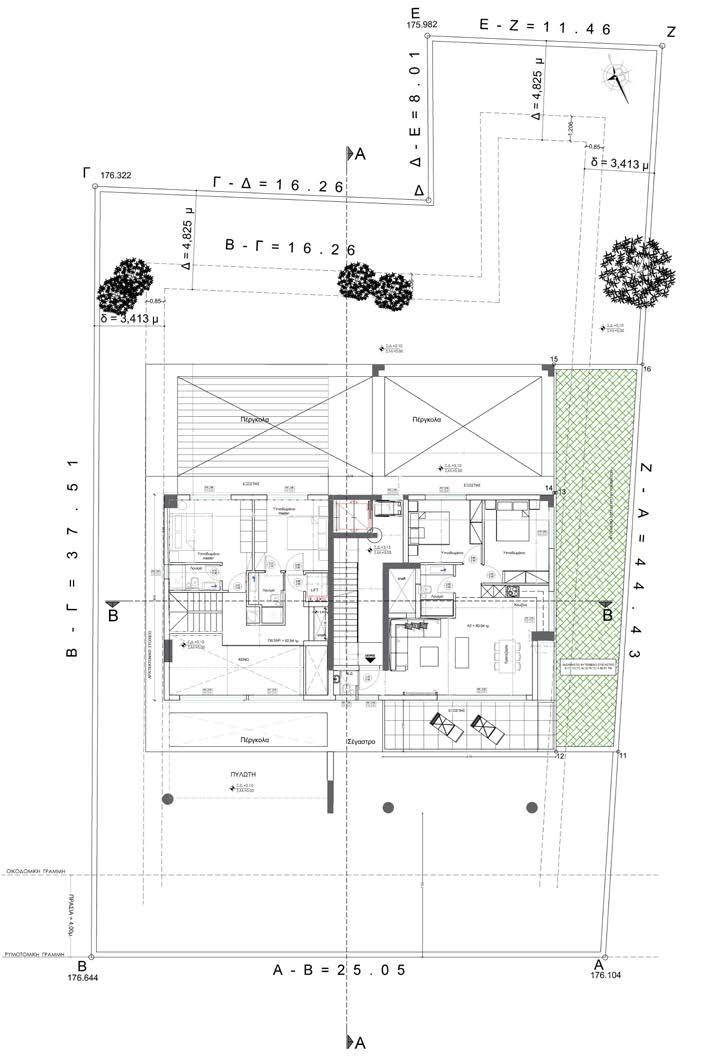
At: Petsas Development / Type: Residential / Status: Unbuilt / Role: Architectural Assistant / Head Architect: M. Grigoraki / RIBA Stages: 2, 3, 4
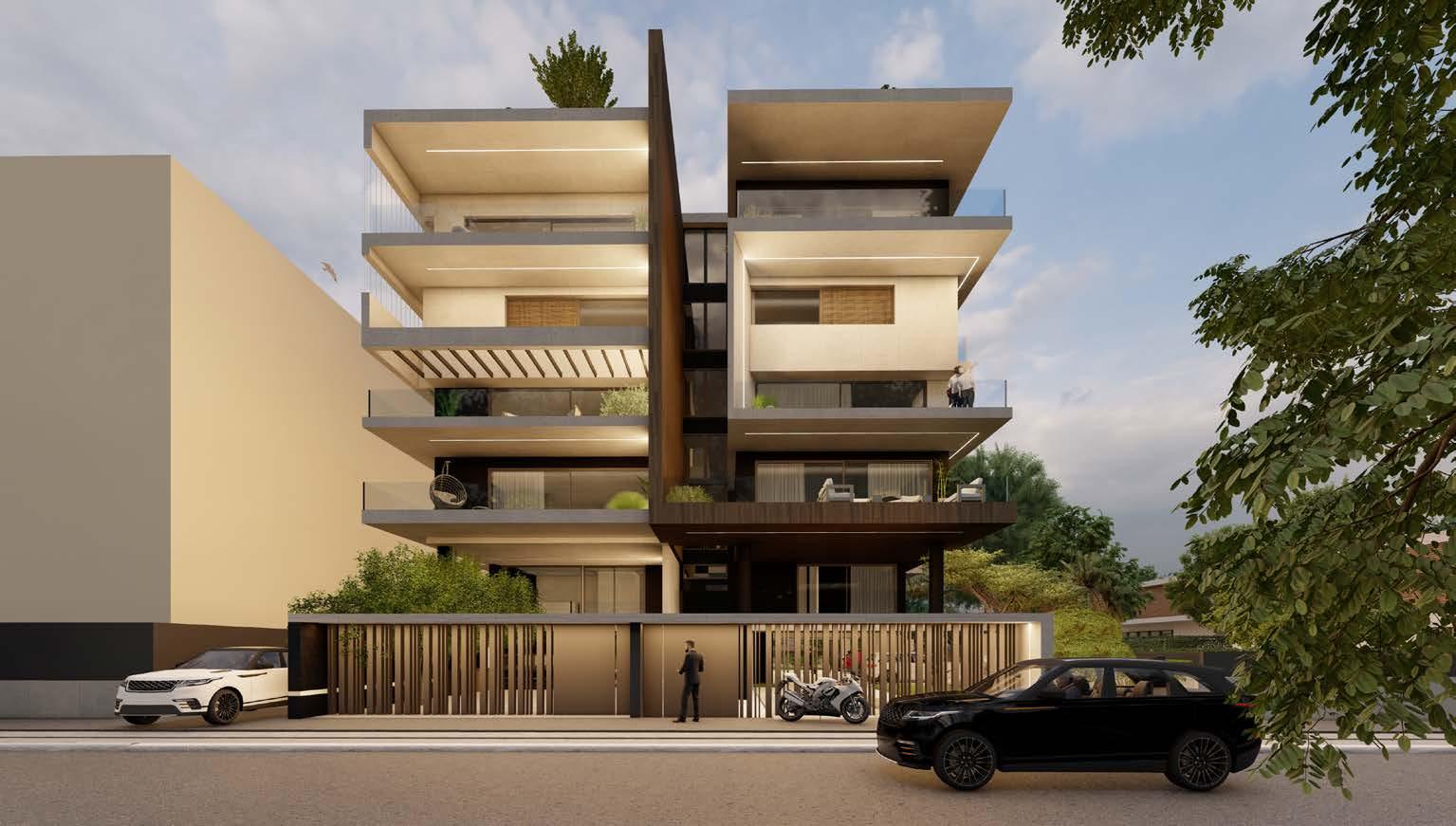
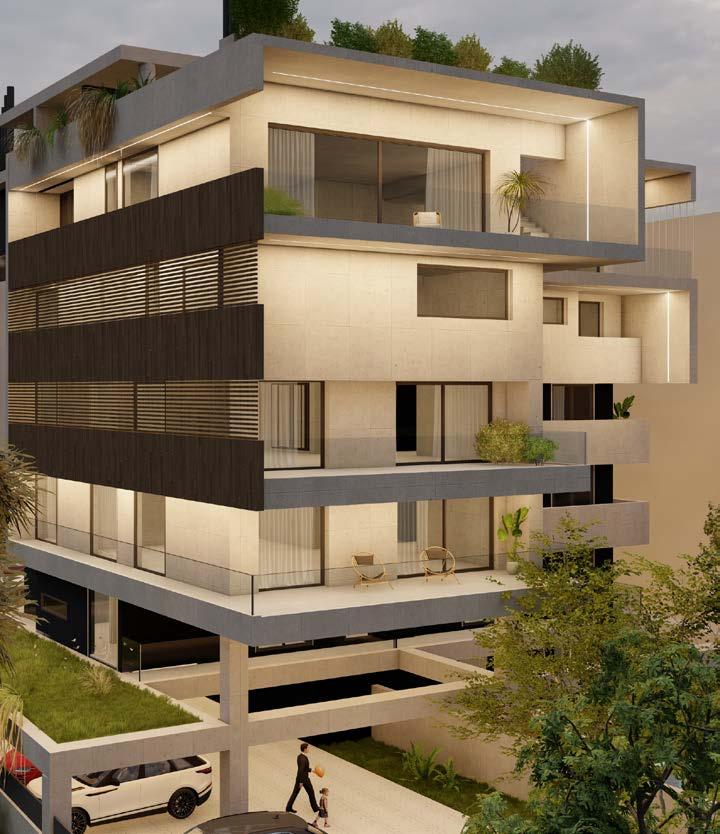
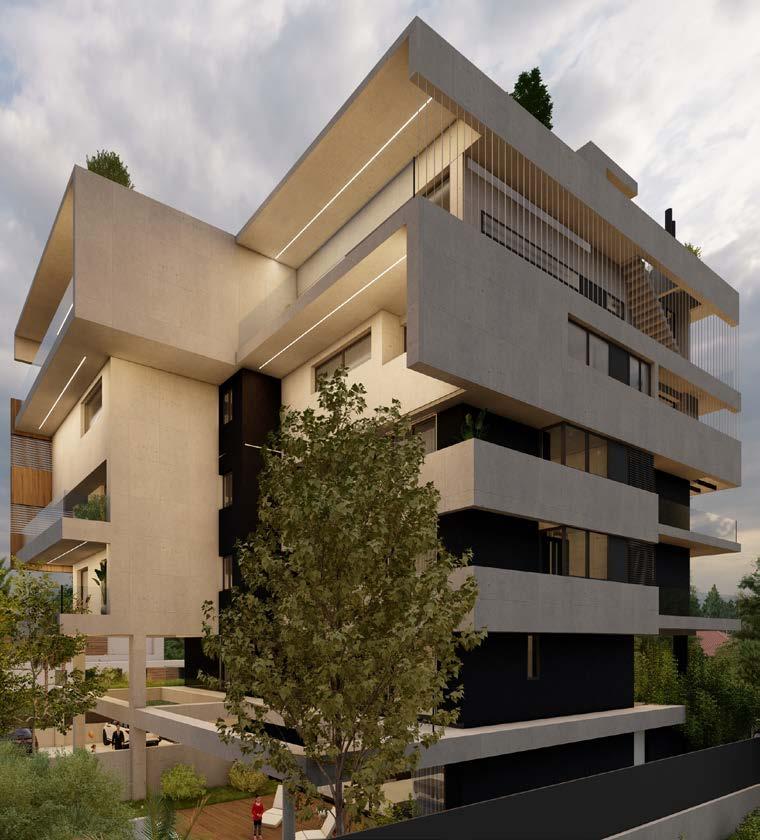
This residential project, located in Chalandri, a primarily residential area in Athens, showcases a modern architectural approach characterized by clean lines, open spaces, and an emphasis on light and materiality. The design employs a dynamic composition with offset balconies and a central vertical element that serves as both a structural and aesthetic focal point. The use of natural materials, such as wood and concrete, harmonizes the building with its surroundings, while ample greenery integrates sustainability and biophilic principles. The façade’s interplay of transparency and privacy, achieved through the careful placement of glass and wooden screens, creates a balance between openness and comfort for the residents, reflecting the serene yet vibrant context of its urban neighborhood.
Software: Autocad, Revit, Enscape
Study: Master of Science / Course: Workshop / Year: 2023 / Type: Computation, fabrication / Team: Group Workshop / Tutors: T. Casucci, V. Bhooshan
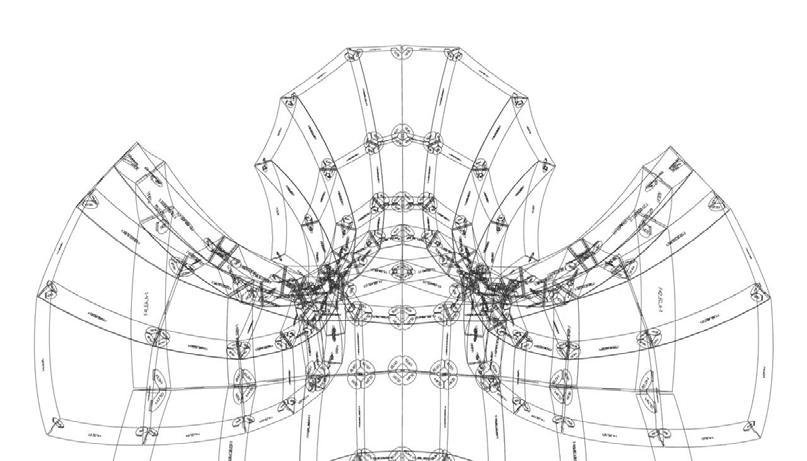
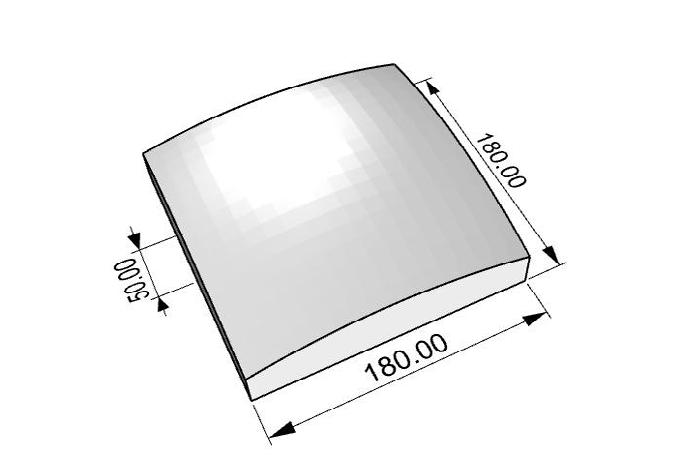
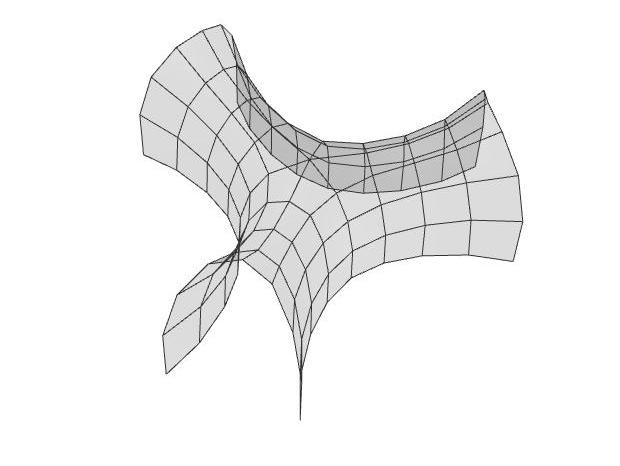
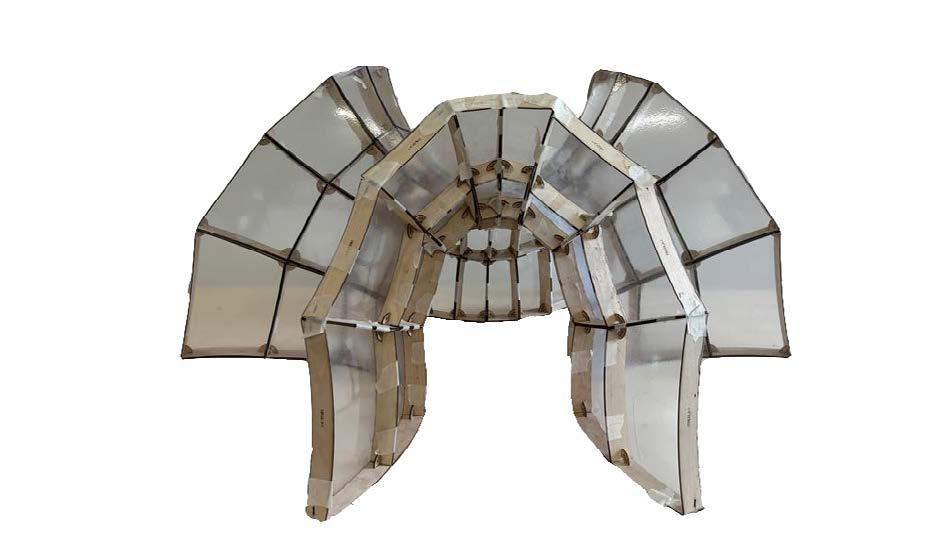
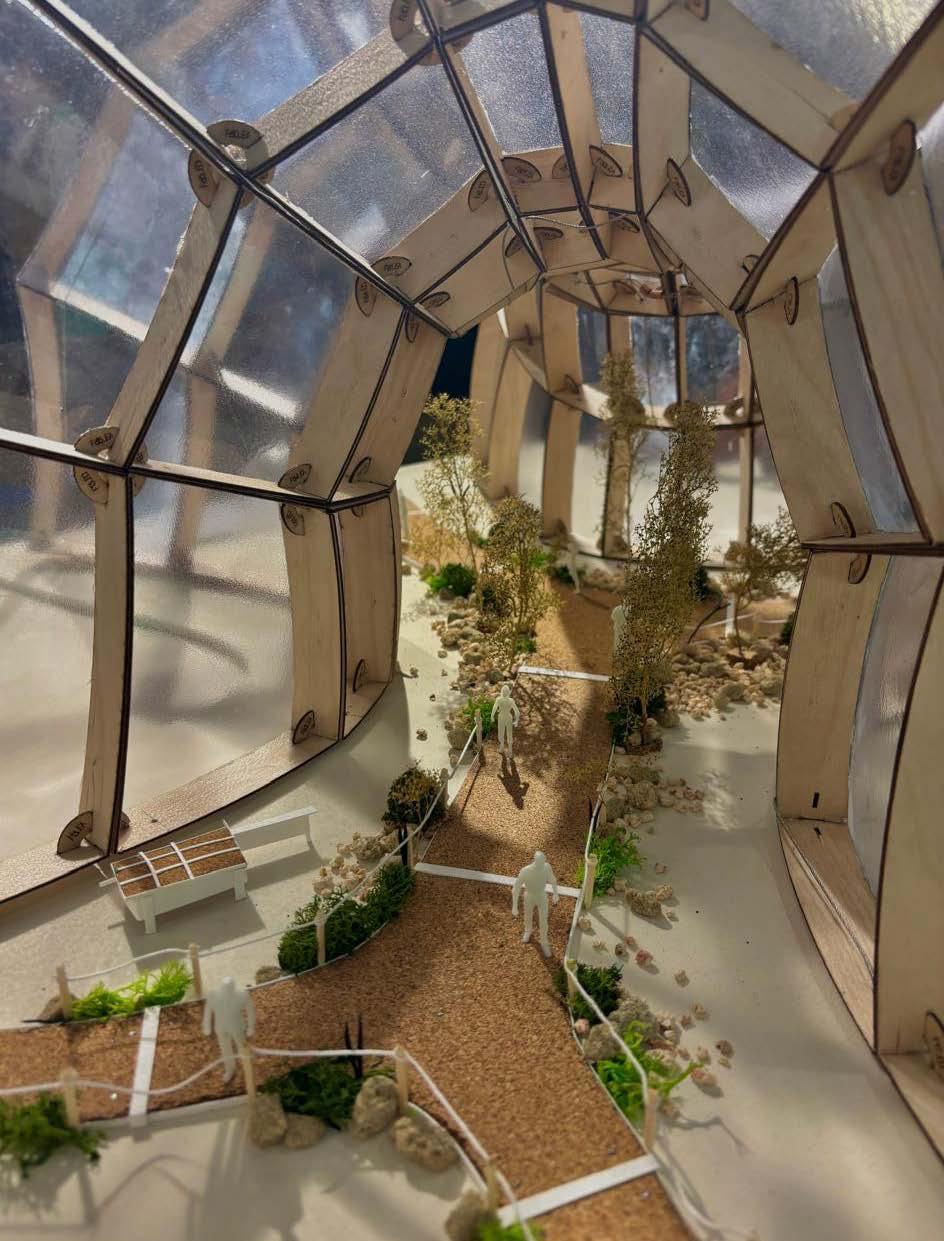
In the “Structure and Fabrication-Aware Geometry of Timber Gridshells” workshop, I developed skills in computational geometry, structural optimization, and digital fabrication. Guided by experts from TU Wien, ETH Zurich, and UCL, we designed and optimized timber gridshells with curved glass panels, focusing on compression shell design (Thrust Network Analysis) and Spherical Meshes for frames. The fabrication process included laser cutting for timber frames, milling a spherical mold, and thermoforming clear PVC panels—all curved panels were made using a single mold. This approach streamlined planning and construction, reduced material waste, minimized complexity, and ensured uniformity across the gridshell structure, enhancing my ability to integrate structural design with advanced fabrication techniques.
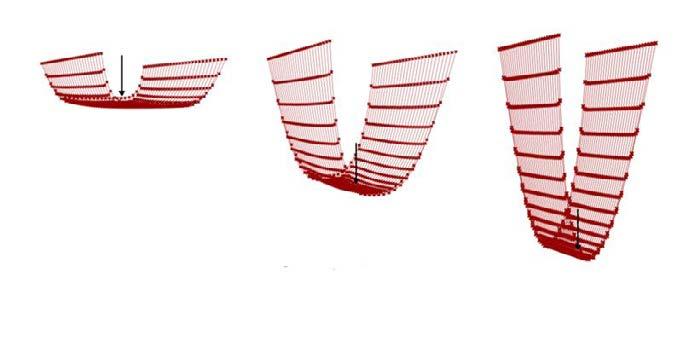
Study: Master of Science / Course: Dissertation / Year: 2023 / Type: Computation, Form-finding / Team: Solo Project / Tutor: T. Casucci
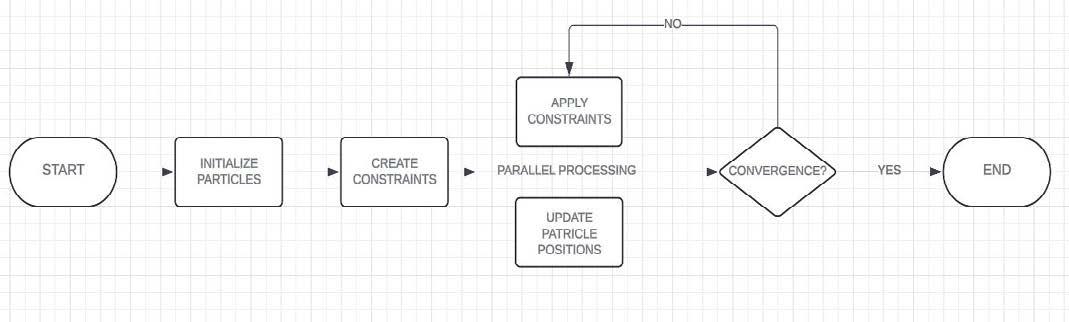
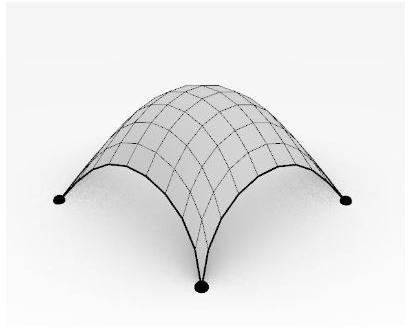
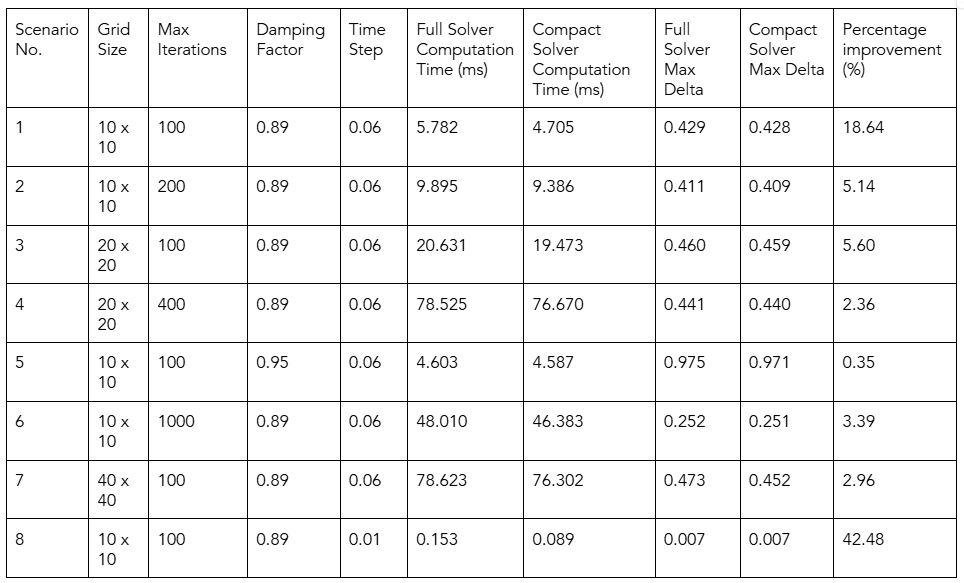
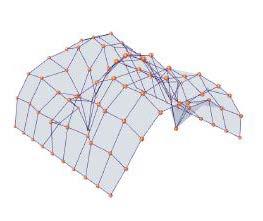
This research presents a modular, constraint-based solver aimed at creating an accessible tool for architects and students interested in developing their own computational tools. It examines how compact such a solver can be while achieving comparable performance to established solvers like Kangaroo. The solver leverages multithreading to enhance runtime efficiency and prioritizes simplicity and adaptability for further development by researchers. Tested on architectural forms, including a dome structure, the solver demonstrated efficient performance in some cases, though improvements are needed for others. This work provides a foundational, educational tool that balances simplicity with computational effectiveness in architectural computation.
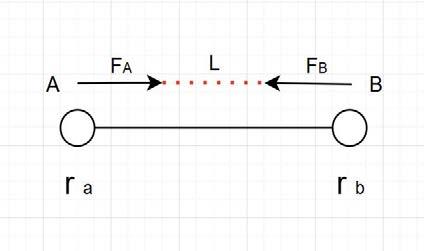
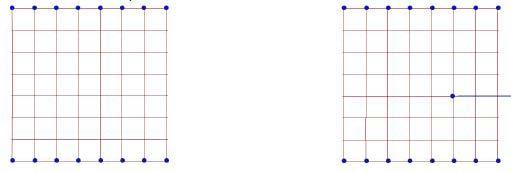
Distance: Maintains specific distances between particles, simulating spring behavior for tension and compression.
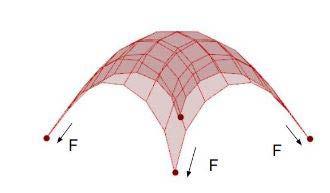
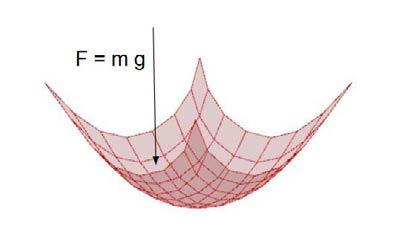
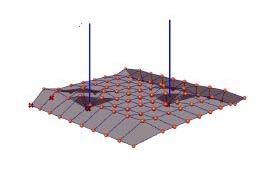
Anchor: Keeps certain particles fixed, often at boundaries, acting as supports in the structure. Load: Applies external forces, like gravity, to particles, essential for simulating funicular shell structures.


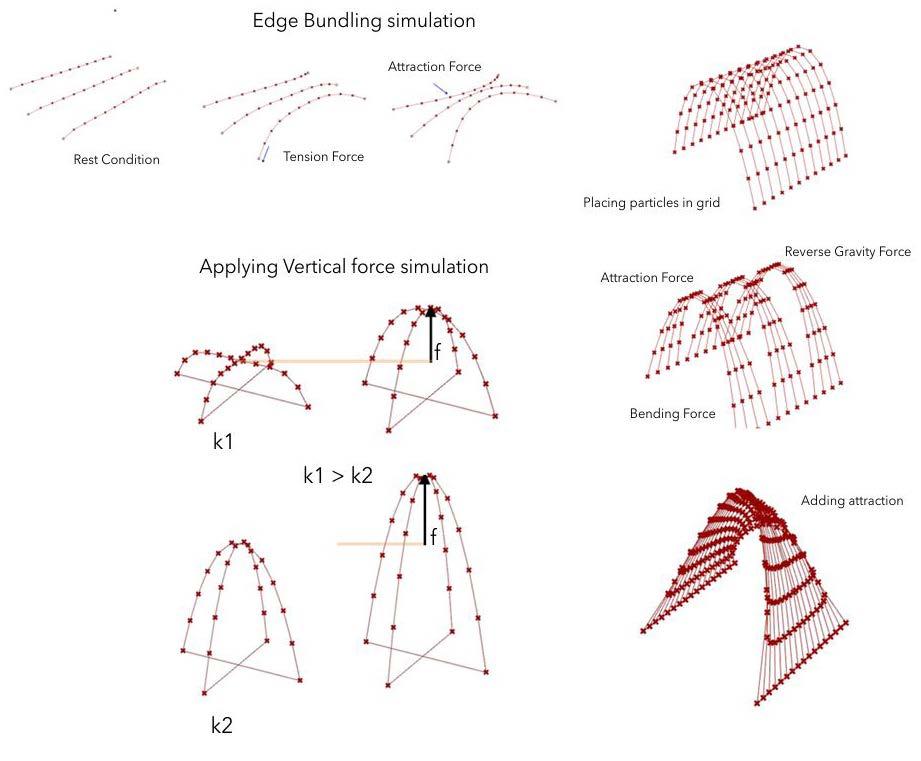
Study: Master of Science / Course: Morphogenetic Programming / Year: 2023 / Type: Computation / Team: Solo Project / Tutors: M. Tsigkari
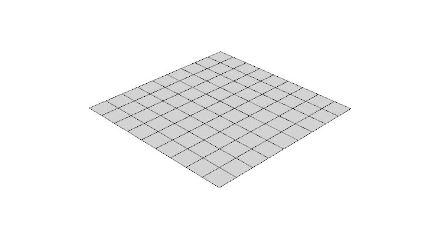
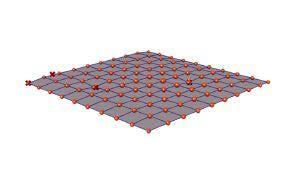
Particle-spring systems are dynamic models that consist of particles, or masses, interconnected by springs. Each particle has properties like position, velocity, and mass, and a vector that holds all the forces acting on it. These systems can evolve over time, responding to external forces applied to them. They have the ability to emulate laws of nature, such as gravity, wind loads, and weight loads. This potential enhances the accuracy of the simulation, making it a powerful tool for architects and engineers. By manipulating these forces, designers can observe how a structure responds and adapts to different conditions and environments.
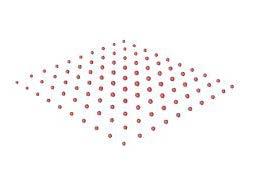
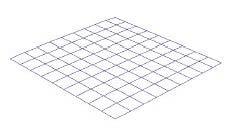
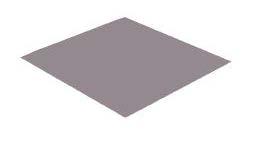
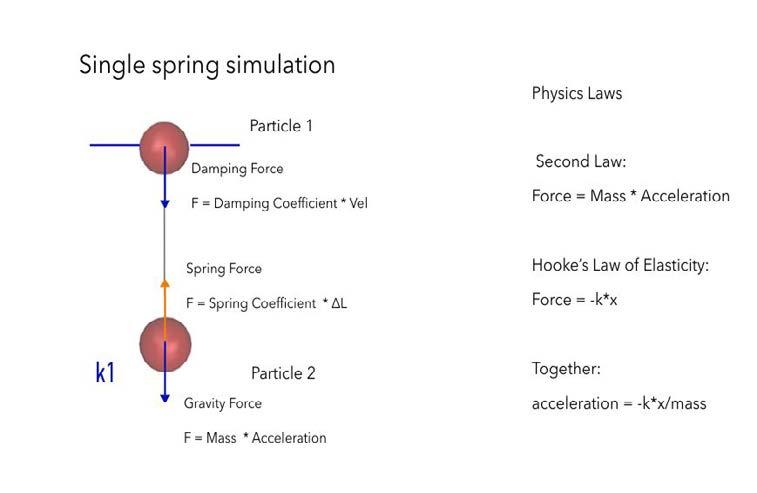
Study: Master of Science / Course: Digital Studio / Year: 2023 / Type: Computation / Team: Eleni Prelorentzou, Selen Bas, Jacky Huang
Tutors: A. Davis, M. Kosicki
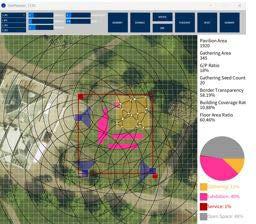
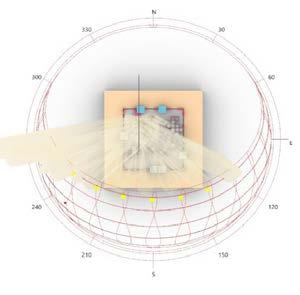
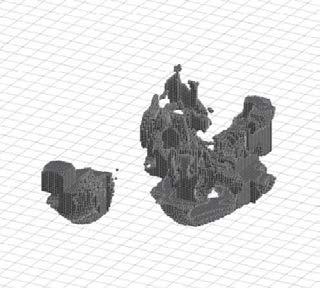
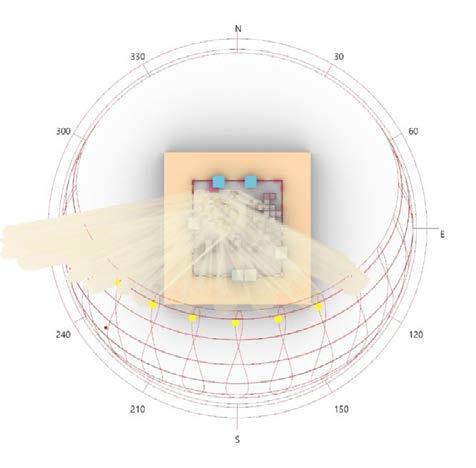
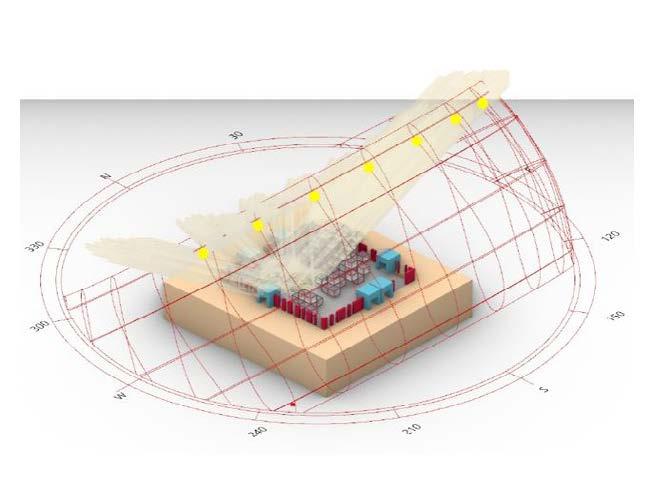
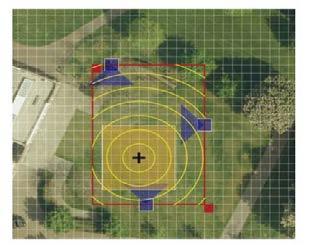
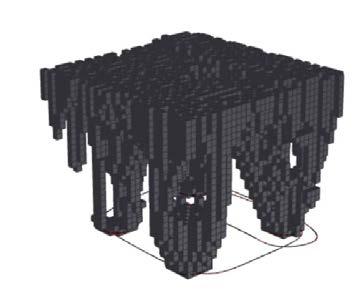
The goal of the project is to create a design tool to be used in the early design phases. The foundamental challenge was to combine three different simulations to create a suggestive Pavillion in Serpantine Gallery, London. Cellular Automata (CA) generates the form based on voxels and creates the base geometry to develop respective steps. One of the aims is to stick to the initial voxel nature of CA to simplify the formal possibilities and minimize input. On the following part of the process, climate data of the Serpantine Pavillion is used through Ladybug to reduce voxels in order to create thermally preferable outdoor areas. Lastly, the advantages of the ESO were applied to distribute voxel mass within the mass to generate the final structure.
Workflow overview
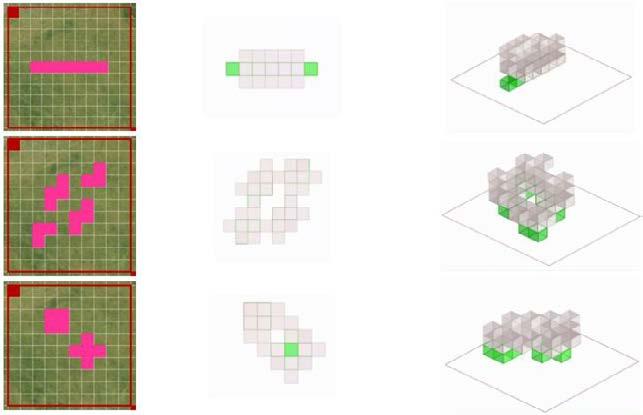
Cells: {7, 15,12,22,16}
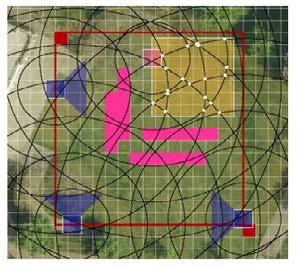
Cells: {14, 24,10,2,0}
Cells: {9, 13,10,11,16}
MaxLevel: 5
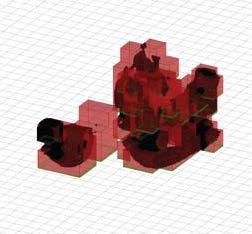
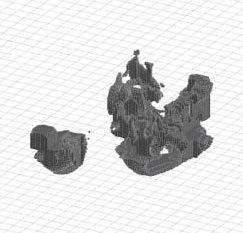
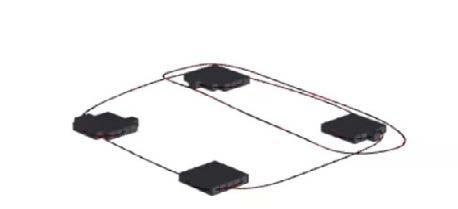
Loads on the top surfaces of the massing and support surfaces at the footprint ESO meshing result
Study: Master of Science / Course: Digital Ecologies / Year: 2023 / Type: Computation / Team: Eleni Prelorentzou, Selen Bas, Jacky Huang
Tutors: D. Adam, S. Tarabishy
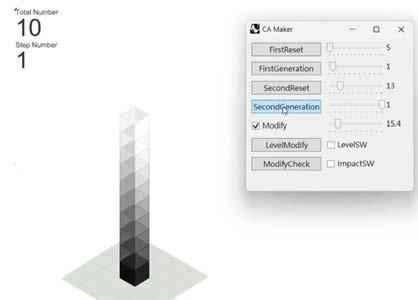
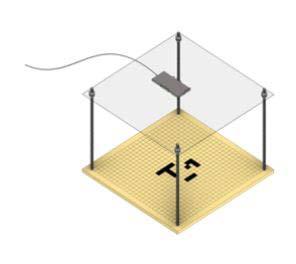
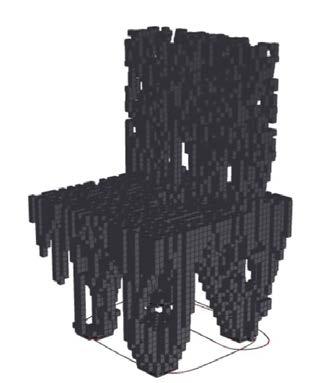
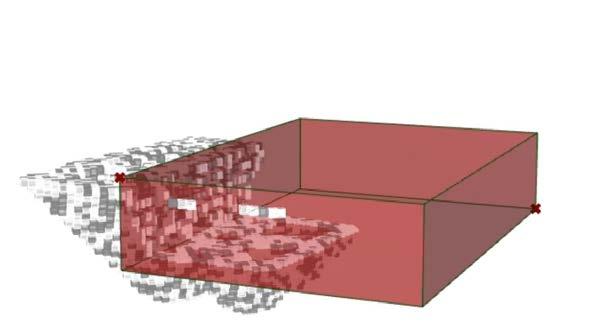
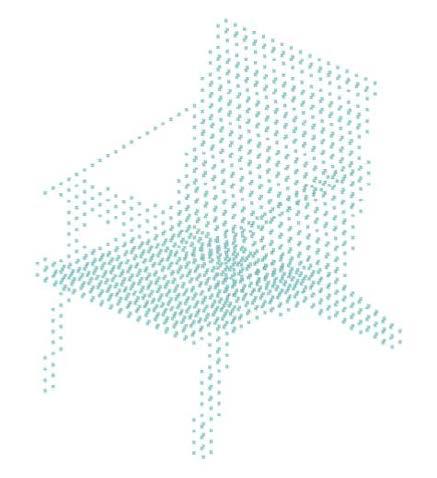
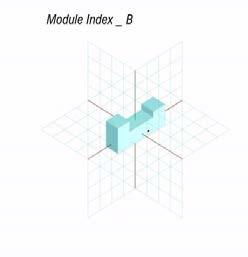
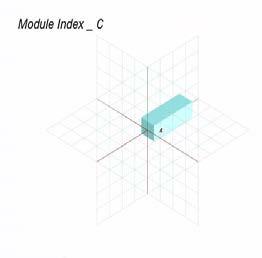
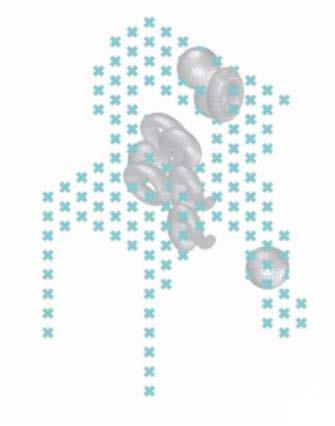
The project explores voxel-based chair design through the interplay of local rules and global forms using three approaches:
User-Interactive Tools: A real-time interface with enhanced Cellular Automata (CA) algorithms inspired by “Biomaker CA” lets users modify designs layer by layer.
2D Cellular Automata: Dividing the chair into zones (legs, seat, back), multi-state voxels and constraints like gravity and support guide the design.
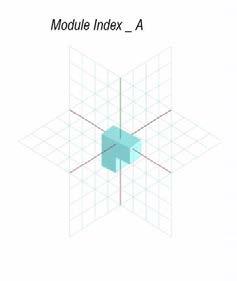
Unit Aggregation: Investigates how unit type, order, and placement shape the overall form.
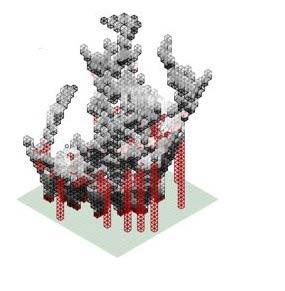
Built-in rules to shape chair design
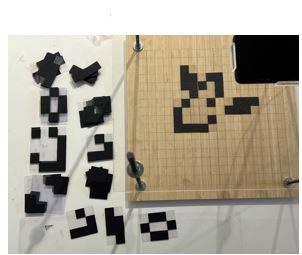
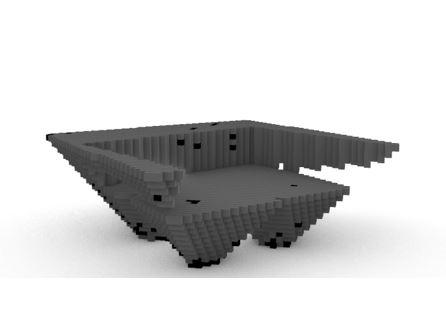
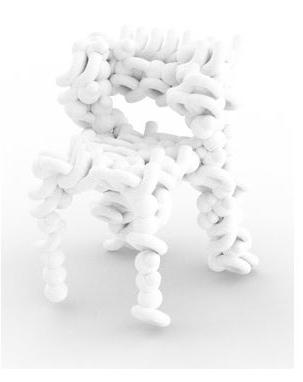
Develop the rulesets to aggregate irregular units within a mass
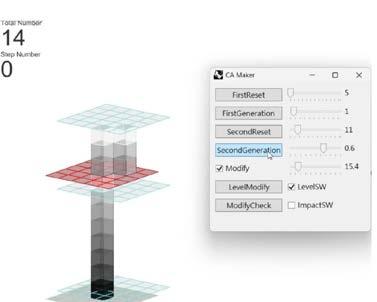
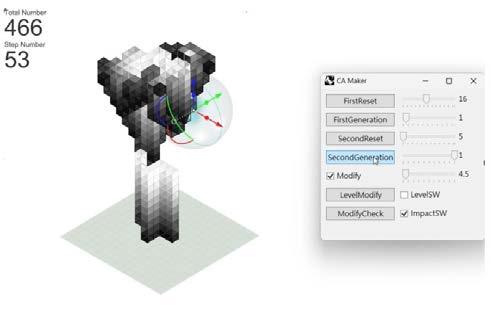
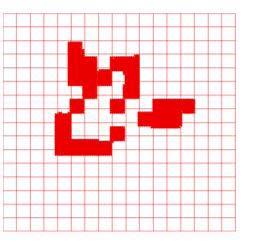
Cellular Automata with constraints
User interaction by providing the boundaries of each zone
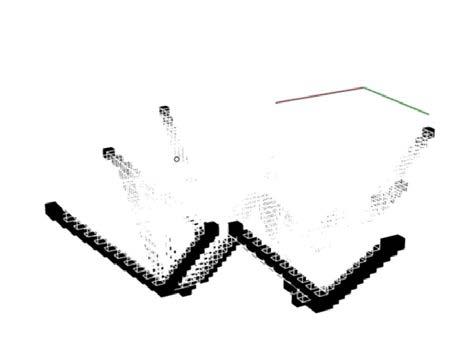
Support constraint
Thank you for exploring my portfolio. Architecture, for me, is about creating spaces that inspire, solve problems, and reflect a commitment to quality and innovation. Each project here represents my dedication to thoughtful design and the careful balance of function and form.
I’m always eager to engage with new challenges, deepen my skills, and collaborate with others who share a vision for impactful architecture. If my work resonates with you or sparks any questions, I’d be delighted to connect and discuss the potential for working together.
Eleni Prelorentzou
Qualified Architect - National Technical University of Athens
Computational Designer - Bartlett School of Architecture UCL
+30 6951706838
eleniprelo@gmail.com