PORTFOLIO Elene Gvinepadze
Education
Bacherlor’s degree
Georgian Technical University
Elene Gvinepadze

Architect, Interior designer
2014-2018
Faculty of Architecture, Urban Planning and Deign
Master’s degree
Georgian Technical University
2019-2023
Faculty of Architecture-Diploma Project “Alternative care center for children and adolescents”
Master’s degree
technical university of bari (POLBA)-Architecture
2020
work experience
Communal Hotels
2019-2020
Interior Desginer, Project coordinator
AD Studio
2019-2020
Software
Archihcad Autocad Revit 3DS max Vray, Corona
M2 Development
Interior designer
2022-present
digital academy of industry
2022-present
Contact
Email: Elenegvinepadze@gmail.com
Tel: +995 571 28 10 00
Interior design lecturer
ALTERNATIVE CARE CENTRE FOR CHILDREN AND ADOLESCENTS
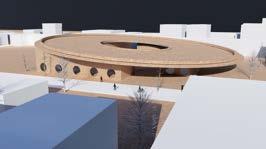
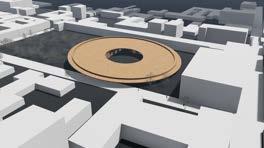
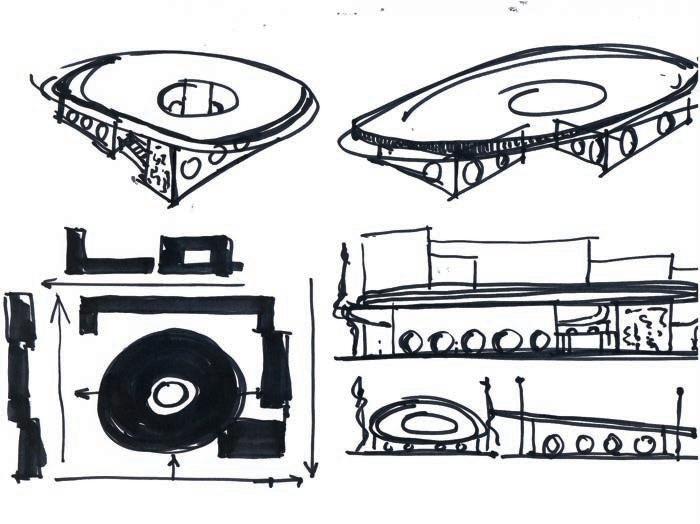
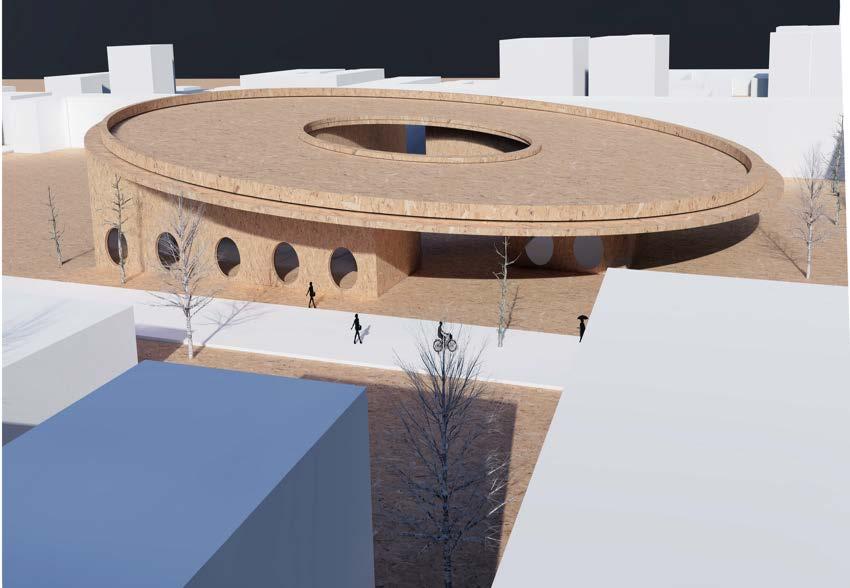
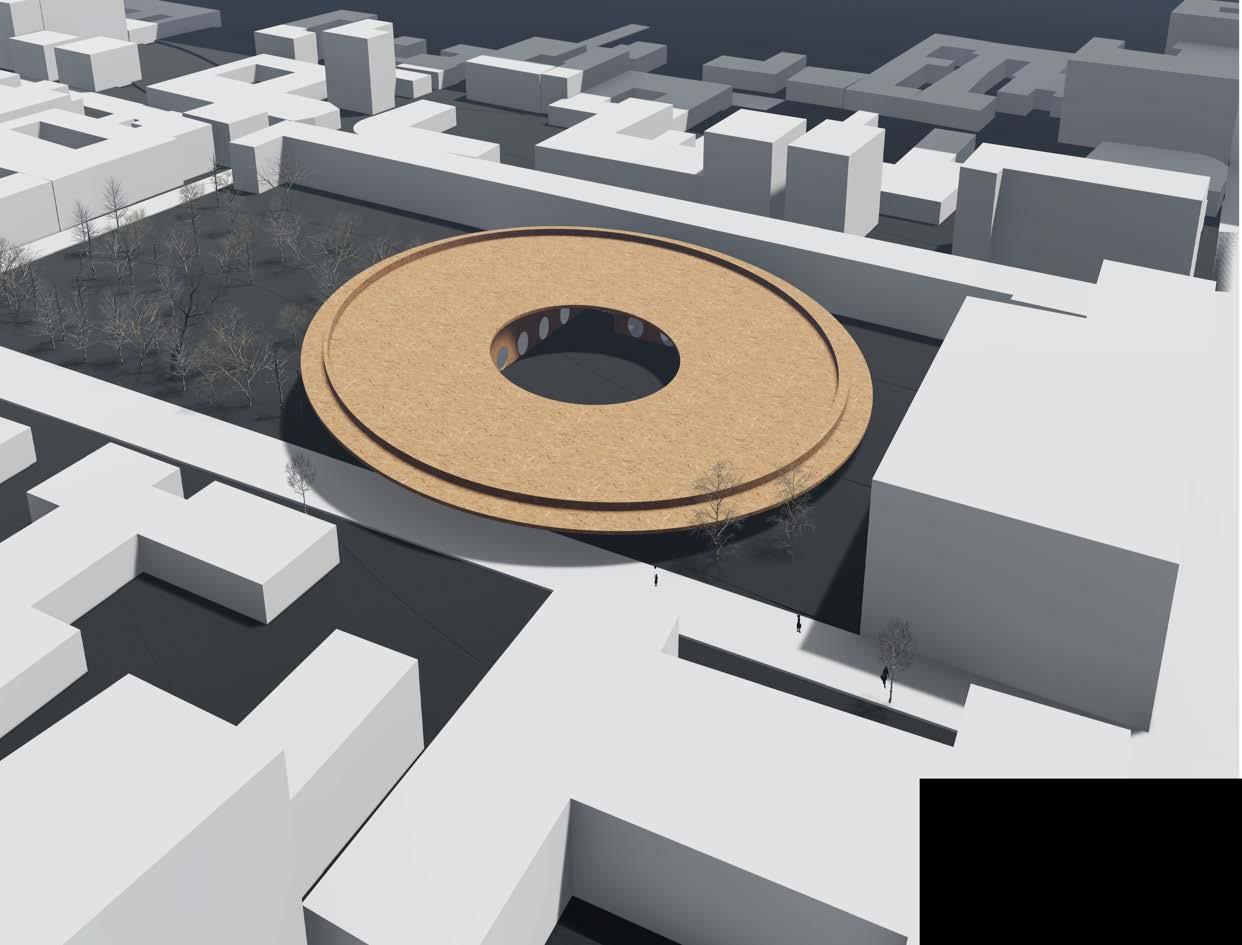
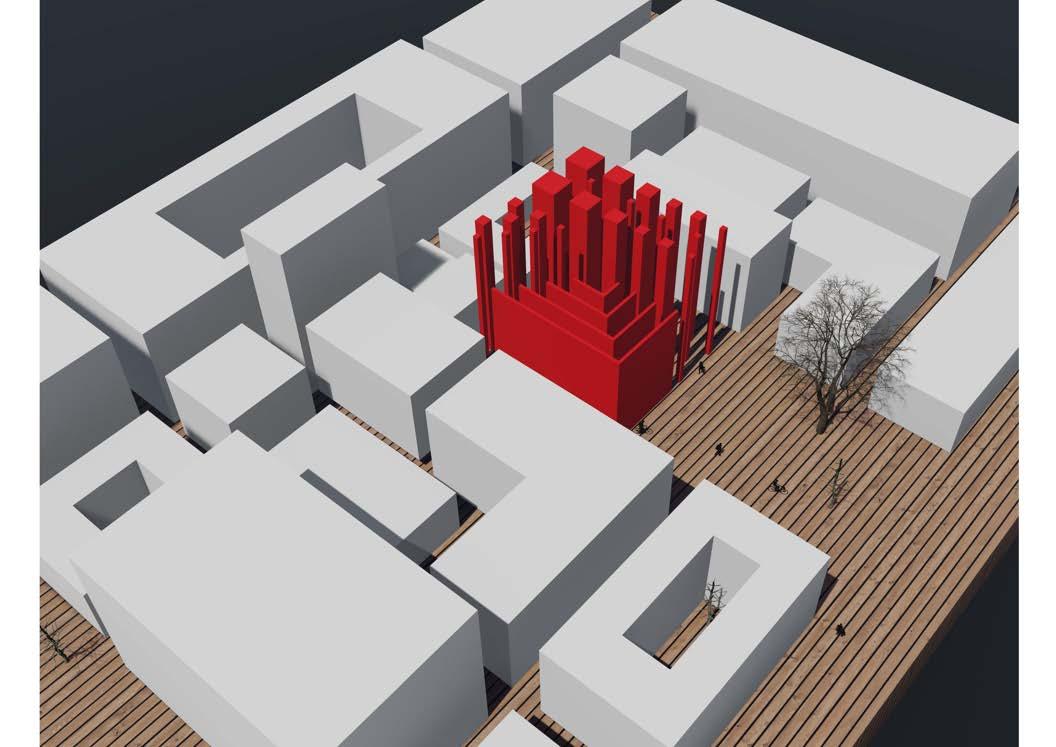
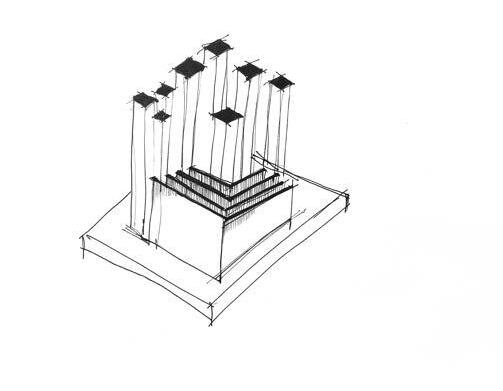
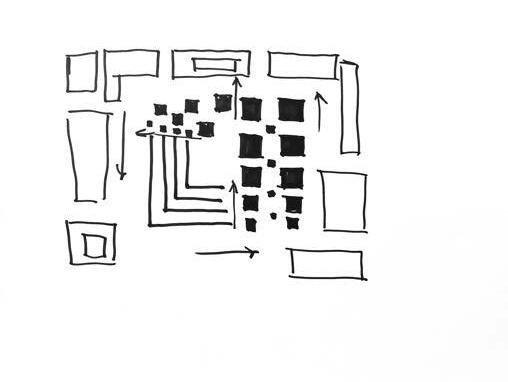
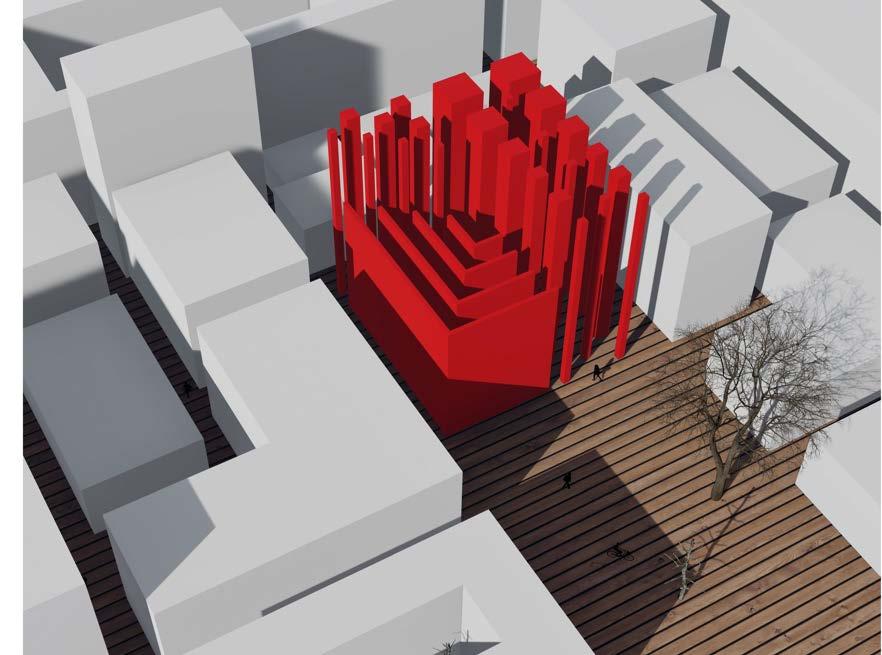
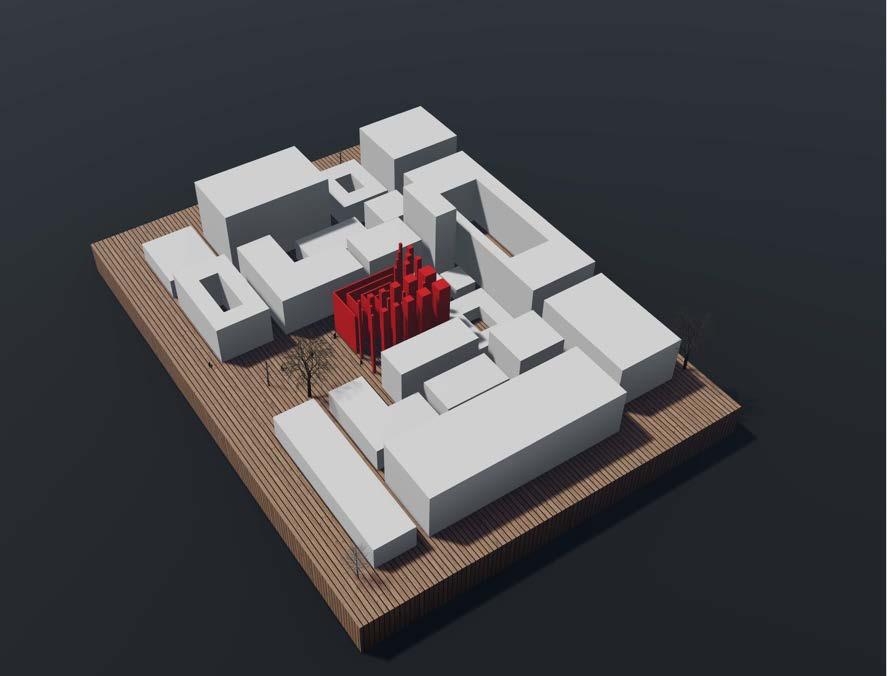
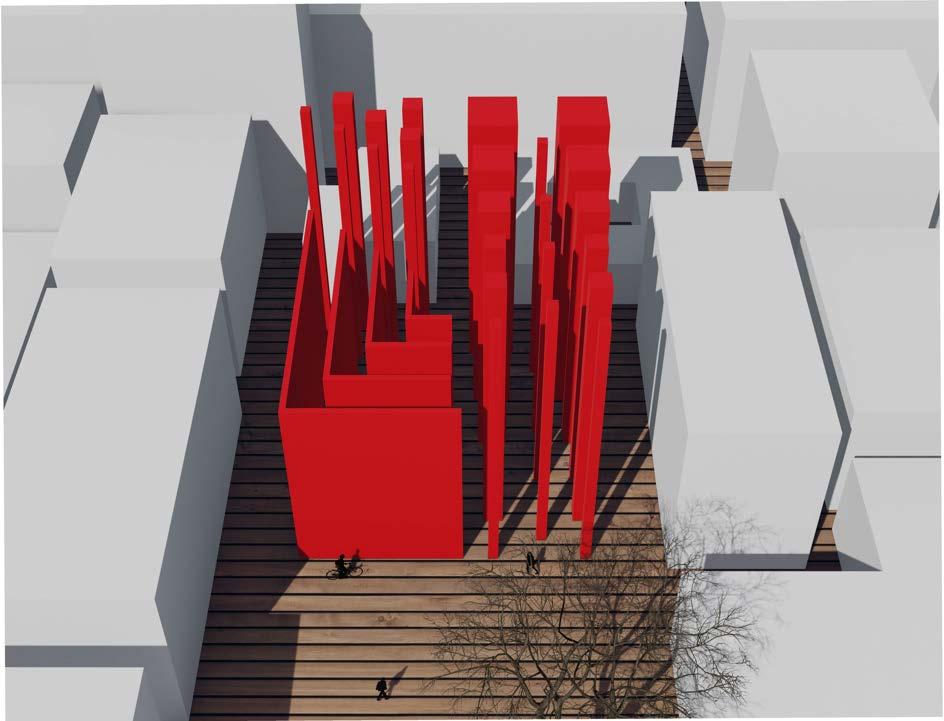
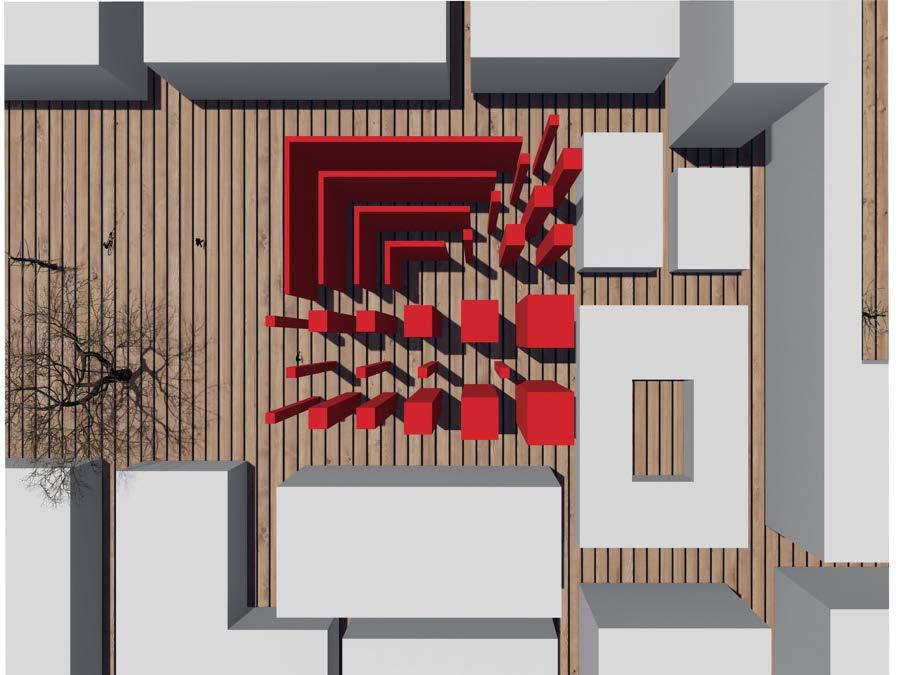
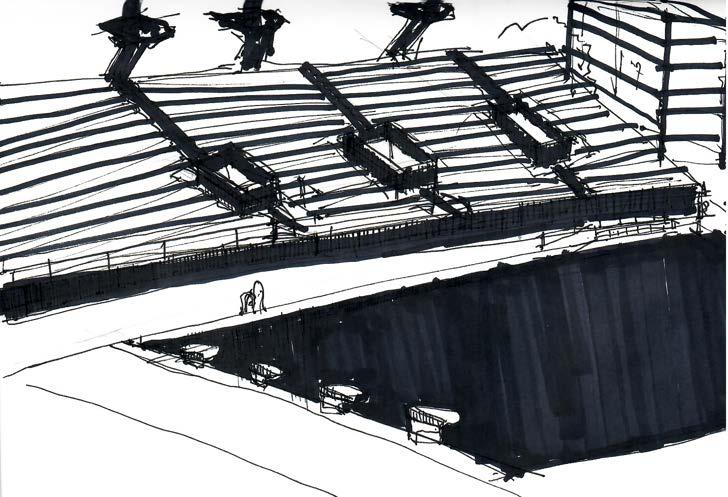
As a developing country, Georgia faces various economic, cultural and social problems, among which is homelessness. I thought to use the unused area in the center of the city to create social housing for children, but not to forget the desire of the population to create a green area and to divide the territory into two zones: project building and the park. Based on the existing urban environemnt, I considered it interesting to introduce a di erent volumetric form, which would not break the unity in scale, but would tell a di erent story with its visuals.
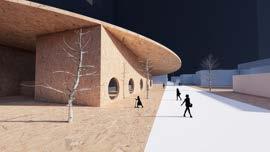
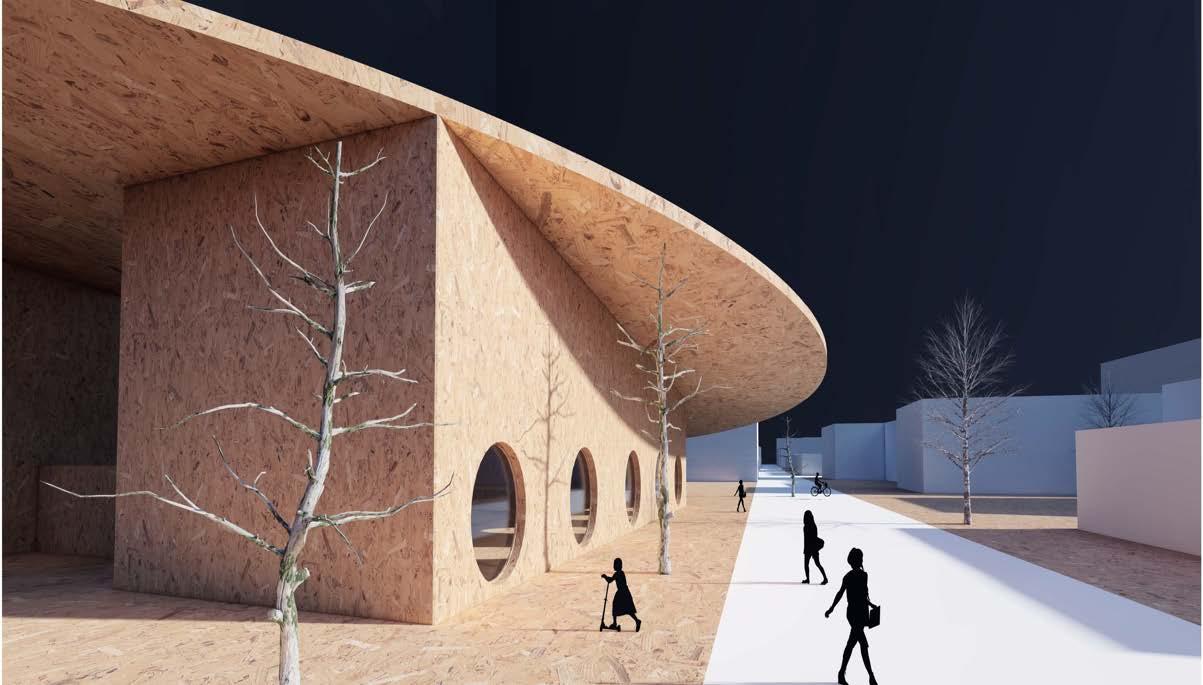
The challenge for me was to correctly record the di erent form in the existing historical development. Today, unfortunately, we are faced with a process of disruption of scale that architects and especially developers promote, so tackling this task in a well-established urban environment was not so easy.The main goal for me, in addition to the architectural-urban look, was to place the alternative care center in a place where the children living there would not feel like individuals separated from the city. Therefore, I think that the integration of child care institutions with the city is very important in the further formation of these children as full- edged members of society. Even the name "Center for Individual Care of Children and Adolescents" responds to the concept that children who do not live with their biological families should, as far as possible, receive from an alternative source the warmth that their families would give them. Based on the fact that the individuals living here do not feel excluded, I considered that the residence should not include a school and a kindergarten. In the existing development, schools and kindergartens are quite close, therefore children will receive a full- edged education and in the center they will return as in their own home. The planning is based on apartment-type rooms. Not communal housing, but an apartment where the child can live with a caregiver/volunteer family. The building is divided into several parts, but eventually all spaces are connected by large corridors where children can play, get to know each other, etc. Facades are loaded with circular form windows, which for me is associated with a kindergarten and evokes warm emotions.