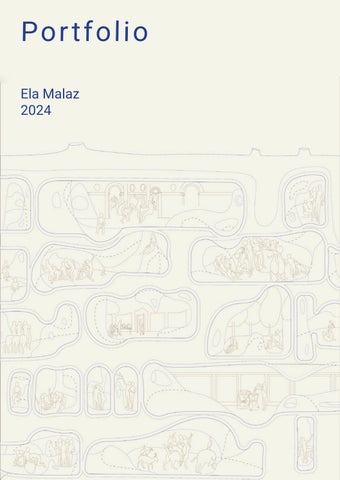
Portfolio
Ela Malaz 2024
Contents:
Ela Malaz
Resume
Email: em756@cornell.edu
From : Istanbul , Turkey
Citizenships :
Turkish & Spanish
EDUCATION
2 Houses and a Table
Cork Playground
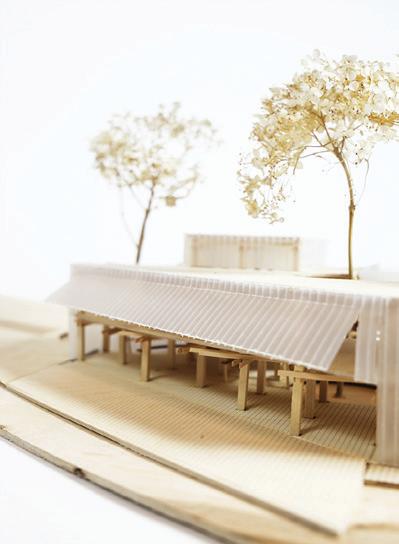
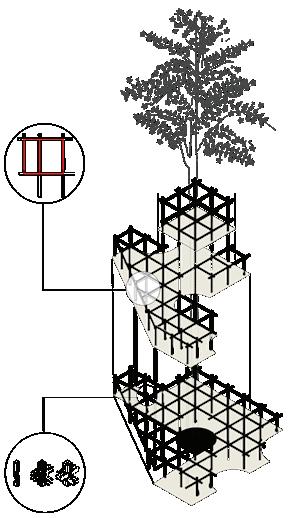
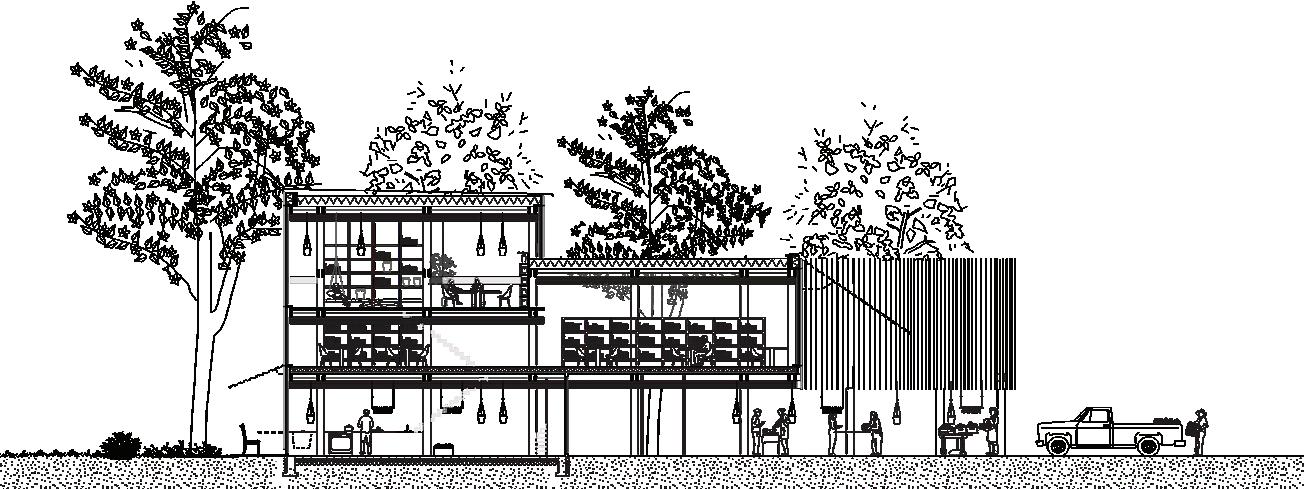
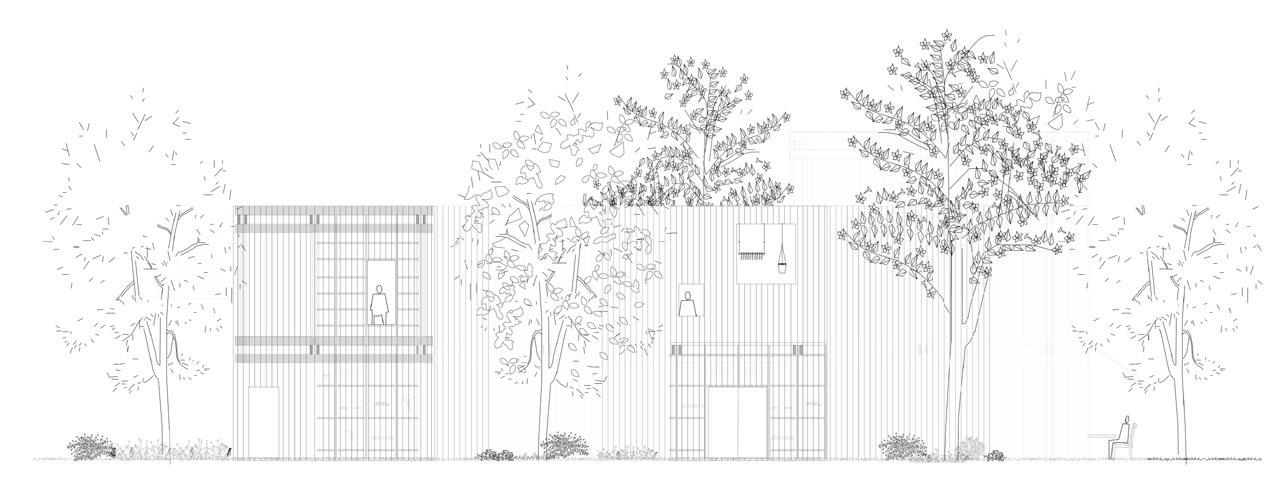
Market Library
Life in the Continuous Monument
Structures Model
Tarot Cards against Humanity
Dramatic Table
Street As Stage
Cornell University
Ithaca, NY
4th Year B.Arch
Minoring in Comparative Literature and Performance and Media Arts
Class of 2025
Enka High School
Istanbul, Turkey
International Baccalaureate
Class of 2020
WORK EXPERIENCE
Shigeru Ban Architects
Achitectural Intern
05 - 08/ 2023
Paris
- Worked on the Grasshopper scripts to 3D model initial design concepts for the Infinite Maldives Resort project
- Prepared presentation models for a Residential complex in Antwerp, Belgium
- Contributed in the design concept and study models for a traveling pop-up art container for 1m83 Collective.
- Modeled prototypes for paper tube ceiling ornaments’ connection details
Apprenticeship at a Sculpture’s Studio
06 - 07 2022
Istanbul
- Learned giving form, welding, and sanding metal working both with the artist and local craftsmen
SKILLS
Language
Fluent:
Turkish and English
Conversational:
French
OTHER EXPERIENCE
Computer & Fabrication
Adobe Creative Suite
Rhino 7 Grasshopper
VRay
ENSCAPE
Grasshopper
Phsycial Model Making
Winter 2023 - The Living Room Cornell
On the organization team of The Living Room at Cornell, a student-run forum for critical discussion and debate about architecture today
Spring 2021 - Spring 2022: Cornell University Sustainable DeDesign, Sustainable Education Design Team Architect, Dormitory for school in Nepal
December 2019: Fundraising Art Exhibition
Coordinated an art exhibition titled “Human Destruction” as a fundraiser to help child brides in eastern Turkey.
Houses and a Table
Fall 2021, Design III
Prof. Andrea Simitch
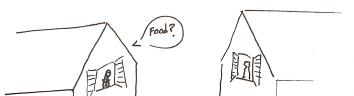
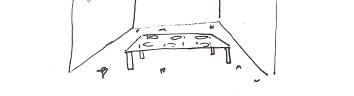
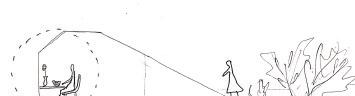
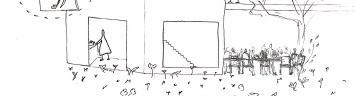
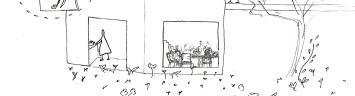
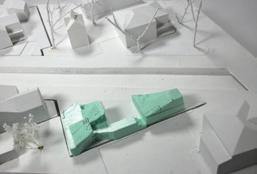
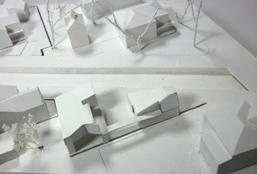
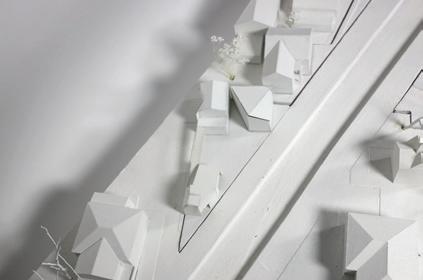
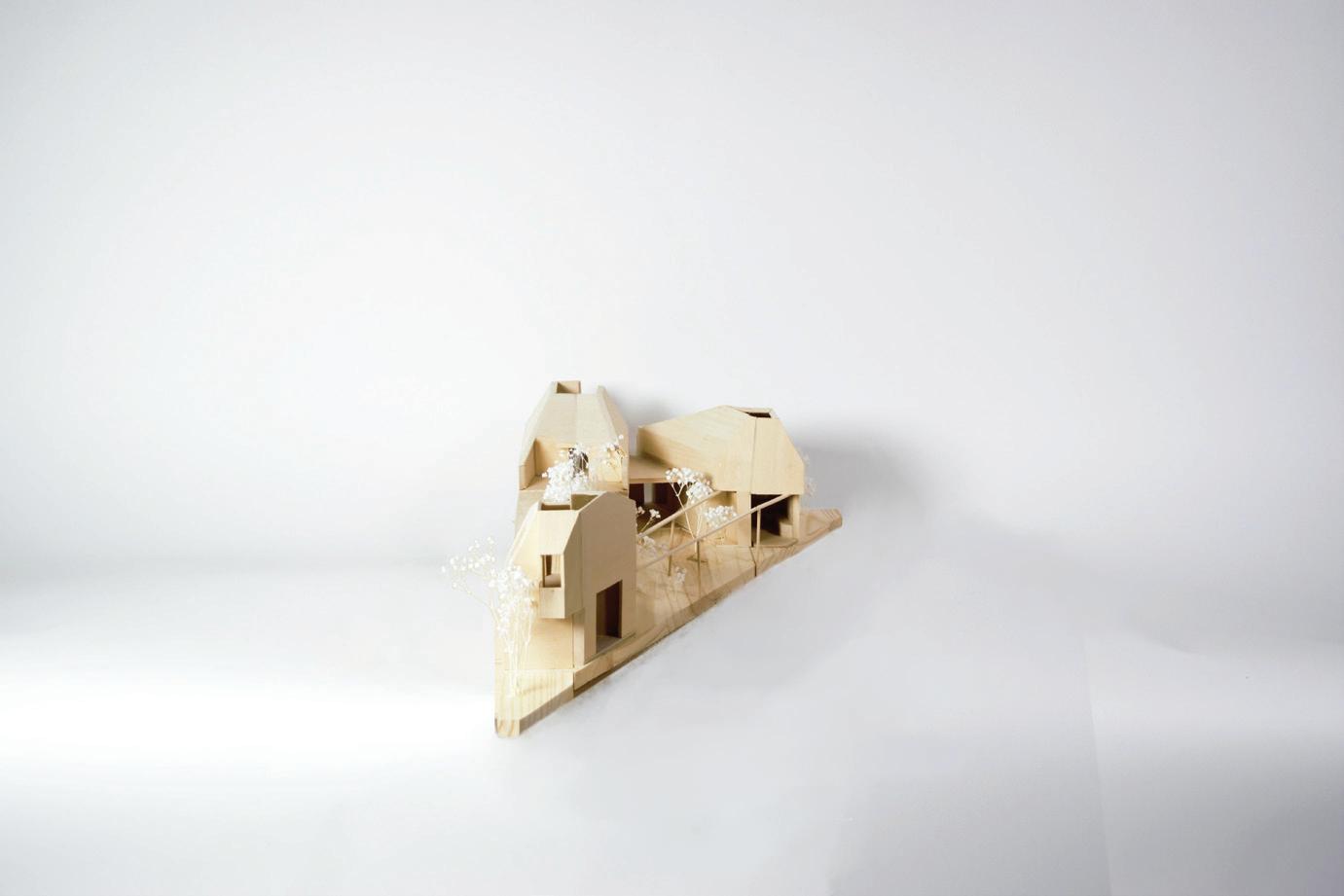
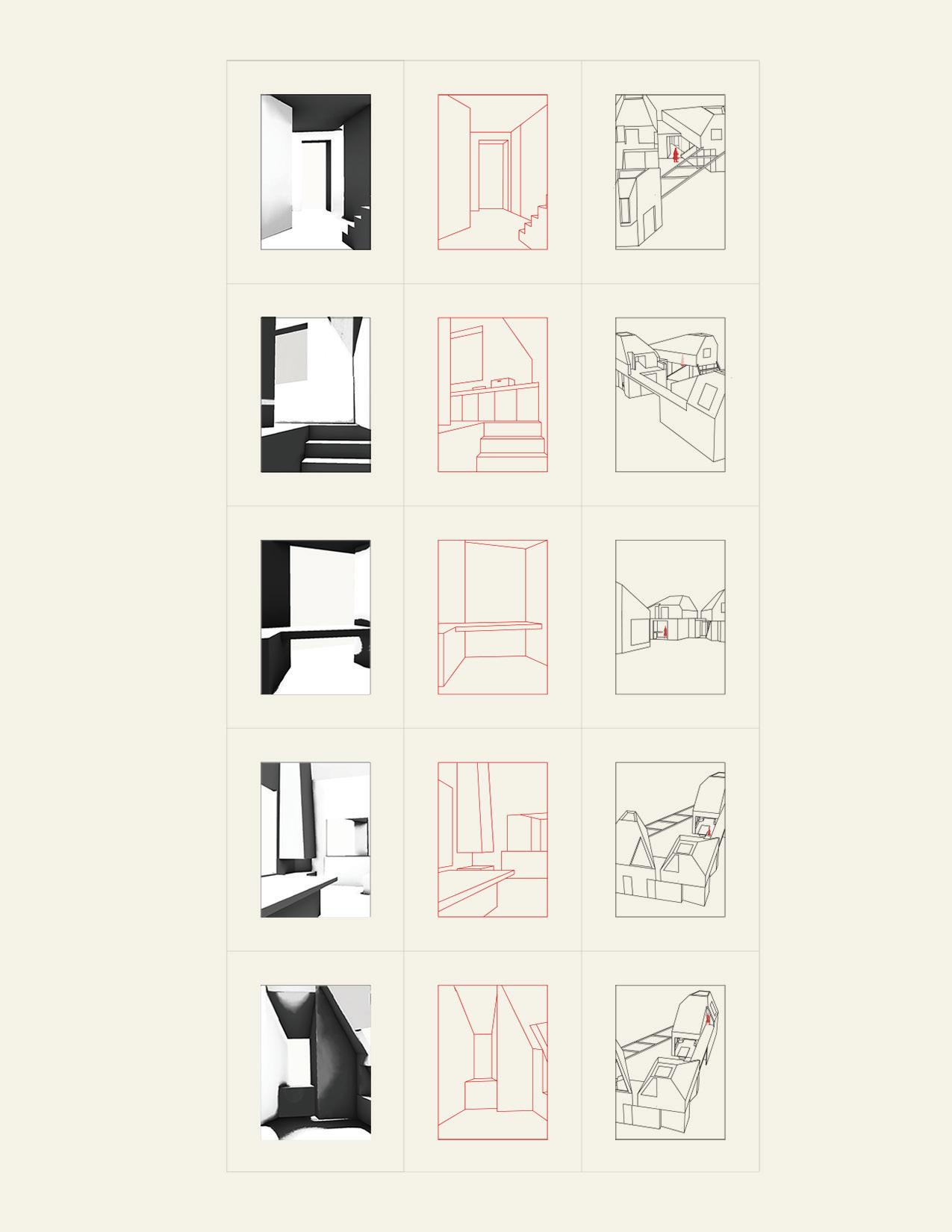
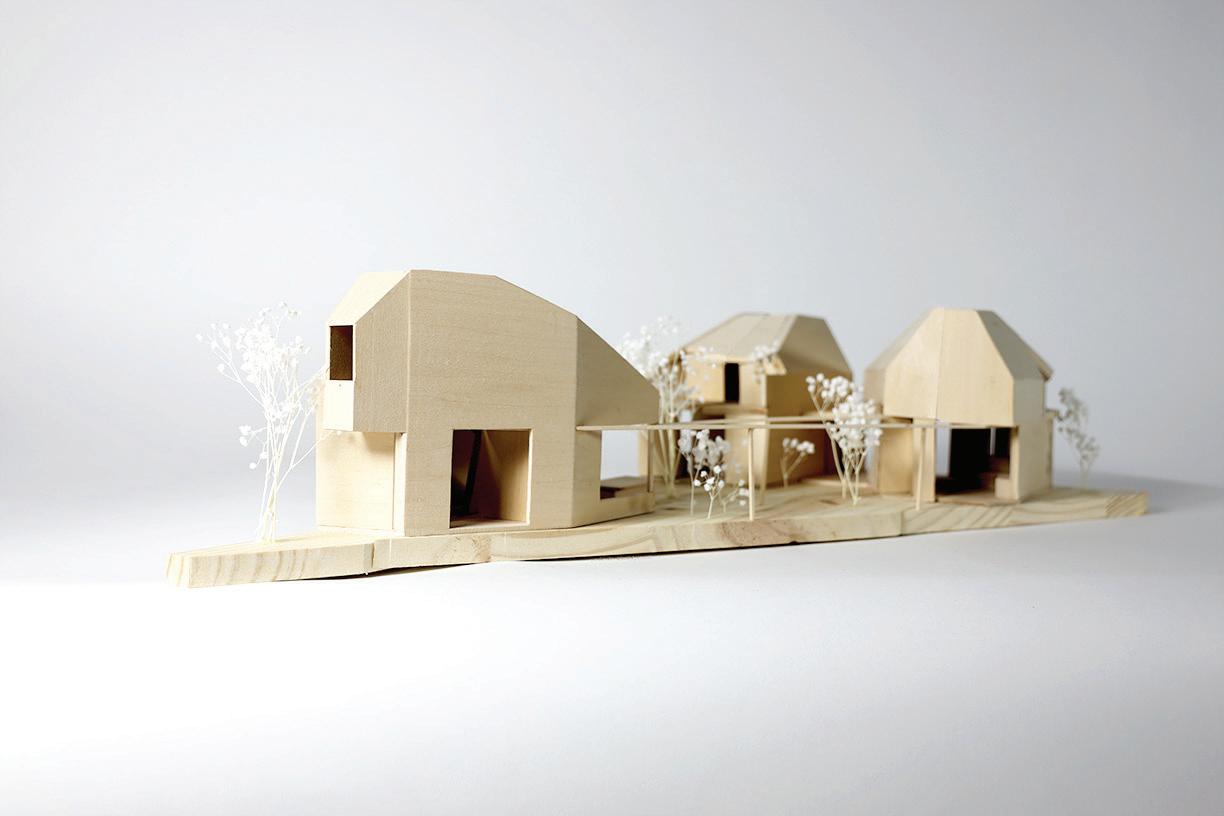
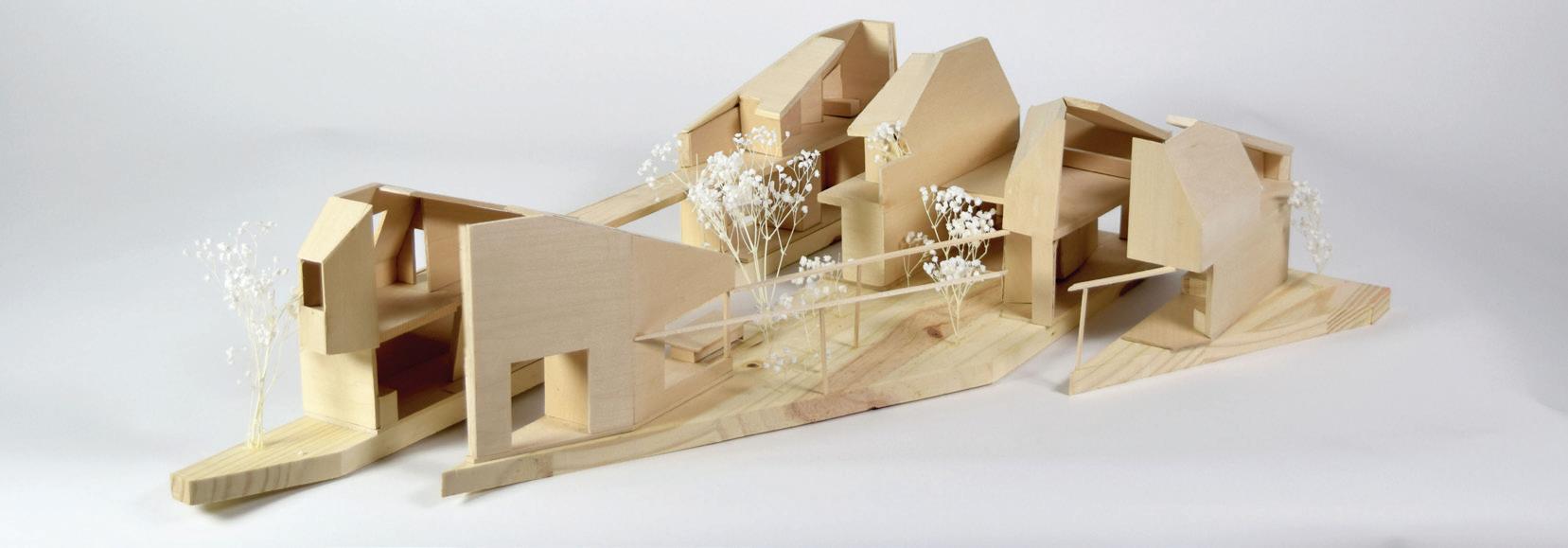
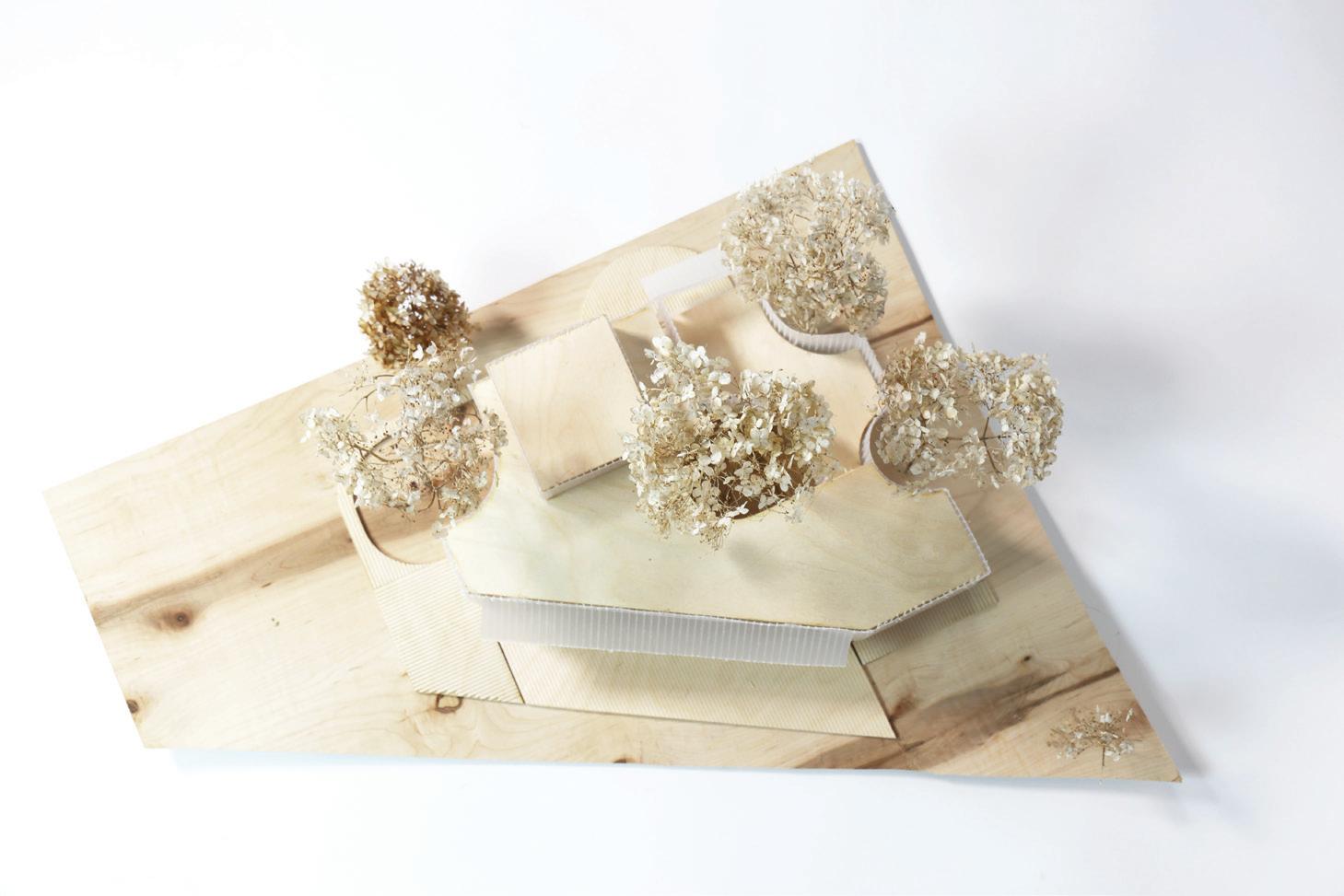
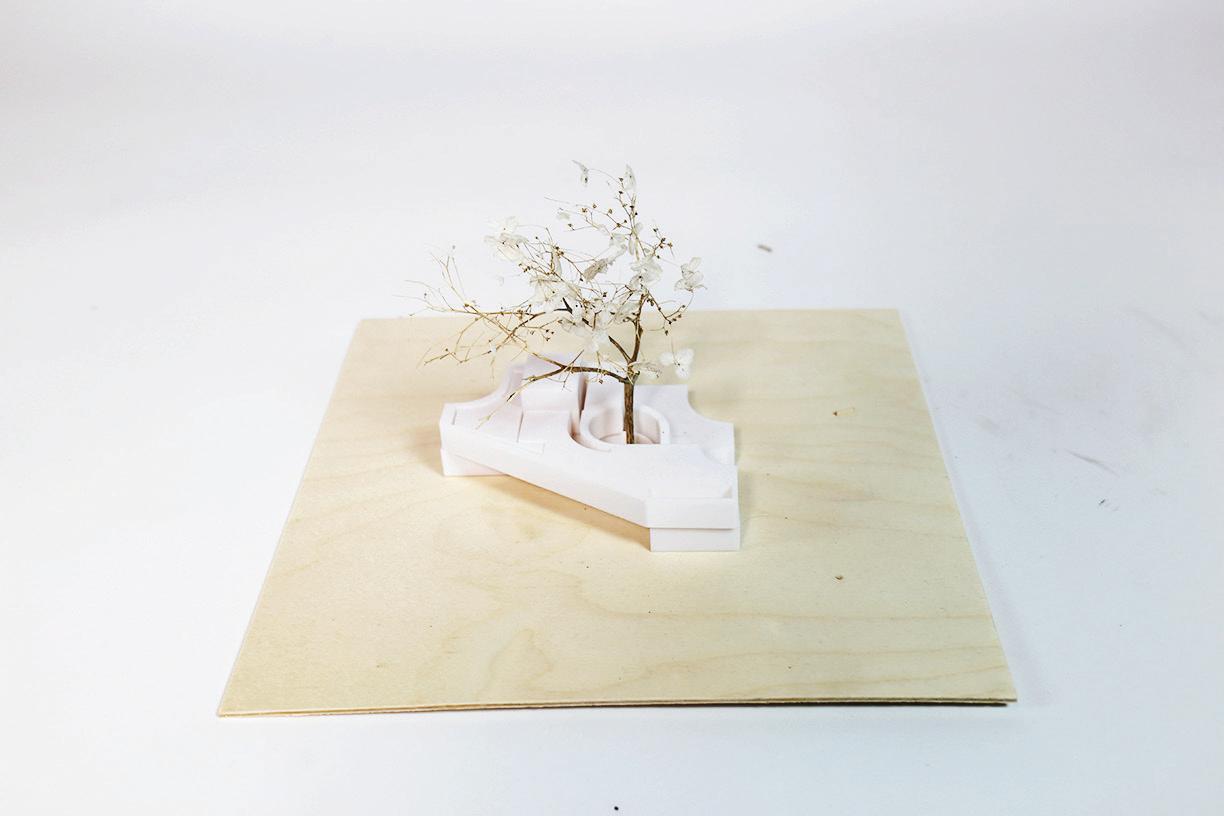
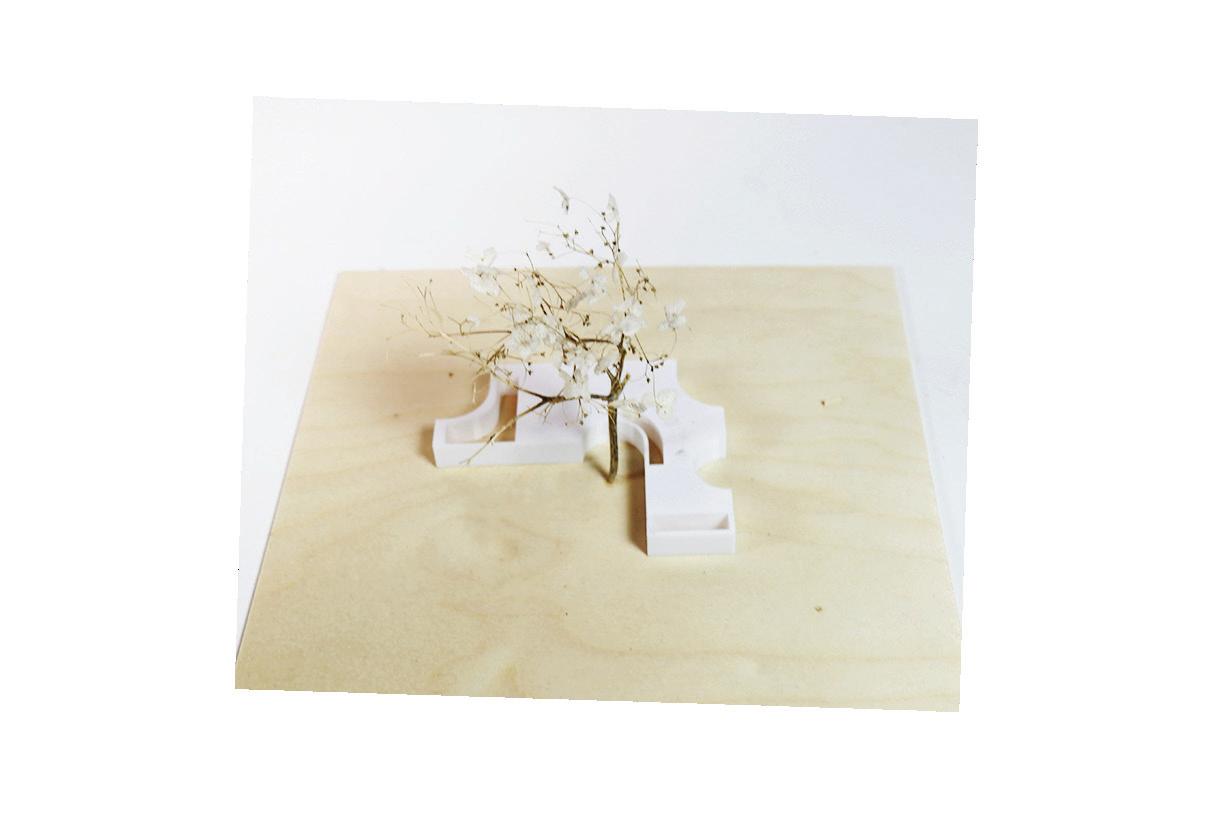
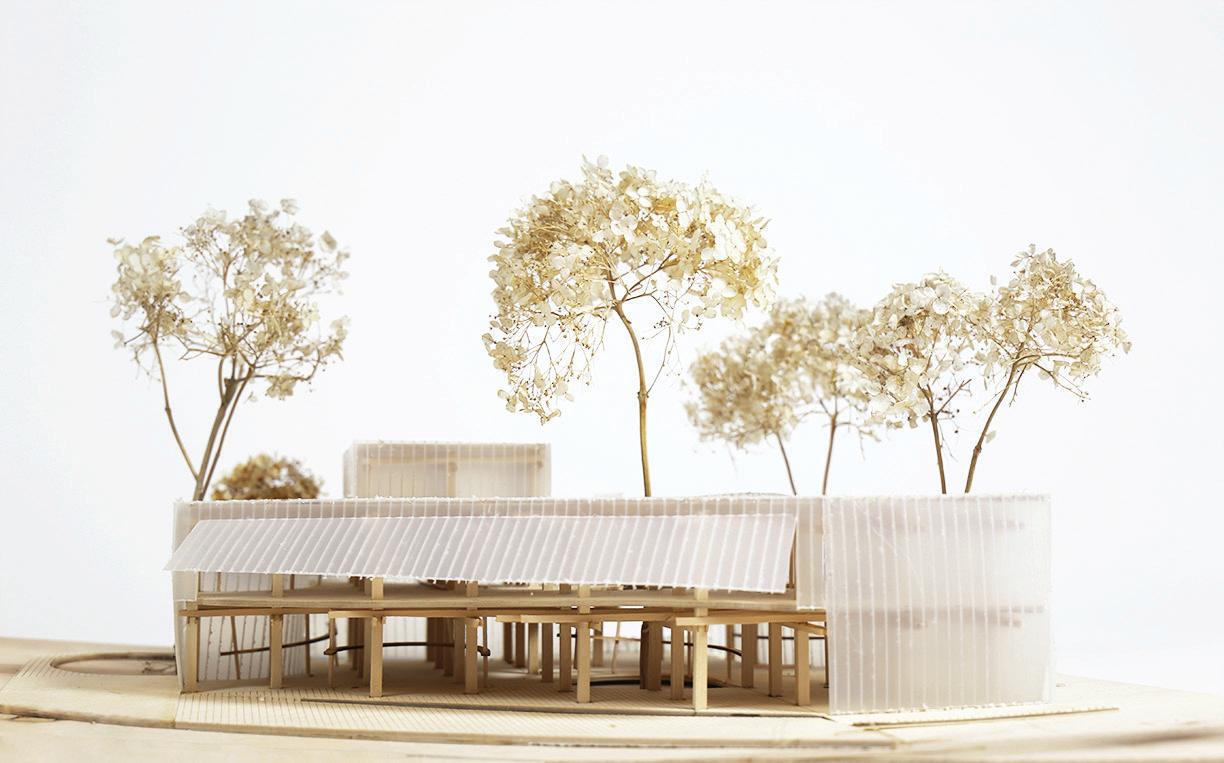
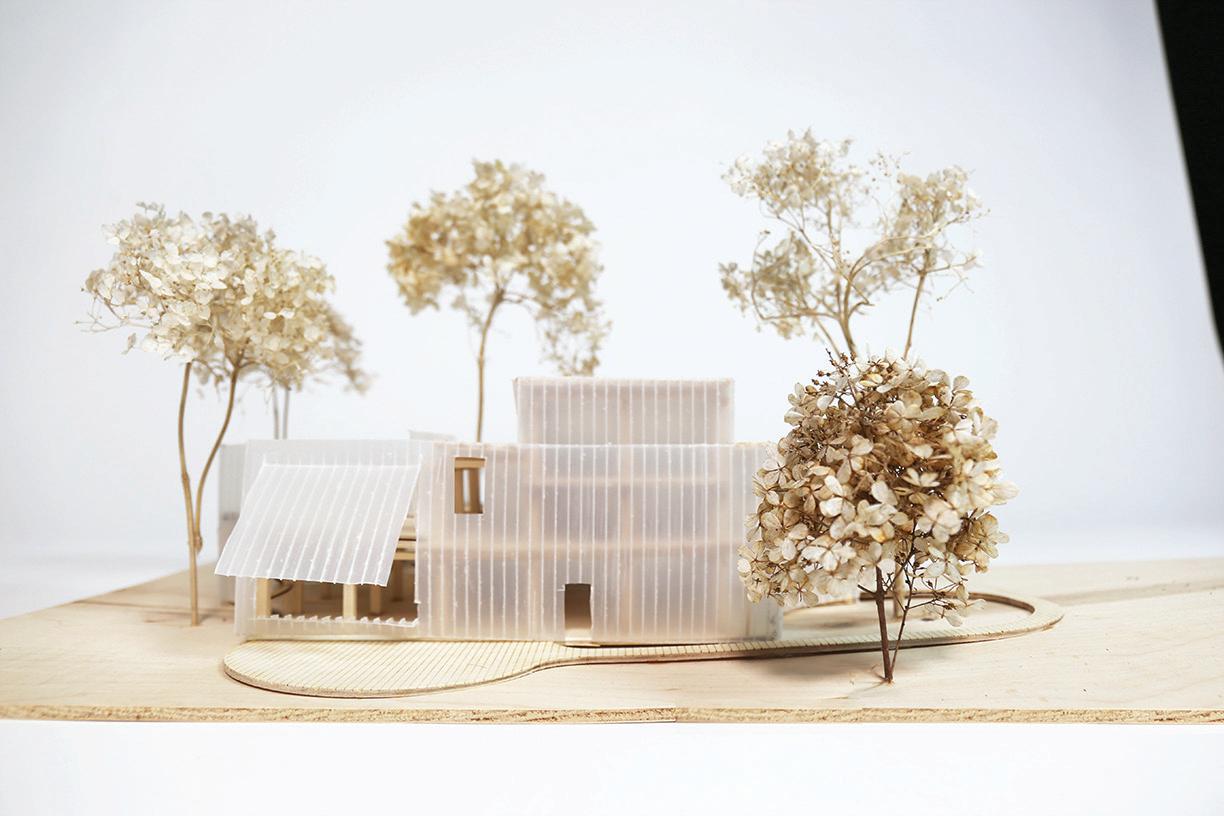
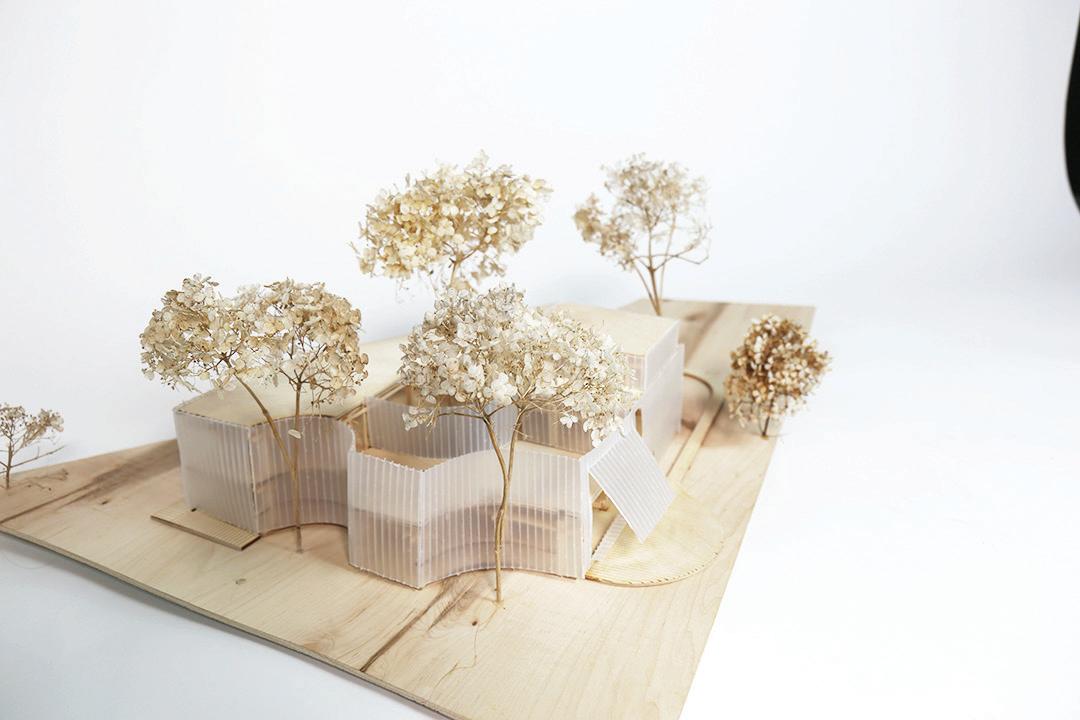
Situated on a triangular site on Cascadilla Street, the house begins as a triangular mass informed by its site. This mass is then carved to introduce light and discover spaces. The first iteration carves out a courtyard that splits the house into two. One remains as a house for two, while the other becomes a dining house. More openings around the house and the dining room form through iterative carving processes, creating a harmony between light and the clients’ daily rituals. The clients are two individuals -a lawyer and an artist- who live separately but cook and dine together. The house is once again split into two so that the two do not interact inside of it, yet every afternoon they walk through the courtyard together and pick up the produce they have grown to go to the dining room and eat together. The tradition expands to the neighbourhood as the larger openings of the Dining House make it more public. Thus, as the neighbours see these two friends dining, they can join them and have a nice gathering around the dinner table, transforming the domestic house into a collective dinner space.
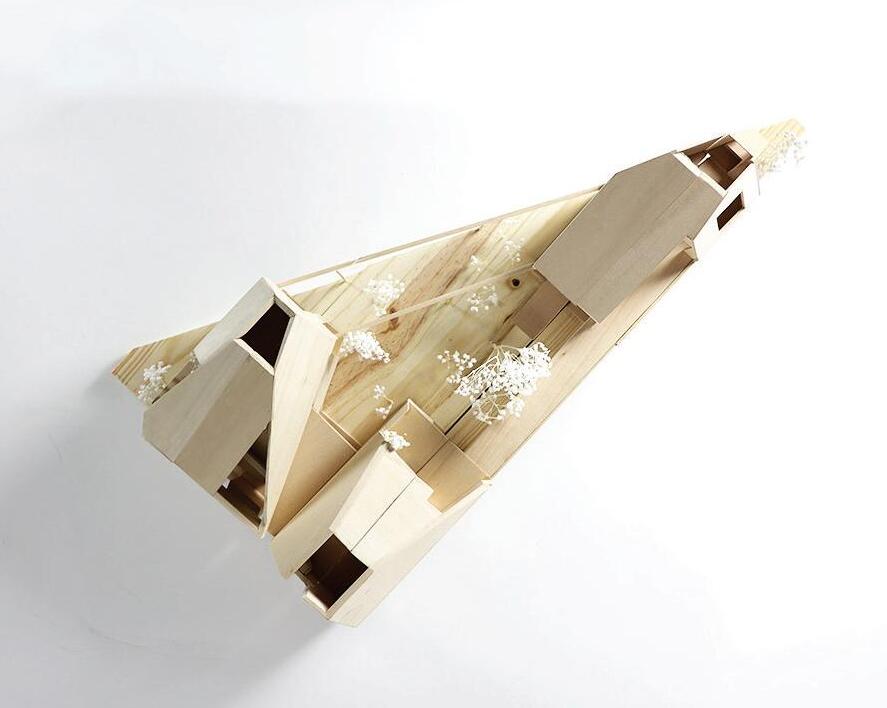
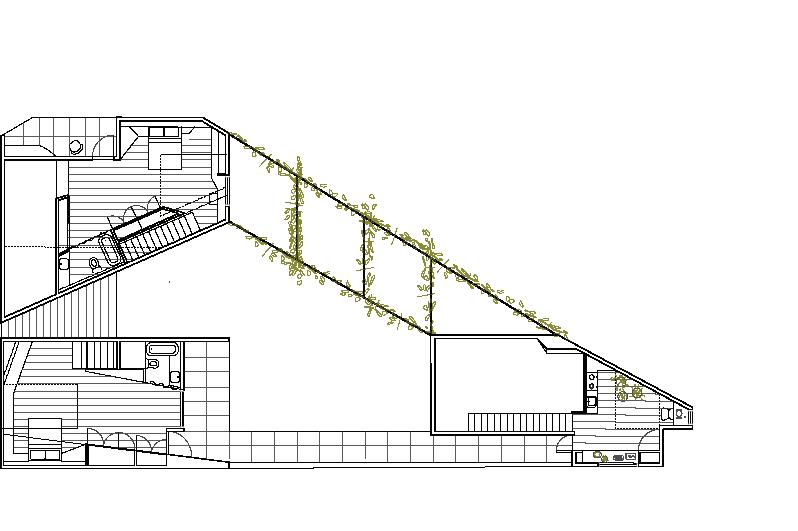
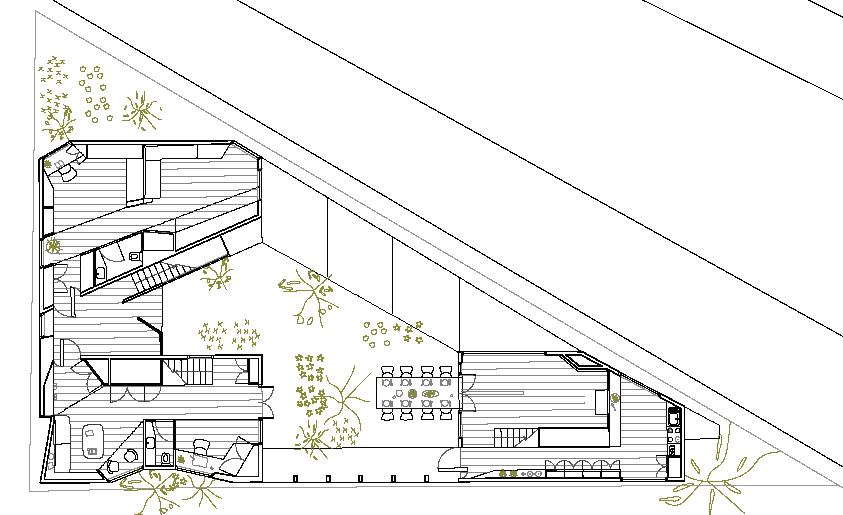
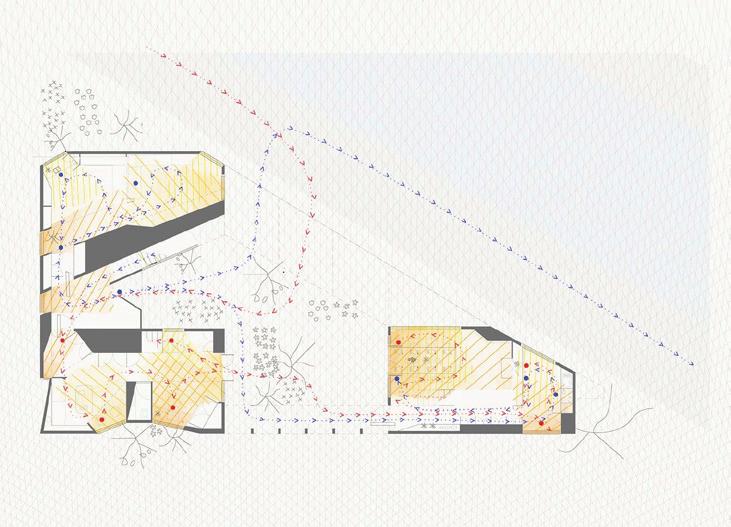
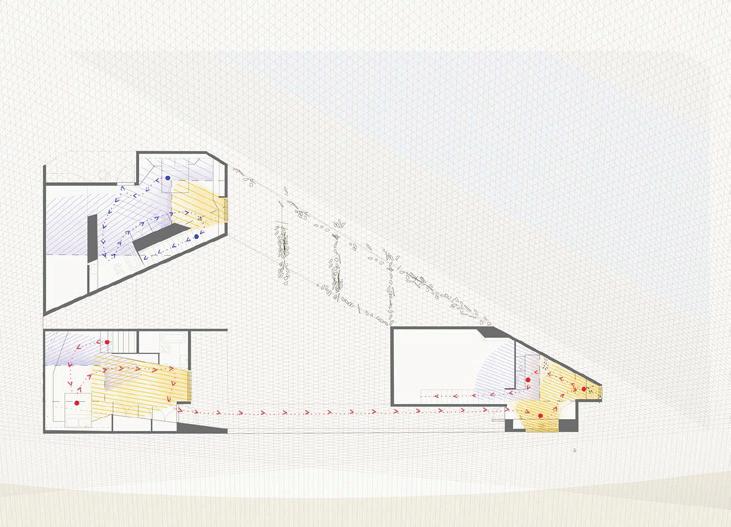
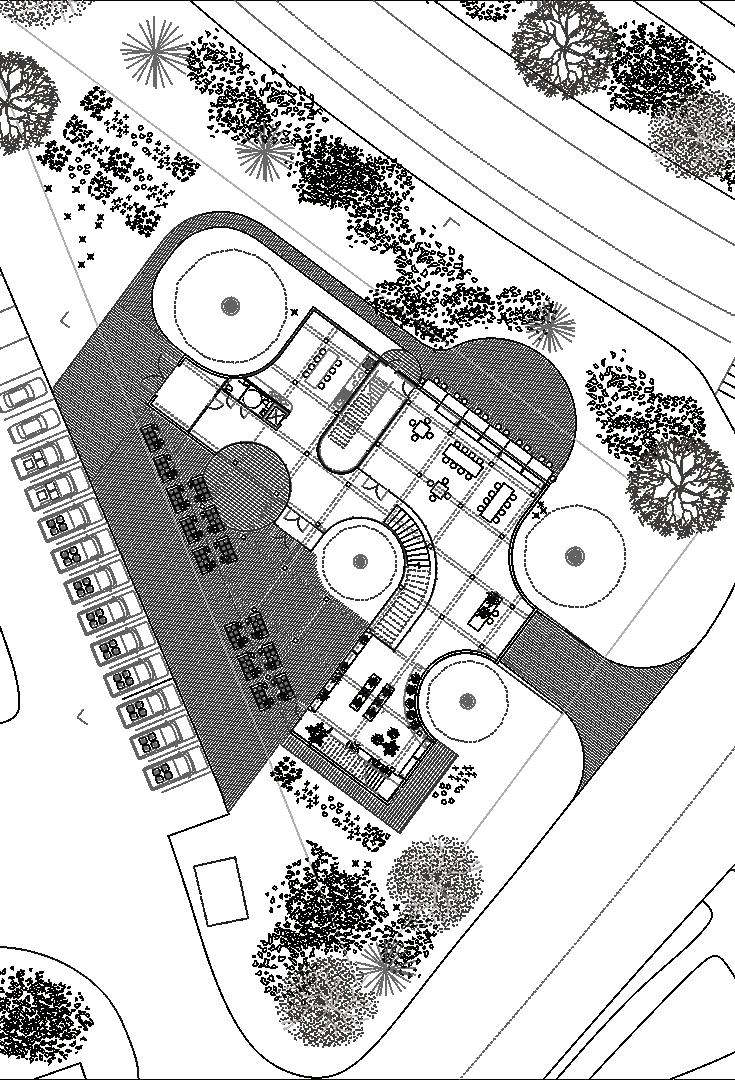
 Ground Floor Plan
Longitudinal Section
Longitudinal Elevation
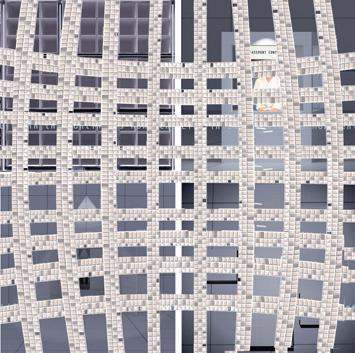
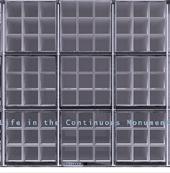
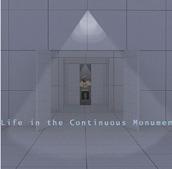
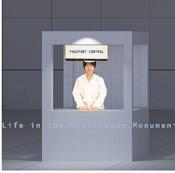
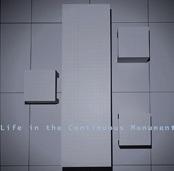
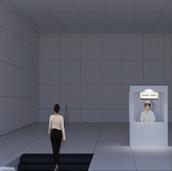
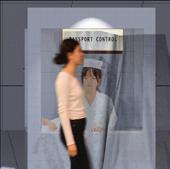
Life Inside the Continuous Monument Fall 2022
Mixed Realities: Architectural Movie
Prof. Chris Battaglia
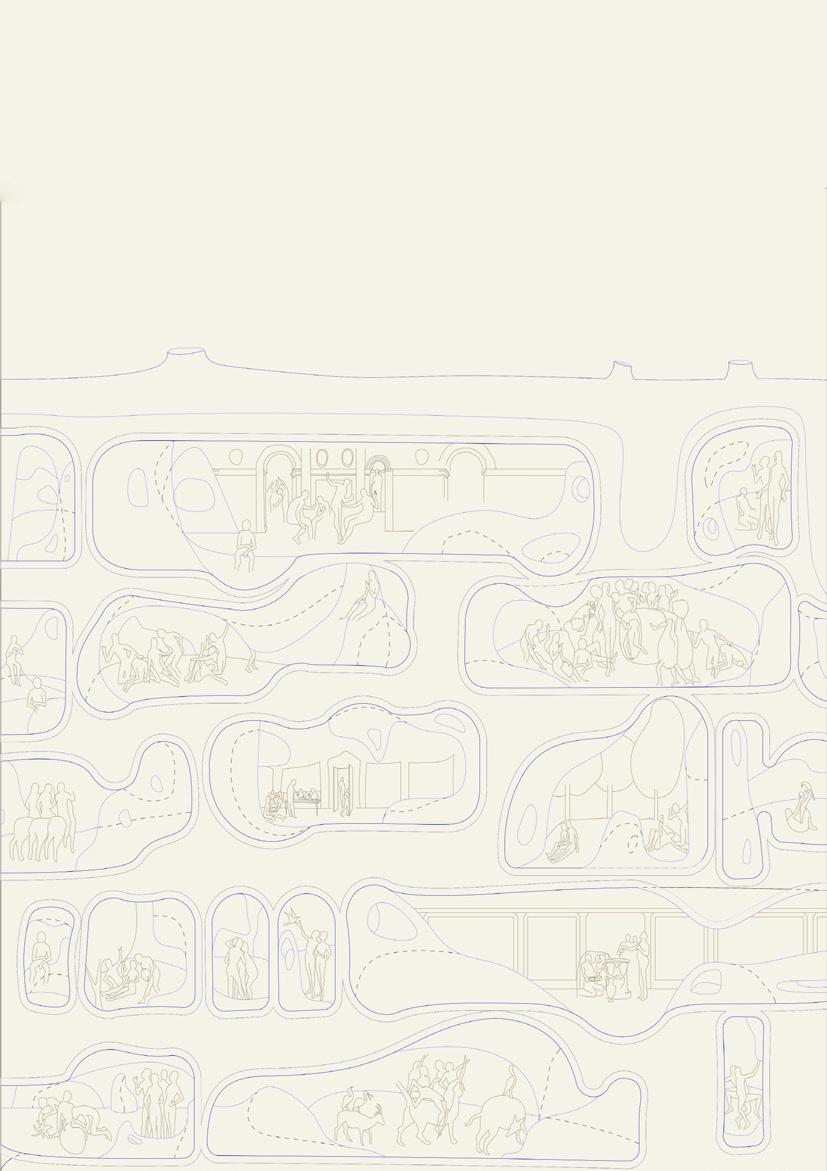
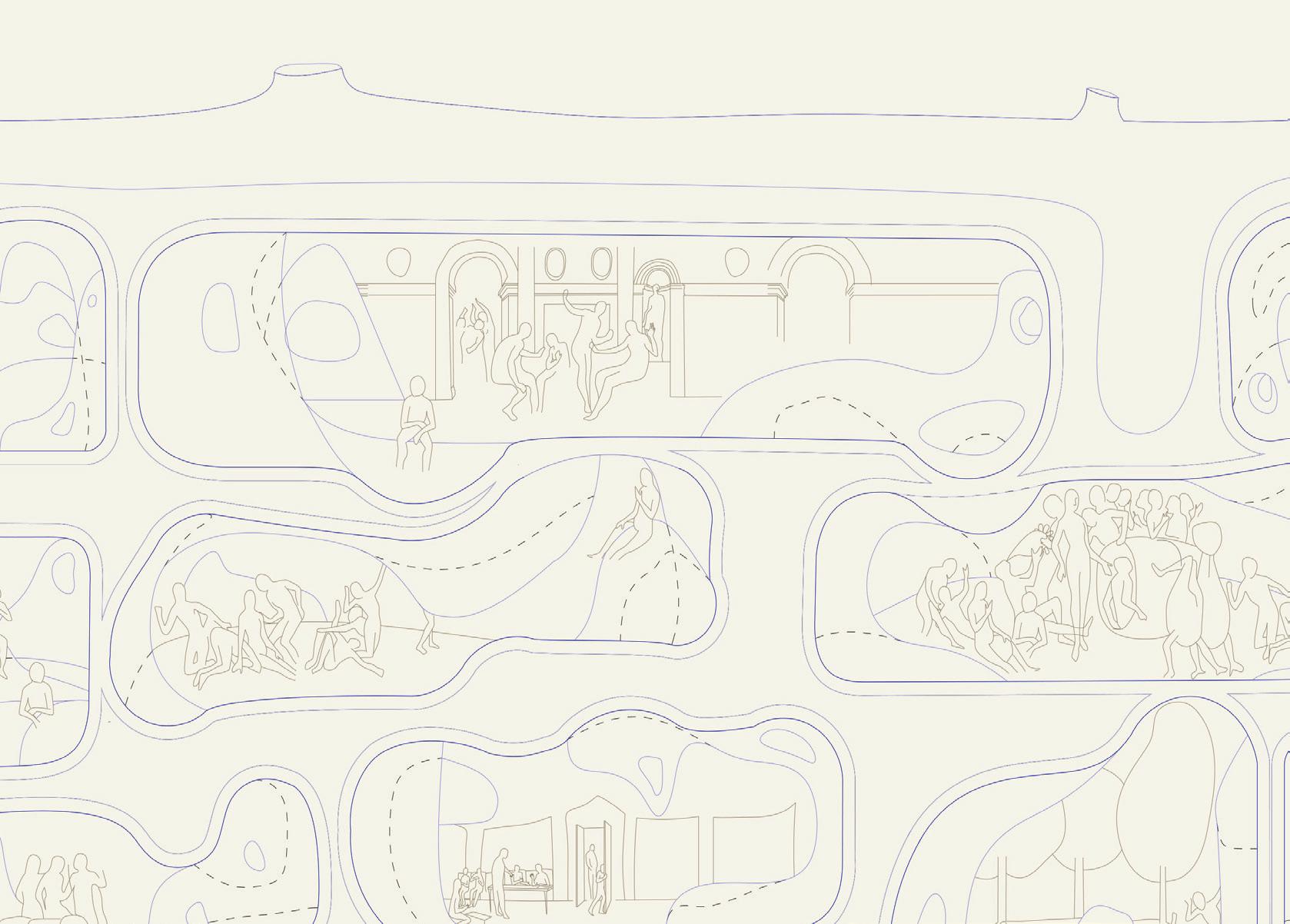
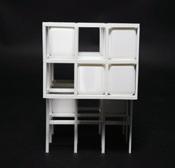
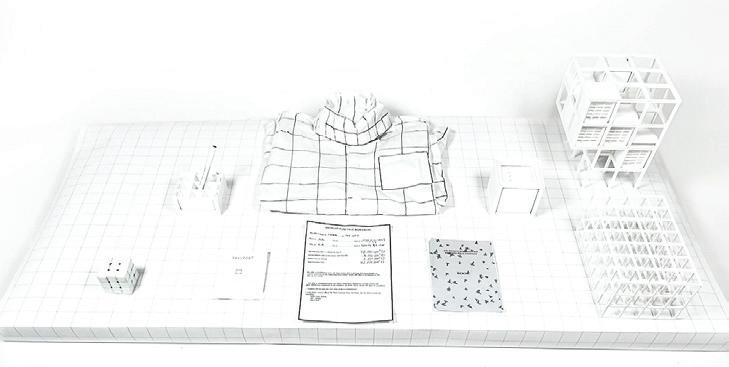
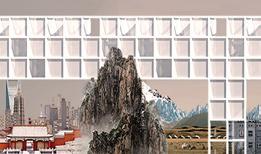
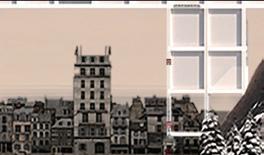
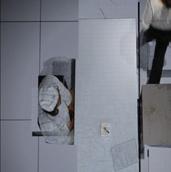
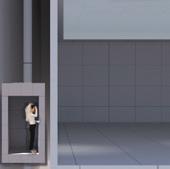
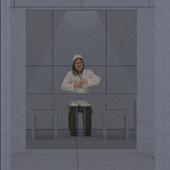
The elective is an exploration of Virtual Production, mixing real life models with digital rendering tools to produce a 90 second movie. Superstudio’s Continuous Monument was studied and developed to imagine how it would be occupied in today’s world. The film is mostly an animation made through Grasshopper renders and After Effects. Costumes and props were produced in accordance with Superstudio’s style, and a green-screen was used to add in real life characters to the renderings.
Dramatic Table
Fall 2022
Design IV
Prof. Sean Anderson
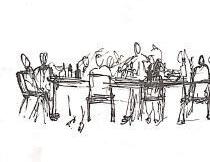
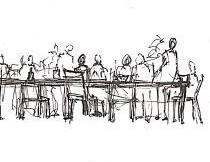
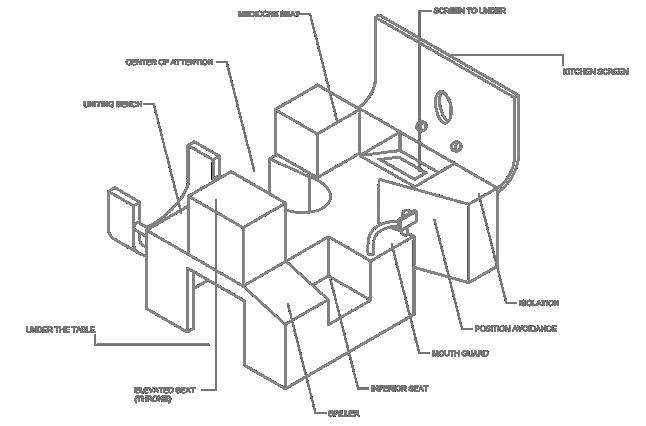
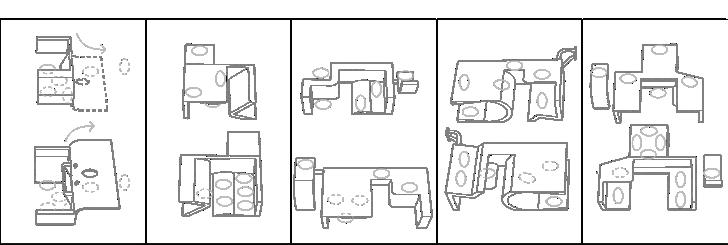
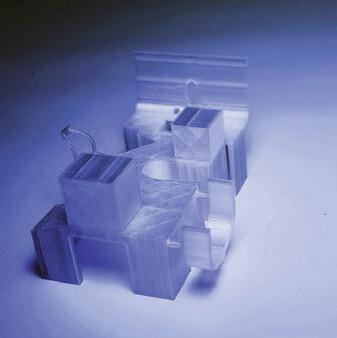
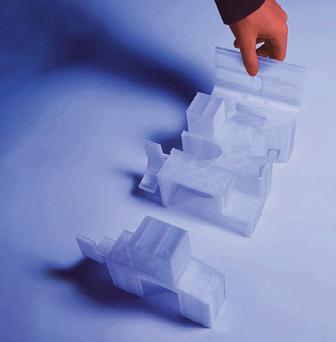
The prompt asks to think of a public, private, and a threshold space that then becomes an interface, which is explored through the qualities of a dining table. The play of public and private using the table as grounds for a metaphor is based on the consideration of the table as a stage. What goes on over the surface is a performance directed by society. But there is also a “behind the curtain” of what goes on under the table, behind the veil of it. The table is a physical mass, a center of gravitation, and a spatial divider. Its presence has the power to divide rooms, while its form divides the characters sitting around it.
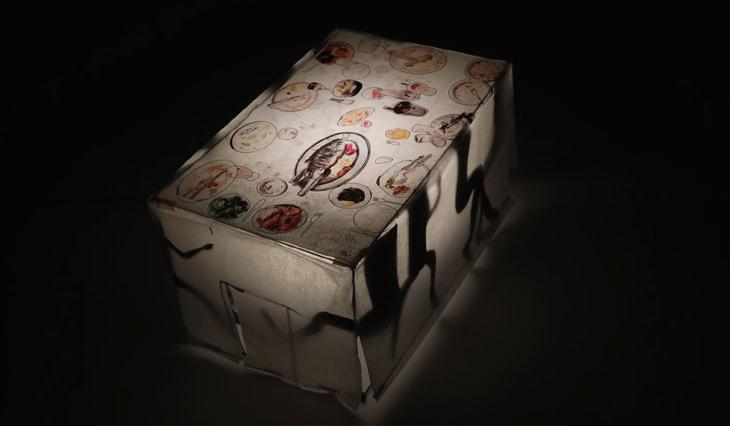
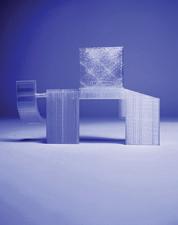
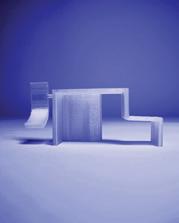
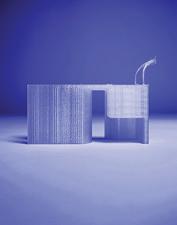
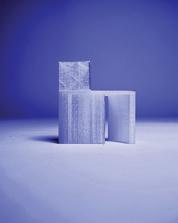
The table as an interface calls for the metamorphosis of the table. The surface of the table gets cut into, elevated, lowered, folds over... It gets new accessories. All to manipulate the experience of its characters. As the table manipulates the behaviour of the people around it, one resigns oneself to less comfortable ways, thereby indulging in freer, unfamiliar, playful behaviour.
Street As Stage
Fall 2022
Design V
Prof. Sean Anderson
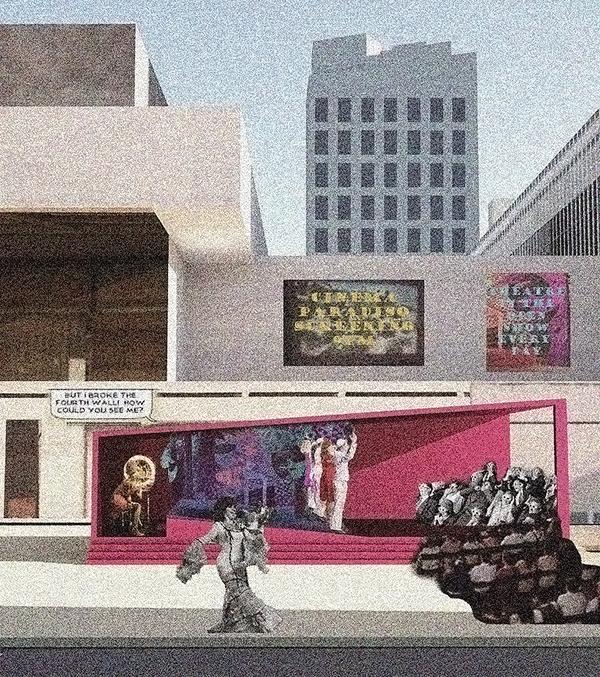
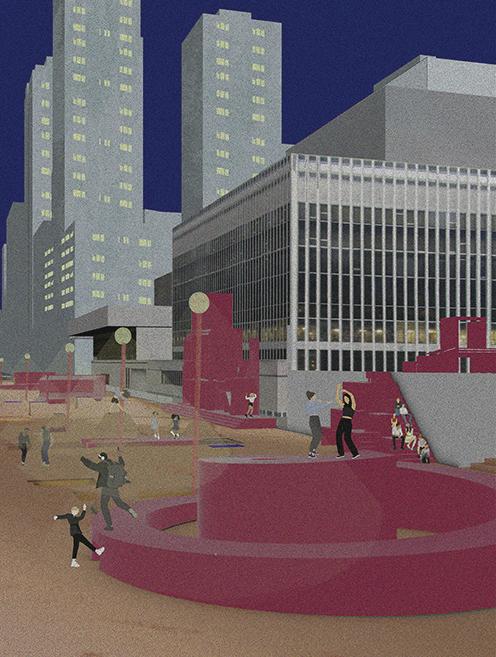
The project is located on Amsterdam Avenue, NYC between Lincoln Center on the right and Amsterdam Houses public housing on the left. Performance culture is embedded in its history, it has always been a loud site, with jazz bars under tenements and neighbours gathering on its streets, yet today all that sound and vibrance is contained within the Lincoln Center. There is a great division between individuals institutions. The project makes the divisive Amsterdam Avenue pedestrian to knit the fortress (Lincoln Center) with its neighbors (Amsterdam Houses). I’m introducing an intervention on the site that heightens this tension between the contained and the expressed, guided by the Dramatic Table and 6 Architectural Tarot Cards...
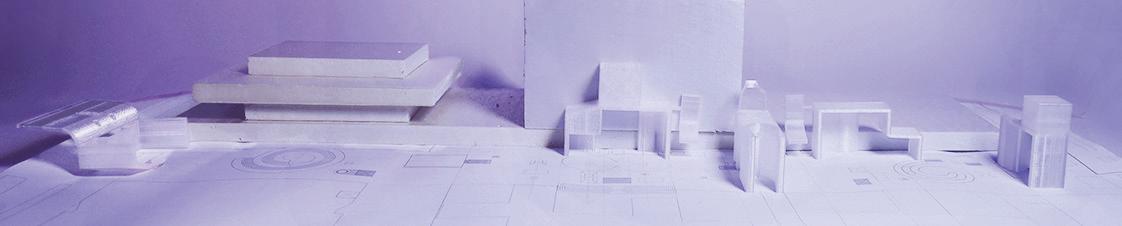
The Dramatic Table stretches along the street to turn it into a performative stage

The organic sound of the people underground rises up, challenging the voice of the institution. This is the people’s response.
The cards are an adaptation of architectural and societal terms into Tarot Cards. The collages explore the given list of words: Neighbors, Ritual, Play, Collective, Potential, and Power. The words carry quite powerful connotations and narratives that are very prominent on the site. Each word gets a different “reading” with each accompanying card similar to Tarot cards with infinite variations of a story. The Cards guide the actions happening on the site, knitting the segmented neighborhood, inviting the community for a playfull exploration, re-awakening old rituals of street music, building on a collective rather than institutional space that harnesses the potential of the site and gives power back to the individual expression rather than the exclusive private space of the Lincoln Center.
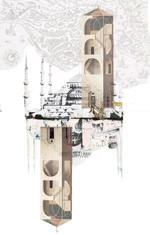
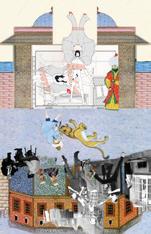
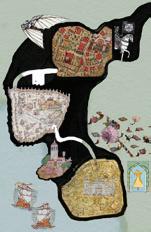
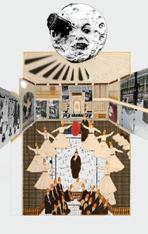
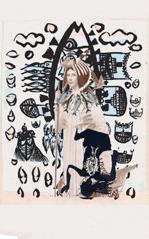
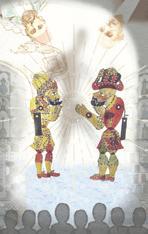
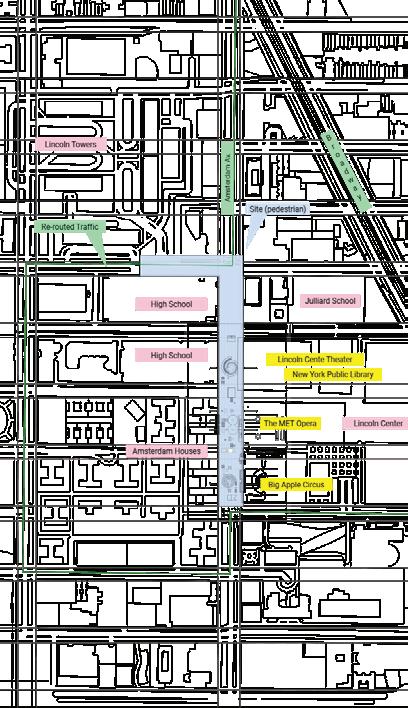
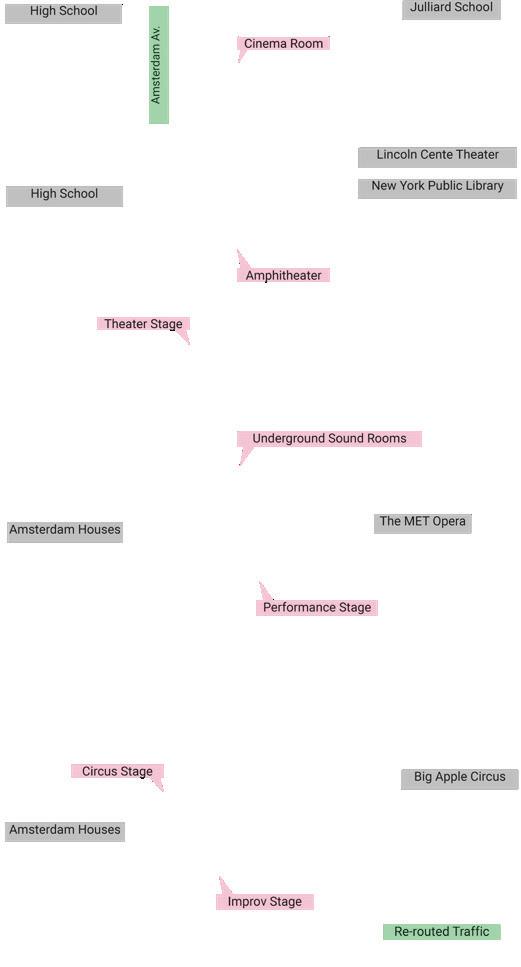
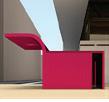
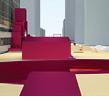
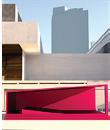
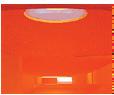
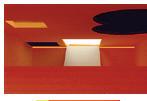

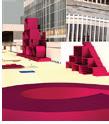

My interventions offer spaces for gatherings of all scales, bodies, beings and abilities. Vortexed and whirling- full of ups and downs. Generating tension between institutionalized actions and local drama.
Balancing the power.
Urban Trajectories
Spring 2023
Design VI
Prof. Sydney Maubert
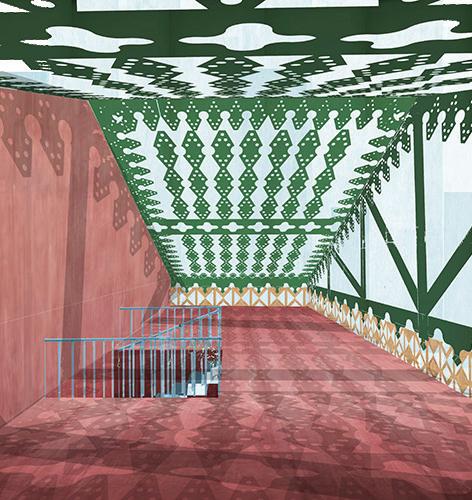
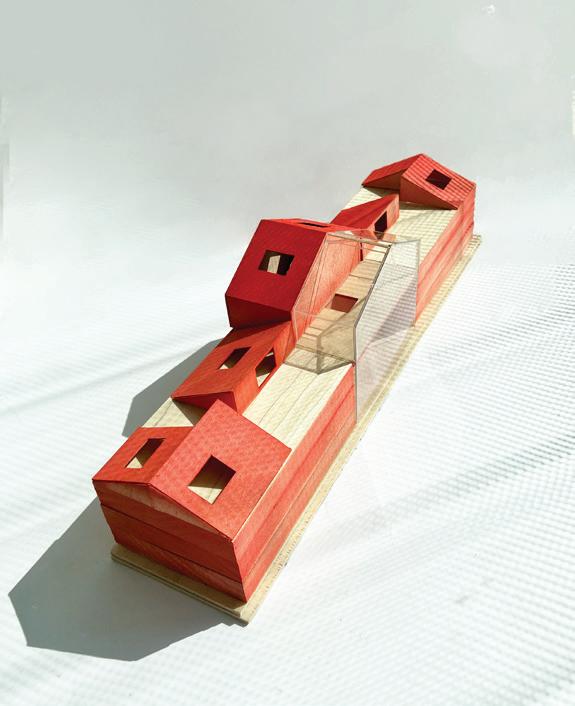
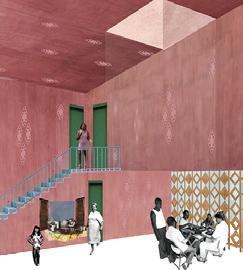
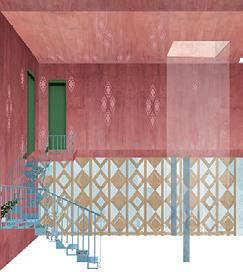
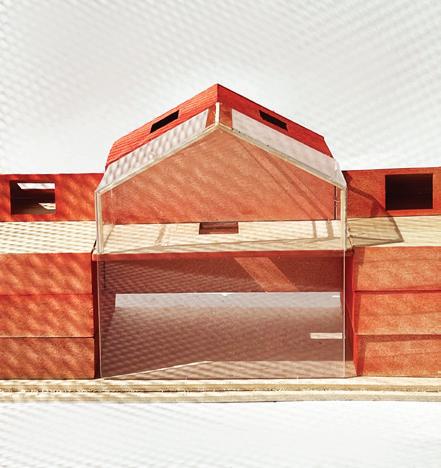
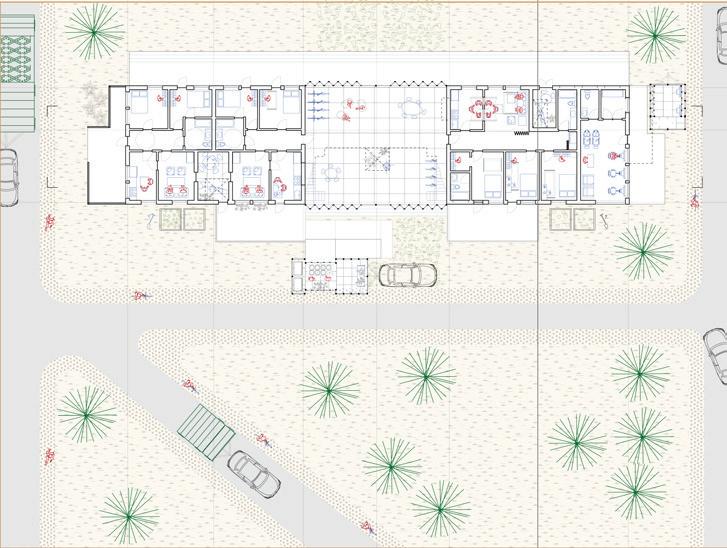
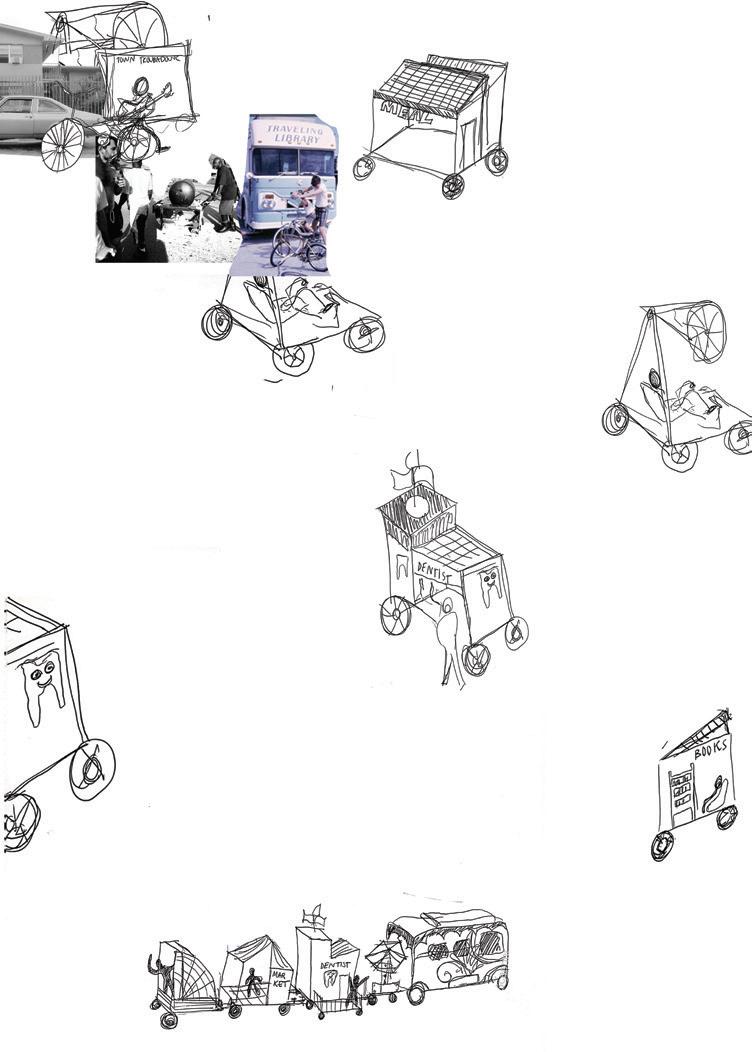
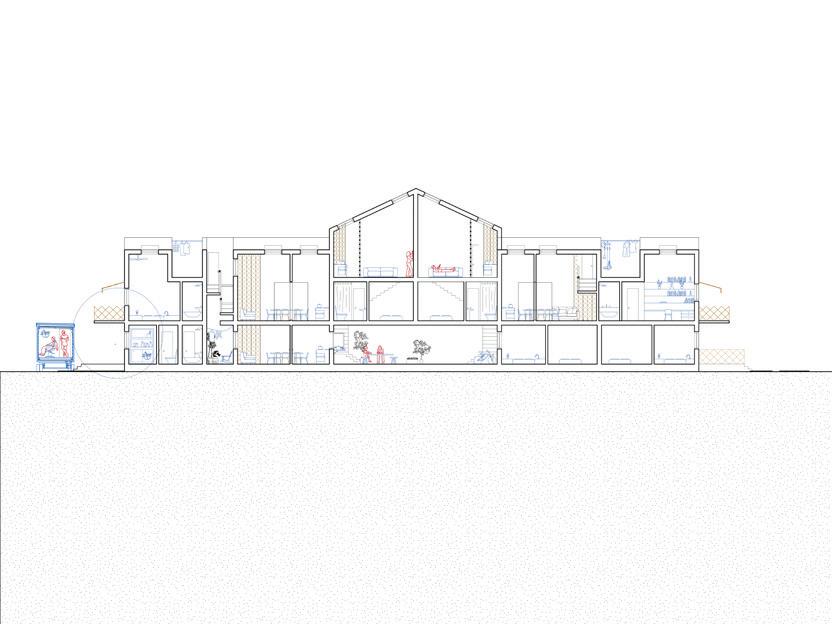
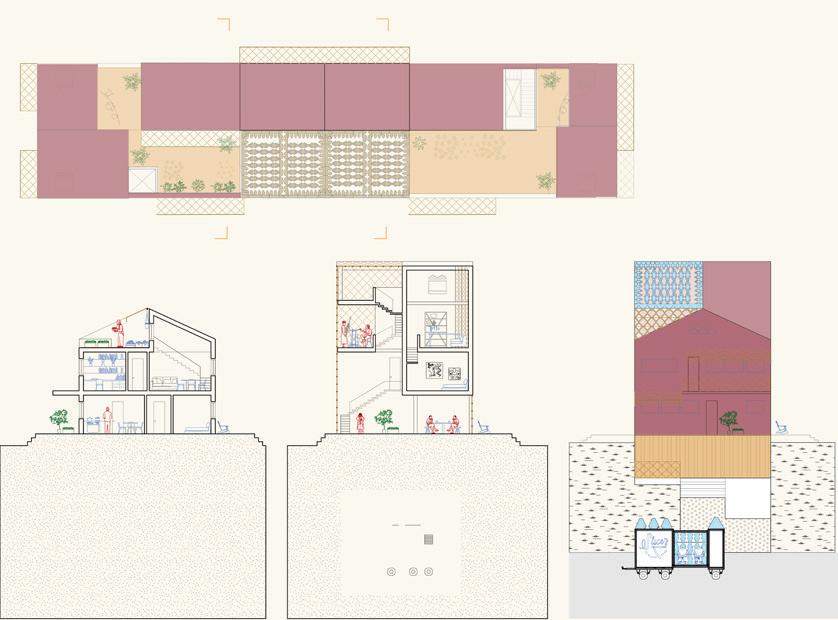
Urban Trajectories is a project based in Liberty Square, Miami, Florida, that re-imagines the preexistent conditions and life of Liberty Square. Research phase is based on looking into the trajectories of movement and culture, focusing on the dynamic between adapting while changing. This dynamicity of culture forms the grounds for the project. The project also looks into the directors of the movie Moonlight, as well as Aaron Jackson who are prominent artists from Liberty Square to contextualize the prevalent juxtaposition of madness and urban blight of Liberty Square while highlighting the beauty and cultural richness of its people. As a result, this project aims to highlight the culture and expression of Liberty Square through re-imagining the typical house plan by offering shared spaces as well as private courtyards and a vendor cart system called Liberty Wheels that would help promote local businesses and economy.
Liberty Wheels is a vendor cart system that opperates on two scales: commercial and residential. This project uses the barber as an example. The cart allows the barber to move around the site to offer services to a larger audience at once such as large families of schools and to those who may not be able to get there. The carts then can annually transform into parade carts, for each house to customize and join the annual MLK Day Parade, which is a great tradition of the site.




Structure Model
Fall 2021
Arch 2613: Structural Systems
Prof. Mark Cruvellier
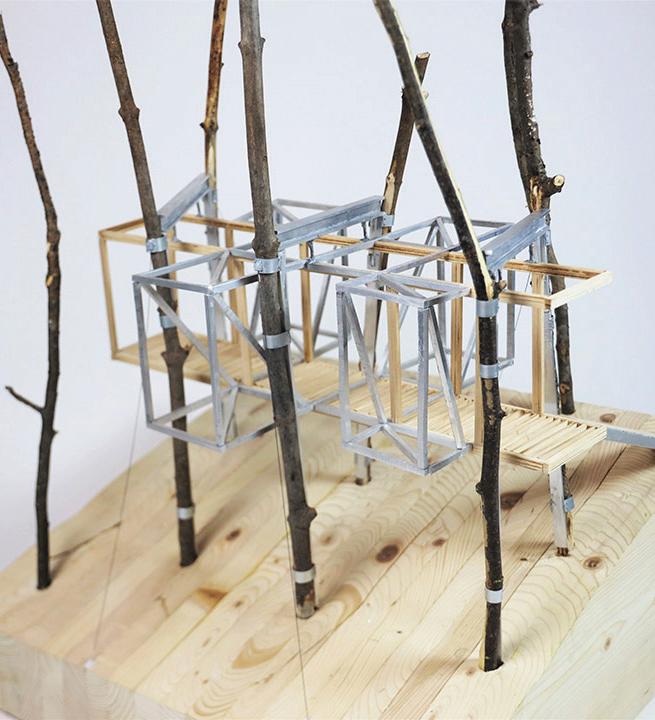
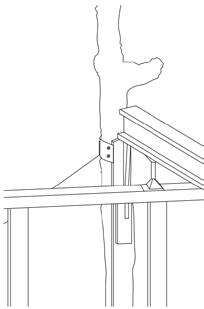
Model of the Dragonfly room from the Treehouse hotels by Rintala Eggertsson Architects at 1:25 scale.
60 x 45 x 60 cm.
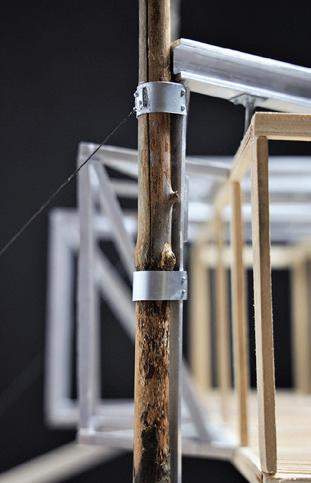
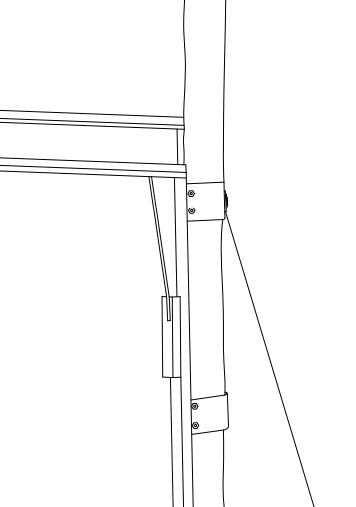
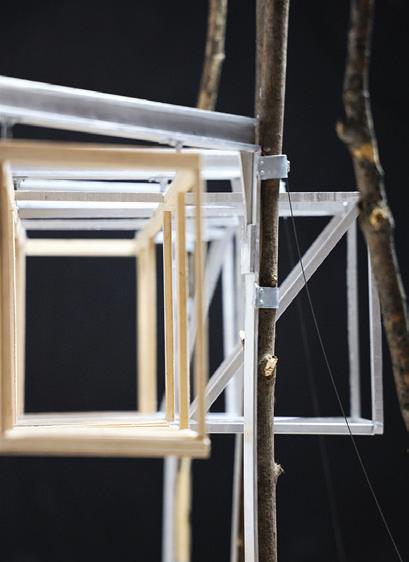
Hand made glulam plywood - aluminum metal frame skeleton hanging from I-beams which are connected to real tree sticks through a clasp and tension cable.
Model is held up by six tree sticks figurative of the actual trees inserted into a drilled sloped wood base
Collaborative Project with Lara Carolan and Manuel Nores Responsible for calculations, metal work, and tree assembly.