// NEURON SENSORS // Product brochure el-watch.com

The Neuron Sensor System is a complete solution for industrial IoT monitoring, launched by El-Watch in 2019. Using cutting-edge technology, we made industrial monitoring and predictive maintenance more accessible than ever.
Wouldn’t it be great if we could sense anomalies in industrial systems just like we sense aches in our own bodies? Imagine if we could treat weakening parts of production before they cause real damage. That is what Neuron Sensors are all about.
Unlike your average monitoring systems, Neuron monitoring is not intrusive. Instead, it is quickly integrated with your operation. It allows you to sense how your machines are doing and apply upkeep before serious issues arise.
The Neuron System is more than just a monitoring system. It adapts to your routines and enhances production by using wireless sensors, IoT monitoring, and predictive maintenance.
We are not yet able to upgrade the human nervous system, but industrial super-senses are already here. The Neuron System optimizes industrial operations and gives your company the edge to stay ahead of the game.
Nerve cells are also called neurons, and in essence, El-Watch IoT monitoring is a nervous system for industrial operations. Neuron Sensors are like nerve cells, and IoT makes the synaptic network that enables free signal flow throughout the system.
The Neuron System gives you total control of your machinery and equipment. More importantly, it is designed to streamline monitoring by inobtrusive and highly adaptable wireless and battery-powered technology.
The Neuron system’s main components
The Neuron System is meant to become a natural part of any industrial operation. The idea is to enhance and optimize production without halting it, even when installing, adjusting, or upscaling. To achieve this, we’ve developed four main components.
The wireless Neuron Sensors are the heart of our operation and the nerve cells of yours. The robust design is made for enduring rigorous industrial conditions for years. The Neuron Sensors run on batteries expected to last up to ten years.
The Neuron sensors communicate locally with the Neuron Gateway. This device is the link between the sensors and the cloud. By strictly controlling data flow in both directions, as well as buffering and preprocessing the data, the Gateway is essential for making the Neuron system so simple and user-friendly.
The Neuron Cloud is like your long-term memory. This is where all data from The Neuron Sensors get stored. Arguably, The Neuron Cloud is better than our brain since it never forgets anything and has all info readily available by a simple search.
Neuron APIs are also located in the Neuron Cloud. These are useful for customers wanting to use the sensor data in their own structures.
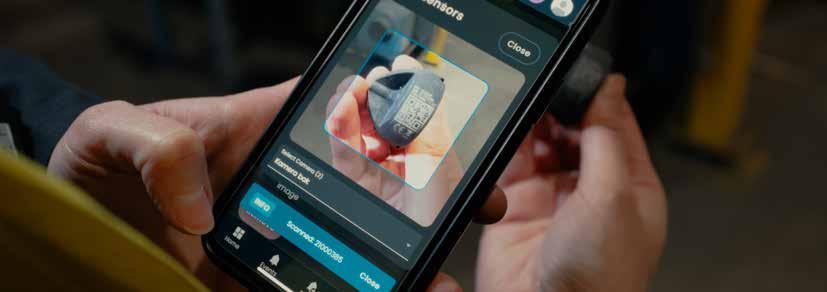
The Neuron App is your installation tool, administration site, control panel, and analysis tool. When your Neuron sensor network is up and running, this is the only tool you need to keep track of your assets’ condition, consumption, and performance.

The Neuron Systems offer a wide range of benefits. Perhaps most importantly, it enables predictive maintenance, which hinders production standstills, promotes efficiency, and enables massive savings in the industrial sector.
In short, predictive maintenance is continuous monitoring of equipment to determine two things: How much strain can your equipment take, and when is it advantageous to perform system maintenance? The former increases efficiency and the latter prevents unwanted production halts.
We are very excited about the vast potential of predictive maintenance in the industrial sector. So, you can find an entire article that tells you all you need to know on our website.
User-friendliness is another benefit of Neuron IoT monitoring. The Neuron Sensors and App are easy to install and start using. No training is required to streamline monitoring, increase production effectiveness, and keep your equipment safe from breakdowns.
Robust wireless sensors can be used for many purposes in the industrial sector. Predictive maintenance is quickly becoming most prominent since it also increases productivity and workers’ safety.
Maintenance is not the only industrial process that Neuron Sensors can streamline. They are used in a wide range of
automation processes. For instance, both indoor and outdoor farming use IoT monitoring to optimize plant growth.
Temperature sensors and IoT monitoring are also widespread in the food industry. Constant monitoring and customizable alarms, for instance, make it much easier to keep cold chains up to the standard of your local food authorities.
Neuron Sensors are also used for building automation to promote economic and environmental sustainability. IoT monitoring is applied to control buildingwide systems like
HVAC, open/closed doors and windows, fire/smoke detectors, etc.
Resources
Cisco: What Is Building Automation?
Journal of Physics: Towards an intelligent HVAC system automation using Reinforcement Learning
Journal of Shipping and Trade: Internet of Things enabled real-time cold chain monitoring in a container port
MDPI: Smart Farming: Internet of Things (IoT)-Based Sustainable Agriculture
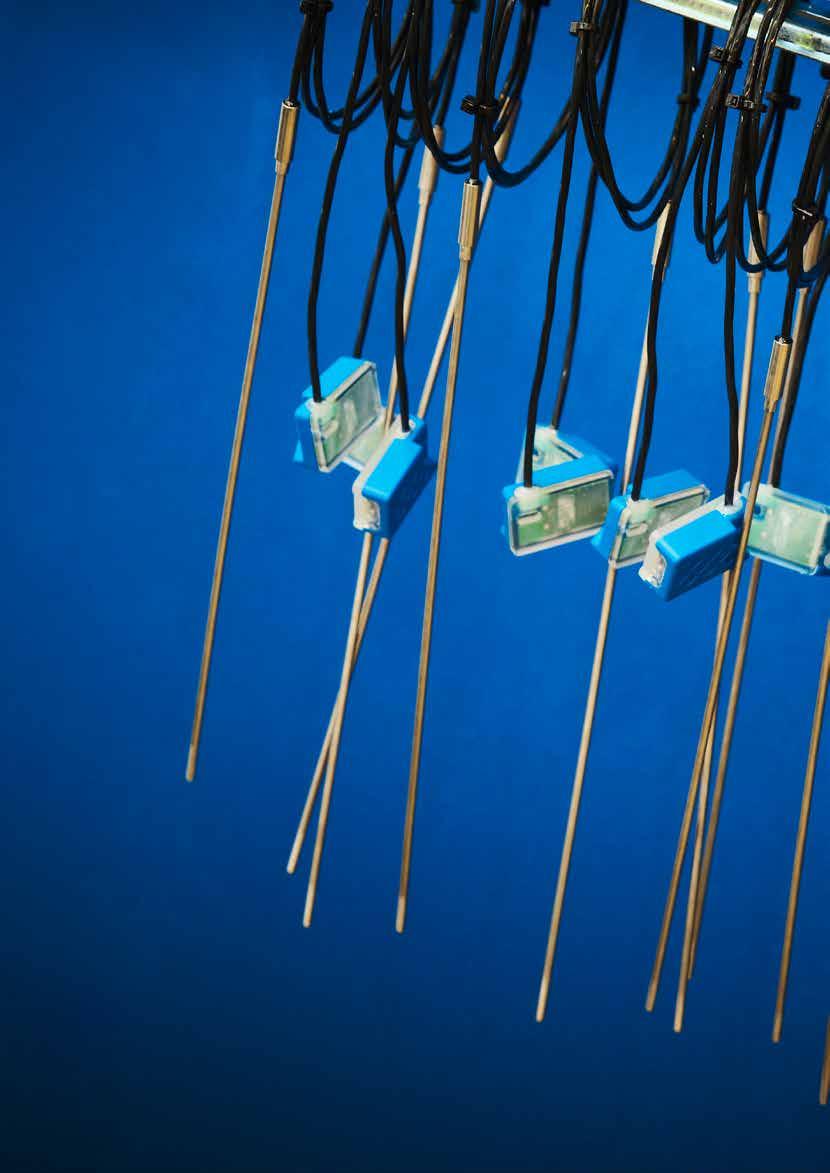
Applying IoT sensors ensures that your systems, machines, and processes operate at maximum capacity and optimal performance. Simultaneously, you can keep track of equipment and strategically employ maintenance to avoid production standstills.
Neuron Temperature IP21 Neuron Temperature IP67 Neuron Humidity
Neuron PT100/PT100 HT
Neuron PT100 25 cm Probe/PT100 HT 25 cm Probe / PT100 HT Average 25 cm Probe
Neuron PT100 Surface Patch
Neuron PT100 Ring Lug
Neuron PT100 Bolt M6/PT100 HT Bolt M6/ PT100 HT Average Bolt M6
Neuron PT100 HT Magnet/ PT100 HT Average Magnet
Neuron PT100 Process Connection
Neuron Infrared 380
Neuron Vibration RMS
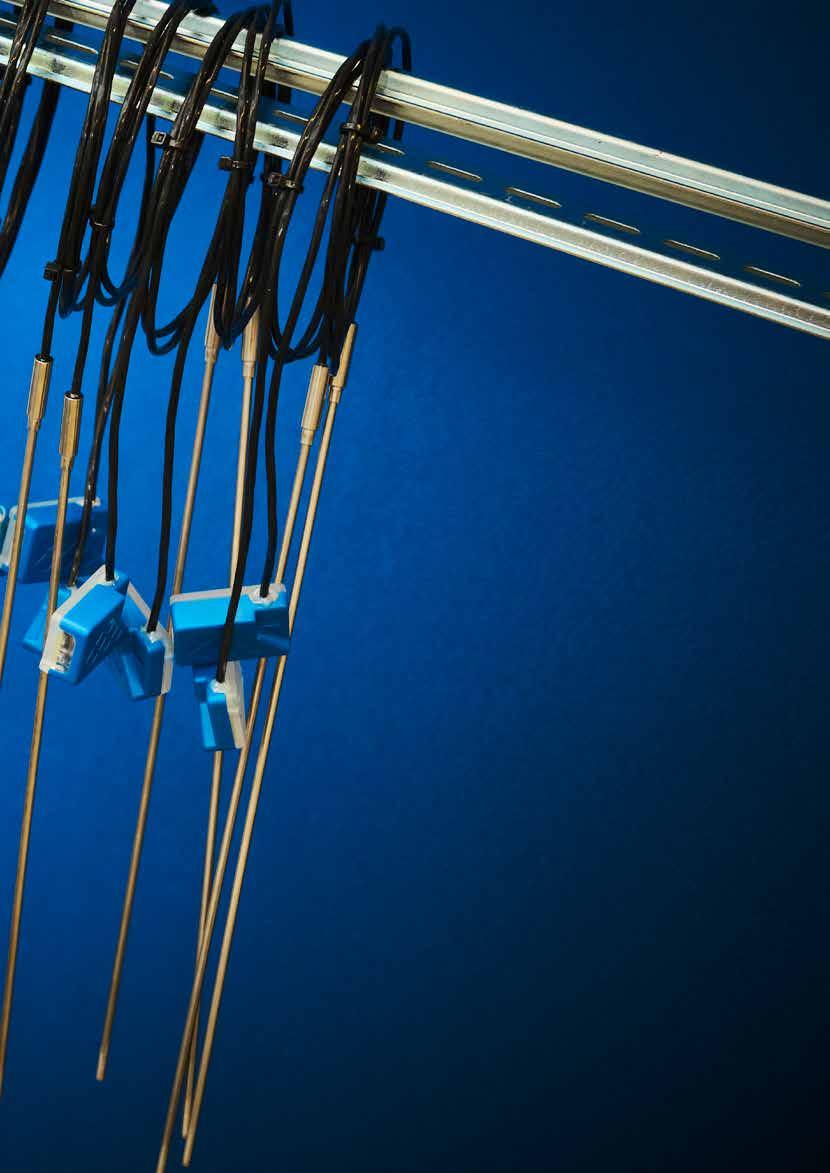
mA Digitizer/Precision ma Digitizer Neuron VDC Digitizer/Precision VDC Digitizer Neuron Precision mV
Neuron Open/Closed Neuron Water Detector
Neuron Potentiometer Digitizer Neuron Hour Meter
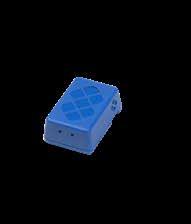
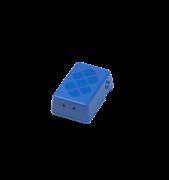
The Neuron Temperature IP21 is a small wireless sensor with long batterylife that measures ambient air tempera ture every three seconds. It transmits measurements wirelessly through a Neurongateway to the Neuron app. Typical applications are monitoring of temperature in all types of rooms and buildings, refrigerators, freezers and fuse boxes. The sensor is attached with double-sided tape or cable tie.
Measuring Range -40 - 85 °C
Measuring Frequency Every 3 sec
Report Frequency Every 2 min, or immediately after measurement if trigger for critical data transmission is reached
Expected Operating Time* Up to 10 years
*Depends on measurement frequency, amount of critical data transmissions and ambient temperature
The Neuron Temperature IP67 is a small and compact sensor for measuring temperature and suited for a wide range of applications. Both surface temperatures when attached directly to the object, or as an air temperature sensor in wet or dusty areas due to IP67 encapsulation. The sensor is mounted using double-sided tape or cable ties.
Measuring Range -40 - 85 °C
Measuring Frequency Every 3 sec
Report Frequency Every 2 min, or immediately after measurement if trigger for critical data transmission is reached
Expected Operating Time* Up to 10 years
*Depends on measurement frequency, amount of critical data transmissions and ambient temperature
The Humidity sensor measures relative humidity in the air. In addition it measures the ambient temperature. Measuring frequency is twice a minute, and data is delivered wirelessly (868 MHz) through the Neuron gateway and directly online. Typical applications are an overview of the indoor environment in all types of rooms or outdoors (as long as it is not very exposed to the weat her). The sensor is attached with double-sided tape or strips where you want an overview. IP21.
Measuring Range 0-100% RH, -40 - 85 °C
Measuring Frequency Every 30 sec
Report Frequency Every 2 min, or immediately after measurement if trigger for critical data transmission is reached
Expected Operating Time* Up to 10 years
*Depends on measurement frequency, amount of critical data transmissions and ambient temperature
Typical Applications
• HVAC
• Transformer stations
• Industry
• Storage
• Greenhouse
Typical Applications
• Surface temperature on equipment
• Surface temperature on cables
• Ambient temperature in wet or dusty areas
Typical Applications
• HVAC
• Transformer stations
• Industry
• Storage
• Greenhouse
Neuron PT100/PT100HT
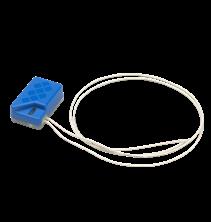
Neuron PT100 25 cm Probe/
The Neuron PT100 and PT100 High Temp reads the PT100-elements resistance and convert it into a digital temperature measurement. The sensor comes with 40 cm wires and is easily connected to new or existing PT100 sensors. The Neuron PT100 is designed to be connected to a PT100-element and will transfer the measured temperature to the Neuron Cloud.
PT100 PT100HT
PT100 Measuring Range -50ºC to +250ºC -100ºC to +650ºC
Measuring Frequency Every 3 sec
Report Frequency Every 2 min, or immediately after easurement if trigger for critical data transmission is reached
Expected Operating Time* Up to 10 years
*Depends on measurement frequency, amount of critical data transmissions and ambient temperature
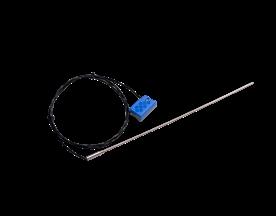
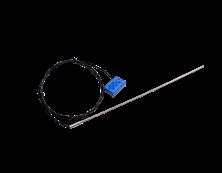
The PT100 25cm Probe sensor comes ready to use out of the box and are fitted with a 25 cm stainless steel probe, perfect for measuring temperatures in cabinets and rooms with the PT100 element inserted thru the wall and leaving the sensor outside. The sensor comes with 100 cm cable between sensor and PT100 probe element, and the HT option comes with a 200 cm Fibre glass insulated wire. The probe is only 3 mm in diameter for easy installation.
PT100 Measuring Range
to +650ºC -100ºC to +650ºC
Measuring Frequency Every 3 sec Every 10 sec
Report Frequency Every 2 min, or immediately after measurement if trigger for critical data transmission is reached Every 10 min, or immediately after measurement if trigger for critical data transmission is reached
Expected Operating Time* Up to 10 years
*Depends on measurement frequency, amount of critical data transmissions and ambient temperature Neuron PT100 Surface Patch
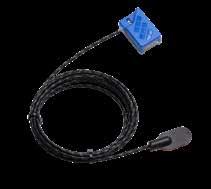
Neuron PT100 Surface Patch is perfect to measure surface temperature on objects and transmit the data to Neuron Cloud. The sensor comes with 2 meter cable between the sensor and the surface patch. The patch has adhesive on the back for easy installation.
PT100 Measuring Range -50ºC to +150ºC
Measuring Frequency Every 3 sec
Report Frequency Every 2 min, or immediately after measurement if trigger for critical data transmission is reached
Expected Operating Time* Up to 10 years
*Depends on measurement frequency, amount of critical data transmissions and ambient temperature
Typical Applications
• Water temperatures
• Air temperatures
• Industry processes
• Cooling of transformers
Typical Applications
• Cold rooms
• Freezers
• Heating Cabinets
Typical Applications
Surface temperature on:
• Pipes
• Electronics
• Motors and transformers
Neuron PT100 Ring Lug
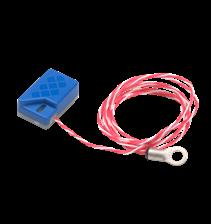
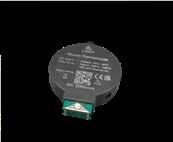
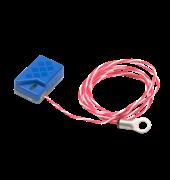
The PT100 Ring Lug is perfect for measuring surface temperatures on objects and transmit the data to Neuron Cloud. The sensor comes with 1-meter cable between sensor and ring lug PT100 element, and the lug has a 6 mm hole for easy installation.
PT100 Measuring Range -50ºC to +200ºC
Measuring Frequency
Report Frequency
Expected Operating Time*
Every 3 sec
Every 2 min, or immediately after measurement if trigger for critical data transmission is reached
Up to 10 years
*Depends on measurement frequency, amount of critical data transmissions and ambient temperature
Neuron PT100 Bolt M6/ PT100 HT Bolt M6/ PT100 HT Average Bolt M6/
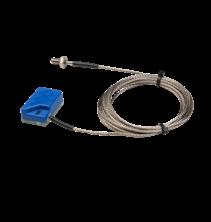
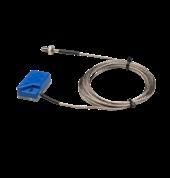
The PT100 Bolt M6 is perfect for measuring liquid temperatures in pipes and other applications. The sensor comes ready to use out of the box and are fitted with a M6x10mm bolt sensor element for easy installation to many objects. Fitted with 2-meter cable between electronics and sensor. Suited for monitoring bearings and motor temperatures.
Bolt M6
HT Bolt M6
PT100 HT Average Bolt M6
Measuring Range -50ºC to +250ºC -100ºC to +650ºC -100ºC to +650ºC
Measuring Frequency Every 3 sec
Every 2 min, or immediately after measurement if trigger for critical data transmission is reached
Report Frequency
Expected Operating Time* Up to 10 years
Every 10 sec
Every 10 min, or immediately after measurement if trigger for critical data transmission is reached
*Depends on measurement frequency, amount of critical data transmissions and ambient temperature
Neuron PT100 Process Connection
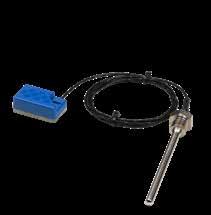
The PT100 Process Connection sensor comes ready to use out of the box and are fitted with a 6x100mm sensor element and 1 meter cable between electronics and sensor. Suited for liquid temperatures in pipes.
PT100 Measuring Range 50ºC to +250ºC
Measuring Frequency Every 3 sec
Report Frequency
Every 2 min, or immediately after measurement if trigger for critical data transmission is reached
Expected Operating Time* Up to 10 years
*Depends on measurement frequency, amount of critical data transmissions and ambient temperature
Typical Applications
• Pipes
• HVAC
• Motors and transformers
Typical Applications
• Machine Monitoring
• Industry Processes
• Cooling liquid in transformers
• Cathode Collector bar temperature monitoring
Typical Applications
• Cooling water
• Industry Processes
• Cooling liquid in transformers
Neuron PT100 HT Magnet/ PT100 HT Average Magnet
Neuron Infrared 380
Neuron Vibration RMS
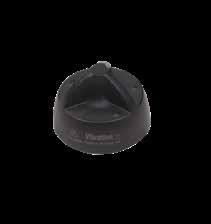
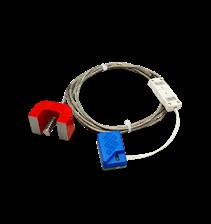
The Neuron PT100 HT Magnet sensor comes ready to use out of the box and are fitted with a magnet to enable easy installation on objects made of ferrous materials. This makes the sensor perfect for retrofit installation.
PT100 Measuring Range
Measuring Frequency Every 3 sec Every 10 sec
Report Frequency Every 2 min, or immediately after measurement if trigger for critical data transmission is reached Every 10 min, or immediately after measurement if trigger for critical data transmission is reached
Expected Operating Time* Up to 10 years
Typical Applications
• Machine Monitoring
• Industry Processes
• Cooling liquid in transformers
• Temporary Cathode Collector bar temperature monitoring
*Depends on measurement frequency, amount of critical data transmissions and ambient temperature
The Neuron Infrared 380 sensor measures surface temperature on the object it is directed towards. It is designed for industrial temperature measurements, capa ble of measuring up to 380°C with an accuracy of up to ±1°C. It has a wide spectral range and 6° field of view.
Measuring Range -40 - 380ºC
Measuring Frequency Every 2 min
Report Frequency Every 2 min
Expected Operating Time* Up to 7 years
*Depends on measurement frequency, amount of critical data transmissions and ambient temperature PT100HT Magnet PT100HT Avg. Magnet
Typical Applications
• Temperature on rotating machinery
• Saw blade temperature
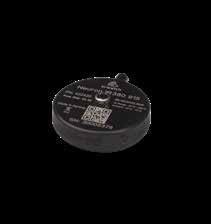
The Neuron Vibration RMS measures vibration level and surface temperature every two minutes. The sensor has an embedded magnet at the back for easy installation. Temperature measurement is done through the magnet.
Measuring Range 0 - 12 g RMS acceleration (sum of X,Y and Z axis)
Measuring Frequency 80ms every 2 min
Report Frequency Every 2 min
Expected Operating Time* Up to 10 years
*Depends on measurement frequency, amount of critical data transmissions and ambient temperature
Typical Applications
• Anomaly detection and predictive maintenance
• Machine status and optimalization
• Uptime hours and usage-based maintenance
• Structural health monitoring
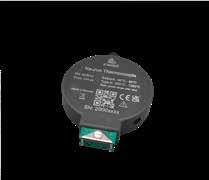
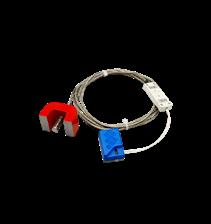
The Neuron Thermocouple measures a very wide range of temperature based on a type K thermocouple probe. The sensor has a standard IEC miniature connector for easy connection to any type K probe.
It is designed for industrial temperature measurements with a rugged casing and wide temperature range from -250°C to 1350°C depending on choice of type K thermocouple probe.
Measuring Range* -250 °C – 1350 °C
Measuring Frequency Every 10 sec
Report Frequency
Typical Applications
• General purpose high temperature measurements
• Kiln, gas exhaust, engine- and motor temperatures
• Process & chemical industries
Every 2 min, or immediately after measurement if trigger for critical data transmission is reached
Expected Operating Time** Up to 10 years
* Depends on choice of Type K probe.
** Depends on measurement frequency, amount of critical data transmissions and ambient temperature
Neuron Cabinet Safety is a small and compact sensor developed especially for monitoring of temperature in electrical installations. The wireless sensor is mounted inside the electrical enclosure. The sensor also has an integrated magnetic sensor to detect if cabinet door is open. (Optional)
Measuring Range -40 - 85ºC , Open/closed
Measuring Frequency Every 3 sec
Report Frequency
Typical Applications
• Temperature in electrical installations
Every 2 min, or immediately after measurement if trigger for critical data transmission is reached
Expected Operating Time* Up to 10 years
*Depends on measurement frequency, amount of critical data transmissions and ambient temperature

Neuron mA Digitizer/ Neuron Precision mA Digitizer
Neuron VDC Digitizer/ Neuron Precision VDC Digitizer
Neuron Precision mV
The Neuron mA Digitizer converts your analogue signal into a digital measurement. Integrated battery ensures up to 10 years of battery life. All measurements are easily accessible from web, app or API.
mA Digitizer Precision mA Digitizer
Measuring Range 0 – 25mA 0 - 25mA
Measuring Frequency Every 10 sec
Report Frequency
Every 2 min, or immediately after measurement if trigger for critical data transmission is reached
*Depends on measurement frequency, amount of critical data transmissions and ambient temperature
Typical Applications
• Digitization of existing sensors
• Industry processes
• Predictive maintenance
• 4-20mA current loops
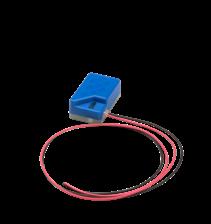
The Neuron VDC Digitizer converts your analogue signal into a digital measurement. Integrated battery ensures up to 10 years of battery life. All measurements are easily accessible from web, app or API.
VDC Digitizer Precision VDC Digitizer
Measuring Range 0 – 30VDC 0 – 30VDC
Measuring Frequency Every 10 sec
Report Frequency
Typical Applications
• Digitization of existing sensors
• Industry processes
• Predictive maintenance
• DC voltage measurement
Every 2 min, or immediately after measurement if trigger for critical data transmission is reached
Expected Operating Time* Up to 10 years
*Depends on measurement frequency, amount of critical data transmissions and ambient temperature
The Neuron Precision mA Digitizer converts your analogue signal into a digital measurement.
Integrated battery ensures up to 10 years of battery life. All measurements are easily accessible from web, app or API.
Precision mV Digitizer
Measuring Range 0 – 250mV
Measuring Frequency Every 10 sec
Report Frequency
Every 2 min, or immediately after measurement if trigger for critical data transmission is reached
*Depends on measurement frequency, amount of critical data transmissions and ambient temperature
Typical Applications
• Digitization of existing sensors
• Industry processes
• Predictive maintenance
• DC voltage measurement
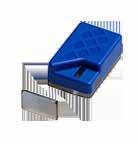
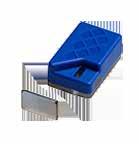
The Neuron Open/Closed is a small and compact magnetic sensor suited to monitor status of doors, windows and gates among others. Area of use is an overview and notification of both unwanted and other traffic in doors and windows, as well as control of whet her doors, windows and other mechanical devices have the desired position. The sensor is attached with double-sided tape or strips.
Measuring Range Open/Closed
Measuring Frequency Every 3 sec
Report Frequency Every 2 min, or immediately after change in status open/closed
Expected Operating Time* Up to 10 years
*Depends on measurement frequency, amount of critical data transmissions and ambient temperature
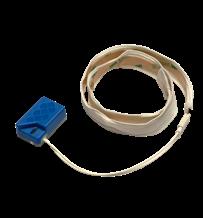
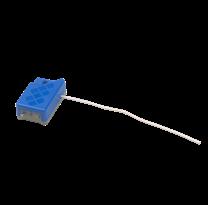
Neuron Wireless Water Detector alerts when water is applied to the sensor element. The sensor is fitted with a 50 cm water detection tape with adhesive for easy fastening. Integrated battery ensures up to 10 years of battery life. All measurements are easily accessible from web, app or API.
Measuring Range 0 – 100%
Measuring Frequency Every 3 sec
Report Frequency
Every 2 min, or immediately after measurement if trigger for critical data transmission is reached
Expected Operating Time* Up to 10 years
*Depends on measurement frequency, amount of critical data transmissions and ambient temperature
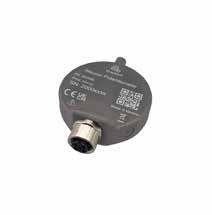
The Neuron Potentiometer Digitizer measures the middle pin resistance (wiper) of various potentiometers in the range of 1kΩ to 100kΩ and converts the analog signal into a digital measurement. Integrated battery ensures up to 10 years of battery life. All measurements are easily accessible from web, app or API.
Measuring Range 1kΩ to 100kΩ potentiometers
Measuring Frequency Every 10 sec
Report Frequency
Every 2 min, or immediately after measurement if trigger for critical data transmission is reached
Expected Operating Time* Up to 10 years
*Depends on measurement frequency, amount of critical data transmissions and ambient temperature
Typical Applications
• Monitor doors and windows
• Position of industry gates
• Roof windows
• Count change in position
Typical Applications
• Technical room
• Under the kitchen sink
• Underneath equipment connected to water
Typical Applications
• Draw wire distance measurement
• Valve position
• Linear actuator length
Neuron Hour Meter enables you to digitize hour counting on use of equipment. The sensor comes with 40 cm wires and connects to 4-30VDC to measure elapsed time. The sensor stores elapsed time internally and will work even if out of range of a gateway. When within reach of a gateway the elapsed time will be sent to Neuron Cloud. All measurements are easily accessible from web, app. Due to IP67 encapsulation the sensor can be used in humid areas.
Measuring Range Elapsed time when applied 4-30VDC
Measuring Frequency Every 3 sec
Report Frequency Every 2 min
Expected Operating Time* Up to 10 years
*Depends on measurement frequency, amount of critical data transmissions and ambient temperature
Typical Applications
• Monitor use and uptime of equipment
• Leasing
• Maintenance
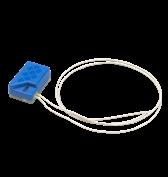
The Neuron Dry Contact is a small and compact sensor for detecting Open/Closed electrical contact in potential free loops. The sensor can be used in humid areas due to IP67 encapsulation.
Measuring Range Open/Closed Loop
Measuring Frequency
Report Frequency
Every 3 sec
Every 2 min, or immediately after change in status open/closed loop
Expected Operating Time* Up to 10 years
*Depends on measurement frequency, amount of critical data transmissions and ambient temperature
Typical Applications
• Position of valves, switches, circuit breakers etc.
• Open/Closed door and gate
• Motor Protection
• Count Status Changes

Neuron Vibration RMS
Neuron Ampere
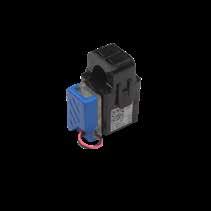
The Neuron Vibration RMS measures vibration level and surface temperature every two minutes. The sensor has an embedded magnet at the back for easy installation. Temperature measurement is done through the magnet.
Measuring Range 0 - 12 g RMS acceleration (sum of X,Y and Z axis)
Measuring Frequency 80ms every 2 min
Report Frequency Every 2 min
Expected Operating Time* Up to 10 years
*Depends on measurement frequency, amount of critical data transmissions and ambient temperature
Typical Applications
• Anomaly detection and predictive maintenance
• Machine status and optimalization
• Uptime hours and usage-based maintenance
• Structural health monitoring
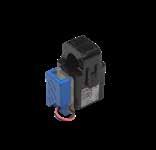
The Ampere Sensor measures AC current and comes in several ranges from 10A to 500A RMS. The sensor comes with split core and is therefore easy to install onto existing power cables.
Integrated battery ensures up to 10 years of battery life. All measurements are easily accessible from web, app or API.
Measuring Range 10A 20A 50A 100A 150A 250A 500A
Measuring Frequency Every 10 sec
Report Frequency
Typical Applications
• HVAC & pumps
• Refrigeration
• Industrial motors
• Fans
• Lighting
• Energy audits
Every 2 min, or immediately after measurement if trigger for critical data transmission is reached
Expected Operating Time* Up to 10 years
*Depends on measurement frequency, amount of critical data transmissions and ambient temperature
Neuron Differential Pressure
Neuron Vacuum Pressure
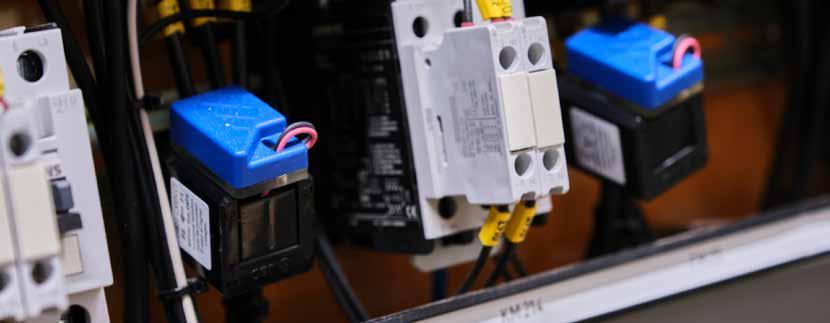
Neuron Gauge Pressure Sensor is available in several pressure ranges up to 250 Bar and is therefore suitable for a wide range of applications. The wireless sensor comes in a rugged, compact stainless steel housing with an external radio transmitter. Integrated battery ensures up to 10 years of battery life. All measurements are easily accessible from web, app or API.
Measuring Range 0-1 bar, 0-16 bar, 0-50 bar, 0-250 bar
Measuring Frequency Every 30 sec
Report Frequency
Every 2 min, or immediately after measurement if trigger for critical data transmission is reached
Expected Operating Time* Up to 10 years
*Depends on measurement frequency, amount of critical data transmissions and ambient temperature
The Neuron Differential Pressure sensor measures the differential air pressure between two ports. In addition, it also measures the ambient temperature. The sensor is well suited for HVAC systems and has an embedded magnet for easy installation on magnetic surfaces.
Measuring Range +/- 500 Pa, -10 - 85ºC +/- 7500 Pa, -10 - 85ºC
Measuring Frequency Every 30 sec
Report Frequency
Every 2 min, or immediately after measurement if trigger for critical data transmission is reached
Expected Operating Time* Up to 10 years
*Depends on measurement frequency, amount of critical data transmissions and ambient temperature
The wireless vacuum pressure sensor measures from -1 bar to +1 bar.
The pressure transducer comes in a rugged stainless steel housing and can be used in a wide range of applications.
Measuring Range -1 - + 1 bar
Measuring Frequency Every 30 sec
Report Frequency
Every 2 min. Or immediately if trigger for critical data transmission is reached
Expected Operating Time* Up to 10 years
*Depends on measurement frequency, amount of critical data transmissions and ambient temperature
Typical Applications
• Water pressure
• Compressed air pressure
• Water level
• Hydraulic pressure
• Industry processes
Typical Applications
• HVAC
• Air filters
• Fume Cabinets
• Clean Rooms
• Air Flow
Typical Applications
• Industry processes
Neuron Humidity
Neuron Actuator
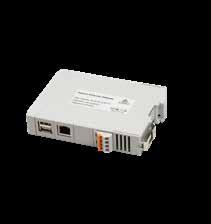
The Humidity sensor measures relative humidity in the air. In addition it measures the ambient temperature. Measuring frequency is twice a minute, and data is delivered wirelessly (868 MHz) through the Neuron gateway and directly online. Typical applications are an overview of the indoor environment in all types of rooms or outdoors (as long as it is not very exposed to the weat her). The sensor is attached with double-sided tape or strips where you want an overview. IP21.
Measuring Range 0-100% RH, -40 - 85 °C
Measuring Frequency Every 30 sec
Report Frequency Every 2 min, or immediately after measurement if trigger for critical data transmission is reached
Expected Operating Time* Up to 10 years
*Depends on measurement frequency, amount of critical data transmissions and ambient temperature
Typical Applications
• HVAC
• Transformer stations
• Industry
• Storage
• Greenhouse
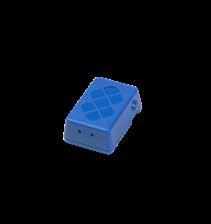
The Neuron Actuator is a DIN-mounted, easy-to-use device that controls a SPDT relay remotely using the Neuron app. The app provides real-time status updates and notifications. The relay is capable of switching loads at 250VAC/30VDC up to 10A, has an input voltage range of 24VDC and has a maximum power consumption of 5W. This device is suitable for a wide range of applications such as industrial control and monitoring, and remote-control systems.
Relay rated current 10A @ 25 ºC (8A @ 75 ºC ) resistive-inductive load, PF=0.75
Relay rated voltage 30VDC, 250VAC
Response time Approx 5 sec
Update Frequency Reports status every 15 min. Or immediately if activated
Typical Applications
• Reset electric equipment
• Open/Close gates
• Light management
• Small to medium size motors
• Industrial fans
• Valves
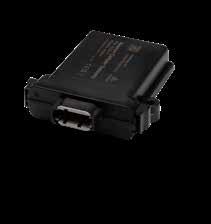
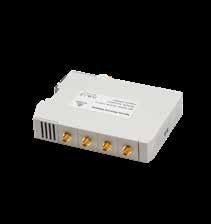
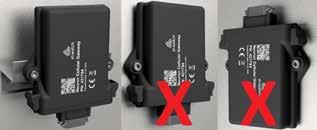
Neuron Cellular Gateway connects your Neuron sensors to Neuron Cloud. The gateway comes with integrated eSIM and connects both to cellular network and Neuron Cloud automatically. The robust IP67 enclosure enables you to install it in rough wet and dusty environ ments.
Operating voltage 10-32 VDC, Max. 5W
Operating Environment
Temperature: -40 - 75 ºC
Relative humidity: 0-100%
Altitude < 2000m above sea level
Pollution degree 4
IP67, wet conditions, indoor use
Radio Frequency 863-870 MHz (902-928 MHz)
Typical Applications
• For mounting in dusty, damp or wet conditions
• For easy installation without the need to set up an Ethernet connection
The Neuron Ethernet Gateway is a device designed to provide a bridge between Neuron Sensors and the Neuron Cloud. The gateway sends sensor data using an ethernet connection to the cloud to be viewed in the Neuron app. This is beneficial in locations that do not have cellular coverage such as tunnels, underground facilities or on ships. The gateway is DIN-rail mounted, powered from 10-32 VDC and has two sub-GHz antennas to maximize sensor coverage.
Operating Voltage 10-32 VDC, Max. 10W
Temperature: -40 - 75 ºC
Operating Environment
Typical Applications
• Locations with no/ limited cellular coverage
• Undergroung facilities, tunnels, on board ships/vessel etc.
Relative humidity: 0-80% (noncondensing)
Altitude < 2000m above sea level
Pollution degree 3
Indoor use, not for wet locations
Relay Rated Current Resistive load: 5A@25ºC, 2.5A@75ºC
Radio Frequency
Sensor communication: 863-870 MHz (902-928 MHz)
Cellular connection: LTE/3G
GNSS: GPS, Galileo, Beidou, GLONASS
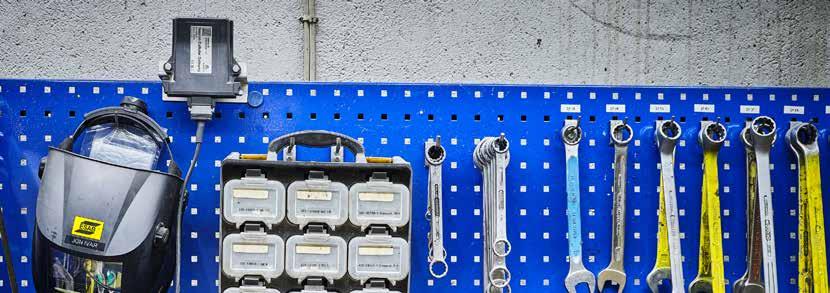

“Overall, El-Watch sensors have significantly reduced downtime, boosted efficiency, and proven to be a highly valuable investment.”
In 2019, one of Norway’s largest timber companies, Talgø MøreTre, made a strategic decision to invest in El-Watch sensors. This proactive move has not only eliminated fire hazards but also prevented costly repairs and system downtime, saving them several hundred thousand euros.
The Talgø MøreTre planing mill produces between 80,000 and 100,000 cubic meters of timber annually. In 2019, they installed El-Watch wireless sensors to address the risk of clogging in its chip extraction system — a situation that could lead to fires.
Realizing the benefits of predictive maintenance, they expanded their use of El-Watch’s technology by investing in vibration sensors. These sensors detect bearing failures in planer spindles, further enhancing operational efficiency.
How does predictive maintenance with vibration sensors work?
Predictive maintenance employs data analysis to identify equipment anomalies and potential defects, enabling preemptive maintenance before equipment failure. This strategy prevents failures, optimizes performance, and cuts downtime and expenses.
Utilizing vibration sensors for predictive maintenance allows for monitoring equipment vibrations to detect irregular patterns signaling possible breakdowns. Analyzing these patterns facilitates timely maintenance scheduling, enhancing equipment reliability and operational efficiency.
Extraction fan breakdown prevented by equipment monitoring
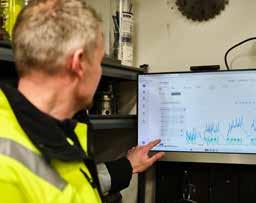
To enhance productivity and safety, Talgø MøreTre installed displays in their production area. This enabled operators to continuously monitor equipment and take preemptive action against potential failures, thereby averting severe incidents like equipment breakdowns and production halts.
In 2023, this strategy proved its worth when an alarm from the extraction fan monitoring system alerted operators at Talgø MøreTre. They promptly inspected the equipment, identified an impending failure, and repaired the fan before a breakdown occurred.
Without this alert system, the company would have faced the costly replacement of the fan and a significant production delay due to the wait for new parts.
Dedicated to innovation, El-Watch develops cutting-edge solutions to assist businesses across various sectors monitor and enhance their operational efficiency.
The El-Watch portfolio boasts over 50 distinct sensor types designed to monitor a wide array of conditions, from machinery vibrations to the temperature of cold storage spaces and even individual cuts of meat.
“Thanks to our investment in El-Watch sensors, we’ve reduced our sawblade expenditure by €45,000 a year.”
Paul LIlleløkken, Production Manager, Talgø MøreTre AS

“Since 2019, we’ve saved between €300,000 and €500,000 thanks to El-Watch wireless sensor solutions.”
Paul Lilleløkken Production Manager, Talgø MøreTre AS
For instance, we’ve got sensors capable of detecting inefficient power use in ventilation systems, ensuring optimal humidity levels, checking for open windows or doors, and more.
For additional insights and successful case studies, our newsroom is the place to go. There, you’ll discover stories about how a world-class smelter safeguards operations with sensors from El-Watch and how wireless sensors enable a sustainable manufacturing industry.

“Thanks to our investment in El-Watch sensors, we’ve reduced our sawblade expenditure by €45,000 a year.”
Paul LIlleløkken, Production Manager, Talgø MøreTre AS
The Internet of Things (IoT) is everywhere, from your toothbrush to satellites, and IoT sensors use this connectivity to help companies reach their full potential. Accurate measurements of processes and remote IoT monitoring enable maximized systems performance, limit expenses, and reduce CO2 emissions.
IoT sensors are the backbone of the Internet of Things. But what is IoT really? It is a network of physical objects embedded with technology to stay connected with each other or monitor the surrounding environment.
IoT devices are usually part of a vast IoT architecture connected via the internet. IoT applications are many, such as environmental monitoring and control, industrial automation, energy conservation, health monitoring, fire detection, and much more.
IoT sensors are electronic devices that can measure, monitor, and transmit data. They are internet-connected and usually remotely controlled. In many cases, IoT sensors are wireless and battery-powered. Most commonly, IoT sensors are used to monitor processes, activities, or environments.
IoT sensors collect data from vibrations, rotations, pressure, humidity, temperature, etc., and transfer info remotely to central databases for processing. This info enables companies to make informed decisions about how they operate their business.
Think of IoT as a living organism, like your body. The sensors are the nerve cells of IoT. They sense the physical state of their surroundings, communicate with each other, and send data to «the brain», which would be an IoT monitoring device, like a smartphone app.
Nerve cells are also called neurons, which is why we call our devices neuron sensors.
IoT sensors operate by combining five different processes: Data collection, connectivity, storage, analysis, and reporting. Remember our nerve cell analogy? These five processes effectively turn the IoT sensors into a digital nervous system.
The IoT sensors can collect all kinds of data, like pressure, humidity, rotations, temperature, connectivity, vehicle tire health, and more. The IoT monitoring typically recurs every three seconds, with reports sent every other minute.
Connectivity makes IoT sensors incredibly useful since it allows for remote monitoring and distribution of information across networks. Data can be collected by any number of devices and sent to the cloud for storage or analysis.
Data storage is an essential feature of IoT monitoring since the sensors collect data continuously. The storage size is rarely large, but the amount of information is considerable and enables comprehensive process and system analysis.
Analysis of data collected by IoT sensors is crucial to improve business performance. By interpreting large amounts of raw data, you get meaningful insights that help you adjust systems and processes to increase efficiency.
In this last step, useful data or its alarming state is sent to a smartphone, computer, SCADA, ERP, or CMMS to inform or alert the right person about the insight discovered by the sensors.
IoT sensors make consumption monitoring, performance monitoring, and risk prediction more proficient. In addition, IoT monitoring promotes efficiency by enabling remote control and constant surveillance of vital operations.
Applying IoT sensors ensures that your systems, machines, and processes operate at maximum capacity and optimal performance. Simultaneously, you can keep track of equipment and strategically employ maintenance to avoid production standstills.
IoT sensors function like nerve cells; they signal when you need to be careful and when it is safe to push your company harder. To clarify this, let’s consider a real-life example from one of our customers, a planing mill.
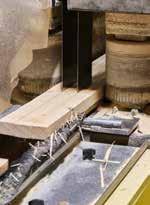
In planing mills, you need to watch out for sawblade overheating. An overheated blade might lose tension and need replacement. The price of blade replacement isn’t all that much, but the standstill in production can be detrimental to
the business.
To avoid a production standstill, our planing mill customer used its blade carefully to keep it from overheating. However, when applying IoT sensors to monitor the blade heat, they realized that it could be pushed much harder without overheating.
By installing IoT sensors, planing mills know how hard to push the blades without risking overheating, thereby increasing their performance considerably. At the same time, they can plan maintenance when the factory is closed to avoid any standstills.
El-Watch’s wireless IoT sensors are used in many industries. However, this is just the tip of the iceberg of IoT monitoring in the world around us. Here are a handful of IoT applications to illustrate IoT sensors’ endless capabilities, functions, and uses.
The food industry benefits greatly from IoT monitoring. The criteria for keeping fresh and frozen foods are strict. Not only must food handling and temperatures always follow food safety regulations, but governments also require documentation of such.
By installing IoT sensors in supermarkets, restaurant freezers, or slaughterhouses, the temperature and humidity are measured every 30 seconds, and reports are stored every second minute. Irregularities immediately appear in the app. Some of the foremost advantages are lowered energy consumption and less food waste.
You might have guessed that IoT sensors are used to monitor patients’ vital signs. Through smartphones and watches, many of us already keep tabs on our heart, pulse, and body temperature.
But IoT in healthcare is a lot more elaborate and dramatically affects efficiency. One field that was ushered forth by the global Covid-19 pandemic was high-quality remote healthcare.
By connecting medical devices, sensors, and healthcare professionals via IoT, many benefits have come to light. Increased operational efficiency, enhanced accessibility of services, improved patient safety, and reduced healthcare costs are key gains from IoT implementation in the healthcare industry.
IoT sensors are also deployed in agriculture to collect data about water usage, soil quality, humidity, temperature, and light levels. This promotes efficient plant growth and prevents the waste of resources.
Additionally, smart sensors are used to monitor the environment around crops, like water quality, the presence of pests or diseases, and wind speeds/direction. This enables farmers to act faster when unforeseen natural changes occur.
Smart sensors gauge the health of plants and crops in real-time. This allows cultivators to make informed decisions about irrigation or fertilizer use based on environmental data from each plant’s location.
Furthermore, the ability to track crop information can improve food safety. By data collection, it can be determined whether a crop has been contaminated by pathogens such as E-coli or Salmonella before harvest occurs (or at least within a few days).
So-called «smart cities» use technology to improve the quality of life for their populace.
Smart cities use IoT sensors to monitor traffic flow, pollution levels, and water consumption. It also detects fires, water leakage, or floods before they become widespread problems.
IoT-powered smart cities aim to improve public safety, reduce traffic congestion, and lower energy consumption. Smart cities also promote eco-friendly, sustainable environments and remote delivery of healthcare services to citizens. Smart cities get smarter with technological advancement, and IoT sensors are integral to this. Electronic sensors, biosensors, chemical sensors, and smart grid sensors are pivotal IoT «nerve cells» in smart cities. These «nervous systems» expand by the minute.
Why are IoT sensors a good investment for your company?
The most apparent benefit of IoT monitoring is that it enables remote management of complex systems – even smaller operations. IoT sensors can provide detailed information on machinery’s function and whether it runs efficiently every minute.
This enables you to act before costly breakdowns occur and prolongs your system longevity while saving money on maintenance. Simultaneously, it maps how hard machinery and equipment can be safely pushed, thus increasing performance.
Moreover, IoT sensors and monitoring are pivotal in the digital transformation of businesses. The result of such shifts is better resource allocation and improved workforce competency, which promotes efficiency and lowers production costs.
The Internet of Things (IoT) quickly becomes more widespread and connects devices to make them more functional. IoT sensors are the nerve cells, aka neurons, that make it all happen. They gather the information needed to improve all system processes.
IoT is beneficial for measuring, monitoring, and controlling many devices, sensors, equipment, and processes in the industry sector. This allows for improved performance, predictive maintenance, greater sustainability, and better allocation of resources.
IEEE: Intelligent IoT Sensors: Types, Functions, and Classification Harvard Business School: Digital Transformation: A New Roadmap for Success International Journal of Health Geographics: On the Internet of Things, smart cities, and the WHO Healthy Cities IoT For All: What Are Wireless IoT Sensors and Why Are They Useful? Journal of Healthcare Engineering: IoT-Based Applications in Healthcare Devices MDPI: Smart Hospitals and IoT Sensors: Why Is QoS Essential Here?
ResearchGate: Smart Sensors: Analysis of Different Types of IoT Sensors Science Direct: Improving Data Quality of Low-cost IoT Sensors in Environmental Monitoring Networks Using Data Fusion and Machine Learning Approach TechTarget: Use cases and benefits of smart sensors for IoT Verizon: IoT and society: Emerging truths and effects in daily life





Neuron Temperature IP21
Neuron PT100 25 cm Probe/
Neuron Temperature IP67
Neuron PT100 HT Magnet/
Neuron Thermocouple Type K
Neuron PT100 Ring Lug
Neuron PT100 Bolt M6/ PT100 HT Bolt M6/ PT100 HT Average Bolt M6
Neuron Humidity
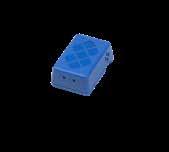
Neuron Vibration RMS
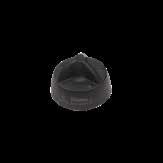
Neuron PT100/PT100HT
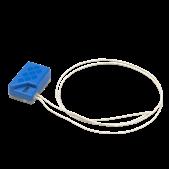
Neuron PT100 Process Connection
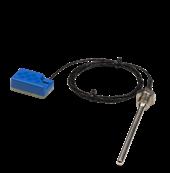
Neuron Cabinet Safety
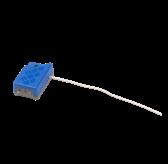
Neuron PT100 Surface Patch

Neuron Infrared 380
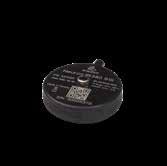
Neuron mA Digitizer/ Neuron Precision mA Digitizer
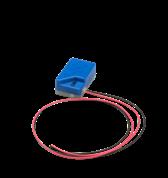
Neuron Potentiometer Digitizer
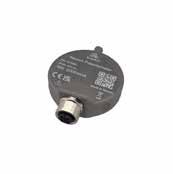
Ampere sensor
Neuron Ampere
Humidity
Neuron Humidity
Neuron VDC Digitizer/ Neuron Precision VDC Digitizer Neuron Dry Contact
Neuron Open Closed
Pressure sensors
Neuron Gauge Pressure
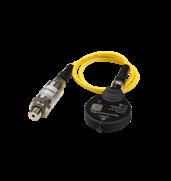
Neuron Precision mV
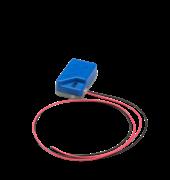
Vibration sensor
Neuron Water Detector Neuron Vibration RMS
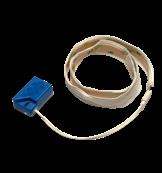
Neuron Differential Pressure Neuron Vacuum Pressure

Neuron Actuator
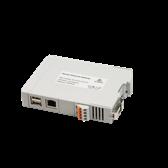
Neuron Cellular Gateway Neuron Ethernet Gateway
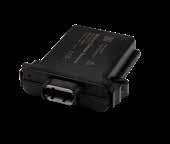
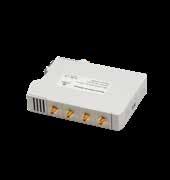
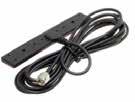
For Neuron Cellular Gateway
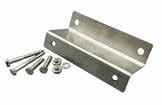
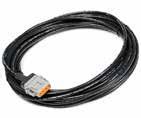
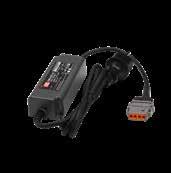
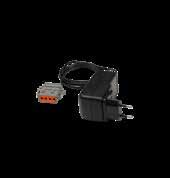
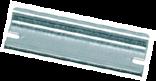
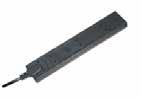
For Neuron Ethernet Gateway and Actuator
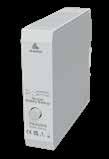
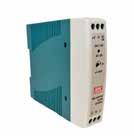

Neuron sensors are ready for use out of the box and will start logging data after registering the sensor in the app. Even though Neuron sensors deliver great range and long battery life, following some simple guidelines for mounting of the sensor and gateway can greatly improve signal coverage and lifetime of the sensor.
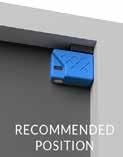
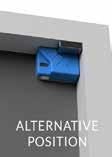
To ensure optimal antenna performance and signal strength, the sensor should be placed elevated with some distance to fixed objects. Keep in mind that RF-signals are greatly affected by close metallic surfaces.
For sensors with an external antenna, the antenna should be clear off the metallic surface.
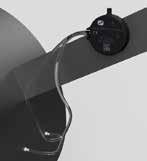

For sensors operating in environments with greatly varying temperatures, care should be taken to avoid putting the sensor in unnecessary stress. Very high or low temperatures will affect the battery life and the signal strength of the sensor. While some sensors must be close to the source of heat or cold, other sensors have external probes which allow the sensor to be placed at a distance.
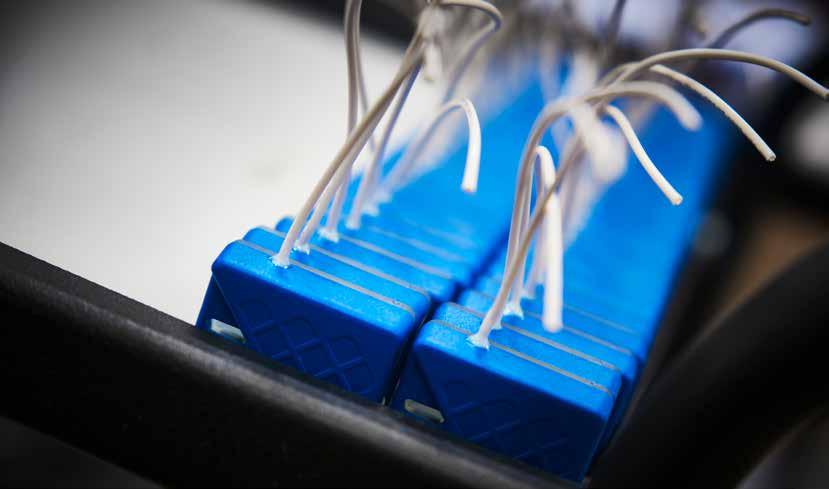
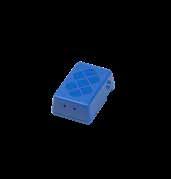
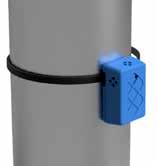
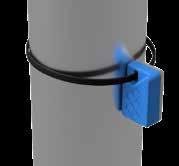
The small, compact blue Neuron sensors are fitted with fastening holes for use with cable ties. The sensors are also delivered with double-sided tape that may be used for fastening of the sensors.
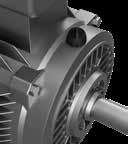
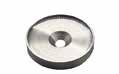
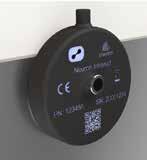
All the black/grey Neuron sensors, like the Neuron IR380 and Neuron Vibration, are fitted with a strong magnet at the back for easy fastening. If there is no magnetic surface, then double-sided tape is a good solution.