KUNSTSILO: THE TRANSFORMATION OF AN INDUSTRIAL STRUCTURE INTO AN ART MUSEUM IN PARTNERSHIP WITH MAPEI
WHERE RESPONSIBILITY BECOMES VISIBLE ARCHITECTURE AT THE THRESHOLD OF IRREVERSIBLE DECISIONS


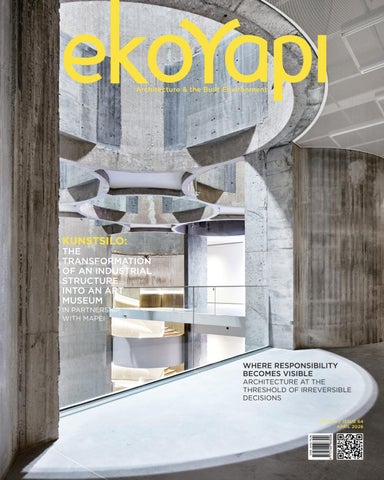
KUNSTSILO: THE TRANSFORMATION OF AN INDUSTRIAL STRUCTURE INTO AN ART MUSEUM IN PARTNERSHIP WITH MAPEI
WHERE RESPONSIBILITY BECOMES VISIBLE ARCHITECTURE AT THE THRESHOLD OF IRREVERSIBLE DECISIONS
ISSN NO: 2146 - 9636
Founder & Publisher Sevda Yayla
UK Partner & Editor-in-Chief Neşe Jones nese@ekoyapidergisi.org
Managing Editor Eren Cerciz
Editor
Dilhan Hız dilhan@ekoyapidergisi.org
UK Editor Steev Jones
Creative Director Ege Baran Altınok
Graphic Designer Alara Derderyan
Advertising Director Neslihan Uzuner neslihan@ekoyapidergisi.org
Collaboration Enquiries nese@ekoyapidergisi.org
Published by
EKO YAYIN Group Communication and Media Ltd. Istanbul, Türkiye / London, UK www.ekoyapidergisi.org
Publication
A bimonthly publication
Disclaimer
All rights reserved. No part of this publication may be reproduced, stored in a retrieval system, or transmitted in any form or by any means without prior written permission from the publisher. The opinions expressed in signed articles are those of the authors. Advertisements are the sole responsibility of the advertisers.
“First we shape our buildings; thereafter they shape us.”
— Winston Churchill
When we look at our cities today, this statement speaks not only of the act of building, but of something beyond it, because the question is no longer simply how we build — but how we transform, how we preserve, and what we choose to carry forward.
We exist in time; this is a given, yet we are equally living with what time leaves behind. Which brings us to a necessary question: should we be building new, or should we be rethinking what already exists? For many years, architecture was defined through growth and production: more buildings, more square metres, more visibility. Today, particularly across the United Kingdom and Europe, that equation is shifting. The “retrofit-first” approach is quietly yet fundamentally redefining the direction of architecture. The challenge is no longer simply to produce the new, but to understand, transform, and move forward with what already exists.
So, what does it mean to transform a building? Is it merely a technical upgrade? Or is it about establishing a new relationship between past and future?
Across Europe, net-zero targets shaped by the Energy Performance of Buildings Directive (EPBD) framework, together with transformation policies in the United Kingdom, make clear that this question is no longer theoretical. In Türkiye, however, this discussion is still emerging — and perhaps for that very reason, it offers a more open ground for rethinking.
In this issue, we take our ongoing series “Stewardship in Architecture” a step further. This time, our focus turns to materials.
What is a material?
A choice?
A tool?
Or the most irreversible decision in architecture?
Because many things may change throughout the design process. Form evolves, programmes shift, users transform, but once chosen, material defines the relationship a building establishes with both environment and time.
In this sense, material is not merely a technical decision, but a form of responsibility.
Throughout this issue, we return to the same question across different scales: how does architecture define responsibility today?
As we reflect on retrofitting, we are not only reconsidering buildings but also redefining the role of architecture itself. Through real-time visualisation, artificial intelligence, and emerging modes of representation, it is not only the outcome of design that is changing, but the way we think.
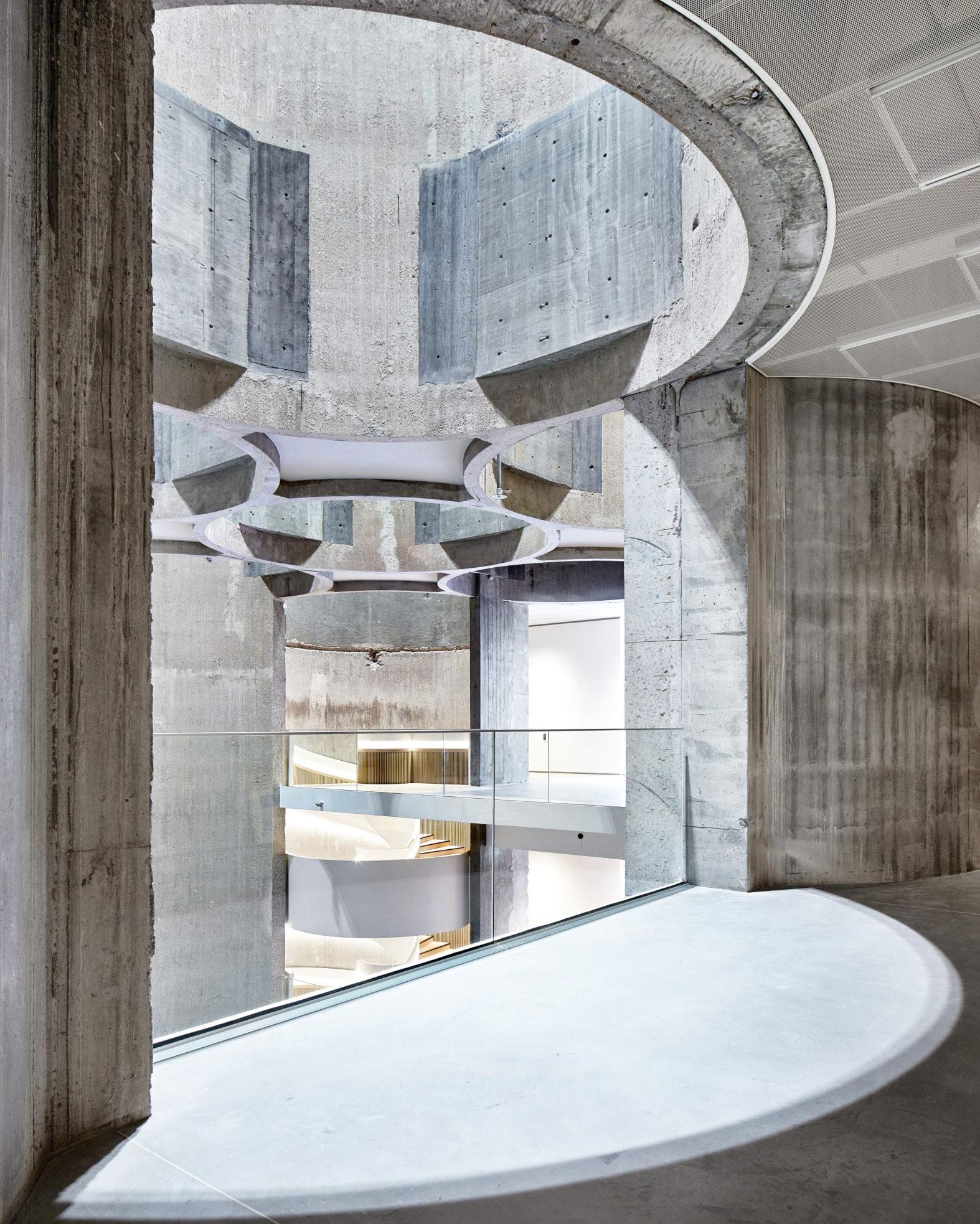
Our cover project, Kunstsilo, stands as a tangible response to these questions. The transformation of a 1935 grain silo into a cultural building is not simply an act of adaptation, but a careful dialogue between memory and future.
Perhaps this is where the question ultimately lies: not only in what we build, but in what we choose to preserve — and how we choose to transform it.
The conundrum is what we need today; is it not to produce faster, but to pause and think again, because architecture is no longer only about producing the new, but about how we build a future with what already exists.
This issue also marks a threshold for Ekoyapı. With this edition, we present the first issue prepared as part of our London-based UK and Europe expansion. Ekoyapı now continues not only in Türkiye, but as a bilingual, international editorial platform engaging directly with the architectural contexts of the United Kingdom and Europe.
This is not merely a geographical expansion, it is also a step towards understanding how architecture communicates across different contexts — how it intersects, and how it is produced collectively.
We really hope you enjoy this issue as much as we enjoyed curating it.

A COLLECTIVE ARCHITECTURAL PLATFORM IN LONDON: LTAA
KUNSTSILO: THE TRANSFORMATION OF AN INDUSTRIAL STRUCTURE INTO AN ART MUSEUM A LOFT CONVERSION PLACING DAYLIGHT AT THE CENTRE OF DESIGN: T.27
METEX DESIGN
JEYAN ÜLKÜ ARCHITECTS
BÜYÜKKENT ARCHITECTURE
DOME + PARTNERS
PAVILION BY RAMS, ERBIL BY DOME+PARTNERS
52 AT THE INTERSECTION OF MATERIAL, PERFORMANCE AND RESPONSIBILITY: KNAUF
56 MATERIAL SELECTION ARCHITECTURAL VIEW
68
RETROFIT FIRST: BUILDING FORWARD WITHOUT DEMOLITION
72 THE FABRIC OF THE CITY BOB ALLIES
FRAMEWORK
FOCUS
86
JULÀ: A MATERIAL-LED SPACE BEYOND ARTIFICE
80 REINFORCING THE FUTURE PROJECT
92
ÇUHADAROĞLU: REDEFINING FACADE SYSTEMS IN GLOBAL MARKETS
BETWEEN FIRE SAFETY AND MATERIAL PERFORMANCE: EGGER OSB FLAMMEX
INDUSTRYIN SIGHTS
BOOKS SHAPING ARCHITECTURAL THINKING
READING ARCHITECTURE 96
FOCUS
At a time when architectural practice is increasingly shaped by transnational exchange — across materials, regulation and knowledge production — the role of editorial platforms is also being redefined. Publications are no longer confined to geography; they operate between contexts, connecting not only projects, but modes of production and ways of thinking.
Founded in 2010, Ekoyapı’s expansion into the UK and Europe forms part of this ongoing evolution, repositioning the magazine beyond a publication and into a platform operating across Türkiye, the United Kingdom and the wider European landscape. In doing so, it moves beyond representation — actively linking architectural studios, actors and fields of knowledge across different scales.
Within this framework, its collaboration with the London Turkish Architects Association (LTAA) emerges as an extension of this editorial direction. Based in London, LTAA brings together architects and design professionals actively engaged in the UK’s built environment, creating a space where practice, research and application intersect.
Through this partnership, Ekoyapı strengthens its editorial approach — shifting content from isolated pieces into a continuous field of exchange. The magazine thus positions itself not only as a medium of documentation, but as a platform enabling the flow of knowledge and experience across geographies.
Mapei contribuisce alle più importanti opere architettoniche e infrastrutturali, ai progetti in ambito residenziale, al restauro di edifici storici a livello globale. Nel segno dell’innovazione, ci impegniamo ogni giorno per un’edilizia sempre più sostenibile.
Passion, team spirit and a constant eye on the future. Mapei contributes at a global level to the most important architectural and infrastructure works, residential projects and restoration work on historic buildings. Each and every day, in the name of innovation, we are committed to an increasingly sustainable building industry.
LTAA EMERGED FROM THE IDEA OF ESTABLISHING A STRONG FRAMEWORK FOR COMMUNICATION AND COLLABORATION AMONG TURKISH ARCHITECTS AND DESIGNERS WITHIN LONDON’S DENSE AND COMPETITIVE ARCHITECTURAL LANDSCAPE.
— KAAN ÖNCÜOĞLU
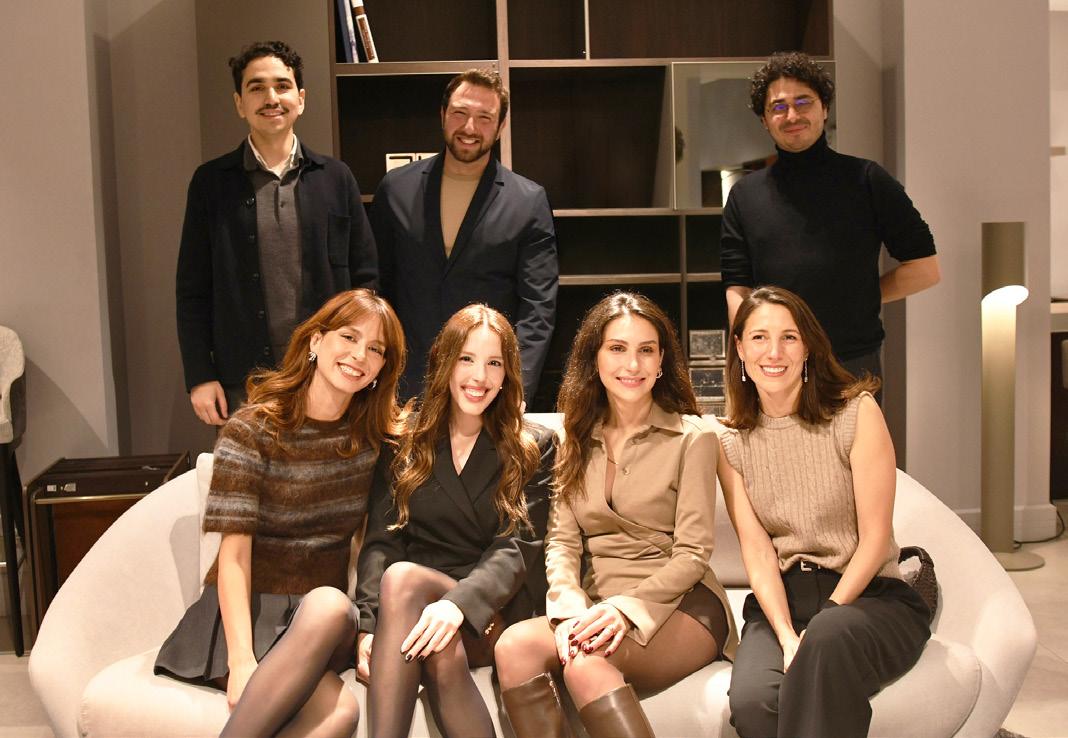
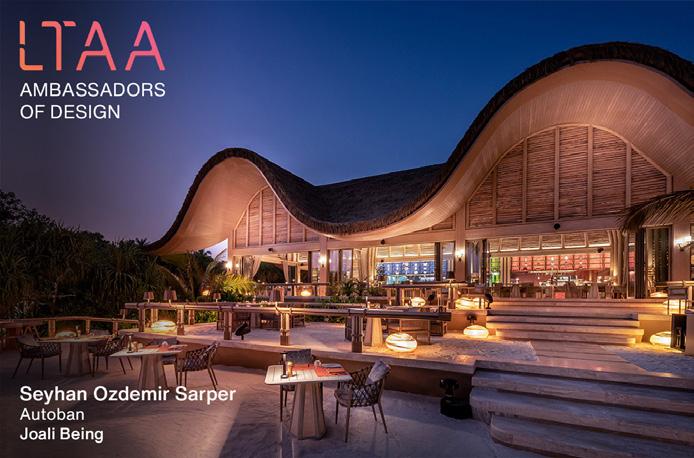
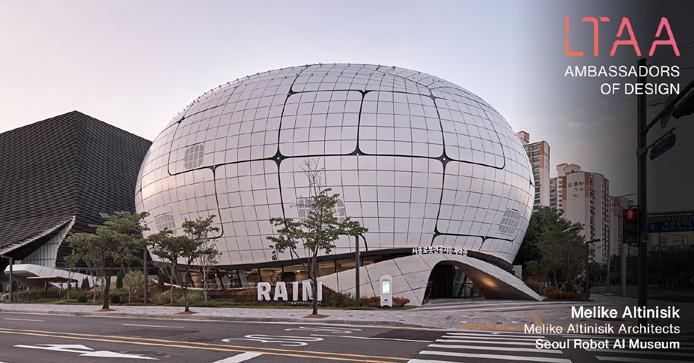
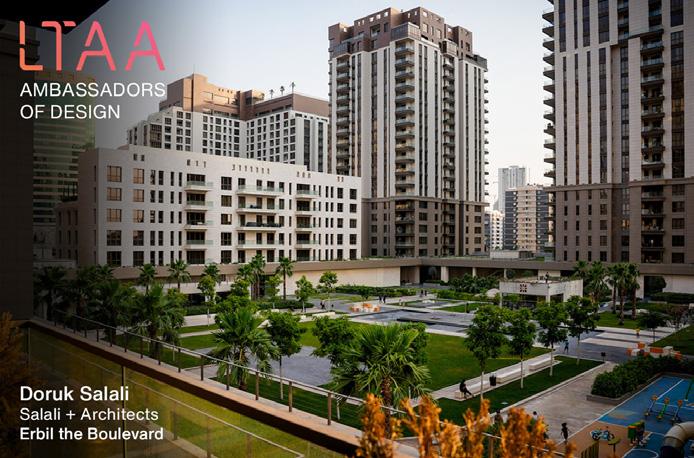

Based in London, the London Turkish Architects Association (LTAA) is a professional network and platform bringing together Turkish architects and design professionals actively engaged in the United Kingdom. Established in October 2023, the association has rapidly developed into a growing network, creating a strong framework for communication, collaboration and collective production within London’s Turkish architectural community.
LTAA operates as an international professional network, fostering dialogue and exchange among architects, designers and creatives working across disciplines. With a membership of over 230, it has become an important point of convergence for Turkish professionals navigating London’s complex and layered design ecosystem.
The association places particular emphasis on practitioners already embedded within the city — those running their own practices, contributing to established offices, or operating within the broader creative industries. By bringing together individuals working at different scales and across diverse fields, LTAA establishes a shared ground for professional exchange, collaboration and mutual support. In this sense, it offers a considered response to the demands of London’s highly competitive architectural environment.
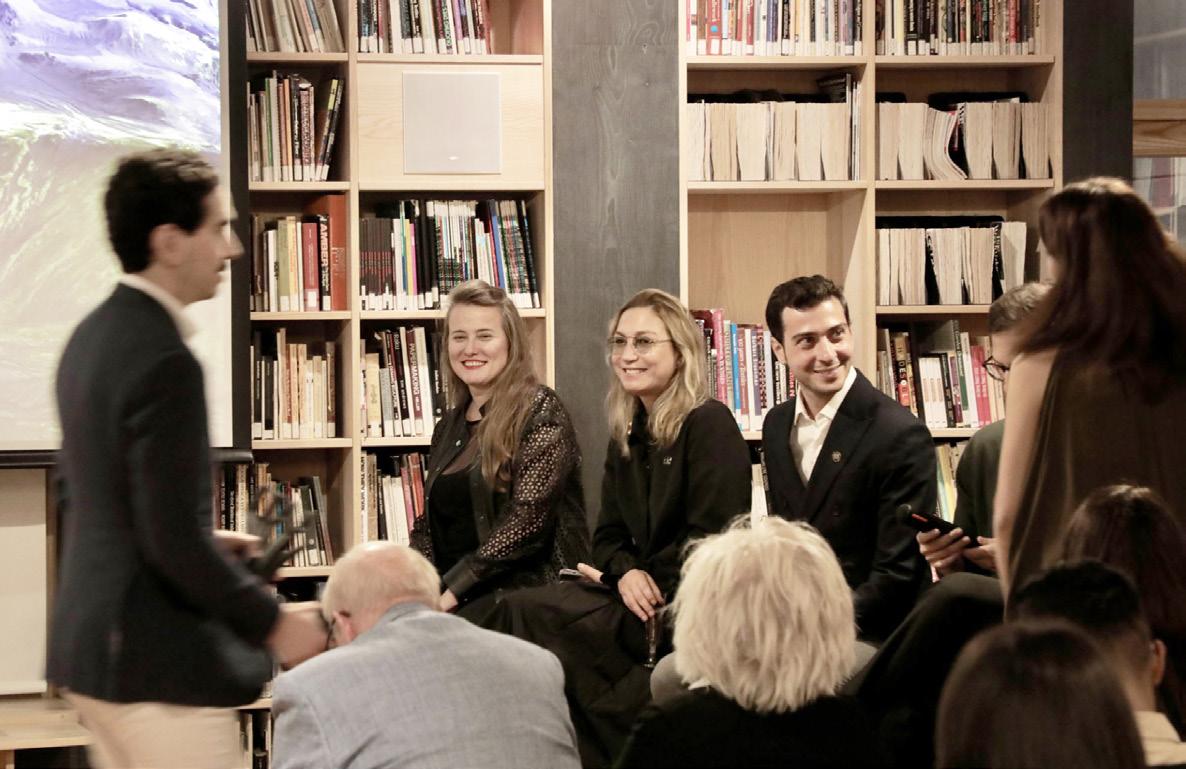
For Kaan Öncüoğlu, the emergence of LTAA can be understood as a collective response to the city’s dynamic professional context. While London offers access to a global design culture, leading educational institutions and international opportunities, it also presents an intense and demanding landscape. LTAA was conceived as a means of strengthening connections among Turkish architects and designers within this environment.
The association’s membership spans architects, interior designers, urban planners and professionals working across the creative industries. This interdisciplinary structure — extending from urban planning and landscape architecture to interior, lighting and industrial design — supports the visibility of Turkish practitioners within London’s multi-layered design culture, while encouraging new forms of collaboration.
LTAA’s activities are shaped around a programme of events aimed at susta-
LTAA’S SCOPE EXTENDS BEYOND ARCHITECTURE AND CONSTRUCTION; THROUGH THE CREATIVE INDUSTRIES, WE AIM TO MAKE TÜRKIYE’S ARCHITECTURAL AND DESIGN PRODUCTION VISIBLE ON INTERNATIONAL PLATFORMS.
— CEMRE DEMIRCI
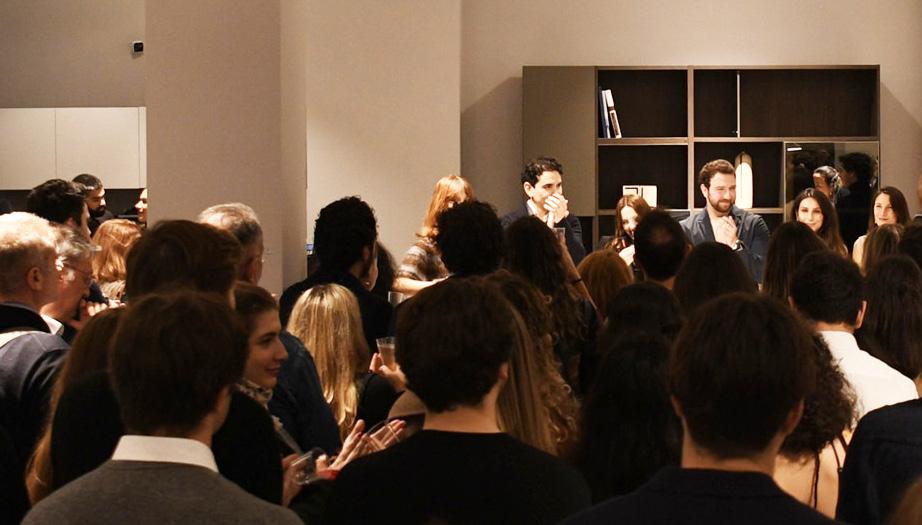
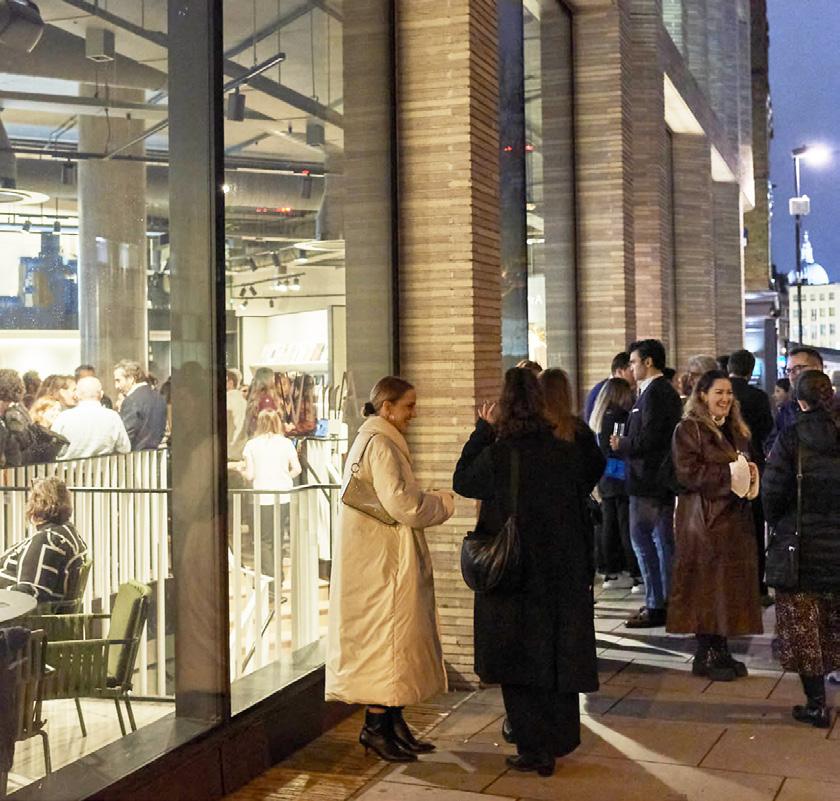
ining an ongoing culture of exchange. Talks, workshops, exhibitions, architectural visits and international fair programmes provide opportunities for members to come together, share knowledge and build connections. These gatherings support not only professional development, but also the formation of a stronger social and cultural network within London’s Turkish design community.
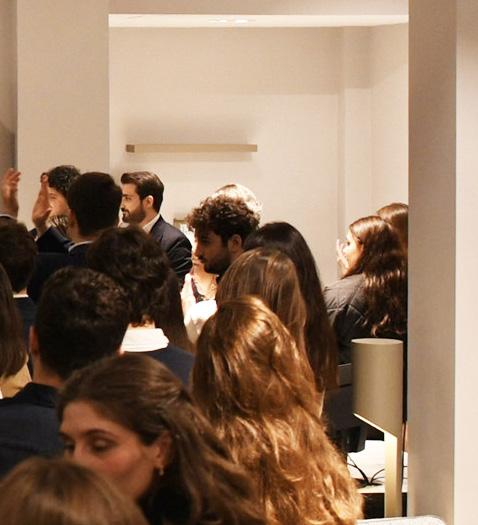
As highlighted by Cemre Demirci, LTAA’s scope is not limited to architecture and construction. The association also operates with a broader cultural ambition: to position Türkiye’s architectural and design production within an international context through the creative industries.
One of the most visible expressions of this approach was the “LTAA Ambassadors of Design” event, organised as part of the London Design Festival. Honorary members including Melike Altınışık, Seyhan Özdemir Sarper and Doruk Salalı sha-
red projects developed across different geographies, bringing contemporary architectural production from Türkiye into dialogue with an international audience in London.
With its rapidly expanding network and interdisciplinary outlook, LTAA continues to establish itself as a key meeting point for Turkish architects and designers in London — evolving as a platform that supports collaboration, exchange and international engagement.
Kaan Öncüoğlu — Öncüoğlu Architects
Cemre Demirci — Zaha Hadid Architects
Ege Gazioğlu— Multilogue Creative Agency
Dr. Egemen Kızılcan — Ultra Mega Omega
Ceren Akın — London Land Group
Hazel Özrenk — Kettle Collective
Merve Sarıkaya — Pavé Studio
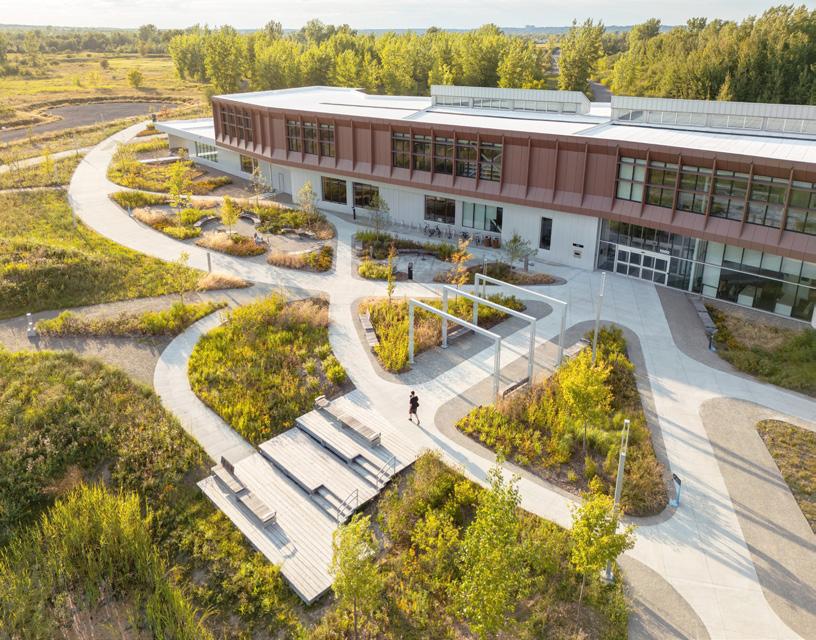
Located in Laval, in the Greater Montreal area, Québec, Canada, Espace citoyen des Confluents transforms a former petrochemical site into a civic landscape shaped by ecological systems. Developed by Projet Paysage in collaboration with Cardin Julien, the project positions landscape as an active form of infrastructure rather than a passive setting.
Spanning 13 acres, the scheme brings together a library, cultural spaces and municipal services, while placing water management at the core of its spatial strategy. Permeable surfaces, interconnected basins and natural flow systems enable the site to retain and process all rainwater on site.
Open to the public since 2024, the landscape is designed as an evolving system. Vegetation, biodiversity and microhabitats develop over time, offering a rare, nature-based experience within an urban context.
Espace citoyen des Confluents demonstrates how landscape can operate as a regenerative infrastructure that supports both ecological processes and civic life.
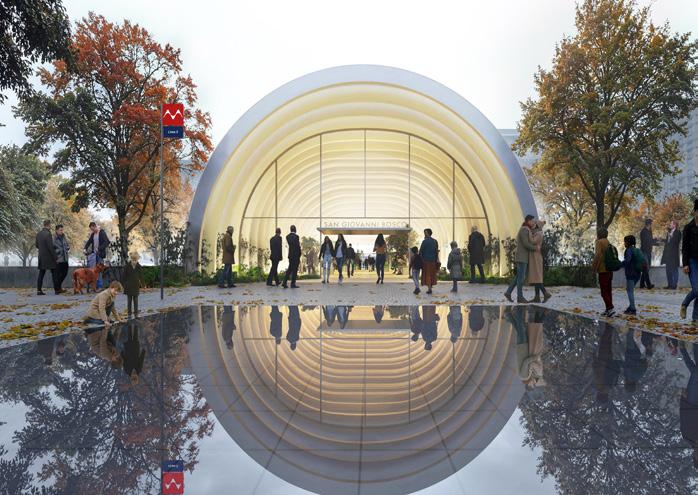
An international team led by UNStudio and Settanta7 has been selected to design Metro Line 2 in Turin. Comprising 32 stations, the project is conceived not simply as a transport system, but as an integrated urban infrastructure that redefines the relationship between mobility and public space.
Chaired by Dominique Perrault, the international jury highlighted the proposal’s capacity to frame the metro as an act of city-making. The design draws on Turin’s rivers and arcaded streets, reinterpreted through the concept of an “urban river” that connects neighbourhoods, histories and everyday movement.
Through a modular architectural language and a multi-layered identity system, the project adapts to varied urban conditions while maintaining clarity and
coherence. By positioning infrastructure as an extension of the public realm, the proposal offers a legible, user-centred and enduring metro environment.
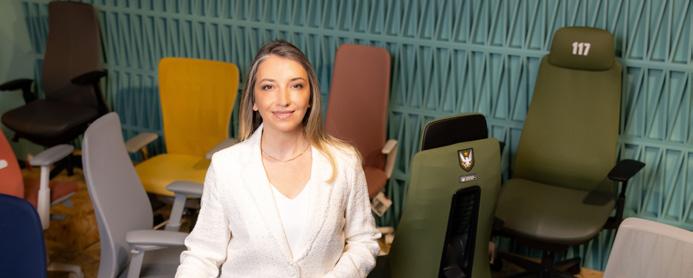
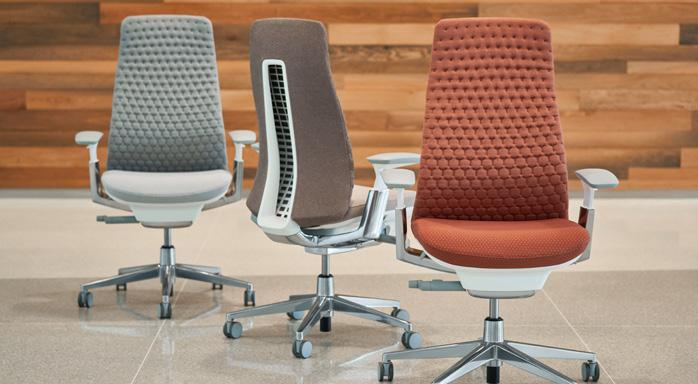
While sustainability discussions in the furniture industry largely revolve around recycled materials or reducing carbon footprints, Haworth — represented by BMS Design Center — reframes the conversation. With its Fern ergonomic office chair, the company introduces a closed-loop production model that operates not only as a process, but as a proposition.
Closing the Loop: A First in the Industry
Sustainability is no longer treated as a choice, but as an operational imperative in today’s business environment. Beyond reducing environmental impact, it reinforces social responsibility, creates economic value and drives innovation. Haworth’s approach reflects this shift, marking a considered step towards “closing the loop.”
While many manufacturers present recycled ocean plastics or postindustrial waste as evidence of sustainability, Haworth poses a more fundamental question: “Can we produce a new chair of the same quality from an existing one?” In this way, sustainability moves beyond principle to become embedded within the realities of production.
Haworth’s closed-loop process begins with its award-winning Fern ergonomic office chair. The black plastic components are recovered at the end of
their lifecycle, recycled without loss of quality, and reintroduced into production as parts of the same product. In this model, material does not leave the system — and waste, in effect, is designed out.
The process is developed in collaboration with two strategic partners: recycling specialist PADNOS and manufacturer Royal Technologies. Chairs that
NESLIHAN IŞIK CEO, BMS Design Center
reach the end of their lifecycle are collected, then disassembled and sent to PADNOS, where plastics are processed into black pellets. These are then transferred to Royal Technologies, where new components are manufactured. Production scrap is fed back into the loop, and the components are delivered to Haworth for assembly into new chairs. When returned by the user, the cycle begins again.
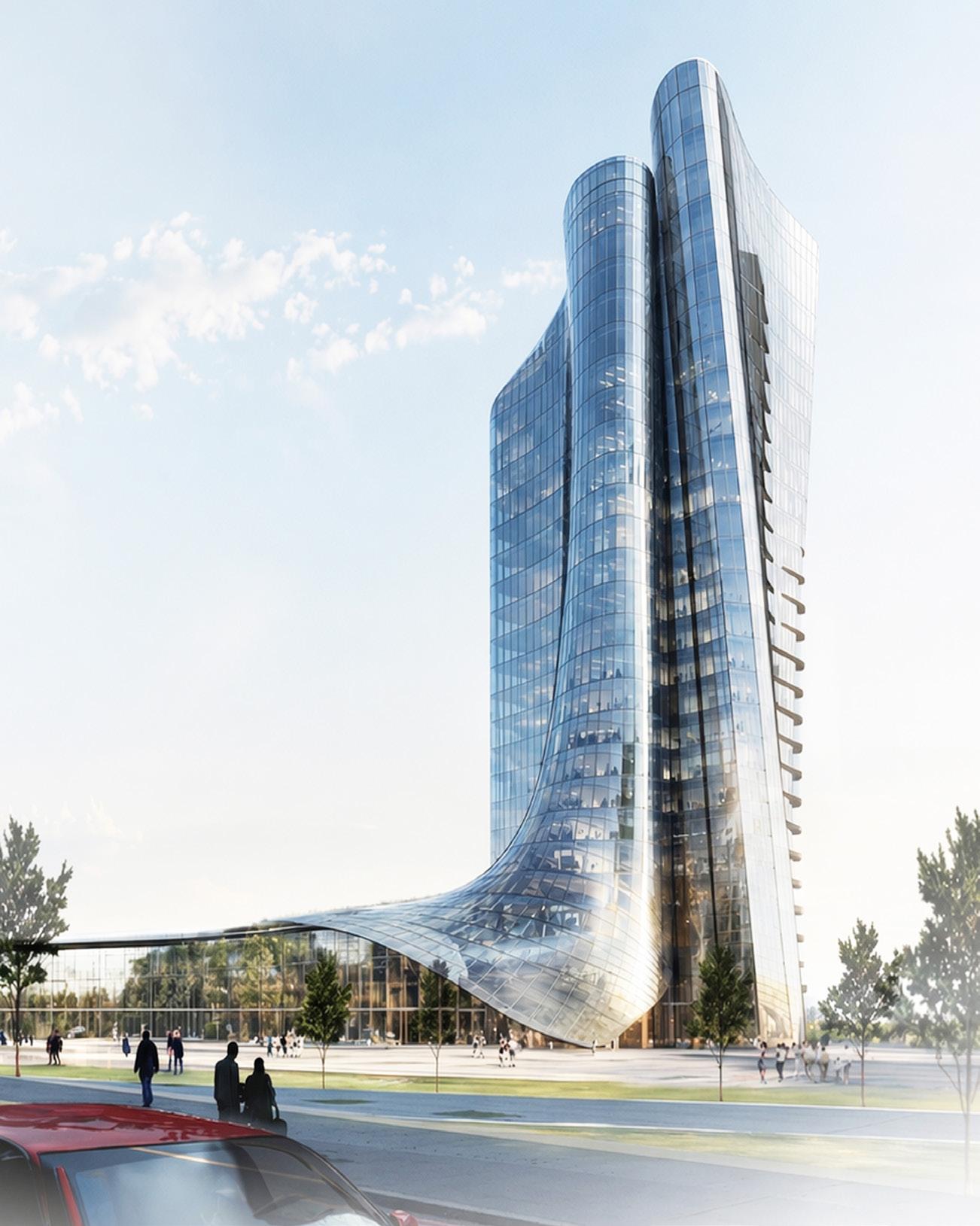
We design architecture that connects people, place and environment.
Based in Istanbul, Büyükkent Architecture is a design practice working across a range of architectural scales.
From residential projects to urbanscale interventions, its work is grounded in context, spatial clarity and user experience — principles that define the studio’s approach.
“We define architecture through relationships — to context, users and the city.’’


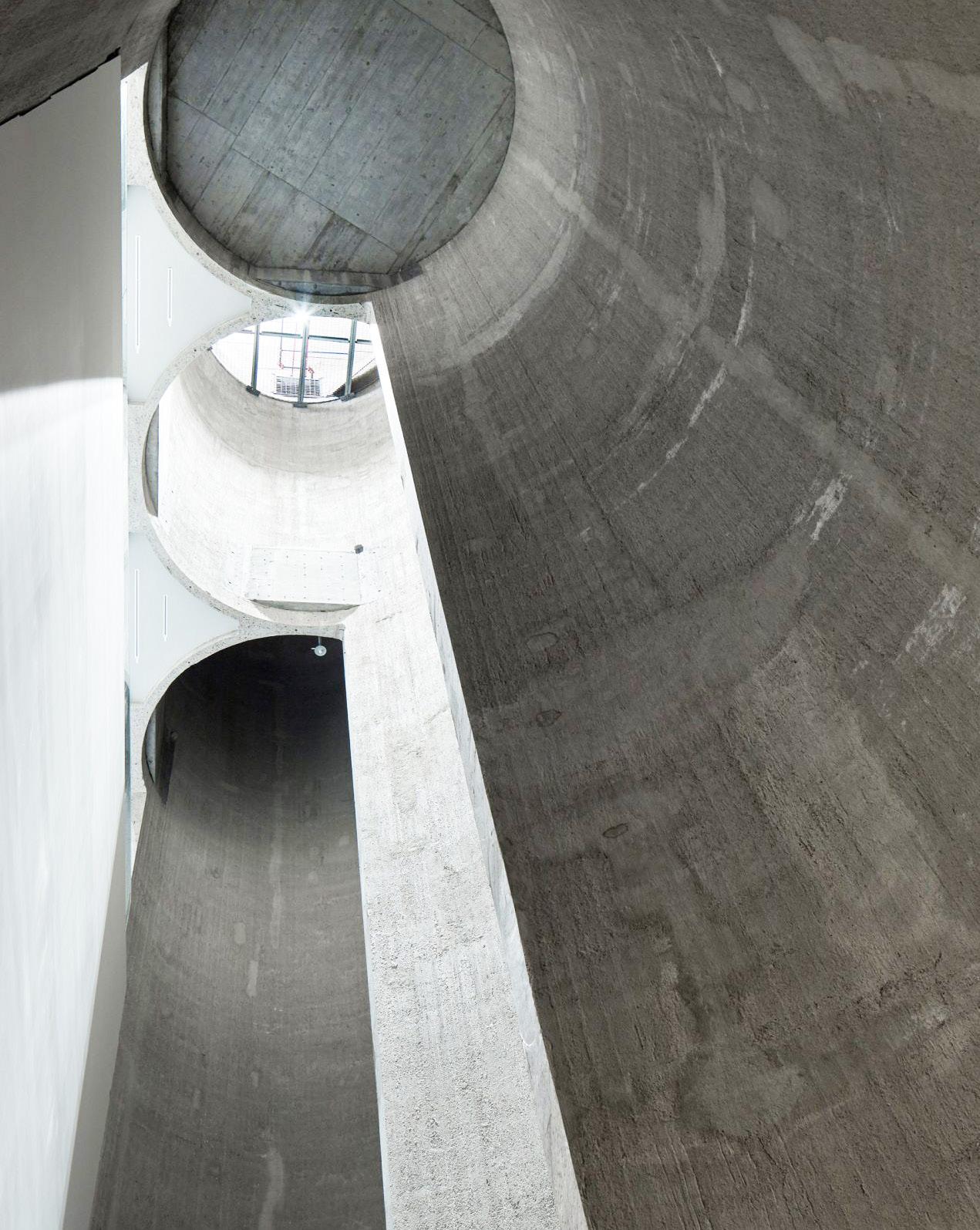
A 1935 grain silo in Kristiansand, Norway, has been transformed into a contemporary art museum. Kunstsilo stands as a compelling example of adaptive reuse, where the spatial character of an existing structure is preserved and reinterpreted through architectural subtraction and the introduction of new public programmes.
Located on the Odderøya peninsula in Kristiansand, Norway, Kunstsilo is a striking adaptive reuse project that transforms a 1935 grain silo into a contemporary art museum. The original structure, designed by Norwegian functionalist architects Arne Korsmo and Sverre Aasland, served as part of the city’s port infrastructure for nearly seventy years.
Following the cessation of its storage function in 2006, the building was left vacant. Yet its strong spatial character and prominent position within the coastal skyline revealed a clear potential for a new public use.
The transformation was initiated by Kristiansand-born art collector Nicolai Tangen, who proposed donating his extensive collection of Nordic modern art to the city. Alongside this, he suggested repurposing the disused grain silo into a new art museum. In response, an international architectural competition was launched in 2016 by the Municipality of Kristiansand and Sørlandets Kunstmuseum (SKMU).
The central question of the competition was: “Is it possible to transform a 1935 industrial building into a contemporary art museum while preserving its architectural heritage value?”
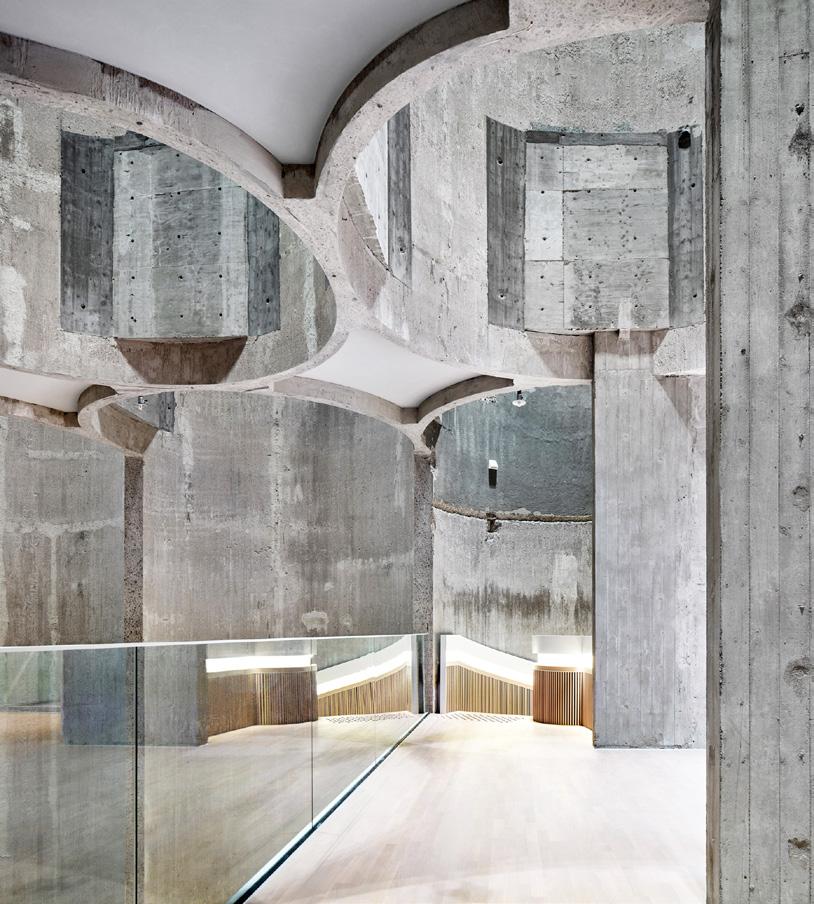
In the jury report, the proposal was described as: “The Kunstsilo proposal harnesses all the expressive power of a silo as a heritage structure to create a diverse and complex urban space with varied spatial, programmatic and climatic qualities.”
The competition was won by Barcelonabased Mestres Wåge Arquitectes, BAX and Mendoza Partida. The design teams approached the project with the ambition of preserving the building’s original architectural character while reinterpreting it to meet the spatial requirements of a contemporary art institution.
Magnus Wåge, co-founder of Mestres Wåge Arquitectes, describes the project’s primary intervention: “The main architectural intervention we did here was to cut out the cylinders in
KUNSTSILO IS A POWERFUL EXAMPLE OF ADAPTIVE REUSE, PRESERVING ARCHITECTURAL HERITAGE WHILE GENERATING
the original building. We wanted to place the silos at the centre of the museum’s spatial organisation, not simply as preserved heritage elements.”
This strategy goes beyond preservation, positioning the existing industrial structure as the central actor in the architectural experience. The silos are no longer passive remnants of the past but have become active elements that define circulation and spatial organisation.
Bringing the Silos to the Centre
At the heart of the project lies a structural system of 30 silos, originally used to store approximately 15,000 tonnes of grain. Rather than concealing this industrial structure, the design team chose to reveal and celebrate it as a defining architectural feature.
The primary intervention involved carving out the interior of the silos to create a central public space. Within the 37-metre-high structure, this resulted in a monumental void rising to almost 21 metres, forming a central atrium that defines the museum’s core and main public space.
As Wåge explains: “We achieved this by carving out a space rising approximately 21 metres, creating a volume reminiscent of a basilica, where the ceiling itself becomes a sculptural element.”
Through this intervention, spaces once dedicated solely to storage are transformed into light-filled public interiors.
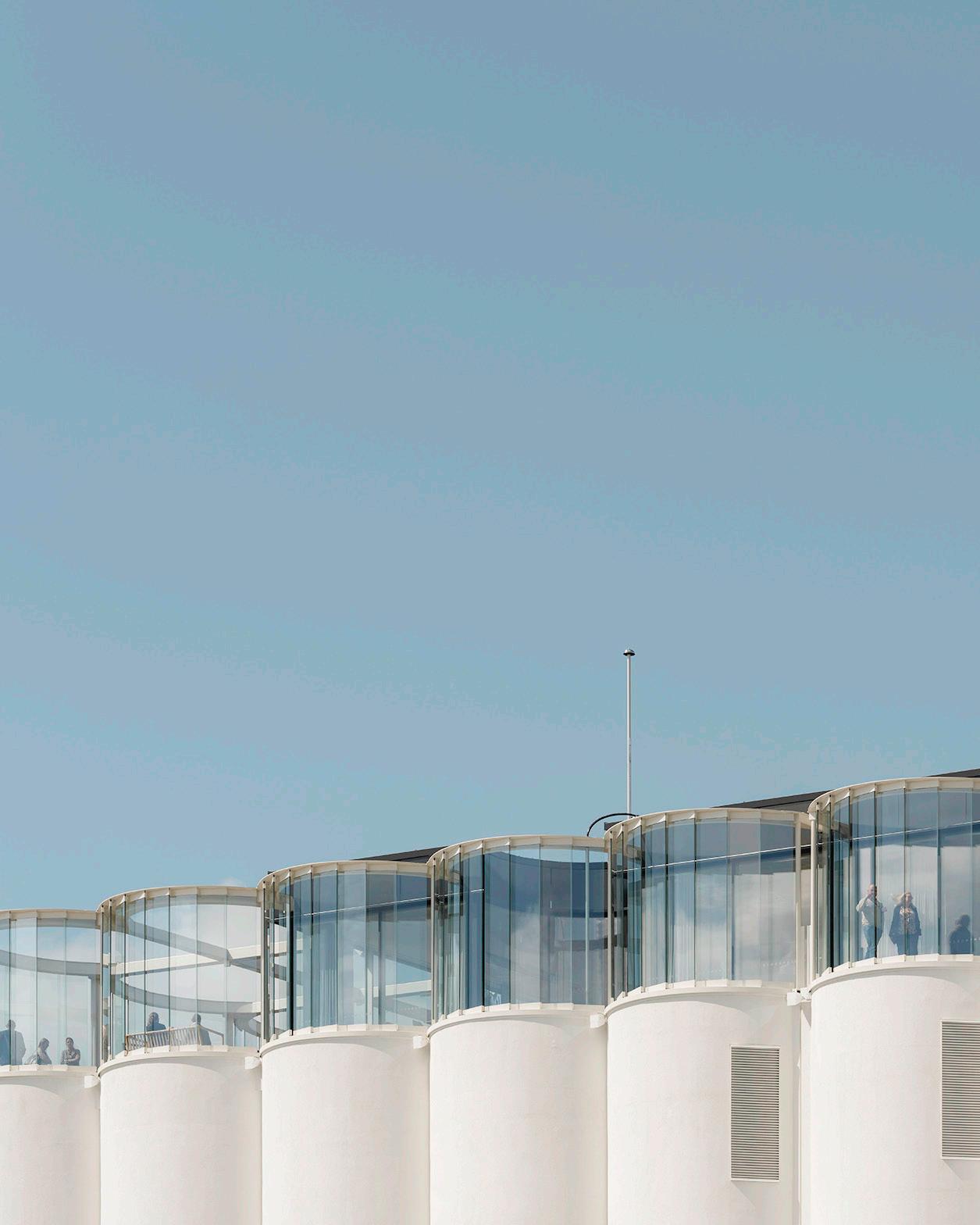
ONCE A CLOSED INDUSTRIAL STRUCTURE DESIGNED FOR GRAIN STORAGE, THE BUILDING IS NOW REIMAGINED AS AN OPEN PUBLIC SPACE THAT CONTRIBUTES TO THE CITY’S CULTURAL LIFE.
The spatial organisation of the museum is structured around galleries arranged around the central atrium. A significant portion of the exhibition space is housed within two newly added volumes, one of which reconstructs an original structure that had deteriorated over time.
The galleries, designed with varying geometries, offer distinct spatial experiences. However, the architects adopted a deliberately restrained aesthetic throughout. As Wåge describes it, this is “white-box, passive architecture”, allowing the artworks to take precedence while establishing a strong contrast with the exposed concrete silos.
A key design approach was to make the relationship between old and new legib-
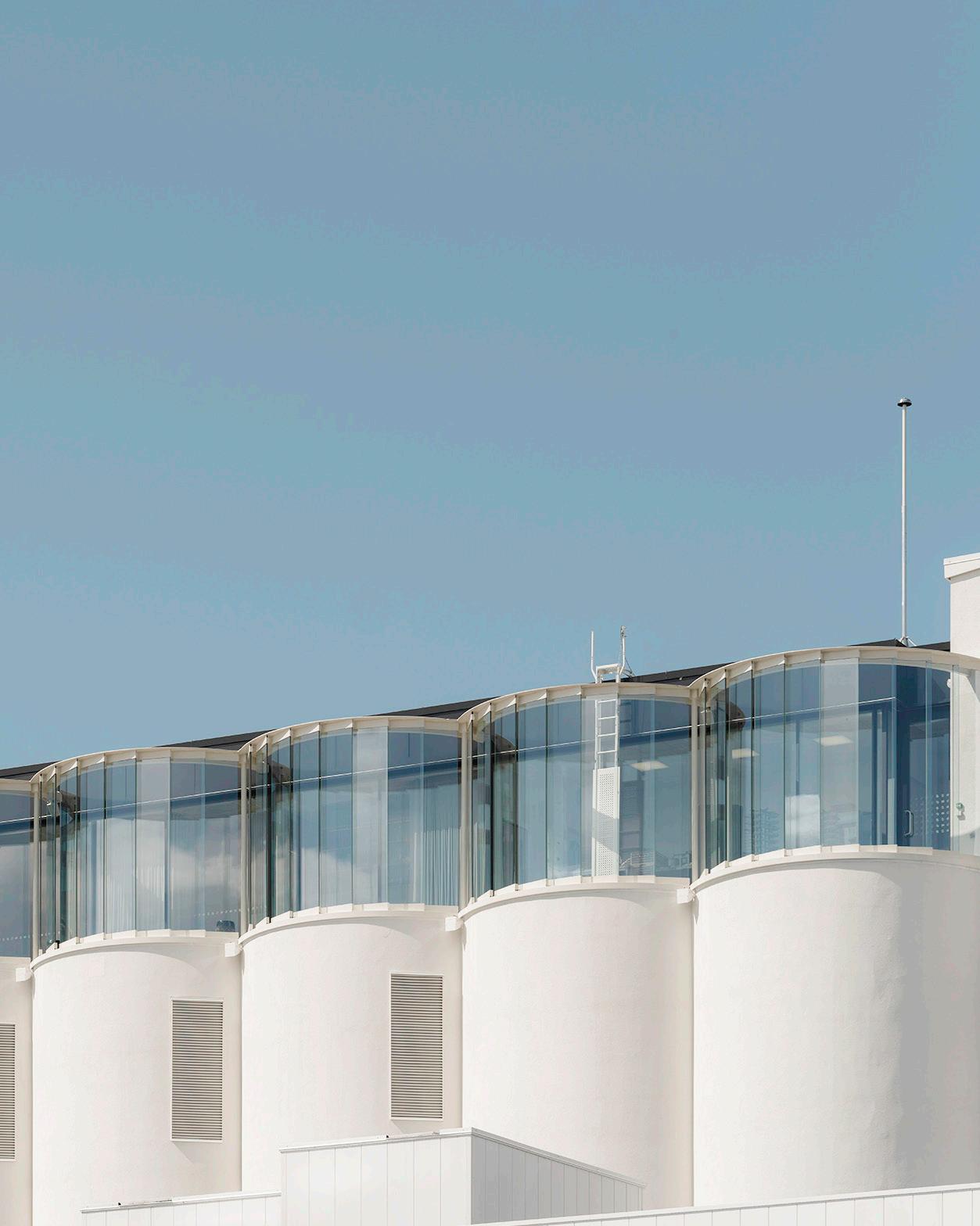
le. The existing concrete surfaces retain traces of past interventions, ensuring that the building’s historical layers remain visible.
In contrast, the new additions are expressed through a more refined and neutral architectural language. Rather than mimicking the original structure, old and new coexist with distinct identities, forming a balanced and deliberate dialogue.
One of the project’s key ambitions was to reconnect the building with the city. Previously a closed industrial facility dedicated to grain storage, the structure has been opened up to public use.
Today, Kunstsilo is not only a museum but also a key component of Kristiansand’s emerging cultural
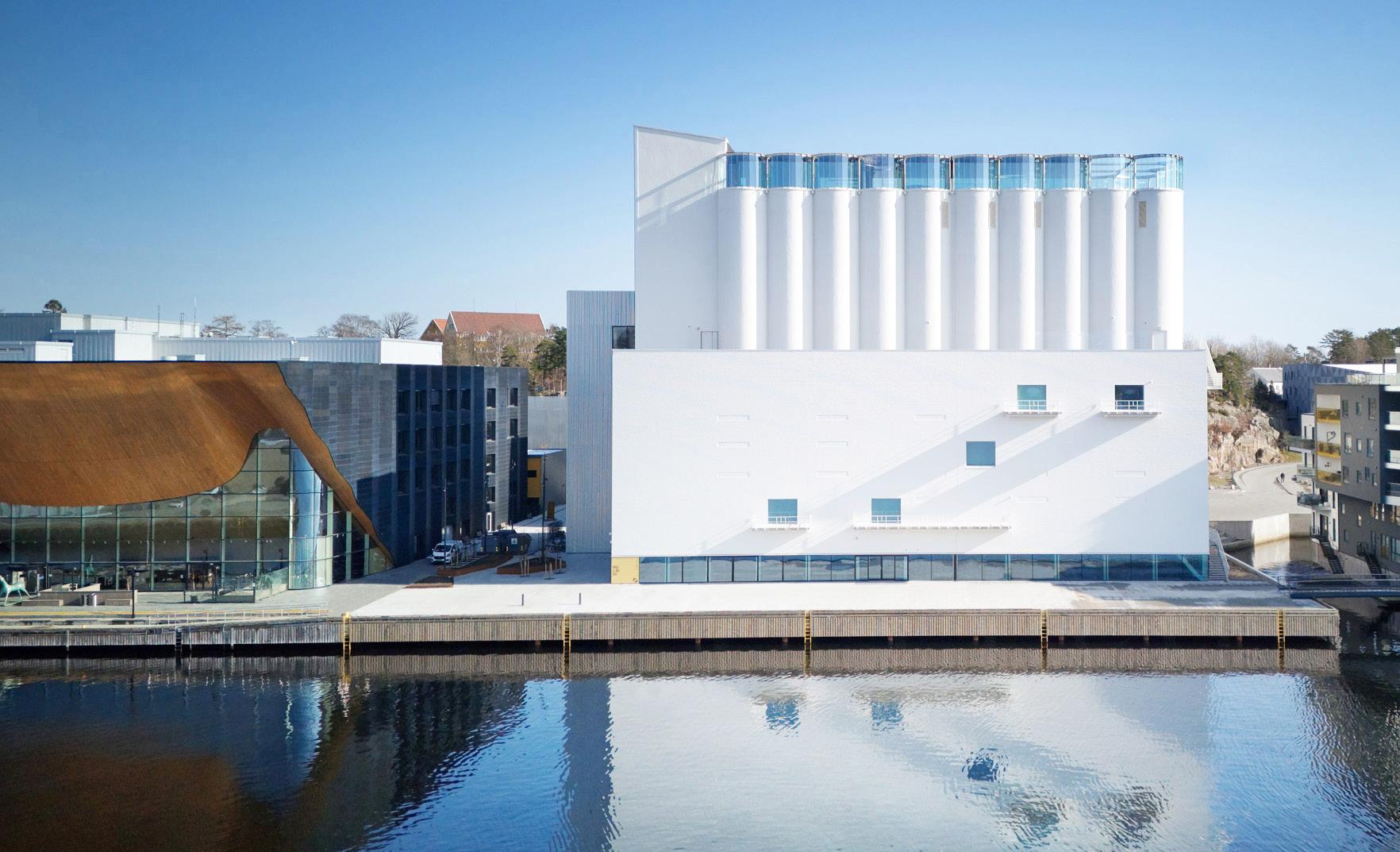
quarter. Together with the Kilden Performing Arts Centre and Knuden Cultural School, it forms a new cultural hub for the city.
Throughout the project, the relationship between old and new is articulated through a deliberate contrast. The raw concrete surfaces of the original structure are preserved, while new architectural additions adopt a lighter and more restrained language.
The exposed concrete of the silos is treated as a primary architectural element, revealing the building’s industrial past. Traces of use, formwork textures and patina are carefully retained, allowing the structure’s history to remain clear.
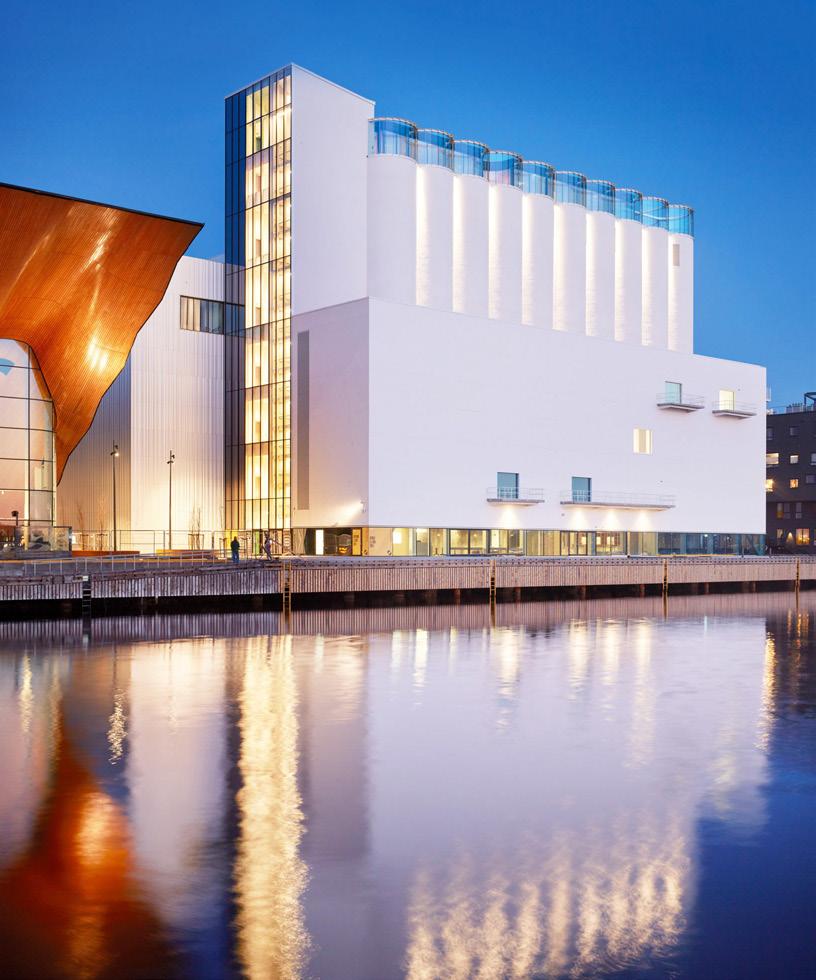
In contrast, the new additions adopt a more refined architectural expression. The eastern extension, clad in corrugated white aluminium, introduces a contemporary language that echoes the rhythm of the cylindrical silos.
Internally, the “white-box” gallery approach ensures that artworks remain the focal point. The contrast between neutral exhibition spaces and the exposed concrete of the atrium becomes a defining aspect of the visitor experience.
At roof level, terraces and public spaces extend the museum experience outdoors. Glass cylinders placed along the roofline continue the vertical rhythm of the silos, offering a contemporary interpretation of the building’s original geometry.
Since its completion, Kunstsilo has gained international recognition for its approach to transforming industrial heritage into a contemporary cultural institution. The project has received several prestigious awards and has been shortlisted and nominated in major international programmes.
Kunstsilo received the Building of the Year Norway 2025, as well as first prizes
THE ‘WHITEBOX, PASSIVE ARCHITECTURE’ APPROACH IN THE GALLERIES ALLOWS ARTWORKS TO TAKE CENTRE STAGE.
in the Spanish Architecture Award 2025, Concrete Award Norway 2025 and ADF Design Award 2025.
The project has also been nominated for the Mies van der Rohe Award 2026 and shortlisted in the RIBA International Awards 2026 in the culture and entertainment category.
Internationally, Kunstsilo has been recognised by the Prix Versailles, where it was selected among the most notable projects in the category of “The World’s Most Beautiful Museums”.
It has also been featured in TIME’s World’s Greatest Places 2024 and The New York Times’ 52 Places to Visit in 2025.
Today, Kunstsilo stands not only as a cultural landmark for Kristiansand, but as a significant reference for the adaptive reuse of industrial heritage across Europe.
BY CARVING OUT THE SILOS TO A HEIGHT OF APPROXIMATELY 21 METRES, A MONUMENTAL ATRIUM REMINISCENT OF A BASILICA IS CREATED.
EKOYAPI VIEWPOINT
Kunstsilo demonstrates that the preservation of industrial heritage is not merely about protecting the past, but about shaping the future of cities. A dense, inward-looking industrial structure designed for grain storage has been transformed into an open, public cultural space through a carefully considered architectural intervention.
One of the project’s key contributions lies in reframing adaptive reuse not only as a sustainability-driven approach, but as a broader cultural and urban strategy. By preserving the existing concrete silos, introducing new architectural additions through contrast, and embedding public programmes within the structure, the project both reveals its architectural heritage and establishes a new cultural destination.
Across Europe, particularly in the UK and Northern Europe, industrial buildings are increasingly being reimagined as spaces for culture, art and public life. In Turkey, however, such transformations remain relatively limited. The growing interest in reusing industrial structures such as ports, warehouses and factories, however, suggests a shifting perspective.
In this context, Kunstsilo offers a compelling international reference, demonstrating how industrial heritage can be reinterpreted through contemporary architecture and cultural programming.
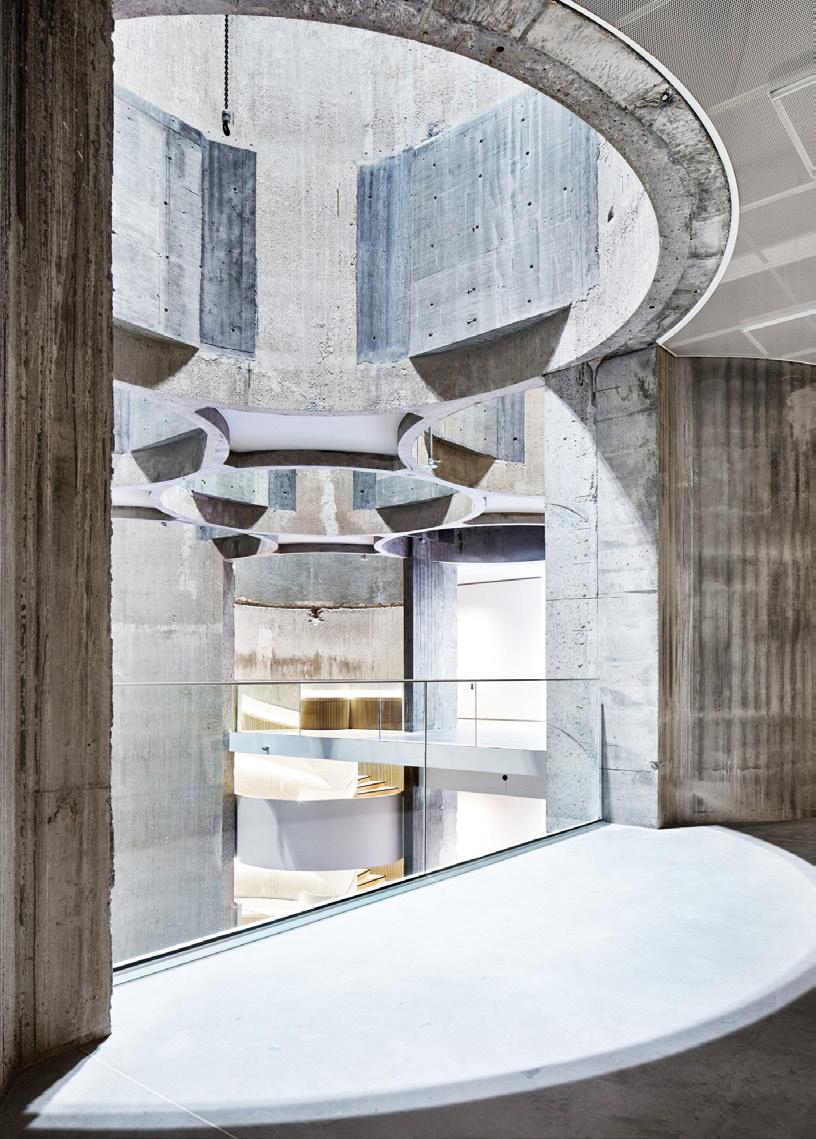
WHILE TRACES OF PAST INTERVENTIONS ARE PRESERVED IN THE EXISTING CONCRETE SURFACES, NEW ADDITIONS ADOPT A MORE RESTRAINED ARCHITECTURAL LANGUAGE.
Project Credits
Project: Kunstsilo Museum
Location: Kristiansand, Norway
Client: Kunstsilo Foundation
Architects: Mestres Wåge Arquitectes, BAX, Mendoza Partida
Original Building: 1935
Original Architects: Arne Korsmo, Sverre
Aasland
Main Contractors: Backe Sør, Kruse Smith, Ribe Betong AS
Programme: Art museum, galleries, cultural school, public spaces
Exhibition Area: approx. 3,300 m²
Silos: 30 concrete silos
Building Height: 37 m
Central Atrium: approx. 21 m
Photography: Tomasz Majewski Photography, Alan Williams Photography
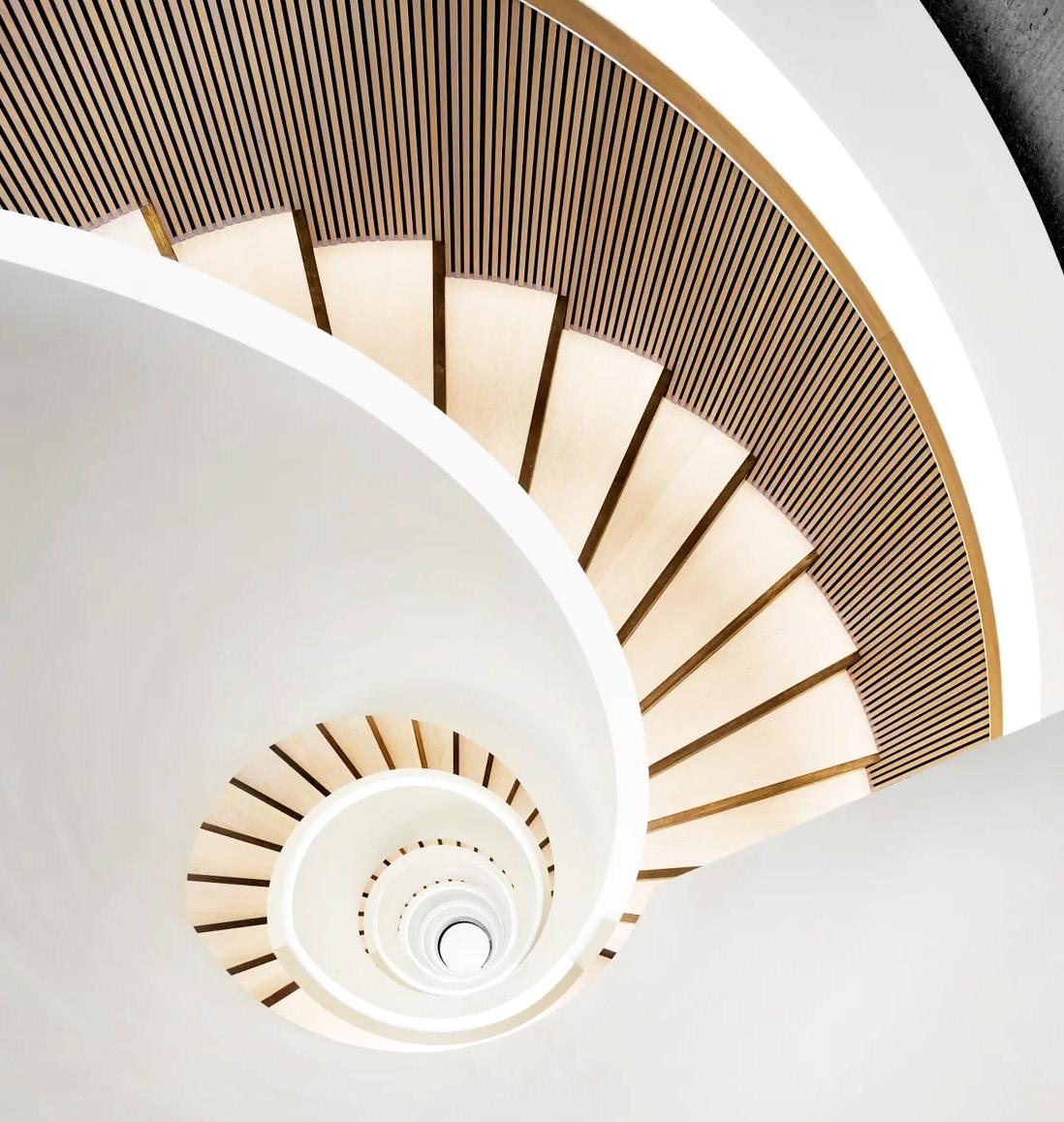
TECHNICAL CHALLENGES OF THE TRANSFORMATION
MAPEI Technical Contributions
Transforming an industrial grain silo into a museum is a complex process that requires preserving the building’s historic character while ensuring a safe and durable environment capable of accommodating thousands of visitors.
Mapei AS, the Norwegian subsidiary of the Mapei Group, provided comprehensive solutions for the repair of concrete elements, anchoring systems, new concrete applications, and the creation of comfortable flooring surfaces in public areas.
High-performance mortars such as Mapefill N-LH and Nonset 400 were used in the restoration of concrete elements, while Nonset 120 expanding mortar was applied in anchoring works. Redirep 45 RSF mortar was used to repair surface
defects and strengthen concrete substrates.
For new concrete elements, specialised admixtures including Dynamon SX-23 superplasticiser, Mapetard R retarder and Mapeair 25 air-entraining agent were employed. Concrete surfaces were cured and hardened using Mapecure Hardener, while Mapelux Opaca wax was applied to improve maintenance performance.
These technical interventions ensured the preservation of the building’s original concrete structure while meeting the durability and long-term performance requirements of a contemporary museum.
TechnIcal Application Details
Period of Mapei intervention: 2020–2024
Site Manager: PAl Le Page
Mapei Coordinators: Trond Ueland, Jasmin Sivac (Mapei AS)
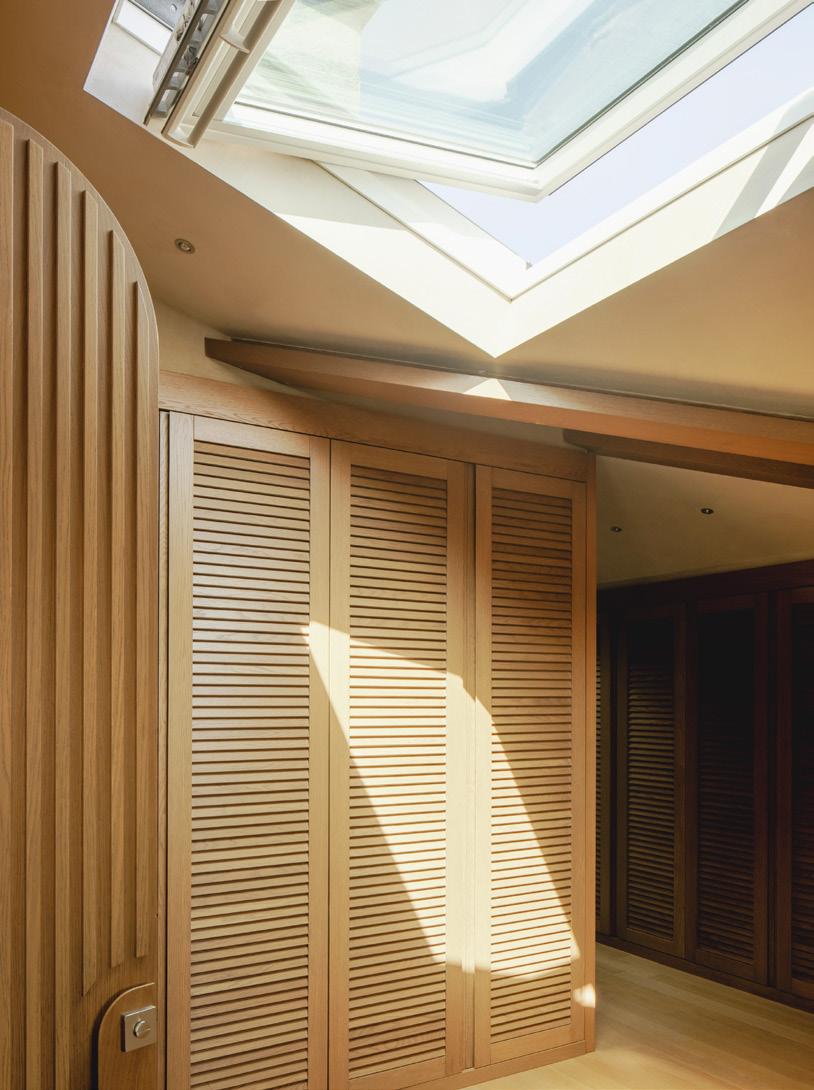
GOING BEYOND ILLUMINATION, T.27 POSITIONS DAYLIGHT AS A PRIMARY DESIGN DRIVER, REDEFINING SPATIAL QUALITY AND USER EXPERIENCE THROUGH A HOLISTIC ATTIC TRANSFORMATION.
In in attic spaces with limited façade openings, daylight is often treated as a constraint. T.27 reframes this condition as a design opportunity, using rooflights and spatial organisation to establish natural light as the defining element of the interior. The project demonstrates how daylight, when strategically orchestrated, can redefine both spatial quality and user comfort.
Point of Departure: Insufficient Daylight
Located in Suadiye, Istanbul, Türkiye, the T.27 loft addresses a familiar issue within the existing housing stock: deep-plan dwellings deprived of adequate daylight due to restricted façade openings. Designed by r.a.f. studio, the project treats natural light not as a secondary layer, but as a primary agent in shaping space.
In its original state, the single-aspect apartment failed to draw daylight into the depth of the plan, resulting in a dark and fragmented living environment. This
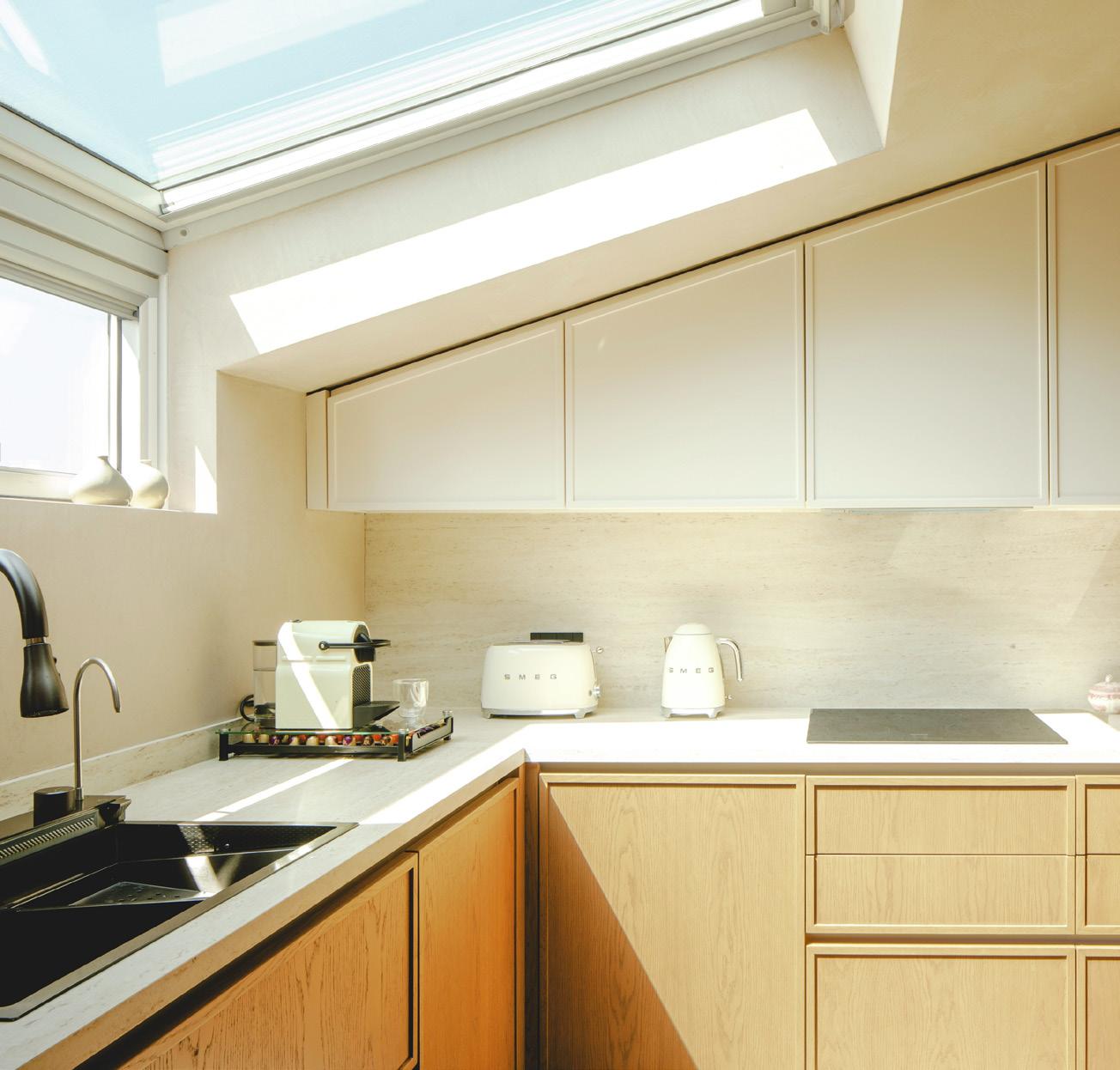
T.27 ATTIC IS NOT SIMPLY AN AESTHETIC RECONFIGURATION OF INTERIOR SPACE; IT ESTABLISHES A FEASIBLE MODEL FOR THE ENHANCEMENT OF EXISTING RESIDENTIAL TYPES.
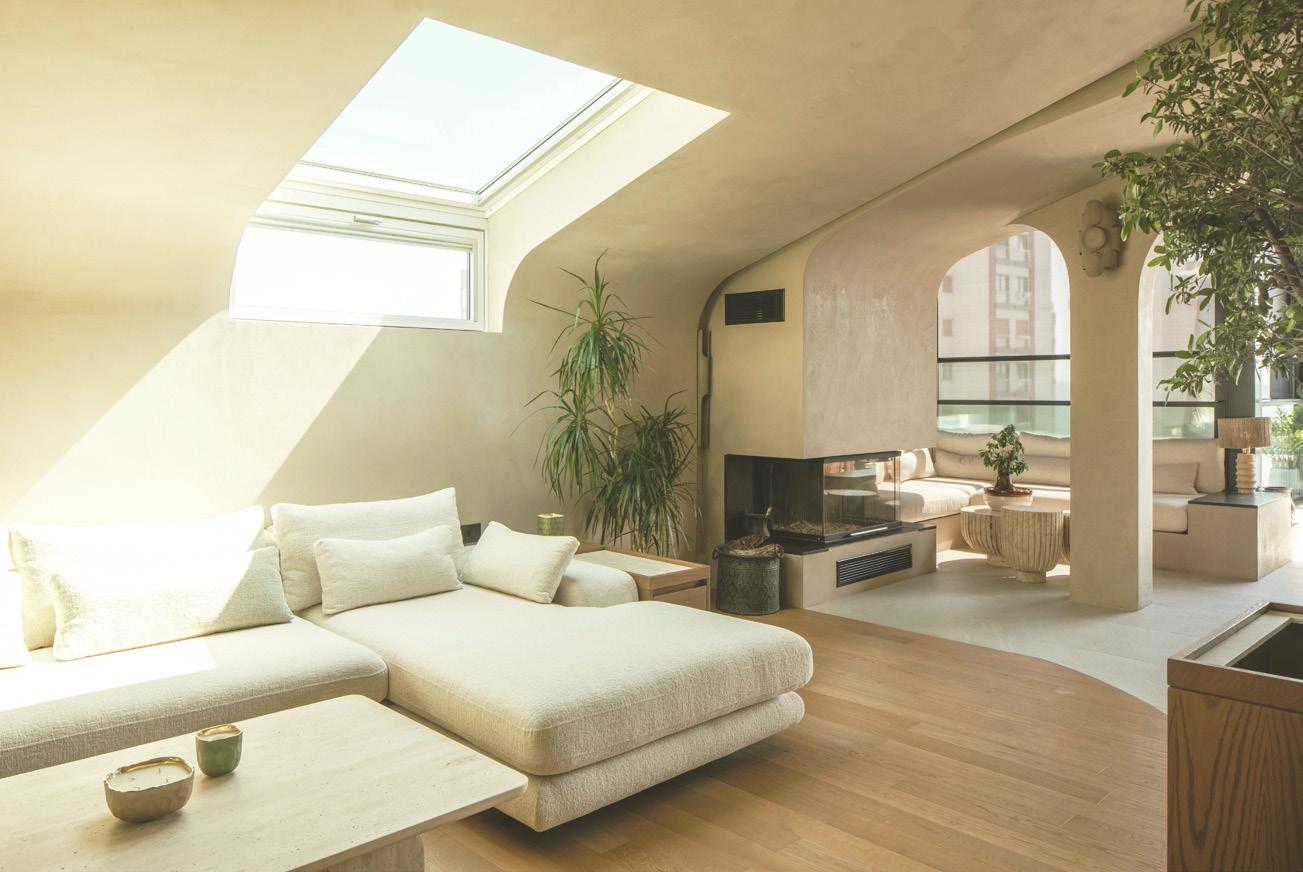
condition directly impacted both spatial perception and inhabitant comfort.
The project is structured around the admission, direction and distribution of daylight — principles that sit at the core of VELUX’s approach to daylight design. Rooflights operate not simply as apertures, but as active instruments shaping the spatial logic of the interior.
The key intervention introduces overhead light and distributes it across the depth of the plan. Positioned in relation to circulation and spatial voids, the rooflights establish a continuous flow of light into the living areas. As a result, the approximately 90-square-metre loft is continually redefined by shifting daylight conditions throughout the day.
The internal layout reinforces this daylight strategy. Living spaces are arranged to maximise exposure to natural light, while transitions are resolved through continuity rather than rigid separation.
Curved surfaces and a continuous inner shell actively diffuse and balance light within the space. In doing so, daylight becomes a unifying element rather than one that fragments the interior.
The material palette is calibrated to enhance daylight performance. Lighttoned, matte surfaces reflect light evenly, minimising glare and improving visual comfort.
DAYLIGHT,
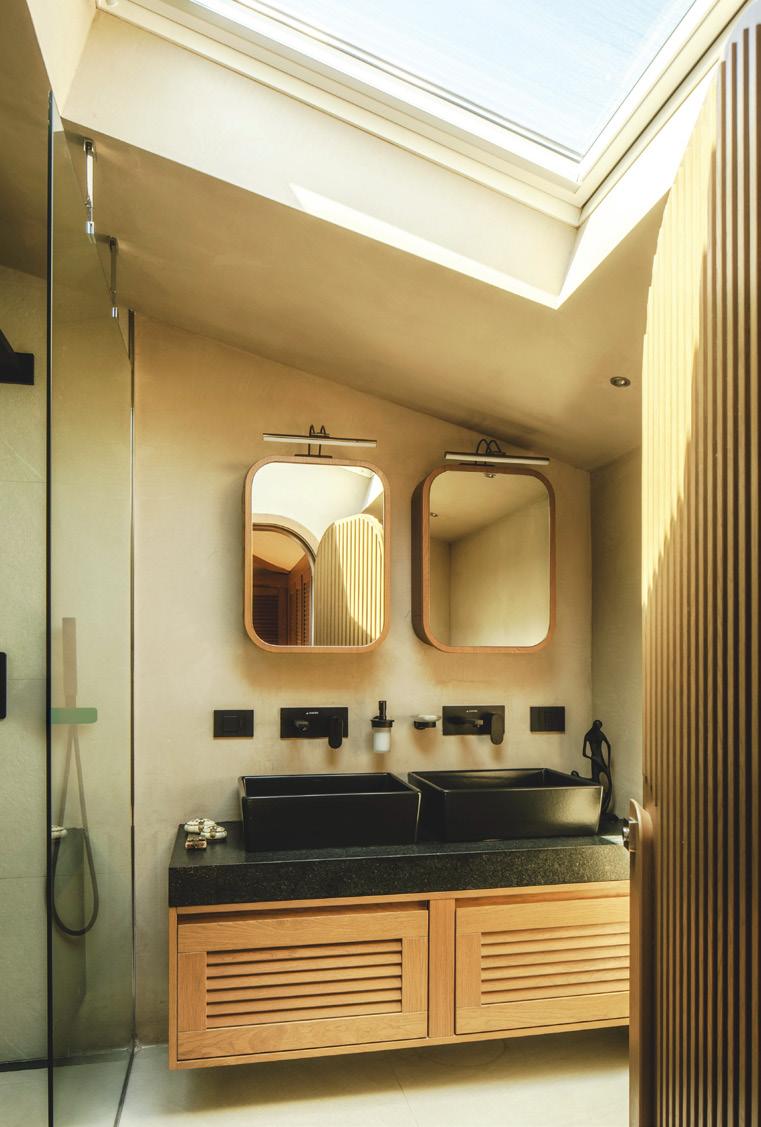

Natural stone and timber respond dynamically to changing light, introducing a temporal dimension. Morning light creates a softer, warmer atmosphere, while shifting shadows throughout the day emphasise depth and spatial articulation.
Inside–Outside Relationship and User Experience
The relationship between interior and exterior is redefined through rooflights and a terrace connection. Visual continuity is strengthened, while operable elements provide natural ventilation and control over light.
This allows a flexible balance between openness and privacy. The space engages with its surroundings while maintaining a controlled interior environment.
Conclusion: A Daylight-Driven Model
T.27 proposes a transferable model for upgrading existing residential typologies. It demonstrates how daylight, when treated as a primary design parameter, can define spatial quality — an approach long advocated within VELUX’s daylight philosophy.
Within dense urban contexts, the project shows how limited interventions can generate significant spatial impact through a design approach centred on daylight.
ARCHITECTURE NOT MERELY AS THE PRODUCTION OF BUILDINGS, BUT AS A RELATIONSHIP SHAPED BY CONTEXT, MATERIAL, AND TIME.
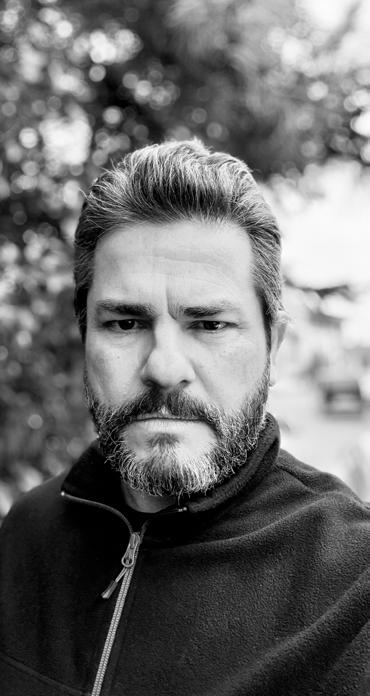
Sinan Kafadar, founder of Metex Design, approaches architecture not merely as the production of buildings but as a relationship between context, material and time. With projects ranging from Turkey to London, the practice brings together contemporary design and a commitment to long-lasting architecture. In this issue, we spoke with Sinan about timelessness, sustainability and the evolving culture of architectural production.
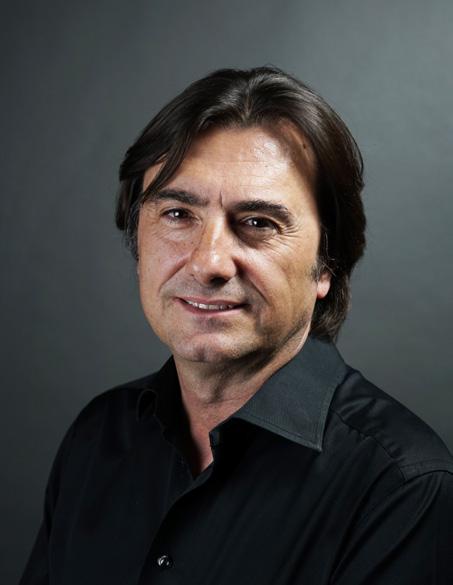
Metex Design projects often feature a restrained yet powerful language of detail. How does this approach relate to the idea of timelessness? In your view, what allows a building to become timeless?
The answer to this question contains a dilemma that has occupied my mind for a long time.
The first side of this dilemma is the following: many of the buildings that have survived from human history to the present day are examples of remarkable architecture. From childhood onwards, as we became familiar with important historic buildings around us, we realised something quite fundamental: if a building can withstand time and still appear compelling, the architect who designed it was not creating only for their own era but was aiming to produce a structure that would endure for many years.
During my university years, we were also taught to design buildings that would be long-lasting and permanent. This approach remains a strong reference point for me today. When
designing, I still try to ensure that a building feels “timeless” and that its architecture — or its interior architecture — can remain meaningful over time.
The second side of the dilemma is the reality of the age we live in. In the second quarter of the 21st century, we inhabit a world in which visual abundance flows over us almost like a flood. Every day, through multiple communication channels, designs from all over the world pass before our eyes at great speed. A building we admire today can easily be forgotten tomorrow, because a new day begins with a new visual spectacle.
For this reason, the relationship between design — and even architecture itself — and timelessness has become open to question. Are buildings truly as permanent as we believe them to be? Or are they becoming part of a culture of consumption in which the attitude is: “If you like it, use it — and when something new appears, we will build another one”? I believe that the notion of timelessness must be reconsidered precisely within this tension.
In recent years, sustainability has become a widely used concept in almost every project. When does sustainability move beyond being a label and become a genuine design criterion? I approach the concept of sustainability through three main dimensions.
The first is the sustainability of the building itself. The materials used in a building should remain durable for as long as possible without deteriorating under physical conditions. Longevity is one of the fundamental requirements of sustainability.
The second concerns the way materials are produced. They should be manufactured through processes that are compatible with nature, and their sourcing, processing and production should be environmentally responsible.
The third dimension relates to what happens when a building reaches the end of its life. The debris — or the building components themselves — should be reusable. The possibility of re-evaluating materials or structural elements at the end of their lifecycle is one of the most important aspects of sustainability.
TODAY, THE IDEA OF TIMELESSNESS MUST BE RECONSIDERED WITHIN THE TENSION BETWEEN OUR FASTCONSUMED VISUAL CULTURE AND THE ENDURING IDEALS OF ARCHITECTURE.
In my opinion, sustainability ceases to be a label and becomes a real design criterion only when these three dimensions are considered together.
How do the dynamics that shape design decisions differ between architecture produced in a local context and projects positioned internationally?
Rather than defining this question through a distinction between Turkey and other countries, I find it more meaningful to frame it through the geographical, climatic and cultural characteristics of the place where a project is located. These are the factors that truly shape our design decisions.
The physical surroundings of a site, its climate conditions, the urban fabric, its historical background and its cultural context all determine the direction of a project. For this reason, the language that Metex Design develops is not based on a contrast between the local
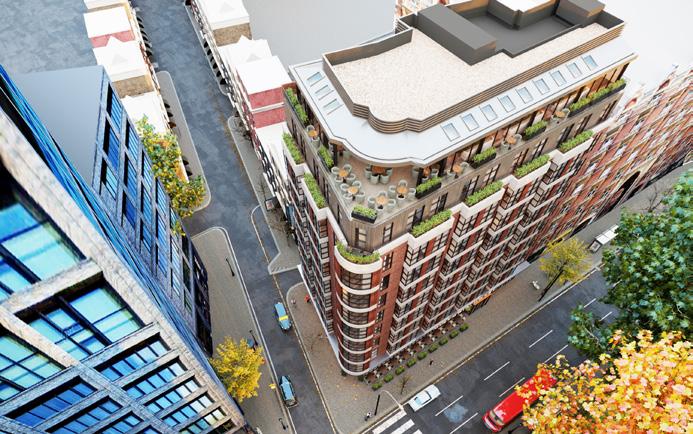
FOR METEX
CHOOSING THE RIGHT MATERIAL IS NOT SIMPLY AN AESTHETIC PREFERENCE; IT IS A FUNDAMENTAL DECISION THAT DEFINES A BUILDING’S LIFESPAN, PERFORMANCE AND ENVIRONMENTAL IMPACT.
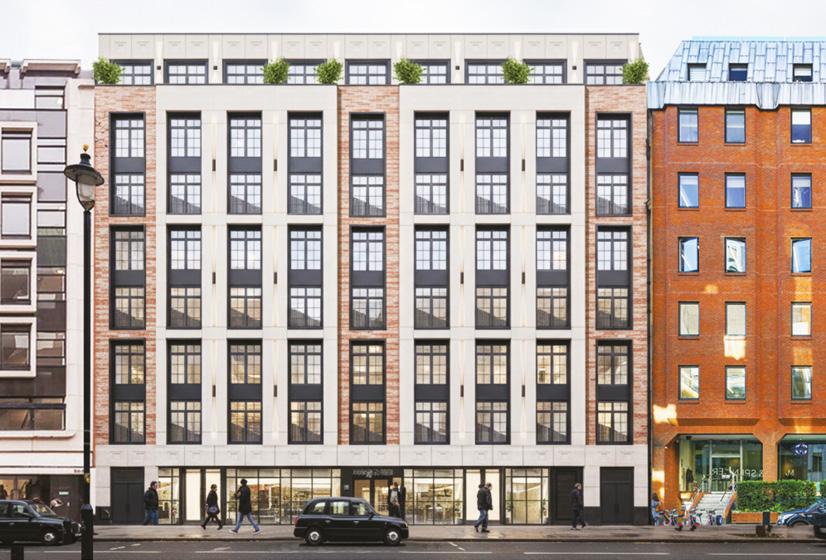
and the international. Instead, it relies on carefully reading each project within its own context.
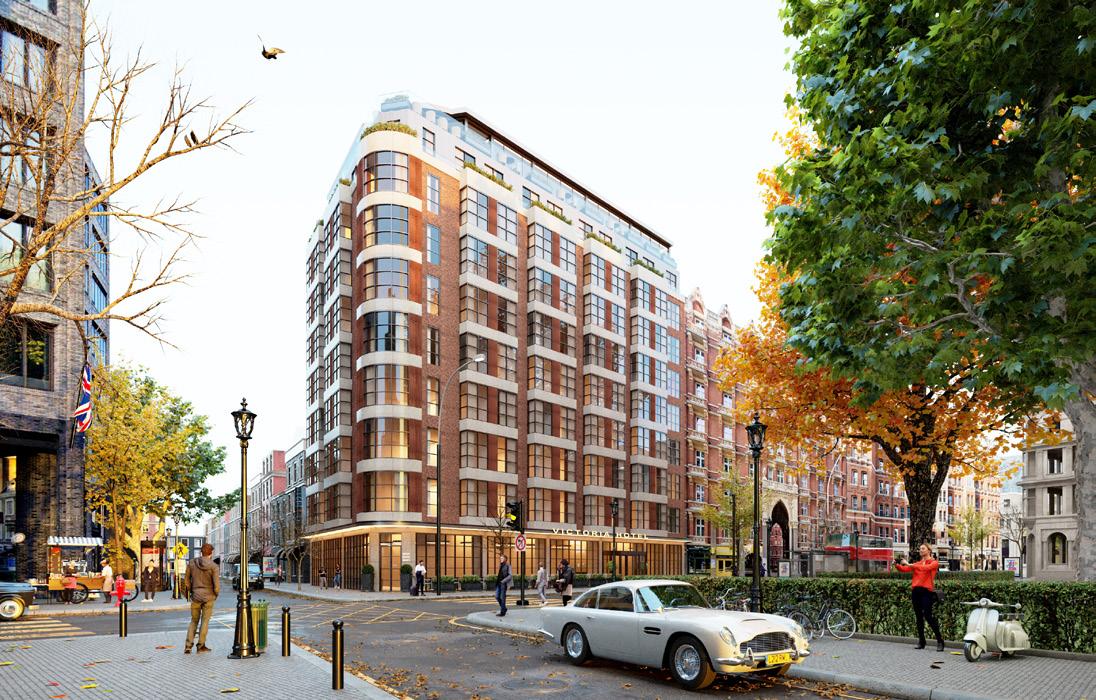
Could you briefly tell us about the projects Metex Design has realised in London and those currently in progress? How have these projects shaped the office’s design approach and decision-making processes within an international context?
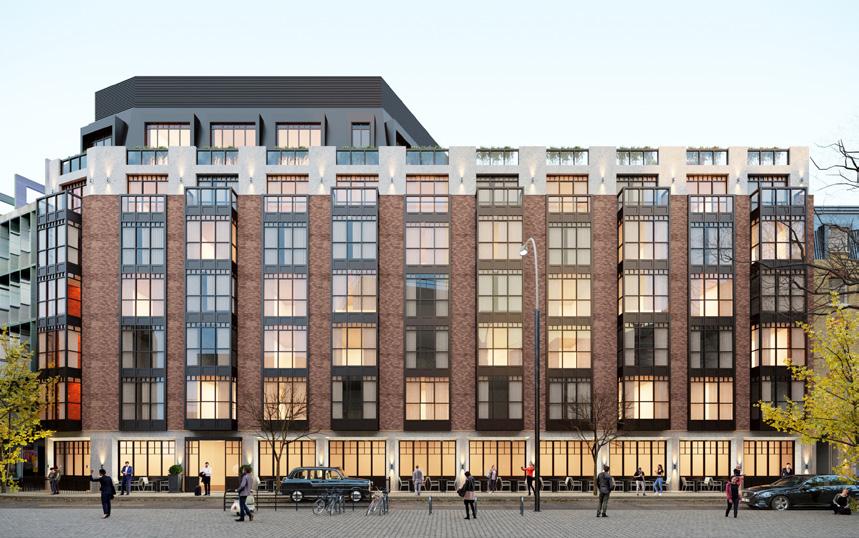
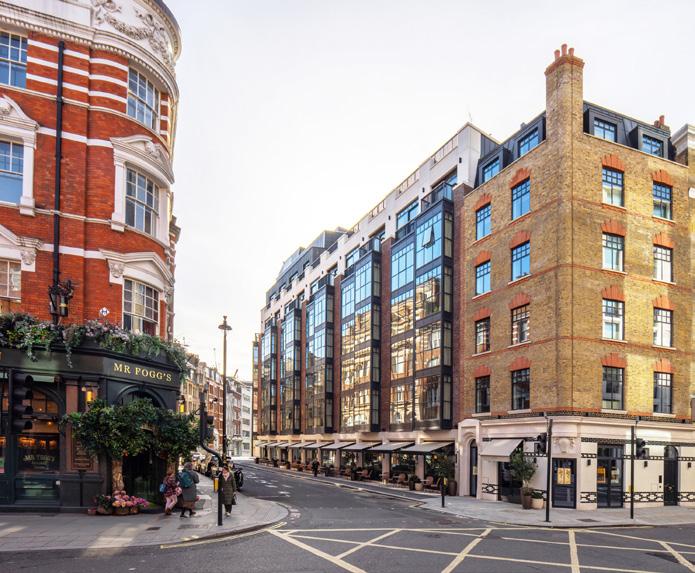
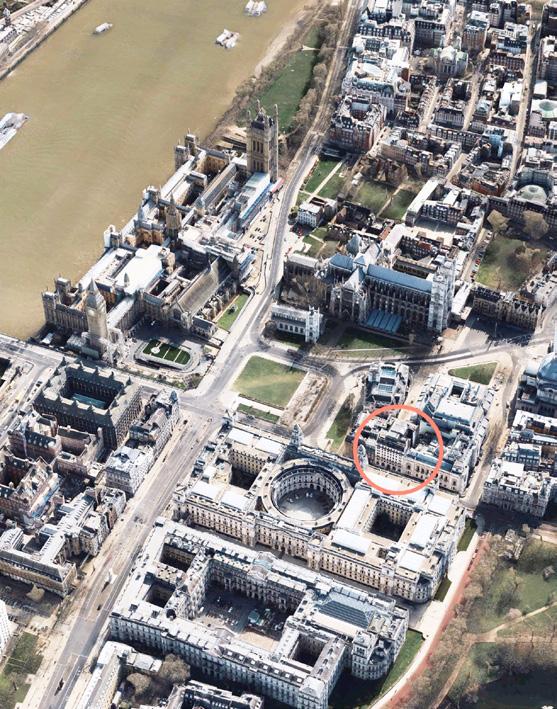
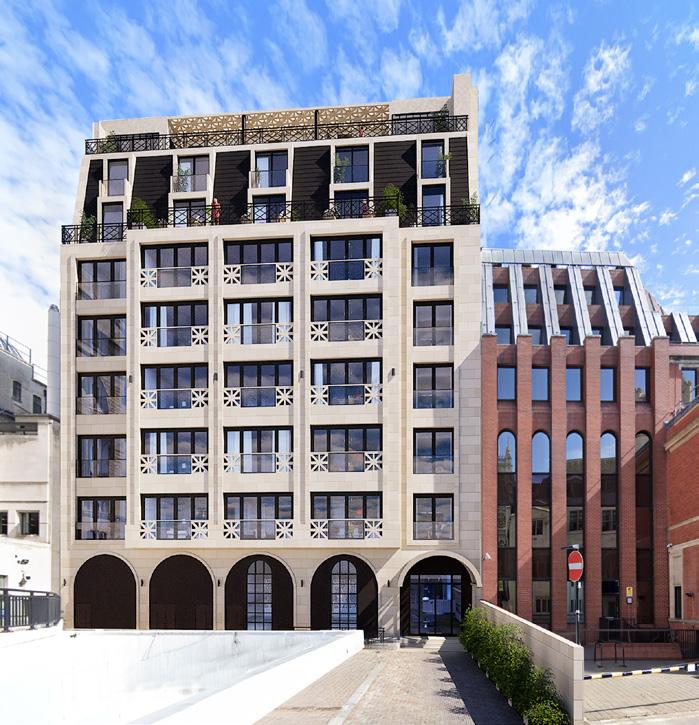
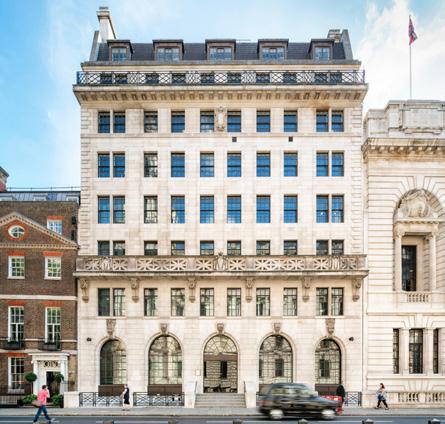
The Newman Hotel in Fitzrovia, for which we developed the architectural design, opened in February 2026. In addition, we are currently working on the architectural planning and façade design of three other existing buildings.
All of these projects are located in central London, within areas surrounded by historic buildings. For this reason, our primary design approach is to produce architecture that is respectful of its surroundings and compatible with the exis-
ting urban fabric, while still maintaining contemporary and modern architectural qualities.
These projects in London have allowed us to understand more clearly how we position ourselves as an office within an international context. At the same time, they have made our decision-making processes more sensitive, context-oriented and multilayered.
In your projects, material is not treated as an aesthetic decision but as an element that determines a building’s performance and lifespan. What does choosing the right material mean for Metex Design? For Metex Design, choosing the right material is a fundamental decision that defines the building’s lifespan, performance and environmental impact rather than merely an aesthetic one. For this reason, we pay attention to several key principles in material selection. Materials
must be durable; their ageing process and long-term performance should be well understood. We also approach materials whose behaviour over time is uncertain with caution.
Moreover, materials should also meet the three sustainability criteria I mentioned earlier: they should be long-lasting, produced through environmentally responsible methods, and capable of being reused at the end of their lifecycle.
At a time when AI and data-driven design approaches are becoming increasingly influential in architectural practice, how does Metex Design use these technologies? In what ways do they reshape your design processes? We do use artificial intelligence tools in our of-
REAL DESIGN
ONLY WHEN THREE CONDITIONS ARE CONSIDERED TOGETHER.
fice, but our principle in doing so is very clear: artificial intelligence should not interfere with design or alter any line.
We treat these technologies not as tools that replace the design process, but rather as assistants used after the modelling stage — for generating perspectives, producing visually powerful threedimensional outputs quickly, and preparing films or presentation materials.
In this sense, artificial intelligence does not directly determine our design decisions. Instead, it affects the speed and efficiency of processes such as project visualisation and presentation preparation. In other words, it does not transform the essence of design, but rather the way design is expressed and communicated.

JEYAN ÜLKÜ REFRAMES HYBRID WORK THROUGH A DESIGN LANGUAGE SHAPED BY SPATIAL CLARITY, FLEXIBILITY, AND A DEEPLY USERDRIVEN METHODOLOGY.
Architecture is moving beyond the production of form towards a more expansive role — one that actively reshapes how we live and work. In this conversation, Jeyan Ülkü reflects on spatial clarity, conceptual thinking, and the shifting paradigms of hybrid work.
Since establishing his practice in the early 2000s, Ülkü has built an internationally recognised portfolio centred on corporate environments. His work is distinguished by contextual sensitivity, a strong emphasis on user experience, and an ability to operate across scales. Here, he offers a layered reading of the contemporary office, where physical and digital realities increasingly overlap — and reflects on where workplace design might be heading next.
Your work has focused on corporate environments since 2000. How would you describe the design approach of Jeyan Ülkü Architects today? And how do the modernist principles of functionality and simplicity translate into a contemporary context within your practice?
For us, the starting point of any project is critical. Design does not begin with drawing — it begins with listening. Before proposing anything, we seek to understand the organisation in depth: its structure, workflows, daily rhythms, and expectations. This process of analytical reading forms the intellectual foundation of the project.
Over time, this approach has shaped our design language quite naturally.
Modernism’s principles — functionality and simplicity — remain relevant, but not as fixed references. Instead, we reinterpret them through the lens of today’s evolving work culture.
Functionality, in our view, is not simply technical performance. It is a driver of experience —something that enhances how users engage with space and how space performs in return. Simplicity is often misunderstood as reduction. For us, it is about clarity — revealing what is essential. By removing the unnecessary, the space is able to define its own internal logic, balance, and coherence.
Ultimately, we aim to create environments that are not only conceptually
consistent, but also intuitively legible — spaces where clarity is not imposed but discovered.
How do you navigate the relationship between concept and spatial experience? How does an abstract idea translate into something users can intuitively feel?
For us, the concept is never a fixed starting point. It evolves. As we begin to understand how people work, interact, and what they expect from a space, a narrative starts to emerge — almost on its own.
Rather than translating this narrative into something literal, we work with a
more implicit language. Light, material, colour, and texture become tools — but not in an expressive sense. The intention is not for the user to read the concept, but to feel it. The most successful spaces are often the ones that are understood without being consciously interpreted.
At Good Job Games, for instance, we set out to move beyond the conventional office model and instead evoke the atmosphere of a university campus — open-ended, fluid, and exploratory. Instead of representing this idea directly, we structured the central gallery as an internal agora: a shared field of interaction. The in-
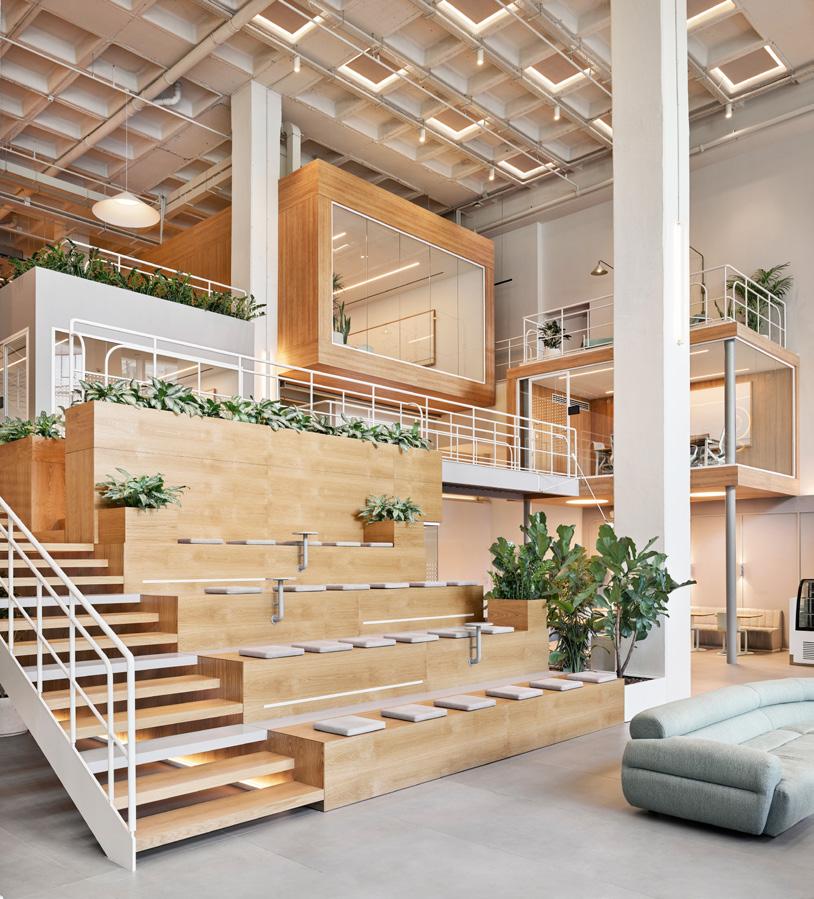
terplay of levels, transitional routes, and moments of discovery allows the concept to unfold through movement and encounter.
The Yves Rocher office operates at a different register. There, the focus was on balancing nature and science — translated through a quieter, more refined material language. Rather than mimicking nature, we distilled its presence into an atmosphere.
In many ways, the process is about designing what is not immediately visible. An atmosphere that feels right, even if it cannot be fully explained — that is where concept becomes experience.
The clarity and restraint in your projects feel almost like a counter-position in today’s visually saturated environments. What does a “legible space” mean to you, and why does it matter now?
We are living in an environment of constant visual and spatial noise. In that context, clarity is no longer a stylistic choice — it is essential.
A legible space is one that does not demand effort. You understand where you are, how to move, where to pause instinctively. It is not about simplification for its own sake, but about removing friction between the user and the space.
This has become increasingly important as the boundaries between work and life dissolve. We occupy multiple roles within the same environments, often within the same day. Spaces that are overly complex or visually aggressive only add to that cognitive load.
What we are aiming for instead is a kind of spatial calm, where organisation, materiality, and hierarchy are all working together to create clarity. Because ultimately, simplicity is what enables comfort.
As hybrid working reshapes the workplace, fixed desks and enclosed offices are losing relevance. What should the office offer today that the home cannot?
If work can happen anywhere, then the office needs to offer something more.
Its value today lies in what cannot be replicated at home: collective energy, exchange, spontaneity. The office becomes a platform for interaction — for ideas to circulate, collide, and evolve. This shift fundamentally changes how we think about space. Instead of fixed layouts and defined hierarchies, we design for adaptability. The office becomes less of a place and more of a system — one that supports different modes of working, encourages encounter, and evolves with its users.
In that sense, the contemporary workplace is no longer about where you sit — it’s about what becomes possible when people come together.
You often emphasise the importance of understanding organisational culture before designing. How do you “read” a company spatially, and what happens when that layer is missed? A space can only truly represent an organisation if its less visible layers are understood. That’s where we begin. Beyond the brief, we look at how people actually work and communicate, how decisions are made, and how informal interactions unfold. Culture rarely sits in written definitions; it reveals itself in behaviours, rhythms, and patterns of gathering.
In the Good Job Games project, for instance, the team was consciously moving away from the conventions of the office. What they described was something more energetic, more social, and closer to everyday life. That led us to develop a campus-like environment, where movement is encouraged and encounters happen naturally rather than being planned.
At Boston Consulting Group, the shift was different. Post-pandemic, the question was balance — how to create a more flexible structure that could accommodate different working modes. The result was a layered environment, offering a range of spatial conditions rather than a single, fixed model.
For Yves Rocher, the starting point was the brand itself. The tension between nature and science became the guiding framework, translated into a quieter, more restrained spatial language.
When this cultural layer is overlooked, spaces may function, but they rarely resonate. They remain technically correct yet disconnected. For us, the real value of design lies in how it is experienced — how it aligns with the people who inhabit it.
Your Good Job Games Offices project has gained international recognition for its campus-like organisation and emphasis on interaction. What was the key move that elevated the project? And how did you translate gaming culture into spatial terms without becoming literal?
From the outset, we decided not to design an “office.” The existing workspace consisted of two detached residential buildings organised around a shared courtyard. The new site, however, was a single commercial volume, defined by a six-metre ceiling height and a twelve-metre internal gallery. Rather than forcing these conditions into a conventional office typology, we used them as an opportunity to rethink the spatial model entirely.
We approached the project as a kind of internal campus.
The main gallery, positioned at the entrance, was conceived as a street and a central spine that organises the entire space. Around it, functions such as the cafeteria, social areas, and transitional
A SPACE’S IDENTITY IS DEFINED LESS BY WHAT IS SEEN AND MORE BY THE INVISIBLE FRAMEWORKS AND RELATIONSHIPS IT CONSTRUCTS WITH ITS USERS.
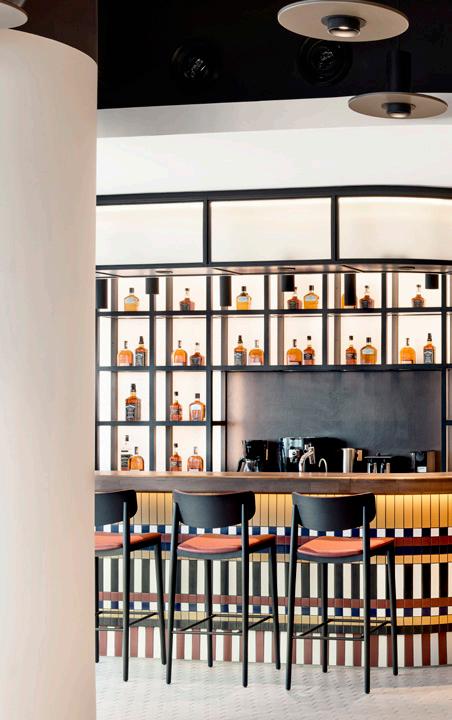
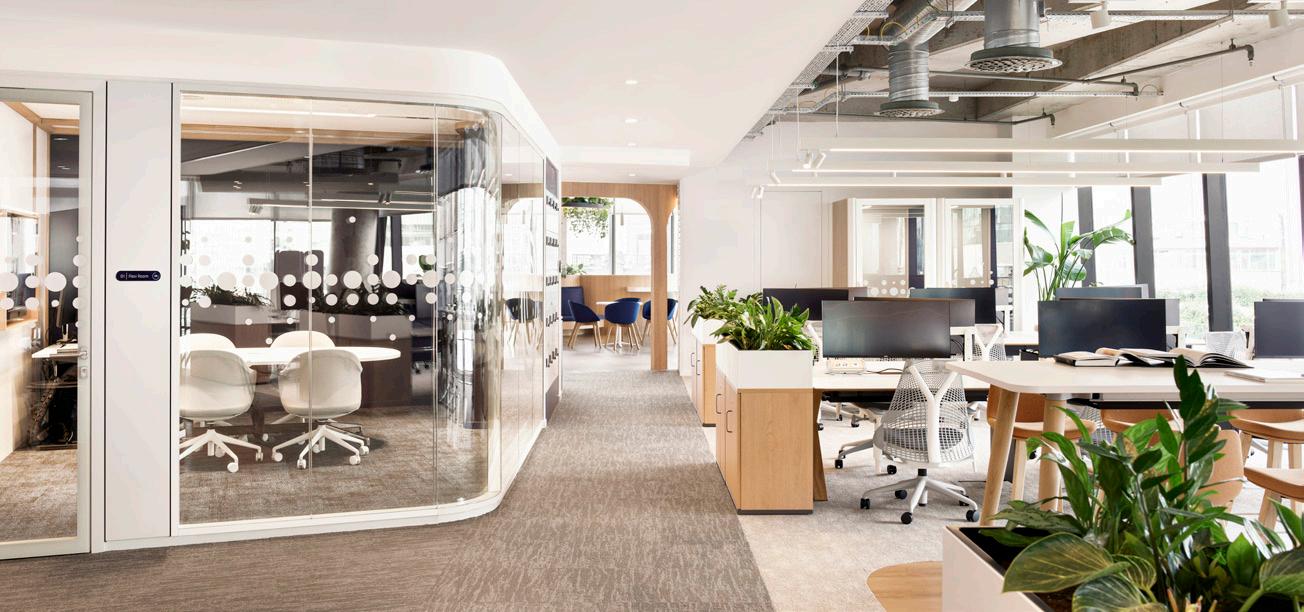
TODAY’S OFFICE IS NO LONGER A STATIC WORKPLACE, BUT A LAYERED ENVIRONMENT THAT ENABLES INTERACTION, ENCOUNTER, AND COLLECTIVE PRODUCTION.
zones were treated almost as individual structures. As you move through the space, the experience shifts continuously, and there is no single dominant perspective. Instead, the environment unfolds through discovery.
The vertical dimension played a key role in this. Changes in level, bridges, and intermediate platforms create a sense of flow, while staircases evolve into places of interaction rather than mere circulation elements. The result is a space that is navigated rather than simply occupied.
Natural light and landscape were equally important. Green elements, terraces, and semi-open areas blur the boundary between inside and outside, reinforcing a sense of continuity. The seating area organised around the tree at the entrance becomes both a physical anchor and a social condenser.
When working with gaming culture,
we deliberately avoided direct references. There are no literal translations. Instead, we focused on its underlying dynamics — movement, interaction, spontaneity, and the balance between individual and collective modes of work.
What emerges is not a themed environment, but a system: adaptable, open-ended, and responsive. Users are given choice, and with that, a degree of ownership.
Perhaps this is what resonated internationally. The project is not about representation — it’s about experience.
Drawing on both your academic contributions and professional practice, what do you see as the most defining shift in office design over the next decade? And how should architectural practice begin to prepare for this transformation today? When we look at office design today, it
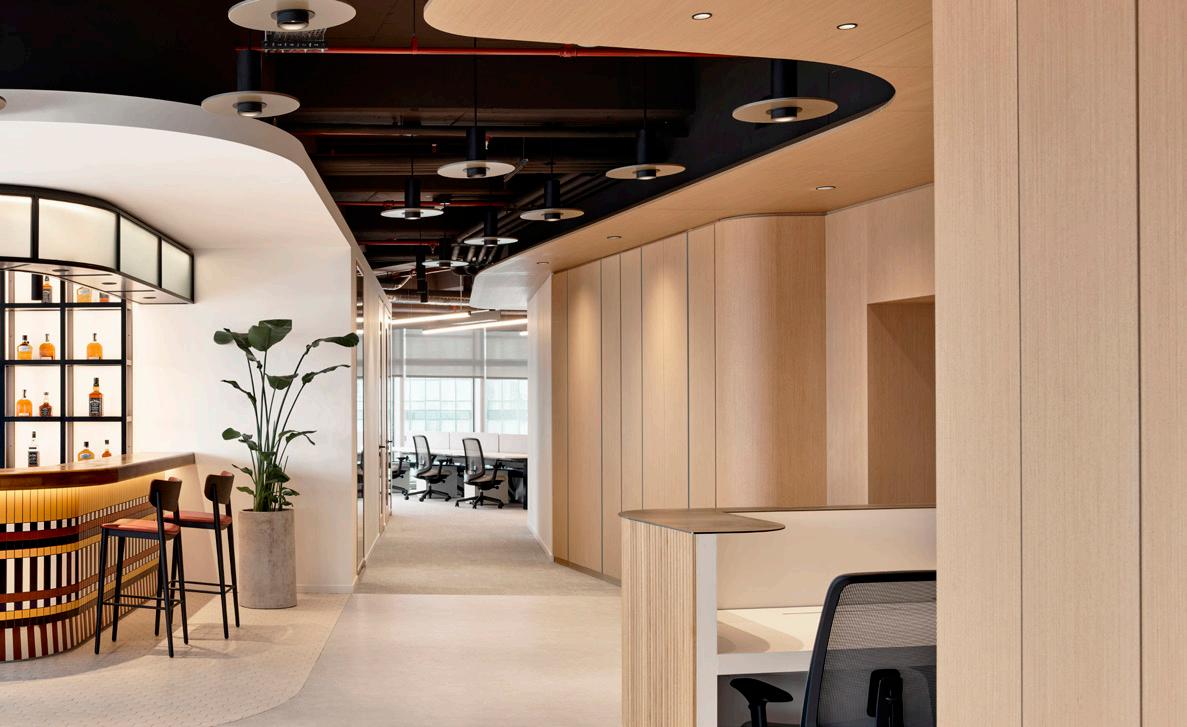
becomes clear that it is part of a much broader transformation. This shift already signals the direction in which the near future is heading.
Over the coming decade, the most defining change will be the increasing convergence of the physical and digital realms. The focus is no longer solely on space, but on a more holistic approach to user experience — one that considers both tangible and intangible layers together.
This transformation is also reshaping the way architecture is produced. Design processes are being redefined through technology, material innovation, and data-driven methodologies. As a result, architecture is evolving into a more integrated and multi-layered field — one that operates in closer dialogue with other disciplines.
In this context, adopting new tools and modes of thinking, and remaining open to interdisciplinary collaboration, becomes critical. Architecture is gradually moving away from being an
FOR JUA, EVERY PROJECT BEGINS NOT WITH DRAWING, BUT WITH LISTENING — AN ANALYTICAL PROCESS GROUNDED IN UNDERSTANDING PEOPLE, ORGANISATIONS, AND HOW WORK ACTUALLY HAPPENS.
individual act of production towards a more collective and continuously evolving practice — one that is shaped by technology and by shifting user behaviours and expectations.
Ultimately, this transformation expands the role of architecture beyond the production of space. It positions it as a holistic practice — one that actively constructs the frameworks of everyday life.
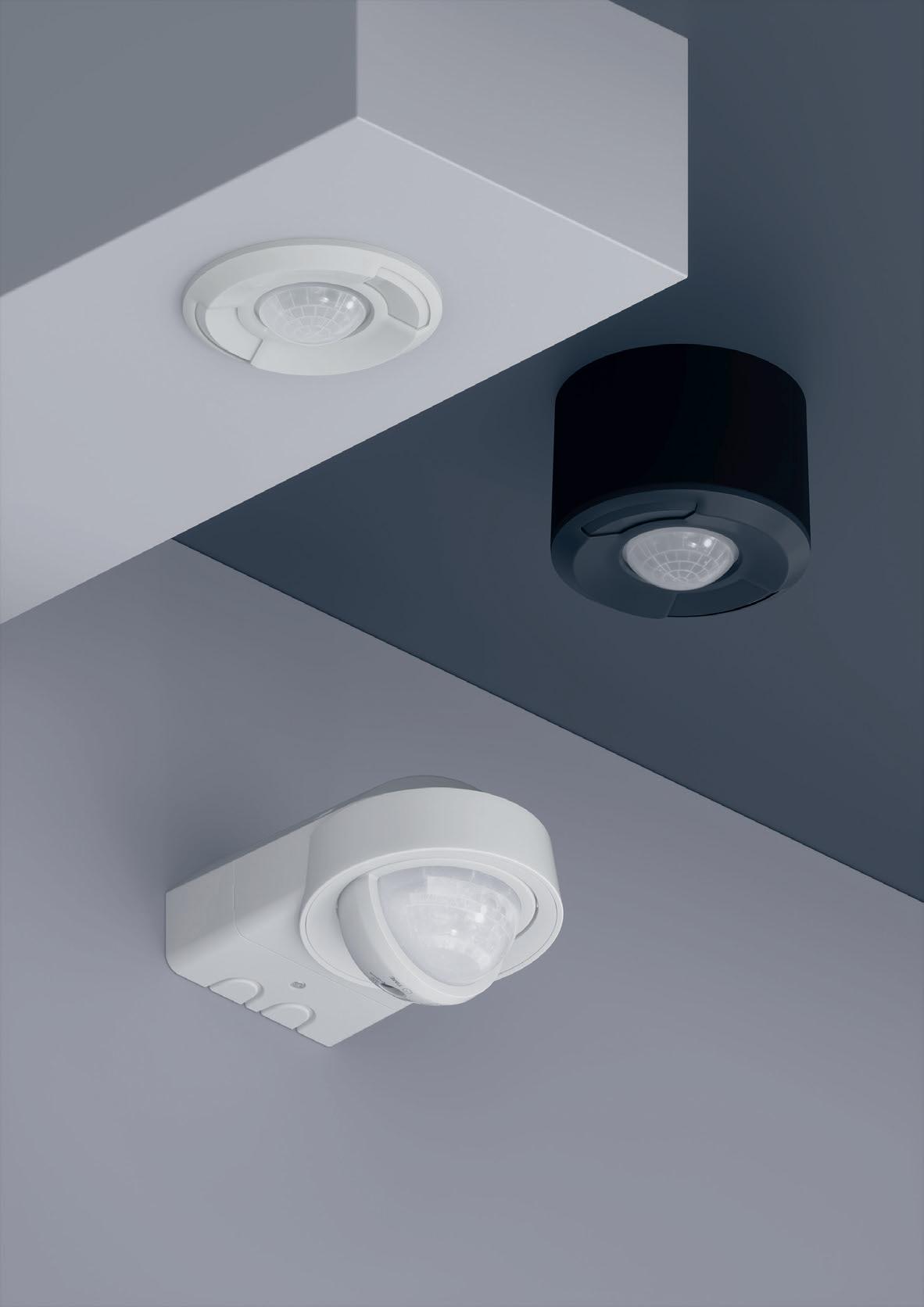

New presence & movement sensor range combines elegant design with ease of use. It meets the challenges of performance and optimal energy management while also providing enhanced comfort and safety. This is the ideal range for all spaces.
Based in Istanbul, Büyükkent Architecture is a design studio founded by architects Gökhan Tuz, Volkan Çelik and Bülent Sandık, producing architectural work across a range of scales. From residential developments to urban-scale projects, the practice places context, spatial clarity and user experience at the centre of its design approach.
We spoke with Büyükkent Architecture about the principles shaping their architectural practice, their approach to materiality, and their recent projects.
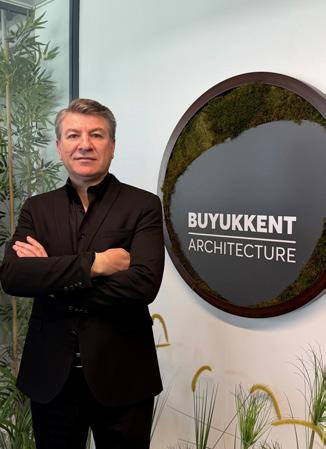
BÜLENT SANDIK
Co-Founder
VOLKAN ÇELİK Co-Founder
GÖKHAN TUZ Co-Founder
RATHER THAN SUPPRESSING DENSITY, WE AIM TO TRANSFORM IT INTO A CONTROLLED AND LEGIBLE SPATIAL ORGANISATION.
Büyükkent Architecture operates across architecture, interior design, project management and consultancy, forming a multilayered practice working at different scales and disciplines.
How does this multidisciplinary approach shape the way you approach a project from the beginning and influence your design decisions? How does this structure affect architectural coherence?
At Büyükkent Architecture, the multidisciplinary structure is not merely an organisational model in which different areas of expertise contribute to a project; it is a fundamental approach that shapes how decisions are made from the very beginning of the design process. We do not treat architecture, interior design, project management and consultancy as separate phases, but as simultaneous and mutually reinforcing layers. In this way, design decisions are shaped not only at a spatial level, but also in relation to the construction process, user scenarios and long-term operational perspectives. Rather than weakening architectural coherence, this interdisciplinary structure creates a more consistent and balanced outcome.
You work across very different typologies, from residential and commercial projects to urban-scale developments. Regardless of scale or programme, what are the fundamental design principles that excite you at the beginning of a project and define Büyükkent Architecture’s approach?
What excites us most at the beginning of a project is the relationship established with context. The urban position of the site, the dialogue it will create with its surroundings, the user profile and everyday life scenarios are reinterpreted in each project. The core principles that define our practice can be summarised as a simple yet strong spatial organisation, functional clarity, measured exp-
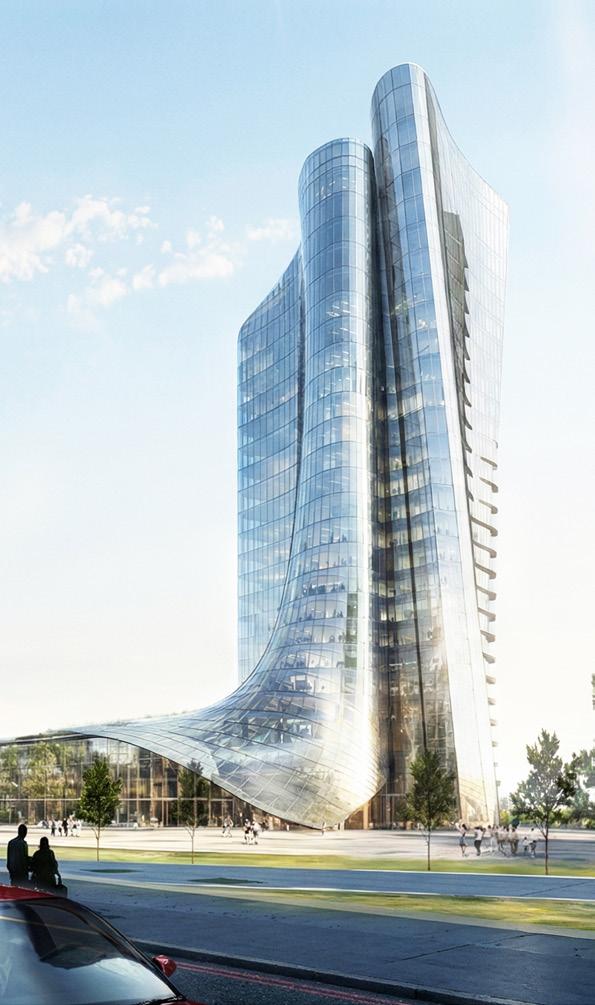
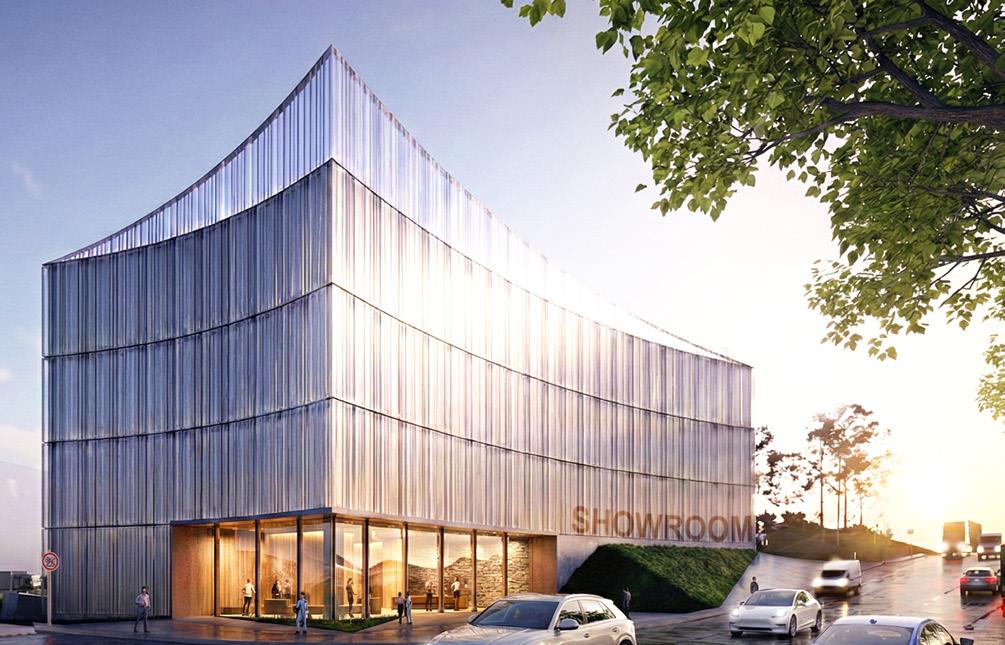
ression and long-lasting design decisions. Even as programmes change, these principles continue to form the backbone of the design.
Particularly in your residential projects, you seem to create spacious, balanced and liveable environments despite high-density conditions. What spatial strategies allow you to achieve this balance between density, openness and everyday quality of life?
In high-density residential projects, our primary goal is to focus on spatial quality rather than square metres. Careful planning decisions, permeable massing strategies and layouts that prioritise natural light and ventilation help us achieve this balance. Designing shared spaces not only as circulation areas but as social environments, and establishing continuity between open, semi-open and enclosed spaces, are also important tools that enhance everyday living quality. Rather than suppressing density, we aim to transform it into a controlled and legible spatial organisation.
In your projects, sustainability appears not as a performance criterion added afterwards, but as an inherent part of the design process. For Büyükkent Architecture, what does “doing sustainability properly” mean in design and practice?
For us, sustainability is a fundamental responsibility that must be addressed from the very beginning of the design process. Doing it “properly” means accurately interpreting climatic data, optimising the relationship between the building and natural resources, and reducing unnecessary consumption from the outset. At the same time, we approach sustainability not only in environmental terms, but also through its economic and social dimensions. Designing buildings that are longlasting, require minimal maintenance and remain resilient over time is an essential part of this approach.
Materials are not merely construction components; they age, change and leave traces over time. In your view, what defines a “correct” material choice? How do you balance durability, aesthetics and environmental responsibility?
Material selection is one of the most critical decisions in defining the character of a building. The “right” material is not only aesthetically strong, but one that accepts ageing over time, responds to its context and considers its environmental impact. Rather than establishing a strict hierarchy between durability, aesthetics and environmental responsibility, we aim to create a balanced relationship between these three aspects. We
SUSTAINABILITY IS NOT A TECHNICAL PERFORMANCE CRITERION ADDED TO A PROJECT AFTERWARDS; IT IS A FUNDAMENTAL RESPONSIBILITY THAT MUST BE ADDRESSED AT THE VERY BEGINNING OF THE DESIGN PROCESS.
value the traces that materials gain over time, as they contribute to the story of the building.
Today, digital production tools and visualisation techniques are no longer merely representational tools in architecture; they have become an active part of the design process. How do CGI and visual storytelling influence design decisions at Büyükkent Architecture? What does it mean for you to “make a space felt” before it is built?
Digital production tools and visualisation techniques, such as CGI and visual storytelling allow us to test spatial decisions and experience the relationships between light, material and scale before the project is built. For us, making a space “felt” is not simply about producing an impressive image; it means anticipating the relationship that users will establish with the space. Because of this, these tools have become a key part of our design process.
Looking at your recent projects, which one do you think best represents your design approach and values today? What design decisions were particularly decisive in that project?
Among our recent projects, one of the works that most clearly reflects the design approach and values of the office is the residential project we realised in Başakşehir. The project stands out with its strong relationship with the urban context, its restrained yet distinctive mass language, and its spatial organisation that places the user at the centre. The clarity of the plan scheme, the balanced continuity between open and enclosed spaces, and the conscious approach to material selection were key factors in shaping the design. Equally important for us was the fact that the project was realised in a way that remained consistent with the initial design idea throughout the implementation process.
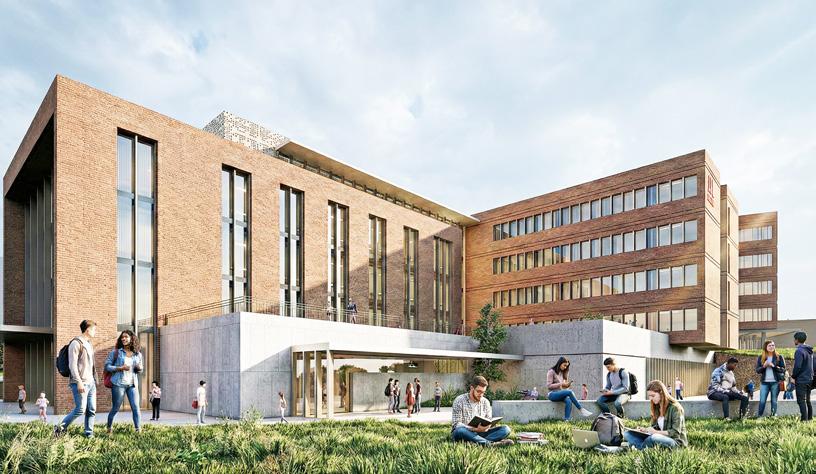
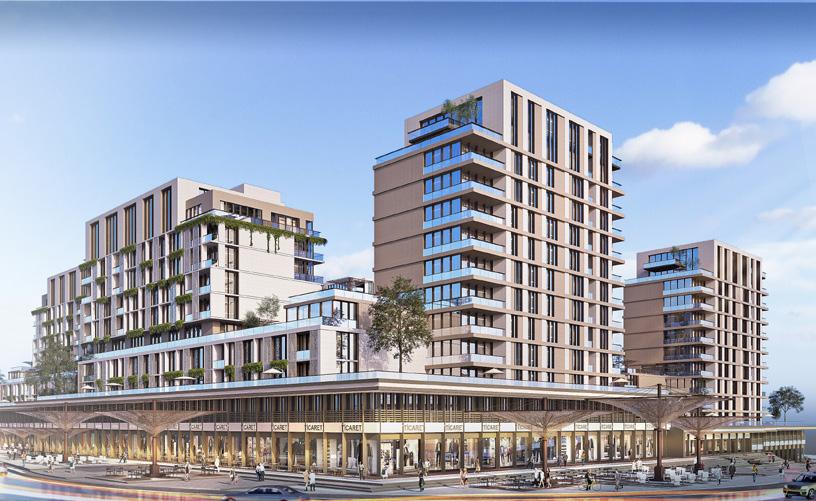
Could you tell us about your upcoming projects and future plans? How do you approach the idea of working in different geographies and establishing new collaborations?
In the coming period, while continuing to produce projects at different scales and programmes, we are very open to developing projects in different geographies and establishing new collaborations. Designing in diverse cultural, climatic and urban contexts offers an important field of experience that enriches the architectural vision of the office and transforms our mode of production. Each new context becomes an opportunity to question and further develop our design language. We believe that this diversity strengthens the long-term quality of the office’s work.
THE RIGHT MATERIAL IS NOT ONLY AESTHETICALLY STRONG; IT IS ONE THAT EMBRACES AGEING OVER TIME AND RESPONDS TO ITS CONTEXT.
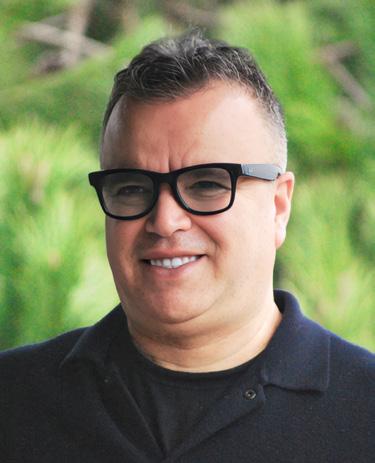
MURAT YILMAZ DOME+Partners Co-Founder
As founding partner of DOME+Partners, Murat Yılmaz approaches architecture not merely as the production of buildings, but as a long-term field of responsibility. Since 1997, the internationally operating practice has shaped its work around sustainability, context, and ethical values. Placing the idea of “natural space” at the core of his thinking, Murat speaks with us about Stewardship in Architecture and the responsibility of designing with the future in mind.
Dome+Partners’ journey, which began in 1997, continues today at an international scale, with offices across different geographies. How has your design approach evolved over time? Looking back, what core principle has remained unchanged?
In reality, these two questions evolved together. Becoming international and producing ideas at an international scale were always interconnected ambitions. From the beginning, we asked ourselves: What do we want to build? How do we define success?
After studying both Turkish and international practices, I reached a clear personal conclusion: if we were to establish this office, it had to be a multi-partner, internationally operating design practice producing green buildings. That was the foundational vision.
When I began this journey on 14 September 1997, I asked myself: If I am not doing this way, then why am I doing it at all? The vision was clear. The method would be discovered along the way.
When you set such a vision, how did you distinguish between a dream and a realistic roadmap?
When you are young and alone, the scale of your ambition may seem detached from your circumstances. Some may call it idealistic. But I believed it was achievable. The real question was patience — whether we had enough of it. I believed we did. And we have remained aligned
with that same direction ever since. I often say: I do not define myself as exceptionally talented. But I made a decision thirty years ago, and I am still walking that path. There have been small deviations, but the main axis has never shifted. That consistency has carried us forward.
At this point in your journey, how do you balance vision and practice, and how does this perspective define the role of the architect?
From my university years onward, I realised something fundamental: we build within nature. The essence of space
A BUILDING SHOULD NEVER BECOME A MARKETING IMAGE DETACHED FROM REALITY — IT MUST GENERATE LONG-TERM SPATIAL AND SOCIAL VALUE.
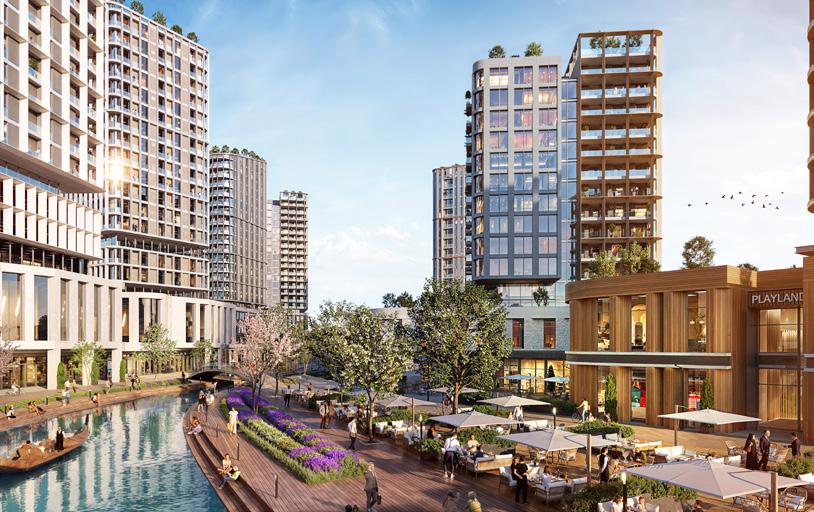
STEWARDSHIP IN ARCHITECTURE IS NOT ONLY ABOUT HOW WE BUILD, BUT WHY AND FOR WHOM. WE DESIGN NOT ONLY FOR THE INVESTOR, BUT FOR THE CITY, THE NEIGHBOURHOOD, SOCIETY, AND THE WORLD.
is nature itself. Architecture simply frames it — creating protection, privacy, warmth, and habitation. With those boundaries, nature becomes space.
If we consider Stewardship in Architecture from this perspective, the architect’s responsibility becomes clear: to create spaces that minimise harm, that are sustainable, and that can exist with minimal energy.
I have always said: if buildings were trees, cities would be forests.
A tree generates and transforms energy. It breathes. It establishes its own ecology. I believe buildings can do the same. Technology is necessary, but the principle is possible.
Our concept of the “natural space” emerged from this thinking. The name “Dome” derives from “Doğal Mekân — Natural Space”. Many alternatives were considered, but this principle has never changed.
Where do the boundaries of “natural space” begin and end? What challenges arise when applying this approach in Türkiye and abroad?
Sometimes I ask myself how far this idea can extend. Even outer space is nature. Designing a natural habitat in space fascinates me. There is no air, extreme conditions, different technological parameters — yet it is still nature.
One of the main challenges in Türkiye is financial structure. The second is cultural perception — the tension between producing less but with value, versus producing more but with limited value. The third relates to the real estate-driven economic system, which often weakens design quality and spatial value.
International comparisons reveal a stark difference. In Türkiye, the land-tobuilding value ratio is around 1:3. In London, approximately 1:28; in New York, 1:18; in Singapore, around 1:12. Without closing this gap, architecture risks becoming a marketing image detached from lived reality.
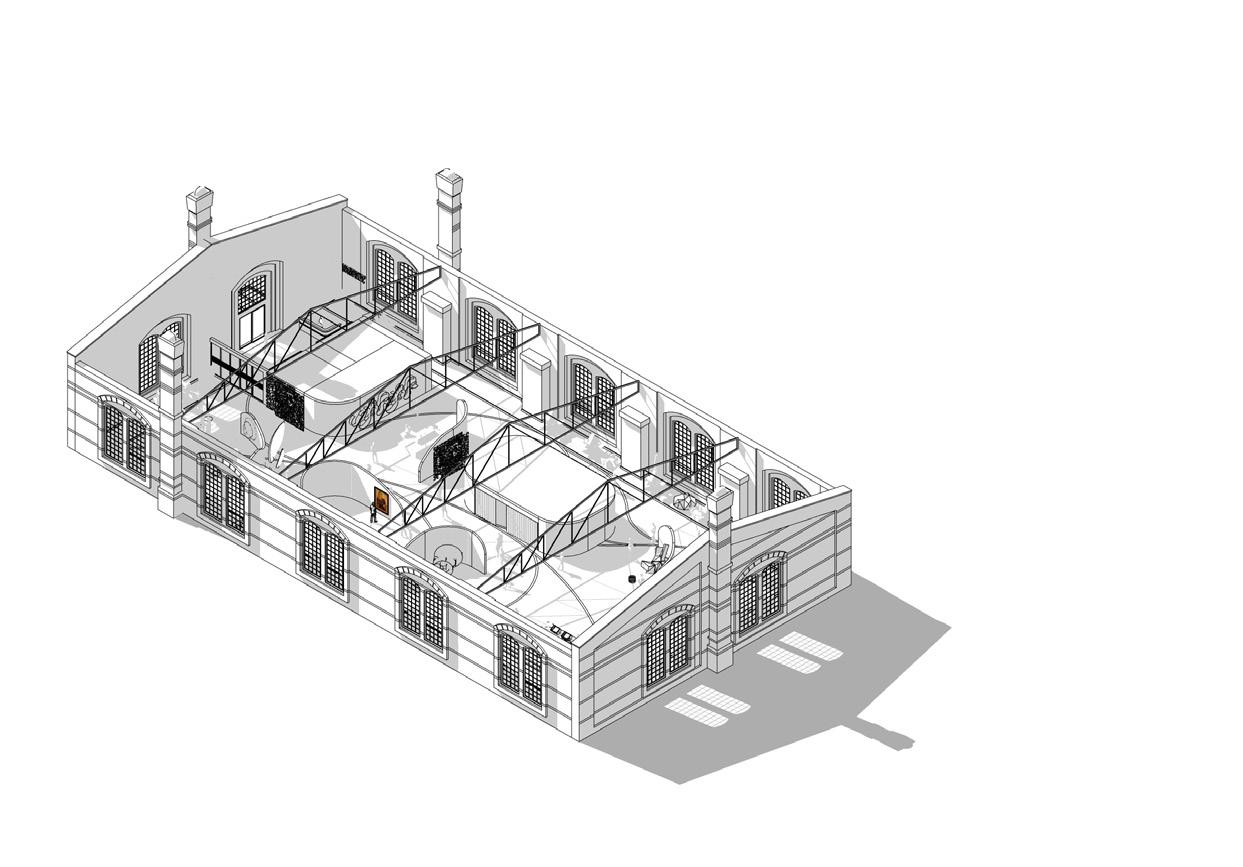
Abroad, especially in cultural projects, we can approach 80–90% of intended design value. In Germany, for example, we achieved ratios close to 1:8 with only moderate cost differences — yet the qualitative value was significantly higher.
How does Stewardship in Architecture translate into practice at an urban scale?
We realised that designing good individual buildings is not enough. Without a shared spatial strategy, their cumulative impact remains weak. Therefore, urban design and master planning became central to our practice.
Earthquake resilience, sociability, cultural continuity — these require holistic planning. We are currently advising on an urban transformation process in Is-
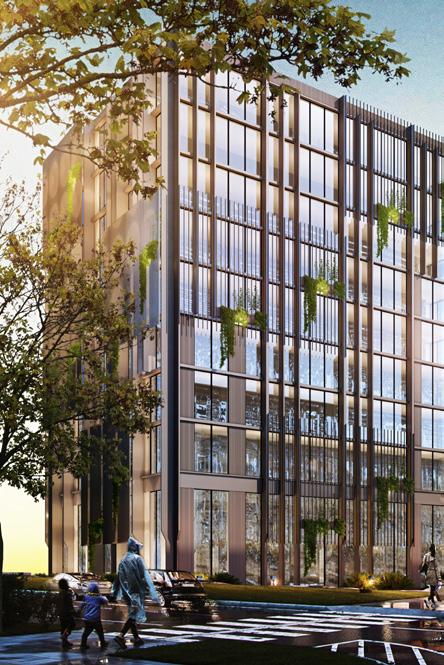
tanbul, advocating for a 50-year integrated perspective rather than fragmented interventions.
People do not live inside apartments; they live in the streets. What makes London valuable is not the interior of its flats, but the life its streets enable.
In this sense, stewardship is not only environmental — it is spatial, social, and long-term.
How does this perspective shape your approach to materials and systems?
The issue is rarely the material itself; it is the system. In façade design, for example, the critical question is not which stone you choose, but how it is integrated into a coherent system. Without a proper system, even the best design fails
GOOD ARCHITECTURE IS NOT ONLY ABOUT DESIGNING INDIVIDUAL BUILDINGS; WITHOUT A SHARED SPATIAL VISION, THEIR COLLECTIVE IMPACT REMAINS LIMITED.
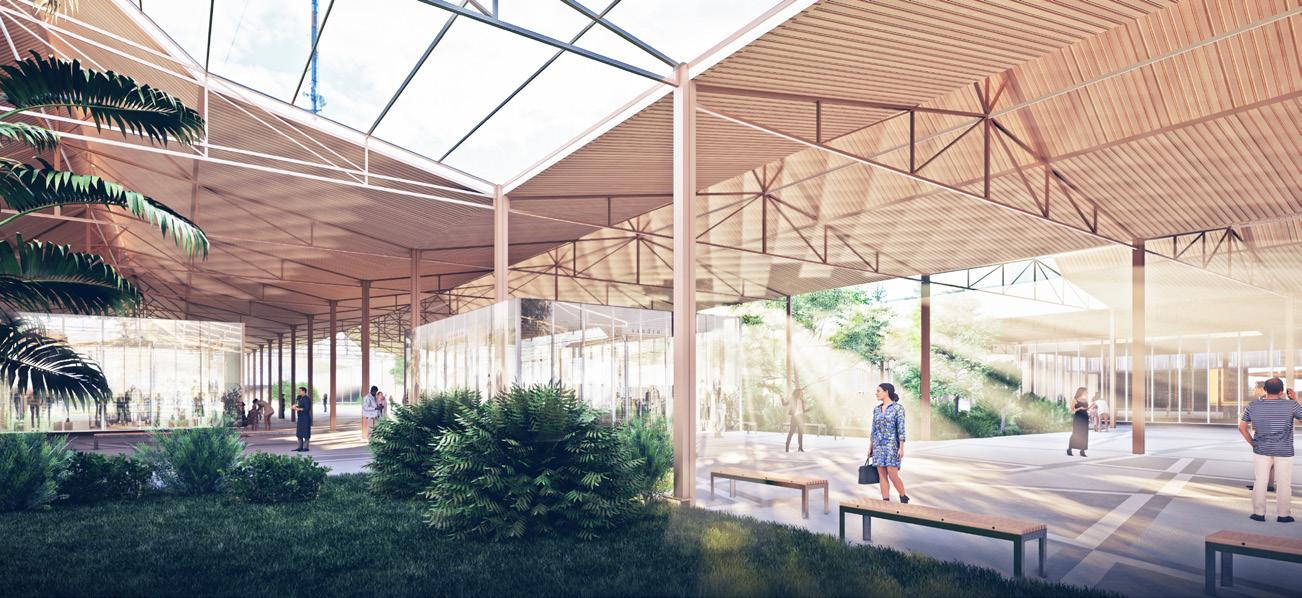
We begin with systems, then move to materials. European façade companies are strong because they produce integrated systems. Without that coherence, results weaken.
When selecting materials, we ask: How does it age? What happens after two years? Manufacturers must stand behind their products beyond installation. Stewardship extends to durability and long-term responsibility.
Good design is not only about drawing well. It is about managing the process to completion and ensuring resilience over time.
As early adopters of digital technologies in Türkiye, how did digital tools transform your practice?
Before digital modelling, a large percentage of architectural effort was spent on coordination and revisions. BIM and
integrated modelling drastically reduced errors and enabled true multidisciplinary collaboration.
This shift allowed us to redirect time from control toward design quality increasing both speed and precision. In that sense, digital transformation has strengthened architectural stewardship by reducing waste and improving performance.
In an era shaped by a climate crisis and resource constraints, what advice would you give to young architects? Architecture always requires an ideal. My ideal is that buildings function like trees. Perhaps we can only achieve ten percent of that today. Tomorrow it may be twenty or thirty.
The greatest risk is losing hope. Find your place within this transformation and remain committed. One day, living spaces will truly behave like trees.
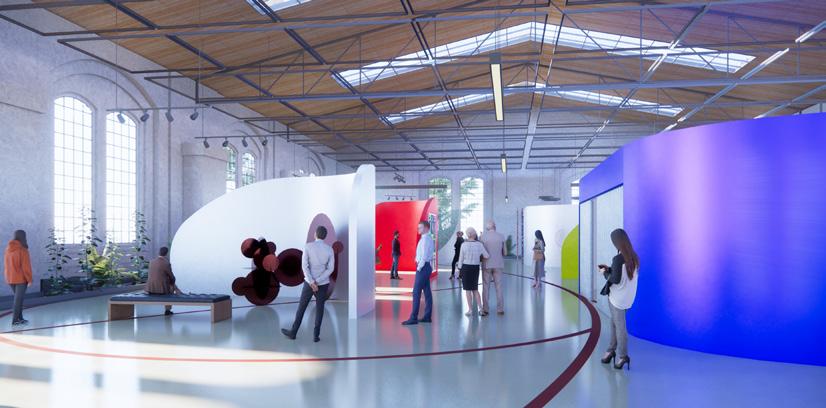
THE PROBLEM IS RARELY THE MATERIAL ITSELF, BUT THE SYSTEM BEHIND IT. WITHOUT THE RIGHT SYSTEM, EVEN THE BEST DESIGN CANNOT PERFORM AS INTENDED.
THE FAÇADE IS NOT SIMPLY A SURFACE; IT IS A FUNDAMENTAL ARCHITECTURAL COMPONENT THAT SHAPES A BUILDING’S LIFECYCLE AND ENVIRONMENTAL
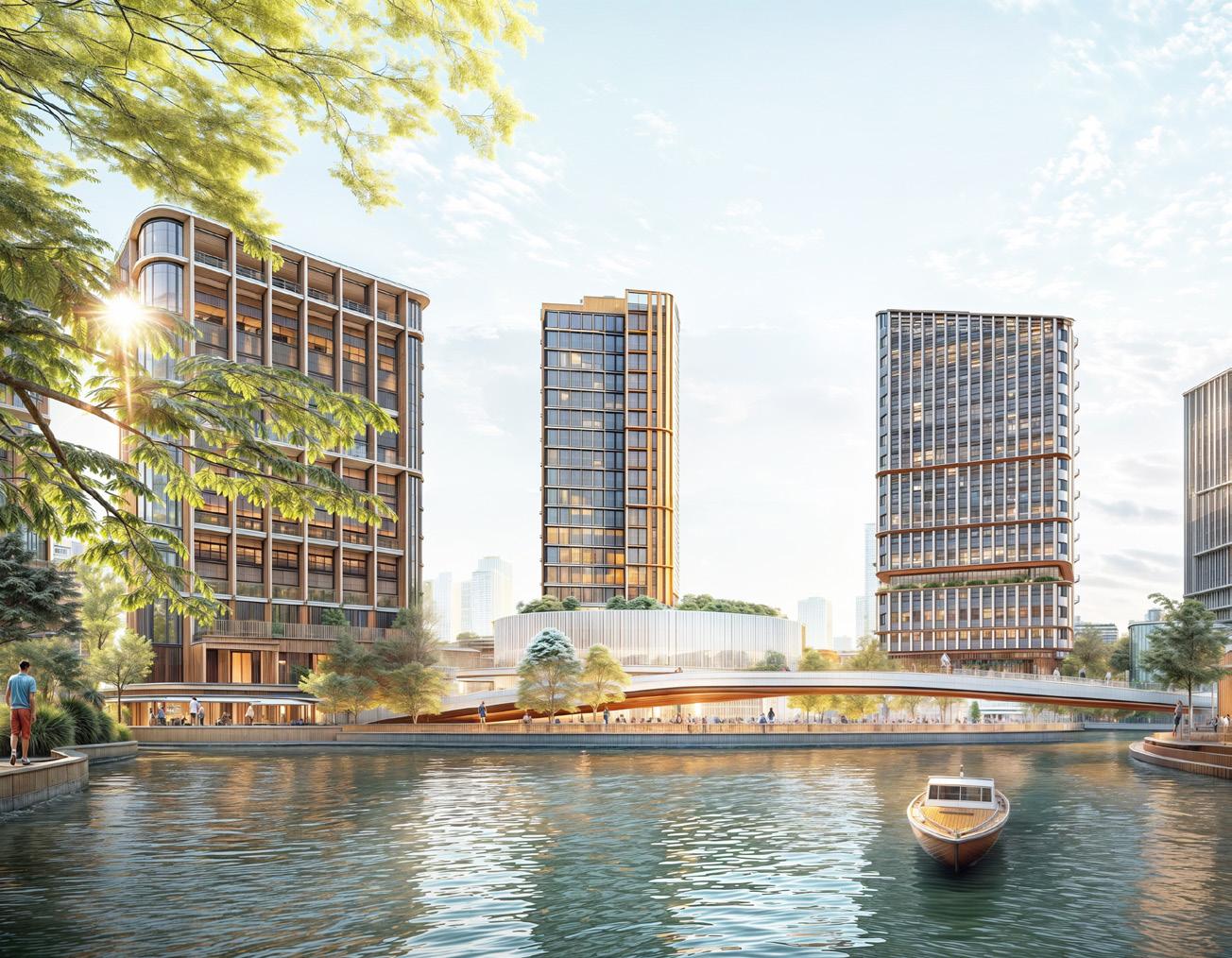
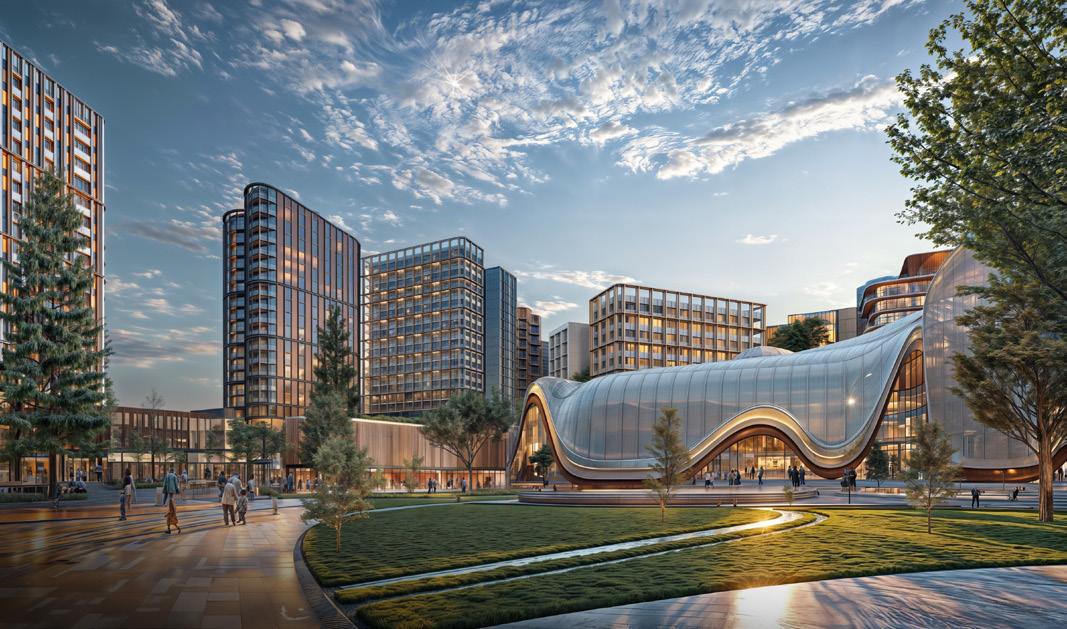
Within Erbil’s rapidly transforming urban landscape, Pavilion by RAMS proposes a new city centre that brings together sustainable design, advanced technology, and contemporary living.
Erbil, one of the world’s oldest continuously inhabited cities, is currently experiencing a profound transformation. While carrying layers of history spanning thousands of years, the city is simultaneously evolving into a rapidly expanding metropolitan centre. Pavilion
by RAMS emerges within this context as a large-scale urban development aiming to shape the city’s future growth.
Designed by DOME+Partners, Pavilion is conceived not merely as a real estate investment but as a comprehensive urban environment. Spanning 170 hectares, the masterplan combines residential neighbourhoods, mixed-use towers, cultural destinations, public spaces, and extensive green areas to establish a new urban centre. The architectural appro-
ach seeks to balance contemporary design with nature while encouraging social interaction and community life.
Digital coordination plays a central role in the project’s design and implementation. The entire development is being realised through Building Information Modelling (BIM), allowing architects, engineers, and consultants to collaborate simultaneously. This integrated process enables early-stage performance analysis and creates a strong relations-
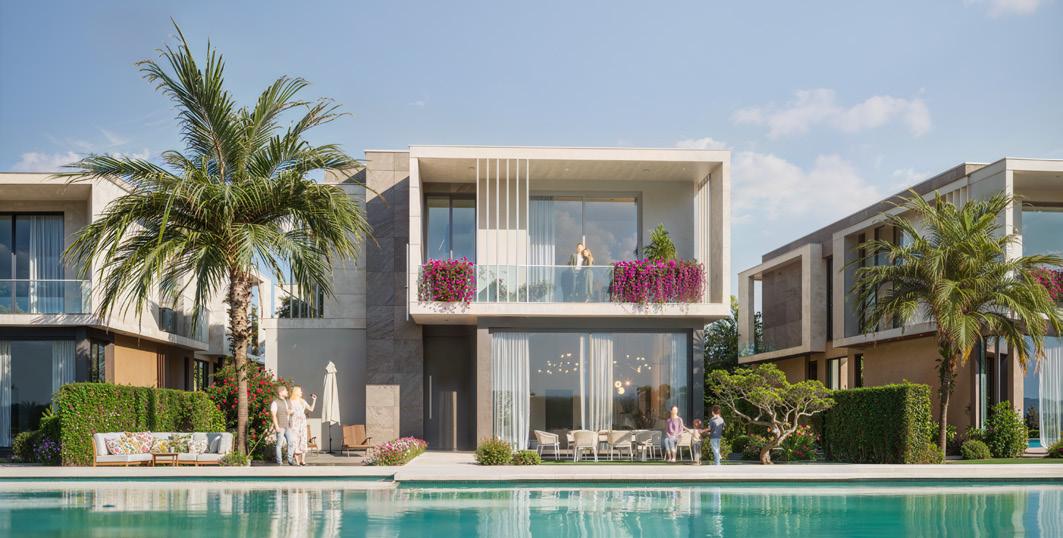
hip between form and function. In this sense, Pavilion introduces a new benchmark for large-scale urban developments in Iraq.
DESIGNED BY DOME+PARTNERS, THE PAVILION IS ENVISIONED NOT JUST AS A RESIDENTIAL OR REAL ESTATE VENTURE, BUT AS A COHESIVE AND SUSTAINABLE URBAN FRAGMENT.
Sustainability is one of the core principles guiding the project. Smart home systems, advanced water purification technologies, and environmentally responsible construction strategies help optimise resource use. At the same time, mobility planning and connectivity to major transport routes support a holistic vision of urban living. Education, healthcare, and public life are considered essential components of the project’s long-term urban resilience.
The project has also gained international recognition. Pavilion by RAMS was awarded “World’s Best” at the International Property Awards 2025, one of the most prestigious distinctions in global real estate and architecture. The award highlights the project’s design ambition, technical sophistication, and its significance as a transformative development for the region.
As Erbil continues to evolve, Pavilion by RAMS stands not only as a new district but as a powerful example of how visionary planning and thoughtful architecture can guide the future of historic cities.
ALUMINIUM ARCHITECTURAL SYSTEMS
ÇUHADAROĞLU
“High-performance sliding systems used in the Pavilion project establish a strong balance between large openings and a comfortable interior living experience.”
Located directly opposite Erbil International Airport, the Pavilion development is conceived as a large-scale urban project comprising 824 luxury villas, 40 residential towers and extensive social and recreational amenities.
The architectural aluminium systems used in the luxury villa typologies were developed and specified by the Çuhadaroğlu team. Sliding openings reaching heights of up to 3.2 metres are achieved with the S50 sliding system, providing a high-performance solution that supports the project’s spatial openness and architectural character.
While the fabrication and installation of the systems are carried out on site by three local Çuhadaroğlu partners in Iraq, the technical supervision of the aluminium joinery works is overseen throughout the project by the Çuhadaroğlu technical team.
Systems Used: interal S50, interal ST70 ve interal LG95
SHAPED BY ITS EXTENSIVE PRODUCT PORTFOLIO AND LOW-CARBON AMBITIONS, KNAUF’S APPROACH OFFERS A FRAMEWORK THAT BRINGS TOGETHER FLEXIBILITY, PERFORMANCE AND ENVIRONMENTAL RESPONSIBILITY WITHIN ARCHITECTURAL DESIGN PROCESSES.
Since its founding in Germany in 1932, Knauf has evolved into a well-established company operating internationally in the building materials sector. With activities in more than 90 countries, over 320 production facilities and a workforce exceeding 43,000 employees, the company maintains a broad production network. Originally focused on gypsum plaster and plasterboard Alçıpan®, Knauf has expanded its product range to include insulation materials, flooring systems, passive fire protection systems and segment-specific solutions, positioning itself as a global leader in the industry.
In line with its 2045 net-zero carbon targets, Knauf is taking steps within its Türkiye operations in areas such as energy efficiency, renewable energy and waste management. Efforts include increasing the use of technologies aimed at reducing carbon emissions in production processes, alongside practices designed

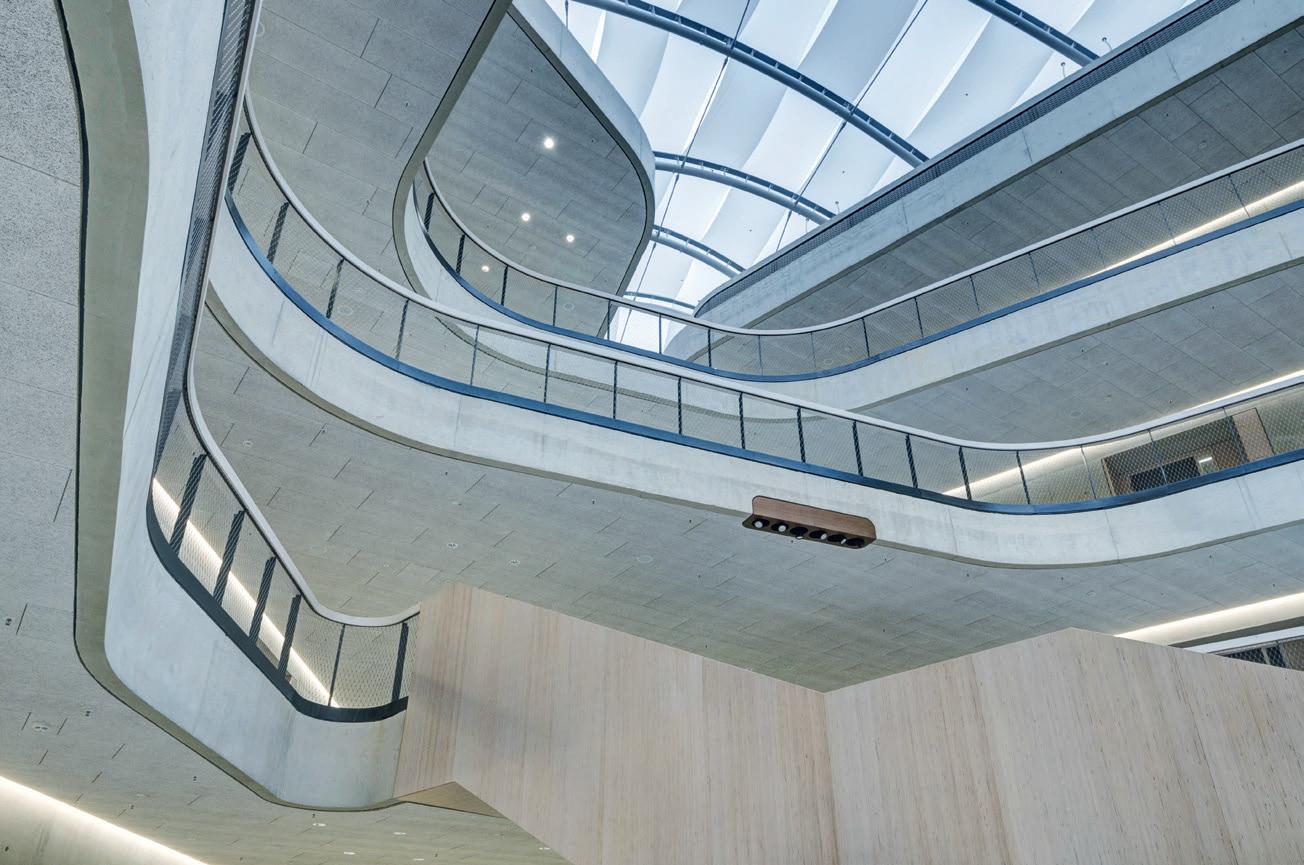
THE ABILITY OF ARCHITECTS TO REALISE THEIR DESIGN INTENTIONS IS CLOSELY LINKED TO THE FLEXIBILITY OFFERED BY THE MATERIALS THEY USE.
to lower energy consumption and integrate renewable energy sources.
This approach positions material performance not as an isolated technical parameter, but as an integral part of architectural thinking.
With a total of 27 EPD certifications across four product groups in Türkiye, the environmental impacts of Knauf products are assessed throughout their lifecycle and verified through certification processes, providing a framework for transparency and measurability in sustainability.
The growing emphasis on green building projects in Türkiye reflects increasing attention to sustainability and energy efficiency goals. Dry construction systems that support energy savings, along with
solutions that enhance acoustic performance, are frequently preferred. Encouraging the use of environmentally responsible raw materials and improving product design and manufacturing processes to reduce environmental impact are among Knauf’s key priorities.
Designing a new building requires the integration of creative ideas with functional solutions. The ability of architects to translate their visions into built reality is closely related to the flexibility offered by the materials they employ. Knauf plasterboard Alçıpan® dry wall systems provide possibilities within architectural design processes, offering adaptability to curved forms, high performance with slim wall constructions, ease of repair and rapid installation.
The pursuit of innovation in architecture
WITH A TOTAL OF 27 EPD CERTIFICATIONS ACROSS FOUR PRODUCT GROUPS IN TÜRKIYE, THE ENVIRONMENTAL IMPACTS OF KNAUF PRODUCTS ARE MEASURED THROUGHOUT THEIR LIFECYCLE AND DOCUMENTED THROUGH CERTIFICATION PROCESSES
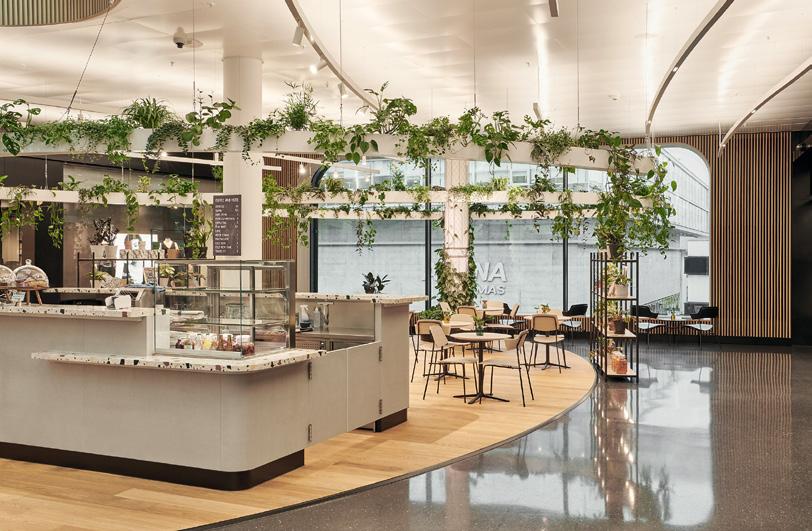
continuously reshapes expectations of building materials and systems. Knauf’s products and systems aim to respond to evolving project needs, bringing together aesthetics and functionality within a unified approach. With the increasing focus on sustainable building practices, criteria such as energy efficiency, performance and recyclability are becoming more decisive.
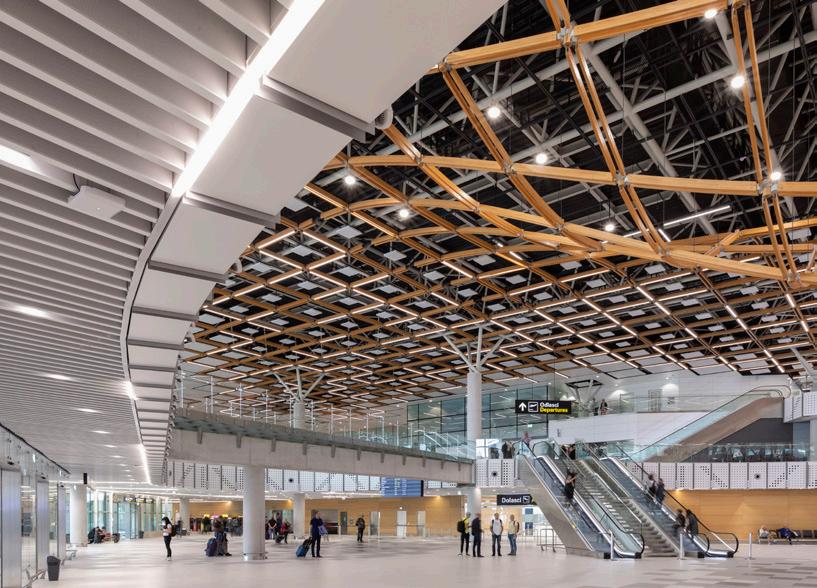
Within this context, Knauf Ceiling Solutions are developed to contribute to indoor air quality through low VOC emissions. Products are designed in line with parameters such as light reflectance, acoustic performance and indoor comfort, supporting healthier interior environments.
In line with a continuous improvement approach, advancing and updating its sustainability strategy remains a key priority for Knauf. Environmental, social and economic impacts are regularly assessed.
Knauf’s sustainability approach extends beyond reducing environmental impacts, aiming to integrate this perspective across all business processes, including stakeholder engagement, employee development, community interaction and ethical practices.
Solutions are developed to minimise environmental impacts throughout the product lifecycle; sustainable resource use is encouraged, and investments are made in technologies focused on recyclability.
Knauf continues to advance its zero-carbon strategy in line with its sustainability roadmap, contributing to a more liveable environment for future generations.
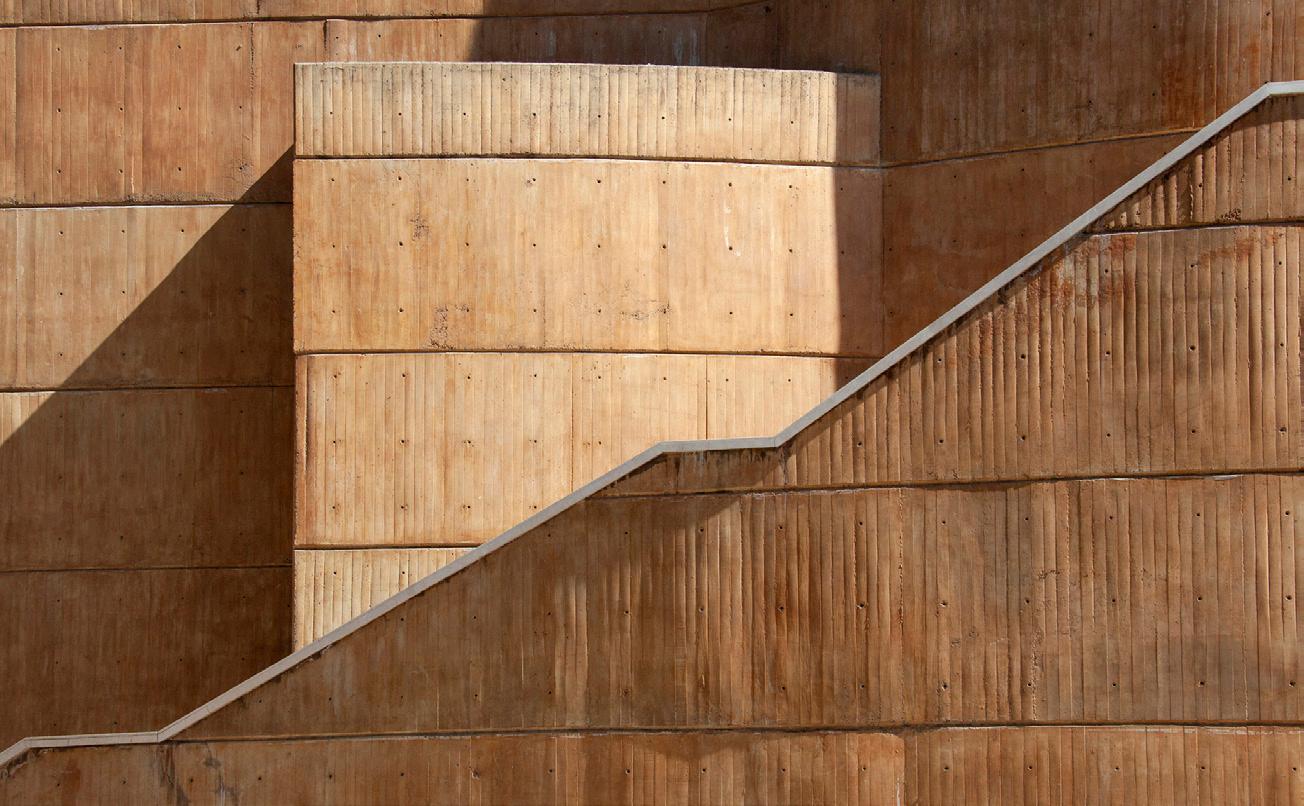
In our previous issue, we introduced Stewardship in Architecture as a way of understanding architectural practice not as a production-driven act, but as a long-term responsibility toward both the built and natural environment.
From this perspective, the architect is no longer simply a maker of form, but a custodian entrusted with carrying what exists into the future.
An ethical position gains meaning only when it translates into practice. Responsibility in architecture becomes visible in real decisions, and material choice is among the most consequential of them. It is through material that the architect’s relationship with resources, ecology and time takes physical form.
Material selection therefore extends beyond the ambition to reduce environmental impact. It calls for a broader understanding of stewardship — one that considers a material’s origin, its production processes, its lifespan, and its capacity to change over time. Beyond certification systems and performance metrics, questions of ethical production, circular use and ecological interdependence position material choice as a visible carrier of architecture’s cultural, environmental and temporal responsibility.
Material moves beyond being a technical component. It becomes a statement about the kind of world architecture chooses to pass on.
RESPONSIBLE ARCHITECTURE IS NOT AN ABSTRACT ETHICAL DISCOURSE. IT IS A PRACTICE SHAPED BY IRREVERSIBLE DECISIONS. MATERIAL SELECTION MARKS ONE OF THOSE CRITICAL THRESHOLDS — WHERE RESPONSIBILITY EXTENDS BEYOND THE PRESENT, TOWARDS THE FUTURE AND ECOLOGICAL CONSEQUENCES.
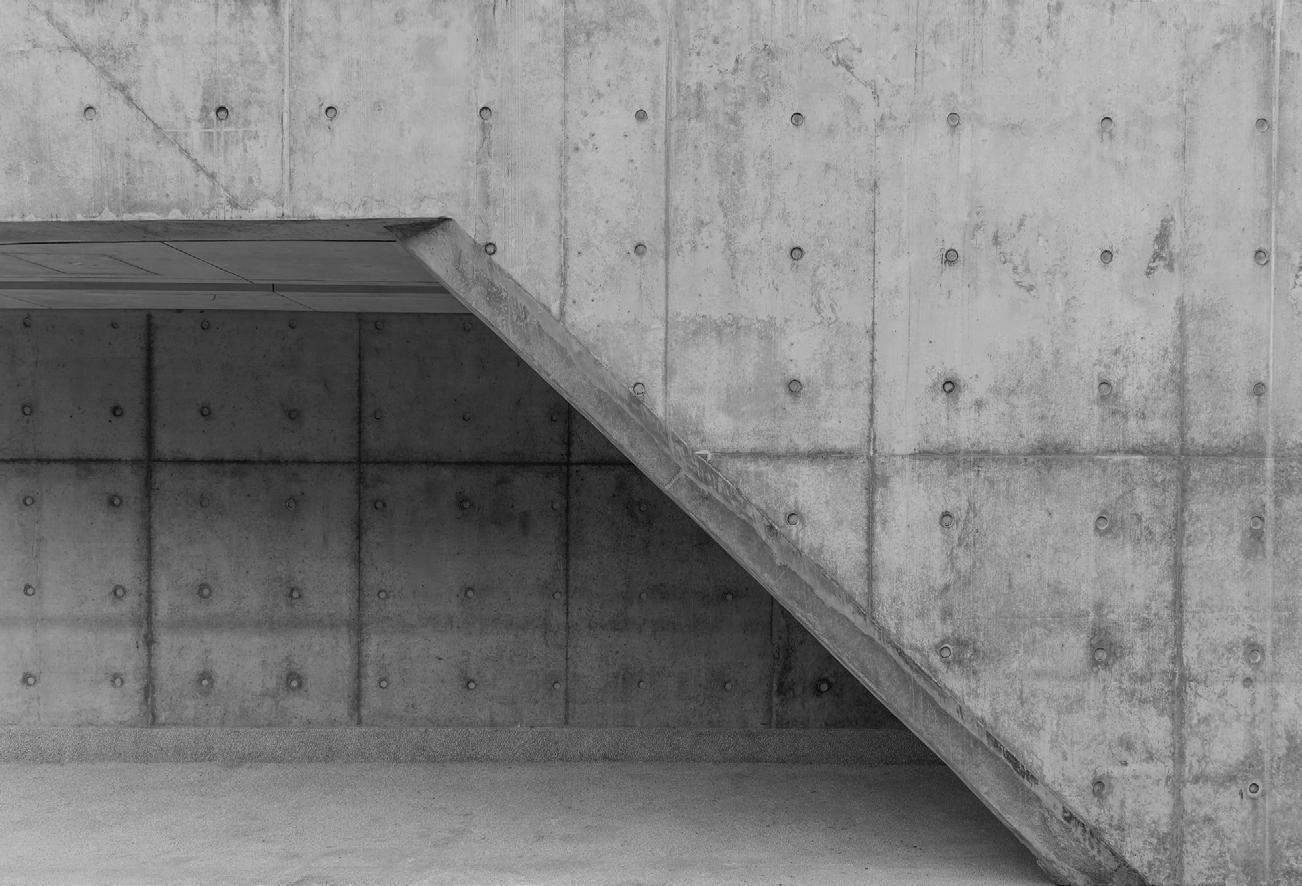
Material is not simply what holds a building upright. It carries labour, energy and natural resources whether visible or not. Every material embodies a layered narrative, stretching from extraction and fabrication to use, reuse and transformation. This narrative asks architects to shape their decisions not only around aesthetics or performance, but also around ethical, ecological and social awareness.
For this reason, material choice is no longer a response to present needs alone. It becomes a commitment to futures that are not yet fully defined.
Selecting a material is not simply about finding the most suitable option, nor about choosing what is least harmful or fastest to implement. Responsible architecture treats material not as a resource to be consumed and left behind,
but as a companion — one that requires care, evolves over time and can adapt.
Durability, repairability, adaptability and longevity become fundamental criteria. The building ceases to be a fixed object serving today’s demands; it becomes a spatial framework open to reinterpretation and reuse.
This perspective also transforms the role of material producers. Manufacturers are no longer merely suppliers of technical performance. They become co-stewards, sharing responsibility for the environmental, cultural and ethical consequences of the built environment.
From sourcing raw material to production energy, from product performance to recycling processes, the entire lifecycle calls for greater transparency and traceability. In this sense, the relationship between architecture and industry
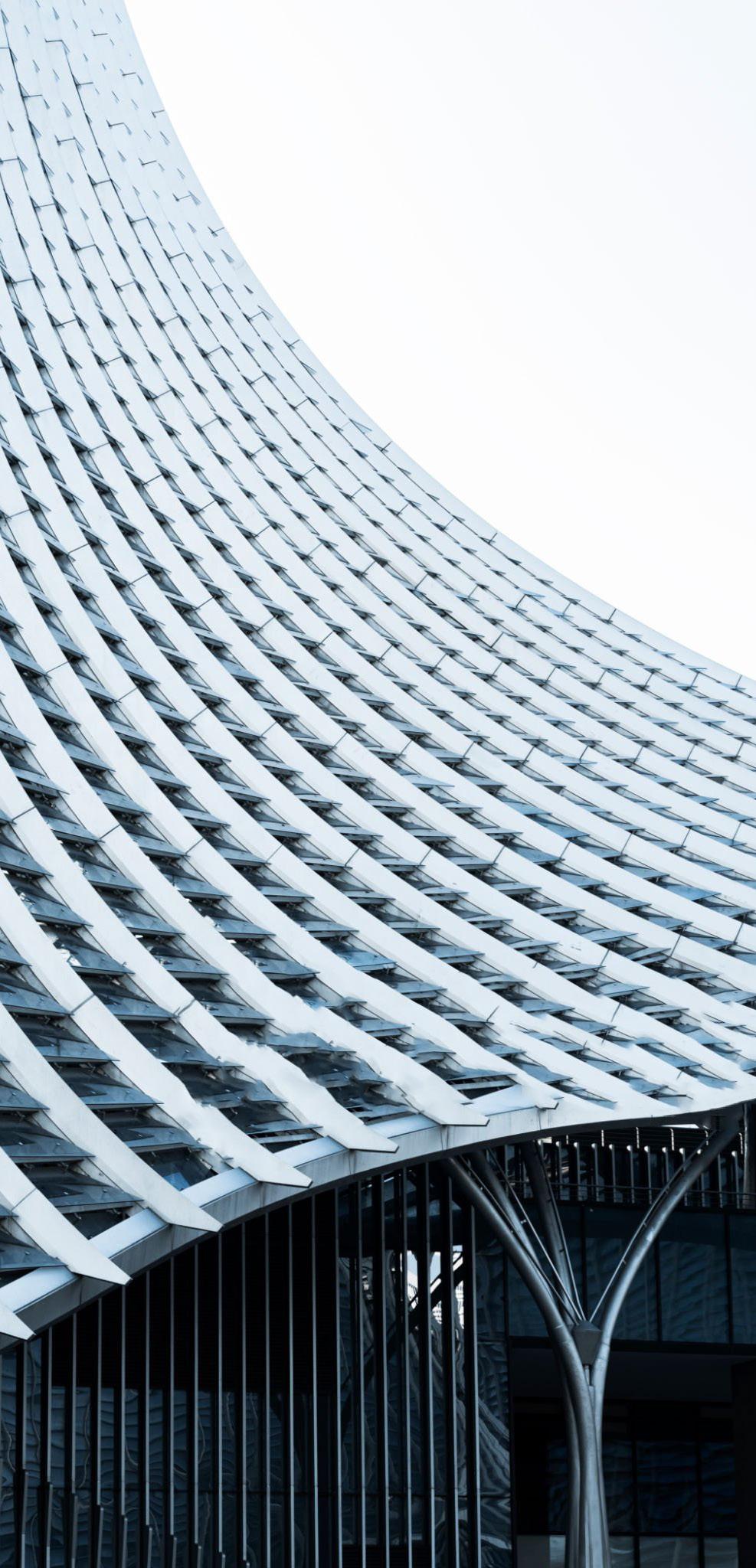
EVERY CHOSEN MATERIAL IS MORE THAN A BUILDING COMPONENT. IT CARRIES TIME, LABOUR AND RESOURCES WITHIN IT. RESPONSIBLE ARCHITECTURE IS THE WILLINGNESS TO CARRY THAT FORWARD — CONSCIOUSLY, AND WITH CARE.
shifts from a supply chain to a shared responsibility.
Glass, often positioned at the centre of environmental debates due to its high energy production requirements, also offers strong possibilities within a stewardship framework through durability and recyclability. Cement and concrete, frequently criticised for their carbon intensity, are being reconsidered through the lens of longevity and their role in transforming existing building stock. Ceramic and sanitaryware production, carrying both industrial and cultural heritage, intersects with this ethical framework through issues such as water use, surface technologies and long-term hygiene performance.
Timber, particularly through engineered structural systems, introduces another dimension. Its renewable sourcing and carbon storage capacity establish a compelling relationship between the growth cycle of the material and the lifecycle of the building. Steel, despite energy-intensive production processes, regains relevance within a circular economy through its recyclability and potential for disassembly and reuse. From primary structure to façade components, its applications demonstrate how design decisions can generate long-term value.
Similarly, lower-processed and locally sourced alternatives — such as rammed earth, natural stone or bio-based insulation — expand the scope of responsibility beyond carbon reduction. They introduce cultural and geographic accountability. Their relationship to production distance, local employment and regional knowledge makes visible architecture’s social, as well as environmental, impact.
Stewardship also requires us to reconsider what we mean by innovation. Innovation does not always mean greater complexity or higher performance. Sometimes it lies in the reinterpretation of a local material, in a less processed surface, or in allowing a building element to age with dignity.
Patina, trace and weathering become visible expressions of a building’s relationship with time.
Within this framework, material is not simply a tool in responsible architecture. It is the clearest expression of how architecture relates to the environment, society and time. Every material chosen shapes not only today’s design decisions, but tomorrow’s maintenance practices, repair possibilities and patterns of use.
If architecture is shifting from a practice of production to one of stewardship, then the question becomes unavoidable: Through the materials we choose, what exactly are we carrying into the future?
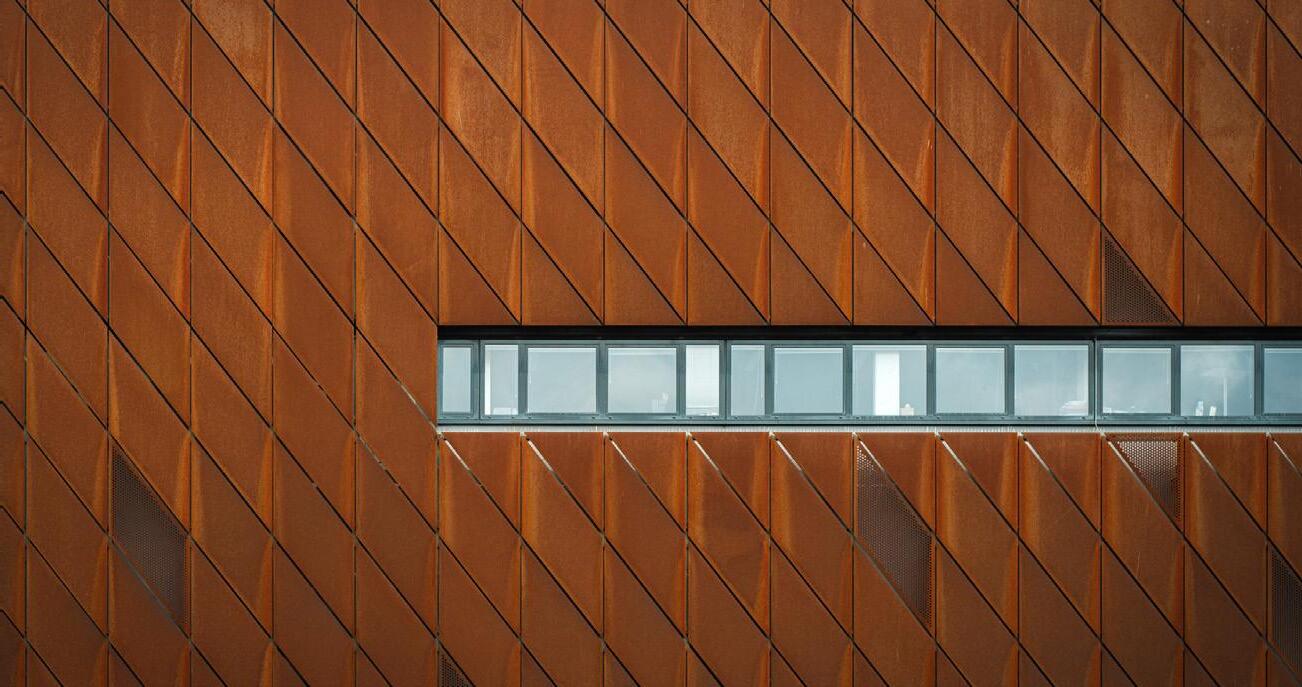
IN THIS SECTION, WE ASKED FOUR ARCHITECTS THE FOLLOWING TWO QUESTIONS IN ORDER TO UNDERSTAND HOW THE FRAMEWORK OF STEWARDSHIP IN ARCHITECTURE IS REFLECTED IN PRACTICE.
THROUGH THEIR OWN EXPERIENCE, WE INVITED THEM TO SHARE AT WHICH STAGES OF THE DESIGN PROCESS STEWARDSHIP BECOMES VISIBLE, AND WHETHER MATERIAL SELECTION EXTENDS BEYOND BEING A PURELY TECHNICAL DECISION.
ARCHITECTS’ PERSPECTIVES
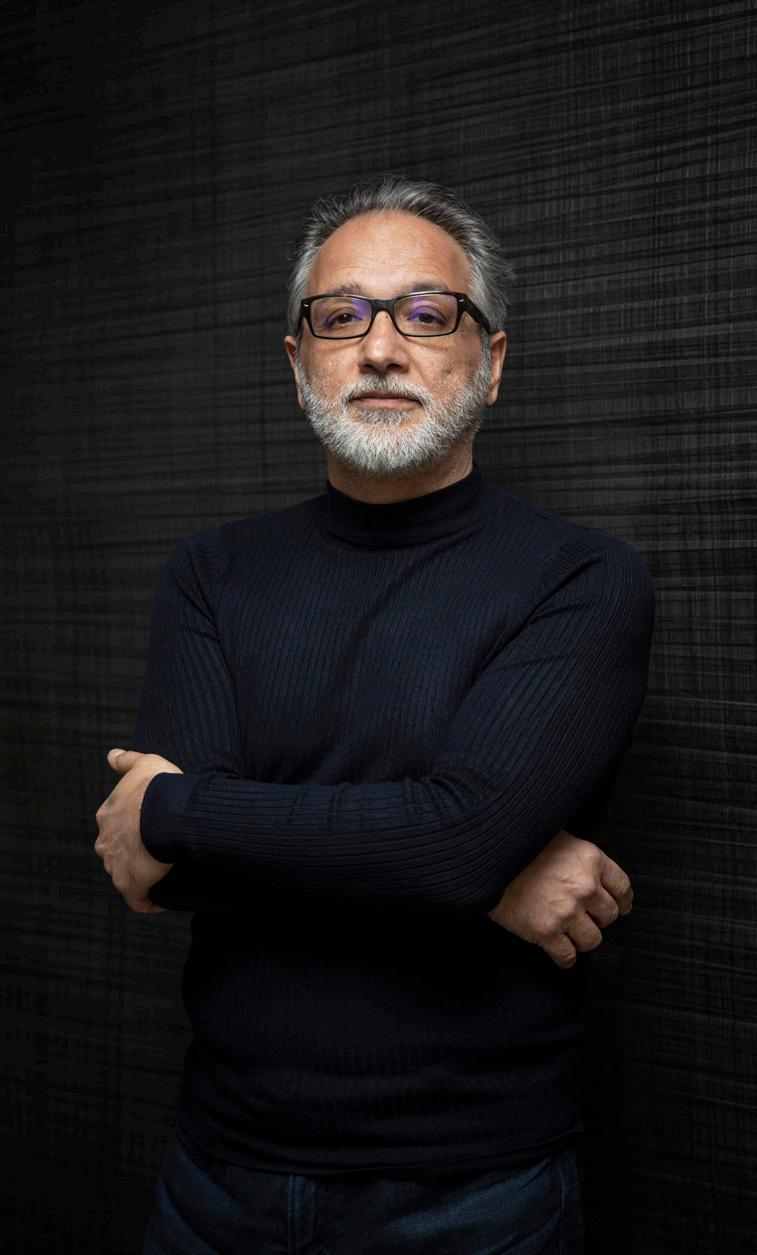
“Selçuk Avcı is the founder of Avcı Architects, a practice working across architecture, urban design and research.
Working across different geographies on residential, mixed-use and urban-scale projects, he develops the studio’s design approach around context, quality of life and sustainability.”
What does the concept of “responsibility” in architecture mean to you? In your own practice, at which stages and to what scale does this responsibility become most visible?
I always end my lectures on this note of responsibility. To be exact, my slide says: “As architects and designers, we must understand the role that falls to us in this future scenario: We stand at a point where we have the chance to influence the thoughts and behaviours of others because we are most often positioned at the very beginning of decision-making processes. The unique role entrusted to us is built upon determining the future of the relationship between humans and nature. This is a tremendous responsibility and must be taken with the utmost seriousness.”
This usually comes at the end of a lecture on sustainability in practice, where I talk about the actions we can take to design sustainably and give examples from our own work. But the idea of responsibility in terms of the architect’s role is even deeper and wider than sustainability alone.
Yes, we are key players in the pursuit of sustainable action, but we are not the only ones. Engineers, consultants, and specialists all share a similar obligation to follow a responsible philosophy of design. The architect, however, stands at a sharper edge than the others. I say this recognising that in Turkey, and in many other countries, the full weight of that responsibility is not always understood or practised as it should be. I am drawing, here, on a mind-set that I absorbed during my education and early career in the UK, where the architect’s responsibility is understood as something comprehensive and nonnegotiable. It is contractual, it is cultural, it is embedded in the way architects are educated, and it shapes everything from the way you run a project to the way you think about your obligation to the public.
That responsibility extends to every outcome in the making of the built environment. It begins with the client, naturally. But it reaches far beyond that: to the safety of the construction workers who will
build what we draw; to the clarity and rigour of the design in solving the client’s needs; to the relationship with immediate neighbours; to the wider community. And ultimately, to the rest of mankind in producing a design that will stand the test of time.
By “standing the test of time” I mean this in every sense: the technical durability of the building, its usability and functional performance, its ergonomic quality and, most importantly, its beauty. I place beauty last not because it is least important, but because it is the highest aspiration. A building that is safe and functional but ugly has failed in its deepest obligation to the public realm.
In practice, this kind of mind-set is active all the time. From the very first sketch to the final detail on site. There is no moment, there should be no moment, when responsibility can be “switched off.” It needs to be visible at every stage and at every scale.
How do you evaluate material selection in responsible architecture? Do you consider your material choices merely a technical decision, or a choice that also reflects the architect’s ethical stance?
I think there is a common misconception about the material selection process in Turkey. People assume that the architect designs something first and then selects materials afterwards, as though it were a separate stage that comes later. But for a true architect, material is never separated from design. They are one thing from the very beginning.
I mean this in the broadest sense. When one is responding to a landscape, a streetscape, an existing urban fabric, there are so many clues embedded in the context as to what the materials should be. The place itself often provides the initial inspiration. Of course, that first instinct about material does not always survive the design development stage as other parties become involved in the process. But the point is that the thinking about material starts at the very first moment of design,
not at some later administrative step.
If we broaden the question to ethics, then yes, there are fundamental criteria that should be applied from the outset, and this connects directly to the first question about responsibility. The most immediate of these is carbon: the measure of carbon released in the production of materials, during construction, and, perhaps most critically, during the operational life of the building. I say “most critically” because the lifetime of a building can extend to hundreds of years. We see this all around us in the historic fabric of our cities, buildings that are centuries old, and still in use. The long-term carbon footprint of a building far outweighs the carbon cost of its construction.
But ethics in material selection goes beyond carbon. What we design is almost always developed within a community, a context. Beyond our obvious responsibility to the client, we carry the greatest responsibility towards the community in which we find ourselves. And the boundary of that community does not stop at the neighbourhood, or the city, or even the country. At the end of the day, the whole planet is a community. If we think of our planet as an “earth-ship” on which eight billion people are sailing together through the galaxy, on the same vessel, then we hold a responsibility towards the whole of mankind. Not merely to do no harm, but to actively do well for the planet.
An architect cannot escape the idea of ethics. He or she must develop a personal sense of ethics and apply it consistently. But I recognise that it is often difficult for an individual to sustain this on their own initiative alone. And that is precisely why our professional institutions, the chamber of architects, the associations, have such an important role to play. They should be developing and codifying this ethical framework, and applying it to their members, so that there is both direction and accountability within the profession. Because at the end of the day, our reputations are interconnected. The way any one of us acts reflects on all of us.
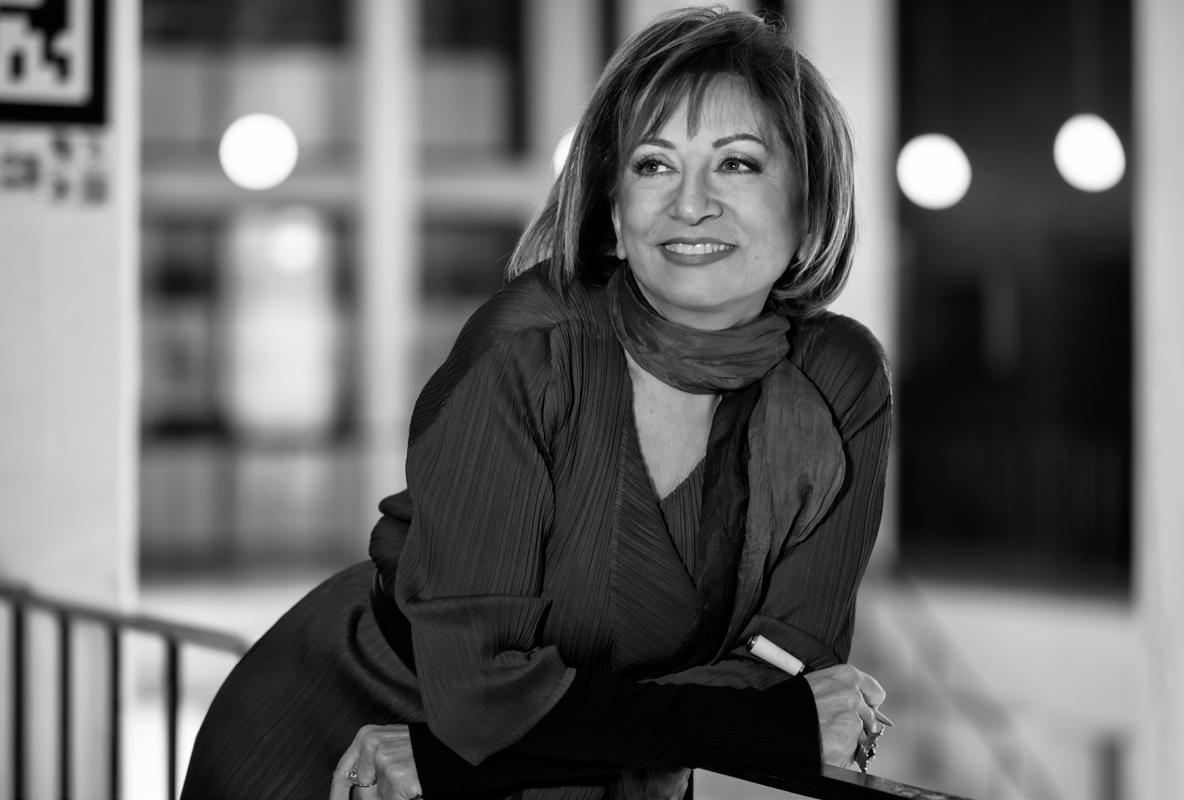
“Mehpare Evrenol is the founder of Evrenol Architects, a practice working across architecture, urban design and interiors.
She currently leads the studio, overseeing projects ranging from urban-scale developments to architectural and interior design work.”
What does stewardship mean to you in architecture? At which stages and to what scale does this responsibility become most visible, in your own practice?
In architecture, stewardship goes beyond simply producing a building; it means taking a position toward the city, the user and time. A project’s relationship with its context, its public impact, user experience and long-term sustainability form the main dimensions of this approach.
Being aware that every designed structure becomes a permanent layer added to the urban fabric strengthens this sense of stewardship within decisionmaking processes. In our practice, it becomes most visible during the early design phase, particularly when massing decisions are made. The building’s location, scale, its relationship with its surroundings and its contribution to public space are not only aesthetic decisions, but ethical ones.
At the same time, from the perspective of interior spaces, this approach continues through considerations of user comfort, light, material and spatial continuity. In other words, whether at the urban scale or at the level of detail, stewardship plays an active role throughout every stage of the design process.
How do you evaluate material selection within architecture understood as stewardship? In your view, is material choice merely a technical decision, or does it also reflect the architect’s ethical stance?
Within an understanding of architecture as stewardship, material selection is not only a matter of technical performance; it is an important area of decision-making that reflects the architect’s position and approach to the project. The lifespan of a material, its environmental impact, its maintenance requirements and its contribution to user experience must be considered together.
For this reason, material choice expresses not only aesthetic and technical criteria, but also the relationship between the project and its underlying values. Using durable, sustainable and longlasting materials helps ensure that a building maintains its value over time while reducing its environmental impact.
From this perspective, material selection directly reflects the architect’s ethical approach and awareness of stewardship.
“Kaan Öncüoğlu is the founder of KODS, a practice working across architecture, urban design and strategic planning, and serves as Chair of the London Turkish Architects Association (LTAA).
Working across projects of varying scales and geographies, he develops a design approach shaped by user experience, data-informed decision-making and sustainability.”
What does stewardship mean to you in architecture? At which stages and to what scale does it become most visible in your own practice?
While architecture in the past was often approached primarily through the fulfilment of technical requirements and structural responsibilities, today its focus is increasingly shifting toward a more user- and environment-oriented approach. This transformation requires design philosophies and principles to be reconsidered through a user-centred perspective.
In order to meet criteria that directly affect user experience — such as health, well-being and productivity — it is essential to carefully evaluate environmental factors and integrate strategic and sustainable decisions into both design and implementation processes.
In our projects, parameters such as travel times between programme elements, the time users spend in particular spaces, and efficiency per square metre have increasingly become key metrics for assessing user experience — especially at a time when data plays a growing role in guiding design decisions. In addition, the intensity of use in public and semi-public areas, the interaction and synergy between different uses, access to daylight, the continuity of visual and physical connections, and the accessibility and active use potential of open spaces are among the key criteria that guide our design decisions, particularly as the scale of a project increases.
In our larger-scale projects, we address this approach from the earliest stages of the design process. Criteria such as effectively incorporating daylight into
the building, creating generous and fluid circulation spaces, and positioning functions in relation to their environmental and urban context are considered fundamental inputs in shaping the architectural framework during the concept stage.
This approach aims not only to create high-quality spatial experiences, but also to establish a foundation that allows buildings to form their own community structure — supporting a longterm framework that is sustainable, flexible and capable of adapting to changing needs.
How do you evaluate material selection within architecture understood as stewardship? In your view, is material choice merely a technical decision, or does it also reflect the architect’s ethical stance?
Specification is one of the most fundamental elements determining the long-term health and performance of a project after it is realised, particularly in terms of technical responsibility. Material and product selection are among the most decisive tools through which an architectural vision is translated into physical reality, and they also represent the most visible outcome of the architect’s design decisions for users or visitors.
For this reason, the role of manufacturers is increasingly evolving beyond simply providing products or services; they are becoming active partners in the design process and contributing to the development of solutions. In architecture, applicable and sustainable choices that respond to design objectives, performance criteria and projectspecific needs should always be prioritised.
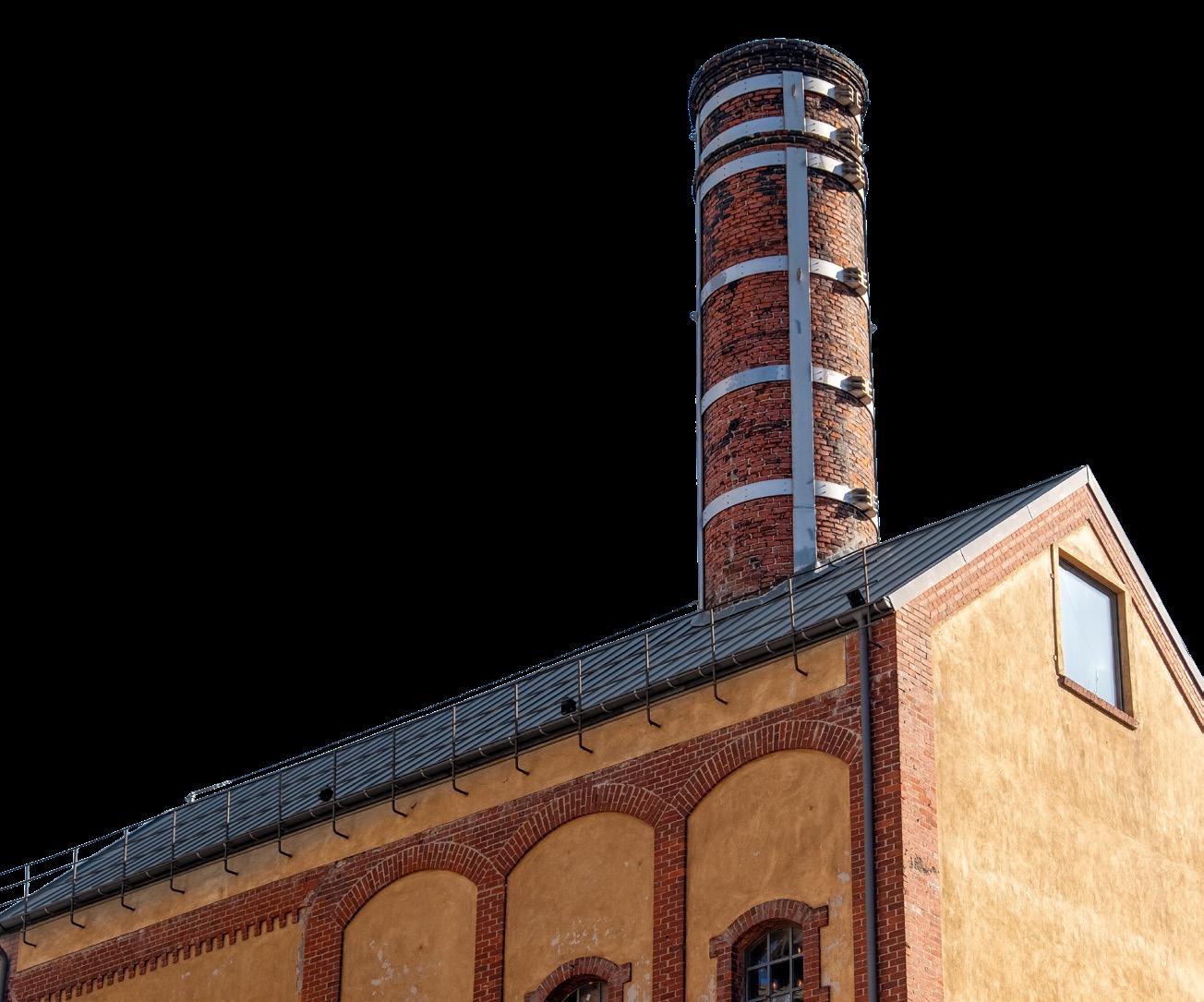
An editorial reflection on retrofitting as a new architectural reflex, examining its structural, environmental and cultural dimensions across Türkiye, the UK and Europe.
How we perceive the existing building stock ultimately shapes the kind of future architecture chooses to imagine. In the face of the climate crisis, rising energy costs, and increasingly stringent performance standards, demolition and reconstruction are no longer seen as the default solution. Across Türkiye, the United Kingdom and Europe more broadly, transforming, strengthening and adapting what already exists is becoming an increasingly strategic approach.
Retrofitting is not merely a technical upgrade. It represents a shift in architectural responsibility. By aligning existing buildings with contemporary expectations of safety, energy performance and efficiency, retrofit strategies also protect embedded material value and urban memory.
The question today is no longer whether we can build new, but whether building better may sometimes mean working with what is already there.
Across Europe, much of the existing building stock was designed under regulatory frameworks that differ significantly from today’s performance standards. In seismic regions such as Türkiye, structural resilience remains a critical concern. In the United Kingdom, aging building stock, wind exposure and evolving patterns of use similarly require reassessment and reinforcement.
Retrofitting strategies may include steel reinforcement, sprayed concrete (shotcrete), high-performance repair mortars and increasingly advanced composites such as carbon fibre. These interventions can enhance load-bearing capacity and structural performance without imposing excessive additional weight.
The objective is not to erase architectural identity, but to reinforce it — quietly and with long-term intent.
Across Europe, net-zero commitments and energy performance frameworks are accelerating the need to upgrade existing buildings. In the UK, retrofit-first approaches are becoming increasingly embedded within planning and implementation processes, while in Türkiye the urgency of energy efficiency and seismic resilience continues to shape transformation agendas.
RETROFITTING IS A PRACTICE OF ARCHITECTURAL RESPONSIBILITY THAT REMINDS US PROGRESS IS POSSIBLE WITHOUT DEMOLITION.
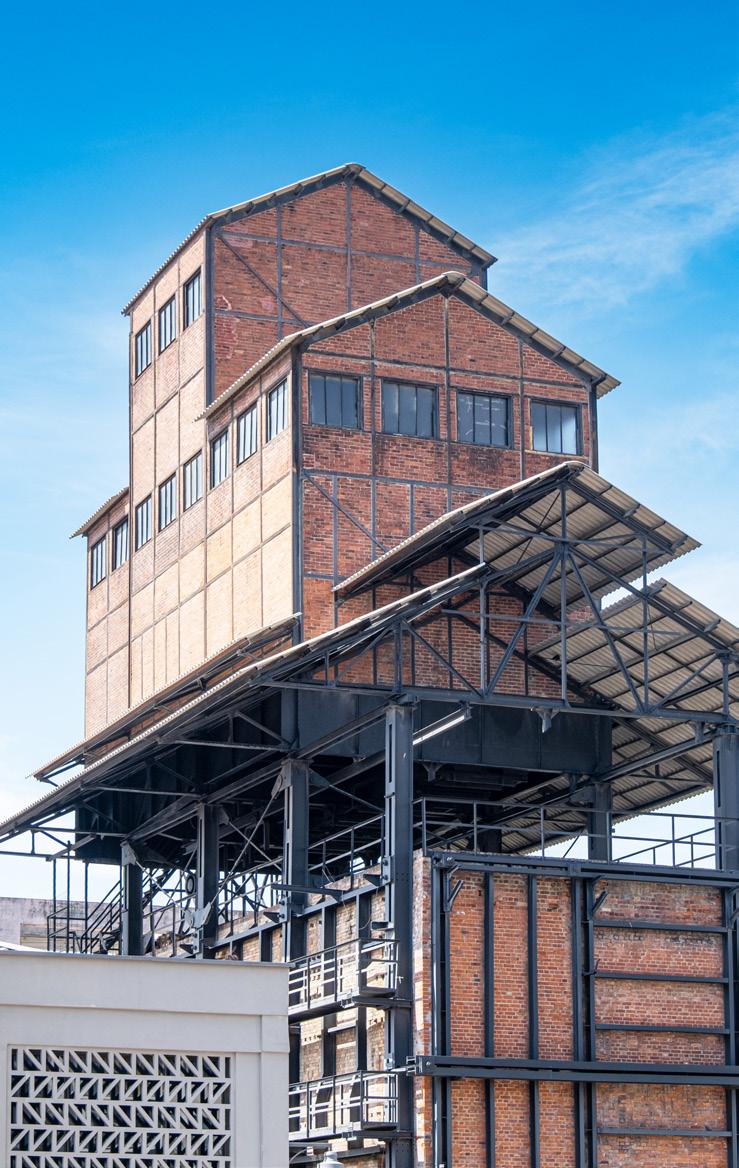
Thermal insulation upgrades, improved ventilation systems and modern HVAC technologies can significantly enhance indoor comfort while reducing energy demand when properly designed and implemented. Intelligent building management systems and responsive lighting further optimise operational performance. In this context, efficiency is less about technological spectacle and more about measured performance. The aim is to enable buildings to function better while respecting the material investment already embedded within them.
Retrofitting interventions often begin with the building envelope. A building’s energy performance, indoor comfort and long-term durability are largely determined by façade systems.
Insulation upgrades, airtightness improvements and updated façade assemblies play a critical role in reducing energy loss. Advances in glazing technologies are also central to this transformation. Low-emissivity (Low-E) glazing, double and triple glazing systems and vacuuminsulated glass can reduce heat transfer
BUILDING ENVELOPE, GIVEN ITS CRITICAL ROLE IN DETERMINING ENERGY
while preserving daylight quality. Smart glazing technologies allow dynamic control of solar gain and glare.
In this sense, the façade is no longer a passive surface but an active environmental layer.
One of the strongest arguments for retrofitting is environmental. Lifecycle assessments indicate that retaining and upgrading existing buildings can reduce material waste and embodied carbon compared to full demolition and reconstruction.
As net-zero targets continue to reshape the built environment across Europe, upgrading existing building stock is increasingly central to climate action. While the UK is developing more systematic policy tools to support this transition, in Türkiye retrofit strategies intersect with both environmental responsibility and seismic safety priorities.
This approach supports a circular mindset — reuse, adapt and extend — rather than replace.
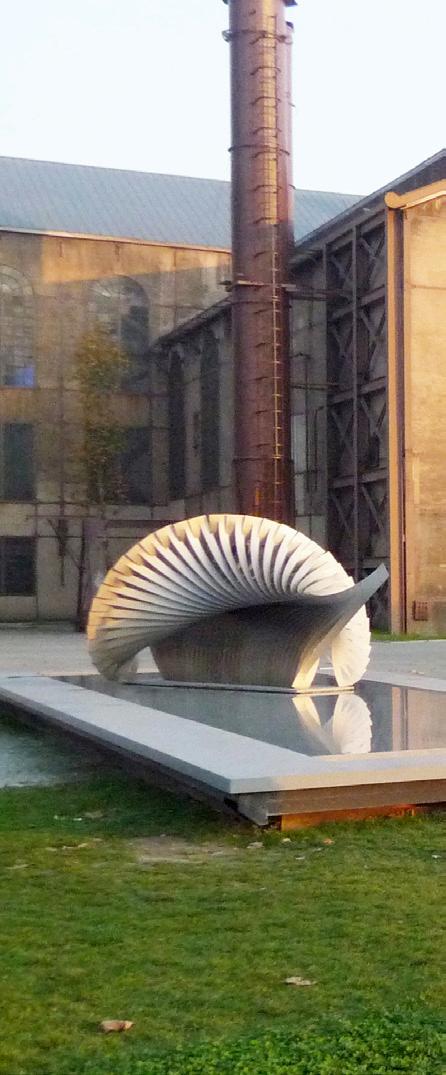
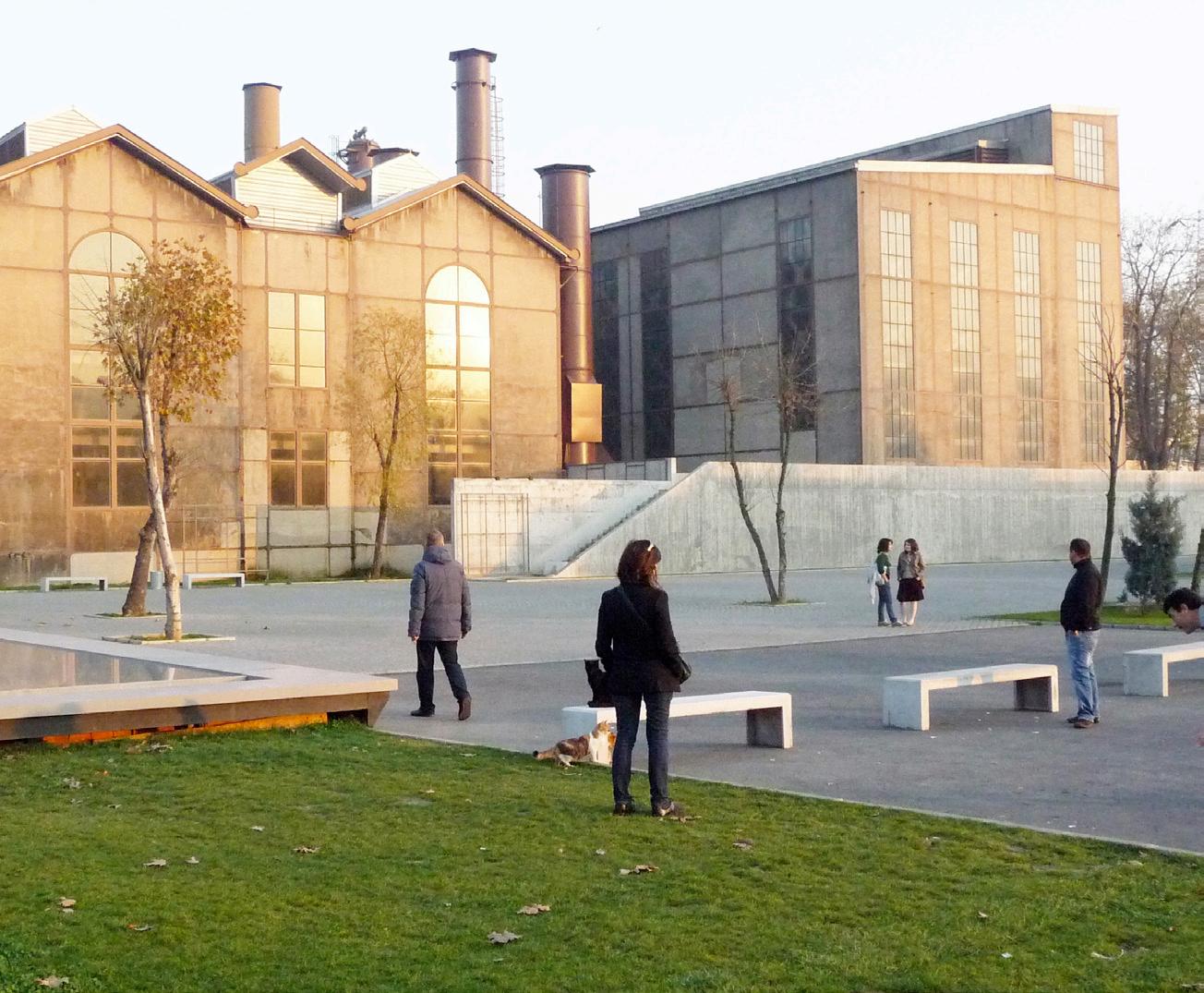
Ultimately, retrofitting is not simply a construction technique. It is a practice rooted in restraint, intelligence and long-term thinking.
We do not always need to begin again. Sometimes the most responsible act is to strengthen what already exists. And perhaps the true power of retrofitting lies in its ability to move architecture forward without erasing its past.
This article marks the first in a series exploring retrofitting across different scales, materials and regional contexts. In upcoming issues, we will examine case studies and approaches spanning Europe, the United Kingdom and Türkiye in greater depth.
WE DO NOT ALWAYS NEED TO BEGIN AGAIN. SOMETIMES THE MOST RESPONSIBLE ACT IS TO STRENGTHEN WHAT ALREADY EXISTS.
IN THE FACE OF THE CLIMATE EMERGENCY, THE FUTURE OF ARCHITECTURE LIES NOT IN STARTING OVER, BUT IN WORKING WITH THE EXISTING CITY — REPAIRING, ADAPTING AND INTENSIFYING ITS FABRIC.
In this text, Bob Allies reflects on the evolving role of architecture and urbanism in shaping resilient, sustainable cities. Arguing against the modernist tendency to isolate buildings from their surroundings, he calls for a renewed engagement with the existing urban fabric—one that prioritises continuity, reuse and density. At a time of climate urgency, the city itself emerges not as a problem to be replaced, but as a valuable resource to be understood, repaired and strengthened.
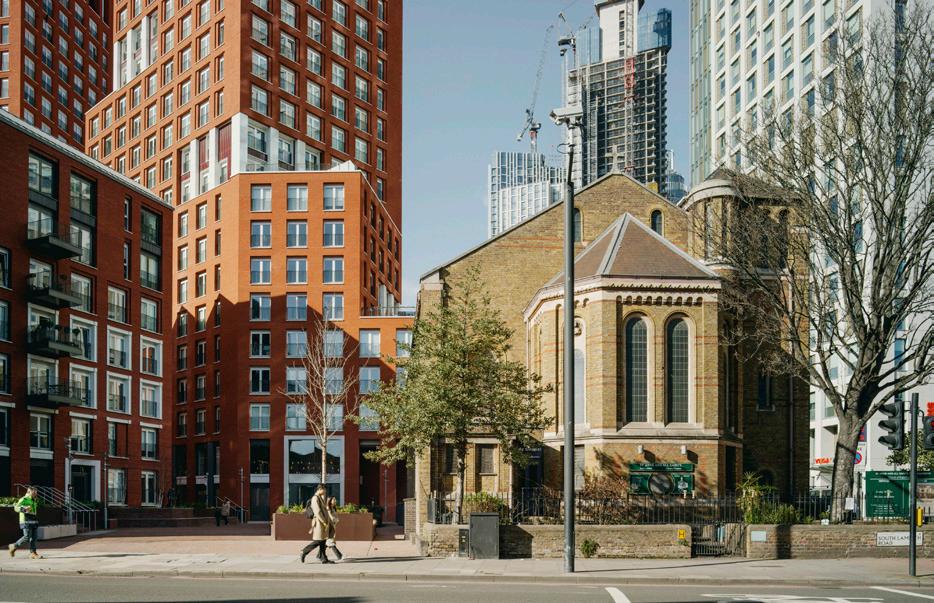
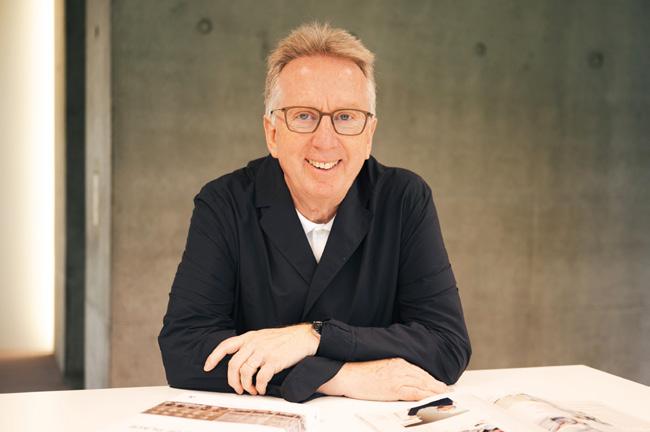
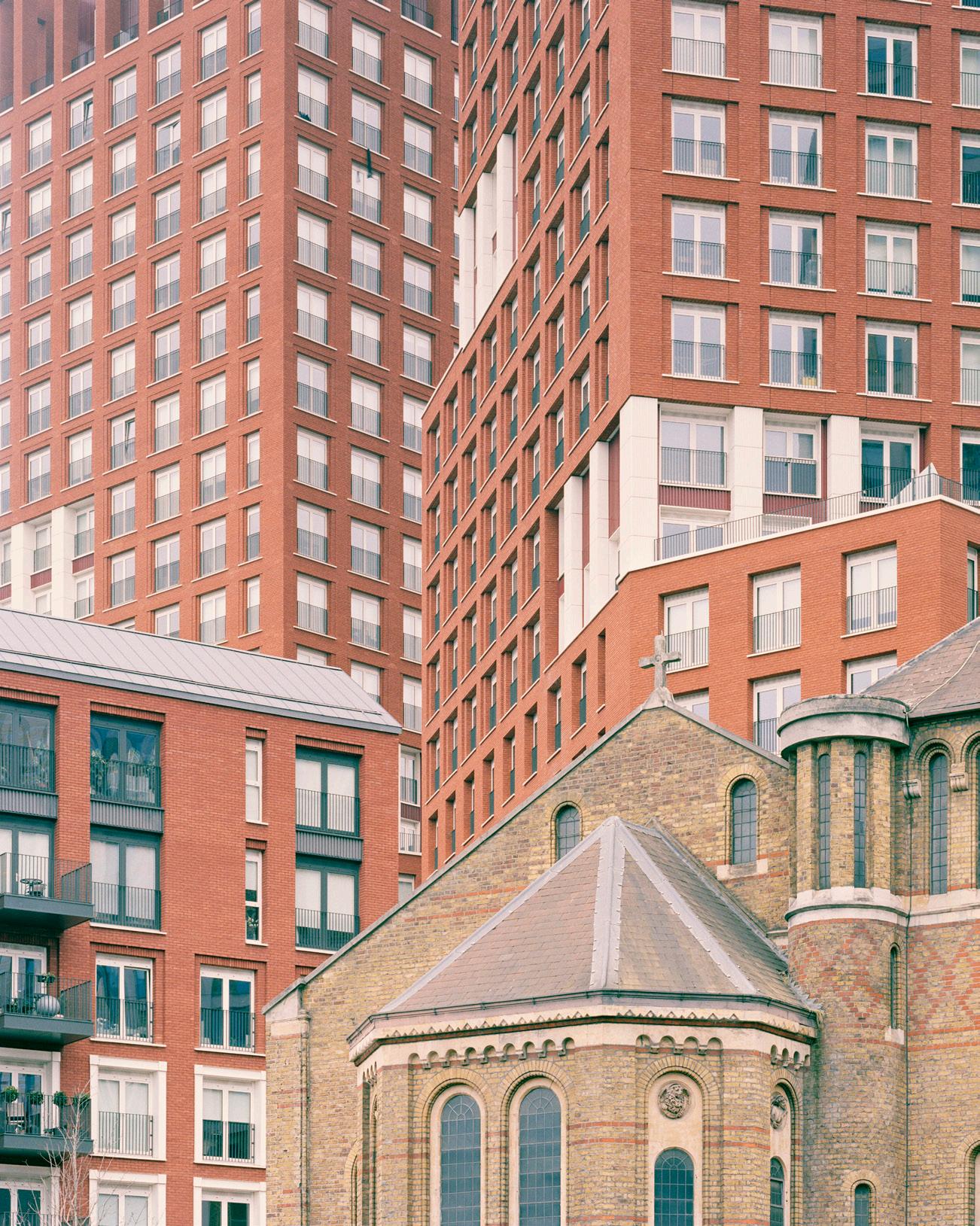
Since its inception, our practice has always emphasised the importance, at the start of a project, of gaining the best possible understanding of the site — both as it exists today and as it has evolved historically. As architects, we are interested in how our buildings relate to their context; as urbanists, we are concerned with how new developments connect seamlessly to the surrounding city.
We want to work with, not against, the existing urban fabric. Each project offers an opportunity to repair or reinforce that fabric. We want to participate in the city.
One of the unhappy legacies of the modernist project, as it unfolded in the mid-twentieth century, was a tendency to disengage from the city. As architects became increasingly focused on internal functional logic, buildings were often conceived as isolated objects — set apart from their neighbours and detached from established urban protocols such as building lines and party walls. This tendency, in some quarters, persists today.
Our approach has always been, and remains, fundamentally different. We want
to be a part of the city, not apart from it. At a time when we are facing a climate emergency, this approach feels particularly relevant. Today, we are all aware of the need to preserve the embodied carbon in existing structures, and we recognise our responsibility to retain and reuse buildings rather than demolish and replace them, as might have been the case just a few years ago.
But we also have an equally important responsibility — whether as architects or urbanists — to secure and revitalise the urban fabric of which these buildings form a part. This fabric, together
with its supporting infrastructure, is one of our greatest resources, and it should be acknowledged as such.
Working within an existing town or city means that before adding anything new, we must fully engage with what is already there. We must take advantage of all inherited resources: physical elements such as buildings, landscape, topography and transport infrastructure, but also the less tangible — communities, networks and the people who live and work there.
Definitions of sustainability are often
WE WANT TO WORK WITH, NOT AGAINST, THE EXISTING URBAN FABRIC.
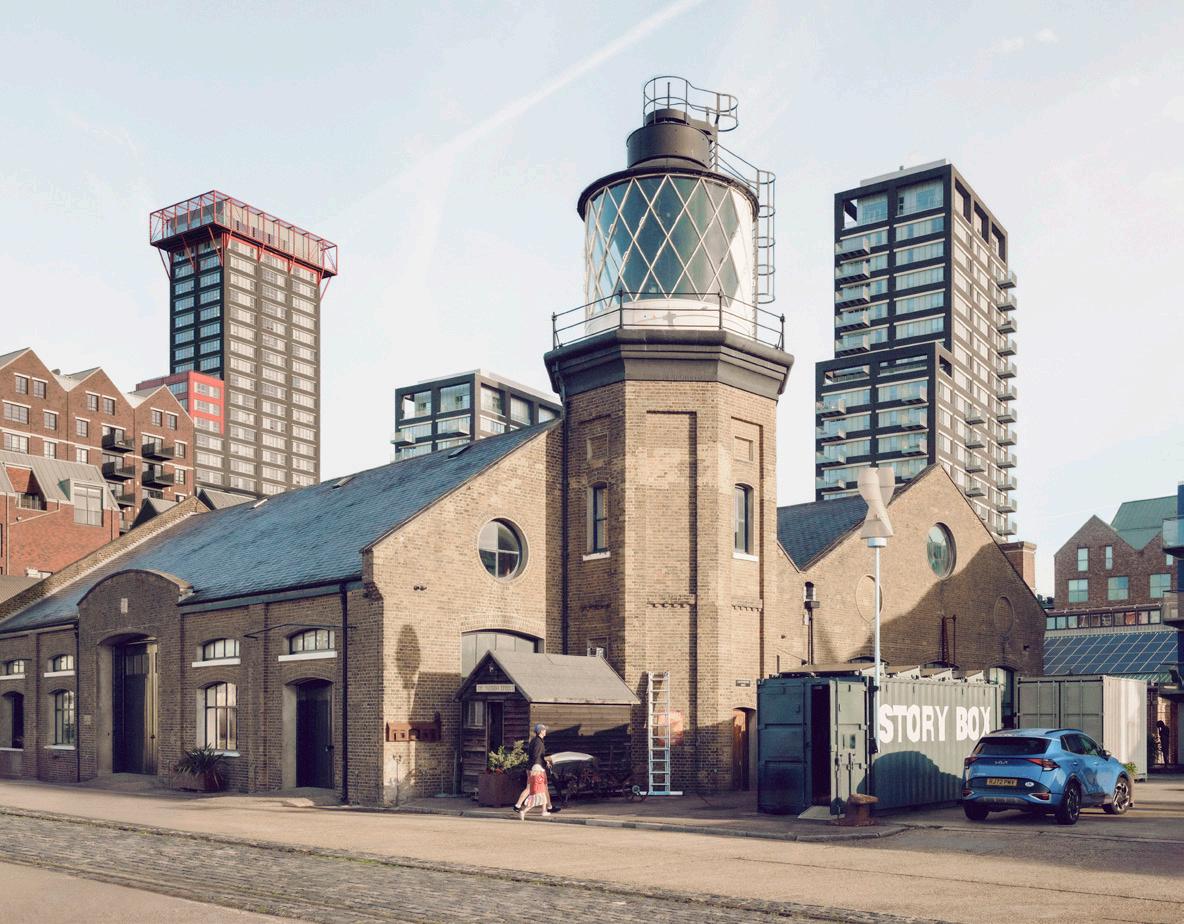
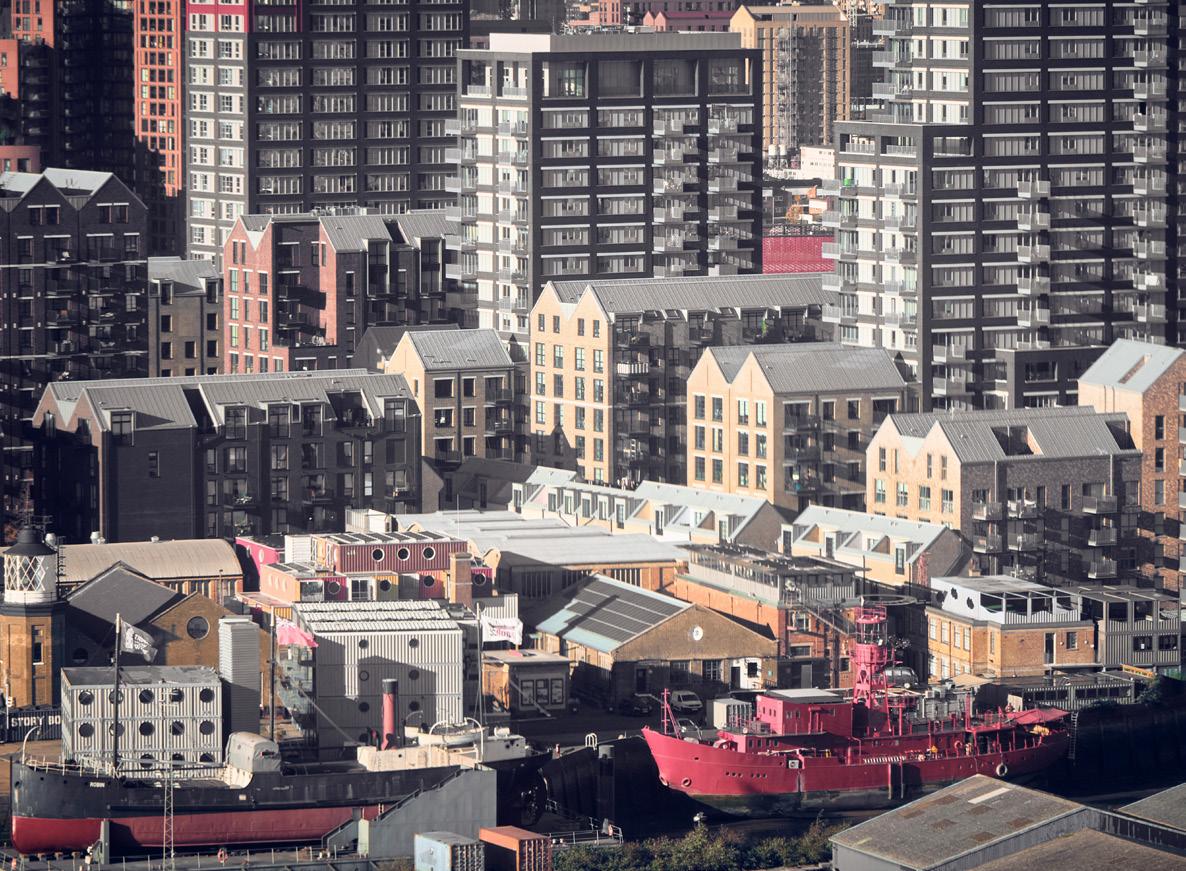
OUR RESPONSIBILITY EXTENDS BEYOND INDIVIDUAL BUILDINGS. AS ARCHITECTS AND URBAN DESIGNERS, WE MUST ALSO PROTECT AND REACTIVATE THE URBAN FABRIC TO WHICH THEY BELONG.
complex. But at its simplest, sustainability means making the most of what you have and reducing what you need.
Recycling buildings and water; using roofs for energy generation or biodiversity; sharing mobility and open space; increasing density and focusing it around transport hubs — these are all strategies that follow this logic. It is this same approach that must be extended to the fabric of our cities, recognising it as a valuable and enduring resource.
Cities themselves are remarkable in that they are the product of collaboration. They are shaped by individuals, communities, politicians, planners and engineers working together — sometimes intentionally, often incrementally — to create the physical and social infrastructures that support daily life. While some parts of cities are the result of comprehensive planning, most
evolve through an ongoing process of adaptation — an exchange of independent but interconnected decisions.
Cities are also in a permanent state of change, continuously evolving in response to new needs and aspirations. This should not be seen as a problem or a burden, but rather as evidence of a city’s vitality and health.
To care for the urban fabric does not mean protecting it from change. Quite the opposite. The challenge we face as designers in the twenty-first century is how to ensure continuity — how to make the urban fabric last — while introducing new typologies that support increased density and a corresponding expansion of urban scale.
What we cannot do is start again. We must work with what we have, while making it more effective and more efficient in its use of land. In the context of a climate emergency, it is now
WE CANNOT START A NEW. WE MUST WORK WITH THE EXISTING— ENHANCING ITS PERFORMANCE, AND ABOVE ALL, ITS EFFICIENCY IN THE USE OF LAND.
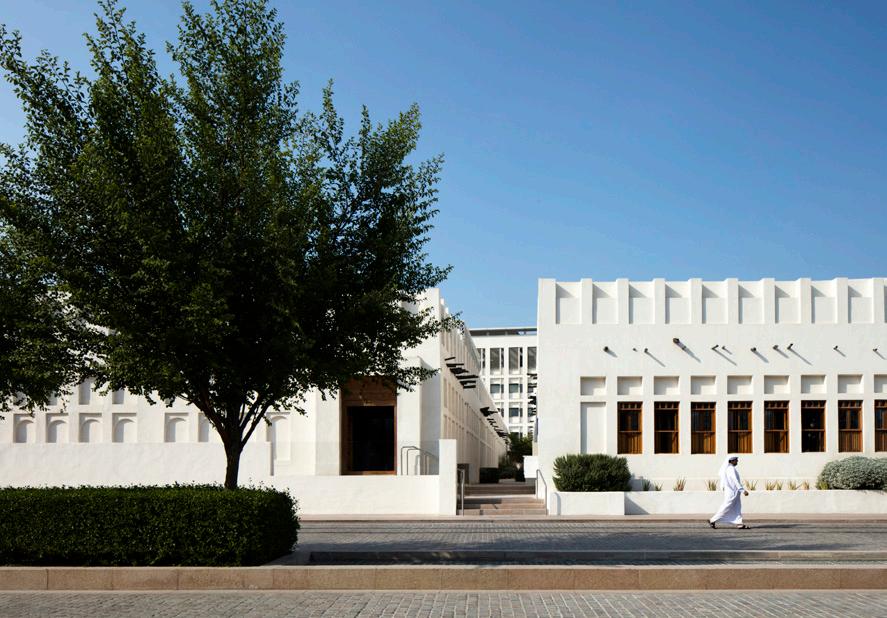
evident that we must use land as efficiently as we aim to use other natural resources such as energy, water and materials. Density should no longer be seen as a vice, but as a virtue. Living and working closer together allows us to preserve land for nature, reduce carbon emissions from travel, and lower energy consumption in buildings.
It also enables better access to social amenities, making them more viable, while supporting walkability — an essential component of sustainable urban life.
In many ways, the questions we face today are not new. They echo those that shaped the modernist project: how to improve our relationship with nature, how to enhance health and wellbeing,
how to orient buildings for light, how to address mobility, and how to build efficiently.
Where modernism often responded by rejecting the city, our response must be different. We must cultivate the city — help it to grow, adapt and evolve — so that it can meet the conditions of the present and the challenges of the future.
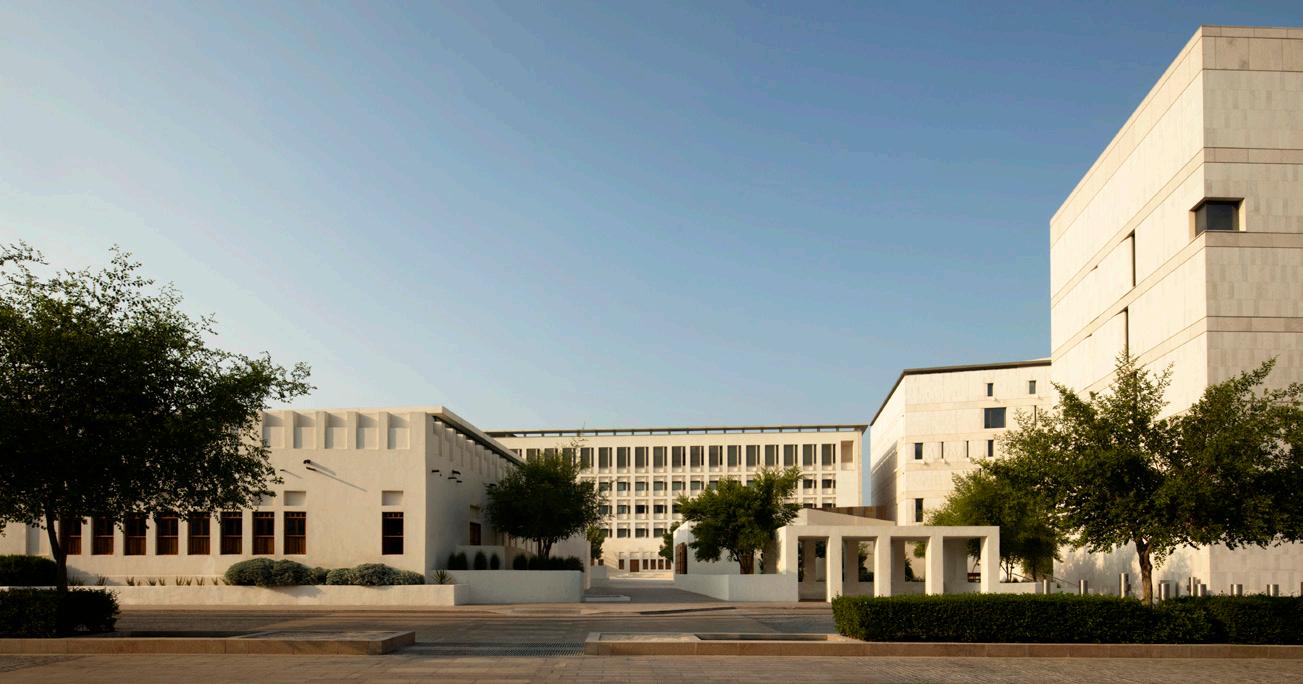
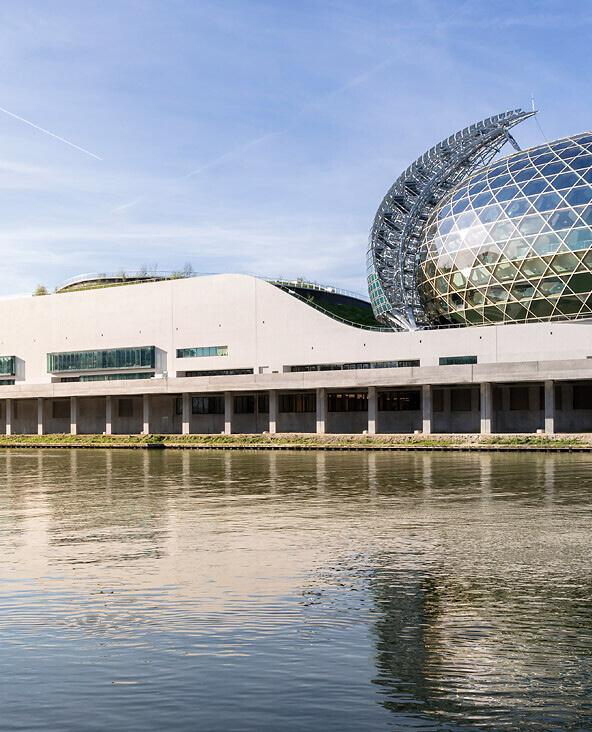

The refurbished Mountbatten House (now called PLANT Basingstoke) offers a refined, wellness-centred workplace for the contemporary workforce in Basingstoke, Hampshire. Recognised as one of the UK’s most important modern buildings, the Grade II-listed 1970s office complex is known for its dramatic rooftop gardens — often referred to as the “Hanging Gardens of Basingstoke.” Its landscape and garden terraces were granted Grade II status by English Heritage in 2015.
The six-storey building was comprehensively refurbished in 2020 to create an environmentally advanced workplace, improving access to the gardens and strengthening the relationship between indoor and outdoor spaces. Guardian SunGuard™ HP Bronze 40/27 architectural glass played an integral role in achieving these goals within the redesigned façade. Through a heritage-led redevelopment approach, the project team ensured that the building meets contemporary energy performance standards while preserving its original architectural intent. The refurbishment also responds to the wellbeing and lifestyle needs of today’s office users, creating a more inviting and engaging environment.
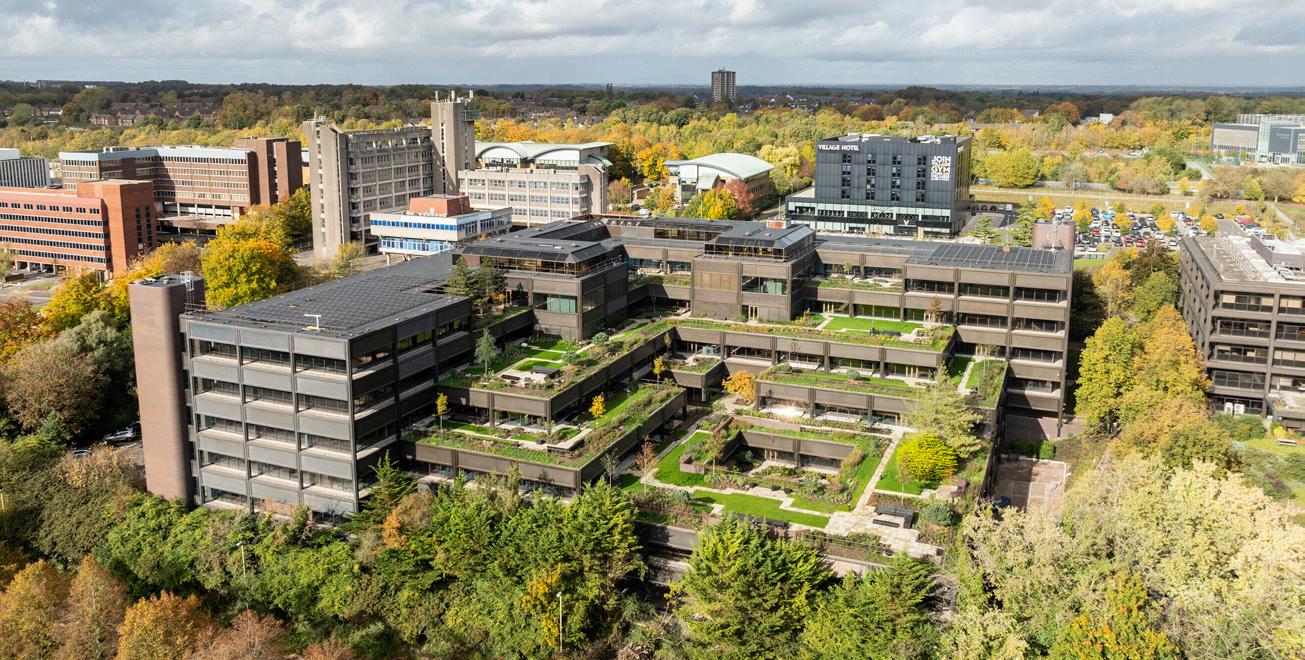
GUARDIAN GLASS COLLABORATED TO RECOVER AND RECYCLE 45 TONNES
Returning a landmark to its former glory
The refurbishment of Mountbatten House sought to enhance environmental performance while respecting its historic identity. The project also addressed a clear gap in the market by delivering a high-quality Grade A office environment. Central to this was the replacement of outdated glazing with highperformance glass, improving thermal performance, enhancing daylight quality and modernising the façade — without compromising the original design.
Blending architectural rigor with natural beauty
The original Mountbatten House structure was a significant landmark of 1970s commercial architecture, embodying a collaborative approach between engineers, architects and landscape designers. Designed by Peter Foggo of Arup Associates for paper merchants Wiggins Teape, the building was completed in 1977 and quickly gained recognition for its distinctive concrete form. The generous terraced roof gardens by James Russell were integral to the original concept, positioning Mountbatten House as a pioneering example of late 20th-century workplace design — long before “wellbeing” became a formal consideration. To this day, the gardens are widely celebrated for their intricate planting and technical ingenuity. Together, the distinctive concrete structure and verdant gardens established a strong reputation across both architecture and landscape design, ultimately earning the building its Grade II-listed status.
Sustainability in the project extends beyond operational performance to include material reuse. Guardian Glass collaborated with Structura, Cfield Construction and May Glass Recycling to recover and recycle 45 tonnes of glazing. Within 72 hours of removal, the glass was processed into cullet and transported to Guardian Glass’s facility in Goole, Yorkshire, UK, where it was reintroduced into production.
Each tonne of cullet used can replace approximately 1.2 tonnes of raw material, helping to avoid the need for around 2 million BTUs of natural gas and reducing up to 315 kg of CO₂ emissions. The resulting high-performance coated glass enhances both energy efficiency and visual quality, while lowering environmental impact — demonstrating the value of collaboration and innovative recycling practices.
Mountbatten House today stands as a compelling example of how heritage buildings can be reimagined to meet contemporary performance and workplace expectations—without losing their architectural identity.
Understanding UK Building Classifications
• Grade II-listed buildings are recognised for their special architectural or historic interest and are protected under national heritage regulations.
• Grade A offices represent the highest standard in commercial office space, defined by quality, performance and user comfort.
by EKİNCİLER
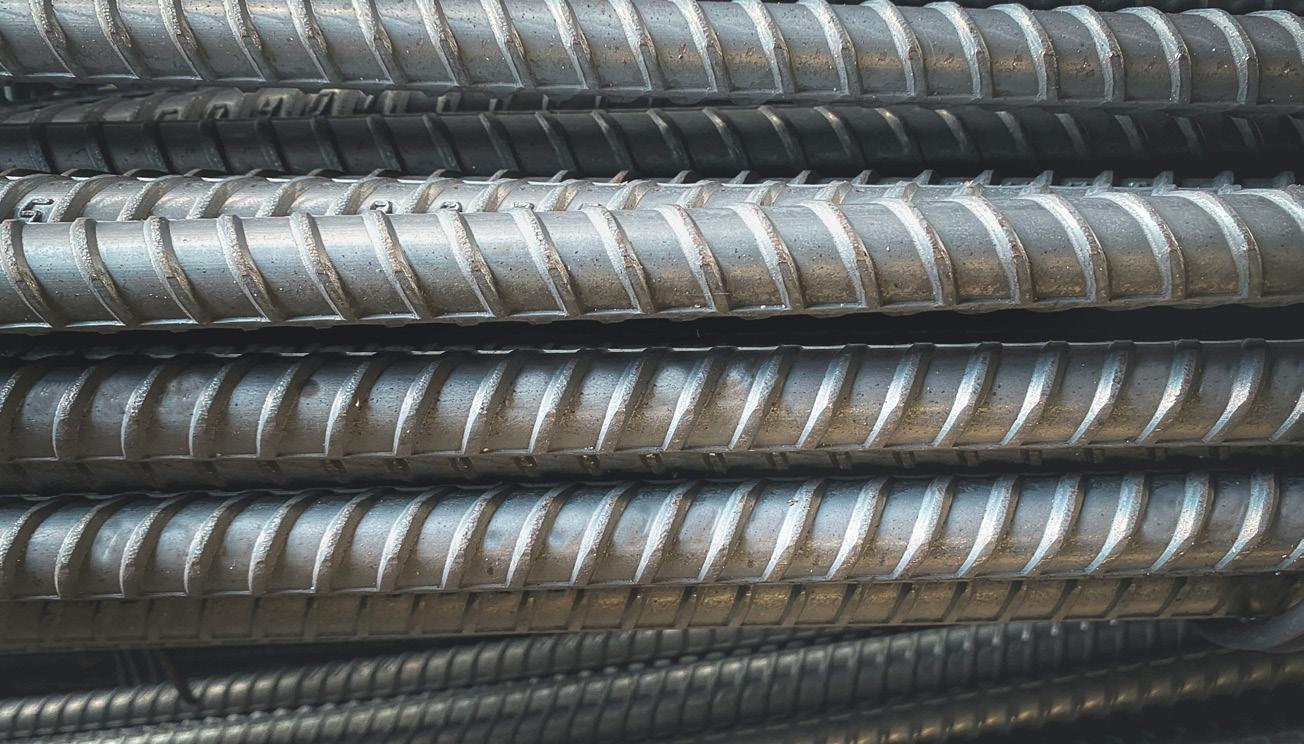
Reinforcing steel lies at the structural core of modern cities. From large-scale infrastructure to residential construction, rebar remains one of the most essential materials shaping the built environment. Within this global landscape, Turkey has emerged as a key player in the long steel market, supported by strong production capacity, flexible manufacturing systems and a strategic location bridging Europe, the Middle East and Africa.
In recent years, however, the industry has been undergoing a significant transformation. Rising energy costs, raw material dependency, evolving trade policies and carbon regulations are reshaping the competitive landscape. Turkey’s reinforcing steel ecosystem — spanning production, domestic demand and export markets — reflects not only an industrial structure but also the broader transformation of a strategically critical sector.
Steel continues to be one of the most critical strategic materials of modern economies. In particular, reinforcing steel (rebar) forms the backbone of the construction sector as a fundamental input for urbanisation, infrastructure development and housing production.
In recent years, however, the sector has been facing a new set of challenges, including dependence on raw materials, rising energy costs, evolving global trade policies and tightening carbon regulations. The complex ecosystem spanning Turkey’s reinforcing steel production and export landscape reflects not only an economic structure but also the transformation of a strategically significant industry.


CARBON REGULATIONS, ENERGY COSTS AND RAW MATERIAL DEPENDENCY ARE REDEFINING THE COMPETITIVE LANDSCAPE OF THE SECTOR.
Turkey is widely recognised as one of the world’s leading producers of long steel products. The scale achieved in reinforcing steel production has positioned the country as a major supplier in global steel trade. According to the Turkish Steel Producers’ Association, Turkey’s crude steel production increased by approximately 3.3% in 2025, reaching 38.1 million tonnes, making Turkey the largest steel producer in Europe and the 7th largest globally.
A significant share of this output consists of long steel products, with reinforcing steel representing the dominant segment. The country’s production infrastructure is largely based on electric arc furnace (EAF) technology, which accounts for approximately 70% of total steel production. This structure provides
a strategic advantage by enabling rapid adaptation to changes in demand, particularly for export-oriented production.
Supported by numerous integrated and semi-integrated facilities across the country, Turkey’s long steel production has exceeded 26 million tonnes annually. Its proximity to Europe, the Middle East and Africa strengthens its logistical advantage, positioning Turkey as a strategic supply hub in regional and global markets.
One of the most important drivers of reinforcing steel demand in Turkey is the country’s large-scale urban transformation programme. Earthquake risk and an ageing building stock have made structural renewal a key priority in housing and construction policies.
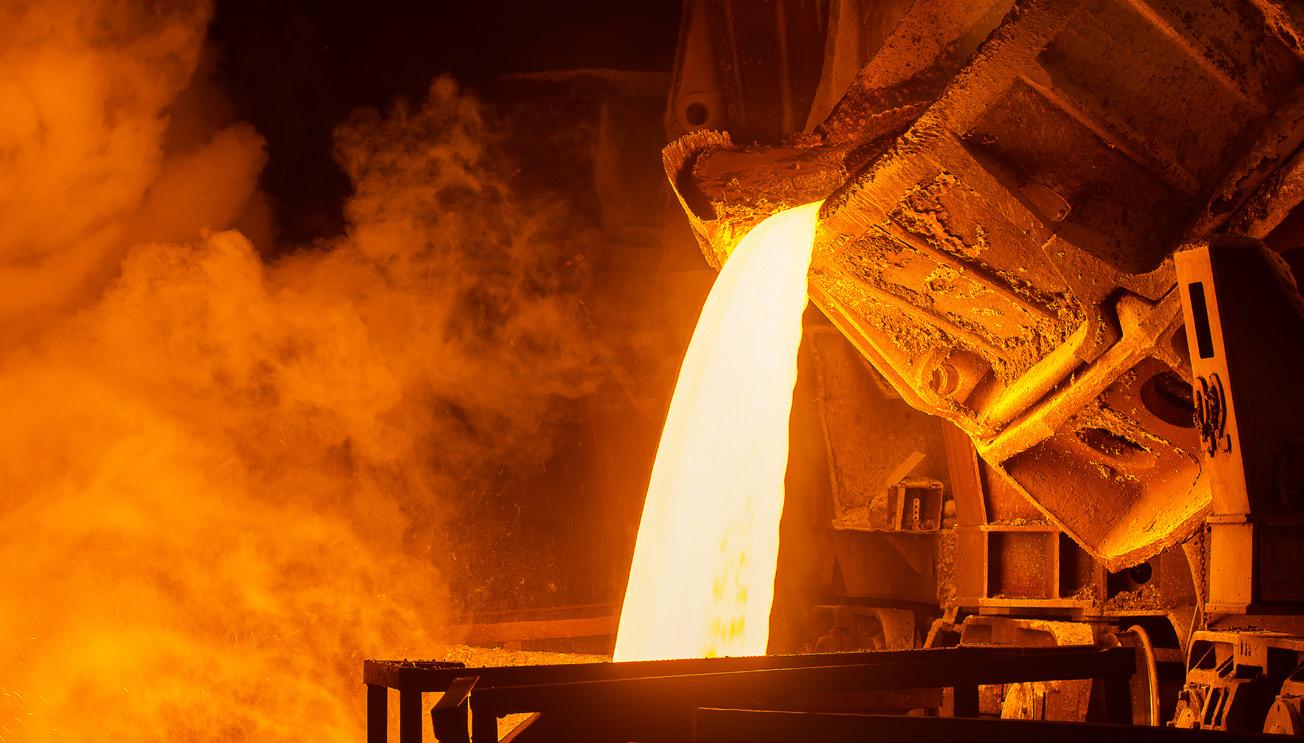
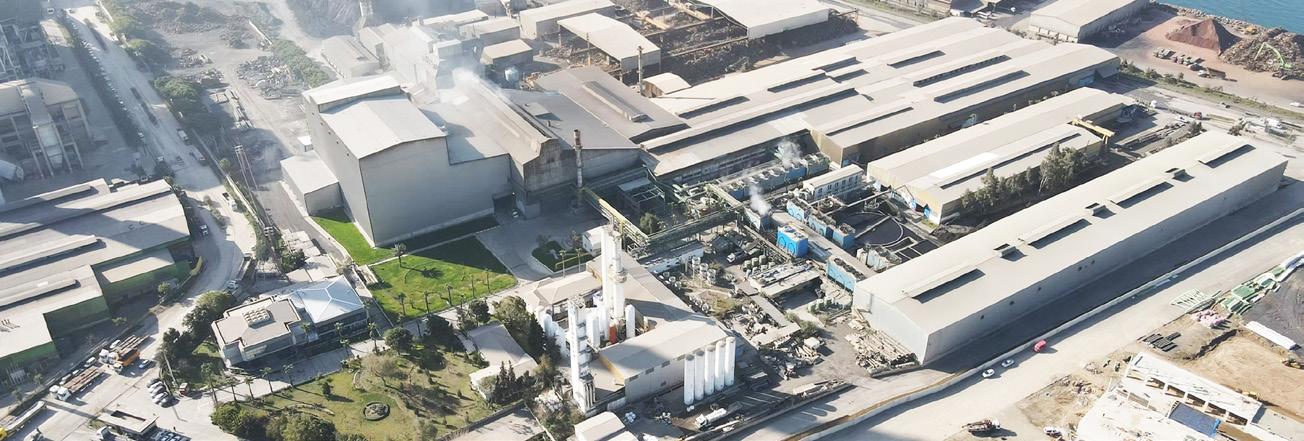
Turkey has approximately 36 million independent units and 31 million housing units, of which around 6 million are classified as high-risk, with nearly 2 million requiring urgent transformation. Since the introduction of the Urban Transformation Law (No. 6306) in 2012, more than 2.3 million units have been included in transformation projects, with over 2 million already completed.
The devastating earthquakes in Kahramanmaraş in 2023 further highlighted the urgency of this process. Approximately 680,000 housing units and 170,000 commercial units are currently being rebuilt in the affected regions, significantly increasing short-term demand for reinforcing steel.
Looking ahead, the transformation of approximately 6.5 million housing units by 2035 is planned, indicating that demand is not cyclical but structurally embedded within Turkey’s long-term construction strategy.
Turkey ranks among the world’s leading exporters of long steel products, particularly reinforcing steel. In 2025, total steel exports reached 17.5 million tonnes, with long products accounting
for 8.1 million tonnes (46%). Reinforcing steel alone represents 4.1 million tonnes, corresponding to approximately 50% of total long product exports.
Key export markets include the European Union, the Middle East, North Africa and West Africa, where ongoing infrastructure investments continue to drive demand. Turkey’s geographic proximity to these regions provides a significant logistical advantage.
At the core of Turkey’s export strength lies its flexible EAF-based production model, which allows output to be rapidly adjusted in response to global demand fluctuations.
Turkey’s steel industry is heavily reliant on scrap steel as the primary input for EAF-based production. Due to limited domestic supply, the sector depends significantly on imports.
In 2025, Turkey imported approximately 18.7 million tonnes of scrap, making it one of the largest scrap importers globally. Supply is primarily sourced from the United States, the European Union and the United Kingdom.
WITH STRONG PRODUCTION CAPACITY AND A FLEXIBLE MANUFACTURING MODEL, TURKEY REMAINS A KEY SUPPLIER IN THE GLOBAL LONG STEEL MARKET.
Scrap prices are determined in global markets and are subject to high volatility, directly affecting production costs and pricing structures. This dependency introduces a level of uncertainty into the sector’s cost dynamics.
Global competition in the steel sector is increasingly shaped by environmental considerations. Reducing carbon emissions and transitioning to sustainable production models have become central priorities.
The European Union’s Carbon Border Adjustment Mechanism (CBAM) is one
of the most significant policy tools driving this transformation. The reporting phase began in 2023, with financial obligations expected to come into force in 2026.
With steel exports valued at approximately $15 billion annually, the Turkish steel sector is directly exposed to CBAM regulations. As a result, producers are accelerating investments in energy efficiency and low-carbon production technologies.
The pricing of reinforcing steel is primarily influenced by scrap prices, energy costs and global demand conditions.
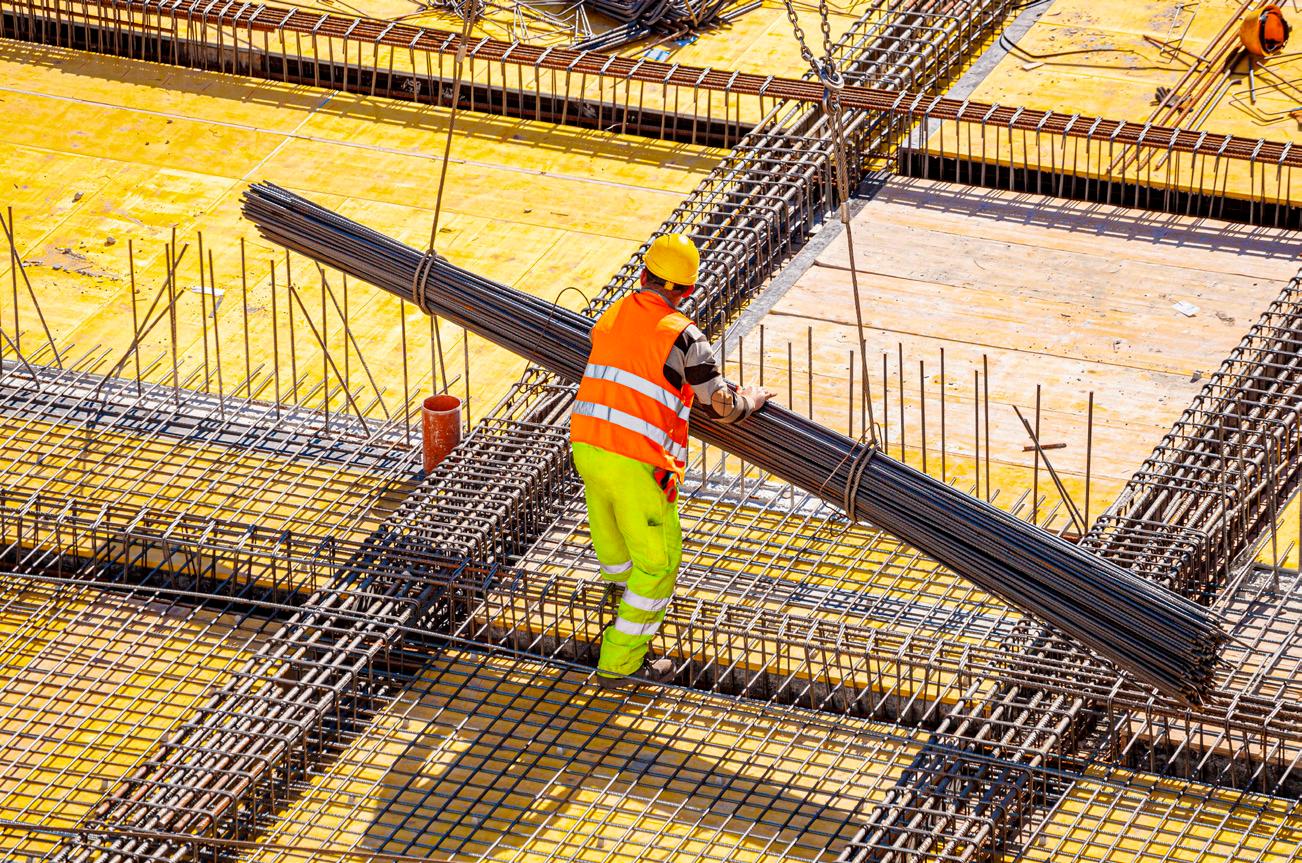
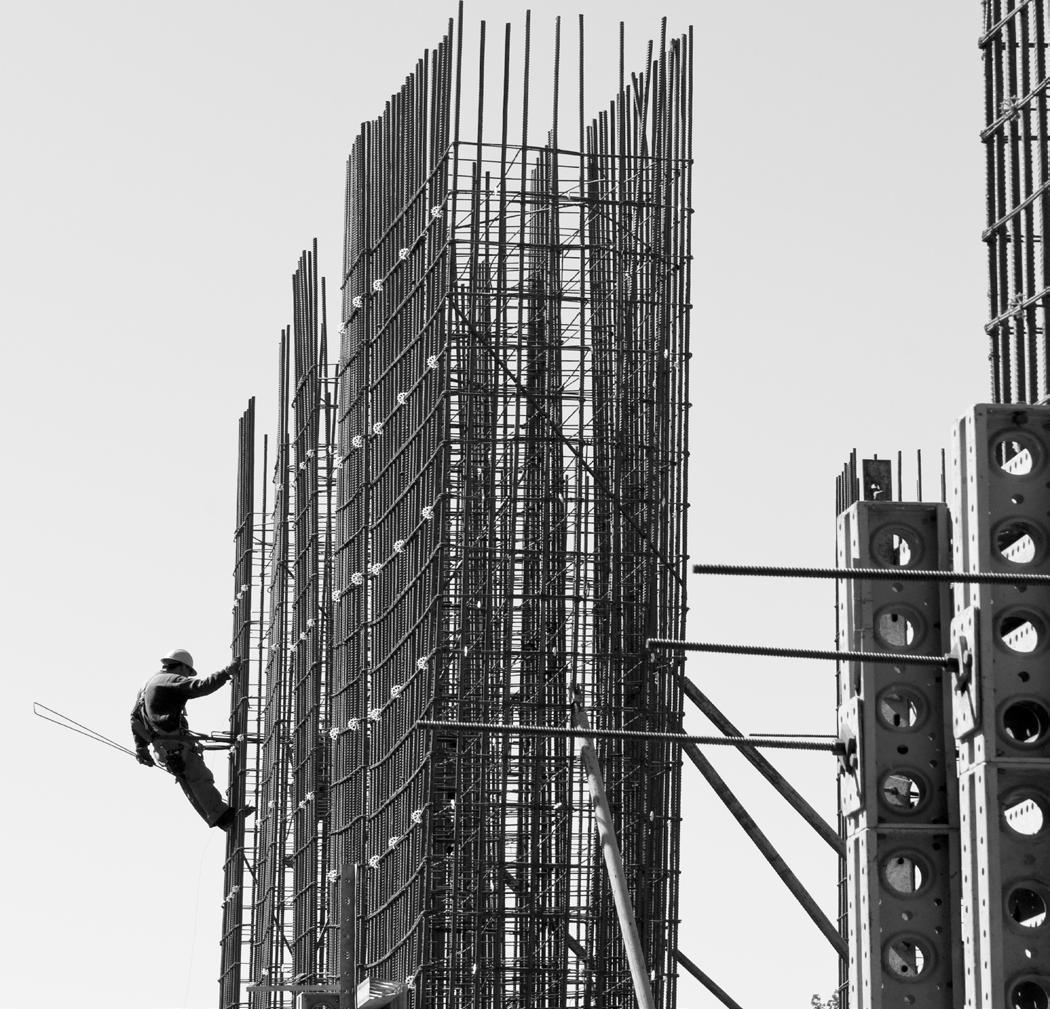
Scrap prices have shown significant volatility, rising from $250 - 300 per tonne in 2020 to $600 per tonne in 2022, before stabilising at around $360 - 370 per tonne in 2025. These fluctuations directly impact production costs and market prices.
The steel industry accounts for approximately 8% of global industrial energy consumption, making energy costs a critical factor in competitiveness. In EAFbased systems, electricity prices directly influence production economics.
Consequently, producers are increasingly investing in energy efficiency and
renewable energy solutions to stabilise costs and enhance sustainability.
The nature of competition in the steel industry is evolving. Today, not only production capacity and cost efficiency but also sustainability, quality, operational efficiency and compliance with international standards have become defining factors.
Ekinciler Iron & Steel is among the companies that have proactively embraced this transformation, restructuring its production approach around quality, efficiency and sustainability. With an
REINFORCING STEEL IS NO LONGER JUST A CONSTRUCTION MATERIAL; IT IS A STRATEGIC INDUSTRY SHAPED BY
annual billet production capacity of 1.4 million tonnes and reinforcing steel capacity of 1.3 million tonnes, the company stands as one of Turkey’s key EAF-based producers.
Its modern steelmaking infrastructure, continuous casting lines and advanced process control systems ensure consistent chemical composition, homogeneous internal structure and high mechanical performance.
One of Ekinciler’s key competitive advantages lies in its rolling mill technology. The company’s Monoblock rolling system and Thermex QST technology optimise both quality and efficiency simultaneously. This advanced production setup enables approximately 5% higher yield of ribbed reinforcing steel from the same tonnage, creating a significant cost advantage and a strong price-performance balance — particularly in export markets.
Ekinciler’s product portfolio is primarily composed of high-strength ribbed reinforcing steel and billets, produced in compliance with various international standards. Certification processes for European, Middle Eastern and African markets are managed with precision, positioning the company not only as a manufacturer but also as an internationally integrated solution provider.
Energy efficiency and resource optimisation are central to Ekinciler’s production strategy. Compared to integrated steel plants, EAF-based production offers a lower carbon footprint. Combined
with process optimisation and energy management systems, this enables continuous improvements in energy consumption and emission levels.
In an era of accelerating global carbon regulations, this approach represents not only environmental responsibility but also a strategic competitive advantage.
Turkey’s steel sector continues to play a significant role in global reinforcing steel trade, supported by its strong EAF infrastructure, flexible production model and strategic geographic location.
However, challenges such as dependence on scrap supply, energy costs and shifting global trade policies are reshaping the competitive landscape. Carbon regulations and sustainability standards are set to redefine the rules of competition in the coming years.
In this evolving context, Ekinciler’s highefficiency production infrastructure, its 5% yield advantage, and its ability to meet international standards position the company strongly within the new competitive framework.
Ultimately, the future of Turkey’s steel industry will be shaped not only by capacity expansion but by technological investment, sustainable production models and a commitment to quality. Ekinciler Iron & Steel continues to play a central role in this transformation, strengthening both Turkey’s industrial capability and its global competitiveness.
MATERIAL HONESTY DEFINES THE SPATIAL NARRATIVE, WHERE NATURAL TEXTURES — ALLOWED TO AGE AND ACQUIRE CHARACTER OVER TIME — REPLACE ANY SENSE OF ARTIFICIALITY.
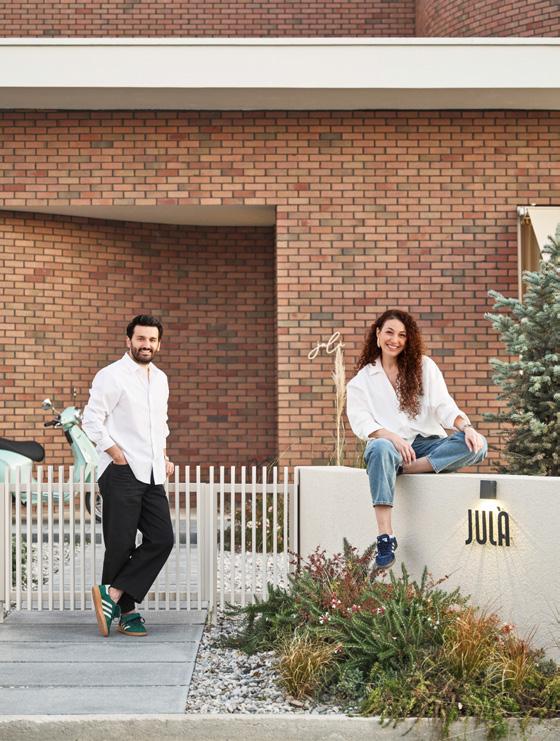
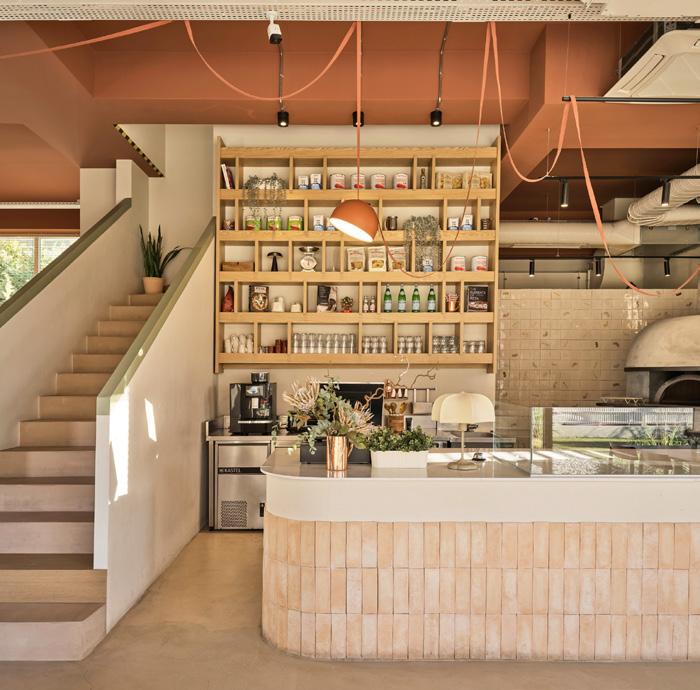
Material selection in architecture extends far beyond an aesthetic decision; it defines how a space is felt, how it ages, and how it establishes a relationship with its users. In response to an increasingly artificial and surface-driven built environment, the renewed focus on natural, “breathing” materials emerges not only as a design approach, but as a means of shaping healthier and more sustainable living environments.
Materials such as brick, durable, tactile and permeable, play a critical role in shaping both the physical and sensory qualities of space. By regulating humidity, supporting air circulation, and enabling a direct, haptic connection with the user, these materials shift the interior from a sealed enclosure towards a more responsive, living condition.
Julà can be read as a contemporary reflection of this approach. Its architectural language does not conceal the nature of its materials; instead, it reveals and foregrounds them. In doing so, it proposes a spatial experience that resists artifice — one that matures over time and evolves in dialogue with its users.
Located in Beytepe, Ankara, Julà moves beyond the conventional definition of a restaurant, proposing instead a hybrid spatial construct where the design ethos, culinary culture and working environment of Jul Happy Project coexist within a single architectural framework. Founded in 2021, the studio’s ambition — to reveal the quiet yet meaningful moments of everyday life through space — finds its most tangible expression here.
One of the project’s defining gestures is the vertical coexistence of the programme: the design studio positioned directly above the restaurant. This layered relationship transforms Julà from a static object into a living organism — continuously shaped by its creators. For Jul
Happy Project, the space operates not merely as a designed environment, but as an extension of a holistic brand identity, spanning from corporate language to staff attire, from menu curation to the sensory atmosphere of the interior. This level of ownership introduces a rare sense of durability and authenticity.
At its core, Julà is shaped by an architectural language that focuses on subtle details over spectacle. The spatial composition is grounded in material honesty, articulated through natural surfaces that are allowed to age, patinate and gain depth over time. Rather than imposing itself on the user, the space unfolds through a subtle interplay of light and texture, generating a fluid and intuitive
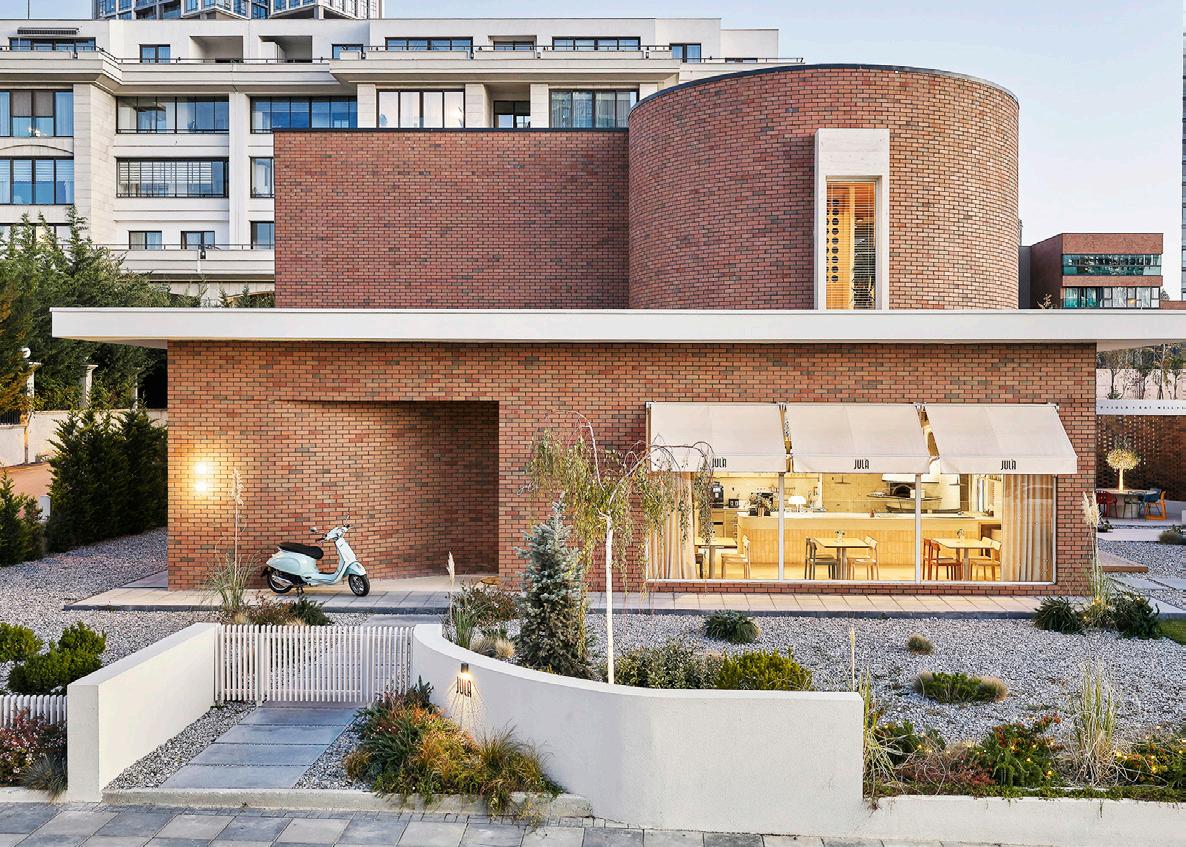
spatial experience. The tactile presence of brick — central to the project’s tectonic expression — combined with an earthy colour palette, establishes a dialogue between local craft traditions and contemporary form. The result is a refined, timeless atmosphere that does not assert itself, yet resonates emotionally with its users.
Conceived as a shared vision of a design-driven couple, Julà brings together the care and precision of Italian culinary culture with the local fabric of Ankara. On the gastronomic side, the space adheres to the standards of the Associazione Verace Pizza Napoletana, placing craftsmanship at the centre of its narrative through a custom-built pizza oven produced in Naples for a renowned local family. As a meeting point for a community that values good food, material quality and design, Julà offers a considered response to Ankara’s evolving need for thoughtfully curated spaces.
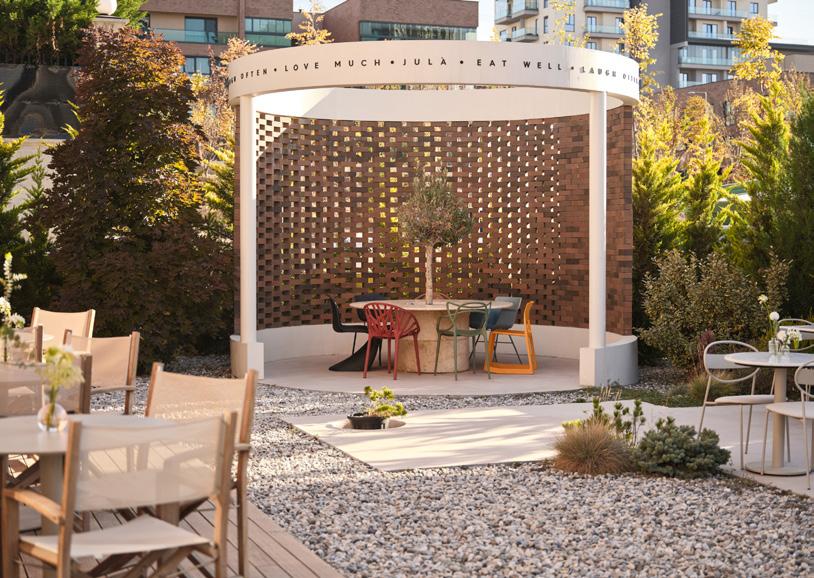
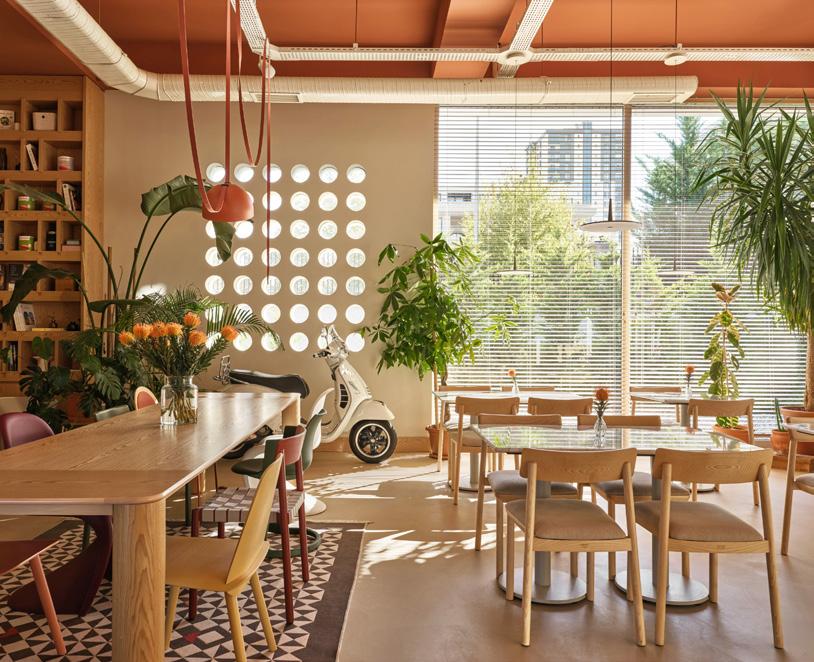
Architecture: Jul Happy Project
Interior Design: Jul Happy Project
Location: Beytepe, Ankara
Project date: January 2023
Completion: April 2023
Total area: 620 m²
Photography: Kadir Aşnaz
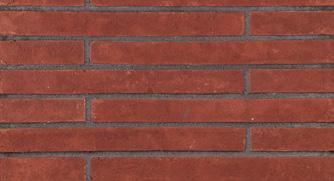
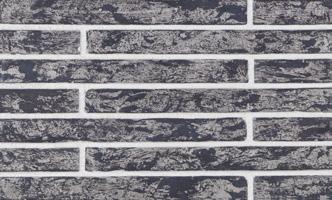
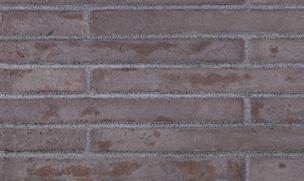
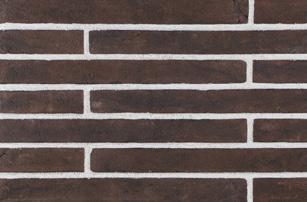
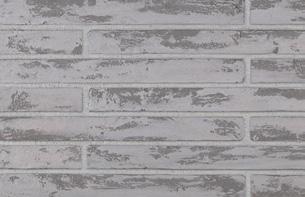
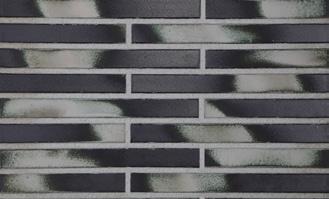
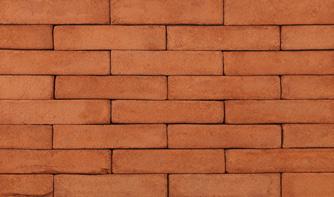
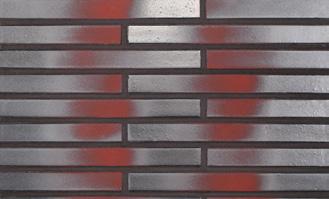

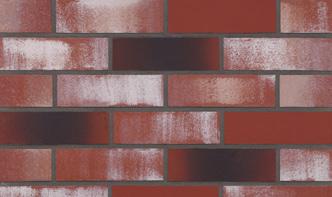
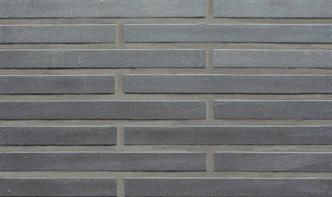
Eryılmaz Plaza
Orhan Veli Kanık St. Yakut Sq. Kavacık, Beykoz 34810
İstanbul, Türkiye
+90 (216) 537 00 50 info@isiklartugla.com.tr
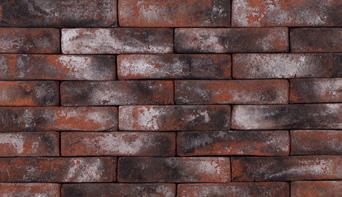
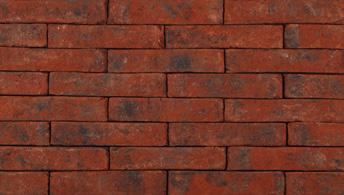
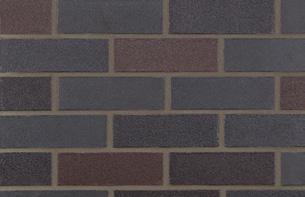
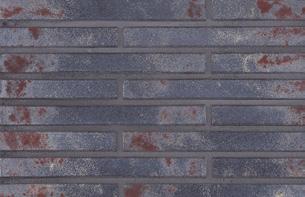
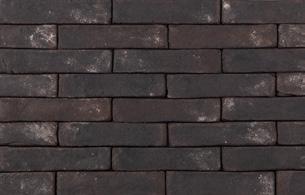
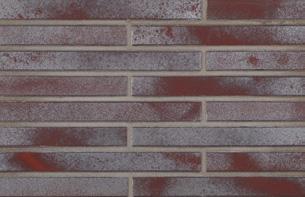
Bringing together over half a century of manufacturing expertise with a contemporary architectural approach, Işıklar Brick repositions brick not merely as a building material, but as a design tool that balances performance, context and expression.
Material selection in architecture is no longer simply an aesthetic choice; it is a layered decision that directly shapes a building’s relationship with its context, its long-term performance and the quality of user experience. Today, materials are expected not only to look refined, but also to demonstrate strong performative capacity.
Işıklar Brick reinterprets brick by combining more than fifty years of manufacturing experience with a contemporary architectural mindset. Knowledge rooted in tradition meets today’s design language, resulting in solutions that are both resilient and adaptable.
Brick, as a material, carries an inherent warmth — natural, tactile and enduring. Yet within these new-generation collections, it moves beyond its familiar appearance. Subtle tonal transitions and a rich variety of surface finishes allow façades to acquire a living quality, shifting with daylight throughout the day. Uniform surfaces give way to a
more dynamic architectural expression that evolves over time.
The diversity in colour, texture and format introduces a significant degree of freedom within the design process. Whether the intention is to create calm, contextually integrated buildings, or to articulate more expressive, characterdriven projects through stronger tones, this flexibility enables each structure to develop its own distinct identity.
Beyond its visual qualities, brick also performs strongly in terms of building physics. Its breathable nature contributes to moisture balance, while supporting thermal and acoustic insulation, enhancing indoor comfort. Its durability and low maintenance requirements further position it as a long-lasting solution.
Today, brick is no longer merely a cladding material, but an active component of architectural design. Through varied bonding patterns and surface articulations, it becomes possible to introduce depth, movement and a more nuanced architectural expression to façades.
In essence, while retaining its inherited knowledge, brick evolves into a contemporary design instrument — one that continues to find relevance within architectural thinking today and into the future.
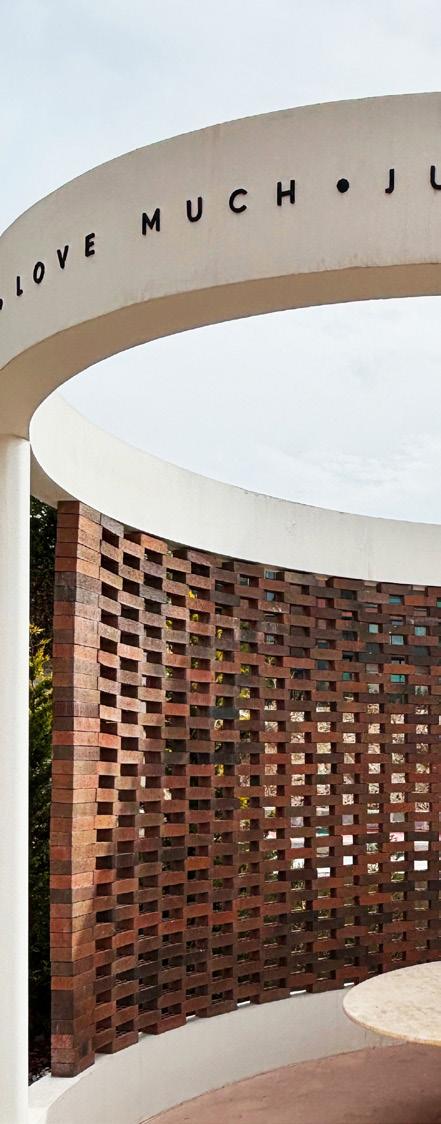
BALANCING AESTHETICS WITH BUILDING PHYSICS, BRICK BRINGS PERFORMATIVE CAPACITY AND MATERIAL INTEGRITY ONTO THE SAME GROUND.
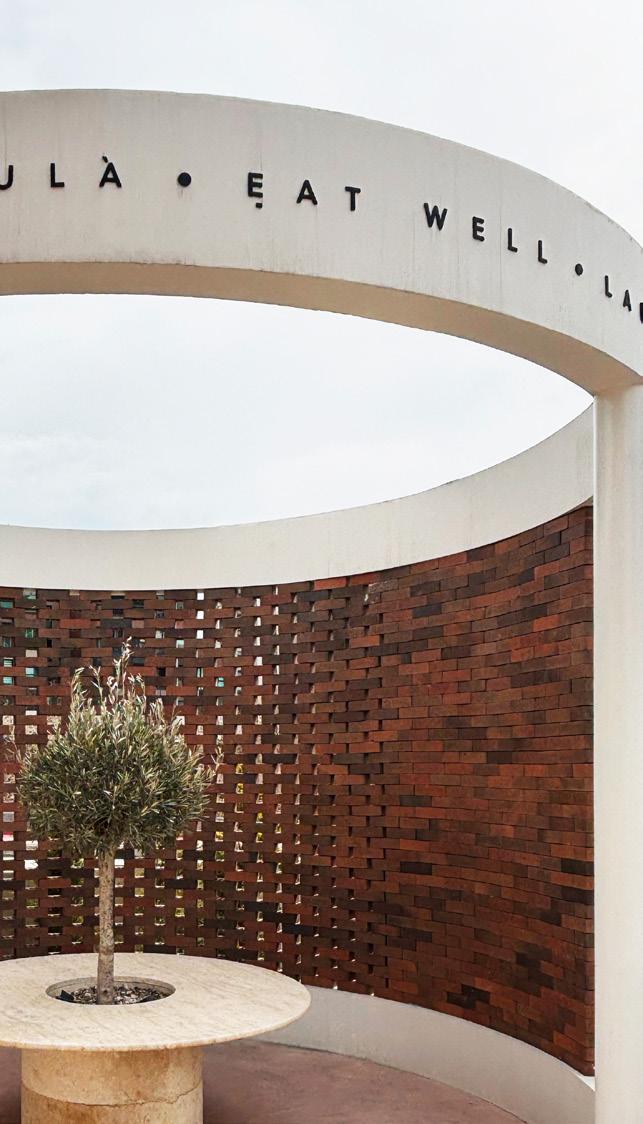
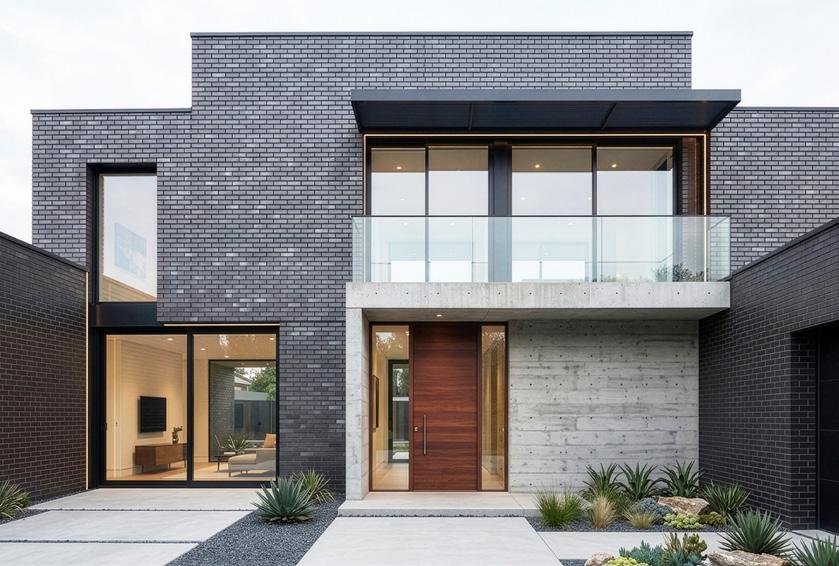
BRICK IS NO LONGER SIMPLY A CLADDING MATERIAL, BUT AN ACTIVE COMPONENT IN SHAPING ARCHITECTURAL EXPRESSION.
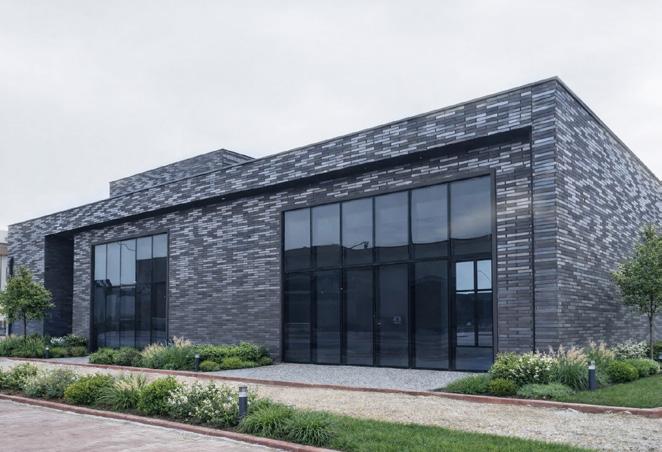
A LEADING MANUFACTURER OF ALUMINIUM ARCHITECTURAL SYSTEMS AND FAÇADE TECHNOLOGIES IN TURKEY, ÇUHADAROĞLU CONTINUES TO EXPAND ITS GLOBAL PRESENCE THROUGH INTEGRATED PRODUCTION, ADVANCED ENGINEERING AND STRONG R&D CAPABILITIES.
One of Turkey’s well-established manufacturers in aluminium architectural systems and façade technologies, Çuhadaroğlu Metal Sanayi has been strengthening its presence in international markets in recent years. With its fully integrated production infrastructure, advanced engineering capabilities and high-performance system solutions, the company supports architects and investors throughout the entire project lifecycle. Through international collaborations, industry exhibitions and new production investments, Çuhadaroğlu continues to position itself as a competitive global player. In this interview, Ali Tuna Şenatli, Sales and Marketing Manager, discusses the company’s production approach, its sustainabilitydriven transformation and the future of façade technologies.
Çuhadaroğlu is widely recognised as a well-established manufacturer in aluminium architectural systems and façade solutions in Turkey. For our international readers, how would you define the company’s production approach and its position in global markets?
Çuhadaroğlu operates with a strong focus on sustainability, integrated production and high quality, positioning
ALİ TUNA ŞENATLI ÇUHADAROĞLU METAL INDUSTRY - SALES & MARKETING MANAGER
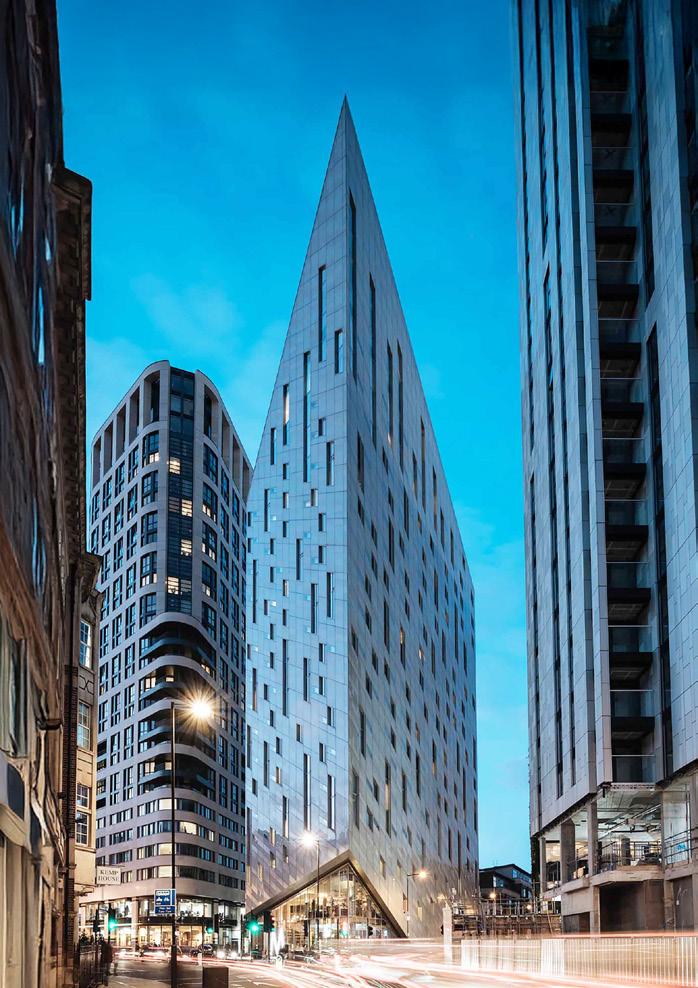

itself as one of the leading companies in the aluminium sector. Founded in 1954, the company is among Turkey’s established industrial organisations in aluminium architectural systems and aluminium profile production and is publicly listed.
Managing all production processes inhouse — from casting and extrusion to surface treatment and assembly — allows us to deliver consistent quality, flexibility and robust engineering support across a wide range of projects.
Our systems are developed under dedicated brands: Interal for aluminium architectural systems, Interax for automatic doors, Interwall for office partitions, and Intersecure for fire, bullet and blast-resistant solutions.
This integrated structure, combined with a strong R&D focus, positions Çuhadaroğlu not only as a manufacturer but as a reliable solution partner supporting architects and developers.
In recent years, Çuhadaroğlu has been increasingly visible in international markets. Your participation in a recent industry exhibition in the United States is one example of this expansion. What are the main motivations and objectives behind your global strategy?
Our global growth strategy is built on high value-added products and technology-driven manufacturing. In recent years, we have expanded our presence across the United States, Europe, the Middle East and the Caucasus through exhibitions and strategic partnerships. Hurricane-resistant systems developed
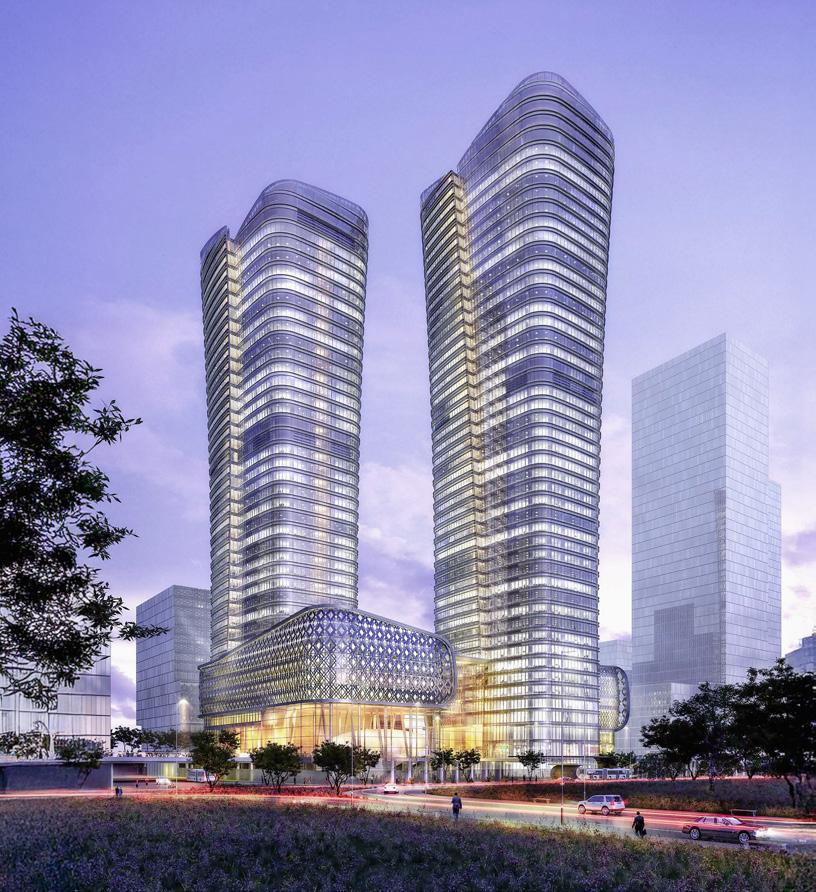
for the US market and Passive Housecertified solutions for Europe are key outcomes of this approach.
In addition, our new production investment in Kırklareli–Evrensekiz, combined with internationally recognised certifications such as IATF 16949 and IRIS, enables us to operate more competitively in high-performance sectors including automotive, rail systems and defence industries.
Aluminium façade systems today are no longer just technical components; they play a key role in energy performance, sustainability and architectural expression. What kind of design and performance advantages do your systems offer?
Today, façade systems directly influen-
FACADE SYSTEMS TODAY ARE NO LONGER JUST BUILDING COMPONENTS; THEY PLAY A CRITICAL ROLE IN ENERGY PERFORMANCE, USER COMFORT AND ARCHITECTURAL EXPRESSION.
ce building performance, user comfort and architectural expression.
Çuhadaroğlu systems are engineered to deliver high thermal performance, durability and design flexibility. Our Passive House-certified DS90 system, developed within our R&D centre, reduces energy loss while enabling architects to explore a broader range of design possibilities without compromising performance.
Through our technical consultancy and engineering support from early design stages to implementation, we help architects make more informed decisions and improve overall project performance.
Beyond performance, criteria such as carbon footprint, sustainable production and lifecycle assessment are becoming increasingly decisive in the construction industry. How is Çuhadaroğlu responding to this transformation?
Across many markets — particularly within the European Union — carbon
footprint, traceability and regulatory compliance are becoming increasingly critical. Çuhadaroğlu aligns with these expectations through CBAM, EPD and comprehensive sustainability reporting practices.
Sustainability is embedded in our production and product development processes. Aluminium, our primary material, is 99.9% recyclable, providing a significant environmental advantage.
We further reduce our environmental impact through energy recovery systems, rainwater harvesting and advanced surface treatment technologies.
How do you foresee the future of façade technologies? What role will Çuhadaroğlu play in this transformation? We anticipate that façade technologies will increasingly evolve around energy efficiency, digitalisation and sustainable materials.
Under our Interdigi brand, BIM-based design processes, low-carbon production technologies and high-performance
façade systems are key components of this transformation.
With continued investments in R&D, digital tools and advanced production infrastructure, Çuhadaroğlu aims to actively contribute to this evolution while strengthening its position in global markets.
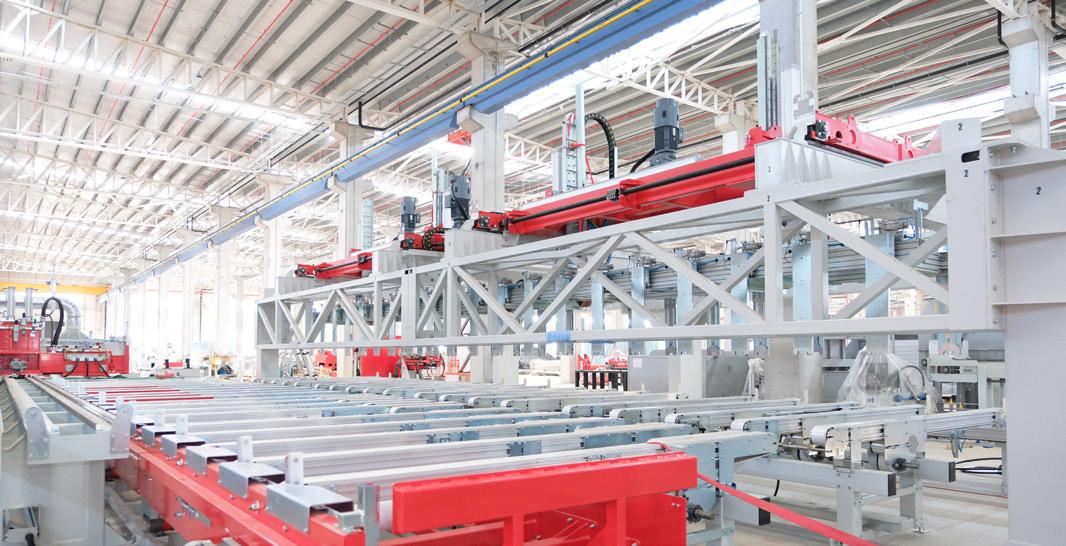
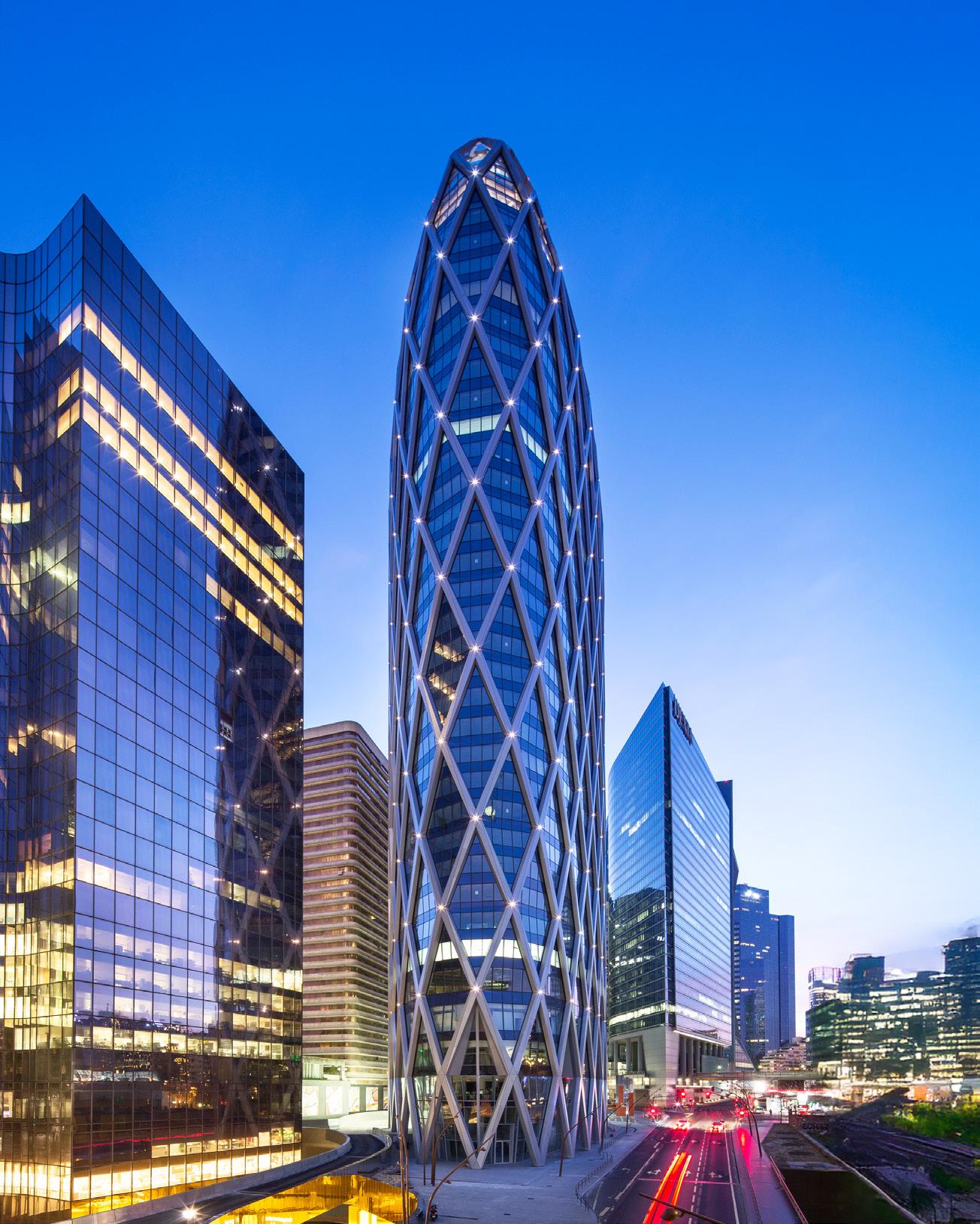
WITH OUR FULLY INTEGRATED PRODUCTION STRUCTURE, WE DELIVER NOT ONLY PRODUCTS BUT ALSO ENGINEERING EXPERTISE AND LONGTERM PROJECT PARTNERSHIP.
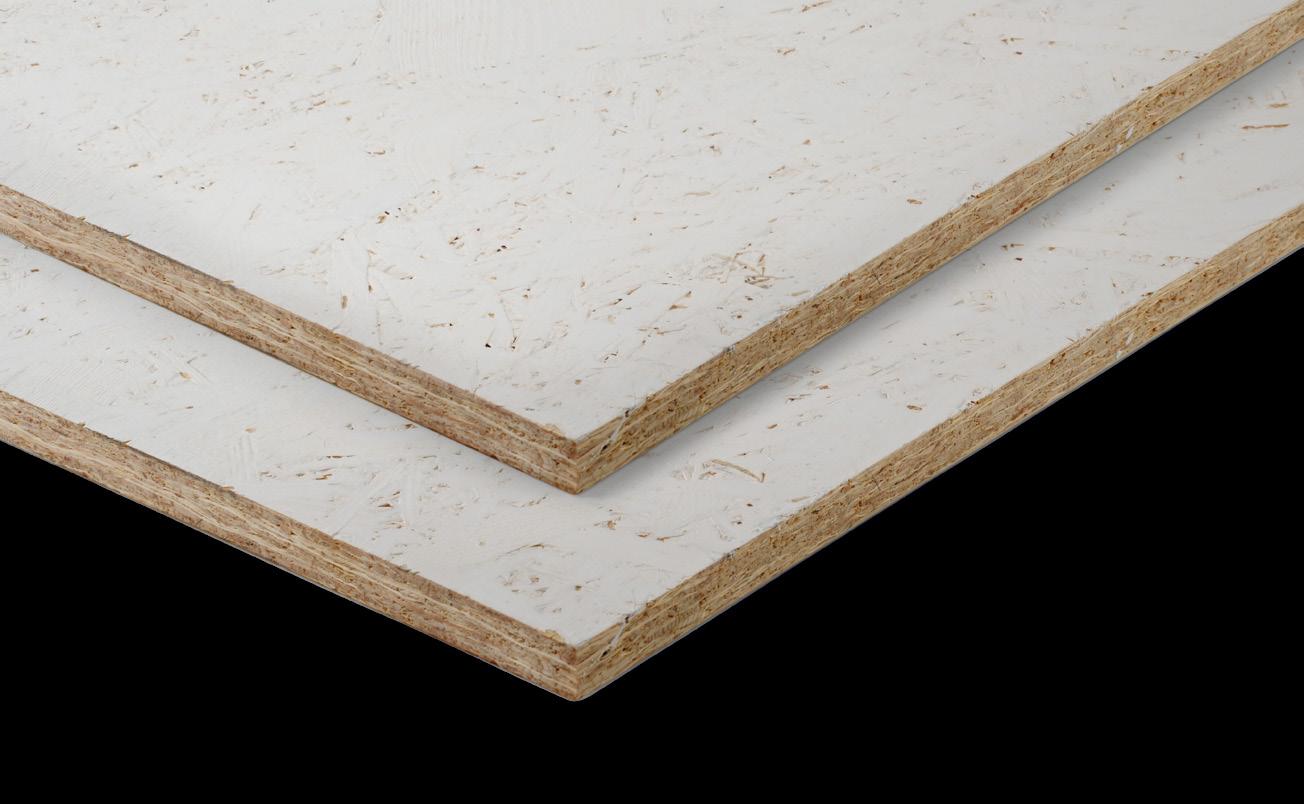
INCREASING FIRE SAFETY REQUIREMENTS ARE REPOSITIONING MATERIAL PERFORMANCE IN TIMBER CONSTRUCTION SYSTEMS — FROM A PURELY TECHNICAL PARAMETER TO AN INTEGRAL PART OF DESIGN DECISIONMAKING.

Developed by wood-based materials specialist EGGER, OSB Flammex stands out as a product that redefines the brand’s “safety first” approach at the material scale. Designed to respond to high fire protection requirements, the board presents an integrated approach that brings together safety and sustainability within a single material system.
Manufactured from European softwood with a focus on resource efficiency, OSB Flammex places fire safety at the core of material performance. In timber construction, the use of flame-retardant layers plays a critical role in slowing the spread of fire, helping to secure the “golden minutes” essential for evacuation and intervention. OSB Flammex not only protects the surface of the structure but also helps prevent fire from spreading to adjacent buildings.
With its specialised fire-protection coating, OSB Flammex meets the strict European classification B-s1, d0 in accordance with DIN EN 13501-1. It is developed for use in projects with high safety requirements, including offices, public buildings, hotels and multi-storey structures.
This approach positions fire safety not merely as a technical requirement, but as a performance criterion to be consi-
dered from the early stages of the design process.
Beyond its technical performance, OSB Flammex also stands out for the advantages it offers during application:
• Low Flammability: Slows smoke development and prevents dripping in case of fire.
• Ease of Processing: Enables clean cutting, requires no special machining and can be installed quickly using standard fixings.
• Cost Efficiency: Eliminates the need for additional fire-protection coatings or complex build-ups, reducing both labour and time costs.
• Healthy Indoor Environment: Produced with E1 emission class, the board supports indoor air quality with low formaldehyde levels.
These characteristics highlight the importance of evaluating materials not only by their performance values, but also by their behaviour throughout the application process.
As the surface temperature rises, the flame-retardant components within OSB Flammex react by first expanding (foaming) and then forming a char layer. This process physically slows the spre-

ad of fire across the surface, helping to maintain the integrity of the building elements.
The EGGER Flammex range extends beyond OSB boards, offering solutions adaptable to different application scenarios:
• Decorative Flammex Boards: Faced chipboard (E1E05 TSCA P2) and MDF (E1E05 TSCA ST) options.
• Flammex Laminates: Available in standard and compact versions.
This diversity enables fire performance requirements to be integrated into a wide range of spatial and design configurations.
• Coated OSB is made from European softwood and responds to increasing fire protection requirements in interior applications.
• A transparent fire-protection coating provides enhanced flame retardancy and meets the strict European classification B-s1, d0.
• Suitable for office buildings, public facilities, trade fairs, hotels and multi-storey buildings.
• Can be cut cleanly and processed quickly.
• Available in sizes up to 5000 × 2500 mm and in thicknesses ranging from 10 to 25 mm.
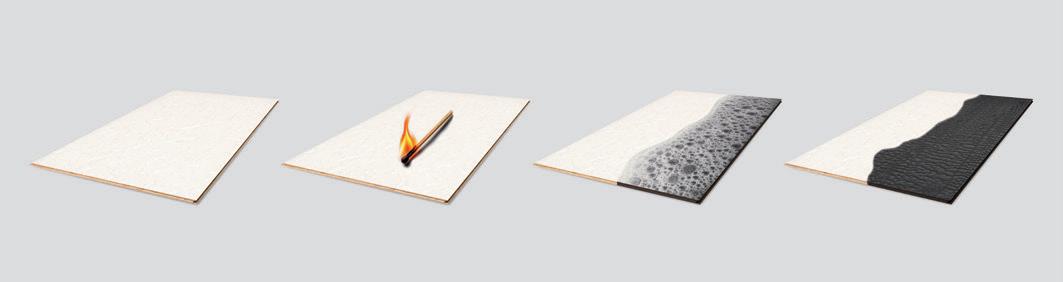
TERRACOTTA THROUGH MATERIAL REDUCTION, CREATING SURFACES THAT AMPLIFY LIGHT, SHADOW AND TEXTURE.
Italian terracotta manufacturer Fornace Brioni and Norwegian architecture and design practice Snøhetta continue their exploration of material and craft with Void, a collection of tiles and architectural elements that reinterprets terracotta through reduction, texture and light. Combining traditional hand-pressed production with contemporary design thinking, the collection investigates how subtracting material can generate new spatial and visual qualities while maintaining structural integrity.
Developed as the second collaboration between the two studios following their earlier Forite project, the Void collection reflects Snøhetta’s long-standing interest in understanding materials and the processes that shape them. Terracotta, one of architecture’s oldest building materials, becomes the starting point for exploring how form, surface and structure interact when material is removed rather than added.
At the heart of the collection lies a deliberate reduction of mass. By experimenting with voids carved into the clay body, the designers developed soft curves and recessed surfaces that interact with light and shadow across the material’s textured surface. Rather than concealing the irregularities of traditional craftsmanship, the design embraces them, allowing subtle variations in texture and colour to become part of the architectural expression.
The collection consists of a modular wall tile system alongside a series of three-dimensional terracotta
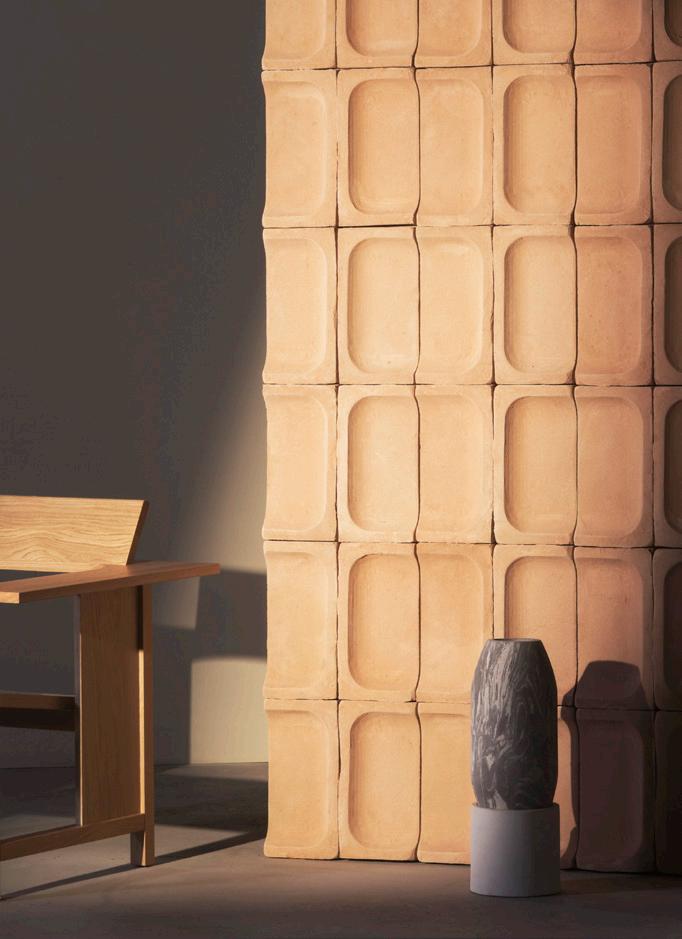
WITH VOID, LESS IS MORE – AND THE CHARACTERISTIC APPEARANCE FORMED BY THE REMOVED MATERIAL IS WHAT MAKES THE TILES STAND OUT.
— SNØHETTA
elements. The tiles are designed to create a wide range of geometric patterns and compositions thanks to proportional formats including square modules and half-width variations. These elements allow architects and designers to create rhythmic surfaces that shift in appearance depending on light conditions and viewing angles.
Larger 3D components extend the system beyond surface treatment. Thicker and more sculptural, these elements function similarly to bricks and can be used to construct walls, partitions or architectural features in both interior and exterior environments. This duality between tile and structural element allows the material to move fluidly between decorative and architectural roles.
Each piece in the Void collection is produced using traditional hand-pressed terracotta techniques and manufactured on demand, reflecting Fornace Brioni’s commitment to artisanal production and slow manufacturing processes. The tiles are available in a palette of natural terracotta colours determined by the clay’s composition and firing process. For projects requiring additional durability or moisture resistance, selected tiles can
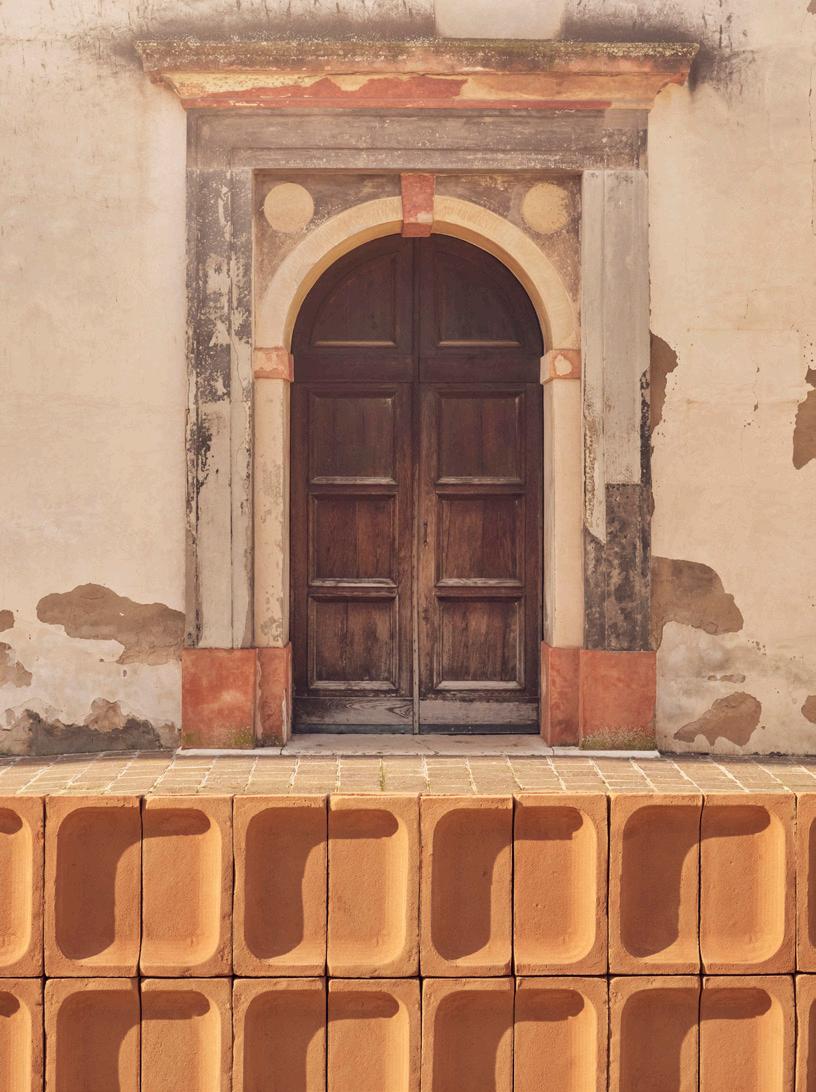
also be finished with a glaze that introduces a smoother surface while maintaining the material’s tactile qualities.
Through this balance between craft and experimentation, Void proposes a contemporary architectural language rooted in one of the most enduring materials in construction. By removing material rather than adding it, the collection transforms terracotta into a dynamic surface system where shadow, texture and geometry become integral parts of spatial experience.
Material: Hand-pressed terracotta
Components: Wall tiles and 3D architectural elements
Applications: Interior and exterior walls, partitions, architectural surfaces
Surface Options: Natural terracotta finish or optional glazed version
Colour Palette: Natural terracotta tones determined by clay composition and firing process
Production: Handcrafted and produced on order
THERE ARE RARE MOMENTS IN THE HISTORY OF URBANISM WHEN A GOOD CLIENT, GOOD DESIGN AND GOOD POLITICS COMBINE. KING’S CROSS IN LONDON IS ONE OF THEM. — RICKY BURDETT
One of London’s most ambitious urban regeneration projects, King’s Cross Central demonstrates how design vision, interdisciplinary collaboration and strategic planning can reshape the identity of a city. King’s Cross: The Making of a Masterplan offers an inside account of this transformation, written by key figures directly involved in the project.
The book is authored by four leading contributors to the development of the scheme — Bob Allies, Robert Evans, Graham Morrison and Demetri Porphyrios — providing a detailed first-hand perspective on one of Europe’s most significant regeneration projects.
Beginning with the rich and complex history of the King’s Cross area, the book traces the development of an innovative mixed-use masterplan shaped around a set of guiding principles focused on creating a “human city.” It explores the negotiations between multiple stakeholders, the challenges of planning, conservation and financing, and the design of public spaces and landscapes that now define the district.
Generously illustrated with historical photographs, maps, drawings and diagrams, the publication not only documents the transformation of King’s Cross but also offers valuable insights into how large-scale urban regeneration projects can be conceived and delivered in the 21st century.
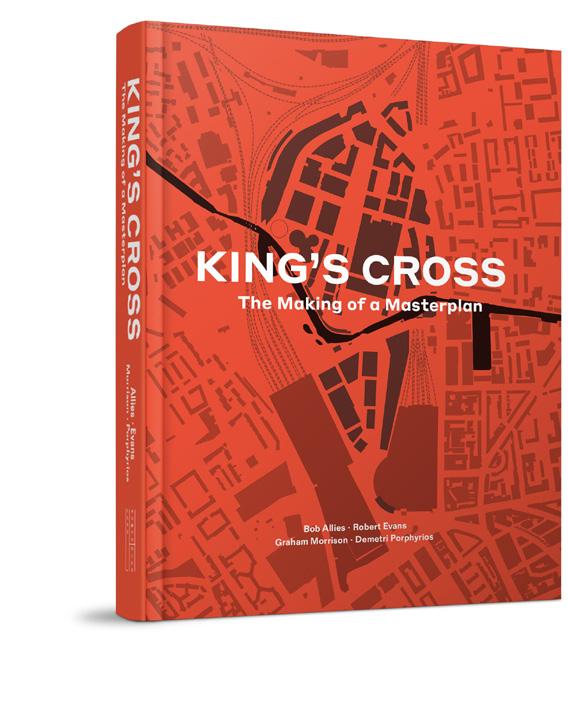


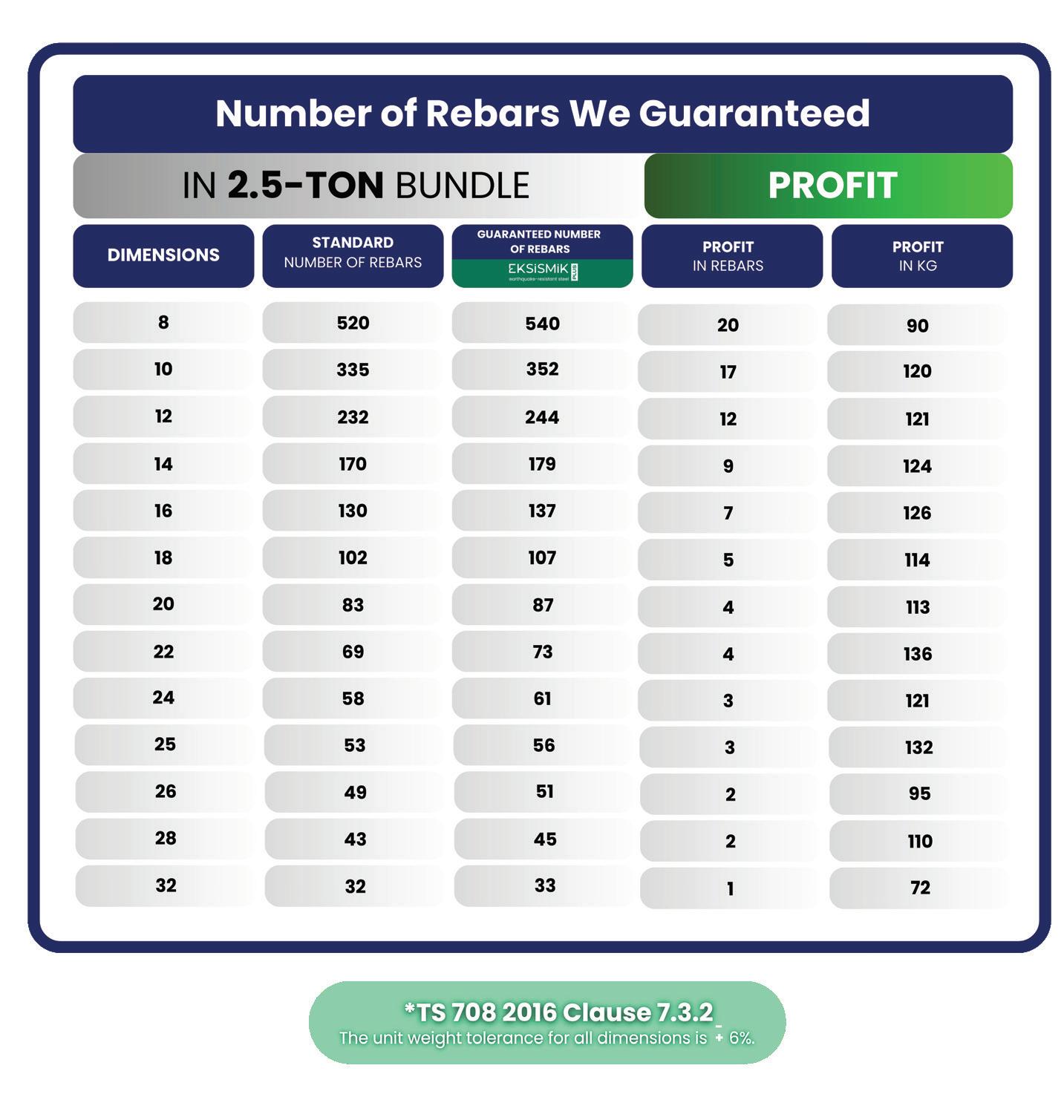



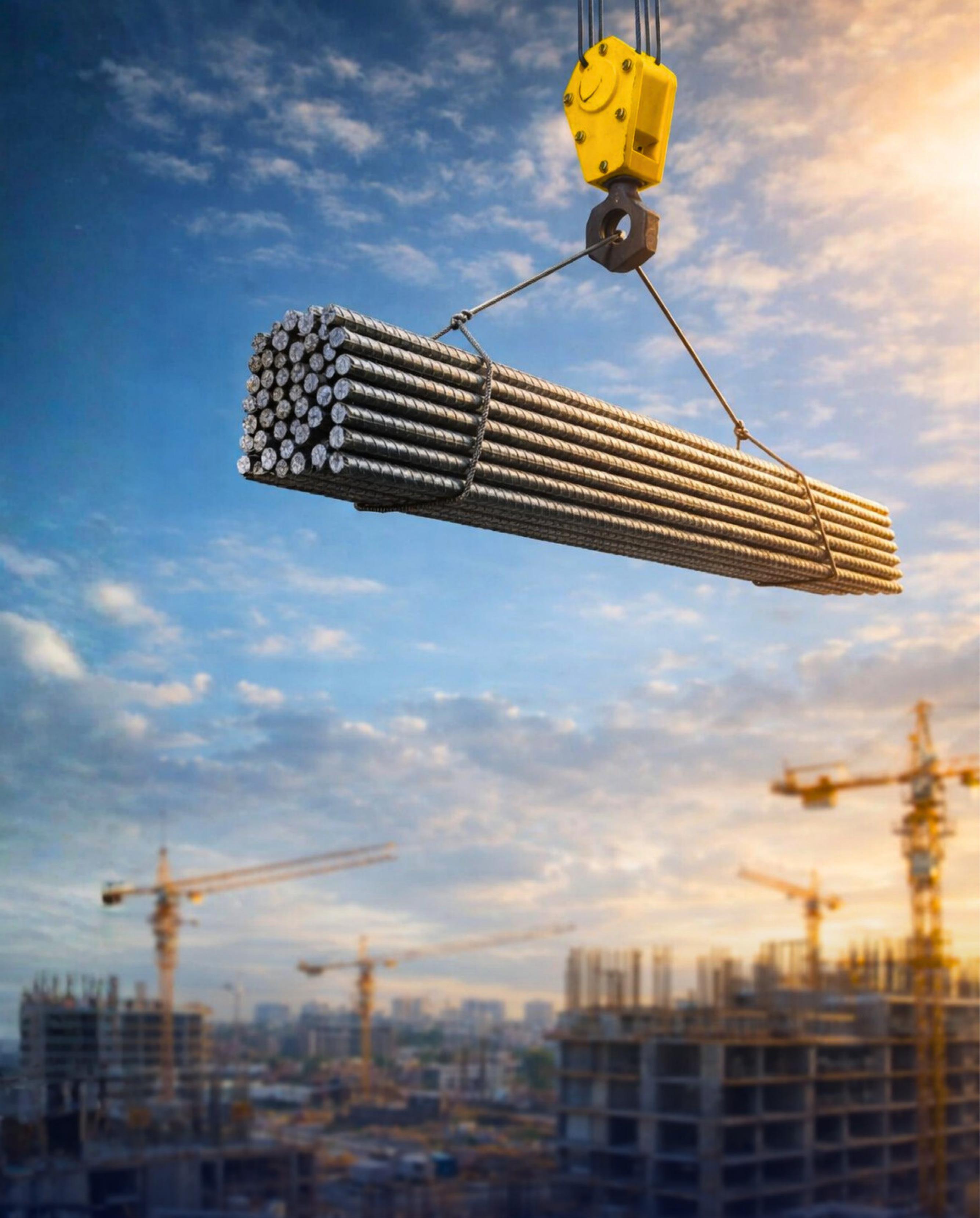




An exploration of light, water and clay; where material is shaped, transformed and reimagined through circular design.
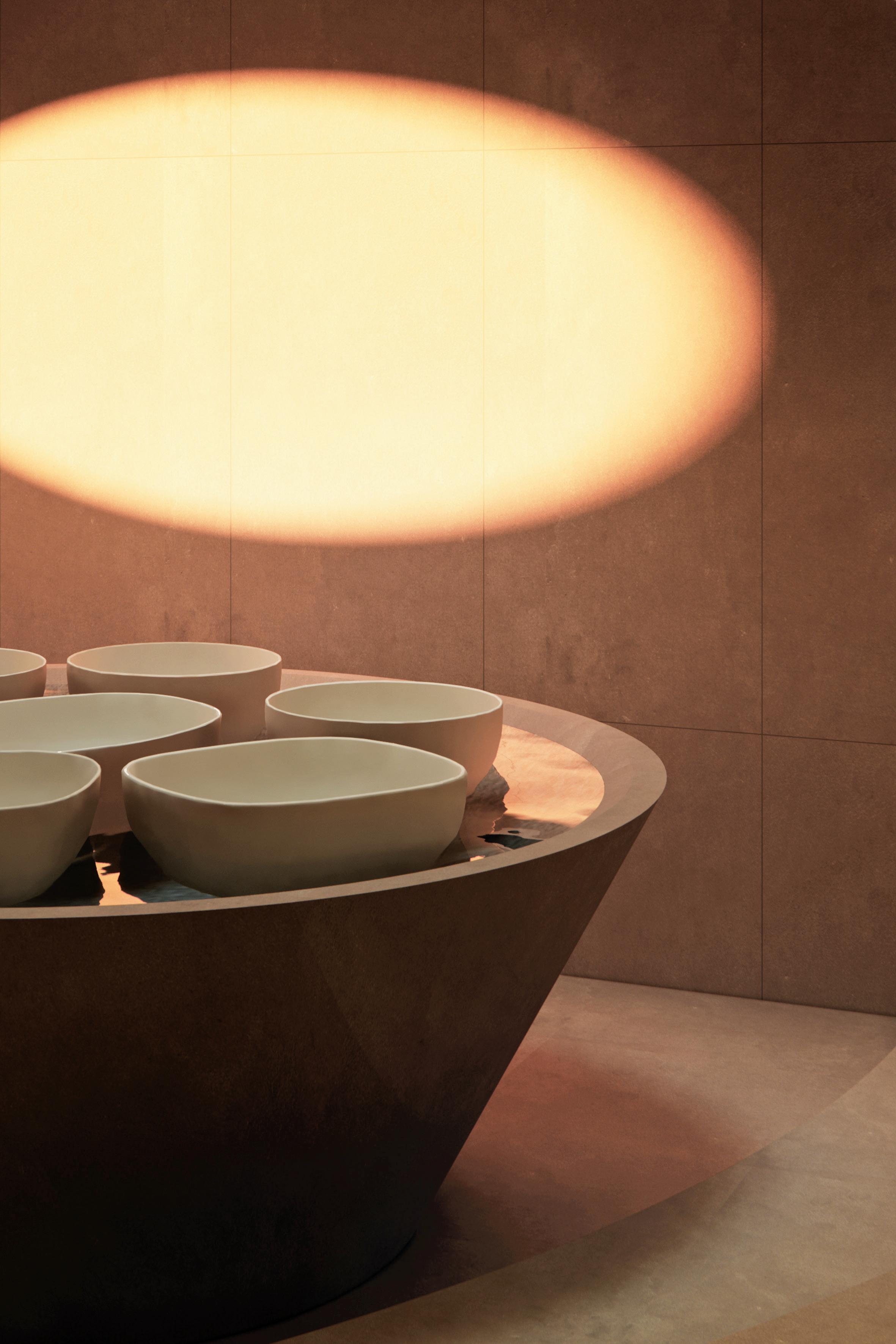
A pr il 2 0t h-3 0t h
Inte r ni M a te r i a e 202 6