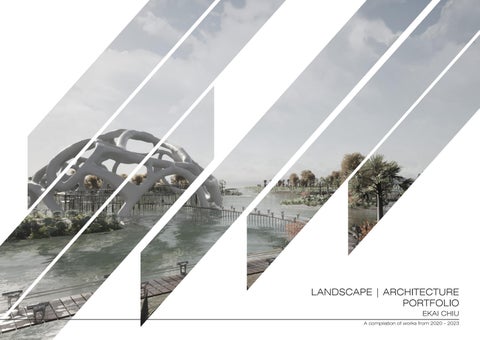
LANDSCAPE | ARCHITECTURE PORTFOLIO EKAI CHIU A compilation of works from 2020 - 2023
C O N T E N T S F O O D F O R A L L T H E W A T C H T O W E R A C L I M A T E R E S I L I E N T P A R K I L L U M I N A T I O N L I M I N A L S P A C E S S T R E E T F U T U R E S ....................................................................................... 2 3 B I B L I O G R A P H Y R E S U M E ........................................................................................... ................................................................................ ...................................................... ............................................................ ........................................................................ ...................................................................... ................................................................................ ........................................................................... 4 5 - 6 13 - 16 7 - 10 17 - 18 21 CONTENTS W E T L A N D R E C L A M A T I O N .............................................................................. 11 - 12 20 R E L E V A N T S K I L L S ............................................................................ 22 5 P E N D L E B U R Y ........................................................................... 19
B I O G R A P H Y
I was born in Taoyuan, Taiwan but have spent the main portion of my life living and studying in Auckland, New Zealand, where I currently live. Being located in such a green environment so closely connected to nature greatly influenced my love of the outdoors and natural spaces.
I have been interested in the built environment since an early age and have continued to develop a love for design over the course of my life, leading me to Victoria University of Wellington where I receieved a Bachelors degree in Architecture majoring in Landscape architecture. At present, I am pursuing a Graduate Diploma in Architecture and future environments at Auckland University of Technology, aiming to broaden my career prospects to include the fields of architecture and spatial design.
My academic background and interests lie in climate resilient and public-first design. Green architecture, urban design and landscape architecture/design are what I strive to achieve in my journey into the professional realm.
Through my professional background as a landscaper, I gained hands on knowledge of processes of residential landscaping. During my studies I was also comissioned to produce landscape design plans and drawings for clients. As a carpenter apprentice, I was exposed to physical experience in residential homes and the structural system, as well as the building methods involved. I believe these experiences and more have helped me become the person I am now with the knowledge I have accumulated.
I am excited to make an impact towards the built environment where I hope I can fill a niche where an integration between landscape architecture and traditional architecture can make differences in the way we build and the impact we have on our environment.
EKAI CHIU 12 // JUNE // 2001
3
R E S U M E
Skills
DIGITAL
Rhinoceros 3D
Autodesk AutoCAD
Autodesk Revit
Adobe Creative Suite
Unreal Engine Twinmotion
Blender Rendering
Trimble Sketch Up
EDUCATION
Auckland University of Technology
Graduate Diploma in Architecture
2023 - present
Victoria Univerity of Wellington
Bachelors degree in architecture majoring in Landscape Architecture
2020-2022
Victoria Univerity of Wellington
Bacherlors degree of Architecture (1 year)
2020
Saint Kentigern College
NCEA level 3
2013 - 2019
PREVIOUS EXPERIENCES
LANDSCAPER
RONGOA LANDSCAPES
JULY 2023 - Present
Part time landscaper responsible for residential landscape redevelopments and construction. Worked on multiple high budget residential projects.
Microsoft Office Suite
ANALOGUE
Painting Model Making
Sketching and Ink
LANDSCAPER | DESIGNER
DINOMOW NZ
Oct 2021- Present
Part-time residential garden designer, utilizing nature-based solutions for climate crisis. Restoring habitats with native vegetation, supporting bees with flowering groundcovers and implementing eco lawns to residential projects.
CARPENTER APPRENTICE
L&H HOMES LTD
Nov 2021 - Jan 2022
Summer 2021 construction laborer, gaining hands-on experience and understanding of residential building design principles.
4
FOOD FOR ALL
A first look into possibilities of large scale urban agriculture in Uptown.
“Food for All” is an urban farm project focused on sustainability and resilience, specifically designed to address the increasing weather challenges faced by Auckland, such as heavy rainfall and floods.

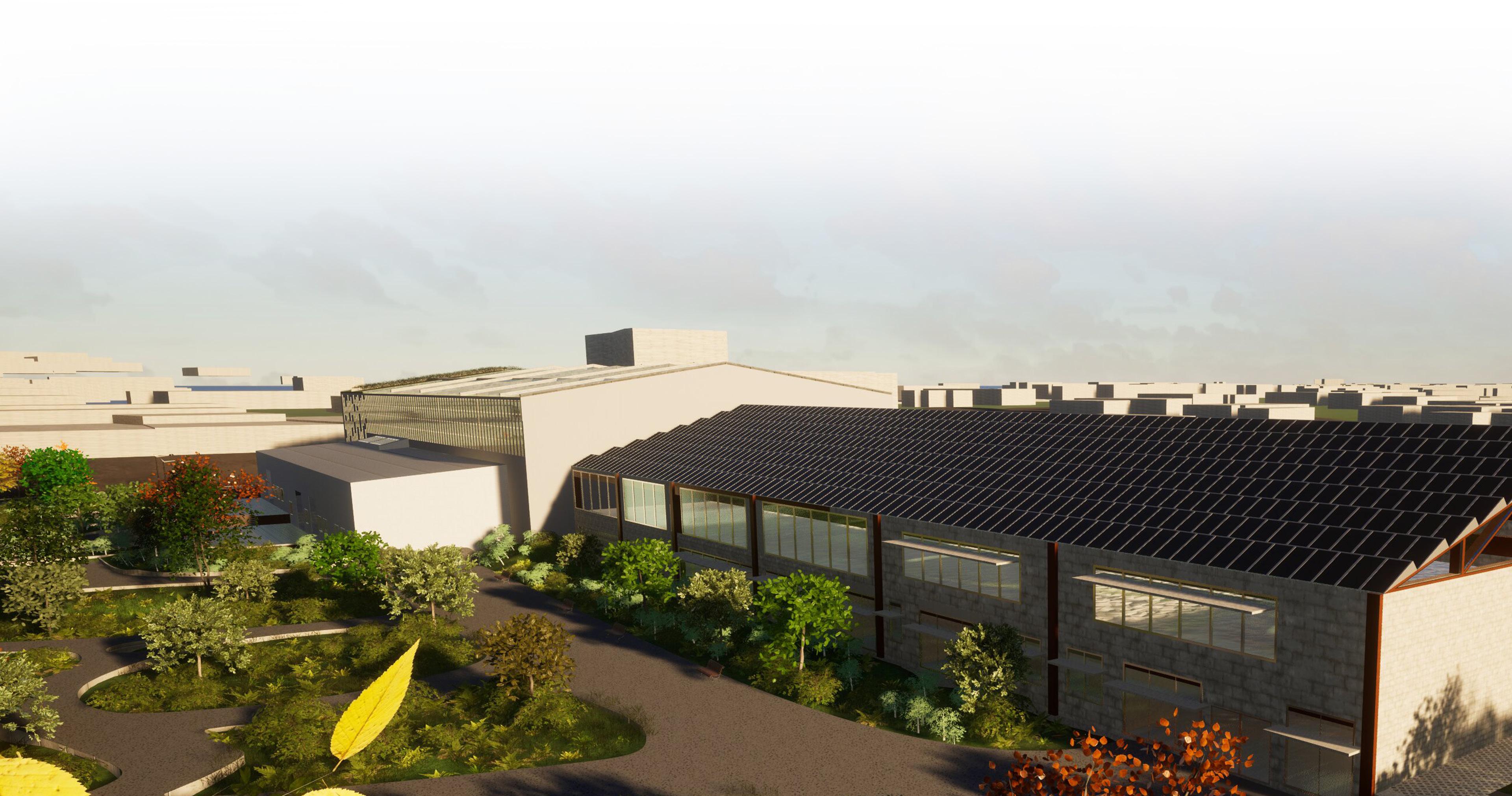
Serving as a pivotal element in the overall well-being of the uptown area, this project emphasizes adaptability to changing weather patterns. It proudly represented AUT at the Uptown festival, showcasing innovative ideas for change. change.
By integrating green spaces, the “Form follows farming” approach not only enhances community health but also acts as a primary
/ A R C H I T E C T U R E / 01 Project J U N E // 2023
5
ECO-POND PARK
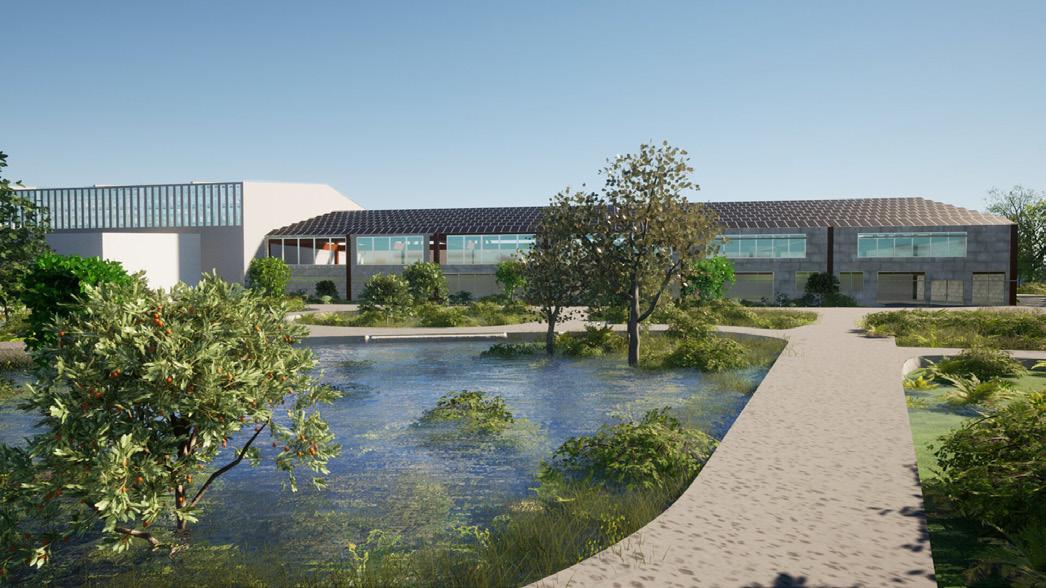
Revitalizing our local greenspaces for an enhanced quality of life through a new lens
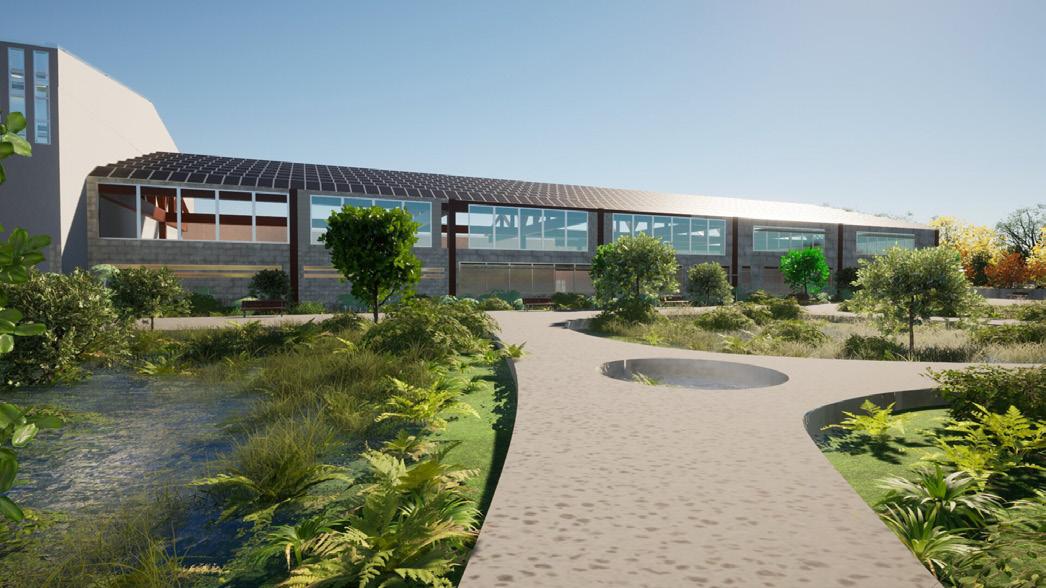
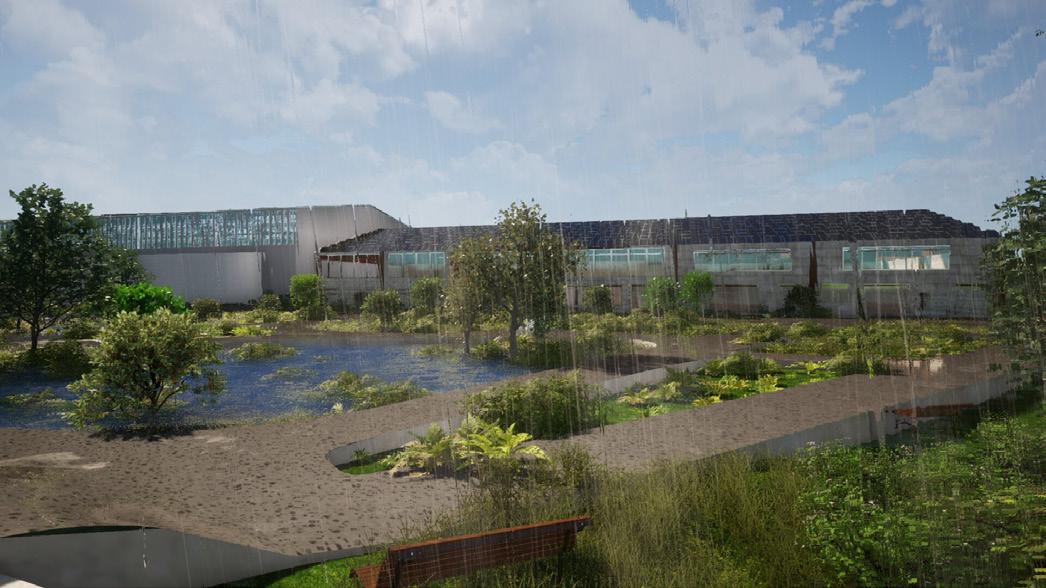
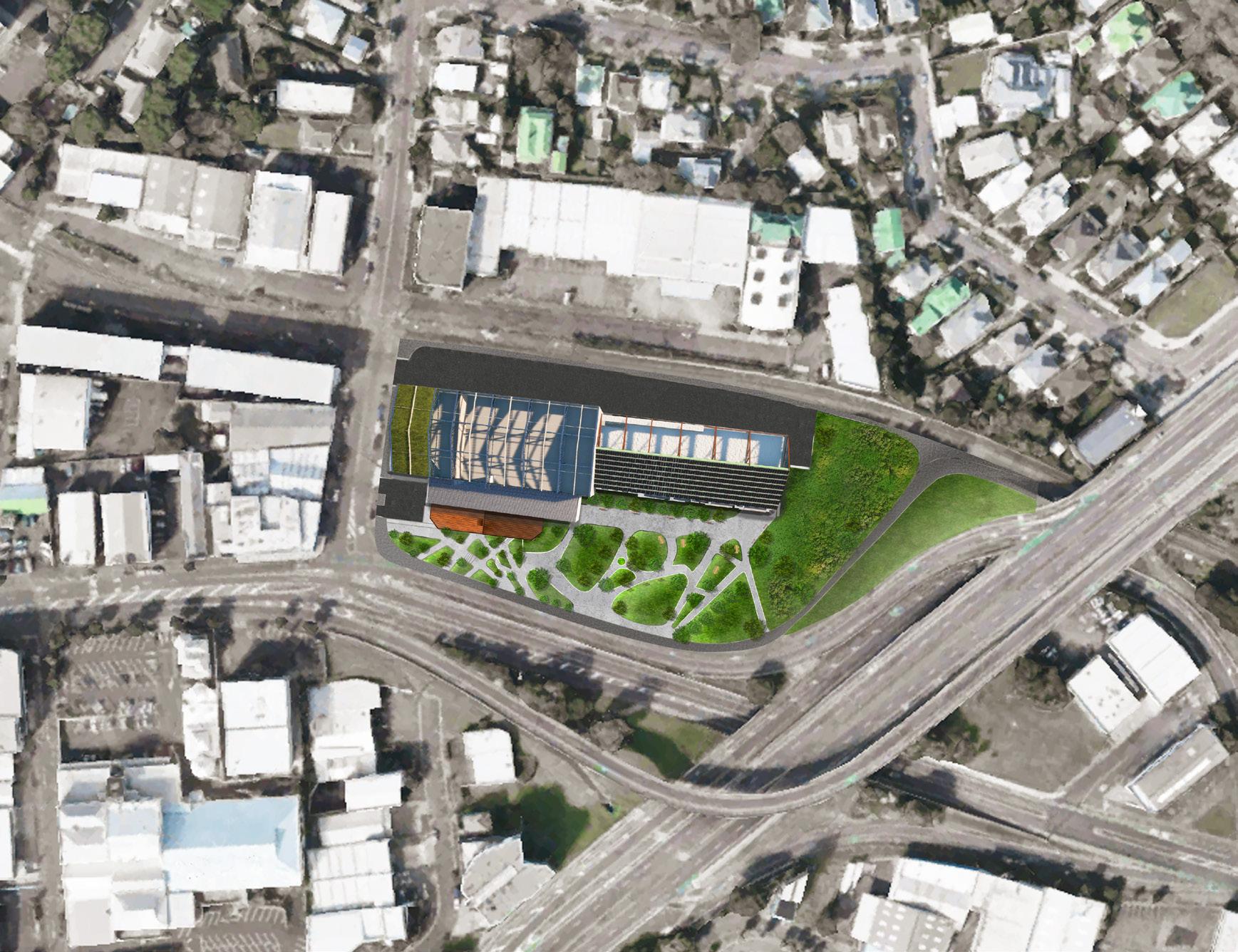
The detention basins in this project serve a triple function, making them versatile and beneficial for the uptown area. On sunny days, they provide greenspace for public use, offering a pleasant and inviting environment. During periods of heavy rainfall, these basins act as ponds, effectively managing stormwater and reducing the risk of flooding. Furthermore, they play a vital role in water conservation by collecting water for reuse, contributing to sustainable practices.
In line with the project’s commitment to promoting local biodiversity and embracing Te Ao principles, the use of pre-existing native vegetation endemic to the site is an integral part of the design. By incorporating these native plants, the project seeks to regenerate lost habitats and establish a conducive environment for positive wildlife presence in the Uptown area. This effort to reintroduce and protect the region’s natural flora and fauna contributes to a more sustainable and ecologically balanced urban landscape.
The park includes multiple detention basins that collect and treat water runoff, which is then managed through an on-site water treatment system. This system not only ensures the water’s potability but also facilitates its utilization in vertical farming, thereby contributing to the local food supply in uptown.
01
Project
/ P U B L I C S P A C E / 6
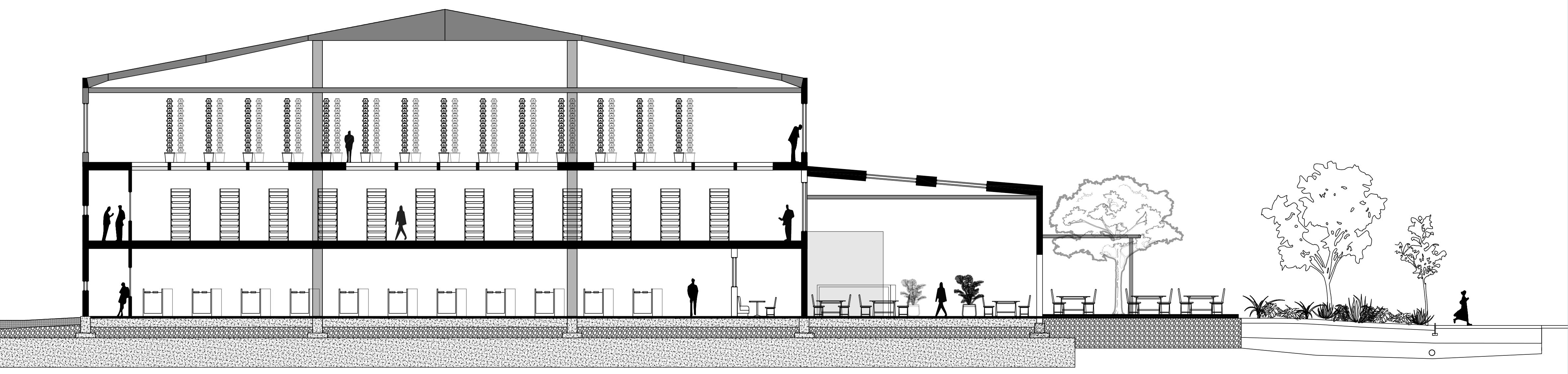
01 Project ZOOMED PLAN 3.2 GF OFFICE AREA BUILDING SECTION 1.4 SE Vertical Farm + Eatery 7
FACADE SECTION 5.2
Building Envelope + Facade
SA
DETAIL SECTION 4.4
Building Envelope + Foundation
SS
limestone flooring or recycled carpet
Rigid acoustic insulation layer
Floor trusts
rigid insulation
waterproof barrier membrane
Water detention tanks
Building Envelope
Ground to wall 1:10 at A3
FIBO interior Wall Panels
Timber Stud
Wool Insulation
Rigid Weather barrier
Brick Ties screw fixed to framing
Reused masonry Bricks with 30mm cavity
220d x 150h mm
Head flashing with stop end
Min 100mm to paved and 150 to unsealed ground
min 25mm to paved ground and 100mm to unsealed ground
700mm thick concrete wall foundation
Rigid bond breaker insulation
Timber Bottom plate
Enviroslate roof tiles
Roof wool insulation
Double layer of rigid polyethylene insulation
Open vaulted ceiling
Exposed truss system
Light shelfl
1700 human scale
Brick veneer external wall
External weather resist membrane
floor truss system
Rigid Internal air and vaporbarrier
Ceiling tiles made of recycled materials
Double glazed windows
Aluminium window frames
Fibo interior wallboards
floor truss system
Concrete wall foundations
Fibo interior wallboards
Water treatment plant
Wool insulation layer
Rigid insulation layer
hard gravel base course
Perforated pipes
01 Project 4000 3500 3500 500 1800 1500 500 500
8
W E T L A N D R E C L A M A T I O N

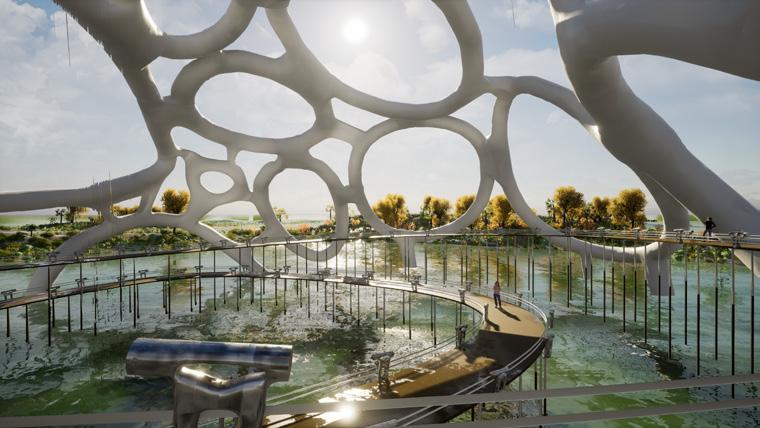
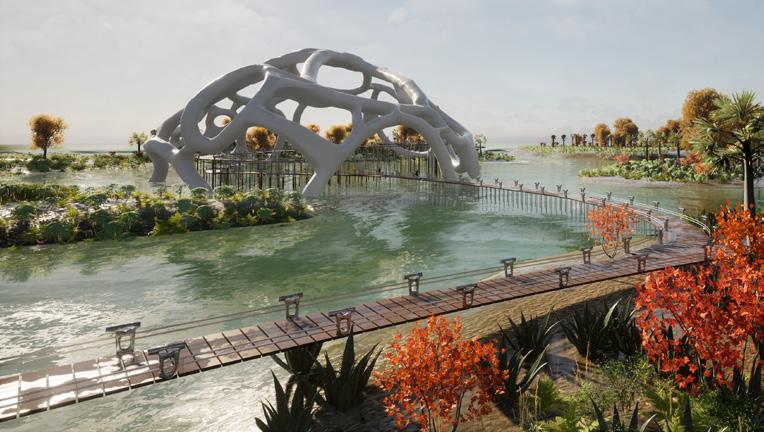
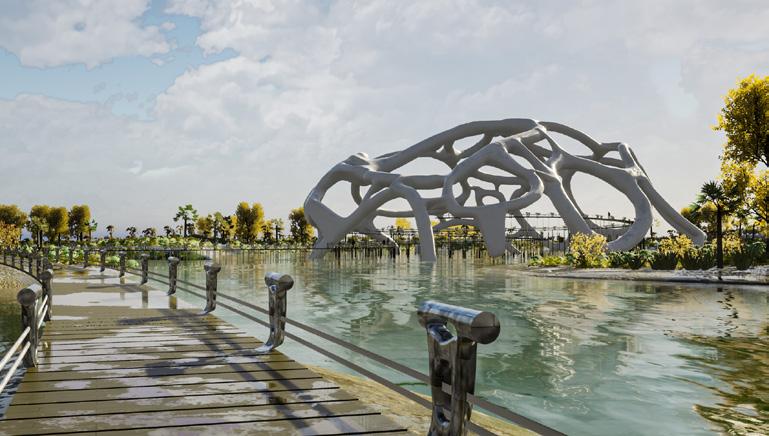
Restoration of local wetland guided by Te Ao Maori principles and values.
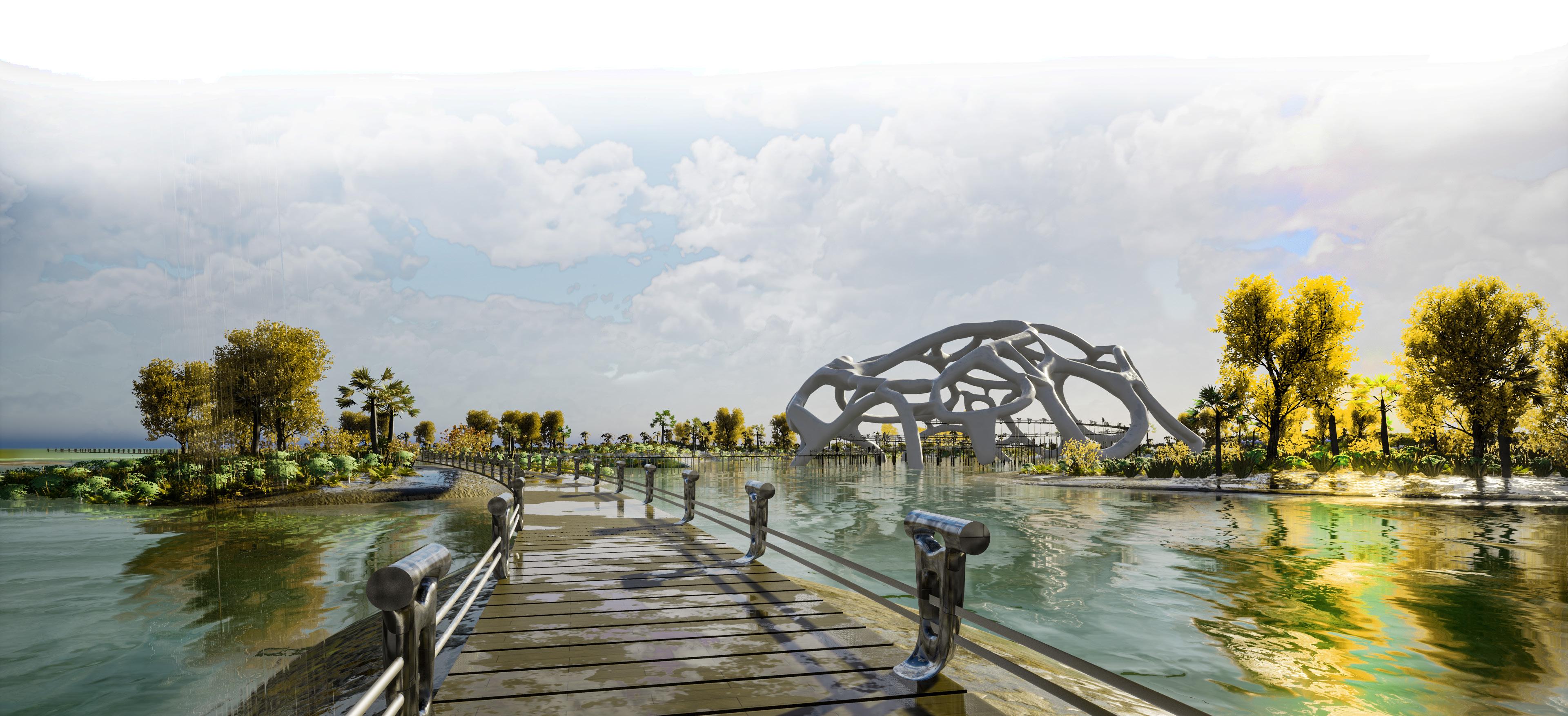
The Wetland Reclamation project was a university assignment featuring large scale topographical changes to reimagine an existing wetland that had poor health and minimal visitors.
Through Te Ao principles, a design was concocted that would bolster the site’s mana and identity as well as improving the ecological health of the degrading wetland.
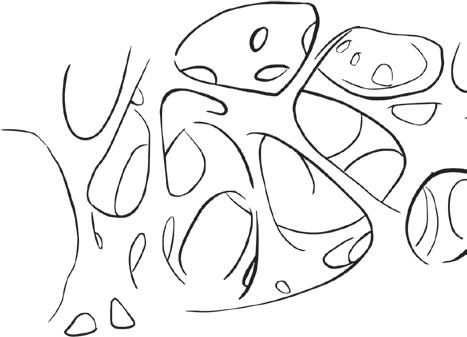
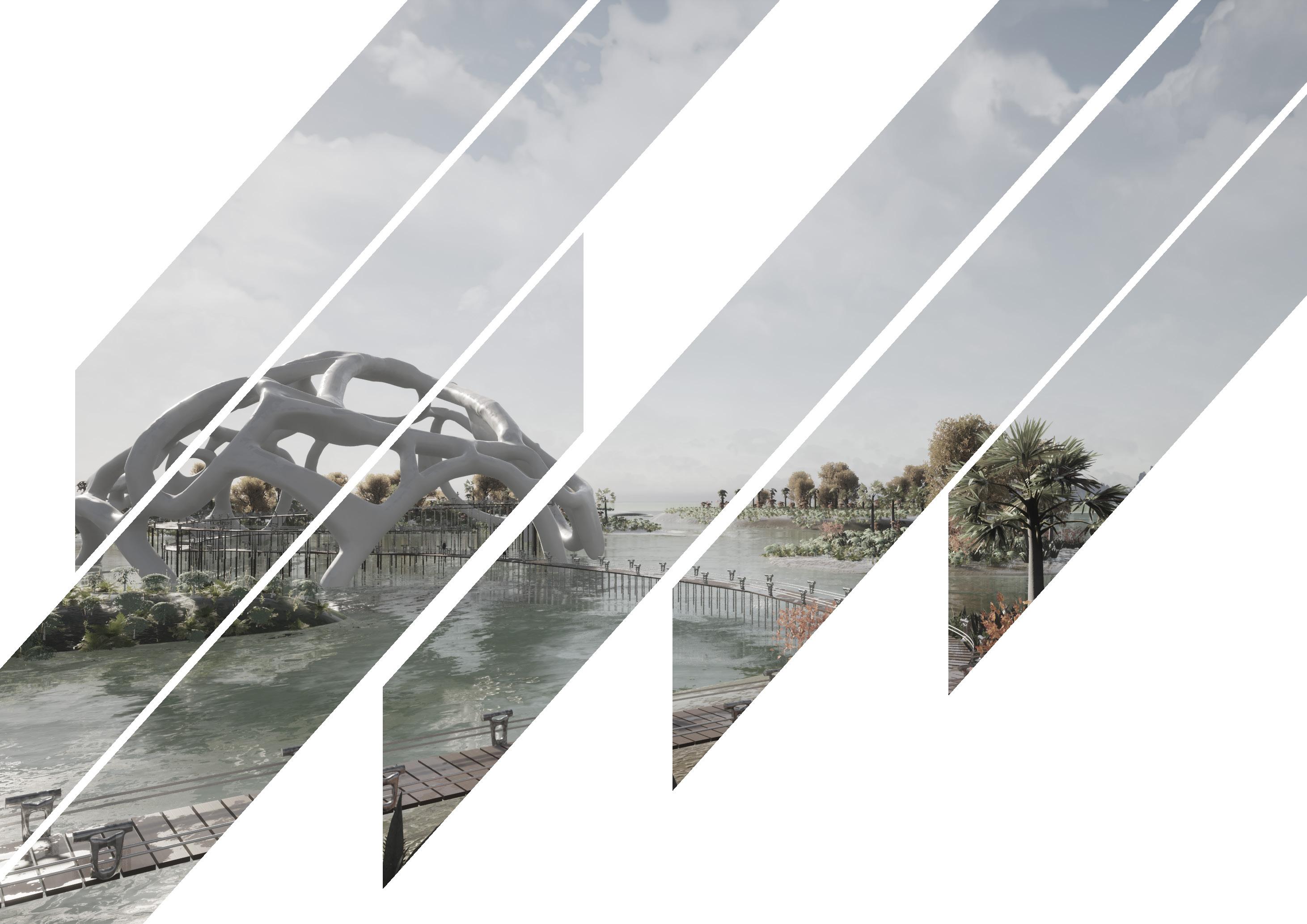
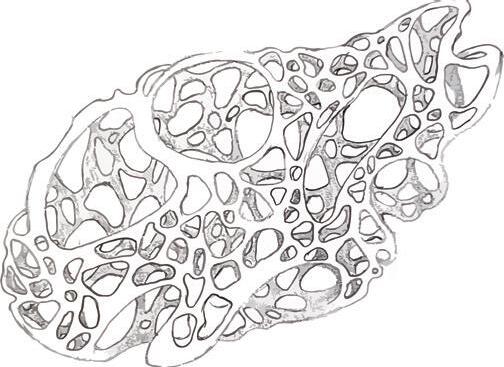
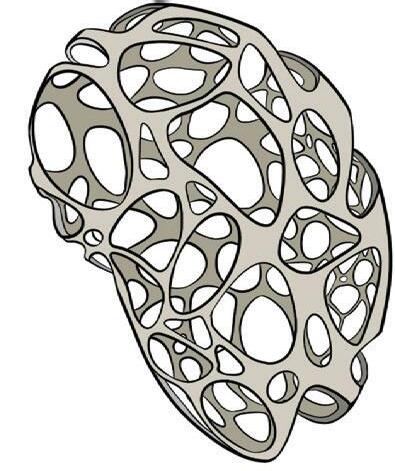
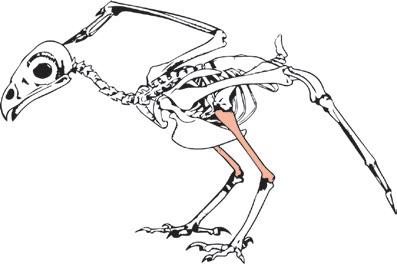
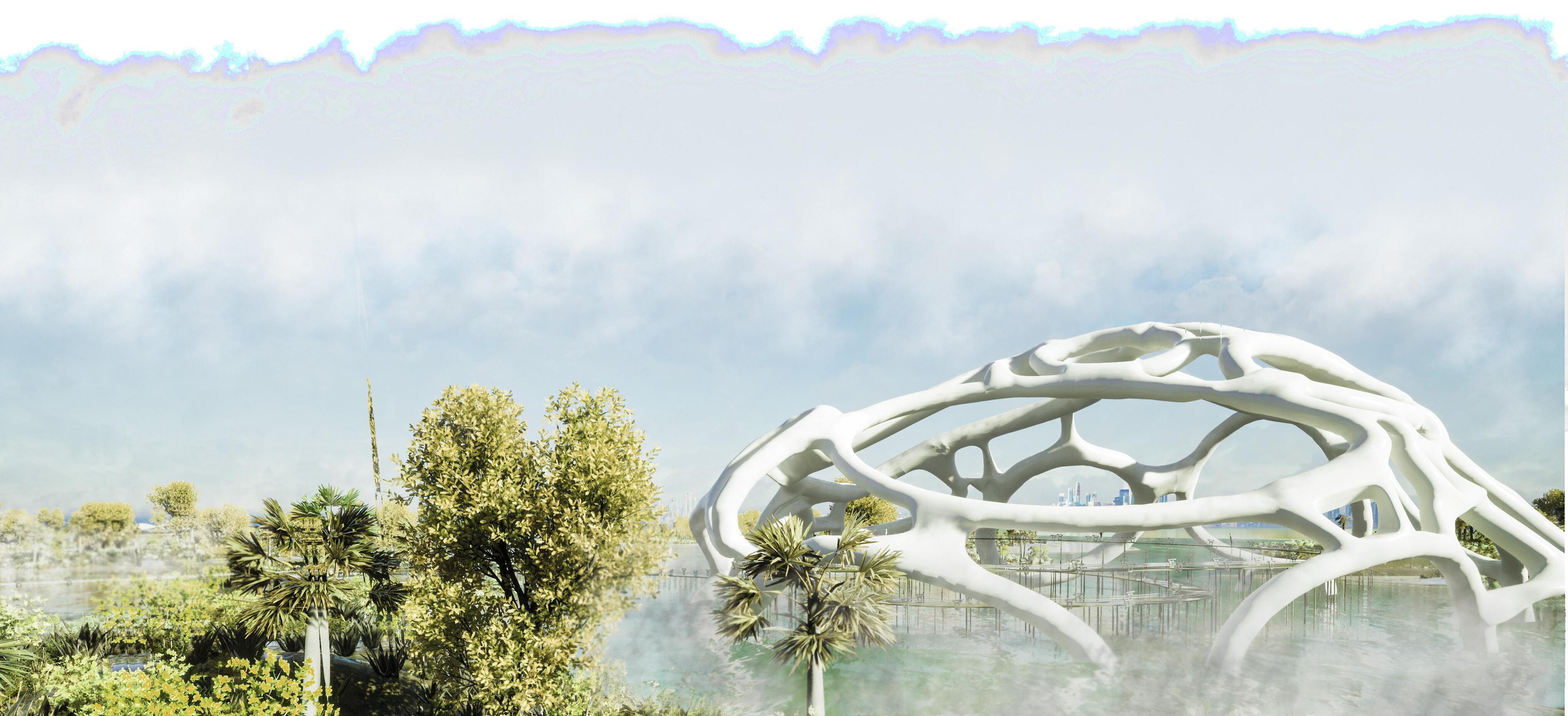
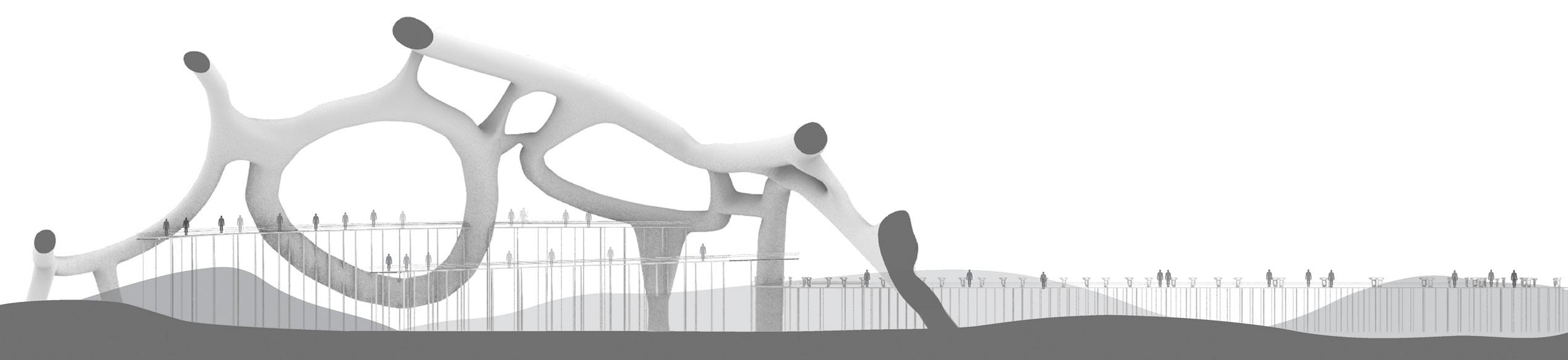
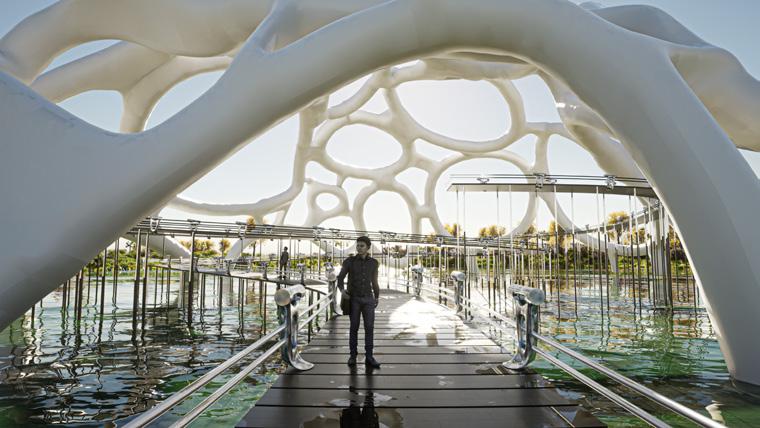
The initial form of the watchtower is inspired by the hollow bones of birds as the original use for the structure was intended to be a bird watching tower.
The project itself brings users to the tower via a long boardwalk connecting a man made archipelago of native wetland vegetation to provide habitats for endemic species.
02
/ B I R D W A T C H I N G T O W E R / J U N E // 2022
Project
9
/ C O N T I N U I T Y / 02 Project 10
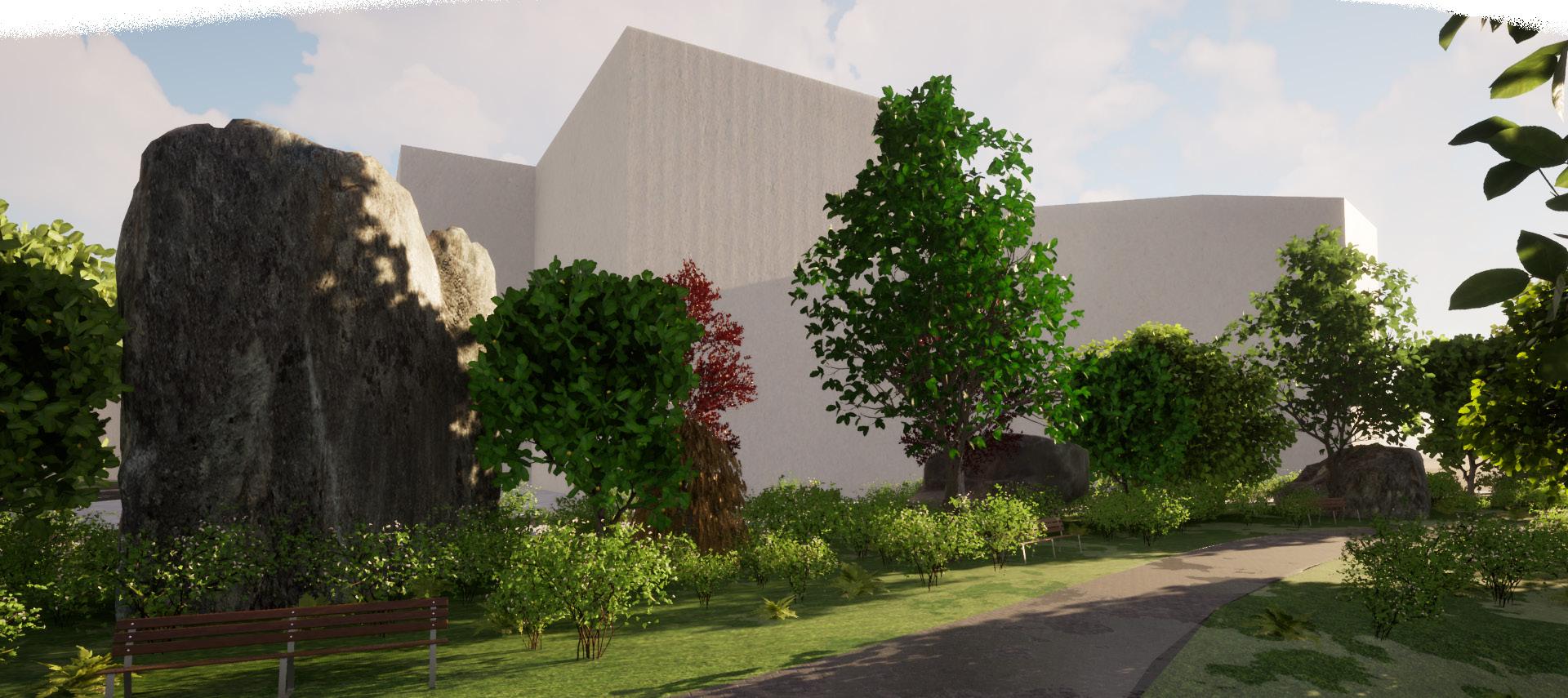
An introduction into climate resilient and future-proofing our cities.
The purpose of the climate resilient park project was a combination of two individual stormwater systems that work together to reduce risk of floods and stormwater damage in the urban setting of Wellington City.
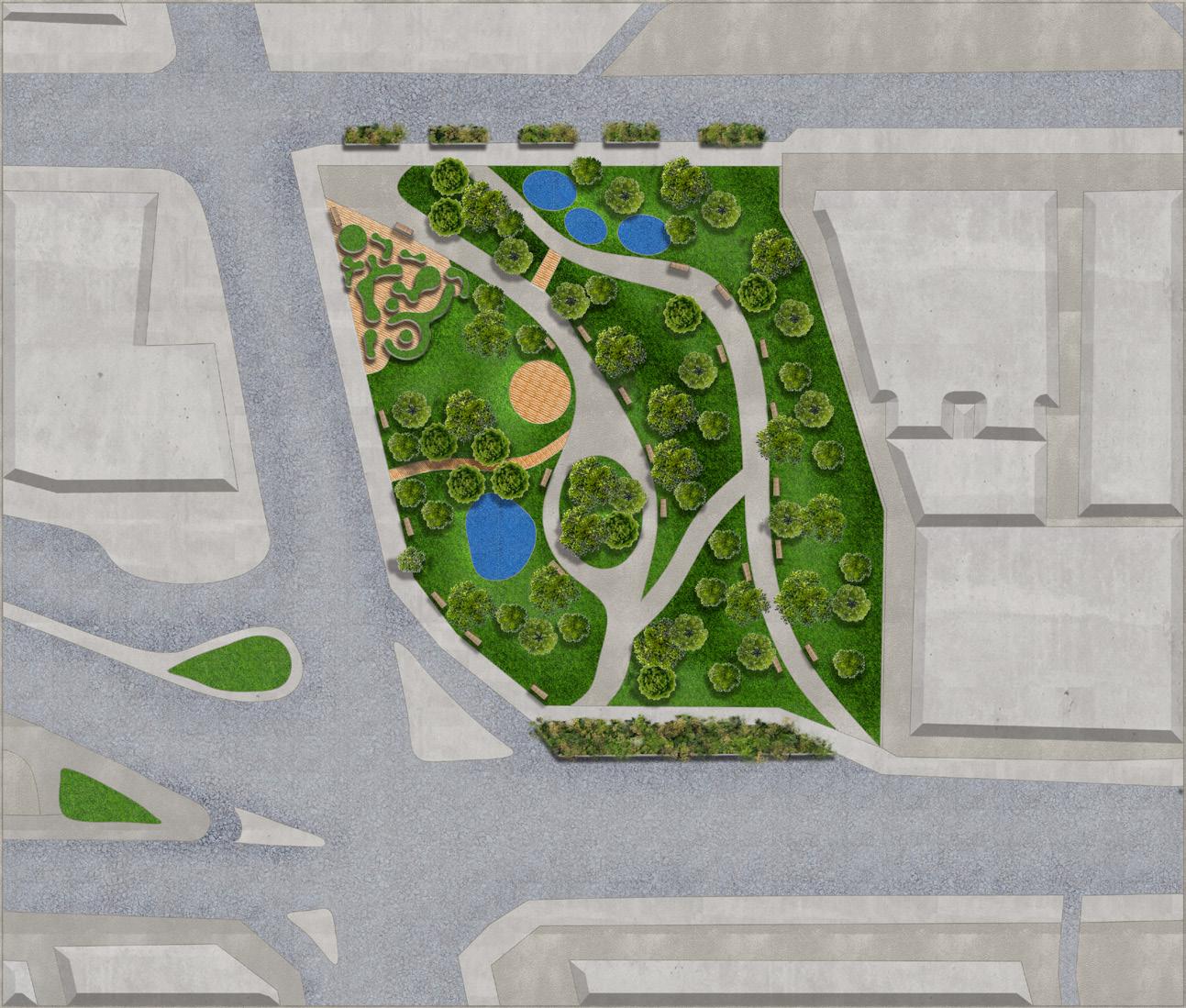
The first part was the design of public parks across the area to bolster social interactions and community health through vegetated environments as well as acting as bio-basins that treat and distribute water into the ground.
The second part of the project was to identify catchment areas along the problematic Wakefield street; a proven flood plain and at risk due to future rising sea levels. After identifying the catchments, raingardens are proposed to increase climate resiliency.
O C T O B E R // 2022
03 Project / U R B A N C L I M A T E C R I S I S /
C L I M A T E R E S I L I E N T U R B A N P A R K
11
This project’s integration of raingardens within designated catchment areas along Wakefield Street enhances resilience against climate change challenges and fosters a sustainable, aesthetically pleasing environment. The catchment identification plan identifies existing catchpits and assigns specific responsibilities to each catchment area. Redesigned with raingardens covering 3-5% of each area, the drainage efficiency is maximized, reducing flood risks and potential water damage.
The existing streetscape has been reimagined to incorporate network of stormwater management systems. Additionally, the introduction of vegetated parks serves as a safeguard, effectively mitigating the risk of flooding and water-related damage within the inner CBD. This prudent urban design approach is especially critical in light of escalating rain patterns and rising sea levels.
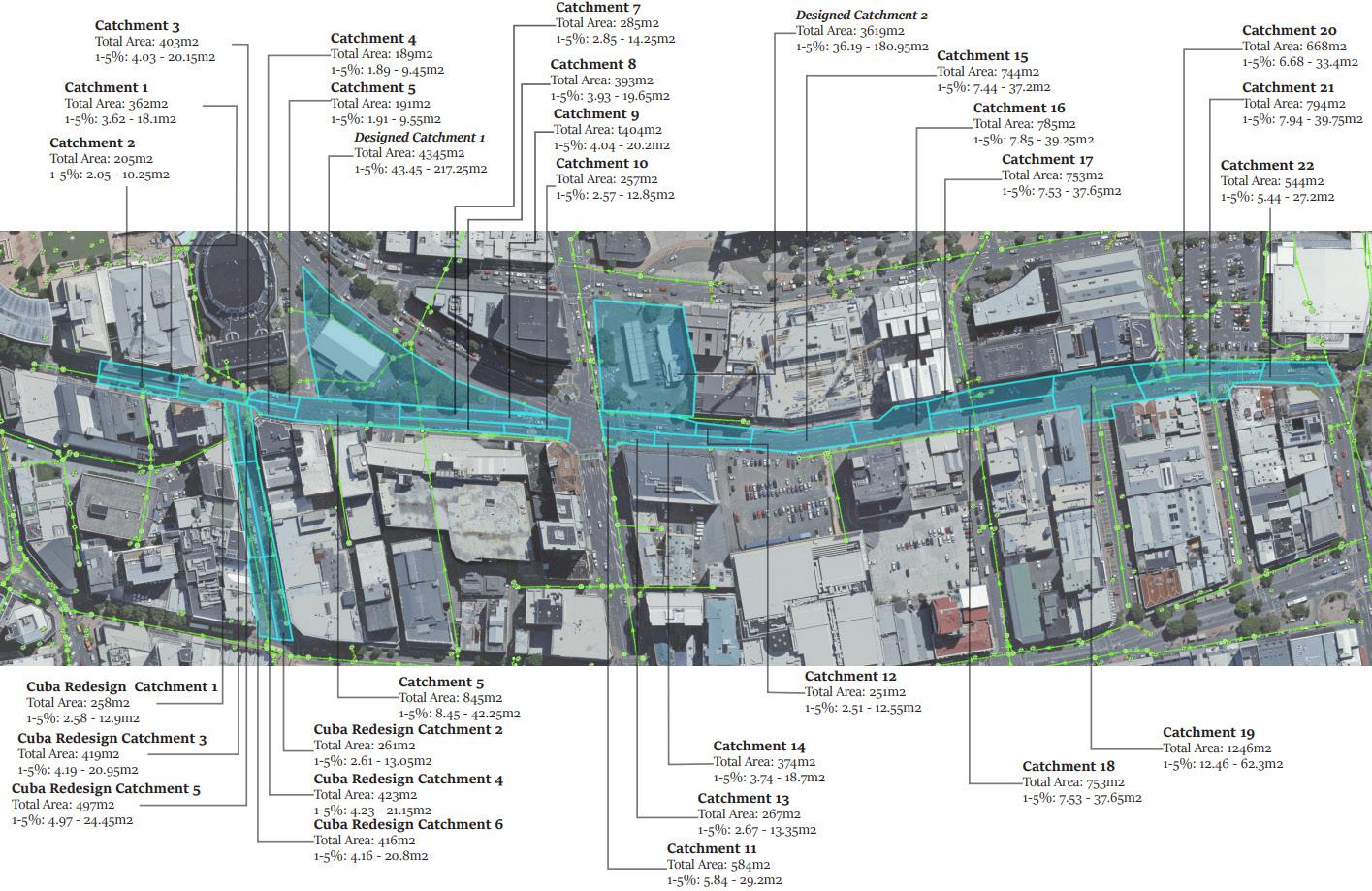
Catchment Identification plan
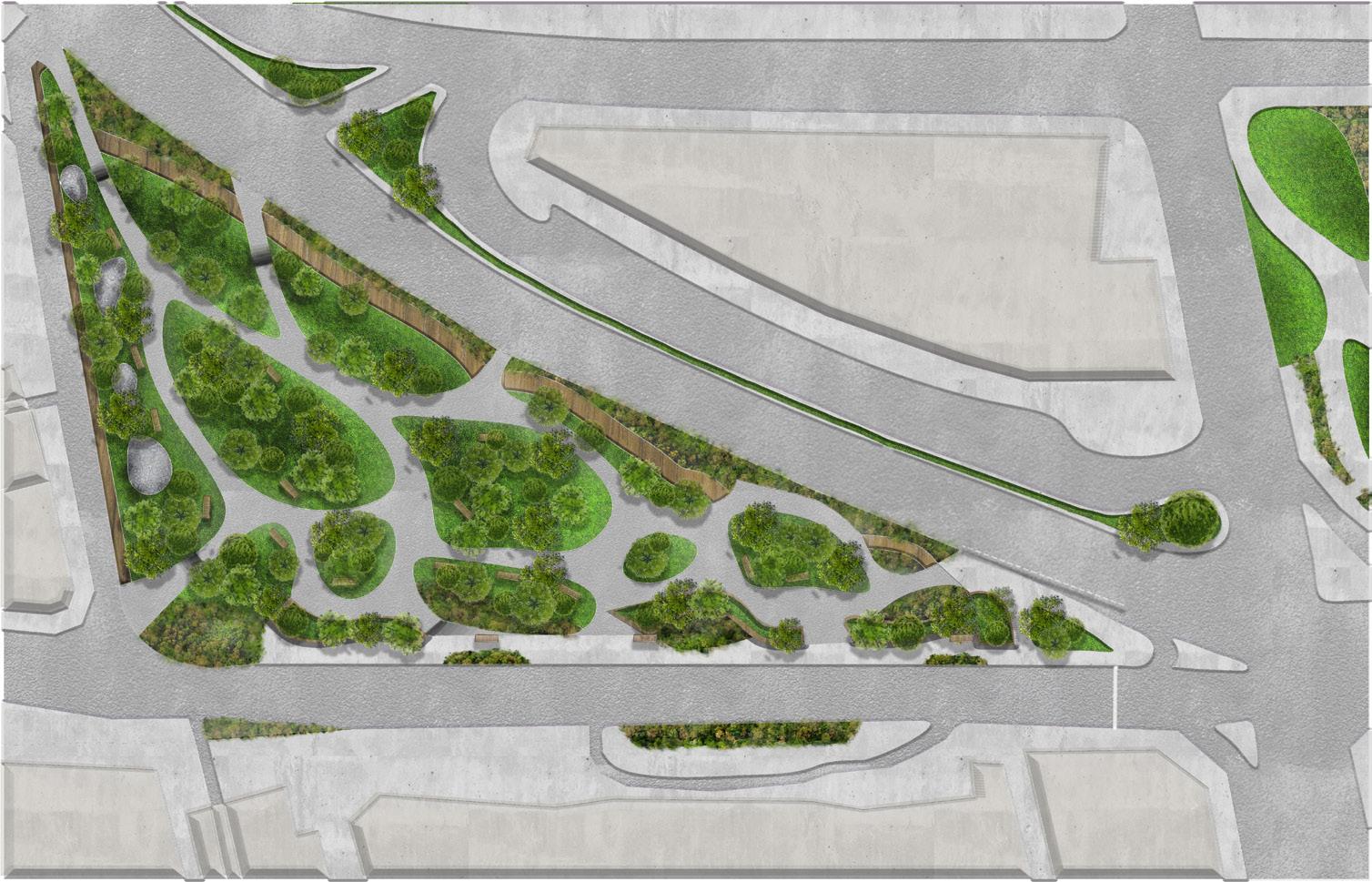
/ M A S T E R P L A N S / 03 Project
Urban park 1
Urban park 2
12
TECHNICAL SECTIONS
Within the technical sections, a clear depiction of the relationship among the raingardens, pathways, and greenspaces is presented. These sections showcase the meticulous arrangement of filtration layers, comprising topsoil, sand, and light gravel, meticulously integrated within each vegetated area. The purpose is to foster thriving plant life while ensuring seamless drainage through each layer, promoting both ecological health and efficient water management.
03
Project
SECTION 2.2
SS Raingardens + Planting Beds
WIDE SECTION 2.1
13
SS Stormwater Basin to Road
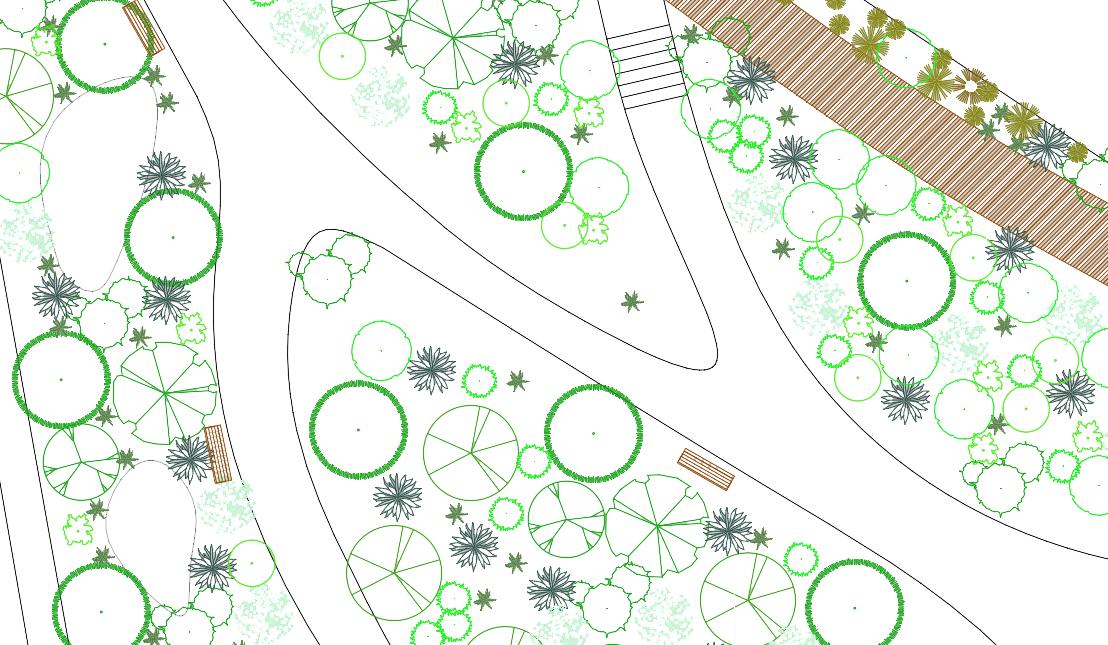
In the urban landscape park project, the planting plans are intricately designed to embody regenerative and sustainable principles, with a strong emphasis on native New Zealand plants. Careful consideration is given to selecting indigenous species that are well-adapted to the local climate and ecosystem, ensuring their resilience and longevity within the urban environment. By incorporating a diverse array of native flora, the park aims to restore and regenerate lost habitats, fostering a thriving ecosystem that encourages the return of native wildlife. This deliberate choice also contributes to reduced maintenance requirements, as these plants have evolved to flourish in the region naturally. Moreover, the utilization of native vegetation helps preserve and celebrate New Zealand’s unique biodiversity, enhancing the park’s ecological balance and enriching the overall experience for park visitors with a deeper connection to the natural heritage of the land.
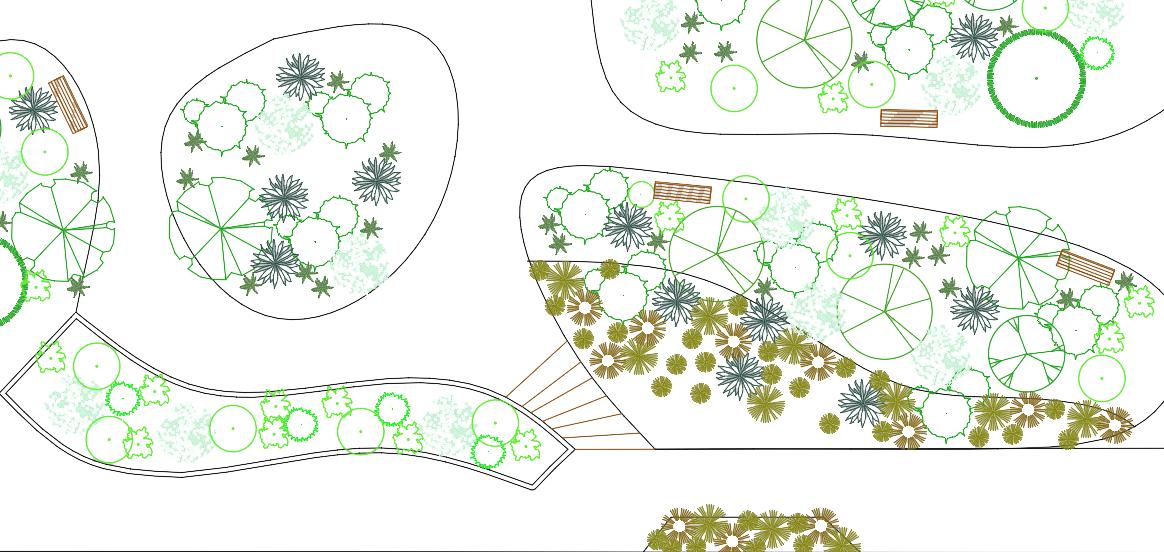
The park focused on native New Zealand plants, bring multifaceted benefits to the city through regenerative and sustainable principles. By strategically incorporating diverse native flora, the park reduces the heat island effect, improving urban microclimates and providing shaded areas for residents. Moreover, the plants enhance air quality by absorbing pollutants and carbon dioxide. Their deep root systems aid in water management, reducing stormwater runoff in raingardens. The park becomes a thriving ecosystem, attracting wildlife and offering a tranquil retreat for city dwellers to reconnect with nature. Additionally, it fosters a sense of identity, pride, and environmental stewardship, contributing to a greener and more vibrant urban landscape that benefits both residents and visitors alike.
03 Project
ZOOM PLANTING PLAN 3.5 SP Planting Combo and Raingarden ZOOM PLANTING PLAN 3.2 SP Pathway and wooden boardwalk 14
PLANTING PLAN
04 Project
L I M I N A L S P A C E S
A study into the intermediary space between realms.
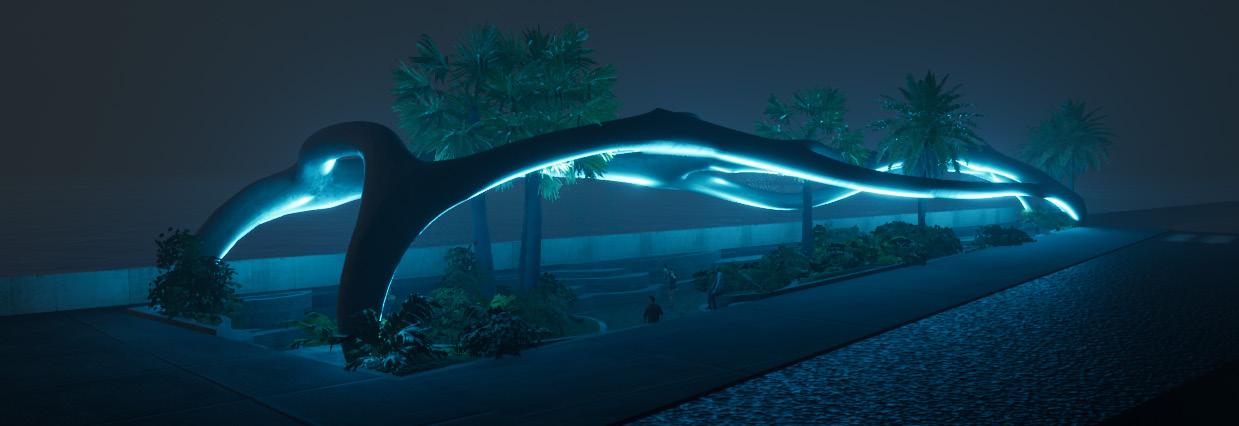
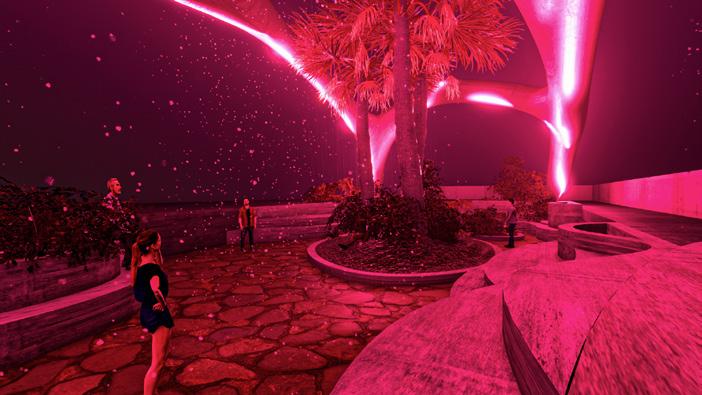
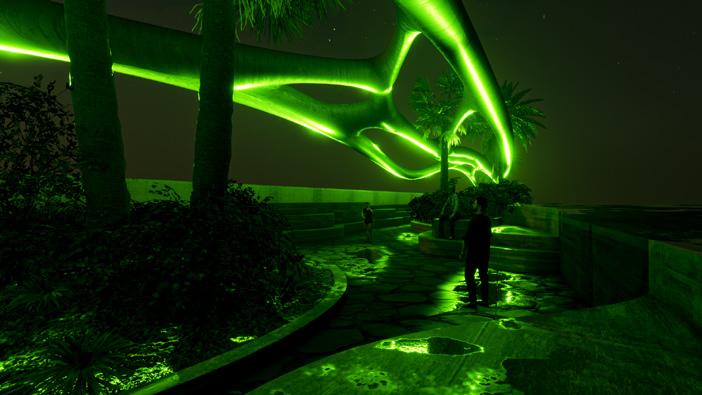
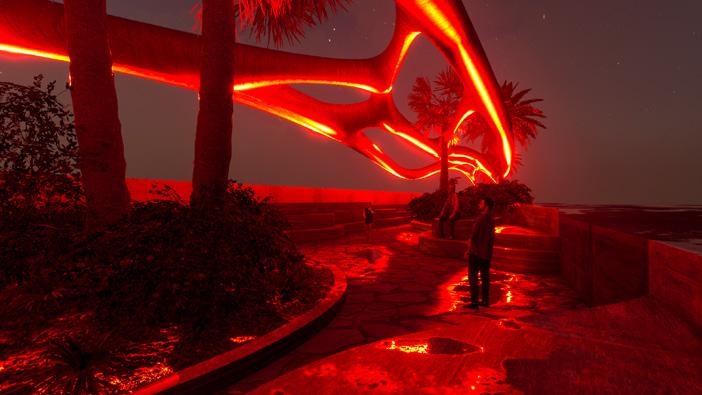
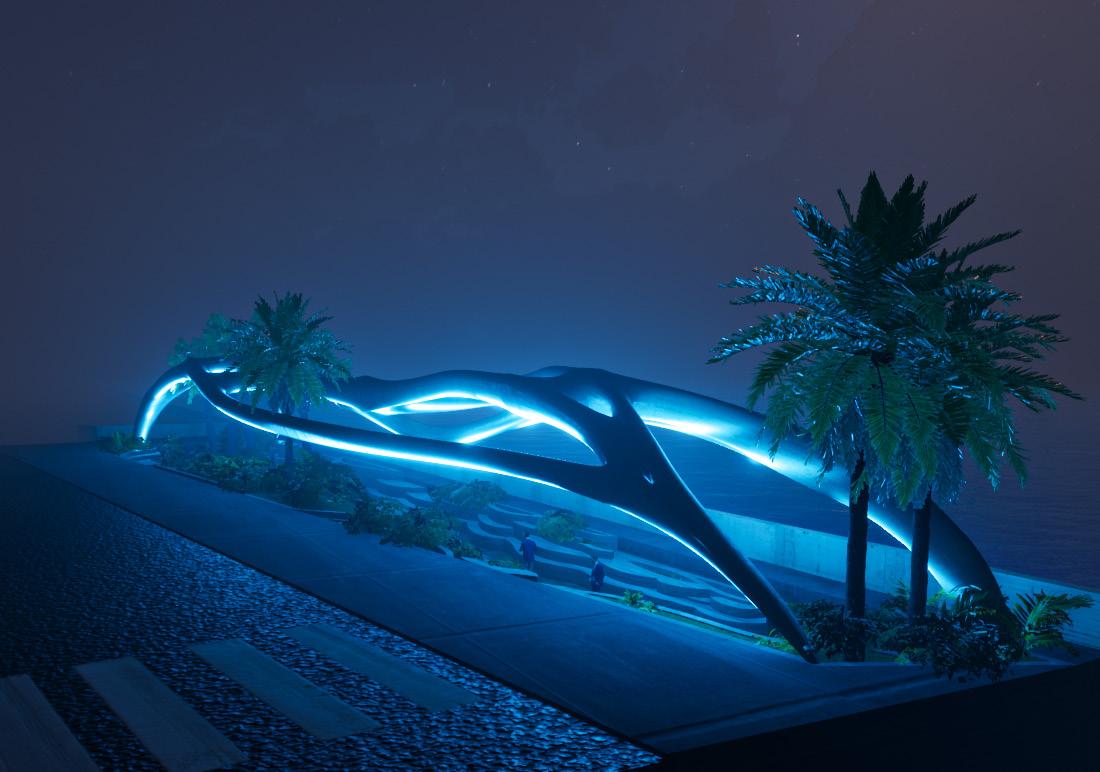
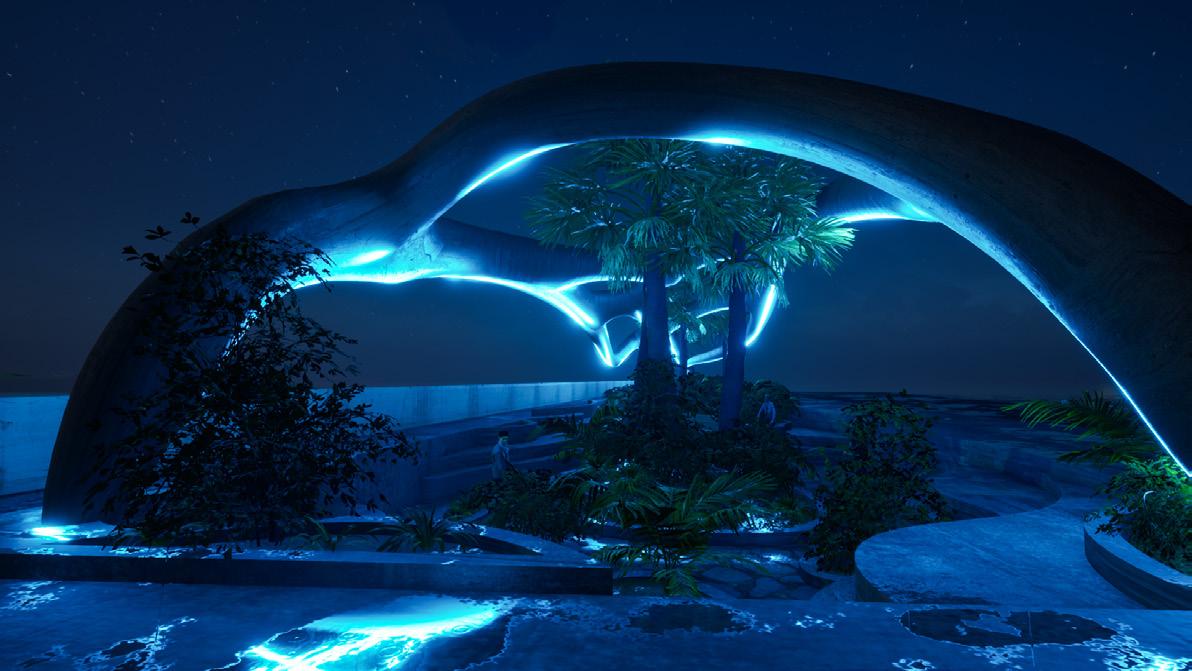
Everybody experiences a liminal space differently, and my goal with this project is to allow each person to individually experience a different atmosphere that evokes a unique emotion, immersing them in their own unique sensory journey.
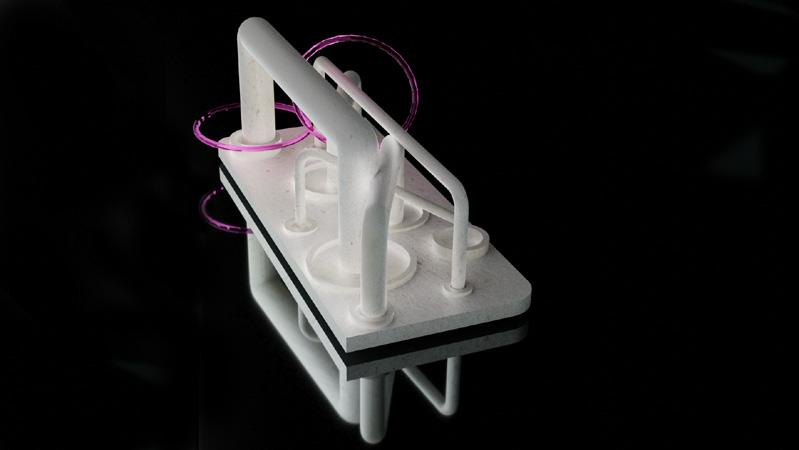
This Project explores and brings to life the connection between the physical and spiritual realms through an abstract representation of emotions evoked thorugh self-interpretation thorugh the gradients and lighting. The aim was to utilise organic
and abstract shapes to enhance the space, providing an other worldly experience to users of the site. The design is focused on altering the perceived normality of the senses to create a space that seems to bring the user into a different state of mind.
/ U R B A N D E S I G N /
J U N E // 2021
15
“A liminal space is the space between what is, and what will be.”
CHANGING THE SUBSTANCE
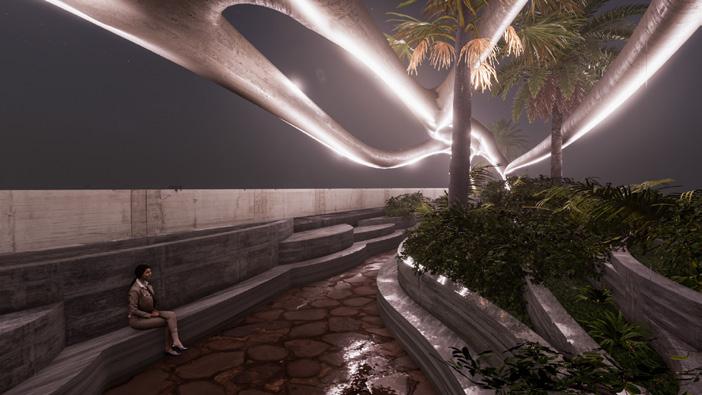
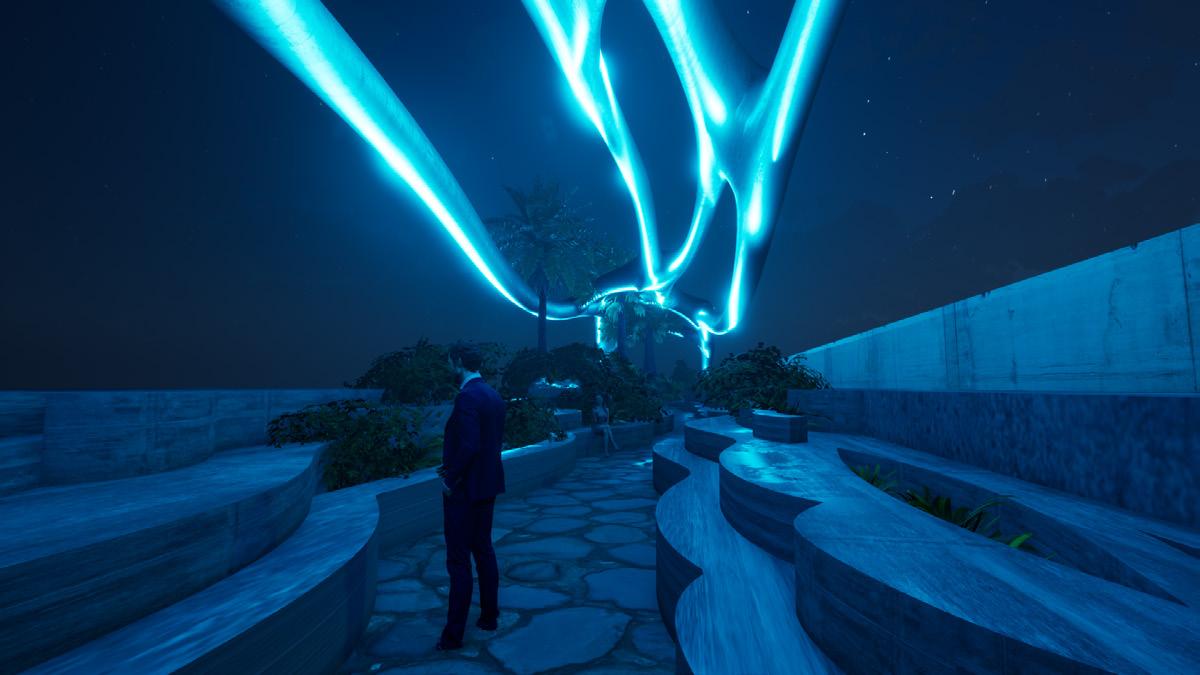
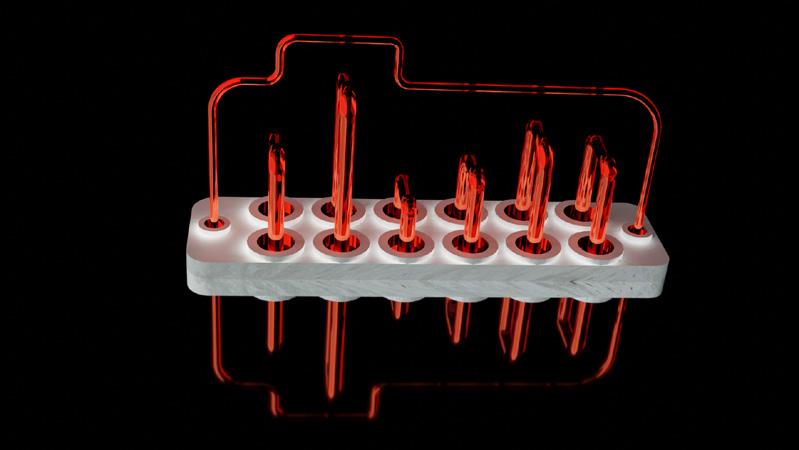
By configuring the neon lights to emit various colors, we can alter the ambiance and create a diverse range of effects that elicit distinct abstract representations of emotions. For instance, the color red evokes a hostile, intense, and angry atmosphere, while green imparts a sense of alienation, and white exudes a neutral, almost ethereal sensation.
/ R E N D E R I N G / 16
STREET FUTURES
An exploration into the future of Aotearoa’s main roads
The goal of Street Futures, an urban design project, is to explore points of transition into a more sustainable streetscape for Aotearoa, where New Zealand roads are reimagined to be more sustainable and climate resilient.
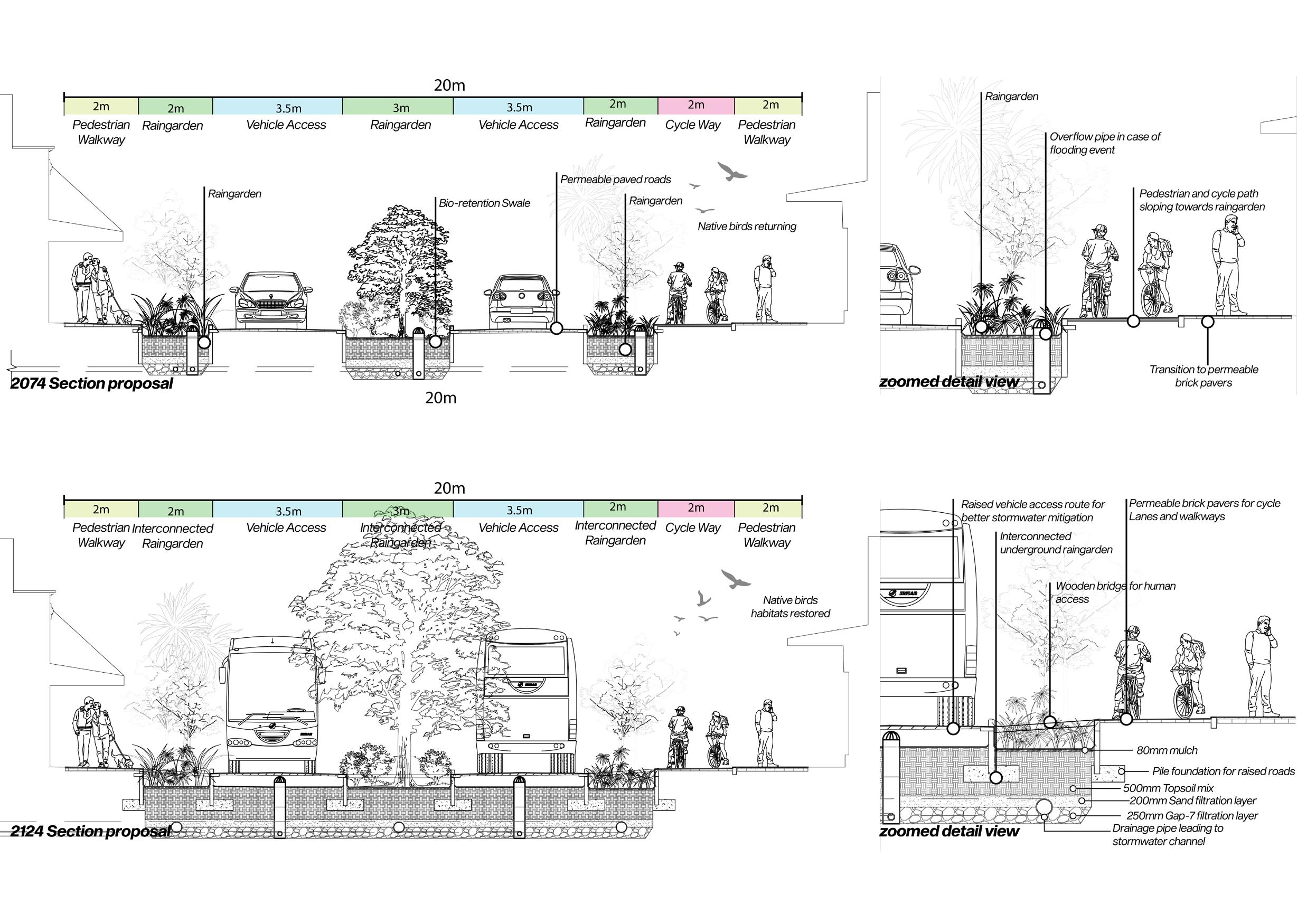
The timeframes suggested are set at 50 and 100 years into the future, envisioning a scenario where the utilization of private vehicles is entirely prohibited in public zones by that time.
In the 2074 section, the project integrates raingardens on all sides of the road to effectively manage and treat water runoff through a carefully selected plants. Additionally, the approach involves limiting the number of lanes to minimize the presence of cars and facilitate a smoother transition towards a future where private vehicles will be strictly prohibited from congesting the primary roads.
Moving to the 2124 section, the urban streetscape will undergo a complete reimagination, resembling a linear subterrestrial wetland, ensuring optimal flood prevention measures while prioritizing exclusive use for buses and improving local biodiversity value.
Main Road
/ S T R E E T R E D E S I G N / 05 Project A P R I L // 2023
17
STREET FUTURES
An exploration into the future of Aotearoa’s residential roads
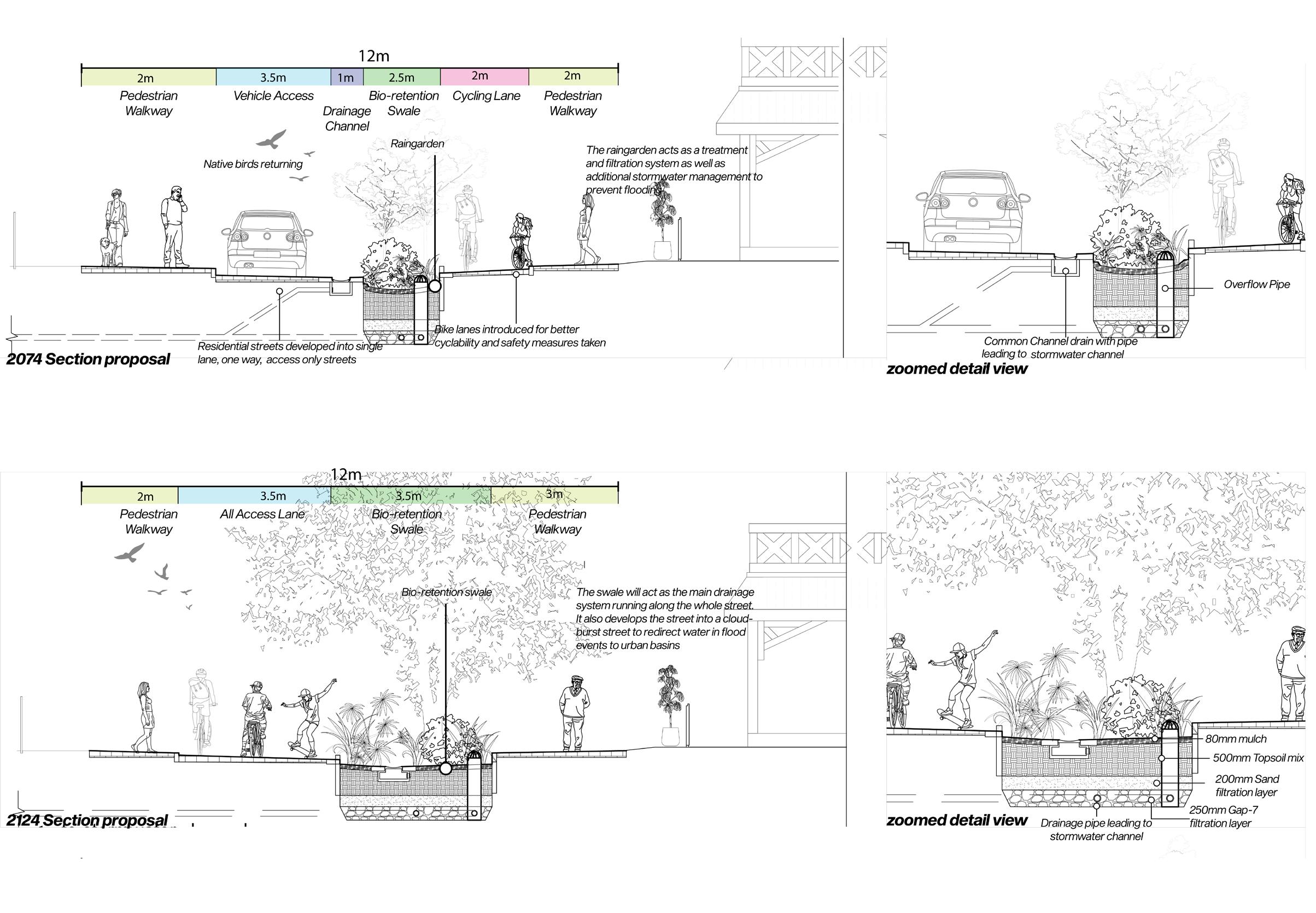
As per the residential roads which are mainly 8-12m, the majority of residential areas refer to cul de sacs and crescent streets. The idea here is to prepare these areas to be converted into single lane roads for private vehicles eventually roads will be for non-motorised vehicles only.
The 2074 system will reduce the road to a single lane but will incorporate a bicycle lane, raingarden and increased sidewalk width to encourage walking and use of pathways and cycle ways.
In 2124, space allocated for raingarden will increase and become a swale to minimise potential for floods, as well as provide space for natural habitats through native planting and rebuilding the ecosystem. Private vehicles will now need to share with cyclist and other ways of transport in the ‘low speed zone’.
Residential Roads
05 Project / S T R E E T R E D E S I G N /
18
/ R E S I D E N T I A L D E S I G N / 06
Client’s Project AUGUST // 2023
Aluminium
5 P E N D L EB U R Y S T R E E T
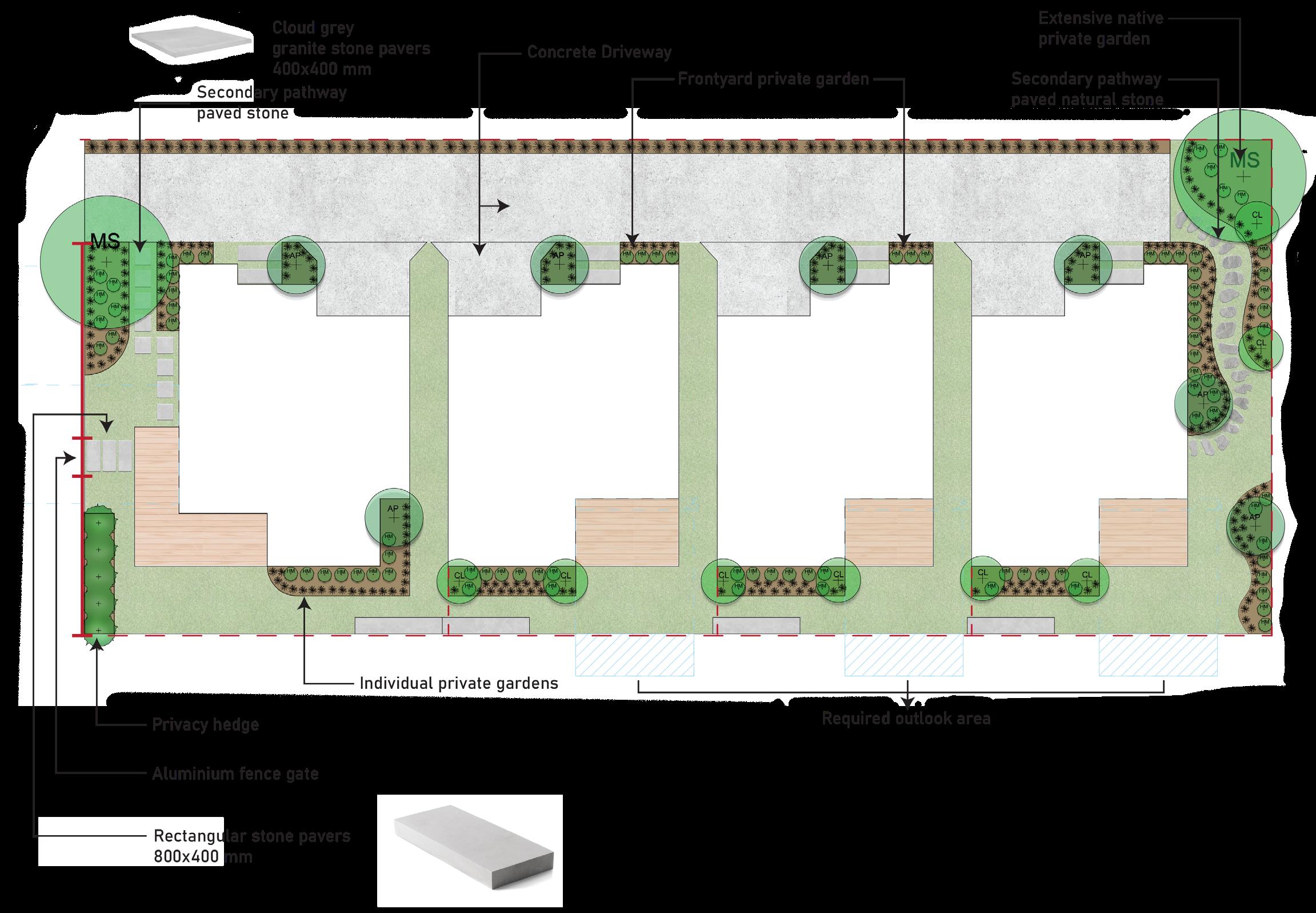
A client issued residential landscape design project for resource consent .
- Additional planting hidden under trees may not be shown in plan
5 Pendlebury street is a medium density townhouse project on a plot of land in West Auckland that I was commissioned to be the landscape designer of. This project featured exotic plants based on the client’s interests and aesthetics.
- All proposed planting must be native and regenerative to local ecologies
- If more information is required in terms of plant schedule, designer is to be notified immediately
Planting Schedule
Proposed Landscape Plan
The chosen planting design uses a dark to hot colour pallete with black mondo groundcover to accentuate the deep purple colour of the Heuchera, as well as the japanese maple to bring in splashes of fresh vibrant red.
Along with the plan, the various additional details were also included in the final document such as the maintenance schedule, legal descriptions, title sheet and specifications.
Date: Scale: Drawing No. Drawn by: Proposed Concept
5 Pendlebury Street, Green Bay, Auckland Drawing Stage: 1 of 1 Sheet: 23-01-01 E.C 1:150 at A3 13.8.2023 ekaichiu2001@gmail.com +021 028 54803
Landscape Designer N 43 Compass Point Way Half Moon Bay, Auckland LOT 66 DP 60203 01 Version No. Client: Jing Shen Individual private gardens Aluminium Fencing Privacy hedge
Ekai Chiu
fence gate
outlook area
Notes:
Required
General
Category
stone pavers 800x400 mm 0.5H x 0.45W in m 1.5L 1L Carex Grasses Carex Flagellifera Weeping Brown Sedge Regular watering until established Regular watering until established CF OP 35L Pittosporum Tenuifolium Acer palmatum Small Tree Kohuhu Hedge Hedging 3 times a year in spring 3-5H x 2W in m 2H x 1.5W in m 10L AP PT 5 7 15L Meryta Sinclairii Puka Tree Medium Tree Some pruning may be required to keep tidy 5H x 3W in m MS 1 10L Camelia Luchuensis Camelia Fairy Blush Regular Watering first 1.5 year to establish 1.5H x 1W in m CL bush plant Common Name Scientific Name Size Pot Size Number Code Maintenance Requirements 0.45H x 0.6W in m 2L Regular watering until established Regular watering until established HM Small bush plant Heuchera electric plum Heuchera Micrantha Japanese Maple Black Mondo grass 0.2H X 0.2W in m Ophiopogon Planiscapus 72 86 8 225 19
Rectangular
Form Manipulation
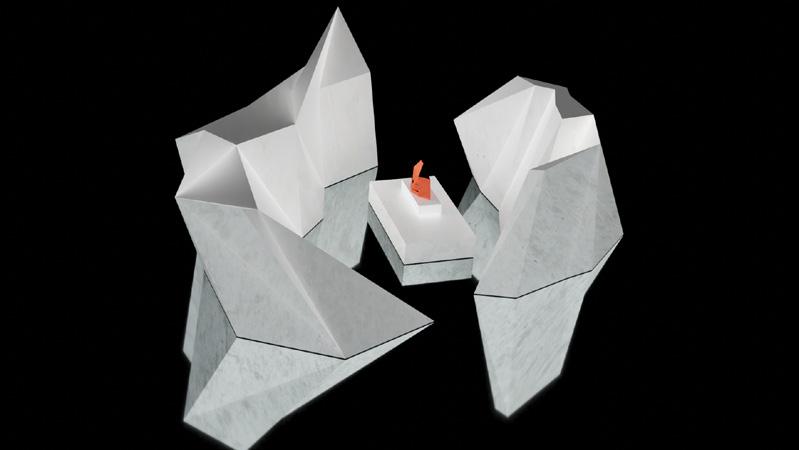
An Artistic Exploration Through Crystalline-Shaped Renders.



Ultimately, drawing inspiration from neon colors, lighting, and employing a glass lens, I modelled a collection of visually appealing images featuring random geometric shapes rendered with colored glass material.

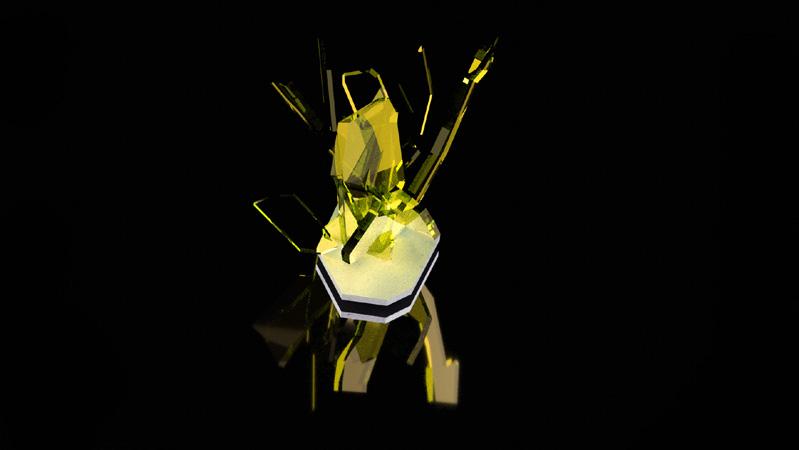
These creations were heavily influenced by the analysis and evolution of the preceding pictures. And will provide excellent material for developing future ideas.
07 Project / R E N D E R I N G /
20 A P R I L // 2020
NATURAL WONDERS
A Majestic Timber Birdwatching Tower for Native Avian Encounters
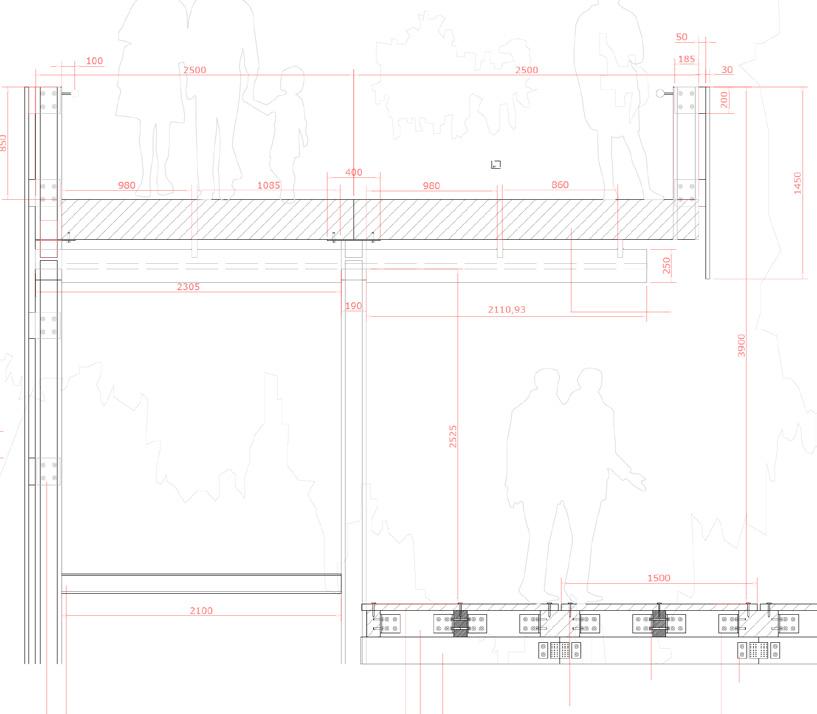
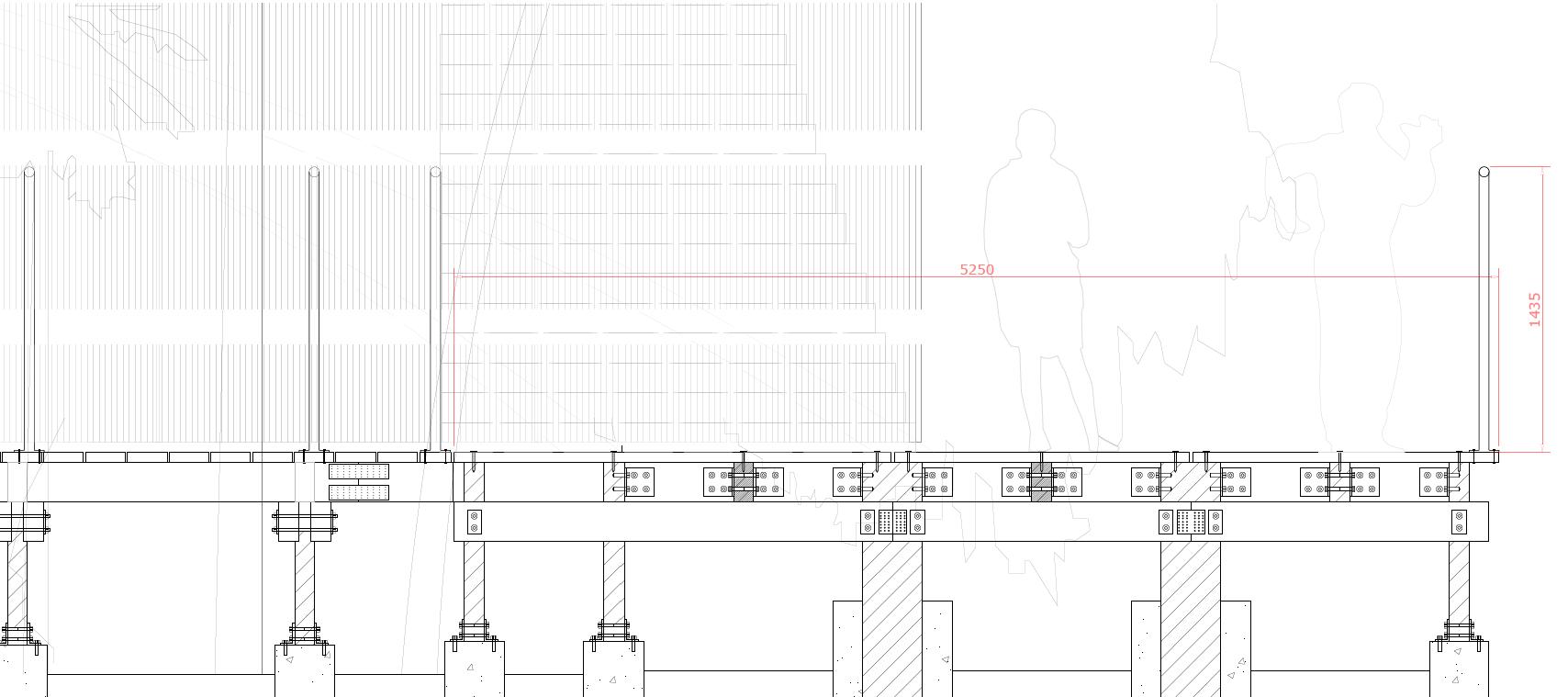
This project presented a unique opportunity to explore the boundaries of creativity, demanding resilient structural systems that are both practical for on-site construction and environmentally conscious, embracing principles of the circular economy and sustainable design for reuse. The watchtower project embodies an innovative approach, effectively enhancing the public realm by providing visitors with breathtaking
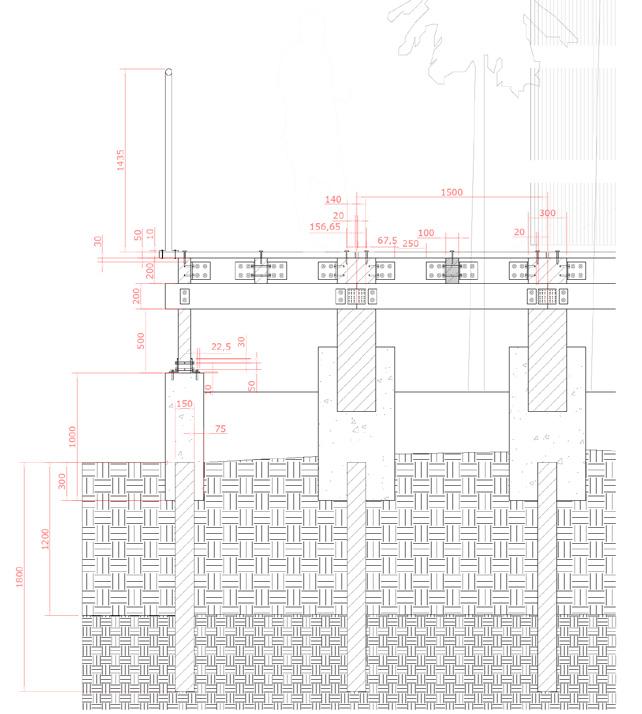
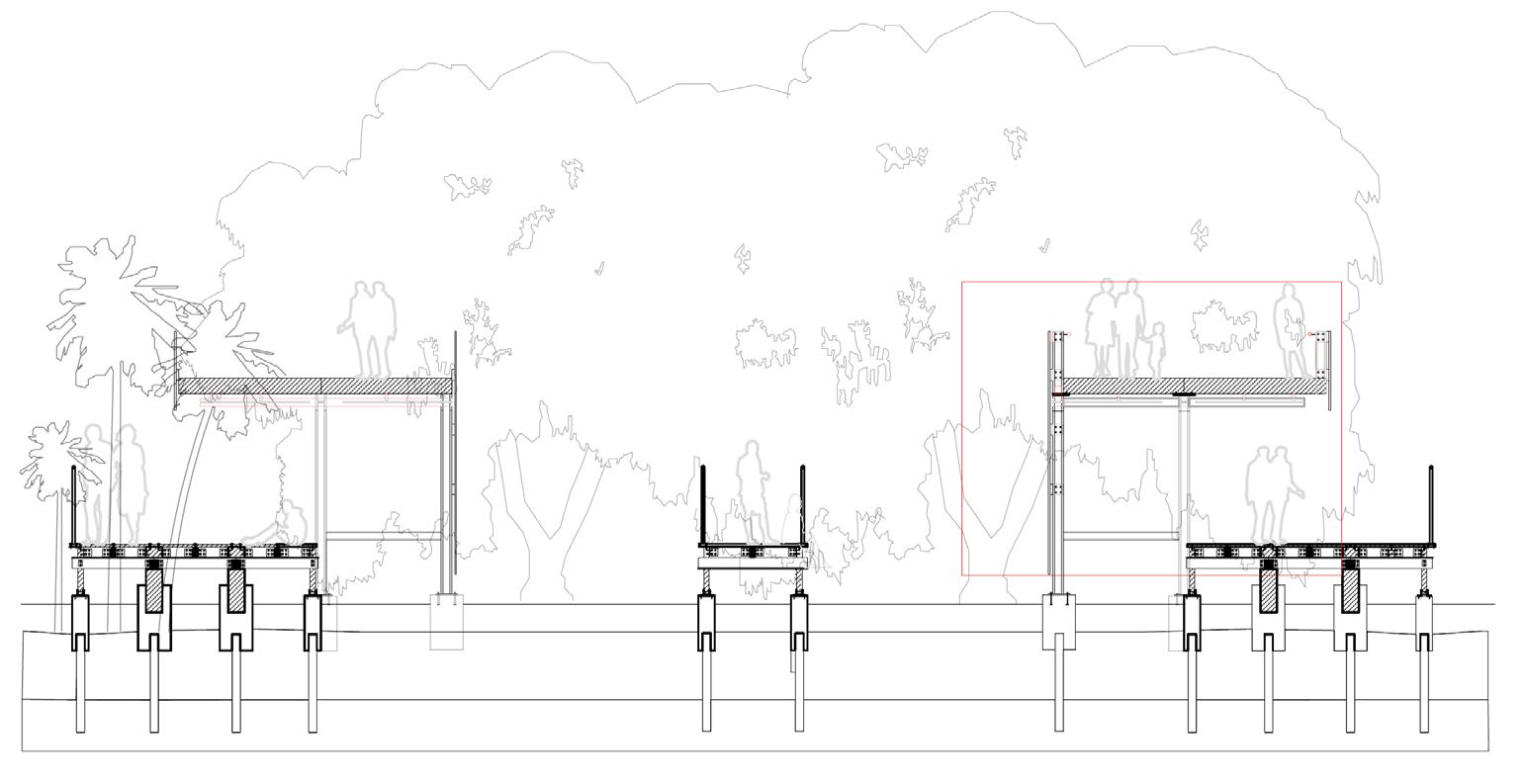
views and an immersive experience in the natural wetland surroundings. It achieves this by utilizing arches as the primary support structure, elevating the watchtower above water level with wooden posts, creating a visually captivating addition to the wetland landscape while ensuring structural stability over water using pile foundations.
/ T E C H N I C A L S K I L L S / 08 Project J U N E // 2023
SECTION 2.1 SS Structure Section ZOOMED SECTION 3.2 SS Boardwalk Section ZOOMED SECTION 3.1 SS Section ZOOMED SECTION 3.3 SS Elevated Plane Section 21
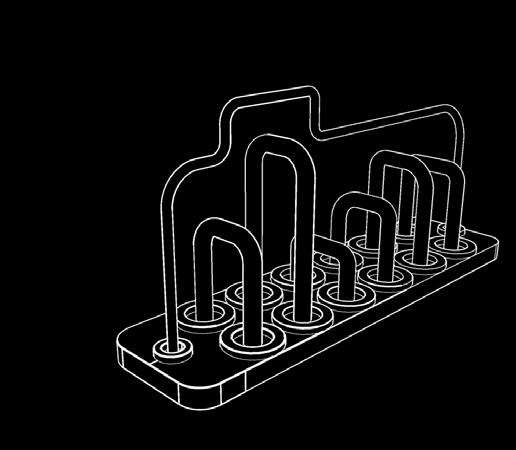
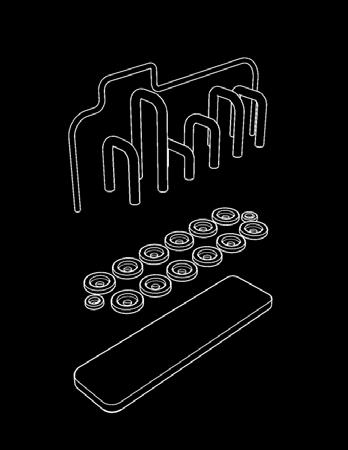
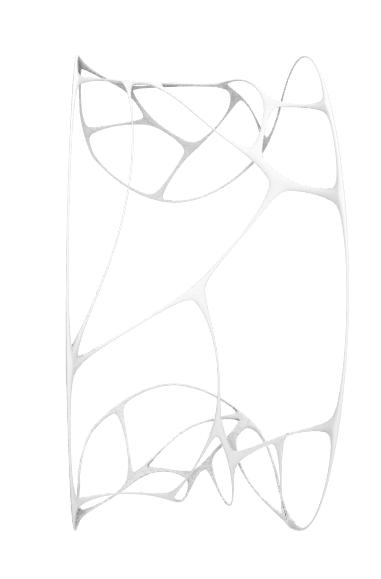
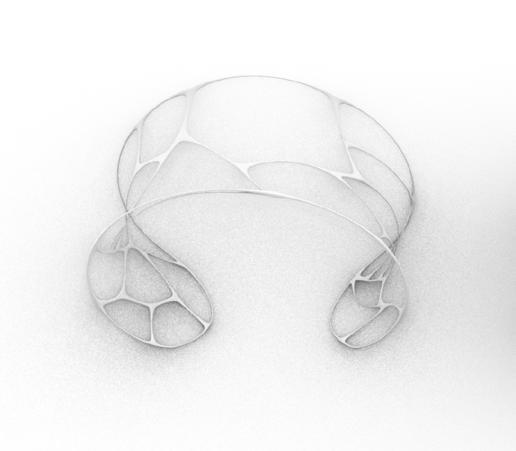
In the year of 2021, students were properly introduced to software based design using digital geometries to model forms that otherwise would take to long to draw and imagine, I developed my skillset in digital sculpting and modelling as well as rendering.
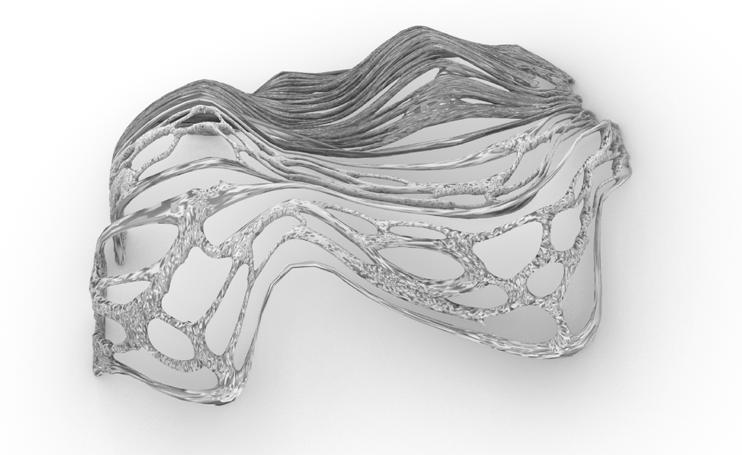
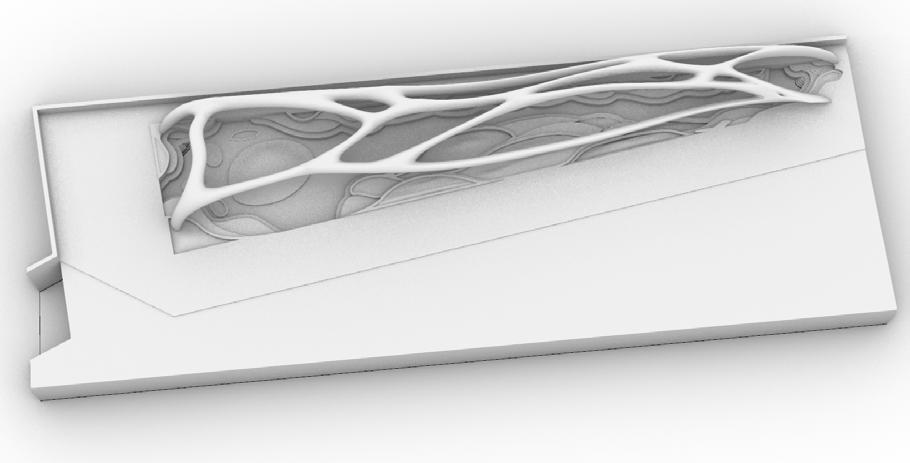
MODELLING SKETCHING
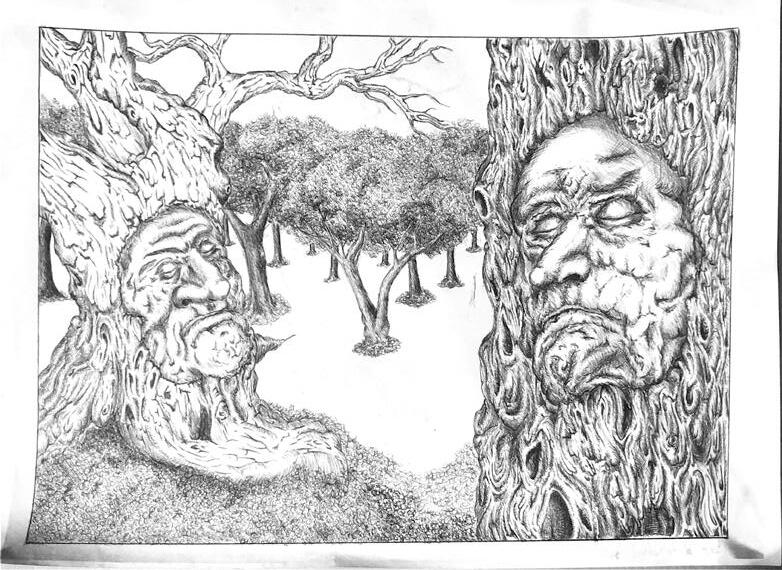
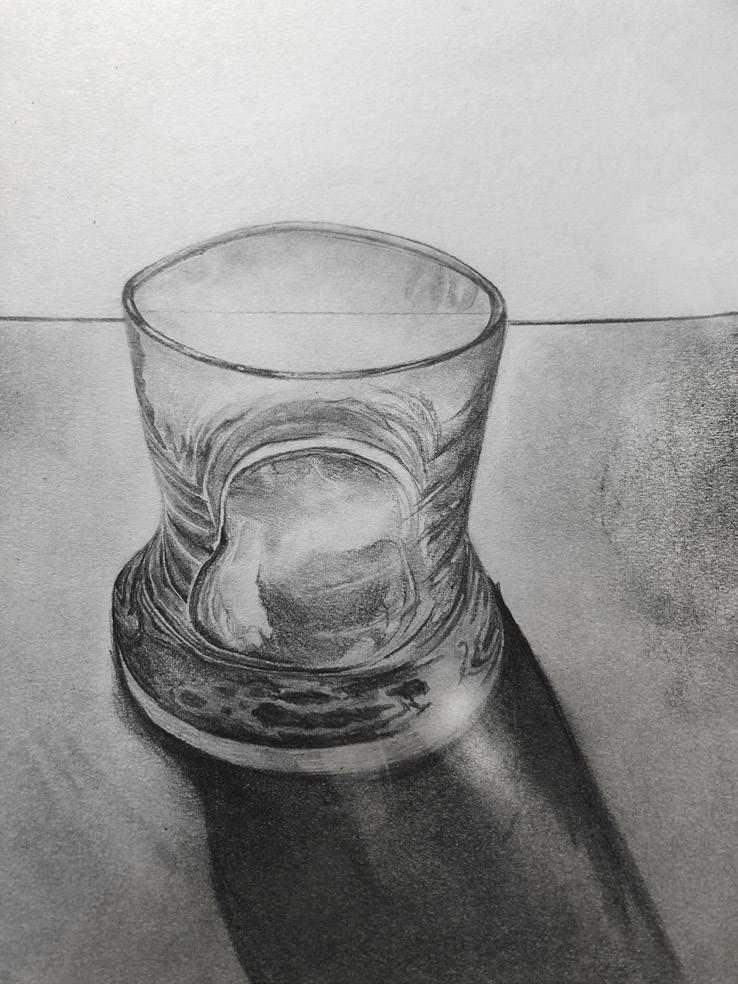
2020 was the first year majorly affected by COVID-19. During lockdown I spent time working on still life art, sketching, fineline drawings, and painting to develop my skillset for the future.



Compilation of designs and small models for various projects within the years.
A U G U S T // 2020 J U N E // 2021
/ R E L E V A N T S K I L L S / 22