Devil's Due: Complete Series Books 1-4 Eva Charles
https://ebookmass.com/product/devils-due-complete-seriesbooks-1-4-eva-charles/
ebookmass.com
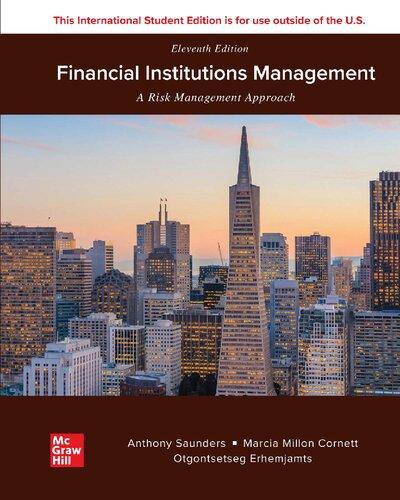
Financial Institutions Management, A Risk Management Approach, 11e 11th Edition Anthony Saunders
https://ebookmass.com/product/financial-institutions-management-arisk-management-approach-11e-11th-edition-anthony-saunders/
ebookmass.com
The V&A Sourcebook of Pattern & Ornament Amelia Calver
https://ebookmass.com/product/the-va-sourcebook-of-pattern-ornamentamelia-calver/
ebookmass.com
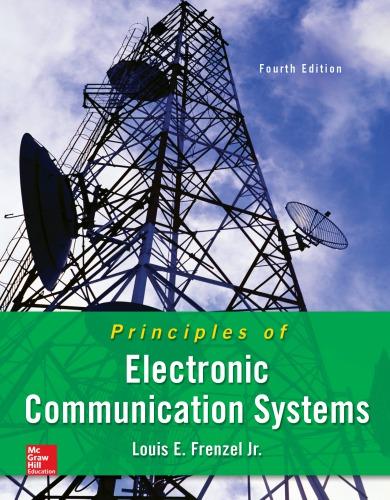
Principles of Electronic Communication Systems 4 ed. Edition Louis E. Frenzel Jr.
https://ebookmass.com/product/principles-of-electronic-communicationsystems-4-ed-edition-louis-e-frenzel-jr/
ebookmass.com
Visual Communication: Insights and Strategies Janis Teruggi Page
https://ebookmass.com/product/visual-communication-insights-andstrategies-janis-teruggi-page/
ebookmass.com
Google Cloud Platform for Data Science: A Crash Course on Big Data, Machine Learning, and Data Analytics Services
Dr. Shitalkumar R. Sukhdeve
https://ebookmass.com/product/google-cloud-platform-for-data-sciencea-crash-course-on-big-data-machine-learning-and-data-analyticsservices-dr-shitalkumar-r-sukhdeve/
ebookmass.com
SimultaneousMassTransferandChemicalReactionsinEngineering Science
SimultaneousMassTransferandChemical ReactionsinEngineeringScience
BertramK.C.Chan
Author
BertramK.C.Chan 1534OrilliaCourt
CA
UnitedStates
CoverImage: ©PattadisWalarput/Getty
Images
Allbookspublishedby WILEY-VCH arecarefully produced.Nevertheless,authors,editors,and publisherdonotwarranttheinformation containedinthesebooks,includingthisbook, tobefreeoferrors.Readersareadvisedtokeep inmindthatstatements,data,illustrations, proceduraldetailsorotheritemsmay inadvertentlybeinaccurate.
LibraryofCongressCardNo.: appliedfor
BritishLibraryCataloguing-in-PublicationData Acataloguerecordforthisbookisavailable fromtheBritishLibrary.
Bibliographicinformationpublishedby theDeutscheNationalbibliothek TheDeutscheNationalbibliothekliststhis publicationintheDeutsche Nationalbibliografie;detailedbibliographic dataareavailableontheInternetat <http://dnb.d-nb.de>
©2023WILEY-VCHGmbH,Boschstr.12, 69469Weinheim,Germany
Allrightsreserved(includingthoseof translationintootherlanguages).Nopartof thisbookmaybereproducedinanyform–by photoprinting,microfilm,oranyother means–nortransmittedortranslatedintoa machinelanguagewithoutwrittenpermission fromthepublishers.Registerednames, trademarks,etc.usedinthisbook,evenwhen notspecificallymarkedassuch,arenottobe consideredunprotectedbylaw.
PrintISBN: 978-3-527-34665-3
ePDFISBN: 978-3-527-82350-5 ePubISBN: 978-3-527-82351-2
oBookISBN: 978-3-527-82352-9
Typesetting Straive,Chennai,India
Dedicatedto
● thegloryofGod,
● mybetterhalfMarieNashedYacoubChan,and
● thefondmemoriesofmyhighschoolphysicalscienceteacher,theRev.Brother VincentCotter,BSc,attheDeLaSalleCatholicCollege,Cronulla,Sydney,New SouthWales,Australia,aswellasmyformerprofessorsinChemicalEngineeringin Australia,including: –attheUniversityofNewSouthWales: ProfessorGeoffreyHaroldRoperandVisitingProfessorThomasHamilton Chilton,fromtheUniversityofDelaware,USA –andattheUniversityofSydney: ProfessorThomasGirvanHunterandProfessorRudolfGeorgeHermanPrince.
Contents
Preface xiii
AuthorBiography xv
1IntroductiontoSimultaneousMassTransferandChemical ReactionsinEngineeringScience 1
1.1Gas–LiquidReactions 1
1.1.1SimultaneousBiomolecularReactionsandMassTransfer 2
1.1.1.1TheBiomedicalEnvironment 2
1.1.1.2TheIndustrialChemistryandChemicalEngineeringEnvironment 3
1.1.2Conclusions 6
1.1.3Summary 6
1.2TheModelingofGas–LiquidReactions 7
1.2.1FilmTheoryofMassTransfer 7
1.2.2SurfaceRenewalTheoryofMassTransfer 9
1.2.3AbsorptionintoaQuiescentLiquid 11
1.2.3.1AbsorptionAccompaniedbyChemicalReactions 13
1.2.3.2IrreversibleReactions 13
1.2.4AbsorptionintoAgitatedLiquids 17
1.2.4.1AnExampleofaFirst-OrderReaction 19
1.2.4.2TheFilmModel 20
1.3TheMathematicalTheoryofSimultaneousMassTransferandChemical Reactions 20
1.3.1PhysicalAbsorption 21
1.3.2ChemicalAbsorption 21
1.3.2.1PreliminaryRemarksonSimultaneousMassTransfer(Absorption)with ChemicalReactions 21
1.3.2.2SomeSolutionstotheMathematicalModelsoftheTheoryof SimultaneousMassTransferandChemicalReactions 22
1.3.2.3ApproximateClosedFormSolutions 23
1.3.3NumericalSolutions 29
1.4DiffusiveModelsofEnvironmentalTransport 30 FurtherReading 30
2DataAnalysisUsing R Programming 31
2.1DataandDataProcessing 32
2.1.1Introduction 32
2.1.2DataCoding 33
2.1.2.1AutomatedCodingSystems 34
2.1.3DataCapture 34
2.1.4DataEditing 35
2.1.5Imputations 35
2.1.6DataQuality 36
2.1.7QualityAssurance 36
2.1.8QualityControl 36
2.1.9QualityManagementinStatisticalAgencies 36
2.1.10ProducingResults 37
2.2Beginning R 38
2.2.1 R andStatistics 38
2.2.2AFirstSessionUsing R 40
2.2.3TheREnvironment(ThisisImportant!) 52
2.3 R asaCalculator 54
2.3.1MathematicalOperationsUsing R 54
2.3.2AssignmentofValuesin R,andComputationsUsingVectorsand Matrices 56
2.3.3ComputationsinVectorsandSimpleGraphics 57
2.3.4UseofFactorsin R Programming 57
2.3.4.1BodyMassIndex 59
2.3.5SimpleGraphics 59
2.3.6 x asVectorsandMatricesinStatistics 62
2.3.7SomeSpecialFunctionsthatCreateVectors 64
2.3.8ArraysandMatrices 65
2.3.9UseoftheDimensionFunction dim() in R 65
2.3.10UseoftheMatrixFunction matrix() in R 66
2.3.11SomeUsefulFunctionsOperatingonMatricesin R: colnames, rownames, and t (fortranspose) 66
2.3.12 NA “NotAvailable”forMissingValuesinDatasets 67
2.3.13SpecialFunctionsthatCreateVectors 68
2.4Using R inDataAnalysisinHumanGeneticEpidemiology 73
2.4.1EnteringDataatthe R CommandPrompt 73
2.4.1.1CreatingaData-Framefor R ComputationUsingtheEXCEL Spreadsheet(onaWindowsPlatform) 73
2.4.1.2ObtainingaDataFramefromaTextFile 75
2.4.1.3DataEntryandAnalysisUsingtheFunction data.entry() 77
2.4.1.4DataEntryUsingSeveralAvailable R Functions 77
2.4.1.5DataEntryandAnalysisUsingtheFunction scan() 79
2.4.1.6DataEntryandAnalysisUsingtheFunction Source() 81
2.4.1.7DataEntryandAnalysisUsingtheSpreadsheetInterfacein R 82
2.4.1.8HumanGeneticEpidemiologyUsing R:The CRAN Package Genetics 83
2.4.2TheFunction list() andtheConstructionof data.frame() in R 84
2.4.3StockMarketRiskAnalysis 87
2.4.3.1Univariate,Bivariate,andMultivariateDataAnalysis 87 2.AAppendix.DocumentationforthePlotFunction 109
2.A.1Description 109
2.A.2Usage 109
2.A.3Arguments 109
2.A.4Details 109
2.A.5SeeAlso 110 FurtherReading 110
3ATheoryofSimultaneousMassTransferandChemical ReactionswithNumericalSolutions 111
3.1Introduction 111
3.1.1AClassicalExperimentalStudyofSimultaneousAbsorptionofCarbon DioxideandAmmoniainWater 111
3.1.2PhysicalAbsorption 112
3.1.2.1Results 113
3.2BiomolecularReactions 114
3.2.1OccurrencesofSimultaneousBiomolecularReactionsandMassTransfer AreCommoninManyBiomedicalEnvironments 114
3.3SomeExamplesinChemicalEngineeringSciences 115
3.3.1SimultaneousChemicalReactionsandMassTransfer 115
3.4SomeModelsintheDiffusionalOperationsofEnvironmentalTransport Unaccompanied byChemicalReactions 116
3.4.1DiffusionModelsofEnvironmentalTransport 116
3.4.2Advection–DiffusionModelsofEnvironmentalTransport 116
3.5TheConceptofDiffusion 116
3.5.1Publishers’Remarks 116
3.5.2Fick’sLawsofDiffusion 117
3.5.2.1Fick’sFirstLawofDiffusion(Steady-StateLaw) 117
3.5.2.2Fick’sSecondLawofDiffusion 119
3.5.3DerivationofFick’sLawsofDiffusion 120
3.5.3.1Remarks:AdditionalRemarksonFick’sLawsofDiffusion 120
3.5.3.2ExampleSolutioninOneDimension:DiffusionLength 122
3.6TheConceptoftheMassTransferCoefficient 122
3.7TheoreticalModelsofMassTransfer 123
3.7.1Nernst One-Film TheoryModelandtheLewis–Whitman Two-Film Model 123
3.7.1.1GasTransferRates 123
3.7.1.2TheNernstOne-FilmModel 123
3.7.1.3MassTransferCoefficients 123
3.7.1.4TheLewis–WhitmanTwo-FilmModel 124
3.7.1.5TheTwo-FilmModel 124
3.7.1.6Single-FilmControl 126
3.7.1.7Applications 126
3.7.2Higbie’sPenetrationTheoryModel 127
3.7.3Danckwerts’SurfaceRenewalTheoryModel 129
3.7.4BoundaryLayerTheoryModel 131
3.7.4.1Fluid–FluidInterfaces 131
3.7.4.2Fluid–SolidInterfaces 131
3.7.4.3Example:Prandtl’sExperimentalMassTransferfromaFlatPlate 131
3.7.5MassTransferUnderLaminarFlowConditions 132
3.7.6MassTransferPastSolidsUnderTurbulentFlow 132
3.7.7SomeInterestingSpecialConditionsofMassTransfer 132
3.7.7.1EquimolarCounter-DiffusionofAandB(N A =− N B ) 132
3.7.7.2ForLiquid-PhaseDiffusion 133
3.7.7.3ConversionsFormulasforMassTransferCoefficientsinDifferent Forms 134
3.7.8ApplicationstoChemicalEngineeringDesign 134
3.7.8.1DesigningaPackedColumnfortheAbsorptionofGaseousCO2 bya LiquidSolutionofNaOH,UsingtheMathematicalModelof SimultaneousGasAbsorptionwithChemicalReactions 134
3.7.8.2CalculationofPackedHeightRequirementforReducingtheChlorine ConcentrationinaChlorine–AirMixture 141
3.8TheoryofSimultaneousBimolecularReactionsandMassTransferin TwoDimensions 144
3.8.1NumericalSolutionsofaModelinTermsofSimultaneousSemi-linear ParabolicDifferentialEquations 144
3.8.1.1TheoryofSimultaneousBimolecularReactionsandMassTransferin TwoDimensions 144
3.8.2ExistenceandUniquenessTheoremsofFirst-OrderLinearOrdinary DifferentialEquations 174
3.8.2.1DifferentialEquations 174
3.8.2.2ContractionMappingsonaBanachSpace 174
3.8.2.3ApplicationtoDifferentialEquations 177
3.8.3AnExistenceTheoremoftheGoverningSimultaneousSemi-linear ParabolicPartialDifferentialEquations 183
3.8.4AUniquenessTheoremoftheGoverningSimultaneousSemi-linear ParabolicPartialDifferentialEquations 188
3.9TheoryofSimultaneousBimolecularReactionsandMassTransferin TwoDimensions:FurtherCasesofPracticalInterests 192
3.9.1CaseofStagnantFilmofFiniteThickness–Second-OrderIrreversible Reactions 192
3.9.2CaseofUnsteady-StateAbsorptionintheStagnantLiquid–Slow First-OrderReaction(S&P325,328) 196
3.9.3SimultaneousAbsorptionofTwoGasesinaLiquidinWhichEachThen ReactsWitha Third ComponentintheLiquid 198
3.9.3.1MathematicalModeling 199
3.9.3.2AnalysisoftheModel:A + B → 201
3.9.3.3Discussions 201
3.9.3.4FurtherTheoreticalAnalysis 202
3.9.4SimultaneousAbsorptionofTwoGasesinaLiquidinWhichEachThen Reactswitha Third ComponentintheLiquid 210
3.9.4.1TheMathematicalModel 210
3.9.4.2AnalysisoftheModel 210
3.9.4.3BoundaryConditions 212
3.9.4.4MassTransferCoefficients 212
3.9.5CasesofSlowFirst-OrderReactions 213
3.9.5.1CaseofUnsteady-StateAbsorptionintheStagnantLiquid 213
3.9.5.2CaseofUnsteady-StateAbsorptionintheStagnantLiquid–Slow First-OrderReactions 216
3.10FurtherTheoreticalAnalysis 218 FurtherReading 219
4NumericalWorkedExamplesUsing R forSimultaneousMass TransferandChemicalReactions 221
4.1AdvectionandConvection 221
4.1.1Advection 221
4.1.2Advectionvs.Convection 222
4.1.2.1Meteorology 222
4.1.2.2TheMathematicsofAdvection 222
4.1.2.3TheAdvectionEquation 223
4.1.2.4TheAdvectionOperatorintheIncompressibleNavier–Stokes Equations 224
4.2WorkedExamples 224
4.3PartialDifferentialEquations 386
4.4AParabolicPDE 387
4.4.1Steady-StateSolution 388
4.4.2TheMethodofLines 389 FurtherReading 390
5MoreNumericalWorkedExamplesUsing R forSimultaneous MassTransferandChemicalReactions 391
5.1Introduction 391
5.2Advection 391
5.2.1Advectionvs.Convection 392
5.2.1.1Meteorology 392
5.2.1.2TheMathematicsofAdvection 392
5.2.1.3TheAdvectionEquation 393
5.2.1.4SolvingtheAdvectionEquation 393
5.2.1.5TheAdvectionOperatorintheIncompressibleNavier–Stokes Equations 394
5.3SolvingPartialDifferentialEquationsUsingthe R Package ReacTran 395
5.3.1WorkedExamples 395
5.4SomeFinalRemarksonSolvingPartialDifferentialEquationsUsingthe R Package ReacTran 555
5.4.1PartialDifferentialEquations 555
5.4.2AParabolicPDE 557
5.4.2.1Steady-StateSolution 558
5.4.2.2TheMethodofLines 559
FurtherReading 560
6SolvingPartialDifferentialEquations,GenerallyApplicableto ModelingSimultaneousMassTransferandChemical Reactions,Usingthe R Package ReacTran 561
6.1PartialDifferentialEquations(PDE) 561
6.2AParabolicPDE 562
6.3Steady-StateSolution 563
6.3.1TheMethodofLines 565
6.3.2AHyperbolicPDE 566
6.4TheGeneral3DAdvective–DiffusiveTransportPDE 568
6.4.1AnEllipticPDE 568
6.5TheGeneral3DAdvective–DiffusiveTransportPDE 577
6.5.1TheAdvectionEquation 577
6.5.2SolvingtheAdvectionEquation 578
6.5.3TheAdvectionOperatorintheIncompressibleNavier–Stokes Equations 579 FurtherReading 641
References 643 FurtherReading 647 Index 649
Preface
Thisbookaimstoprovideacomprehensivetheoreticalreferenceforstudents, professors,designandpracticingengineersinthechemical,biomolecular,and processengineeringindustriesathoroughandmodernscientificapproachtothe designofmajorequipmentforprocessesinvolvingsimultaneousmasstransferand chemicalreactions.
KeyFeatures
● Presentsthebasicscientificandcomputationalmodelsofdiffusionalprocesses involvingmasstransferwithsimultaneouschemicalreactions.
● Providesavigoroustheoreticalandcomputationalapproachtoprocessesinvolvingsimultaneousmasstransferandchemicalreactions.
● Involvestheuseoftheopen-sourcedcomputerprogramminglanguage R,for quantitativeassessmentintheanalysisofmodelsforsimultaneousmasstransfer andchemicalreactions.
WhatProblemsDoesthisBookSolve?
Thisbookisacompleteresourcefor
● Afundamentaldescriptionofthescientificbasisfordiffusionalprocessesand masstransferoperationsinthepresenceofsimultaneouschemicalreactions. Severalmodelsarepresented,assessed,andshowcasedforengineeringdesign applications.
● Basedonavigorousassessmentofseveraltheoreticalmodelsformasstransfer,a selectedpreferredmethodologyisdemonstratedandrecommendedasafirmbasis forengineeringdesign.
AuthorBiography
BertramK.C.Chan,PhD,PE(California,USA),LifeMember–IEEE, RegisteredProfessionalChemicalEngineerintheStateofCalifornia, completedhissecondaryeducationintheDeLaSalleCollege,Cronulla,Sydney, NewSouthWales,Australia,havingpassedtheNewSouthWalesStateLeaving CertificateExamination(vizthestate-wideuniversitymatriculationpublicexamination)withexcellentresults,particularlyinpureandappliedmathematics,and inHonorsPhysicsandHonorsChemistry.HethencompletedbothaBachelorof SciencedegreeinChemicalEngineeringwithFirstClassHonors,andaMasterof EngineeringSciencedegreeinNuclearEngineeringattheUniversityofNewSouth Wales,followedbyaPhDdegreeinChemicalandBiomolecularEngineeringatthe UniversityofSydney,bothuniversitiesareinSydney,NewSouthWales,Australia.
ThiswasfollowedbytwoyearsofworkingasaResearchEngineeringScientist (inNuclearEngineering)attheAustralianAtomicEnergyCommissionResearch Establishment,LucasHeights,NewSouthWales,andtwoyearsofaCanadian AtomicEnergyCommissionPost-doctoralFellowship(inChemicalandNuclear Engineering)attheUniversityofWaterloo,Waterloo,Ontario,Canada.
HehadundertakenadditionalgraduatestudiesattheUniversityofNewSouth Wales,attheAmericanUniversityofBeirut,andatStanfordUniversity,inmathematicalstatistics,computerscience,andpureandappliedmathematics(abstract algebra,automatatheory,numericalanalysis,etc.),andinelectronics,andelectromagneticengineering.
Hisprofessionalcareerincludesover10yearsoffull-time,and10yearsof part-time,university-levelteachingandresearchexperiencesinseveralacademic andindustrialinstitutions,includingaResearchAssociateshipinBiomedical andStatisticalAnalysis,PerinatalBiologySection,ObGynDepartment,UniversityofSouthernCaliforniaMedicalSchool,teachingatLomaLindaUniversity, MiddleEastCollege(nowUniversity),andSanJoseStateUniversity,andhad heldfull-timeindustrialresearchstaffpositions,intheSiliconValley,California, for27years–atLockheedMissile&SpaceCompany(10years),AppleComputer (7years),Hewlett-Packard(3years),andasaresearchanddesignelectromagnetic compatibilityengineeratastart-upcompany:FoundryNetworks(7years).
Inrecentyears:
● HesupportedthebiostatisticalworkoftheAdventistHealthStudiesIIresearch programattheLomaLindaUniversityHealth(LLUH)SchoolofMedicine, California,andconsultedasaforumlecturerforseveralyearsintheLLUH SchoolofPublicHealth(Biostatistics,Epidemiology,andPopulationMedicine). Intheselectures,Dr.Chanintroducedtheuseoftheopen-sourcedprogramming language R anddesignedtheselecturesforthebiostatisticalelementsforcourses intheMPH,MsPH,DrPH,andPhDprograms,withspecialreferencetoepidemiologyandbiostatisticsinparticular,andpublichealthandpopulationmedicine ingeneral.
● Dr.ChanhadbeengrantedthreeUSpatentsinelectromagneticengineering, hadpublishedover30engineeringresearchpapers,andauthoreda16-bookset ineducationalmathematics[1],aswellas5monographsentitled:“BiostatisticsforEpidemiologyandPublicHealthUsing R”[2],“AppliedProbabilistic CalculusforFinancialEngineering:AnIntroductionUsing R”[3],“BiostatisticsforHumanGeneticEpidemiology”[4],“SimultaneousMassTransferand ChemicalReactionsinEngineeringScience–SolutionMethodsandChemical EngineeringApplications”[5],and“FundamentalSystemDesignPrinciplesfor SimultaneousMassTransferandChemicalReactionsinChemicalEngineering Science–includingaComputationalApproachwith R”[6].
● HeisaregisteredProfessionalChemicalEngineer(PE)intheStateofCalifornia,USA,aswellasaLifeMemberoftheInstituteofElectricalandElectronic Engineers(IEEE).
References
1 Chan,B.(1978). ANewSchoolMathematicsforHongKong.HongKong:LingKee PublishingCo.10VolumesofTexts:1A,1B,2A,2B,3A,3B,4A,4B,5A,5B.6 VolumesofWorkbooks:1A,1B,2A,2B,3A,3B.
2 Chan,B.K.C.(2016). BiostatisticsforEpidemiologyandPublicHealthUsing R.New York:SpringerPublishingCompany(withadditionalmaterialsonthePublisher’s website).
3 Chan,B.K.C.(2017). AppliedProbabilityCalculusforFinancialEngineering:An IntroductionUsing R.Hoboken,NJ:Wiley.
4 Chan,B.K.C.(2018). BiostatisticsforHumanGeneticEpidemiology.New York/Cham,Switzerland:SpringerInternationalPublishingAG.
5 Chan,B.K.C.(2020). SimultaneousMassTransferandChemicalReactionsin EngineeringScience–SolutionMethodsandChemicalEngineeringApplications Cambridge,MA/Amsterdam,Holland,TheNetherlands:Elsevier.
6 Chan,B.K.C.(2021). FundamentalSystemDesignPrinciplesforSimultaneousMass TransferandChemicalReactionsinChemicalEngineeringScience–Including aComputationalApproachwith R.Cambridge,MA/Amsterdam,Holland,The Netherlands:Elsevier.
IntroductiontoSimultaneousMassTransferandChemical ReactionsinEngineeringScience
Inmanybiochemical,biomedical,andchemicalprocesses,inboththechemical industryandinphysiologicalsystems,includingenvironmentalsciences,mass transfer,accompaniedbyreversible,complexbiochemical,orinchemicalreactions ingas–liquidsystems,isfrequentlyfound.Fromtheviewpointofbiochemical and/orchemicaldesignpurposes,itisveryimportantthattheabsorptionratesof thetransferredreactantsmaybeestimatedaccurately.
Moreover,themasstransferphenomenacanalsoaffectsubstantiallyimportant processvariableslikeselectivityandyield.Considerableresearchefforthasbeen expendedindescribingtheseprocessesandinthedevelopmentofmathematical modelsthatmaybeusedforthecomputationofthemasstransferratesandother parameters.
Forexample,thedescriptionoftheabsorptionofagasfollowedbyasingle first-orderreversiblereactionissimpleandstraightforward.Forallmasstransfer models,e.g.film,surfacerenewal,andpenetration,thisprocessmaybeanalytically solved.Forotherprocesses,however,onlyforalimitednumberofspecialcases analyticalsolutionsarepossible,andthereforenumericaltechniquesmustbeused forthedescriptionofthesephenomena.Besidesnumericallysolvedabsorption models,themasstransferratesoftenmaybecalculated,withsufficientaccuracyby simplifyingtheactualprocessbymeansofapproximationsand/orlinearizations. Inthisbook,anoverviewwillbegivenoftheabsorptionmodelsthatareavailable forthecalculationofthemasstransferratesingas–liquidsystemswith(complex) reversiblereactions.Bothnumericallysolvedandapproximatedmodelswillbe treatedandconclusionsontheapplicabilityandrestrictionswillbepresented.
1.1Gas–LiquidReactions
Itiswellknownthatmanybiochemicalandchemicalprocessesinvolvemasstransferofoneormorespeciesfromthegasphaseintotheliquidphase.Intheliquid phase,thespeciesfromthegasphaseareconvertedbyoneormore(possiblyirreversible)biochemicalorchemicalreactionswithcertainspeciespresentintheliquid phase.
TypicalofsuchexamplesareprovidedinSections1.1.1.1and1.1.1.2.
SimultaneousMassTransferandChemicalReactionsinEngineeringScience,FirstEdition.BertramK.C.Chan. ©2023WILEY-VCHGmbH.Published2023byWILEY-VCHGmbH.
1.1.1SimultaneousBiomolecularReactionsandMassTransfer
1.1.1.1TheBiomedicalEnvironment
Inepidemiologicinvestigations,occurrencesofsimultaneousbiomolecularreactionsandmasstransferarecommoninmanybiomedicalenvironments.Some typicalexamplesare:
(1) IntestinalDrugAbsorptionInvolvingBio-transportersandMetabolic ReactionswithEnzymes [1]:Theabsorptionofdrugsviatheoralroute isasubjectofon-goingandseriousinvestigationsinthepharmaceutical industrysincegoodbio-availabilityimpliesthatthedrugisabletoreachthe systemiccirculationviatheoralpath.Oralabsorptiondependsonboththe drug properties andthephysiologyofthegastrointestinaltract,or patientproperties, includingdrugdissolution,druginteractionwiththeaqueousenvironmentand membrane,permeationacrossmembrane,andirreversibleremovalbyorgans suchastheliver,intestines,andthelung.
(2) OxygenTransportviaMetalComplexes [1]:Onaverage,anadultatrest consumes250mlofpureoxygenperminutetoprovideenergyforallthe tissuesandorgansofthebody,evenwhenthebodyisatrest.Duringstrenuous activities,suchasexercising,theoxygenneedsincreasedramatically.The oxygenistransportedinthebloodfromthelungstothetissueswhereitis consumed.However,onlyabout1.5%oftheoxygentransportedinthebloodis dissolveddirectlyinthebloodplasma.Transportingthelargeamountofoxygen requiredbythebody,andallowingittoleavethebloodwhenitreachesthe tissuesthatdemandthemostoxygen,requireamoresophisticatedmechanism thansimplydissolvingthegasintheblood.Tomeetthischallenge,thebody isequippedwithafinelytunedtransportsystemthatcentersonthemetal complex heme.Themetalionsbindandthenreleaseligandsinsomeprocesses, andtooxidizeandreduceinotherprocesses,makingthemidealforusein biologicalsystems.Themostcommonmetalusedinthebodyisiron,andit playsacentralroleinalmostalllivingcells.Forexample,ironcomplexesare usedinthetransportofoxygeninthebloodandtissues.Metal–ioncomplexes consistofametalionthatisbondedvia“coordinate-covalentbonds”toa smallnumberofanionsorneutralmoleculescalledligands.Forexample, theammonia(NH3 )ligandisamono-dentateligand;i.e.eachmono-dentate ligandinametal–ioncomplexpossessesasingleelectron-pair-donoratom andoccupiesonlyonesiteinthecoordinationsphereofametalion.Some ligandshavetwoormoreelectron-pair-donoratomsthatcansimultaneously coordinatetoametalionandoccupytwoormorecoordinationsites;these ligandsarecalledpolydentateligands.Theyarealsoknownaschelating(Greek wordfor“claw”)agentsbecausetheyappeartograspthemetalionbetweentwo ormoreelectron-pair-donoratoms.Thecoordinationnumberofametalrefers tothetotalnumberofoccupiedcoordinationsitesaroundthecentralmetalion (i.e.thetotalnumberofmetal–ligandbondsinthecomplex).Thisprocessis anotherimportantexampleofbiomolecularreactionandtransport.
(3) CarotenoidTransportintheLipidTransportersSR-BI,NPC1L1,and ABCA1:Theintestinalabsorptionofcarotenoidsinvivoinvolvesseveralcrucial steps:
(1)releasefromthefoodmatrixinthelumen
(2)solubilizationintomixedmicelles
(3)uptakebyintestinalmucosalcells
(4)incorporationintochylomicrons
(5)secretionintothelymph.
Researchhasshownthat:
(A)EZisaninhibitoroftheintestinalabsorptionofcarotenoids,aneffectthat decreasedwithincreasingpolarityofthecarotenoidmolecule
(B)SR-BIisinvolvedinintestinalcarotenoidtransport
(C)EZactsnotonlybyinteractingphysicallywithcholesteroltransporters aspreviouslysuggestedbutalsobydownregulatingthegeneexpression ofthreeproteinsinvolvedincholesteroltransportintheenterocyte,the transportersSR-BI,NPC1L1,andABCA1.
Theintestinaltransportofcarotenoidisthusafacilitatedprocessresembling thatofcholesterol;therefore,carotenoidtransportinintestinalcellsmayalso involvemorethanonetransporter.
Hence,thestudyofbiomolecularreactionandtransportisanareaof importanceinbiomedicalprocessesandtheiroccurrencesinepidemiologic investigations.
Inthissection,oneappliesthefacilitiesavailableinthe R environmenttosolve problemsarisenfromtheseprocesses.Thisstudyisbeingapproachedfromtwo directions:
• Usingthe R environmentasa support tonumericalanalyticalschemesthat maybedevelopedtosolvethisclassofproblems.
• Applyingthe R functionsintheCRANpackage ReacTran [2].
1.1.1.2TheIndustrialChemistryandChemicalEngineeringEnvironment
Typicalexamplesofindustrialchemicalandchemicalengineeringprocessesin whichthisphenomenonoccursincludechlorination,gaspurification,hydrogenation,andoxidationprocesses.Toundertaketheprocessandequipmentdesignof newreactorsandtheoptimizationofexistingreactors,applicabletheoreticalmodels forreactorsarehelpfulandmostlikelyneeded.Ingeneral,modelsofliquid–gas contactorsconsistoftwomainparts:the micromodel andthe macromodel:
● the micro modeldescribestheinterphasemasstransferbetweenthegasphase andtheliquidphase,
● the macro modeldescribesthemixingbehaviorinbothphases.
Bothpartsoftheoverallmodelmaybesolvedsequentially,butsolvingmicro andmacromodelssimultaneouslyispreferredbecauseofoptimizationofcomputationaltime.
Gas–liquidmasstransfermodelinghasbeenwellstudied.TheWhitmanstagnant filmmodelwasfirstdescribedin1923byW.G.Whitman,anditwasconcluded
1IntroductiontoSimultaneousMassTransferandChemicalReactionsinEngineeringScience
thatsomephenomenaofgas–liquidmasstransfermayberegardedasnearly incompletelyexplained.Moreover,theHigbiepenetrationmodelhasbeenusedas abasisforthedevelopmentofsomenewreactormodels.Theinfluenceofthebulk liquidonthemasstransferprocesshasbeenstudiedinsomedetail.Moreattention hasbeenpaidtothedynamicalbehaviorandstabilityofgas–liquidreactorsand theinfluenceofmasstransferlimitationsonthedynamics.Also,someimportant differencesbetweentheresultsoftheHigbiepenetrationmodelandtheWhitman stagnantfilmmodelarefound.
Analyticalsolutionofmicromodelsformasstransfer(accompaniedbychemical reactions)isrestrictedtoasymptoticcasesinwhichmanysimplifyingassumptions hadtobemade(e.g.reactionkineticsaresimpleandtherateofthereactionis eitherveryfastorveryslowcomparedtothemasstransfer).Forallothersituations, numerical–computationaltechniquesarerequiredforsolvingthecoupledmassbalancesofthemicromodel.
Ingeneral,itseemsthatmostlynumericalsolutiontechniqueshavebeenapplied. Whereverpossible,analyticalsolutionsofasymptoticcaseshavebeenusedtocheck thevalidityofthenumericalsolutionmethod.
Forexample,bymodifyingoneoftheboundaryconditionsoftheHigbiepenetrationmodel,ithadbeenfoundthatthemasstransfermaybeaffectedbythepresence ofthebulkliquid.Forexample,inapackedcolumn,theliquidflowsdownthecolumnasathinlayeroverthepackings.Ithasbeenexaminedwhetherornotthe penetrationmodelmaybeappliedfortheseconfigurations.Bothphysicalabsorptionandabsorptionaccompaniedbyfirst-andsecond-orderchemicalreactionshave beeninvestigated.
Frommodelcalculations,itisconcludedthattheoriginalpenetrationtheory,by assumingthepresenceofawell-mixedliquidbulk,maybeappliedalsotosystems wherenoliquidbulkispresent,providedthattheliquidlayerissufficientlythick!
● Forpackedcolumnsthismeans,intermsoftheSherwoodnumber, N Sh = 4,for bothphysicalabsorptionandabsorptionaccompaniedbyafirst-orderreaction.
● Incaseofasecond-order1,1-reaction,asecondcriterion: N Sh ≥ 4√(Db /Da )hasto befulfilled.
● Forverythinliquidlayers(N Sh < 4,or N Sh < 4√(Db /Da )),theoriginalpenetration modelmaygiveerroneousresults,dependingontheexactphysicalandchemical parameters,andamodifiedmodelisrequired.
Analyticalsolutionofmodelsforgas–liquidreactorsisrestrictedtoafewasymptotic cases,whilemostnumericalmodelsmakeuseofthephysicallylessrealisticstagnant filmmodel–thisisrelativelysimplisticandeasytoapplyusingthe“hinterland model.” ThehinterlandmodelassumesthereactionphasetoconsistofONLYastagnantfilmandawell-mixedbulk.Inflowandoutflowofspeciestoandfromthereactor proceedsviathenon-reactionphaseorviathebulkofthereactionphase,butnevervia thestagnantfilm.(“Hinterland”isaGermanwordmeaning“thelandbehind”[aport, acity, …]ingeographicusages!)
BymodifyingoneoftheboundaryconditionsoftheHigbiepenetrationmodel, itillustratedhowthemasstransfermaybeaffectedbythepresenceoftheliquid bulk.Thus,forexample,inapackedcolumn,theliquidflowsasathinlayeroverthe structuredordumpedpacking.Ithasbeenexaminedwhetherornotthepenetration modelcanbeappliedforthesesituations.Bothphysicalabsorptionandabsorption accompaniedbyfirst-andsecond-orderchemicalreactionshavebeeninvestigated.
Frommodelcalculations,itisconcludedthattheoriginalpenetrationtheory, whichassumesthepresenceofawell-mixedliquidbulk,maybeappliedalsoto systemswherenoliquidbulkispresent,providedthattheliquidlayerhassufficient thickness.
Forpackedcolumns,thismeans,intermsofSherwoodnumber, Sh > 4forboth physicalabsorptionandabsorptionaccompaniedbyafirst-orderreaction.Incaseof asecond-order1,1-reactionasecondcriterion Sh ≥ 4√(Db /Da )hastobefulfilled.For verythinliquidlayers, Sh < 4or Sh < √(Db /Da ),theoriginalpenetrationmodelmay giveerroneousresults,dependingontheexactphysicalandchemicalparameters, andthemodifiedmodelisrequired.
Mostnumericalmodelsofgas–liquidreactorsmakeuseofthephysicallylessrealisticstagnantfilmmodelbecauseimplementationofthestagnantfilmmodelisrelativelyeasyusingthehinterlandconcept.Thecombinationofstagnantfilmmodel andHinterlandconceptmaysuccessfullypredictmanyphenomenaofgas–liquid reactors.
TheHigbiepenetrationmodelishoweverpreferredasamicromodelbecauseitis physicallymorerealistic.DirectimplementationofthehinterlandconceptisnotpossiblewiththeHigbiepenetrationmodel.Nevertheless,numericaltechniqueshave beenappliedtodevelopanewmodelthatimplementstheHigbiepenetrationmodel forthephenomenonmasstransferaccompaniedbychemicalreactioninwell-mixed two-phasereactors:assumingthestagnantfilm.
Amodelwasdevelopedthatsimulatesthedynamicbehaviorofgas–liquidtank reactorsbysimultaneouslysolvingtheHigbiepenetrationmodelforthephenomenonofmasstransferaccompaniedbychemicalreactionandthedynamicgas andliquidphasecomponentbalances.Themodelmakesitpossibletoimplementan alternativeforthewell-knownhinterlandconcept,whichisusuallyusedtogether withthestagnantfilmmodel.Incontrasttomanyothernumericalandanalytical models,thepresentmodelcanbeusedforawiderangeofconditions,theentire rangeofHattanumbers,(semi-)batchreactors,multiplecomplexreactions,and equilibriumreactions,componentswithdifferentdiffusioncoefficients,andalsofor systemswithmorethanonegasphasecomponent.Bycomparingthemodelresults withanalyticalasymptoticsolutions,itwasconcludedthatthemodelpredicts thedynamicbehaviorofthereactorsatisfactorily.Ithadbeenshownthatunder somecircumstances,substantialdifferencesexistbetweentheexactnumerical andexistingapproximateresults.Itisalsoknownthatforsomespecialcases, differencescanexistbetweentheresultsobtainedusingthestagnantfilmmodel withhinterlandconceptandtheimplementationoftheHigbiepenetrationmodel.
Analyticalsolutionofmodelsforgas–liquidreactorsisrestrictedtoafewasymptoticcases,whilemostnumericalmodelsmakeuseofthephysicallylessrealistic stagnantfilmmodel.
1.1.2Conclusions
1.Thepenetrationmodelispreferredforthephenomenonmasstransferaccompaniedbychemicalreactioninwell-mixedtwo-phasereactors.
2.Bycomparingthemodelresultswithanalyticalasymptoticsolutions,itisconcludedthatthemodelpredictsthereactorsatisfactorily.Itisshownthatformany asymptoticcases,theresultsofthisnewmodelcoincidewiththeresultsofthe stagnantfilmmodelwithhinterlandconcept.
3.Forsomespecialconditions,differencesmayexistbetweentheresultsobtained usingthestagnantfilmmodelwithhinterlandconceptandtheimplementation oftheHigbiepenetrationmodel.
4.Animportantresultisthatfor1,1-reactions,thesaturationoftheliquidphase withgasphasespeciesdoesnotapproachzerowithincreasingreactionrate (increasingHattanumber),contrarytowhatispredictedbythefilmmodelwith Hinterlandconcept.Anotherimportantdeviationmaybefoundatthespecific conditionsofaso-calledinstantaneousreactionincombinationwiththeabsence ofchemicalenhancementofmasstransfer.
5.Applicationofthepenetrationmodeldoesnotprovideanynumericaldifficulties, whileapplicationofthestagnantfilmmodelwouldleadtoadiscontinuityinthe concentrationgradient.
6.Anotherdisadvantageofthehinterlandconceptisthatitcanstrictlyonlybe appliedtoisothermalsystems,whereasinthesystemsinvestigatedinthisthesis thereactionenthalpyisanimportantparameterthatmaysignificantlyinfluence thephenomenaofgas–liquidmasstransfer.
Arigorousmodelmaybedevelopedthatsimulatesthedynamicbehaviorofstirred nonisothermalgas–liquidreactorsbysimultaneouslysolvingtheHigbiepenetration modelforthephenomenonmasstransferaccompaniedbychemicalreactionand thedynamicgasandliquidphasecomponentandheatbalances.Thisisachieved bycouplingtheordinarydifferentialequationsofthemacromodelmassandheat balancestothepartialdifferentialequationsofthepenetrationmodel.Thismodel isnotyetpublished!
Usingthenewlydevelopedrigorousreactormodel,itisshownthatdynamicinstability(limitcycles)canoccuringas–liquidreactors.Theinfluenceofmasstransfer limitationsontheselimitcycleshasbeenstudied,andithasbeenfoundthatmass transferlimitationsmaketheprocessmorestable.
1.1.3Summary
Althoughtherigorousmodelisbelievedtobeaveryaccuratemodel,ithasthe disadvantagethatowingtothecomplexnumericalmethodsapplieditisarather
1.2TheModelingofGas–LiquidReactions 7 time-consumingmodel.Onbehalfofamoreefficientpredictionofthepossible occurrenceoflimitcycles,thereactormodelwassimplified.Thesimplifiedmodelis suitedforthepredictionoflimitcyclesusingastabilityanalysis.Astabilityanalysis isaveryefficientmethodtopredictthedynamicbehaviorandstabilityofasystem ofordinarydifferentialequationsbylinearizationofthegoverningnonlinearODEs intheneighborhoodofthesteadystateandanalyzingtheEigenvalues.Thismethod isverypowerfulforattainingdesignrulesforstableoperationofstirredgas–liquid reactors.Theinfluenceofmasstransferlimitationsonthelimitcyclesispredicted verywellusingthesimplifiedmodel,thoughsmalldiscrepanciesarefoundwith themoreaccuraterigorousmodel.
Thedevelopedreactormodelshavebeenusedtomodelthedynamicsofanew, to-be-developed,industrialhydro-formylationreactor.Atacertaindesignofthe reactor,themodelpredictsseriousandundesiredlimitcycles.Theseconditions havetobeavoidedbyanappropriatereactordesign.Hydro-formylationreactions areoftencharacterizedbyanegativereactionorderincarbonmonoxide.Model calculationsshowedthatthismayleadtointerestingphenomena:atcertainprocess conditions,animprovementofthemasstransfer(higher kL a,forexample,owing toimprovedmixing)maygiverisetoalessstablereactor,withoutincreasing theconversion.Thisunusualphenomenonisexplainedbythenegativereaction orderofcarbonmonoxide.Apparently,theincreasinghydrogenandcarbon monoxideconcentrationscanceleachotheroutandtheoverallreactionrate remainsunchanged.Theincreasinghydrogenandcarbonmonoxideconcentrationsdohowevermaketheprocessmoresensitivefortheoccurrenceoflimit cycles.
Finally,astarthasbeenmadewithstudyingtheinfluenceofmacro-mixingon thedynamicalbehaviorofgas–liquidreactors.Forthispurpose,acascadeoftwo reactorsinseriesiscomparedtoasinglereactor.Initialresultsindicatethatacascade ofreactorsinseriesprovidesadynamicallymorestabledesign.Thetotalrequired coolingsurfacetopreventtheoccurrenceoftemperature–concentrationlimitcycles decreasessignificantlywithincreasingnumberofreactorsinseries.Thefirstreactor inthecascadeistheonewiththehighestriskofdynamicinstability.
1.2TheModelingofGas–LiquidReactions
Thisprocesshasevolvedthroughanumberoftheoreticalprocesses,including:
1.2.1FilmTheoryofMassTransfer
Intypicalindustrialabsorptionprocesses,oneshouldconsidertheabsorptionof gasesintoliquidswhichareagitatedsuchthatthedissolvedgasistransportedfrom thesurfacetotheinteriorbyconvectivemotions.Theagitationmayoccurinvarious ways,including:
(i)Thegas,orvapor,maybeblownthroughtheliquidasastreamofbubbles–as, forexample,onaperforatedplateorinaspargedvessel.
1IntroductiontoSimultaneousMassTransferandChemicalReactionsinEngineeringScience
(ii)Theliquidmayberunninginalayeroveraninclinesorverticalsurface,and theflowmaybeturbulent(as,forexample,inawetted-wallcylindricalcolumn operatingatasufficientlyhighReynoldsnumber),orripplesmaydevelopand enhancetheabsorptionratebyconvectivemotion.Discontinuitiesonthesurfacemaycauseperiodicmixingoftheliquidinthecourseofitsflow,orstrings ofdiscsorofspheres.
(iii)Theliquidmaybeadvantageouslyagitatedbyamechanicalstirrer,whichmay alsoentrainbubblesofgasesintotheliquid.
(iv)Theliquidmaybesprayedthroughthegasasjetsordrops.Firstconsidera steady-statesituationinwhichthecompositionoftheliquidandgas,averaged overaspecifiedregionandalsowithrespecttoanytemporalfluctuations,are statisticallyconstant.Forexample,onemayconsideranagitatedvesselthrough whichliquidandgasflowsteadily,bothbeingsothoroughlymixedthattheir time-averagecompositionsarethesameatallpoints;oronemayconsidera shortverticalsectionofapackedcolumn(orsphereordiscorwetted-wallcolumn)operatingatsteadystate,suchthattheaveragecompositionsoftheliquid andgasintheelementremain constant withtime.
Clearly,thesituationisacomplicatedone:theconcentrationsofthevariousspeciesarenotuniformorconstantwhenmeasuredovershortlengthand timescales.Diffusion,convection, and reactionproceedsimultaneously.The natureoftheconvectivemovementsofliquidandgasisdifficulttodefine:any attempttodescribethemcompletelywouldencounterconsiderablecomplications.Thus,toobtainusefulpredictionsaboutthebehaviorofsuchsystems forpracticalpurposes,itisnecessarytousesimplifiedmodelswhichsimulate thesituationsufficientlywell,withoutintroducingalargenumberofunknown parameters.Thisapproachmaytakeanumberofsimplifyingsteps,asfollows: (A)PhysicalAbsorption[2]
Considerfirstphysicalabsorption,inwhichthegasdissolvesintheliquid without anyreaction;itisfoundexperimentallythattherateofabsorption ofthegasisgivenby
inwhich A* istheconcentrationofdissolvedgasattheinterfacebetween gasandliquid,assumingthispartialpressuretobeuniformthroughout theelementofspaceunderdiscussion.Theareaofinterfacebetweenthe gasandliquid,perunitvolumeofthesystem,is a and kL isthe“physical mass-transfercoefficient.” R istherateoftransferwhichmayvaryfrom pointtopointandfromtimetotime. R istheaveragerateoftransferofgas perunitarea;theactualrateoftransfermayvaryfrompointtopoint,and fromtimetotime. A0 istheaverageconcentrationofdissolvedgasinthe bulkoftheliquid.
Itisusuallynotpossibletodetermine kL and a separately,bymeasurementsofphysicalabsorption.Forexample,inapackedcolumn,the