AerospaceSeries
ScramjetPropulsion:APracticalIntroduction
DoraMusielak
AircraftSystemClassifications:AHandbookof CharacteristicsandDesignGuidelines
AllanSeabridgeandMohammadRadaei
UASIntegrationintoCivilAirspace:Policy,Regulations andStrategy
DouglasM.Marshall
IntroductiontoUAVSystems,FifthEdition
PaulG.Fahlstrom,ThomasJ.Gleason,MohammadH.Sadraey
IntroductiontoFlightTesting
JamesW.Gregory,TianshuLiu
FoundationsofSpaceDynamics
AshishTewari
EssentialsofSupersonicCommercialAircraftConceptual Design EgbertTorenbeek
DesignofUnmannedAerialSystems MohammadH.Sadraey
FuturePropulsionSystemsandEnergySourcesin SustainableAviation SaeedFarokhi
FlightDynamicsandControlofAeroandSpaceVehicles RamaK.Yedavalli
DesignandDevelopmentofAircraftSystems,3rdEdition AllanSeabridge,IanMoir
HelicopterFlightDynamics:IncludingaTreatmentof TiltrotorAircraft,3rdEdition
GarethD.PadfieldCEng,PhD,FRAeS
SpaceFlightDynamics,2ndEdition CraigA.Kluever
PerformanceoftheJetTransportAirplane:Analysis Methods,FlightOperations,andRegulations
TrevorM.Young
SmallUnmannedFixed-wingAircraftDesign:APractical Approach
AndrewJ.Keane,AndrásSóbester,JamesP.Scanlan
AdvancedUAVAerodynamics,FlightStabilityand Control:NovelConcepts,TheoryandApplications PascualMarqués,AndreaDaRonch
DifferentialGameTheorywithApplicationtoMissiles and AutonomousSystemsGuidance FarhanA.Faruqi
IntroductiontoNonlinearAeroelasticity GrigoriosDimitriadis
IntroductiontoAerospaceEngineeringwithaFlightTest Perspective
StephenCorda
AircraftControlAllocation
WayneDurham,KennethA.Bordignon,RogerBeck
RemotelyPilotedAircraftSystems:AHumanSystems IntegrationPerspective
NancyJ.Cooke,LeahJ.Rowe,WinstonBennettJr.,DeForest Q.Joralmon
Visitwww.wiley.comtoviewmoretitlesintheAerospaceSeries.
TheoryandPracticeofAircraftPerformance AjoyKumarKundu,MarkA.Price,DavidRiordan AdaptiveAeroservoelasticControl
AshishTewari
TheGlobalAirlineIndustry,2ndEdition PeterBelobaba,AmedeoOdoni,CynthiaBarnhart,Christos Kassapoglou
IntroductiontoAircraftAeroelasticityandLoads,2nd Edition
JanR.Wright,JonathanEdwardCooper
TheoreticalandComputationalAerodynamics TapanK.Sengupta
AircraftAerodynamicDesign:GeometryandOptimization AndrásSóbester,AlexanderIJForrester
StabilityandControlofAircraftSystems:Introductionto ClassicalFeedbackControl RoyLangton
AerospacePropulsion
T.W.Lee
CivilAvionicsSystems,2ndEdition IanMoir,AllanSeabridge,MalcolmJukes
AircraftFlightDynamicsandControl
WayneDurham
ModellingandManagingAirportPerformance KonstantinosZografos,GiovanniAndreatta,AmedeoOdoni
AdvancedAircraftDesign:ConceptualDesign,Analysis andOptimizationofSubsonicCivilAirplanes
EgbertTorenbeek
DesignandAnalysisofCompositeStructures:With ApplicationstoAerospaceStructures,2ndEdition ChristosKassapoglou
AircraftSystemsIntegrationofAir-LaunchedWeapons KeithA.Rigby
UnderstandingAerodynamics:ArguingfromtheReal Physics DougMcLean
AircraftDesign:ASystemsEngineeringApproach MohammadH.Sadraey
TheoryofLift:IntroductoryComputationalAerodynamics inMATLAB/Octave
G.D.McBain
SenseandAvoidinUAS:ResearchandApplications PlamenAngelov
MorphingAerospaceVehiclesandStructures JohnValasek
SpacecraftSystemsEngineering,4thEdition PeterFortescue,GrahamSwinerd,JohnStark UnmannedAircraftSystems:UAVSDesign,Development andDeployment RegAustin
ScramjetPropulsion
APracticalIntroduction
DoraMusielak
UniversityofTexasatArlington
Thiseditionfirstpublished2023 ©2023JohnWiley&SonsLtd
Allrightsreserved.Nopartofthispublicationmaybereproduced,storedinaretrievalsystem,ortransmitted, inanyformorbyanymeans,electronic,mechanical,photocopying,recordingorotherwise,exceptas permittedbylaw.Adviceonhowtoobtainpermissiontoreusematerialfromthistitleisavailableat http://www.wiley.com/go/permissions.
TherightofDoraMusielaktobeidentifiedastheauthorofthisworkhasbeenassertedinaccordance withlaw.
RegisteredOffice(s)
JohnWiley&Sons,Inc.,111RiverStreet,Hoboken,NJ07030,USA
JohnWiley&SonsLtd,TheAtrium,SouthernGate,Chichester,WestSussex,PO198SQ,UK
EditorialOffice
9600GarsingtonRoad,Oxford,OX42DQ,UK
Fordetailsofourglobaleditorialoffices,customerservices,andmoreinformationaboutWileyproductsvisit usatwww.wiley.com.
Wileyalsopublishesitsbooksinavarietyofelectronicformatsandbyprint-on-demand.Somecontentthat appearsinstandardprintversionsofthisbookmaynotbeavailableinotherformats.
LimitofLiability/DisclaimerofWarranty
Whilethepublisherandauthorshaveusedtheirbesteffortsinpreparingthiswork,theymakeno representationsorwarrantieswithrespecttotheaccuracyorcompletenessofthecontentsofthisworkand specificallydisclaimallwarranties,includingwithoutlimitationanyimpliedwarrantiesofmerchantabilityor fitnessforaparticularpurpose.Nowarrantymaybecreatedorextendedbysalesrepresentatives,writtensales materialsorpromotionalstatementsforthiswork.Thefactthatanorganization,website,orproductis referredtointhisworkasacitationand/orpotentialsourceoffurtherinformationdoesnotmeanthatthe publisherandauthorsendorsetheinformationorservicestheorganization,website,orproductmayprovide orrecommendationsitmaymake.Thisworkissoldwiththeunderstandingthatthepublisherisnotengaged inrenderingprofessionalservices.Theadviceandstrategiescontainedhereinmaynotbesuitableforyour situation.Youshouldconsultwithaspecialistwhereappropriate.Further,readersshouldbeawarethat websiteslistedinthisworkmayhavechangedordisappearedbetweenwhenthisworkwaswrittenandwhen itisread.Neitherthepublishernorauthorsshallbeliableforanylossofprofitoranyothercommercial damages,includingbutnotlimitedtospecial,incidental,consequential,orotherdamages.
LibraryofCongressCataloging-in-PublicationData
Names:Musielak,Dora,author.
Title:Scramjetpropulsion:apracticalintroduction/DoraMusielak.
Description:Hoboken,NJ:Wiley,2023.
Identifiers:LCCN2022027389(print)|LCCN2022027390(ebook)|ISBN 9781119640608(hardback)|ISBN9781119640592(adobepdf)|ISBN 9781119640639(epub)
Subjects:LCSH:Airplanes–Jetpropulsion.|Airplanes–Scramjetengines.
Classification:LCCTL709.M872023(print)|LCCTL709(ebook)|DDC 629.134/353–dc23/eng/20220812
LCrecordavailableathttps://lccn.loc.gov/2022027389
LCebookrecordavailableathttps://lccn.loc.gov/2022027390
Coverimage:©NASA
CoverdesignbyWiley
Setin9.5/12.5ptSTIXTwoTextbyStraive,Pondicherry,India
Contents
Preface xiii
Acknowledgment xvii
1IntroductiontoHypersonicAir-BreathingPropulsion 1
1.1HypersonicFlowandHypersonicFlight 3
1.2ChemicalPropulsionSystems 5
1.2.1Turbojets 6
1.2.2Ramjets 7
1.2.3Scramjets 8
1.2.4CombinedCyclePropulsion 11
1.3ClassesofHypersonicVehicles 12
1.4ScramjetEngine–VehicleIntegration 15
1.5ChemicalPropulsionPerformanceComparison 17
1.6HypersonicAir-BreathingPropulsionHistoricalOverview 19
1.6.1DevelopmentEffortsintheUnitedStates 19
1.6.2DevelopmentProgramsaroundtheWorld 20
1.6.2.1TheGermanSängerTSTO 21
1.6.2.2TheRussianKholodProject 21
1.6.2.3France 22
1.6.2.4Japan 23
1.7ScramjetFlightDemonstrationPrograms 23
1.7.1NASAHyper-XFlightProgram(X-43AResearchVehicle) 24
1.7.2AirForceScramjetEngineDemonstrator-WaveRiderProgram(X-51A) 26
1.7.3Australia–USHIFiREProgram 28
1.8NewHypersonicAir-BreathingPropulsionPrograms 30
1.9HypersonicAir-BreathingPropulsionCriticalTechnologies 33
1.10CriticalDesignIssues 36 Questions 37 References 38
2TheoreticalBackground 41
2.1AtmosphericFlight 41
2.1.1IdealAir-BreathingPropulsionModel:UninstalledThrustandSpecific Impulse 42
2.1.2Earth’sAtmosphere 44
2.1.3DynamicPressure 45
2.1.4AirMassFlowAvailableforThrust 48
2.2AirThermodynamicModels 50
2.2.1EquilibriumAirChemistry:PerfectGasAssumption 50
2.3FundamentalEquations 53
2.3.1One-DimensionalAerothermodynamicEquations 53
2.3.2StagnationState 54
2.4ThermodynamicCycleofAir-BreathingPropulsion 56
2.4.1EngineReferenceStationNumbers 57
2.4.2FlowThermodynamicProperties 58
2.4.3AdiabaticCompressionProcess0 3 58
2.4.4IsobaricHeatAdditionProcess3 4 59
2.4.5AdiabaticExpansionProcess4 10 60
2.4.6CombustorEnergyBalanceandCombustorEfficiency 60
2.5Air-BreathingPropulsionPerformanceMeasures 61
2.5.1ThermalEfficiency 61
2.5.2PropulsiveEfficiency 62
2.5.3OverallEfficiency 63
2.5.4OtherFormsofPropulsionPerformanceMeasures 63
2.5.5SpecificImpulseEstimateinTermsofKineticEnergyEfficiency 64
2.6ShockWavesinSupersonicFlow 65
2.7One-DimensionalFlowwithHeatAddition 69
2.8ClosingRemarks 73 Questions 74 References 74
3AerothermodynamicsofVehicle-IntegratedScramjet 77
3.1AerothermodynamicEnvironment 78
3.1.1Air-BreathingHypersonicCruise 80
3.1.2Air-BreathingAccesstoSpaceVehicles 81
3.1.3ReynoldsNumberandAir-BreathingHypersonicCruise 83
3.2HypersonicViscousFlowPhenomena 83
3.2.1ShockLayer 84
3.2.2ViscousInteractionLayer 85
3.2.3EntropyorVorticityInteractionLayer 87
3.3LaminartoTurbulentTransitioninHypersonicFlows 88
3.3.1TransitionCorrelationsBasedonBoundary-LayerMomentumThickness 89
3.3.2SurfaceRoughnessEffectonBoundary-LayerTransition 90
3.4HypersonicFlowfieldforPropulsion-IntegratedVehicles 92
3.4.1SourcesofViscousInteractionsandShock–ShockInteractions 93
3.4.2Forebody/InletFlowfield 94
3.4.3NASAHyper-X:ACaseStudyforForebodyBoundary-LayerTransition 95
3.4.4CowlLeading-EdgeShockInteractionsandShock-on-LipHeating 102
3.5ConvectiveHeatTransferorAerodynamicHeating 104
3.5.1HeatFluxOveraFlatSurface 105
3.5.2Stagnation-PointHeatFlux 106
3.5.3EffectofDynamicPressureonAerodynamicHeating 111
3.6NASAX-43ALeading-EdgeFlightHardware 111
3.7InletBluntLeading-EdgeEffectsandEntropyLayerSwallowing 113
3.8InletShock-On-LipConditionorInletSpeeding 114
3.9Shock–BoundaryLayerInteractionsinthePropulsionFlowpath 116
3.9.1ScramjetOperationatHighHypersonicSpeed 116
3.9.2ScramjetOperationatLowHypersonicSpeed 116
3.9.3InletIsolatorShockTrain 117
3.10InletUnstart 118
3.11ClosingRemarks 119 Questions 120 References 120
4ScramjetInlet/ForebodyandIsolator 123
4.1Introduction 123
4.2EngineInletFunctionandDesignRequirements 123
4.2.1CapturedAirflowandCaptureArea 125
4.2.2AirCompressionRequirement 126
4.2.3Inlet/ForebodyDesignRequirements 126
4.3InletTypes 129
4.3.1InternalCompressionInlet 129
4.3.2ExternalCompressionInlet 129
4.3.3MixedExternal–InternalCompressionInlet 130
4.4InletCompressionSystemPerformance 132
4.4.1DiffusionProcessinRamjetInlet 132
4.4.2PerformanceParametersforScramjetInlets 134
4.4.2.1AllowableCompressionStaticPressureandTemperature 136
4.4.2.2CompressionEfficiencies 136
4.4.2.3KineticEnergyEfficiency 138
4.4.2.4TotalPressureRecovery 140
4.4.2.5DimensionlessEntropyGradient 141
4.5HypersonicInletDesigns 143
4.5.1Axisymmetric 144
4.5.2Two-DimensionalFixedGeometryInlet 146
4.5.3Three-DimensionalSidewallCompressionInlet 146
4.5.4Three-DimensionalRectangular-to-EllipticalShapeTransitionInlet 147
4.5.5VariableGeometryorDual-flowpathInlets 149
4.6InletOperation:StartandUnstart 152
4.6.1ContractionRatioLimitforInletStarting 152
4.7InletAerodynamics 154
4.7.1InletBoundaryLayer 155
4.7.2BoundaryLayerGrowthinLowerForebodySurface 155
4.8Isolator 157
4.8.1IsolatorShockTrain 158
4.8.2IsolatorLength 159
Questions 161
References 161
5ScramjetCombustor 165
5.1CombustorProcessDesiredProperties 166
5.2CombustorEntranceConditions 167
5.2.1CombustorEntrancePressure 167
5.2.2CombustorEntranceTemperature 169
5.2.3RequiredCombustorEntryMachNumber 171
5.3CombustionStoichiometry 172
5.3.1StoichiometricFuel-to-AirRatio 173
5.4CombustionFlowfield 174
5.4.1FuelInjectionandInjectorDevices 175
5.4.2CombustionPerformanceParameters 180
5.4.3Fuel/AirMixingEfficiency 182
5.4.4CombustionandIgnitionTime 183
5.4.5IgnitorsandIgnitionPromoters 184
5.4.6Flameholding 184
5.4.7CombustionChemicalKineticsMechanisms 186
5.4.8SupersonicTurbulentCombustionCharacterization 189
5.5ScramjetCombustorGeometry 192
5.5.1NASAX-43AVehiclewithRectangularScramjetGeometry 193
5.5.2NASAHypersonicResearchEnginewithConicalAxisymmetricGeometry 193
5.5.33-DEllipticalandRoundScramjetGeometries 194
5.6ScramjetCombustorDesignIssues 197
5.7ClosingRemarks 198 Questions 199 References 199
6FuelsforHypersonicAir-BreathingPropulsion 203
6.1Introduction 204
6.1.1FuelEnergyforCombustion 205
6.2EndothermicFuels 208
6.3HeatSinkCapacityofHydrogenandEndothermicFuels 210
6.4FuelHeatSinkRequirements 212
6.5IgnitionCharacteristicsofFuels 214
6.6MixingCharacteristicsofCrackedHydrocarbonFuels 217
6.7StructuralandHeatTransferConsiderations 218
6.8FuelSystemIntegrationandControl 219
6.9CombustionTechnicalChallengeswithHydrocarbonFuels 219
6.10ImpactofFuelSelectiononHypersonicVehicleDesign 221
6.11FuelsResearchforHypersonicAir-BreathingPropulsion 223 Questions 224 References 225
7Dual-ModeCombustionScramjet 227
7.1Introduction 227
7.2PhenomenologicalDescriptionofDual-ModeScramjet 229
7.3HeatAdditiontoFlowinConstantAreaDuct 230
7.4DivergentCombustorandHeatRelease 231
7.4.1HeatAdditionandThermalChoke 232
7.4.2Dual-ModeScramjetIsolator 233
7.4.3AxialLocationofChokedThermalThroat 234
7.4.4Combustion-InducedPressureRiseandFlowSeparation 235
7.5CombustorModeTransitionStudies 236
7.5.1HIFiRE-2Dual-ModeCombustor 236
7.5.2LAPCATIIDual-ModeCombustor 242
7.5.3JHUAPLAxisymmetricDual-CombustorEngine(DCE) 245
7.5.4Free-JetDual-ModeCombustor 246
7.6ClosingRemarks 247
Questions 247 References 248
8ScramjetNozzle/Aftbody 251
8.1Introduction 251
8.1.1NozzleFunction 252
8.1.2ExpansionProcess 253
8.2NozzleGeometricConfigurations 255
8.2.1Two-andThree-DimensionalNozzles 256
8.2.2SingleExpansionRampNozzle(SERN) 257
8.2.3Three-DimensionalEllipticaltoRectangularShapeTransitioningNozzles 258
8.2.4NozzlesforCombinedCyclePropulsionSystems 258
8.2.5IssuesRelatedtoNozzleforDual-ModeScramjet 259
8.3NozzlePerformanceParameters 260
8.3.1AdiabaticExpansionEfficiency 260
8.3.2NozzleVelocityCoefficient 262
8.3.3EntropyIncrease 262
8.3.4NozzleEfficiencyorGrossThrustCoefficient 263
8.4NozzleFlowLosses 265
8.5SERNDesignApproach 266
8.6NozzleGroundTestingIssues 268
8.7SpecialTopicsforFurtherResearch 270
8.7.1FlowSeparation 270
8.7.2Relaminarization 270
8.7.3Aft-BodyPerformanceatTransonicSpeeds 271
8.7.4VariableAreaNozzle 272
8.7.5ExternalBurning 272
8.8ClosingRemarks 274
Questions 275
References 275
9Materials,Structures,andThermalManagement 279
9.1HypersonicFlightMissionCharacteristics 280
9.2AerodynamicHeating 281
9.2.1StagnationTemperature 282
Contents
9.2.2WallTemperatureEstimationforTPS 283
9.3HypersonicIntegratedStructures 285
9.3.1Hot,Cooled,andWarmStructures 285
9.3.1.1HotStructures 286
9.3.1.2ColdStructures 286
9.3.1.3WarmorExternallyInsulatedStructure 287
9.3.1.4ActivelyCooledStructure 287
9.3.2VehicleNoseandLeadingEdges 287
9.3.2.1HotStructure 288
9.3.2.2ExternallyInsulatedStructure 290
9.3.2.3ActiveCooledStructure 290
9.3.3PassiveandActiveCoolingMethods 290
9.3.4FuelsforRegenerativeCooling 293
9.3.5IntegralandNonintegralFuelTanks 294
9.4High-TemperatureMaterialsRequirementsandProperties 295
9.4.1DesignDriversandMaterialProperties 295
9.5SelectedMaterialsforHypersonics 296
9.5.1Superalloys:High-TemperatureMetals 297
9.5.2RefractoryMetalsandCeramicMatrixComposites 299
9.5.3Carbon–CarbonComposites 300
9.5.4CeramicMatrixComposites(CMCs)andMetalMatrixComposites(MMCs) 301
9.5.5MaterialforScramjetCombustors 303
9.5.6ReusableThermalProtectionMaterials 304
9.5.7Coatings 304
9.6ExamplesofVehicleDevelopmentStructureandMaterials 306
9.6.1X-43ALiftingBodyVehicle:LH2 Fueled,Mach7,Mach10ScramjetFlight Demonstrator 306
9.6.2X-51AWaverider:JP-7-Fueled,Mach6ScramjetFlightDemonstrator 309
9.6.3LAPCAT2:LH2Mach5CivilTransportConcept 311
9.6.4SR-71:Mach3.2MilitaryAircraft 312
9.7MaterialsandStructuresTechnicalChallenges 312
9.7.1ThermostructuralAnalysis 313 Questions 315 References 315
10ScramjetsandCombinedCyclePropulsion 319
10.1AerospacePropulsion 320
10.2CombinedCyclePropulsionConcepts 322
10.3FromTakeofftoHypersonicCruise 324
10.4IdealCycleAnalysisofTurbojetandRamjetEngines 325
10.4.1ParametricAnalysisofTurbojetandRamjetEngines 326
10.4.2IdealRamjet 329
10.4.3SpecificImpulseofRamjetwithLosses 332
10.4.4IdealTurbojet 333
10.4.5PerformanceCharacteristicsofHydrogen-FueledTurbo-RamjetEngine 338
10.4.6TurbojetforSupersonicCivilTransports 339
10.4.7ThrustAugmentationOptions 340
10.4.8TurboEngineforLow-SpeedCycleofTBCCPropulsionSystems 341
10.5Single-Stage-To-OrbitandTwo-State-To-OrbitVehicles 342
10.6PropulsionforSpaceplanes 343
10.6.1NASATwo-StageLaunchVehicle 344
10.6.2Over–UnderDualFlowpathTBCCConcept 345
10.6.3SynergeticAir-BreathingRocketEngine(SABRE) 348
10.6.4AustraliaThreeStageSpaceLaunchSystem 350
10.7HydrogenforHypersonicAir-BreathingPropulsion 352
10.7.1HydrogenforFuelingEntireCombinedCyclePropulsionSystems 352
10.7.2HydrogenFuelforAir-BreathingPropulsion 353
10.7.3HydrogenforOrbitalFlightPropulsion 353
10.7.4HypersonicTransportAircraftfor0< M0 <12 355
10.7.5CriticalAreasRequiringAdditionalResearchandTechnologyDevelopment 358
10.8TechnicalChallengesofCombinedCyclePropulsion 359
10.8.1TransonicThrustPinch 360
10.8.2TBCCPropulsionModeTransition 361
10.8.3MaterialsforCombinedCyclePropulsion 361
10.9ClosingRemarks 362
Questions 363 References 364
11GroundTestingandEvaluation 367
11.1Introduction 367
11.2Airframe/Propulsion-IntegratedVehicleDesignRequirements 367
11.3GroundTestingOverview 369
11.3.1FlowPhysicsFidelity,Scale,andChemistry 369
11.3.2TypesofWindTunnels 371
11.3.3DuplicatingHypersonicFlightEnvironmentinGroundFacilities 372
11.4GroundTestingfortheNASAHyper-XProgram 376
11.4.1AerodynamicTesting 376
11.4.2AeroPropulsionTesting 380
11.4.3Hyper-XAeroPropulsionTestSimulationMethod 384
11.4.4Hyper-XRiskReductionTestingfortheMach7Flights 386
11.4.5Hyper-XMach10FlowpathTestinginHYPULSEShockTunnel 387
11.4.6X-43ACowlActuationSimulatedatFlightCondition 388
11.4.7Hyper-XStageSeparation 388
11.5GroundTestingfortheUSAFX-51AWaverider 390
11.6ONERAGroundTestingfortheEuropeanLAPCAT2Combustor 392
11.7VitiatedversusCleanAirHypersonicWindTunnel 393
11.8DiagnosticsandMeasurementsforScramjetCombustion 394
Questions 396 References 397
12Analysis,ComputationalModeling,andSimulation 401
12.1OverviewofComputationalFluidDynamicsandTurbulence 403
12.1.1TurbulenceandComputationalApproaches 404
12.1.2RANSModeling – TimeAveraging 406
12.1.3SelectionofTurbulentModel 407
12.1.4RepresentationoftheFlameStructureinTurbulentHigh-SpeedFlow 409
12.1.5FlameletModelsforTurbulentCombustion 410
12.2Surrogate-BasedAnalysisandOptimization(SBAO) 414
12.2.1SurrogateModeling 414
12.3FlowfieldinHighlyIntegratedHypersonicAir-breathingVehicle 416
12.3.1VehicleForebody 416
12.3.2Inlet/Isolator 416
12.3.3Combustor 418
12.3.4Nozzle/Afterbody 422
12.4NASAHyper-XProgramComputationalModelingRequirements 423
12.4.1NoseTip-to-TailAnalysisMethodology 424
12.5OverviewofSelectedCFDAnalysisCases 426
12.5.1FlameletModelforHIFiRE-2DirectConnectRig(HDCR)Flowpath 426
12.5.2LESforLAPCAT-IIDual-ModeCombustor 428
12.5.3NASALaRCEnhancedInjectionandMixingProject(EIMP) 430
12.6ClosingRemarks 432 Questions 434 References 434
13HypersonicAir-BreathingFlightTesting 439
13.1Introduction 439
13.2FlightOperationalEnvelope 439
13.3FlightTestTechniqueConcepts 440
13.3.1SubscaleCaptiveCarry 440
13.3.2Air-LaunchedFreeFlight 441
13.4X-43A:Air-lifted,Rocket-boostedApproach 444
13.4.1Mach7FlightTest 447
13.4.2Mach10FlightTest 448
13.4.3NAWC-WDSeaRangeThatSupportedtheX-43AFlightTests 448
13.5Australia/USAFlightExperimentswithSoundingRockets 449
13.5.1HIFiRE-2 451
13.6RussiaCIAMandNASAPartnershipforScramjetFlightTesting 452
13.7HypersonicFlightDemonstrationProgram(HyFly) 453
13.8PhoenixAir-LaunchedSmallMissile(ALSM) 454
13.9Gun-LaunchedScramjetMissileTesting 455
13.10X-43AFlightTestMishap 455
13.11ClosingRemarks 457
References 458
PoweringtheFutureofTranscontinentalFlightandAccesstoSpace 461
Glossary 469
Nomenclature 485
Index 489
Preface
Flyingathypersonicspeedswillrevolutionizetravelacrosstheglobe.Onecouldflyfrom TexasandbeinPariswithintwohours,forexample,ortheflighttimefromFrankfurt toSydneycouldbereducedfrom22hourstofive.Tomakesuchprogressinflighttravel requiresaninnovative,technologicallyadvancedair-breathingpropulsionsystem.
Thescramjetenginecanpowersuchhypersoniccruiseaircraft,anditcanalsointegrate withcombinedcyclepropulsionrequiredforinnovativereusablespaceplanesandlaunch vehiclestoplacepeopleandsatellitesinEart horbit.Therequirementstooperateefficientlyandreliablyoversuchawiderangeofflightvelocityconditionsandaltitudesmake hypersonicair-breathingpropulsionarather challengingfieldofstudy.Poweredhypersonicflightreceivedrenewedinterestaftert hesuccessfuldemonstrationflighttestscarriedoutintheUnitedStatesandinAustraliainthe2000s.TheNASAX-43A,AFRL/ DARPAX-51A,andU.S.AFRL/AustraliaDSTHIFiREprogramsprovedthatbothhydrogenandhydrocarbonfueledscramjetenginescaneffectivelypropelavehicletohypersonicspeed.Newprogramsarenowfundedtoexpandthescramjetcapabilitythus demonstrated,focusingoncombinedcycleengines,maturingthetechnologiesrequired forsustainedair-breathinghypersonicflight.
ScramjetPropulsion:APracticalIntroduction istheoutcomeofaprofessionaldevelopmentshortcoursethatIofferedintheautumnof2018,sponsoredbytheAmericanInstitute ofAeronauticsandAstronautics(AIAA).Themainobjectiveofthatonlinecoursewasto provideanup-to-dateexpositionoftechnicaltopicsrelatedtothescramjetengine,focusing ontheR&Dthatthrustthedevelopmentofcriticaltechnologies.Thecourseattracted studentsandprofessionalsworkinginthefield,aswellasnewcomersfrommanyregions oftheworld.
Thisbookisbynomeansacomprehensive,descriptivesurveyoftheentiresubjectof hypersonicair-breathingpropulsion.Justas theshortcourse,thisbookisaprimertoget youreadytotacklehypersonicair-breathingpropulsion,andIhopeyouuseitasafoundationstextoraspringboardtomoreadvancedstudy.Ifocusonsomeimportantphysical phenomenarequiredtounderstand,tofirstorder,thebehaviorofair-breathingengines, andthetechnologiesthatareneededtoadvancescramjetengineandvehicle development.
ScramjetPropulsion:APracticalIntroduction providesapersonalperceptionofhypersonicair-breathingpropulsionR&Deffortsbasedonmyexperienceteaching,reviewing, andcontributingtoresearchstudiesandpublications.Thisbookisintendedasaguide
tobeofpracticalvaluetostudents,engineers,andprofessionalsengagedinprogramsthat supportR&Dworkrelatedtothefield.Itriedtoprovideageneraloverviewofwhatis feasiblebasedonscramjetsalreadydevelopedratherthanpresentthemathematical derivationsunderlyingtheengineeringprinciplesfoundintextbooks.Thiswork,therefore, canbeeasilyreadbysomeonewhodoesnothavepreviousexperienceinpropulsion engineering.
Themainobjectiveofthisworkistoprovideanoverviewofthetechnologiesrequiredfor thedevelopmentandmaturingofscramjets,includingcombinedcycleenginestopower hypersoniccruiseaircraftandtransatmosphericreusablespaceplanes.Abriefperusalof thecontentsshowsthateachchapterisformulatedtomeetthisobjective.Theimportant topicsofhypersonicvehicledesign,structuralanalysis,flighttrajectories,andcontrolsystemsareomitted.However,thematerialcoveredprovidesthebasisfortheirstudy.
Chapter1introducestheconceptofhypersonicflightanddescribeshigh-speedairbreathingpropulsion,highlightingthescramjetengine.Afterasummaryofimportant R&Dprograms,briefandpointedsummariesofthehistoryofhypersonicair-breathingpropulsionaregivenalongwiththecurrentstatus.Chapter2providestechnicalbackground, anditintroducesthenotation,definesimportantconcepts,reviewsfundamentalformulas, andgivesaqualitativeglimpseofthevehicle-integratedpropulsionsystem.
Chapter3isdevotedtoaerothermodynamicsofvehicle-integratedscramjets,reviewing viscousflowphenomenaandboundary-layertransition.Thedesignandperformanceof thescramjetmaincomponents(inlet,combustor,andnozzle)aretreatedinChapters4, 5,and8,respectively.Thepresentationisnotwhatadesignengineerwouldconsiderrigorous,butthematerialinthesechaptersconveystheessenceofthescramjetflowpath design,anditalsoprovidessomeideasontheconditionsandlimitationsassociatedwith theperformancerelationshipsunderstudy.Chapter6addressesendothermicfuels,while Chapter7givesaphenomenologicaldescriptionofdual-modecombustion,animportant topicforscramjetenginesthatwilloperateinthelowhypersonicflightregime.
Chapter9containsinformationonhigh-temperaturematerials,structures,andthermal managementsystems.Chapter10reviewscombinedcyclepropulsion,includingformulationsforidealcycleanalysisofturbojetsandramjets.Chapter11focusesongroundtesting, sincesophisticatedanalysisandcomputationalfluiddynamic(CFD)codesandmethodologyareusedtoobtainsolutionstohypersonicair-breathingpropulsionflowfields, Chapter12presentsresultsobtainedusingcomputercodesofvaryingdegreesofrigor, emphasizingtheirscopeandcontributiontothedevelopmentofscramjetengines.An overviewofflighttestingispresentedinChapter13,includingthemethodspursued,the experiencegainedduringpastscramjetdemonstrationflights,lessonslearned,andinfrastructureforsafetestingofascramjet-poweredvehicle.Thebookconcludeswithanoutlook ofwhatthefuturemaybring. PoweringtheFutureofTranscontinentalFlightandAccessto Space encapsulatesthecurrentstatusofair-breathingpropulsionR&Dprogramspursuing thisfuture.
Mosthigh-speedpropulsiondesignsandexperimentaldataareclassifiedITARorproprietaryandarethereforeoutsidethescopeofthisbook.Tocompensateforthis,thematerial Iincludeisbasedonknowledgeandresearchpublishedinbooks,technicalreports,public briefings,conferencepapers,andjournalarticles.Imadeeveryefforttocitesourcesand providefullreferencesattheendofeachchaptersothatreadersmayobtainfurtherdetails
Preface xv
ontheaddressedtopics.Allimagesusedtoillustratehypersonicvehicleconceptshavebeen clearedforpublicreleaseandmostareavailablethroughtheInternet.
Inmyownstudy,Ibenefitedgreatlyfromthreeexcellenttextbooks: HypersonicAirbreathingPropulsion byWilliamH.HeiserandDavidT.Pratt, HypersonicAerothermodynamics by JohnJ.Bertin,and HypersonicandHighTemperatureGasDynamics byJohnD.Anderson, Jr.Thesetextsarethegoldenstandardforlearningthesubjectmatter,andIrecommendthe readeracquirethemtocomplementthisbook.
Isincerelyhopethatthisworkwillserveasasourceofinformationandtechnicalinsight forthemanystudents,engineers,andprogrammanagersinvolvedintheexcitingstudy, R&D,andultimateapplicationofscramjetsforhypersonicflight.
Acknowledgment
Firstandforemost,IexpressmydeepestappreciationtoNASAforthebreathtakingdiscoveriesthatalwaysinspireme,fortheknowledgeIacquiredfromitsdistinguishedresearchers,andfortheprestigiousresearchfellowshipsitbestowedonme.Thisbookisonly possiblethankstothehypersonicpropulsionpioneersanddedicatedresearchers,brilliant engineers,andscientistsallovertheworld(toomanytonameindividually)whohavebuilt thebodyofworksynthetizedinthefollowingchapters.Hence,Iacknowledgesomeofthem inthecitationstorecognizetheirsuperbcontributions.Inparticular,Iwishtoexpressmy gratitudetoTomDrozda(NASALaRC);PhilDrummond(NASALaRC);ChristerFureby (LundUniversity,Sweden);NickGibbons(TheCentreforHypersonics,Universityof Queensland);PeymanGivi(UniversityofPittsburgh);AntonellaIngenito(University ofRome “LaSapienza ”);SuppandipillaiJeyakumar(India);IvanBermejo-Moreno (UniversityofSouthernCalifornia);SebastianKarl(DLR,Germany);TobiasLangener (ESA-ESTEC,TheNetherlands);MaryJoLong-Davis(NASAGRC);ChristianMesse (UniversityofStuttgart,Germany,nowatBerkelyLab);MichaelSmart(Hypersonix, Australia);andAxelVincent-Rondennier(ONERA,France).Ofcourse,thisbook maynotdojusticetotheirtechnicalefforts,butcitingsomeoftheirworkismywayto acknowledgethem.
AtWiley,IthankEditorLaurenPoplawskiforherenthusiasmandsupportforthisproject andSarahLemore,AssociateManagingEditor,whokeptmeontrackandensuredthemanuscriptmeteditorialstandards.TotheentireWileyproductionteam,especiallyIsabella Proietti,Sindujaabirami(Abi)Ravichandiran,andRamyaVengaiyanasincerethankyou foryourexcellentwork.IalsowishtorecognizethestaffattheUniversityofTexasatArlington(UTA)Libraryfortheirhelpfulnessandwillingnesstofindspecialpublicationsrequired formyresearch.Ialsowishtothankthefollowingorganizationsforpermissiontouseimages fromtheirhypersonicpropulsionprograms:NASA,Hypersonix(Australia),andtheResearch andTechnologyOrganization,NorthAtlanticTreatyOrganization(NATORTO).
Tomyfamily,wordscannotexpressenoughmygratitudefortheirsteadfastloveand encouragement:tomyintelligentdaughtersDasiandLauren,thankyouforbeingsowise, fearless,andindependent,andtomyscholarlyhusbandZdzislaw,thankyouforstandingby mealways,cheeringandlovingmewhenspacetimeseemedtosuddenlydarken.Withyou allinmylife,myuniverseislimitlessandsplendorous.
DoraMusielak
IntroductiontoHypersonicAir-BreathingPropulsion
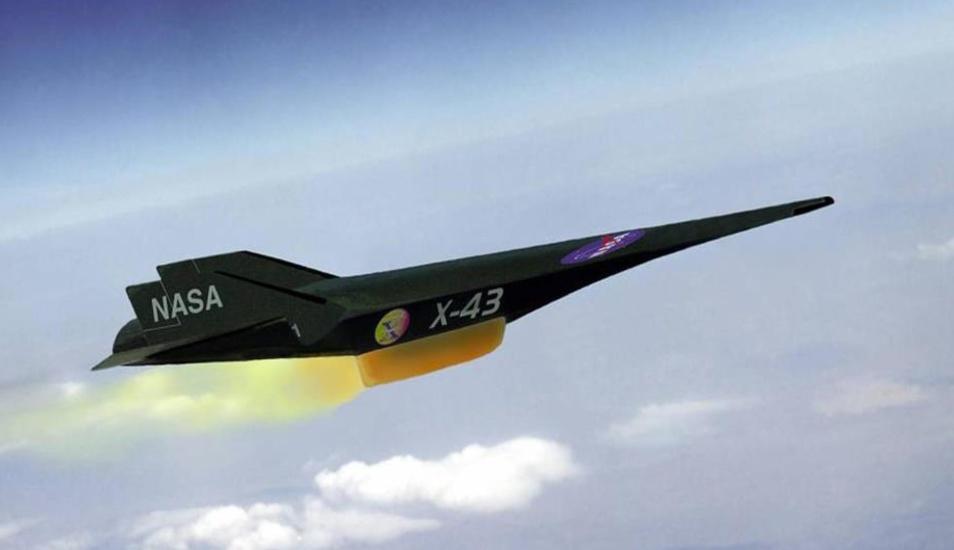
Webeginastudyofhypersonicair-breathingpropulsionsystems,enginesthattakethe oxidizerfromthesurroundingatmosphereandpropelvehiclestosustainedspeedsgreatly inexcessofthelocalspeedofsound,higherthanMach5.Hypersonicflightwithairbreathingpropulsionispursuedforitspotentialtorealizecost-effectiveaccesstospace andhigh-speedcruise.Applicationsincludeciviltransports,scramjet-poweredmissiles toflyintheMach6–8range,bothtacticalandstrategic,single-stagespaceplanes,and multiple-stage-to-orbitvehicleconfigurations.Renewedinterestinhypersonicsustained flighthasincreasedresearchanddevelopmentactivitiesandmadesubstantialadvances inrequiredtechnologies.Theremarkableperformanceimprovementspromisedbyhighspeedair-breathingpropulsionwerebroughtwithinourreachbytherecentdevelopment oftechnologiesrelatedtoscramjetenginesandbytheirdemonstrationinflight.Figure1.1 depictsanartisticviewofNASA’sX-43AaircraftthatflewatMach7and10todemonstrate theviabilityofhydrogen-fueledscramjetpropulsion.
Hypersonicair-breathingpropulsionisbasedonramjetsandscramjets,thesimplestjet enginestopropelavehicletohypersonicspeedswithintheatmosphere.Theseengineshave nointernalmovingparts,astheydonotrequireturbomachinery(mechanicalcompressor/ turbine)toprocesstheingestedambientair.
Theramjetenginehasthreemaincomponents:aninlet,acombustionchamber,anda nozzle.Thedynamicactionofthefreestreamairisusedtoproducethecompressionin theinletasthevehiclefliesathighspeed.Thisactionisreferredtoastherameffect. Thehigherthevelocityoftheincomingair,thegreaterthepressurerise.Thefundamental principleunderlyingramcompressionintheramjetinletliesinconvertingthekinetic energyoftheairintopressure.Thecompressedairthenentersthecombustionzonewhere itismixedwiththefuelandburned.Thehot,high-pressuregasflowthenacceleratesback toasupersonicexitspeedthroughthenozzletodevelopthrust.
Themostdistinctivefeatureoftheramjetisthatcombustionoffuelwithairtakesplace aftertheflowhasbeenslowedinternallytosubsonicspeeds.Moreover,theairflowiscompressedinseveralsteps,includingpassingthroughoneormoreobliqueshockwavesgeneratedbytheforebodyofthevehicleorofthediffuser,decelerationofthesupersonicflowin aconvergentduct,transformingthesupersonicflowintosubsonicflowthroughanormal shockwavesystem,andfurtherdeceleratingthesubsonicflowinadivergentduct.Ramjets
Figure1.1 Artisticrenditionofscramjet-poweredhypersoniccruiser.Source:NASA. 2
aresuitableforapplicationswheretheflightMachnumberisintherange3–5andareused mainlyforsupersonicflight.
WhentheflightMachnumberexceedsabout5,decelerationoftheingestedairflowtosubsonicconditionswouldcauseittoreachunacceptablehightemperatures.Toextendthe flightregimeaboveMach5,thescramjetwasconceived.Inthistypeoframjet,thehypersonicinletairflowisdiffusedonlytosupersonicspeedpriortomixingitwithfuelinthe combustor.Hence,thecombustionprocesstakesplaceatlocallysupersonicconditions. Theengineoperatinginthismodebecomesa scramjet,anacronymstandingfor “supersonic combustionramjet,” anameusedtoemphasizethatthecombustionoffuelandairmust occurinasupersonicflowfieldrelativetotheengine.ScramjetsinfullysupersoniccombustionmodebegintoproducethrustflyingatspeedsofatleastMach4andwouldoperateas longasthereissufficientairtopassandprocessthroughitsinlet;thetheoreticalmaximum operationalspeedforscramjetsisunknown,butitcouldeffectivelyreachaboutMach12.
Thereisawiderangeofspeedandaltitudeoverwhichair-breathingpropulsioniscapable ofhigherspecificimpulse(Isp)thanisrocketpropulsion.The Isp parameterindicateshow muchthrusttheengineproducespereveryunitmassofpropellant(fuelplusoxidizer)it usespersecond.Sincetheair-breathingenginedoesnotneedtocarryoxidizeronboard, itsspecificimpulseismuchhigherthanthatoftherocket.Scramjetsarethereforethemost efficientair-breathingengines,thatis,withthehighest(fuel)-specificimpulse,atflight Machnumbersabove5.Tocapitalizeonsuchadvantage,muchefforthasbeendevoted todevelopinghypersonicair-breathingpropulsion(HAP)systemstoachievehypersonic flightwithintheEarth’satmosphere.OnesuchHAPconceptisthedual-modescramjet (DMSJ),anenginethatoperatesbothasramjet(subsoniccombustion)andasscramjet (supersoniccombustion)inordertopropelavehicleinaflightMachnumberrangingfrom 3.5to12(theupperlimitinscramjetoperationalMachnumberisstillunknown).However, duetoitsminimumfunctionalspeed,scramjetsrequireaccelerationbyothermeansin ordertobecomeoperationalfortakeoff.
1.1HypersonicFlowandHypersonicFlight 3
Forsomemilitaryapplications,air-breathinghypersonicvehiclescanbeairorgroundlaunchedattachedtoarocketmotorthatwillacceleratethecrafttothetake-offspeedof thescramjet.Otherapplicationsrequiretointegratethescramjetenginewithalow-speed propulsionsystem(e.g.turbojet,turbofan)inordertoprovidethecapabilityofpropelavehiclefromtherunwayallthewaytoitsmaximumhypersonicspeed.
Poweredbyscramjetengines,hypersonicvehiclesscooptheoxygenrequiredforfuelcombustionfromtheatmosphere,andthisreducestankagerequirementsandairframemass.In fact,formissilepropulsion,theramjetisverycompetitivewiththerocketbecauseitis simpleinconstructionandhasgreaterrangeforthesamepropellantweight.Thesecharacteristicsareparticularlyattractiveformilitaryapplicationswheresimplicityandlowinitialcostareessentialfeaturesofdevicesthatmustfunctionondemandandneverreturn. Moreover,hypersonicvehiclespropelledbyair-breathingpropulsionpromiseaffordable andrapidaccesstospaceandhypersoniccruise.Scramjetpropulsionflightdemonstrator programs(e.g.X-43A,X-51A,HIFiRE)havealreadyproventhatHAPvehiclesaretechnicallyfeasible.However,moreflightsandflight-testprogramsarerequiredtodemonstrate sustainedcruiseandaccelerationtoestablishtheDMSJengineasaviableandmature hypersonicair-breathingpropulsionsystem.
Movingathypersonicspeeds,avehiclewillnaturallygenerateamassiveamountofheat thatmustbeproperlymanaged.Thevehicleanditsintegratedpropulsionsystemmustbe fabricatedwithadvancedmaterialsdesignedtowithstandthosehightemperatures,materialswithhighstrength,andhightoughness.Hypersonicvehiclestravelveryfast,gettinghot enoughtomeltmosttraditionalmetals,soengineersaredevelopingnewmaterialformulationsforhypersoniccrafttosurvivesuchharshenvironment.
Thisbookintendstoprovidethetechnicalbackgroundtodescribethefundamentalcharacteristicsofhigh-speedair-breathingengines,focusingonthetechnologiesthatarebeing developedtoadvancetheDMSJtopowerfuturehypersonicflight.
1.1HypersonicFlowandHypersonicFlight
Forair-breathingpropulsion,hypersonicflightisinterpretedtomeanflightspeeds V0 higherthanfivetimesthespeedofsound,thatis,
where M0 denotesavehicle’sflightMachnumberand a0 isthelocalspeedofsound.
Fortheanalysisofhypersonicair-breathingpropulsion,wecandefinehypersonicflowas theregimewherethecaloricallyperfectgasmodelforairbecomesinvalid.Forcalorically perfectgasortemperatureslessthan400K,thespecificheats cp and cv areconstant.Asthe airtemperatureincreases,intherangeoftemperature400K< T <1700Kairbehavesasa thermallyperfectgas,thevalueofthespecificheatsisfunctionoftemperature;andthusthe specificheatratio(γ = cp/cv)isalsoafunctionoftemperature.
Attemperaturesabove1700K(3000 R),theequilibriumofspecificheat(cp)ofair dependsstronglyuponbothtemperatureandpressurebecausechemicalreactionshave becomeimportant.Hence, γ reachesavalueof1.286whentheformationofnitricoxide
4 1IntroductiontoHypersonicAir-BreathingPropulsion
(NO)begins.Whennitrogenisreleasedduringcombustion,itcombineswithoxygenatoms tocreateNO,whichthencombineswithoxygentocreatenitrogendioxide(NO2).Attemperaturesabove1700K,chemicalreactionanddissociationbecomeverycomplicatedand cannotbetreatedwithasimplegasmodel.
Wecanalsoconsiderthevalueofthefreestreamtotalorstagnationtemperaturethat wouldcauserealgaseffectstooccur.Letusconsiderthetotaltostatictemperatureratio,
where Tt0 isthefreestreamtotaltemperature, M0 istheflightMachnumber,andthesubscript0denotestheundisturbedfreestreamflowconditionsfaraheadofthevehicleasseen fromthereferenceframeofthevehicle.Whenwesubstitutearepresentativevalueofthe freestreamairstatictemperature, T0 =227Kwith γ =1.4,wefindthatataMachnumber M0 =6,thestagnationtemperatureis Tt0 =1861.4K,avaluewhichexceedsthelimittemperatureforthermalequilibriumflow.Attemperaturesabove1700K,thethermallyperfect modelforairisnolongervalidbecauseatthisconditiontheformationofNObegins.
From(1.1),itisclearthatforhypersonicflow,wehave
Formally,thebasicassumptionforallhypersonicflowtheoriesis M 1.Thisdefinition impliesthattheinternalthermodynamicenergyofthefreestreamfluidparticlesissmall comparedwiththekineticenergyofthefreestreamforhypersonicflows.Sometextbooks alsodefinehypersonicflowasthatwithMachnumbersatwhichsupersoniclineartheory fails.However,thesedefinitionsdonotprovideaquantitativedescriptionoftheboundary betweensupersonicandhypersonicflows.
Whenavehiclemovesthroughtheatmosphere,atsupersonicorhypersonicspeed,a shockcurvedlayerformsupstreamofthevehicle.Knownasabowshock,thisisacurved propagatingdisturbanceshockwavecharacterizedbyanabrupt,nearlydiscontinuous, changeinpressure,temperature,anddensity,andentropyincrease.Inhypersonicflight, asthefreestreamvelocitybecomesverylargewhileitsfreestreamthermodynamicstate remainsfixed,thisproducesextremelyhightemperaturesintheshocklayer.AsthefreestreamMachnumberincreases,theshockwavesapproachorhugtheboundingsurface ofabodymoreandmoreclosely,andtheresultingthinshocklayerincreasesthewallheatingofthehypersonicvehicle.Foraslenderaircraft,hypersoniceffectsareveryclearwhenit fliesathighMachnumbers,asthebowshockgetsclosertothebodyandaerodynamicheatingdominatesthephysicsofitsflight.
Fromaerodynamicsperspective,wedefinehypersonicflowwhenthefollowingflowphenomenabecomeprogressivelymoreimportantasMachnumberincreases:
• HighTemperatureEffects aerodynamicheatingincreasesproportionallywith M 2 0
• LowDensityFlow aerodynamicequations(EulerandNavier–Stokesequations) breakdown.
• ThinShockLayers shocklayeriscomposedoftheflowfieldbetweentheobliqueshock waveandthevehicle.AstheMachnumberincreases,theshockwavegetsclosertothe vehicle.
• EntropyLayer entropyincreasebecomesgreaterasshockstrengthincreases.
• ViscousInteraction increasedflowtemperature(duetofrictionheat)nearbodysurface causesboundarylayertobecomethickerasspeedincreases,resultinginhighdrag.
Eachfactorplaysahugeroleinthedesignandoperationofpracticalhypersonicvehicles.
Hypersonicflightregimeischaracterizedbyflowvelocitiesthatexceedfivetimesthe localspeedofsound(M0 >5)andwhereshocklayersarethinandviscousdragandheatingloadsareveryhigh.Insidetheair-breathingengineflowpath,thetermhypersonic referstoregionsofhighstagnationtemperaturesatwhichchemicalreactionsbecome importantandsimplemodelsofgasbehaviorbreakdown.