
APRIL 2024 - SEPTEMBER 2024

APRIL 2024 - SEPTEMBER 2024
Women and girls across Honduras face different forms of violence every day. However, Justicia Efectiva is working to turn the tide through innovative solutions that harness the power of community to drive change and break cycles of violence. At the heart of this effort is “Innova Mujer: Transforming Justice,” an innovation challenge launched in March as part of the “Yo Digo No a la Violencia” campaign. Designed to encourage creative, local solutions to gender-based violence (GBV), the initiative engaged with smaller, often overlooked organizations, which are deeply rooted in their communities but often lack access to traditional sources of funding or support.
“Innova Mujer” set a simple but transformative goal: to empower grassroots organizations to not just respond to GBV, but to do so with innovation and vision. Justicia Efectiva worked with a total of 36 organizations across Honduras, to develop creative proposals that tackled GBV from original and people-centered perspectives. By trusting local actors to lead the charge, “Innova Mujer” sparked a wave of creative ideas, all aimed at supporting GBV survivors in new and impactful ways.
The three (3) winning projects stood out for their creativity and impact. These projects provided survivors with new pathways to heal, such as art therapy on
the beaches of Jutiapa and a podcast series featuring important discussion between GBV survivors and justice operators. These ideas not only showcased the power of local innovation but also reshaped how communities support survivors of violence. Implemented between July and September 2024, these projects brought healing and hope to women in Tegucigalpa, Tela, and Jutiapa. Through art therapy sessions, an anti-harassment protest catwalk, podcasts, and an empowerment camp, “Innova Mujer” gave them more than support, enabling them to process their trauma while building community.
One standout initiative was Seas of Healing, led by the Red de Jóvenes Jutiapa. This project provided beachside art therapy sessions where survivors could express their pain and find strength in their stories. For the young leaders behind this effort, “Innova Mujer” offered a chance to prove that solutions can come from anywhere, even from those individuals often considered too young to make a difference.
“That is what effective justice is about, opening the door for young people like us,” said Judith Díaz, a member of the Red de Jóvenes Jutiapa.
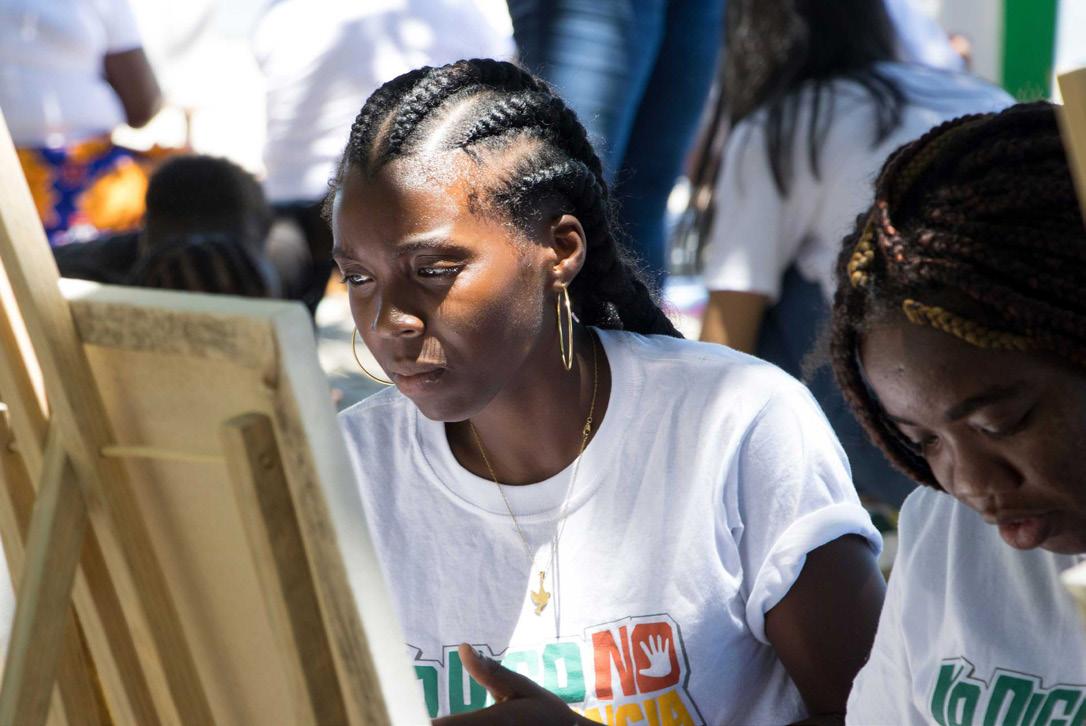

For survivors like Vilma Arzú, the experience was transformative. After participating in the art therapy sessions, Vilma found healing through creativity. “We must disrupt paradigms. In these workshops you realize that misinformation makes us limit ourselves to what we have been traditionally taught,” she shared. “We do not want to stay with the same thoughts. We want to have a vision and project ourselves. To replicate the healing and the desire to want to live again.
“Innova Mujer” reflects Justicia Efectiva’s mission to reimagine justice as a collective responsibility, empowering grassroots organizations and lifting up survivors’ voices. To amplify this message, Justicia Efectiva also launched a song calling on all sectors of society to unite against GBV, which is part of the “Yo Digo No a la Violencia” campaign and underscores the transformative power of joint action in impacting all of Honduran society.
Through these initiatives, Hondurans are saying “no” to violence and “yes” to a future where healing and justice are possible for everyone.
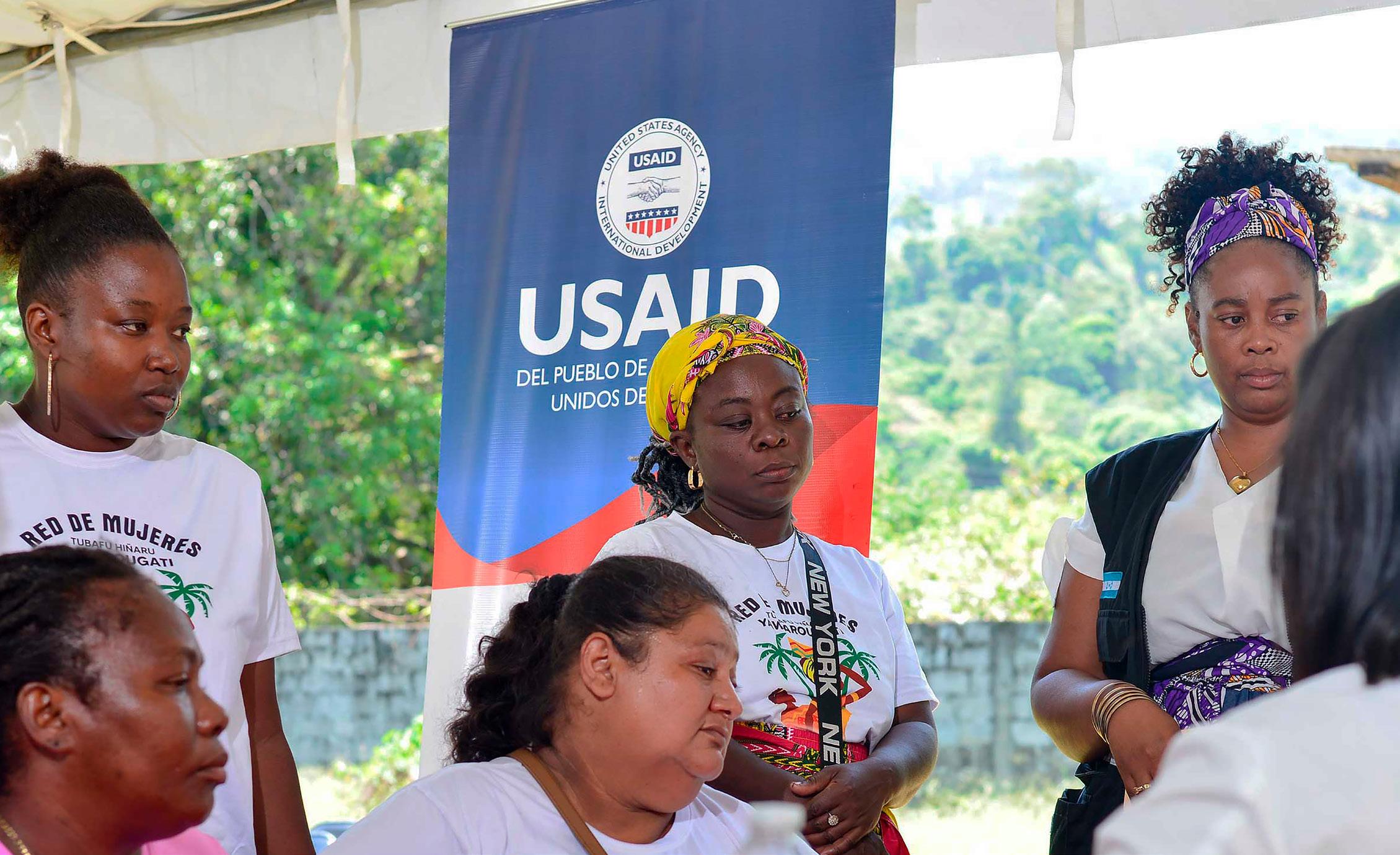
In the rural town of Corozal in La Ceiba, the Garífuna community has long felt invisible to the justice system. Yadira García, a dedicated community leader and volunteer for over 15 years, knows this struggle all too well. Her community faces numerous barriers, such as geographic isolation, extreme poverty, and a justice system that seems out of reach. “Although I have been a rights advocate for years, I had never even had the opportunity to meet [justice operators], because getting to where they are located is difficult and costly. We had practically no access to justice,” Yadira reflects.
But things began to change when Justicia Efectiva introduced a people-centered justice approach to mobile justice. Mobile justice activities bring justice operators and other service providers directly to underserved communities like Corozal, ensuring that people are no longer forced to travel long distances to exercise their rights. Justicia Efectiva works with local stakeholders to use mobile justice as a solution for multiplying pathways for accessing justice and resolving disputes, removing obstacles and improving users’ justice journeys.
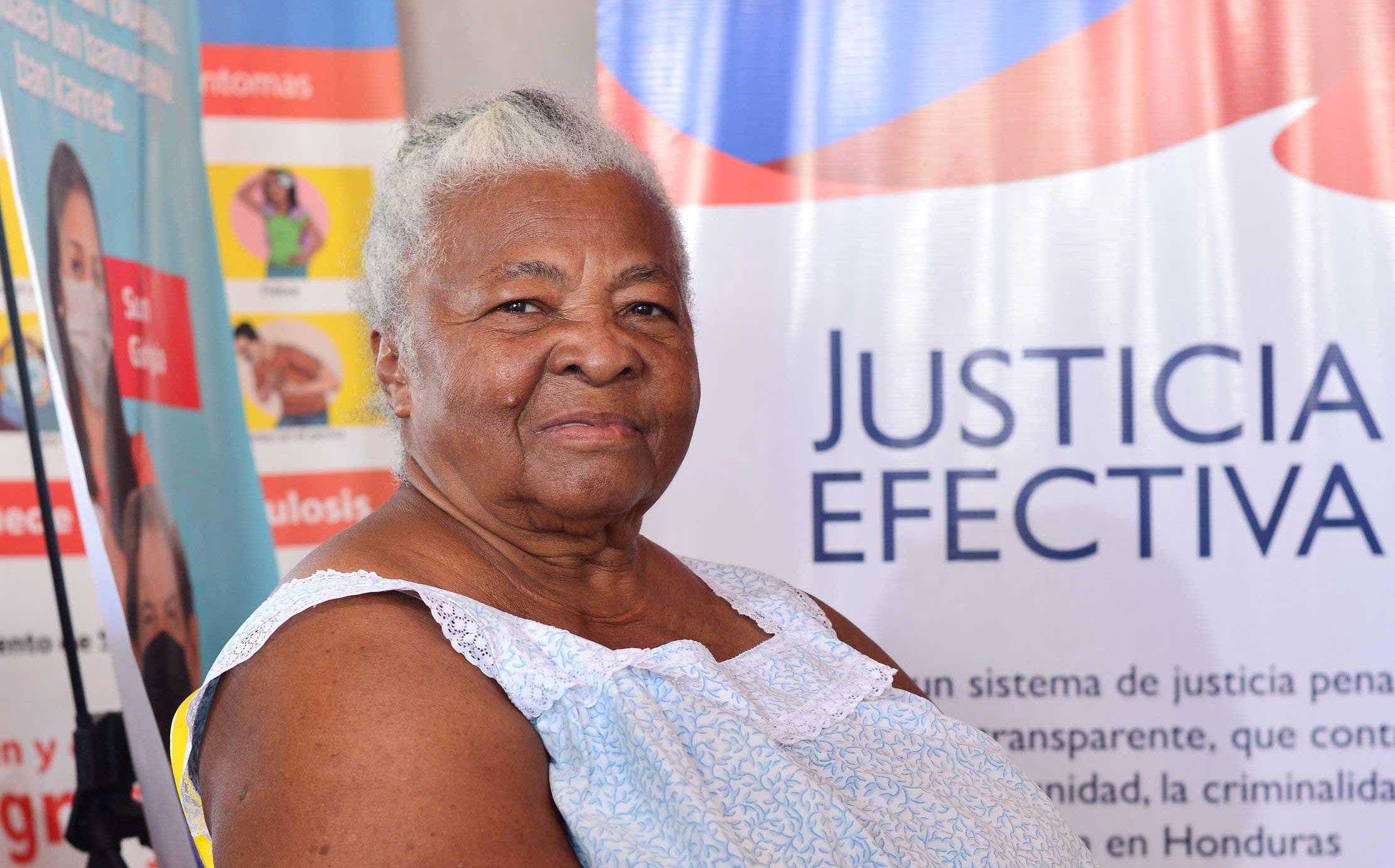
This was a turning point for Yadira. “In our community, justice operators had never visited us before. To be able to talk to them, ask questions or receive important information firsthand was impressive,” she reflected. “No one has to continue to be exposed to violence or allow their rights to be violated, we can break that cycle.”
In Corozal, a day of mobile justice organized by Justicia Efectiva , in partnership with local leaders like Yadira, brought together seven (7) institutions to offer legal and psychological support. In a single day, 46 community members received direct assistance, and two (2) women filed complaints for cases of violence, which would have otherwise gone unreported.
Yadira’s story is just one of many. Across Honduras, local stakeholders have carried out 11 mobile justice activities with Justicia Efectiva’s support. These activities have reached 544 citizens in rural, underserved areas in eight (8) municipalities within the last six (6) months alone.
The mobile justice initiative is a key success of Justicia Efectiva’s Local Justice System (LJS) model, which fosters collaborative, community-driven solutions to local
justice challenges. Currently implemented in seven (7) municipalities, the LJS model is empowering hundreds of diverse citizens from various sectors of society to take concrete actions that directly address community grievances. In many municipalities, local stakeholders have identified mobile justice as a crucial and practical solution to address the unmet justice needs of people in vulnerable situations, often excluded by or distant from justice institutions.
In La Ceiba and other municipalities, this people-centered justice approach is transforming lives. By bringing justice to the people, Justicia Efectiva is helping to create a more inclusive, accessible, and solution-focused justice system.
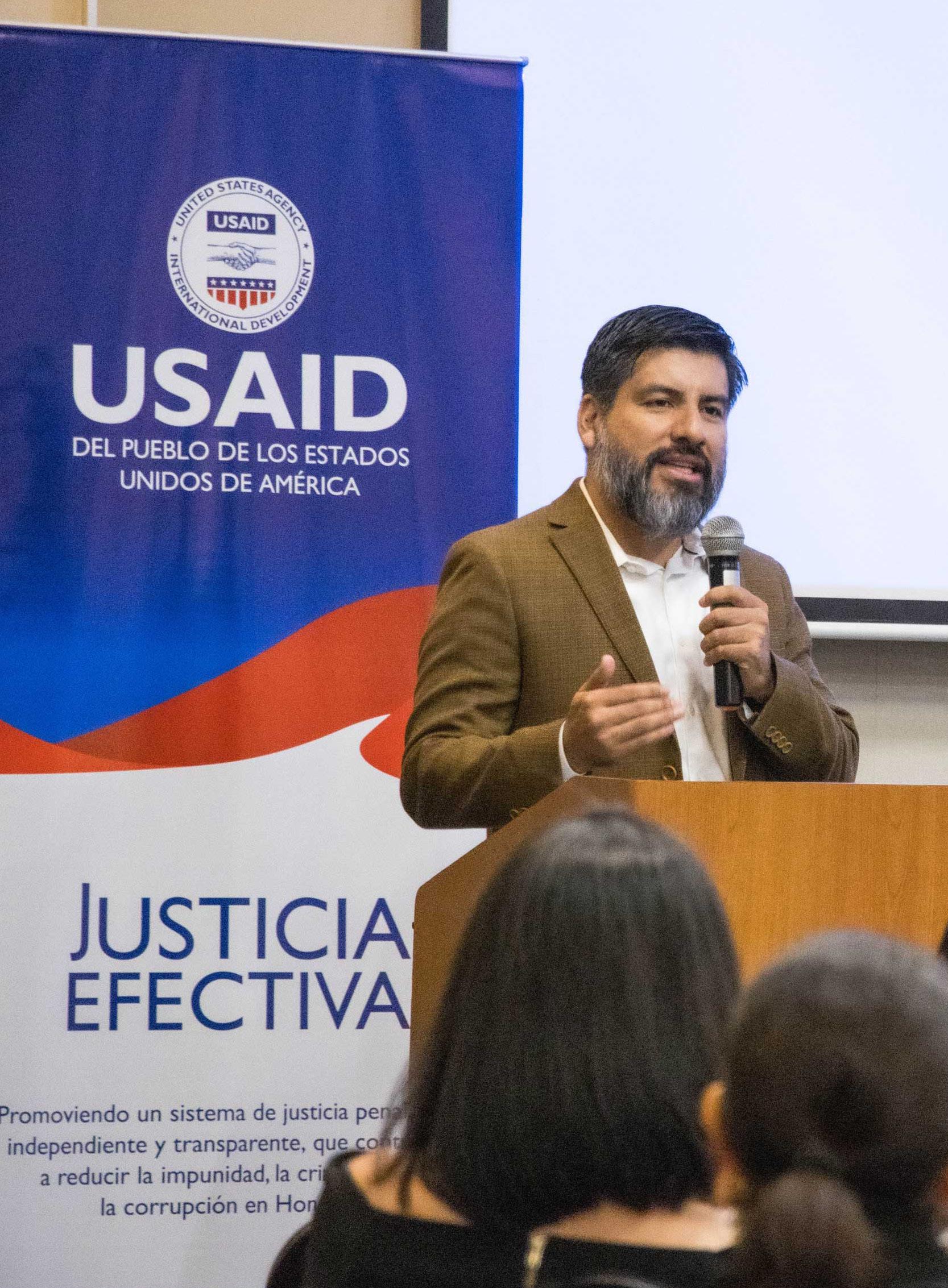
Prosecutors across Honduras are faced with overwhelming caseloads – a challenge that impacts the swift delivery of justice, undermining citizen trust in the justice system. In response to this pressing issue, Justicia Efectiva has been collaborating closely with the Ministerio Público (MP) to design and implement a solution that can help alleviate the burden on prosecutors: the Strategic Criminal Prosecution (SCP) Guide.
This innovative tool helps prosecutors prioritize resources by focusing on the most serious crimes and resolving less severe offenses through alternative legal mechanisms, avoiding unnecessary strains on the courts. The SCP Guide offers clear strategies for case management, enabling prosecutors to make quicker, more informed decisions.
Since May, Justicia Efectiva has worked closely with the MP’s Módulo Estratégico de Persecución Penal (MEPP) to refine and develop the guide. In August, the team held a landmark event in which 68 prosecutors from across Honduras came together to learn about SCP’s principles. This gathering marked a critical step in promoting the guide’s adoption, aiming to streamline prosecutorial efforts and improve case prioritization.
In September, the MP launched two pilot programs to put the guide into action. In Comayagua, prosecutors are focusing on
major crimes such as homicides. Meanwhile, in Tegucigalpa, the Fiscalía Especial de Protección a la Mujer is tackling gender-based violence. Both pilots are designed to test how the guide improves the handling of high-priority cases, with the ultimate goal of delivering faster, more effective justice.
“This [guide] is an important tool that is laying the foundations in guiding and optimizing criminal prosecution processes through the prioritization of cases, timely analysis, and effective decisions.” said Dr. Daniel Ramos Rubio, head of the MEPP . “This contributes to decongesting processes for justice operators and speeds up responses for citizens.”
The SCP Guide is more than a technical solution. It represents a paradigm shift in how prosecutors handle their cases, enabling the justice system to focus on what matters most – delivering timely, equitable justice for all.
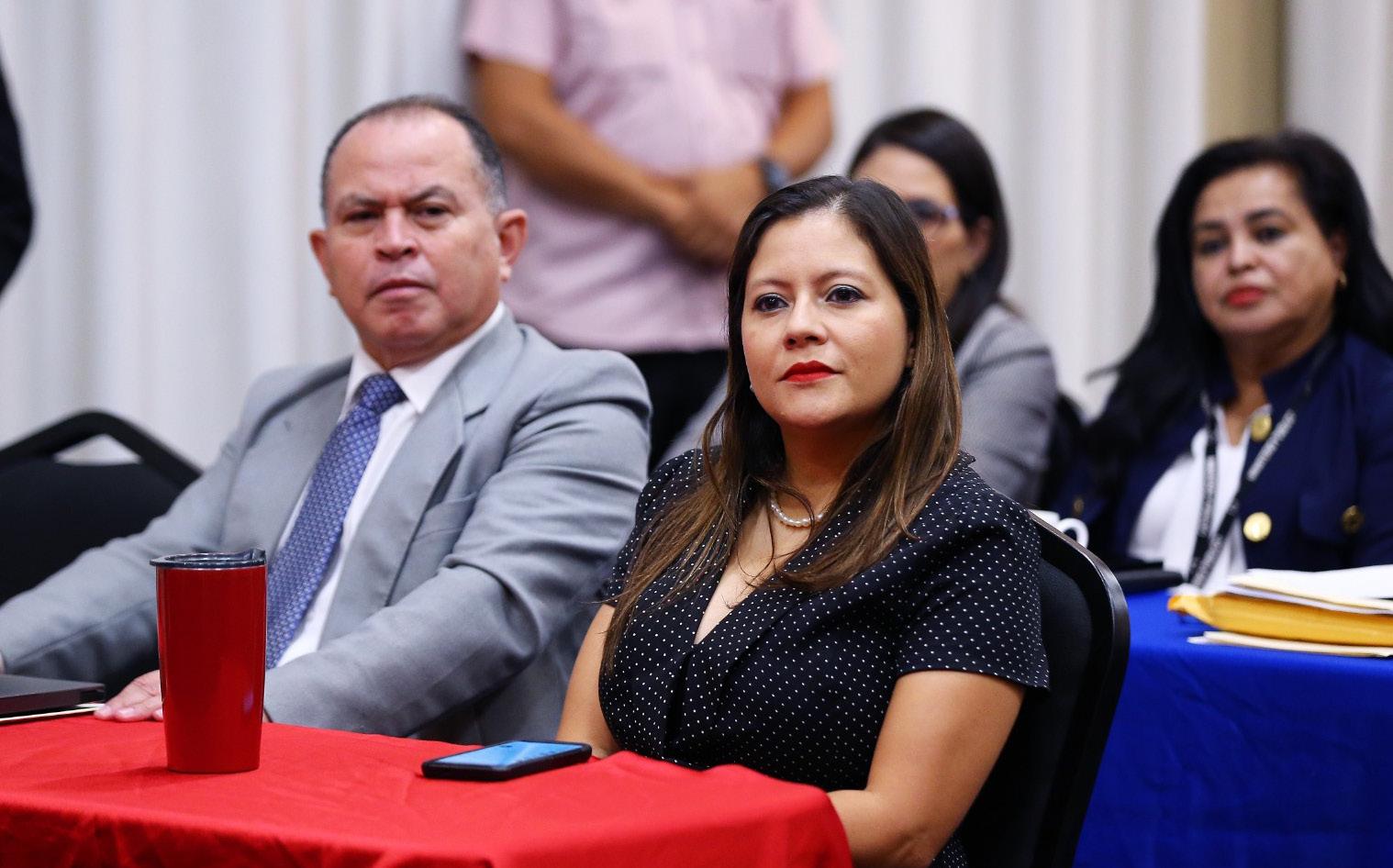
In Honduras, overwhelming case backlogs in the justice system have impacted due process, particularly for low-income individuals who lack effective legal representation. Recognizing the urgent need to address these delays, Justicia Efectiva has partnered with the Defensa Pública (DP) to tackle this issue, focusing on reducing the DP’s backlogs in key courts in Tegucigalpa and San Pedro Sula. T
At the heart of this initiative is a peoplecentered approach to justice – one that ensures those most in need can feel like the justice system works for them, delivering meaningful and individualized outcomes. Overcrowded prisons and prolonged incarceration disproportionately impact marginalized groups, often leaving them without access to timely and effective legal representation. In response, Justicia Efectiva implemented an innovative methodology to reduce case backlogs by rapidly identifying individuals eligible for parole. This proactive approach enables public defenders to assess the status of each case, offering personalized legal support and unlocking new pathways to justice. Through this differentiated approach, public defenders can tailor their responses to the unmet justice needs of each person, restoring a sense of equity and trust in the justice system.
Between May and September, Justicia Efectiva and the DP applied this methodology to cases in two Juzgados de Ejecución in San Pedro Sula and Tegucigalpa. Through meticulous case file reviews, the team filtered cases and determined which individuals were represented by public defenders or could no longer afford private attorneys. Across the two courts, they reviewed 1,214 cases – ultimately identifying 261 cases eligible for parole.
To further safeguard due process for the most marginalized members of society, Justicia Efectiva has undertaken additional impactful initiatives in partnership with the DP . Central to this effort has been the establishment of two new units: the Unidad de Derechos Humanos and the Unidad de Proyectos. These units are designed to enhance the DP’s ability to protect human rights and optimize the delivery of public defense services. The Unidad de Derechos Humanos is dedicated to ensuring that lowincome populations have meaningful access to justice, advocating for their rights in a system that can often overlook their needs. Meanwhile, the Unidad de Proyectos focuses on boosting the efficiency of public defense through strategic initiatives, streamlining processes that will ultimately benefit those seeking legal support.
Through these initiatives, the DP is taking bold steps toward fostering greater trust in a justice system that serves all citizens, especially those most marginalized.

Across Honduras, ordinary citizens are reshaping justice in their communities through ambitious initiatives led by Centro de Investigación y Promoción de los Derechos Humanos (CIPRODEH), a Justicia Efectiva grantee. Under this grant, this group is empowering civil society organizations (CSOs) to conduct oversight of local justice institutions, empowering them to play key roles in shaping and improving justice services in their community, ensuring they are responsive to the needs of diverse citizens.
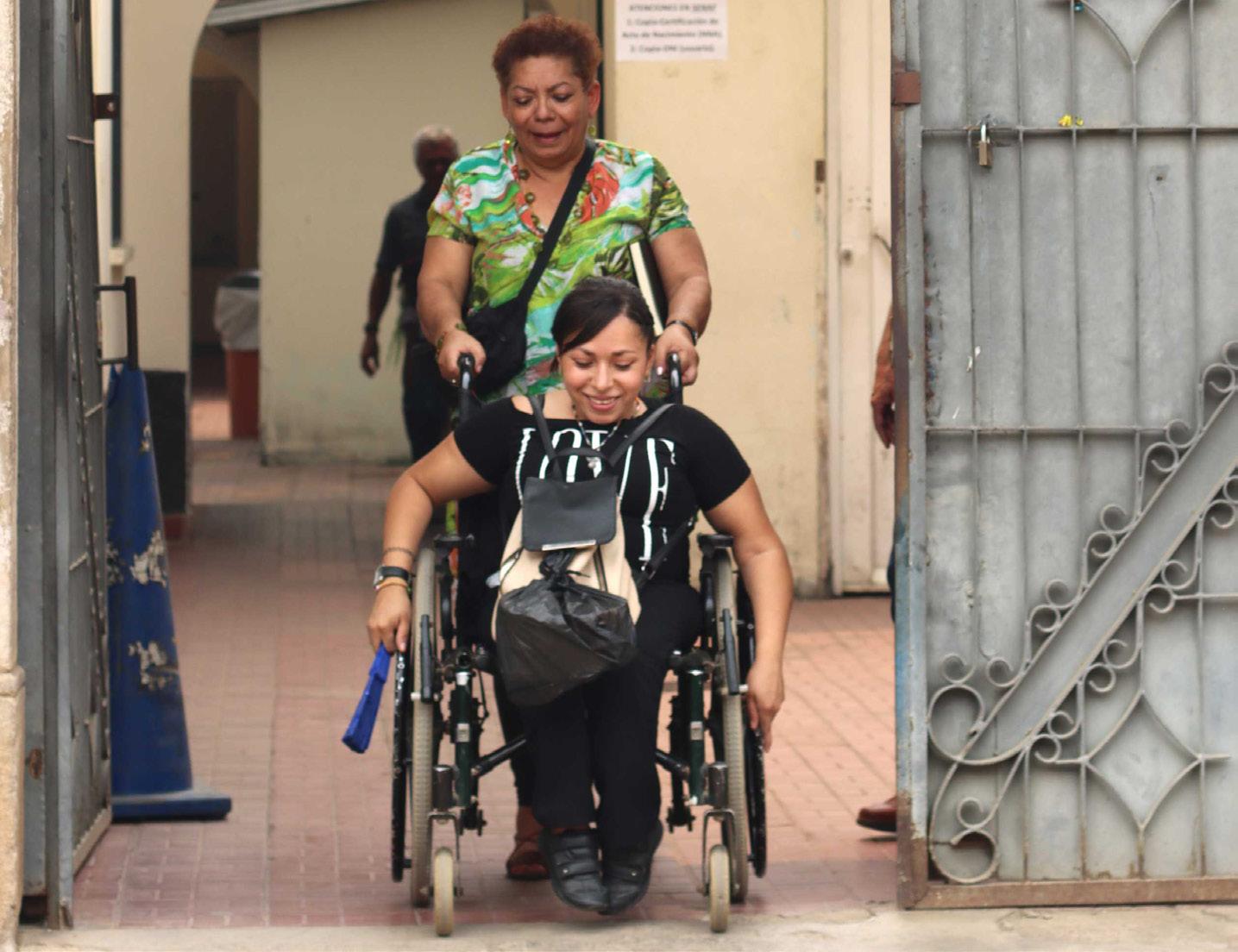
For many involved, like volunteers Xiomara Gaitán and Nury Valle in Danlí, this has been a deeply personal journey. Nury, who lives with a disability, experienced firsthand how inaccessible the justice system can be for populations in vulnerable situations. Alongside Xiomara, she conducted site visits to the Módulo de Atención Integral Especializado (MAIE) , the Juzgado de Paz , and the Fiscalía de Derechos Humanos in Danlí. They met with users and assessed the challenges they face in accessing justice, such as a lack of accessible infrastructure and inadequate information on services – all of which represent obstacles to a user-friendly justice system.
But instead of just pointing out the problems, these volunteers became part of the solution. Armed with their findings, they presented evidence-based recommendations to local authorities, calling for simple yet transformative changes. Thanks to their advocacy, Danlí saw real improvements, such as the donation of wheelchairs and the installation of water stations – concrete steps toward a more inclusive justice system that addresses unmet needs of marginalized groups.
This citizen-driven oversight is not limited to Danlí. CIPRODEH has empowered dozens of CSOs across five (5) municipalities (Tegucigalpa, San Pedro Sula, Comayagua, La Paz, and Danlí) to conduct oversight of justice services. These local groups visited various institutions, including the Defensa Pública, Fiscalía del Medio Ambiente, Centros Integrados, and the Fiscalía Especial de Derechos Humanos , among others. Their findings exposed critical issues, such as a lack of accessible information on crimes and justice services, inadequate privacy for sensitive interactions, and limited support for people with disabilities. By highlighting these gaps in local justice services, the CSOs are not only bringing attention to the challenges in their respective communities but also pushing for concrete reforms, fostering more inclusive justice sector decision-making processes at the local level that emphasize citizen consultation.
CIPRODEH’s work does not end there. In September, 62 people from five (5) munici -
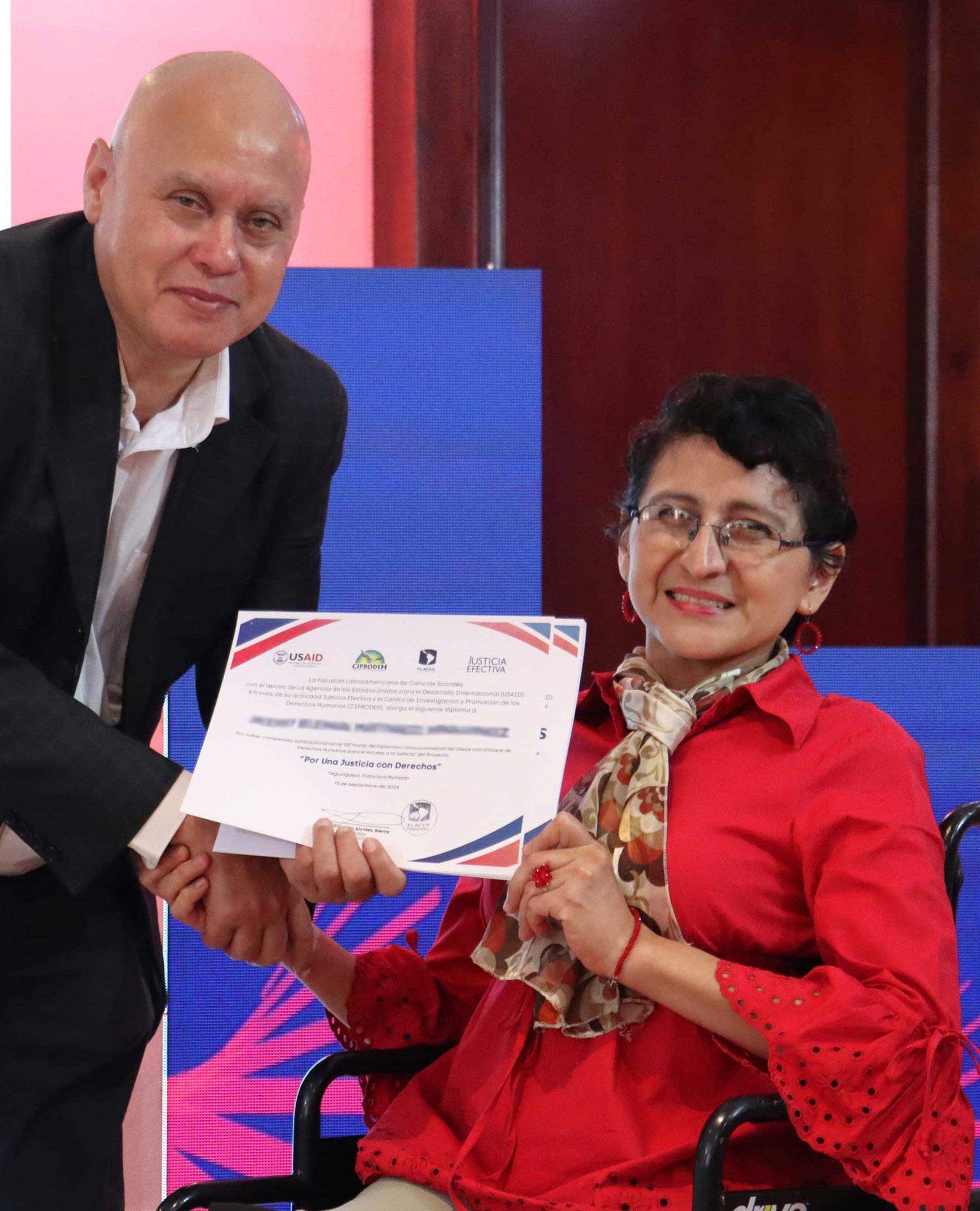
palities graduated from a specialized course (diplomado) on documenting human rights violations, designed by CIPRODEH , equipping them with the tools to advocate on behalf of victims and safeguard due process and human rights in the justice system. This rigorous four-month, 108-hour course was implemented in partnership with the Facultad Latinoamericana de Ciencias Sociales of the Universidad Nacional Autónoma de Honduras (FLACSO-UNAH). The graduates, many of whom are women and members of the lesbian, gay, bisexual, transgender, queer, intersex, plus (LGBTQI+) community, represent a new wave of citizen advocates committed to creating a fairer and more accountable justice system in their communities.
In a country where many feel disconnected from the justice system, CIPRODEH is proving that citizens can, and must, be a driving force for change to strengthen the rule of law and uphold human rights.
“
We really had good reception from [justice operators]. Not only did we make them see their opportunities for improvement, but we also got involved looking for ways to contribute because in the end the benefits will impact everyone, not just a few,”-said Nury, reflecting on her experience.
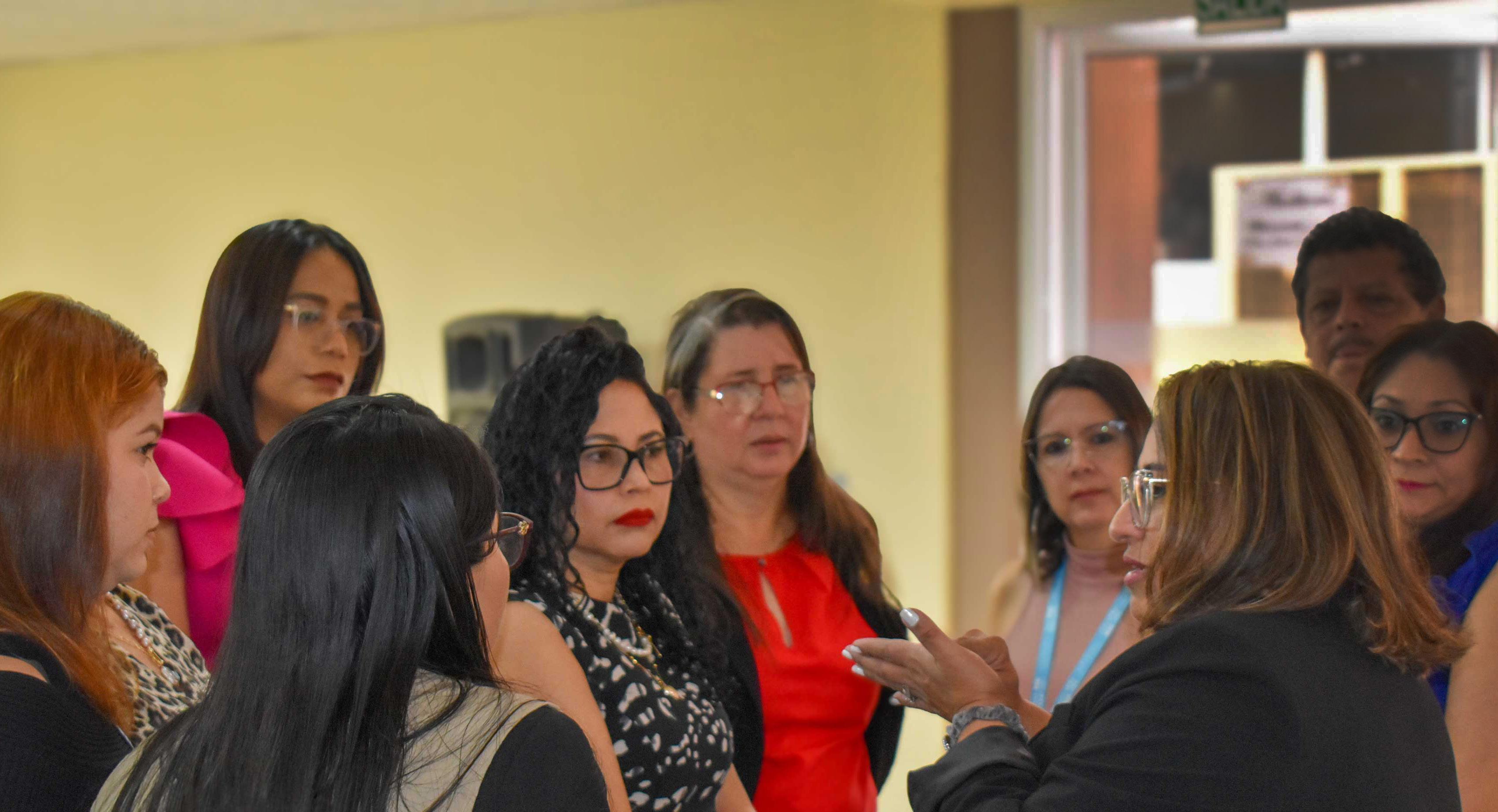
In Comayagua, frontline justice operators are embracing a bold, results-driven approach to transform how crimes are investigated and prosecuted. In July, Justicia Efectiva kicked off its second round of 100Day Challenges, in which teams of frontline justice operators work together to cut through the red tape and expedite case resolution for priority crimes.
This model, which fosters a results-oriented mindset, has already proven its potential in Tegucigalpa, where a similar challenge earlier this year led to improvements of up to 2,229% for property crimes and gender-based violence cases. Now, the same spirit of change has reached Comayagua, where 32 justice operators are working
against the clock to make tangible improvements across several high-impact crimes, such as family abuse, sexual violence, homicide, drug trafficking, and theft.
Over the next 100 days, these teams will focus on streamlining reporting and investigation processes, expediting court hearings, and ensuring victims receive timely reparations. By promoting Strategic Criminal Prosecution, this challenge not only seeks to address case backlogs but also ensure that resources are used more effectively and sustainably. The impact could be profound, considering that justice operators are aiming to accelerate case resolutions by up to 2,900%. By the mid-point, justice operators had already achieved im -
portant progress, including a 700% increase in the resolution of cases of sexual violence against women and a 1,100% increase in the resolution of theft cases, compared to the baseline. What makes the 100-Day Challenge unique is its ability to deliver immediate results while laying the groundwork for lasting improvements in the justice system. Participants are empowered to think creatively, finding new ways to streamline various stages of the justice process, with the potential for these innovations to be adopted nationwide. In tandem, Justicia Efectiva is certifying five (5) justice operators in the 100-Day Challenge methodology. These leaders are now coaching their colleagues in Comayagua, ensuring that this innovative approach is embraced and sustained within the Honduran justice system.
Sandra Bustillo, from the Unidad de Gestión de Calidad in the Poder Judicial , is one of them. “I like to commit, but also I like to deliver,” says Sandra. After successfully completing the initial 100-Day Challenge in Tegucigalpa, she has transitioned from participant to coach, guiding her peers as they strive to meet their targets. “Replicating what I have learned. That is what motivated me to become certified, because the knowledge that I have, I will share in my institution.”
As the challenge reaches its halfway point, the teams remain committed to their ambitious goals. Through this initiative, justice operators are building a stronger and more responsive justice system that is fast and focused on the people it serves.
People-Centered Justice (PCJ) transforms the justice system to better serve individuals and communities. It recognizes that focusing solely on institutions can miss the real challenges people face when trying to access justice. Instead, PCJ aims to create solutions that are easy to use and focused on preventing problems before they start, helping more people access justice. This approach encourages broad collaboration and inclusion, ensuring that everyone has a voice in how justice is delivered. By working together, we can make justice quicker, fairer, and more effective for everyone. With PCJ, the goal is to build a justice system that truly meets the needs of the people it serves.