Urban forest and Ecosystem services. Air pollutants removal capacity in Campobasso, Italy


INTRODUCTION
Urban areas are characterized by high levels of air pollutions caused by anthropogenic sources [1] The urban forests are the major provider of multiple ecosystem services able to improve and maintain human well-being
This work aims to assess the capacity of the urban forest of Monte Sant’Antonio, in Campobasso city (IT), to remove air pollutants and atmospheric carbon




MATERIAL and METHODS

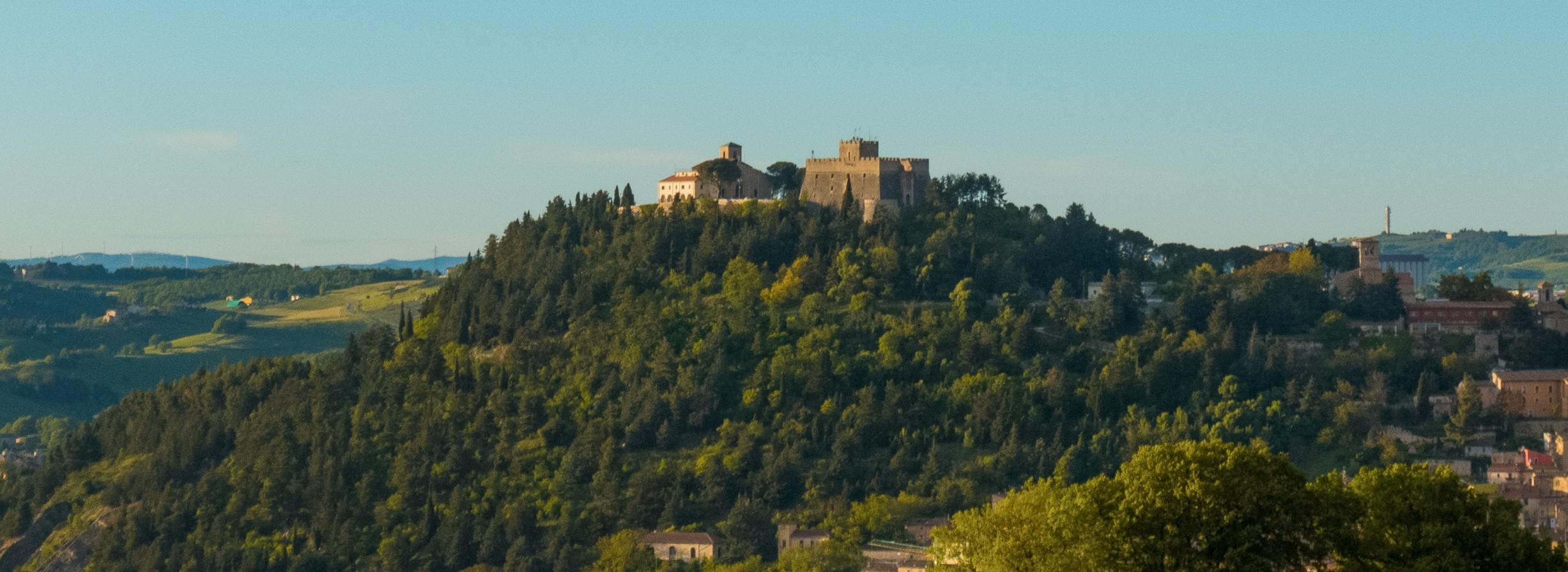
This area has been affected by numerous reforestation activities (in 1961, 1975, 1981 and before 1961 whose age could not be established) that created four different stands (called ’61, ’75, ’81 and Adulte respectively) that covering an area of approximately 12 87 ha
The results produced by i-Tree Eco, using North American allometric formulas, are different from those obtained using allometric equations for the Italian National Inventory such as those of Tabacchi et al. [2]. The comparison was carried out using linear regression models that contained total tree biomass (expressed in dry weight) as the independent variable


canopy); "F", tree biomass (in kg); "Casup" is canopy area (in m2) The other models produced can be found in the ancillary data accessible from the QR below
RESULTS

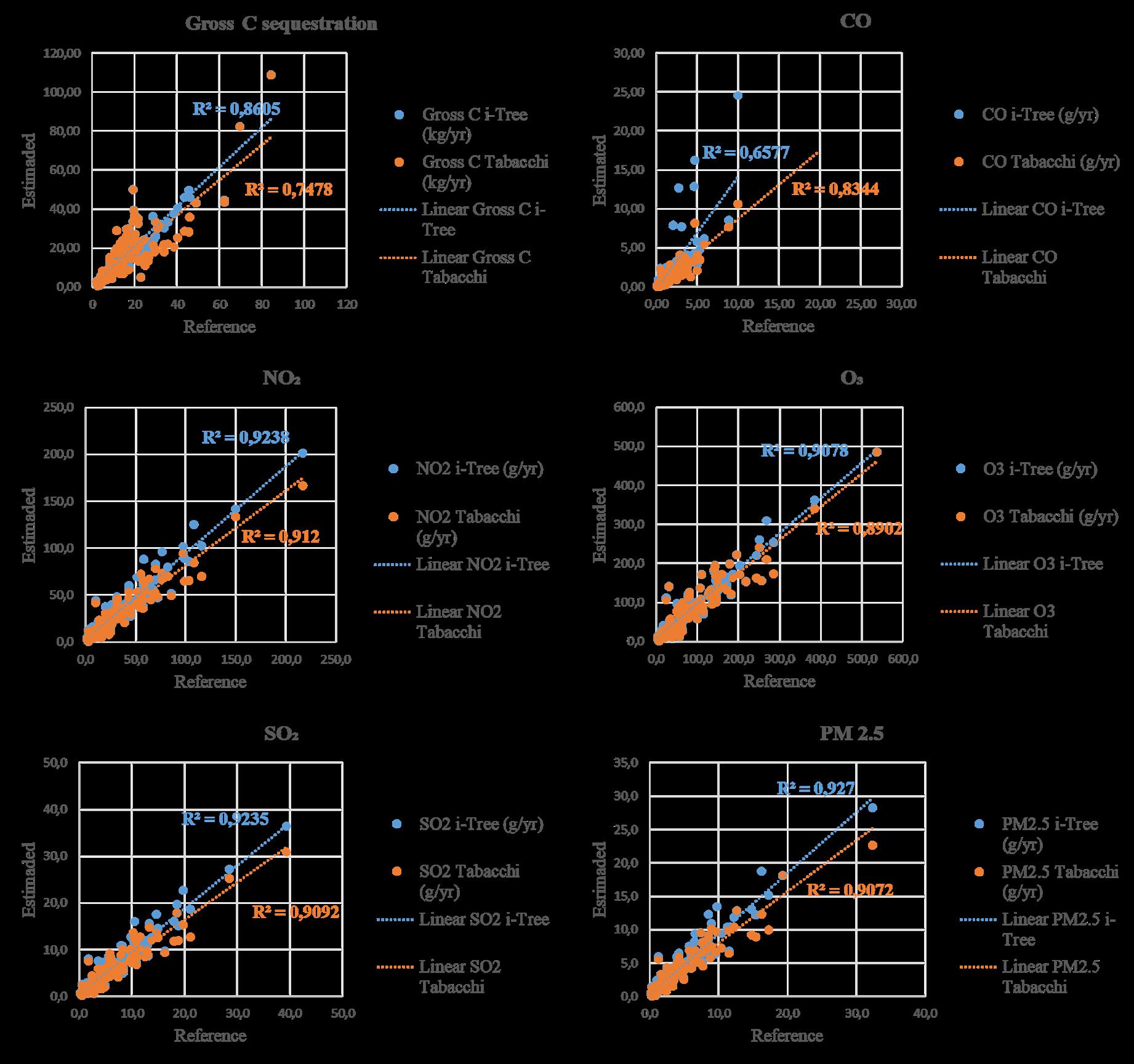
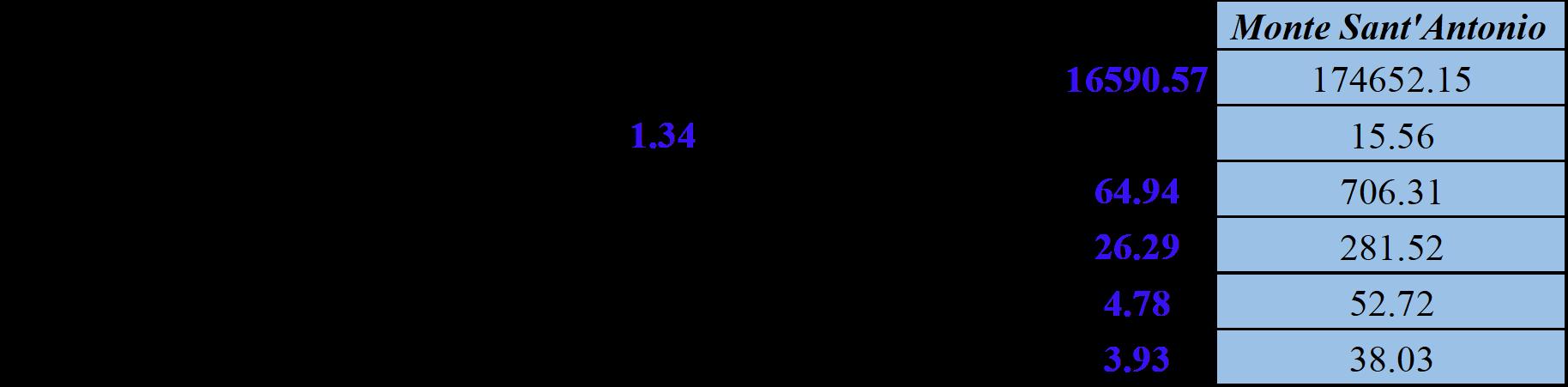
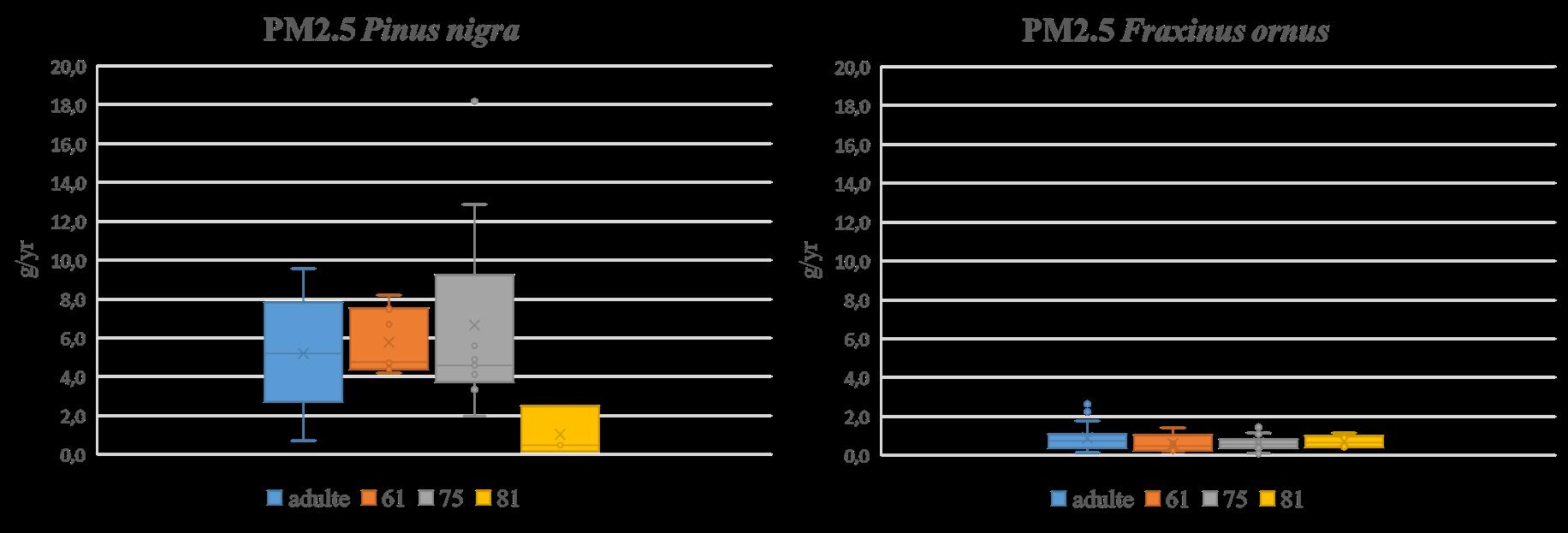
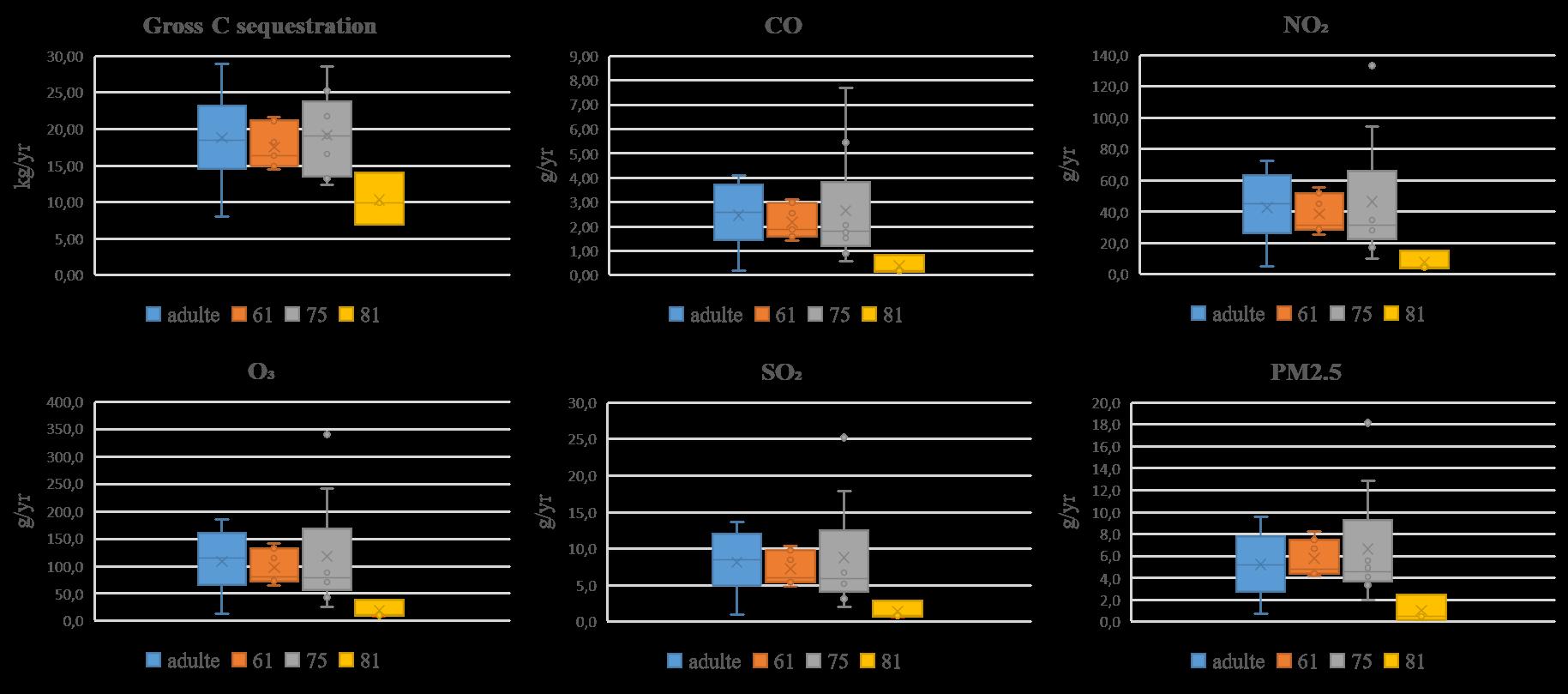
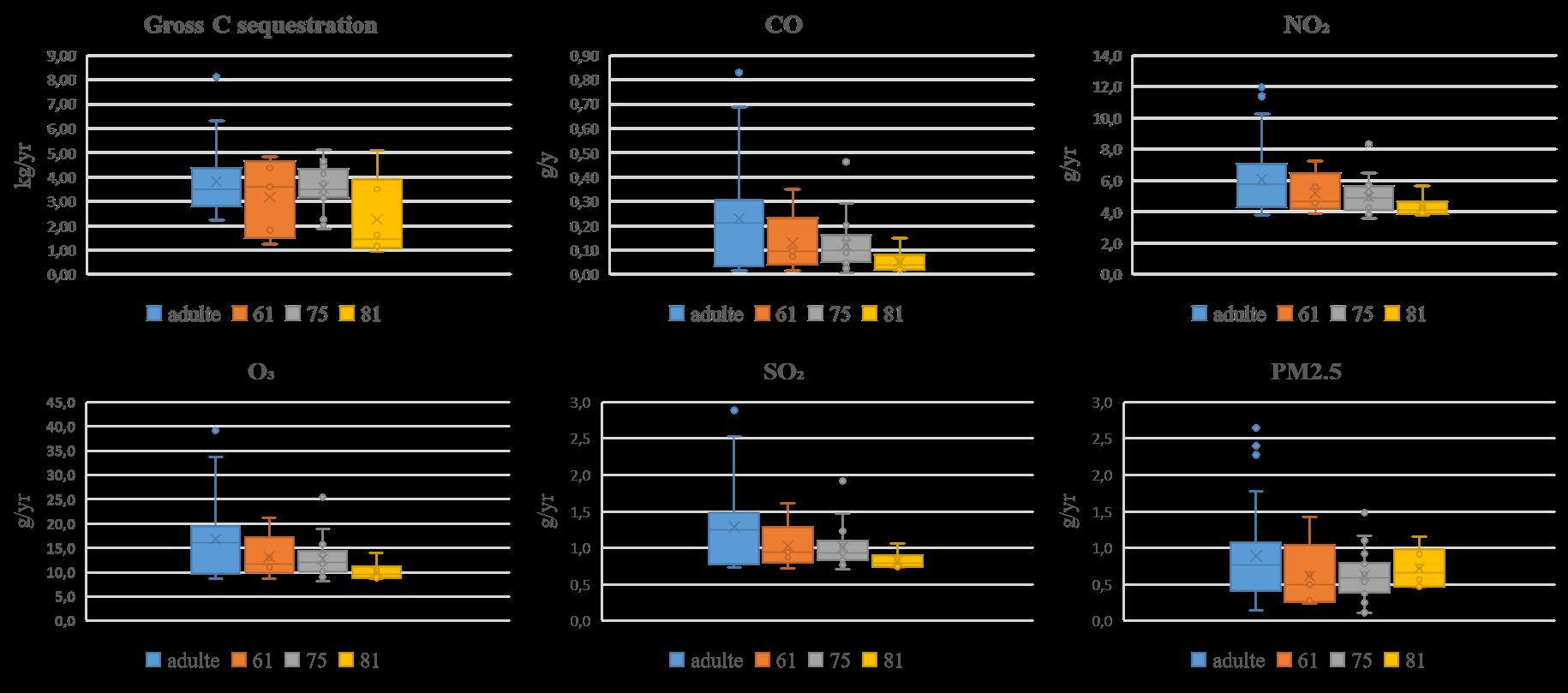
The analysis of the values/ha (Table 1) shows that the stand with the highest sequestration capacity, except for the CO values, is ’81, which is the one with the highest number of tree species The results of comparison (Figure 1) shows the same trend for all pollutants The last phase of study analyses the variation in the air pollutant removal capacity over time by Pinus nigra and Fraxinus ornus (Figure 2) for both species there is a slight tendency for the air pollutant removal capacity to decrease with decreasing age In general, P nigra shows a higher removal capacity of air pollutants than F ornus, also stated by Chen et al [3 ] for PM2.5 removal capacity (Figure 3).
CONCLUSION and FUTURE PERSPECTIVE
Urban tree stands of different ages have different responses to the demand for removal of air pollutants This behaviour must be considered in urban forest management While there is little variability in atmospheric carbon sequestration The future objective will be to study the possible relationships between the capacity of UFs to remove the main atmospheric pollutants, in relation to forest structure and the degree of tree biodiversity, aimed at defining appropriate management models.
Thank you for your attention I would like some feedback from you . Scan the QR next to it and fill out the form It only takes a few seconds



 Antenucci E ¹, Marchetti M ¹, Garfì V ¹ ¹ Department of Biosciences and Territory, University of Molise, Pesche (Is), Italy Email address of the lead presenter: e.antenucci2@studenti.unimol.it
The two most common models used in this work have as independent variables: "Ce" (light exposure of the
Antenucci E ¹, Marchetti M ¹, Garfì V ¹ ¹ Department of Biosciences and Territory, University of Molise, Pesche (Is), Italy Email address of the lead presenter: e.antenucci2@studenti.unimol.it
The two most common models used in this work have as independent variables: "Ce" (light exposure of the