L’eleganza è l’equilibrio tra proporzioni, emozione e sorpresa
Valentino Garavani
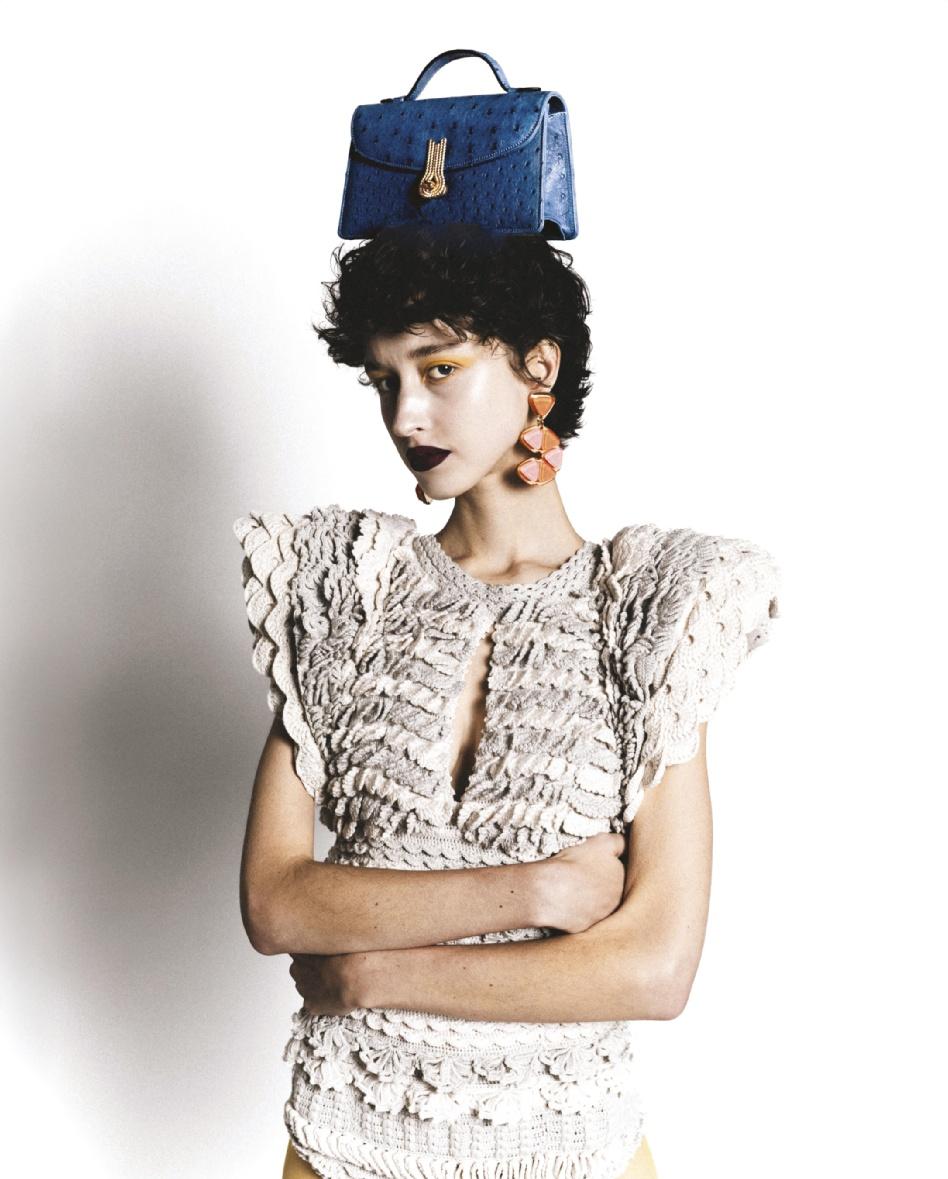
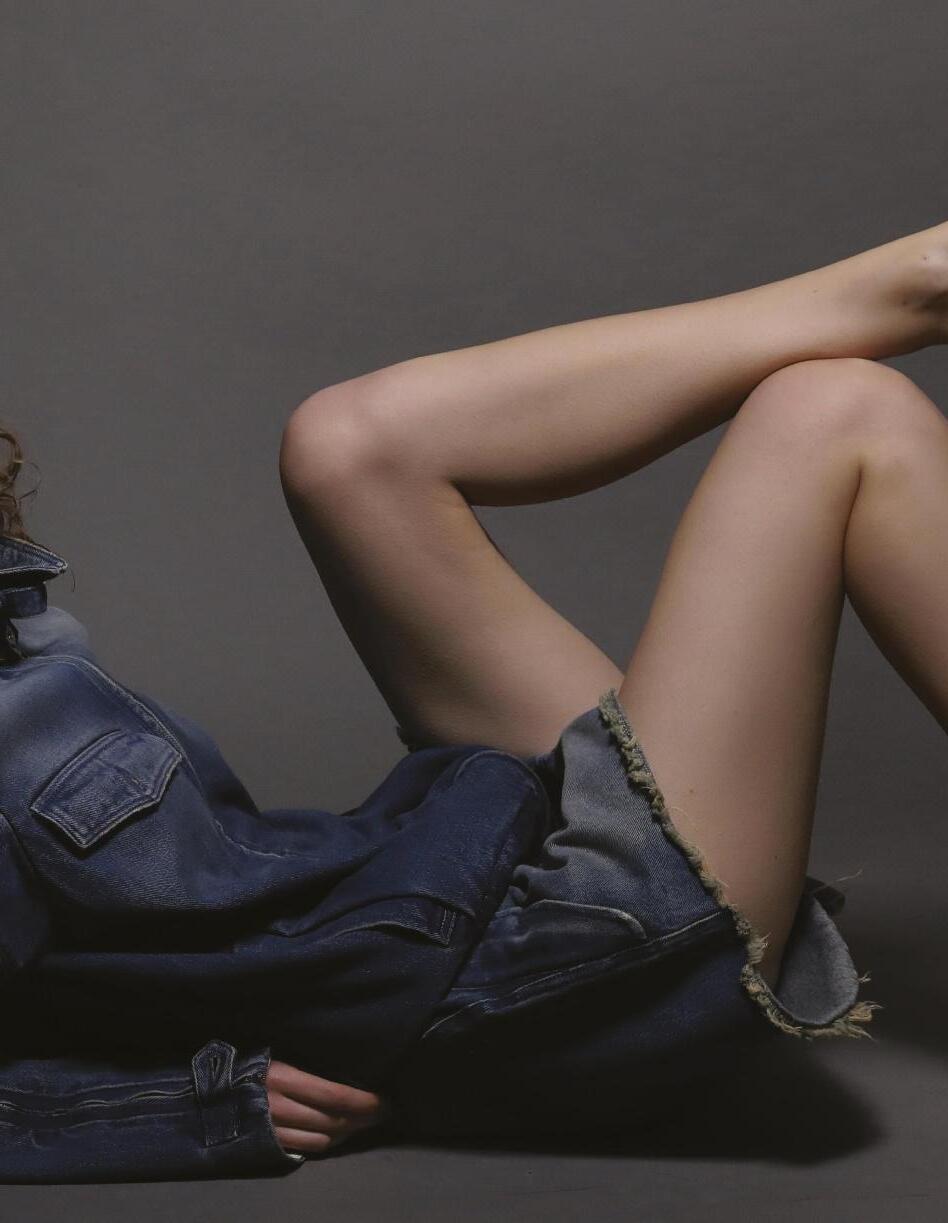
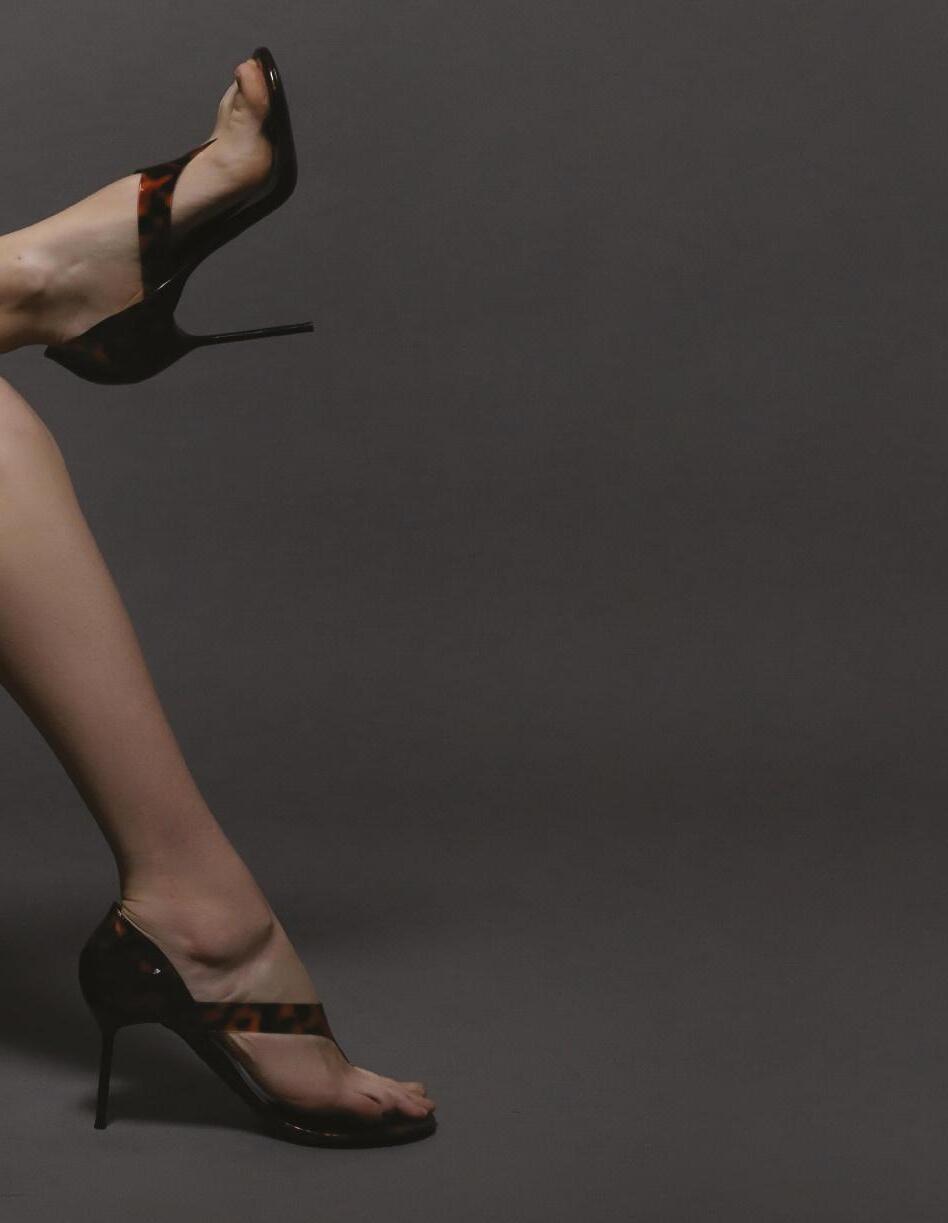
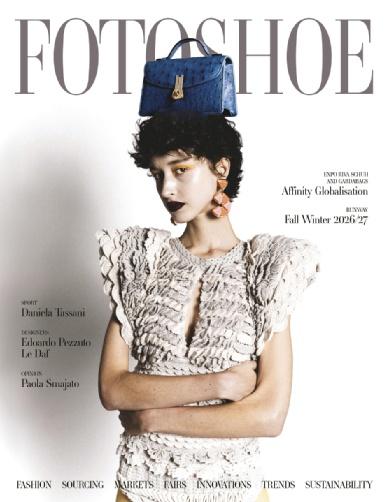
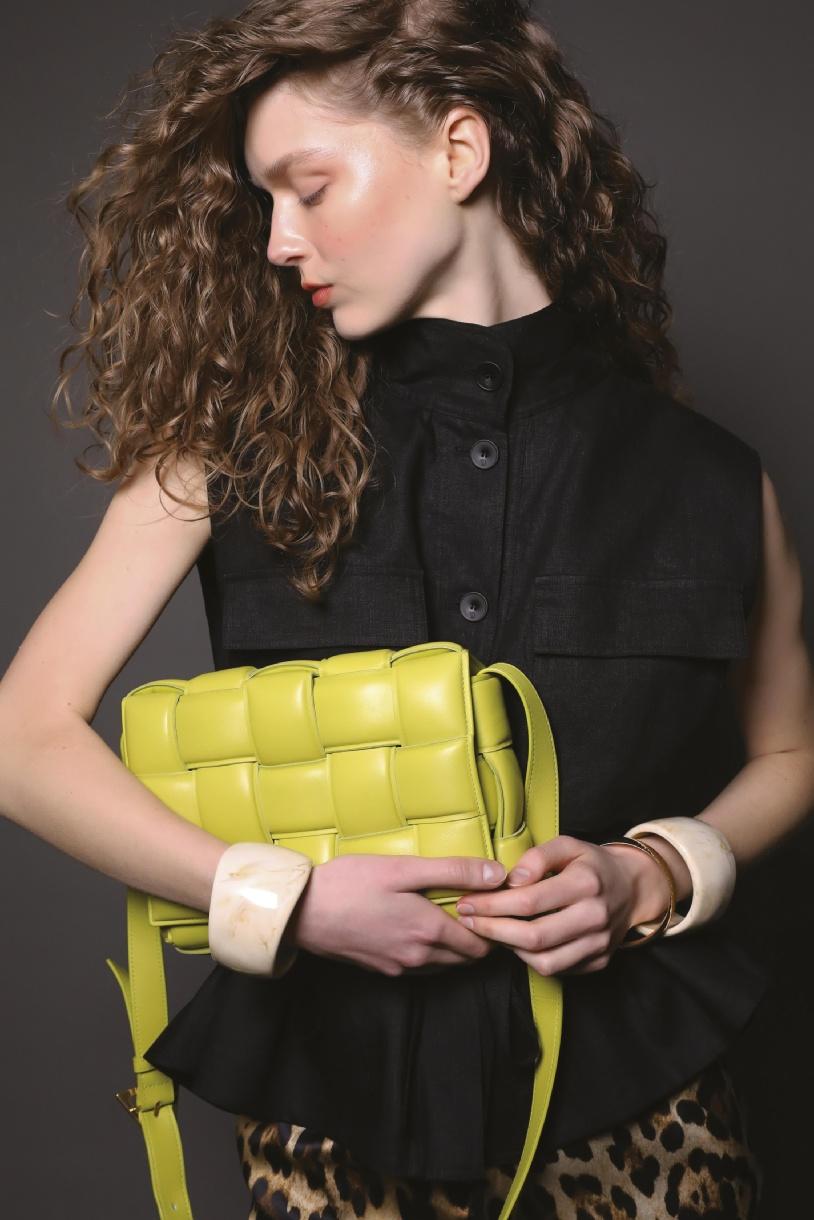
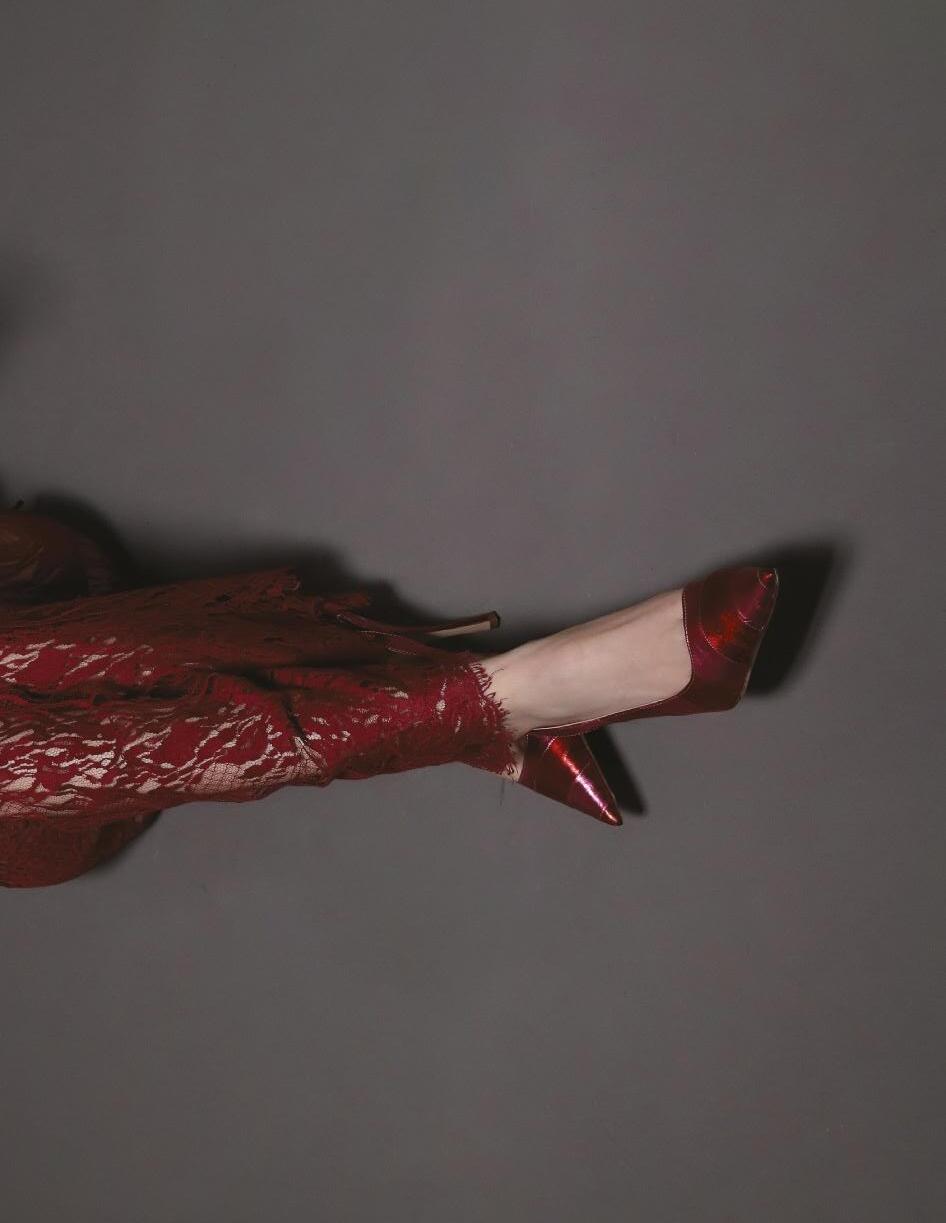
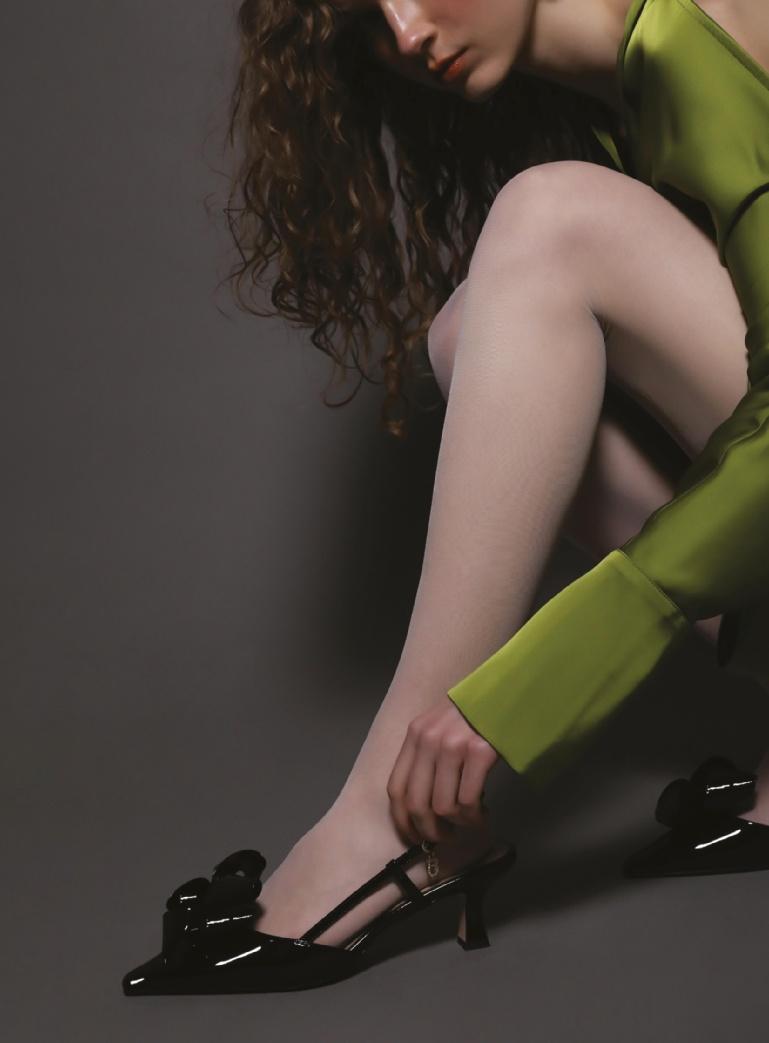
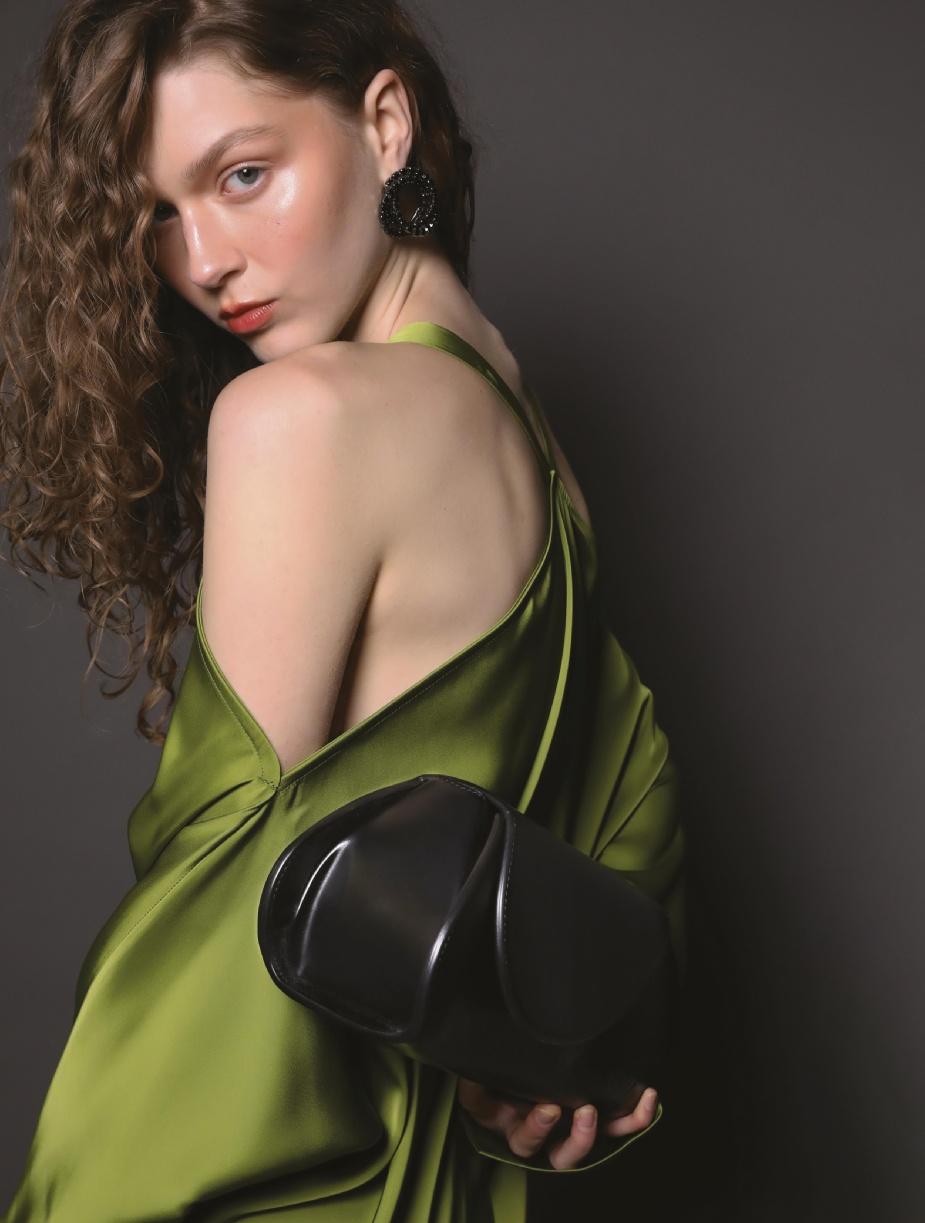
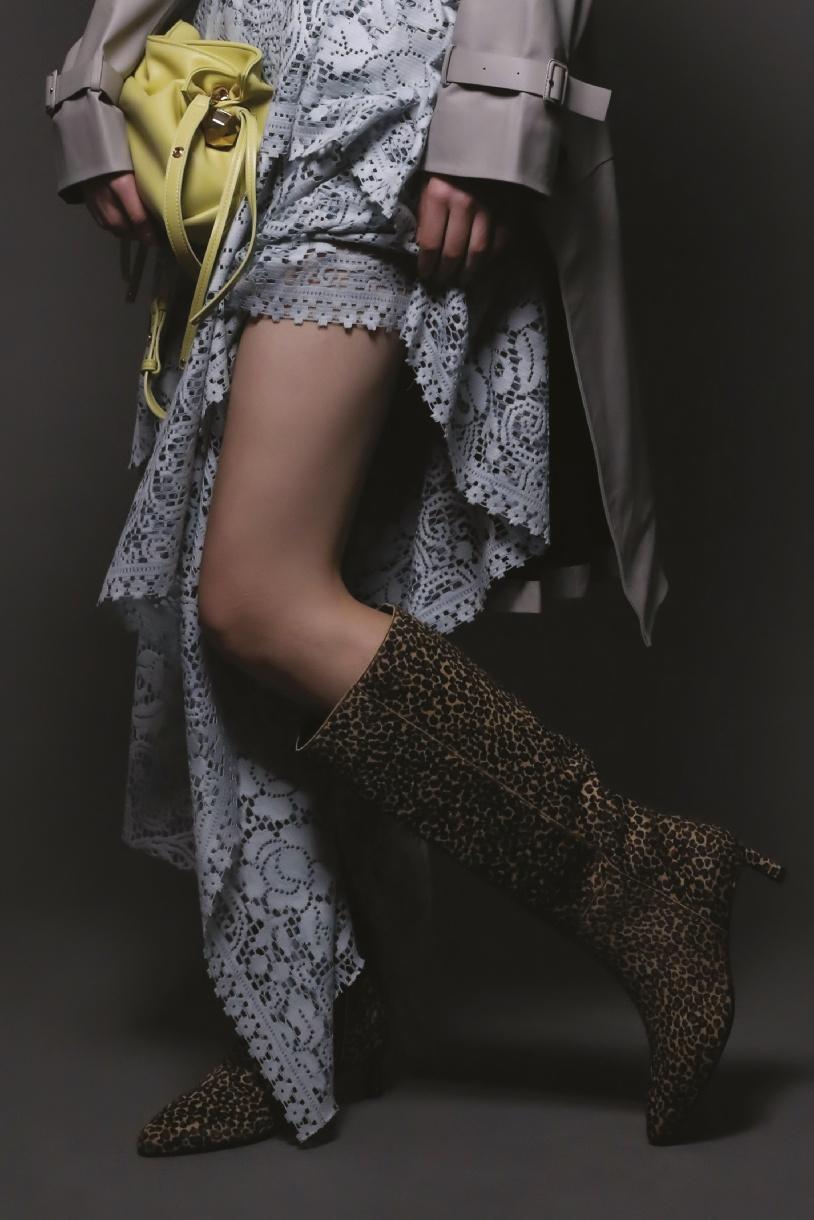
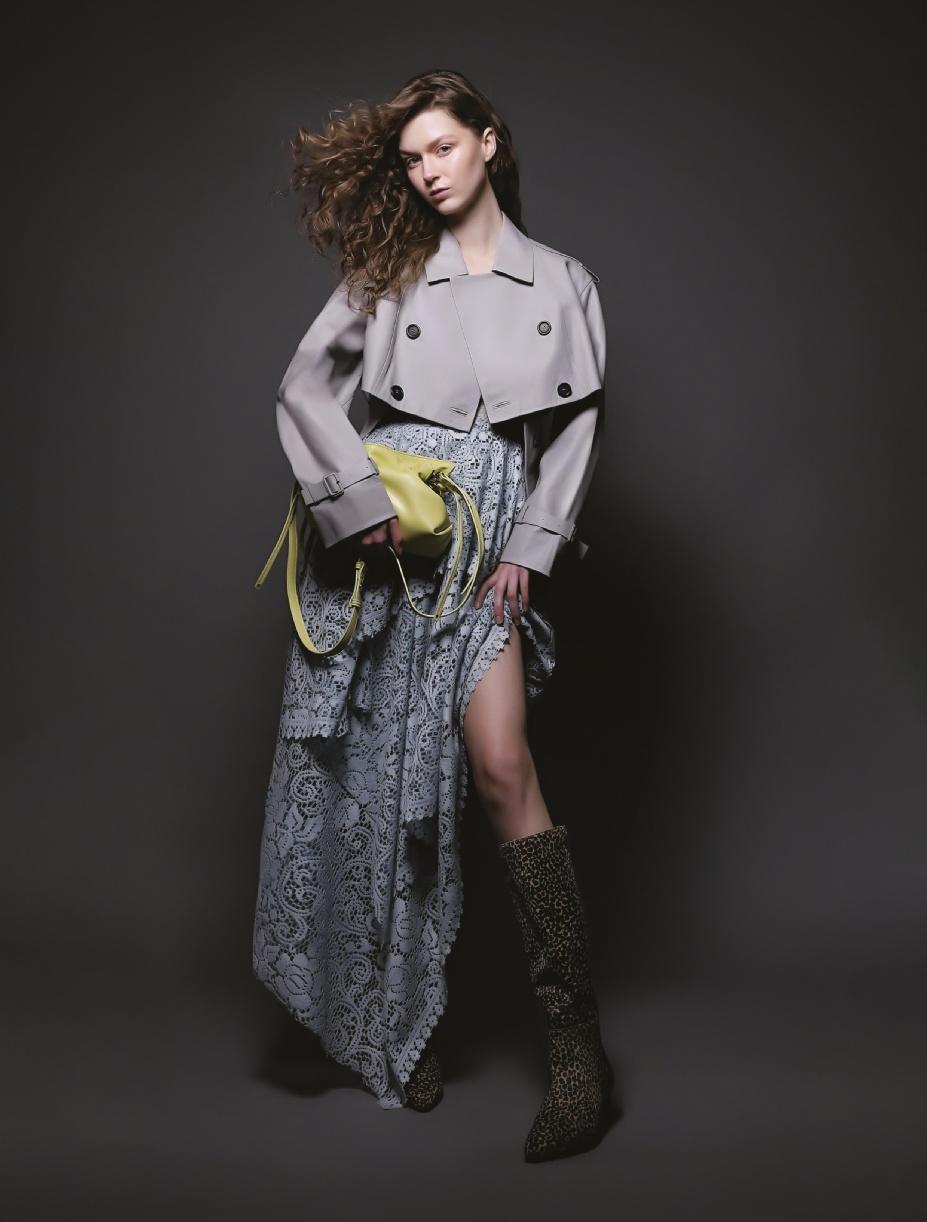
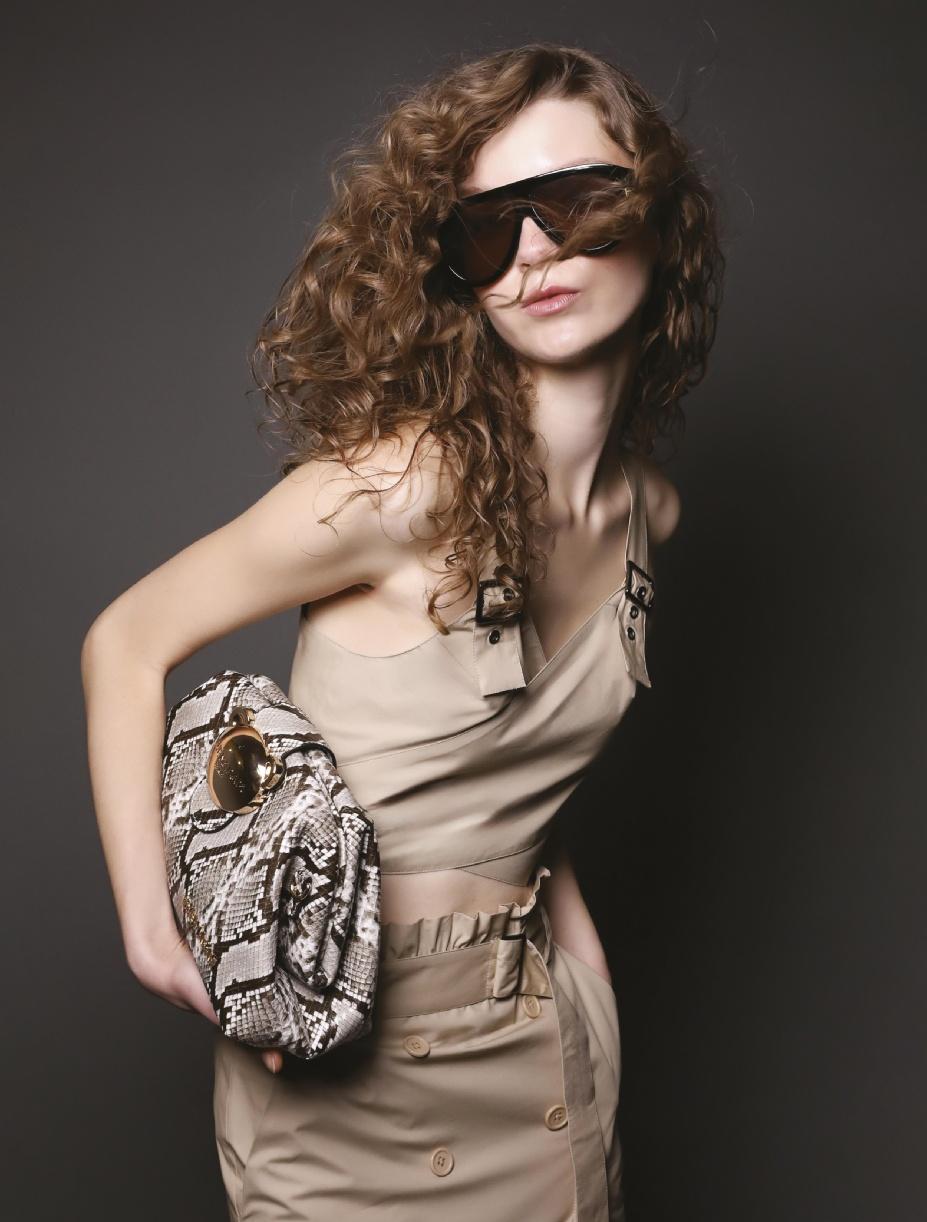
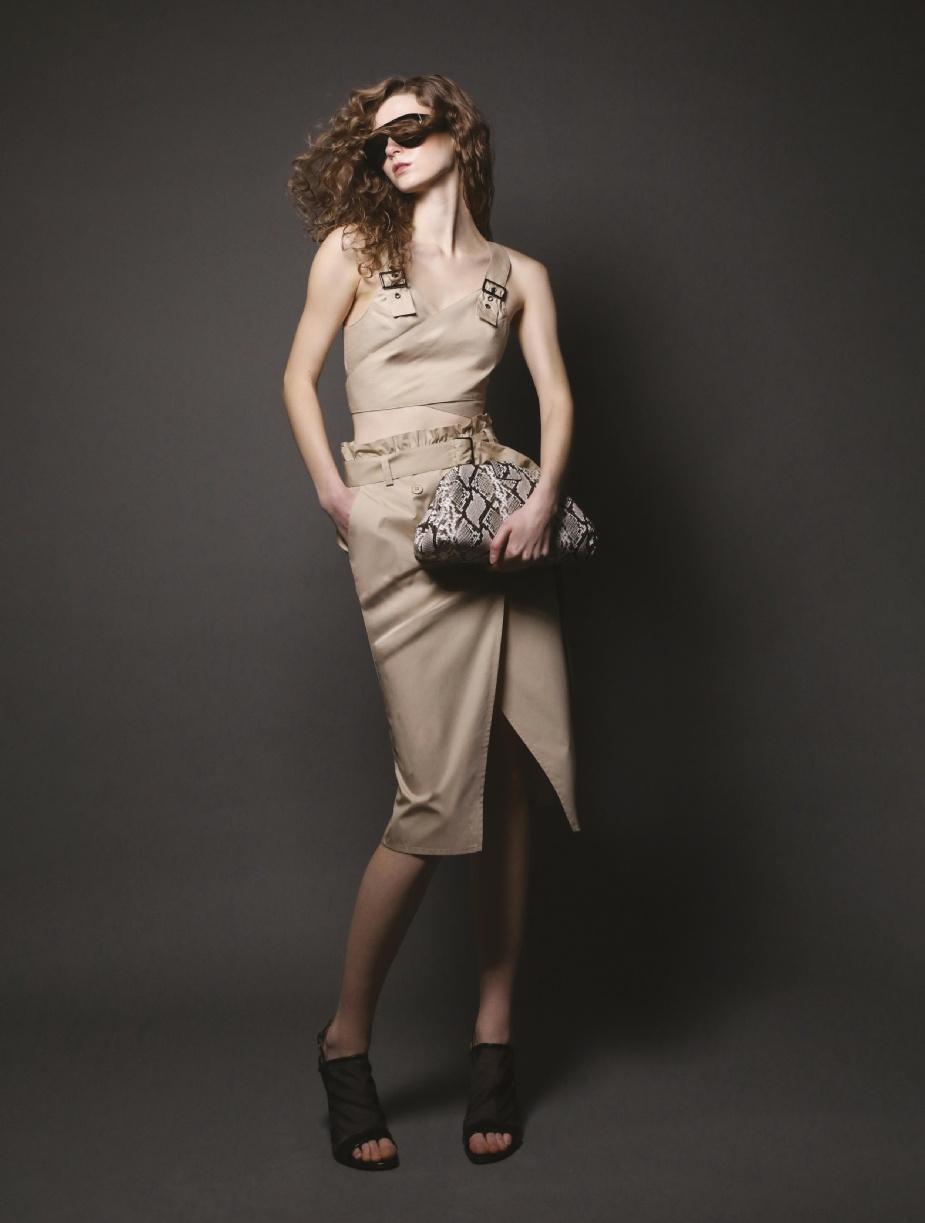
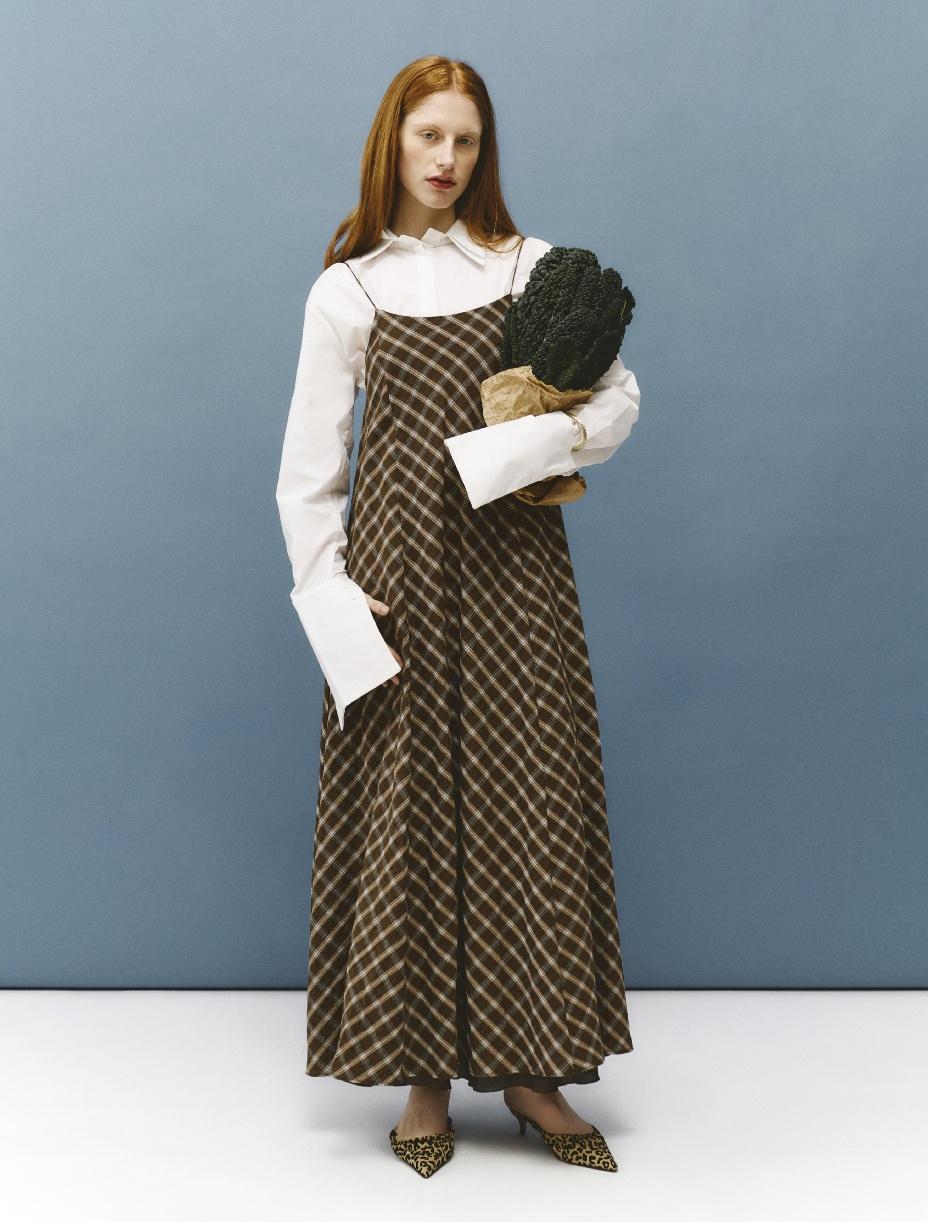
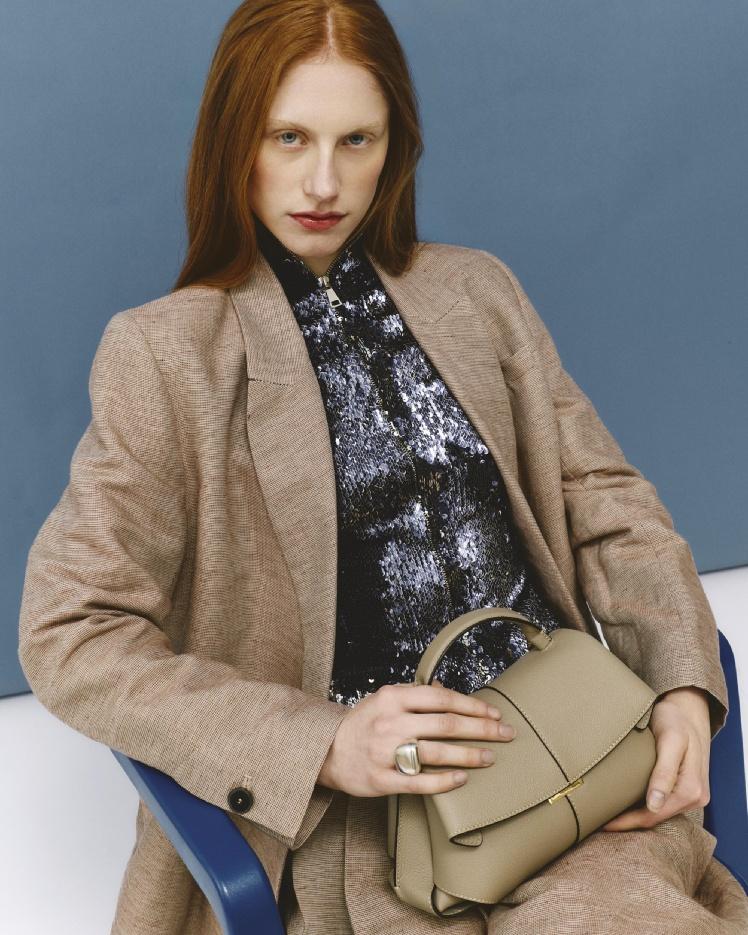
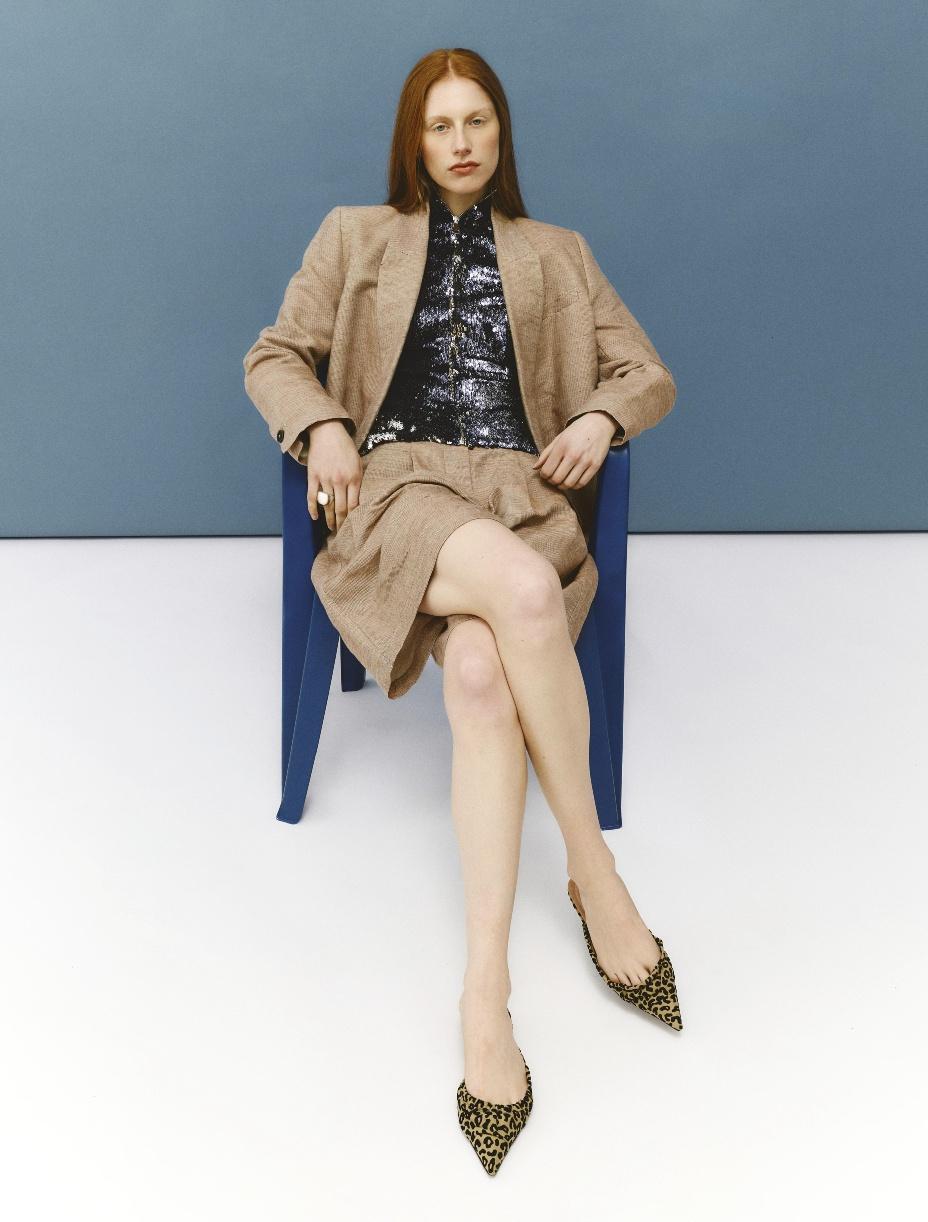
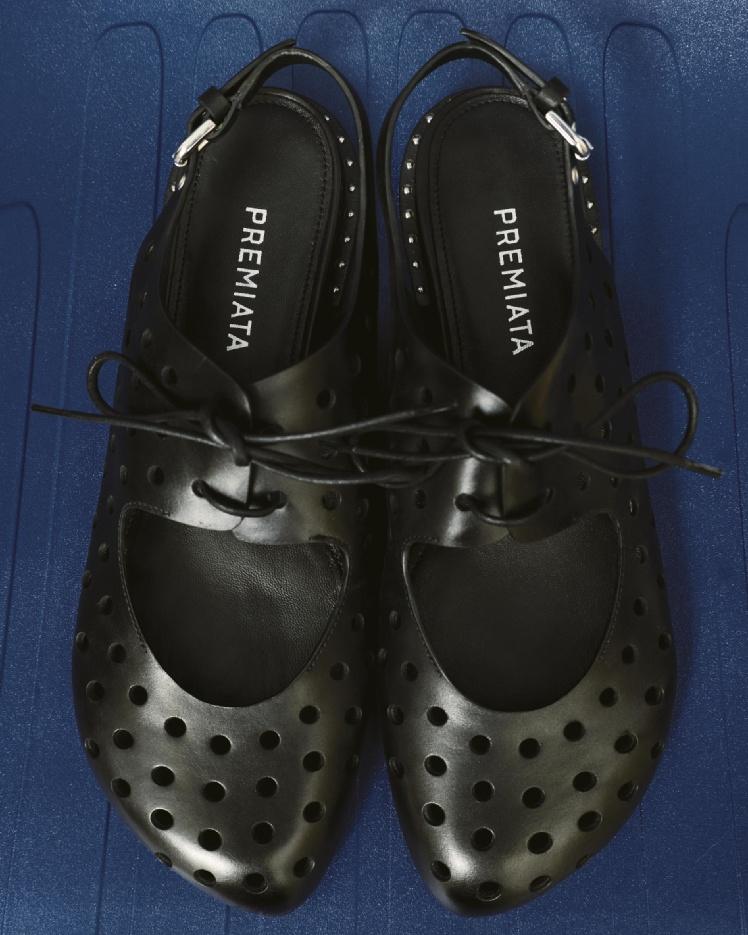
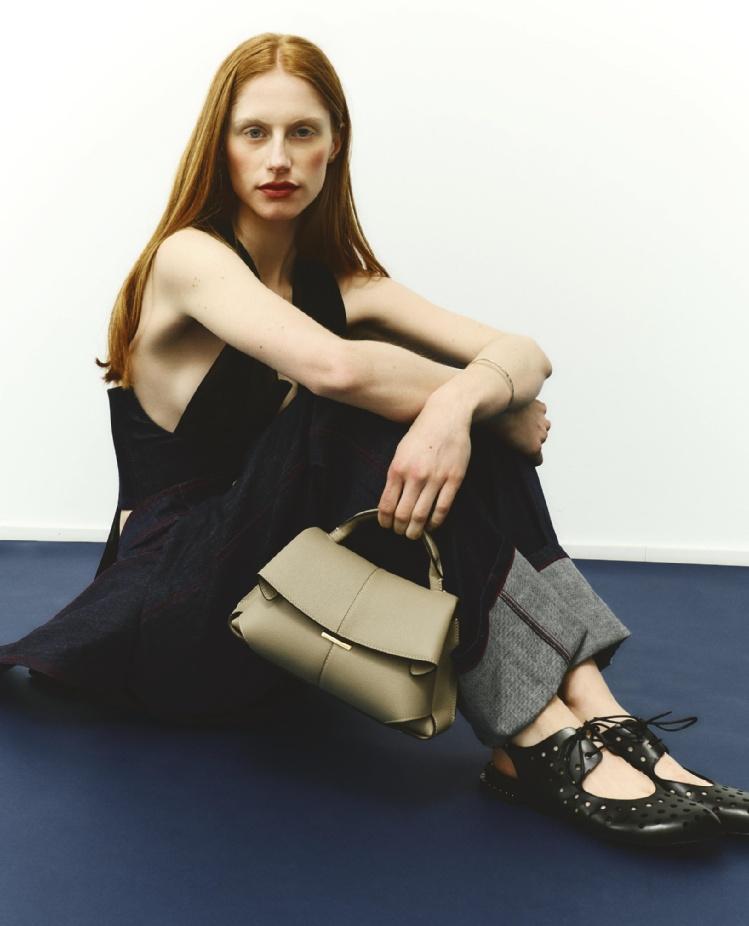
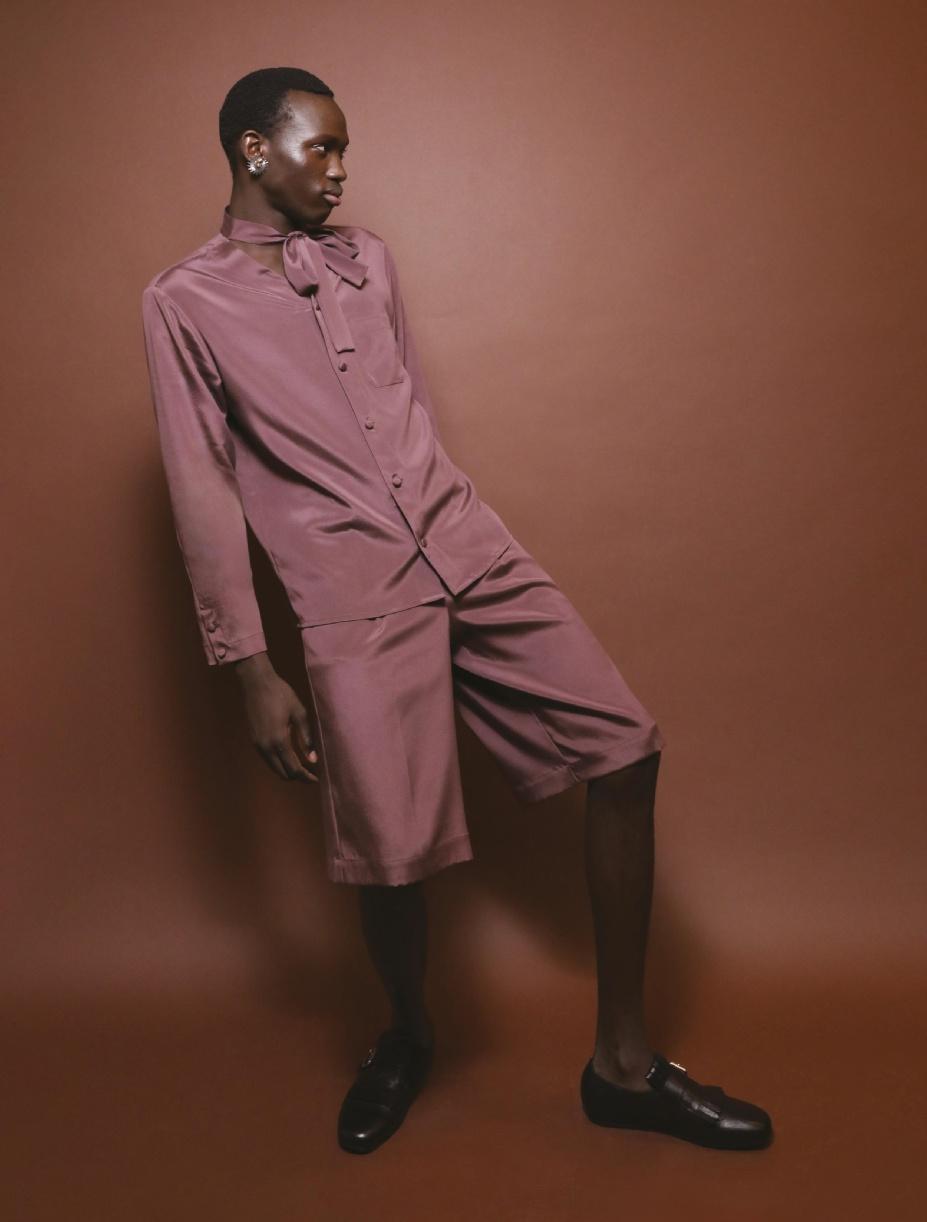
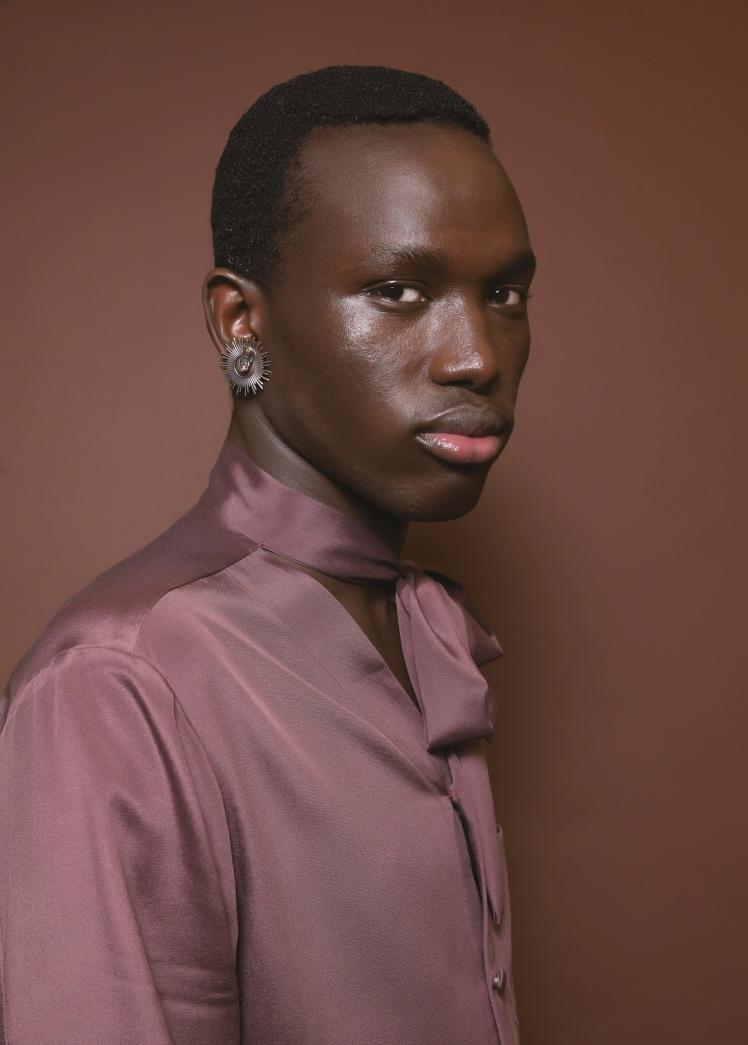
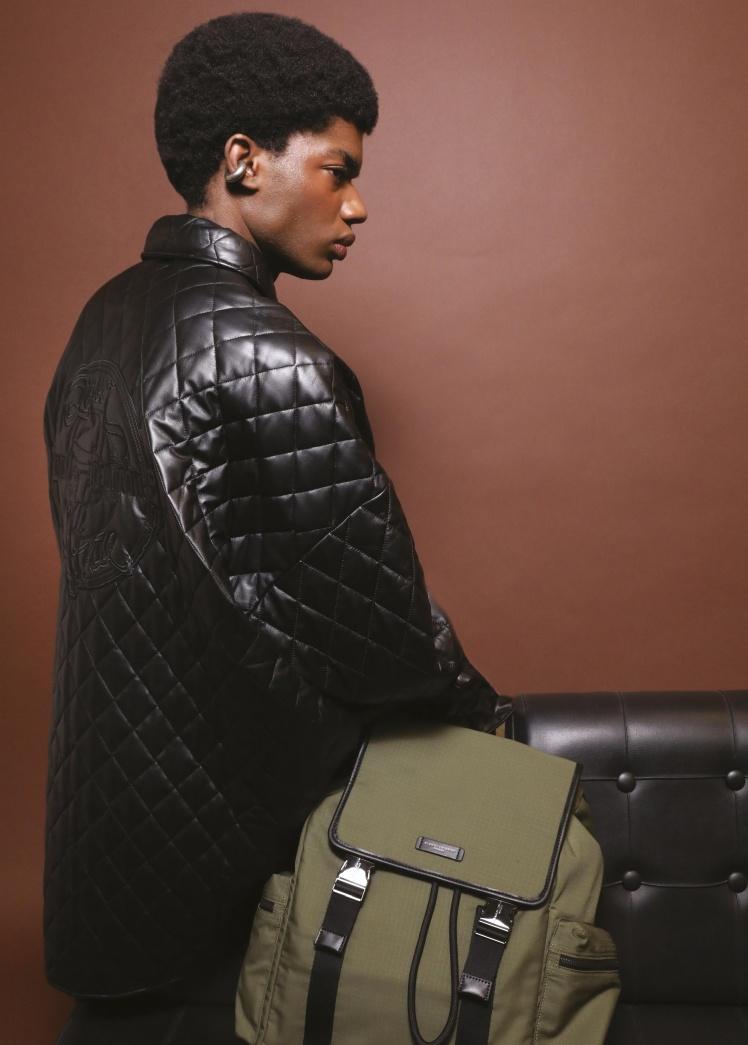
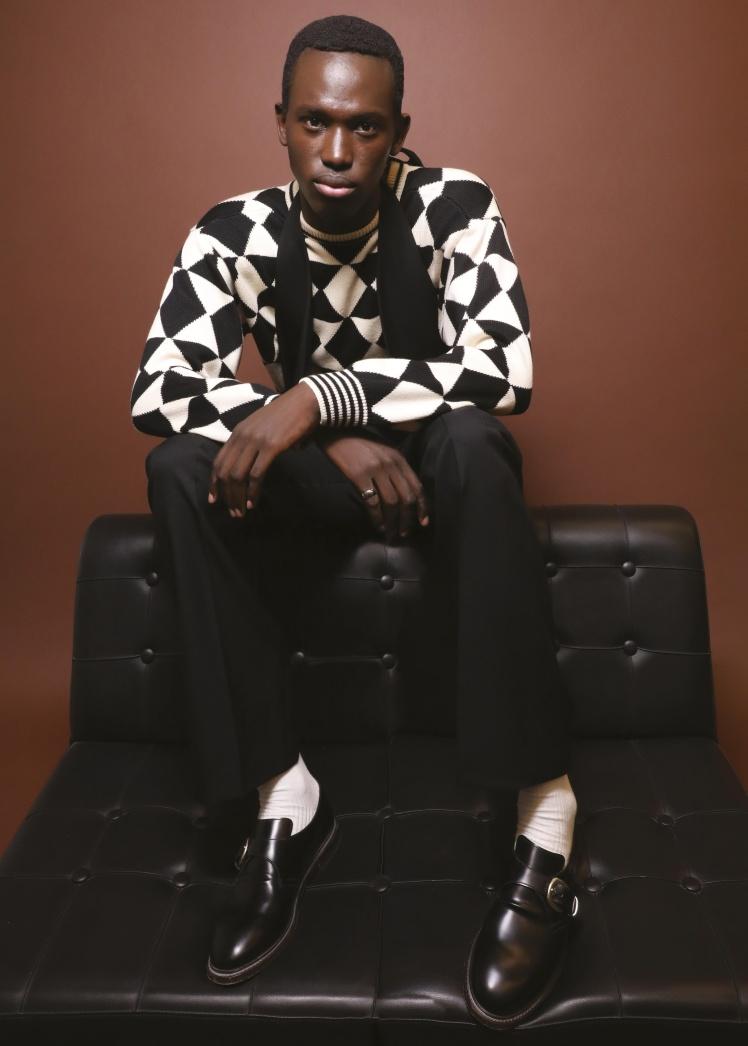
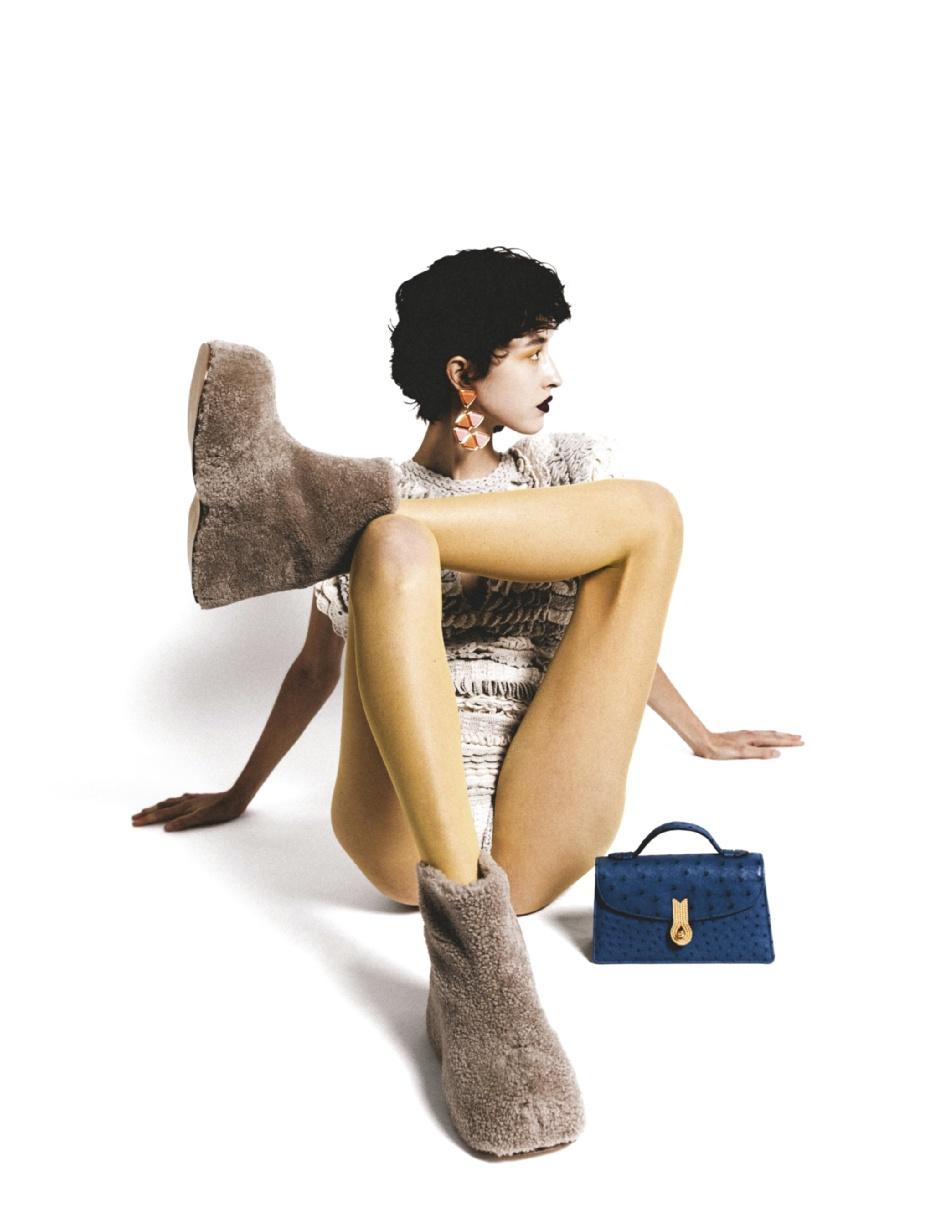
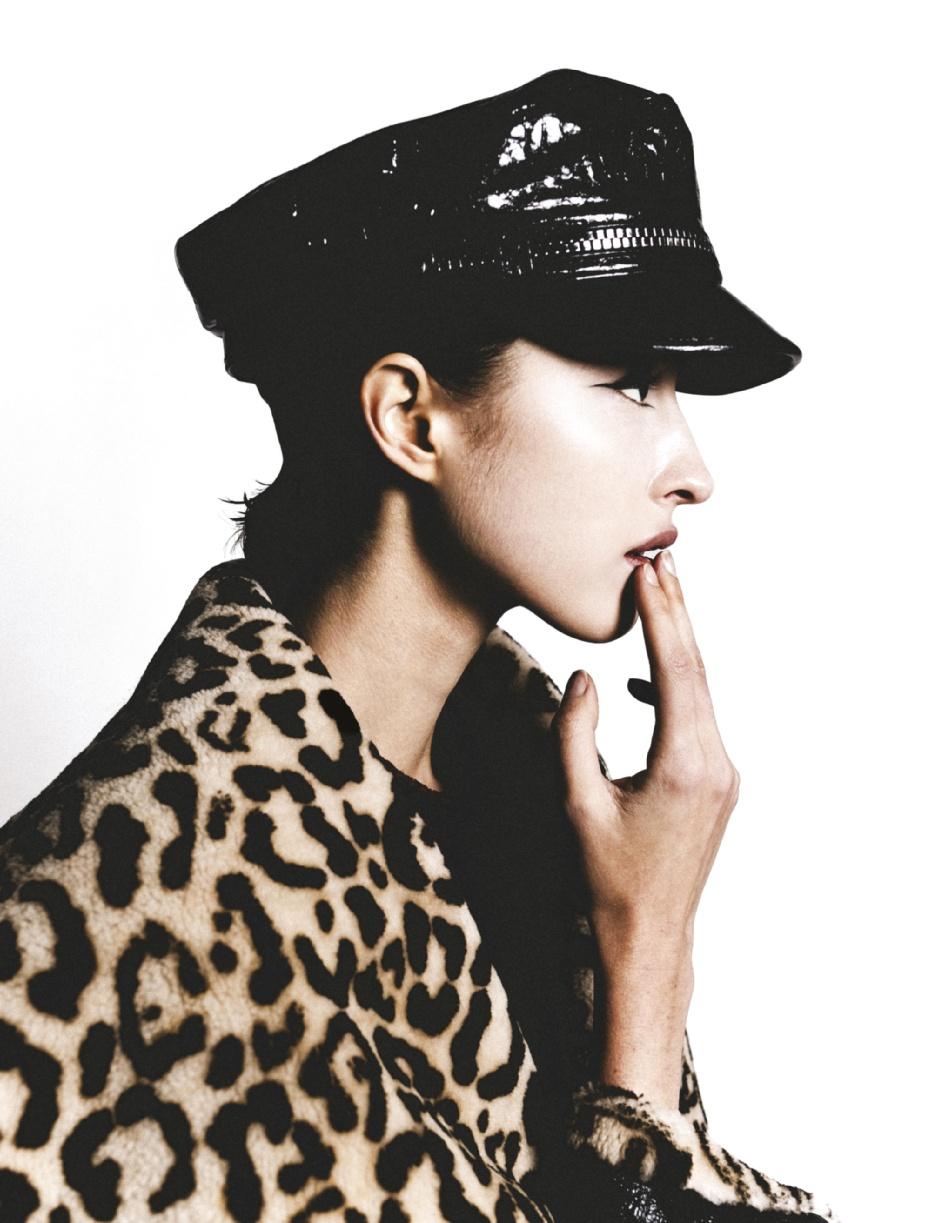
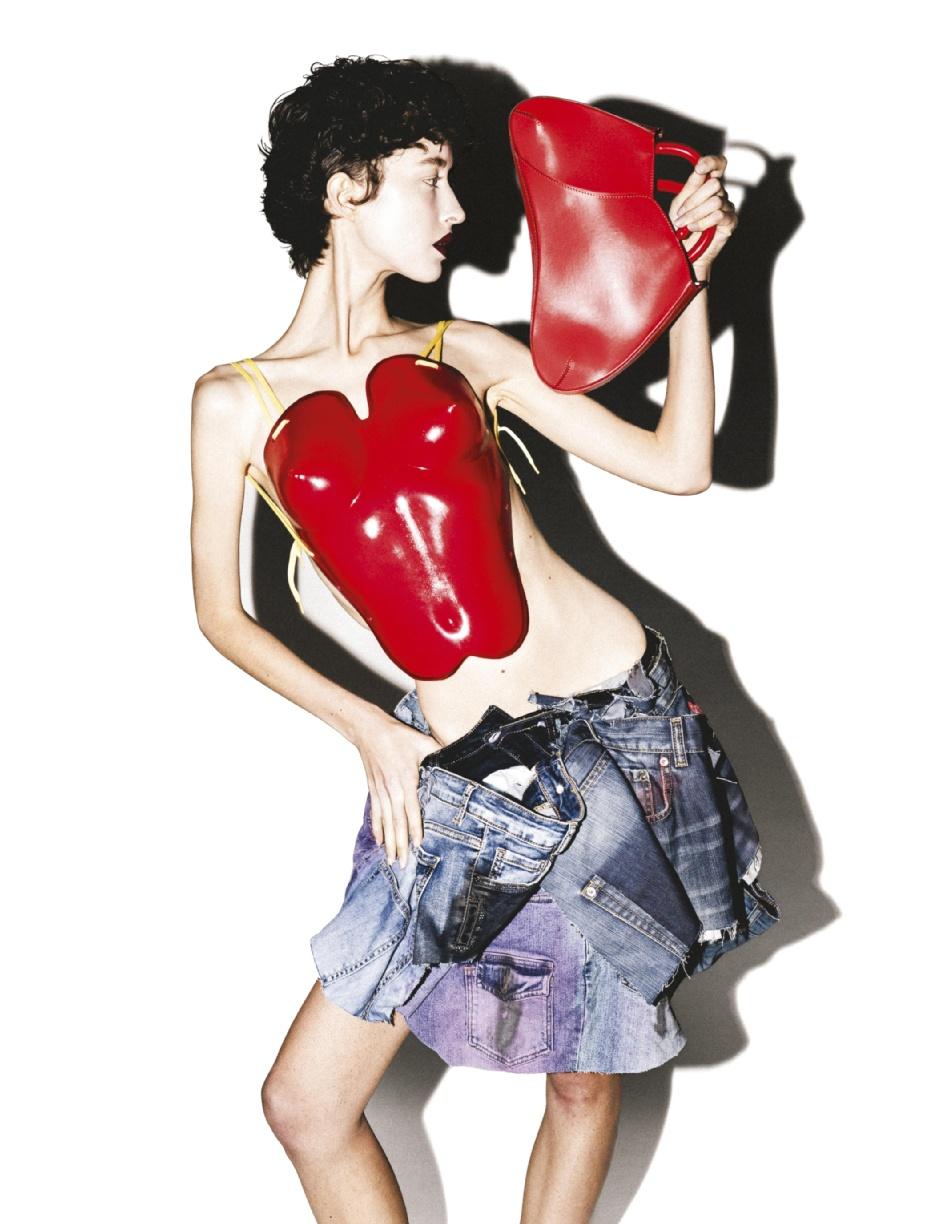
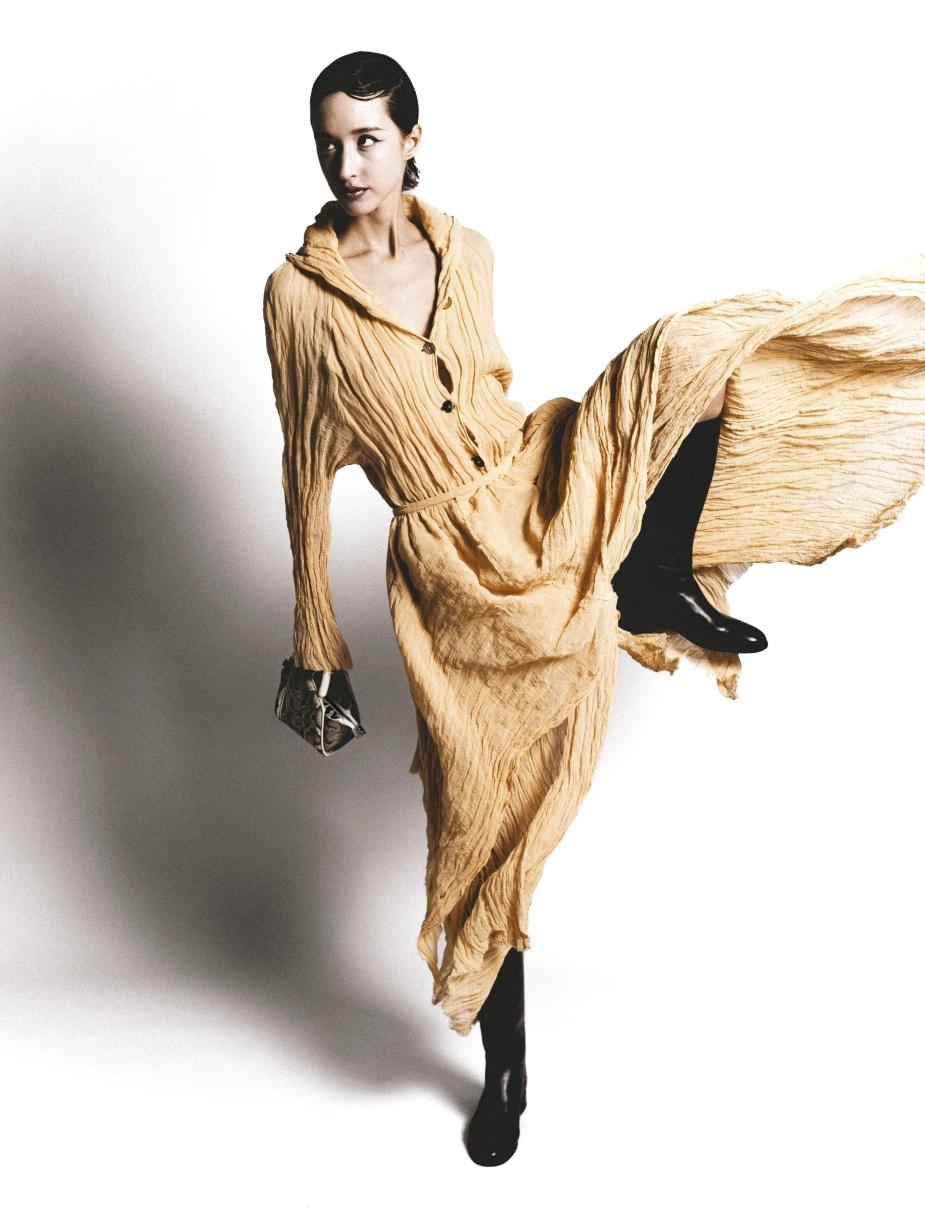
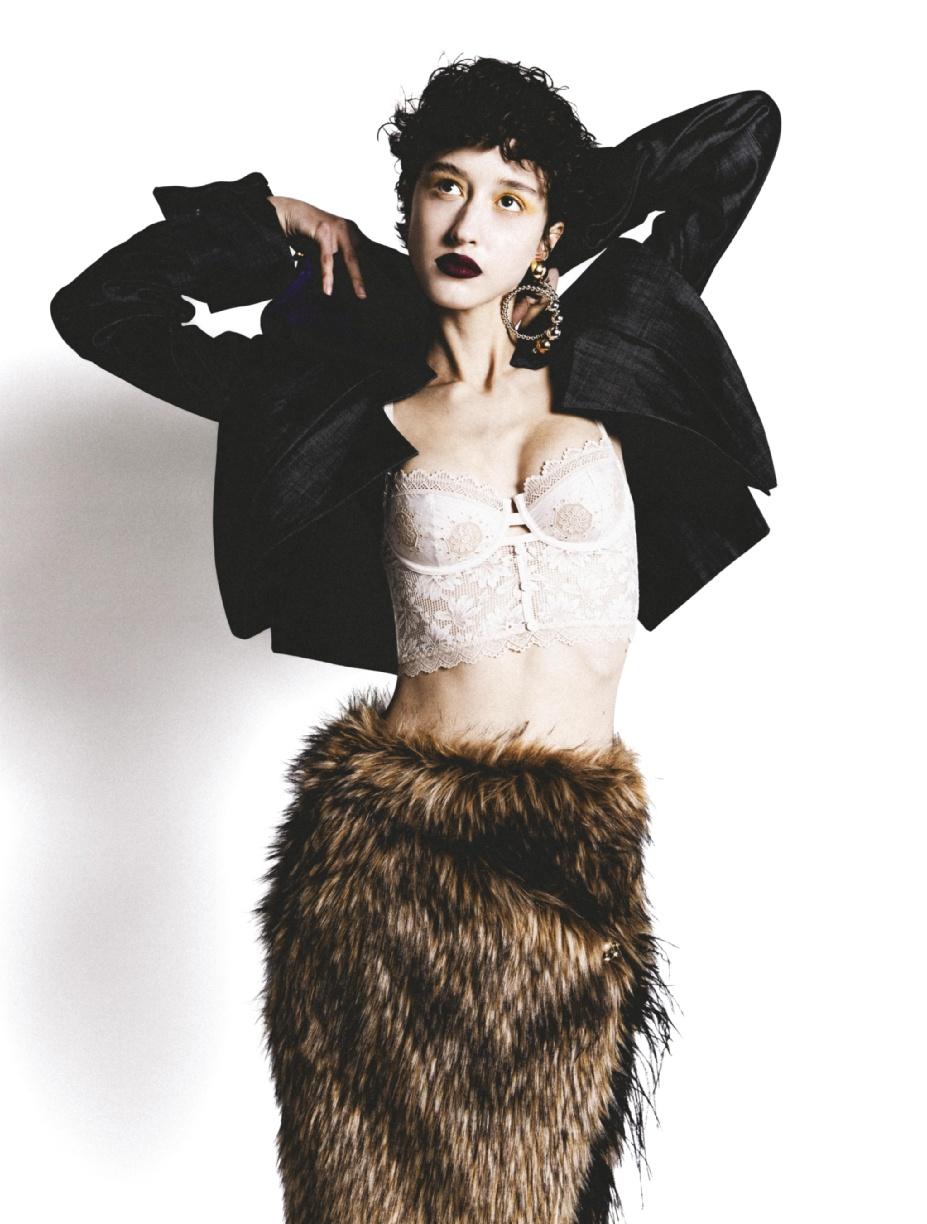
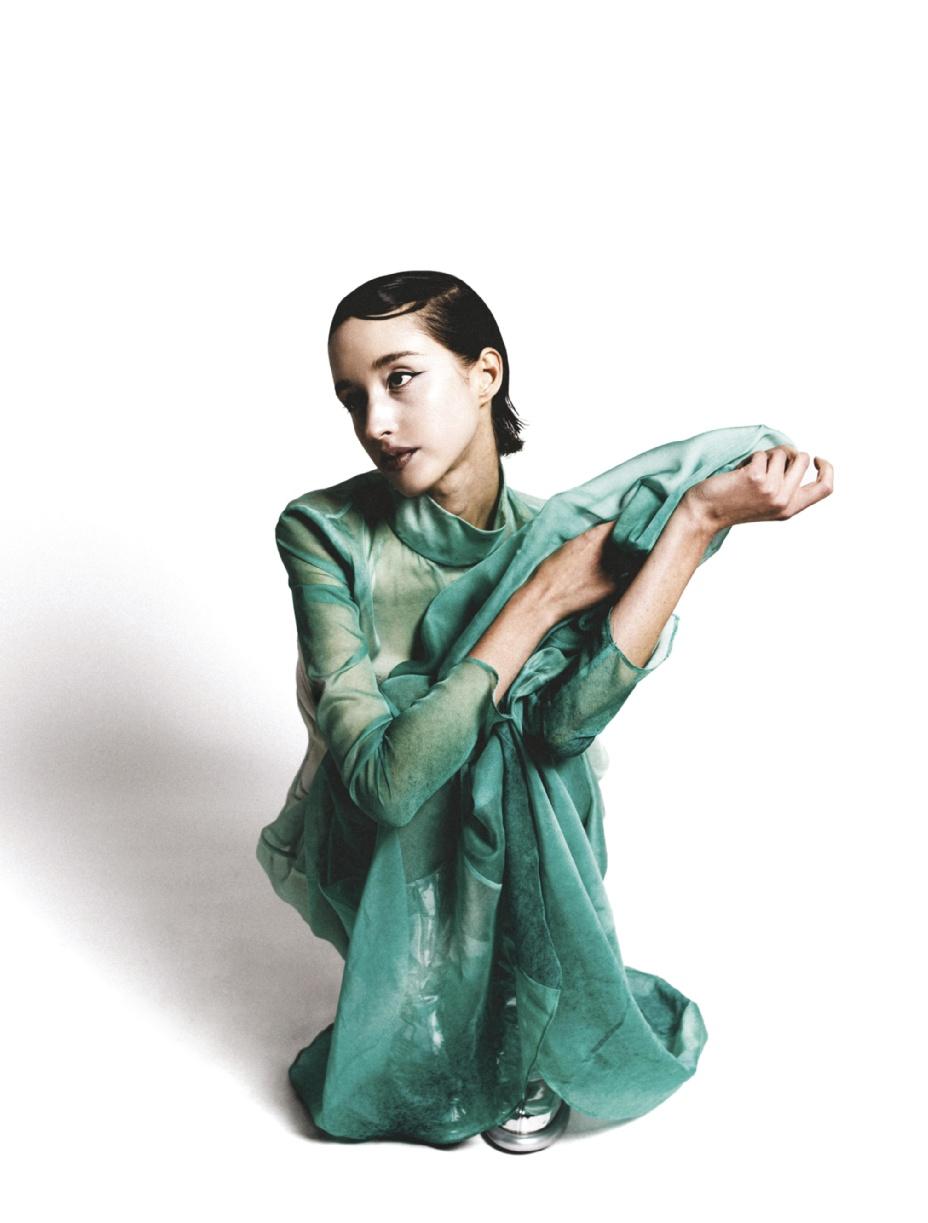
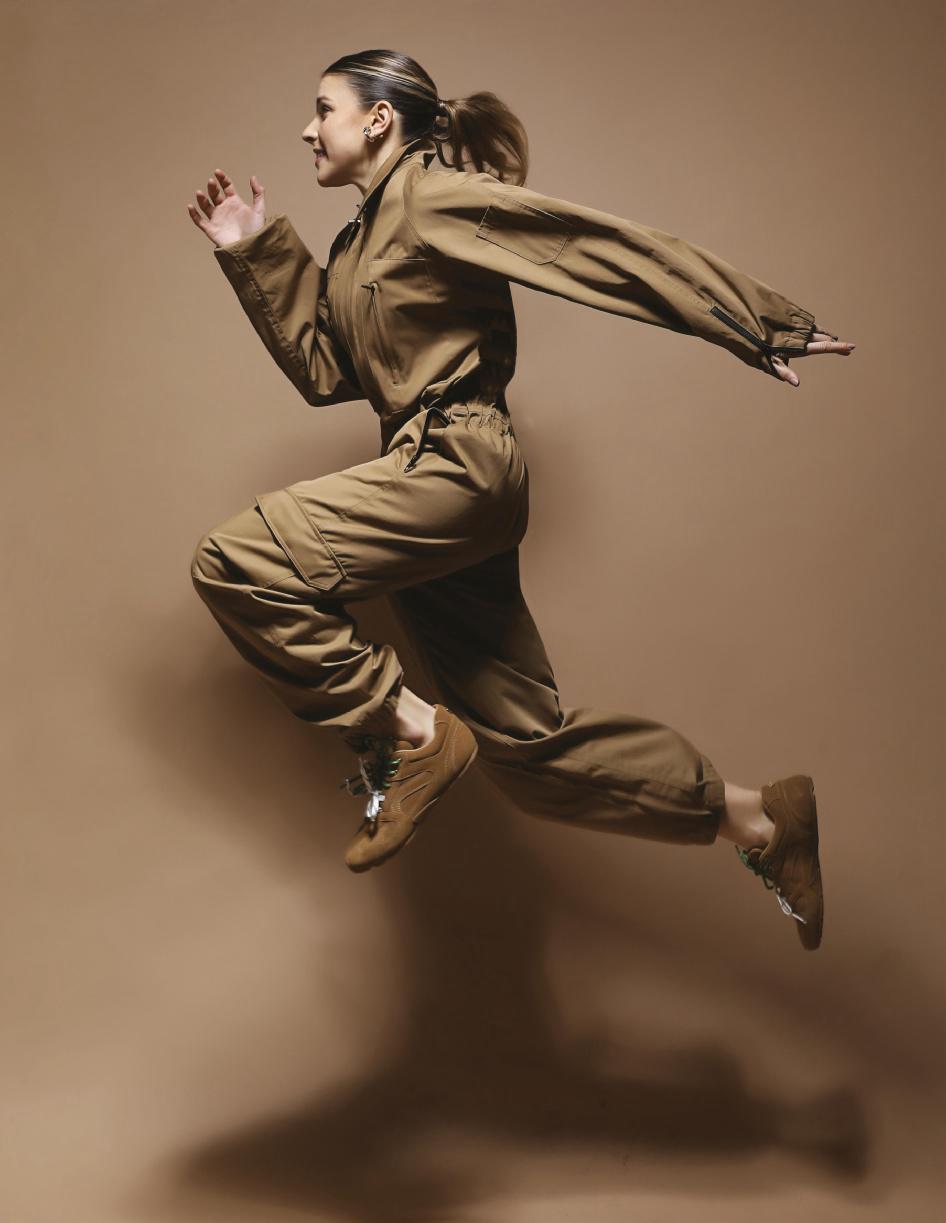
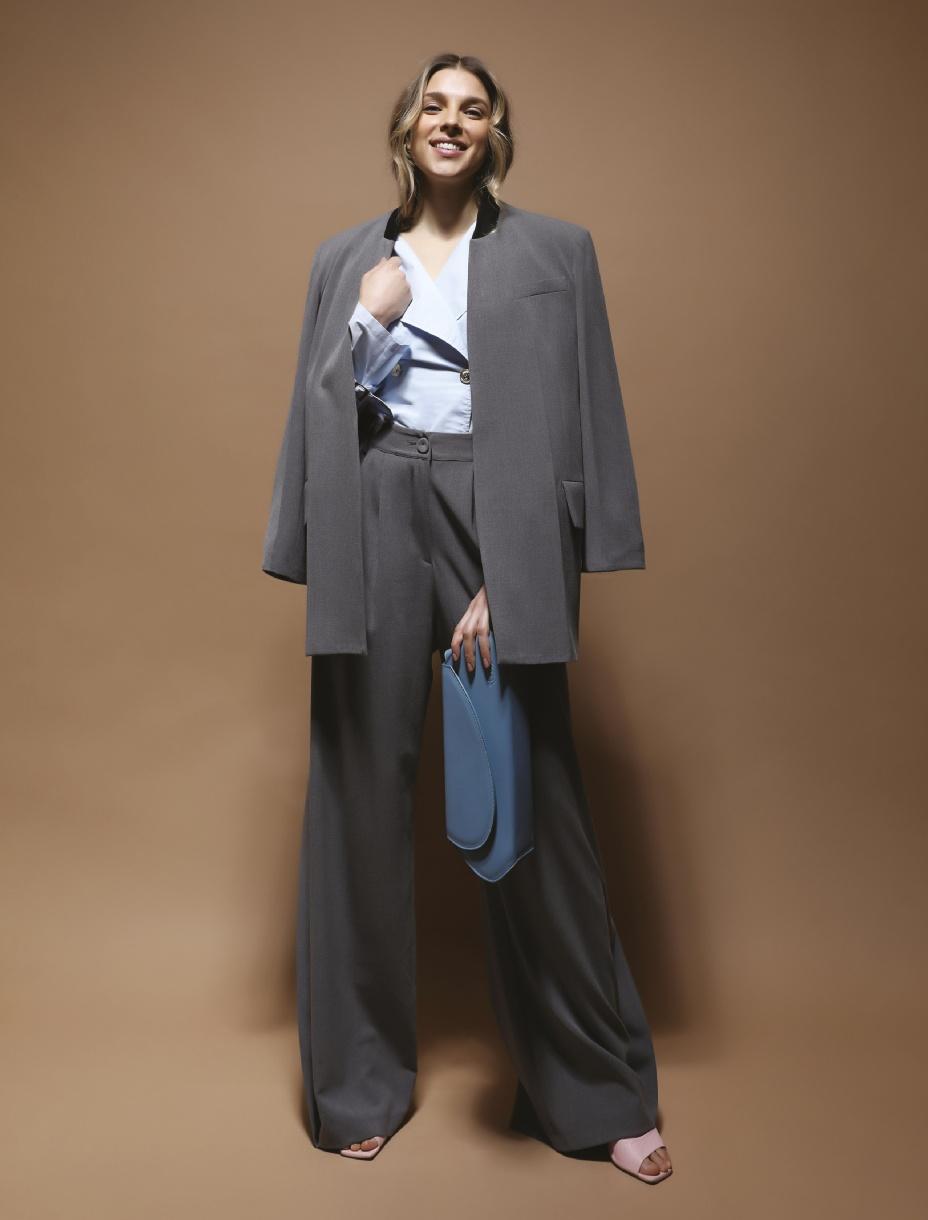
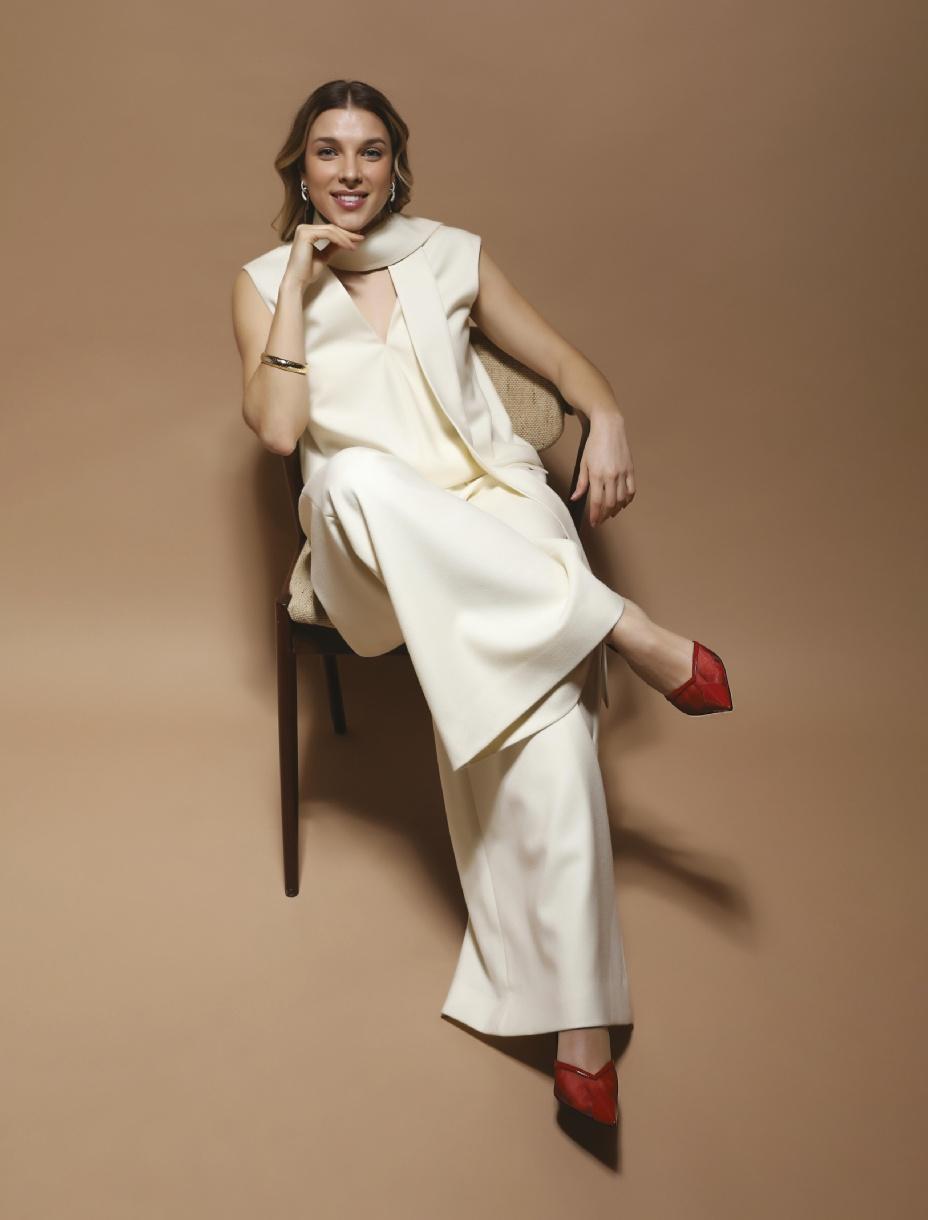
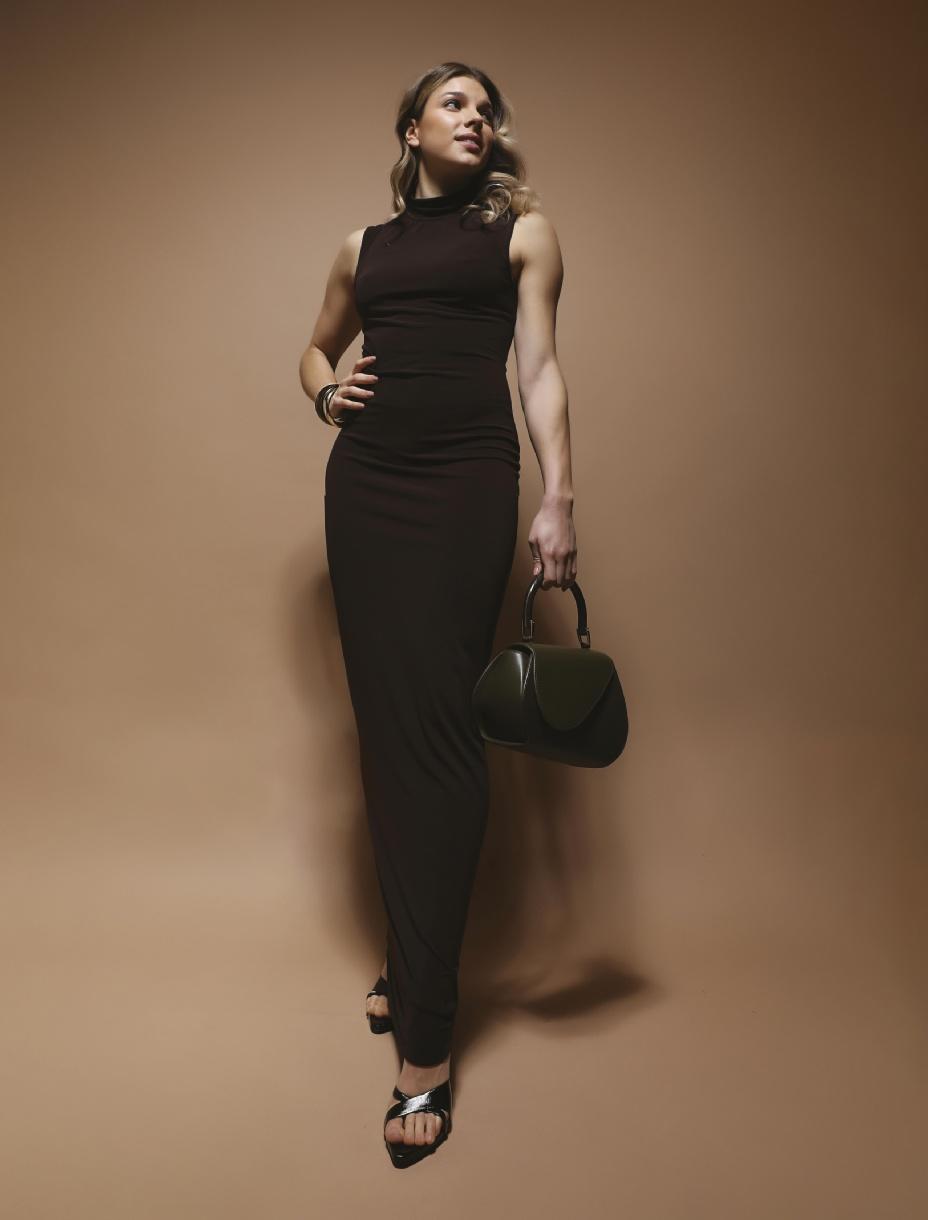
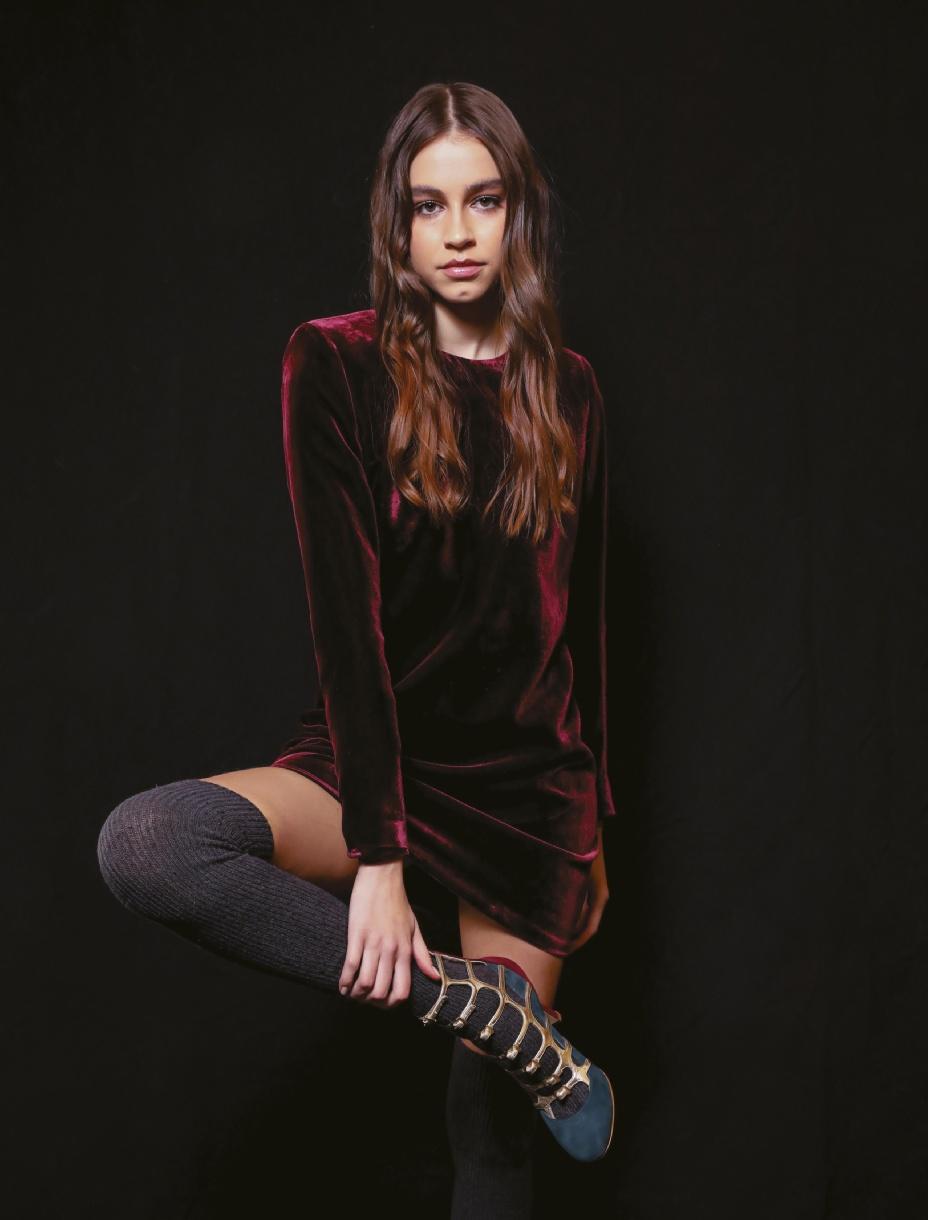
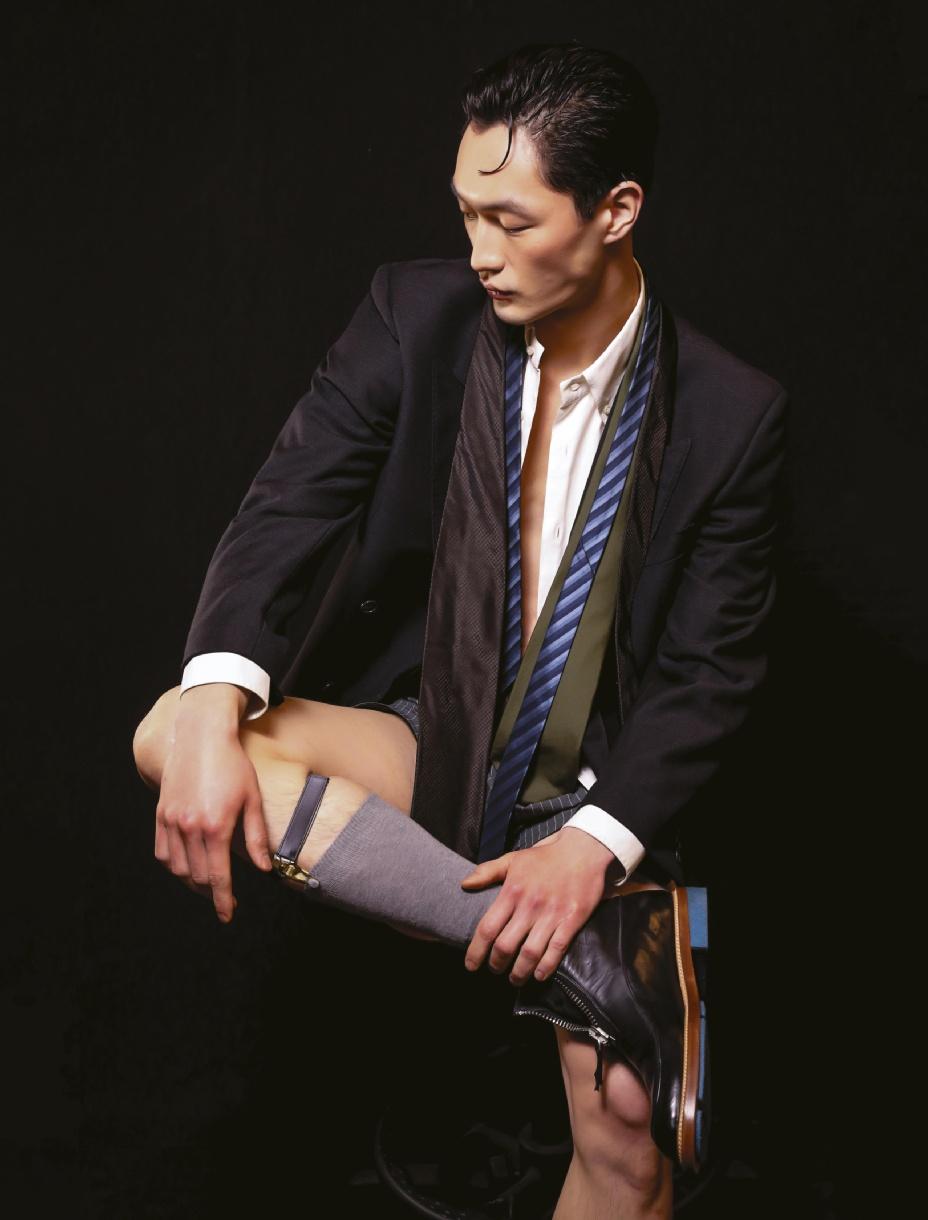
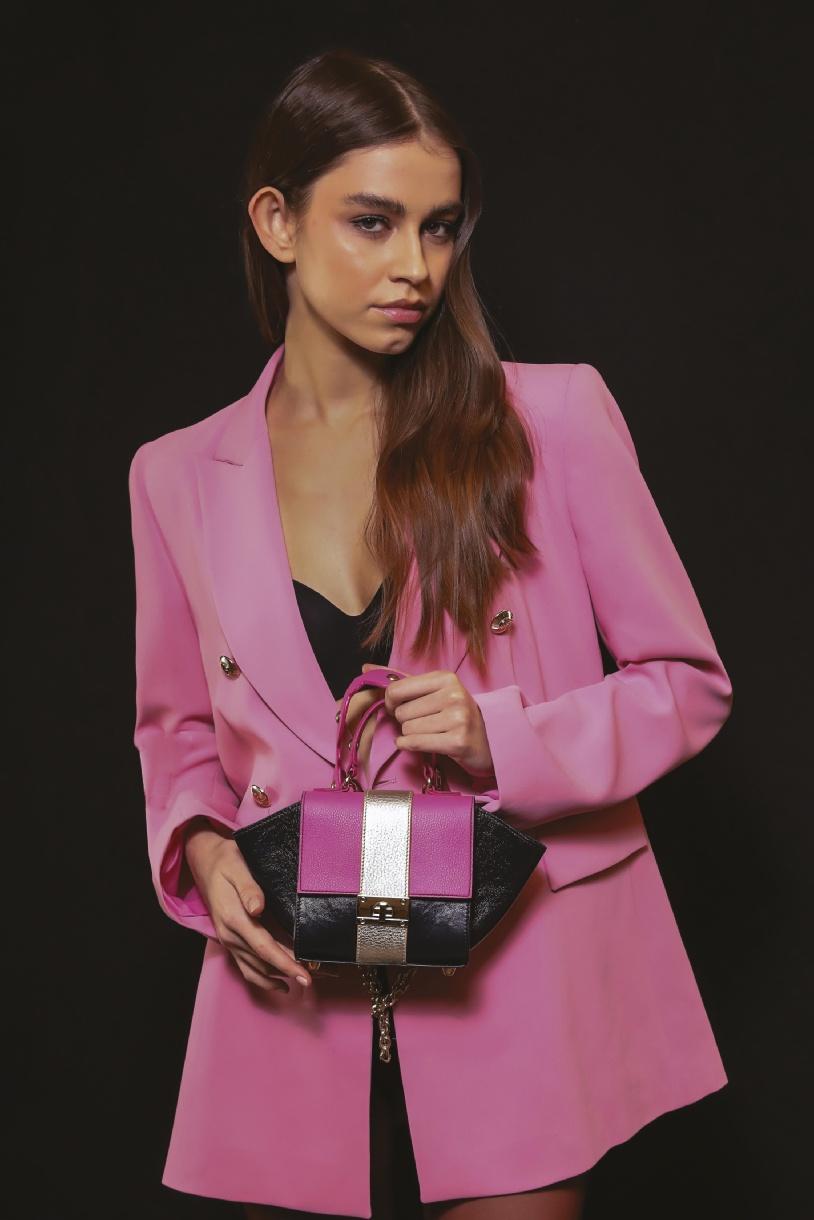
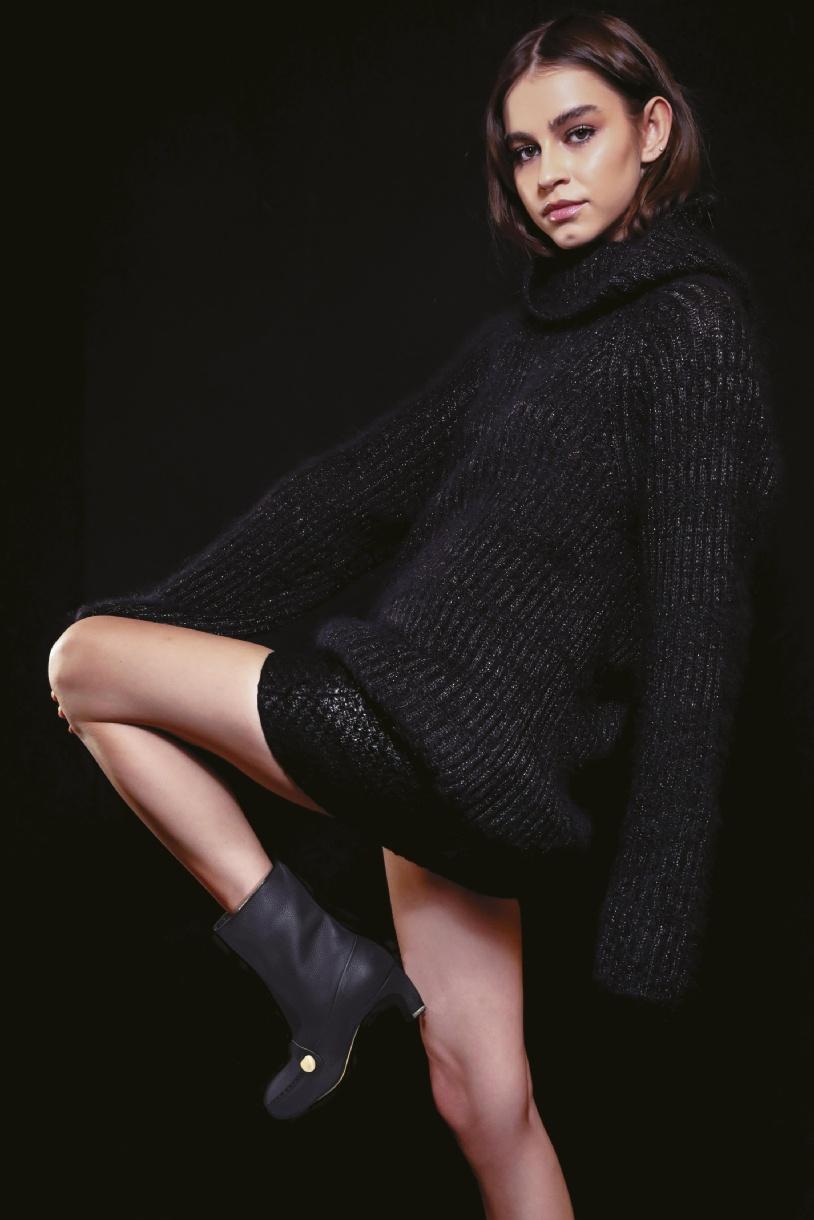
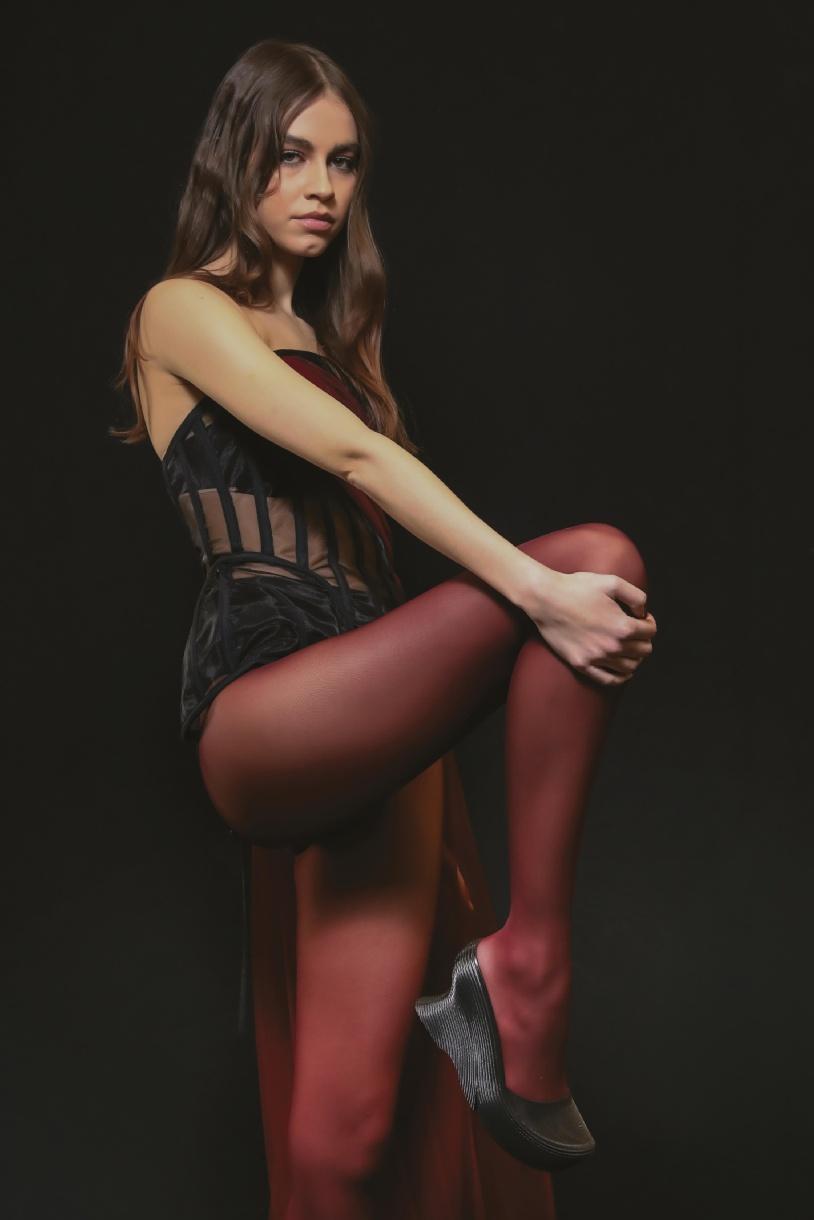
COVER STORY: Body: J. SALINAS - Collant: PIERRE MANTOUX Bag: AMATO DANIELE - Earings: SADR BOTEIN
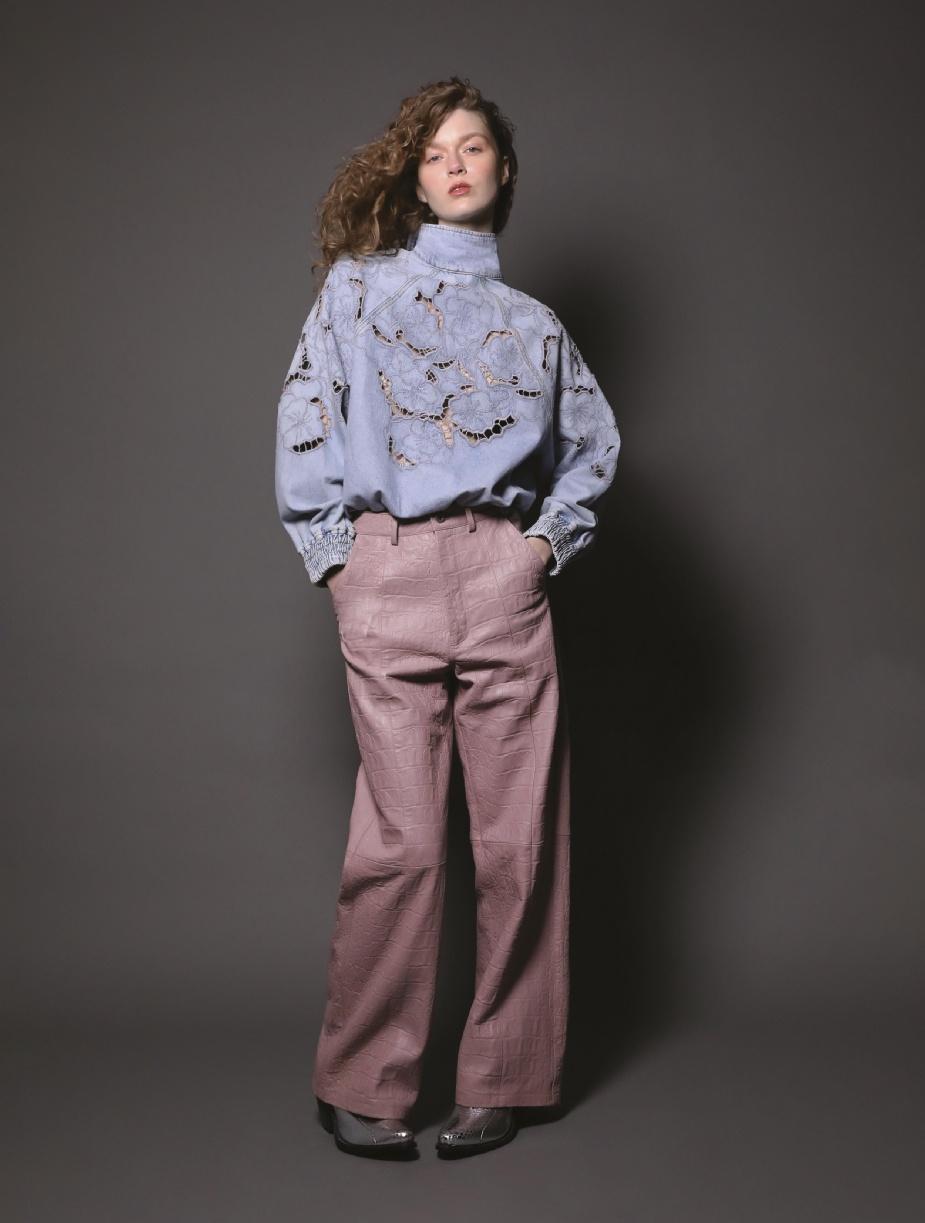
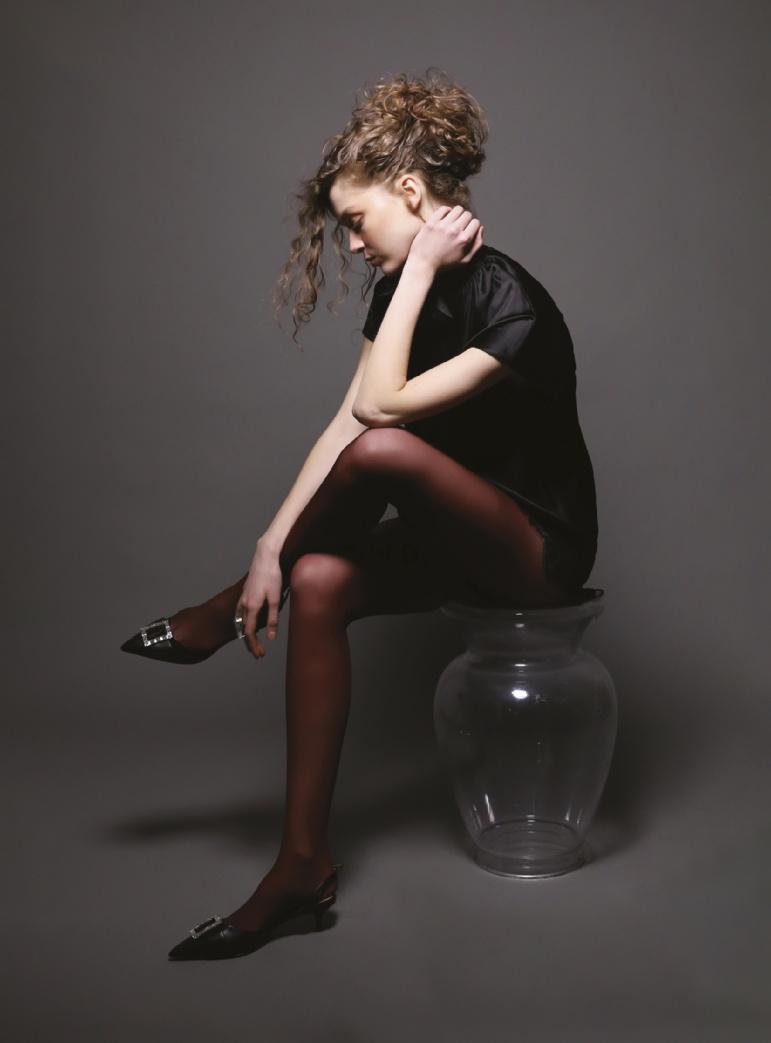
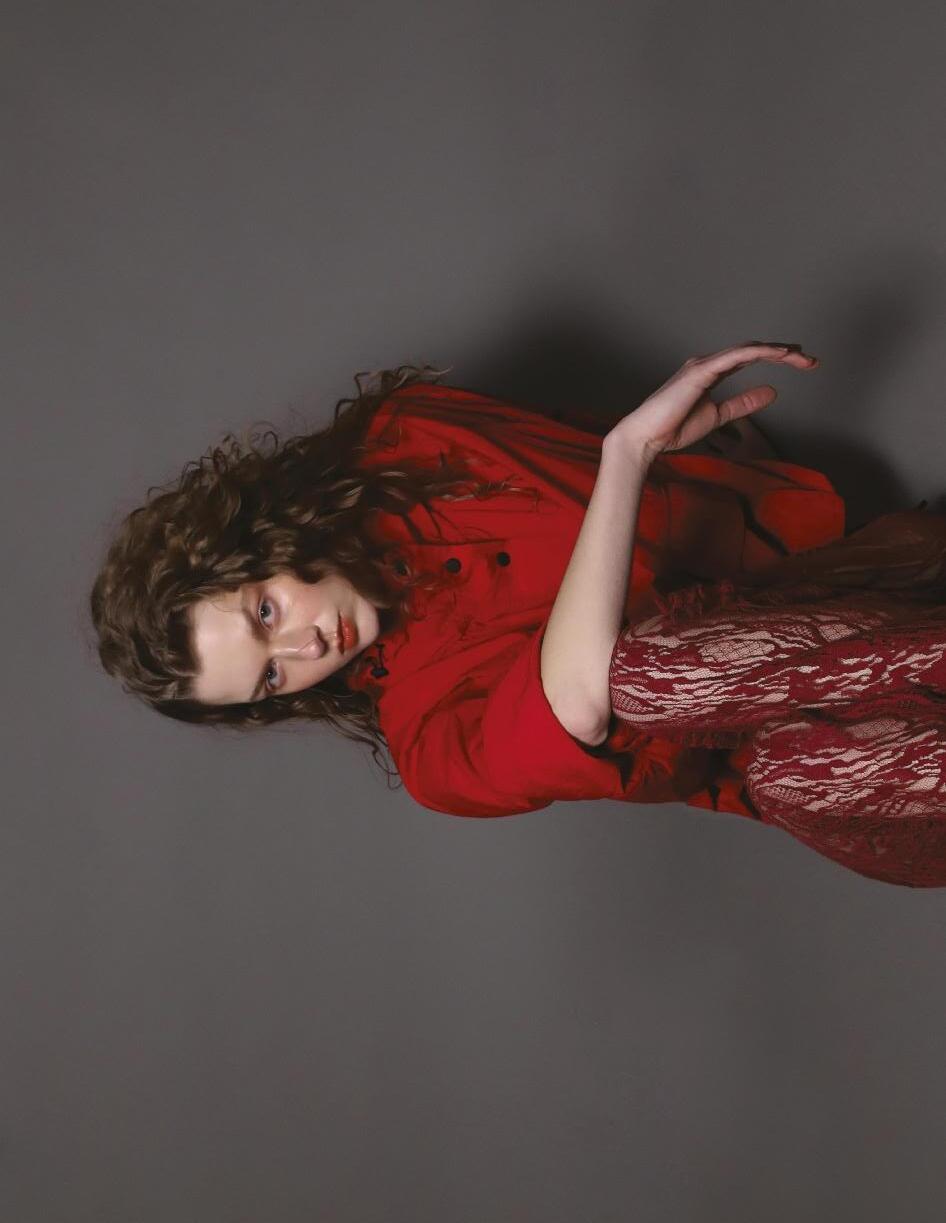
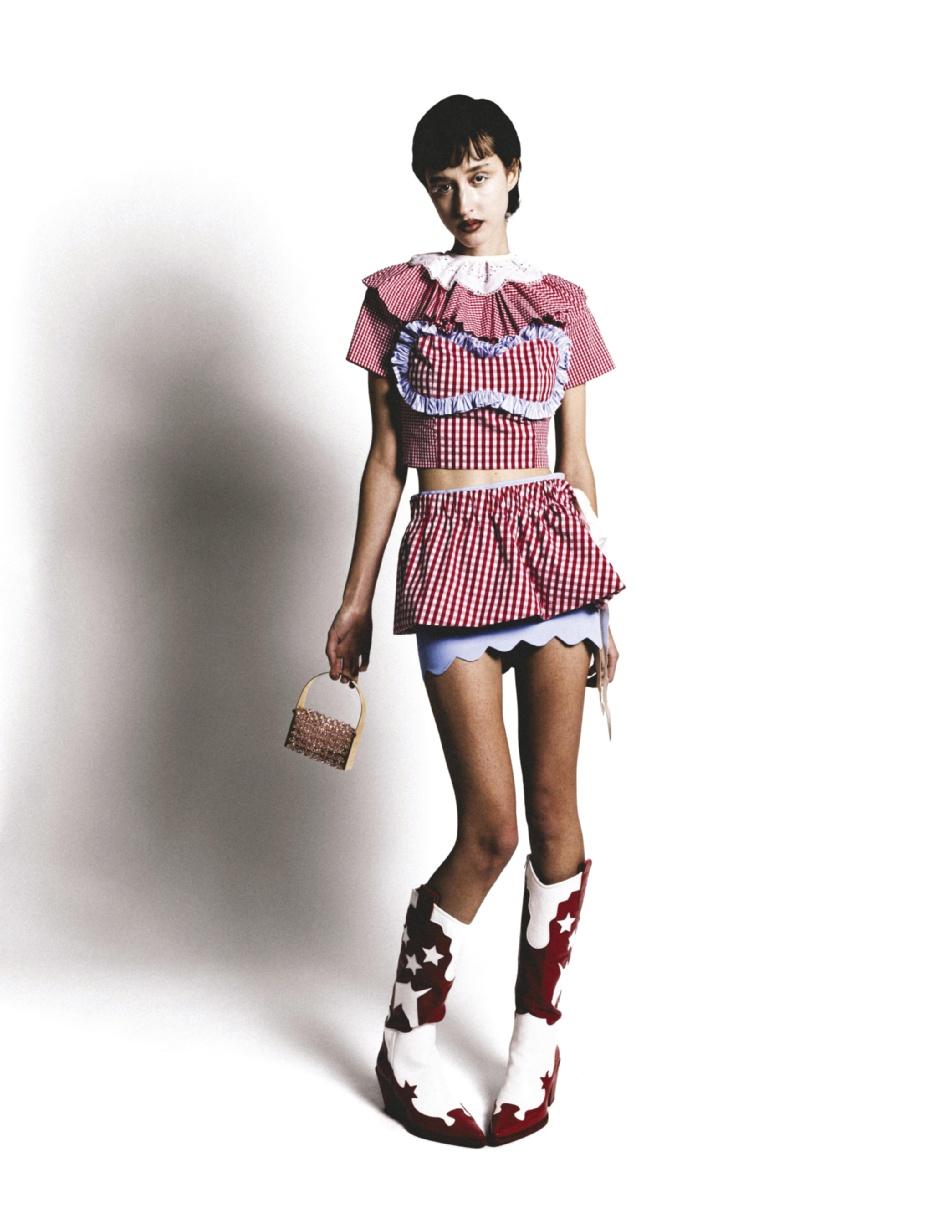
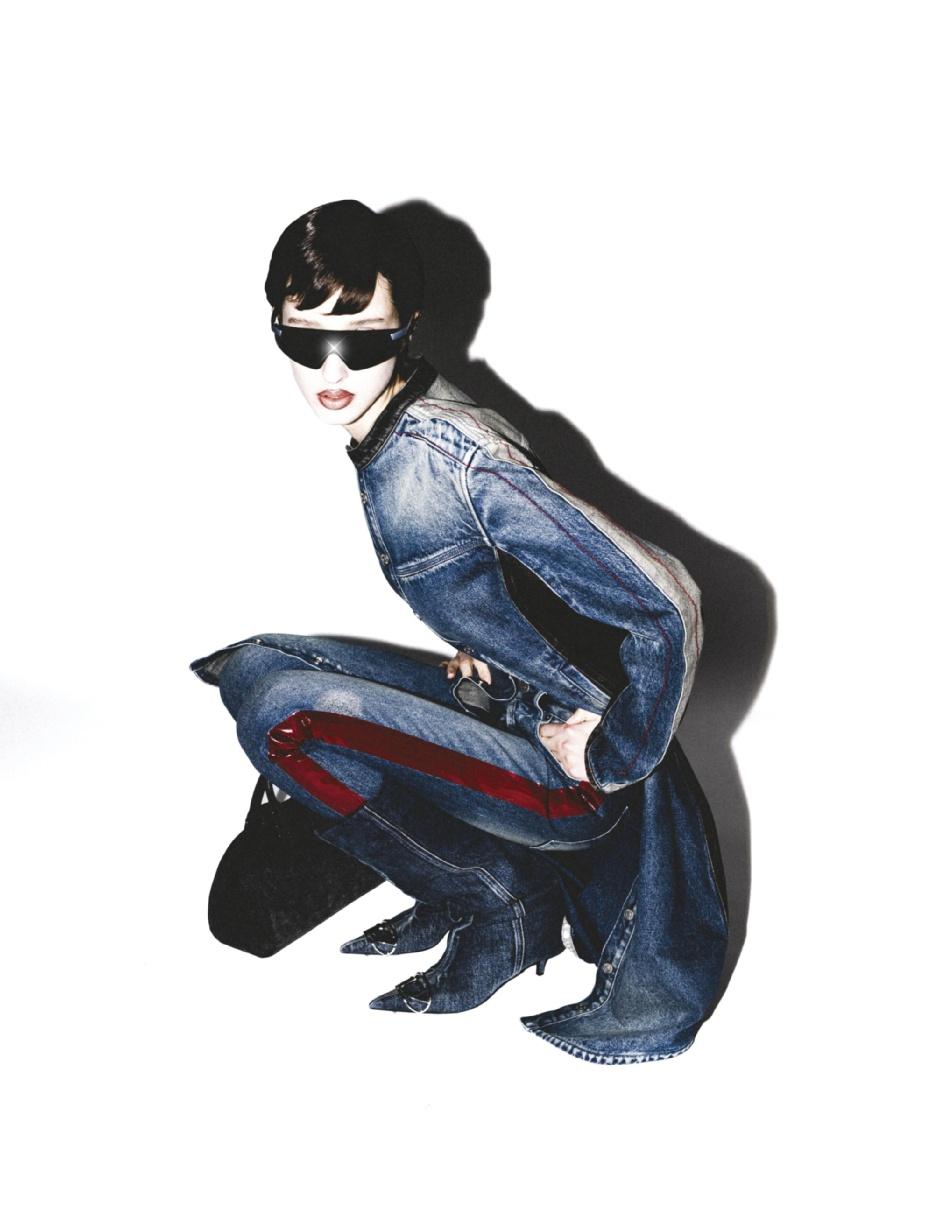
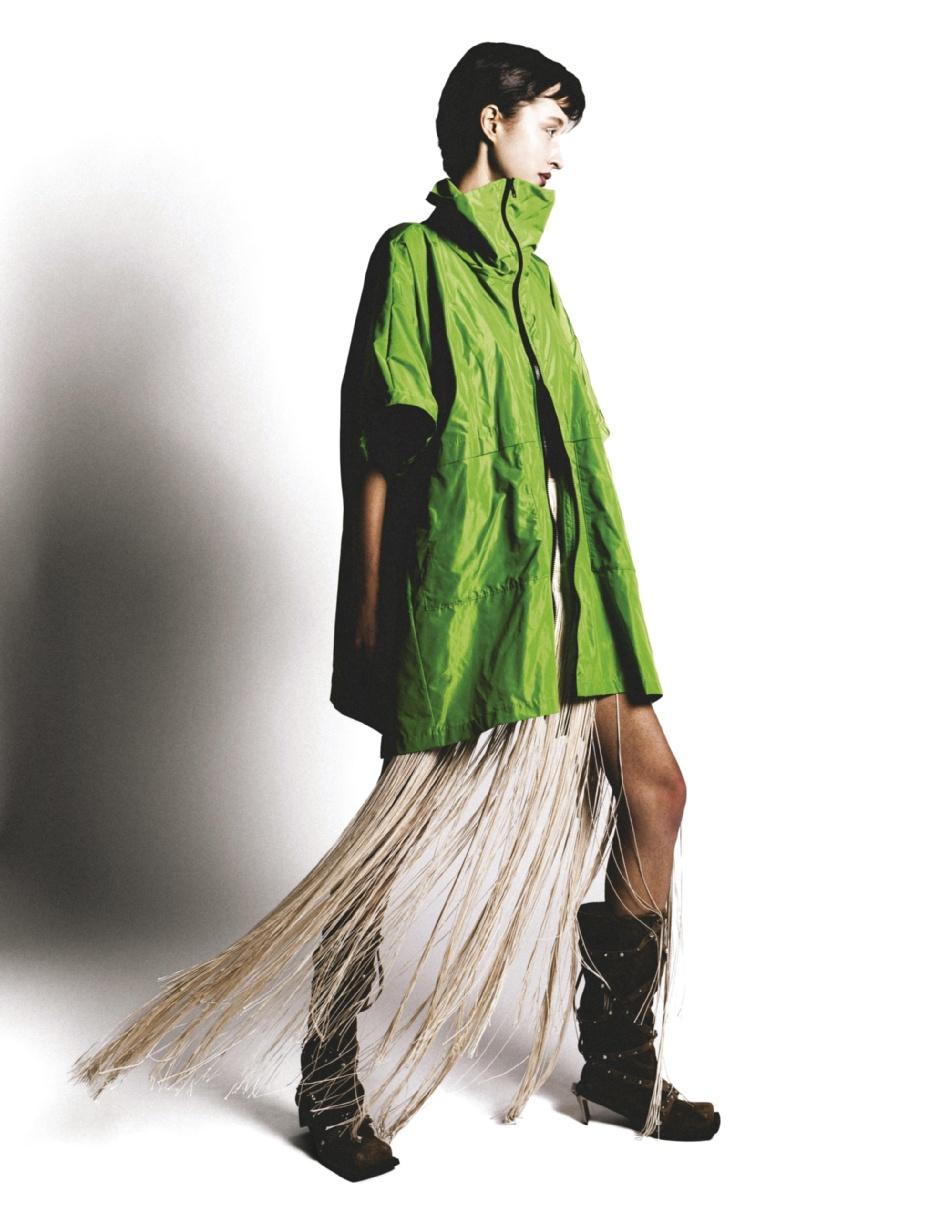
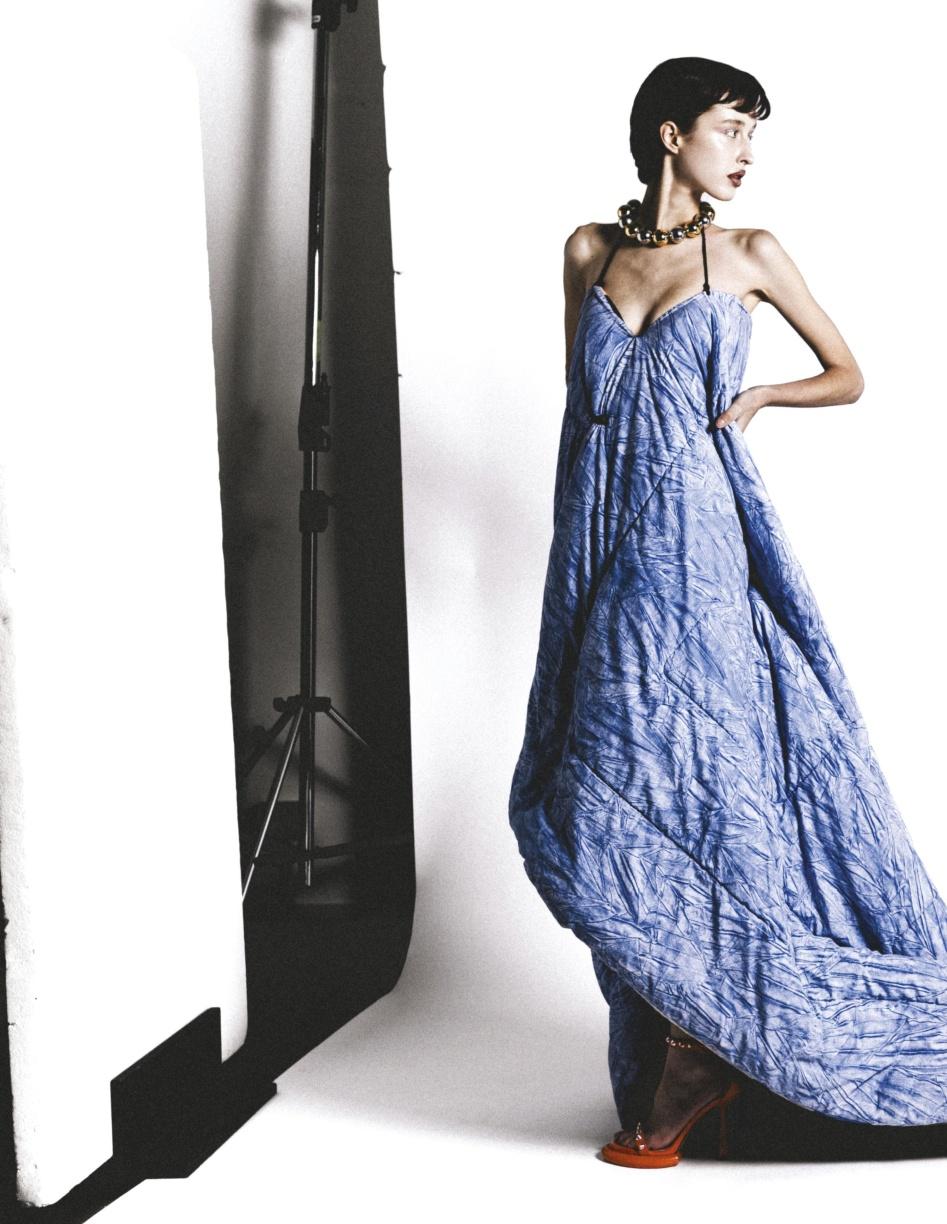
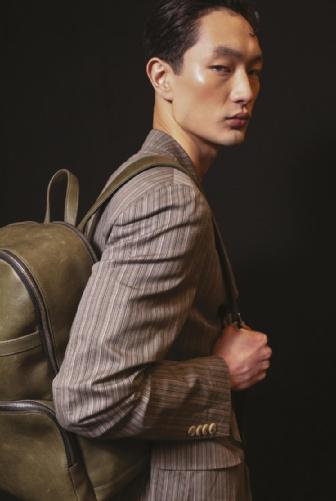
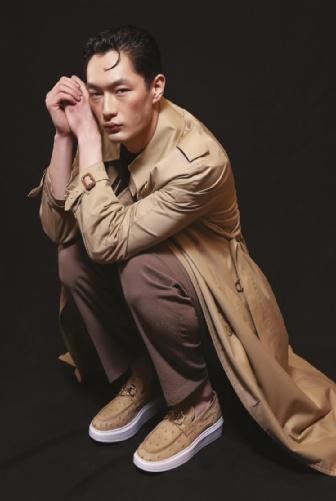
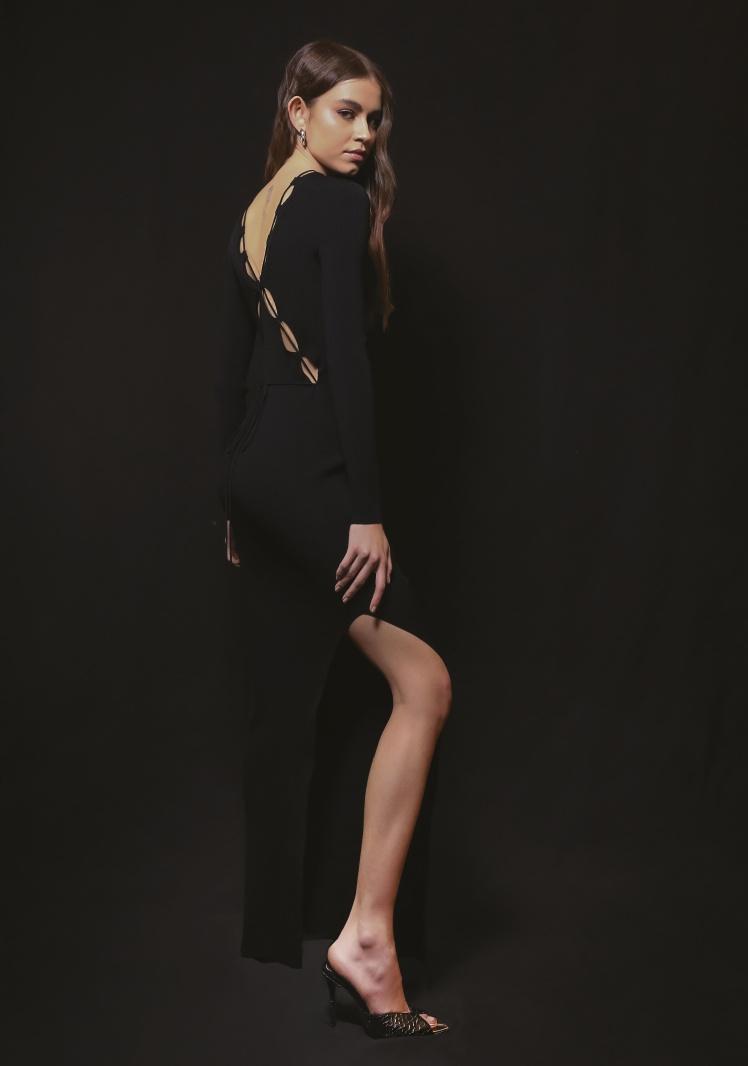
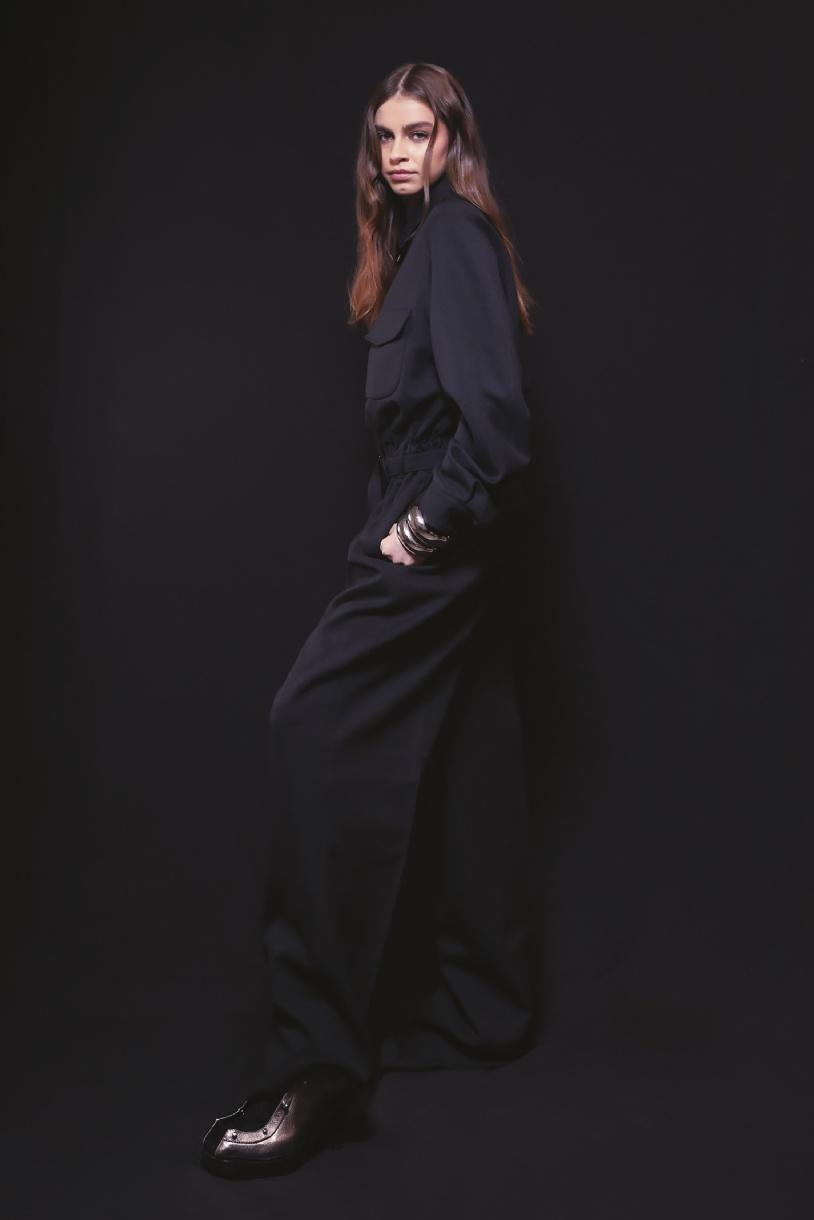
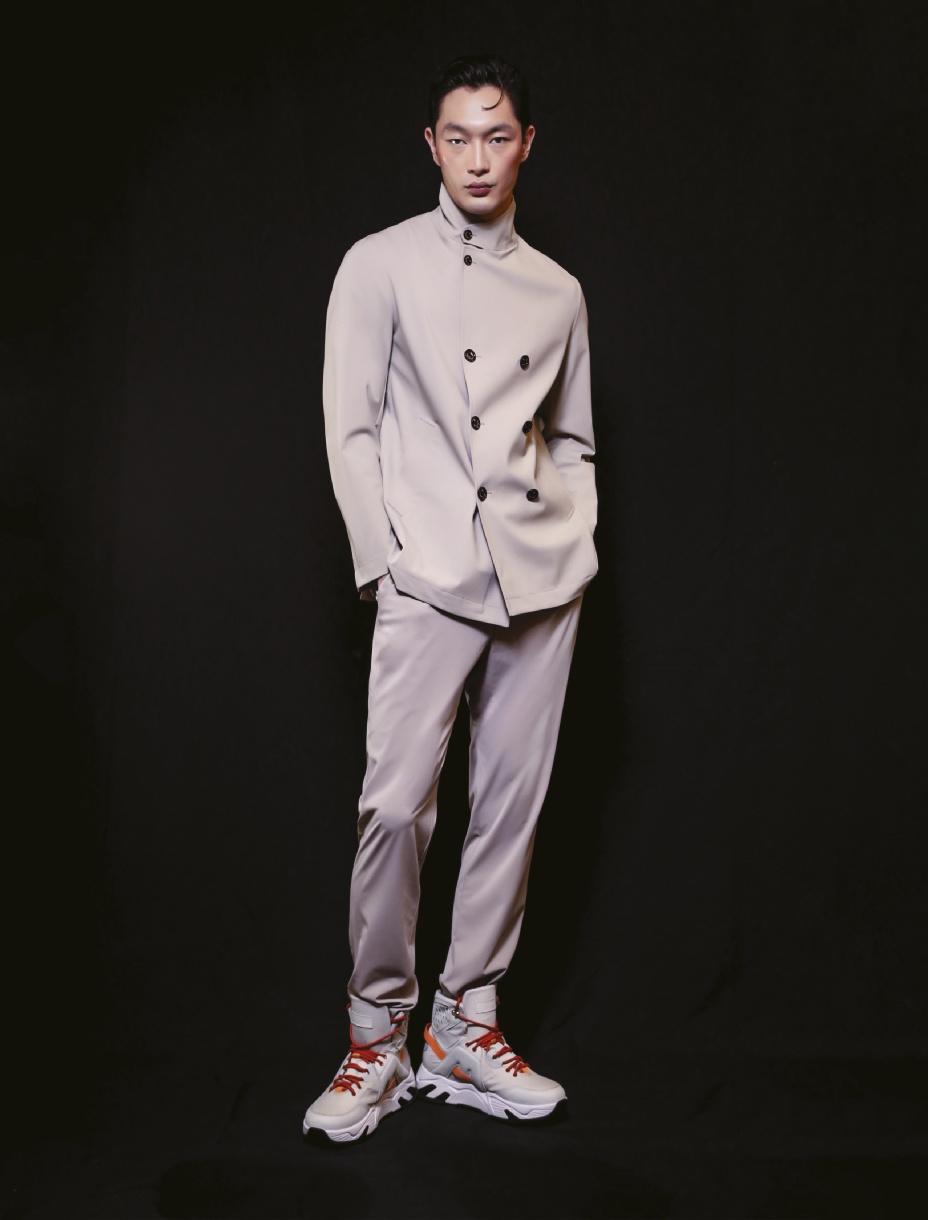
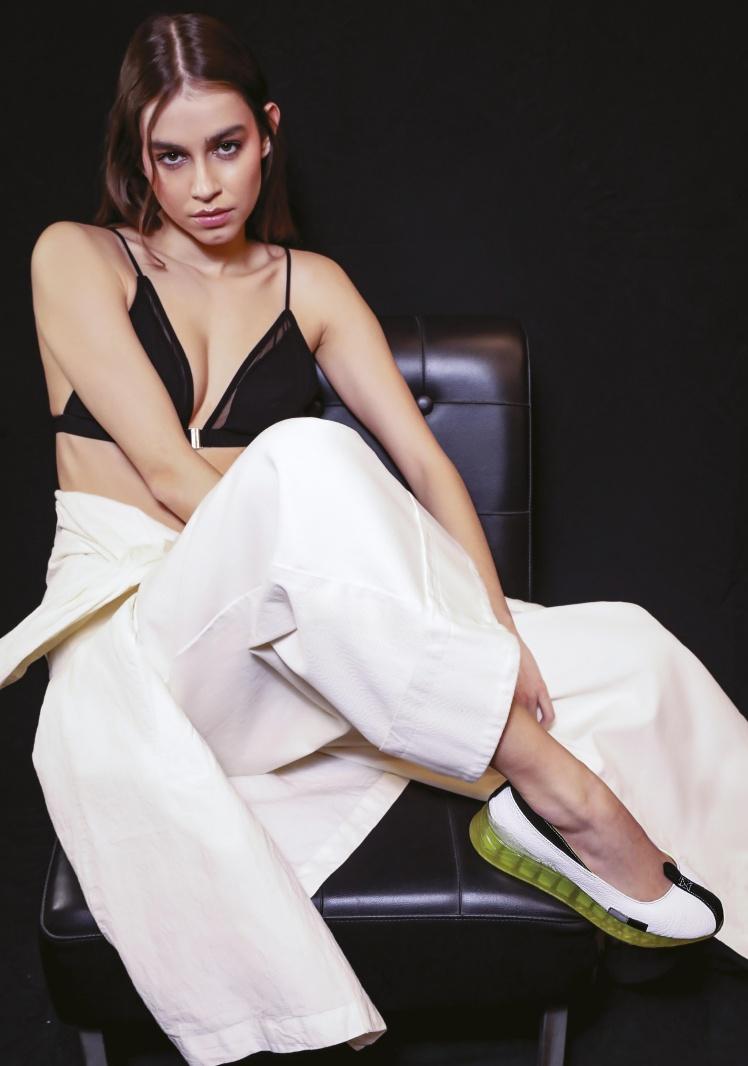
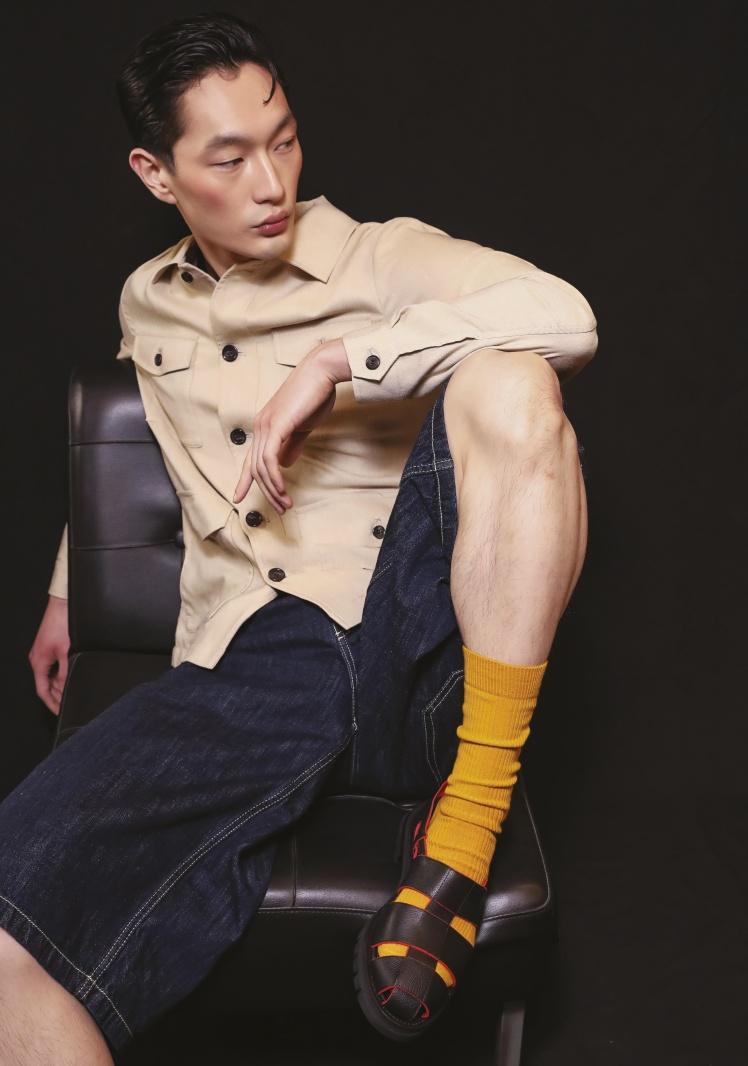
Photos by Alessandro Parisi - Fashion by Alessia Casà Make up: Ilaria Pighi - Hair: Marta Cupaioli - Stylist assistant: Dima Jbara Model: Madeleine German @ww_mgmt
07 Perfectionism
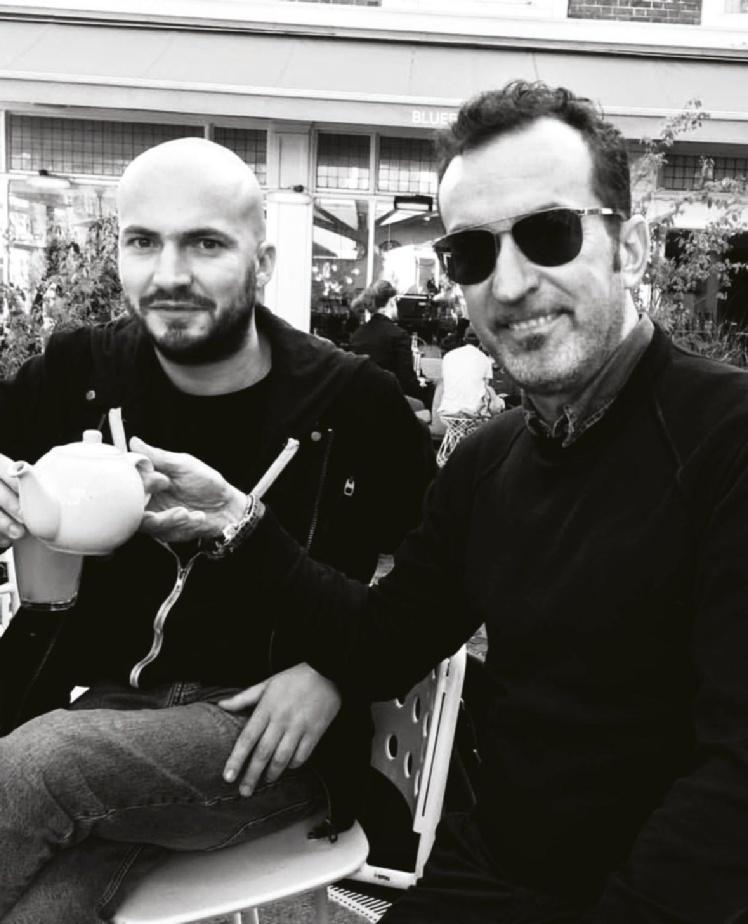
by Enrico Martinelli
In un mondo che si agita come sul fondo dell’oceano, in cui la luce è poca e la direzione incerta (vedi i dati di settore che presentiamo in questo numero), la lezione di Valentino, che da poco ci ha lasciato, permette di cogliere un punto di riferimento che sarebbe bene non abbandonare: fare le cose bene, puntando alla perfezione, potrebbe essere la cima a cui aggrapparsi per emergere (ne trovate altre di lezioni nell’articolo a lui dedicato). Il problema, forse, è comprendere cosa signi!chi oggi mirare a fare meglio il proprio lavoro. Alcuni interventi di questo numero provano a dare risposta, non univoca, perché è davvero arduo che esista una sola via. Si parla, allora, di riposizionare i brand, di trovare una nuova identità che non trascuri il consumatore medio. Si suggerisce l’importanza del ruolo dell’innovazione e della formazione, nell’intervista alla vicepresidente di Assocalzaturi!ci. Si punta sulla ricerca di nuove soluzioni - magari di giovani startup - che sappiano ingabbiare l’IA per sempli!care le impegnative s!de proposte dal mercato. Lascio a voi scoprire altre strade nella mappa di questo numero, ricordando che a volte anche nelle profondità del mare nuotano pesci che talvolta portano il nome di ‘occasioni’.
In a world that is as turbulent as the ocean depths, where light is scarce and direction uncertain (see the industry data presented in this issue), the lesson from Valentino, who recently left us, allows us to grasp a point of reference that would be wise not to abandon: doing things well, aiming for perfection, could be the peak to cling to in order to emerge (you can !nd other lessons in the article dedicated to him). The problem, perhaps, is understanding what it means today to aim to do one's job better. Some of the articles in this issue attempt to provide an answer, albeit not a de!nitive one, because it is truly di"cult for there to be only one way. There is talk, then, of repositioning brands, of !nding a new identity that does not neglect the average consumer. The importance of the role of innovation and training is suggested in the interview with the vice-president of Assocalzaturi!ci. The focus is on !nding new solutions – perhaps from young start-ups – that can harness AI to simplify the demanding challenges posed by the market. I leave it to you to discover other paths on the map in this issue, remembering that sometimes even in the depths of the sea there are !sh that are sometimes called 'opportunities'.
by Ursula Beretta
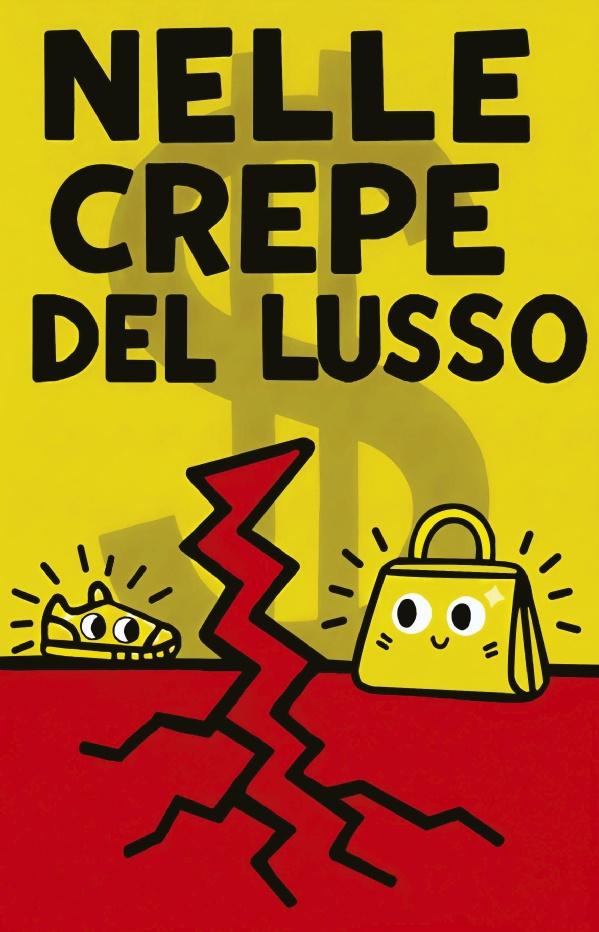
In the cracks of luxury 8
Che un momento di crisi possa anche rivelarsi una grande opportunità, è un fatto. Ma che sia necessario saperlo volgere a proprio favore è un’arte che richiede intuito, tempestività e capacità di trasformare le crepe in varchi. Un po’ come cantava Leonard Cohen, “c’è una crepa in ogni cosa ed è da lì che entra la luce”. Un concetto prosaico, certamente, ma perfetto per illuminare il periodo storico che sta attraversando oggi il settore del lusso, quella fase particolare in cui una solidità apparente convive con fragilità sottili e dove la domanda di acquisto, da anni in espansione progressiva, risulta di appannaggio di pochi. Pensare, infatti, che sia solo una frazione minima di consumatori a generare una quota enorme del fatturato globale – la stessa che ridisegna la geogra"a del mercato e impone nuove priorità - individua quell’asimmetria che diventa anche la lente attraverso la quale leggere l’evoluzione stessa del settore. A partire dalla polarizzazione, uno dei primi segnali da non sottovalutare. Se la crescita del mondo del lusso si regge principalmente su un numero esiguo di top spendig customers, è naturale che il cuore del mercato si restringa diventando più volatile ed esigente. La risposta dei grandi marchi si misura in una serie di azioni volte ad ampli"care l’esclusività sottesa all’esperienza di acquisto, tradotta in servizi personalizzati e sempre più "delizzanti. È una strategia logica, ma anche rischiosa perché più si dipende da pochi, più il sistema nel suo complesso diventa vulnerabile agli shock economici o ai cam-
biamenti di gusto di una nicchia che, per sua stessa de"nizione, può permettersi di essere imprevedibile. E il mid-market, il tradizionale terreno di equilibrio, si assottiglia, costringendo brand e produttori a ripensare a posizionamenti e a investimenti.
A questa fragilità strutturale si somma un altro nodo cruciale degli ultimi anni che interessa l’impennata dei prezzi, non sempre giusti"cata da reali investimenti in innovazione o creatività. Molti consumatori — soprattutto i più giovani — hanno percepito una crescente distanza tra il valore dichiarato dal brand e il valore percepito del prodotto. È in quest’altra crepa che si è inserita una competizione inattesa, che non è più quella orizzontale tra le maison, ma che arriva direttamente dal “basso”. Il riferimento, nemmeno troppo sottile, è al fast fashion, che negli ultimi tempi ha a#nato il suo linguaggio e la sua percezione facendo un uso strategico della scarcity, delle collaborazioni hype e di un linguaggio visivo ormai indistinguibile da quello del lusso, che gli ha permesso di intercettare una fascia di pubblico sempre più ampia o$rendole l’accessibilità a quell’immaginario che la parte “alta” del mercato considerava proprio. È un campanello d’allarme per tutto il settore perché, se il lusso rinuncia a innovare e a farlo sotto l’egida della creatività, altri colmeranno quel vuoto. E questi altri non proveranno necessariamente dall’alto… È proprio qui, in un mercato saturo di proposte tutte simili tra di loro, che l’unicità torna a essere l’unica, vera forma di leadership. Ma perché questa unicità si traduca in valore serve il coraggio di scegliere visioni inedite, di
artwork by Joe Colosimo
The not-so-subtle reference is !o fast fashion, which has recently refined i!s language and perception by making stra!egic use of sportiness, hype collaborations, and a visual language now indistinguishable from that of luxury
sostenere chi innova e di accettare che ogni cambiamento creativo - inteso anche come l’avvicendamento di nuovi stilisti ai vertici dei marchi - richiede tempo e protezione per potersi a!ermare.
Del resto, nelle fasi di contrazione dei consumi legate alle crisi, si può intravedere una possibilità di riposizionamento, una delle opportunità sopra citate. I momenti di di#coltà hanno spesso agito come acceleratori naturali, selezionando modelli solidi e mettendo in discussione strategie nate sull’onda dell’euforia. Chi possiede una visione di lungo periodo non si limita a reagire ma usa l’instabilità come momento per ria!ermare le proprie fondamenta. Questo signi$ca puntare sulla continuità del prodotto, investire nelle linee iconiche, lavorare sui materiali e sulle competenze manifatturiere che rappresentano da sempre uno dei punti di forza dell’industria della moda. In altre parole, si tratta di ra!orzare ciò che già esiste, invece che inseguire uno scenario che cambia di settimana in settimana. Ed è proprio l’identità — tema cruciale e spesso sottovalutato — a emergere come il vero scudo competitivo. Dopo anni di saturazione estetica, micro-trend e ripetizioni algoritmiche, il mercato mostra un inatteso ritorno al riconoscibile. Silhouette coerenti, accessori ben costruiti, materie prime di qualità (e sempre tracciabili), un lessico visivo che non cambia a ogni stagione: è qui che si misura oggi la capacità dei brand di sottrarsi al rumore di fondo e di costruire una relazione autentica con chi acquista e, più in generale, con il mercato. La di!erenza non si gioca più sulla velocità della novità, ma sulla profondità del valore.
Alla $ne, tutti questi segnali — la concentrazione estrema della domanda, la disa!ezione delle nuove generazioni, la concorrenza che arriva dal basso e la fragilità di un lusso che ha alzato i prezzi più velocemente della creatività — raccontano la stessa cosa, ovvero che il settore è arrivato a un punto di svolta. E, quindi, qual è la strada da percorrere? Non basta a#darsi all’inerzia del brand o alla fedel-
tà del top spender ma servono investimenti reali, un ritorno all’innovazione autentica e alla creatività come discriminante insieme a una ricostruzione del rapporto di $ducia con chi compra. La crisi, allora, smette di essere una minaccia per diventare un test di verità. Solo i marchi capaci di ride$nire il proprio valore — invece di limitarsi ad alzare i prezzi — potranno trasformare la crisi in un’occasione. Tutti gli altri scopriranno che la fragilità, a lungo ignorata, non fa sconti.
It is a fact that a moment of crisis can also prove to be a great opportunity. But knowing how to turn it to your advantage is an art that requires intuition, timeliness and the ability to transform cracks into openings. As Leonard Cohen sang, “there is a crack in everything, that's how the light gets in”. A prosaic concept, certainly, but one that perfectly illuminates the historical period that the luxury sector is currently going through, that particular phase in which apparent solidity coexists with subtle fragility and where purchasing demand, which has been growing steadily for years, is the preserve of the few. In fact, the fact that only a tiny fraction of consumers generate a huge share of global turnover – the same fraction that is redrawing the geography of the market and imposing new priorities – highlights the asymmetry that also becomes the lens through which to view the evolution of the sector itself.
Starting with polarization, one of the $rst signals not to be underestimated. If the growth of the luxury world is mainly based on a small number of top spendig customers, it is natural that the heart of the market shrinks, becoming more volatile and demanding. The response of major brands is measured by a series of actions aimed at amplifying the exclusivity underlying the shopping experience, translated into personalized and increasingly loyalty-enhancing ser-
vices. It's a logical strategy, but also a risky one because the more you depend on a few, the more vulnerable the system as a whole becomes to economic shocks or changes in taste in a niche that, by its very de!nition, can a"ord to be unpredictable. And the midmarket, the traditional equilibrium ground, thins out, forcing brands and manufacturers to rethink positioning and investing.
Added to this structural fragility is another crucial issue in recent years involving soaring prices, not always justi!ed by real investments in innovation or creativity. Many consumers —especially younger ones— have perceived an increasing distance between the value declared by the brand and the perceived value of the product. It is in this other crack that an unexpected competition has been inserted, which is no longer the horizontal one between the houses, but which comes directly from the “bottom”. The not-so-subtle reference is to fast fashion, which has recently re!ned its language and perception by making strategic use of sportiness, hype collaborations, and a visual language now indistinguishable from that of luxury, which has allowed it to appeal to an increasingly broad audience by o"ering it accessibility to the imagery that the “high” segment of the market considered its own. It's a wake-up call for the entire industry because, if luxury gives up on innovating and doing so under the aegis of creativity, others will !ll that void. And these others won't necessarily try from above… It is precisely here, in a market saturated with proposals all similar to each other, that uniqueness returns to being the only, true form of leadership. But for this uniqueness to translate into value, the courage to choose new visions, to support those who innovate, and to accept that every creative change - also understood as the rotation of new designers at the top of brands - requires time and protection to assert oneself.
Moreover, in the crisis-related phases of consumption contraction, a possibility of repositioning can be glimpsed, one of the opportunities
mentioned above. Times of di$culty have often acted as natural accelerators, selecting solid models and questioning strategies born in the wake of euphoria. Those with a long-term vision do not simply react but use instability as a time to rea$rm their foundations. This means focusing on product continuity, investing in iconic lines, working on the materials and manufacturing skills that have always been one of the strengths of the fashion industry. In other words, it's about strengthening what already exists, rather than chasing a scenario that changes from week to week.
And it is precisely identity —a crucial and often underestimated topic— that emerges as the true competitive shield. After years of aesthetic saturation, micro-trends, and algorithmic repetition, the market is showing an unexpected return to the recognizable. Consistent silhouettes, well-built accessories, quality (and always traceable) raw materials, a visual lexicon that doesn't change with each season: this is where brands' ability to escape background noise and build an authentic relationship with shoppers and, more generally, with the market is measured today. The di"erence is no longer played on the speed of novelty, but on the depth of value.
Ultimately, all these signs — the extreme concentration of demand, the disa"ection of the new generations, competition coming from below, and the fragility of a luxury that has raised prices faster than creativity — tell the same story: that the sector has reached a turning point. And, therefore, what is the way forward? It's not enough to rely on brand inertia or top-spender loyalty; we need real investments, a return to authentic innovation and creativity as a discriminator, along with a reconstruction of the relationship of trust with buyers. The crisis, then, stops being a threat to become a truth test.
Only brands capable of rede!ning their value —rather than simply raising prices— will be able to turn the crisis into an occasion. Everyone else will !nd that fragility, long ignored, makes no concessions.
Le Daf: creativity that moves between needle and thread 14
by Anna Barattoni
Da 20 anni, il brand espor!a l’artigianali!à Made in Puglia in ogni angolo del globo.
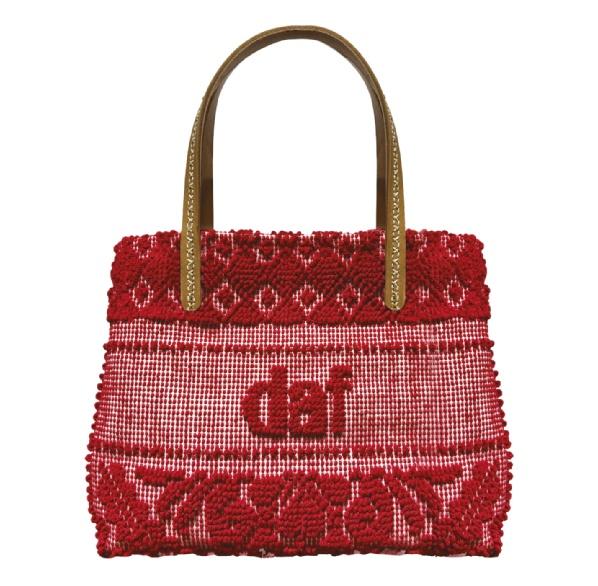
Esclusiva, ricercata e originale, la moda creata da Le Daf si muove con agilità tra ago e !lo, tessendo l'unicità di borse artigianali realizzate a mano. Ogni borsa è un pezzo unico, portatore di un'originalità che conquista lo sguardo e il cuore di chiunque incroci il suo cammino. Dietro al brand e al suo successo troviamo Edoardo Pezzuto, ideatore e fondatore di Le Daf, passato dall’essere un commerciante a maestro artigiano. “Ho iniziato a creare e progettare le mie borse nel lontano 1999 - racconta -. Le prime reazioni positive mi hanno talmente sorpreso che, grazie a uno studio costante e a una ricerca continua, l'esperienza si è trasformata, giorno dopo giorno, in autentica maestria artigianale. Il lato imprenditoriale, eredità di mio padre, mi ha poi permesso di sviluppare la mia azienda, trasformandola in un'eccellenza riconosciuta a livello locale e nazionale”.
Quale delle sue creazioni considera più ‘iconica’ del brand Le Daf?
Sicuramente la Pa#utella, caratterizzata dalla chiusura con le biglie a scatto ispirata dalla cerniera a “Spillo” di una serie di borse trovate per caso in una vecchia cassa di mia nonna. Nata nel 2004, la Pa#utella è da sempre molto amata dal pubblico e, ahimè, molto copiata da tutti i nostri competitor ed è diventata la !rma indiscussa del nostro brand.
Ci racconta l’ultima collezione Le Daf?
Sono molto entusiasta di un lavoro che stiamo sviluppando insieme a dei laboratori artigiani della Sardegna dove, partendo dalle loro tessiture a telaio, mi diverto a intervenire con pitture e laminazioni manuali, rendendo così ogni prodotto unico e di grande impatto visivo. Queste cfeazioni fanno parte della linea Le Daf Resort, che è molto richiesta dal nostro pubblico internazionale ed è il nostro best seller a Miami, nelle isole Cicladi e a Barbados. Che momento sta vivendo il mercato?
Oggi il mercato degli accessori è molto congestionato e piatto. La rincorsa estenuante alle ultime tendenze e alle gri#e ha dato meno forza alla proposta creativa; se a questa situazione si aggiunge il fast fashion, che dai paesi asiatici arriva a !umi e senza
Edoardo Pezzuto
Exclusive, refined and original, the fashion crea!ed by Le Daf moves with agility between needle and thread, weaving the uniqueness of handmade artisan bags. Each bag is a unique piece
controllo sui nostri mercati, si capisce come sia stato raggiunto un tale livello di saturazione. La nostra salvezza è l’aver sempre mantenuto un’autenticità 100% Made in Italy, con lavorazioni di nicchia artigianale e alti standard di soddisfazione del cliente sia dal punto di vista qualitativo, che emotivo, perché l’aspetto emozionale è parte fondamentale del processo d’acquisto. Siamo distribuiti in concept store importanti in Italia, in Europa e anche in America.
Quanto conta la sostenibilità per il marchio?
La sostenibilità più importate, per me, è quella della !liera corta e principalmente del riuso: un’economia circolare che, prima di rimettere in moto qualcosa, cerca di riutilizzare, riciclando e customizzando tutto quello che giace nei magazzini, secondo le esigenze e il gusto dei tempi in cui viviamo.
Quali sono gli stilisti, del passato e contemporanei, che più apprezza e hanno in#uenzato la sua creatività?
Sicuramente i !amminghi come Dries Van Noten, ma anche Antonio Marras e Chanel. Rispetto alle ultime s!late, mi hanno particolarmente colpito le collezioni presentate da Chanel e Dior, per la freschezza e la capacità di reinventarsi mantenendo sempre la propria identità.
Se dovesse uscire a fare shopping, in quale negozio si recherebbe e per acquistare quale accessorio moda? in questo anno ho viaggiato molto, sia in Italia che all’estero, e devo confessare che sono sempre meno i punti vendita che attirano il mio interesse, specialmente in Italia, e questo proprio per la mancanza di ricerca che viene fatta da parte di chi li gestisce: tutto è omologato, dal piccolo negozio alla grande catena commerciale. All’estero sono più dinamici e curiosi. In Italia in questo momento c’è molta paura di osare.
Se oggi dovesse a"rontare una crisi creativa, da chi o dove andrebbe per superarla?
Sicuramente non cercherei aiuto nell’Intelligenza Arti!ciale. Piuttosto, credo che mi guarderei indietro, partendo dai primi prodotti che ho creato e che sono espressione di un momento in cui gli stimoli erano forti e decisi.
For 20 years, the brand has been exporting Made in Puglia craf!smanship !o every corner of the globe.
Exclusive, re!ned and original, the fashion created by Le Daf moves with agility between needle and thread, weaving the uniqueness of handmade artisan bags. Each bag is a unique piece, bearing an originality that captures the eye and heart of anyone who crosses its path. Behind the brand and its success is Edoardo Pezzuto, creator and founder of Le Daf, who went from being a merchant to a master craftsman. ‘I started creating and designing my bags back in 1999,’ he says. The initial positive reactions surprised me so much that, thanks to constant study and continuous research, the experience was transformed, day after day, into authentic craftsmanship. The entrepreneurial side, inherited from my father, then allowed me to develop my company, transforming it into a recognised local and national excellence."
Which of your creations do you consider more ‘iconic’ than the Le Daf brand?
De!nitely the Pa"utella, characterized by the snap-on marble closure inspired by the “Pin” zipper of a series of bags found by chance in an old crate of my grandmother. Born in 2004, Pa"utella has always been much loved by the public and, alas, much copied by all our competitors and has become the undisputed signature of our brand.
Can you tell us about the latest Le Daf collection?
I am very excited about a work we are developing together with artisan workshops in Sardinia where, starting from their loom weaving, I enjoy intervening with hand paints and laminations, thus making each product unique and visually striking. These cfeations are part of the Le Daf Resort line, which is in high demand by our international audience and is our best seller in Miami, the Cyclades Islands and Barbados.
What time is the market experiencing?
Today the accessories market is very congested and #at. The
grueling pursuit of the latest trends and brands has given less force to the creative proposition; if we add to this situation fast fashion, which arrives from Asian countries in rivers and without control over our markets, we understand how such a level of saturation has been reached. Our salvation is having always maintained a 100% Made in Italy authenticity, with niche artisanal workmanship and high standards of customer satisfaction, both qualitatively and emotionally, because the emotional aspect is a fundamental part of the purchasing process. We are distributed in important concept stores in Italy, Europe and also in America. How important is sustainability to the brand?
The most important sustainability, for me, is that of the short supply chain and primarily reuse: a circular economy that, before restarting something, seeks to reuse, recycle, and customize everything stored in warehouses, according to the needs and tastes of the times we live in.
Which designers, past and contemporary, do you appreciate most and have in!uenced your creativity?
Certainly Flemish people like Dries Van Noten, but also Antonio
Marras and Chanel. Compared to the last shows, I was particularly impressed by the collections presented by Chanel and Dior, for their freshness and ability to reinvent themselves while always maintaining their own identity.
If you were going out shopping, which store would you go to and to buy which fashion accessory?
I've traveled extensively this year, both in Italy and abroad, and I must confess that fewer and fewer stores are attracting my interest, especially in Italy, precisely because of the lack of research done by those who manage them: everything is standardized, from the small store to the large retail chain. Abroad they are more dynamic and curious. In Italy there is a great deal of fear of daring at the moment.
If you were to face a creative crisis today, who or where would you go to overcome it?
I de"nitely wouldn't seek help in Arti"cial Intelligence. Rather, I think I would look back, starting from the "rst products I created, which are an expression of a time when the stimuli were strong and decisive.
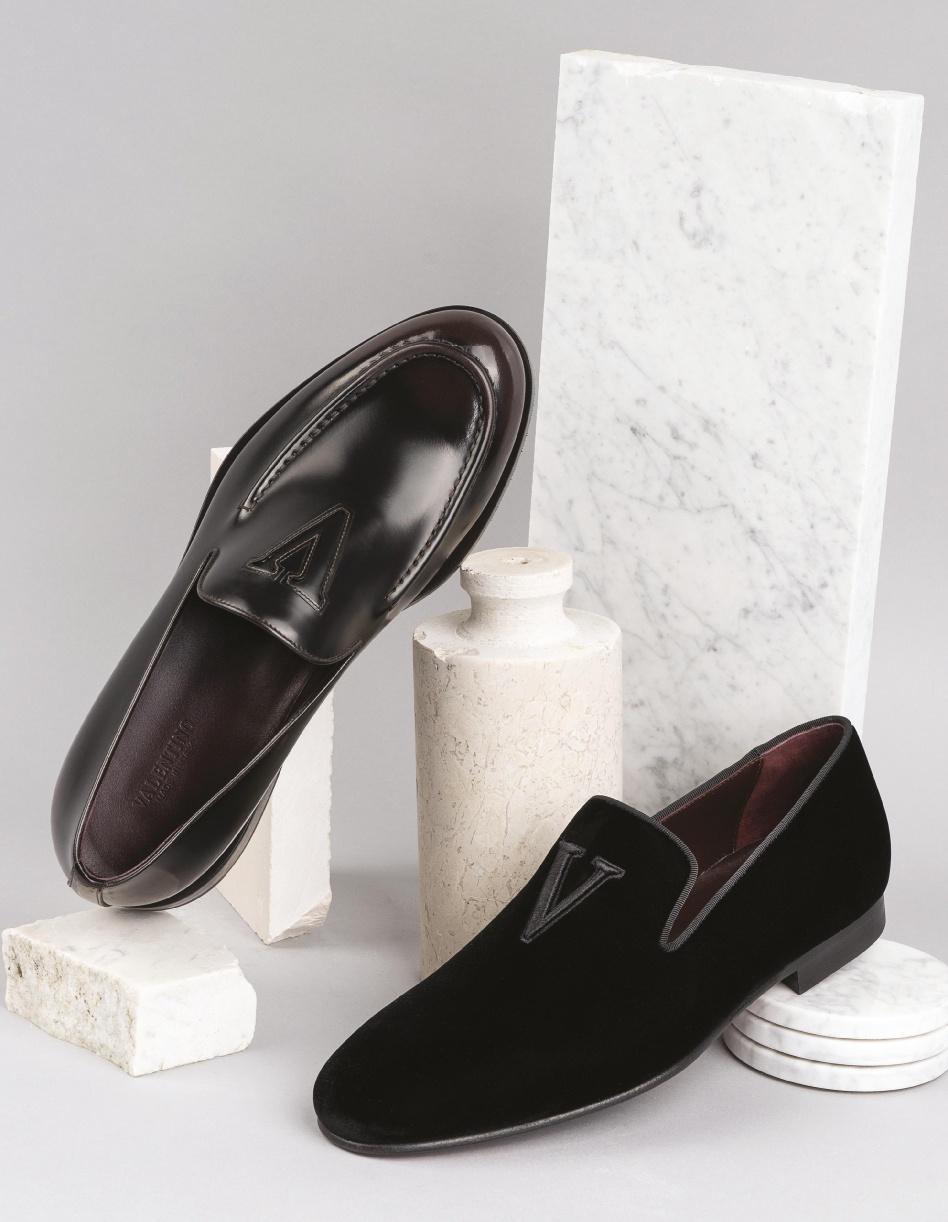
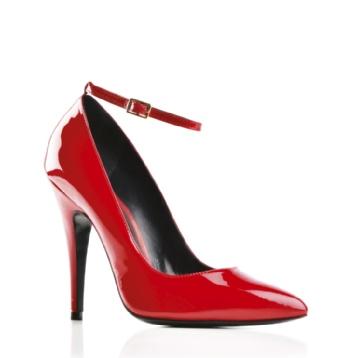
Licensed by Mario Valentino
Paola Smaja!o:passion, competence and vision 20
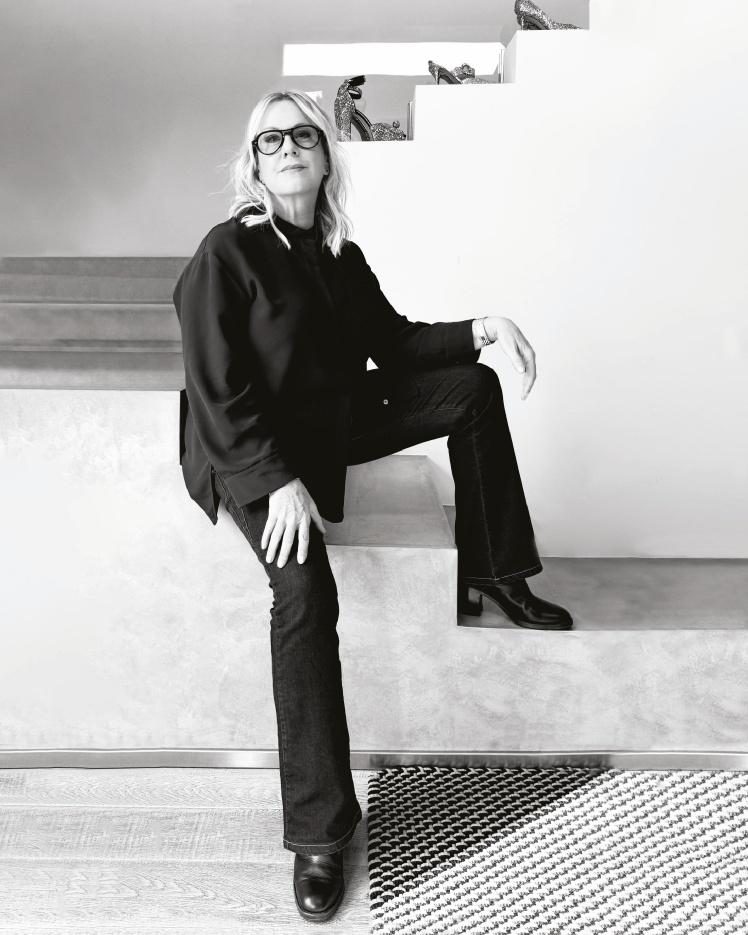
Presiden!e e AD del Calz. Valbren!a e Vicepresiden!e Assocalzaturifici, ci raccon!a la sua real!à aziendale, nel cuore della Riviera del Bren!a, in un merca!o globale sempre più sfidan!e.
La storica realtà imprenditoriale di Vigonovo (VE) è da generazioni un punto di riferimento per la qualità e il lusso della calzatura donna. “Da tre generazioni realizziamo calzature di qualità coniugando l’eccellenza artigianale che ci contraddistingue con l’innovazione continua dei processi e dei materiali - a!erma Paola Smajato -. Il nostro sguardo è sempre rivolto al miglioramento costante. Investiamo in formazione, tecnologia e nel talento dei giovani. Vogliamo creare un ambiente in cui le nuove idee possano crescere e contribuire al rinnovamento del settore. Custodiamo una grande eredità, la nostra storia non smette di evolvere, lavoriamo con costante passione, competenza e visione”.
Il Calzaturi#cio Valbrenta è noto per la grande collaborazione con marchi del lusso mondiali e designer emergenti. Cosa cerca oggi il cliente del lusso?
Il nostro focus resta sulle grandi maison della moda, partner fondamentali per volumi e complessità progettuale. Collaboriamo con designer emergenti e brand innovativi perché crediamo nei giovani e nel valore del talento. O!riamo supporto tecnico e progettuale sin dalle prime fasi, contribuendo alla crescita di visioni nuove che rappresentano il futuro del settore. In uno scenario in continuo cambiamento, rispondiamo ra!orzando ciò che ci distingue: $essibilità, know-how artigianale, sostenibilità e attitudine al miglioramento continuo. Oggi i clienti del lusso, oltre al prodotto, richiedono servizi aggiuntivi come reattività nello sviluppo, velocità nella prototipazione, capacità di co-design e una gestione trasparente della qualità. Anche la riduzione delle quantità minime per collezioni più snelle è una necessità sempre più frequente. I brand emergenti ci chiedono inoltre la gestione logistica, servizio che noi o!riamo da sempre. Come vede la situazione attuale del mercato?
Oggi il mercato è estremamente volatile e competitivo, ma emergono alcuni segnali chiari. I paesi che mostrano una migliore propensione all’acquisto sono quelli con una forte tradizione del lusso e una domanda stabile di prodotti Made in Italy. Europa Centrale, Francia e Regno Unito restano mercati di riferimento insieme al Nord America, che continua a cercare qualità e servizio. Parallelamente, mercati più giovani come Corea del Sud e paesi del Golfo
by Anna Barattoni
mostrano crescente interesse verso prodotti premium e innovativi. La tipologia di prodotto più ricercata è quella che combina estetica contemporanea, comfort e attenzione ai materiali: il consumatore !nale è più informato, vuole capi sostenibili, tracciabili e durevoli. I brand trasferiscono queste richieste lungo tutta la !liera. Crescono i progetti con componenti innovativi e tecniche evolute, compreso le lavorazioni più leggere e materiali responsabili. Quanto conta la sostenibilità nella moda e per il vostro marchio in particolare?
La sostenibilità è un valore centrale per la nostra azienda e per i brand del lusso con cui collaboriamo. Oggi non si tratta più soltanto di una scelta etica, ma di un requisito imprescindibile per essere competitivi: i clienti !nali sono più consapevoli, i brand sono chiamati a garantire trasparenza e le normative europee diventano sempre più stringenti. Nel settore del lusso la sostenibilità deve convivere con l’eccellenza, senza compromessi: materiali di qualità, !liere tracciabili, processi responsabili e prodotti destinati a durare nel tempo. In questo senso il Made in Italy rappresenta un vantaggio distintivo, perché unisce artigianalità, cultura produttiva e attenzione alle persone. Per noi sostenibilità signi!ca ridurre l’impatto ambientale usando materiali e processi più responsabili. Valorizzare il capitale umano, la sicurezza e il benessere delle persone. Sostenere la !liera locale, ra"orzando la comunità e la tradizione del distretto. In!ne, innovare continuamente per rendere la qualità compatibile con il futuro. Come si sente nel ruolo di neo Vicepresidente di Assocalzaturi!ci?
Mi sento onorata e sono profondamente impegnata. Continuo ad occuparmi della mia azienda e del territorio, a"acciandomi però alla prospettiva nazionale. Ho grande !ducia e stima dei colleghi e soprattutto della Presidente Giovanna Ceolini”. Quanto sta cambiando l’imprenditoria moda e la !gura stessa dell’imprenditore?
Il modello tradizionale, basato solo sul prodotto e sulla creatività, non è più su#ciente. Oggi l’imprenditore deve essere una !gura capace di leggere scenari complessi, innovare e guidare il cambiamento. Le principali evoluzioni in atto sono la visione globale e strategica, dove il business non si gioca più solo sul prodotto !nito, ma supply chain, logistica, geopolitica e digitalizzazione in$uenzano le scelte imprenditoriali in modo determinante. La sostenibilità diventa un driver competitivo, un requisito di accesso al mercato. Trasparenza, tracciabilità e responsabilità sociale sono competenze imprenditoriali necessarie. La nuova imprenditoria deve inoltre valorizzare i giovani e mettere al centro contaminazione, co-design e collaborazioni con nuovi brand. Non ultimo, ma signi!cativo, è necessaria una leadership inclusiva orientata alle persone, perché formazione, sicurezza e cultura aziendale sono un vero e proprio pilastro. Se oggi dovesse uscire a fare shopping, in quale negozio andrebbe e quale accessorio moda acquisterebbe?
Credo che sceglierei un paio di scarpe prodotte da noi: conosco la qualità del nostro lavoro e so quanto valore c’è dietro ogni modello.
Inoltre, mi piace collezionare i prodotti dei brand con cui collaboriamo: è un modo per sostenere i nostri partner e portare con me una parte del loro progetto. Parallelamente, mi concederei un giro nei mercati vintage, che sono una fonte inesauribile di ispirazione. I corsi e ricorsi storici della moda mi a"ascinano: trovare dettagli, forme e materiali del passato e reinterpretarli in chiave contemporanea aggiunge profondità alla ricerca e al design.
Quali designer l’hanno maggiormente colpita di recente?
Oggi ci sono molti designer che stanno portando contributi interessanti, ognuno con una propria visione. Mi colpiscono in particolare quei brand, sia a"ermati sia emergenti, che riescono a unire creatività, qualità dei materiali e una ricerca responsabile nella produzione. Apprezzo chi interpreta l’heritage in modo contemporaneo, senza perdere l’attenzione al comfort, all’usabilità e alla sostenibilità. È questo equilibrio tra estetica e funzione che, secondo me, rappresenta davvero il futuro del nostro settore. Senza dimenticare il nostro rinomato Politecnico Calzaturiero che “sforna” ogni anno designer eccellenti.
Quali sono i trend che vedremo emergere e dominare nelle prossime stagioni?
Nelle prossime stagioni vedremo emergere un’estetica che unisce desiderio di autenticità e ricerca di comfort. La moda sta tornando a privilegiare forme più morbide, materiali piacevoli da indossare e dettagli funzionali, senza rinunciare alla bellezza. Il consumatore è sempre più attento a ciò che indossa: vuole prodotti che raccontino una storia, che durino nel tempo e che sappiano esprimere la sua identità in modo personale, non omologato.
President and CEO of Calzaturificio Valbren!a and Vice-President of Assocalzaturifici, she !ells us about her company, loca!ed in the heart of the Riviera del Bren!a, in an increasingly global challenging market.
The historic business in Vigonovo (VE) has been a benchmark for quality and luxury women's footwear for generations. ‘For three generations, we have been making quality footwear, combining the craftsmanship that sets us apart with continuous innovation in processes and materials,’ says Paola Smajato. Our focus is always on continuous improvement. We invest in training, technology and young talent. We want to create an environment where new ideas can grow and contribute to the renewal of the sector. We are custodians of a great heritage, our history continues to evolve, and we work with constant passion, expertise and vision.
Calzaturi!cio Valbrenta is known for its great collaboration with global luxury brands and emerging designers. What is the luxury customer looking for today?
Our focus remains on large fashion houses, key partners in volume and design complexity. We collaborate with emerging designers and innovative brands because we believe in young people and the value of talent. We o"er technical and design support from the earliest stages, contributing to the growth of new visions that represent the future of the industry. In an ever-changing landscape, we respond by strengthening what sets us apart: #exibility, artisanal know-how, sustainability, and an aptitude for continuous improvement. Today, luxury customers, in addition to the product, require additional services such as responsiveness in development, speed in prototyping, co-design capabilities, and transparent quality management. Reducing minimum quantities for leaner collections is also an increasingly frequent necessity. Emerging brands also ask us for logistics management, a service we have always o"ered. How do you see the current market situation?
Today the market is extremely volatile and competitive, but some clear signs are emerging. The countries that show the best propensity to buy are those with a strong tradition of luxury and stable demand for Made in Italy products. Central Europe, France and the United Kingdom remain key markets alongside North America, which continues to seek quality and service. At the same time, younger markets such as South Korea and Gulf countries are showing growing interest in premium and innovative products. The most sought-after product type combines contemporary aesthetics, comfort, and attention to materials: the end consumer is more informed, wanting sustainable, traceable, and durable garments. Brands transfer these requests throughout the supply chain. Projects with innovative components and advanced techniques are growing, including lighter workmanship and responsible materials.
How important is sustainability in fashion and for your brand in particular?
Sustainability is a central value for our company and the luxury brands we work with. Today, it is no longer just an ethical choice, but an essential requirement for competitiveness: end customers are more aware, brands are called upon to ensure transparency, and European regulations are becoming increasingly stringent. In the luxury sector, sustainability must coexist with excellence, without compromise: quality materials, traceable supply chains, responsible processes, and products destined to last. In this sense, Made in Italy represents a distinctive advantage, because it combines craftsmanship, productive culture, and attention to people. For us, sustainability means reducing environmental impact by using more responsible materials and processes. Enhancing human capital, people's safety and well-being. Support the local supply chain, strengthening the community and tradition of the district. Finally, innovate continuously to make quality compatible with the future.
How do you feel as the new Vice President of Assocalzaturi!ci?
I feel honored and deeply committed. I continue to take care of my company and the area, but with a national perspective. I have great trust and esteem in my colleagues and especially in President Giovanna Ceolini”.
How much is fashion entrepreneurship and the very !gure of the entrepreneur changing?
The traditional model, based only on product and creativity, is no longer su$cient. Today, the entrepreneur must be a !gure capable of reading complex scenarios, innovating, and driving change. The main developments underway are the global and strategic vision, where business is no longer played out solely on the !nished product, but supply chain, logistics, geopolitics, and digitalization are signi!cantly in#uencing entrepreneurial choices. Sustainability becomes a competitive driver, a requirement for market access. Transparency, traceability and social responsibility are necessary entrepreneurial skills. The new entrepreneurship must also value young people and put contamination, co-design and collaborations with new brands at the centre. Not least, but signi!cantly, inclusive people-oriented leadership is needed, because training, safety, and corporate culture are a real cornerstone. If you were going out shopping today, which store would you go to and what fashion accessory would you buy?
I think I would choose a pair of shoes made by us: I know the quality of our work and I know how much value there is behind each model. In addition, I like to collect the products of the brands we work withit's a way to support our partners and bring a part of their project with me. At the same time, I would indulge in a tour of vintage markets, which are an inexhaustible source of inspiration. The historical courses and recurrences of fashion fascinate me: !nding details, shapes, and materials from the past and reinterpreting them in a contemporary key adds depth to research and design.
Which designers have most impressed you recently?
Today there are many designers who are making interesting contributions, each with their own vision. I am particularly struck by those brands, both established and emerging, that manage to combine creativity, quality of materials and responsible research in production. I appreciate those who interpret heritage in a contemporary way, without losing focus on comfort, usability and sustainability. It is this balance between aesthetics and function that, in my opinion, truly represents the future of our industry. Not to mention our renowned Polytechnic Footwear Factory which “churns out” excellent designers every year. What are the trends we will see emerge and dominate in the coming seasons?
In the coming seasons, we will see the emergence of an aesthetic that combines a desire for authenticity and a search for comfort. Fashion is returning to favor softer shapes, materials that are pleasant to wear and functional details, without sacri!cing beauty. Consumers are increasingly attentive to what they wear: they want products that tell a story, that last over time, and that can express their identity in a personal, non-approved way.
MICAM e MIPEL, si evolve l’esperienza fieristica
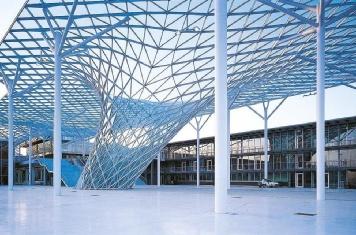
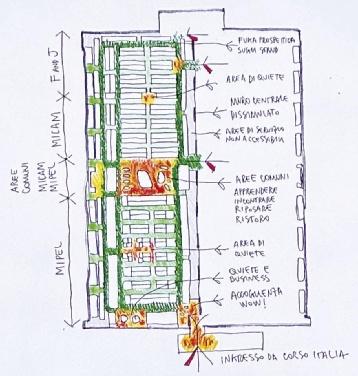
Si chiama “Reinventing MIPEL & MICAM” il proget!o che prenderà corpo per la prima vol!a dal 22 al 24 febbraio 2026 a Fiera Milano Rho: ripensa!o comple!amen!e il padiglione 5.
“Un modo nuovo di fare !ere!”. Parte così la presentazione del nuovo progetto che ha visto lavorare in stretta sinergia Assocalzaturi!ci e Assopellettieri.
MICAM e MIPEL ra"orzano la loro collaborazione all’interno di Fiera Milano Rho presentando “Reinventing MIPEL & MICAM” un progetto strategico concepito per valorizzare ulteriormente l’esperienza di visitatori ed espositori e accrescere la competitività delle due manifestazioni nel panorama !eristico internazionale. Partner della trasformazione è Lombardini22, realtà di riferimento nel settore dell’architettura e dell’ingegneria, scelta per la sua capacità di sviluppare spazi dinamici, narrativi e ad alto impatto progettuale grazie a un approccio integrato che coinvolge architettura, interior design, comunicazione e sostenibilità.
In occasione dell’edizione di febbraio 2026, che coinciderà con i Giochi Olimpici Invernali Milano– Cortina, l’esperienza di MIPEL sarà completamente ridisegnata: la manifestazione si trasferirà nella parte anteriore del Padiglione 5 di Fiera Milano Rho, ottenendo maggiore visibilità e centralità all’interno del quartiere !eristico e trasformando questo cambiamento in una leva per rinnovare profondamente l’identità della !era.
Il layout verrà riprogettato da Lombardini22 per rendere la visita più chiara, immersiva e immediatamente leggibile, con percorsi ottimizzati e nuove aree dedicate a prodotto, innovazione e creatività, mentre anche i moduli espositivi preallestiti saranno reinterpretati in chiave contemporanea e funzionale per rispondere alle
esigenze delle aziende espositrici. Accanto a queste novità, MIPEL confermerà i progetti che rappresentano da anni il cuore della manifestazione: Showcase, lo spazio dedicato al dialogo tra design, ricerca e artigianato; MIPEL Livestreaming, il format di live shopping, estremamente apprezzato dagli espositori, con livestreamer internazionali e in"ne, l’area dedicata al racconto del prodotto e ai trend Autunno/Inverno 2026/27 sviluppata, per l’occasione, in sinergia con MICAM allo scopo di raccontare le tendenze emergenti del settore pellettiero e calzaturiero.
Al centro del Padiglione 5 prenderà forma M&M – The Hub, un nuovo spazio concepito per ospitare iniziative e progetti sviluppati in piena sinergia tra MIPEL e MICAM, con l’obiettivo di o#rire ai visitatori delle due manifestazioni un’esperienza integrata, contemporanea e ricca di contenuti di valore. All’interno dell’Hub troveranno posto MICAM Academy e MIPEL Factory, riunite in un’unica anima che combina dimensione formativa, ricerca, sperimentazione tecnica e approfondimento professionale. M&M – The Hub diventerà così il cuore pulsante della collaborazione tra le due "ere, valorizzando allo stesso tempo le speci"cità dei due settori.
Confermata anche la presenza di Italian Startup, il progetto realizzato in collaborazione con ICE-Agenzia e il Ministero degli A#ari Esteri e della Cooperazione Internazionale (MAECI), che accenderà i ri$ettori su una selezione di aziende italiane emergenti ad alto contenuto innovativo e tecnologico.
Non mancherà poi uno spazio dedicato al prodotto, che o#rirà una panoramica sintetica e curata delle principali tendenze della stagione Autunno/Inverno 2026–2027. In"ne, verrà allestita anche un’area relax, dove i visitatori potranno concedersi una pausa dal business e godersi momenti di riposo in un ambiente confortevole.
Il ‘concept layout - unplugged’ del padiglione 5 realizzato da Lombardini22
“A new way of doing trade fairs!”. This is how the presentation of the new project begins, which has seen Assocalzaturi"ci and Assopellettieri working in close synergy.
MICAM and MIPEL are strengthening their collaboration within Fiera Milano Rho by presenting ‘Reinventing MIPEL & MICAM’, a strategic project designed to further enhance the experience of visitors and exhibitors and increase the competitiveness of the two events on the international trade fair scene.
The partner in this transformation is Lombardini22, a leading company in the architecture and engineering sector, chosen for its ability to develop dynamic, narrative spaces with a high design impact thanks to an integrated approach that involves architecture, interior design, communication and sustainability.
For the February 2026 edition, which will coincide with the Milan-Cortina Winter Olympic Games, the MIPEL experience will be completely redesigned: the event will move to the front of Pavilion 5 of Fiera Milano Rho, gaining greater visibility and centrality within the exhibition centre and transforming this change into a lever to profoundly renew the identity of the fair.
The layout will be redesigned by Lombardini22 to make the visit clearer, more immersive and immediately legible, with optimised routes and new areas dedicated to product, innovation and creativity, while the pre-"tted exhibition modules will also be reinterpreted in a contemporary and functional key to meet the needs of exhibiting companies. Alongside these new features, MIPEL will con"rm the projects that have been at the heart of the event for years: Showcase, the space dedicated to dialogue between design, research and craftsmanship; MIPEL Livestreaming, the live shopping format, extremely popular with exhibitors, with international livestreamers; and "nally, the area dedicated to product storytelling and Autumn/Winter 2026/27 trends, developed for the occasion in synergy with MICAM with the aim of showcasing emerging trends in the leather goods and footwear sector.
At the centre of Hall 5, M&M – The Hub will take shape, a new space designed to host initiatives and projects developed in full synergy between MIPEL and MICAM, with the aim of o#ering visitors to the two events an integrated, contemporary experience rich in valuable content. The Hub will host MICAM Academy and MIPEL Factory, brought together in a single entity that combines training, research, technical experimentation and professional development. M&M – The Hub will thus become the beating heart of the collaboration between the two fairs, while at the same time enhancing the speci"c characteristics of the two sectors.
The presence of Italian Startup, the project carried out in collaboration with ITA-Agency and the Ministry of Foreign A#airs and International Cooperation (MAECI), has also been con"rmed, which will shine the spotlight on a selection of emerging Italian companies with a high level of innovation and technology.
There will also be a space dedicated to products, o#ering a concise and curated overview of the main trends for the Autumn/Winter 2026–2027 season. Finally, a relaxation area will also be set up, where visitors can take a break from business and enjoy moments of rest in a comfortable environment.
The ‘concept layout – unplugged’ of Pavilion 5 created by Lombardini22
The art of Attra ction
The quiet power of desire
Photo by Angelo Lanza Fashion by Chiara Naretto
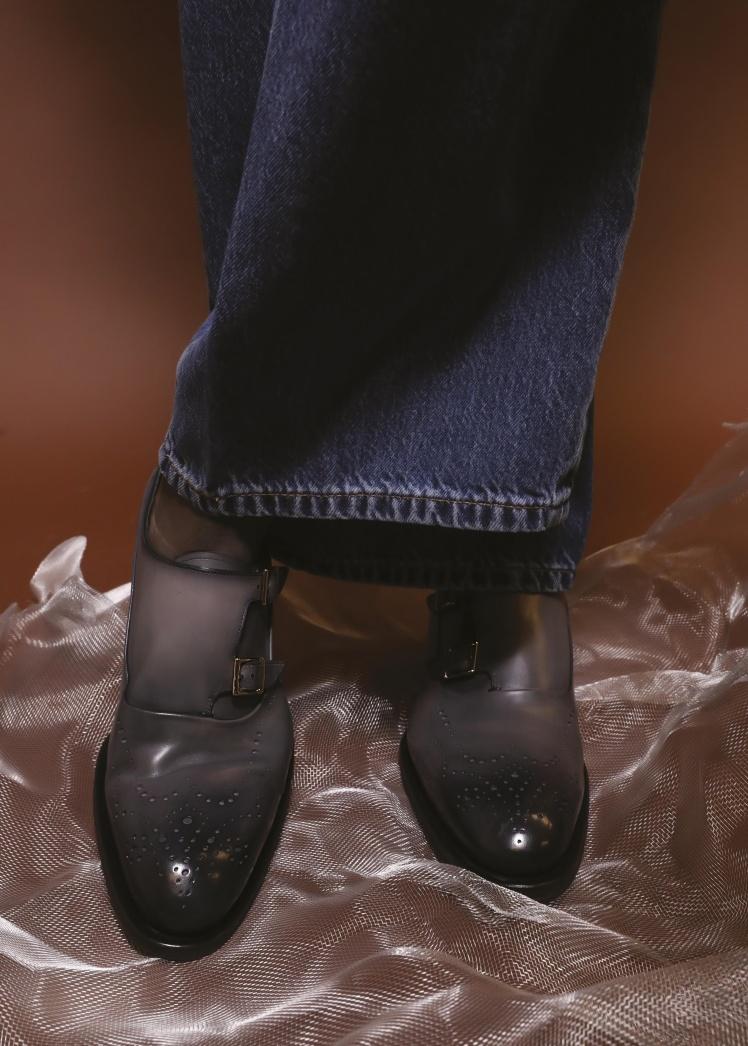
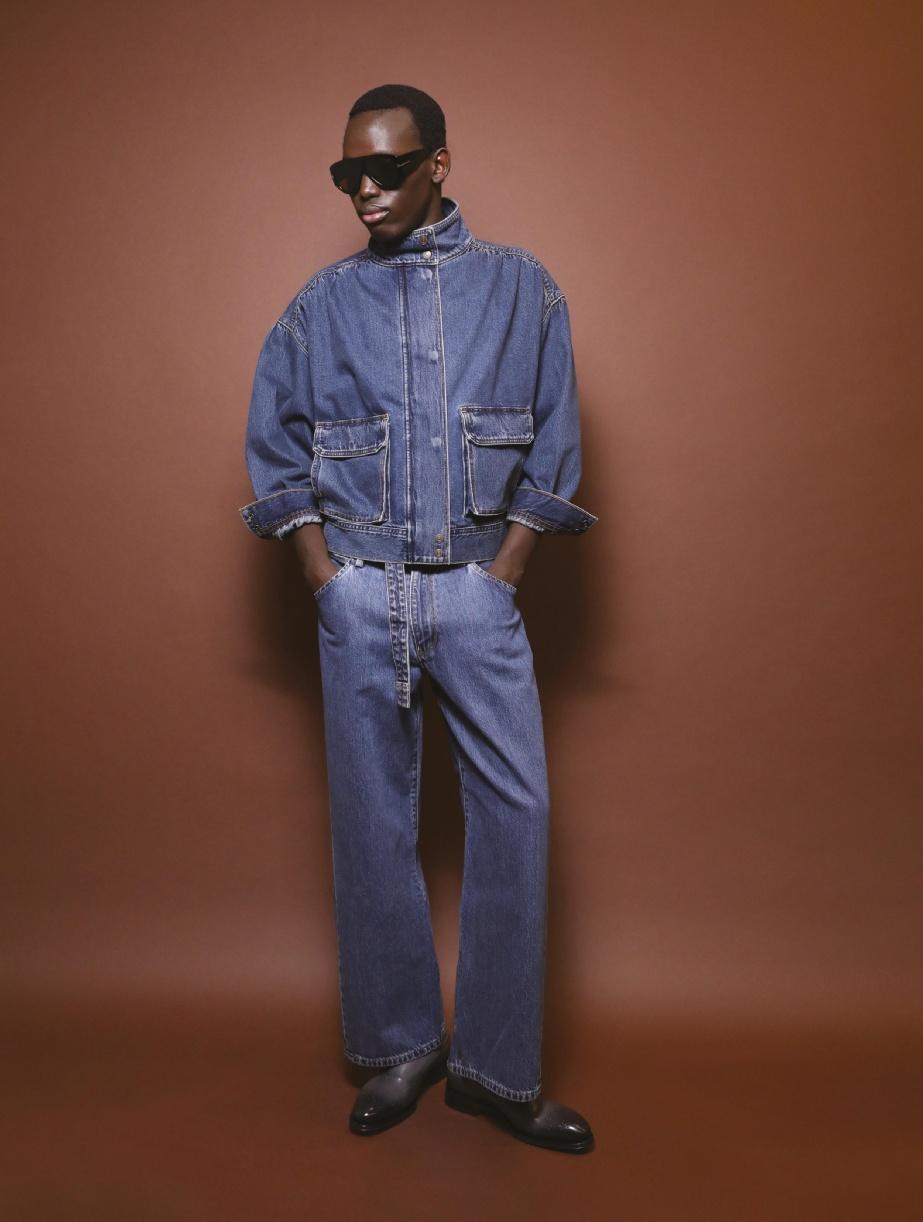
Denim total look: RANDOM IDENTITIES BY STEFANO PILATI Shoes: JEFFREY CAMPBELL
Continuo showroom: ‘hunters’ of new products and trends
by Anna Barattoni
Specializza!o nella vendi!a di calzature ed accessori, da oltre
30 anni vede Maurizio Berchielli
e Patrick Barbieri impegnati nella ricerca in!ernazionale di marchi originali da introdurre sul merca!o.
Continuo nasce da Maurizio Berchielli più di trent’anni fa (in seguito è entrato in società Patrick Barbieri), specializzandosi !n dall’inizio nella distribuzione di scarpe e accessori sul territorio nazionale e internazionale. All’apertura nel 1985 del primo showroom a Firenze, segue nel 2005 un nuovo spazio a Bologna, cui si aggiungono oggi le showroom di Milano in via Marcona 3 e in via Archimede 6. Le caratteristiche distintive di Continuo sono, da sempre, la continua ricerca internazionale di tendenze e un team di professionisti dinamici ed esperti che si occupano della distribuzione di marchi emergenti e di successo.
Quali sono i valori e la !loso!a che vi contraddistinguono?
Da sempre siamo impegnati nella ricerca internazionale di marchi originali da introdurre sul mercato, sia viaggiando su tutto il continente, che utilizzando il bagaglio di conoscenze acquisite nel corso di questi anni. I clienti vengono visitati abitualmente, al !ne di creare un rapporto di !ducia e collaborazione che facilita le relazioni e migliora la qualità del lavoro.
Com’è cambiato il mercato dell’accessorio?
Il mercato della calzatura, e della moda in generale, ha subito recentemente un cambiamento signi!cativo nei contenuti e nell’approccio all’acquisto. Fino a qualche anno fa c’era un’ostinata ricerca delle griffe e la tendenza all’ostentazione dei marchi. Oggi, invece, il consumatore dedica un’attenzione speci!ca alla qualità, all’autenticità e al valore del prodotto.
Facendo riferimento ai paesi che comprano meglio, alla tipologia di prodotti più ricercati e alle richieste più frequenti dei compratori, sia in termini di prodotto che di servizi, come riuscite ad operare in un momento così delicato a livello internazionale?
Lo storytelling è importante, ma ancora più importante è l’equilibrio tra il prezzo e il prodotto, che include concetti come genuinità e personalità. Da parte nostr,a crediamo fortemente che ora più che mai sia necessario far sentire ai clienti la nostra presenza, con visite costanti e continue interazioni, volte all’ottimizzazione del risultato !nale di sell out e all’elaborazione di nuovi spunti per le prossime campagne vendite.
From left: Patrick Barbieri, Maurizio Berchielli
“The dress code for the event was “The Garden of Time,” inspired by J.G. Ballard’s 1962 short s!ory”
In quali mercati sono distribuiti i vostri marchi?
Siamo presenti in modo omogeneo su tutto il territorio nazionale e abbiamo vari clienti nell’est Europa e nel Middle East, ma studiamo in maniera costante e guardiamo con attenzione anche gli altri mercati.
Quanto conta la sostenibilità per un marchio?
Sicuramente è un aspetto molto importante. L’informazione attuale ci permette di essere a conoscenza di tutte le cause e le conseguenze che comportano l’utilizzo di un certo tipo di materiali ed un modus operandi ‘sano’ sicuramente porta a risultati anche sul lungo periodo.
Quali trend saranno, a vostro parere, dominanti nelle prossime stagioni?
Pensiamo che si stia andando verso una moda letteralmente ibrida, dove il giornaliero si fonde con il look festaiolo, ed il classico si mescola con lo sportivo.
Se oggi doveste uscire a fare shopping, in quale negozio andreste e per acquistare quale accessorio?
Probabilmente andremmo da ‘Merci’ a Parigi, per cercare novità di stile, per esempio una scarpa che non sia né formale, né una sneaker.
Un designer che in passerella vi ha più colpito di recente e perché?
Per quanto riguarda la moda uomo, direi sicuramente Haider Ackermann, che ha incarnato l’essenza del brand con un gusto spettacolare, mentre per la donna Vaccarello pensiamo sia ancora impareggiabile.
Quale luogo, musica, !lm, libro o personaggio vi ha fatto ri"ettere e ispirato di recente per le vostre scelte moda?
“In ambito cinematogra!co è stato di grande ispirazione Vincent Cassel, l’unico ad esibire ogni volta look che desidererei fare miei”puntualizza Barbieri, mentre Berchielli a#erma: “In ambito musicale vorrei fare un riferimento al ritorno sul palco di Luca Carboni, che con la sua classe e la sua profondità ha dimostrato di saper portare una ventata di bellezza, anche a distanza di molti anni”.
Specialising in the sale of footwear and accessories, for over 30 years Maurizio Berchielli and Patrick Barbieri have been engaged in the in!ernational search for original brands !o introduce !o the market.
Continuo was founded by Maurizio Berchielli more than thirty years ago (Patrick Barbieri later joined the company), specialising from the outset in the distribution of shoes and accessories nationally and internationally. The opening of the !rst showroom in Florence in 1985 was followed in 2005 by a new space in Bologna, to which the showrooms in Milan in Via Marcona 3 and Via Archimede 6 have now been added. Continuo's distinctive features have always been its continuous international search for trends and a team of dynamic and experienced professionals who deal with the distribution of emerging and successful brands.
What are the values and philosophy that set you apart?
We have always been committed to the international search for original brands to introduce to the market, both by travelling across the continent and by using the wealth of knowledge acquired over the years. We visit our customers regularly in order to create a relationship of trust and collaboration that facilitates relations and improves the quality of our work.
How has the accessory market changed?
The footwear market, and fashion in general, has recently undergone a signi!cant change in content and approach to purchasing. Until a few years ago, there was a stubborn pursuit of designer labels and a tendency towards brand ostentation. Today, however, the consumer devotes speci!c attention to the quality, authenticity and value of the product. Referring to the best-buying countries, the most sought-after types of products, and the most frequent requests from buyers, both in terms of product and services, how do you manage to operate at such a delicate time internationally?
Storytelling is important, but even more important is the balance between
price and product, which includes concepts like authenticity and personality. For our part, we strongly believe that now more than ever it is necessary to make customers feel our presence, with constant visits and continuous interactions, aimed at optimizing the !nal sell-out result and developing new insights for upcoming sales campaigns.
In which markets are your brands distributed?
We are homogeneously present throughout the country and have various customers in Eastern Europe and the Middle East, but we are constantly studying and carefully looking at other markets as well.
How important is sustainability to a brand?
It is certainly a very important aspect. Current information allows us to be aware of all the causes and consequences that the use of a certain type of materials entails, and a ‘healthy’ modus operandi certainly leads to long-term results as well.
What trends will, in your opinion, be dominant in the coming seasons?
We think we're moving towards a literally hybrid fashion; the everyday blends with the party look, and the classic blends with the sporty.
If you were going out shopping today, which store would you go to and to buy which accessory?
We would probably go to ‘Merci’ in Paris, to look for new styles, for example a shoe that is neither formal, nor a sneaker.
A designer who has most impressed you on the catwalk recently and why?
As for men's fashion, I would de!nitely say Haider Ackermann, who embodied the essence of the brand with spectacular taste, while for the Vaccarello woman we think it is still bewitchable.
What place, music, !lm, book or character has made you think and inspired recently for your fashion choices?
“In the film industry, Vincent Cassel was a great inspiration, the only one to show off looks every time that I would like to make my own” - Barbieri points out, while Berchielli states: “In the music industry I would like to make a reference to the return to the stage of Luca Carboni, who with his class and depth has demonstrated his ability to bring a breath of beauty, even after many years”.
Between sneakers and ankle boots
Le nuove collezioni dei marchi del gruppo Mephis!o in!erpre!ano i più impor!anti trend della nuova s!agione.
ALLROUNDER-TRAMPOLINS: DYNAMITE è una sneaker performance per donne attive, pensata per o!rire dinamismo e comfort ogni giorno. La suola brevettata TRAMPOLINS, con l’innovativo concetto a 4 strati ispirato allo sport, crea un piacevole e!etto rebound con un’ammortizzazione e"cace.
DYNAMITE is a performance sneaker for active women, designed to o!er dynamism and comfort every day. The patented TRAMPOLINS sole, with its innovative 4-layer concept inspired by sport, creates a pleasant rebound e!ect with e!ective cushioning.
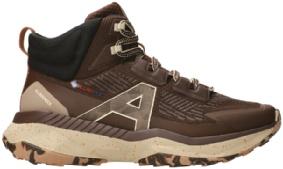
ALLROUNDER: GRIPTON-TEX è una sneaker alta con una tecnologia per meteo variabile e attività outdoor. La membrana Allro-Tex garantisce impermeabilità e traspirabilità. Il sistema Dynamic-Control migliora stabilità e supporto, anche su terreni impegnativi.
GRIPTON-TEX is a high-top sneaker with technology for variable weather and outdoor activities. The Allro-Tex membrane guarantees waterproo#ng and breathability. The Dynamic-Control system improves stability and support, even on challenging terrain.
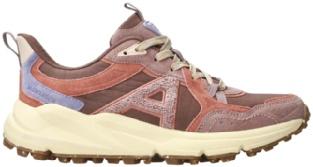
ALLROUNDER: MOVE ON rappresenta uno stile urbano e dinamico, con una silhouette moderna. Suede e accenti cromatici in rosa, malva e blu creano un look attuale. La fodera Soft-Feel avvolge il piede in modo morbido, assicurando comfort nel quotidiano.
MOVE ON represents an urban and dynamic style with a modern silhouette. Suede and colour accents in pink, mauve and blue create a contemporary look. The SoftFeel lining gently envelops the foot, ensuring everyday comfort.
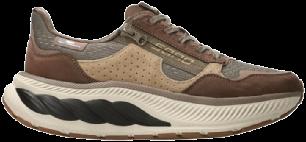
SANO STRIDE: Suola di nuova concezione che porta elementi dello sport agonistico nel segmento comfort. La struttura multistrato ultraleggera garantisce un’ammortizzazione e una dinamica di camminata uniche e, grazie al suo design, favorisce il movimento naturale del piede.
A newly designed sole that brings elements of competitive sport to the comfort segment. The ultra-lightweight multi-layer structure guarantees unique cushioning and walking dynamics and, thanks to its design, promotes natural foot movement.
The new collections from the Mephis!o Group brands in!erpret the most impor!ant trends of the new season.
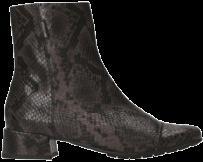
MEPHISTO: JILIANE è una scelta fashion perfetta per la città. La linea essenziale, abbinata al tacco dalla forma a blocco, o!re un look deciso e una buona stabilità. La pelle lucida con un leggero e!etto rettile, crea un’elegante variazione di texture. La tecnologia Soft-Air ammortizza ogni passo.
JILIANE is a perfect fashion choice for the city. The essential line, combined with the block heel, o!ers a bold look and good stability. The shiny leather with a slight reptile e!ect creates an elegant variation in texture. Soft-Air technology cushions every step.
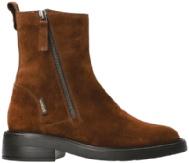
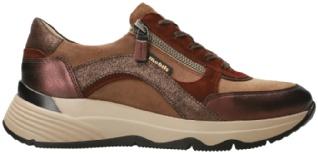
MEPHISTO: PRYSKA colpisce per il suede di qualità con tonalità calde e un design essenziale e senza tempo. La zip laterale facilita la calzata e aggiunge un dettaglio moderno. Grazie alla tecnologia Soft-Air, la camminata è leggera e ammortizzata, con minore pressione d’impatto.
PRYSKA impresses with its high-quality suede in warm tones and a minimalist, timeless design. The side zip makes it easy to put on and adds a modern detail. Thanks to Soft-Air technology, walking is light and cushioned, with less impact pressure.
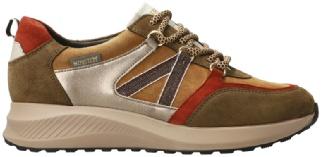
MEPHISTO: KALYA crea un look deciso con colori a contrasto ispirati agli anni ’70. Pelle pieno #ore e inserti morbidi sono valorizzati da dettagli dorati. I lacci a corda aggiungono un tocco artigianale e gra#co. La tecnologia Soft-Air garantisce un passo leggero e ammortizzato.
KALYA creates a bold look with contrasting colours inspired by the 1970s. Full-grain leather and soft inserts are enhanced by golden details. The rope laces add a handcrafted and graphic touch. Soft-Air technology ensures a light and cushioned step.
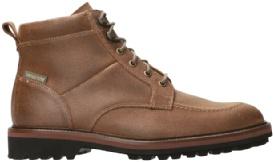
MEPHISTO: BARTOLD è perfetto per la vita tra u"cio e città. Realizzato in pelle pieno #ore di alta qualità, o!re un look autentico e curato, ideale per un out#t business. Cuciture precise e suola pro#lata ra!orzano il carattere robusto e assicurano grip urbano. BARTOLD is perfect for autumn/winter and for life between the o"ce and the city. Made from high-quality full-grain leather, it o!ers an authentic and re#ned look, ideal for a business out#t. Precise stitching and a contoured sole reinforce its robust character and ensure urban grip.
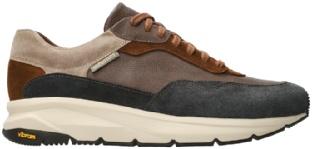
MEPHISTO: GIANI unisce sportività urbana e #niture di alta qualità. La combinazione di pelle pieno #ore e inserti in suede grigio/terra crea un look forte e versatile. Punto di forza: la suola Vibram. Soft-Air garantisce ammortizzazione e comfort.
GIANI combines urban sportiness with high-quality #nishes. The combination of full-grain leather and grey/earth-coloured suede inserts creates a strong and versatile look. Its strong point: the Vibram sole, synonymous with reliable grip, durability and resistance. Soft-Air guarantees cushioning and comfort.
MOBILS: LAONIE esprime uno stile urbano contemporaneo con linee $uide e silhouette gra#ca. Il mix dei materiali e l’estetica d’avanguardia garantiscono una forte presenza nel segmento premium. Pensata per la vita in città, combina comfort e stile.
LAONIE expresses a contemporary urban style with $uid lines and a graphic silhouette. The mix of materials and avant-garde aesthetics guarantee a strong presence in the premium segment. Designed for city life, it combines comfort and style.
The last emperor and his !eachings 48
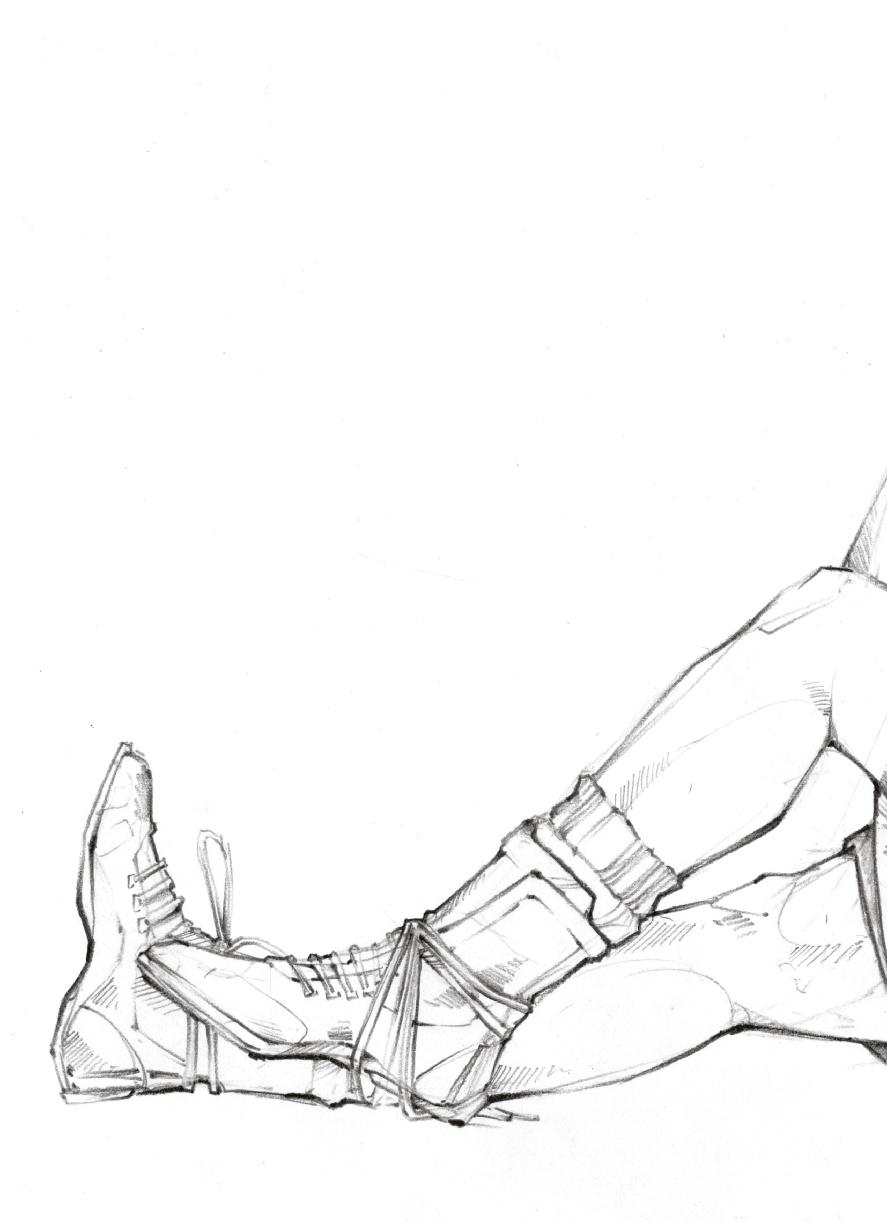
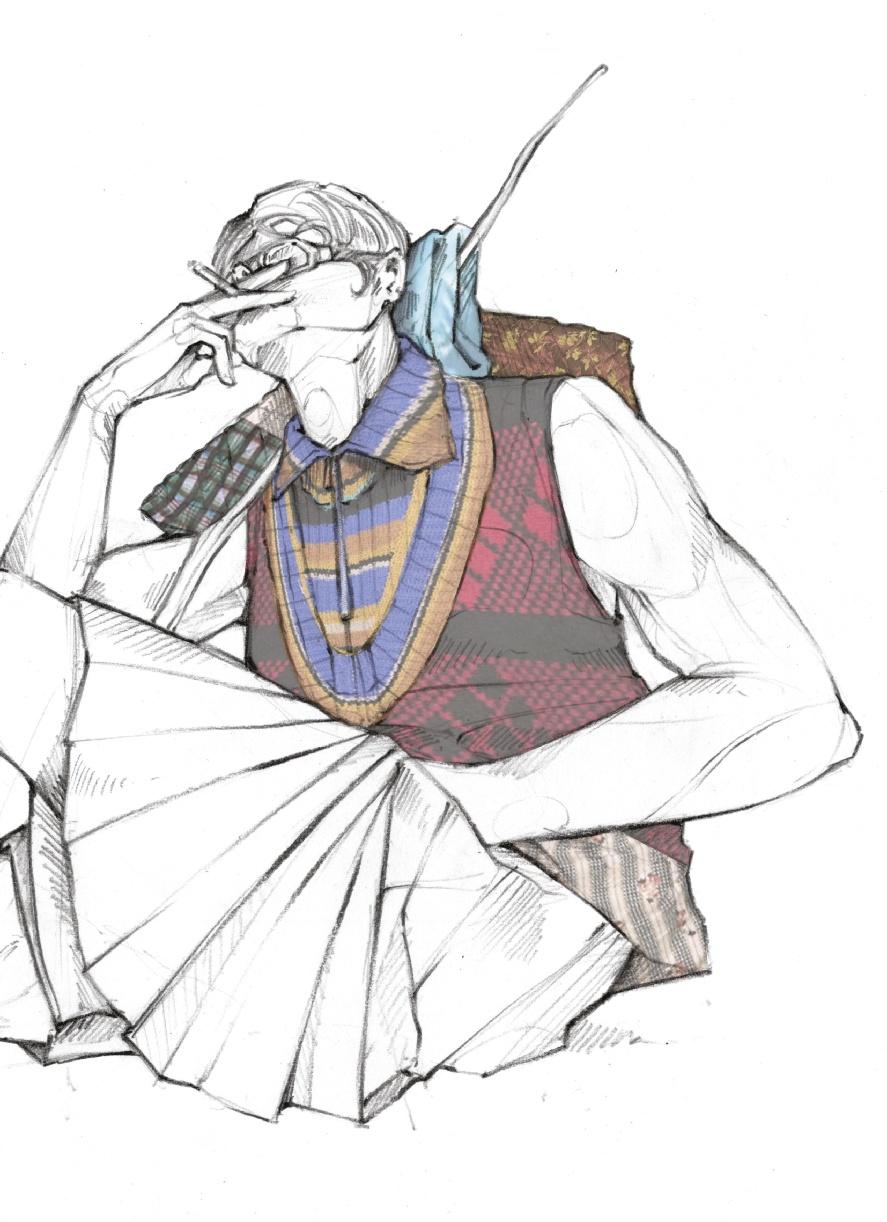
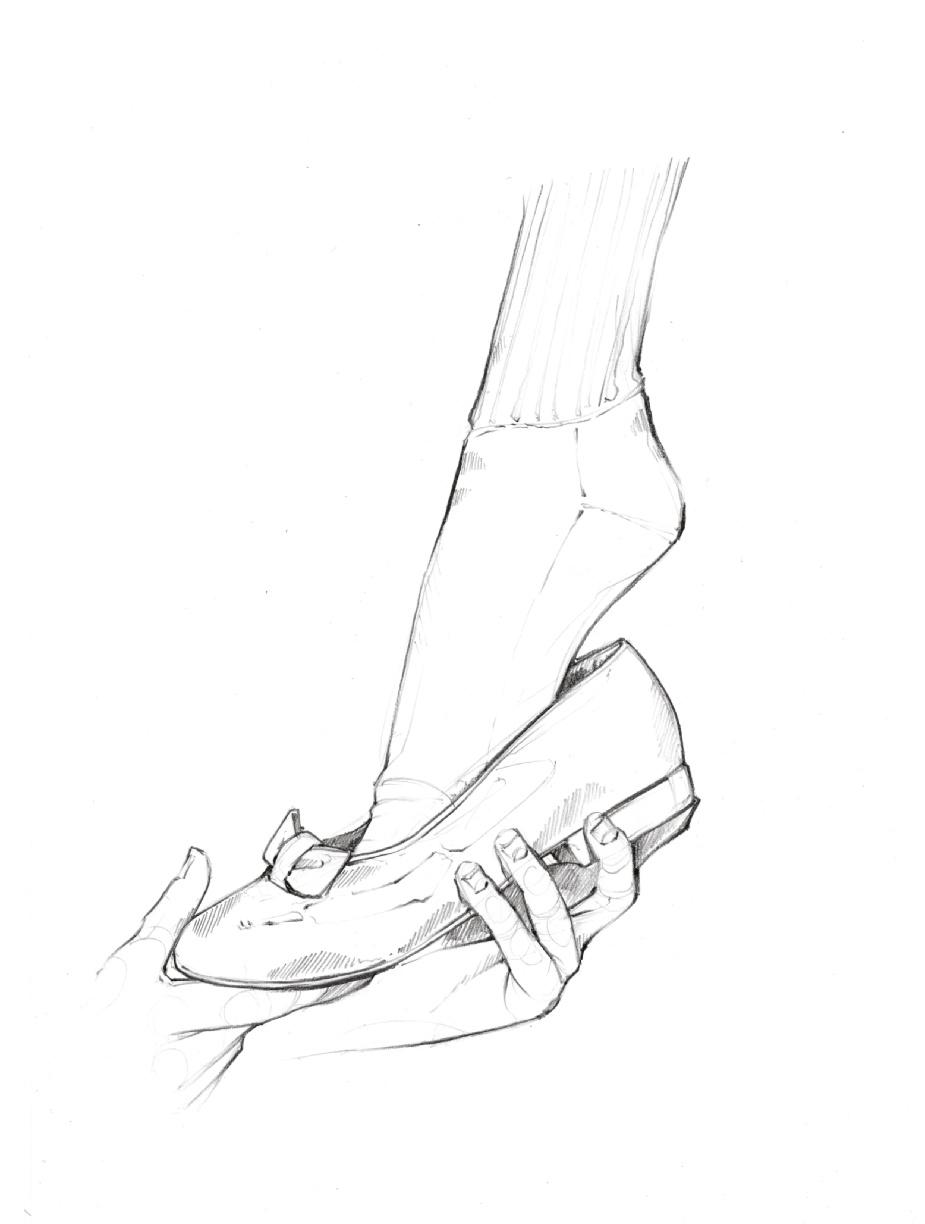
«Amo la bellezza. Non è colpa mia». Con questa frase, pronunciata con la naturalezza di chi constata l'ovvio, Valentino Garavani ha riassunto sessant'anni di carriera. Scomparso il 19 gennaio scorso a 93 anni, l'ultimo imperatore della moda italiana ci lascia molto più di un archivio di abiti straordinari. Ci lascia una mappa per navigare un'industria che troppo spesso confonde il rumore con il valore.
Per chi progetta calzature e borse – prodotti dove funzione ed emozione devono convivere in pochi centimetri – le lezioni di Valentino sono sorprendentemente concrete. Non parliamo di nostalgia per un'epoca dorata, ma di principi che possono fare la di!erenza tra un prodotto dimenticabile e uno che entra nella storia.
UN COLORE VALE PIÙ DI MILLE PAROLE
Negli anni Cinquanta, durante una serata all'Opera di Barcellona, Valentino vide una donna dai capelli grigi vestita interamente di velluto rosso. «Fra tutti i colori indossati dalle altre donne, lei spiccava, era unica», raccontò. Da quell'intuizione nacque il Rosso Valentino: non un rosso qualsiasi, ma una formula precisa – 100% magenta, 100% giallo, 10% nero – che Pantone descrive come sintesi perfetta di lacca, cremisi e geranio.
Cosa signi#ca questo per chi disegna accessori? Che l'identità visiva non è un optional da delegare al marketing. È una decisione creativa fondamentale. Il Rosso Valentino non fu scelto a tavolino: nacque da un'emozione autentica, poi codi#cata con rigore tecnico. Gli archivi della maison contengono oltre 550 sfumature di rosso utilizzate nell'alta moda. Varietà nella coerenza: ecco il segreto. Un designer di calzature dovrebbe chiedersi: qual è il mio rosso? Quale elemento visivo mi appartiene così profondamente da poterlo declinare all'in#nito senza tradirlo?
La scomparsa del grande couturier lascia un'eredi!à di insegnamenti preziosi per i designer di calzature e pellet!eria. Dalla costruzione di un'identi!à visiva inconfondibile al rappor!o tra creativi!à e business. >
LA PERFEZIONE NON È PERFEZIONISMO
Matt Tyrnauer, regista del documentario "Valentino: The Last Emperor", descrisse il couturier come un uomo con «pochissima tolleranza per le cose che non sono esattamente come le vuole lui». Un'ossessione che iniziò nell'infanzia, quando il piccolo Valentino pretendeva maglioni su misura e scarpe personalizzate con bottoni disegnati secondo le sue speci!che. Attenzione però: la perfezione di Valentino non era paralisi decisionale mascherata da standard elevati. Era chiarezza di visione. Sapeva esattamente cosa voleva, e questo gli permetteva di riconoscere istantaneamente cosa non funzionava. Per un designer, signi!ca sviluppare un occhio così allenato da identi!care il millimetro di troppo in una cucitura, la sfumatura sbagliata in una !bbia. Non per sadismo, ma perché la qualità percepita dal cliente !nale dipende da dettagli che solo l'ossessione sa cogliere.
CREATIVITÀ E BUSINESS SONO DUE MESTIERI DIVERSI
Il 31 luglio 1960, Valentino incontrò Giancarlo Giammetti al Café de Paris di Via Veneto. Giammetti aveva 18 anni e studiava architettura. La maison Valentino era sull'orlo della bancarotta per l'eccessiva prodigalità del fondatore. Giammetti abbandonò gli studi e prese in mano !nanza, operazioni e pubbliche relazioni. «Non mi sono mai occupato di a#ari nella mia vita», ammise candidamente Valentino. «Mi sono concentrato sul creare bellissimi abiti». Il sodalizio durò 65 anni. Il messaggio per i designer contemporanei è: riconoscere i propri limiti non è debolezza, bensì strategia. Troppi creativi talentuosi a#ondano perché si ostinano a gestire anche ciò che non sanno fare. Valentino ebbe l'intelligenza di a$dare il futuro dell'azienda a qualcuno che gli dava «la libertà di dedicarsi solo alla creazione». Trovare il proprio Giammetti – un socio, un manager, un consulente – può essere la decisione più importante di una carriera.
DISEGNARE È PENSARE
«Pochissimi designer oggi disegnano», osservava Valentino con evidente disappunto. «È molto importante essere capaci di fare il proprio schizzo sulla carta e poi spiegare la propria visione ai tagliatori di sto#a. Invece, molti designer drappano – è il nuovo modo». Nel mondo delle calzature e della pelletteria, dove la comunicazione con modellisti e artigiani è decisiva, questa osservazione pesa come un macigno. Il disegno non è un vezzo artistico: è un linguaggio. Permette di trasmettere proporzioni, volumi, dettagli con una precisione che le parole non raggiungono. Un designer che non sa disegnare dipende interamente dall'interpretazione altrui. Valentino controllava ogni fase perché sapeva tradurre la visione in segni comprensibili.
IL PRODOTTO DEVE FAR SENTIRE, NON SOLO APPARIRE
Giammetti sintetizzò così la !loso!a del suo compagno: «Valentino cerca la bellezza. Le donne devono essere più belle. Il suo lavoro è renderle più belle». E Valentino aggiungeva: «Quando arrivano a una festa, nessuno le nota. È come se non ci fossero». Volant, !occhi, ricami servivano a far spiccare chi li indossava.
Una borsa o una scarpa non sono oggetti inerti. Sono strumenti di trasformazione emotiva. Il cliente non compra pelle e cuciture: compra come si sentirà portando quel prodotto. Valentino proget-
tava per far sentire le donne «sicure senza rumore» – un'eleganza che non grida ma a#erma. Ogni designer dovrebbe chiedersi: quale emozione sto vendendo? Sicurezza, audacia, leggerezza, potere? La risposta deve guidare ogni scelta progettuale.
COERENZA NON SIGNIFICA IMMOBILITÀ
Per oltre cinquant'anni, Valentino rimase fedele alla sua visione romantica e femminile mentre intorno a lui la moda oscillava tra futurismo, minimalismo e grunge (che liquidò con un eloquente: «Barboni!»). Eppure, non fu mai percepito come antiquato. La chiave? Variare nell'essenziale, restare fermi nei principi.
Il Rosso Valentino si declinò in 550 sfumature diverse. Gli abiti cambiarono silhouette seguendo i tempi, ma mai tradirono l'idea di bellezza del fondatore. Per chi progetta accessori in un mercato che insegue trend trimestrali, questa è forse la lezione più di$cile: costruire un'identità abbastanza solida da evolversi senza dissolversi.
SAPERE QUANDO USCIRE DI SCENA
«Vorrei lasciare la festa quando è ancora piena», dichiarò Valentino prima del ritiro nel 2008. E così fece, con una s!lata !nale che celebrava 45 anni di carriera. Non aspettò il declino, non si aggrappò al passato. Scelse il momento giusto per trasformarsi da protagonista in leggenda.
Alessandro Michele, attuale direttore creativo della maison, ha scritto nel suo tributo: «A tutti noi lascia un'eredità profonda: l'idea che creare signi!ca prendersi cura, che la bellezza è un'attenzione radicale e paziente ai corpi, alle forme, al tempo che li attraversa». Valentino ha dimostrato che si può essere commercialmente vincenti senza rinunciare a una visione. Che artigianalità e scalabilità non sono nemiche. Che un colore, se scelto con il cuore e codi!cato con la testa, può diventare immortale. Per chi oggi disegna scarpe e borse in un mercato saturo di prodotti intercambiabili, il suo esempio indica una strada precisa: smettere di inseguire e iniziare a de!nire.
The passing of the great couturier leaves a legacy of valuable lessons for footwear and leather goods designers. From building an unmis!akable visual identity !o the relationship between creativity and business.
‘I love beauty. It's not my fault.’ With this sentence, uttered with the naturalness of someone stating the obvious, Valentino Garavani summed up his sixty-year career. Passing away on 19 January at the age of 93, the last emperor of Italian fashion leaves us with much more than an archive of extraordinary clothes. He leaves us a map for navigating an industry that too often confuses noise with value.
For those who design footwear and handbags – products where function and emotion must coexist in a few centimetres – Valentino's lessons are surprisingly concrete. We are not talking about
nostalgia for a golden age, but about principles that can make the di!erence between a forgettable product and one that goes down in history.
A COLOUR IS WORTH A THOUSAND WORDS
In the 1950s, during an evening at the Barcelona Opera, Valentino saw a grey-haired woman dressed entirely in red velvet. “Among all the colours worn by the other women, she stood out, she was unique,” he said. That insight gave rise to Valentino Red: not just any red, but a precise formula – 100% magenta, 100% yellow, 10% black – which Pantone describes as the perfect synthesis of lacquer, crimson and geranium.
What does this mean for accessory designers? That visual identity is not an optional extra to be delegated to marketing. It is a fundamental creative decision. Rosso Valentino was not chosen at a desk: it was born from an authentic emotion, then codi#ed with technical rigour. The maison's archives contain over 550 shades of red used in haute couture. Variety in consistency: that is the secret. A footwear designer should ask themselves: what is my red? Which visual element belongs to me so deeply that I can use it in#nitely without betraying it?
PERFECTION IS NOT PERFECTIONISM
Matt Tyrnauer, director of the documentary ‘Valentino: The Last Emperor’, described the couturier as a man with ‘very little tolerance for things that are not exactly the way he wants them’. An obsession that began in childhood, when little Valentino demanded tailor-made sweaters and customised shoes with buttons designed to his speci#cations.
But beware: Valentino's perfection was not decision paralysis masked by high standards. It was clarity of vision. He knew exactly what he wanted, and this allowed him to instantly recognise what didn't work. For a designer, this means developing an eye so trained that it can identify a millimetre too much in a seam or the wrong shade in a buckle. Not out of sadism, but because the quality perceived by the end customer depends on details that only obsession can grasp.
CREATIVITY AND BUSINESS ARE TWO DIFFERENT PROFESSIONS
On 31 July 1960, Valentino met Giancarlo Giammetti at the Café de Paris in Via Veneto. Giammetti was 18 years old and studying architecture. The Valentino fashion house was on the verge of bankruptcy due to the founder's excessive extravagance. Giammetti abandoned his studies and took charge of #nance, operations and public relations. ‘I have never dealt with business in my life,’ Valentino candidly admitted. ‘I have focused on creating beautiful clothes.’
The partnership lasted 65 years. The message for contemporary designers is: recognising your limitations is not a weakness, but a strategy. Too many talented creatives sink because they insist on managing even what they don't know how to do. Valentino had the intelligence to entrust the future of the company to someone who gave him “the freedom to devote himself solely to creation”. Finding your own Giammetti – a partner, a manager, a consultant – can be the most important decision of your career.
DESIGNING IS THINKING
“Very few designers draw today,” Valentino observed with obvious disappointment. “It is very important to be able to sketch on paper and then explain your vision to the fabric cutters. Instead, many designers drape – it's the new way”.
In the world of footwear and leather goods, where communication with pattern makers and craftsmen is crucial, this observation weighs heavily.
Drawing is not an artistic quirk: it is a language. It allows proportions, volumes and details to be conveyed with a precision that words cannot achieve. A designer who cannot draw is entirely dependent on the interpretation of others. Valentino controlled every stage because he knew how to translate his vision into understandable signs.
THE PRODUCT MUST BE FELT, NOT JUST SEEN
Giammetti summarised his partner's philosophy as follows: “Valentino seeks beauty. Women must be more beautiful. His job is to make them more beautiful”. Valentino added: “When they arrive at a party, no one notices them. It's as if they weren't there”. Ru$es, bows and embroidery served to make the wearer stand out.
A bag or a shoe is not an inert object. They are instruments of emotional transformation. The customer does not buy leather and stitching: they buy how they will feel wearing that product. Valentino designed to make women feel ‘con#dent without noise’ – an elegance that does not shout but a%rms. Every designer should ask themselves: what emotion am I selling? Con#dence, audacity, lightness, power?
The answer must guide every design choice.
CONSISTENCY DOES NOT MEAN IMMOBILITY
For over #fty years, Valentino remained faithful to his romantic and feminine vision while fashion around him oscillated between futurism, minimalism and grunge (which he dismissed with an eloquent: “Bums!”). Yet he was never perceived as old-fashioned. The key? Vary in the essentials, remain #rm in your principles.
Valentino Red came in 550 di!erent shades. The dresses changed silhouette with the times, but never betrayed the founder's idea of beauty. For those who design accessories in a market that chases quarterly trends, this is perhaps the most di%cult lesson: building an identity solid enough to evolve without dissolving.
KNOWING WHEN TO LEAVE THE STAGE
‘I would like to leave the party while it is still in full swing,’ Valentino declared before his retirement in 2008. And so he did, with a #nal fashion show celebrating 45 years of career. He did not wait for decline, he did not cling to the past. He chose the right moment to transform himself from protagonist to legend.
Alessandro Michele, the fashion house's current creative director, wrote in his tribute: ‘He leaves us all with a profound legacy: the idea that creating means caring, that beauty is a radical and patient attention to bodies, shapes and the time that passes through them.’ Valentino proved that you can be commercially successful without sacri#cing your vision. That craftsmanship and scalability are not enemies. That a colour, if chosen with the heart and codi#ed with the head, can become immortal. For those who design shoes and bags today in a market saturated with interchangeable products, his example points to a clear path: stop chasing and start de#ning.
Diversifying while s!aying true to core values 52
Expo Riva Schuh e Gardabags si confermano hub globali stra!egici, pun!ando sulla diversificazione dei mercati e dell'offer!a per rispondere ai nuovi equilibri della Affinity Globalization. Le fiere evolvono verso un modello di piat!aforma in!egra!a per la moda mondiale di volume.
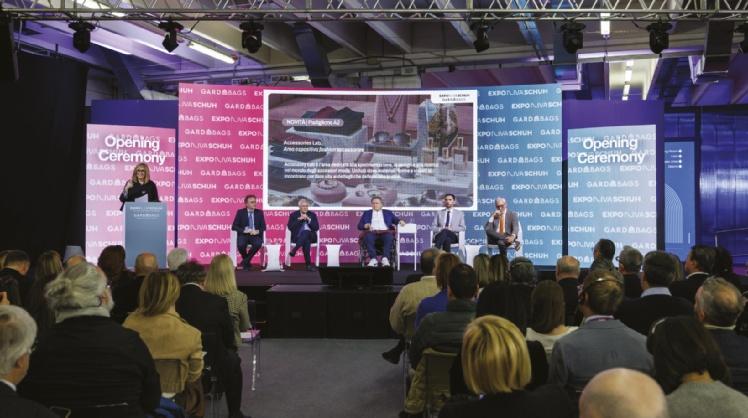
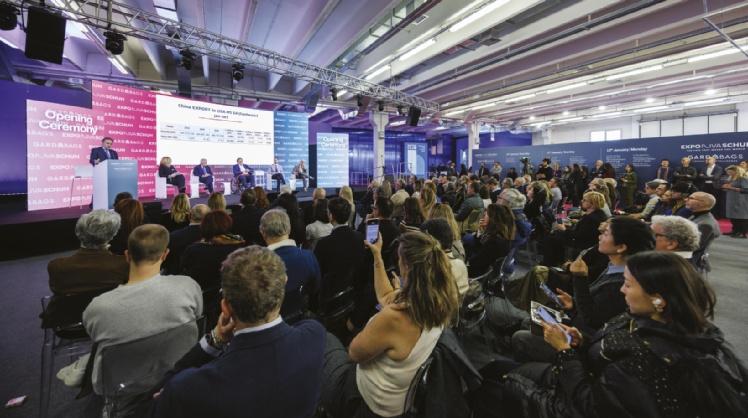
Nei soli ultimi quattro giorni, in cui si è svolta l’edizione di gennaio 2026 di Expo Riva Schuh e Gardabags, si sono susseguiti eventi capaci di ridisegnare equilibri geopolitici e commerciali. Sono segnali di un mondo che cambia velocemente, e in cui gli asset globali si spostano più in fretta delle mappe.
In un panorama che modi!ca !sionomia, rotta e intenzioni così velocemente è fondamentale avere dei punti di riferimento capaci di inter-
pretarli e trarre vantaggio competitivo dalle occasioni che si aprono.
A Riva del Garda si è parlato di A"nity Globalization, di una globalizzazione che non sta a#atto !nendo ma cambia forma. Si fa più complessa, con ricadute sulle catene di fornitura che si disperdono in molti più Paesi di produzione creando ridondanza. Uno scenario caratterizzato dalla diversi!cazione.
In tale scenario Expo Riva Schuh e Gardabags - che, come di consueto, hanno aperto la nuova stagione Autunno Inverno 2026-27 - hanno dimostrato ancora una volta la loro solidità di hub internazionale per l’incontro degli operatori del settore, per gli scambi commerciali e per la capacità di raccontare e immaginare gli scenari futuri.
L’EDIZIONE DI GENNAIO IN CIFRE
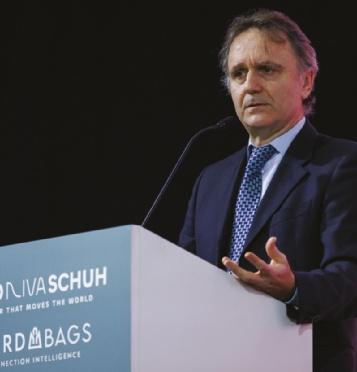
L’evento di Riva del Garda è esempio di diversi!cazione già da decenni e i numeri dell’edizione di gennaio 2026 lo confermano. Li svela Alessandra Albarelli, Direttrice Generale di Riva del Garda Fierecongressi: «S!orate le 8.000 presenze con una contrazione nei mercati maturi (Italia, Germania e Francia). Interessante la crescita di paesi come Polonia, Belgio, Slovenia, Georgia, Macedonia, e alcuni emergenti come Cile, Colombia e Kenya. Particolarmente signi!cativa la partecipazione di compratori coreani, a conferma del ruolo della !era quale porta di accesso e sviluppo di nuovi mercati. In aumento anche gli operatori del segmento e-commerce. C’è chi de!nisce la manifestazione rivana come la ‘united colors of shoes and bags’. In un mondo che tende a dividersi, ad Expo Riva Schuh e Gardabags i settori delle scarpe, delle borse e degli articoli da viaggio, si incontrano con un respiro decisamente internazionale. »
Un cambiamento nella composizione del pubblico che ri!ette in maniera chiara le trasformazioni politiche, economiche e digitali in corso. Scott Sinclaire, buyer canadese di East Lake Limited, lo ha sottolineato: «Trovare un’o"erta così ampia in termini di design, materiali, fornitori e fasce di prezzo, mi consentirà di di"erenziarmi dai competitor.» Ritorna il tema della diversi#cazione.
Marta Artigas, designer della spagnola BCN Design Studio ha riconosciuto il valore del progetto Gardabags: «Sono sicura che il nuovo format e la varietà della proposta in esposizione, consentirà alla #era di essere il punto di riferimento imprescindibile per la pelletteria e la valigeria. Un appuntamento da non perdere.»
GLI EVENTI
Per Riva del Garda Fierecongressi ‘diversi#care’ è divenuta parola d’ordine anche quando si parla di eventi. O"rire non solo un’ottima opportunità di concludere a"ari e stringere accordi, ma anche di raccogliere informazioni su trend, mercati e ra"orzare il networking è ormai un obiettivo consolidato.
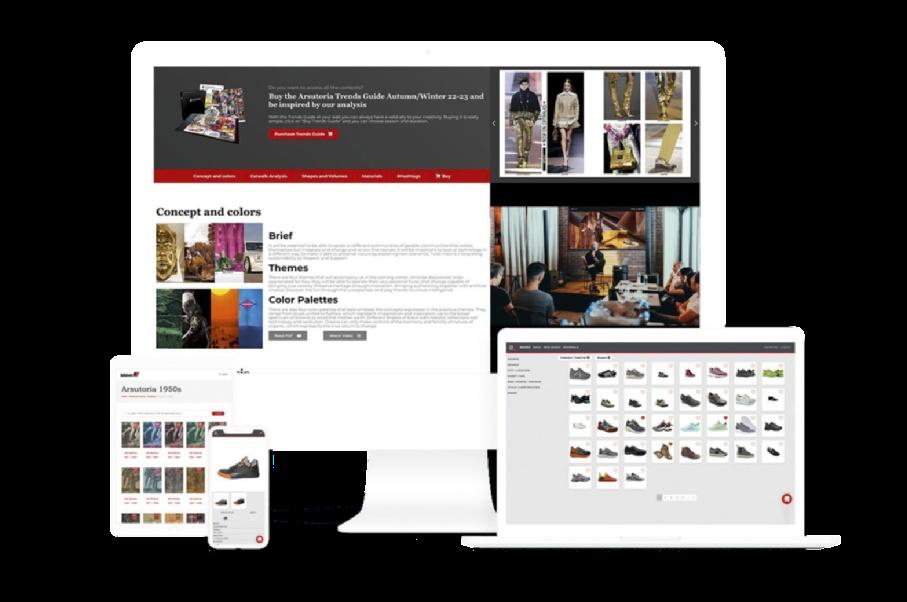
I trend di consumo di scarpe, sneaker e borse rivelati nell’Area Highlights, in collaborazione con Arsutoria, riscuotono un successo crescente. Gli appuntamenti durante i quattro giorni di #era hanno sempre registrato il tutto esaurito.
A"ollati anche i Market Focus dove si sono indagate le prospettive di mercato di America, Asia, Africa, Medio Oriente ed Europa.
Per un bilancio sull’Innovation Village Retail, ci a%diamo alle paro-
le della keniota Grace Mbugua di Jeilo Leather Collections che ha visitato la #era in veste sia di produttore che di compratore: «Scoprire quali opportunità possono o"rire le tante innovazioni tecnologiche proposte dalle startup presenti in #era è di fondamentale importanza per tutte quelle aziende che vogliono crescere e superare le frizioni e le continue s#de che il mercato propone.»
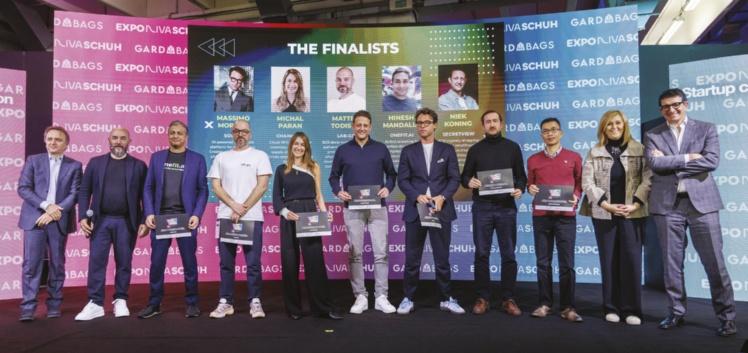
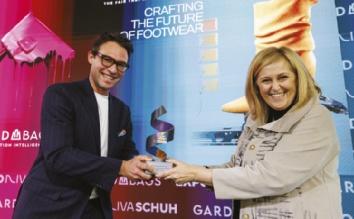
Tra le soluzioni rivoluzionarie possiamo annoverare anche quella di Solaya, vincitrice della Startup Competition, premiata per la capacità di o"rire soluzioni concrete, scalabili e ad alto impatto per l’evoluzione del mercato. Grazie a questo riconoscimento, la startup francese avrà l’opportunità di esporre alla prossima edizione di Expo Riva Schuh e Gardabags, ra"orzando la propria visibilità internazionale e aprendo nuove opportunità di business. Solaya consente ai brand di e-commerce, e non solo, di produrre visual professionali tramite iPhone e modellazione 3D avanzata. L’app genera accurate foto e video prodotto, imagery lifestyle e creatività pubblicitarie in modo immediato e coerente con l’identità del brand, riducendo costi e accelerando la produzione di contenuti omnicanale.
Un’importante nota che può apparire di colore ma, in realtà, sottolinea l’attenzione per i dettagli di Expo Riva Schuh e Gardabags: il premio assegnato al vincitore della Startup Competition è stato realizzato da Belemi's Hub, startup trentina. Stampato in 3D utilizzando un PLA di origine vegetale, il riconoscimento risulta sostenibile: materiali biobased, stampa a basse temperature, minor utilizzo di energia, facilità di riciclo. Un contributo che ra"orza il legame tra l’evento #eristico e il territorio, valorizzando competenze locali in dialogo con l’innovazione internazionale.
Expo Riva Schuh e Gardabags non si sono fermate a questa proposta, ormai consolidata. Hanno introdotto anche l’Area Showcase, dove i visitatori hanno potuto apprezzare i modelli più rappresentativi degli espositori di Gardabags, e la Garda Trentino Lounge, dove accogliere la stampa e, al tempo stesso, promuovere il territorio del Garda Trentino.
Il ritorno e il successo dell’Expo Riva Nights, inoltre, ha confermato la voglia della community di Expo Riva Schuh e Gardabags di stringere rapporti solidi e duraturi anche in contesti divertenti e informali.
UNA
VISIONE PER IL FUTURO
La parola ‘diversi!cazione’ è tornata, in!ne, anche nel discorso di Roberto Pellegrini, Presidente di Riva del Garda Fierecongressi: «Il nostro futuro è già tracciato: l'evento non sarà più solo una !era di calzature e borse, ma si trasformerà nell'hub della moda mondiale di volume. Una metamorfosi che passa attraverso la diversi!cazione merceologica, per o$rire a buyer e produttori le risposte concrete rispetto a ciò che il comparto richiede.»
Questo approccio al futuro del settore e della manifestazione è più potente dei numeri nell’indicare quanto Expo Riva Schuh e Gardabags siano e vogliano rimanere nel tempo il punto di riferimento internazionale per il mondo degli accessori e della moda.
Il prossimo appuntamento con Expo Riva Schuh e Gardabags e con le novità del settore è per il 13-16 giugno 2026
Within this context, Expo Riva Schuh and Gardabags – as always opening the Autumn/Winter 2026–27 season – once again demonstrated their strength as international hubs for industry networking, commercial exchange, and for interpreting and shaping future scenarios.
JANUARY EDITION: KEY FIGURES
The Riva del Garda event has embodied diversi!cation for decades – a fact clearly con!rmed by the !gures from the January 2026 edition.
Expo Riva Schuh and Gardabags confirm their role as stra!egic global hubs, focusing on market and product diversification in response !o the new balances of Affinity Globalisation. The trade fairs are evolving !owards an in!egra!ed platform model for the global volume fashion industry.
Over just four days, during the January 2026 edition of Expo Riva Schuh and Gardabags, a series of events unfolded set to reshape geopolitical and commercial balances. These are the signs of a world changing at great speed, where global assets move faster than maps can be redrawn.
In a landscape that is constantly rede!ning its shape, direction and priorities, it is essential to rely on established industry benchmarks capable of interpreting change and turning emerging opportunities into competitive advantage.
At Riva del Garda, the spotlight was on A"nity Globalisation – a form of globalisation that is far from disappearing, but is instead transforming. It is becoming increasingly complex, with signi!cant implications for supply chains that are now spreading across a growing number of production countries, creating redundancy. A scenario essentially de!ned by diversi!cation.
Alessandra Albarelli, General Manager of Riva del Garda Fierecongressi, commented: «Attendance reached almost 8,000 visitors, with a contraction in mature markets such as Italy, Germany and France. We recorded signi!cant growth from countries including Poland, Belgium, Slovenia, Georgia and North Macedonia, as well as emerging markets such as Chile, Colombia and Kenya. Particularly noteworthy was the participation of Korean buyers, con!rming the fair’s role as a gateway for the development of new markets. We also saw an increase in operators from the e-commerce segment.
Some have described the Riva event as the ‘United Colors of Shoes and Bags’. In a world that is increasingly divided, Expo Riva Schuh and Gardabags bring together the footwear, bags and travel goods sectors in a truly international setting.»
This shift in visitor composition clearly re%ects the ongoing political, economic and digital transformations.
Scott Sinclaire, Canadian buyer at East Lake Limited, underlined: «Being able to !nd such a wide range of designs, materials, suppliers and price points will allow me to di$erentiate myself from competitors.» The theme of diversi!cation once again takes centre stage.
Marta Artigas, designer at Spain’s BCN Design Studio, highlighted the value of the Gardabags project: «I am con!dent that the new format and the variety of the o$er on display will establish the fair as the key reference point for leather goods and luggage. It is an unmissable event.»
EVENTS
For Riva del Garda Fierecongressi, 'diversification' has become a guiding principle when it comes to events, too. Providing not only an excellent opportunity to close deals and forge partnerships, but also insight into trends and markets while strengthening professional networking, has now become a firmly established objective.
The footwear, sneaker and bag consumer trends presented in the Highlights Area, developed in collaboration with Arsutoria, have enjoyed growing success. All sessions held over the four days of the fair were consistently sold out.
Strong attendance was also recorded at the Market Focus sessions, which explored market outlooks across the Americas, Asia, Africa, the Middle East and Europe.
To assess the success of the Innovation Village Retail, we turn to the words of Kenyan entrepreneur Grace Mbugua of Jeilo Leather Collections, who attended the fair both as a manufacturer and as a buyer: «Understanding the opportunities offered by the many technological innovations presented by the startups at the fair is essential for all companies wanting to grow and overcome the ongoing frictions and challenges of today’s market.»
Among the most groundbreaking solutions was that of Solaya, winner of the Startup Competition, recognised for its ability to deliver practical, scalable and high-impact solutions to support the evolution of the market. Thanks to this award, the French startup will have the opportunity to exhibit at the next edition of Expo Riva Schuh and Gardabags, strengthening its international visibility and opening up new business opportunities. Solaya enables e-commerce brands – and beyond – to create professional visual content using iPhone technology and advanced 3D modelling. The app instantly generates accurate product photos and videos, lifestyle imagery and advertising creativity, fully aligned with brand identity, reducing costs and accelerating omnichannel content production.
Finally, a detail that may appear minor but in fact highlights the attention to detail that distinguishes Expo Riva Schuh and Gardabags: the trophy awarded to the Startup Competition winner was produced by Belemi’s Hub, a Trentino-based startup. 3D-printed using plant-based PLA, the award is designed to be sustainable: bio-based materials, low-temperature printing, reduced energy consumption and ease of recycling. It is a contribution that strengthens the link between the trade fair and its local area, showcasing local expertise in dialogue with international innovation.
Expo Riva Schuh and Gardabags went further, building on this well-established initiative. They also introduced the Showcase Area, where visitors were able to admire the most representative models from Gardabags exhibitors, and the Garda Trentino Lounge, created to welcome the press while simultaneously promoting the Garda Trentino area.
The return and success of Expo Riva Nights further confirmed the desire of the Expo Riva Schuh and Gardabags community to build strong and lasting relationships even in relaxed and informal settings.
A VISION FOR THE FUTURE
The term 'diversification' also featured in the address by Roberto Pellegrini, Chairman of Riva del Garda Fierecongressi: «Our future is already mapped out: the event will no longer be just a footwear and bags trade fair, but will evolve into the global hub for volume fashion. This transformation will be driven by product diversification, offering buyers and manufacturers practical answers to industry needs.»
This forward-looking approach to both the industry and the event speaks more powerfully than any figures in highlighting Expo Riva Schuh and Gardabags’ continued role as the international benchmark for the world of accessories and fashion.
The next edition of Expo Riva Schuh and Gardabags, featuring the latest industry innovations, will take place from 13 to 16 June 2026
Enchanted Garden
Photo by Alessia Barontini
Fashion by Elisa To!ano
Left Coat: POMANDÈRE
Pullover: POMANDÈRE
Skirt: MAREA
Shoes: PREMIATA
This page
Skirt and Trousers: ARTHUR ARBESSER
Top: ARTHUR ARBESSER
Shoes: OVYÈ Bag: POLÈNE Necklace: 12PM
Shoes: PREMIATA
Dress: POMANDÈRE
Shirt: KASAI
Shoes: OVYÈ
Bracelet: BELLEKE GIOIELLI
Suit: POMANDÈRE
Turtleneck: ARTHUR ARBESSER
Bag: POLÈNE
Ring: BELLEKE GIOIELLI
Suit: POMANDÈRE
Turtleneck: ARTHUR ARBESSER
Shoes: OVYÈ Ring: BELLEKE GIOIELLI
Shoes: PREMIATA
Bag: POLÈNE
Shoes: OVYÈ
Bag: POLÈNE
Shirt: ARTHUR ARBESSER
Skirt: ALEPH
Shoes: SANTONI
Ring: MARINA GIOIELLI
Photos by: Alessia Barontini
Photo assistant: Ylenia Nese
Fashion by: Elisa To!ano
Muah: Federica Castiglioni
Set designer: Zainab Sabirh
Model: Emily Caneday at ABC Models @abcmodelsmilan_o"cial
Top: KASAI
Jeans: KASAI Bag: POLÈNE Shoes: PREMIATA
Maison Ernest: a story of boldness and vertigo 68
Nel cuore di Pigalle, a Parigi, nasce nel 1904 l’identi!à di una Maison destina!a a segnare l’es!etica femminile per oltre un secolo.
Parigi, 1904. A pochi passi dal Moulin Rouge, nel cuore elettrico di Pigalle, Ernest Chausseur apre la sua prima boutique. In quell’ambiente vibrante, fatto di piume di cabaret, profumo di cipria e velluti scarlatti, prende forma una nuova idea di femminilità: audace, ra!nata, irresistibilmente moderna. Le sue scarpe, dal carattere deciso e sensuale, diventano subito un segno distintivo per le donne che popolano i boulevard — ballerine, muse, "gure illuminate da un desiderio di libertà. È qui che nasce l’identità di una Maison destinata a segnare l’estetica del femminile per oltre un secolo. Negli anni Venti, mentre Mistinguett in"amma il palcoscenico del Moulin Rouge e Joséphine Baker incanta le notti delle Folies Bergères, la Parigi notturna vive un momento di splendore irripetibile. Quando la città si accende di luci e musica, la passeggiata conduce a Place Blanche, davanti alla boutique di Boulevard de Clichy. Le creazioni Ernest diventano compagne di scena, simboli di movimento, desiderio e a#ermazione personale. Ogni modello
“Ernest ca!alogues travel the world and speak !o women from different cultures, all uni!ed by a desire for freedom. It is in this con!ext that the figure of “Woman Ernes!o” was born: bold, independent, elegant.”
ri"ette la danza e la libertà di un’epoca decisa a reinventarsi.
All’inizio degli anni Cinquanta, la Maison passa nelle mani di Jeanine, !glia di Ernest. La sua visione, moderna e intuitiva, guida una trasformazione decisiva: il nome si sempli!ca in ERNEST e prende forma un linguaggio estetico nuovo, in cui la tradizione artigianale dialoga con un’eleganza sempre più contemporanea. I tacchi diventano !rma distintiva, equilibrio di curve, proporzioni e "uidità. La femminilità si emancipa e si a#erma con nuove intenzioni.
Gli anni Sessanta segnano l’apertura della Maison alla scena internazionale. I cataloghi Ernest viaggiano nel mondo e parlano a donne di culture diverse, tutte accomunate dal desiderio di libertà. È in questo contesto che nasce la !gura della “Donna Ernesto”: audace, indipendente, elegante. Una donna capace di interpretare il proprio tempo con personalità e grazia.
Nel decennio successivo, l’universo Ernest conquista l’immaginario artistico. Helmut Newton immortala la décolleté Elysée con il suo tacco di 14 cm, trasformandola in un simbolo fotogra!co di potere e seduzione. Quel tacco — antesignano dei futuri tacchi estremi — diventa mito. La Maison continua a spingersi oltre, esplorando altezze sempre più ardite, !no a dare vita a ciò che diventerà una delle sue !rme più celebri: il tacco a spillo più alto di tutti, perfetta fusione tra audacia estetica e maestria tecnica.
Gli anni Ottanta vedono Parigi brillare di nuove energie creative. Le creazioni Ernest accompagnano celebrità, performer e muse della moda. In questo periodo nasce la collaborazione con Jean Paul Gaultier, a#ascinato dal linguaggio estetico della Maison. Insieme danno vita alla pump GO, presto divenuta un’icona senza tempo. È l’inizio di un legame fondato su una visione comune: la moda come territorio di libertà.
Tra gli anni Novanta e Duemila, la Maison attraversa palcoscenici internazionali, set fotogra!ci e passerelle prestigiose. Le sue creazioni diventano elementi scenici essenziali, capaci di de!nire silhouettes, catturare la luce e trasformare il gesto del camminare in una dichiarazione di presenza. I tacchi Ernest restano fedeli alla loro missione: esaltare la femminilità attraverso proporzioni perfette e un’eleganza inconfondibile.
Nel 2015, la Maison torna al suo nome originario: Maison Ernest. Nel cuore di Saint-Germain-des-Prés ria#erma il proprio spirito libero, sensuale e profondamente parigino. Due anni più tardi presenta il tacco gioiello, creazione esclusiva che eleva la scarpa a un oggetto prezioso, un’opera d’arte indossabile. È un gesto di innovazione radicale, capace di ri"ettere l’identità visionaria della Maison.
Nel 2024, una nuova identità creativa ride!nisce il linguaggio della Casa. Contemporanea, so!sticata e fedele al suo patrimonio, la visione di oggi celebra una femminilità libera e sicura. Il tacco 55 mm
diventa icona di questo equilibrio: confortevole, sensuale, pensato per accompagnare le donne dal giorno alla notte con naturalezza e stile. Maison Ernest abbraccia la diversità, l’emancipazione e la libertà attraverso una tradizione artigianale che supera il tempo.
Da oltre un secolo, la Maison celebra la complessità e la forza delle donne attraverso calzature che uniscono sensualità, tecnica ed eleganza. Décolleté, sandali, stivali e mules ri"ettono un savoir-faire che ha fatto della padronanza del tacco la propria !rma. In questo percorso, la Maison ha s!dato limiti estetici e tecnici, dando vita a creazioni uniche, tra cui il celebre tacco a spillo più alto di tutti, vero emblema della sua eccellenza senza compromessi. Nei laboratori italiani, i migliori artigiani danno vita a ogni paio. La scelta delle pelli, la scolpitura delle curve, la precisione delle proporzioni: ogni dettaglio è frutto di un gesto esperto, l’essenza del vero lusso. Dal 1904 a oggi, Maison Ernest incarna l’arte francese della calzatura, immaginando ogni creazione come un’opera destinata a esaltare il movimento e valorizzare la presenza. Tra patrimonio e innovazione, la Maison scrive un linguaggio unico: il lusso a misura di donna, per chi osa camminare, elevarsi e lasciare traccia, anche sulle altezze più vertiginose.
In the heart of Pigalle in Paris, the identity of a Maison was born in 1904, destined !o shape female aesthetics for over a century.
Paris, 1904. Just steps from the Moulin Rouge, in the electric heart of Pigalle, Ernest Chausseur opens his !rst boutique. In that vibrant environment, made of cabaret feathers, the scent of powder, and scarlet velvets, a new idea of femininity takes shape: bold, re!ned, irresistibly modern. Her shoes, with a decisive and sensual character, immediately become a distinctive sign for the women who populate the boulevards — dancers, muses, !gures illuminated by a desire for freedom. This is where the identity of a Maison destined to mark the aesthetics of the feminine for over a century was born.
In the 1920s, while Mistinguett sets the Moulin Rouge stage ablaze and Joséphine Baker enchants the nights of the Folies Bergères, nocturnal Paris experiences a moment of unrepeatable splendor. When the city lights up with lights and music, the walk leads to Place Blanche, in front of the boutique on Boulevard de Clichy. Er-
nest creations become stage companions, symbols of movement, desire and personal a"rmation. Each model re#ects the dance and freedom of an era determined to reinvent itself.
In the early !fties, the Maison passes into the hands of Jeanine, Ernest's daughter. Its vision, modern and intuitive, guides a decisive transformation: the name simpli!es to ERNEST and a new aesthetic language takes shape, in which artisanal tradition dialogues with an increasingly contemporary elegance. Heels become a distinctive signature, balance of curves, proportions and #uidity. Femininity emancipates itself and asserts itself with new intentions.
The 1960s marked the Maison's opening to the international scene. Ernest catalogues travel the world and speak to women from di$erent cultures, all united by a desire for freedom. It is in this context that the !gure of “Woman Ernesto” was born: bold, independent, elegant. A woman capable of interpreting her time with personality and grace.
In the following decade, the Ernest universe conquers the artistic imagination. Helmut Newton immortalizes the Elysée décolleté with his 14 cm heel, transforming it into a photographic symbol of power and seduction. That heel — forerunner of future extreme heels — becomes myth. The Maison continues to push the envelope, exploring ever more daring heights, until it brings to life what will become one of its most celebrated signatures: the highest stiletto heel of all, a perfect fusion of aesthetic boldness and technical mastery. The 1980s saw Paris shine with new creative energies. Ernest creations accompany celebrities, performers and fashion muses. During this period, they collaborated with Jean Paul Gaultier, fascinated by the House's aesthetic language. Together, they created the GO pump, which quickly became a timeless icon. It is the beginning of a bond founded on a common vision: fashion as a territory of freedom.
Between the 1990s and 2000s, the Maison toured international stages, photography sets, and prestigious catwalks. His creations beco-
me essential scenic elements, capable of de!ning silhouettes, capturing light and transforming the gesture of walking into a declaration of presence. Ernest heels remain true to their mission: to enhance femininity through perfect proportions and unmistakable elegance.
In 2015, the Maison reverted to its original name: Maison Ernest. In the heart of Saint-Germain-des-Prés he rea"rms his free, sensual and deeply Parisian spirit. Two years later he presented the jeweled heel, an exclusive creation that elevates the shoe to a precious object, a wearable work of art. It is a gesture of radical innovation, capable of re#ecting the visionary identity of the Maison.
In 2024, a new creative identity rede!nes the language of the Home. Contemporary, sophisticated and true to its heritage, today's vision celebrates a free and secure femininity. The 55 mm heel becomes an icon of this balance: comfortable, sensual, designed to accompany women from day to night with naturalness and style. Maison Ernest embraces diversity, empowerment and freedom through a craft tradition that surpasses time.
For over a century, the Maison has celebrated the complexity and strength of women through footwear that combines sensuality, technique and elegance. Pumps, sandals, boots, and mules re#ect a savoir-faire that has made mastering the heel its signature. In this journey, the Maison has de!ed aesthetic and technical limits, resulting in unique creations, including the famous highest stiletto heel of all, true emblem of its uncompromising excellence.
In Italian workshops, the best craftsmen bring each pair to life. The choice of skins, the sculpting of curves, the precision of proportions: every detail is the result of an expert gesture, the essence of true luxury. From 1904 to the present, Maison Ernest embodies the French art of footwear, imagining each creation as a work intended to enhance movement and enhance presence. Between heritage and innovation, the Maison writes a unique language: luxury !t for women, for those who dare to walk, rise, and leave their mark, even on the most dizzying heights.
Globalisation, spheres influenceof and the new geographies of fashion 72
Enrico Ciet!a definisce il futuro scenario come Affinity Globalisation: una globalizzazione che non si struttura più sol!an!o sul cos!o del lavoro o sull’efficienza produttiva, ma su un insieme articola!o di fat!ori di affini!à.
La globalizzazione non si è fermata. Sta cambiando forma. È da questa premessa che prende avvio l’analisi di Enrico Cietta, economista e Presidente del Comitato Scienti!co di Expo Riva Schuh e Gardabags, sviluppata nel suo intervento di apertura della manifestazione.
UNA DIVERSA GLOBALIZZAZIONE
Negli ultimi vent’anni, l’industria mondiale delle calzature e delle borse ha operato secondo uno schema apparentemente stabile: da un lato l’Occidente, caratterizzato da distribuzione e consumo; dall’altro il SudEst del mondo, specializzato nella produzione. Un modello di Globalizzazione che tra il 2000 e il 2020 ha raggiunto il suo massimo sviluppo, dando l’impressione di essere de!nitivo.
Enrico Cietta
Gli eventi più recenti – dalla pandemia alle tensioni geopolitiche – hanno però dimostrato che quella lettura non è più su!ciente. Non siamo di fronte alla "ne della globalizzazione, ma all’emergere di un nuovo paradigma. Un modello più complesso, basato su un numero crescente di variabili e su equilibri meno lineari.
Cietta de"nisce questo nuovo scenario A!nity Globalisation: una globalizzazione che non si struttura più soltanto sul costo del lavoro o sull’e!cienza produttiva, ma su un insieme articolato di fattori di a!nità. La geogra"a resta importante, ma si a!anca a elementi geopolitici, culturali, tecnologici, industriali e, soprattutto, a una di#erente gestione del rischio (la pandemia ha reso tutti più accorti).
La pandemia ha rappresentato uno spartiacque. Ha mostrato con chiarezza quanto sia fragile una "liera concentrata in un unico Paese e quanto sia strategico diversi"care. Da qui nasce una riorganizzazione delle catene del valore che può apparire come una regionalizzazione, ma che in realtà va oltre il concetto puramente geogra"co. Le “regioni” dell’A!nity Globalisation sono sistemi di relazioni, non semplici con"ni di prossimità su una mappa.
IL RUOLO DELLA CINA
In questo contesto che segue un nuovo tratteggio, un assunto viene messo in discussione: l’idea che la Cina rimanga inde"nitamente dominante nella produzione manifatturiera legata alla moda. I dati mostrano una sua progressiva perdita di quote, sia in termini di produzione sia di esportazione. Dal 2017 a oggi, la Cina ha perso circa tre punti percentuali di quota di produzione mondiale (calata al 54,3%) e oltre cinque punti percentuali nell’export in volume, scendendo al 62% del totale. Un rimbalzo temporaneo nel periodo post-pandemico non ha invertito il trend di fondo.
Il processo risulta ancor più chiaro se si analizzano i recenti dati delle dogane. L’export di calzature dalla Cina verso gli USA è calato di quasi 19 punti percentuali in quantità e quasi 25 in valore nel 2025 rispetto all’anno precedente. Per la pelletteria: -12% in quantità; -22% in valore.
Per contro, risulta sensibilmente in crescita l’export cinese verso altri Paesi: Vietnam, Cambogia, Indonesia, Bangladesh.
Questa dinamica indica una di#usione crescente della produzione calzaturiera e di pelletteria globale. Sempre più Paesi entrano a far parte delle "liere, aumentando la complessità del sistema. Un processo che non implica frammentazione, bensì ridondanza lungo la catena di fornitura.
È un processo misurabile anche attraverso l’indice di dispersione della produzione mondiale (3.195 nel 2024 dell’indice HHI1 rispetto al 3.314 nel 2018), che segnala proprio una partecipazione più ampia e meno concentrata.
COME CAMBIANO LE AREE DI INFLUENZA E I CONSUMI
Accanto al tema della produzione, emerge quello delle aree di in%uenza. Storicamente, il sistema è stato caratterizzato da una netta separazione tra Paesi produttori ed esportatori e Paesi consumatori e importatori. Oggi questa distinzione tende a sfumare. Le sfere di in%uenza non coincidono più rigidamente con singoli Stati, ma si articolano in aggregati più ampi, all’interno dei quali i ruoli di produzione e consumo iniziano a sovrapporsi
Un segnale chiaro arriva dall’analisi della competitività cinese. Dal 2017 si registra una perdita netta di circa 783 milioni di paia in termini di export e 766 milioni di paia in termini di produzione. Fino al 2022, la Cina era riuscita a compensare la riduzione delle esportazioni attraverso il consumo interno. Dal 2023-2024, questa compensazione non avviene più: produzione ed export calano in modo allineato. Un passaggio che segnala una trasformazione profonda del mercato interno cinese, sempre meno orientato al puro consumo di sostituzione e sempre più interessato a prodotti a maggiore valore aggiunto. Un’evoluzione che riguarda il tipo di calzatura richiesta, ma anche il ruolo del marchio, del design e dei contenuti immateriali di un prodotto.
Il tema del consumo diventa centrale se letto in relazione alla popolazione. I dati sul consumo pro-capite mostrano come i mercati ad alta densità demogra"ca presentino livelli di consumo individuale signi"cativamente più bassi. In Europa si consumano in media circa 5 paia di scarpe per abitante, in Nord America 5,9. In Asia orientale il dato scende a 2,7, e in Asia centrale a 2,0. Fa eccezione il Medio Oriente, con 4,1 paia pro capite.
Questa distribuzione rivela l’esistenza di due mercati distinti: da un lato quello del prodotto di sostituzione, dall’altro quello del prodotto “creativo ibrido”, in cui la calzatura non risponde solo a una funzione pratica ma incorpora valore simbolico, estetico e culturale. È prevedibile che, nel tempo, entrambe le tipologie di consumo convivano all’interno delle stesse aree di in%uenza, superando le contrapposizioni tradizionali tra Nord e SudEst del mondo.
Enrico Ciet!a defines the future scenario as Affinity Globalisation: a model no longer driven solely by labour cos!s or production efficiency, but by a complex set of affinity-based fac!ors.
Globalisation has not come to a halt. It is changing shape. This was the starting point for the analysis by Enrico Cietta, economist and President of the Scienti!c Committee of Expo Riva Schuh and Gardabags, who outlined the key themes in his opening address at the event.
A DIFFERENT GLOBALISATION
Over the past twenty years, the global footwear and bag industry has operated according to an apparently stable pattern: on one hand the West, characterised by distribution and consumption; on the other, the south-eastern world, specialising in production. A model of globalisation that reached its peak between 2000 and 2020, creating the impression that it was de!nitive.
More recent events – from the pandemic to geopolitical tensions – have shown that this reading is no longer su#cient. We are not facing the end of globalisation, but the emergence of a new paradigm. A more complex model, shaped by a growing number of variables and less linear balances.
Cietta de!nes this new scenario as A"nity Globalisation: a model no longer driven solely by labour costs or production e"ciency, but by a complex set of a"nity-based factors. Geography remains important, but is now accompanied by geopolitical, cultural, technological and industrial elements and, above all, by a di#erent approach to risk management (the pandemic has made everyone more cautious). The pandemic marked a watershed. It clearly showed how fragile a supply chain concentrated in a single country can be, and just how strategic diversi!cation truly is. This has led to a reorganisation of value chains that may resemble a process of regionalisation, but in reality extends well beyond a purely geographical concept. The “regions” of A"nity Globalisation are networks of relationships, not merely lines of proximity on a map.
THE ROLE OF CHINA
In this newly de!ned context, a long-standing assumption is now being called into question: China’s inde!nite dominance in fashion-related manufacturing. The data show a progressive loss of share, both in terms of production and exports. From 2017 to today, China has lost around three percentage points of its share of global production, down to 54.3%, and more than !ve percentage points of its export share by volume, falling to 62% of the total. A temporary rebound in the post-pandemic period has not reversed the underlying trend.
The process becomes even clearer when analysing recent customs data. In 2025, Chinese footwear exports to the USA fell by almost 19 percentage points in quantity and nearly 25 percentage points in value compared with the previous year. For leather goods: –12% in volume; –22% in value.
By contrast, Chinese exports to other countries show a marked increase: Vietnam, Cambodia, Indonesia and Bangladesh.
This dynamic points to a growing dispersion of global footwear and leather goods production. Ever more countries are now joining supply chains, adding to the complexity of the system. A process that, rather than implying fragmentation, introduces redundancy along the supply chain.
It is also measurable through the global production dispersion index (HHI1 at 3,195 in 2024 compared with 3,314 in 2018), which indicates broader and less concentrated participation.
HOW SPHERES OF INFLUENCE AND CONSUMPTION ARE CHANGING
Alongside the theme of production, spheres of in%uence are also becoming a central issue. Historically, the system has been characterised by a clear separation between producer and exporting countries and consumer and importing countries. Today, this distinction is becoming increasingly blurred. Spheres of in%uence no longer strictly coincide with individual countries, but are articulated into broader aggregates within which the roles of production and consumption are beginning to overlap.
A clear signal emerges from the analysis of China’s competitiveness. Since 2017, the latter has experienced a net loss of approximately 783 million pairs in terms of exports and 766 million pairs in terms of production. Until 2022, China had been able to o#set the reduction in exports through domestic consumption. From 2023–2024, however, this compensatory e#ect disappears: production and exports are now declining in tandem.
This shift signals a profound transformation of the Chinese domestic market, which is becoming less oriented towards pure replacement consumption and increasingly focused on higher value-added products. An evolution that a#ects not only the type of footwear demanded, but also the role of branding, design and the product's intangible content.
The issue of consumption becomes central when viewed in relation to population. Per-capita consumption data show that high population-density markets have signi!cantly lower levels of individual consumption. In Europe, average consumption stands at around 5 pairs of shoes per person; in North America, at 5.9. In East Asia, this !gure falls to 2.7, and in Central Asia to 2.0. The Middle East is an exception, with 4.1 pairs per capita.
This distribution reveals the existence of two distinct markets: on the one hand, replacement products; on the other, the “hybrid creative” product, in which footwear does not ful!l a merely practical function but also incorporates symbolic, aesthetic and cultural value. Over time, it is foreseeable that both types of consumption will coexist within the same spheres of in%uence, moving beyond the traditional opposition between the North and the south-eastern world.
Hands, heart, style. 100 years of Bruna!e 76
Cen!o anni di stile, di passione, di !enacia e di creativi!à.
Di mani che si muovono veloci a disegnare, !agliare, cucire.
Cento anni di calzature che hanno accompagnato i primi passi dei bambini, poi quelli delle donne in tutto il mondo. Eleganza, portabilità, uno stile inconfondibile che attraversa i decenni senza perdere la sua identità; eppure, sempre al passo con i tempi.
In occasione dei 100 anni dell’azienda, il Calzaturificio Brunate allestisce la speciale mostra “Mani, cuore, stile” all’interno del proprio stand a Micam (pad.3 Stand M01-N02) in cui racconta - attraverso modelli storici, attrezzi di lavoro, documenti, pagine pubblicitarie e materiali d’archivio - la storia di un’azienda e della famiglia che la guida dal 1926 con cuore e passione.
Sette teche, sette tappe per ripercorrere la storia di Brunate, realtà consolidata all’interno del panorama calzaturiero italiano, che mantiene una filiera interamente localizzata sul territorio nazionale e conta su un modello industriale capace di coniugare tradizione manifatturiera, innovazione tecnologica e standard qualitativi di assoluta eccellenza.
Dalla fondazione, al successo delle collezioni bambino che diventano un must per intere generazioni, all’incendio che distrusse completamente l’azienda nel 1949; dal debutto delle collezioni donna alla creatività di una comunicazione avanguardistica e visionaria: un secolo di calzatura italiana che celebra le sue radici guardando costantemente al futuro.
A hundred years of style, passion, !enacity and creativity. Of hands moving quickly !o design, cut and sew.
One hundred years of footwear that has accompanied the first steps of children, then those of women all over the world. Elegance, wearability, an unmistakable style that spans the decades without losing its identity, yet always in step with the times.
To mark the company's 100th anniversary, Calzaturificio Brunate is staging a special exhibition entitled 'Hands, Heart, Style' at its stand at Micam (Hall 3, Stand M01-N02), which tells - through historical models, work tools, documents, advertisements and archive materials - the story of a company and the family that has been running it with heart and passion since 1926.
Seven display cases, seven stages to retrace the history of Brunate, a well-established name in the Italian footwear industry, which maintains a supply chain entirely located within the country and relies on an industrial model capable of combining manufacturing tradition, technological innovation and standards of absolute excellence.
From its foundation to the success of its children's collections, which became a must-have for entire generations, to the fire that completely destroyed the factory in 1949; from the debut of its women's collections to the creativity of its avant-garde and visionary communication: a century of Italian footwear that celebrates its roots while constantly looking to the future.
On The Left Total Look: RANDOM IDENTITIES BY STEFANO PILATI
On The Right Suit: RANDOM IDENTITIES BY STEFANO PILATI Sweater: GIANNI VERSACE FOUND ON VINTED Shoes: PREMIATA Ring: BREIL
Contemporary silhouettes in quiet motion Softly Spoken
Photo by Angelo Lanza Fashion by Chiara Naretto
Shoes: SANTONI
Jacket and Jeans: LEVI’S Shoes: SANTONI Sunglasses: TOMFORD
Shirt: SLEEPNOMORE
Pant: MARKUP Bag: UNISA Shoes: PREMIATA
Tshirt and Shirts: LABO.ART Shorts: LEVI’S Shoes: MOORER
Total Look: COLLINI Shoes: SCAROSSO
Earrings: LABILE
Total Look: RANDOM IDENTITIES
BY STEFANO PILATI
Backpack: GIANNI CHIARINI
Suit: RANDOM IDENTITIES BY STEFANO PILATI Sweater: GIANNI VERSACE FOUND ON VINTED Shoes: PREMIATA Ring: BREIL
Boots: SCAROSSO
Trench: POLO CLUB Bomber: YVES SAINT LAURENT FOUND ON VINTED
Jeans: LEVI’S Boots: SCAROSSO Glasses: TOM FORD Ring: BREIL
Photo assistant: Yadier Castro Piedra Styling assistant: Chiara Basso, Giulia Marabotto, Vittoria Dacomo Models: Benjamin e Drame @Ilovemodelsmngt
Bag: PARFOIS Shoes: SCAROSSO
Massimo comfort racchiuso in una sneaker dallo stile urbano, pensa!a per accompagnare la quotidiani!à con una sensazione di benessere che si percepisce passo dopo passo.
4GO Teknosneakers
Il marchio 4GO nasce da una visione chiara: creare una calzatura capace di unire design contemporaneo, materiali selezionati e una progettazione tecnica avanzata, mantenendo un’estetica moderna, casual e immediatamente riconoscibile. Il cuore del progetto è la suola, sviluppata attraverso una struttura a tre materiali che lavorano in perfetta sinergia con un solo obiettivo: camminare meglio. Il PU leggero ed elastico assorbe l’impatto iniziale con il suolo, l’E TPU, con le sue micro-bollicine d’aria racchiuse in una struttura morbida e reattiva, garantisce un’ammortizzazione progressiva e profonda, mentre il TPU del battistrada assicura stabilità, grip e resistenza
nel tempo. Questa architettura consente una distribuzione ottimale del carico, riducendo l’a!aticamento di articolazioni e schiena e limitando i microtraumi legati alla camminata prolungata, o!rendo al tempo stesso "essibilità, leggerezza e comfort duraturo. 4GO è una sneaker progettata per la città e per i suoi ritmi, pensata per chi vive la giornata senza interruzioni e cerca una calzatura capace di sostenere il movimento naturale del piede senza rinunciare allo stile. Una tecnologia che lavora in modo discreto, sotto la super#cie, per trasformare ogni passo in un’esperienza diversa, concreta, percepibile. Perché il comfort non è una promessa. E con 4GO TEKNOSNEAKERS noterai la di!erenza.
4GO TEKNOSNEAKERS: Maximum comfort enclosed in an urban-style sneaker, designed !o accompany everyday life with a feeling of well-being that can be felt with every s!ep.
4GO was born from a clear vision: to create a shoe that combi nes contemporary design, selected materials and advanced te chnical engineering, while maintaining a modern, casual and instantly recognisable aesthetic. At the heart of the project is the sole, developed using a three-material structure that works in perfect synergy with a single goal: to walk better. The lightweight and elastic PU absorbs the initial impact with
the ground, while the E TPU, with its micro air bubbles enclosed in a soft and reactive structure, guarantees progressive and deep cushioning. The TPU tread ensures stability, grip and durability over time.
This architecture allows for optimal load distribution, reducing joint and back fatigue and limiting microtrauma associated with prolonged walking, while offering flexibility, lightness and lasting comfort. 4GO is a sneaker designed for the city and its rhythms, created for those who live their day without interruption and are looking for footwear that supports the natural movement of the foot without compromising on style. A technology that works discreetly, beneath the surface, to transform every step into a different, concrete, perceptible experience. Because comfort is not a promise. And with 4GO TEKNOSNEAKERS, you will notice the difference.
2025: a turning point for Italian digital commerce 95
Secondo Ne!comm, l’anno appena trascorso ha por!a!o cambiamenti radicali, che influenzeranno inevi!abilmen!e il 2026 e oltre.
Il Consorzio del Commercio Digitale Italiano, che riunisce oltre 480 aziende ed è punto di riferimento dal 2005 per l'ecommerce e il retail digitale in Italia, ha fatto il punto con la chiusura dell’anno appena trascorso e su quelli che sono stati i grandi cambiamenti intervenuti nel commercio online e sulle prospettive per il 2026.
Il 2025 segna, infatti, una svolta per il commercio digitale italiano, con l'eCommerce che diventa un'infrastruttura nazionale e raggiunge 150 miliardi di euro di valore condiviso, pari al 7 per cento del PIL, e con 1,8 milioni di addetti, confermando il digitale come il grande motore economico del nostro paese.
La distinzione tra "sico e digitale svanisce grazie a modelli omnicanale, guidati dall'intelligenza arti"ciale, dai nuovi touchpoint e da customer journey più maturi, interessando in particolare i settori del Food&Grocery, Fashion&Beauty e Haelth&Pharma. Quattro acquisti in negozio su dieci sono in#uenzati da touchpoint online. Oltre 35,2 milioni di italiani comprano online.
Al centro di questo cambiamento vi sono senza dubbio una maggiore regolazione degli acquisti online e una "ducia crescente da parte del consumatore. L’Euro digitale, la trasparenza dei pagamenti e una maggiore tutela delle recensioni hanno portato ad un’accelerazione di un processo in atto e ad un maggior dialogo tra imprese, istituzioni e consumatori.
Il 76,5% degli acquisti di prodotto passa per l’eRetailer e il 60% avviene ormai da smartphone.
GUARDANDO AL 2026: L'INGRESSO NELL'ERA DEL VALUE COMMERCE
A partire dal 2026, possiamo a!ermare che il digitale evolve in Value Commerce grazie a dati condivisi lungo tutta la "llera, ‘omnicanalità intesa come standard competitivo, Al e automazione che vanno a supporto di operation e customer Joumey, senza dimenticare la sostenibilità, che diventa una concreta leva di mercato. Le nuove regole europee — dall'Euro Digitale al passaporti di prodotto — ride"niranno il contesto competitivo. Per le Imprese l'obiettivo non sarà più solo “vendere online”, ma generare valore economico, esperienziale, ambientale e sociale.
According !o Ne!comm, the past year has led !o radical changes in I!alian trade, which will inevi!ably impact 2026 and beyond.
The Italian Digital Commerce Consortium, which brings together over 480 companies and has been a point of reference for e-commerce and digital retail in Italy since 2005, took stock of the major changes that have occurred in online commerce and the outlook for 2026 with the close of the past year.
2025 marks a turning point for Italian digital commerce, with eCommerce becoming a national infrastructure, reaching #150 billion in shared value, equivalent to 7 percent of GDP, and employing 1.8 million people, con"rming digital as our country's great economic engine. The distinction between physical and digital is fading thanks to omnichannel models, driven by arti"cial intelligence, new touchpoints, and more mature customer journeys, particularly a!ecting the Food & Grocery, Fashion & Beauty, and Haelth & Pharma sectors. Four out of ten in-store purchases are a!ected by online touchpoints. Over 35.2 million Italians buy online.
At the heart of this shift is undoubtedly greater regulation of online shopping and growing consumer con"dence. The digital Euro, transparency of payments and greater protection of reviews have led to an acceleration of an ongoing process and greater dialogue between businesses, institutions and consumers. 76.5% of product purchases go through the eRetailer and 60% are now made from smartphones.
LOOKING TO 2026: ENTERING THE VALUE COMMERCE ERA
From 2026, digital will evolve into Value Commerce: data shared along the "le, ‘omnichannel as a competitive standard, Al and automation to support Joumey operations and customers, and sustainability as a market lever. The new European rules – from the Digital Euro to product passports – will rede"ne the competitive environment. For businesses, the goal will no longer be just “selling online”, but generating economic, experiential, environmental and social value.
EXTR4, evolving identity
C'è un con!ne sottile tra chi segue le tendenze e chi le anticipa. EXTR4 sembra averlo capito bene, e con la collezione Autunno Inverno 26-27 rilancia la s!da: costruire un'identità riconoscibile senza restare prigionieri di sé stessi. La novità più evidente? L'ampliamento della tavolozza cromatica. Accanto alle colorazioni audaci che hanno sempre caratterizzato il brand, fanno il loro ingresso palette più neutre e so!sticate. Non una rinuncia al carattere, piuttosto un'evoluzione verso un'estetica più trasversale, capace di parlare a pubblici diversi senza perdere energia.
In questa collezione cresce signi!cativamente il ruolo della pelle, utilizzata sia in purezza sia in combinazione con materiali tecnici. Il risultato è un equilibrio inedito tra ra"natezza e performance, tra heritage artigianale e innovazione funzionale.
Sotto la super!cie, EXTR4 conferma il proprio know-how tecnico. Suole multi-componenti combinano grip, leggerezza e ammortizzazione grazie a battistrada con tasselli a "V", intersuole in EVA ultraleggere e shank in TPU per la stabilità dinamica. La tecnologia GORE-TEX® Invisible Fit fonde tomaia e membrana in un unico corpo, garantendo impermeabilità totale senza compromettere leggerezza e traspirazione. Le suole Vibram ad alte prestazioni completano il quadro con tasselli multidirezionali e design autopulente. I sottopiedi Rapid-Tech combinano microsfere in EVA e schiuma poliuretanica per o#rire microstimolazione e ammortizzazione ottimale. Con questa collezione, EXTR4 ribadisce la propria visione: calzature che conciliano estetica, innovazione e funzionalità per una quotidianità dinamica. Tra continuità e sperimentazione, il brand si conferma in costante evoluzione – fedele a sé stesso, ma sempre proiettato in avanti.
There is a !ne line between those who follow trends and those who anticipate them. EXTR4 seems to have understood this well, and with its Autumn/Winter 26-27 collection, it relaunches the challenge: to build a recognisable identity without remaining prisoners of themselves. The most obvious change? The expansion of the colour palette. Alongside the bold colours that have always characterised the brand, more neutral and sophisticated palettes are making their debut. This is not a renunciation of character, but rather an evolution towards a more transversal aesthetic, capable of speaking to di#erent audiences without losing energy.
In this collection, the role of leather has grown signi!cantly, used both on its own and in combination with technical materials. The result is an unprecedented balance between re!nement and performance, between artisanal heritage and functional innovation.
Beneath the surface, EXTR4 con!rms its technical know-how. Multicomponents soles combine grip, lightness and cushioning thanks to V-shaped tread blocks, ultra-light EVA midsoles and TPU shanks for dynamic stability. GORE-TEX® Invisible Fit technology fuses the upper and membrane into a single body, ensuring total waterproo!ng without compromising lightness and breathability. High-performance Vibram soles complete the picture with multi-directional lugs and a self-cleaning design.
Rapid-Tech insoles combine EVA microbeads and polyurethane foam to provide microstimulation and optimal cushioning.
With this collection, EXTR4 rea"rms its vision: footwear that combines aesthetics, innovation and functionality for a dynamic everyday life. Between continuity and experimentation, the brand con!rms its constant evolution – true to itself, but always looking ahead.
White Noise
Photo by Alessandro Parisi
Fashion by Alessia Casà
Body: J. SALINAS
Collant: PIERRE MANTOUX
Boots: FRANCESCA BELLAVITA
Bag: AMATO DANIELE
Earings: SADR BOTEIN
Skirt, shorts, top and collar: MAREA Boots: FRANCESCA BELLAVITA Bag: PALERA MILANO
Jacket: SOHO T
Skirt: SARAWONG Boots: DAPHNE LAB
Corset: VANNI STUDIO
Skirt: SIMON CRAKER
Dress: SIMON CRACKER
Shoes: FRANCESCA BELLAVITA
Necklace: CRILOI
Dress and skirt: ART 259 DESIGN
Boots: AMATO DANIELE
Bag: FRANCESCA BELLAVITA
Jacket: KASAI
Bustier: INTIMISSIMI
Skirt: SARAWONG
Dress: BARBARA RIZZI
Boots: FRANCESCA BELLAVITA
Total look: DIESEL Sunglasses: ARIA
Photo by: Alessandro Parisi
Fashion by: Alessia Casà
Make up: Ilaria Pighi Hair: Marta Cupaioli
Styling assistant: Dima Jbara
Model: Madeleine German @ww_mgmt
Solaya wins the Startup Competition 110
Si è conclusa con successo la S!artup Competition dell’Innovation
Village Re!ail, lo spazio fieristico in!eramen!e dedica!o a !ecnologia, trend emergenti e soluzioni capaci di trasformare il set!ore, organizza!o da Expo Riva Schuh e Gardabags in collaborazione con Re!ail Hub.
AA distinguersi tra le startup internazionali selezionate è stata Solaya proclamata vincitrice di questa prima edizione 2026 davanti a una giuria di esperti del settore. La competizione ha messo a confronto soluzioni tecnologiche all’avanguardia provenienti da Italia, Francia, Olanda, Regno Unito, Israele e Cina, confermando il ruolo dell’Innovation Village Retail come hub strategico per intercettare le tecnologie che stanno ride!nendo il retail contemporaneo.
Solaya, shooting di qualità
Una piattaforma AI che consente ai brand di eCommerce di produrre visual professionali tramite smartphone e modellazione 3D avan-
zata. Solaya permette di generare foto prodotto, imagery lifestyle e creatività pubblicitarie in modo immediato e coerente con l’identità del brand, riducendo costi e accelerando la produzione di contenuti omnicanale.
Un laboratorio globale di innovazione
Le 9 giovani realtà imprenditoriali che si sono s!date davanti alla giuria internazionale rappresentano il meglio della nuova generazione di soluzioni AI-based, piattaforme intelligenti, strumenti phygital e modelli di contenuto evoluti. Una selezione che conferma la vocazione globale di Retail Hub, tech company da anni punto di riferimento per brand e retailer nella scoperta delle tecnologie più rivoluzionarie del settore.
Le soluzioni presentate hanno spaziato dal !tting personalizzato basato su AI e 3D per abbigliamento e calzature, alla previsione avanzata della domanda e all’ottimizzazione dell’inventario, dalla gestione circolare dei ri!uti e dei processi ESG alla protezione dei prodotti dalla contra"azione, !no alla produzione automatizzata di contenuti visivi, alla creazione di identità sonore su misura per gli spazi retail e alla raccolta strutturata di feedback sull’esperienza in-store. Un insieme di tecnologie complementari che o"re ai retailer strumenti concreti per migliorare performance, sostenibilità ed esperienza del cliente in un contesto di profonda trasformazione del mercato.
La grande novità di quest’anno è stata l'Investor Simulator: ogni giurato ha avuto a disposizione un budget virtuale da investire pari a 150mila euro decidendo come allocarlo tra le startup in gara, sia durante i pitch sia in !nale. Questo meccanismo, simulando il processo decisionale degli investitori reali, ha reso la competizione più dinamica, coinvolgente e vicina alle logiche di mercato. Solaya ha raccolto 505mila euro.
The S!artup Competition at Innovation
Village Re!ail, an exhibition space dedica!ed !o !echnology, emerging trends, and solutions that can transform the sec!or, was organised by Expo Riva Schuh and Gardabags in collaboration with Re!ail Hub.
Solaya stood out among the selected international start-ups and was proclaimed the winner of the !rst 2026 edition by a jury of industry experts.
The competition showcased state-of-the-art technological solutions from Italy, France, the Netherlands, the United Kingdom, Israel and China, further solidifying Innovation Village Retail's position as a pivotal hub for identifying the technologies that are reshaping the retail landscape.
Solaya: high-quality shooting at your !ngertips. Here is the winning start-up:
It is an AI platform that enables e-commerce brands to produce professional visuals using smartphones and advanced 3D modelling. Solaya enables you to instantly and consistently generate product photos, lifestyle imagery and advertising creatives that align with your brand identity, thereby reducing costs and accelerating omnichannel content production.
A global innovation laboratory
The nine young entrepreneurial companies that presented their projects to the international jury represent the best of the new generation of AI-based solutions, intelligent platforms, phygital tools, and advanced content models. This selection con!rms the global vocation of Retail Hub, a tech company that has been helping brands and
retailers discover the most revolutionary sector-speci!c technologies for years.
The solutions presented ranged from AI- and 3D-based personalised clothing and footwear !ttings, to advanced demand forecasting and inventory optimisation. Other solutions included circular waste management and ESG processes, product protection against counterfeiting, automated visual content production and the creation of tailor-made sound identities for retail spaces, as well as the structured collection of feedback on the in-store experience. This set of complementary technologies o#ers retailers the concrete tools they need to improve performance, sustainability and customer experience in a context of profound market transformation.
The big news this year was the Investor Simulator. Each judge was given a virtual budget of $150,000 to invest, and had to decide how to allocate it between the competing start-ups during the pitches and in the !nal. This mechanism simulated the decision-making process of real investors, making the competition more dynamic and engaging, and bringing it closer to market logic. Solaya raised $505,000.
Family First Wooden Frames
Men’s F/W 2027
Artworks by Angelo Di Cristofaro
La fashion week maschile ( A/I 26/27 ) ci ricorda che il guardaroba non è solo un insieme di capi o accessori, ma un luogo della memoria. Un archivio intimo in cui il presente dialoga con il passato, e in cui ogni capo diventa traccia, gesto, racconto. Al centro c’è l’educazione che ci forma e ci precede, e che impariamo a portare nel mondo come si porta una storia da continuare. Così l’esperienza si trasforma in eredità, e l’eredità in viaggio, in un movimento circolare fatto di identità e tempo.
Men’s Fashion Week (F/W 26/27) reminds us that a wardrobe is not just a collection of garments or accessories, but a place of memory. An intimate archive where the present dialogues with the past, and where each garment becomes a trace, a gesture, a story. At the centre is the education that shapes us and precedes us, which we learn to carry into the world as we carry a story to be continued. Thus, experience becomes heritage, and heritage becomes a journey, in a circular movement made up of identity and time.
Inspired by: Dries Van No!en
Inspired by: Ralph Lauren
Daniela Tassani
You just have to run... but with style
Photo by Angelo Lanza
Fashion by Chiara Naretto
Total Look: RANDOM Identities by Stefano Pilati Shoes: STEVE MADDEN Earrings: PDPAOLA
Shirt: LABO.ART
Jeans: LEVI’S
Bag: STUDIO TONDINI
Shoes: SCAROSSO
«Quando sono posizionata sui blocchi, prima del “Pronti”, faccio un reset e mi dico: “Ok, basta. Dimentica tutto. Adesso devi solo correre.” Tutta la mia attenzione è rivolta allo sparo.»
Quel rumore che tante volte sparpaglia gli uccelli e scrive morte, in questo caso sprigiona vita, la scatena con tutta la sua velocità e voglia di attraversa una linea immaginaria, un traguardo… anche se poi la pista continua.
Daniela Tassani (classe 1997) è velocista e content cretor. Scopre l’alteltica all’età di 15 anni, su consiglio di un’amica, e da allora si dedicata alla corsa veloce, fulcro della sua vita sportiva e personale. Oggi si divide tra Italia e Spagna. Si confronta con quei brevessimi e in!niti 200 e 400 metri. Distanze che le sono valse dieci titoli italiani e diverse convocazioni in azzurro, tra cui gli Europei U20 del 2015 e i Mondiali U20 del 2016. Accanto alla corsa che sfoca il paesaggio di piste e palazzetti, Daniela coltiva la passione per comunicazione e marketing, laureandosi in Economia nel 2020 e conseguendo un Master in Marketing Leadership and Management.
«Mentre mi posiziono sui blocchi di partenza mi attraversano la mente moltissime informazioni ricevute in allenamento e tante immagini, sia legate all’atletica sia a momenti di vita fuori dalla pista.» Comunicazione e moda vanno a braccetto. Spesso anche sport e moda si danno appuntamento: «La moda mi appassiona, soprattutto quando diventa linguaggio. Il mio stile è pulito, essenziale ed elegante, e credo che performance ed estetica possano dialogare tra loro: mi a"ascina la commistione di mondi che sembrano lontani ma che, in realtà, possono ritrovarsi vicini in modo sorprendente. Disciplina, ricerca del dettaglio, espressione del corpo e identità appartengono sia allo sport sia alla moda.»
Il suo stile è fatto di linee essenziali, colori neutri e, ogni tanto, un tocco di colore. Un’eleganza pratica, sempre confortevole. Se si sente bella e a suo agio in ciò che indossa, performa meglio, non solo nello sport.
«Non rinuncio a una borsa di medie dimensioni, pratica, dalle linee pulite: per me la moda deve essere funzionale. Scarpe? Quasi sempre sneakers, che si abbinano sia a out!t sportivi sia a un blazer più elegante.»
Shirt and skirt: SU Boots: SCAROSSO
«“When I’m positioned on the blocks, before the ‘Ready’, I reset myself and say: ‘OK, that’s enough. Forget everything. Now you just have to run.” All my attention is focused on the starting gun.”
That noise that so often scatters birds and spells death, in this case unleashes life, triggering it with all its speed and desire to cross an imaginary line, a !nish line... even if the track continues.
Daniela Tassani (born in 1997) is a sprinter and content creator. She discovered athletics at the age of 15, on the advice of a friend, and since then has dedicated herself to sprinting, the focus of her sporting and personal life. Today she divides her time between Italy and Spain. She competes in those very short and endless 200 and 400 metres. These distances have earned her ten Italian titles and several call-ups to the national team, including the 2015 European U20 Championships and the 2016 World U20 Championships. Alongside running, which takes her to tracks and stadiums, Daniela cultivates a passion for communication and marketing, graduating in Economics in 2020 and obtaining a master’s degree in marketing leadership and management.
“As I position myself on the starting blocks, a lot of information I’ve received in training and many images, both related to athletics and moments of life outside the track, cross my mind.”
Communication and fashion go hand in hand. Often, sport and fashion also come together: “I am passionate about fashion, especially when it becomes a language. My style is clean, essential and elegant, and I believe that performance and aesthetics can dialogue with each other: I am fascinated by the mixture of worlds that seem distant but which, in reality, can !nd themselves surprisingly close. Discipline, attention to detail, body expression and identity belong to both sport and fashion.” Her style is made up of essential lines, neutral colours and, occasionally, a touch of colour. Practical elegance, always comfortable. If she feels beautiful and comfortable in what she wears, she performs better, not only in sport.
“I never go without a medium-sized, practical bag with clean lines: for me, fashion must be functional. Shoes? Almost always trainers, which go well with both sports out!ts and a more elegant blazer.”
Total look: SU bag: CÉLINE FOUND ON VINTED
Shoes: JEFFREY CAMPBELL
Total look: BABYLON Bag: KILESA Shoes: MARIO VALENTINO
La nuova frontiera della calzatura sos!enibile unisce innovazione !ecnologica e rispet!o per l’ambien!e, trasformando gli scarti di car!a e legno in accessori di lusso e sneaker circolari.
Negli ultimi anni, l’importanza della sostenibilità ha smesso di essere una semplice tendenza per trasformarsi in un imperativo categorico per l’industria del fashion. La necessità di ridurre l’impronta carbonica e di limitare l’uso di derivati del petrolio ha spinto designer e ingegneri dei materiali ad esplorare frontiere inaspettate, cercando soluzioni che coniughino estetica, comfort e rispetto per l’ambiente. Così, dopo Pinocchio, le scarpe tornano a nascere dal legno, una risorsa naturale che, se gestita correttamente, o!re incredibili proprietà di resistenza e – a sorpresa –di "essibilità. Un esempio è rappresentato dal marchio Woowe, che ha saputo coniugare l’artigianalità italiana con un approccio totalmente vegano. Questo brand produce calzature di lusso utilizzando una sottilissima lamina di legno "essibile. Il risultato è una scarpa etica, sorprendentemente morbida, ma anche unica perché porta con sé le venature del tronco e la storia dell’albero da cui proviene, dimostrando come la sostenibilità può coniugarsi con l’estetica e l’eleganza per competere ai massimi livelli del fashion internazionale. Un altro esempio di eccellenza ‘green’ che crea moda da scarti del legno è DotZero, un brand di sneaker artigianali fatte in Italia, a Firenze, realizzate con un materiale di scarti di lavorazione del legno e dell’industria della carta. Legno e carta rappresentano il 94% dei componenti di DotZero. Tali
prodotti vengono processati in modo da dare al materiale #nale le proprietà meccaniche e #siche comuni ai materiali plastici usati oggi ampiamente. La soletta, invece, deriva da un materiale composto da #bre naturali derivante dallo scarto della lavorazione alimentare della noce di cocco. Questo materiale diventa un agglomerato con l’aggiunta del lattice naturale realizzando un vero e proprio impasto che poi viene steso e pressato. Entrambi questi brand si occupano del “#ne vita” del prodotto. Spesso, infatti, anche le scarpe de#nite sostenibili #niscono in discarica una volta usurate, poiché i diversi materiali di cui sono composte (colle, plastiche, tessuti) sono di$cili da separare. In Woowe, ogni parte può essere riciclata e riutilizzata, per un’economia circolare, così come per DotZero, dove le scarpe che hanno terminato il loro ciclo d’uso possono essere rese al team del brand che le processa per dare vita a nuovi prodotti, chiudendo perfettamente il cerchio.
DotZero
The new frontier of sus!ainable footwear combines !echnological innovation and respect for the environment, transforming paper and wood was!e in!o luxury accessories and circular sneakers.
In recent years, sustainability has ceased to be a mere trend and has become a categorical imperative for the fashion industry. The need to reduce carbon footprints and limit the use of petroleum derivatives has prompted designers and materials engineers to explore unexpected frontiers, seeking solutions that combine aesthetics, comfort and respect for the environment. Thus, after Pinocchio, shoes are once again being made from wood, a natural resource that, when properly managed, o!ers incredible strength and, surprisingly, "exibility. One example is the Woowe brand, which has managed to combine Italian craftsmanship with a totally vegan approach. This brand produces luxury footwear using a very thin sheet of "exible wood. The result is an ethical shoe that is surprisingly soft, but also unique because it bears the grain of the trunk and the history of the
tree from which it comes, demonstrating how sustainability can be combined with aesthetics and elegance to compete at the highest levels of international fashion.
Another example of green excellence that creates fashion from wood waste is DotZero, a brand of handmade sneakers made in Italy, in Florence, using waste material from wood processing and the paper industry. Wood and paper account for 94% of DotZero’s components. These products are processed to give the #nal material the mechanical and physical properties common to the plastics widely used today. The insole, on the otherhand, is made from a material composed of natural #bres derived from coconut food processing waste. This material is agglomerated with the addition of natural latex to create a real dough that is then rolled out and pressed. Both brands deal with the ‘end of life’ of the product. Often, even shoes de#ned as sustainable end up in land#ll once worn out, as the di!erent materials they are made of (glues, plastics, fabrics) are di$cult to separate. At Woowe, every part can be recycled and reused, promoting a circular economy, as is the case with DotZero, where shoes that have reached the end of their useful life can be returned to the brand’s team, which processes them to create new products, thus closing the circle perfectly.
DotZero
Woowe
Woowe
Woowe
Dress: COLLINI
Tights: WOLFORD
Shoes: ARSUTORIA SCHOOL
The workshop school
Blazer: ARCHIVIO AURA Backpack: MOHD NABEEL ATHAR
Trench: BURBERRY FOUND ON VINTED Pants and tshirt: MARKUP Shoes: ARSUTORIA SCHOOL
Dress: BALESTRA Snake heel mule: MICHAEL CASTAGNA
Blazer and shirt: BARBA NAPOLI
Socks: WOLFORD
Ties: GIORGIO ARMANI, ETRO
Ankle boot: SALVATORE CASCHETTO
Blazer: ALMA SANCHEZ
Bra: DOLCE & GABBANA
Bag:ARSUTORIA SCHOOL
Playsuit: RANDOM IDENTITIES BY STEFANO PILATI Bangles: ÉMERA Sabot: ABDUL LARAIB MOHANI
Blazer and trousers: MONTECORE Sneakers: KAICHU FAN
Sweater and skirt: COLLINI Ankle boot: HOLLY BLACKWELDER
Trousers and shirt:
LABO.ART
Bra: SALERI
Sneakers/ballerina: GABRIEL ROBUSTELLI
Jacket: MARKUP Jorts: LEVI’S Socks: GALLO
Sandal: YANIV KALAI
Corset: BARTOLOTTA&MARTORANA
Tights: WOLFORD
Black wedge: ELIA RASCHIATORE
Tuxedo: COLLINI Shirt: SAINT LAURENT Sneakers: PIETRO DE MATTEIS
Models: Kim A. @ilovemodelsmngt / Laura Fiori @women_milano
FALL/WINTER 2026-27 RUNWAY
Tra Milano e Parigi, la moda per la prossima stagione fredda racconta una storia di contrasti audaci. Borse oversize e morbide, stivali texani che s!dano i con!ni dello streetwear, sneakers dai colori esplosivi: gli accessori diventano protagonisti assoluti. La pelle si declina in sfumature terrose e improvvise esplosioni cromatiche – dal viola al blu elettrico – mentre materiali naturali come la ra!a introducono note artigianali inaspettate. Lusso e funzionalità si intrecciano senza compromessi.
Between Milan and Paris, fashion for the coming cold season tells a story of bold contrasts. Oversized, soft bags, Texan boots that challenge the boundaries of streetwear, sneakers in explosive colours: accessories take centre stage. Leather comes in earthy shades and sudden bursts of colour – from purple to electric blue – while natural materials such as raffia introduce unexpected artisanal touches. Luxury and functionality intertwine without compromise.
DOLCE & GABBANA
VICTOR HART
DOMENICO OREFICE
MILAN
MORDECAI
QASIMI
GIORGIO ARMANI
DSQUARED2
SIMON CRACKER
PRADA
MILAN
RALPH LAUREN
PAUL SMITH
SETCHU
PRONOUNCE
ZEGNA
MIGUEL VIEIRA
PARIS
3.PARADIS
DOUBLET
WILLY CHAVARRIA
SAINT LAURENT
COMME DES GARÇONS HOMME PLUS
YOHJI YAMAMOTO
PARIS
IM MEN SACAI
RICK OWENS
KIDSUPER STUDIOS DRIES
DIOR MEN
PARIS
HERMES
AMIRI
JUNYA WATANABE
AURALEE
ETUDES
ERNEST W BAKER
PARIS
JUUN.J
KIKO KOSTADINOV
OFFICINE GENERALE
LOUIS VUITTON
WHITE MOUNTAINEERING
MAGLIANO
BBACK. ProDynamic® by Nature
La tecnologia che dà vita al progetto è il ProDynamic® System con il suo propulsore Diapason: un cuore in !bra di carbonio e materiali sinterizzati che genera micro-oscillazioni, favorendo il riallineamento naturale del passo. La complessità di questo sistema viene protetto da un guscio dal design minimale ma potente, con tratti distintivi che ne sottolineano l’identità come il gra"o (“Grit”) sulla suola, elemento distintivo del brand, e la cromoterapia come concept di colorways per tutte le varianti colore. BBACK rilancia così la sua icona BB1122, una sneaker pensata per migliorare protezione, rullata del passo e attivazione muscolare grazie alla suola in EVA ad alta ammortizzazione. Ogni dettaglio concorre alla funzione: tomaia tecnica, perimetralità controllata, shank posteriore, battistrada in gomma.
BBACK. ProDynamic® by Nature
The technology that brings the project to life is the ProDynamic® System with its Diapason thruster: a heart made of carbon fiber and sintered materials that generates micro-oscillations, promoting natural pitch realignment. The complexity of this system is protected by a shell with a minimal yet powerful design, with distinctive features that underline its identity such as the scratch (“Grit”) on the sole, a distinctive element of the brand, and chromotherapy as a colorways concept for all color variants. BBACK thus relaunches its BB1122 icon, a sneaker designed to improve protection, stride roll and muscle activation thanks to the high-cushion EVA sole. Every detail contributes to the function: technical upper, controlled perimeter, rear shank, rubber tread.
Equipement De Vie: spiri!o del mare e del ven!o
Co-fondato da James Barshall, Charles Finch e dal capitano Nat Lemieux, Equipement De Vie è il brand di calzature dallo stile sportivo-chic per chi ama la vela, e non solo. Una scarpa da barca senza tempo, nata dall’amore per l’oceano e da una vita trascorsa in mare. Particolare attenzione è dedicata in ogni modello alla funzionalità tanto a terra, quanto in barca, con l’impiego di materiali di qualità e prestazioni ineguagliabili. Le suole sono realizzate con un composto brevettato ad alta presa, antiscivolo e antimarcatura per sicurezza e stabilità.
SCHARLAU: quali!à in movimen!o
Progettati e realizzati con meticolosa cura e attenzione, gli accessori SCHARLAU comprendono zaini, borse e accessori concepiti per rendere la vita più facile, per durare nel tempo e rispecchiare una personalità di gusto. La qualità si ri!ette anche nella scelta dei materiali, come la pura pelle anilina, totalmente trasparente e morbida al tatto con grana naturale, oppure la nappa liscia o go"rata, con uno strato #nissimo di pigmento. Gli articoli SCHARLAU sono progettati per durare nel tempo ed essere apprezzati per diverse generazioni, grazie all’attenta selezione dei materiali e alla meticolosa attenzione ai dettagli nella loro costruzione. Così, ad esempio, le parti del prodotto che sono maggiormente esposte all’usura, come i bordi, i bordi e la base, sono rinforzate con un materiale high-tech dall’aspetto in #bra di carbonio e resistente a olio, acqua, grasso e abrasione. Senza mai dimenticare l’importanza di un trasporto confortevole, con prodotti progettati pensando all’ergonomia, con cinghie imbottite regolabili e con adeguati sistemi di distribuzione del peso.
Equipement De Vie: spirit of the sea and wind
Co-founded by James Barshall, Charles Finch and Captain Nat Lemieux, Equipement De Vie is the sporty-chic footwear brand for sailing enthusiasts and beyond. A timeless boat shoe, born from a love of the ocean and a life spent at sea. Particular attention is paid in each model to functionality both on land and on boats, with the use of materials of unparalleled quality and performance. The soles are made with a patented high-grip, non-slip and anti-marking compound for safety and stability.
SCHARLAU: quality on the move
Designed and crafted with meticulous care and attention, SCHARLAU accessories include backpacks, bags and accessories designed to make life easier, to last over time and reflect a personality of taste. Quality is also reflected in the choice of materials, such as pure aniline leather, totally transparent and soft to the touch with natural grain, or smooth or embossed tassel, with a very fine layer of pigment. SCHARLAU items are designed to last over time and be appreciated for several generations, thanks to the careful selection of materials and meticulous attention to detail in their construction. Thus, for example, the parts of the product that are most exposed to wear, such as the edges, edges and base, are reinforced with a high-tech material with a carbon fiber appearance and resistant to oil, water, grease and abrasion. Never forgetting the importance of comfortable transport, with products designed with ergonomics in mind, with adjustable padded straps and with appropriate weight distribution systems.
Sperry: l’intramon!abile icona del velis!a
Una storia che inizia lontano, quella di Sperry, quando Paul eredita dalla famiglia la passione per il mare e la tradizione marinara. Un giorno, nel 1935, guardando il suo cane correre senza problemi sul ghiaccio in Connecticut, nasce in Paul l’dea che rivoluzionerà le scarpe da barca e la sua vita: intagliare delle scanalature, come quelle dei polpastrelli del cane, sul fondo della suola in gomma per creare attrito. Nasce così la prima scarpa da barca al mondo con suola antiscivolo, la Canvas Circular Vamp Oxford e un brand che diventerà iconico per gli appassionati di vela, e non solo: Sperry Top Sider. Gli anni a seguire sono un susseguirsi di successi e conferme. Dal ’39, la Sperry diventa fornitore u#ciale dell’esercito americano e la Canvas, prodotta in numerose versioni, anche di cuoio, diventa un accessorio di tendenza negli anni ’60, indossato anche dal presidente degli Stati Uniti, John Fitzgerald Kennedy. Negli anni ’80 e ’90, Sperry è fornitore di squadre di vela e di regate come la Withebread Round the World. Una calzatura che è un classico senza tempo, espressione di libertà e comfort chic.
Sperry: the timeless icon of the sailor
A story that begins far away, that of Sperry, when Paul inherits from his family his passion for the sea and maritime tradition. One day in 1935, watching his dog run smoothly on the ice in Connecticut, Paul was born the goddess who would revolutionize boat shoes and his life: carving grooves, like those on a dog’s !ngertips, into the bottom of the rubber sole to create friction. Thus was born the world’s !rst boat shoe with a non-slip sole, the Canvas Circular Vamp Oxford and a brand that would become iconic for sailing enthusiasts and beyond: Sperry Top Sider. The following years are a succession of successes and con!rmations. From ’39, the Sperry became an o#cial supplier to the US Army and the Canvas, produced in numerous versions, including leather, became a trendy accessory in the ’60s, also worn by the President of the United States, John Fitzgerald Kennedy. In the ’80s and ’90s, Sperry became a supplier of sailing teams and regattas such as the Withebread Round the World. A shoe that is a timeless classic, an expression of freedom and chic comfort.
SUN68: identi!à urban
Per la stagione AW 2026, SUN68 conferma la propria capacità di unire funzionalità, comfort e stile contemporaneo. Le borse donna reinterpretano gli stili iconici SUN68 in chiave so!sticata, con tessuti come ciniglia, velluto, maglia cozy e micro strass, declinati in fantasie british e pattern ironici come la stampa cow print. Ogni borsa è arricchita da charm porta-logo in arancio "uo, segno distintivo del brand. Le nuove proposte footwear, invece, confermano il percorso di SUN68 verso modelli iconici dal gusto retrò, reinterpretati in chiave contemporanea. In questa continua ricerca di stile si inseriscono una nuova linea, Urban Street (uomo e donna), e la rivisitazione del modello Niki, entrambe pensate per un pubblico che desidera coniugare comfort e stile.
SUN68: urban identity
For the 2026 AW season, SUN68 confirms its ability to combine functionality, comfort, and contemporary style. Women’s bags reinterpret the iconic SUN68 styles in a sophisticated way, with fabrics like chenille, velvet, cozy knit, and micro rhinestones, expressed in British patterns and ironic patterns like cow print. Each bag is enhanced with neon orange logo charms, the brand’s hallmark. The new footwear proposals, on the other hand, confirm SUN68’s path towards iconic models with a retro taste, reinterpreted in a contemporary key. This ongoing search for style includes a new line, Urban Street (male and female), and the reinterpretation of the Niki model, both designed for an audience that wants to combine comfort and style.
Valentino Garavani/Vans: collezione Cruise 2026
Dopo il successo della prima collaborazione lanciata a settembre 2025, Maison Valentino presenta le sneakers !rmate dal direttore creativo Alessandro Michele. Questa nuova collezione presenta sei modelli che fondono perfettamente gli inconfondibili codici stilistici di Valentino con la leggendaria silhouette Slip-On di Vans, uno tra i modelli più riconoscibili nella storia delle calzature. Presentato nel 1977 e progettato pensando alla semplicità, al comfort e allo spirito skate, nel corso degli anni ha visto innumerevoli varianti di colore, collaborazioni ed edizioni limitate. Nella collezione Cruise 2026 è presentato in sei varianti unisex, proposte in diversi motivi e ri!nite con solette co-brandizzate. Oltre al VLogo Checkerboard nero/ rosso e nero/rosa, la linea comprende anche il VLogo Checkerboard a pois e il motivo Tropical Leaves. Torna anche l’edizione che ripropone il giocoso motivo Valentino Le Chat de la Maison, mentre una novità della collaborazione è il design con il motivo Cherry!c.
Valentino Garavani/Vans: Cruise Collection 2026
Following the success of the first collaboration launched in September 2025, Maison Valentino presents sneakers designed by creative director Alessandro Michele. This new collection features six styles that seamlessly blend Valentino’s signature style codes with Vans’ legendary Slip-On silhouette, one of the most recognizable styles in footwear history. Presented in 1977 and designed with simplicity, comfort, and a skate spirit in mind, it has seen countless color variations, collaborations, and limited editions over the years. In the Cruise 2026 collection it is presented in six unisex variants, offered in different patterns and finished with co-branded insoles. In addition to the black/red and black/pink VLogo Checkerboard, the line also includes the polka dot VLogo Checkerboard and the Tropical Leaves pattern. The edition that brings back the playful Valentino Le Chat de la Maison motif also returns, while a new feature of the collaboration is the design with the Cherryfic motif.
Voile Blanche/North Sails: “Where the Ocean Mee!s the City”
Presentata allo scorso Pitti Uomo, la collezione fonde la forza del mare con l’anima dinamica della metropoli. Fluido, dinamico e in costante movimento: è il ritmo che accomuna il mare alla città. Dalla stessa energia nasce la capsule collection !rmata dai due brand uniti dalla stessa vocazione al movimento e che porta lo spirito della vela nel cuore della città, interpretando la libertà come un’attitudine contemporanea. Una visione di stile che fonde la leggerezza del mare all’energia della città, in cui il dinamismo diventa espressione di personalità e di stile. L’incontro tra queste due visioni trova la sua massima espressione nella protagonista della collaborazione: la Club, iconica sneaker di Voile Blanche, che, per l’occasione, si veste dei codici nautici di North Sails: tonalità oceaniche, dettagli funzionali e richiami al mondo della vela, tradotti in un design versatile e contemporaneo, pensato per chi vive tra mare e città. A completare la capsule collection troviamo anche alcuni capi di abbigliamento per uomo e donna.
Voile Blanche/North Sails: “Where the Ocean Mee!s the City”
Presented at the last Pitti Uomo, the collection blends the strength of the sea with the dynamic soul of the metropolis. Fluid, dynamic and constantly moving: it is the rhythm that unites the sea with the city. From the same energy comes the capsule collection signed by the two brands united by the same vocation for movement and which brings the spirit of sailing to the heart of the city, interpreting freedom as a contemporary attitude. A vision of style that blends the lightness of the sea with the energy of the city, in which dynamism becomes an expression of personality and style. The encounter between these two visions !nds its maximum expression in the protagonist of the collaboration: the Club, Voile Blanche’s iconic sneaker, which, for the occasion, dresses in the nautical codes of North Sails: oceanic tones, functional details and references to the world of sailing, translated into a versatile and contemporary design, designed for those who live between sea and city. Completing the capsule collection we also !nd some clothing items for men and women.
Design inspirations from the past, present and future
Many of the top shoe and bag designers worldwide use Arsutoria Studio to create their new collections and to find new market opportunities.
We have a simple mission: help you turn your ideas into products
by Matteo Sessa Vitali
WELCOME TO HEAVEN, VALENTINO! YOU KNEW HOW TO TRANSFORM ELEGANCE INTO AN ETERNAL IDEAL!
FORTUNATELY, YOUR STYLE LEGACY LIVES ON, INTERPRETED BY ALESSANDRO MICHELE…
BOSS, WE HAVE A PROBLEM: VALENTINO WANTS TO GO BACK DOWN…
HERE’S OUR PLAN: WE’LL GO HEAVILY INTO DEBT TO ACQUIRE A COMPETITOR, SO MUCH SO THAT WE WON’T EVEN BE ABLE TO PAY OUR SUPPLIERS FOR THE MERCHANDISE WE SELL
AT THAT POINT, BRANDS WILL STOP SHIPPING PRODUCT, FURTHER WORSENING OUR ALREADY DECLINING SALES, UNTIL BANKRUPTCY BECOMES INEVITABLE
I DON’T KNOW WHY, BUT SELLING TO THESE AMERICAN DEPARTMENT STORES DOESN’T SEEM AS APPEALING AS IT USED TO…
THE NIKE TRACKSUIT WORN BY MADURO AFTER HIS CAPTURE WENT VIRAL AND SOLD OUT WITHIN HOURS
EVIDENTLY, BAD GUYS SELL. WE NEED TO FIND AN EVEN MORE EVIL SPOKESPERSON FOR OUR SWEATSHIRT LINE!
REMEMBER: I’VE BEEN WEARING HOODIES LONG BEFORE MARK ZUCKERBERG! DON’T YOU WANT TO TRY A BRIGHTER COLOR, MR. PALPATINE?
OUR PRODUCTS BOAST A 100% RECYCLED RAW MATERIAL
CAN YOU PROVE IT? HAVE YOU IMPLEMENTED FULL TRACEABILITY OF THE PRODUCTION PROCESS? HAVE YOU OBTAINED CERTIFICATIONS SUCH AS RCS100 OR RE-MADE?