


The Courier spoke to candidates for 25/26 Officers at this year’s Candidates Rally.
On January 24, The Courier had the opportunity to interview the candidates running for 25/26 Sabbatical and Liberation officers.
President by Sanya Tayal
The President plays a pivotal role in both Union and University governance and ensures both stay relevant to students. Each candidate addressed various important issues within the university, proposing different initiatives to tackle them.
Ilsa Hartley proposed a monthly culture-sharing club where students from all communities meet to share food, language, and traditions. This idea is inspired by her personal experience when she struggled to make new friends at the University. She believes it would be a good opportunity for students to branch out and make new friends.
Aleks Frost, on the other hand, pledged to bring in more opportunities to assist students during the cost of living crisis. One of the initiatives he proposed is to bring free, affordable, and nutritious food to the University. He believed the student pantry plays an important role in bringing awareness and therefore believes it is essential to provide good-quality, affordable food in
the university. He plans to accomplish his goal with the help of the student committees and local food shops.
Leo David proposed to start a student-created Equality, Diversity, and Inclusion (EDI) training and disability training for University staff and student well-being. He has created a completely student-led framework that would consist of student feedback and direct involvement of students.
Through this, he aims to cover “common pitfalls” these students face, getting their issues to the staff.
Afiya Ballard Debois proposed a People of Colour safe space by making the university space more diverse. In addition, she recommended expanding the university’s career opportunities and diversifying its industry. One of the industries she wants to concentrate on is the arts. According to her, the art business is the “most forgotten” and least amplified at universities.
All of the candidates think that there is a need to improve student engagement within the student body and have proposed various strategies to achieve so.
Isla believed it is critical for the Students’ Union to inform students about their democratic framework, and she intends to do so by establishing an open forum. Aleks, however, believes that boosting attendance at clubs and societies will enhance student interaction.
In contrast, Leo disagrees, arguing that the University already has higher student participation in such activities compared to most universities in the country. According to him, the focus should be on democracy, student well-being, and support services. He also calls the NUSU system
“slightly archaic” and wants to make it more “21st century” suited by introducing more digital elements like the online element of voting ideas.
Afiya, on the other hand, wants to increase student engagement by promoting and connecting digitally and finding NUSU across the university rather than just a building.
Academic Officer by Timothy Daw
This role plays a key role in developing and coordinating initiatives to improve academic experience of all students - both taught and research.
Sohaila Marmoush’s main idea was focused around improving responsiveness to student feedback and accountability from academics. To do this, she pledges to introduce the “Rapid Response” motions for addressing urgent student issues that academic year, describing University responsiveness as “completely unacceptable”. Part of this framework would be to offer a single 12-hour academic extension for menstruating students annually. In terms of academia, Sohaila wishes to expand crossfaculty module choices for adaptable degrees, while increasing supervisor accountability and PGR inclusivity.
Gina Tindale pledges to enhance student rep visibility while improving feedback mechanisms. This would involve electing student reps before summer for early idea development and ensure immediate availability for student support at the start of the year. Gina hopes to improve anonymous student feedback and lecturer accountability, partly by creating an anonymised essay bank for clarity of grading standards. Her final idea was to increase campus presence both through office hours for school reps, as well as supporting studentrun conferences for academic experiences.

The main emphasis from Kieron Johnson was to increase academic engagement and employability through revamped support systems. This would involve remodelling SSCs into advisory committees to gather and share actionable feedback.
To add, by enhancing office hours, Kieron hopes to encourage students to engage with academics beyond their modules and explore career opportunities.
These employability skills would be improved by launching monthly vocational workshops, featuring both staff and external professionals. For research students, Johnson hopes to create a mentorship scheme for research students, guiding them towards academic career paths.
Jasmine McGee hopes to address the cost-of-living, expand academic support, and improve pastoral care. By funding research opportunities to tackle cost-of-living issues using the hardship funds and external sources, which are important following the recent announcement of 300 fulltime redundancies. McGee also hopes for greater support for those transitioning from UG to PG courses, and Stage 1 students via mentorship schemes. The final point Jasmine made, was to introduce standardised feedback rubrics for markers.
Current Education Officer Jasmine Banks hopes to revitalise the rep systems, promoting inclusivity and alternative assessments. By revitalising the rep system with a streamlined feedback pathway that takes the following shape: SSCs → school reps → faculty reps → university management. Banks also hopes to reduce reliance on traditional exams, exploring alternative assessment methods, while fostering a sense of belonging to a broader student community.
The Wellbeing and Equality Officer is crucial to leading the Student Union’s support practices and choosing what student welfare topics are prioritised on campus. The Courier spoke to the Wellbeing and Equality candidates on what they plan to bring to the role.
Julius Papong spoke of how University services, like the Neurodevelopmental Assessment Service and Neurodivergent Support Network (NeuSNet), had helped him out throughout their student experience. In their pledges, they speak about improving connections with external services, and in their interview, they expanded on raising awareness on the services that are offered by the University, encouraging inter-school communication between marginalised communities.
Elijah Wright emphasised the need for the Student Union to provide more training surrounding consent and violence on campus. Although the University provides ‘compulsory’ canvas modules on consent, he said he would instigate an in-person compulsory workshop in freshers week to prepare the new student body on how to handle these issues.
Erin Reid centred her new pledge on the need for more sustainability on campus to “bring a whole new
awareness” and “get people involved on campus”. Her pledge stated that she would reinstate sustainability week, talking about the importance of raising this issue amongst the student body to boost understanding and improve daily habits.
Faraaz Ansari talked about how his proposal of a thrift shop on campus aimed to make clothing affordable for both students and the wider Newcastle community. He expanded how this “very collaborative product” would also help the University to “really work on sustainability”. Lily Allan said that she would take the fight against sexual stigma further. Although University “is meant to be a place for growth rather than a place of judgement”, her dissertation research had raised the issue of how “people are more likely to say nothing amid fear of saying something and receiving judgement for it”. Erin Robinson also reached out to share her pledges, centering on ensuring job security for students by improving the protection of 0-hour contracts on and off campus. She stated that she would complete this goal through introducing a Student Contract, available on the provision of a valid student ID.
Opportunities Officer by Lily Stokes
On Monday 24 February, Opportunities Officer Candidates launched their campaigns for the role. Opportunities Officer is the lead representative for student involvement in activities and opportunities other than Sport and Student Media.
James Geary spoke about his plans for increasing the role of the SU to improve the student experience and make the SU into a better third space for students. Drawing on past international experiences, Abhilash Naidu wants to introduce a range of initiatives; he suggests a skill-sharing platform and better ways to recognise student success.
Rhys Barnfather affirmed the need to optimise equipment and venues use across campus. Barnfather aims to give funding for affordable memberships.
Ruaridh Lee wants to focus on publicity and support of societies, especially smaller ones. Better relations between societies and NUSU is also a priority.
Anitya Jain aims to launch a ‘FirstTime Free Pass’ to allow students to join societies year-round. Jain also proposed a portal where students can suggest new ideas.
Sophie Dixon-Youll pledges to find new places for students on campus, create new cultural events as well as weeks to promote different society types.
If you're interested in getting involved in student media, come along to our weekly Student Media Afternoons (SMAs)!
Our Next SMA: 5th March
1.30pm Bambugh Room, NUSU
You'll be able to meet the team, hear from our SMO, attend workshops and pick up as many articles as you'd like! We alternate between article SMAs, and Workshops, where you'll have the chance to learn new skills and become an even better writer.
Our SMAs are open to all, regardless of previous experience, and we would love to have you.
If you can't make the SMAs, left over articles will be posted to the sections' facebook groups, so keep an eye out!
Is the UK forever in Europe's bad books? Will Keir Starmer salvage our relationship or is it tainted forever? | | Page 9
The Sunday Scaries... Why do we feel anxious the day after drinking | Page 16
Celebrating Pancake Day!
Celebrate pancake day this Tuesday and read this article | Page 24
South Shields to display Claude Monet masterpiece.
Check out the most recent art | Page 36
Come Together festival preview
Some of our team went to check out the festival headlining Robbie Williams | Page 30
Welcome to our Elections Special issue! I can't believe that we are at this point in the year already.!
Pick your brain with our maze | Page 40
NCL Uni Triathlon team host Alumni hill climbing event
The Welfare sec briefs he event| Page 43
Hi everyone! My name is Gabbi, and I have the absolute pleasure of being your Student media Officer and Editor-In-Chief this year. Over the summer, I’ve been working hard behind the scenes alongside the Editorial team and NUSU to bring you this Freshers’ issue. Not only will you find loads of incredible articles written by our fantastic sub-editors, you’ll also find a one-stop guide to Freshers’ week, including an introduction to the Freshers’ week assistants who have put together an amazing programme of daytime activities for you all. Freshers’ week is a time to get to know more about Newcastle University, but also the city as your new home. After calling Newcastle
I remember when I first got elected into SMO - everyone told me it would fly by, but I don't think I was prepared for how quickly elections would creep up on us. This year I have seen first-hand how important voting the right people in can be for student representation and voice. Your six Sabbatical Officers get the opportunity to sit in senior meetings with some of the most senior people in both the University and the Union to represent YOU. Please make sure you take the time to read through pledges, our interviews, and NUTV X NSR's livestream on YouTube to get as much
information about candidates. Voting opens tomorrow (!) until Thursday 6th March, and it is SO easy. Over here in The Courier office, we have been busy making sure that this newspaper will give you as much information as you need about the elections so that you can vote happily. We hosted media rooms at the Candidates' Rally last week where some of our writers got the opportunity to really question some of the pledges to make sure they had the best understanding for you! It doesn't seem like long ago at all that I was last writing this little note, and the past two weeks have seriously flown by. Elections have taken over but we also have the Celebrating Success Awards to start getting ready for. Head over to NUSU's webstie to see what you can nominate yourself for!
NSR had a massive win last week, getting shortlisted for 5 national awards. It is such a big achievement, and completely well deserved! Bring on the awards night in Salford...
And NUTV have been working super hard on the elections coverage and preparing for the Results Night that will take place this Friday 7th March. If you can't come along be sure to tune into the livestream on YouTube.
That's all from me this week, speak soon!

Editor
Lucy Bower
MediaOfficer.Union@newcastle.ac.uk
Poppy Bedford
Senior editors: Grace Boyle
G.Boyle3@newcastle.ac.uk
Anna Nix
A.Nix2@newcastle.ac.uk
News
Ebony Maude
Marcus Williamson
Oscar Jenkins
Safia Adia
Tom Wood
Amala Parry
Jess Mooney
Scarlet Davies
Addie Dodson
Amelie Baker
Margaux Martinez
Science
Charlotte Atkinson
Matthew Barratt
Sport
Senior editor: Adam Tibke
A.S.Tibke2@newcastle.ac.uk
Adam Symes
Dylan Seymour
Megan Grimston
Noelia Fernandez
Perez
Libby Griffiths
L.Griffiths9@newcastle.ac.uk
P.Bedford2@newcastle.ac.uk
Senior editors: Marina Snyder
M.Snyder2@newcastle.ac.uk
Charlotte Burley-Hnat
C.Burley-Hnat2@newcastle.ac.uk
Emma Stephenson
Jess Hughes
Rosie McKenna
Blind date and Agony Aunt: Abi Ogden
Lifestyle
Ruby Tiplady
Emma Hunter
Beauty
Agnes Kargbo
Mia Wijayatilleke
Trinity Eadie
Travel
Ellen Pinch
Sophie Jarvis
Barbora Pacherova
Erin Matthews
Esther Arnold

Culture
Senior editors: Sarah Tunstall
S.Tunstall2@newcastle.ac.uk
Adam Lovegrove
A.Lovegrove2@newcastle.ac.uk
Music
Bertie Kirkwood
Oli Free
TV
Cory Gourley
Kirsty Dow
Film
Alex Paine
Charlotte Thompson
Ciara Rivers
Gaming
Amy Mescus
Milly Thompson
Arts
Keira Gratton
Phoebe Clark
Puzzles
Poppy Bedford


Anna Nix
- Head of Current Affairs University is in talks to open a new campus in India.
Newcastle University is looking to open a new campus in India.
Chris Day, Vice Chancellor at Newcastle University, recently visited Delhi and revealed the University is ‘in the very early stages of exploring new education partnerships in India.’
“The University is in the very early stages of exploring new education partnerships in India"
The plans are set to answer the demand on UK universities from Indian students. In 2024, the University saw Indian students enrolling in over 110 different courses. The University’s website states more than 550 Indian students are currently enrolled. These expansion plans are set to reach
an untapped market of international students unable to study abroad.
Newcastle University is amongst other UK universities planning to extend their campuses to India.
“In 2024, the University saw Indian students enrolling in over 110 different courses"
The new Indian campus would join the Newcastle University campuses in Singapore and Malaysia.
The opportunity to open a UK university campus in India has become a possibility in 2023 as a new law regulation allowed foreign universities to operate their own campuses in India.
UK Universities have been financially struggling the past year, partly due to the drop in international students enrolling. The drop in international students’ numbers is due to immigration and visa law changes.
Newcastle University was missing a £35m in their budget at the beginning of this academic year due to the reduced numbers of international students enrolling.
The new plans to open a new campus in India come during suspected staff redundancies at the University which are set to save £20m in salary bills.

Stories of masked criminal gangs terrorising students in Newcastle’s Jesmond area are proven false following a joint statement from Northumbria Police and Newcastle and Northumbria University.
Stories circulating social media of balaclava-clad men mugging students have been debunked by Northumbria Police. In a joint statement alongside both of the city’s universities on 13th February, Police stated that the rumours were false, reassuring students that they are ‘not aware of any incidents taking place which match those listed in these posts’.
The statement goes on to say: ‘Northumbria Police regularly patrol Jesmond, Heaton, Sandyford, Shieldfield and Ouseburn and are in close contact with both Universities. Please be assured, we will always act on any concerns raised by the community.’
“We are not aware of any incidents taking place which match those listed in these posts’.”
These rumours have invariably concerned incidents taking place in and around Newcastle’s thriving

suburb of Jesmond, leading to phantom perpetrators earning the moniker of the ‘Jesmond Bally Men’.
One alleged incident involved a group of students walking home from a night out, while another student was said to have been held at knife-point during a home invasion.
Understandably, such stories have lead to heightened anxiety, especially for those who have recently moved to the area. Students, concerned for each other’s safety and wellbeing, began warning one another against walking home alone and encouraging extra caution when locking doors and windows.
One student described how the rumours changed how they felt about the city: “After living in Atlanta, where I’d hear of car thefts and shootings nearby, I felt safe here in Newcastle. Walking alone at night really didn’t worry me too much. But hearing those rumours put me on high alert again.”
While the source and intention of the misinformation remains unclear, what is obvious is that the sharing of rumours relating to the mysterious masked men via social media, knowingly or unknowingly, has increased their reach substantially.
Social media has also been used by some students to make light of a dark situation. On TikTok, some went viral for investigating potential break-ins armed with Stanley mugs, learning self-defence from Youtube, or fearing for the safety of cherished coffee machines, air-fryers, and hamsters. Nonetheless, while the rumours of the Jesmond Balaclava Men have been disproven, the anxiety felt by many students as a result of the rumours is not unjustified. Rather, it
Christine Soloch
Newcastle University bids farewell to one of its most dedicated lecturers
Dr Julian Knight, a well-respected lecturer and individual in Newcastle University’s Chemistry Department, concluded his tenure in early February after more than 34 years of dedicated teaching and research.
His final Stage 1 Organic Chemistry lecture was marked by a heartfelt guard of honour by students and staff – a true testament to his impact on not just the academic community but the lives of his students.
“Reflecting his contribution and dedication to
the field”
reflects a growing sense of uneasiness alongside increasing numbers of stories of violence against women and girls, as another student alluded to:
“As a woman, I’m already scared to walk alone in the dark, and the hoax made my worries worse. Seeing people make jokes about students’ worries and potential victims was not okay; I don’t believe it reflects well on our student community.”
This period serves to highlight
“As a woman, I’m already scared to walk alone in the dark, and the hoax made my worries worse.”
the potential of misinformation to spread via social media platforms, and the care users must take when sharing unverified information online.
Readers can see The Courier’s ‘Stranger Danger’ article for tips on staying safe on a night out by visiting thecourieronline.co.uk. Students are also encouraged to download the free SafeZone app, available to students of both universities, which puts students in contact with University Security Teams 24 hours a day, 365 days a year. Crimes and anti-social behaviour can be reported by sending Northumbria Police a direct message on social media or by using the report pages and live chat on the Northumbria Police website. Otherwise, individuals can call 101, or in the case of an emergency or crime taking place, always ring 999.
Beyond the lecture halls, Dr Knight was actively involved in various research projects. Throughout his career, his work has been published in reputable scientific journals such as the Journal of the American Chemical Society, reflecting his contribution and dedication to the field.
As the video of his send-off was posted to Newcastle University’s social media channels, students and colleagues have expressed their admiration for Dr Knight’s enthusiastic teaching and commitment to education and research.
“A true testament to his impact on not just the academic community but the lives of his students ”
With Dr. Knight now embarking on his well-deserved retirement and new chapter in his life, we wish him all the best and express our deepest gratitude for his decades of service to Newcastle University!


Christine Soloch
'North-South divide' evident again in government plans.
In late January, MP Rachel Reeves announced a series of infrastructural projects in the South, including a third runway at Heathrow airport. With a probable completion in 2050, this expansion could boost the UK’s exports and growth, likely generating around 100,000 jobs.
“Likely to generate around 100,000 jobs”
While her speech revolved around significant benefits for the South, it seems as if the Northeast is left out of the government’s plans once again. So far, there have been no investments in major infrastructure projects in the North that are on this scale. Ongoing uncertainty surrounding the Tyne Bridge restoration, the deteriorating flyover in Gateshead, and the A66 dualling scheme only reinforce the frustration among the Northeast, as
high-profile developments remain focused on the South. However, smallerscale benefits may still arise from the manufacturing tied to such large-scale projects. Airport expansions can unlock new opportunities for international trade, tourism, and further investments. With Newcastle airport already having a daily link to Heathrow, it may still profit from its expansion. Furthermore, the new runway is expected to offer a service between Teesside airport and London, thus potentially providing a more global access.
create more highly skilled jobs in the Northeast, therefore encouraging further investment.
Nevertheless, it is unlikely these changes will significantly influence the performance gap between the South and England’s poorest region. Although, as Northern Powerhouse Partnership's Henri Murison stated: “As long as it is fully funded by private finance and isn’t a call on taxpayers, we across the North want London to get what it needs.”

“The new runway is expected to offer a service between Teesside airport and London”
The chancellor also proposed that Teesside may play a bigger role in manufacturing new and more sustainable aviation fuels that are needed for this expansion. This could
The real issue seems to be the Treasury’s 'green book' methodology, which prioritises projects based on immediate return on investment.
As a result, the Treasury is arguably preferential to projects in London and the Southeast. In doing so, existing imbalances are only reinforced, creating a vicious cycle for the Northeast.
“Skewed against investments in the North of England”
Marcus Williamson - News Sub-Editor
Newcastle Uni has responded to the upcoming UCU strikes.
The UCU has announced that 14 days of strike action will take place between the 4th of March and the 28th of March, in light of Newcastle University’s plans to cut 300 jobs.
The UCU informed the
University that these strikes will take place from week six to week nine of semester two. The dates are as follows:
Week six- Tuesday 4th and Thursday 6th of March.
Week seven- Monday 10th, Tuesday 11th, and Wednesday 12th of March.
Week eight- Monday 17th, Tuesday 18th, Wednesday 19th, and Thursday 20th.
Week nine- Monday 24th, Tuesday 25th, Wednesday 26th, Thursday 27th, and Friday 28th.
“14 days of strike action will take place between the 4th of March and the
The different Schools of the University have begun to inform students of the available support. Many are offering one-on-one meetings in order to support students with the disruption.
“The University will request approval from Senate (...) to implement guidance for programme delivery and assessment”
In a statement on the 14th of February, the University stated that in the event of teaching and assessment disruption,


Nonetheless, there may be a reason for hope as the Treasury is set to review the 'green book' guidelines since Northern MP’s have repeatedly remarked that it is “skewed against investments in the North of England.”
MP Rachel Reeves also told ITV about other key infrastructural investments, including upgrades to TransPennine
routes, electrification of train lines in the North, as well as the development of a mass transit system in West Yorkshire. As the government reviews its infrastructure priorities, the Northeast will be watching closely to see whether promises lead to action–or if the region is once again left waiting.
Bus engineer shortages causing delays and cancelations
Alack of bus engineers working for Go North East (GNE) has left the bus company struggling to deal with maintenance issues. GNE staff have reported serious delays and cancellations across the region. This has caused serious problems
“They [GNE] would rather hide the faults than fix them”
for passengers in the area, as extreme weather conditions have made these staff shortages a further problem for GNE. The official account on twitter stated that "The extreme temperatures have had a knock-on effect on vehicle systems, particularly batteries, engines, and air systems, which can struggle in sub-zero conditions. This has impacted our ability to run some services as scheduled."
Engineers have responded that these issues have been aggravated by GNE's negligence for their vehicles: "Defects are reported and
we are told to just clear fault codes and send them on their way. They [GNE] would rather hide the faults than fix them." These decisions have only made the issues worse than they would be if they were dealt with sooner, meaning more work and more engineering staff needed.

Passengers have voiced their concerns about the aging buses and the poor conditions they are in, particularly for the ways in which rural areas of the North East have been treated. Short-notice delays and cancellations are causing problems for people trying to attend work, school, and hospital appointments. These issues are claimed to be killing rural services. The firm has brought in contractors to its depots to solve the problem temporarily, but claims from staff that the engineers are being offered low pay rates suggest GNE will struggle to find new staff to fix these problems in the longterm
Anna Haddon
Oxford Uni have awarded Sir Jim Ratcliff their highest honour, the Sheldon Medal
On Wednesday 5th February, 2025, Sir Jim Ratcliffe, chairman of Ineos (a petrochemical company within the oil and gas industry) was awarded the Sheldon Medal by Oxford University.
The Sheldon Medal is the highest award that Oxford can bestow, and is presented in acknowledgment of donations that have considerably altered the evolution of the University. Last week, it was awarded in recognition of a £100 million donation from Ineos in 2021, to establish the Ineos Oxford Institute for antimicrobial research (IOI).
The IOI is aimed at studying and combating the rising issue of antimicrobial resistance (bacteria developing resistance to antibiotics) which is a growing concern regarding global health and economic development.
In order to tackle this, the IOI plans to develop new drugs that boost the efficacy of antibiotics and train the next generation of scientists to continue this vital research.
“Awarded in recognition of a £100 million donation from Ineos in 2021, to establish the Ineos Oxford Institute for antimicrobial research”
With an estimated wealth of £23.52billion, Sir Jim Ratcliffe is the fourth richest man in the UK, having made his billions through the production and sale of natural gas and crude oil.
“With an estimated wealth of £23.5B, Sir Jim Radcliffe is the forth richest man in the UK”
The resistance of bacteria to antibiotics is an especially contentious topic, as with rising global temperatures, tropical diseases - such as malaria - are becoming more widespread. This means that there is a much greater scope for these diseases to increase their resistance, and become much harder to cure as they spread faster and further than Western medicine can catch up with.
Continued from front page
Noelia Fernandez Perez - Sports Sub-editor
VC not guilty of misconduct after having an affair with younger woman
Abarrister who cleared the University of Buckingham’s vicechancellor, James Tooley, of misconduct over his relationship with a young Indian woman did not have access to key evidence, including diaries and WhatsApp messages.
Tooley was investigated after his wife, Cynthia, found materials which raised concerns about his conduct.
The investigation, led by lawyer Joseph O’Brien KC, concluded there was no wrongdoing, though some university sources felt it was flawed due to the lack of access to the evidence.
Tooley’s return comes amid divisions within the university’s leadership, with some questioning his judgment over the relationship, particularly regarding safeguarding.
Grace Boyle - Head of Current Affairs
Uni to pay £1.1M for unfair dismissal
Following a tribunal, professor Roya Sheikholeslami, was given compensation pay of £1,145,000 as a result of being victimised for raising concerns about sex discrimination.
Sheikholeslami, from Iran, joined the university as a professor of chemical engineering in May 2007, and received a start up package of £948,000–£600,000 of which was to go towards a laboratory refurb.
The tribunal found that there was “miscommunication” about her expected involvement in setting up the laboratory. Sheikholeslami and Professor Andrea Schaefer, the only other female engineering professor at the time, alleged that they were “completely disabled in our employment due to gender discrimination”.
Both women received an apology from the university.
The tribunal also found that actions, including the subsequent reallocation of her laboratory and removal of her supervisory duties for a PhD student, made without her involvement amounted to victimisation.
Anouka Perera “loves university life”. He spoke about his ongoing support and presence in the role. He also spoke about introducing Newcastle University’s Got Talent Candidates affirmed the need for better long-term support for incoming students. Barnfather advocated for a month-long adjustment period and Geary proposed a more inclusive Freshers’ Week. Jain suggested a specialised post-graduate Freshers.
Post-graduate opportunities were also discussed; Dixon-Youll expressed dedication to promoting the importance of volunteering and SU activities for life after university. Perera and Naidu both suggest creating more links between students and alumni.
Sports Officer by Adam Tibke
The Sports Officer is responsibility for representing all students in relation to sporting opportunities, overseeing our Sports Clubs.
Clare Baker is keenly aware of the financial strain the University is already under, andwould instead look to outreach programs such as those offered by Newcastle United F.C. and Newcastle Falcons to “decrease financial barriers students face when joining sports clubs.” The Triathlon and Cycling Welfare Secretary would also provide wellbeing workshops to support student athletes and help them work on their mental health.
The Pole and Aerial President Lydia Bond plans on making University sport more inclusive by offering students more opportunities to get involved in activities they wouldn’t usually try.
Acknowledging the importance of continued support, Lydia would also create online toolkits on “leadership, welfare, and club management,” that club committees can access throughout the year, not just in one-off sessions.
Building on the success of Varsity, Sophie Donaldson would increase the visibility of all sports in Newcastle through social media engagement. This would help create a sense of community that even the university’s smaller clubs could feel a part of.
The Basketball President also plans on reducing the stigma around the culture of some sports clubs by fostering inclusivity and disassociating from the larger, more intimidating clubs for Give-It-A-Go sessions.
The incumbent AU Officer Alex Duggan believes that her re-election would help ease the University through a difficult restructuring period. Alex’s existing relationships with Newcastle’s partners in sport would also aide this transition, as she plans on working with Castore to create kit that is personalised for each sport. Also mindful of Newcastle’s current financial challenges, the former Women’s Rugby President plans on a smarter distribution of existing grants, strategic lobbying, and collaboration with the University to assuage the monetary obstacles some student athletes face.
With the overwhelming theme of Korfball Secretary Emma Hawthorn’s pledges being engagement, Emma would introduce regular social media spotlights and create inclusive intrauniversity tournaments that would help build a stronger, more connected and supportive sports community.
clubs. The long-standing Wheelchair Basketball committee member pledges to “link up social, competitive, and society sport” to share resources, maximise training sessions, and grow Newcastle’s sporting community.
Student Media Officer by Christine Soloch
All five candidates for Student Media Officer sat down with The Courier last Monday to discuss their visions for the future of student media. With each bringing unique and valid ideas to the table, this election will be a tight race.
Ashutosh Yadav, the only candidate without previous involvement in student media, proposed actively inviting students from various departments and providing a platform to share their perspectives.
With experience across all outlets, Adam Lovegrove wants to introduce taster sessions to learn editing and equipment use. He also emphasises the need for a suggestion board to allow for all voices, no matter their prior experience, to be heard, keeping student media “studentfocussed” and community-driven.
Sarah Tunstall aims to champion collaborations between northern universities, believing that “students leading students” is a beneficial approach for mutual empowerment. They also seek to organise more personal workshops to help beginners understand different article formats and improve their skills.
As a fresh yet well-established member within student media, Ebony Maude focusses on diversity. She wants to highlight various clubs and societies and ensure students from all subjects feel seen. With a new “Global Voices” section, she aspires to break down language barriers and reach more international student engagement.
Libby Griffiths, current Deputy Editor, prioritises mentorship and seeks to create a welcoming atmosphere for all students. Inspired by her own positive introduction to student media, she pledges to introduce a “buddy system” to support new volunteers and foster stronger writer-editor relationships.
Liberation Officers by Hannah Mercer
Three out of seven candidates for the Liberation Officer roles answered questions at the Election Rally on Monday 24 February. This included Kasra Mojaverisamak for Ethnic Diversity Officer, and Ela Nur Ceylan and Yunru Deng for International Students Officer.
Mojaverisamak discussed his past experience as an EDI representative, where he found that vacant staff EDI roles made implementing minor changes difficult. He emphasised how he desires to give greater support to EDI representatives which, in turn, will enable an improvement in support for students throughout the university as a whole.
life. She highlighted how language is a major barrier for international students, often resulting in missed opportunities due to inadequate communication within the university. Deng wants to create space to open conversations, fostering access to opportunities
Chair of Scrutiny and Chair of Council by Amelia Thompson
At the elections rally, I interviewed two candidates running for chair positions.

Partnering with ResLife, Abby Vera Sinclair wants to involve Newcastle’s various student accommodations in
Ceylan expressed her commitment to take steps in securing more scholarship opportunities for international students, additionally aiming to provide funding for support in academia and joining clubs and societies. She emphasised how cultural difference is a key issue, and wants to help establish a more structured induction week to help international students. Deng focussed on her pledge to ensure international students feel that they belong in all aspects of university
Sophia Dolan, running unopposed for Chair of Scrutiny, and Oliver Tierney, a first-year student competing for Chair of Council, both who presented their visions for student governance. Oliver, a first-year BA Ancient History student, did not shy away from acknowledging his initial concerns about running against PhD student Abdul Alghamdi. He admitted that Abdul’s experience was intimidating, making him somewhat relieved that his opponent did not attend the rally, but he remains focussed on his key priorities. His campaign is centred around increasing attendance at council meetings and raising awareness of student governance, particularly among Stage One students. He aims to introduce engagement initiatives from Freshers’ Week onwards. Additionally, he plans to organise social events, such as pub trips to Luthers, in collaboration with the Opportunities Officer, to provide an informal space for discussing council matters after the sessions. When jokingly asked about the infamous “Don’t Vote for Oliver” Instagram account, he admitted he was unaware of who was behind it but speculated it could be a friend’s attempt at tactical voting; we hope so to! Sophia a second year BA History and English student and the sole candidate for Chair of Scrutiny, drew on her experience as President of the English Society, which she believes has prepared her well for the role. One of Sophia’s key concerns is the “negative stigma” surrounding the disciplinary committee. She acknowledged that many students view it as an institution designed to penalise them or “spoil the fun.” However, she stressed that this is not its purpose. Instead, she hopes to highlight its role in upholding student rights, ensuring fairness, and maintaining accountability within the university. With Sophia running unopposed and Abdul absent from the rally, the event provided a strong platform for both undergraduate students to share their visions without challenge. If elected, both candidates will have the opportunity to implement their plans and bring their perspectives to their respective roles. Their shared belief that studying history has equipped them with critical thinking skills and an understanding of governance reflects their approach to leadership—one that values analysis, accountability, and engagement. Whether their initiatives will bring about change remains to be seen, but their enthusiasm suggests they are eager to make a lasting impact.


Maddy Kendall
Should Arts and Humanities students be paying less than their STEM counterparts?
As a person who has mostly STEM student friends, I get the same response whenever I talk about my timetable: that’s it? This constant questioning from friends (and family) makes you wonder if the nine-and-a-half grand we’re taking a loan out for is truly worth it.
As a Journalism student, I am currently scheduled for eight in-school, contact hours which are fairly evenly split between lectures and more practical skills. My STEM friends have between twelve to even eighteen in one weekyet we are paying the same amount for their degree. On paper this seems unfair, they get more opportunities for immediate help or even to just process and learn content. However, to me, it’s argued that the money we put in also goes into the opportunities and more practical experience we are given.
Just within the university (in my course) we are given the whole Adobe suite (which is £57 per month) and the equipment like the camera and top-
end microphones (with just the Rhode one being £50). Although this still may seem unfair, you have to consider the jobs that come with these assets, you have equipment technicians and IT specialists who ensure that everything is running smoothly so the students can focus on work and furthering their portfolios without hassle. Despite this, it could be argued that STEM students are given equal opportunity just within workshops and labs, they are given modern technology to help with completing lab reports and further assistance from professors to assist them.

arts and humanities-based subjects require much more freedom. To apply philosophical ideas, observe the modern age contrasting it to history, to write about what matters to you: these all require some level of freedom and experience in the real world that you can only really get through not being in lectures.
"It
may seem annoying on paper... think of it more as an opportunity"
Scarlet Davies - Campus Comment Sub-Editor
How has a deficit impacted current research projects within the University?
ATo counter this I would argue that

So although it seems unfair when comparing timetables, think about what you have gained from being able to spend your time exploring what matters to you. Being able to freely explore your “niche” or find out what interests you in pursuing your future career. It may seem annoying on paper but in reality, think of it more as an opportunity
Scarlet Calvery
What is the financial impact of a new campus being built?
It’s no secret that Newcastle University’s financial intake has lately fallen by about £35 million, largely because there have been decreased rates of international students attending the institution, and recently the uni has announced plans to correct this shortfall, including the building of a new campus in India. This announcement alongside the news that Newcastle is cutting 300 jobs, also to aid the budget, demonstrates a complete lack of interest in the one thing they are supposed to provide: a quality education. These cuts are largely taking place in HaSS (History and Social Studies) and also GPS (Geography, Politics and Sociology), leaving at least 45 staff members in these departments without jobs for the new academic year. While the university is offering voluntary severance packages, those who are sole earners in their family, parents, international citizens or any combination of the three, cannot afford to take the severance and are instead having to compete against their colleagues for a job that lots of them have held for many years. Further to this, these jobs
are not being awarded based on a staff member’s quality as a teacher, but rather what they can bring in for the research budget.
"The plans
for
the India campus seem to me like a gross financial mismanagement."
The plans for the India campus seem to me like gross financial mismanagement - why build a new campus when they’re struggling to run the Newcastle one?
Further, why are the budget cuts initially appearing in the humanities departments when the university recently spent £5 million on a new
engineering building?
If the cost of living crisis is a major factor in the enrolment of international students, these budget changes and the possibility of a new campus don’t necessarily add to the university’s appeal. I fail to see why an international student would apply to the university if they have no guarantee that lecturers in their academic field will continue to have jobs, especially because the attendance fees are so high. The plan to build a new campus in

projects mean that professors will now be doing less research, but this also affects STEM students who are currently being taught; less research will directly affect their degree, and the lack thereof could taint the reputation of Newcastle University in the year to come.
s part of budget cuts, Newcastle University has also been told that it will be cutting down on “unfunded research”. With 1,000 staff currently planning on strike action and the everincreasing pay gap between lecturers and chancellors, it seems unlikely that the university is still prioritising “maintaining academic excellence”. How will the lack of research affect Newcastle's reputation as a highly-regarded institution?
Research will now be “curtailed”, as Professor Perry argued to the BBC, which could have a negative effect on Newcastle University at large. Newcastle is widely known for its STEM programmes and Scientific research- in fact, most universities were added to the prestigious Russell Group list through new scientific research. Not only will the lack of funding for research
This news comes directly after the University announced that they would be cutting staff wages to budget costs. £20 million will be cut from its salary bill, about the equivalent of 300 jobs. Staff are now planning a strike for fourteen days sometime in March. Meanwhile, Chris Day, our vice-chancellor, is currently at a salary of nearly
"Can we even continue to call ourselves a distinguished university?"
£400,000.
So perhaps with the amount of job cuts, it seems pointless to have as much money in research as the university has previously amounted. But if Russell Groups are known for priding their “academic excellence” while spokespeople for the university are anticipating even more cuts, can we even continue to call ourselves a distinguished university?
Margaux Martinez -Opinion Sub-Editor
One third-year student shares their dissertation mantra...
Coming into the last semester of my degree also means coming into the last few months before handing in my dissertation. Dreadful.

After assignments in the winter break and trying, really trying, to rest a bit before the whirlwind of semester two, here I am, staring at my computer trying to make words appear on a page.
Now don’t get me wrong (and don’t tell my supervisor that), I have done work. Many, many and many more readings in order to have a solid literature review and methodology. But other than that, I have been rather stuck with my writing.
Since September, a perfectionismrelated blank page syndrome has taken over me. I know that I need to write but nothing comes up. I stare at an opened Google Doc and nothing
"I came out of this experience with a rested mind..."
write anything because you won’t pass otherwise. And it weirdly helped. I got settled and wrote anything that came to my mind on my essay topic which eventually led to an essay. A couple of weeks ago, I was also introduced to ‘freewriting’ which is the simple act of writing your thoughts down on a piece of paper to articulate them and get started. This did wonders for me. I spent an hour writing everything down, settling my thoughts, and organising them into categories that made sense. I came out of this experience with a rested mind, like everything I wanted to say before had finally been put into a page. So, if like me, you are struggling to get started because you have a feeling that everything you write needs to be perfect, take a piece of paper and just write, without thinking back on what you’ve just written. It will create some much-needed space in your mind to think about your dissertation and all other aspects of your life.

Phillip Andreewitch
What are the issues with earning interest while still in education?
The amount of fellow students & people my age who tell me they're not earning interest on savings is shocking. If you have a UK bank account, you can rapidly sign up for a Trading212 (4.9% p/a at very low risk) or Flagstone (4.38% p/a at zero risk) account where you can earn up to 4.9% annual interest on all your GBP, paid daily and all cash can be withdrawn within 2 days at no cost. Interest earned doesn't even contribute to the £12.5k personal tax allowance if it's put in the instant access Trading212 Cash ISA (4.5% p/a @ zero financial risk). Commercial banks love to lure us in
"Commercial banks love to lure us in with high rates which they then lower later on."
with high rates which they then lower later on. Some of them also offer high interest but then severely limit the amount of money you can put in. The best instant access interest rate I can have with my bank is a pathetic 1.5% which isn't even paid daily. The banks also love to lock people in by offering higher rates but in return, the bank prevents you from accessing your cash for long
on my cash when they know very well that there are options where I can earn 4.6%+. They're hoping I don't know about those options, so too bad for them that I do. £276bn is held in bank accounts which
"For every bank account earning no interest, there are probably several earning measly 'retail rates."

periods. I don't know about you, but I think that it's outrageous that my bank is offering me a measly 1.5% of the 5%+ they're earning
earn no interest for the end user. Naturally, the banks leech interest off all that money. But the ugly truth is that for every bank account earning no interest, there are probably several earning measly "retail" rates below the 2.5% approximate rate of inflation. I suspect that the proportion of people earning closer to that optimal 4.6-4.9% rate on their accounts is shockingly low. This can only be changed through greater awareness of zero/very low risk (mostly FSCS Protected) fintech baking products which blow the retail banks out of the water, and expose the free ride they're getting on too much of our money.
Jess Hughes -Relationships Sub-Editor & NSR Deputy Station Manager
Our writer explores the tumultuous world of part-time employment...
The age-old stereotype of students as financially struggling and surviving solely on instant noodles rings true for many, forcing over half of full-time students to resort to jobs to make ends meet. A survey of 10,000 full-time UK undergraduates by the Higher Education Policy Institute (Hepi) found a record 56% had paid employment while they were studying, working an average of 14.5 hours each week.
During my three years of being a full-time student, I've had three jobs, two in retail and another as a bartender. In order to get these three jobs, I spent countless hours soullessly applying to any job on Indeed. Despite having years of experience, I faced countless rejections.
Two out of three jobs have been outside the city centre, meaning I've had to commute up to an hour each way to get to work. This raises an important question: How accessible is
it for students to work while studying, and does the need to do so highlight a flaw in the current student support system?
"As the cost of living worsens, the demand for jobs increases and more students struggling."
As the cost of living crisis worsens, the demand for jobs increases leaving more and more students struggling. The paradox of jobs requiring experience but students being unable to gain experience without a job only exuberates these inequalities. As a result, students who desperately need jobs often find it more challenging to secure them compared to their more experienced peers. Those who do manage to find work frequently struggle to balance their schedules with university commitments, leading many to work evenings and late nights.

Furthermore, students greatly struggle to get time off work to go home for holidays such as Christmas and Easter. This struggle highlights a significant issue for student workers: the lack of flexibility and understanding in many workplaces when it comes to balancing academic schedules and financial needs. When combined with time spent attending lectures, classes and other study, students with part-time jobs are averaging 48-hour working weeks during term time, while some have 56-hour weeks – far above the average 36.6 hours by adults in fulltime jobs, according to the Office for National Statistics. Balancing academic responsibilities, part-time work, and extracurricular activities is incredibly demanding, placing those who need to work at a significant disadvantage. From struggling to secure employment due to lack of experience to enduring long commutes and sacrificing holidays with loved ones, it’s clear that many students are under immense pressure just to make ends meet. The need to work long hours while maintaining academic performance places those from less privileged backgrounds at a distinct disadvantage, deepening existing inequalities. As the cost of living continues to rise, it’s crucial to reevaluate how we support students, ensuring they have the financial security needed to focus on their education without compromising their wellbeing.
Rosie
McKenna - Relationships Sub-Editor
Read about the day in the life of a Politics and History student...
At 8 am, I began my day with a key ingredient, coffee. I like to give myself time to get ready for the day; over the years I have found it makes me a more prepared and engaging person!
My first lecture was on the Irish Revolution from 1879-1923 with the engaging Dr Fergus Campbell. It is a researchled module, which means students are working with lecturers in their chosen field to understand the period. This week, Dr Campbell discussed Home Rule and radical newspapers in Ireland during the early twentieth century, although I must admit, an hour is not enough time. I then headed to the Student Union for an Editorial meeting for the student newspaper, The Courier, as I am a Relationships Sub-Editor. We discussed important notices and then declared the articles for that week. It is always lovely to see these inspiring and talented creatives! Afterwards, I made my way to the library to print off materials. This included sources for seminars and readings, which sometimes I prefer to read and annotate on paper instead of a screen. Unfortunately, my printing balance does not feel the same way!
internal screams). As a History and Politics student, you don’t have to do a dissertation, but I wanted to. I’m enjoying the research process, but the thought of organising and writing chapters feels beyond my capabilities. To add to my anxiety, written in red and in bold, is a notice that there are just 10 weeks left until submission.
"Everyday I am reminding myself that I can do hard things."

I made my way to my next lecture, which addressed the writing process of my dissertation (incoming
Every day I am reminding myself that I can do hard things. In the Henry Daysh, I ate my lunch and read about attitudes to birth control in Ireland for my dissertation. Despite being separate schools at Newcastle University, I often find that History and Politics are inextricably intertwined. I psyched myself up for my last lecture. Luckily, Dr Michael Barr leads an incredibly enlightening module called Politics as a Way of Life. We are learning from the ‘Darwin of the social sciences’, Rene Girard, whose mimetic theory of desire pushed me to re-evaluate my life’s trajectory. For two hours we learned that wants and goals are not organically ours, but an imitation of what others have. Eek! At 6 pm, it is time for me to head home. Though an intense day of new ideas, I know that my degree programme inspires me to think more critically and independently!

-Campus Comment Sub-editors
Where are our favourite spots on campus?
Amala:
My favourite spots on Campus to study have to be the third floor of the SU building (where there are loads of cute study pods!) or the NUSU central building, opposite Luther's. I love the convenience of being close to the co-op, and the academic yet social study vibe of both of these locations- you can really focus on work or meet your friends for lunch. In Spring and Summer, one of my favourite places to be on Campus is the Quadrangle, near the Armstrong building. There's always beauiful flowers growing there, and it's a lovely sun trap with a great view of the arches!
An unsung hero on campus that deserves more recognition is undoubtedly Henry Dayshe. With its modern, minimalist design and clean aesthetics, it offers a study enviroment where every corner is inviting and theres not a bad seat in sight. Though the space can get busy, it manages to maintain a laid-back, welcoming atmosphere. And lets not forget the cafe, which serves up not only great coffee but also a perrfectly curated playlist to accompany your day.
Jess: Scarlet:
The Percy Building has always been one of my favourite spots. It's usually quiet and relaxed, with good places to sit and a cafe to get coffee if you need a break from studying. Although there are renovations going on at the moment, its a useful place on central campus to go and sit, whether you're caught between lectures or need to shelter from the rain. If you sit upstairs you can even get a good view of the Quad!
Margaux
Amelie Baker
Maddy Kendall Are Award shows becoming too political? One of our writers share their thoughts on the issue.
Lith sparkly gowns and luxury tuxes adorned for a night of celebrating the best of the best in creative industries, the irony of celebrities using the space to discuss politics or to show their support of underprivileged groups can’t go amiss. The unsettling fact that if every single actor, musician or producer donated the same worth of their hunger games-esque costumes to any charity, it would be life changing. Yet, it can still be argued that the artists who do comment on political issues are actively creating discussions and even, possibly, start the change.
“It can be argued that artists who do comment on political issues are actively creating discussions”
I understand the hesitation when it comes to celebrities making socio-
political commentary at awards shows. There’s an underlying irony set with these millionaires preaching about politics and support for the lower classes whilst wearing a dress that costs $4,000,000 (Jennifer Lawrence).
“I think the idea is to start the conversation and start to encourage other celebrities to speak out”
It can be slightly dystopian, the idea that some of the richest people around right now being able to just freely comment on our struggles and then go home to a mansion is unsettling. However, I think the idea is to start the conversation and start to encourage other celebrities to speak out.
The best example from just this year already is the elusive Chappell Roan at the grammy awards. After winning “Best New Artist” she addressed record labels and their treatment of artists as a whole: “We got you but do you got us?”.
The speech
comments on her experience before more to be done for musicians who give With the BAFTAs and Oscars (written before they occurred) right around the corner, it leaves the audience on edgewill someone comment on anything happening right now?

Joseph Morris
This article will review the damming findings of the recent Cost of Living survey that the NUSU conducted.
The findings of the Cost of Living survey are extremely concerning and must be studied closely by executives at Newcastle University. Whilst the university continues its austerity-esque policies to fill the £35m deficit, action must be taken to address the cost of living emergency for Newcastle University students.
In November, Newcastle Student Union conducted a cost-of-living survey of students, finding that a whopping 70% of students are negatively affected by the cost of living, with 30% of NCL students considering dropping out of university due to affordability.
This number, when compared to the 14% of students nationwide that considered leaving university due to costs, is particularly significant. Over two times the number of students in Newcastle have considered leaving compared to across the UK, this is hugely disproportionate and there must be further research regarding this.
The survey also found that 58% of Newcastle


Nominated for best leading actor in the Apprentice, Sebastian Stan has been very outwardly critical of President Trump which just makes me want him to win to hear the speech but I’m intrigued

University students have skipped a meal or eat less for financial reasons at least once a month. This is extremely concerning, particularly with the decision by Newcastle University to scrap the £1 affordable meals scheme.
The NUSU survey found that 65% of students struggled to pay rent or bills within the past year. This is also significant due to the disproportionate rise in rent for Newcastle university owned accommodation.
The cost of rent leads to significant hardship for students, both in academic and social life. The national union of students found that 75% of students will be unable to afford course materials without more support.
The national union of students also found that over a third of students living off less than £50 a month once they’d paid Rent and Bills, with 96% of students cutting back due to cost of living. This is particularly damaging for students’ social life, with 72% of students surveyed suggesting they skip social activities due to financial reasons, and 63% unable to join a club or society due to unaffordability.

Charlie Dawson
Charlie Dawson explores the impacts of Badenoch's leadership and Reform UK on the Conservative Party. she won’t make any gains there. In the election, the Liberal Democrats won a record 72 seats, as the vote share of the centre drifted away from the Tories. If Badenoch continues to take the party further right, the Liberal Democrats will see a repeat of this success.
After fourteen years of austerity, low growth, a cost of living crisis, an underfunded NHS, and Brexit; the British public decided that they had enough of the Conservative Party and thus handed them their worst ever result at this year’s election. In his concession speech, Rishi Sunak announced that he would step down as leader of the Conservatives. Kemi Badenoch was later elected as leader in a bid to take the fight to Labour. The political spectrum regularly shifts. In no form is this more evident than in the evolution of the Conservative Party over the last fourteen years. Since David Cameron’s departure in 2016, the party has drifted from the centre right to the right. Kemi Badenoch was elected to take the Conservatives even further right. However, the Conservatives are not alone on the right wing of politics. They have Reform UK as company. In the seven months since the election, Reform UK have taken a shock lead in a recent YouGov voting intention
poll. The poll has them at 25% of the voting share, 1% ahead of Labour and 4% ahead of the Conservatives. This poll, among many other polls, reflect that Kemi Badenoch is yet to regain the electorate’s trust in the Tories. It also reflects my belief that the Conservatives are not the face of right wing politics in the UK, despite Badenoch’s attempts to make them so. Reform UK have now become the face of the right wing in Britain.
This leads to my argument that if the Conservatives have any ambition towards being in government again, they need to change the culture of the party so that it reflects a party of the centre right. This cannot happen with Kemi Badenoch as leader. In their current position within the political spectrum, I don’t see a reality where they ever get a large share

“Reform UK have now become the face of the right wing in Britain.”



Ultimately, Kemi Badenoch is not going to lead the Conservative Party back into government. The right wing vote share she craves looks to be swinging towards Reform UK; and her abandonment of the centre is not going to win her many votes there either. As Badenoch has ruled out a deal with Reform, calling them a ‘protest party’, the Tories only chance of winning the next election is to return towards the centre right of the spectrum. This would help them take some of the vote share from Labour and the Liberal Democrats. Kemi Badenoch will not do this. Therefore,
will never
the Conservative Party into Government.
Sub-Editors: Adelaide Dodson, Margaux Martinez, Amelie Baker
Lottie Browning
With International Women's Day coming up, Lottie Browning takes a look at the women shaping UK politics.
Parliament’s current statistical makeup shows women forming roughly 40.5% of MPs, exact figures differing form party to party. Although accounting for a small portion of parliamentary seats, the Green Party and Plaid Cymru present the highest percentage of elected female MPs; on the other end of the scale sits Reform UK, who remain without any female MPs. Labour, reaching near equal distribution in their male and female held positions, offer a refreshing composition when compared with their Tory counterparts, whose female population stands at 24%. At the Labour leader’s side are Deputy Prime Minister Angela Rayner and Chancellor of the Exchequer Rachel Reeves, two women often spotlighted in the media.
Less notorious, though, are the
cabinet’s Ministers for Women and Equality, Bridget Phillipson and Anneliese Dodds. Where the job was previously considered a ‘bolt-on’ position within parliament, it is now given the special attention of Phillipson and Dodds, whose respective Secretary posts provide a valuable intersection, promising the betterment of women’s issues.
Born in Gateshead and raised in a Washington council house by her single mother, Bridget Phillipson avidly advocates the cruciality of effective and accessible education in modern Britain.
Prior to her political career, Phillipson worked as director of Wearside Women in Need, a Sunderland charity providing refuge for domestic violence survivors.
With a degree from Oxford University, Phillipson went on to become Kier Starmer’s Shadow Chief Secretary of the Treasury, a position she held under the guidance of her now close colleague Anneliese Dodds.
Dodds, born in Aberdeen, also attended Oxford University, where – as a passionate activist –she notably protested against the introduction of tuition fees and well as for the furthering of LGBT rights. In 2020, Dodds was appointed as the
first female Shadow Chancellor of the Exchequer.
Now both Ministers for Women and Equality, Phillipson and Dodds work hand in hand with the Women and Equality Committee to deliver the promises of Labour’s general election manifesto. Since their promotion in July 2024, they have replaced the previous Tory government’s ‘Equality Hub’ with the Office for Equality and Opportunity (OEO), a change they made to centralise the government’s focus on establishing equality. Through the OEO, Phillipson and Dodds have introduced a new legislation which requires employers to have what Dodds describes as a ‘preventative duty’ to protect their employees from sexual harassment and create a safe working environment. The OEO’s definition of harassment makes no exceptions for ‘banter’, an often-accepted excuse used to minimise the harassment. Extensively outlining ‘unwanted conduct’ and providing specific scenario examples, this new legislation addresses a prevalent female issue.


During their most recent meeting with the Women and Equality Committee meeting, Dodds and Phillipson set out their government’s
commitment to women. Enthusiastic to reduce rates of violence against women and girls, Dodds believes in being thorough by scrutinising instances and forming preventative strategies informed by local authorities as well as successful

“...provide a valuable intersection, promising the betterment of women’s issues.”
Taking a more statistical approach, Phillipson calls attention to the Office of National Statistics in her promise to deliver more productive and accommodating childcare which empowers mothers to work whilst also enriching their child’s development. Both Dodds and Phillipson emphasise the importance of women’s gynaecological health, broaching issues like endometriosis and miscarriage bereavement as well as pledging to make information on women’s health more rigorous and accessible. Together, Phillipson and Dodds are seemingly a duo to be reckoned with in their commitment to women.
Daniel Finlay
Is the relationship we have with the EU and Europe as a whole gone for good - or is Starmer able to salvage it?
On 31 January 2020, the UK left the European Union, ending its membership that it had held since 1973. Is the relationship now too damaged to rekindle, or can Keir Starmer’s reset succeed?
Labour’s manifesto for the 2024 General Election promised to ‘make Brexit work’ by resetting relations with Britain’s European neighbours. Some may worry however that the public lambasting of the EU from Conservative MPs and Leave campaigners during the referendum campaign and subsequent transition period might have done irreparable damage, to the extent that Britain might find itself excluded from future European projects. Many highprofile figures in the UK, such as
Boris Johnson and Nigel Farage claimed that the UK had lost its autonomy over policies such as immigration, trade, and law-making to EU judges and that Britain would save £350,000,000 a week by voting to leave. All of this was either completely untrue or highly exaggerated, however, they still carried enough weight to produce the vote to leave the EU.
“The
benefits promised by
Brexit have yet to materialise and don't seem to be on the horizon.”
finds itself in, with a lack of economic growth, an increasingly unreliable and isolationist mentality in the USA, and a war in Europe, means that closer ties with the EU are paramount to

Ali Choudhary
In the first few weeks of President Donald Trump’s term, he is determined to erase any remanence of progress from the previous 4 years in the White House.
On his very first day in office, Trump rescinded 78 of Joe Biden’s executive orders and signed 26 of his own which were direct and undeniable in laying out the intentions of this administration to target and criminalise the existence of transgender and non-binary Americans.
Among the many, Trump signed an order establishing that his administration would recognise only two unchangeable sexes; male and female. He specified that this order would be enacted through things such as removing the “X” option on passports which previously accommodated nongender conforming individuals and the State Department has since stopped granting requests for new or renewed passports with gender markers that don’t align with policy.
Trump has furthered these attacks by calling for the removal of Transgender women in prisons to male facilities, by motioning towards removing Trans people from the military because it “conflicts with a soldier’s commitment to an honorable, truthful, and disciplined lifestyle.” And also by signing an order that would halt gender affirming medical care for transgender youth which a district judge has since blocked because the actions would “violate the Constitution and discriminate on the basis of sex and transgender status”
These provisions have all been enacted in the name of protecting America’s women, a motive so incomprehensible considering that the sitting President was found liable of sexual assault in a civil case in 2023 and has faced similar accusation by numerous other women.

The benefits promised by Brexit have yet to materialise horizon. This, and the situation the world currently
comments of British figures in the past, closer ties with the UK remain an attractive proposition for those in the EU. President Trump has not been tightlipped about his lack of enthusiasm for continuing support to Ukraine and even for supporting NATO, and has also promised tariffs on America’s biggest allies including the EU. The only way the UK and EU can resist such measures is by working together on retaliatory tariffs and forming a union to make sure Ukraine continues to receive the aid it needs to defend itself.
Keir Starmer has been quick to reestablish relations in his short time
in office. Since winning the election, Starmer has hired a negotiator to work with the EU, has worked towards a bilateral cooperation treaty and signed a defence agreement with Germany, and plans to host France’s President, Emmanuel Macron, at a bilateral summit later in 2025. These actions have been well received on the continent: Macron has reiterated his desire to deepen relations with the UK, especially in terms of security and defence, and Donald Tusk, the Polish Prime Minister, said that he ‘missed’ the UK and wished for a ‘Breturn’ to the EU. Even the EU’s former Brexit negotiator, who tried his best to make sure Britain’s exit was not a smooth ride, has said on numerous occasions that he would like to see a closer UKEU relationship.
"There is still enthusiasm on both sides of the Channel for a renewed UKEU relationship
This shows that despite the recent history, there is still enthusiasm on both sides of the Channel for a renewed UKEU relationship.
Transgender people are no strangers to being used as political scapegoats and their rights have been publicly up for debate for years, not just in the US. However, such a magnified display of transphobia is concerning considering a 2023 report by the Human Rights Campaign Foundation, declared “a State of Emergency for LGBTQ+ people for the first time in our over 40 year history”. These laws and legislations strip real people of their right to personal identity and reaffirm a living prejudice on a global and confoundable level.
Trump’s America seeks to criminalise LGBTQ+ identity, leaving those US citizens unprotected by the law and vulnerable to violence, signalling an alarming and dangerous social regression.


Katie Cobb
Visit the Northumberland Wildlife Trust website for further information.
The Eurasian Lynx, an elusive hunting cat, was native to the UK until its extinction in the 1600s.
The Missing Lynx Project is trying to change this. A partnership between Northumberland Wildlife Trust, The Lifescape Project, and The Wildlife Trusts, this project aims to raise awareness on reintroducing the Eurasian Lynx to rewild Britain. Their free interactive exhibit is touring the UK, having appeared at the Northern Stage from the 3rd to the 7th of February.
This keystone species once thrived in the forests of England, preying on deer, birds, foxes and small rodents. It is distinctive from other cat species, with ears and Their have a spotted pattern, unique to each lynx, that can be used to identify individuals, much like our

fingerprints. As a nocturnal animal, it is known to be shy and unlikely to be spotted even in well-visited areas.
“The presence of the lynx will rebalance the ecosystems”
Rewilding is a conservation strategy that restores ecosystems to their natural state, allowing nature to care for itself. Due to the absence of predators, the UK deer population has grown rapidly, posing significant ecological threats to new vegetation, shoots, and ground flora growth. As an apex predator, the presence of the lynx will rebalance the ecosystems, allowing the growth of our woodlands and forests.
“The historic return of this predator will benefit the entire nation”
The historic return of this predator will benefit the entire nation, improving our landscape and ecotourism removing culling. already been successfully implemented in European countries, including Germany, Switzerland, and Slovenia. Having extensively researched the
location of the new habitat for Lynx, three main areas have been chosen for their extensive forests: Northumberland, Cumbria, and Scotland. Scientists have observed what establishes a successful reintroduction as it has occurred across central Europe for the last 50 years.
“The Lynx is commonly perceived as a threat to livestock and people”
Despite the many benefits to the natural environment, the project still needs public support, as the Lynx is commonly perceived as a threat to livestock and people.
There are many volunteering opportunities with the Northumberland Wildlife Trust, from assisting at discovery centers to working in practical conservation.

Ariel Sammon
Maybe in 10 years, Kim K will be denying senolytic allegations.
Although, it may sound like dodgy eighties scifi there is increasingly more evidence for the development of an anti-ageing jab. However, this may not be what you’re imagining, currently focusing on the impacts in transplantation and the treatment of chronic illnesses, possibly not the face lift “Death Becomes Her” promised.
There has been increasing interest in senescent cells and their treatment through senolytics. Senescence is the process in which cells arrest and develop distinct phenotypic features, a term coined by Hayflick and Moorhead in 1961. Historically, senescence has been viewed as a cancer protection mechanism, yet in later years has been linked to ageing and tissue repair.
Within the nature review article
“The role of senescent cells in ageing” Jan M. van Deursen discusses acute senescence, attributed to processes such as wound healing and injury repair. Cells undergo targeted arrest in response to a specific stress, resulting in scheduled immuno-clearance and chronic senescence, which refers to processes such as aging and age-related
disease. Responding to an increase in general damage with unscheduled clearance often results in senescent cells accumulating. It's believed this is the route of many age-related diseases.
In an interview with David Cox, in The Guardian, Johannes Grillari, cofounder of Rockfish Bio discussed the issues within transplantation from organ donors older than 65, stating that “the more senescent cells you have in a human transplant organ, the worse the outcome of the transplantation” accrediting this to the fact “senescent cells are proinflammatory, they attack recipients’ immune system”. It has been hypothesized that the occurrence of rejection will be reduced through senolytic treatment, a class of drugs that targets senescent cells for apoptosis.
In 2021 prof Tohru Minamino of Juntendo University, Japan, revealed an “ageing vaccine”. The protein GPNMB was targeted through senolytic therapy, aiming to eventually result in an RNAlike vaccine that will train the immune system to target these chronic senescent cells. In his nature article, Minamino and his colleagues discuss the observed improvement of pathological phenotypes associated with ageing within mouse models, providing hope

Overall, this is a fascinating area of research, with increasing evidence for an antiaging future that tackles a plethora of age-related diseases.
Researchers from Swansea University, King’s College London, and Chile have developed a self-healing asphalt that mends microcracks in the roads as they form. The researchers claim that this could extend the lifetime of roads by up to 30%, saving millions of pounds nationally.
Potholes, formed from water seeping through and freezing in microcracks, are one of the country’s biggest roadrelated problems. According to the AA, a record £579 million was spent repairing vehicles damaged by potholes in the UK last year.
The Asphalt Industry Alliance estimates that a total of £16 billion would be required to tackle the backlog of pothole repairs, ten times higher than the UK government has pledged.
However, with this new technology, these surface microcracks can heal in less than an hour in ideal conditions, potentially before water seeps through. Porous plant materials, known as spores, that
are smaller than a strand of hair, are filled with recycled oils, which are released when the asphalt begins to crack. The release of the oil triggers a natural healing process mimicking healing properties observed in nature.
Plant spores will be made from sustainable materials, including biomass waste, which will reduce road carbon emissions as they are largely linked to asphalt production.

The lead researcher, Dr Jose Norambuena-Contreras of Swansea University, has called upon both the UK Government and private sector to meet net-zero targets by investing in the initiative.
A large part of this research was made possible by artificial intelligence from Google Cloud. This enabled the researchers to simulate the behaviour of asphalt and develop a new data-driven model to advance the research in surface
Noelia Fernandez Perez - Sport Sub-Editor
Stronger and more immediate measures are needed to safeguard public health.
Air pollution is responsible for over 1,100 cases of lung cancer each year in the UK, particularly the most common form of the disease, adenocarcinoma. New findings from the World Health Organization’s cancer agency highlight that exposure to toxic air was linked to 515 men and 590 women developing adenocarcinoma in 2022.
This research reveals alarming figures, with the UK showing higher rates of lung cancer linked to air pollution compared to the US and Canada, and rates four times higher than Finland, which has the lowest rates in Northern Europe.
This groundbreaking analysis from the International Agency for Research on Cancer (IARC) is the first of its kind to compile data on the relationship between air pollution and lung cancer, and it has been described as a wake-up call for government officials.
both men and women. The condition has become more common in recent decades and is now responsible for 45.6% of lung cancer cases in men and 59.7% in women worldwide.
“While smoking remains the biggest cause of lung cancer, air pollution is now a significant contributor”
Notably, adenocarcinoma accounts for about 70% of lung cancer cases in non-smokers, a stark reminder that pollution is a significant risk factor, especially as more people who have never smoked are diagnosed.

Lung cancer, which is the leading cause of cancer-related deaths globally, now has adenocarcinoma as the most prevalent form among
The IARC study revealed that approximately 200,000 adenocarcinoma cases worldwide in 2022 were caused by air pollution, with the most significant burden found in East Asia. However, the UK’s rates of adenocarcinoma linked to toxic air were higher than in the US and Canada, though lower than in China. This data underscores the critical need for stronger government action to reduce air pollution. Lucy Clark from Cancer Research UK pointed out that while smoking remains the biggest cause of lung cancer, air pollution is now a significant contributor, with hundreds
of thousands of cases each year globally. Sarah Sleet, CEO of Asthma + Lung UK, warned that the UK government’s failure to implement stricter air quality measures could harm future generations. She highlighted the recent approval of a new runway at Heathrow, which is expected to increase pollution levels. Livi Elsmore of the Healthy Air Coalition echoed this sentiment, calling


January 20th - February 18th
quarius, this period of time will be one of reflection; time to head to Ikea and buy a new mirror as change awaits for you.


As a new moon falls in your own sign, Venus will grace you with romance. If you were feeling a bit disappointed by the results of Valentine's Day, have no fear as karma will be in your favor.

As the sun comes out, there will be a new spring in your step. Perhaps take these steps and move them onto the dancefloor for a wild night out at Bigg Market.

WFor Cancer, March will be all about inner calm and balance. Now may be the time to try surfing if you've been too scared to try before.

As the days are getting warmer, so will your moods. Embrace the sunshine, get that sweet treat and enjoy the good moods!

Taurus, you've been neglecting some aspects of self-care but this is about to change. As Venus moves through your social sector, you'll be more prone to nights in with baths and tea over a wild night down Osborne Road.


Even though Venus retrograde is starting, this fiery energy suits you perfectly! Embrace those passionate feelings and start making your move.


With your ruling planet moving into Aries, now is a great time for transformation. Time to buy that box dye and make some bad decisions.


ith Mars moving into your solar sixth house, this will be a very productive time for Libras! Expect your LinkedIn to pop off! M
uch like your own personalities, March will be an intense time for Scorpios. You can expect to see some interesting dyanmics appear in your relationships.


The full moon marks a period for you to reevaluate what is most important, and prioritise your well-being. This means saying no to spending all your money on cheesy chips and kebabs after a night out. You're better than that.
Capricorn, this period will ensure you start to finish projects you may have started to get a sense of completition. Could this mean you FINALLY get your drivers license? Don't be silly. The stars aren't miracle workers.


Calling all single Newcastle students!
Tired of dating apps? Looking for something fun to do? Apply


and she doesn't do this to any of the other girls. I don't know how to approach this without risking ruining our close friendship, but I need it to stop!
From: A Reader
Whether you're stressed about assignments or not getting along with your flatmates, Agony Aunt is here to help!
Dear Agony Aunt, I live in a flat with four girls who I get on really well with. However, one of my flatmates won't stop using my things! At the start of the year, she would occasionally ask to use something like a bit of my cheese or some pasta, but now its constant and she never asks anymore. It's not only food either, she also uses my hair products, shower gel and washing powder. She never replaces her stuff when it runs out, she just uses mine instead,
Dear Reader, I understand your frustration; it's often the case in shared houses that people can get a little too comfortable with one-sided sharing! The first thing I would recommend would be to have an upfront and honest conversation with your flatmate. You've said that you're close friends so she should understand the situation and respect your wishes. Remain positive when you have this conversation, as it's likely that your flatmate isn't really aware that she's upsetting you and I understand that in this situation one of your greatest concerns will be keeping your friendship strong. Reinforce the idea that you love living with them but set a firm boundary that you would rather that they ask if they want to borrow something. If she continues to

repeatedly use your things after an initial chat, try to repeat the conversation again more seriously. It might also be useful to have a group conver sation with the rest of your flatmates. This way, you aren't singling out one individual but instead you're setting boundries with the whole group. Making it a collective issue will reduce tension be tween you and the flatmate involved and will en sure that you're all on the same page about sharing. If the flatmate persists after multiple conversations, you might need to assess whether they're actually a good friend, as friends should respect each other. It's also important to consider why this is only being targeted at you. After hav ing the initial conversation with your flat mate their reaction and future behaviour should indiciate whether they're just using your stuff because they feel like you have a close relationship and friends often share, or whether they're deliberately taking advantage of you. If speaking to you flatmate is unsucccesful, don't let the behaviour continue if it's causing you to be uncomfortable and frustrated. Although it's incon
venient, try keeping some of the things that your flatmate uses the most often in your bed-

What is a tough love friend and why are they so beneficial?
As a professional drunken poor decision maker, I think it's vital for everyone to have a tough-love friend in their lives.
University is a whirlwind of newfound freedom, bad decisions, and nights you'll laugh (or cringe) at for years. From last-minute nights out, questionable text messages, or waking up with zero memory of how you managed to get home, it's easy to fall victim to self pity and crippling hangxiety the morning after. Times like these are where a tough love friend comes in - the one person who won’t let you forget the night before but will still have your back when it matters most.
"You might think they’re a buzzkill at the moment, but you'll thank them in the morning."
A good tough love friend doesn't tolerate your antics. They don't just nod and agree when you insist that phoning your ex-boyfriend at 2 am is ‘actually a great idea’. Instead, they will snatch your phone from you, shout at you,
and remind you of your stupidity for months to come. They'll give you the brutal truth - and you need to hear it. While it stings in the moment, and you’ll hate them for ‘trying to hold you back’, deep down, you know they’re right.
If you’re lucky, your tough-love friend may evolve into a tough-love housemate.
Every wild night out needs a responsible housemate who knows the perfect time to drag you home. Whether it's stopping you from buying your sixth round of jager bombs for the group when your bank balance is looking worse for wear or physically removing you from a conversation that's heading for embarrassment, their forceful interventions are acts of love. Sure, you might think they’re a buzzkill at the moment, but you'll thank them in the morning. And the best part? As harsh as they may seem when all you want to do is feel sorry for yourself, they’re also the first person to hype you up when you truly deserve it. They shout the loudest for you when you win, pick you up
after a breakup, and stay up with you when you’re stressed over deadlines. While they may roll their eyes when you make a mistake, they’ll always be there to pick up the
So, if you have a tough love friend, go and hug them and thank them for dealing with your stupidity. And if you don't? Maybe it's time to find one, or even better, become

The sweet treat... capitalism or self-care?
Consumerism is inescapable. It encompasses anything and everything in our everyday lives. So, how do we navigate a world where we are being so blatantly manipulated 24/7? Perhaps my view is cynical, however as a media student who wants to have a career in marketing – it’s hard not to be.

Alicia McEvoy - NUTV Station Manager
Celebrating a step in the right direction for LGBTQ+ community...
On 3 January, 2025, Thailand made history as the first country in Southeast Asia to legalise samesex marriage. The enactment of the Marriage Equality Act grants LGBTQ+ couples the same legal rights as heterosexual couples.
The journey toward marriage equality in Thailand has been long and arduous. Efforts to recognise same-sex unions date back to 2012, with various civil partnership bills introduced but failing to pass due to political and societal challenges. A significant turning point occurred in 2020 when the Move Forward Party introduced a same-sex marriage bill, sparking renewed discussions and advocacy. Despite setbacks, activists persisted in their fight for equal rights.
Momentum built in 2023 when Prime Minister Srettha Thavisin's government approved a draft same-sex marriage law. The legislation swiftly progressed through parliamentary procedures, with the House of Representatives passing it in March 2024 and the Senate approving it in June 2024. King Vajiralongkorn granted royal assent in August 2024, and the law was officially published in the Royal Gazette on September 24, 2024, setting the stage for its

implementation 120 days later.The enactment of the Marriage Equality Act has been met with widespread celebration across Thailand. On the day the law took effect, over 1,800 same-sex couples registered their marriages nationwide. Prime Minister Paetongtarn Shinawatra expressed her congratulations, stating, "From now on, all love will be certified by law. All couples will live with honour and dignity in Thailand."
"This legislative milestone not only affirms the rights of LGBTQ+ individuals in Thailand but also sets a precedent for neighbouring countries."
This legislative milestone not only affirms the rights of LGBTQ+ individuals in Thailand but also sets a precedent for neighbouring countries.
The law's passage is expected to bolster Thailand's reputation as an LGBTQ+-friendly destination, potentially attracting an additional 4 million tourists annually and generating approximately $2 billion in revenue within the next two years.
"The success of this legislation underscores the power of persistent advocacy and serves as an inspiration..."
While the Marriage Equality Act signifies a significant advancement, activists emphasize that the journey toward full equality continues. Advocates are now focusing on issues such as gender recognition laws and broader antidiscrimination protections to ensure comprehensive rights for all individuals, regardless of their sexual orientation or gender identity.

The success of this legislation underscores the power of persistent advocacy and serves as an inspiration for continued efforts toward inclusivity and equal rights worldwide.
Ever since I started media studies in college, I feel like I’ve become much more aware of my identity as a consumer. I often find myself critiquing adverts (as if I had a part in creating it) and deciding whether I think it’s effective or not. Just yesterday I walked past an advert with my friends, it was a McDonalds advert that depicted a fry being dipped in a milkshake captioned “the rogue dip”. This sparked a heated 20-minute debate over whether this was a genius or diabolical combination. All I could think about was how powerful that advert was and its ability to make us critically talk and debate, thus resulting in the brand being subconsciously imprinted in our minds.
"Its development in popularity has caused it to be something purchased for aesthetic rather than sustainability..."
It can be hard being so self-aware, because I tend to give in to these marketing tactics anyway. I spend on things I don’t need, or I’ll buy something just because it’s an upgraded version of what I already have. I have explored thrifting, however even that has been captured by consumerism. Its development in popularity has caused it to be something purchased for aesthetic rather than sustainability, therefore in many cases the prices have risen to match products that are brand new!
While I do intend to make better and more environmentally friendly purchasing decisions in the future, I also know that I should allow myself to enjoy consumerism. A lecturer once said to me that sometimes we need to step back and give in, because if we analyse everything around us from a marketer perspective we’ll drive ourselves mad. So, to whoever may be reading this, go buy the thing that makes you happy. Invest in your hobbies and interests!

Ebony Maude - News Sub-Editor
Debating the evolution of transactional and economically focused relationships...
Gone are the days when marriage was strictly confined to inter-class relations, cross-cultural limitations, and status-driven unions. But have we truly progressed as much as we like to believe? While romantic relationships have evolved, there is growing evidence that transactional dynamics have not been abolished; they have simply taken on new forms.

A 2021 survey by the Kinsey Institute revealed that Gen Z is reportedly having less sex than any previous generation. This phenomenon, now coined the 'sex recession' has been attributed to several factors, including the rise of pornography, the influence of digital culture, and a growing trend that aligns abstinence with self-worth. Could modern society, in its hyperrationalization of relationships, have inadvertently killed romance?
The increasing popularity of concepts such as 'high-value partners' (where individuals are encouraged to assess relationships solely based on mutualistic benefits) suggests that the notion of romance may be more transactional than ever. From an anthropological perspective, marriage in the UK has long been a transaction. It wasn't until the last century, when the 1926 Property Act was passed, that women could legally possess and dispose of property on the same terms as men. Prior to this, a woman's social standing and financial assets were indicative of her relationship status. While women today have greater autonomy, financial stability still plays a significant role in modern relationships. The current economic climate further exacerbates this transactional nature. The cost-of-living crisis, soaring property prices, and rising rent; especially in cities like London and Amsterdam, have made it
nearly impossible for many individuals to purchase homes alone. In the Netherlands, for instance, cohabitation remains the most financially viable option. Relationships are increasingly shaped by economic necessity, making financial compatibility a crucial factor in romantic partnerships.
"Relationships are increasingly shaped by economic necessity,"

How can we improve our own relationships
Adam Lovegrove - Head of Culture
The time to make meaningful connections at univeristy starts now...
The first few weeks of university are some of the most eventful and sociable times of our lives, visiting new places, learning new things and meeting so many new people every day. For me, everything I did felt like an opportunity to make new friends: socialising with my housemates, going on nights out, and joining societies. But despite there being hundreds of people on the BA English Literature course, my degree was the one place I didn’t try too hard to make
"The fear of being rejected by someone is terrifying, especially when you’ve got to face them in a seminar the next morning."
rather than in a group.
I think what makes it so hard to get close to your coursemates is that, because you see them every week anyways, there isn’t any real pressure to organise meeting much outside of your classes. The fear of being rejected by someone is terrifying, especially when you’ve got to face them in a seminar the next morning.

Sure, I made a few close friends here and there, and chatted with many more in the middle of lectures and seminars, but our relationships didn’t go much further than that the vast majority of the time. I’ve met so many cool people on my course that I’d love to spend time with outside of studying, but making that transition can feel so hard sometimes, especially if you’re just interacting one-on-one
The English Literature BA here at Newcastle doesn’t have much group work either, with only some modules having study groups that a lot of students don’t bother going to anyways. It makes the degree a really isolating one, and there are so many other courses with a similar one. We show up to our classes and head home because we aren’t given a reason to talk to each other in the first place. So how do you go about making friends on your course? If you haven’t been given a reason to connect with your classmates, then make one. Ask someone in your seminar if they’d over the topic with you at the library. Suggest to your study group that you meet in a coffee shop this week. Take the long walk home after a lecture to keep the conversation going.
I’ve found that adding my classmates on social media means I’ll be way more likely to stay in contact with them. The winter and summer breaks can really cause you to drift apart from each other, and being able to send a text every once in a while helps keep that connection. Even if it’s just to ask what they’re writing their essay on.
Despite having so many ways to make friends at university, your coursemates are easily one of the best options. You’re on the same degree for a reason, and will have a lot more in common than you think. So don’t just look at lectures as something you have to sit through before you can go home and watch TV in the living room all day. Look at them as a chance to find friends for life.
game, with books such as 'Act Like a Lady, Think Like a Man' by Steve Harvey, promoting an almost tactical approach to relationships, emphasizing almost impossible rules, rather than organic emotional connections.
Pop culture and media reinforce this idea.
Imagesource:Pixabay,zazufiane
Lyrics from artists such as 21 Savage and The Weeknd depict relationships where women exchange accessibility, for fame and 'financial favours', framing romance as an economic negotiation. This reflects a broader societal narrative where financial status, identity, and power dynamics dictate modern dating expectations. The dating world often feels like a carefully strategized
Trending phrases like 'bring back yearning' idealize past societal constructs of love, despite the constraints they often placed on women. The infamous ‘taxi cab theory’ from Sex and the City, which suggests that men settle down when they feel financially and emotionally ready, regardless of who they are dating, further illustrates the deeply ingrained transactional nature of romance.
In 1 Corinthians 13:4, it is stated: “If I have all faith so as to move mountains, but do not have love, I am nothing.” Religious and historical traditions have long positioned love as integral to a fulfilled life, yet modern relationships often seem to contradict this ideal. Despite the evolution of women’s rights and increased financial independence, the expectation that relationships must provide some form of tangible return, whether financial, social or sexual, seems to persist.

Taylor Roth
Be safer than sorry when going out on the toon this semester by following these tips...
When it’s time for a fun night out there are lots of fun details to plan for - what you’re wearing where you’re going, and who you’re going with - but the most important detail to plan out is your safety. Here are some useful tips to follow next time you go out: Stick together Before the night starts, keep track of who you’re going out with. Try as much as possible to keep the group together and maybe even make a buddy system. It is easy to get split up in a crowded bar and being alone not only endangers your fun but also makes you an easy target for people with the worst objectives. Make sure you stay close and keep your friends informed on your plans for the night, especially when most of the night clubs in Newcastle don't seem to have any service. Share your location
Even when you and your friends attempt to stick together, there’s always the chance that you’ll get split up eventually, whether it is accidental or everyone is heading home. I recommend sharing your location with your friends. This could be constantly through a location app, such as Life360, or a brief live share on your preferred messaging app, such as WhatsApp. Personally, I’m a fan of Life360 and used it with my roommates throughout undergrad. If you're uncomfortable with your friends constantly having your location, you can turn your location on and off when it suits you. There is also a feature that allows you to save
locations, such as your flat, and your friends can receive an alert when you get back. If location sharing isn’t your vibe, always send a text your friends’ way to let them know you’re safe. Stay alert
This may be one of the most obvious tips, but it is one of the most important. It’s easy to get lost in the moment and let the alcohol take control, but you never know if there will be someone with dangerous intent around always best to stay alert. an eye on your drink, your friends’ drinks, keep your distance from the man stumbling down the street, and check that you’re getting in the right Uber. Staying aware of your surroundings is what allows you to have a fun night out and future nights to come.

While no one wants it to come to this, in a dire situation you may need to defend yourself. I recommend everyone take a self-defence class at least once in their life just in case you find yourself in a difficult scenario. Also, self defence can be a fun new skill to learn that you may even enjoy practicing. Even a simple ten-minute YouTube video is better than nothing or better yet just watch the talent scene in Miss Congeniality for a little guidance. One class or video is great, but also remember that practicing can help your body react fast when in danger. So always remember to enjoy your nights out and have fun but also keep in mind these basic tips as they may be what saves you on your next night out.
Amy Jones
If you're loving uni life in the Toon, your placement year doesn't need to take you far...
Iwas fortunate enough to find a local placement in an area I am really passionate about: encouraging children to grow and strengthen themselves. At IntoUniversity, our core values revolve around enriching young people’s talents and preparing them for the bright future ahead of them. It is crucial to recognise the potential of our younger generations and motivate them to fulfil their goals.
Every week, I travel to the centre, which is only a short bus journey away. Upon arrival, I have the opportunity to catch up with the other staff members and volunteers (including other students on placements) to see how their weeks are going so far. It is always such a positive atmosphere!
"It has been especially rewarding to watch the students grow, even just for the short amount of time I have spent there..."
We then discuss the session that is going ahead that day, making sure everything is in place. The ages of our young people range from the beginning of primary education, all the way up to students about to leave school for university. It has been especially rewarding to watch them grow, even just for the short amount of time I have spent there during my placement so far.
Following the arrival of the students at the beginning of each session, I support them where I can. Typically, this relates to the planned activities, which might mean helping them understand terms they may be struggling with, or helping them to remain engaged with the tasks at hand.
At IntoUniversity, there is never a dull day. There are always so many smiling, happy faces that surround you, of other staff and students who are eager to learn and have high aims to achieve in life.
Whether you are interested in entering this area of work or not, it has been an exceptionally rewarding experience. It allows you to take a step back from all the hustle and bustle of university, and appreciate Newcastle's local community around you. A university placement is not the only way to achieve this;

Amy Marsh
Worried about what you did last night? Hang in there...
After going to university in Newcastle for however long, I’m sure most of us are familiar with the symptoms of a hangover: nausea, a splitting headache, and feeling exhausted and dehydrated after drinking one too many trebs. But arguably worse than these physical symptoms is the feeling of “hangxiety” which often comes along with them; the day after drinking can bring a sense of impending doom and regret which just can’t be shook, but why is it we feel so anxious during a hangover?
Alcohol acts by decreasing the activity of neurons all over the brain, lowering our inhibition so we feel more relaxed. It has this effect by increasing the activity of GABA, a brain chemical which inhibits any neurons it comes in to contact with from firing. While this decreased brain activity can feel very freeing in the moment, our brains don’t like it.
In an attempt to counteract the inhibition of alcohol, the brain increases the activity of glutamate, a brain chemical which activates
neurons, to attempt to restore brain activity levels back to normal. This heightened brain activity is only noticeable once the effects of alcohol have worn off, and causes the feeling of hangxiety. Too much neuronal stimulation during a hangover can make us feel overwhelmed, stressed, and like we can’t rest or focus on anything.
“...your nervous system can’t tell the difference between too much alcohol and a bear chasing you in the woods...”
Not only this, but alcohol also activates our stress network, the HPA axis, which put us in “fight or flight” mode. The activation of this stress system causes cortisol to be released, meaning our heart rate increases, and we feel extremely alert and on edge. Again, these effects only become noticeable once we
have sobered up, causing us to feel anxious once alcohol’s effects have worn off.
In other words, your nervous system can’t tell the difference between too much alcohol and a bear chasing you in the woods- there’s no wonder we feel so anxious when hungover if alcohol activates the same stress network which evolved to help us

Emma Hunter - Lifestyle Sub-Editor
Contrary to what runfluencers would have you believe, running is anything but aesthetic...
I’m not just a runner, I’m a time traveller from a different era. At least that’s how I feel when I scroll through RunTok and runfluencer accounts. The days where people ran, showered, then went on with their day are miles behind us. For better or for worse, social media has brought significant changes to how we run and perceptions of the sport. Let’s delve into how.
Thanks to social media, running has become more popular and accessible than ever before. Advice spreads easily, communities are formed, the jokey accounts give you a good laugh. Online discourse on the acceptability of wearing running vests (to carry items like gels, water and phones) regardless of distance or pace has exposed elitism in the running world and made it much more inclusive.
“...the pitfalls of ads and paid partnerships ... take away the simplicity and authenticity of running."
But with the social mediatisation of running have come the pitfalls of ads and paid partnerships from so-called runfluencers, which take away the simplicity and authenticity of running. By nature these give the impression that you need to buy more stuff to be a true

It has led to the rise in popularity of run clubs, which, far from a ragged mix of people of all ages bonding over vomitinducing intervals on the cinder track, seem to consist of perfectly-ponytailed sporty girls and godlike guys hitting on each other over highknees and shiny coffee and pastries in the new gentrified café in Heaton
Whilst there’s nothing wrong social running, nor a post-run sweet treat, these clubs feel intimidating and more about appearance than substance. The joke goes that people are swapping dating apps for running clubs. But what if I’m here for fartlek, not flirting? If you didn’t know any better, Instagram would have you believe aesthetics were central to being a runner. Posts upon posts of lululemon fit checks, flawless make-up and cool 0.5x selfies in running shades fill your feed. This can motivate you to get out the door, because everything’s more fun when you look and feel good. But it can also exclude you if you don’t look or feel the part. Of course, runfluencer accounts only show the good parts: the pbs, fast workouts, flattering videos. As with all social media, they are highly curated and can lead to demoralising comparison. It isn’t just their runs, but their whole lifestyle that appears perfect: colour-popping smoothies, perfect porridge, seamless stretching, springing along pavements with
glowing sunset views.
In reality, running is not always like this. Sometimes you scoff down a banana before dawn and sprint out the door without stretching only to be laid low with a stitch at mile five. Sometimes the gels leak all over your mouth and nose and hands à la candyfloss and you spend the rest of the run desperate to just wash your damn hands. Sometimes you have an ideal route in your head, you planned every stretch with care and can’t wait to head out, but you find your legs so heavy after 2km that it has to be relegated to an easy run. Sometimes your thighs have rubbed raw and your toe is suspiciously bloody, your nose is snot-crusted and your old race t-shirt is salty from sweat. Sometimes you’re so bored and music can’t solve it and counting the number of runners you see can’t solve it so you just have to suck it up and keep going.
“Running is the joy of going further and faster than you thought you could..."
All this is to say that running is not aesthetic. You shouldn’t do it because you think you’ll look cool doing it. You should do it because it opens up a whole world inside of you. Running is soaring over pavements and asphalt and trails, running is fireworks of endorphins, running is flying. Running is being blown away by a whirlwind of shops and trees and buildings on a new route, running is the warmth and comfort of moving through the place you call home. Running is the joy of going further and faster than you thought you could; running is the quiet satisfaction of having ran at all. Running is pure joy.
The runfluencer accounts don’t express this at all. I beg you to run and see for yourself.
Recommended reading: Philly Bowden’s and Allie Ostrander’s Instagram accounts.
Isabelle Murphy
One of our writers explores the vital role played by lowmaintenance friendships...
In a world of fast-paced schedules and endless to-do lists, there’s a special kind of friend we should all appreciate more: the coffee date friend.
You know the one – the person you can always text for a casual caffeine-fuelled catch up – no elaborate planning required. They’re responsible for your growing latte budget, but also for keeping you sane among the chaos of student life. One of the best things about these friendships is that they thrive on flexibility: whether it’s a quick 30-minuite gossip between class or a long, deep conversations over endless refills, these meetups can be as structured or spontaneous as you need. No dress code or reservations, just you, your friend and whatever overpriced drink you’ve justified
acquaintances, but in reality they can be some of the most reliable and cherished people in your life. The comfort of knowing there’s always someone willing to share a coffee break, listen to your latest dilemmas, or simply enjoy a few moments of peaceful company makes these friendships truly special. They may not be the friends you go on holiday with, but they are the ones who make your daily life more bearable.
“Having that one person to vent to, brainstorm with, or just sit in comfortable silence with is invaluable.”
Taylor Crago
If you, like many of us, are feeling the winter blues at this time of year and want to treat yourself, but don’t have much money to spend, here are some places to cheer, and warm, yourself up.
1. The Baltic
cultures, including a focus on the North East. Another benefit is that this Museum is right next to campus, so if you have a bit of time between lectures, why not give it a visit?
3. The Lit and Phil Library
The Baltic Centre for Contemporary Art is a wonderful art gallery on the Quayside with four floors of incredible exhibitions, covering a diverse range of artistic mediums and topics. Among the artists whose works are currently on display are Mani Kambo, Franki Raffles, and Hannah Perry. Additionally, there is a library housing a collection of over 13,000 books on contemporary art and visual culture, which is free to visit whenever it is open between Wednesday and Sunday. As an avid fan of The Baltic, I can recommend a walk down the Quayside Market on Sunday while making your way there.
2. The Great North Museum

Some people might think coffee date friends are just casual
Another great perk? They help keep you grounded. University life can be overwhelming, but having that one person to vent to, brainstorm with, or just sit in comfortable silence with is invaluable. And let’s be honest – coffee shop dates provide the perfect setting for people-watching, spontaneous life advice, and the occasional existential crisis.
So, next time you're sipping your flat white opposite them, take a moment to appreciate your coffee date friend. They’re not just a study mate or casual acquaintance – they’re your own version of Central Perk camaraderie, keeping life a little more balanced, one coffee at a time.
Tiahna Fox
If you're lucky enough to have a garden or yard, don't let it go to waste...
With spring and summer fast approaching, if you're lucky enough to have a garden or yard, now is the time to give it some much needed TLC. Whether it’s for summer parties, BBQs, or somewhere to escape with a book, enjoying the warm summer evenings will be much easier if your garden a nice space. Here is how to prepare your uni house's garden for the summer:
1. Clear the clutter
Remove any rubbish and debris that has been collecting over winter and invest in an outdoor broom to keep it tidy. Pull out the weeds and clear the space, ready for a fresh start.
"Facebook Marketplace is a great way to find outdoor furniture on a budget."
2. Add some seating
You don’t need to break the bank; Facebook Marketplace is a great way to find outdoor furniture on a budget. Just having somewhere to sit will make the space inviting and sociable.
Go the extra mile and add a sunshade to protect against the unreliable English summer. You can pay it forward later by selling the furniture on when you graduate!
"With some effort, your uni garden could become the summer hotspot."

Why not add some ambiance with outdoor lanterns or solar powered LEDs, all perfect for late night chats with friends. Get cosy with outdoor textiles like cushions, rugs,
Even if you kill all your indoor plants and don’t have the greenest of thumbs, a garden needs some plants. If you’re stuck with a concrete box of a garden, grab some pots, soil, seeds and bulbs. Choose hardy flowers like geranium, coneflowers or lavender. You can even have a painting night to decorate the plant pots. And if you’re feeling extra, plant herbs like mint, ready to make mojitos in the sun. With some teamwork and your uni garden become the social hotspot. early, because are all set for summer in Newcastle.
Originally purpose built as a natural history museum in 1884, this museum offers a variety of exhibitions for visitors to peruse free of charge. Within this museum, there is The Living Planet Gallery, The Hadrian’s Wall Gallery, The Mouse House, Fossil Stories, along with historical artefacts surrounding the Ancient Egyptians, Greek and Etruscan art and archaeology, Natural Northumbria, and World Cultures. This museum provides an incredibly interesting and informative historical experience, spanning a wide variety of time periods and

Founded in 1793, the Lit & Phil is a public library housing a list of books on a wide variety of topics and is an absolute must visit for a cold winter’s day. While you must be a member of the library to take books home with you, you are more than welcome to pick up a book and have a read in this picturesque building. In addition to this, it is an excellent study space if you fancy a change of scenery but have assignments due. As well as the books on offer, the Lit and Phil hosts a wide range of public events, many of which are free, that you can find out about on their website.

Dhwani Masand Knead a new hobby? Thyme to try cooking...
Cooking is something that has now become part of my personality. It’s been a journey that has led me to fall in love with food to such an extent that I chose to turn my hobby into a career path! I started cooking when I was 13if baking burnt or undercooked cakes counts as cooking in the first place!
From there, I graduated to making questionable, soggy puddings with digestive biscuits, chocolate and milk. But there is one thing I have always said: while it may not look good, my food definitely tastes good!
"It helps me find some sense of calm among the usual restlessness."
It has been a journey filled with trial and error, but it is the best skill I have ever picked up. I started cooking because it was therapeutic, as it helps me find some sense of calm amid the usual restlessness. It helped me find time to introspect and sort through my big feelings in high school, and it helped me expand my interest in food. That random hobby turned into a passion, propelling me onto a path that led me to culinary school, where I studied to be a chef and found my calling.
While working as a chef is not something that I completely want to do, finding my passion in cooking helped me find a whole new dimension
of media and journalism that I want to pursue as an actual career! Moreover, cooking became my love language, as feeding my friends and loved ones helped me find a sense of community and a way to connect and strengthen bonds.
"It has been a journey filled with trial and error. but it is the best skill I have ever picked up".
Cooking became my first medium of therapy, and my passion, and it all started with a lot of messes I had to mop up. It was something

Rosie Mckenna - Relationships Sub-Editor
How are political views shaping makeup trends?
The global political landscape is an increasing cause for concern; with an increase of support for rightwing populism, misinformation across social media and threats of widespread international conflict, there is a looming sense of instability which analysts have not seen since the 1930s. Strikingly, the rise in right-wing populism has had an adverse effect on the beauty industry, with ‘conservative girl’ and ‘republican girl’ make up becoming the hot topic of conversation in recent weeks.
TikTok creator and the 'liberal Regina George', Suzanne Lambert, recently posted a satirical tutorial applying ‘republican’ make up which sparked a trend amongst liberal creators to do the same across social media. Now thousands of women are applying mismatched, cakey foundation, clumpy mascara, thick un-winged eyeliner, unblended contour and concealer lips (shudders). In response, republican supporters are attempting ‘liberal’ make-up, however, are facing a backlash from viewers that they ‘have never looked better’. The culture wars saga continues.
The links between political views and make up routines has been recognised in mainstream media, with The Guardian’s columnist Arwa Mahdawi providing a witty, comedic response of embracing the aesthetic. Mahdawi goes a step further by considering a hair change from dark to blonde, as ‘in Trump’s US, they are also less likely to get deported’.
"People are opting for more conservative and neutral pieces.”
So far this seems like a pretty harmless joke, but it certainly is not a coincidence that as right-wing support has risen, we’ve seen a shift in beauty standards. The return of the ‘old money’ aesthetic in recent years has seen individuals attempt to adopt a more formal, preppy look to their wardrobe and beauty routine. The obsession with being perceived as generationally wealthy in style means people are opting for more conservative and neutral pieces. Interestingly, individuals are returning to a fashion which represents a time period of strife inequality, right when the world is feeling the pressure of great social and economic inequalities on a global scale. Adding to the mix, the algorithm is pushing more ‘trad wife’ content on us than ever before, and it feels that social media represents a world that looks increasingly like 1955 than 2025.
Following Trump’s inauguration in January, the ‘conservative’ make up trend has an online audience looking at the beauty routine of republican women in a new light – why do women look the same? The endless videos on TikTok regarding this topic is pretty stomach twisting but, particularly given the reversal of Roe v. Wade, we should be paying attention to what the Trump administration is cooking up and bracing ourselves for resistance, rather than concerning ourselves with poor make up

Micro-trends come and go with the seasons, and with them they bring outlandish and innovative new contributions to fashion. However, these additions don’t always age like fine wine. More often than not, these passing fancies are ruminated with disdain.
Starting with one for the girls: laminated brows. With the clean-girl aesthetic dominating the world of beauty, the introduction of laminated brows has become a mandatory element in achieving this look. I fear the clean-girl aesthetic has been taken to extremes with these glossy, plastered-on brows. Their immovable and strangely intimidating nature provide an almost hyperbolic example of natural beauty. In overachieving a faintly enhanced make-up look, one would imagine an evolution of brow-trend is imminent. Whether we look back on this style with the same amusement as the thick, dark brows of the 2010s, or with a nostalgic sense of appreciation- only time will tell. Now, one for the guys: mullets. It would be almost criminal not to consider this example
in a discussion about prevailing trends. It has become expected for every young male to undergo the canon event of cutting a mullet. Courtesy of experimental lockdown haircutting activities, the worldrenowned mullet craze burst onto the fashion scene and is apparently here to stay. We have the monotonous days of boredom during the COVID-19 pandemic to thank for the emergence of this mullet pandemic. However, this is no unforeseen event. The return of the mullet has been written in the stars, as seemingly a resurgence is now inevitable every few decades. However, in my experience, my male friends already look back to their mullet-days and wince at their haphazard decision. Will it be a trend we look back on and cringe? I’d say most likely. Perhaps it is time for a little more originality in the barbers now.

Another notorious cyclical trend that is governing the 2020s fashion world is animal print- with a current craze on leopard print. For many, leopard print lies in association with the figure of a femme
Erin Neal
Companion's sweet but sinister costume design...
As Companion hits the theatres, the attention to detail for fashion throughout Drew Hancock's deliciously dark sci-fi thriller simply cannot be overlooked. Costume design plays a creative and integral role in shaping the film's narrative, with Sophie Thatcher starring as Iris, a subservient android to Josh, played by Jack Quaid.
Drawing on the classic American Housewife aesthetic, Iris’ outfits align with retro ideals of femininity from 50's and 60's fashion. With inspiration from icons of the decades, Audrey Hepburn and Bridget Bardot were the main influences on fashion mood board. From headbands and ballet flats to A-lines and pastels, perfectly encapsulates the essence of the monumental era. These looks set up connotations of romance, which is later brutally subverted in the film. Iris is intended to be the personification of the male gaze. Her outfits illustrate toxic masculine ideas of how Josh believes a woman should present as he has full control over Iris' canvas. Her model leans into
the ‘good girl’ stereotype of femininity: sweet, innocent and delicate.
Despite playing into archetypes that may be considered outdated by today's standards, with the rise of TikTok trends like the ‘trad-wife', pink bows and gingham boy shorts, Iris’ style isn’t necessarily a blast from the past. Companion walks the line between nostalgia and modernism, portraying the idea that fashion is cyclical and highlighting how the film's envisioned future is rooted in a bygone ideology that continues to resurface.

According to Vanessa Porter, the film's costume designer, most pieces in Companion were sourced from Brooks Brothers and Caio Lucia to replicate the 'French girl' style. Many of Iris’ outfits feature matching details, often monochrome, which create a sense of artificiality and blur the lines of reality in the film, hinting at her absence of autonomy— a concept which is reinforced by her heart-shaped necklace, compensating for her lack thereof.
For those, like me, who were fixated on Sophie Thatcher’s flawless lip combo the entire runtime, Sasha Grossman, the makeup designer, revealed it was the ILIA Tint Hydrating Lip Balm in shades ‘Runaway’ and ‘Hold me’ blended. Matte foundations were used to give her face an unattainably perfect, doll-like appearance, subtly alluding that something wasn't quite right, like how her makeup remained intact even while showering. Companion masterfully incorporates fashion into the storytelling of the movie to underscore its feminist themes. Not only does it provide a lookbook of adorable outfits, but it also exhibits political commentary on women's rights.
fatale, necessarily paired with painted red nails and a mafia moll fur coat. But ultimately, it comes down to the articulation of the wearer. Every time this pattern resurfaces, so does the debate as to whether it emits a classy or tacky aura. For example, a small leopard print addition to a monotone outfit would provide a perfect amount of pattern, without being overwhelmingly overt. Pairing leopard print with neutral colours and simple pieces can achieve an ever-desired sophisticated look. In this delivery, leopard print has been elevated out of its history of trashy allegations and uplifted to be the ensemble of the most stylish women of the 21st century. The inescapable nature and inevitable comeback of leopard print is reigning as strong. But how long will this attraction last?
To continue reading this article, head to www.thecourieronline.co.uk
How to avoid a box dye disaster
Tiahna Fox
Tried and tested tips for an at-home hair makeover...
Dying your hair at home is a perfect affordable way to change up your appearance. As someone who has had purple, blue, red, and blonde hair – all achieved at home – here are my tips to avoid disaster.
1. Follow the instructions:
This may seem obvious, but different brands and colours will have different time guidelines and recommendations so always double check.
2. Buy more than what you think you’ll need: You don’t want to run out of dye halfway through the process and it’s better to have too much than end up with a patchy finish.
3. Don’t wash your hair immediately before: The natural oils on your scalp can act as a protective barrier against irritation and damage.
4. Always do a strand test: To check for allergic reactions apply the product to a small section of your hair. This also lets you see how the colour will take to your hair and makes sure it matches your expectations.
5. Wear gloves and old clothing: Box dye can stain, so make sure you protect your hands and don’t ruin any clothes. You can also use an old towel for extra protection. Speaking from experience, without this red dye will look like a crime scene.
6. Use Vaseline to protect your skin: Spread Vaseline along your hairline, ears, and neck to prevent staining your skin.
7. Section your hair: This makes applying the dye more manageable and even. I prefer to section half-way down the middle but if you have thick hair, you can divide it into more sections.
8. Use a dye brush: Rather than lathering the dye on like shampoo, a brush will give you even and precise coverage.
commit to a particular identity.
Charlotte Thomas Matilda Dunne
Fashion subcultures are groups defined by a shared style which often oppose mainstream trends. The unorthodox style responds to social and cultural ideologies of a particular time. However, to what extent has the rise of the internet killed fashion subcultures?

Subcultures are less identifiable in society today, unlike groups such as the Teddy Boys in the 1950s or the emergence of punks in the 1970s.
Fashion subcultures aren’t non-existent but have taken a different form because of the internet.
A singular form of identity to a group is lost, as everyone online has access to any subculture at any time. Today, you could be part of a multiplicity of subcultures, but too much choice has meant people don’t
In the past, subcultures attracted people who felt liberated by unconventional or rebellious fashion, music and attitude. Location and interaction were important in creating a sense of belonging for individuals. Being in the online age means that fashion subcultures don’t have to physically connect with each other. A lack of physical environment and space means people don’t invest time in engaging with their subculture. Is this the reality of fashion subcultures in the modern world?
“...trends ... are replaced so quickly that subcultures don't have time to develop.”
The commodification of fashion has diluted subcultures down to trends. Social media has meant that trends or ‘fast fashion’ are replaced so quickly that subcultures don’t have time to develop.
Fashion subcultures have somewhat been replaced by aesthetics or ‘core styles’ shared across platforms like TikTok. Online, many aesthetics gradually become mainstream or viral, therefore fashion begins to become blended. A sense of sameness can be identified among fashion subcultures today, as they form an unoriginal and uninspiring image.
Fashion subcultures are still prominent today, but now function in different ways which reflect the influence of the internet and role of social media. Engagement with time and place might see a spark in popularity towards subcultures in the future.
Your go-to guide for the prettiest
Lpout
ip colour can make or break your look, and the right one can elevate your style while balancing your overall appearance. Here's a guide to help you pick the perfect lip shade for any outfit.
When it comes to selecting the perfect lip shade, it’s not just about choosing a colour that complements your complexion—it’s also about harmonising with your outfit.
The first step in choosing the right lip shade is to consider the overall vibe or theme of your outfit. Are you going for a casual, laid-back look, or is it more formal and polished? If you're wearing a bright, casual outfit, like a t-shirt and jeans, a soft nude or light pink can keep things relaxed and natural.
“Neutral tones allow you to experiment and play with different colours without clashing”
However, if you’re donning a bold, structured look like a tailored suit or a fancy cocktail dress, you can confidently go for deeper, more dramatic shades like red, berry, or plum to make a statement.
The colour of your clothes plays a key role in selecting the ideal lip shade. If your outfit is in neutral tones (beige, white, or black), you have more flexibility. You can go bold with a red lip or keep it understated with

a nude or peachy pink. Neutral tones allow you to experiment and play with different colours without clashing When wearing vibrant colours such as bright red, cobalt blue, or neon green, it’s best to balance the intensity with a lip shade that either complements or contrasts without overwhelming the look. For example, pairing a hot pink outfit with a soft peach lip can create balance, while a bold red lip with a red dress can give you that classic, monochrome effect.
If your outfit includes browns, olives, or mustard shades, opt for lip colours in warm, earthy tones like terracotta, burnt orange, or brownish reds. These shades will match the earthy nature of your outfit and give your look a cohesive
Seasonality also affects the lip shades you choose. In summer, lighter shades like peach, coral, and soft pinks work beautifully, while in the winter months, deeper hues like wine, burgundy, and dark red create an elegant, cosy vibe.
Finally, choose a lip shade that reflects your style. If you're bold and adventurous, don’t hesitate to try a daring lip colour. If you prefer a more understated look, opt for something subtle yet sophisticated. Confidence is key, and a lip shade you feel comfortable and empowered in will always be the best choice. By considering your outfit’s colour, vibe, season, and personal preferences, you’ll be able to choose a lip colour that enhances your look and completes your outfit perfectly.
Is this a responsible way to justify purchases?
We’ve all been there, standing in a changing room, stating at our laptop, knowing that this item definitely goes over the budget and desperately, desperately trying to justify the cost.
the amount of times that you are going to wear something.

‘Girl math’ was the term coined by TikTok over a year ago, but unlike most trends, the concept has managed to remain relevant. It refers to the idea of defending potentially irresponsible purchases, using a 'logical' argument. One way of doing this is working out the cost per wear of an item. For example, spending £20 on a top might feel like too much at the time, but if you wear it at least 20 times, then it’s actually just £1 per wear, right?
“Spending £20 on a top might feel like too much, but if you wear it at least 20 times, then it's actually £1 per wear, right?”
Whist there is nothing wrong with investing in good quality clothing items which will last for years, and certainly get worn enough to justify their cost, the issue comes from overestimating
I am 100% guilty of this. There have been so many times that I’ve bought something, swearing that I’ll get tons of use out of it, only to have it sit in my wardrobe, unworn after the first few times. From everything to costumes, formal dresses, or that one jumper that I really thought I needed, I’ve bought countless items that were, admittedly, a waste of money.
Wasting money is not the only issue here, however. The impact of the fast fashion industry has become a much more prominent issue in the past few years, with an estimated 92 million tonnes of textile waste created each year. Constantly buying new clothes is making this problem so much worse. I think that if you really are going to wear an item loads, then there is no issue in spending money on it. The boots I bought last winter have been worn almost constantly since, and I know that they were definitely worth the cost. But before you click pay, or head to the till, it's important to double check with yourself that you really will wear it enough times to make it worth buying.

Polka dots are fun, flirty, and forever in style. Whether it's a retro vibe or a bold modern statement piece, this creative and playful pattern keeps making extraordinary comebacks. And let's be honest: did it ever go out of fashion? Luxury fashion seems to think not.

Louis Vuitton showed a love affair with polka dots when it joined with Japanese artist Yayoi Kusama, it was a perfect match made in polka dot heaven.
The first collaboration took place in 2012 and turned LV’s classic monogram into a whimsical masterpiece, with the creative twist of Kusama’s iconic dots dancing across handbags, dresses, and shoes.
They did this again in 2023, and this time it was crazier, bolder, and bigger. Polka dots popped up not only on dresses but also on perfume bottles and luxury trunks, showing that this timeless print can do both high standards and playful. The results were clear that fashion magic blurred the line between art and couture, and we were all here for it.
Louis Vuitton wasn’t the only brand embracing polka dots— several luxury houses put their spin on the trend. Gucci has a style of retro-chic and polka dots enhanced it very well. Think flowing dresses, vintage blouses, and that effortless Italian
elegance. Dior chose the dreamy side of the polka dots, with exquisite tulle gowns and soft mesh designs. And Balenciaga, being Balenciaga, takes polka dots to the extreme - oversized, bold, and unapologetically avant-garde. Each brand showed how polka dots are so versatile.
“Polka dots prove that true style is timeless - always spot on, always in fashion.”
Polka dots are not just for the runways. Celebrities and fashion influencers mix these prints, textures, and colours in outfits that are both nostalgic and fresh. Zendaya turned heads in a stunning polka dot Tommy Hilfiger gown, giving old Hollywood glam a modern refresh. Rihanna knows very well how to make it a statement piece. No matter whether it is a casual dotty look or a highfashioned moment, she owns it. Harry Styles, a man who lives in polka dots, making them feel like an effortlessly cool and genderfluid piece.
Polka dots are proof that some trends never die, they just evolve. Whether it splashed across a luxury handbag or a thrifted this authentic and classic always finds a way
style is timeless— always spot on, always in fashion.

Sub-Editors: Barbora Pacherova, Esther Arnold & Erin Matthews
Monday 3rd March 2025
Erin Matthews - Food & Drink Sub-Editor
Celebrate Shrove Tuesday the right way...
It’s that time of year again… pancake day!
This year Shrove Tuesday is the 4th March- so don’t forget to buy some eggs and Nutella before the shops run out!


Pancake Day offers the perfect opportunity for some flat bonding - whip the mixture up in five minutes, see who's the best flipper, and top with whatever sugary goodness you fancy. With just 3 ingredients, anyone can make a decent crepe. It’s the toppings that make it!
for a reason… you can’t go wrong with chocolate and strawberries; add a bit of whipped cream on the side and that’s dinner sorted. Or, of course, you can go all out for the special day. Load up on chocolate, biscuits, sauce, whatever you like - it's your pancake!
Though pancakes won’t take you too long to make, if you don’t fancy flipping yourself

This year, why not try a savoury pancake to start? Ham and cheese is a surprisingly tasty pancake topping and will fill you up more than plain old lemon sugar. Though the classics


Fluffy Fluffy on Grainger Street serves amazing Japanese-style souffle pancakes, with topping choices like tiramisu, crème-brulee, and matcha, Fluffy Fluffy offers a whole pancake experience. With 10% student discount too, you can't go wrong! The giant pancakes are airy and light, and something different to your everyday crepe.


Aerin Harrison
Ramp up your veggie intake and stop by this unique café...
Or if the classic crepe is what you’re looking for, take a wander to Monsieur Crepe Café in Heaton. This cute café offers traditional sweet and savoury pancakes and you can also find them at the Tynemouth Market at the weekend if you’re ready for pancake day to come early!
If, like most of us, you’re in lectures on this special date, then take your lunch break at The Dispensary by St. James. I’d been dying to try their instagrammable pancakes for quite a while. With a range of specials on offer, these thick pancake stacks are definitely worth a try.
Whatever your plans pancake day, make the most of it and enjoy!

Some weird food combos you've probably never tried, but according to this writer... you should!
Disclaimer: Some food pairings in this article might make you want to run for the hills, but that doesn’t mean they aren’t good! Don’t knock it till you try it, right? So, here are a few weird food pairings that actually work surprisingly well together.
Maybe cursed food pairings are just meant to be. Or maybe they work together because while it seems forbidden, it’s just


definitely broaden your palate.
Level 1: Starting tame, we have our first contender: pesto + cream cheese + honey. It's just an umami explosion waiting to happen. Try making a sandwich or a wrap with all three, add some cracked pepper and garlic flakes, and you have got the perfect savoury treat that will tingle all your taste buds!
"The tartness and sweetness
from the strawberries help cut through the saltiness and umami flavour of the cheese."


Level 2: Taking things up a notch, we have butter + Nutella on bread. My mates and I have tried and tested this one, and trust me, it’s not too much! You'd think it would be too rich of a combo but the salt from the butter helps to elevate the taste of the Nutella. And on a fresh roll, sign me up!
It’s difficult to fully express in one article the vibrant community and welcoming warmth of Earthlings: The Healing Café, but here’s my honest review of what is now undoubtedly my favourite café in Newcastle. A short walk from campus, Earthlings offers fresh vegan dishes and drinks, and with a 10% student discount year-round, it’s the perfect place for peaceful study and cosy catch-ups.
"Hand-built by its innovative owner using sustainable materials, Earthlings is a space based on mindfulness and
Hand-built by its innovative owner using sustainable materials, Earthlings is a space based on mindfulness and wellbeing, hosting a vast variety of events to help heal the mind, soul, and body, including free meditation sessions, relaxing live music, and yoga classes, all of which are open to all. However, the main attraction in my opinion is delightful range of smoothies, juices, coffees, cakes, and irresistible freshly made dishes from around the world. Having recently updated their menu to include newly developed recipes packed with health benefits and serious flavour, it’s time to see what Earthlings The Healing Café has in store.

Level 3: Time to start cranking up the heat, but not literally. We all know that scene in Ratatouille where Remy makes his brother try fruit and cheese pairings, right? Why not take it up a notch and dunk strawberries into cheese sauce/dip? A different approach, but the same outcome- deliciousness! The tartness and sweetness from the strawberries help cut through the saltiness and umami flavour of the cheese. Unusual, but really tasty!

Level 4: Our most heavyweight contender has to be the most unusual pairing, which somehow just makes sense. Allow us to introduce digestives
whether that means melting cheese with some marinara to make pizza dip and eating it with a spoon, or putting chocolate-covered raisins in your buttered popcorn! So go out there and make up some unusual food combinations, my fellow culinary adventurers. Except for putting pineapple on pizza. That’s just weird.

"Earthlings also offers a 'bring your own box' deal for students..."

Alongside these incredible meals, Earthlings offers an impressive variety of delights, all served in a welcoming venue alongside plenty of special deals. While they’re available for delivery, Earthlings also participates in the Too Good To Go app, giving you the chance to reduce food waste while enjoying a fresh, organic meal at half the price. Alongside their 10% student discount, Earthlings also offers a “bring your own box” deal for students in order to combat unhealthier lunch options. Just bring a box and they’ll fill it with delicious, nutritious food for a discounted price to help you fuel your day. In my experience, whether you’re studying, relaxing, or just stopping by, at Earthlings The Healing Café you’re family the moment you walk through the door...
To continue reading this article, visit www. thecourieronline.co.uk

I pledge to introduce a culture sharing scheme, where students from all communities can meet regularly to share food, languages and traditions.

I pledge to develop student-created resources for staff and club/society committee EDI training to make campus an inclusive space for all.


I pledge to run a campaign to improve awareness of all the mental health and support services available to students at the Union.

I pledge to improve equality for menstruating students, by introducing a special PEC that allows a single 12-hour extension per academic year.

I pledge to create a campus resourcesharing platform, where students can exchange textbooks, notes, and study materials to reduce academic costs.

I pledge to introduce a student-led mentorship program connecting undergraduates and postgraduates for academic support, career guidance, and personal development.


I pledge to unlock your career potential! I’ll bring in diverse industries, mentorship, and events to give every student the opportunities they deserve.


I pledge to create an anonymized essay-bank showcasing past student work to illustrate degree classifications, helping students understand grading standards and academic expectations.
I pledge to launch monthly school-led workshops with university staff and external professionals to apply your degree to future aspirations and enhance employability.

I pledge to work with the University to embed wellbeing and employability in the curriculum to help students be ready for their future.


I pledge to launch a campaign to promote inclusive sports opportunities, making it easier for students of all abilities to find and participate.
I pledge to introduce inclusive intrauniversity tournaments, bringing different clubs together for fun, competitive, and social sporting experiences.
I pledge to launch an Alumni initiative to showcase
and


I pledge to propose formal feedback rubric for markers to establish standardised and focussed feedback in every school.

I pledge to host a get involved in sport event with access to all sports throughout the day, revitalising the freshers experience.

I pledge to organise a diverse programme of events with regional sportspersons, health professionals, and celebrated alumni exploring student
and


I pledge to introduce "One Club, One Community" an initiative designed to strengthen the sporting community by increasing collaboration, and visibility across ALL sports.


I pledge to launch a student-led platform showcasing stories, opinions, and creativity because every hero deserves their moment. "New feature unlocked: Student Spotlights!"

I will be a resolute representative for international students to raise their issues, celebrate diversity and enhance intercultural understanding. In addition, I pledge to take steps to facilitate their transition to university life and to provide financial and social support by establishing strong extensive services.

With extensive leadership experience as president of multiple student chapters in the USA and UK, including ITE, Engineering, and Saudi societies, I have successfully built and led societies from scratch, earning awards. My three years as a TA further enhanced my ability to engage, mentor, and represent students effectively.

I pledge to launch a mentorship programme for new volunteers to gain a deeper, more comprehensive understanding of student media and its dynamics.

I pledge to introduce a suggestions board for volunteers to raise issues and ideas, which our team will address and respond to weekly.

I pledge to create an editorial space championing underrepresented voices, global perspectives, and bilingual content—ensuring every student’s story is heard and celebrated.

My priority is promoting support for international students, making their oversea studies no different from local students. From settling in uni, mental health resources and academic advice, I will create a welcoming and inclusive university community for every international student to feel supported and prepared for success..

As HCA School Rep and Ethics & Environment Rep, I've chaired Student-Staff Committee meetings and attended every Student Council meeting this past year.
I'm very passionate about Council, and I aim to tackle historically low attendance rates by increasing promotion and creating easy-to-read documents on submitting motions and how Council works.


My main priority is to break barriers for international students by ensuring genuine inclusion in academic, professional, and social opportunities. I will advocate for tailored career support, enhanced language assistance, and cultural integration programs, ensuring international students are not just allowed but truly included and empowered to succeed.

As the President of the English Society, I successfully lead and manage a committee, dealing with any issues or disagreements and ensuring all perform their roles. I am a confident and audible speaker who can eloquently pass judgement and be impartial when needed; hence, I would be a good fit.


From my work with the university as an EDI representative, I have seen that in some schools, the corresponding staff roles that tackle diversity are vacant, limiting the voices of representatives. I pledge to work alongside the union to raise awareness of the issue and help reps better support students.

I want to ensure that working class voices are heard. I'll advocate for working class students to have the resources and opportunities to succeed at university through fairer financial help, better career support and reducing barriers to internships. I aim to reduce stigma and inequalities in higher education.


I pledge to introduce collaboration with other student media outlets from local universities to compare and strengthen the emerging media community.

As ethnic diversity officer, I pledge to improve the university/union's process for hiring student workers by implementing inclusive policies, ensuring equal opportunities for all ethnic groups within the community.

I intend to work alongside NUSU, faith societies, and the University to improve education and training for staff, equipping them with the knowledge and resources to effectively recognise and combat faith-based discrimination and microaggressions in a meaningful and lasting way.


I pledge to establish an interactive digital platform to connect students to local voluntary projects, peer mentoring and access support for wellbeing. I pledge to reinstate sustainability week, re-evaluate sustainability policies within the wellbeing hub and make sustainability a key priority. I pledge to introduce a career mentorship programme for marginalised students. I pledge to challenge sexual shaming, reduce the stigma of STI testing and open up conversations on dating anxieties and personal choices.

I pledge to establish an interactive digital platform to connect students to local voluntary projects, peer mentoring and access support for wellbeing.



I pledge to create a way for students to find and get to know potential housemates before committing to living with them.
I pledge to tackle violence on campus by introducing in-person consent and substance safety workshops in addition to offering support to victims.
I pledge to strengthen the connections with local external support services for students and leaving graduates.




Lucy Langdon
The top 5 lunch meal deals for those quick uni lunches...
To clarify, a meal deal is where it becomes cheaper to buy the whole meal rather than lunchtime pre-packaged food so I will not be including places like M&S on this list even if they would probably win by a landslide on quality, they do not sell a proper meal deal. What is the deal?

"Definitely good for the winter when it's cold outside and you're in need of a hot chocolate."
The top 5 meal deals which are battling it out are … McDonald’s £5 meal deal, Tesco,
Sainsburys, Costa and Co-op. The most basic meal deals available.
Starting with the new McDonald’s £5 deal I’d have to say this comes in rather high on value. Despite fast food, Maccies' prices astronomically, however over last 5 years the added addition of the nuggets really helps make the difference. The ultimate comfort food for the best late-night drunken snack they really fill a hole.
including vegetarian and vegan options and it’s not bad quality food. It does, however, take some commitment to get to a decent-sized Tesco so is it really worth it? for value but an 8/10 for up - Sainsbury's. Easy to to from Uni for a quick lunch and plenty of vegan/vegetarian options.
quality.
looking for something with some nutritional value then this is not the
The only healthy thing about this is how much it helps to soak up alcohol after a night out. Overall an 8/10 for value and a 3/10 for quality. Tesco used to be the only meal deal worth having, however the continual increase in the prices even with a Clubcard makes this a lot less worthwhile. They have a decent amount of choices,

they aren’t priced too high so it is what you would expect. Overall a 7/10 for value and a 6/10 for
Now onto my personal - Costa. Probably over-priced but you can have a hot drink and hot food, which is always decent quality and enjoyable. Definitely good for the winter when it’s cold outside and you’re in need of a hot chocolate. Overall a 4/10 for value and a 9/10

Emma Hunter - Lifestyle Sub-Editor
A new controversial fastfood chain is opening in Newcastle. Is it going to be a hit or miss?
Anew restaurant is coming to the Toon. It will create 75 new jobs and revitalise abandoned space on Bigg Market. Great! Post-covid financial crisis who? But there’s a nauseating twist: it’s Hooters, the notorious US fast-food chain. Typical American diner trash – think grease-slathered burgers and chicken wings – will be served to you by beaming girls in shockingly revealing uniform. Wearing a low-cut tank-top and bright orange skimpy shorts is compulsory for waitresses (and they’re all waitresses, no male serving staff allowed). I really give a hoot about this – Hooters has no place here.
From start to finish, Hooters is a terrible place. The founders came up with the idea as an April Fool’s joke and were very surprised when it actually took off across the pond. They were so unserious they nicknamed it a ‘breastaurant’.
success here in the UK but unsurprisingly keep failing, because their business model is backwards and creepy. A franchise in Bristol closed after two years because staff gave a 12-year-old boy a boob-shaped birthday cake. A launch project in Manchester fell through because the mayors were vehemently opposed. They even tried their luck in Newcastle in 2015 but were rejected because Northumbria Police feared it would raise crime rates.
"...amid an epidemic of violence against women and girls it will contribute to the culture of seeing women as things to be used and enjoyed."
But now the lease has been signed. It’s coming to Newcastle. Along with it, it will bring an environment of misogyny and sexual objectification that makes women and their bodies into entertainment. It may have started as a joke, but the consequences are serious: amid an epidemic of violence against women and girls, it will contribute to the culture of seeing women as things to be used and to be enjoyed. A new business

brings in new jobs, but it is exploitative to offer these jobs for women to sell their bodies under the name of waitressing. Sure, they may apply for it voluntarily, but who really takes a minimumwage hospitality job voluntarily? People take what is available. Hooters Girls positions being available is by nature exploitative.

"The only reason you'd choose a Hooters burger over a TGI Friday's one is the amount of skin shown by the woman serving
Despite Hooters’ claims that it is a familyfriendly restaurant, the revealing uniform reveals otherwise. There are plenty of burger places in Newcastle. The only reason you’d choose a Hooters burger over a TGI Friday's one is the amount of skin shown by the woman serving you. It is concerning that one of the new Hooters Girls hired is underage. Besides, an exclusively-female hiring policy smells strongly of discrimination. And if it truly is a place for kids too, is this the kind of message we want to be sending? That waitresses must look sexy for us? That a meal out involves pathetically drooling over breasts (not chicken ones)? We should have moved past this type of thinking long ago. Until now, the only


for students on campus with a decent range of foods, although lacking in vegetarian and vegan options. Quite highlypriced so not a sustainable way to have lunch every day. Overall a 5/10 for value and a 5/10
Hot sauce is a staple in every kitchen. Its increase in popularity has led to a surplus of brands and flavours overwhelming the market, to the point it can be difficult to choose what to get! My house is a prime example of this, with at least 12 different flavours scattered around our kitchen at any one time. The diversity of the hot sauce is something few other sauces can match.

Here are my top three hot sauce recommendations that everyone should try: Frank’s Redhot Sauce: The sauce of the Buffalo chicken wing. With a sharp, vinegar flavour, Frank’s is one of the most popular, robust hot sauces that few others can compete with. It’s perfect to add some flavour to your eggs in the morning!
Valentina Hot Sauce: The most popular hot sauce in the UK for good reason! It has a rich, chilli flavour and goes perfectly on breakfast burritos to enhance their flavour, without overpowering it.
Balefire’s Verde Crush Hot Sauce: Made a lot closer to home in County Durham - Balefire’s design is unique as the bottle lid is dipped in wax, giving it a luxurious experience. The sauce has a strong citrus flavour which is delicious on fajitas or tacos. All these sauces add a unique spice to food that everyone should try!
Tilly Aveyard
Need a breath of fresh air?
Take a nature-filled getaway to some of the best hikes in the North East!
If you’re starting to feel a bit stuck in Newcastle’s city walls, do not fear. There are plenty of walks and hikes around Northumberland that are accessible by public transport! This
amazing walking route that allows you to visit many of the forts and mile castles littered along it. After getting the 681 bus from the station to Walltown Crags, you can walk pretty much as far East as you’d like. There is also a specific Hadrian’s Wall bus (AD122 by Go North East) that can take you back to your starting point from many points along the road that runs next to the wall – that way you can do double the exploring! For something a bit more challenging, Roseberry Topping in North Yorkshire is an excellent hike. The official National Trust route starts from Great Ayton train station, so no need for any extra transport! Plus, the price of a ticket from Newcastle
that takes you up to the summit of Roseberry Topping, providing 360° views of the surrounding landscape, making it the perfect place to stop for some photos for your uni highlights. Plus, taking a small detour further into Great Ayton, you can visit the Royal Oak pub for your post-hike pint and Sunday Lunch! My favourite of the bunch is definitely the Simonside Hills loop. Whilst it is slightly more difficult to get to without a car, it is certainly worth it for the cracking lunch spot at the summit. Getting the X14 to Thropton from Haymarket Bus Station, it is a 30 minute walk (or a 13 minute taxi ride) to the car park, which

Newcastle Upon Tyne boasts an amazing metro infrastructure – but have you used it to its potential?
When moving to a different city for university, many students seem to stick to their accommodation and campus.
As a Geordie, the thought of not exploring further than the city centre hurts my soul. With the amazing (although sometimes unreliable..) metro system, it is so easy to get out and about without a car. I’m going to show you my favourite places along the metro line and show you how to venture further than the Hancock after a day at the library!
Heading from Haymarket or Jesmond stations, you want to hop on a train for St James,


Station Road and Esplanade, you can walk all the way along the coast along the promenade. There is also a skatepark about ten metres from the beach!
Park View is also home to a pottery painting studio called Hotpotz and a range of shops, bars, and restaurants for a lovely day out.
“There is also a skatepark about ten metres from the beach!”
Hopping back the same direction, our next stop is Tynemouth. Now, I know that Tynemouth is not underrated, however, there are some secrets that I think you may have missed. On Tynemouth Front Street, there is a small shop called Razzberry Bazaar. The perfect place for all your trinkets, Razzberry Bazaar has such a beautiful and unique atmosphere, selling jewellery, clothing, and many other miscellaneous items that are great for gifting. Tynemouth also has the Priory Castle, a 13th century monastery that is not only the final burial site of three kings, including Malcom III of Scotland, but was a royal castle retained by Henry VIII in the 16th century. An afternoon wandering the eight-hundred year old walls cannot be beaten

With a bit further to go, and still heading towards St James, you can then stop off at Chillingham


picnic spot in the summer, Heaton Park also links onto Jesmond Dene, so, for those looking for a reconnection with nature after a harsh night out, there is plenty to go around just off the
“For the live band lovers, the Cluny hosts lots of up-andcoming artists...”
metro line. Also an underrated spot, Pizzaholic on Chillingham Road serves 32-inch pizzas, so if you’re throwing a house party – or recovering from one – it’s definitely the place to go!
My last stop on the metro before heading back up to town is Byker, as just a short walk from the station is Ouseburn Valley. Ouseburn is an ex-industrial area that has been converted into a plethora of bars and restaurants, many of which host live music. For the live band lovers, the Cluny hosts lots of up-and-coming artists, whereas Cobalt Studios aid local artists to express their art through many different forms, some of which being DJ sets and club nights. For a more
Is there a link between travelling and self-discovery?
When I returned from solo travelling for the first time, many people rolled their eyes and jokingly asked if I had ‘found myself’. It was clear, however, that the person that had left was not the same person who had returned. Before travelling, I was in the midst of experiencing my first heartbreak and was lacking self-esteem. Afterwards, I had a newfound confidence, became more selfreliant and felt a new lease of life run through my veins.
Whilst I think you can find yourself along the adventure, I firmly believe that the experience is what you make of it. If you take the opportunity to go travelling then that is great start, but if you fail to go outside your comfort zone, make new connections and embrace cultures whilst you’re out there, then how can you possibly grow or gain an organic, full experience?
It is vital to remember that travelling is not all sunshine, parties, and new friends. Sometimes you will have to sit alone, reflect and ask hard questions: why do I feel this way? When I return how can I become a better person? What are my values? How does my privileged life back at home differ to the people in this country? Can I make a positive difference in this world?
Whatever the questions may be, travelling provides you with a solitary opportunity to address the person you present to the world versus your inner monologue. It opens a portal to explore the potential person you could be. There is a prospect to regain perspective so that when you return home you have a new way to approach the challenges that arise in life.
Those who discourage the link between travelling and self-discovery may ask if it’s possible to truly discover who we are, or do we just become improved versions of ourselves overtime? Rene Girard’s theory of memetic desire teaches us that our wants are not truly our own but an imitation of others; therefore, the desire to go travelling to ‘find ourselves’ could be a desire to find inner peace we have seen others adopt along their own journey. So, is it about self-gratification or a desire to


Tynemouths rise to fame amongst locals and students alike...
About a half an hour ride away on the metro lies the coastal town of Tynemouth home to the white sandy beaches of King Edward’s Bay and Long Sands. Being named the ‘coolest’ destination is a serious boast originating from artisan coffee shops such as Woods, quirky bars such as Barca and its active surfing community.
“...famed for its weekend markets, beaches, fish, and chips.”
I believe the popularity among students must help the case as that is what sets Tynemouth aside from other coastal regions such as Brighton or St Ives. I cannot recommend enough the student bottomless brunch deal at
wary if you are getting the metro home after! Tynemouth is named for its location on the north of the River Tyne and is famed for its weekend markets, beaches, fish, and chips. The town has a rich history seen by the Priory and Castle which it acknowledges with the Tynemouth coat of arms depicting 3 crowns for the 3 kings buried there. Tynemouth is a lovely destination to take friends or parents who come to visit and swindle a free meal.
I would recommend abusing your parent’s bank account at Riley’s Fish Shack, a known celebrity haunt as Tynemouth is an excellent location for celebrity spotting. Previously The Proclaimers have performed there and more recently on a trip I took with friends I was served by a woman in a souvenir shop who grew up on the same street as Sam Fender.
For me, Tynemouth houses countless memories of cold-water swims, bonfires, and bottomless brunches yet I am inclined to agree that Tynemouth has a certain air about it. Tynemouth has managed to combine history and modernity successfully, evidenced by Woods being around the corner from Tynemouth Priory, allowing the town to cater to all hobbies and allowing it to thrive which I think earns Tynemouth its ‘cool’ title.


Ah, gap years. When every ‘rah’ girl (whose parents took her out of school as a kid for ski-season) decides to go to Bali to find herself. Gap years have long since been stigmatised at university, with many people choosing to go straight to university rather than taking a year out for fear of ‘falling behind’ or appearing lazy. But how useful really are gap years; do they really change people’s lives, or are they just an excuse to mess around?
Young people take gap years for several different reasons. 61% want to earn more money, while 25% want to take a break from studying- a statistic which has doubled since the pandemic. In fact, it is estimated that anywhere between 200,000 to 250,000 young people take a gap year each year in the UK.
believed would help in their future careers. Is gap years becoming more popular because of rich kids wanting to travel, or because students are getting too burnt out before university?
With the amount of revision and stress before exams, it’s easy to see why people are choosing to have a year out before they start their degree. Exam anxiety can affect both your physical and mental health, a feat which has only gotten worse since the pandemic. Gap years have slowly become more encouraged as academic pressures have gotten worse over the years. Most European countries start school at the age of seven; is it healthy to be studying from four years old to twenty-one without a break?


Despite the stigma around gap years, the
Perhaps a year off is more sensible than diving straight into an undergrad. So gap years don’t just appeal to privateschool kids wanting to do drugs in a foreign country. A lot of people use a gap year to save up for university, or for a break from exam stress. Maybe we should be trying to relax and live our


Christine Soloch
Once an Industrial hub, Ouseburn is Newcastle's go-to cultural quarter...
Away from the city’s hustle and bustle, yet only a short walk away from the Quayside, Ouseburn feels like a hidden gem in Newcastle, brimming with creativity and community. It’s where old industrial warehouses have found a new purpose as cozy pubs, lively art spaces, and exciting live music venues.

Just around the corner, Billy Bootleggers serves some eclectic 80s Berlin-meets-Midwest dive bar vibes. However, if you fancy a more traditional pub atmosphere, then the Cumberland Arms is the place to go. With a history that dates all the way back to 1871, you’ll find poetry recitals, traditional dance and music, comedy and live music.

“To me, Ouseburn exudes a unique feeling full of possibility and wonder.”
For art lovers, Ouseburn is definitely a mustvisit. Housed in a former Victorian warehouse, The Biscuit factory is a cathedral of art and craftsmanship. From jewellery to original prints, it is a definite testament to the North East’s vibrant artistic community.
“Ouseburn’s history echoes through its cobbled lanes, while artists, designers, brewers and even sheep have found their home in this neighbourhood.”
found their home in this neighbourhood.

To me, Ouseburn exudes a unique feeling full of possibility and wonder. Here, past and present collide, creativity thrives, and every visit draws me back to discover something new.


To me, an ideal evening in Ouseburn, especially on long summer nights, includes a fresh pint from the iconic Tyne Bar and then a little wander along the river up to The Cluny–its stage buzzing with live music magic and the potential to discover new talents.
But Ouseburn isn’t just about nightlife. Foodies will find fresh artisan bread at Northern Rye or can a savour hearty, middle-eastern inspired dish at Kiln, all in the calming presence of its very own pottery studio.
Danielle Watson
Once an Industrial hub, Ouseburn is Newcastle's go-to cultural quarter...
There are so many different things that you can bring back from holiday as a souvenir. Magnets, keychain, postcards and a whole range of other generic ideas. While I do love a good magnet and probably have a stack’s worth of postcards that I’ve got from different places, these kinds of souvenirs can sometimes feel a little bit boring. My next choice would usually be a food souvenir, such as coffee, chocolate or some local speciality, but this isn’t always possible, or you

may just not want. If I don’t go for a food souvenir, I try to go for a souvenir that is a little bit more special that the average postcard or magnet. But what makes a souvenir special?
In all honesty, I can’t say for sure... but I do have some souvenirs that I absolutely adore and are probably my best ones.
“It represents so many memories of people I met whilst travelling in Peru”
First up, my hands down favourite souvenir is a decorated little skull model or calavera that I bought in Coyoacán in Mexico City, Mexico. I bought one for me and one for my sister, costing me $50MXN in total, which was about £2 from a
What was once the centre of industrial activity during the Industrial Revolution is now an inspiring and ever-developing cultural quarter in Newcastle. Ouseburn’s history echoes through its cobbled lanes, while artists, designers, brewers and even sheep have

hand-crafted goods market. They’re only about an inch big and are beautifully painted in bright colours and with gorgeous designs. Mine has a glossy black base with golden flowers around the eyes, blue around the mouth and a shimmering red and gold flower on the back, whereas my sister’s has a sky blue base copper around the eyes, gold around the mouth and a shimmering orange and gold sun at the back. I love these so much because they’re so simple and so beautiful and are probably the cheapest souvenir I got, proving that you don’t have to break the bank to get something truly wonderful. Another favourite among my souvenirs is a funky little keychain of a blue llama. I know I said that keychains are a bit boring, but this one was rather special because it was given to me when I was in Peru by the people I was staying with. While I love how random this bright blue llama is with patterns linking



Phoebe Clark - Arts Sub-Editor
The Floridian rapper goes from strength to strength following a victorious night at the Grammys
Doechii's fame has boomed in the last year after the release of her mixtape Alligator Bites Never Heal and a feature on ‘Balloon’ from Tyler, The Creator’s new album. With a Grammy under her belt, the singer and rapper cements herself as a creative powerhouse by releasing her confident new single ‘Nosebleeds’.
On the 69th annual Grammy Awards, Doechii was awarded ‘Best Rap Album’ for her new album (which she calls a mixtape), only the third woman ever to have won the award, as mentioned in the empowering speech she made on the night. "To any black girl watching me right now… anything is possible" she said, a vision of success in a striking Thom Browne suit ensemble. As well as a historic win and a powerful speech, Doechii gave one of the best live performances of the night, mashing several of her new songs together, which have all blown up through social media and her performance on The Late Show.
"...a vision of success in a striking Thom Browne suit ensemble."
On the same day, she dropped her new single ‘Nosebleeds’, where we find Doechii at her most confident. Written especially for the winning occasion, she raps "Guess you’ll never see the day Doechii loses" after much speculation and conversation as a result of her nomination. She seamlessly blends Caribbean-inspired beats with high-intensity lyrics and her signature breath work that always hits the mark. Addressing her haters and those who doubted her, she mixes humour with brazen confidence and of course the raw storytelling that she utilised throughout the Alligator Bites Never Heal which is so magnetic.
"She seamlessly blends Caribbean-inspired beats with high-intensity lyrics..."
Not only is her music fantastic, but Doechii has also gained attention for her incredible style, mixing tailored preppy looks with classic hip-hop elements and of course her incredible braids and face tape. The new single, as well as many hints from Doechii herself in interviews like the Rolling Stones breakdown, could be a sign of a forthcoming album from the Grammy winner, which would be a fantastic addition to 2025.

Bertie Kirkwood - Music Sub-Editor

The ‘Geordie Springsteen’ returns with an instant classic which is equal parts devastating
We should count ourselves lucky to be living in Newcastle during a Sam Fender album rollout. No other release this year will compare. Spend enough time in the city centre and you’ll notice it. Fender-branded scarves adorn the windows of souvenir shops. Fender's image literally lights up Grey's Monument from a dazzling LED billboard. Fender melodies are duly pumped through the Tannoy at St James’ Park after every match, the entire city singing to the same hymn sheet. Indeed, in this part of the world only the local football club is more universally adored than this former barman from North Shields.
If his 2019 debut announced Fender as a promising indie hopeful, the follow-up, Seventeen Going Under, confirmed his status as one of British rock’s leading lights. It was a record powered by a career-defining title track, a deeply moving reflection on a working-class upbringing in the North East destined to go down as one of the great rock hits of the 2020s. It remains just about the closest thing Tyneside has to its own national anthem.
How could Fender possibly follow a track like 'Seventeen Going Under'? The lead single and title track to 'People Watching' suggested he was hoping

for lightning to strike twice with another sequence of sonorous, hypnotic chord changes and more poetic lyrics about the everyday struggles many Tynesiders face. This time the chirpy guitar hook sounds perilously close to a mid-ranking 1975 hit, but Fender’s knack for bleakly beautiful depictions of his hometown would be enough to make even Matty Healy jealous. The bridge’s “Above the rainsoaked Garden of Remembrance / Kittiwakes etched your initials in the sky” is sublime even by Fender’s high standards.
It’s a relief, then, that the subsequent album doesn’t merely attempt to recreate Seventeen Going Under, but expands on its themes of deprivation in the North East and the distant politicians responsible for it. ‘Chin Up’ is one of many songs that devotes much of its time to painting deft character portraits of ordinary Geordies. “The cold permeates the neonatal baby”, he sings starkly, before finding parallels between Detroit’s urban decay and Byker Bridge in ‘Crumbling Empire’. It might all sound rather doom and gloom on paper, but warm beds of layered guitars
and a steady tide of lush strings sections drench this record in a delicate beauty. The people Fender describes are suffering, yes, but in those soaring melodies there’s a sense that their hope is unextinguishable.
Complicating this album about poverty is Fender’s own unescapable wealth and fame. “I won’t take this world for granted”, he assures us at one point, whilst devastating closer 'Remember My Name' - which poignantly features the Easington Colliery Brass Band - reminisces Fender's own council house upbringing. Most fascinating is ‘TV Dinner’ with its sinister piano manoeuvres that evoke Radiohead’s other-worldly classic ‘Everything in Its Right Place’. “Grass-fed little cash cow”, Fender calls himself in a blistering vocal performance, as a fog of electronics and strings steadily engulf him. It’s a thrillingly dark composition which, for once, defies Fender’s usual comparisons to Springsteen and hints at an intriguing possible direction for album four.
For all the lyricism about decay, regret and fear, the overriding quality of People Watching is staggering beauty. “These purple days left a violent mark on the oak tree hollow”, Fender offers on glorious standout ‘Nostalgia’s Lie’, nailing his trademark balance of piercing sorrow and dewy-eyed wistfulness. The melodies feel inevitable, and Fender’s honeyed vocal tone has never sounded sweeter. Equally remarkable is ‘Little Bit Closer’, an aweinspiring stadium rock triumph about finding God, complete with one of the most nagging chorus hooks you’ll hear all year. “I can’t live under the notion that there’s no reason at all for all this beauty in motion,” the spinetingling group vocals belt. After listening to an album as deeply beautiful as this one, you'd tend to agree.
Jess
Hughes
- Relationships Sub-Editor

Jasper Attlee's unique brand of danceable jazz is delightful, but his live show has room for improvement.
On Thursday 13 February, the Cape Town-born, London-based musician Jasper Attlee, more commonly known as Berlioz, took center stage at NX.
Armed with his debut album Open This Wall, he was joined by Sam Myers on saxophone and Sam Paul on keys, setting the scene for an unforgettable night. The artist, self-described as "if Matisse would make house", specialises in blending genres to create his own unique and intricate sound. The fusion of jazz and house, which is synonymous with Berlioz, compliments each other perfectly.
"Berlioz balanced the danceable beats of house with the dynamic flair of jazz."
Berlioz's mastery lies in his ability to balance the steady, danceable beats of house with the dynamic flair of jazz into a symphony loved by many. The boundaries between the two genres were blended seamlessly, injecting a palpable energy into the crowd that kept the crowd dancing all night. Songs such as 'Jazz is for Ordinary People' and 'NYC in 1940' were particular highlights; both songs were evidently loved by the crowd attested by the noticeable energy shift when they played. Their infectious grooves and intricate sampling captivated the sea of people. The sound is flawless. Berlioz is a groundbreaking artist who has perfected music that is energetic, immersive and vibrant.
"Infectious grooves and intricate sampling captivated the sea of people."
My only concern going into the concert was how well it would translate to a live setting. With Berlioz taking on the sole role of DJ and only two other musicians on stage, I wondered if the show would feel underwhelming or lack the dynamic stage presence needed to captivate the audience. Unfortunately, my suspicions were somewhat confirmed. While the music was amazing, Berlioz's lack of engagement with the crowd and minimal visuals left me wondering if Berlioz's music is better suited to listening to privately rather than in a collective environment. I’m not suggesting that
Berlioz’s music is best enjoyed alone, but it might be worth rethinking how well it suits a live concert setting. His music is the perfect backdrop for a gathering with friends or a relaxed morning, but perhaps it’s better appreciated off the stage.
"It might be worth rethinking how well Berlioz's music suits a live concert setting."
The concert left me with no doubt as to why his genre-blending style is celebrated by so many. His positivity-enriched songs provide an accessible pathway into both the world of jazz and house and act as the perfect soundtrack for day-to-day life. Yet the concert did leave me wondering how well acts such as Berlioz adapt to a stage environment and the importance of stage presence for an enjoyable concert experience.


With a talented orchestra and stunning soloists, an evening of trance-like choral music in Gateshead was nothing short of breathtaking.
On a cold and windy Sunday afternoon, the Royal Northern Sinfonia (RNS) and Chorus, under the baton of Sofi Jeannin, transported the audience into the warm and serene realm of Gabriel Fauré’s compositions.
As Sage One filled with a mostly older crowd, it struck me how underappreciated the live classical music is among our generation. Personally, it also took me years to fully appreciate its meditative effect. It may sound cheesy, but classical music, especially when performed live, has this dreamlike quality that allows me tap into unexplored corners of my brain, weaving stories as the music unfolds.
This concert was no exception.
The program opened with ‘Pavane’, originally written as a piano piece but later arranged by Fauré for choir and orchestra – and thank God it was! The plucked, 'pizzicato' strings, layered with the rich voices of the RNS Chorus made for a gentle yet captivating introduction to the works of the French composer. Immediately, I knew this performance would offer some warmth on an otherwise dreary February day.
Next came ‘Cantique de Jean Racine’, composed as a competition entry by a young Fauré – and one that won him first prize. I had only been vaguely familiar with this piece before the concert, but experiencing this live was a whole other story. Chills ran through my entire body the moment the orchestra and choir came together and my friend was looking equally as stunned when we looked at each other in disbelief. That moment truly encapsulated the power of live classical music.
After a 20-minute interval, it was time for the grand finale: ‘Requiem’, also referred to as a ‘death lullaby’. Though that may sound dramatic, Fauré’s ‘Requiem’ is meant to be deeply comforting, soothing and even hopeful. That comfort was palpable in the performance by the RNS. Featuring the stunning vocals of baritone Roderick Williams and soprano Alexandra Lowe, who had to step in
last minute, the performance felt otherworldly. It had that effect I mentioned earlier, transporting me to a space where time stood still for a while. Only the applause brought me back to Sage One, waking me from my meditative trance.
To me, experiences like this reaffirm that classical music simply cannot go out of style. It has a unique power to move us, inspire us, and to provide solace in a way few other art forms can. Especially with the Royal Northern Sinfonia and The Glasshouse right here across the Tyne, I urge everyone to give these fabulous concerts a chance. Go in with an open mind and you might just be pleasantly surprised by the stories your mind begins to tell.

Oscar Jenkins - News Sub-Editor
Central Cee, Bashy and Darkoo were amongst winners at the awards show celebrating black music and culture.
The awards show, which celebrates black music and culture in the UK and beyond, saw standout success for Central Cee, Bashy, Darkoo, and Odeal amongst a talented pool of fellow winners and nominees. Newcastle’s Utilita Arena hosted the event, which included live performances from a number of musicians, including Spice, Krept & Konan and Vybz Kartel.
Central Cee made history twice by becoming the first artist to be named Best Male Act three times. He also became the joint-most decorated artist in the award’s history (tied with Stormzy), picking up his seventh award. Although Central Cee was not in attendance, his prize was collected by host Eddie Kadi who joked they “share everything except royalties”.
After a 15-year hiatus following his 2009 debut album Catch Me If You Can, Bashy’s 2024 release, Being Poor Is Expensive, saw him win twice on the night. Best Hip-Hop Act and Best Album went home with the North-West London rapper. In his acceptance speech for the latter he announced to an applauding crowd, “I wanted this one [...]. I deserved it”. Darkoo also picked up two awards on this night, beginning the ceremony with Best Female
Act. She also won Song of the Year ahead of strong nominees including Central Cee and Stormzy. Darkoo celebrated her success by performing singles ‘Favourite Girl’ and ‘Focus On Me’.
The Best Newcomer award went to Odeal, who also performed live, beating a field of ten nominees. He added to this by also picking up Best R&B/Soul Act, stating “to win two awards is absolutely insane”.
"Central
Cee made
history by becoming the first artist to be named Best Male Act three times."
Olympic legend Denise Lewis was honoured with a Paving The Way Award, recognising her trailblazing success across multiple different industries, including sports.
Kanya King, who founded the MOBO Group in

Taylor Roth
Music in films can make a movie memorable or regrettable based on its usage. It can further the plot, deepen the meaning, add to the ambiance, and much more. Here are some of the most iconic usages in music in film so far.
'Holding Out For a Hero' by Bonnie Tyler (Shrek 2) While every song on this soundtrack is a great choice, this song is the best. The Fairy Godmother’s performance of this song adds to the drama at the climax of the movie. The song heightens the intensity and urgency of Shrek’s battle to enter the castle. It’s also a clever choice as Fiona doesn’t know yet that she truly does “need a hero” as her fate is sealed with Prince Charming unless Shrek reaches her in time. Perfect song for the context and a phenomenal addition to the Fairy Godmother’s aura.
1996, was diagnosed with stage four bowel cancer last year and told she would not survive to see this year’s ceremony. She came out on stage to address the crowd, who gave her a standing ovation. Surprised by her friend Dawn Butler MP, King was also presented with a Paving The Way Award, the first time in MOBO history that two had been given out on the same night.
"Vybz
Kartel was recognised as a cultural pioneer of the music landscape and beyond."
The ceremony concluded with performances from Vybz Kartel and Spice, the ‘King and Queen’ of dancehall music, much to the excitement of the crowd. Kartel was released from prison in 2024 after a wrongful conviction was overturned, with him having already served 13 years. Kartel accepted the Impact Award, recognising him as a cultural pioneer of the music landscape and beyond.
The 2026 MOBO Awards will mark the 30th anniversary since the creation of the MOBO Group by Kanya King. King stated to the crowd, “I very much intend to be there” and continued on to say the awards were “never just about music [...]. It’s about justice”.

'Being Alive' and 'You Could Drive a Person Crazy' by Stephen Sondheim (Marriage Story) This is technically two songs but they connect in such a smart way that both must be mentioned. Both of these songs are taken from the musical Company which is the tale of main character Bobby working to understand his love life as he observes his friends’ relationships. It’s an interesting pair with a movie about divorce. In the movie Charlie sings 'Being Alive' towards the end of the film, just like Bobby in the musical. While in the musical Bobby seems to now have a deeper understanding of love with a hopeful mindset to pursue love, Charlie sings this song with the realization that he once had love but took the value of love for granted. Adam Driver’s performance almost feels like a regrettable sigh that must be released. Meanwhile, Nicole sings 'You Could Drive a Person Crazy', sung by Bobby’s lovers that he ditched in the middle of the musical. It’s quite fitting, as Nicole moves on from Charlie who didn’t appreciate her love. Scarlett Johansson’s performance strongly contrasts Adam Driver’s as she joyfully celebrates with her family. Please watch Marriage Story and Company. The two together are life-changing.
'Black Sheep' by Metric (Scott Pilgrim vs The World)
This song works great with the overly dramatic style of this movie. The powerful strums pair amazingly with the different cuts to the characters realising their intertwined romantic past, perfectly capturing one of those “oh shoot” moments everyone’s had at some point in their life.
'What Am I Made For?' by Billie Eilish (Barbie)
An iconic song for an iconic movie. This song had me in tears in the theater and beyond. I think it encapsulates what it feels like to be a woman and the tribulations that come with it. The movie and the song really gave space for women to reflect on that and I think this song continues to push that discussion forward.
Any Trent Reznor and Atticus Finch scores (particularly The Social Network and Challengers) No one does a film score quite like Reznor and Finch. These two scores do a fantastic job of creating tension in their films and keeping you on the edge of your seat. I don’t want to say these scores make the movie because obviously, the other elements of these movies are also great, but I do think that these scores build a perfect energy to fit the plot and drama. They also are great to listen to while you do work.
“Newcastle won’t let us down”: Toby Leighton-Pope on his vision for the festival
The Managing Director behind the festival spoke to The Courier about his ambitions to grow one of the UK's biggest music festivals.
Toby Leighton-Pope knows how to put on a show. In his decades-long career in the live music business, the British exec has promoted acts such as Bruce Springsteen, Michael Bublé and Olly Murs, as well as extensive work for Hard Rock Calling Festival in London’s Hyde Park, where he worked with the likes of Paul McCartney and Stevie Wonder at a 60,000-capacity venue.
Curating a festival lineup of big names like the one at Come Together is not an easy task. “Everybody’s got an opinion about the bill,” Toby told The Courier. Nonetheless, he was pleased with the results. “We’ve got two stages, and I think we’ve got 20 bands on the Kings of Leon date, which is great.”
"'We want to take the festival out of my hands and put it into the community's.'"
The Come Together bill also has a wide array of local talent, including former Little Mixer Perrie Edwards. “She’s not with the band, so being on a massive stage with Robbie will be great for her.” On the up-and-coming Newcastle artists in the mix like Andrew Cushin and Sonny Tennet, Leighton-Pope told us he was “trying to embrace the local community the best we can to make it as authentic as we can, and therefore take [the festival] out of my hands and put it into the community’s.”
“The dream would be to do two weekends and five shows,” Leighton-Pope said of his future ambitions for the festival, noting his hope to tempt Beyoncé north, away from the Londonbased shows she has planned for next summer. “We’re going to do a lot of content creation [at the festival] so we can show it to artists. I think the Newcastle fans won’t let us down.”
"'Is there a dent in the music industry at a low level? Yes, small venues are shutting down.'"
Questioned on health of the live music industry in general, Leighton-Pope acknowledged that there are issues. “Is there a dent in the music industry at a low level? Yes, small venues are shutting down. [...] At the very top level you make lots of money, at the middle and low levels you make no money.” Can new music survive?
“I think it always does,” Leighton-Pope told us, citing Sabrina Carpenter as an artist who didn’t rely on extensive tour dates to achieve success. “It’s hard, but it’s always been hard.”
Whilst Robbie Williams and Kings of Leon could today be considered heritage acts, Leighton-Pope was confident his festival would appeal to a student audience. “The whole bill is super deep, and it’s young and interesting.” As for the star act, “he’s at the top of his game. [...] Seeing an act like [Robbie Williams] would be the equivalent of me going to see Nirvana or Foo Fighters in my twenties.”
Editorial Team
Robbie Williams and Kings of Leon are set to headline Town Moor this June.
Newcastle’s Town Moor is set to host the biggest music festival the region has ever seen this summer, with Robbie Williams and Kings of Leon headlining across two dates.
Come Together Festival, set to take place on 4 and 8 June, will also star Kaiser Chiefs, Perrie and Courteeners. Lower down on the bill, the festival with also have a focus on emerging local artists, including Andrew Cushin, Sonny Tennet and Charlie Floyd.
At a glitzy press event in central Newcastle, Toby Leighton-Pope, Managing Director of TEG Europe, the ticketing company behind the event, outlined his vision for the festival. “We reached for the stars this year, and we hit them,” he said of the stellar lineup for the brand-new festival.
Leighton-Pope was convinced that Newcastle was long overdue a music event of this scale. “It keeps going back to bringing everyone together, bringing
the city together,” he told guests. Meanwhile, Robbie Williams assured us “it’s gonna be one big party” on a special video recording played to guests at the media event.
"'In
future years we're talking about Oasis and Beyoncé performing at Come Together.'"
Nick Atkinson, Vice Chairman of the Freemen of Newcastle, the organisation which looks after Town Moor, said he was “still pinching myself that this is happening. [...] In future years we’re talking about Oasis and Beyoncé [playing the festival], and I don’t think those are throwaway comments. That space commands big, big global acts.”
Sonny Tennet and Andrew Cushin gave exclusive performances for the media event in February, both of whom are Newcastle-based artists excited to hit the big stage. “There is so much talent in the North East, so it’s a great way to recognise local artists,” Sonny told The Courier
The festival has also announced the Sir Graham Wylie Foundation, a charity that supports children and young people across the North East, as Come

Together’s official charity partner. CEO
highlighted the organisation’s
in building the North’s first music therapy centre, in Jesmond. “We would like every child or young person who could benefit from music therapy to have access to it free of charge,” she said. “Music can transform lives.”
Editorial Team
As well as the big names, Come Together will feature a host of exciting new talent.
Andrew Cushin
Newcastle’s own singer-songwriter Andrew Cushin is an already well-established local talent. With a 2020 song created alongside Noel Gallagher and a record deal secured at 18, it’s Cushin’s songwriting that highlights why he’s held in such high esteem, with its indie rock energy seamlessly blending a gritty, blues-infused edge. In conversation with The Courier, Cushin expressed immense pride in being part of the Come Together festival, a platform he praises for its dedication to “championing local talent”. “I’m incredibly proud to be a part of it, and a part of my city,” he remarked, underscoring the need for greater investment in Newcastle’s creative scene. With the city often seen as lacking largescale festival opportunities, Cushin is particularly enthusiastic about the festival’s role in highlighting the abundance of artistic talent from the local area.
“There’s talent and talented people everywhere in Newcastle,” he added, reflecting on the thriving creative community that continues to influence his work.
"'There's
talented people everywhere in Newcastle.'"
Sonny Tennet Having grown up in South Shields, Sonny Tennet is a major talent to come from the area in the last few years. He described his music as a mix between
soul and folk with influences such as Paolo Nutini and Stevie Wonder making a mark on his sound. That said, he doesn’t want to be stylistically pinned down: “I don’t want to be thought of as the ballad guy or the love song guy. I want to blend genres,” he told The Courier. When asked about advice for aspiring student musicians, he said “Do as many creative things as you can... and don’t get too drunk all the time!”
Harriet Rose
Harriet Rose is an up-and-coming pop artist from Sheffield who has been gigging since the age of 12. Her biggest influences are Taylor Swift and anything her dad played in the car for her growing up. Writing from her own relationship experiences, she describes her music as “heartfelt,
personal and relatable” and wants to use that to connect with a younger audience “because when I play to a younger crowd the energy is insane.” Harriet read Journalism at Sheffield, and advised current students to “treat yourself like a business, grasp every opportunity that you can and utilise social media.”
"Harriet Rose told aspiring students to 'grasp every opportunity you can'."
Swindled

Five-piece pop group Swindled, who are rumoured to be playing Come Together, grew up in Sunderland. Frontman Will Swindle describes their sound as alternative pop, with the Sex Pistols, the Smiths and R.E.M. as key influences. “There are some incredible opportunities for smaller artists and all eyes are on the region,” Will said about Come Together. Drummer Felix Walls was optimistic about what 2025 could hold for the art pop outfit. “We’ve really developed our sound since the last EP. This will be a massive step forward for the band.”
Edited by: Libby Griffiths

Erin Reid - NSR Station Manager
Although we have had a slow start back to student radio this year, we will finally be on air this week! We've worked really hard to make sure that everything is perfect and the delays have certainly been worth it!

On Thursday we had our first social which was a great success and everyone looked amazing. We hope to do many more soon. Keep an eye on our social media as we will have some exciting stuff coming up. We also had our Stu Bru event on Friday which we provided the music for. It was perfect and ran smoothly and it was great to have so many students involved!
At the next SMA we have a very special guest coming. Emil franchi, An NSR graduate who has worked for BBC radio one and Absolute radio, will be coming in for a talk, so make sure to come along at 1.30 in the Bamburgh Room. We are also proud to announce that we have been shortlisted for five categories at the Amplify awards, which is incredible. This includes The Student Radio Resilience Award, Most

Supportive University or Students’ Union, Best Station Culture, Outstanding Contribution to George Brownless (our last years head of tech), and Most Committed Committee Member to Erin Reid. We are so proud and have made NSR history. As a station we will be attending the Student Radio Conference in April and we can't wait to see if NSR can bring some of these awards home. Make sure to follow our Instagram @thisisnsr to stay up to date. If you would like to do a show, we have announced our first round of applications but it's not too late to get involvee. If you find an avaliable slot on the timetable that you'd like to take, DM us a quick show proposal and the specific slot that is free and we will get you on air as soon as possible!


Alicia McEvoy - NUTV Station Manager
Hi everyone, Alicia from NUTV here. It’s been pretty busy on our side of media for NUTV. We’re getting ready for our election results night stream so we hope you tune in!

If you missed hearing any of the candidates speak, on their pledges you can check that out on our Youtube channel, @ NewcastleUniTV or you can just search 'nutv' and it'll pop up. As always, you can keep up to date with us on Instagram (newcastleunitv) or via the Whatsapp community, linked in the bios of all our Student Media platforms.
The Candidates Rally was a great opportunity for our NUTV and NSR volunteers to collaborate on hosting an event, speaking to candidates, and understanding the whole livestreaming process with all the tech.
I had a fantastic time working alongside my Deputy Station Manager, Emily Pocock, and it was equally amazing to see all our wonderful volunteers hosting all of the interviews which we livestreamed across the day. I think it's safe to say it was a great success all round!
Plus, we'll be following up by livestreaming on Elections Night, March 7 2025. The event is free to attend, so please come along to support the candidates and find out who will be representing you next academic year!


The results are in: the Courier's picks for the best films of 2024.
One thing’s for certain: we love movies about green people and folk singers.
This morning, you will no doubt be waking up to the news of who won what at the 97th Academy Awards. It’s always an eventful and extravagant night that honours and celebrates the cinema industry by awarding the best films, actors, directors, cinematographers, etc. Of course, not everyone will agree with the decisions that the Academy makes and many critics, in the lead up to the event, choose their own winners from the nominees listed. And that’s exactly what we at the Courier have done. We asked our writers to vote for their favourites in the main categories, and these are the results!
Let’s start with the actors categories. This is a stacked category this year, with Ralph Fiennes, Sebastian Stan, Colman Domingo and Adrien Brody all up for their critically-acclaimed roles. While Sebastian Stan’s turn as Donald Trump in The Apprentice was my personal choice, it was

a landslide victory for the irresistible Timothee Chalamet, whose performance as Bob Dylan in A Complete Unknown has proven incredibly popular with critics and fans. The other leading men each got a handful of votes, but with forty-five votes for Chalamet no-one else was winning in this category.
Best Actress was a closer call, with Demi Moore and Mikey Madison going home with the silver and bronze medals for their fantastic performances in The Substance and Anora respectively, but the clear and decisive winner was Cynthia Erivo, winning us all over as Elphaba. But I suppose you could say Glinda was more popular (get it, get it?), as Ariana Grande was our overwhelming winner for Best Supporting Actress, outvoting the rest of the nominees combined. Then again, one person voted for Zoe Saldana in Emilia Perez, which is noteworthy since it’s the only vote for Emilia Perez in any of the categories. That’s pretty notable for a film nominated thirteen separate times.
Kieran Culkin and Edward Norton were locked in a pretty close race for our pick as Best Supporting Actor, but Culkin’s excellent performance in A Real Pain won out in the end with twenty-six votes, compared to twenty for Edward Norton playing Pete Seeger. Fans of Succession can rejoice. Safe to say Culkin has come a long way since being the bed-wetting cousin in Home Alone.
But now for the big ones. Best Animated Film was a no-brainer for us, as not even the most
acclaimed releases of last year such as Inside Out 2 and The Wild Robot came close to overtaking Wallace and Gromit’s triumphant return in Vengeance Most Fowl. With forty-nine votes, it’s the most overwhelming winner in any category, though Timothee came damn close. Best Director and Best Picture were the most hotly-contested categories for us. James Mangold was gaining traction for his direction on A Complete Unknown, and he landed in a really healthy second place, but just edging out as the winner is Coralie Fargeat, who is the director responsible for the visceral, audacious and bonkers The Substance. Thirty-two votes to twenty-seven is still a tight race, but it’s one that Fargeat decidedly won.
And now for the main headline - what’s our pick for Best Picture? If you’ve been paying attention, you’ll have seen that the films most popular with us are Wicked, A Complete Unknown and The Substance. A Complete Unknown only got six votes in the Best Picture category, alongside other nominees such as Conclave, Anora and The Brutalist, while Emilia Perez, Nickel Boys and I’m Still Here received no votes whatsoever. Instead, Wicked and The Substance found themselves challenged by Dune: Part Two, which wasn’t nominated nearly as much and therefore saw itself emerging as a dark horse favourite. However, it ultimately found itself in third-place with seventeen votes, Wicked came in second with
Katie Cobb
In honour of IWD, let's take a look at some of the best women behind the camera...
Since the invention of film, women have forged their undeniable impact on the entertainment industry. From sci-fi megalodon The Matrix (1999) to box office billionaire Barbie (2023), female filmmakers and directors have brought award-winning visions to our cinemas and screens. So, grab your popcorn and turn off your phones as we celebrate some of the best female directors who have shaped modern cinema.
Alice Guy-Blaché
A pioneer of French and American film, Guy-Blaché is widely recognised as not only the first woman to direct a film, but the first filmmaker to produce a narrative story film. A visionary of her time, she rescripted the genre of contemporary film, replacing the documentarystyle films with her 1986 fantastical fiction La Fée aux Choux or The Cabbage Fairy
Agnès Varda
Widely considered one of the most influential directors, Varda has been named the “Godmother of the French New Wave”. Her first film, Cléo from 5 to 7 (1962), remains ever relevant in its playful direction and striking examination of women’s beauty as commodity, this feminist undercurrent flowed throughout her career as a filmmaker. Varda continued to write and direct until her 90s, with a repertoire of at least 40 films, her final work Varda by Agnès (2019) was released just a month before her death. This TV miniserieswas an
autobiographical reflection on her prolific career of photography and filmmaking.
Mary Harron
Harron began her career with biographical drama I Shot Andy Warhol (1996), which centres around radical feminist Valerie Solanas’ attempted murder of famed pop artist Andy Warhol. Pitching this film came with great difficulty, with critiques of misandry continuing into Harron’s adaptation of the dark comedy American Psycho (2000).
The gruesome horror satirises the figure of the ambitious hyper-masculine, eventually reaching cult-classic status despite initially ‘bombing’ at Sundance. Harron’s films focus on societal outcasts on the edge of sanity, playfully examining tropes of character and culture with tongue-in-cheek nuance.
Ava Duverney
Filmmaker, screenwriter and producer, Duverney’s career began with a self-funded short film Saturday Night Life her mother’s experience as a single parent. Her multiaward-winning work often centres around real life experiences of systematic racism in America, from the voting rights marches in Selma (2014) to the Central Park Five in When They See Us (2019). Duverney continuously champions Black voices in film, even founding her own company, the African-American Film Festival Releasing Movement to distribute films made by or focusing on Black people after facing her own difficulties as a Black woman in the industry.
Greta Gerwig
Starting her career starring in independent ‘mumblecore’ movies, Gerwig quickly rose to fame after the success of her directorial debut LadyBird (2017). Greta loosely based the Oscar-nominated film on her own experiences of growing up in Sacramento, perfectly capturing the painful beauty of being on the cusp of adulthood. Gerwig continued to make blockbuster hits, Little Women (2019) and Barbie (2023), each earning Oscar nominations for Best Picture, solidifying her status as one of the greatest directors of the current moment.
Celine Song

Past Lives (2023) gained
Song immediate renown after winning multiple awards including an Academy Award. Based on her own experiences, the film is a retrospective love story that pans the bruising pain of pursuit regret, whilst centralising on the protagonist’s experience as an immigrant. Her storytelling is carefully projected by her directive choices, with purposeful character framing and use of space. She is directing an upcoming rom com starring Dakota Johnson and Pedro Pascal titled Materialists, set to be released this year.
This list is just a small selection of female directors whose influence on cinema is impossible to ignore (as much as certain award bodies might try). So, whether you’re into dreamy nostalgia, biting satire or existential heartbreak, watch out if your next favourite film is directed by a woman.

The Brutalist A Complete Unknown Conclave Anora Dune: Part Two Wicked The Substance What are we watching?
Here are the film suggestions for the week from our sub-editors...
Alex:
Saturday Night (2024)
This is a funny, riotous and fast-paced new film about the creation of SNL, filled with great performances, references and love for the longrunning American institution.
Charlotte:
Matt and Mara (2024)
Mara is a young creative writing lecturer in a struggling marriage to an experimental musician. One day, Matt, a charismatic and quirky friend from her past suddenly reappears and the two gradually grow close again. There's a real convincing and layered chemistry between the two leads as they dance between the boundaries of relationships, toying with what's right and what's wrong. Will they, won't they?
Ciara:
Best in Show (2000)
Frankly, Christopher Best's mockumentary about the eccentric world of dog shows is not an easy sell. However, based on a script of only sixteen pages, it is almost entirely improvised, allowing cast stacked with comedy greats like Catherine O'Hara and Jennifer Coolidge to delvier some of their best and most underrated performances.
The newest film in the increasingly hit-and-miss MCU, does this help clean up the mess?
Captain America:
Brave New World
it safe, relying on familiar tropes and recycled moments that fans have seen time and again.
Despite the anticipation surrounding upcoming films like Fantastic Four, this instalment feels more like a reluctant effort to keep the MCU moving forward than an attempt to reignite the excitement that once defined it. The film’s flaws are clear, with multiple rewrites evident in its awkward pacing and forced moments, particularly when it pauses to explain plot points for viewers who may not be up to date with recent TV shows. These interruptions disrupt the flow, making the film feel like it's ticking off boxes rather than fully exploring its characters.
However, in the broader context of the MCU, the film does manage to address some lingering storylines, tie up loose ends, and set the stage for future films. It effectively concludes the underwhelming arcs that followed Endgame, making it easier for the next phase to find its stride.
"Can Anthony Mackie fill Chris Evan's' shoes as Captain America?"
Sub-Editors: Alex Paine, Charlotte Thompson, and Ciara Rivers
integrity, with his tech-enhanced suit giving him the physical edge to step into Evans' role, though his sudden skillset sometimes feels exaggerated. His final confrontation with Red Hulk highlights his strength not through power, but leadership and character. Joaquin Torres' line, "You’re someone they aspire to be," perfectly captures Mackie’s Cap


The film also revisits the celestial corpse in the Indian Ocean, introduced in Eternals, which had been largely ignored until now. This reference, along with the mysterious metal inside, not only ties up that loose end but also teases future crossovers— especially with the X-Men— MCU's growing interconnectedness. Ultimately, Brave New World lays a solid foundation for future films but lacks
"Brave New World lays a solid foundation for future films but lacks the spark that once defined the MCU"
the spark that once defined the MCU. Bearing the burden of wrapping up the failed arcs from the TV shows and films post-Endgame, it paves the way for the next phase to find its stride and hopefully reignite the excitement that made the franchise
Should studios continue to invest in the genre?..
The process of storytelling through stop motion animation involves the use of physical objects (commonly clay figures or puppets) which are moved/manipulated in small increments and then photographed. These frames are compiled together so as to give the impression of a moving object and to create the film.
Despite the development of other forms of animation in the years since its inception - namely computer-generated imagery and more recently generative artificial intelligence - many artists continue to advocate for and make use of stop motion in their films.
One such director is Wes Anderson – whose 2009 film Fantastic Mr. Fox featured stop motion animation throughout. Adapted from the Roald Dahl book of the same name, it tells the story of a community of wild animals, led by the titular character, as they attempt to thrive despite the efforts of a nearby group of farmers. Especially striking in this film is the painstaking attention to detail in the animation, with minute details like movements in individual strands of fur visible on the characters. Despite the difference in technique compared to his live action films, Fantastic Mr. Fox maintains Anderson’s distinct style, and the film manages to deftly achieve a heartwarming feel without being over-sentimental.
“the cult following they maintain is a testament to their distinct aethestic, unique charm, and resonance."
and producer, he has worked on many well-known stop motion films, often alongside Henry Selick. His films commonly fall into the genre of gothic horror, telling stories like that of a man who accidently proposes to a deceased woman while rehearsing his vows and is transported to the underworld (Corpse Bride, 2005), or of an king from a mythical Halloween town who stumbles across a Christmas town and attempts to take over Christmas himself (The Nightmare Before Christmas, 1993).
“The success and content of many films which use stop motion demonstrate its continuing appeal”
While these films might not have as strong an appeal revisiting them as an older viewer, the cult following they maintain is a testament to their distinct aesthetic, unique charm, and resonance. Stop motion can also be used alongside and spliced between shots of live action video. Czech director Jan Svankmajer’s 1988 film Alice utilizes stop motion props and characters alongside the actor lead to produce a unique interpretation of Lewis Carroll’s Alice in Wonderland. Alice interacts with an increasingly bizarre array of creatures and scenarios as she follows a white rabbit through a maze-like series of rooms, with the characters, including Alice herself, transforming back and forwards between inanimate objects and living creatures throughout.
Intended to reframe

the Lewis Carroll story as closer to a nightmare than a fairytale, it’s hard to imagine the film’s surreal and unsettling effect would be the same had any technique other than stop motion been chosen to portray these characters. It can be argued that this animation style represents an outdated approach to filmmaking, no longer necessary or suitable to a 21st century audience, but the success and content of many films which use stop motion demonstrate its continuing appeal. As studios increasingly trend towards choices in filmmaking which aim to minimise risk and cost, prioritising commercial success and mainstream appeal above all else (arguably at the expense of creativity and originality), the value of techniques like stop motion, even with their sometimes disjointed appearance, time consuming nature and other imperfections becomes clear. The musician Brian Eno illustrates well the sentiment behind what makes art forms like stop motion still feel important today, in the following quote: “Whatever you now find weird, ugly, uncomfortable and nasty about a new medium will surely become its signature. CD distortion, the jitteriness of digital video, the crap sound of 8-bit - all of these will be cherished and emulated as soon as they can be avoided. It’s the sound of failure: so much modern art is the sound of things going out of control, of a medium pushing to its limits and breaking apart. The distorted guitar sound is the sound of something too loud for the medium supposed to carry it. The blues singer with the cracked voice is the sound of an emotional cry too powerful for the throat that releases it. The excitement of grainy film, of bleachedout black and white, is the excitement of witnessing events too momentous for the medium assigned to record them.”
Introducing Star and Shadow's brand new shortfilm, open-mic night: Shadowscope!..
If you haven’t already heard of the Star and Shadow, let me introduce you to this wonderful volunteer-run, DIY venue right on our doorstep! Star and Shadow cinema is an arts, cinema, music and community space located in Shieldfield on Warwick Street, it’s a massive warehouse with an 80-seat cinema, 200 capacity gig venue, community garden, café, (radical) library and a whole lot of workshops. You can’t miss it! Recently, their community kitchen volunteers have introduced a free, DIY ‘openmic’ style short film event called Shadowscope. Where local film-makers of all types can submit their own short-films and have them screened in a real cinema for friends and strangers alike to watch! The event is being run as part of the community kitchen evenings which happen on the second Wednesday of every month at 6pm, they offer a hot vegan meal and community-led activities and operate on an inclusive ‘pay-asyou-feel' system. Make sure you stick around afterwards for Shadowscope, which begins at 7pm! You can either submit your film in advance following the criteria on their website or just turn up on the night with your film. I went to the first ever Shadowscope and it was a lovely opportunity to celebrate the talent of local film-makers in a warm and welcoming community venue, get down there if you can!
Sam O'Connor
Cory Gourley - TV Sub-Editor
We take a look at another forgotten Geordie Gem- '55 Degrees North'.
The show ran for just two series from 2004-2005 and followed DS. Nicky Cole (Don Gilet), a London detective who relocated to the River Tyne City after exposing police corruption. The series co-stars Dervla Kirwan as Clare Maxwell, a CPS lawyer whose relationship with Cole is a dominating side plot of both series'.
55 Degrees North is a police drama at its core, but like many police dramas that we see on the box today it covers many aspects of the lives of those in the force. It focuses deeply on racism, police corruption and harassment as well as love and personal relationships (lucky us)!
The series received solid reviews and was praised for placing Newcastle on the map without overly playing on 'Geordie' stereotypes and harmful depictions of the North East that have been embedded in 21st century pop culture and yet the show still remained grounded in realism and the reality of day-to-day life in the North East.
However, despite its diverse storylines and varied, well-rounded depiction of Geordie Land, the show did not become a smash hit. The reason for it, I am not so sure, perhaps it was the time it was released at a time when police dramas were rife, shows like 'The Bill' and 'Merseybeat' dominated the telly schedules and ratings alike, making it difficult for space to be made in telly land for '55 Degrees North'.
Although it was not as successful as Vera do strongly believe that this did pave the way for Brenda Blethyn, her plastic mac, extremely large four-by-four and tweed hat. '55 Degrees North' demonstrated that Newcastle can sit at the heart of a TV police drama. It highlighted that a successful police drama did not need to be smothered by the backdrop of the metropolitan city or metropolitan police for that matter. It highlighted that a successful police drama could focus on the lives of people in the north and narratives of the north whilst still being fascinating and gripping.
Alex MacNeil
Apple TV's latest hit returns for a second series.
The idea of bringing another person into the world, exclusively to do your work for you, is an odd idea, but a great topic for conversation, which is perhaps why - after a stunning ad campaign in NYC's central station for the release of Season 2 - so many people are checking out this show right now.
Severance is the surgical procedure of splitting oneself into two people: you, unchanged, are 'the outie', living life as normal, and your 'innie', an entirely separate personality switching in for your 9-5, sharing only your name, face, and any physical ailments that you carry into the office with you.
"While a simple concept, it is how Ben Stiller and co. explore and expand upon it... that makes the show such a compelling watch"
the nature of the characters' lives, their eccentric innie counterparts, the intricacies of the severance procedure, and Lumon - the wacky, vaguely dystopian company employing and 'severing' workers.
Main Character, Mark S, gets 'severed' after losing his wife in a car crash. Looking for any escape from his misery, he trades 8 hours a day, 5 days a week of his lived experiences for a cushty job, absent of the stresses of a work-life balance, colleagues or toxic bosses. Until a sudden interruption to his day-to-day prompts him to begin looking into the realities severance procedure and employers.
Meanwhile, in the office, innie Mark enjoys life alongside his colleagues, in a state of permanent, mind-numbing work in exchange for enticing rewards like rubbers, finger traps, and caricatures.
After 2 years of this, it's the sudden


rebellious new hire, Helly R, which forces Mark to confront his understanding of his life, and the scrupulous business practices of the mysterious mega-corporation employing him.
"What makes this show feel so fresh is the way it navigates identity and how that's integrated within the story"

What makes this show feel so fresh is the way it navigates identity and how that’s integrated within the story. The show sets a strong boundary between innies and outties, who are forbidden from cross communicating. Yet, the (inadvertently) united goal of both Marks and their groups leaves you dying to see that line crossed and for both worlds to collide. Consequently, even minor individual interactions end up feeling meaningful, as the smallest of exchanges or actions from an innie may have intense consequences for their outtie counterpart, or vice versa. I was left not really knowing if I saw such characters as one person or two; an idea which the show has been playing with further during its second season, and has made watching especially enjoyable.
Such unique storytelling is combined with the strong cinematography of Jessica Lee Gagné, who manages to turn a windowless, monochrome office into a charming playground for Lumen's staff. Strong performances, especially that of Tramell Tillman, whose character perfectly treads the line of friendly and terrifying as the innies' overseer,
Finally, to Gen Z, I hope this show (and article) can reinforce and remind them of the way in which Newcastle can be taken seriously in telly land. I hope it highlights that it can produce more than just fly on the wall documentary's about working class communities, more than just reality TV shows about dropping Kebabs in the street and getting barred from Tup Tup (no offence 'Geordie Shore'- we do love you!).
P.s. If you fancy taking a peak at where the show was filmed, head across the millennium bridge and take a look at the base of HMS Caliope, the Royal Navy Reserve next to Baltic Centre for Contemporary Art. This served as

asked of the hit vampire show...
To reboot, or not to reboot, that is the question. Buffy the Vampire Slayer depicts Buffy Summers' life as she navigates Sunnydale High School. This sounds not dissimilar to other teenage TV shows of the late 90s and early 2000s such as Dawson’s Creek Gilmore Girls, but what set Buffy aside is that she was (believe it or not, given the name) a vampire hunter, the Chosen One who hunted vampires and demons. It has been announced that is receiving a reboot, but why now, and does the show really need to be rebooted? Like the vampires the show depicts, the show will not die.
Sarah Michelle Gellar has honoured her memory of the show in an Instagram post where she admitted her reluctance to create a Buffy reboot and assured fans she would only agreed to a reboot if she believed it would be done right. She wrote, “I have always listened to the fans and heard your desire to revisit “Buffy” and her world, but it was not something I could do unless I was sure we


represent? The show was successful as it combatted the rival shows of the was not like regular trashy TV, it was a show where you could intellectually follow the plot, unlike other easywatching high school dramas of the time. Sarah Michelle Gellar was different from most protagonists and helped to break the ‘Barbie’ stereotype of the dumb blonde allowing notes of feminism particularly in the show's finale (no spoilers!). I believe the key to a successful reboot occurs when a show leaves something unanswered or there is a message particularly relevant for a modern audience. Think of Gavin and Stacey’s 2024 Christmas special where Smithy and Nessa got a final ending. Buffy the Vampire Slayer aired 1997-2001 with a satisfying complete ending making us question what is left to address. Perhaps a spin-off series would be more suitable, but one already exists! The character Angel (David Boreanaz) received his own series 1999-2004 as he outgrew the but remained popular among fans so Angel continued to see the titular character aid people with their supernatural problems. Why reboot Buffy now? Streaming platforms like Disney + and Paramount + have allowed the cult classic to become more accessible. As it has been over 20 years since the show ended, a reboot is a make-or-break decision that will end in success or disaster. I personally do not believe there is a need for a reboot, but I could be pleasantly surprised.
Cory Gourley - TV Sub-Editor
"So, tell me Debbie, what first attracted you to the millionaire Paul Daniels?"
One of Caroline Aherne's most famous lines (probably because it is one of her best). This was a line Aherne delivered as her alter ego, Mrs Merton. A fictionary TV chat show host based off of one of her mum's friends. A character that epitomised who Aherne was as an Actress, Comedienne and Writer. Cheeky, quick witted but never cruel and full of heart and northern soul. The Mrs Merton Show made Caroline Aherne a household name but the jewel in her crown was The Royle Family. The show was the first BBC sitcom not to be filmed in front of a live audience. Nothing happened, it was just a family sitting in front of the tellytalking. It made for comic gold and cemented Aherne as a comedy genius, the original Queen of

Christine Soloch
As we celebrate International Women’s Day, it’s only right to honour three trailblazing women who left a significant mark on the Northern TV landscape.
Victoria Wood
Hailed by The Guardian as “the queen of Northern wit”, Victoria Wood brought not only heaps of humour, but also warmth and authenticity to British screens. As the youngest of four children, she grew up in Bury, Lancashire and often found herself lonely within a strange family dynamic –seeking solace in music, books, and television.
Rejecting the often patronising attitudes of men in the media, she felt unwilling to participate in TV appearances and thus often appeared as a shy
collaborative partnership with Julie Walters, and showcased Wood’s perfectionism as well as her gift for character-driven humour.
Victoria Wood championed Northern and female voices on television, inspiring generations of women to put themselves out there and pursue creative careers.
Adele Rose
Adele Rose worked her way up from secretary at Granada Television to the first female writer for Coronation Street. After explaining to producers that the show lacked women working behind the scenes, she then turned out to become the series’ longest serving writer, penning more than 400 episodes between 1961 to 1998. Rose’s BAFTAwinning scripts gave bold female characters a platform. In collaboration with Andrea Wonfor, Rose created

WBritish TV shows are undoubtedly some of the best. Here are five shows to invest in when you need a fix of British humour, drama and slang.
Fleabag: written by and starring the
Christmas Special finale, if you know you know) is a necessary binge-watch for your much needed dose of British humour. written by Stephen Knight, and spotlighting a star-studded cast including the late Helen McCrory, Tom Hardy, and award-winning Irish actor Cillian Murphy, Peaky Blinders follows the tumultuous Shelby crime family as they start the series as petty thieves and gamblers in Birmingham. Rising through the ranks, Murphy’s character Tommy Shelby finds himself coming face-to-face with the British elites of the 1930s. A violent and bloody crime drama, Peaky Blinders is a necessary commitment for your next watch.

Happy Valley: set in West Yorkshire, Happy Valley follows no-nonsense police sergeant Catherine Cawood, portrayed by the phenomenal Sarah Lancashire, as she deals with her personal trauma. The series portrays the effects of drugs and crime in Northern England, a trope most commonly shown in dramas based in London. If you need a whirlwind drama to invest in, and a fix of Yorkshire accents rarely shown Happy Valley is bound
following five teenagers in 1990’s Derry, the series provides classic Irish humour and nostalgia in times of the Troubles. Starring Nicola Coughlan and Sioban McSweeney, alongside several upcoming stars, Derry Girls provides a dose of serotonin that is rare to find in shows. If you haven’t watched it already, where have you been?
the iconic Geordie teen drama Byker Grove, which became a national cultural phenomenon in the 90’s and famously propelled the careers of Ant and Dec, Charlie Hunnam, Donna Air and Jill Halfpenny. Byker Grove was monumental for regional TV production in the North East, exploring relevant social issues like drug abuse, abortion, or LGBTQ+ themes. It left a significant mark in an industry often dominated by Southern voices.
Sarah Millican South Shields born and raised Sarah Millican proves that there’s no age stamp for success. She entered the comedy world at the age of 29, but her impact was swift and undeniable. Following a divorce, Millican found strength and comfort in stand-up comedy. She transformed her heartbreak and shock into witty, relatable humour. Her rapid rise to fame really took off when she won the Edinburgh Fringe Newcomer Award in 2008, followed by the British Comedy Award as “Queen of Comedy” only a few years later.
Ruby Tinkler
In recent years, there has been an influx of Hollywood remakes and sequels; from Mean Girls to Gladiator, many modern classics are being revived. However, the question remains as to whether they can ever live up to the originals they follow. A similar trend can be seen in TV, with spin-off series regaining their popularity.
So, what makes a good spin-off? Crucially, the essence of the original needs to be maintained in order to satisfy the dedicated fans who hold the key to its success. Though the spinoff also needs to be exciting and relevant enough to be interesting and stand on its own in order to attract new, possibly younger, audiences.
Amandaland, the recent spin-off of the British comedy Motherland centres around one of the characters from the original series, Amanda (as the name suggests), is an example of a successful spin-off. It manages to recreate the humour of the original, whilst being relevant both to changes in society and the characters in the show.
Perhaps the most high-profile spinoff is House of the Dragon, the Game of Thrones spin-off that began in 2022. It was very well received by fans and critics alike and won
several awards including the Golden Globe for Best Television Series, solidifying its place as an entity in its own right.
Though very different, Amandaland and House of the Dragon are likened by their acknowledgement of their status as spin-offs. Though there are some that manage to transcend this. For example, the popular American sitcom Frasier is a spin-off from the previous show Cheers, in which Frasier featured as a minor character. Frasier has since taken on its own life, becoming more popular and even earning its own remake series in 2023, moving it away from a simply being

It is important to remember that, for the most part, the appeal of a spinoff series is its recreation of the feeling of watching the original. It seems that as long as a spin-off can successfully evoke these feelings, it will be successful. But ultimately, if a show is beloved enough to demand a spin-off, it is unlikely that the sequel will be able to live up to its legacy, though they help to satisfy our longing for more of what we
Keira Gratton - Arts Sub-Editor
Concluding (belatedly) semester one, our own Food and Drink SubEditor Esther has been chosen as the winner of our first Poembox competition of 2024.
Her entry Two Moons explores the writer's feelings of isolation at University and the mundanity of loneliness, earning her the top spot. We spoke to Esther about what her writing process looks like, getting into new hobbies and how travelling can broaden our horizons. How do you get in the zone to write?
It's kind of very spontaneous. Especially for the Two Moons one, I wrote it when I'd just come back from being abroad, so I was trying to navigate what it was like being back at Newcastle and trying to fit back in after missing a year of things with my friends. I was struggling a bit, actually. But, for some reason I was just like, I'm gonna randomly write. So I sat in my room and wrote this poem, but it was all very broken sentences. It was just random things that I was feeling. And then, I looked at it and put it all together. I had a couple of different versions. But it was mainly about missing friends from home, people that weren't at Uni with me. I haven't really written poetry before. But one of my roommates whilst I was abroad loved poetry and she always talked to me about it, and would just randomly write things down. She had this big journal, and I always wondered whether it
would be therapeutic.
When I was feeling overwhelmed, that's when I feel like I have the most thoughts going around in my head that I need to just get out. And for some reason it feels easier to write sad things. I've really not been doing it for long.
What does your technical process look like?
Normally I only do two drafts, and my first draft is just writing down all of my thoughts, not caring about whether it sounds good. The second draft is me bringing all those sentences together, seeing if I want a certain rhythm and stuff like that. At school no one used to like poetry, so I guess I didn't even think about trying it myself. But then, at that moment last year, I just gave it a go. And it turned out pretty well! I feel like in my head it was all "poetry's really difficult" because it's rhyming things and all the technical stuff you learnt at school. But actually, I've brought a couple of poetry books and realised that it's kind of whatever you want it to be, and that's what I like about it. And I also like how no one ever has to read it if you don't want. It's kind of like a little deep dive into emotions. Do you have any creativity rituals?

environment. Sometimes I have to come back to it, if I'm finding it particularly hard. I haven't really finished many poems fully. I have lots of random paragraphs here and there. I also kind of like looking back at them, because it gives me ideas about other things. But I would definitely encourage other people to just randomly write your thoughts. I feel like a lot of the time you'll see a pattern in it and maybe want to form it into something more.
Poembox semester two entries are open nowA sneak peak of another of Ester's poems is included here... Check out the rest of Daffodils, Two Moons and our other Poembox entries online!
Daffodils
We buy the bulbs hand in hand
I normally write in my room, on my own. I don't really listen to music. When I'm writing, generally, and listening to music then it's usually movie scores or classical music without any words so that I don't get side-tracked. I like a quiet

Ready to place them deep into the earth
We pat our hands firmly in the soil
And shower with water kept in the can Sat waiting beside the greenhouse
Excited I gaze through the window
As hard frost crusts around the break Buds sprouting here and there...


A Masterpiece is coming to Newcastle - one of our writers discusses...
It was recently revealed that a classic painting by the renowned French artist, Claude Monet, who's best known for his famous Waterlillies, will be showcased in South Tyneside early next year. This is both exciting and significant for the North East, as the National Gallery usually displays the piece within their London walls. Claude Monet's gorgeous impressionist piece 'La Petit Bras of the Seine at Arguenteuil' (1872) has only been displayed outside The National Gallery, London, once in the past twenty years. It has been revealed that, in early 2026, the South Shield Museum and Art Gallery will be one of four selected Northern museums to host this Monet classic.
'One of four selected northern museums to be selected'
The painting will be displayed in four locations in the North between September 2025 and September 2026, as part of the National Gallery's Masterpiece Tour. The Master-Piece tour is set to take place between 2025-27, where each of the four partnering museums/galleries will collaborate, displaying a different iconic National Gallery artwork each year for three years. 'La Petit Bras of the Seine at Arguenteuil' will begin its tour at Sainsbury Centre, Norwich, before moving on to South Shields for the 17th January 2025- 25th March 2026. After being displayed in the North East, the Monet painting will be transferred to the final two locations, Gruny Art Gallery in
Blackpool and Ferens Art Gallery in Hull. This collaboration aims to bring more 'world-class' artwork to the North. Previous examples of collaborations with the National Gallery include the Turner Exhibition at the Laing Art Gallery in Newcastle last year.
'The work will be shown alongside artwork by young people affected by EBSA'
South Shields Museum and Art Gallery already expressed their plans to utilise this opportunity to help young people engage with art and better understand their emotions. The painting will be shown in the art gallery space, alongside original works from this collection and artwork created by the young people affected by EBSA (Emotional Based School Avoidance). This will be an amazing opportunity to help young people struggling with EBSA, who might find it difficult to engage with school due to anxiety problems or emotional trauma, as it will provide them with a space to explore art and nature. Keith Merrin, Director of North East Museums stated: "We're thrilled to have been selected to show the Monet masterpiece. Hosting this artwork will not only act as an inspiration for important engagement work with young people, but it will offer a brilliant opportunity for people in our region to experience world-class art right here in South Tyneside."

Ruby Tinkler
Are looming deadlines stopping you from delving into a long read? An afternoon is all you need for these crackers...
There is something for everyone in a collection of short stories. For the commitment-phobic reader claiming that their busy schedule leaves them without the time to pick up a book, short stories offer self-contained narratives that don’t feel quite as daunting. Equally, for the seasoned bookworm, the collection form only adds another layer of meaning to be appreciated. It’s really a wonder they aren’t more popular. So, if, like me, your New Year’s Resolution was to read more, why not start with some short stories? Here are a few recommendations to get you going:
The Bloody Chamber by Angela Carter (TW: sexual violence): Carter’s collection is one of the cornerstone texts of second wave feminism, in which she reworks fairy tales (arguably our first exposure to short stories themselves) into dark, gothic, stories which highlight and subvert their inherent misogyny. The stories individually are rich in imagery and humour, making them highly enjoyable to read as stand-alones, though the texture of the collection as a whole develops these ideas of female empowerment and sexuality.
The Elephant Vanishes by Haruki Murakami: Murakami is a highly celebrated Japanese author best known for his novels Norwegian Wood and Kafka on the Shore. In The Elephant Vanishes he presents seventeen individuals who seem to lead fairly normal lives yet have something incredibly unusual happen to them. A stand-out for me was the story Barn Burning, in which a conversation where one’s man admission of having a compulsion to burn down a barn every month-or-so sends another into a spiral, becoming obsessed with burning barns himself. This may sound nonsensical, but that is the beauty of this collection: expect the unexpected!
Moderate to Poor, Occasionally Good by Eley Williams:
Last semester, I attended a talk by Eley Williams, in which she read a couple of stories from this collection. She spoke about her fascination with language, which comes across in the wordplay she uses in her unique and entertaining stories. The collection more broadly focuses on relationships between people and what remains unsaid, remaining both comedic and moving.

You handed me the envelope of tiny purple wildflowers.
So simply you smuggled her back into my life in petalled repose, the bonds of our forgiveness were too fragile to hold the paper closed, unstoppable, she poured out with a blossoming act of violence.
Absent adventures lay strewn across my palm, uprooted illusions that grey mists cannot disguise. A fundamental insincerity.
The violets have been plucked from the shadowed land of unreality. They are strong, resilient, and the canaries’ birdsong is wilting.

Keira Gratton - Arts Sub-Editor
Shedding light on the overlooked women in literature...
Who was Olivia Shakespear?

Olivia Shakespear (1863-1938) was a Novelist, Playwright, Translator and Occultist.
Shakespear was the only woman to publish prose in the periodical The Savoy with her novella Beauty’s Hour: A Phantasy (1896), she wrote six novels, collaborated on two plays with Florence Farr of the Hermetic Order of the Golden Dawn, and translated the 17th-century French occult text Le Comte de Gabalis into English. This was acclaimed by Ezra Pound as ‘the best translation’.

“Largely known only as W. B. Yeats' lover”
Why did you pick Olivia Shakespear for your thesis?
Despite the beauty and depth of Shakespear’s writing, she is largely known only as W. B. Yeats’ lover,
Poppy Morris
Does the art world just follow the cash flow?
The prestigious and international celebration still a space for creative exploration, or has it evolved into just another cog in the wheels of the commercial art world?
Since the phenomenon’s establishment in 1895, the biennial format has provided a platform for artistic innovation, cultural dialogue, and critical discourse. It wasn’t until the 1990s, however, that the concept gained traction and hundreds more emerged all over the globe. Growing both in scale and influence, biennials have now become a point of reference for galleries, collectors, and auction houses in search of trending contemporary tastes and behaviours worthy of investment.
“Biennials can promote new talent on an international stage”
As the original “great mother” of the biennials, the Venice edition is the trailblazer for fellow biennials worldwide. For example, in 2015 the exhibition “included 136 artists from 53 countries, of whom 89 were exhibited for the first time”. Silencing popular criticism about lingering power structures in the art world, instead the figures here champion and showcase how biennials can promote new talent on an international stage and inject instant value into artworks as a result.
“The names of wealthy galleries who hellp fund the show are still given honourable mentions"
Ezra Pound’s mother-in-law or James Joyce’s patron. Whilst her relationship with famous modernists is interesting – she sent Yeats a nest of singing canaries - her work is repeatedly dismissed as unimportant and hasn’t received the attention it deserves. I was fascinated by her life and literature and wanted to


Although the show’s on-site sales office closed following passionate student protests in 1968, year after year murmurs of unofficial sales in the Italian archipelago have spread, the most notable in recent years being made by French billionaire François Pinault. Displayed at the 2015 Venice biennial exhibition All the Worlds Futures, Pinault purchased eight paintings by Georg Baselitz; altogether worth a staggering value of $8.9 million. In 2022, the Venice biennial’s head of communications also told ArtNews of the biennial’s decision to “remove art dealers’ names from the exhibition labels since [its] 2019 edition”. Indeed, this has the potential to prompt a positive domino effect across other major biennials, but ultimately the measure falls short of enduring change. Its superficiality serves to publicly dispel connections with the art market, even though the names of wealthy galleries who help fund the show are still given honourable mentions online.
“Biennial ... shine a spotlight onto artists who have yet to enter mainstream ... markets"
In the face of these concerns, biennials continue to shine a spotlight onto artists who have yet to enter mainstream Eurocentric commercial markets, or have otherwise remained unacknowledged due to their South American, African, Asian or Middle Eastern backgrounds. The biennial format may serve as a counterpoint to the art market, but it also feeds into it, making their relationship more dialectical than strictly oppositional.
So long as artists are getting paid and artistic innovation remains at the forefront of the exhibitions instead of market forces, is it really necessary to fuss over the inevitable crossover between the two industries?
tell her story; I had to go to the British Library to read her books, some of which are falling apart and held together by ribbon. What aspects of her work inspire your writing?
Shakespear is able to create intensely tragic and beautiful heroines who hold up a mirror to the world around them. My writing is focused on staging these characters and the eccentricities of Shakespear herself, combining their stories with my own in the hopes of drawing people to her work. For example, Violets for Olivia relays heartbreak through the story of Yeats giving Shakespear an envelope of violets; he asked her to use her occult abilities to ‘psychometrize’ them. The flowers came from the love of his life Maud Gonne, which Shakespear probably guessed. Some of the scathing analysis she wrote for him is incorporated into the poem. What does your writing process look


Whilst I’m researching and reading I usually have an outline idea start to develop and then in the following weeks, usually in train journeys or other liminal moments, distinct images pop into my head which I get down into my notebook. Once I have a little body of images I sit down and stitch them together, usually in the evening. I always consider how form and metre can help me tell the story – in this one, I played with envelope rhyme to mirror Yeats’s request.
Arts and crafts are closely related, coexisting classifications of creativity, but they belong to distinct categories: painting is art, knitting is craft; sculpture is art, macrame is craft; making fine jewellery is art, bracelet-making is craft. Wait - if art and craft are distinct, into which category do we put jewellery making? Does it depend who makes it, or what the product looks like, or what audiences do with it?
Craft might be seen as a domestic task, unlike art, a commercial, creative, or philosophical pursuit; thus, making friendship bracelets is craft, but intricate gold bracelets are art. However, this nuance is culturally contingent. In the Renaissance, sculpture was an art form done by specialised artists like Michelangelo, who were trained as painters, sculptors, and architects, three disciplines of fine art. Yet there is evidence that in Ancient Greece, sculptors and ceramicists may have been enslaved, of the lowest social class. The Muses were the divine patrons of the arts, and they represented music, poetry, and literature, which have more recently been tucked into the defined category of 'literature' rather than of 'art'.
In spite of these differences, there is one constant throughout how we have defined art, and how we have defined craft: women’s work is never art. Whether you look at Penelope on her loom, or 'needleworking' in the 19th century, women’s labour over intricate designs on useful household items has always been diminished as craft, not art. Like many debates, this ultimately comes down to a question of what art actually is, and who defines it.
While women’s 'education' would revolve around domestic tasks, often including pursuits such as quilt-making, embroidery,
and music, upper-class men were educated in art schools, taught the disciplines of their time that would produce work praised for encouraging philosophical introspection and political commentary. Women and people of lower classes were denied access to an artist’s education, and so, to the spaces, communities, and resources that enabled one to produce art rather than craft.
The revaluation of history has allowed women, often posthumously, to be recognised as great artists, not just skilled craftspeople. The Gee’s Bend quilts were produced by women, sold as products, but reclaimed as art and exhibited; Mary Queen of Scots’ embroidery has been reviewed as a metaphor for her troubles, like a crowned ginger cat playing with a mouse - her relationship with Elizabeth I, rather than as an unimaginative recreation of a scene she once saw. The controversy, though, stems from the fact that this redefinition often requires the implicit sign-off from male artists and critics, rather than being recognised as implicitly necessary.
Today, the very processes that excluded women from art are being overwritten; historically, there was a relationship between craft and production of goods that lent value to tailoring, lacemaking, weaving, and knitting, all crafts that were laboured over, but today, can be done by machine. There is a much closer affiliation between craft and value, where crafts are seen as an art form, even when they are innocuously intended simply as craft. Modern art movements, from the turn of the 20th century, have also challenged traditional modes of art and their dominance in the art world, taking traditional crafts and bringing them to the forefront of the fine art world. In children’s education, arts and crafts sessions involve making things out of egg and cereal boxes as well as painting, encouraging creativity across the board.

Emily-Maisy Milburn
Videogame soundtracks make up half of the experience of gaming and are a topic of discussion within the community in every corner of the internet. Whether it’s Mario Kart Wii’s iconic Coconut Mall or Gerudo Valley from Ocarina of Time, videogame soundtracks have led to compose many people’s childhoods and provide a sense of nostalgia for snow days spent playing on the family computer. Here are some personal favourites and also some classics!
American McGee’s Alice - Rouge Entertainment
Not only is this game my personal favourite of all time, but its soundtrack also holds a bleak yet special place in my heart. Perfectly matching with the aesthetics of the game. The twisted atmospheric music of Alice beautifully outlines this alternative depiction of wonderland. My favourite segment of the game being the boss fight between Alice and The Tweedle’s. The slow, circus-esque music paired with the organ pipes creates a creepy and surreal atmosphere that truly makes the boss fight even more tense.
Sonic Rush - Sega


This jungle/breakcore-inspired soundtrack from the underrated DS gem Sonic Rush provides a fresh, unconventional spin on the series’ style of music. Hideki Naganuma, the games main composer, is known for his wide use of sampling and electronic music, originating from his early DJ background. Sonic ’s score is a high-octane, punchy and unusual shift in soundtrack that needs to make a return, with jungle/breakcore perfectly pairing with the speed of Sonic gameplay (however wildly depending on the game).
Jet Set Radio - Smilebit
Naganuma strikes again for another flawless OST from his most well-known work Jet Set Radio, debuting on the Sega Dreamcast in the year 2000. The striking visual design not only sets this game apart, but its hip hop/ funk inspired soundtrack alongside its numerous iconic samples are the first thing you think of. Jet Set Radio inseparable from its music and musical influence, as without it, it loses its entire identity and personality. Chaining together grinds and wallrides while evading Shibuya police with ‘That’s Enough’, a funky rhythmic bop playing, is peak, enough said. This game did in fact convince my boyfriend to buy roller-skates when he was younger and the game was re-released in 2012 in hopes of living out his pirate radio, roller-skating delinquent dreams.
Undertale & Deltarune - Toby Fox

When discussing video game soundtracks, it’s impossible to not remark on Toby Fox’s quirky contributions. Arguably, Toby Fox is one of the best video game composers currently working today, creating scarily catchy and iconic soundtracks for his games Undertale and Deltarune entirely independently. ‘Death by Glamour’ is by far my personal favourite as it perfectly embodies Mettaton’s camp, glam-rock style during their fight. With 100+ songs complied into a 6+ hour game, Undertale really takes the butterscotch pie in terms of bursting with musical content.
One of our writers highlights five standout games created by women...
With international women's day fast approaching, here’s a list of women who not only managed to break into the gender-unbalanced industry that is gaming but managed to take on a leading role and make some of the most influential games created.
Portal: Kim Swift

The iconic 2007 game that changed the way that developers treat narrative- in a symbiotic relationship with mechanics. Kim Swift is the lead designer of this iconic game having since worked on: Left 4 Dead, Halfand Star Wars Battlefront II. Swift is arguably responsible for the game winning game of the year, her unique setting design and incorporation

of comedy makes this game truly one of the best of the era.
Animal Crossing: New Horizons: Aya Kyogoku
This is a game that single-handedly made half the population buy a switch in 2020, this continuation of the iconic series added the needed distraction from the coronavirus. Kyogoku was the first woman to direct a game at Nintendo with Animal Crossing: New leaf, so it was only natural that she was brought back. Being the 13th most sold game, Kyogoku proves that she knows what fans want and need with each new update.
Unpacking: Wren Brier

feel realistic. This game did an exemplary job at taking Laura’s 90s image of just being a “sex appeal” to making her an example for young women.
Sims 4: Lisette Titre-Montgomery

Every gamer knows the Sims franchise, whether it’s just creating characters or building elaborate mansions there’s something for everyone. Titre-Montgomery is the lead character artist for the game, creating the other sims who you
Any fan of the “cozy game” genre has had a mild obsession with unpacking, the simple game about moving from home to home unboxing items and placing them in the “right” place. Every gamer has at least heard about this game, and Brier is an amazingly talented developer who managed to thread a beautiful story through zero dialogue. With the main criticism being that it’s “too short”, it’s obvious the game is deeply loved within the gaming community.
Tomb raider (2013): Rhianna Pratchett
Tomb Raider was renowned for its oversexualisation of its main character, so when the reboot was published it is no surprise that the team consisted of more women. Pratchett was in charge of the writing, developing the character of Laura to

Amy Mescus - Gaming Sub-Editor
Maddy Kendall Fictional women are just as significant too!

March 8th marks International Women's Day and, in today's climate, I feel like it is important now more than ever to celebrate the women in the world, fictional or not, and the impact that they have had on our lives, great or small. In a space that has been notoriously dominated by men for many years, I want to reflect on the female video game characters who made little old me, and many other girls, felt like we belonged in the video game world whilst growing up.
Misty - Pokémon

For me personally, Misty was one of the first and most prominent female video game characters in my life whilst growing up. Since my first Pokémon game, I have been loyal to water type Pokémon with my top 5 featuring icons such as Psyduck, Oshawott, and Mudkip, (yes, I choose my favourite Pokémon based on cuteness) and I think I have to give partial credit to Misty and her own love for water type Pokémon for that. Playing Pokémon Red on a GameBoy Colour during breakfast club before school and seeing Misty as the first female gym leader in Pokémon was so cool to me. I was swiftly and inevtiably hooked on the franchise wanting to be the very best, like no one ever was ((horrible) pun intended).

Dawn - Pokémon
Not to crowd the article with characters from the same franchise, but I share a similiar
adoration for Dawn of Pokémon. Dawn's backstory includes her receiving a Piplup from Professor Rowan at age 10, thus commencing her journey as a Pokémon trainer.
And weirdly enough I heavily resonate with that. I must've been around the same age as Dawn, if not even younger, when I got my first Pokémon game. From what I can remember it was Pokémon Diamond and Pearl making Piplup, also my first Pokémon. I always found Dawn's character design so cute and, although Kri was the first playable woman in Pokémon, my heart still lies with Dawn.
Ellie - The Last of Us
Ellie is arguably one of the most iconic LGBTQ+ women in video game history. It is no argument that her presence in The Last of Us was revolutionary for the portrayal of women in video games. Not only is it so inspiring to see such a young woman tackle such harrowing situations, but her representation for LGBTQ+ women in such a large-scale franchise felt really empowering and welcoming for young women like her. It's almost comforting to see that there doesn't need to be big bold statements airing out her sexuality, but rather implied through odd moments in the game, because it shouldn't have to be made out as a big deal.
Kyoko Kirigiri - Danganronpa
Kyoko Kirigiri has one of my favourite designs amongst female video game characters, which may sound biased coming from someone who
had light purple hair between the ages of 16 to 18. Her entire character is so well curated, even to the minute details of her wearing gloves due to the interesting lore behind her hands. Everything about Kyoko Kirigiri is so mysterious from the player's first introduction to her in Danganronpa: Trigger Happy Havoc as the 'Ultimate ???', which has made me desperate to learn more about her. I've always admired Kyoko Kirigiri's intelligence and her ability to stay level-headed, even in a scenario where any of her peers could try to kill her at any moment.
Faith Connors - Mirror's Edge
A beautiful, cinematic game I feel nobody talks about anymore, Mirror's Edge. Released in 2008, I remember watching my older brother play this game for hours on end. Though I was only four, the fact that I can recall so much about this game in detail proves the long-lasting effects that it has had on my life. I was seriously convinced that there was nothing more cool in this world than a female protagonist, with an even cooler alias of Phoenix Carpenter, navigate various, sleek cityscapes. I also can't not mention Faith Connor's character design... I wish I could pull off an eyeliner look and a jetblack bob like hers...


Daniel
Atkinson Cue Storm Troopers chilling in a hot tub...
Star Wars has always been and will always be my favourite film franchise, and Lego has always been a staple throughout my life. So no better game could have possibly been made for me as a child than The Complete Saga.
In my opinion The Complete Saga is the crowning jewel of the golden era of Traveller's Tales Lego games, spanning the original six films of the franchise with a truly faithful adaptation of the series. There was simply no better feeling than getting in from school and rushing to the TV set to pick up the Wii remotes and start playing; the excitement of getting to play as my favourite characters and be immersed in the greatest moments from movies will always be special to me.
Everything from the amazing level and set design; the comedic reinterpretations of each scene; the unique missions that managed to never felt repetitive in their gameplay mechanics; and the huge roster of characters with plenty of secrets to unlock all came together to create something truly special.
The pure amount of content that was crammed into one game was amazing, with six missions per episode and a plethora of secret missions to unlock alongside a large amount of collectible items and accolades such as the "True Jedi" goal
for each mission, it was a completionist's dream. A feature of the game I often thought was underrated was the character designer, which allowed you to make your own custom character designs to play the missions with and add your own twist.
Looking back, the game was particularly special to me due to its couch co-op feature, which allowed you play with another person for double the fun. At least every other night I would have somebody round to play on the Wii (more specifically any of the Lego games), or I'd drag my sister into being my co-op instead (sorry Ellie).
I think this game was really my gateway into being absolutely enamoured with the world of gaming, from being a child until now. It set the bar so high and proved to me that video games were something amazing; and it was evident the developers knew the impact this game would have on a whole generation of young children, as it is often regarded as one of the best games of all time by many people.

Trinity Eadie - Fashion & Beauty Sub-Editor
Nintendo’s Animal Crossing is a delightfully wholesome life simulation series that has become a household name since its 2001 Japanese debut on the Nintendo 64. While the franchise is best known for its quaint and charming village life rather than deep storytelling, that doesn’t mean it lacks its own hidden lore. From love triangles to trapped souls, here are 3 hidden narratives and speculative fan theories to scratch the surface of the game’s surprisingly rich story.
The eerie origins of gyroids
While digging for fossils after a rainy day in Animal Crossing, you will have likely stumbled across gyroids, the unsettling musical statues that seem to serve little purpose beyond acting as a peculiar choice of décor. However, the origin of the quirky figurines that have cemented themselves as a staple across the series is much darker than their playful dance moves would suggest.
Gyroids are based on Haniwa, ancient Japanese terracotta figurines that were traditionally made to be buried with the dead for protection. And with over 100 different gyroids appearing in New Leaf alone, it’s no surprise that several supernatural fan theories have emerged about them.
Some players believe that digging up gyroids is akin to grave-robbing, while others think that they might harbour the souls of deceased – or even moved-away – villagers. So whether you find them charming or chilling, one thing’s for sure: you might want to think twice before placing one next to your bed.


The tragic backstory of the Able Sisters
One of the most well-known pieces of Animal Crossing lore is the tragic backstory of the Able Sisters, the beloved seamstresses who supply the player with clothing in every instalment of the series. Their story is hidden in quiet conversations with Sable, the eldest sister, who can often be found hunched over a sewing machine in a small corner of the Able Sisters store.
As Sable opens up throughout the series, she confides stories of her childhood to the player. She reveals that after losing their parents, she had no choice but to put her own ambitions aside to take care of her sisters alone, and a fallout with Label, the middle sister, left the trio estranged through the early instalments of the game.
With Mabel, the youngest, and Sable running their family business alone while Label left to pursue fashion under the alias ‘Labelle’, Sable expressed her fear of Mabel leaving her, too, despite the sisters being reunited from New Leaf onwards.
The post office love triangle
The release of New Horizons brought with it the unfortunate removal of the post office, and thus the loss of three of the franchise’s most interesting and realistic characters – Pete, Pelly, and Phyllis. While Pete was the postboy who’d wander the town delivering letters, Pelly was the sweet and optimistic pelican who worked the post office by day, and Phyllis, her bitter and sarcastic sister, worked the night shift.
New Horizons is notorious for stripping away the depth of the series and reverting the game’s characters to little more than flat lines of code –however, the complete removal of the post office pelicans took away an integral part of the game’s storyline, and that is the realistic and relatable love triangle between the three.

One of our writers reflects on what it's like to play video games whilst having ADHD...
Astrong association between the severity of ADHD symptoms and the amount of time spent videogaming has led to the idea that excessive gaming can worsen ADHD symptoms. But does gaming directly exacerbate symptoms, or are people with ADHD just more likely to gravitate towards gaming in the first place? Those with ADHD are more susceptible to developing addictions, because they have atypical dopamine functioning in the brain’s reward circuit which leads to a tendency to seek immediate gratification. As gaming causes dopamine to be released in the brain’s reward circuit, which controls the addictive behaviours that individuals with ADHD are vulnerable to, some believe that gaming can worsen the ADHD need for immediate gratification.
“People with ADHD may be more likely to find the high stimulation of gaming attractive...”
However, while these symptoms seem to be higher in the gaming community than in
the general population, we shouldn’t use a correlation as evidence that gaming directly increases the severity of ADHD. The strong incentive to reach next level in videogames likely appeals to people with a need for immediate gratification, meaning people with ADHD may be more likely to find the high stimulation of gaming attractive to begin with.

“Gaming improves the ability to focus on many things at once...”
What’s more, gaming could actually be used to control and manage symptoms. For example, while adults with ADHD have problems multi-tasking, gaming improves the ability to focus on many things at once, and even increases neuronal connectivity between brain regions which control multi-tasking. Also, the ADHD brain may need more stimulation than neurotypical people, so gaming could provide a high-intensity distraction to help them focus. Therefore, while ADHD symptoms may make people more likely to become obsessed with gaming, there are ways that gaming can be used to make symptoms less debilitating!
Adam Lovegrove - Head of Culture
Despite Sonic’s rollercoaster reputation during the 2010s, the blue blur’s racing games have always been pretty well received, with both entries in the All-Stars Racing series moving over a million copies.
And while Team Sonic Racing’s poor online support doomed it from the start, its co-op gameplay made for a uniquely enjoyable racing experience. Sonic Racing: Crossworlds is set to abandon this playstyle in favour for an everyhedgehog-for-themselves format, but can the new world-crossing mechanics make this more than another run-of-the-mill kart racer?
Sonic Racing: Crossworlds’ main gimmick is in the name of the game. On the second lap of each track, the racer in first place will have the choice between one of two “crossworlds”, teleporting all players to a different course for the duration of the next lap. The locations are picked at random, and with a selection of twenty-four main tracks and fifteen wacky crossworlds to choose from, this feature should ensure that no two races ever feel the same.
while also maintaining the quality of life changes Team Sonic Racing brought to the table, such as car customisation.
The game isn’t afraid to pull inspiration from all pages of Sonic’s vast catalogue of racing releases, with the Extreme Gear hoverboards from Sonic Riders returning for the first time in fifteen years. This inclusion is of course accompanied by the return of Team Sonic’s avian adversaries: the Babylon Rogues. Seeing Jet, Wave and Storm’s grand comeback after the half-baked finale of the Riders trilogy is an absolute delight, and hopefully serves as a sign of greater things to come for this fan-favourite trio.
Crossworlds’ cast promises to be the biggest of any Sonic racing game to date, with twenty-three characters confirmed so far and “a ton more on the way” according to SEGA’s website. These range from the obligatory inclusions of Shadow and Dr. Eggman to some surprise picks, such as Sage Sonic Frontiers. And with the games multiversal mechanics being a core part of it’s DNA, we can hope to see characters from all over the canon make appearances.

Playing older games in the series, particularly Wild World, will allow the player to slowly uncover the secret love triangle between the postal pelicans; Pelly likes Pete, who, as much as she’d love for him to return her admiration, is instead infatuated with Phyllis, who certainly doesn’t like him back.
Continue reading this article on www.thecourieronline.co.uk
The main tracks evolve as the race progresses, too – an idea taken from & All-Stars Racing Transformed. For example, the first lap of Metal Harbor has players ride around the outskirts of the rocket’s launchpad. But when they return from the crossworld for the third and final lap, the rocket launches, allowing you to use the pad as a ramp to gain some crazy air time, pulling off a fast flurry of air tricks.
This isn’t all that Crossworlds borrows from Transformed, with the return of transforming vehicles allowing players to turn their cars into boats and planes, enabling traversal across all types of terrain. It seems that SEGA have learned from the mistakes made in their past Sonic Racing games, reviving the great ideas that games like Transformed brought to the series
Team Sonic Racing’s poor online services and lack of long-term support were ultimately what killed the game on release, but Crossworlds promises not to make those same mistakes, with a DLC season pass already confirmed. All it takes is one look at our favourite Italian plumber to realise the importance of this, as Mario Kart 8 has managed to keep its servers active for over a decade with DLC booster courses releasing regularly. Crossworlds will also feature online crossplay, which should help make matchmaking a breeze.
For most Sonic game reveals, it always feels like there’s a catch to the initial excitement the trailer provides: a sign of problems yet to come. But by the looks of it, Sonic Racing: Crossworlds has none of these ‘ifs’ or ‘buts’ – what you see is what you get. Every idea seems to mesh perfectly, and I can’t wait to see more of what this game has to offer, especially the Extreme Gear. (Just please don’t mess that part up SEGA. Please.)

1) How many general elections have there been in the UK? (5,5)
4) A document released by political parties detailing their policy ideas before an election. (9)
7) Acronym for the German Political Party which secured the most votes in the latest election ---/CSU (3)
8) ------ Revolution, sparked after the 2004 Ukranian Presidentail Election. (6)
9) Our voting area is called Newcastle Upon ---- Central and West. (4)
11) How many phases were there in the 2004 Indian Election. (5)
12) A person who votes.(7)
2) How many years between elections in Germany? (4)
3) The system we use in the NUSU Elections is the 'Single ----------- vote'. (12)
5) How many elections were held, worldwide, in 2024? (5,4)
6) Tim ------, Former NUSU President from 1991-1992 and leader of the Liberal Democrats from 2015-2017. (6)
7) The Tulipa -------- is supposed to be planted on Election days. (8)
9) Name of student movement formed at Belgrade University in 1988 that started the Gotov je campaign during thwe 2000 presidential election. (5)


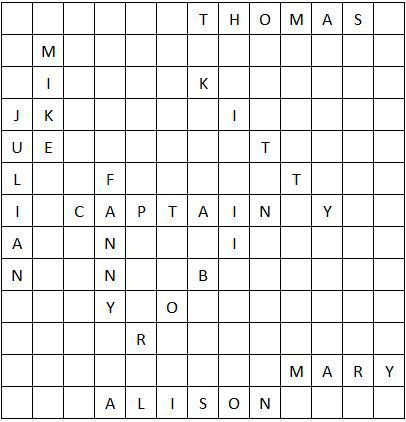

Sub-editors: Adam Symes, Dylan Seymour, Megan Grimston, and Noelia Fernandez Perez
Dylan Seymour - Sports Sub-Editor
Ciaran Myers
The Courier's report from a thrilling match on the other side of the Tyne...
While most eyes were focused upon the Champions League knockouts, a cold Tuesday evening at The Gateshead International Stadium played host to a National League fixture to rival any of them. With not one, but two gripping comebacks, passionate support in the stands and a wondergoal on each side, Gateshead vs Sutton showcased what the English fifth tier has to offer.
The home side were looking to claim their first home win in the new year as an injury crisis has slowed down their promotion push. Following a narrow 1-0 defeat to Altrincham, they started this tie well. Regan Booty controlled the game in the midfield and January recruit, Callum Tripp used his athleticism to drive from his position in the Heed’s back three and stretch the Sutton defence.
"An
injury crisis has slowed down their promotion push"
January recruit Jack Roles showed early promise, forcing a sixth-minute save from Sutton's Jack Sims. The midfielder's reward came ten minutes later, combining with fellow winter
signing Tyrell Sellars-Fleming to slot a calm first goal for the club home.
Gateshead continued their dominance with man-of-the-match Jovan Malcom proving a key threat off the left of Sellars-Fleming. Normally deployed as a number nine, manager Carl Magnay told The Courier this new role was “the perfect position” for him.
"Man-of-the-match Jovan Malcom proving a key threat off the left"
Malcolm worried the Sutton backline with his quick feet and physical play, getting two shots off from outside the area before getting on the score sheet just after the half-hour mark.
Sellars-Fleming drove up the pitch and, after losing possession inside the opposition box, showed his work-rate to win the ball back and play it to Malcolm. The West Brom academy product cut inside and curled it off the post to put the home side into a comfortable lead.
Gateshead FC saw their already double-digit injury list further lengthened when goalkeeper George Shelvey went down with a hamstring injury and was replaced by 21-yearold Bond, Harrison Bond, for his first appearance of the season. The young stopper saw his first action early into added time, holding a low shot from U's striker Lewis Simper.
for the heart rates of the Gateshead faithful but not the Heed players, who either played long to Hull City loanee Sellars-Fleming, or used the experienced duo of Roles and Booty to
long-range swerving shot which Bond could only get a hand to; defender Alex Kirk was the first to react and stabbed the ball into an empty net to level the score.
Sutton goal to tie the game once again. Magnay praised the goal for injecting "a real positivity" into his side - "If I had 11 Luke Hannants, we would win the league comfortably." The Heed gaffer
"The heartbreak of being refused entry to last season's playoffs"
Sutton’s high press caused problems
Emma Hunter - Lifestyle Sub-Editor
A guide to finding the time to exercise between the stresses of university.
You can’t deny the importance of sport – it makes you feel good, brings community, and provides a much-needed break from deadlines and lectures. So why, conversely, is it so difficult to fit it into our university lives?


It was a game of quick turnarounds and Gateshead continued this. Five minutes after Hannant’s goal, Roles found the ball falling to him on the six-yard box and made no mistake to secure his brace, putting Gateshead back in front and
The win strengthens their play-off contentions as they hope to achieve their ambitions of promotion to the Football League. Now 11 points clear of 8th-place Eastleigh, the Heed will be confident of righting the heartbreak of being refused entry to last season's

It’s easy to get swept along by the tide of socialising and studying and working and cooking and everything else in between. Then you realise you haven’t properly moved your body in two weeks (walking up to the bar doesn’t count). Thankfully though, there are ways to avoid exercise exodus. Here are some tips: To move sport nearer to the top of competing things you could be doing, you need to make it as easy and accessible to yourself as possible. The first step is finding a sport you properly enjoy; you can’t expect tons of motivation for something you’re

ambivalent about. This is kind of trial and error, because you never know whether you’ll like something until you try it, but a quick google search will show you that free taster session, even Give It A Go stuff with the uni, are abound.
"So
you’ve found your sport: now time to do it. Utilise everything you have"
So you’ve found your sport: now time to do it. Utilise everything you have to remove all the barriers you can. Plan it into your week so you know exactly when you will go (lots of sports clubs have morning sessions, and Wednesday afternoons have been left free for exactly this reason). Make agreements with friends to exercise together, because you’ll want to avoid the guilt of letting someone else down. Lay out your workout gear the night before,
if applicable. A little thinking ahead can do wonders.
In the end though, the fact of the matter can’t be sugar-coated. If you want to do sport, you have to prioritise it. This can involve forcing yourself to get up in the morning when your bed is so comfortable; seeing the cold raining evening outside and going anyway; squeezing in a mid-lecture gym workout because you know it’s better than nothing. Because truly, any movement feels great. For the postexercise high, all the discipline and timemanagement becomes worth it.
To find out more about how to balance your time across lectures,

Ella Saint
A review of why the UK constantly fails and flounders at our own sports...
The United Kingdom has long been regarded as the birthplace of some of the world’s most popular and enduring sports, including tennis, cricket, and football. Yet, in recent decades, the UK’s performance in these very sports has waned, with countries across the globe emerging as dominant forces. So, what has led to this shift?
The UK’s relatively underwhelming performance in sports it helped create— such as tennis, cricket, and football— can be attributed to several factors, both historical and contemporary. The rise of global competitors is the most crucial factor contributing to the UK’s diminished sporting dominance, particularly in the sports that it originally created. For instance,
while the UK is credited with inventing football, countries like Spain, Germany and Brazil have built superior, robust academy systems focused on nurturing young talent, allowing them to consistently outperform the UK at the international level. Conversely, the UK’s focus on the Premier League has often led to a neglect of the grassroots development needed to maintain a strong national team. While the Premier League is commercially successful, many of the best British footballers often come from overseas, and the focus on short-term success sometimes undermines long-term player development.
"Historically, England was one of the strongest teams in international cricket."
In addition, cricket and tennis have also suffered in terms of UK success. Historically, England was one of the strongest teams in international cricket. But in the last few decades, countries
like Australia, India, and South Africa have risen to prominence. Most notably, India, with its immense cricket fan-base and the commercial success of the Indian Premier League (IPL), has invested significantly in talent development and coaching infrastructure, allowing it to become a major cricketing power.
Although there has been progress in UK sports funding, particularly in Olympic sports, it is often too fragmented across multiple organizations, thus struggling to compare with the impressive financial commitment of other countries to its sporting regimes. Tennis is more global than ever, and the UK now faces fierce competition from players across the world. Spain's Rafael Nadal and Serbia's Novak Djokovic, for example, now hold the equivalent prestige and success as many past and present UK athletes, leading to much fiercer competition. While the
United Kingdom has a rich tennis history, particularly through Wimbledon, the country no longer leads the sport. Therefore, while the UK still has a strong sporting tradition and significant resources, other countries have capitalised on better funding, more cohesive athlete development systems, and a stronger cultural commitment to sports.


In honour of tradition, TNTC are back with a twist on the Duathlon with their 2025 Hill Climb event.
For the past few years, in February/March time, Team Newcastle Triathlon has hosted a Past Versus Present Duathlon, inviting alumni and athletes from other universities to compete in a run, a cycle and another run. But with our club merging with the Cycling Club and after some of our athletes had a great time racing at the BUCS Hill Climb event in
cycling event with each racer starting from a stationary position, either one foot on the ground, or a track start; both feet clipped in and held up by someone else.
"At 2.8%, the long drag was enough to challenge our riders"
Scoping the Northumberland roads for a hill steep enough and long enough for a 3 minute effort, while also being safe for supporters and easy to get to was no easy task, but our cyclists found the perfect 1.3km strava segment at Berwick Hill, in Ponteland. While it is not the steepest at only 2.8%, the long drag was definitely enough to challenge our riders as well as being accessible for first timers.
On Saturday 15th February, with
West Jesmond at 8.30am and cycled up to Berwick Hill. We gave the briefing at the top of the hill and people got their numbers and starting times. We shared out coats, started stop watches (timings were a feat of logistics, but glad to say we pulled it off successfully) and sent riders down the hill to find spots to cheer on from.


"Our first rider reaching the top in three minutes
and ten seconds"
With those heading to the horse races cycling first, our first rider started at 9.45am and zoomed up the hill, passing blaring music and shouts, reaching the top in 3 minutes 10 seconds. An epic and fast start setting the bar high for everyone. From then, riders appeared at the top every 2 minutes and everyone was chuffed to have taken part in this unusual style race! After

everyone had cycled, we then had our fix wheel category. Riders cycling up with only one gear and George W smashed it out the park.
We then cycled to Kirkley Cafe for coffee, cake and a sit by the fire to warm up. A 10/10 spot for those exploring Northumberland but beware, everyone will be wearing lycra. We cycled back to Newcastle and, after a cold but sunny morning, we were met with rain!
"The biggest thanks to those who organised the event, raced, and who came along for the ride"
Awards were presented in the evening with George P winning the mens/open with 2.45 and Emma C taking home first place for the women with 3.23.
We celebrated 2nd and 3rd for both categories with those athletes taking home some beautiful cycling caps and we had a brilliant evening singing karaoke and resting our legs. It was an absolutely brilliant day out for TNTC. The biggest thanks to those who organised the event, who raced and to those who just came along for the ride (pun intended). We can’t wait to do it all again next year.

‘‘I
Aarya Shenoy
Eli crowned himself as winner in the under 54kg category at the BUCS boxing championship weekend in January 2025. Having started boxing and kickboxing earlier on in high school, Eli had been working towards his BUCS campaign with vigour this year, defeating his opponents over the course of the weekend to cinch gold.

campaign next year, saying how much he enjoyed competing in this one and that he was looking for more challenges to help further his boxing career.
Winning gold “was nice” but Eli was adamant in saying “I don’t really care if I win or lose, I just like the fighting. It’s quite fun.”
Moving north for university, Eli says he started boxing due to his love for martial arts, jiu jitsu and ninjas as a kid, finding it a good way to expel his energy and get rid of any stress he felt. He commented that “you don’t really have to think, just fight,” and so a love for boxing was fostered.
Having competed on inter gym competitions through secondary school, competing in BUCS was a big change. “It was much more rigorous and formal. I had to get weighed in everyday with medics.” Eli said. The club hoped to do another
“I really wanted to get started myself”
The weekend was very quick, having had to wait a bit to fight as there were less people in Eli’s weight class. The first day was spent watching other fights and waiting for his fights to start: ‘I was itching to get in. I really wanted to get started myself’.
The training primarily takes place in the university gym, around four to five sessions per week, with extra sparring sessions on Saturdays. In
preparation for BUCS, Eli went to at least four sessions a week and the extra sparring, commenting that it was “tough but quite fun.” They also engage in sprinting sessions before practice, to increase stamina and endurance as the bouts are “more like a sprint.”
“We want everyone to be together and just work towards something
When asked about balancing boxing with his engineering course load, Eli said it wasn’t as hard as he thought it would be. “A lot of the sessions are during the evenings,” he said, “and training is on six days a week, I can still go on Saturdays. It aligns to my schedule really well so it works
out well for me.” He says, “everyone should give [boxing] a go. Even if you’re not good, or don’t want to compete, it’s really good exercise in general, gets you active and you meet a lot of different people. They’re trying to do more social stuff

Newcastle Knights celebrated a commanding 3-0 win in their latest match against Durham Palatinates, securing a comprehensive victory over their opponents with three straight-set wins.
The team’s performance was a testament to their strength, teamwork, and consistency, with each set showing a clear progression of dominance. The match ended with score lines of 26-24, 25-19, and 25-15, showcasing Newcastle’s superior skills and determination.
The first set kicked off with both teams showing strong intent.
The opening exchanges were tight, with both sides making impressive attacks and defensive
stands. However, the Knights quickly settled into their rhythm, maintaining composure under pressure.
“The players were visibly relieved but knew the match was far from over”
At 24-24, the set was on a knife-edge, with both teams fighting for the critical first set, but Newcastle’s resilience shone through. A crucial block followed by a powerful spike put them ahead, ultimately securing the set 26-24. The players were visibly relieved but knew the match was far from over.
The coach’s strategy was evident in the first set: there

were frequent substitutions and tactical adjustments that allowed Newcastle to maintain their tempo, even when their opponents threatened to take This first set proved to be a test of mental toughness, and Newcastle passed it with flying colours, earning an early lead in the match.
The second set saw Newcastle take full control. They quickly built a lead, showcasing their attacking

power, with aggressive serves and quick transitions that left their opponents defenceless.
The opposition was unable to cope with Newcastle’s aggressive and fast-paced style of play, especially their precision in setting up attacks. Newcastle’s frontrow players, in particular, were effective at maintaining the pressure, combining powerful spikes with solid blocking to disrupt any counterattacks.
Newcastle’s offensive game was complemented by solid defence, particularly in the back row, where they dug out difficult balls and kept rallies alive. Their passing was clean, allowing their setter to distribute the ball effectively, leading to a 25-19 victory. With their momentum growing, Newcastle knew they were in control of the match.
View from the AU
Alex Duggan - Athletic Union Officer
Election season is here, and we have a record number of candidates stepping up, including six for the Sports Officer role (myself included!). A reminder that ALL students can vote, your voice matters. Take the time to read through the pledges and have your say in shaping the future of sport at our university. Beyond elections, a major focus recently has been on awareness and behaviour initiatives in sport. We held Beyond Equality Training last week with men’s football, men’s rugby union, where we covered mental health literacy, sex and relationships, and the impact of club culture and traditions. This is crucial in making sport a more inclusive and respectful space, and we’re following up with clubs directly to keep this work going. One of the most important projects I’ve worked on this year is the creation of Your Behaviour Matters, a new video on sexual violence, made in collaboration with the Students’ Union and the Student Health and Wellbeing Team. This campaign is something I care about deeply —I wanted to create something that not only raises awareness but actively challenges harmful behaviours and encourages a culture of respect. The video explores consent, real-life scenarios, and how we can all take responsibility as active bystanders. Conversations around sexual violence and consent are vital, and understanding these issues is key in making our campus a safer and more supportive place for everyone. Support services are available, including confidential reporting and guidance from the Student Health and Wellbeing Team and the Welfare and Support Centre. Let’s work together to make Newcastle University a place where everyone feels safe and valued.


