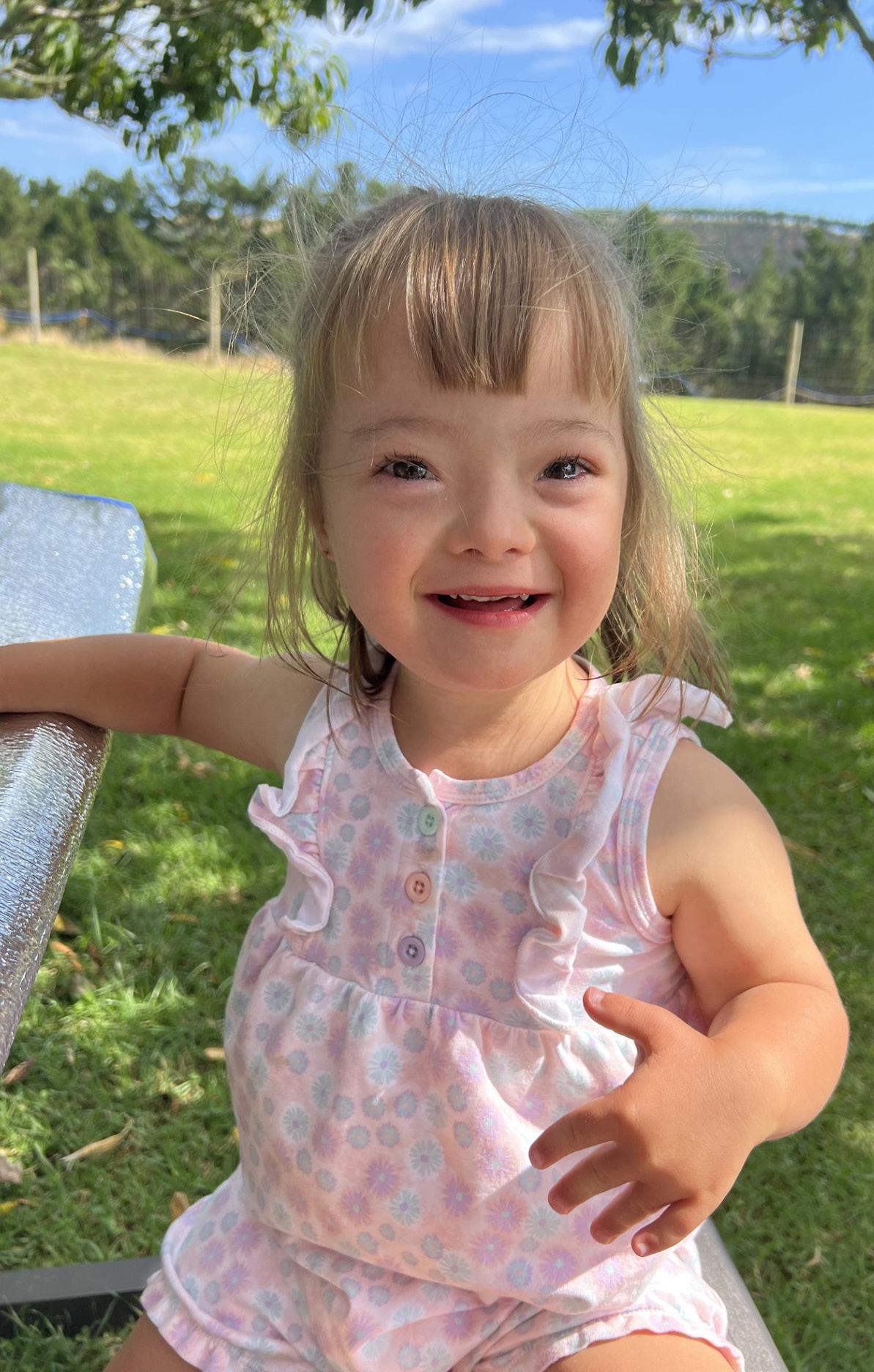
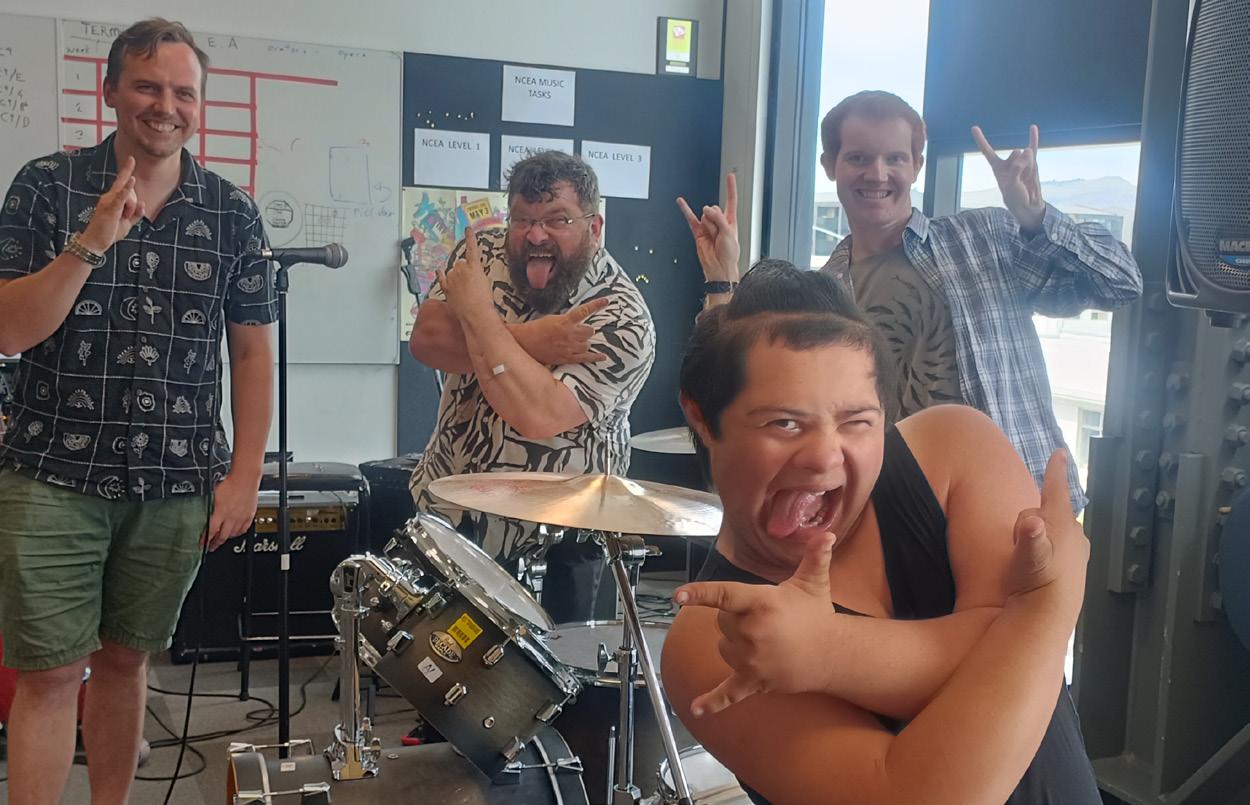
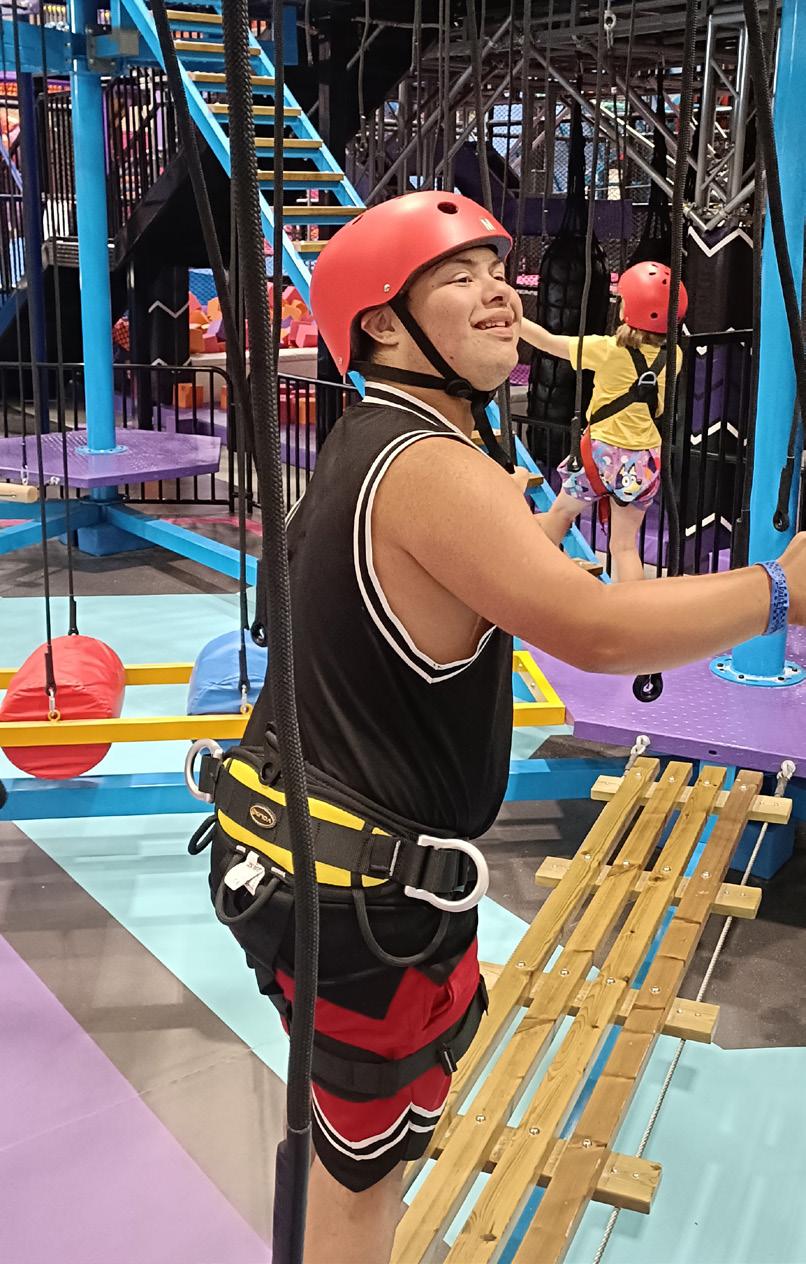
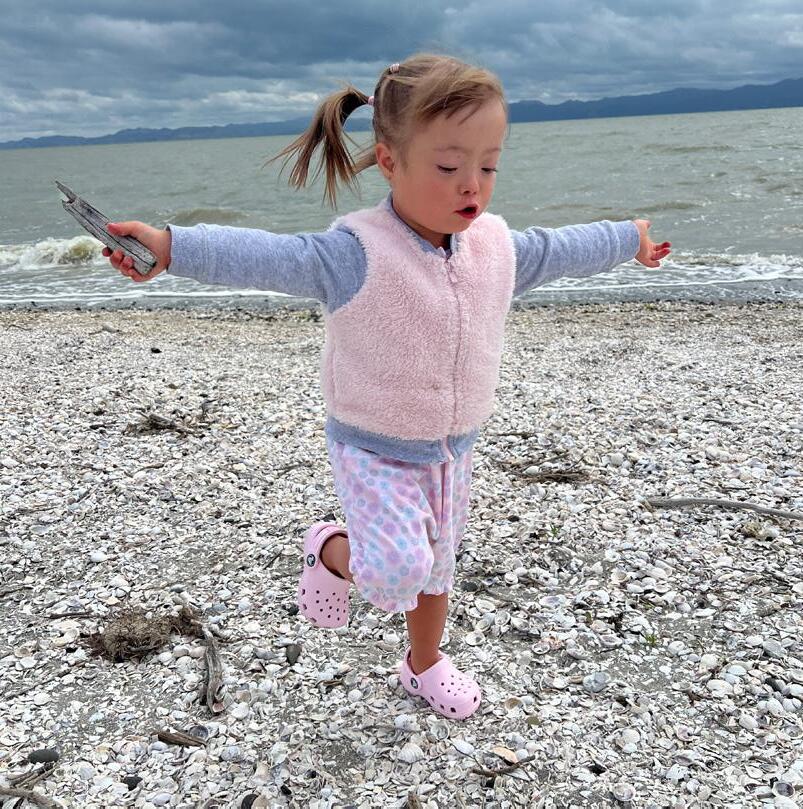
It's time to vote - plain language guide to local elections
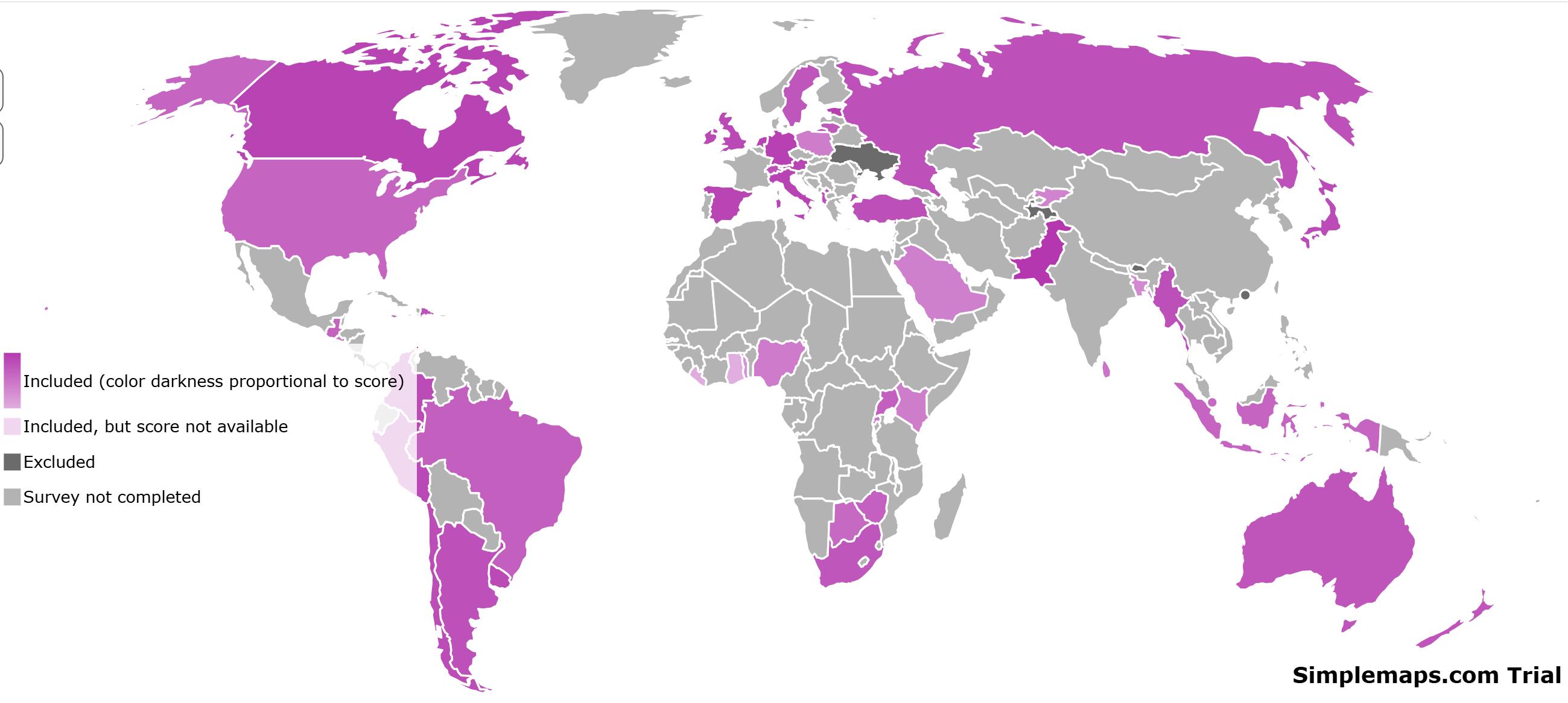
STRIVE updates Down Syndrome quality of life global rankings: Policy
Editor and lead writer: Maddie Daybell
Proofreading: Franco Vaccarino
Feature writer: Andrew Oswin
Lead creative: Daniel te Kaat @ You Are Here.
Production: Spectrum Print
Coordination: Zandra Vaccarino & Linda te Kaat @ NZDSA
The NZDSA does not promote or recommend any therapy, treatment, agency, product, political position, religion or advice. The opinions expressed in CHAT 21 are not necessarily those of the NZDSA. The editor reserves the right to make corrections to materials submitted for publication. All photos sent in to the journal become the property of the NZDSA and can be used in other NZDSA publications.
Outgoing editorial
Kia ora koutou,
It’s impossible not to get emotional writing this! This will be my final editorial for CHAT21.
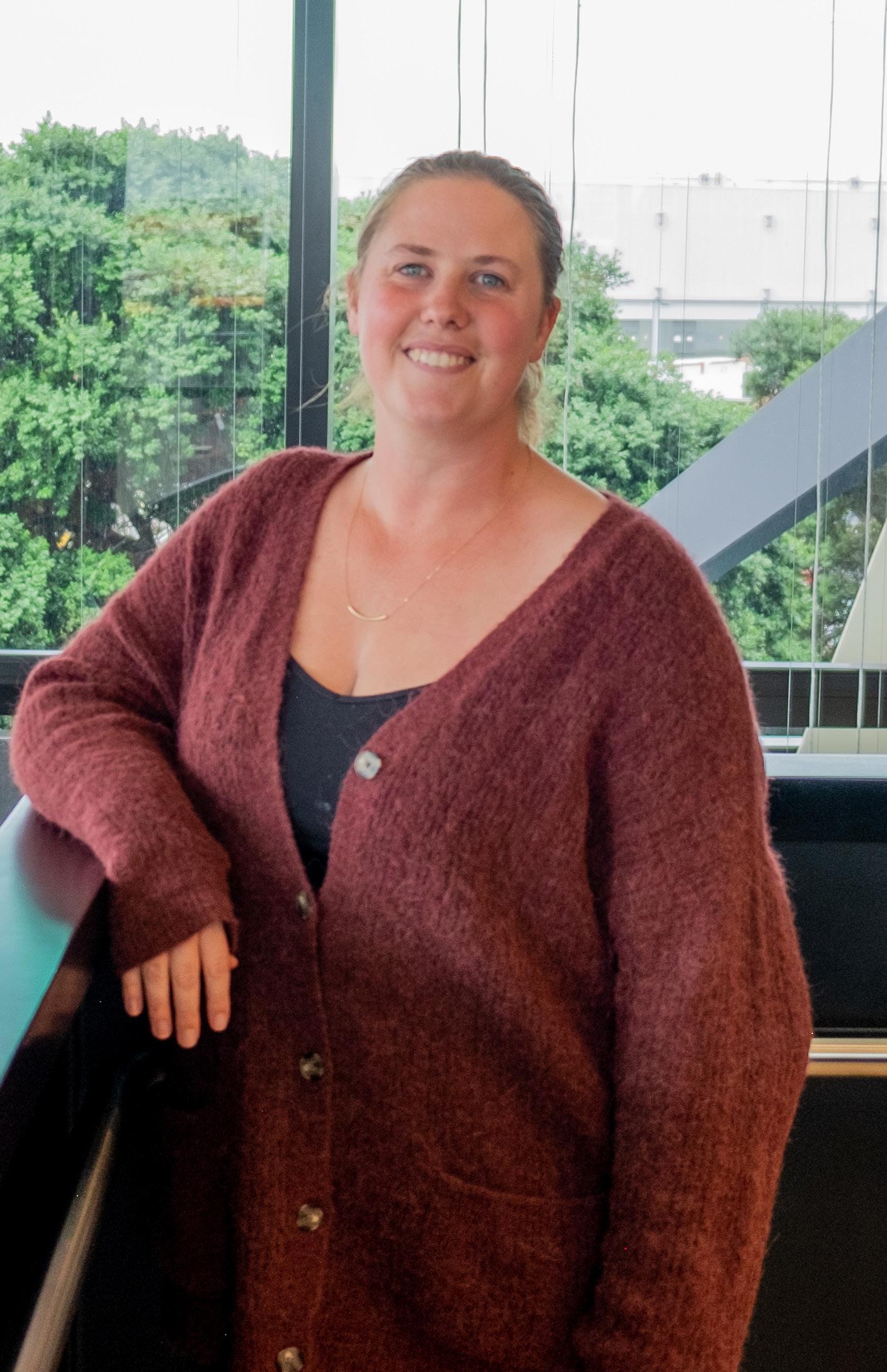
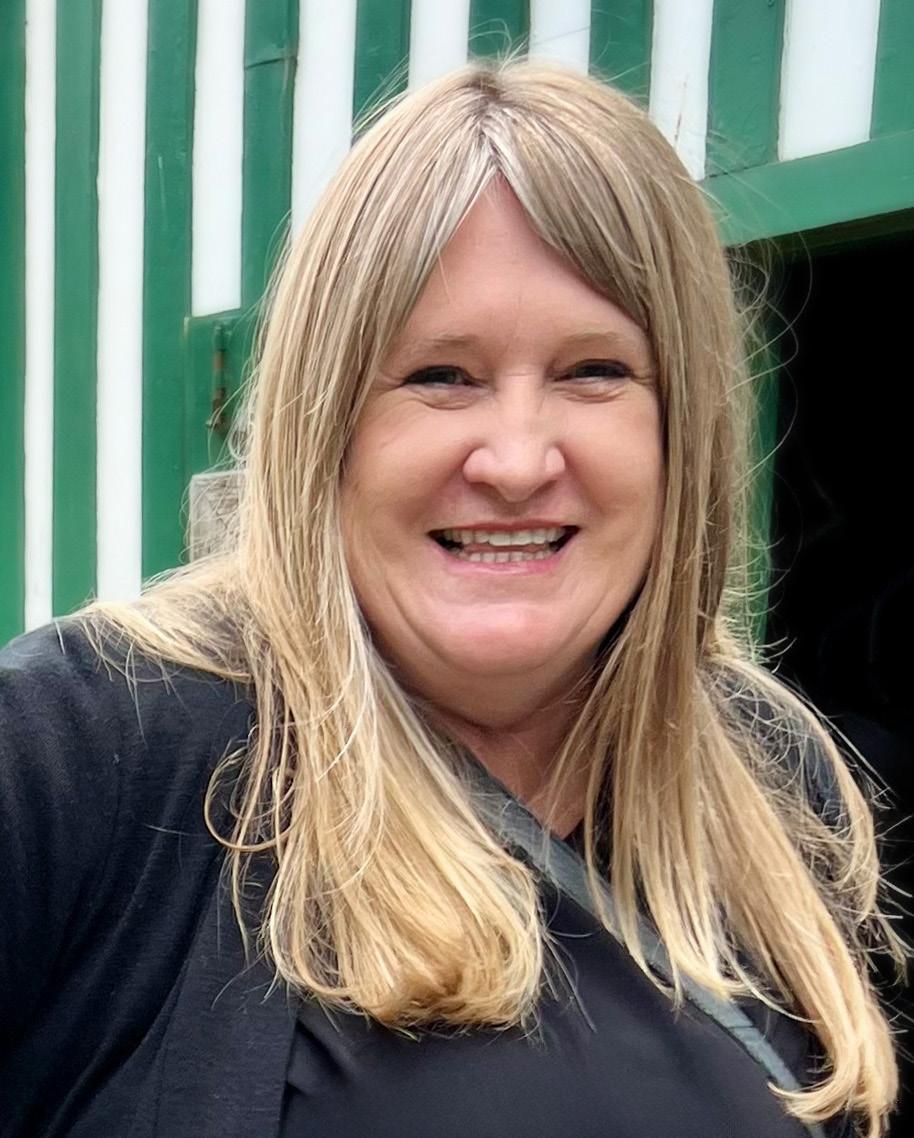
It’s entirely fitting that the theme for this issue is policy, and how policy decisions at every level can impact people with Down syndrome and their whānau, because the reason for my departure is entirely bound up with that topic. In this year’s local elections, I am standing for Auckland Council, representing the Whau ward. One of the major reasons I am doing this, is because my last three years on the Local Board have taught me that for too often and for far too long, the experiences of tangata whaikaha/people with disabilities goes unrepresented. Questions you’d think were obvious, like “is this information being provided in Easy Read format?” or “Will people with limited mobility be able to access that building?” are frequently greeted with surprise and panic because they haven’t been asked before.
Without a doubt, the things I have learned from this community have made me a better representative for all kinds of people, and I hope to be able to carry that to the Auckland Council table.
This process is made so much easier by the fact that I have complete faith in Maddie to carry CHAT21 forward
into its next phase. Maddie has the passion, wisdom, and commitment this wonderful publication needs, and I’m so grateful to her for putting up her hand and getting stuck in so brilliantly. Welcome to CHAT21 Maddie, you will be an incredible asset to the journal and the people it serves.
I want to extend a huge mihi to Zandra, Linda, Dan, Andrew, Franco, and the NZDSA whānau for all your guidance, humour, skills, and dedication over the past few years as we’ve worked together. It’s truly amazing what such a small group with so few hours between us can achieve.
Finally, I want to thank you all, the Down syndrome community. I first came into this world eight years ago, more or less by complete chance. Ever since then, I have been welcomed with such generosity by so many of you, and it has been lifechanging. Many of you have said that I’ll never be able to leave and I have every intention of that being the case! The Down syndrome community will be a part of whatever the future holds for me, and I am forever grateful to you all.
Waiho i te toipoto, kaua i te toiroa.
Aroha nui, Sarah Paterson-Hamlin
Around the world
USA
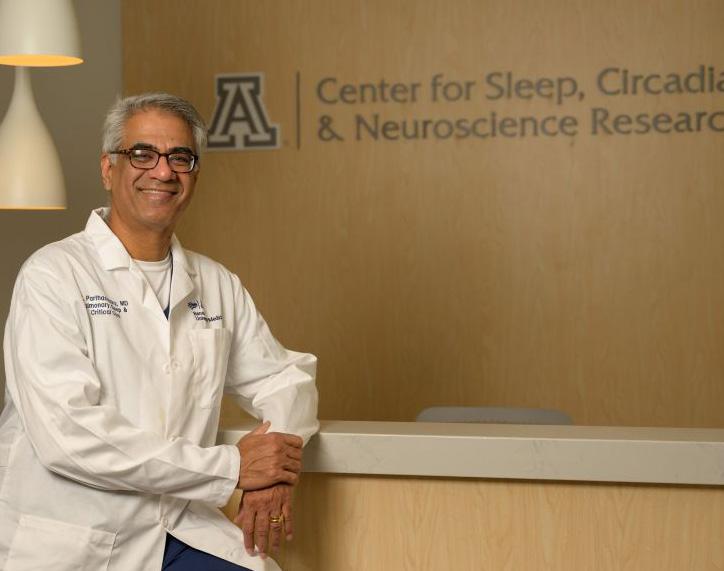
Researchers at the University of Arizona have received a US$10.4 million grant from the PatientCentered Outcomes Research Institute (PCORI) to explore a new treatment for obstructive sleep apnea (OSA) in individuals with Down syndrome. OSA affects an estimated 50-80% of people with Down syndrome, often leading to disrupted sleep and related health challenges. The study aims to improve sleep quality, cognitive function, and daily living outcomes, offering new hope for a community disproportionately impacted by this condition.
Türkiye/Czech Republic
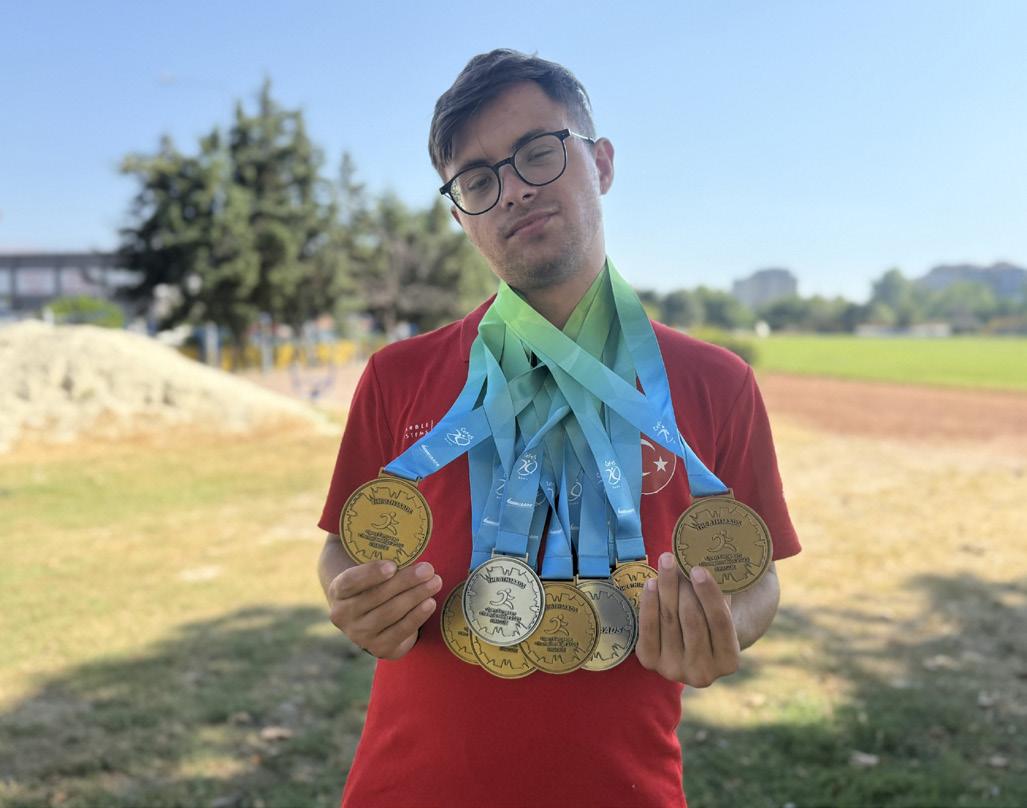
Emirhan Akçakoca, an 18-year-old Turkish athlete with Down syndrome, claimed an incredible 10 medals -- seven gold and three silver -- at the 2025 Down Syndrome European Championships in the Czech Republic. The new additions bring his career total to 58 medals since he began his track and field journey just seven years ago. Having previously set a world record in the triathlon event in 2023, Emirhan continues to challenge perceptions and break boundaries in the sporting world. CHAT 21
United Kingdom
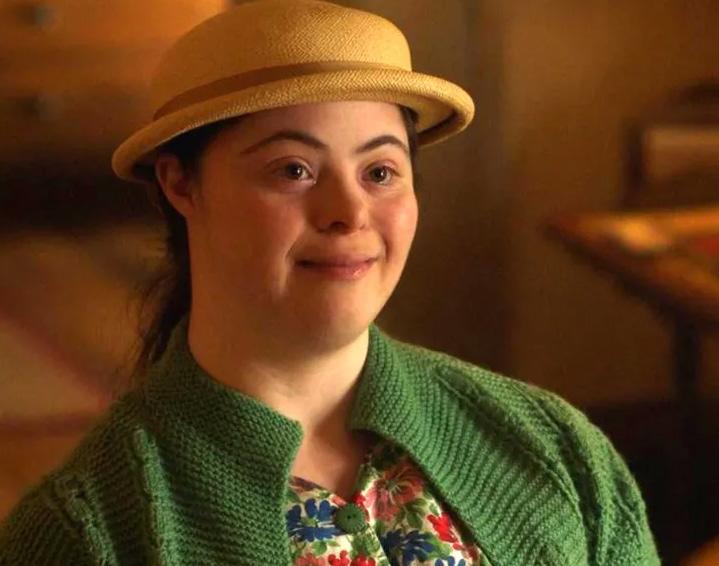
Ellie Goldstein, the model who made history for being the first person with Down syndrome to be on the cover of Vogue magazine, has made her television debut. Despite her parents being told she would never walk or talk, Ellie is defying expectations as she plays Nancy in the sixth season of Enid Blyton’s “Malory Towers”. While talking about her new role, Ellie shared her thoughts on Down syndrome representation in the media: “Down syndrome means I’ve got an extra chromosome - lucky me. Diversity should be out there, and people should not be hidden in boxes. They need to be seen.”
On the socials
@getdownwithsandmTikTok
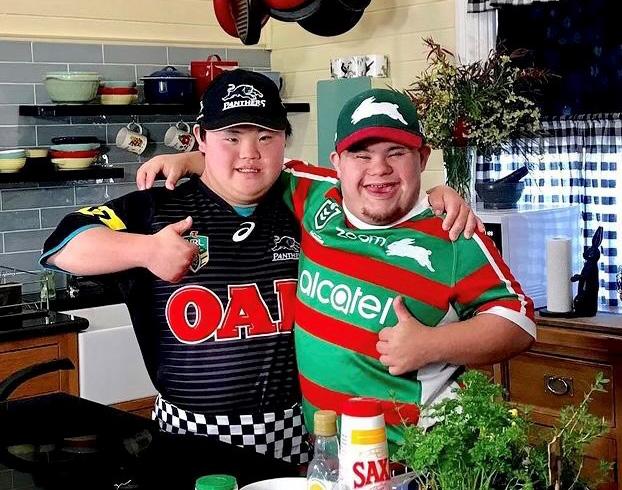
Get Down with Sean and Marley is a must-watch TikTok account for anyone who loves to cook and be entertained. Best friends since primary school, Sean and Marley both have Down syndrome, a passion for food, and a natural talent for making people laugh. With millions of followers across multiple platforms, their hilarious takes on classic dishes, contagious humour, and high-profile collaborations are taking social media by storm. In recognition of their impact, Sean and Marley received a TikTok for Good award in 2023.
@dragsyndromeInstagram
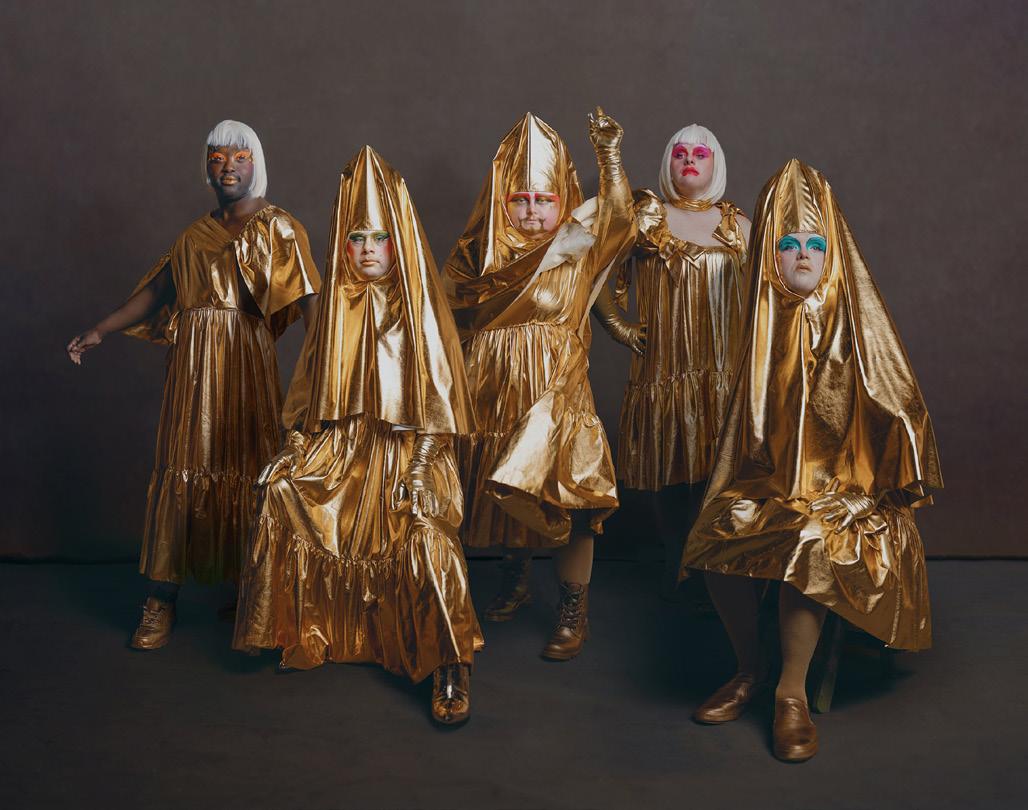
Drag Syndrome is not your average drag collective. They’re bold, brilliant, and breaking all the rules (while wearing heels). Based in the UK, this internationally acclaimed troupe of drag Queens and Kings with Down syndrome is turning stages and stereotypes upside down. Their work is challenging perceptions of disability with power, pride, and a whole lot of glitter. If you love big personalities, bigger talent, and performances that pack a punch, Drag Syndrome is your next must-follow.
@ok_im_downInstagram
Lori Orr shares the incredible journey of her daughter Olivia, a bright and happy young girl with Down syndrome who is exceeding every expectation set of her. The account celebrates Olivia’s milestones, personality, and everyday adventures. Olivia’s story is a powerful reminder that joy, strength, and potential come in all forms. She’s a great follow for anyone looking for hope, inspiration, and a daily dose of positivity.
A little something from Mum
Written by Linda te Kaat — NZDSA National Administrator & Finance Officer
Very sadly for our family, our dear Mum/Nana/Great Nana passed away suddenly on 27 December 2023. In her will, she made a bequest to the NZDSA, and it has been decided that the interest from the money be used for the following:
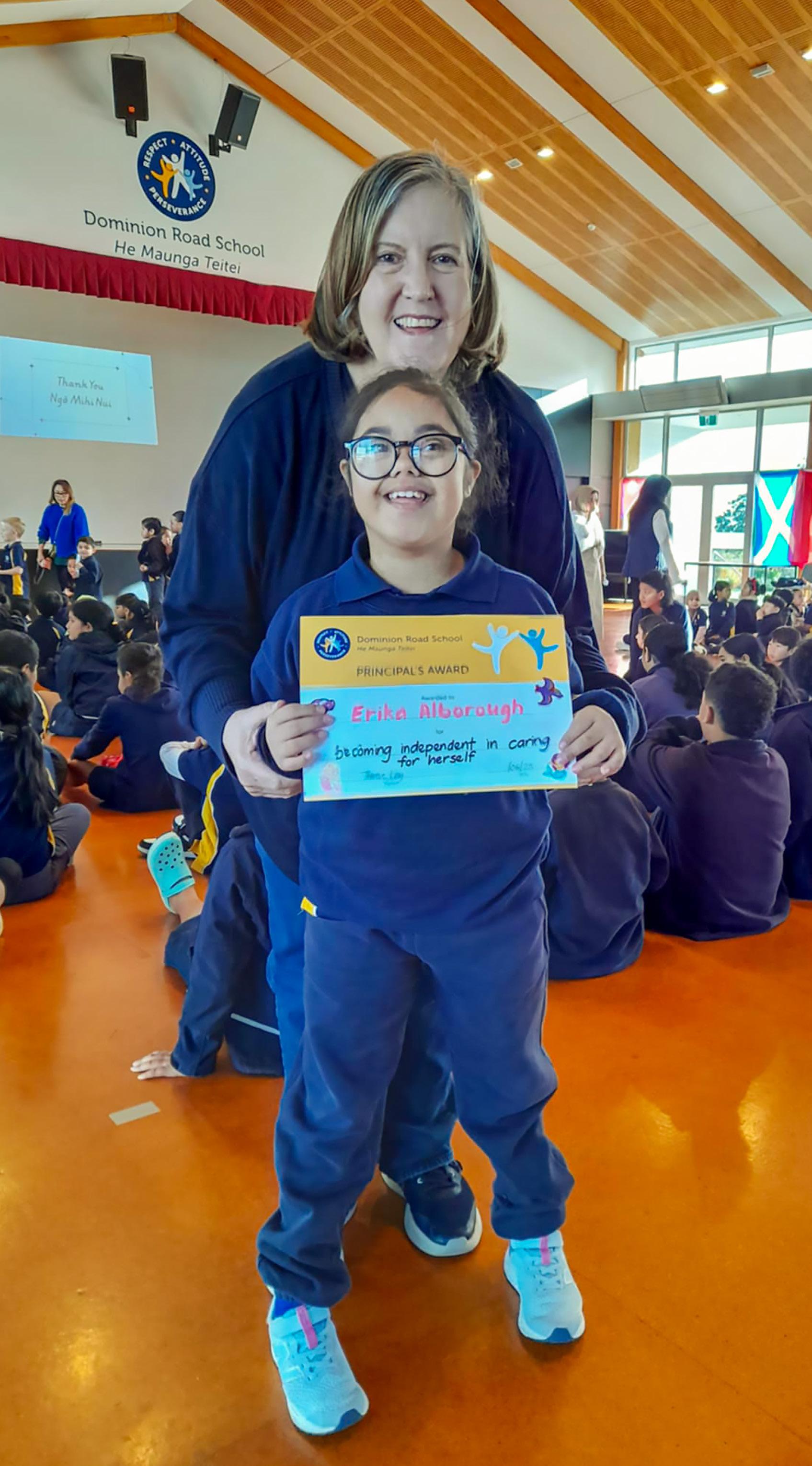
A new quarterly prize draw acknowledging an important achievement in your young person’s life.
To enter, all you need to do is email na@nzdsa.org.nz about something your young person has achieved that is a significant milestone for them and/or your family. It is not always about the big things in life that our young ones achieve – this award is for any achievement, big or small, that means a lot to you and your young one. Entry is open to all ages. The only condition is that the winner will be announced in each journal after the draw, hopefully including a photo of them and their voucher.
Some achievements that you might want to consider entering for include:
• Using the toilet for the first time
• Going to the toilet on their own
• Brushing their hair independently
• Eating their dinner without help
• Catching the bus
• Putting on their shoes independently
• Organising themselves without prompts
• Sleeping all night
• Getting a job
• Achieving something great in sport
The list is endless.
The winner will be chosen at random by drawing a name out of a hat. Every submission matters, and no entry will be judged as being better than any other.
From our new editor…
Kia ora koutou,
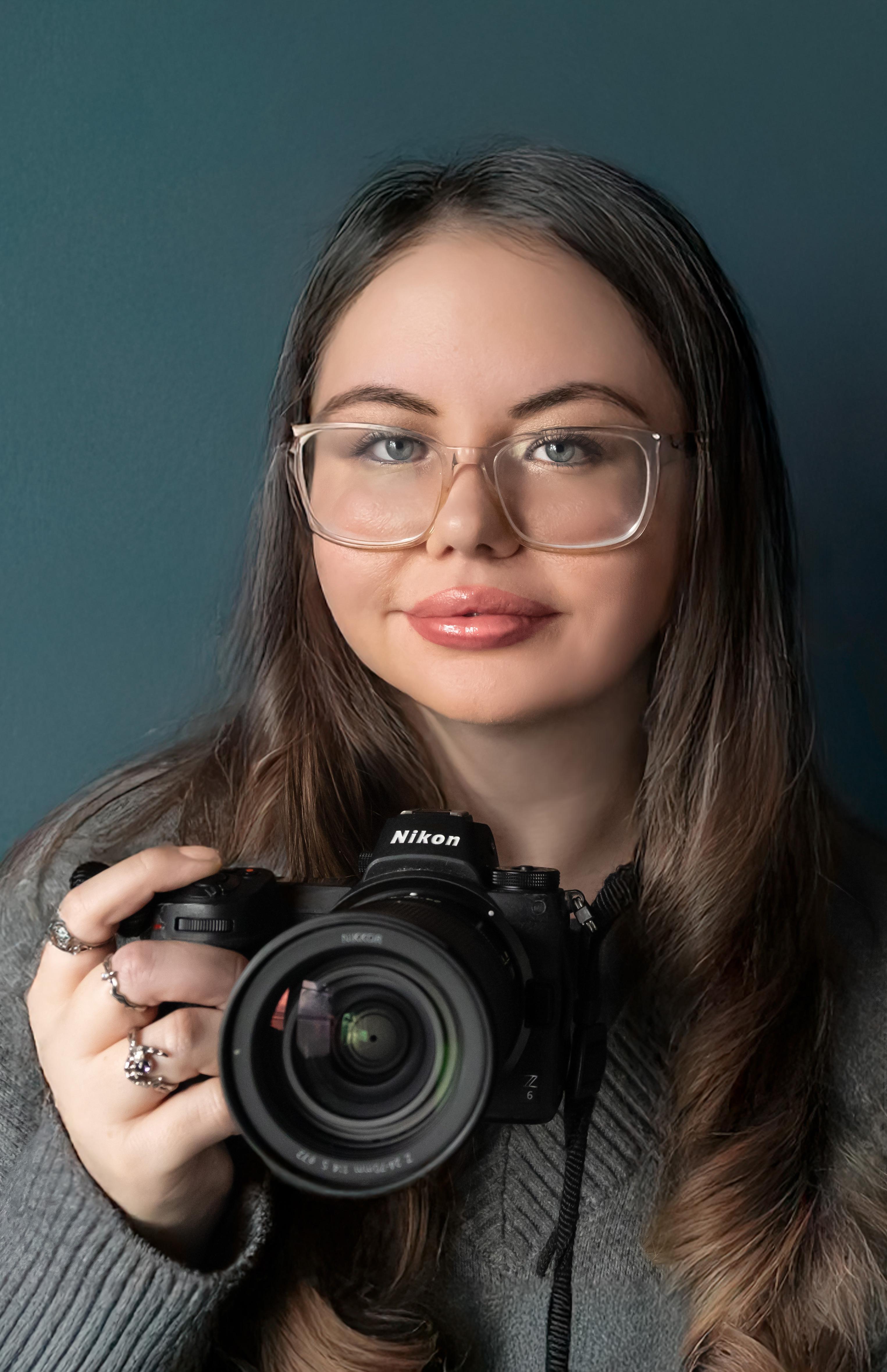
My name is Maddie and I’ve just been handed the keys to CHAT21. Terrifying? Slightly. Exciting? Absolutely. Some of you might know me from bumping into me at events over the years — but let’s be honest, most of you probably remember me as “that girl behind the camera, quietly taking photos of absolutely everything like a member of the paparazzi.”
As a professional photographer, I can’t help myself — if there is a moment to capture, I’m probably already there framing it. Now, as I step into this new chapter as editor, I’m bringing that same love for visual storytelling with me. You know the saying, “A picture is worth a thousand words.” An overused expression? Maybe. Is it true? Without a doubt. It might take me a few editions to figure out exactly how I’ll weave some of my many ideas into CHAT21, but I’m so glad you’re along for the ride. Thanks for having me, I can’t wait to see where this journey takes us together.
Before we go any further, I should probably introduce myself a bit more. I live in Tāmaki Makaurau/Auckland, with my lovely husband, Calib, and our fluffy (and slightly spoiled) Papillon dog, Wolfie, though I often find myself travelling up and down the North Island.
I’m a strong advocate for increasing the visibility of the Down syndrome community here in Aotearoa. I believe people with Down syndrome need to
be seen, heard, and celebrated — not just occasionally, but consistently and meaningfully, across every space we occupy.
My journey with Down syndrome started right from day one. Before I was even born, my incredibly strong Mum, Sue, became the guardian of her younger brother, Tim, so to me, he’s always just been my brother, not my biological uncle. Tim was joyful, brave, intelligent, caring, hilarious, cheeky, a bit of a ladies’ man, and endlessly talented. The list could go on. He also happened to have Down syndrome.
I was always inspired by Tim. He faced a number of complex health issues — some linked to Down syndrome, others not — and spent more days in hospital than most people do in a lifetime, and yet, he never lost his incredible lust for life. Whether he was protesting at Parliament, or charming the guests as the ring bearer at my wedding, Tim made his mark. He had a lasting impact on my life and helped shape the person I am today.
Tim passed away during Cyclone Gabrielle in 2023. It was the hardest thing my family and I have ever gone through. In the immediate aftermath, I shut down — I needed to protect my heart, or whatever was left of it. For a long time, I felt disconnected, weighed down by grief and constantly asking myself heavy questions — what was the point of it all, if life could be so cruel? But last year, something changed. I
realised that losing Tim didn’t mean I had to say goodbye to the Down syndrome community too. I’m here because I want to continue what he started: advocating for the rights and lives of people with Down syndrome, and doing my part to amplify voices, spark changes, and spread a little light along the way.
Tim might just be where my love of dance began. No matter what he was going through, he never lost his love for music and dance. Whether he was stealing the show at discos or grooving with just his upper body in later years, when he used a wheelchair, you could always count on Tim to be having a boogie. His love of dance was infectious — and somewhere along the way, I caught it too. That passion led me to complete both a Bachelor’s and Master’s degree in Dance Studies at the University of Auckland. My research and interests focus on how dance can support the health and wellbeing of people with Down syndrome, as well as their families and carers.
Alongside my creative work, I’ve also worked extensively as a website and social media manager for a range of brands — including non-profit organisations — helping to shape meaningful, accessible content that connects communities and shares powerful stories.
I want to say a huge thank you to the NZDSA for welcoming me so warmly into this role, especially to Zandra and
Dan, who have been endlessly supportive and encouraging. To Sarah, the fantastic outgoing Editor, who has been holding my hand through my first steps into this role, thank you, thank you, thank you. I’m sure many of our readers will join me in wishing you only the best going forward, and we are so excited to see where your journey takes you next.
I’d love to take a moment to break the fourth wall and speak directly to you — yes, you — the incredible individual reading this exact sentence at this exact moment.
Kia ora. Hello. Kei te pēhea koe? How are you?
I hope you’ve managed to get an idea of who I am as a person. Now, I’d love the chance to get to know you. As a writer, editor, and photographer, my job — but more importantly, my passion and purpose — is to uplift you and your voice. I want to hear your story. I want to know what you think, what matters to you, and what keeps you going when times are tough.
CHAT21 would be nothing without the people it’s made for — and yes, I'm still talking about you. Whether you have Down syndrome, are a whānau member, carer, support worker, or an ally to our community, you are important to us.
I know it can be scary to be vulnerable, to open up in a world that sometimes makes it hard to feel seen — but please know, you are not alone. We’re in this together. If you’ve got a story to share, a moment to celebrate, or even just an idea you want to float, please reach out. Let’s stay connected. Let me know how I can support you, represent you, and walk alongside you — not just on these pages, but in real and meaningful ways.
Ka kite anō i a koutou, Maddie
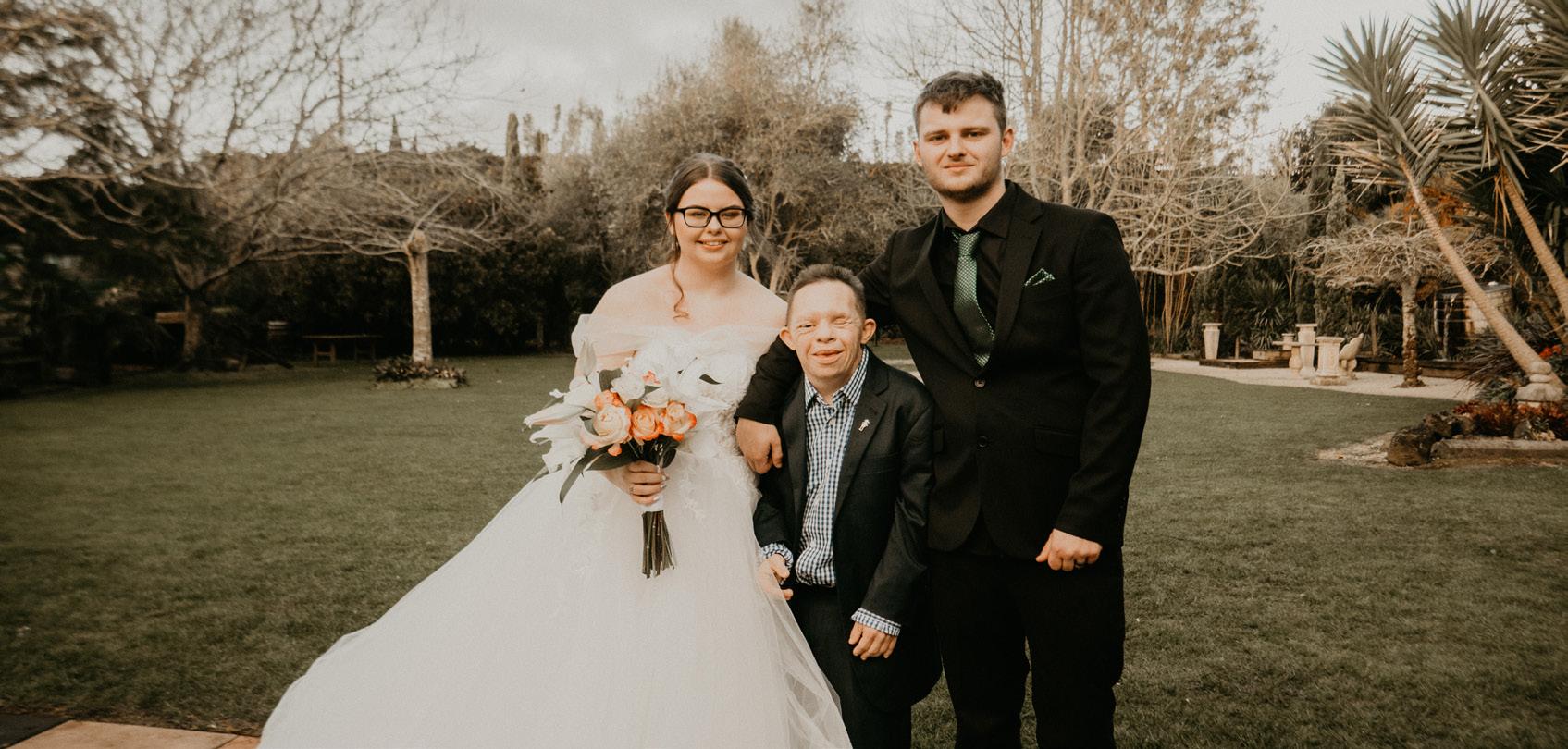
Maddie and her husband Calib, posing with Tim at their wedding
AND THEN THERE WERE TWO
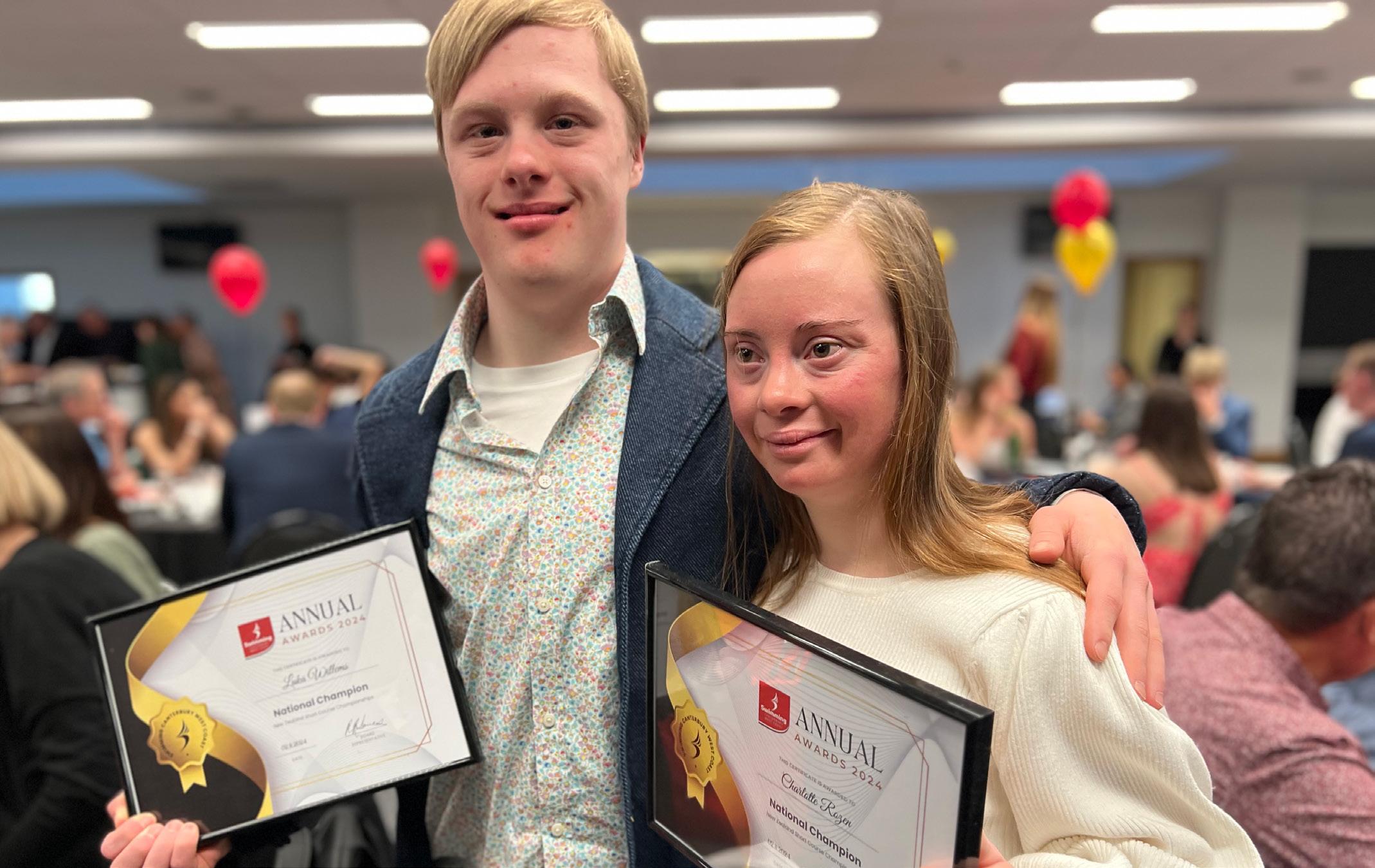
Charlotte Rozen, who is already well known on the Special Olympic circuit, has joined Luka Willems on the highperformance swimming platform. She became the first female S18 swimmer with Down syndrome to compete at the New Zealand Short Course Nationals in Auckland last August. Both Charlotte and Luka came away with a plethora of New Zealand records, topped off with some medals.
Swim Club Wharenui in Canterbury hosts both Charlotte and Luka, and is a home away from home – as its name suggests. Charlotte shows skill, true grit, and determination, and has earned her right to compete with the best. Watch out world!
by Angelique van der Velden
It is wonderful to see the pathway Luka has fought so hard to open, the S18 para category, being embraced by others.
Now it’s time to develop an S18 mixed relay.
Congratulations Charlotte and Luka!
STRIVE feature article
by Andrew Oswin, CHAT21
feature writer
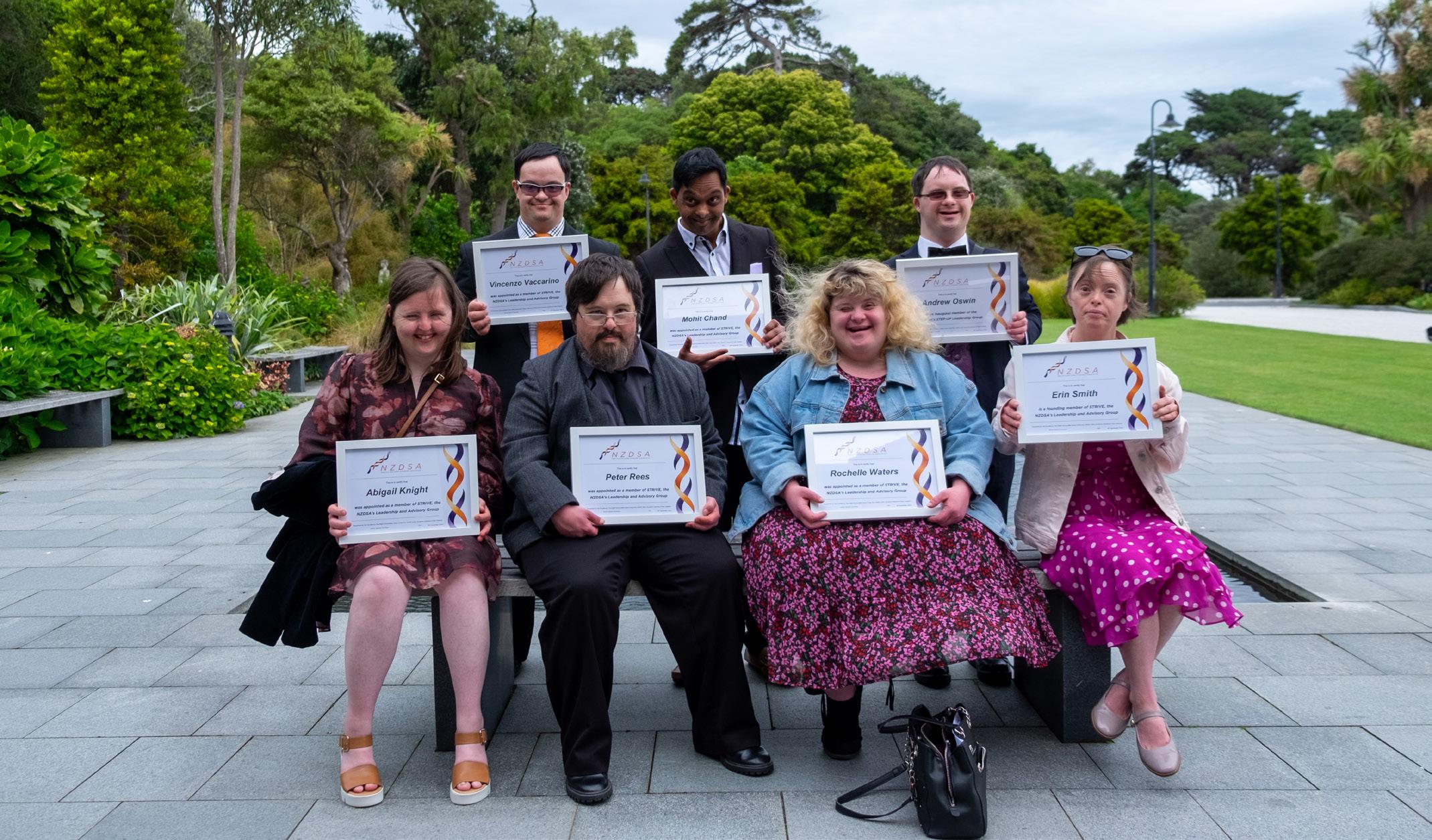
STRIVE, is a self-advocacy and advisory group of the New Zealand Down Syndrome Association. This group got formed as a place where young leaders with Down syndrome could learn skills to become the future members of this organisation. We currently have five new members of STRIVE, plus two founding members who are still continuing in their current roles.
Late last year, STRIVE had another funshop at the Rydges Hotel, Wellington Airport on Wednesday 13th – Thursday 14th November 2024.
This is what the funshop was focused on:
• Teamwork
• Rights and Responsibilities
• United Nations Convention on the Rights of Persons with Disabilities Articles 14 and 16
• Introduction to Enabling Good Lives
• Making the Most of Meetings
• Skills to facilitate STRIVE Afternoon Tea Clubs
• Enhancing Leadership
• STRIVE Induction Part 4 – Meet with Committee and Staff
On the first day we all met in the lobby area during lunch time, so we decided as a group to order lunch from the Peloton Bar and Eatery. We had lunch while we were working. We got into separate groups to discuss different topics such as Rights, Responsibilities and Consequences, Articles 14 and 16, and also Making the Most of Meetings.
Paul Gibson, a former Human Rights Commissioner, came to talk to us about The Royal Commission on Abuse in Care. This was a very interesting talk. Afternoon tea was then served and then we had a Duncan Shake –Up, to re-energise us, followed by looking into the first part of Enabling Good Lives which Zandra Vaccarino, National Executive Officer of the New Zealand Down Syndrome Association presented.
The next session was another team task that was based on Making the Most of Meetings where four teams worked together on a meeting template and then had our own time to check in. We all had dinner together in the hotel’s restaurant. Later we had a recap about what we did during the day, with hot drinks in the lounge, before retiring to bed.
On the last day of the funshop we delved into the second part of Enabling Good Lives and Zandra announced that we will resume this in 2025 at another funshop. Before morning tea, we discussed STRIVE Inductions. We searched through roles such as Leadership, Responsibilities and facilitating afternoon tea clubs. Then morning tea was served, and this was followed by doing another Duncan –Shake Up before continuation of the funshop.
Everyone then dug deeper into another induction. This was based on Expectations and Responsibilities. During this we had a meet and greet with the New Zealand Down Syndrome Association team members. The STRIVE funshop finished early because the National Achievement Awards were to be held that afternoon at Government House, Wellington New Zealand.
Everyone managed and coped well with having an early lunch and enjoyed a fabulous afternoon celebrating the National Achievement Awards. Musical entertainment was provided by Michael Holdsworth and everyone enjoyed a high tea with Her Excellency The
The three National Achievement Award recipients were:
• Luka Willems from Christchurch, who received his award for swimming, making online videos and completing his mainstream Level 2 Hospitality course at Ara in 2023. He is the first New Zealander with Down syndrome to swim at a high-performance level.
• Alfie Linn from Nelson, who received his award for successes in sport, perseverance and advocacy.
• Hamish Gilbert from Hawke’s Bay, who received his award for achievements in education, employment, advocacy, sport and public speaking.
Also, The Rapid Relief Team was presented with the Val Sturgess National Volunteer Award, for their contributions towards Down syndrome communities and they are proud to continue supporting our Down syndrome societies. Please congratulate all of these fantastic recipients!
Thank you, to Zandra Vaccarino for hosting the STRIVE Funshop, their excellencies, Dame Cindy Kiro and Richard Davies for hosting the New Zealand Down Syndrome Association’s National Achievement Awards at Government House, Wellington New Zealand, the National Committee of the New Zealand Down Syndrome Association, members of STRIVE and STEP-UP, for their roles and helping on the day.
Right Honourable Dame Cindy Kiro, and His Excellency The Honourable Richard Davies.
Down syndrome quality of life global rankings: Policy
by Sarah Paterson-Hamlin
Welcome to the fourth in this five-part series that breaks down the global rankings of quality of life for people with Down syndrome based on Dr Brian Skotko and team’s worldwide survey. So far, we’ve looked at the Education, Health, and Community Inclusion sections of the survey. This time we’re diving into an area close to my heart – Policy!
The short version is that it’s not our worst area but it’s also definitely not our best. In fact, we’re bang on halfway down the countries that responded at 25th out of 50. I’ll point out again that this effectively puts us at 25 out of 195, as countries that didn’t partake are understood to be lower-ranking than those that did, by virtue of their not having a Down syndrome association for instance. I will also point out that the survey took place before the most recent national elections in Aotearoa, so some of the responses may not be as current as others.
The really big news is that we’re actually tied in 25th position for Policy, with none other than Australia. It’s Pakistan that tops the charts for this one, followed by Estonia, Germany, Italy, and the Netherlands.
These results come from representative responses
to 10 of the survey questions. There were fewer open-ended questions, which is likely why there are a lot more nations tied with each other for this measure (like us and the Aussies for instance!). The questions covered people with Down syndrome’s legal rights as enshrined in nationwide policy, such as the right to vote, to an education, to get married, and to be free from discrimination.
As with other parts of the survey, this is a starting point rather than a comprehensive picture. Aotearoa was able to answer positively to all of the above, but as we know, the theory does not always match the practice. All people over 18 in Aotearoa with Down syndrome have the legal right to vote for instance – and us Kiwis are justifiably proud of our suffrage history! – but information about how to enrol, update enrolment, and vote, are not readily available in formats like Easy Read. The disability status of electors is not recorded, and disabled candidates in national elections have only had additional support for one election, and no such support yet exists at the local government level.
Likewise, a child’s legal right to an education at their local school is not always borne out in practice as many readers will be well aware, with
inaccessible environments, effective exclusions, transport inconsistencies, and other barriers forming the basis of the decade-long legal battle being spearheaded by IHC.
One area our policy scored negatively, is that we do not currently have laws in place to prevent forced sterilization. This one took me by surprise somewhat and sent me down a long and dark rabbit hole. The short version is that involuntary sterilization is broadly illegal but may be permitted if a person was unable to give consent and their health was at risk. The vagaries of this phrasing alongside the entrenched ableism still very much present in our health system, is cause for serious alarm. A 2022 presentation of a report by the Committee on the Rights of Persons with Disabilities raised several ways in which this current policy setting was woefully inadequate for preventing the forced sterilization of tangata whaikaha. In addition, the law is much more permissive when it comes to non-consensual administration of contraceptives to people with developmental disabilities, including devices such as IUDs.
Perhaps the most positive responses to our Policy part of the survey were in relation to Governmental access. Compared to many other nations involved in the survey, organisations like NZDSA as well as most citizens do enjoy generally good access to policy-makers. We responded that there was some level of influence and engagement with Government, and this tallies with other global measures, such as Transparency International’s corruption index, in which Aotearoa regularly scores in the top 5 nations.
Our ability to meet with our elected representatives, to advocate as individuals or organisations, to participate in consultations and
select committees, and to call up places like local electorate offices, is something we must cherish, and be vigilant in its preservation.
As I know all too well, our politicians are only people, and the more the concerns and experiences of the Down syndrome community are brought before them, the harder they will be to ignore.
This survey covers only a tiny percentage of the huge range of policy settings that impact people with Down syndrome as much as or more than those without. Investment in healthcare, workplace accessibility requirements, housing accessibility requirements, pensions, arts funding, local infrastructure, and everything else from carer support to cat registration – it all impacts this community and, in my view, almost none of our policy settings are cognisant enough of people with Down syndrome and others who share some of the same challenges.
This September and October, there are local elections across the motu. Every New Zealand resident over the age of 18 has the legal right to vote – it must be true, it’s in this survey! Last time we had local elections, only 40% of us actually voted. Check your enrolment details are up to date today by going to vote.nz. Most local authorities have options and special locations to enrol and vote at the same time if you’ve missed the 1 August deadline to update.
Policy is a long game, and it’s determined by those who show up. Be part of the Down syndrome community showing up these and every election, so we can create an Aotearoa designed by, with, and for all of our loved ones.
Budget 2025: progress and pitfalls
Although the New Zealand Government’s ‘Budget 2025’ was announced a few months ago, it’s still worth talking about – especially for the Down syndrome community. While the Budget introduced several promising commitments, it left many issues unaddressed and received mixed reactions from disabled communities across Aotearoa. Let’s take a closer look at what Budget 2025 means for people living with Down syndrome and their families in New Zealand over the coming year.
Why is the Budget important?
The Budget sets out the Government’s spending priorities and funding decisions for the year ahead. It tells us where money will go, for example, into health, education, disability services, and housing.
For individuals living with Down syndrome and their families, the Budget matters because:
• It affects how much funding is available for disability support services
• It shapes education funding, including learning support and teacher aide hours
• It influences healthcare access, including assessments, therapies, and specialist services
• It impacts employment and inclusion programmes, which aim to increase independence and participation
• It signals the Government’s values and priorities, and indicates who is being heard, and whose needs are being met.
Disability Support Services
Budget 2025 includes more than NZ$1 billion over four years to help cover the rising costs of delivering disability support services and to meet the growing demand for support. Of that, NZ$240 million will go towards residential care. Residential care already makes up around half of the annual Disability Support Services (DSS) operating budget. Out of more than 52,000 disabled people receiving support through the DSS, around 7,200 live in residential care facilities. Disability Rights Commissioner
Prudence Walker welcomed that investment, but noted that focusing so heavily on residential care leaves many other areas of need underfunded.
Healthcare
Prescription durations are being extended from three to twelve months. This change will benefit anyone needing access to regular prescriptions by reducing the frequency of medical appointments required, saving both time and money.
An additional NZ$447 million has been allocated to expand access to primary and urgent after-hours care services across New Zealand. From this, NZ$164 million will go towards establishing and enhancing access to urgent and after-hours care clinics in underserved regions over the next four years.
Education
The government has promised NZ$646 million to support students with additional learning needs. Education Minister Erica Stanford says this will fund over two million additional teacher aide hours by 2028, and extend the Early Intervention Service for year one students, including access to speech language therapy. This investment could make a positive difference for tamariki with Down syndrome, who often benefit from early support in speech and communication. IHC’s inclusive education lead Trish Grant called this a “serious investment to help fix a broken system”. While CCS Disability Action welcomes this “step forward” for disabled learners, they warn families that this is only the “beginning of real change, not the end”.
Jobseeker Support
From July 2027, single 18 and 19-yearolds applying for the Jobseeker Support or Emergency Benefit will be subject to parental income testing to determine if they can reasonably be expected to rely on their parents or caregivers for financial support. Previously, these young individuals were eligible for these benefits without
this test, regardless of their parents’ financial situation.
Pay Equity Concerns
Despite these promises for change, leaders from the Disabled Persons Assembly and Access Matters Aotearoa were disappointed in recent changes to pay equity. The government has tightened pay equity laws, making it harder for worker groups like teachers, teacher aides, and support workers to win fair pay claims. By raising the gender threshold and limiting comparisons, many ongoing claims were halted, delaying better pay and recognition for these vital roles in education and disability support. Low wages and high burnout among support staff continue to put pressure on the quality of care and make it harder for disabled people to live independently.
CCS Disability Action’s Perspective
CCS Disability Action acknowledges the government’s increased investment in education support as a positive development. However, they express concern that the funding falls short of addressing longstanding systemic issues.
When it comes to Disability Support Services, CCS is clear: the Budget’s additional NZ$250 million per year is not enough. There’s no new money targeted at community-based support, which is essential for enabling people to live independently in their homes. That omission, they say, perpetuates underfunding in everyday support services.
CCS are particularly concerned about young disabled people aged 18-19, warning that parental income testing for Jobseeker Support contradicts inclusive principles and limits youth independence. They believe young people with disabilities should be exempt from this income testing.
IN THE WORDS OF CCS:
“This budget does not reflect the aspirations of disabled people or the principles of Enabling Good Lives. It does not support inclusion. It does not empower families. And it does not invest in the future.”
LICENCE
LICENCE TO DRIVE
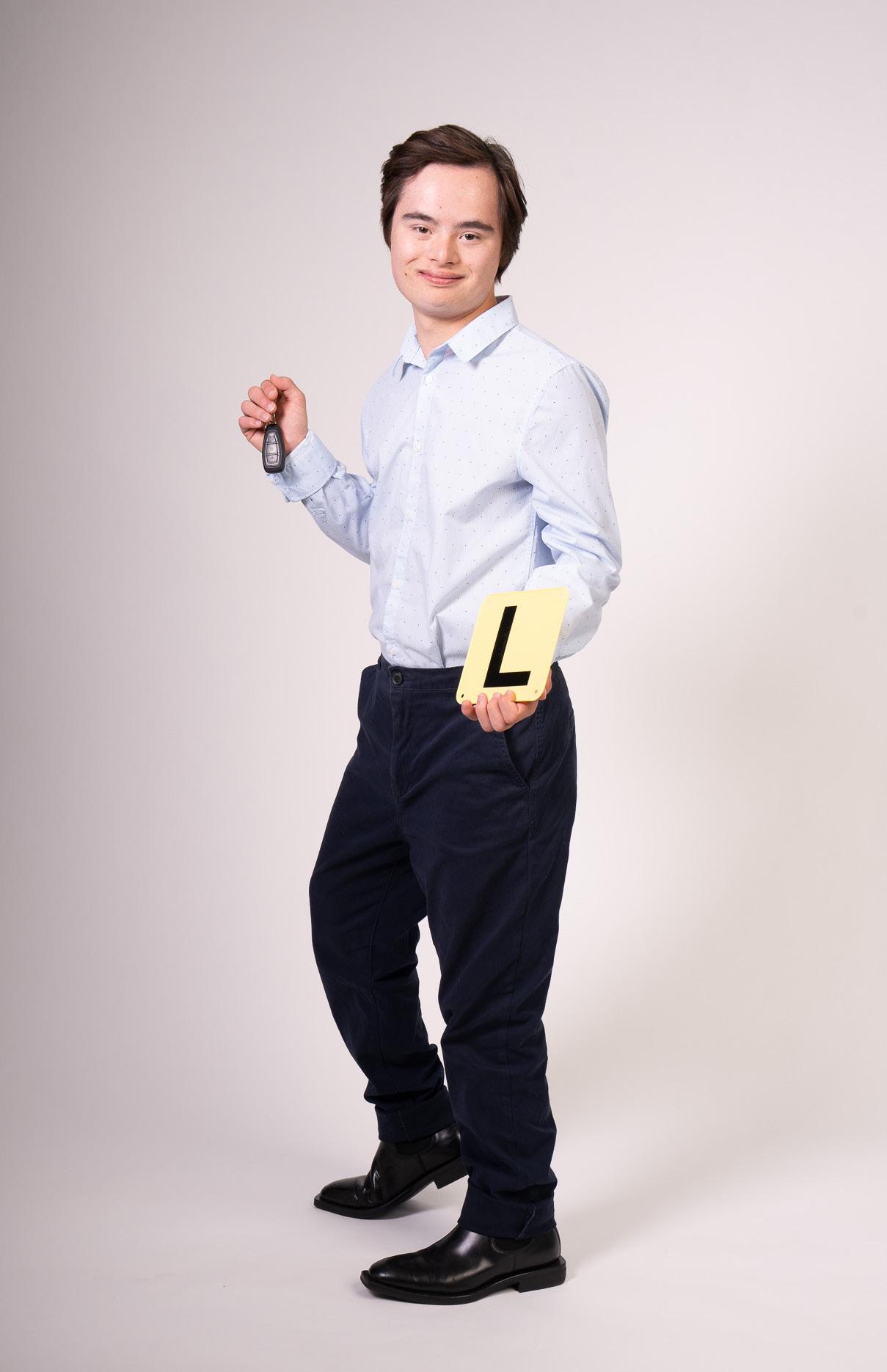
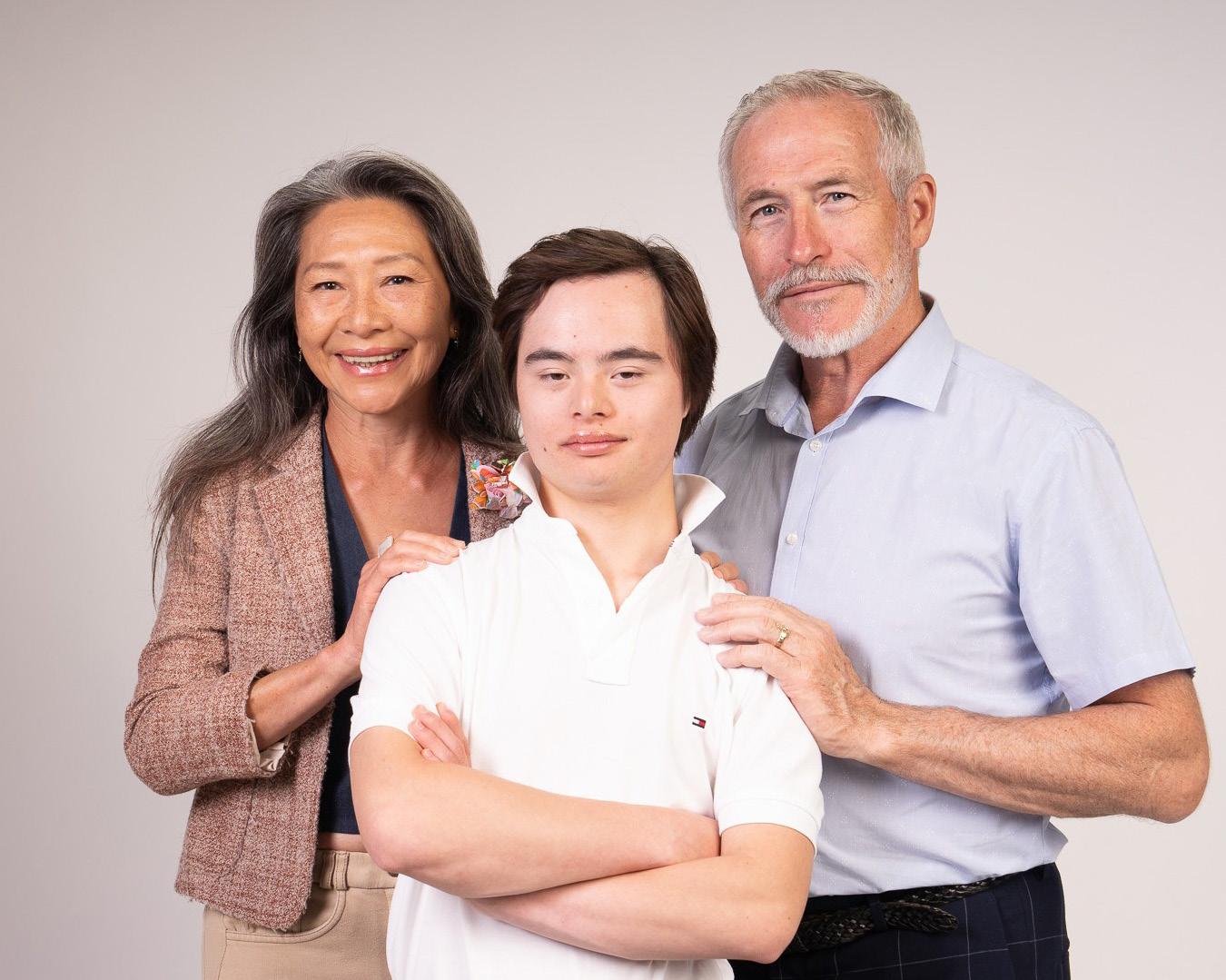
Xervier Doney is ready to hit the road, but first, he has to learn how to drive. With his parents in the passenger seat, literally and figuratively, Xervier takes them for a spin as he embarks on his journey towards independence.
Xervier’s story is featured in Licence to Drive, a heartwarming new Kiwi docuseries offering an honest look into the lives of learner drivers with disabilities as they face the challenges, triumphs, and unexpected detours of learning to drive. Xervier’s journey is
full of courage, family teamwork, and a few nail-biting moments you won’t want to miss.
Catch Xervier and other inspiring Kiwis as they navigate the road to getting their licences. All episodes of Licence to Drive are available to watch now on Neon and Sky Go.
Licence to Drive is brought to you by Sweet Productions
It’s time to vote
The local elections are coming up around New Zealand. Local elections are when we choose people to represent our communities – city or district councillors, mayors, and regional leaders. These are people who make decisions on topics that directly impact you and the community you live in. It is important for you to vote to ensure that your voice is being heard.
Easy Read guide to voting
The full Easy Read guide to voting in the 2025 local elections can be found by going to: https://vote.nz/assets/2022-localelections/Accessible-formats/EASY-READ-2025.pdf
What you need to know about the local elections
• New Zealand’s local elections will run from 9 September until 11 October 2025
• Enrolled voters can expect their voting papers to arrive in the mail between 9 and 22 September
• All voting papers must be returned by midday on Saturday 11 October to count
• If you are not enrolled, you can still vote by requesting a special voting pack from your local council or electoral officer during the voting period
• Special voting papers are available to you if you did not enrol in time, did not receive your voting papers, or if you have damaged or lost them
Why should I vote in the local election?
• Voting is a chance to be heard in a world that hasn’t always made space for the voices of people with Down syndrome. It’s a way to shape how the world sees, hears, and includes.
• While the national election that takes place every four years might set the course for our country, it is the local elections that shape the spaces we move through every day. From accessible buildings to inclusive public programmes, local leaders are the ones who make it happen… or don’t. That’s why your vote matters just as much, if not more, on the local level.
Voting in the local election is important because:
• You help decide what happens in your area: Local councils make choices about roads, parks, libraries, rubbish, water, buses, and other services you use every day
• Councils decide on local budgets and priorities: Elected leaders choose what projects get funded, like new cycleways, public events, and improved public transport. Voting lets you help choose who will decide which projects do, or don’t, get financial support
• Every vote is important – most people don’t vote: Recent voter turnout in local elections has been low, usually under 40%. That means each vote carries more weight in deciding who is elected
• Voting helps include everyone’s views: When more people from different backgrounds vote, the results often better reflect the full community, not just specific groups
How can I decide who to vote for?
• Deciding who to vote for can be a hard choice, but it doesn’t have to be hard. It’s all about picking people who will listen to you, understand your needs, and work with the community to improve the places you live. Below are some simple ways you can learn more about the candidates in your area, and choose who to vote for.
• Check what each candidate stands for: Compare candidates’ ideas on things like transport, disability access, housing, and public spaces.
• See if there are any candidates who share similar values and goals to you and your community
• Read their short profile in your voting pack: Voting papers include a short candidate statement (about 150 words). It usually says who they are and what they want to do
• Look for candidates in your neighbourhood or online: Some candidates go to community events or markets, or host their own meet and greet sessions.
• Many candidates also have an online presence and can be contacted on social media or through their website
Remember, every vote counts. Have your say and help make your local community a better place for everyone.
“The vote is the most powerful nonviolent change agent you have in a democratic society. You must use it because it is not guaranteed. You can lose it.” – John Lewis
Down Syndrome International, and Humanity & Inclusion's Global Health Equity Report - Launch webinar
by Andrew Oswin, CHAT21 feature writer
On Thursday 3rd July 2025, I attended a launch webinar for the Down Syndrome International and Humanity Inclusion’s Health Equity Report. Down Syndrome International (DSi) and Humanity and Inclusion (HI) are working together on this project about health equity for people with learning disabilities because they would like to see better health outcomes for everyone who lives with a learning disability. This project will contribute to their work on the issue of inclusive health. The webinar was hosted by four speakers which included two young adults with Down syndrome.
I learned that the World Health Organisation wrote a global report on health equity for people with disabilities. The report explains what causes bad health outcomes and what can be done to improve health outcomes for people with disabilities.
The full report alongside information about how they worked through the consultation process and what they have done with the data they gathered can be accessed at https://ds-int.org/ health-equity-global-report/
The DSi will use the data to create resources and work together as a network to advocate for improved health equity.
There are some powerful messages, in the report, about how people with learning disabilities, throughout the world, are having their health needs ignored by government agencies. We all need to speak up and let our voices be heard by those in power, especially our New Zealand government.
An Easy Read version of the WHO report can be found at https:// www.who.int/publications/i/ item/9789240063600
On Saturday 2nd August I went to the Nayland College Ball. My Dad opened the door of the car like a real gentleman. The eye shadow that the makeup artist used was from one of my favourite make up inspirations James Charles! I got my dress from an Op Shop in Nelson. I had a very late night it went from 7 until 11 with my friend Bianca and one of my Learning Assistants Sue Sinclair. My Dance teacher was there too and we had a boogie. We went to McDonalds for the afterparty.
LILY'S SCHOOL BALL
The Rose Awards
The first Rose Award is presented to North Beach Community Preschool
Gemma Phillips nominated North Beach Community Preschool and said, “I would like to nominate my son's preschool, North Beach Community Preschool, as they do a fantastic job at promoting inclusion and participation for my child with Down syndrome. The team at North Beach Community Preschool (NBCP) do an amazing job thinking about how best to include my son Asher, and they are so great at facilitating positive experiences for him, adapting things that need to be adapted when needed. His key teacher, Deborah, is always considering my son's needs and works creatively with the NBCP team to plan awesome activities for all the kids that Asher can do too. I love how at NBCP they are child-led and they go with what the child is interested in, what they are working on, and create such cool learning experiences for all the kids, including my son. Debs works with my son's early intervention centre and his support worker to keep updated on what they are working on with him, and do a great job at incorporating what they are doing into preschool. NBCP were also great at supporting and including my other son who has a disability too, and did such a great job at helping him to be a part of all things on offer at NBCP too. NBCP are a fantastic example of how to support a child with disabilities to be a special part of their community and definitely deserve recognition for that. I appreciate all the education and advocacy they have done to help others understand how special our kids are and the way they consistently support the Down syndrome community by rallying support for them.”
IN THIS EDITION WE ARE PLEASED TO PRESENT TWO ROSE AWARDS
The second Rose Award is presented to Donna Higgs-Herrick
Angelique van der Velden nominated Donna and said “Donna was previously the CDSA coordinator in Canterbury and was fully involved in our community of whānau. Has that link to those in the community dwindled since her departure? Absolutely not. She is still the go to for many people to discuss options for their children, especially when it comes to support at schools, transitions to work and support with disability issues. She also has many friendships with our ’teens’. She is a gem for many and I think receiving this award would be a wonderful way to show that we continue to value her many contributions.”
The NZDSA would like to acknowledge the team at North Beach Community Preschool for creating a welcoming, and inclusive education environment.
We also want to acknowledge Donna for her tireless advocacy work in ensuring that people with Down syndrome enjoy full citizenship rights.
Neo Notes
100th
Edition… and Now a New Chapter — Farewell Sarah, Welcome Maddie
I hope you enjoyed reading the 100th edition of CHAT21 — a truly remarkable milestone and, I believe, a keepsake for many. At the time, we didn’t realise it would also be Sarah PatersonHamlin’s swansong — her final edition as Editor — and what an incredible finale it was.
Sarah has made a significant contribution to CHAT21, building on the legacy of dedicated editors before her and introducing many milestone enhancements along the way. It is with great sadness that we farewell Sarah, who has given so much to our community — not only as Editor of CHAT21, but also as a tireless advocate for advancing the vision of the NZDSA. We extend our heartfelt thanks and wish her all the very best for the next chapter.
With this edition, we warmly welcome Madeline Daybell — or Maddie, as many of you know her — as the new Editor of CHAT21. Maddie brings vibrant energy and passion to the role and has already introduced some exciting ideas, which are reflected in this issue. I know Maddie will have shared a little more about herself in the Editor’s column, so please do take a moment to get to know her.
Maddie is eager to connect with our community, and we’ll be hosting an online meet-and-greet session later this year. You’ll find the details in the notices section — we hope you can join us!
National Volunteer Week 2025 – Whiria te tangata | Weaving the people together
We hope you joined in the celebrations for National Volunteer Week, held from 15–21 June, as Aotearoa came together to honour the collective contributions of volunteers across the country.
To the incredible volunteers within the Down syndrome community, we extend our heartfelt thanks. Your passion, dedication, and mahi aroha uplift and inspire those around you. Every act of support helps weave people together and strengthens the fabric of our society.
You are the unsung heroes who make a meaningful difference each and every day. Your generosity and commitment enrich lives, empower whānau, and help to build a more inclusive and connected community.
We celebrate the diversity of your contributions and the powerful collective impact you create. From all of us at the NZDSA – thank you. Your efforts are truly valued, and we are deeply grateful.
From World Down Syndrome Day to Awareness Month: Carrying the Message Forward
With the bumper 100th edition of CHAT21, we simply didn’t have room to share all the wonderful World Down Syndrome Day (WDSD) celebrations happening across the motu — but it has been a joy to hear about the many events that raised awareness and brought our community together.
The NZDSA marked World Down Syndrome Day by joining communities worldwide in urging governments to strengthen support systems for people with Down syndrome and their whānau.
One highlight was The Big Connect — a powerful platform centred on the theme “Improve Our Support Systems.” This remarkable event featured:
• 94 minutes of thought-provoking kōrero
• Three outstanding hosts
• 25 passionate speakers
• A wonderful turnout of engaged participants. Together, we shared insights and called for urgent action. This was more than a conversation; it was a collective demand for equity and meaningful change. If you missed it, you can catch the full recording on our website.
In addition, the NZDSA proudly joined forces with CoorDown — the Italian national coordination of Down syndrome associations — along with international partners and the creative agency SMALL, to launch a groundbreaking global awareness campaign. Titled “NO DECISION WITHOUT US,” The campaign demands that disabled people are present at the tables where decisions are made, whether about personal autonomy or their social and civic roles. The campaign’s powerful message
resonated worldwide, inspiring reflection and driving meaningful change.
Both these local and global initiatives demonstrate the power of connection, the importance of robust support systems, and the collective strength of our community.
Looking ahead to Down Syndrome Awareness Month this October, we remain committed to carrying this momentum forward. At the NZDSA Virtual Conference from the 3rd to 21st October, we’ll be delving deeper into vital topics to “Improve Our Support Systems”, so be sure to save the date!
From Voices to Action: Influencing Policy Through Advocacy
I’m often asked what the NZDSA does, and one of our important roles is to ensure that the needs, rights, and perspectives of the Down syndrome community are considered when policy decisions are made.
To achieve this, the NZDSA engages in systemic advocacy. This includes active
participation in a range of stakeholder and advisory groups, as well as preparing submissions that reflect the voices of people with Down syndrome and their whānau. Through these channels, we work to influence policies that shape lives, promote equity, and safeguard the rights of our community.
During this period, I have prepared submissions on the following:
• Principles of the Treaty of Waitangi Bill
• Consultation on Disability Support Services
• Plain Language Act Repeal Bill
• Taxation and the Not-for-Profit Sector
• Access to Basic Transaction Accounts
The disability sector remains in a state of flux, with ongoing reforms and shifting policies continuing to affect services and support. It is more important than ever that the Down syndrome community is represented clearly, consistently, and constructively in these national conversations.
Informing Our Work: Shining a Light on Key Reports
Two significant reports have recently been released, offering timely insights to inform future policy development and strengthen advocacy efforts for people with Down syndrome and the wider disability community.
Down Syndrome International, in partnership with Humanity & Inclusion, has launched the Health Equity Global Report. This landmark publication follows the WHO’s 2022 Global Report on Health Equity for People with Disabilities and builds on a wideranging global consultation with people with Down syndrome, those with other learning disabilities, and their families. The report highlights the lived experiences of accessing health care and identifies the systemic barriers that continue to prevent equitable health outcomes. DSi President Bridget Snedden, ONZM, expressed hope that this report will pave the way for meaningful and lasting improvements.
At the national level, the Donald Beasley Institute has released Report 2 – Consultation and Engagement - as part of its disabled person-led monitoring project. This report captures the perspectives of disabled people, whānau, aiga, and close supporters on the Government’s engagement practices, particularly in relation to Whaikaha | Ministry of Disabled People and the changes to disability funding criteria introduced in March 2024. A short summary is also available in the official languages and alternative formats.
More on the NZDSA’s Work –Coming in the Next Edition
The NZDSA’s work is guided by our strategic plan, and during this reporting
period, we have undertaken a wide range of activities to advance our strategic goals. In the next edition of CHAT21, I will share highlights from our work to empower people with Down syndrome, including ongoing and recent initiatives as well as self-advocacy and leadership development.
Another strategic goal is to strengthen NZDSA relationships and partnerships. This has included reconnecting with our communities in Hawke’s Bay and the Manawatū, as well as collaborating with other organisations on shared goals. Additionally, our commitment to providing information and resources that build the capacity and capability of parents and whānau has continued across various platforms. I look forward to sharing more about these efforts in the next edition.
Spotlight on the Rose Award: Celebrating Community Heroes
This quarter, I was delighted to receive two nominations for the Rose Award! You can read both inspiring nominations in this edition of CHAT21.
The Rose Award is an opportunity to express gratitude towards individuals or organisations that support individuals with Down syndrome or the Down syndrome community. If you know someone who deserves a nomination - an individual, family, or organisation - please send an email to neo@nzdsa.org.nz explaining how they have contributed to "promoting the participation of people with Down syndrome in their community". Once we receive your nomination, we will acknowledge the person in CHAT21 and send them a letter that outlines why they were selected, along with a box of Rose's chocolates.
Wrapping Up with a Few Reminders
Please see the notice page for important announcements, including the AGM notice, the call for nominations for the National Committee, and other essential information. I also want to remind you that all our events are advertised via e-news, our website, and Facebook. I look forward to seeing you either online or at in-person events soon.
Hei konei rā, Zandra
LEARNING HOW TO RIDE THE WAVES
by Geoff Sloan
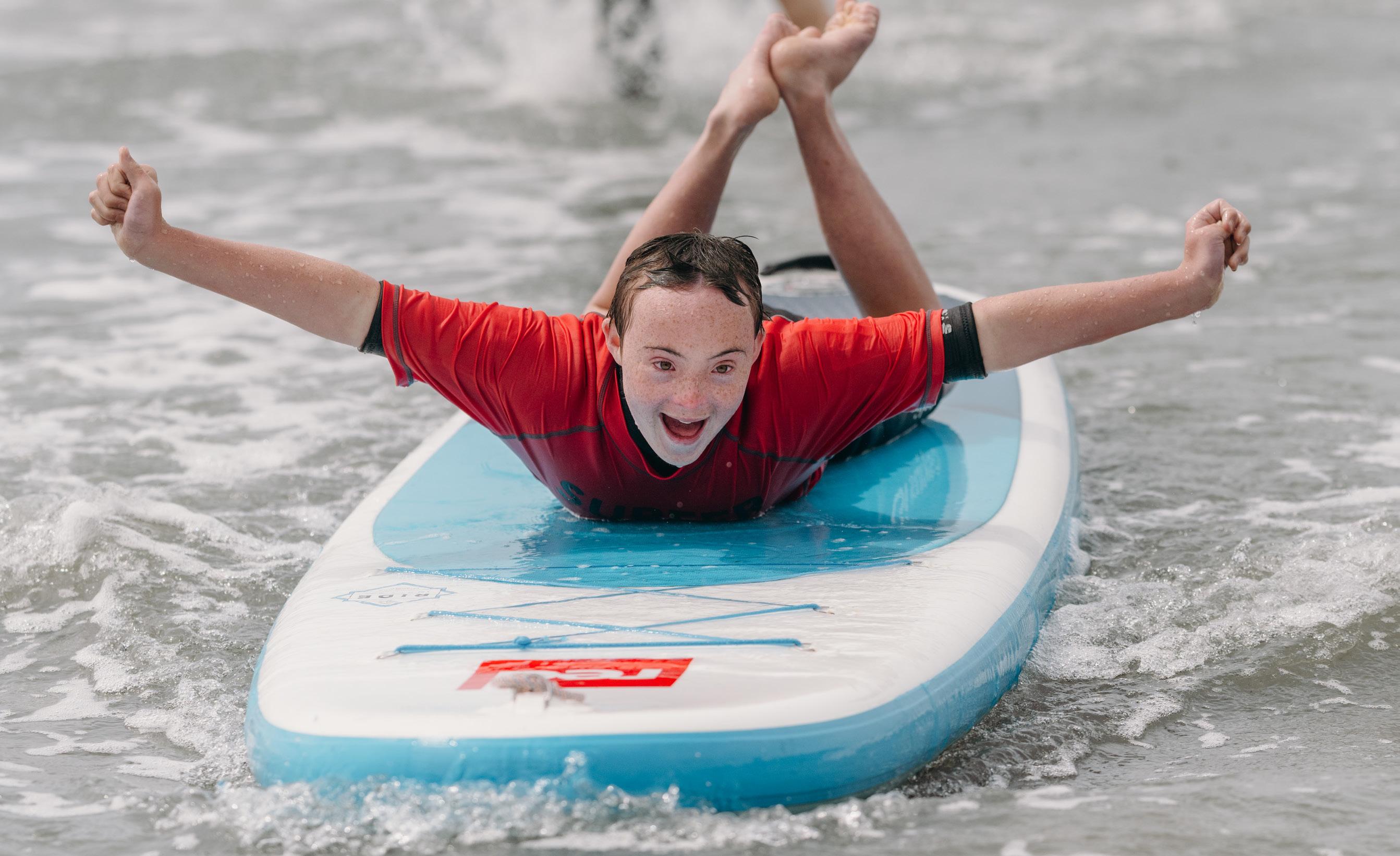
RORY PHILLIPS was among 44 surfers to hit the water at Scarborough Beach for a special day of lessons.
Volunteers showed Rory how to ride the waves at the annual SURFable Sessions, organised and run by the Sumner Longboarders Surf Club, on Sunday.
The event aimed to give the participants the opportunity to experience surfing in a safe, fun and supportive environment.
About 90 club members and volunteers guided the surfers who all have physical or intellectual disabilities, such as blindness, Down syndrome and cerebral palsy. Event coordinator Pete Mannix said SURFable would not have been possible without help from “an army of volunteers” who gave up their day to help the novice surfers and their families.
He said there were about seven volunteers to each surfer during their 30 minute sessions. “They all feel like they're surfing, whether it's standing up, sitting down, lying down, doesn't really matter,” said Mannix.
The club has held the not-for-profit event for 11 years. Over that time, it has introduced more than 450 surfers to the sport. Mannix said invitations for the free lessons went out to high schools, the Halberg Foundation and Parafed. He said the club is currently looking at whether it can add a second event to the calendar.
In this issue we highlight some of the new books and articles in the collection and some work we’ve been doing on Easy Read resources.
The IHC Library Easy Read collection
Easy Read resources are designed to make information accessible to people with intellectual disabilities by using simple language and clear visuals. The library has created a virtual Easy Read and Accessible Formats collection that brings together all the Easy Read and plain language resources in the library collection. This is the first step in making this information easier to find and more available to all our library members. A lot of the Easy Read collection is online and is often an alternative explainer for other government or organisational documents, processes, and reports. Recently however, the Library purchased some Easy Read fiction by Australian author Casey Gray – these are available from the library to borrow.
Some newer titles on order or recently added to the IHC Library
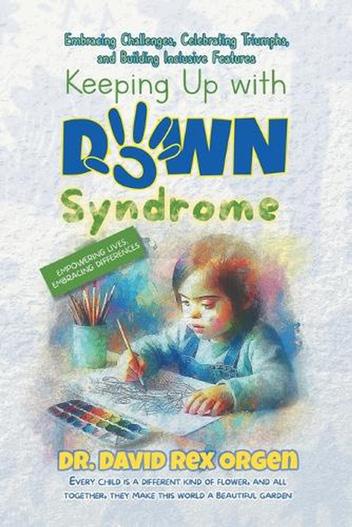
Keeping Up with Down Syndrome: Embracing Challenges, Celebrating Triumphs, and Building Inclusive Features
/ by Dr. David Rex Orgen
Keeping Up with Down Syndrome is an indispensable resource for understanding and supporting individuals with Down syndrome, the most common genetic disorder affecting millions of people worldwide. While individuals with Down syndrome may encounter medical challenges such as respiratory issues and hearing difficulties, effective management and improved quality of life are achievable with the right support and resources.
Keeping Up with Down Syndrome is more than just a guide; it's a call to join a community that values diversity and celebrates the contributions of individuals with Down syndrome everywhere. Whether you're a caregiver, educator, or simply seeking knowledge, this book aims to enlighten and empower you to make a positive impact. – From the publisher’s website
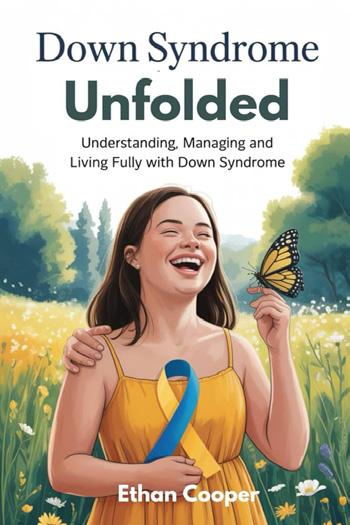
Down Syndrome Unfolded: Understanding, Managing and Living Fully With Down Syndrome
/ by Ethan Cooper
A compassionate and practical guide for families, caregivers, and professionals. This book unpacks the medical, developmental, and emotional aspects of Down syndrome, offering clear explanations and up-to-date management strategies. It celebrates the unique strengths of individuals with Down syndrome while addressing common challenges with sensitivity and insight. With real-life stories, expert advice, and actionable tips, Down Syndrome Unfolded empowers readers to support loved ones in leading fulfilling, enriched lives. A vital resource for navigating every stage - from diagnosis to adulthood - with confidence and hope. –Synopsis provided by the publisher
Children’s Books
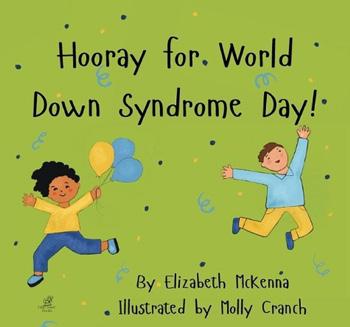
Hooray for World Down Syndrome Day!
/ by Elizabeth McKenna, with illustrations by Molly Cranch
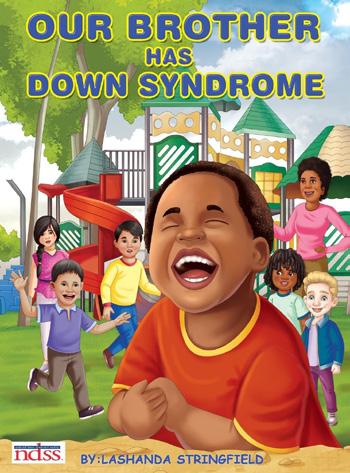
Our Brother Has Down Syndrome / by Lashanda Stringfield
"Hooray for World Down Syndrome Day!", explains the genetic condition in child-friendly terms and shines light on why we celebrate people with Down syndrome globally every year on March 21st.” – Summary provided by the publisher
Our brother is here! Our brother is here! Carissa, LaCoyia, Candace, and London yelled in excitement as they couldn't wait to meet and hold their new baby brother, Charles. Mom and Dad were full of joy to welcome a son into a house full of girls. – From the publisher’s website
Please contact the IHC library team on 0800 442 442, email them at librarian@ihc. org.nz or visit the online catalogue at https://ihc.mykoha.co.nz/
You can watch the library videos at https://ihc.mykoha.co.nz/cgi-bin/koha/opacmain.pl
And a reminder about their Free Book Scheme that gives a free book to families who have a family member aged 0-24 years who is autistic or who has an intellectual disability. Please check it out at https://ihc.org.nz/ihc-library-free-book
NZDSA Committee
Gwen Matchitt
President and Zone 3 Representative Waikato, BOP & Taranaki 0800 693 724 zone2@nzdsa.org.nz
Deborah Jones
Zone 5 Representative Wellington & Wairarapa 0800 693 724 zone4@nzdsa.org.nz
Shelley Waters Treasurer treasurer@nzdsa.org.nz
NZDSA Staff
Zandra Vaccarino National Executive Officer 0800 693 724 neo@nzdsa.org.nz
Jess Waters Social Media & Information Officer kiaora@nzdsa.org.nz
Regional Liaison Officers
Ashleigh Downing Taranaki Community LO 0800 693 724 taranakidownsyndrome @gmail.com
NZDSA Membership
Bev Smith Zone 1 Representative Northland 0800 693 724 northland@nzdsa.org.nz
Angelique van der Velden
Vice President and Zone 6 Representative Ashburton & all areas above 0800 693 724 zone5@nzdsa.org.nz
Membership is now done online. For all details please go to www.nzdsa.org.nz or for any queries please ring 0800 693 724. If you have not received an email to update your membership online please call the number above.
Donations
The NZDSA receives no Government funding and relies solely on donations and grant applications to keep us running. If you can make a donation big or small, please go to www.nzdsa.org.nz or ring 0800 693 724.
Paula Beguely Auckland Community Liaison Officer 0800 693 724 clo@adsa.org.nz
NZDSA Socials
Pauline Marshall Canterbury Community Liaison Officer 0800 693 724 cdsainc@gmail.com
The NZDSA has a Facebook page that serves as a community forum and notice board for relevant issues, events and stories. facebook.com/NZDSA
Follow us on Instagram to see what our communities are up to @the_NZDSA
Check out the NZDSA’s website at nzdsa.org.nz
ADSA Social Clubs
run by Recreate NZ
Ages 11-17 & 18+
These run monthly from February through to December (starting 15 Feb)
Details at adsa.org.nz or email Sue on: adminsupport@adsa.org.nz
Under 12's Get Together
Bring the whole family!
17 Aug, 19 Oct
2pm Grey Lynn Community Centre
Please check the Facebook event for cancellations
Parent Dinners
Spend time with parents who “get it” - RSVP to Angela Owen 027 605 4496
25 Aug, 25 Nov
GOOD HOME MT EDEN
37 Normandy Road
If other parents wish to organise somethingADSA can help to advertise!
Annual General Meeting & CSA
0-12 Kids Christmas Party SAVE
16 November 2025
Butterfly Creek
Registrations open September
2pm, 14 September 2025, Grey Lynn Community Centre
All ADSA members are welcome to join us for a review of the past 12 months and AGM formalities - including election of our committee. This is followed by the presentation of our Community Service Award for 2025.
A great time for connection, positive vibes, and delicious refreshments. RSVP to adminsupport@adsa.org.nz
Interested in joining our committee?
It is important that our committee is representative of our community. If you are interested - please email adminsupport@adsa.org.nz.
Community Service Award
In 2018 we introduced our Community Service Award which is presented each year at the AGM.
This award is given to members of the wider community who go above and beyond the call of duty to support people with Down syndrome. This does not include members of the ADSA.
Nominations close 15 August 2025.
Sports, recreation, music, arts, support groups, school, medical? anyone who stands out or has made a positive impact for your family?
Please reach out to Paula for a nomination form (clo@adsa.org.nz) or visit adsa.org.nz
Call for Nominations for the NZDSA National Committee
The current members of the NZDSA National Committee are all volunteer parents whom the NZDSA members have elected within their respective zones.
The NZDSA invites nominations to the NZDSA National Committee for zones 1, 3, 4, 6 and the Treasurer.
Zone 1 Bev Smith is seeking re-election for her next three-year term.
Zone 6 Angelique van der Velden is seeking re-election for her next three-year term.
The zones 2 and 5 representatives, as well as the President, are continuing their term of office on the National Committee.
Shelley Waters will be stepping down at the AGM. In accordance with the NZDSA Constitution, following the AGM, a Treasurer
be appointed from the current NZDSA National Committee Members
The term for all positions will start at the AGM in November 2025.
The NZDSA will post all the information on our website, or you can contact Linda (na@nzdsa.org. nz) and she will email you a nomination form and all the relevant information.
Please Note:
• Nominations must be received by Friday 12th
• Only financial NZDSA members may nominate, vote or be elected. Basic and Partner members are not eligible to nominate, vote or be elected
• Prior to election or appointment, every nominee must consent in writing to be a Committee Member, complete a police check and certify in writing that they are not disqualified from being appointed or holding office as a Committee Member by the Rules, Election policy of the NZDSA, the Incorporated Societies Act and the Charities Commission requirements.
NUMICON KITS
CALLING FOR EXPRESSION OF INTEREST
Yes, now is the time to start thinking about whether you would be interested in loaning the NZDSA Numicon kits for 2026.
Numicon is a multi-sensory, structured maths programme. If you would like to know more about Numicon, the website is www.numicon.co.nz/
• The NZDSA has 16 kits to loan to NZDSA members.
• These kits can be used at home or school.
• The loan period is from February/March to the end of November.
• The NZDSA does require you to pay a refundable bond of $60.00.
• The NZDSA will reimburse you the $60.00 bond if the kits are returned clean and complete.
• The only cost to you is the courier and handling fee which is $40.00 and the cost of returning the kit to the NZDSA.
If you would like to loan a kit please email Linda te Kaat at na@nzdsa.org.nz
Save the Date - Virtual Conference 3rd21st October 2025
Remember to save the date! During Down Syndrome Awareness Month, the NZDSA will once again host the Virtual Conference to celebrate and mark this important occasion.
More details coming soon.
Tell us your story!
We are looking for adults with Down syndrome to tell their life stories! We will either publish these stories in a book or include them in CHAT21 or on the NZDSA’s website. We will be looking at different aspects of life stories, for example education, work, friends, love, leisure time, spirituality, inclusion, and dreams for the future. If you are interested in being part of this project, please contact Zandra at neo@ nzdsa.org.nz and we will send you a list of questions that you could have a look at. We will organise a Zoom meeting where you can tell us your life story. You are welcome to bring a support buddy or whānau member to this Zoom session.
Hope to hear from you soon!
Rose Awards
The Rose Awards provide the opportunity to thank individuals or organisations who either support individuals with Down syndrome or the Down syndrome community. Please email me on neo@ nzdsa.org.nz any nominations for an individual, family, or organisation explaining what they have done to “promote the participation of people with Down syndrome in their community”. We will acknowledge the person in CHAT21 and will post them a letter outlining why they were selected and include a box of Rose’s chocolates.
NZDSA AGM
You are invited to attend the NZDSA’s Annual General Meeting.
8th November 2025, 5pm, Online via Zoom Meeting ID: 827 8089 7188 Passcode: 206417
We will share the Zoom link on our Facebook page.
Thanks
Thanks to the following funders and sponsors who have made donations to the NZDSA this financial year: