edible SAN DIEGO

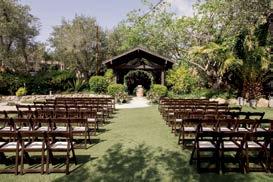



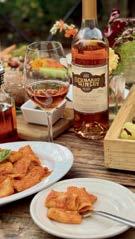

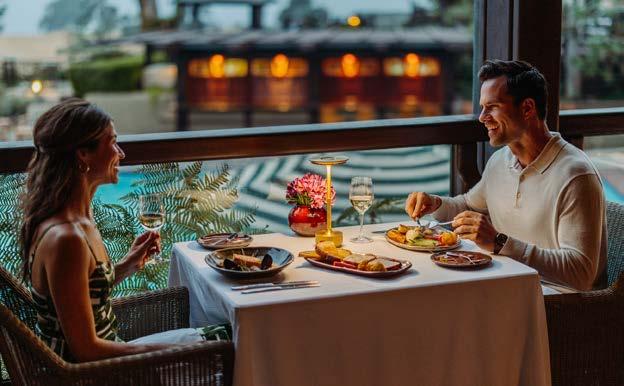
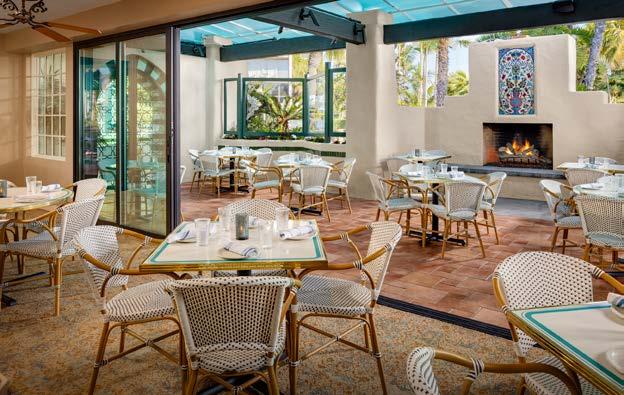
Locally sourced, regional cuisine with breathtaking views of the Torrey Pines Golf Course and stunning sunsets over the Pacific Ocean.



2011 Publication of the Year
PUBLISHER AND EDITOR IN CHIEF
Katie Stokes
EXECUTIVE
EDITOR
Maria Hesse
COPY EDITOR
Dawn Mobley
ADVERTISING
Katie Stokes
COVER DESIGN BY JIM MILLER
DESIGN BY MARIA HESSE
ADVERTISING
For information about advertising options, rates, and deadlines please contact katie@ediblesandiego.com.
Edible San Diego magazine is a quarterly publication made available by subscription and free distribution at select locations throughout San Diego County. No part of this publication may be used or reproduced without permission from the publisher. Information in this magazine has been obtained from sources believed to be reliable. The publisher disclaims all liability for any occurrence that may arise as a consequence of the use of information or recipes. Every effort is made to avoid errors, misspellings, and omissions. If an error comes to your attention, please accept our sincere apologies and notify us.
Date of publication: Nov. 1, 2025 © 2025 All rights reserved.
This magazine is made possible thanks to Edible San Diego advertisers and subscribers. Subscriptions available online or by mailing $25 to:
EDIBLE SAN DIEGO
3451 Via Montebello #192-313 Carlsbad, CA 92009 601-526-1919
info@ediblesandiego.com ediblesandiego.com
Instagram @ediblesdmag
Facebook @ediblesandiego
YouTube @ediblesandiego
Heidi Greenwood is the founder of Campestre Mag, a biannual indie zine celebrating the dynamic wine culture of San Diego and Baja California. She is also the visionary behind Esquina Wine Shop and The Puente House, spaces dedicated to fostering community and sustainability through wine.
Campestre Mag serves as a guest wine editor in this issue. Founded by Heidi Greenwood, Campestre Mag has become a celebrated voice in the local wine scene, spotlighting the rich and diverse wine cultures of San Diego and Baja California. Since its launch in 2019, Campestre has built a reputation as a biannual indie wine zine that seamlessly weaves together national and global stories of the wine industry and its impact on local communities. Known for its thoughtful collaborations with local writers, businesses, and creatives, the publication reflects a deep commitment to community and sustainability. In this guest editorial role, Campestre brings its deep understanding of the wine industry to Edible San Diego. It offers readers fresh insights into local viticulture and celebrates the people and stories behind the region’s thriving wine culture. This partnership underscores Campestre’s mission to amplify the narratives that make San Diego’s wine industry so dynamic and unique. This special feature promises to be a standout collaboration between two publications championing the best in food, wine, and community.
Roxana Pavel is a hospitality professional with over 15 years of management experience ranging from freestanding restaurants to hotels and everything in between from Massachusetts to Southern California, via Washington DC. She is the owner of allmine, a restaurant in Oceanside established in 2022. She earned a master’s of science in hospitality and tourism services from Rochester Institute of Technology and passed a CMS exam, but most of her knowledge comes from her extensive career, the people she met along the way, and the guests who validated her efforts.
Originally from Romania, Roxana started her hospitality career in Provincetown, at the tip of Cape Cod, Massachusetts. She learned hospitality in a place that prioritizes art and community, freedom of expression, and embraces one and all. That lifestyle fundamentally shaped her as an adult and her leadership style is reflected now in all aspects of her life, including how she runs and manages businesses. She eventually made her way to Southern California looking for sunshine and kindness, but mostly for community. She felt the warm embrace of the Oceanside community when she opened allmine. Serving artisanal pizza and natural wines, she continues to build her tribe with warm hospitality and great food.
allmine is a vibe: a neighborhood restaurant in Oceanside, built on scratch-made pizza, pasta, and small plates crafted from local, seasonal ingredients. They work with regenerative farms like Thompson Heritage Ranch for pasture-raised meats and nearby growers for vibrant produce. More than a restaurant, allmine is a gathering place—home to a Thursday Wine Social, Book Club, and community built around food that hugs you back.

Stephanie Arsenault is an Oceanside-based food and travel writer and photographer who is also WSET-certified and a Prud’homme-certified beer geek. She loves nothing more than spending a day baking, pickling, or gathering friends around the table for a dinner party. Get your hands on a copy of Stephanie’s book, 111 Places in San Diego That You Must Not Miss, and follow along on her culinary and travel adventures on Instagram @globaldish or her website globaldish.ca.
Chloe Caldwell is a travel and lifestyle writer, content creator, and host. Her work is published in Travel + Leisure, LA Times, Business Insider, Uproxx, Thrillist, Brides, and more.
Lauren di Matteo is a San Diego-based storyteller. Lauren’s creativity captures the beauty of heritage and perseverance, celebrating the inherent dignity of her subjects. She is drawn to stories of craftsmanship, sustainability, and ethical sourcing, and is passionate about bringing those to light. Whether photographing a Michelin-starred chef or farmer in a foreign field, their persistent commitment to craft through hardship inspires her work the most.
Cory Dzbinski grew up in rural Wisconsin before moving to California during the dot-com boom, building a career in digital design, IoT, sales engineering, and entrepreneurship. A seasoned innovator and small-business founder, he blends technical expertise with a passion for coaching, media, and performance. Cory’s athletic journey spans youth bowling champion, sponsored skateboarder, disc golf competitor, twotime American Ninja Warrior, and professional USAA Air Hockey player. Cory resides in the heart of Ramona's wine country with his wife Carissa and son Legend.
Maria Hesse is the executive editor and designer of Edible San Diego. Her interest in functional arts led to a degree in interior design, which inspires her passion to be an advocate for sustainable living through food. She enjoys balcony gardening and designing crochet patterns in her downtime. Find her on Instagram @mariafromediblesd.
Arianna Litrenta is the founder of Sunflower Creative Co., a content services agency specializing in the food & wine and travel industry. Established in 2020, Sunflower Creative Co. provides recipe development, food photography, and written content to restaurants, brands, magazines, and cookbooks.
Jim Miller is a San Diego native and now lives in Butte Creek Canyon in Northern California. He enjoys playing music, mountain biking, and creating designs for Edible magazines.
Luke Schmuecker is a creative director, photographer, and the founder of Farnam West Creative, a brand strategy and creative collective based in San Diego. He has worked on projects for everyone from Food & Wine to the Tennis Channel. In his free time you can find him wandering the aisles of grocery stores, analyzing branding, seeing what’s new, and trying to predict the future.
Katie Stokes is the publisher and editor in chief of Edible San Diego. Winner of the 2020 San Diego Press Club Rising Star Award, she brings a love of family, nature, gardening, cooking, animals, reading, and travel to her leadership of a small team unified around the biggest of missions—raising awareness of regenerative living.
Edible San Diego recognizes the Kumeyaay, Luiseño/Payómkawichum, Cahuilla, and Cupeño/ Kuupangaxwichem people who have lived in relationship with the earth, flora, fauna, waters, and sky for thousands of years as the original stewards of this region. This publication commits to building greater awareness of and appreciation for the traditional ecological knowledge, wisdom, and experiences of San Diego County’s first peoples as an essential part of the health and vitality of our local food system.


PUREBREWING.ORG
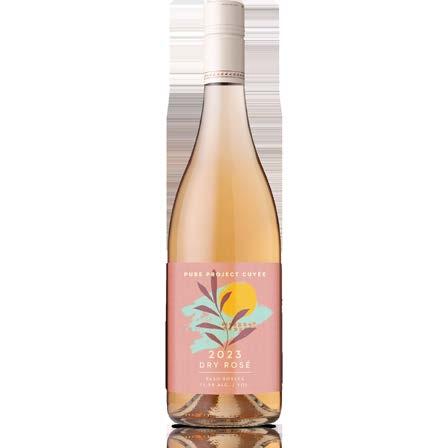
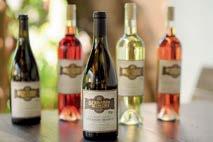
Cra ed in partnership with Tablas Creek, the world’s first Regenerative Organic Certified® vineyard, Pure Project's new Provence-style wines are as intentional as they are delicious.
Available now at any oF our five San Diego taprooms
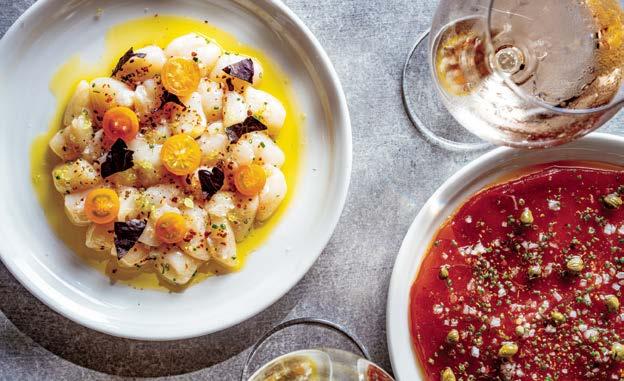
Welcome one and all to Edible San Diego’s Special Edition Local Wine Guide.
Since 2008, this quarterly publication has given voice to many neighbors in our regional food system in a welcoming, thoughtful, practical, and (hopefully) inspiring manner. We dedicate this issue to the passionate, talented, and innovative people who are growing grapes and making wines which in this moment express the land and cultural crossroads that is San Diego County.
We decided this topic merits special editorial focus and guessed that this kind of guide would offer lasting value to residents and visitors. We have thoroughly enjoyed getting to know more grape growers, winemakers, sommeliers, and other oenological experts. It’s humbling to realize how much there is to learn, so please forgive any errors or omissions. We have such a long list of questions and ideas that we just might need to do a second volume in the future. If you have suggestions or want to get involved, let us know.
So, your instructions. We recommend that you skim the whole issue first to see the more illustrated format meant to get your curiosity and creativity flowing as it did ours. Scan the codes to add our online wine content to your repertoire. Keep this printed issue as your go-to guide for venturing out wine tasting in our gorgeous countryside and hip urban neighborhoods. Feel free to fold down the corners of the pages or write in the margins; this guide is for you to use! And lastly, take advantage of the Google Map and Drive Map we built for you on our website.
Okay, toasts are best when brief. We’re so glad you’re here because now you’re in the know about a secret we want to share with the world. Thank you to all the talented partners who helped bring this inaugural guide together. If you’re new to Edible San Diego, we hope you stay connected with a print subscription, our email newsletter community, on the socials, and at our events around town.
Cheers!
Katie Stokes Publisher and Editor in Chief
Edible San Diego
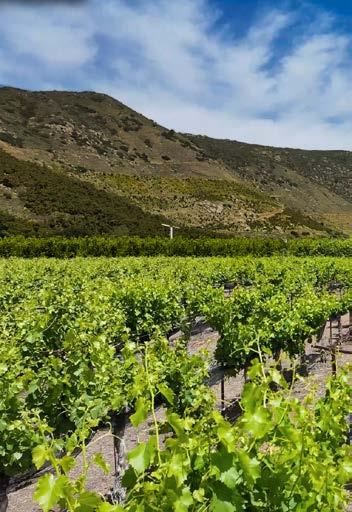
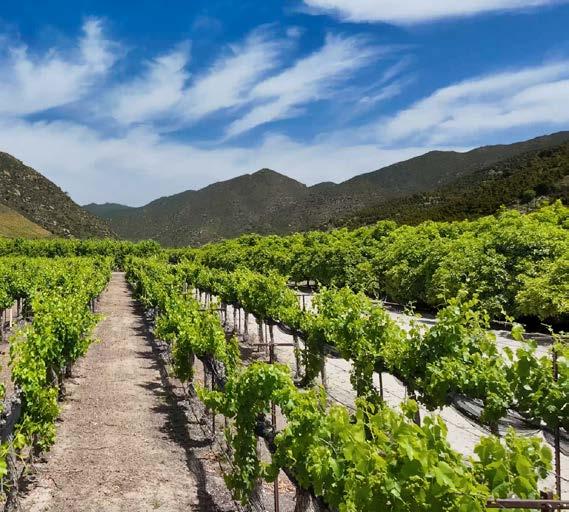
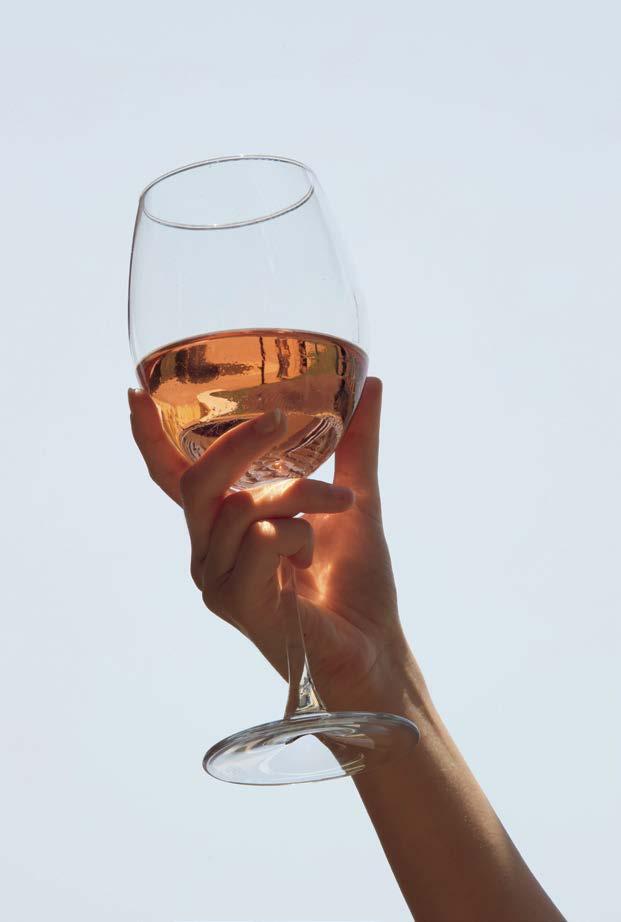

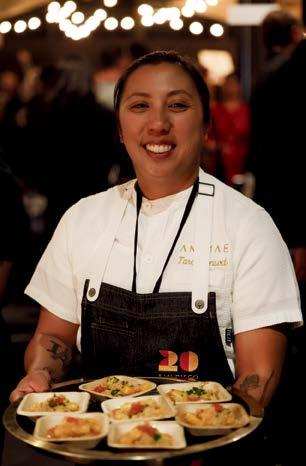

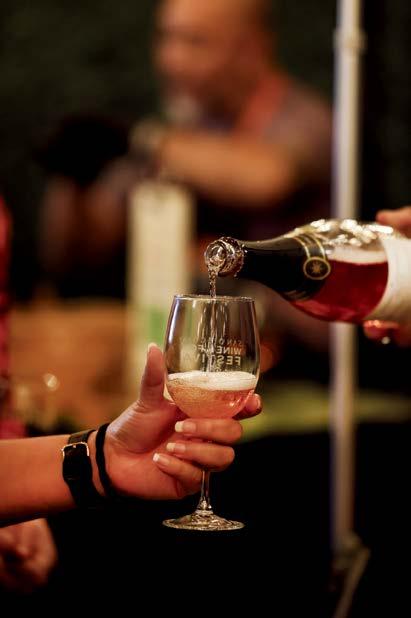



Wine embodies eight millennia of human history: it is a catalyst for conviviality, joy and sharing; a connection to the land and its landscapes; a universal language linking people—from Georgia to Ancient Greece, from Oregon to Tuscany, from France to New Zealand. Unique yet global, it expresses mankind’s patience before time, humility before the earth, and the desire to celebrate together. Offering a glass of wine is a gesture that expresses peace, friendship, brotherhood, and the joy of being together.
—INTERNATIONAL WINE ACADEMY APPEAL TO HEADS OF STATE AND GOVERNMENT AT THE 80TH ANNIVERSARY UNITED NATIONS GENERAL ASSEMBLY NEW YORK | Sep. 18, 2025
Edible San Diego invited two local business owners to serve as guest editors on this special edition: Heidi Greenwood of Esquina Wine Shop and Campestre Mag, and Roxana Pavel of allmine.
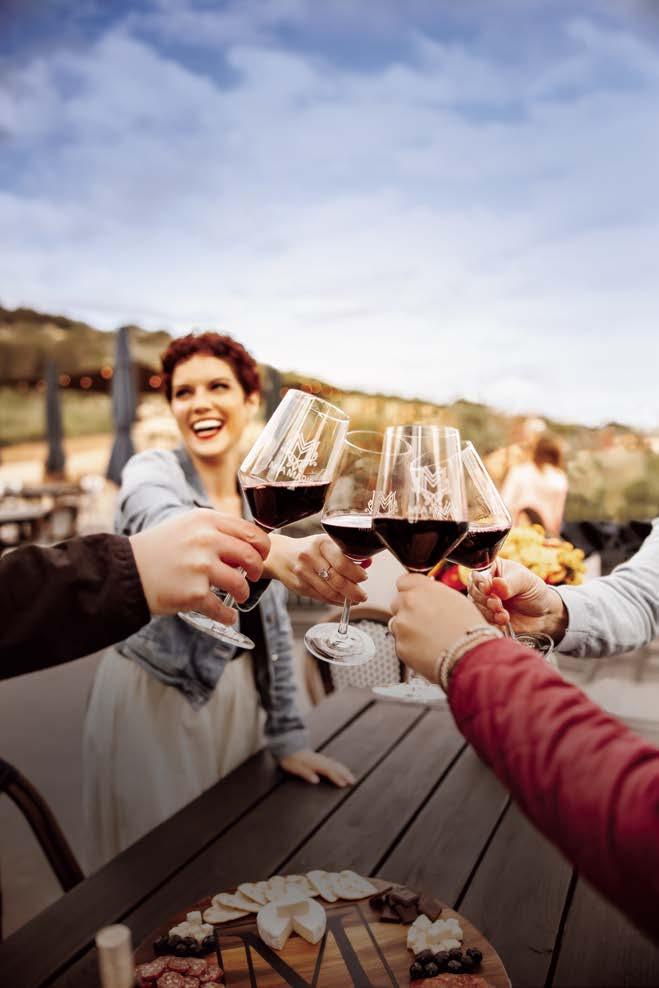
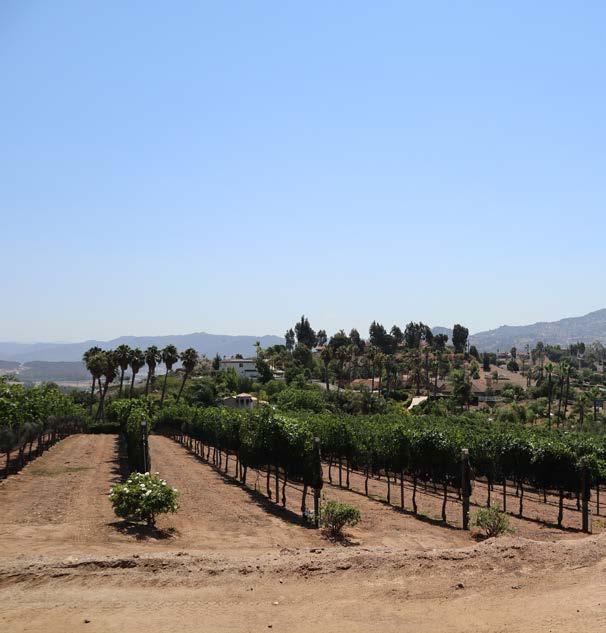
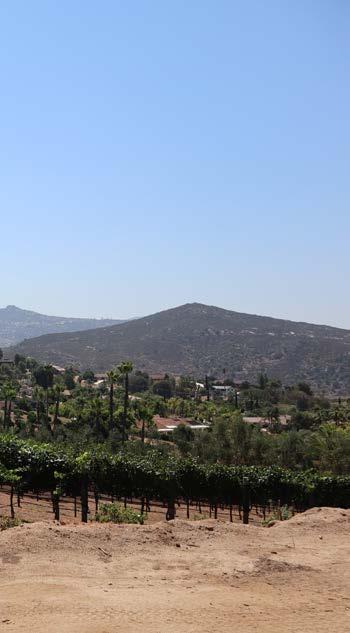
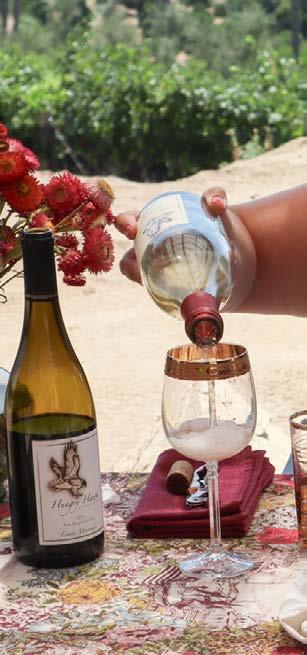
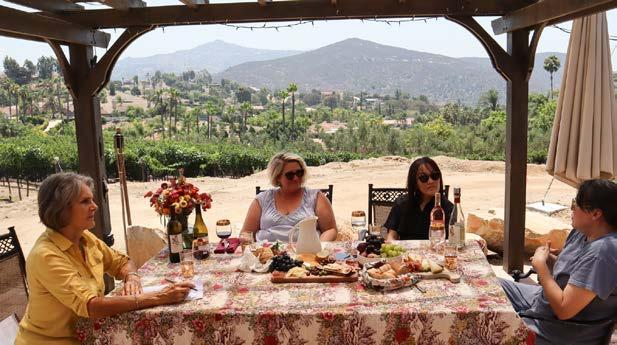
True to its name, hawks soared above Hungry Hawk Vineyards as we sampled reds and whites, considering what to include in the issue and how. We agreed that this conversation is about a new era for San Diego wine, rooted in history and full of potential.
PHOTOGRAPHY
BY CHLOE CALDWELL
KATIE: Why don’t we just go right down the line, starting with you, Maria? Why do you love wine?
MARIA: It’s fun. Wine is always fun, right? As I learn more about viticulture and winemaking, I respect the skill and craft involved and appreciate the benefits to our region in terms of the agriculture industry and land management.
HEIDI: I love that wine touches all parts of life. From nature to business to history to the future, wine has typically been an everyday staple on the table in homes. That’s what I love about it. I love wine.
ROXANA: I love wine for its complexity and for how unique it is. Grapes are like no other fruit, holding in perfect balance everything needed to become wine—sugar, acid, water, and wild yeast, without anything added. From this single fruit comes an amazing range of flavors, and they’re all shaped by the soil, by the season, and by the choices that the people who grow it make.
KATIE: Wine is many things to me—a tradition, an industry, and an experience. Personally, sipping a glass while I make dinner marks a transition from the workday to the evening, and wine makes a meal more special too. Whether I’m at home, out, or away, I always look for local wine. I’m curious about where it came from, who made it, and how the flavors complement what I’m eating.
Second question: How would you frame why we’re making the special edition, Maria?
MARIA: Our publication talks about craftsmanship in all things culinary, and it feels like a natural fit to also celebrate local wine. I grew up in Northern California, so I see the potential for the wine region here and an opportunity to reintroduce San Diego wines to the local culinary scene. What about you, Katie?
KATIE: As a starting point, I think it’s safe to say that most San Diego County residents and visitors—approximately 3 million and 30 million, respectively—are unaware that there’s wine made in San Diego County. This is why it’s so important for Edible San Diego to do a special edition all about it. Enjoying local wines here will take you out of the grocery aisle and onto the land, and once you meet
the people who make these wines, it becomes personal. Let’s move on to our next question. We are excited to work with two talented wine professionals on this issue. Roxana, I’ll start with you. Why are you contributing to this issue as a guest editor?
ROXANA: For visitors from overseas, San Diego is a short trip south from LA. As we’re looking forward, promoting San Diego globally, including to visitors to the 2028 Los Angeles Olympics, local wine makes San Diego a more well-rounded destination. I’m excited about this special edition benefiting businesses by promoting local wineries to both residents and future tourists. Maybe San Diego County isn’t a global wine country destination yet, but we have that potential!
KATIE: Heidi, how about you? What interested you in serving as a guest editor for this special edition?
HEIDI: Well, about eight years ago, I was inspired to become an advocate for locally grown wine, partially because of my friend Tami Wong. She is probably the biggest and most visible advocate for San Diego-made wine. I’m here to help motivate people to check out local wines just minutes from their neighborhoods.
MARIA: We have so much we want to discuss and explore about local wine. Even though we won’t be able to cover them all in this issue, do you have any topics you wanted to put out there for future coverage?
HEIDI: Let’s talk about scale—the positives and the challenges. I think that producers who are farming and growing their own grapes on a relatively small scale make better margins when they sell directly to customers. The strategy of being a boutique winery can be a great choice for both winemakers and for wine drinkers. Technology and laws on interstate commerce are factors. If you live in California, you can buy a lot of wines online, but that’s not true for every state. Also, can we talk about alternative packaging?
ROXANA: I’d like to look at the guest experience at tasting rooms and wineries. As a restaurant owner, I consider every part of a customer’s experience. It’s a competitive space to attract returning customers. I also vote for exploring natural wines, which we focus on at allmine. Most wine drinkers have no idea how many additives some wines have.
HEIDI: I’d love to focus on local success stories. For instance, J. Brix sources some grapes locally, and they have a global footprint, in Paris and London. Los Pilares has a national footprint, even though they do small-scale production.
ROXANA: One last suggestion: We also need to talk about transportation. While San Diego isn’t a huge county, it’s big enough that wine tour services make a lot of sense.
KATIE: Excellent. We’ll finish with your takeaways from the issue. We live in a world where retailers and restaurants mostly sell wine from everywhere else. Given this reality, Maria, what would you want readers of this issue to take away?
MARIA: I’d love readers to take away an incentive to explore and get to know our wine region. I know it’s not a destination wine region yet, but neither was Napa, Sonoma, SLO, or Santa Barbara at one time.
HEIDI: I would like readers to know that not every producer is producing the same style of wine, so if they visit one winery and think, “Oh, it’s not really like my cup of tea; I prefer something else,” there’s another producer, in a different area of the county, that’s doing something different. There are so many grapes and styles of wine here, I’m sure that everyone can find something they’ll enjoy.
ROXANA: Two things. If people are doubting that our region can produce great wine, remember that the entire Mediterranean region in Europe produces world-famous wines, and we have the same climate. Also, even though San Diego is the birthplace
of California wine, a lot of the wineries are younger and more experimental, which is awesome.
I would like to make a couple more points. One, while drinking local wine is a pleasure, it’s also an investment in the local community. As a small business owner, I keep going back to keeping money in the community! Every bottle made and enjoyed here keeps money in the county, supporting jobs and sustaining small businesses. When wineries thrive, all those benefits ripple to the farms, to restaurants, to tourism, to the economy, and to the culture of our entire region. Two, the wineries are relatively close. Today, all four of us live in different parts of the county, and it took us at most 30 minutes to get here, right? You can explore different wineries to meet different winemakers and find the wines you like.
KATIE: In my role as publisher, I hope this special edition offers a timely and enduring guidebook that gets dog-eared because people take it with them when they go wine tasting. We wanted to provide some basic information about wine in general, plus make the case for falling in love with local wine. It’s been such a privilege to work with each of you as we honor inventive local grape growers and winemakers. We'll keep covering San Diego County wine because its time has come.


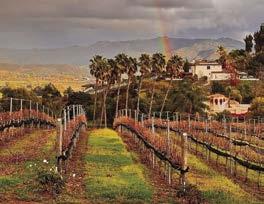
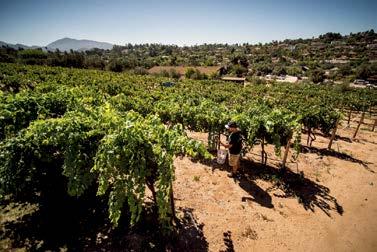
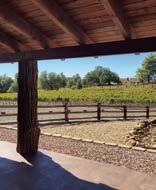
Family owned & operated since 2009, Hungry Hawk Vineyards is a boutique wine haven where elegance fills every glass. Discover meticulously crafted wines, born from passion and precision, and enjoy our shaded patio boasting panoramic vineyard views. Indulge in a refined tasting experience with our attentive, knowledgeable staff in our all-adult and pet-free environment.
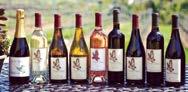
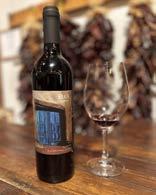
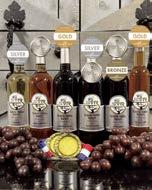
A small production boutique winery with a tasting room in the heart of Julian. Located in the historic Julian livery yard, they’ve renovated the main barn into a charming and welcoming watering hole. Dog friendly.
Open everyday 12-5 2608 B Street, Julian. www.thebluedoorwinery.com (619) 992-3877
Menghini Winery is the second oldest Winery in San Diego. The Winery is known for making premium varietals, a friendly atmosphere and a lovely picnic area.
Closed Tuesday and Wednesdays 1150 Julian Orchards Dr., Julian menghiniwinery.com 760-765-2072
Scenic Valley Ranch Vineyards, nestled in Ballena Valley, features 90-year-old Flame Tokay vines alongside estate-grown Bordeaux varietals. Guests enjoy tastings, events, and sweeping vineyard views in the Ramona Valley AVA.
27012 Scenic Valley Road, Ramona, CA 92065 www.scenicvalleyranch.com 619-884-3514
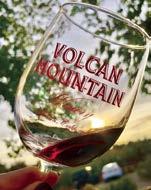
Hart family winemakers craft award-winning, small-batch wines using locally sourced fruit. Visit our scenic 10-acre property and tasting room.
Open Friday–Monday, 11–5. 1255 Julian Orchard Drive Julian CA Volcanmountainwinery.com 760-765-3267
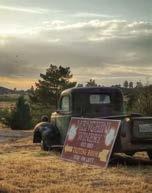
We are a boutique winery offering private winery tours and wine tasting by reservation. Our unique offering is a personalized experience provided directly by the winemaker.
25303 Mesa Grande Rd, Santa Ysabel, CA 92070 walnuttreeranch.com
We make award-winning wines from San Diego county grapes and fine European style ciders crafted exclusively from our Julian orchard. Enjoy a sip and our idyllic mountain views.
1878 Wynola Rd, Julian, CA www.StorumRanch.com (619) 955-2377
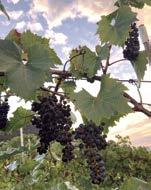
Whether you are looking for a historic hotel right downtown, a cabin hidden away, a vacation rental, a bed and breakfast, campground, or anything in between, you will find it in Julian. Come stay awhile and get to know what makes the backcountry so special. Learn more by visiting our website,

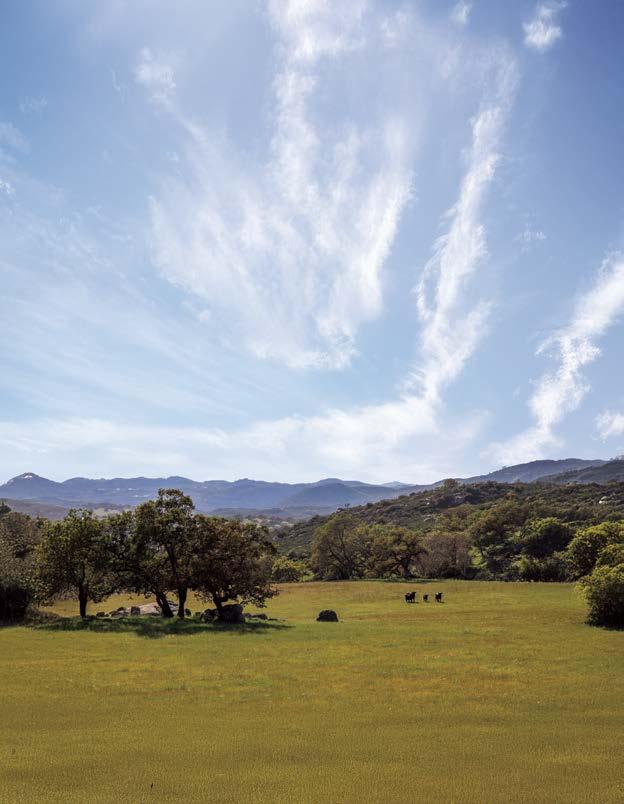
RANCHO GUEJITO produces its beef on a 23,000 acre ranch which includes hundreds of acres of organic avocados, citrus and vineyards.
Located in northern San Diego County, our cattle operation started in 1845 when the ranch was founded. That means we’ve been raising beef for our customers for over 180 years.
Our beef is grass fed and sustainably raised on what is by far the largest, most beautiful ranch in the county.
You will taste the difference in the flavor. Come and join the others who have enjoyed our beef, wine and produce for so many decades.
Visit our wine tasting room on weekends. Taste our outstanding wines, and sample our legendary beef as well.
Hope to see you soon!

ranchoguejitobeef.com


ranchoguejitovineyard.com
BY ARIANNA LITRENTA
When people think of California wine, Napa and Sonoma often spring to mind. Our little slice of Southern California heaven is not to be overlooked, though. San Diego is making a name for itself in the world of viticulture, especially in the sustainable wine industry, and it has the history to back up today’s innovations.
With roots dating back to the 18th century, San Diego’s viticultural journey offers an unexpected blend of history and culture. From the first grapevines to today’s boutique tasting rooms, this sun-drenched region tells a story of adaptation, resilience, and rediscovery.



Meet five women who are making waves in the local wine scene, each in their own way in Success Off the Vine.

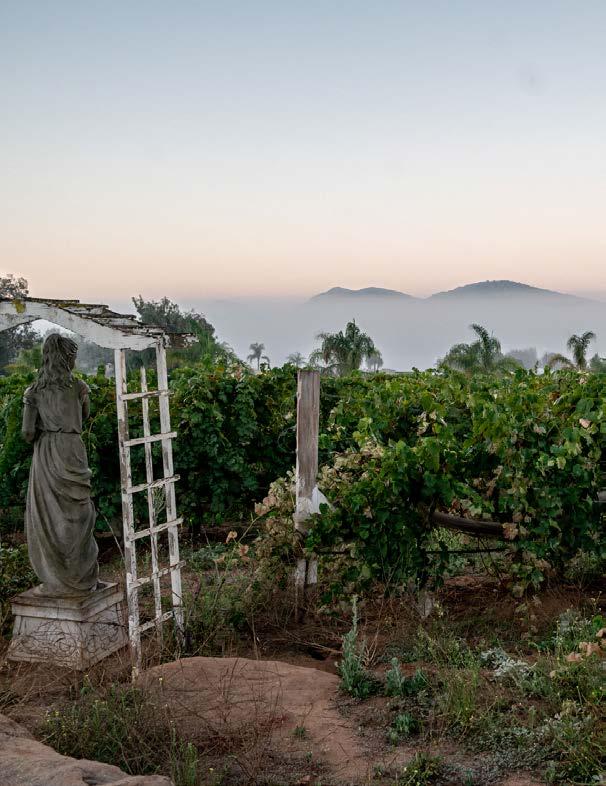
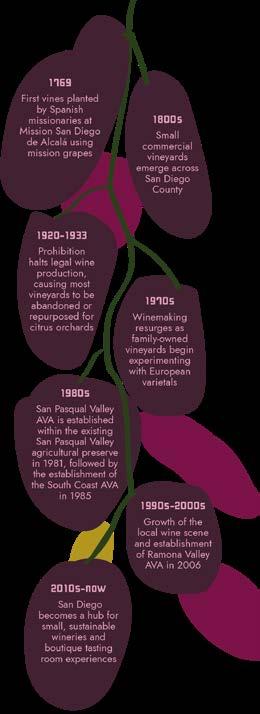
Although it’s commonly believed that grapevines were first planted at Mission San Diego de Alcalá in 1769, historian Richard Carrico believes that this isn’t quite accurate. In both his book A History of Wines and Wineries in San Diego County and his lectures, Carrico suggests that early viticulture likely took root at later mission sites, where soil quality and water access were better suited for growing grapes. Still, the mission grape, a drought-tolerant variety brought from Spain via Mexico, played a pivotal role in California’s first wines.
Mission grapes thrived in San Diego’s climate and quickly evolved from solely being used in sacramental wines to becoming an integral part of early winemaking efforts. These grapes were simple, yielding rustic wine that was low in acidity. Yet they set early expectations for local wine as the simplicity created the ideal platform from which to build. Soon, settlers began planting small vineyards across the county, experimenting with mission grapes and European varietals. By the mid-1800s, these modest efforts had set the scene for San Diego’s early wine industry.
Just as quickly as San Diego’s wine industry was emerging, it came to a grinding halt in 1920. The passage of the National Prohibition Act outlawed winemaking nationwide, but its effects were felt unevenly across California. Northern California producers were able to pivot, with Napa and Sonoma supplying sacramental wine to churches and selling grapes to home winemakers. Unfortunately, San Diego lacked those lifelines, and most local vineyards were uprooted and converted to citrus orchards. Small producers who had spent years building their operations were forced to shut down. Very few survived by producing sacramental wine, but the majority of the the commercial wine industry in the region vanished seemingly overnight. In 1933, Prohibition was repealed, but by then the damage was done.
By 1970, San Diego’s viticulture legacy was little more than a memory. While San Diego’s wine industry had lain dormant for the last four decades, Napa had become a leader. The success in Northern California inspired a handful of visionary vintners to revive San Diego’s winemaking roots. These pioneers used the international winemaking styles that had put Napa on the map, introducing modern viticulture techniques and an array of grape varietals to San Diego.
Their efforts quickly sparked local interest and marked a return to winemaking in the region. The next generation of winemakers was able to rediscover the county’s nearly forgotten viticulture past. As Carrico summarized, “Wine had long been an integral, although ignored, part of San Diego’s history.” This revival spanned the next two decades, and by the 1990s, small wineries dotted the landscape once more. With an emphasis on quality over quantity and passiondriven operations, these wineries were able to find their footing and thrive. GOOD WINE TAKES TIME
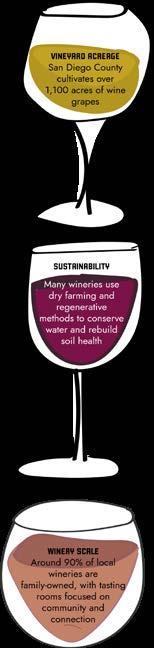
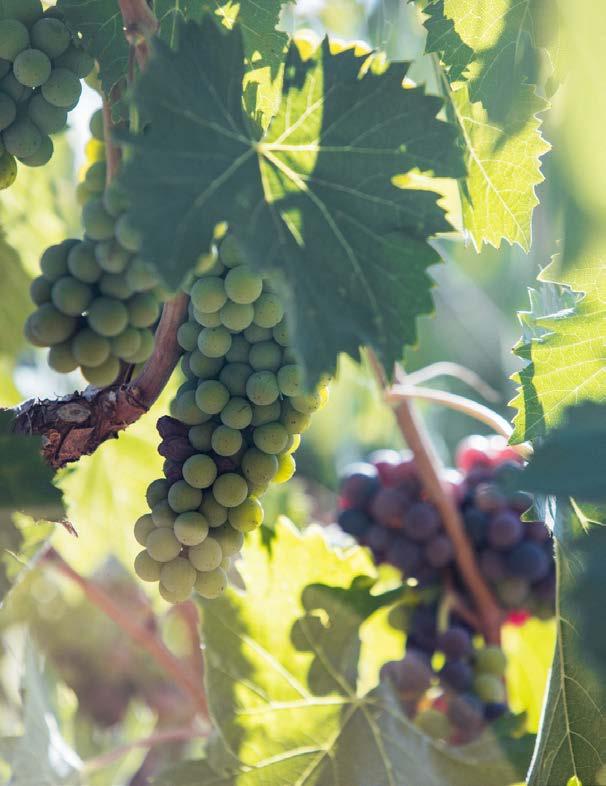
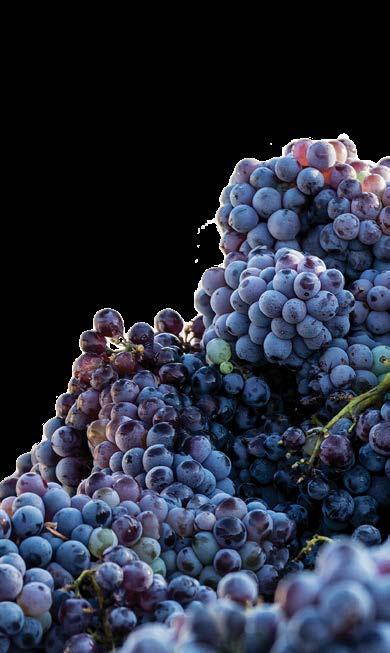
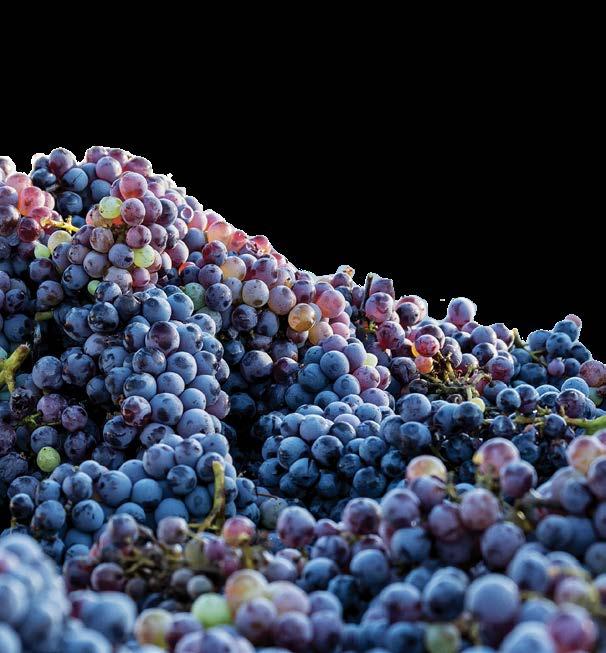
Fast forward to today, and San Diego County is now home to over 150 wineries with more than 1,100 acres dedicated to grapevines. Most of the county is part of the South Coast American Viticultural Area (AVA), which starts in Ventura and extends south across over 3.2 million acres to the US-Mexico border. Within San Diego County there are three recognized AVAs: Ramona Valley, San Pasqual Valley, and San Luis Rey, with applications and proposals pending for Highland Valley, Rancho Santa Fe, and Rancho Guejito. An AVA, or appellation, is defined by its own microclimates and varietals. While syrah, zinfandel, tempranillo, and sangiovese account for most of the grapes grown in the region, many winemakers push the boundaries of diverse grape varieties. Countless wineries are also moving towards sustainable wines by practicing dry farming, regenerative agriculture, and water conservation to adapt to Southern California’s dry conditions.
Of the county’s wineries, 90% are family-owned, offering intimate tasting experiences that showcase the region’s commitment to storytelling, connection, and history. In today's world of changing market conditions and consumer preferences, perhaps our region's boutique scale wineries are more resilient than larger ventures. San Diego's community-focused mindset has attracted wine enthusiasts seeking a more authentic, down-to-earth alternative to larger commercial wine regions. From rustic countryside tasting rooms to sleek urban venues, local wine tourism has steadily flourished. According to the 2024 San Diego County Economic Impact of Wineries Report from the San Diego County Vintners Association, county wineries generated a record $54.5 million in sales in 2023, supporting more than 800 jobs, and drew about 1.3 million tasting room visitors. Furthermore, the
San Diego Business Journal reports that those visitors spent nearly $2,000 per travel party, almost double what the average San Diego traveler spends, proving just how strong the region’s wine industry has become.
Native communities are also contributing to regional wine industry growth. In recent years, Pauma Tribal Farms, operated by the Pauma Band of Luiseño Indians, has been growing a variety of crops on over 300 acres, such as citrus, avocados, wine grapes, and olives, in order to improve access to healthy, seasonal, local food for tribal members as well as diversifying tribal income with sustainable agriculture and value-added products. Their efforts highlight how San Diego’s wine industry continues to evolve in ways that blend history and innovation.
While San Diego’s wine industry has come a long way, the region’s wine story is far from complete. Visibility remains a challenge, and without global recognition, San Diego wineries must work harder to claim space on restaurant lists, store shelves, and in consumers’ minds. As a strategy, many local wineries focus on
small-lot, high-quality wines rather than mass output. This is known as boutique production and pairs naturally with wine clubs and on-site tasting tourism, an approach that allows wineries to build loyal followings, create immersive experiences, and generate direct-to-consumer revenue that sustains growth.
Like all farmers, grape growers are facing uncertainties such as rising temperatures, less predictable rainfall patterns, and more expensive irrigation water. Many are exploring waterwise techniques, emerging technology, and age-old regenerative practices. The resiliency of wine grapes goes a long way towards helping vineyards and wineries adapt to changing conditions.
For decades, San Diego was better known for its craft beer scene than its cabernet. Even today, many locals and visitors are only beginning to explore the area’s viticulture offerings. As the spotlight continues to highlight the evolving wine industry, the region is transitioning to a more balanced beverage culture. With the hope that San Diego will one day be recognized as a hub for both craft beer and wine, winemakers must navigate shifting perceptions and practical hurdles.
And yet, San Diego’s wine scene continues to defy expectations and live up to its long legacy. By focusing on small, family-owned wineries and experimental blends, the region is carving out its own identity. The goal was never to compete with better-known wine regions, but to stand out among the rest for its terroir and ingenuity. With continued investment, community support, and a growing culture of wine tourism, the next chapter of San Diego’s wine story is just beginning—and we get to enjoy it, glass by glass.


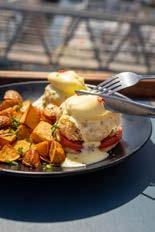
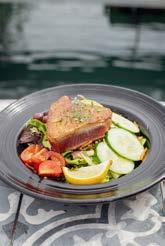

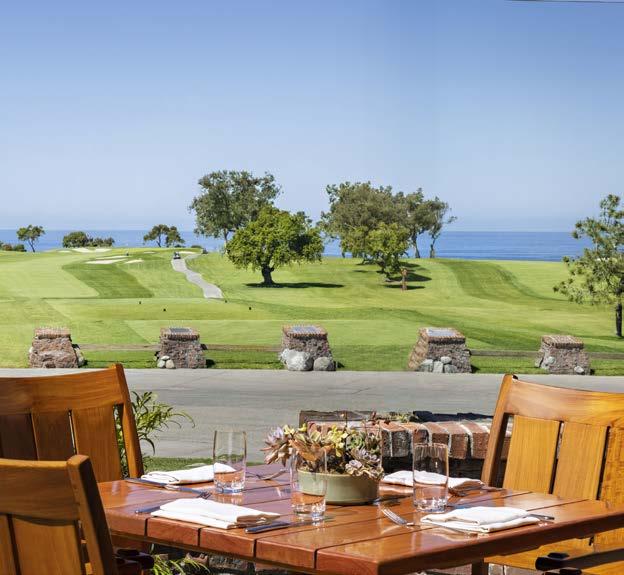
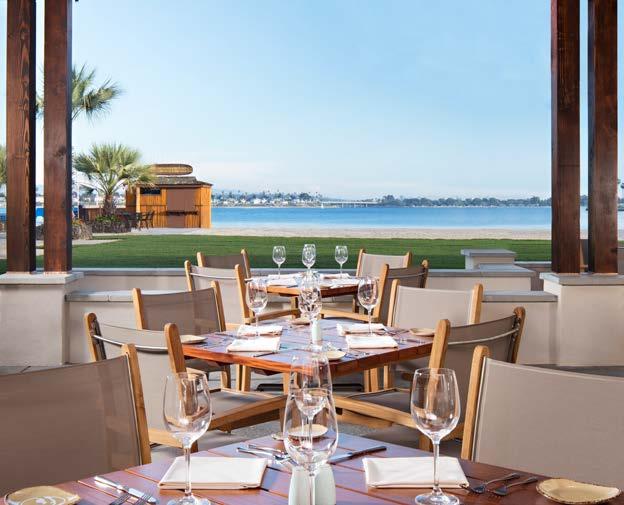
A favorite dining destination for gathering with friends and family, The Grill at Torrey Pines offers delicious dishes from its wood-burning rotisserie, local craft beers, an outdoor patio with fire pits, and incredible Torrey Pines views.
BY STEPHANIE ARSENAULT
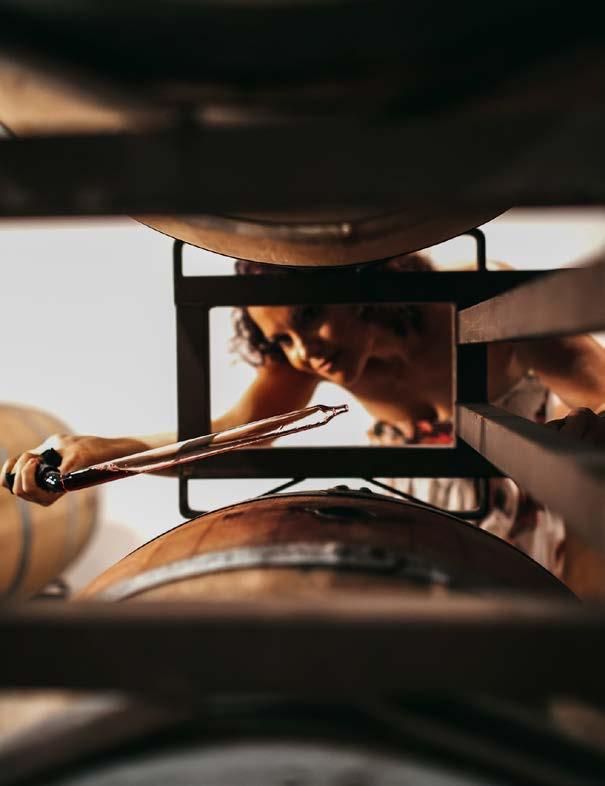
As the old adage goes, it takes a village to turn grapes into the beautiful beverage we know and love: wine. Okay, it might not be an official saying, but it should be. So, who’s who in the world of winemaking? Let’s take a look.
Grape growers choose grape varieties that are suitable to the microclimate and soil, cultivate wine grapes, manage the vineyards, and make decisions about things like irrigation and harvest timing. Here in San Diego, many growers also operate wineries, but others exclusively grow grapes to sell to wineries in rural and urban areas.
Winemakers transform grapes into wine through fermentation, blending, and aging, and they make stylistic choices that affect the flavor, aroma, and structure of the wine. Locally, most winemakers are small-batch, hands-on producers, and urban winemakers typically source their fruit from around the county and state.
Harvesters play one of the most important roles in winemaking, as they collect the grapes at the perfect time for optimal ripeness. Harvesting can be done manually or mechanically; manual picking is incredibly labor-intensive but more selective, while mechanical harvesting is much more efficient, though the method can potentially damage some of the grapes.
Brokers connect wineries with restaurants, hotels, and different retail outlets and manage compliance (laws, regulations, and ethical standards), logistics (getting the wine from point A to B), and sales relationships. It’s quite personal. Local brokers don’t just represent wines from far and wide; they can also play a big part in helping small wineries expand beyond tasting room sales.
Retail spaces in San Diego County such as wine shops and grocery chains tend to feature international and California wines. Local wineries favor tasting rooms, online sales, and wine clubs.
Honorable mention
Viticulture and biodiversity specialists are the unsung heroes of the wine world, as they work behind the scenes to study and improve vineyard health. They do this by helping the growers deal with pest management, irrigation efficiency, regenerative practices, beneficial insects, erosion prevention, and soil regeneration.
Importers are responsible for sourcing wines from international producers and navigating compliance on issues such as shipping, logistics, and marketing in the states.
Distributors help to oversee legal transport, warehousing, and deliveries.
Sommeliers are trained and accredited professionals who curate wine lists from around the world. They skillfully pair wine with food and spend time on the floor in fine dining establishments, resorts, and tasting rooms educating consumers. Sommeliers also work in smaller eateries and wineries, with wine merchants and organizations, and in continuing wine education.
Restaurants play an important role in the wine world with the choices they offer. Their wine list reflects their expertise and relationships, as well as customer preferences and knowledge. Sommeliers, chefs, and most diners are less familiar with local wines, but awareness is growing.
Drinkers are people who consume wine. Our habits, knowledge, preferences, and relationships play a key role in local wine. Getting to know local winemakers broadens our awareness of the options out there, educates our palates, and offers opportunities to understand and support local ag that you can drink.


BY STEPHANIE ARSENAULT
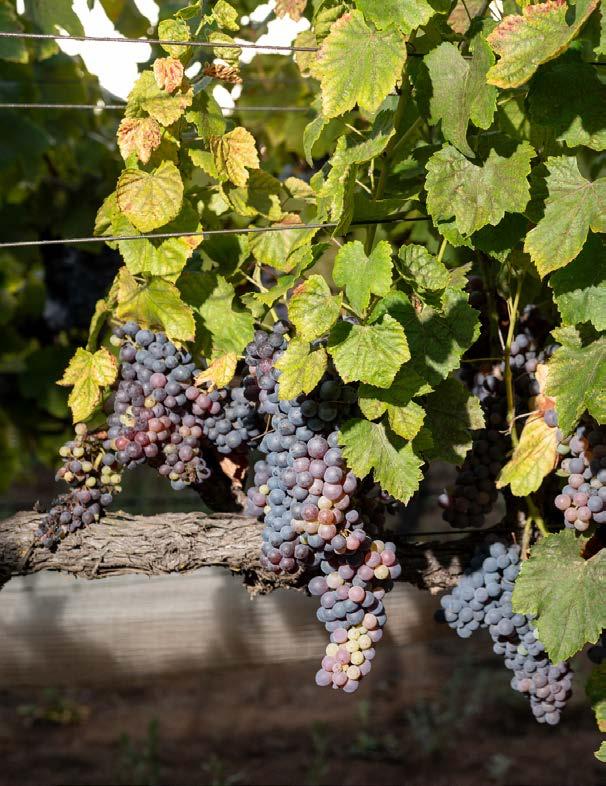
Better known for palm trees and Torrey pines than its vineyards, San Diego has quietly become one of California’s most dynamic wine-growing regions. Certain grape varieties thrive in the soils of San Diego's valleys, foothills, and mountains where the effects of weather from the ocean moderate long, hot, dry summers and mild winters
California’s signature grape is also the most harvested here; though tricky to grow in coastal areas, warmer inland zones give cabernet sauvignon the structure it needs. The results are bold, full-bodied wines with that classic cassis and tannin grip.
Imported from Spain but perfectly suited to local sunshine, tempranillo handles heat with ease and delivers elegant, age-worthy wines that rival its European cousins.
Ever the sun worshipper, grenache lives its best life during San Diego’s long summers. It produces juicy, fruit-forward reds and anchors many Rhône-style blends. Its drought tolerance makes it as practical as it is delicious.
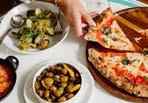
Ramona Valley in particular has embraced sangiovese. Bright, versatile, and food-friendly, it brings Italian flair to local wines and pairs beautifully with wood-fired pizza (Margherita with burrata, stat!) or fresh tomato pasta.
Few grapes feel more at home here than syrah. Inland valleys provide them with the heat they love, while cool nights keep them balanced. Expect bold, dark fruit with savory spice, perfect alongside smoky barbecue or braised short ribs.
Near the coast, albariño excels. Resistant to mildew and happily influenced by the marine breeze, it delivers crisp citrus-driven wines with a touch of salinity, ideal with seafood bought straight off the dock.
No grape carries more name recognition than chardonnay (in need of a movie night? Check out 2008’s Bottle Shock). Though less widespread than in Northern California, select coastal sites yield chardonnays ranging from crisp and mineral-driven to plush and oak-kissed, making it a perennial favorite and a safe bet for tasting rooms and wine shops.
Ever the quiet overachiever, vermentino is both drought-resistant and heattolerant. Its clean, zesty character makes it a natural fit for San Diego’s climate and cuisine.
With deep California roots, zinfandel lives its best life in San Diego’s hotter pockets. Jammy, striking, and approachable, it is a crowd-pleaser that rarely disappoints.
Among white wine grapes, viognier leads the way inland. Sun-soaked and aromatic, it produces lush wines with peach and honeysuckle notes, offering both body and decadence for white wine drinkers who also like a bit of richness.


Experience La Dolce Vita at Bianchi
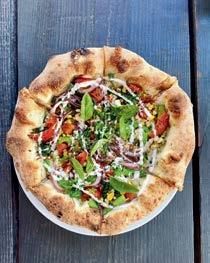
Authentic Neapolitan cuisine, signature cocktails, and warm Italian hospitality in a cozy setting.
INTERVIEWS BY KATIE STOKES AND ROXANA PAVEL
STORY BY STEPHANIE ARSENAULT
PHOTOGRAPHY BY CHLOE CALDWELL
For this issue, it was only fitting that we chat with some of the people behind the wine in San Diego. So how did we choose who to include? It was organic. We attended a San Diego County Vintners Association (SDCVA) meeting, and these lovely folks expressed interest. Highlights from these conversations are small parts of a much bigger story. Let's go to the source in San Diego County wine and listen to their perspectives and experiences.
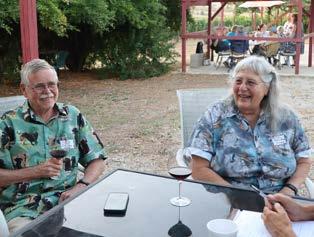
“We discovered wine in about 1995,” said Marilyn Kahle of Woof’n Rose Winery. “Had somebody told me when I was back in central Missouri in 1970 that I would someday be making wine, I would have asked to smoke some of that, because, you know, that was beer country.” A wine tasting in Temecula, followed by a visit to Napa and Sonoma got her thinking: “Wouldn’t it be nice to have grapevines instead of all of this burnable brush that the county keeps saying we ought to get rid of? So that was kind of the impetus. We planted vines the next year.”
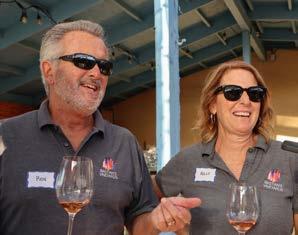
“It’s a lot of hard work every day, but the art of winemaking is our passion,” said Ron and Kelly Bas of Bastian’s Vineyards. “It’s so much fun, and the best part of our business is the weekends when we’re open and our clients—new and old—come to visit.” It’s a labor of love.
Mike Effenberger of Effenberger Vineyards said, “It’s fun meeting other people that are really into wine and sharing what we make with them and getting feedback from them. It’s nice when someone takes a bottle of wine that you put all kinds of hard sweat and work into, and they go, ‘God, this is really good’—that’s very rewarding. I’m certainly not doing it for the money.”
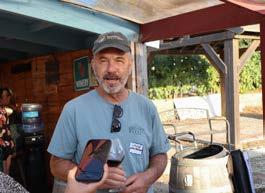
“If I were to speak for the industry as a whole, it’s probably the current climate with the younger kids not being into wine at this point in time, you know?” said Effenberger. “If I were to talk about my particular vineyard, it’s the coyotes. It’s the gophers. It’s the squirrels.”
Eric Smith of Eralto Winery said, “We don’t have a ton of challenges as far as our vineyards go, and we sell direct to our consumers as a wine club. But I know the industry as a whole has its own challenges as far as the ordinances, and the boutique wineries have some things going on in San Diego that are hurdles.”
Of course, part of it is just Mother Nature herself. A few years ago, Kim and Scott Flinn opened their Mermaid Valley Vineyards tasting room just months before the pandemic and got hit with unfortunate temperatures. Their vineyard sits in a low spot in the valley that tends to be the coldest. “We got a frost that killed 75% of our crop. That’s why they call it farming, right? Yeah. The other F-word was taken.”
Some challenges, however, are a little more personal. “Getting old—the work is getting harder and harder. We used to have grandkids that could come over and help; they’re all grown now,” said Kahle. “The challenge is finding people to help us out.”
Bigger isn’t always better—many wineries are small and want to stay small. “We don’t want to be bigger, because we want to keep the passion between us and not have other people tell us, ‘Oh you should be doing this, you should be doing that,’” said Jeannine O’Brien of Highland Valley Vineyards. “We do what we want, how we want to do it, and it’s worked out really, really well.”
For Smith, “It is a hobby that is paying for itself.” They don’t have an open tasting room where you can just drop by, and most sales are conducted through their wine club. Lastly, while most wineries in the area are small boutique operations, Effenberger says that many have seriously honed their craft. “There are people in San Diego County who have done their homework, planted correctly, and figured out how to make good wine.”

CLASSIC READ

Explore New World grapes, winemakers, and the wine making a strong impression around here.
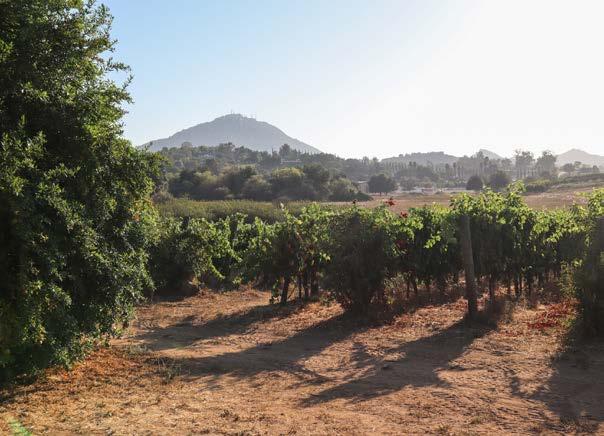
For the Flinns at Mermaid Valley Vineyards, it’s all about awareness. “How do we get Ramona to become a destination for wine? And then add good food and lodging…make it a stopping point on the way to Julian, not just to pass through. We’re next to three million people who have no idea we’re here.”
O’Brien is on the same page. Her hope: “That we all conglomerate together because that’s what we need to do. We need to work together to get our names out there, to get our awards out there.”
“The whole region is definitely good for grape growing. It is capable of producing world-class varietals minus the challenges of regions like Temecula or Paso Robles,” said Smith, who hopes for the region to become more widely
recognized. “The challenge here is our terroir is rocky and hilly, and that doesn’t play well with large vineyards. Inevitably, a lot of vineyards are going to be smaller, but that’s also good for our growing.”
“I would like San Diego County to realize there’s a wine industry here,” said Kahle. “It would be nice if the production in San Diego County were finally to get sufficient enough to where restaurants would start showing local wines on their wine menus. You go to any other wine region in California, and you’d be hard-pressed to go to a restaurant that doesn’t have almost all local wine. And that’s not the case here in San Diego.”
There’s a lot of opportunity to grow.
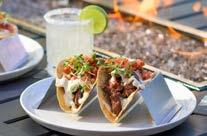
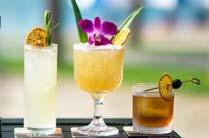


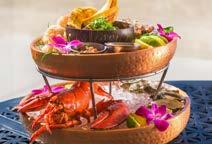
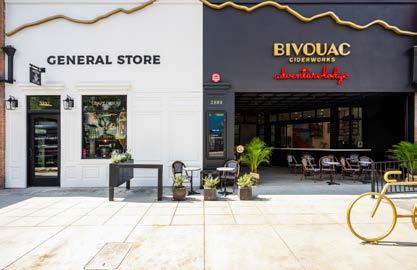
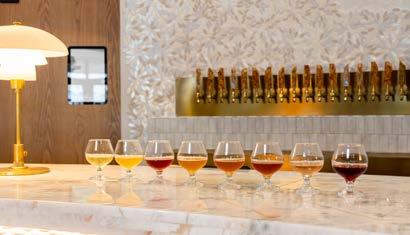
The San Diego cider pioneers at Bivouac Ciderworks have opened a new spot in North Park, the Adventure Lodge & General Store. The impressive multifunctional space, a cider-tasting bar, community center, coffee shop, and all-day cafe, offers a playground for aesthetic food and beverage consumers and the cider curious.
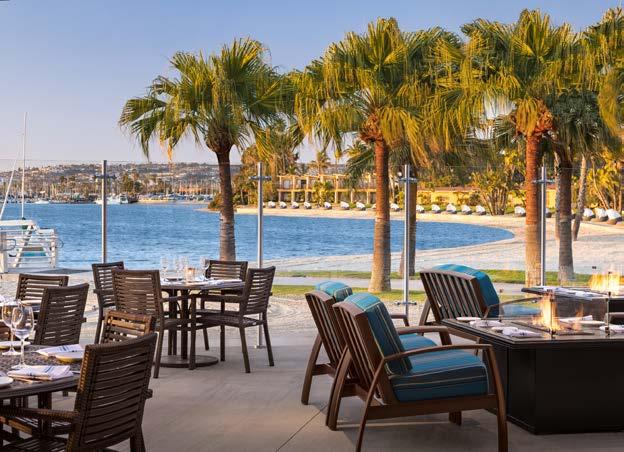
Directly adjacent to their original Taproom & Restaurant, Bivouac’s menu of San Diego comfort food offers something for everyone—from juicy burgers and tacos to inventive gluten-free options. Although you’d never guess given its beautiful outdoor-inspired interior, Parisian-style sidewalk cafe for people watching, and the General Store—a camping (well, glamping) market, gear, and gift shop—the Adventure Lodge also houses a large cider production facility. Located in the back of the building, you can tour the production facility as a part of their Guided Cider Tasting Experience, or view their massive shiny new tanks as you look through a windowed arch in a wall painted to look like a national park in Utah. In fact, throughout the space, you will find many local artists’ murals, installations, and crafts. At the Adventure Lodge, you can post up for the day and co-work among your neighbors while enjoying a matcha latte sourced from local Paru Tea, grab a bite and a pint with friends, gather for a game night, or host your book club.
But the true connoisseur’s delight is the Guided Cider Tasting Experience. For this hospitality iteration, Bivouac has sourced one of the finest cider collections in the world, featuring ciders from England, France, Spain, the Pacific Northwest, and anywhere else you find excellent ciders. For just $35 per person, you will enjoy a 30-minute experience tasting your way through eight ciders from Bivouac and around the world, learning about regions, varietals, tasting notes, food pairings, and more. A great option for a date night, a weekend activity, or entertaining friends from out of town, this tasting experience, led by a pommelier, will show you that cider is as approachable as beer yet as nuanced as wine—and there truly is a cider for everyone! #
BY STEPHANIE ARSENAULT
PHOTOGRAPHY BY LUKE SCHMUECKER
Choosing a wine can be intimidating enough, but when people start throwing around all the fancy terms? Yikes. Let’s learn what some of those terms mean so we don’t have to rely on the method of choosing a bottle based on the design of the label (not that there’s anything wrong with that!).
Terroir, from the French word for land, refers to the combination of soil, climate, topography, and ecology that influence the flavor and character of wine.
San Diego County has 30+ microclimates, making terroir highly variable, even within a single AVA.
oe·nol·o·gy /ē'näləjē/
A varietal wine is one that’s made from a single type of grape, or at least 75% of the grape listed on the label by US standards (in other countries, the requirement can be 85%).
Due to the region’s Mediterranean climate, San Diego vineyards excel in growing grenache, sangiovese, syrah, and tempranillo grapes.
AVA is short for American Viticultural Area, a legally defined grape-growing region in the US that’s recognized for its unique geographic or climatic features.
The western half of San Diego County is part of the South Coast AVA founded in 1985, and within the county there are three distinct AVAs: San Pasqual Valley established in 1981 was the first, followed by Ramona Valley in 2006, and San Luis Rey in 2024—plus three pending AVA applications.
Viticulture is the science and practice of growing grapes, while winemaking (also known as vinification) is the process of turning grapes into wine. The first grapes in San Diego (and all of California!) are thought to have been planted in 1769 at Mission San Diego de Alcalá, but the earliest evidence of grape cultivation in the world dates back 8,000 years in modern-day Georgia (the country, not the state).


Learn what an AVA is and why it matters for the wines we sip.
This term refers to making wine with balanced, elegant, and subtle characteristics.
Old World wines are from European wine regions and are generally more restrained, terroir-driven styles. New World wines are from regions outside of Europe; they are also made with restraint and an increasing focus on lower alcohol by volume as the natural wine movement has grown.
San Diego wines are distinctly New World, but they (and their grapes) are often inspired by Old World varietals.
Estate wine refers to wine that is made entirely from grapes that are grown, harvested, fermented, aged, and bottled on the same property where the grapes were grown.
Estate wineries are common among the rural boutique wineries in areas like Ramona and Julian.
Biodynamic wine comes from vineyards farmed using a holistic approach developed by Rudolf Steiner in the 1920s. The vineyard is understood as a self-sustaining ecosystem with healthy soil and no synthetic fertilizers or pesticides. Even lunar cycles guide viticultural activities aiming for a deeper connection between the land and the wine.
Natural wine is just that: natural. It’s made with minimal intervention, native yeast fermentation, and little to no additives, and it is often unfiltered.
While this is not a legal wine term or designation in the US, San Diego is growing a small but mighty natural wine movement, primarily from urban microwineries.
Organic wine is wine that’s been made from USDAcertified organic grapes. In the US, it also means there are no added sulfites.
Many San Diego wineries grow organic grapes but label them as “made with organic grapes” if sulfites are added.
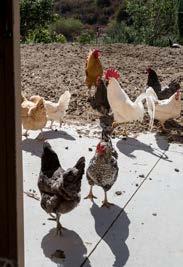
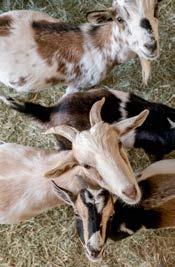
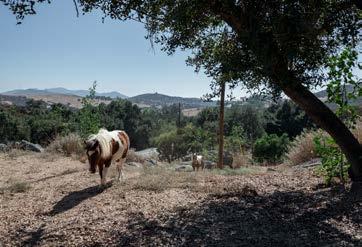
Biodiversity refers to the whole ecosystem of a vineyard, from the microbial life in the soil to plant diversity, insects and pollinators, wildlife, and the birds flying overhead in the sky. A biodiverse vineyard functions as a natural ecosystem rather than a monocultural crop, reducing needs for chemical inputs and pressure from pests and disease, and it creates greater resiliency to environmental stresses like drought and temperature variations.
Sustainable wine reflects a view that agriculture is an integral part of the natural world, so prioritizing biodiversity, healthy living soils, efficiencies with water and electricity, and other practices help the vineyard thrive over time.
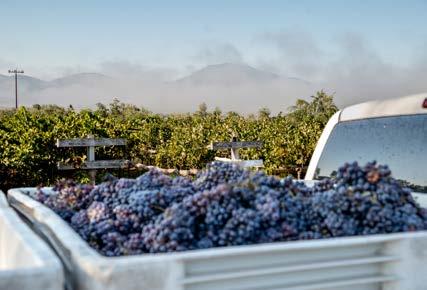
Left: A truck bed full of harvested grapes at Highland Hills Vineyard. Above right: Demonstrating biodiversity, chickens, goats, and horses are a part of the vineyard's ecosystem at Ramona Ranch Winery, the only certified California sustainable winegrower in San Diego County.
Certifications like SIP (Sustainability in Practice) or CSWA (California Sustainable Winegrowing Alliance) are typically more common than full USDA organic certifications.
San Diego-grown wine uses only grapes that are grown in the county, while San Diego-made wine is produced in the county, but the grapes may have come from outside regions like Temecula, Paso Robles, or even Baja California.
Most often, urban wineries in San Diego are of the “made here, grown elsewhere” variety, but not always. It’s interesting to ask a winemaker about their grape sourcing practices if you’re curious to learn more.






Zinfandel







BY STEPHANIE ARSENAULT ILLUSTRATIONS BY MARIA HESSE

1. IT’S OLDER THAN NAPA
California’s first wine grapes were planted in San Diego by Spanish missionaries in the late 1700s, nearly a century before Napa’s first commercial winery.
2.
From seaside tasting rooms to orchard-lined roads in Julian, local wineries can be found north to south and east to west across the county (see map on page 56).
3. WE HAVE MORE THAN ONE WINE COUNTRY
Make sure to ask the winemaker about what makes their wine unique—the land, the grapes, their vision? You'll find that their story influences not only how the wine tastes but what you take away from the experience.


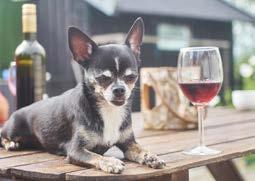
Our wine country loves welcoming furry guests; it’s not uncommon to be greeted by the winery dog or cats who basically run the place. Just be sure to check with the wineries first.
You can taste local wines without leaving the city in neighborhoods like North Park, Little Italy, and Oceanside where urban wineries make wine on-site.
From organic farming to solar-powered wineries, local producers, like Sierra Roble in Warner Springs, focus on eco-friendly practices, which means that glass of red or white


The four senses and two rules of wine pairing feel much more intuitive with these rules of practice.
10. THE VIEWS ALONE ARE WORTH THE TRIP
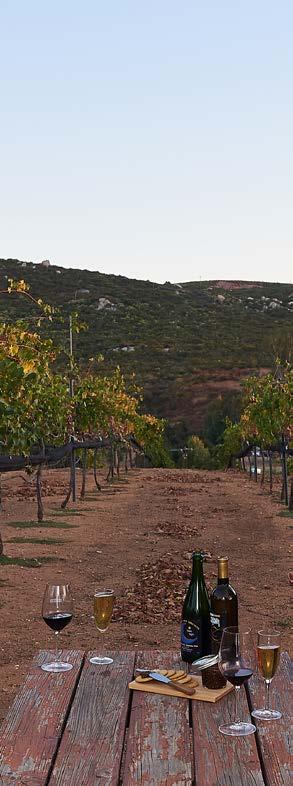
Wildflower-speckled hills, sunsets over the Pacific from a patio, or green vineyards rolling into the mountains…San Diego wine country always delivers on scenery.












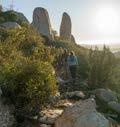
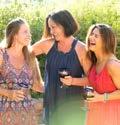

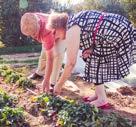





BY MARIA HESSE
There are numerous reasons you might have wine to use for nondrinking purposes. Maybe you’ve decided to take a break from drinking, or there’s bubbly left over from a dinner party that you’re not going to finish before it goes flat, or you were gifted a bottle that’s not a favorite. Before you dump it down a drain (gasp), consider these fine ways to cook with wine and a few useful reasons to keep it handy in the kitchen and beyond.
1. Build layers of flavor into your sauces
A bottle of Italian lambrusco was always at the ready whenever my grandma made spaghetti. She’d start by sautéing diced onions in a large pot until translucent, adding in herbs and seasonings, a small pile of crushed garlic, and finely diced carrots, and would let it all cook down until there were browned crusty bits sticking to the bottom of the pot. She’d bust out the lambrusco, pour in a few hefty glugs of the sweet, effervescent wine, take a big swig for herself straight from the bottle, and have a laugh while saying something like, “A splash for the sauce, and a splash for me. That’s the rule for making good spaghetti.” As the wine simmered, she’d take to her wooden spoon and use it to scrape up the browned bits (called frond) and deglaze the pot before adding her home-canned summer tomatoes. It really was the best spaghetti. This universal trick also works with many types of wine for other sauces and stews, swigs optional. Some say not to cook with wine that you don’t like to drink, but I have found the opposite to be true.
2. Make risotto
A creamy, comforting bowl of risotto can be made even more decadent with wine. You’ll start by following a standard risotto recipe (many of which call for wine because it truly is that good), substitute that first cup of broth for the wine of your choice, and follow the rest of the steps for the recipe accordingly. As a general rule, red wine risottos often pair well with meaty dishes or grilled portobello mushrooms, while white wine risottos are great with roasted veggies, chicken, and seafood—but I’ve never met a risotto that didn’t go with everything.
3. Turn wine into vinegar
Shocking, I know! Bear with me because we're all about reducing food waste and trying simple, new cooking techniques. This is as easy as pouring wine into a clean glass jar and adding a splash of unpasteurized, raw vinegar (like raw apple cider vinegar). Secure the top of the jar by covering it with a few layers of cheesecloth and a rubber band. Keep the jar in a warm, dark cabinet, and give it a swirl once a week. You’ll know when it’s vinegar once it has a strong acetic smell and the alcohol is absent from the taste, usually after four to six weeks. Strain it with a coffee filter and store your fancy homemade vinegar in a sterilized container to enjoy in vinaigrettes and other cooking. Note: Low sulfur wines are best for this, but any wine should work.
"WINE IS THE ANSWER, BUT I CAN'T REMEMBER THE QUESTION."
— Anonymous
No joke, the antidote to a red wine stain is white wine. Pour a little white wine on the red wine stain and blot it out—I’ve even done this on marble with a little baking soda. White wine leaves a streak-free shine when used for cleaning glass surfaces, like stemware, windows, and mirrors. And it’s even great for disinfecting fresh produce.
Red wines with high tannins, like pinot noir, are a beauty secret known to help soften skin and prevent acne, and the antioxidant properties even lighten dark spots. There are many easy tips and recipes for using red wine as a facial toner, homemade skin care masks mixed with yogurt, and exfoliators that make use of your leftover coffee grounds. The flavonoids in red wine are also great for healing bruises. Red wine produces beautiful muted maroon and plum shades that can be used for dyeing fabrics and painting artwork or illustrations.
BY HEIDI GREENWOOD
ILLUSTRATED BY MARIA HESSE

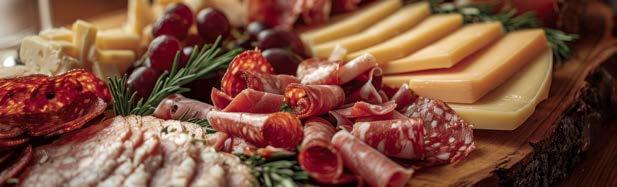


T1. Cheeses (choose 3): Brie, Gouda, Manchego, Cheddar, Blue — plan 2–3 oz per person
2. Meats (choose 3): Prosciutto, Salami, Mortadella, Soppressata, Pâté — plan 2–3 oz per person
he holidays are made for gathering, and nothing sets the table—or the mood—like a festive charcuterie board paired with the perfect glass of wine. A mix of savory cured meats, creamy cheeses, sweet dried fruits, and crunchy nuts creates a flavor journey that pairs beautifully with bold reds, crisp whites, or even a sparkling toast. It’s elegant, effortless, and endlessly customizable, making charcuterie the ultimate holiday treat. Whether you’re entertaining a crowd or enjoying an intimate evening, a well-crafted board and bottle bring people together in the most delicious way. This season, celebrate with flavor, texture, and style.
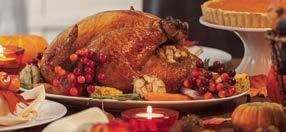
Chef Prepared Holiday Dinner Includes:
• 14-16 lb Fully Cooked Whole Roast Turkey
• 2 Quarts Homemade Mashed Potatoes
• 2 Quarts Traditional Stuffing
• 2 Quarts Garlic Butter Green Beans
• 1 Pint Homemade Cranberry Sauce
• 1 Quart Homemade Turkey Gravy
• 1 Dozen King’s Hawaiian Rolls
• 1 Fresh Pumpkin Pie
$279 Serves 10-12 people. Fully cooked and ready to reheat with instructions provided for your convenience.

3. Crackers & Bread: Artisan crackers, Sliced baguette — about 4–6 pieces per person
4. Fruits: Grapes, Berries, Apple slices, Dried apricots, Figs — 1 cup mixed fruit per 2 people
5. Nuts: Almonds, Walnuts, Pistachios — 1 oz per person
6. Condiments: Honey, Jam, Whole-grain mustard, Olives, Cornichons — 2–3 small bowls total
7. Extras: Fresh herbs (rosemary, thyme) for garnish — a few sprigs for color & aroma
Pair with wine: Pinot Noir, Sparkling, Rosé, or a bold Cabernet.


Across
1 French concept of how local environment affects wine character
5 A wine made from more than one grape variety
8 Prepared meat products like salami and pâté
9 Napa Valley’s state
10 ___ bar: drinks area in a hotel with a sink and a countertop
12 Dead yeast cells left after fermentation, often stirred to add texture
13 Target or objective
15 Recommended daily allowance abbr.
16 Cracker spread
18 Particularly, in short
19 The weight or fullness of a wine when you taste it
20 Stopper made from oak bark that seals a wine bottle
23 Time period that’s often important in gauging the value or quality of a wine, abbr.
24 Mature over time, as a wine or cheese
26 Unagi in a sushi bar
27 Climate-controlled wine ____
29 Trouble
30 Specific, identifiable flavor or aroma, such as “citrus ____s” or “oaky ____s”
32 A trained wine professional who guides selections in restaurants
33 Like pinot noir, in color
Down
1 Special attention, for short
2 Long-distance driving vacation, 2 words
3 Not needing a prescription, abbr.
4 Evaluate the quality, as per Yelp or Zagat
5 Wooden wine storage container
6 Night before
7 Glass vessel used to separate wine from sediment and expose it to air
10 Equipment for crushing grapes, 2 words
11 Container cover
13 Garden trellis structure
14 Bloody _____: popular cocktail made from vodka, tomato juice, and various spices and seasonings
17 Device that adds oxygen to wine
20 Vineyard in France producing high-quality wine
21 Kilogram abbreviation
22 Purple stone fruit used in making some wines in UK and Japan
23 Ivy league university
25 Looked at
27 Roman numeral seven
28 Lane, abbr.
29 “We’re in This Love Together” singer Jarreau
31 Inherent power, in Taoism
Carlsbad resident Myles Mellor is one of the top crossword and puzzle writers in the world. He has published over 55 crossword and word search books, producing dozens of puzzles each month.
» mylesmellor.com
» themecrosswords.com
Answer key on page 64.

Plasmatique
Celluma











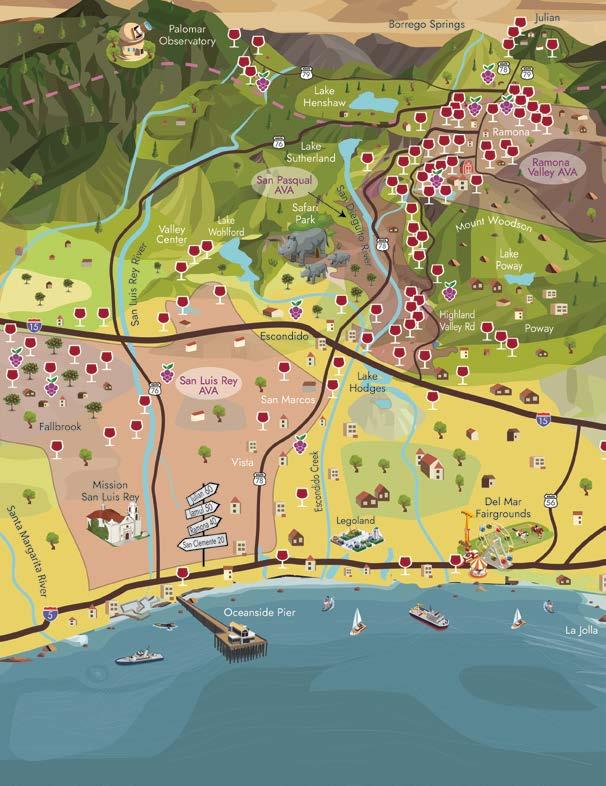
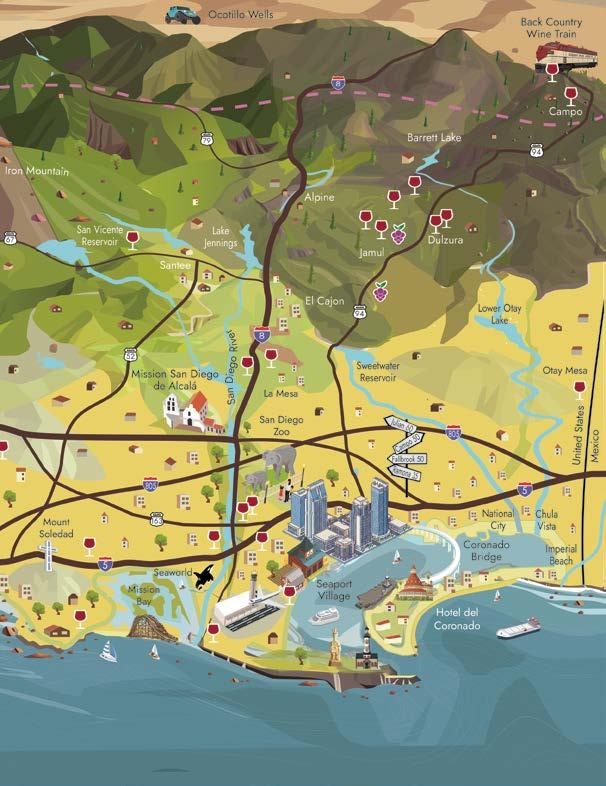
Apicture is worth a thousand words, and in today’s world, a map can come from satellites, intention, and detailed handiwork. We wanted to give you a perspective on San Diego County wines that you’ve never seen before. We started with Google Earth and found a point of view as if we are hovering over the ocean, west of Del Mar and La Jolla.
From this vantage point, we can see how our region’s beautiful coastline is punctuated with creeks that bring rainwater down from our foothills and mountains to the Pacific Ocean. The valleys carved by these waterways have fertile soil that has supported abundant wildlife and humans since time immemorial—guess where the first vineyards began.
With your finger, trace the river valleys or the roads that head eastward and uphill, where you can see how many vineyards and wineries turn sunshine and San Diego soil into wine. If you look at the whole county, you will find them sprinkled everywhere. Who knew?
To be clear, our map is an illustration. An interpretation. It’s not meant to be used for navigation but rather to create a new picture in your mind that will motivate you to explore the many tasting rooms located along the highways and byways of San Diego County.


DIGITALLY ILLUSTRATED BY CORY DZBINSKI
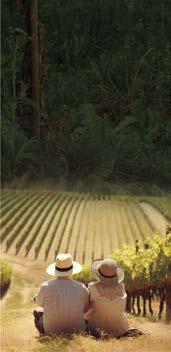
Grow in the open air to eat and sleep with the earth. It’s time to come outside. The hills and the valleys of Ramona welcome you. Take a deep breath. Enjoyfriendsfamily, and handcrafted local award winning wines. This is a great moment.

All listings are subject to change. Please call ahead to confirm hours and guest policies for children or pets. Age restrictions apply. Must be 21+ to consume alcohol. Please drink responsibly and designate a driver.
Member Legend
Highland Valley Wineries
Ramona Valley Vineyards Association
San Diego County Vineyard Association
Wineries on Highway 94
ROCK CANYON VINEYARD
3355 Emmanuel Way 619-445-4763
» grapeadventures.com/winery/rock-canyonvineyard
LIONSGATE ESTATE & WINERY
31809 Paseo Linda 805-451-5881
CAMPO CREEK VINEYARDS
29556 Hwy. 94
619-478-5222
» campocreekvineyards.com
CARRUTH CELLARS
2727 State St. #110
858-847-9463
» carruthcellars.com
LITTLE OAKS WINERY
6084 Corte Del Cedro, Ste. 105 760-494-0597
» littleoakswinery.com
WITCH CREEK WINERY
2906 Carlsbad Blvd. 760-720-7499
» witchcreekwinery.com
DULZURA VINEYARD AND WINERY 17323 Hwy. 94 619-468-3769
» dulzurawinery.com
VALENTINA VINEYARDS 17043 Hwy. 94
858-245-2824
» valentinavineyards.com
SOLTERRA WINERY & KITCHEN
934 North Coast Hwy. 101 760-230-2970
» solterrawinery.com
ALTIPIANO VINEYARD AND WINERY
20365 Camino Del Aguila 619-857-7242
» altipianovineyard.com
BASTIAN’S VINEYARDS
15326 Bandy Canyon Rd. 858-945-2405
» bastiansvineyards.com
BELLE MARIE WINERY
26312 Mesa Rock Rd. 760-796-7557
» bellemarie.com
CHEVAL WINERY
2919 Hill Valley Dr. 760-690-6617
» chevalwinery.com
CORDIANO WINERY
15732 Highland Valley Rd. 760-469-9463
» cordianowinery.com
DEER PARK WINERY
29013 Champagne Blvd. 760-749-1666
» deerparkmuseum.com
DOMAINE ARTEFACT VINEYARD & WINERY
15404 Highland Valley Rd. 760-432-8034
» domaineartefact.wine
EFFENBERGER VINEYARDS
2347 Mountain View Dr. 619-884-4542
» effenbergervineyards.com
ESPINOSA VINEYARDS & WINERY
15360 Bandy Canyon Rd. 619-772-0156
» espinosavineyards.com
FORGOTTEN BARREL WINERY
1120 West 15th Ave. 888-620-8466
» forgottenbarrel.com
HIDDEN MEADOWS VINEYARD
28572 Meadow Mesa Ln. 949-629-8702
» hiddenmeadowsvineyard.com
HIGHLAND VALLEY VINEYARDS
15412 Bandy Canyon Rd. 858-531-6589
» highlandvalleyvineyards.com
HUNGRY HAWK VINEYARDS & WINERY
3255 Summit Dr.
760-489-1758
» hungryhawkvineyards.com
J. BRIX
298 Enterprise St., Ste. D 760-994-8135
» jbrix.com
KEYS CREEK VINEYARD AND WINERY
27118 N Broadway 442-777-3414
» keyscreekwinery.com
MIA MARIE VINEYARDS
15036 Highland Valley Rd.
760-215-9132
» miamarie.com
OLD SURVEY VINEYARDS
16850 Old Survey Rd.
760-480-7232
» oldsurveyvineyards.com
ORFILA VINEYARDS & WINERY
13455 San Pasqual Rd. 760-738-6500
» orfila.com
RANCHO GUEJITO VINEYARD
17224 San Pasqual Valley Rd. 800-677-8887
» ranchoguejito.com
SPECKLE ROCK VINEYARD 16138 Highland Valley Rd.
760-789-1287
» specklerock.com
ZXQ VINEYARDS
15425 Highlands Crest Way
619-736-3230
» zxqvineyards.com
ADOBE HILL WINERY
40740 Via Ranchitos
760-444-0770
» adobehillwinery.com
DE AMO WINERY
249 Via De Amo 559-707-4432
» deamowinery.com
CASA TIENE VISTA VINEYARD 4150 Rock Mountain Rd. 760-731-2356
ESTATE D’IACOBELLI
2175 Tecalote Dr. 760-723-0616
FALLBROOK WINERY
2554 Via Rancheros 760-728-0156
» fallbrookwinery.com
MONSERATE VINEYARDS & WINERY
2757 Gird Rd. 760-268-9625
» monseratewinery.com
MYRTLE CREEK VINEYARDS
1600 Via Vista 442-444-5066
» myrtlecreekvineyards.com
ROADRUNNER RIDGE WINERY
4233 Rosa Rancho Ln. 760-731-7349
» roadrunnerridgewinery.com
SBLENDORIO WINERY
38973 De Luz Rd.
760-728-8230
» sblendoriowinery.com
DEERHORN VALLEY VINEYARDS
2516 Honey Springs Rd. 619-468-0030
» facebook.com/deerhornvalleyvineyards
GRANITE LION CELLARS
2801 Jamul Highlands Rd. 619-669-2982
» granitelioncellars.com
HILLSIDE RANCH VINEYARDS
14169 Hillside Dr. 619-483-1990
» hillsideranchvineyard.com
RUSTIC RIDGE VINEYARDS
15262 Lyons Valley Rd. 619-251-7115
» rusticridgevineyards.com
SPANISH PEACOCK WINERY
16897 Lyons Valley Rd. 619-710-9108
» spanishpeacockwinery.com
BLUE DOOR WINERY
2608 B St.
619-992-3877
» thebluedoorwinery.com
MENGHINI WINERY
1150 Julian Orchards Dr. 760-765-2072
STORUM RANCH CIDER & WINE
1878 Wynola Rd. 619-955-2377
» storumranch.com
VOLCAN MOUNTAIN WINERY
1255 Julian Orchards Dr. 760-765-3267
» volcanmountainwinery.com
LJ CRAFTED WINES
5621 La Jolla Blvd.
858-551-8890
» ljcraftedwines.com
SAN PASQUAL WINE BAR & GALLERY
8364 La Mesa Blvd.
619-462-1797
» sanpasqualwinery.com/la-mesa-wine-barand-gallery
SAN PASQUAL WINERY
8167 Center St.
619-469-9463
» sanpasqualwinery.com
TREVI HILLS VINEYARD AND FINE HOMES
13010 Muth Valley Rd.
619-443-0583
» trevihillswinery.com
BEACH HOUSE WINERY
1534 Sleeping Indian Rd.
760-732-3236
» beachhousewinery.com
COOMBER CRAFT WINES
611 Mission Ave.
760-231-8022
» coomberwines.com/oceanside-venue-location
UVAS WINERY
14053 Midland Rd.
858-883-4276
» uvaswinery.net
ALPENGLOW WINERY 18011 Bluegrass Rd. 760-504-1456
» alpenglowwinery.com
BARREL 1 WINERY
1007 Magnolia Ave. 858-204-3144
» barrel1.com
BLUE DOOR WINERY
432 Maple St. #10 858-274-4292
» thebluedoorwinery.com
BLUE HONEY WINERY & MEADERY *
23719 Vista Ramona Rd. 760-654-3103
» bluehoneywinesandmeads.com
CASTELLI & PIZARRO FAMILY WINERY
17872 Oak Grove Rd. 619-997-5141
» cpfwinery.com
CHUPAROSA VINEYARDS
910 Gem Ln. 760-788-0059
» chuparosavineyards.com
CORRECAMINOS VINEYARD
1941 Lilac Rd. 760-315-7444
» correcaminosvineyard.com
CRYSTAL HILL VINEYARD
24067 Old Julian Hwy. 760-440-5229
» napkinapps.com/app/chv
EDWARDS VINEYARD AND CELLARS
26502 Hwy. 78 760-788-6800
» edwardsvineyardandcellars.com
FARQUAR FAMILY WINERY 2839 Southern Oak Rd. 858-335-1856
» farquarfamilywinery.com
HATFIELD CREEK VINEYARDS & WINERY
1625 Hwy. 78 760-787-1102
» hatfieldcreekvineyards.com
LATHOM WINES 19989 Sunset Oaks Dr. 760-315-6808
» lathomwines.com
MAHOGANY MOUNTAIN VINEYARD AND WINERY 14905 Mussey Grade Rd. 760-788-7048
MERMAID VALLEY VINEYARD 18420 Highland Valley Rd. 760-315-9011
» mermaidvalleyvineyard.com
MILAGRO WINERY
18750 Littlepage Rd. 760-787-0738 » milagrowinery.com
OLD JULIAN VINEYARDS & WINERY
25352 E. Old Julian Hwy. 949-374-7700 » oldjulianvineyards.com
PAMO VALLEY WINERY
603 Main St. 760-271-3090 » pamovalleywinery.com
POCO MONTAÑA VINEYARDS & WINERY
23136 Vista Ramona Rd. 760-708-9774 » pocomontana.com
POPPAEA VINEYARD AND WINERY
25643 Old Julian Hwy. 858-357-1741 » poppaeavineyard.com
PRINCIPE DI TRICASE WINERY 8425 Highland Valley Rd. 858-260-8131 » pineandwine.com
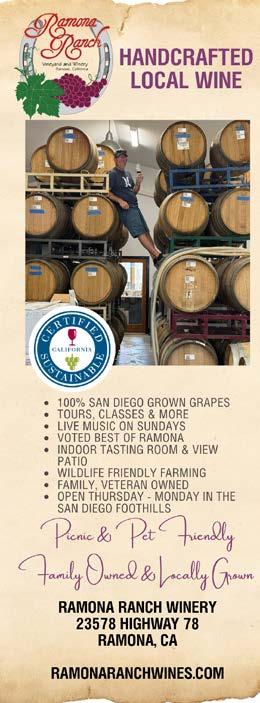
RAMONA RANCH WINERY
23578 CA-78 760-789-1622 » ramonaranchwines.com
RANCHO SAN MARTIN
17249 Sundance Dr. 760-650-6851 » rsmwines.com





RASHELICA WINERY & ART GARDEN
17948 Hwy. 67 619-548-0941
» rashelicagarden.com
SCENIC VALLEY RANCH VINEYARDS 27012 Scenic Valley Rd. 619-884-3514
» scenicvalleyranch.com
SCHWAESDALL WINERY
17677 Rancho de Oro Dr. 760-789-7547
» schwaesdallwinery.com
SKY VALLEY CELLARS
16729 Sky Valley Dr. 760-896-2685
» skyvalleycellars.com
SUCCULENT CELLAR
16443 Highland Valley Rd. » succulentcellar.com
SUNRISE VINEYARDS & WINERY 16620 Highland Valley Rd. 858-334-9985
» sunrisevineyardsandwinery.com
THREE HILLS WINERY
16805 Highland Valley Rd. 619-507-7920
» threehillswinery.com
TURTLE ROCK RIDGE VINEYARD WINERY 18351 Woods Hill Ln. 760-789-5555
» turtlerockridge.com
VINA RAMONA 657 E Old Julian Hwy. 760-315-8068
VINEYARD GRANT JAMES 25260 E. Old Julian Hwy. 760-206-3481
» vineyardgrantjames.com
WOOF'N ROSE WINERY
17073 Garjan Ln. 760-788-4818 » woofnrose.com
ABNORMAL WINE COMPANY
16990 Via Tazon 858-618-2463
» abnormal.co
BARREL RIOT WINERY
16765 Bernardo Center Dr. 858-231-4000
» barrelriot.com
BERNARDO WINERY
13330 Paseo Del Verano Norte 858-487-1866
» bernardowinery.com
CARRUTH CELLARS
2710 Historic Decatur Rd. 619-546-9300
» carruthcellars.com
CHARLIE & ECHO
8680 Miralani Dr. 877-592-9095
» charlieandecho.com
FRUITCRAFT FERMENTERY & DISTILLERY
1477 University Ave. 877-484-6282
» fruitcraft.com
GIANNI BUONOMO VINTERS
3492 Pickett St. 619-991-9911
» gbvintners.com
KOI ZEN CELLARS CRAFT WINERY
12225 World Trade Dr. 858-381-2675 » koizencellars.com
LOS PILARES WINERY
8680 Miralani Dr. 619-709-0664
» lospilareswine.com
NEGOCIANT WINERY
1263 University Ave. 619-535-1714
» negociantwinery.com
ODDISH WINE
5322 Banks St. 858-205-1328
» oddish.wine
PALI WINE CO.
2130 India St. 619-569-1300
» paliwineco.com
SAN PASQUAL WINERY AT SEAPORT VILLAGE
805 West Harbor Dr. 619-462-1797
» sanpasqualwinery.com
VINO URBANO
6825 Gateway Park Dr., Ste. 3
619-429-6820
» vinourbano.com
SUNSHINE MOUNTAIN VINEYARD
2286 Sunshine Mountain Rd.
760-798-3741
» sunshinemountainwines.com
WALNUT TREE RANCH
25303 Mesa Grande Rd.
858-829-3134
» walnuttreeranch.com
CARRUTH CELLARS
118 S Cedros Ave. #C 858-847-9463
» carruthcellars.com
VINEYARD HACIENDA
12685 Campo Rd.
619-289-7250
» vineyardhacienda.com
HILL TOP WINERY
30801 Valley Center Rd.
858-405-9314
» hilltopwinery.com
PAUMA VISTA VINEYARD
29431 Cole Grade Rd.
760-644-4432
» paumavistavineyard.com
TRIPLE B RANCHES WINERY
15030 Vesper Rd.
760-749-1200
» triplebranches.com
BROOKING VINEYARDS
375 Skyline Dr.
760-689-0160
» brookingvineyards.com
BURTECH FAMILY VINEYARD
1325 Pipeline Dr.
760-809-3461
» burtechfamilyvineyard.com
COOMBER CRAFT WINES
344 Main St.
760-917-2450
» coomberwines.com/coomber-craft-winesvista
EMERALD CREEK WINERY
38642 Hwy. 79
951-767-1391
» emeraldcreekwinery.com
HAWK WATCH WINERY
27054 Chihuahua Valley Rd.
951-326-0698
» hawkwatchwinery.com
LA SERENISSIMA VINEYARD & WINERY
35168 Hwy. 79
951-326-0205
» vinotiso.com
SHADOW MOUNTAIN VINEYARDS & WINERY
34680 Hwy. 79
760-782-0778
» shadowmountainvineyards.com
SIERRA ROBLE WINERY AND VINEYARD
34810 Hwy. 79
760-892-2133
» sierraroble.com
Organizations
HIGHLAND VALLEY WINE COUNTRY ALLIANCE
» highlandvalleywinecountryalliance.org
RAMONA VALLEY VINEYARD ASSOCIATION
» ramonavalleyvineyards.com
SAN DIEGO COUNTY VINTNERS ASSOCIATION
» sandiegowineries.org
SIP SAN DIEGO
» sipsandiego.com
THE WINERIES ON HIGHWAY 94
» thewineriesonhighway94.com




Edible San Diego’s print and digital advertisers believe in the need for an independent media company dedicated to creating connection and enriching our community through good food. We invite you to discover what our advertising partners have to offer. Your patronage of their businesses helps ensure we continue sharing stories and recipes meant to nourish communities.
ALLMINE
A.R. VALENTIEN
BEBEMOS TEQUILA
BERNARDO WINERY
BIANCHI PIZZA AND PASTA
BIVOUAC CIDERWORKS
BLUE DOOR WINERY
CARLA AND LINDA’S LOCAL FOOD TOURS
CATALINA OFFSHORE PRODUCTS
CHANGING SEAS
CHUPAROSA VINEYARDS
CUCINA DI NANA
DA-LE RANCH
DOCKSIDE 1953
EDIBLE COMMUNITIES, INC.
ESCONDIDO EDUCATION FOUNDATION
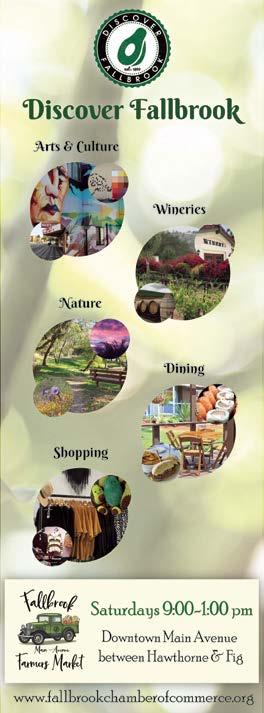
FALLBROOK FARMERS’ MARKET
THE FISHERY
FRESH CAFÉ
GARDEN PARTY COCKTAIL SHRUBS
GINGER ROAD
GOLDEN DOOR COUNTRY STORE
GOLDEN GINKGO SIGNATURE TRAVEL
GRANGETTO’S FARM AND GARDEN
THE GRILL AT TORREY PINES
GRILLWORKS
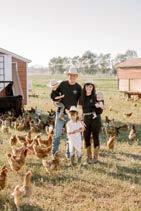
HAPPY HENS
HAWTHORNE COUNTRY STORE
HEAL NONETHELESS
HIGHLAND VALLEY WINE COUNTRY
HUNGRY HAWK VINEYARDS & WINERY
JAMUL DULZURA VINTNERS ASSOCIATION
JENSEN’S MARKETS
LET’S GO VINO
LUCKYBOLT
MAINSTREET OCEANSIDE FARMERS’ MARKET
MENGHINI WINERY
MIA MARIE VINEYARDS
MITCH’S SEAFOOD
MISSION VALLEY FARMERS' MARKET
NUTMEG BAKERY & CAFE
OCEANA COASTAL KITCHEN
OCEAN BEACH PEOPLE’S FOOD CO-OP
OLD JULIAN VINEYARDS OLIVE AND OAK ANTIQUES
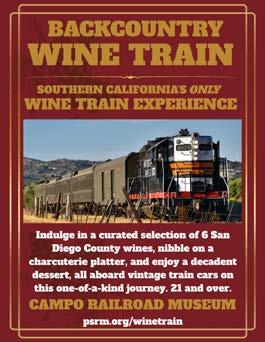
PACIFIC SOUTHWEST RAILWAY MUSEUM ASSOCIATION
PURE PROJECT BREWERY AND GASTROPUB
RAMONA FAMILY NATURALS MARKET
RAMONA RANCH WINERY
RAMONA VALLEY VINEYARDS ASSOCIATION
RANCHO GUEJITO
RANCHO LA PUERTA
SAFARI COFFEE ROASTERS
SAN DIEGO BEER, WINE, AND SPIRITS TOURS
SAN DIEGO COUNTY VINTNERS ASSOCIATION
SAN DIEGO FOOD AND WINE FESTIVAL SAND N' STRAW COMMUNITY FARM
SCENIC VALLEY RANCH
SOLARE RISTORANTE
SPECIALTY PRODUCE
STATE STREET FARMERS’ MARKETCARLSBAD
STORUM RANCH WINERY
TERRA CATERING AND EVENTS
VISIT JULIAN
VOLCAN MOUNTAIN WINERY
WALNUT TREE RANCH
WOOF'N ROSE WINERY
WORLD WILDLIFE FUND
Join the good food movement here.
Advertise with Edible San Diego

BUILDING FUTURES TOGETHER Donate. Volunteer. Share.



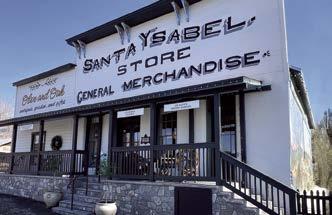
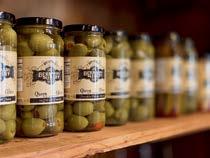
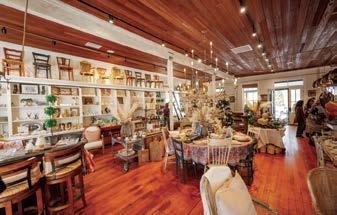
Our collection features one-of-a-kind antiques, distinctive gifts, luxurious skincare, specialty teas, and pure essential oils.
Step into the charm of a historic California landmark, where refined antiques and curated treasures await.
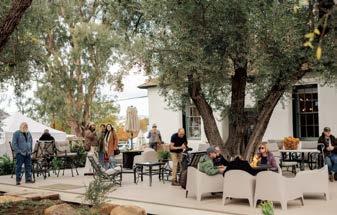

Stroll through our elegant garden pathways, designed to delight the senses and inspire relaxation. Discover beauty, history, and craftsmanship in an unforgettable setting.
Highway 78, Santa Ysabel, CA 92070 « 760-419-8795
Spend the day with us in Santa Ysabel, California—a destination where time slows down and every visit becomes a memory. www.oliveandoakantiques.com