
Architecture
Universidad de Monterrey - UDEM
2018 - 2023


Master of Architecture in Collective Housing
ETH Zürich + Universidad Politécnica de Madrid
2024



Architecture
Universidad de Monterrey - UDEM
2018 - 2023
Master of Architecture in Collective Housing
ETH Zürich + Universidad Politécnica de Madrid
2024
Climate, metabolism and architecture
leader: Javier García-Germán
TAAs Arquitectos
team: Ayush Patel
India
Edgardo Cruz
México - Spain
Eduardo Delgado
México
Elizaveta Nikolkaia
Russia
Milagros Ucha
Argentina - Spain
location: Barcelona, Spain
Catalan climate and lifestyle
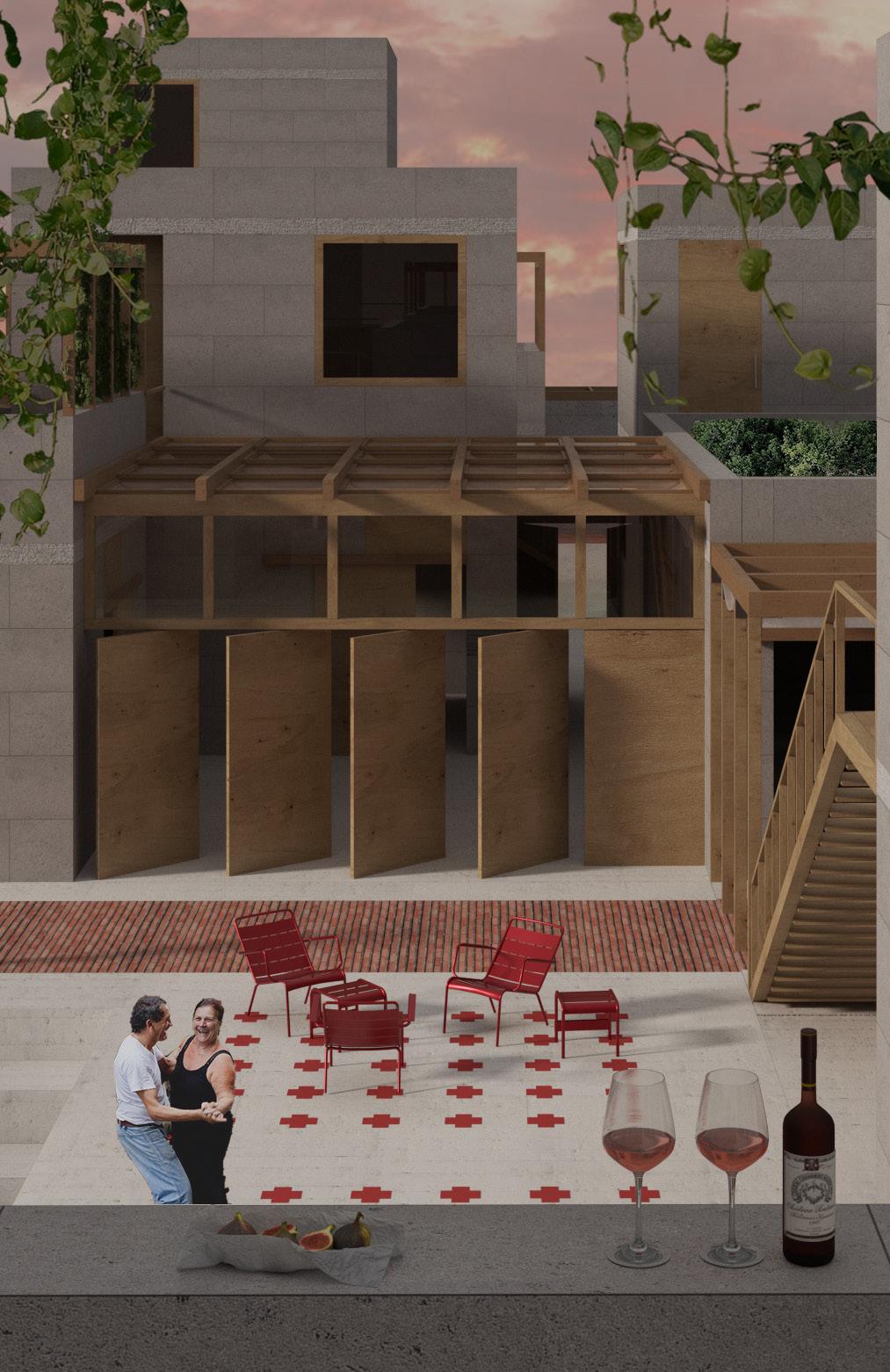
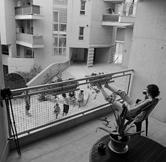
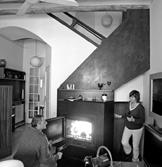
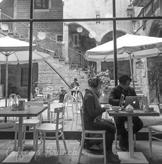
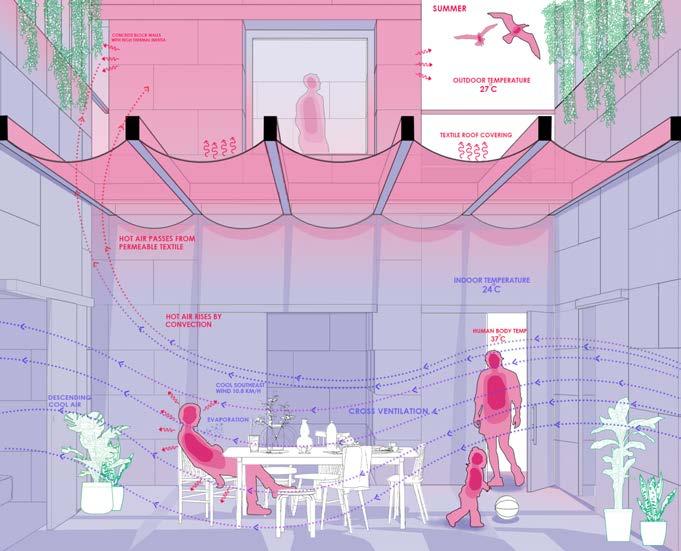
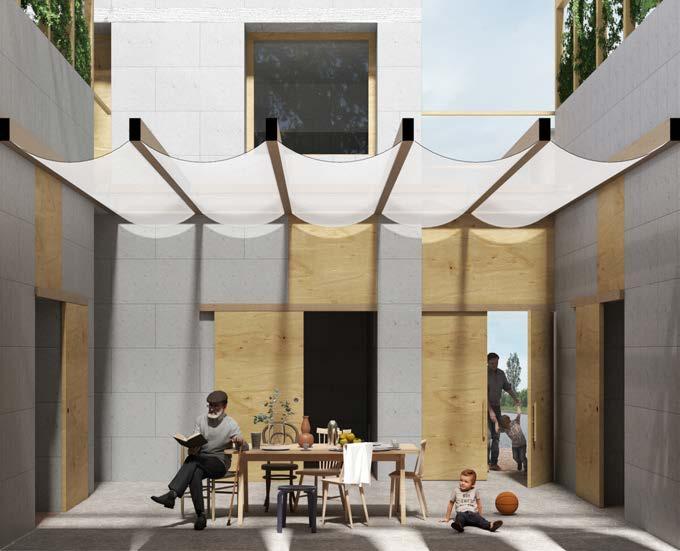
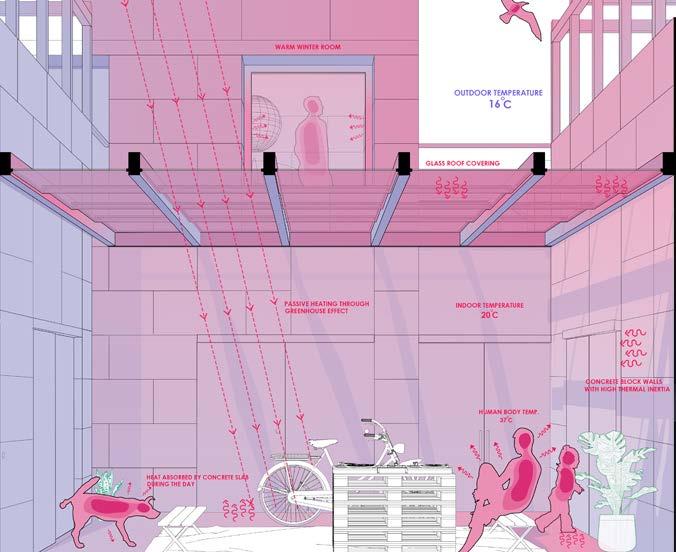
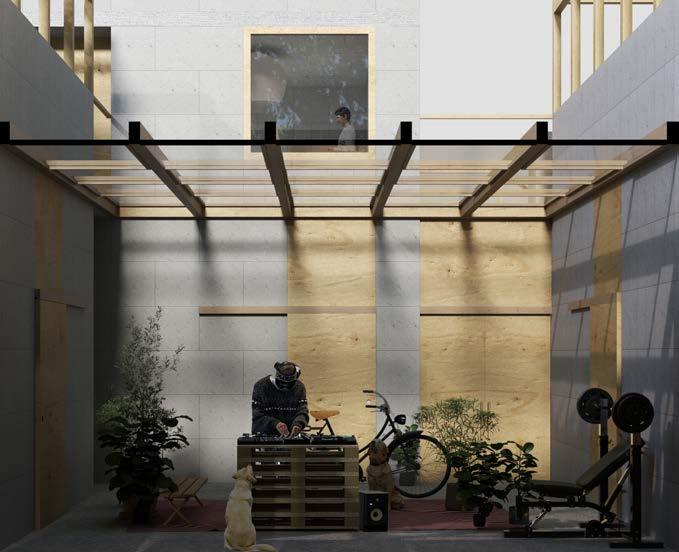
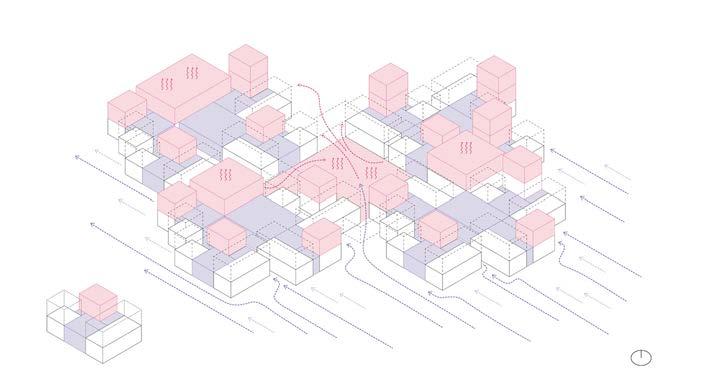
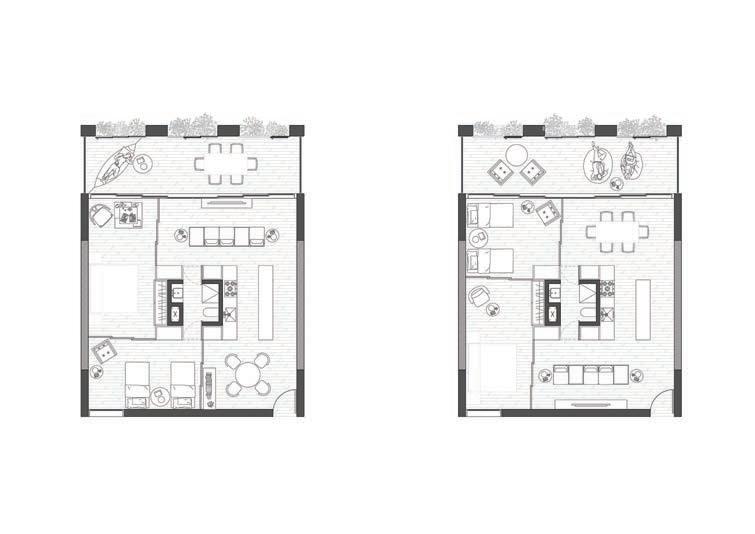
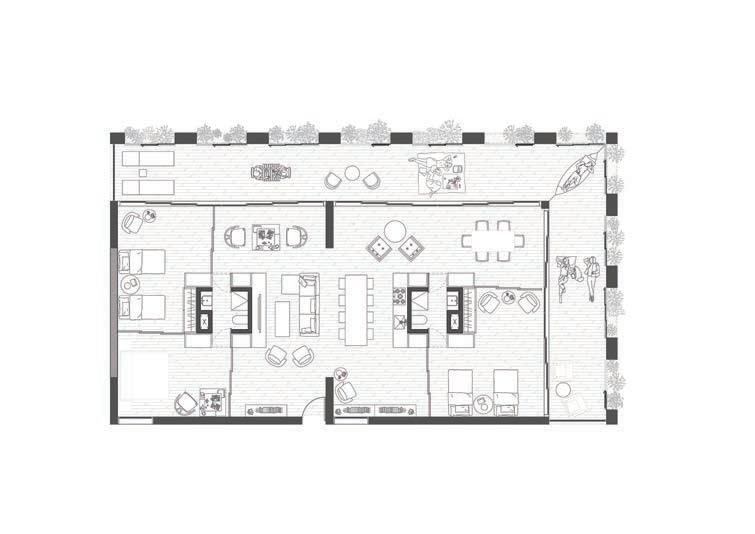
The project, located in Barcelona, Spain, is designed as a detachable, replicable, and scalable prototype for forming communes in the city. It focuses on adapting spaces to the climate to promote coexistence between people and their environment. The design considers the human body, climate, and environmental impact, analyzing the lifestyle of Barcelona’s residents across seasons. Sustainable materials, such as wood and recycled concrete blocks, are used, alongside passive design strategies for thermal comfort. The aim is to create a space that fosters social interaction, environmental wellbeing, and community cohesion while minimizing the carbon footprint.


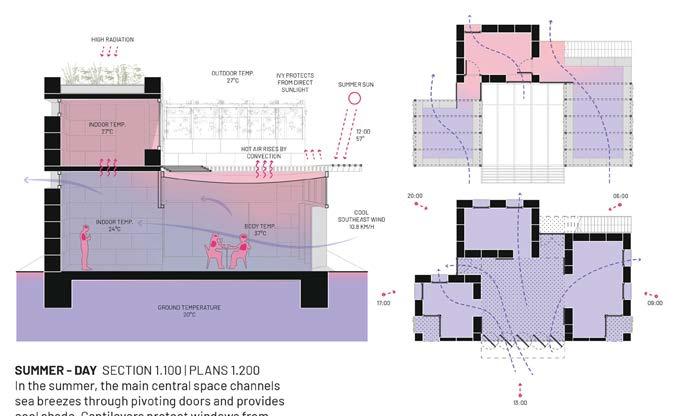
Summer day
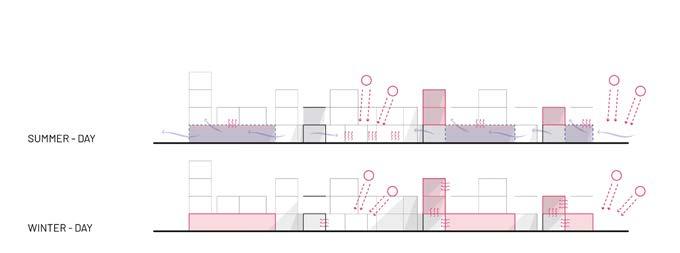
In the summer, the main central space channels sea breezes through pivoting doors and provides cool shade. Cantilivers protect windows from direct sunlight.
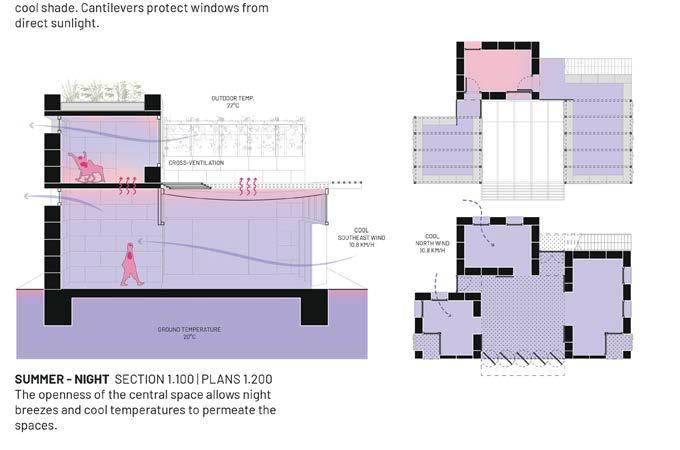
Summer nigth
The openness of the central space allows night breezes and cool temperaturas yo permeate the speaces.
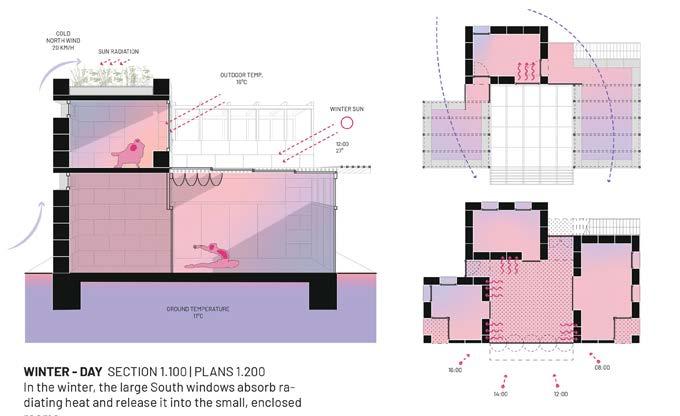
Winter day
In the winter, the large south windows absorb radiating heat and realese it into the small, enclosed room.
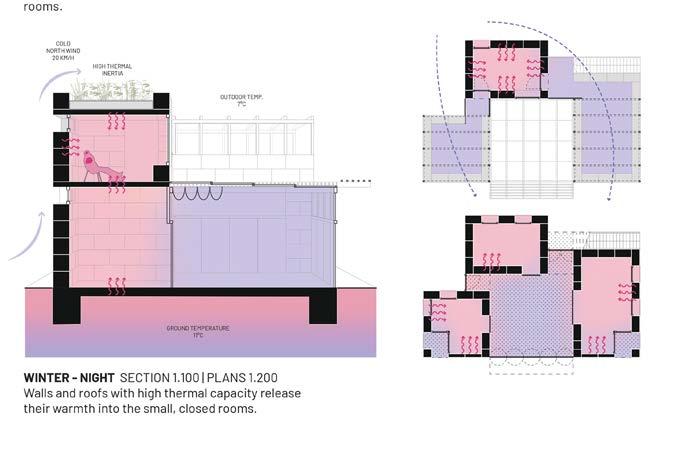
Winter night
Walls and roofs with high thermal capacity release their warmth in to the small, closed rooms.
Typological variations, formal and material rules
01. Heat sinks should always face South. 02. Winter portion should always face South. 03. Heat sinks should be connected by alleys. 04. Thermal mass on all walls facing the heat sink.
05. Insulation on north, east and west facades.
06. Patios are open during the summer and closed during the winter.
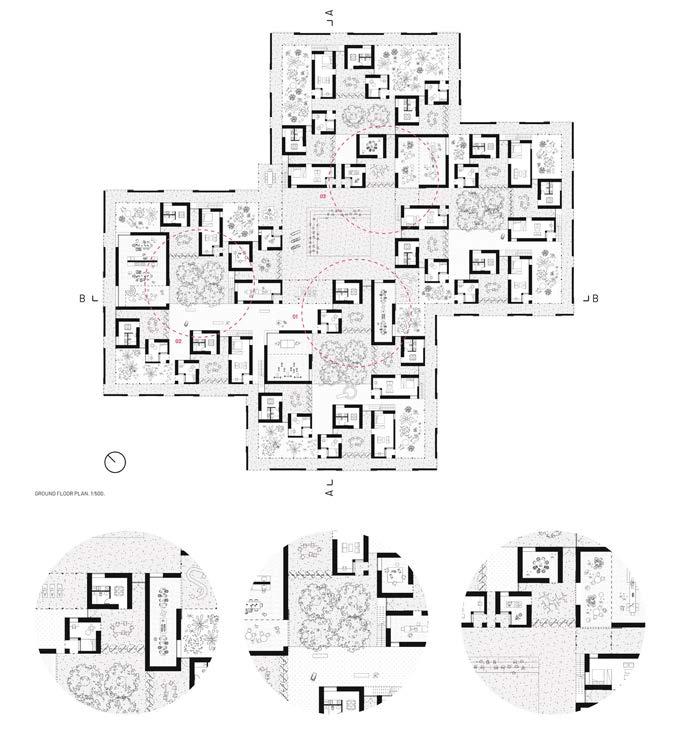
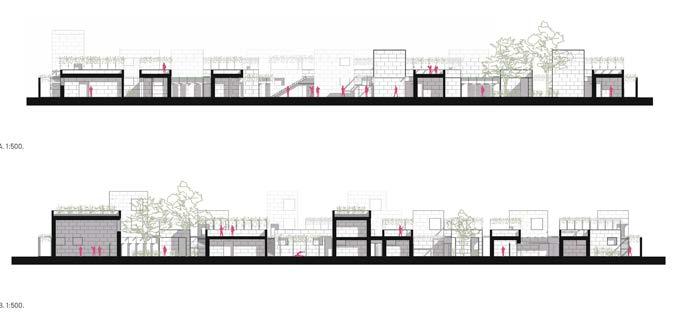
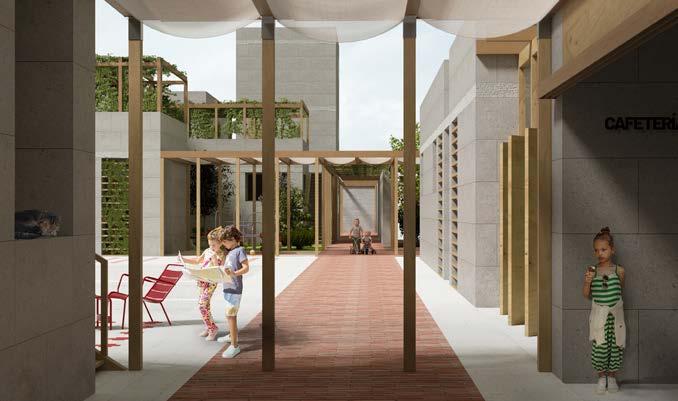
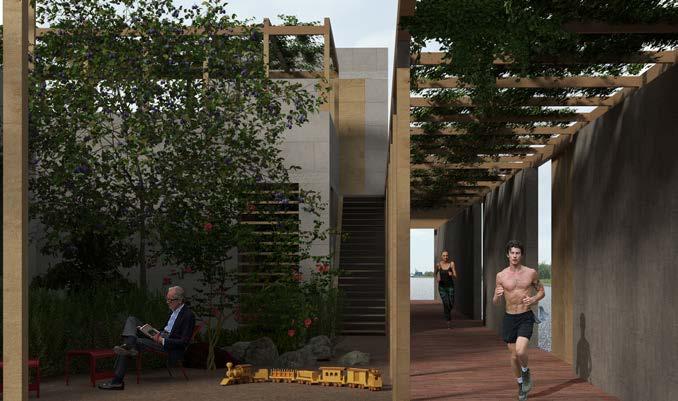
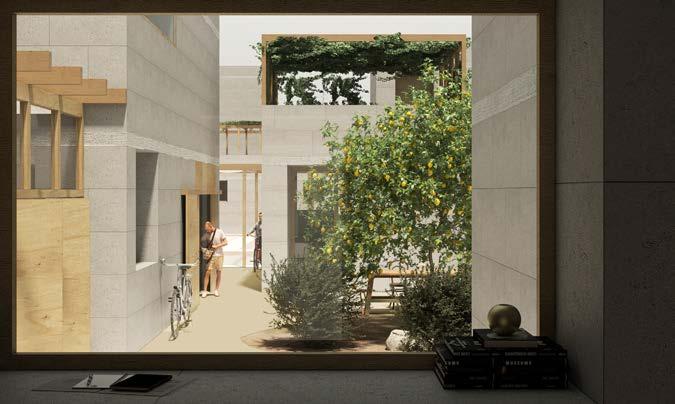
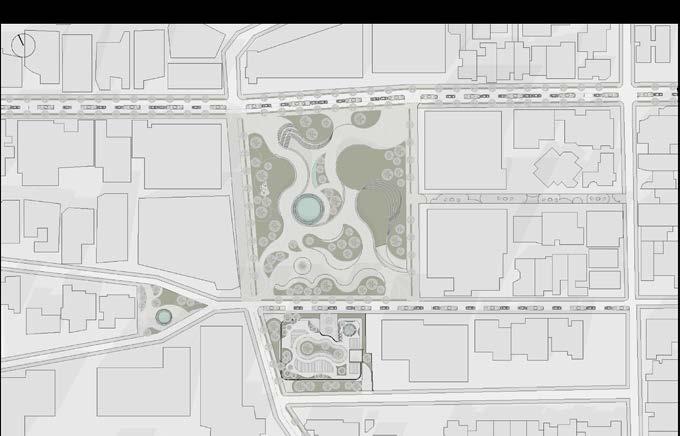
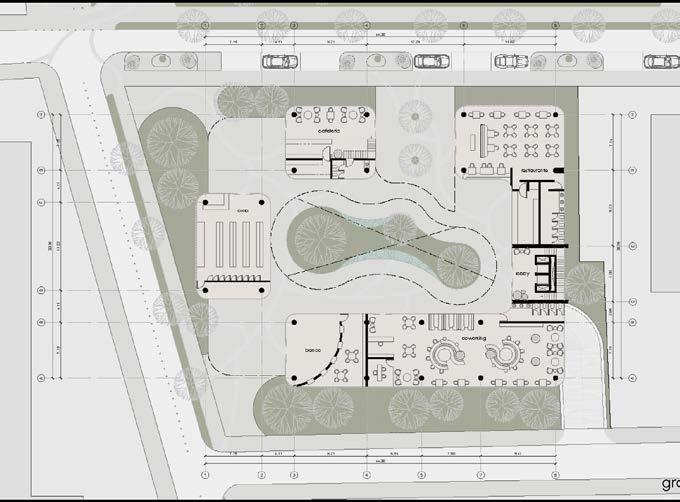
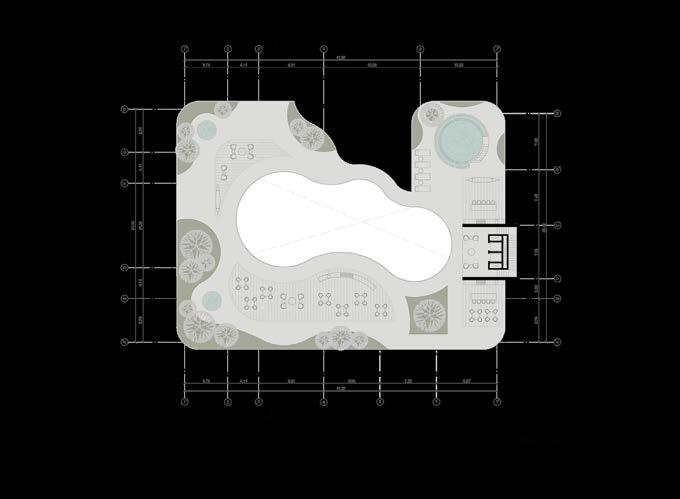
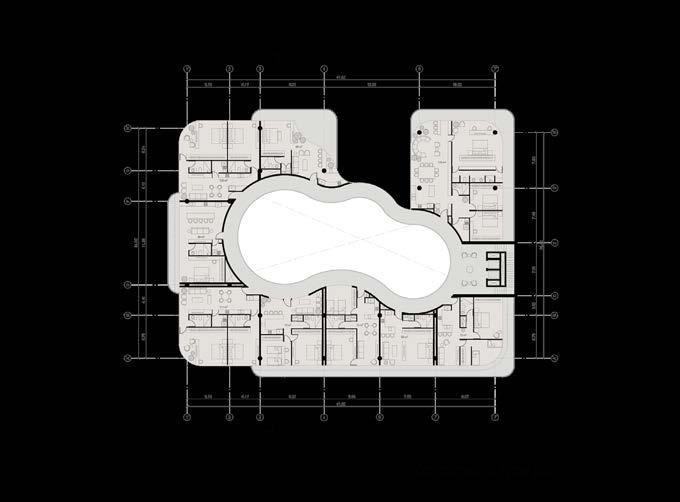
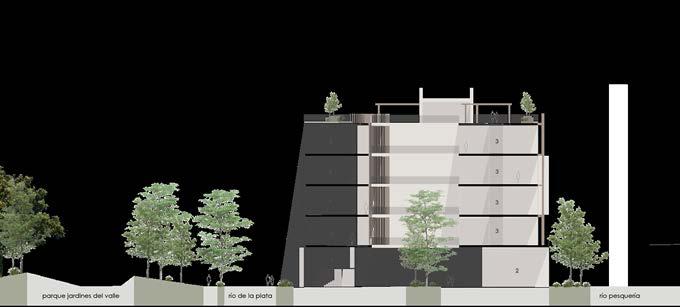
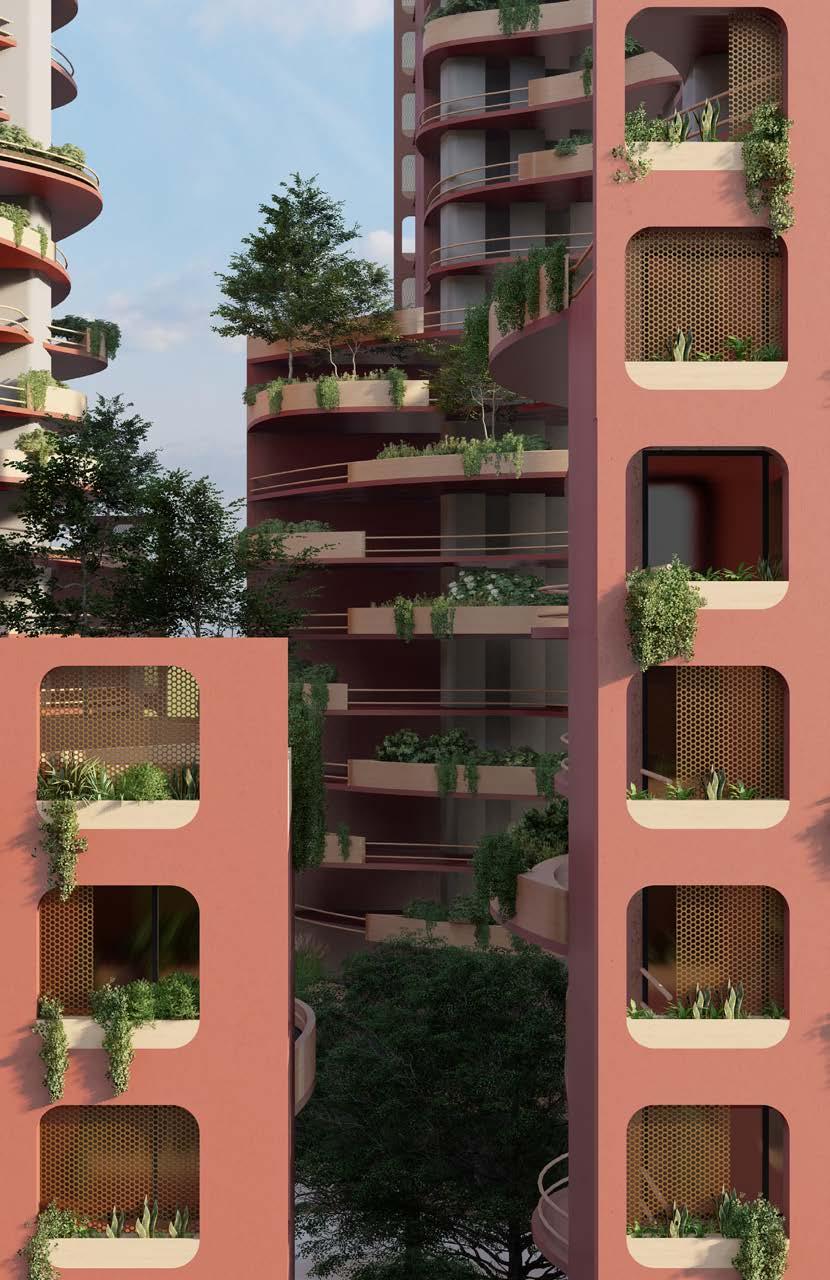
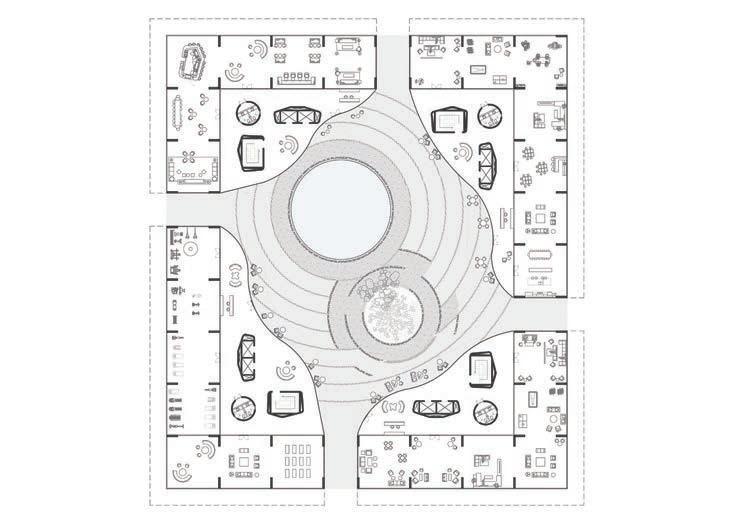
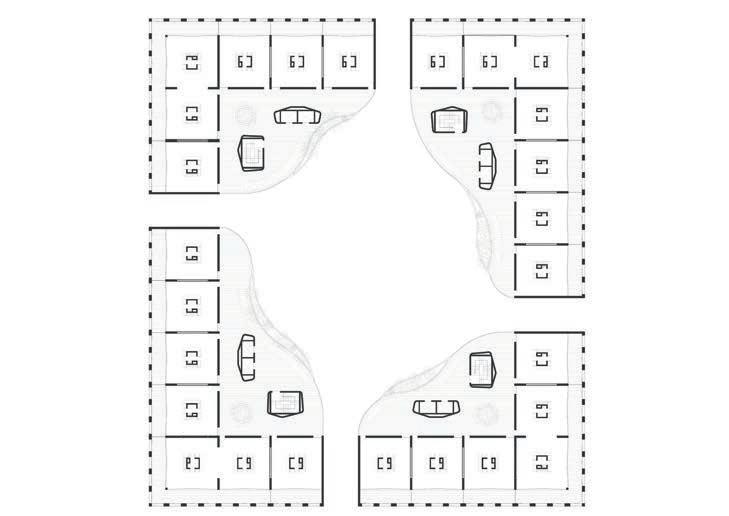
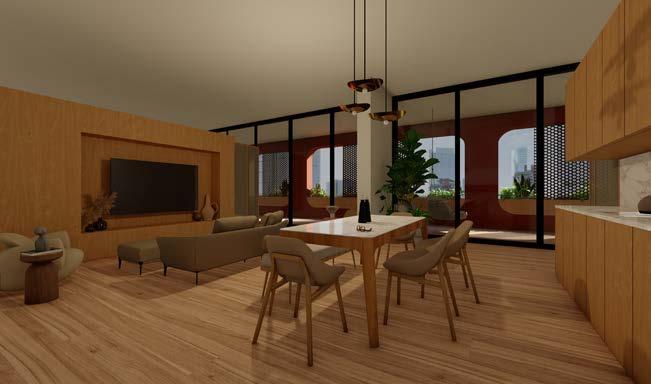
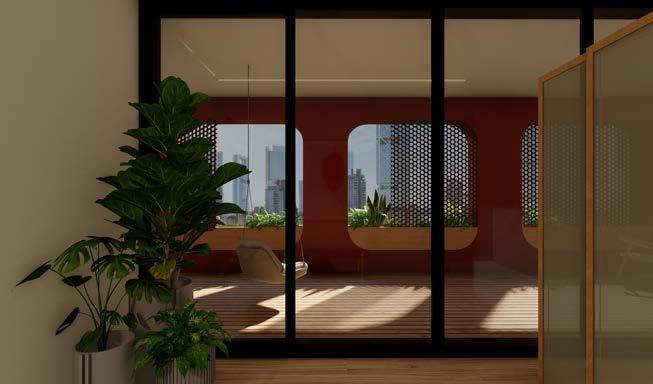
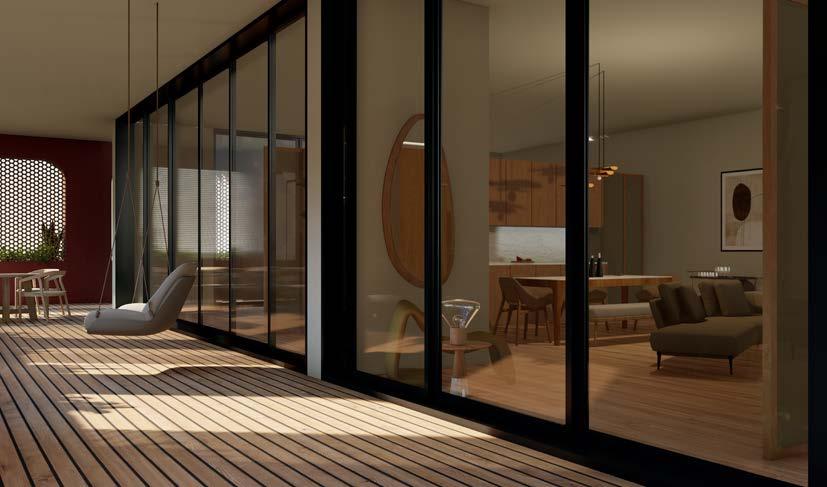
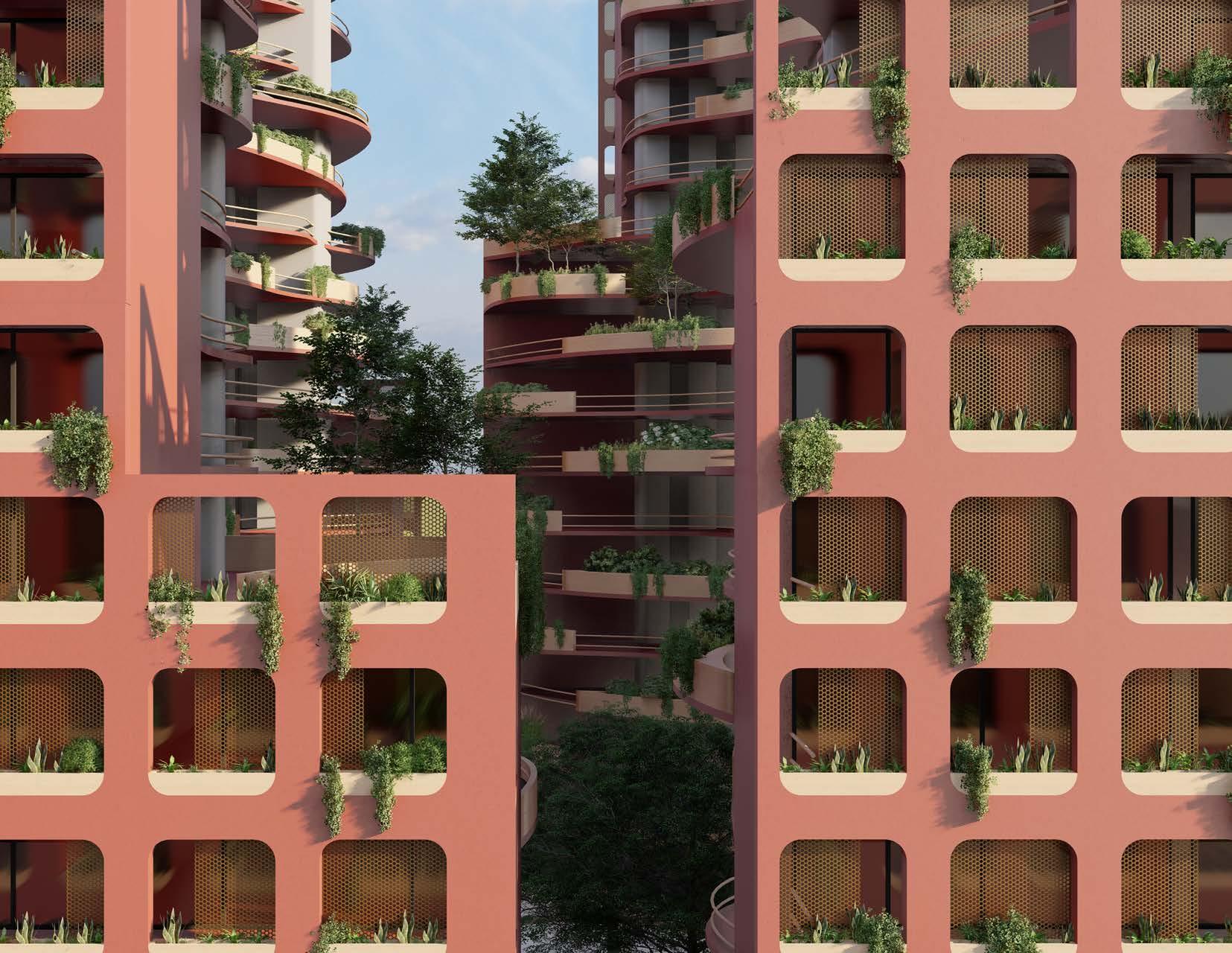
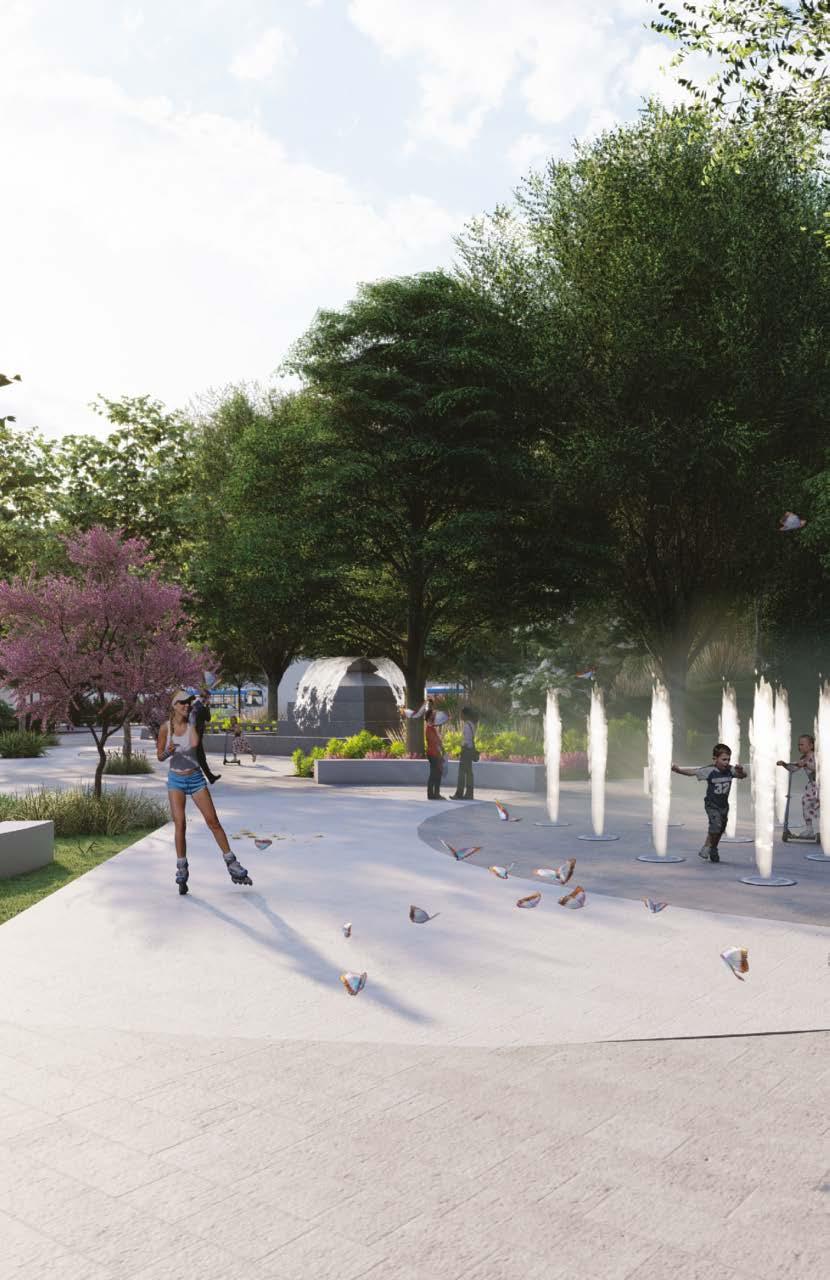
Mixed-use building located in Colonia Jardines del Valle, in San Pedro Garza García. The design was inspired by the previously designed Parque Jardines del Valle project. Following the same language as the park, a central void is created in the building, allowing for proper natural lighting and ventilation. On the ground floor, a public interior plaza has been designed to offer spaces for community interaction. In this plaza, a pair of fountains are proposed to help cool the air naturally, refreshing the environment.
In praise of shadows
Towers of Madrid Nuevo Norte
leader: Alison Brooks
Alison Brooks Architects
assistant: Carlos Chauca
Chipperfield Architects
team: Antoine Voruz
Switzerland
Betul Sahin
Turkey
Edgardo Cruz
México - Spain
Karla Madrigal
México
location: Madrid, Spain
Madrid Nuevo Norte
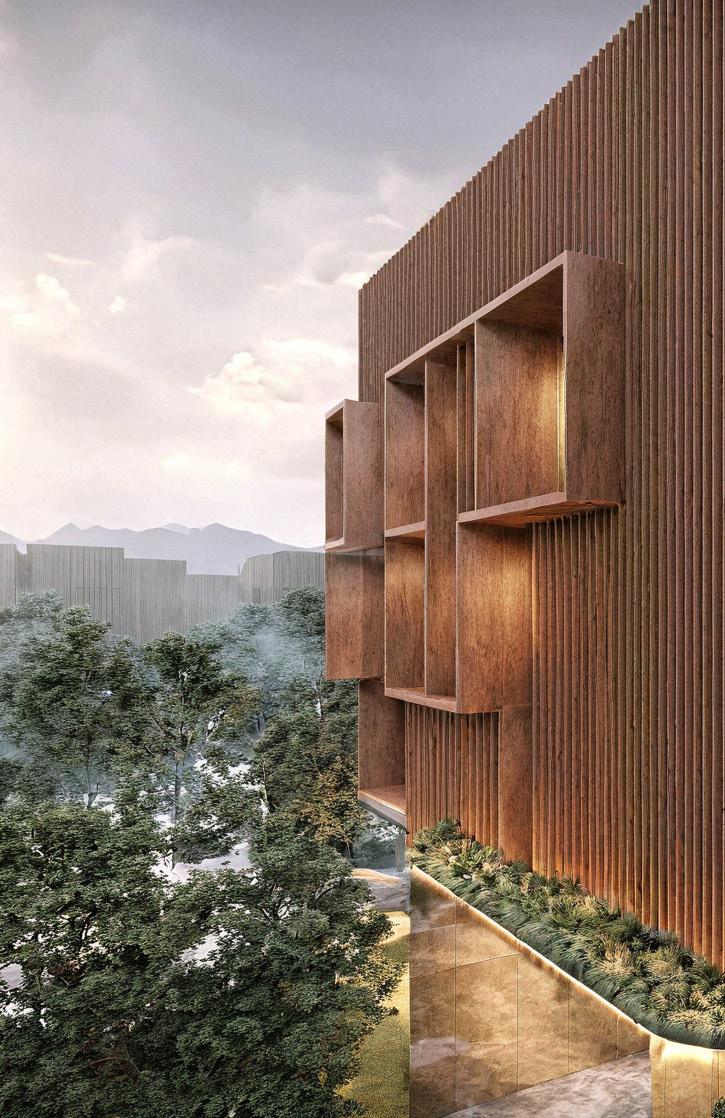
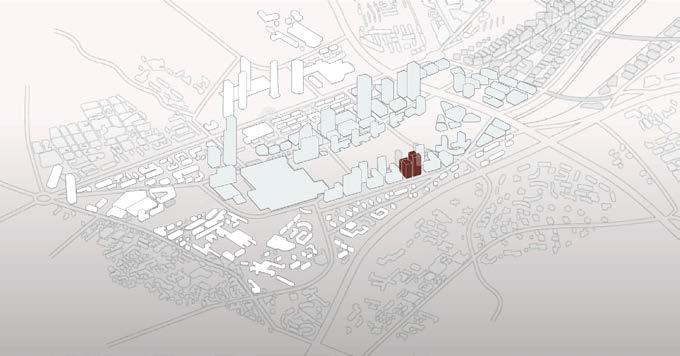
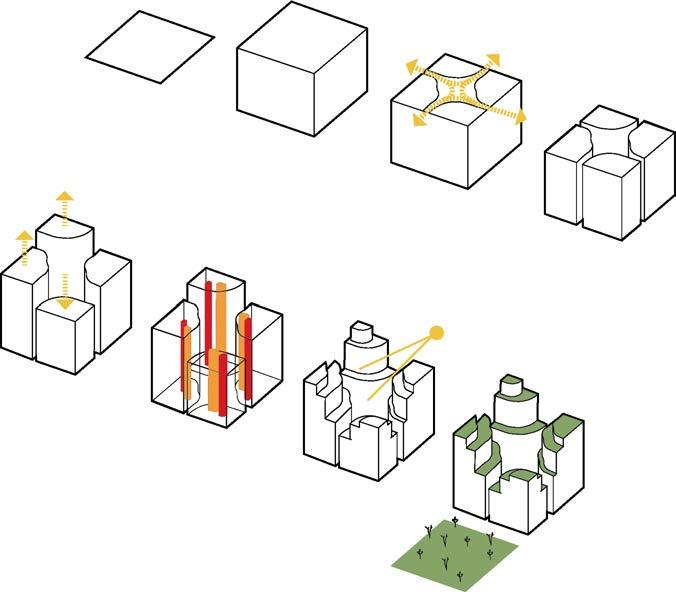
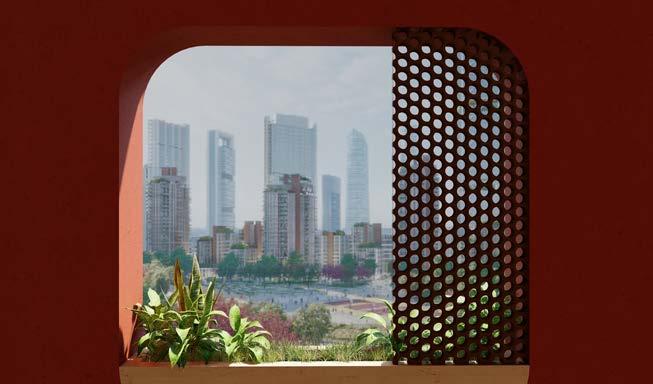
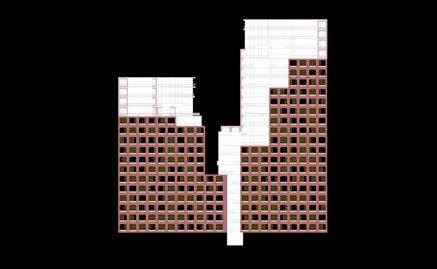
The proposed design integrates the Madrid Nuevo Norte park with an interior park that serves as the main lobby for the towers, creating a contrast between the serene interior and the dynamic exterior.
The facade, inspired by In Praise of Shadows, uses sliding louvers that allow for the regulation of natural light, reflecting the coexistence between controlling the space and interacting with the surroundings. Inside, a central core organizes a flexible, customizable space, maintaining a constant connection with natural light and the exterior landscape, completing the harmony between light and shadow.


leader: Juan José Reyna UDEM
team: Edgardo Cruz
México - Spain
Gabriel Martínez
México
Paulina Garza
México
location: Monterrey, NL, México Monterrey City Center Barrio de la Luz
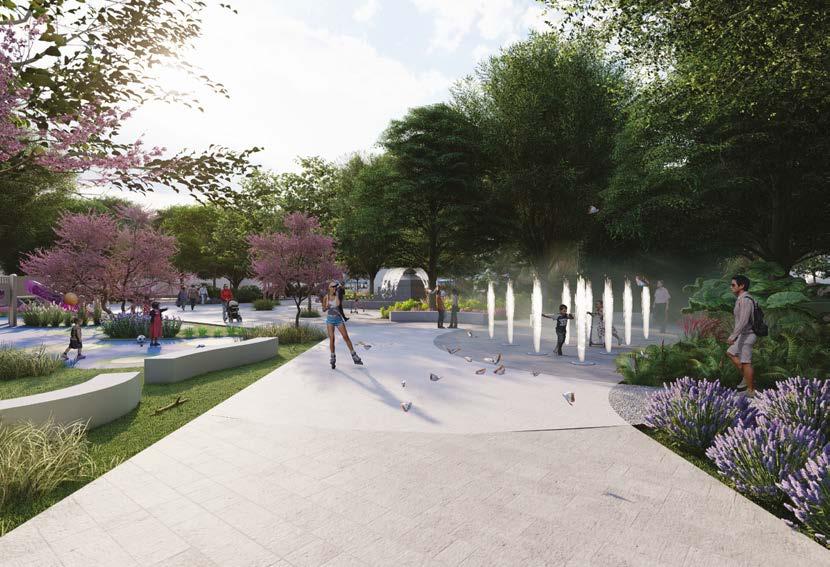
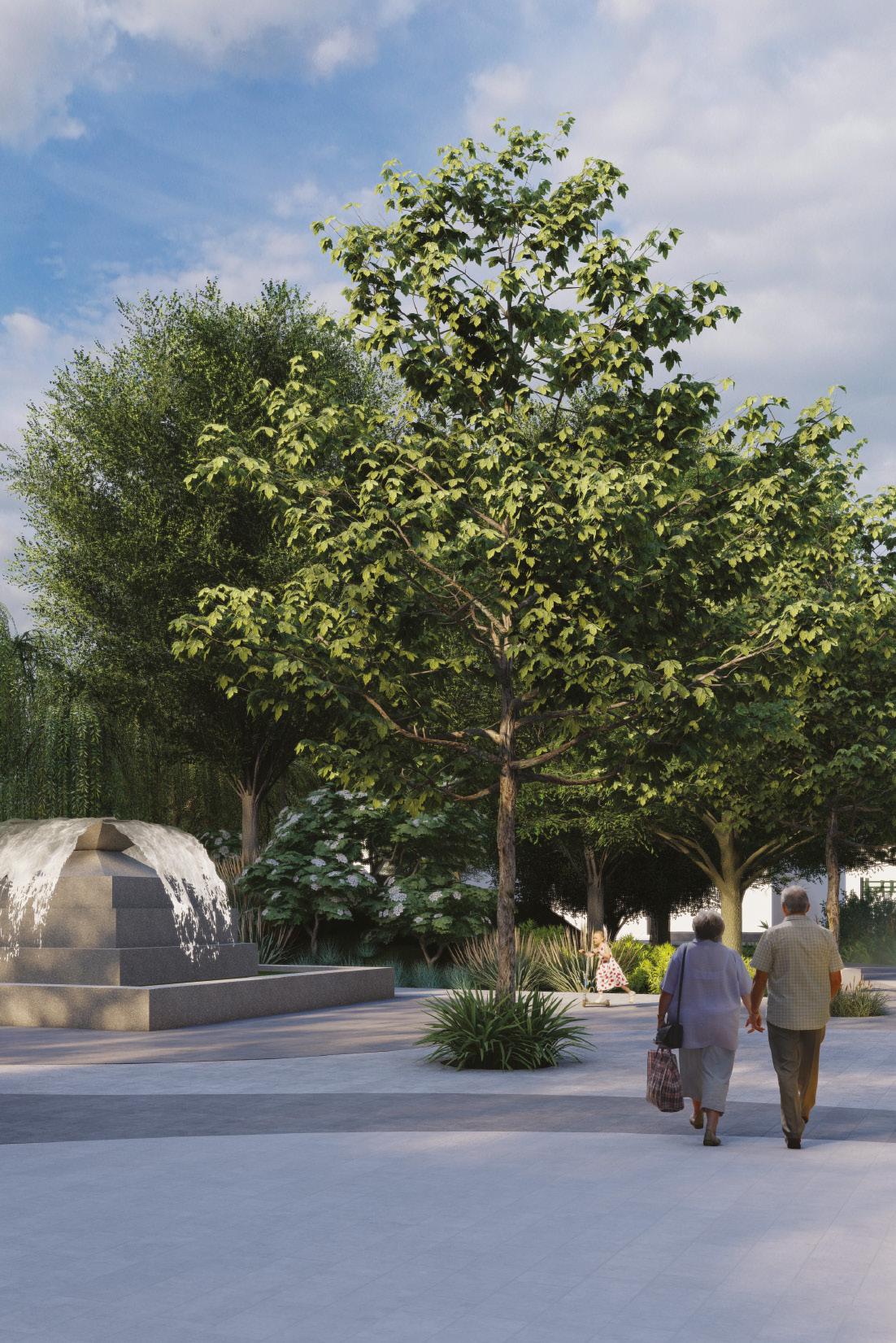
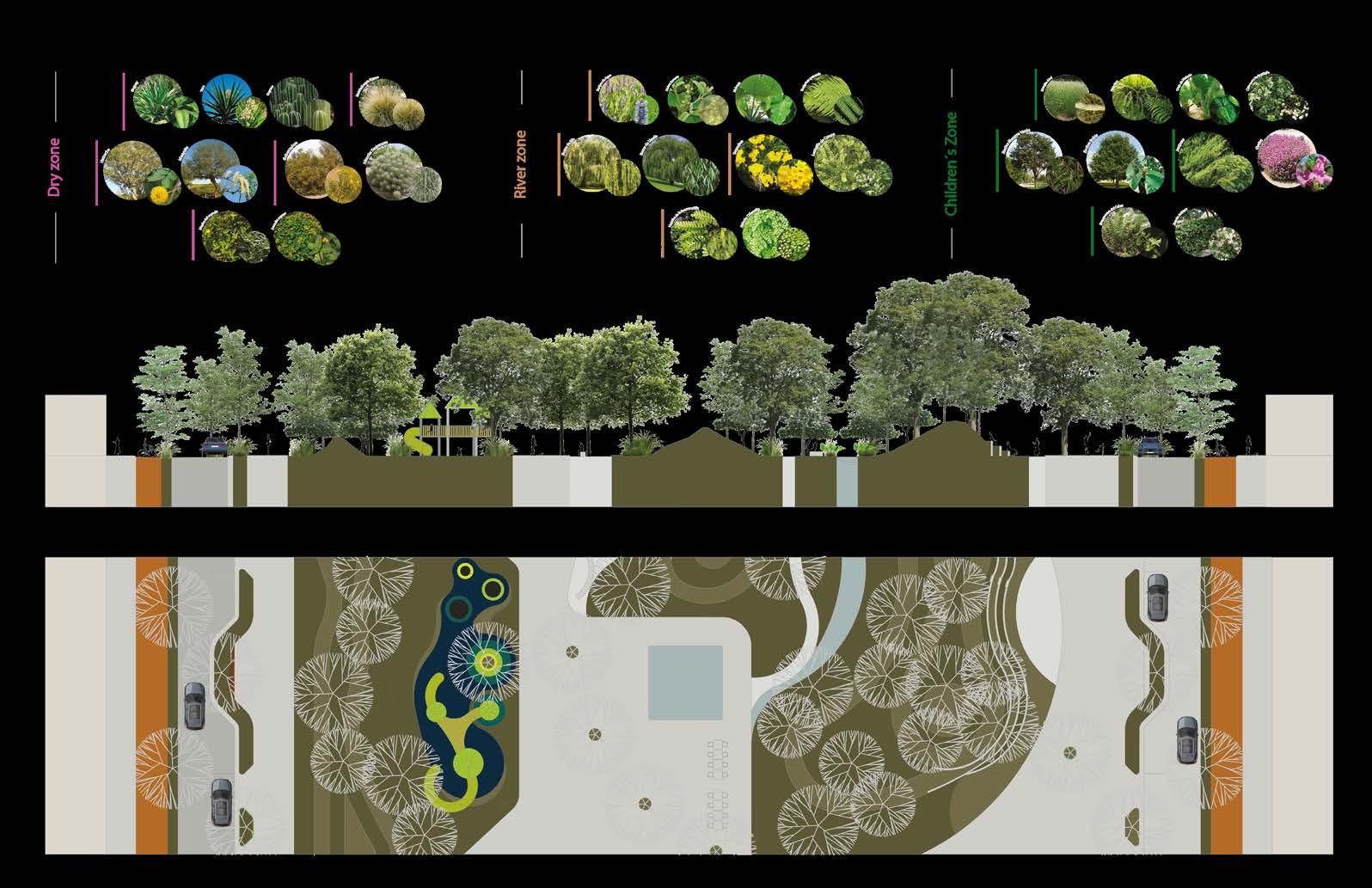
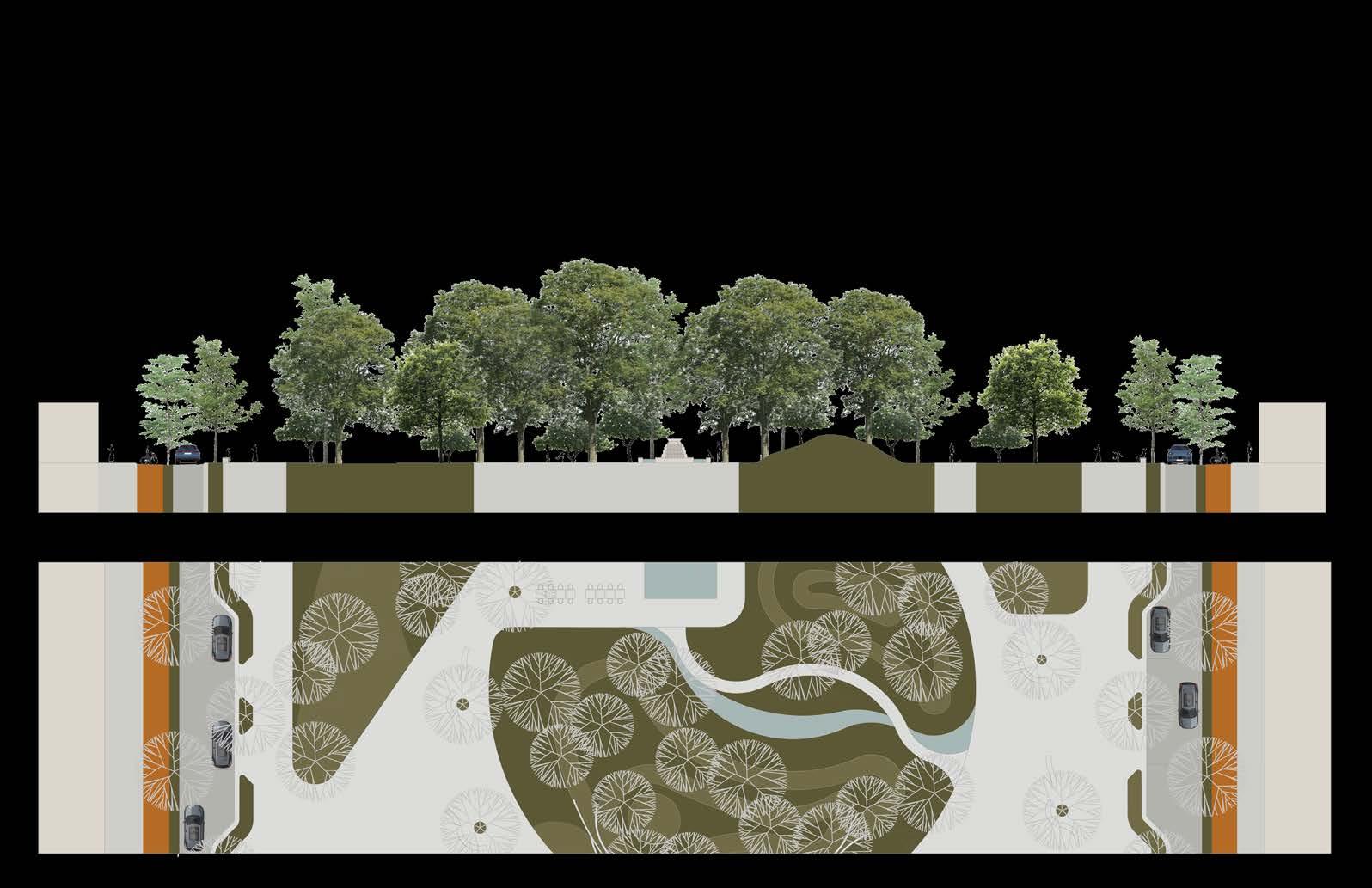
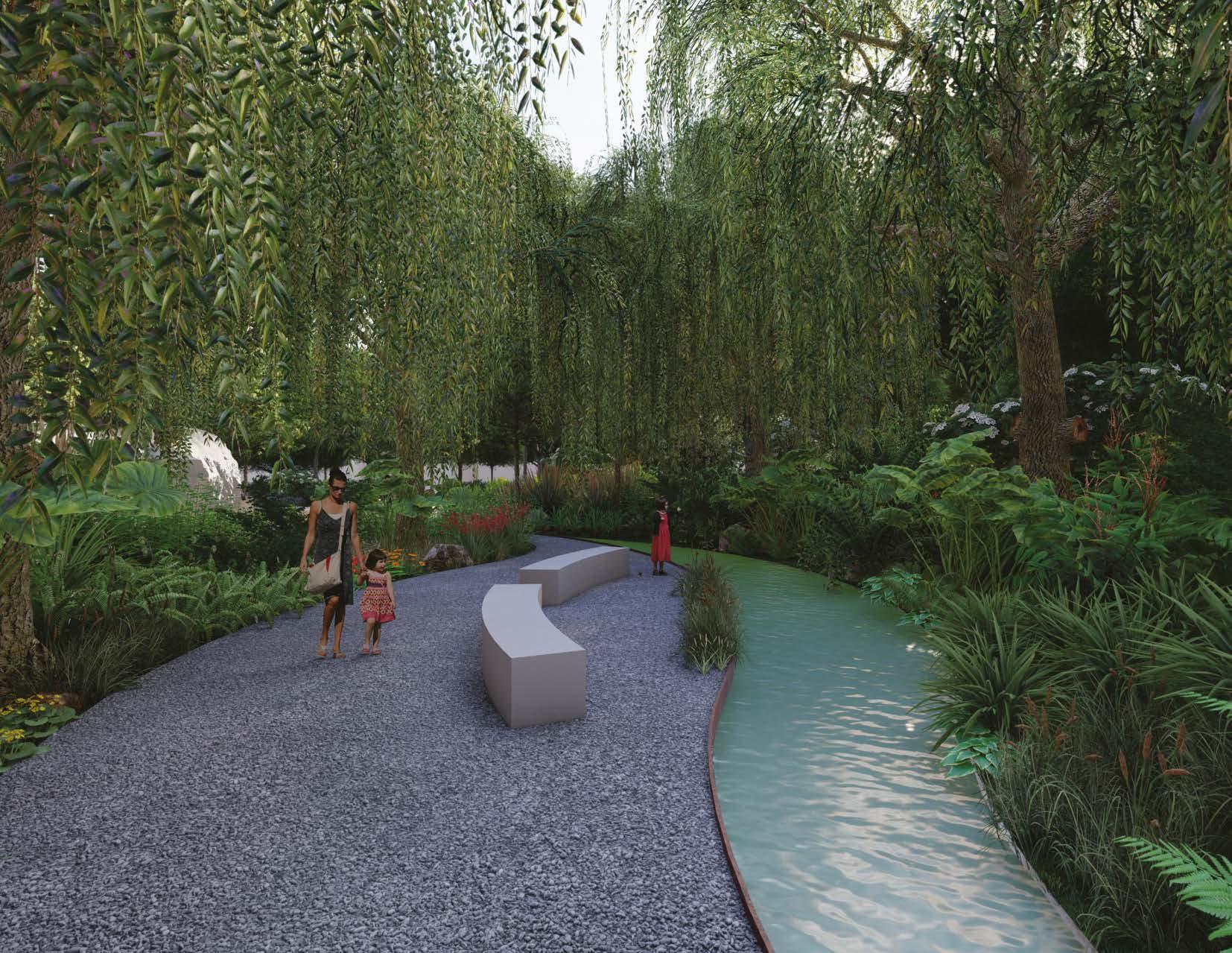
In Monterrey there is a deficit of green areas, as well as the lack of connectivity between them, a problem that can be seen maximized in the center of the city. In the development of the project, the Parque del Chorro is intervened as a strategic approach with architectural, urban and landscape proposals that can be replicated in the Plaza de los Enamorados and the Plaza de la Luz, as well as in the neighborhood, causing the cohesion of the area.
The proposal is based on the importance of water as an element of life and comfort, evoking the abundance of this element, as well as the flora and fauna that existed in the area, whose “ojos de agua” (water spring) attracted the founders of the city and fostered development of the Nuevo Reino de León, today known as the state of Nuevo León.
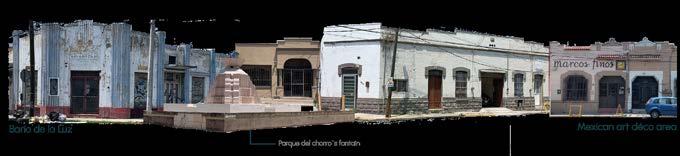
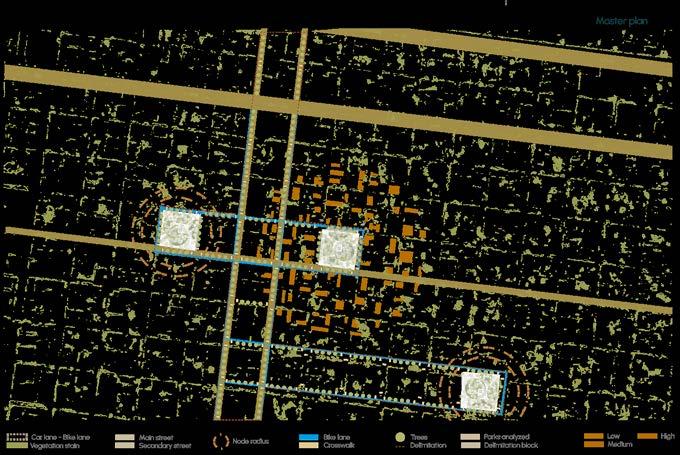
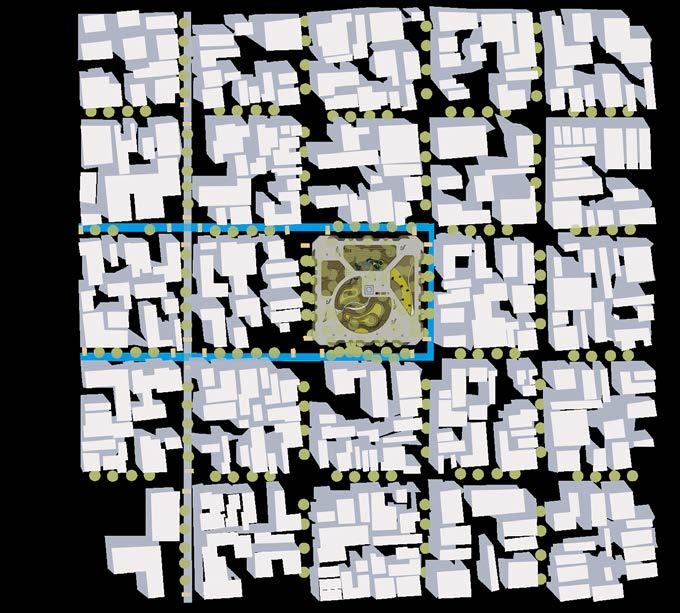
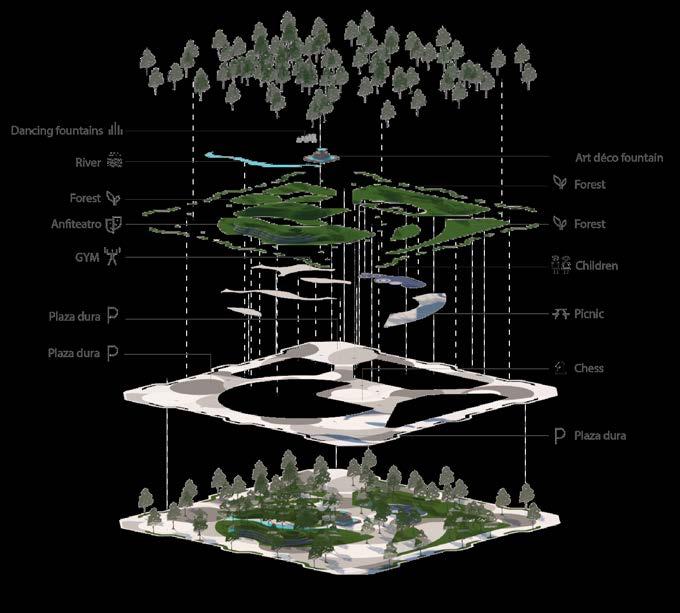
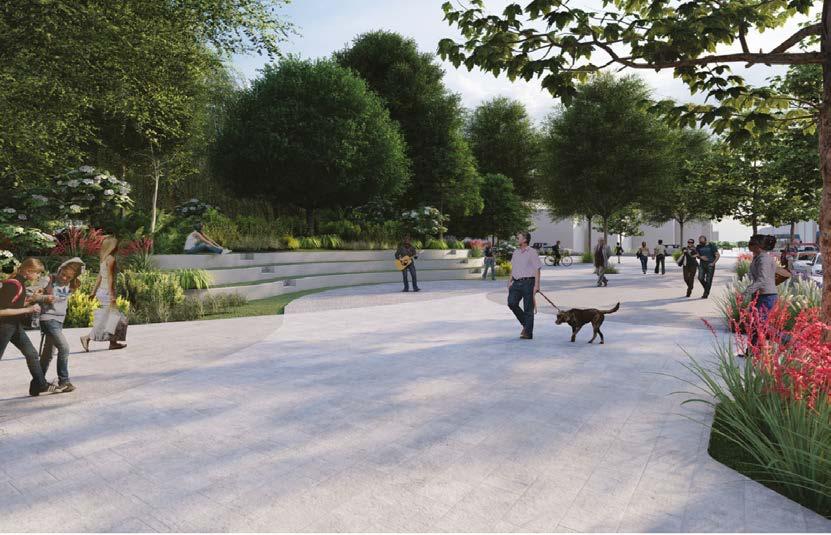
The aim is to expand the vegetation patch throughout the city, helping the visual unity of the neighborhood, as well as promoting walkability and coexistence of citizens in a pleasant, comfortable, open-air environment. Likewise, sustainable urban connectivity is proposed, giving priority to pedestrians, cyclists, urban transport and finally the automobile, achieving a connection at different urban scales.
Residentialization of modernist containers for the biodiverse city
leader: Juan Herreros
Estudio Herreros
assistant: Pedro Pitarch
Pedro Pitarch - Architectures
team: Anware Abbasi
Tunisia
Edgardo Cruz
México - Spain
Eduardo Maldonado
México
Elizaveta Nikolkaia
Russia
location: Madrid, Spain
Centro de Cálculo Caja Postal
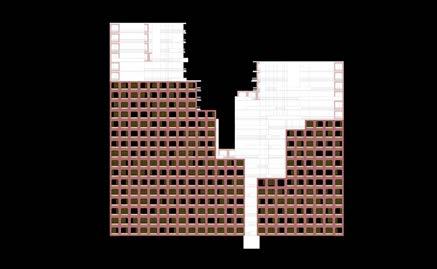
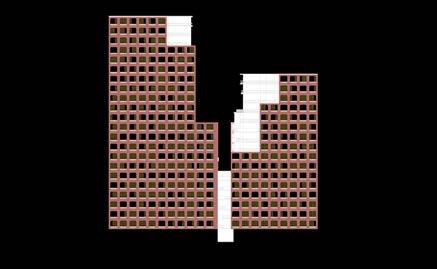
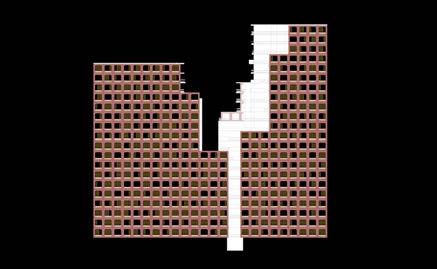
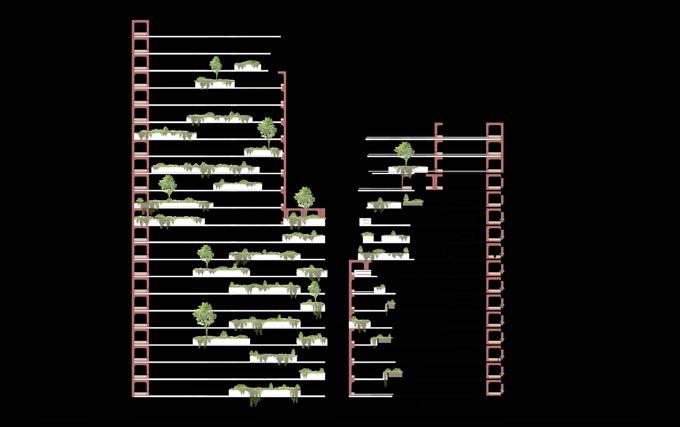
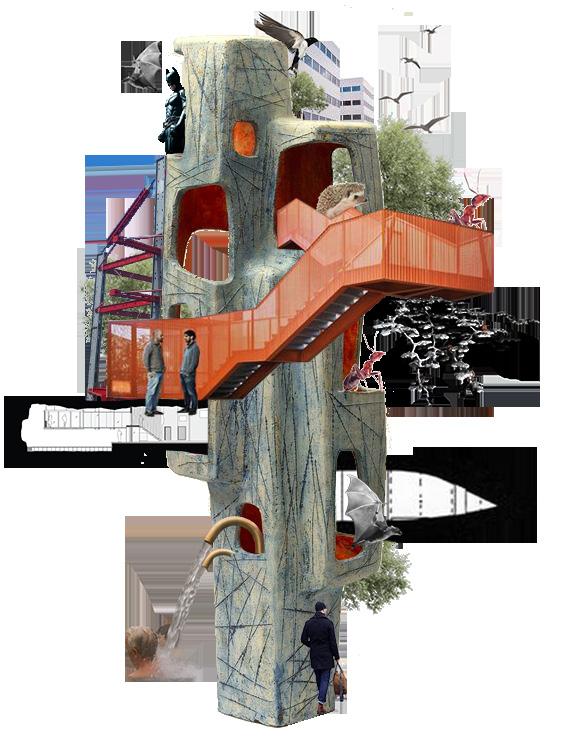
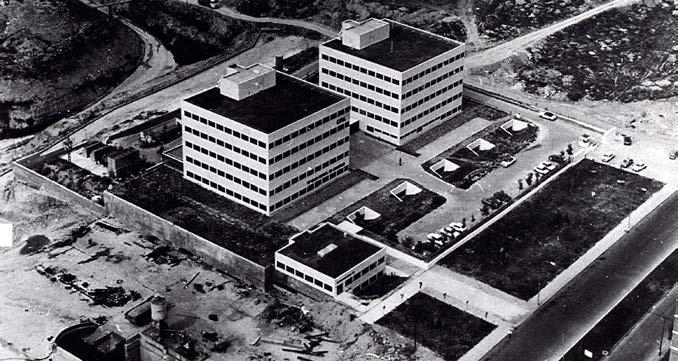
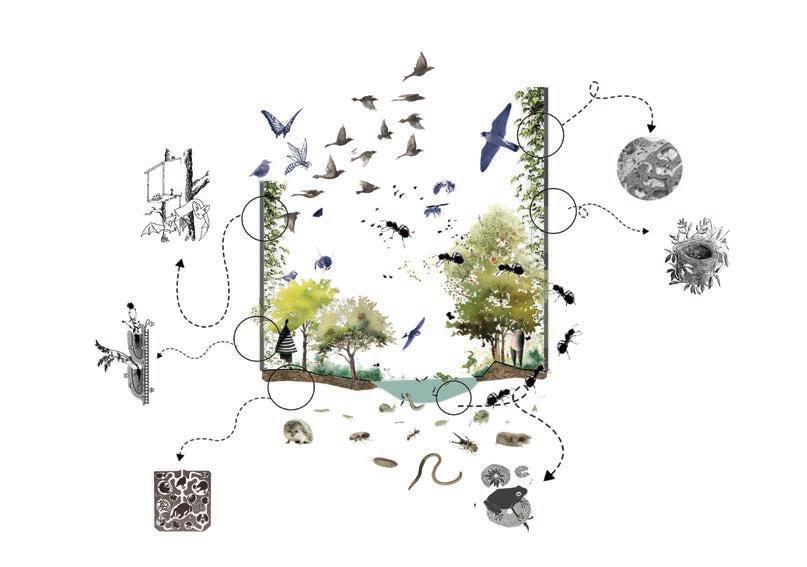
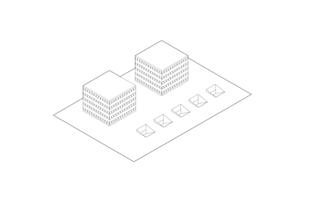
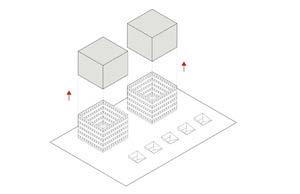
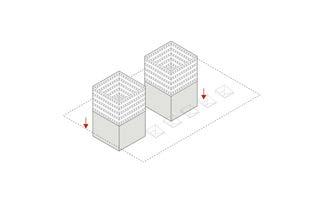
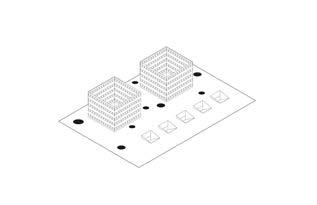
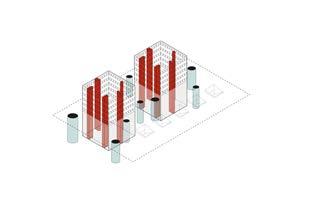
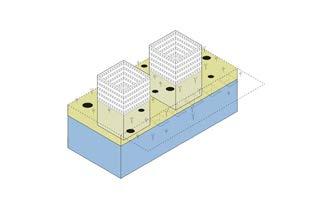
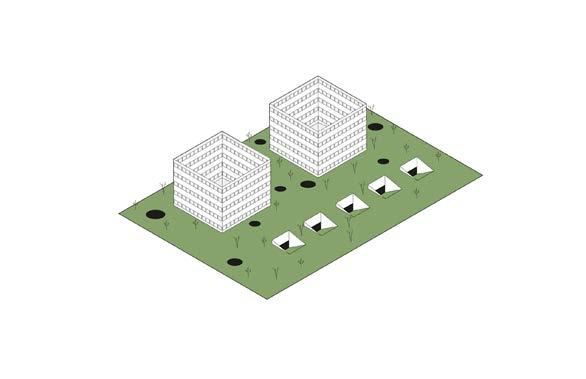
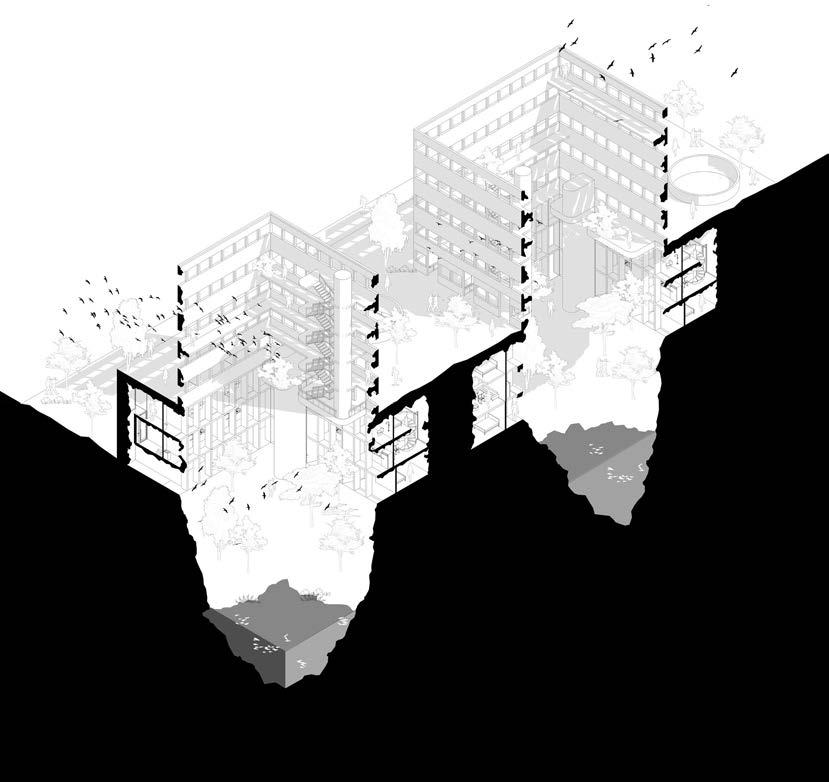
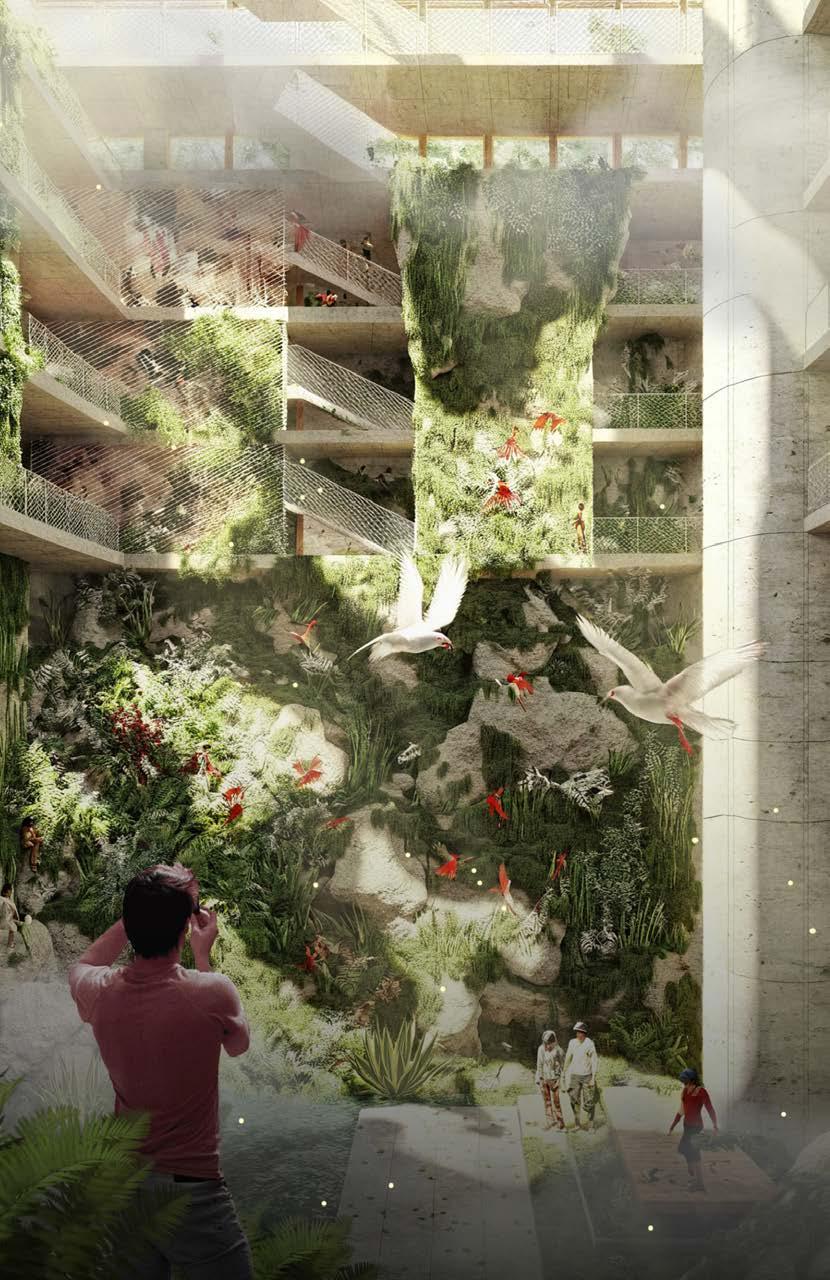
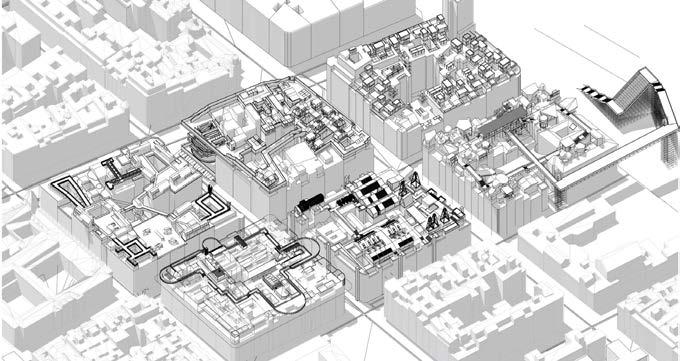
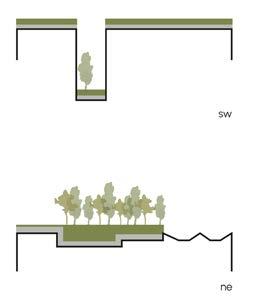
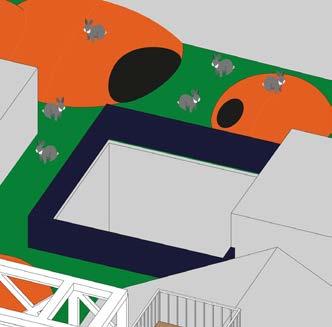
The project in Madrid focuses on transforming the Centro de Cálculo de la Caja Postal, designed by Alejandro de la Sota in the 1970s, into a residential space that embodies coexistence. By promoting protective isolation from challenges like climate change and insecurity, it creates an environment where humans and non-humans can thrive together. This layered system integrates circulation, services, and communal areas while fostering both ground-level and underground biodiversity, advocating for an inclusive and sustainable urban ecosystem.
Sky colonies
Cooperative densification of madrid
leader: Jacob van Rijs
MVRDV
Ignacio Borrego
Ignacio Borrego Architects
team: Ayush Patel
India
Diego Mart
Colombia
Edgardo Cruz
México - Spain
Eduardo Delgado
México
location: Madrid, Spain
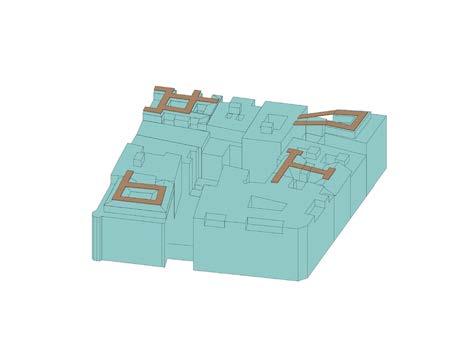
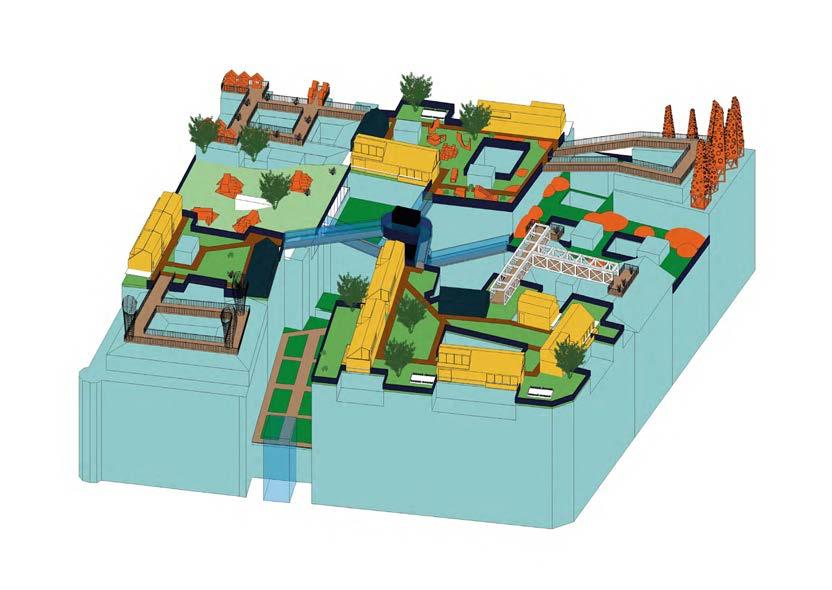
Roofs of Argüelles
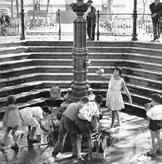
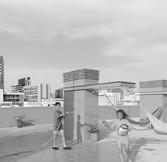
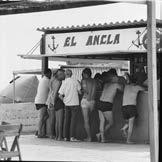
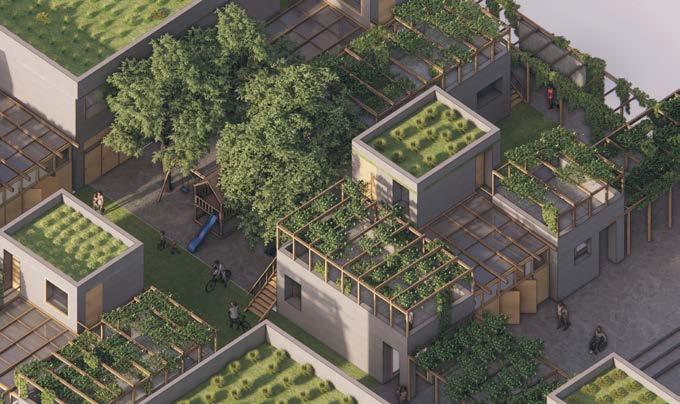
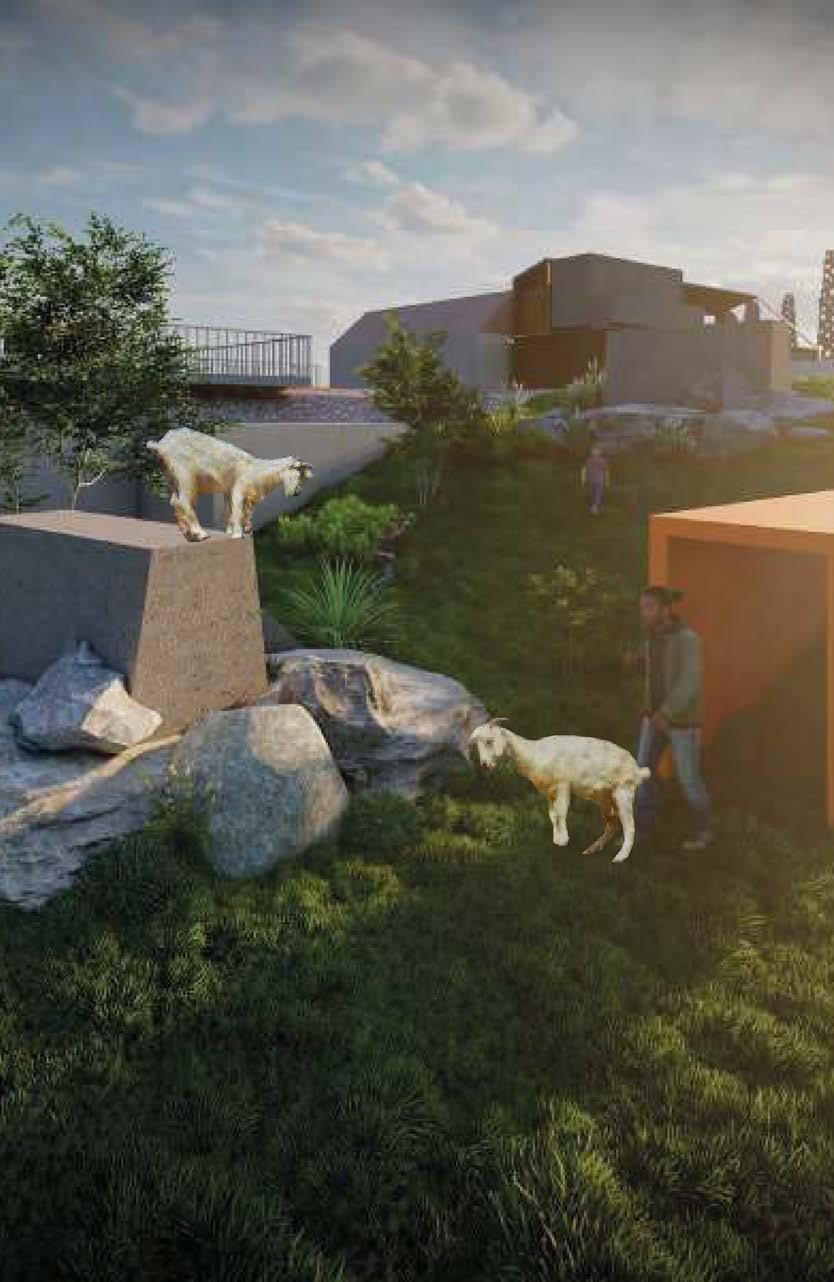
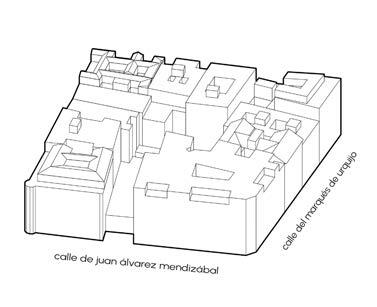
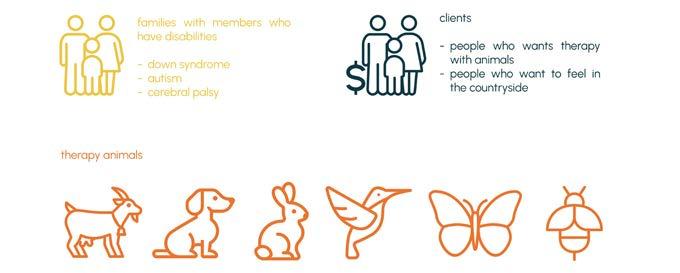
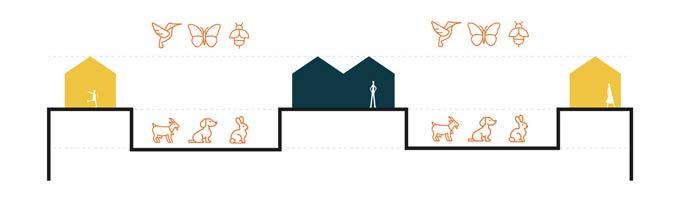
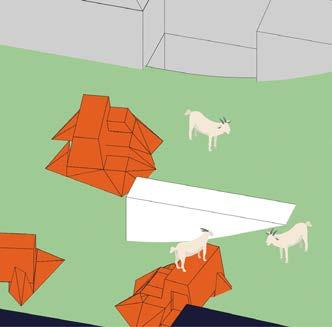
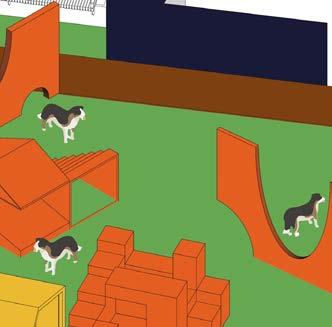
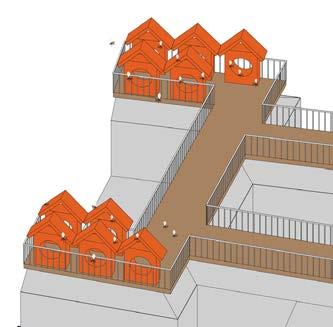
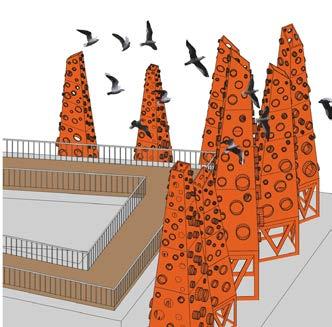
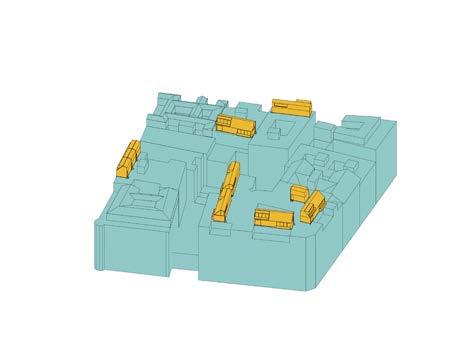
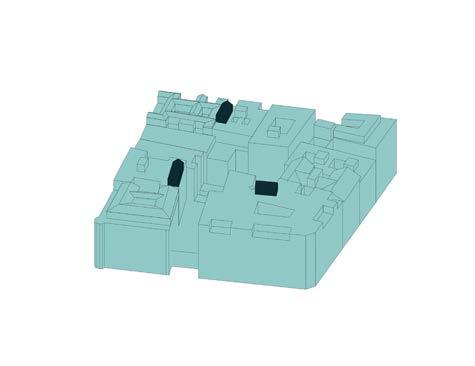
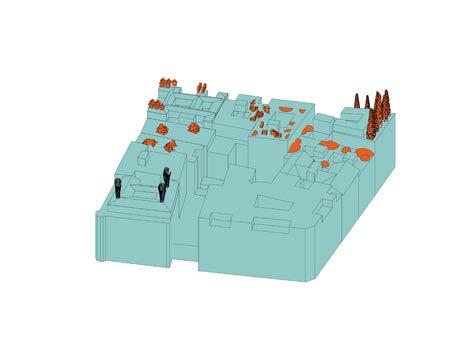
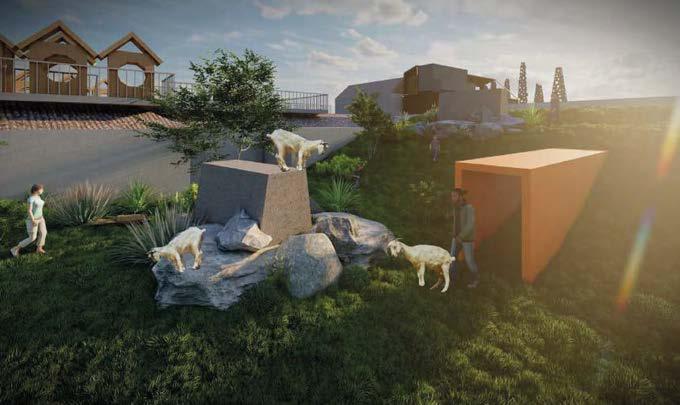
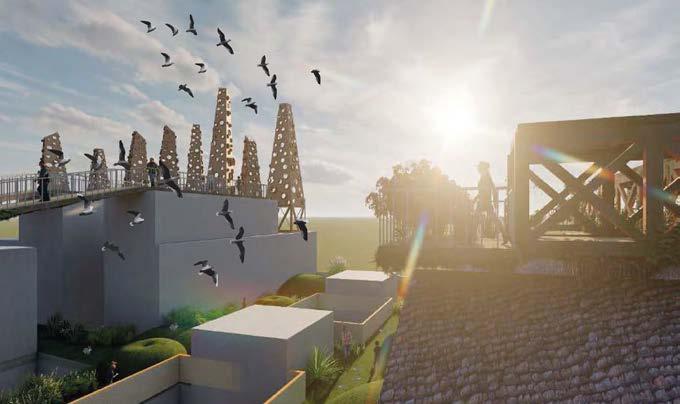
The proposal focuses on the concept of coexistence, using terraces to recreate peaceful landscapes where families can connect with nature and animals. The project aims to create a harmonious environment, especially for people with disabilities, offering them therapeutic activities that promote well-being.
By forming an organized community that includes families with disabilities, the importance of shared experiences and mutual support is highlighted. The presence of animals provides companionship and therapy, improving the residents’ quality of life. Additionally, it invites urban dwellers to enjoy nature, generating income for both the community and current property owners.
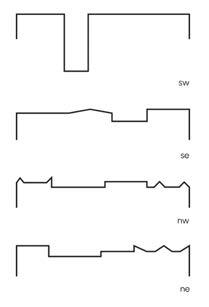
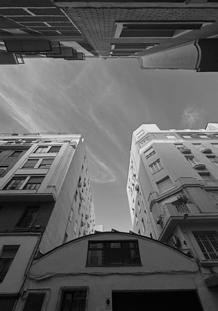
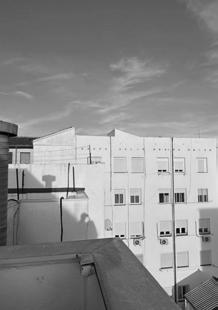
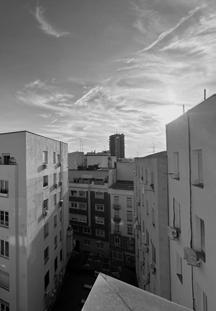
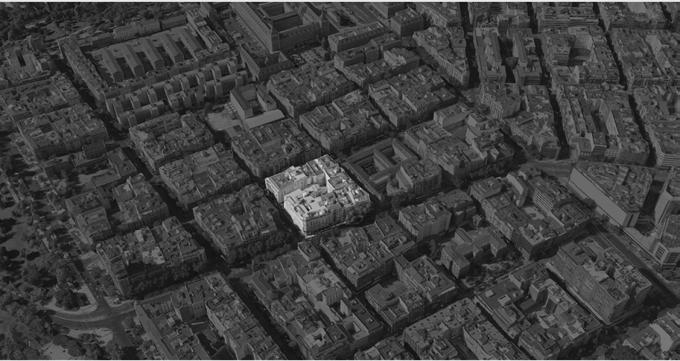
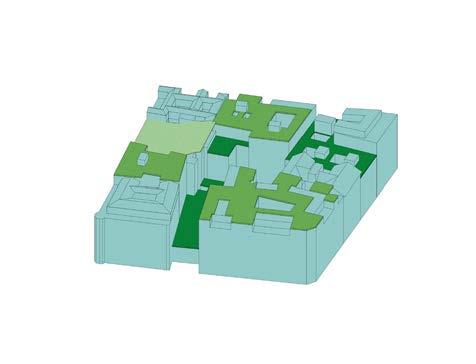
The spanish fields
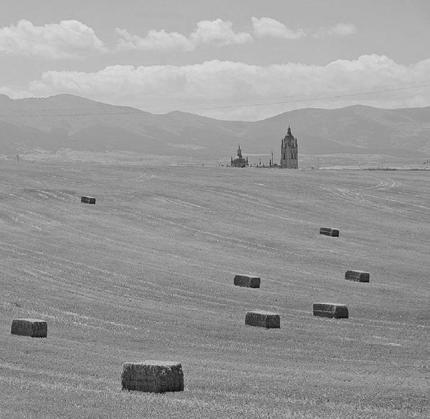
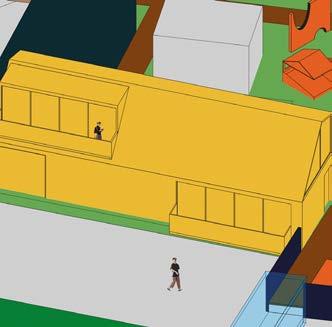
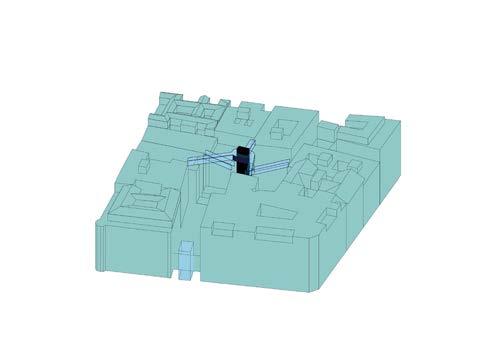
How did that get there?
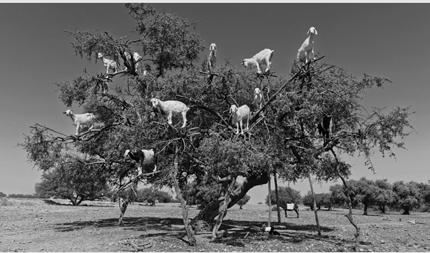
How did that get to Madrid?
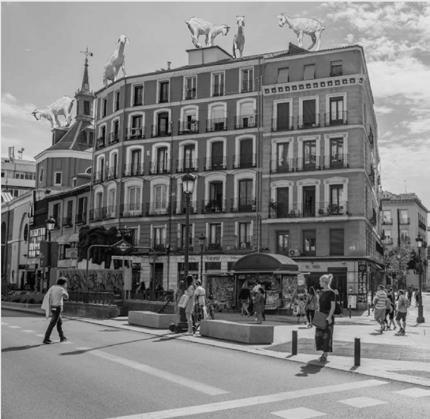

improved thermal performance by insolation.
Centro de Alto Rendimiento Club Tigres UANL Final University Evaluation Project
examiners: Andrés Obregón UDEM
Marcelo Espinosa UDEM
Rafael A. García UDEM
team: Edgardo Cruz
México - Spain
Katia Cruz
México
location: Escobedo, NL, México Ex Hacienda el Cañada
Sport began as a human search to lead a better life, both physically and mentally.
Over time, sport, in addition to being a recreational activity, professionalized and became a big industry of great influence in society, since it is a tool of education, social cohesion, family integration, reduction of violence, combating obesity, etc. (CONADE, 2017).
This industry requires highperformance facilities for its physical and mental training that helps athletes achieve the success.
Regarding sports in the city of Monterrey, the Doctor in History, Alberto Barrera Enderle (2020) states that if you want to understand the contemporary history of the city it is essential to include the football, which became professional with the founding of the Club de Futbol Monterrey in 1945 and Club Tigres in 1960, both teams have become part of the essence of Monterrey culture and promoters of sports in the city.
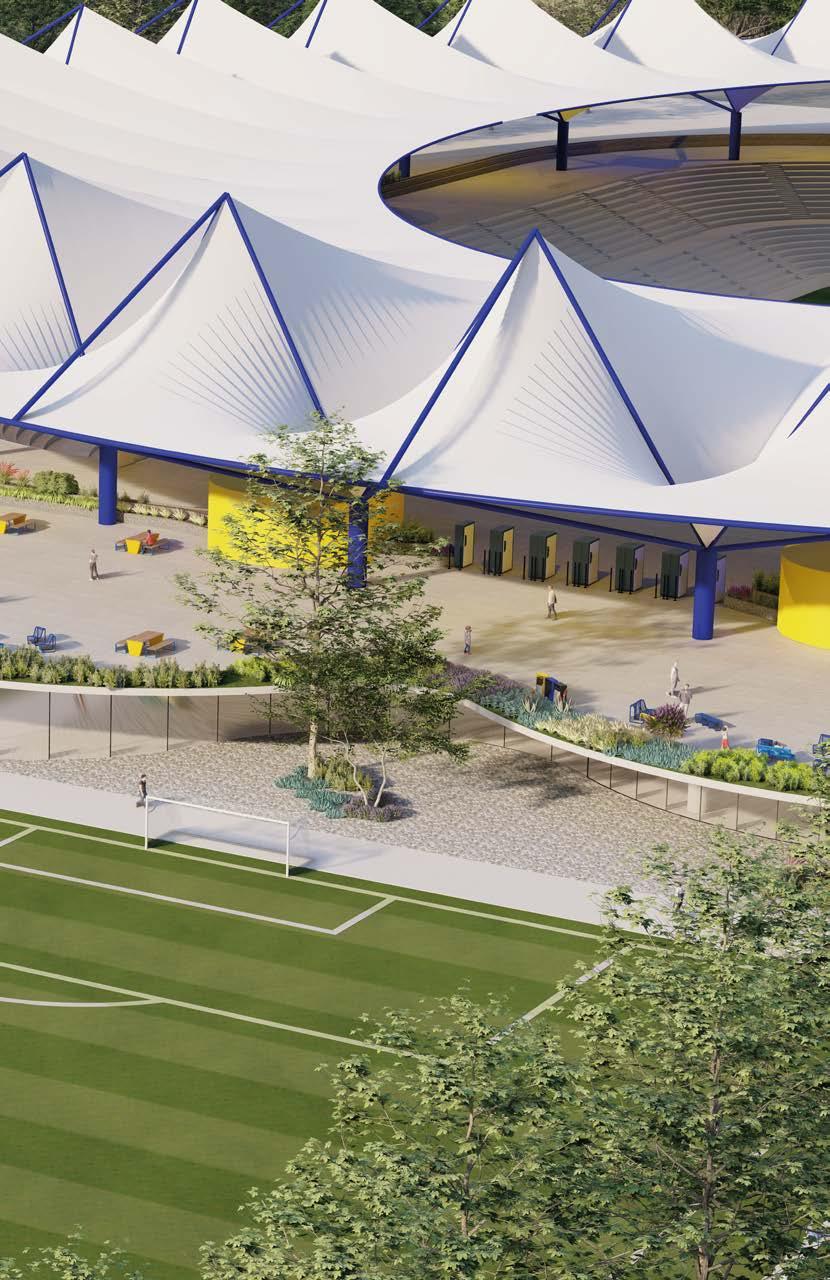
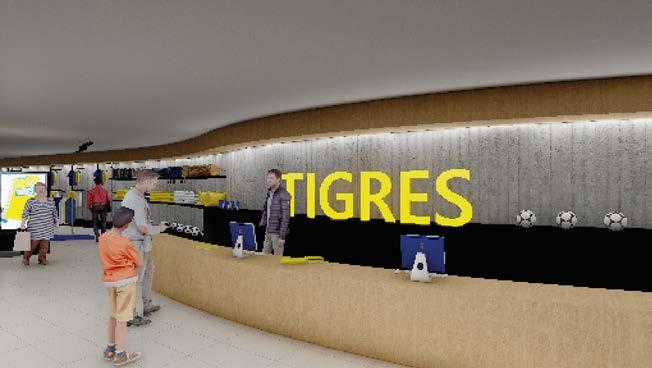
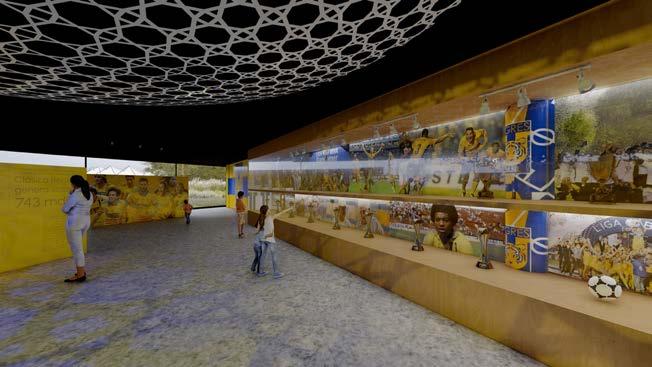
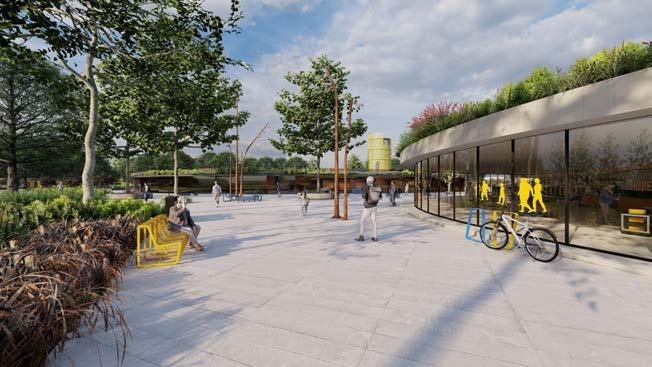
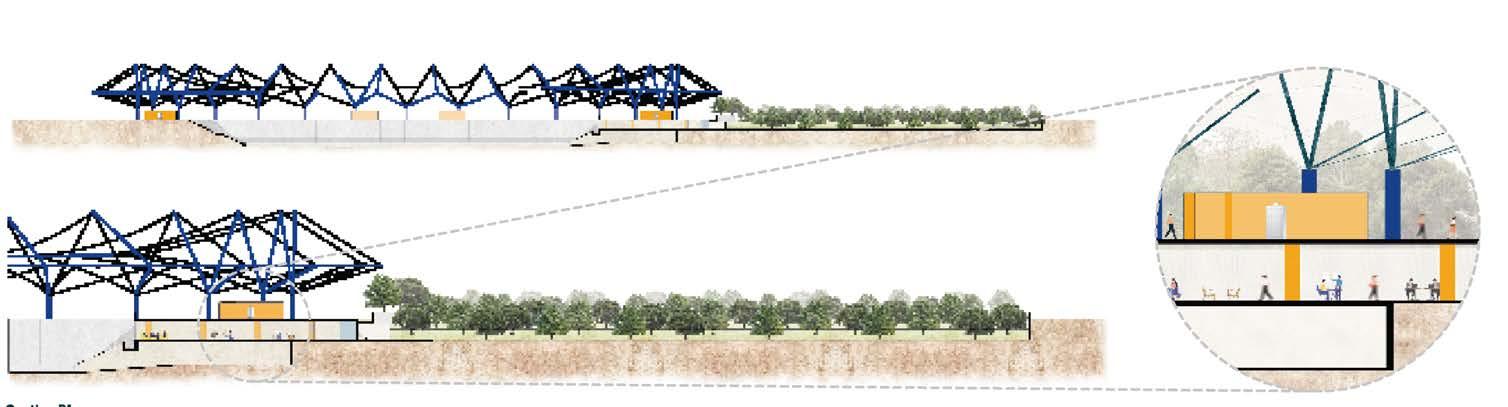
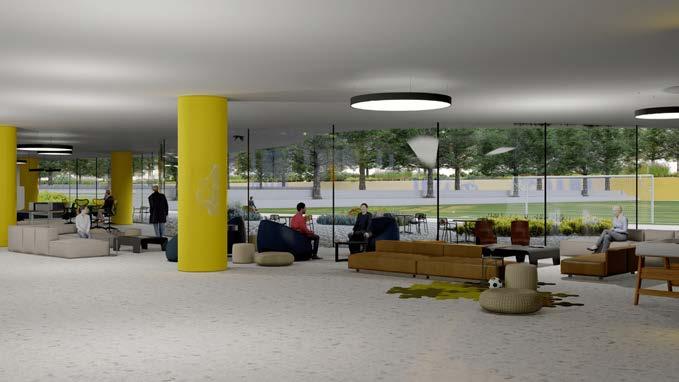
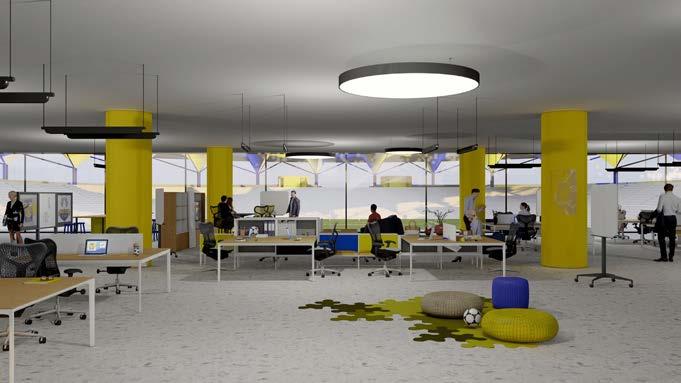
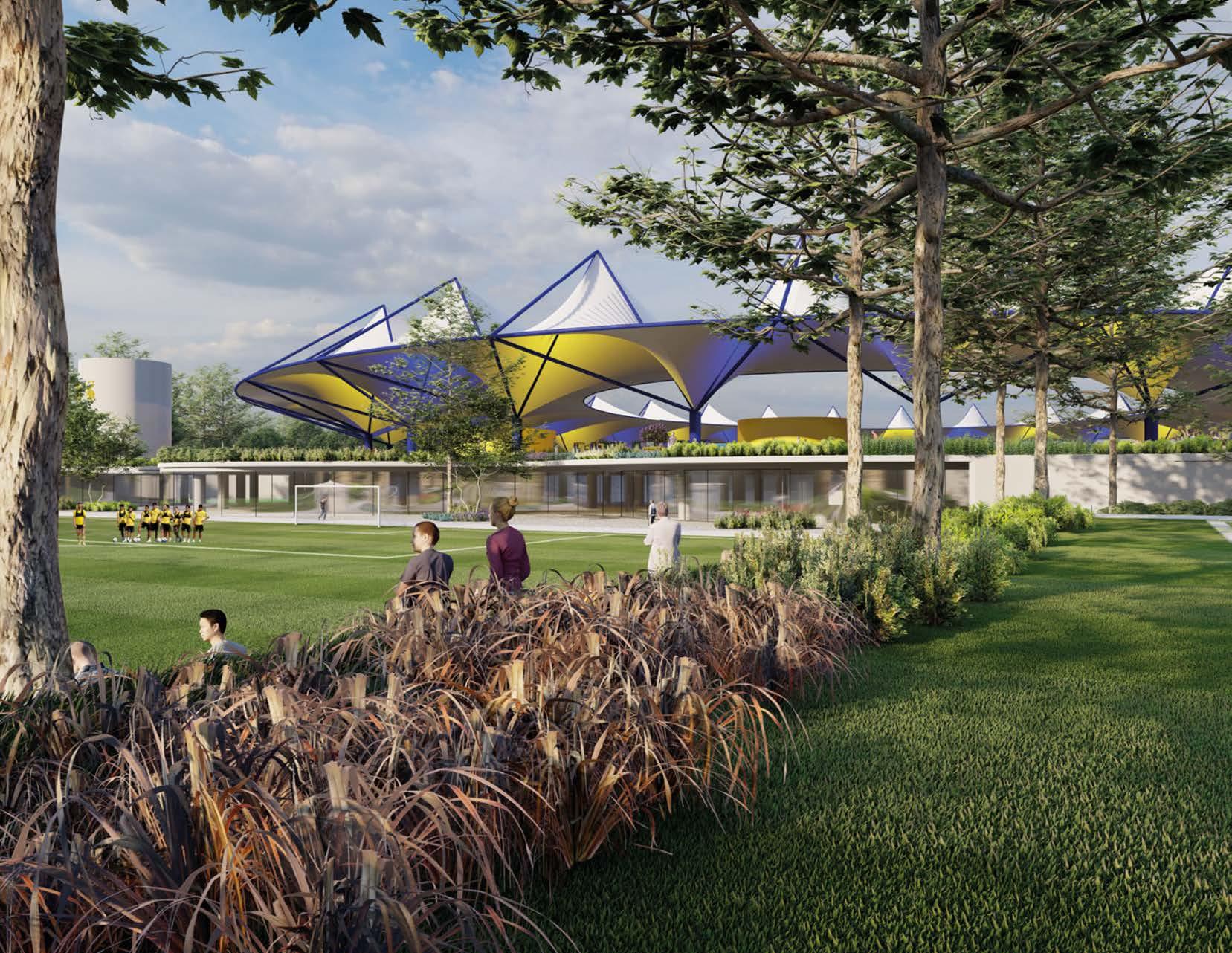
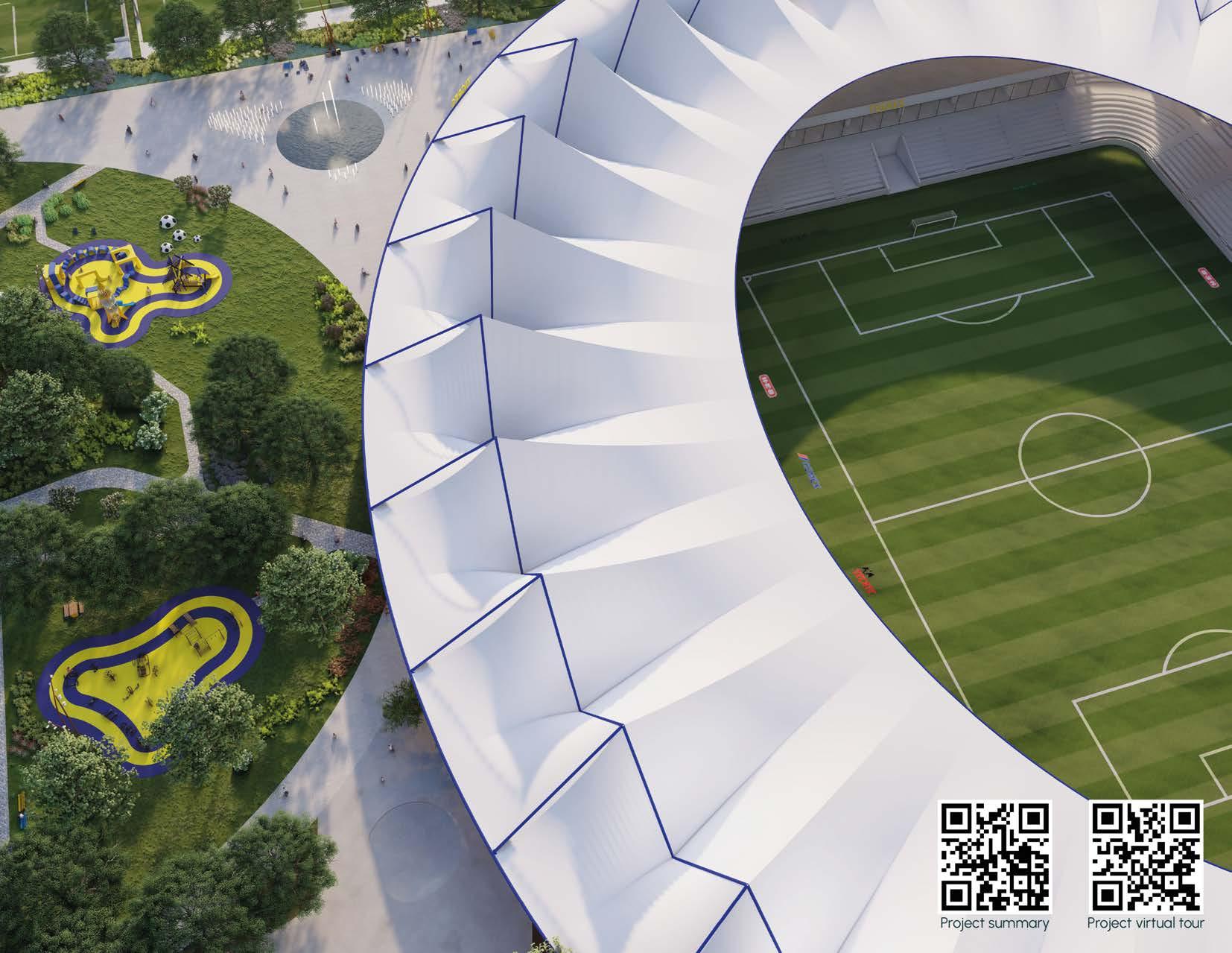
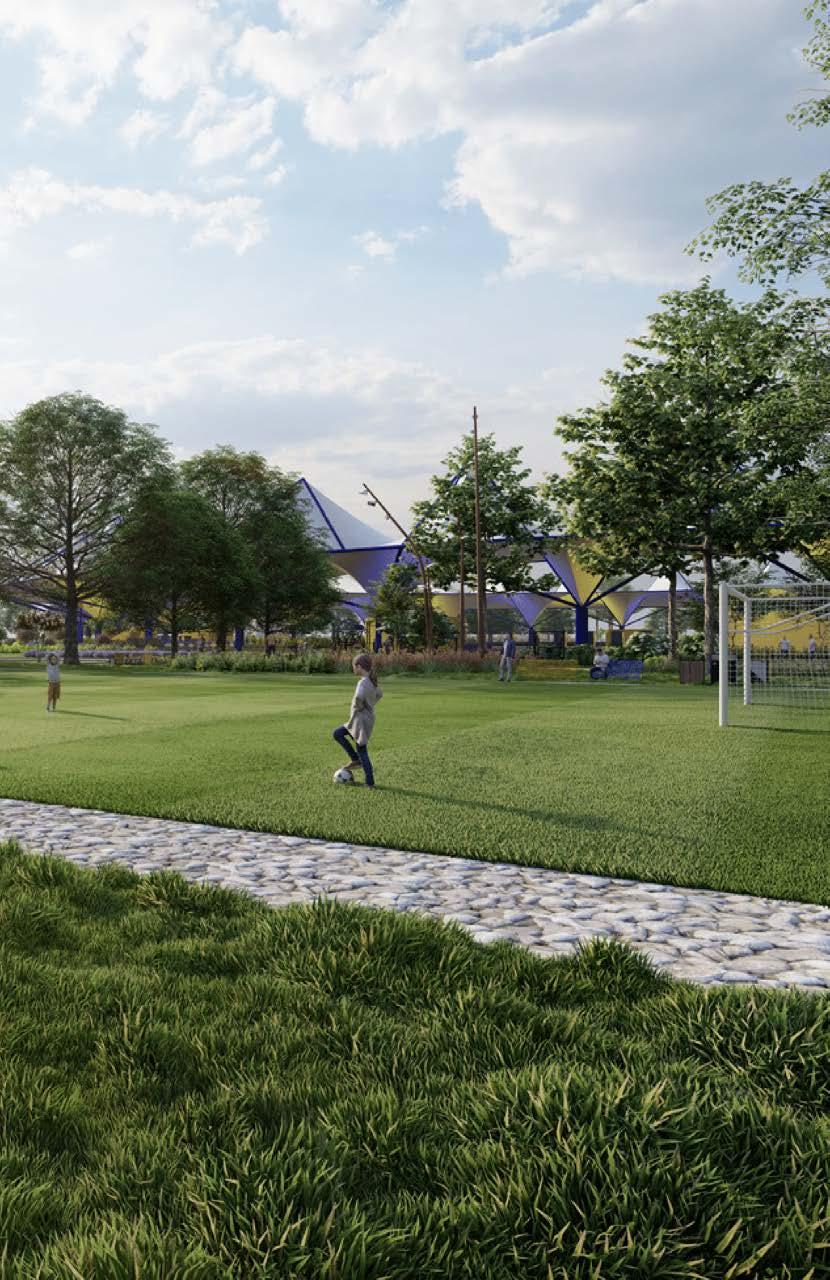
Club Tigres currently has outdated and inaccessible training facilities, “La Cueva Zuazua,” which are far from the city and lack connection with fans. The general objective is to design new high-performance facilities in the Metropolitan Area of Monterrey, close to the community, to support the development of both professional and youth teams. The design will integrate “Systematic Training Based on Emotions,” Emotional Architecture, and Neuro Architecture to foster a connection between players, the city, and the fans.
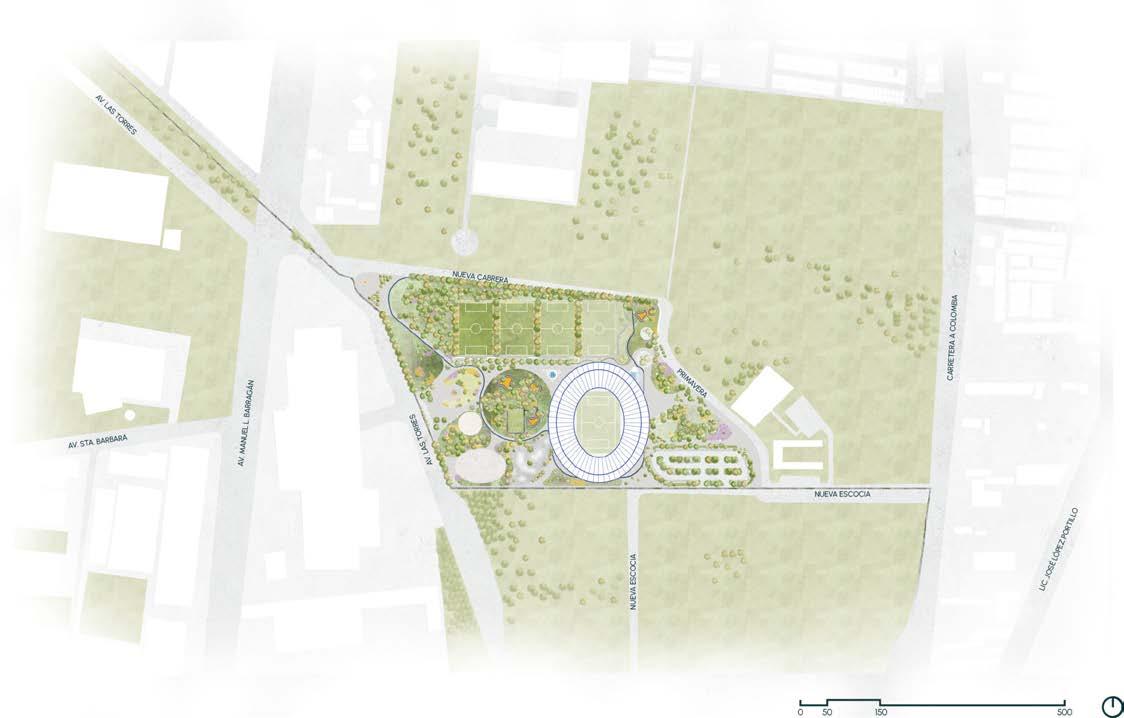
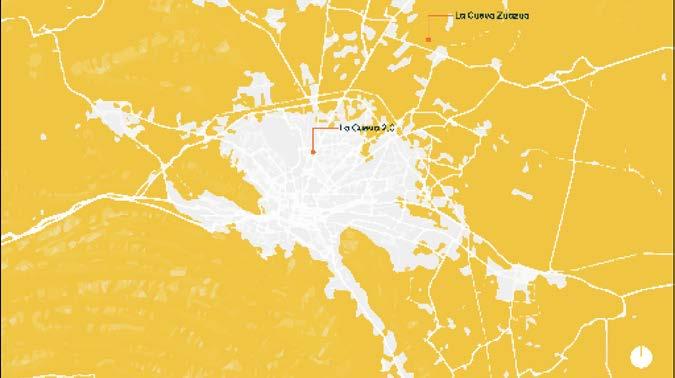
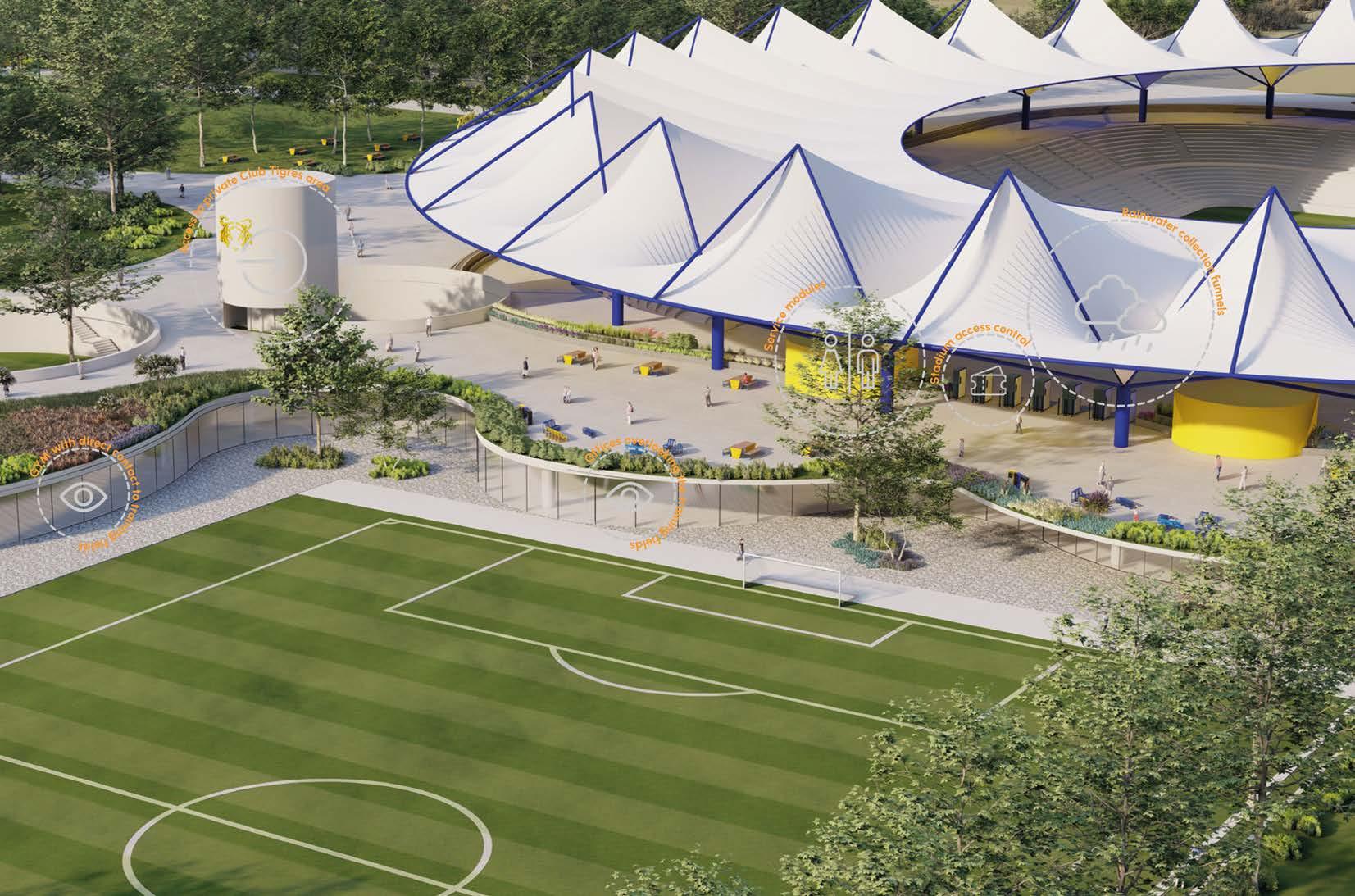
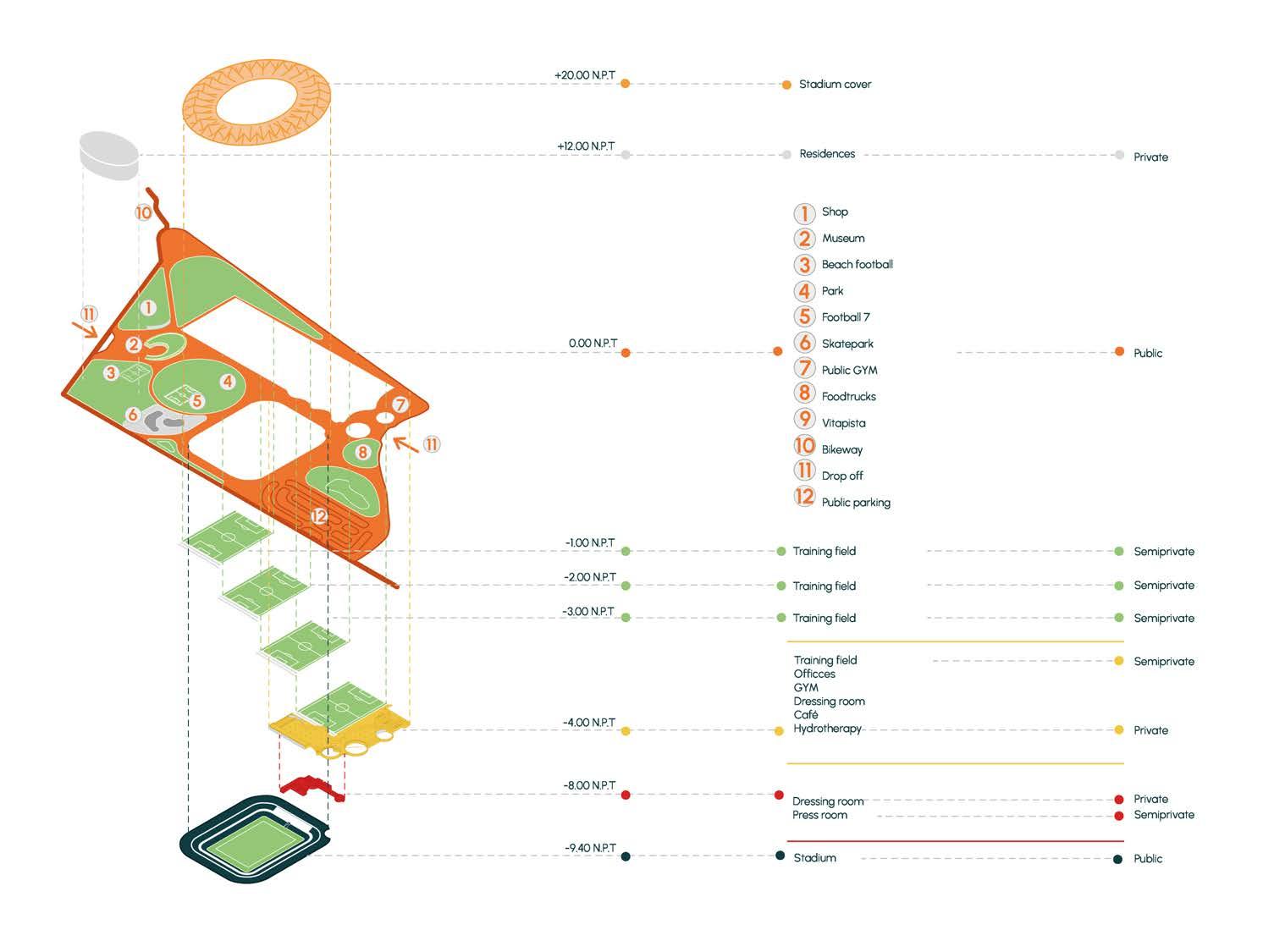
The new facilities will be located in General Escobedo, reducing travel time and increasing accessibility for players, staff, and fans. The campus will include social and sports spaces to promote sports development, enhance the team’s identity, and improve the quality of life in Monterrey by encouraging sports participation, healthy coexistence, and education. This aligns with the club’s mission to inspire and positively impact society and its vision to be a national leader in sports social innovation.
edgardocg99@gmail.com