ACTIVITY BOOK FOR DESIGNERS
-Lisa Golinghtly
“When you are stuck, walk away from the computer and draw. It will teach you how to see.”
- Gerard Huerta
“Forcing ourselves to ‘be creative’ is pointless. It’s not a manual skill that you either do or don’t, but a series of emotional and mental tasks that sometimes just don’t come together.”
-Adam J. Kurtz
“Do something completely out of your comfort zone. Is there an artist or designer that you admire? Great! Try putting yourself in their shoes and try again. You might learn something new while getting rid of your creative block.”
-Ocelittle
“We all know what our work looks like when we’ve stayed up all night and then see it with fresh eyes in the morning. So if there’s not an immediate emergency rush, I like to just walk away. Do something else and maybe let the ideas float in the back of your head until you’re ready to make the work for real.”
-Adam J. Kurtz
THE CREATIVE PROCESS
In order to come up with excellent ideas, first you will need to remind yourself what is the creative process.
The creative process involves critical thinking and problem-solving skills, which are necessary for coming up with new ideas.
Sometimes, it looks like this: Start
End
And sometimes, it looks like this:
The stage where you gather materials, conduct research, brainstorm and let your mind wander.
When you have finished actively thinking about your idea. You take a step away before sitting down and fleshing it out. When taking a step back, your idea is incubating in the back of your mind.
When the “Aha!” moment happens. New connections are formed and all of that information you’ve gathered comes together into one. Yes, it can take you by surprise.
This is the time to reflect, and look back at your initial concept to see if your solution aligns with your vision.This is where the old and new ideas come together.
The fun time! It's time to put your ideas into action and execute them accordingly. It's the stage where your idea comes to fruition.
Get your "Unlock the Creative Block" notebook.
Get your tools: a pen, pencil, eraser, colours. Put your phone on 'Do Not Disturb' mode.
Play some of your favorite music!
Get into a place you feel comfortable.
Get a coffee... and some snacks.
Before starting with the creative process, start with the first activity - 'Write a letter to yourself'.
Write an affirnation letter to yourself. You deserve it. Nobody knows you better than you. You have this opportunity to tell yourself what you need to hear.
-William Blake
What is the problem you're trying to solve? WHY? WHY? WHY? WHY? WHY?
An empathy map is a powerful tool that helps designers understand and empthise with their targeted audience.
Creating an empathy map will help you to first understand what your audience needs, and then think about the proper solution for the problem.
THE USER
Describe who is your user (target audience).
FEEL
Describe what your user feels on a day to day basis.
THINK
Describe what your user thinks on a day to day basis.
DOES
Describe what your user does on a day to day basis.
SAY
Describe what your user says on a day to day basis.
Think
The User
Feel Does Say
-Maya Angelou
Let's try to think about the problem that we are trying to solve from another angle. Thinking about the problem from another point of view might change the way you see it.
***
How would the same problem be solved 200 years in the future? Will you approach the problem in a different way?
How would the same problem be solved 200 years in the past? Would you approach the problem in a different way?
After defining what problem we want to solve, why we need to solve it, who our targeted audience is and empathising with them, it's time to brainstorm.
Brainstorming is the process where you create as many ideas as possible. When creating many ideas, whether successfull or not, you are activating your brain and the creative juices will start flowing.
When brainstorming, it's the quantity that matters.
The double diamond design process is a visual representation for the design process.
Simply put, after defining our problem, we start the 'Discover' stage, in other words, brainstorming.
Come up with many ideas as you can!
Discover
-------------
The Problem The Solution Discover Research Design You are here Define Develop Deliver ------------- ----------------------------------------------
Before moving on to some brainstorming activities, let's have a short break. It is important to zoom out, in order to zoom in.
Go for a quick walk.
Call someone you love. Go get a coffee.
Listen to your favorite song.
Watch an episode from your favorite show.
Have a short meditation session. Take a shower. Eat something you love.
-Edward De Bono
Choose one (or few) of the websites found below and look for any inspiration you can find. These websites are a great resource for visual research and will provide you with some ideas of what other people come up with.
It is recommended to 'save' or keep a copy of the projects that inspire you the most so you can use them for your moodboard or future reference.
After having a few visual research sessions, come back here and write down what new information you gathered.
WWW.PINTEREST.COM
Best for: broad range of creative fields. Often used to create mood boards.
WWW.BEHANCE.COM
Best for: any creative field. Includes large detailed projects with lots of visual insight.
WWW.DRIBBBLE.COM
Best for: digital creative fields (UI/web, logo design, game design, illustration).
WWW.500PX.COM
Best for: photography inspiration.
WWW.DESIGNSPIRATION.COM
Best for: typography inspiration.
Things to do:
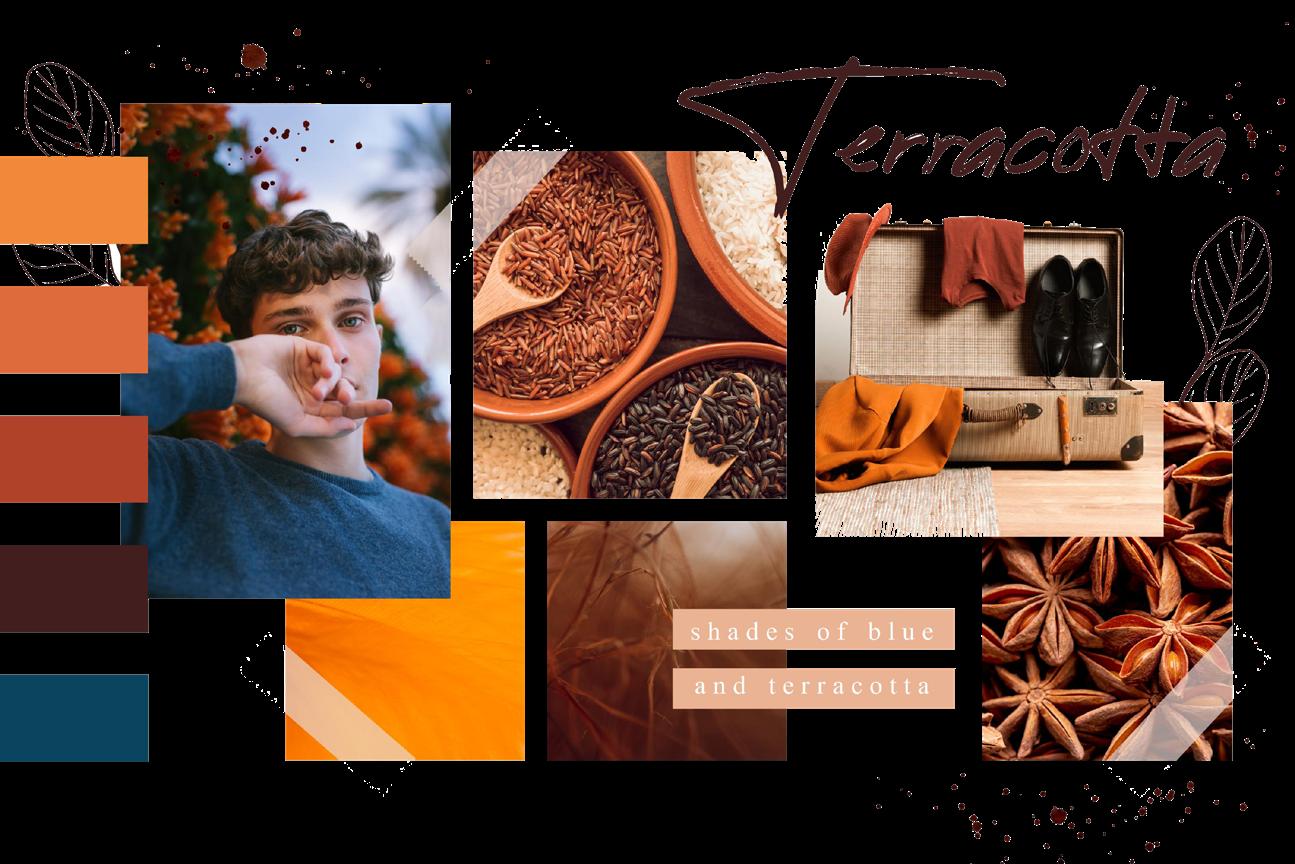
Include typographic elements Include images that inspire you Include vector elements Include colour schemes Textured images Include any description or quotes
Start with a simple word or phrase relating to your design, and expand from there. Try to come up with as many words and connections as you can.
This exercise is about coming up with as many words that relates to your project. After having a full list, define the ones that relate the most to your idea and expand on them.
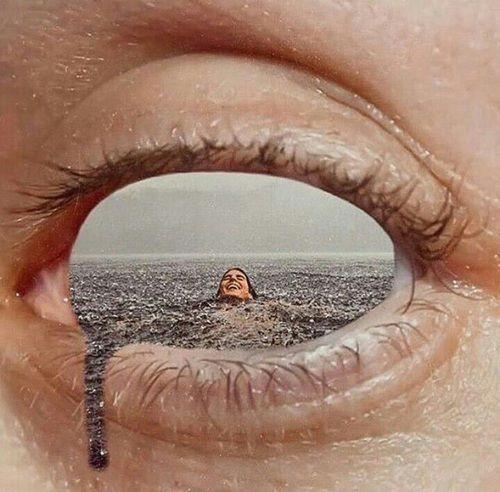
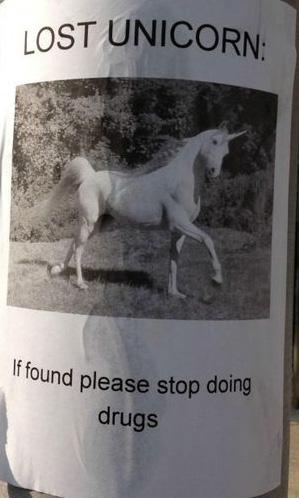
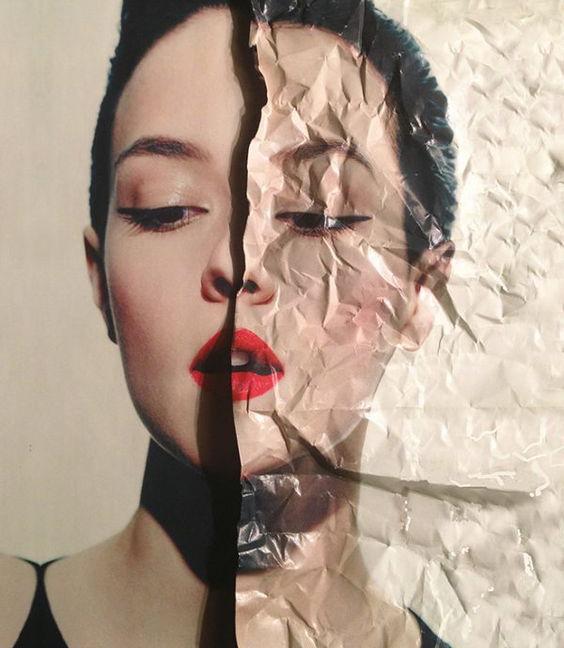
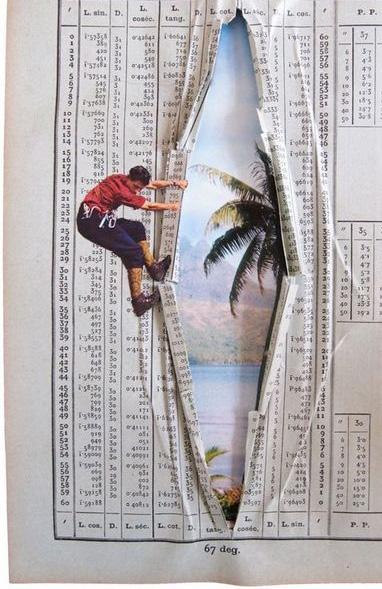
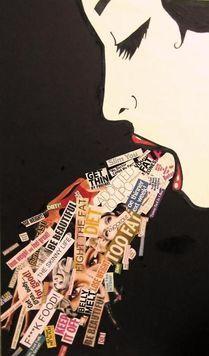
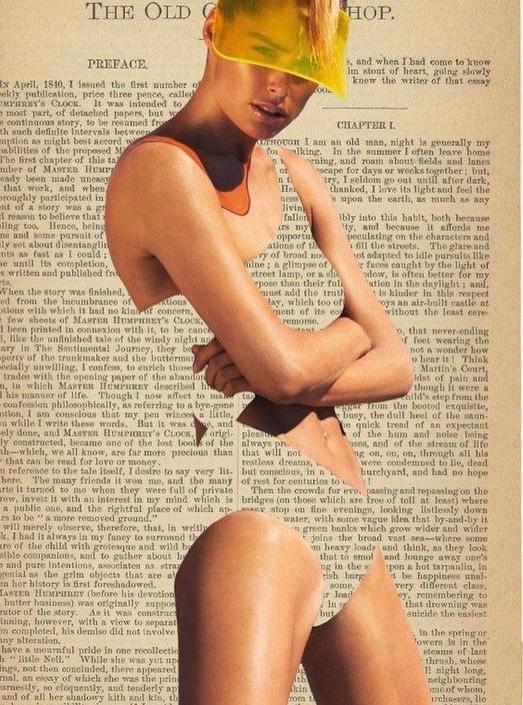
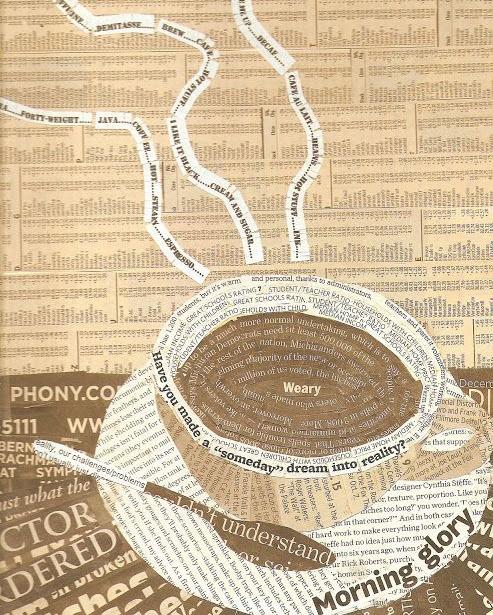
Relating to your project or not, creating a collage is a fun way to spark your creativity once again. Grab a couple of old magazines, scissors and glue and enjoy making something bizzare. Who knows, maybe you will come up with a great idea while doing so.
Glue here




Getting fresh air and changing your environment is crucial both for your creative process and your mental health.
Take this notebook with you and go for a short walk, sit on the grass, walk barefoot, look at the clouds, count the birds. Who knows, you might get some inspiration in nature.
If you do come up with something, jot it down on the next page. Don't forget to enjoy the sun!
Use this next page to doodle as much as you like. Be as wild as you would like to be and hopfully, come up with interesting little drawings.
The first known methods of communication was through cave painting. Humans are able to communicate with illustrated symbols and icons to this day in a very effective way.
We can communicate a whole story through symbols by translating their meaning.
Some of these symbols are:
In this activity, you are required to draw as many symbols that related to your project as possible. Try to take a big concept and iconise them into simple shapes that communicate a message. You can be creative or literal as you like!
"Signs and symbols rules the world, not words nor laws"
-Confucius
Look at the pairing presented on this page and try to think what tone of voice each one represents. Which one suits the message you are trying to communicate?
Coolvetica
sans
Futura
italic
Josefine
Helevetica
bebas Neue
Garamond
gill
georgia
In this activity, we will try and answer the question - "If this project was a person, who would it be?"
Keeping this question in mind, draw below how you would think the project would look like if it was a person.
Is it feminine or masculine? What do they wear? What are they doing in their free time? Who are they?
This challenge is about coming up with 1 rough sketch every minute. Use a timer on your phone or your computer, and set it up to 60 seconds. Now when you're all set up, be as creative as possible and fill in the blank spaces with anything related or unrelated to your project. Good luck!
If you were able to become a super hero, how would you solve your problem? Would you look at this project the same way? Would you communicate the message differently?
If I were a super hero, I would solve the problem by...
If I could create a super power to solve the problem I am working on, what would this power be?
*** ***
-Batman & Robin
-Chuck Close
We hope that by completing these activities, you were able to unlock your creative block. You can come back and refill all the activities in the book with every project you will face in the future.
Remember, experiencing a creative block is normal. Every designer has experienced it and will experience it again and again. This is just a part of the process.
Thank you for letting us be a part of your creative journey.