





By Osvin Suazo
Seen frequently on campus since the first day of the semester Feb. 15, Petitioners have been offering gigs to students and gathering signatures of registered voters for a multitude of ballot measures.
These individuals, mostly independent contractors, when asked about initiatives have revealed that money is the primary motivating factor in collecting signatures.
One group of circulators, Petitions Kings, led by coordinator James Brown, has promised payouts up to $526 for signatures on multiple initiatives.
A few students have been roped into the process themselves.
Nazareth Vargas, a 19-yearold political science major at the University of Miami, has had part of her college tuition and travel paid for as part of an internship in which she gathers signatures.
“You learn how to talk to people [as a signature gatherer],” Vargas said
Several other petition groups on campus until March 5 have advertised high pay, displayed bold banners with photos of billionaires, and approached passing students.
The person in charge for one of the groups, declined to provide his legal name and

asked to be identified by his stage name “Young Yardy” for his entertainment company. “I pay to collect signatures out-ofpocket and receive profits when the signatures are verified,”
Yardy said.
Some petitioners have been aggressive in their approach of students and individuals, Director of Student Development Ricardo Gonzalez described an altercation with a petitioner near the Student Services Building, as “becoming belligerent.”
“The individual was resisting and not wanting to leave the
area...there had been multiple staff members that had already talked with him,” Gonzalez said.
Director of Public Information Kerri Webb had a simple explanation for how students should conduct themselves when asked to sign any petition: “There are a bunch of businesses to contract these folks... they realize there is heavy foot traffic and college campuses tend to be civically motivated and very active in terms of voter registration and initiative, that’s how they present themselves to you.”
She added, “Not all of these
are in fact actual petitions that could lead to a ballot measure. We don’t advocate for rushed signing, always ask what it is about and say no if you don’t want to.”
The initiative process gives citizens a direct route to propose laws. A combination of increasing pay rates, rapid onboarding and a market of vendors makes transparency about document handling a concern on campus where financial aid offers are followed with voter registration forms.
To read the rest of this story, visit eccunion.com
By Erica Lee
When computer science major Gisela Maldonado, 20, logged into the MyECC portal to buy her parking pass for the spring semester, she was hit with an unexpected sticker shock.
“There was no notice; it was just when I logged onto the portal to get my parking permit that I saw that it went from $20 to $35,” Maldonado said. “I was a little surprised to see the price change.”
El Camino College students returning for spring classes will now have to pay $35 for a parking permit.
This was the original price before the COVID-19 pandemic in 2020.
This is an increase of 75% from $20, which was the standard fee when permits were reinstated for the fall 2024 semester.
“It was an oversight on my part,” Executive of Marketing and Communications Ann O’Brien said. When creating the bulletins informing students what they would need to do to get ready for the start of the semester, information about the price increase “was inadvertently not included in that communication reminder.”
While the price was not listed in the email, it appears in the link for the Honk Mobile page.
Before the COVID-19 pandemic lockdown shut down the campus in spring 2020, parking permit fees were $35. Distribution and enforcement of the permits were suspended in spring 2022 in order to increase enrollment.
According to the Institutional Research and Planning Data enrollment trends
dashboard, 12,373 students were enrolled in in-person classes at ECC for the spring semester.
If each of those students purchased a parking permit for $35, it would generate a revenue of $433,05..
Despite the return to pre-COVID prices, ECC is still one of the few community colleges with the lowest parking permit fees in Southern California.
Despite appearing on a schedule of fees from a Board of Trustees meeting on Tuesday, Dec. 16, 2025, the price increase is still a shock for students who rely on their cars to get to campus.
“I feel like the jump was kind of big, but you’ve got to pay it regardless, right?” Maldonado said.
To read the rest of this story, visit eccunion.com
By Osvin Suazo & Michelle Claire Pentreath
Two El Camino students had their e-bikes stolen Thursday, March 5 and Monday, March 9, between 6 p.m. and 9:15 p.m., near the Natural Sciences Building, according to an incident report from campus police.
A Timely Warning was issued by El Camino College Police Department on March 10 following the thefts.
Alongside the theft of an e-bike on March 5, two other thefts occured of a bike seat and a car in Lot J.
These incidents mark an increase in theft on campus.
As student concerns increase, Director of Public Information Kerri Webb said there will be more campus patrols.
“We are increasing our patrols in the area and ensuring that there is more police presence just to let the predators know that we are onto them and this isn’t the place to do this,” Webb said.
Sergeant Francisco Esqueda said the incidents “are under investigation.” In these cases, “a patrol officer takes a report, then the information is passed along to a detective.”
Esqueda said it is not “uncommon” for bikes to be placed in racks without a lock, allowing anybody access to bikes. “Any lock is better than no lock. Chain locks are good but kryptonite locks are the best way to go.”


By Isaac Ramirez
Lights! Camera! Action!
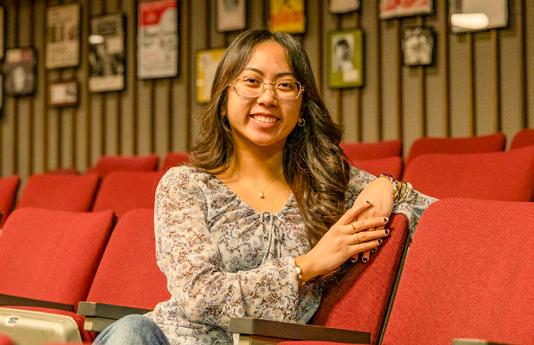
From animated Barbie movies in her youth to Emmy nominations as a young woman, an El Camino College student achieves her first Emmy nomination from her short film debut.
Film Major, Erin Dela Cruz, 19, alongside with two other
members created the documentary short film titled “All you need is less,” which got nominated for the Outstanding Short Form Live Action Program Emmy nominations for 2026.
The piece was shot, edited, wrote, produced and directed by Dela Cruz, alongside her small and mighty crew, Adira Blades and Angelica Guillen, middle
schooler and high schooler at the time of filming.
Dela Cruz had no expectation of becoming an award nominee. “Hey, this is for fun, whatever happens, happens,” Dela Cruz said.
Dela Cruz first fell in love with film as a little girl when she watched movies like “The Little Prince,” and “Princess
and the Pauper,” that helped shape her interest in film.
“I Iike reflecting on who I was as a kid,” Dela Cruz said as she describes preserving her inner child in film.
The film highlighted the effects of fashion trends around the Los Angeles County calling attention to the harmful effects of fast fashion. The film showcased the harm it causes to
independent designers, the environment and the countries that contribute to the production of textiles.
“Younger women are targeted more when it comes to makeup and fashion, these things that you buy online,” Dela Cruz said.
To read the full story, visit eccunion.com
By Ana Gamez
By Diocelina Ordonez
The Union publishes police beats online with each newspaper release. Visit eccunion.com to read more.
Tuesday, Feb. 17, 7:08 a.m.
Burglary (vandalism) was reported at the Arts Complex. The case is closed.
Wednesday, Feb. 18, 8:56 a.m.
Vandalism of a glass case was reported at the Math, Business and Allied Health Building. The case is closed.
Wednesday, Feb. 18, 4:50 p.m.
A hit-and-run with a car was reported at Lot F. The case is closed.
Thursday, Feb. 19, 11:31 a.m.
A drug law violation was reported at Lot C. The case resulted in an arrest and citation.
Sunday, Feb. 22, 7:42 a.m.
A reckless driver was reported at Lot L. The case is closed.
Tuesday, Feb. 24,12:52 p.m.
Stalking (annoying phone calls) was reported at the ECC Commons. The case is open.
Tuesday, Feb. 24, 8:13 p.m.
A hit-and-run with a car was reported at Lot L. The case is closed.
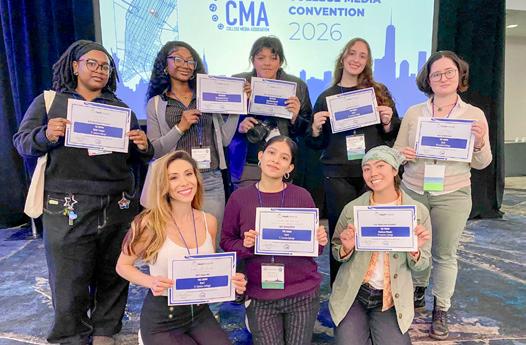
The El Camino College student newspaper The Union and magazine Warrior Life took home 32 awards at three college media award shows held on Saturday, March 12.
The awards are part of two events held during the same weekend: The College Media Association conference in New York City and the Journalism Association of Community Colleges and California College Media Association convention in San Francisco.
Members of the journalism program, including four editors, attended the College Media Association conference in New York City and attended a series of workshops surrounding strengthening student media in multiple aspects.
Jack Mulkey, business and advertising manager, works with journalism instructor Stefanie Frith to submit student work for awards consideration in competitions.
“It’s a very difficult choice often, because there’s so much good work, but we do narrow it down...” Mulkey said, adding that the department enters roughly six or seven contests annually. These awards help students stand out to future employers and potential colleges they plan to transfer to.
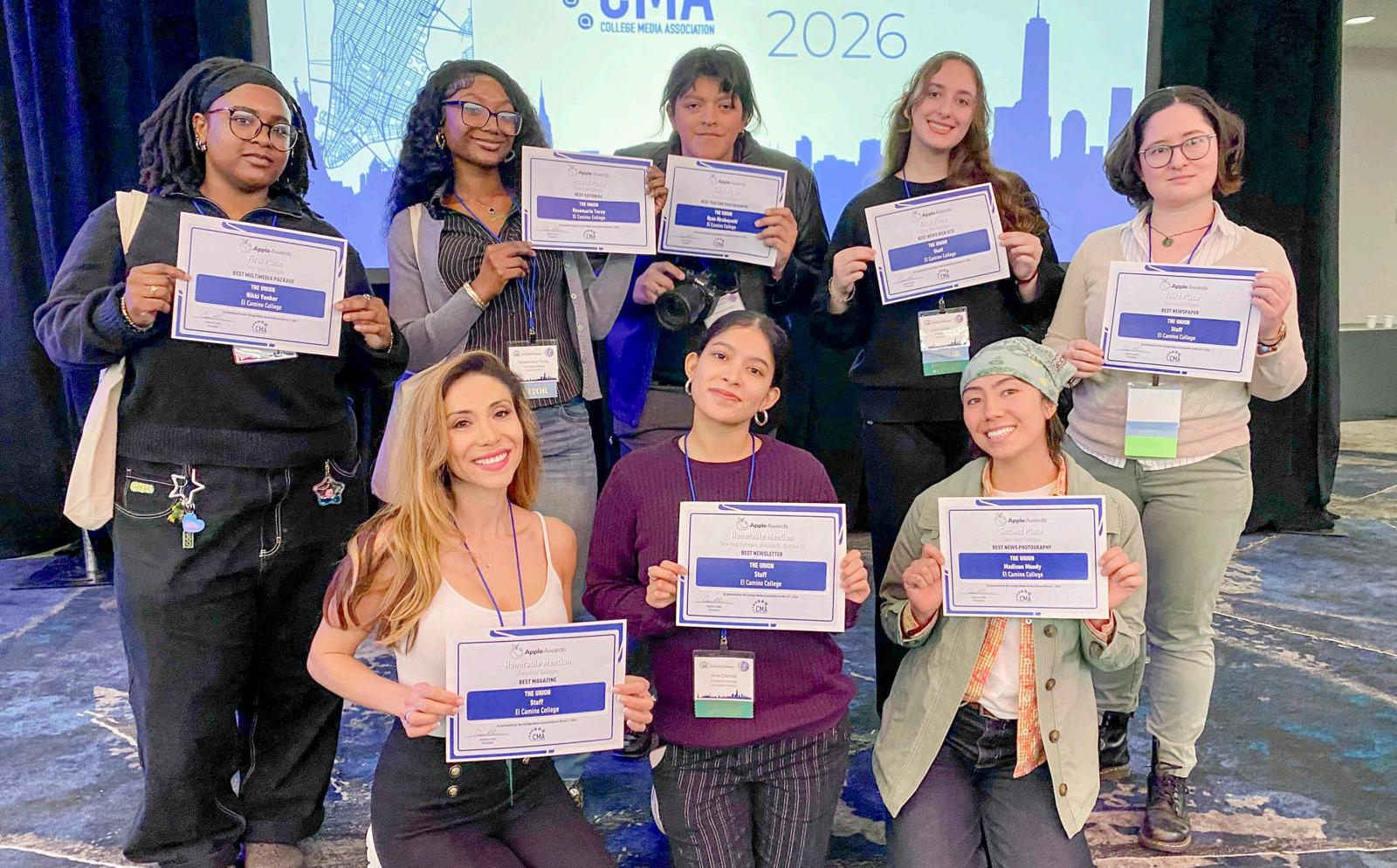
“The contests showcase work from a national to statewide level, highlighting student journalism across different colleges and universities.
Journalism major Nikki Yunker, 21, won a total of five awards from the different conferences.
Her top awards included: the David L. Adams Apple Award for Best Multimedia from at the CMA conference and first place for best magazine illustration at the JACC awards.
“It was a dream come true. It’s really a representation of all the hard work and effort that
goes into this program,” Yunker said. “I felt really honored to win an award. I really do appreciate it.”
Journalism major and opinion editor at The Union Madison Moody, 22, took home second place for best news photo of an arrest on campus at the CMA conference. It was her first year picking up a camera and she didn’t feel super confident in the beginning.
“As a new editor and reporter, I can be hard on myself at times. It was very nice to see that I was able to win second place at something I never really saw
myself being good at,” Moody said.
Yunker, the current editor-inchief of Warrior Life, encourages students to work hard and be consistent.
“Just be curious, put effort into the work you’re doing, dig deep, and make the most out of every opportunity. Be dedicated to the craft,” Yunker said.
To view the full list of awards visit eccunion.com to read more

By Union Editorial Board
S tudents are concerned about the signature gatherers seen frequently on campus.
Although petitioners have been seen at El Camino College since 2009, in the last four years they have become a nuisance that disrupts the learning environment on campus.
El Camino College should create stricter regulations than there currently is because of how frequently petitioners harass students on campus for signatures, and be transparent about how it has increased in recent years.
“Many of these signature gathers are aggressive in their approach of students,” 20 year old Art Gallery volunteer Mary Hanna said, as she expressed concerns about the number of petitioners seen as the spring semester began.
“During the first week, I noticed it was just absolutely terrible. I think I saw like five or six around campus,” Hanna said.
Political science major Honey Bizzaro, 21, spoke to an older petitioner on campus who was collecting signatures for Uber driving safety involving sexual assault.
“So the bill was..if you’re a victim of assault in an Uber, you can sue the company for lack of background checks,” Bizzaro said.
These petitioners camp near the Art Gallery, the Aquatics Center, the Student Services Building and the Bookstore. They have been soliciting students by informing them they can make money in exchange for signatures.
Bizzaro further confirmed that the petitioner became aggressive when asking her to sign the form on Uber assaults and made it known that she can make money from signatures as well.
On the job search website Indeed, petitioners employed by the company MVP Campaigns can make up to $500 to $1000 a day for each signature received. Another job position on Indeed called Petition Circulator has payouts that range between $50 to $100 an hour from signature field work.
The minimum wage in California is $16.90 as of Jan 1, 2026, according to the Department of Industrial Relations website. Maybe the reason why petitioners are getting worse is because wages aren’t enough to cover the cost of living?
Some signature gatherers create manipulative signs using AI generated advertisements and bribe students with snacks and drinks.
Under California law, petitioners can get paid to gather signatues, but it is illegal to offer money or other incentives to voters in exchange for signing a petition, according to San Luis County website.
“One of them that I noticed just recently has.. advertisement signs being like, ‘vote against pedos’... ‘if you care about women’, ‘sign these petitions,’” Hanna said.
“It rubs me the wrong way because it’s like using these issues that affect so many people so intimately and deeply to sign the petition so they can get $2 a signature.”
Petitioners are collecting signatures that cover real economic issues involving sexual assault, voting registration, religious inquiries and more. Petitioning is something that could be used to make a positive impact in society, but is treated as a money grab instead.
The campus needs to put stricter measures in place when enforcing boundaries against the signature gatherers.
Students have the right to deny, walk away, and get to where they have to be without feeling like they are doing a civil injustice.
Petitioners are not incentivized by policy or change, they are incentivized by the pay.


Thumbs down to people smoking and vaping on a smoke free campus.


Thumbs up to getting new microwaves for library.
Erica
EDITOR-IN-CHIEF
NEWS
FEATURES EDITOR
OPINION EDITOR Chelsea Alvarez
Staff Writers
Ana Gamez Isataia Whitley
Ananya Iamcharoen
Osvin Suazo
Photographers
Donovan Harris Ryan Hirabayashi
Illustrators
Christol Nguyen Zuri Godwin
Special
STUDENT MEDIA ADVISER
Stefanie Frith sfrith@elcamino.edu
PHOTO ADVISER Nguyet Thomas nthomas@elcamino.edu
ADVERTISING MANAGER
Jack Mulkey elcounionads000@yahoo.com
JOURNALISM PROFESSOR
Gerard Burkhart
Joseph Difazio
INSTRUCTIONAL ASSISTANTS jdifazio@elcamino.edu gburkhart@elcamino.edu
Jessica Martinez
Kate McLaughlin kmclaughlin@elcamino.edu jemartinez@elcamino.edu
LETTERS
By Victor Corpora
Yes it’s me again, so get used to it.
Lately, I’ve noticed when I go into the men’s locker room, I find myself wanting to hold my breath. It reminds me of my physical education days in high school when I first encountered the problem. Now, the problem.
Some students fail to see the importance of personal hygiene. They leave their sweaty gym clothes in their lockers for the duration of the semester, never taking them home for a proper cleaning.
Unfortunately, I’ve noticed the same situation here at El Camino College.
To exacerbate the problem, the unpleasant odors created tend to linger for the next student who rents the locker. I’ve also noticed odors on some of the benches where clothes are left unattended for long periods.
Wouldn’t it be nice if lockers, benches and even shower areas could be sanitized each semester? I realize that the homeless who come and illegally use facilities are partly responsible. More reason to sanitize.
This would seem to be a tedious process, but with Covid and other viruses still rampant and on the rise, wouldn’t it be worth it?
You decide. Maybe the P.E Department will, too. Bye for now.
Corpora is a returning student at El Camino College.
Students and other members of the El Camino College community are invited to submit guest columns and letters to the editor for consideration. Only submissions relating to ECC will be accepted.
Email guest column and letter to the editor submissions to eccunion@ gmail.com.
By Madison Moody
El Camino College students deserve to feel comfortable walking around campus throughout the day. Concerns have been raised among students about petitioners seen since the spring semester started. Signature
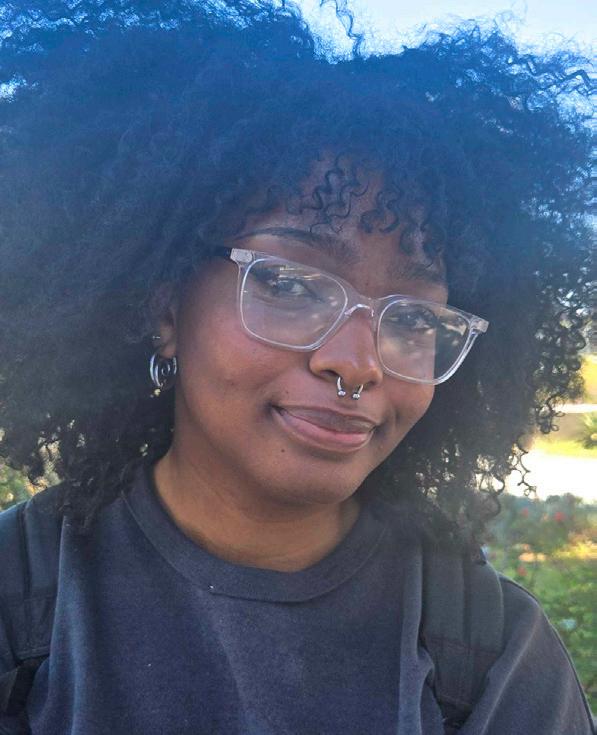
“I feel that a lot of petitioners tend to get signatures more than actually talking about the issue. I don’t mind being approached when I’m sitting down, but if I’m walking from my class, then it’s hard to have people approach me for a conversation... when people are interrupting me, it becomes an issue. They are usually next to the Cafe [Camino], so I try to avoid that area. Sometimes I go around toward the Bookstore.”
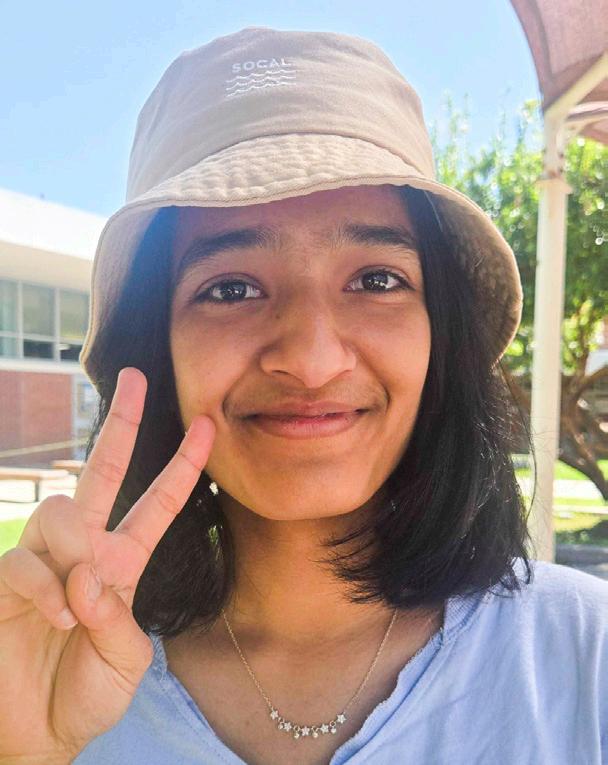
“I feel like they’re sometimes super invasive, they get in your space, and they’re always asking you questions like they’re pushing you. I feel like once I say no, you shouldn’t push further. I feel like they don’t really explain, after that I got suspicious, and I avoided them after that because they were right outside the [Math Business Allied health] building, and all my classes are in there.”
gatherers use anti-crime, political advocacy, and religious inquiries as incentives for signatures and set up booths near the Schauerman Library, the Bookstore, even El Cappucino and Cafe Camino. Students on campus avoid certain areas on campus because of how invasive the petitioners get when eager for
signatures, chasing them down even after they declining to sign. The Union sent reporters out on Thursday, March 12 and Monday, March 16, to ask students for their opinions on the petitioners seen on campus.
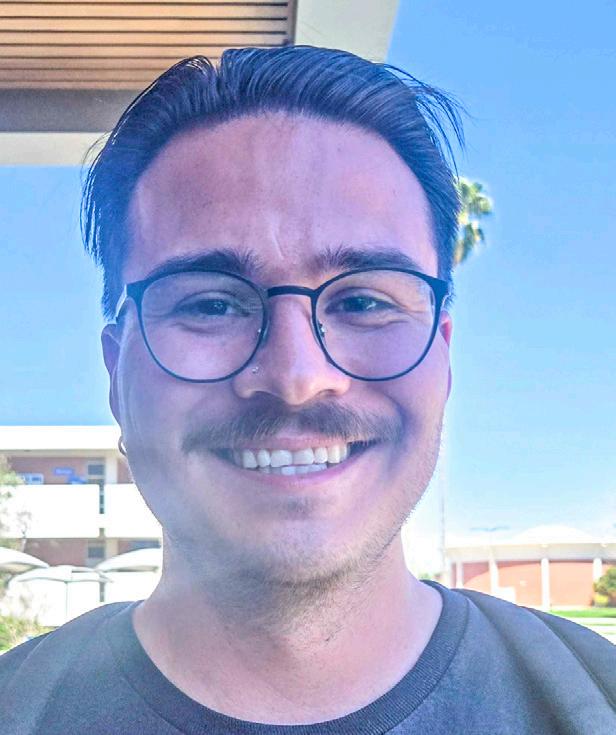
“I don’t mind it. I’m almost a hundred percent certain there’s a form of compensation incentivization on how many signatures they get... I think it’s good to have some form of activism, but they are over the top hawking it, which I think creates issues. They don’t actually truly explain what they’re petitioning for, they use buzzwords and posters with Hellfire and Jeffrey Epstein.”
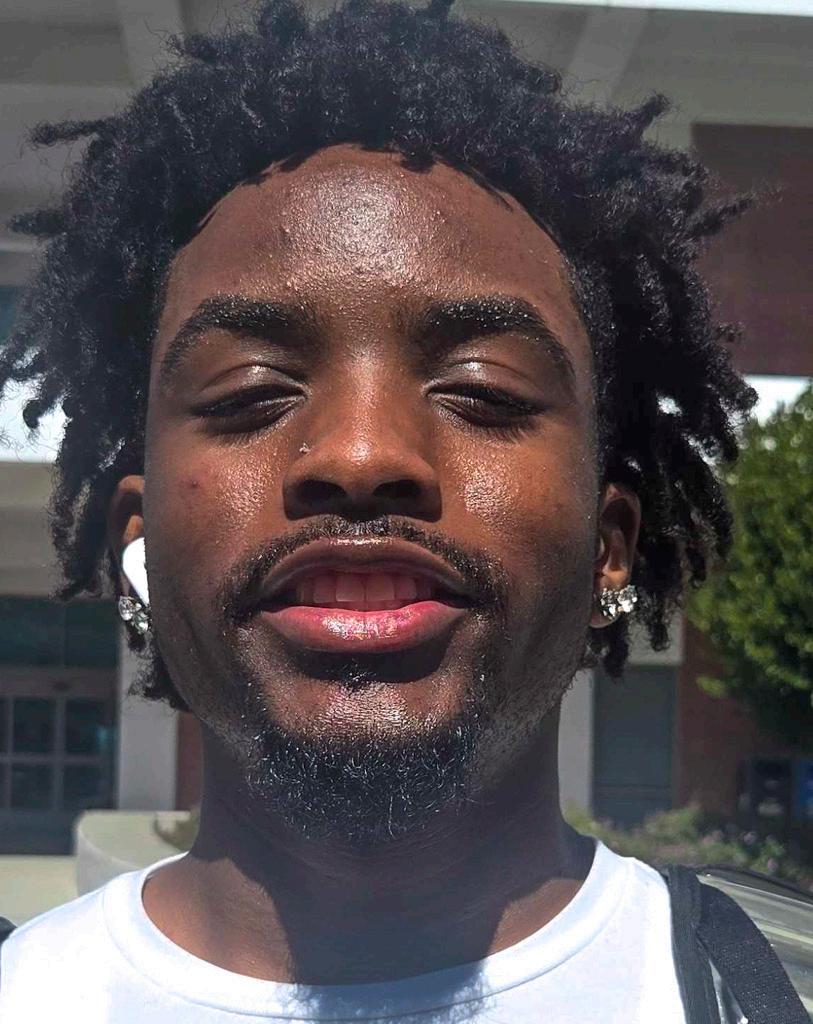
“They are definitely annoying. You’ll just be walking to class and they are automatically on you. I understand you’re just trying to do your job, but don’t be on me like a hawk. Some petitioners are going around asking about nonsense.”
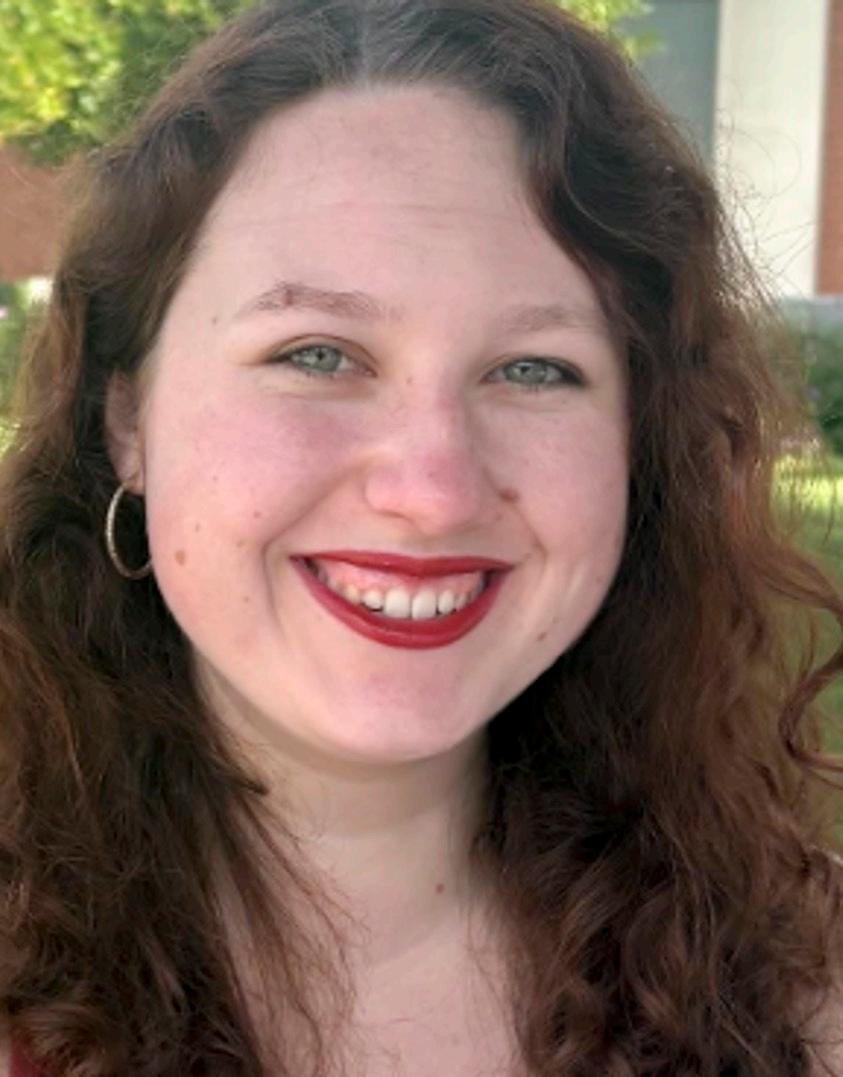
Ganny
“I’ve seen so many different types of petitioners, and it gets to the point where they are almost harassing you to sign their petitions. I had one that shouted after me, and he said, ‘You’re a woman, so you should be lucky to have the right to use your voice.’ And he kept shouting after me. A lot of the time, I have to take a different route because I don’t want to have to talk with them."

“It's alright, but it kind of gets annoying when different people ask for signatures for the same one, when you tell them you already did it. For me, sometimes, but it's hard to tell when they are coming."
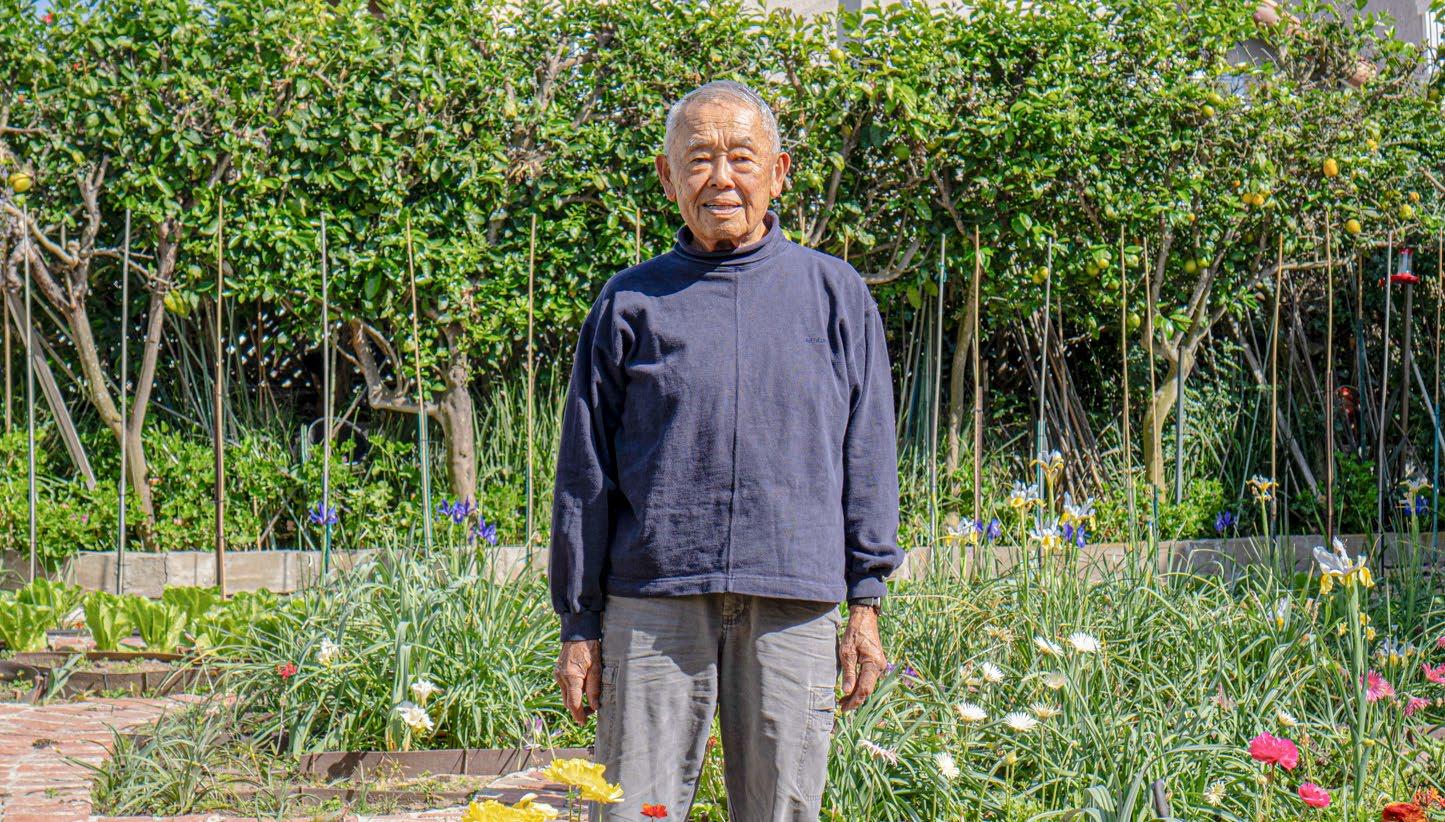
Donald Teruo Hata, in his garden of various vegetables and flowers that he grows and manages with his neighbors, in his backyard on Tuesday, March 9.
neighbors manage the garden and created a “monarch butterfly sanctuary” by planting milkweeds that the butterflies feed on.
flies to grow and mature, and eventually release.
By Oriana de Quay

Dr. Donald Hata honors his late wife and former El Camino College Vice President of Academic Affairs Dr. Nadine Hata yearly at the Cherry Blossom festival to share their stories and to honor her legacy.
“Twenty years later, when her name comes up in casual conversation with people who knew or worked with her, there was this tremendous respect and reverence for all she did for the college,” Dean of Humanities Scott said in his speech at the Cherry Blossom Festival.
Nadine and Donald spent their lives teaching and uplifting students-being educators and activists- and supporting one another in their relationship.
Nadine started at El Camino College in 1970 as a history professor and over a decade later assumed the role of VP of Academic Affairs while Donald taught at California State University of Dominguez Hills.
In Nadine’s long standing culture at ECC, she and Donald Hata arranged for the donation
of the five cherry blossom trees to be donated, starting the Cherry Blossom festival in 2000.
Nadine passed during her brave battle with cancer five years later in 2005.
Behind the great woman is a supporting husband and partner, Donald.
NIKKEI - To be of Japanese Origin
Donald was born in 1939, in the midst of World War II.
When Japan attacked Naval Base Pearl Harbor located in Hawaii, President Rosevelt issued Executive Order 9066 which issued the forced removal of any persons who might be deemed a “threat.”
So, of the 275,000 Japanese who came to the mainland United States and Hawaii, 45% of them were forcibly relocated into “assembly centers,” according to the National Archives.
Donald remembers these times.
His mother, Terada Hata, and his father, Teruo Hata, tried to sell their things before they would be relocated. They sold their small grocery store, and for two weeks they listed their furniture for sale to neighbors, and for two weeks they ignored them.
The day they were leaving home, they drove off to the corner of the street when his dad stopped the car. Donald and his mother sat inside the car and
watched as his father›s face faltered.
They followed his gaze, watching as their neighbors looted their house. That›s when Donald saw his father cry
“That was my first memory of what would be happening to us in World War II,” Donald said.
They fled to the Central Valley, where they could stay with relatives.
They stayed in a chicken coop outside because the main house was packed with other
Watercolor by Dr. Donal Hata
“I blamed my father for never having supported my mom enough,” Donald said.
Donald’s father was the eldest son, a chonan, which meant you were given all the priorities, Donald said, and it meant you would take the family inheritance.
When he saw my mother die he “blew up”, he told his father «»you don›t even realize how self centered and cowardly you are.”
“It’s interesting how I

fleeing relatives who’d arrived before.
CHONAN - Eldest Son
Donald became estranged from his family in high school.
His mother, Terada Hata, died the first day of his senior year in high school. Within a week, he decided to leave home and never look back. He became homeless for the rest of his last year of high school picking up all sorts of odd jobs.
survived,” he said.
To make a living, in his year of being homeless he picked up jobs delivering newspapers and at times became a courier for all sorts of shady people he said.
He used the gym shower rooms at school to maintain his hygiene.
“I was so disgusted with the old cultural values,” he said.
Donald was disgusted by the old ways This is why Donald became so invested in civil rights because he was so
disgusted by the old cultural values.
RONIN - Lone Warriors
The two met while in Japan for the Ford Foundation Overseas Fellowship in 1965 fellowship, yet, Nadine being of Hawaiian Japanese and Donald being of mainlander Japanese, the two held each other to their stereotypes.
“We could have been martians and saturians,” Donald said, “because JapaneseAmericans and JapaneseAmericans from the mainland are very different.”
They instantly disliked each other, he said. It took getting to know each other across multiple months and a matchmaker to put them together.
“I told [Nadine] I didn’t ever want to get married because of my terrible situation with my family,” Donald said.
But he said if we get married, we are going to be equals, two lone warriors.
Two ronin found each other.
Nadine died in 2005 in her fight with breast cancer, however Dr. Donald Hata shares her legacy.
El Camino College graduate and counselor of nearly two decades, Kelsey Iino, said that Nadine Hata’s spirit lives on.
“Professor [Donald] Hata, he always reminds folks of who she was and her strength,” she said, “It gives me hope that true love exists,” Iino said.
By Ana Gamez
Downstairs of the Industry Technology Education building rests [insert number] printers that are free to use when you are a part of the 3d printing club, or a part of the Computer Aided Design class.
The ability to design a model and print a 3D object is just at the tip of your fingers. 3D printing allows people to transform their ideas into a reality through computer-aided (CAD) software.
Chris Florez, 19, a mechanical engineering major and president of the club, described the joy he felt creating his first project.
“The first time I printed something I thought it was so cool, I brought it home to show my parents, I was like, ‘Look what I made.’ They had never seen that technology before, they were amazed by it.” Florez said. Through computeraided design software such as SOLIDWORKS, the possibilities for creation are
plastic filament that’s heated and pushed through the printer nozzle layer by layer gradually building the design.
“These programs like SOLIDWORKS go for thousands of dollars and down here in our basement room we have them all on our desktop and people can use them for free.” Florez said.
The CADD department has access to a total of 17 professional 3D printers. They allow the 3D printing club to utilize two to three printers. The club receives funding through the El Camino InterClub Council and also hosts fundraising events.
The club aims to make these resources accessible to all students interested in creating their own projects while building a community.
CAD software can be used for a variety of industries including aerospace, automotive, engineering. The club welcomes students from all majors and disciples.

“I fell in love with it, it’s a really fun way for me to express my creativity while also gaining relevant experience for my major,” said Austin Allred, 19, mechanical engineer major and dual vice president.
On Thursdays the club hosts demonstration sessions where members create different models every week to teach participants how to utilize software and gain experience.
“We have demos on Thursdays meetings where we do a step by step process explaining the tools and how to navigate the

software from a very beginner standpoint,” Florez said.
The first club meeting of the semester was held on Thursday March 12, new members got to follow a demo led by club President Florez. They used SOLIDWORKS to design a keychain with their names 3D printed on it.
Yemaya Flores, 20, a computer science major. It was her first time attending the meeting and trying the software.
“It sounded interesting and I wanted to be involved in more clubs. It [software] was so
intimidating but the president seems to be using it with ease, so if he can do it then I can do it,” Flores said.
A club member Calista Yeh, 17, a civil engineering major likes being a part of the club because she likes to build things. She’s looking forward to working on printing and designing buildings and infrastructure.
“It was kinda hard in the beginning but the board members are pretty helpful. I’m also taking a 3D class now and that also helped,” Yeh said.
The club’s next project will
collaborate with the Southbay Aerospace Makers club to design a drone body, combining 3D-printed components, aerodynamics, and wiring.
“It’s a welcoming place. 3D printing is such a fun and exciting category. More and more people are interested in it and I think it’s going to have a bright future,” said Vince Phamdo club advisor.
Students interested in joining can attend meetings held Tuesdays and Thursdays from 12:30 p.m. to 2 p.m. in the Industry and Technology Educational Center, room 33.

By Isataia Whitley
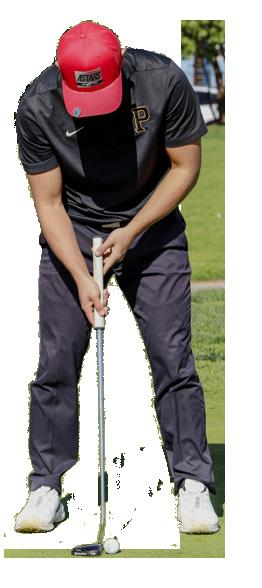
Acres of lush green grass give a space for geese and golfers alike spend hours getting their daily vitamin D intake.
Cuts to El Camino College’s golf team last semester and low student participation pushes the former team to transition into a golf club in order to continue the already established community, according to firstyear biochemistry major and golf club president Jacob Rodriguez, 18.
In recent semesters, only eight to ten students regularly attended practices, making it difficult to sustain an official competitive program, he said.
Club efforts to rebuild interest in golf consist of circulating flyers, Instagram posting on @elcaminoclubgolf, club rushes and word of mouth.
Rodriguez explained that the
decision was not solely the college’s responsibility, but part of broader budget reductions affecting multiple departments and student programs.
“There are a lot of budget cuts happening,” Rodriguez said.
every Friday at Alondra Park from 9 to 11 a.m. where the club uses the range and course.
One of the club’s main goals is to challenge common stereotypes about golf. Many students assume the sport is
“You don’t have to be a pro to play...Anyone can come out, try it, and improve over time.”
- Jacob Rodriguez, Golf Club president
“Programs that aren’t as popular sometimes get reduced or merged instead of receiving increased funding.”
Despite these challenges, the golf club has focused on creating a welcoming environment centered on student connection rather than competition.
Weekly meetings take place
expensive or limited to experienced players, but Rodriguez emphasized that beginners are encouraged to participate.
“You don’t have to be a pro to play,” he said. “Anyone can come out, try it, and improve.”
Friday practice sessions on the driving range from 9 to 10 a.m. are free, and the club

provides extra equipment for students who do not own clubs. Students interested in playing full rounds on the course from 10 to 11 a.m. pay standard course fees from $18 to $40.
“College is about making friendships and building community, and golf gives students a place to do that,” Rodriguez said.
By Heather Austin
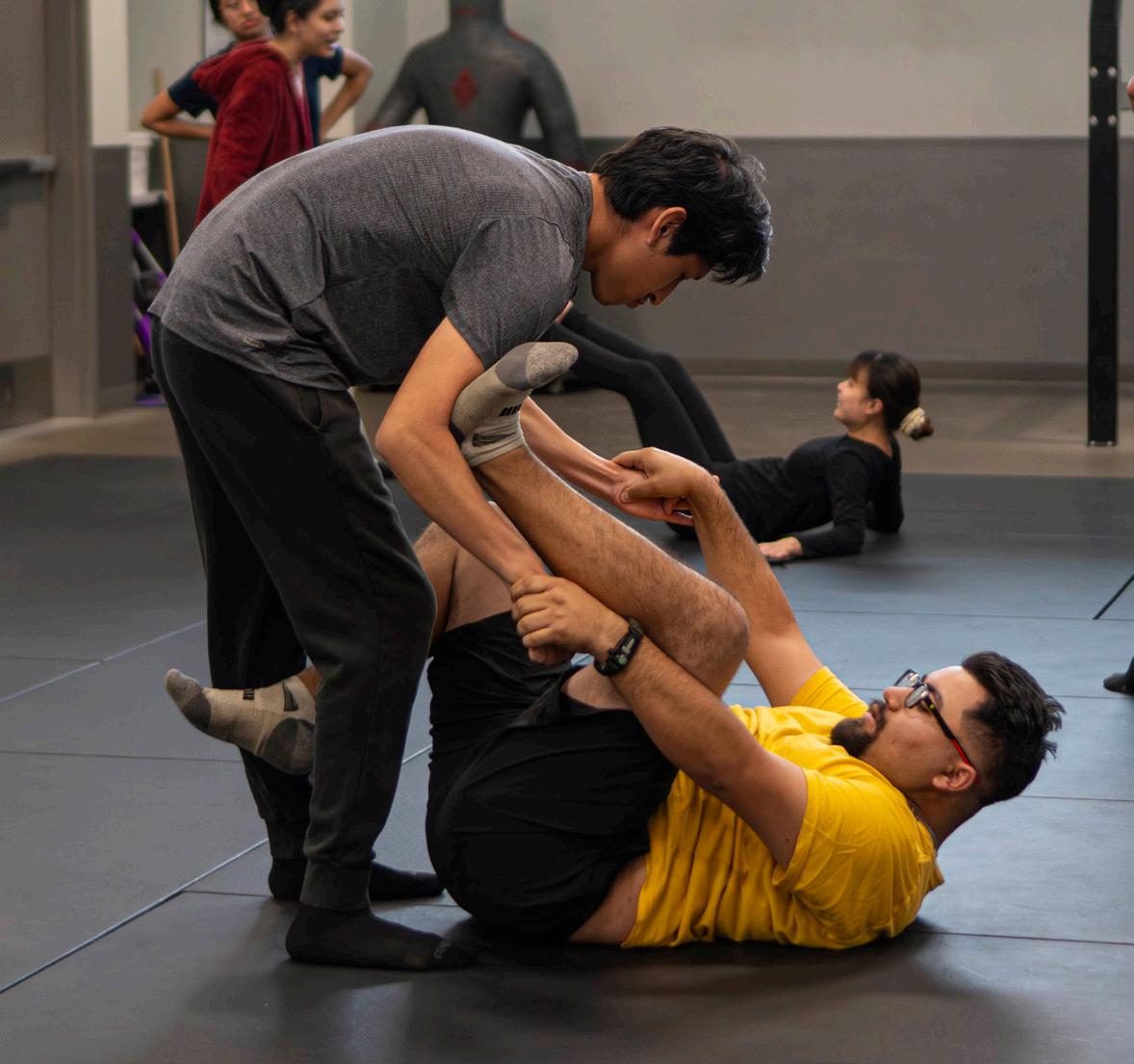
to defend themselves from danger
Pairs of shoes sprawled on the floor outside the gym mat where students sit crossedlegged along the inside edge watching martial arts teacher Ethan Kreiswirth demonstrate how to defend themselves against an attacker.
Student Alex Valle, 18, has been in fights in the past, he said, that is why he joined Kreiswirth Combative Arts and Self Defense class.
“Just in case if somebody tries to fight me, then I have to defend myself,” Valle said.
Self-defense is exactly what the word describes, Kreiswirth said, “It’s selfdefense. I‘m not trying to attack anybody. I’m trying to get away from an attacker.”
Kreiswirth began teaching at El Camino College in the fall 2025 semester teaching
the Care and Prevention of Athletic Injuries.
The self defense class meets on Mondays and Wednesdays from 11 a.m. to 12:35 p.m in PCB 201.
Kreiswirth has been practicing martial arts for nearly 30 years and is a 4th degree black belt in Brazilian jujitsu and has a PhD in Sports Medicine.
“Jujitsu teaches you to be comfortable with proximity and what to do when being grabbed or being kicked down on the ground, Kreiswirth said, “Most people want to try to get up, and they get up the wrong way…you need to know how to face your attacker on the ground and standing up.”
”In the course of the class, they learn how to fight standing and on the ground, how to react
when you get attacked from behind and how to break grips.
Kreiswirth said, “You need to learn how to break the grips, learn how to take somebody down, learn how to throw them. That’s more logical and more probable than knocking somebody out with some crazy kick.”
Nursing major Lyshanay Tatum, 32, said it will help with her career. “If I’m getting off work late … going to my car, someone happens to…attack me, I’ll know self-defense.”
When you are leaving a class, get off of your cell phone, and make contact with other people to let them know that you see them, Kreiswirth said.
“The class actually [helped] me to stay more focused and aware,” Tatum said..
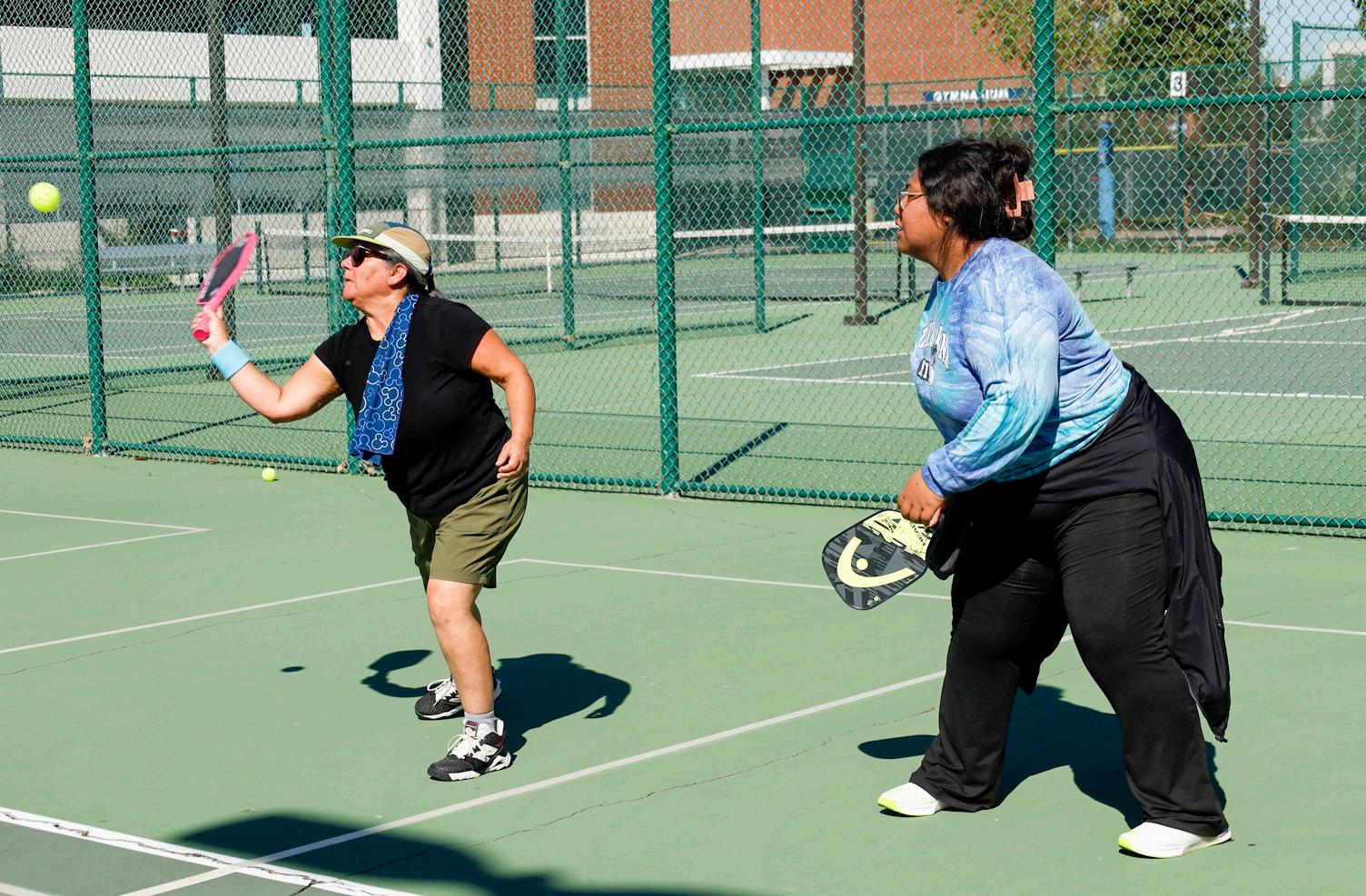
From pandemic fad to pastime, pickleball finds its place at ECC
By Ananya Iamcharoen
Thwip.
Thwock. Pop. Whack.
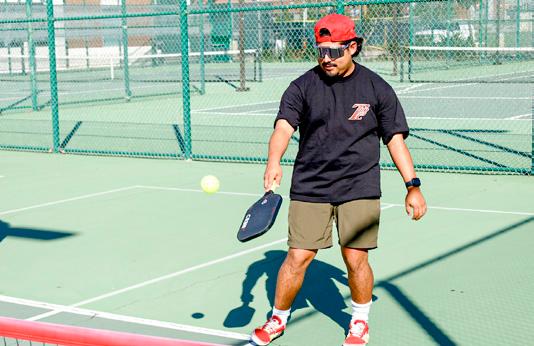
Past the El Camino College South Gymnasium, where the tennis courts are, the sound of whipping rackets and crackling plastic balls echoes energetically in the early morning air.
But it’s not tennis.
It’s pickleball.
The sport is easy to tell apart from tennis because the courts are much smaller. One could fit three pickleball courts in a full tennis court.
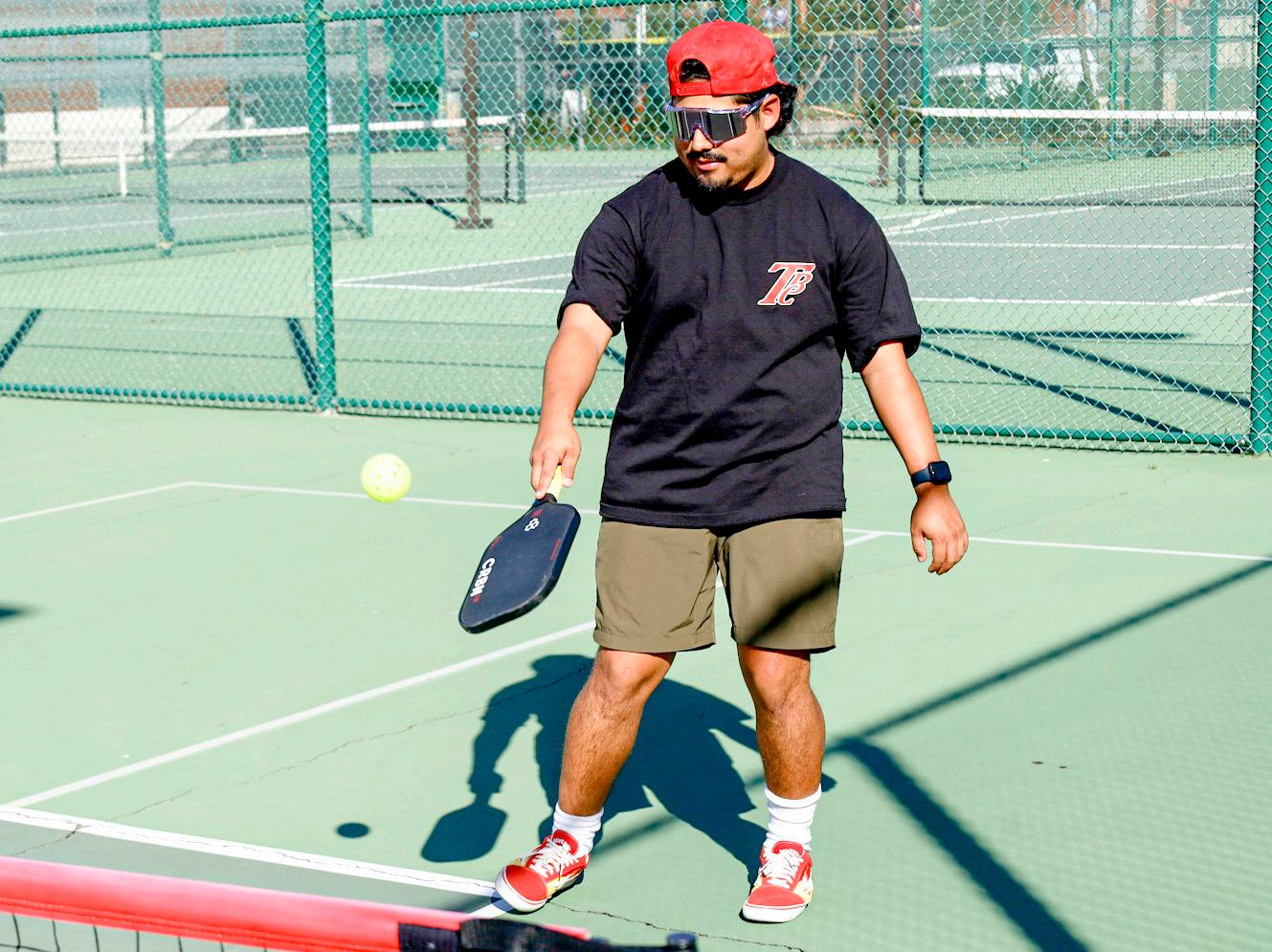
Pickleball sounds different. Instead of using rackets and fuzzy rubber balls, it uses thick, short rectangular paddles and hollow, perforated hard-plastic balls, which makes a sharp pop when struck together.
El Camino College offers a pickleball class for beginner and intermediate levels. Students of both skill levels practice together from 9:35 a.m. to 11 a.m. on Tuesdays and Thursdays with instructor Thomas Hazell at the ECC tennis courts.
Pickleball has kept its reign as the fastest-growing sport in the US for the past four years, according to the Sports and Fitness Industry Association (SFIA) Topline Participation Report for 2025.
The sport started in the mid 60s by businessman and congressman Joel Pritchard at his home on Bainbridge Island, near Seattle, Washington, who
was looking for an activity to pass the time with his family, according to USA Pickleball.
Rackets are more commonly made from graphite, fiberglass or carbon fiber now, however when the sport first began, they were wooden paddles similar to those used in ping pong.
“The popularity kind of spread out to [ECC], I’m really glad that a lot of people are starting to come out. Since this is the second semester, there has been a huge growth in the number of students that have joined the class,” sociology major and pickleball student Jagger Tavai, 21, said.
“The popularity kind of spread out to [ECC], I’m really glad that a lot of people are starting to come out. “
- Jagger Tavai
During the COVID-19 pandemic, the participation rate in pickleball grew drastically by 40% between 2019 and 2021, according to the Journal
of Student Research.
“Right out of COVID, social distancing was a thing. Pickleball is kind of a sport where you can be distant at the same time while playing the game, just hitting the ball with the paddle,” Tavai said.
The class was officially added as a physical education course for the fall 2024 semester and has been continuously offered since with the exception of the spring 2025 semester.
“The general goal is for them is to learn the game of pickleball, develop the skills necessary for them to be very competitive of pickleball and get getting experience,” instructor Thomas Hazell said. Hazell said that practices usually consist of serve practice, different shot drills, ground strokes and practice games.
“I know a lot of people are not very familiar with the sport, but Coach Hazell did a really good job with executing the instructions and just allowing people to be inclusive with one another and just to have fun,” childhood education major and pickleball student Lata Lameta,
Flag Football
El Camino (1-8) vs Norco (5-2) Home, March 19 @ 12 p.m.
El Camino (1-8) vs UCLA Home, March 26 @ 7 p.m.
Men’s Baseball
El Camino (18-4) vs Alan Hancock (17-5) Away, March 20 @ 2:30 p.m.
El Camino (18-4) vs Rio Hondo (6-18) Away, March 24 @ 2 p.m.
El Camino (18-4) vs Rio Hondo (6-18) Home, March 26 @ 2 p.m.
El Camino (18-4) vs Rio Hondo (6-18) Away, March 28 @ 12 p.m.
28, said.
Lameta said the sport is very inclusive for everybody.
“It doesn’t matter the age, it doesn’t matter your background in sport like learning pickle ball it is something that is very … interesting to learn,” Lameta said.
Since its origin, pickleball has become what Pritchard intended the sport to be, “a game the whole family could play together.”
For the students taking the class, it is not just an exercise.
“It’s not just a sport,” Tavai said. “But something you can be social with like making friends, new relationships... exercise. You’re being social. You’re having fun.”
It’s kind of a big dill
Amazon sold almost 700,000 paddles, totalling $43.5 million in sales, in 2025.
There are 82,613 pickleball courts nationwide, 14,155 were added in 2024.
USA Pickleball sanctioned 144 tournaments in 2024.
Women’s Beach Volleyball
El Camino (5-10) vs Mt. Sac (9-6) Home, March 20 @ 10 a.m.
El Camino (5-10) vs Long Beach (11-3) Home, March 27 @ 10 a.m.
Women’s Softball
El Camino (18-5) vs Cerritos (14-7)Away, March 20 @ 1 p.m.
El Camino (18-5) vs Long Beach (15-7) Home, March 24 @ 2 p.m.
El Camino (18-5) vs Palomar (20-1) Home, March 25 @ 2 p.m.
El Camino (18-5) vs Rio Hondo (2-20) Away, March 26 @ 2 p.m.
El Camino (18-5) vs Compton (6-18) Home, March 31 @ 2 p.m.
Men’s Volleyball
El Camino (4-10) vs Antelope Valley (2-12) Home, March 20 @ 6 p.m.
El Camino (4-10) v Santa Barbara (11-3) Home, March 25 @ 6 p.m.
El Camino (4-10) vs Pierce (6-8) Away, April 1 @ 6 p.m.