“It’s not what you look at that matters, it’s what you see.”
- Henry David Thoreau
Envisioning spaces that respond to people’s needs, demographics, and potential shared memories has been one of my primary goals throughout architecture school. Projects I completed over the past five years are architectural solutions that engage with not only individuals but also cities, geography, and culture.
Industrial Individualism is a response to the needs of married graduate students. They need a place to begin their new life, which feels like home rather than a transient apartment with a high turnover rate. Mutable Light responds to the city and its pedestrians through an inviting and transparent ground-floor facade. Architectural Furniture responds to the fascinating history of Scandinavian furniture design to provide a living room for the city of Aarhus. Tree to Timber responds to the mass timber production in Alabama and the needs to teach young students about the nature of Alabama. Synthetic Oasis responds to the need for more thoughtful public outdoor spaces in Austin that prioritize individuals’ health and well-being. The last project, (Dis)Abling Spaces, is the beginning of a thesis that will respond to the Deaf and Hard-Of-Hearing community’s unique spatial needs. Hopefully, creating a space that celebrates this difference will enable this community to thrive, feel included, and truly dwell in the building that supports the users.
Ellie Nolan
Project Locations
Industrial Individualism
Married Student Housing for Columbus State University
Industrial Individualism
Married Student Housing
Location: Columbus, Georgia
Instructor: Christian Dagg
Time: Fall 2024
Type: Multi-family Residential Size: 53,660 sf
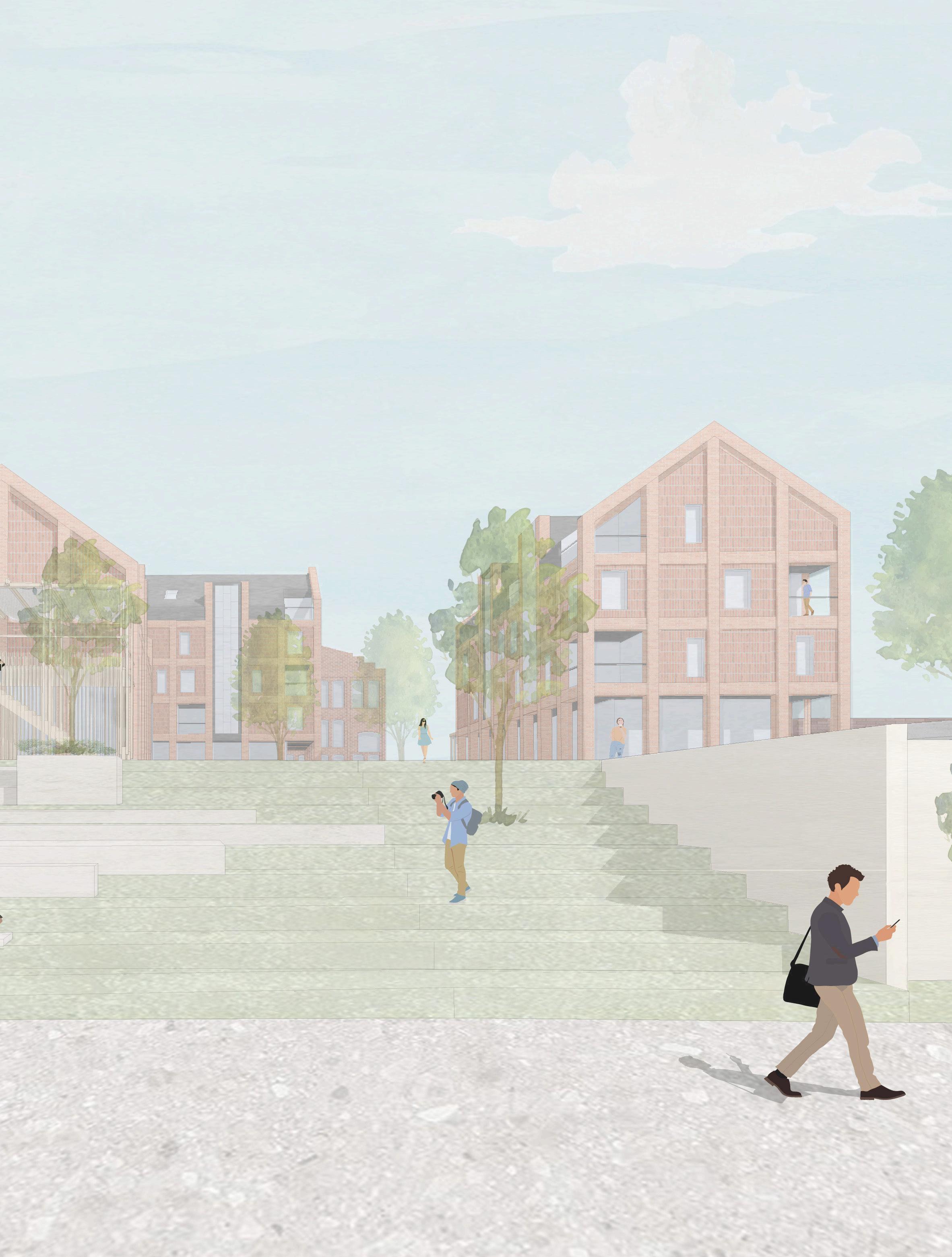
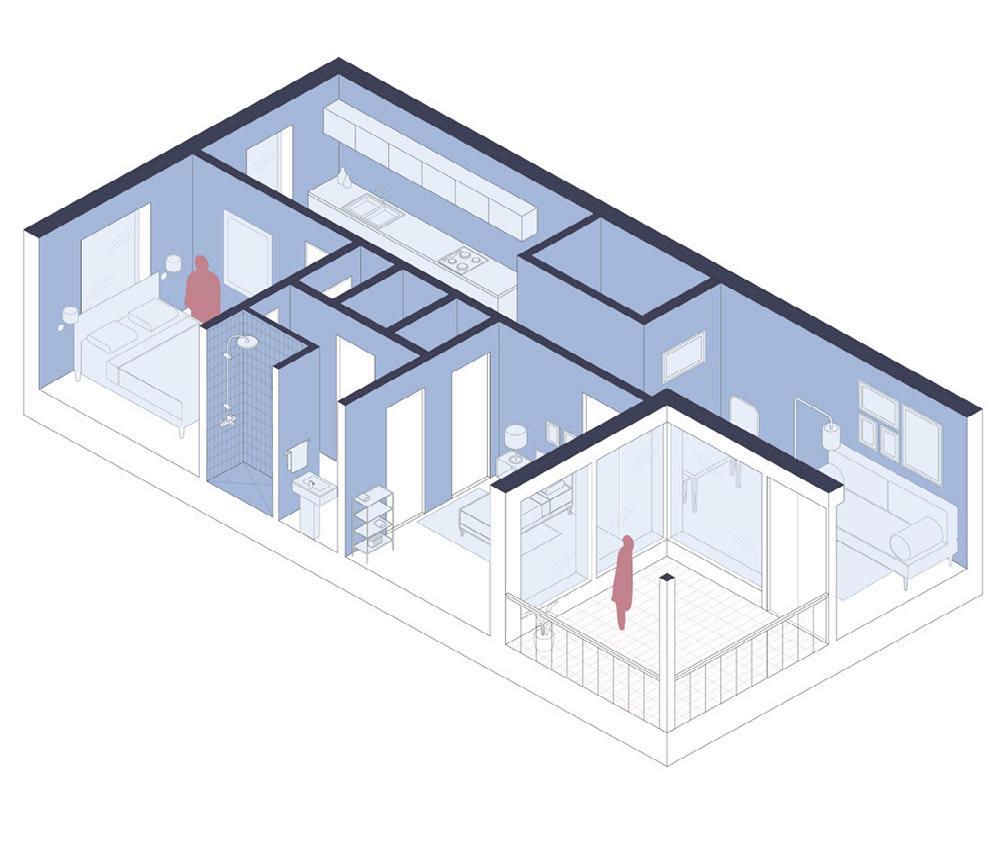
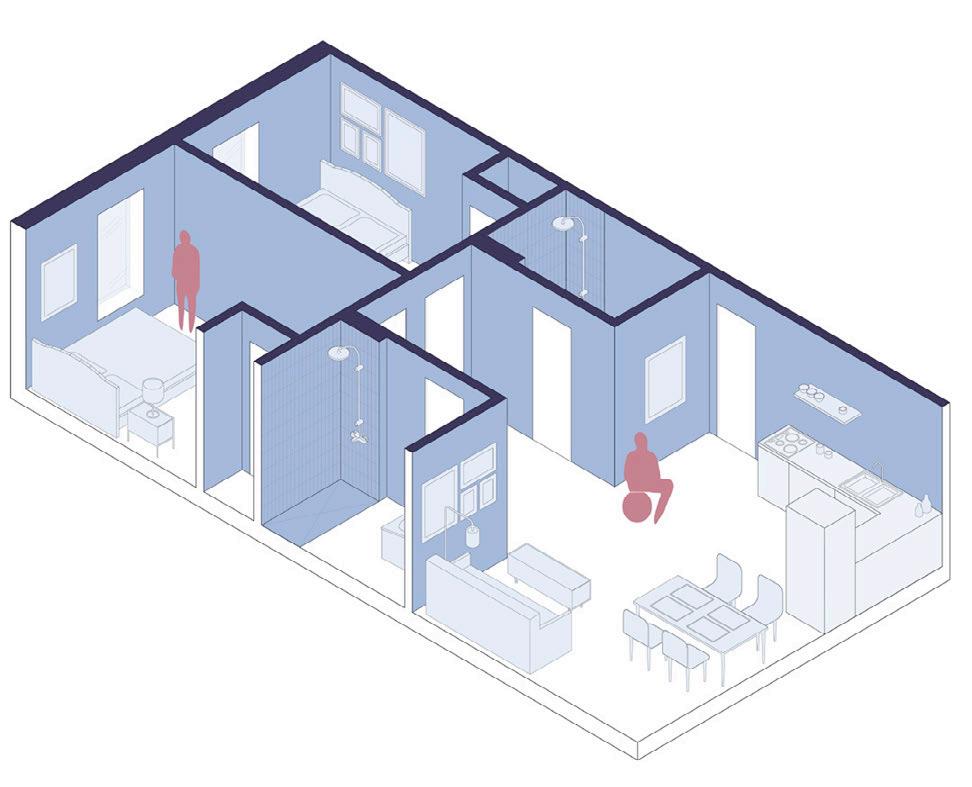
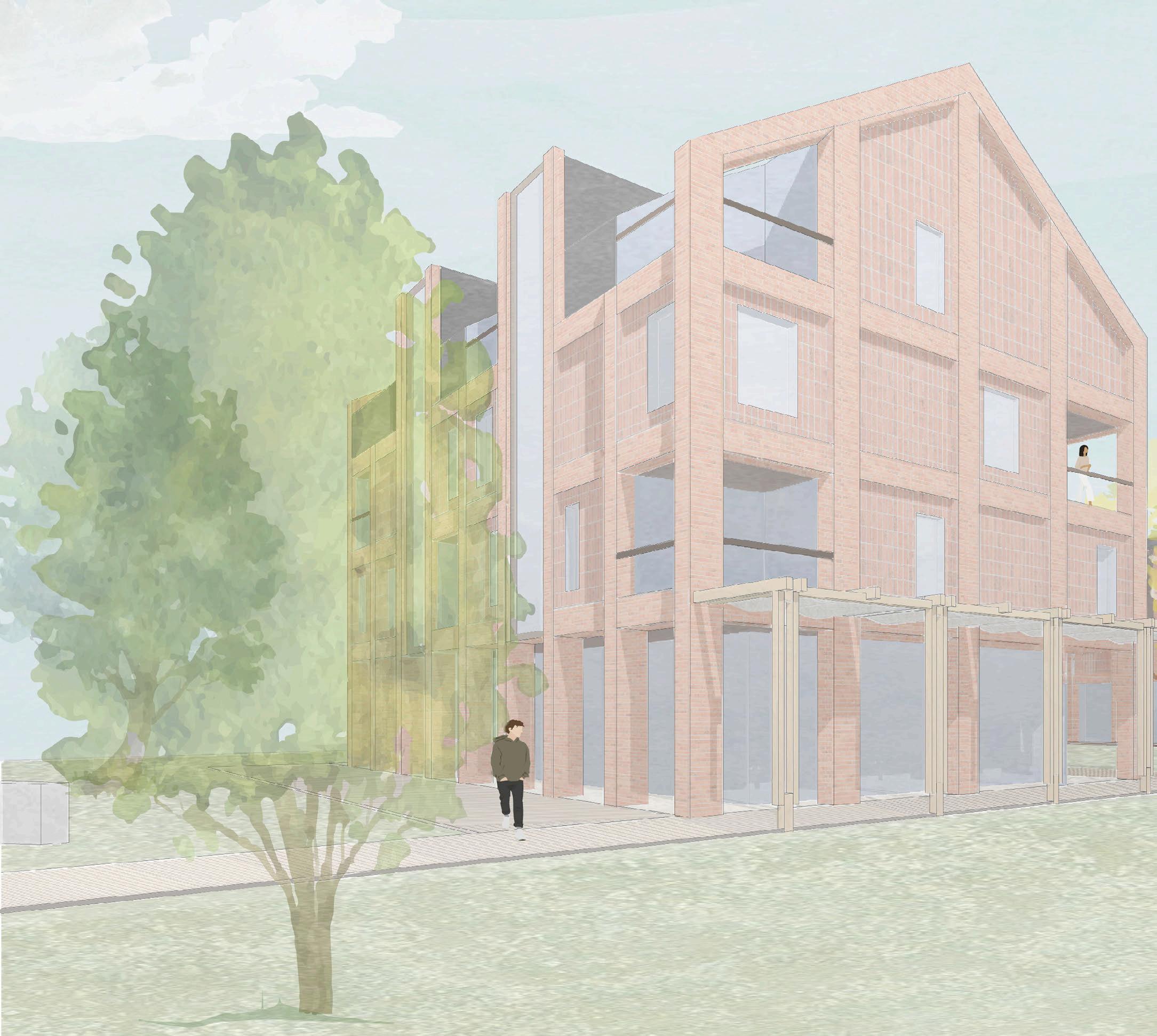
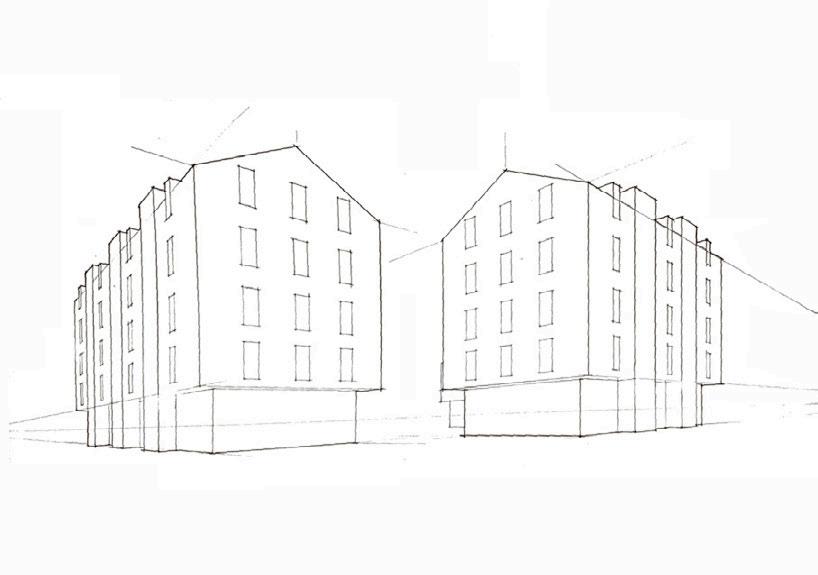
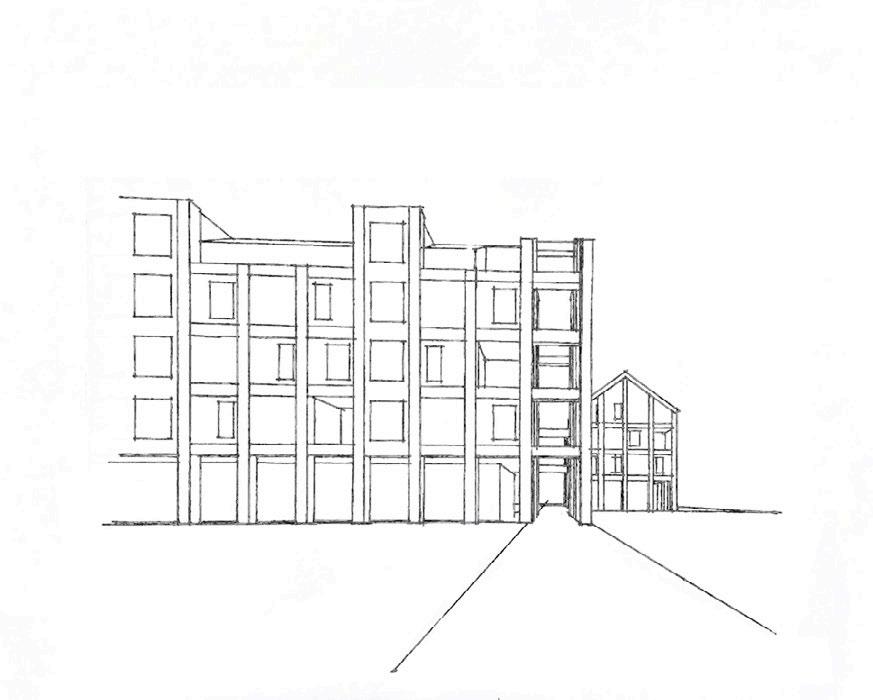
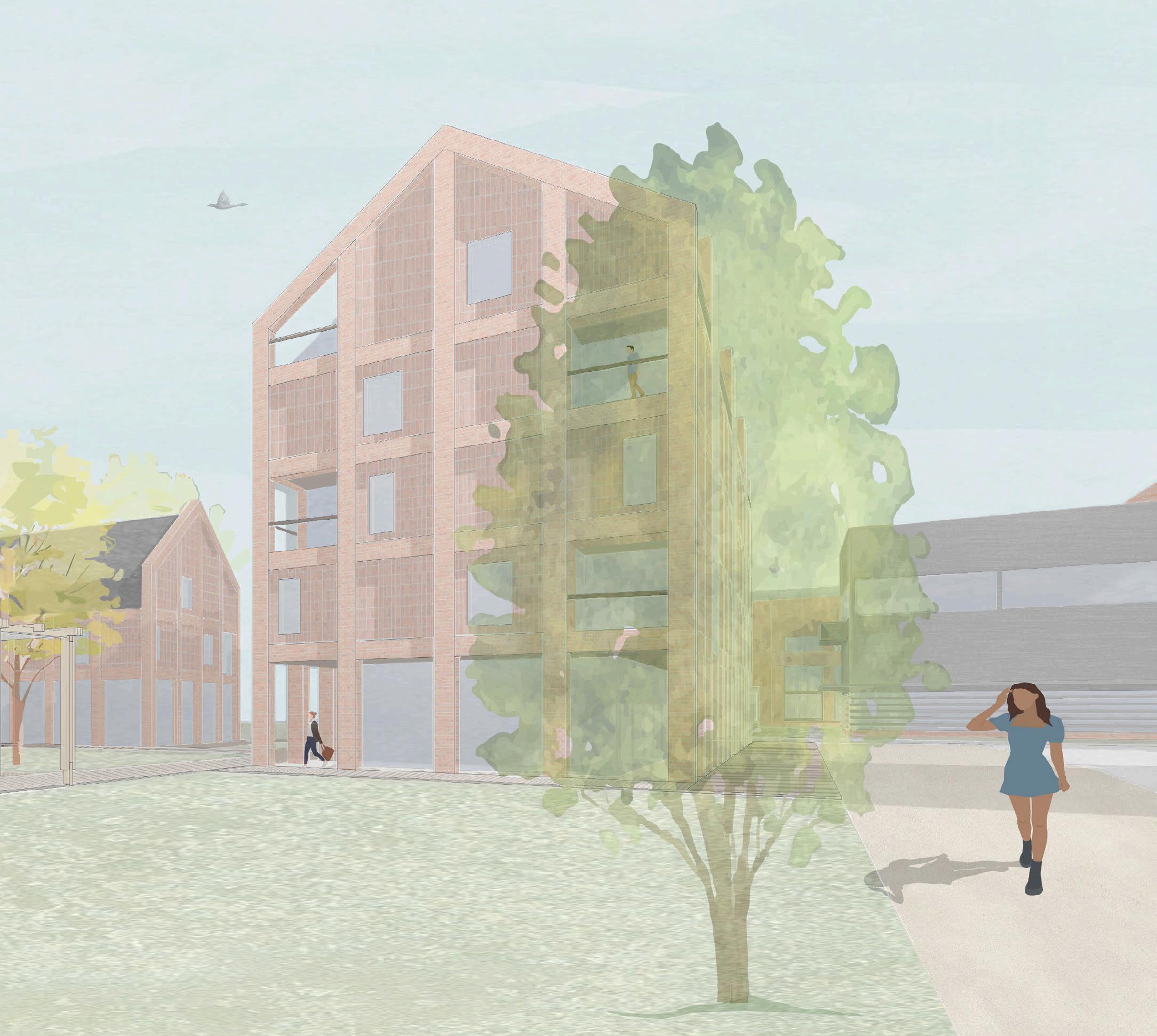
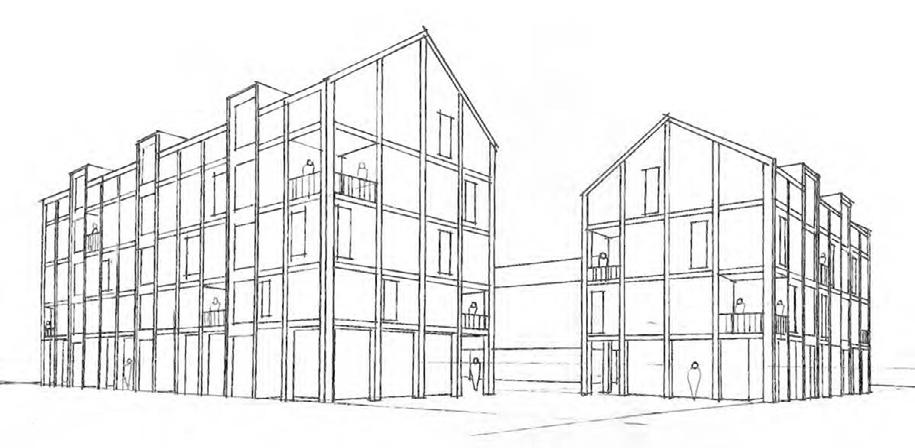
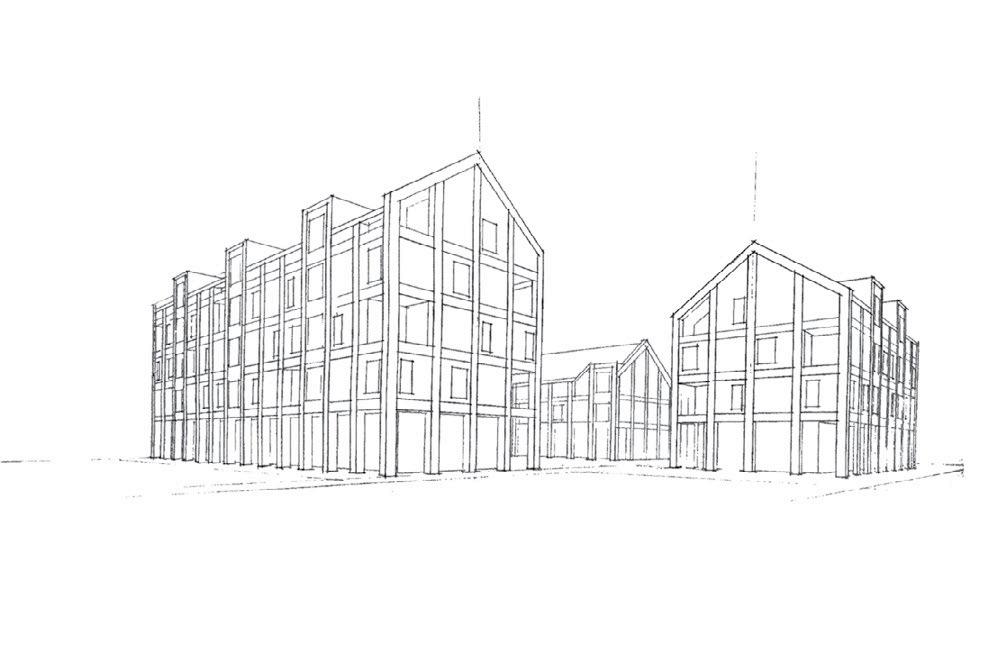
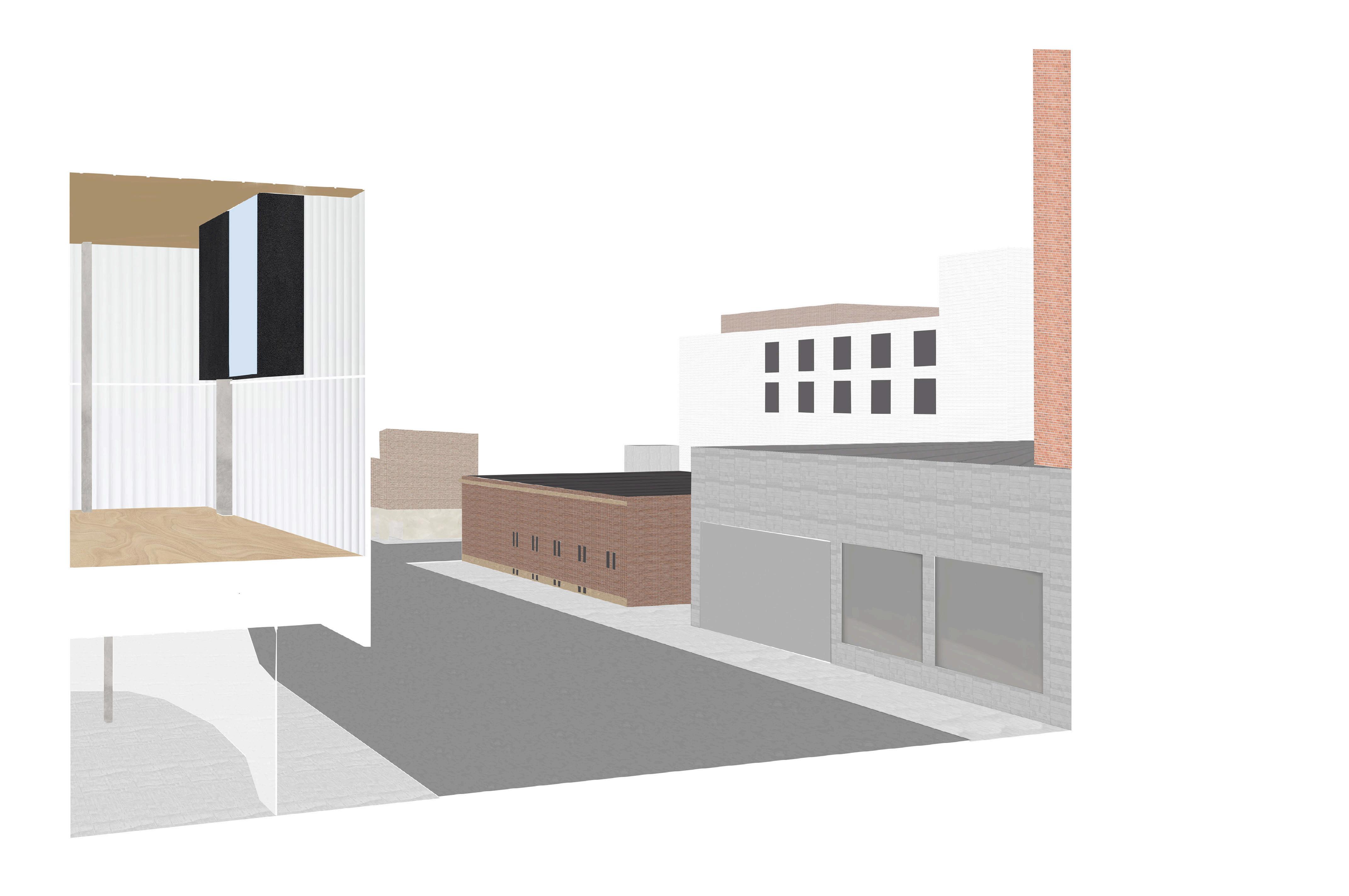
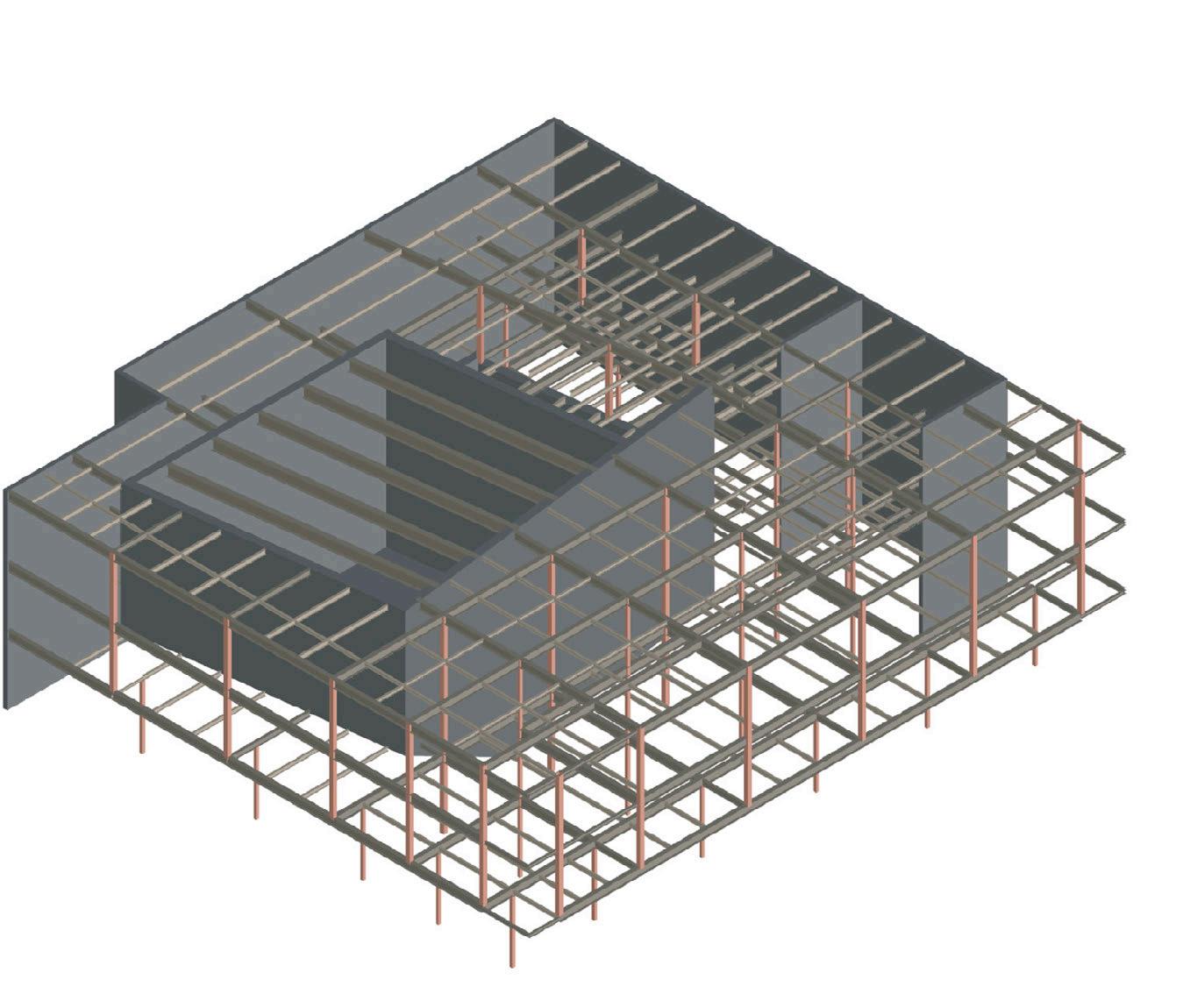
The married student housing at Columbus State University offers accommodations designed specifically for graduate students. Located between the Chattahoochee River and Columbus’ industrial brick buildings, the buildings attempt to respectfully respond to the surroundings. The adjacent buildings display regular brick facades with a single gable roof and wooden structure. This building responds by reflecting the brick facades and implementing a mass timber structural system. Additionally, the design is organized into three separate buildings, which frame a central courtyard and take advantage of river views. By utilizing point load circulation and an irregular window pattern, residents can feel a sense of home and personal space since they do not share a front door with many people and can easily point out their space from the outside. The continuous language and proximity of each building, promotes a balance between personal space and community interaction, fostering a sense of belonging both within the building and in the broader collegiate environment.
Perspective illustrating access from the riverwalk, linking the central courtyard with the riverfront path
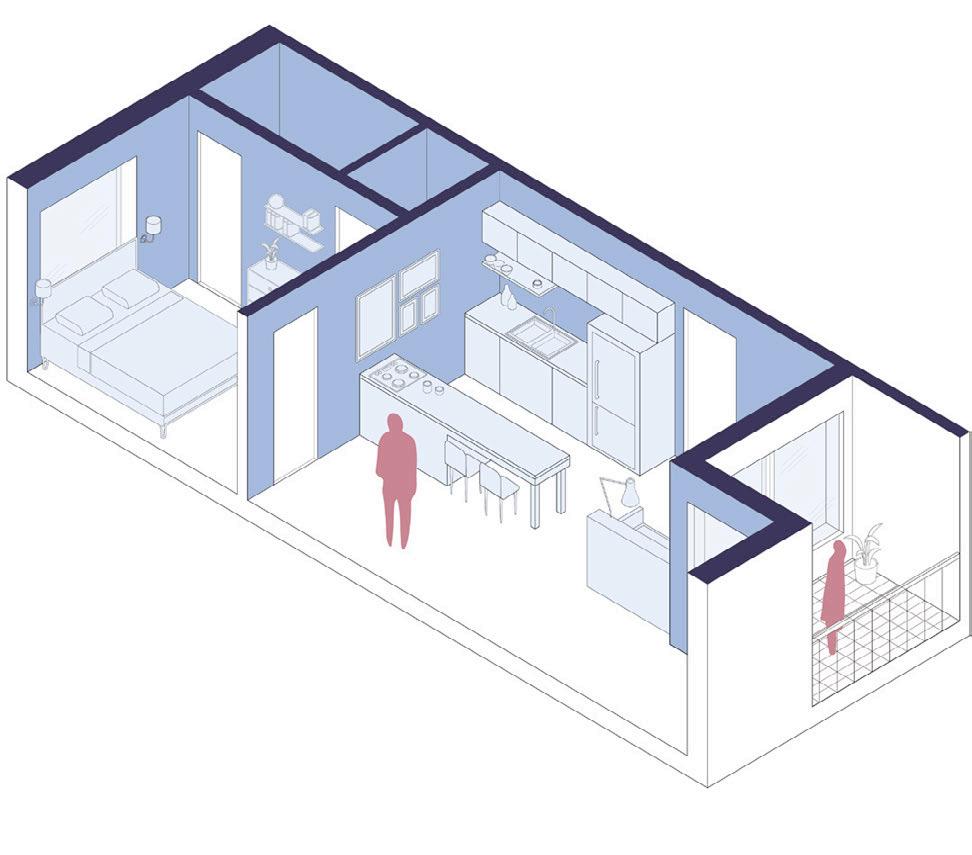
Laundry 70: One Bedroom 80: Two Bedroom 90: Studio
Above: Second Floor Plan showing the units assigned to each building
Above: Ground Floor Plan illustrating how the buildings define and enclose the exterior spac
Ellie Nolan
Studio
One Bed
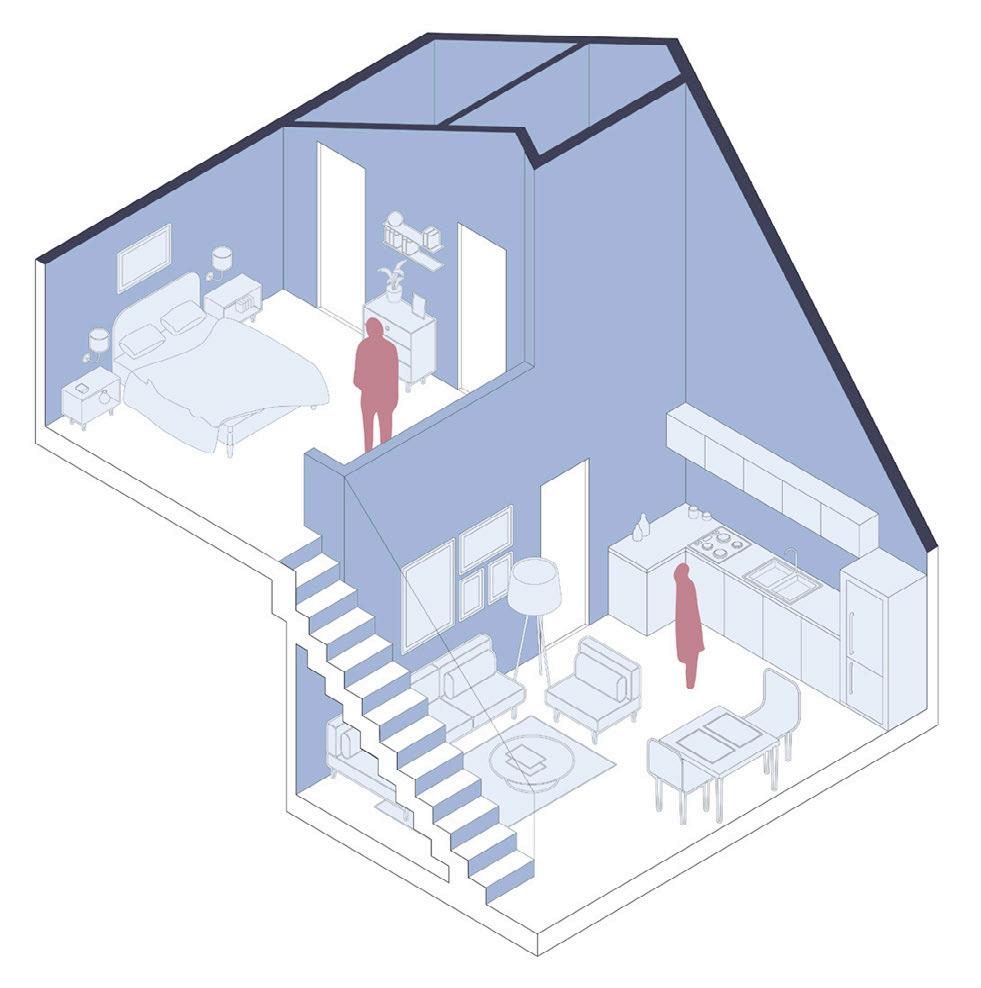
Unit Typologies and Sectional Relationship
Two Bed ADA Unit
Ellie Nolan
Above: Section showing the irregular window pattern and the shifting floor plan
Above: Transverse Section of one-bedroom building and Elevation of two-bed-room building
Ellie Nolan
Above: Perspective from southeast corner
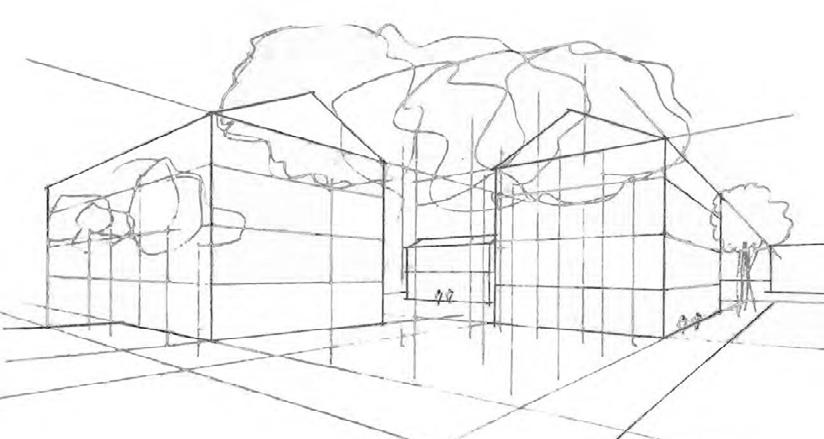
Below: Process Sketches used to design the above perspective
Environmental Impact
Based on EC3 Calculations Resulting in a 67.5% reduction in Net Embodied Carbon
Right: Mass Timber structural axonometric Below: Transverse section highlighting the topography and the structural public spaces
Mutable Light
An Urban Dance Center for Huntsville, AL
Mutable Light
A Urban Dance Center
Location: Huntsville, AL
Instructor: Kevin Moore
Time: Spring 2024
Type: Dance Center
Size: 39,700 sf
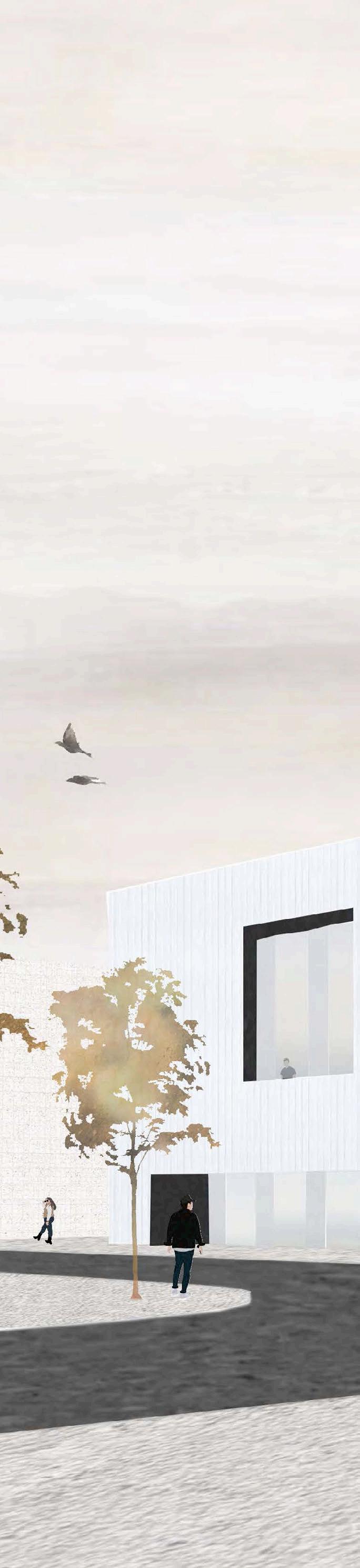
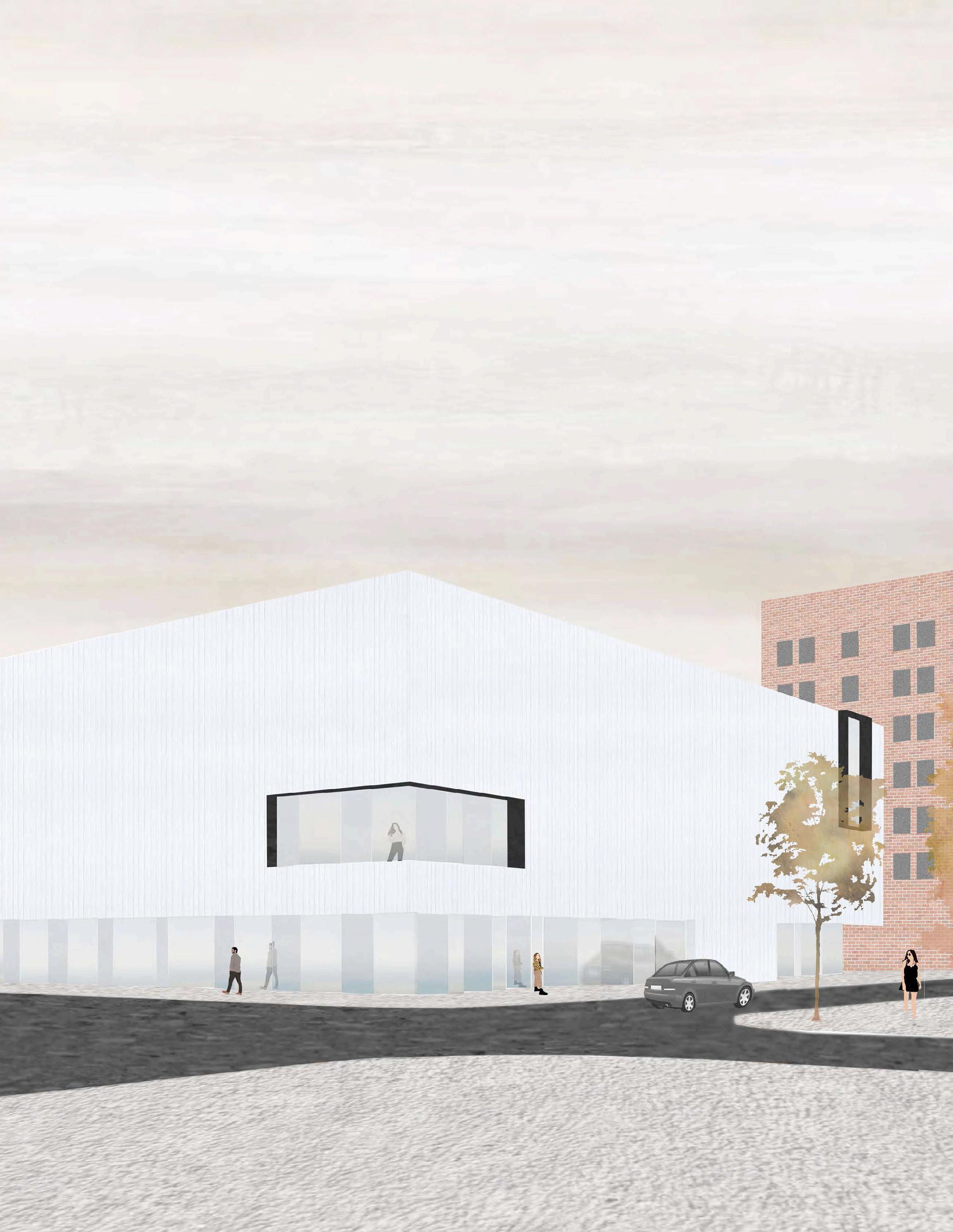
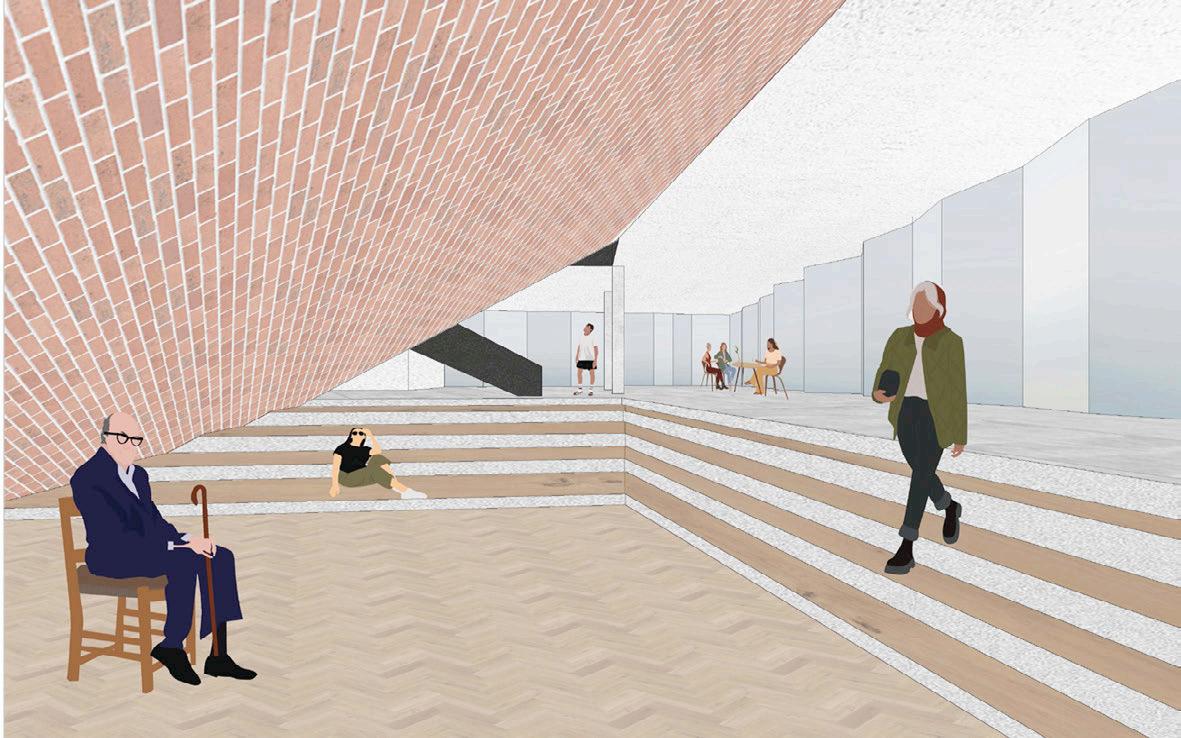
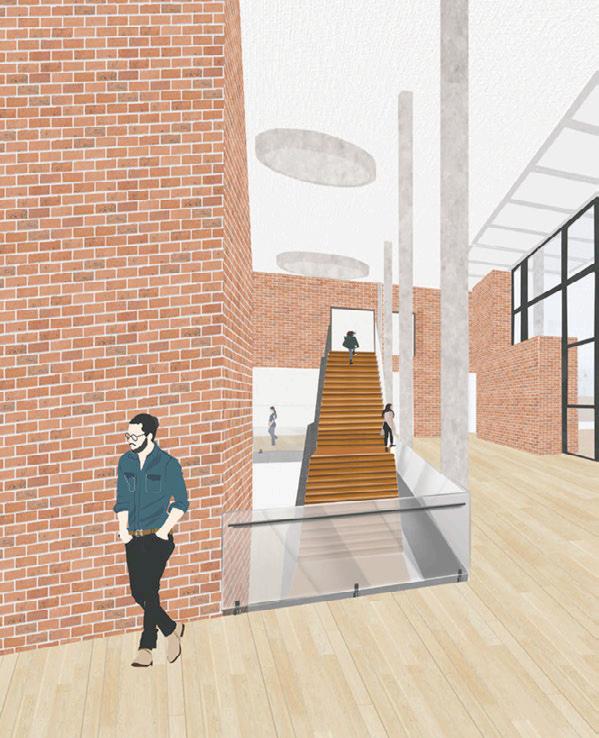
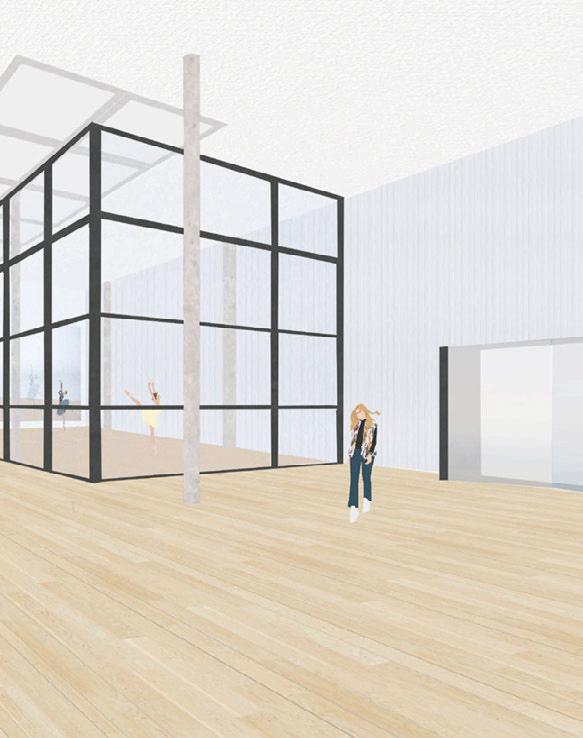
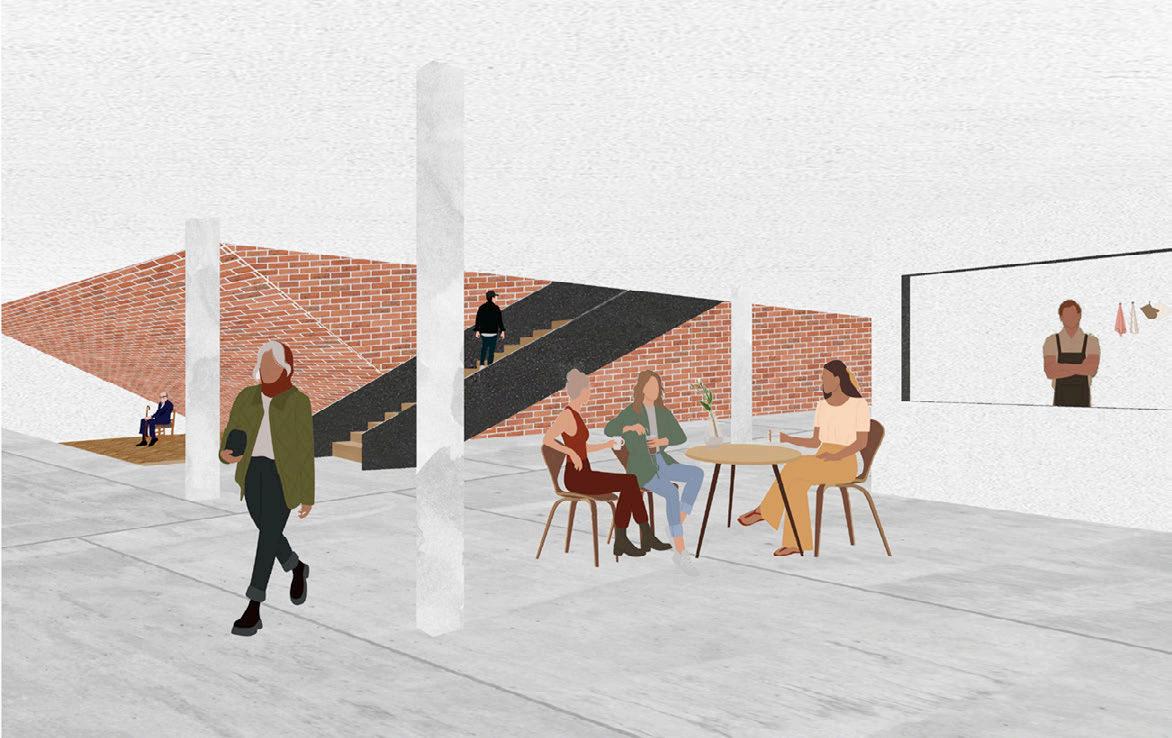
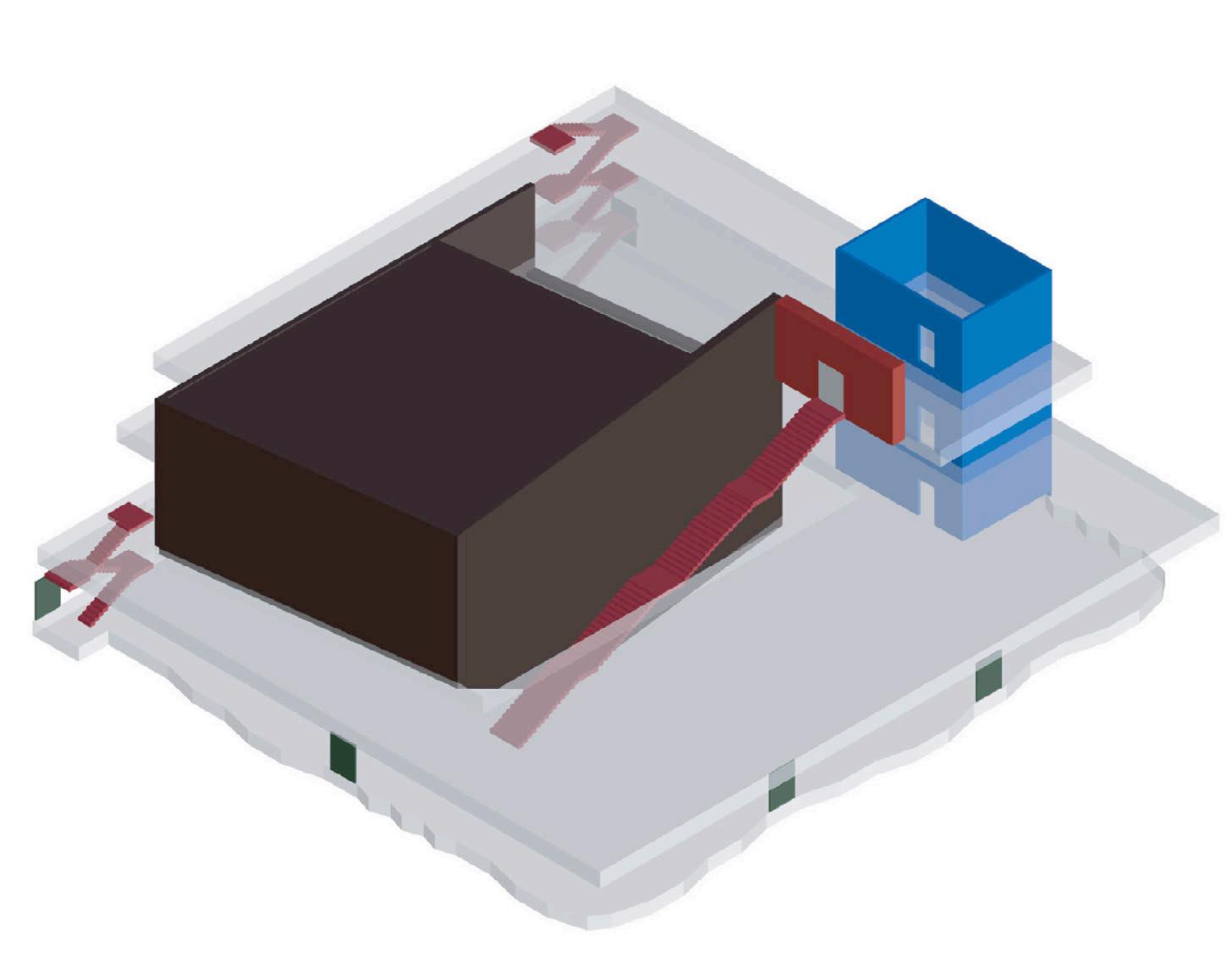
The Huntsville Dance Center focuses on layered systems tailored to complement the programmatic and experiential nuances of each space. When entering the ground floor, occupants pass through a transparent rippled glass facade. Here, a series of communal areas unfold, including a public area, a box office, a cozy café, and a versatile community room, fostering a sense of openness and accessibility. Next, they move upwards to the semi-public second floor. Here they will find a translucent space with a lobby and dance studios. The office on the third floor is also a part of this semi-public space. These semi-public areas are identifiable by translucent wrappers and skylight installations, which infuse the spaces with natural light and a sense of airiness. Amidst all three levels, there is the private theater box. This is object-like and solid brick. The building is connected by a central stairway, which serves as a focal point of circulation. Here, users are guided through the space between the theater box and the rest of the building. Above the stairs, there is a transparent skylight which illuminates the stairs. Furthermore, the layering system can be observed by pedestrians outside of the building. The transparent facade offers glimpses into the public spaces and the translucent wrapper provides a subtle glimpse into the activities within, giving the observers glimpses of movement while still allowing occupants privacy. Moreover, the theater box’s angled intrusion into the ground floor creates a dynamic visual element visible from the street.
Perspective highlighting the public and semi-public facades and their intersection
Above: Semi- Public Second Floor
surrounded by translucent glass
Above: Semi-Public Third Floor
Above: Public Ground Floor Plan enclosed by transparent glass facade
Above: Axonometric view illustrating pedestrian and vehicular traffic pattns
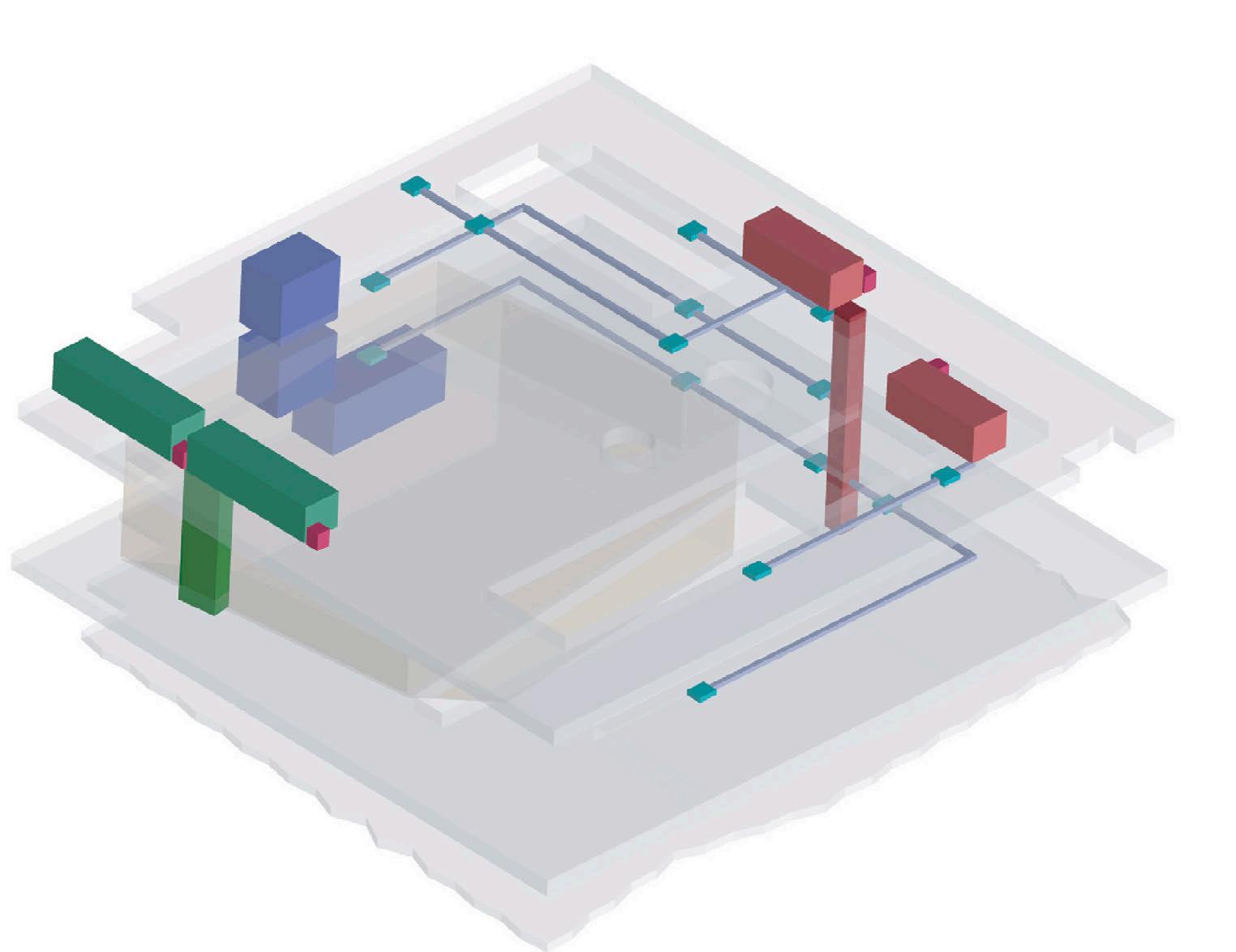
Right: Axonometric diagrams showing the layers of building components, with corresponding variations in light and privacy across diffeent spaces
Left: Section Perspective showing wall and floor assembly and layer
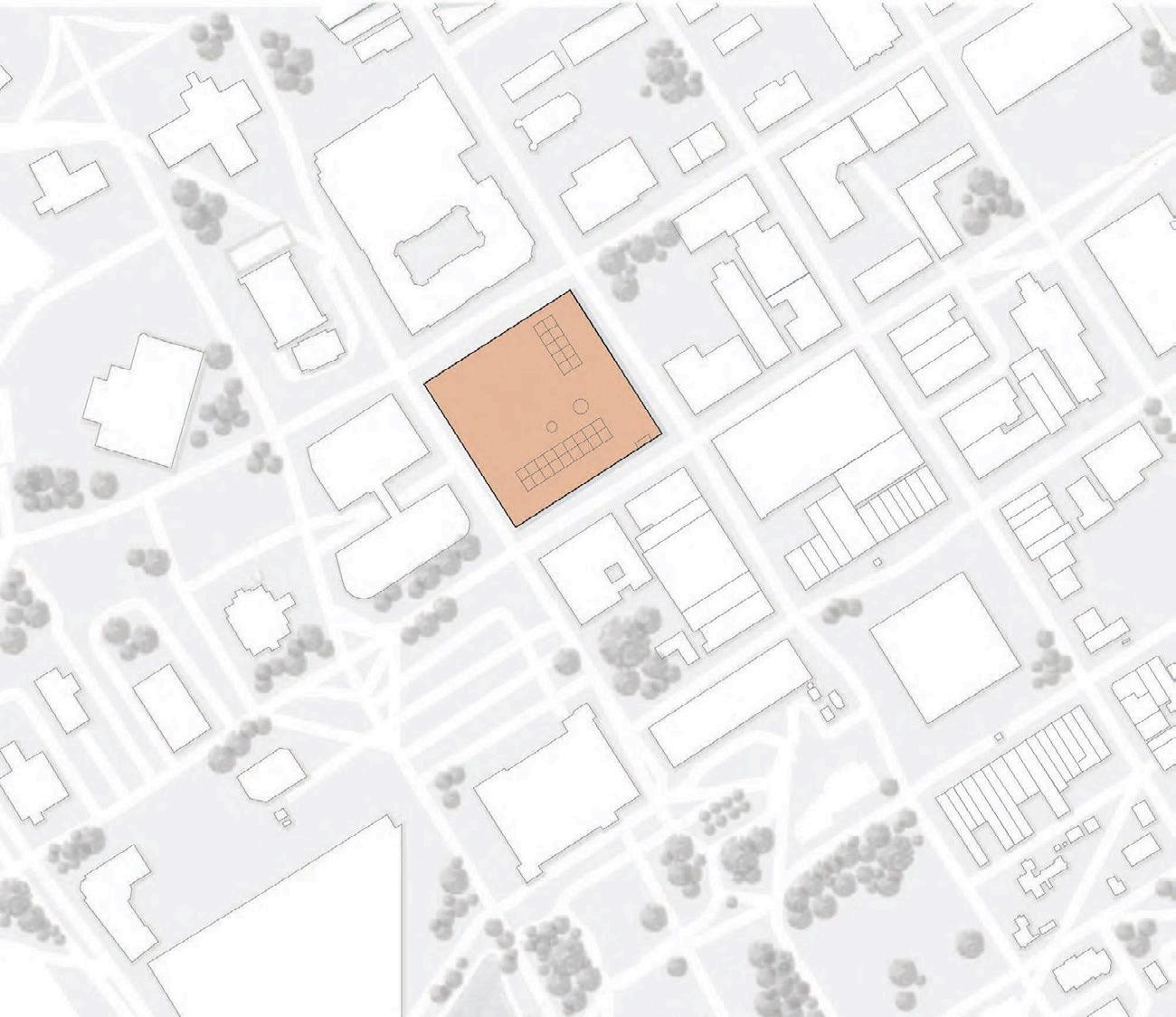
Above: Site Plan showing level of urban density surrounding Below: Process Diagram of public facade form
A Dance Center for
Section and various vignettes explore visual connections throughout layers of the building
Environmental Control Diagram
The proposed building utilizes both a VRF system and a displacement air system. Zone 1 uses Displacement Air and Zone 2 uses VRF. Zone 1 is the theater and lobby while Zone 2 is the rest of the building.
Egress Diagram
1019.3 exception 4:
Exit access stairways where the area of the vertical opening between stories does not exceed twice the horizontal projected area of the stairway and the opening is protected by a draft curtain and closely spaced sprinklers. This provision is limited to opening that do not connect more than four stories.
1st Floor Occupancy = 914
2nd Floor Occupancy = 847
3rd Floor Occupancy = 97
Door Capacity
70” / 0.2” / person = 350 people/door
Stair Capacity
x” / 0.2” / person = x people/stair
Stair 1:
Stair 2:
Stair 3: 84” = 420
1019.3 exception 4
Building Performance Diagram
The passive cooling strategies are overhang channel glass to block high summer sun but allow low winter sun and operative ground floor facade to allow for cross ventilation.
Green Roof
- Total sq. ft.: 9,915
- Gallons retained per year: 23,776
Channel Glass
- Aerogel insulation fits into the glass cavity
- U Value: 0.19
- Sound insulation up to 44 db
- allows for 38% light transmission
Structural Diagram
The proposed building utilizes a steel frame structure. The shear support come from the theater box and back structural wall.
Structural Wall
Steel Girder
Steel Beam
Steel Column
5” concrete slab on 3” metal deck
W30 x 90 Steel Beam (with camber) 10’ o.c.
W14 x 68 Steel Beam
W22 x 101 Steel Girder
HSS 8 x 8 x 1/2
Steel column
1.5” Concrete Slab on 3” metal deck
12” Masonry Wall
Architectural Furniture
A New Cultural Center for Aarhus, Denmark
Architectural Furniture
A New Cultural Center for Aarhus, Denmark
Location: Aarhus, Denmark
Teacher: Matt Hall
Time: Spring 2023
Type: Culture House
Size: 4,000 sf
This culture house in Aarhus, Denmark draws inspiration from the timeless beauty and craftsmanship of Scandinavian design and furniture. There is a focus on designing with furniture in mind, which supports users’ activities and allows them functional comfort. Each element of the design includes detailing that is simple and durable, with craftsmanship that is expressive without being flashy. The culture house reinterprets typical architectural elements—such as structure, windows, and facade—transforming them into inviting spaces that balance both activity and relaxation. By recontextualizing these familiar components, the design creates opportunities for users to engage with everyday architectural features from a fresh perspective. This intentional shift in perception encourages reflection on the relationship between architecture and culture, sparking new ways of thinking about the spaces we inhabit.
Analytique highlighting how the facade acts as a bench
Ellie Nolan
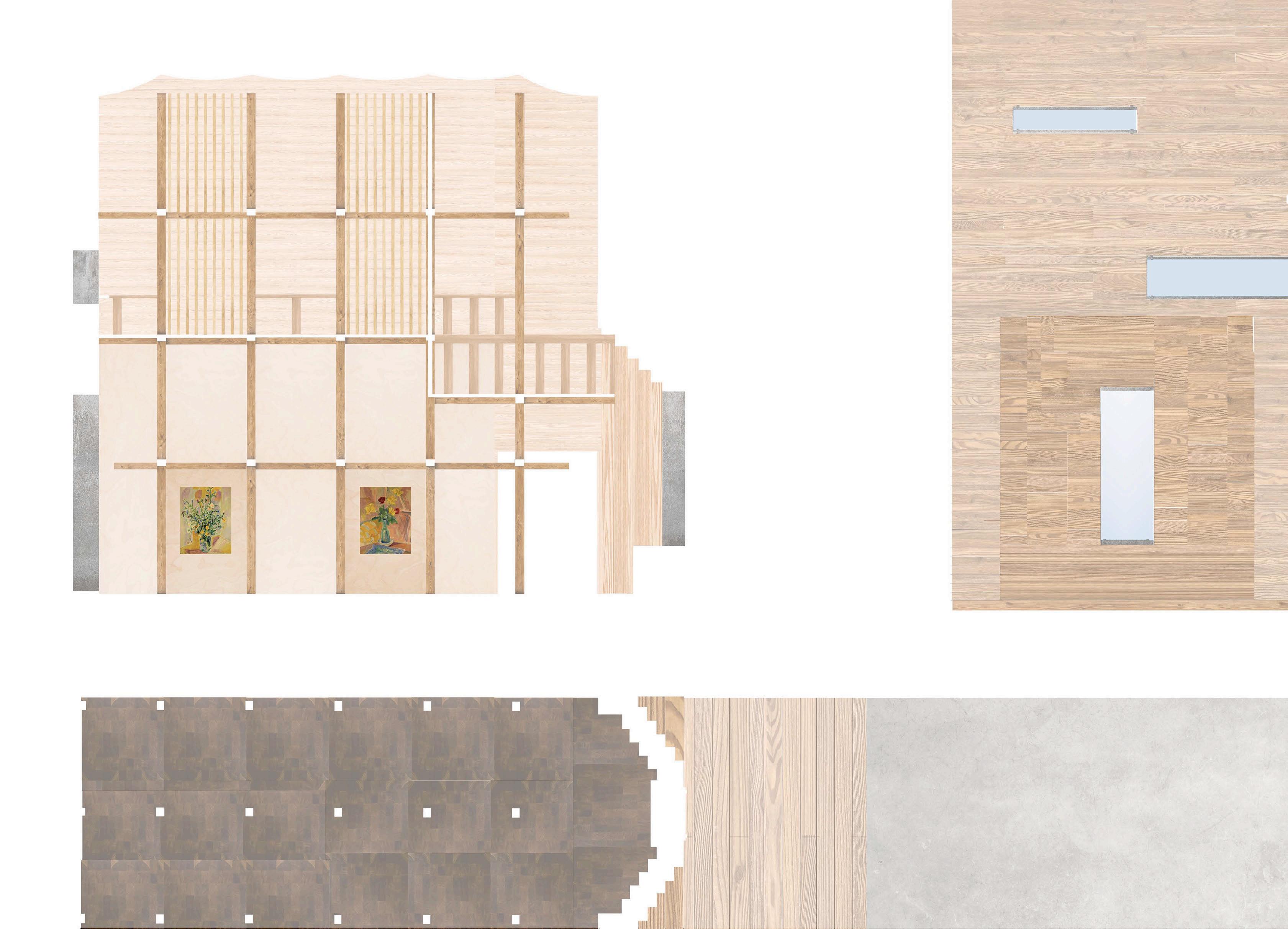
Left: Section showing hypothetical use of structure area
Right: Partial elevation corresponding to section
Bottom: Partial plan corresponding to section
Ellie Nolan
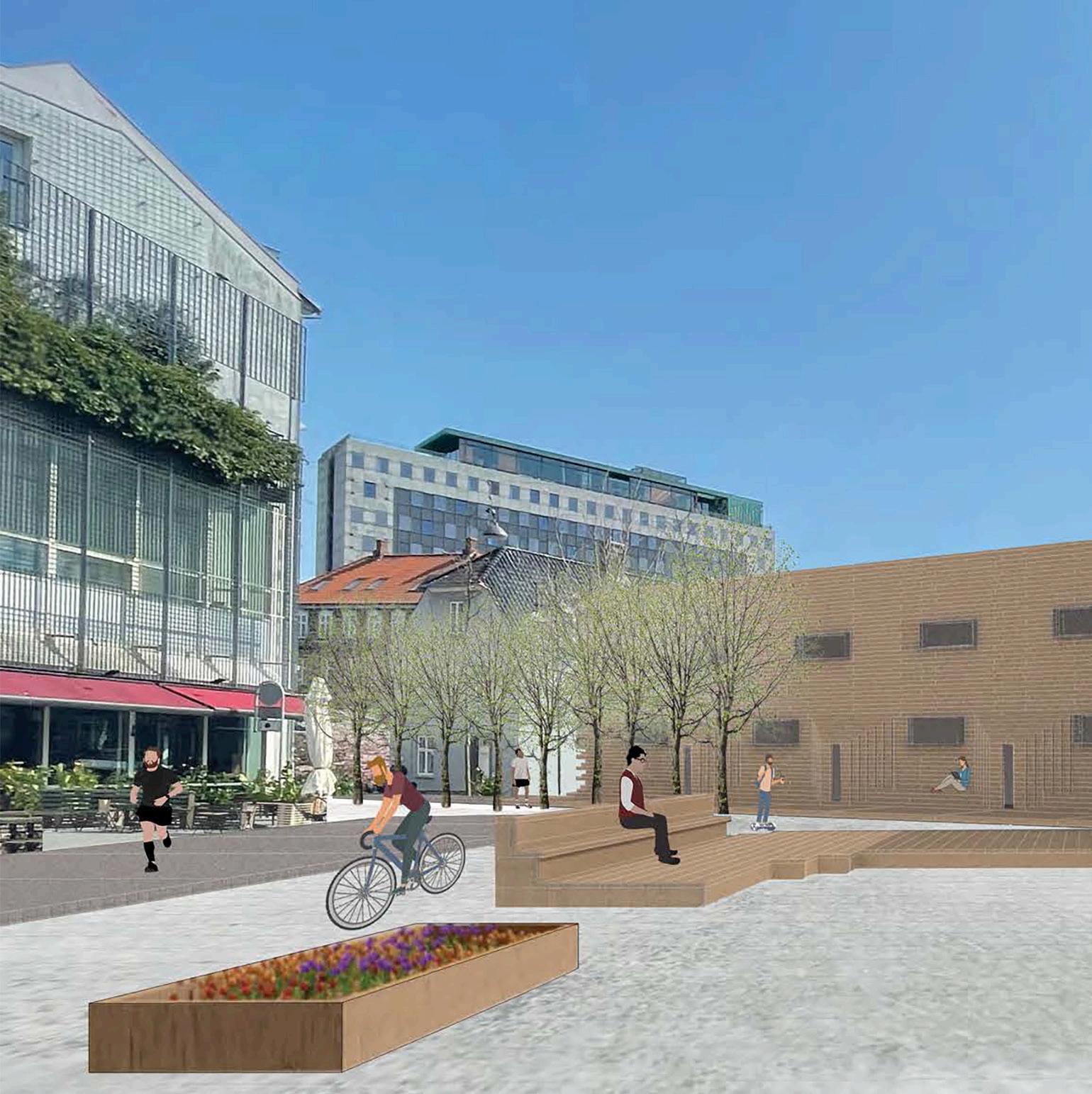
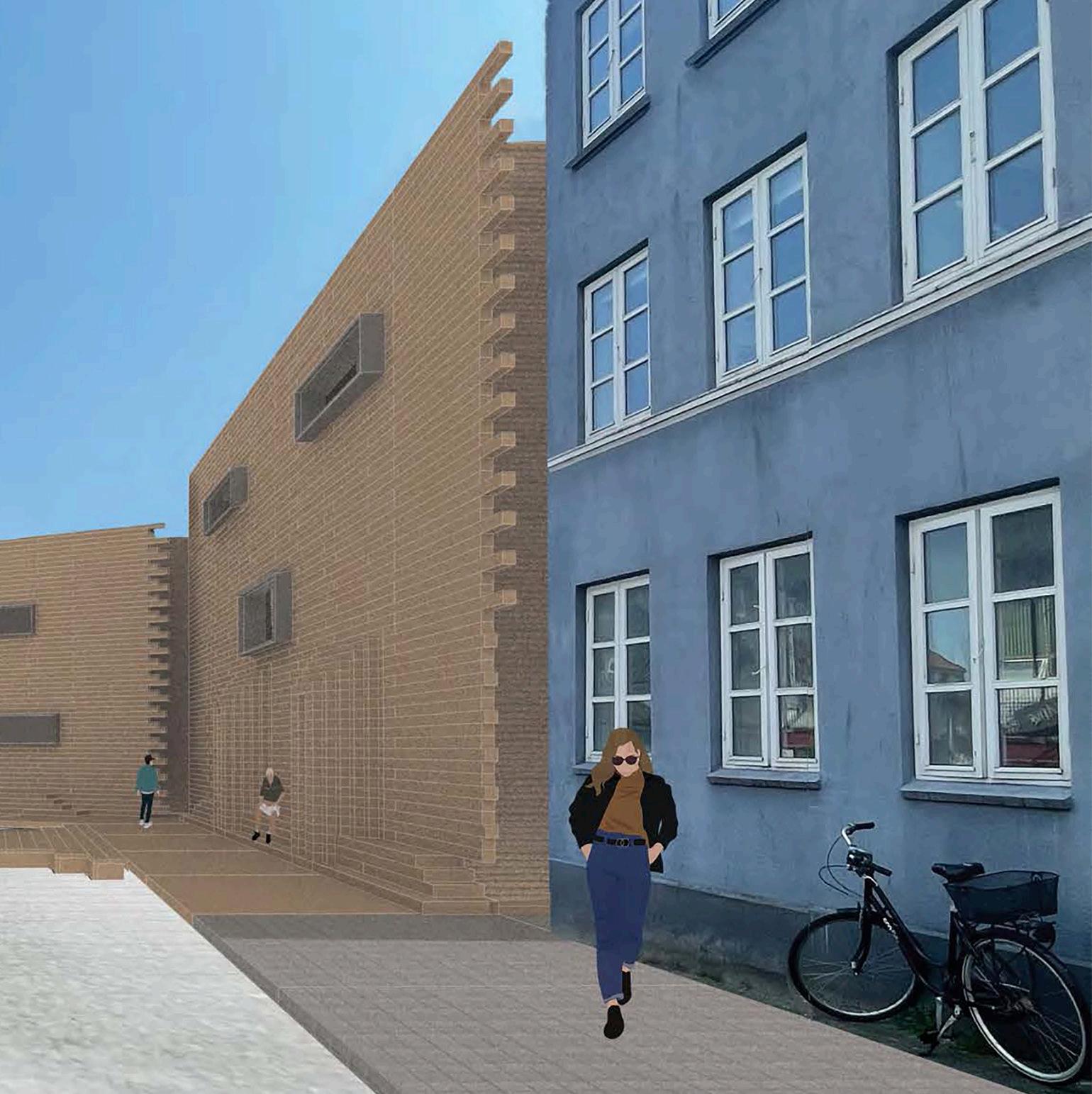
Approach perspective showing pedestrian movement and interaction with facade A Culture Center for
Top: Front Elevation showing re-contextualized facade
Bottom: Section showing re-contextualized floor and structue
Community Space
Performance Space
Cafe
Ground plan illustrating the relationship between the culture house, the city, and pedestrian circulation. Above: Second-floor plan highlighting the theater space and the upper levels of the building structure
Right:
Axon and Perspectives demonstrating use of the furniture structure and its interaction and inhabitation of space
A New Mass Timber Education Center
Tree to Timber
Tree to Timber
A Mass Timber Education Center
Location: Auburn, AL
Instructor: Anthony Tindill
Time: Spring 2022
Type: Ecology Center
Size: 5,000 sf
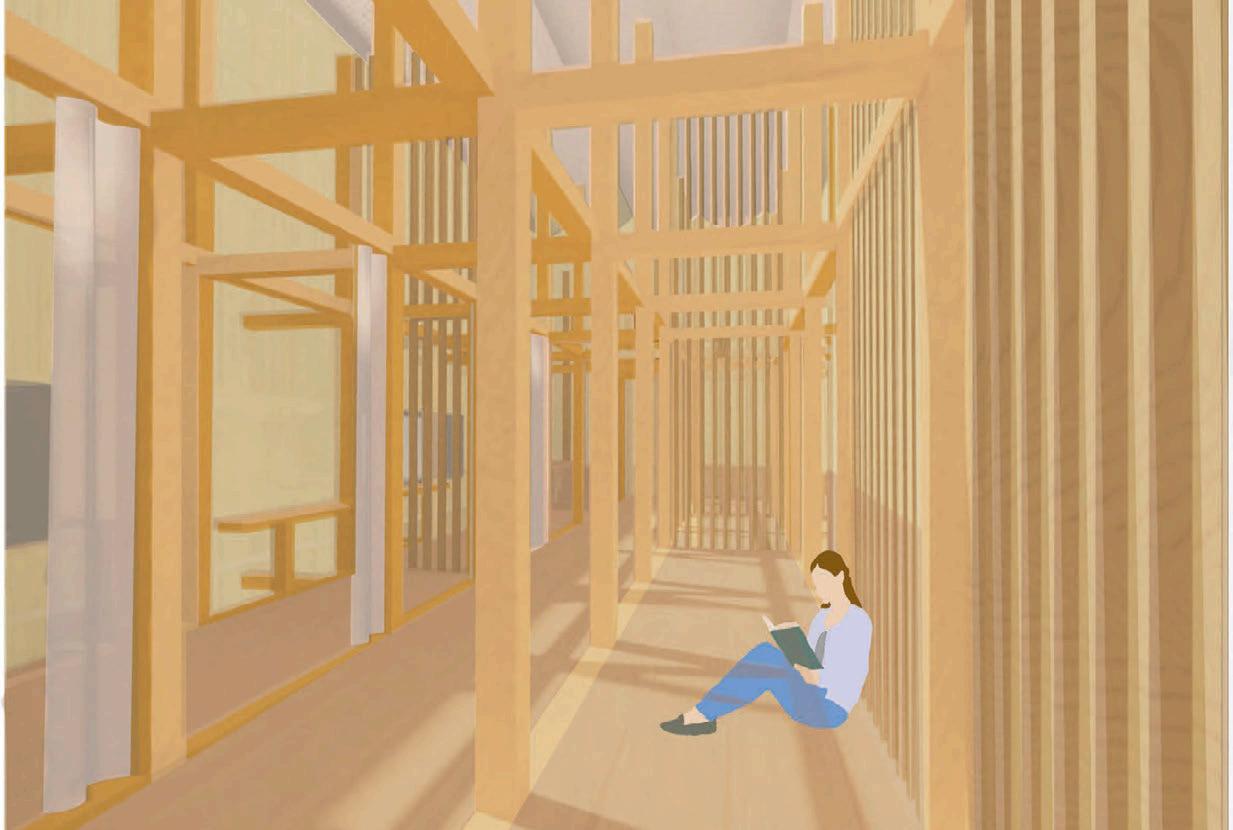
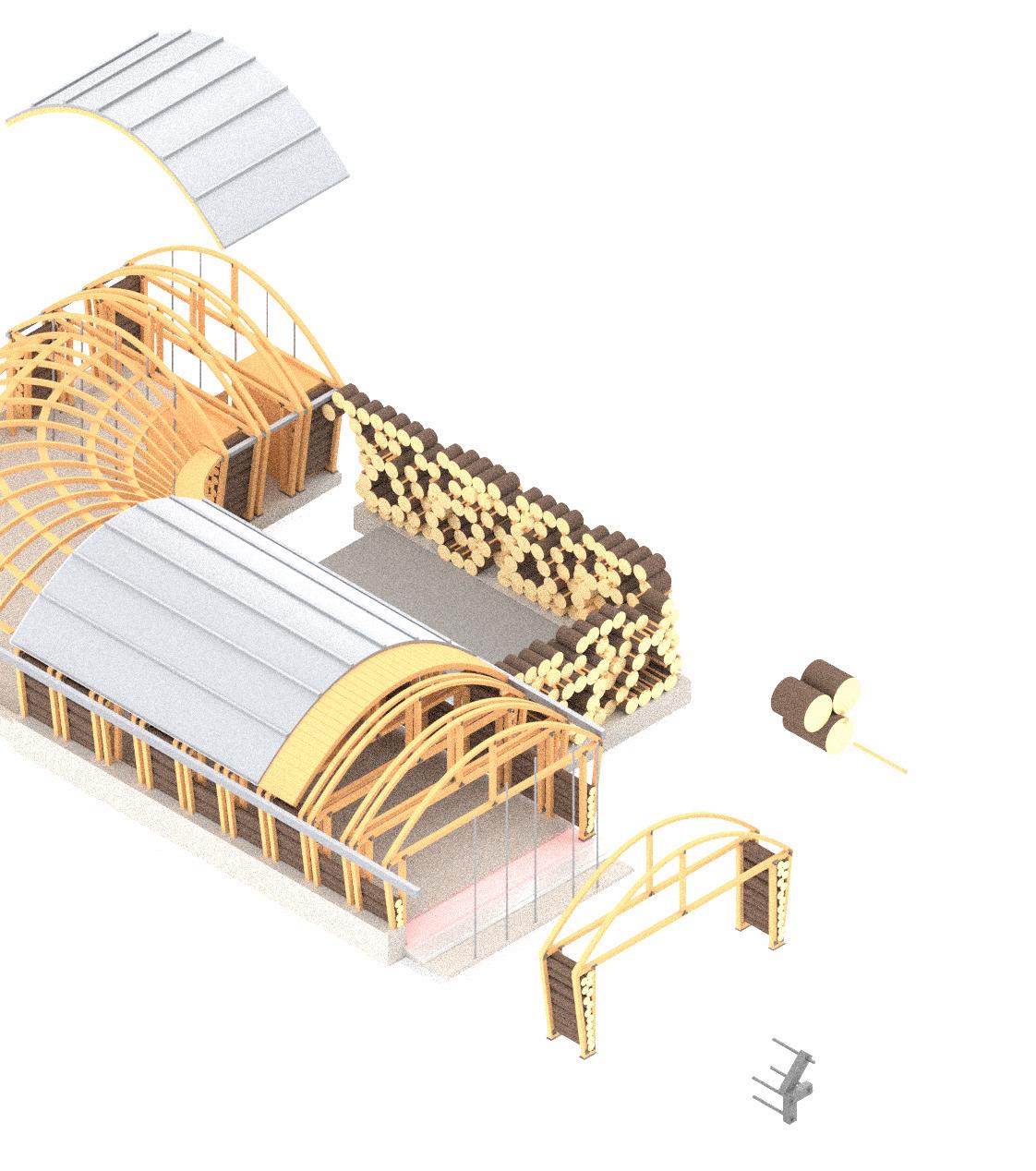
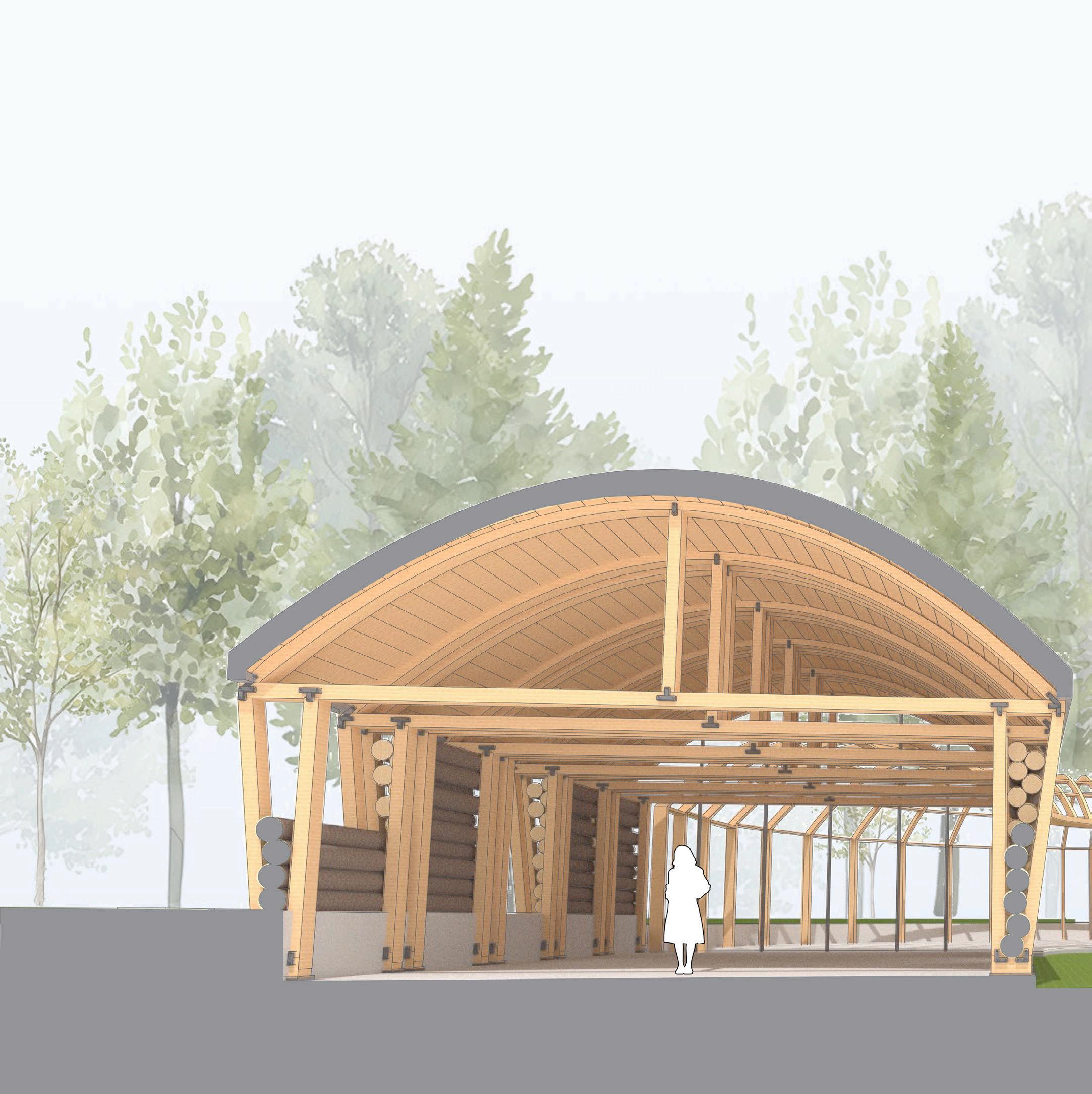
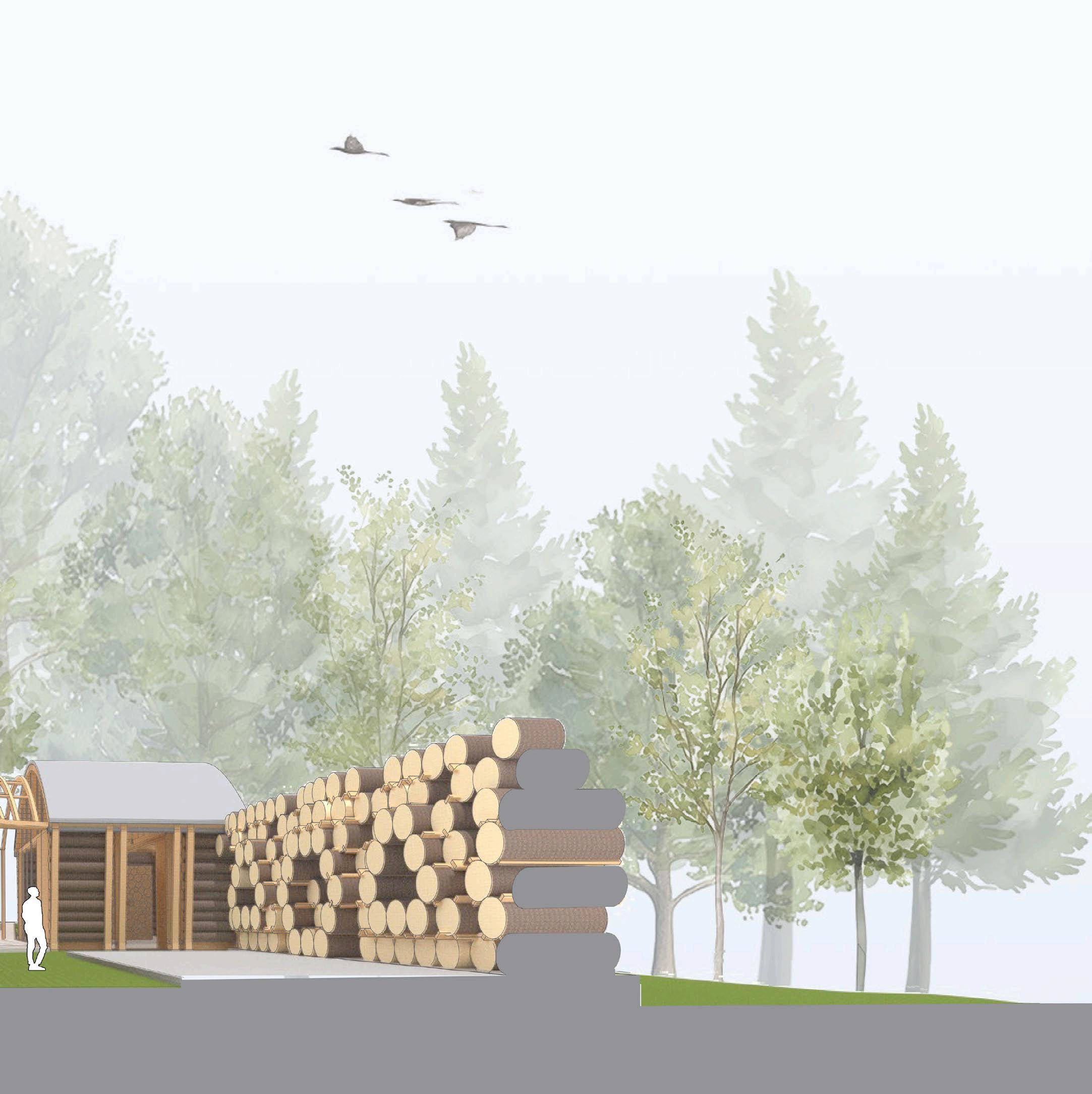
The Forest Ecology Center project is a local center that educates young students on forestry. The building focuses on education and modularity. When people walk through the building, they see the stages through which wood evolves. To start, there is an event space with a boundary made of logs. The space mimics logs stacked on logging trucks. Next, the indoor or outdoor classroom is composed of solid timber beams. Finally, students enter a room with nail-laminated and Glulam timber panel systems on the ceiling. The natural progression through the building corresponds with the natural progression of timber as it is processed. The design epitomizes the building’s purpose,education, highlighting Alabama’s beautiful long-leaf pines. Additionally, there is a strict sense of modularity. The event space contains a modular surface that filters light through negative space and provides structure.
Right: Plan showing overall shape
Community Space
Classroom
Offi
The semester began with designing a wooden surface with potential for interaction. The form of stacked logs resting upon a logging truck inspired this design. Above is an axonometric view of the surface and how it allows user’s to engage with itself. Below is a process massing diagram showing evolution of shape and use of surface.
A: Finish Roofing Materia
B: Vapor Barrier
C: NLT Ceiling
D: Metal Roof Structure
E: Exterior Finish Material
F: Wall Framing and Structure
G:Thermal Mass Timber
H: Retaining Wall
I: Concrete Finish Flooring
J: Insulation
K: Vapor Barrier
L: Concrete Foundation
Transverse Section showing truss design
Longitudinal Section showing frequency of truss
Section Perspective showing relationship of classroom with surface
Synthetic Oasis
A New Art Museum for Austin, TX
Synthetic Oasis
Responding to Austin’s Urbanism
Location: Austin, TX
Teacher: Ernesto Bilbao
Time: Fall 2023
Type: Museum
Size: 69,640 sf
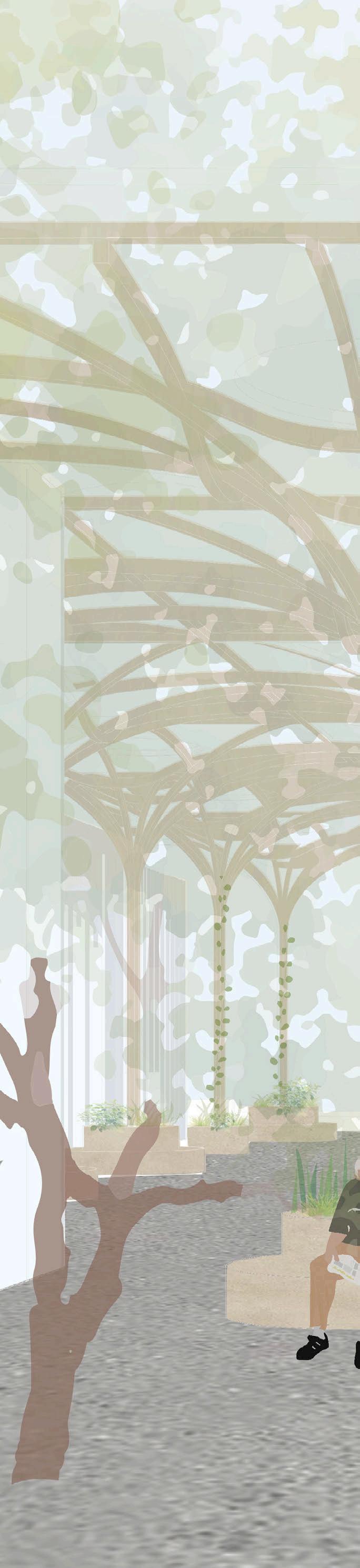
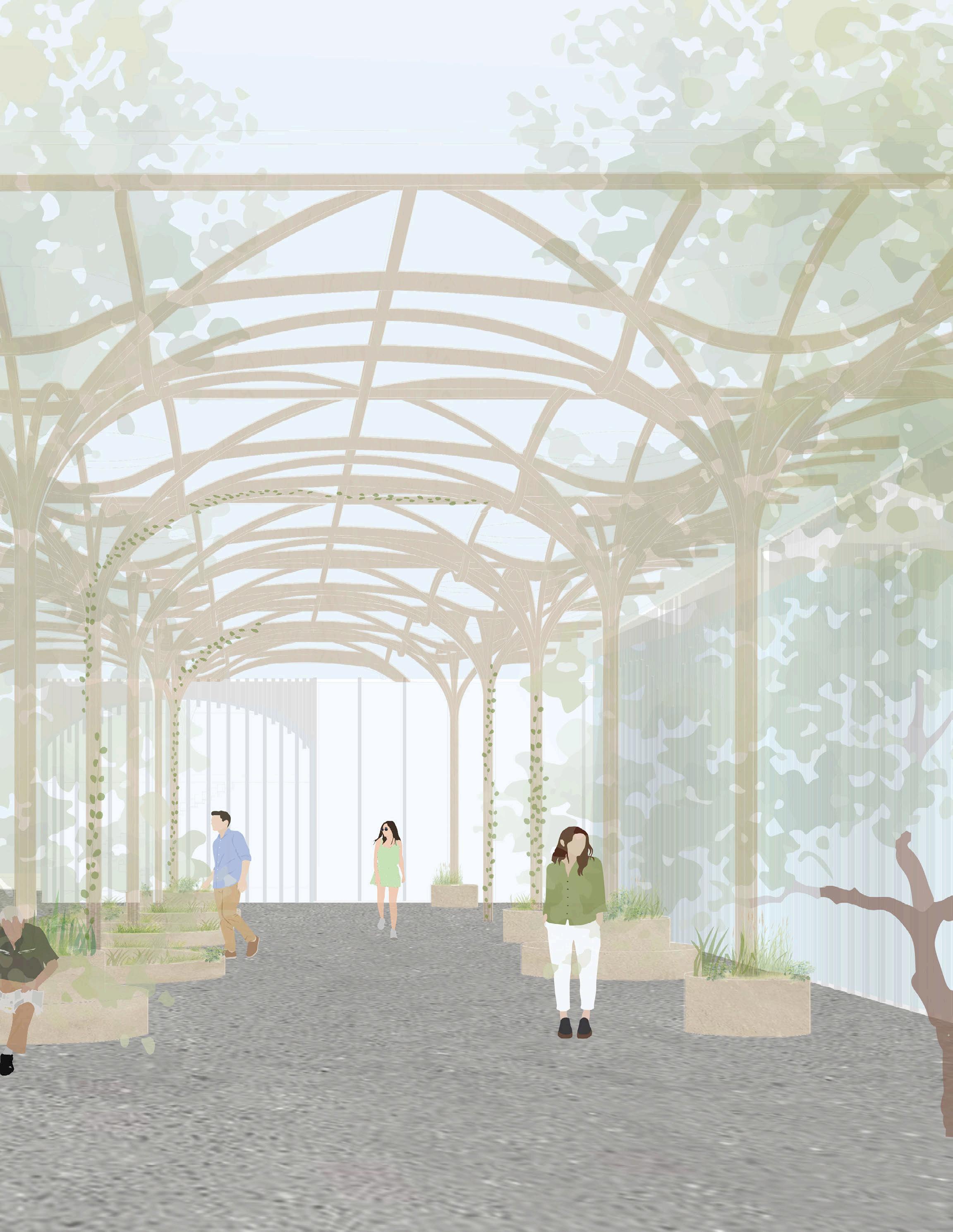
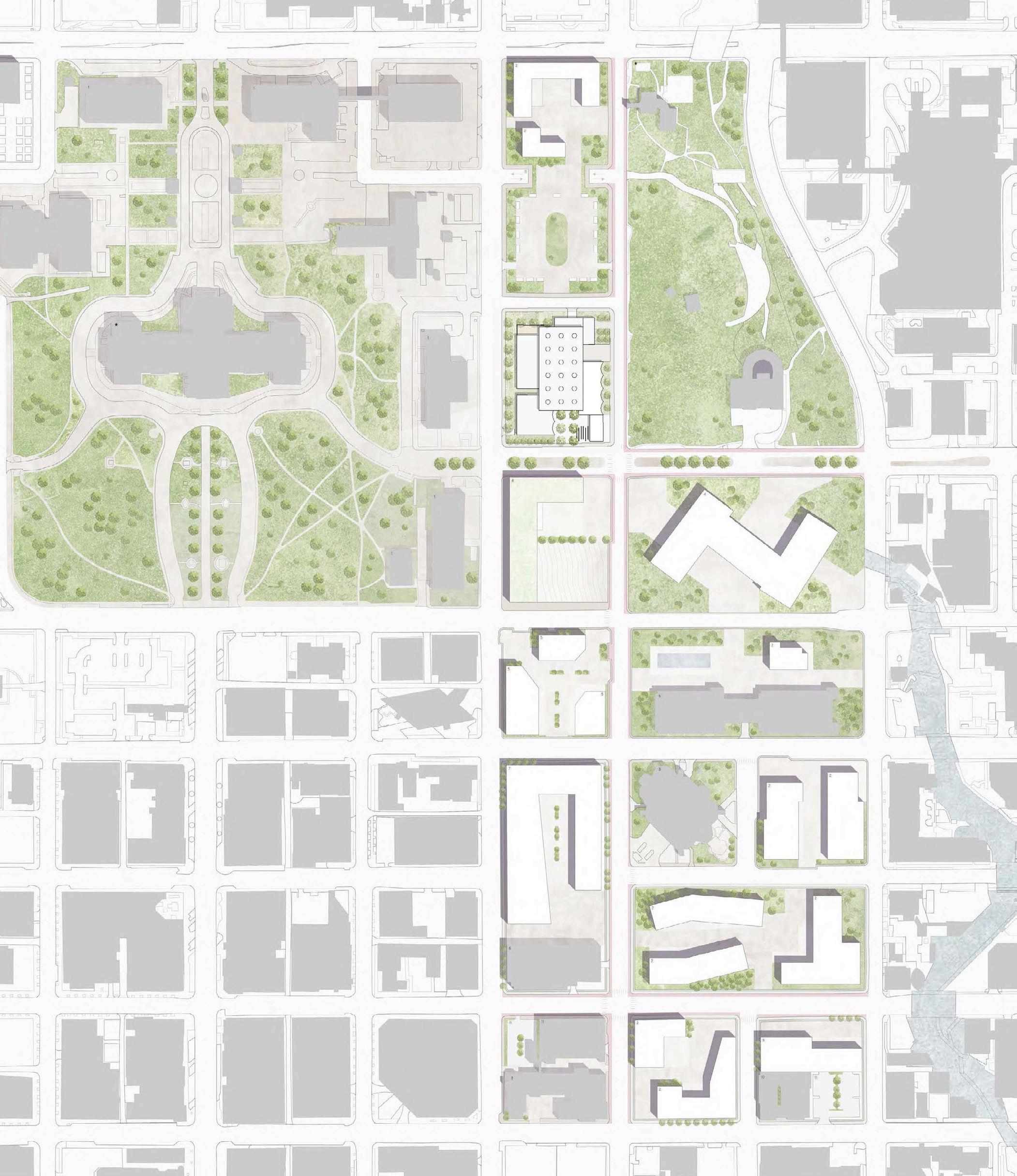
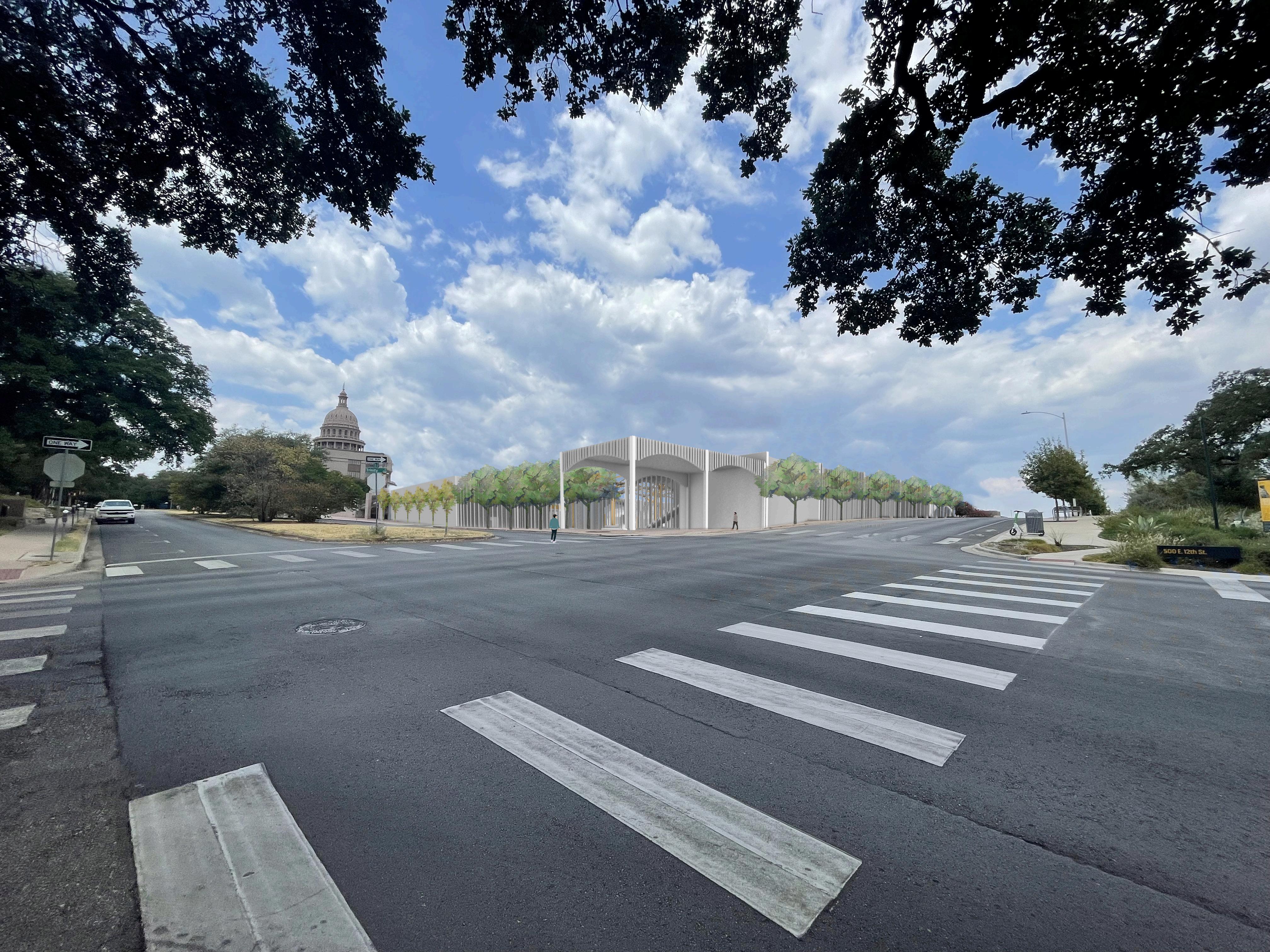
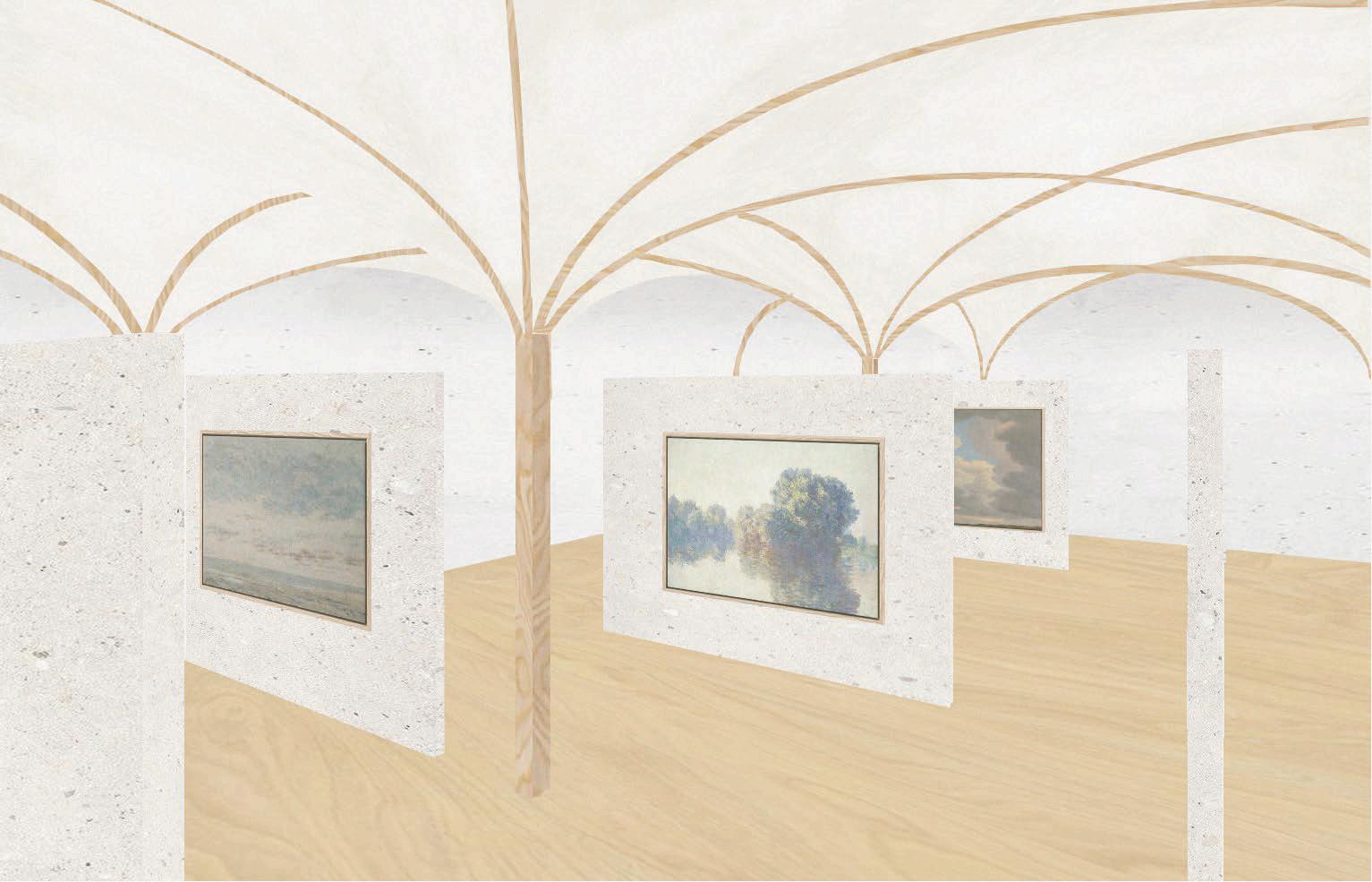
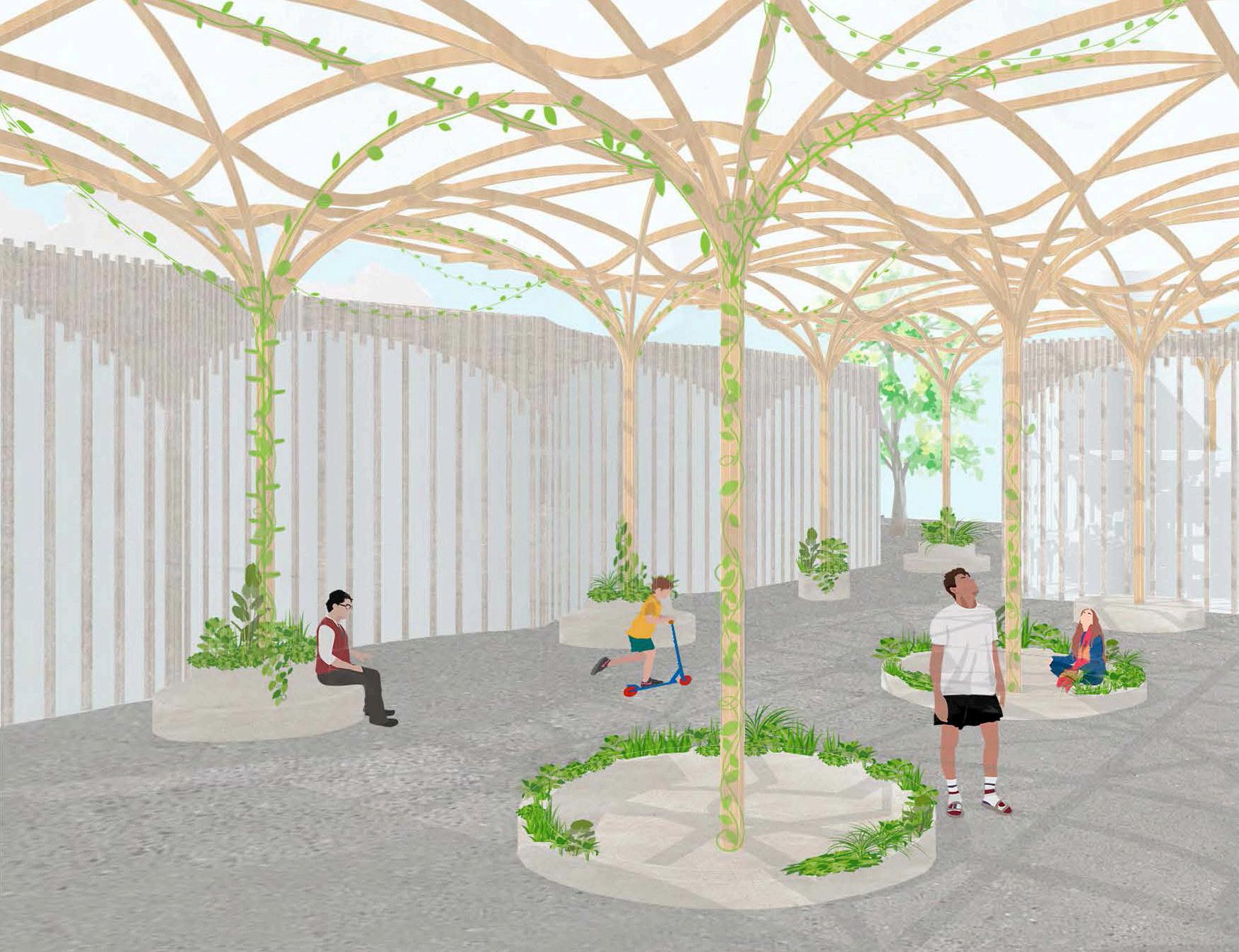
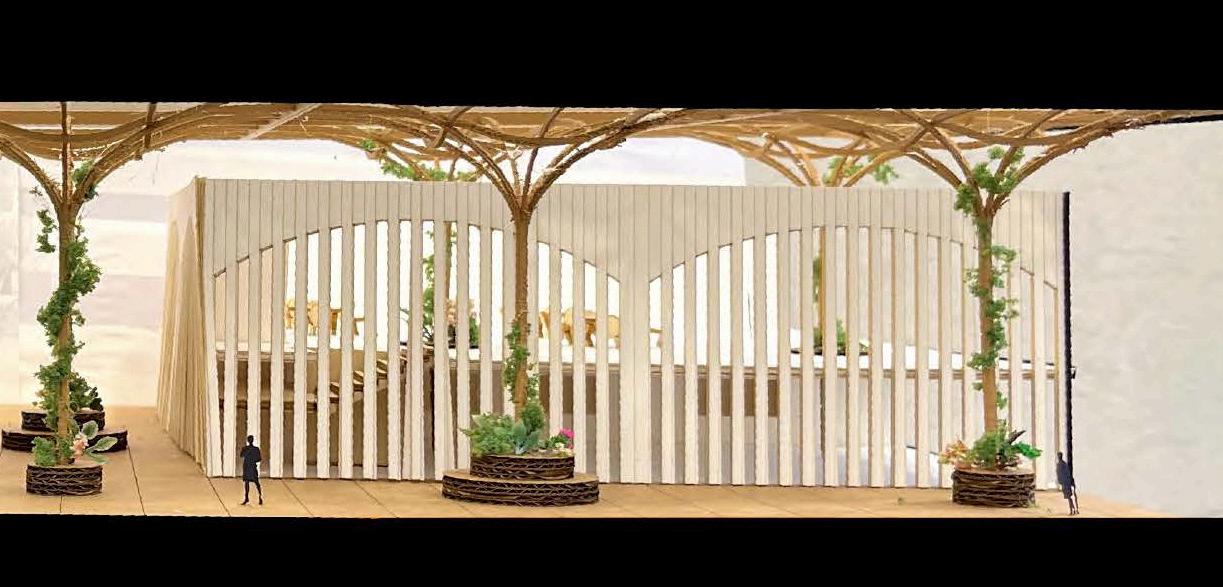
This art museum is located just a block east of the state capitol and adjacent to Waterloo Park. Our studio worked in teams to develop a master plan, and then moved on individually to design the museum, which required several galleries, theater, classrooms, library, and food court. In addition to studying urban architecture, our studio focused on crafting synthetic gestures out of architecture. Throughout the city, there are many open grassy spaces without a place to sit or shade which diminishes their potential to promote physical and mental health. For the art museum, I focused on creating a central space defined by a light canopy, acting as both a threshold and a place to rest. The canopy consists of a column grid made from Glulam elements woven together to filter light and reference the existing nature around it. The surrounding building utilizes a language that responds to the canopy and respectfully slid beneath its roof.
Perspective from entrance to oasis courtyard
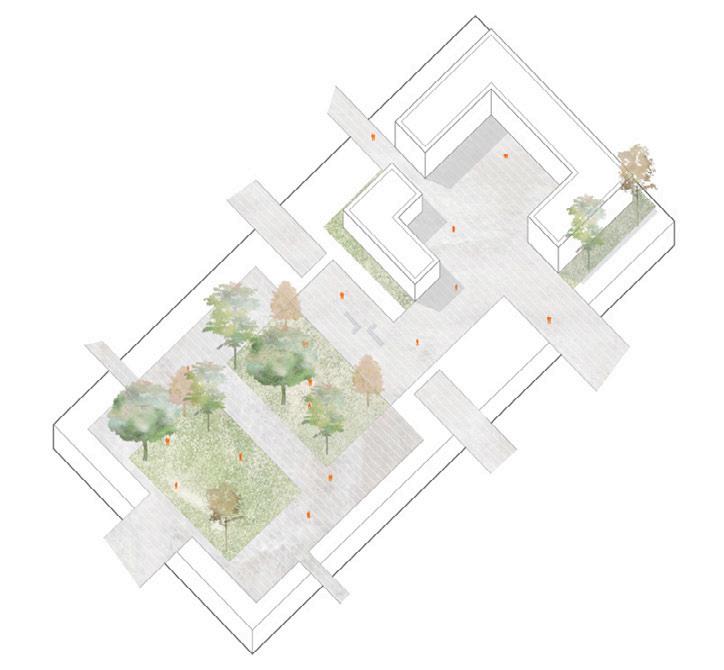
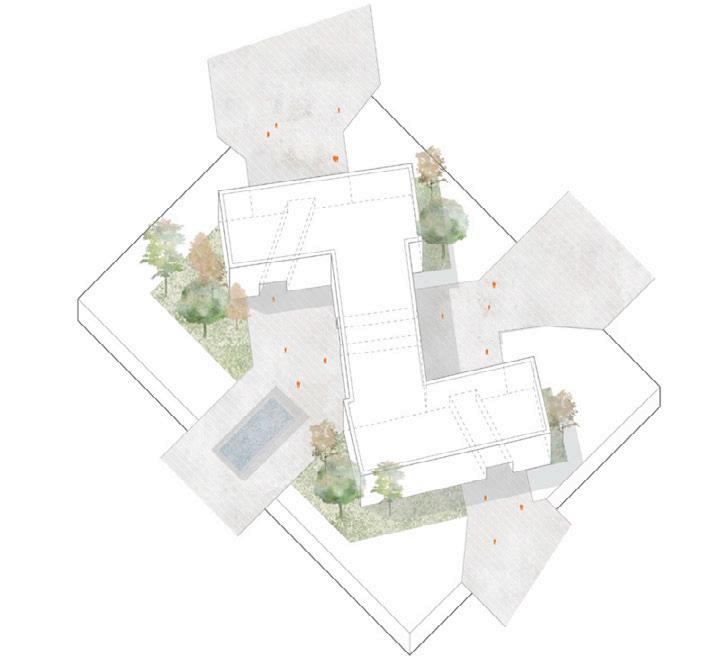
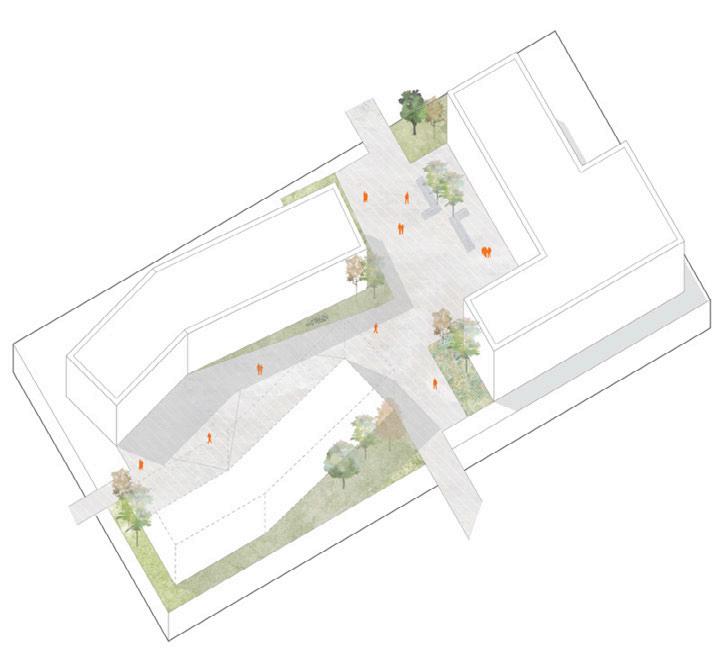
All work on master-plan was completed in a group with Meghan Ferguson and Trenton Williams. The work of designing and representation was split evenly among the three group members. The master plan to the right depicts downtown Austin, TX. The 15 blocks are re-imagined to redefine the path of pedestrians to the inside of blocks, rather than sequestered to the perimeter. The gray buildings are existing and the white buildings are new additions. The axons highlight specific blocks and the pedestrian movement through the center. The Art Museum design was an individual project.
Key:
10: Dance Studio
20: Music Classroom
30: Offi
40: Museum
50: Theater
60: Lobby
70: Food Court
Above: Process Diagrams of oasis columns
Below: Worm’s Eye Axonometric highlighting shape of columns in relationship with buildings
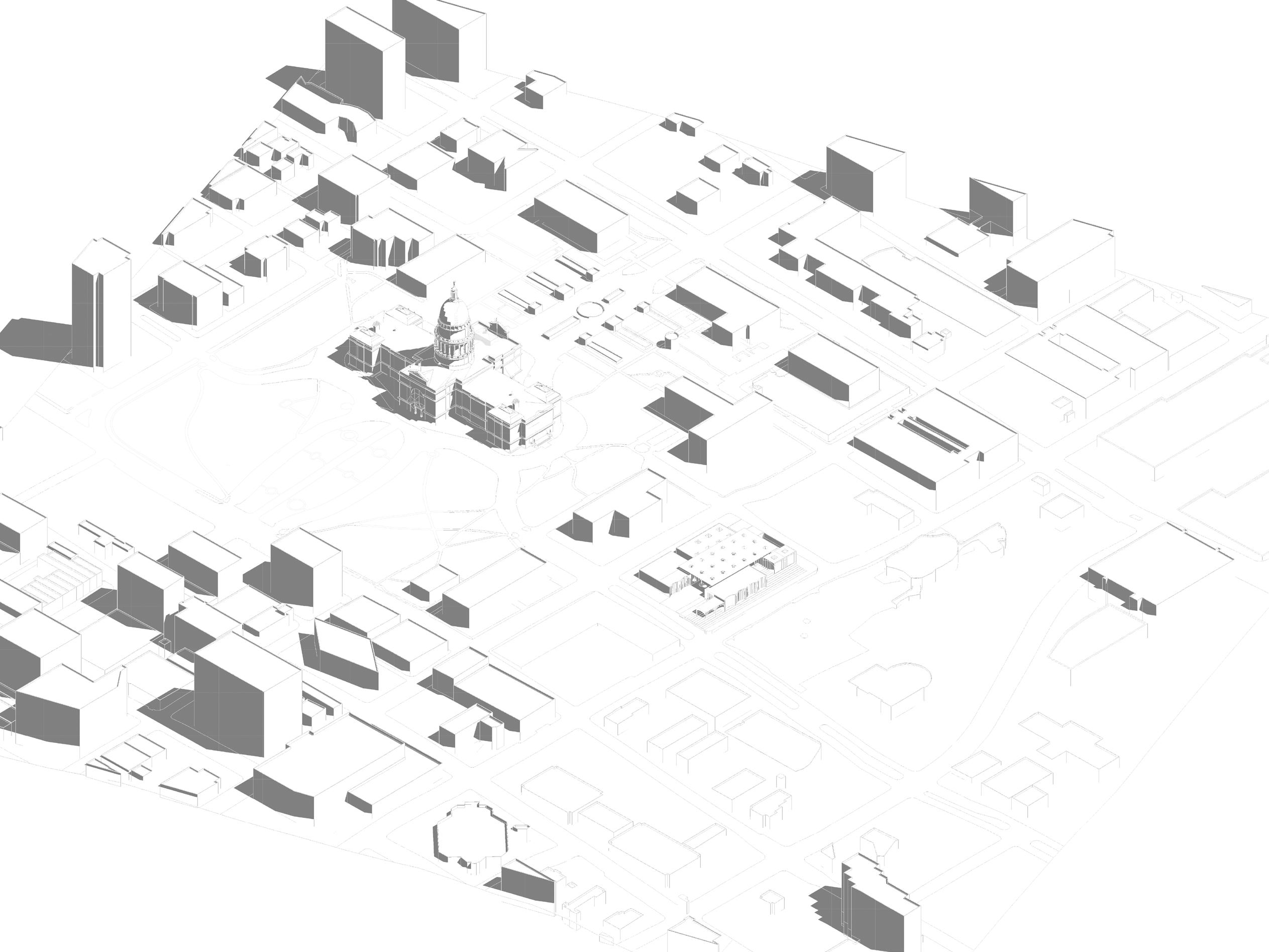
Above: Perspective from adjacent corner showing relationship with State Capitol Bottom: Axon showing entire project and relationship with State Capitol
Elevation and Sections highlighting the arched oasis and its relationship to the buildings
Ellie Nolan
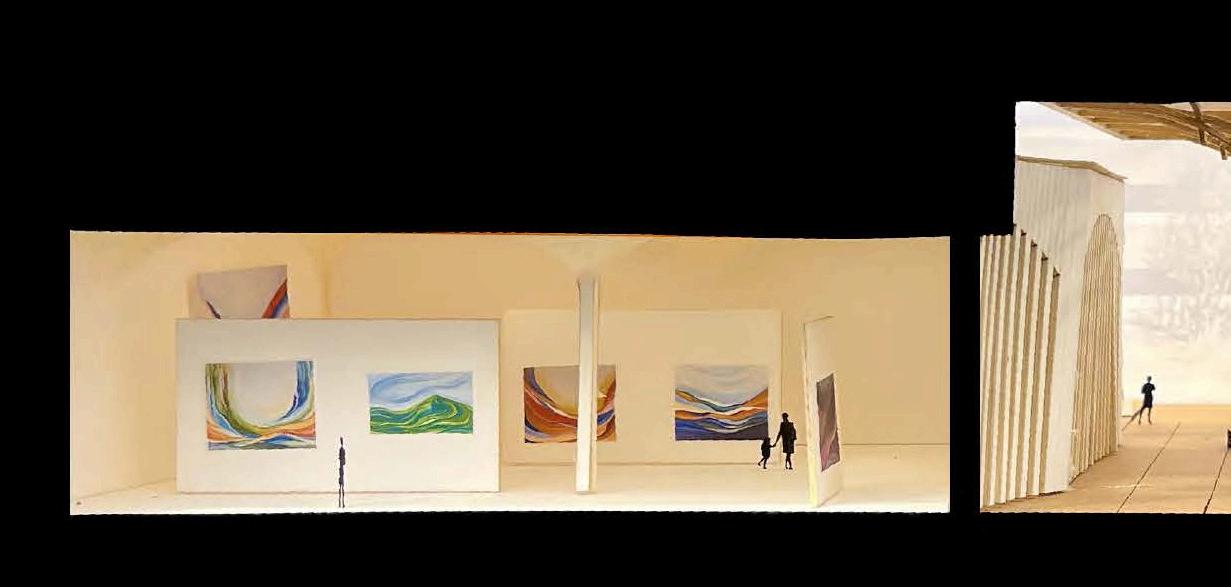
Above: Section Model showing both museum and courtyard spaces
Above: Perspective showing use of courtyard space
Professional Work
Hand-Drafted Residential Projects
Firm: Tippett Sease Baker Architecture
Location: Montgomery, AL
Time: Summer 2024
Supervisor: David Baker
Type: Single Family Residential
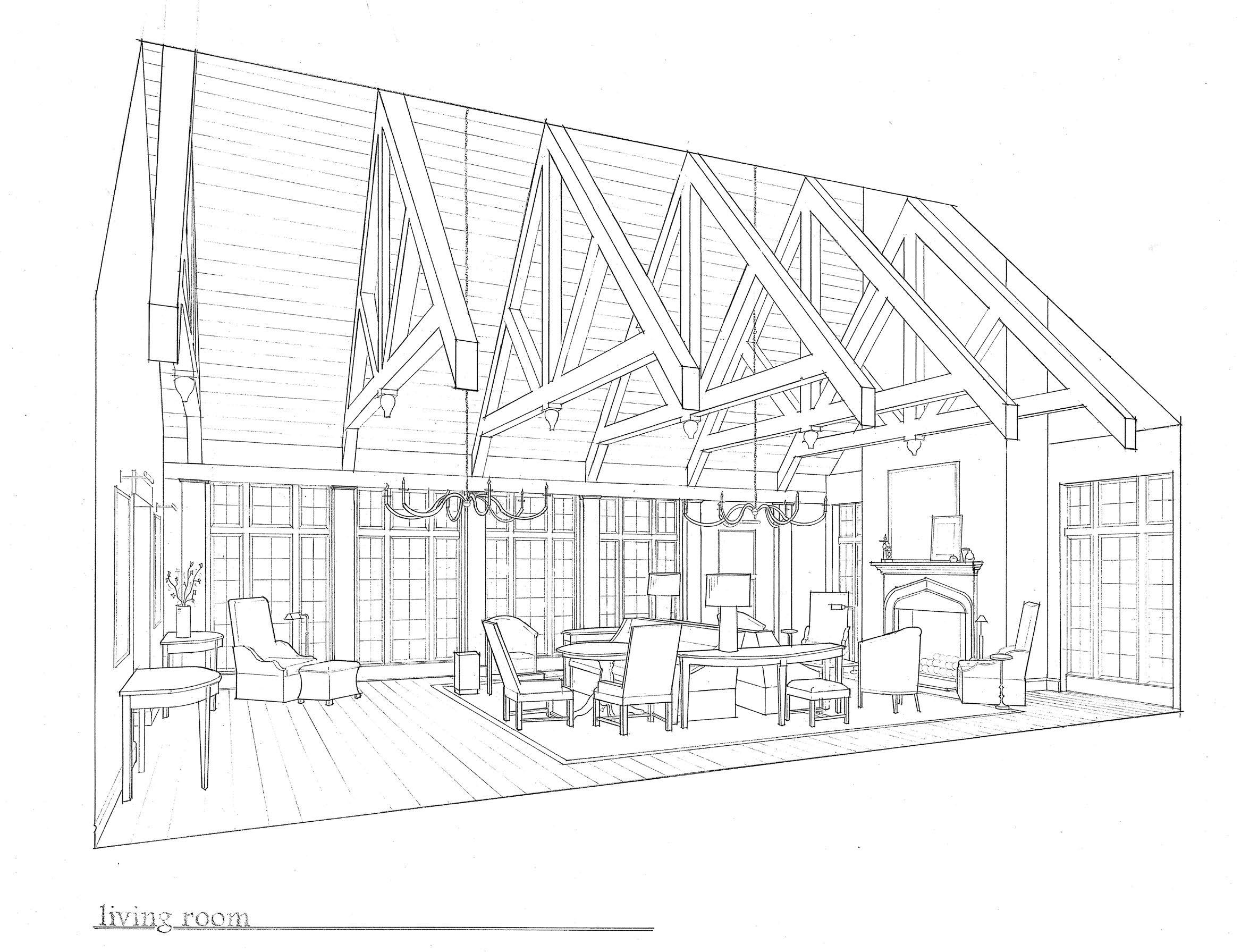
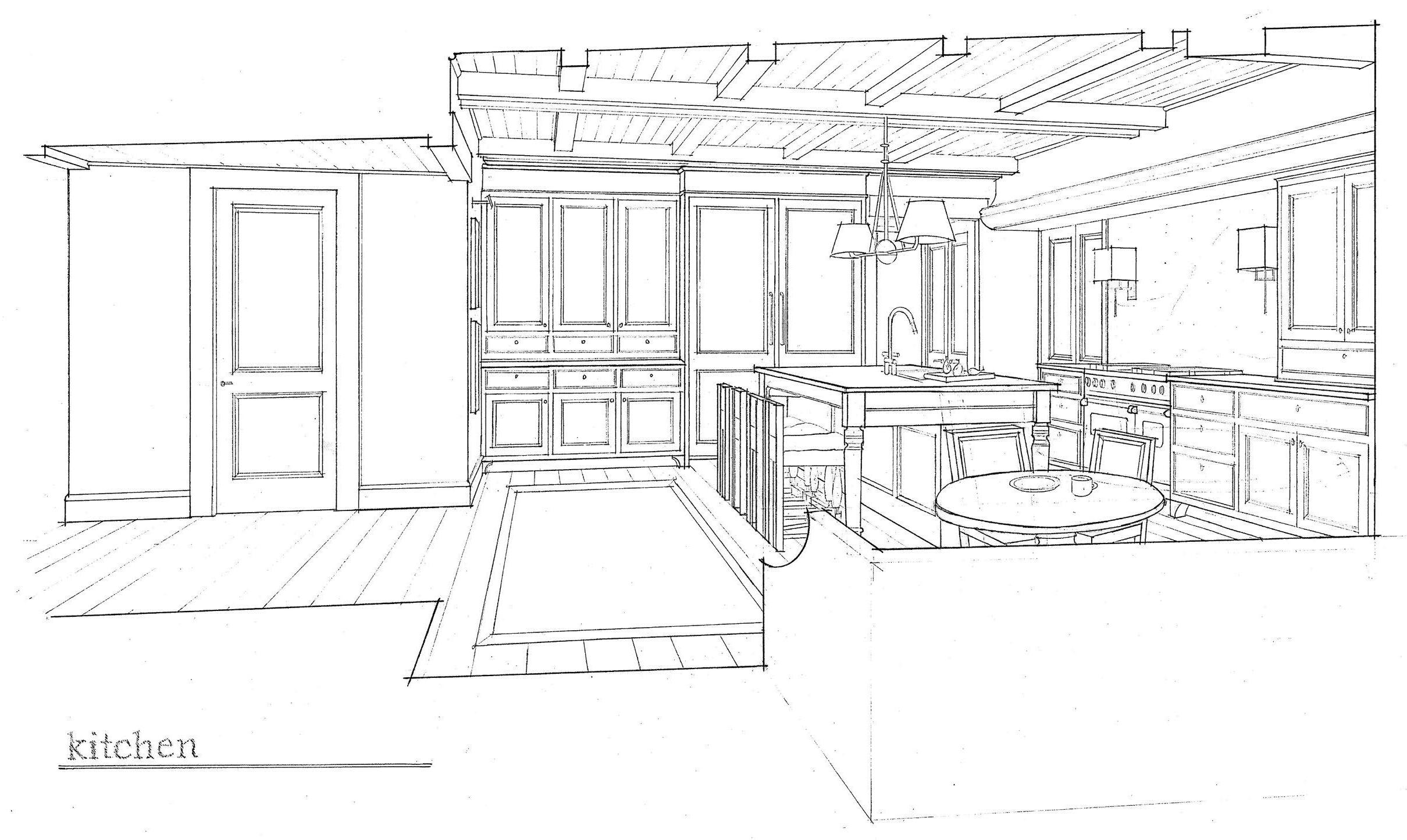
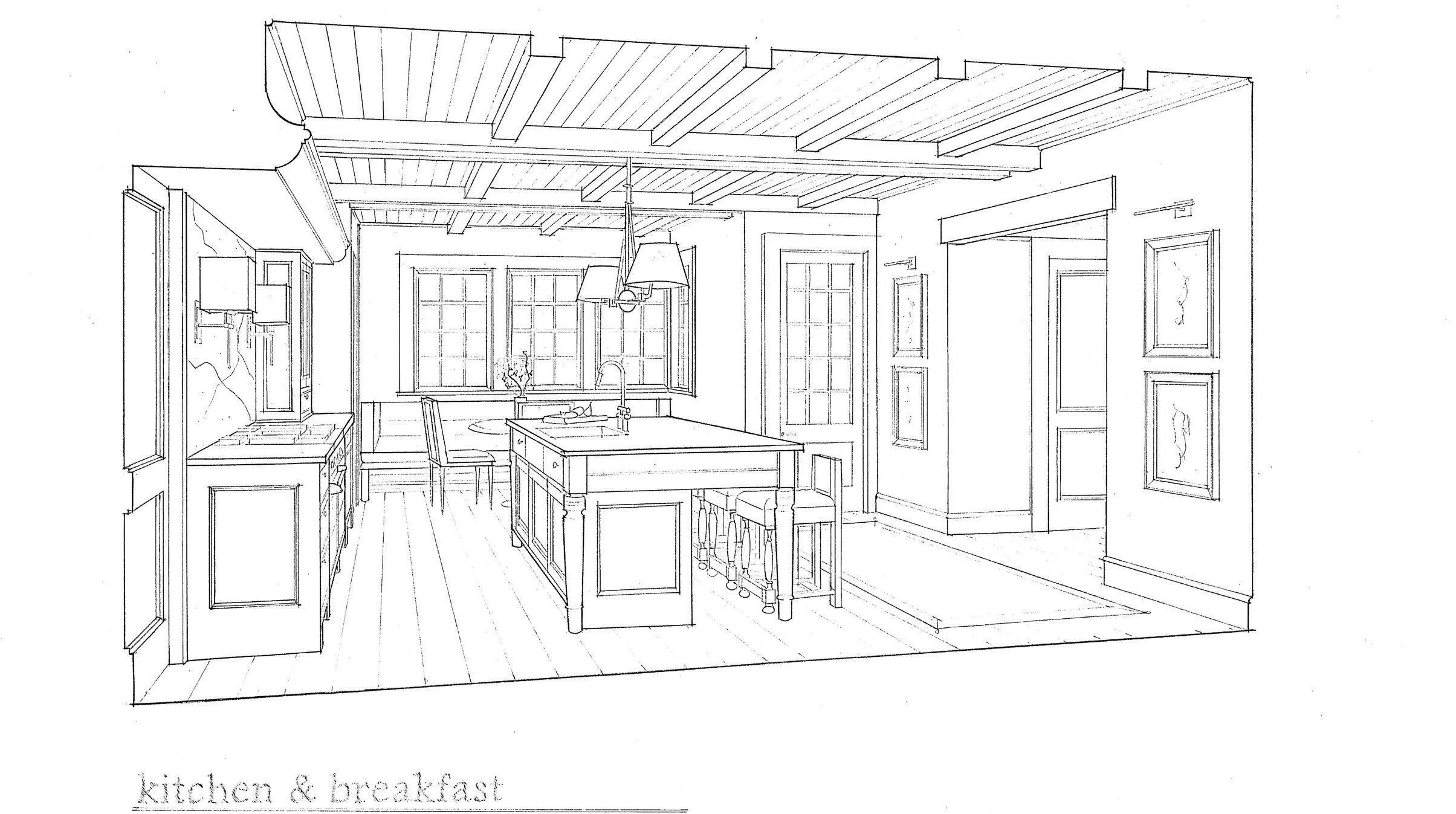
All work was completed as part of a team. My primary responsibility was in the area of representation. While the designs shown here are not my own, I selected the views and created the drafts. The interior perspectives represent a renovation project focused on the living and kitchen areas. These drawings were presented to the client as part of the schematic design phase.
Photography
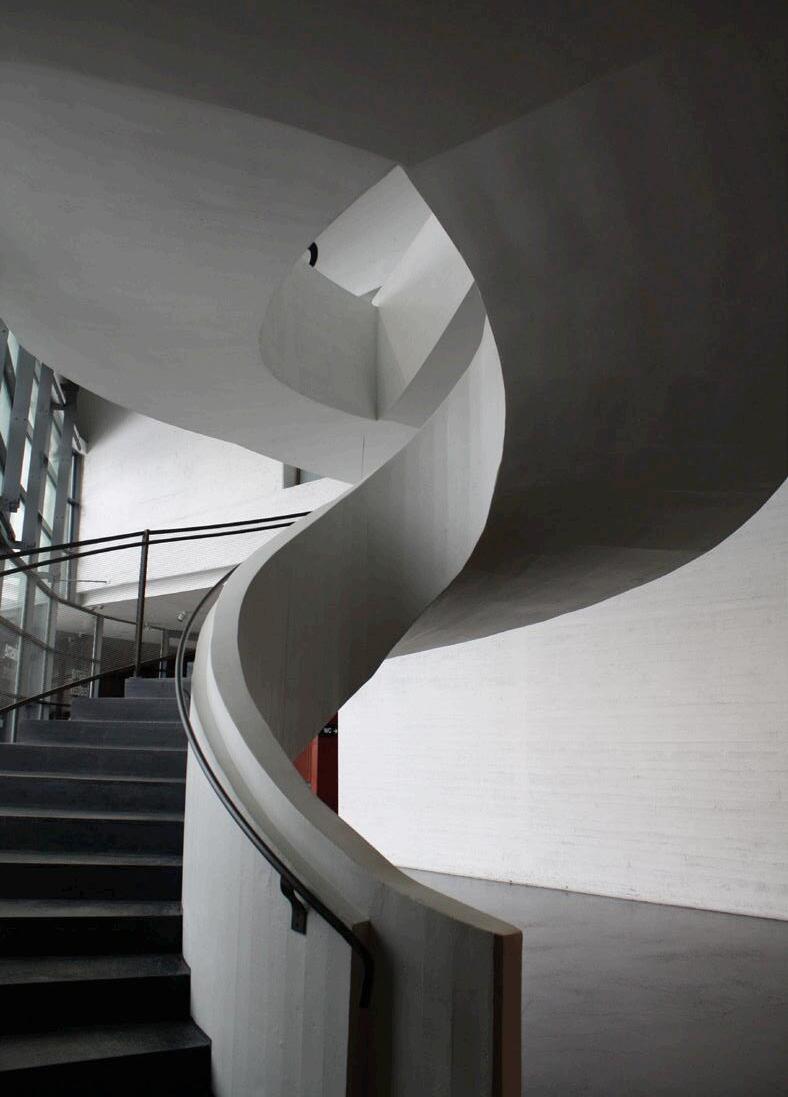
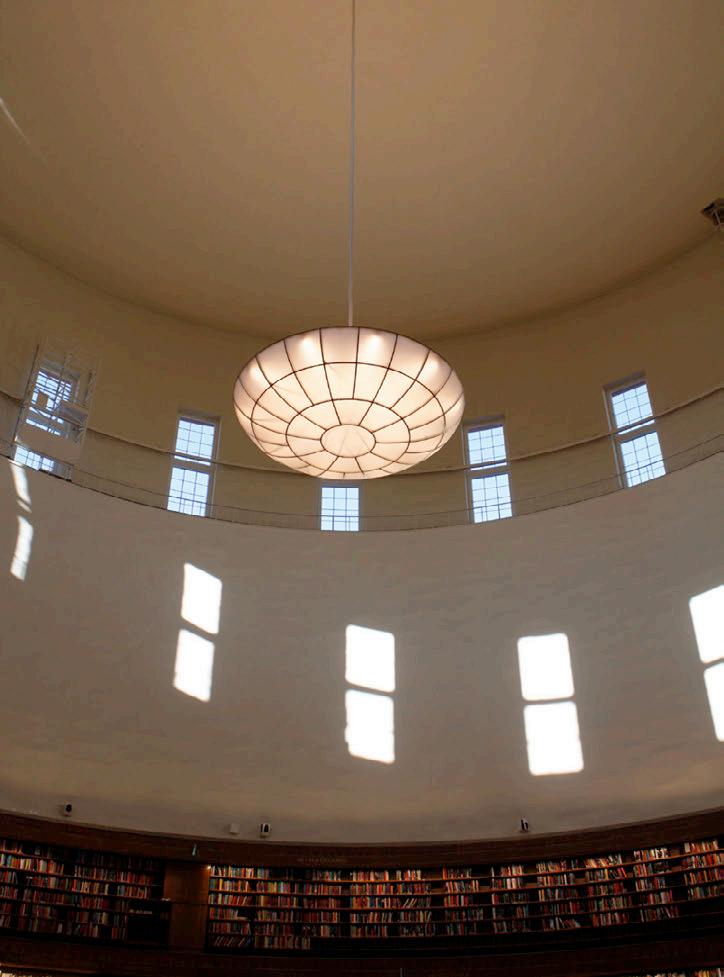
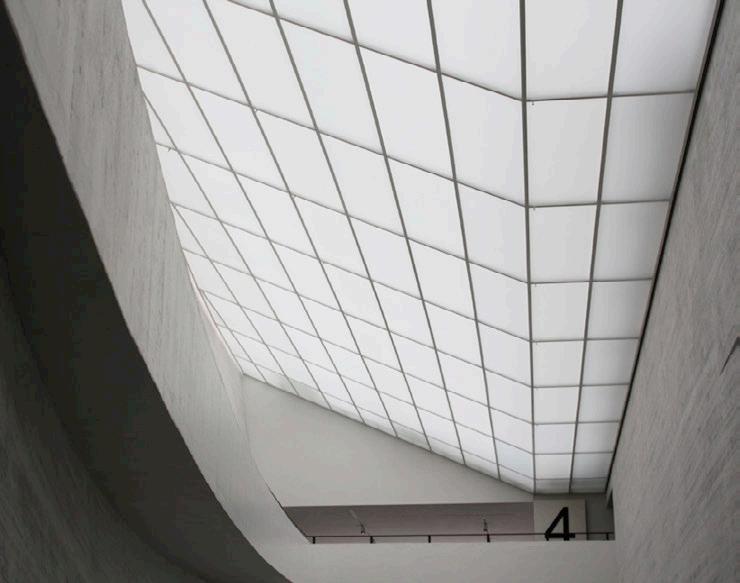
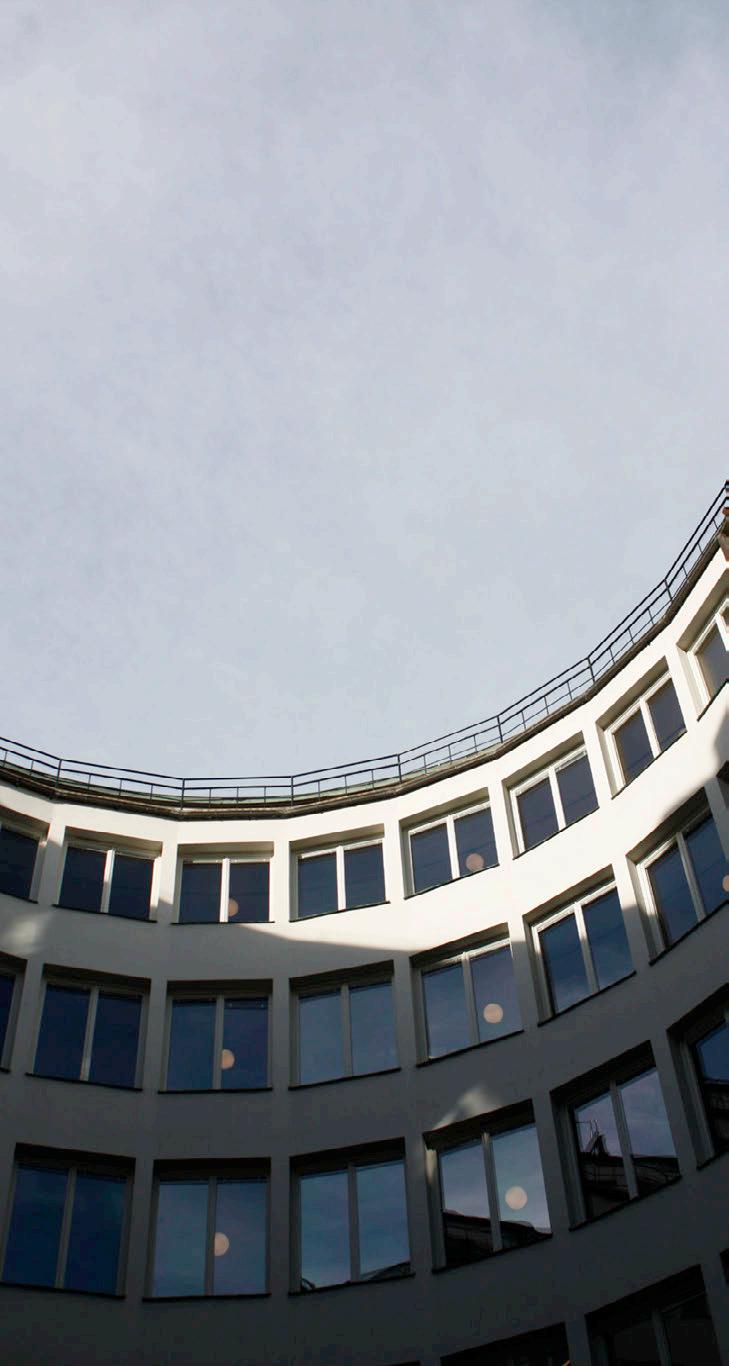
Studies in Light
Ellie Nolan
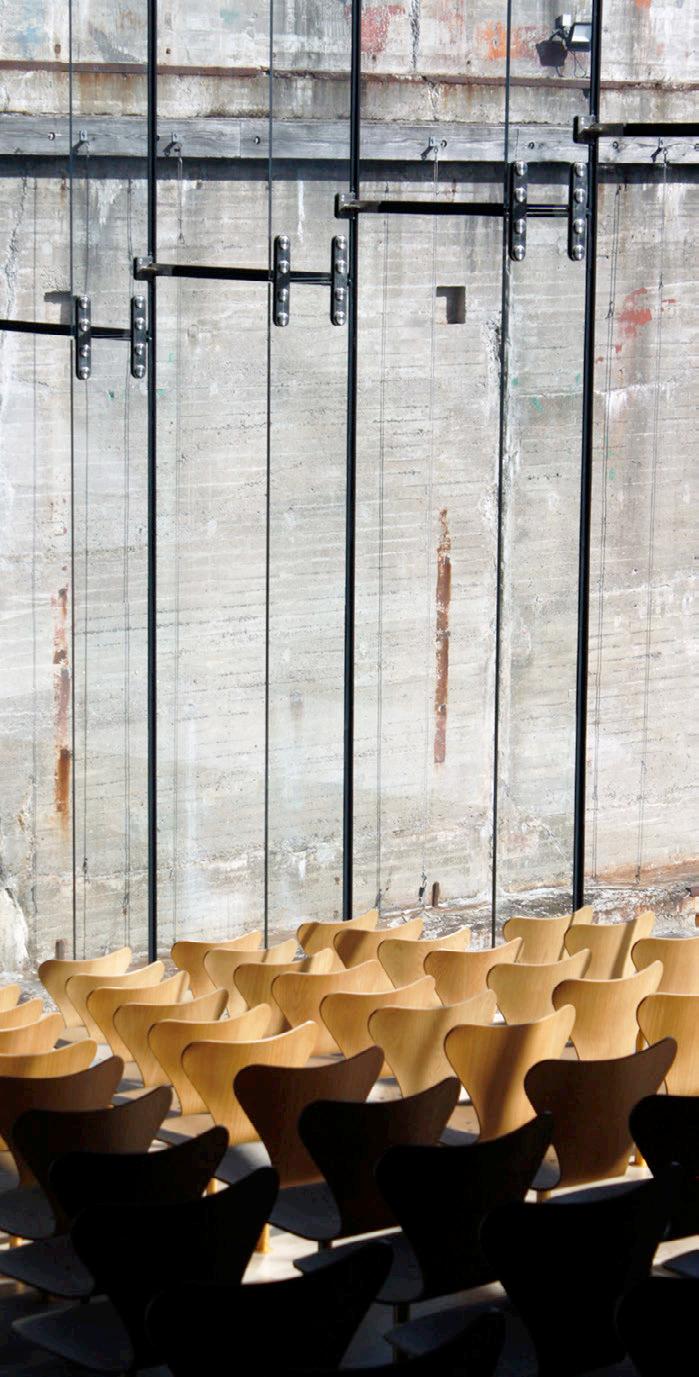
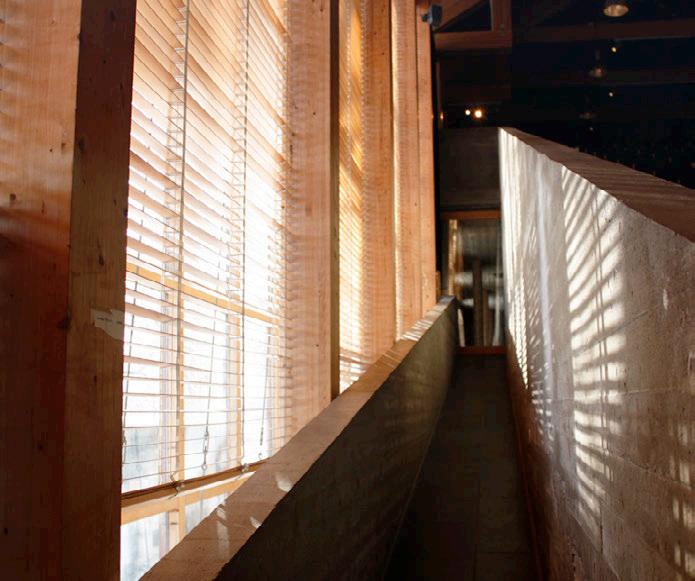
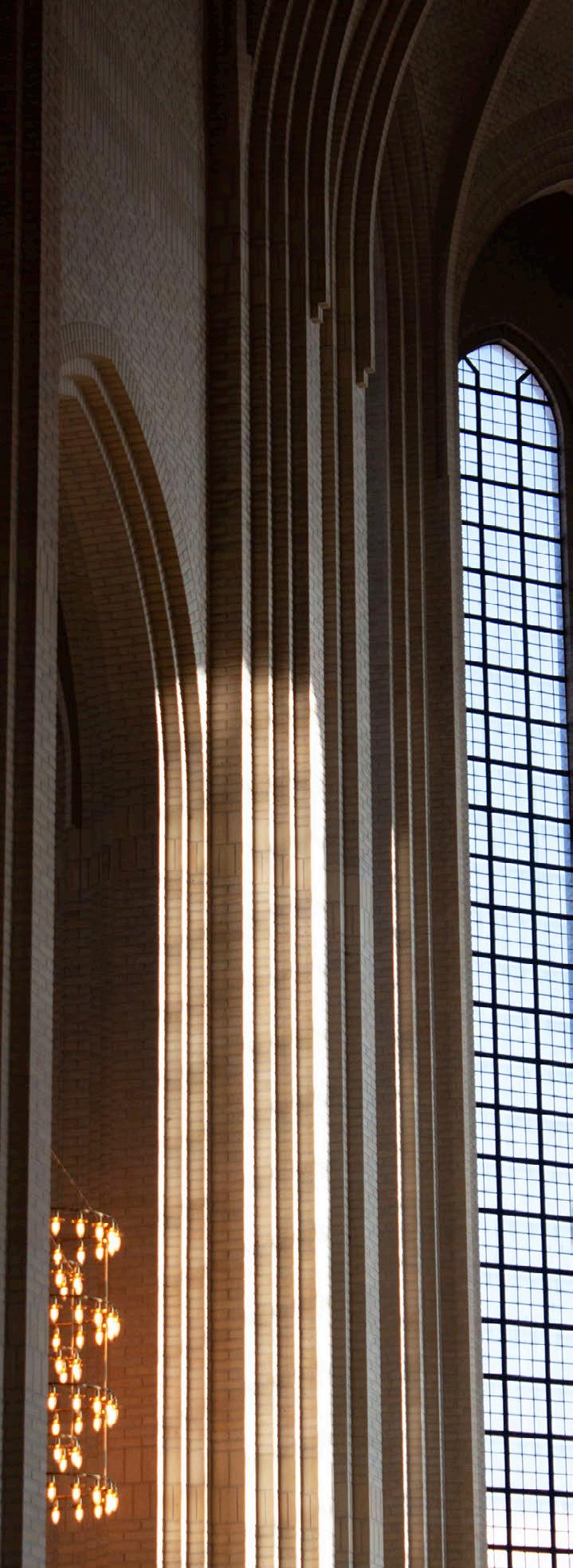
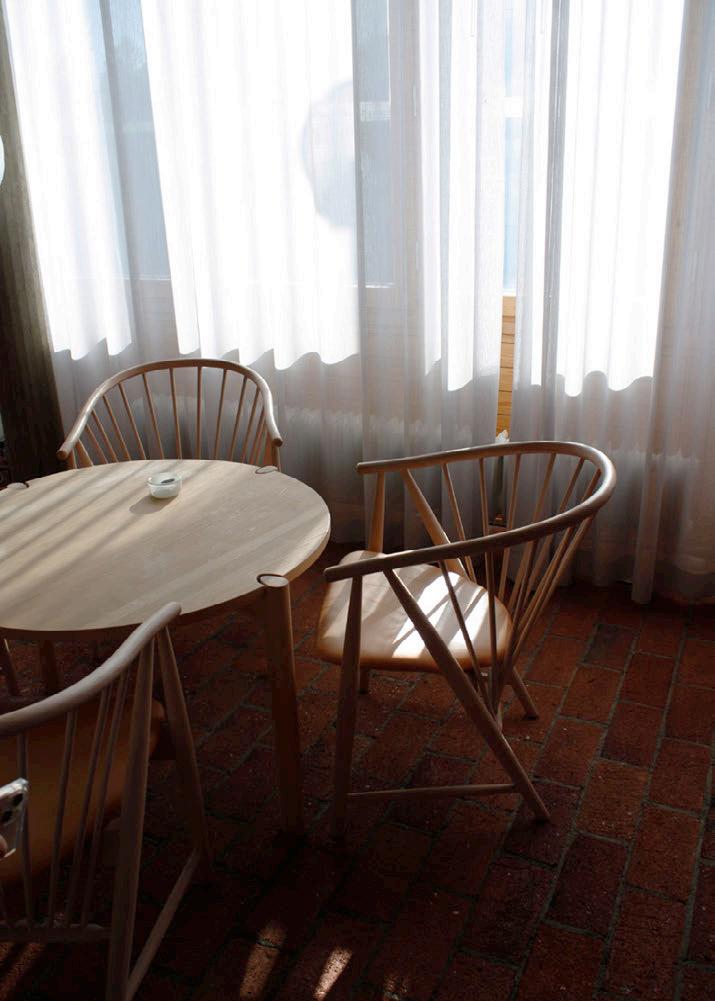
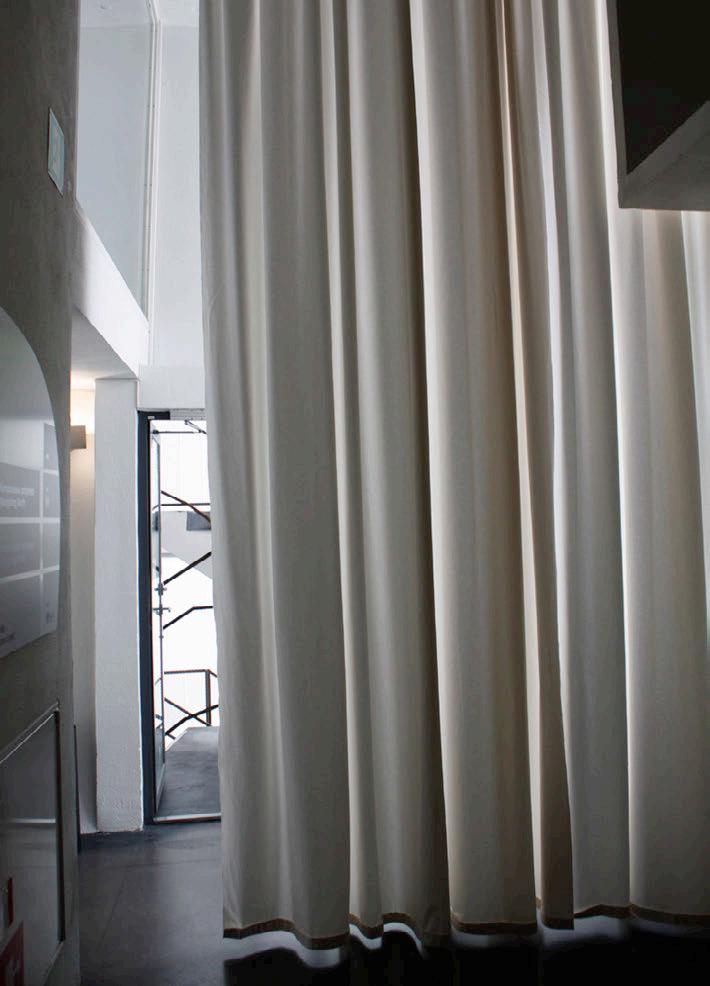
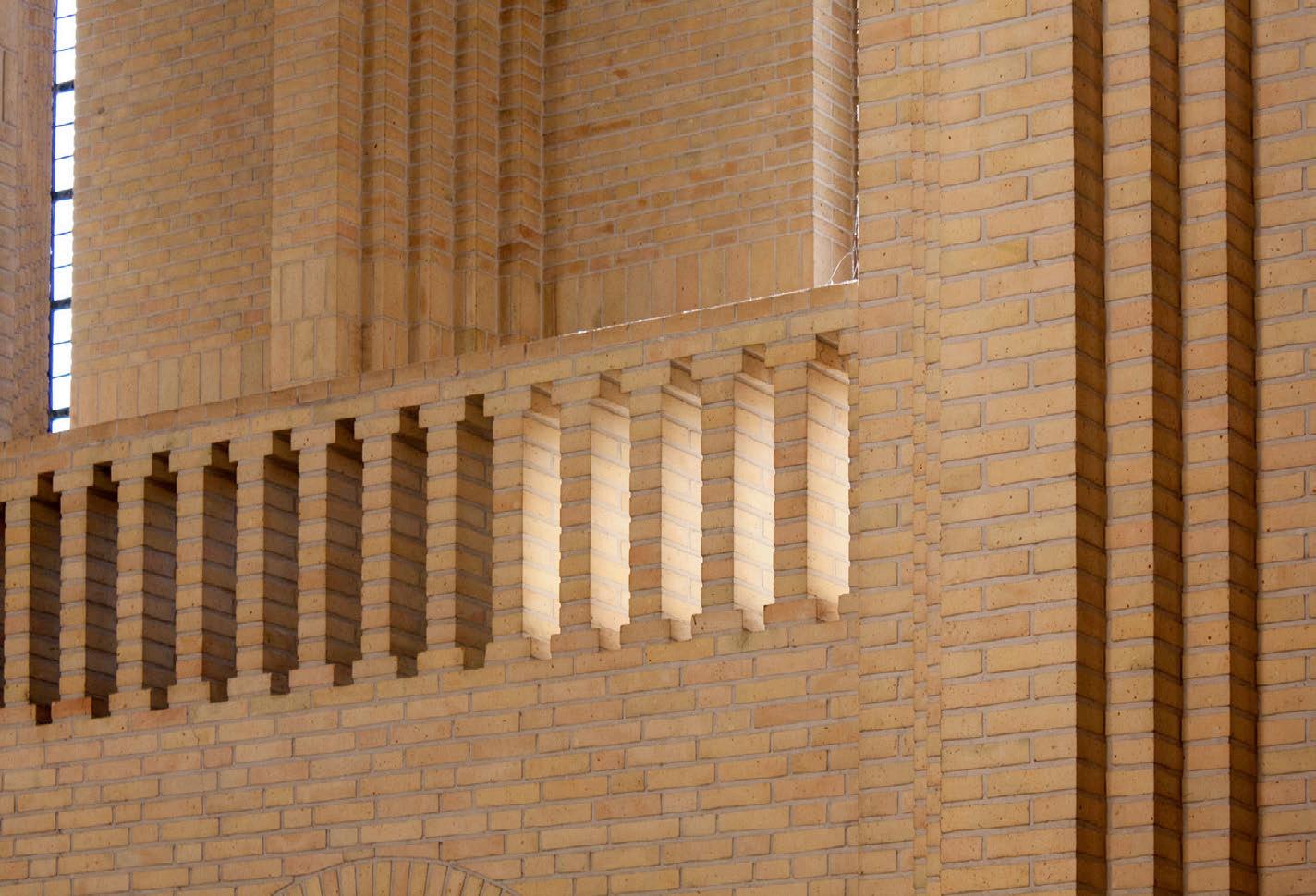
Vignettes in order are selected from Kiasma Museum by Steven Holl, Stockholm Public Library by Gunnar Asplund, Kiasma Museum, National Insurance Institute by Sigurd Lewerentz, M/S Maritime Museum by BIG, Hedmark Museum by Sverre Fehn, Grundtvig’s Church by Peder Vilhelm Jensen-Klint, Söderledskyrkan by Hans Borgström and Bengt Lindroos, Kiasma Museum, and Grundtvig’s Church.
(Dis)Abling Spaces
The Architectural Experience of Deafness
Location: Falmouth, ME
Instructor: Christian Dagg
Time: Fall 2024
Type: Thesis Research for Upcoming Project
How can architectural design create multi sensory spaces that not only meet the functional needs of Deaf and Hard-of-Hearing individuals, but also enrich their lived experiences?
This thesis explores the intersection of disability and architecture, specifically how the design of spaces shapes and is shaped by the lived experiences of disabled individuals, particularly those who are Deaf or Hard of Hearing. This thesis draws on the architectural theory of phenomenology and disability. It examines precedent projects, theoretical framework, and DeafSpace guidelines to identify five key strategies architects could use to meet the unique needs of the Deaf and Hard of Hearing communities. The central concepts that will shape the project’s design are sensory integrity, proximity, mobility and sight, light, and acoustics. The strategic understanding of these concepts will be utilized to craft spaces which enrich and energize the occupants. My design will foster inclusivity in Falmouth, Maine through the provision of a community center for both students and the deaf community. It will engage their senses and cultivate a sense of belonging.
The first design principle is sensory integrity, which facilitates a sense of place through the physical senses. To embrace this principle, textured materials will be used for wayfinding and softening spaces, with an increased emphasis placed on the natural elements. Maine’s climate is historically quite cold for much of the year, thus adding a layer of importance to the principle of sensory integrity. The aspiration is for the building’s users to enjoy a sense of place, encountering Maine’s climate extremes. Feeling the texture of materials or the cold Maine air allows users to engage with the place through touch. Similarly, providing users with access to the scent of the ocean might deepen their sense of place. An additional consideration for the Deaf and Hard of Hearing communities are reflections and reverberations which must be considered to optimize their spatial experiences to include the entire space rather than simply the viewed space.
The next design consideration is proximity. The use of sign language changes the proxemic requirements for the Deaf Community. When people sign, they need adequate space to
face each other and move freely. To facilitate optimal communication through sign language, hallways will have nooks allowing people to step aside for conversation.
The next principle, sight, is an important strategy for wayfinding, circulation, and sightlines. A central multi-story space enhances visual connectivity between floors, allowing users to perceive the building’s volume. Some transparency should be implemented around doors so users can see if the room they are about to enter is illuminated. This would offer visual cues to determine if the room is in use when the aural cues are depressed. The added transparency also helps the room’s users by allowing them a visual connection to the space outside the room.
Optimal illumination enhances the ability of signers to read each other’s hands giving ease to communication. Using multiple sources of light and light shelves while avoiding backlighting maximizes communication. Another crucial element for effective sign language communication is color. Background colors need to contrast with signers and appear muted so eye fatigue is minimized. Colors such as blues and greens are best used for this task.
Finally, acoustics need to be well-designed to minimize background noise and reverberation. This includes outside noise and noise generated by equipment or building systems. Members of the Deaf and Hard of Hearing communities have varied levels of hearing, so many may use hearing devices. Though these help immensely, it can still be quite difficult to understand others when the spatial acoustics are poorly designed.
These are the five critical principles which should be utilized in designing spaces for the Deaf and Hard of Hearing communities. I will implement these principles into my thesis project in the spring.
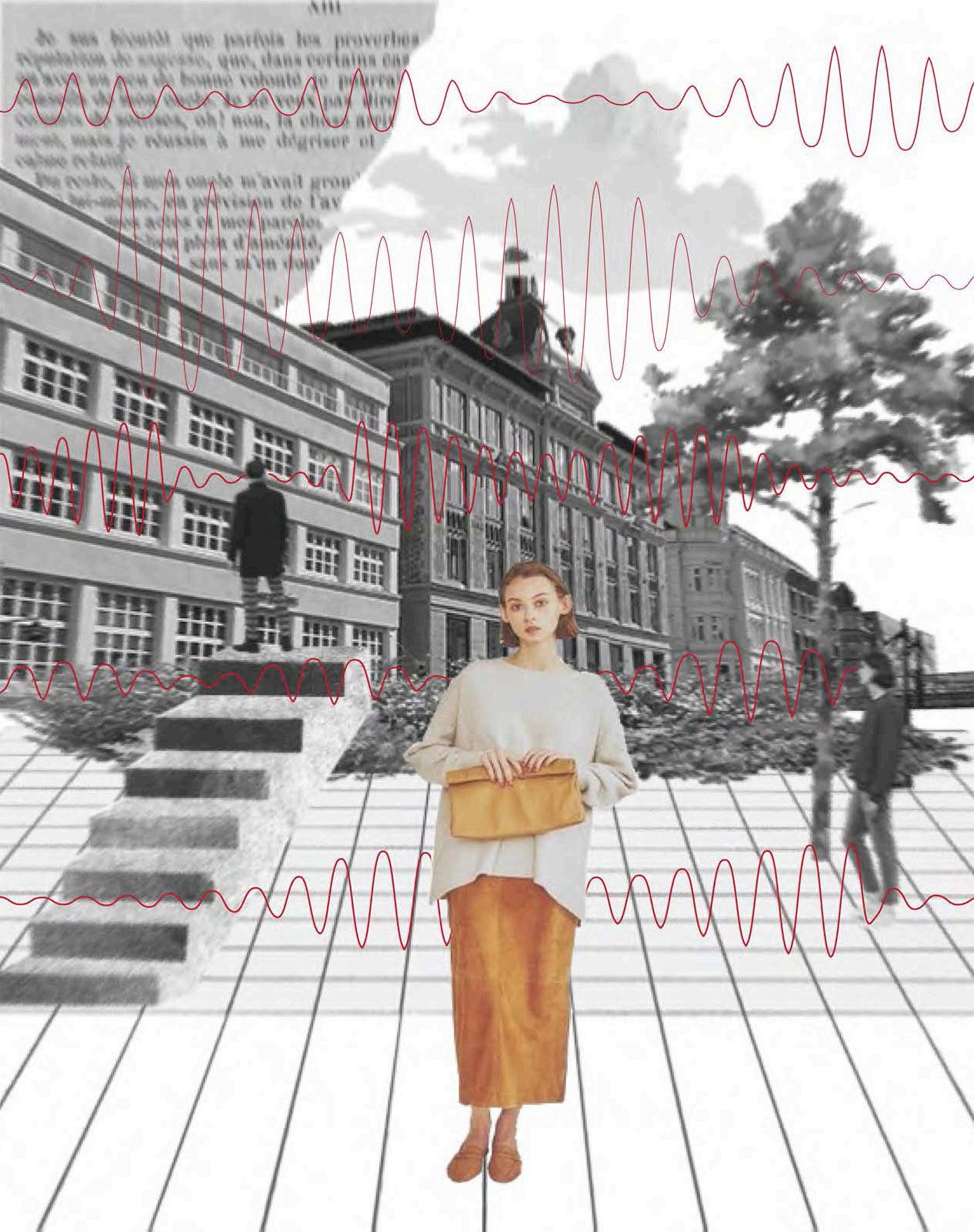
Narrative drawing showing the experience of being Deaf
Chronology
Projects 2021–2024
Operative Conditions Form Space Order
Serpentine Pavilion Precedent
Tree to Timber
After School Center
Chicago Infill
Olli Learning Center 2022
Synthetic Oasis
Mutable Light
Industrial Individualism (Dis)Abling Spaces
Resume
Ellie Nolan
EDUCATION
Auburn University—Bachelor of Architecture expected May ‘25 Honors College
The Harpeth Hall School—High School Diploma May ‘20
EXPERIENCE
Tippett Sease Baker Architecture—Montgomery, AL
Architecture Intern- Summer ‘24
Assisted in hand drafting drawing sets and construction documents of single family homes. Collaborated with architects to develop detailed design concepts and create 3D models using SkecthUp software.
Gresham Smith—Charlotte, NC
Industrial Architecture Intern- Summer ‘23
Collaborated with architects to develop detailed design concepts and create 3D models using Revit software. Conducted site visits to analyze existing industrial structures and identify areas for improvement. Assisted in preparing project proposals, cost estimates, and construction documents for industrial renovation projects.
Hereford Dooley Architects—Nashville, TN
Architecture Intern- Summer ‘22
Assisted in the development of architectural plans and drawings under the guidance of senior architects. Collaborated with project teams to generate innovative design concepts and solutions. Maintained a data base that tracked trends, codes, all jobs, and clients. Fixed and maintained technology such as a 3d printer (Creality), VR (vive), and a 3d room sca nner (BLK2go).
ACTIVITIES
AIAS, CADC Ambassador, CADC Student Council Member, Delta Gamma, ASL Club Honors College, Independent study of historic preservation with faculty Study Abroad: Italy Spring ‘24, Denmark Spring ‘23
HONORS
Dean’s List Spring ‘22—Fall ‘24, Delta Gamma Study Abroad Scholarship, Academic Heritage Scholarship, University’s Outstanding ePortfolio Contest (Honorable Mention)