Humanities: Year 7 Transition Booklet



Geography ............................................................................. Page 3 Summer Reading News, Watch and Play Holiday Treasure Hunt Geography Fieldwork My Skills Checklist KS2 & KS3 Curriculum Wheel History ................................................................................. Page 11 Summer Reading News, Watch and Play Explore Explore in person History Fieldwork My Skills Checklist KS2 & KS3 Curriculum Wheel Religious Studies ................................................................... Page 20 Summer Reading Films to Watch Explore in Person
Contents
Preparing forYear7 Geography
Summer Reading
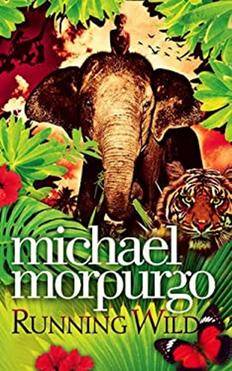
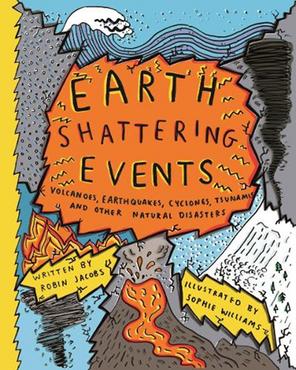
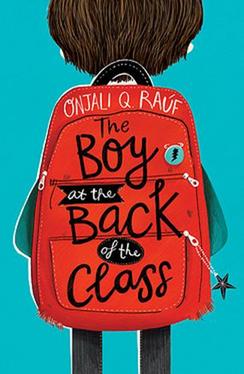
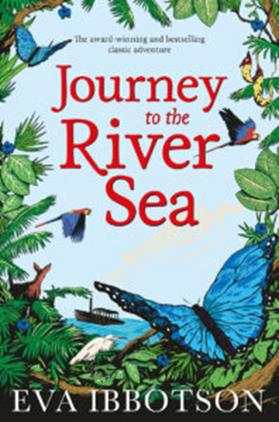
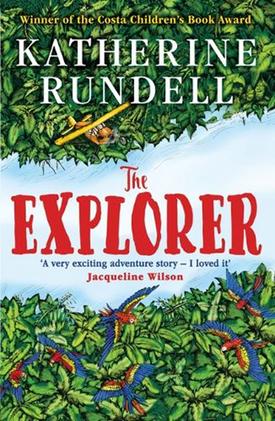
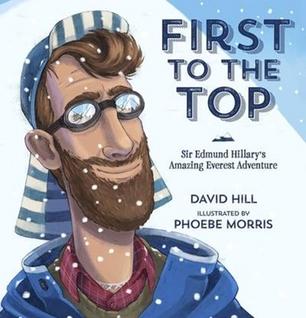
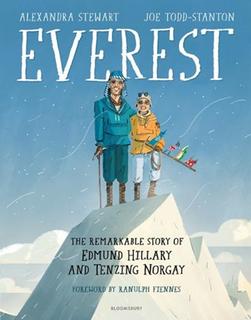
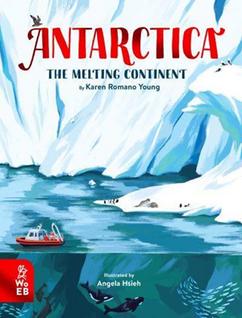
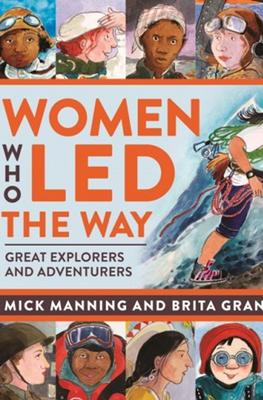
News, Watch and Play
Home | Geography in the News

Watch Disney+
Netflix
Games
Do you know your continents, countries, capital cities, flags and oceans? Have a go at these online quizzes to test your knowledge and perhaps compete against a member of your family!
World Geography Games Online - Let's play and learn Geography!

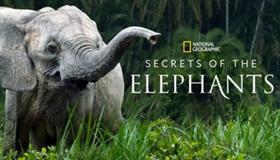
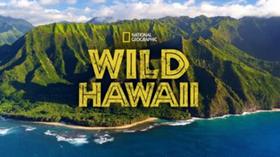
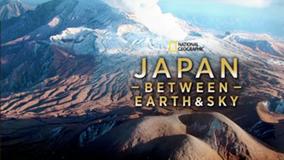
World Games | World Geography Games Online

News
Holiday Treasure Hunt
Whether you are staying in the UK or travelling further abroad, see how many of these you can collect.
A postcard from a different country.
A coin or bank note from a different country.
A menu or napkin written in another language.
Take a picture of a cumulus cloud.
A tourist map or guide of a visited location.
A public transport ticket to show a journey you have been on.
An annotated photograph you have taken of somewhere you visited.
A souvenir you have purchased.
A seashell from a beach.
A piece of plastic waste from the coast.
A smooth round rock.
A fossil.
Take a picture of a sunset or sunrise.
Go on a walk using an Ordnance Survey map and record the highest altitude you reached.
Try a food from another country that you’ve never tried before.
Take a picture of some sea defences.
Dip your foot in the sea/ocean- take a picture and name that sea or ocean.
Climb a mountain and take a picture of you next to a triangulation point/pillar. Visit a river and find the Geography! Can you spot any landforms, evidence of erosion, flooding or management?
Plot on a map the most Easterly place you have visited during the summer holiday.
Geography Fieldwork
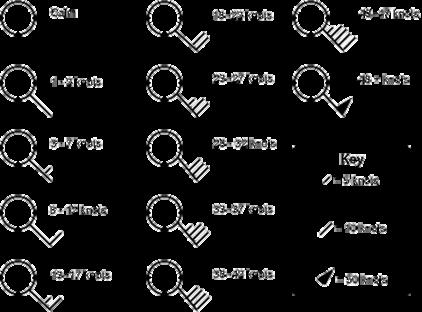
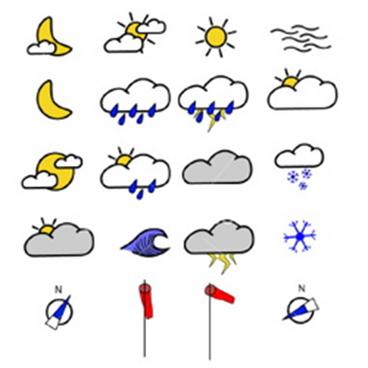
Your task is to record your own observations on the weather every day for seven consecutive days. You may use the table below to help you or you can design your own. For a high-level answer, you must use correct weather terms and units such as precipitation, knots (for wind speed) and include °C for temperature. For detailed statistics on the weather in an area, you could visit the Meteorological Office website.
Day and date
Describe the day’s weather in your own words. Add some statistics for temperature, wind speed, visibility etc.
Draw some symbols to represent the weather for the day.
My Skills Checklist
Locational Knowledge
I can:
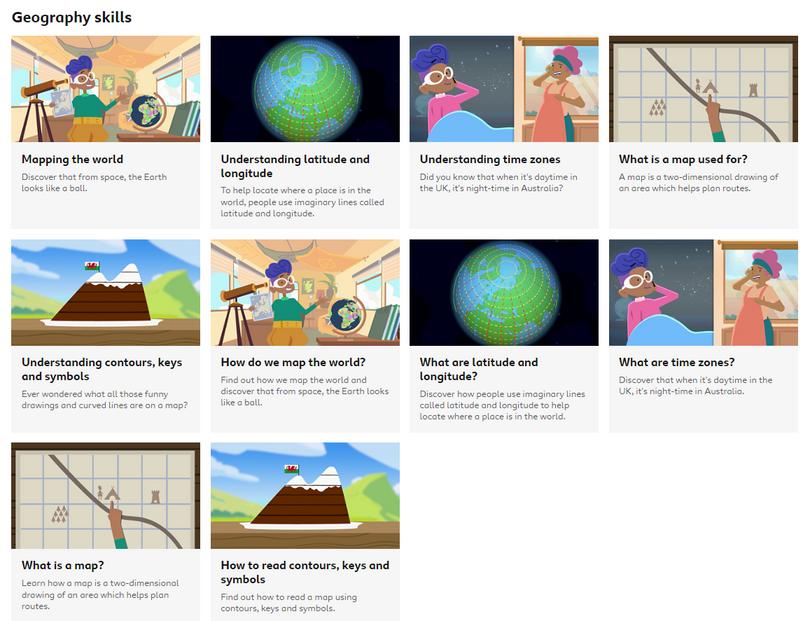
locate the world’s countries, using maps to focus on Europe and its major cities. name and locate counties and cities of the United Kingdom, identify geographical regions and key topographical features (including hills, mountains, coasts and rivers).
identify the position and significance of latitude, longitude, Equator, Northern Hemisphere, Southern Hemisphere, the Tropics of Cancer and Capricorn, Arctic and Antarctic Circle, the Prime/Greenwich Meridian and time zones (including day and night).
Human and Physical Geography
I can:
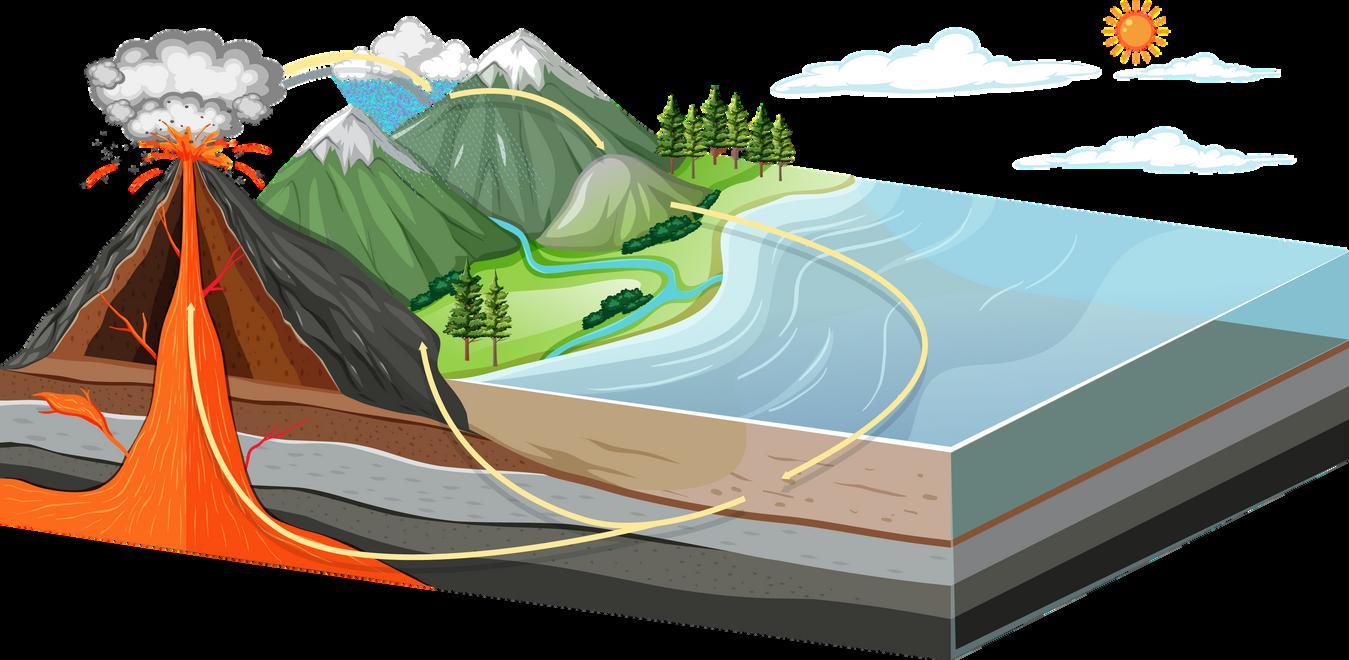
describe and understand key aspects of physical geography, including: climate zones, biomes and vegetation belts, rivers, mountains, volcanoes and earthquakes, and the water cycle.
describe and understand key aspects of human geography, including: types of settlement and land use, economic activity including trade links, and the distribution of natural resources including energy, food, minerals and water.
Geographical Skills and Fieldwork
I can:
use maps, atlases, globes and digital/computer mapping to locate countries and describe features studied. use the 8 points of a compass, 4 and 6-figure grid references, symbols and key (including the use of Ordnance Survey maps). use fieldwork to observe, measure, record and present the human and physical features in the local area using a range of methods, including sketch maps, plans and graphs, and digital technologies.
If you would like to brush up on any of these skills, take a look at the BBC Bitesize website: KS2 Geography - BBC Bitesize
This wheel shows an overview of the Geography curriculum studied at Ashford School.
TSpringTerm heEnvironment Maps Rivers GlobalConnections DevelopmentalTourism Rivers Energy&ResourceManagement Ecosyst ems AnIntrotoGeograph y,Afri ca & G e o g r pa hacisllikSl Tectoni c Hazard s Y9 Y8 Geography S u m merTerm Autumn T e r m TheWorld / U K Settlem e n t T he Americas Coasts C o a s ts / The TravelShow O u r Weather E u r o p e / The TravelShow P o p u lation &Migration W e a t he r Hazards &ClimateChange Y3 Y5 Y7 Y4 Y6 Mountai n s Rainforest s KS2 and KS3 CurriculumWheel
Preparing for Year 7 History
Summer Reading
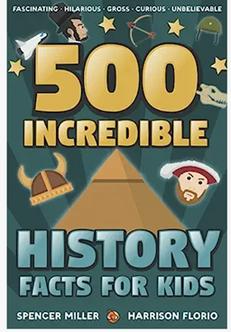
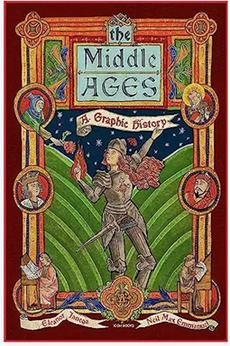
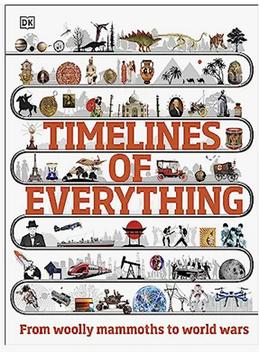
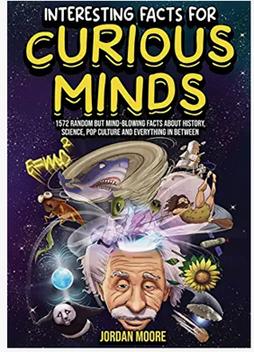
News, Watch and Play
News
BBC – History in the News
Watch Disney+
Netflix
Games
Do you know your famous Kings, Queens and Battles and World Events? Test your knowledge and learn some interesting facts along the way!
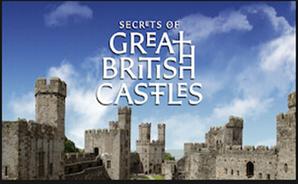
History Quiz for Kids - Free - Interactive - Multiple Choice (kidsquizdaily.co.uk)
Play Easy Kids - History Quiz Questions and Answers quiz: print these test questions and answers (quizglobal.com)
History Trivia for Kids with Answers (logiclike.com)

KS2 History - 35 Enjoyable Quizzes for Children Aged 7 to 11 (educationquizzes.com)

Explore
History for Kids.net – an online interactive website for all kids who love History.
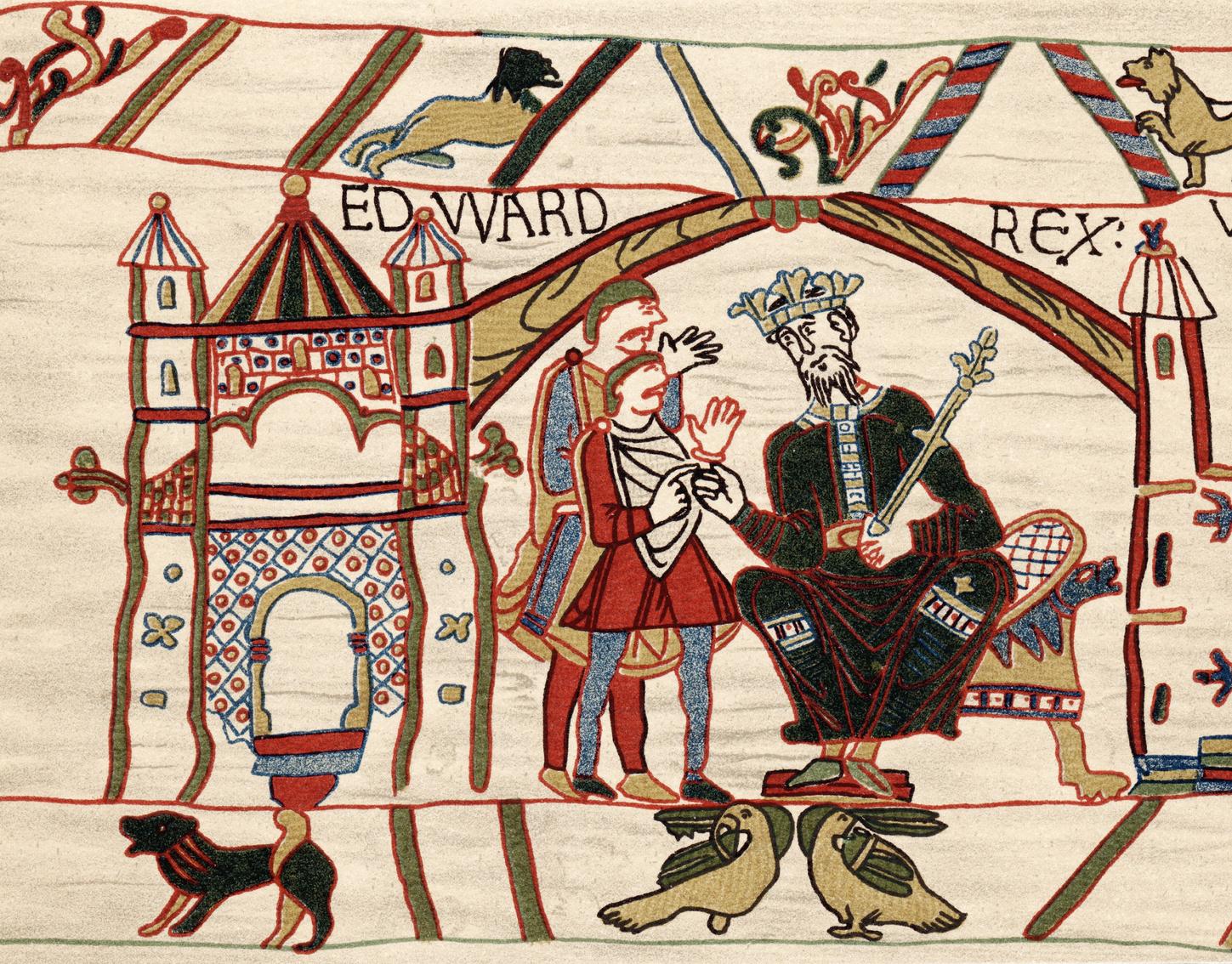
These BBC website pages will prepare you very well for Y7 at Ashford School, as we start the year with the Normans and this resource is about the History of Britain up to the time of the Normans:
History KS2: The Story of Britain - BBC Teach
History KS2: The Anglo-Saxons - BBC Teach
Explore in person
If you are in the South-East of England this summer, why not visit one of these places of historic significance?
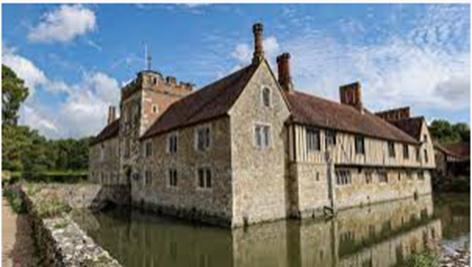
Ightham Mote, Kent: a 14th century moated manor house set in beautiful gardens.
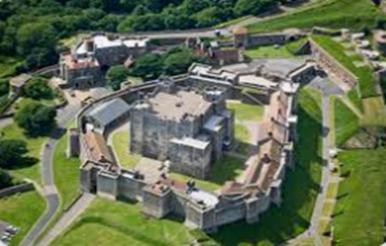
Dover Castle, Kent: on a site used over thousands of years. There is a Roman lighthouse here as well as the medieval castle and lots of more recent History all the way up to World War 2.
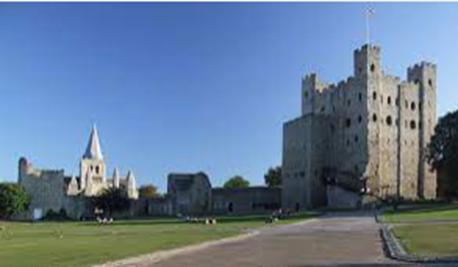
Rochester Castle, Kent: a Norman square keep castle which was the site of an important siege by King John after he had been forced to sign the Magna Carta in 1215.
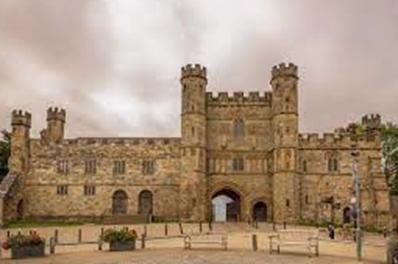
Battle Abbey and the 1066 Museum, East Sussex. Here, you can find out all about the famous Battle of Hastings which made William of Normandy the king of England. In Year 7, this is the first Historical topic we cover, so a visit here would be very good preparation for that.
The beautiful medieval town of Rye, East Sussex, with its cobbled streets and fortified town gates, built to prevent a French invasion during the Hundred Years’ War.
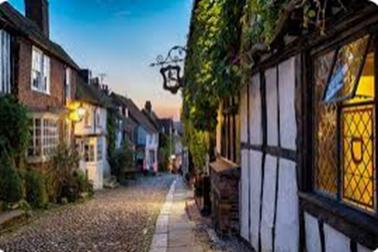
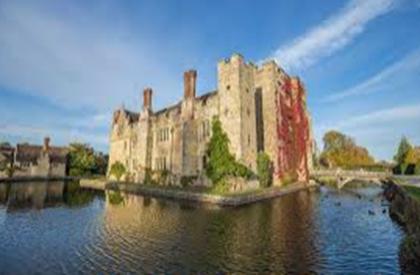
Hever Castle, Kent, famously the home of Anne Boleyn’s family (she was the second wife of Henry VIII and the first to be beheaded).
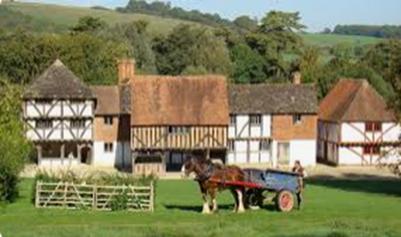
The Weald and Downland museum, West Sussex: an open air museum of vernacular buildings through the ages, allowing you to step straight into the lives of ordinary people in the past.
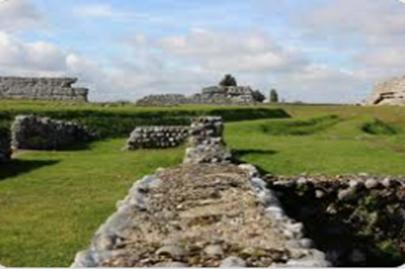
Richborough Roman Fort, Kent: a site dating to the earliest occupation of the British Isles by the Romans, with plenty of remains to wander around.
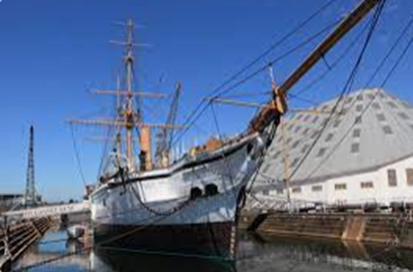
Chatham dockyard, Kent: once the most important ship-building site in England, it is now home to an excellent museum and you can board historic ships and submarines.
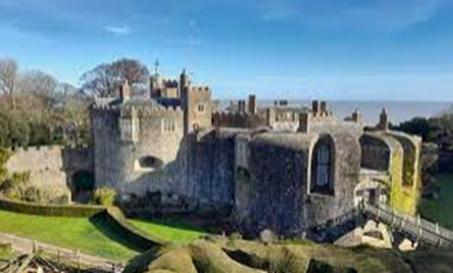
Walmer Castle, Kent: a Tudor artillery fort (hence its very squat shape), and later residence of Arthur Wellesley, Duke of Wellington – he died here, and there is a museum to him, as well as beautiful gardens.
History Fieldwork
Wherever you visit this summer, if it is a place of historic interest, write a diary of your visit. Try to include three interesting historical facts that you learned on your visit.
The name of the place you visited, and the date of your visit.
My Skills Checklist
I know how to use a timeline, and understand how dates are plotted on it, including BC and AD dates. I know the significance of the year zero on the timeline. I know how to read a family tree, including the meaning of its symbols (such as =, b, m, d).
I know the difference between a primary and secondary source.
I know some ways of checking how far I can trust a source as evidence (when was it made? Who was it made by, and what was the purpose of making it? Where was it made?)
Fact 1 Fact 2 Fact 3
I can find ways of memorising important dates and can put them in order.
I know why it’s important to prove my ideas by using evidence.
I have begun to do formal essay-writing, using an introduction and conclusion, and I understand why they’re important.
I have begun to use research skills, e.g. by interviewing people, searching online or reading books and newspapers to find useful information.
If you want to brush up on your History skills, take a look at the BBC History KS2 website: History KS2: History Hunt - BBC Teach
SpringTerm TheRomans ElizabethI&Exploration TheVictorians WorldWar2 TheStuarts;IndustrialBritain MedievalMonarchs&TheChurch Inter-warEurope,Russia&TheUSA Th e Tud ors HistorySkill s ;Norma n E n gl a n d World W ar O ne Y9 Y8 History S u m merTerm Autumn T e r m Tudor R o yal t y Prehistori c B r i t a ni M a y an Civilisation Ptsow a r B r itain andLifeinthe60's Empire &Slavery S a x o ns &Vikings AncientEgyp t Mde i e v a l S o c iety ; The CanterburyProject iR hg t s & F r e e d o m s ; T he AmericanCivilRightsMovement Y3 Y5 Y7 Y4 Y6 World W ar O n e Historyof Med i c i n e KS2 and KS3 CurriculumWheel This wheel shows an overview of the History curriculum studied at Ashford School.
Preparing for Year 7
Religious Studies
Summer Reading
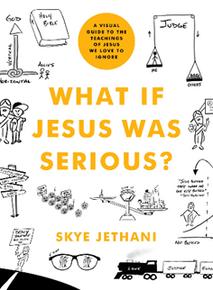
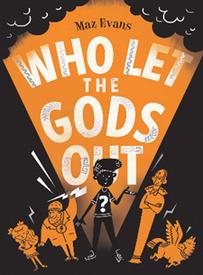
All of the books below are highly recommended to encourage thinking around the subject.
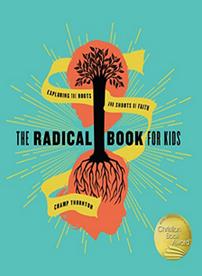
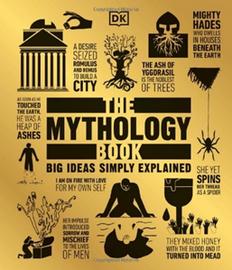
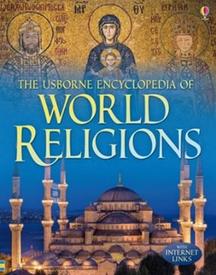
For those more confident readers, reading Terry’s Pratchett’s Discworld series, or Philip Pullman’s ‘His Dark Materials’ series is highly recommended. They both contain some excellent philosophical ideas and are rooted – especially the latter – with good theology.
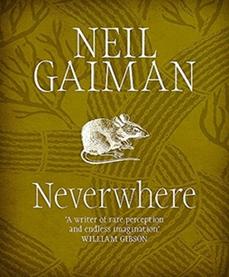
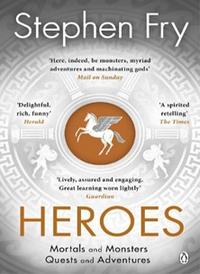
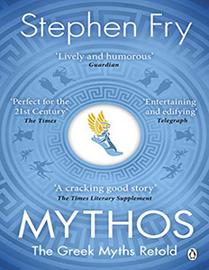
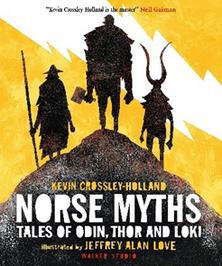
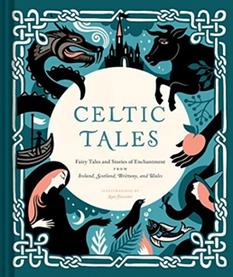
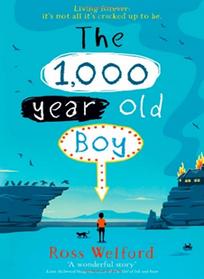
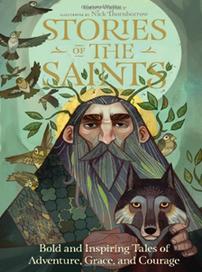
Films to Watch
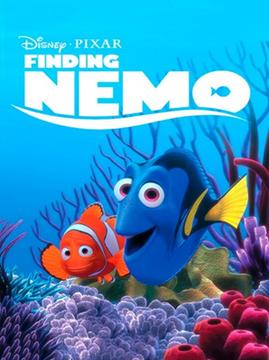
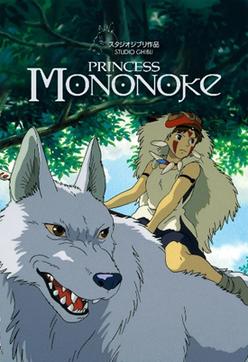
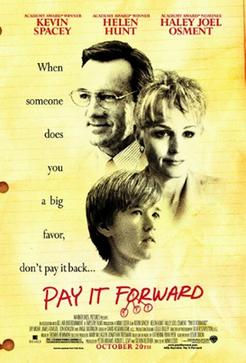
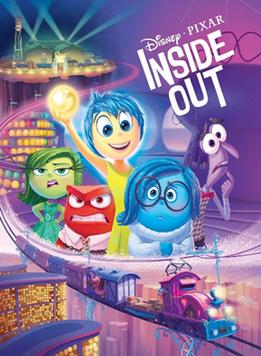
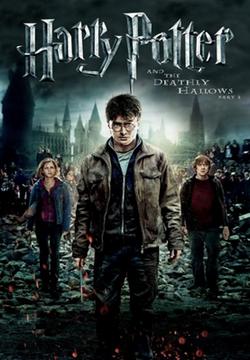
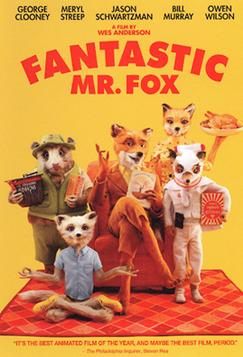
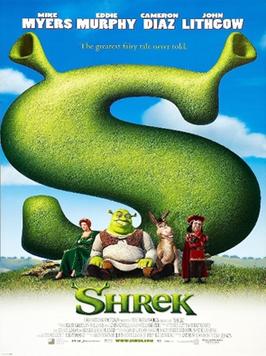
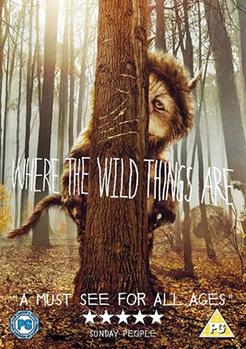
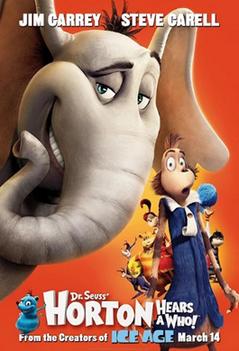
Questions to be thinking about when watching these films:
1. Horton Hears a Who.
Should we only believe in the things we can see? Should we trust other people’s interpretation of events?
2. Where the Wild Things Are
Should we believe in the existence of other worlds? What are some sensible qualities to look for in leaders?
3. Shrek
Does a person’s appearance matter more than their personal qualities?
4. Fantastic Mr Fox
Is it right to do bad things to bad people? Can we change our natures or are they fixed?
5. Harry Potter and the Deathly Hallows
Will good always triumph over evil? What does it require for evil to be overcome?
6. Inside Out
Are our emotions the most important part of who we are? When should we ignore our emotions?
7. Pay It Forward
What do truly good actions require? Is the argument that we need to do good things for other people a good philosophy and why?
8. Princess Mononoke
Is progress more important than anything else? What reasons are there for keeping our traditions?
9. Finding Nemo
What is your purpose in life? How are you meant to discover this?
Explore in person
Suggested places of religious worship to visit in Kent
It would be fantastic to hear about in September
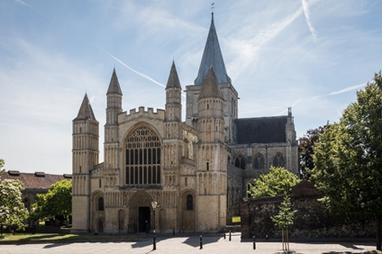
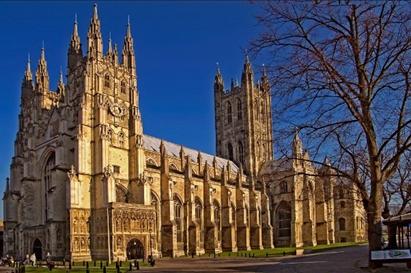 1. One of Kent’s many beautiful cathedrals (Canterbury and Rochester are particularly stunning.)
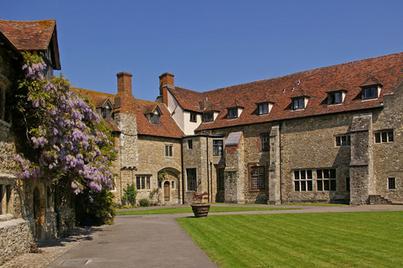
2. A Friary (Ayslesford is a key Catholic place of religious significance.)
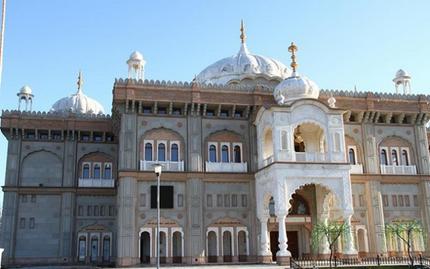
3. Guru Nanak Darbar Gurdwara (An important Sikh temple near Gravesend)
1. One of Kent’s many beautiful cathedrals (Canterbury and Rochester are particularly stunning.)
2. A Friary (Ayslesford is a key Catholic place of religious significance.)
3. Guru Nanak Darbar Gurdwara (An important Sikh temple near Gravesend)