BY:
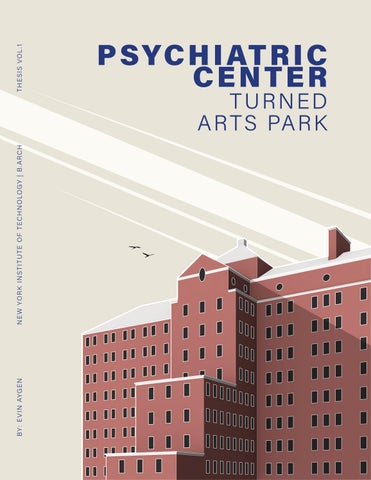
PSYCHIATRIC CENTER TURNED ARTS PARK
OVERVIEW OF ISSUE & THESIS
pg 04 - 15
HISTORY OF KINGS PARK PRECEDENT STUDIES
pg 16 - 17
pg 18 - 25
SITE
pg 26 - 35 pg 36 - 47 pg 48 - 53
01 OVERVIEW OF ISSUE & THESIS
ABANDONED PSYCHIATRIC CENTERS
Before the 19th century, mental health care was indistinguishable from jails, with individuals marginalized by society confined to grim facilities for life.
The mid-19th century introduced the Kirkbride Plan, meant to provide a more humane approach to mental health treatment focusing on open architecture and therapeutic programs.
As time passed, Kirkbride facilities became overcrowded and understaffed, ultimately deteriorating into sites of maltreatment, especially with the rise of sedative treatments in the mid-20th century. Leading to these institutions being defunded by the government.
As a result, hundreds of psychiatric facilities opened between mid 1800 and the 1910s were abandoned during deinstitutionalization.
However, many were converted to schools, museums or demolished. Some ruins remain, offering glimpses into this complex history.
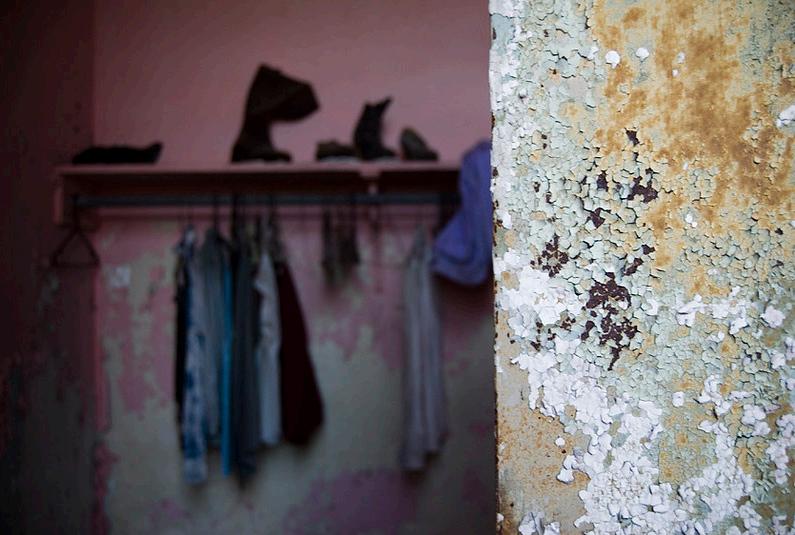
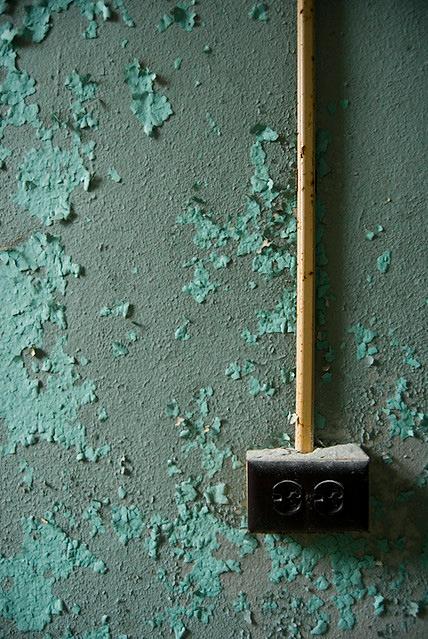
ABANDONED PSYCHIATRIC CENTERS IN NEW YORK
BUFFALO PSYCHIATRIC CENTER
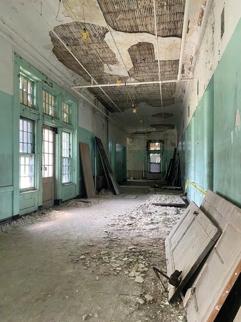
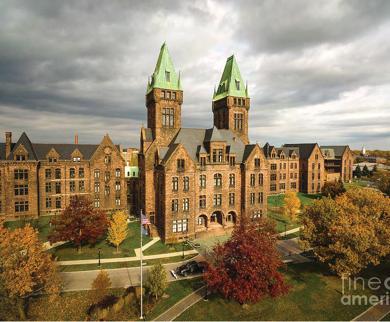
ROCKLAND PSYCHIATRIC CENTER
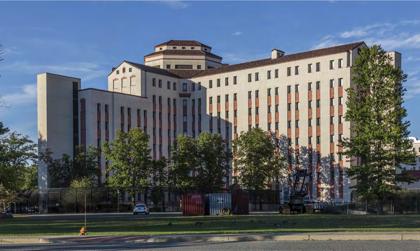
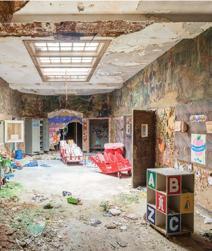
LOST PAST
All across New York are psychiatric centers that were left abandoned, and this map shows only a handful of them. Many take up large sites and are still standing as a reminder of the past, as they wait to be demolished.
KINGS PARK PSYCHIATRIC CENTER
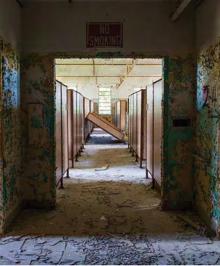
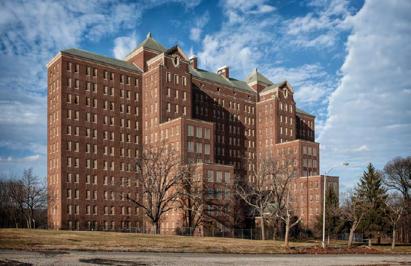
PILGRIM PSYCHIATRIC CENTER
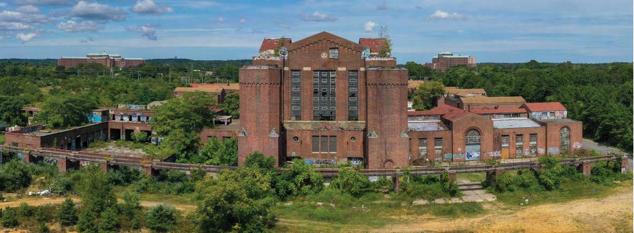
CREEDMOR PSYCHIATRIC CENTER
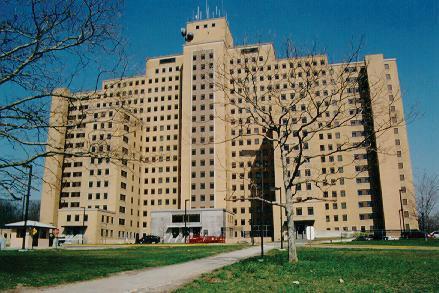
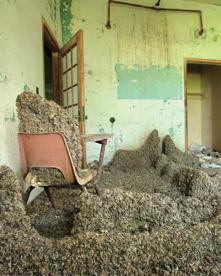
THE ISSUE AT KINGS PARK
KINGS PARK PSYCHIATRIC CENTER
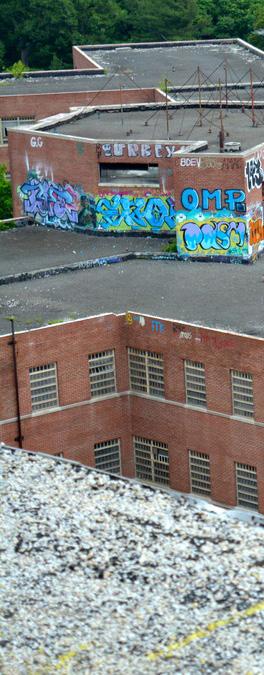
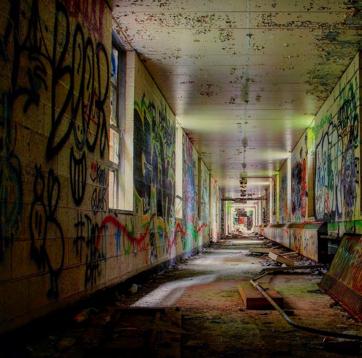
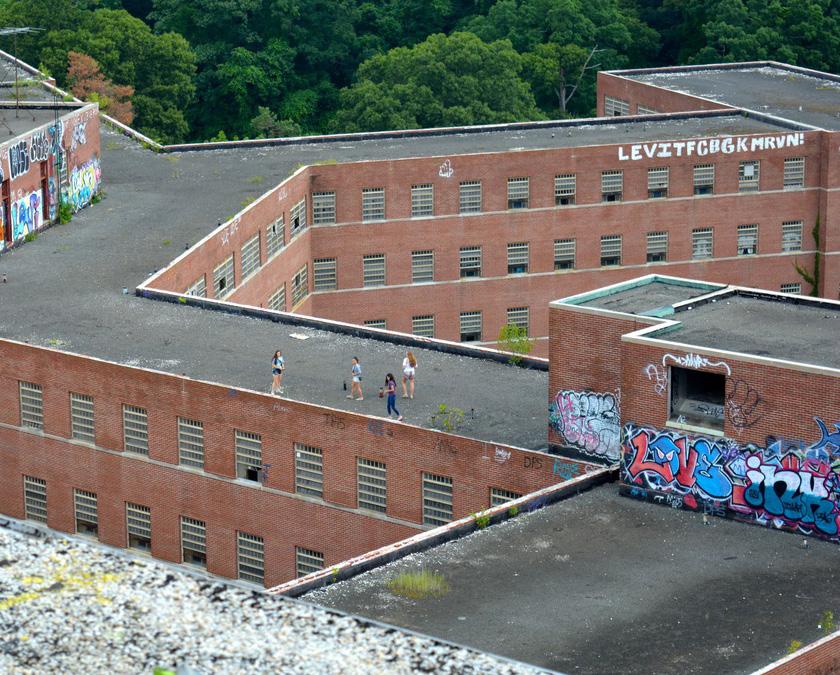
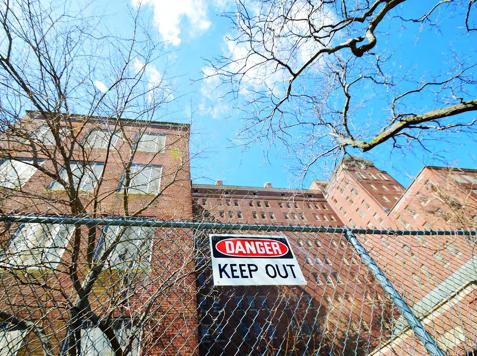
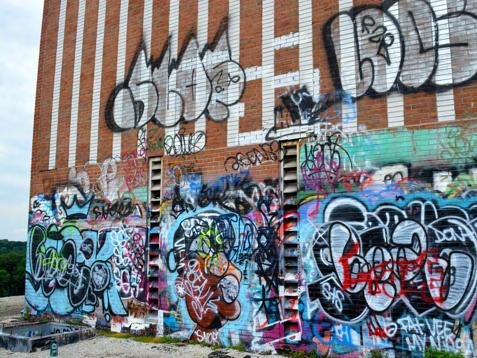
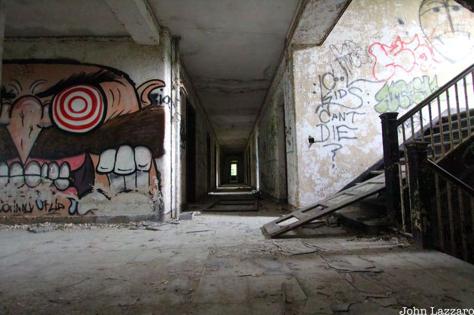
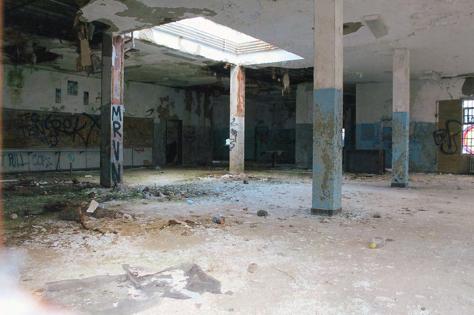
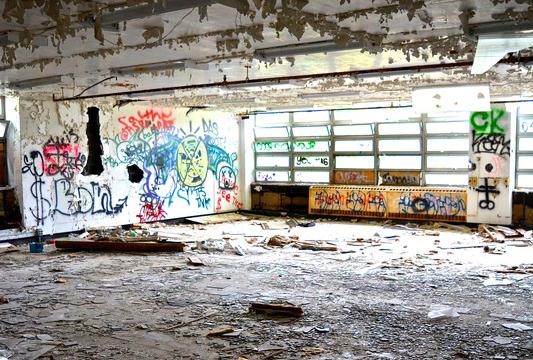
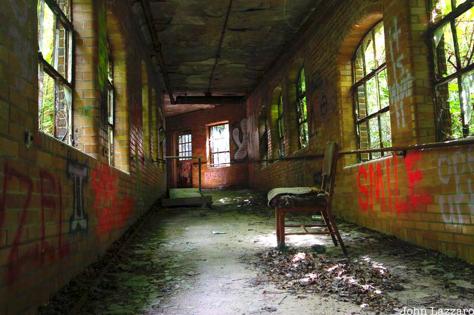
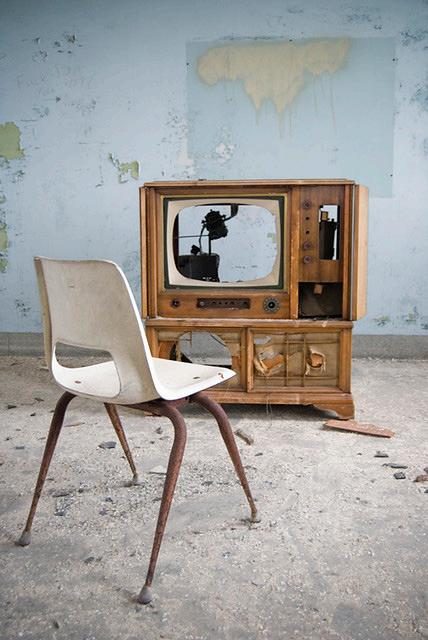
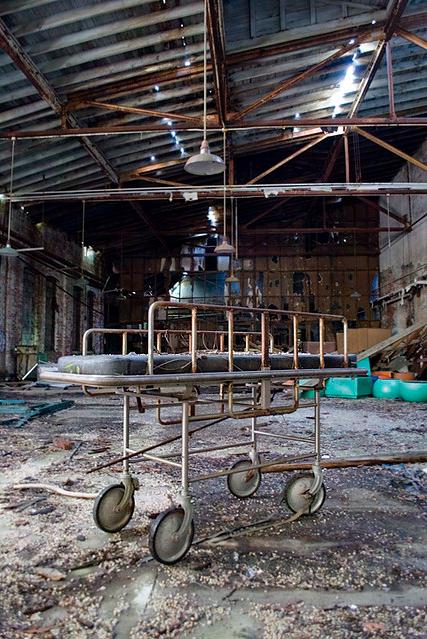
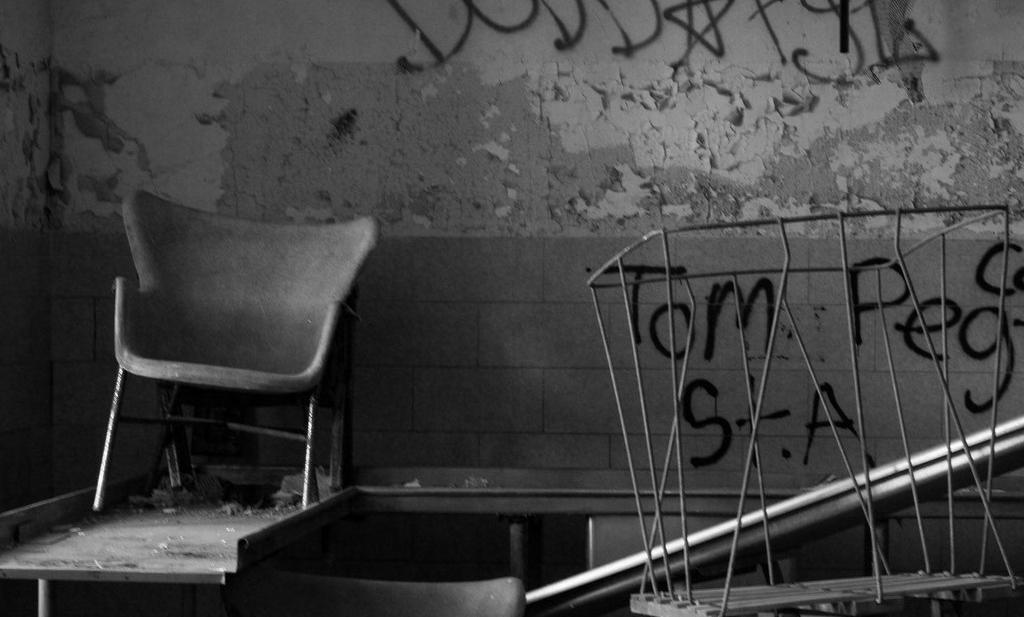
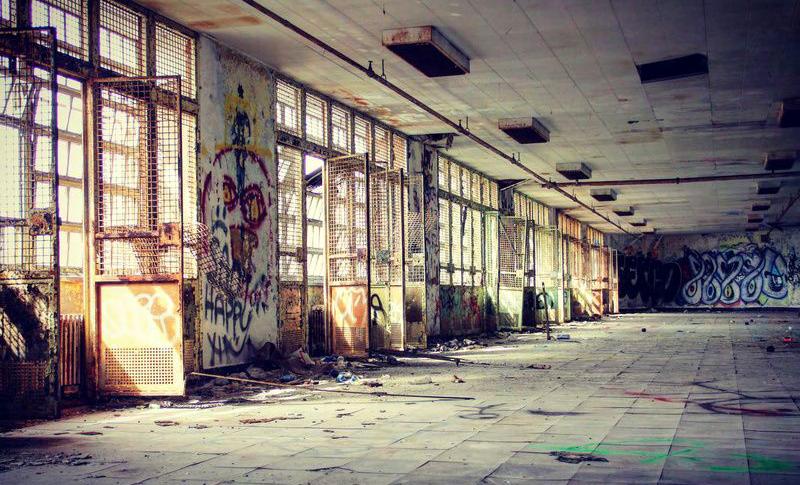
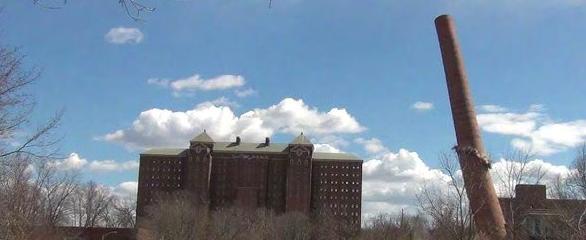
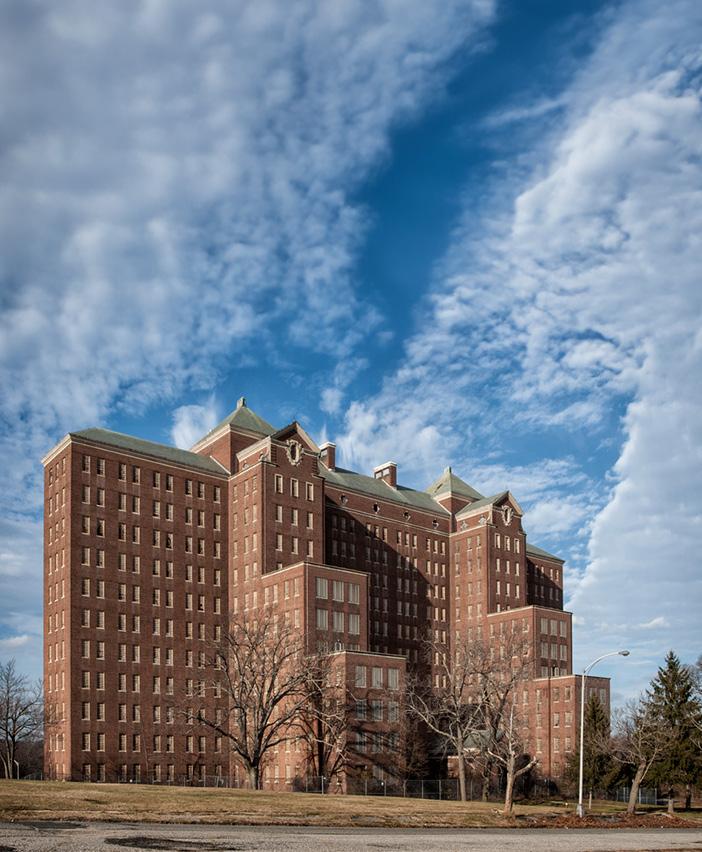
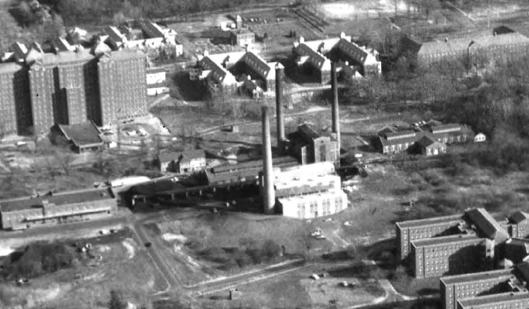
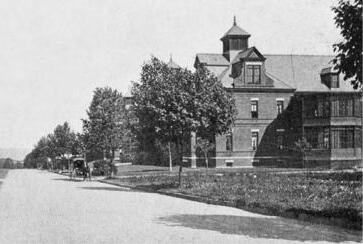
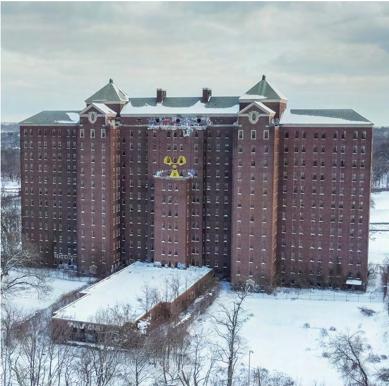
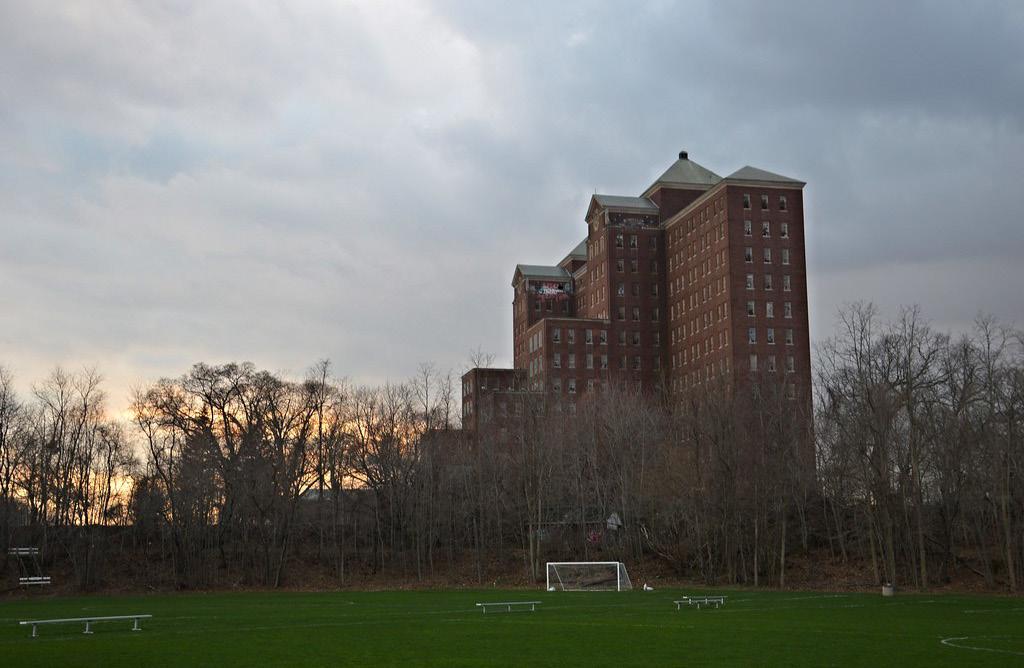
The Kings Park Psychiatric Center, closed in 1996, now stands as a decaying reminder of the American mental health care system.
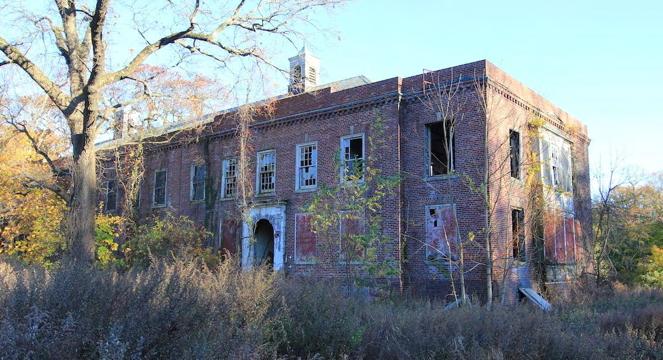
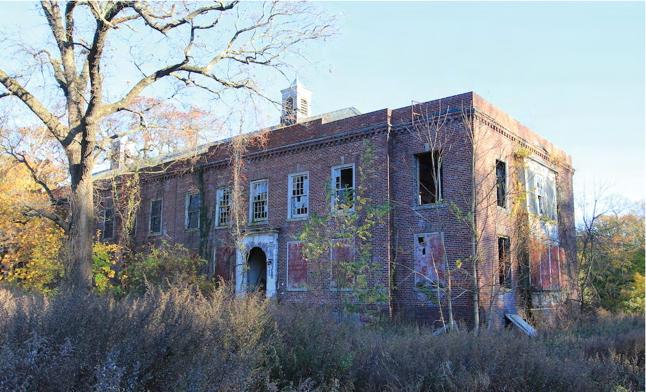
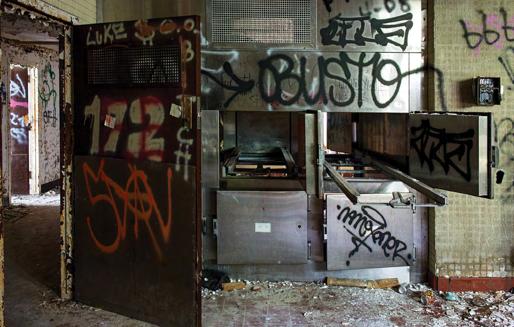
While some buildings have been demolished, others remain abandoned, vandalized, undergone theft, and environmental damage, including mold and asbestos contamination.
The grounds, now part of Nissequogue State Park, are used for recreational activities, with visitors navigating the remnants of the deteriorating institution.
Lacking any security on the site, as well as no plans for redevelopment due to high cleanup and demolition costs, the site endures as an unprotected and deteriorating monument that attracts curious trespassers despite its present hazards.

THE ISSUE AT KINGS PARK
ENDANGERED FUTURE
The Kings Park Psychiatric Center is no longer eligible for a large-district listing on the National Register of Historic Places due to the demolition of many buildings.
Since the land was transferred to the New York State Office of Parks, it has been legally protected from commercial and residential redevelopment, becoming part of Nissequogue State Park by 2006. By that point, the buildings that stood were deemed “inhospitable to be redeveloped”.
In November 2022, a Draft Master Plan proposed a mix of demolition and adaptive reuse for the remaining buildings, however the majority of the plan saw the demolition of the buildings in favor of larger park spaces. This would greatly lessen the employment opportunities that the psychiatric center previously offered to the local community.
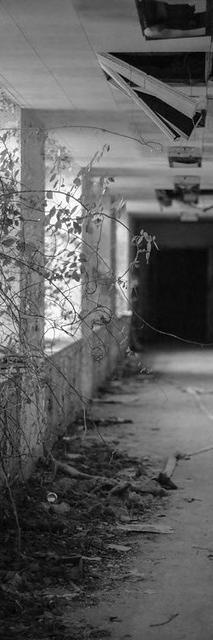
Luckily there are residents and advocacy groups such as, Preserve KPPC, who are working in opposition to the state’s plan to demolish the buildings, and aim to re-purpose approximately 30 structures, suggesting uses such as a museum, mental health center, and art spaces, and inviting community involvement.
THESIS STATEMENT
ADAPTIVE REUSE OF KINGS PARK
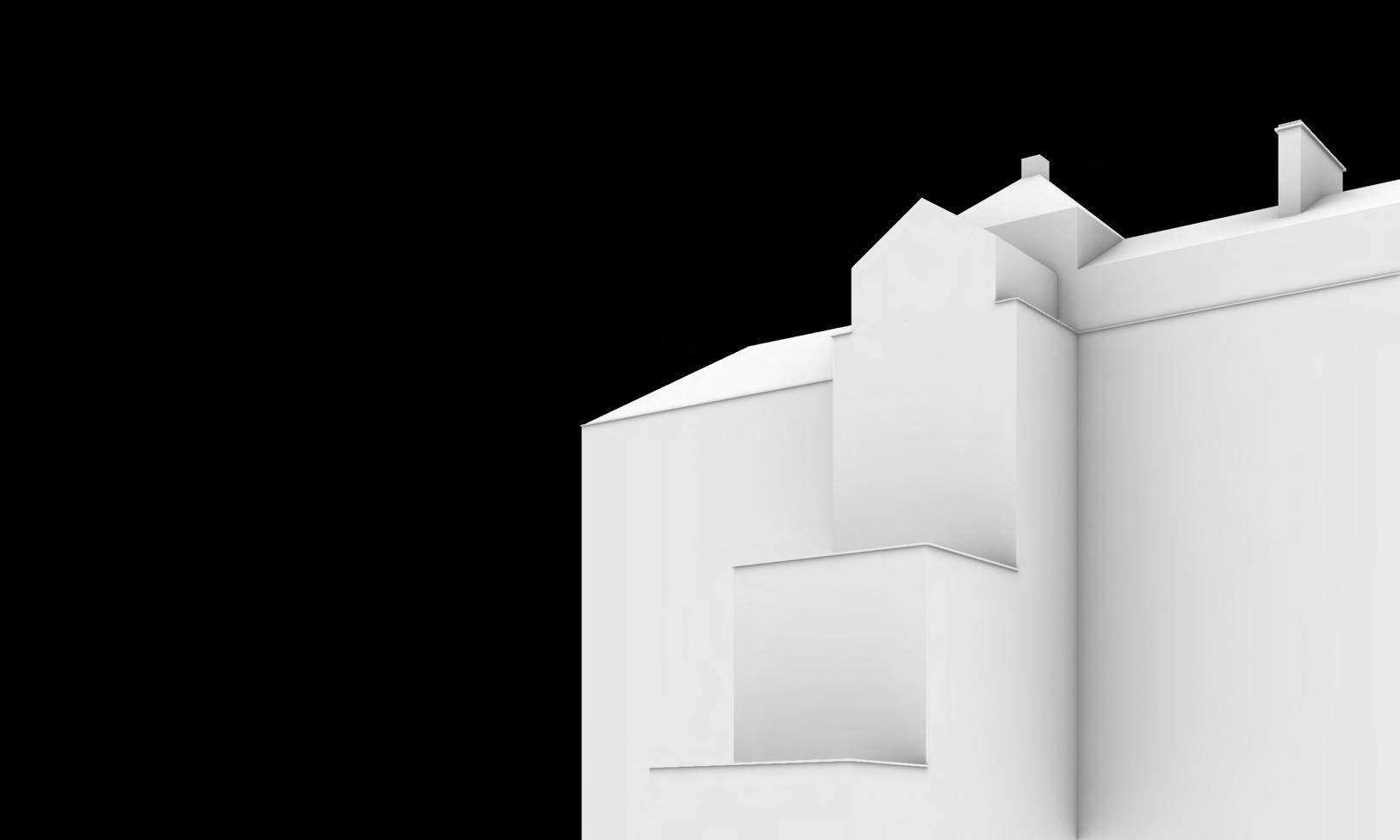
My thesis would examine the adaptive reuse of the abandoned Kings Park Psychiatric Center, proposing a transformative approach that honors its historical significance while revitalizing the site into a vibrant, communityfocused campus.
Working alongside the United Nations Sustainable Development Goals, this project would aim to focus on improving ‘Life on Land’ and ‘Quality Education’.
My project wishes to integrate spaces featuring educational, recreational, and artcentric programming, alongside a museum commemorating the hospital’s legacy and site-specific sculptures
to rejuvenate the grounds on a more personal level.
Prioritizing sustainability and architectural preservation, this adaptive reuse project looks to create a versatile hub where residents and visitors can learn, create, and connect all year round!
By reimagining Kings Park as a dynamic cultural and social environment, the proposal demonstrates how adaptive reuse can bridge history and contemporary needs, fostering a meaningful contribution to the local community.

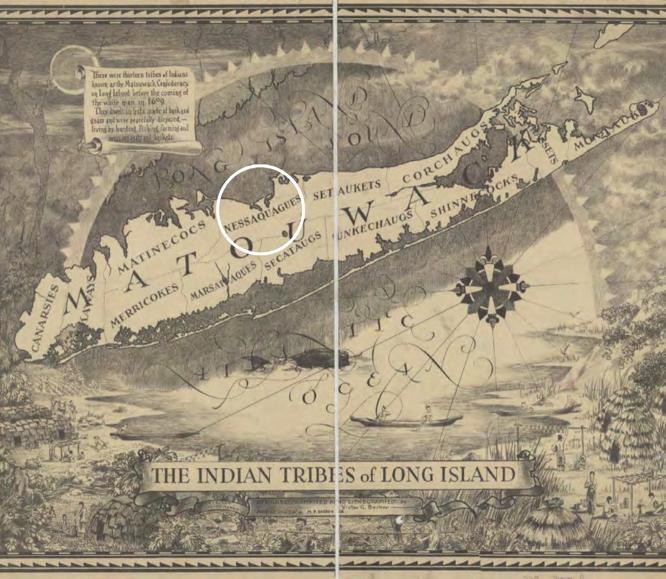
02 HISTORY OF KINGS PARK






03 PRECEDENT STUDIES
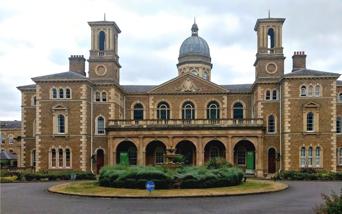
GLOBAL FOCUS
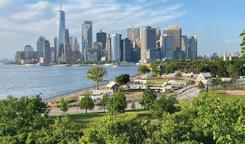
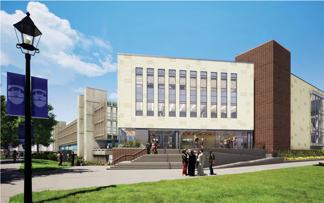
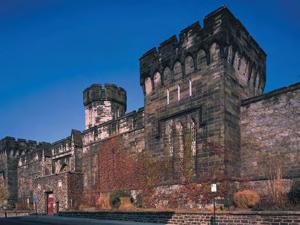
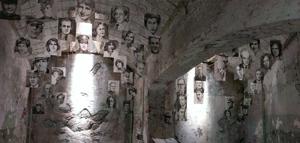
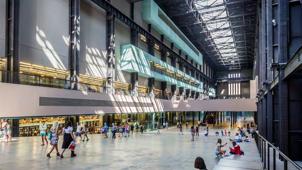
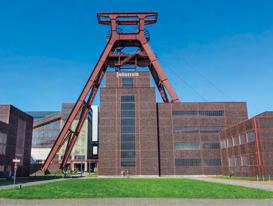
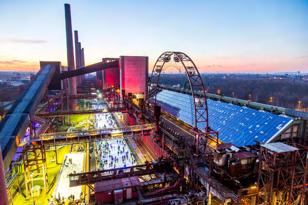
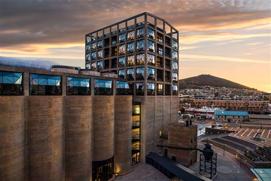
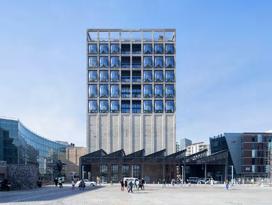
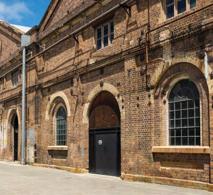
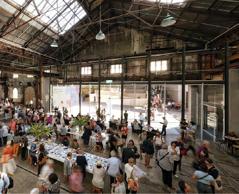
These precedents represent cases where abandoned buildings were transformed to usable and performative spaces
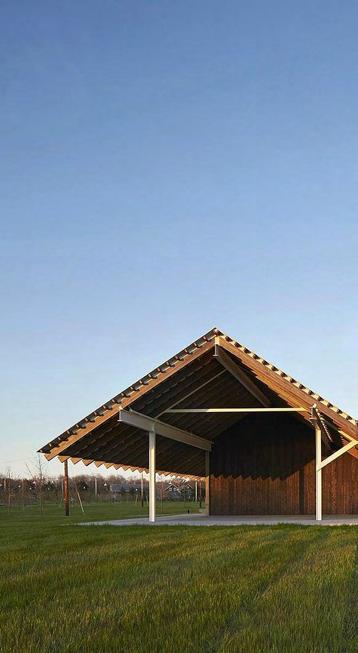
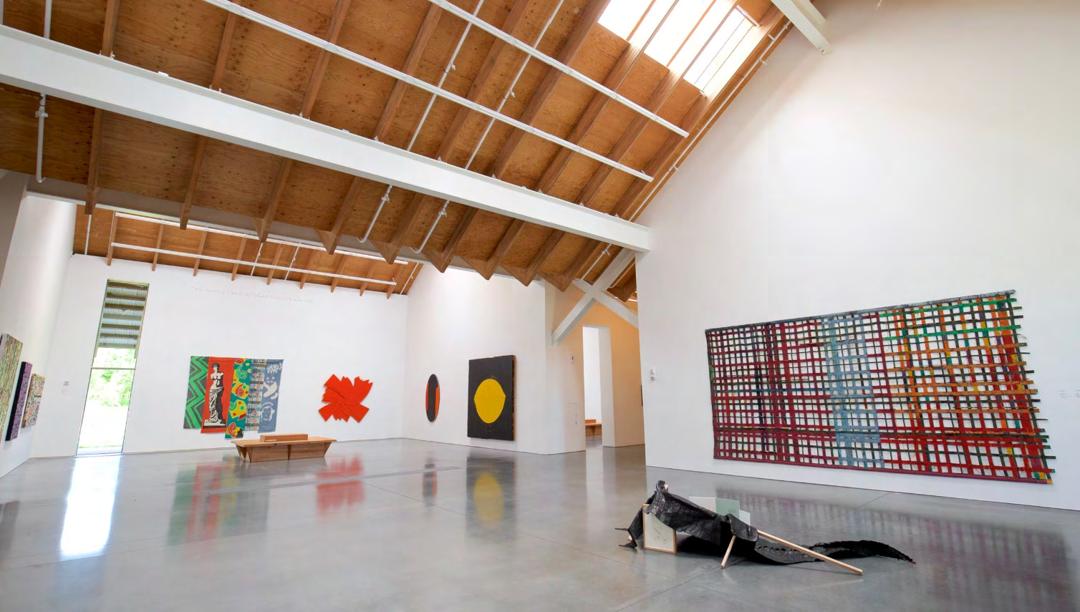
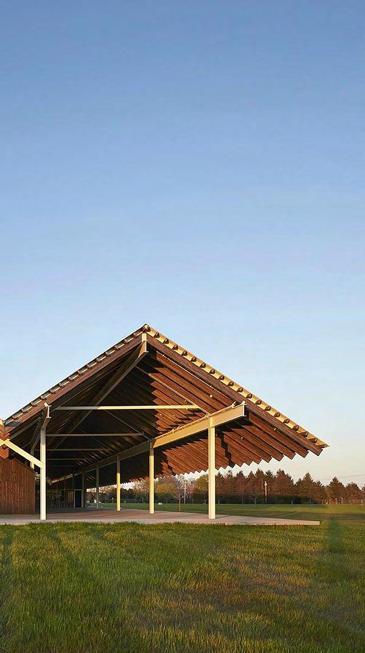
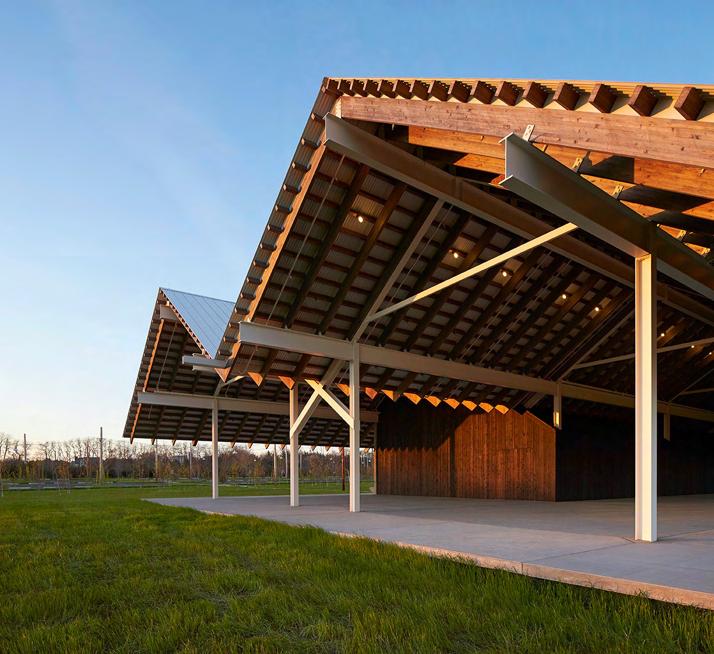
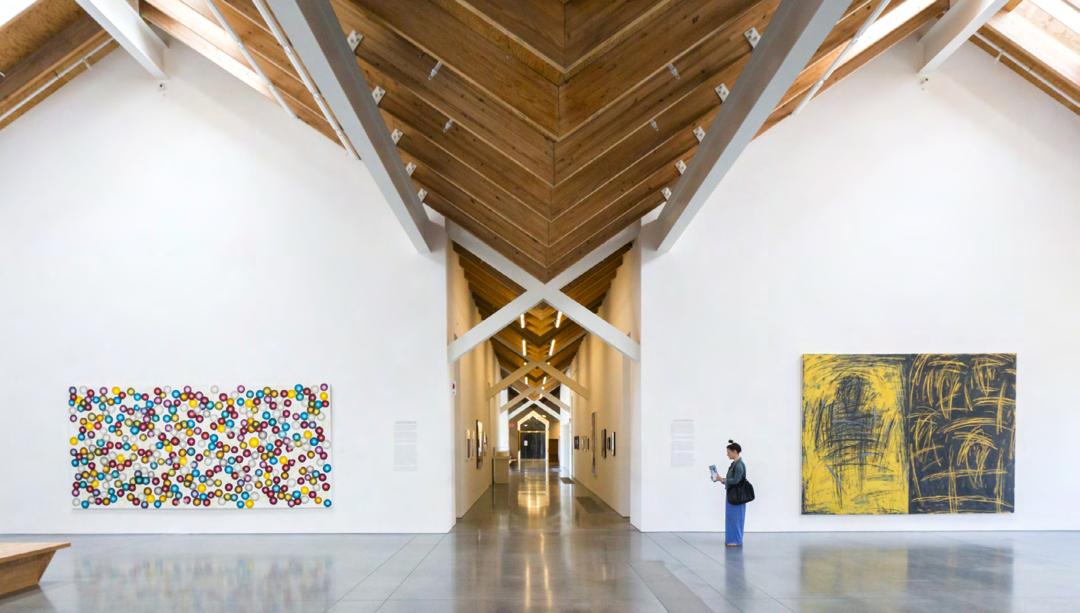
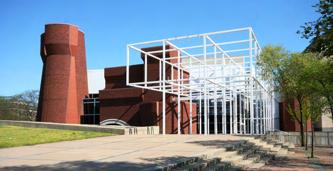
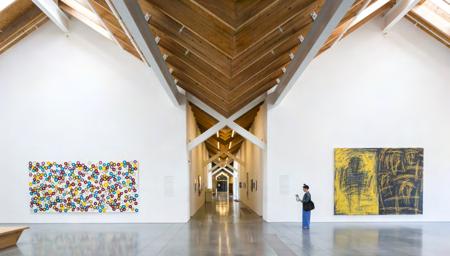
PARRISH ART MUSEUM
WATER MILL, NEW YORK
The Parrish Art Museum is a cultural hub dedicated to celebrating art and artists of the East End of Long Island. Known for its striking minimalist architecture designed by Herzog & de Meuron, the museum houses an extensive collection of over 3,000 works. With its focus on exhibitions, education programs, and community engagement, the Parrish serves as a vital space for artistic exploration and appreciation.

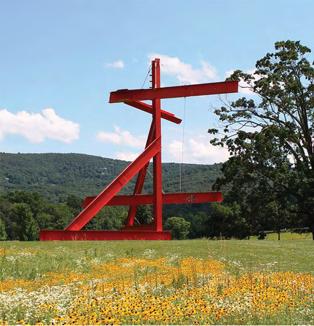
STORM KING ART CENTER
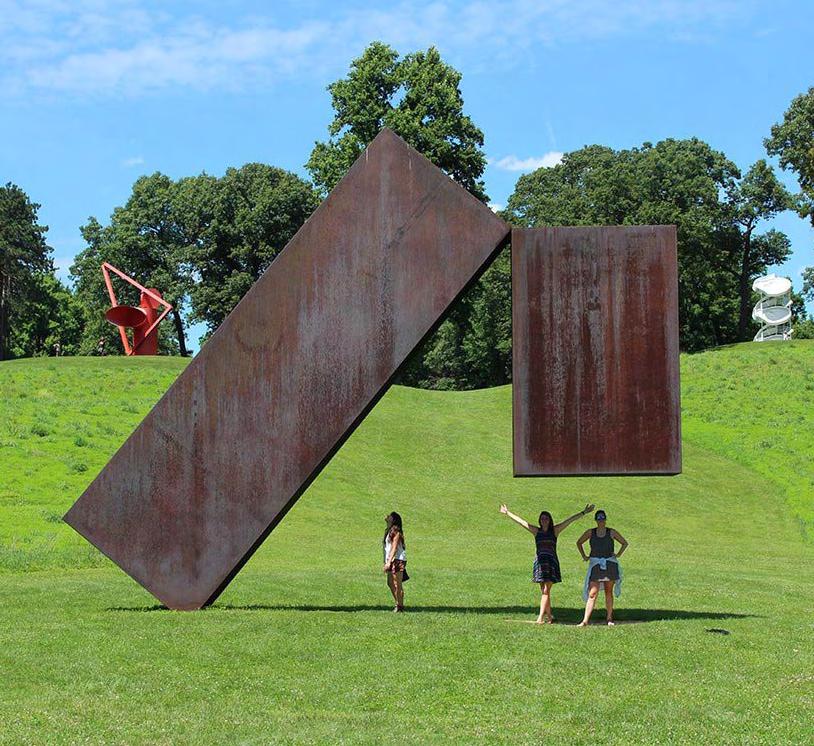
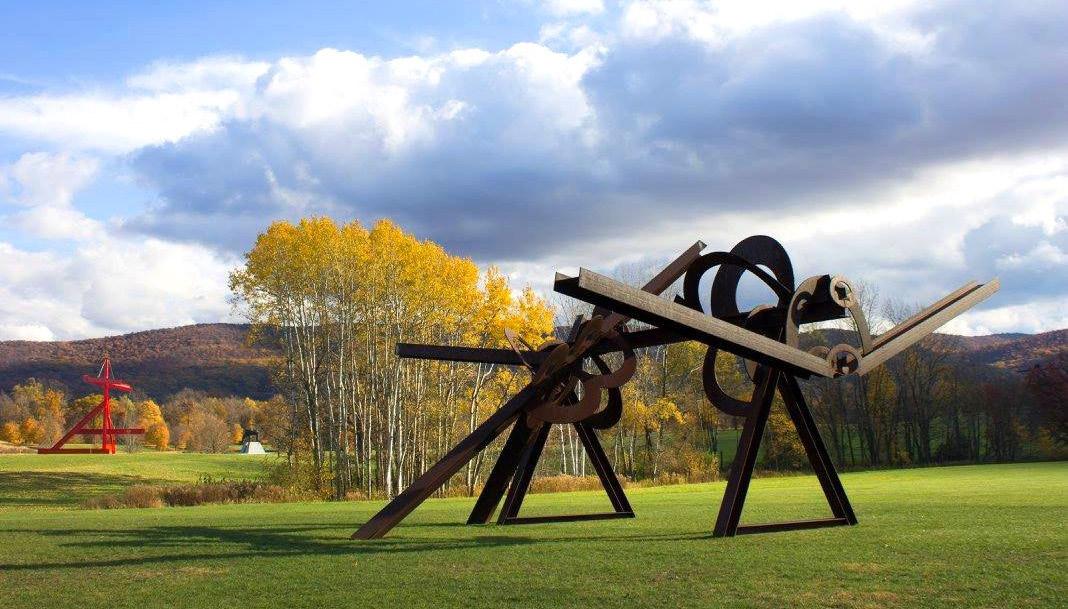
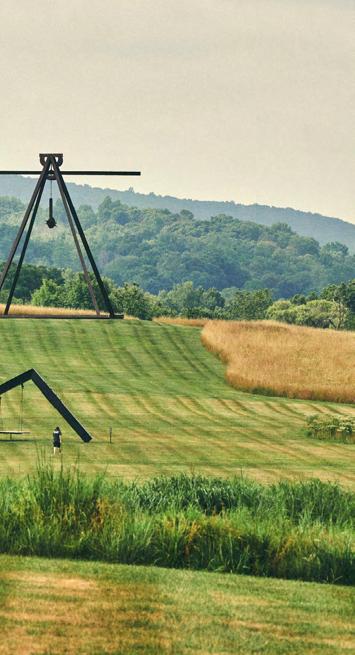
NEW WINDSOR, NEW YORK
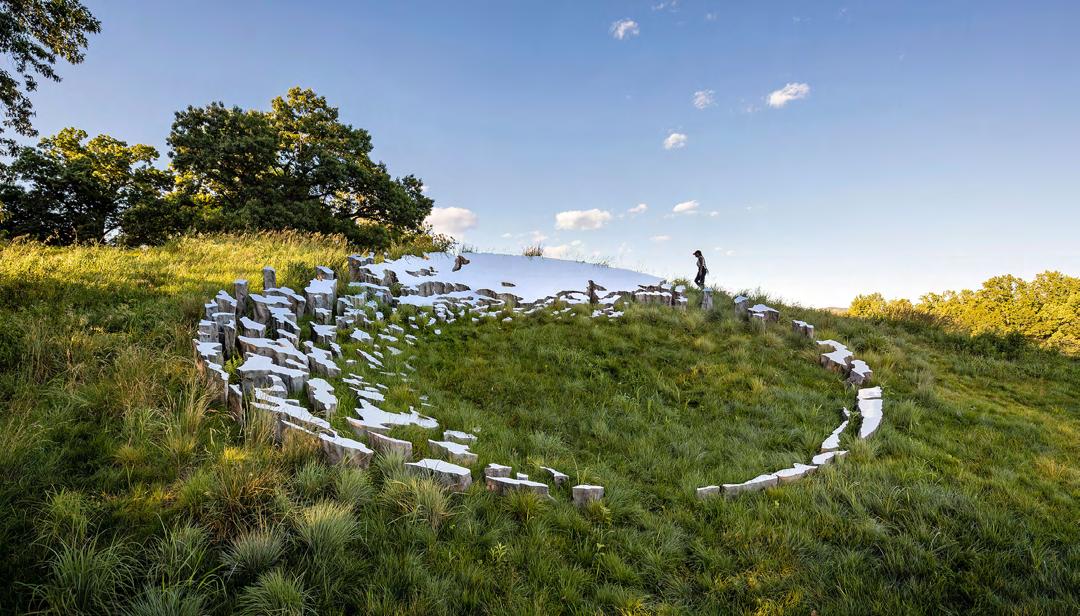
Storm King Art Center is a renowned outdoor museum dedicated to large-scale modern and contemporary sculpture. Spanning over 500 acres of rolling hills, meadows, and woodlands, it offers a unique setting where art and nature seamlessly intertwine. Established in 1960, the center provides visitors with an immersive experience that highlights the harmony between monumental artworks and the surrounding landscape.
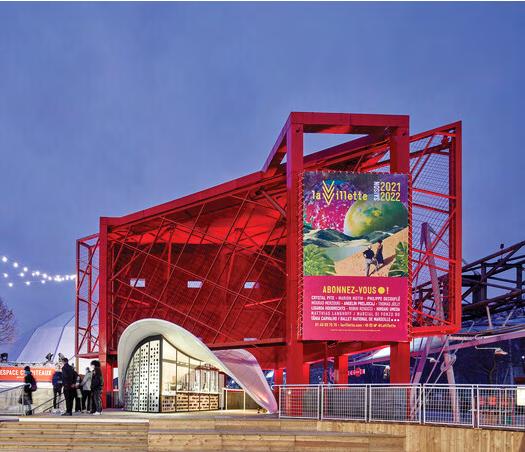
PARC DE LA VILLETTE
PARIS, FRANCE
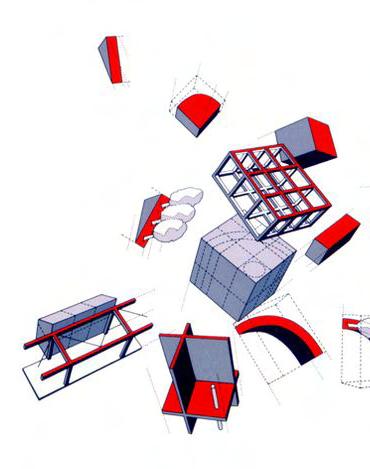
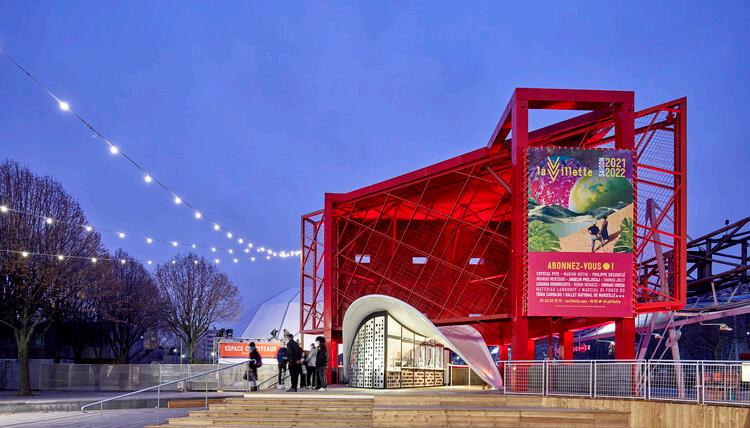
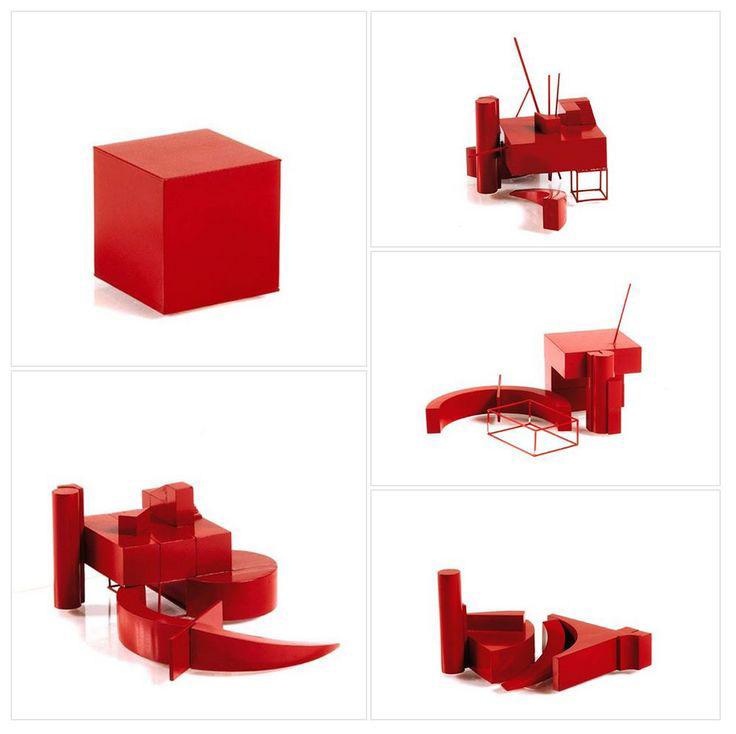
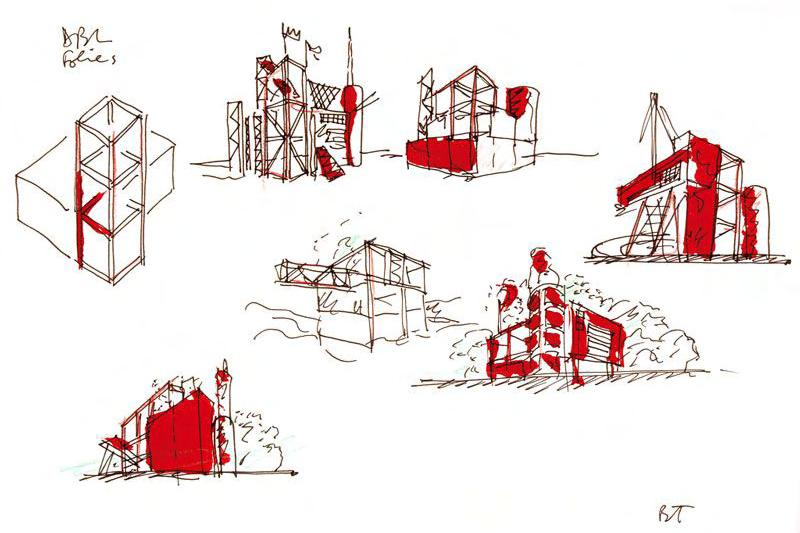
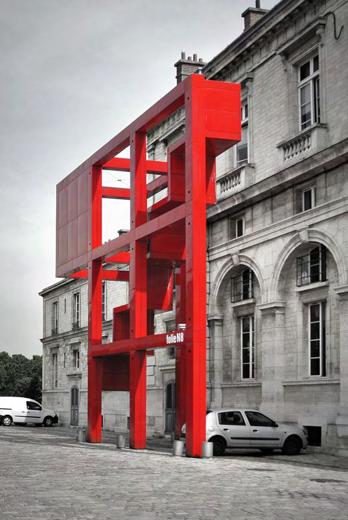
Parc de la Villette is one of the largest urban cultural parks in the city, designed by architect Bernard Tschumi. Opened in 1987, the park blends open green spaces with cultural and recreational amenities, including concert halls, museums, and thematic gardens. Known for its postmodern design, it features a grid of bright red architectural “follies” that create focal points across the landscape. Parc de la Villette is celebrated for its innovative integration of art, culture, and public space, making it a dynamic hub for events, performances, and community engagement.








04 SITE ANALYSIS
BROADER LONG ISLAND
The Kings Park Psychiatric Center, located in the town Smithtown, has access to many major road systems and parkways making it easy to access.
What is shown in the map is how far several community colleges are in relation to the project site, making quality and affordable education hard to access for residents of the town.
TOWN OF SMITHTOWN
Smithtown, located on the North Shore of Long Island in Suffolk County, New York, is a charming and historically rich town known for its scenic beauty, family-friendly neighborhoods, and vibrant community.
The town features a mix of suburban comfort and natural attractions, including parks, beaches, and hiking trails. Caleb Smith State Park Preserve and Sunken Meadow State Park are popular destinations for outdoor enthusiasts, offering opportunities for hiking, fishing, and waterfront recreation.
With its proximity to both Long Island’s coastline and New York City, Smithtown strikes a balance between small-town charm and accessibility to urban amenities, making it a unique and inviting part of Long Island.
KINGS PARK SITE MAP
PARK GROUNDS
The Kings Park Psychiatric Center, once a sprawling mental health facility on Long Island, has transformed into a serene and hauntingly beautiful park.
Abandoned in the 1990s, the campus now blends history, nature, and urban decay, drawing visitors seeking exploration, reflection, and recreation.
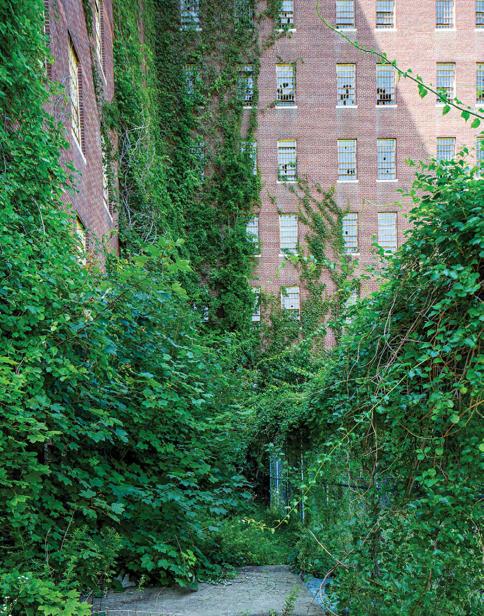
Overgrown pathways and ivy-clad buildings create a unique, post-industrial landscape, while surrounding woodlands and open fields provide opportunities for hiking, birdwatching, and photography.
There are over a dozen abandoned buildings, with almost all slated to be demolished.
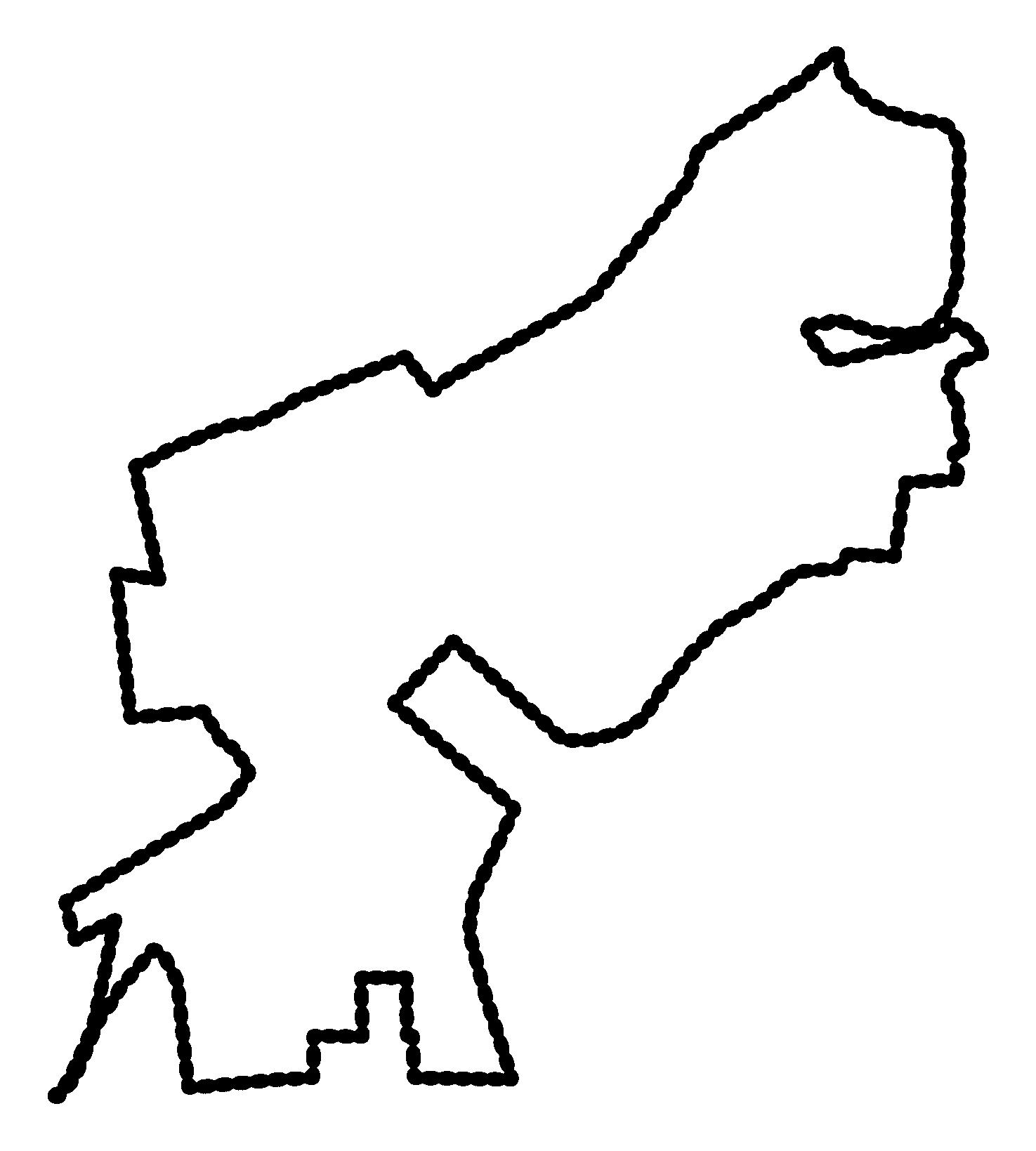


TOPOLOGICAL MAP

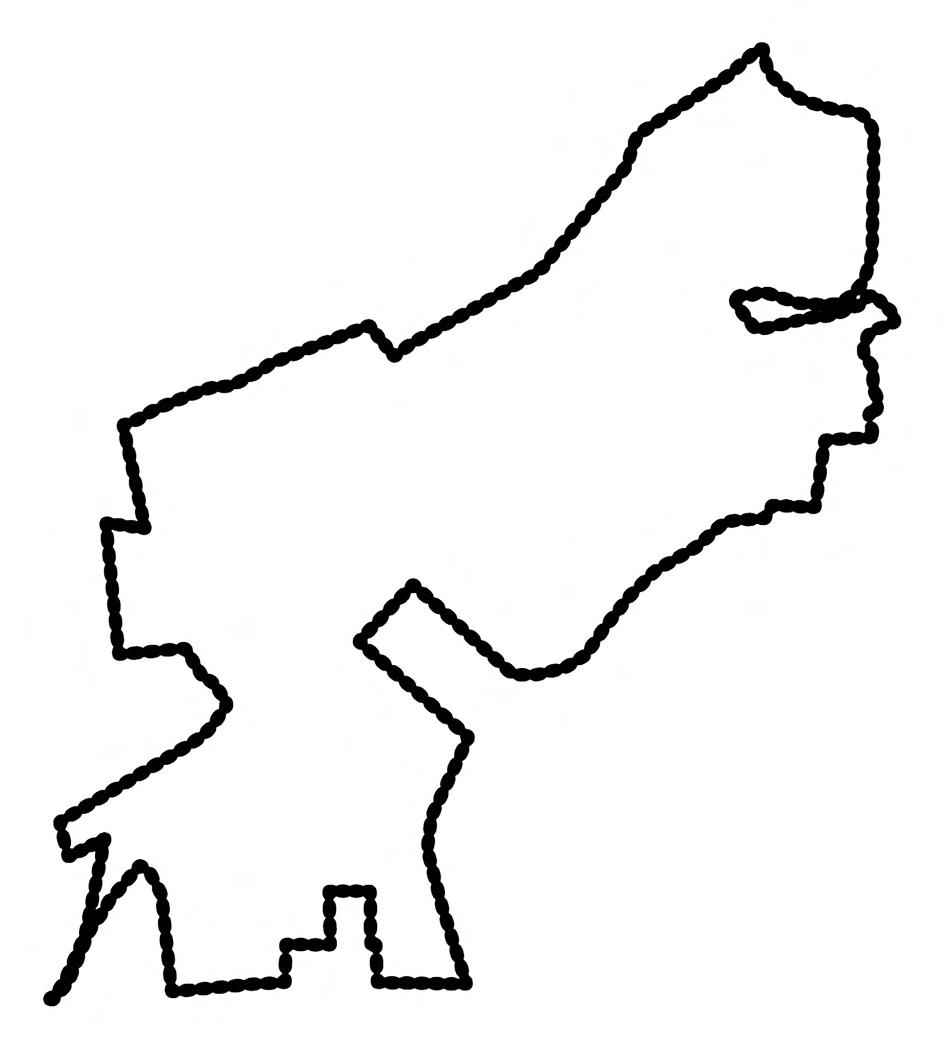
TOPO ANALYSIS
The park’s topography includes steep slopes and level areas shaped during its time as a hospital facility. The northern bluffs limit flooding, though climate change and sea level rise may impact these shoreline areas. Predominant soils include Riverhead Sandy Loam and Carver and Plymouth Sands, alongside other types like Haven Loam and Riverhead Loam Sand. Much of the site consists of disturbed soils, reflecting its history of development.
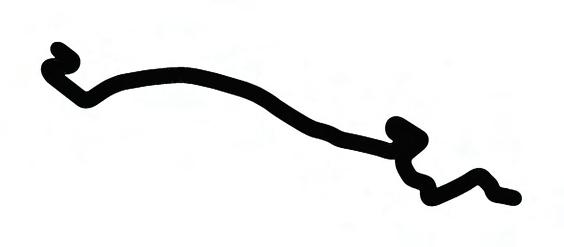
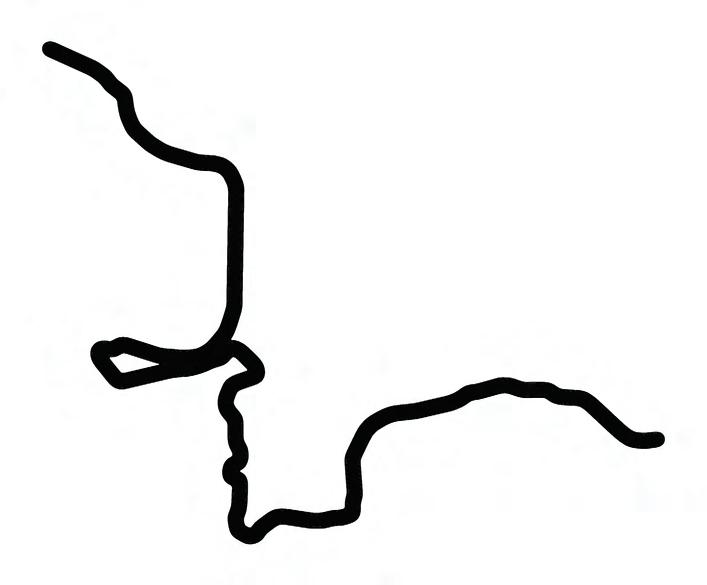
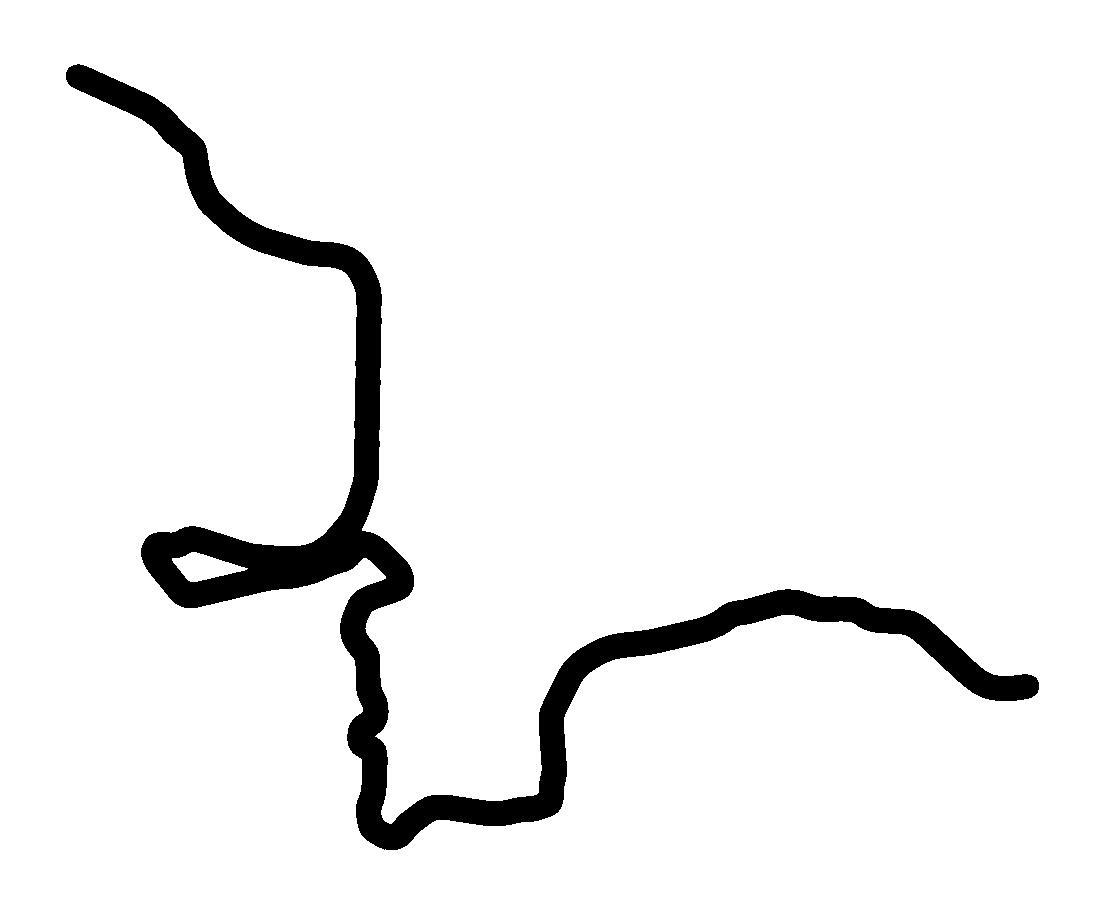
FLOOD MAP
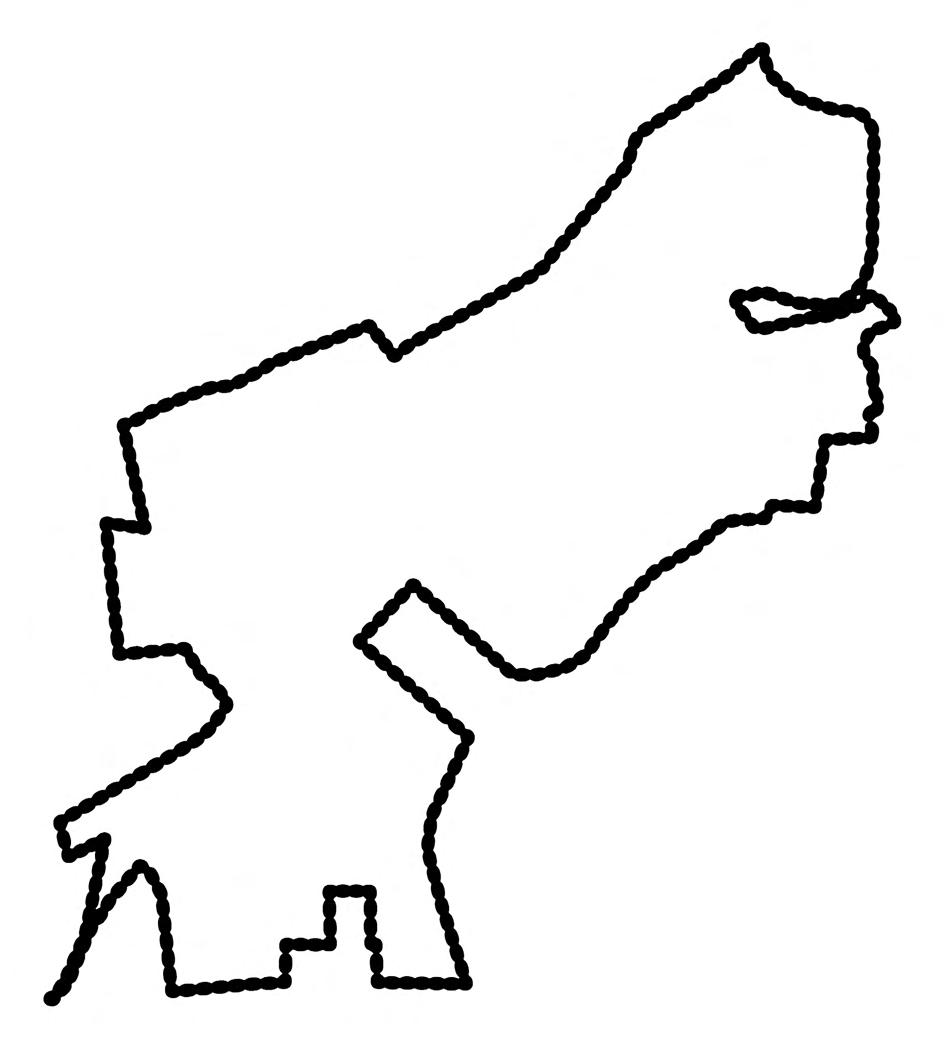
FLOOD ANALYSIS
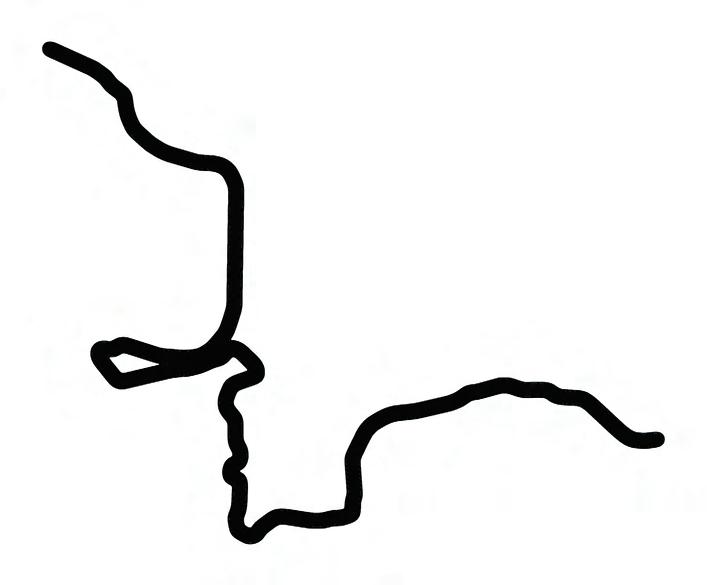
The park is adjacent to the Nissequogue River, a significant coastal wetland on Long Island’s north shore. Portions of the river, including those within or near the park, are designated as a Scenic and Recreational River by the New York State DEC due to their undeveloped and rare condition. The northern bluffs limit flooding, though climate change and sea level rise may impact these shoreline areas, and does not impact the project site.
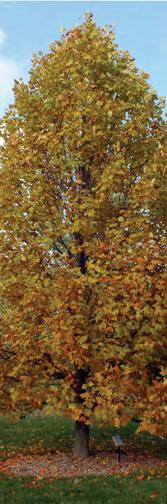
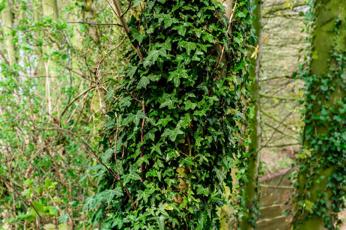
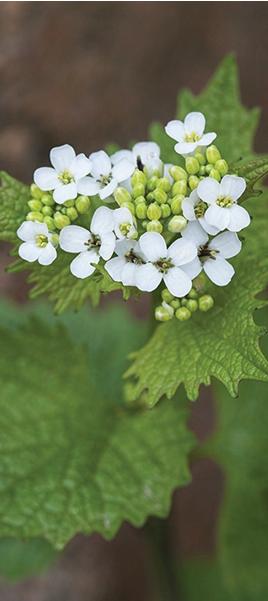
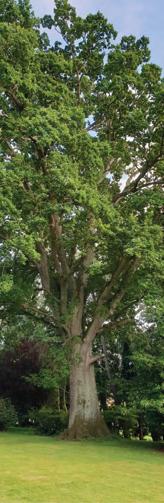
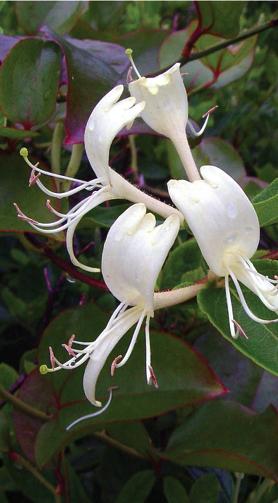
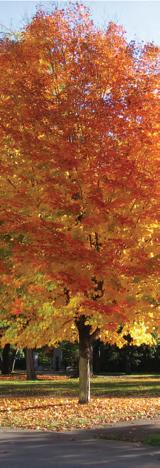
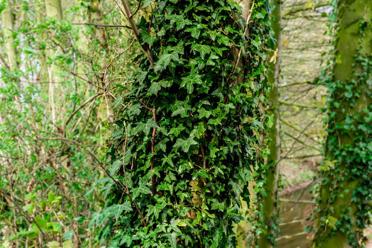
VEGETATION FAMILIES
PARK FLORA
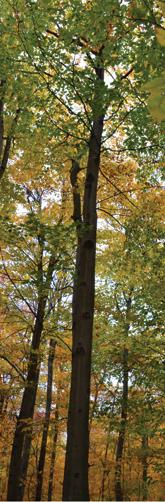
The park supports a diverse range of plant species, though many areas are heavily influenced by invasive species.
The low intertidal marsh features the native wetland species Spartina alterniflora. Due to its history as the Kings Park Psychiatric Center, much of the park consists of managed open spaces, primarily mowed grass with ornamental species like European privet, Japanese Maple, and Eastern Red Cedar.













ECOLOGICAL MAP

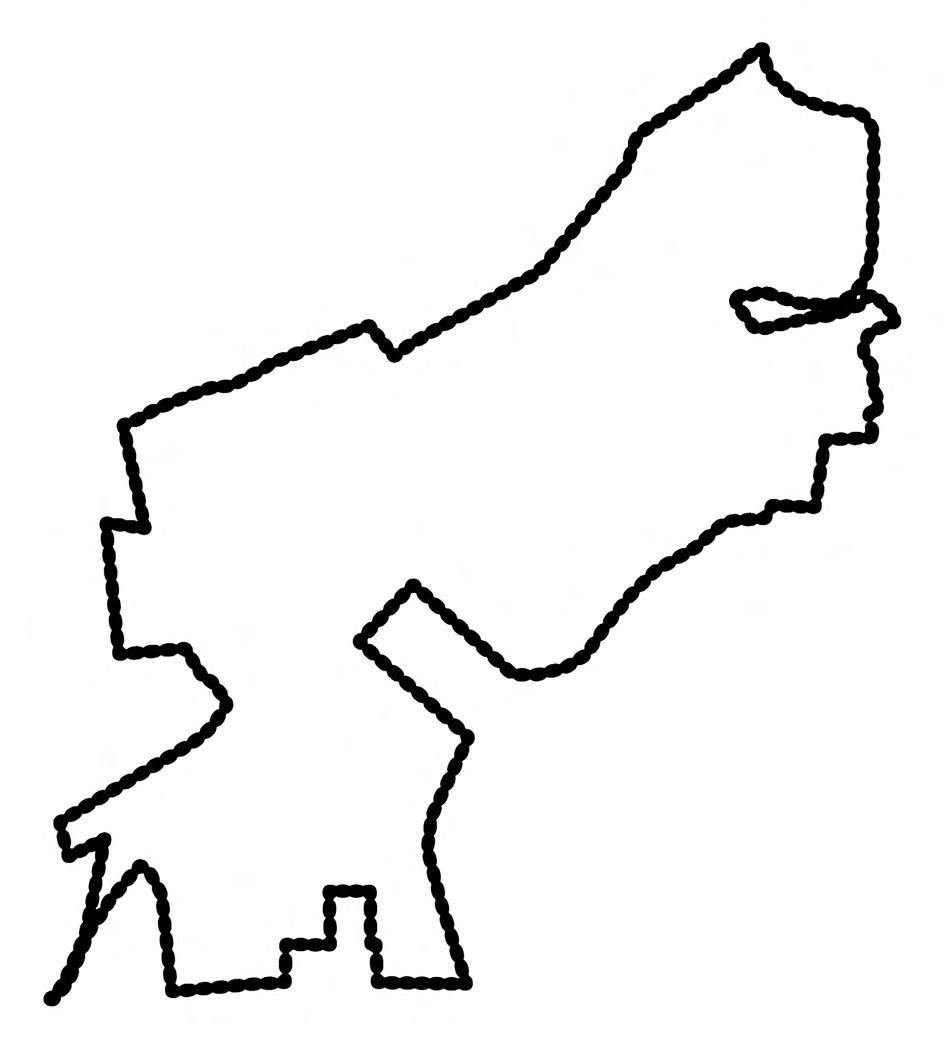
ECOLOGICAL ANALYSIS
Map showing the various ecological communities that are fragmented around the site and vary in health.

05 EARLY DESIGN
PROJECT PROGRAM
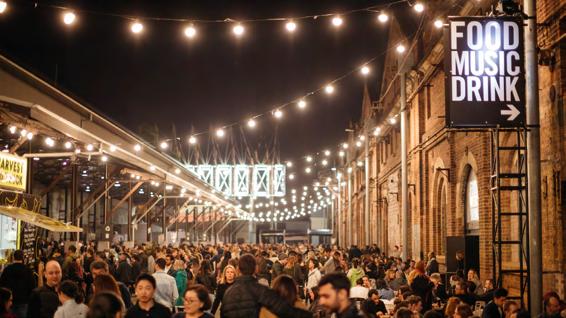
I intend to maintain six of the buildings currently standing, all located within the central part of the park. These buildings will be adapted to mold into museums, learning centers, art studios, and tours of the remains of some psychiatric facilities. Below is the breakdown of program.
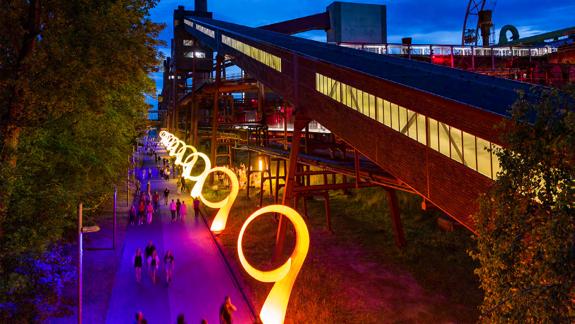
Shifting to the outdoors, there will be hiking and biking trails, gardens for residents use, along with photography zones to capture unique moments at the park. There will also be areas for events like shows, and concerts developed by local residents year round.
PROGRAM BREAKDOWN
Learning Center:
Classes 8,000 sf
Offices 1,500 sf
Library 2,000 sf
Observatory:
Observation Deck 4,000 sf
Indoor Deck 4,000 sf
Sculpture Studios:
Studios 10,000 sf
Storage 1,000 sf
Museum:
Galleries 25,000 sf
Storage 5,000 sf
Offices 2,000 sf
Visitor Center:
Reception 3,000 sf
Desk 800 sf
Food Hall:
Vendors 12,000 sf
Seating 10,000 sf
Kitchen 2,500 sf
Bazaar:
Market 29,500 sf
Cafe 2:
Lower Lvl 4,180 sf
Fire Dep: Upper Lvl 4,180 sf
Library:
Reading Room 6,000 sf
Study Rooms 1,000 sf
Art Studios:
Each Studio 4,000 sf
Storage 1,000 sf
Theater:
Stage & Seating 5,000 sf
Reception 1,000 sf
Backstage 1,000 sf
Ruin Tour: Ruined Tour 61,600 sf
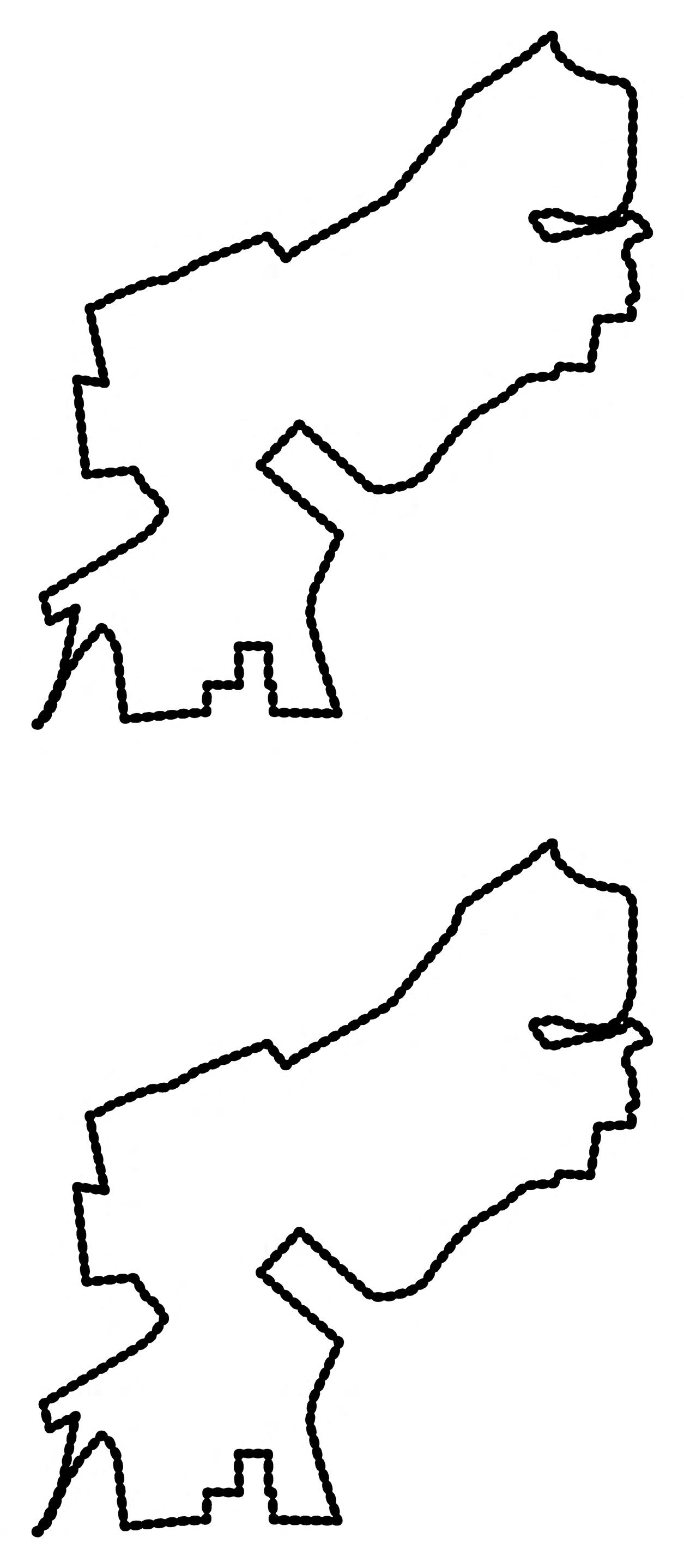


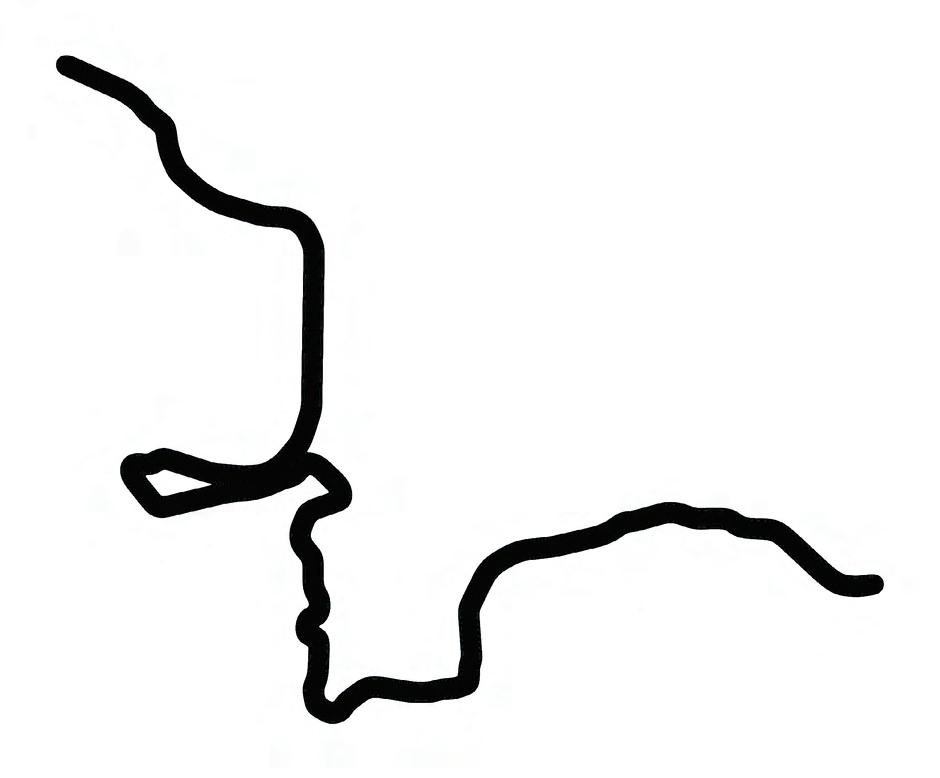
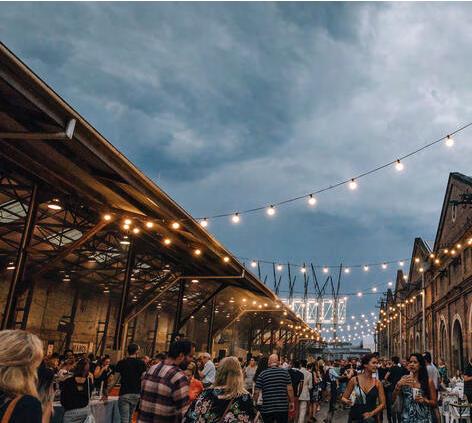
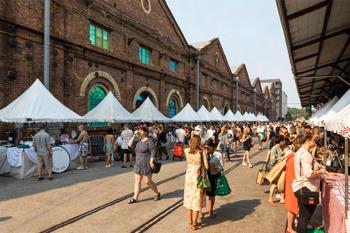
VISITOR CENTER & FOOD HALL

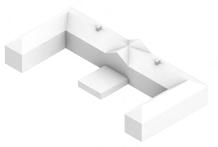

THE BAZAAR
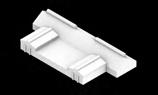

FIRE DEPT. CENTER BUILDING FOR THE ARTS



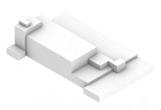
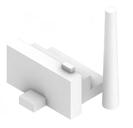
PSYCHIATRIC TOUR


LEARNING CENTER
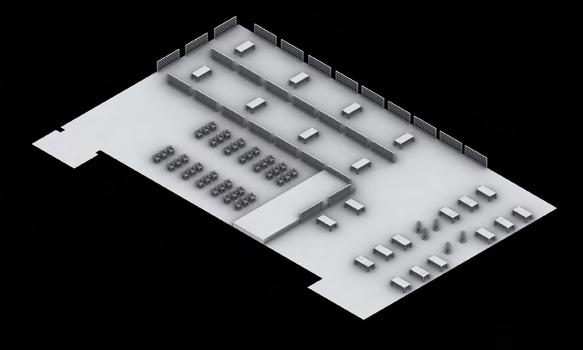
LARGEST BUILDING ON SITE


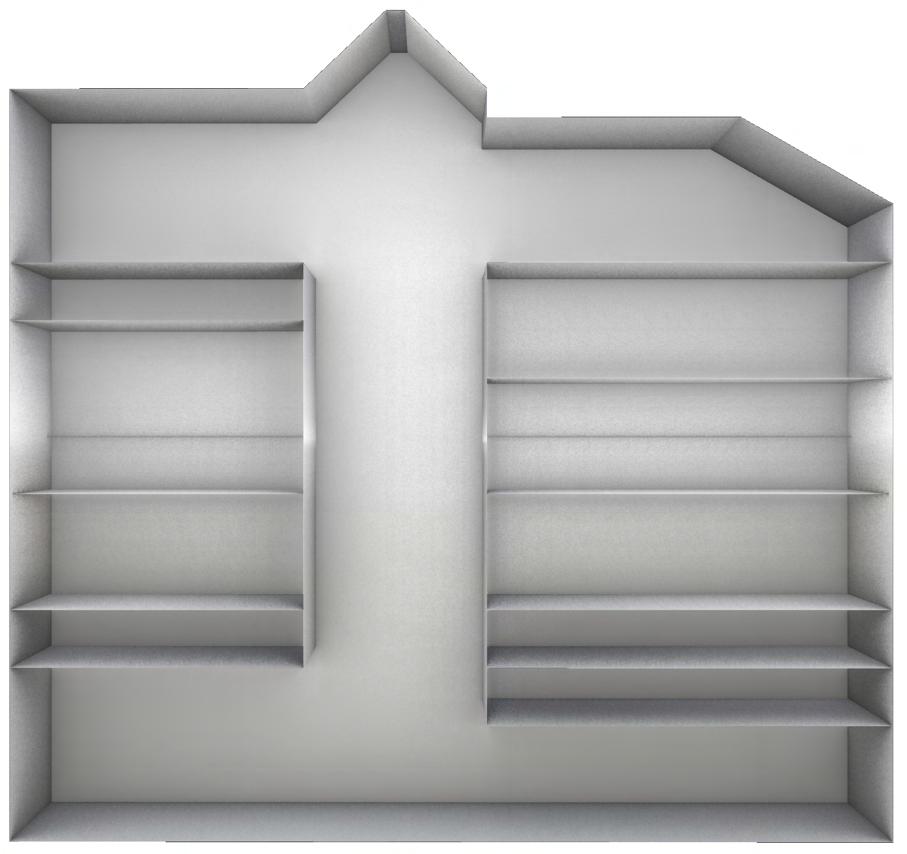

Approximately 250,892 square-feet, building 93 stands as the tallest and largest building remaining from double and triple height spaces. Figuring out how to hold this building up structurally will be no easy feat


from the psychiatric center. The goal here is to maintain the full facade and focus on turning some levels into feat, but once accomplished I hope for it be fully usable. Presented is an early program layout.

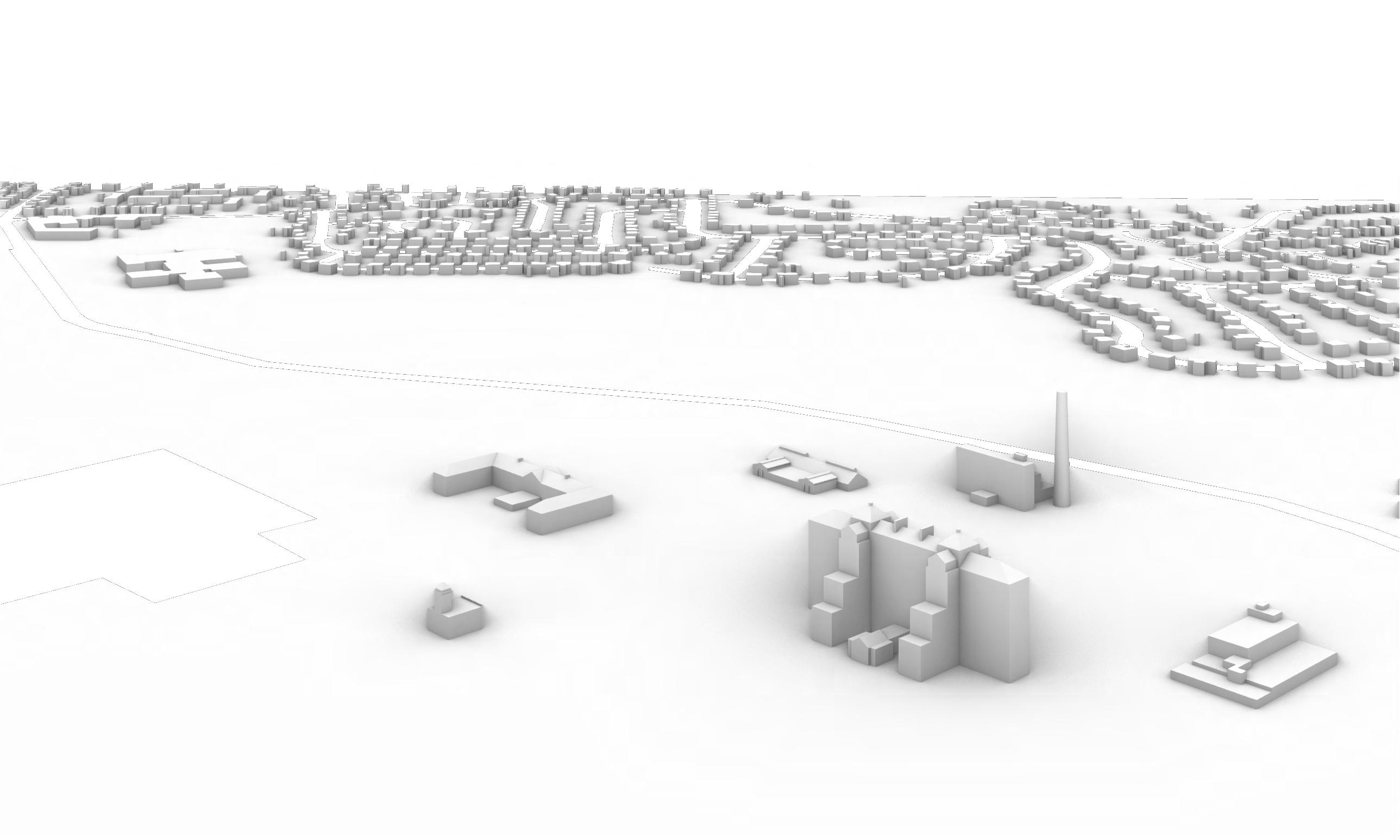
sculpture locations zone b ruin tours
EARLY STORYBOARD
06 PROJECT VISION
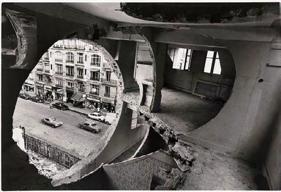
2nd skin
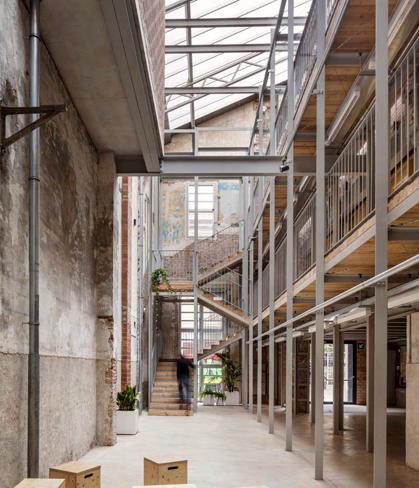
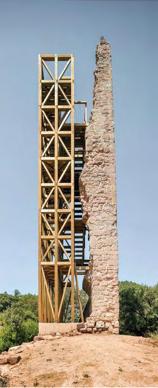
structure holding building
sculptures + arts maintain ruins
possible color tone






VOL.1 BIBLIOGRAPHY
“Art Installations.” Eastern State Penitentiary Historic Site, www.easternstate.org/explore/artist-installations. Accessed 17 Dec. 2024.
Cantell, S. F. (2005). The Adaptive Reuse of Historic Industrial Buildings: Regulation Barriers, Best Practices and Case Studies. National Trust for Historic Preservation.
Challenges and solutions to reusing historic buildings
“Departments.” Suffolk County Government Seal, www.suffolkcountyny.gov/Departments/Economic-Developmentand-Planning/Planning-and-Environment. Accessed 17 Dec. 2024.
Site data resource
DeSantis, Michael. “Group Aims to Preserve Former Kings Park Psychiatric Center Grounds.” Kings Park, NY Patch, Patch, 2 June 2022, patch.com/new-york/kingspark/group-aims-preserve-former-kings-park-psychiatric-centergrounds.
Preserve KPPC information.
Downes, Lawrence. “Erasing the Past at the Ghost Hospital.” The New York Times, The New York Times, 4 Aug. 2012, www.nytimes.com/2012/08/05/opinion/sunday/erasing-the-past-at-the-ghost-hospital.html.
Research Source
Dudek, M. (2000). Architecture of Schools: The New Learning Environments. Architectural Press How space can enhance learning
Edwards, C. (2010). Building Schools for the Future: Rebuilding Education from the Ground Up. Journal of Architecture and Education, 5(3), 215-231
How arch impacts learning environments in newer schools
Environmental Resource Mapper, gisservices.dec.ny.gov/gis/erm/. Accessed 17 Dec. 2024.
“GIS Viewer.” ArcGIS Web Application, gisapps.suffolkcountyny.gov/gisviewer/. Accessed 17 Dec. 2024.
“Governors Island (EN-US).” Governors Island (En-US), www.govisland.com/. Accessed 17 Dec. 2024.
Hill-James, Josephine. “Kings Park Psychiatric Center: The Story of an Abandonment.” Medium, Medium, 15 May 2017, medium.com/@hillj714/kings-park-psychiatric-center-the-story-of-an-abandonment-e229fd182ff6.
Research Source
“Homepage.” Parrish Art Museum, 16 Dec. 2024, parrishart.org/.
“Inside the Abandoned Kings Park Psychiatric Center on Long Island.” Untapped New York, Untapped New York, 27 Mar. 2024, www.untappedcities.com/abandoned-kings-park-psychiatric-center-long-island/. Provided images and historical context of Kings Park Psychiatric Center
Jacobson, Molly McBride. “18 Abandoned Psychiatric Hospitals, and Why They Were Left Behind.” Atlas Obscura, Atlas Obscura, 24 Aug. 2017, www.atlasobscura.com/lists/abandoned-psychiatric-hospitals. Research on other abandoned psychiatric centers.
“Kings Park Psychiatric Center.” Flickr, Yahoo!, 17 Dec. 2024, www.flickr.com/groups/2071747@N20/pool/ with/7848637912.
Provided Images of Kings Park Psychiatric Center
“Kings Park Psychiatric Center.” Gregory B. Barbera, www.gregorybarbera.com/the-kings-park-psychiatric-center.html. Accessed 17 Dec. 2024.
Provided interior, and detailed photos of Kings Park Psychiatric Center
“Kings Park Psychiatric Center.” Wikipedia, Wikimedia Foundation, 27 May 2024, en.wikipedia.org/wiki/Kings-ParkPsychiatric-Center.
Provided information of Kings Park Psychiatric Center, along with frontal images of buildings
“Kings Park State Hospital Building 93 – Kings Park NY.” Living New Deal, 12 Apr. 2017, livingnewdeal.org/sites/kingspark-state-hospital-building-93-kings-park-ny/.
Book
Lambert, Bruce. “Long Island Debates Future of Psychiatric Hospitals.” The New York Times, The New York Times, 5 Nov. 1996, www.nytimes.com/1996/11/05/nyregion/long-island-debates-future-of-psychiatric-hospitals.html.
Research Source
Marcelo Gardinetti, et al. “Folies Del Parc de La Villette: Tramas y Estructuras Urbanas.” Marcelo Gardinetti, 22 Aug. 2024, marcelogardinetti.wordpress.com/2012/12/22/tschumi-folies-la-villette/.
McDonough, W., & Braungart, M. (2002). Cradle to Cradle: Remaking the Way We Make Things. North Point Press Sustainable design practices, reducing ecological footprints
Namboothiri, Karthika. “Long Island’s Tree Cover.” Newsday, Newsday, 23 Feb. 2024, www.newsday.com/nextli/data/ long-islands-tree-cover-yyg45dkb.
“New York Nature Explorer.” Department of Environmental Conservation, dec.ny.gov/nature/animals-fish-plants/ biodiversity-species-conservation/biodiversity-mapping/nature-explorer. Accessed 17 Dec. 2024.
Provided biodiversity information on the site.
“Parc de La Villette.” Bernard Tschumi Architects, www.tschumi.com/projects/3. Accessed 17 Dec. 2024.
Pliadmin. “Endangered Places 2023: King’s Park Psychiatric Center.” Preservation Long Island, 12 Dec. 2023, preservationlongisland.org/endangered-places-2023-kings-park-psychiatric-center/.
Provided data and historical context for Kings Park Psychiatric Center, and information on Preserve KPPC.
“Storm King Art Center.” Storm King Art Center, stormking.org/. Accessed 17 Dec. 2024.
Vale, B., & Vale, R. (2014). Living within a Fair Share Ecological Footprint. Routledge Advocates for designs that contributes to sustainable land use and the well-being of the environment
“William Haugaard.” Wikipedia, Wikimedia Foundation, 16 Mar. 2024, en.wikipedia.org/wiki/William-Haugaard. Architect