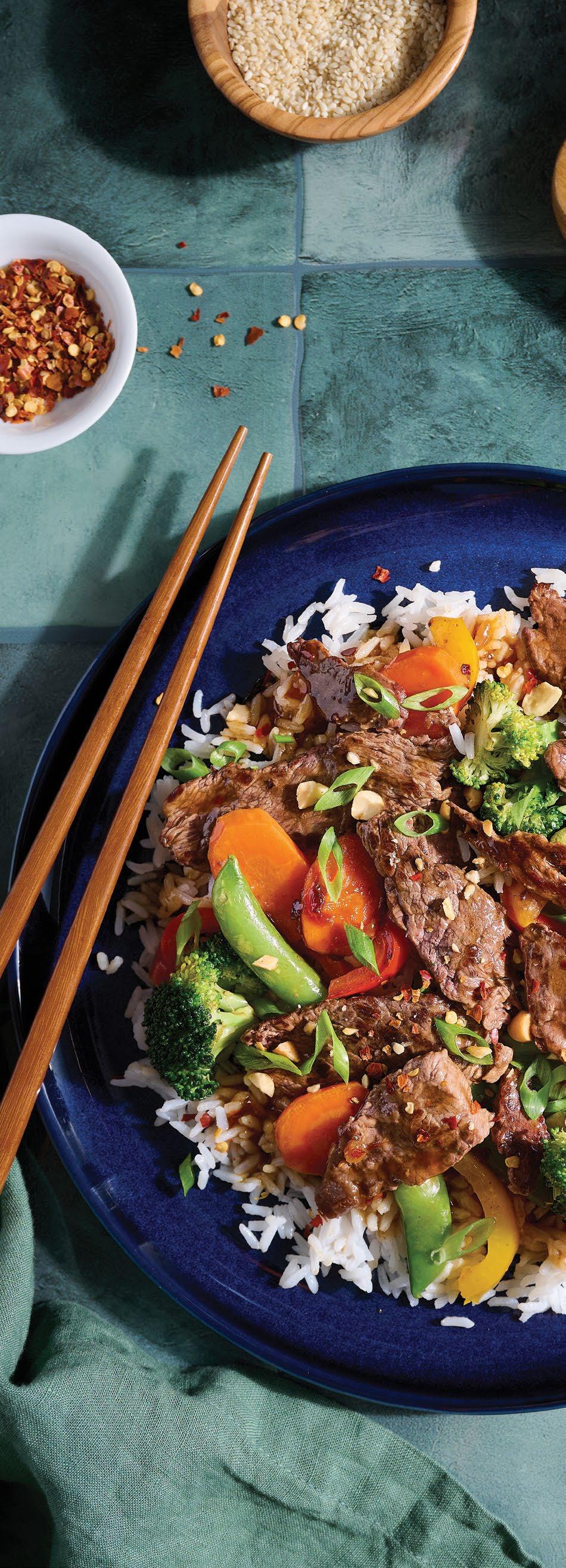
The Beef Nutrition Education Hub.
Your one-stop shop for complimentary continuing education, created by health professionals, for health professionals.
• Evidence-based educational webinars
• Peer-reviewed research studies
• Expert-led podcasts
• Immersive learning experiences
LEARN MORE
EVENT HIGHLIGHTS
LEAD WITH NUTRITION: CAREER DAY 2025
Leadership and Career Day 2025
We cannot wait to see you this year at UW Green Bay!
Join us at UW Green Bay on November 7th for our 2025 Leadership & Career Day!
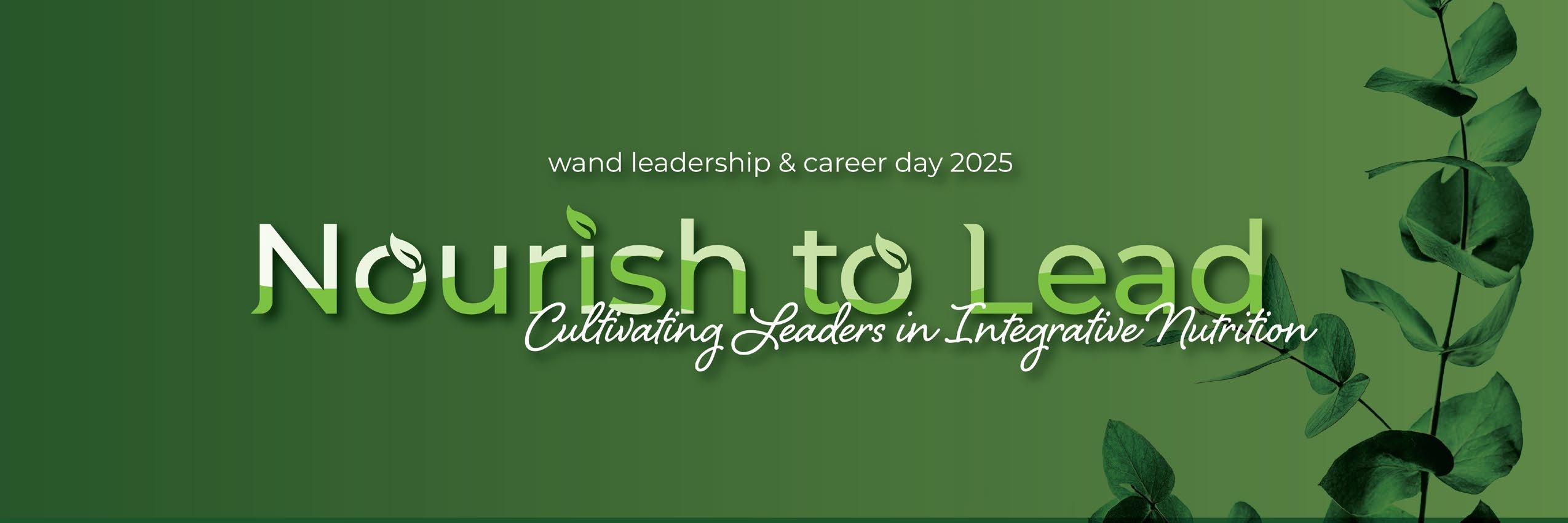
WAND’s 2025 Leadership and Career Day is focused on Nutrition to Lead, Cultivating Leaders in Integrative Nutrition. This one-day event is open to all dietetic professionals and students, and those interested in learning about the field. With sessions on culinary medicine, mindful movement, panel of practitioners and more. There is something for everyone to learn from and enjoy!
Additional highlights of Career Day include:
• Panel of practitioners
• Additional hands-on learning sessions in the culinary lab
• Up to 3.75 CEUs will be available
• Networking Lunch and snacks included in registration
We are also excited to announce that scholarship opportunities are available for students—don’t miss your chance to apply!
Turn the page for a preview of the full event schedule and start planning your day with us.

Schedule of Events

Friday, November 7, 2025 | University of Wisconsin-Green Bay
8:45 AM - 9:00 AM Registration
9:00 AM - 9:15 AM Welcome
9:15 AM - 10:00 AM Panel Discussion with Four Registered Dietitians
• Meghan Huss, RD
• Lee Hyrkas, RD, CDCES
• Maddie Mleziva, RDN, CD, CPT
• Tad Taggart
10:00 AM - 10:15 AM Break
10:15 AM - 11:15 AM Keynote
The Gut Microbiome in Nutrition: What We Eat, When We Eat, and Why it Matters for Host Health
Vanessa Leone, PhD, Assistant Professor of Animal Biologics and Metabolism Research
11:15 AM - 11:30 AM | Lunch Transition Break
11:30 AM - 12:30 PM Networking lunch
12:30 - 12:45 PM Break
12:45 PM - 1:15 PM Rotating Sessions
1:15 PM - 1:25 PM Break
1:25 PM - 1:55 PM Rotating Sessions
1:55 PM - 2:05 PM Break
2:05 PM - 2:35 PM Rotating Sessions
2:35 PM - 2:45 PM Break
2:45 PM - 3:15 PM Rotating Sessions
3:15 PM | Open Space Closing
Rotating Breakout Sessions
Attendees will attend each session
Culinary Medicine with Dr. Debra Pearson
Mindful Leadership: Thriving in NutritionPractical Tools for Resilience and Focus with Laura Rowell, MBA, RDN
The Movement Mindset: Everyday Action to Nourish and Lead with Joanna Morrissey, PhD, CPT, PAPHS, CMPC and Megan Zander
An Herbalist’s Kitchen Herbs for Stress Reduction / Herbs for Women’s Health with Heather Herdman, PhD, RN, FNI, FAAN
MEMBER HIGHLIGHTS
FALL STUDENTS OF THE MONTH
Students who have gone above and beyond in nutrition
Students are Nominated by Peers/Mentors
October
November

December
Ronda Wolf
Viterbo University
Submitted by Kelsey McLimans
Ronda Wolf is WAND’s October Student of the month. Ronda is a student at Viterbo University in their Master of Science in Community-Medical Dietetics program. Ronda designed and is conducting an impressive thesis research study that is examining the impact of diet and nutrition supplements on menopause symptoms.
Submitted by Heidi Katte
Nina Xiong
Milwaukeee Area Technical College
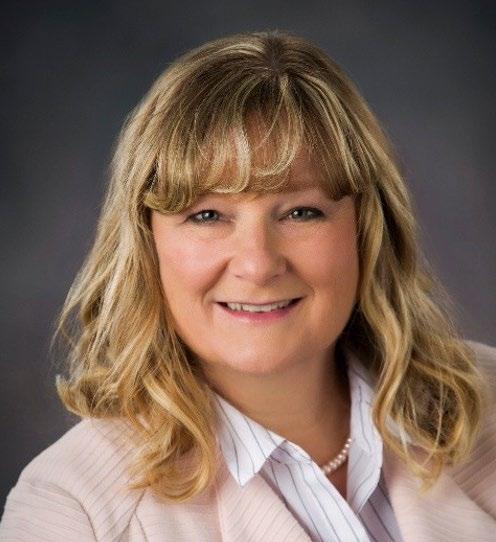
Nina Xiong is WAND’s November Student of the month. Nina is a NDT student at MATC. Nina is an extremely bring and very motivated to learn all things nutrition. She has taken steps to create a Student Nutrition Club. She has very insightful information that she shares inside of our lectures that adds to her fellow classmates’ learning and opens all of our minds to thinking creatively about the topics being discussed. In addition, she has a wealth of knowledge and experience in food service that enhances the learning environment.
Submitted by Sara Wagner
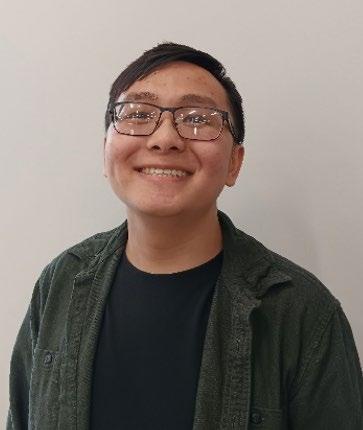
Eiken Xiong
University of Wisconsin Green Bay
WAND is excited to have Eiken Xiong as the December Student of the Month. Eiken is a student at UW-Green Bay, graduating in May 2026 with his undergraduate degree. Eiken then plans to attend UW-Green Bay’s Masters in Nutrition and Integrated Health Program with the goal of being a registered dietitian specializing in cardiovascular or elderly nutrition. Eiken’s professors and peers describe him as positive, resilient, astute, reliable and thoughtful. He is currently conducting research in the lab of Dr. Jennifer Downard, studying the role of tart cherry juice in a model of estrogen-deficient intestinal cells. Eiken presented the results of his research at UW-Green Bay’s Academic Excellence Symposium in April. He shares that his love for nutrition continues to grow with every new semester!
BUTTERNUT SQUASH
SOUP WITH APPLE
Pair with crusty bread or a salad! Try something yummy this fall!
Ingredients
• 2 tablespoons butter
• 2 large leeks (white and pale green parts only), chopped
• 1 large onion, chopped
• 1 large potato, peeled and cubed
• 2 cups cubed butternut squash
• 1 cup diced carrots
• 1 Granny Smith apple, peeled, cored, and sliced 1/4-inch thick
• 1 quart chicken stock
• ¼ cup dry white wine (Optional)
• ½ cup light cream
• ¼ teaspoon ground nutmeg
• salt and pepper to taste
• 2 tablespoons chopped chives
Directions Step 1
Melt butter in a large pot over medium heat. Stir in leeks and onions; cook and stir until onion softens and turns translucent, about 5 minutes. Add potato, squash, carrots, apple, and chicken stock. Bring to a boil, then reduce heat to medium-low, cover, and simmer until vegetables are soft, about 20 minutes.
Step 2
Carefully purée soup in batches in a blender, or use a stick blender to purée soup in the pot. Once soup is puréed, return it to the pot and stir in wine and cream. Season with nutmeg, salt, and pepper; simmer gently for 5 minutes. Ladle into bowls and garnish with chopped chives.
Nutrition Facts
Per serving: 268 calories; total fat 7g ; saturated fat 4g ; cholesterol 16mg ; sodium 810mg ; total carbohydrate 48g ; dietary fiber 7g ; total sugars 13g ; protein 5g ; vitamin c 49mg ; calcium 122mg ; iron 3mg ; potassium 996mg
ACHIEVEMENTS IN ACADEMICS FOR NUTRITION
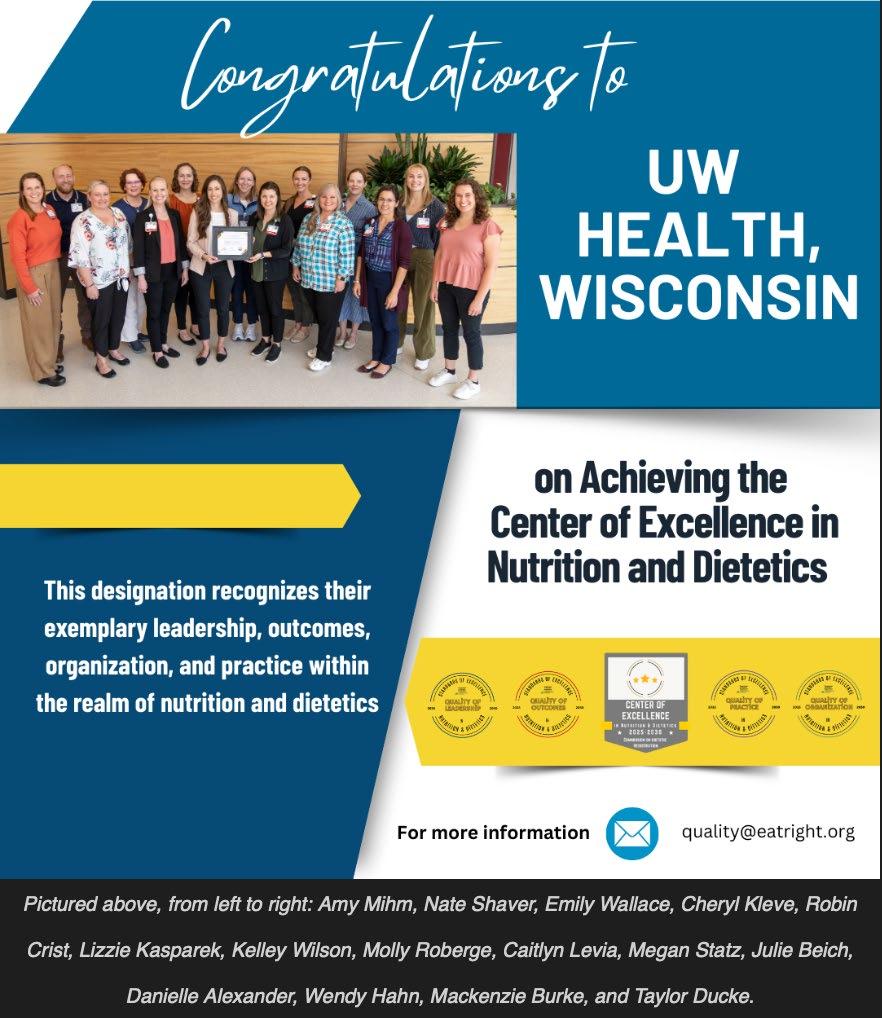
Congratulations to UW Health Wisconsin! Click here to read more about this achievement!
FUELING THE FUTURE OF WAND
WAND 2026 Annual Conference
Information and Registration Details Below!

Conference Information: April 16- 17, 2025
Location: The Ingleside Hotel, Pewaukee WI
Join over 150 nutrition and dietetics professionals in Pewaukee at WAND’s Annual Conference. Hear from a variety of speakers on topics related to this year’s theme, “Fueling the Future through Inclusion, Integrity & Impact.” In addition to great educational sessions, this years’ conference features a networking happy hour, poster gallery, exhibitors and more!
Registration Rate
• Full Conference includes all meals, conference materials, CPEUs, etc.
• WAND Member – Full Conference $225
• WAND Student Member – Full Conference $150
• Non-WAND Member - $300
Lodging
Lodging is available at The Ingleside Hotel at a special group rate of $129.00/night for a traditional room. Please call 262-547-0201 and identify that you are with WAND 2026 Annual Conference. The deadline to receive this rate is Thursday, March 19,2026, so be sure to reserve your room today! More info on The Ingleside Hotel can be found here: The Ingleside Hotel
CALL FOR PRESENTATIONS
WAND 2026 Annual Conference
Due November 7, 2025
Call for Presentations is Now Open!
The WAND 2026 Annual Conference theme is Fueling the Future through Inclusion, Integrity & Impact. The conference will take place April 16-17, 2026, at The Ingleside Hotel in Pewaukee, WI.
Do you have speakers or topic ideas related to “Fueling the Future” for the 2026 Conference? Would you like to present? Share your ideas today!
WAND is accepting abstracts for consideration for the 2026 Annual Conference, April 16-17, 2026. Take this opportunity to share your knowledge with your colleagues and friends.
Presenting at your professional conference is a great opportunity for you to:
• Contribute to the most recent advances in YOUR field!
• Advocate for your works and science by sharing with others - there may be more to learn or partnerships you have not yet explored that could be generated by presenting.
• Learn how to talk about your data or program.
• Contribute to your overall professional profile and resume.
• Meet other professionals in your field and potential contacts for future positions!
Conference learning objectives
1. Broaden one’s understanding of nutrition-related inclusive practices in clinical, community, and food service settings
2. Examine evidence-based research and innovative strategies that integrate diversity and inclusion to advance patient, client, and community health outcomes
3. Explore and discuss real-world ethical challenges in the dietetics profession
4. Investigate differences in emerging perspectives, cultures, and strategies within the dietetics field to create a more inclusive experience for patients and clients
Submission Details: Final selections will be based on the quality and clarity of the abstract, as well as relevance of the described content to the overall conference theme of Moving Forward with Innovation.
Abstract Guidelines:
• Abstracts must be submitted electronically using this form
• The content described in the abstract must be appropriate for a 60-minute presentation. Abstract reviewers will make the final determination regarding format.
• Abstracts must include 2-3 learning objectives for your presentation.
• You and your co-presenters (if applicable) do not need to be WAND members to submit an abstract. If your abstract is accepted for presentation, you MUST register for the Annual Conference. Submission of an abstract implies a commitment to make the presentation at the annual meeting.
• All notifications regarding abstract status will be done through email. Please make sure your email address and the email of address of your co-presenters are correct.
Submissions are due by end of business day, Friday, November 7, 2026.
CALL FOR POSTERS
WAND 2026 Annual Conference
Due February 6, 2026
Present a poster at the 2026 WAND Annual Conference!
The 2026 WAND Annual Conference will be held in-person on April 16-17, 2026, at the Ingleside Hotel in Pewaukee, WI! We invite you to submit an abstract to share your expertise and knowledge at this year’s conference. With over nearly 200 registrants expected, attendees will come from the full range of nutrition professions.
This year’s conference theme is “Fueling the Future through Inclusion, Integrity & Impact” if you have a proposal that relates to this theme.
Poster presentations are an informal way to share information, research programs, and materials with your colleagues. We encourage RDs, DTRs, dietetic interns, and dietetic students to use this opportunity to showcase their work in all areas of dietetic practice. Examples of presentation topics presented by past attendees include:
• Pre-exercise ingestion of amylomaize decreases hypoglycemia risk during high intensity cycling
• Caloric Deficits in the Neurosciences ICU
• An Assessment of Nutritional Status in Endurance Runners with Crohn’s Disease
• Strategies to Prevent and Reduce Kidney Stones
• How Well Are The Dietary Guidelines Followed?
• Assessment of Sustainability Using the Green Seal Standards in Small and Large University Food Service Management Systems
Accepted poster presenters will be required to register for the conference!
• Poster displays will include one free-standing poster board to adhere your poster and one chair.
• Presenters will be required to set up their poster(s) in the designated area at designated times (TBD).
• Presenters will be asked to staff their posters at designated times (TBD).
• The deadline for posters submissions is February 6, 2026.
2025 Call for Posters

We can’t wait to see you there please check out the WAND website if you need more details regarding this event!
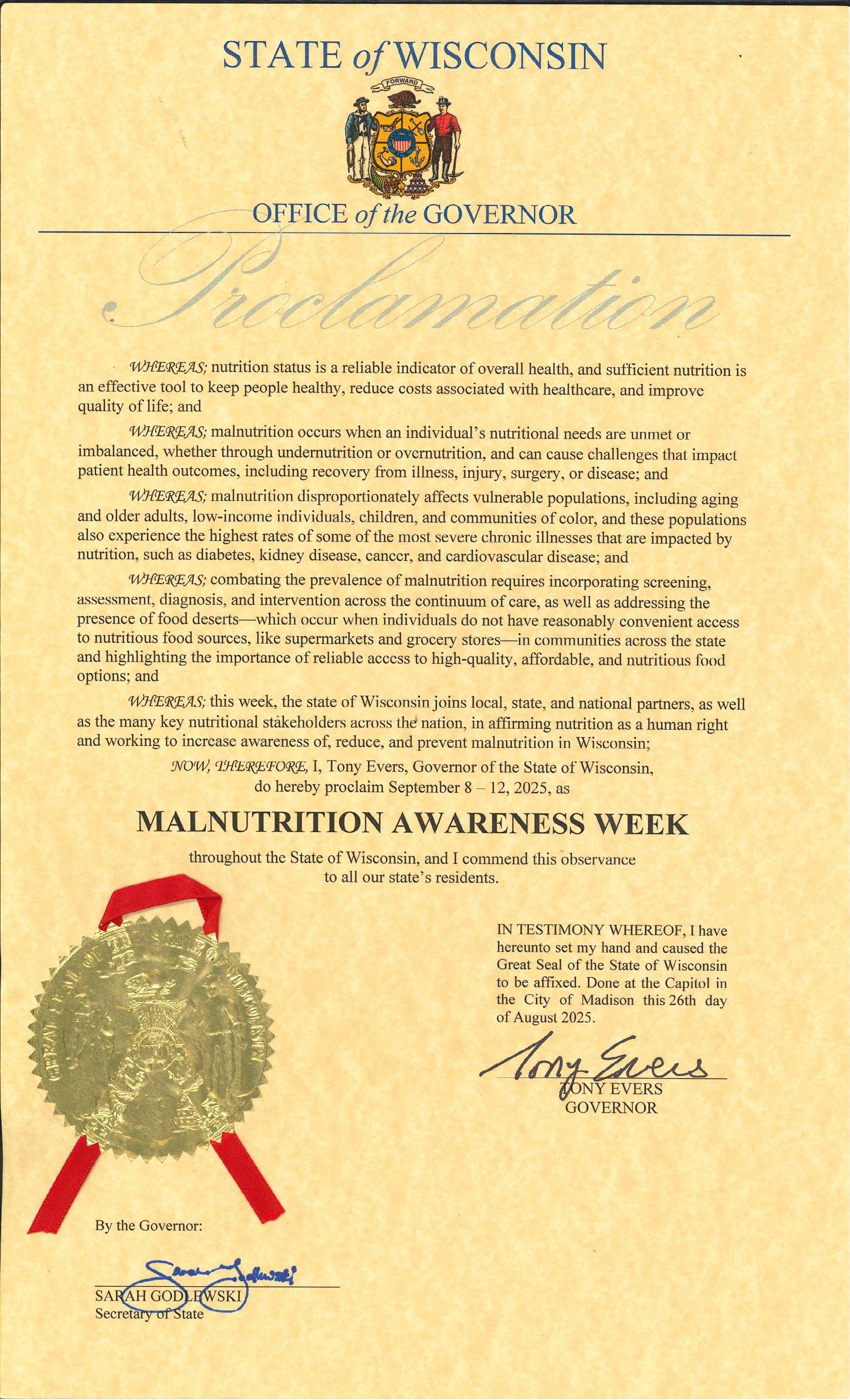
WANDPAC
SOCIALIZATION LETTER
Meagan Gibson, MS, RDN, CD President 2025-2026
Dear WAND Member,
Earlier this year, WAND worked with the state legislature to PASS legislation to allow Wisconsin to enter the interstate Dietitian Licensure Compact. Joining the compact – once it is fully implemented – will allow certified dietitians in Wisconsin to more easily practice in other states that also join the compact. Governor Evers signed this legislation into law earlier this year – it is now 2025 Wisconsin Act 20.
Having legislators in office who share our policy priorities is crucial for WAND to accomplish its policy goals. This is why WAND was successful in advocating for the dietitian compact bill to be signed into law. With all of this in mind, WAND needs to start thinking about the next election.
The next mid-term election in November 2026 is likely to be very competitive. Governor Tony Evers will not be running for re-election and members of the state Assembly and Senate will likely face the most competitive political environment in over a decade. As such, I respectfully suggest that you consider contributing to the Wisconsin Academy of Nutrition and Dietetics’ Political Action Committee (WANDPAC) to ensure that the statewide voice of dietitians is heard in Madison.
Campaign contributions are an important part of legislative advocacy. They can help re-elect state legislators, as well as elect new state legislative candidates, who support WAND’s policy agenda.
To be clear, contributions do not buy policy, but they do help elevate WAND’s message and provide significant positive exposure among members of the state legislature. However, this effort cannot be successful without WAND members – just like you.
Through WANDPAC, the Academy collects voluntary contributions from members into a single account and distributes them – under the direction of the PAC board – to candidates for elective state office who share WAND’s policy goals and vision for a healthier Wisconsin.
Increasing WAND’s ability to contribute to state legislative candidates is easier than you might realize. Just think – if 100 WAND members contributed $50 each to WANDPAC, the PAC would have $5,000 to help support candidates who share the Academy’s values.
Contributing to WANDPAC is quick and easy. Simply visit the WANDPAC contribution website to make a secure online contribution or call the Academy office at (920) 560-5619. It will take less than five minutes of your time.
Please consider contributing to WANDPAC. Remember – doing so will help give WAND a stronger voice in the state legislature, which will help us meet our policy goals. Thank you for supporting WAND!
Warmly,
Meagan Gibson
Meagan Gibson, MS, RDN, LDN, CD
President
STATE POLICY NEWS
Nathan Butzlaff WAND Legislative Update from Hoven Consulting
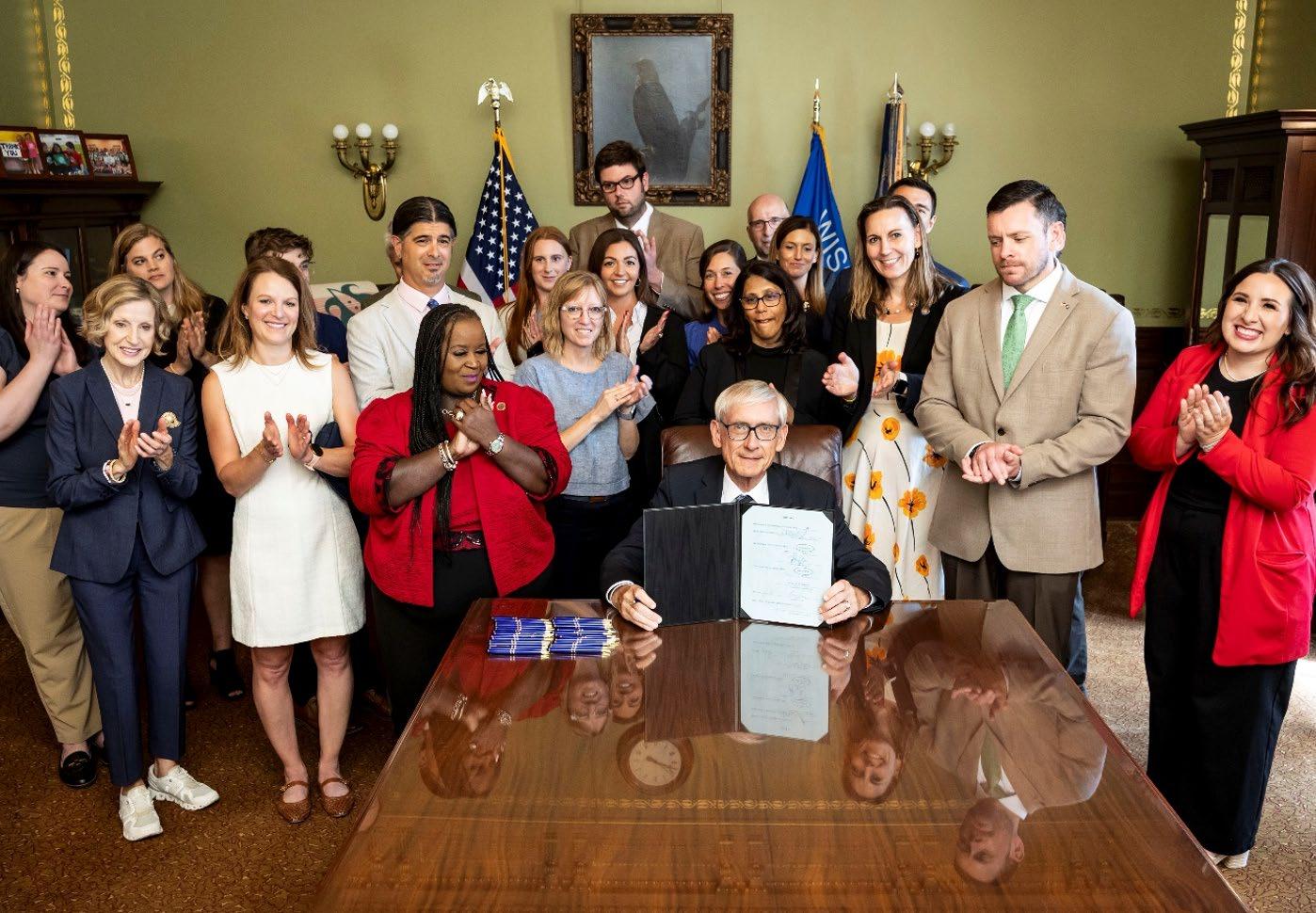
Interstate Dietitian Licensure Compact Bill Becomes Law
On August 8, Wisconsin became the 15th state to enact legislation to join the interstate Dietitian Licensure Compact when Governor Tony Evers signed Assembly Bill 45 into law. This legislation, which WAND strongly supported, was introduced by State Representative Rob Brooks (R-Saukville) and state Senator Patrick Testin (R-Stevens Point). WAND worked closely with both legislators on introducing this legislation.
What is the interstate dietitian licensure compact and how will it work?
This new law will eventually allow eligible dietitians to more easily care for patients in states outside of Wisconsin that also join the compact. In order to do so, a Wisconsin dietitian would need to apply for a “compact privilege” in such a state and meet other requirements put in place by the state, such as undergoing a background check and paying a fee. The compact privilege fee to practice in another state will likely be lower than if the dietitian went through the normal credentialing process in that state. In addition, applications for a compact privilege are generally processed faster than applications submitted under the normal credentialing process. Conversely, dietitians residing in a compact member state outside of Wisconsin will also be able to apply for a compact privilege in Wisconsin.
It’s important to note that this new law will not change how dietitians are regulated in Wisconsin. While dietitians in Wisconsin are certified, instead of licensed, this new law will still apply in Wisconsin.
What are the next steps?
In order for the interstate dietitian compact to be formed, at least seven states need to enact legislation to join the compact. As of today, 15 states have enacted this legislation – Montana,
STATE POLICY NEWS CONT.
Nathan Butzlaff
WAND Legislative Update from Hoven Consulting
Utah, North Dakota, South Dakota, Nebraska, Kansas, Oklahoma, Iowa, Arkansas, Ohio, Tennessee, Alabama, Mississippi, Rhode Island – and now Wisconsin. Now that governors in at least seven states have signed this legislation into law, a meeting will occur later this year – likely sometime in the Fall –during which the compact commission will be formally created. The compact commission is the entity that administers the compact. One of the commission’s first steps will be to draft and approve the rules and regulations that govern the compact.
In addition, the state Dietitians Affiliated Credentialing Board (DACB) – which is under the auspices of the state Department of Safety and Professional Services (DSPS) – will need to draft and approve regulations formally implementing the dietitian compact in Wisconsin.
WAND will monitor the work of the DACB and the compact commission. We will provide you with appropriate updates as both of these agencies undertake this work.
Please be aware that it will take some time to fully implement this compact – possibly 24 months or more. Once it is fully implemented by DACB and the compact commission, Wisconsin dietitians will be able to apply for compact privileges to practice in other compact member states.
WAND is grateful to Representative Brooks and Senator Testin for introducing this legislation and to Governor Evers for signing it into law. Finally, WAND would like to thank all WAND members for their advocacy on this legislation, particularly those who testified at legislative committee hearings in support of this bill – Mackenzie Burke, Valerie Shurley, and Kelley Wilson.
STATE POLICY NEWS CONT.
Nathan Butzlaff
WAND Legislative Update from Hoven Consulting
Highlights of FY2025-2027 Budget Law
Early on July 1, Governor Tony Evers (D) announced an agreement on the state Fiscal Year 2025-2027 budget with legislative leadership. The budget bill compromise between Governor Evers and legislative leaders will boost funds for the Universities of Wisconsin, special education, and childcare providers in exchange for preserving approximately $1.4 billion in Republican tax cuts. The Legislature’s Joint Finance Committee approved this agreement on July 1 by a vote of 13-3. Subsequently, the state Senate passed the bill on July 2, and the state Assembly passed it in the early morning hours of July 3. Governor Evers also signed the bill on July 3.
The following are highlights of the $111.1 billion FY2025-2027 budget:
State Taxes
• A reduction of the Wisconsin individual income tax by over $600 million annually.
• Over 1.5 million of Wisconsin taxpayers will receive a tax cut, averaging $180.
• 82 percent of the tax cut will go to taxpayers with adjusted gross income below $200,000.
• Reducing income taxes for many Wisconsin retirees.
• Allowing those age 67 or older to exclude up to $24,000 (up to $48,000 for marriedjoint filers) of retirement income payments will reduce taxes on approximately 280,000 Wisconsin filers by an average of about $1,000 per filer.
Department of Public Instruction
• A $1.4 billion increase in funding for public K-12 schools in Wisconsin.
• This includes an increase in the special education reimbursement rate, to 42% in FY2025-2026 to 45% in FY2026-2027. According to Governor Evers, this is the highest reimbursement rate in three decades.
Department of Children and Families
• The Fiscal Year 2025-2027 budget includes more than $361 million in economic support for Wisconsin’s child care industry, including:
• $110 million in FY2025-2026 for direct payments to child care providers.
Department of Health Services
• Medicaid Cost-to-Continue: The budget agreement also fully funds the state’s Medicaid program – this is known as “Medicaid cost-to-continue.” This funding incorporates enough funding to pay for the increased costs of providing services and also takes into account changing Medicaid enrollment projections.
• In FY2025-2026, $1.529 billion is provided and in FY2026-2027, $2.279 billion is provided.
• Hospital Assessment: At present, Wisconsin hospitals pay 1.8% of their net patient revenue to the state Department of Health Services (DHS) – this is known as the “hospital assessment.” This budget agreement increases this percentage to 6%.
• 30% of these funds will be held in the Medical Assistance Trust Fund, which helps pay for the state’s Medicaid program.
STATE POLICY NEWS CONT.
Nathan Butzlaff
WAND Legislative Update from Hoven Consulting
• The rest of this funding will be used to make hospital provider payments, resulting in over $1.1 billion in funding to go to Wisconsin hospitals.
• WisCaregiver Careers: Provide $2 million in FY2025-2026 to increase funding for this program, which aims to increase the number of certified nurse aides (CNAs) and certified direct care professionals (CDCPs) in the state.
• Free and Charitable Clinics: Increase funding for free and charitable clinics by $1.5 million between FY2025-2027.
• Federally Qualified Health Centers: Provides $800,000 annually to increase grants to such centers.
• Health Care Provider Training Grants: Provide $1 million in FY2025-2026 to increase funding for the allied health professional education training program.
• University of Wisconsin Hospital and Clinics: Increases uncompensated care supplement by $10 million annually.
• Adult Level One Trauma Hospitals: Provides $35 million in grants annually to support these hospitals.
• Regional Referral Hospital Support Payment: Provides $15 million annually to a regional referral center providing tertiary-level care to residents of multiple counties.
• Grants to Health Center “Look-Alikes”: Provides $200,000 annually to such health centers that are designated as federally qualified health center look-alikes.
• These types of health centers are community-based health care facilities that meet federal health center program requirements, but do not receive health center program funding. These centers provide primary care in underserved areas.
• State Mental Health Institutes: Provides $15.8 million in FY2025-26 to these institutes to address a projected deficit from fiscal year 2024-25 in the civil patient treatment program.
Department of Safety and Professional Services
• Occupational Credentialing Customer Service Call Center Staff: Extend five call center contract employees for three more years – until September 30, 2028. Provide $253,100 in FY2025-26 and $337,300 in FY2026-27 to support the positions.
• Occupational Credentialing Board Support Staff: Provide $126,200 in FY2025-26 and $164,400 in FY2026-27 and one pharmacy practices consultant for inspections of primarily non-retail pharmacy locations.
Department of Agriculture, Trade, and Consumer Protection
• Food Security Grant Program: Provide $5 million annually to provide grants to non-profit food assistance organizations to support the purchase of food products made or grown in Wisconsin. Eligible organizations would include food banks, food pantries, and other non-profit organizations that provide food assistance.
University of Wisconsin (UW) System
• According to Governor Evers, this budget will include the largest increase in funding for the UW System in nearly two decades. In particular, it includes continued on next page.
WAND Legislative Update from Hoven Consulting STATE
STATE POLICY NEWS CONT.
Nathan Butzlaff
• An increase of over $239 million in operational funding for the UW System, including:
• $54 million to help retain and recruit faculty in high-demand fields.
• Over $94 million to increase wages for faculty and staff.
Governor Evers Declines to Run for Re-Election in 2026
On July 24, Wisconsin Governor Tony Evers (D) announced that he will not run for a third term as governor in 2026. His video announcement, which includes a transcript, may be viewed here.
This will be the first time since 2010 that an incumbent Wisconsin governor has not run for re-election. Tony Evers was first elected as governor in 2018 when he defeated then-Governor Scott Walker (R). He was re-elected in 2022, when he defeated Republican businessman Tim Michels. Prior to his tenure as governor, he was elected three times – in 2009, 2013, and 2017 – to the statewide position of Superintendent of the Department of Public Instruction – the state K-12 education agency. Earlier in his career, he was a teacher, school principal, and school district superintendent.
The 2026 Democratic primary election for governor could be quite crowded. At this time, the following Democrats have announced their candidacy for governor: incumbent Lieutenant Governor Sara Rodriguez and former labor union official and American Family Field beer vendor Ryan Strnad. Milwaukee County Executive David Crowley has publicly stated that he will take steps toward a candidacy but has not yet done so. State Senator Kelda Roys (Madison) has also indicated that she will likely enter the race. Other possible candidates include Attorney General Josh Kaul, Milwaukee Mayor Cavalier Johnson, former Lieutenant Governor and 2022 U.S. Senate Candidate Mandela Barnes, State Senator Chris Larson (Milwaukee), Outagamie County Executive Tom Nelson, and former Wisconsin Democratic Party Chair Ben Wikler.
On the Republican side, Milwaukee-area businessman Bill Berrien and Washington County Executive Josh Schoemann announced their respective candidacies for governor previously. U.S. Representative Tom Tiffany (Minocqua), 2024 Republican U.S. Senate candidate Eric Hovde, 2022 gubernatorial candidate Tim Michels, and state Senators Patrick Testin (Stevens Point) and Mary Felzkowski (Tomahawk) have also been referenced in various media reports as possible gubernatorial candidates in 2026.
STATE POLICY NEWS CONT.
Nathan Butzlaff WAND Legislative Update from Hoven Consulting
Impact of Federal Budget Bill on Health Care and Food Assistance in Wisconsin
Following the enactment of the federal budget reconciliation bill – otherwise known as the “One Big Beautiful Bill Act,” the Wisconsin Department of Health Services (DHS) issued a report detailing their projections on how this new federal law will impact Wisconsinites who use programs that DHS administers. The following are highlights of the agency’s analysis:
Over the next 10 years, 276,175 Wisconsin residents will no longer receive health care insurance coverage provided under either the Affordable Care Act (ACA) or Medicaid.
The increased work requirements in this new law will likely result in 63,000 Wisconsin adults being at high risk of losing Medicaid coverage.
This new federal law will make it more difficult to qualify for FoodShare (previously known as food stamps) benefits, as this new law imposes new work requirements to individuals up to age 65 (previously the age limit was 54). The new law also no longer exempts parents of children aged 14-17 from work requirements under this program.
A more detailed analysis is available on the DHS website
DSPS Publishes Updated Occupational Credentialing Fee Schedule
On August 11, the state Department of Safety and Professional Services (DSPS) – the state’s occupational credentialing agency – announced that it had published an updated fee schedule for the various occupations that it regulates. DSPS reviews all occupational credentialing fees every two years and modifies the fee amount for a specific profession based on the cost of the agency’s work to license and regulate that profession. It’s important to note that DSPS is almost entirely funded by fee-based revenue, instead of tax revenue.
According to the agency, most impacted professions – including nurses – will see their credential renewal fees increase by less than $20. The full fee schedule – which addresses renewal fees – may be viewed at the DSPS website.
CONSIDER DONATING TO WAND
WANDPAC continues to work improve the impact that we can make in the WAND Community

WANDPAC collects voluntary contributions from members into a single account and distributes those contributions - under the directions of a governing board - to candidates for elective state office. Outside of administrative costs, the PAC Program is funded entirely through member contributions.
We look forward to building our assests to be able contribute in teh future to legislators who have and will continue to support our nutrition policies. See below for more details on what we’ve been able to accomplish with our WANDPAC dollars - and plan to donate today!
If you would like to see your WANDPAC contriubutions and determine if it’s time to donate, in your profiles you can...
• Log In
• Under “Invoicing, Payment & History” Click on “Donations”
• This will share your amount donated over time
Thank you again for the consideration of donation to this important fun to advancing our profession
Visit the WAND
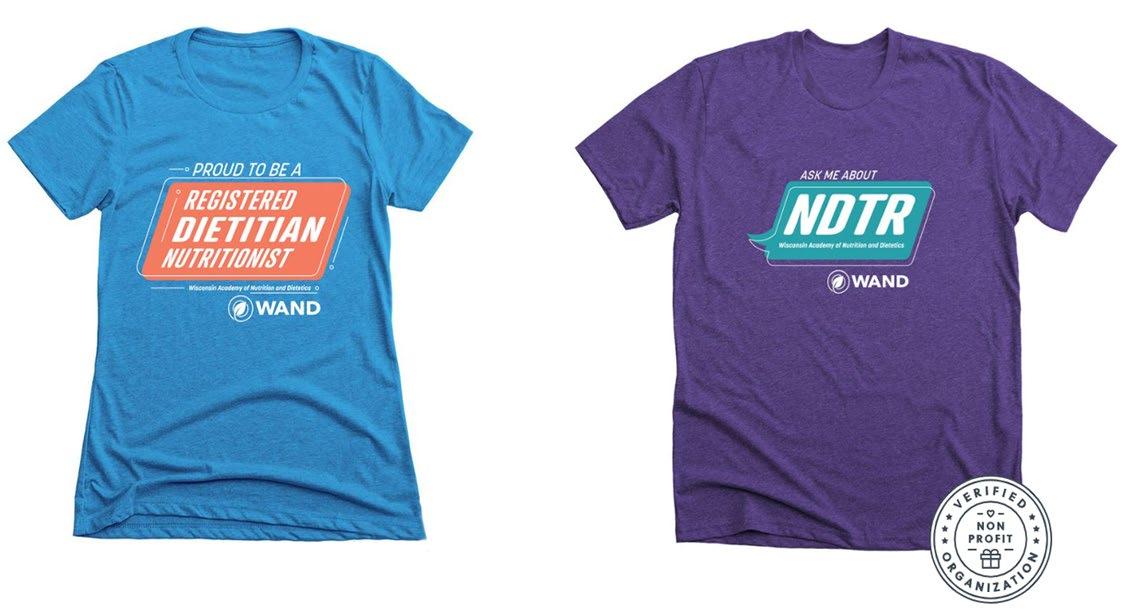
Swag Store
Profits from sales in the WAND merchandise store go towards supporting scholarships for students and practitioners.
WISCONSIN POTATOES ARE A SMART CHOICE FOR
HEALTHY BACK TO
SCHOOL LUNCHES
Jenny Heap, MS, RDN National Potato Growers Update
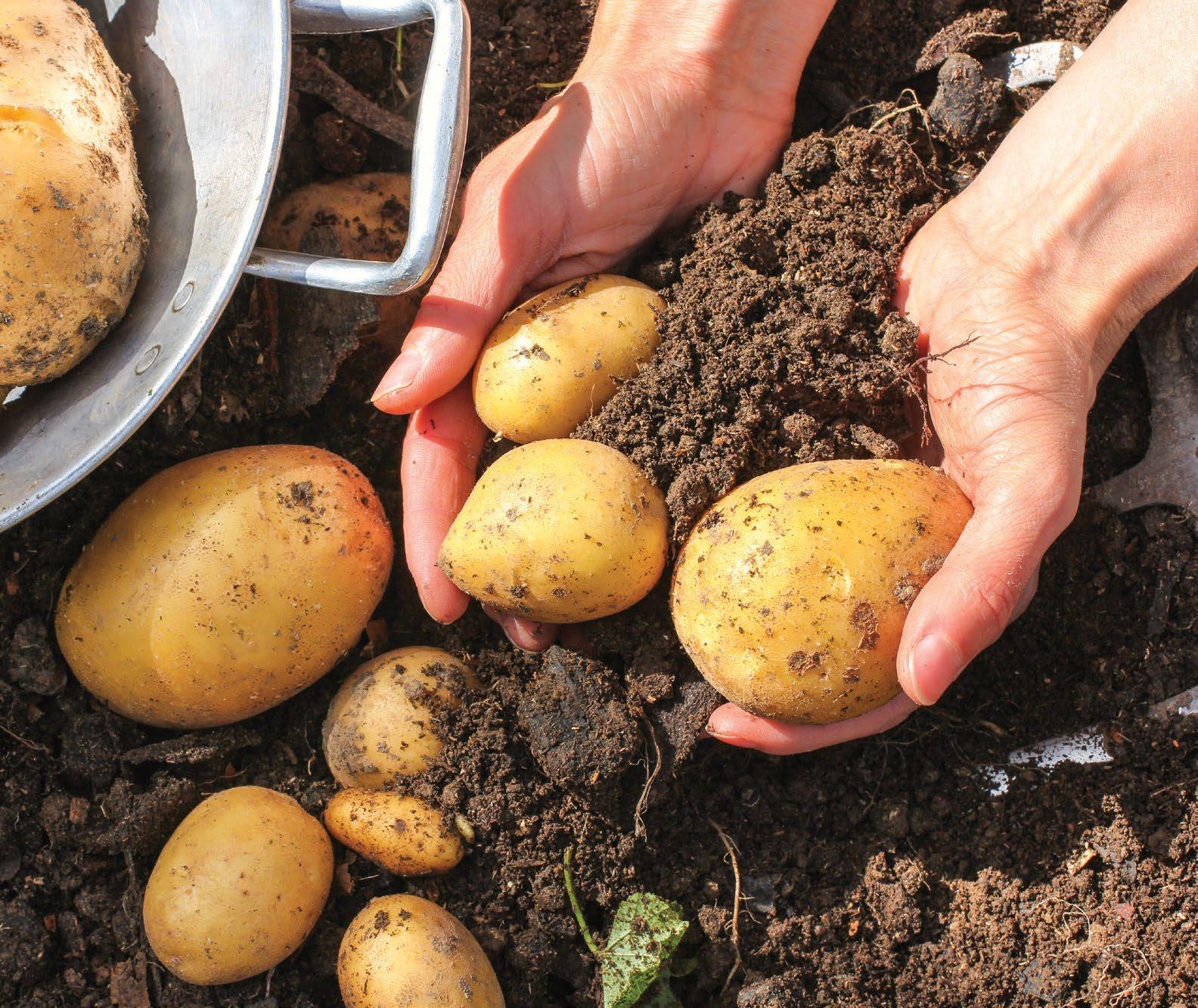
For most families, back-to-school sales forecast the end of summer break and the beginning of a new academic year. As students return to the classroom, they can face a demanding challenge of balancing schedules, staying alert and focusing on their studies. Wisconsin grown potatoes provide essential vitamins and minerals—like potassium, vitamin C, and fiber—for the sustained energy and mental sharpness students need. Incorporating the potato—a nutrient powerhouse—in meals or healthy back-to-school snacks can set students up for success in and out of the classroom.
Why Potatoes Make Healthy Back-to-School Lunches
Potatoes, proudly grown in Wisconsin, are a nutrient-rich source of energy for active brains and bodies. Potatoes provide several nutrients essential for early-life development that fuel kids’ academic and physical performance. The combination of quality complex carbohydrates, fiber, and protein in potatoes helps sustain fullness to help kids stay focused and energized throughout the day.
Check out some of the key factors that make potatoes a nutrition powerhouse for heading back to school!
Potatoes Have Healthy Carbohydrates
One serving of potatoes provides 26g of complex carbohydrates. Carbohydrates are the primary fuel required by the brain and central nervous system. The Estimated Average Requirement (EAR) for both kids and adults– 130 grams of carbohydrates per day – was calculated based on the brain’s glucose requirements alone. A higher intake is recommended to support physical activity for busy student athletes. Nutrient-rich complex carbohydrates make potatoes an ideal fuel to support cognitive performance in kids.
Carbohydrates also serve as the main source of energy for muscles, which store carbohydrates as glycogen for easy access during exercise. For children who are involved in vigorous physical activity or team sports, it is important to fuel up before, during, and after intense activity to replenish glycogen stores and help delay muscle fatigue during longer workouts and team practices.
Potatoes Provide Fiber
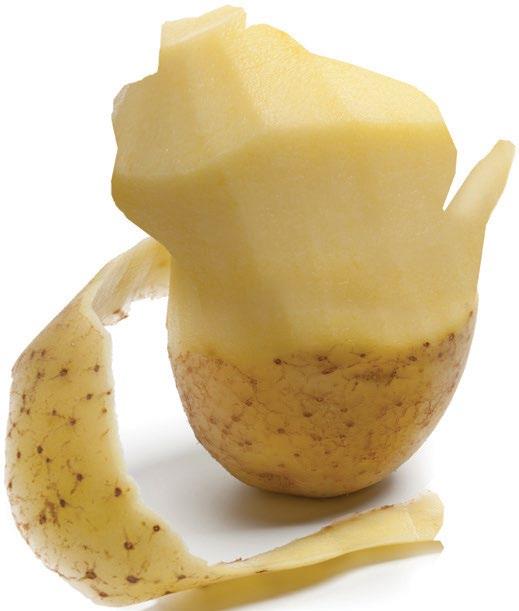
One serving of potatoes provides 2g of fiber. Nothing interrupts focus in the classroom more than a growling stomach. Fiber is known to enhance fullness. While fiber is a carbohydrate, it deserves its own callout when it comes to potatoes. Fiber in potatoes is more than skin deep—about half of the fiber in a potato is found in the skin. Leaving the skin on during meal preparation provides more fiber and nutrients, though some benefits remain even when potatoes are consumed without the skin. Fiber also contributes to bowel regularity and is thought to have a positive impact on the gut microbiome.
Potatoes Supply Protein
One serving of potatoes supplies 3g of plant protein.
Protein provides the amino acid building blocks necessary for growth and development of every tissue in the human body, including muscle, bone, and connective tissue and skin. Hormones are also made up of protein building blocks, so it’s easy to see why adequate protein is so critical
WISCONSIN POTATOES ARE A SMART CHOICE
FOR HEALTHY BACK TO SCHOOL LUNCHES
Jenny Heap, MS, RDN
for normal growth and development during childhood. Potatoes are higher in protein than most other foods commonly consumed from the vegetables and legumes category. Protein in potatoes helps support students’ physical development and contributes to the feeling of fullness, helping them stay energized and focused throughout the school day.
Potatoes Deliver Iron
One serving of potatoes provides 1.1mg of iron.
Iron is extremely important in cognitive function and overall brain health. Potatoes can boost iron intake for students. Iron plays a critical role in the myelination of nerve fibers during early brain development, significantly impacting processing speed. Iron also makes it possible for hemoglobin to deliver lifesustaining oxygen to the muscles, brain, and all other body tissues. This nutrient is especially important for adolescent girls, who are at higher risk of iron deficiency.
• A medium potato provides 1.1 mg of iron, or
• 11% of the AI for kids 4-8
• 14% for kids 9-13 (8)
• 10% for adolescent boys 14-18
• 7% for adolescent girls 14-18
Potatoes are a Source of Potassium
One serving of potatoes delivers 620mg of potassium.
Potassium helps regulate blood pressure and works closely with sodium to maintain fluid balance in our bodies. Potassium is an electrolyte that we need during exercise and is lost via sweat with young athletes. Potatoes are an excellent choice for fueling up before the game, ensuring young athletes have the energy and electrolytes necessary to perform at their best.
A medium potato provides 620mg of potassium, or:
• 27% of the AI for kids 4-8
• 25% for kids 9-13
• 21% for adolescent boys 14-18
• 27% for adolescent girls 14-18
• There is Vitamin C in Potatoes
• One serving of potatoes provides 20mg of vitamin C.
That amount goes a long way toward meeting daily requirements for children and adolescents. As kids
WISCONSIN POTATOES ARE A SMART CHOICE FOR
HEALTHY BACK TO SCHOOL
LUNCHES
Jenny Heap, MS, RDN National Potato Growers Update
head back to the classroom, Vitamin C is a crucial part of their diet. Vitamin C is essential for the synthesis of collagen, which provides structure and elasticity to connective tissues throughout the body. It also supports wound healing – important for all those inevitable playground scrapes! Vitamin C is also essential to the immune system, helping kids stay healthy in the classroom.
Vitamin C also improves the bioavailability of iron found in plant foods – good news for kids and families that are boosting their daily fruit and vegetable consumption.
• A medium potato provides 27mg of vitamin C, or:
• 108% of the RDA for kids 4-8
• 60% for kids 9-13
• 36% for adolescent boys 14-18
• 42% for adolescent girls 14-18
Potatoes Provide Vitamin B6
One serving of potatoes provides 0.2mg of vitamin B6.
This B vitamin is necessary for numerous processes in the body, including proper immune function and the formation of hemoglobin, which carries oxygen to the brain, muscles, and all other parts of the body. B6 is also heavily involved in protein metabolism. Beyond these important roles, vitamin B6 helps synthesize neurotransmitters critical for brain development during pregnancy and infancy, which can significantly impact cognitive performance in childhood and throughout life.
• A medium potato provides 0.2mg of vitamin B6, or:
• 30% of the RDA for kids 4-8
• 20% for kids 9-13
• 15% for adolescent boys 14-18
• 17% for adolescent girls 14-18
Whether baked, grilled or mashed – Wisconsin grown potatoes can be a powerhouse of nutrition for healthy back-to-school lunches. They fuel kids’ minds and bodies as they hit the books, lace up their sneakers and head back to school. Families can be assured that their student is fueled with the nutrients they need – all thanks to the potato!

Wisconsin is the 3rd largest potato-producing state and our growers are committed to providing you with the highest quality potatoes. So be sure to BUY LOCAL and BUY WISCONSIN. When you do, you’re supporting local economies and getting a fresher product. 110 calories | Fat free | Gluten free An