





























































by
EAST PARK COMMUNICATIONS Ltd.
Merseybank Business Centre 55-57 Seabank Road, Wallasey, Merseyside CH45 7PA Tel: 0151 651 2776 simon@eastparkcommunications.co.uk www.eastparkcomms.co.uk
Castell
Design
Accounts
Tony Kay
Published February 2026
Legal Notice © East Park Communications Ltd.
None of the editorial or photographs may be reproduced without prior written permission from the publishers. East Park Communications Ltd would like to point out that all editorial comment and articles are the responsibility of the originators and may or may not reflect the opinions of East Park Communications Ltd. Correct at time of going to press.
The appearance of advertising copy in this magazine does not constitute an endorsement of the individual advertisers by the Suffolk and North Essex Law Society.
“Supportive, inclusive, ambitious” — ISI Inspection Report, November 2025




At Framlingham we believe in the individual. There is no typical Framlinghamian, no singular path that we take. Often, we are many things within one. Every pupil is valued for who they are. We are a co-educational day and boarding school for ages 2 to 18, offering full, weekly, and flexi-boarding options from ages 7 to 18. Our extensive bus routes across East Anglia ensure convenient transport for our pupils. START YOUR CHILD’S JOURNEY
Can’t make an Open Morning? Contact our Admissions team to arrange a private visit. Visit framlinghamcollege.co.uk/visit, contact admissions@framlinghamcollege.co.uk or call +44 (0) 1728 727217. BOOKING OPEN FOR MAY 2026
President Benjamin Carver
John Fowlers
Colchester
Tel: 01206 576151
Email: bencarver@johnfowlers.co.uk
Honorary Secretary
Ivana Radovic
Birketts, Ipswich
Tel: 01473 921 716
Email: ivana-radovic@birketts.co.uk
Honorary Treasurer
Louise Cardwell
Ashtons Legal
Tel: 01473 261320
Email: louise.cardwell@ashtonslegal.co.uk
Honorary Council Members
Duncan McGregor
Council Member for Suffolk
Tel: 020 7504 7071
Mob: 07484 761 525
Email: d.mcgregor@urbanchain.co.uk
Karen Dovaston
Council Member for Essex, Dovaston Iaw Southend on Sea. Essey
Tel. 0800 083 6051
Mob. 07932 360 766
Email: Karen dovasionlaw.co.uk
PRO/PLO
Louise Goodenough
Haywards Solicitors
Stowmarket
Tel: 01449 613631
Fax: 01449 613851
Email: louise.goodenough@haywards-solicitors.co.uk

Dear All,
It is with great anticipation I write my first foreword as President of SNELS.
I must first take this opportunity to thank Louise Goodenough for an exceptional two years as President of SNELS. Louise brought a fantastic energy to her time as President and has been a great guide to me stepping into those proverbial shoes. Similarly, SNELS would not work or exist without the ongoing hard work of its committee members, so I first express my thanks to them for their hard work, and continuing efforts.
The legal landscape is forever changing, as the Law similarly continues to evolve. It is both exciting to see, and the adaptability of the profession is one of our greatest strengths. We are likely to see more changes as 2026 develops in many ways, both from the practice perspective as AI becomes a further utilised tool, and we see changes to our regulation through the FCA to name but a couple.
This does give the opportunity for us to come together and assist one another in the profession as a whole and to that end part of this year will be focused on the training and education element of SNELS. You will see later in the magazine a joint seminar offering updates for both Residential and Commercial property by Ian Quayle, which I would highly recommend, and we intend to run further events as the year progresses.
Further plans are in the works for more events through the year, which we intend to announce shortly, and in the interim I wish you all a Happy and Healthy start to 2026 and a prosperous year to come.
Kind regards,
Ben Carver

At Oaks Hospital, Rivers Hospital & Springfield Hospital, we know how tough it can be to take time off work - that’s why we’re here to help.
Get faster access to an appointment at a time that suits you with a specialist consultant, either by paying for your treatment or by using your Private Medical Insurance.
Get the care you need, when you need it.

For more information, scan the QR Code or contact us on 0808 258 8045
TLS has had a busy start to 2026, balancing immediate sector pressures with longer-term policy work on the future of legal services and the justice system. Recent developments—from criminal courts reform to client money policy and regulatory oversight— have sharpened the Society’s focus on defending core constitutional principles while pushing for a modern, sustainable profession. I myself have been appointed to the Scrutiny and Performance Committee and in my role have observed the Finance and Investment Committee of TLS but also the most recent Board Meeting.

One of the Society’s most prominent recent interventions has been on proposals to reduce access to jury trials as a response to the Crown Court backlog. In a press statement published on 2 December 2025, the Law Society warned that government proposals “go too far” in eroding the right to be judged by a jury of one’s peers, framing jury trial not as an administrative luxury but as a fundamental democratic protection in criminal justice. (The Law Society) Alongside this public position, the Society has kept close watch on parliamentary and policy developments, including briefing and “Westminster update” commentary as the debate has intensified. (The Law Society). The Society’s stance aligns with a wider professional consensus that jury trial reform must not become a blunt instrument for managing delay. The argument is not that the system should be frozen in time, but that reforms aimed at speed must still preserve legitimacy, public confidence, and fairness—especially for “either way” offences where mode of trial can be outcome-determinative.
Another live issue is interest on client accounts—an area where consumer
protection, professional obligations, and government proposals are colliding. In late January 2026 the Law Society set out concerns about the proposed Interest on Lawyers’ Client Accounts (ILCA) scheme, including the risk that it could conflict with the SRA Accounts Rules requirement for firms to pay clients a “fair sum” of interest on client money. (The Law Society) The Ministry of Justice consultation materials underline that “fair” is not tightly defined in the Accounts Rules, leaving providers some flexibility—but also creating uncertainty if a central scheme caps or redirects interest in ways that don’t map neatly onto existing regulatory duties. (GOV.UK)
The MOJ consultation deadline has been extended until 9 March 2026.
SRA interaction: accountability, burden, and confidence after major failures
The Law Society’s engagement with the SRA continues across multiple fronts: consultation responses, regulatory budget scrutiny, and high-profile system accountability. In 2025 it responded to the SRA’s business plan and budget 2025/26, signalling continuing concern about whether regulatory priorities and spending are aligned with demonstrable risk and outcomes. (The Law Society) And following the fallout from the Axiom Ince scandal, the Society publicly responded to the Legal Services Board’s actions and directions imposed on the SRA, reinforcing that effective regulation depends on timely intelligence, robust intervention powers, and transparent improvement plans. (The Law Society). Further announcements from the LSB on this will follow imminently.
Sarah Rapson (CEO of SRA) will be at the next Council Meeting of the Law Society on 18 March where, under the Internal Governance Rules and the Legal Services Act 2007 framework the SRA will share annual information about accountability and assurance, Council Members will have an opportunity to put questions to her (probably in written format beforehand) on the above (and other) matters) in line with the Internal Governance Rules and Legal Services Act.
Looking ahead: 24 February strategy day
On 24 February, there will be a strategy day for all Council members and selected Law Society staff, with discussion focused on:
• Technology – technology, the practice of law and the experience of consumers
• Conditions for growth – promoting growth of legal services with a focus on better regulation
• Justice and the rule of law – promoting access to justice and the rule of law in the UK and around the world
• Responsible business – supporting the profession on all aspects of responsible business
• Member experience and value –championing our profession and the member experience
The outcome of this will not only shape the direction of the society but will also allow the profession’s members to access support on the above subjects
Sector resilience: PM Law closure and wellbeing signposting The last few days have also reminded the profession how disruptive sudden firm closures can be. The SRA reported being alerted to the unexpected closure of PM Law Ltd on 2 February 2026, with a formal intervention on 4 February 2026, and further client/creditor information updated on 6 February 2026 (Solicitors Regulation Authority) This type of event has real human consequences for staff, clients, and affected practitioners—so it’s vital that solicitors know where to turn if they need confidential support:
• The Solicitors’ Charity: https://www. solicitorscharity.org/
• LawCare: https://www.lawcare.org.uk/
If anyone would like to talk to me about any of the above or the wider work of TLS please do reach out.
M: +44 (0) 7484 761 525
E: d.mcgregor@urbanchain.co.uk
W: https://urbanchain.co.uk/
C: Solicitors Regulation Authority
L: LinkedIn
After 8 years of being based at the office where we first started out in St. Matthew’s Street, Ipswich, Suffolk Law Centre is moving to new premises. From the end of March 2026, we will be based at 19 Tower Street, in central Ipswich, alongside other voluntary sector organisations such as BSC Multicultural Services, Future Female Society, Outreach Youth and Ipswich Community Radio, and next door to Ipswich Citizens Advice
We are really excited about the potential for building stronger community links with our new neighbours, developing working partnerships to enable us to offer free legal advice to more people, including marginalised communities who might otherwise struggle to access our services.
Suffolk Law Centre’s origins began many years before our founding charity Ipswich and Suffolk Council for Racial Equality (ISCRE) took the decision to support the campaign to set up a Law Centre in Suffolk. Prior to that, ISCRE had been offering free legal advice services, including a discrimination law and casework service, and weekly initial Legal Advice Clinics (LAC) supported by a committed cohort of local legal volunteers. The LAC is still running, thanks to the continued support of Suffolk’s legal community.
We will miss the brilliant staff and Trustees at ISCRE, who we have been co-located with for all of this time – we have so much to thank them for, and look forward to further working together.
Look out for further communications about our move, including updates on services, on our website: www.suffolklawcentre.org.uk










DATE: 2 March 2026
VENUE: Hintlesham Hall
George Street
Suffolk IP8 3NS

Residential Conveyancing CPD Update (Morning session)
This half day session is suitable for residential conveyancers of all levels and experience and will explore:
• Reviewing the retainer and report on title - what should be included.
• The revised TA6 and TA7 advising the seller and buyer client and dealing with the explanatory notes.
• Advising on restrictive covenants and easements in residential transactions.
• The Renters Rights Act 2025 - key issues for conveyancers.
• Developments in leasehold conveyancing - BSA case law and the introduction of Commonhold.
• Lessons from recent case law.
Extensive notes will be provided and time allocated for delegate questions
Commercial Property CPD Update (Afternoon session)
This CPD is suitable for commercial conveyancers of all levels and experience, and will explore:
• The High Street Rental Auction Process - what do commercial property lawyers need to know.
• The Building Safety Act 2022 - tips and traps for commercial property lawyers dealing with relevant and higher risk buildings.
• Reporting on Title in commercial transactions.
• Advising the seller and buyer on overage.
• Dealing with lease renewal - negotiating the terms of a new tenancy.
• Pre-tenancy and post tenancy occupation tips and traps.
• Lessons from recent case law.
Extensive notes will be provided and time allocated for delegate questions
Booking details overleaf
8:30 – 9:00
Coffee & Registration
9:00 – 9:10
Ben Carver
North Essex & Suffolk Law Society Introduction
9:10 – 9:30
Ashley Peters X-Press Legal Services
9:30 – 11:00
Ian Quayle (Residential Update - Part 1)
11:00 – 11:15
Break and Refreshments
11:15 – 13:00
Ian Quayle
(Residential Update - Part 2)
13:00 – 13:30
Lunch & Networking
13:30 - 13:40
Ben Carver
North Essex & Suffolk Law Society Introduction
13:40 - 14:00
Ashley Peters X-Press Legal Services
14:00 -15:30
Ian Quayle
Commercial Update (Part 1)
15:30 - 15:45
Coffee Break
15:45 - 17:00


Ian Quayle
Commercial Update (Part 2)
Ian qualified as a solicitor and worked in private practice for 12 years, specialising in property law matters including residential development work, commercial acquisitions and disposals.
Ian has delivered over 2500 property-related training courses for city and regional firms, local law societies and local authorities.
Ian provides training to businesses in-house, public courses, and regularly speaks at conferences.



£30.00* (Residential session) – am
£30.00* (Commercial session) – pm
£60.00* (Resi & Commercial) - full day (Includes lunch & refreshments)
*£10 from each ticket sale will be donated to the Brain Tumour Charity
To book your place, go to https://bit.ly/2March2026 or scan the QR code

If you would like further information about this event, contact Ashley Peters by email/telephone.
Email: AshleyP.1358@xpresslegal.uk
Telephone: 0330 159 5358
As we push through the beginning of 2026, it’s a good moment to pause and reflect: is your firm giving you the training and support you need to grow in your career?
The legal landscape is changing faster than ever. Technology, AI, and process automation are no longer “nice-tohaves” - they are core to how firms operate and how lawyers deliver value to clients. But here’s the catch: it’s not enough for your firm to just invest in shiny new tech. The real impact comes when people are equipped, trained, and supported to use it effectively.
A recent report by OneAdvanced highlighted some telling figures:
• Only 5% of firms rely mostly on manual or disconnected processes. If that’s your firm, it’s time to think carefully about your future career trajectory.
• 41% of firms have automated and integrated most processes - these are the firms moving ahead.
• 53% of firms are somewhere in between, with some automations underway. If you’re in this group, it’s crucial that progress moves fast enough for you to keep pace.
The report also highlighted a concerning gap:
• AI adoption is the number one priority for firms.
• Skills gap is the number two challenge.
• But talent development ranks only tenth!
In other words, firms are buying the technology, but not always investing in the training and support that ensures their lawyers can actually use it effectively. The risk? You end up in a firm with incredible tech on paper, but no time or guidance to actually adopt it.
So, as we look at the rest of 2026 before us, ask yourself:
• Is your firm giving you the space and guidance to learn and apply new technology?
• Are you being supported to develop skills that will matter over the next 5–10 years?
• Or are you falling behind while others move ahead?
Being proactive about your career is more important than ever. If your firm isn’t supporting your growth, it’s up to you to find ways to fill that gapwhether through training, mentoring, or external guidance.
And, of course, if you want to talk through your career plans, explore your next move, or just get some perspective on where the legal market is heading, reach out to me anytime.
A short conversation can help you clarify your next steps and set yourself up for success in 2026 and beyond.
Written by Clara Rose LLB LLM
020 3286 7884




Thinking About Live-in Care Support?
• Are you considering Live-in Care for a person you know, or do you already have a care package in place?
• If the thought of Live-in Care is new to you, please call 01603 764567 for further details.
If you are already receiving Live-in Care but would like to compare costs, please call 01603 764567 and we will be happy to discuss.
Able Community Care is a Specialist Live-in Care Provider - Established in 1980, we provide expert Live-in Care support. We are based in Norfolk, but our care support is available throughout the UK and the offshore islands.
Get in touch today: Call 01603 764567 or Email to: info@ablecommunitycare.com to request your information brochure or visit our website at: www.ablecommunitycare.com

Lessons from ER v NT [2025] EWHC 2146 (Fam)
The High Court’s decision in ER v NT is a significant reminder of the importance of properly applying Practice Direction 12J (PD12J) and the principles in Re H-N (Children) [2021] EWCA Civ 448 when allegations of domestic abuse arise in private law proceedings.
Background
This case concerned an appeal by a mother (ER) against a decision of HHJ Godwin to refuse a finding of fact hearing in proceedings under the Children Act 1989. The father (NT) sought a child arrangements order for contact with their daughter, CT, born in March 2023. The mother alleged a long history of coercive and controlling behaviour, physical abuse, and threats spanning nearly two decades.
The judge at first instance dismissed the mother’s application for a factfinding hearing, relying on:
• Admissions made by the father.
• The absence of serious allegations postdating CT’s birth.
• The father’s completion of an anger management course.
• Concerns about delay.
The Appeal
On appeal, Mr Justice MacDonald allowed the mother’s appeal, finding that the judge had failed to:
• Give adequate reasons for refusing a fact-finding hearing.
• Properly analyse the nature and relevance of the allegations.
• Apply PD12J and the guidance in Re H-N and K v K [2022] EWCA Civ 468.
• Avoid undue reliance on the father’s attendance at an anger management course.

The mother alleged a pattern of coercive and controlling behaviour, including threats to kill, physical assaults, and emotional abuse. The father admitted only limited misconduct (drug use, unpleasant comments, and one photo taken without consent). The High Court highlighted the “stark disparity” between the parties’ accounts and stressed that such allegations were highly relevant to welfare decisions.
The judgment emphasised that PD12J requires courts to consider:
• The effect of domestic abuse on the child and the resident parent.
• Future risk of harm.
• Whether contact can be managed safely.
• The first-instance judgment failed to identify welfare issues or explain why the allegations were not relevant to risk assessment.
The court criticised the weight placed on the father’s completion of a threeday anger management course, noting that such courses do not address coercive control and may even increase risk by reinforcing harmful narratives.
While delay is a factor, the High Court held that the need for a proper factual foundation outweighed concerns about listing a separate hearing.
The appeal was allowed. The case was remitted for a finding of fact hearing before a different judge. The High Court reaffirmed that fact-finding is foundational to welfare decisions and cannot be bypassed where allegations are serious and disputed.
• PD12J is not optional: Courts must engage with its principles when domestic abuse is alleged.
• Historic abuse matters: Patterns of coercive control are relevant even if incidents occurred years ago.
• Admissions must be scrutinised: Limited admissions rarely provide a sufficient factual basis for risk assessment.
• Anger management ≠ domestic abuse intervention: Effective programmes address power and control, not just anger.
* Takeaway for Practitioners: Always ensure that allegations of coercive control are properly framed and supported by evidence. Challenge undue reliance on generic courses and highlight the probative relevance of disputed facts to welfare issues.


Across England, the debate over developing on green belt land is growing, and East Anglia is no exception. As local authorities contend with housing demand and land shortages, developers are increasingly targeting protected areas as possible sites for expansion. For conveyancers, this shift introduces new layers of planning and environmental risks that require careful consideration.
According to the latest government data, England’s green belt covers around 1.63 million hectares, representing 12.5% of the country’s total land area. In the East of England, this equates to roughly 233,670 hectares, or 12.2% of the region’s land, with significant coverage across South Cambridgeshire, parts of Essex, and Bedfordshire. Although these figures have remained relatively stable in recent years, the pressure to release land for housing is rising sharply.
“Flood risk, traffic congestion and the lack of supporting infrastructure, such as schools, roads and healthcare, remain major concerns,” says Iain Grimes, Managing Partner at Fraser Dawbarns. “These are not just planning challenges; they directly impact the long-term sustainability of new developments.”
Infrastructure gaps and planning pressures
While housing targets continue to rise, infrastructure investment has struggled to keep up. A recent report from the Home Builders Federation
found that the East of England delivered 28,640 homes in 2023–24, significantly short of the regional target of 45,429.
“Planning policy is not addressing the chronic underfunding of infrastructure,” explains Iain. “Hospitals, roads, schools and the services expected by residents are not being planned in a coordinated way to make developments sustainable.”
This mismatch between planning approvals and infrastructure delivery creates uncertainty for conveyancers and their clients. In some cases, land may technically be approved for development but remain impractical to occupy or resell because the necessary facilities aren’t yet in place.
The conveyancer’s challenge
Conveyancers advising on potential or former green belt land face unique due diligence challenges. Having accurate, current information on planning restrictions, environmental risks, and infrastructure capacity is vital for managing client expectations.
“Having the correct information to inform clients of environmental risks is critical,” notes Iain. “Pre-occupation conditions are one of the biggest issues we see, along with occupancy restrictions tied to local employment. These factors can delay completion or complicate future resale.”
Between 2019 and 2022, approximately 7,200 hectares of green belt land in England changed
to developed use, with around 1,100 hectares converted for residential development. For conveyancers, these shifts highlight how planning boundaries and land designations can evolve, often faster than anticipated, bringing new considerations around flood risk, access, and sustainability.
Most experts agree that pressure on green belt development in East Anglia will continue to rise over the next decade. Yet without coordinated investment in transport, drainage, schools and healthcare, the region risks overdevelopment without infrastructure, a trend that could erode community resilience and increase transaction risk.
“Overdevelopment without infrastructure investment is the biggest concern for the region,” adds Iain.
At Geodesys, we help conveyancers manage these planning risks by providing trusted, combined risk and standalone planning reports to support informed decision-making. Our comprehensive searches enable solicitors to spot potential issues early, from flood and environmental factors to pre-occupation conditions, ensuring developments are both viable and sustainable.
East Anglia’s green belt presents both opportunity and risk. For conveyancers, understanding the balance between development potential and environmental impact is essential, and it all starts with reliable, data-led insight.
If you’re ready for the full picture, head over to the Geodesys website to get in touch or call on 0800 085 8050 The team is here to answer any questions you may have.

When it comes to commercial property, the details matter. That’s why solicitors across England and Wales rely on the Law Societyapproved Commercial CON29DW.
The comprehensive data, now in its 15th year, o ers trusted insight into all aspects of commercial drainage and water risk. Produced in-house by Geodesys for the Anglian Water region, and proud to support the ordering and delivery for the Southern Water region.
Each report is expertly interpreted and analysed by our specialist team, giving you and your clients complete con dence. From Trade E uent consent licences to Wayleaves and Easements, the CON29DW Commercial ensures up-to-date information, rst time, every time.
With nearly 30 years of industry experience, we know what it takes to deliver clarity, even in the most complex transactions.
By choosing Geodesys, you’re not just accessing a report – you’re unlocking the door to decades of specialist knowledge and a commitment to accuracy that keeps your transactions moving.
Unlock the full picture
Detailed, accurate insights for every transaction
Produced by experts, for experts
Trusted by solicitors for 15 years
Contact our dedicated team of Account Managers for a product demonstration or to nd out more.
sales.team@geodesys.com 0800 085 8050
CARE AND PROTECTION Law and Practice
7th Edition
By Safda Mahmood and Julie Doughty
ISBN 978 0 85490 306 1 WILDY, SIMMONDS & HILL PUBLISHING www.wildy.com

The seventh edition of this important book from Wildy, Simmonds and Hill Publishing has been written and edited by Safda Mahmood and Julie Doughty. The work extensively updates the practical guidance it offers on the complexities of the Children Act 1989 and subsequent child protection legislation, guidance and case law.
Among the developments included in this edition are the changes brought about by the Public Law Outline in January 2023 to family justice, particularly in relation to expert evidence, time limits, care plans and delay. What we found particularly helpful was the advice during a period of change within child law litigation.
The authors give us a most useful commentary on the law surrounding deprivation of liberty (DoLs) with regard to children, exploring and explaining the interface between what always difficult care proceedings and Article 5 ECHR, and a consideration of pivotal case law, like the decision in Re T (A Child) [2021] UKSC 35.
For those readers who are in practice in family law as counsel or solicitors, there is a revision of leading Practice Directions, specifically PD12A (Care and Supervision Proceedings and other Part 4 Proceedings: Guide to Case Management), Child Arrangements Programme (PD 12(B), and Revised PD12J – Domestic Abuse and Child Arrangements, Pilot Reporting and Private Law Review. We would add that it is always useful to keep as well informed as possible with such changes at a time when procedure rules are being regularly reviewed.
We believe that the contents of the new edition will be of great use and support to students, graduates and those more recently qualified
practitioners because the authors have included significant case law developments in children law since the publication of the last edition. But do please remember that the case law itself can more of a guide on outcomes as every case is different in family proceedings.
Finally, there is a most important and excellent explanation of the revised edition of “Working Together to Safeguard Children” (2023), which has changed the position in relation to safeguarding and child death reviews, as well as assessments.
All these excellent publications from Wildy, Simmonds and Hill remain a practitioner’s friend during these times of increasing changes and revision in child law proceedings, plus the ever re-modelling of our process as more and more legislation and guidance is produced. Keep up to date!
The date of publication of the paperback seventh edition is cited as June 2024.
GLOBAL INVESTMENT FUNDS
A Practical Guide to Structuring, Raising and Managing Funds Second Edition
Consulting Editor: Tom Alabaster
ISBN 978 1 83723 012 9 GLOBE LAW AND BUSINESS www.globelawandbusiness.com
EXPLAINING THE POPULARITY OF GLOBAL INVESTMENT FUNDS IN 2020s TO THE PROFESSIONALS
An appreciation by Elizabeth Robson Taylor MA of Richmond Green Chambers and Phillip Taylor MBE, Head of Chambers, Reviews Editor, “The Barrister”, and Mediator
Globe Law and Business always excel when offering advice to lawyers in business. And never more so than with private investment funds when Tom Alabaster, the consulting editor, has some involvement! What the publishers offer us here is a practical guide to the structuring, raising and managing of funds which will be of interest and help to a wide readership. Such funds are investing more capital than ever before, and the funds themselves are becoming larger than ever. And, of course, the industry’s
success comes against a backdrop of evolving market trends, increasing regulatory and tax compliance and the rise of ESG, mixed at a time with a new, incoming Labour government which has a (possibly) rather different approach to fiscal matters generally (at least as far as some practitioners are concerned) for the rest of this decade.
In relation to structuring, fund-raising, making deals, managing exits, maintaining investor relations and dealing with the press, investors and their advisers are faced with unprecedented challenges and opportunities so this new edition for 2024 comes in very handy.
Globe Law gives us, as practitioners and counsel, an excellent and practical new second edition of “Global Investment Funds”, edited by Tom Alabaster at Ropes & Gray. This hardback book is a mini classic which offers us contributions from leading industry specialists covering a wide range of issues arising at all the stages of a private investment fund‘s life cycle.
The new edition also offers the following topics which include formation and structuring, regulatory matters, deal-level considerations, environmental concerns, as well as covering jurisdictional/offshore matters, their jurisdictional differences and choice drivers (such as Ireland and Luxembourg). We found it to be a most successful and pragmatic guide which clearly paves the way for fuller explorations of the particular issues presented with regard to listed funds, energy funds, secondary transactions and GP-led recapitalisations.
Globe Law and Business have always provided lawyers in business with titles covering a wide range of specialisms to fit their needs and requirements. Here we have a practical guide to the legal, regulatory, tax and commercial elements of establishing and operating private investment funds.
And it remains our view that we consider that practitioners, advisers and other industry participants will almost certainly gain a significant benefit from applying its contents within their own businesses. Your business cannot really afford not to have a copy in the office library… and yes, we still do have legal and business libraries even in the digital 21st century!
The date of publication of the hardback second edition is cited as April 2024.
For many business owners, selling their company is the culmination of years , often decades of hard work. From a legal perspective, the focus is understandably on achieving the right structure, price and contractual protections. But once the deal completes and the proceeds land, clients can find themselves facing an entirely new set of challenges.
This is where early collaboration between solicitors, accountants and financial advisers can add significant value. A large cash sum arriving all at once can feel liberating, overwhelming, or both. Without careful planning, clients may struggle to make informed decisions, manage risk, or fully understand the long-term implications of their choices.
From illiquid to liquid — the emotional shift
Many business owners are asset rich but cash poor for much of their working lives. A business sale represents a dramatic shift from illiquid wealth tied up in a company to accessible capital sitting in the bank. That transition often comes with emotional weight.
Clients may feel pressure to “do something” with the money, fear making the wrong decision, or feel uncertain about what life looks like without the business that defined them. Financial advisers are well placed to slow the process down, provide structure, and help clients regain a sense of control.
Solicitors who can signpost this support early help ensure that the client’s focus moves from transaction to long-term wellbeing.
Cashflow planning: turning proceeds into a life plan
One of the most valuable tools a financial adviser brings post-sale is detailed cashflow modelling. Rather than starting with products or investments, good cashflow planning begins with the client’s goals.
This might include:
• Replacing business income
• Funding retirement (earlier than originally planned)
• Supporting children or grandchildren
• Purchasing property
• Future business ventures
By modelling different scenarios, advisers can show how long capital may last, how much can be spent sustainably, and how different levels of investment risk affect outcomes. This helps clients understand what is possible and what may not be prudent, before irrevocable decisions are made.
For solicitors, this complements the legal advice given during the sale by ensuring that the proceeds achieve their intended purpose beyond completion.
Managing tax:
more than just Capital Gains Tax
While Capital Gains Tax (CGT) is often front of mind during a business sale, particularly in relation to Business Asset Disposal Relief, tax planning does not end at completion.
Once proceeds are received, clients may face:
• Income tax on interest
• Dividend tax on investment income
• Capital Gains Tax on future disposals
• Potential Inheritance Tax exposure if wealth is retained
Financial advisers work closely with accountants to ensure that investments are structured tax-efficiently. This may involve:
• Phasing investments to manage CGT allowances
• Using tax wrappers such as ISAs and pensions
• Considering trust planning where appropriate
• Aligning withdrawals with personal tax bands
From a solicitor’s perspective, early adviser involvement can help ensure that wider estate and succession planning remains aligned with the client’s new financial position.
Risk management and capital preservation
Clients who have spent years taking commercial risk through their business may have a very different attitude to risk once the sale is complete. Some remain comfortable with volatility; others become understandably cautious, keen to protect
what they have built.
Financial advisers help clients articulate their risk tolerance in the context of their post-sale life, not their former role as an entrepreneur. This allows capital to be invested in a way that supports long-term objectives rather than short-term reactions to market movements.
Importantly, advisers can also address noninvestment risks, such as holding excessive cash long term, which can erode real value through inflation.
A joined-up professional approach
For clients, the experience is markedly improved when solicitors, accountants and financial advisers work collaboratively. Each professional brings a different lens:
• Solicitors ensure the transaction and legal structure are sound
• Accountants focus on compliance and tax efficiency
• Financial advisers help translate capital into lifestyle, security and legacy
Introducing an adviser before or shortly after completion can prevent rushed decisions, unmanaged tax exposure, and unnecessary anxiety for the client.
Supporting clients beyond the transaction
A business sale is not just a financial event, it is a life transition. For many clients, the question is no longer “How do I grow the business?” but “What now?”
Financial advisers provide continuity at a point where the legal work naturally concludes. By helping clients plan, invest and draw income from sale proceeds in a structured and tax-aware way, advisers ensure that the success of the transaction is felt for years to come.
For solicitors, having trusted adviser relationships in place means clients are supported holistically, not just at the point of sale, but long after the deal is done.











With the largest intergenerational wealth transfer now underway, new data from our latest tracking study reveals that almost one in three people aged 40+ with a Will have included a gift to charity (32%).
The study, based on over 2,000 people who donate to charity more than once a year, indicates that people often write their Will at a younger age than others might think. Almost half of those who have made a Will, did so before they reached their 50s (49%). However, it also shows that almost 2 in 5 people aged 40+ (37%) have not yet written a Will at all.
This New Year, we’re encouraging people, when writing or updating their Will, to consider all the things they care about; loved ones and good causes alike.
Importance of Will-writing
As New Year’s resolutions take shape, January remains the most natural time of year for a financial reset. Writing or updating a Will is essential for anyone who wants to influence how their assets will be distributed beyond their lifetime, while being a key opportunity to protect family, loved ones and any good causes they wish to support.
Good estate planning can also help families reduce their Inheritance Tax (IHT) bill. Charitable gifts in Wills are free of tax, with donations of 10% or more of the net value of the estate reducing the IHT rate from 40% to 36%. However, even amongst wealthier UK households, a significant knowledge gap remains about these tax incentives, with 30% of millionaires in this study saying they were unaware of the tax breaks on charitable gifts in Wills.
This news comes at a time when IHT receipts continue to rise. The Chancellor’s Autumn Budget statement revealed that IHT thresholds will be frozen for another year (until 2030/31). With the Government’s plans to draw inherited pension pots into the scope of IHT from April 2027, experts are predicting that around twice as many estates will be liable for IHT by 2031, prompting more households to think carefully about how they preserve and pass on wealth.
Solicitors, Will-writers and financial advisers are already reporting a growing appetite for inheritance planning. In recent research, 60% said they have seen a rise in demand for estate or tax planning advice, and 65% say they expect charitable tax incentives to become even more important to their clients in the years ahead.
With the UK entering the largest intergenerational wealth transfer in history and many more estates facing an Inheritance Tax liability, having an up-to-date Will in place has never mattered more.
This January, Remember A Charity is urging people to reflect not only on their financial affairs, but the good causes they wish to support alongside their loved ones. Charitable gifts in Wills can make a considerable impact on good causes and communities across the UK – funding vital research, care in the community, emergency helplines, animal welfare, environmental causes and so much more.
Lucinda Frostick, Director of Remember A Charity, says: “The new year is a great opportunity for us all to get our affairs in order and it’s deeply inspiring to see that – for so many people – that includes good causes as well as our loved ones. We’re seeing a growing sense of social responsibility and a real desire to leave the world a little better. No matter the size of the gift, remembering a charity in your Will can be one of the most empowering things to do – helping to sustain urgently-needed charitable services for future generations.”
James Antoniou, Head of Estate Planning & Senior Solicitor at Coop Legal Services, says: “Typically, the start of the year is the most popular time for putting a Will in place. It’s an essential part of planning for the future and a properly prepared Will is often much easier to do than people realise. Gaining peace of mind that your wishes will be legally recognised and your assets protected for your loved ones after you’re gone are often key incentives however we are increasingly seeing clients choose to include charitable causes in their Wills, leaving a lasting legacy that can make a real difference to the causes that matter to them.”
To explore how charitable gifts in Wills are changing the world, visit the Great Map of Willanthropy.



Broken, battered and bewildered.
A gift in your will can offer a lifeline to the conservation of East Anglia’s wild owl population






Every year the Suffolk Owl Sanctuary cares for a wide range of wild owls and other birds of prey suffering from injuries, ailments & traumas. Our mission is to rescue, care and rehabilitate them back to their natural habitat whenever possible, fit & flying free.
Legacies and bequests provide a lifeline to help pay for the welfare, food, medication, veterinary services, accommodation and the indispensable care of our dedicated team of falconers as we strive to fulfill our mission

For more information please contact Suffolk Owl Sanctuary, Stonham Aspal IP14 6AT info@owl-help.org.uk www.owl-help.org.uk



We are a UK charity providing a fantastic selection of high-quality audiobooks, both online and via the post, to some 100,000 people across the UK who find it difficult or impossible to read due to an illness, disability, learning or mental health difficulty. We charge a membership fee to only half of our members- those who feel they can make some contribution and that is heavily subsidised. The other half need to be fully funded. Listening Books receives no central government funding whatsoever and very little local government funding. The reality is that Listening Books simply could not survive without the generous support of sponsors and the active co-operation of publishers.
Whether you have already written your will or are thinking about writing one in the near future, we ask that you consider leaving a legacy to Listening Books. Your legacy will make a vital difference to the lives of our members for years to come.
CALL US NOW on 020 7407 9417 or email us at: bdee@listening-books.org.uk

For legal professionals practising across Suffolk and North Essex, alcohol misuse can be a key concern in family law and child protection.
According to the Department for Education, 73,250 social care cases in the year ending 31 March 2025 involved concerns about a parent’s alcohol misuse.
While drugs often attract the headlines, alcohol is the substance more frequently linked to child neglect, domestic abuse, and fluctuating parental capacity.
With around 1 in every 30 children classified as being “in need” of social care services, understanding patterns of alcohol consumption among parents or guardians is critical to safeguarding cases.
Meanwhile in the workplace, alcohol misuse is likely to be minimised, misunderstood, or missed. This is despite studies suggesting that a whopping 40 per cent of workplace industrial accidents are due to substance misuse.
Using alcohol testing to support decision making
At Certis BioLabs, we provide clear and scientifically grounded evidence about alcohol and drug patterns of use to support sound decision making.
Our UKAS-accredited labs and experienced forensic teams will help you identify patterns of use over time, so that fair decisions can be taken in family courts or the workplace.
We understand that every test result goes deeper than data: it can impact a child’s or adult’s future. That’s why we uphold the highest standards of accuracy, confidentiality, and scientific clarity in all our services.
How do we do this? We develop a full picture of alcohol consumption by looking at alcohol biomarkers in hair, blood, urine, and nail samples. These biomarkers are usually produced in the body following alcohol consumption and can provide insight into a person’s alcohol consumption patterns over time.
With our reports, you will have clear, courtcompliant evidence of alcohol use over both short and extended time periods.
What test is best for your case?
There are a lot of tests out there and it can be confusing to know which to choose from.
We offer:
Hair strand testing: By looking at biomarkers left by alcohol in the hair (EtG, EtPa), this test can indicate excessive or chronic historical consumption over a 1-6 month window.
Blood testing (PEth): Provides insight into a person’s alcohol consumption in a roughly four-week period prior to testing.
Nail alcohol testing (EtG): This is useful for understanding historical consumption and is a good alternative to blood or hair samples.
Hair and nails are generally best at revealing long-term use, while blood (PEth) and urine (EtG) are better placed to highlight recent consumption. For the Public Law Outline (PLO) process, assessments over 3 or 6-month periods are usually required, whereas shorter detection windows may be preferred for employment-related tests.
If you are unsure about which methods are best for your case, our dedicated customer service team will be happy to advise.
Translating results into reliable evidence
Reports where cut-off levels or certificates of analysis have been used can easily lead to disputed results.
Certis BioLabs ensures reports that stand up to scrutiny, providing:
• Clear and easy to digest courtadmissible reports
• Contextual explanation of what results mean, as well as what they can and cannot show
• None of our findings are filtered out – we report all substances found, no matter how small
• Dedicated support from our experts for follow up questions
We don’t just provide data but clarity about what the data means and why it matters.
Our interpretation is complemented with information collected from the client about their self-declared use, as well as other relevant information, such as hair colour, pregnancy, medication use and other factors that can impact results.
Certis BioLabs works with solicitors and local authority teams at the instruction stage to ensure the chosen method answers the precise questions the court need answered.
Having supported thousands of cases with drug and alcohol testing, we know how high the stakes are for individuals being tested.
Sample collection remains a frequent source of delay in family cases when not performed to forensic standards.
Certis BioLabs offers nationwide professional sample collection, ensuring:
• Full forensic chain of custody
• Convenient appointments, including home visits or appointments at one of our nationwide walk-in centres
• Bespoke handling of each case, ensuring clients are treated with dignity and respect
• Consistent, legally defensible processes to ensure evidence is reliable and court admissible.
• 3-day turnaround once the sample is received
Reliable evidence supports better
When it comes to alcohol testing, Certis BioLabs helps eliminate the guess work. Our focus is on clarity, safeguarding, and trust, providing results that meet the highest standards of accuracy and care.
Need an alcohol test?
Contact us now on 01235 633040 or email testing@certis-biolabs.co.uk to discuss how we can support your testing needs.
Website: Certis BioLabs Limited - Drug,


In this article our experts at FHM Forensic Accountants share their top tips for lawyers. Fiona Hotston Moore and Tom Arnold undertake 50 to 60 forensic accounting assignments each year. We are instructed on a range of matters including business valuations, financial investigations, professional negligence, shareholder and partnership disputes. We act as Single Joint Expert, Party Expert and Shadow Adviser.
1) Beware of placing too much reliance on published company accounts
Less than 5% of companies are subject to an external audit. An external audit gives assurance that an external qualified auditor has scrutinised the accounts both in terms of the numbers and the disclosures. An audit gives an assurance that the auditor has not identified a “material” error in the accounts. However, Accounting and Auditing Standards are principles-based and you may need expert advice to interpret the accounts. If you do have audited accounts, we recommend first checking the Audit Report to see if the auditor was happy with the accounts. If the auditor was unable to give a “clean” audit report, you may see either a “Disclaimer of Opinion” or an “Adverse Opinion”. Read the qualification carefully and ideally obtain an interpretation from a qualified accountant. Additionally, the auditor may express a view as to whether the company is a “going concern” (i.e. is able to continue to trade and meet its liabilities as they fall due).
In respect of most limited companies other than the largest entities, the published accounts on Companies House, are of limited value. The accounts on public record will be extracted from the full accounts that
are prepared for shareholders. Often the published accounts comprise only a balance sheet and a few notes. The profit and loss statement is not published and so there is no information on turnover or profitability. The accounts will normally include a note of the number of employees which gives an indication on the likely size of the company.
The balance sheet in the published accounts will give you the “net assets” - a very rough estimate of the baseline net worth of a company. However, but this may be very different from the market value of the company which takes into account the value of the trade and intangibles. Also remember that assets shown in the balance sheet may be at historical cost. The current market value of, say, a property may be substantially higher than its original cost.
Finally, as experts we all too often come across errors in accounts as well as accounts that show a misleading view of the financial position. Errors can include inclusion of provisions and liabilities that are not justifiable or failure to correctly account for a share premium. Occasionally we even see accounts that do not add up!
2) Think tax Tax impacts much of our work as forensic accountants. We may be giving a view on the after-tax valuation of a shareholding or the tax costs of extracting cash or assets from a company. The tax costs of a transaction can be substantially reduced if capital gains tax rates apply rather than income tax rates. Furthermore, there are various reliefs and exemptions that may be available.
There are also taxes that are easily

overlooked in a transfer or transaction but that can be significant. For example, disposing of shares that were eligible for Business Asset Disposal Relief, may result in a substantial increase in the potential Inheritance Tax liability on an estate. Similarly, don’t overlook potential VAT on a business or asset transfer or Stamp Duty Land Tax on the transfer of a property.
There are also taxes that are easily overlooked in a transfer or transaction but that can be significant. For example, disposing of shares that were eligible for Business Asset Disposal Relief, may result in a substantial increase in the potential Inheritance Tax liability on an estate. Similarly, don’t overlook potential VAT on a business or asset transfer or Stamp Duty Land Tax on the transfer of a property.
We also come across tax liabilities arising from tax schemes or failed tax planning. This may include disputed Research & Development claims or Employee Ownership Trusts. In such situations an objective assessment of the likely liability is required.
3) Don’t overlook the option of engaging a shadow adviser
We are instructed as shadow adviser in a range of cases. Typically, in a financial dispute where a Single Joint Expert is engaged, we may be instructed to help the clients and legal counsel to draft the instructions, to assess the expert report, formulate questions and decide on the litigation strategy.
In family cases we can review the initial disclosure and give a view on any valuation provided by a party or company accountant. We can give a view on whether the appointment of a Single Joint Expert should be sought.
The shadow adviser can help give your client reassurance on the reasonableness of the Single Joint Expert report and help contain costs.
fiona@fhmforensic.co.uk
+44 (0)7770 642491
Tom@fhmforensic.co.uk
www.fhmforensic.co.uk


Daniel Connal Partnership is an established construction consultancy providing a comprehensive range of services to the property and construction sectors, including Quantity Surveying, Building Surveying, Property Management, and Health & Safety consultancy.
Drawing on this extensive experience we deliver practical, evidence‑based advice and clear, informed expert opinion on:
• Building Defects & Workmanship Standards
• Construction Contracts
• Construction Costs & Quantum Meruit
• Homeowner/Builder Disputes
• Party Wall Matters
• Professional Negligence
Norwich Robert Dale t 01603 629421
e rd@danielconnal.co.uk
John Read t 01603 629421
Colchester Jonathan Dennis t 01206 751284
e jd@danielconnal.co.uk
e JRead@danielconnal.co.uk
London Simon Jacklin t 0207 375 2535 e sjj@danielconnal.co.uk
danielconnal.co.uk
Summary
The Claimant brought a claim of clinical negligence after suffering a rare but serious complication (anal stenosis) of an operation performed by the Defendant to surgically remove her haemorrhoids. The judge found that the evidence of the Claimant’s expert was based on limited experience or expertise. There were also several instances where he had not acted in accordance with his duties as an expert
Learning points
Leaning points for experts
• Expert witnesses are under a duty to assess the arguments of both sides and weigh them up fairly. It may damage or even be fatal to your evidence if you do not engage with the arguments of the opposing side.
• You risk losing credibility if you refuse to admit when you have changed your opinion or make reasonable concessions when you have been shown to have been wrong.
Learning points for instructing parties
• Ensure that the experts you instruct in a clinical negligence case have sufficient expertise and recent experience to identify the standard of a reasonably competent practitioner at the time of the index events.
The case
The Claimant brought a claim of clinical negligence after suffering a rare but serious complication (anal stenosis) of an operation performed by the Defendant to surgically remove her haemorrhoids. The original allegations of negligence in respect of the conduct of the surgery were discontinued after the joint statement, but the Claimant continued to the allege that the Defendant acting negligently in: (i) grading her haemorrhoids, (ii) failing to discuss non-surgical options, and (iii) failing to adequately explain the risk and benefits of the surgery (a ligature haemorrhoidectomy).
Haemorrhoids are graded in severity from Grade 1, small swellings on the inside lining of the anus, to Grade 4, haemorrhoids which permanently hang down from within the anus and cannot be pushed back inside.
The expert evidence
Mr T provided expert evidence for the Claimant and Professor P for the Defendant. Both experts retired from clinical practice prior to the date of the surgery. Counsel for the Claimant conceded that Mr T’s level of expertise in terms of the live issues in this case was limited given how few haemorrhoidectomies he had ever carried out, and how few patients he had seen with grade 3 or 4 haemorrhoids.
The evidence of Mr T
Mr T is a retired general and colorectal surgeon with over 25 years’ experience in a District General Hospital. In cross-examination, he said that by the 1990’s he was working almost exclusively as a colorectal surgeon, mainly cancer but also haemorrhoids. However, he said he had not done many haemorrhoidectomies and had never done a ligature haemorrhoidectomy. From 2009 he was doing very
little operating on haemorrhoids and none after 2010. He agreed that it was “a reasonable point” that it was difficult for him to identify the standard of a reasonably competent haemorrhoid surgeon in 2019.
The judge reached the conclusion that Mr T’s evidence was based on limited experience or expertise.
During cross-examination, it emerged that in several instances he had not acted in accordance with his duties as an expert under CPR Part 35 and the Practice Direction to Part 35. These included:
• Referring in his witness statement dated 21 July 2021 to his having read the Claimant’s and Defendant’s witness evidence when this was only served in April 2024.
• Although he accepted that he was under a duty to assess the arguments of both sides and weigh them up fairly, neither his expert report, nor his subsequent report, made any reference to the Defendant’s case and he had not analysed the Defendant’s case.
• Asserting, without any evidence to support it, that the Defendant had graded the haemorrhoids based on their size alone, rather than by using the Grade 1-4 grading system which was consistent with the practice of a responsible body of Consultant Colorectal Surgeons.
• Denying that he had changed his opinion despite stating in his first report that in his opinion the Claimant’s haemorrhoids were Grade 1 and in the Joint Statement that it was likely that the Claimant had Grade 1-2 piles.
• It was also clear in his report that he wrongly thought the fissure was not healed and therefore needing treating before changing his opinion in the Joint Statement which noted that “as the fissure is healed it needed no active treatment at that time”. Despite this Mr T denied he had changed his opinion. The judge found it concerning that Mr T was unable to make this reasonable concession and admit that he was wrong.
The evidence of Professor P
Until his retirement Professor P was a full-time colorectal surgeon at the National Bowel Hospital where he undertook a combination of complex and anorectal work. He also ran several clinical trials relating to haemorrhoids in which he did all the surgery. He was made an Honorary Professor of Colorectal Surgery by Imperial College London in 2000. He is the author of 9 recent textbooks in colorectal surgery and has contributed to 300 original articles and 59 book chapters. The Joint Statement listed twelve publications by Professor P on haemorrhoids, including diagnosis and treatment, haemorrhoidectomy and evidence-based practice.
The judge noted that “[Professor P] has extensive experience of diagnosing, grading and treating haemorrhoids and of undertaking haemorrhoidectomies. I found him to be a forthright, straightforward witness who gave direct answers to questions and made concessions where appropriate (as set out in the body of this judgment below). In my judgment his evidence is reliable, objective and unbiased and I therefore consider it appropriate to place considerable reliance on it. I prefer his evidence in all respects to the evidence of Mr T save where he and Mr T agree.”

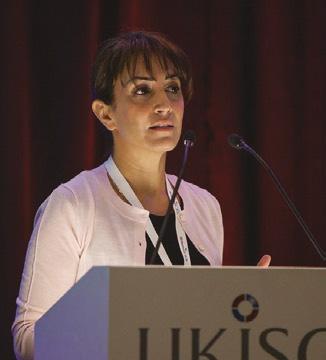
Ms Bita Manzouri is a consultant ophthalmic surgeon at Queen’s Hospital in Romford. She is a specialist in cataract, cornea and external disease.
Ms Manzouri undertakes expert witness instructions, including the preparation of medico legal reports and giving evidence in court, in personal injury and clinical negligence cases relating to all of these areas of expertise.
She has dual fellowship training in cornea/external disease and paediatric ophthalmology and has also obtained the Cardiff University Bond Solon (CUBS) Expert Witness Certificate. Ms Manzouri can act on behalf of either claimant or defendant or as a Single Joint Expert.

For enquiries, contact PA@bitamanzouri.com or phone 07711 357 211. Direct communication with Ms Manzouri is also available at BM@bitamanzouri.com.

Dr David Newby
BSc MBChB FRCA LLM
Trust lead for paediatric anaesthesia Board member, APAGBI Paediatric Perioperative Care Subcommittee
Instruct Dr David Newby, a highly experienced substantive NHS Consultant, for authoritative expert opinion on clinical negligence and personal injury cases. With over 15 years of clinical practice and a Master of Laws (LLM) in Medical Law and Ethics, Dr Newby provides a unique bridge between specialist anaesthetic practice and legal requirements.
SPECIALIST EXPERTISE INCLUDES:
• Preoperative assessment and optimisation
• Paediatric and adult elective/emergency anaesthesia
• Regional anaesthesia and ultrasound techniques
• Resuscitation of surgical patients
Dr Newby is fully compliant with CPR Part 35, Bond Solon trained, and registered with the Expert Witness Institute. He offers desktop screenings and full reports with a standard six-week turnaround.


The Solicitors’ Charity is highlighting the pivotal role of Ricardo Premchand, Director of Data and Operations, whose strategic leadership behind the scenes continues to strengthen the charity’s mission of supporting solicitors and their families through times of need.
Ricardo, the longest-serving current member of the charity’s staff with 13 years of dedicated service, brings a unique blend of operational expertise and purpose-led commitment to his work.
In The Legal Loop series on the charity’s website, he shared insights into how his team’s focus on systems, data integrity and process optimisation has enabled the charity to operate with greater clarity, responsiveness, and impact: https:// thesolicitorscharity.org/article/legal-loop-ricardo/
“You don’t have to manage things on your own. We all need a helping hand from time to time – and it really is ok to ask for help,” says Ricardo, reflecting both his personal ethos and the charity’s approach to wellbeing support.
Ricardo emphasises that while his team’s work may be less visible than frontline services, it is vital in ensuring The Solicitors’ Charity runs smoothly and effectively. From enhancing internal systems to better coordinate casework, donor management and reporting workflows, his contributions help create space for colleagues to deliver thoughtful, human-centred support to solicitors and their dependants across England and Wales.
He explains that: “good data and well-considered ways of working give us the confidence to adapt, improve and
grow in the right direction,” while reinforcing the charity’s commitment to a holistic wellbeing model that goes beyond financial aid to address emotional, physical, and professional wellbeing too.
Ricardo’s perspective underscores a broader evolution within the charity: one that recognises the complexities of modern legal lives and the need for tailored, efficient, and compassionate support systems.
His reflections also resonate with the legal profession at large, encouraging organisations and individuals alike to consider how informed, strategic operational practices can amplify impact across sectors.
He concludes: “The Solicitors’ Charity is here not only for moments of crisis, but to walk alongside people as they move forward. With over 165 years of experience and a sole focus on supporting solicitors and their dependants, we’re uniquely placed to offer personalised, compassionate help that reflects modern legal life.”
The Legal Loop series offers a behind-the-scenes look at the people shaping The Solicitors’ Charity’s work. Find out more about the support available through The Solicitors’ Charity: https://thesolicitorscharity.org/how-wehelp/
Jamie Moran +44 023 8023 8001 jamie@carswellgould.co.uk











T: 020 3781 7120
E: fundraising@arthritisaction.org.uk
www.arthritisaction.org.uk
Registered Charity No. 292569
There are over 10 million people in the UK living with arthritis. No two people experience arthritis in the same way.
Arthritis Action has worked tirelessly for over 75 years to ensure people living with arthritis gain the knowledge and confidence to self-manage their condition and live life to the full. Whether that’s a warm welcome at one of our local groups; someone at the end of the phone to provide advice; a tailored nutritional plan; or a consultation with one of our clinicians.
Gifts in wills have been critical to our work and are the only way we will be able to reach the increasing number of people living with arthritis.
If you’d lIke to leave a leGacy of hope, please consIder a GIft In your WIll to arthrItIs actIon today. Arthritis Action Half Page.indd 1
DevAssist is the only interpreted planning data on the market.
“If a solicitor orders a search or planning report, even if not instructed to do so, he or she creates a duty upon themselves to consider its contents and report back to the client.”
Lady Justice
Gloster
t: 01342 890010
e: info@devassist.co.uk
w: devassist.co.uk
Our reports
See Bird and Bird case law to see why this is so important for property lawyers.
And that’s not all we do. Amongst other investigations DevAssist produces the only reports that reveal Strategic Housing and Economic Land Availability Assessments sites and land that has marketed for sale.