















Summer camp is something akin to a rite of passage for millions of youngsters each year. Many adults look back fondly on their experiences at summer camp, often crediting such times as formative periods in their lives.
Summer camp benefits children in myriad ways. Recognition of the many advantages of attending summer camp can serve as a great reminder of just how fun it can be for children to spend their time away from school at a camp of their choosing.
n Campers continue to socialize throughout summer. Socializing isn’t just for the school year. While children in high school might be independent enough to come and go with their friends during summer break, kids who are still in elementary school or middle school might not be old enough to handle such freedom. That can make it hard to stay in touch with friends, which in turn can contribute to feelings of boredom and loneliness.
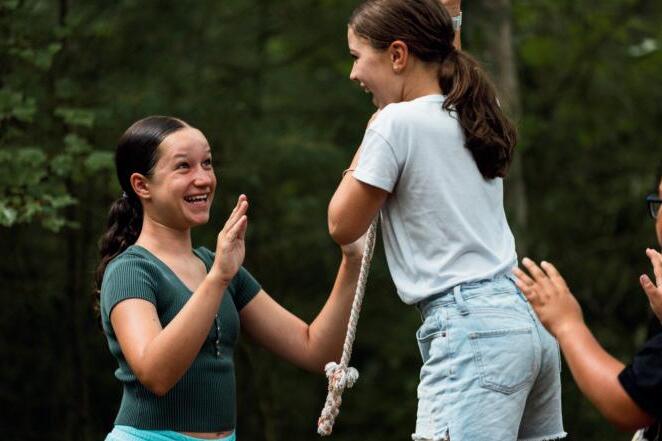
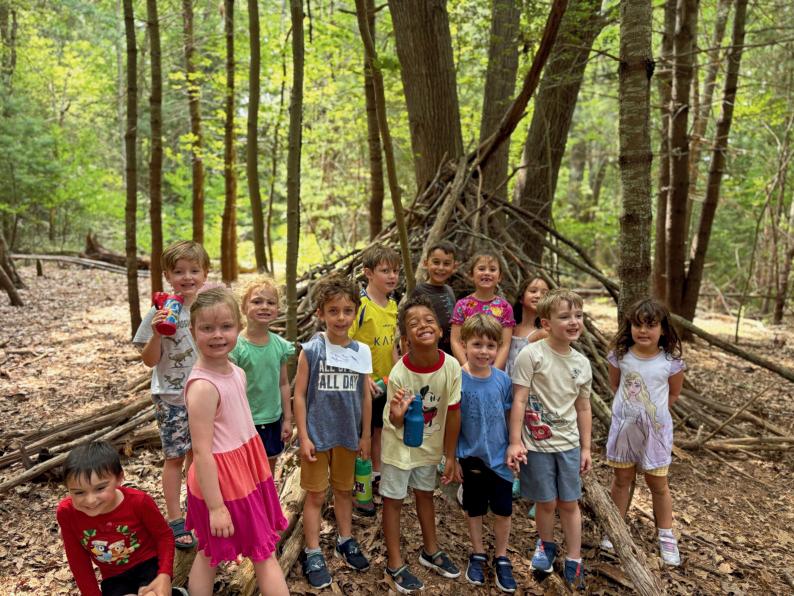
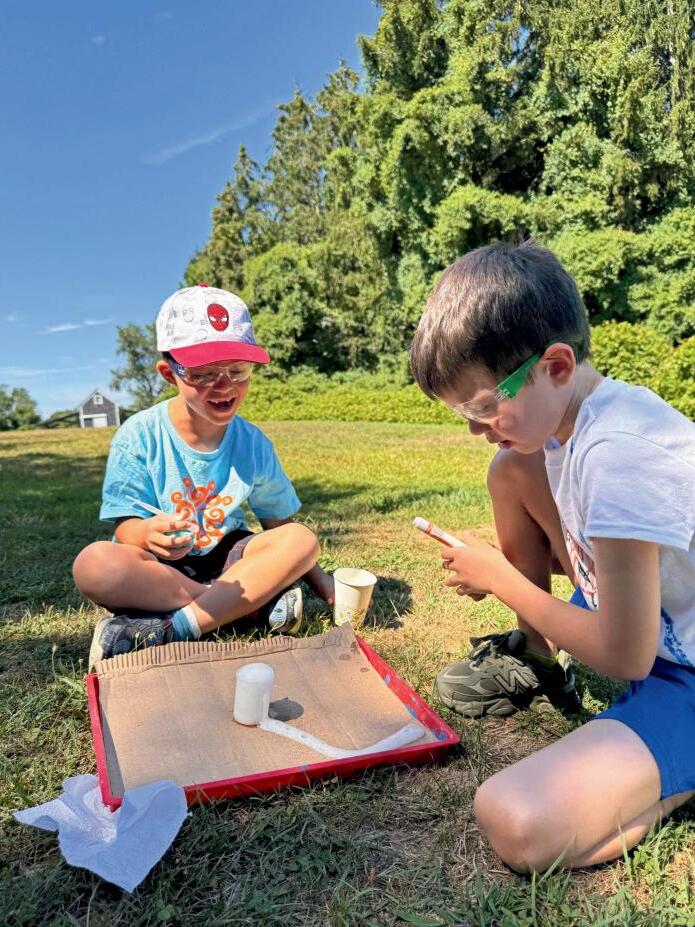
Camp provides ample opportunities for young children to socialize during a time of year when they might not see their school friends as often as they’re used to.
n Campers can expand their horizons. Though some summer camps are exclusive to residents of certain communities, many tend to feature children from numerous towns or municipalities. Such camps provide an opportunity for campers to expand their horizons by engaging with youngsters who come from different backgrounds. Indeed, the Graduate School of Education at Harvard University notes that summer camp may be the first time children spend substantial amounts of time with people whose backgrounds differ from their own.
n Camp can get kids off their devices. Modern children are growing up in a digital world, and parents know how hard it can be to get kids to put down their devices and get outdoors. But the key to making that pivot could be access to outdoor play spaces.
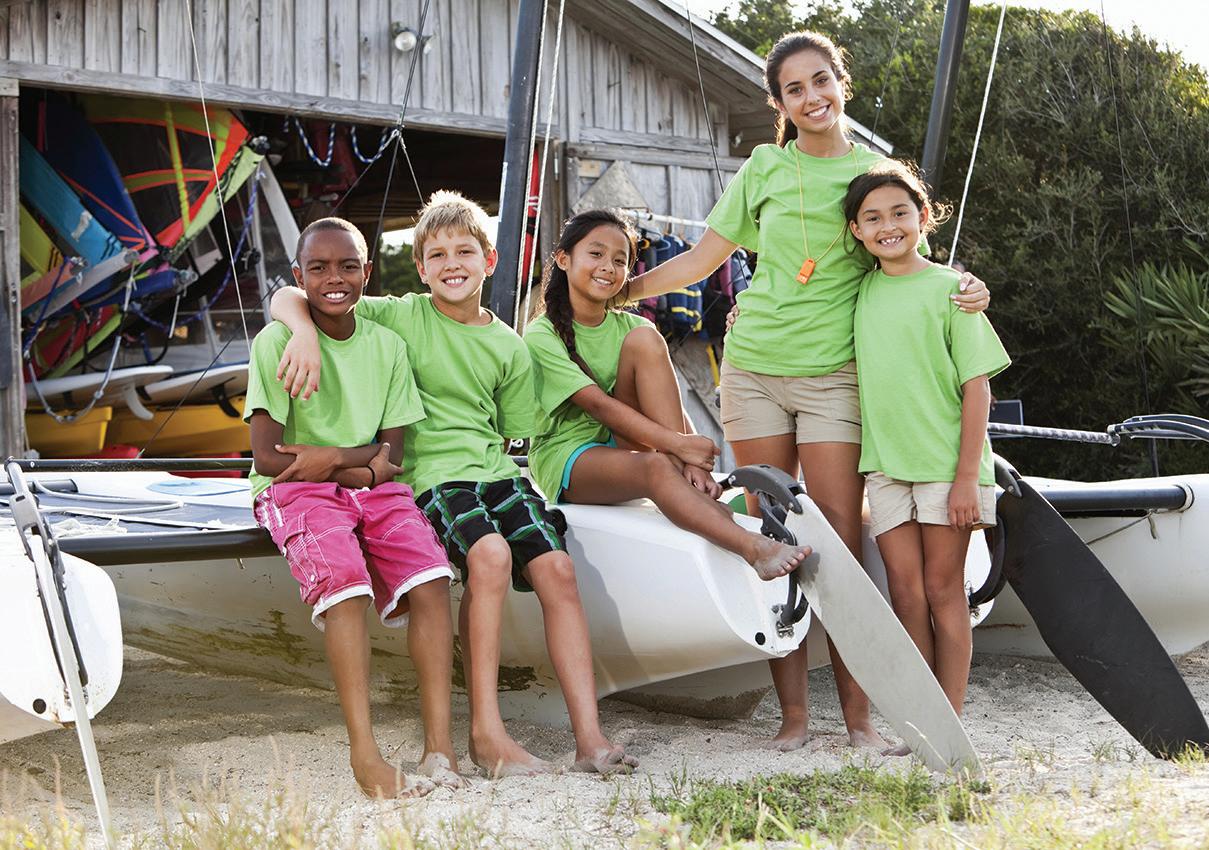
There’s no shortage of benefits to enrolling youngsters in summer camp, where kids can socialize, grow and get off their devices.
A 2025 study from researchers at the University of Michigan published in the journal Health and Place found that efforts to reduce kids’ screen time are more successful when children are given a chance to play outside. Many summer camps are structured around outdoor play, making them a potentially invaluable ally as parents seek to help children cut back on the time they spend using their devices.
Children who do not attend camp and live in households where both parents work or in single-parent households where Mom or Dad works may be forced to spend much of summer indoors, which could increase the frequency with which they turn to devices to occupy their time.
n Camp adds structure to summer days. Once a school year ends, the structure a school day provides vanishes into thin air. Couple that with extracurricular activities that go on
hiatus during summer vacation, and kids accustomed to structure are left with little to do and no need to schedule their time. That can add an aimlessness to summer days.
Camp can provide the structure kids are accustomed to but still offer a break from responsibilities like home -
work or the commitments required of extracurricular activities.
There’s no shortage of benefits to enrolling youngsters in summer camp, where kids can socialize, grow and get off their devices while engaged in structured but stress-free activities.
The more you know about a camp, the easier the decision can be
Millions of children spend a significant portion of their summers at camp. The American Camp Association reports that 26 million children enroll in summer camp each year, and many of those youngsters make memories that last a lifetime while building lifelong friendships along the way.
Camps have arguably become even more important in recent decades as more and more households have featured two working parents. Single-parent households also rely on summer camp to keep kids occupied and entertained while school is not in session and Mom or Dad is working. Such situations illustrate how important summer camp can be and underscore the significance of asking the right questions before enrolling a child in camp. In addition to inquiring about hours of operation, insurance and pricing, parents can ask the following questions before enrolling a child in summer camp.
A camp that has been in business for decades is not necessarily superior to one that opened more recently, but it’s still worth asking how long a camp has been around. It might be easier to determine if a given camp is what you’re looking for if it’s been around awhile. Such camps may have a significant number of Google reviews and may even provide testimonials from past campers and parents.
A camp that’s been around awhile also can share information regarding its return rate, which indicates the number of youngsters who have come back each summer. A strong return rate can indicate campers enjoy their experiences each summer.
Some camps restrict enrollment to

Asking the right questions can help parents identify the best camp for their children.
youngsters within a predetermined age bracket, while others may be exclusive to legal residents of the town where the camp is being held. Eligibility is not only a significant variable in regard to determining who can and cannot attend a given camp; it’s also notable because parents may want their children to attend a camp that will feature some familiar faces. Attending camp alongside classmates or neighbors or teammates can calm kids’ nerves and make them more excited about going to camp each day in the summer. But camps open to children from other towns also can be beneficial by allowing children to expand their social networks beyond their own towns.
What is the experience of camp staff?
Camp directors and staff members
spend a lot of time with campers each summer, so it’s important that parents ask who these people are, how they’re trained and how much experience they have. No business can avoid employee turnover completely, so parents who hold out for a camp that’s had the same employees for decades will likely find themselves with an unhappy non-camper come the start of summer. But questions about turnover rate, training and the counselor selection process are viable questions to ask prior to enrolling a child in a particular camp.
Kids might grow bored if camp features the same itinerary each day, and parents might feel such camps are not worth the investment. Ask about the typical camp itinerary, including field trips, daily activities, special events,
and entertainment. The more entertaining and fun a camp is, the more likely youngsters are to love spending time there.
Is physical activity part of the camp?
Many students attend academic camps or camps where they learn to play music or further their existing skiLls. But parents know that physical activity is a vital component of a healthy lifestyle and a great way to make the best of the summer sun. When considering a specialty offering like band camp or STEM camp, ask about what role, if any, physical activity plays in a typical day.
Summer camps will be up and running before parents know it. Asking the right questions can help parents identify the best camp for their children.



Now’s the time to be researching and registering for
Midwinter may seem like an odd time for families to begin thinking about summer camp, but parents with a history of arranging summer camp experiences for their children know spots typically fill up long before the first day of spring.
Many summer camps limit the number of campers they accept, so it pays for families to familiarize themselves with a typical camp timeline so children’s summers can be as memorable as possible.
n January and February: Families can begin researching summer camps once the holiday season has ended. If that seems early, this timeline reflects the growing demand for summer camps and the competition to secure a spot in a desired camp before it fills up. The American Camp Association estimates that more than 26 million children enroll in summer camp each year. That statistic underscores the demand for summer

camp and suggests the competition for spots could be significant. By researching potential options in January, families can identify their camp preferences and then go from there.
Research conducted in January and February can be used to determine budget. The cost of summer camp varies widely, and parents who know how much they can afford to spend on camp can use that budget to whittle down their options. February also is a good time to consider summer travel plans. Some camps charge by the week, which means parents might not have to pay camp fees during those weeks when they will be on vacation with their children. If camps won’t charge
It’s not too early to lock in those summer smiles — many camp registrations are open now.
camper fees during weeks when families are on vacation, parents may be able to afford more expensive camps. Parents can use this period to identify fee structures at their preferred camps.
n March: Some camps begin registration in March, while others may make paperwork necessary for registration available at this time. If registration begins in March, parents are urged to identify precisely when that process begins and exactly what needs to be done to ensure they can register their child. Secure all necessary paperwork prior to registration and ensure it’s completed and submitted beforehand if that’s a prerequisite for registration. If registration is
completed online, confirm the URL in advance of registration day. Visit the website in advance as well. Doing so can allow you to create a user ID and password prior to registration, which is especially important if spots in the camp are limited and figure to fill up quickly.
n May/June: Camp officials will likely reach out sometime during this period to welcome campers and let parents know about any supplies their children will need once camp opens. Some may offer orientation sessions during this period, and families can attend such meetings together so children can get acclimated to the campgrounds prior to the first day of camp. Visiting the site prior to camp opening can be especially helpful for first time campers who may have some anxiety about going to a new place. Tens of millions of children make lasting memories at camp every summer. Parents who know the typical summer camp timeline have a better chance of securing a spot at a camp their children will enjoy.

Millions of adults have lots of great memories of summer camp. The right summer camp keeps kids engaged during a time of year when parents may be all too familiar with the phrase, “I’m bored.” Finding the right summer camp can be challenging. A range of variables, including budget, availability and accessibility, must be considered before making a decision that’s right for each family. As summer camp season approaches, families can consider these tips to narrow down their options for prospective campers.
Involve children when narrowing down your options. Kids will be the ones spending time at camp, so it’s best to include them in the selection process. Camps cater to various interests, so kids who play musical instruments might get more out of a band camp than they might out of a sports camp. Some kids also might thrive on a more structured camp, while others may benefit from one that offers a range of activities each day and lets kids choose which ones they want to participate in.
Family members, friends and neighbors can be great resources when looking for a summer camp. That’s especially true for families who have never sent a child to camp before. Ask around about each camp you’re considering. Fellow parents may offer insight into the structure of the camp, its atmosphere, the attitude of staff members, and additional information that might be hard to glean from an open house.
Budget is a notable variable, as some camps may cost thousands of dollars for a single session. If that’s beyond your budget, then you can narrow your focus to less expensive offerings or consider sending children for fewer weeks or even half days (when camps allow it). While it can seem as though all camps are budget busters, that’s not the case. Many local government recreation offices offer

affordable summer camps. Local churches also may offer camp options that won’t stretch parents thin. The earlier parents begin exploring their options, the more likely they may be to find a camp that won’t break the bank.
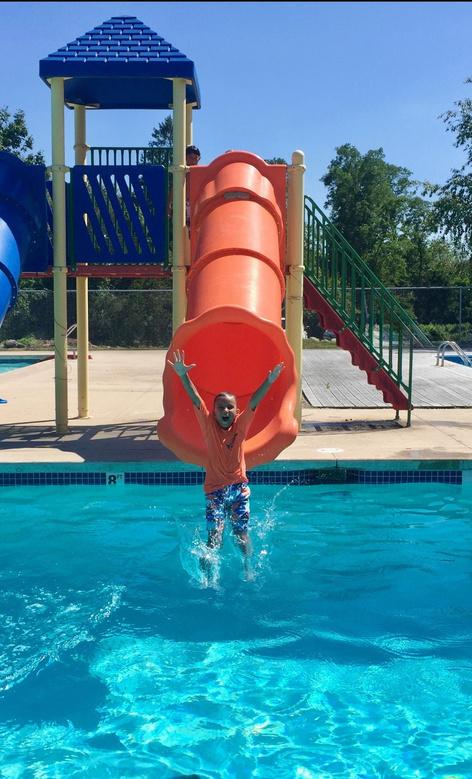
Avoid making it all about cost. Safety should be parents’ foremost priority when choosing a summer camp. When exploring options, ask about staff and staff training. Are adults on staff, or is the camp predominantly staffed with local high school students on summer vacation? Even if a camp is staffed exclusively by adults, ask about the safety requirements necessary to be hired. That’s especially important at camps where kids will be swimming and engaging in other physical activities that can lead to accident or injury. Even free play outside in summer can be dangerous if temperatures rise and staff members are not trained to spot the signs of dehydration or heat exhaustion.
Millions create lasting memories at summer camp every year. Finding the right place for kids to spend the summer requires careful consideration of a host of variables.
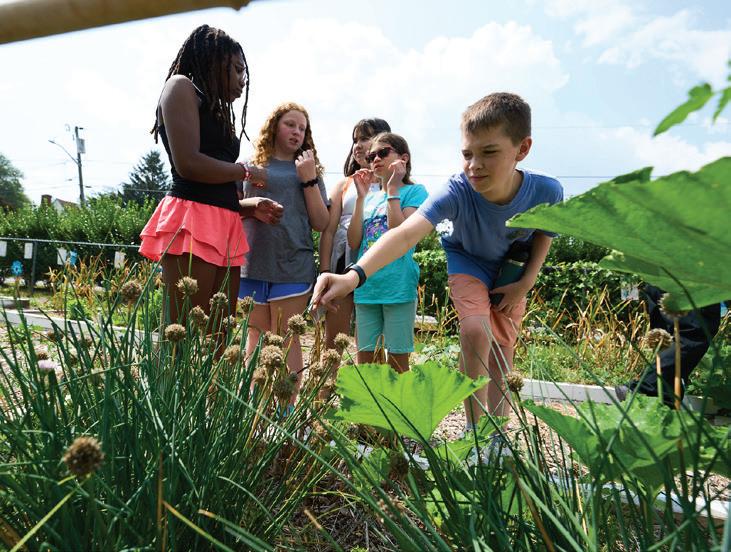

Joyful, thoughtful day and specialty camps for ages 3-14 on a 12-acre campus in East Providence
Learn more at gordonschool.org/summer
A wide variety of camps, ranging from sports to STEM to arts, can keep kids engaged and learning throughout the summer
Parents have lots of options at their disposal when choosing summer camps for their children. Competition for summer camp can be fierce, as camps only have a limited number of openings, many of which fill up quickly once enrollment begins. So it’s in parents’ and kids’ best interest to identify their summer camp options early so they can be ready to pounce when enrollment begins.
Sports camps are wildly popular. Sports camps tend to specialize in one sport, like basketball, soccer or football, and may be overseen by a local high school coach and his staff. These camps are a great way for kids to have fun playing a sport they love, and also serve as a great opportunity for young athletes to learn the fundamen- tals of a given sport and fine-tune their existing skills or, in the case of less experienced children, develop new ones.

There are so many different types of camps, from sports to arts to outdoors to academic, that it’s pretty safe to say, there’s a camp for everyone.

Summer is the perfect time to join our NBC youth rowing program!
Our camp is coached by varsity coaches and staffed by current and former junior rowers, who bring enthusiasm and rowing expertise to athletes just starting their rowing careers Camp is structured to meet beginner through intermediate level athletes
OUR CAMP DATES ARE:
Week 1: 6/22-6/26 9:00am - 11:00am
Week 2: 6/29-7/3 9:00am - 11:00am
Week 3: 7/6-7/10 9:00am - 11:00am
Week 4: 7/13-7/17 9:00am - 11:00am
Week 5: 7/20-7/24 9:00am - 11:00am
Week 6: 7/27-7/31 9:00am - 11:00am

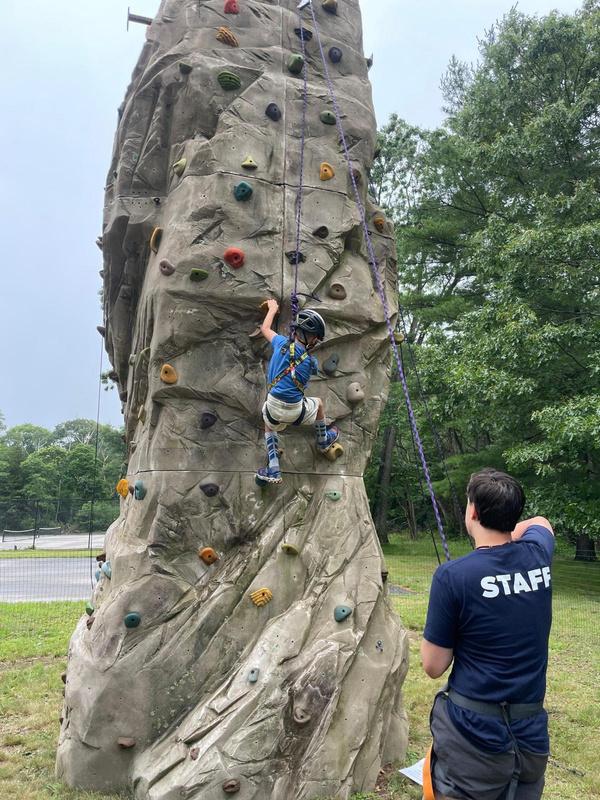
Sometimes characterized as adventure camps or nature camps, these offerings tend to be centered around physical activities that bring children into direct contact with the great outdoors. Kayaking, rafting, zip-lining, hiking, and rock climbing are just some of the outdoors activities children may be introduced to over a typical summer at outdoor-centric camps. Some outdoor-centric camps also teach survival skills, and many pride themselves on preparing campers to take on leadership positions on outdoor excursions.
STEM camps incorporate activities that focus on science, technology, engineering, and math into each day’s offerings. Campers may be part of teams that design and build robots. Coding a website also may be a project campers take on at a STEM camp. Parents concerned that STEM camps keep kids indoors for much of the summer are urged to ask staffers how much time kids spend outside and away from screens while enrolled at the camp. Many STEM camps make a concerted effort to offer
ample outdoors time, but it’s best to ask prior to enrolling a youngster in STEM camp.
Arts camps may introduce children to activities like painting and drawing or performance arts like theater and dancing. These camps also cater to kids with ample experience in artistic pursuits, and some may specialize on a particular one. So arts camps can be great for both newcomers and more experienced children.
Religious camps are another popular option. These camps emphasize faithbased teachings and spiritual activities but also tend to incorporate more traditional camp experiences, like outdoor play and other pursuits, into their daily schedules. Religious camps may be offered to congregants and non-congregants alike, so parents can look around for religious camps even if their current house of worship does not host a camp of their own.
Academic camps and special needs camps are some additional summer camps options families can consider as they seek to ensure youngsters have a fun and memorable summer.
Some camps may book up early, so it’s never too early to start looking
Summer camp provides children weeks of entertainment, camaraderie and opportunities to learn and grow. It also offers a welcome respite for parents and other caregivers from having to provide recreation for kids during summer vacation, especially if those kids will be attending a sleepaway camp.
Many children are emotionally ready to attend camp between the ages of eight and 10. Some need a little more time to mature. Parents may think they have plenty of time to investigate camps. Chances are if the weather has already warmed and summer vacation is on the horizon, then it’s already too late to get kids into most summer camps.
According to HealthyChildren.org, a division of the American Academy of Pediatrics, it is important to start researching summer camps as soon as possible. Many start booking as early as

January of the current term year. Furthermore, popular programs fill up quite fast. Even though summer weather may be furthest from one’s mind in the middle of winter, this is the time when summer camp decisions must be made. Start by asking for recommendations from others. The difficulty with this approach is that many people are very protective of their camp choices, espe-
cially if the programs are particularly popular. They may not be inclined to give up the secrets to their good thing, especially if that means kids will have to compete for limited spots. Parents also should conduct an internet search of camps in the area and look at online reviews and ratings.
Find out if the camp is accredited by the American Camp Association. This will not guarantee a risk-free environment, but ACA accreditation is a better bet for providing a camp that is safe and nurturing.
Price also may be a factor in the camp decision. Camps are not all priced the same, so it may require doing some math to figure out what is the best value. Location also can be a consideration. Having to drive a long distance away for camp can be a deterrent to some people. Rest assured that families who are a little late to the game may be able to find summer camp accommodations. But they may have to make some concessions.



It helps to prepare, and to expect some of the unexpected
Summer camp season will soon be here, and throngs of children will board buses each morning or pack their parents’ cars full of essentials to survive a few weeks away from home.
“There’s no magic age when a child may be ready to go to camp, but generally kids who are ages seven or eight may be fine to start a resident sleep-away camp.”
Looking back, many adults who experienced summer camp have fond memories of their adventures — whether they all went according to plan or there were some hiccups along the way. Parents want their children to make their own summer camp memories. Even if the canoe capsizes or the cabin leaks during

a summer thunderstorm, such experiences can build character and strengthen friendships.
According to RegPack, an online registration software company, more than six million American children participate in some form of camp each year, including sleep-away camp or day camp. The American Camp Association says that number is closer to 14 million, with the most popular camp session length around one week or less. Families getting prepared for camp can follow these guidelines to ensure the experience is one kids won’t soon forget.
Accredited camps must meet more than 300 standards related to program quality, safety and health, according to the ACA. An accredited camp will likely give parents the most peace of mind.
There’s no magic age when a child may be ready to go to camp, but generally kids who are ages seven or eight may be fine to start a resident sleep-away camp. Day camp kids can begin as early as age three, the same age kids often begin preschool programs. Gauge whether the child has spent time away from home at friends’ or family members’ homes to decide if a resident camp will be the right fit or if a
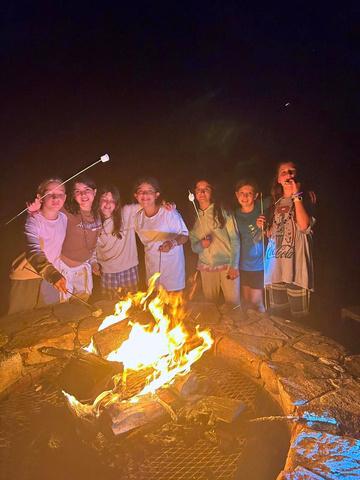
Camp can be a time for new challenges, and building new friendships.
day camp is more appropriate. Connect with fellow campers
If possible, attend a meet-and-greet prior to the start of the season. Neighborhood day camps tend to draw kids from local communities, so there’s already a chance kids will know a few fellow campers.
Campers can introduce themselves to camp counselors and other program directors and are urged to ask questions about specific programs. Counselors can direct campers toward activities they may enjoy.
Much of summer camp will likely be smooth-sailing, but it’s reasonable to expect some bumps along the way. Campers shouldn’t expect perfection, but use the situations that may go awry as learning experiences on how to handle adversity — trying to find the fun in them anyway. Even a medical situation can be overcome, particularly because camps staff qualified medical personnel to ensure campers are safe and well.
Summer camp can be a great experience, especially when families take some pre-camp measures aimed at ensuring kids have a fun season.
Whether your kids love animals, sports, the great outdoors, art and music or anything in between, you’re sure to find something within these pages. Most municipally sponsored camps are not included here; call your local recreation department for details on what’s available in your community. Remember to register early, as many camps fill up quickly.
The classic summer camp experience.
Cranston and Hopkinton, RI; experiencebasecamp.org
Open to all children ages 6 to 10, Adventure Basecamp is set in the woods and features unique outdoor learning experiences, including archery, boating, swimming, crafts, cooking, fire-building, nature appreciation, STEM projects and more.
915 West Main Road, Middletown; 401/848-4300; allsaintsacademy.org
Accepting children from Pre-K to 4th. A typical camp week includes hydroponics, animation, art, coding, Vacation Bible Camp, athletics, and creative play.
Portsmouth; 401/864-3183; AquidneckIslandDayCamp@gmail.com www.AquidneckIslandDayCamp.com
Fun, Friends & Adventure! Our campers spend rich days filled with the exciting summer fun that Aquidneck Island has to offer. We offer a wide selection of activities, which include: sailing, the beach, hiking, field trips, POW Science, art, and more! Plus, to prevent the “summer slide” we integrate academic learning into each day and make learning fun and rewarding for campers.
1043 Snake Hill Road, North Scituate; 401/568-4350; campaldersgate.com
Run by the United Methodist Church, Camp Aldersgate offers overnight (ages 9-16) and day camp (ages 5-13) with countless activities. Located on over 280 acres, the camp includes a private lake, hiking trails, a challenge course, an archery range, three gaga pits, sports fields, a basketball court, and two pavilions. From arts and crafts to archery, swimming to soccer, boating to fort-building, Aldersgate has it all!
25 Old County Road, Barrington;

401/246-0188; bbcri.org/cedarwood
This camp, for grades K to 8 and operated by Barrington Baptist Church, offers Bible study, crafts, sports, games, cooking, music, daily swimming and weekly field trips.
https://www.bgcnewport.org/ camp-grosvenor
Camp Grosvenor is an American Camp Association Accredited, state-licensed summer day camp located on 95 acres along the beautiful Pettaquamscutt River in Saunderstown, RI. Activities will include ropes courses, a climbing wall, swimming, arts and crafts, archery, field games, water trampolining, dance, and more! This camp offers 8-week summer day camp for ages 5-14 and is open five days a week, Monday-Friday from 8 a.m. to 4:30 p.m.
1065 Worden’s Pond Rd., Wakefield; 401/783-7000; www.campjori.com
Camp JORI aims to provide a high quality overnight Jewish camping experience that is available to all families in a safe and supportive setting so that each JORI camper will develop life-long connections with the Jewish community while taking part in fun activities like sports, crafts, and more. They offer Overnight Camp for grades 2-8, teen program for grades 9-11 and Day Camp for grades K-3.
Boys & Girls Club of Pawtucket, One Moeller Place, Pawtucket; 401-7228840; bgcpawt.org
Camp Ramsbottom in nearby Rehoboth is for boys and girls ages 6 to 13. A full range of activities includes archery, art, basketball, crafts, fishing, hiking, horseback riding, mountain biking, soccer, swimming, tennis and much more. Bus service to Camp Ramsbottom is provided from convenient locations in Rhode Island and Massachusetts, with camper drop off each morning and afternoon pick up. The camp runs in twoweek sessions from June through August.
Locations in Warren (401/247-2503), Central Falls (401) 727-4474); www.childrensworkshop.com
Children enjoy field trips, sports, swimming, STEM activities, arts and crafts and more. In addition to their traditional camp for ages 5-12, The Children’s Workshop offers high quality onsite early education programs, for infants through pre-k, for younger siblings.
Mount Hope Farm, 250 Metacom Ave., Bristol; 401/254-1745; mounthopefarm.org
Camp Wetu is for ages 5-12 and begins the week of Jun. 22 and runs through Aug. 14 with themed curriculums integrating the Farm’s unique landscape as a laboratory for kid friendly learning on a range of topics including farming, forestry, hiking, science,
history, conservation and fun!
872 Reservoir Road, on Echo Lake, Pascoag; 401/568-4055; www.eccri.org
The Episcopal Conference Center hosts an overnight summer camp. ECC offers a different camp session each week of the summer, with options for teens, children, individuals with disabilities, and families. Campers can expect a joyful, active, and creative camp experience with a variety of daily activities such as playing sports and games, swimming in the lake, making arts and crafts, singing, dancing, relaxing in a hammock, or performing in the weekly talent show. Our goal is to provide a safe and nurturing environment for all, allowing for authentic connections with God, one another, and ourselves. Please visit our website for more information.
1088 Tucker Road, North Dartmouth, 508/999-1356; www.friendsacademy1810.org
Traditional day camps open to all children from age 3 to rising grade 8, and specialty camps for kids interested in sports, art, music, STEM, nature, and more. Friends also offers a CIT program for ages 14-15 and Academic Camps for students needing readSee CAMP GUIDE Page 12
ing, writing, and math support. Camp season runs June 22 through August. 14.
Various locations; 401/331-4500; www. gssne.org
Day and overnight camps for girls entering grades K-12 include traditional camp experiences like swimming, boating, arts and crafts, nature, cooking and outdoor skills.
Gordon School, 45 Maxfield Ave., East Providence; 401/434-3833; www.gordonschool.org
Summer at Gordon will include nine oneweek sessions from Jun. 22nd to Aug. 14th. Open to campers who are entering nursery (age three) to eighth grade in Fall 2026, with tons of new specialty camps this summer.
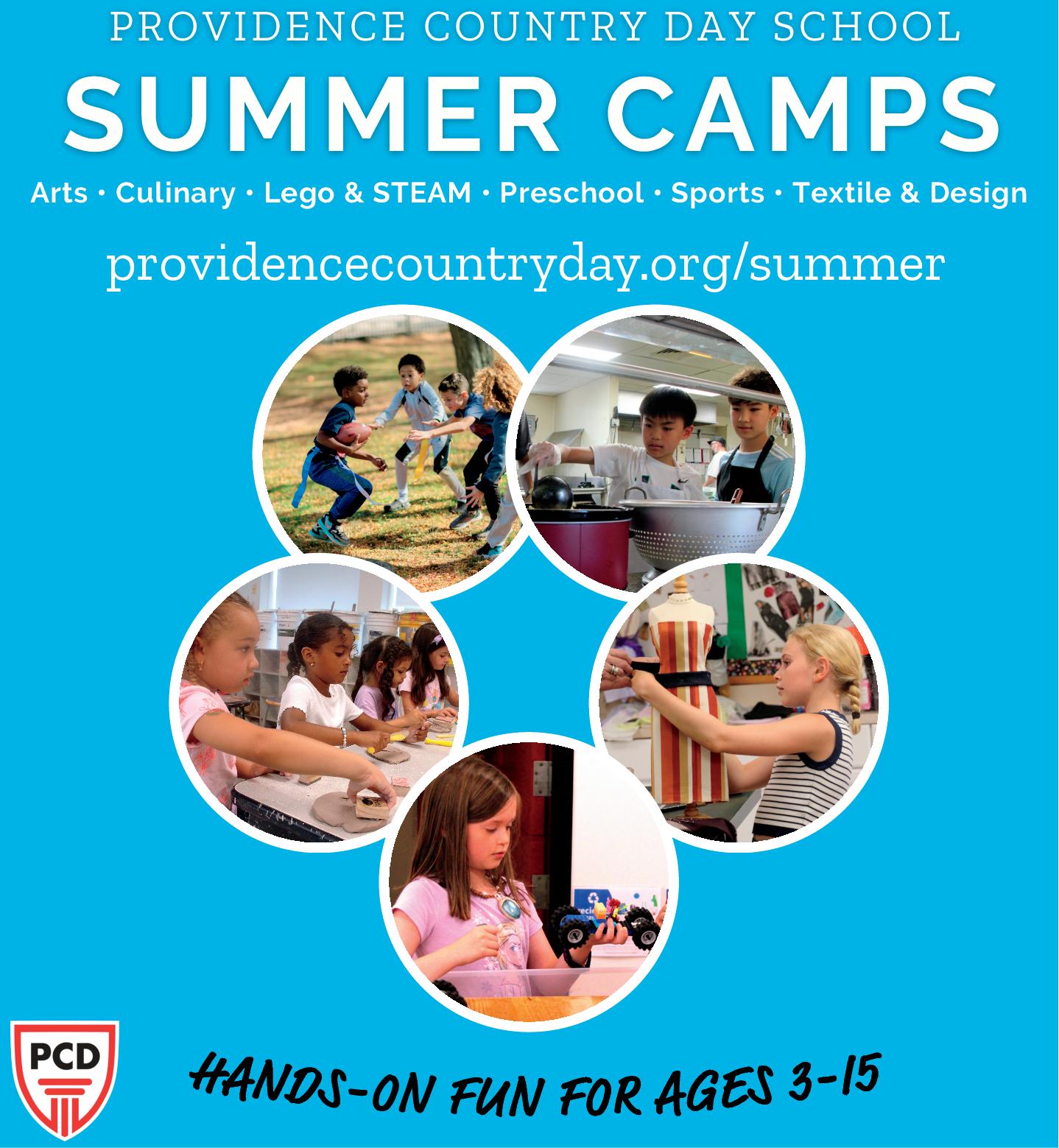
660 Waterman Ave., East Providence; (401) 438-5170 x244; providencecountryday.org/life-at-pcd/summer-at-pcd
Summer at PCD offers a variety of engaging programs on campus, including new camps in Textile and Design, Robotics and a camp just for PreK students. Returning favorites include Culinary Camp, Arts & Exploration Camp, Multi Sport Camp, Lego Engineering Camp and Chess Camp. Families can join for the full seven weeks or select programs week by week.
401 Elmgrove Ave., Providence; 401/4214111; jewishallianceri.org
Day camps for children entering grades K-6 including sports, art, acting, animals, cook-

ing, science, travel, and so many more ways for your child to create an exciting summer full of memories.
250 Lloyd Ave., Providence; 401/8317350, ext. 150; www.mosesbrown.org
Moses Brown offers a traditional day camp for children ages 3-14 as well as camps with a special mixture of arts, sports, music, chess, computers, design/build, engineering, forensics, maritime studies & sailing, theater, and swimming.
110 Sandy Point Ave., Portsmouth; 401/849-4646; www.pennfield.org
Summer programs for children ages 3-14 on our beautiful, 19-acre campus. Designed to provide new experiences and exciting learning opportunities, there is something for everyone: science, performing & visual arts, exploring nature, and just plain fun!
530 Ives Road, East Greenwich;

401/884-9070; www.rockyhill.org
Summer by the bay offers a variety of week long general day camps, athletic programs, and skill specific activities for kids ages 3-17. Campers use our 84 acres, 6 athletic fields, and waterfront daily. Half and full day programs are available, visit our website for camp descriptions and availability.
180 Rhode Island Ave., Newport; 401/849-5970; www.smcds.org
St. Michael’s offers a variety of summer camp programs for children age 3-12, as well as a theater program for young performing artists ages 9-17.
Wheeler School Farm, 357 Walker St., Seekonk; 508/336-8377; wheelersummercamp.com
Wheeler Summer Camps offers a traditional outdoor day camp experience for campers ranging in age from 3-15. Activities are geared toward exploration of the outdoors, learning life skills, arts and athletics.

While each YMCA camp designs its own programs to serve its local community, each YMCA promotes the core Y principles of caring, honesty, respect and responsibility. Following are some local YMCAs offering camps.
n Bayside YMCA, 70 West St., Barrington; 401/245-2444; www.ymcagreaterprovidence. org.
n Newman YMCA, 472 Taunton Ave., Seekonk; 508/336-7103; www.ymcagreaterprovidence.org.
n Newport County YMCA, 792 Valley Road, Middletown; 401/847-9200 or www.newportymca.org.
Although most traditional summer camps offer outdoor experiences and incorporate their settings in their programs, some camps specialize in teaching kids to appreciate the natural environment.
Nature Center and Aquarium, 1401 Hope St., Bristol; Caratunk Wildlife Refuge, 301 Brown Ave., Seekonk; 401/2457500, 401/949-5454; www.audubonsummercamp.com
Audubon summer camp gets kids ages 2 1/2 to 12 outside exploring fields, forests, ponds and the coast of Narragansett Bay. It’s the perfect environment for adventure, exploration, learning, and loads of fun. Generous Scholarships Available.
Blithewold Gardens and Arboretum, 101 Ferry Road, Bristol; 401/253-2707; www. blithewold.org
For kids ages 5-10, the camp specializes in hands-on programs emphasizing the interaction of plants, animals, humans and the environment.
June 29th - August 21st Monday - Friday 9:00am-4:00pm Extended Day 8:00am-5:00pm
Register per week, partial week or summer term Middletown • (401) 864-3183
www.aquidneckislanddaycamp.com

1 Colt Drive Bristol, RI; https://coggeshallfarm.org/
For ages 7-11, this week long summer program is geared towards farm adventures. Kids will try out skills from the 18th century, including turning wool into yarn , making ink for quill writing, yarn dying, butter churning and more. Camp runs from Juy. 20 through July 24.
430 Potomska Road, South Dartmouth, Mass.; 774/628-9241; www.lloydcenter. org
The Lloyd Center’s summer programs are designed to give motivated students ages 9-12 an opportunity to explore different aspects of environmental science. All coastal studies sessions include field study, laboratory work, and fun. The Young Naturalist program, for ages 6-9, teaches kids about fish, birds, crustaceans, snakes, mammals and more.
583 Third Beach Road, Middletown; 401/846-2577; www.normanbirdsanctuary.org
The Norman Bird Sanctuary offers day camp programs through the summer for children ages 4 to 13. The age-appropriate and innovative camps offer a unique blend of handson learning, games, animal encounters and team building. Camp groups led by caring, enthusiastic and professional teacher naturalists utilize Norman Bird Sanctuary’s 325acre outdoor classroom.
Save The Bay, 100 Save The Bay Drive, Providence; 401/272-3540; www.savebay.org
Narragansett Bay sets the scene for this camp offering week-long, full- and half-day camps, for children from kindergarten through high school to enjoy hands-on exploration of Rhode Island’s greatest natural resource. From sailing and science to critters and crafts, plus locations throughout Rhode Island, there’s a camp for every child who loves the outdoors. APPLICATIONS CLOSED
Roger Williams Park Zoo, 1000 Elmwood Ave., Providence; 401/785-3510; www. rwpzoo.org.
Games, hands-on activities, crafts, animal encounters and tours of the zoo for ages 4-18.

These camps focus on academics or a specialized area of study, from foreign language to technology.
5 Water Street, Fall River Mass • 508678-1100 • www.battleshipcove.org
Journey through time and camp aboard a historic World War II battleship. Overnight program for scout troops to experience life as a sailor and to sleep on a World War II battleship. It also includes school and youth groups as well as family overnights.
75 John St., Providence; 401/274-3325; www.fasri.org
Kids ages 3 to 10 have summer fun in French. Activities include arts, crafts, sports, fresh air, and French language experience and exposure. Camp runs from June 15 to July 17.
14 Potomac Rd, Portsmouth; 401/6836284; Mathnasium.com/Portsmouth
Morning and afternoon programs designed to prevent summer learning loss.
Montessori-centre.com
303 Sowams Road, Barrington RI
Get ready for a summer full of excitement, discovery, and adventure with the Montessori Centre of Barrington’s Olympic Athletes Summer Camp program. Camps run from June 16 to July 25, for children ages 3-6.
St. Andrew’s School, 63 Federal Road, Barrington; 401/246-1230; summeratsaintandrews.org
Summer at Saint Andrews is a nondenominational coed camp serving campers age 3 to 13. We offer a traditional day camp, sports camps, visual arts camps, dance and music camps, steam programs, and academic programs. We specialize in focused camps with infinite possibilities.
These camps focus on the arts ranging from dance to theater to studio art.
191 County Road, Barrington; 401/2370638; www.artsalivebarrington.org
The Arts Alive! professional staff and experienced counselors will lead kids through games, improv, stage makeup, dance, creative movement, voice, mask making, stage combat and theatre craft and design! This is a chance for kids to work on their individual performance skills in a fun, safe, supportive, encouraging environment. All Camp weeks conclude with an end-of-week performance for families. Arts Alive! Summer Theatre Camps are for students entering grades 3-8. There are 6 1-week sessions. Summer 2026 weekly themes include “Beauty and the Beast,” “Bring It On,” “Tuck Everlasting,” “Diary of a Wimpy Kid: The Musical,” “Wonderland and Descendants: Rise of Red Mash-up,” and “13 the musical”. Spaces will fill quickly.
50 Rolfe Square, Cranston; 401/4909475; www.artists-exchange.org
Campers ages 6 to 14 will find a wide range
of classes and opportunities to create digital and physical art with mediums including paint, clay, and found and recycled materials. Camps are taught in fully equipped studios and theater spaces by certified teachers and professional artists.
825 Hope St., Providence; (401) 3531129; balletri.org/summer
The School of Ballet RI offers day camps for children ages 4 and up. These enriching programs explore movement, music, choreography, set design, costuming and the great ballets. Each camp is divided into three age levels and includes a daily ballet class along with activities tied to the camp’s theme. Themes include “Sleeping Beauty,” and “Peter and the Wolf”.
Summer Camp for Gamers, 184 County Road, Barrington, RI; 941-724-9746; bitmaskgames.com
This summer, learn to bring your game worlds to life at a camp that offers a bit of something for everyone from age 8-18. It is for those who have decided they are truly passionate about making games, for the artists and writers and musicians who want to adapt their skills to game design, and to the young programmers who love logic and code.
2026 Summer String Camp www.communitystringproject.org
Children have fun while improving their music skills. Camp is half-day, from July 6 to 10; open to students in Grades 4 to 8 who have one year of orchestral string experience.
Providence Performing Arts Center, 220 Weybosset St., Providence; 401/4212997; www.ppacri.org/nsb
A rigorous, 8:45 a.m.-5 p.m., five-day immersion into musical theatre for theatre-lovers ages 10-17. Culminates in a Friday evening finale performance for family and friends on the PPAC stage.
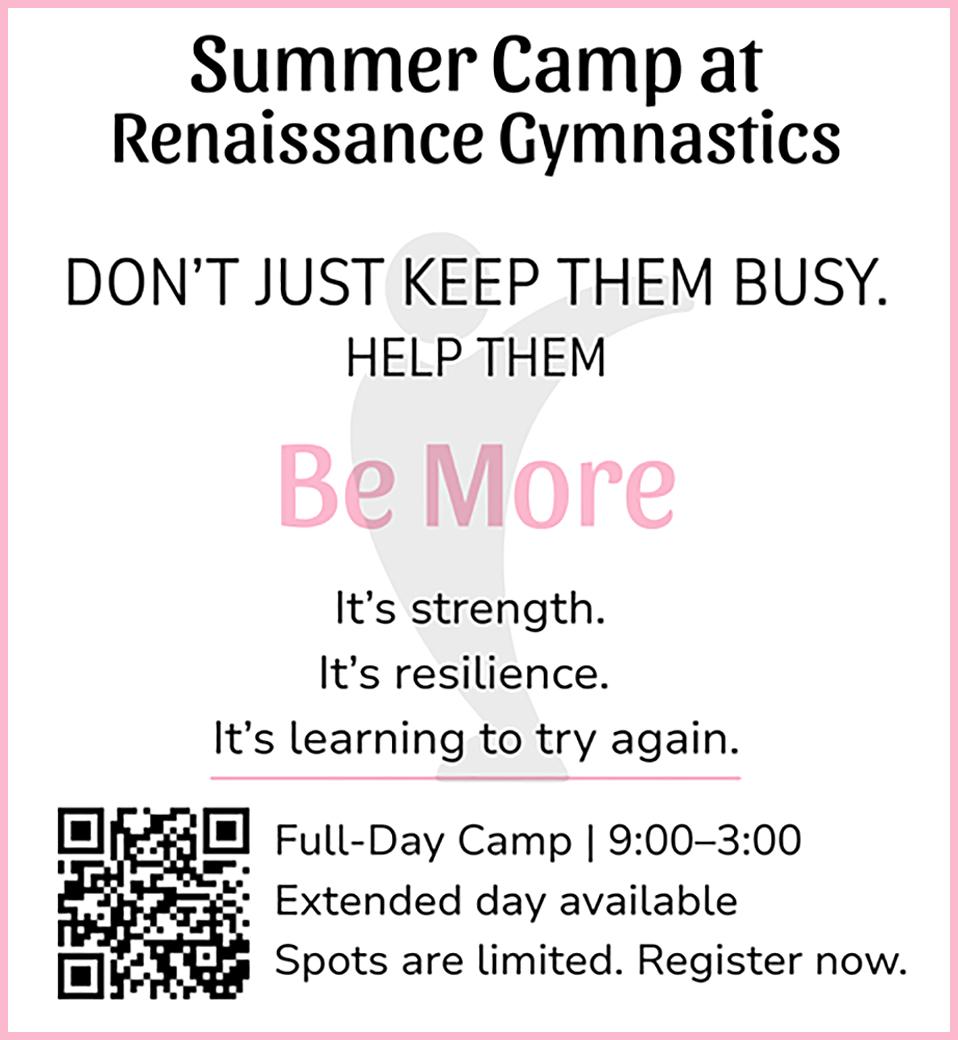
887 Waterman Ave., East Providence; 401-403-3682; rga-ri.com/our-programs/ camp
Summer camps for ages 4 to 9 run daily from 9 a.m. to 3 p.m., with extended day available upon request. Campers enjoy an active summer experience filled with gymnastics, games, creativity and confi-
From Page 13
dence-building activities. A Coach in Training Camp for ages 10 and older runs daily from 9 a.m. to 3 p.m. and focuses on leadership development for older gymnasts who are ready to learn, grow and help mentor younger athletes. Five of the seven camp weeks are still available for registration.
Filmmaking Workshop [CAMP NOT ON SITE]
83 Park St., Suite 5, Providence, RI; 401/861-4445; www.RIFilmFest.org
This fun yet intensive five-day filmmaking camp for children ages 8 to 17 is presented by FLICKERS: Rhode Island International Film Festival. Participants step into the roles of screenwriters, actors, directors and crew and learn the basic elements of the filmmaking process, culminating in a premiere screening of their finished films. Based on demand, this year will be a virtual event.
301 Butler Ave., Providence; 401/3319696; Lincolnschool.org
Lincoln hosts a wide array of camps for children entering grades K-12, including photography, cooking, leadership, sports, and more.
76 Bellevue Ave., Newport; 401/6197983; www.newportartmuseum.org
Art camps and classes offered for kids ages 5 to 16, with focus ranging from sculpture to painting to drawing to mixed media and more.
3 Charles St., Newport; 401-849-8473 newportcontemporaryballet.org
Ballet camps for dancers ages 7 to 10 plus performance camp for ages 12 and over. Campers explore dance through creative movement, learning ballet, choreography, backstage secrets and more.
The Carter Center for Music Education & Performance, 667 Waterman Ave., East Providence; 401.248.7001; ms.riphil.org/ summer-25
Make music with us this summer! We offer a wide range of programs and performance opportunities for all ages including private lessons, early childhood classes, workshops in Folk Music, Jazz/Rock/Blues, String Orchestra and Chamber Music, Jazz/Rock

Ensembles, etc.. Also new this summer: Musical Theater Workshop Intensive for ages 12-18. You will find something for everyone!
Providence, plus online courses; (401) 454-6200; ce.risd.edu
Rhode Island School of Design heats up this summer with expanded offerings for teens ages 13–17. Young artists immerse themselves in the art-making process, in courses taught by instructors who are energetic and passionate about art education. Explore topics ranging from drawing and painting to sculpture, animation and architecture. Options for teens ages 13–17 include in-person classes (on the RISD campus in Providence) and online courses.
www.rosemarysdance.com
Rosemary’s Summer Dance Project offers a variety of programs in June through August for dancers ages 3 to 12.
89 Gooding Ave., Bristol; 401/254-2847; theballetctr.com
The Ballet Center offers several half and fullday dance camps for dancers ages 3 to 18.
201 Washington St, Providence; 401/521-1100; www.trinityrep.com
The Young Actors Summer Institute is one of the most comprehensive arts enrichment summer programs in New England. Taught by Trinity Rep’s professional acting company and Trinity’s education staff, students entering grades 1-12 are able to choose from a variety of different classes, including musical theater, stage combat, improvisation, film and much more.
10 Wampanoag Trail Unit 4 Riverside; 401/247-1397; www.weirdgirlcreations. com
The studio offers camp for ages 5-12, celebrating 25 years of summer art for kids with clay projects, paint on ceramic projects (bubble painting included), a watercolor framed pop art project, cyanotype and a sketchbook to keep. All art no crafts to inspire your child’s inner artist. NO SPOTS LEFT
The number of summer camps devoted to individual sports is huge. Keep an eye out for sports camps available through many of the private schools and colleges in the area. In addition, many traditional camps as well
as the YMCAs will offer specialized sports and adventure themes including ropes courses, rock climbing, hiking, skateboarding and more.
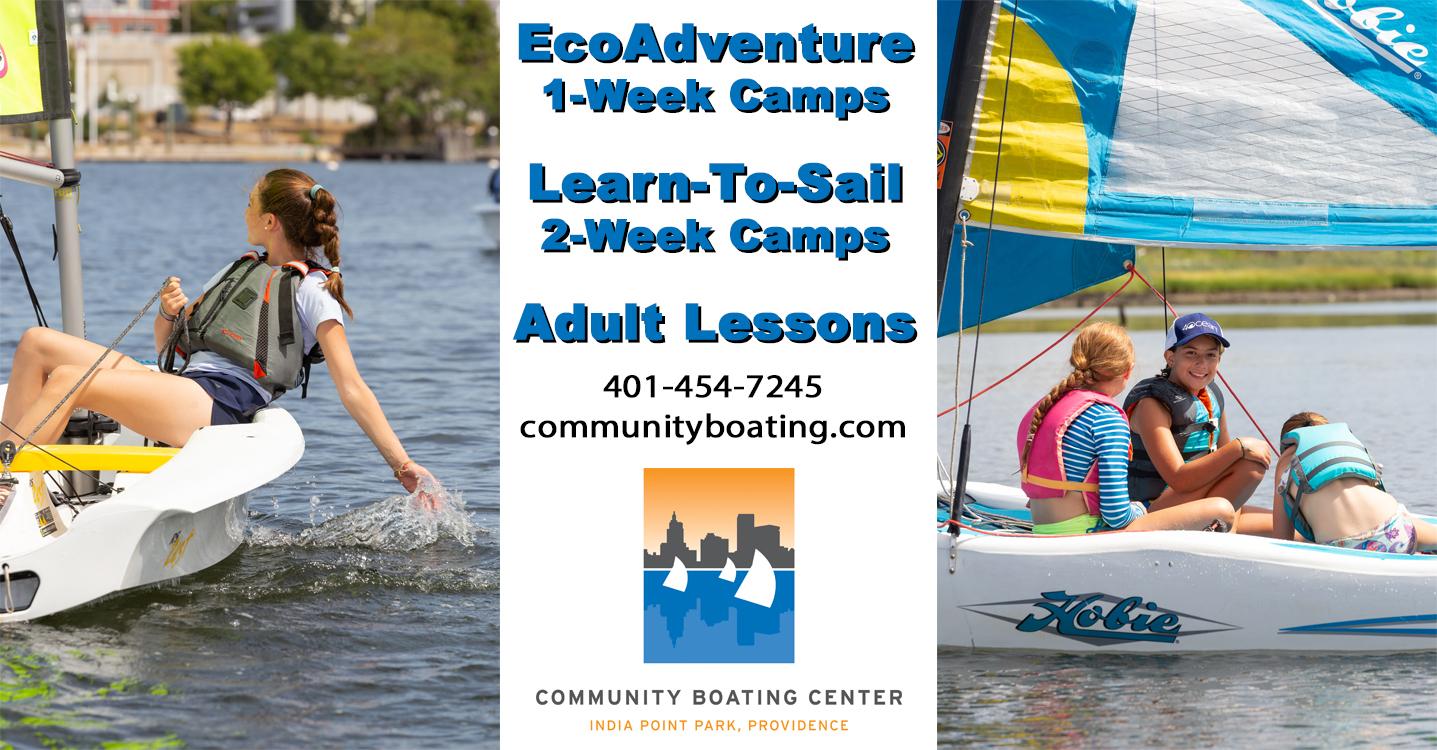
India Point Park, Providence; 401/4547245; www.communityboating.com
For ages 8-16. Curriculum allows stepped progression through a variety of opportunities for beginner, racing or cruising-minded sailors.
Bristol Yacht Club, 101 Poppasquash Road, Bristol; 401/253-0775; www.eastbaysailingfoundation.org
Classes for ages 6 to adult, taught in Bristol Harbor. Novice, beginner, intermediate and advanced racing classes offered.
Herreshoff Marine Museum, 1 Burnside St., Bristol; 401-253-5000; https://herreshoff.org
Youth sailing camp on classic Herreshoff sloops; All levels of experience welcome; family and adult classes and boat rentals available on weeknights and weekends.
300 Industrial Way, Tiverton; 401-816-6650; https://www.longplex.com/longplexsportscamp/
Week-long sports camps for ages 6 to 13 will include soccer, basketball, flag football, volleyball, floor hockey, kickball, wiffle ball, beanbag toss, trails walks, arts and crafts, bouncy house and more.
2 River Drive, Providence; 401-272-1838; rownbc.org
This camp offers a variety of full and half day camps for youth in middle and high school. Camp experiences range from learning to row to engaging in friendly competitions and building team skills.
Self Defense Training Center, 1235 Wampanoag Trail, Riverside; 401/4379223; SelfDefenseRI.com
Karate Camp is more than just Karate — the main focus is to make sure every camper has a great time. Campers will have the chance to take part in their favorite games, sports and other activities in a safe, supervised and fun setting. Children in camp have a great opportunity to improve strength, endurance and flexibility.
Roger Williams University, Bristol oceanstateswimcamp.com
Led by RWU head swim coach Matt Emmert, the program offers a four-day camp for ages 7 to 18 to learn the latest techniques for all four strokes.
14 Almeida Ave., East Providence; 401/434-2404; RIFAC.com
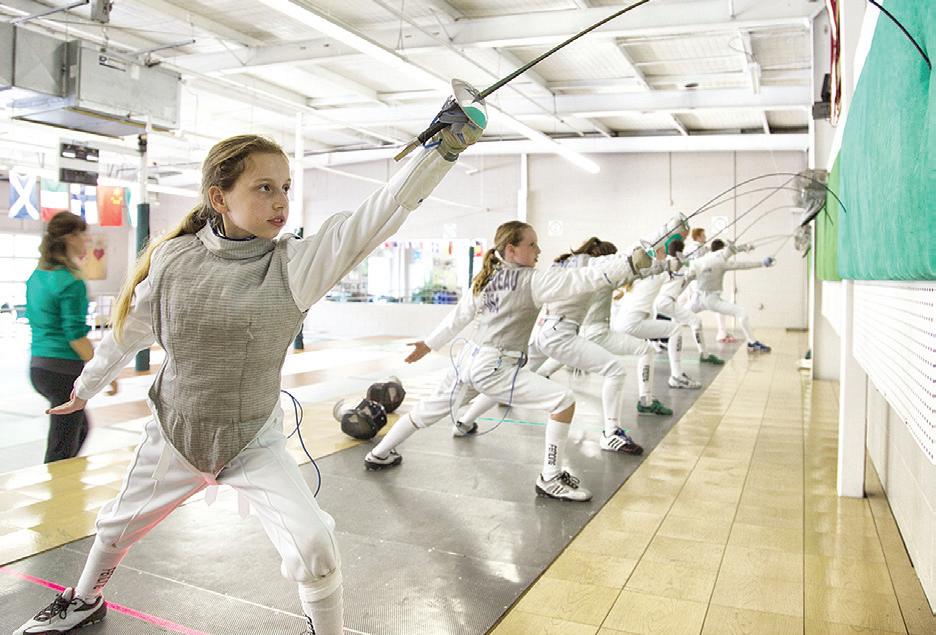
Fencing is a fun, safe sport that hones the mind and body through a disciplined blend of determination, skill and competitiveness. Beginner fencers will develop a solid foundation of skills using a wide range of fencing-specific footwork, games, and practice. Our programs for children develop coordination, concentration, and self-esteem. Not to mention it’s tons of fun! All RIFAC instructors are professionally trained and each is dedicated to discovering the potential of each individual student. Full and half-day camps are available. All equipment is provided. For kids ages 8-18.
Roger Williams University, 1 Old Ferry Road, Bristol; 401/254-3050; www.rwu.edu
Programs from marine biology to cyber camp to athletics, available on RWU’s Bristol campus.
72 Fort Adams Drive, Newport; 401-846-1983; sailnewport.org
Sail Newport is offering summer sailing programs for ages 5 and up, from beginner to advanced. Sailors will learn skills, build confidence and have fun on the water.
Teamworks
1314 Fall River Ave., Seekonk

www.TeamworksSeekonk.com
With locations in Seekonk, Somerset and Warwick. There are a variety of camps for ages 4 to 14 and specialty camps for ages 6 to 14.
194 Bellevue Ave., Newport; 401-8493990; tennisfame.com/camp
Build skills and have fun on the courts, for ages 8 to 16.
There are many summer recreational opportunities specifically for children with physical, developmental or emotional disabilities, as well as those with special health care

needs. A good source is the R.I. Developmental Disabilities Council, which puts together an annual summer guide every year; you can find it at www.riddc.org.
www.campsurefire.org
This one-week overnight camp provides an opportunity for kids aged 7 to 17 with type one diabetes to meet and learn from older campers, counselors and staff. This year, we will be running our overnight camp at Camp JORI in Wakefield, RI.
Camp Welch, 127 North Main St., Asson et; 508/679-5233; peopleinc-fr.org

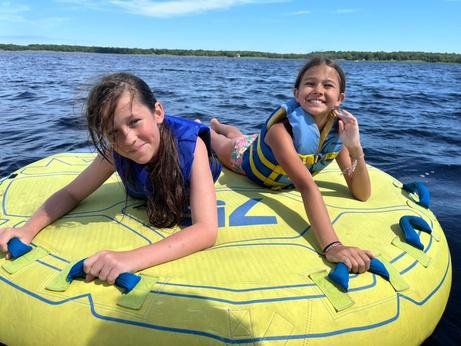

Camp is for children ages 5 to 14 with type one diabetes who are served by Diabetes Association Incorporated and their friends and family. Its mission is to foster friendships among children with diabetes, their siblings and friends through a safe, active program.
Camp Aquapaug, West Kingston, RI; 401/785-2666; www.theautismproject. org
This camp, for children ages 5 and up who have an autism spectrum diagnosis, is rich with visual supports, structured teaching methods, sensory-based activities and traditional camp activities like swimming, arts and crafts and nature walks. Camp Wannagoagain also offers a week-long adults-only camp for those over the age of 18.



2026 Summer Programs for Kids
Growing Roots: Ages 3-6
Thursdays |10:00–11:00 a.m.
July 9 – 30 or August 6 – 27
Farm Adventures: Ages 7-11
July 20 – 24
9:00 a.m. – 3:00 p.m.