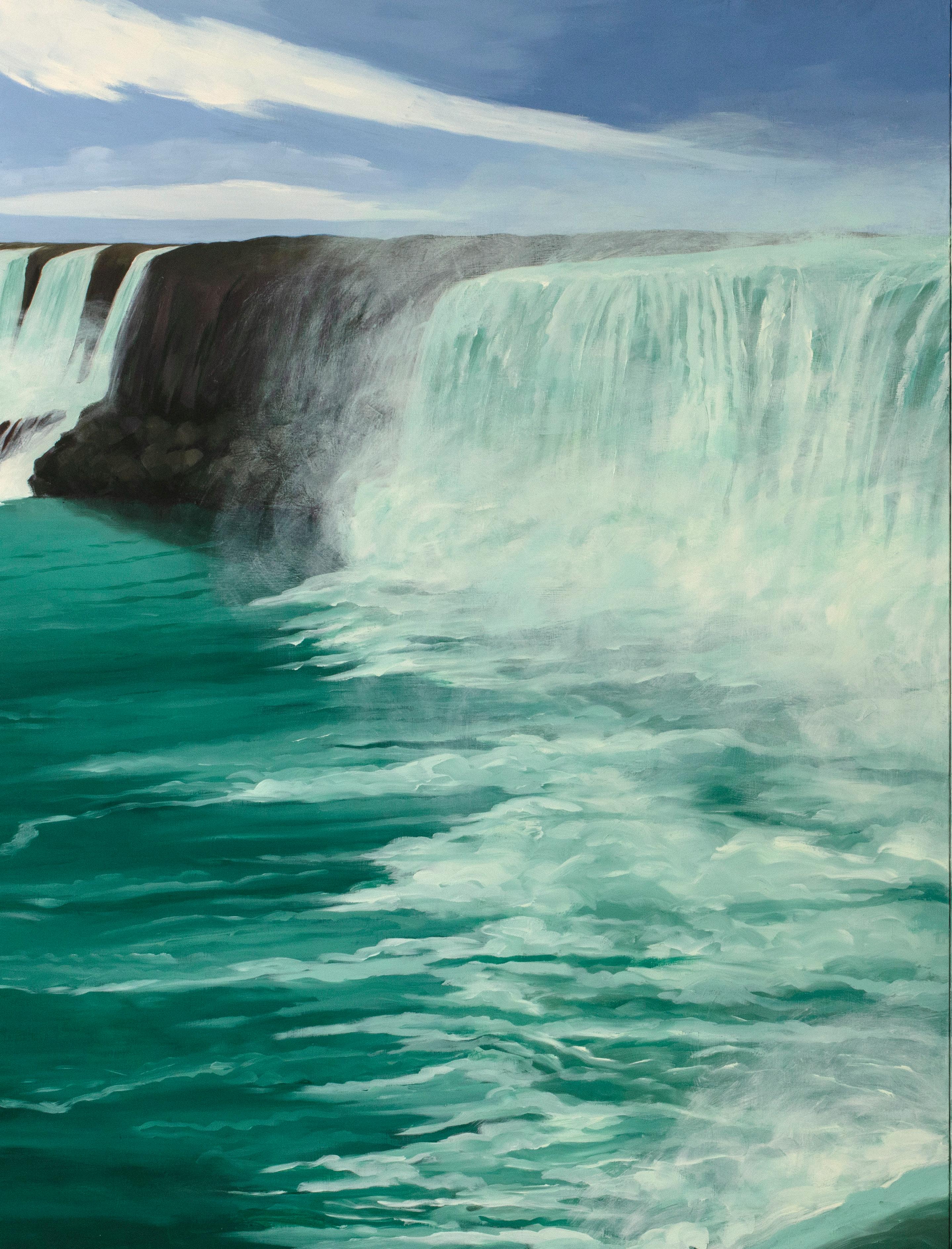
2026 promises to be a fascinating year at the Heard Museum, but I’m struck by the intersection of two significant events: the 75th anniversary of the passing of our founder, Maie Bartlett Heard, and the opening of the Piper Grand Gallery exhibition Kay WalkingStick / Hudson River School on Jan. 23. The legacies of these women have had a profound impact on the Heard Museum.
For our members who might not know, Maie Bartlett Heard was a visionary who left an indelible mark on the lives of women in the Phoenix community. Her work and philanthropy were centered on families and social welfare in a time when there was no government funding for the type of organizations that ensured that women’s rights were protected—organizing and supporting, for example, the first Community Chest and uniting two separate charities into the Social Service Center, which included a free clinic and assistance to the poor. She was one of the founders of Friendly House and Planned Parenthood. She paid to build the YWCA auditorium and gym and equipped the gym. She donated the land on which the
Phoenix Woman’s Club was built and was named Woman of the Year in 1948 by Beta Sigma Phi, an international sorority of businesswomen. She accomplished all of this in addition to the generous support she provided to the City of Phoenix to support its artistic and cultural life. This includes the donation of land for a civic center, which would become the Phoenix Art Museum, the Phoenix Public Library and the Phoenix Little Theater (now the Phoenix Theatre).
When Maie Bartlett Heard was creating the Heard Museum’s articles of incorporation, she insisted that, as nearly as practicable, the board of trustees “shall be equally comprised of men and women.” The Heard was founded the year before the 19th Amendment was passed. Giving women on the board the right to vote, to share equal responsibility in the governance of this museum, was extraordinary at that time and reveals her pioneering advocacy for women’s rights. (You can find more information on Maie Bartlett Heard in our new publication History & Collections by Dr. Ann Marshall, currently available at Books & More and online at heard. org.)
Although Maie Bartlett Heard died in 1951, her legacy of supporting women continued. In 1964, at a time when most museums and galleries would not show the work of American Indian artists, let alone women artists, the Heard organized a solo show for Joan Hill, who was of Creek and Cherokee heritage (her work can be seen in the upcoming exhibition Paintings from the Heard Museum). In 1994, the Heard organized an exhibition titled Watchful Eyes. The curator was Theresa Harlan, who, in her dedication, thanked the Heard Museum “for supporting the significance of the gathering and forming of an advisory commit-
tee of Native women artists and curators to direct an exhibition of Native women artists.” It was one of the first exhibitions of its kind, serving as a model for inclusion within the museum field and inspiring future exhibitions.
In the 1980s, the Heard began organizing a series of biennials, which were exhibitions for living contemporary artists based on a fine-art model. Kay WalkingStick was included in the Heard’s second biennial in 1985. Of that experience, she remarked, “What a treat that was. For one thing, no one there was saying dumb things like, ‘Gee, you don’t look Indian.’ But mostly, I had an opportunity to meet and enjoy other Native artists.” That was the beginning of a long, distinguished and treasured relationship between Kay WalkingStick and the Heard Museum.
Today, WalkingStick’s paintings can be found in the collections of the most prestigious museums in the world, including the Whitney Museum, the Museum of Modern Art in New York, the Metropolitan Museum of Art, the Denver Art
Museum and, of course, the Heard Museum. Her work has been included in countless exhibitions, including a career retrospective that was organized by the National Museum of the American Indian
in Washington, D.C., and traveled to the Heard Museum in 2016. In January, we’re thrilled to introduce our members to the latest exhibition featuring her work, Kay WalkingStick / Hudson River School , organized by the New York Historical.
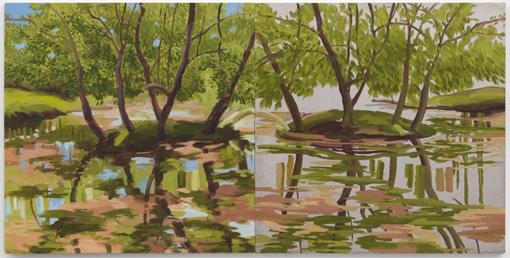
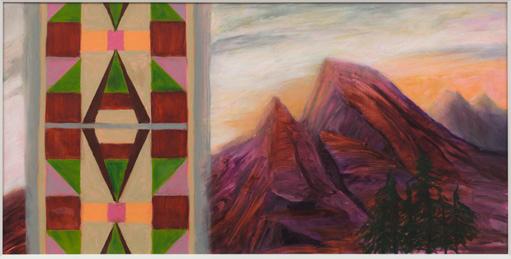
WalkingStick has long worked with two of the most important types of paintings in American art: landscape and abstraction. Historical movements like the Hudson River School, which was a 19th-cen -
tion. WalkingStick worked with Heard Museum Curator Roshii K. Montaño (Diné) to select the paintings in this exhibition. You can read more about this in the article on page 14.
Kay WalkingStick has contributed in transformative ways to the Heard’s collection and archive, and these two exhibitions allow us to share with our members the dynamic relationship we have with her as an artist, scholar, interpreter, mentor and friend. Her willing -
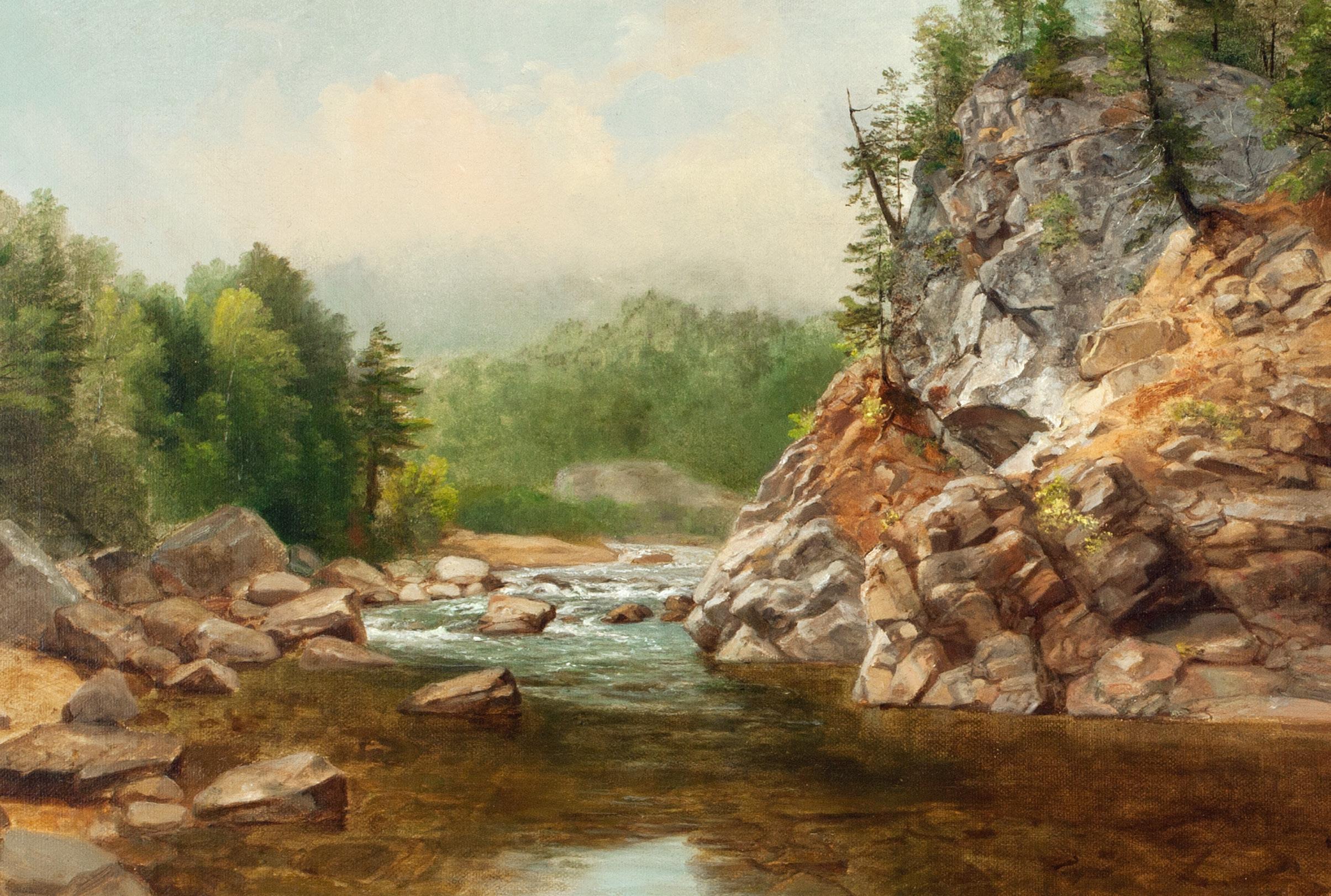
tury American art movement composed of landscape painters, have influenced WalkingStick’s canvases. This exhibition reveals the connections between her work and the paintings of Hudson River School artists like Albert Bierstadt, Thomas Cole and Asher B. Durand.
At the same time, we are pleased to present a companion exhibition titled Paintings from the Heard Museum that includes masterworks from the collec -
ness to work with Montaño on the installation of Paintings from the Heard Museum captures a rare opportunity for the transfer of knowledge from one generation of Indigenous leadership to the next.
I imagine Maie Bartlett Heard would be delighted by these exhibitions because she, like Kay WalkingStick, was a visionary who broke through barriers so other women could have more opportunities. Of the Heard Museum, WalkingStick said, “The Heard
has meant so much to me over the years and been so important in my career.” We feel the same way about her. We can’t wait for our members to see these exhibitions in 2026—and experience so much more, including the Heard Museum World Championship Hoop Dance Contest and the Heard Museum Guild Indian Fair & Market. We hope to see you soon and often.
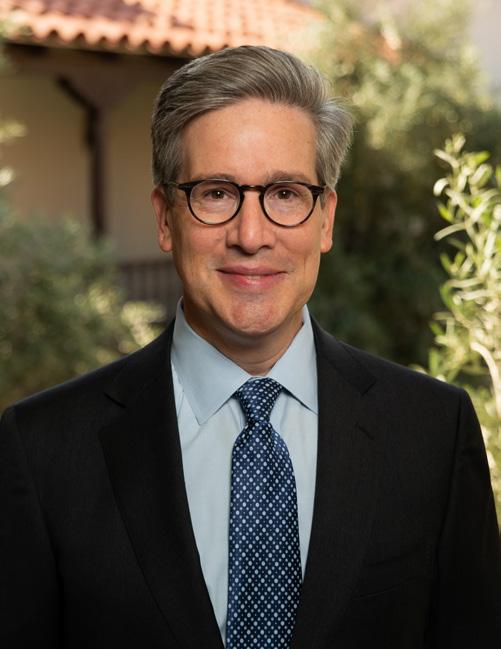
David M. Roche, Dickey Family Director and CEO
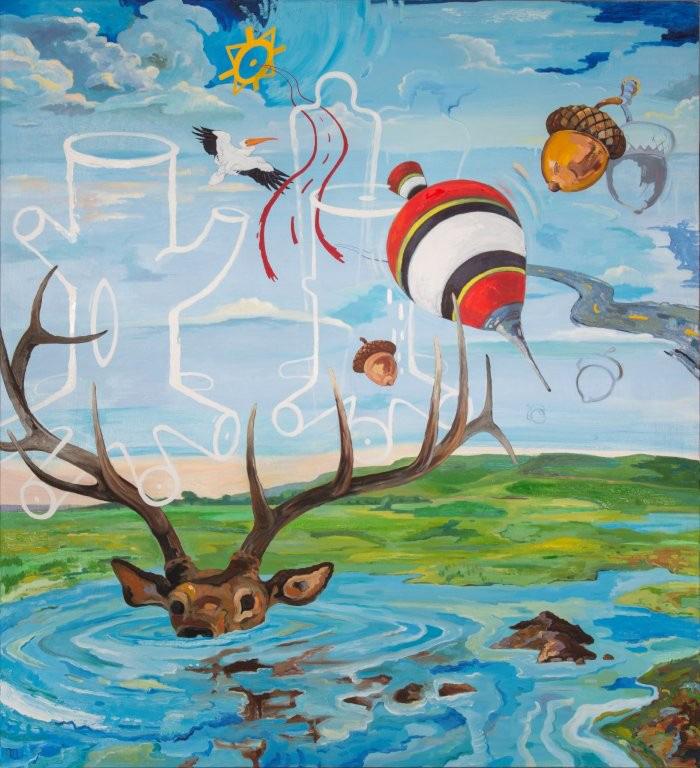
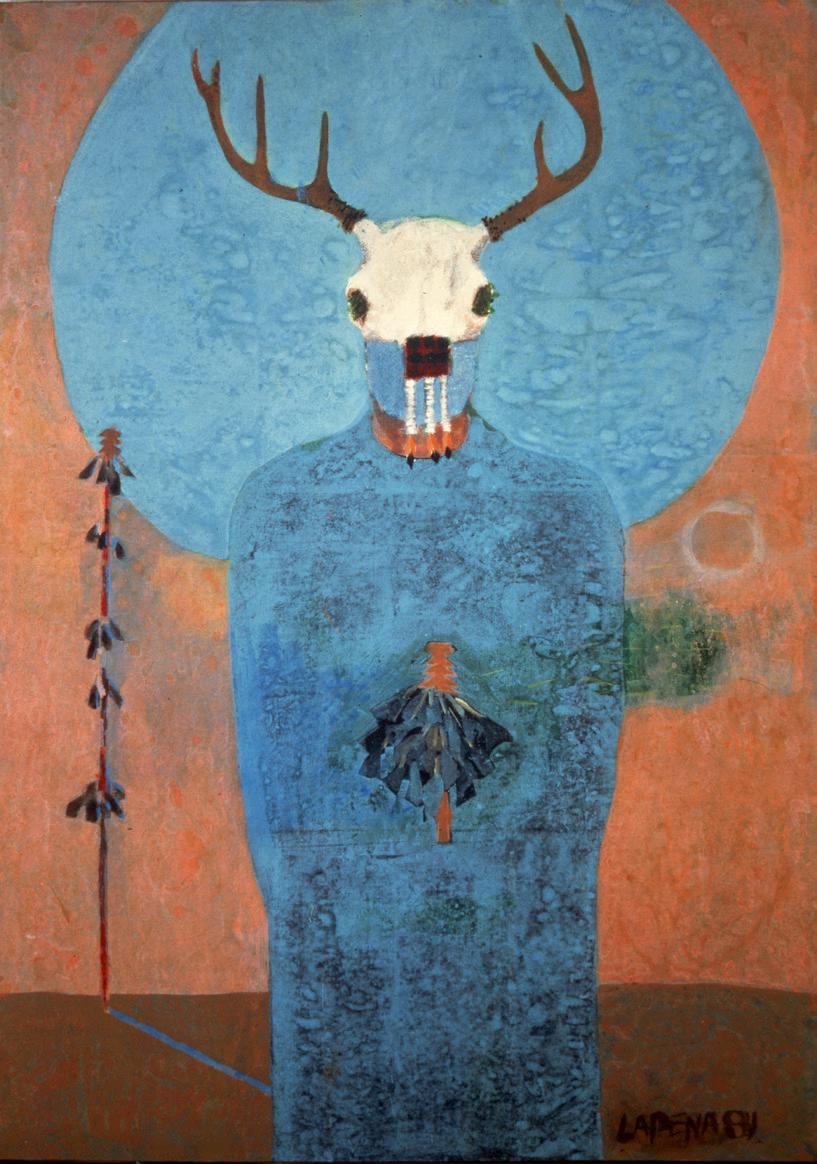
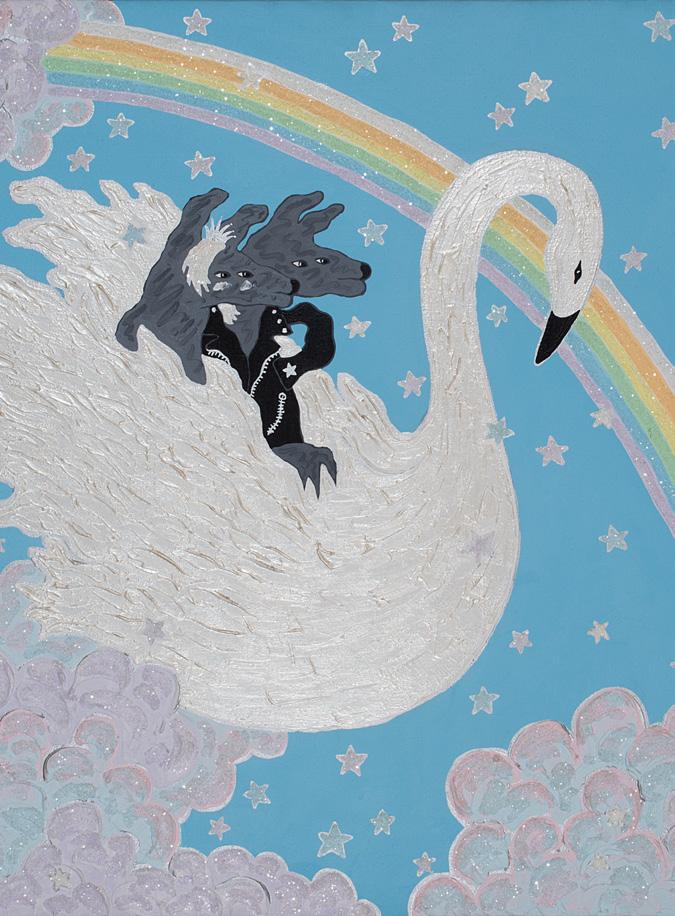
Above, top: Frank LaPena (Nomtipom Wintu, 19372019), Deer Rattle–Deer Dancer, 1981. Acrylic on canvas, 49 x 35 in. Heard Museum Collection, Gift of Dr. Rennard Strickland, IAC2220.
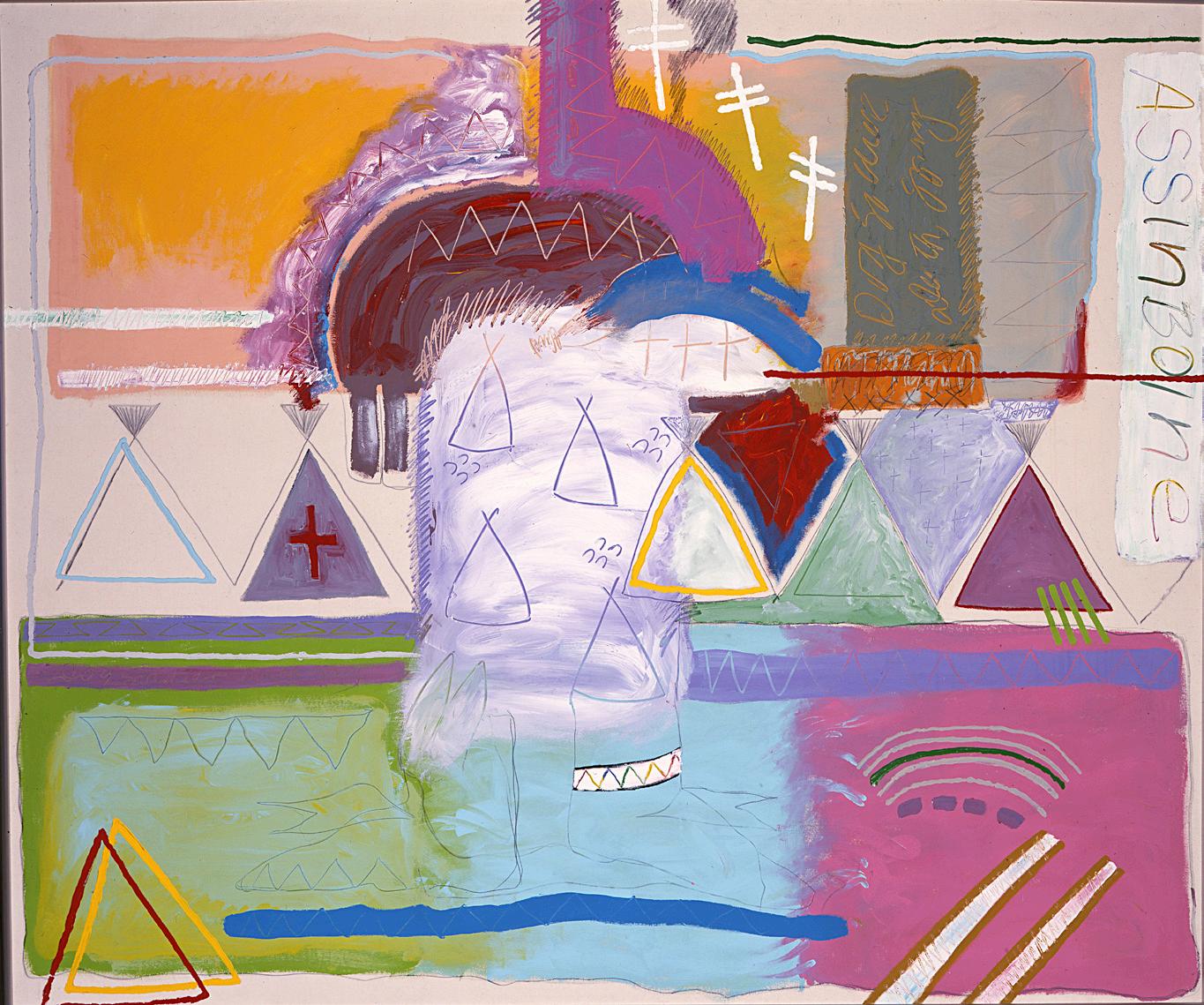
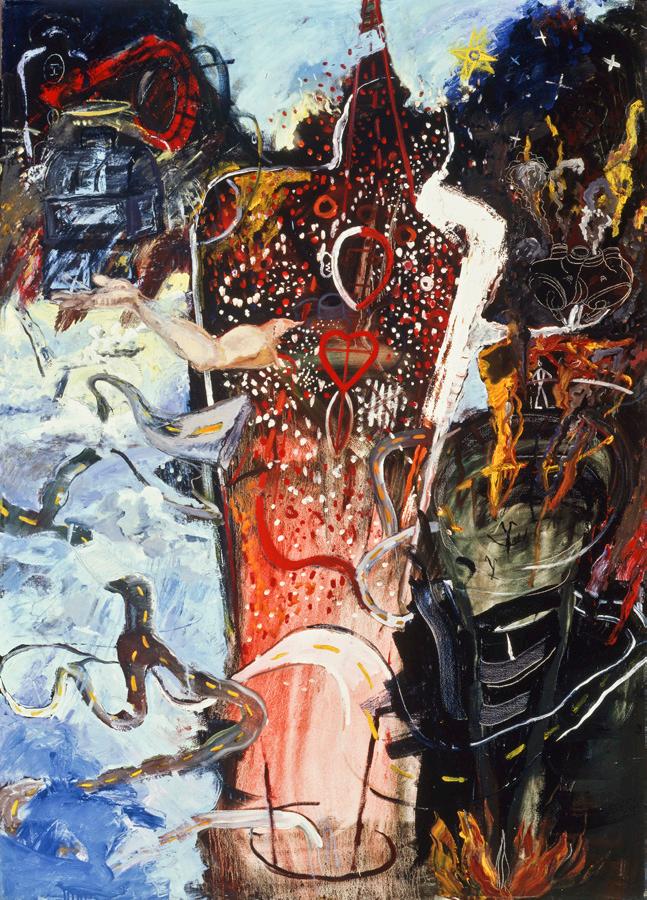
Middle: George Longfish (Seneca/Tuscarora, b. 1942), Assiniboine Dog Soldier Death Song , 1978. Acrylic on canvas, 67 x 80 1/2 in. Heard Museum Collection, Gift of Mr. & Mrs. Russell L. Howard, 4147-1.
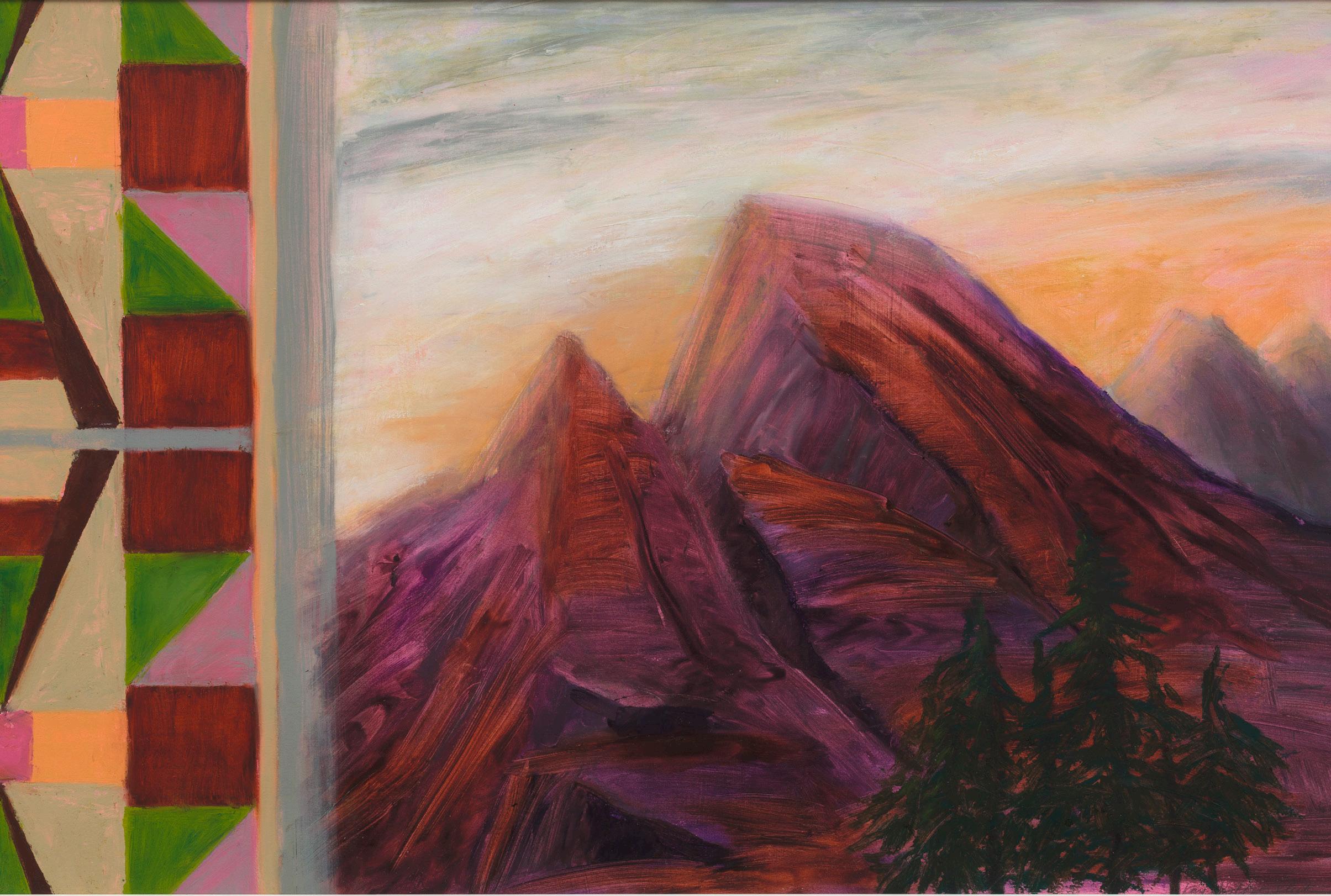
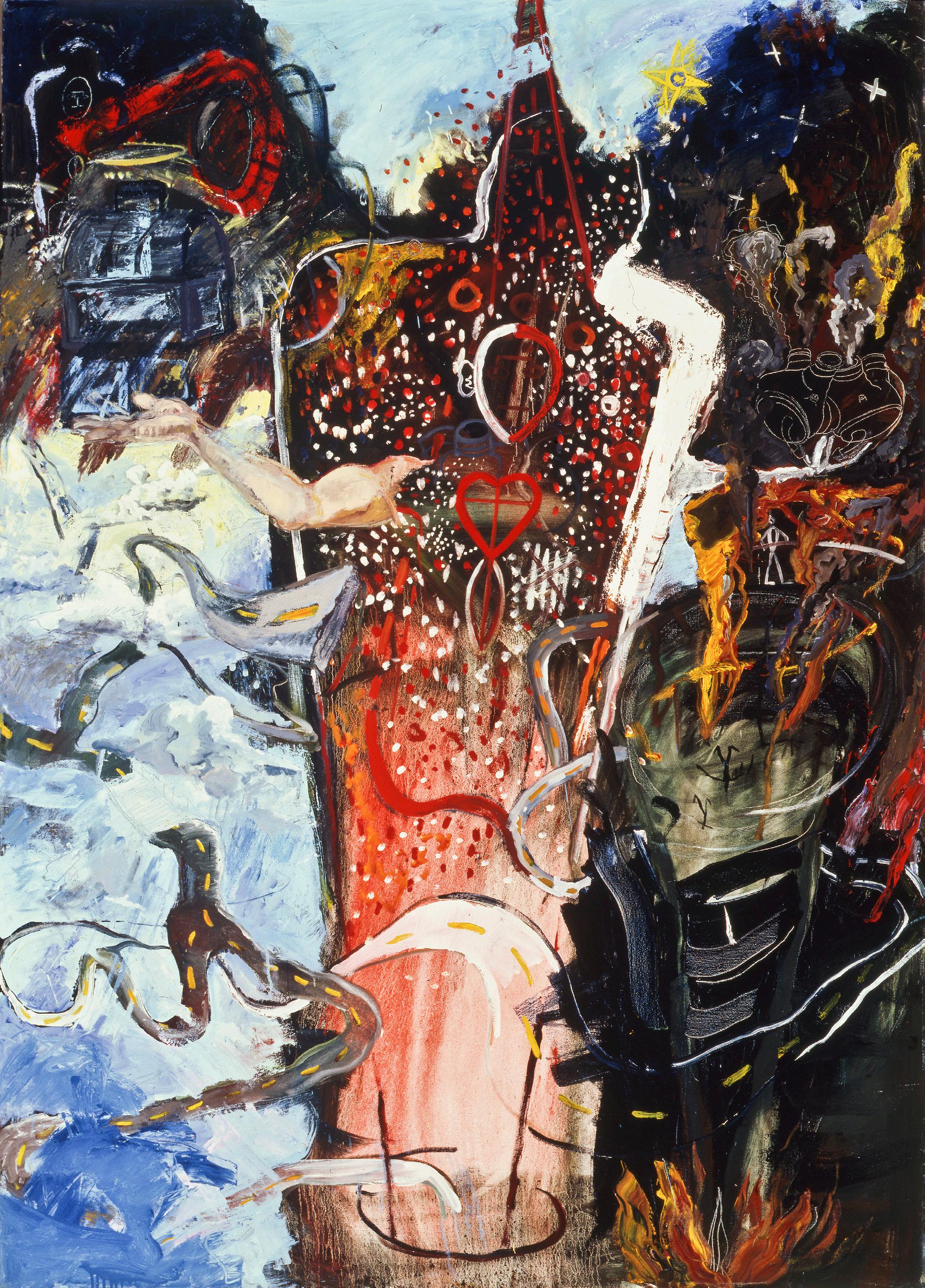
Far left: Norman Akers (Osage Nation, b. 1958), Spring Matrix , 1999. Oil on canvas, 66 x 60 in. Heard Museum Collection, Gift of Morton and Estelle Sosland, 4787-1.
October Art
The Collection of Delores Browne Abelson
Nov. 14, 2025 – Oct. 26, 2026
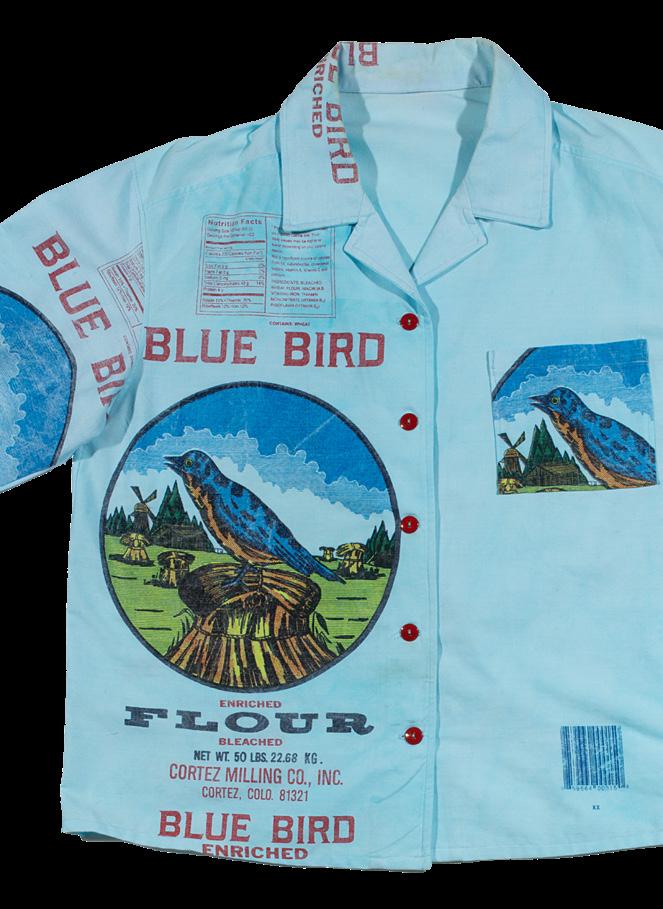
Blue Bird
Kay Walkingstick / Hudson River School
Jan. 23, 2026 – May 25, 2026
Paintings from the Heard Collection
Jan. 23, 2026 – Sept. 7, 2027
Feb. 6, 2026 – Mar. 7, 2027
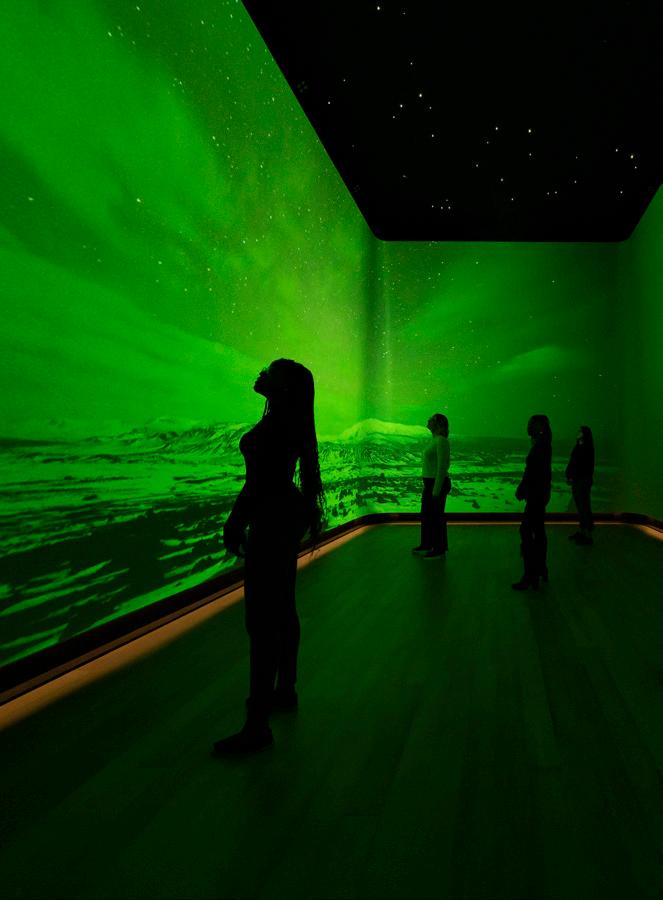
Wisdom from the Future
Opens April 10, 2026
Molly of Denali Experience
Opens June 2, 2026
WISDOM
KAY WALKINGSTICK / HUDSON RIVER SCHOOL
The Heard Museum’s New Grand Gallery Exhibition | Now on View
By Roshii Montaño | Curator
Since the 1970s, the Heard Museum has played a defining role in the history of modern and contemporary Native art, offering space for the critical conversations in which many Native artists were eager to engage but often denied the opportunity. When the conventions of the Western canon limited how Native art was perceived or valued, the Heard’s invitationals, launched in 1974, provided an essential platform. For more than two decades, these exhibitions presented remarkable work while fostering dialogue around identity, self-determination and the binaries that constrained Indigenous expression. The final invitational was hosted in 1997, but the heart of their purpose to advocate for and support contemporary Native art and artists’ voices remains an ongoing commitment. Many of the participating artists and jurors—most of them Native women—are only now receiving recognition for their work as artists, curators and scholars. Among these groundbreaking voices is Kay WalkingStick (Cherokee), a longtime friend of the Heard’s.
WalkingStick was born in Syracuse, New York, in 1935 and is a citizen of the Cherokee Nation. Her work has been central to shaping contemporary American painting for more than 70 years. She has cultivated a practice that bridges modernist aesthetics with Indigenous knowledge systems and the lived realities of Native histories. Her evolution from early explorations of the body to materially rich abstractions and expansive landscapes demonstrates a sustained commitment to understanding land as both a physical place and a site of memory, presence and ancestral connection.
Her impact has been recognized nationally and internationally, with major exhibitions across the United States and Canada, including her landmark retrospective organized by the National Museum of the American Indian, which traveled to the Heard in 2017. Most recently, she participated in the 60th International Art Exhibition of La Biennale di Venezia (2024), and her exhibition Kay WalkingStick / Hudson River School traveled from the New York Historical Society to the Addison Gallery of American Art (2023-2025) before its opening at the Heard Museum.
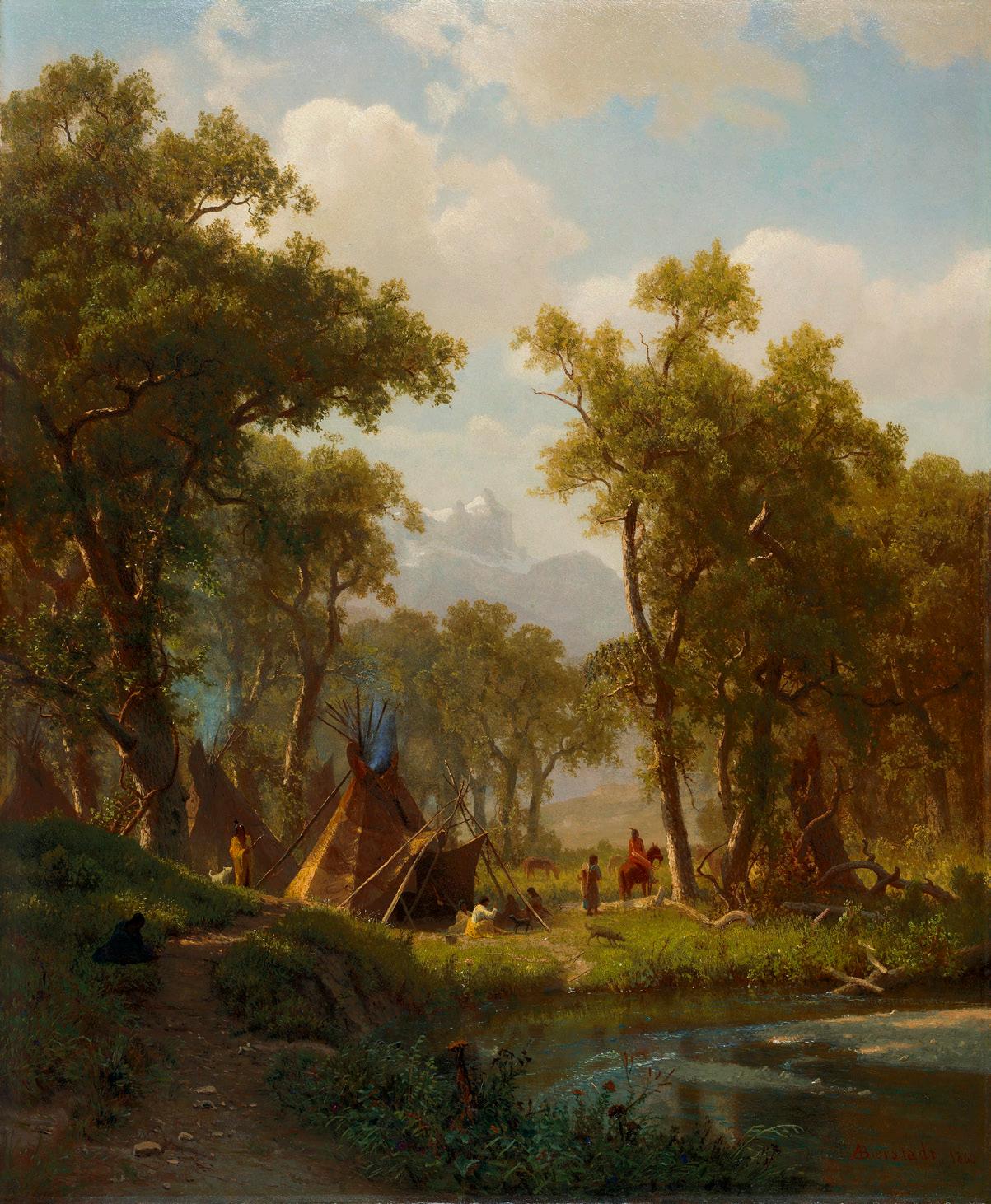
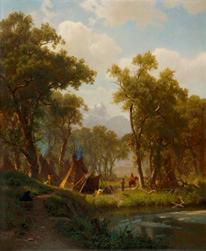
Preceding panel, right (2): Albert Bierstadt (1830-1902). Indian Encampment, Shoshone Village, 1860. Oil on millboard. The New York Historical, The Robert L. Stuart Collection, the gift of his widow Mrs. Mary Stuart, S-52
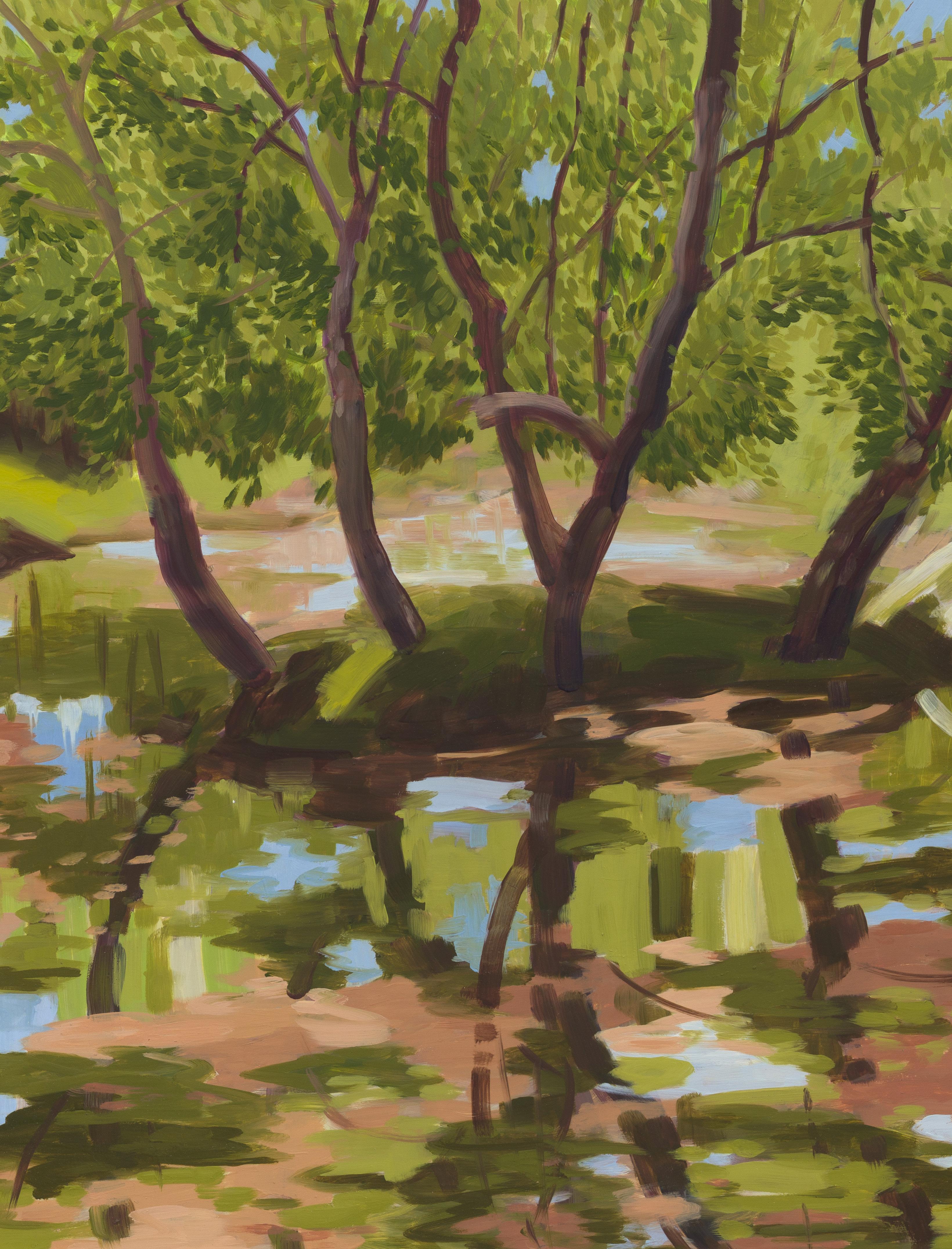
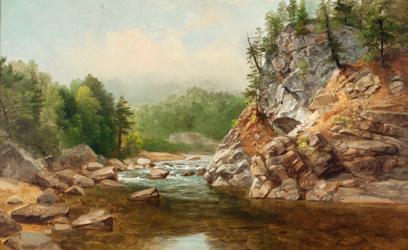
Right, top (4): Asher B. Durand (1796-1886). East Branch of the Ausable River, 1837-1878. Oil on canvas. Long term loan courtesy of Mr. Chet Schmitt, New Britain Museum of American Art, 2003.76LTL. Image courtesy of New Britain Museum of American Art.
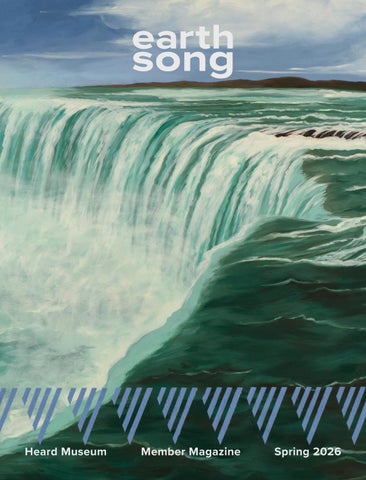
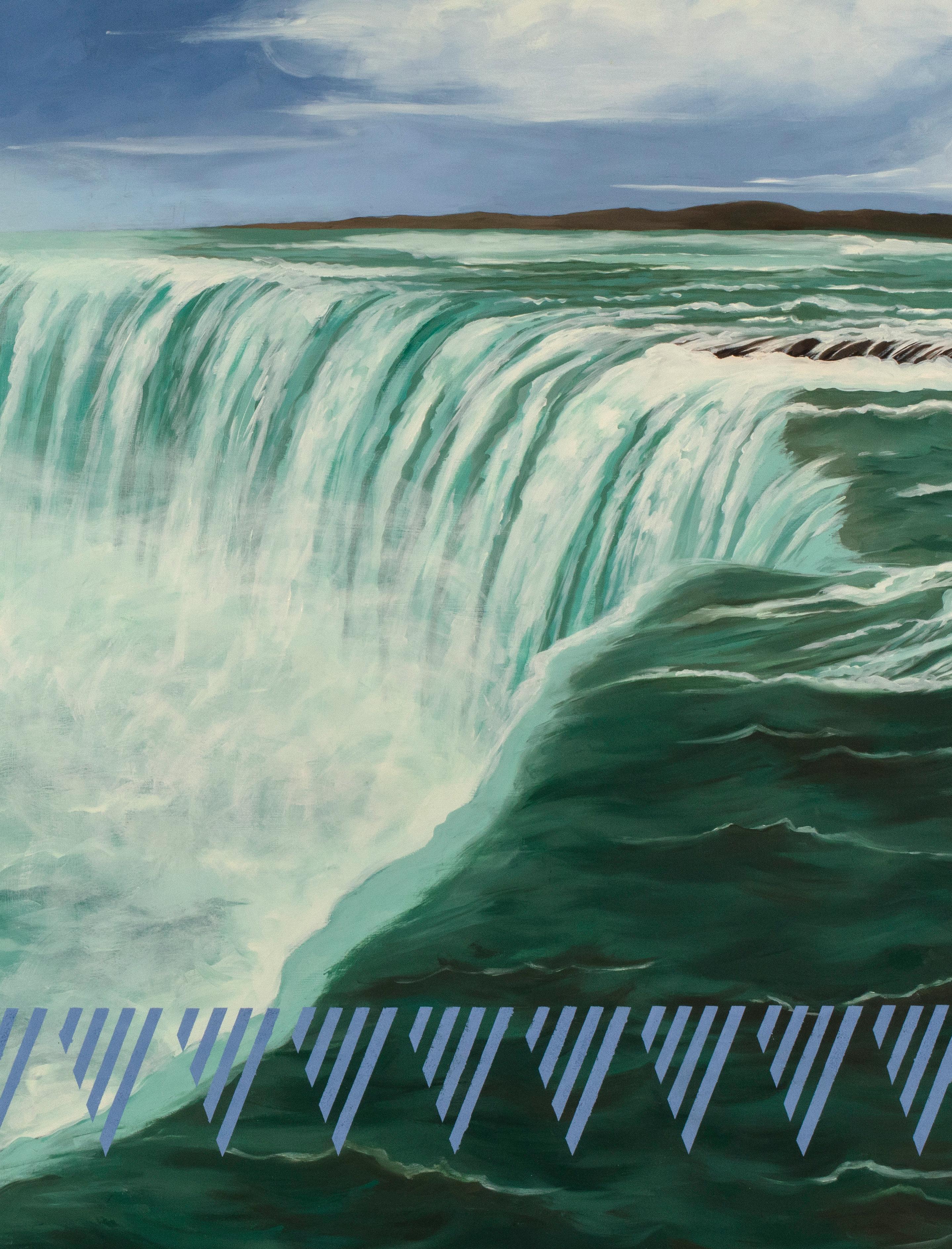
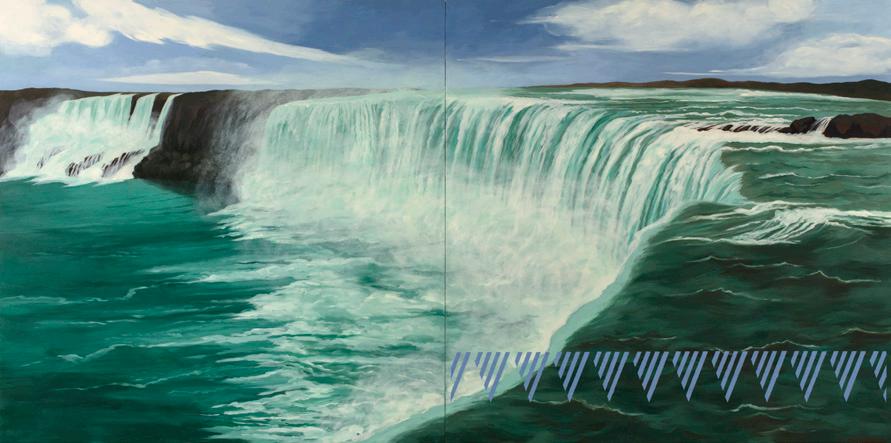
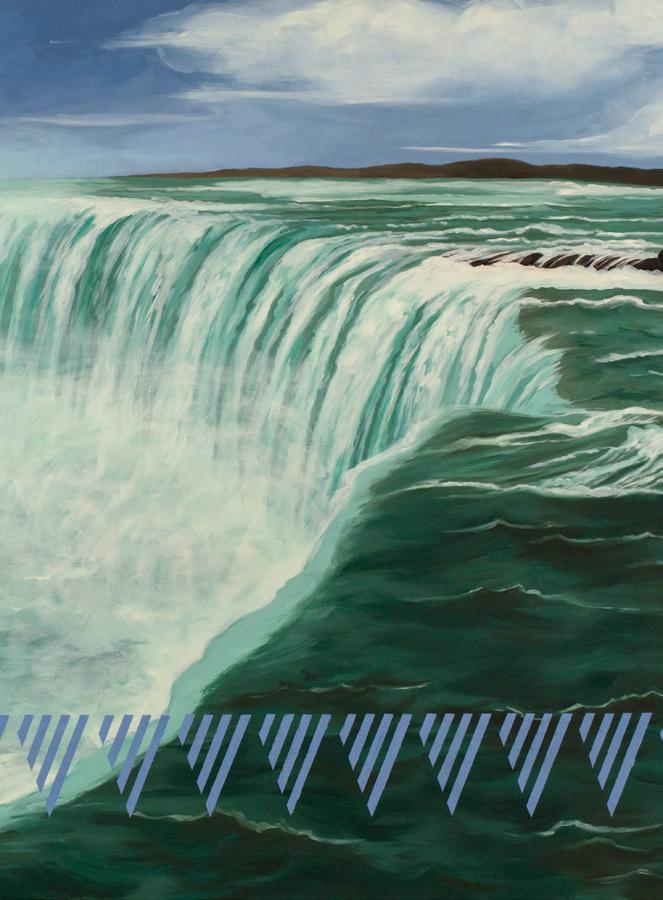
The Heard’s presentation of Kay WalkingStick / Hudson River School brings this significant project into the Grand Gallery. Originally developed in 2022, the exhibition began when WalkingStick was invited by the New York Historical to respond to its holdings of 19th-century Hudson River School paintings. Her resulting work, Niagara (2022), anchors the exhibition’s framework. As co-curator Wendy Nālani E. Ikemoto (Native Hawaiian) notes, the Hudson River School painters “forged the American landscape tradition.” WalkingStick’s paintings enter into a powerful dialogue with this lineage, challenging inherited depictions of land and reclaiming Indigenous presence within it. Works such as Niagara evoke the beauty and grandeur associated with the American landscape tradition while insisting on a reciprocal responsibility to place—an ethic that resonates whether in New York or Arizona.
PAINTINGS from the HEARD COLLECTION
Jan. 23, 2026 – Sept .7, 2027 | Freeman Gallery
By Roshii Montaño | Curator
In 2002, the Heard Museum invited artist Kay WalkingStick (Cherokee) to guest-curate So Fine! Masterworks of Fine Art from the Heard Museum, an exhibition that offered a revelatory view of the collection through the discerning eye of an artist and scholar. More than 20 years later, WalkingStick returns as co-curator of Paintings from the Heard Collection, bringing her insight to a new selection of more than 30 large-scale works by Native artists whose practices span generations, geographies and aesthetic approaches. From early modernists such as Fritz Scholder and Joan Hill to leading contemporary voices including Kent Monkman, Emmi Whitehorse and Steven Yazzie, the exhibition traces a dynamic and evolving conversation within Indigenous painting.
In the catalogue for So Fine!, WalkingStick’s essay “Great American Artists” outlines her expectations of art’s purpose and power. “I expect great art to move me, to touch me, to express something meaningful,” she writes. “I want to laugh, cry, be mystified or enlightened …. Great art is often about the mythic, if we understand the mythic to mean the great unknowables—Birth, Life, Death, Creation, God.” Her reflections resonate profoundly today, offering a lens through which to consider the works assembled in this new exhibition.
As I collaborated with WalkingStick on Paintings from the Heard Collection, it became clear that her earlier words continue to guide her thinking. We talked about technique and formal decisions, but the most memorable conversations emerged when a painting called forth an artist’s life story or prompted shared contemplation of land and memory. To me, these moments embody what WalkingStick names as “great” in art.
Many of the works in this exhibition are among the largest in the Heard’s collection, and several will be on view for the first time in decades. The presentation opens in the Freeman Gallery alongside the Kay WalkingStick / Hudson River School exhibition and will expand into the Grand Gallery in June 2026. Together, these exhibitions invite visitors to reflect on land, place and the shifting vocabulary of Native expression within the broader narrative of American art.
Paintings from the Heard Collection honors artists who have shaped and continue to shape the field of contemporary art. It offers a renewed vision of the Heard Museum’s ongoing commitment to presenting the depth, innovation and enduring presence of Indigenous creativity.
Right: Norman Akers (Osage Nation, b. 1958), Balancing Act , 1990. Oil on canvas. Heard Museum Collection, Gift of Albion and Lynne Fenderson, 3588-1
PROFESSOR WILLIAM JACKSON 'JACK’ RUSHING III
April 6, 1950 – October 26, 2025
By DeLisa Brown-Guc | Librarian
One of the joys of processing an archival collection of a scholar’s books, notes and ephemera is tracing the development of their ideas over a fruitful career. Such has been the case with Professor William Jackson Rushing III’s donation of materials to the Heard Museum’s Billie Jane Baguley Library and Archives. Professor Rushing, who was the Adkins Presidential Professor of Art History and the Mary Lou Milner Carver Chair in Native American Art in the School of Visual Arts at the University of Oklahoma, authored numerous books and exhibition catalogues and was a frequent contributor to symposia and academic publications about Indigenous art.
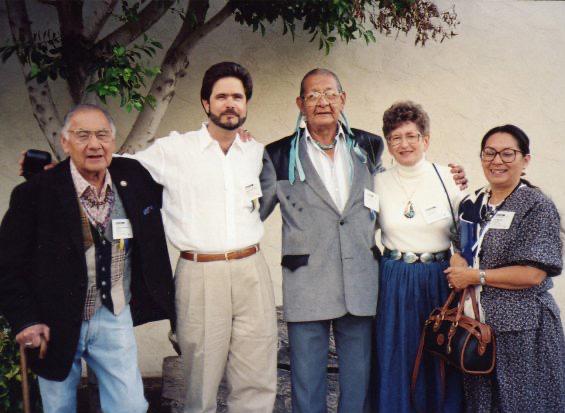
Above: Panelists and attendees at the 1991 Shared Visions symposium included (left to right) George Morrison, W. Jackson “Jack” Rushing, Walter Richard “Dick” West, René West and Ruthe Jones. From the collection of W. Jackson Rushing, III, RC10(7):19. Billie Jane Baguley Library and Archives, Heard Museum.
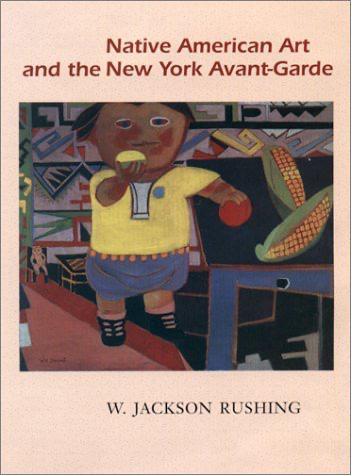
Professor Rushing was a newly minted Ph.D. from the University of Texas in 1989 in the years before the Columbian Quincentenary and the resulting reassessments of European arrival in the Americas. His dissertation, published by the University of Texas Press in 1995 as Native American Art and the New York Avant-Garde: A History of Cultural Primitivism, explored the ways increased attention to Native arts in the 1930s led to Indigenous iconography being appropriated and manipulated by modernist artists in their quest for a more authentically “American” art.
Research for his dissertation began an intellectual journey to trace the origins of the post–World War I interest in Native American cul ture. Professor Rushing ultimately attributed this revived interest to a populist embrace of nation alism that sought a “genuine” American identity and core values. The next decades would lead him to reexamine modernism and modernist art, in particular Abstract Expressionism, to explore the concept of “multiple modernisms” that interrogated the development of modernism itself. Where other scholars addressed the continu ing marginalization of Indigenous artists in the histo ry of modernist American art by inserting them into the canon as it existed, Professor Rushing argued for an “Indigenous modernism” as a parallel development in which Native American artists knowingly deployed a modernist consciousness merged with a distinctive embrace of traditional methods of creating art.
by Curator of Fine Art Margaret Archuleta and Dr. Rennard Strickland. The exhibition, held at the Heard Museum from April 13 to July 28, 1991, traveled internationally. His essay, “Authenticity and Subjectivity in Post-War Painting: Concerning Herrera, Scholder, and Cannon,” became a frequently cited work in subsequent scholarly studies of Native American art.
He further strengthened his ties to the Heard Museum by serving as one of the principal moderators for the symposium Shared Visions: Native American Painters and Sculptors in the Twentieth Century Conference, held May 8-11, 1991. His session, “New Indian Art,” featured legendary panelists Joe Herrera, George Morrison and Jeanne Snodgrass King.
In the following years, Professor Rushing frequently visited the Heard Museum to meet with colleagues and utilize the extensive documentary resources housed in the Library and Archives. This enduring relationship culminated in his donation of his personal archives and library to the Heard Museum following his retirement in 2020 from the University of Oklahoma. These monumental archives—comprising 40 bankers boxes, or 17 linear feet—hold materials that illuminate the intersection of Professor Rushing’s research interests in Native American art, modern and contemporary art, Southwest modernism and post-colonial theory.
Professor Rushing maintained a long-standing and profound relationship with the Heard Museum and its Billie Jane Baguley Library and Archives that spanned more than 35 years. In 1991, he was one of two invited catalogue essayists for the landmark exhibition Shared Visions: Native American Painters and Sculptors in the Twentieth Century, curated
The Library and Archives staff and the volunteers who have worked to process this cornerstone collection are proud to serve as stewards of the scholarly legacy of this renowned professor of Native American art.
GET TO KNOW
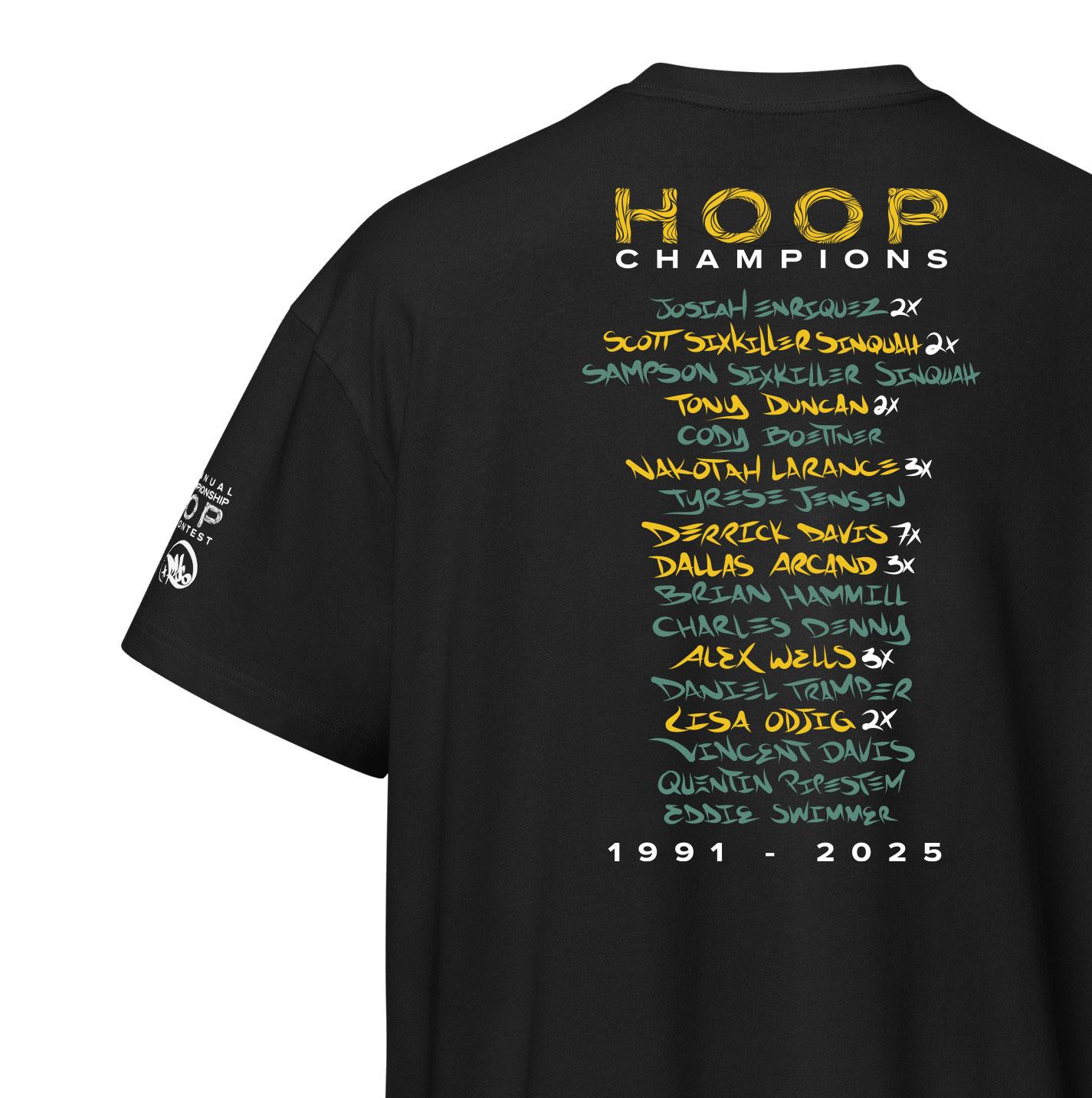
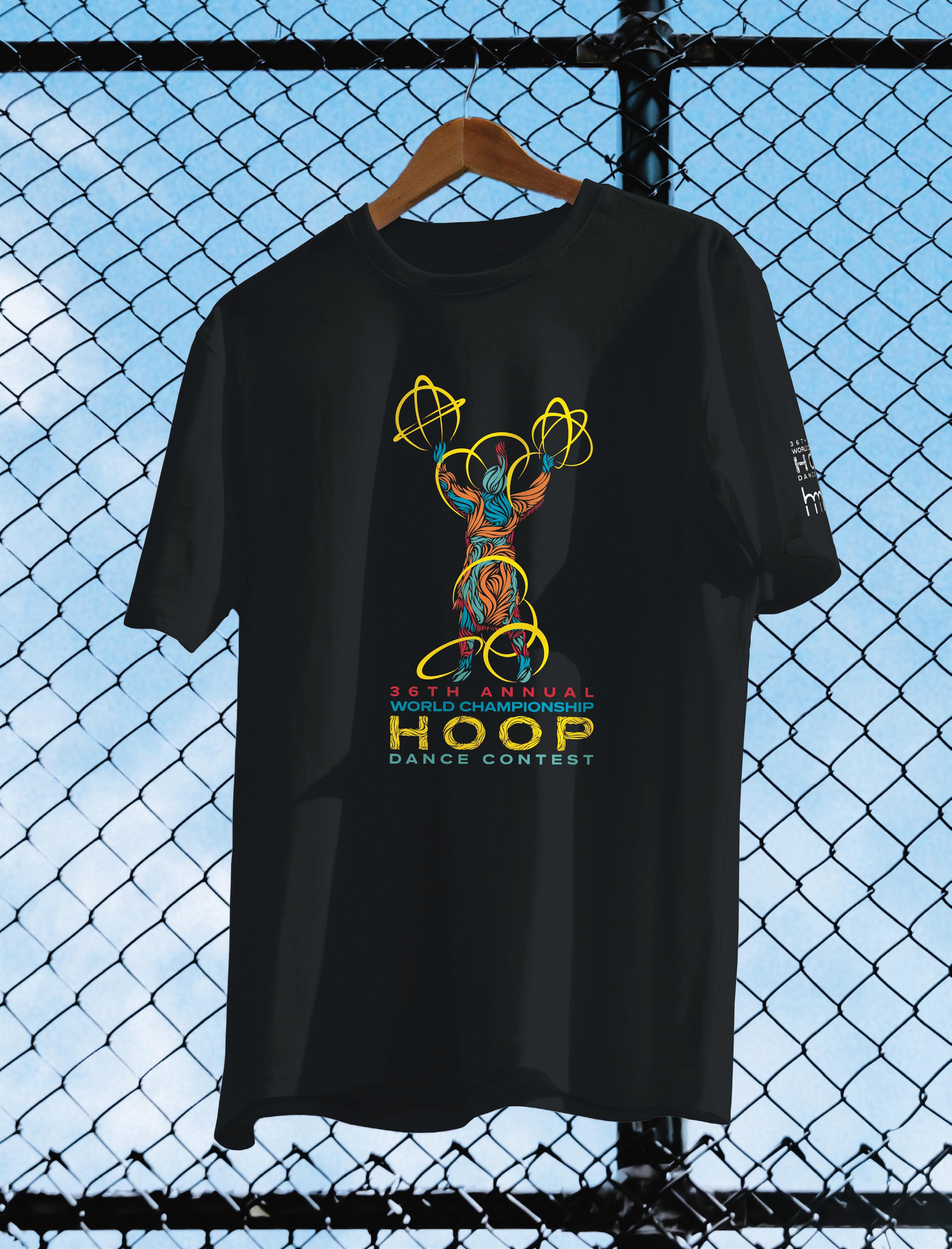
THE 2026 HOOP DANCE CONTEST T-SHIRT DESIGNER
Artist Statement by Jeremy Aviso
This design honors the spirit, movement and legacy of the World Championship Hoop Dance Contest through my signature RVSO brushwork, an expressive style that reflects the flow of energy, culture and ancestral memory. Each stroke carries intention and rhythm, echoing the physical and spiritual balance that hoop dancers embody in their performances.
The central figure is built from layered, interwoven lines that symbolize the interconnectedness of identity, tradition and motion. Rather than illustrating a dancer literally, the design captures the essence of transformation and the fluid storytelling that hoop dancing represents. The hoops are drawn with raw, hand-crafted energy to highlight the dancer’s mastery and the beauty of forms created in motion.
On the back, the hand-drawn typography completes the piece, grounding the artwork in a distinctly Indigenous graphic style. This lettering is intentionally imperfect, organic and human— reflecting the authenticity of craft and reinforcing the handmade nature of our traditions.
Together, the artwork and type create a visual language that is unmistakably part of the Jeremy Arviso/RVSO creative lineage. This collaboration with the Heard Museum stands as a celebration of Indigenous excellence, innovation and continuity and honors the dancers, the culture bearers and the generations who keep this art form thriving.
Members get 10% off!
68TH ANNUAL
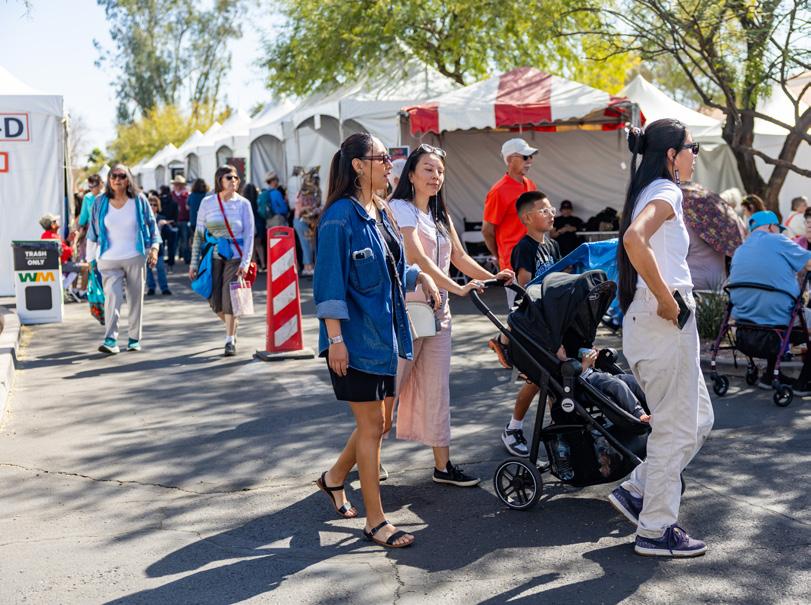
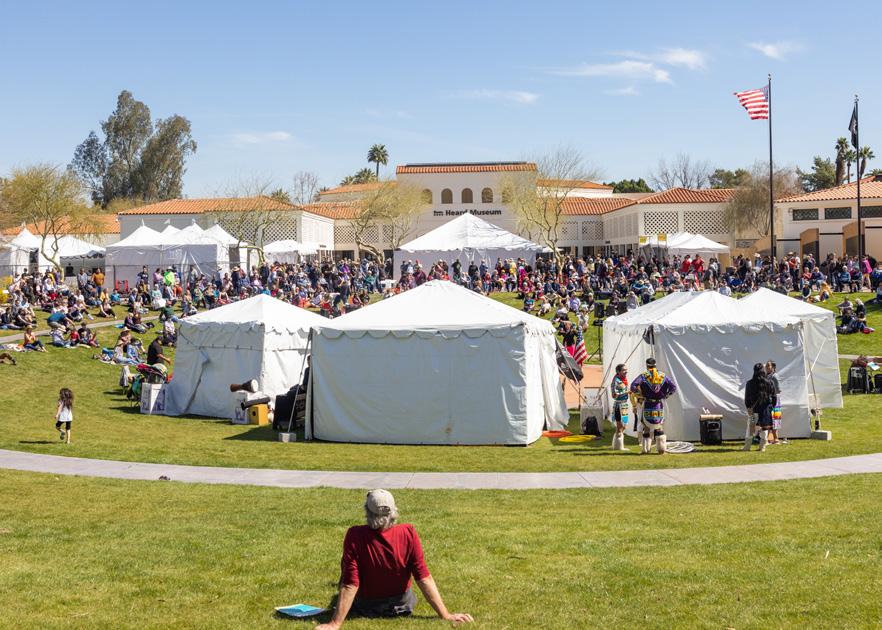
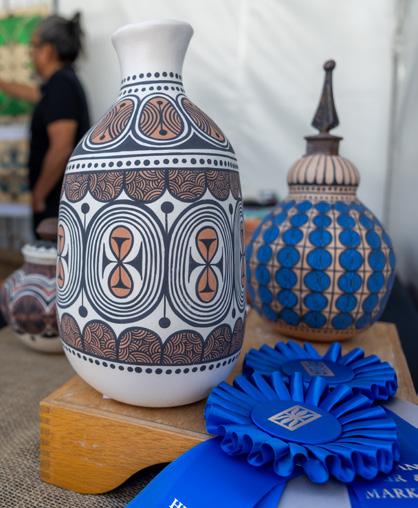
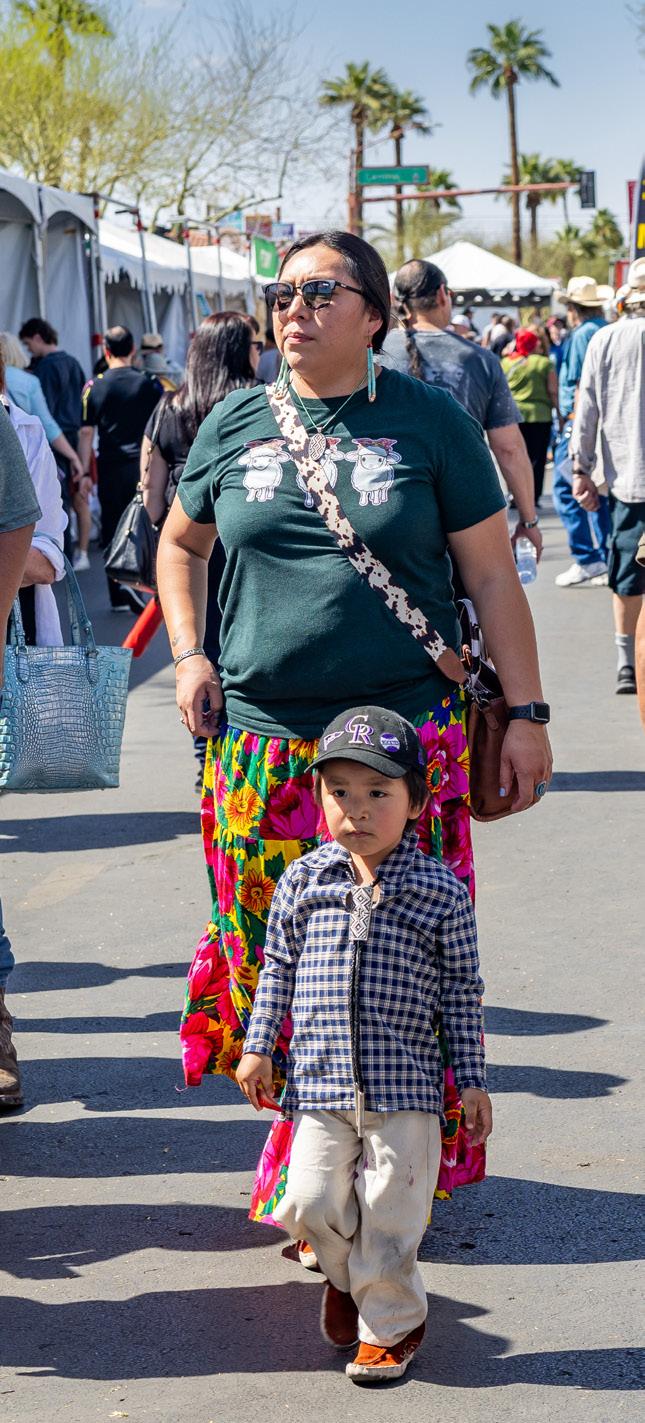
On March 7 and 8, 2026, the Heard Museum Guild will present the 68th Annual Indian Fair & Market. As one of the museum’s continuing flagship programs, this event offers an unparalleled experience for those seeking original art, dynamic performances, regional cuisine and meaningful connections. Its enduring appeal lies in a rich cultural history and deep ties to community.
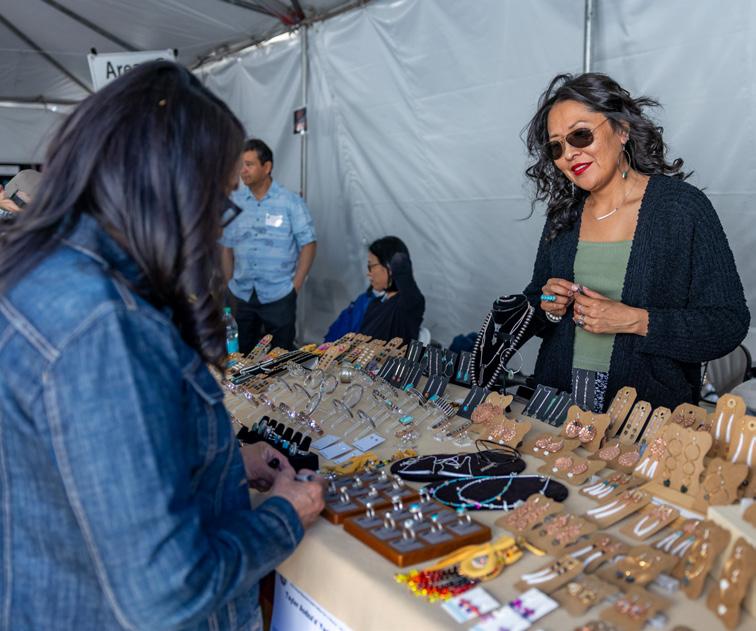
The Heard Fair is far more than a marketplace. While patrons can expect to find exceptional artworks and accessories crafted by master Native artists, the event embodies the spirit of family, community, relationships and growth. Artists, volunteers, staff and members gather on the museum grounds to share stories, sometimes console each other, and celebrate Indigenous creativity.
Since its inception in 1958, the Heard Fair has grown into Arizona’s largest Native art market and the second largest in the nation. Unlike traditional galleries or museums, where art is viewed in isolation, this event offers a rare opportunity to engage directly with the artists. These personal interactions transform the experience from passive observation to authentic dialogue—educational, humanizing and inspiring. This unique dynamic has attracted generations of volunteers who support the Fair for precisely these reasons.
The success of the Heard Fair is inseparable from the dedication of the Heard Guild, a volunteer organization founded in 1957 to champion American Indian artists. What began as a modest festival organized by the museum’s affinity group has evolved into a vibrant celebration of Native artistry, prestige and cultural exchange—honoring its origins while empowering Indigenous voices and traditions.
The inclusive and collaborative nature of the Fair has inspired hundreds of volunteers to continue their enthusiastic support of Native artists and their families. Their guiding principle, “Artists First,” reflects the heart of the event. Volunteers join for the sense of community, and their contributions resonate broadly—economically, civically and academically. “It’s been a huge part of my life,” states one of the volunteers. There is a real sense of accomplishment after the event.
The Heard Fair’s programs, layout and prize purse have changed over the years, but the volunteers’ intentions have remained steadfast. Those who participate often describe their work at the Fair as the most memorable part of their volunteer experience. Challenges have arisen—particularly the unpredictable weather of early March, which can bring rain showers, cold desert mornings and hot, sunny afternoons—but the commitment to the mission endures.
Perhaps the most common theme among volunteers is their awareness of the cultural and social frameworks that make the Fair unique. They understand the art’s connection to cultural storytelling and community, as well as the market’s role in advancing tribal sovereignty and economic self-sufficiency.
In essence, the Heard Museum Guild Indian Fair & Market is not merely an event—it is a living tradition. It stands as a testament to the resilience, creativity and entrepreneurial spirit of Native artists, while fostering meaningful relationships that strengthen cultural understanding and community bonds. As the Fair enters its 68th year, it continues to honor its legacy and shape the future of Native art for generations to come.
FAIR & MARKET
By Marcus Monenerkit | Director of Community Engagement
LAS GUIAS
By Ann Marshall, Ph.D. | Director of Research
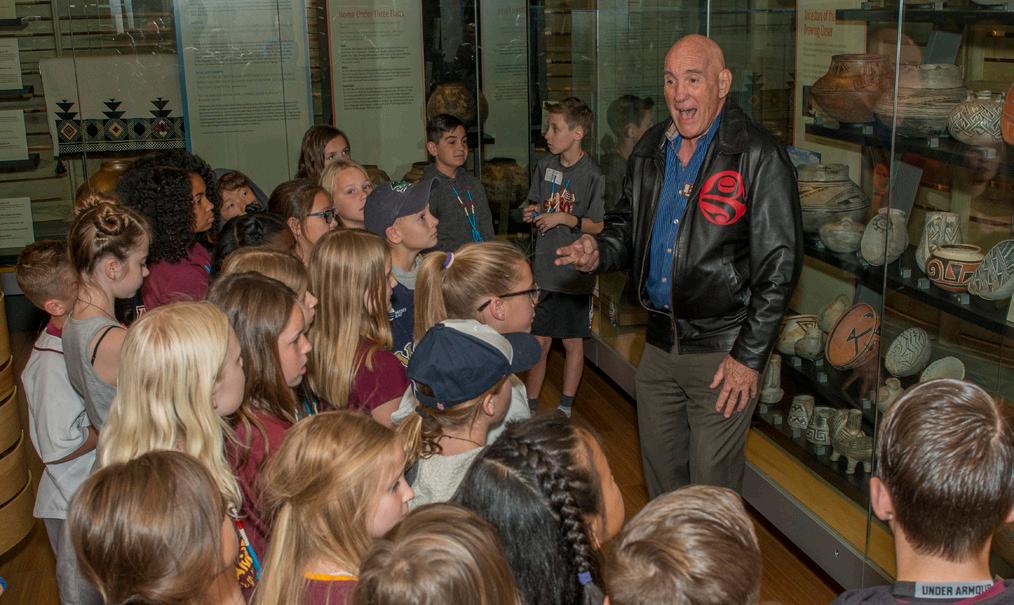
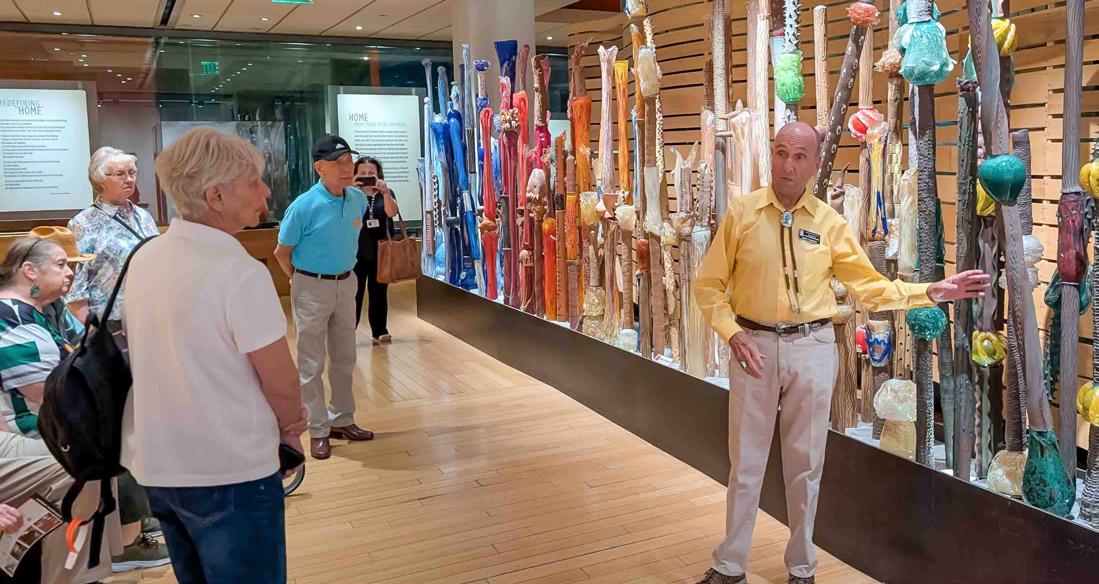
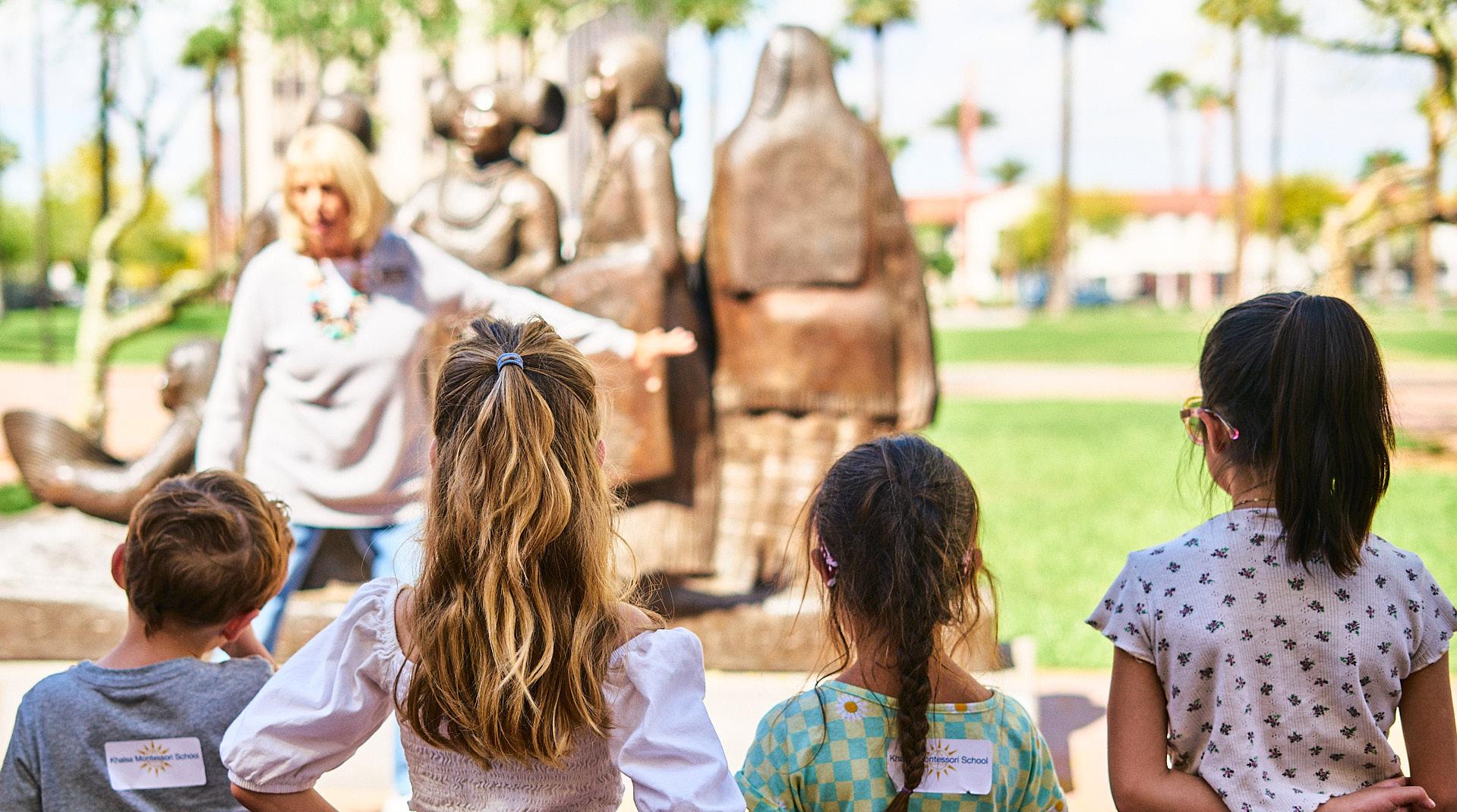
For 70 years, visitors to the Heard Museum, both adults and schoolchildren, have had the opportunity to receive a guided tour conducted by a volunteer member of Las Guias (The Guides). Over the years, visitors’ comments about their museum experience have been replete with references to how much that informed presentation of the museum’s exhibitions meant to their visit. Beginning in 1956 with the founding of the Heard Museum Guild, development of a cadre of knowledgeable guides was seen as the museum’s greatest need. Fourteen of the initial 30 members of the Heard Museum Guild trained with museum curator H. Thomas Cain to lead tours. Museum records indicate that by March 1958, these guides had provided tours to 5,000 students in local schools. From the museum’s founding, Maie Heard had made it clear that providing educational programming to local schools was a priority.
According to an account of the first 20 years of Las Guias, the earliest guides were collectors who came to the task with knowledge they had acquired informally. However, as guiding began to attract volunteers who were less familiar with exhibition subject matter, the need for formalized training became evident. Moreover, it is interesting to note that in the Heard Museum Guild History, written in 1976, the program was changing and growing based on perceived needs of the time and a constant desire for improvement. As the museum began an expansion period, beginning with a changing gallery in 1958 and the growing emphasis on frequently changing exhibitions of contemporary art, expanded training for guides was essential. By 1964, Las Guias training included day and evening classes. The evening classes might have been part of what the Guild History referred to as Las Guias II, created for people who “just love to learn,” but they also met the need for “in-depth specialization, according to Museum needs.”
In addition to completing classwork, graduates of the Las Guias program were expected to have guided 50 tours and written a research paper, which was reviewed and approved by the chairpersons of Las Guias I and II and museum staff. Guides self-taped their tours, which were reviewed by museum staff. Docents attended annual classes focused on touring people with low vision and people who are blind, deaf, or deafblind with special needs. As the museum’s reputation grew worldwide, annual classes also prepared guides for touring international visitors.
Las Guias training changed over the years. By the 1980s, the Las Guias class met for three and a half hours every Tuesday for nine months. The development of a museum education department shifted the primary training to museum staff, with important reliance on Guild facilitators. The training expanded to include field trips and Native culture keepers as guest speakers. A speakers’ bureau also provided outreach, hosting in-school presentations for nearly 3,500 students.
As the museum has grown, Las Guias members have continued to meet its needs. With the 1984 creation of HOME, a long-term exhibition of the museum’s permanent collection, core training for that exhibition became fundamental. At the same
time, the museum’s changing exhibitions continued to increase in number and diversity, so a guide’s training was never completed. Today, 73 guides provide daily tours that include highlights of the museum’s exhibitions, special gallery talks that focus on changing exhibitions, and tours of the HOME exhibition presenting the museum’s permanent collection. In the past two years, the Las Guias initial training has become more flexible by taking advantage of current technology. In-person classes for Las Guias students now meet eight times between November and April, and the training is available online for those whose schedules don’t permit inperson attendance. Learning has become more personalized. Each student is assigned a mentor, who is an experienced guide. The two meet as their schedules permit for focused personal training. By combining video with in-person mentored training, Las Guias is continuing the flexibility that matches the creative change of the museum by offering the high-level touring expertise that creates an exciting learning experience for our visitors.
Just as it was 70 years ago, the opportunity for lifelong learning remains a primary attraction for members of Las Guias and an essential part of our visitors’ experience.
GET YOUR KICKS IN 2026…
Celebrate
R
eflect Enjoy A ctivate T ake Earth Day with us!
April 22 10 a.m.–2 p.m.
Gather at the Heard to explore how we are rooted in story as we celebrate the Earth. Our friends from the Desert Botanical Garden will join us as we reflect on observations of land.
on the themes in our exhibitions on view during Curator Talks
Thursdays, 11:30 a.m.–12 p.m.
Join Heard Museum curators for 30-minute talks about the artists and artworks on view. Registration is not required—just meet us at the Info Desk at 11:30 a.m.!
Feb. 12: Blue Bird with Olivia Barney (Diné)
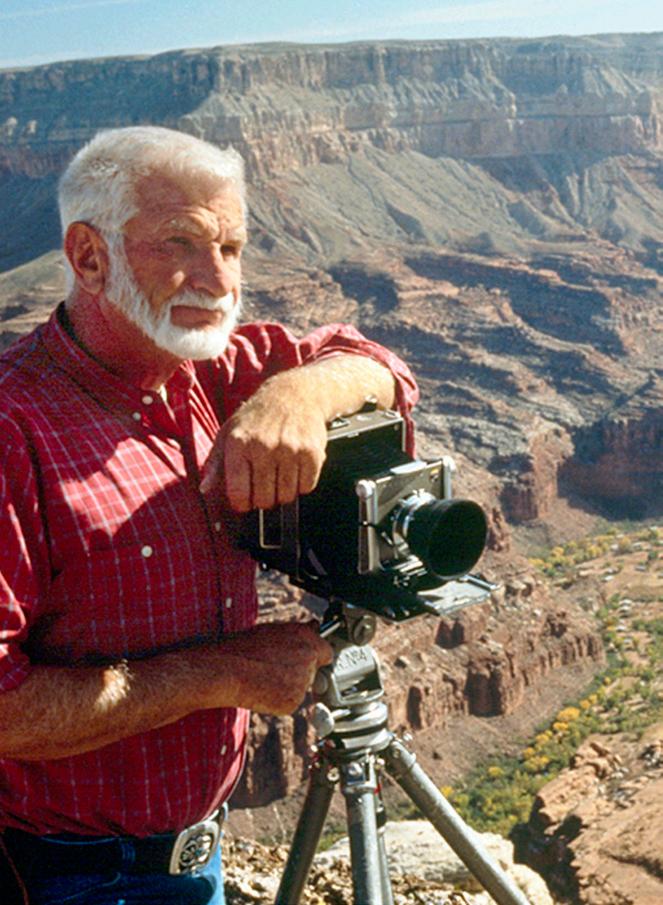
March 17: Highlights from Storyteller: The Photography of Jerry Jacka with Ann Marshall
April 16: Wisdom from the Future with Olivia Barney (Diné)
May 29: Kay WalkingStick / Hudson River School with Roshii Montaño (Diné)
the excitement of new exhibitions on First Fridays Fridays, 4–8 p.m.
April 3: Learn more about an icon of the Southwestern landscape, the saguaro cactus! Programming Partner the Desert Botanical Garden will share more about this desert mainstay and how it changes throughout the year.
your artistic side during our Watercolor + Land series!
Tuesdays Feb. 10 & 24, 10 a.m.–12 p.m.
Tour the Kay WalkingStick / Hudson River School exhibition and get inspired to create your own landscape painting. Unleash the emotions you experience from the landscapes in the exhibition during this rare chance to paint inside the museum! Open to all ages and no prior experience necessary.
your teaching practice to new heights during Virtual K-12 Educator Night Wednesday, March 18, 5–7 p.m.
This special training for teachers is free! Besides the training, educators will receive resources to help educate their students about American Indians. Register in advance on our website, heard.org.
AND EXPERIENCE INDIGENOUS…
Inspire V isit Immerse T urn Y ield the toddlers in your life at Heardlings Storytime!
Friday, April 17, 10 a.m.
Heardlings ages 6 months to 3 years and your adults, meet Archie for a read-aloud of Frida Kahlo and Her Animalitos by Monica Brown, illustrated by John Parra, followed by a stroller tour and family art activity themed after the book.
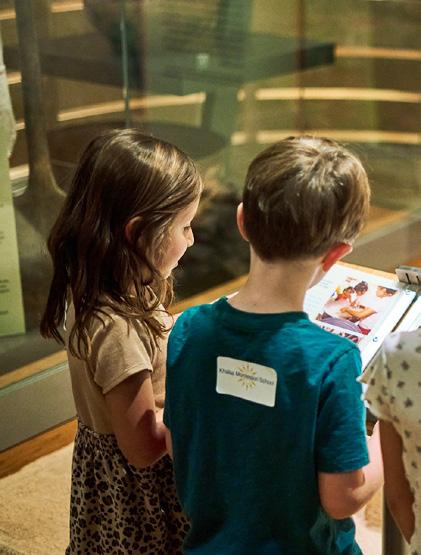
the Grand Gallery with the new Kay WalkingStick / Hudson River School activity book
Back by popular demand, the Heard Education Staff will debut a new activity book for the Kay WalkingStick / Hudson River School exhibition, inviting Heardlings to engage with the themes of the exhibition both at the museum and at home.
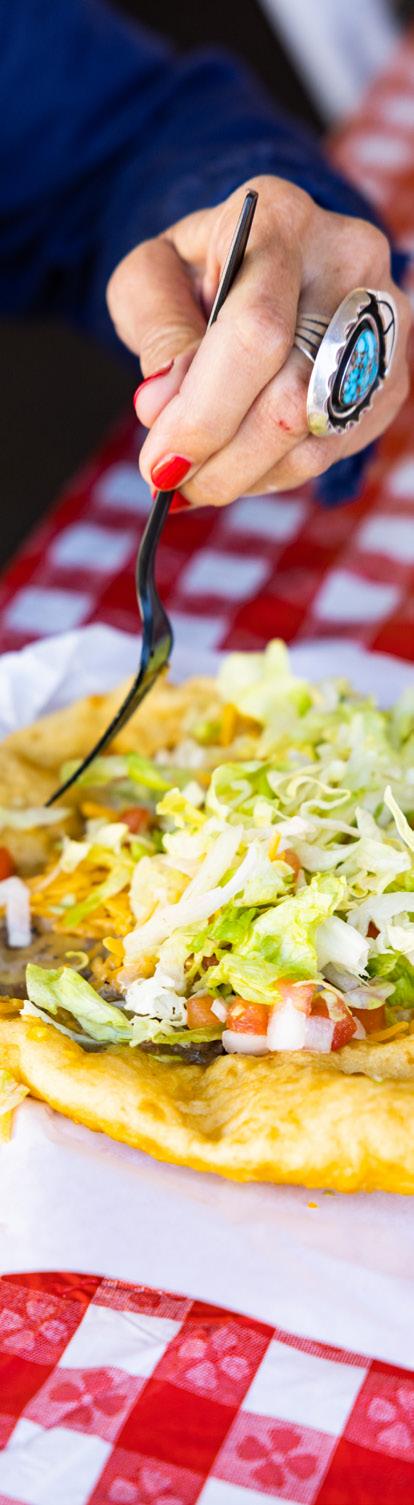
yourself in the sights, sounds and tastes of fry bread!
Saturday, April 11, 10 a.m.–4 p.m.
It’s all things fry bread during this community gathering, from food to fashion and even a few sing-alongs. Come hungry and leave stuffed!
Make sure to stop by the Family Fun Zone at both of these Signature events, where Heardlings can be Heardlings and the whole family can play together!
to your inner artist and pintar (paint) at Día del Niño
Sunday, April 26, 10 a.m.–4 p.m.
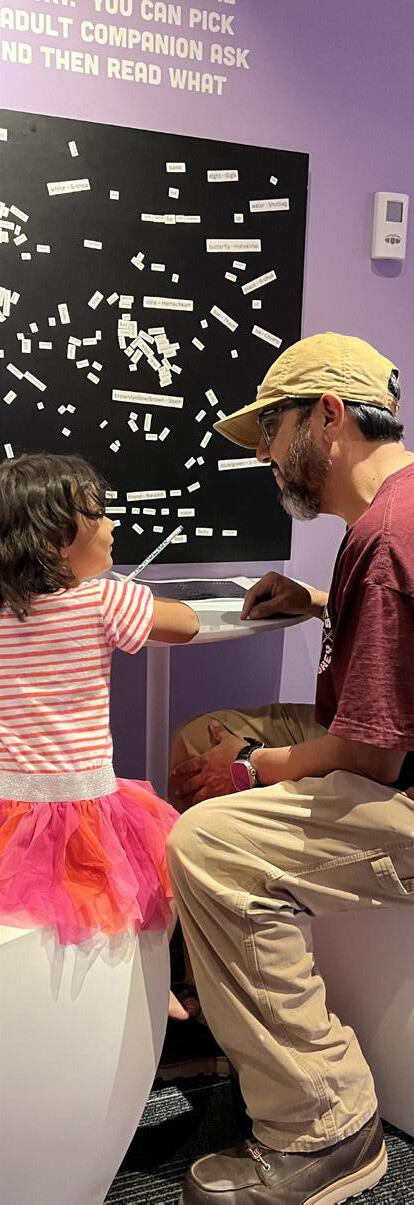
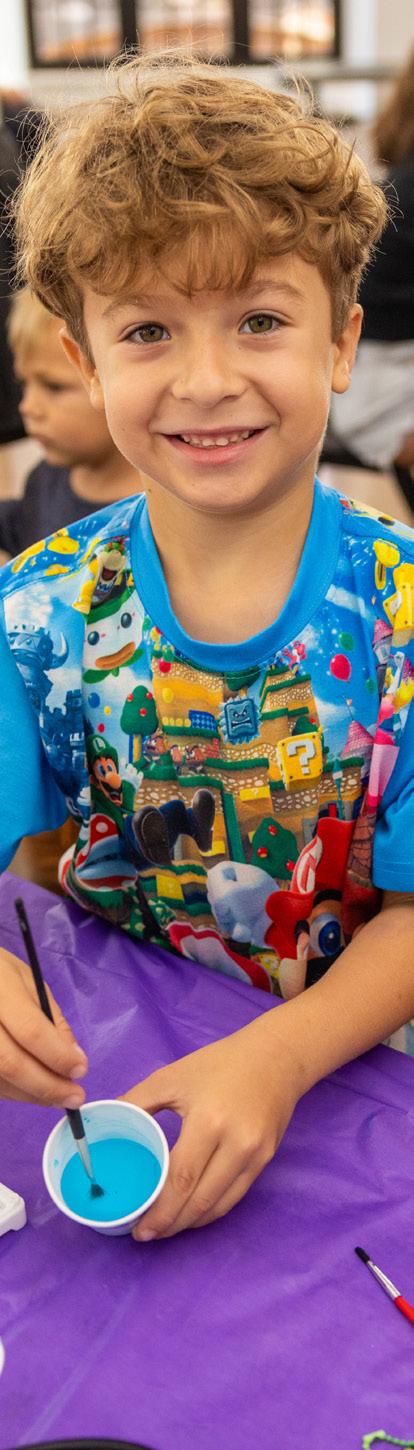
Archie is inviting all children to come to this day designed especially for kids and their families, where the focus will be on painting and uplifting Latine voices at the Heard.
By Lucia Leigh Laughlin | Director of Engagement & Learning Programs
THE HEARD’S ANNUAL KATSINA DOLL MARKETPLACE RETURNS
For more information, please visit: https://heard.org/event/katsina-doll-marketplace-2026/ Friday, April 11, 10 a.m. to 4 p.m.
or scan the QR Code below:
By Kelly Gould | Director of Retail Operations
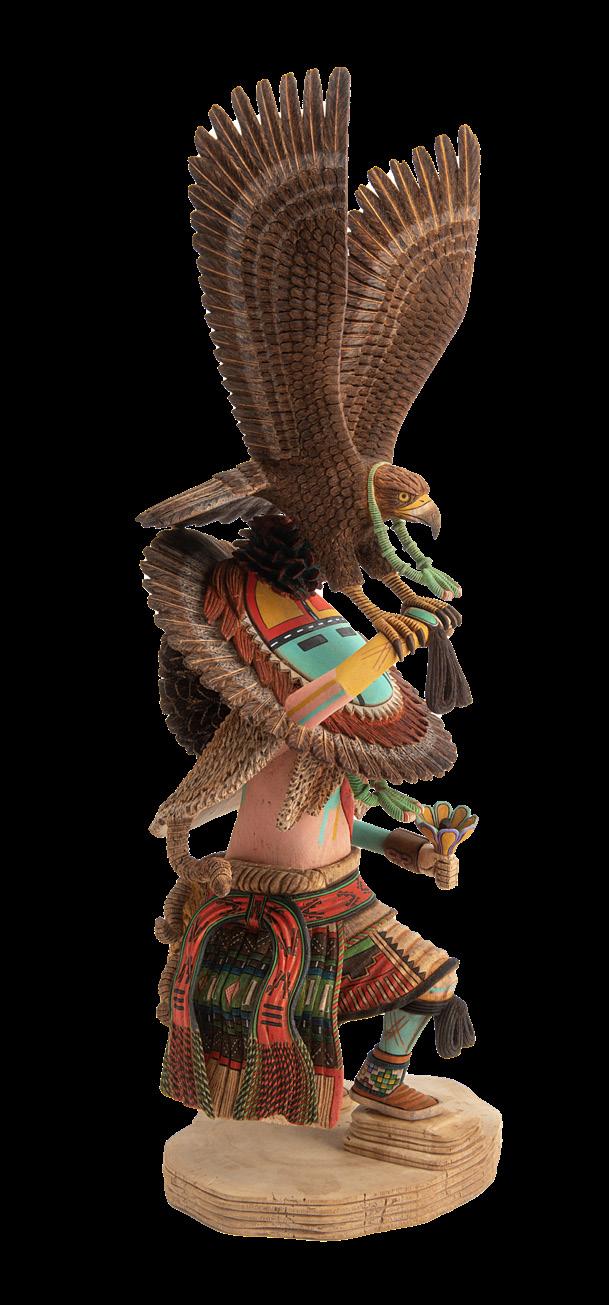
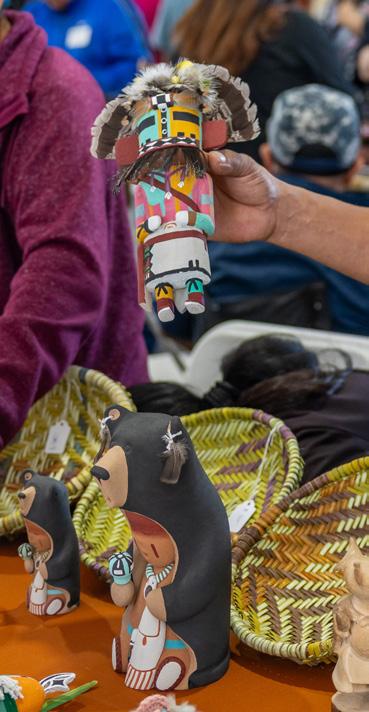
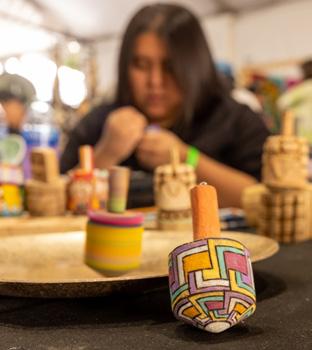
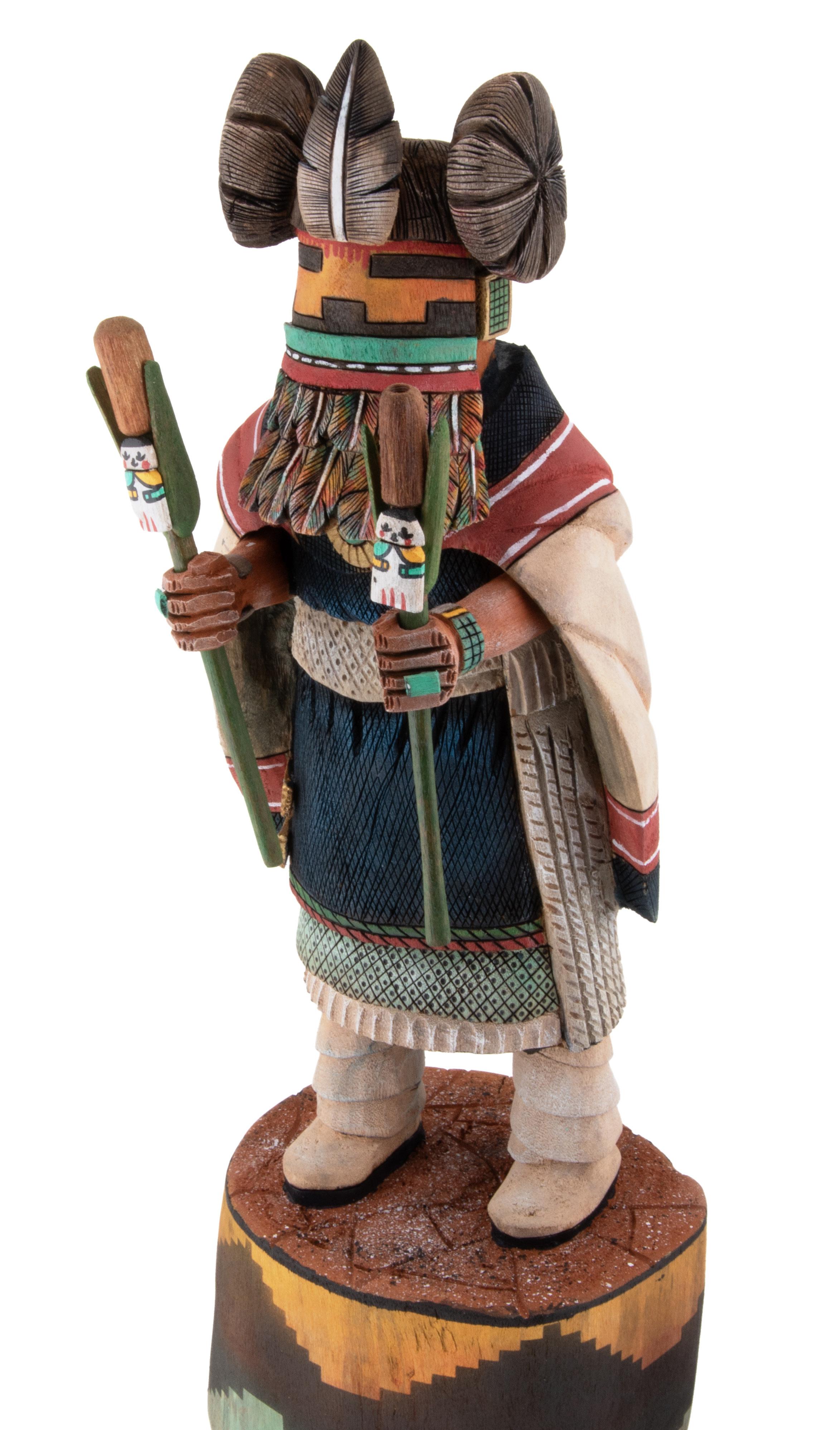
The tradition of katsina doll carving comes to vibrant life at the Heard Museum’s 24th Annual Katsina Doll Marketplace, scheduled for April 11. This free event is the largest gathering of Hopi katsina doll carvers, bringing together renowned artists, collectors and enthusiasts inside the museum’s Steele Auditorium.
Katsina dolls hold profound meaning in Hopi culture, representing spiritual messengers and embodying teachings, prayers and blessings. The Katsina Doll Marketplace offers a unique opportunity to meet talented Hopi carvers, witness carving demonstrations and enjoy live music.
“This is a unique and special event for the artists, in that [the carvings are] limited to Katsinam and there are no artist fees,” said Kelly Gould, director of retail operations for the Heard. “The Museum Shop happily sponsors the event as a way to give back to the carvers and highlight this special medium of art. From the complete novice to the experienced collector, there is something for everyone.”
The 2026 signature Katsina doll is by Buddy Tubinaghtewa (Hopi) and will be up for raffle. Patrons can purchase tickets for the drawing in-store at the Heard Museum Shop for $2 each or six tickets for $10. The raffle drawing will take place on the day of the event, and the winner does not need to be present to win.
A RECENT GIFT TO THE HEARD DOCUMENTS EARLY TRAVELS IN THE SOUTHWEST
By Diana Pardue | Chief Curator
The Heard is fortunate to receive wonderful offers of donations that cover so many important areas of the collection, from paintings, sculptures and pottery to textiles, baskets and jewelry. Recently, a gift was made by a family member of Henry Jonathan Biddle, who participated in an ethnological research expedition to the Southwest before the turn of the last century.
During his junior and senior years at Sheffield Scientific School at Yale University, 19-year-old Henry Biddle traveled to Zuni Pueblo, New Mexico, accompanied by a friend, Howard Chappell. Biddle’s uncle, Spencer Fullerton Baird, who served as secretary of the Smithsonian Institution, may have been helpful in securing the position for his collegeage nephew. Biddle’s expedition was sponsored by the Smithsonian’s Bureau of Ethnology and the U.S. Geological Survey, which was under the auspices of the Department of the Interior.
Letters that Biddle wrote to his mother provide a glimpse of his travels from Chicago to New Mexico. On August 2, 1881, upon arriving at Fort Wingate, he
wrote: “We have at last arrived at our destination after many trials and tribulations. I scarcely know what to write about. I have seen such a lot in the last ten days.” He described Kansas cornfields and meadows. He also wrote about his view of New Mexico by train “from 5,000 to 8,000 ft above sea level. It was very beautiful, the grass green and luxuriant, and the view extending for fifty miles without a tree to break the stretch of green. On all sides could be seen vast mountain ranges and level topped ‘mesas.’” Biddle continued, “Europe is dull and wooden looking in comparison with this country.”
From Fort Wingate, Biddle and Chappell traveled by wagon to Zuni Pueblo along with Frank Hamilton Cushing, curator of ethnology at the Smithsonian, and Victor Mindeleff, who was hired by the Smithsonian to measure and map the pueblo. Biddle and Chappell assisted Mindeleff in this task. In another letter, Biddle placed the village’s Indigenous name, A’shi’wi, in the heading along with the date of August 9, 1881. Biddle described the work entailed in drawing a map of the village and he included hasty sketches of a village view.
Biddle referred to the generosity and industriousness of the people in the village, which he estimated to have a population of 1,600. He stated: “There are little gardens about the village, each surrounded with a mud wall and the neat cultivation of these could not be surpassed. They have onions, peppers, pumpkins, watermelons, corn, etc., and when you consider the fact that not a blade of grass will grow on this dry soil without irrigation, it shows their industry.”
In each of the three letters, Biddle writes of the beauty of the land. On August 11, he commented about the surrounds of Zuni. “We are over six thousand feet above the sea. There is a bare treeless plain for miles about here, back of that rise steep cliffs, a thousand feet high and nearly perpendicular. The rock of which they are composed is of the brightest colors of red, yellow, brown, etc.—altogether a lovely prospect.”
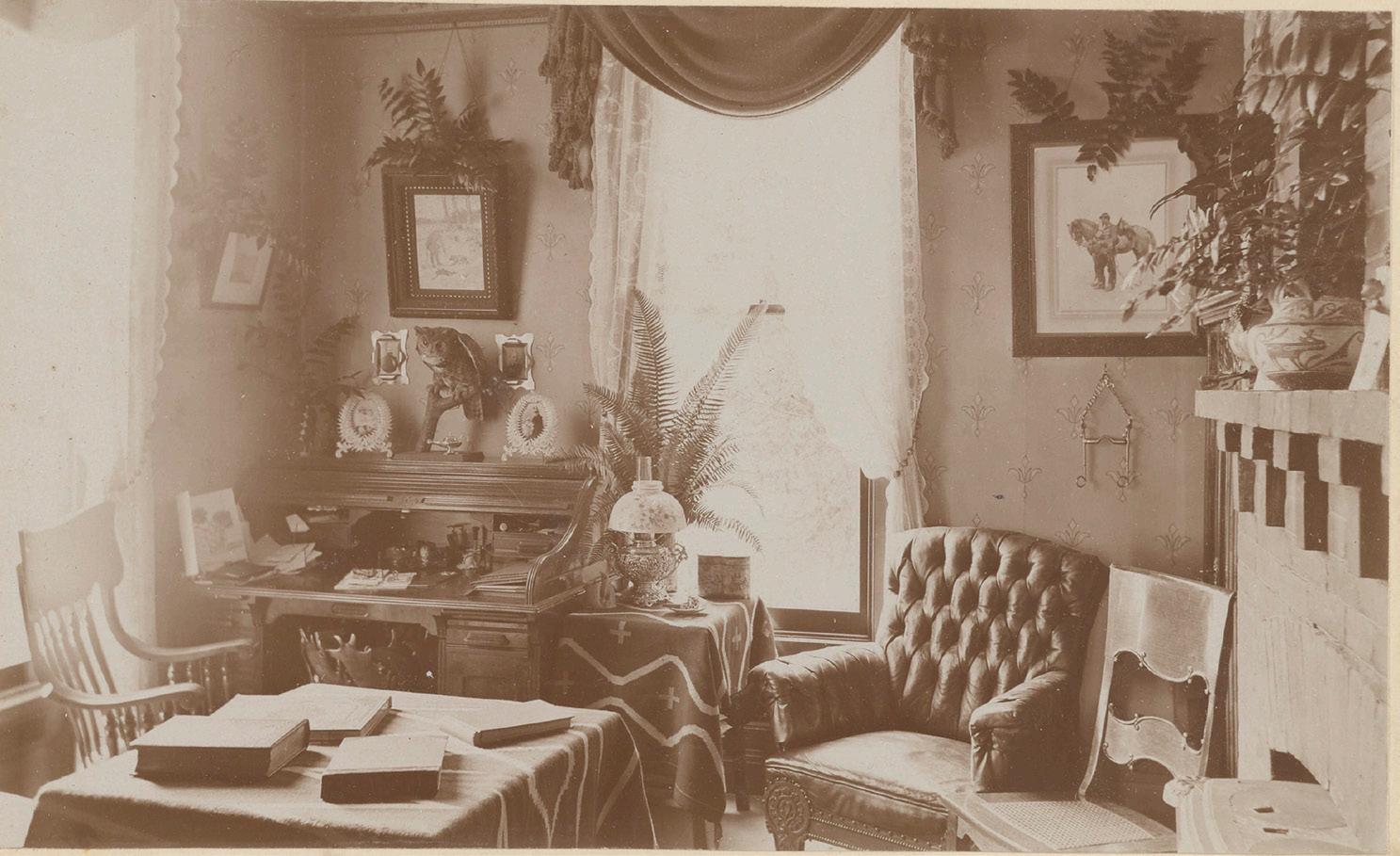
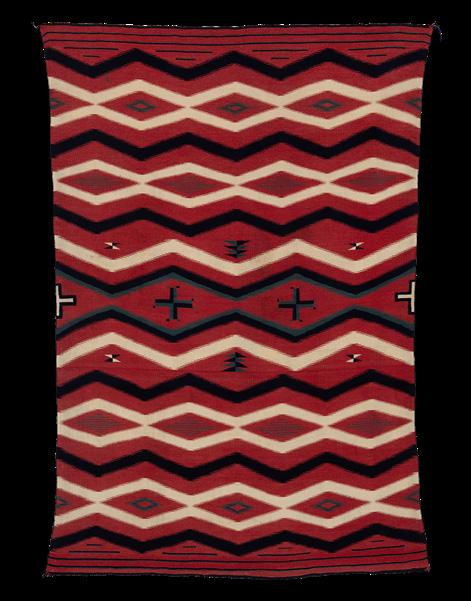
Biddle returned to college in the fall of 1881 and requested that Chappell purchase a textile for him, which is now in the Heard’s collection. Biddle graduated from Yale in 1882. Next, he completed a graduate degree in mining engineering from the Freiberg Mining Academy (Technische Universität Bergakademie Freiberg) in Germany, returning to the United States in 1885. He and his wife, Helene Haspelmath Biddle, settled in Oregon and Washington, and Biddle owned a silver mining company in Idaho.
The Heard is grateful for the gift of this textile. It is accompanied by copies of three of the letters Biddle wrote to his mother as well as a digital scan the family provided of Biddle’s home, where the textile can be seen displayed along with another textile and a Zuni jar.
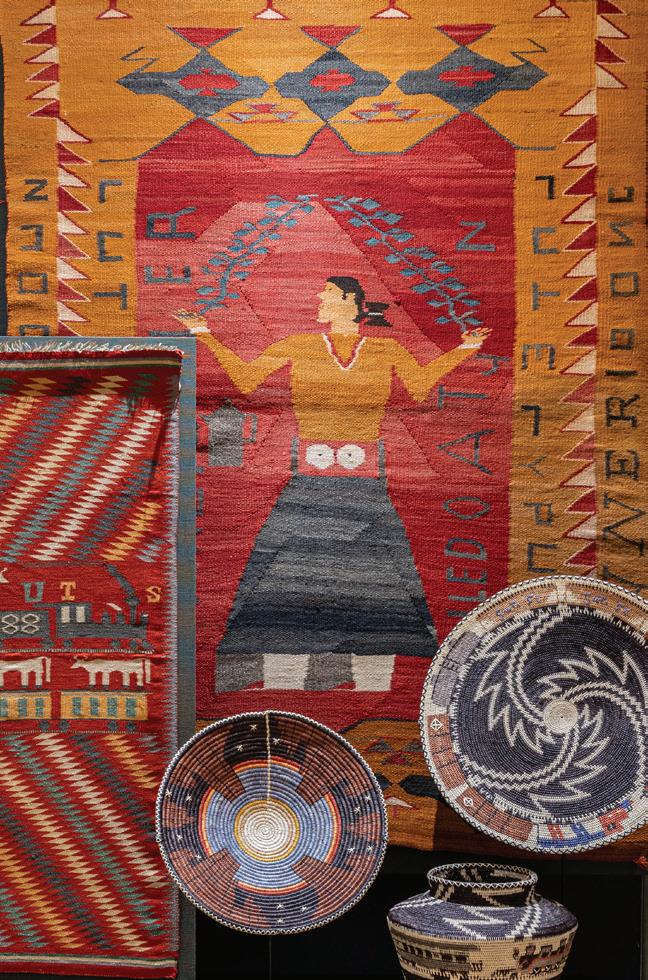
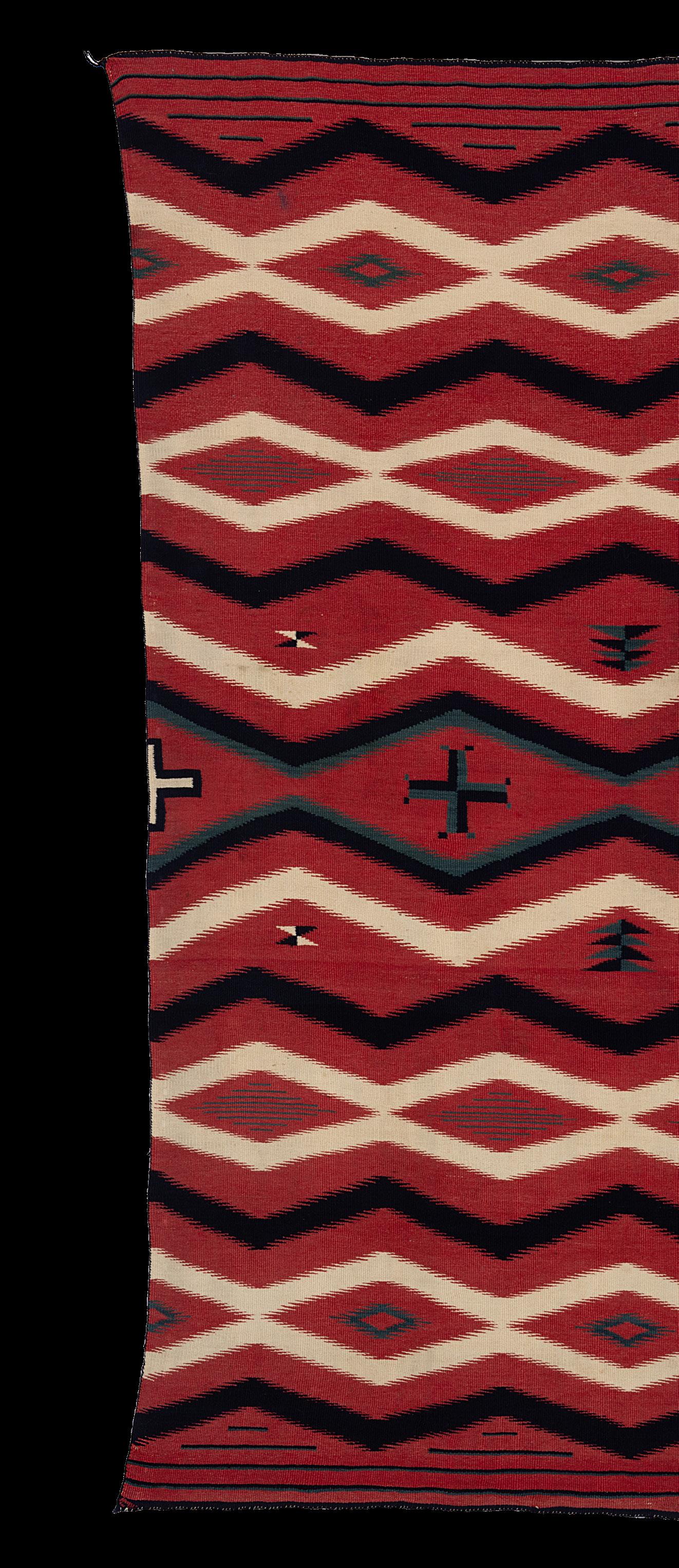
Artist Once Known (Diné), Late Classic bayeta serape, c. 1865-1870. Hand-spun wool, hand-spun raveled bayeta. Above left: Howard Chappell purchased this textile (shown on the table in the foreground) for Henry Biddle in 1881. It is now in the collection of the Heard Museum and is pictured at right. The photograph and quotations from the letters are courtesy of the family of Henry Biddle. The originals reside in the University of Oregon Special Collections and University Archives, Eugene. Gift of Christine Biddle Marshall, 5066-1.
Silent Auction
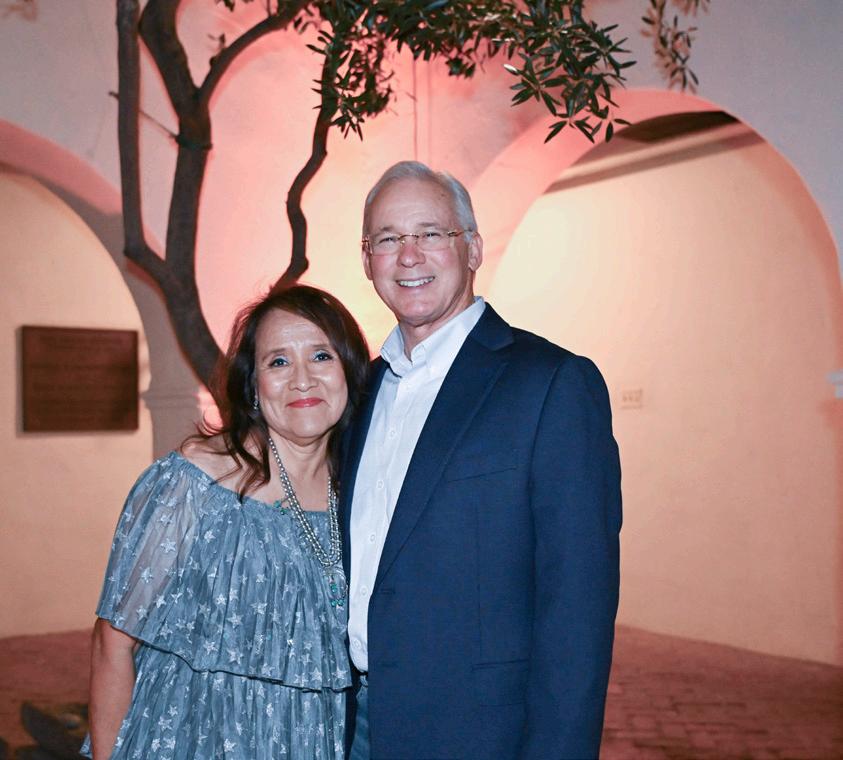
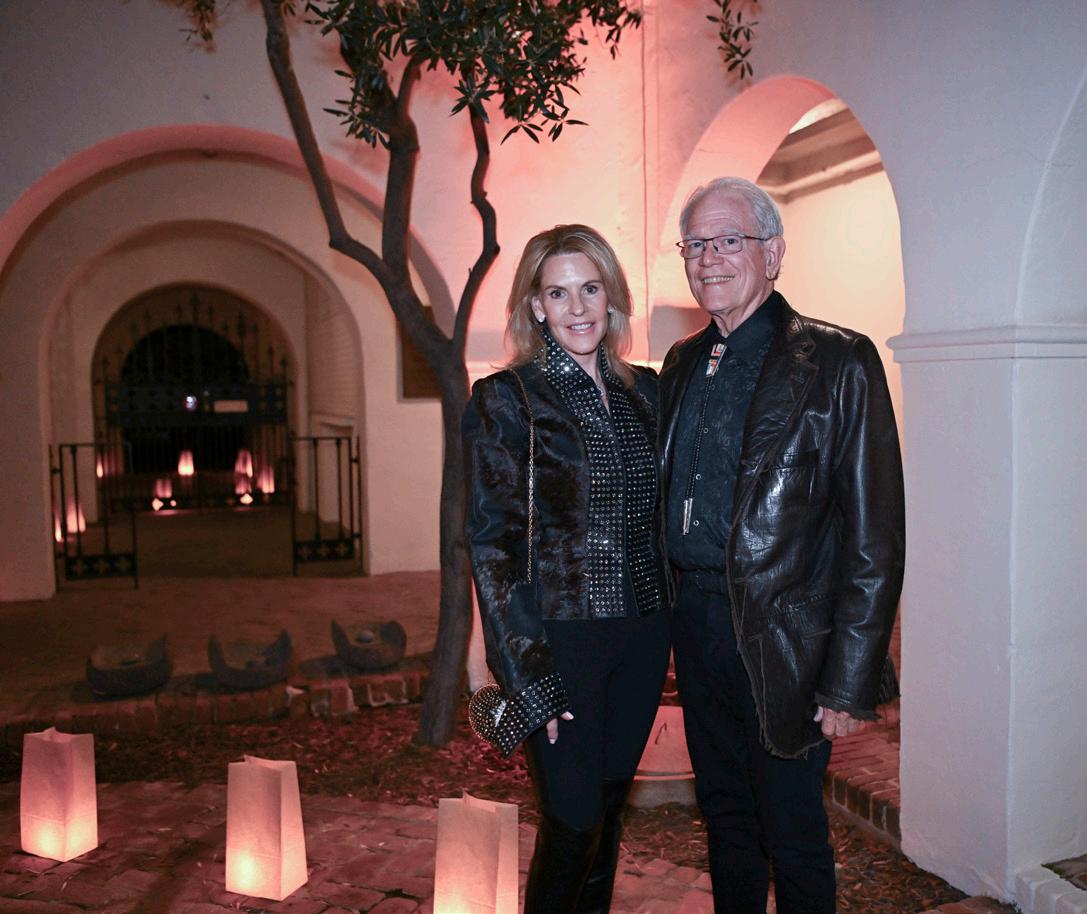
Lisa Shover Kackley and Jerry Kackley
Tara and John Coggins
Joel and Libby Cohen
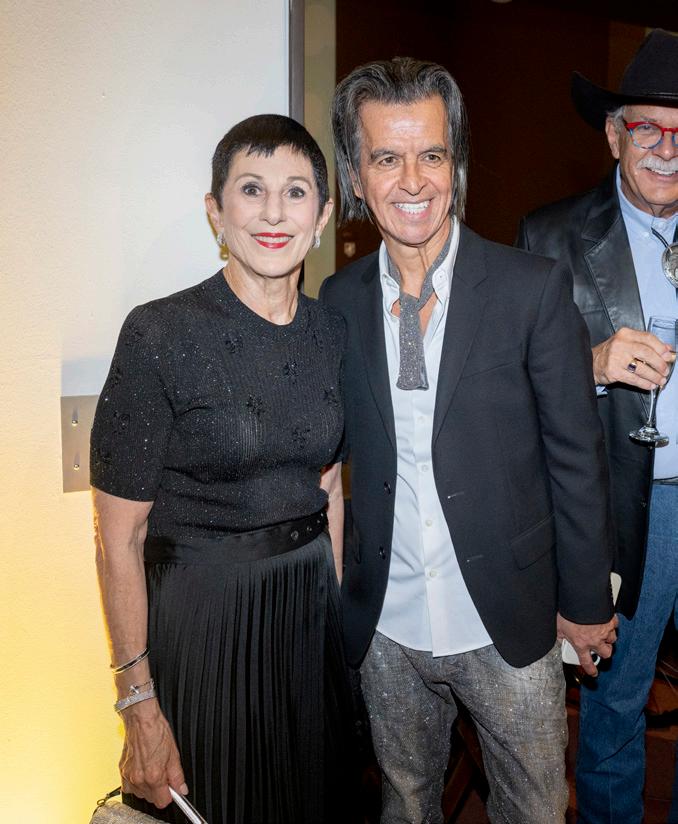
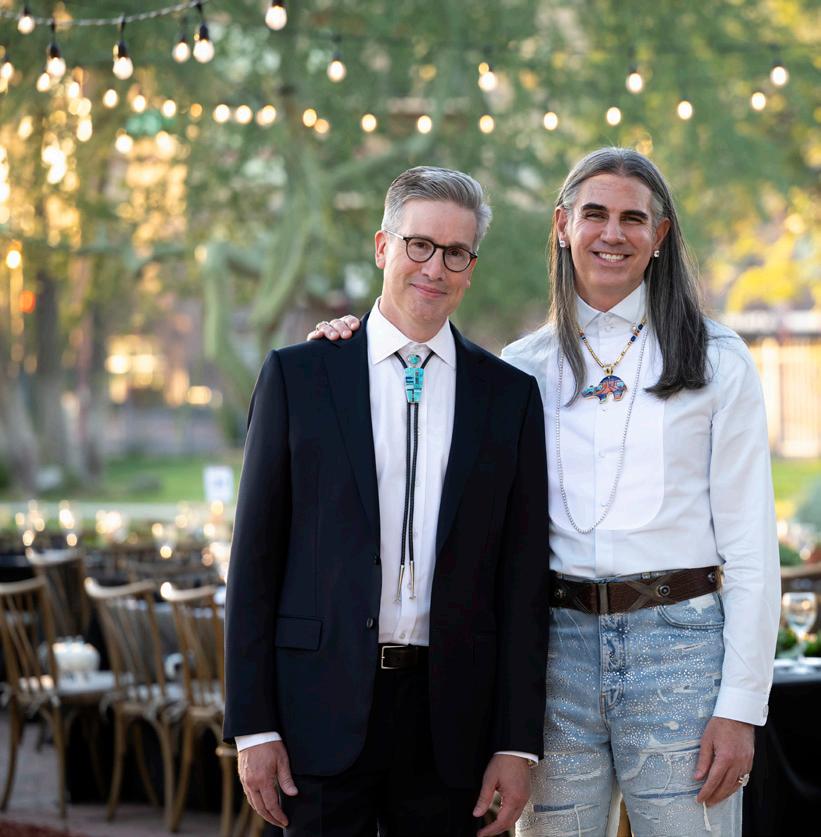
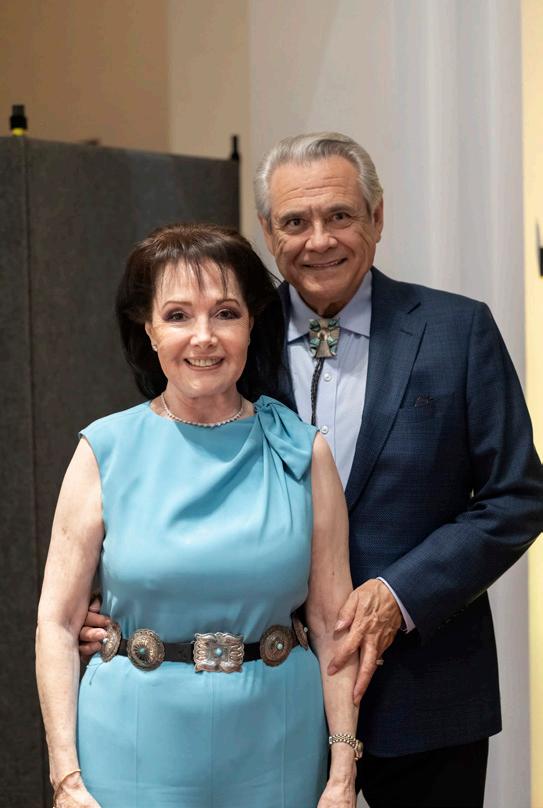
David M. Roche, Matthew Boland
Bo Monongye, Sharron Lewis
Jan Lewis, Gustavo Tabares
Mary Ellen McKee, Dr. Thomas McClammy
Raven Patterson, Jinx Patterson, Nadine Basha spring
WHAT AN UNFORGETTABLE EVENING!
By Judi Goldfader | Director of Development
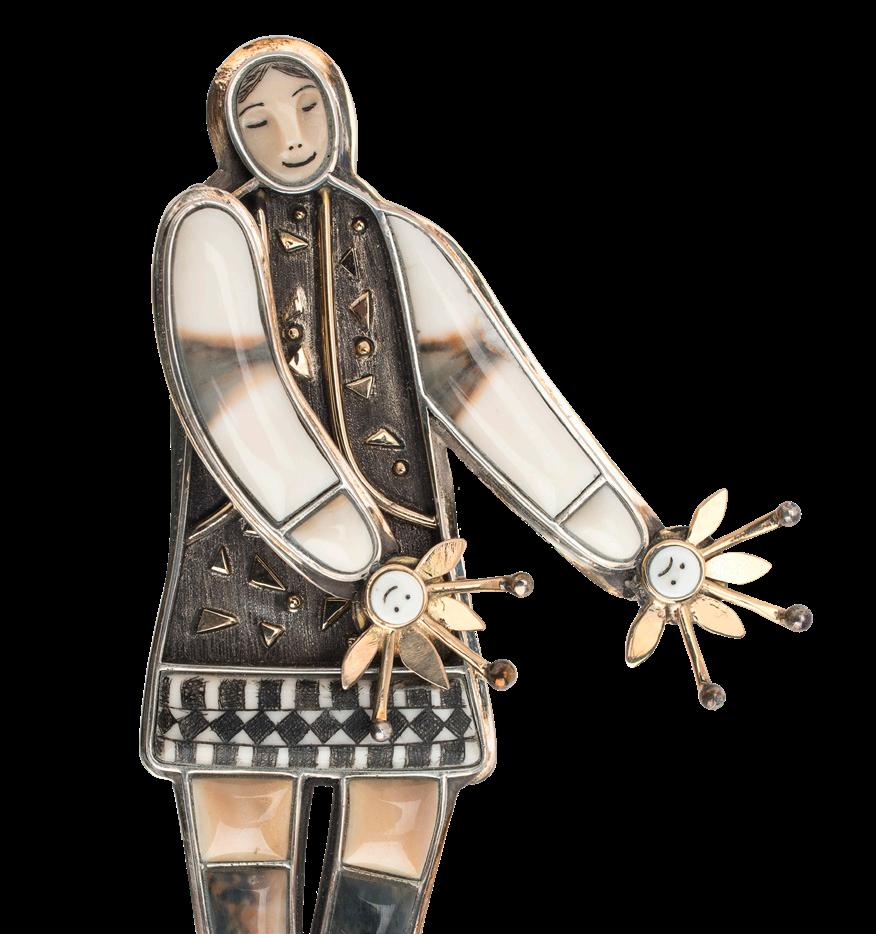
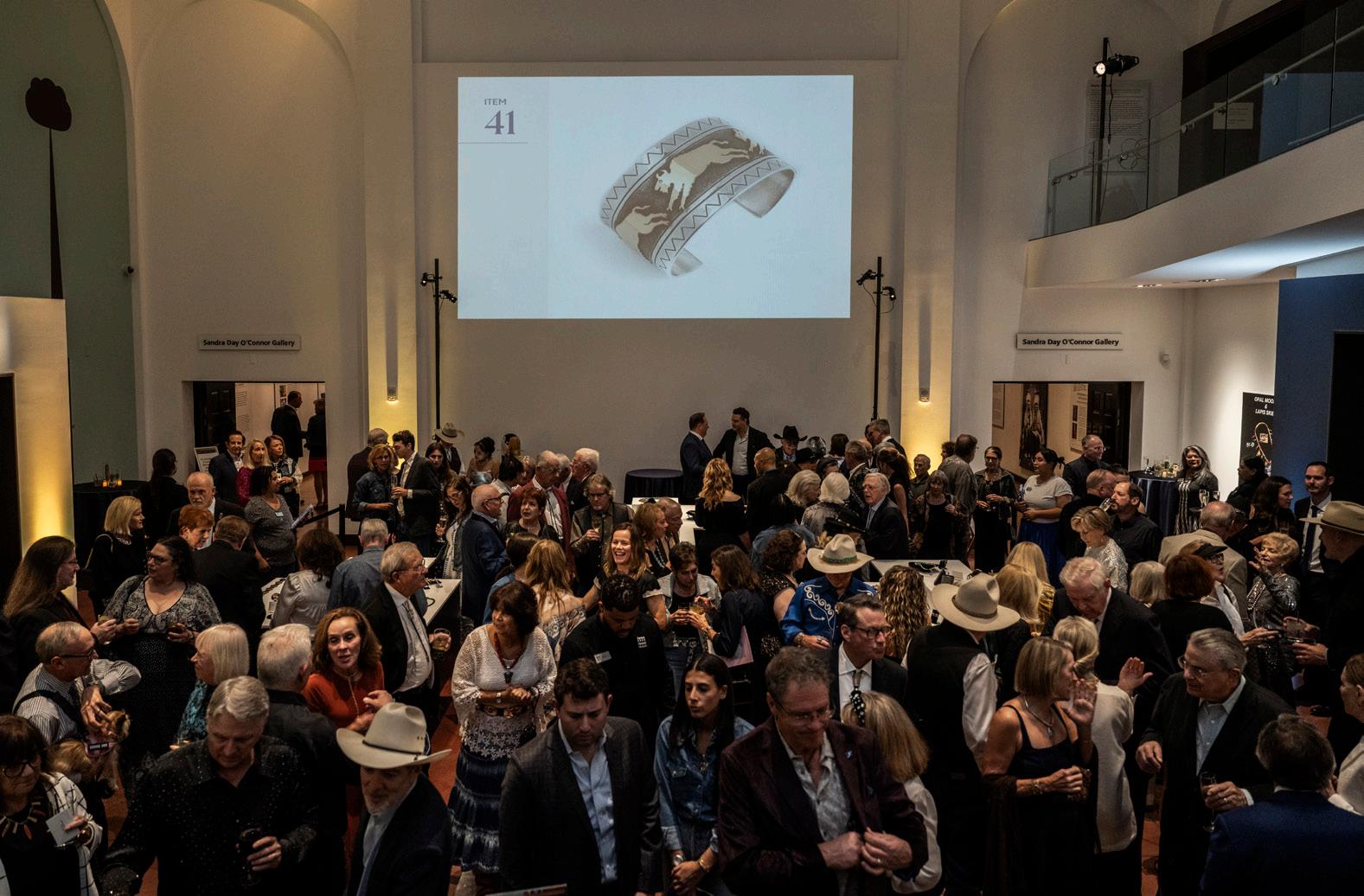
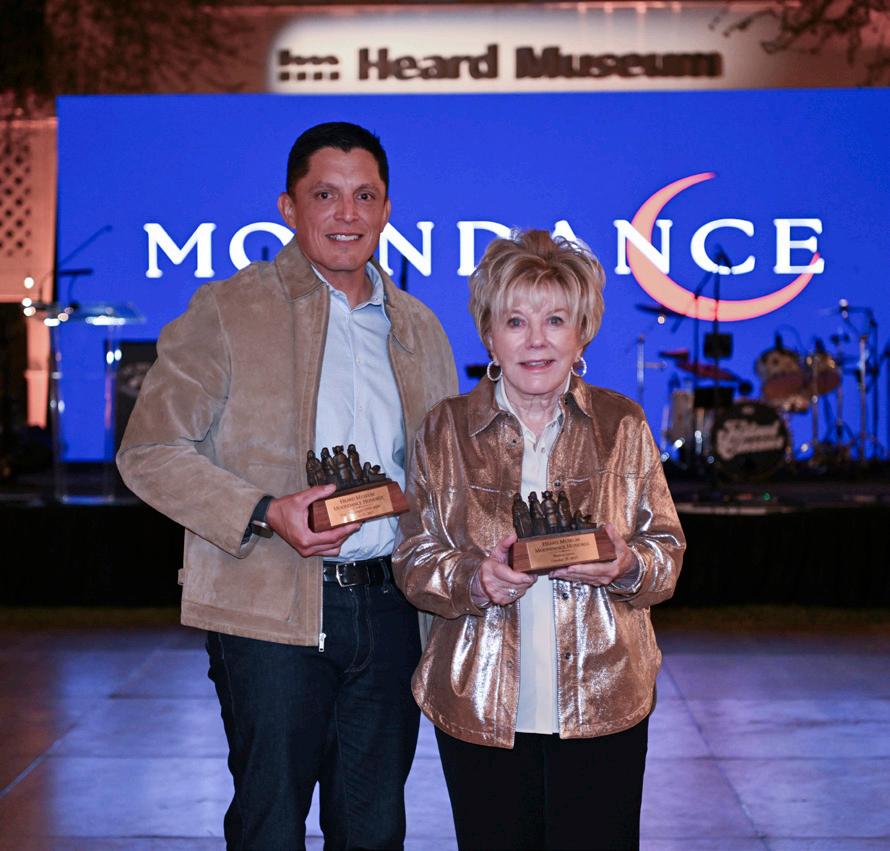
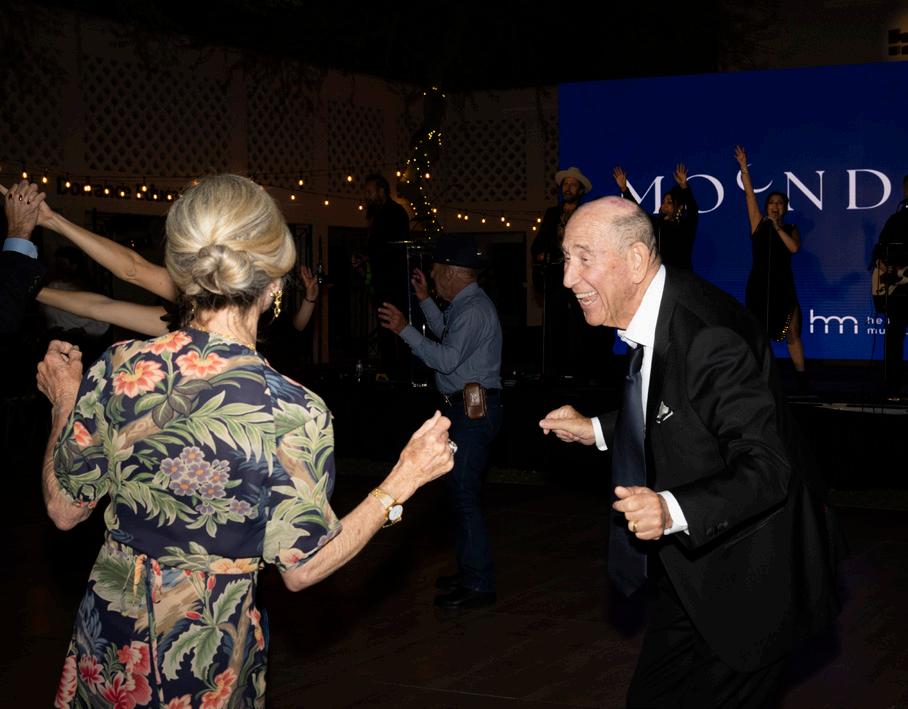
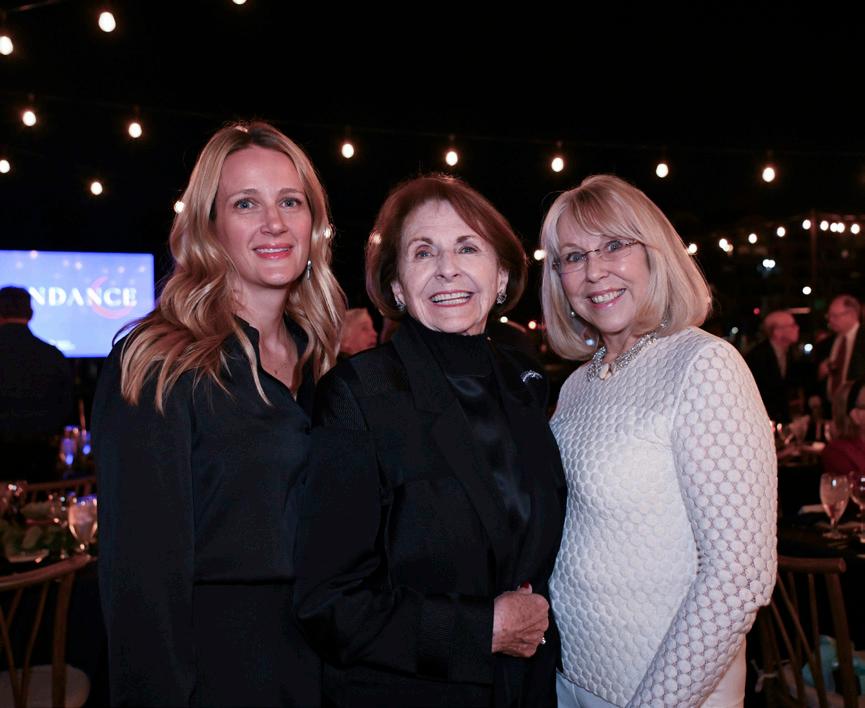
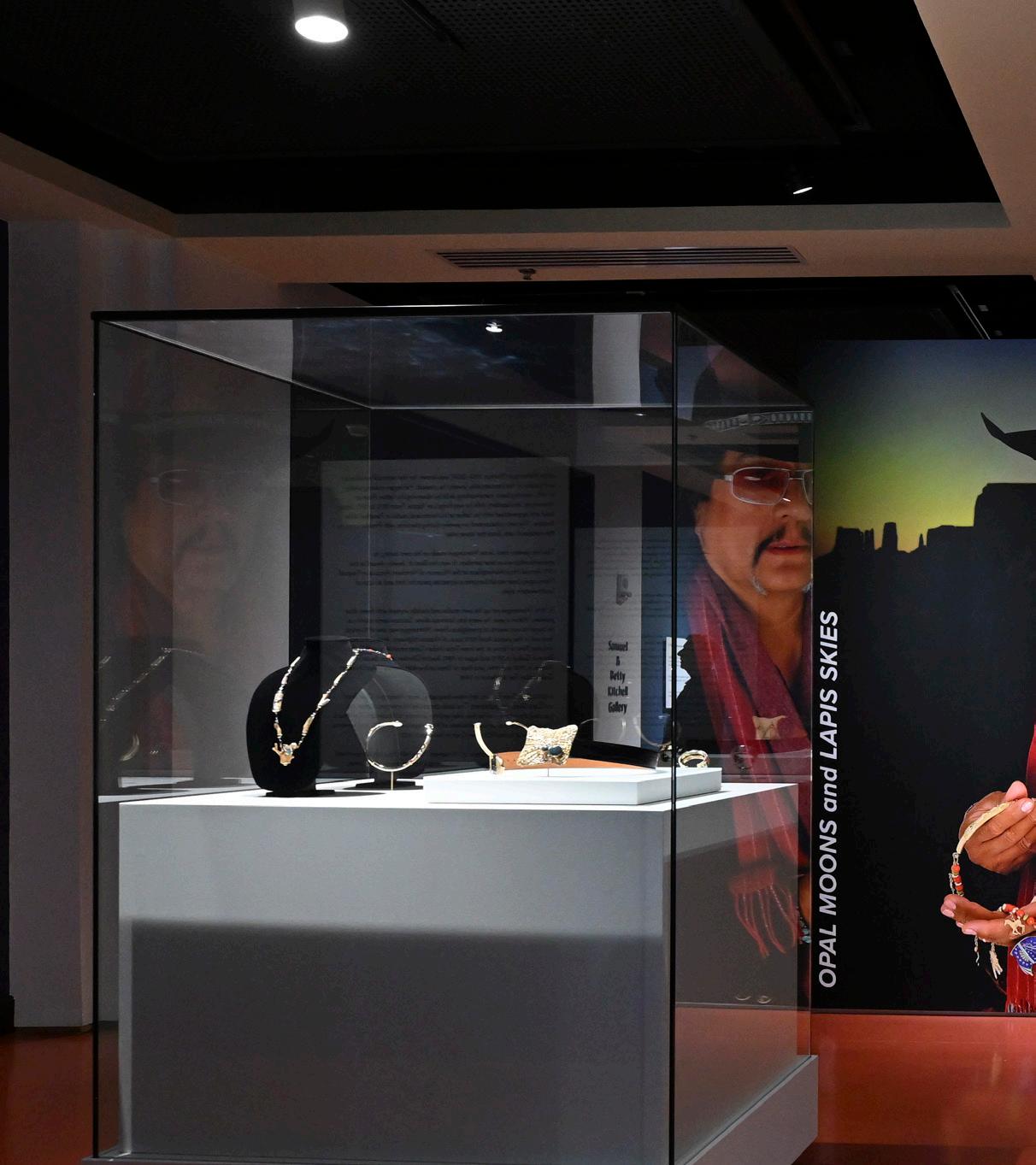
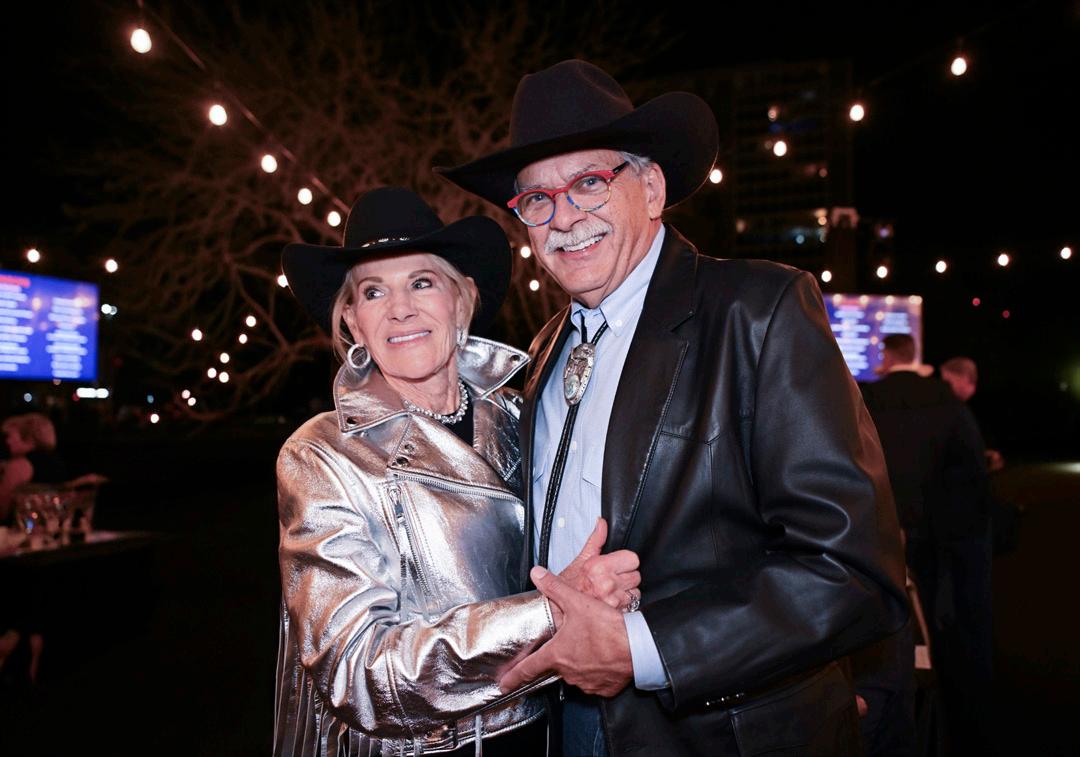
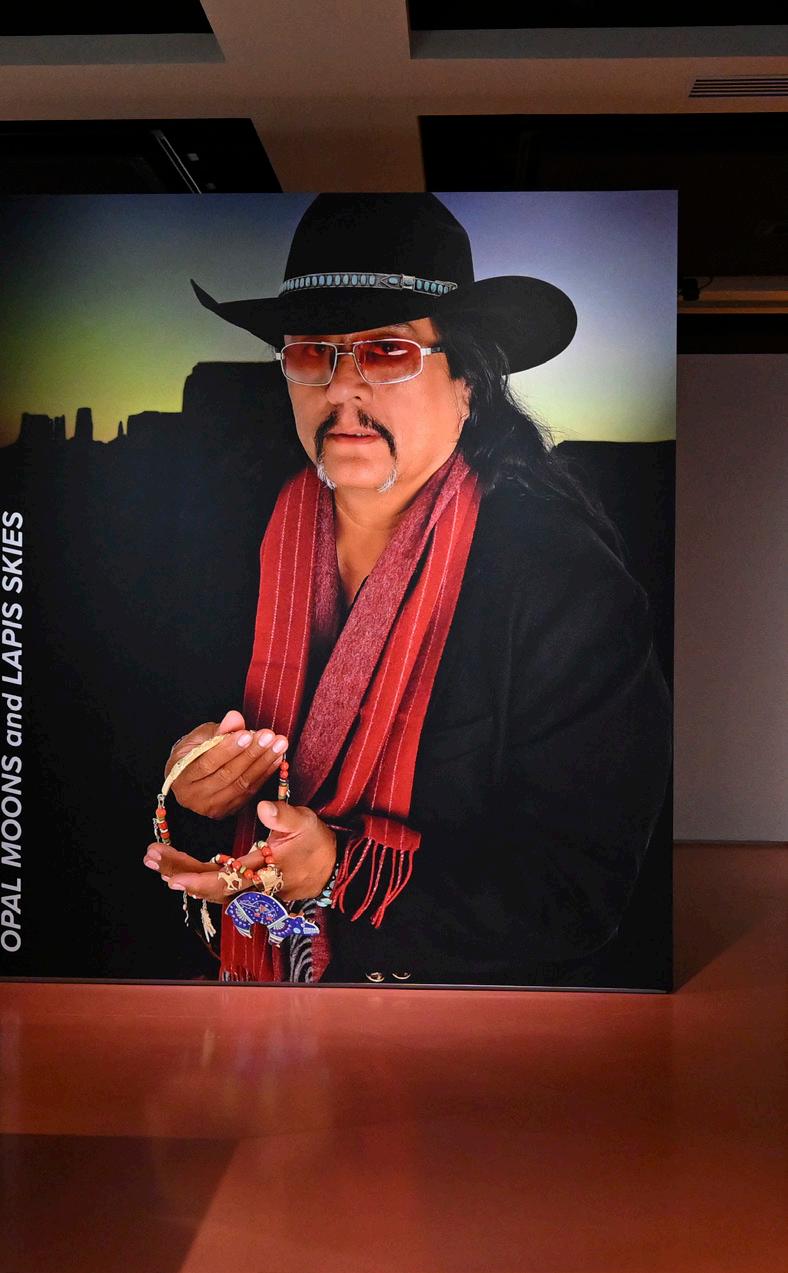
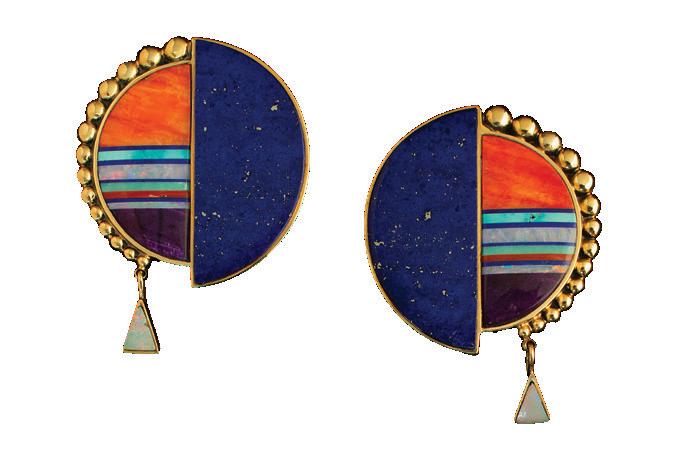
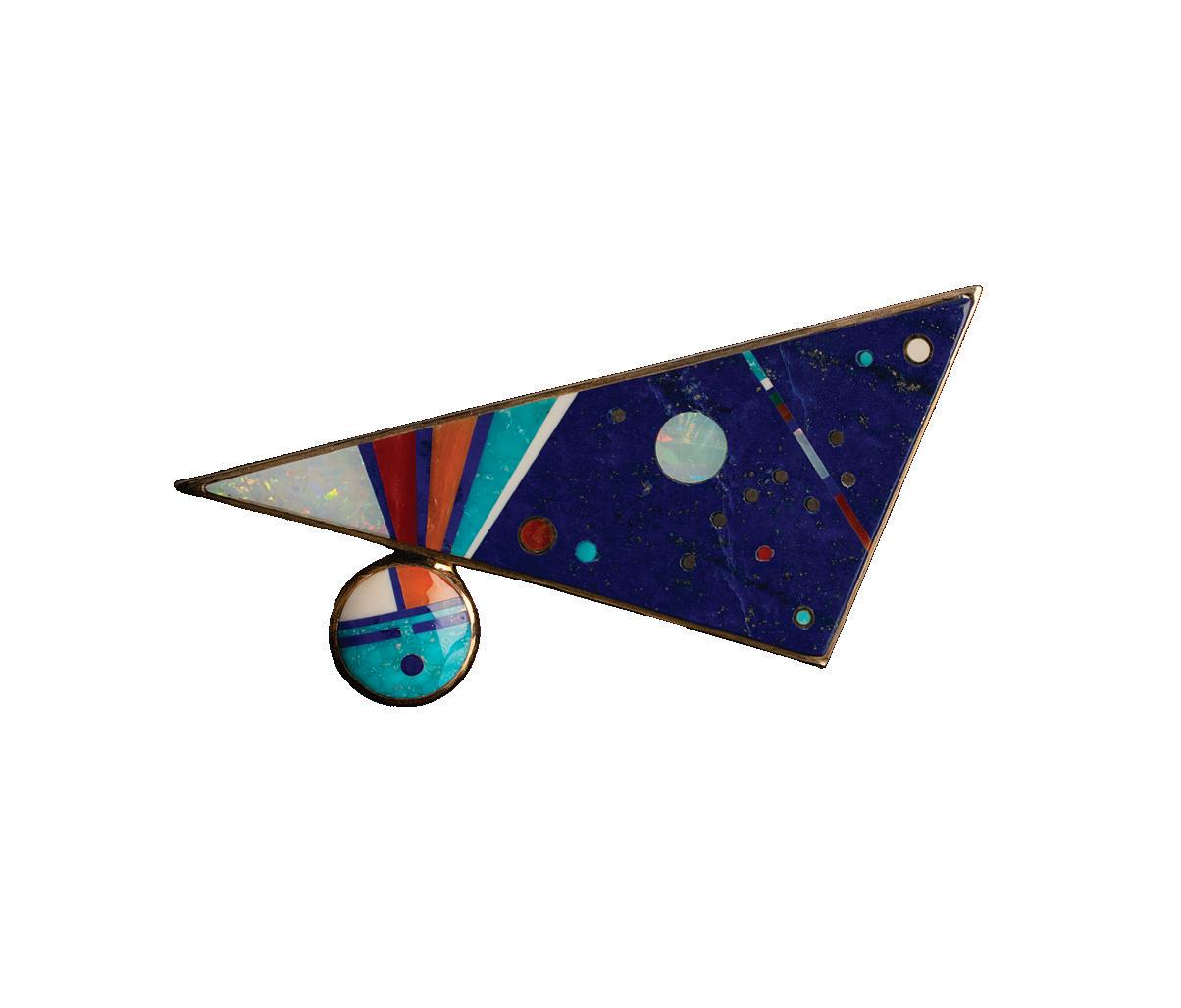
From the one-night-only exhibition Opal Moons and Lapis Skies to dancing beneath a brilliant desert sky, Moondance 2025 was an evening of art, joy and community spirit. Thanks to the generosity of our supporters, the Heard Museum’s signature gala raised an impressive $1.2 million through table and ticket sales, underwriting, direct donations, and a dazzling jewelry auction featuring more than 40 exceptional works by Indigenous artists including Charles Loloma, Denise Wallace, Robert and Bernice Leekya, Jesse Monongye and others.
This year, we were honored to recognize Heard Museum trustee Sharron Lewis and the late lapidary artist Jesse Monongye, whose generosity, dedication and artistry continue to shape the Heard in meaningful ways. Their enduring impact set a heartfelt tone for the celebration.
Under the inspired leadership of Chair Matthew Boland and a committee of museum trustees, community stewards and former Moondance chairs, the event was reimagined with thoughtful, memorable touches: a new layout that brought guests together as one community, a dynamic opening performance by Indigenous Enterprise, and a playful “burger and shake” dessert that delighted guests while honoring Boland’s and Monongye’s friendship and their favorite place to meet.
Guests departed with a gift of blue corn pancake mix and prickly pear cactus syrup— because every great night deserves an equally great breakfast.
More than a gala, Moondance embodies what makes the Heard Museum so special—a vibrant home for art, culture and connection. If you would like to receive an invitation to next year’s celebration, please let us know. And be sure to save the date for Moondance 2026 on Oct. 24, 2026 another magical night under the stars.
Featured Jewelry by Moondance Honoree Jesse Monongye
Milena and Tony Astorga
Jesse Monongye, Opal Moons and Lapis Skjes Exhibition
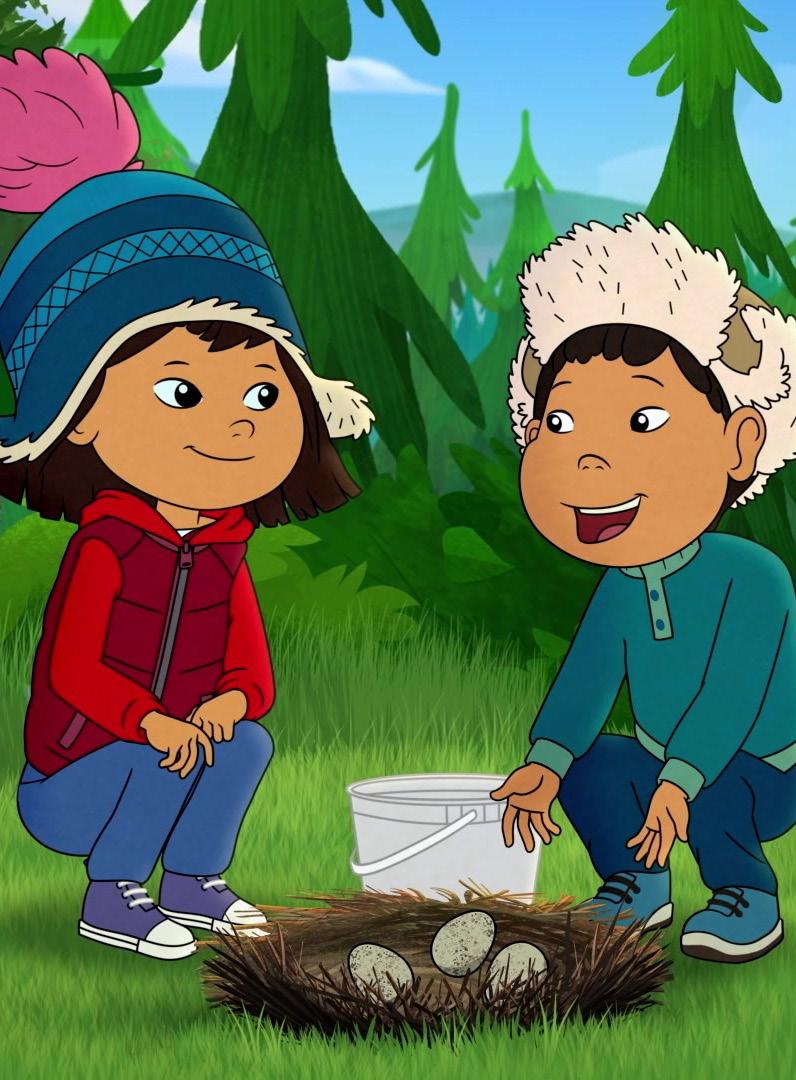
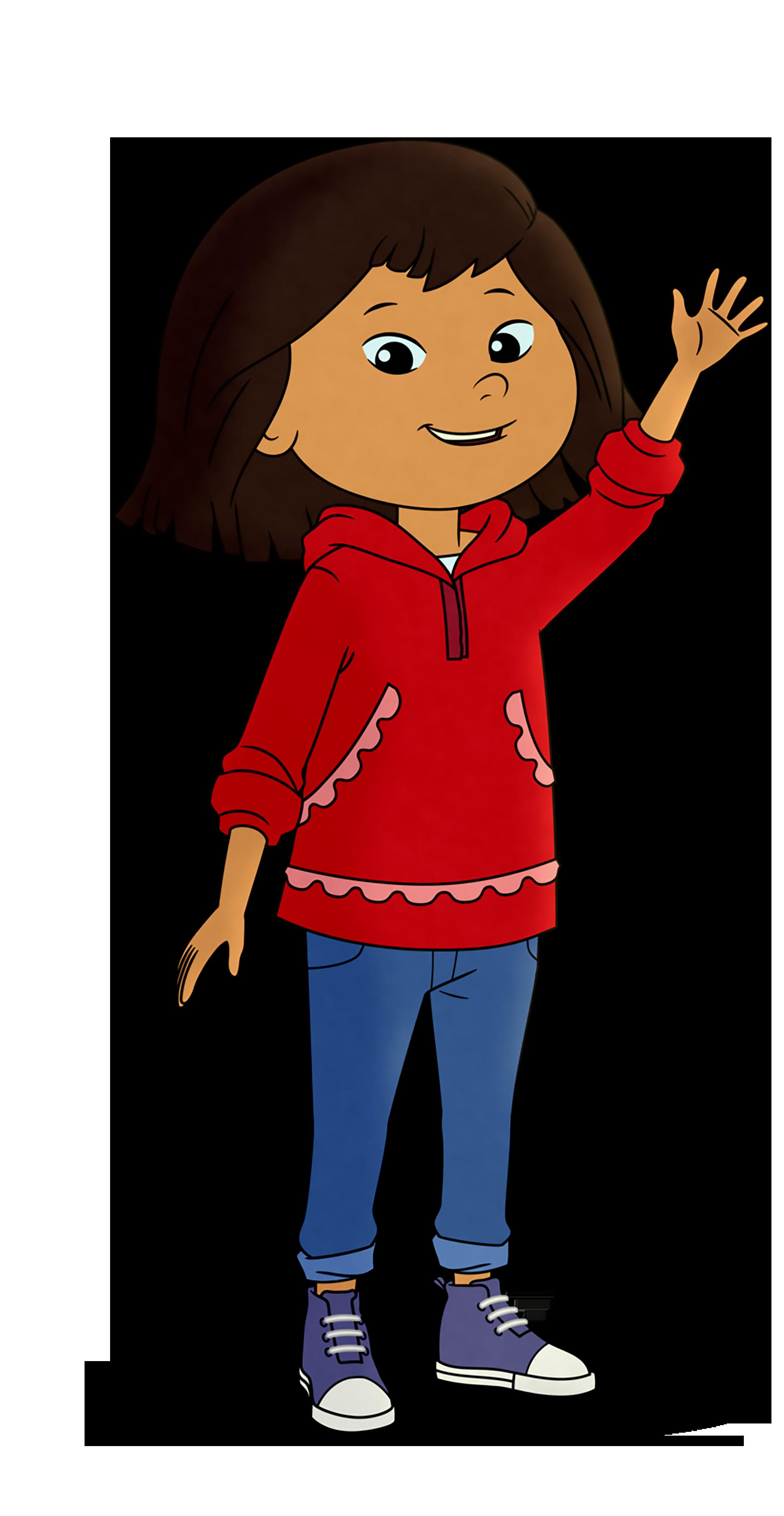
Ready for your next adventure? In this new experience based on the PBS KIDS® TV series Molly of Denali, join Molly and her family and friends as you explore the great outdoors of Alaska and learn all about life in Alaska!
Fly a bush plane, drive a snowmobile, navigate a snow maze in snowshoes, care for sled dogs and go ice fishing as you discover the all-season beauty of Alaska while exploring Alaska Native traditions, languages and values.