EARL KWOFIE
PORTFOLIO
2023
Designer, Programmer
I’m an architecture school graduate interested in the ways in which design can become a way to tell stories about the people we accommodate to and their influence on design approaches.
COOPER UNION
COOPER UNION 09/2022 - 05/2023
Robotic Fabrication, Teachers Assistant
• Produced a series of prototypes, software tools, and manuals to assist students and professors on how to use the robot.
• Supervised and consulted students with various software tasks and implementation to the robot for a class during the spring
COOPER UNION 09/2021 - 08/2022
2018-2023 Machine Learning for Architecture, Researcher
B.Arch, Bachelor’s of Architecture
GEORGE LENDIE FUND PRIZE 2023
An award given to a graduating student that is selected by the dean.
MENCHEL FELLOWSHIP 2022-23
A grant I received for a videogame project I was working on outside of school for an exhibition.
CFA DESIGN SCHOLOARSHIP 2022
An award given to me by the AIA and the Center of Architecture among select nominated students.
CIF SCHOLARSHIP 2022
An award given to me by the Concrete Industry Foundation among select nominated students.
PALMER HAYDEN FELLOWSHIP 2022
A grant that I received to travel to Madrid with an emphasis on exploring the architecture there.
Rhino, AutoCAD, Blender, ZBrush, Photoshop, InDesign, Illustrator, Excel, Substance Suite, Marmoset, Unity, Unreal Engine, C#, C, Java, Python, KRL, Arduino, Drafting, Model Making
Benjamin Aranda, Principal at Aranda/ Lasch ben@arandalasch.com
Brad Samuels, Founding Partner at Situ brad@situstudio.com
Florian Meier, Director at Knippers Helbig f.meier@knippershelbig.com
• Collaborated with students from both the architecture and engineering programs to create new generative design tools
• Worked between programming and architectural representation to communicate between the disciplines
KNIPPERS HELBIG 05/2021 - 08/2021
Architectural Intern
• Designed a series of various structural connections and details to illustrate the feasibility of design ideas
• Created a series of automation tools and procedural design tools to speed up various tasks and workflows
COOPER UNION 01/2021 - 05/2021
Housing Epistemologies, Researcher
• Synthesized a series of resources about Mitchel-Lama in NYC to develop curriculum for a class about affordable housing
• Created drawings and drawing exercises to illustrate the goals of course taught in the following semester
PETER COFFIN STUDIO 01/2021 - 05/2021
Freelance 3D Artist & Digital Fabricator
• Collaborated on a series of digital models of scultuptures to see what sculpture will look like and how they are built
• Consulted on various digital fabrication methods like 3D Printing and C&C to actualize the sculptures faster
STEINBERG HART 05/2019 - 08/2019
Architectural Intern
• Developed various drawings, presentations, and models to help illustrate design intent to the clients.
• Designed a series of schemes with various drawings and renderings to conceive of a design idea for a public library
THIS IS MY THESIS PROJECT ABOUT CONSTRUCTING A RESPONSE TO THE ACCUMULATING RESIDUE OF THE BAY AREA TECH INDUSTRY. PRIMARILY TAKING PLACE IN THE HEART OF SAN FRANCISCO, THE PROJECT CONSISTS OF A SERIES OF VIGNETTES THAT EXPLORE A WORLD WHERE THE WASTE GENERATED BY BIG TECH BECOMES THE CATALYST FOR COMMUNITY ENGAGEMENT. THE PROJECT IS ADVISED BY BRAD SAMUELS.
This project focuses on two aspects of waste generated by the tech industry. Firstly, it addresses the byproducts of the tech boom in the Bay Area, particularly in San Francisco, and the large amount of vacant office spaces it has produced. Secondly, it examines the material waste from the constant innovation in the tech sector.
Due to trends in remote work in tech, around half of the people who work in San Francisco, work remotely from San Francisco - leaving 11.8 million square feet of un-occupied office space. With the existing lack of public space in the city, this office space is ripe for community engagement.
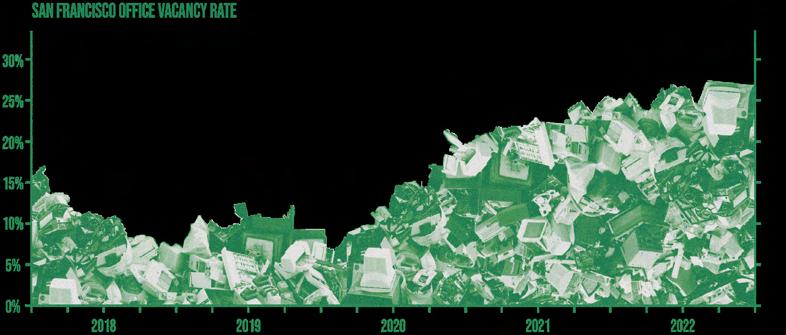
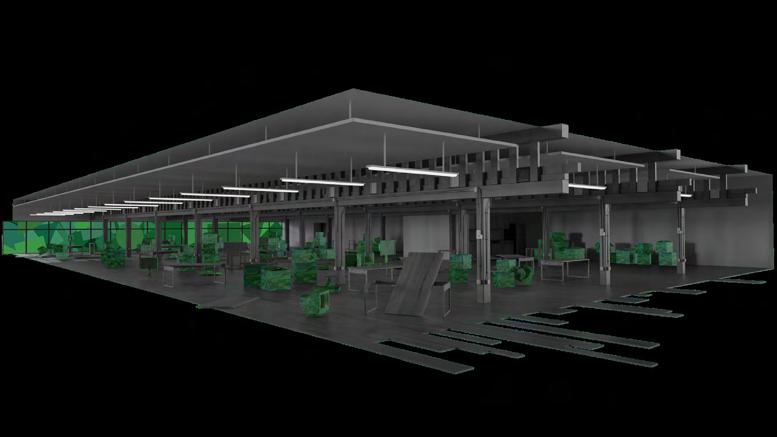
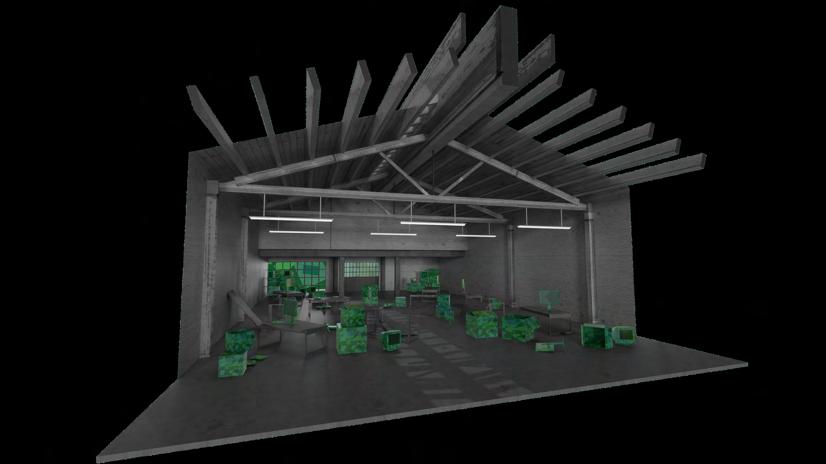
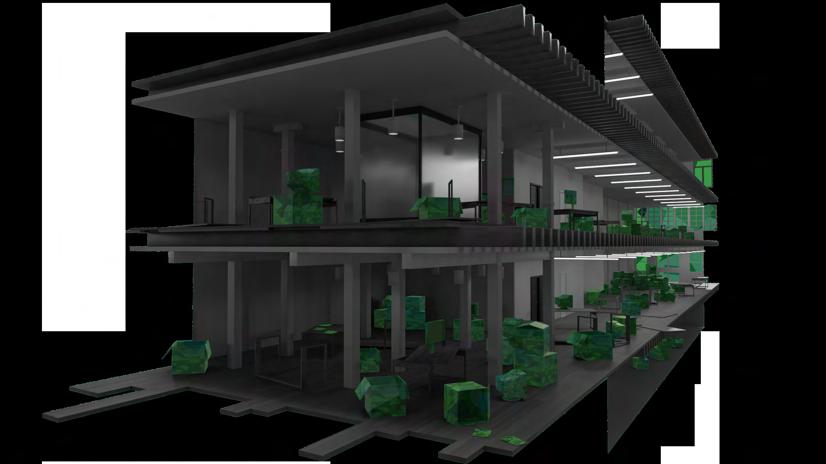
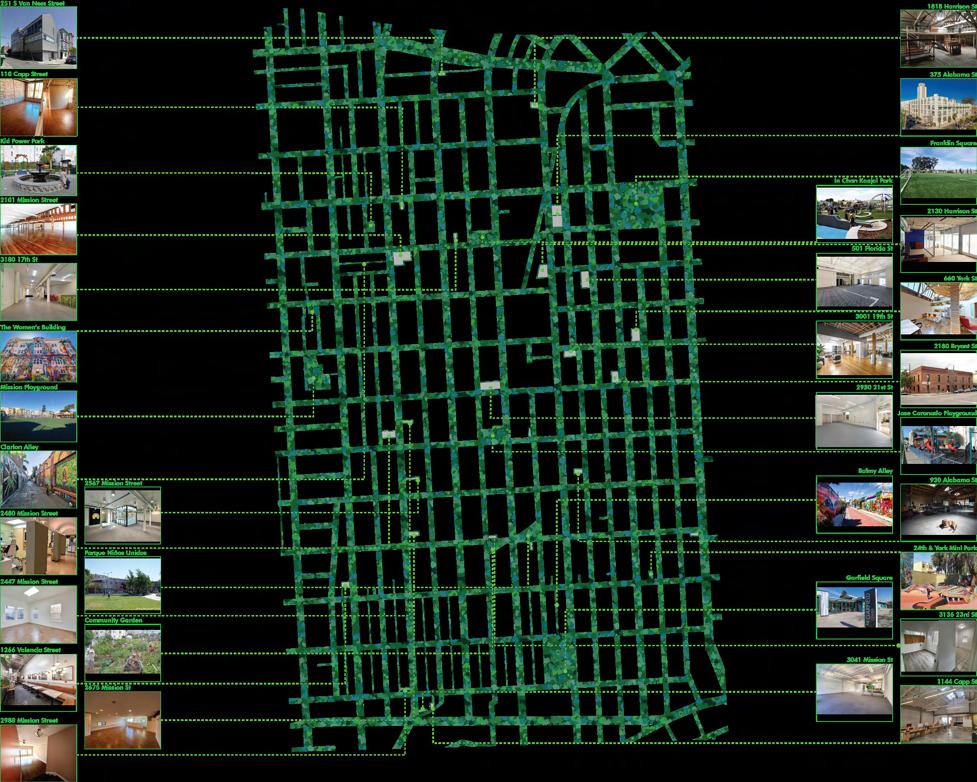 Fig. 3b Collage / Rendering
1144 Capp Street, a former warehouse that was once an office space, infill lot.
Fig. 3a
Collage/ Rendering
2567 Mission Street, a 3-story office space, infill lot.
Fig. 3c Collage/ Rendering
2101 Mission Street, Floor 2, an open space on a corner lot
Fig. 1 - Office Vacancy/ Public Space Plan of Mission District
Fig. 2
Fig. 3b Collage / Rendering
1144 Capp Street, a former warehouse that was once an office space, infill lot.
Fig. 3a
Collage/ Rendering
2567 Mission Street, a 3-story office space, infill lot.
Fig. 3c Collage/ Rendering
2101 Mission Street, Floor 2, an open space on a corner lot
Fig. 1 - Office Vacancy/ Public Space Plan of Mission District
Fig. 2
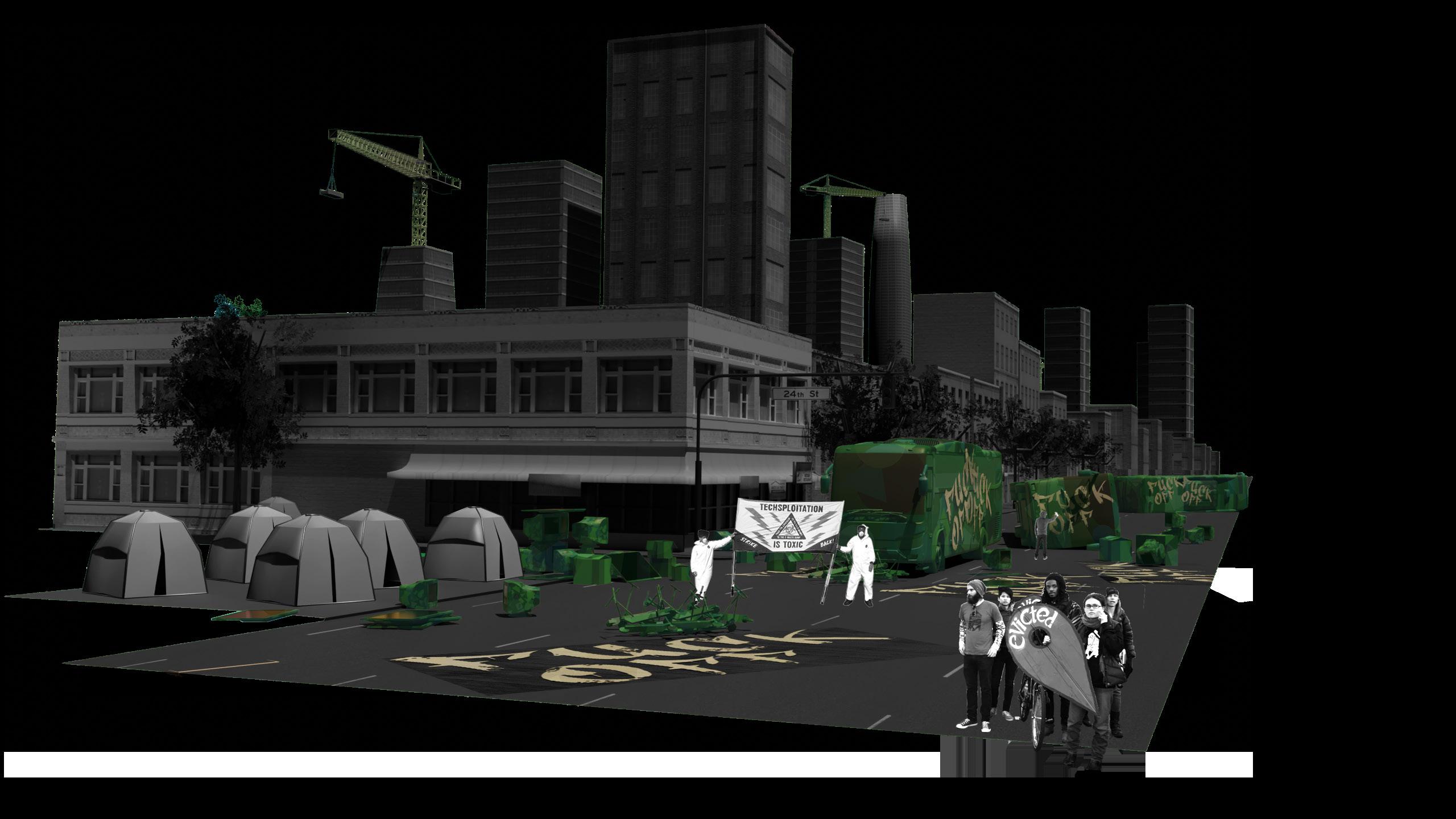
In addition to the reuse of office space, another aespect of the project was finding ways to reimagine worlds which reuse the material waste of outdated tech - and how communities are cultivated through them.
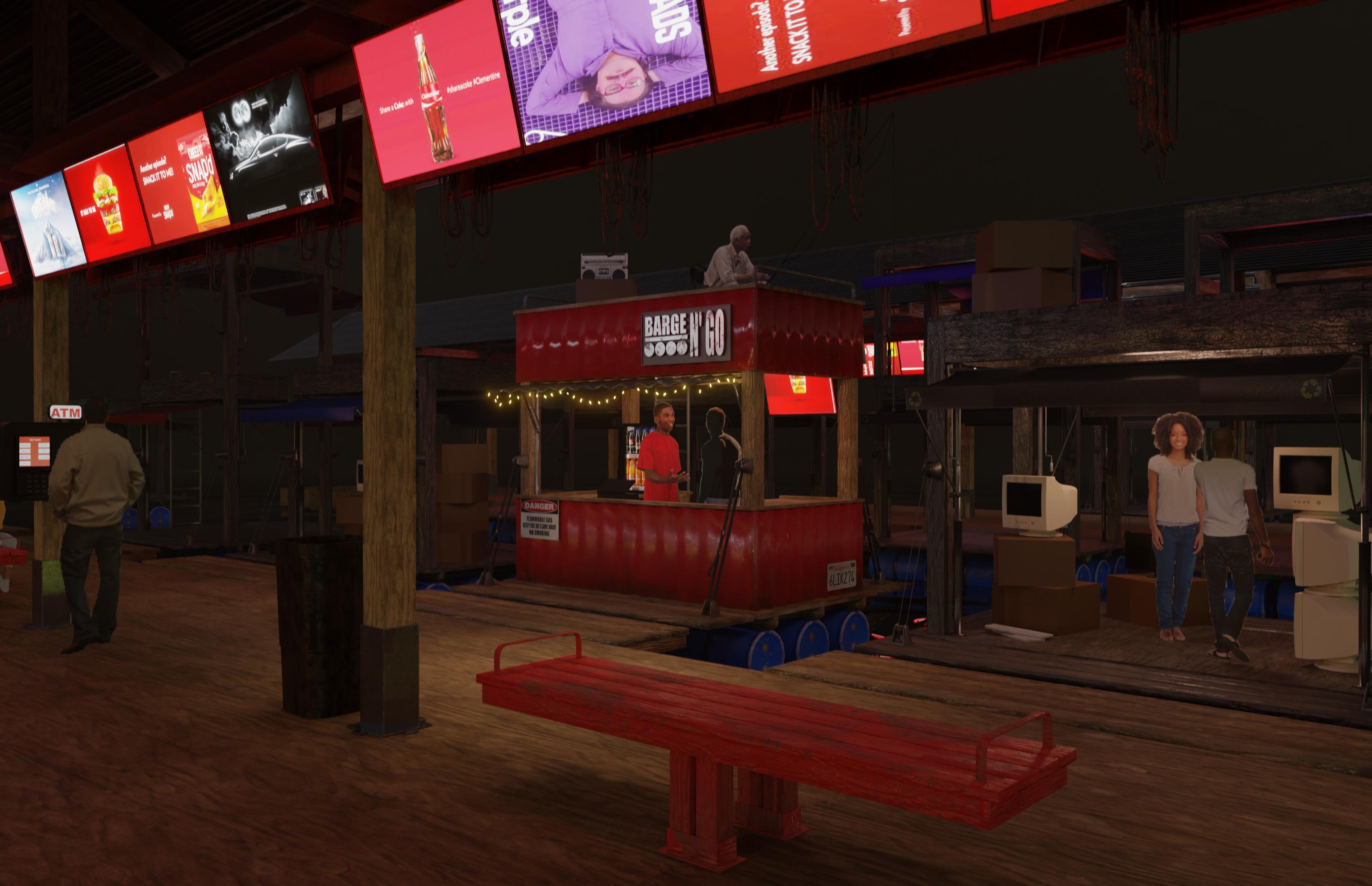
This particular scenario is a Self Driving Theater. By appropriating the failed experiments of self driving vehicles, this was a design for a self driving theater space.
By repurposing a porta potty trailer, and the racks from a data center, this design beame a mobile data center that could provide its own off-grid servers for any local community that uses it.
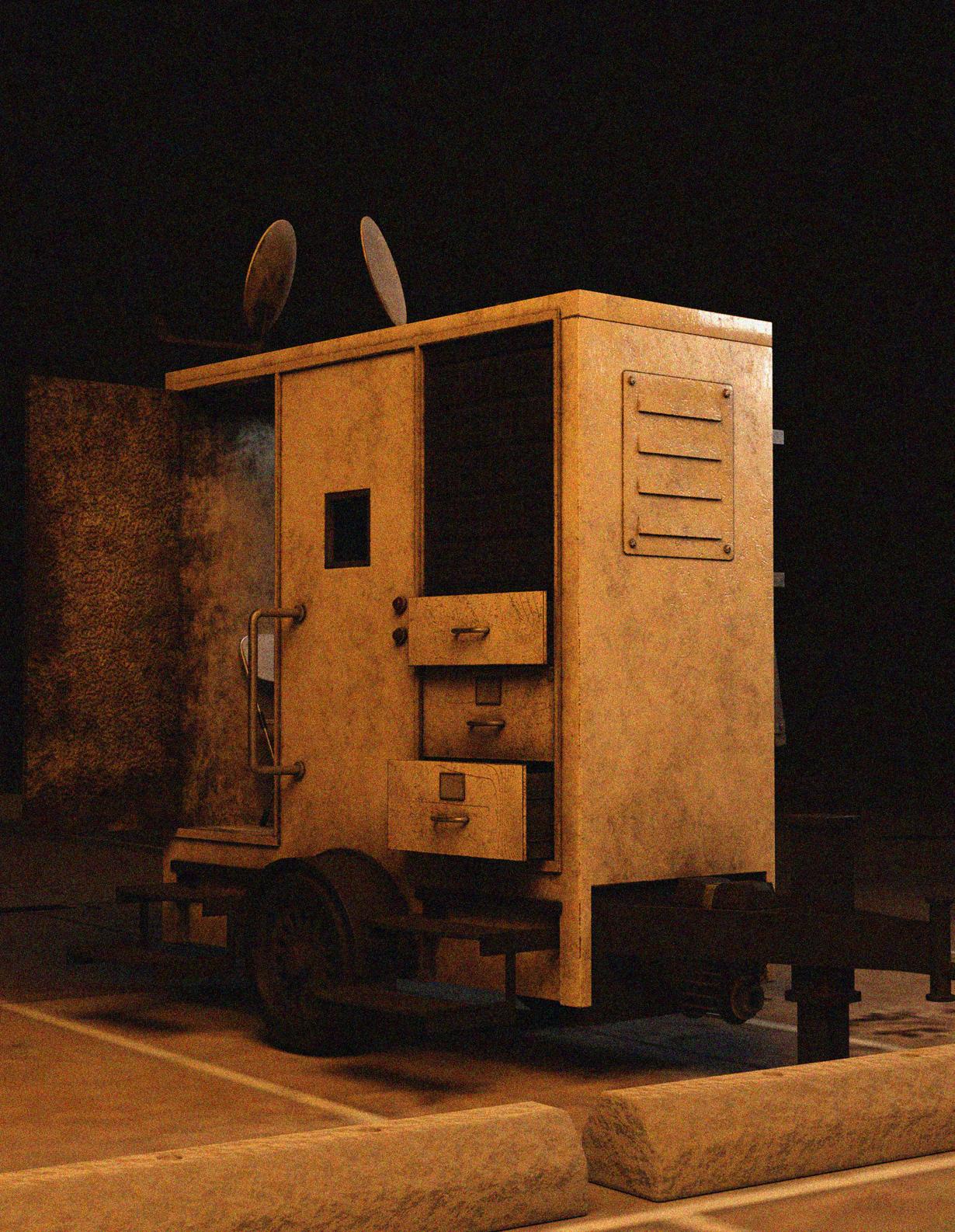
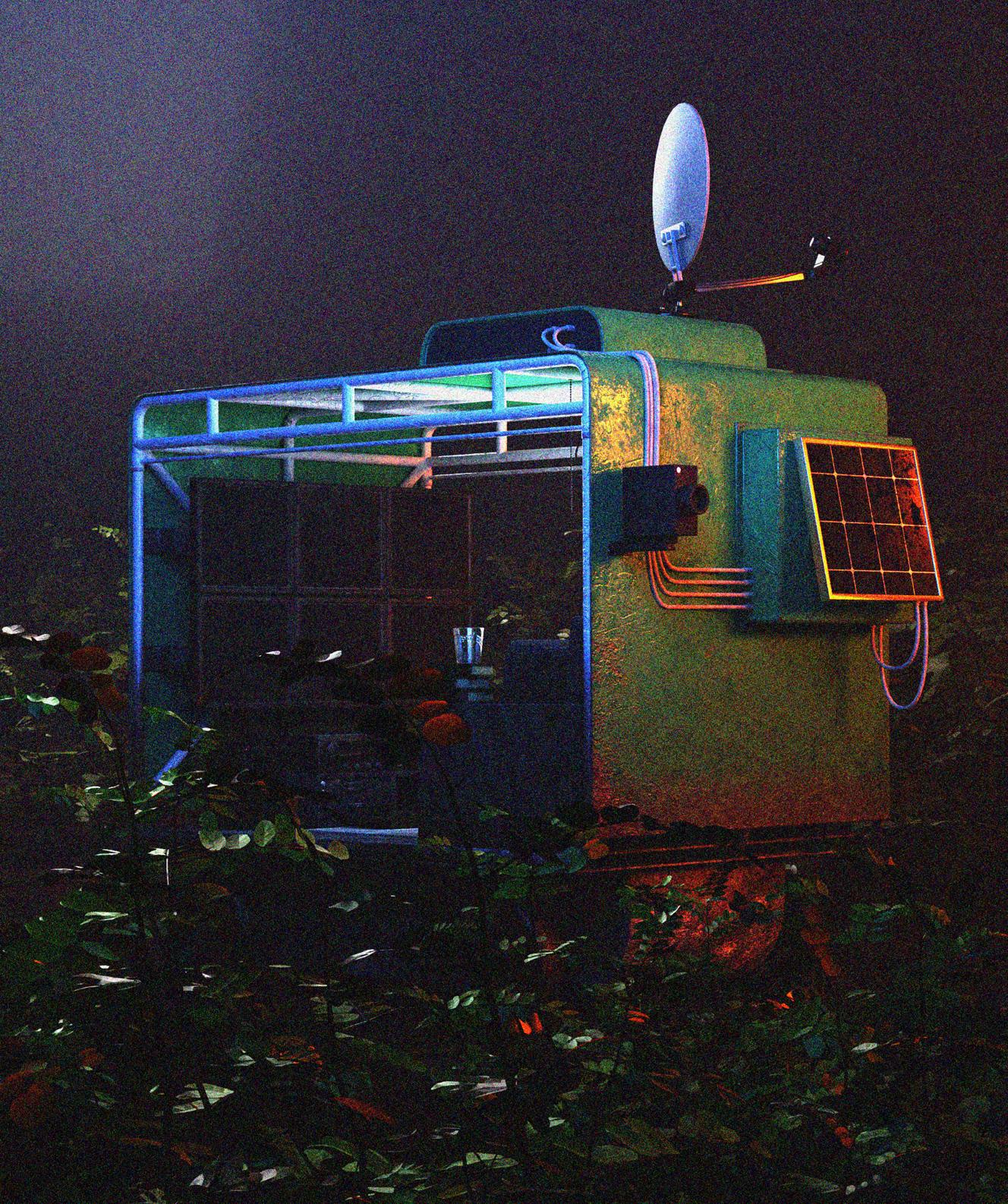 Fig. 1
Fig. 2
Fig. 1
Fig. 2
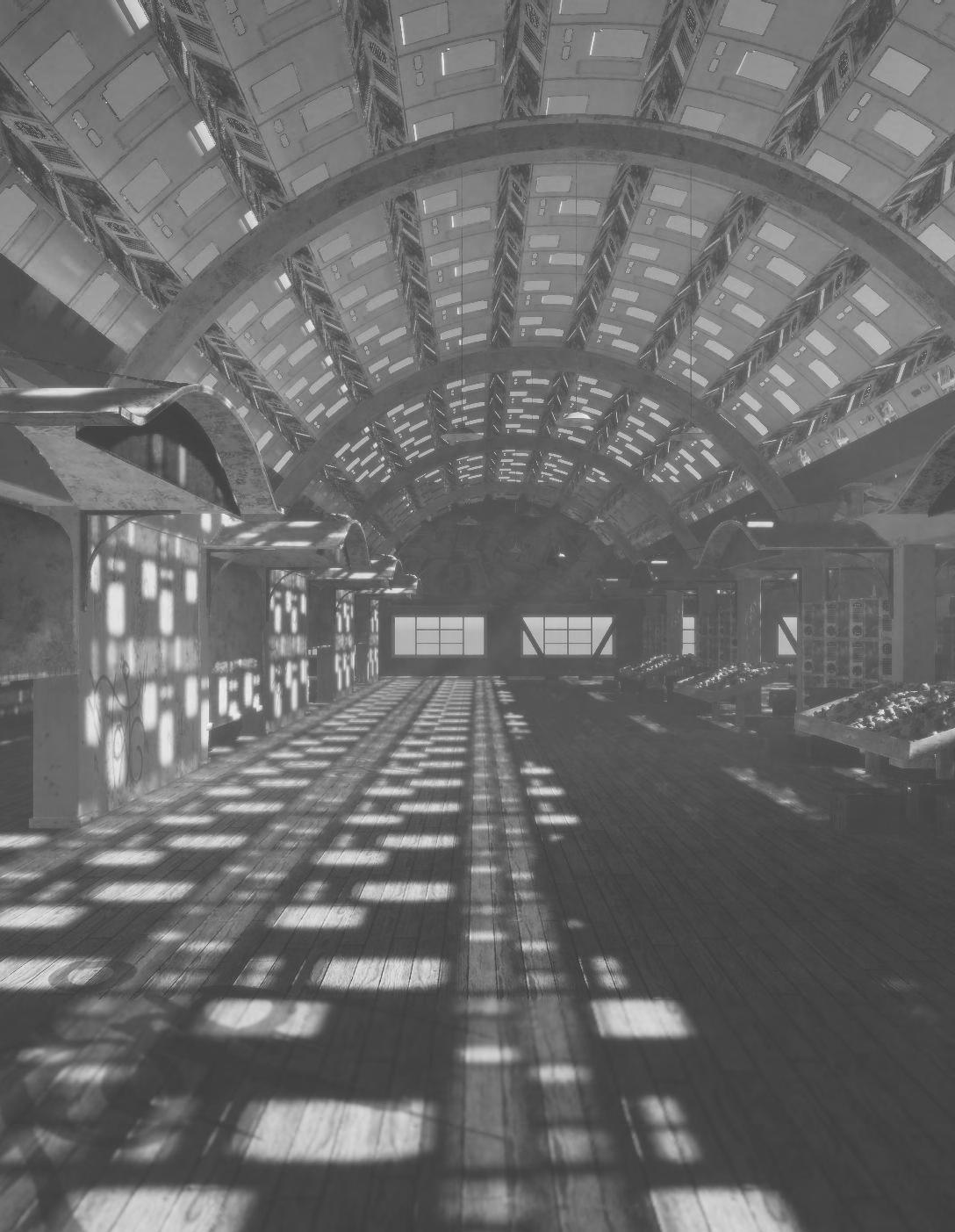
As a way to challenge the convention, I created small exploration videogame with a series of imaginative scenarios in which e-waste can be used to become the materiality to reuse of the office spaces. This example is a market constructed of vaults made of used computer cases meant to replace the roof of 2101 Mission Street.
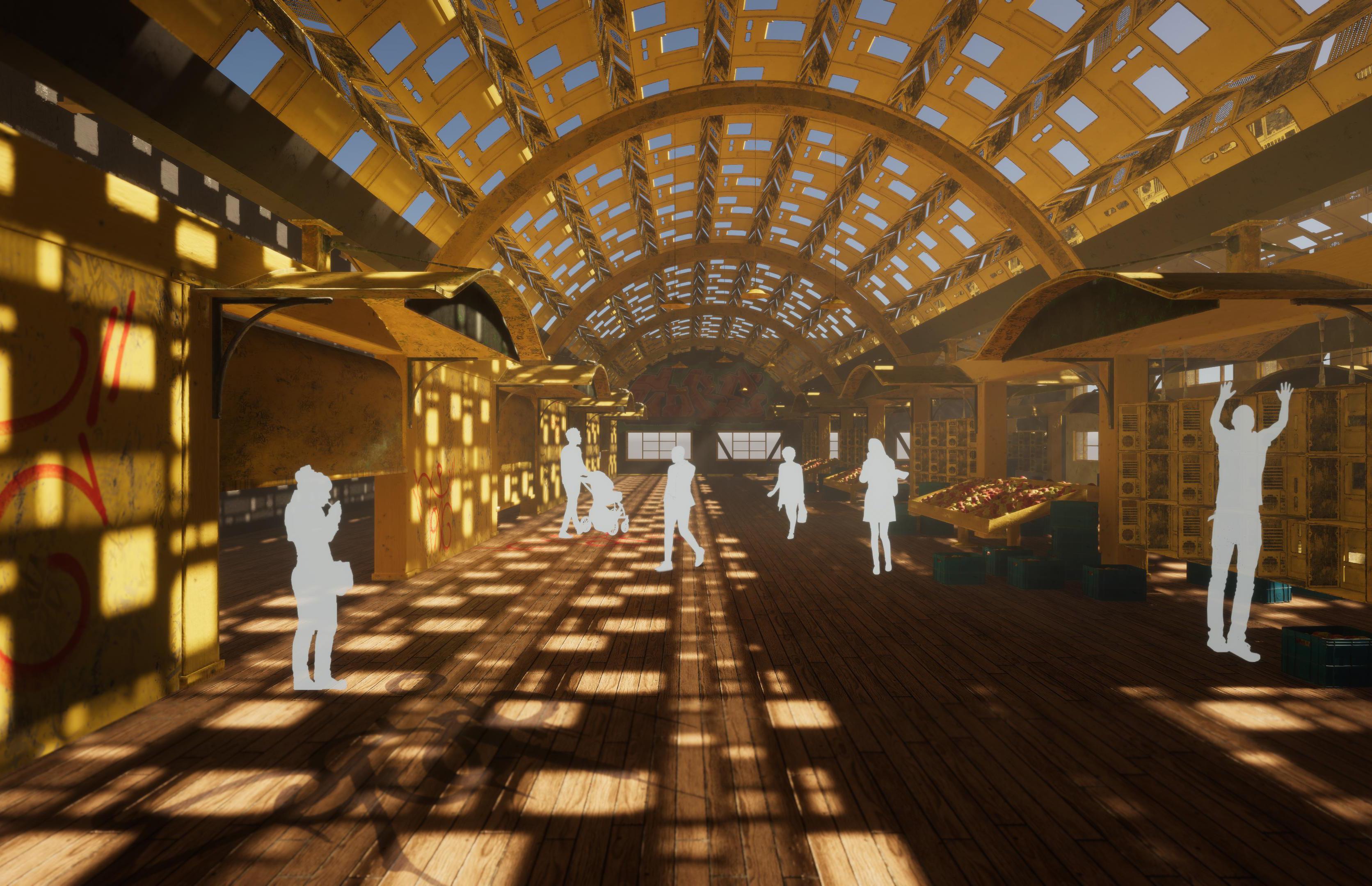 Fig. 3 Collage/ Rendering 2101 Mission Street converted into a Community Market space
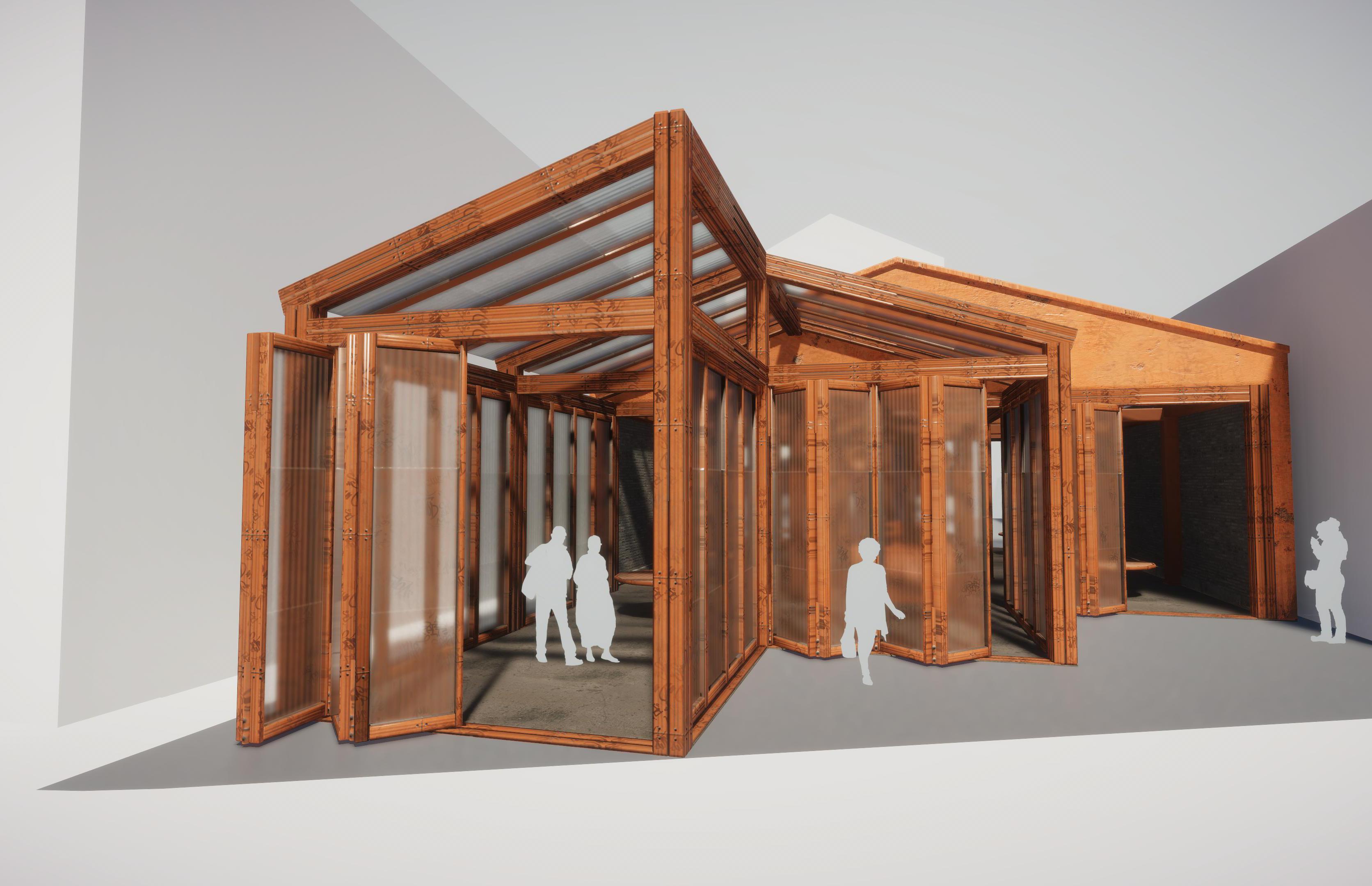 Fig. 4
Rendering
1144 Capp Street converted into a community kitchen made of office cubicals and various office furniture waste.
Fig. 4
Rendering
1144 Capp Street converted into a community kitchen made of office cubicals and various office furniture waste.
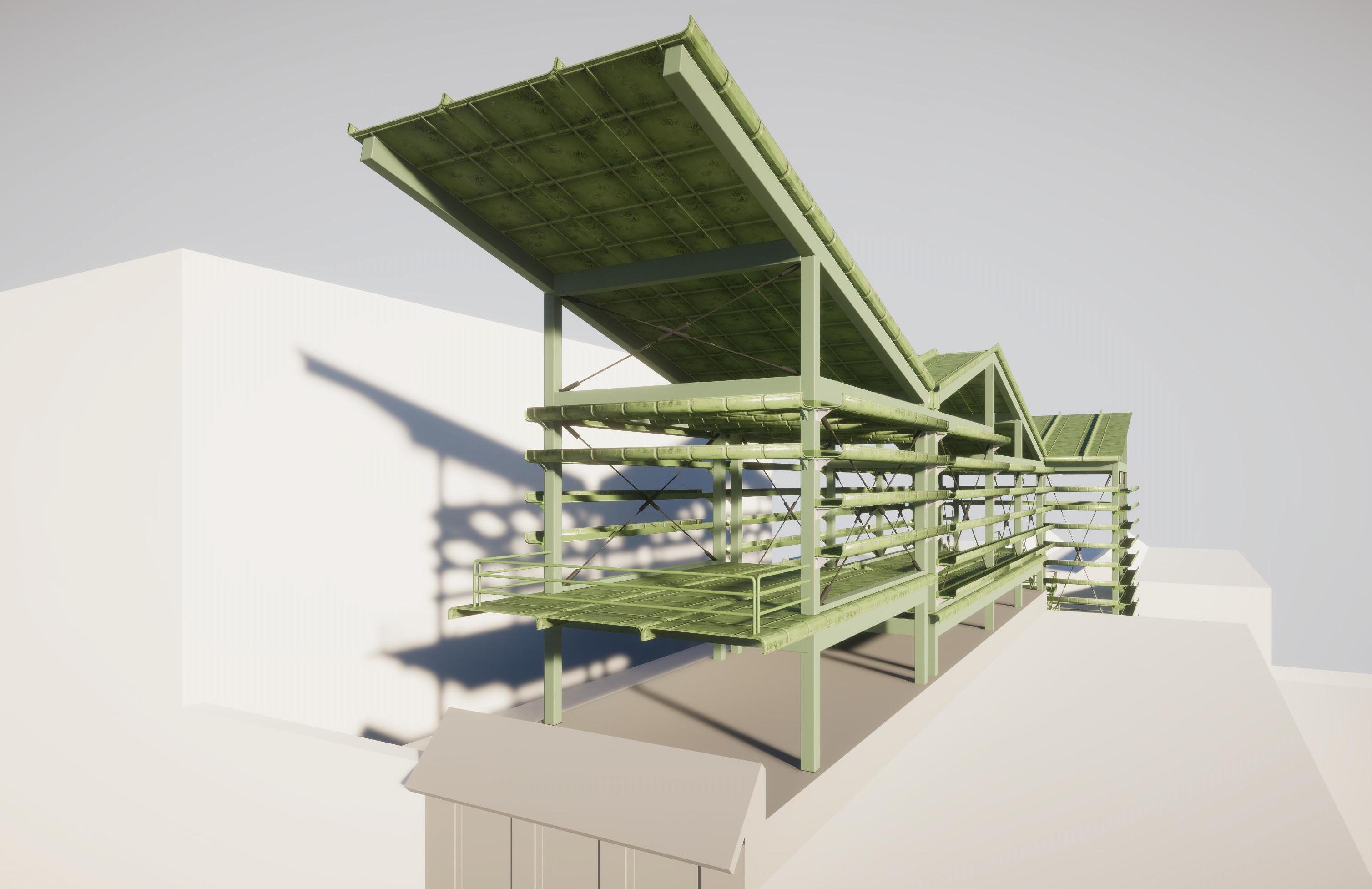 Fig. 5
Rendering
2567 Mission Street with a community gallery space on the roof made out of a deconstructed bus.
Fig. 5
Rendering
2567 Mission Street with a community gallery space on the roof made out of a deconstructed bus.
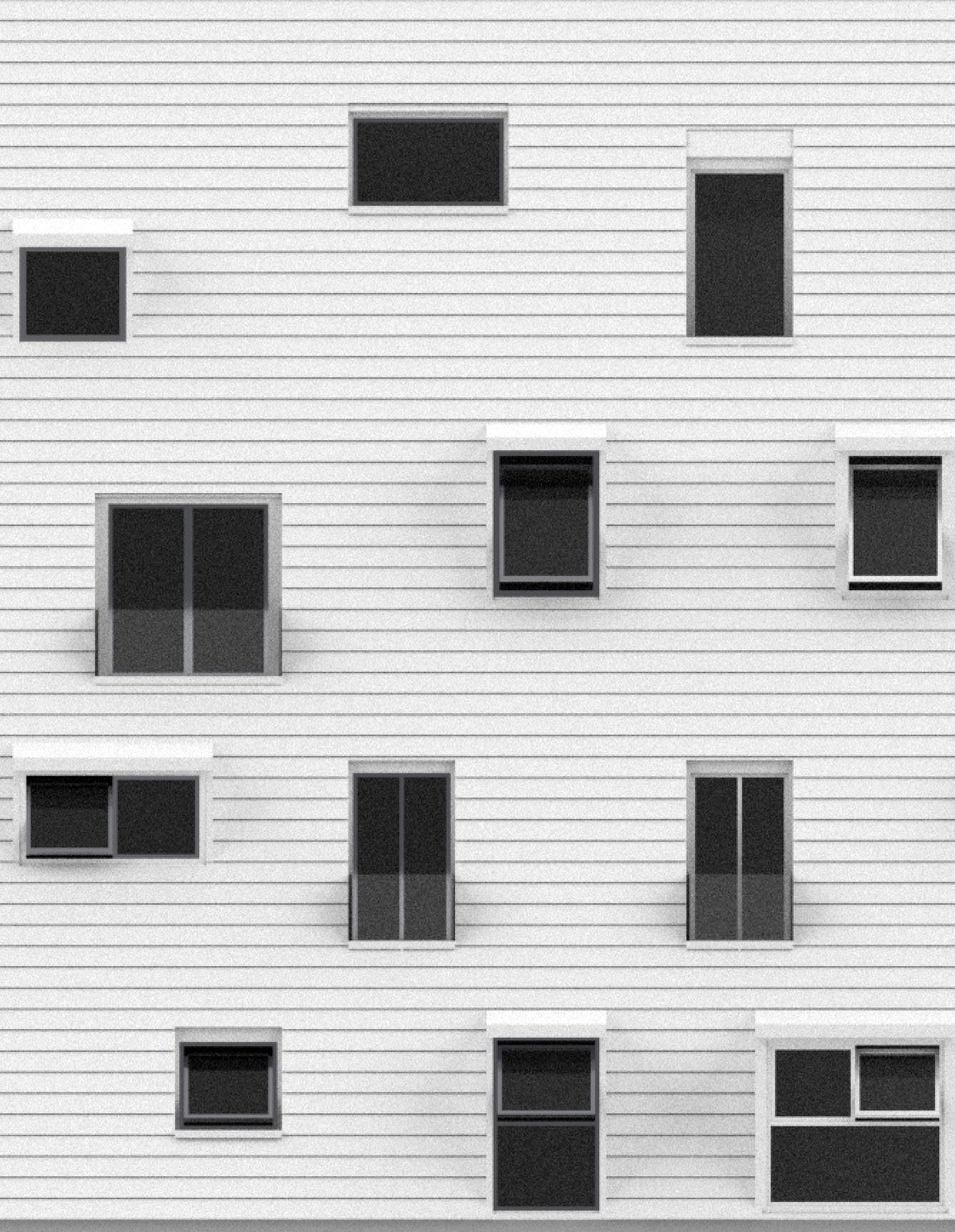
THIS WAS A TWO-PART PROJECT RELATED TO HOUSING IN LOS ANGELES: ONE PART WAS A 9-WEEK HOUSING STUDIO PROJECT IN COLLABORATION WITH CLASSMATES DOV DIAMOND AND SAM DOBENS, LED BY NIMA JAVIDI. THE OTHER PART WAS AN INDEPENDENT STUDY ABOUT HOUSING IN DESIGN DEVELOPMENT, ADVISED BY NADER
TEHRANI.
This project takes place in Boyle Heights, Los Angeles, located by one of the biggest highway junctions in the state of California. To start off the project we began to imagine how the highways impacted the community that resides there.
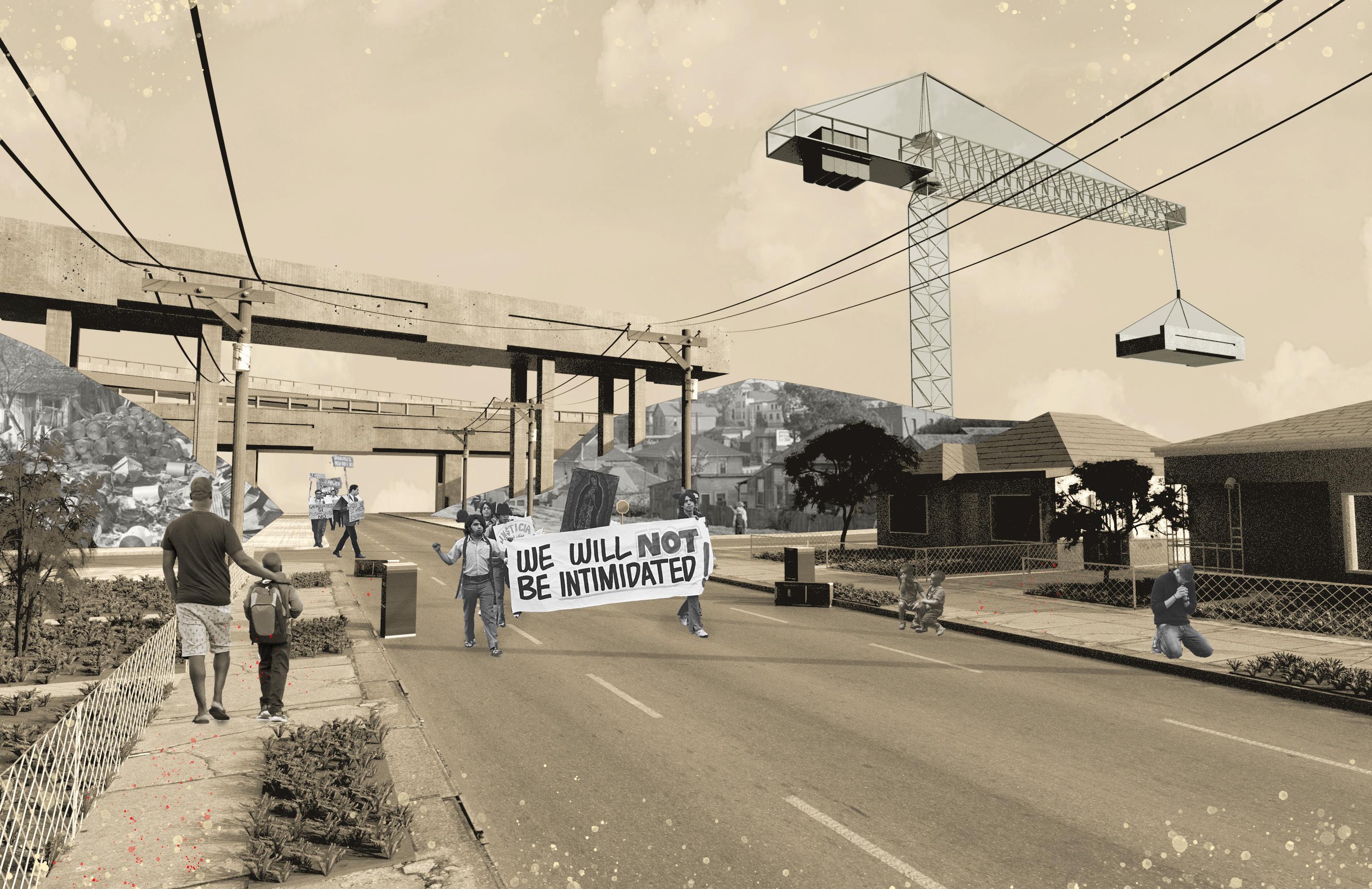



Section through the site and the adjacent highways. Primarily to reveal the scale and imposing nature of the highways.
This is a massing model of the project as it sits on the site. The project consists of a series of row apartments that are organized in a long row, enclosed by a highway buffer building on the north edge, with a public park on the east. Made by Sam Dobens.


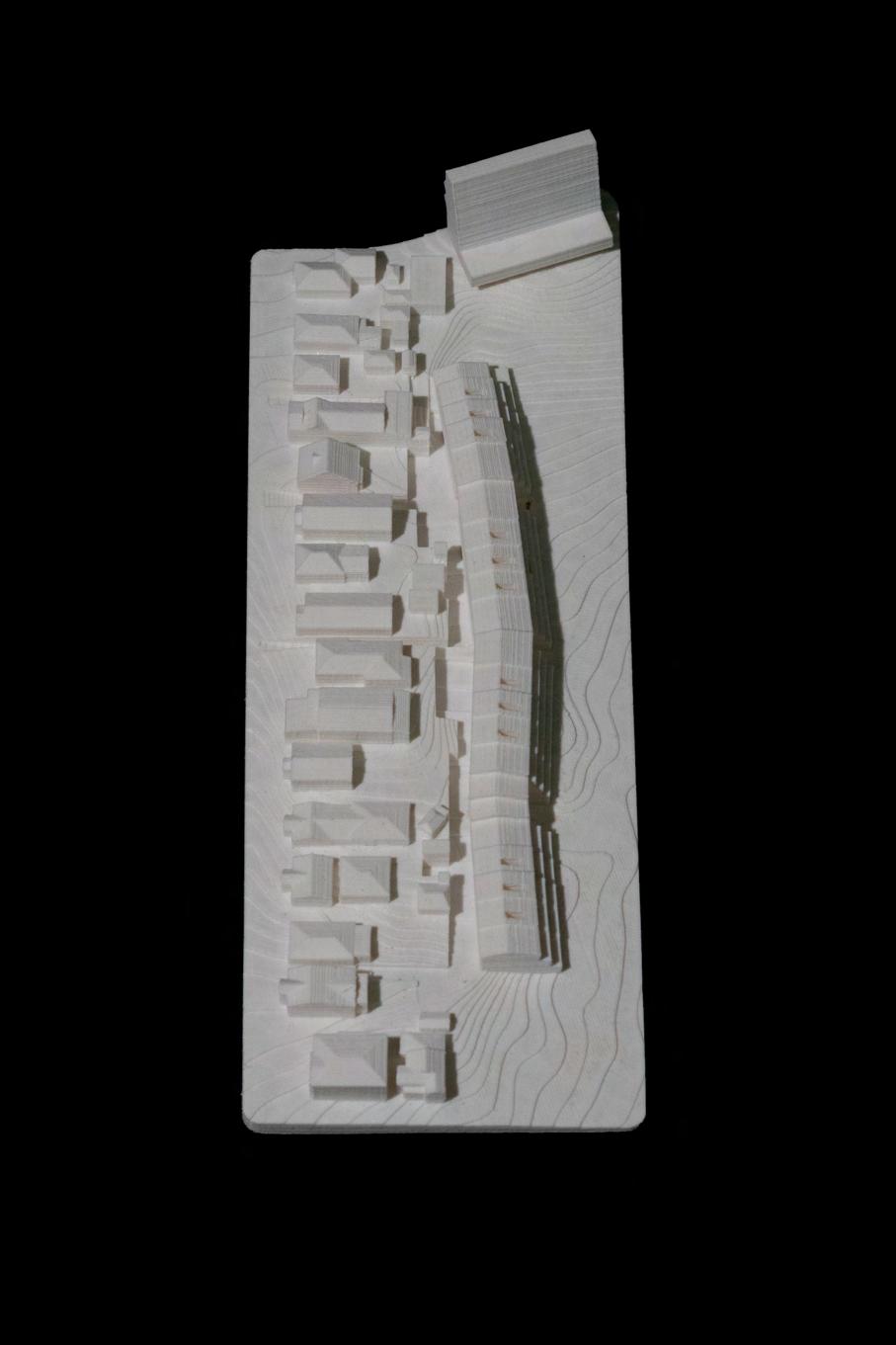 Fig. 1
Fig. 2b
Section through the site and highway 5.
Fig. 2c
Early massing diagram for the housing and buffer building.
Fig. 3
Long section through the a revised scheme of the housing project. Made by Dov Diamond.
Fig. 2a
Fig. 1
Fig. 2b
Section through the site and highway 5.
Fig. 2c
Early massing diagram for the housing and buffer building.
Fig. 3
Long section through the a revised scheme of the housing project. Made by Dov Diamond.
Fig. 2a
With the highways in mind, the buffer building became part of the design solution to improve the living conditions on the site. Consisting of a tappering section and a monolithic form, the buffer building houses a series of art studio spaces for the viabrant art community in Boyle Heights.
To bring in a variety of different lighting conditions, there a series of staggered lightcannons facing the north, which transform the organization of the space.
Fig. 4a Section of buffer building. Fig. 4b Plans.Given the constraints of row housing, this project became an investigation of how to create more flexibilty and diversity on the front and the back.
Curtain
Considering the housing block would replace the existing single family homes, one thing that became core to this project was bringing back the front yard into the units. One way I was imagining that was by designing a highly transparent and flexible front.
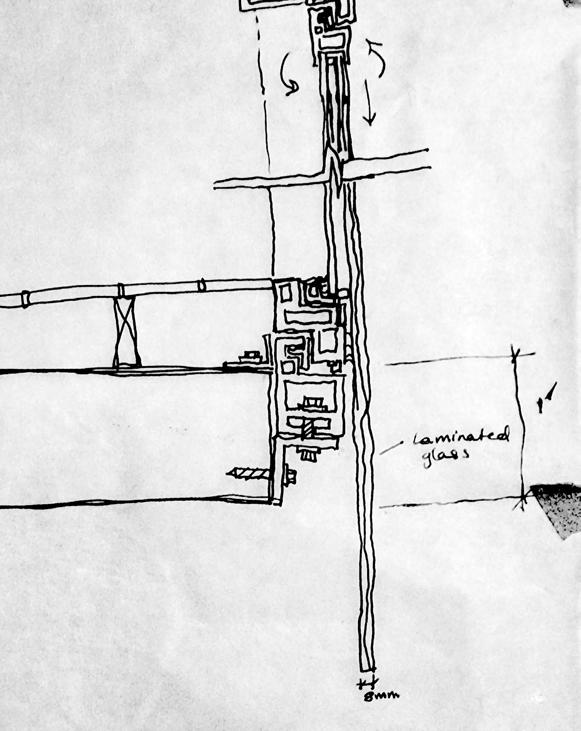
To support these large windows, While at the same time sticking to the design intent of the project, I tried to work out ways in which to allow the glass to float and to act as large shingles that contrast the small ones on the back facade.
With all the design ideas in mind this became the final sketch that would be the way in which the windows on the front would be designed. They would open up eccentrically to accomodate the windows shingling on top of each other.
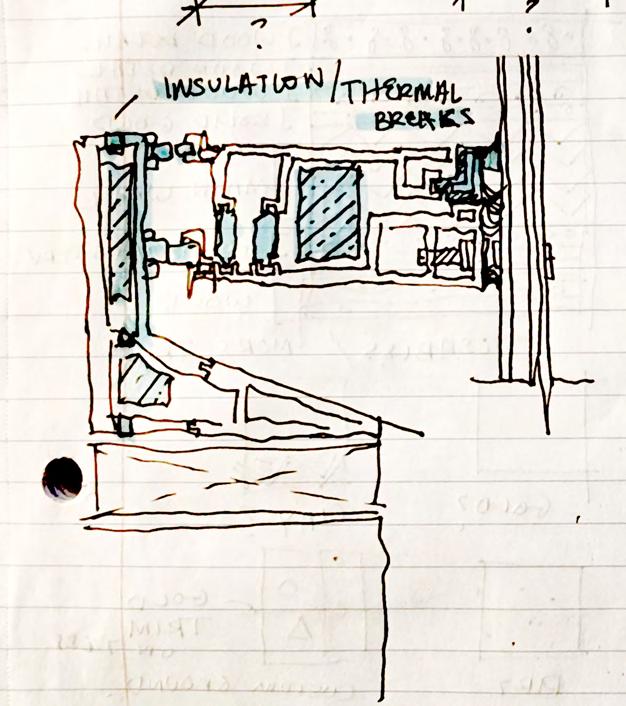
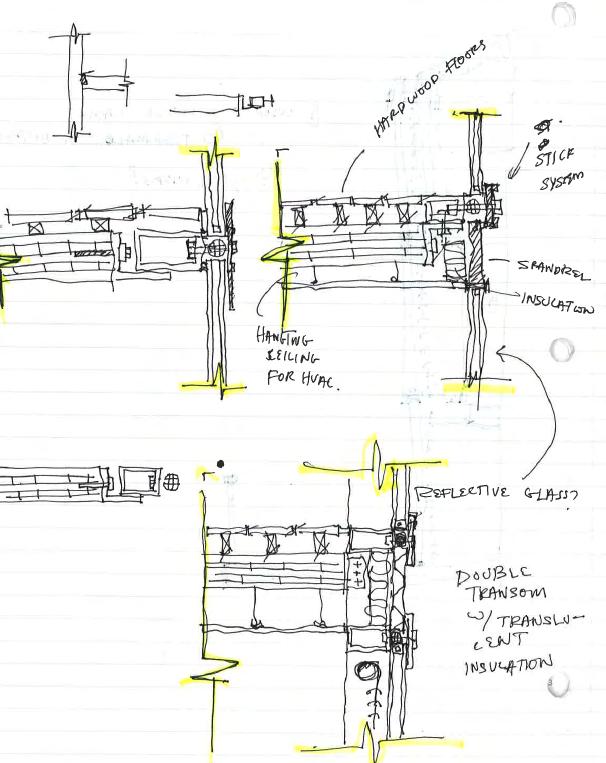 Fig. 4
wall sketches.
Fig. 5 Rail sketch.
Fig. 6 Leaf Sketch.
Fig. 4
wall sketches.
Fig. 5 Rail sketch.
Fig. 6 Leaf Sketch.
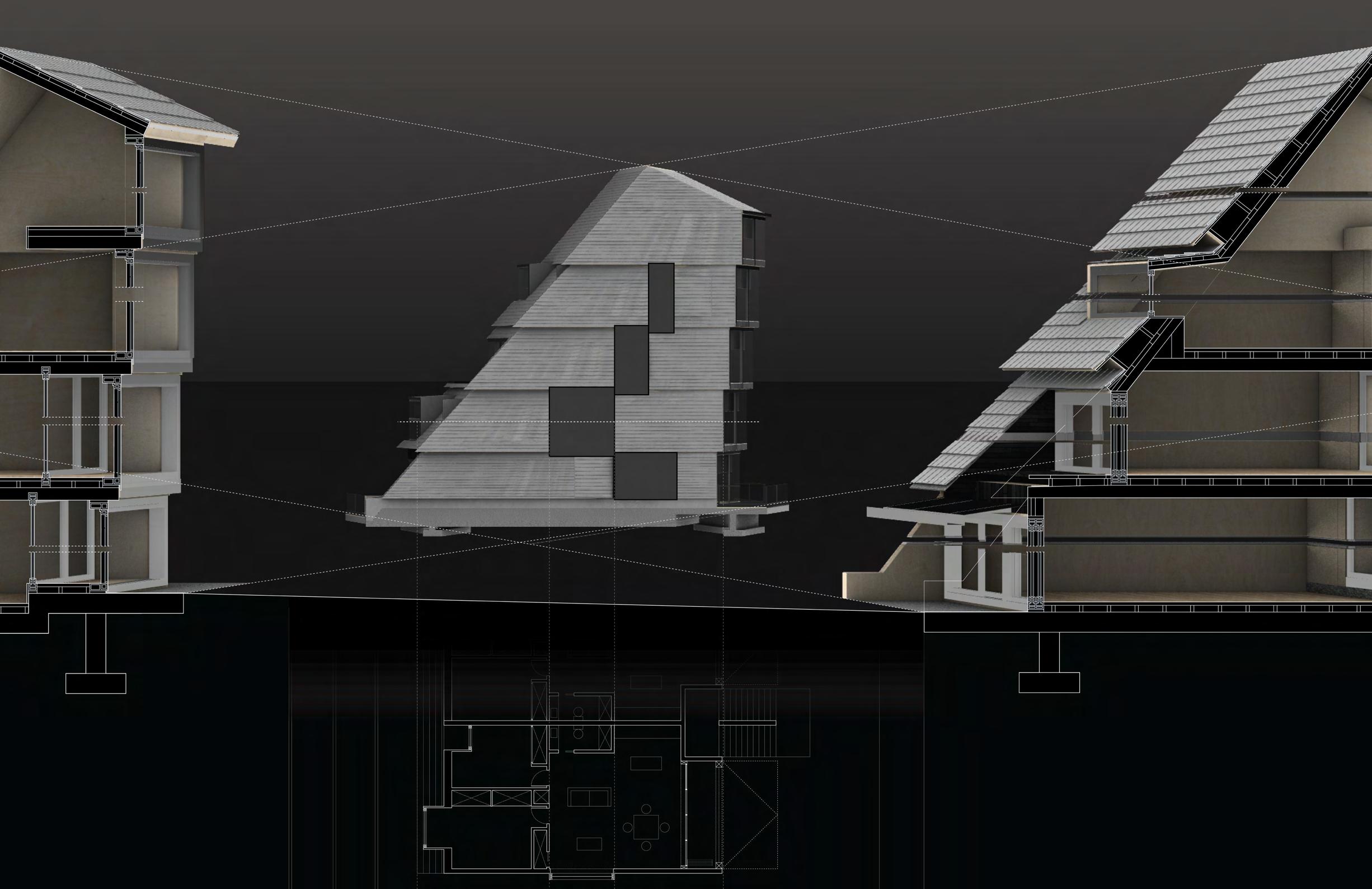
Referencing back to the drawing methods of the Beaux Arts, the analytiquwe became a working drawing to resolve all the critical aespects of the architecture all in one drawing.
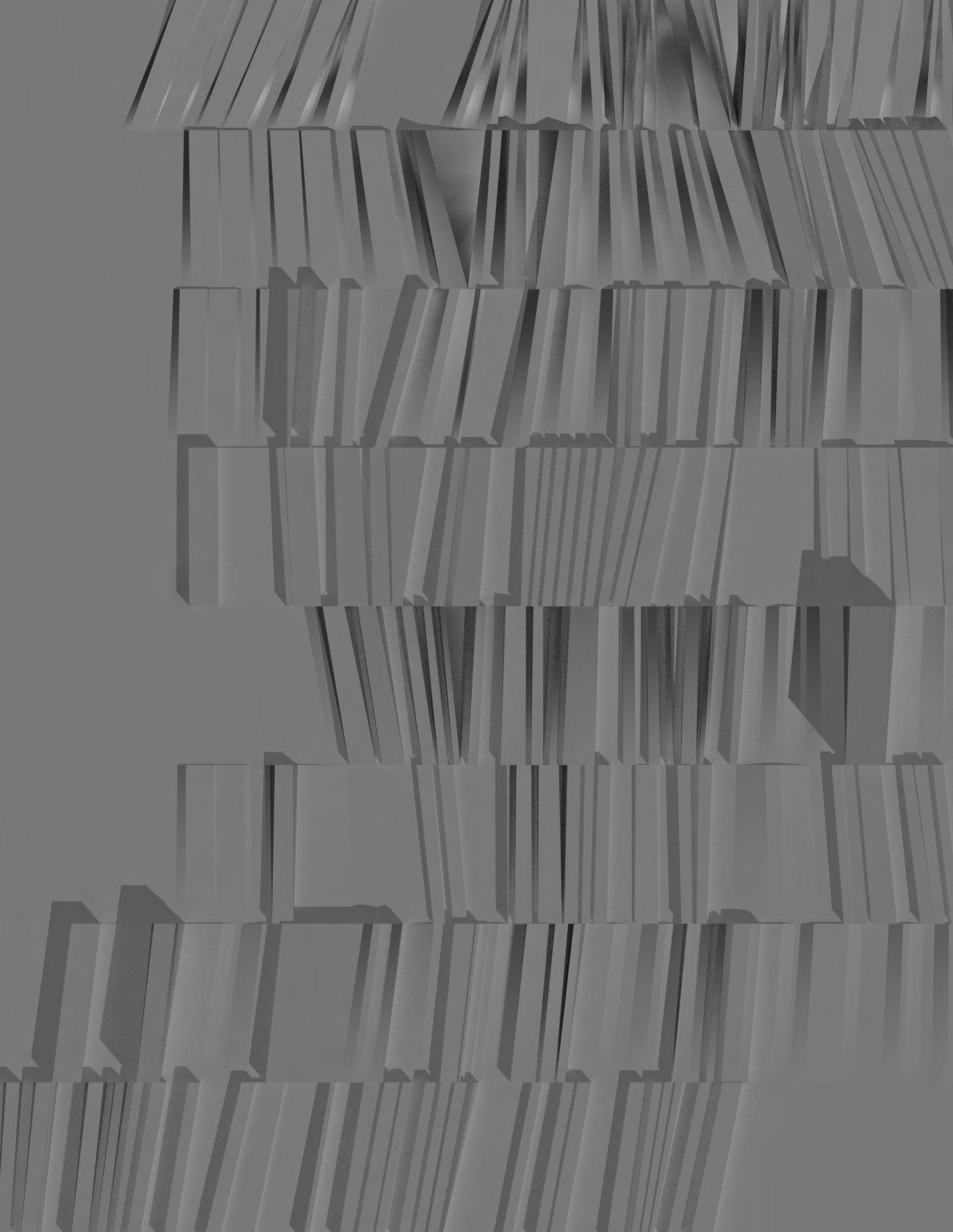
THIS PROJECT IS ABOUT AN ARCHIVE OF NEW YORK JAZZ. UTILIZING THE SPATIAL MECHANICS OF THE VIDEOGAME PORTAL, THE ARCHIVE BECOMES A SPATIAL TRANSFORMATION OF THE FABRIC OF THE JAZZ SWING STREETS, MANIFESTED AS A SERIES OF COMPRESSED AND DEFORMED BARS THAT COMPOSE THE MASSING OF THE ARCHIVE. THE PROJECT WAS TAUGHT BY DIANA AGREST.
The subway in this project became the translation of the portal to NYC. Spatially the portal becomes the crossectional deformations through time the train creates.
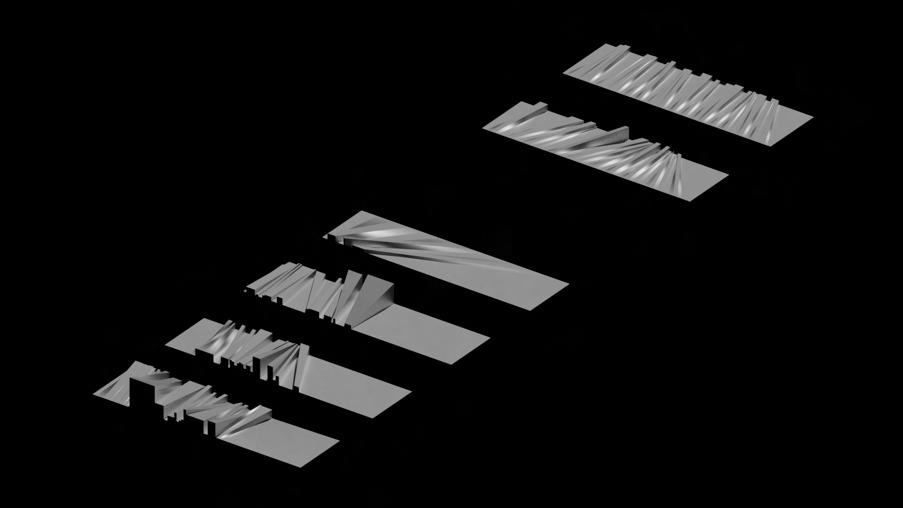
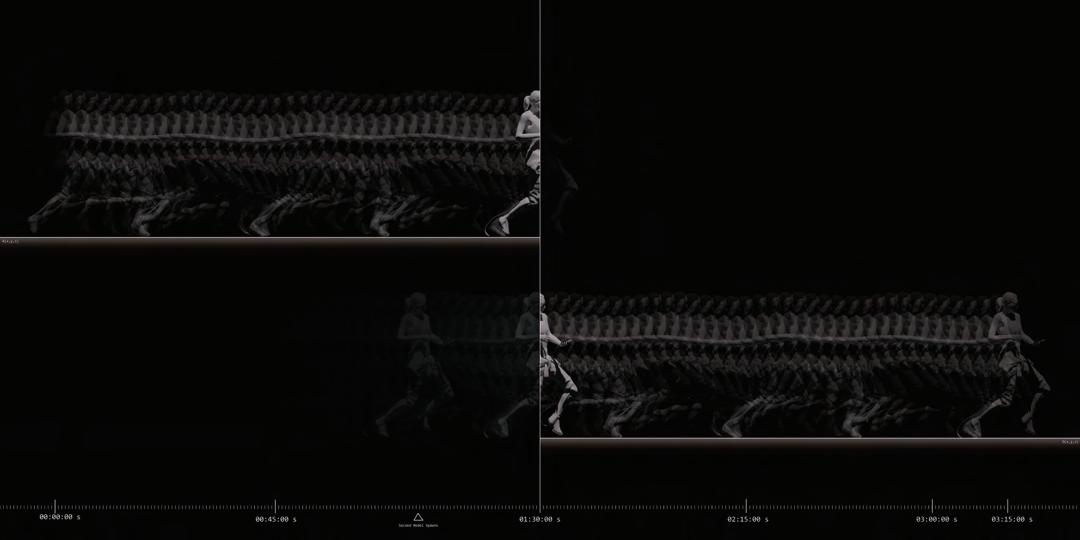
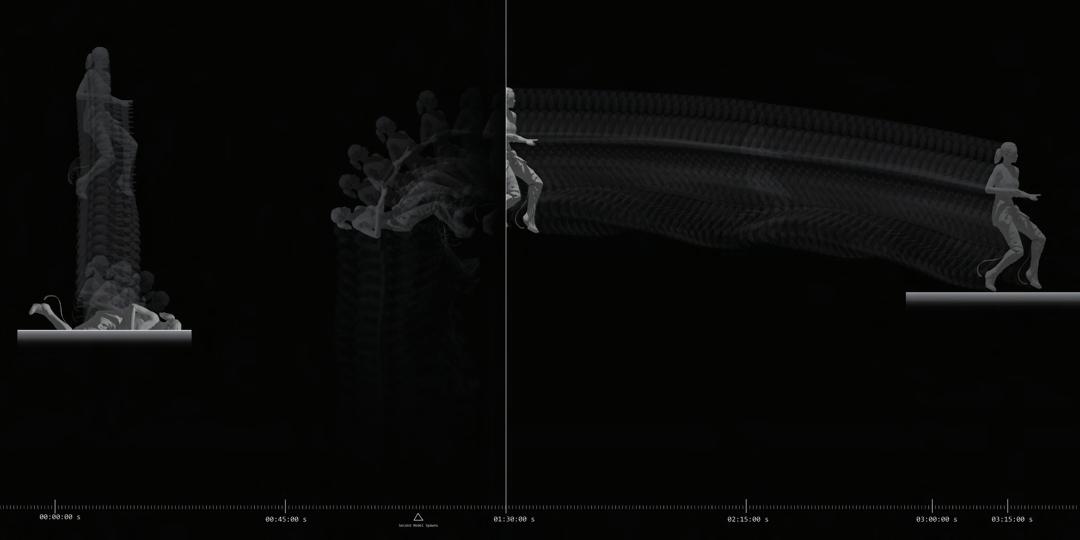
Section through the A-Train.
The A-train exisits in two fronts, the physical train but also the musical representation of it by Duke Ellington. The portal in this becomes what allows these two A-trains to exisit at the same time - in rhythm and in space.
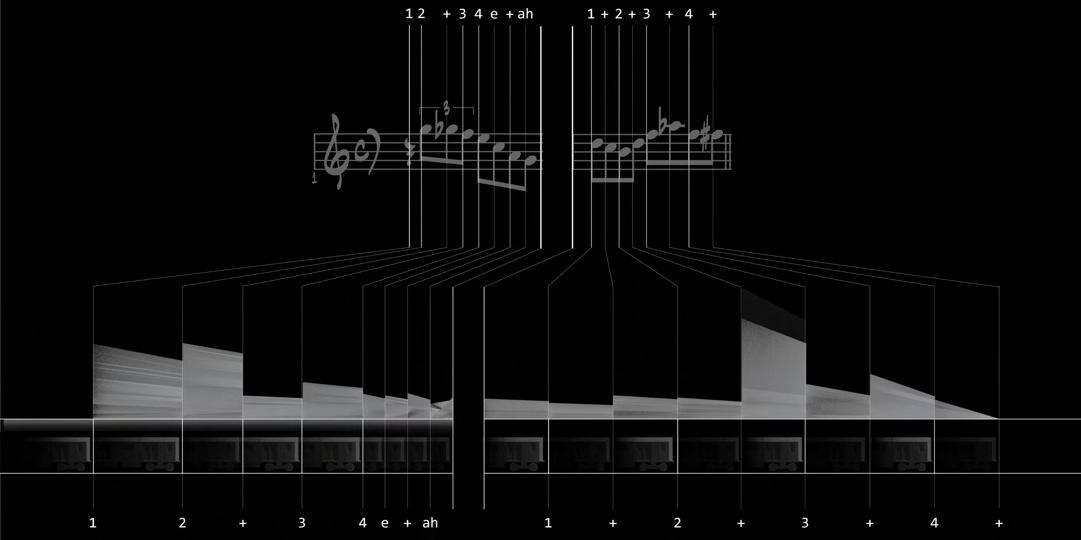


Sections through the portal.
These are a series of drawings highlighting the mechanics and the innerworkings of the portal in the videogame Portal
Using the highly rhythmic nature of the spatial deformations of the subway, the archive became a architectural expression of the jazz that exists within it. In addition, using the underground motif of the speakeasies, the archive is an excavation into the ground.
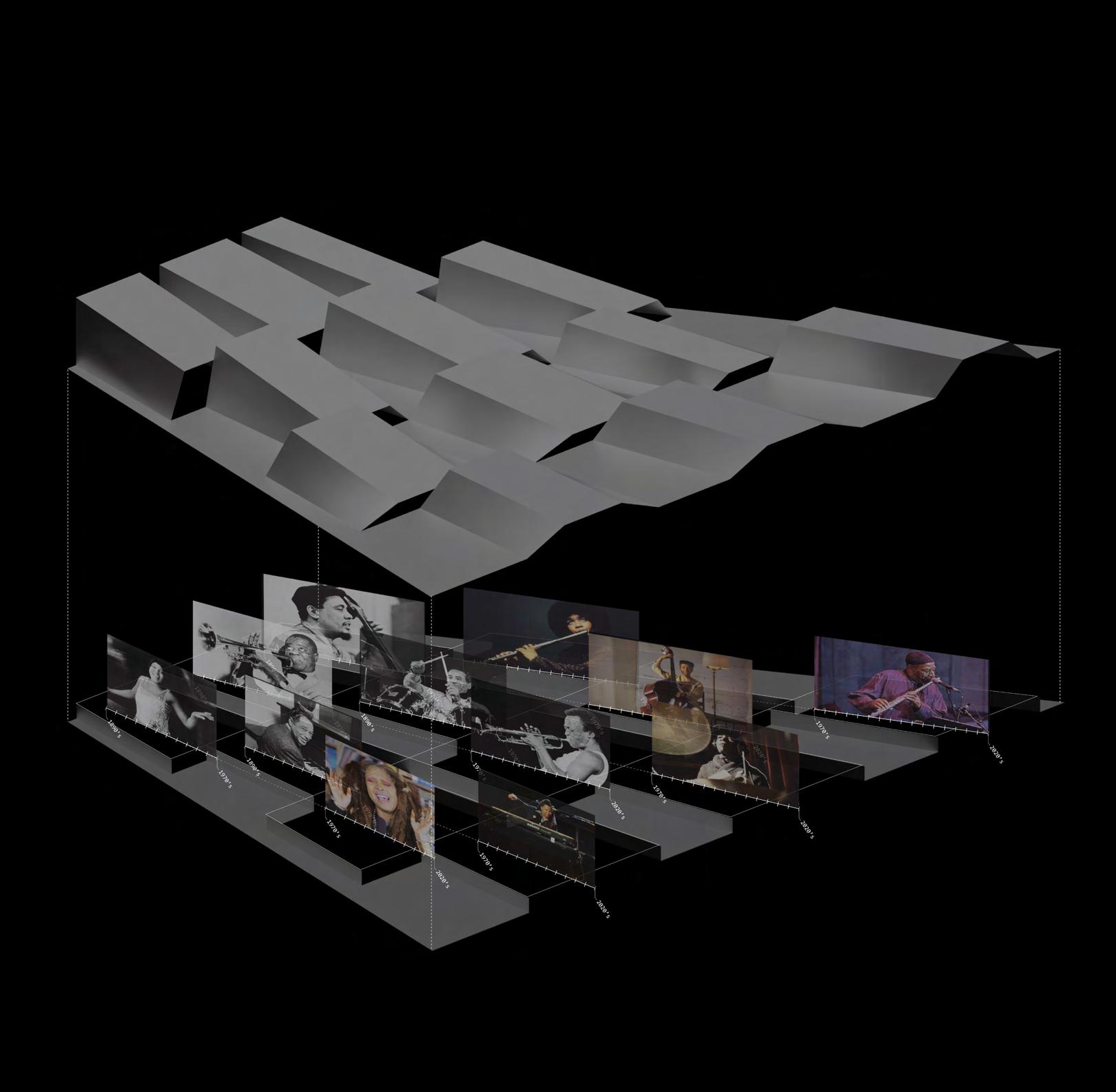


 Fig. 1 - Section
Fig. 2 - Section
Fig. 3 - Plan
Fig. 1 - Section
Fig. 2 - Section
Fig. 3 - Plan
THIS PROJECT IS A COMMUNITY KITCHEN LOCATED IN SARA D. ROOSEVELT PARK. DUE TO THE PROJECT’S LOCATION ON TOP OF AN AFRICAN BURIAL GROUND, IT WAS ALSO AN OPPORTUNITY TO PAY HOMAGE TO THE PEOPLE BELOW. THE STUDIO WAS LEAD BY NIMA JAVIDI.
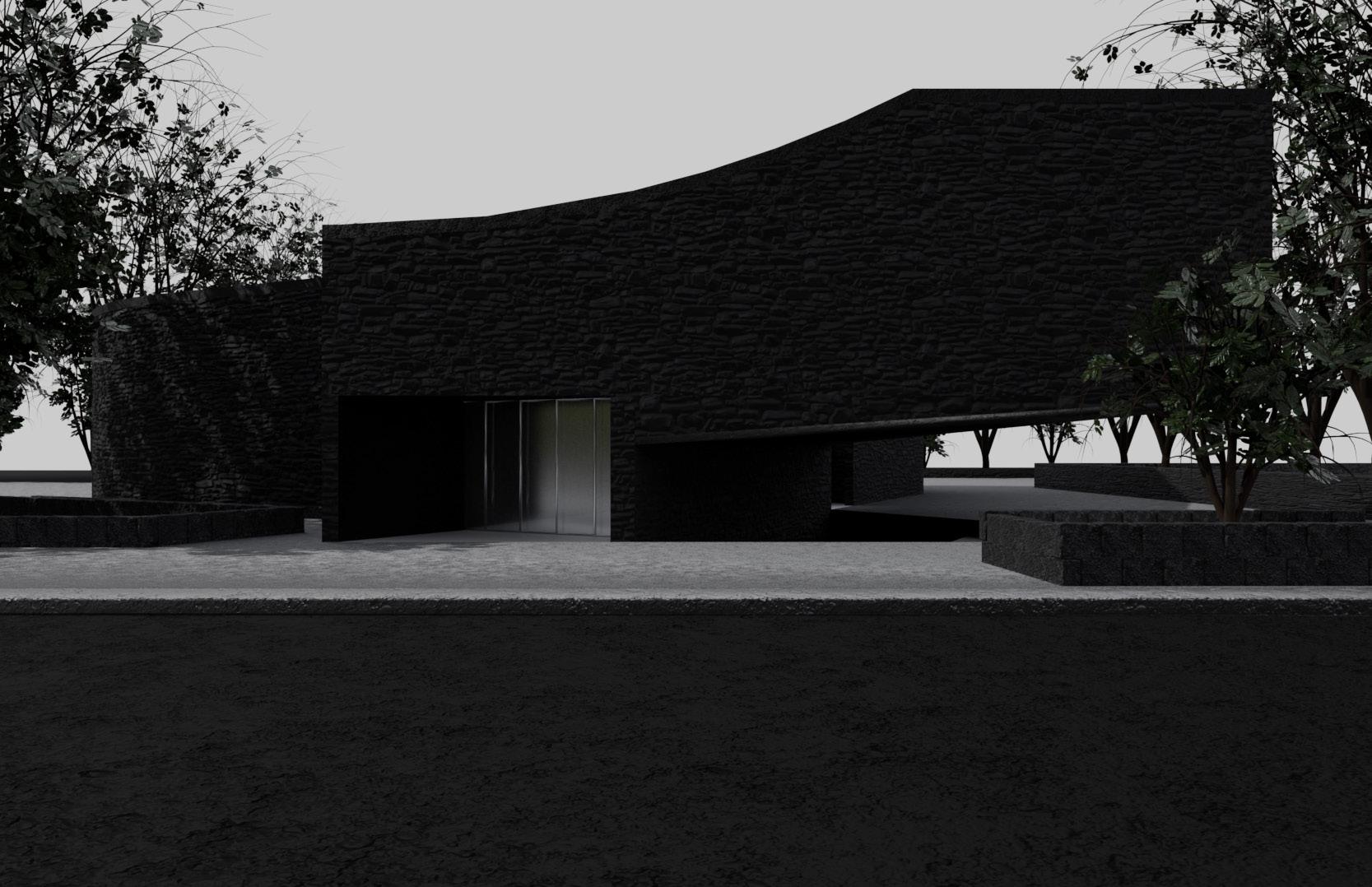
With the highly monolithic and mute exterior, this building serves to be a stark and monumental contrast the rest of the fabric of the city.
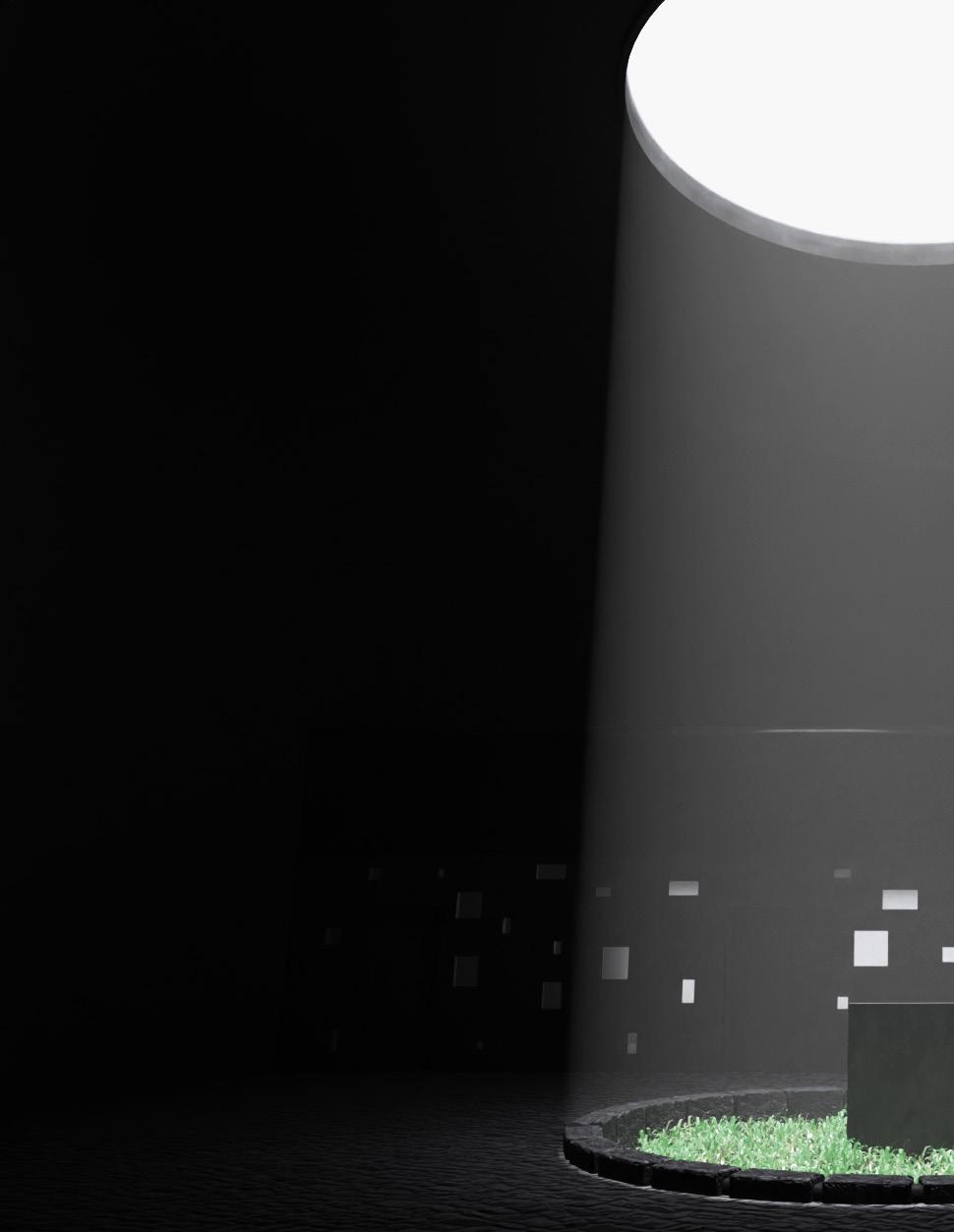
By using inverted and unconventional domes and vaults, the roof peels out a series of openings and skylights for each of the corresponding programs.
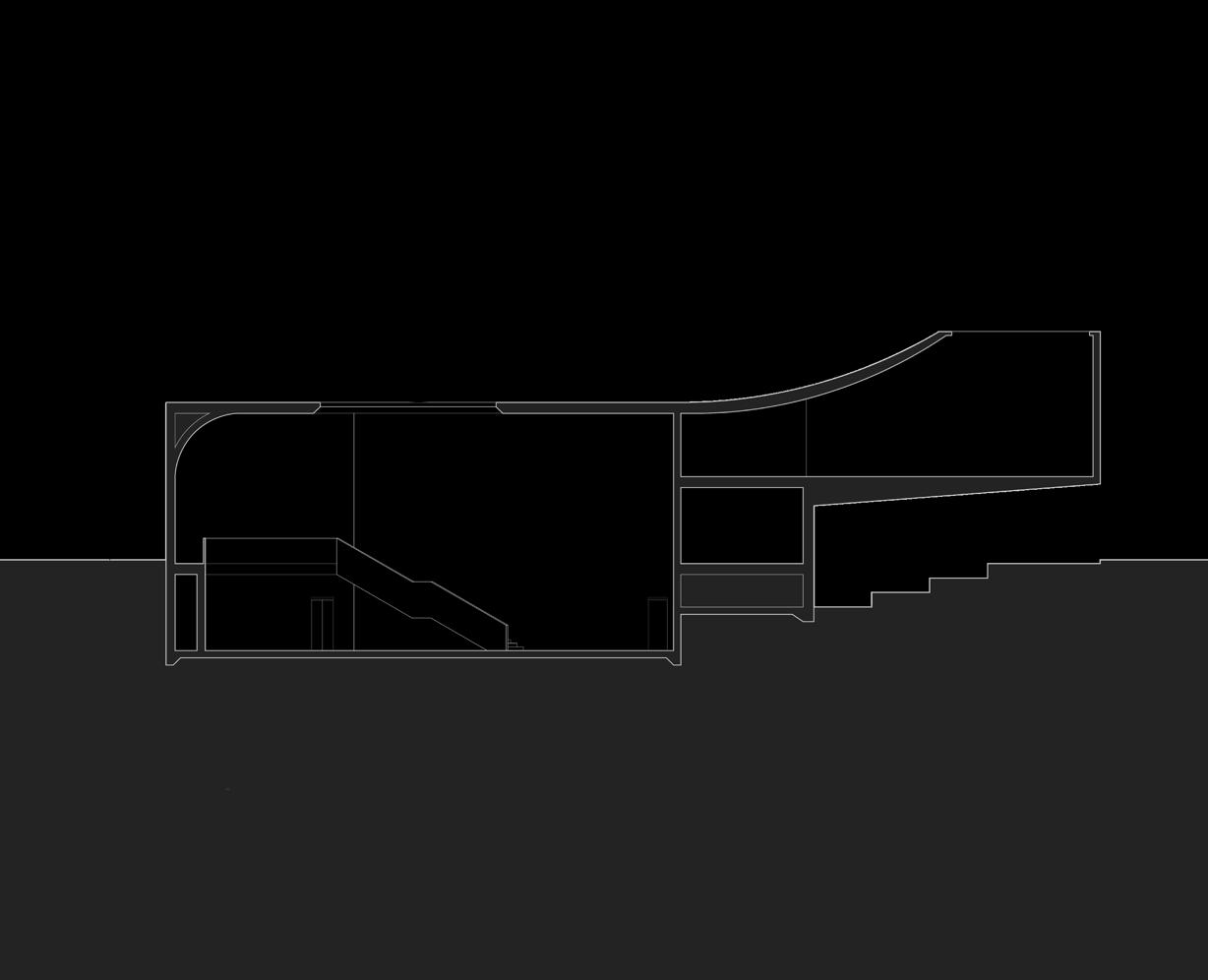
With the core of the design decisions being centered around the memorial, all natural light comes from the sky, and there are no windows.
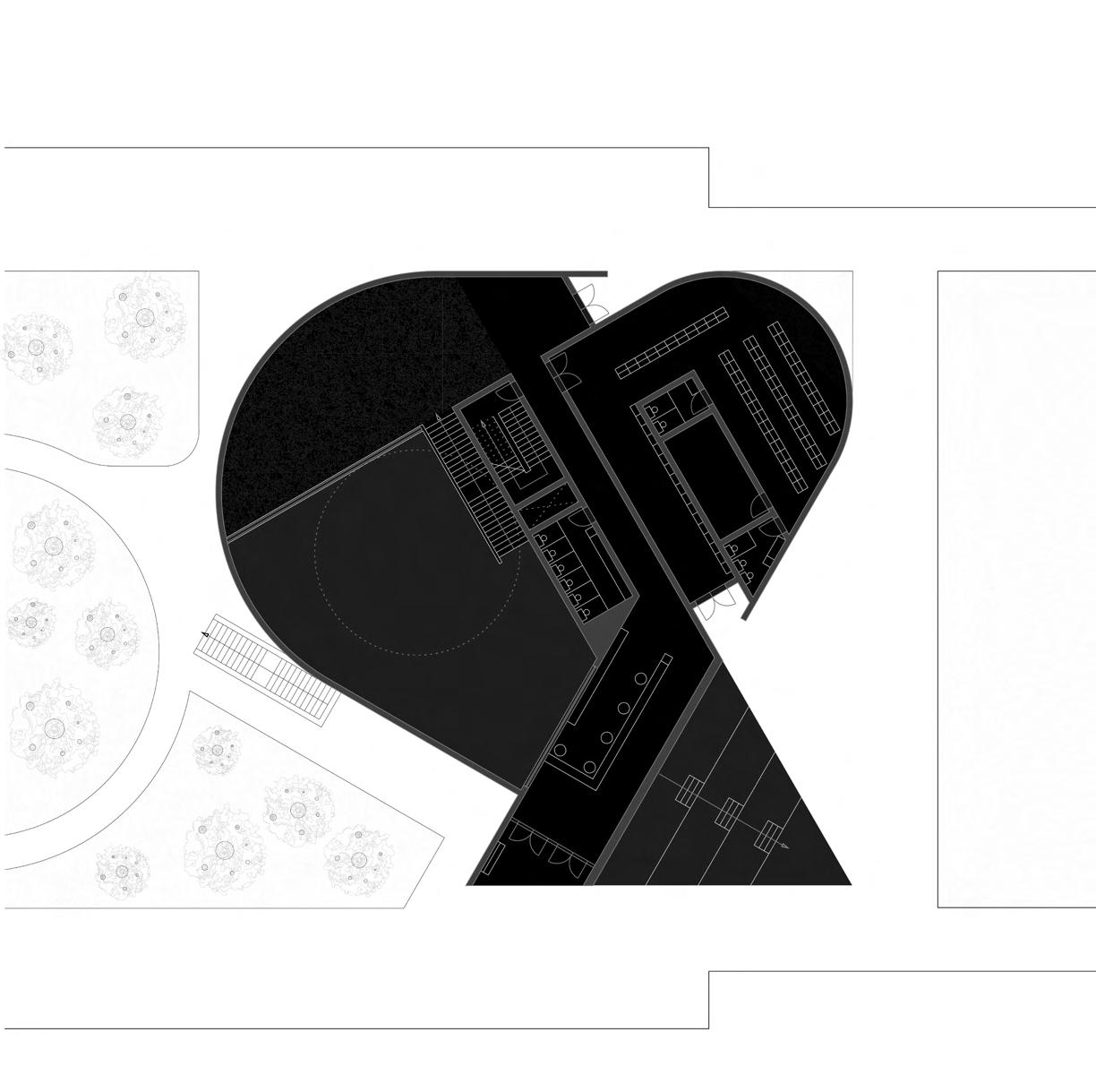 Fig. 3 Plan.
Fig. 3 Section.
Fig. 3 Plan.
Fig. 3 Section.
USING PETER EISENMANN’S “FORMAL ANALYSIS” AS A BASIS, THIS WAS AN EXPLORATION OF THREE KEY ARCHITECTS- LE CORBUSIER, LUIGI MORETTI, AND PAUL RUDOLPH- WITH HOPES TO UNCOVER THE TYPOLOGICAL STRUCTURES THAT GUIDE THEIR DESIGN DECISIONS. IN COLLABORATION WITH ALICE MENG, CARMEN
MALDONADO, AND ANDREW LAM. TAUGHT BY PETER EISENMANN & JAMES LOWDER.
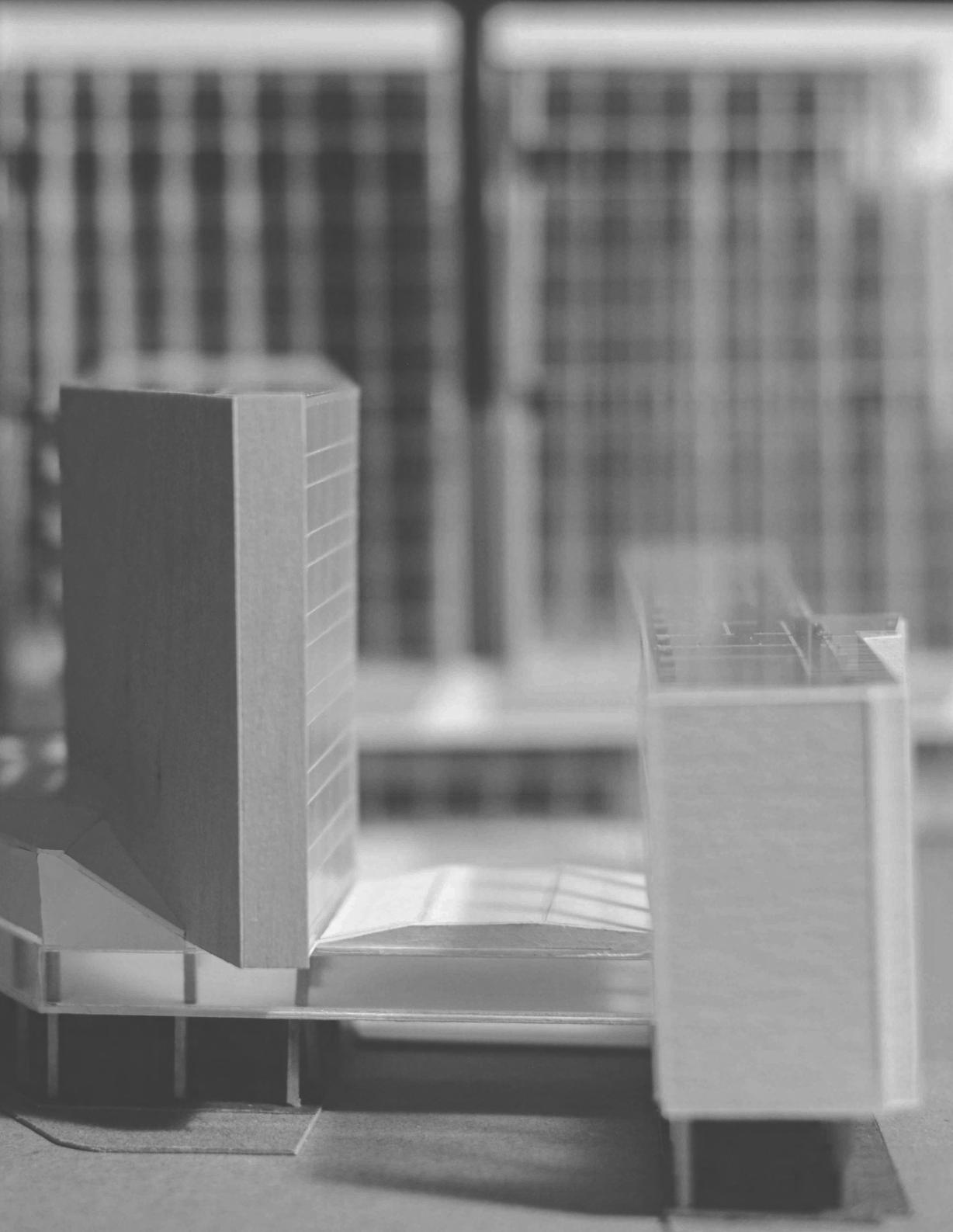
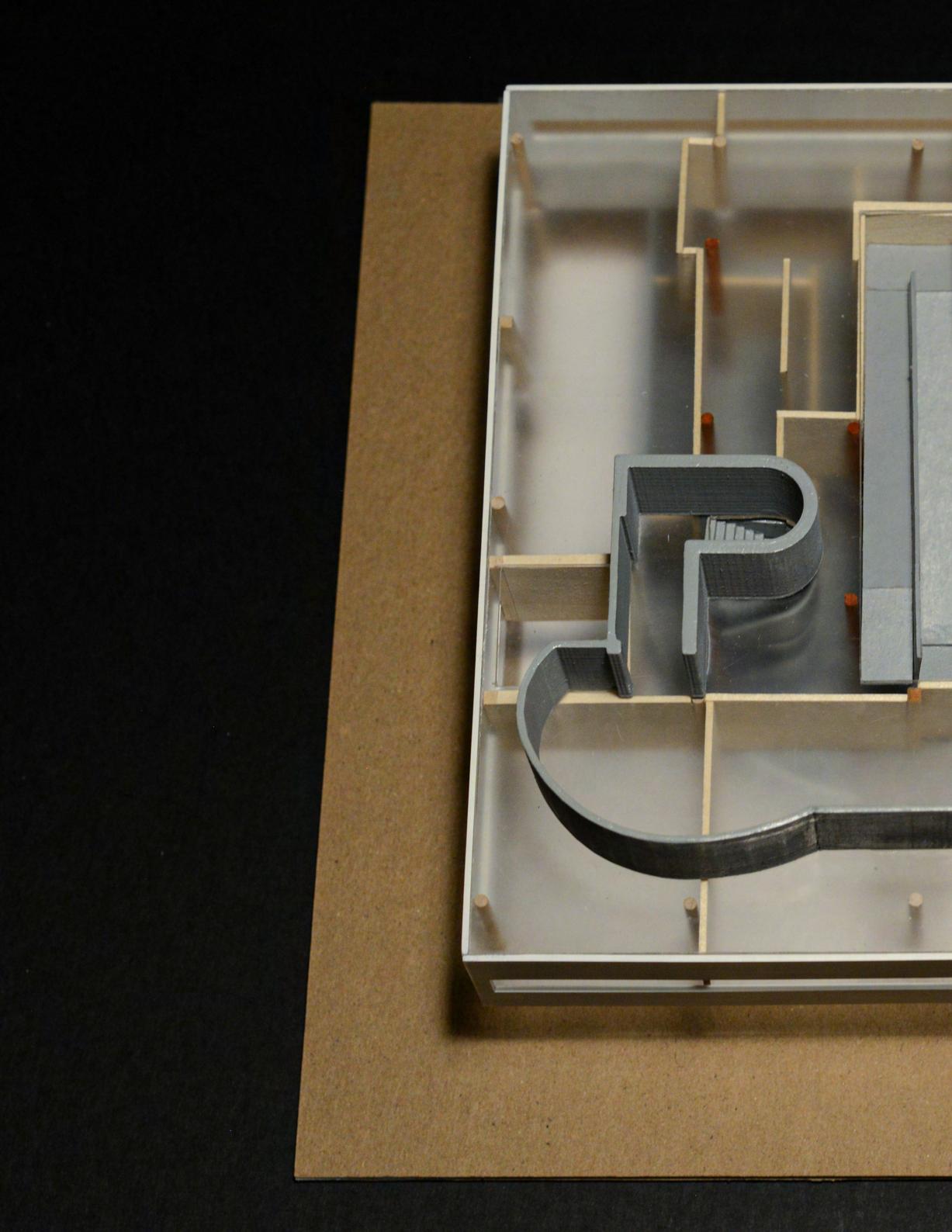 Fig. 1
Model. Build by Alice Meng and Carmen Maldonado.
Fig. 2
Exploded Axonometric.
Fig. 1
Model. Build by Alice Meng and Carmen Maldonado.
Fig. 2
Exploded Axonometric.
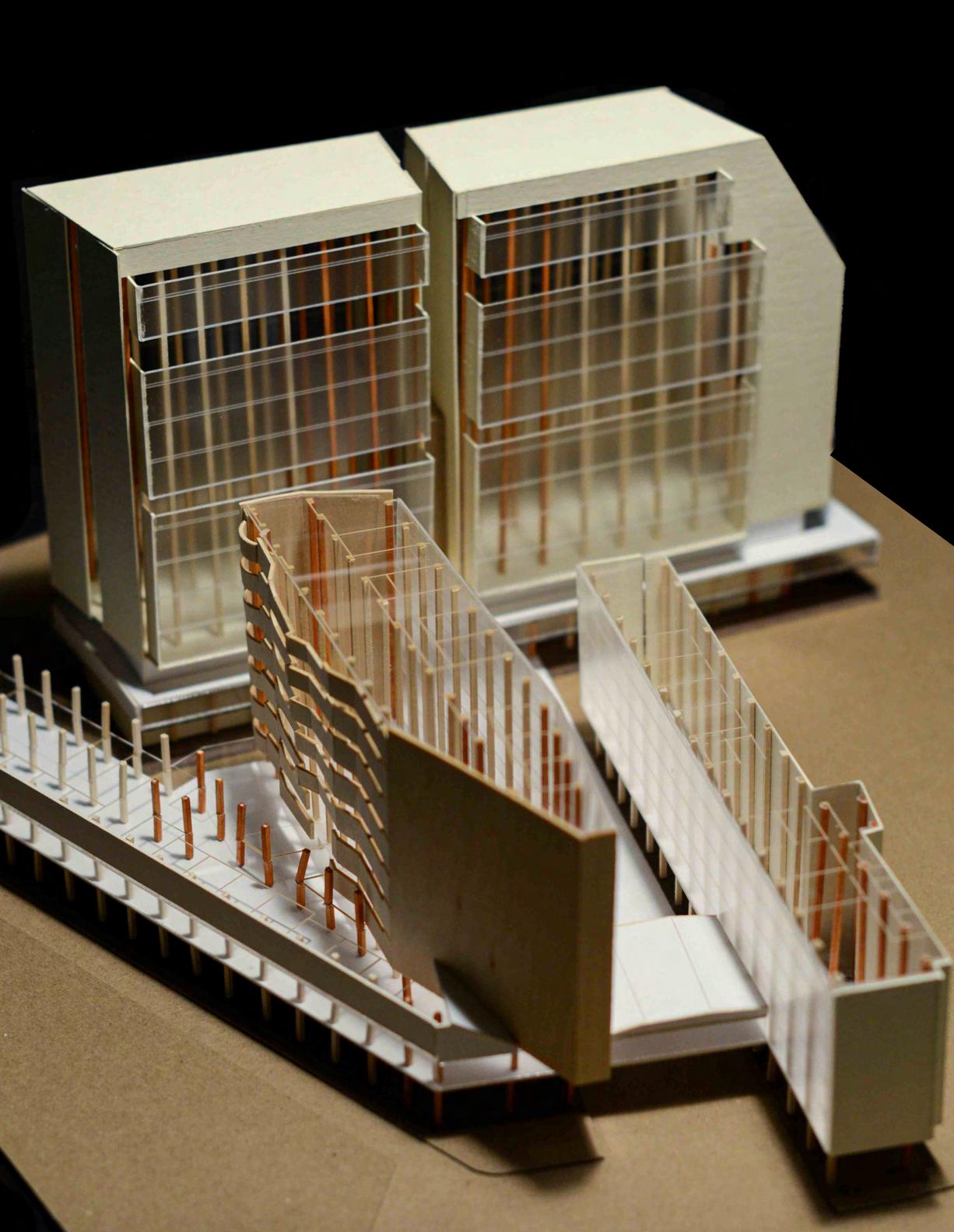 Fig. 3
Model. Build by Alice Meng, Carmen Maldonado, and Andrew Lam.
Fig. 4
Plan Oblique.
Fig. 3
Model. Build by Alice Meng, Carmen Maldonado, and Andrew Lam.
Fig. 4
Plan Oblique.
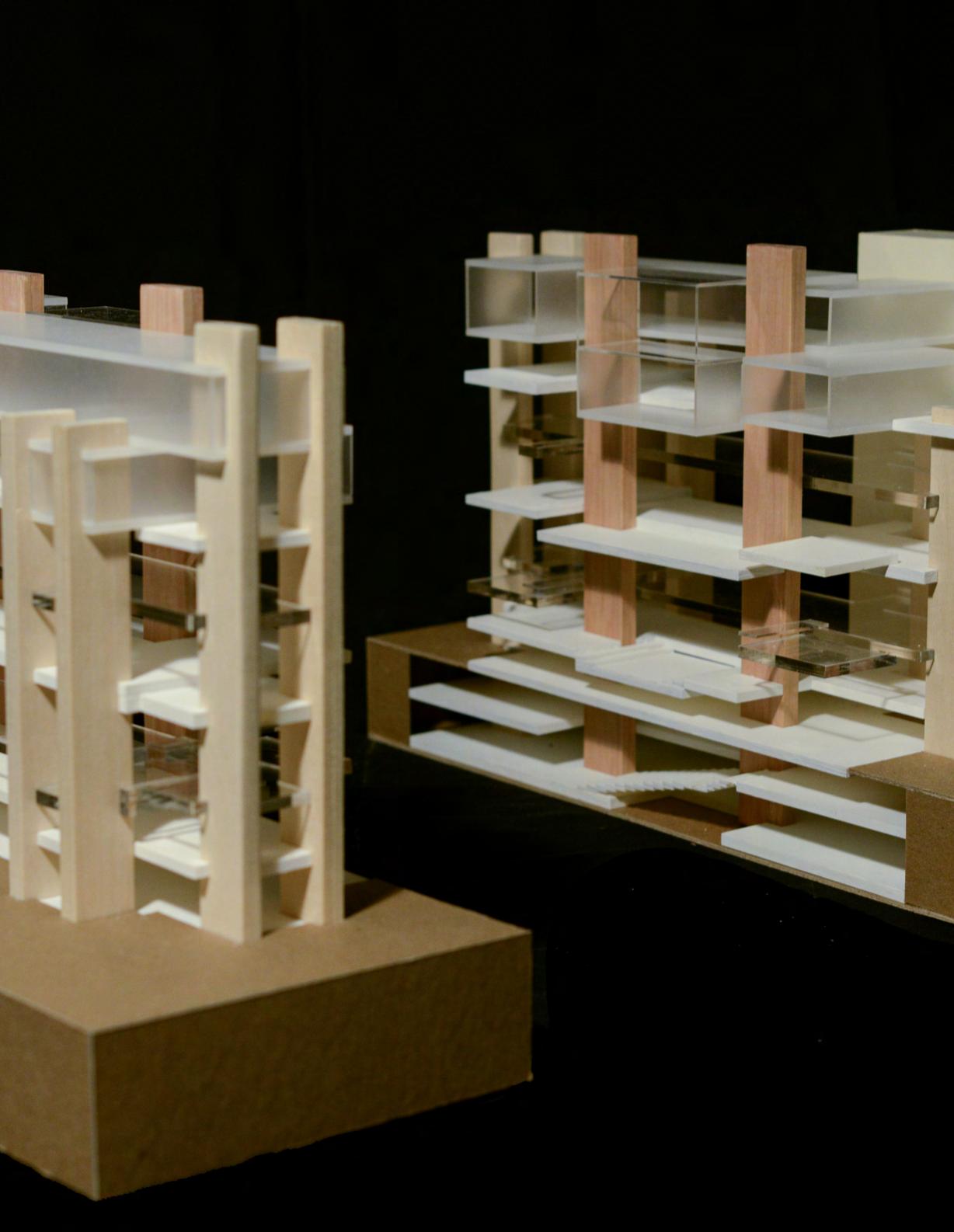 Fig. 5
Model. Build by Alice Meng, Carmen Maldonado, and Andrew Lam.
Fig. 6
Exploded Plan Oblique.
Fig. 5
Model. Build by Alice Meng, Carmen Maldonado, and Andrew Lam.
Fig. 6
Exploded Plan Oblique.
A SERIES OF STRUCTURAL ANAYLISIS GRASSHOPPER SCRIPTS/ PLUG-INS
MADE FOR 2 SEPARATE SCENARIOS: A HOUSING PROJECT IN LA, AND A THE SHOKOV TOWER.
BOTH WERE DONE FOR STRUCTURES II, TAUGHT BY FLORIAN MEIER AND THOSTEN HELBIG. SOME OF THE VISUALS FOR THE SHUKOV TOWER WERE
DONE WITH MICHAEL
SLUCHVESKY.
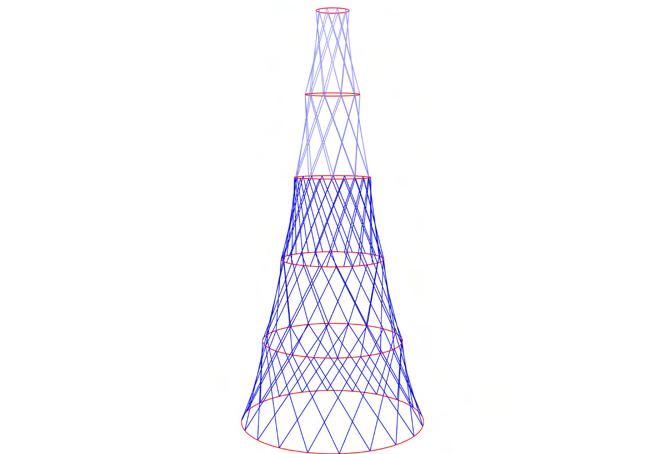
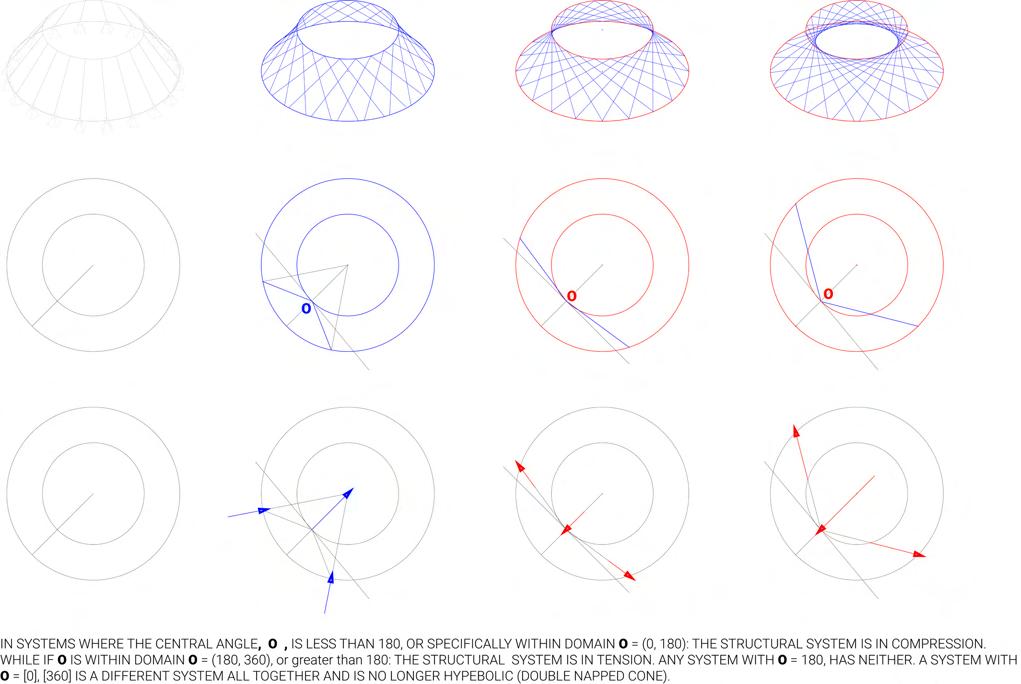
From the initial script, without diving into windloads, I focused on the degrees by which loads transfer between each hyperbolic structural module. With the rings primarily in tension and the vertical memebers in compression.
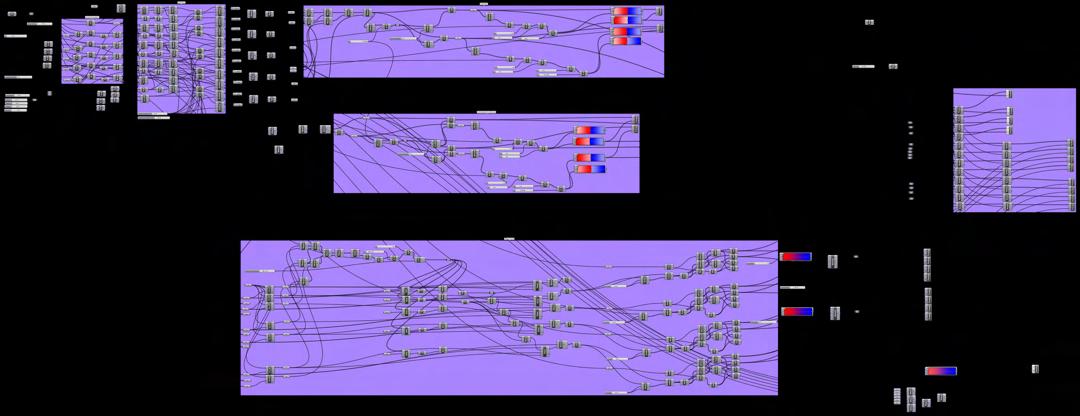
After getting a solid foundation of the load transfering between each of the modules, the new problem became understanding the way windloads impact the structure and making that work in grasshopper. Here the script outputs the loads on the ring with colored surfaces, and the vertical members with colors.
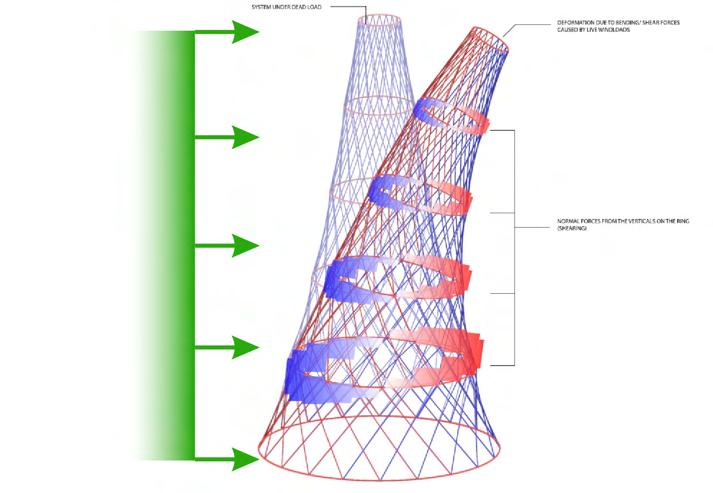
With the values outputed from the windloads calculted in grasshopper, we can begin to predict the way the members shrink and expand under bending and moment stresses. Visualization done by my group mate Michael Sluchevsky.
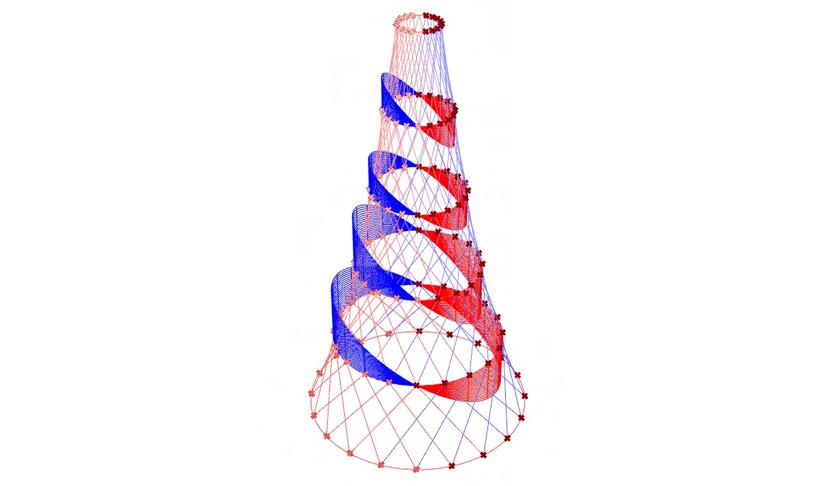 Fig. 1 - Diagram breaking down how the forces work within a hyperbolic gridshell
Fig. 2 - Grasshopper Script
Fig. 3
Fig. 4
Fig. 5
Fig. 1 - Diagram breaking down how the forces work within a hyperbolic gridshell
Fig. 2 - Grasshopper Script
Fig. 3
Fig. 4
Fig. 5
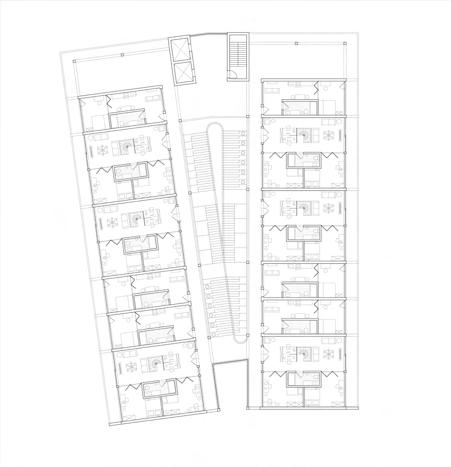
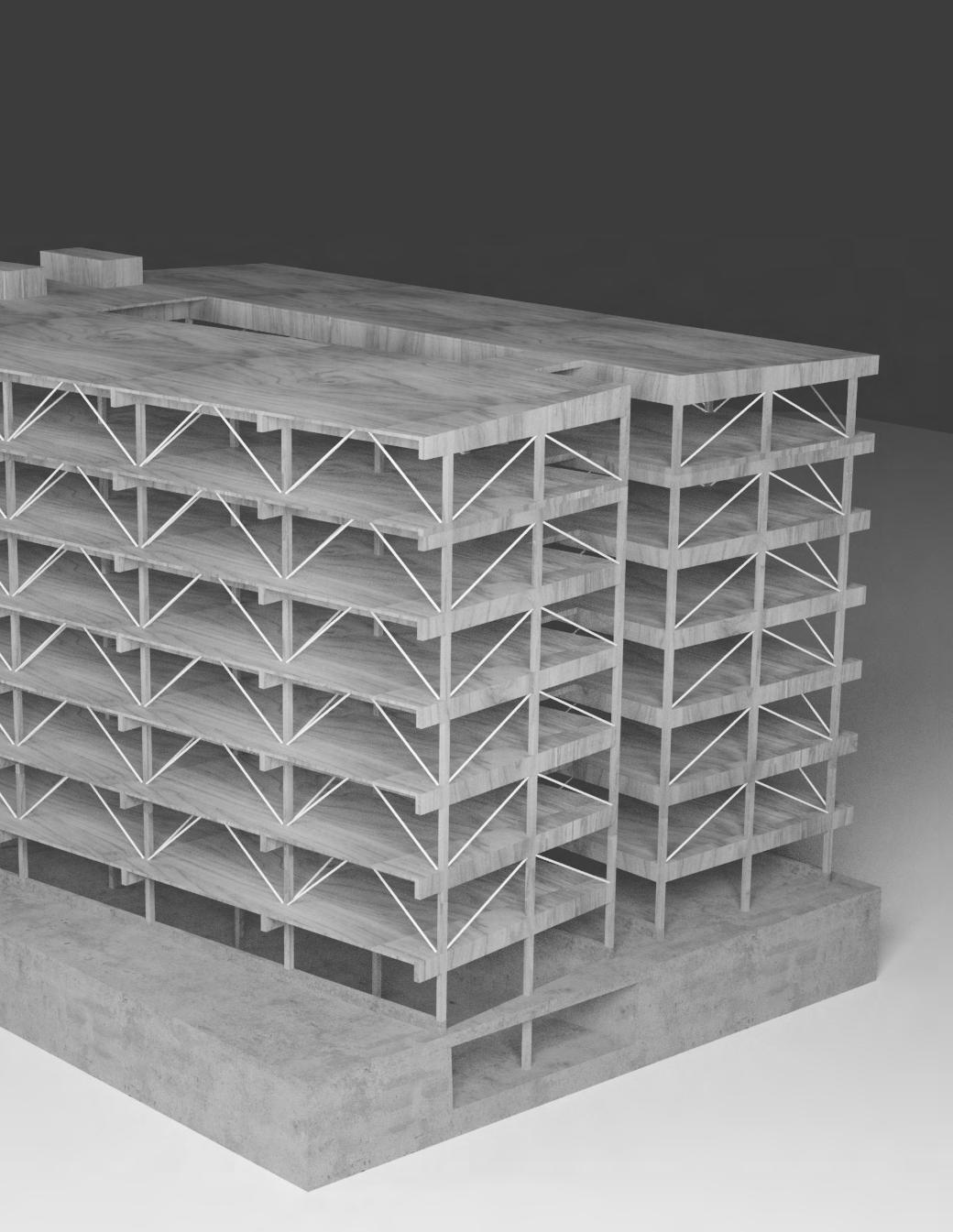
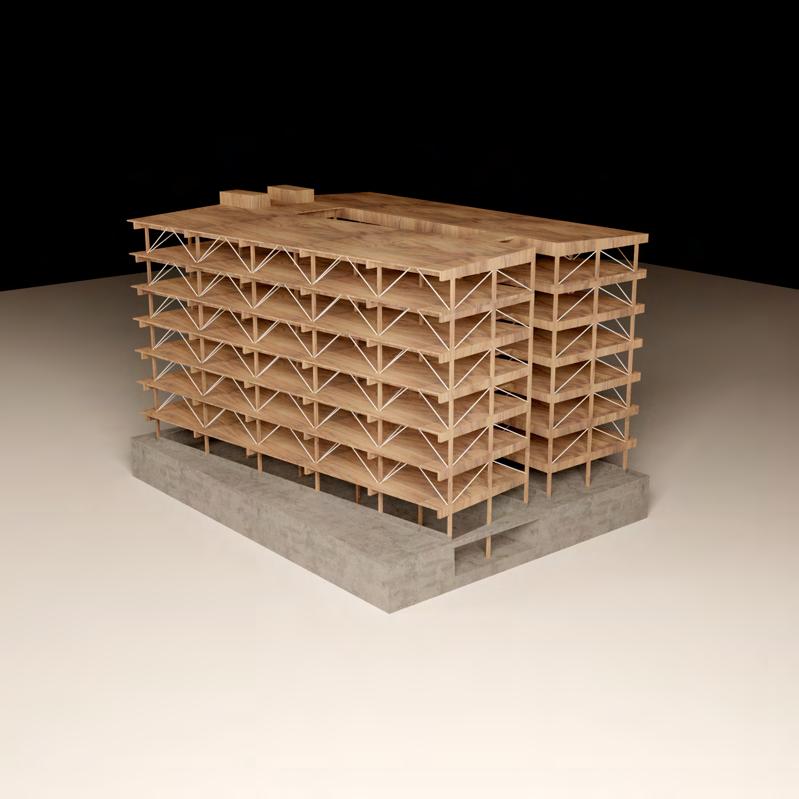
With this housing project being sited in Los Angeles, CA, part of the design was about creating a bracing system to address the horizontal loads of earthquakes while at the same time using the sustainable mass timber materials.
Because of the importance of the seismic design of the structure of this project, the script determines the nature of the structural load in a seimic zone 4- which is the the most intense earthquake zone in the US, and the zone which Los Angeles is located in.
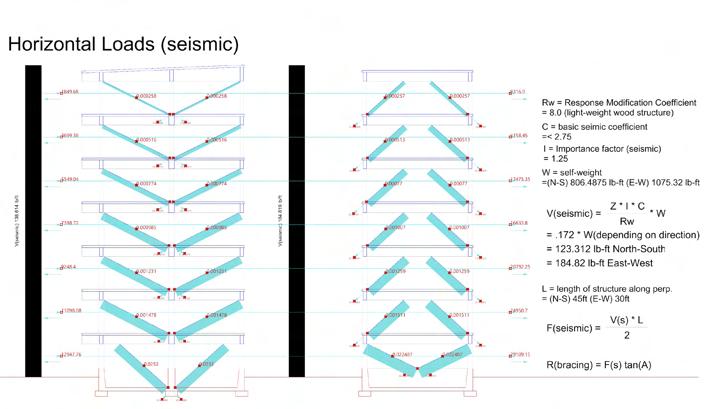
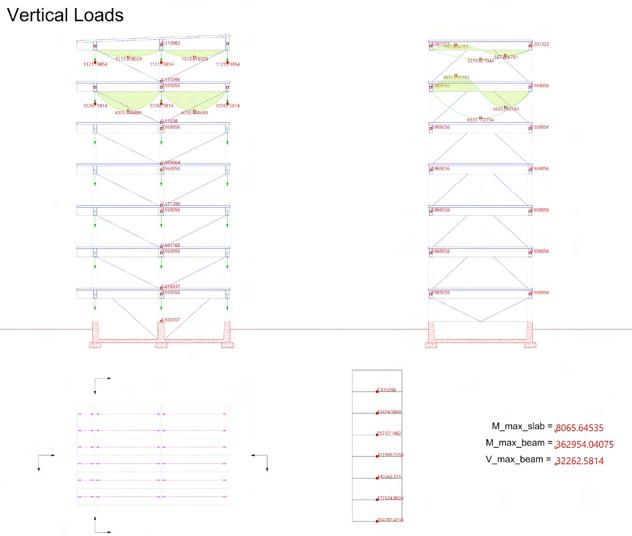
Between some custom plug ins and using basic structural formulas this script takes a critical 2D-sectional chunk of a mass timber building and analyzes its structural feasibility.
Structural Plan & Plan
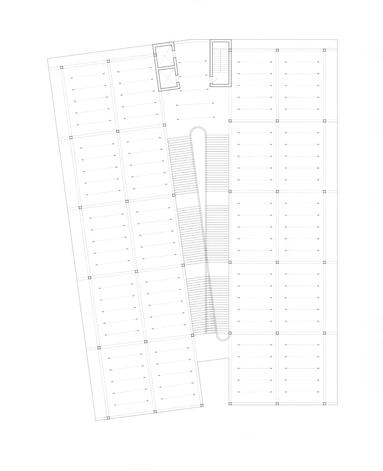
By abstracting the plan of the project, I was able to find a critical chunk to analyze and design in grasshopper.
In addition, the script is also able to determine vertical loads in eccentric bracing conditions, allowing for more experimentation with the bracing design, without having to rework the calculations.
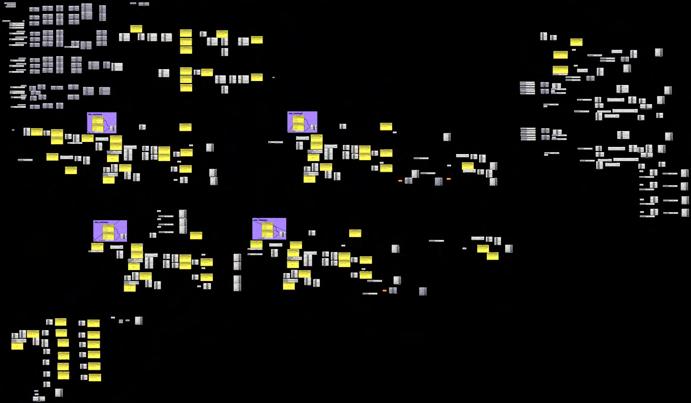 Fig. 1
Fig. 5
Fig. 1
Fig. 5
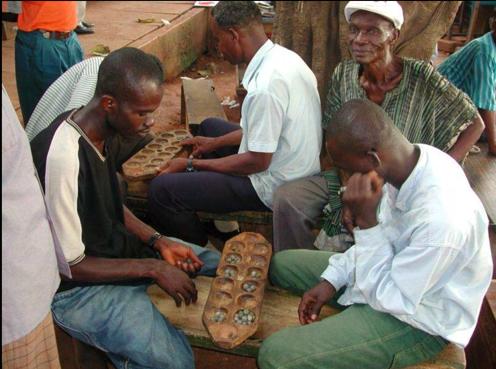
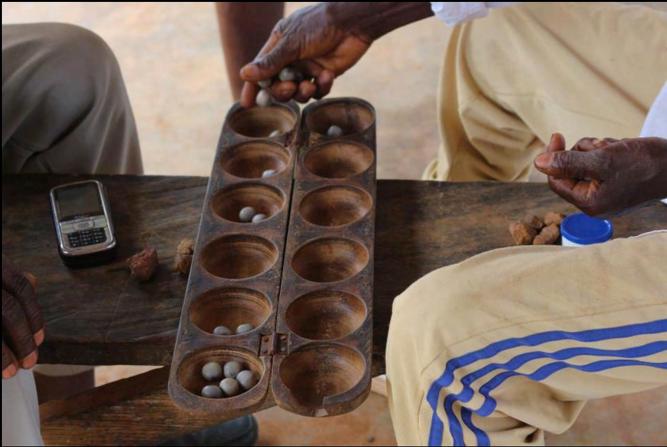
“SEEDS” IS A SMALL VIDEOGAME PROJECT ABOUT TRADITION AND HOW IT TRANSFORMS THROUGH GENERATIONS. THROUGH A SERIES OF OWARE-INSPIRED BOARD GAMES, THE PLAYER EXPLORES A SERIES OF DIFFERENT SCENARIOS AND PUZZLE EXPLORING HOW A LONG STANDING TRADITION BECOMES NEW.
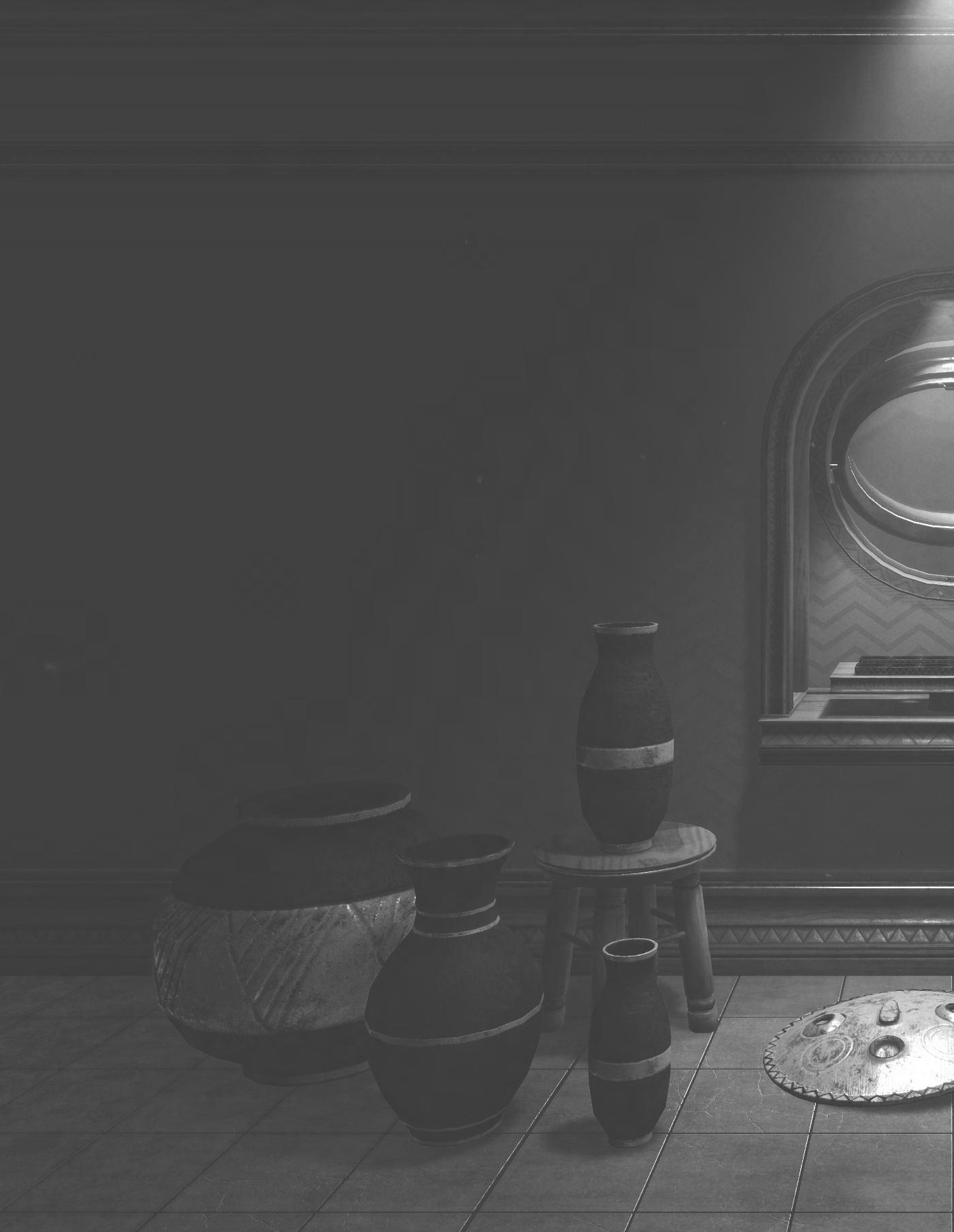
Figuring out the ways in which to find a happy medium between the cultural aesthetics of Ghana and West Africa, the calming environments of other strategy games, an efficient production pipeline, and performance optimization, were the main pillars dictating my decisions.
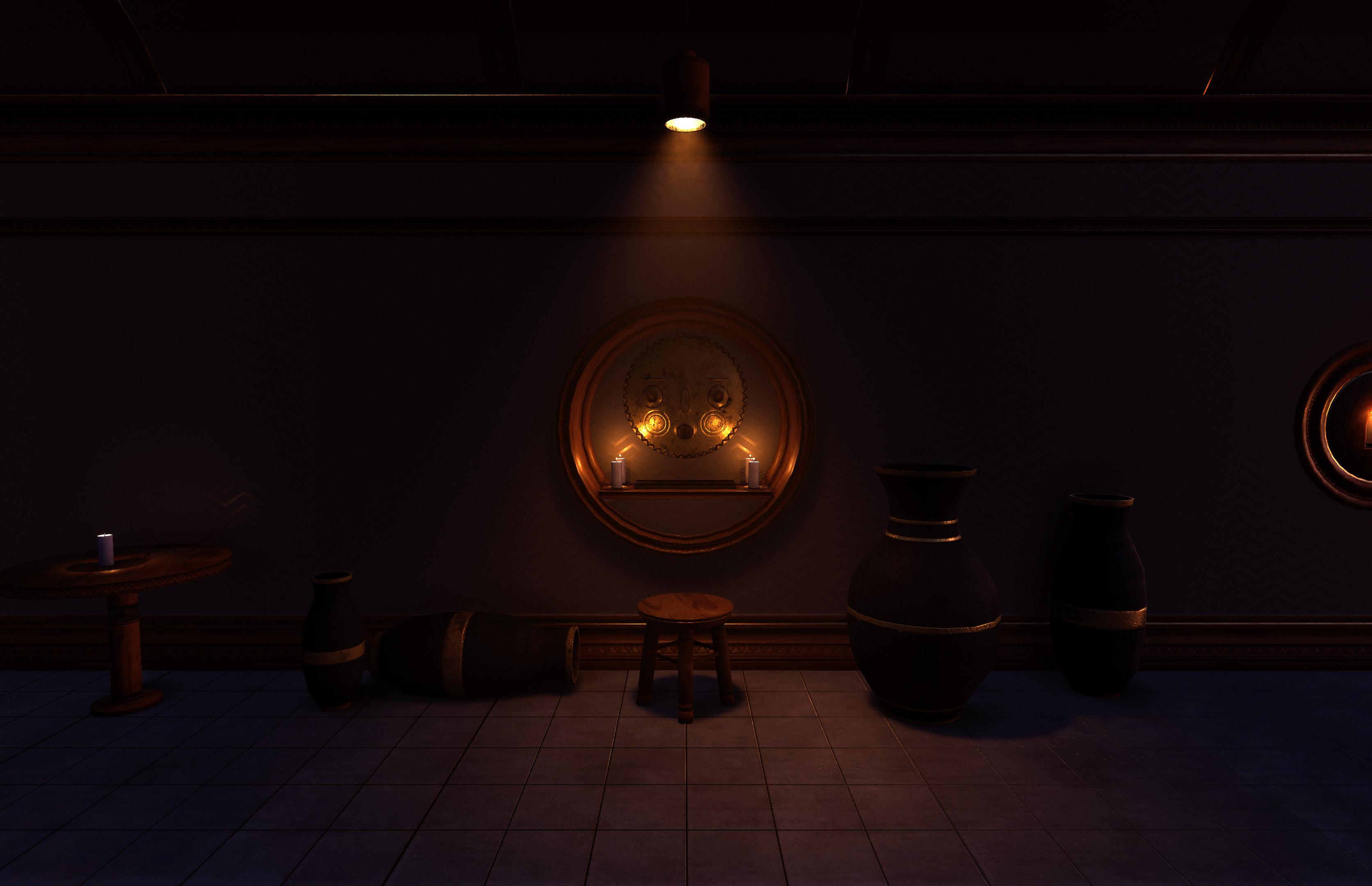
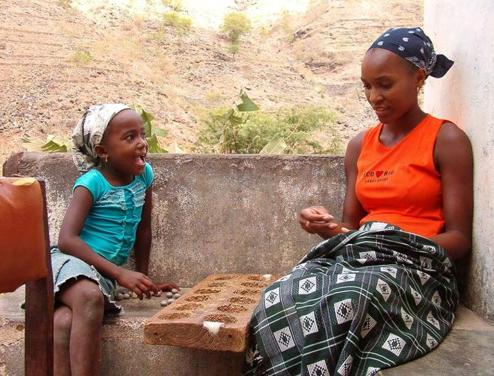
To begin the project I looked at a lot of the scenarios that the game Oware is typically played and the ways that the boards are constructed. This helped inform me on ways to imagine how to create the aesthetics of the game.
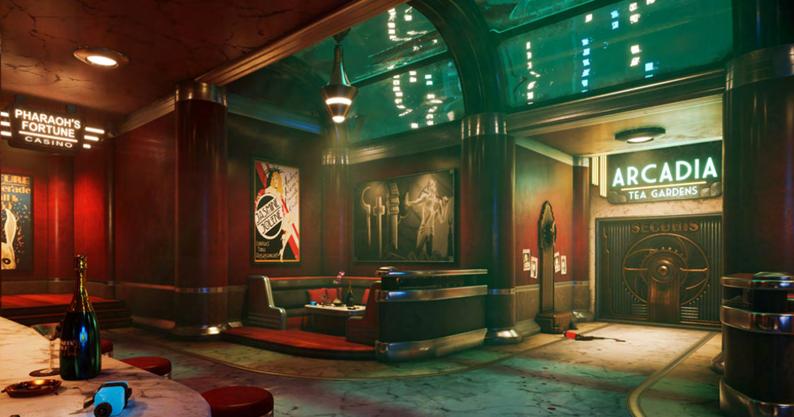
Considering for the current build of the game I wanted most of the scenes to be indoors, I looked at Bioshock as a strong precedent for how to construct environments within the constraint of vast corridors and ornamental interiors.
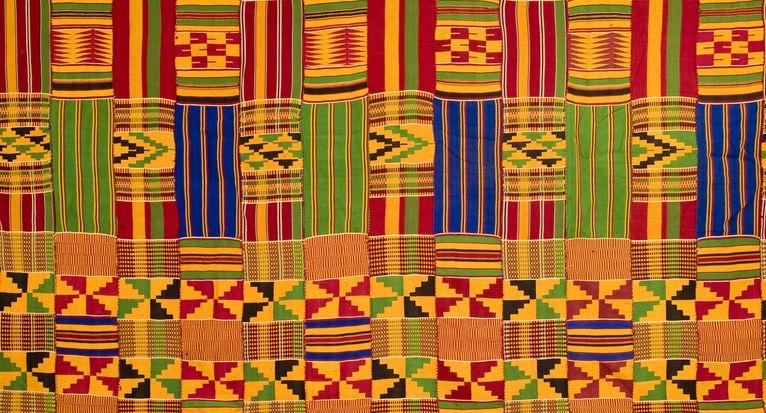
The pattern making aspects of Ghanian culture, which are highly prevalent in textiles and wood carving, were super inspirational for how to ground the scenes the game takes place in and to have some resonance with the traditions of the existing culture.
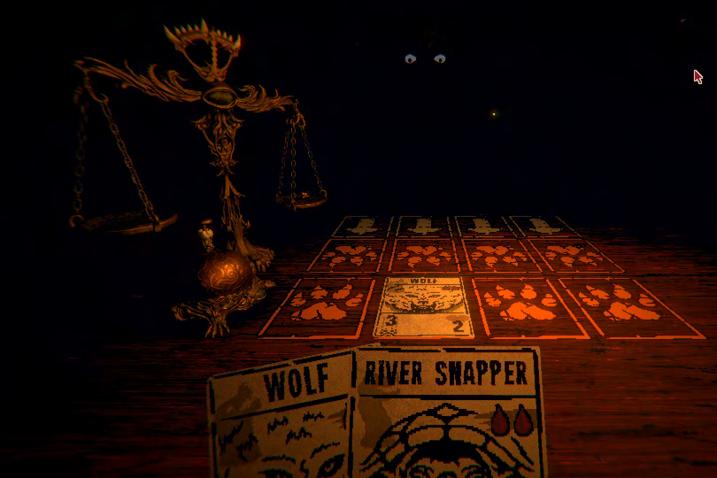
Inscryption for many reasons was an inspiration, but what I found most profound was how simple and satisfying the camera movements and placement was. It alows you to think through the strategy the game presents and gives you a clear view of whats going on without doing much.
Considering the game was going to be more of a puzzle/strategy game making sure that there was a clear yet abstract enough language was key. Hence the Witness also became a great precendent for how to create a clear visual hierarchy and language for the game.
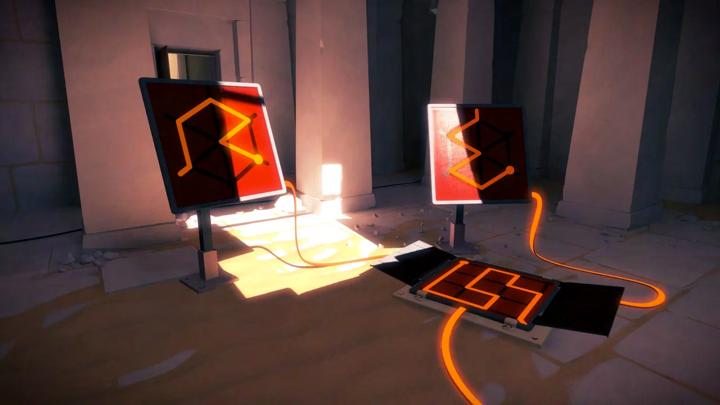 Fig. 1
Fig. 2
Fig. 3
Fig. 5
Fig. 4
Fig. 1
Fig. 2
Fig. 3
Fig. 5
Fig. 4
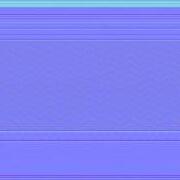
I used Trim Sheets to texture the majority of the architectural props, to reduce the amount of time to texture each. To create them I would create a model of the sheet in Blender and bake and texture it onto a flat plane for texture maps in Substance Painter.
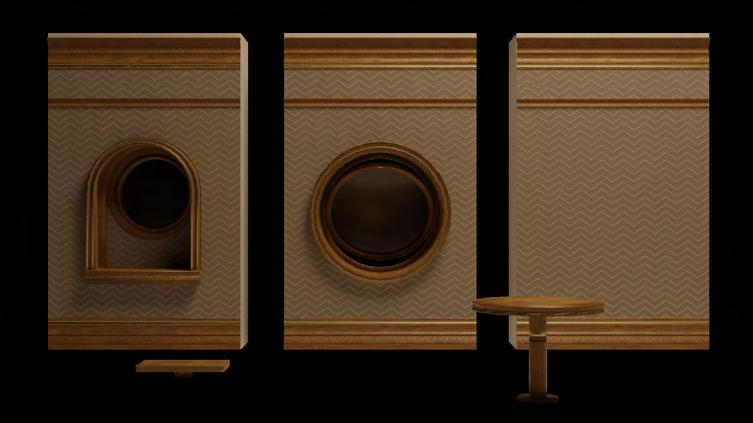
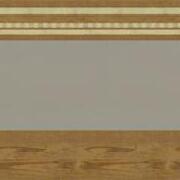
Here’s an example of a the image maps created for Unity from Substance Painter. The Roughness, Ambient Occlusion, and Metallic are packed into RGBA channels for into a Mask Map to save VRAM.
Some example use cases of the Trim Sheet on some of the models in game.
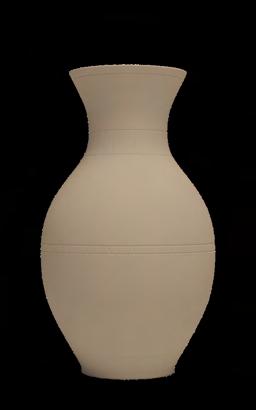
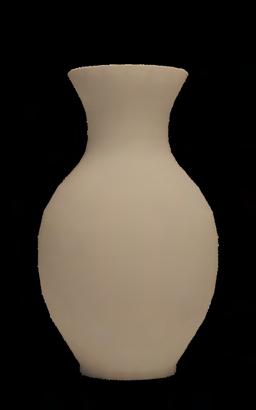

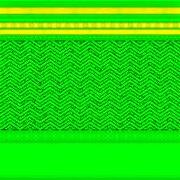
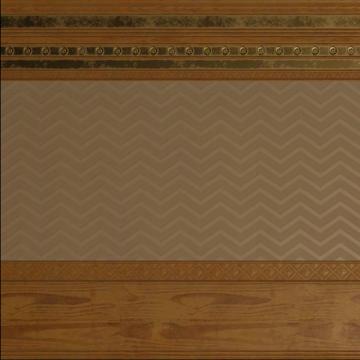
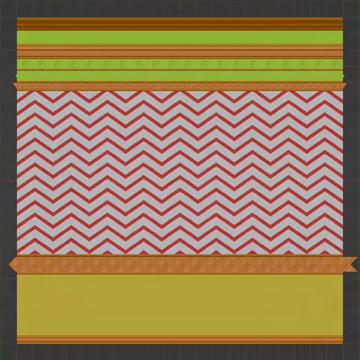
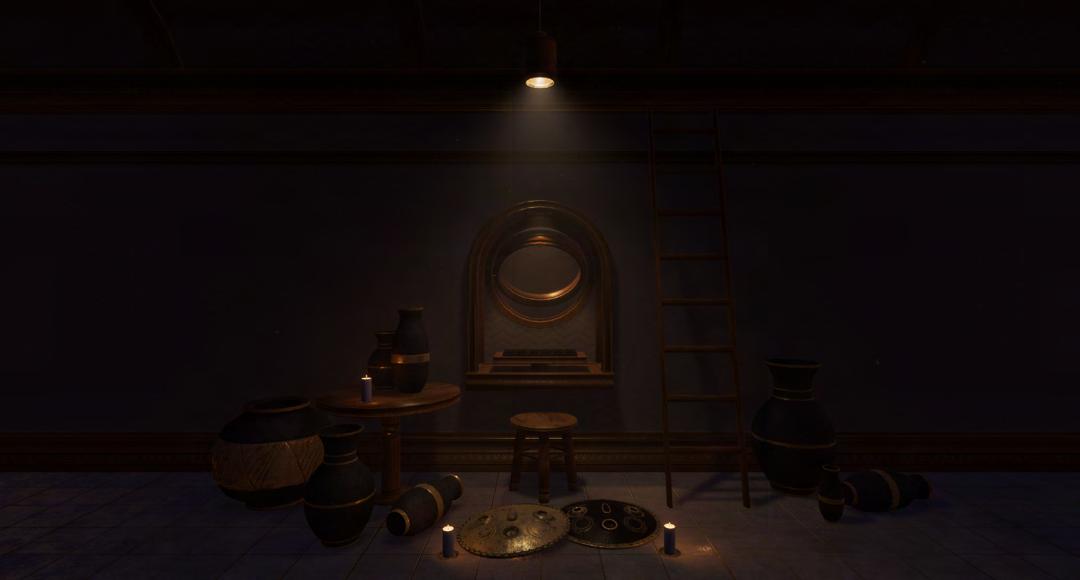
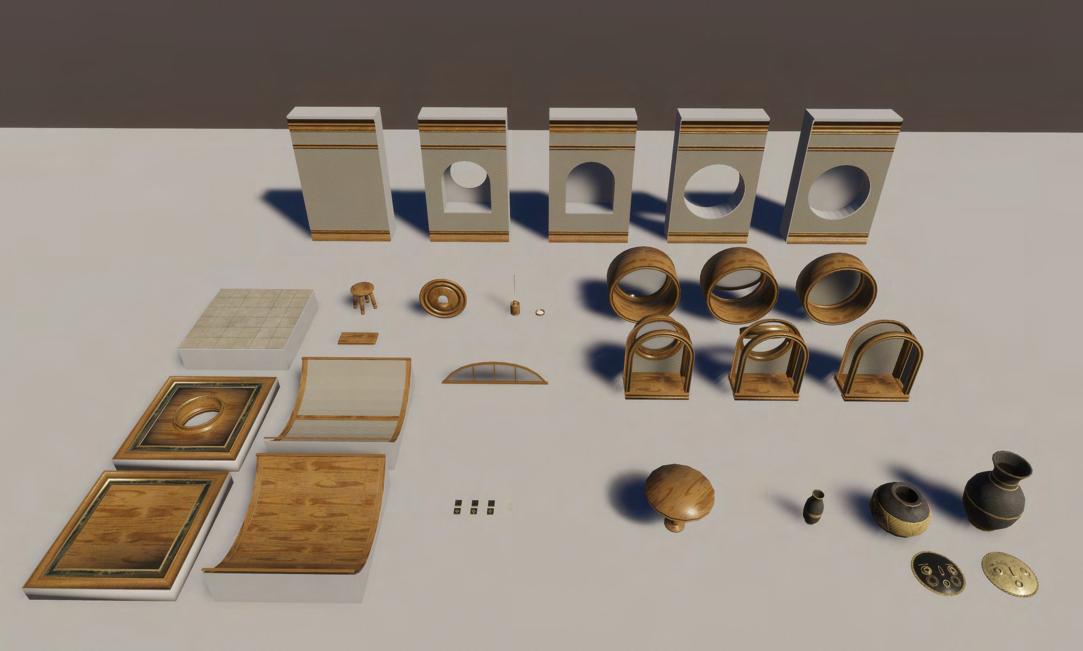
Smaller unique props are created with low to high poly baking and unique texture atlases from Substance Painter. Typically I would texture these assets in groups to use less textures.


The
menu of
which for now just allows you to quit to the main menu and see the controls. Also allows you to skip the tutorial.
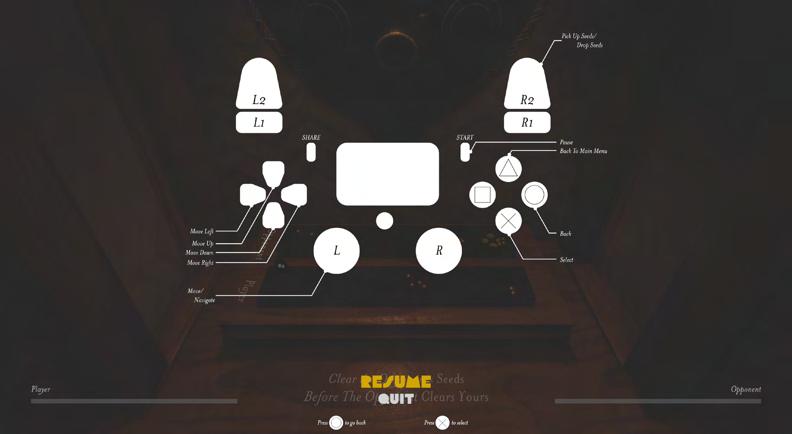
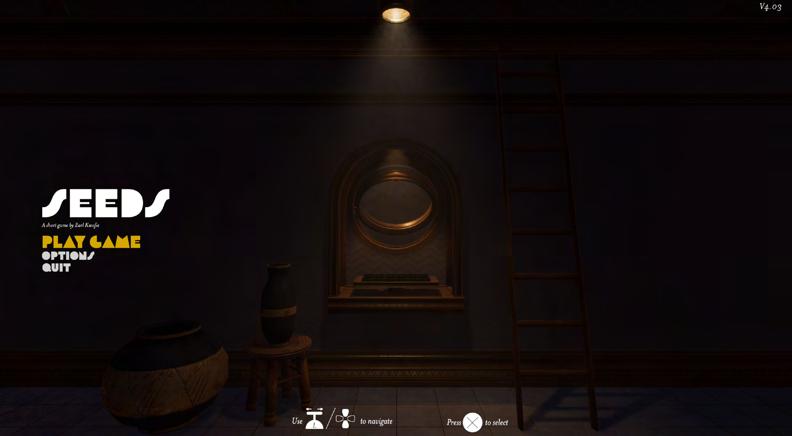
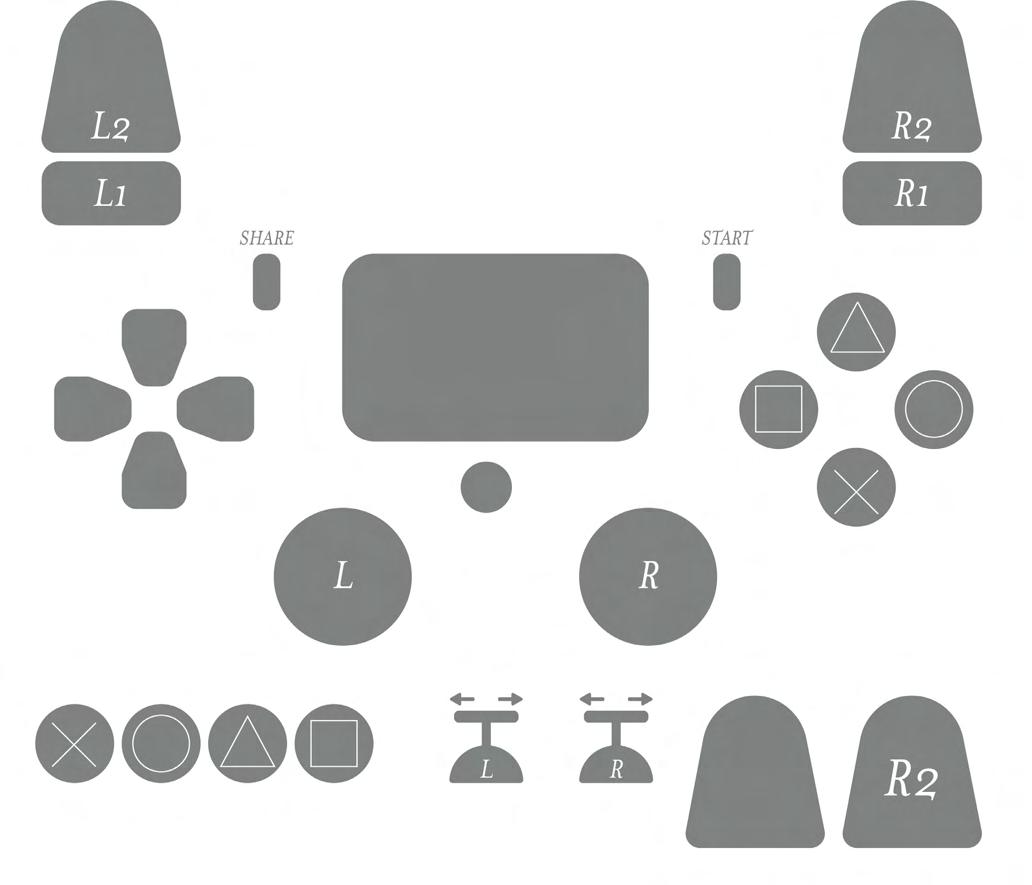
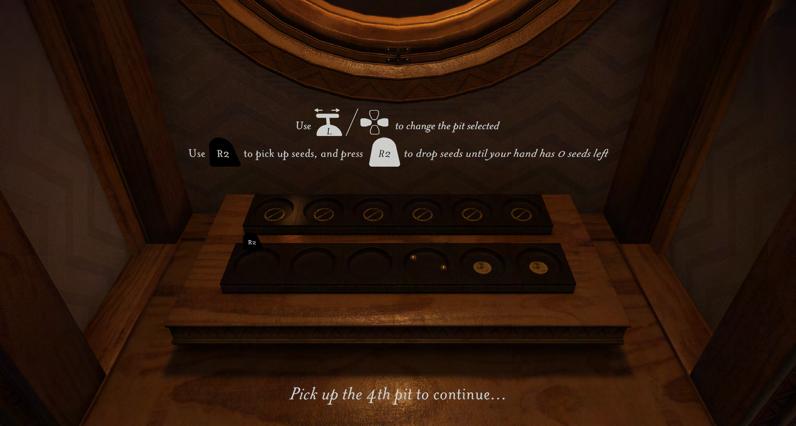 Fig. 1 - Custom Controller Icons for tutorials and additional prompts
Fig. 2a - Heading/Title Typeface : Flegrei
Fig. 2b - Body Type: Mrs. Eaves
Fig. 3
A screenshot from the game explaining how to move around the board in the game with a playstation controller.
Fig. 4
The main menu screen when you open up the game. The backdrop of the menu is rendered in real time, with a subtle dust particle animation.
Fig. 5
pause
the game,
Fig. 1 - Custom Controller Icons for tutorials and additional prompts
Fig. 2a - Heading/Title Typeface : Flegrei
Fig. 2b - Body Type: Mrs. Eaves
Fig. 3
A screenshot from the game explaining how to move around the board in the game with a playstation controller.
Fig. 4
The main menu screen when you open up the game. The backdrop of the menu is rendered in real time, with a subtle dust particle animation.
Fig. 5
pause
the game,
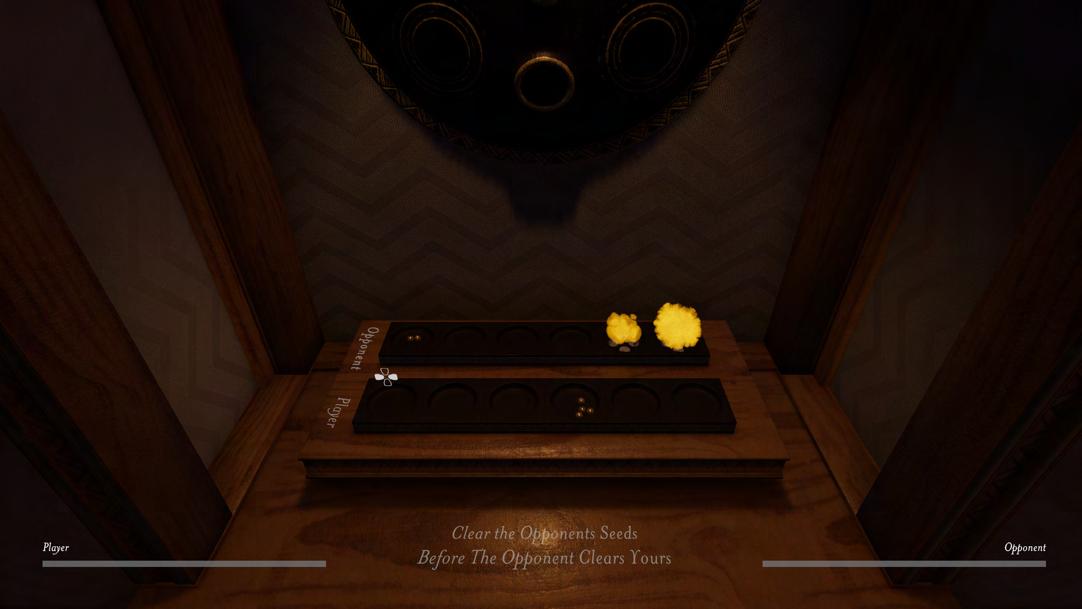
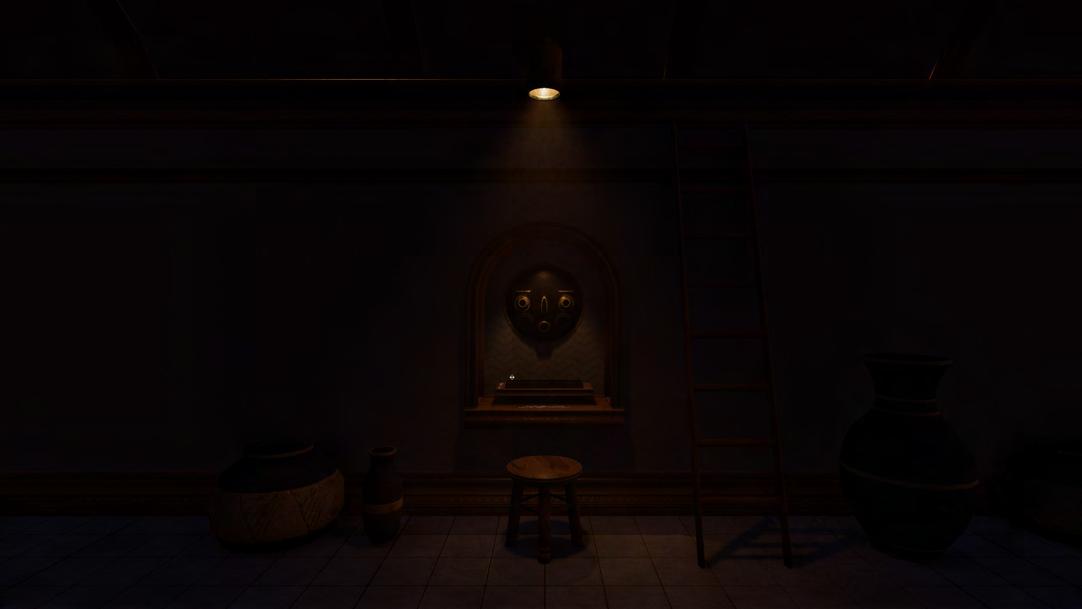
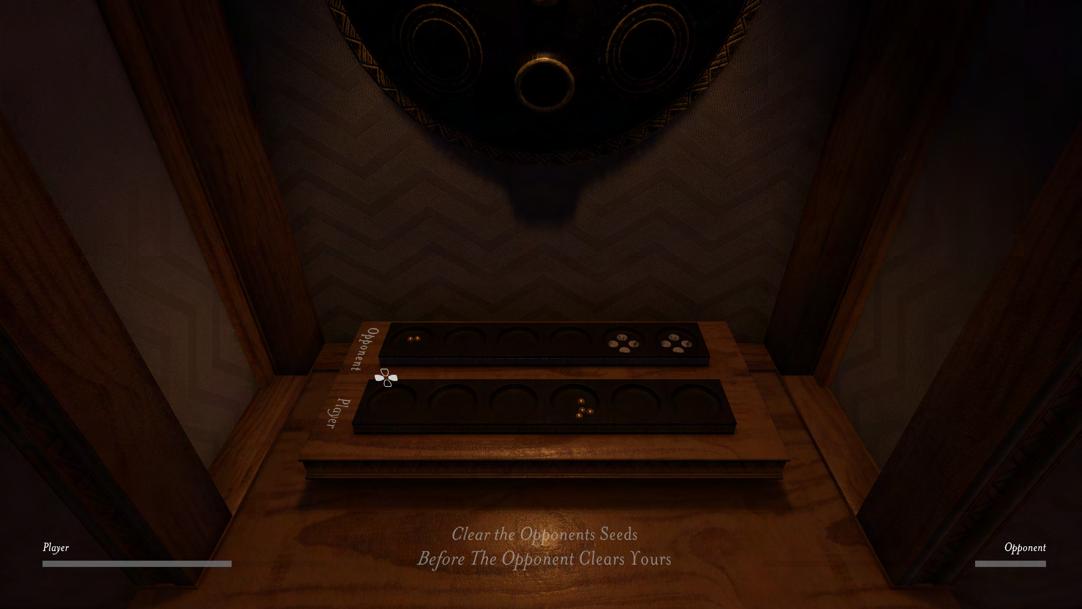
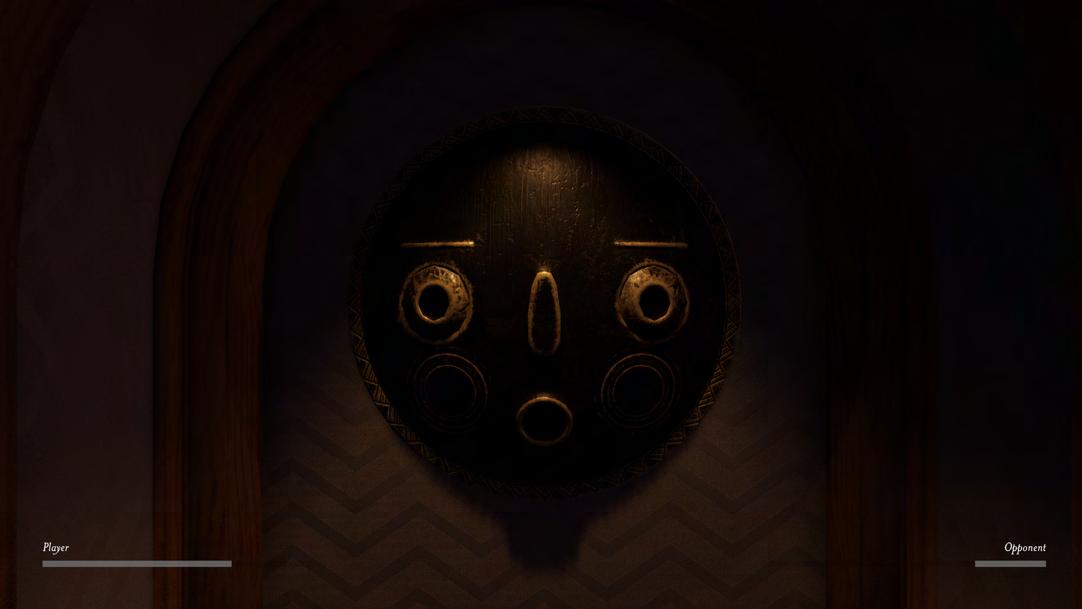 Fig. 1 - The player viewing the opponent
Fig. 2 - Default view of the board
Fig. 3 - Opening still frame of the level
Fig. 4 - Some of the VFX effects that happen during a players turn
Fig. 1 - The player viewing the opponent
Fig. 2 - Default view of the board
Fig. 3 - Opening still frame of the level
Fig. 4 - Some of the VFX effects that happen during a players turn
Rendered in Unity, Modeled in Blender & ZBrush, Textured in Substance
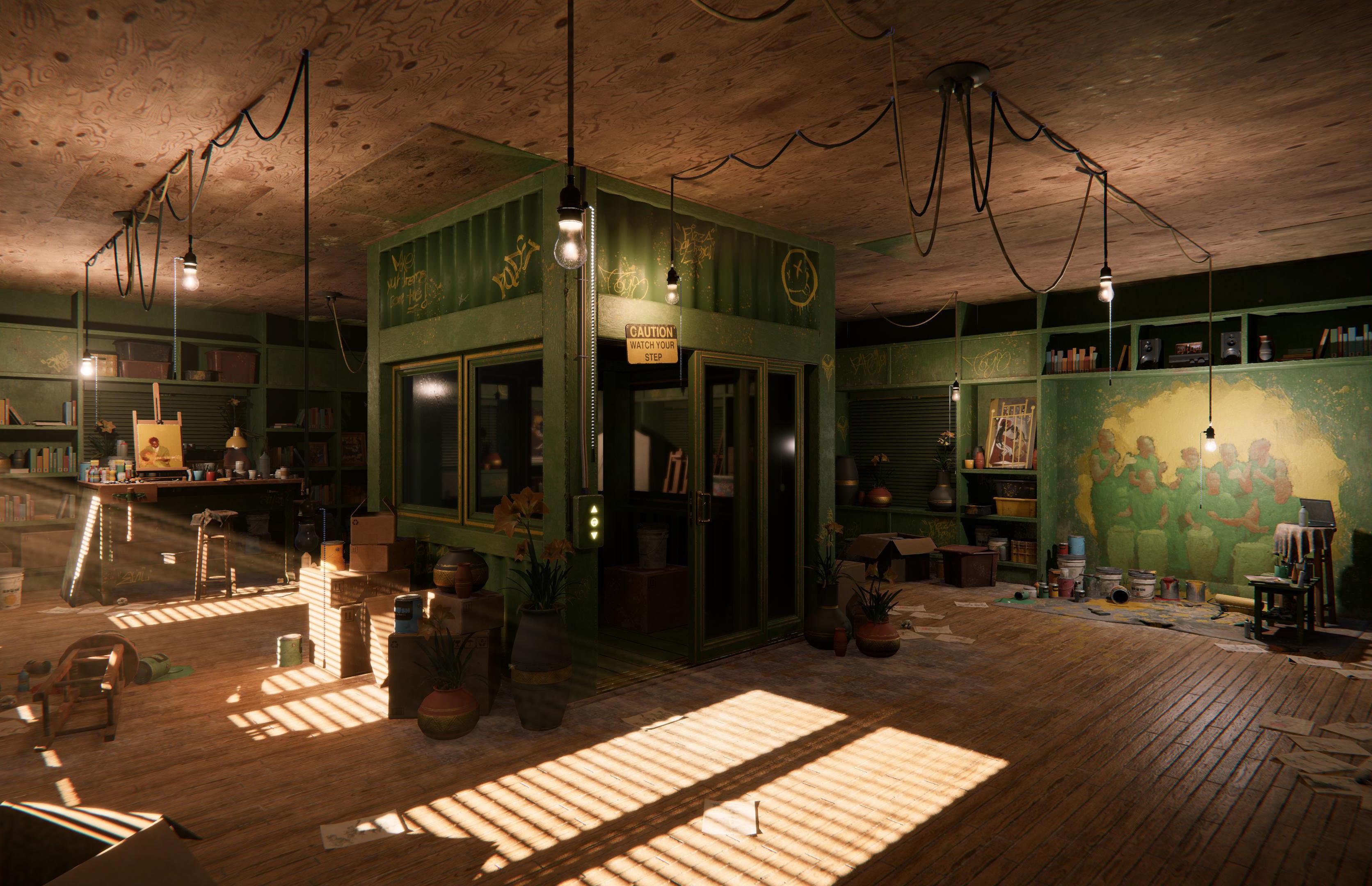
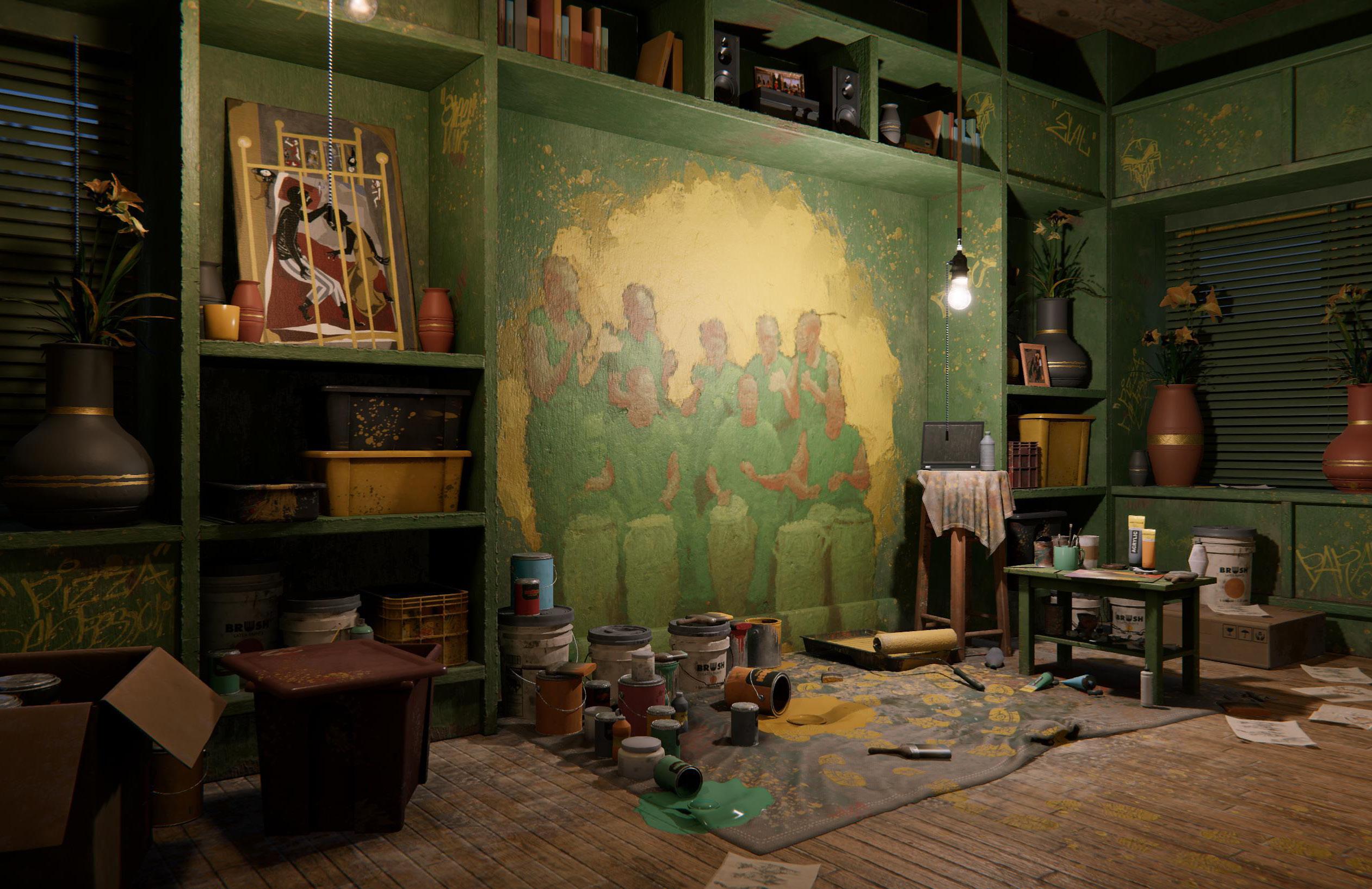
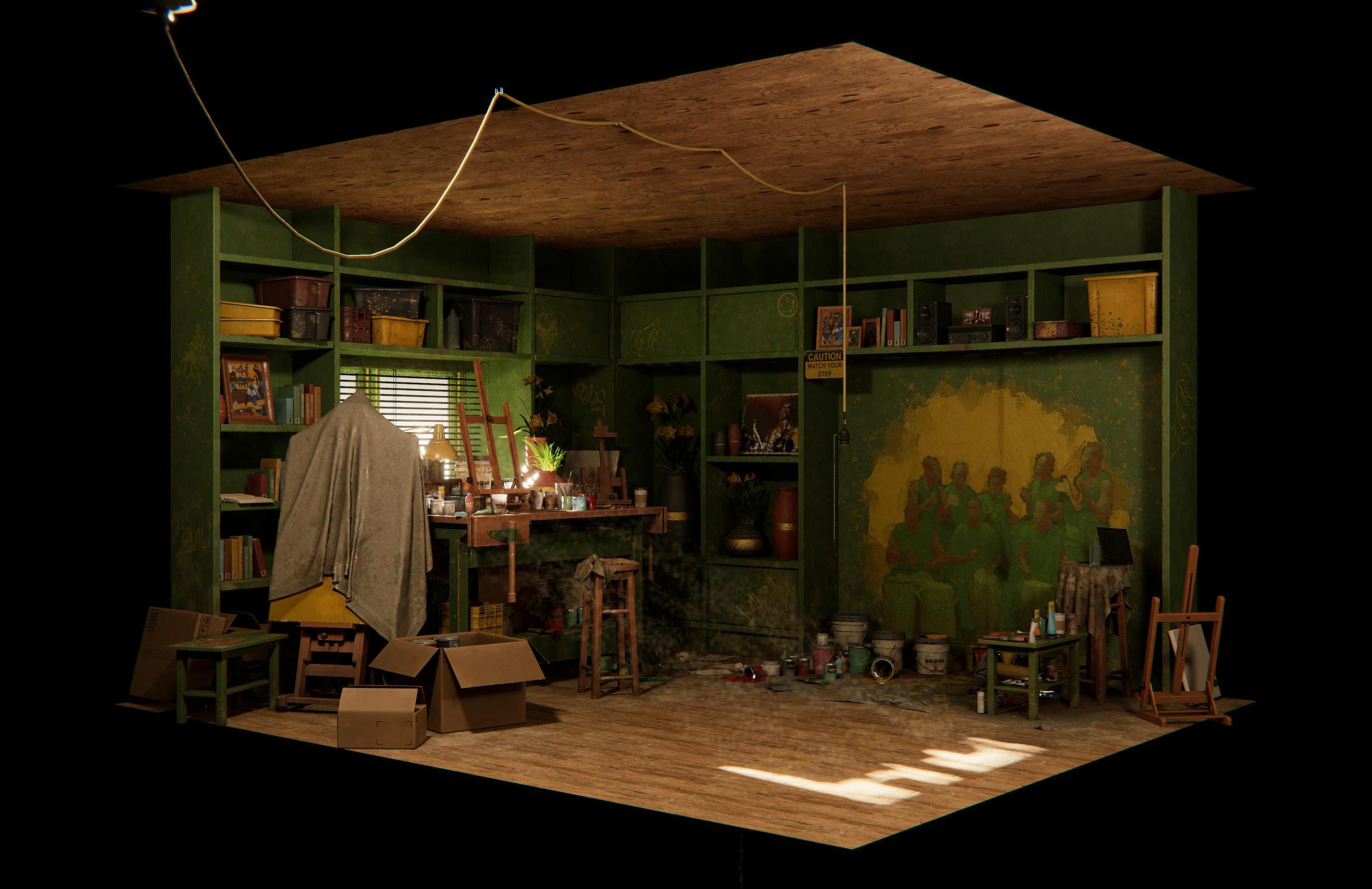
This is an ongoing project that I have been working on in Unity 3D as a way improve my story telling skills in 3d. All models, textures, and other assets have been done by me, excluding the flowers which I edited.
This was a project that I had worked on for scuptor Peter Coffin. This was supposed to be a mock up for a sculpture that would be installed on to an existing car rim.
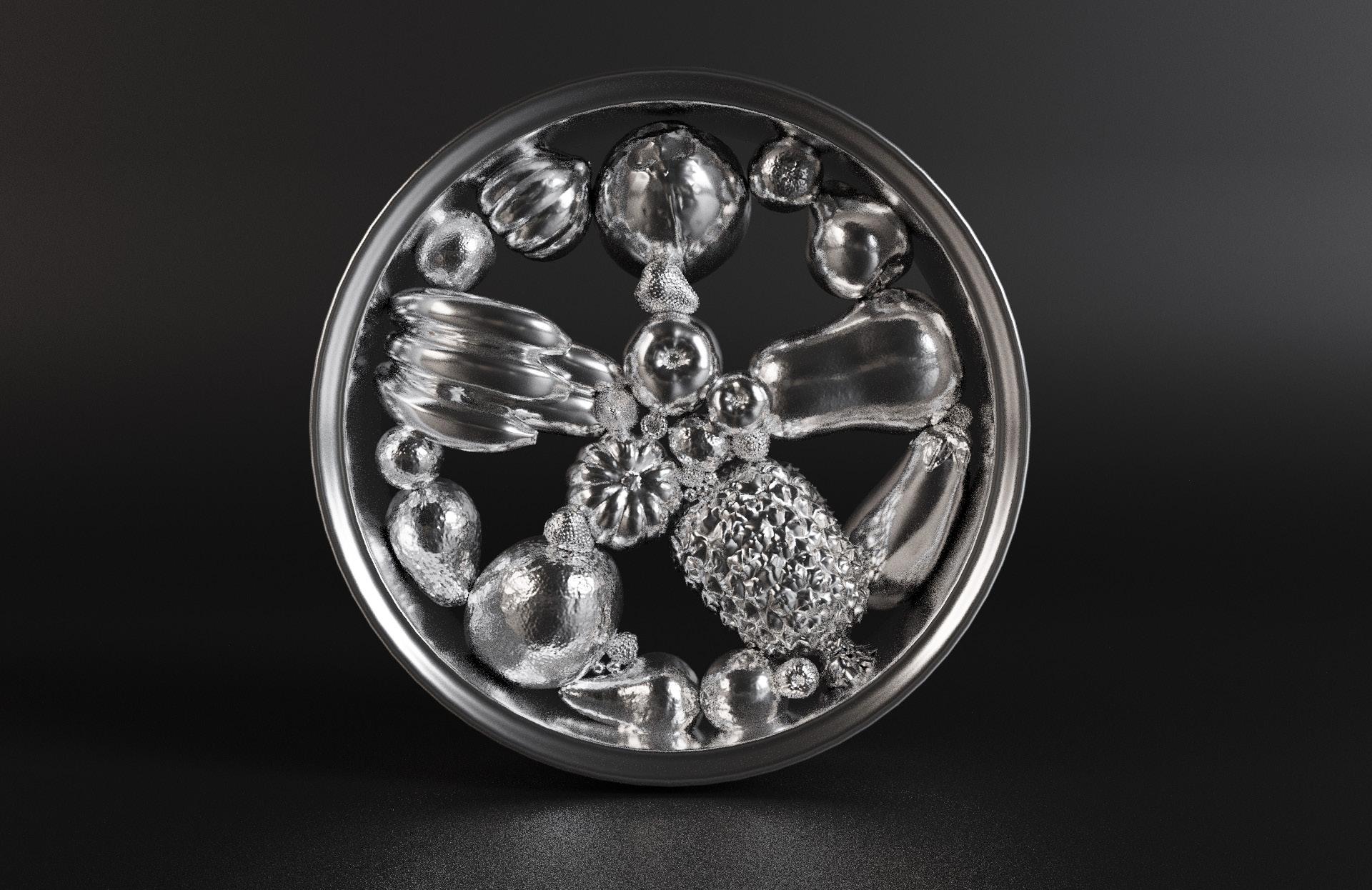 Rendered & Modeled in Blender
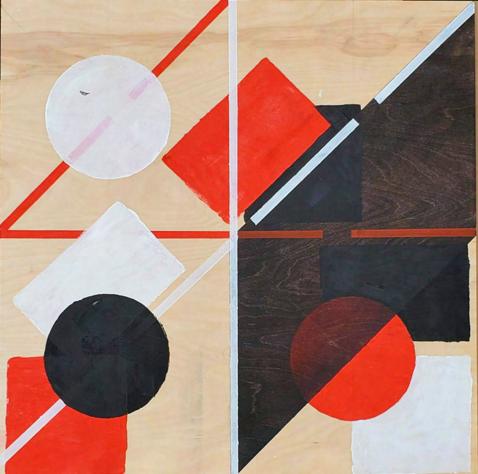
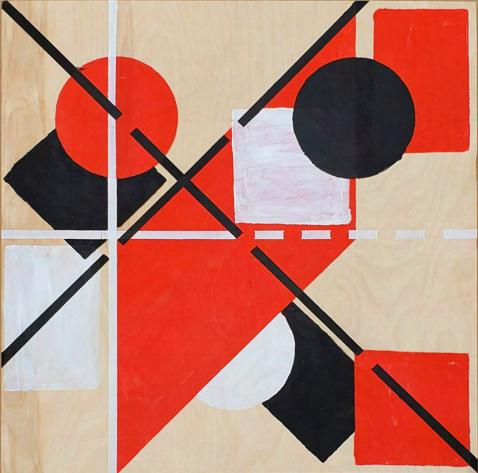
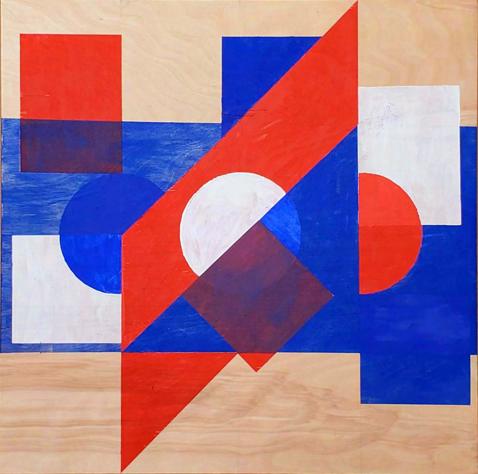
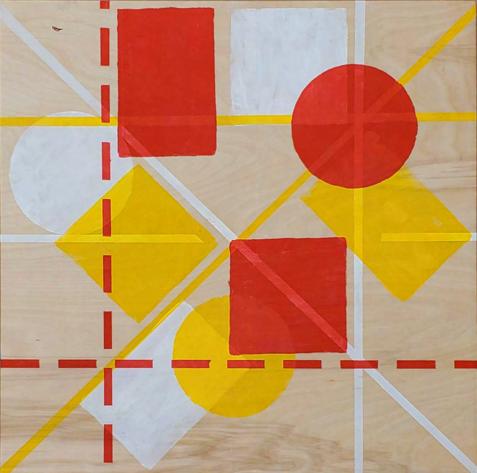
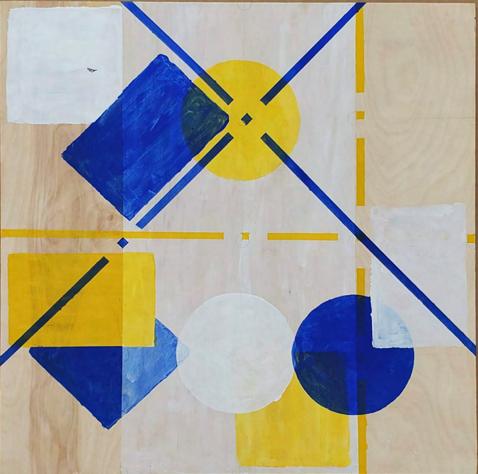
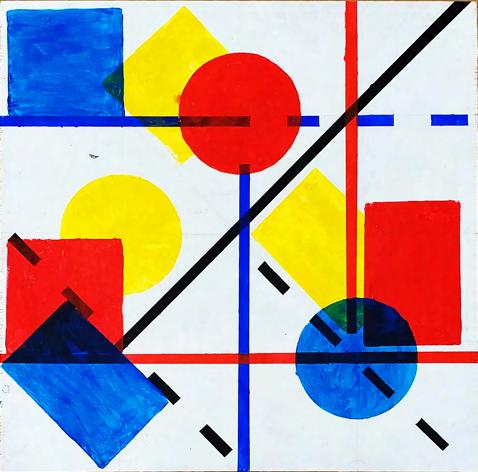
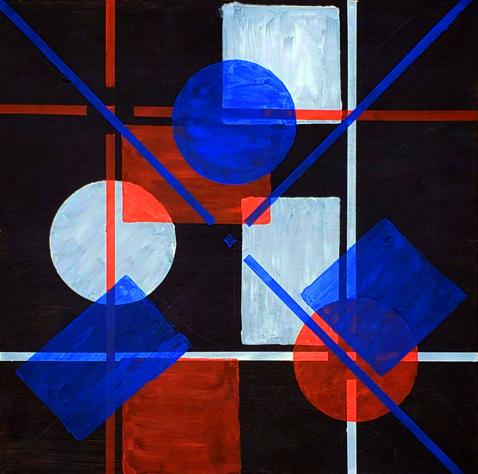
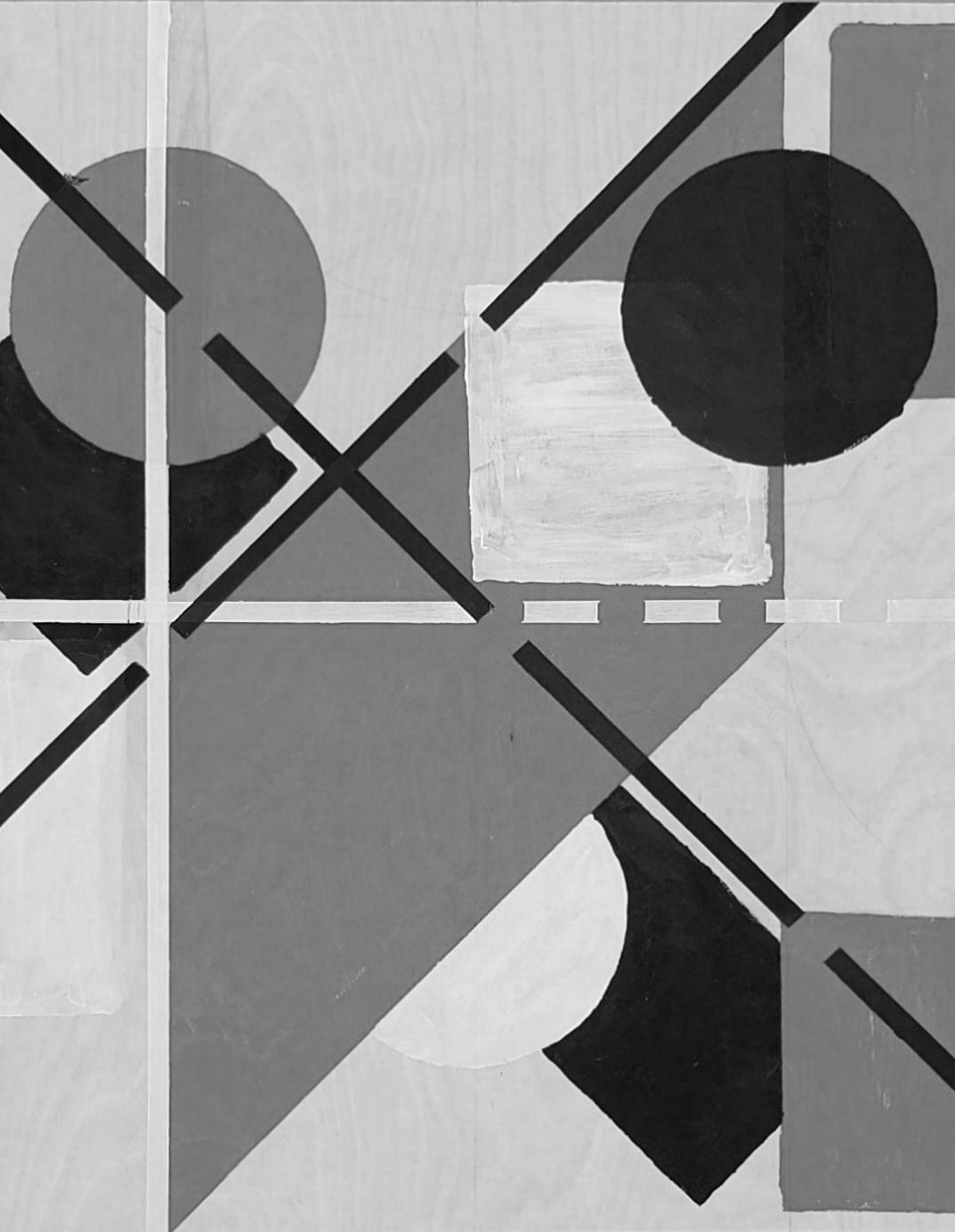
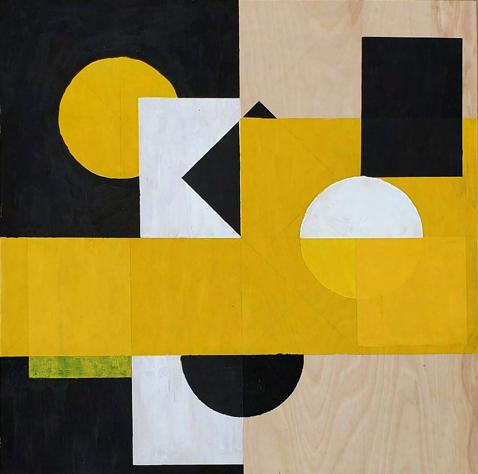 24” x 24”, Acrylic on Wood