

This February as we celebrate Go Red for Women, it is important to encourage women to take control of their own health and prioritize themselves to decrease the instance of the leading cause of death for women, heart disease among other health issues. Heart health issues negatively impact women, families, and communities indiscriminately. This HAS to change. But first, we need to examine the obstacles women face, blocking progress.
All too often women are expected to be the default caregiver. Generally, in society today it is assumed that women are the ones who manage the emotional and physical care of children, aged parents, partners/spouses and even bring harmony to the workplace. The disproportionate amount of labor placed on women comes with significant cost to women’s overall health and contributes to increased mortality.
Women are repeatedly socialized to put our needs last, and when we attempt to set boundaries, rest or invest in ourselves in any way we are labeled selfish. For example, many cultures believe suffering for women is normal, and in some cases, even honored and praised! (Think ignored, intense pain during menstruation, unmedicated childbirth, and the expected unobtrusiveness of menopause). When it comes to taking care of our own health, the given brand of “selfish” is again applied, but with a much more potentially dangerous price to pay. Let’s face it, with all that caregiving going on who has the time or energy to concentrate on their own needs?
An even more devastating reality also exists when a woman does have the resources to move past all the barriers, her health needs may still be dismissed, downplayed, or ignored altogether. In fact, a study conducted by the Kaiser Family Foundation (KFF) in 2022 revealed that 29% of women have reported being dismissed by their provider on numerous occasions. Another study suggests that 4 out of 5 women in the U.S. have felt that their provider is not listening to them when they present concerns during a healthcare visit. These statistics are staggering and have a detrimental effect on the female population, their family, and our community.
As healthcare leaders attempt to remedy this disparity, we must consider changing the current narrative. Categorizing women who chose to take care of their own health as selfish is simply wrong. When we label women in this way, we send a message that we do not value their lived expeireince, increase feelings of guilt, reinforce gender inequity, and ultimately harm women AND those they care for.
Providers, like all humans, have a degree of inherit bias. This bias must be examined and amended daily. We must make sure our care is led by real listening and our healthcare structures must be built to support this type of healthcare environment. Unfortunately, providers are given minimal education
Continued on page 36
SyracuseWomanMag.com
contact@ syracusewomanmag.com
PUBLISHER
David Tyler
dtyler@eaglenewsonline.com
CONTRIBUTING
EDITOR
Jennifer Wing
jwing@eaglenewsonline.com DESIGN
Andrea Reeves
PHOTOGRAPHERS
Alice G. Patterson
Chef Eric Rose
SHP Brand Bash
Katrina Lynn Portrait Art CONTRIBUTORS
Elena Ehrhart
Eric Rose
Janelle Davis
Lorna Oppedisano Tracee Young
Cover photo by Alice G. Patterson
ADVERTISING SALES
Renée Moonan
315.657.7690
Rmoonan@ eaglenewsonline.com
ADVERTISE WITH US
Unlike any other publication in the Syracuse area, our feature articles address major topics that interest local women. Each issue includes articles on health, fashion, fitness, finance, home matters, dining, lifestyle and personal perspectives, as well as a spotlight on local Syracuse women. Ads are due on the 15th of the month prior to publication. The print magazines will be distributed locally in over 350 locations and will be in your inbox electronically by the middle of every month.
The publication is available free of charge.
315.434.8889 | 2501 James Street, Suite 100, Syracuse, NY 13206
The magazine is published 12 times a year by Eagle News 2501 James St., Suite 108 Syracuse, NY 13206
Copyright © 2026 Sample Media Group, LLC. No part of this magazine may be reproduced or republished without the consent of the publishers. Syracuse Woman Magazine is not responsible for unsolicited submissions, manuscripts, photos or artwork. All such submissions become the property of Community Media Group, LLC and will not be returned.

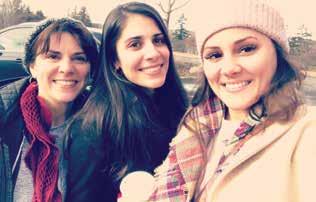
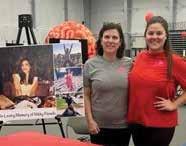
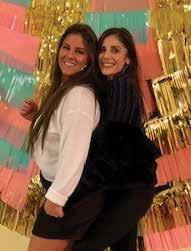
Elena Ehrhart
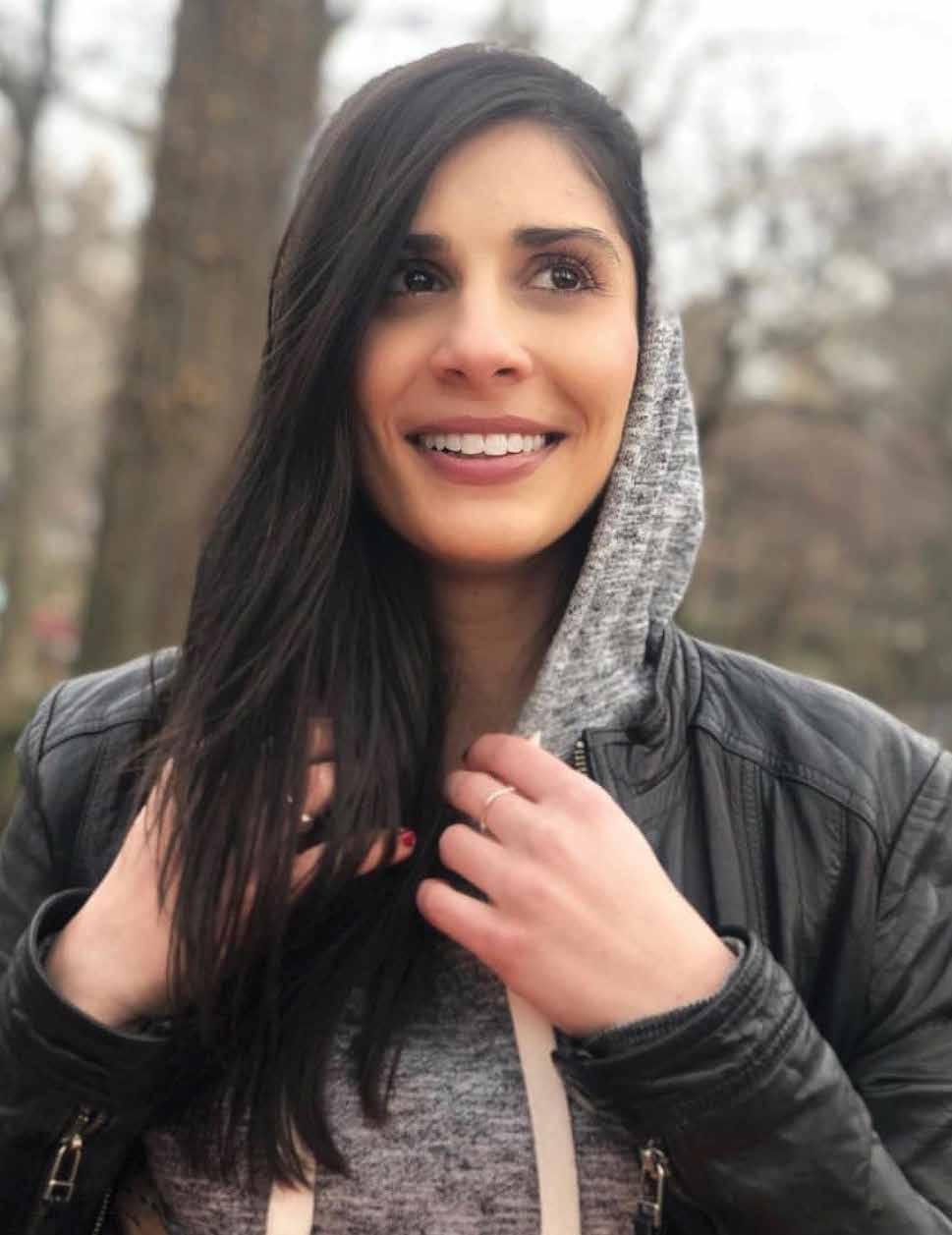
Danielle Fiorello did not expect the loss of her sister to transform her into the bright and passionate heart health advocate that she is. Today, she brings her knowledge and compassion into every part of her personal and professional life through her work with the Syracuse Chapter of the American Heart Association.
Danielle became involved with the Heart Walks fundraiser for the American Heart Association after the sudden passing of her sister. Nikky, who was just 30, had Long QT Syndrome (LQTS), which was unknown to her and her family at the time. LQTS is a heart rhythm disorder that is inherited through genetic mutations. It creates issues with the heart’s electrical system, prolonging the interval between beats.
“There was nothing that told us something was wrong,” Danielle said. “She was perfectly healthy.”
The only symptoms (fainting, seizures and palpitations) the family knew Nikky experienced had been years earlier in two separate events. When they happened, neither was followed up on. Her first incident happened when she was a senior at SUNY Albany. She did not wake up on a Saturday morning, sparking concern from a friend. By the time emergency services had arrived, Nikky was awake and alert.
According to the We Love NikkyBoots team page written by the Fiorello family, “[The doctors at the hospital] wanted to keep her until Tuesday for tests. But on Tuesday, the doctors said too much time had passed for the test to be of any value.”
The second incident was years later, when living in Brooklyn. She had fainted suddenly on her way to the shower. While odd, it did not spark her to pursue any medical diagnosis. With the disorder’s rarity, LQTS is often overlooked as a potential diagnosis unless the individual is given an echocardiogram or Holter monitor. For many, it is unknown that they have it until after they have passed. Unfortunately, this included Nikky.
“It was really a shock. We had no idea what happened.” Danielle said. There are three types of LQTS, distinguished by the different genes that are mutated. Nikky had the third type – LQTS3, meaning her affected gene was the SCN5A, which controls the heart’s sodium channel. This meant she was at risk when she was resting, sleeping or had a slow heart rate. The first two types are triggered by physical exercise (LQTS1) and emotional stress or loud noises (LQTS2).
“It was like a freak accident,” Danielle said. “It was important for us to know if any of us had [LQTS] and genetic testing was the way we had to go. After that, we really started to tell our friends, other relatives and neighbors about it. It could really have been anyone.”
After learning the disorder stemmed from genetics, the Fiorello family had to maneuver through “all of the hoops” and get themselves
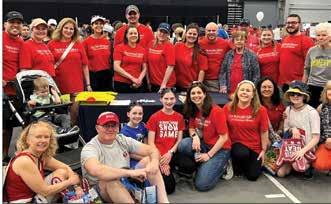
genetically tested for the mutation. Through this, they discovered Danielle’s father has it. Thankfully, he is through “the danger zone,” as the average age of death from the condition is 30.
In their grief, the family dedicated themselves to learning more about the condition that claimed their beloved Nikky and finding ways to help educate others. Danielle’s mother Kate began the family’s Heart Walk team, We Love NikkyBoots, recruiting family and friends to participate and donate. The walk raises funds for research into cardiovascular issues. In the family’s first year, over $40,000 was raised.
“Getting involved with the walks encouraged me to try and adjust to this new me. I want to share this information so we can make others aware about heart disease and Long QT,” Danielle said. “My main goal is to spread awareness – how can I contribute to make an impact?”
Now, Danielle heads the walk for her family and her place of employment, The Bonadio Group, where she is also the chair of the wellness committee. The firm’s involvement has helped Danielle to raise more money and bring awareness to the community.
“I send out emails and we will have events that help, too,” Danielle said. “One year we had a golf fundraiser. Each putt was a pledge.” Walk days for Danielle tend to be bittersweet. From hearing the stories of survivors to kick off the event, to seeing the number of friends and family that gather to participate and donate makes her emotional. “It keeps me grateful. I’m very lucky in my life to have the support that I do,” she said.
Even years after losing her sister, there are still many difficult times. When these happen, she does her best to honor her sister’s memory by taking action. “I can’t spend all day with sadness. Going out and doing something meaningful like this is important to me,” Danielle said. “I have good role models. My parents are involved with grief groups and continue to do research. Through this, I see that everyone has their own way of grieving. I have learned that there is no right way to grieve.”
Participating in the walks is something that helps Danielle through her grief. She finds purpose in the work she does and is grateful for the support of her family. While you never know how you will react to a sudden loss, Danielle never would have predicted that she would come out the other side as strong as she is.
“[My strength] really surprised me,” she said.
Danielle’s strength continues to grow as she learns more about LQTS and uses her knowledge to help others. “I want to help people realize that [LQTS] exists. I want there to be a path to understanding.” SWM
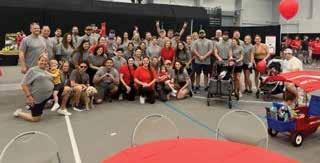
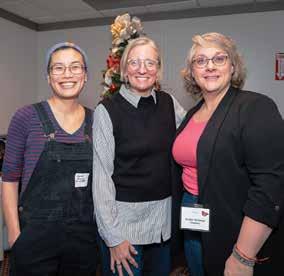
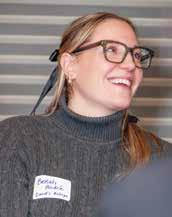
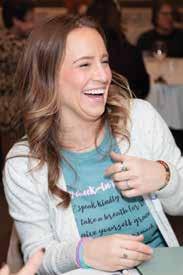
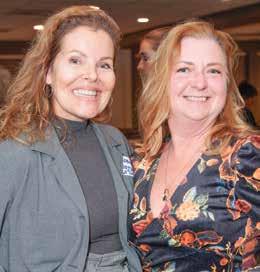
WBOC’s Let’s Talk A.I.: How to Use It Without Losing You offered a thoughtful, humanfirst introduction to artificial intelligence and its role in today’s work and daily life. Led by Carrie Welch and Jannie Huang of Blue Salt Air, the session broke down what modern AI tools actually do, why they matter, and how to use them without sacrificing creativity or personal voice. Through realtime demonstrations and open discussion, attendees gained clarity, confidence, and a more grounded understanding of how to work alongside AI in a way that feels accessible and empowering. WBOC's programs are on the first Wednesday evening of each month.
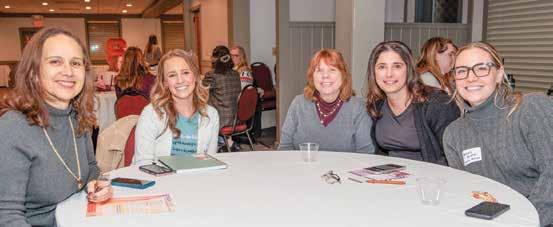
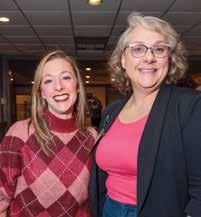


RAISING MONEY FOR GO RED FOR WOMEN!
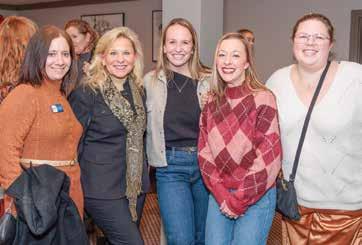
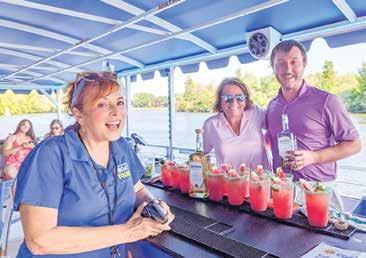
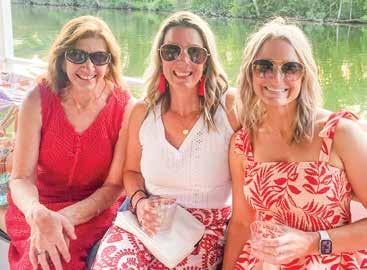
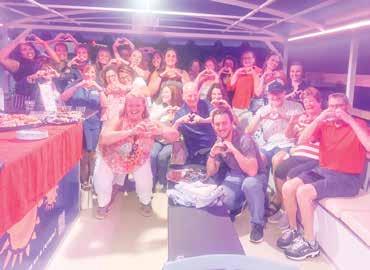
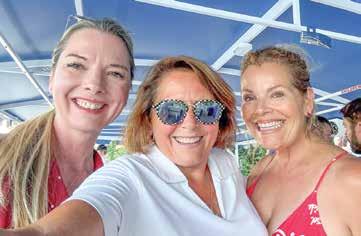
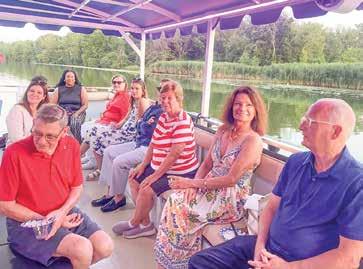
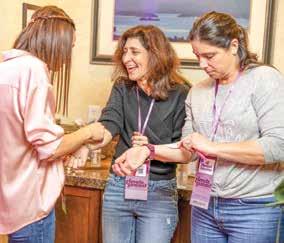
Passengers enjoyed an unforgettable evening on Onondaga Lake that blended purpose with enjoyment. Guests were welcomed aboard for a beautiful evening cruise with light refreshments, a silent auction and a tour led by Laura Serway. Syracuse Boat Tours' SS Katie cruised the Onondaga as the sun set, creating the perfect backdrop for conversation, laughter and bringing the community together on the water in support of Go Red for Women and Women's Heart Health.


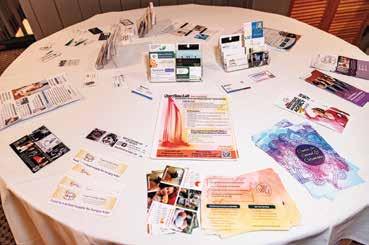
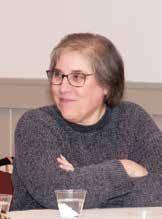
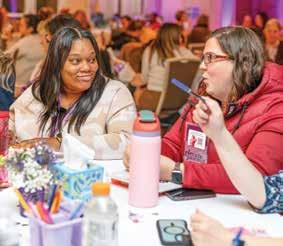
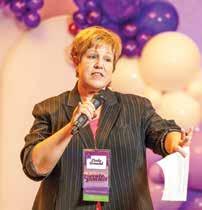
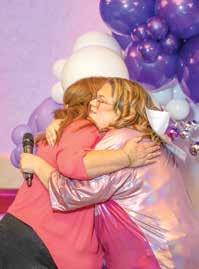
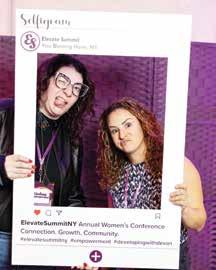
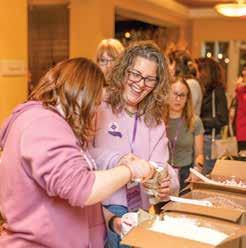
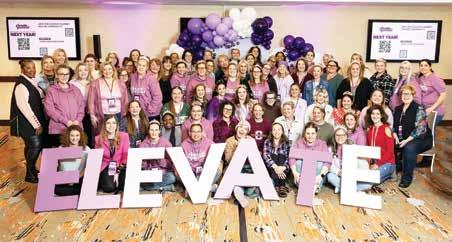
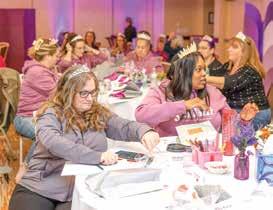
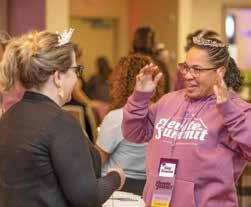
Elevate Summit 2025 brought together women from across the region for a powerful, multi-day experience focused on confidence, leadership, and growth in both business and life. Through inspiring speakers, practical sessions, and meaningful connection, attendees were encouraged to step into their worth, trust their voice, and build momentum without burnout. The energy was supportive, bold, and deeply rooted in community. Follow @elevatesummitny for updates and details on this year's summit, which will be held Nov. 6 to 8.





Janelle Davis
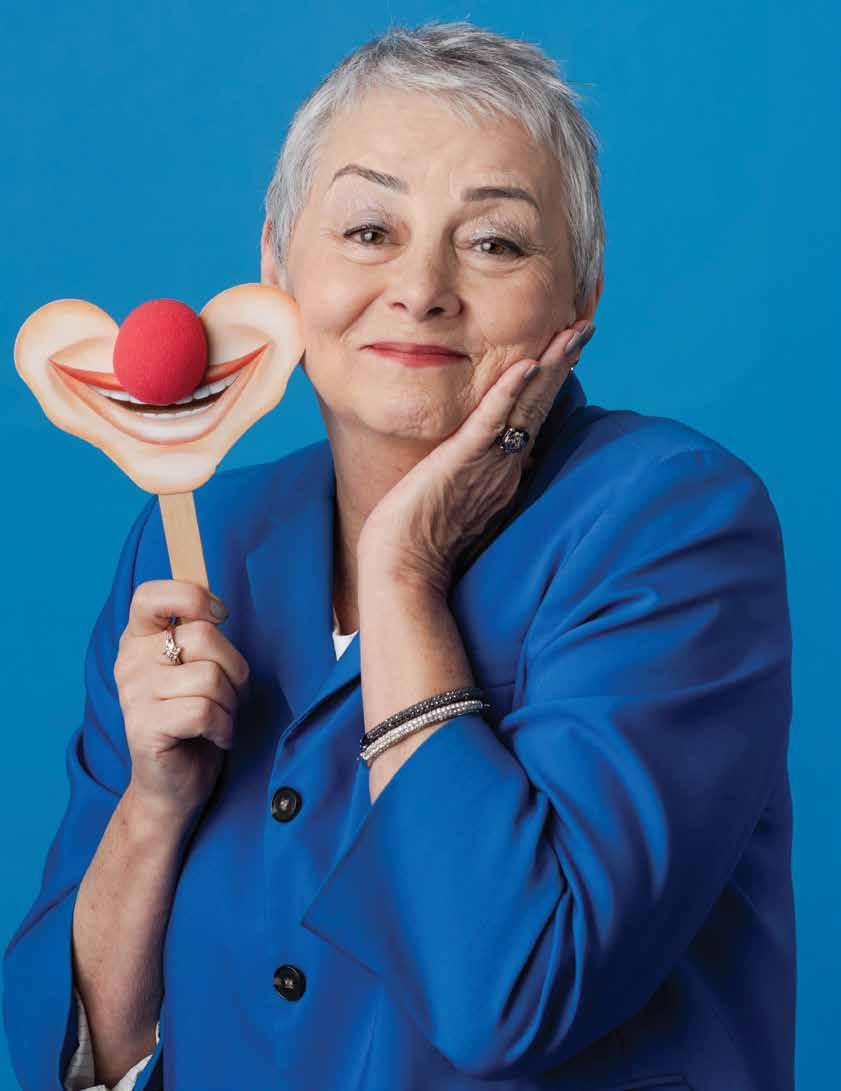
When Yvonne Conte walked into a comedy club decades ago after losing her job, she had no idea that spontaneous decision would launch a 30-year career helping others find resilience through laughter. Today, the motivational humorist and stress reduction expert blends humor, vulnerability, and real-life experience to help people find resilience, joy, and renewed purpose.
“I discovered early in life that laughter could heal what felt unfixable,” Conte explains. “Humor became a survival tool long before it became a profession.” That survival tool served her well through a challenging childhood that included running away from home and being sent to an all-girls Catholic boarding school in Pennsylvania. At just 14 years old, facing what felt like abandonment, Conte made a choice that would define her approach to life's hardships. “I stood up in that room and said, ‘I will not let her win. I am going to be happy. I'm going to thrive in this place, and I'm going to make the best of it.’”
After seven years in stand-up comedy, improvisation, and television, Conte's career took an unexpected turn. A woman hired her to speak to a business group. With little knowledge of how humor could connect to business, she researched how laughter affects business and teamwork, created a 20-minute program, and launched what has become a three-decade speaking career.
That first presentation for the Rochester Area Fundraising Executives opened floodgates. The very next day, someone from Ohio called asking her to speak at his five nursing homes. From that single event, speaking requests poured in from colleges, hospitals, and organizations across the region.
Today, Conte's keynote address “The Positive Power of Humor” resonates particularly with audiences in corporate America, faith-based communities, and her primary clients in medical and education fields. Getting an auditorium full of teachers who would rather be setting up their classrooms to laugh so hard that tears come out? “That just gives me so much joy. Honestly, to me, it's not about the paycheck. The paycheck for me is when that audience laughs or gives me a standing ovation.”
But Conte's message goes deeper than simply telling jokes. “Humor isn't fluff, it's a strategic tool,” she says. “Laughter reduces stress, increases connection, improves learning, and strengthens teams. People sometimes assume a ‘humorist’ simply tells jokes, but the real work is helping people shift perspective, release tension, and walk away feeling lighter and more empowered.”
Her approach focuses on attitude and perspective. “It's about the attitude that you have when you walk in a room, an attitude of joy rather than an attitude of 'the weather sucks.’” She illustrates this simply: two sisters raised the same way, in similar circumstances. Ask one how she's doing, and she focuses on negative events. Ask the other, and she highlights the good things. “When you walk in life with an attitude of joy in your heart, you see things differently.”
This spring, Conte is launching her most personal work yet: a memoir titled Beneath Her Smile. Unlike her previous books, which she wrote
in about six months, this one took five years to complete. “It's the most honest work I've ever done, and it represents healing decades in the making.”
The healing came from discoveries she made while researching her family history. As a child, Conte felt lost in the shuffle while her mother cared for her 100% disabled veteran father and her severely diabetic sister. “I carried that with me all through adulthood that I'm not as important as the rest of them are.”
After her mother's passing, Conte found boxes filled with every newspaper article, magazine feature, and letter about her speaking career that her mother had carefully saved. “I burst into tears. She did love me.” The memoir explores these complex family dynamics with both humor and vulnerability. “I just hope somebody reads this book that may be having a difficult time with a family member, and maybe they will see that maybe they don't have the whole picture.”
At 74, Conte has no plans to retire. When her daughter suggests slowing down, Conte's response is clear: she doesn't view speaking engagements as obligations but as opportunities. Each invitation feels less like work and more like privilege, a chance to help someone else discover joy. “If you're doing something because you know that what you have to offer is helping someone else, it's no longer a job. It's a blessing.”
A recent member of the Women's Business Owners Connection (WBOC) after moving back to Central New York from an 11-year stay in Florida, Conte appreciates the supportive community. “WBOC has been an incredible community, encouraging, resource-rich, and filled with women who genuinely want to see each other succeed. Their workshops, connections, and mentorship have helped me refine my messaging and reach new audiences.”
Her advice for anyone struggling? Look at what you can control. “If you don't have any control over something, then why would you make yourself upset over it? Look at the problem. What do I have control over here? What can I do to make this better? And I lift the rest of it up in prayer.”
Faith grounds everything she does. “My childhood taught me empathy. My years in comedy taught me timing, humility, and the importance of reading the room. My faith grounds everything I do. I lead with love, integrity, and a desire to serve.”
Looking ahead, Conte is expanding her speaking work in faithdriven women's events and launching a new podcast, “Punchlines, Plots & Procrastination,” where she interviews comedians, authors, and speakers.
As she prepares to promote Beneath Her Smile, Conte's mission remains unchanged: “I've stayed in this work because I know the power of a well-timed story to change a life.”
To learn more or work with Yvonne Conte at yvonne-conte.com


Lorna Oppedisano
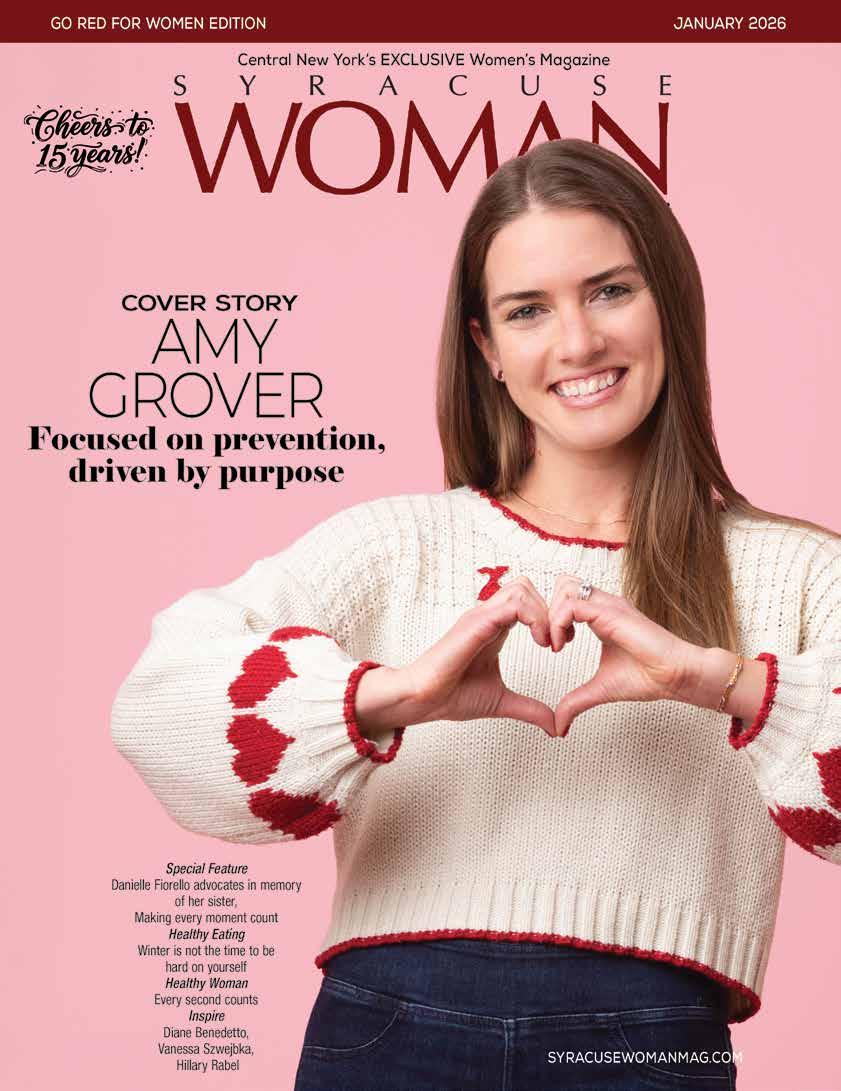
On any given day, Amy Grover is likely juggling multiple worlds at once: checking in with athletic trainers stationed across local high schools, reviewing employee wellness initiatives for hundreds of coworkers, volunteering for a variety of nonprofits, and carving out time – before most people are awake – for her own health. It’s a routine built on intention, one that mirrors both her professional training and her volunteer life. At its core is a simple philosophy: learn everything you can, then share it generously.
Originally from Ithaca, Amy has lived in the Central New York area for the past 13 years, building a career that sits at the intersection of healthcare, education and prevention. At Syracuse Orthopedic Specialists (SOS) she serves in a dual role of Sports Medicine Coordinator and employee Wellness Program Coordinator, while also dedicating countless volunteer hours to the American Heart Association and other community organizations.
Amy is an athletic trainer by profession – a role she is quick to define clearly.
“Athletic trainers are health care providers,” she said. “We actually just got our licensure from New York State.”
That licensure, she explained, provides long-overdue title protection for a field that has often been misunderstood.
Her path into athletic training began with her own participation in high school sports and a desire to work in health care. Athletic training offered what she describes as “a perfect blend,” combining handson medical care with fast-paced environments focused on injury prevention, recognition, treatment and rehabilitation.
Because of the profession’s name, athletic trainers are often confused with personal trainers, a distinction Amy is used to addressing.
“We're much more similar to a PT than a personal trainer,” she clarified.
Athletic trainers are required to earn a master’s degree, pass a national exam and practice under physician supervision. The main difference lies in scope: athletic trainers focus primarily on athleticrelated injuries, while physical therapists work across a broader patient population.
Amy briefly explored physical therapy while in school, but the clinical setting wasn’t the best fit.
Continued on page 20

“It was too slow for me,” she said. “It's very predictable.”
Athletic training, on the other hand, offered constant unpredictability.
“When you're on the sidelines of either a practice or a game, anything goes,” she said. “You have to be ready for literally everything.”
That responsibility extends far beyond emergency response. Amy said one of the most meaningful aspects of the profession is the relationships athletic trainers develop with athletes over time. Because athletic trainers are present day in and day out, they often become trusted adults – people athletes confide in when they’re struggling physically or emotionally.
Although Amy no longer works full-time in school settings, she oversees athletic trainers contracted out to schools through SOS. Many of them work with the same students for four years or more, watching them grow and recover from injuries that can sideline them for months.
Her current role at SOS is split between sports medicine operations and employee wellness. While sports medicine takes up most of her time, the wellness program has become one of her most meaningful projects.
The program serves roughly 650 to 700 employees, with about a third participating. Employees earn “wellness points” for activities that support their health, which translate into financial incentives.
What Amy values most is the program’s inclusivity.
“What I'm most proud of is that it's always been very holistic,” she said. “They can get the maximum number of wellness points and the maximum award without ever stepping foot into a gym.”
That focus on whole-person health introduced Amy to community health organizations, including the American Heart Association. Her initial involvement came through organizing a team for the association’s Heart Walk. From there, she began implementing the Check It Challenge, a free blood pressure self-monitoring program, within SOS.
Her work caught the attention of American Heart Association’s staff, particularly then-Community Impact Director Lisa Neff.
“She loved how I was implementing it at SOS,” Amy said. That led to invitations to share her experience with other organizations and eventually to join the orgranization’s Community Action Committee. Soon after, she was asked to co-chair and then eventually join the board.
“I've always said, it's been so easy to volunteer with the American Heart Association because of the staff,” she said, explaining that their passion and support made saying yes feel natural.
Today, Amy chairs the Leadership Development Committee, which supports campaign leaders for initiatives like the Heart Walk and Go Red for Women, while also focusing on board recruitment and development.
While Amy does have a family history of heart disease – her maternal grandfather died of a heart attack at 49 – she shared that is not what drives her involvement.
“It's genuinely not my why,” she said. Instead, she is motivated by education and shared stories. “I've always been someone who really, really, really, really loves learning and sharing.”
That passion is especially evident in her work around CPR education. Amy is a certified instructor who trains SOS staff, community members and the public.
“‘Creating a Nation of Lifesavers’ is one of the main things of the Heart Association,” she said.
Teaching CPR felt like an easy place to step in, allowing her to share skills she already used professionally with a broader audience.
Amy has also become a dedicated advocate, traveling to Albany to meet with legislators both for her profession and for the American Heart Association.
“I love advocating,” she said. “You're their constituents. They want to talk to you.”
For her, advocacy is about sharing stories and expertise, not confrontation.
“Who doesn't love talking about stuff that they love, right?” she added.
Outside of the American Heart Association, Amy volunteers with United Way of Central New York’s Women United Steering Committee, serves on the board of Syracuse Grows, is on the Governmental Affairs Committee for the New York State Athletic Trainers Association and is wrapping up a term with the Syracuse Onondaga Food System Alliance. She is also an alumna of Leadership Greater Syracuse and continues to serve on its interview committee.
At home, Amy prioritizes her own health with the same intention she brings to her work. She exercises every morning, makes sure to get a good night’s sleep, journals regularly, and focuses on strength training – a necessity as a mother of two, including a five-year-old daughter with Rett syndrome.
“I've always prioritized taking care of myself, so that I'm able to give to others,” she said. For Amy, that longevity is personal; it means being able to care for her daughter for as long as possible.
When asked about her “why,” Amy returned to the idea of impacting others, explaining that she likes to share anything she herself absorbs. She sees that sharing as a way to create opportunity for others, in the same way mentors and colleagues once did for her.
“I want other people to know the opportunities for them,” Amy said. “And then that makes it fun to do all these things because the sharing is like giving back.” SWM
For more information about the American Heart Association, visit heart.org.

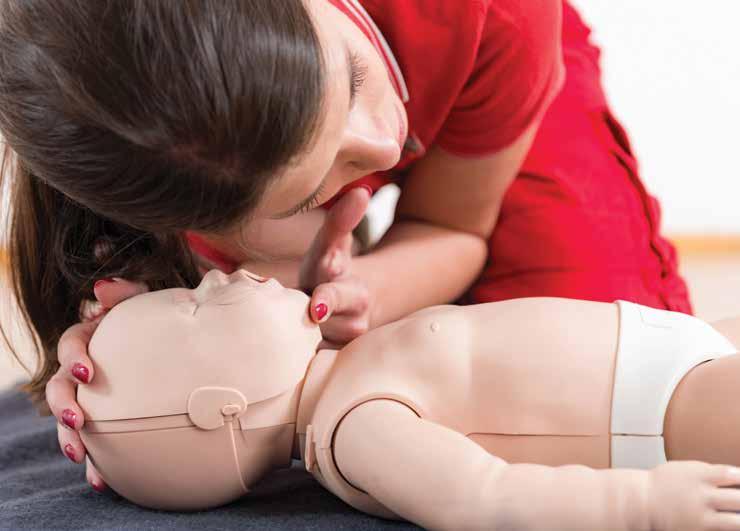
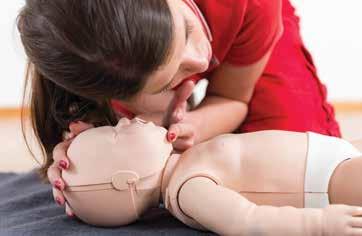
Cardiopulmonary resuscitation performed within five minutes of a child’s heart stopping nearly doubled their chances of survival, according to preliminary research presented at the American Heart Association’s Resuscitation Science Symposium 2025.
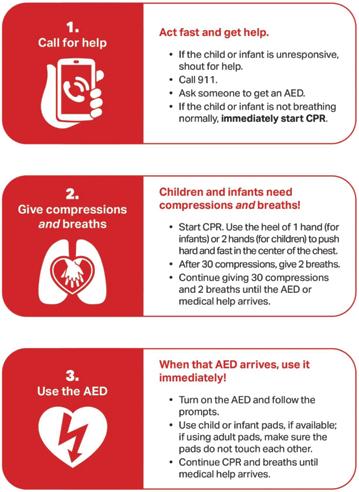
Cardiac arrest occurs when the heart’s electrical system abruptly malfunctions and stops the heart from pumping blood to the rest of the body, which results in loss of blood to the brain, lungs and other vital organs. CPR for children consists of cycles of 30 chest compressions, at 100-120 compressions per minute, followed by two breaths. For adults, bystander CPR administered within 10 minutes after cardiac arrest is associated with better outcomes, however, the optimal time window for CPR after cardiac arrest for children is unclear.
“If a child’s heart suddenly stops, every second counts. Starting CPR immediately can nearly double their chances of survival,” said lead study author Mohammad Abdel Jawad, M.D., M.S., a research fellow of the University of Missouri-Kansas City and Saint Luke’s Mid America Heart Institute in Kansas City. “We found the time window is even more critical in children, so it is imperative to emphasize starting CPR as soon as possible after a cardiac arrest.”
“These findings highlight the urgent need to teach and encourage more people — parents, family members, teachers, coaches and community members — to learn CPR and feel confident using it right away,” Jawad said. “This is especially tricky for children after cardiac arrest because lay rescuers may feel like they may hurt the child by doing CPR. We found the time window is even more critical in children, so it is imperative to emphasize starting CPR as soon as possible when they are in cardiac arrest.”
The preliminary study reviewed data for more than 10,000 children from a large U.S. database that tracks out-of-hospital cardiac arrests. Researchers examined how delays in starting CPR affect survival in children under age 18 who have a cardiac arrest outside the hospital. They also analyzed whether the timing of CPR initiation by lay rescuers — such as family, friends or strangers before emergency medical services (EMS) arrive — affected brain function.
For children who received lay rescuer CPR, compared to those who did not, the analysis found:
• The odds of survival increased 91% when a lay rescuer started CPR within one minute after the cardiac arrest, 98% when initiated in two to three minutes and 37% when performed in four to five minutes after cardiac arrest.
• However, the survival odds decreased 24% when a lay rescuer initiated CPR in six to seven minutes, 33% when performed in eight to nine minutes and 41% when started in 10 minutes or more after the cardiac arrest.
• A similar pattern emerged between the time to lay rescuer CPR and favorable brain survival.
“We were not surprised that CPR initiated within five minutes of cardiac arrest improved survival odds in children,” Jawad said. “However, we were struck by how quickly the benefit dropped off after five minutes. In adults, a recent study reported survival benefits even when CPR was started at nine minutes; however, our analysis confirms that in children the time window was much shorter. This highlights just how critical every minute is after pediatric cardiac arrest.”
One of the study’s limitations is that the time to CPR administration, which the research team calculated based on the time someone called 911 dispatch, depended on EMS reports that may not always be exact.
“Future research could focus on how to shorten time to CPR even more, such as improved dispatcher instructions or broader implementation of CPR training in schools and during well-child visits to increase the number of lay rescuers available to administer CPR,” Jawad said.
Study details, background and results:
• Researchers reviewed data from the Cardiac Arrest Registry to Enhance Survival, or CARES, a U.S. registry that collects information about cardiac arrests occurring outside of hospitals and now includes data on more than 175 million people, or more than half of the U.S. population.
• Among the 10,991 children who had an out-of-hospital cardiac arrest, about half (5,446) received bystander CPR.
• The median time to receive lay rescuer CPR was three minutes.
• Overall, more than 15% (1,677) of the children survived to hospital discharge; and nearly 13% (1,420) had favorable brain function at discharge, with better outcomes observed when lay rescuer CPR was initiated within 5 minutes of cardiac arrest.
“This research supports the fact that in a cardiac emergency, every second counts. Science shows that when lay rescuers step in and begin CPR within the first few minutes, survival rates can more than double, and the chances of preserving brain function dramatically increase. The time interval for children is shorter, but regardless of age, quick action isn’t just helpful, it can be lifesaving,” said Dianne Atkins, M.D., FAHA, FAAP, volunteer past-chair of the American Heart Association Emergency Cardiovascular Care Committee and a pediatric cardiologist and professor at the University of Iowa.
Acting quickly after a cardiac emergency is one of the cornerstones of the American Heart Association’s Nation of Lifesavers™ movement, which has a goal of doubling cardiac arrest survival rates by 2030. According to American Heart Association data, 9 out of every 10 people who experience cardiac arrest outside of a hospital die, in part because they do not receive immediate CPR more than half of the time. CPR, especially if performed immediately, can double or triple a person’s chance of survival. SWM
• Initiating CPR within the first five minutes after cardiac arrest can nearly double the chances of survival for children, according to preliminary research analyzing data for more than 10,000 children from a U.S. registry of out-of-hospital cardiac arrests.
• The time window to initiate successful CPR in children may be half that of the window for adults — 5 minutes vs. 10 minutes, respectively.
• The study’s findings highlight the importance of bystanders (lay rescuers) initiating CPR quickly after cardiac arrest, particularly for children, and the need to continue increasing the number of people with the knowledge and skills to administer CPR.
is not the time to be hard on yourself
Chef Eric Rose
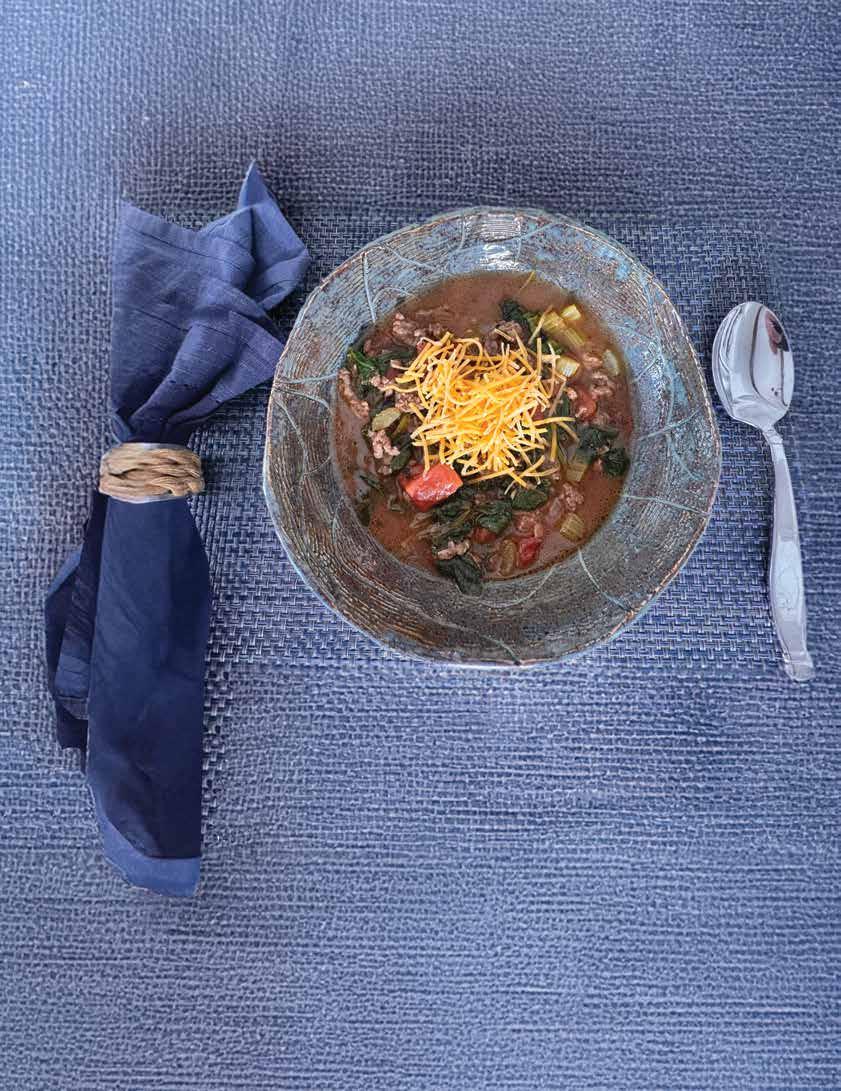
February in Central New York is a season that asks a lot of us. The days are short, the cold lingers, and the motivation that feels effortless in spring can feel completely absent. This winter has asked even more than usual. We are coming out of one of the most devastating flu seasons Central New York has experienced in recent history. Many women are still recovering physically, mentally, or both, even if life has already demanded that they move on.
At the same time, February is often when the emotional weight of January sets in.
You likely began the year with good intentions. New routines. Health goals. Promises to yourself. Statistically, most New Year’s resolutions do not stick past the first few weeks. By February, many women feel stuck, disappointed, or frustrated, wondering why they cannot seem to follow through again. Old habits resurface. Energy drops. Motivation fades.
This is usually the moment when self-criticism shows up.
This is also where the real work begins.
Winter is not the season for punishment. It is the season for protection.
In nature, winter is a time of conservation. Trees rest. Animals slow down. Growth happens quietly beneath the surface, unseen but essential. Our bodies follow the same wisdom. Lower energy, increased cravings, and a desire for comfort are not signs of weakness or lack of discipline. They are biological signals asking for warmth, nourishment, and safety, especially after months of stress, illness, and disrupted routines.
When we respond to those signals with rigid rules or guilt, we create more resistance inside the body. Stress hormones remain elevated. Immune systems stay taxed. Habits become harder to maintain, not easier. Health starts to feel like something we are failing at instead of something we are building.
I always say to my clients, "When we listen instead, something shifts. The nervous system settles. Choices become clearer. Progress becomes sustainable rather than forced."
Redefining
Health in winter requires a different approach than health in spring or summer. This season calls for patience, discernment, and respect for what the body has been through. Doing more is rarely the answer. Doing what supports you right now is.
Warm meals matter deeply this time of year, especially when the immune system has already been challenged. Soups, stews, roasted vegetables, and slow cooked proteins provide warmth, minerals, and stability. They support digestion, regulate blood sugar, and help the body recover. Cold, raw meals often work against winter physiology and can leave many women feeling unsatisfied and depleted.
Protein becomes even more critical in February. Adequate protein at each meal supports muscle, immune health, and steady energy. A protein rich breakfast alone can change the tone of the entire day by improving focus, mood, and emotional resilience. This is one of the simplest ways to support health without adding stress.
Consistency in winter does not come from intensity. It comes from simplicity. A short list of meals that feel grounding and familiar. Repeating what works instead of chasing novelty. Letting go of the belief that success requires perfection. This is not giving up. This is strategy.
Movement also deserves to be reframed. After illness, stress, or exhaustion, the body does not need punishment. It needs circulation and care. Walking, stretching, yoga, and moderate strength training support joints, muscles, and mental health without draining already limited reserves. Movement should leave you feeling clearer, not depleted.
Rest is not optional. It is foundational. Earlier bedtimes, quieter evenings, and fewer commitments allow the body to fully
recover. In a season following widespread illness, rest is not indulgent. It is responsible.
The most important coaching reminder in February is this. Health is built through respect, not punishment.
Instead of asking what is wrong with me, ask what does my body need from me today. The answer may change as healing continues, and that flexibility is a strength, not a weakness.
Listening is not quitting. Listening is leadership.
A thought to carry forward
Spring will come. Energy will rise. Motivation will return without being forced. When it does, you will not regret the weeks you spent caring for yourself rather than criticizing yourself.
The question is not why didn’t my resolutions stick.
The better question is what support was missing when I needed it most.
If February is where old habits tend to resurface, it may not be a failure of willpower. It may be a signal that your body needs a different kind of care.
What would change if instead of starting over, you slowed down?
What would shift if nourishment, rest, and warmth were treated as discipline?
Who might you become if winter was not something to push through, but something to be supported in?
Those answers are worth listening for.
Winter nutrition tips for real life
• Prioritize protein at every meal, especially breakfast
• Choose warm foods more often than cold
• Repeat meals that make you feel good
• Hydrate with herbal teas and warm beverages
• Eat enough during the day to avoid evening overeating
• Let nourishment feel comforting, not restrictive SWM
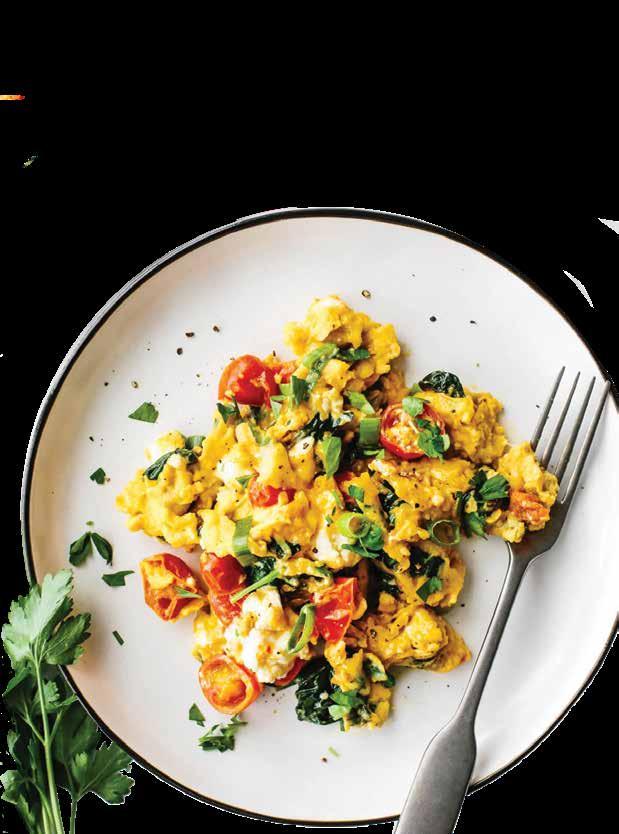
INGREDIENTS
3 eggs
2 cups of baby spinach
½ cup of diced tomatoes
Pinch salt and pepper
Sprits cooking spray
DIRECTIONS
1. Spray mug or bowl with cooking spray
2. Crack eggs, add spinach and half the tomatoes and mix with fork.
3. Microwave for 30 seconds then stir with fork and repeat until your preferred doneness.
4. Top with remainder of tomatoes and serve
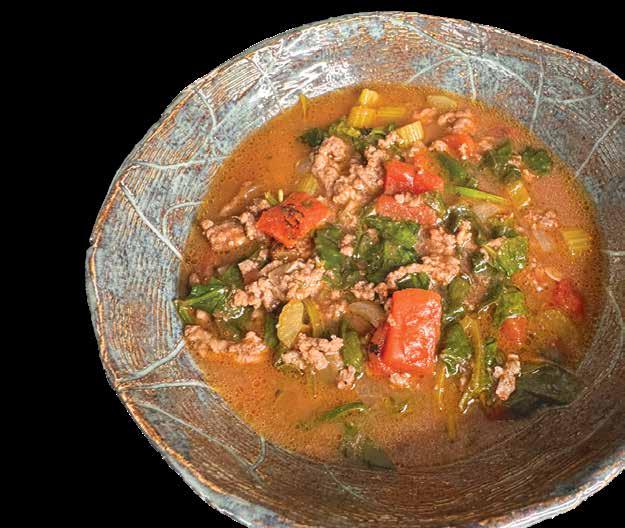
By Eric Rose Serves 4
INGREDIENTS
1 lb 90% lean ground beef
¼ cup chopped onion
¾ cup diced celery
14.5 oz diced tomatoes (1 can)
3 cups chicken broth
3 tsp Worcestershire sauce
1 tsp dried parsley
¼ tsp salt
¼ tsp ground pepper
7 cups baby spinach
6 oz. shredded cheddar
DIRECTIONS
1. In a large soup pot, cook the beef until brown. Add the onion and celery, sauté until tender. Remove from heat and drain any excess liquid.
2. Stir in the tomatoes, broth, Worcestershire sauce, parsley, salt, and pepper. Cover and simmer on low for 20 minutes.
3. Add the spinach, and cook until wilted, about 1 to 3 minutes. Top each serving with 1.5 ounces of cheese.




Janelle Davis
Diane Benedetto doesn't just talk about heart health, she lives it. As board chair of the American Heart Association's Syracuse chapter and a longtime spin instructor at Elevate Fitness, she embodies the organization's mission in everything she does.
"You only have one heart and you need it," Benedetto says simply when asked what drew her to the American Heart Association five years ago. Her motivation was personal, wanting to set an example for her two sons, now 28 and 25, especially given the family history of heart disease on both sides. "I wanted them to see the right behavior so they could model that and perhaps not go down the same road as their grandfathers."
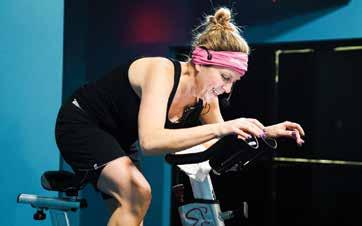
By day, Benedetto works as a jurisdiction manager for National Grid, but it's her role as a spin instructor that has become her signature. For ten years, she's been teaching at Elevate Fitness on Morgan Road in Liverpool, building what she calls "a great following" with consistently full classes.
Her approach to teaching mirrors the same care she brings to her advocacy work. Before every class begins, Benedetto takes time with newcomers to set them up for success. "The first class is awkward if you've never spun before, and it might discourage you from coming back," she tells them. Her solution? "I want you to pay attention to your body. If you can't do what I'm doing, sit in your seat, just move your legs, catch your breath, and come back when you're ready. I promise you that the next time you come, you're going to be that much stronger."
This personal connection extends beyond technique. Benedetto makes it a point to learn every participant's name. "Everybody loves their name, and my job is to remember who you are and what you're all about," she explains. It's this combination of cardiovascular commitment and community building that keeps members engaged, and Benedetto knows that group fitness classes are what keep people at the gym long-term.
When asked about the biggest misconception women have about heart disease, Benedetto doesn't hesitate. "The misconception is that the symptoms a man has are the same symptoms a woman is going to have. They're completely different." This awareness is exactly what the Go Red for Women initiative addresses, as cardiovascular disease remains the leading cause of death in women.
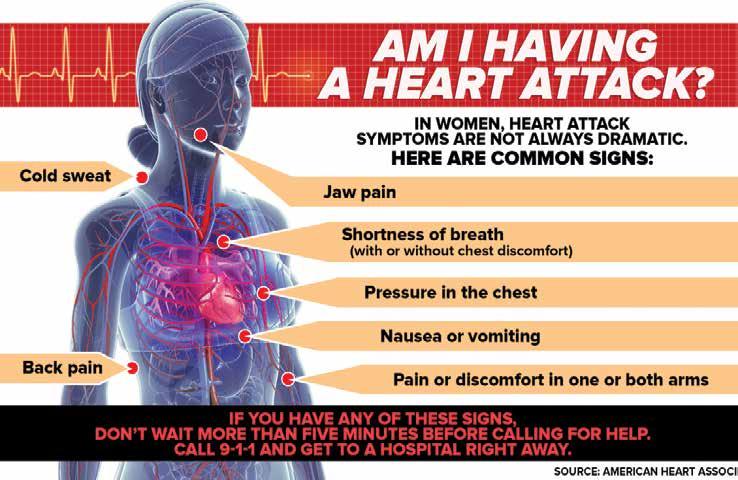
While men typically experience chest pain radiating down the arm, women's warning signs can be far more subtle and easily dismissed: chest discomfort, upper back pain, shortness of breath, upset stomach, shoulder pain, unusual fatigue or weakness, and anxiety. "That's why it's really important to pay attention," Benedetto emphasizes. "You should always call 911 if you have those symptoms and they feel unusual."
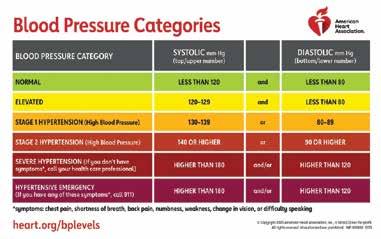
Her most critical piece of advice? "Buy a blood pressure cuff and know your numbers." Benedetto recommends taking blood pressure daily, using devices that now come with apps to track trends over time. "Take it three times in a row to make sure it's consistent," she advises. The devices are affordable—around $35 at major retailers—and those machines at drugstores are reliable too.
Beyond monitoring, Benedetto is passionate about the two "silent killers" in our diets: salt and sugar. "A teaspoon of sugar is your maximum daily allowance. You eat a donut, and you're way over it," she notes. She uses MyFitnessPal's upgraded version to track her food intake and nutrient levels daily, paying particular attention to sodium and sugar accumulation. "You have to read labels," she stresses, recommending people prepare food at home whenever possible to avoid hidden sugars and sodium in processed foods.
As board chair, Benedetto works on initiatives ranging from smoking and vaping cessation advocacy to bringing resources into disadvantaged communities that may lack access to healthy foods, blood pressure monitoring, or even basic CPR training. When the executive director calls for advocacy action, Benedetto and fellow volunteers contact their representatives. "It's so simple," she says. "You call up and say you're calling from the American Heart Association to ask them to vote on a bill. Anyone can do that."
The best way for local residents to get involved? Attend the Syracuse Heart Walk on Sunday, April 12, 2026, at the SRC Arena at Onondaga Community College. The two-to-three-mile walk, which goes both inside and outside around the campus, offers opportunities to walk in memory of loved ones, join company teams, or simply learn more about heart health resources. There's even a fun run for kids at 9:30 a.m., with the main walk starting at 10 a.m.
For those looking to make a bigger commitment, the annual Go Red for Women event each October brings the community together to raise awareness about women's cardiovascular health. While both events welcome participation, Benedetto acknowledges they'd love to see increased attendance. "Unfortunately, it matters to people after they have an event," she reflects. "We want to be out there ahead of those events. That's why we want participation, we want to keep raising the awareness."
"You have to be your own advocate. Nobody's going to be an advocate for you. You can't ignore the signs." Whether it's noticing a blood pressure trend that's been off for a week or recognizing unusual symptoms, taking action early could save your life.
Diane Benedetto reminds us, you only have one heart, and it deserves your attention. SWM
about issues related to women’s health outside of reproductive care and gynecological conditions. But there is so much more to the care of women, and our needs matter. It is not enough to simply get by with mediocre care we need to deliver on exceptional care for women.
Women’s health has the most strength when it is centered in community and robust advocacy. When we build community in healthcare for women, we offer increased knowledge and help women feel safe. When healthcare is centered in cooperation, we increase access to valuable resources in shared knowledge and encourage community empowerment leading to increased quality outcomes for both women, their family, and the community.
Lastly, we must normalize and validate the healthcare concerns women are bringing to each visit. Men and women are diverse in many ways such as our distinctly unique biological make up, emotional capacity, communi-cation skills, stress response, perception of pain, behavior, and social interactions, to name a few. We must be very careful to avoid treating women like “little men” and offer our time, knowledge, validation, and coordinated, respectful, listening-led care.
Prioritizing your health is not a luxury, it is a necessity! Just like the announcement that is placed before the plane takes off, putting your oxygen mask on first isn’t an act of selfishness or abandonment - it’s choosing sustainability to continue to care and support others with certainty and strength. Care given from depletion is reactive and quite literally unmanageable. When you are caring from a place of health, strength, and decisiveness, you are honoring your true self and living with intention. Self-care is not withdrawal or weakness - it is preparation, protection, and a necessary foundation for showing up fully for yourself and others over the long term.
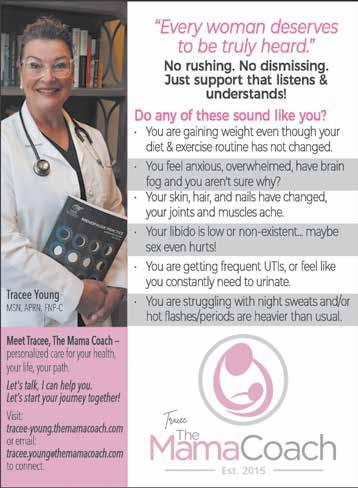
For more information on Tracee Young, visit tracee-young.themamacoach.com.



Elena Ehrhart
“Never shy away from a new opportunity,” Al Roker once told his students in the meteorology class he taught with fellow SUNY Oswego alumna Vanessa Szwejbka. Despite being a professor, Vanessa also took that message to heart. For her, every new opportunity is to be taken. Even before teaching with the famed “Today” weatherman, the path she has ended up on was not the one she initially envisioned for herself.
As a meteorology student, Vanessa was interested in science and math. It never occurred to her to pursue meteorology on television until a professor recommended she try it out, based on her outgoing personality and good communication skills. It was also around this time at just 21, that Vanessa found out that she had an irregular heartbeat.
During a routine dental surgery, when her irregular heartbeat was initially detected, the dentist thought she was having a heart attack. But after that, Vanessa’s symptoms were minimal and went unpursued.
After graduating in 2007, she got a job as a meteorologist for Spectrum News in Syracuse and later on, taught meteorology at her alma mater. Vanessa continued her work with Spectrum, where a mentor encouraged her to use her newfound community fame to dedicate herself to nonprofit work that she cares about. After 14 years in the television industry, Vanessa moved on to nonprofit work. Her volunteering quickly became a full-time passion. This eventually led her to the AmeriCu Credit Union, where she is the executive director.
“I had no issues for years,” Vanessa said. “That was until a couple years ago.”
Three years passed before Vanessa started experiencing a racing heartbeat, fatigue, digestive issues and faintness. “These were issues that could easily be explained away as something else – especially for women,” she said. But Vanessa knew something was wrong.
After seeing several doctors, she was eventually diagnosed with heart disease. Vanessa sought the opinions of various professionals when it came to treatment and learned the biggest things she could do were eat right, exercise and keep her blood pressure in check.
“I’m in the middle of my journey right now,” she said. “What people don’t realize is that these changes don’t need to be drastic. Even walking is exercise. You just have to make small, sustainable changes.”
For Vanessa, this meant changing her workout routine to a slower, less intensive version, monitoring her blood pressure and watching her salt intake. She also does daily meditations and prioritizes rest.
This is good for relieving stress and lowering tachycardia episodes.
Vanessa went to her executive about spreading awareness of heart disease. On top of her own condition, her father recently suffered a stroke. “It was an eye-opening experience,” she said of caring for her father during his recovery. “Not many people always make the connection, but heart issues can cause strokes, too. That is why awareness is so important.”
This past fall, Vanessa became a board member of the Syracuse Chapter of the Ahead of the upcoming Heart Walks for the Heart Association, Vanessa has encouraged her company to sign up, as well as take CPR training.
“CPR training is essential,” she said. “Seeing someone in need and being able to help them could save their life. Everyone knows someone impacted by a heart disease or stroke. It is so important to be aware.”
The biggest thing Vanessa has learned going through her journey with heart disease is how important it is to be your own health advocate. Not only is she able to advocate for herself with doctors, but with the people she comes across in everyday life. Sharing her own story, symptoms and treatment could help someone else.
“You got through the stages of grief when you first find out,” Vanessa said. “But I’ve found by having community and empowering myself with knowledge, it takes the fear away. Being on the board of the Heart Association also helps me with managing resources and maintaining a network that I can share with others who need it, too.”
In sharing her resources and knowledge, Vanessa said the most important part of advocacy is being able to meet people where they are, something she took from her time as a professor at SUNY Oswego. When it comes to working with the AmeriCU Credit Union, that looks like encouraging anything from donations to volunteering. In her personal life, it is connecting with others.
“People have a very ‘all or nothing’ view. What they really need to remember is that small, attainable changes that you can hold on to make all the difference,” she said.
Vanessa’s biggest takeaway from her journey has been being her own advocate and staying educated about heart disease. She hopes to inspire others and encourage women to speak up for themselves, especially since women are often dismissed with their symptoms, but they need to trust themselves. “If you feel something wrong, you need to seek out help for yourself.” SWM
Monday, Feb. 2
Songs of Fire and Ice
What: Join CNY folk singers and Beaver Lake naturalists for a winter hike and sing-along. Learn to sing traditional songs of the season for both wandering the woods and enjoying the fireside, plus discover all the magic of Beaver Lake in winter by lantern light. After a chilly outdoor adventure, gather indoors for hot chocolate and more singing by firelight no experience necessary.
Where: Beaver Lake Nature Center, 8477 East Mud Lake Road, Baldwinsville. When: 7 p.m.
Info: All ages welcome! Registration: $7; beaverlakenature.org.
Wednesday, Feb. 4
Galentine’s Social

Where: Museum of Science & Technology (MOST,) 500 S. Franklin St., Syracuse. When: 6 to 8 p.m.
Info: All attendees must be 21. Tickets: $50, $80 per couple; most.org.
Thursday-Sunday, Feb. 12-15
Syracuse Auto Expo 2026
What: Four exciting days filled with the latest cars, trucks, and SUVs from top manufacturers. There will be stunning showrooms, interactive displays and more. The annual Charity Preview will be held Feb. 11.

What: WBOC will celebrate the spirit of Galentine’s Day with an evening dedicated to fun, laughter and meaningful connection. Where: Bistro 1926, Drumlins Country Club, 800 Nottingham Road, Syracuse, NY 13224. When: Doors open at 4:30 p.m., program begins at 5 p.m. Info: wboconnection.org
Tuesday-Saturday, Feb. 10-14
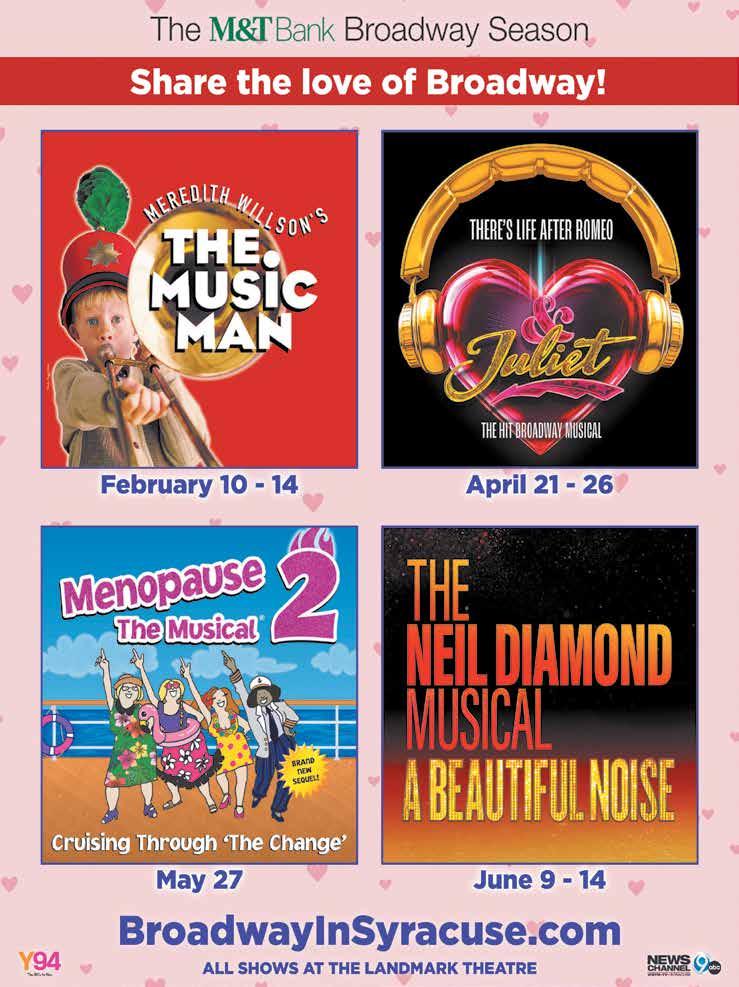
The Music Man
What: This classic musical comedy follows Harold Hill, a fast-talking traveling salesman, as he cons the people of River City, Iowa, into buying instruments and uniforms for a boys’ band that he vows to organize despite the fact that he doesn’t know a trombone from a treble clef. Where: Landmark Theatre, 362 S. Salina St. Syracuse. When: Showtimes vary.
Info: Recommended for ages 8 and up. Get tickets at ticketmaster.com.
Thursday, Feb. 12
Chocolate Discovery

Where: The Oncenter Convention Center, 800 S. State St., Syracuse; asmsyracuse.com. When: 3 to 8 p.m. Thursday & Friday, noon to 8 p.m. Saturday, noon to 5 p.m. Sunday. Info: Admission is $11, $8 for seniors, $3 for ages 6-12 and free for children 5 and under; autoexposyracuse.com.
Saturday, Feb. 14
Valentine's Day Celebration

What: Enjoy delicious hors d’oeuvres from Attilio’s, dozens of amazing chocolates from Sweet on Chocolate, decadent sparkling wine and a unique silent auction, all capped off with a Star-Crossed Lovers planetarium show in the National Grid ExploraDome. All proceeds benefit the MOST.

What: Indulge in a night filled with: Dance lessons with Guzmán’s Dance Studio, Music from award-winning violinist David Fulmer, guided docent tours, a glamorous photo booth to capture memories, a love letter make and take activity to spark your creativity, a cash bar for toasting to love and art and elevated bites and appetizers curated by Louise Café. Where: Everson Museum of Art, 401 Harrison St., Syracuse.
When: 5:30 to 8 p.m.
Info: $75, $50 for members. RSVP by Feb. 6; everson.org.
Saturday-Sunday, Feb. 21-22
W26 Northeast Plant Show
What: Featuring houseplants, garden plants and plant craft vendors, with over 150 tables full of the highest quality plants including rares, uncommons and commons. General admission tickets are only sold day of the event at the door.
Where: Oncenter Convention Center, 800 South State St., Syracuse. When: Noon
Info: Admission is $10 cash, $12 credit, under 15 get in free.



Elena Ehrhart
Ann Marie Schlie wants nothing more than to make an impact. Whether if it is on the children she saw every day while working at North Syracuse Junior High or those who hear her story at engagements for the Syracuse Chapter of the American Heart Association.
Ann Marie worked in food service at North Syracuse Junior High for three years, looking forward to making a difference in a child’s life. She cared deeply for the kids she saw day to day and they came to care for her, too.
“I wanted nothing more than to make a positive impact on their lives,” Ann Marie said. “They may have things going on outside of school, but I wanted to make sure they knew they were cared for here.”
Ann Marie continued to make an impact, even after tragedy struck on April 1, 2025. After having the flu the week before, she was frustrated to return to work that day. Other than that, there were no signs of anything wrong. Ann Marie was perfectly healthy – a vegan for over 50 years and a daily walker with no vices like smoking or drinking (except for the occasional glass of red wine).
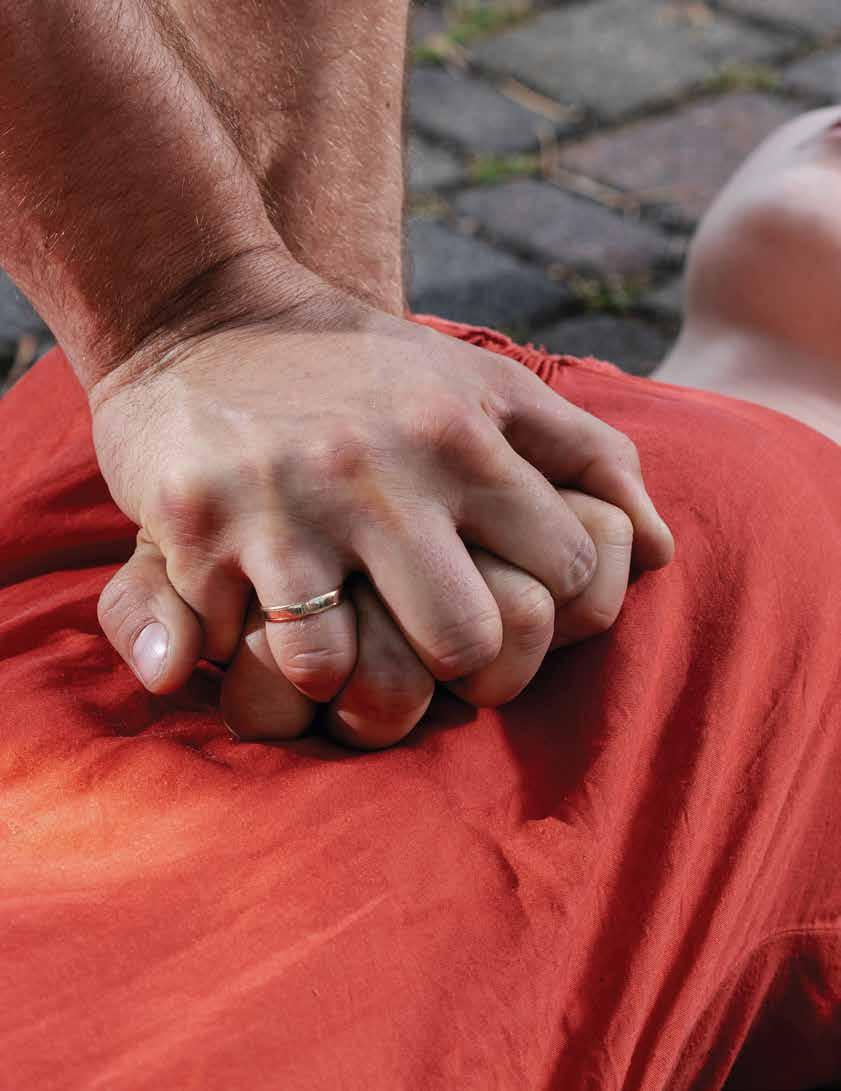
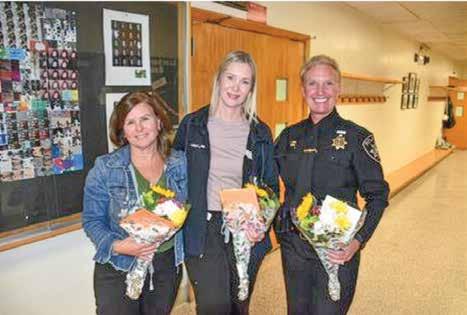
So when she collapsed on her way into work, it was a shock to everyone. Colleagues in the lunch room called emergency services and got help from nurses Jody Barnes and Amanda Kelly, as well as Resource Officer Elizabeth “Betsy” Lehmann. The nurses administered the AED and CPR while Officer Lehmann gave Anne Marie rescue breaths. When paramedics arrived, she was transported to Upstate Medical University Hospital, where it was determined she had a brain aneurysm and had gone into cardiac arrest three times.
Ann Marie was in the ICU for 23 days. During that time, the doctors warned her four kids that she may not recognize them or may have difficulty moving. However, Ann Marie impressed everyone by being her typical, determined self.
“They said I couldn’t do something, but I was certain I would,” she said.
During those 23 days, Ann Marie said her recovery was not difficult. Her children and grandchildren helped her stay focused. “I look back and I just wanted to get better,” she said.
After her discharge, she stayed with her daughter, son-in-law and grandchildren. Upstate sent a physical therapist to visit four times to
“There was no way I was going to use a walker,” Ann Marie said. “I was going to walk on my own.”
Once she recovered, she reached out to Kim Allen with the Syracuse Chapter of the American Heart Association to see what she could do to raise awareness and share her story. “Anything they want me to do, I will do it,” she said. Ann Marie spoke at a breakfast for the American Heart Association in the fall and more recently, shared her story with Upstate Medical University to kick off their Heart Walk fundraiser with the Heart Association.
In her talks, she stresses the importance of knowing CPR and the signs of cardiac arrest or stroke. “It could save someone’s life,” Ann Marie said. “So many people don’t know it. It is so important to know.” Right now, Ann Marie and her family are starting their own team for the Heart Walk. So far, many of her old co-workers at the school have joined in to show their support.
“I want to make an impact,” Ann Marie said. “I like to have a purpose.”
She hopes to encourage public places, especially schools, to teach people how to use an AED and perform CPR. Cardiac arrest can happen anywhere at any time. It is important to recognize the signs of cardiac arrest and know what to do in an emergency situation. Without the knowledge and action of her colleagues, the outcome of Ann Marie’s incident would have been very different.
The reality of what she went through is still difficult to comprehend for Ann Marie. Almost a year later, she still does not know the full story of what happened that day or what caused it.
“It is overwhelming and scary,” she said on looking back at what she had experienced. “But I can’t thank Upstate enough. They keep saying I’m a miracle, but I don’t like being called that.”
According to the American Red Cross, 90% of people who experience cardiac arrest outside of a hospital die, making Ann Marie part of the 10% that survive. “Sometimes I wonder if I’m still here and if it really happened,” Ann Marie said.
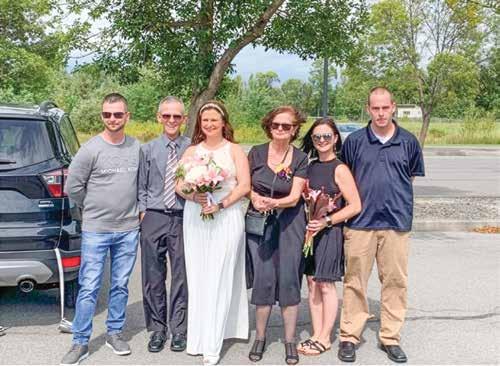
Having recovered fully from being so close to death, Ann Marie hopes to use her advocacy work as a platform to encourage others. Regardless of the situation, she believes everybody needs to “keep pushing ahead” and be grateful for every moment life gives you.
and make every moment count.”
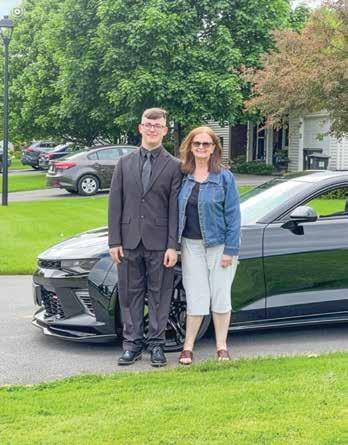
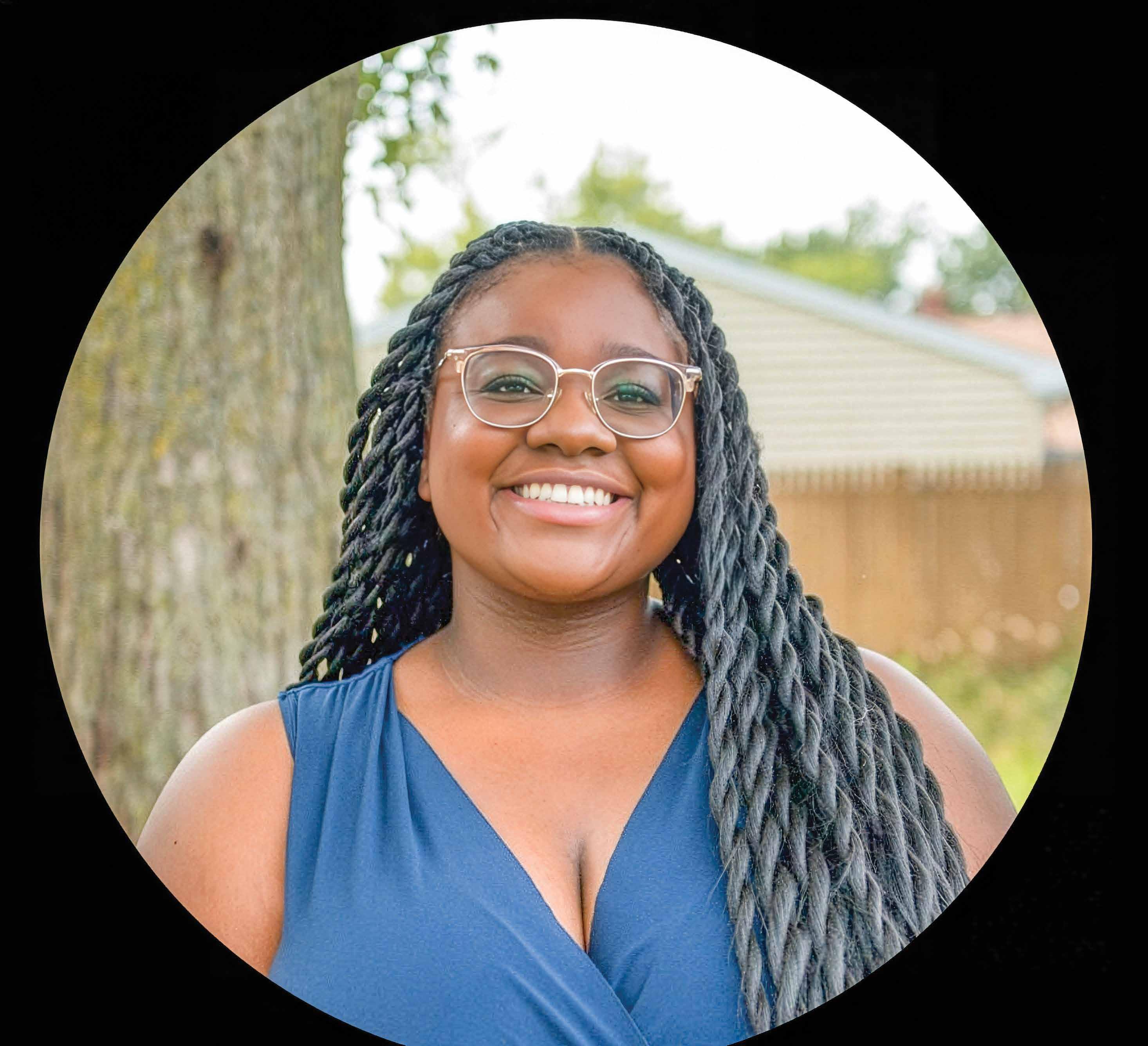
Janelle Davis
When Hillary Rabel was 19 years old, her mother had a heart attack. Standing there, phone in hand after calling 911, she felt completely helpless. She didn't know CPR. She didn't know what else to do. That moment of powerlessness would ultimately shape her career path and fuel her commitment to ensuring others never face that same feeling of helplessness.
Today, as the American Heart Association's Community Impact Director for Central New York, Rabel serves 13 counties with a handson approach to creating healthier communities. But it's her deep commitment to maternal health, both personal and professional, that drives everything she does.
“Maternal health is really not just the physical, it's also the mental and social well-being for any birthing person,” Rabel explains. “It also has to do with quality of care and understanding the social determinants of health when it comes to working with someone who does give birth.”
As a Black woman, Rabel has personally experienced inadequate care when doctors didn't listen to her. Many of her family members have faced similar hardships. These experiences, combined with alarming statistics, have made maternal health her true passion. In New York State alone, Black women are five times more likely to die from pregnancy-related complications compared to white women.
“What most people don't realize is that pregnancy can significantly impact your heart health and make you more susceptible to cardiovascular diseases that can lead to maternal morbidity or mortality,” Rabel says. Monitoring and accurately recording blood pressure is crucial to prevent conditions like preeclampsia and high blood pressure, which can affect both mother and baby. Heart complications during pregnancy can also increase the risk of heart disease later in life.
Rabel, who just completed her master’s degree in public health in December and is currently working on her full spectrum doula certification, emphasizes the importance of advocacy. “We need to really advocate for moms to advocate for themselves, but also for their partners as well. It's important to have your partner at the meetings and to understand how to measure blood pressure accurately. The act of knowing is really beneficial for everyone in that situation.”
Her approach as Community Impact Director reflects what her colleague Kristy Smorol calls "boots on the ground" work and Rabel takes that literally. She doesn't just make phone calls and send emails, she drives to communities across all 13 counties she serves, researching organizations, studying maps, and seeing the environmental structures for herself.
“The best way that I can help serve my community is to understand the community and the conditions. I always try to tailor the resources and policies to fit the community's needs,” she says.
This hands-on approach has led to tangible changes. Recently, Rabel installed a blood pressure kiosk at Syracuse Northeast Community Center. It’s a simple automated chair with an arm cuff that measures
blood pressure and prints out receipts of the readings. The center, which serves refugees and offers food pantry services, senior programs, and various social services, sees constant traffic.
“We try to meet people where they're at,” Rabel says. “Now anyone that comes in can measure their blood pressure there. We recommend checking three times at the same time on different days. If someone screens high for high blood pressure or potentially has hypertension, they now have this resource, and the center can link them with a primary care provider.”
One of the biggest heart health challenges Rabel sees in Central New York is lack of access to whole foods. In underserved communities, convenience stores and fast-food restaurants are often more accessible than grocery stores like Wegmans or Trader Joe's. High sodium, lowbudget foods become the default, leading to high blood pressure and cardiovascular diseases.
“It all starts with the food you eat,” Rabel says. “If you are always having high sodium meals, your blood pressure is going to be pretty high. And high blood pressure leads to cardiovascular diseases such as stroke, cardiac arrest, or heart attack.”
To address this, Rabel works on implementing nutrition screening policies with community and clinical organizations. Instead of asking “Are you food insecure?” a term many people don't understand, organizations can ask more specific questions: How often do you visit a pantry? Do you have access to can openers? Do you have SNAP benefits but lack transportation to the grocery store?
“These nutrition screening policies can really help determine how that organization can help their client,” Rabel explains.
Another priority is implementing cardiac emergency response plans. Rabel is currently working with YWCA locations in Elmira and Twin Tiers to create plans that ensure staff know exactly what to do if a cardiac event occurs, including CPR training and accessible AED locations.
“You never know when it will happen,” she says. “Heart events are not discriminatory. It can happen to someone who's 300 pounds and it can happen to someone with 350 pounds of muscle.”
Her ultimate goal? Creating heart-safe communities across Central New York, similar to what her colleague implemented in Erie County, a community-based model with widespread CPR training, accessible AEDs in public spaces, and proactive steps to protect residents from sudden cardiac arrest.
For Rabel, the work is deeply rewarding. “I'm grateful to work for the American Heart Association because this organization has a deep commitment to health equity using evidence-based practices. It's rewarding to see how my work can help close those health gaps and directly impact the lives of those who need it most.”
Her advice for everyone? Get CPR certified. “Since it can happen anywhere, to anyone. Having just one or two bystanders who are CPR certified can change lives.” SWM

Meghna Cheruvatath, MD, a board-certified physician, has joined St. Joseph’s Physicians Primary Care in Fayetteville after recently completing her residency in family medicine at St. Joseph’s.
Dr. Cheruvatath, originally from Ann Arbor, MI, attended Michigan State University where she received her Bachelor of Science in human biology. She went on earn her Doctor of Medicine at Ross University School of Medicine in Barbados.
Upon returning to the United States, Dr. Cheruvatath received leadership awards and was named chief resident during her last year of postgraduate training at St. Joseph’s Health.
“I am honored to join the Family Medicine team here at St. Joseph’s Health and to care for the families within the Syracuse community. Building strong, lasting relationships with patients is at the heart of family medicine, and I look forward to partnering with individuals of all ages to support their long-term health and well-being,” said Dr. Cheruvatath. “I am also looking forward to working with the Family Medicine Residency program and being able to mentor the next generation of family physicians and contribute to their growth."
The Martin J. Whitman School of Management at Syracuse University recently announced the appointment of Megan Androsiglio as executive director of marketing & communications.
This new executive-level position was created as part of Whitman’s Transformation 2030 plan, a five-year strategy to elevate the Whitman School into the nation’s top 25 undergraduate business programs. In this role, Androsiglio will lead integrated marketing and communications efforts that strengthen Whitman’s visibility and clearly communicate Whitman’s academic excellence, student outcomes and faculty impact.
Androsiglio brings to Whitman a wealth of experience in brand strategy and communications, having led high-impact campaigns for global consumer brands including Unilever, PepsiCo, ASICS and Revlon. Her background spans both agency and in-house leadership across consumer, beauty and lifestyle sectors, where she built and led content strategies and creative campaigns that resonated across diverse audiences.
At Whitman, Androsiglio will lead editorial planning and story-telling, oversee flagship publications and digital content and strengthen collaboration across academic units to ensure consistent, aligned messaging. She will also position Whitman in an increasingly competitive higher education landscape by supporting student recruitment and yield, engaging prospective parents, amplifying faculty research and thought leadership, and expanding the School’s visibility among employers, alumni and academic peers.
Since joining Whitman in October 2025, Androsiglio has contributed to the launch of two cornerstone initiatives aligned with Transformation 2030, including the Center for the Creator Economy in partnership with the S.I. Newhouse School of Public Communications and the Orange Business Angel Network, a new student-led early-stage business investment program connecting students with entrepreneurs and angel investors.
“We are thrilled to welcome Meg to the Whitman team,” said Assistant Dean of Advancement & External Engagement Michael Paulus. “Her depth of experience in shaping compelling narratives and her strategic expertise in integrated communications will be tremendous assets as we share Whitman’s story with our alumni, industry partners, students and academic peers. Meg has a keen ability to translate vision into engagement, and her work will help amplify everything that makes Whitman exceptional.”
Androsiglio added, “I’m energized by the opportunity to work with Whitman’s talented faculty, staff and students. Whitman’s momentum, from experiential learning to global outcomes and alumni leadership, is remarkable. I look forward to helping elevate that story in ways that resonate nationally and within our Syracuse community.”
In early 2026, Androsiglio will build out Whitman’s marketing & communications team to strengthen content across digital and print platforms and expand Whitman’s presence across key marketing channels. She will partner with Whitman’s senior leadership to ensure communications reflect strengths in
experiential education, career readiness and academic excellence. In addition, she will collaborate with Syracuse University’s central marketing and communications teams to align with institutional priorities and shared campaigns, while elevating Whitman’s distinct voice within the University ecosystem.
Androsiglio holds a bachelor’s degree in American Studies from Fordham University and brings a strategic, audience-first approach to storytelling that blends brand discipline, data and creative execution.
The board of directors of United Way of Central New York recently announced the appointment of Carrie Large of Liverpool as the organization’s new president and chief executive officer. Large, a seasoned nonprofit leader with a deep commitment to the Central New York community, will succeed Nancy Kern Eaton, who retired on Dec. 31 after a distinguished career of service.
Large joins United Way of Central New York following her successful tenure as the executive director of the Friends of the Rosamond Gifford Zoo. During her time there, she was instrumental in driving strategic growth, enhancing community engagement and stewarding the organization through vital capital improvements. Prior to her work at the zoo, Large spent nearly two decades in leadership roles at ACR Health, where she honed her expertise in operational management, fundraising and community advocacy.
“After an extensive and rigorous search, it became clear that Carrie Large is the visionary leader we need to shepherd United Way of Central New York,” said Kerry Tarolli, board chair. “Carrie’s proven track record of operational excellence and her authentic passion for our community make her uniquely qualified to address the evolving needs of our neighbors.”
“I am incredibly honored to join United Way of Central New York, an organization that stands at the very heart of our community’s support system,” said Large. “Having spent my career working within the local nonprofit landscape, I have seen firsthand the transformative power of collaboration. I look forward to working alongside our dedicated staff, volunteers, and partners to build a Central New York where every individual has the opportunity to thrive.” Large holds a degree from SUNY Brockport and has been a resident of the Syracuse area for over 20 years. She is widely recognized for her collaborative leadership style and her ability to build diverse coalitions to address complex community challenges.
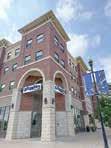
CPS Recruitment, a trusted name in staffing and workforce solutions for more than 35 years, has officially rebranded as Sapphire Recruitment. Alongside this transformation, the company is relocating its headquarters from Liverpool to the Inner Harbor.
Susan Crossett, CEO of Sapphire Recruitment, emphasizes that the rebrand goes beyond a name change. “We’ve built a reputation on trust, adaptability, and deep local expertise. Sapphire Recruitment represents our forward-thinking approach and our commitment to being a true partner in the success of both employers and job seekers,” Crossett stated.
The move to the Inner Harbor marks a strategic shift, positioning Sapphire Recruitment in the heart of Syracuse’s growing business district. “Our new headquarters places us at the center of opportunity. It allows us to collaborate more closely with the businesses that drive this region forward while creating a dynamic space to support job seekers at every stage of their careers,” Crossett added.