


1. Head Message
2. A Day in Life at Dwight School Seoul
3. ECD: Little Leaders in the Classroom linking to IB agency learning
4. PYP: Bridging Generation: A Collaborative learning in Dwight School Seoul
5. MYP & DP: The Power of Dynamics of Presence
6. Mental Health: Di erent generations has di erent worries
7. Class of 2026 Reflection
8. Admission: We don’t JUST enrol we connect 9. Athletics: 10. Music:
PA
Welcome to this edition of The Spark.
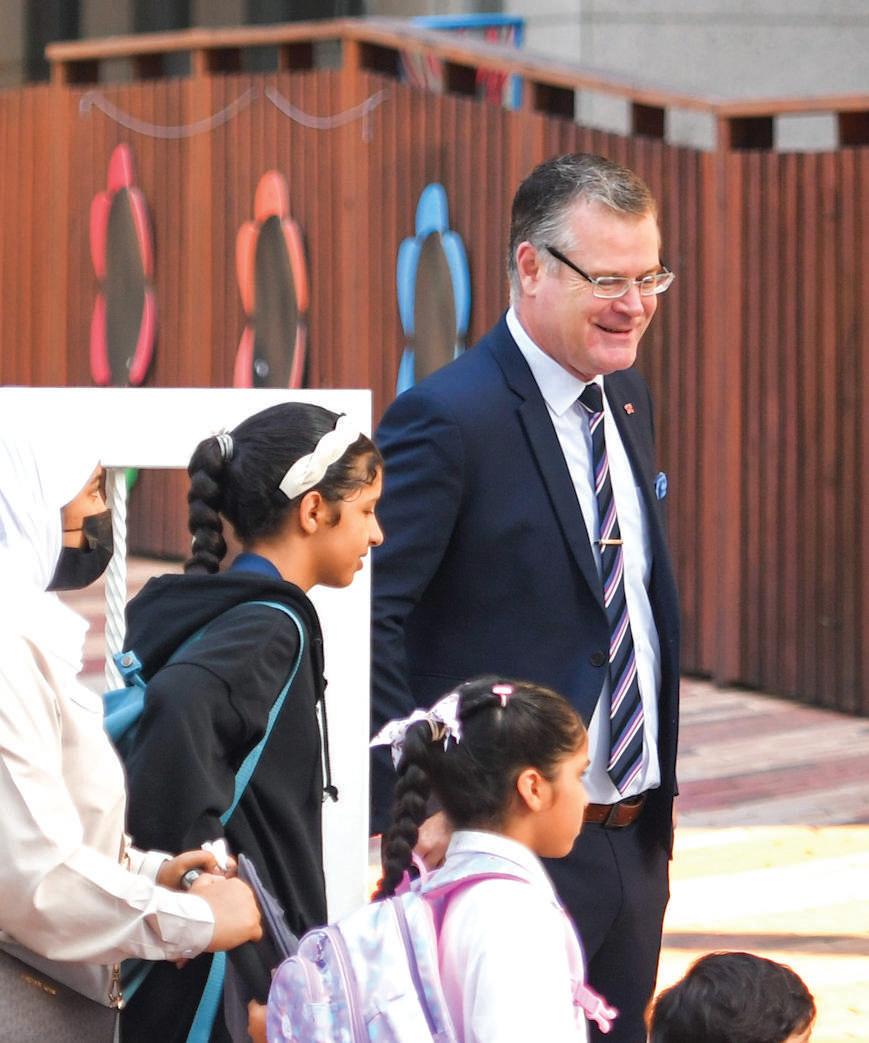
As I reflect on the past year at Dwight School Seoul, I am filled with pride and gratitude for a community that consistently shows what is possible when care, ambition and connection come together.
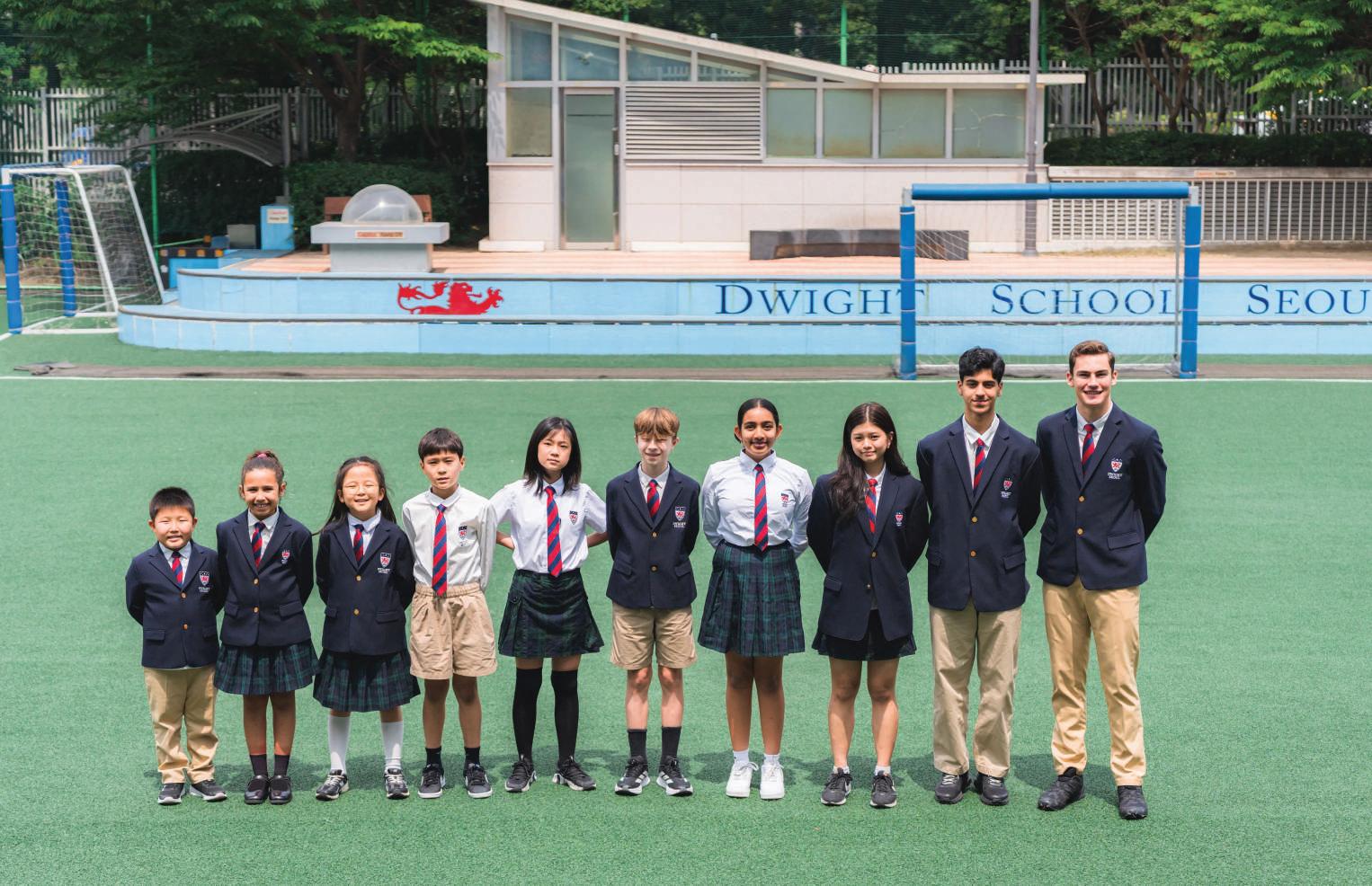
What truly sets Dwight School Seoul apart is the way our community lives our mission every day. We are a school where students are known well, where wellbeing is prioritised alongside academic excellence, and where learning is shaped through strong relationships. Whether in classrooms, on trips, on the stage or on the sports field, our students are encouraged to take risks, think globally and develop a strong sense of self. Our families and sta play an essential role in this, creating a culture of trust, collaboration, and shared purpose.
2025 has been a year of meaningful achievement. We celebrated strong IB outcomes, dynamic arts performances and impactful service learning across all age groups. Our campus hosted professional learning events that brought educators together from across the region, reinforcing our role as a leader in international education. We also continued to be recognised for our commitment to student wellbeing and mental health - something our community values deeply.
As we look ahead, our focus remains clear. We will continue to strengthen personalized learning, invest in our people and create opportunities that prepare students not just for academic success, but for life beyond school. The year ahead holds great promise, and I am excited to continue this journey together, guided by our shared values and an enduring spark for learning.

Tom Ferguson Head of School
Video 1
Nicole Nel, Lead of ECD, Lucy Lee, KGA Teacher & Assistant ECD Lead By
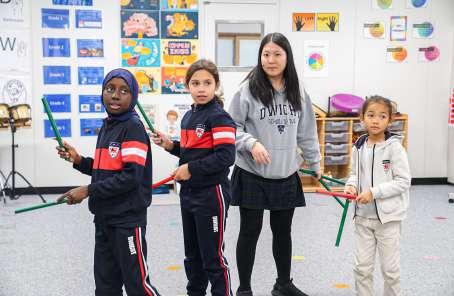
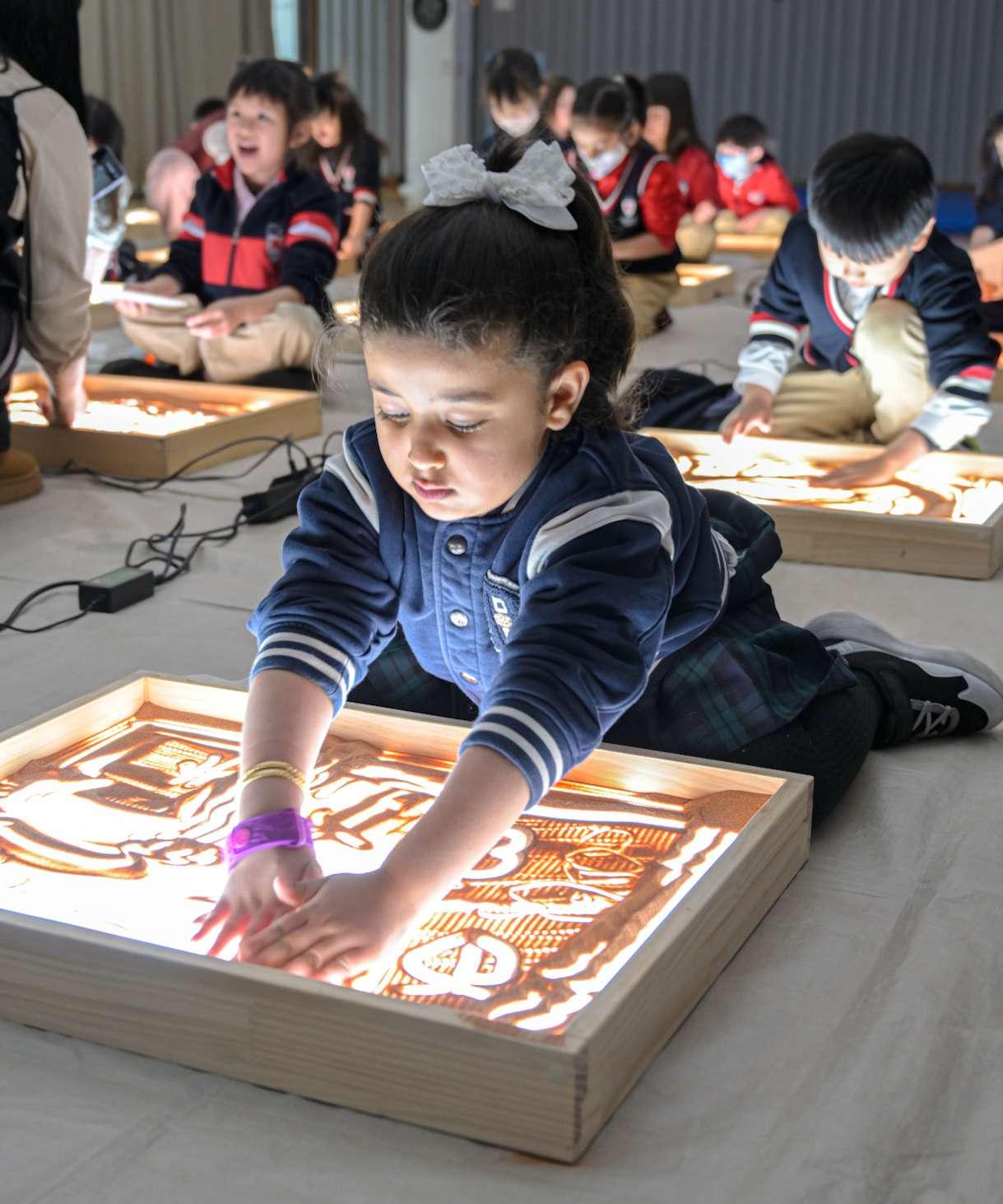
In the Early Years at Dwight School Seoul, children are viewed as capable, confident, and full of potential. Central to this belief is a strong commitment to learner agency. Agency is not an added feature of the programme. It is the foundation that shapes how children learn, interact, and see themselves as members of a learning community.
Learner agency in the Early Years means that children have voice, choice, and ownership in their learning. They are encouraged to share ideas, ask questions, and influence the direction of learning experiences. When children are trusted to make decisions and take responsibility, learning becomes deeply meaningful and intrinsically motivating. Children are not simply completing tasks. They are actively constructing understanding and developing a strong sense of self.
Nature learning provides a powerful context for agency to flourish. Open-ended environments invite children to explore, take risks, and follow their curiosity. Natural materials do not dictate outcomes. Instead, they encourage creativity, collaboration, and problem-solving. As children build, investigate, and reflect, they develop confidence in their ability to think, adapt, and persevere.
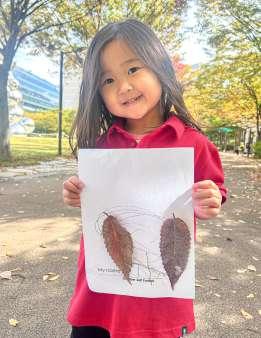

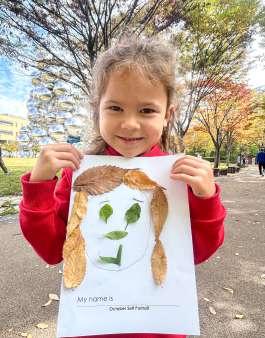
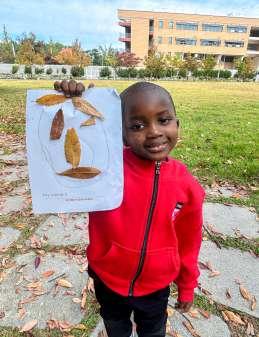
Leadership naturally grows from agency. In the Early Years, leadership is seen in everyday actions such as negotiating roles in play, supporting peers, organising materials, or suggesting solutions to challenges. These moments help children understand that leadership is not about authority but about contribution, empathy, and shared responsibility.
This approach aligns closely with the philosophy of the International Baccalaureate, which places agency at the heart of learning. Educators play a vital role by observing carefully, listening intentionally, and responding thoughtfully to children’s interests and ideas. Learning experiences are co-constructed, creating a partnership between children and teachers built on trust and respect.
When agency is embedded in daily practice, children develop essential life skills. They learn to communicate e ectively, think critically, manage emotions, and collaborate with others. They build resilience by navigating challenges and confidence by seeing the impact of their choices. Most importantly, they learn that their voice matters and that they have the ability to take meaningful action within their community.
At Dwight School Seoul, growing little leaders means honouring children as active participants in their learning journey. Through nature-based experiences and a deep commitment to learner agency, the Early Years programme nurtures children who are curious, reflective, and empowered to engage with the world around them with confidence and care.
Serena Geddes Aguilar, Lower School Principal By
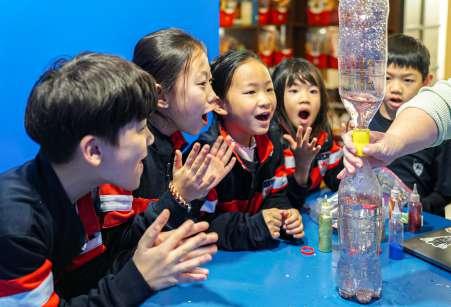
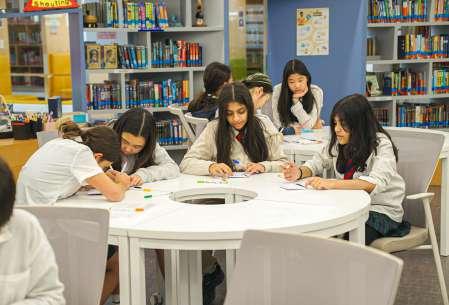
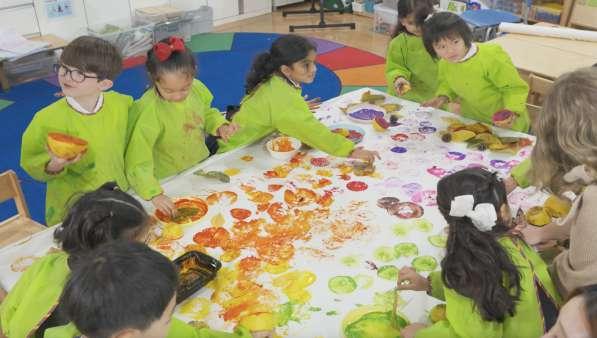
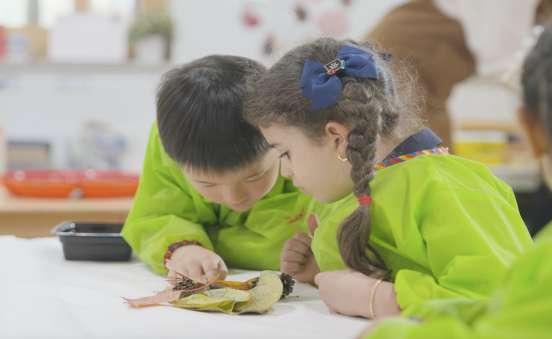
At Dwight School Seoul, learning is not something that happens in isolation. Every day, our classrooms are alive with discussion, problem-solving, and collective inquiry. Collaborative learning is a foundation of our educational approach because we believe that how students learn is just as important as what they learn. In a world that is being shaped by technology and artificial intelligence, collaboration develops human skills that machines cannot duplicate.
In the 21st century, educators refer to the Three C’s as essential skills for future success: Communication, Collaboration, and Critical Thinking. At Dwight, collaborative learning brings all three together. When students work together, they learn to listen actively, articulate their thinking clearly, challenge ideas respectfully, and co-construct understandings. These experiences nurture skills that extend into all aspects of life.
As AI continues to advance, it can process information, generate content, and automate tasks with amazing e ciency. However, there are skills AI cannot authentically replicate, like empathy, ethical judgement, creativity connected to hum an experience, and the ability to navigate complex social relationships. Collaborative learning places students in situations where they must understand di erent perspectives, manage their emotions, resolve conflicts that arise, and make collective decisions. These are human traits that will remain essential in any future workplace.
Through collaboration, students learn how to work with others who think di erently than them. They practice compromise, adaptability, and leadership, not as abstract concepts, but as day to day experiences. They discover that a disagreement can be productive, that mistakes are part of growth, and that shared success often requires a lot of patience and trust. These lessons build emotional intelligence and resilience, qualities that employers increasingly value that no algorithm can replace.
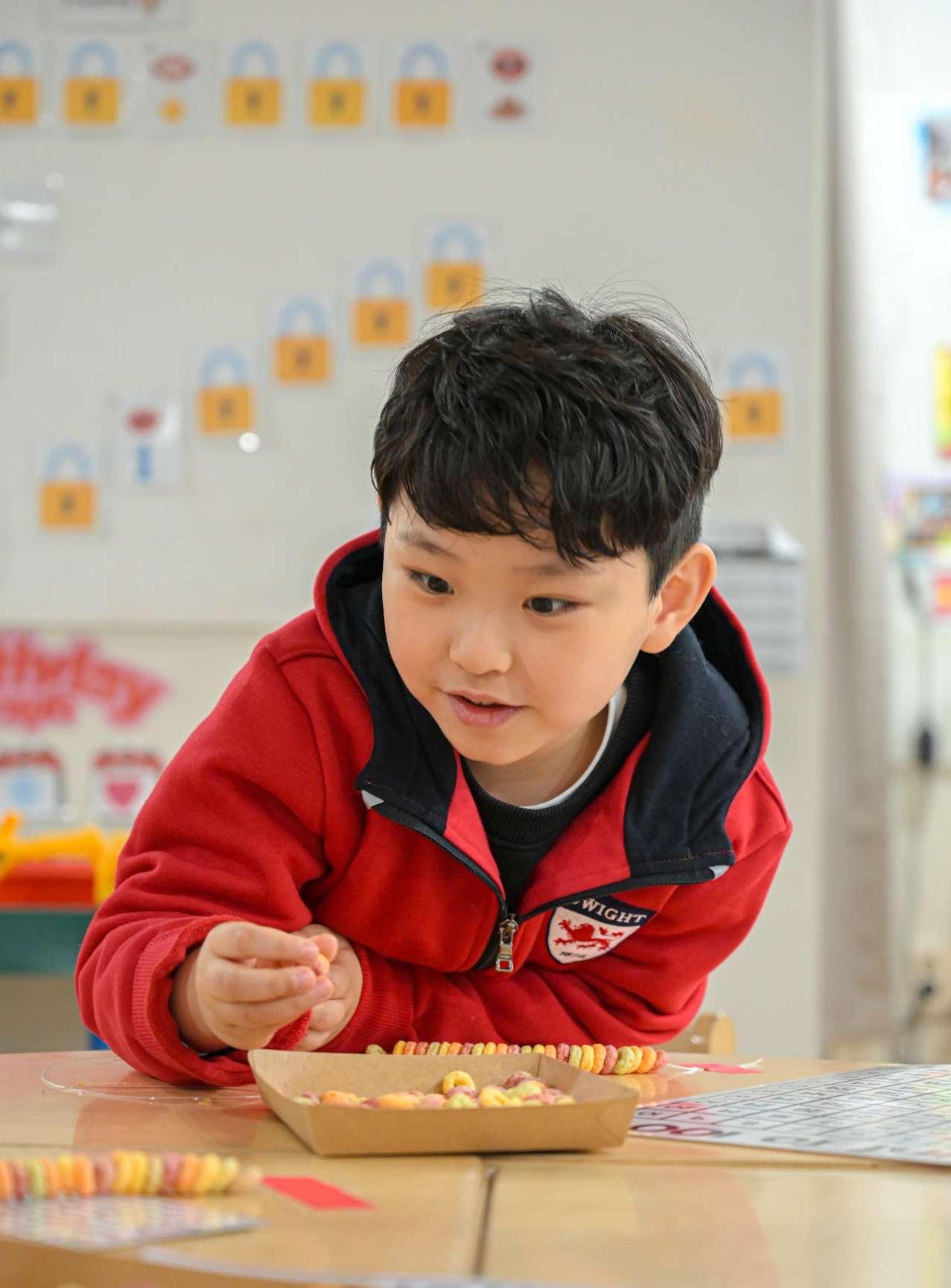
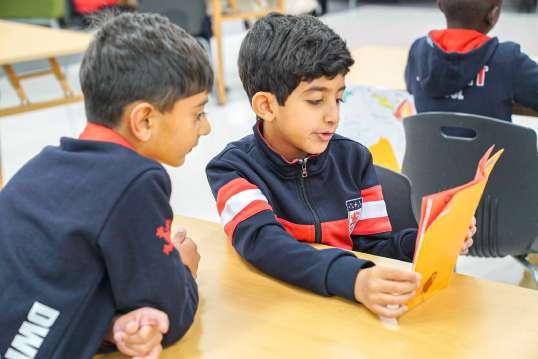
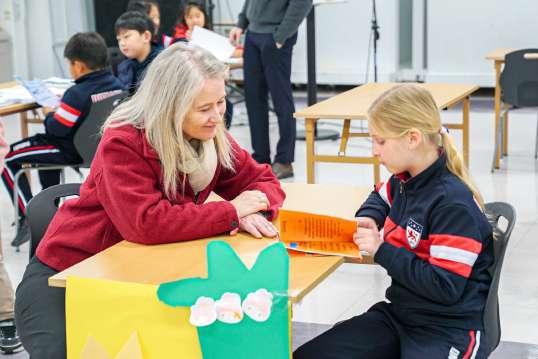
The workplace of the future will demand more than technical expertise. It will require individuals who can collaborate across cultures, communicate with clarity and compassion, and think critically in uncertain situations. Collaborative learning helps students develop project management skills, accountability in group work, and the confidence to contribute meaningfully within a team. It teaches them how to give and receive feedback, negotiate, and take responsibility for collective outcomes.
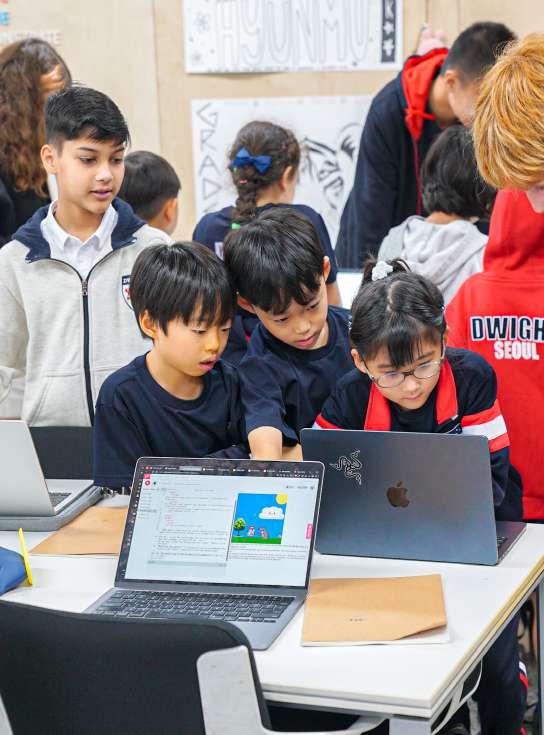
At Dwight School Seoul, collaboration also reflects our commitment to community, personalised learning, and global vision. Our students learn that their voices matter, but so do the voices of others. By working together, they ignite the spark in one another, preparing not only for their future careers, but for thoughtful, ethical participation in our interconnected world.
In a future where AI will be a powerful tool, it is our students’ humanity, their ability to collaborate, connect, and care, that will set them apart.
By
Kyle Morgan Thomas, Upper School Principal Special credit to Eleanor Dowler, Head of US Language A & DP Theory of Knowledge Teacher
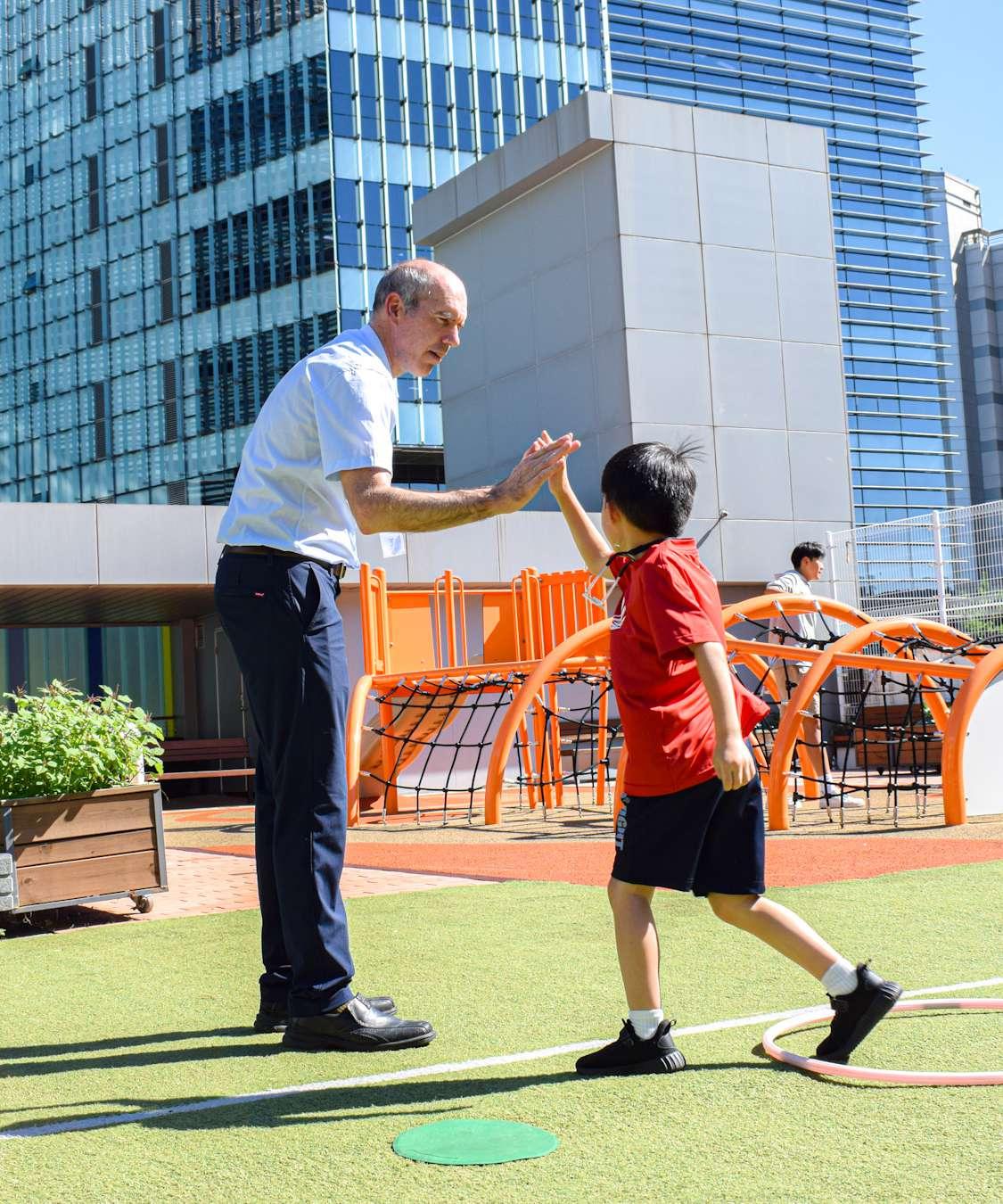
As the international education landscape evolves and leadership styles and skills become increasingly important, leaders must be present, approachable, decisive, kind, and caring to ensure a motivated teaching faculty, a stable student body, and a trusting parent community. Among these qualities, presence goes beyond attending a meeting or being physically present in a room. A leader's awareness, attention to those around them, emotional engagement, and ability to connect are all essential attributes. As a leader, presence is not only a defining quality but also a critical skill. Relationships, trust, and outcomes are profoundly shaped by how a leader actively listens, responds, and attunes to others. An e ective leader does not rely solely on their titles or authority to influence others; instead, they lead by connecting with others, demonstrating empathy, and paying attention to their needs. Leaders become personal, purposeful, and powerful as a result of their presence.
There is no substitute for presence when it comes to building trust and credibility. A policy or procedure, no matter how well written or strategic, cannot achieve this objective. A leader who is genuinely present and fully engaged makes people feel valued and seen. This a rms individual worth, fosters authentic honesty, and strengthens professional relationships. As a result, an environment is created in which individuals feel safe to ask questions, express themselves openly, grow, and contribute meaningfully to the school. Communication is only one aspect of presence. Motivating and influencing emotions are directly related to it. A leader's calm and empathy can calm tense situations, boost morale, and inspire confidence in his or her followers. An e ective leader does not simply make decisions or give directions, but creates a positive atmosphere. The presence of a leader sends a powerful message, demonstrating leadership in action.
Leadership presence does not remain the same for all situations; it shifts and changes as the situation and the people involved change. In times of crisis, the requirements di er significantly from those in times of uncertainty or when reflection is required. At times of conflict, empathy and understanding are far more powerful than authority in moments of challenging situations. Leaders who are e ective know when to assert themselves and when to maintain a low profile. In certain situations, it is essential to have a clear direction, while in other situations, stepping back and listening to what the other side has to say is an e ective and more strategic response. As a result of humility, others have the opportunity to be heard and trust and respect are built as a result. Additionally, emotional intelligence plays an important role in shaping how leaders respond to situations in a thoughtful and intentional manner as opposed to acting impulsively and ine ectively. As a result, presence is responsive to situations and not rigid. To meet the needs of a school community, one must be aware, flexible, and willing to adjust.
No rule prohibits leaders from being physically present while being emotionally and mentally absent. Even though a leader may attend meetings, walk the hallways, speak in assemblies and parent meetings, they may still feel distant from those under their supervision. The impact of this type of absence is subtle, but it can have a significant impact on the culture of the school. It is when presence and approachability are shallow that working relationships su er, and leadership becomes transactional rather than meaningful. Leadership can be compromised by distractions, which can pose a serious threat to approachability and presence. It is often di cult for a leader to be fully and intentionally engaged due to interruptions, digital notifications, and the pressures of multitasking. In time, this behavior can result in a weakening of the relationship between teachers and students, and both begin to sense that the divided attention and interest is artificial and disingenuous. Whenever school stakeholders feel unheard or unnoticed, they are less likely to be willing to communicate honestly or contribute openly. It is also possible that the lack of presence may lead to miscommunication, which can result in important details being missed, misunderstandings increasing, and assumptions replacing comprehension. It is possible for a team to lose trust and motivation over time. Without a sense of shared purpose or connection, leadership becomes impersonal and distant. A person's presence must be intentionally and actively protected, rather than passively assumed.
Leadership is not determined by a position or title, but by the presence of the leader. The way a leader shows up, actively listens, and connects with students, parents, and teachers is much more important than their authority. Presence is a skill that must be developed through reflection and practice. Strong leaders begin by showing up well, even when conditions are uncomfortable, busy, or challenging. Leaders are asked not to simply do things, but to do them in the most e ective manner possible.
Andrea Carrera Prado, WS Pastoral Counselor By
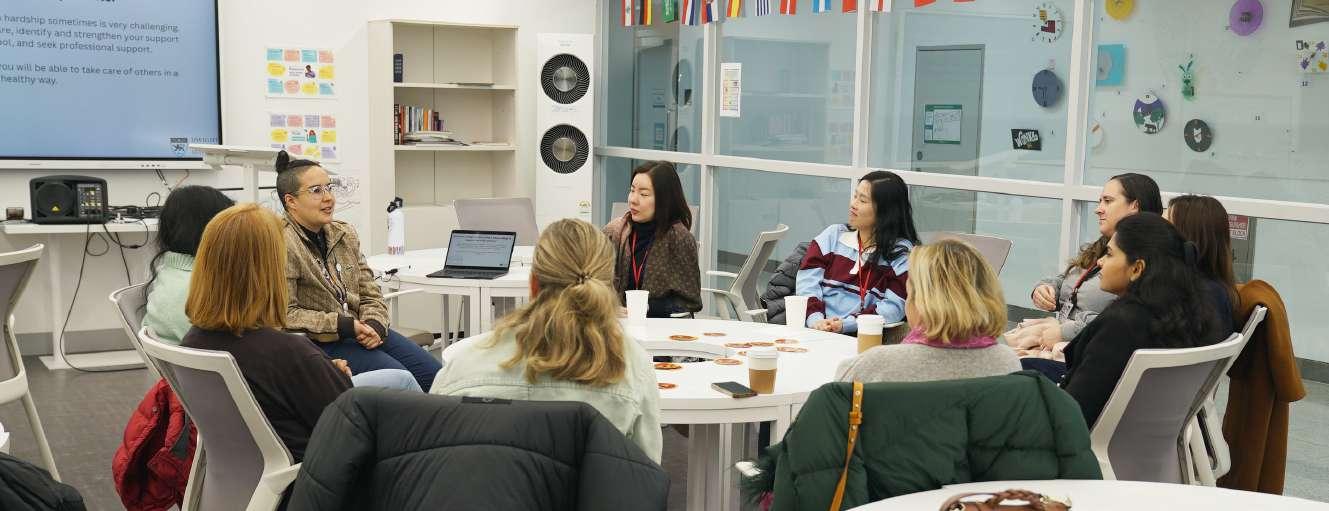
Every generation grows up shaped by a specific social, technological, and cultural moment and with that, a unique emotional landscape. These contexts influence not only who children become, but also how they cope, connect, and make sense of their world. From Baby Boomers to Generation Alpha, each group carries di erent pressures and protective factors, many of which show up in our schools. Understanding these patterns is essential if we want to strengthen wellbeing, deepen empathy, and honor the IB mission of developing compassionate, globally minded learners.
Baby Boomers, born between 1946 and 1964, experienced post-war rebuilding, rapid social change, and political uncertainty. Their worries were often anchored in stability, such as secure jobs, financial safety, and providing for their families. Many of them now navigate anxieties related to aging, healthcare, and adapting to technologies that feel both empowering and overwhelming. Yet the resilience they learned through collective hardship remains one of their greatest strengths.
Generation X, born from the mid-1960s to early 1980s, grew up with independence early on. Economic recessions, shifting family structures, and changing expectations shaped their sense of responsibility. As adults, many balance caring for parents and children simultaneously, carrying the emotional weight of being the “in-between” generation. Their worries often revolve around balance, sustainability, and keeping up with a world that accelerates quickly
Millennials, born between the early 1980s and mid-1990s, entered adulthood in the shadow of the Great Recession. Financial uncertainty, student loans, and rising housing costs created new layers of stress. Growing up alongside the internet added another dimension. For example, Social comparison, digital identity, and constant information. As this generation moves through midlife, their concerns center around climate change, long-term wellbeing, and building emotionally healthy communities for the next generation of learners.
Generation Z, born from the mid-1990s to early 2010s, has always lived in a hyperconnected world. Their realities bring unique mental health pressures: visibility, comparison, and fast-moving global news cycles. They also carry deep worries about climate instability, polarization, and a job market transformed by AI. Yet, they are remarkably vocal, socially conscious, and action-driven: a generation unafraid to advocate for fairness, belonging, and systemic change.
Generation Alpha, born in the early 2010s onward, is still in formation. However, early patterns show a generation immersed in digital ecosystems from birth. Their future concerns may include data privacy, identity formation in algorithmic spaces, and navigating environmental uncertainty. At the same time, they are growing up in a world where mental health is more openly discussed and where schools, especially IB communities, are increasingly equipped with trauma-informed, inclusive, and well-being-centered practices, or at least should be.
Across all generations, worries di er in shape, but the emotional truths beneath them: fear, hope, resilience, remain shared regardless of age. When we intentionally acknowledge these diverse experiences, we create spaces where every learner and every adult feels seen and supported. This is the heart of wellbeing work: building bridges across generations so we can grow, heal, and imagine better futures together.
The role of school communities in building identity
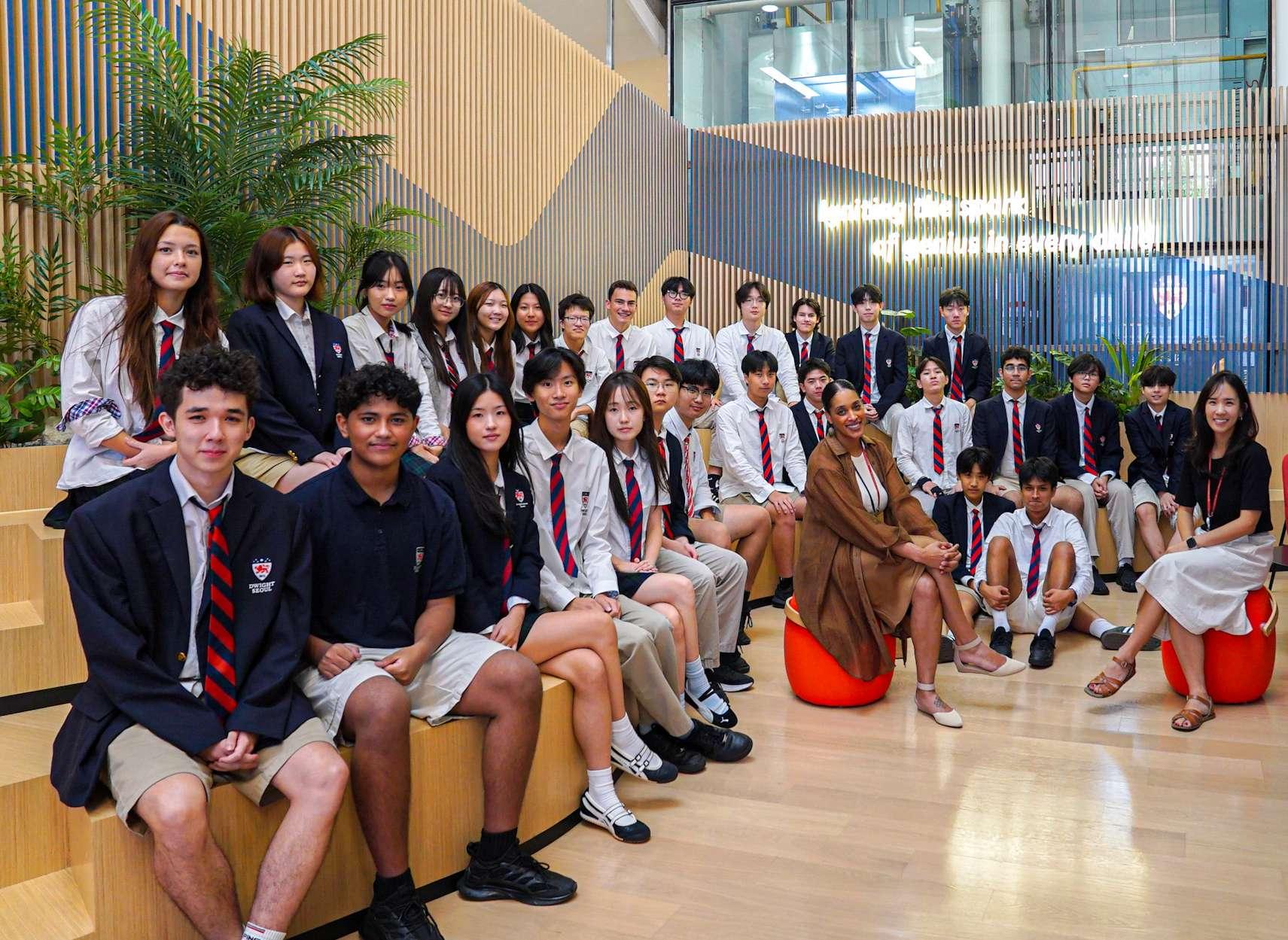
I have been attending Dwight School Seoul for three years, and in that time, Dwight has become a second home to me. A unique part of Dwight is its family-like dynamic. Teachers always seek to support their students not only academically, but also personally. Similarly, the student body is equally as supportive, where each student is encouraged to take part in the lively and diverse Dwight community. The immense support I received from peers and teachers allowed me to navigate through my passions, which molded me into the person I am today. I hope to bring this spirit of Dwight to other places in life, and I advise other students to put themselves out into the community and take advantage of the resources given to them.
Gene, G12 Student By
I have been a part of the Dwight Community for almost 6 years. I transitioned from an American elementary school to Dwight as a middle school student. Dwight o ers something no other school can: a community. Since the school population is quite small, everyone is connected. It feels like a second family. I have become a leader through the many opportunities o ered here at Dwight. Varsity sports, clubs, and classroom discussions have all shaped me into a better person. As I look back to when I was younger, I wish I had started engaging in more community -based activities at Dwight. The memories, friendships, and lessons earned are priceless.
Sara, G12 Student By
By
For many families, choosing a school begins with practical questions about academics, programs, and pathways. Yet beneath those questions is something deeper: a hope that their child will be truly understood, supported, and valued for who they are. At Dwight, we know that this decision is as emotional as it is educational, and we approach it with great care.
Joining Dwight is not simply about enrolling in a school. It is about becoming part of a community—one built on relationships, trust, and a shared commitment to helping young people grow. Our students and families come from a wide range of countries, cultures, and experiences, and this diversity shapes daily life at Dwight in meaningful ways. It brings richness to classroom discussions, depth to friendships, and perspective to how students understand the world and their place in it.
This philosophy shapes not only life inside the classroom, but also the way we approach admissions. Our application process is intentionally thoughtful and personal. We believe that each child’s story matters, and our goal is to truly see and understand every student who applies. Academic readiness is important, of course, but it is only one part of a much richer picture. We take time to learn who a student is—how they hink, what excites them, where they may need support, and how they might thrive within our community.
Conversations with students and families are central to this process. They allow us to listen carefully, to ask meaningful questions, and to ensure that the environment we o er is the right fit. At the same time, we want families to feel that they truly understand Dwight—our values, our expectations, and the kind of community their child may be joining. Enrollment, for us, is not about making quick decisions, but about building clarity and trust on both sides.
Our goal is not simply to determine whether a student can succeed at Dwight, but to ensure that they feel valued and understood. By taking the time to know our applicants as individuals, we can welcome students into a community where they are supported academically, socially, and emotionally from the very beginning.
Once students join Dwight, the sense of care that begins during enrollment continues throughout their time at the school. Teachers build strong relationships with their students, learning is both challenging and supportive, and belonging is nurtured intentionally each day.
We are honored to walk alongside families at the beginning of this journey. Because at Dwight, joining the school is not just a step forward in education—it is an invitation to belong.

IB Learner Profile: Persevering · Reflective · Balanced
My name is Lucas, I am a G11 student at Dwight School Seoul, and I am Brazilian. I have been swimming for almost 12 years, although I only began taking it seriously around the age of eight. At that time, swimming was not yet my passion.
I truly fell in love with swimming when I was eleven years old during the pandemic. We had a swimming pool at home, and swimming became the only way I could exercise. What started as a routine soon became something much more meaningful. Over time, swimming turned into a source of motivation, discipline, and purpose in my life.
What I love most about swimming is not only the sport itself, but the people around it. My teammates, coaches, parents, and everyone who has supported me throughout my journey are the reason I continue to push myself. The support from my previous swim team, including access to great facilities and equipment, helped me grow tremendously. For me, swimming represents family, collaboration, perseverance, resilience, and hard work. Through both wins and losses, I have learned how to face challenges and overcome setbacks.
Swimming is often seen as an individual sport, and while you race alone, you are never truly alone. Behind every result is a coach who guided you, teammates who encouraged you during di cult moments, and many others who contributed to your success. In that way, swimming is very much a team sport. Competing in KAIAC swimming has been a spectacular experience and an opportunity to challenge myself while proudly representing my school.
IB Learner Profile: Balanced · Principled · Reflective
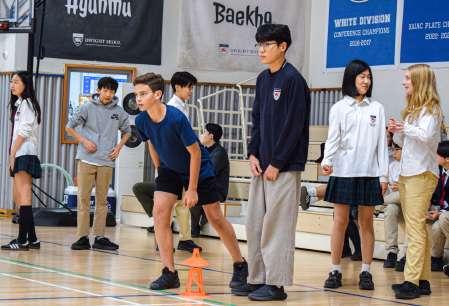
I am a senior at Dwight School Seoul and a three-sport athlete, competing in basketball, volleyball, and soccer. For me, being a multi-sport athlete requires commitment, adaptability, and the ability to lead in di erent environments while representing my school with pride.
A typical week often involves daily practices and late games, while also finding time to balance academics and recovery. Each season brings new lessons and friendships, but the discipline required remains constant. Skills such as communication and resilience transfer across sports, allowing me to grow as an athlete while continually challenging myself in new ways.
Playing three sports has pushed me both physically and mentally. One of the biggest challenges has been managing fatigue while keeping up with academic expectations. Through this experience, I learned the importance of prioritizing my well-being and being honest about my limits. My coaches played a critical role by setting high standards and reminding me that growth comes from consistency, accountability, and e ort.
Representing Dwight Seoul as a three-sport athlete has shaped my identity as both a leader and a teammate. Wearing the school colors taught me responsibility, humility, and the importance of supporting those around me. My advice to younger students is to embrace the challenge of playing multiple sports. The lessons you gain extend far beyond the court or field and help prepare you for life beyond school.
IB Learner Profile: Communicator · Caring · Risk-taker
I am Eve, a Grade 9 student at Dwight School Seoul, and I play varsity soccer, volleyball, and basketball. Being involved in multiple sports has helped me build closeknit friendships, develop determination, and understand what it means to be a team player.
I usually train two to three times a week, with games scheduled weekly and up to ten games during a conference season. Being a student-athlete requires learning how to manage schoolwork, attend practices, and maintain healthy, balanced habits. Through team-oriented sports, I have learned to prioritize my role within the team and focus on contributing to the bigger picture rather than individual success.
Mentality has played a huge role in my performance across all three sports. One challenge I faced was allowing mistakes to a ect my confidence and disrupt my focus. With the support of Coach Ben and my teammates, I learned how to reset mentally and move forward after setbacks. The positive environment and encouragement around me helped me overcome these mental barriers and grow more confident as an athlete.
I was inspired to continue playing sports in high school after participating in middle school athletics from Grades 6 to 8, where I developed fundamental skills and strong relationships with coaches and teammates. Looking ahead, I am excited to continue strengthening my skills and reaching my potential throughout high school. Being a student-athlete at Dwight School Seoul has given me lasting memories, and the community I’ve built through sports is one of the most meaningful parts of my life.
Freshman Three Sport Athlete
Volleyball, Basketball & Soccer
Lucas, G11 Student By
Sara, G12 Student By






By
Lauren Vickers, WS Student Life Coordinator
The last week of January of 2026, a team of Dwight School Seoul student musicians embarked on an international experience to Shanghai China. Students welcomed the opportunity to engage in something far deeper than travel or performance alone. The journey became a powerful shared experience rooted in musicianship, global connection, and the formation of meaningful relationships—both with one another and with peers from across the Dwight global community.
At the heart of the experience was music itself. Students worked through long, focused rehearsals that demanded discipline, collaboration, and artistic precision. Across these shared rehearsal spaces, students demonstrated a high level of professionalism and musicianship—listening closely, adapting thoughtfully, and holding themselves to a collective standard of excellence. These moments highlighted not only their technical skill, but also their ability to work as global collaborators, united by a shared artistic language.
Equally impactful were the connections formed beyond rehearsals. Through shared meals, bus rides, and cultural experiences, tours, and activities in their downtime, students built friendships with peers from other Dwight campuses. These interactions fostered a genuine sense of belonging within a global network—one where cultural di erences became points of curiosity and respect rather than division. Students learned from one another, laughed together, and began relationships that extended beyond the scope of the trip itself.
A defining moment of the experience was a powerful and impressive concert presented for campus Heads of School, distinguished members of the greater Dwight Global community, and Shanghai local audiences. This performance served as both a culmination of weeks of preparation and a celebration of shared artistry across campuses. Performing before such an esteemed audience, students rose to the occasion with confidence, poise, and remarkable musicality.
The concert showcased not only technical excellence, but also a deep sense of unity and shared purpose. Students listened closely to one another, supported their peers on stage, and performed with intention and emotional clarity. The audience response reflected the impact of the performance, a rming the strength of the students’ collective e ort and the power of music to connect communities across borders.
Throughout the experience, our students consistently represented the Seoul campus with pride. Their conduct, communication, and engagement reflected strong values of respect, responsibility, and international mindedness. Whether in structured rehearsals, public performance, or unstructured moments of connection, students demonstrated maturity, empathy, and an awareness of their role as ambassadors of our school community.
What emerged most clearly was the power of shared purpose. Music served as a unifying force—bridging campuses, cultures, and individual backgrounds. Students discovered that collaboration across borders requires patience, adaptability, and trust, and they rose to that challenge with enthusiasm. The experience reinforced that global learning is not only about where we go, but about how we connect, create, and grow together.
This journey stands as a testament to the strength of our students—not only as musicians, but as globally minded young people capable of building meaningful connections and representing their community with confidence and care.
21, World Cup Buk-Ro 62-Gil, Mapo-Gu, Seoul, South Korea (03919) +82 (0)2-6920-8601 l admissions@dwight.or.kr l dwight.or.kr